Setting for StoryDuring the Reign of TerrorThose wanting
- Slides: 118
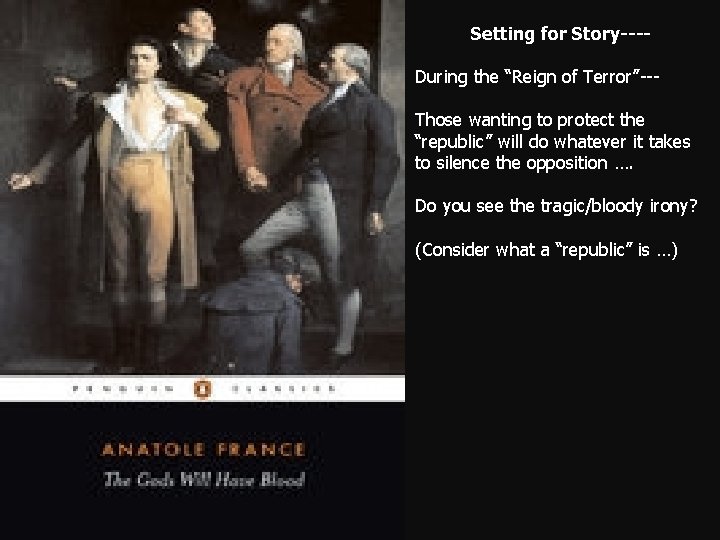
Setting for Story---During the “Reign of Terror”--Those wanting to protect the “republic” will do whatever it takes to silence the opposition …. Do you see the tragic/bloody irony? (Consider what a “republic” is …)
The Gods Will Have Blood Assignment: For each chapter, you are to write in complete sentences five plot points. These may pertain to: 1. what is happening 2. introducing a character 3. identifying a tension 4. revealing details to the story This SHOULD help you break down parts of the plot and the point of the book. You will hand these summaries in on the day of the quiz for the assigned chapters.
Questions to Consider: 1. Which do you value more– A). Someone who inherits their wealth and is well-known? OR B). Someone who works hard and strives to do well even if they are impoverished?
Questions to Consider: 2. Who tends to be more open to major changes in society? In other words, who tends to lead “rebellions? ” WHY?
Questions to Consider: 3. What can happen when a group of people are passionate about a cause that could be viewed as positive and/or negative?
Questions to Consider: 4. What can happen to a group of people who experience change … then more change?
Today: Why is this Revolution going to happen in 1789?
Three Estates assignment
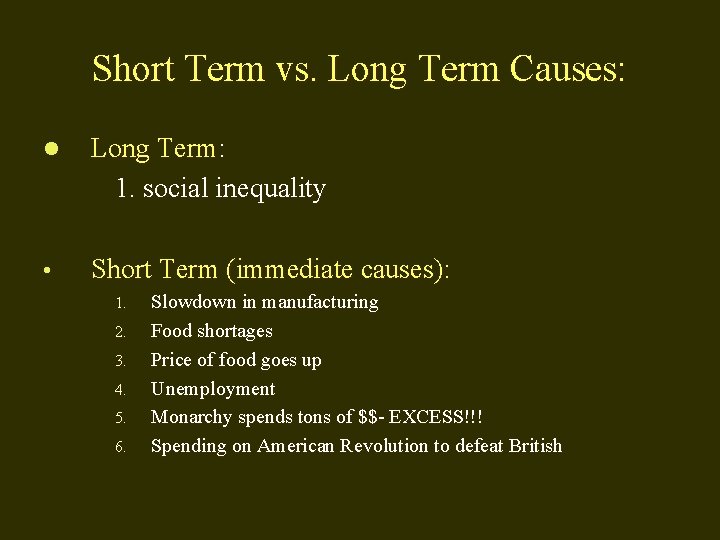
Short Term vs. Long Term Causes: l Long Term: 1. social inequality • Short Term (immediate causes): 1. 2. 3. 4. 5. 6. Slowdown in manufacturing Food shortages Price of food goes up Unemployment Monarchy spends tons of $$- EXCESS!!! Spending on American Revolution to defeat British
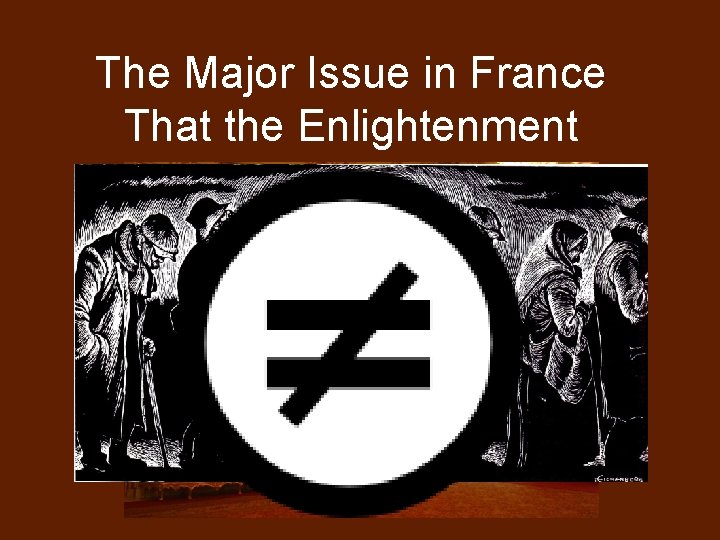
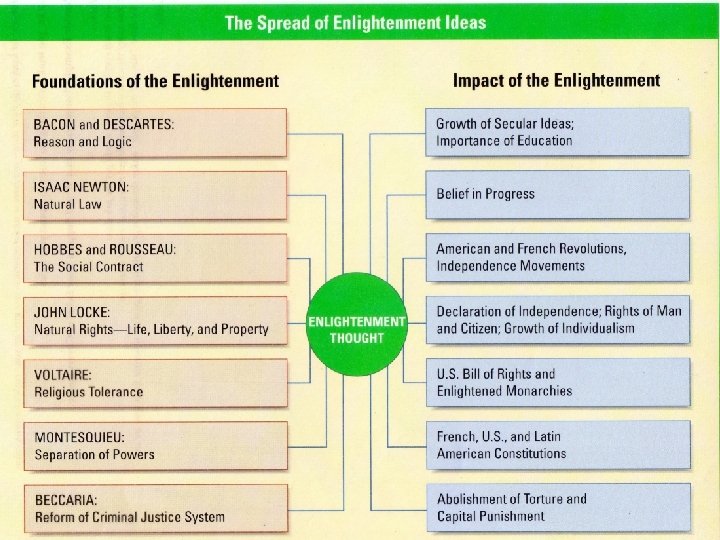
The Major Issue in France That the Enlightenment Influences:
An “Enlightened” Revolution in Three Acts Act 1 --- 1. A Revolution of Montesquieu: 1789 -1791 - a quest for a balance of power Act 2 --2. A Revolution of Rousseau: 1792 -1794 - following the will of the people Act 3 --3. A Revolution of Voltaire: 1799 -1815 - an enlightened despot?
Today’s Goal: 1. Shift from Absolute Monarchy to Declaring Freedom from it to form a Constitutional Monarchy
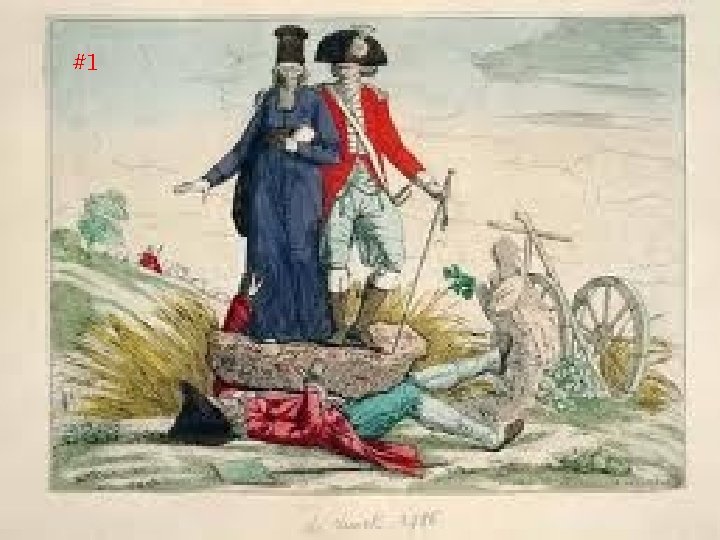
#1
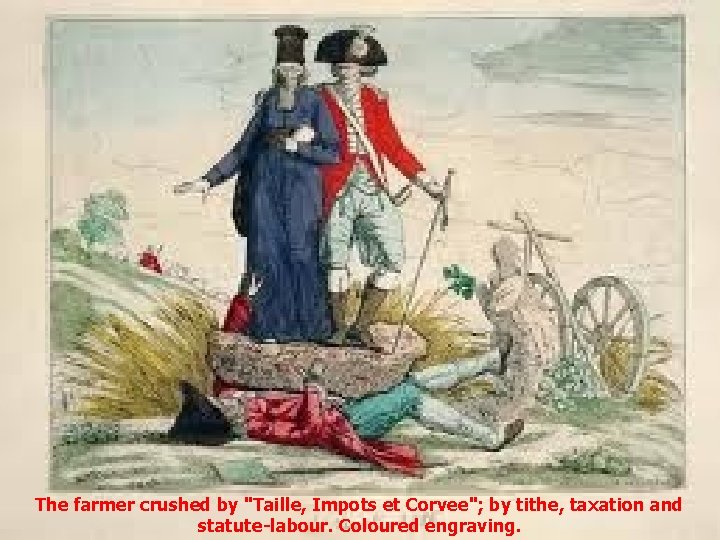
The farmer crushed by "Taille, Impots et Corvee"; by tithe, taxation and statute-labour. Coloured engraving.
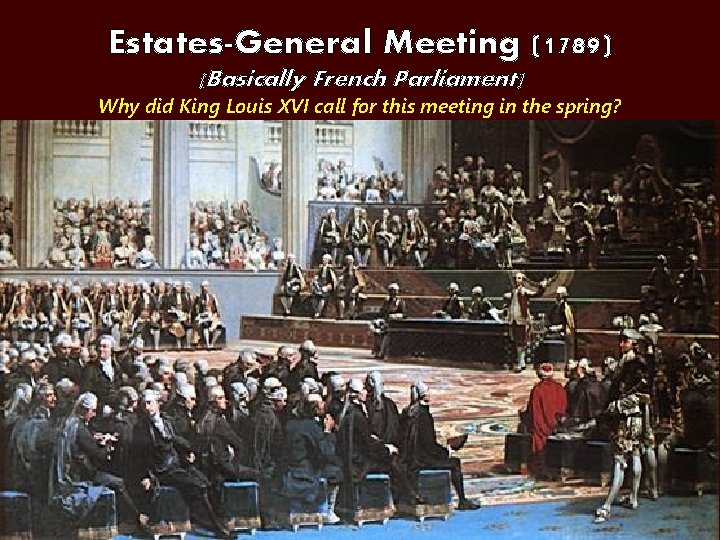
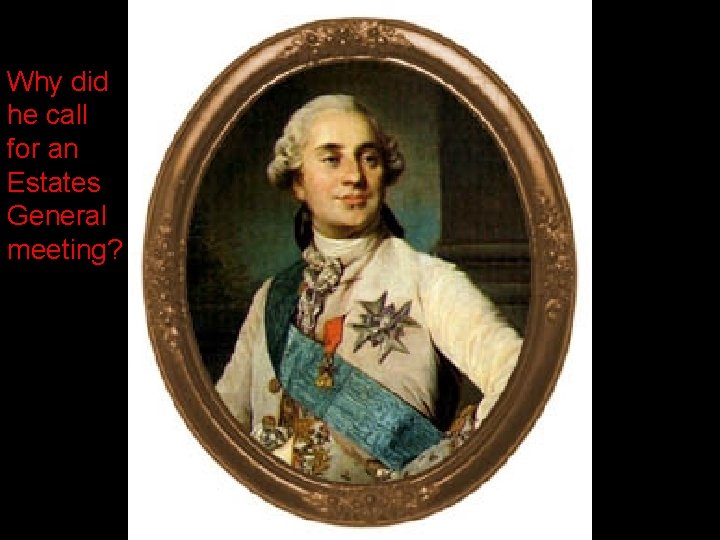
Estates-General Meeting (1789) (Basically French Parliament) Why did King Louis XVI call for this meeting in the spring?
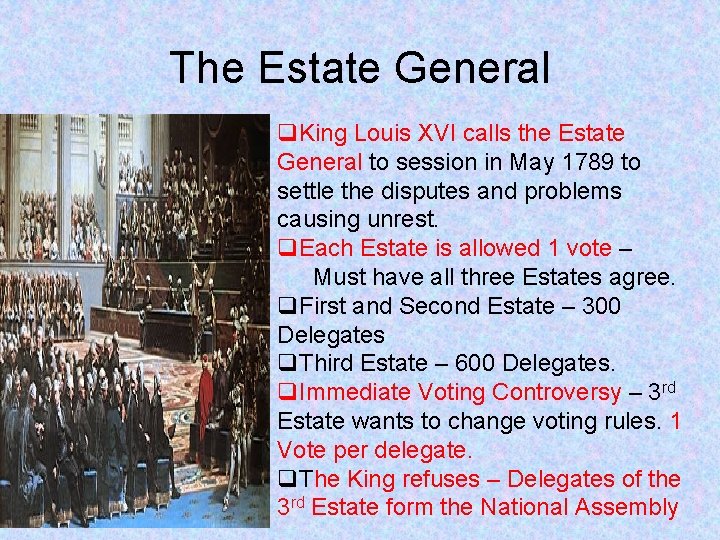
The Estate General q. King Louis XVI calls the Estate General to session in May 1789 to settle the disputes and problems causing unrest. q. Each Estate is allowed 1 vote – Must have all three Estates agree. q. First and Second Estate – 300 Delegates q. Third Estate – 600 Delegates. q. Immediate Voting Controversy – 3 rd Estate wants to change voting rules. 1 Vote per delegate. q. The King refuses – Delegates of the 3 rd Estate form the National Assembly
#2
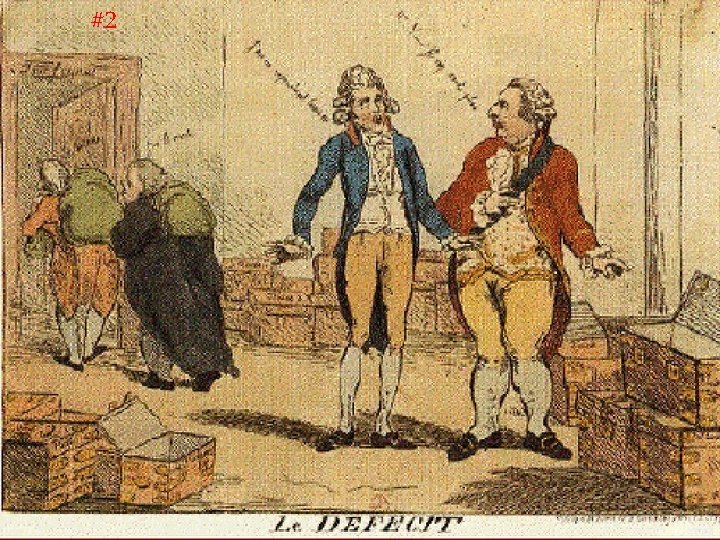
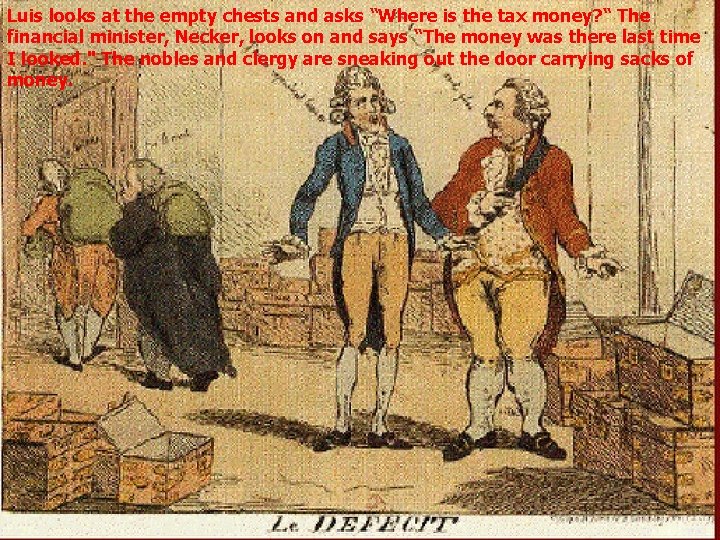
Luis looks at the empty chests and asks “Where is the tax money? “ The financial minister, Necker, looks on and says “The money was there last time I looked. " The nobles and clergy are sneaking out the door carrying sacks of money.
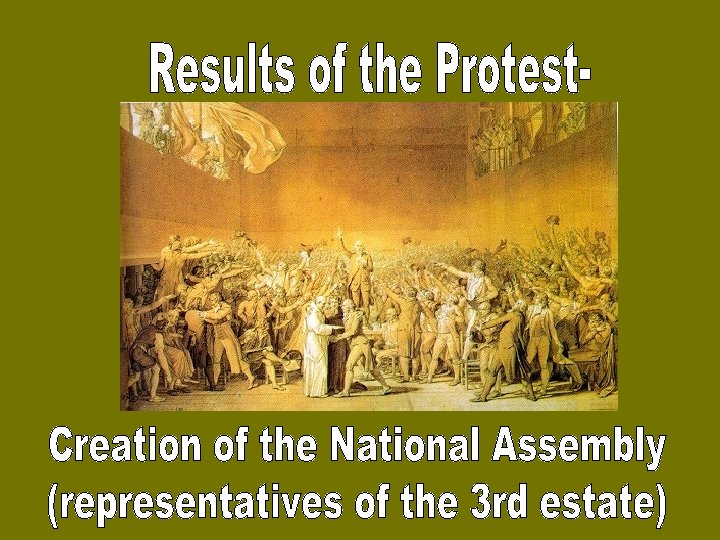
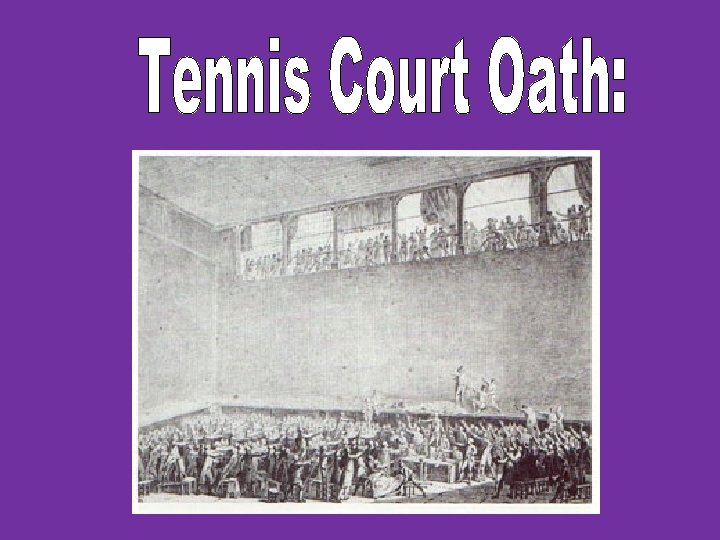
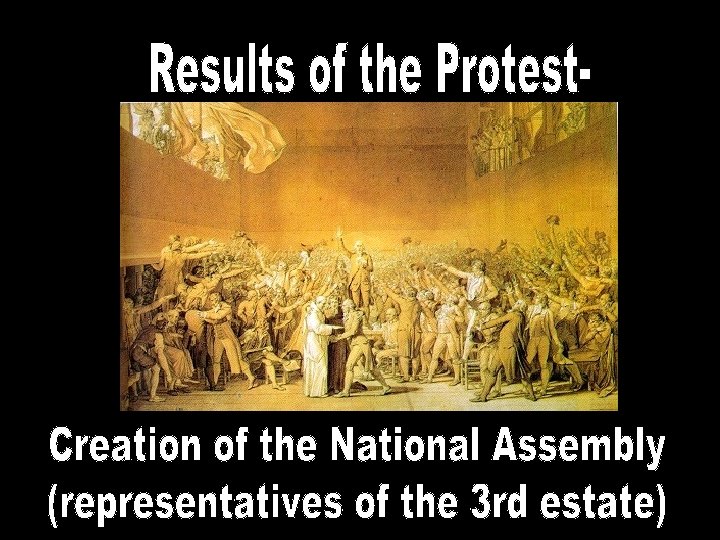
National Assembly • Assembly declares that it is the true representative of the people. • Calls upon members of the other two Estates in helping them write a Constitution. • King orders them out of their meeting hall and refuses to recognize the group. • Assembly moves outdoors to a tennis court and create the Tennis Court Oath. They swear, “never to separate” and to continue meeting until a Constitution is created. • King is forced to accept and recognize the Assembly. • King orders troops to surround Paris.
#3
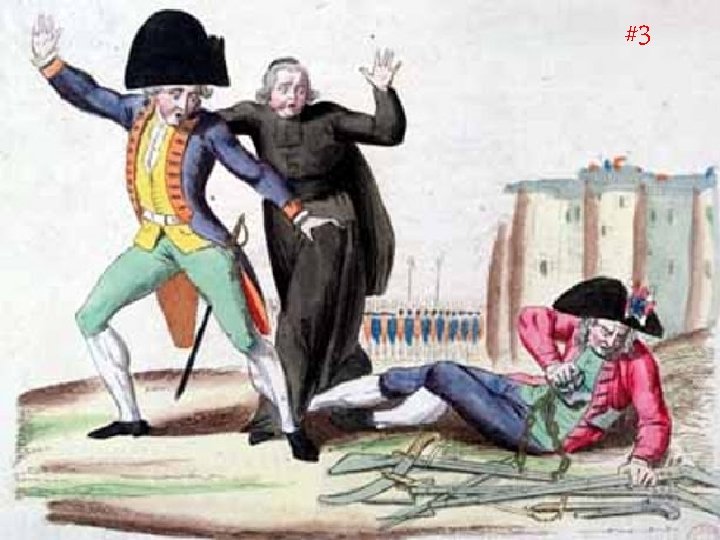
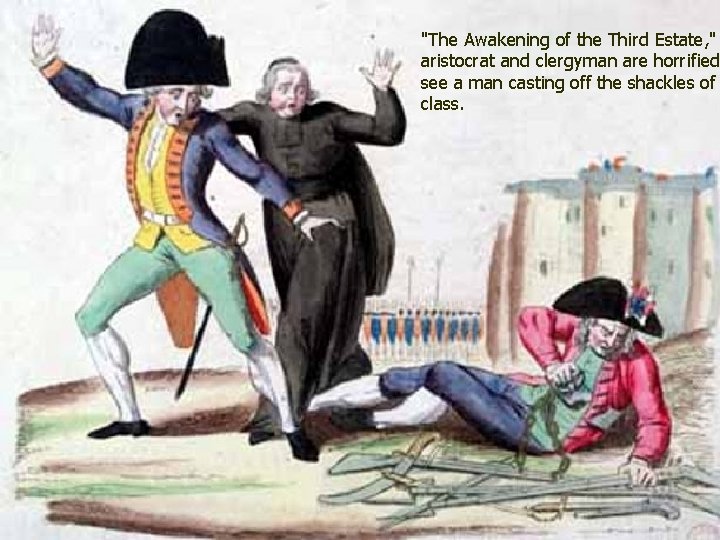
"The Awakening of the Third Estate, " aristocrat and clergyman are horrified see a man casting off the shackles of class.
Today’s Goal: The 3 rd Estate Challenges King Louis XVI and They Each Face the Consequences …
Why did he call for an Estates General meeting?
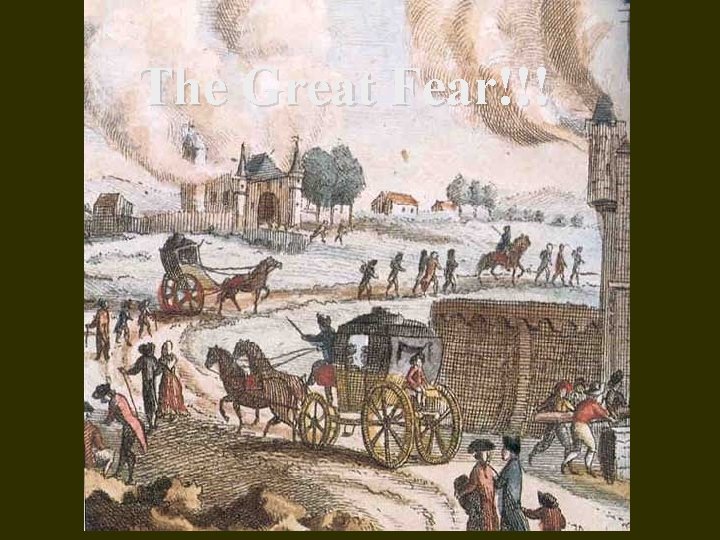
The Great Fear!!!
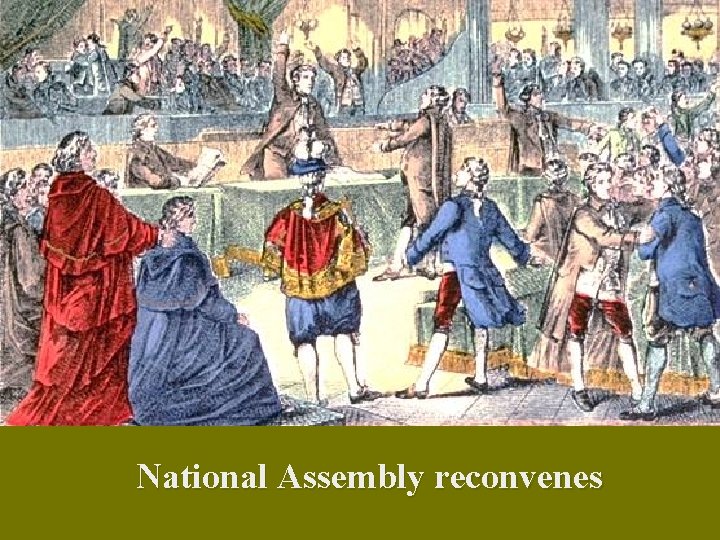
National Assembly reconvenes
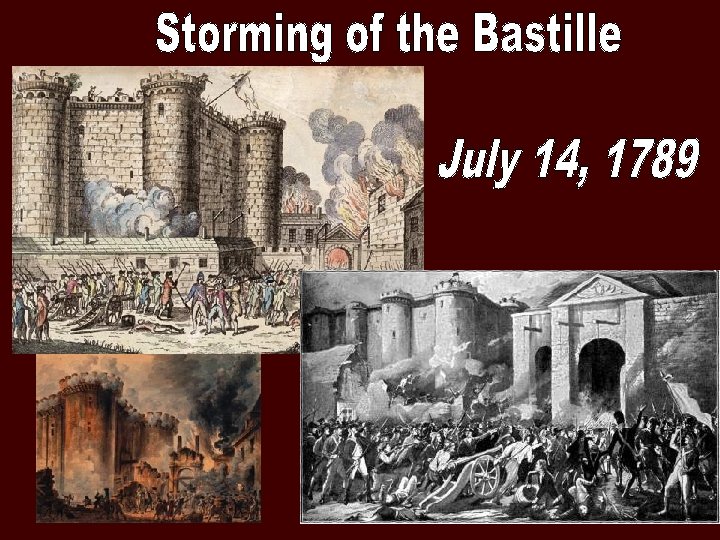
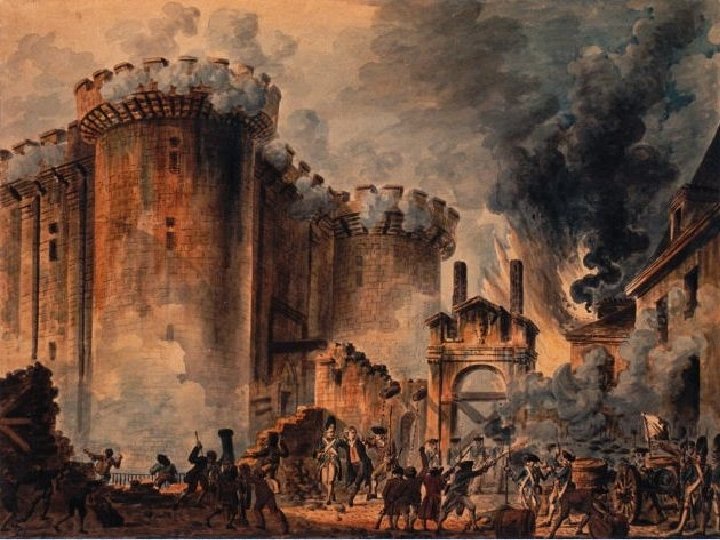
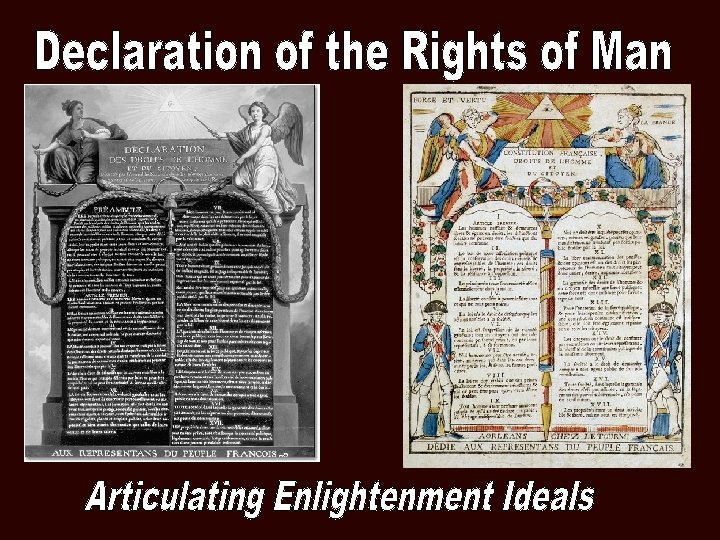
Thus…August 4, 1789 • Fear of breaking into anarchy after the Storming of the Bastille!!! • First two estates now agree to meet with National Assembly • 1. Clergy— • 2. Nobility-- • (Remember our conversation on inheriting vs. earning? ) • They abolished the ancient feudal order on 08 -04 -1789! • And three weeks later they produce ….
The Gods Will Have Blood Introduction Setting: April 1793 - Committee of Public Safety in charge of France (Republic) Circumstances- war is occurring with Austria; four years in to the revolution Tone/Emotion- many are tired of the revolution but is Evariste? Terminology--- -Sections--- Revolutionary Tribunal-Convention- “French Parliament” -- ci-devant aristocrat-Key Characters---Evariste Gamelin - Elodie Blaise -Jean Blaise- (Elodie’s father) -Maurice Brotteaux
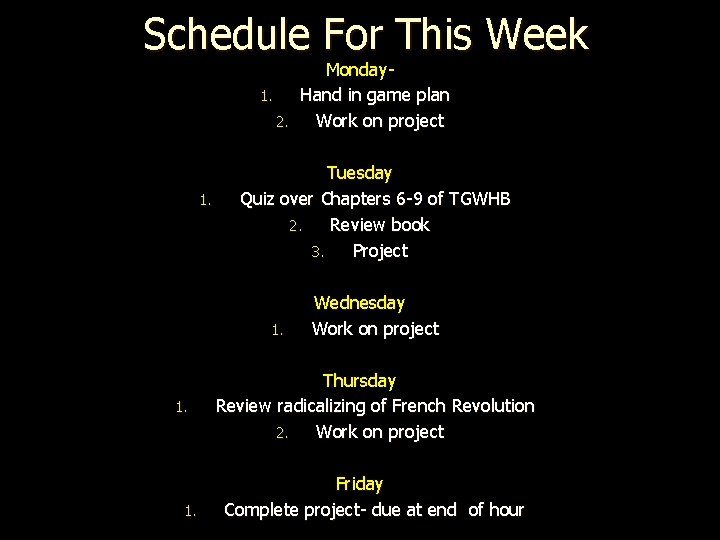
Schedule For This Week Monday 1. Hand in game plan 2. Work on project 1. Tuesday Quiz over Chapters 6 -9 of TGWHB 2. Review book 3. Project 1. 1. Wednesday Work on project Thursday Review radicalizing of French Revolution 2. Work on project Friday Complete project- due at end of hour
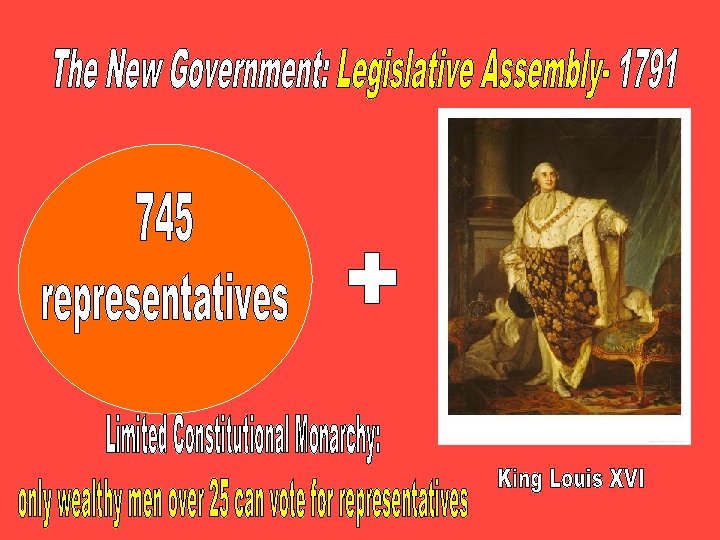
Today’s Goal: Accomplishing a Limited Constitutional Monarchy: Now isn’t everyone happy? !
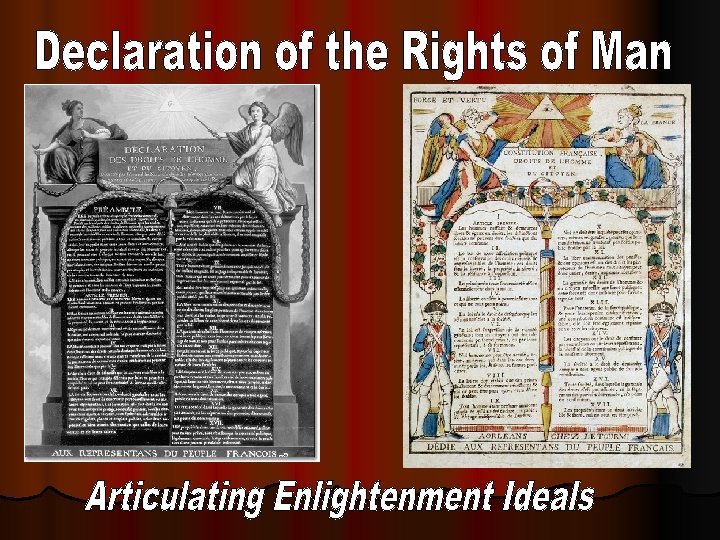
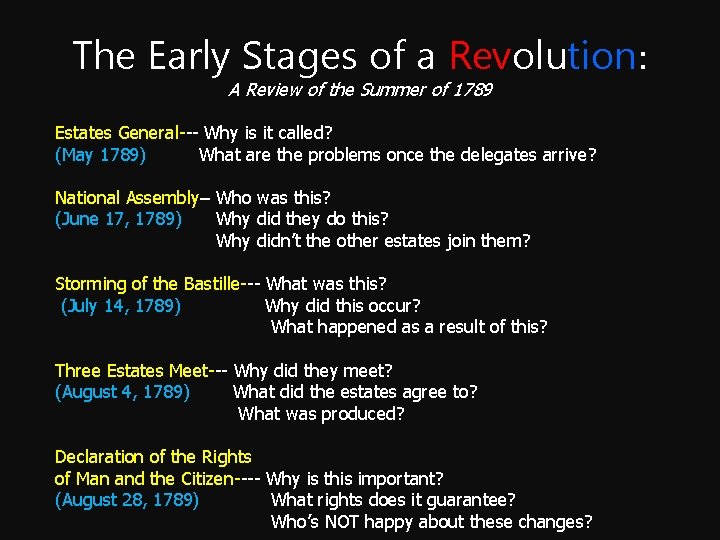
The Early Stages of a Revolution: A Review of the Summer of 1789 Estates General--- Why is it called? (May 1789) What are the problems once the delegates arrive? National Assembly– Who was this? (June 17, 1789) Why did they do this? Why didn’t the other estates join them? Storming of the Bastille--- What was this? (July 14, 1789) Why did this occur? What happened as a result of this? Three Estates Meet--- Why did they meet? (August 4, 1789) What did the estates agree to? What was produced? Declaration of the Rights of Man and the Citizen---- Why is this important? (August 28, 1789) What rights does it guarantee? Who’s NOT happy about these changes?
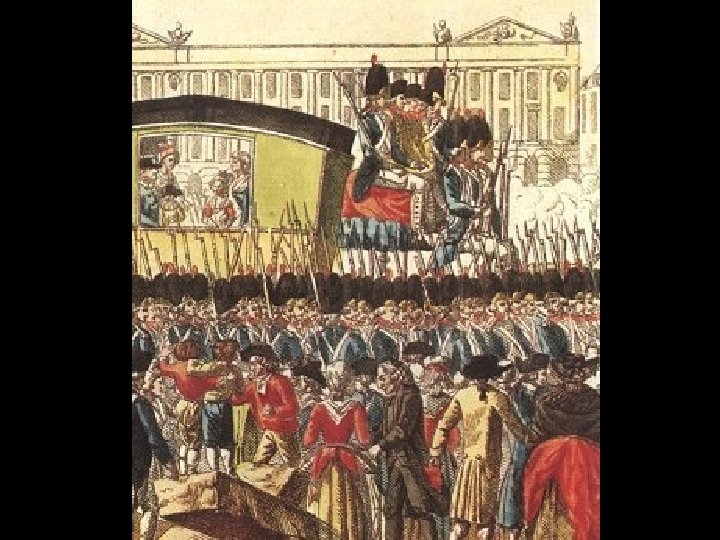
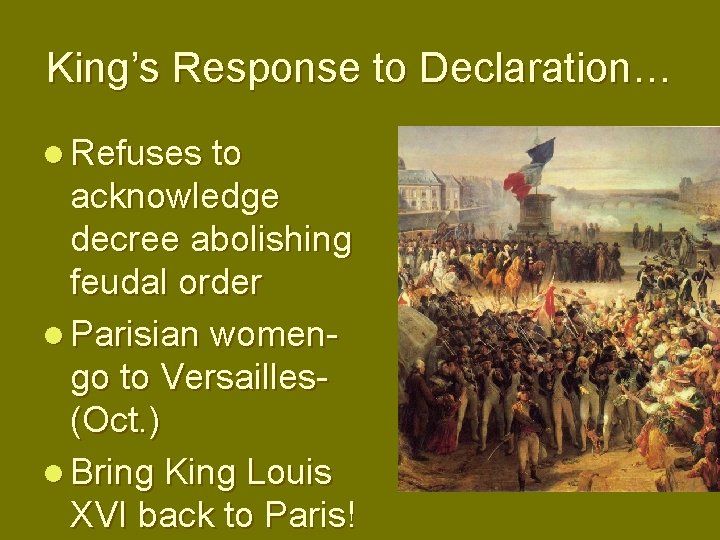
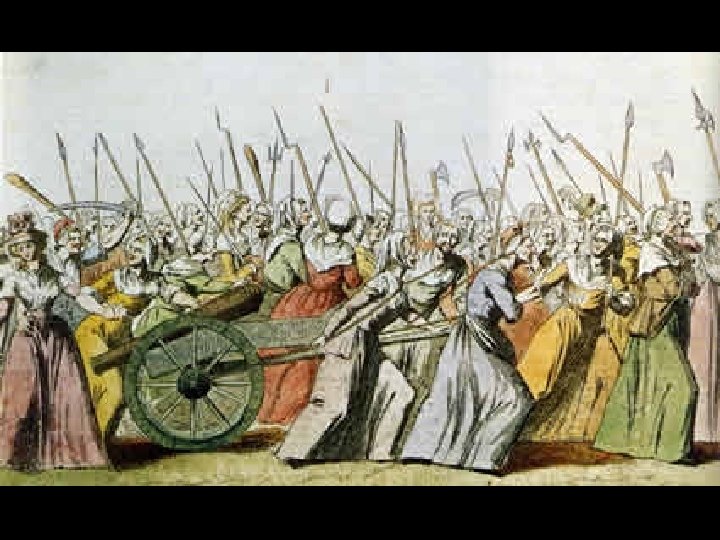
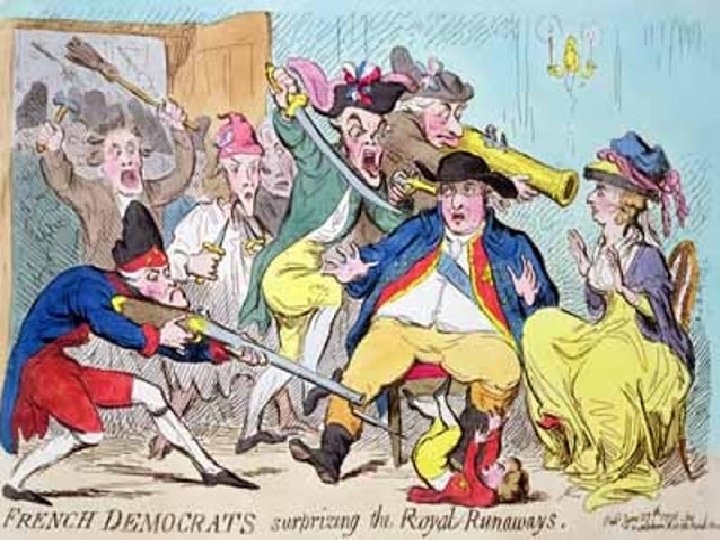
King’s Response to Declaration… l Refuses to acknowledge decree abolishing feudal order l Parisian womengo to Versailles(Oct. ) l Bring King Louis XVI back to Paris!
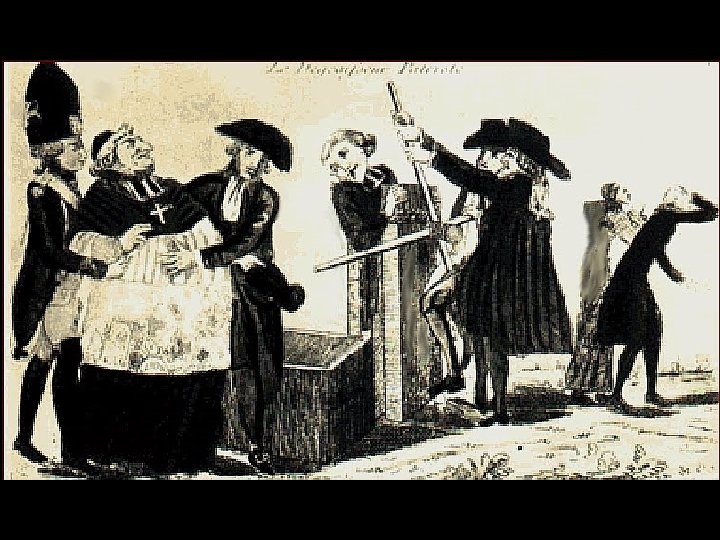
After the King, the Next Victim of the Revolution was: The Roman Catholic Church l National Assembly needs money so it sold off lands of the Church l Civil Constitution of the Clergy put into effect- bishops and priests were going to be elected by the people l Devout Catholics became enemies of the revolution as it was viewed as a partner to the monarchy/Old Regime l i. e. peasants …
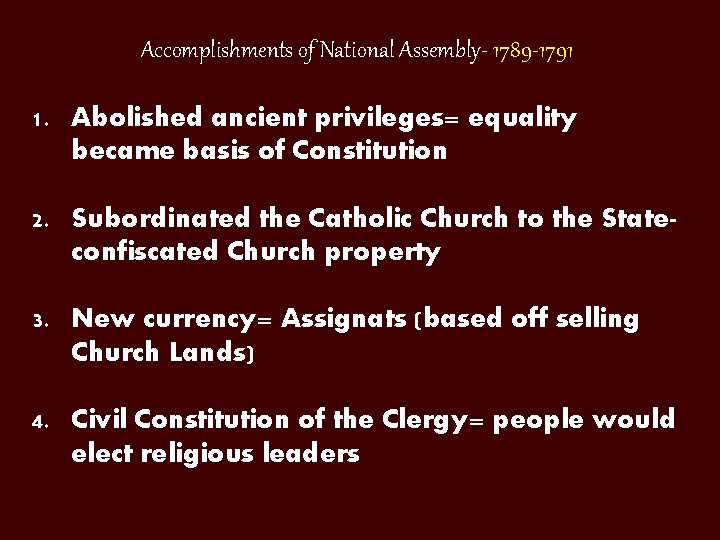
Accomplishments of National Assembly- 1789 -1791 1. Abolished ancient privileges= equality became basis of Constitution 2. Subordinated the Catholic Church to the Stateconfiscated Church property 3. New currency= Assignats (based off selling Church Lands) 4. Civil Constitution of the Clergy= people would elect religious leaders
End of the Revolution? -This is what the National Assembly set out to do, is it not? -Bourgeoisie make up the assembly now … -Radicals (working classes) feel they traded one nobility for another …
Today’s Goal: The Revolution Extends to the Lower Classes as War Threatens Stability/Security
Counter-Revolution (Resistance) 1. Forces still loyal to: a. Church b. King Pushing back against change … ALSO Peasants & urban working classes left out of revolutionary changes!!! Wait until they get involved!!!
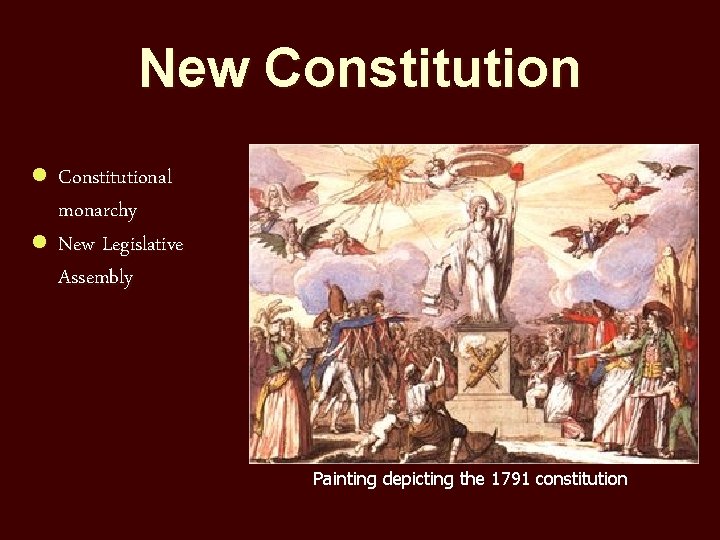
New Constitution l Constitutional monarchy l New Legislative Assembly Painting depicting the 1791 constitution
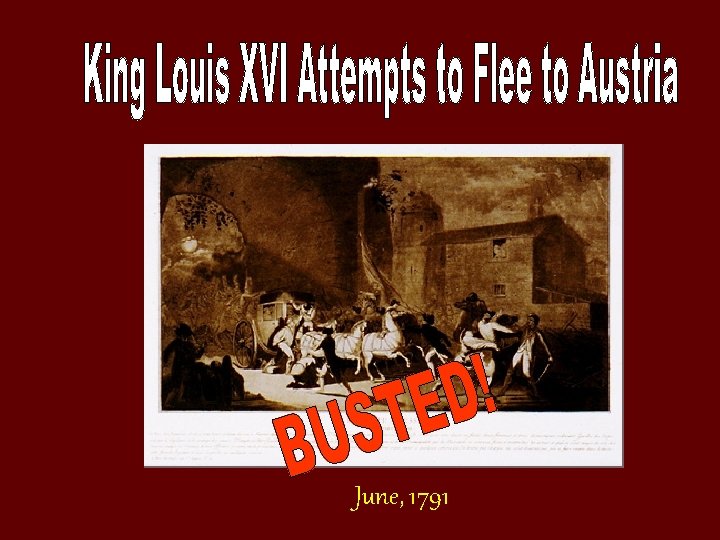
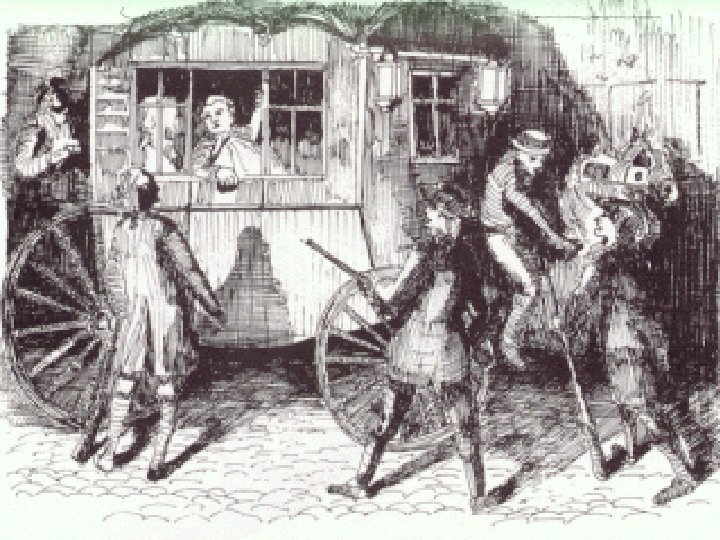
June, 1791
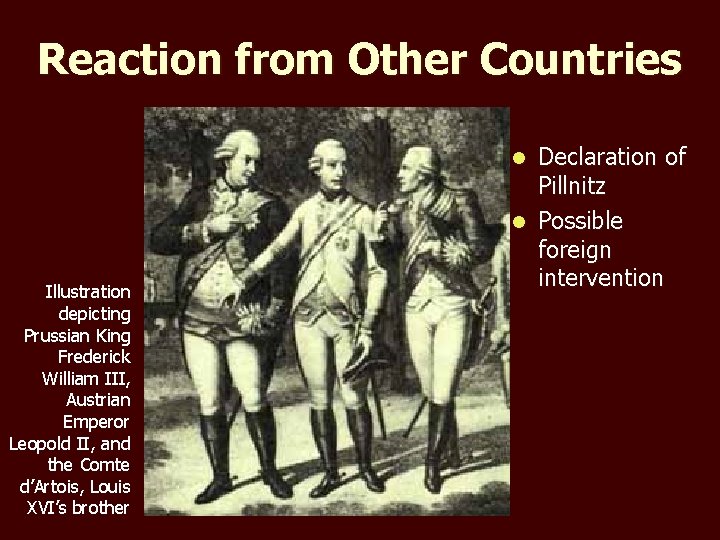
Reaction from Other Countries Declaration of Pillnitz l Possible foreign intervention l Illustration depicting Prussian King Frederick William III, Austrian Emperor Leopold II, and the Comte d’Artois, Louis XVI’s brother
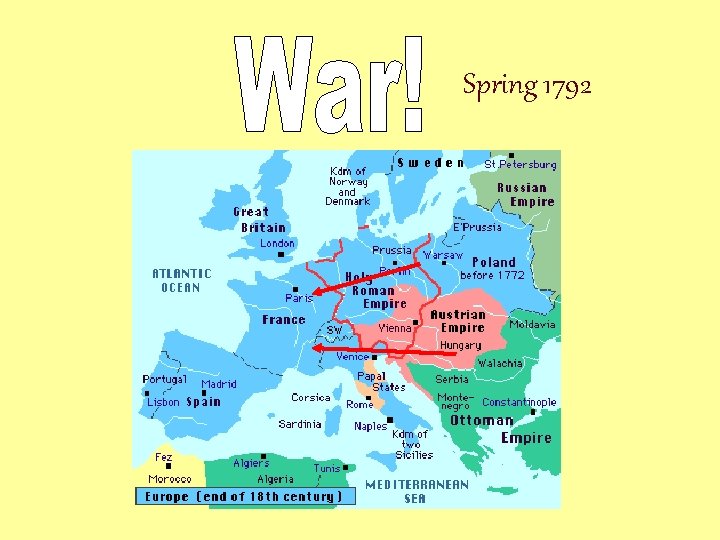
Spring 1792
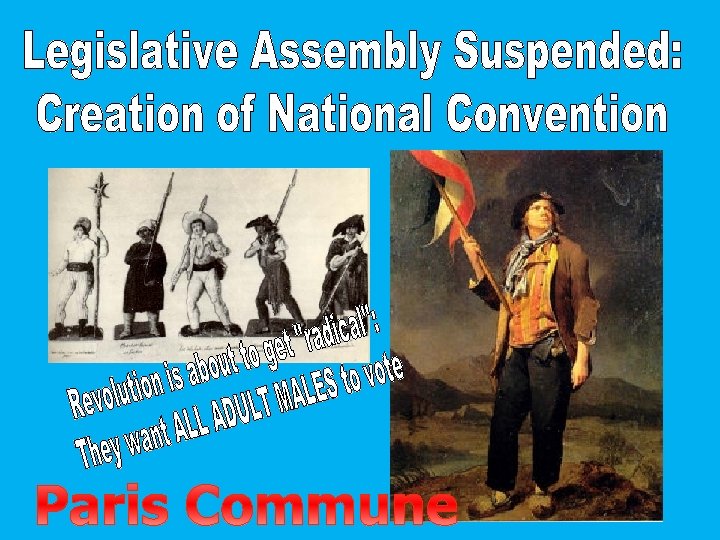
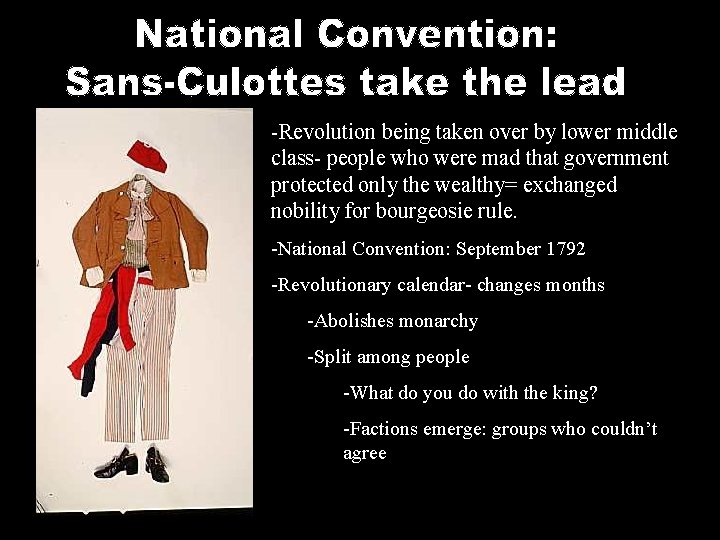
-Revolution being taken over by lower middle class- people who were mad that government protected only the wealthy= exchanged nobility for bourgeosie rule. -National Convention: September 1792 -Revolutionary calendar- changes months -Abolishes monarchy -Split among people -What do you do with the king? -Factions emerge: groups who couldn’t agree
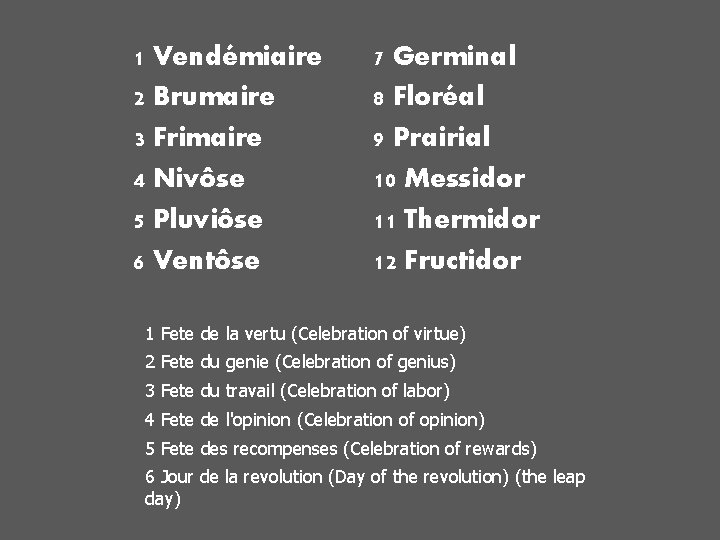
1 Vendémiaire 2 Brumaire 3 Frimaire 4 Nivôse 5 Pluviôse 6 Ventôse 7 Germinal 8 Floréal 9 Prairial 10 Messidor 11 Thermidor 12 Fructidor 1 Fete de la vertu (Celebration of virtue) 2 Fete du genie (Celebration of genius) 3 Fete du travail (Celebration of labor) 4 Fete de l'opinion (Celebration of opinion) 5 Fete des recompenses (Celebration of rewards) 6 Jour de la revolution (Day of the revolution) (the leap day)
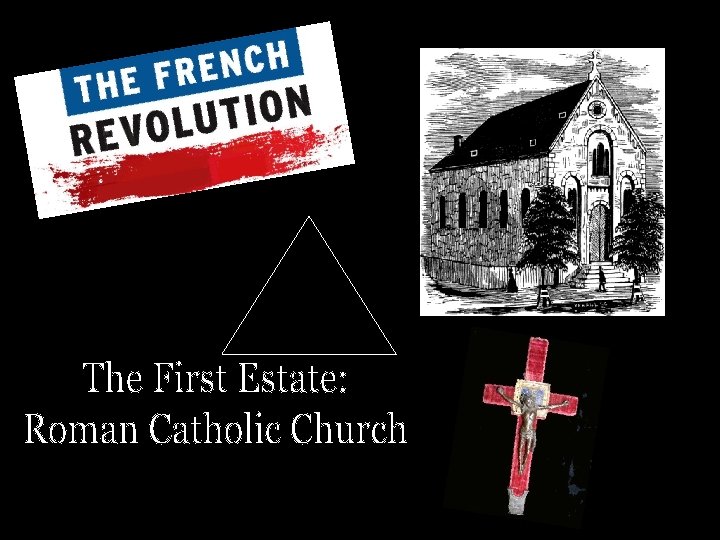
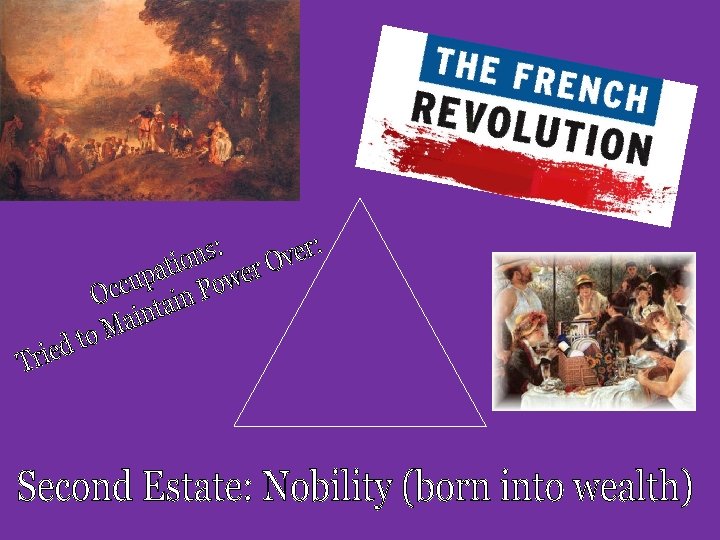
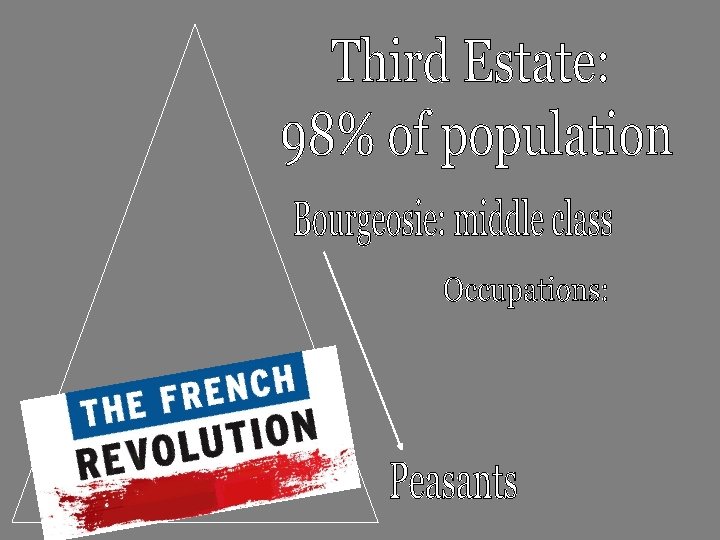
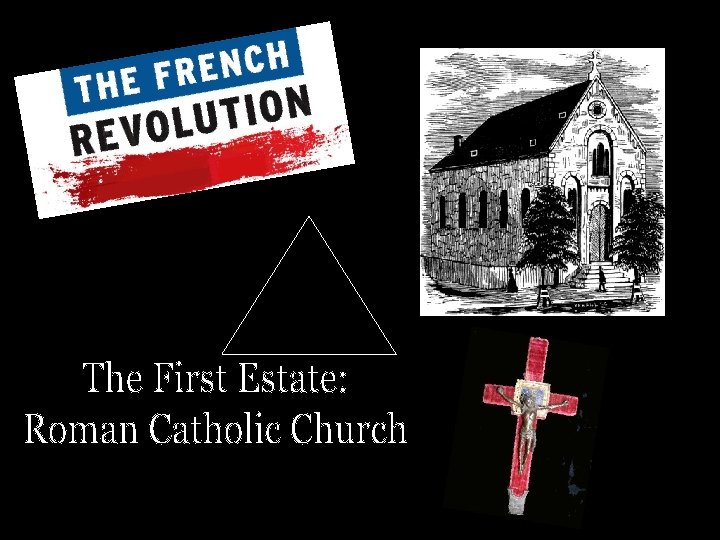
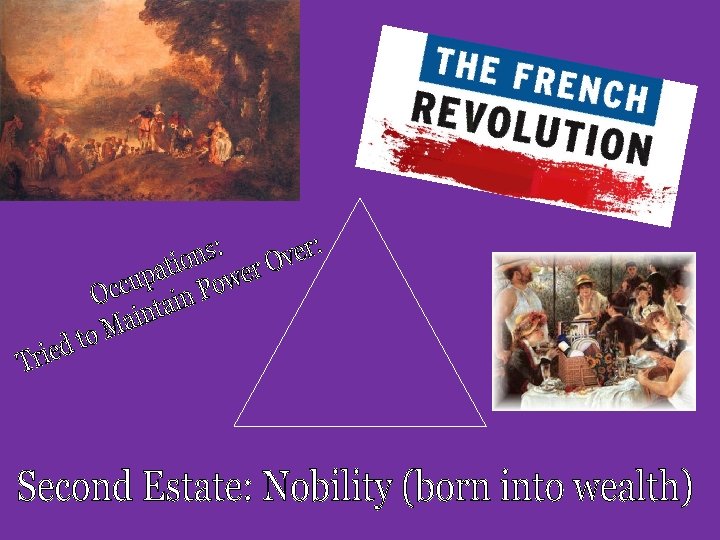
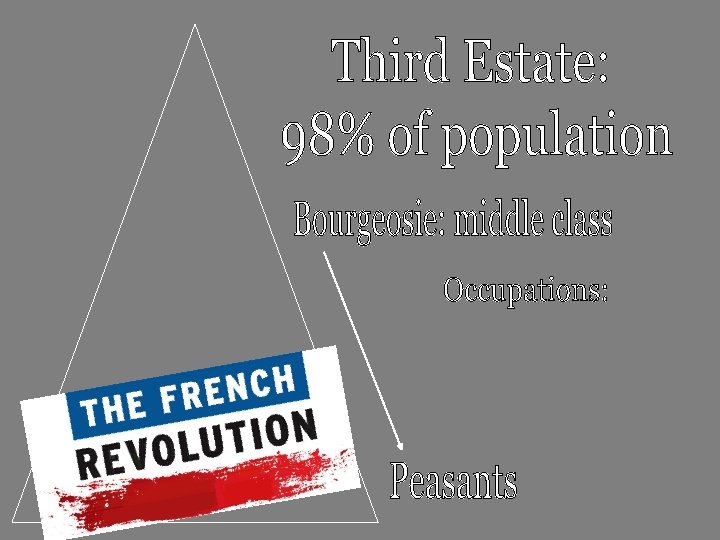
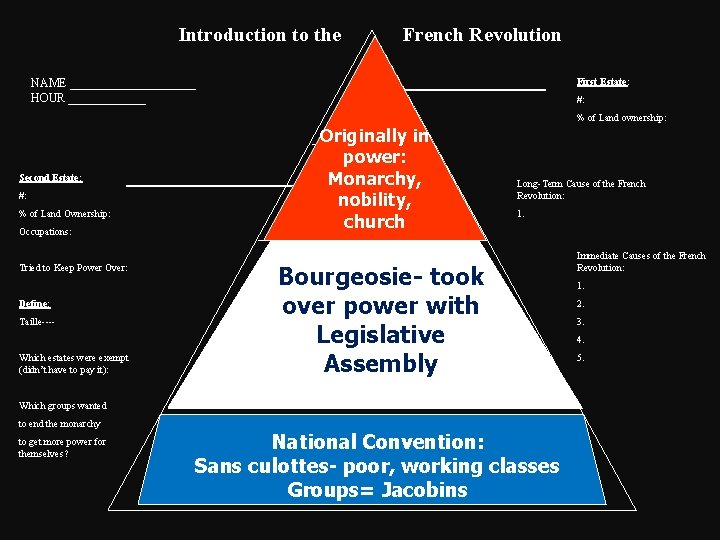
Introduction to the French Revolution First Estate: NAME ___________ HOUR _______ #: % of Land ownership: Originally in power: Monarchy, nobility, church Second Estate: #: % of Land Ownership: Occupations: Long-Term Cause of the French Revolution: 1. Bourgeosie- took over power with Legislative Assembly Tried to Keep Power Over: Define: Taille---Which estates were exempt (didn’t have to pay it): Which groups wanted to end the monarchy to get more power for themselves? Ancient Obligations: National Convention: Sans culottespoor, working classes % of Population: % of Land Ownership: Groups= Jacobins Peasants occupations: Immediate Causes of the French Revolution: 1. 2. 3. 4. 5.
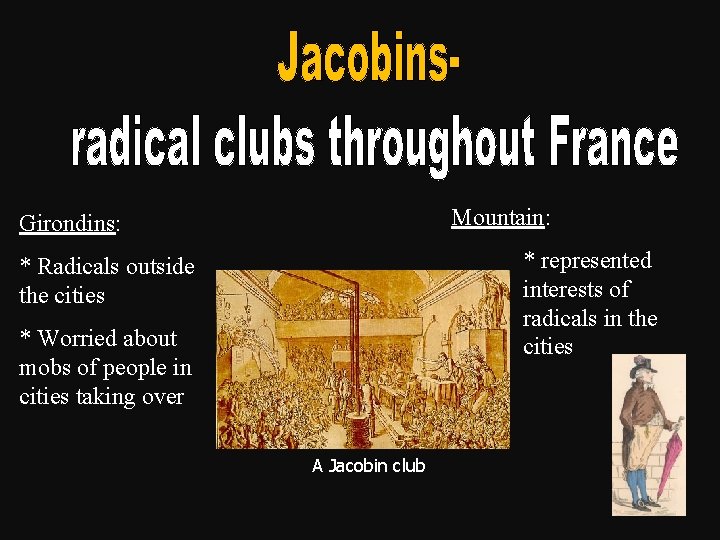
Mountain: Girondins: * represented interests of radicals in the cities * Radicals outside the cities * Worried about mobs of people in cities taking over A Jacobin club
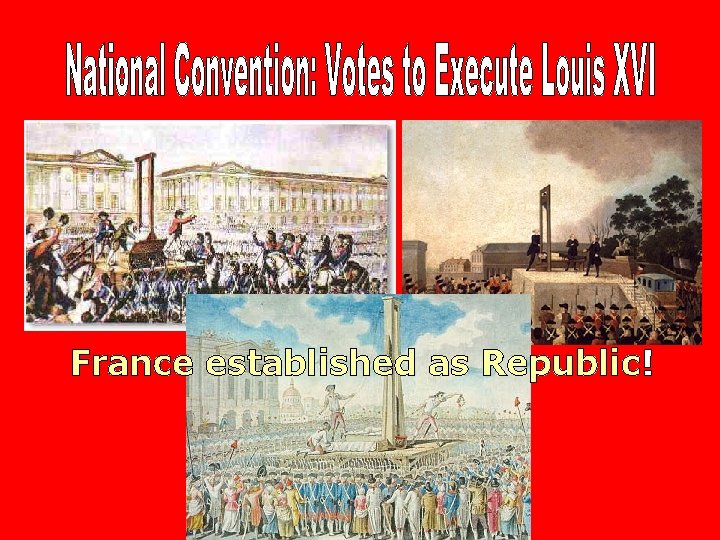
France established as Republic!
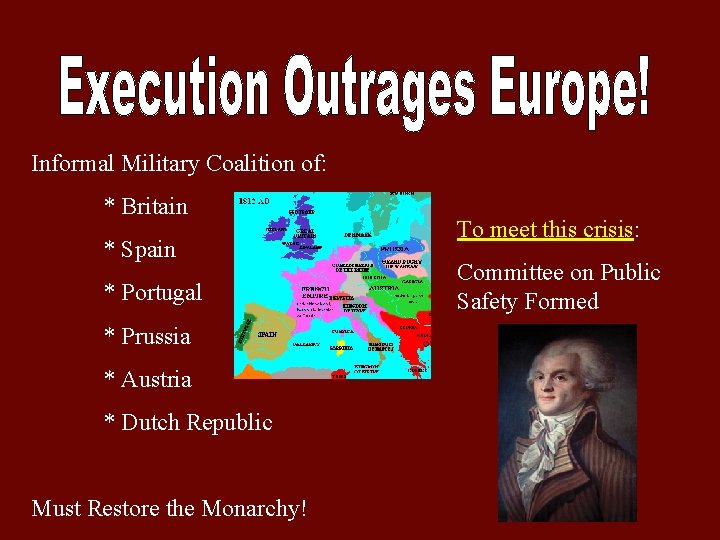
Informal Military Coalition of: * Britain * Spain * Portugal * Prussia * Austria * Dutch Republic Must Restore the Monarchy! To meet this crisis: Committee on Public Safety Formed
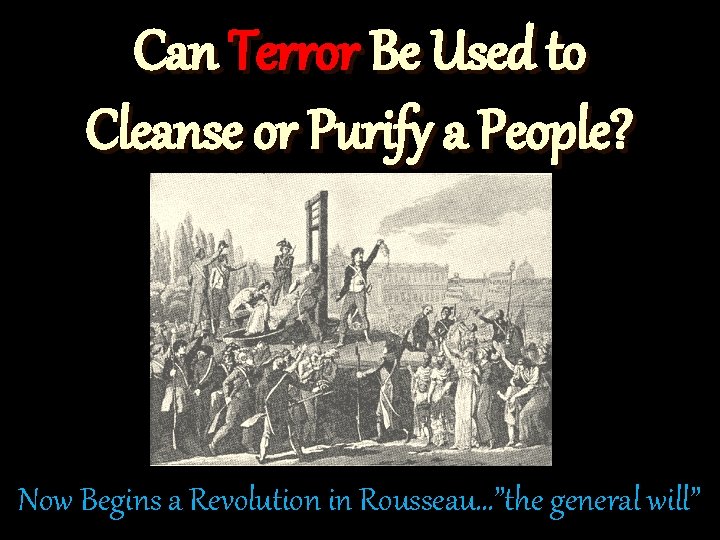
Can Terror Be Used to Cleanse or Purify a People? Now Begins a Revolution in Rousseau…”the general will”
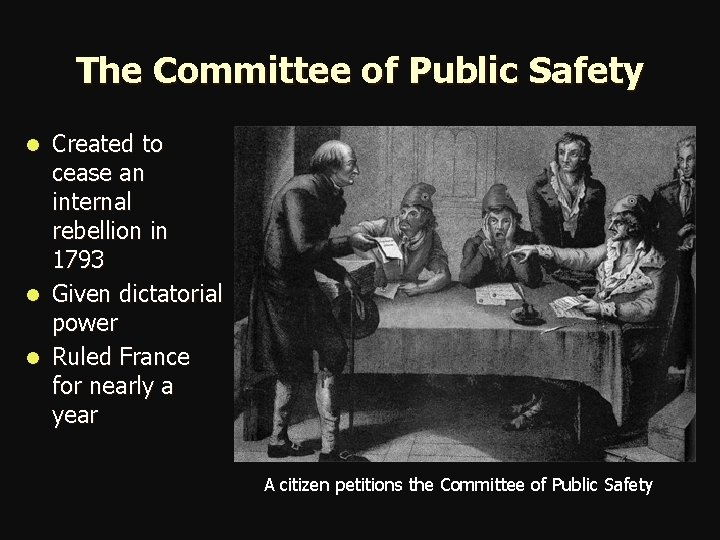
The Committee of Public Safety Created to cease an internal rebellion in 1793 l Given dictatorial power l Ruled France for nearly a year l A citizen petitions the Committee of Public Safety
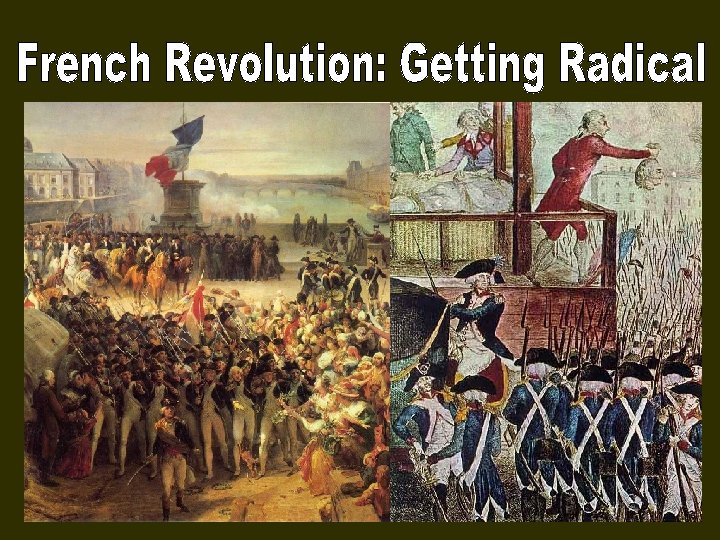
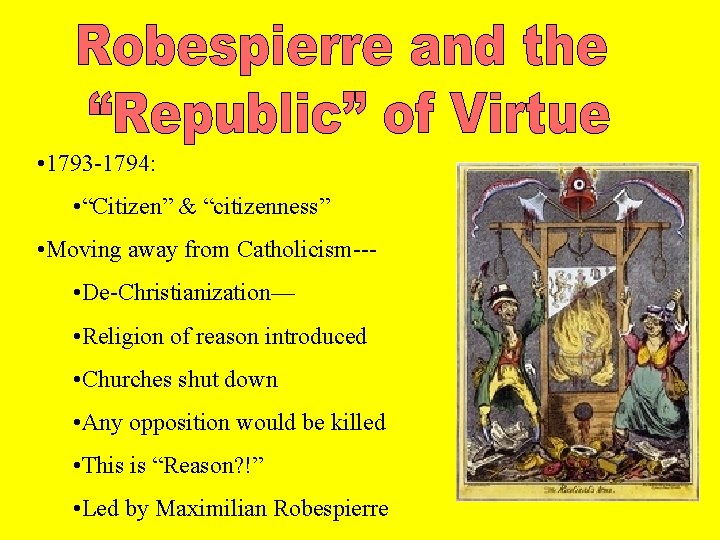
• 1793 -1794: • “Citizen” & “citizenness” • Moving away from Catholicism-- • De-Christianization— • Religion of reason introduced • Churches shut down • Any opposition would be killed • This is “Reason? !” • Led by Maximilian Robespierre
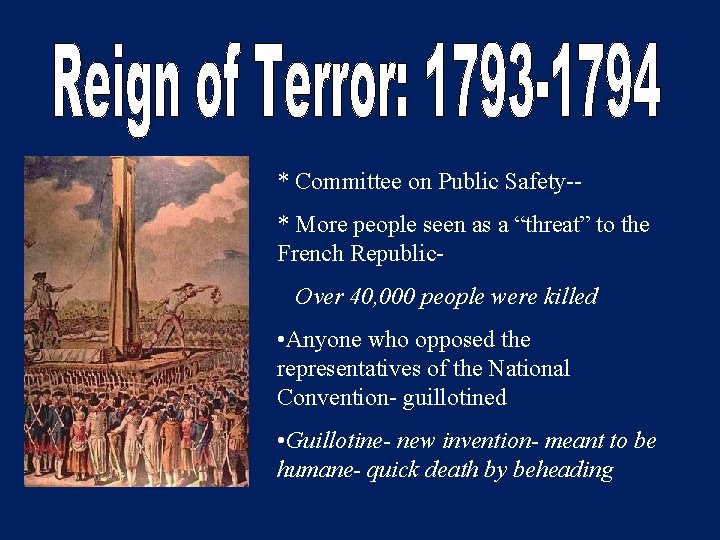
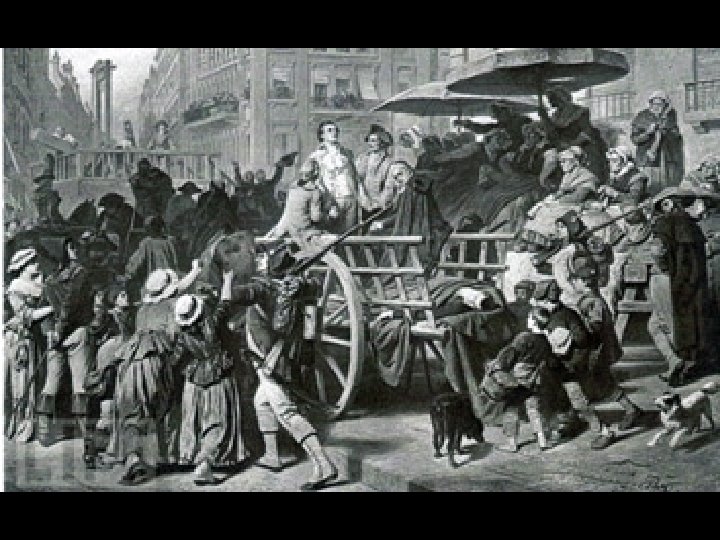
* Committee on Public Safety-* More people seen as a “threat” to the French Republic. Over 40, 000 people were killed • Anyone who opposed the representatives of the National Convention- guillotined • Guillotine- new invention- meant to be humane- quick death by beheading
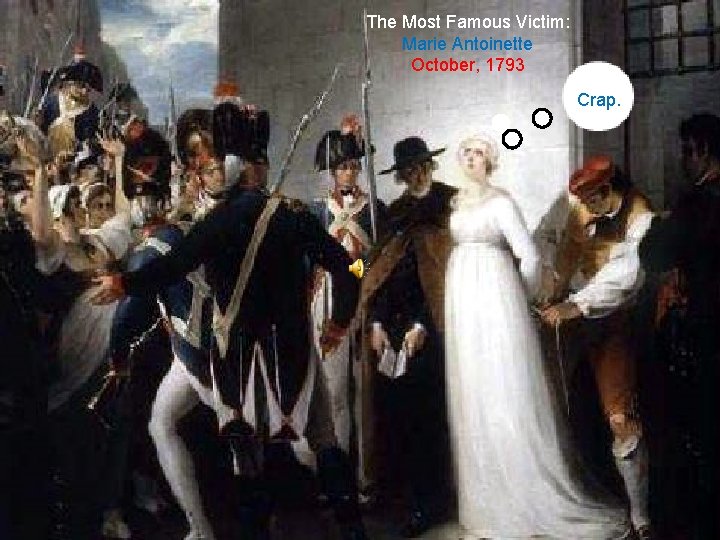
The Most Famous Victim: Marie Antoinette October, 1793 Crap.
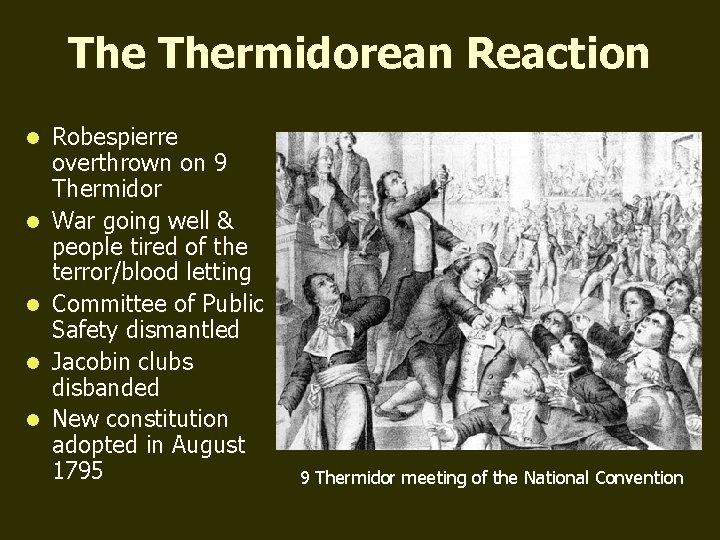
The Thermidorean Reaction l l l Robespierre overthrown on 9 Thermidor War going well & people tired of the terror/blood letting Committee of Public Safety dismantled Jacobin clubs disbanded New constitution adopted in August 1795 9 Thermidor meeting of the National Convention
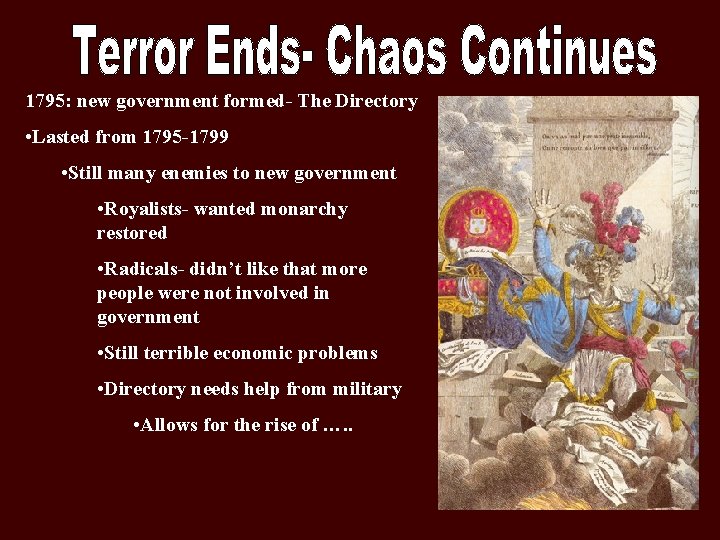
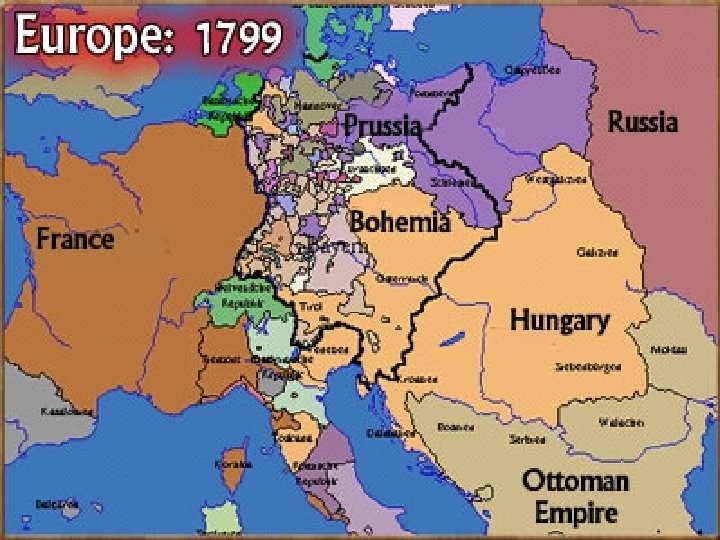
1795: new government formed- The Directory • Lasted from 1795 -1799 • Still many enemies to new government • Royalists- wanted monarchy restored • Radicals- didn’t like that more people were not involved in government • Still terrible economic problems • Directory needs help from military • Allows for the rise of …. .
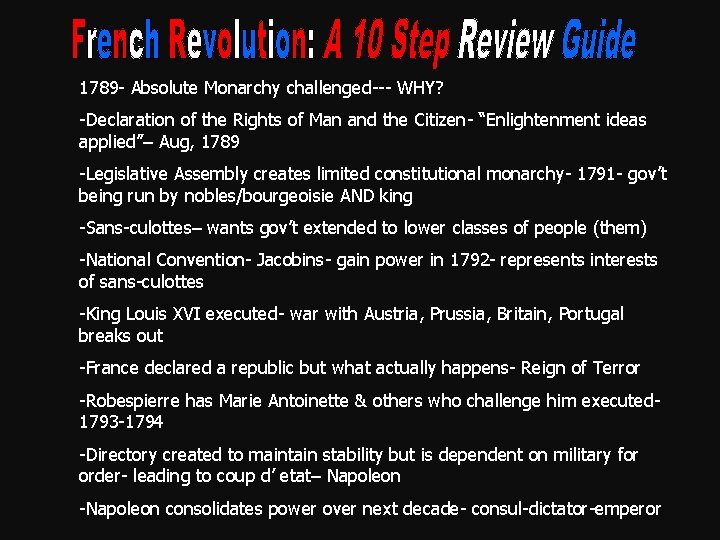
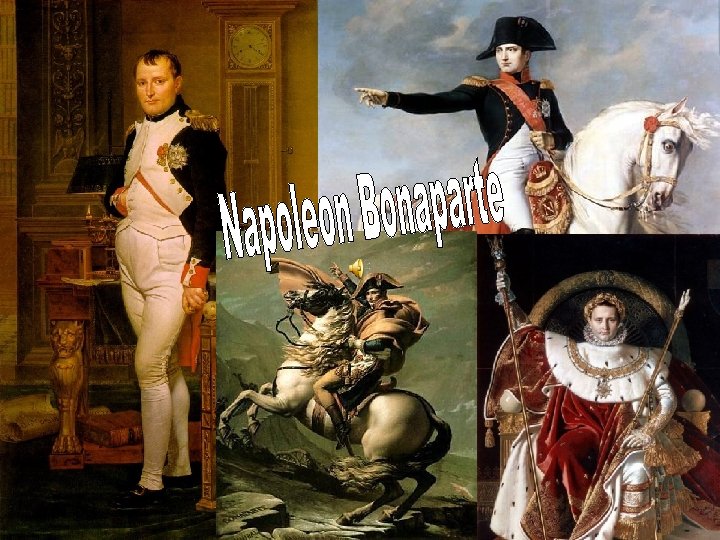
1789 - Absolute Monarchy challenged--- WHY? -Declaration of the Rights of Man and the Citizen- “Enlightenment ideas applied”– Aug, 1789 -Legislative Assembly creates limited constitutional monarchy- 1791 - gov’t being run by nobles/bourgeoisie AND king -Sans-culottes– wants gov’t extended to lower classes of people (them) -National Convention- Jacobins- gain power in 1792 - represents interests of sans-culottes -King Louis XVI executed- war with Austria, Prussia, Britain, Portugal breaks out -France declared a republic but what actually happens- Reign of Terror -Robespierre has Marie Antoinette & others who challenge him executed 1793 -1794 -Directory created to maintain stability but is dependent on military for order- leading to coup d’ etat– Napoleon -Napoleon consolidates power over next decade- consul-dictator-emperor
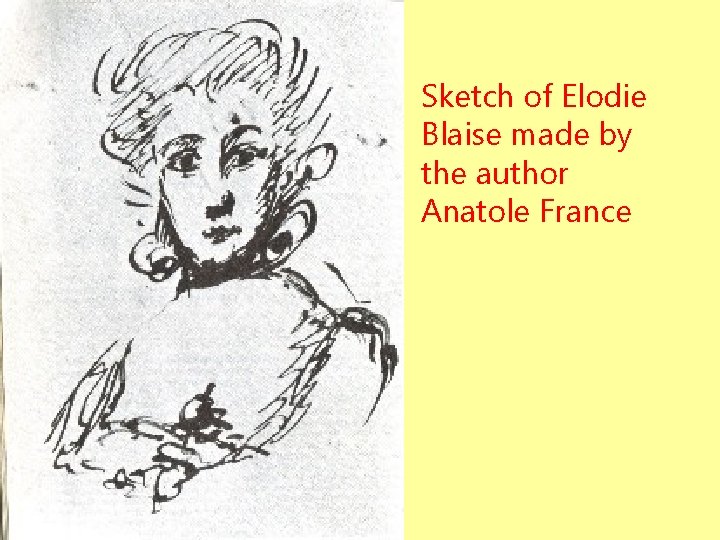
Sketch of Elodie Blaise made by the author Anatole France
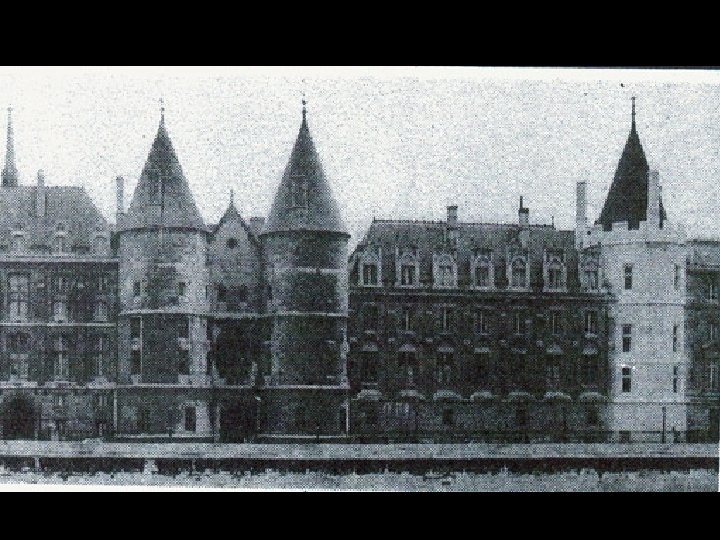
The Conciergerie on the bank of the Seine. During the Revolution, it was used as a prison
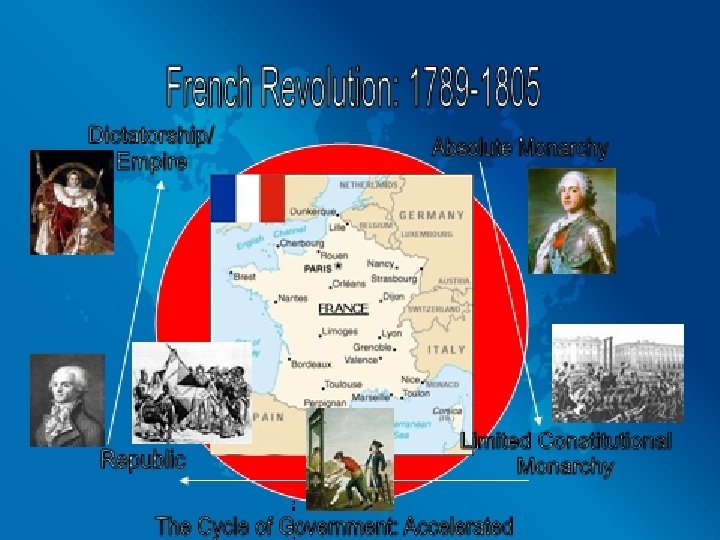
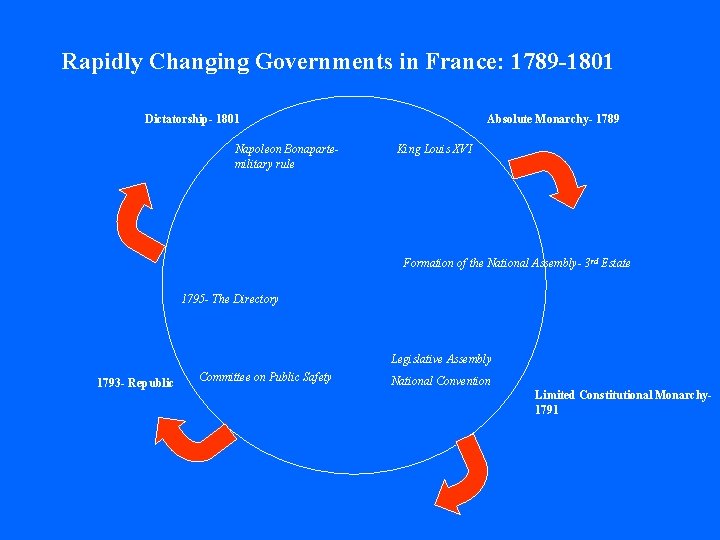
Rapidly Changing Governments in France: 1789 -1801 Dictatorship- 1801 Napoleon Bonapartemilitary rule Absolute Monarchy- 1789 King Louis XVI Formation of the National Assembly- 3 rd Estate 1795 - The Directory Legislative Assembly 1793 - Republic Committee on Public Safety National Convention Limited Constitutional Monarchy 1791
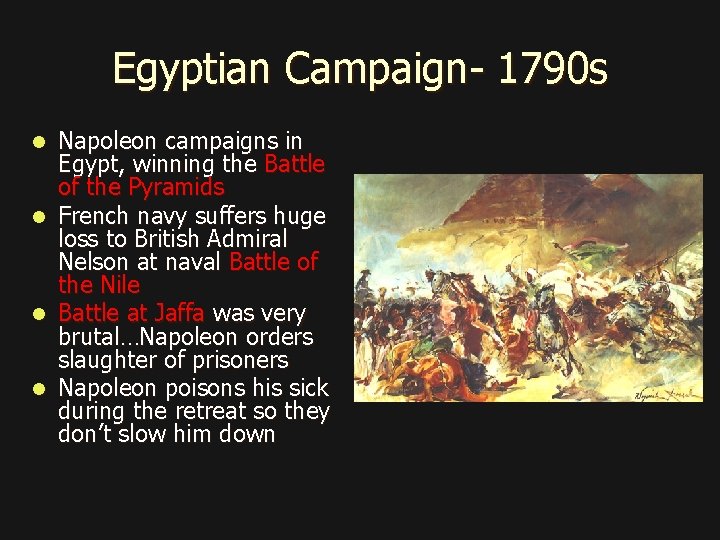
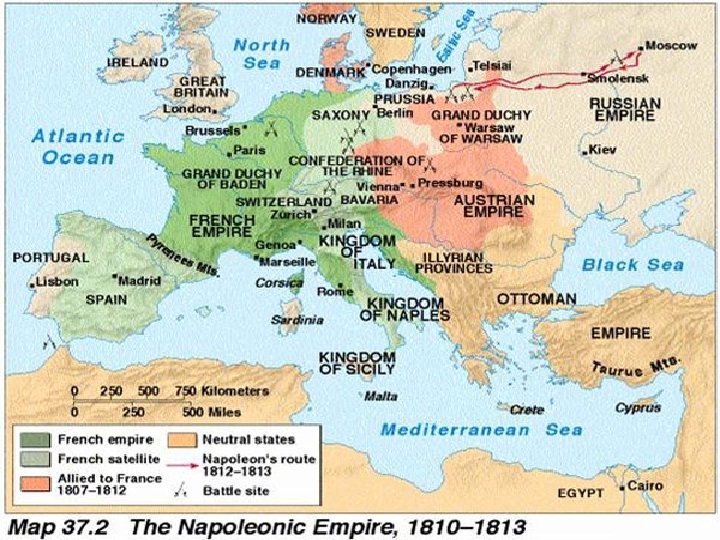
Egyptian Campaign- 1790 s l l Napoleon campaigns in Egypt, winning the Battle of the Pyramids French navy suffers huge loss to British Admiral Nelson at naval Battle of the Nile Battle at Jaffa was very brutal…Napoleon orders slaughter of prisoners Napoleon poisons his sick during the retreat so they don’t slow him down
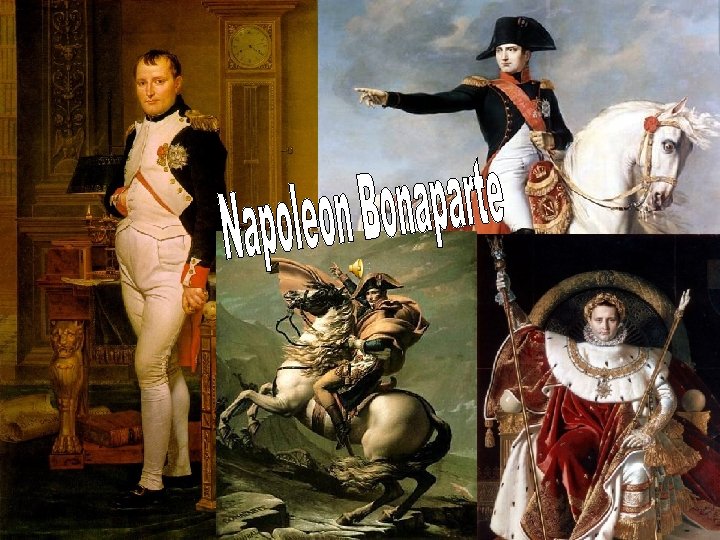
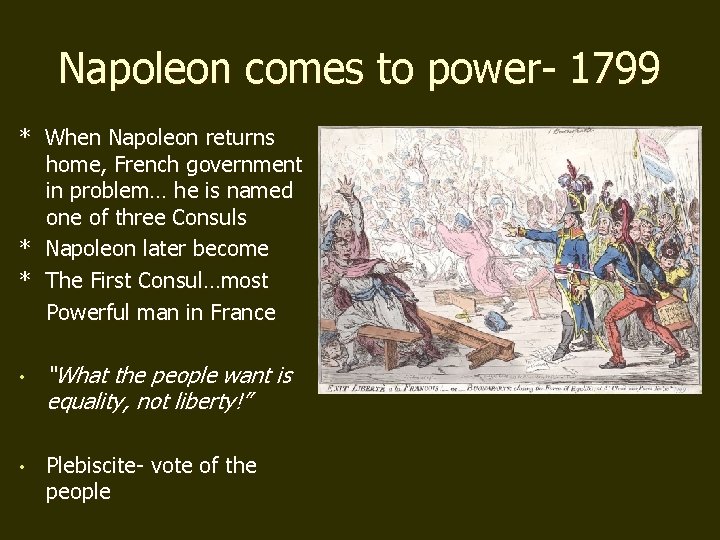
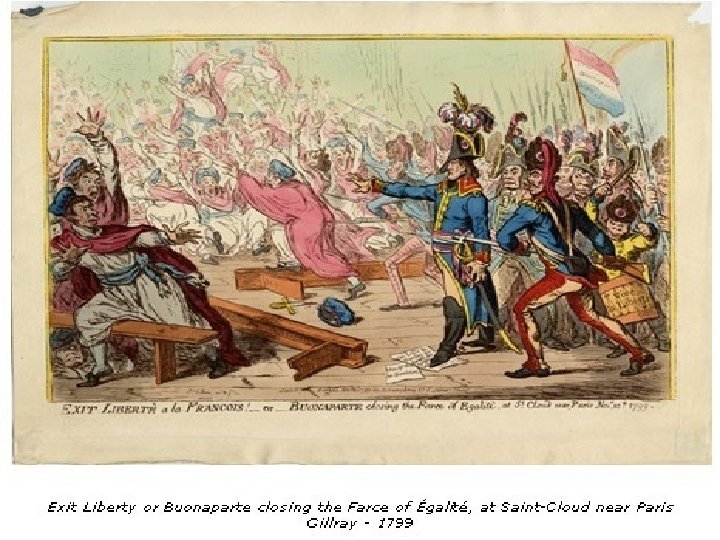
Napoleon comes to power- 1799 * When Napoleon returns home, French government in problem… he is named one of three Consuls * Napoleon later become * The First Consul…most Powerful man in France • “What the people want is equality, not liberty!” • Plebiscite- vote of the people
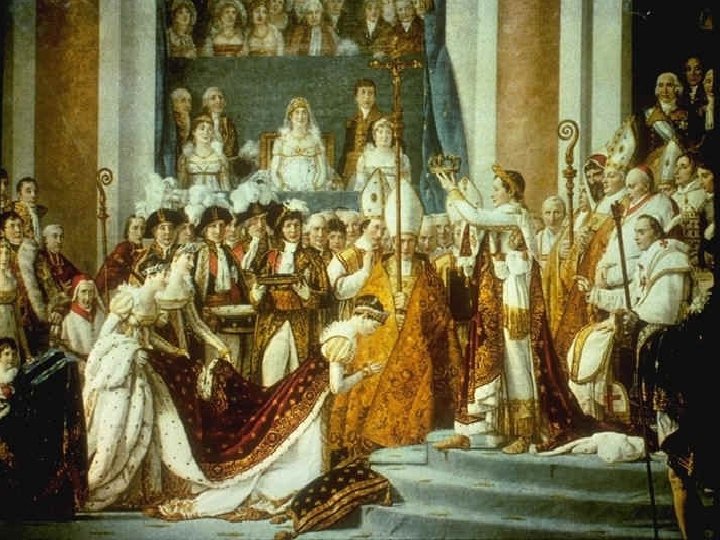
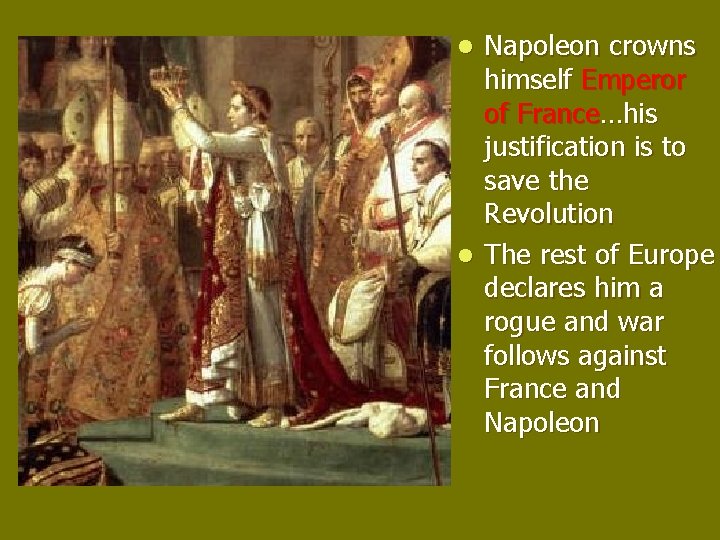
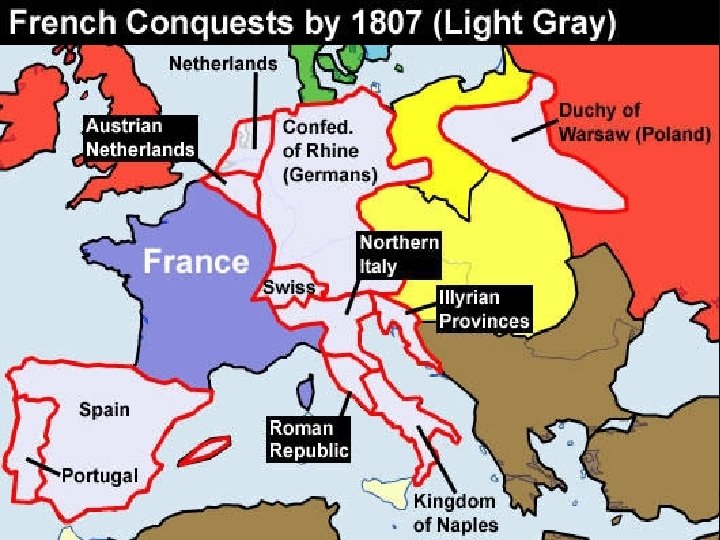
Napoleon crowns himself Emperor of France…his justification is to save the Revolution l The rest of Europe declares him a rogue and war follows against France and Napoleon l
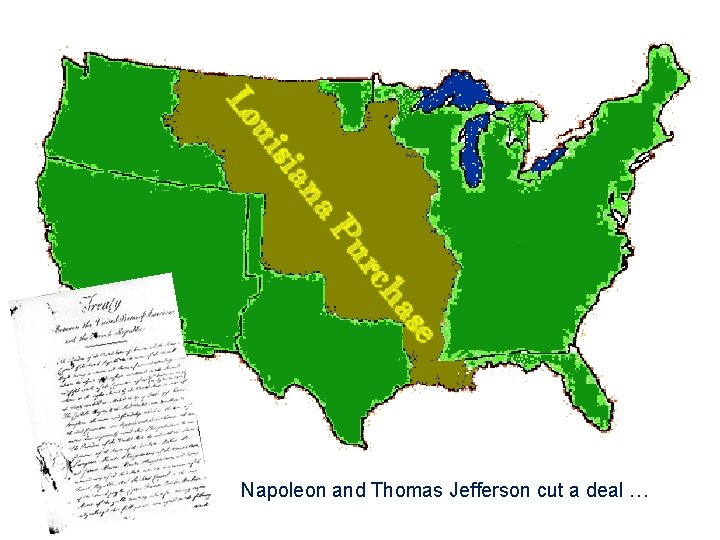
Napoleon and Thomas Jefferson cut a deal …
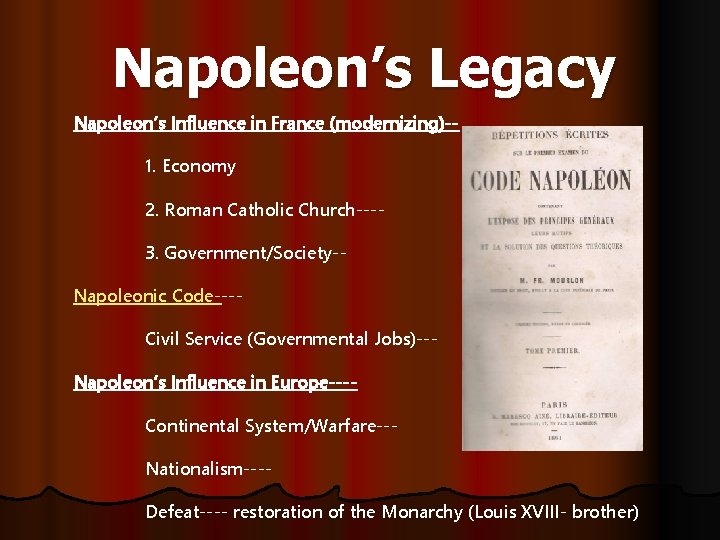
Napoleon’s Legacy Napoleon’s Influence in France (modernizing)-1. Economy 2. Roman Catholic Church---3. Government/Society-Napoleonic Code---Civil Service (Governmental Jobs)--Napoleon’s Influence in Europe---Continental System/Warfare--Nationalism---Defeat---- restoration of the Monarchy (Louis XVIII- brother)
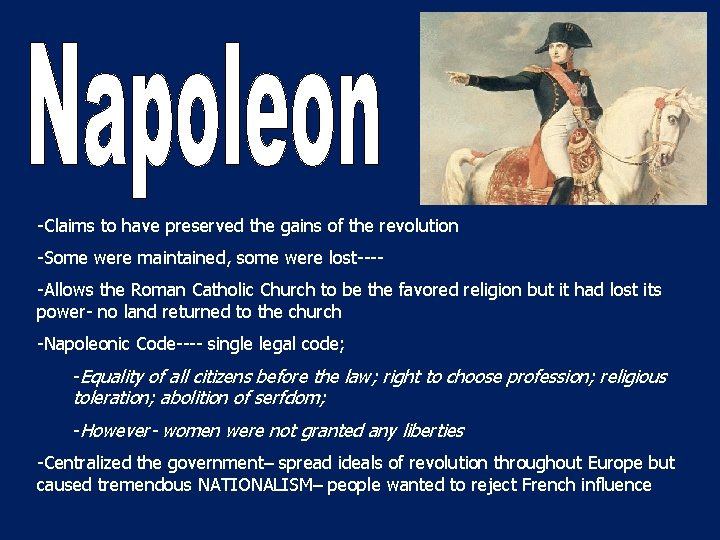
-Claims to have preserved the gains of the revolution -Some were maintained, some were lost----Allows the Roman Catholic Church to be the favored religion but it had lost its power- no land returned to the church -Napoleonic Code---- single legal code; -Equality of all citizens before the law; right to choose profession; religious toleration; abolition of serfdom; -However- women were not granted any liberties -Centralized the government– spread ideals of revolution throughout Europe but caused tremendous NATIONALISM– people wanted to reject French influence
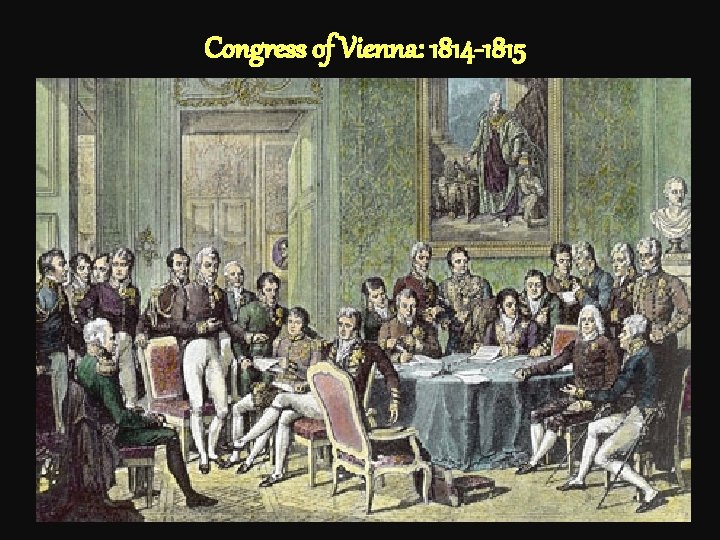
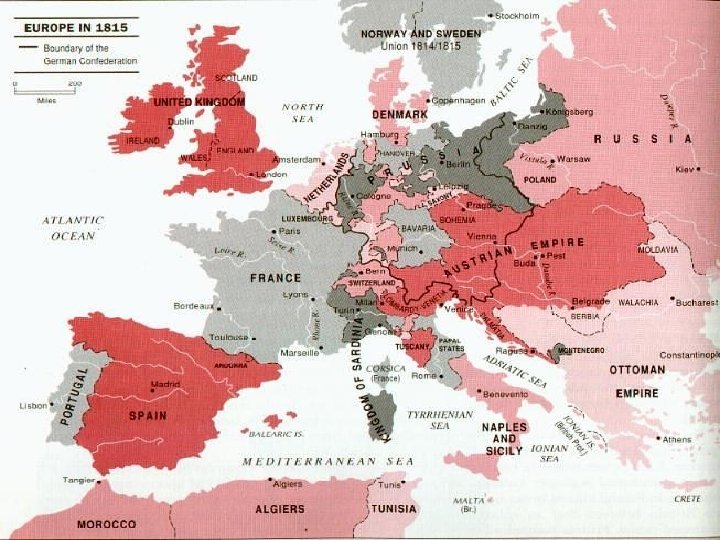
Congress of Vienna: 1814 -1815
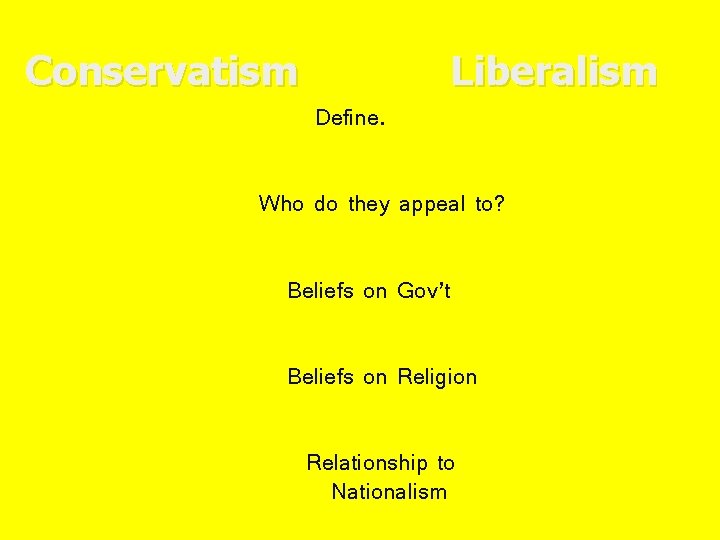
Conservatism Liberalism Define. Who do they appeal to? Beliefs on Gov’t Beliefs on Religion Relationship to Nationalism
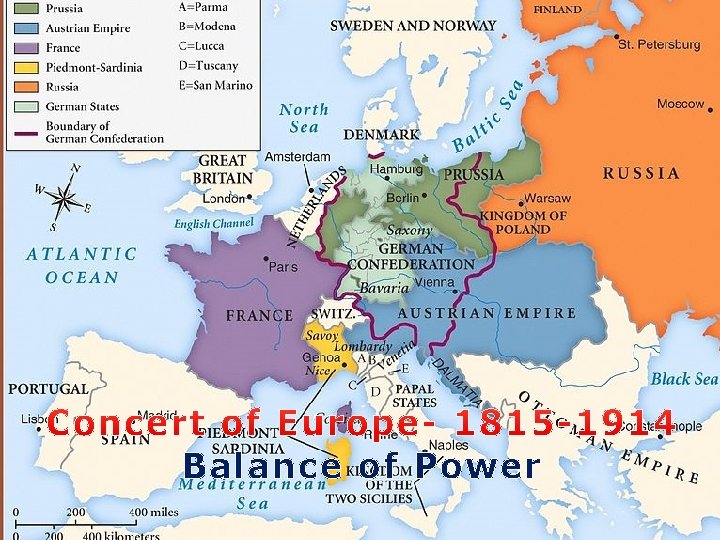
Balance of Power
Four Stages of the Revolution • 1789 -1791 Moderate phase – National Assembly turns France into a Constitutional Monarchy. • 1793 -1794 Reign of Terror following 2 years of escalating violence and extremism. • 1795 -1799 Period of Directory – Attempt to stop the violence and extreme viewpoints. • 1799 -1815 The Age of Napoleon.
The Gods Will Have Blood 1. Which character was the most sympathetic- the one you could relate to the most? Why? 2. Which character was the most disturbed? 3. Did the novel effectively portray the Reign of Terror? Cite examples from the book.
Shift in Thinking & Its Impact: 1. Scientific Revolution’s Impact--- • Scientific Method • Don’t base knowledge on traditional sources of authority--- i. e. ancient thinkers and/or Church • Discover truths through observation/experimentation/reason (our ability to solve problems) **** Problem--- we come to different conclusions through reason. * Applied to “how we organize as people”= GOV’T
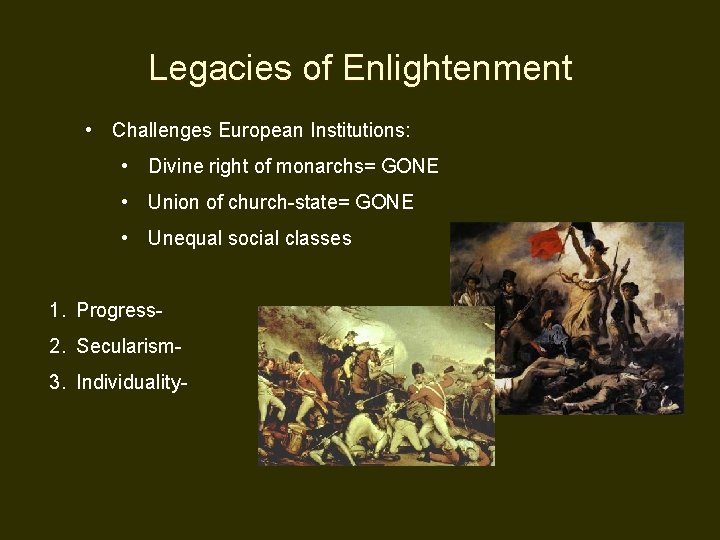
Legacies of Enlightenment • Challenges European Institutions: • Divine right of monarchs= GONE • Union of church-state= GONE • Unequal social classes 1. Progress 2. Secularism 3. Individuality-
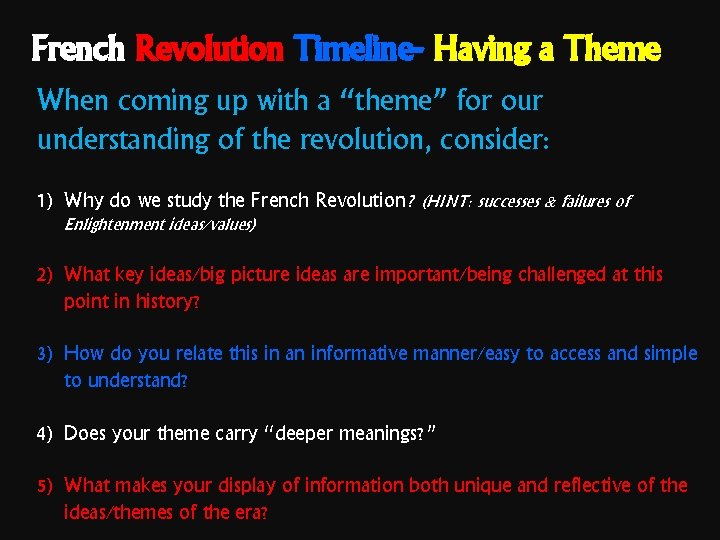
French Revolution Timeline- Having a Theme When coming up with a “theme” for our understanding of the revolution, consider: 1) Why do we study the French Revolution? (HINT: successes & failures of Enlightenment ideas/values) 2) What key ideas/big picture ideas are important/being challenged at this point in history? 3) How do you relate this in an informative manner/easy to access and simple to understand? 4) Does your theme carry “deeper meanings? ” 5) What makes your display of information both unique and reflective of the ideas/themes of the era?