A Genetic Overview of the Norwich Terrier Jerold

- Slides: 136
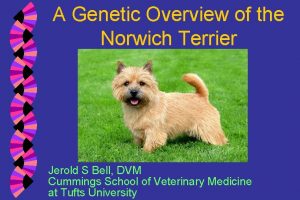
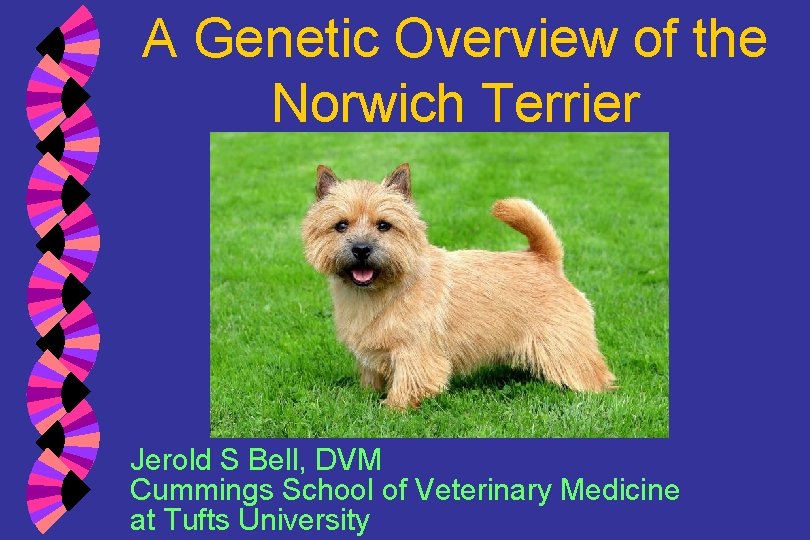
A Genetic Overview of the Norwich Terrier Jerold S Bell, DVM Cummings School of Veterinary Medicine at Tufts University
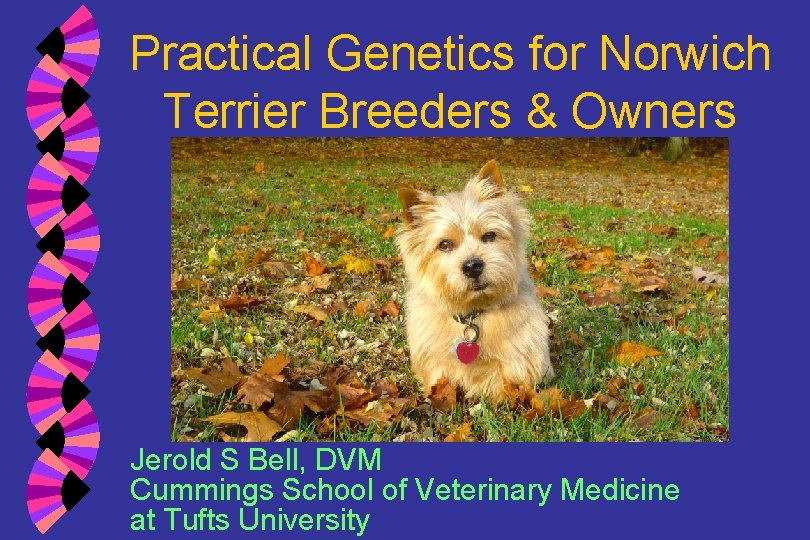
Practical Genetics for Norwich Terrier Breeders & Owners Jerold S Bell, DVM Cummings School of Veterinary Medicine at Tufts University
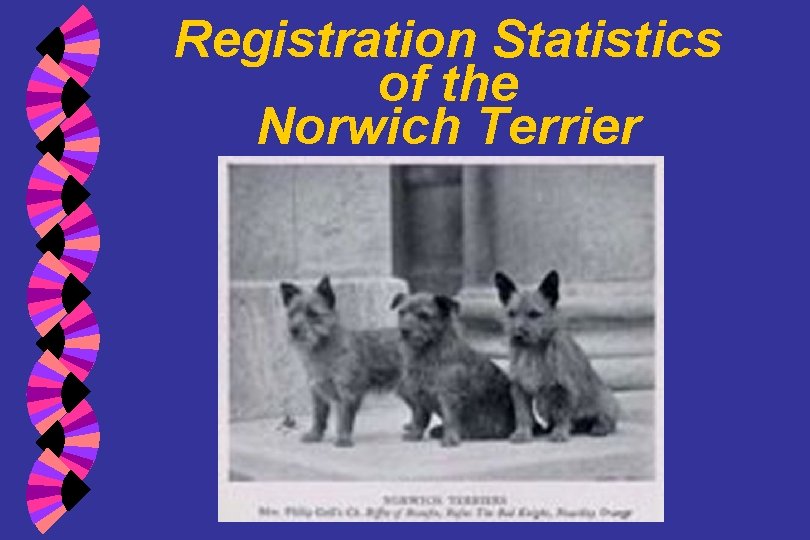
Registration Statistics of the Norwich Terrier
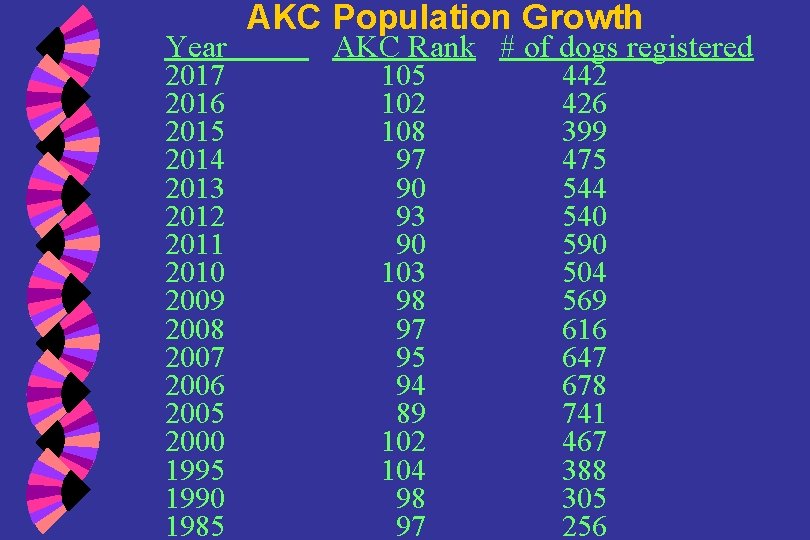
Year 2017 2016 2015 2014 2013 2012 2011 2010 2009 2008 2007 2006 2005 2000 1995 1990 1985 AKC Population Growth AKC Rank # of dogs registered 105 102 108 97 90 93 90 103 98 97 95 94 89 102 104 98 97 442 426 399 475 544 540 590 504 569 616 647 678 741 467 388 305 256
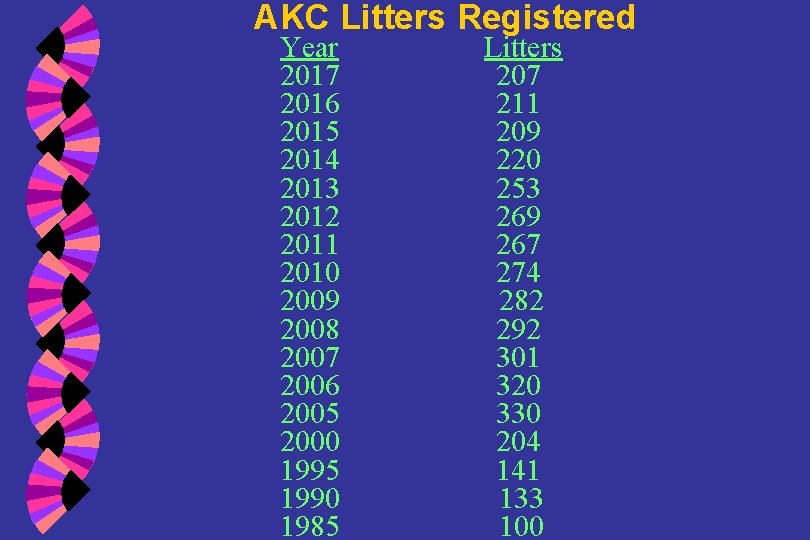
AKC Litters Registered Year 2017 2016 2015 2014 2013 2012 2011 2010 2009 2008 2007 2006 2005 2000 1995 1990 1985 Litters 207 211 209 220 253 269 267 274 282 292 301 320 330 204 141 133 100
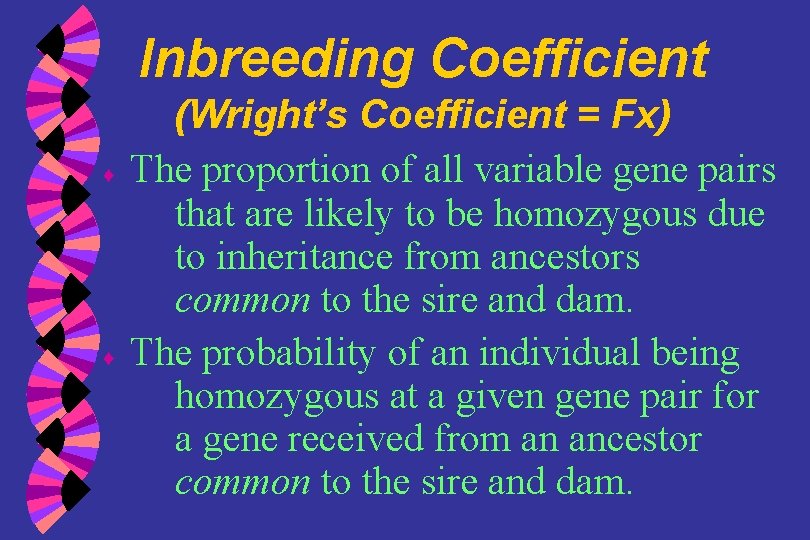
Inbreeding Coefficient ♦ ♦ (Wright’s Coefficient = Fx) The proportion of all variable gene pairs that are likely to be homozygous due to inheritance from ancestors common to the sire and dam. The probability of an individual being homozygous at a given gene pair for a gene received from an ancestor common to the sire and dam.
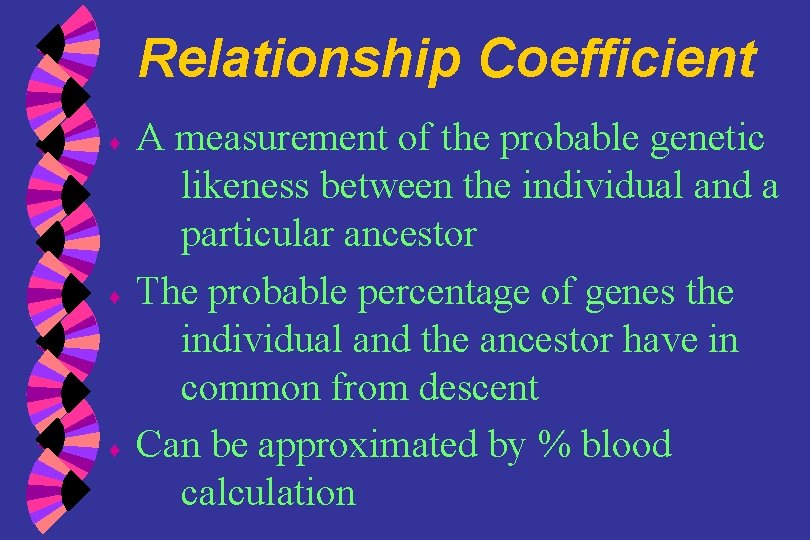
Relationship Coefficient ♦ ♦ ♦ A measurement of the probable genetic likeness between the individual and a particular ancestor The probable percentage of genes the individual and the ancestor have in common from descent Can be approximated by % blood calculation
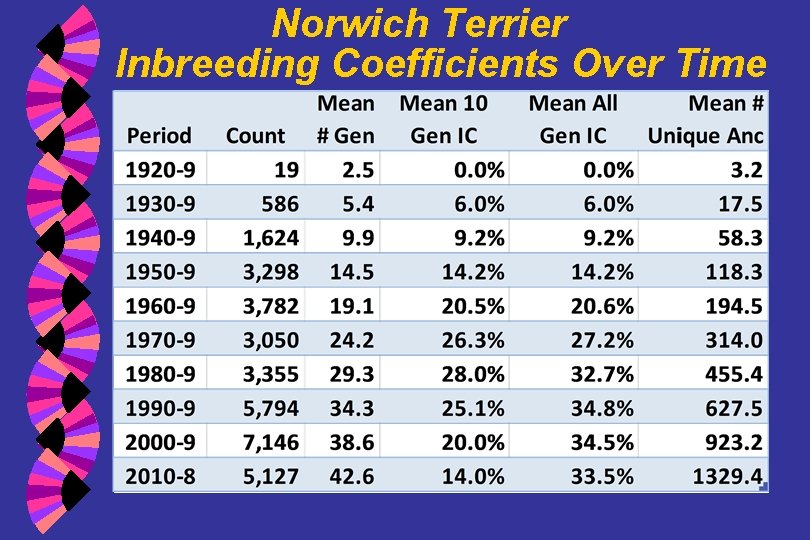
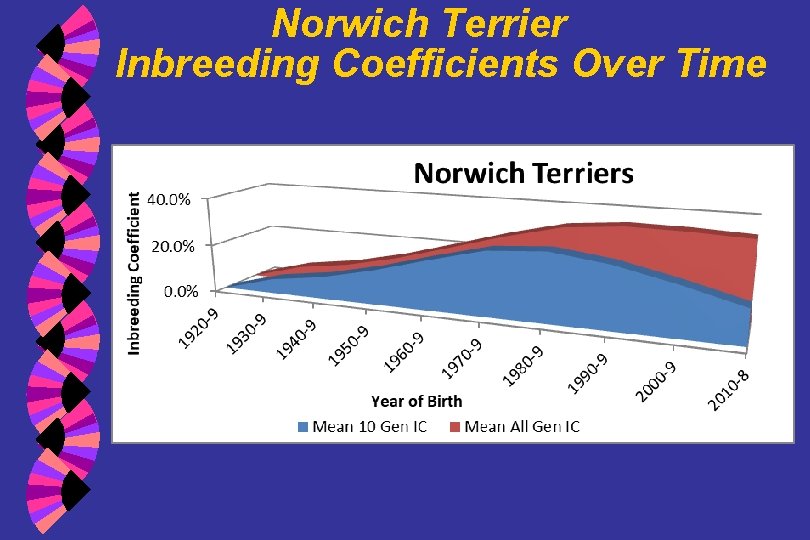
Norwich Terrier Inbreeding Coefficients Over Time
Norwich Terrier Inbreeding Coefficients Over Time
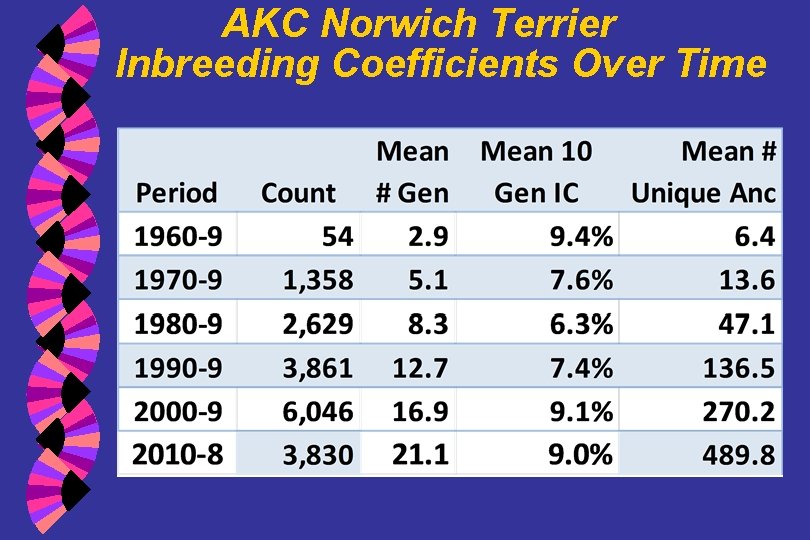
AKC Norwich Terrier Inbreeding Coefficients Over Time
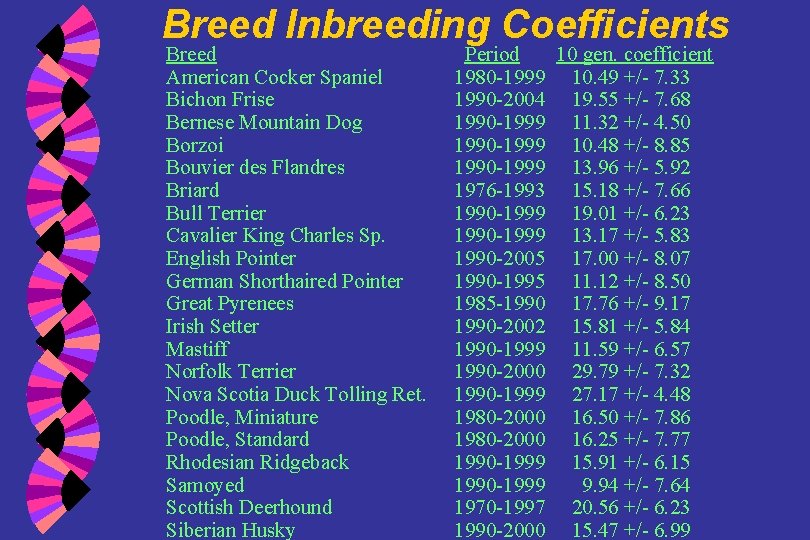
Breed Inbreeding Coefficients Breed American Cocker Spaniel Bichon Frise Bernese Mountain Dog Borzoi Bouvier des Flandres Briard Bull Terrier Cavalier King Charles Sp. English Pointer German Shorthaired Pointer Great Pyrenees Irish Setter Mastiff Norfolk Terrier Nova Scotia Duck Tolling Ret. Poodle, Miniature Poodle, Standard Rhodesian Ridgeback Samoyed Scottish Deerhound Siberian Husky Period 10 gen. coefficient 1980 -1999 10. 49 +/- 7. 33 1990 -2004 19. 55 +/- 7. 68 1990 -1999 11. 32 +/- 4. 50 1990 -1999 10. 48 +/- 8. 85 1990 -1999 13. 96 +/- 5. 92 1976 -1993 15. 18 +/- 7. 66 1990 -1999 19. 01 +/- 6. 23 1990 -1999 13. 17 +/- 5. 83 1990 -2005 17. 00 +/- 8. 07 1990 -1995 11. 12 +/- 8. 50 1985 -1990 17. 76 +/- 9. 17 1990 -2002 15. 81 +/- 5. 84 1990 -1999 11. 59 +/- 6. 57 1990 -2000 29. 79 +/- 7. 32 1990 -1999 27. 17 +/- 4. 48 1980 -2000 16. 50 +/- 7. 86 1980 -2000 16. 25 +/- 7. 77 1990 -1999 15. 91 +/- 6. 15 1990 -1999 9. 94 +/- 7. 64 1970 -1997 20. 56 +/- 6. 23 1990 -2000 15. 47 +/- 6. 99
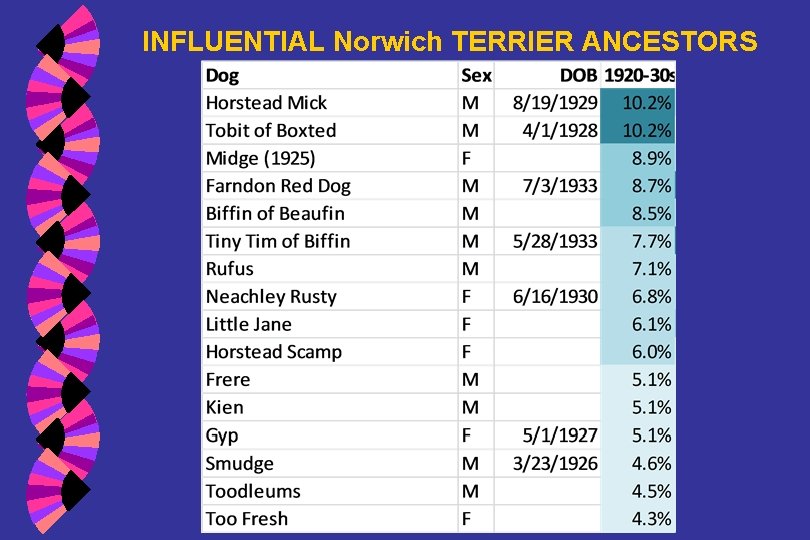
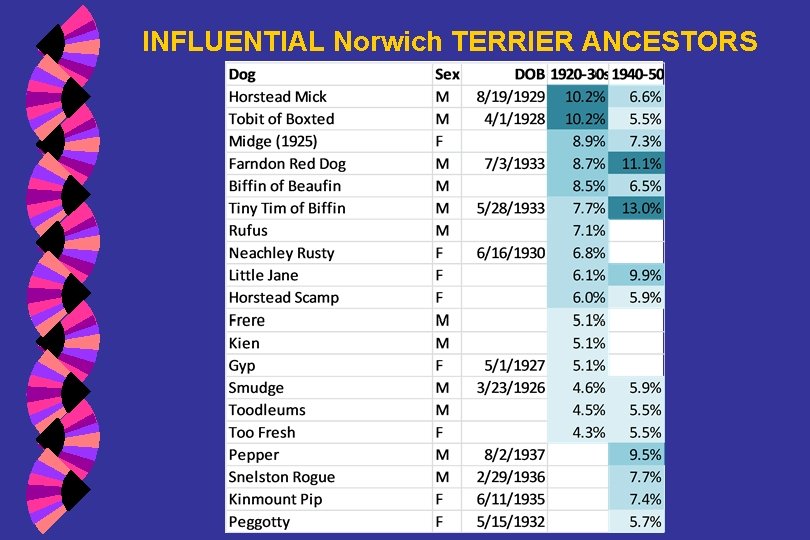
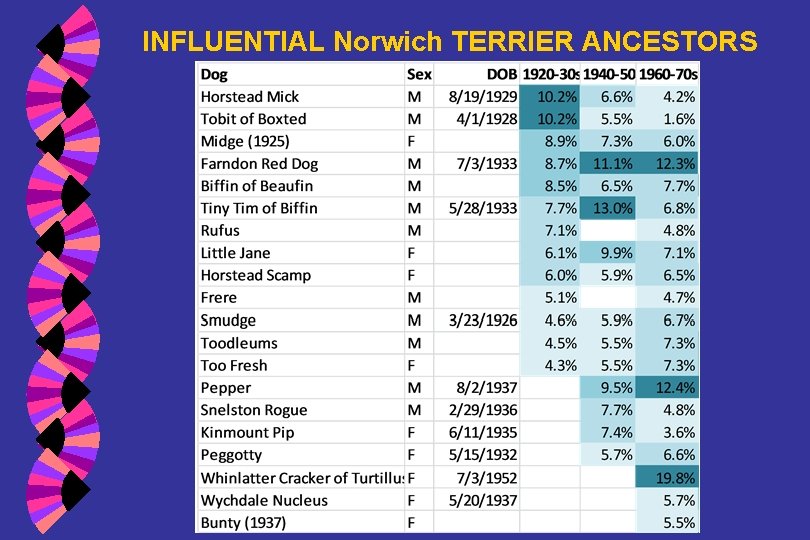
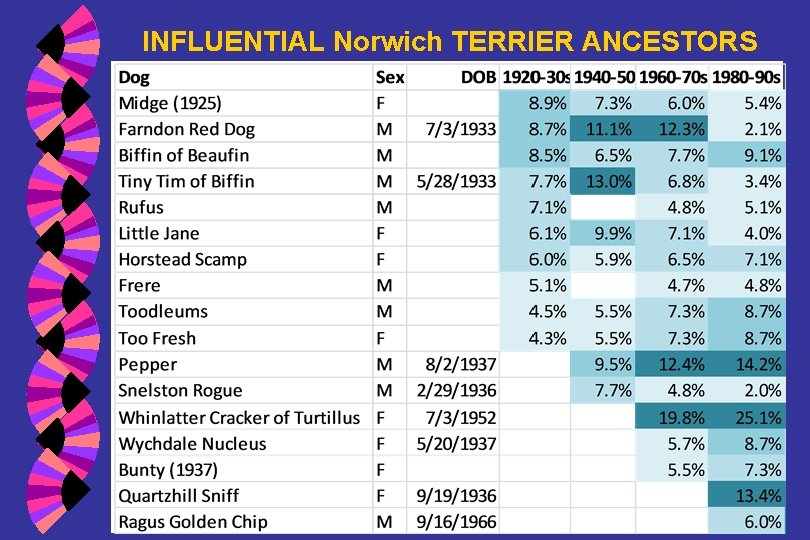
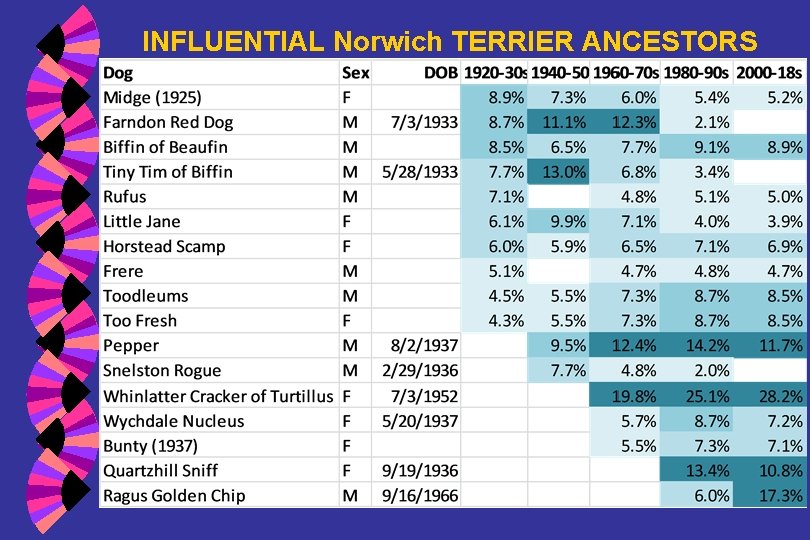
INFLUENTIAL Norwich TERRIER ANCESTORS
INFLUENTIAL Norwich TERRIER ANCESTORS
INFLUENTIAL Norwich TERRIER ANCESTORS
INFLUENTIAL Norwich TERRIER ANCESTORS
INFLUENTIAL Norwich TERRIER ANCESTORS
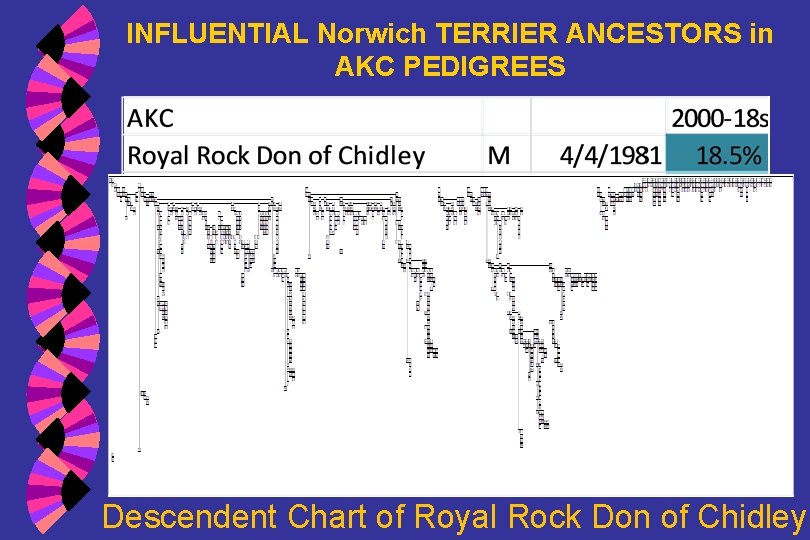
INFLUENTIAL Norwich TERRIER ANCESTORS in AKC PEDIGREES Descendent Chart of Royal Rock Don of Chidley
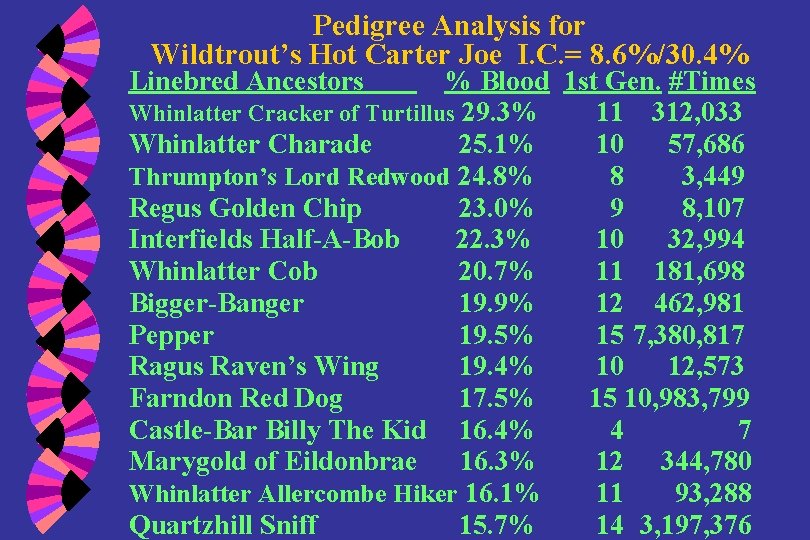
Pedigree Analysis for Wildtrout’s Hot Carter Joe I. C. = 8. 6%/30. 4% Linebred Ancestors % Blood 1 st Gen. #Times Whinlatter Cracker of Turtillus 29. 3% 11 312, 033 Whinlatter Charade 25. 1% 10 57, 686 Thrumpton’s Lord Redwood 24. 8% 8 3, 449 Regus Golden Chip 23. 0% 9 8, 107 Interfields Half-A-Bob 22. 3% 10 32, 994 Whinlatter Cob 20. 7% 11 181, 698 Bigger-Banger 19. 9% 12 462, 981 Pepper 19. 5% 15 7, 380, 817 Ragus Raven’s Wing 19. 4% 10 12, 573 Farndon Red Dog 17. 5% 15 10, 983, 799 Castle-Bar Billy The Kid 16. 4% 4 7 Marygold of Eildonbrae 16. 3% 12 344, 780 Whinlatter Allercombe Hiker 16. 1% 11 93, 288 Quartzhill Sniff 15. 7% 14 3, 197, 376
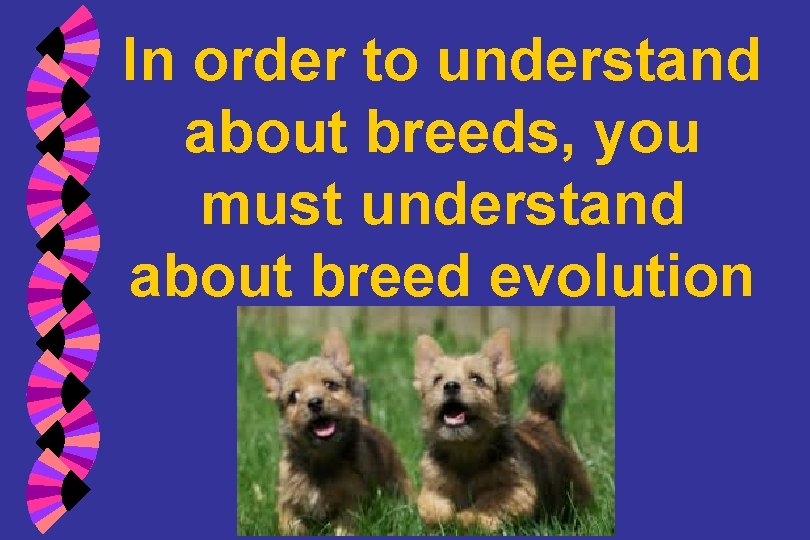
In order to understand about breeds, you must understand about breed evolution
The development of breeds occurred through artificial selection for body type, color, coat type, behavior, and conformational aspects As breed lines became more specialized and stud books closed, those who did not conform to the standard were removed from breeding
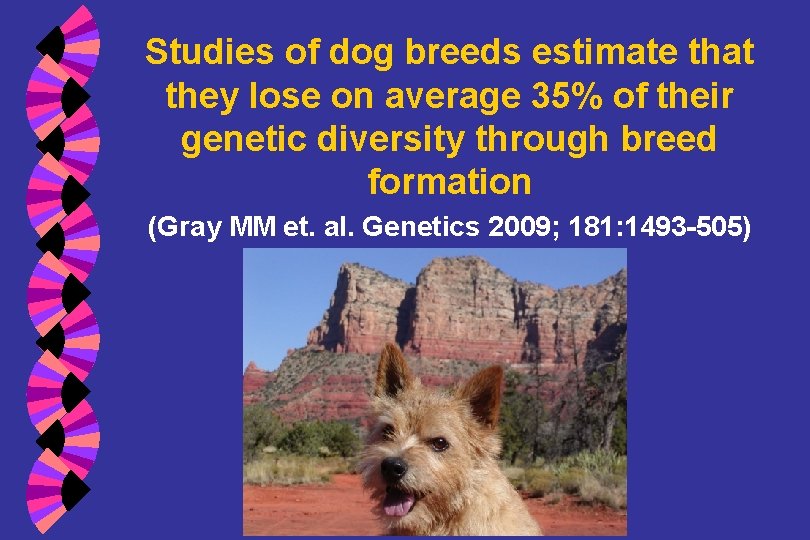
Studies of dog breeds estimate that they lose on average 35% of their genetic diversity through breed formation (Gray MM et. al. Genetics 2009; 181: 1493 -505)
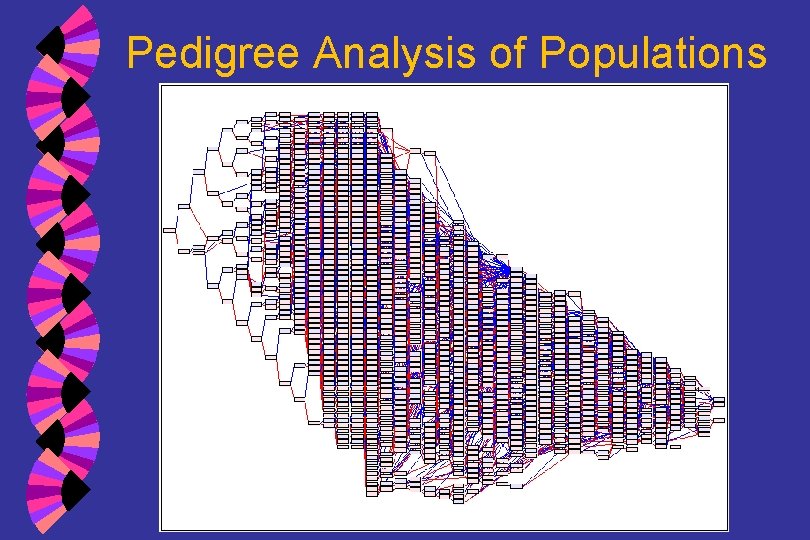
Pedigree Analysis of Populations
Modern Breed Population Statistics ♦ ♦ ♦ High deep pedigree average inbreeding coefficients Low effective population size High average relationship coefficients to influential ancestors ♦ These ancestors appear in the pedigrees of every member of the breed, with genetic contributions of 15%-35%
Healthy Breed Genes Pools Require Expanding, or Large Stable Populations ♦ ♦ ♦ Allows the creation of new “family lines” Allows for within-breed diversity Population contraction causes loss of breed diversity and quality breed lines
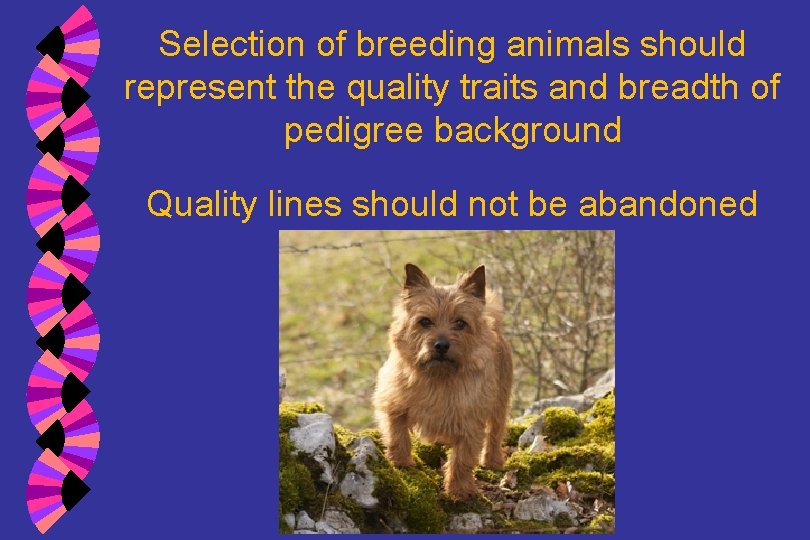
Selection of breeding animals should represent the quality traits and breadth of pedigree background Quality lines should not be abandoned
The Popular Sire Syndrome
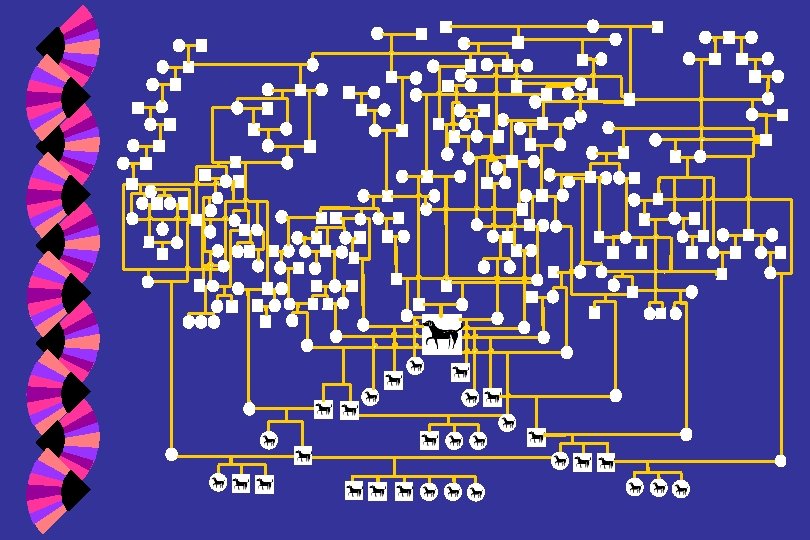
The popular sire syndrome is the single most influential factor in restricting breed gene pool diversity ♦ The overuse of a popular sire; ♦ Quickly disseminates his genes throughout the gene pool without the benefit of evaluation over time ♦ Causes the loss of other quality male lines that should be contributing to the gene pool
A popular sire’s influence is different from that of an influential ancestor ♦ ♦ An influential ancestor’s contribution is continually evaluated through it’s descendants, who have to compete with others for breeding status If a popular sire is found to pass on deleterious genes, the resultant purging process also causes the loss of influence of the quality dam lines to which he was bred
Diseases and Disorders The Dark Side of Breed Development
All individuals carry some deleterious mutations ♦ ♦ Quality individuals who propagate will also propagate their deleterious mutations These can cause breed-related disease if they are disseminated and increase in frequency through the founder’s effect
Breed propagation must always include active monitoring and selection against genetic disease Without this selection, the genetic health of the breed will decline
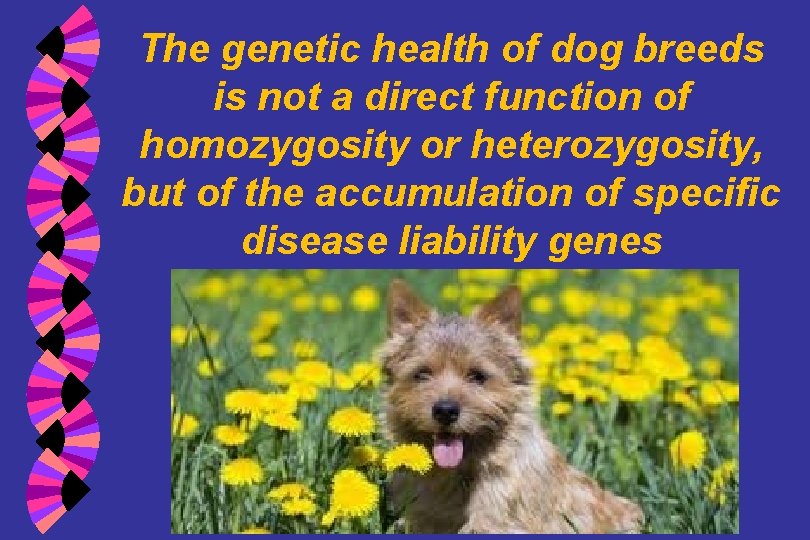
The genetic health of dog breeds is not a direct function of homozygosity or heterozygosity, but of the accumulation of specific disease liability genes
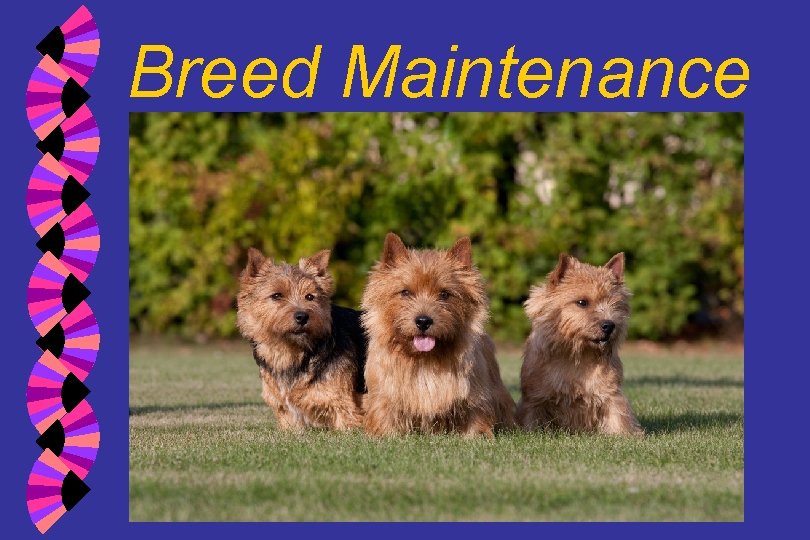
Breed Maintenance
Some people in response to perceived concerned with genetic diversity ♦ ♦ ♦ Propose outbreeding to those least related Ban close matings However, it is selection, and not the types of matings that affect breed diversity
Breed gene pool diversity requires distinct lines in order to create selective pressure Outbreeding plans are self-limiting, because as you remove the genetic differences between individuals it becomes increasingly harder to outbreed (find mates that are genetically unlike each other)
None of the types of mating systems (Inbreeding, Linebreeding, Outbreeding) change the frequency of defective genes, or their dissemination
Outbreeding will not change the frequency of deleterious genes ♦ ♦ For dispersed breed-related deleterious genes, outbreeding will not reduce the frequency of affected individuals Affected individuals will be produced in a random fashion
Genetic Diversity = Breeder Diversity
It is the varied opinion of breeders as to what constitutes the ideal animal, and their selection of breeding stock that maintains breed diversity
When breeds have issues with genetic disease, the only way to improve their gene pool is through genetic testing and selection against the specific diseases and their associated liability genes
Pre-breeding Health Screening should become as universal as Equine Pre-purchase Exams
Breed Maintenance Requires; 1) Avoiding the popular sire syndrome. 2) Utilizing quality dogs from the breadth of your population to expand the gene pool. 3) Monitoring genetic health issues through regular health surveys. 4) Doing genetic screening and testing for breed-related disorders. 5) Participating in open health registries to manage genetic disorders. 6) Constant selection for quality and health
DEVELOPING A HEALTHY BREEDING PROGRAM
Breeding Goals ♦ Maintain and enhance the quality of the breed ♦ ♦ Do not limit the genetic diversity of the population Genetic Disease Control ♦ ♦ Do not produce affected animals Decrease the (carrier) frequency of defective genes
Genetic Tests
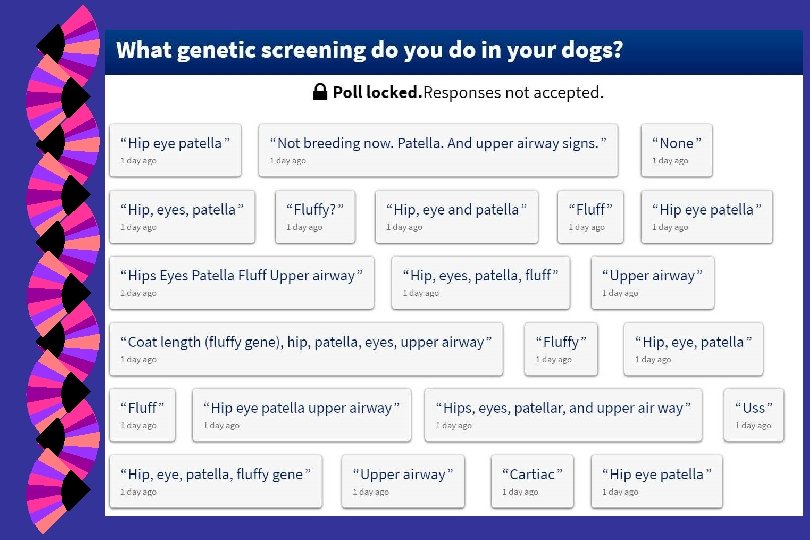
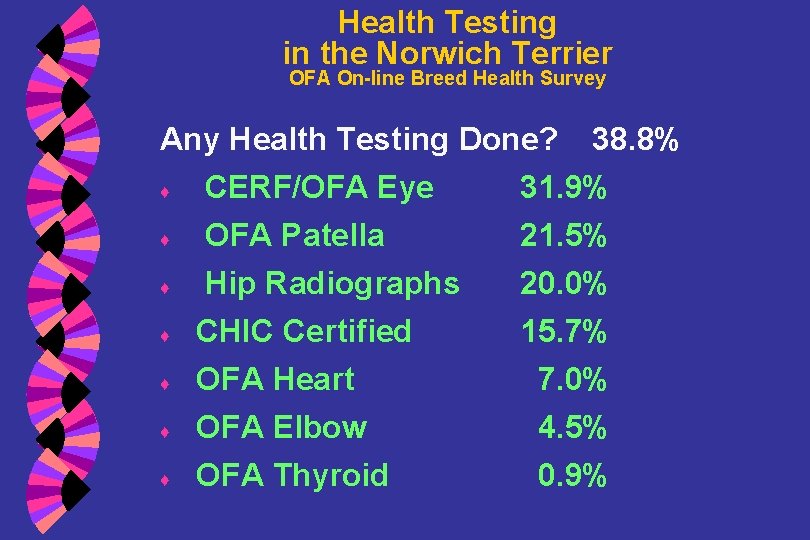
Health Testing in the Norwich Terrier OFA On-line Breed Health Survey Any Health Testing Done? 38. 8% ♦ CERF/OFA Eye 31. 9% ♦ ♦ ♦ OFA Patella Hip Radiographs CHIC Certified OFA Heart OFA Elbow OFA Thyroid 21. 5% 20. 0% 15. 7% 7. 0% 4. 5% 0. 9%
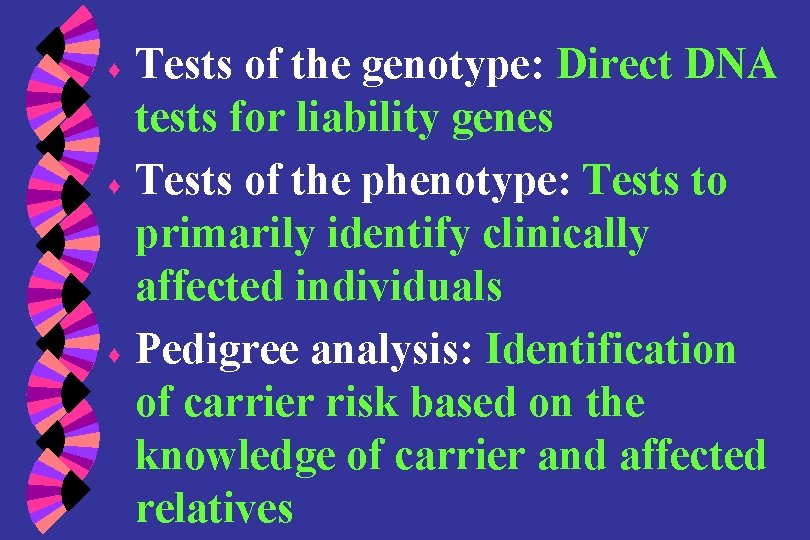
♦ ♦ ♦ Tests of the genotype: Direct DNA tests for liability genes Tests of the phenotype: Tests to primarily identify clinically affected individuals Pedigree analysis: Identification of carrier risk based on the knowledge of carrier and affected relatives
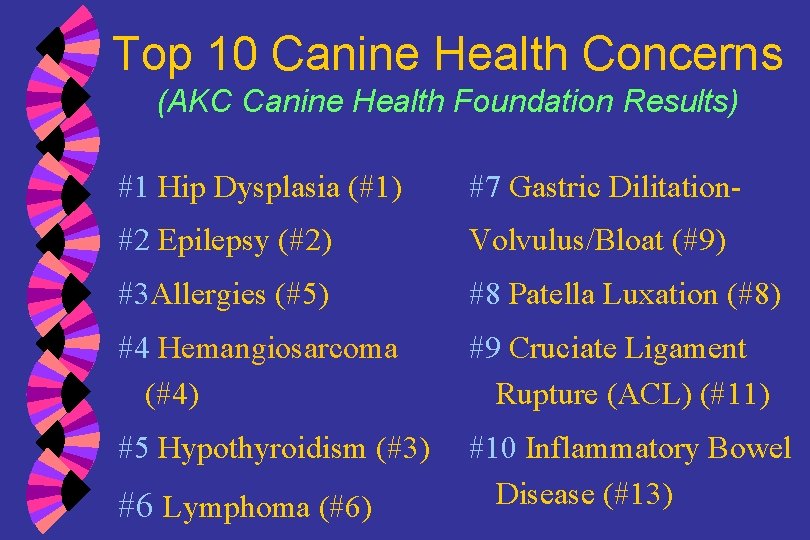
Top 10 Canine Health Concerns (AKC Canine Health Foundation Results) #1 Hip Dysplasia (#1) #7 Gastric Dilitation- #2 Epilepsy (#2) Volvulus/Bloat (#9) #3 Allergies (#5) #8 Patella Luxation (#8) #4 Hemangiosarcoma (#4) #9 Cruciate Ligament Rupture (ACL) (#11) #5 Hypothyroidism (#3) #10 Inflammatory Bowel Disease (#13) #6 Lymphoma (#6)
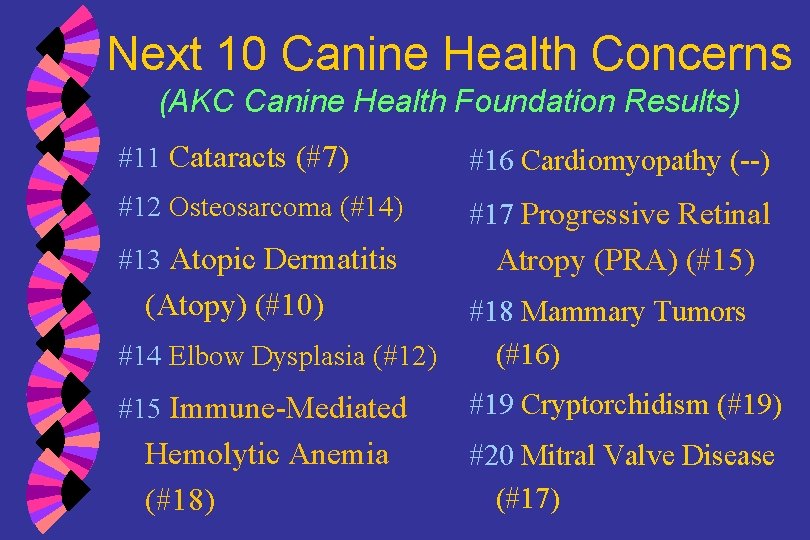
Next 10 Canine Health Concerns (AKC Canine Health Foundation Results) #11 Cataracts (#7) #16 Cardiomyopathy (--) #12 Osteosarcoma (#14) #17 Progressive Retinal #13 Atopic Dermatitis Atropy (PRA) (#15) (Atopy) (#10) #14 Elbow Dysplasia (#12) #18 Mammary Tumors (#16) #15 Immune-Mediated #19 Cryptorchidism (#19) Hemolytic Anemia (#18) #20 Mitral Valve Disease (#17)
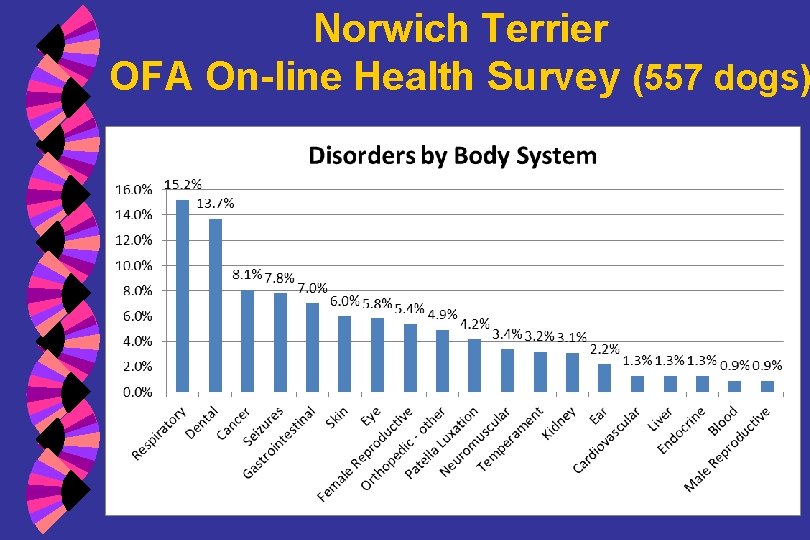
Norwich Terrier OFA On-line Health Survey (557 dogs)
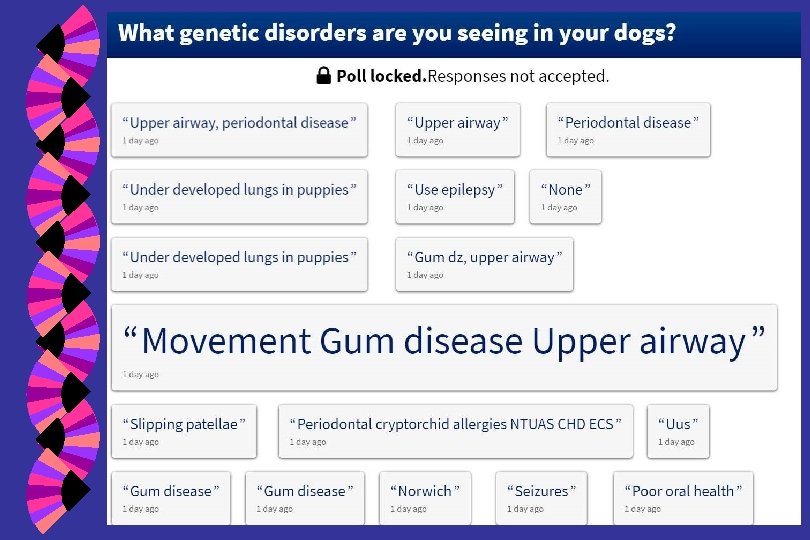
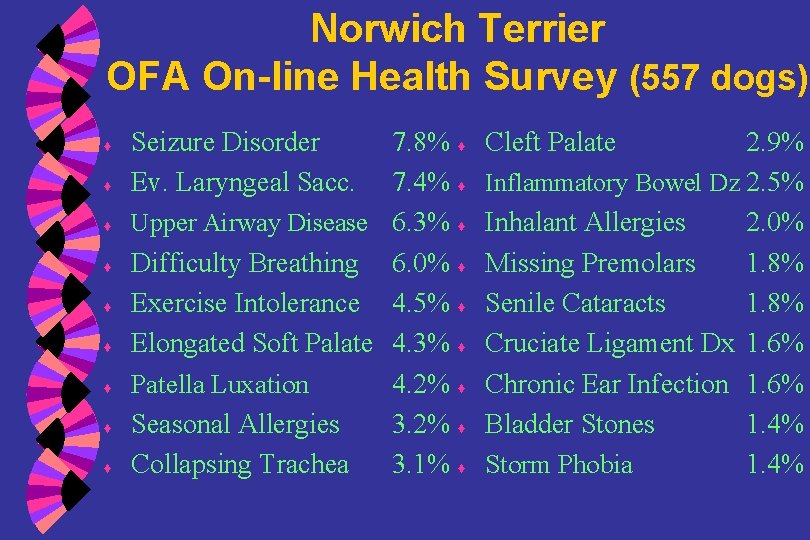
Norwich Terrier OFA On-line Health Survey (557 dogs) ♦ ♦ ♦ ♦ ♦ Seizure Disorder Ev. Laryngeal Sacc. 7. 8% ♦ 7. 4% ♦ Upper Airway Disease 6. 3% ♦ Difficulty Breathing 6. 0% ♦ Exercise Intolerance 4. 5% ♦ Elongated Soft Palate 4. 3% ♦ Patella Luxation 4. 2% ♦ Seasonal Allergies 3. 2% ♦ Collapsing Trachea 3. 1% ♦ Cleft Palate 2. 9% Inflammatory Bowel Dz 2. 5% Inhalant Allergies 2. 0% Missing Premolars 1. 8% Senile Cataracts 1. 8% Cruciate Ligament Dx 1. 6% Chronic Ear Infection 1. 6% Bladder Stones 1. 4% Storm Phobia 1. 4%
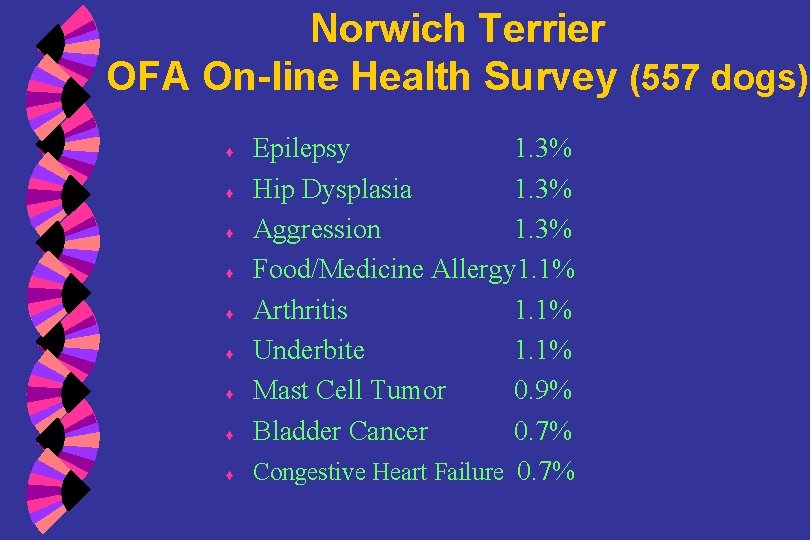
Norwich Terrier OFA On-line Health Survey (557 dogs) ♦ ♦ ♦ ♦ ♦ Epilepsy 1. 3% Hip Dysplasia 1. 3% Aggression 1. 3% Food/Medicine Allergy 1. 1% Arthritis 1. 1% Underbite 1. 1% Mast Cell Tumor 0. 9% Bladder Cancer 0. 7% Congestive Heart Failure 0. 7%
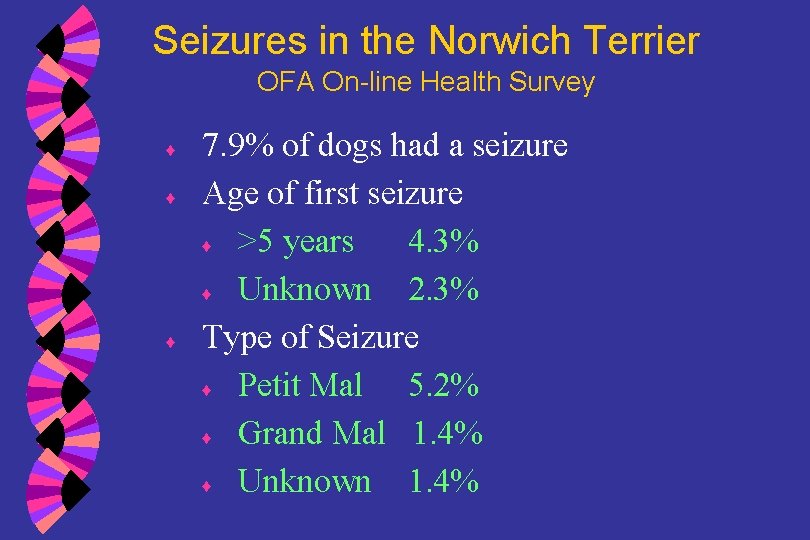
Seizures in the Norwich Terrier OFA On-line Health Survey ♦ ♦ ♦ 7. 9% of dogs had a seizure Age of first seizure ♦ >5 years 4. 3% ♦ Unknown 2. 3% Type of Seizure ♦ Petit Mal 5. 2% ♦ Grand Mal 1. 4% ♦ Unknown 1. 4%
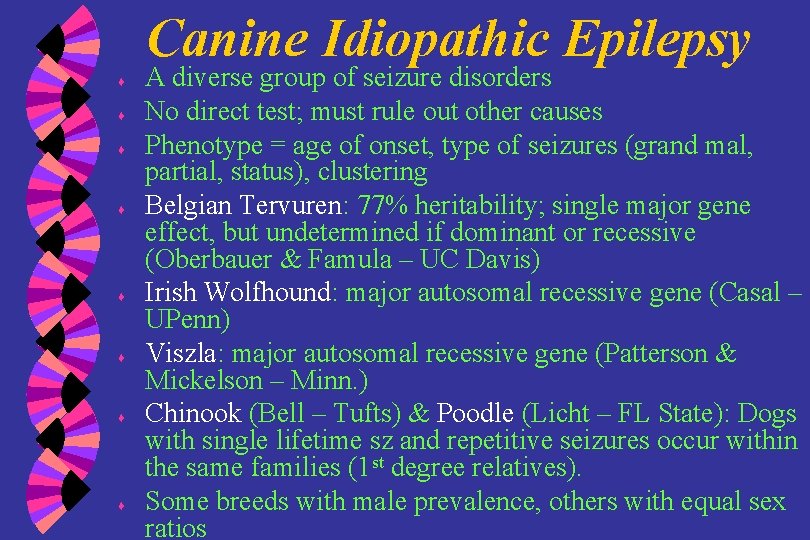
Canine Idiopathic Epilepsy ♦ ♦ ♦ ♦ A diverse group of seizure disorders No direct test; must rule out other causes Phenotype = age of onset, type of seizures (grand mal, partial, status), clustering Belgian Tervuren: 77% heritability; single major gene effect, but undetermined if dominant or recessive (Oberbauer & Famula – UC Davis) Irish Wolfhound: major autosomal recessive gene (Casal – UPenn) Viszla: major autosomal recessive gene (Patterson & Mickelson – Minn. ) Chinook (Bell – Tufts) & Poodle (Licht – FL State): Dogs with single lifetime sz and repetitive seizures occur within the same families (1 st degree relatives). Some breeds with male prevalence, others with equal sex ratios
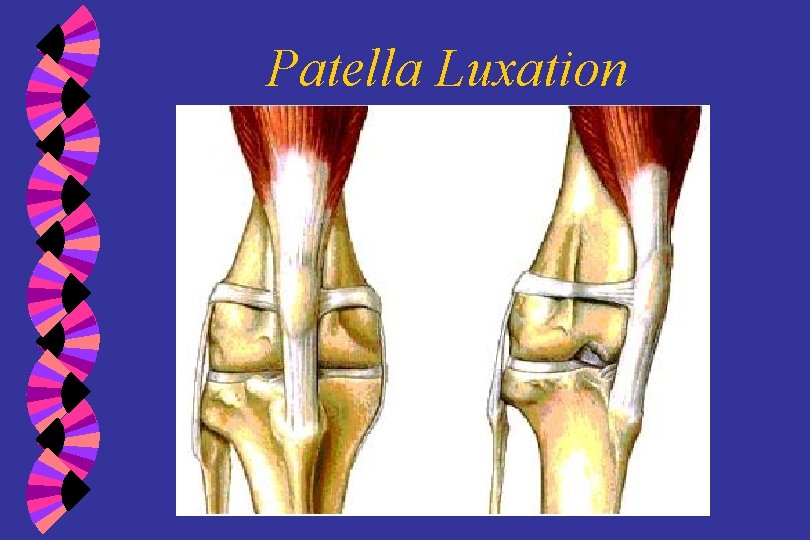
Patella Luxation
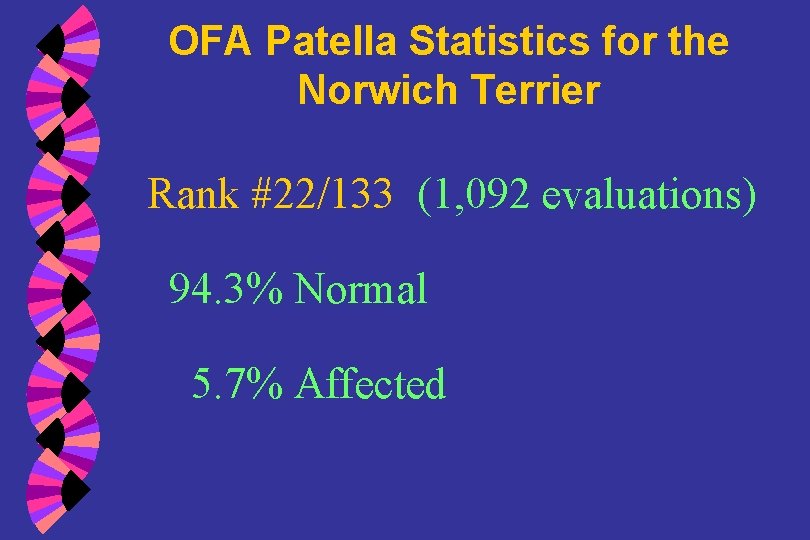
OFA Patella Statistics for the Norwich Terrier Rank #22/133 (1, 092 evaluations) 94. 3% Normal 5. 7% Affected
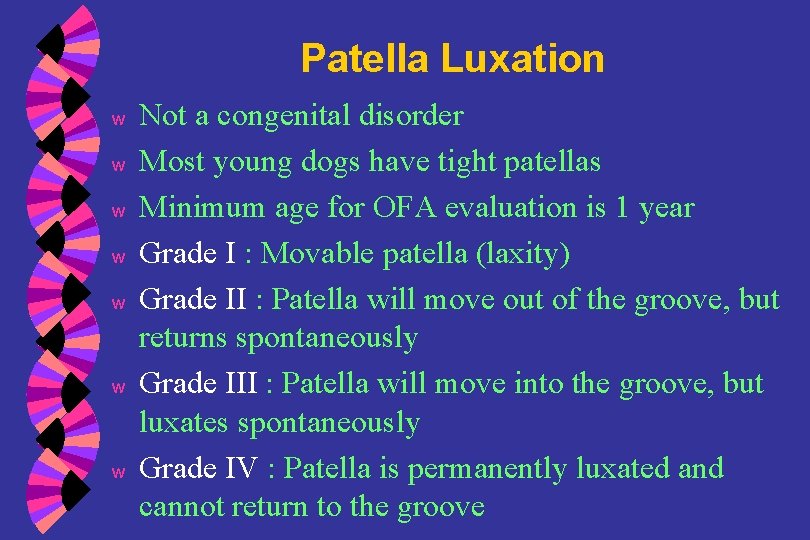
Patella Luxation w w w w Not a congenital disorder Most young dogs have tight patellas Minimum age for OFA evaluation is 1 year Grade I : Movable patella (laxity) Grade II : Patella will move out of the groove, but returns spontaneously Grade III : Patella will move into the groove, but luxates spontaneously Grade IV : Patella is permanently luxated and cannot return to the groove
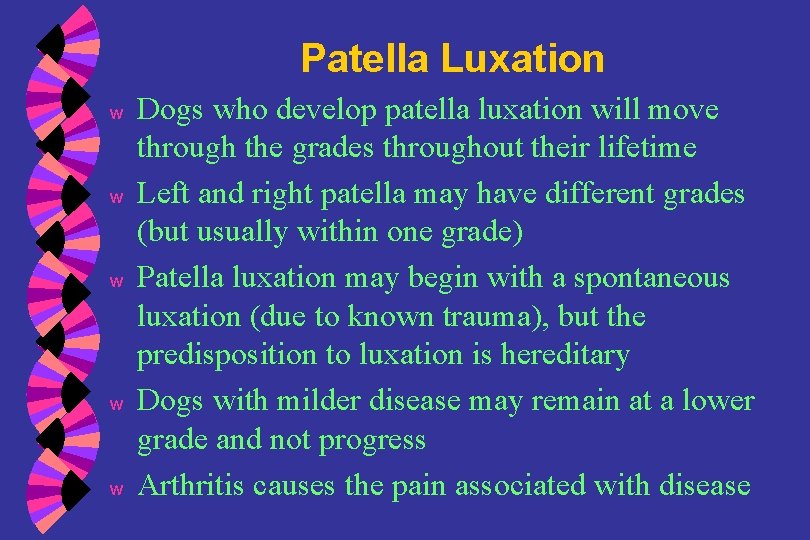
Patella Luxation w w w Dogs who develop patella luxation will move through the grades throughout their lifetime Left and right patella may have different grades (but usually within one grade) Patella luxation may begin with a spontaneous luxation (due to known trauma), but the predisposition to luxation is hereditary Dogs with milder disease may remain at a lower grade and not progress Arthritis causes the pain associated with disease
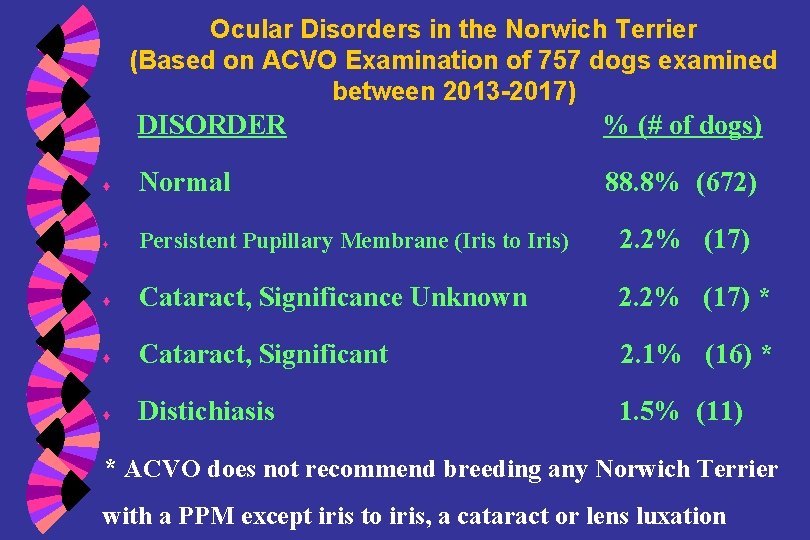
Ocular Disorders in the Norwich Terrier (Based on ACVO Examination of 757 dogs examined between 2013 -2017) DISORDER % (# of dogs) ♦ Normal 88. 8% (672) ♦ Persistent Pupillary Membrane (Iris to Iris) 2. 2% (17) ♦ Cataract, Significance Unknown 2. 2% (17) * ♦ Cataract, Significant 2. 1% (16) * ♦ Distichiasis 1. 5% (11) * ACVO does not recommend breeding any Norwich Terrier with a PPM except iris to iris, a cataract or lens luxation
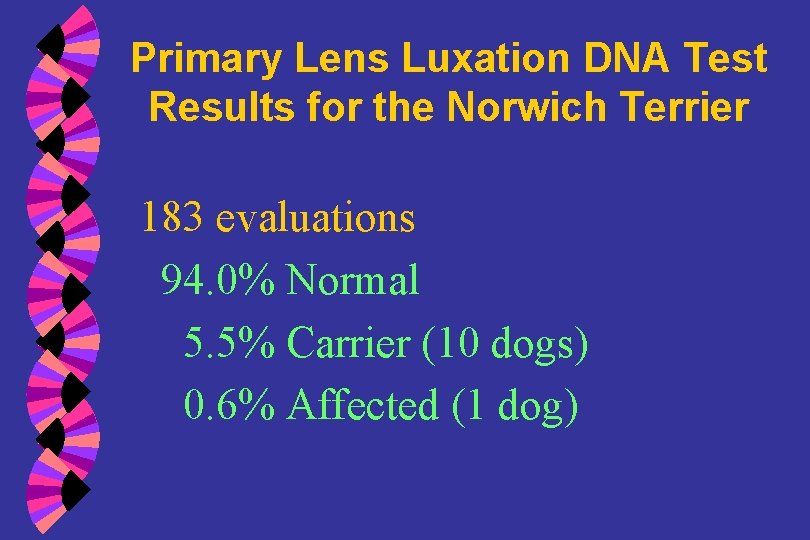
Primary Lens Luxation DNA Test Results for the Norwich Terrier 183 evaluations 94. 0% Normal 5. 5% Carrier (10 dogs) 0. 6% Affected (1 dog)
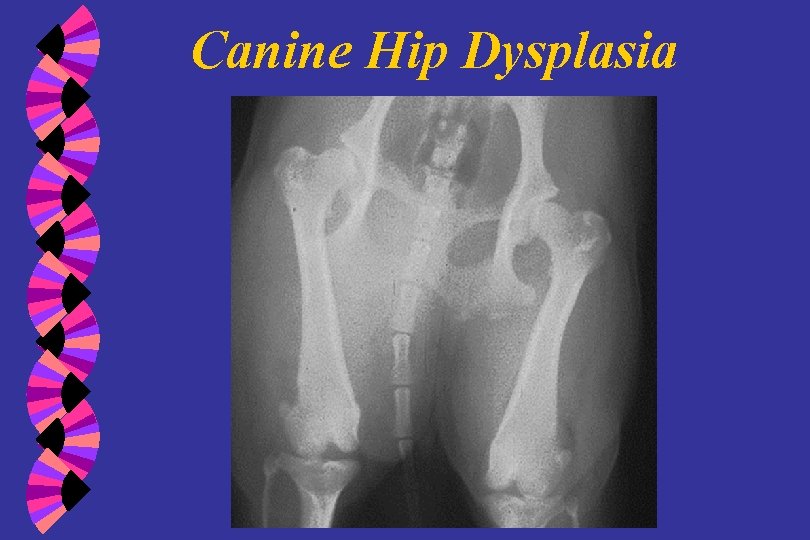
Canine Hip Dysplasia
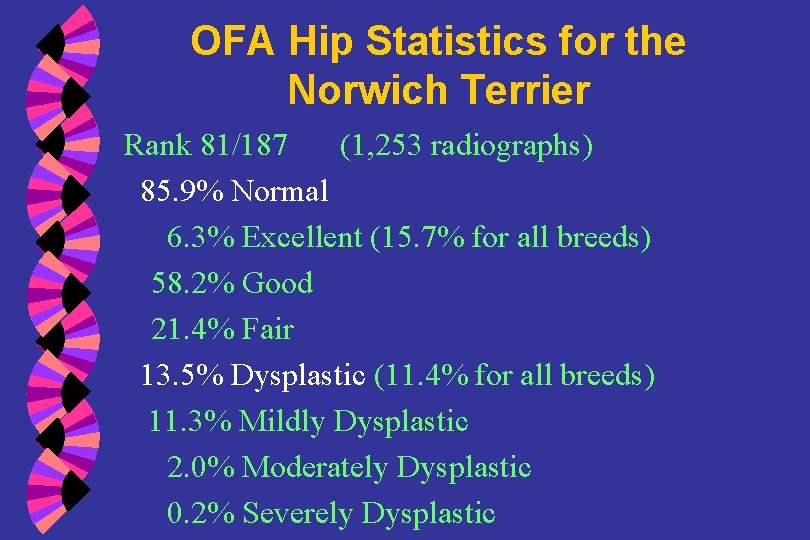
OFA Hip Statistics for the Norwich Terrier Rank 81/187 (1, 253 radiographs) 85. 9% Normal 6. 3% Excellent (15. 7% for all breeds) 58. 2% Good 21. 4% Fair 13. 5% Dysplastic (11. 4% for all breeds) 11. 3% Mildly Dysplastic 2. 0% Moderately Dysplastic 0. 2% Severely Dysplastic
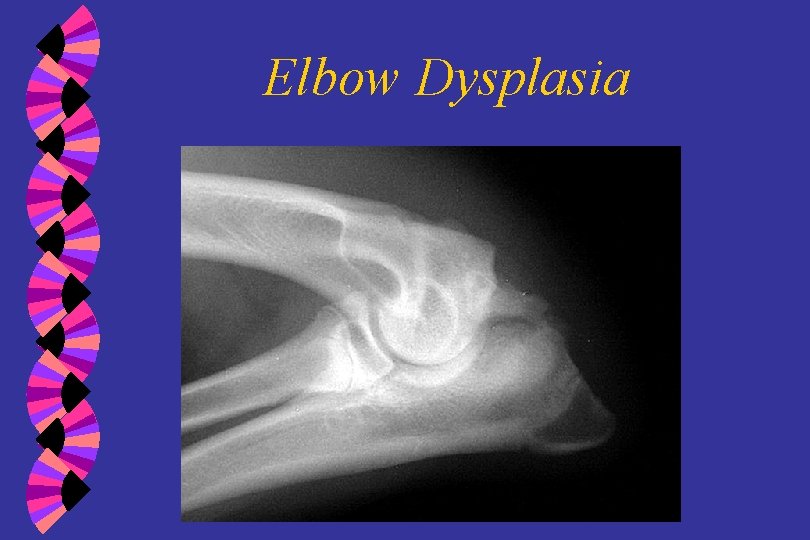
Elbow Dysplasia
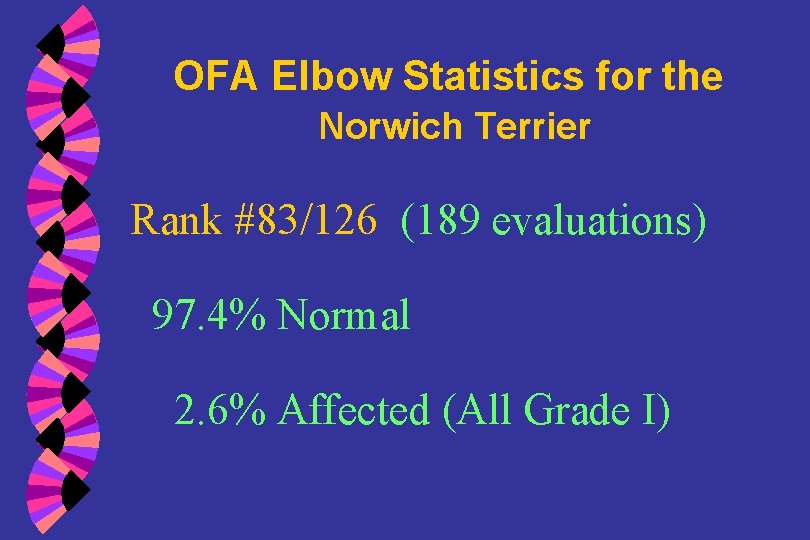
OFA Elbow Statistics for the Norwich Terrier Rank #83/126 (189 evaluations) 97. 4% Normal 2. 6% Affected (All Grade I)
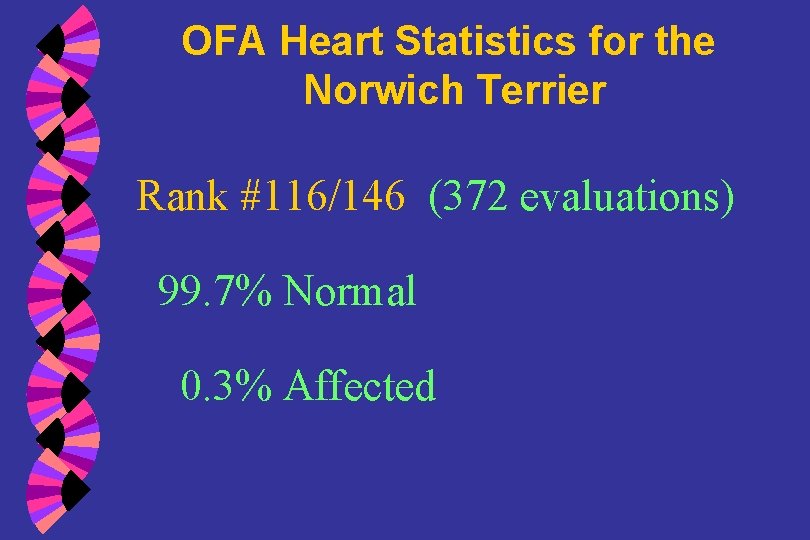
OFA Heart Statistics for the Norwich Terrier Rank #116/146 (372 evaluations) 99. 7% Normal 0. 3% Affected
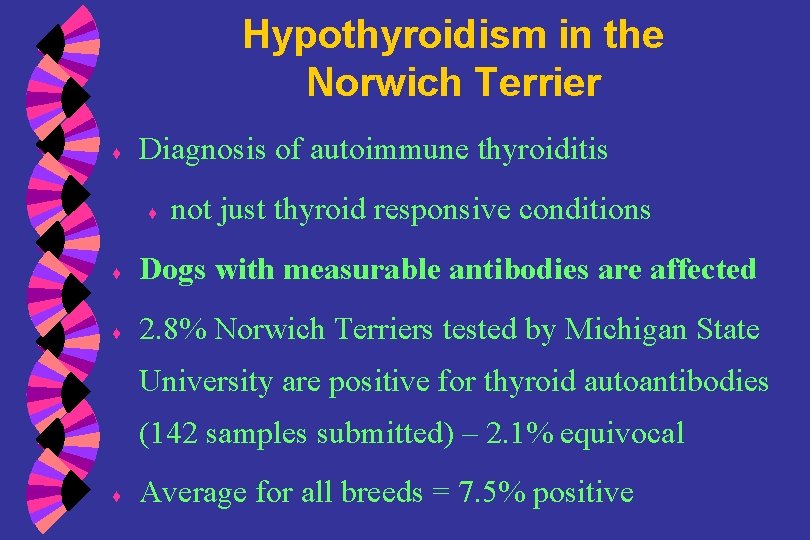
Hypothyroidism in the Norwich Terrier ♦ Diagnosis of autoimmune thyroiditis ♦ not just thyroid responsive conditions ♦ Dogs with measurable antibodies are affected ♦ 2. 8% Norwich Terriers tested by Michigan State University are positive for thyroid autoantibodies (142 samples submitted) – 2. 1% equivocal ♦ Average for all breeds = 7. 5% positive
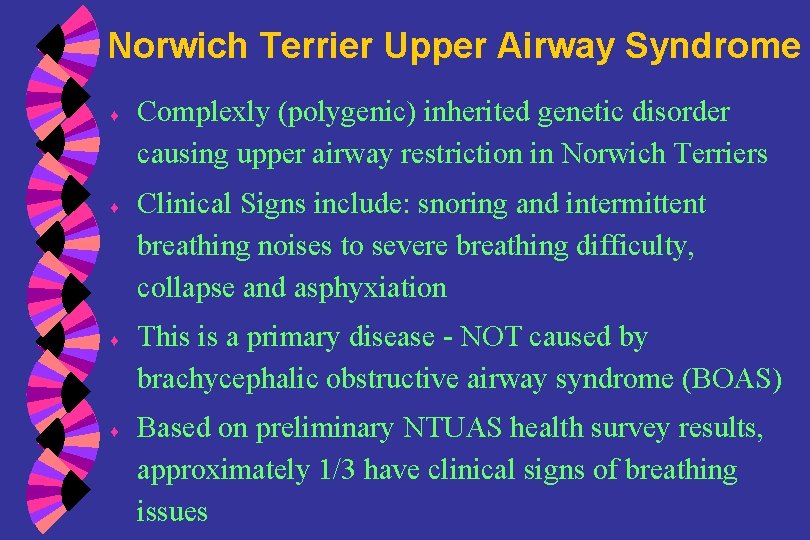
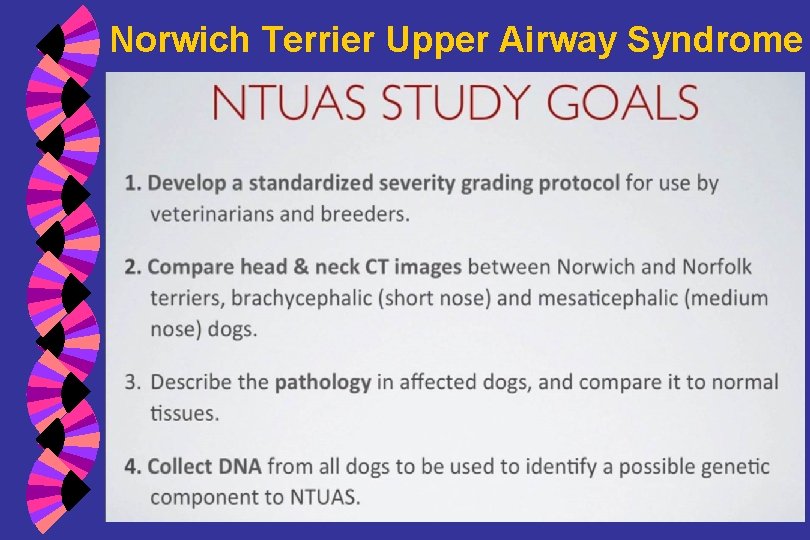
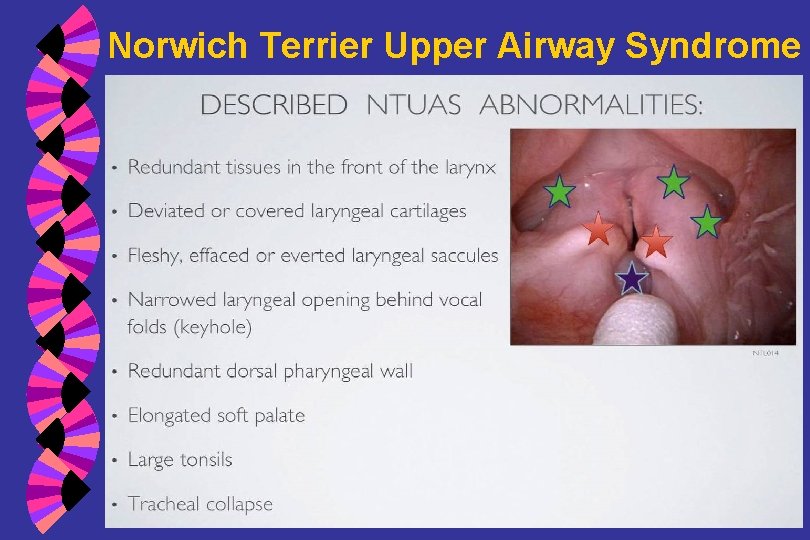
Norwich Terrier Upper Airway Syndrome ♦ ♦ Complexly (polygenic) inherited genetic disorder causing upper airway restriction in Norwich Terriers Clinical Signs include: snoring and intermittent breathing noises to severe breathing difficulty, collapse and asphyxiation This is a primary disease - NOT caused by brachycephalic obstructive airway syndrome (BOAS) Based on preliminary NTUAS health survey results, approximately 1/3 have clinical signs of breathing issues
Norwich Terrier Upper Airway Syndrome
Norwich Terrier Upper Airway Syndrome
Norwich Terrier Upper Airway Syndrome
Norwich Terrier Upper Airway Syndrome ♦ ♦ ♦ DNA has been collected from all dogs examined in the NTUAS study As NTUAS appears to be a complexly inherited disorder, it is likely that DNA studies will also be complex and take at best several years to perform A DNA test for NTUAS is not likely in the foreseeable future
Norwich Terrier Upper Airway Syndrome ♦ The most promising result from the NTUAS study is the development of a Phenotypic Grading Scheme ♦ ♦ Based on clinical signs, standardized walking test, and laryngeal examination Phenotypic grading will provide a quantifiable score for each dog ♦ The best selection will incorporate individual dog’s scores with that of their close relatives (I. e. , depth & breadth of pedigree results in an open database)
Norwich Terrier Abnormal Lung Development (Puppy Neonatal Death) ♦ ♦ ♦ Genetic (hereditary) disease causing sudden death in Norwich Terriers < 14 days of age Undetermined mode of inheritance Necropsies on affected puppies show abnormal lung development and pulmonary vasculature disease A CHF Grant (2 year study) has been awarded to Dr. Kurt Williams at Michigan State Univ. to study the disorder will 1273@dcpah. msu. edu
Degenerative Myelopathy u u “ALS-like” loss of neurological function in old dogs Clinical disease has only been identified in 17 breeds – NOT in Norwich Terriers Complex (polygenic) mode of inheritance An autosomal Recessive liability gene (sod 1) has been identified All DM affected dogs must have 2 copies The sod 1 mutation is the most common mutation found in all dogs and almost all breeds: 7. 8% of all mixed breed dogs and 5. 4% of all purebred dogs THERE IS NO REASON TO TEST NORWICH TERRIERS FOR THE sod 1 MUTATION u u u
Responsibility Duty, Obligation, Burden What is the obligation for breeders to do genetic testing?
Breeders are the custodians of their breeds, and their gene pool. ♦ Above all, do no harm. ♦ Breeders must be counseled to use genetic tests for the best interests of their breed.
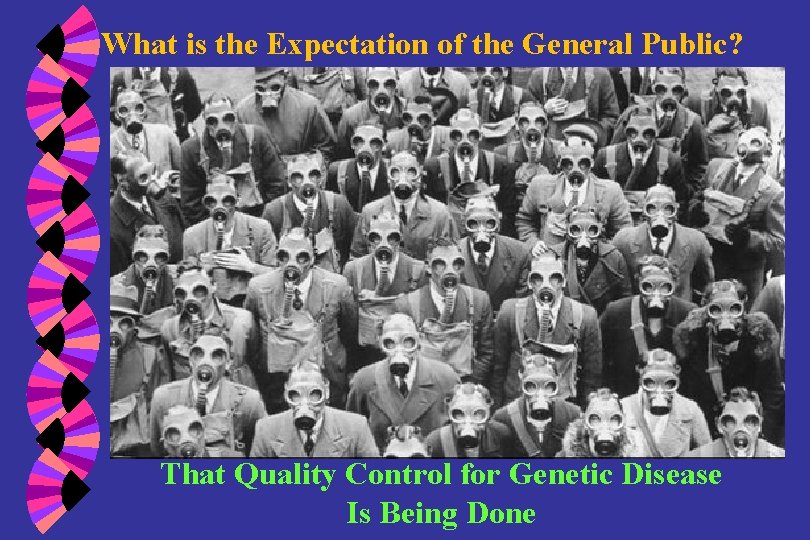
What is the Expectation of the General Public? That Quality Control for Genetic Disease Is Being Done
It is the ethical responsibility and obligation of all breeders to perform the available required pre-breeding genetic health tests on prospective breeding stock prior to any breeding
All genetic disease cannot be prevented. However, we have the knowledge and the tools to improve the genetic health of puppies
Who is a Reputable Breeder? One That Does Genetic Testing If not: Find a different hobby or profession
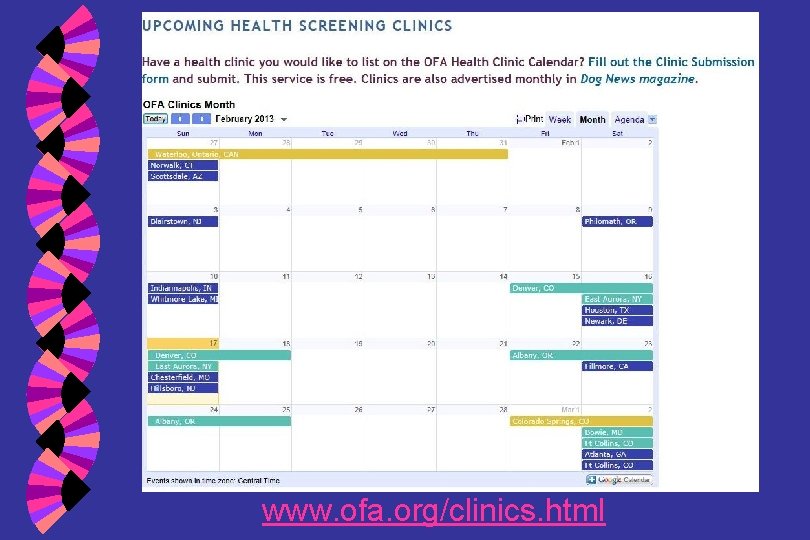
Many health tests can be performed during an examination with your veterinarian, or obtained inexpensively at local health screening clinics
www. ofa. org/clinics. html
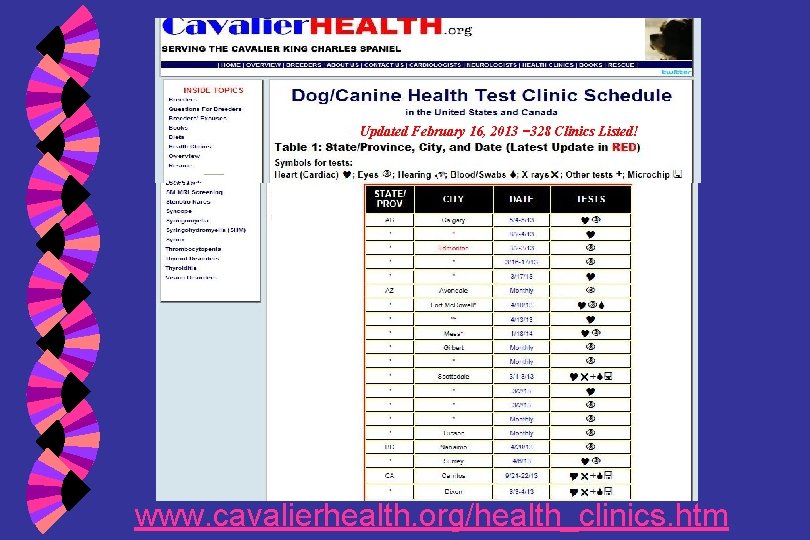
Updated February 16, 2013 − 328 Clinics Listed! www. cavalierhealth. org/health_clinics. htm
Managing Genetic Disease
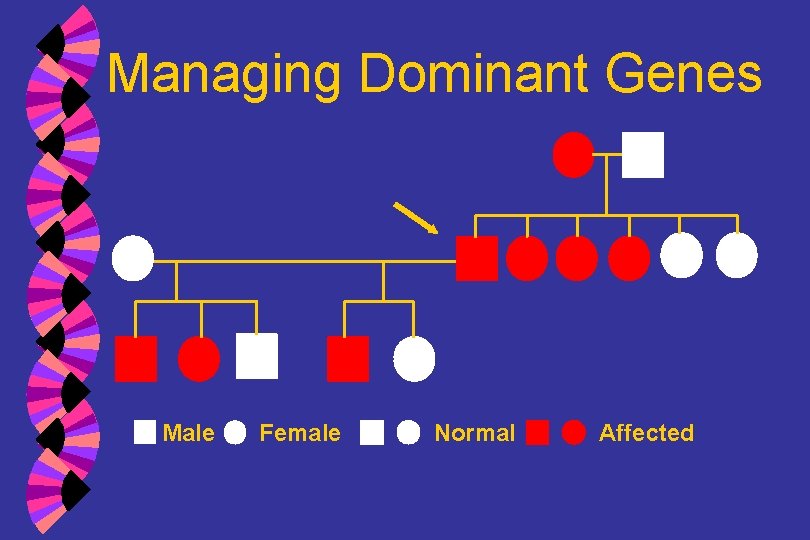
Managing Dominant Genes ♦ ♦ ♦ Ex) Ehlers-Danlos syndrome, Goiter, Lymphedema, some Cataracts, Mastiff PRA. Replace affected breeding dogs with normal siblings, parent, or priorborn offspring. Ideally don’t want to breed and produce more affected dogs.
Managing Dominant Genes Male Female Normal Affected
Managing Recessive Genes ♦ Ex) storage diseases, Von Willibrand’s disease, Cranomandibular Osteopathy (CMO), CMR. With tests for carriers: ♦ Breed carriers to genetically normal mates. ♦ Replace carrier parents with genetically normal offspring. ♦ Select against carriers for breeding.
The Proper Use of Genetic Tests ♦ ♦ Without genetic tests, the effect of selection on the gene pool is minimal. With genetic tests, if everyone decides not to breed carriers, it can have a significant limiting effect on the gene pool.
If a breeder was planning on breeding an animal prior to receiving carrier test results, the PROPER RESPONSE is to breed to a normal individual, and eventually replace the parent with a quality normal offspring.
An individual is not an eye, a hip, or a heart. Each individual carries tens of thousands of genes, and each is part of the breed’s gene pool. Breeders must consider all aspects, such as health issues, conformation, temperament, and working ability. Making breeding decisions based on a single testable gene is inappropriate.
For RECESSIVE diseases A DIRECT GENETIC TEST should not alter WHO gets bred, only WHO THEY GET BRED TO.
Genetic Databases
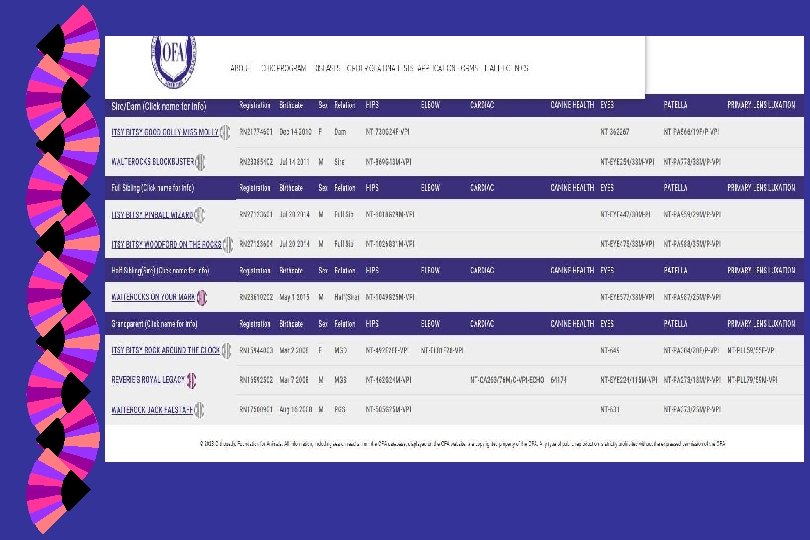
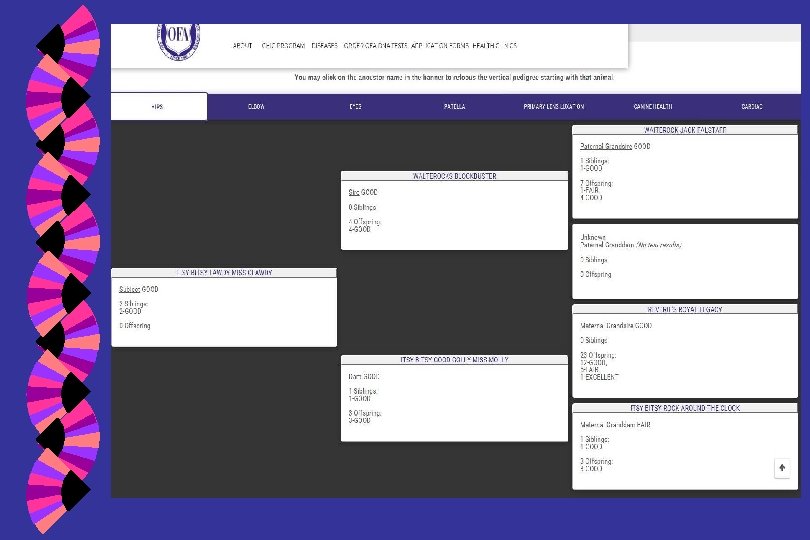
www. ofa. org
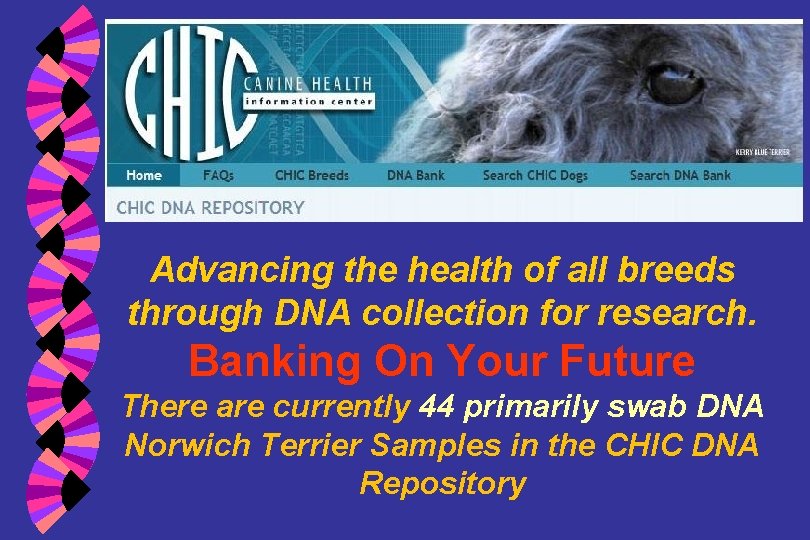
Advancing the health of all breeds through DNA collection for research. Banking On Your Future There are currently 44 primarily swab DNA Norwich Terrier Samples in the CHIC DNA Repository
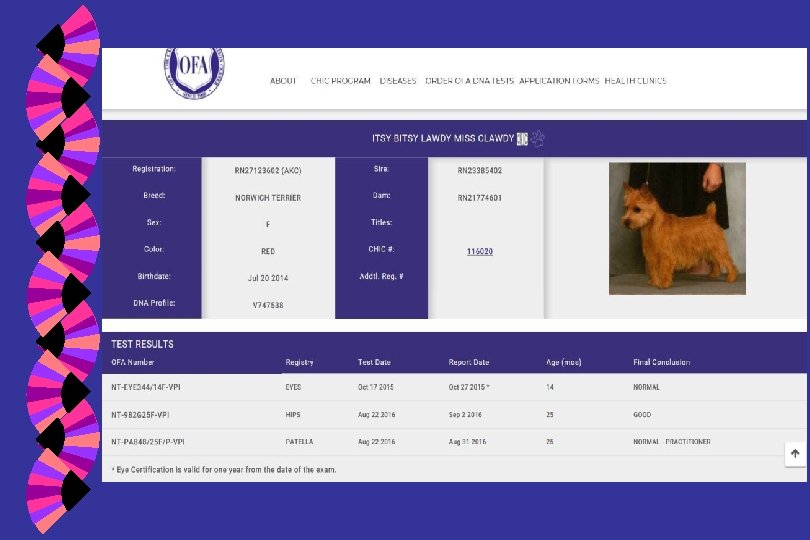
OFA – The Canine Health Information Center The Standard of Care in Health Conscious Breeding
♦ ♦ Open health database for breeds. Included disorders and means of diagnoses are determined by each national breed club. Animals can receive CHIC certification based on completing the required genetic testing, REGARDLESS of normal or abnormal outcomes. As more testable disorders emerge, every individual is likely to carry some deleterious genes.
Not about health normalcy About health consciousness
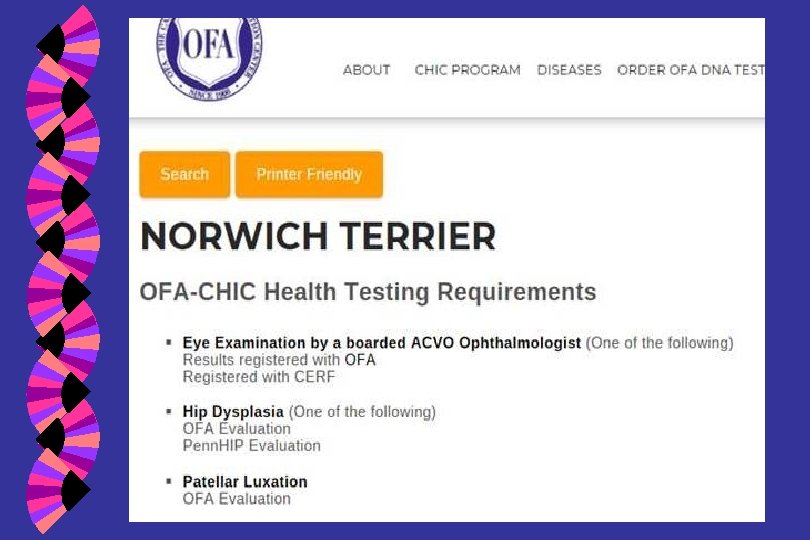
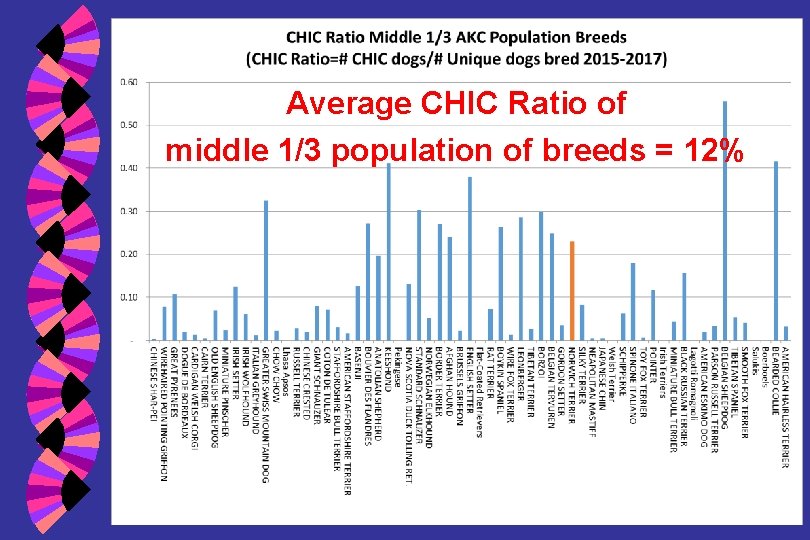
728 Norwich Terriers have achieved CHIC certification CHIC Breed Ratio (#CHIC/#AKC Bred)=0. 23
Average CHIC Ratio of middle 1/3 population of breeds = 12%
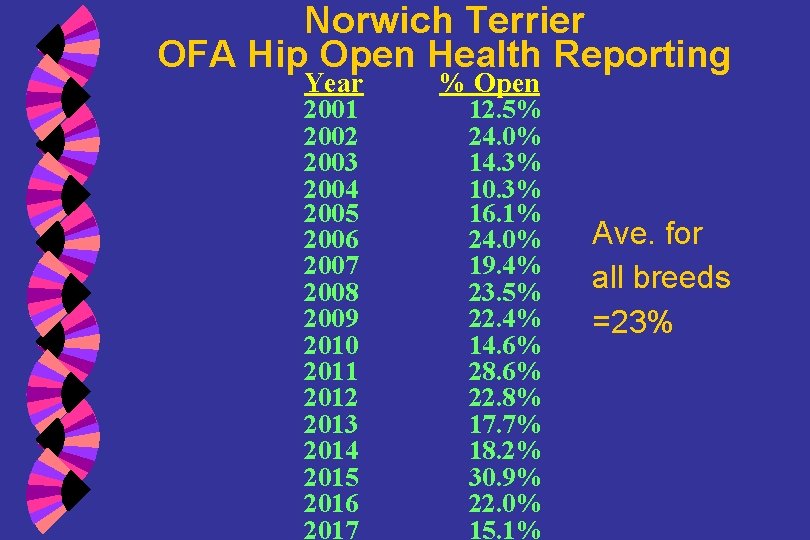
Norwich Terrier OFA Hip Open Health Reporting Year 2001 2002 2003 2004 2005 2006 2007 2008 2009 2010 2011 2012 2013 2014 2015 2016 2017 % Open 12. 5% 24. 0% 14. 3% 10. 3% 16. 1% 24. 0% 19. 4% 23. 5% 22. 4% 14. 6% 28. 6% 22. 8% 17. 7% 18. 2% 30. 9% 22. 0% 15. 1% Ave. for all breeds =23%
“As long as we keep problems ‘secret’ we will not be able to deal with them. ”
Breeders need to be informed about the problems occurring in the offspring they produce
The days of stigmatizing conscientious, health-testing breeders who have produced dogs affected or carrying hereditary disease are over
Using Genetic Tests Direct Gene Test ♦ ♦ Test of the genotype Only need to know results of the breeding stock to make breeding decisions Phenotypic Tests, Linkage tests, or No test for carriers ♦ Knowledge of the test results and carrier or affected status of relatives is important
Without tests for carriers ♦ ♦ Breed higher risk individuals to lower risk individuals. Replace the higher risk individual with it’s lower risk offspring. Repeat the process in the next generation. Requires (open) health databases
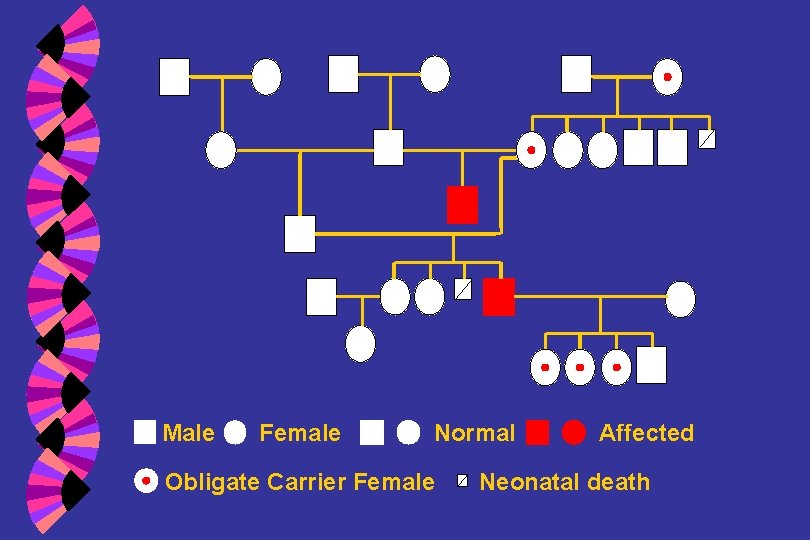
Managing Sex-linked Genes ♦ ♦ Ex) hemophilia A & B, muscular dystrophy, Siberian Husky/Samoyed PRA. Follow the same “breed and replace” recommendations, for autosomal recessive genes, except: ♦ ♦ Using normal males will always lose the defective gene Affected males have carrier mothers, and all carrier daughters Carrier mothers have 50% affected sons Replace carrier females with normal male sibs or male offspring
Male Female Normal Obligate Carrier Female Affected Neonatal death
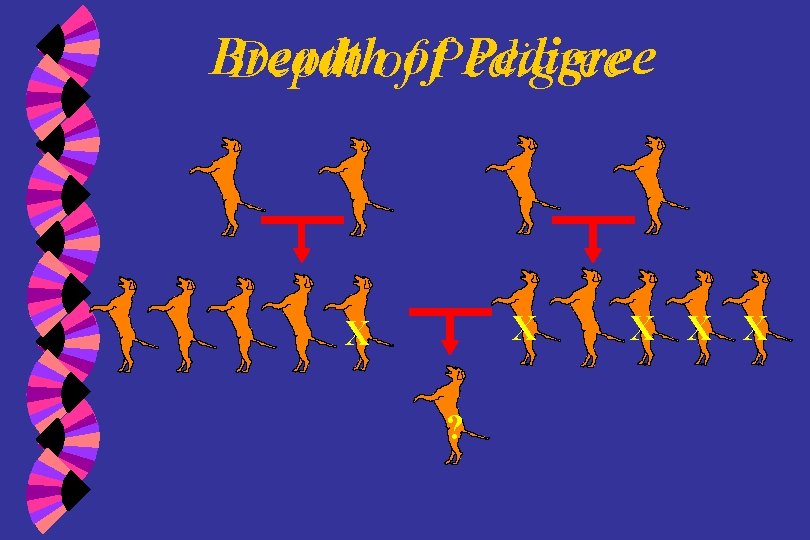
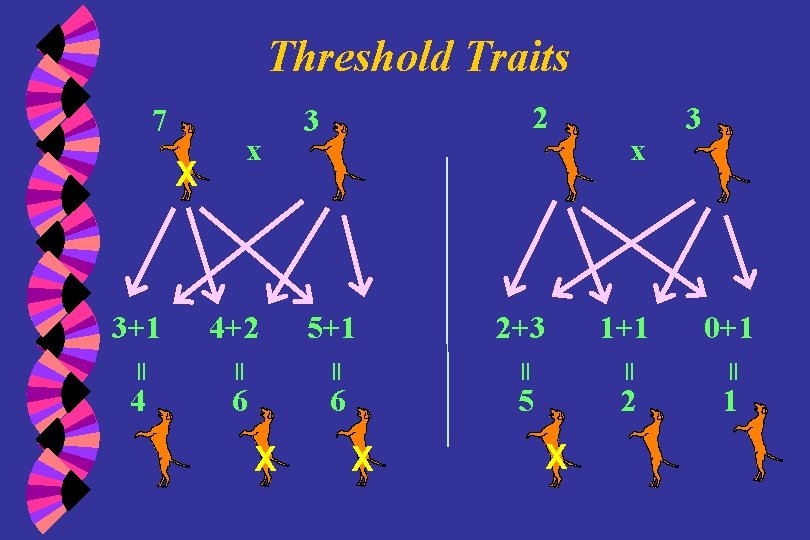
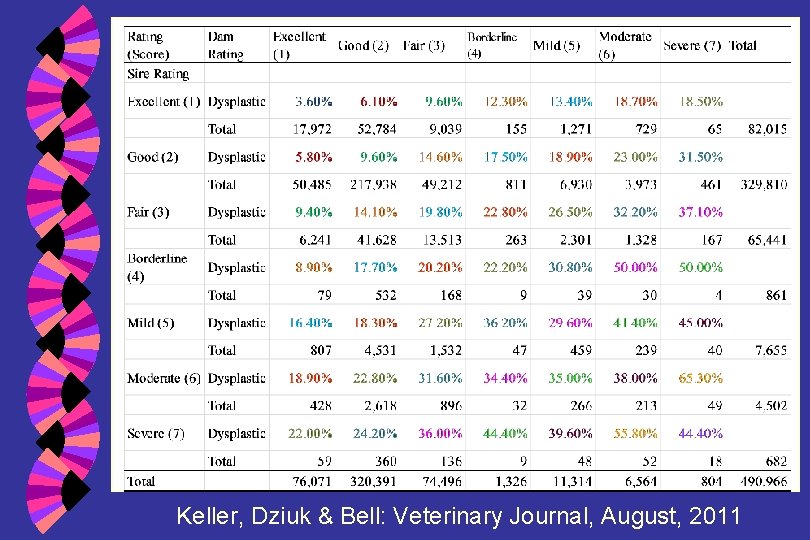
Managing Polygenic Disorders ♦ ♦ ♦ Ex) congenital heart anomalies, hip dysplasia, patella luxation Identify phenotypic traits tied to the underlying genes Phenotypic breadth of pedigree provides information on the possible range of genes carried Treat disorders as threshold traits Breed normal dogs from (mostly) normal litters
Breadth Pedigree Depth ofof. Pedigree X X ? X X X
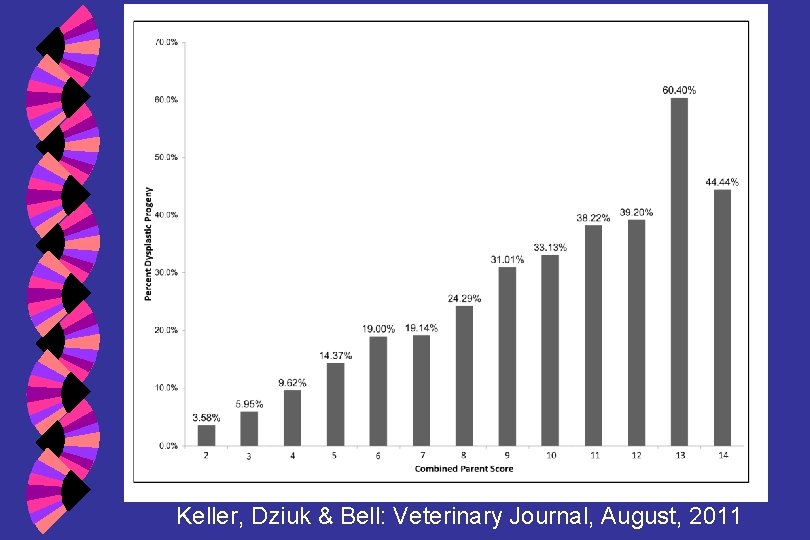
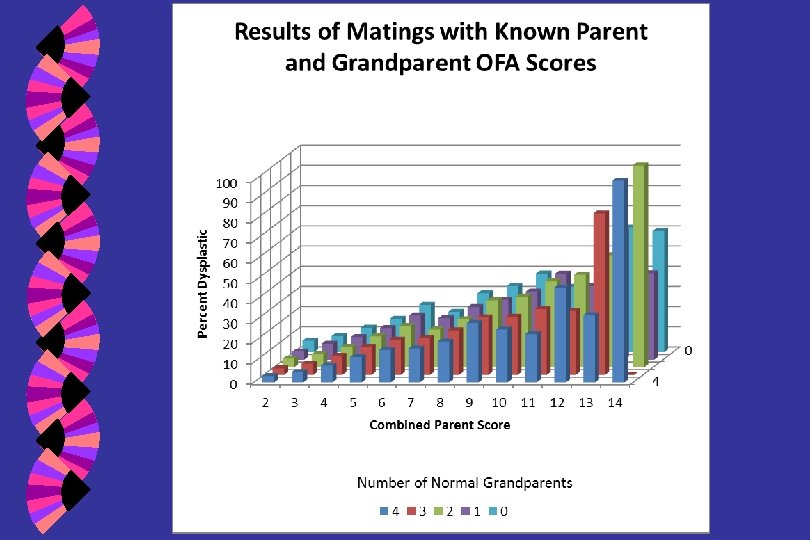
Polygenic disorders are Threshold Traits A number of genes must combine to cross a threshold to produce an affected animal.
Threshold Traits 7 3+1 4+2 5+1 2+3 1+1 0+1 = = = x 3 = X x 2 3 4 6 6 5 2 1 X X X
Keller, Dziuk & Bell: Veterinary Journal, August, 2011
Keller, Dziuk & Bell: Veterinary Journal, August, 2011
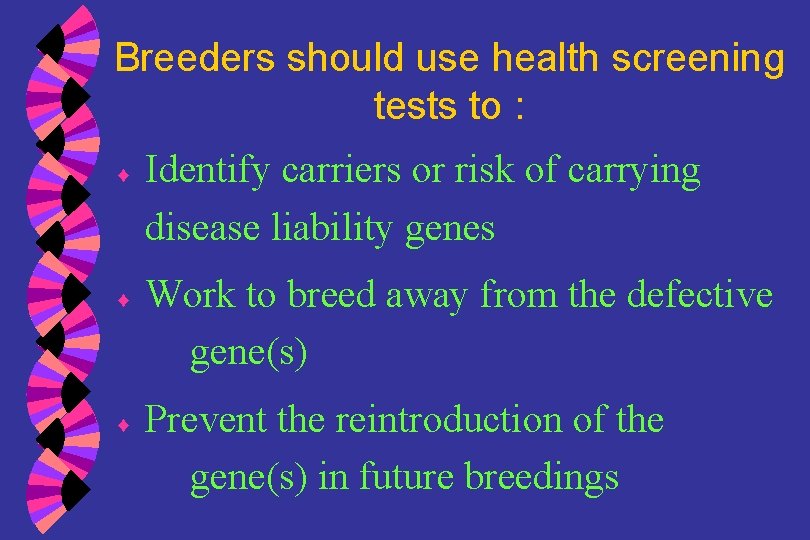
Breeders should use health screening tests to : ♦ ♦ ♦ Identify carriers or risk of carrying disease liability genes Work to breed away from the defective gene(s) Prevent the reintroduction of the gene(s) in future breedings
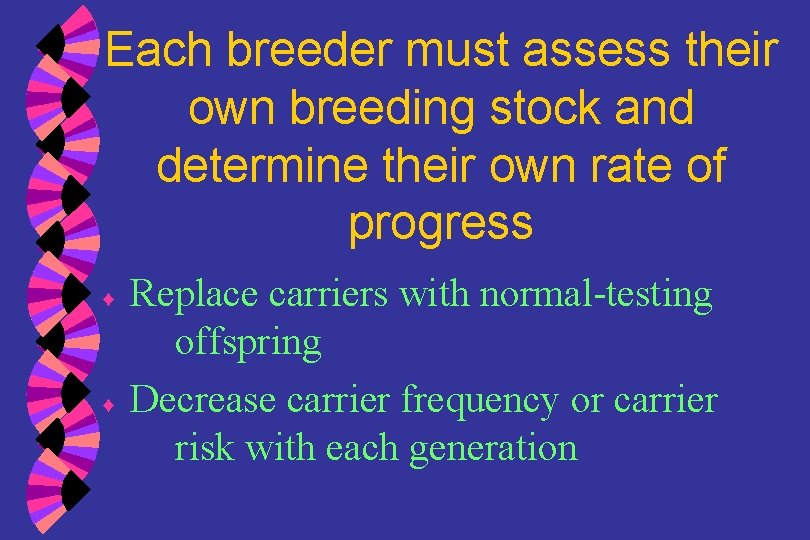
Each breeder must assess their own breeding stock and determine their own rate of progress ♦ ♦ Replace carriers with normal-testing offspring Decrease carrier frequency or carrier risk with each generation
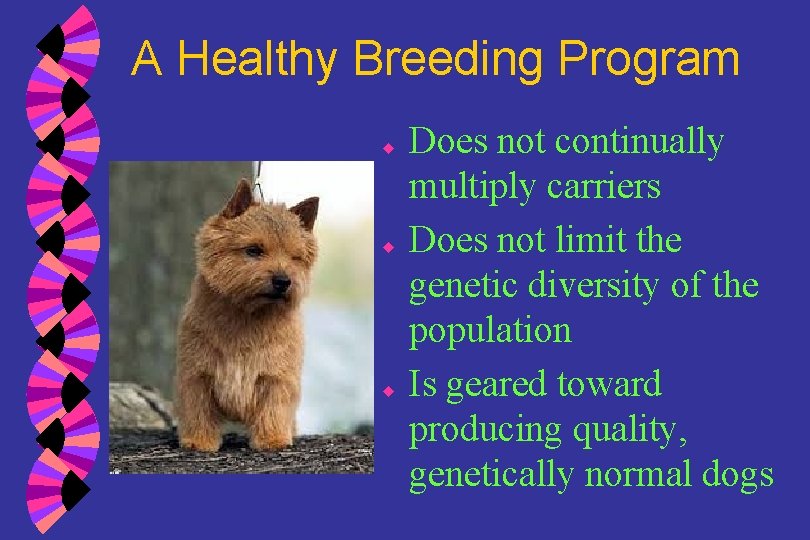
A Healthy Breeding Program u u u Does not continually multiply carriers Does not limit the genetic diversity of the population Is geared toward producing quality, genetically normal dogs
How Can We Educate the Public? ♦ Make them more informed consumers of dogs and puppies ♦ Able to discern responsible health-conscious breeders ♦ Knowledgeable about genetic screening & testing
Questions?