Introduction The postanesthesia care unit PACU monitor and















- Slides: 84
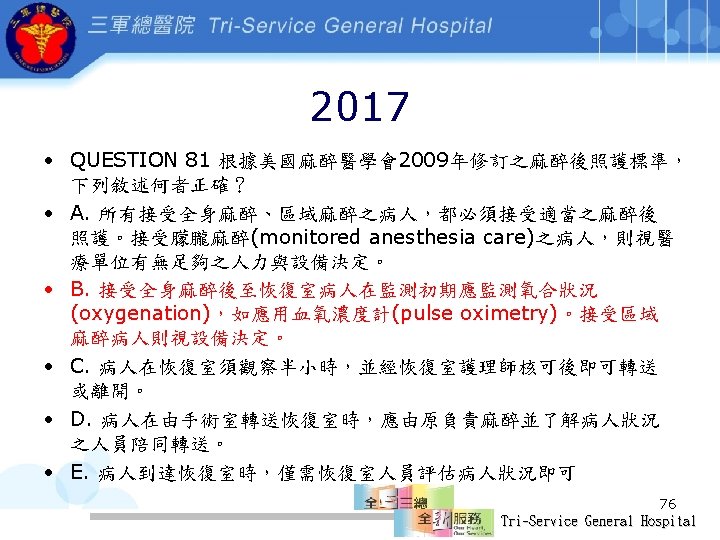
Introduction • The postanesthesia care unit (PACU) – monitor and care for patients who are recovering from anesthesia and surgery • The American Society of Anesthesiologists (ASA) established standards for postanesthesia care 2 Tri-Service General Hospital
PACU Standards 1. All patients who have received anesthesia shall receive postanesthesia management 3 Tri-Service General Hospital
PACU Standards 2. Patient’s transportation to the PACU – Accompanied by a member of the anesthesia care team • knowledgeable about the patient’s condition – Patient’s condition shall be continually evaluated and treated during transport with monitoring 4 Tri-Service General Hospital
PACU Standards • 3. Upon arrival in the PACU, the patient shall be reevaluated and a verbal report should be provided to the responsible PACU nurse • 4. The patient should be evaluated continually in the PACU 5 Tri-Service General Hospital
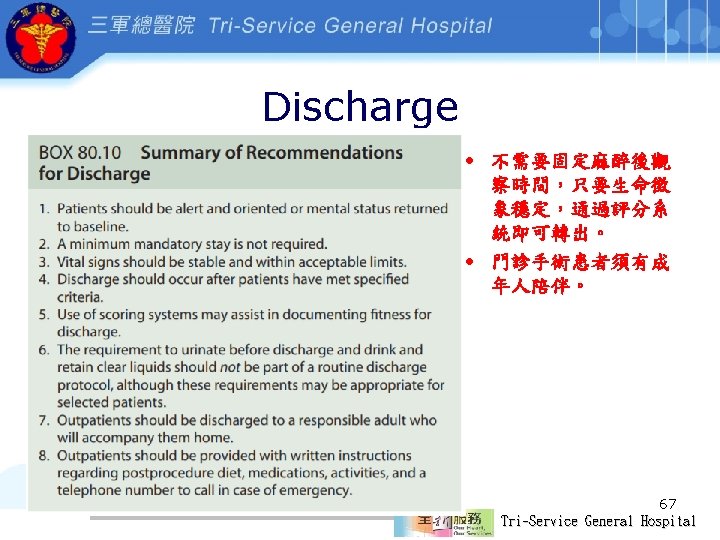
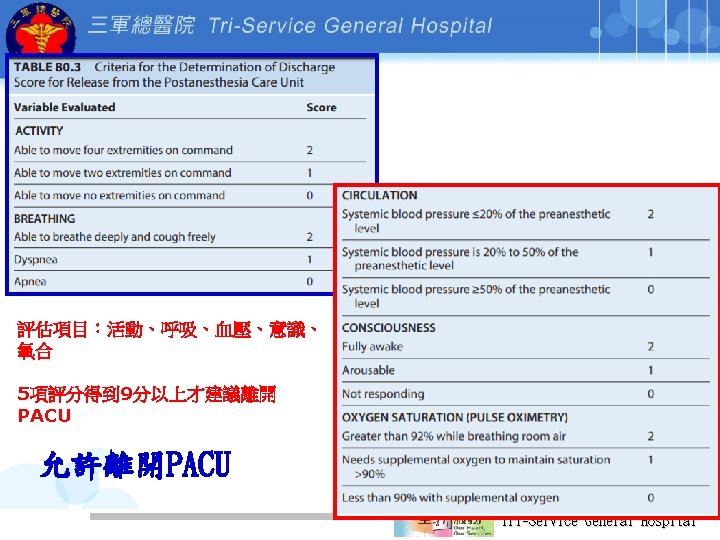
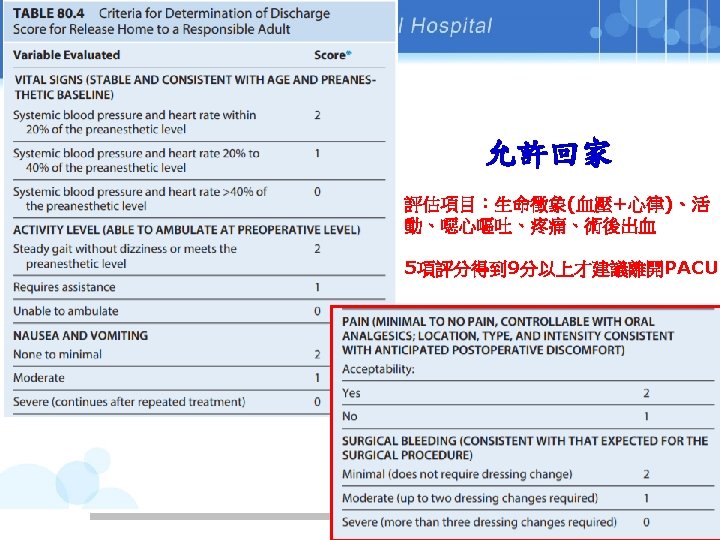
PACU Standards • 5. A physician is responsible for the discharge of the patient from the PACU 6 Tri-Service General Hospital
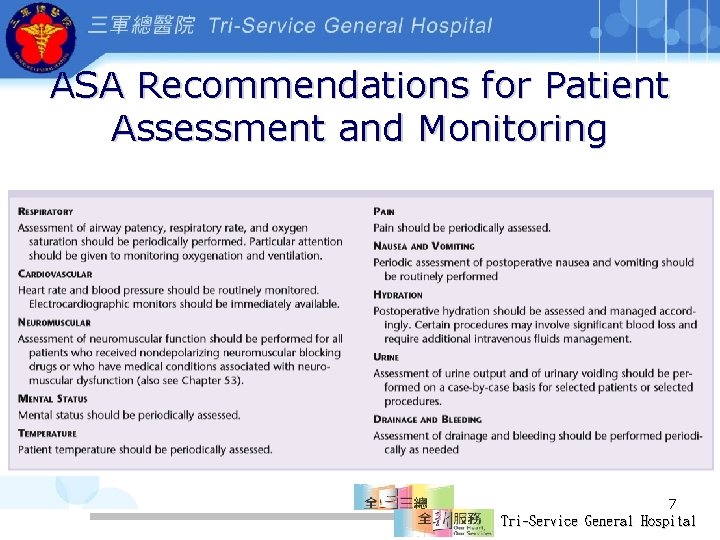
ASA Recommendations for Patient Assessment and Monitoring 7 Tri-Service General Hospital
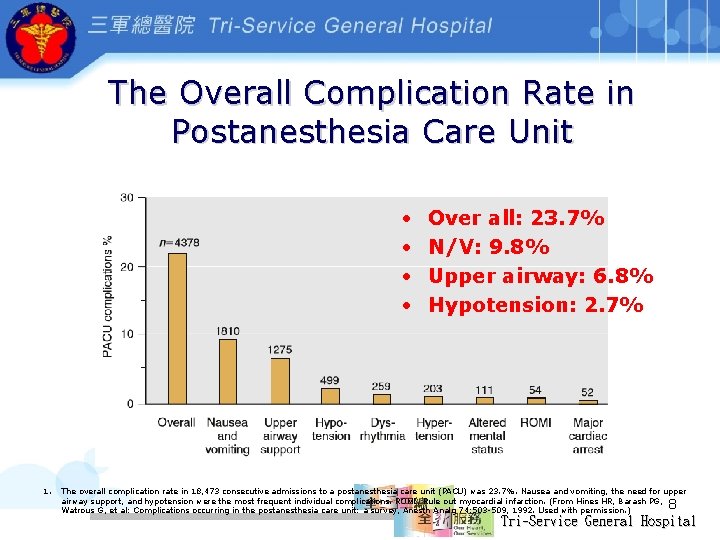
The Overall Complication Rate in Postanesthesia Care Unit • • 1. Over all: 23. 7% N/V: 9. 8% Upper airway: 6. 8% Hypotension: 2. 7% The overall complication rate in 18, 473 consecutive admissions to a postanesthesia care unit (PACU) was 23. 7%. Nausea and vomiting, the need for upper airway support, and hypotension were the most frequent individual complications. ROMI, Rule out myocardial infarction. (From Hines HR, Barash PG, Watrous G, et al: Complications occurring in the postanesthesia care unit: a survey, Anesth Analg 74: 503 -509, 1992. Used with permission. ) 8 Tri-Service General Hospital
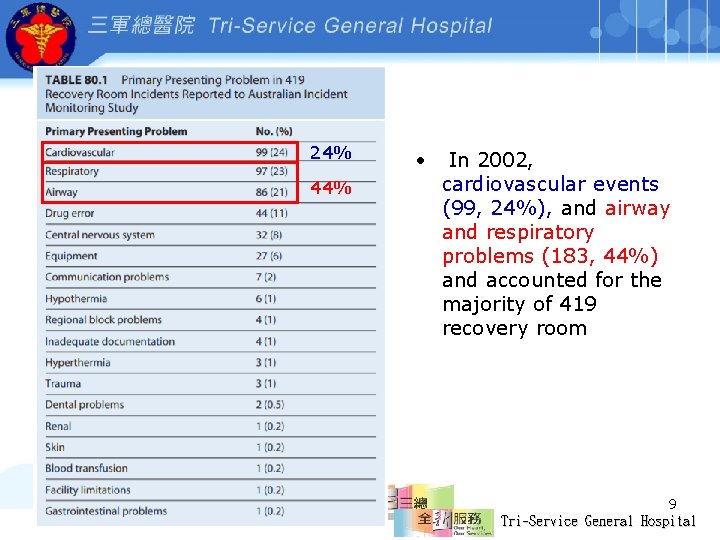
24% 44% • In 2002, cardiovascular events (99, 24%), and airway and respiratory problems (183, 44%) and accounted for the majority of 419 recovery room 9 Tri-Service General Hospital
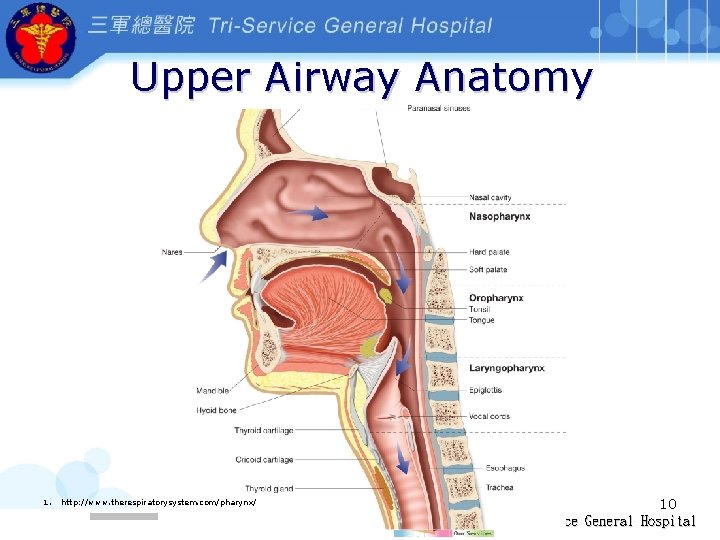
Upper Airway Anatomy 1. http: //www. therespiratorysystem. com/pharynx/ 10 Tri-Service General Hospital
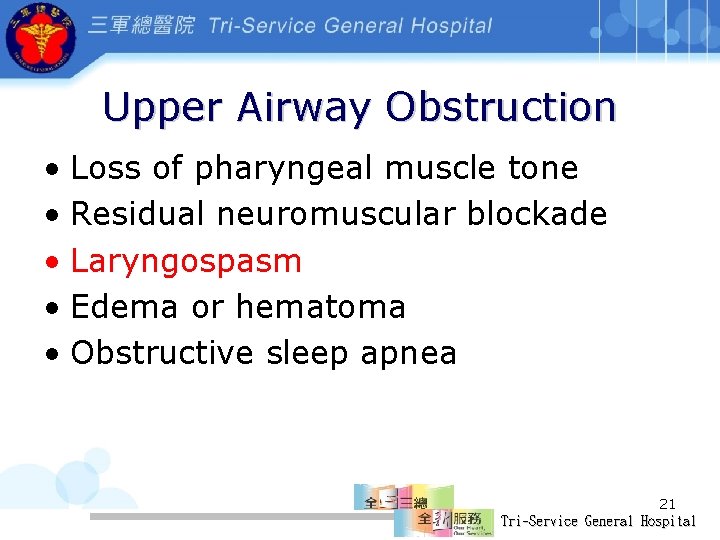
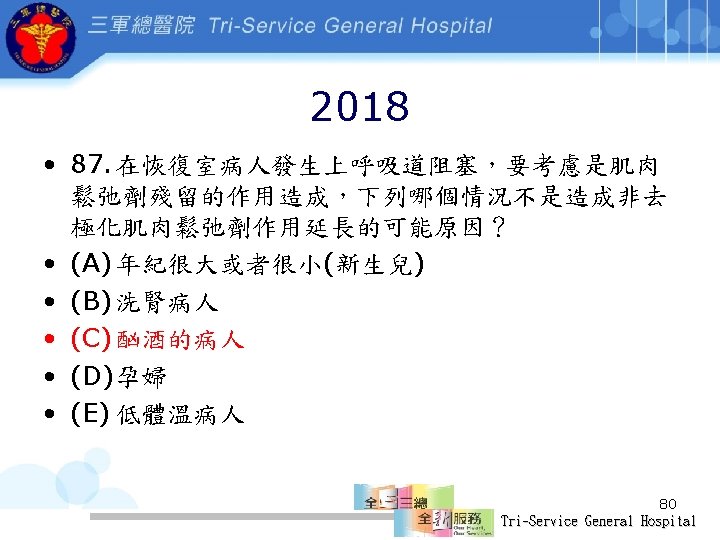
Upper Airway Obstruction • Loss of pharyngeal muscle tone • Residual neuromuscular blockade • Laryngospasm • Edema or hematoma • Obstructive sleep apnea 11 Tri-Service General Hospital
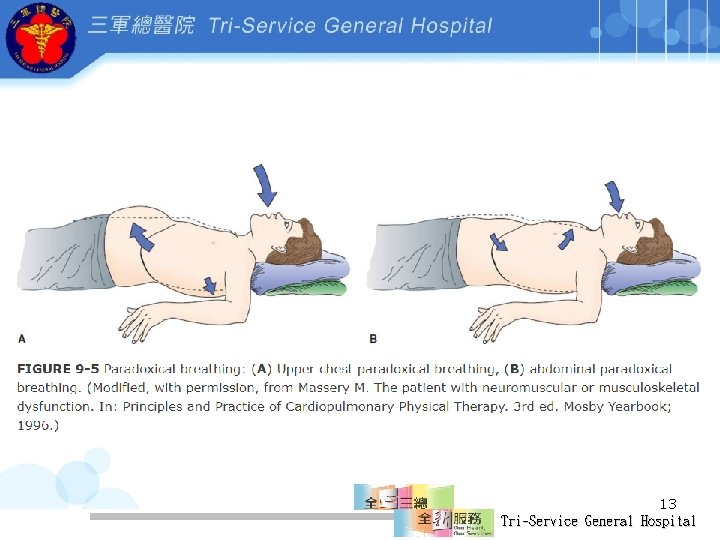
Loss of pharyngeal muscle tone • Most frequent cause of airway obstruction in PACU • Characterized by a paradoxical breathing pattern 12 Tri-Service General Hospital
13 Tri-Service General Hospital
Loss of pharyngeal muscle tone • Use “jaw thrust maneuver” and/or continuous positive airway pressure (CPAP) • Oral or nasal airway, laryngeal mask airway, or endotracheal tube may be required 14 Tri-Service General Hospital
Upper Airway Obstruction • Loss of pharyngeal muscle tone • Residual neuromuscular blockade • Laryngospasm • Edema or hematoma • Obstructive sleep apnea 15 Tri-Service General Hospital
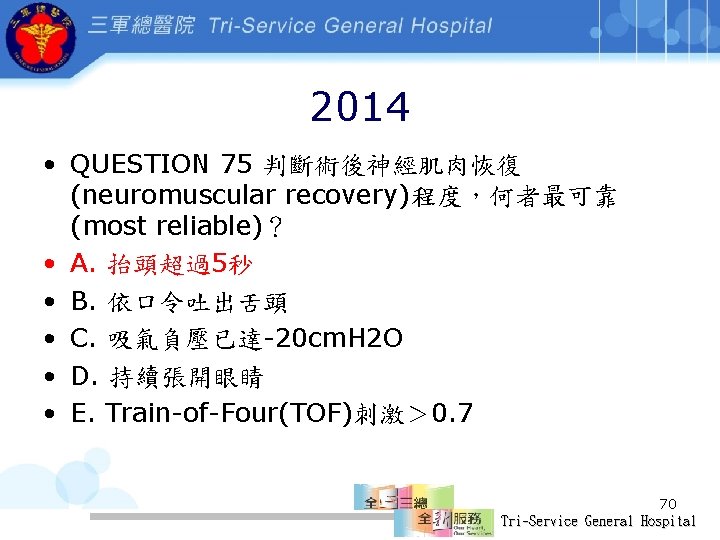
Residual Neuromuscular Blockade • An important cause of airway obstruction in PACU • Recovery speed: – Diaphragm > pharyngeal muscles • Pharyngeal function is not restored fully below a train of four(TOF) ratio of 0. 9 1. Eriksson LI, et al: Anesthesiology 87(5): 1035, 1997 16 Tri-Service General Hospital
Assessment of Residual Neuromuscular Blockade • Clinically 5 second sustained head lift is a good indicator (TOF: 0. 6) • Grip strength, tongue protrusion, the ability to lift the legs off the bed are also good indicators 17 Tri-Service General Hospital
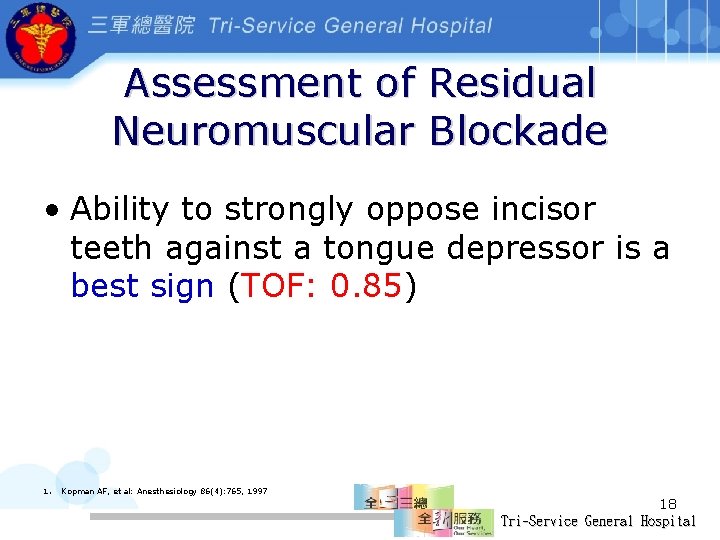
Assessment of Residual Neuromuscular Blockade • Ability to strongly oppose incisor teeth against a tongue depressor is a best sign (TOF: 0. 85) 1. Kopman AF, et al: Anesthesiology 86(4): 765, 1997 18 Tri-Service General Hospital
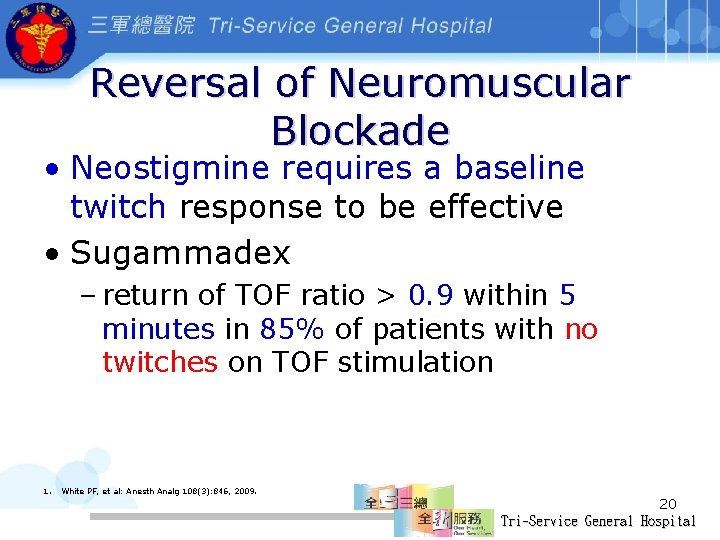
Reversal of Neuromuscular Blockade • Neostigmine requires a baseline twitch response to be effective • Sugammadex – return of TOF ratio > 0. 9 within 5 minutes in 85% of patients with no twitches on TOF stimulation 1. White PF, et al: Anesth Analg 108(3): 846, 2009. 20 Tri-Service General Hospital
Upper Airway Obstruction • Loss of pharyngeal muscle tone • Residual neuromuscular blockade • Laryngospasm • Edema or hematoma • Obstructive sleep apnea 21 Tri-Service General Hospital
Laryngospasm • Sudden spasm of the vocal cords that completely occludes the laryngeal opening • Typically occurs when the extubated patient is emerging from general anesthesia 22 Tri-Service General Hospital
Laryngospasm • Chest wall retraction – High pitch inspiratory stridor – Decreased breath sound – Hypoxemia 23 Tri-Service General Hospital
Management of Laryngospasm – Jaw thrust with CPAP (up to 40 cm H 2 O) • Mostly resolved in this way • Apply Larson maneuver – Skeletal muscle relaxation can be achieved with succinylcholine (0. 1 to 1. 0 mg/kg IV or 4 mg/kg IM) – Pass a tracheal tube forcibly through a glottis that is closed 24 Tri-Service General Hospital
25 Tri-Service General Hospital
Upper Airway Obstruction • Loss of pharyngeal muscle tone • Residual neuromuscular blockade • Laryngospasm • Edema or hematoma • Obstructive sleep apnea 26 Tri-Service General Hospital
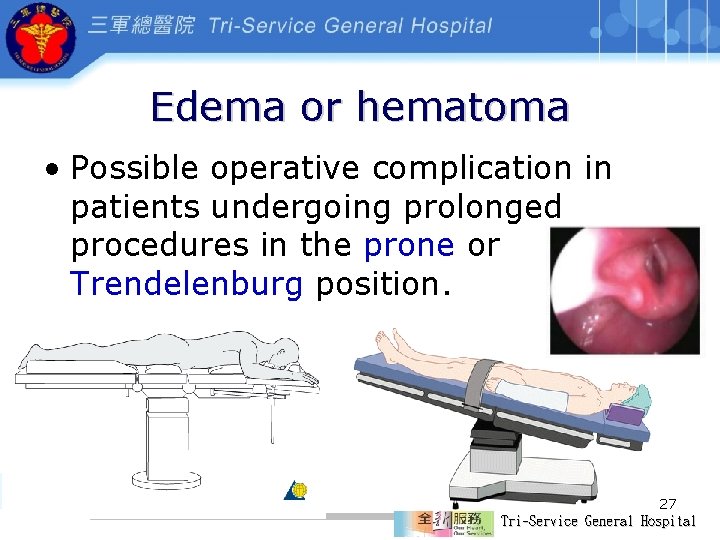
Edema or hematoma • Possible operative complication in patients undergoing prolonged procedures in the prone or Trendelenburg position. 27 Tri-Service General Hospital
Evaluation of airway for tracheal extubation • Deflating the endotracheal tube cuff and asked the patient to breathe around the tube • In volume controlled ventillation expiratory tidal volume can be calculated before and after cuff deflation(leak>15. 5%) 1. Fisher MM, Raper RF: Anaesthesia 47(1): 10, 1992 28 Tri-Service General Hospital
Evaluation of airway for tracheal extubation • 2) measuring the intrathoracic pressure required to produce a “leak” around the endotracheal tube with the cuff deflated. • 3)In volume controlled ventillation expiratory tidal volume can be calculated before and after cuff deflation. (leak>15. 5%)1 1. De Bast Y, et al: Intensive Care Med 28(9): 1267, 2002. . 29 Tri-Service General Hospital
Upper Airway Obstruction • Loss of pharyngeal muscle tone • Residual neuromuscular blockade • Laryngospasm • Edema or hematoma • Obstructive sleep apnea 30 Tri-Service General Hospital
Obstructive sleep apnea • Patient with OSA should not be extubated until they are fully awake and following commands 31 Tri-Service General Hospital
Management of Upper Airway Obstruction • Jaw thrust with CPAP • Oral, nasal, or laryngeal mask airway • Reversal of sedatives – e. g. naloxone(0. 3 to 0. 5 μg/kg IV) for opioids, flumazenil(0. 2 mg IV to maximum dose of 1 mg) for BZDs • Reintubation • Emergency cricothyrotomy 32 Tri-Service General Hospital
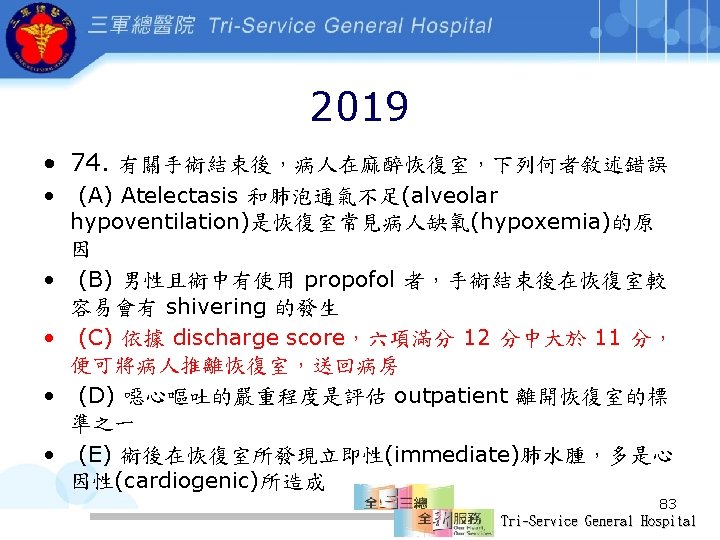
Arterial hypoxemia in PACU • Atelectasis and alveolar hypoventilation are the most common causes of transient postoperative arterial hypoxemia in the immediate postoperative period 1. Daley MD, et al: Can J Anaesth 38(6): 740, 1991. 33 Tri-Service General Hospital
Arterial hypoxemia in PACU • ABG measurements should be performed to confirm the diagnosis and guide therapy. • Clinically- restlessness, tachycardia, or cardiac irritability (ventricular or atrial). Obtundation, bradycardia, hypotension, and cardiac arrest are late signs. 34 Tri-Service General Hospital
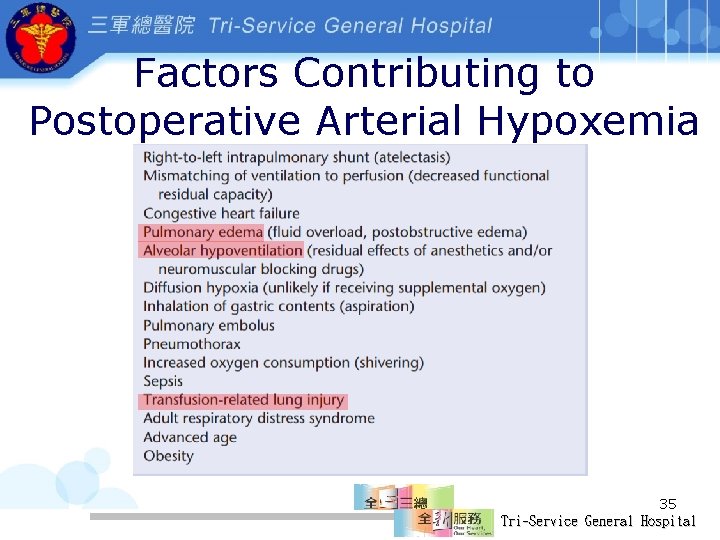
Factors Contributing to Postoperative Arterial Hypoxemia 35 Tri-Service General Hospital
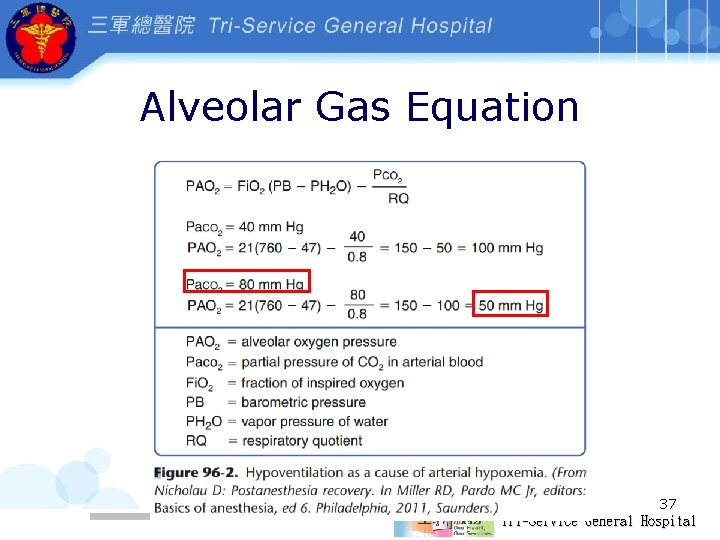
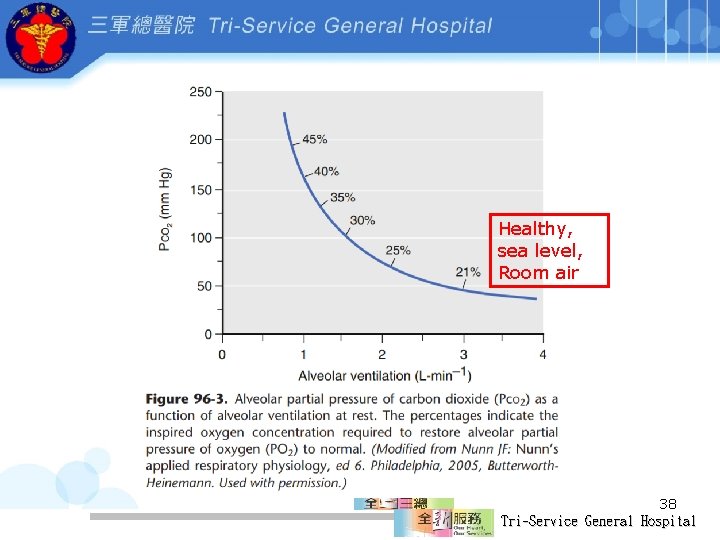
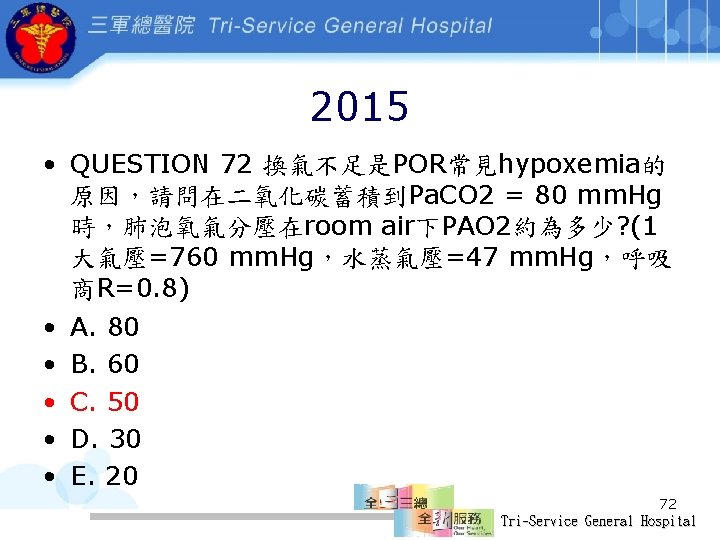
Alveolar Hypoventilation • At sea level, a normocapnic patient who is breathing room air will have an alveolar oxygen pressure (PAO 2) of 100 mm. Hg 36 Tri-Service General Hospital
Alveolar Gas Equation 37 Tri-Service General Hospital
Healthy, sea level, Room air 38 Tri-Service General Hospital
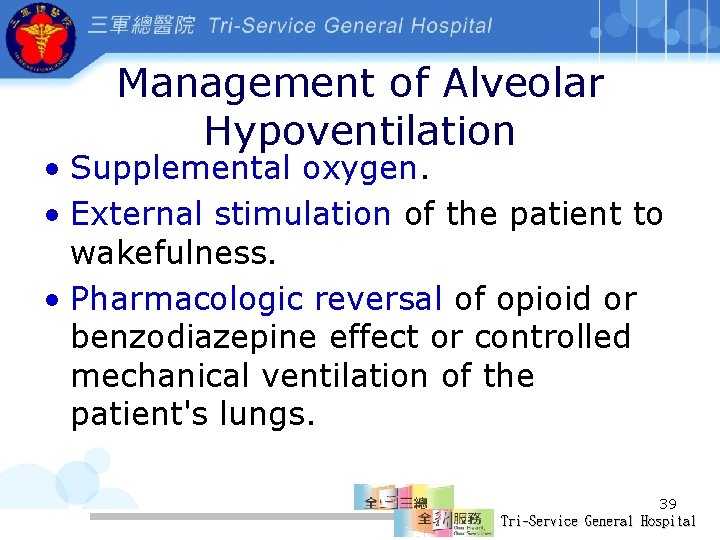
Management of Alveolar Hypoventilation • Supplemental oxygen. • External stimulation of the patient to wakefulness. • Pharmacologic reversal of opioid or benzodiazepine effect or controlled mechanical ventilation of the patient's lungs. 39 Tri-Service General Hospital
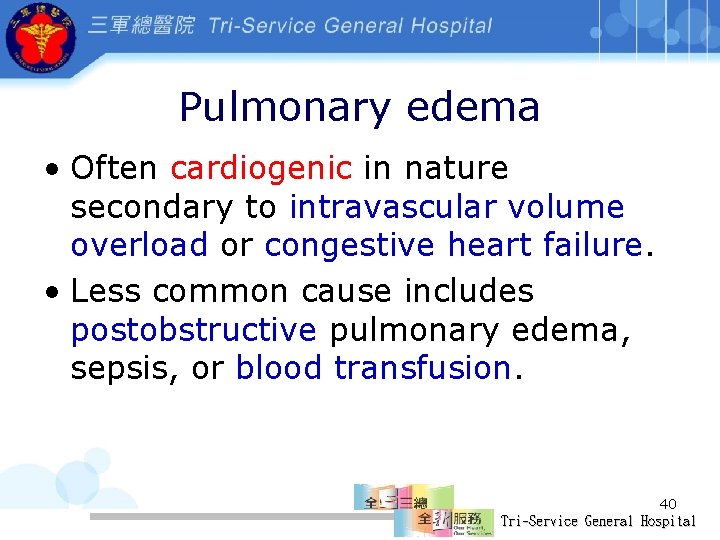
Pulmonary edema • Often cardiogenic in nature secondary to intravascular volume overload or congestive heart failure. • Less common cause includes postobstructive pulmonary edema, sepsis, or blood transfusion. 40 Tri-Service General Hospital
Postobstructive Pulmonary Edema • A transudative edema produced by the exaggerated negative intrathoracic pressure generated by an inspiratory effort against a closed glottis. 41 Tri-Service General Hospital
Postobstructive Pulmonary Edema • Laryngospasm is likely the most common cause of postobstructive pulmonary edema in the PACU. • It may result from any condition that occludes the upper airway 1, 2. 1. 2. Herrick IA, et al: J Clin Anesth 2(2): 116, 1990. Silva PS, et al: Pediatr Emerg Care 21(11): 751, 2005 42 Tri-Service General Hospital
Postobstructive Pulmonary Edema • Arterial hypoxemia is usually manifested within 90 minutes of the upper airway obstruction and is accompanied by bilateral fluffy infiltrates on the chest radiograph. 43 Tri-Service General Hospital
44 Tri-Service General Hospital
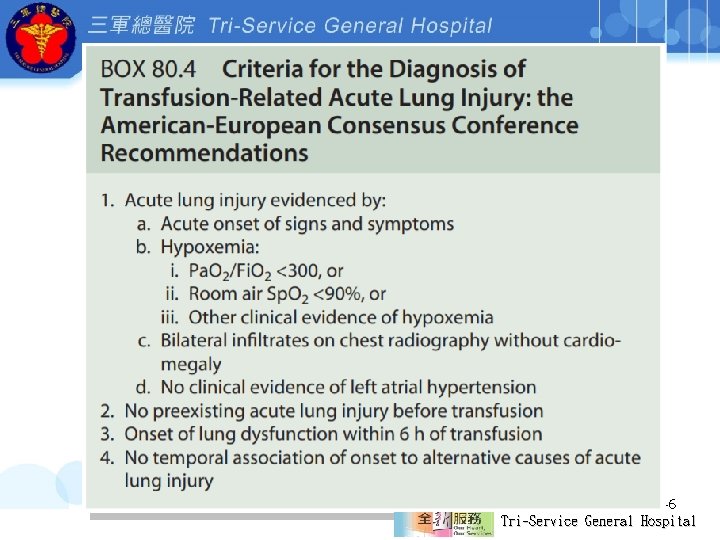
Transfusion-related Acute Lung Injury(TRALI) • In any patient who received blood products intraoperatively • Typically manifested within 1 to 2 hours(maximum 6 hrs) after the transfusion of plasma-containing blood products • It is often associated with fever and systemic hypotension 1. 2. Goldsmith WW, Pandharipande PP: J Clin Anesth 17(5): 366, 2005. Barrett NA, Kam PC: Anaesthesia 61(8): 777, 2006. 45 Tri-Service General Hospital
46 Tri-Service General Hospital
Management of TRALI • Supportive treatment with supplemental oxygen and druginduced diuresis. • Mechanical ventilation may be needed to support hypoxemia and respiratory failure. • Vasopressors may be required to treat refractory hypotension 47 Tri-Service General Hospital
48 Tri-Service General Hospital
Management of Hypertension • Mild to moderate hypertension should treated with β-adrenergic blocker such as labetalol, esmolol, or propranolol; or calcium channel blocker or nitroglycerine patch. • Severe hypertension should be treated with intravenous infusion of nitroprusside, nitroglycerin, nicardipine. 49 Tri-Service General Hospital
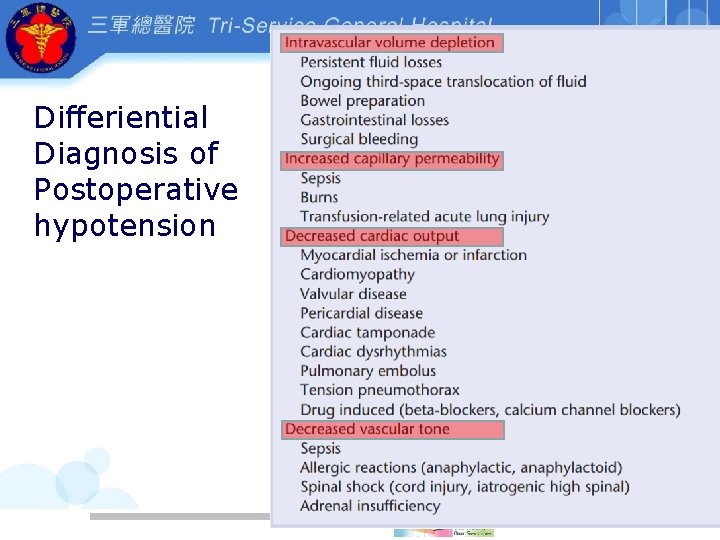
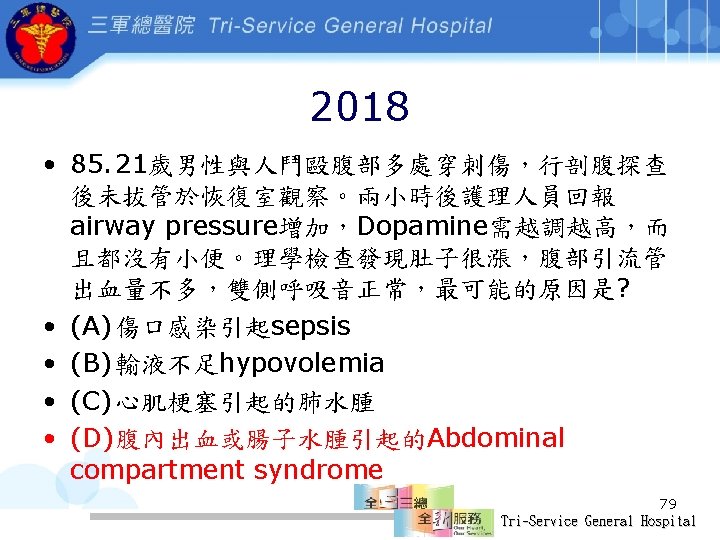
Systemic Hypotension • Hypovolemic (decreased preload) • Distributive (decreased afterload) • Cardiogenic (intrinsic pump failure) 50 Tri-Service General Hospital
Differiential Diagnosis of Postoperative hypotension 51 Tri-Service General Hospital
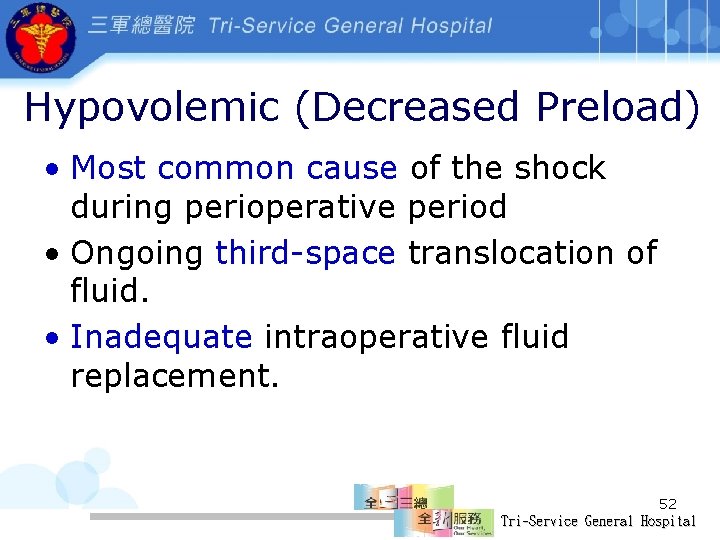
Hypovolemic (Decreased Preload) • Most common cause of the shock during perioperative period • Ongoing third-space translocation of fluid. • Inadequate intraoperative fluid replacement. 52 Tri-Service General Hospital
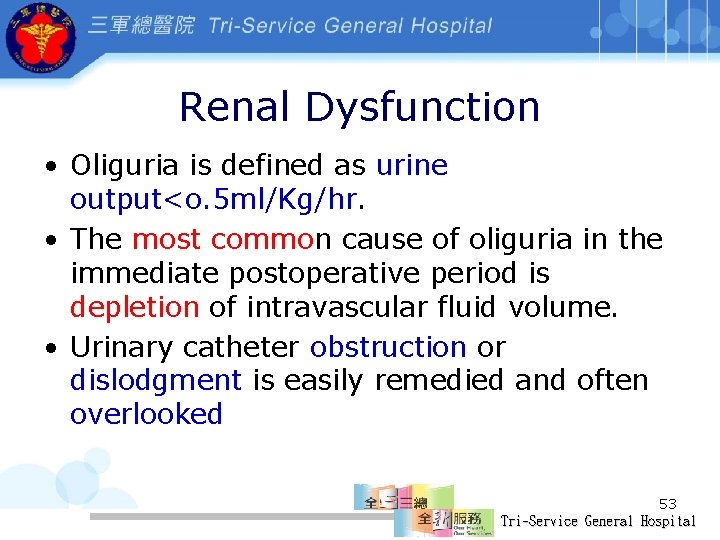
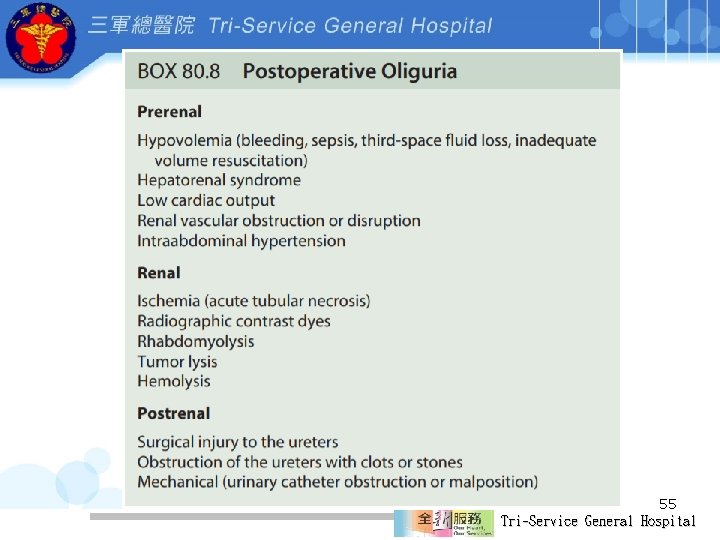
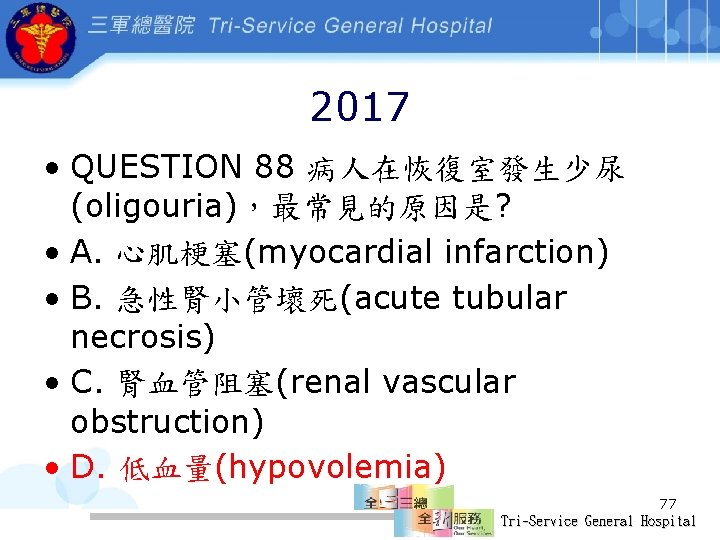
Renal Dysfunction • Oliguria is defined as urine output<o. 5 ml/Kg/hr. • The most common cause of oliguria in the immediate postoperative period is depletion of intravascular fluid volume. • Urinary catheter obstruction or dislodgment is easily remedied and often overlooked 53 Tri-Service General Hospital
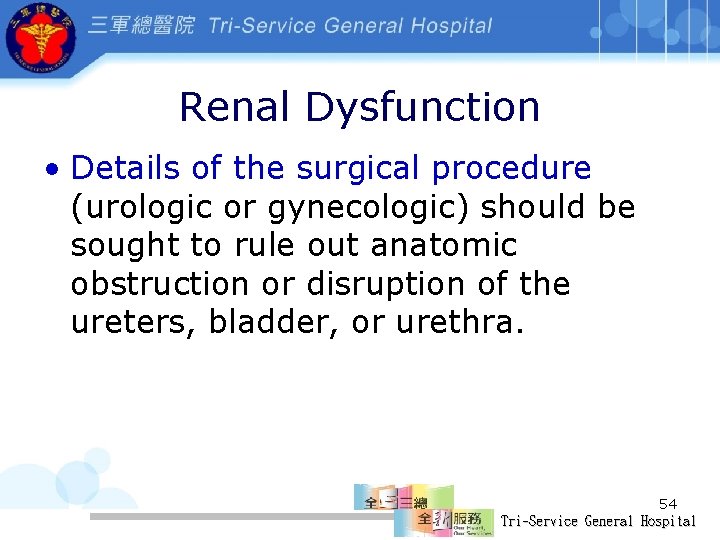
Renal Dysfunction • Details of the surgical procedure (urologic or gynecologic) should be sought to rule out anatomic obstruction or disruption of the ureters, bladder, or urethra. 54 Tri-Service General Hospital
55 Tri-Service General Hospital
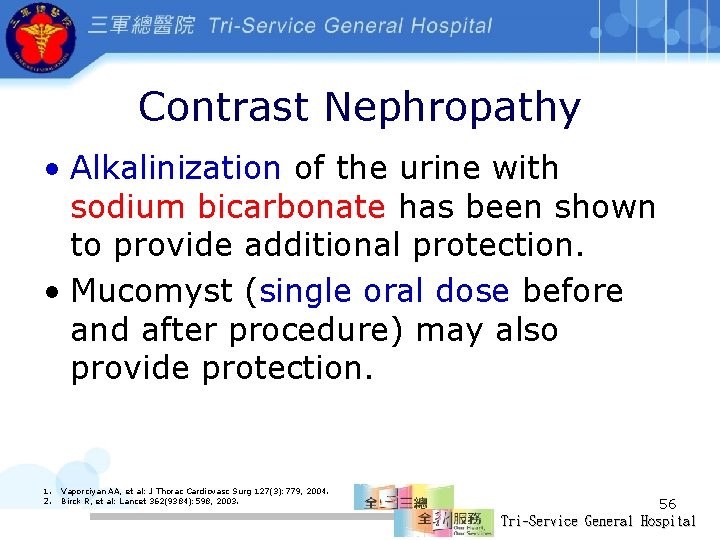
Contrast Nephropathy • Alkalinization of the urine with sodium bicarbonate has been shown to provide additional protection. • Mucomyst (single oral dose before and after procedure) may also provide protection. 1. 2. Vaporciyan AA, et al: J Thorac Cardiovasc Surg 127(3): 779, 2004. Birck R, et al: Lancet 362(9384): 598, 2003. 56 Tri-Service General Hospital
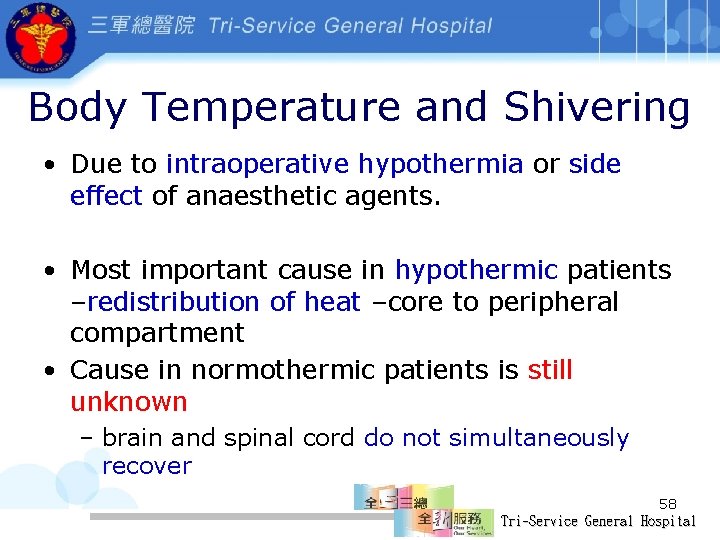
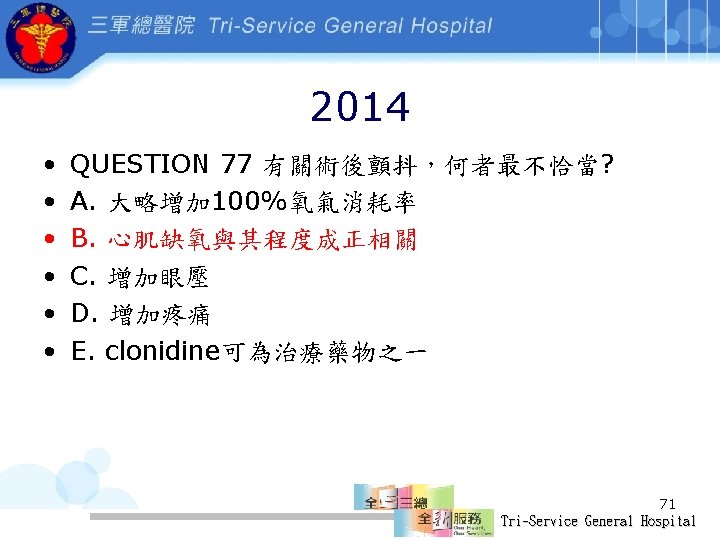
Body Temperature and Shivering • The incidence of postoperative shivering may be as high as 65% (range, 5% to 65%) after general anesthesia and 33% after epidural anesthesia 57 Tri-Service General Hospital
Body Temperature and Shivering • Due to intraoperative hypothermia or side effect of anaesthetic agents. • Most important cause in hypothermic patients –redistribution of heat –core to peripheral compartment • Cause in normothermic patients is still unknown – brain and spinal cord do not simultaneously recover 58 Tri-Service General Hospital
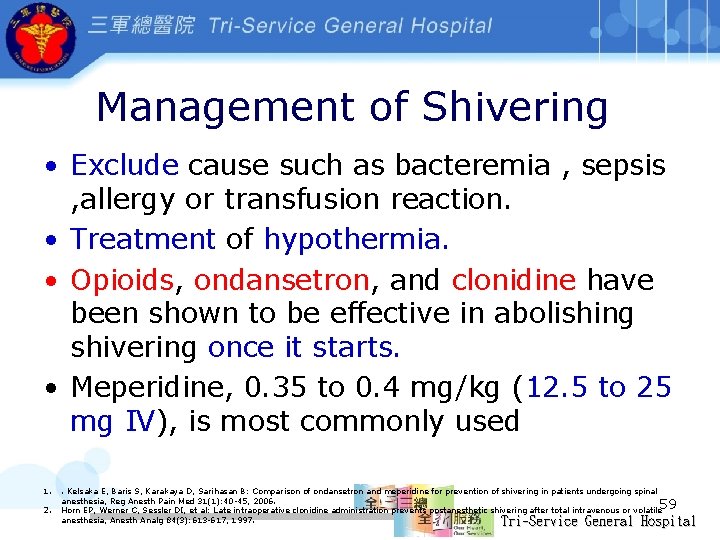
Management of Shivering • Exclude cause such as bacteremia , sepsis , allergy or transfusion reaction. • Treatment of hypothermia. • Opioids, ondansetron, and clonidine have been shown to be effective in abolishing shivering once it starts. • Meperidine, 0. 35 to 0. 4 mg/kg (12. 5 to 25 mg IV), is most commonly used 1. 2. . Kelsaka E, Baris S, Karakaya D, Sarihasan B: Comparison of ondansetron and meperidine for prevention of shivering in patients undergoing spinal anesthesia, Reg Anesth Pain Med 31(1): 40 -45, 2006. Horn EP, Werner C, Sessler DI, et al: Late intraoperative clonidine administration prevents postanesthetic shivering after total intravenous or volatile anesthesia, Anesth Analg 84(3): 613 -617, 1997. 59 Tri-Service General Hospital
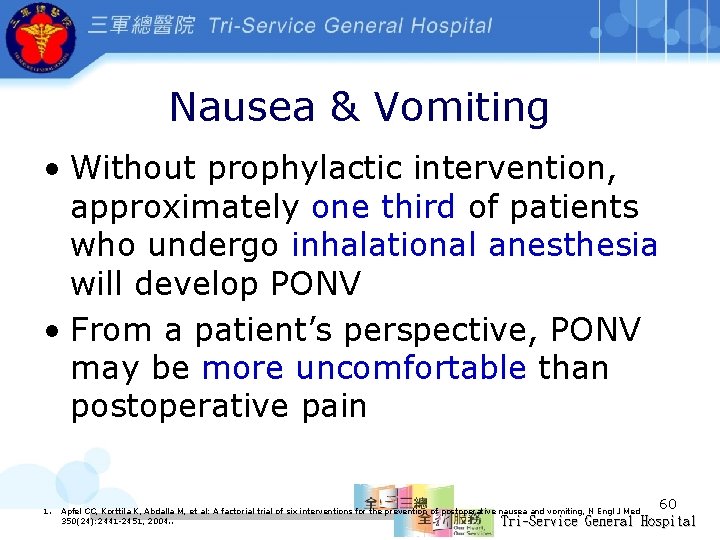
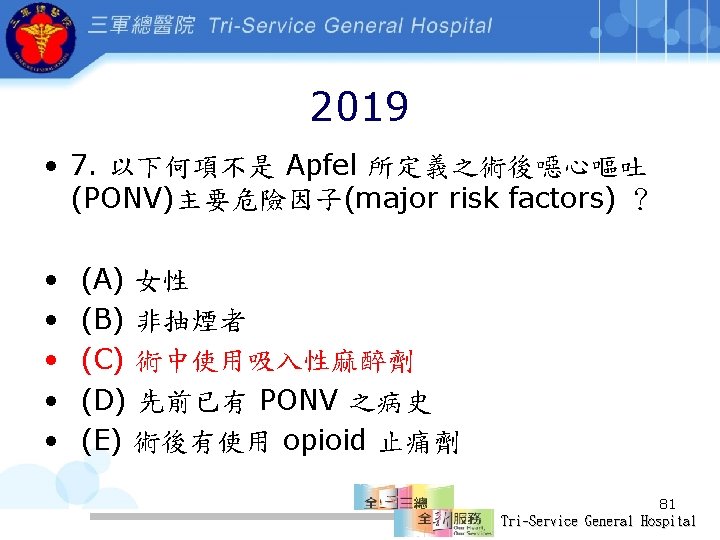
Nausea & Vomiting • Without prophylactic intervention, approximately one third of patients who undergo inhalational anesthesia will develop PONV • From a patient’s perspective, PONV may be more uncomfortable than postoperative pain 1. 60 Tri-Service General Hospital Apfel CC, Korttila K, Abdalla M, et al: A factorial trial of six interventions for the prevention of postoperative nausea and vomiting, N Engl J Med 350(24): 2441 -2451, 2004. .
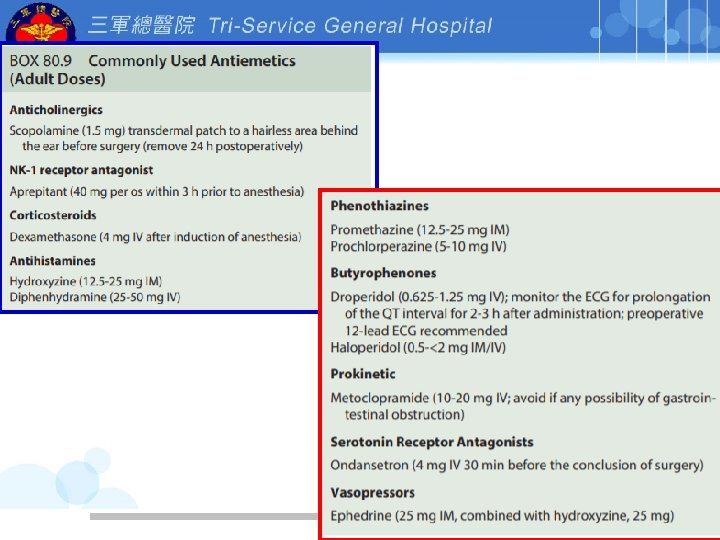
Prevention & Treatment • Pharmacologic: droperidol, 1. 25 mg; dexamethasone, 4 mg; or ondansetron, 4 mg. • Anesthetic: Propofol in lieu of volatile anesthetics; remifentanil in lieu of fentanyl. • Risk factors: – Young age; Female gender; Large body habitus; History of prior PONV; History of motion sickness; General anaesthesia; Opioids; Volatile anesthetic. 61 Tri-Service General Hospital
Apfel Score 1. 62 Tri-Service General Hospital Apfel CC, Korttila K, Abdalla M, et al: A factorial trial of six interventions for the prevention of postoperative nausea and vomiting, N Engl J Med 350(24): 2441 -2451, 2004. .
63 Tri-Service General Hospital
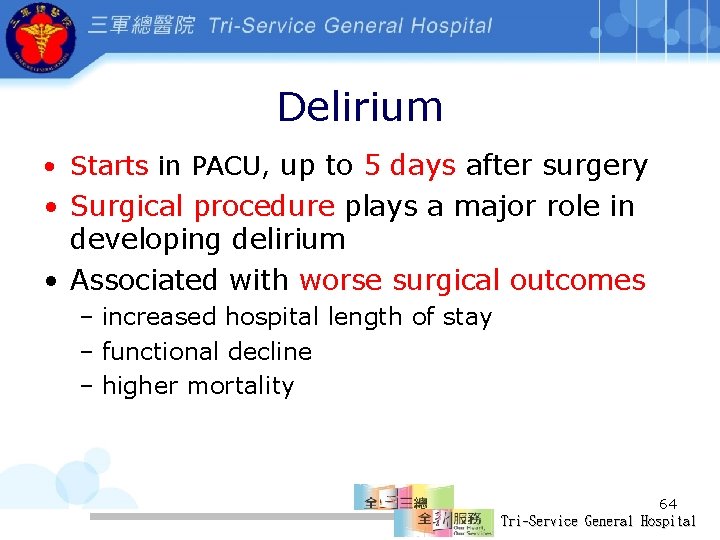
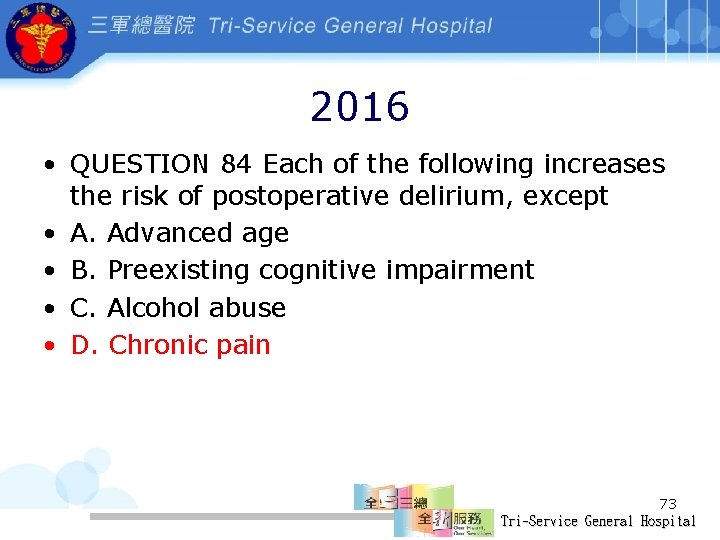
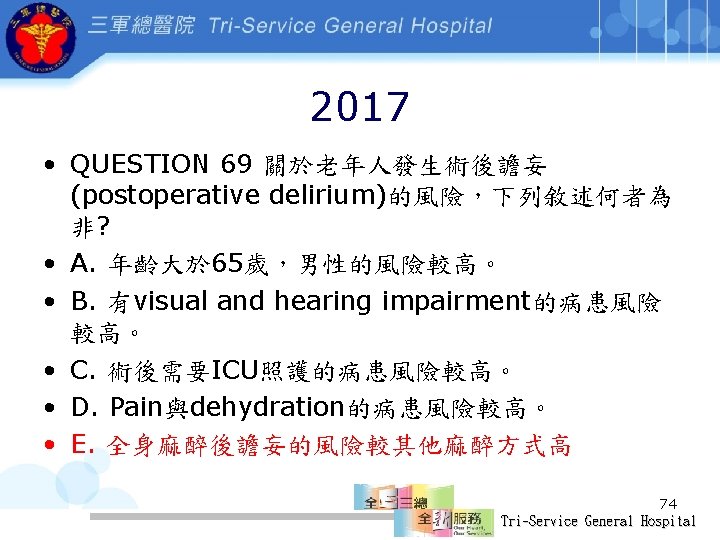
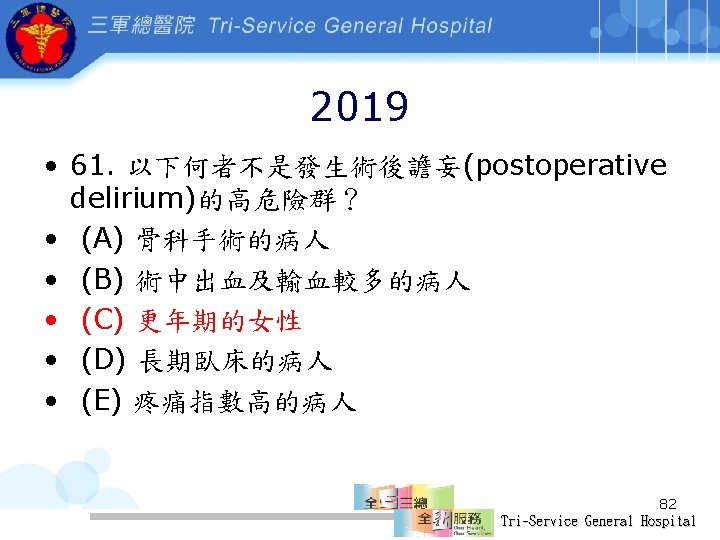
Delirium • Starts in PACU, up to 5 days after surgery • Surgical procedure plays a major role in developing delirium • Associated with worse surgical outcomes – increased hospital length of stay – functional decline – higher mortality 64 Tri-Service General Hospital
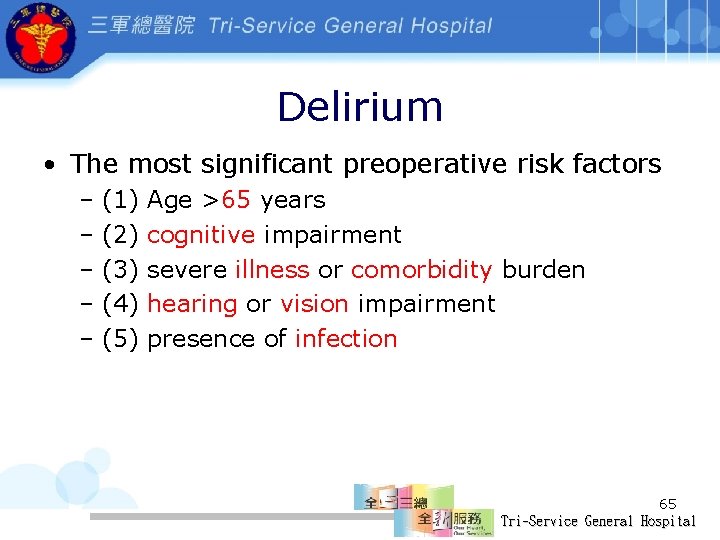
Delirium • The most significant preoperative risk factors – (1) Age >65 years – (2) cognitive impairment – (3) severe illness or comorbidity burden – (4) hearing or vision impairment – (5) presence of infection 65 Tri-Service General Hospital
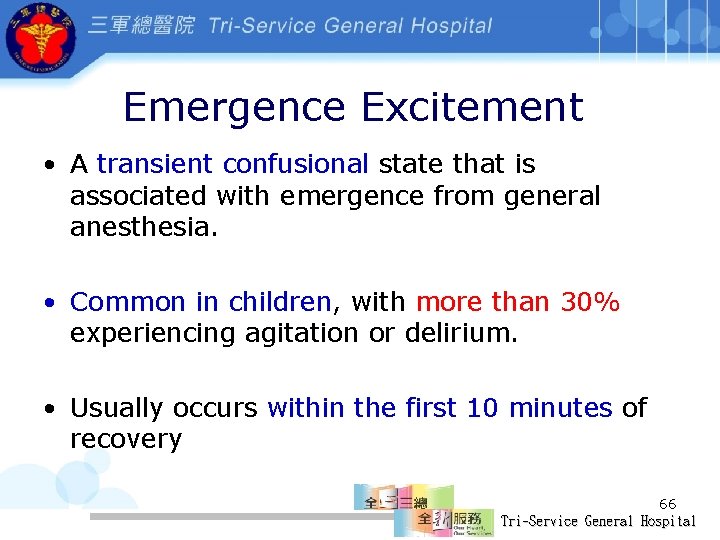
Emergence Excitement • A transient confusional state that is associated with emergence from general anesthesia. • Common in children, with more than 30% experiencing agitation or delirium. • Usually occurs within the first 10 minutes of recovery 66 Tri-Service General Hospital
2014 • QUESTION 75 判斷術後神經肌肉恢復 (neuromuscular recovery)程度,何者最可靠 (most reliable)? • A. 抬頭超過5秒 • B. 依口令吐出舌頭 • C. 吸氣負壓已達-20 cm. H 2 O • D. 持續張開眼睛 • E. Train-of-Four(TOF)刺激> 0. 7 70 Tri-Service General Hospital
2015 • QUESTION 72 換氣不足是POR常見hypoxemia的 原因,請問在二氧化碳蓄積到Pa. CO 2 = 80 mm. Hg 時,肺泡氧氣分壓在room air下PAO 2約為多少? (1 大氣壓=760 mm. Hg,水蒸氣壓=47 mm. Hg,呼吸 商R=0. 8) • A. 80 • B. 60 • C. 50 • D. 30 • E. 20 72 Tri-Service General Hospital
2016 • QUESTION 84 Each of the following increases the risk of postoperative delirium, except • A. Advanced age • B. Preexisting cognitive impairment • C. Alcohol abuse • D. Chronic pain 73 Tri-Service General Hospital
2017 • QUESTION 88 病人在恢復室發生少尿 (oligouria),最常見的原因是? • A. 心肌梗塞(myocardial infarction) • B. 急性腎小管壞死(acute tubular necrosis) • C. 腎血管阻塞(renal vascular obstruction) • D. 低血量(hypovolemia) 77 Tri-Service General Hospital
• Thanks for your attention. 84 Tri-Service General Hospital