Developmental dysplasia of the Hip DDH Natural history



- Slides: 76
Developmental dysplasia of the Hip (DDH) Natural history, management and outcomes West Bank, Autumn 2009
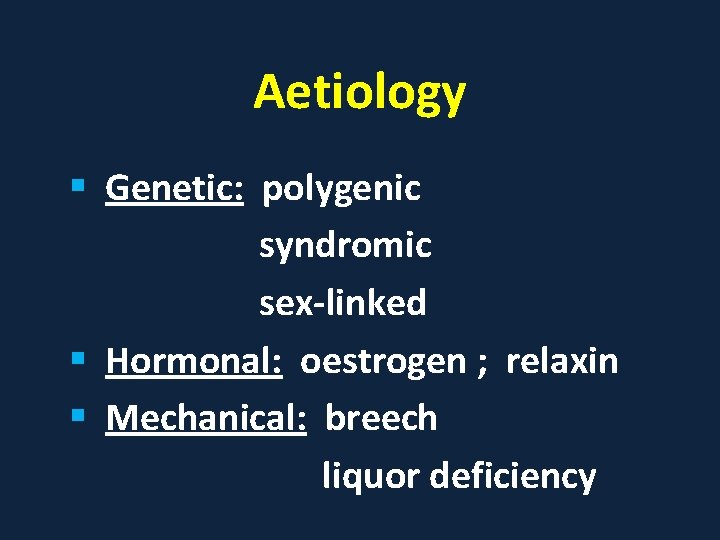
Aetiology § Genetic: polygenic syndromic sex-linked § Hormonal: oestrogen ; relaxin § Mechanical: breech liquor deficiency
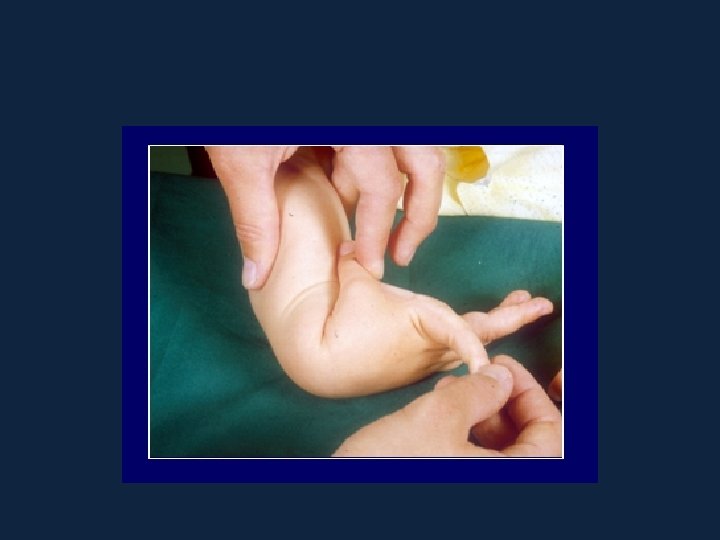
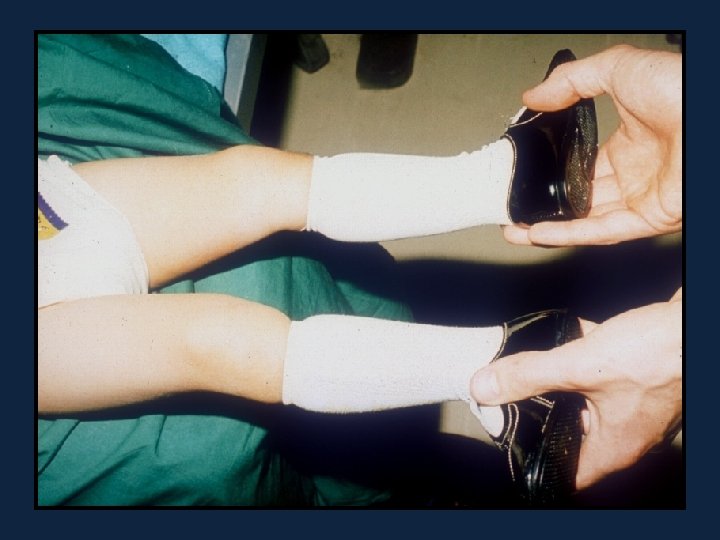
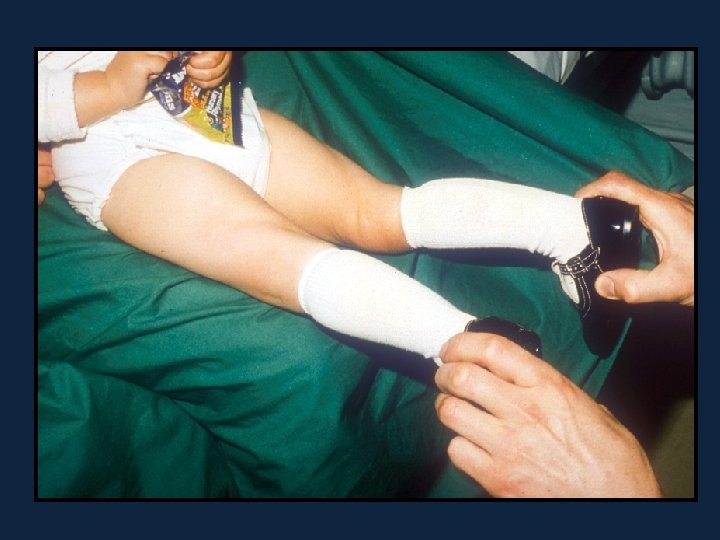
Mechanical § Left : Right – 4 : 1 § Breech : DDH ≥ x 10 (N. B. frank) § Liquor ↓ : moulded baby - plagiocephaly - scoliosis - foot deformity - skew pelvis
Genetic / mechanical Joint laxity Acetabular and femoral version
Birth pathology in DDH Simple: Acetabulum normal Femoral head normal Labrum normal Capsule stretched
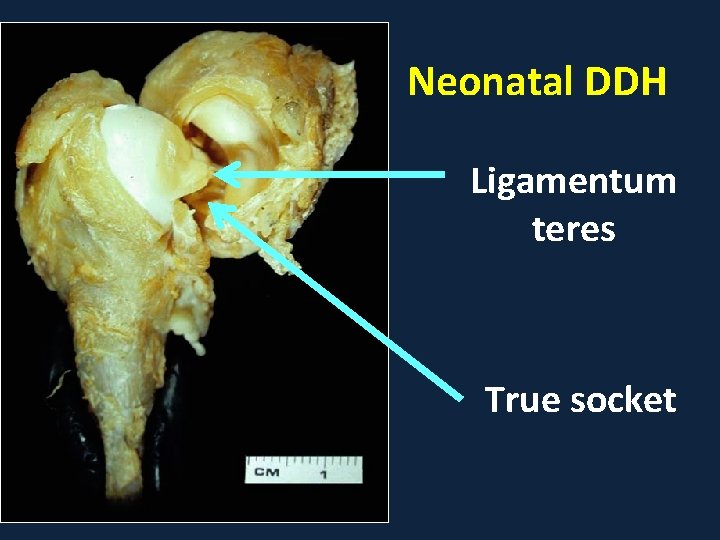
Neonatal DDH Ligamentum teres True socket
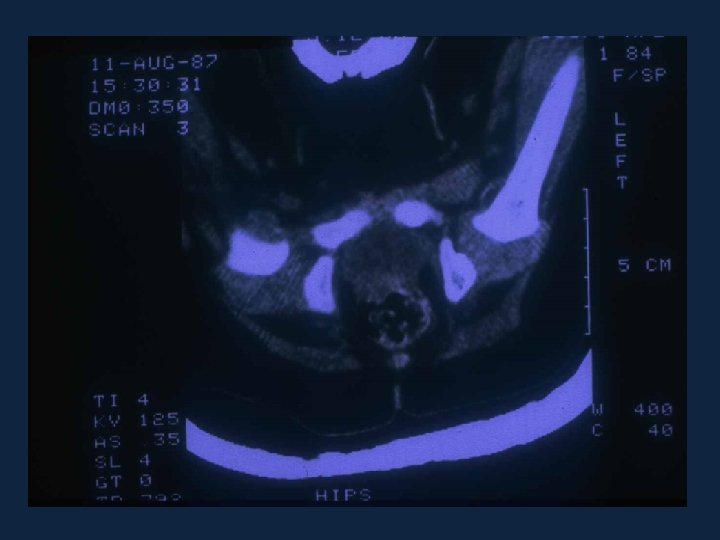
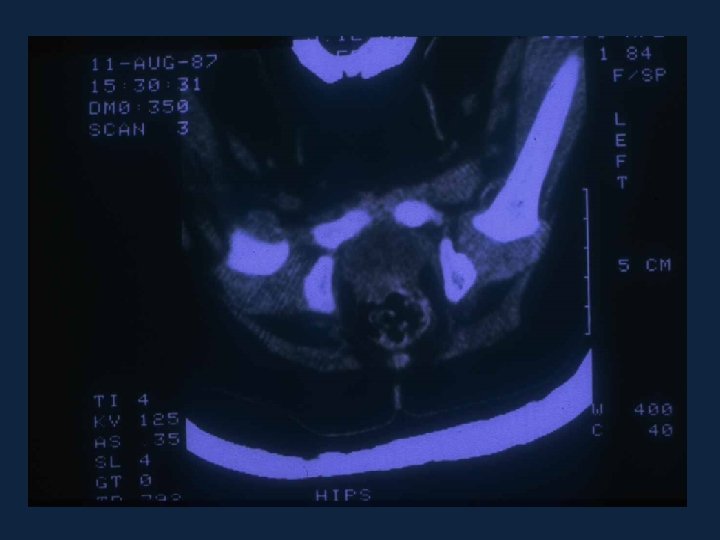
Teratological DDH § Irreducible § False acetabulum § Defective anterior acetabulum “anteverted” § Increased femoral neck anteversion
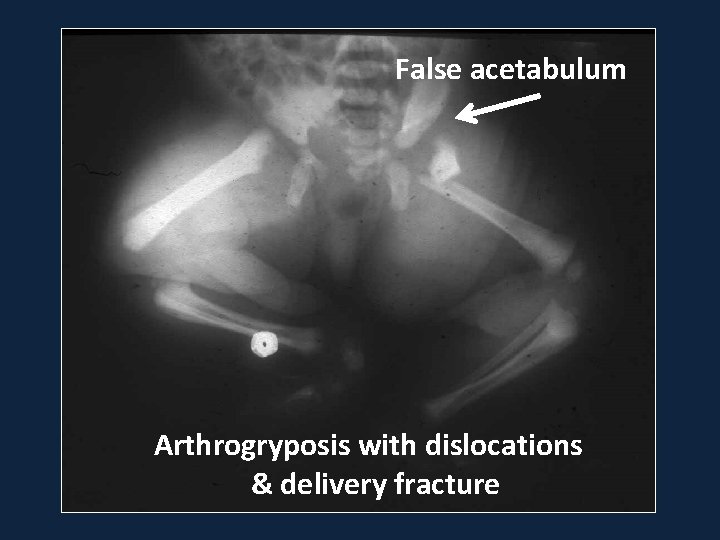
False acetabulum Arthrogryposis with dislocations & delivery fracture
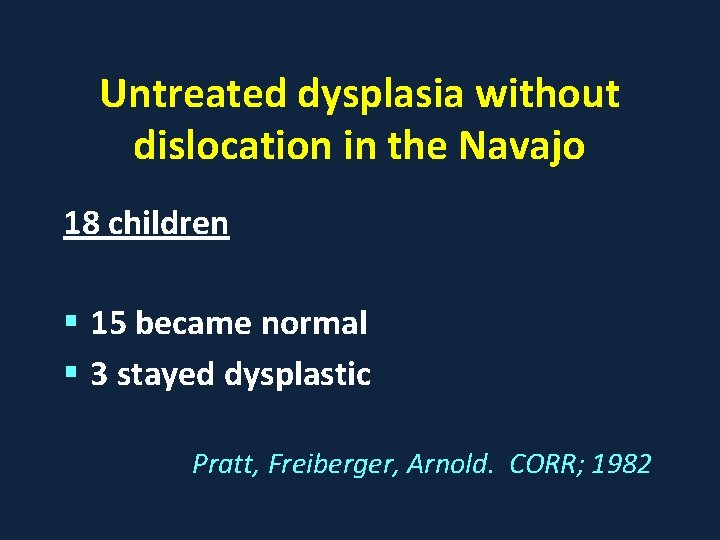
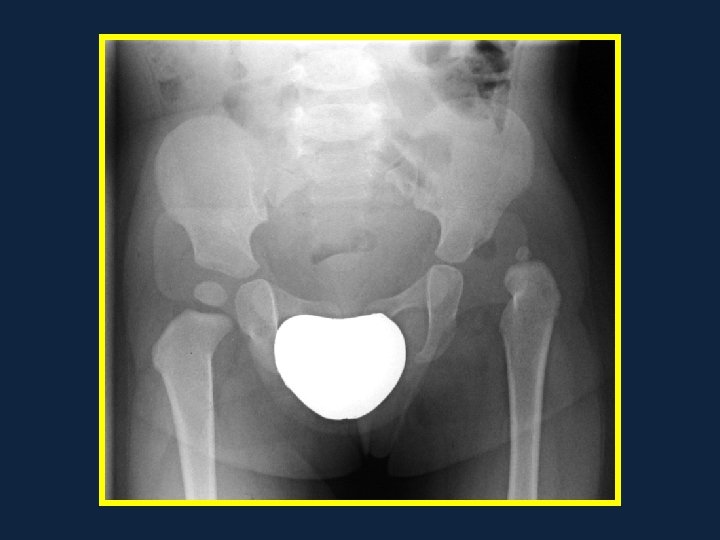
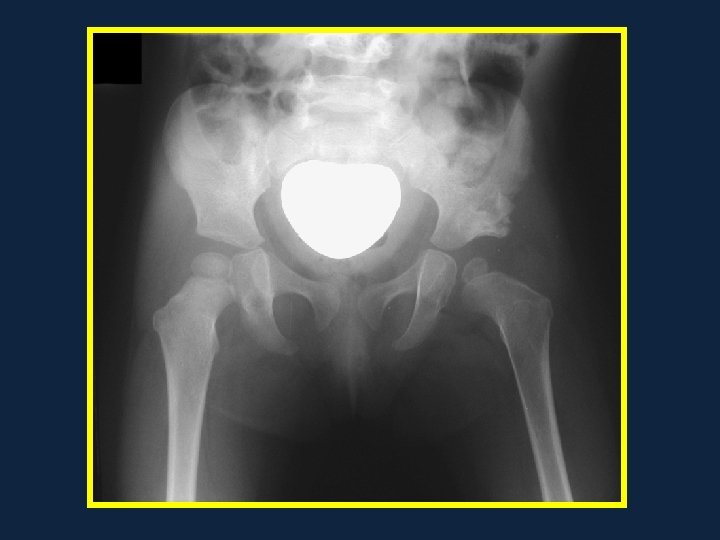
Untreated dysplasia without dislocation in the Navajo 18 children § 15 became normal § 3 stayed dysplastic Pratt, Freiberger, Arnold. CORR; 1982
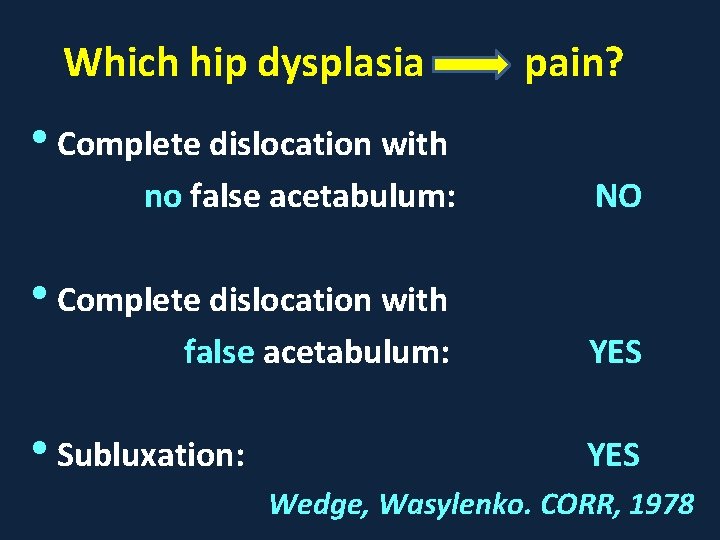
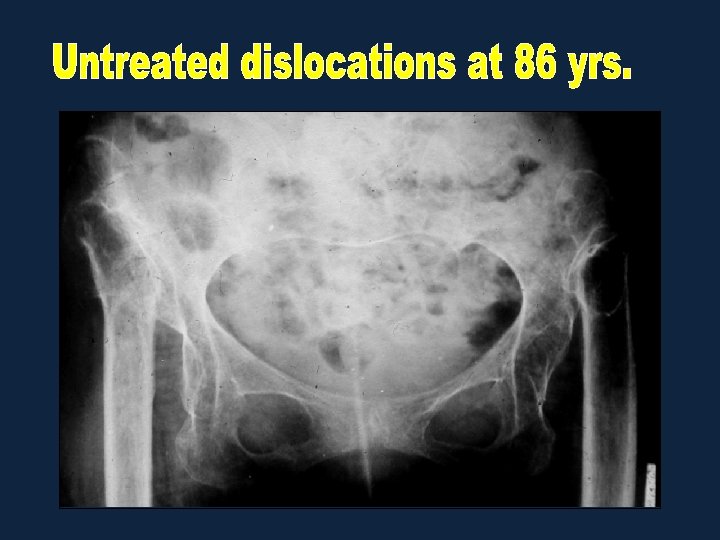
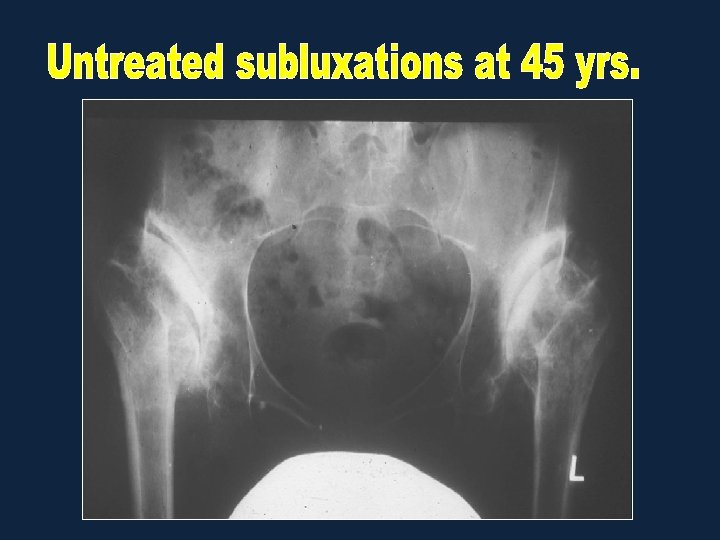
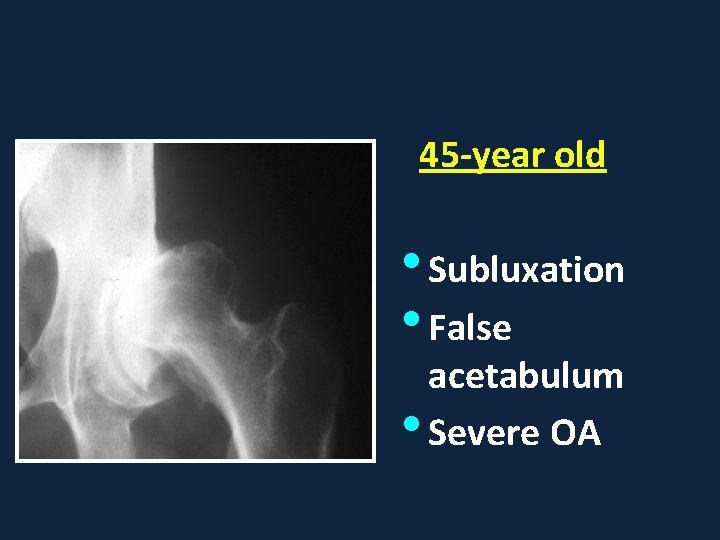
Which hip dysplasia pain? • Complete dislocation with no false acetabulum: NO • Complete dislocation with false acetabulum: • Subluxation: YES Wedge, Wasylenko. CORR, 1978
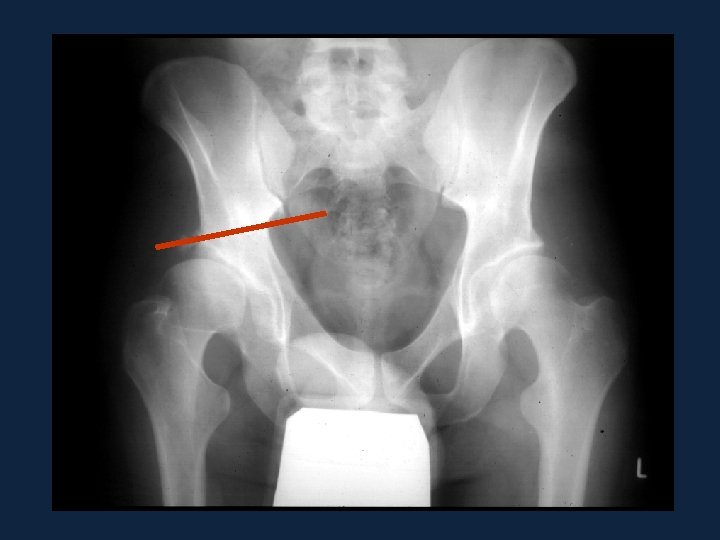
45 -year old • Subluxation • False acetabulum • Severe OA
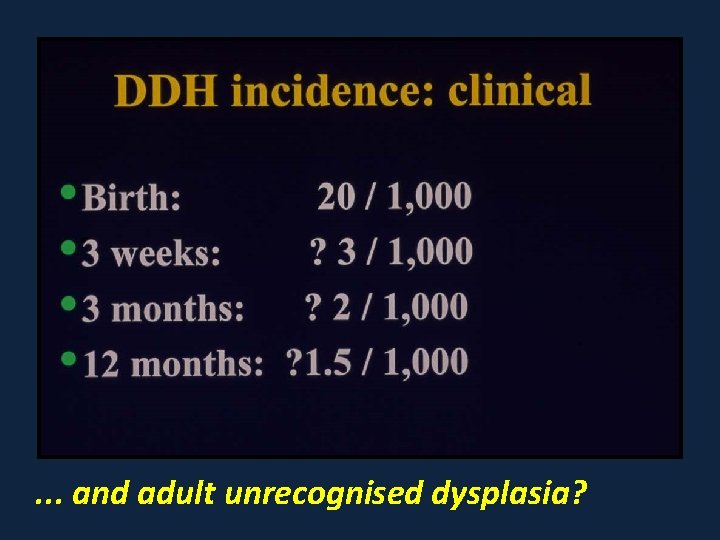
. . . and adult unrecognised dysplasia?
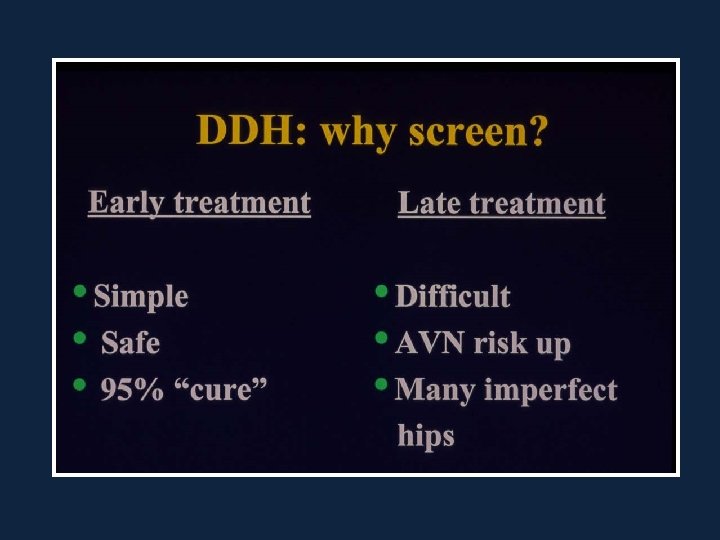
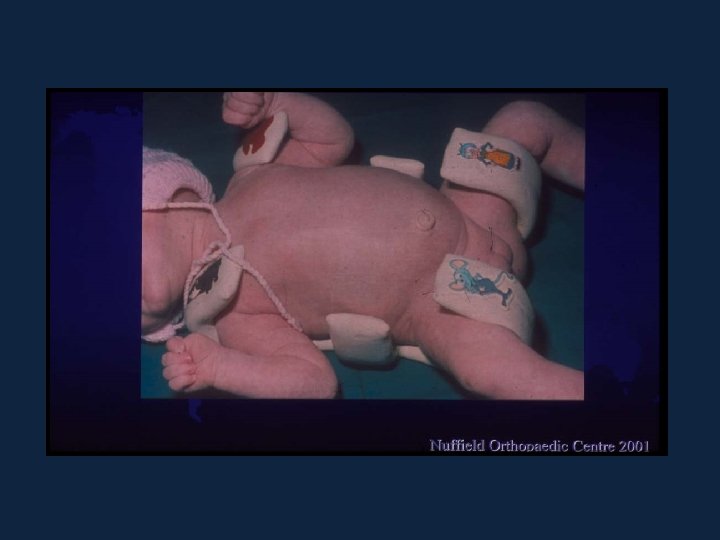
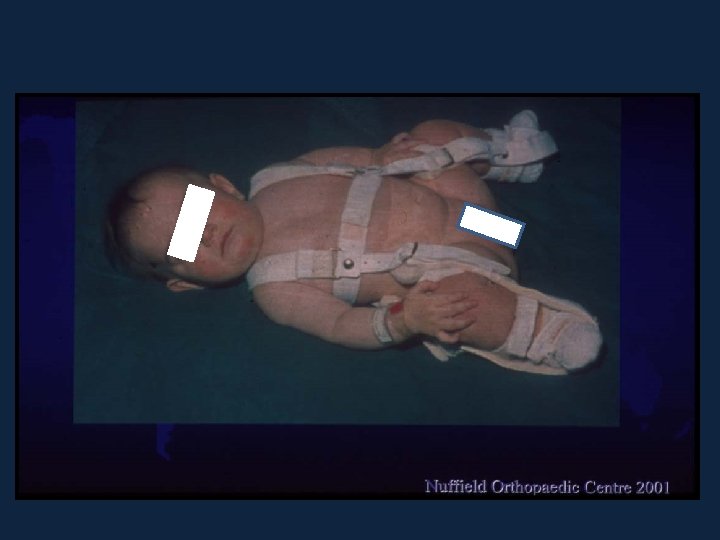
Early treatment • Diagnose! • Splint • Review
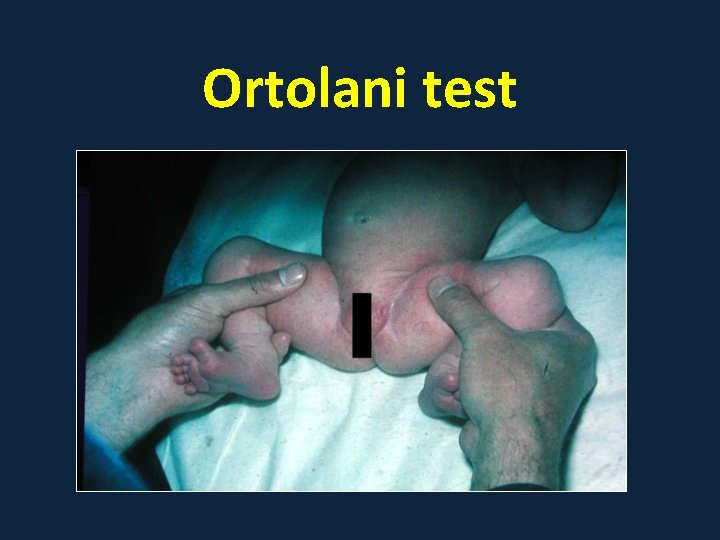
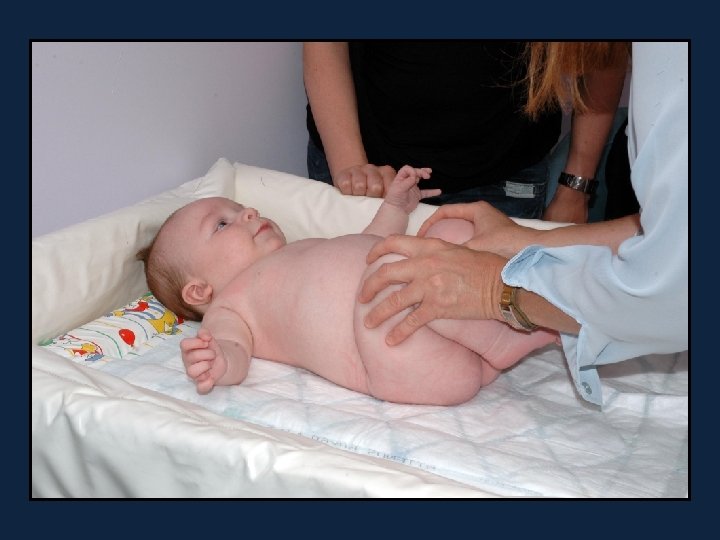
Ortolani test
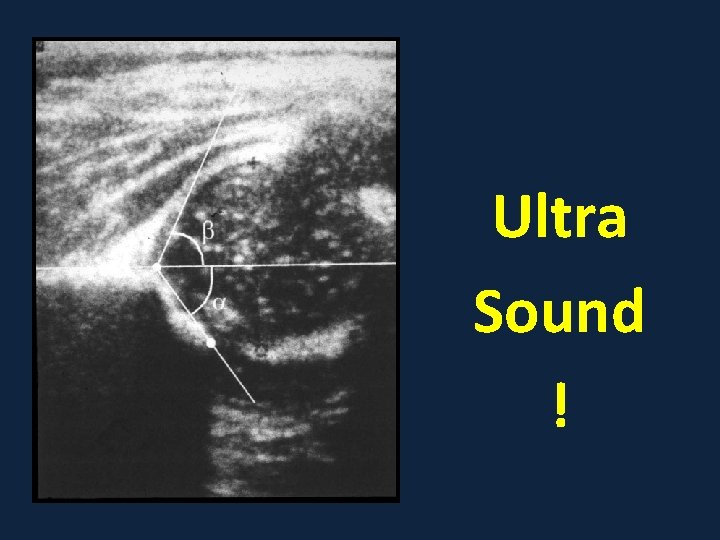
Ultra Sound !
UK Screening Committee: the problems • Poor science • Poor testers • No national training • No national audit • Litigation programme
U. K. National Screening Committee (2006) • Universal U. S. not recommended • Clinical exam. • by properly trained ( at birth & 6 weeks) Refer “at risk” babies
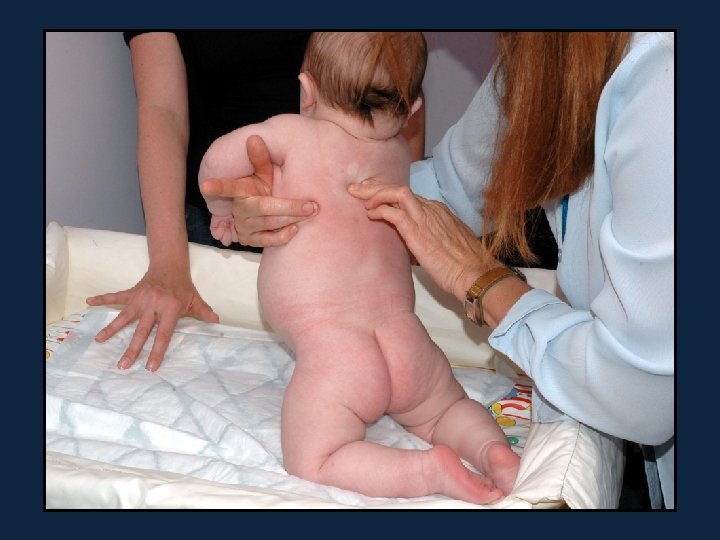
The extended role practitioner & orthopaedic team working
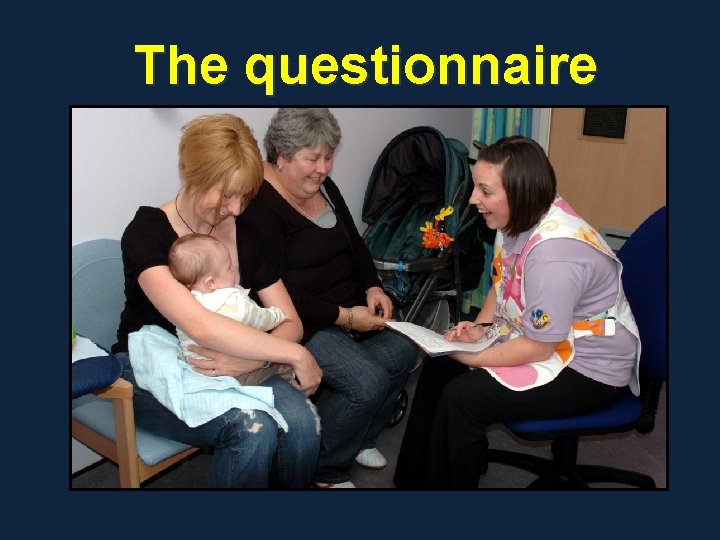
The questionnaire
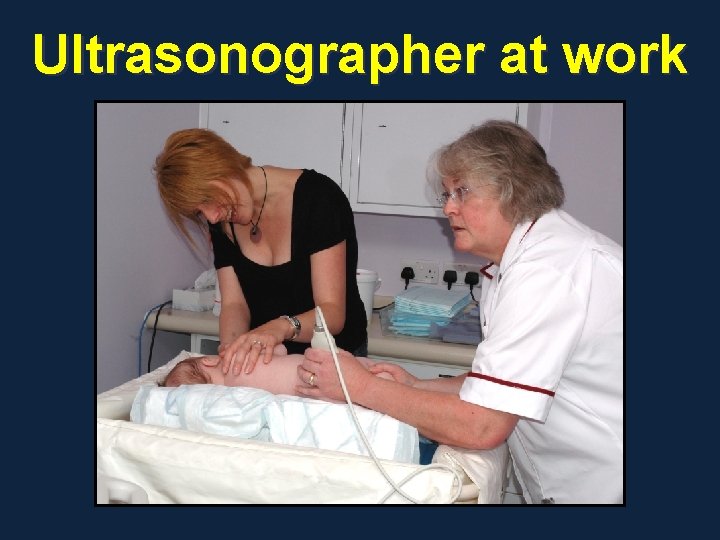
Ultrasonographer at work
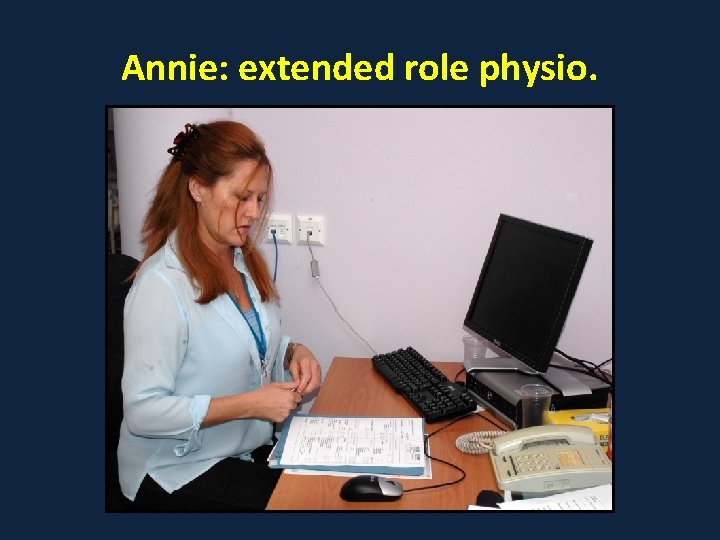
Annie: extended role physio.
Oxford experience • 1500 new screenings / year • 700 follow-up screenings / year • 95% successful splints
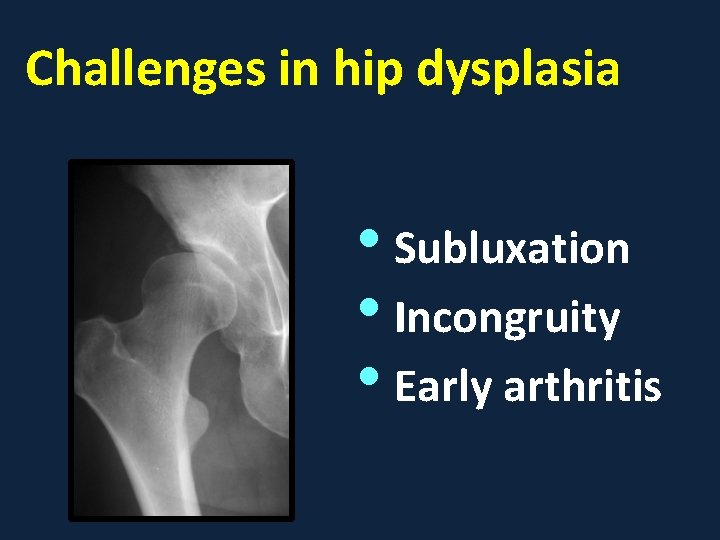
Challenges in hip dysplasia • Subluxation • Incongruity • Early arthritis
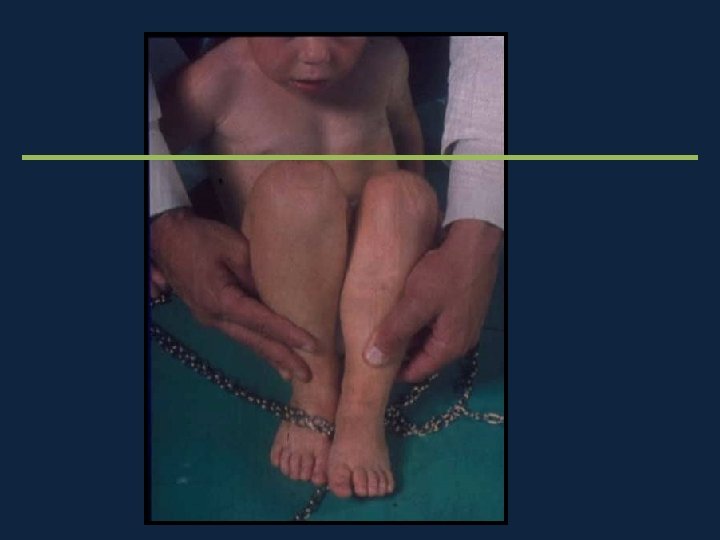
The older child
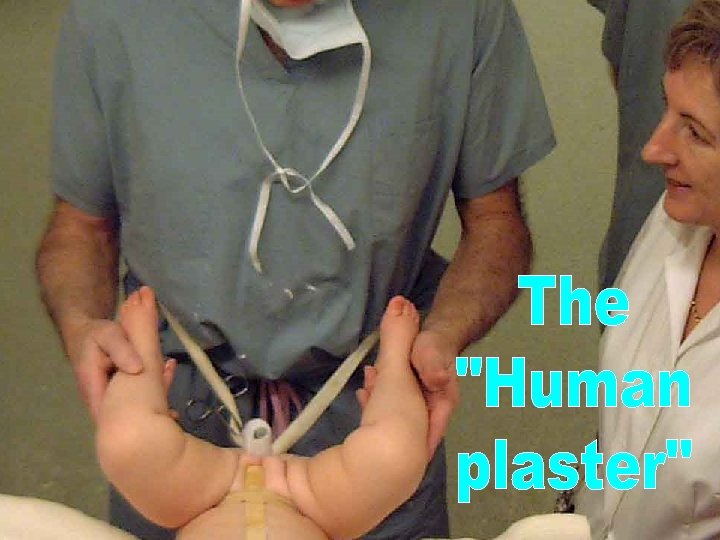
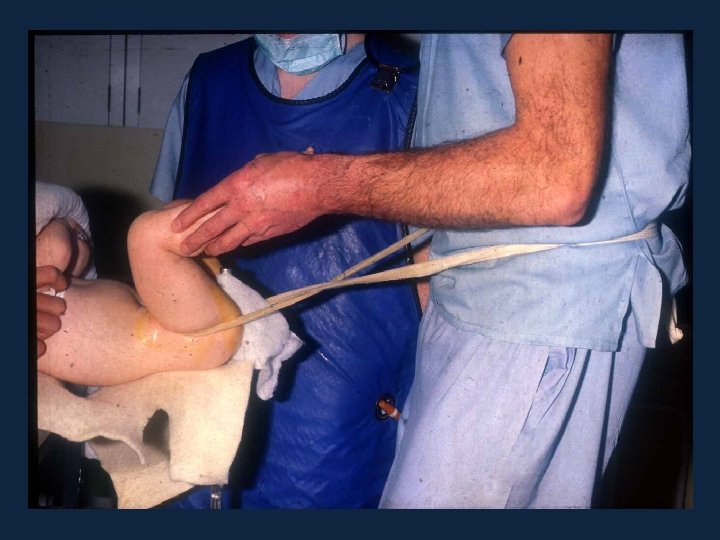
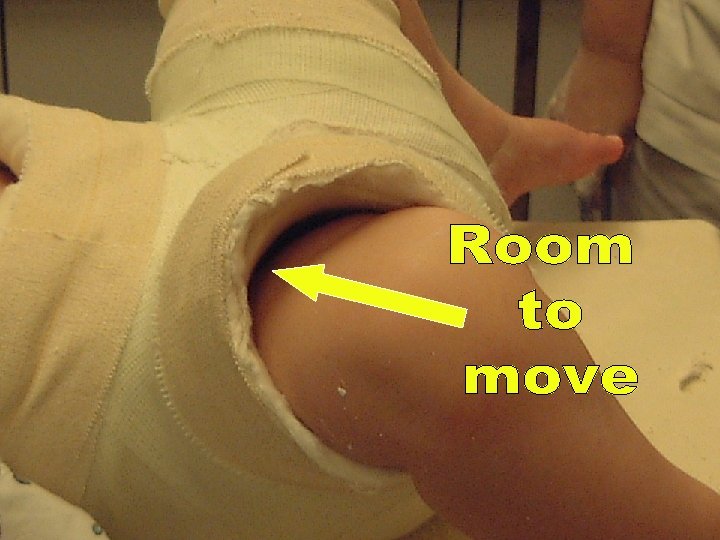
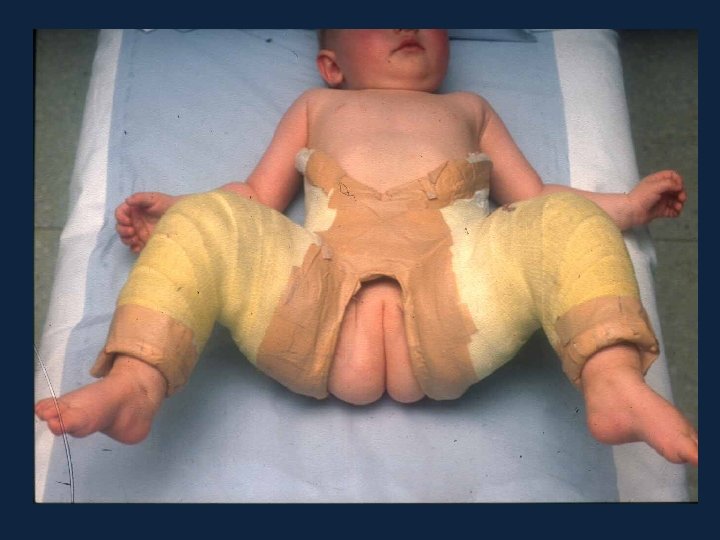
Closed reduction • E. U. A. • Adductor tenotomy • Safe position in POP
Open reduction • Bikini incision • Psoas tenotomy • Ligamentum teres? • Transverse ligament • Limbus? • Capsulorraphy
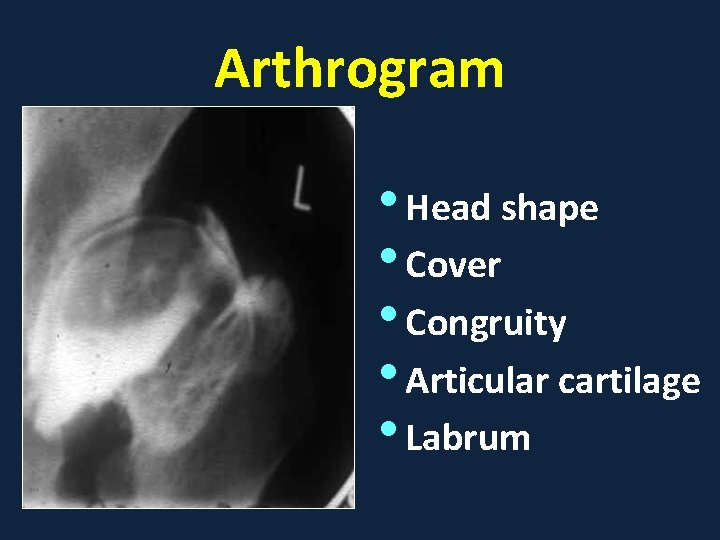
Arthrogram • Head shape • Cover • Congruity • Articular cartilage • Labrum
DDH: what influences arthritis risk? • Age at treatment • Quality of reduction • Stability • AVN
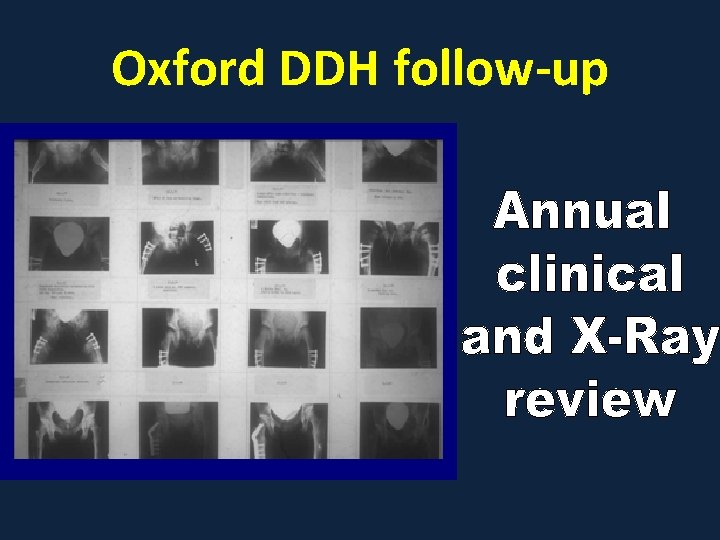
Oxford DDH follow-up
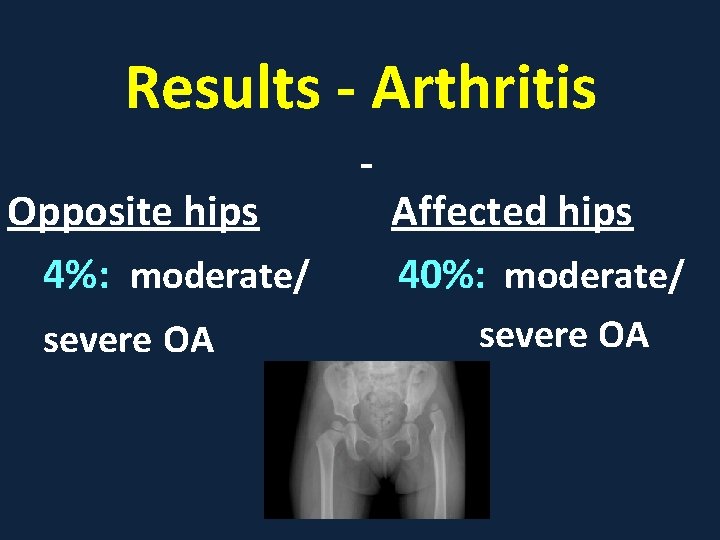
Results - Arthritis Opposite hips 4%: moderate/ severe OA Affected hips 40%: moderate/ severe OA
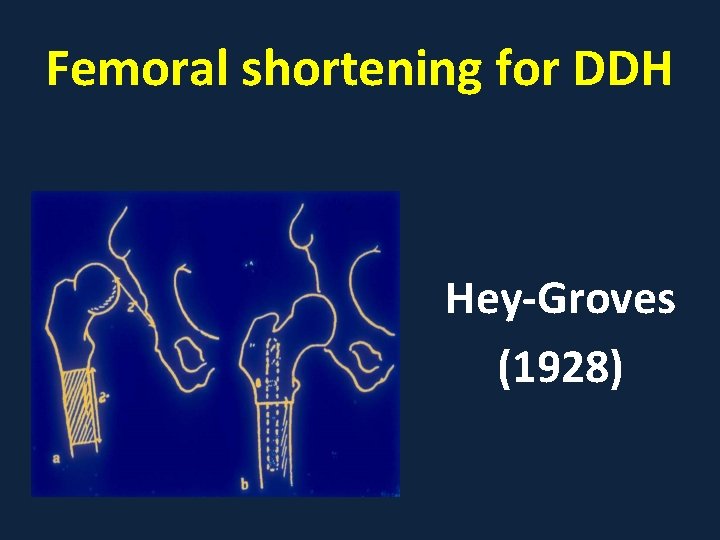
Femoral operation • Shortening • Varus/valgus +/- rotation • Trochanteric transfer • Neck lengthening
Femoral shortening for DDH Hey-Groves (1928)
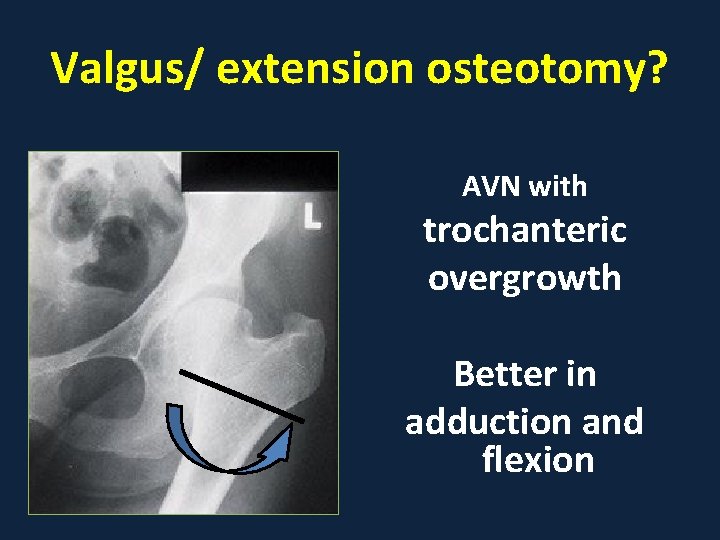
Valgus/ extension osteotomy? AVN with trochanteric overgrowth Better in adduction and flexion
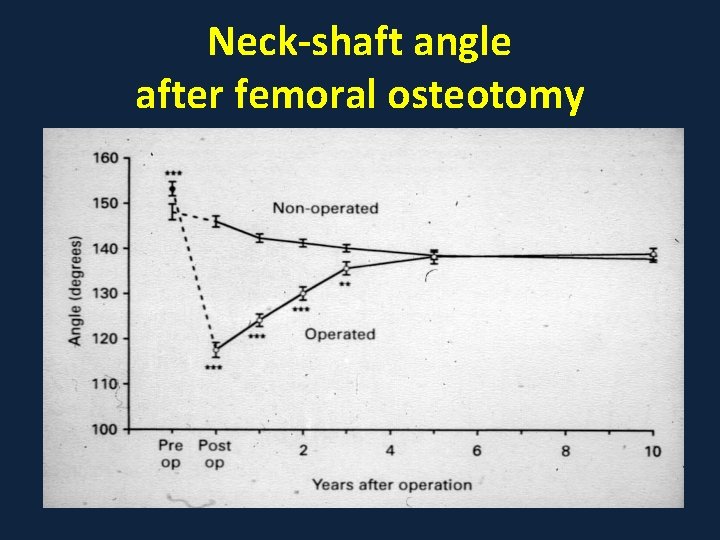
Neck-shaft angle after femoral osteotomy
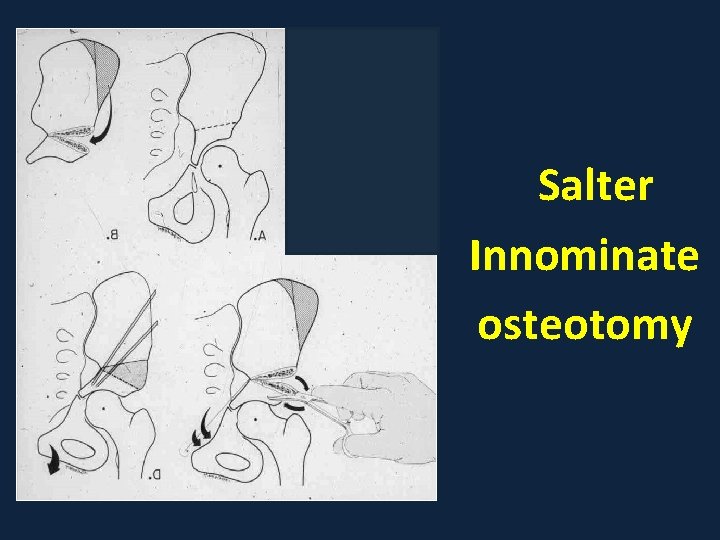
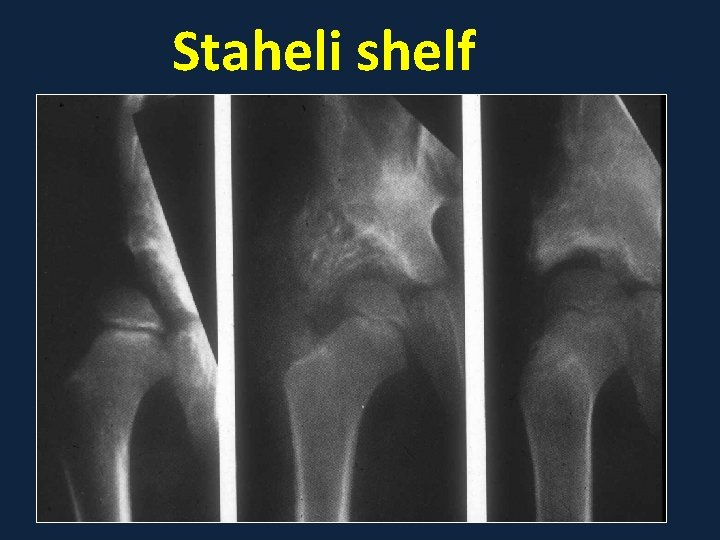
Pelvic operation Re-alignment: simple e. g. Salter complex e. g. Bernese Re-shaping: e. g. Pemberton Augmentation: e. g. shelf Chiari
Salter Innominate osteotomy
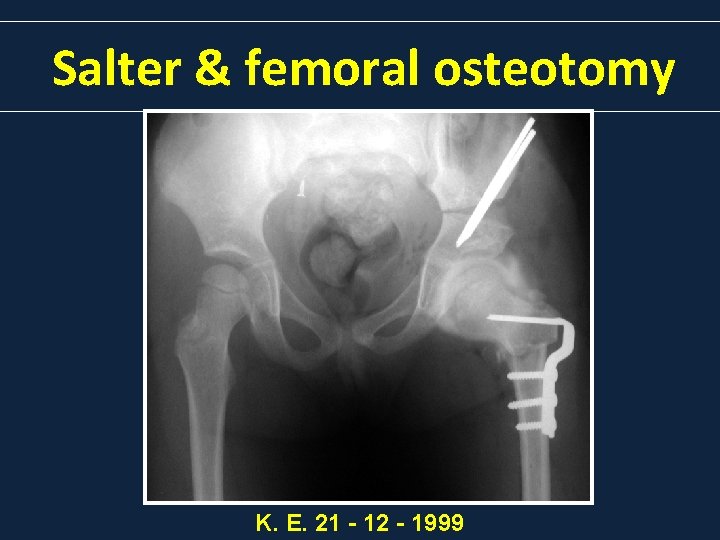
Salter & femoral osteotomy K. E. 21 - 12 - 1999
Staheli shelf
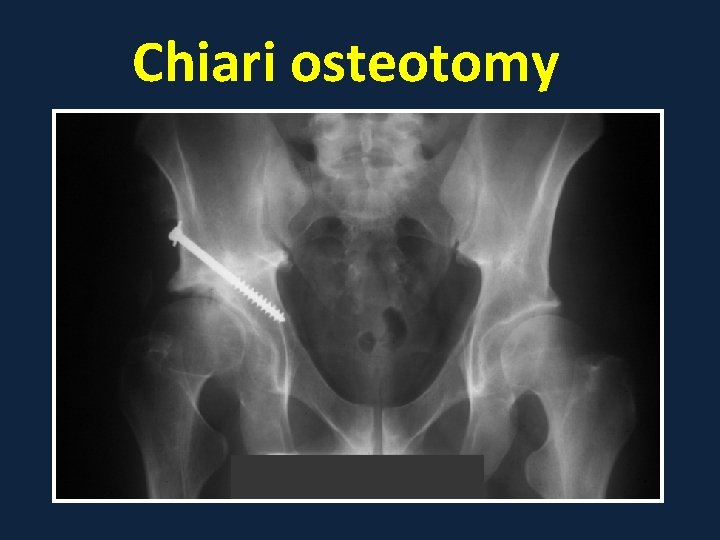
Chiari osteotomy
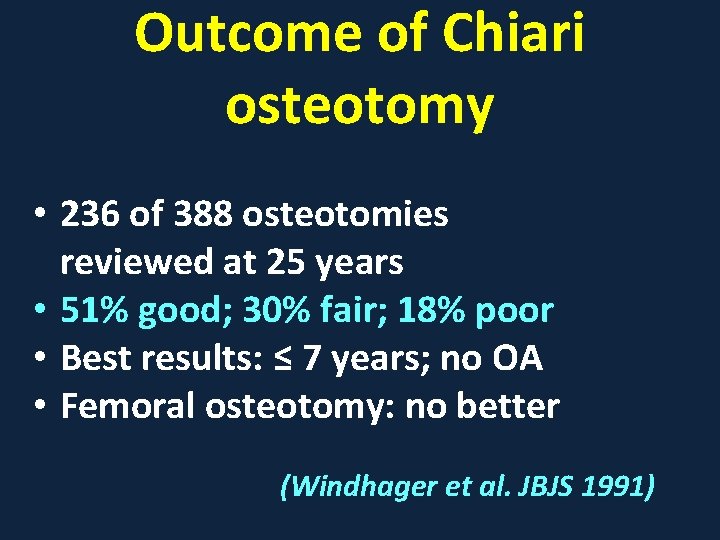
Outcome of Chiari osteotomy • 236 of 388 osteotomies reviewed at 25 years • 51% good; 30% fair; 18% poor • Best results: ≤ 7 years; no OA • Femoral osteotomy: no better (Windhager et al. JBJS 1991)
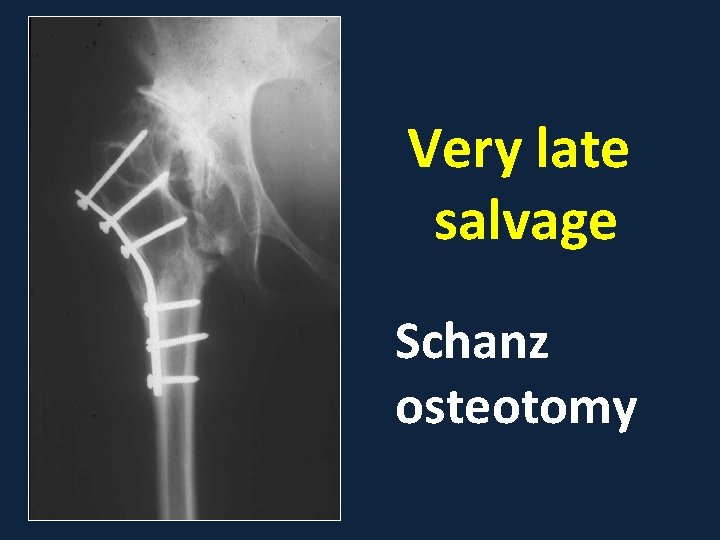
Very late salvage Schanz osteotomy
Radical salvage • • • Fusion Replacement Excision
Hip arthrodesis Consider for: i. Young male ii. Unilateral iii. Infection
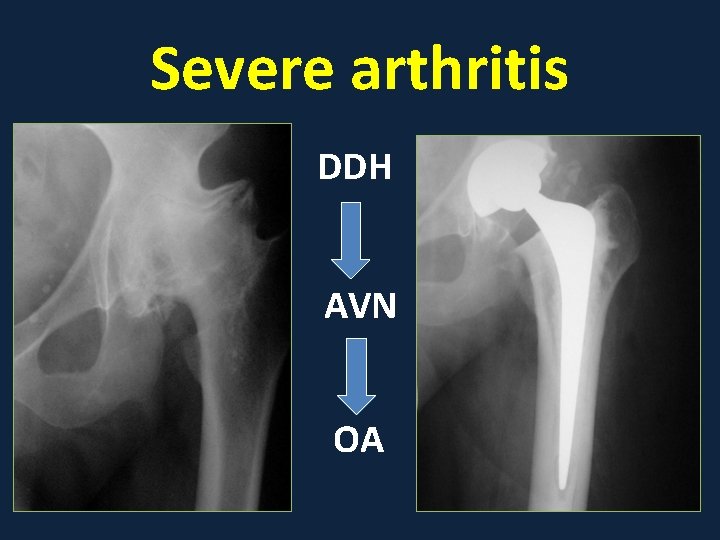
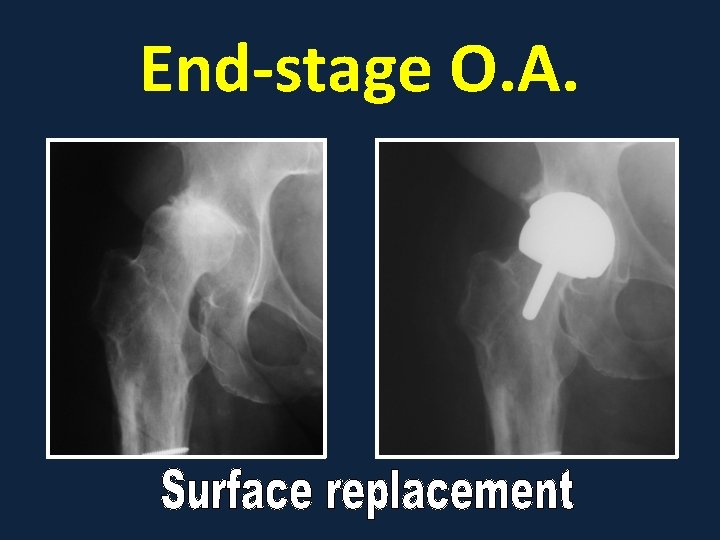
Joint replacement Consider for: i. Severe arthritis ii. Failed “ conservative” Rx. iii. Bilateral disease
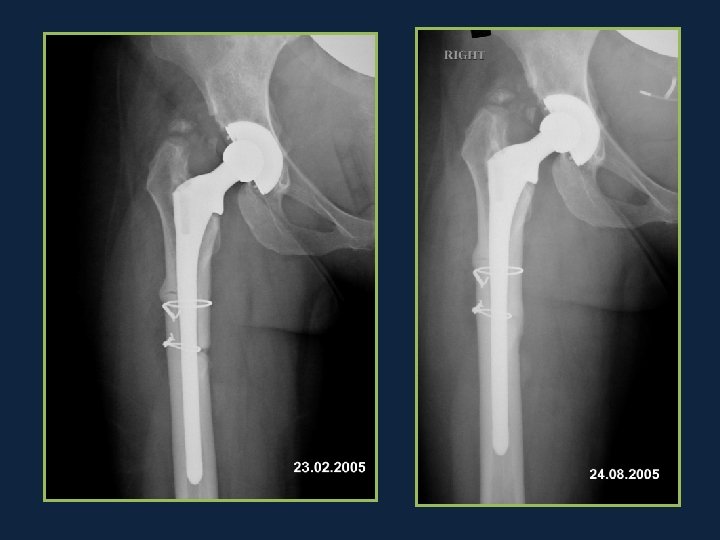
Joint replacement • May be complex • +/- femoral shortening • +/- acetabular grafting
Severe arthritis DDH AVN OA
End-stage O. A.
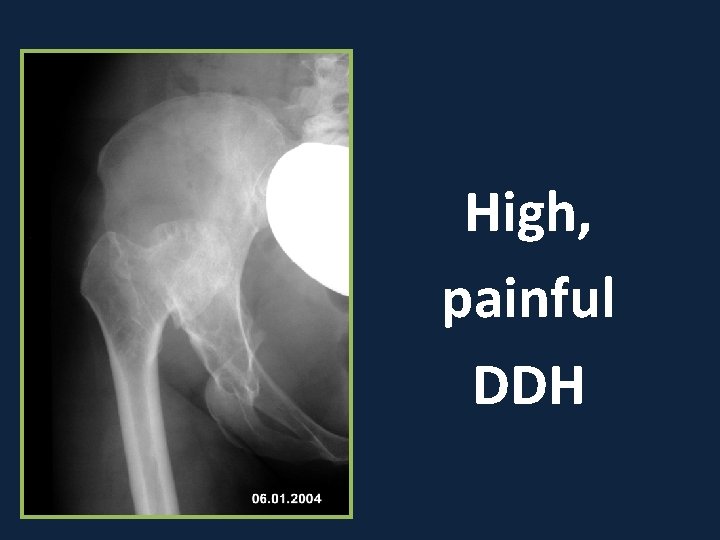
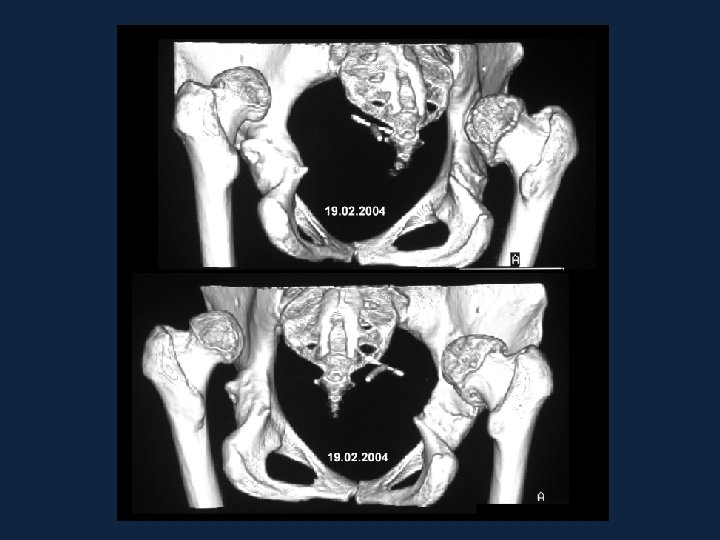
High, painful DDH
DDH: THR does not solve all ills! Right: painless Left: severe pain
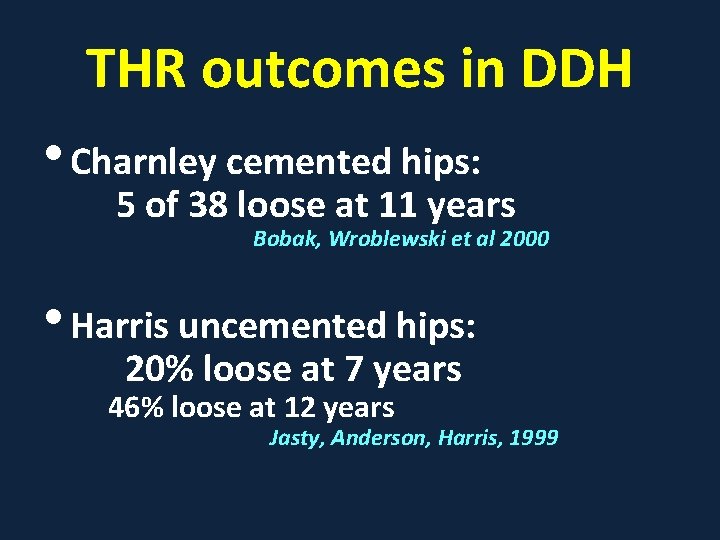
THR outcomes in DDH • Charnley cemented hips: 5 of 38 loose at 11 years Bobak, Wroblewski et al 2000 • Harris uncemented hips: 20% loose at 7 years 46% loose at 12 years Jasty, Anderson, Harris, 1999