SEDATION IN THE ICUSHIFTS STRATEGIES DR RAKESH K


- Slides: 78
SEDATION IN THE ICUSHIFTS & STRATEGIES DR. RAKESH K. CHAWLA MD, FCCP(USA) SR. CONSULTANT RESPIRATORY MEDICINE, CRITICAL CARE AND SLEEP DISORDERS JAIPUR GOLDEN HOSPITAL, SAROJ HOSPITAL & RAJIV GANDHI CANCER INSTITUTE MOBILE-09810072860
NISO FINANCIAL GRANT FOR THIS LECTURE. PURE ACADEMIC
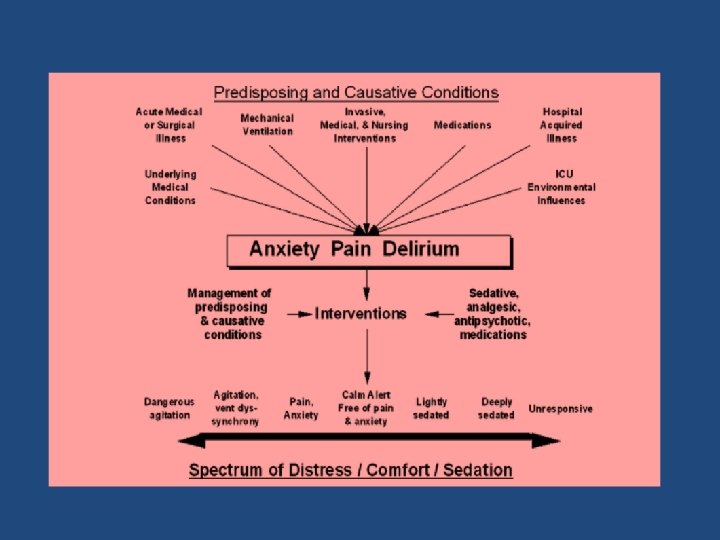
Sedation in the ICU The ICU is a hostile environment and while pain is often the root cause of distress experienced by the patient in the unit , anxiety, dyspnoea, delirium and sleep deprivation may be additive or synergistic.
Everyone who works in Intensive Care Unit(I. C. U) has already faced an anxious and agitated patient requiring sedation for different goals such as management of difficult airway, improvement of mechanical ventilation or just as adjuvant therapy to commonly procedures done in Intensive Care Medicine.
Majority of critically ill patients experience significant distress, anxiety, and agitation during their intensive care unit stays. Numerous factors, including sleep deprivation, unfamiliar environment, delirium, adverse medication effect, pain, and extreme anxiety can contribute to ICU patient distress.
Intensivists often employ various sedative agents to relieve ICU associated distress and prevent secondary complications of such distress. There a variety of pharmacologic agents used for this purpose, including benzodiazepines, propofol, antipsychotic agents, and alpha agonists.
Important patho-physiologic mechanisms affected by ICU – associated distress include significant increases in catecholamines, cortisol, growth hormone, vasopressin, prolactin, glucagon, fatty acids, and protein catabolism. Clinically significant sequelae of this physiologic dysregulation include fluid and electrolyte imbalances, altered wound healing , and disturbances of the sleep wake cycles.
ICU sedation is aimed at keeping the patient comfortable but easily arousable. Deep sedation with or without muscle relaxants is rarely indicated and is associated with a higher incidence of delirium and death. Analgo – sedation is administered to relieve pain, anxiety and discomfort and to facilitate treatment and nursing. .
Providing analgesia first, and adding sedation as required (“analgo - sedation”).
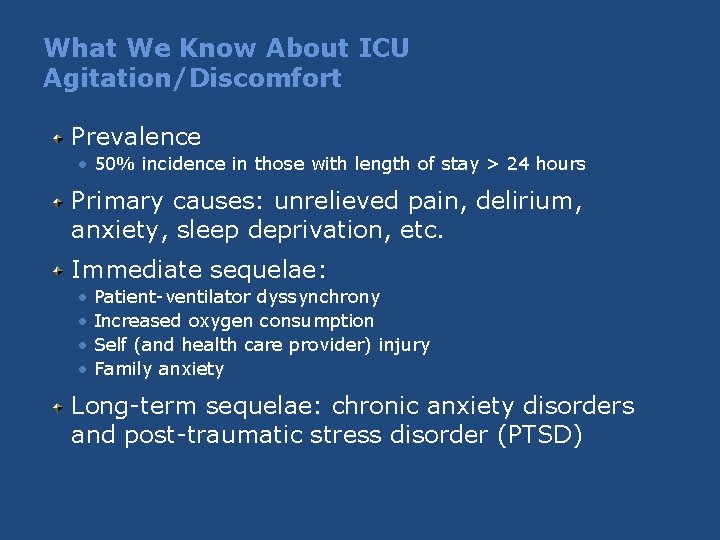
What We Know About ICU Agitation/Discomfort Prevalence • 50% incidence in those with length of stay > 24 hours Primary causes: unrelieved pain, delirium, anxiety, sleep deprivation, etc. Immediate sequelae: • • Patient-ventilator dyssynchrony Increased oxygen consumption Self (and health care provider) injury Family anxiety Long-term sequelae: chronic anxiety disorders and post-traumatic stress disorder (PTSD)
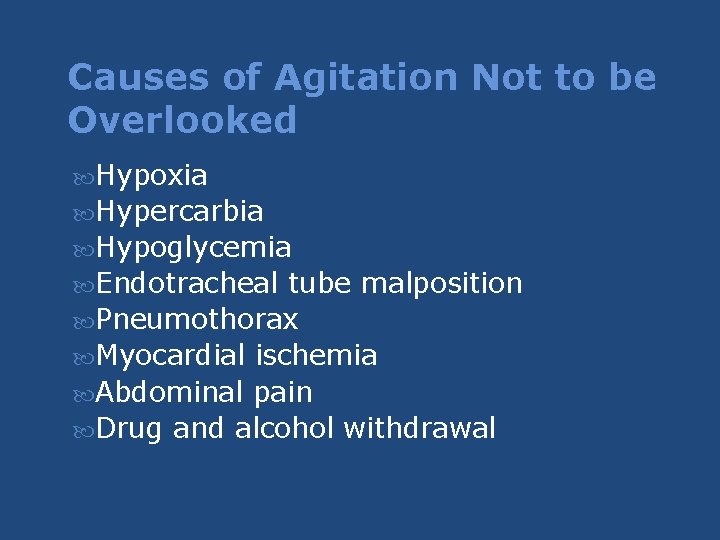
Causes of Agitation Not to be Overlooked Hypoxia Hypercarbia Hypoglycemia Endotracheal tube malposition Pneumothorax Myocardial ischemia Abdominal pain Drug and alcohol withdrawal
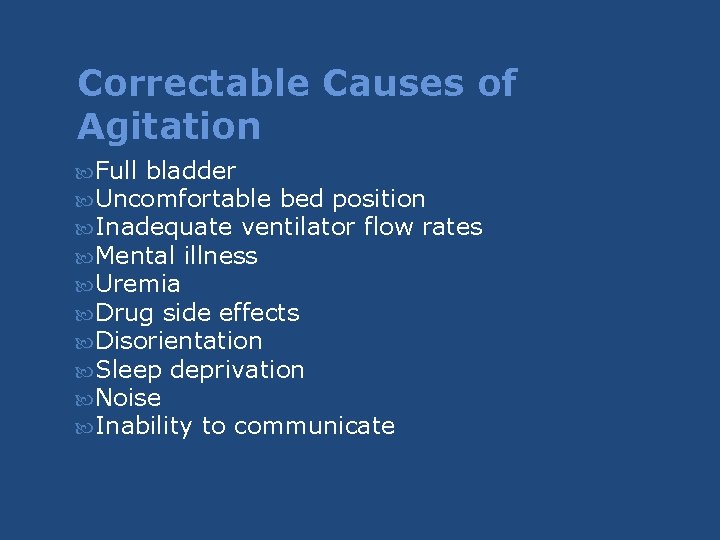
Correctable Causes of Agitation Full bladder Uncomfortable bed position Inadequate ventilator flow rates Mental illness Uremia Drug side effects Disorientation Sleep deprivation Noise Inability to communicate
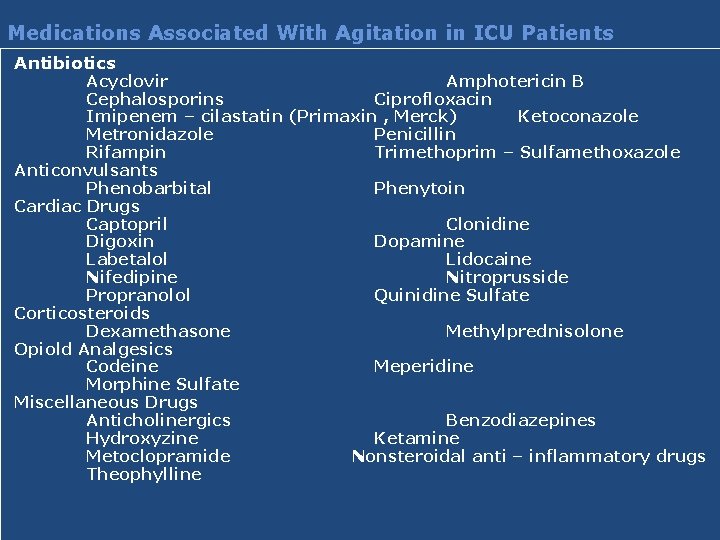
Medications Associated With Agitation in ICU Patients Antibiotics Acyclovir Amphotericin B Cephalosporins Ciprofloxacin Imipenem – cilastatin (Primaxin , Merck) Ketoconazole Metronidazole Penicillin Rifampin Trimethoprim – Sulfamethoxazole Anticonvulsants Phenobarbital Phenytoin Cardiac Drugs Captopril Clonidine Digoxin Dopamine Labetalol Lidocaine Nifedipine Nitroprusside Propranolol Quinidine Sulfate Corticosteroids Dexamethasone Methylprednisolone Opiold Analgesics Codeine Meperidine Morphine Sulfate Miscellaneous Drugs Anticholinergics Benzodiazepines Hydroxyzine Ketamine Metoclopramide Nonsteroidal anti – inflammatory drugs Theophylline
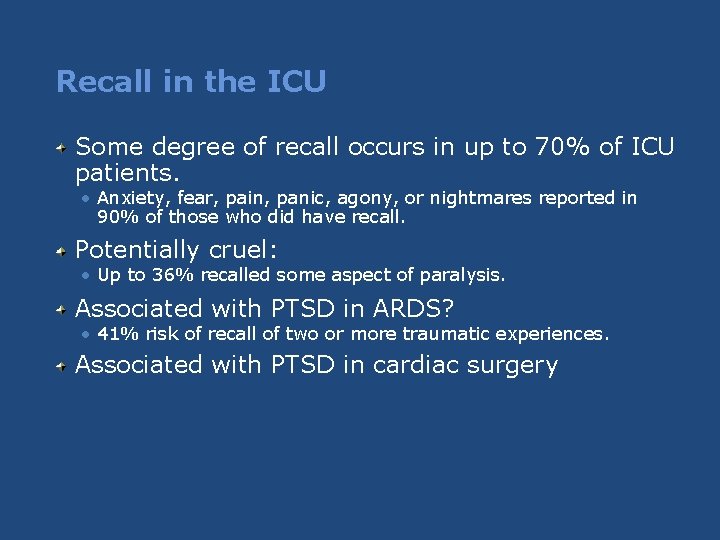
Recall in the ICU Some degree of recall occurs in up to 70% of ICU patients. • Anxiety, fear, pain, panic, agony, or nightmares reported in 90% of those who did have recall. Potentially cruel: • Up to 36% recalled some aspect of paralysis. Associated with PTSD in ARDS? • 41% risk of recall of two or more traumatic experiences. Associated with PTSD in cardiac surgery
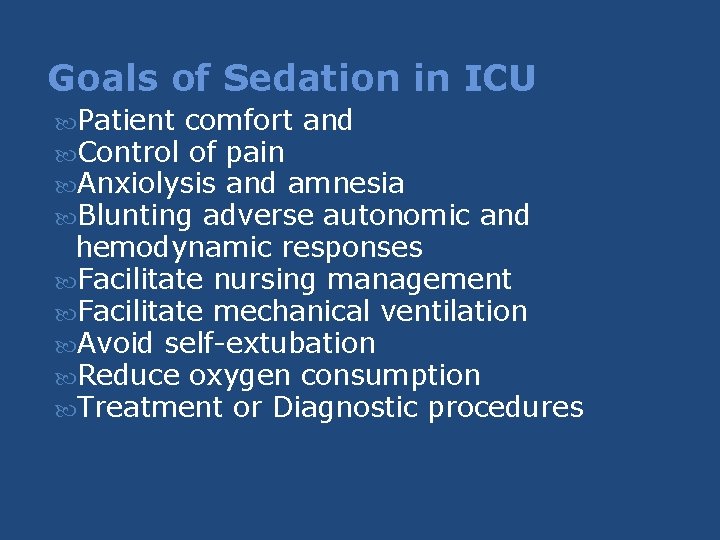
Goals of Sedation in ICU Patient comfort and Control of pain Anxiolysis and amnesia Blunting adverse autonomic and hemodynamic responses Facilitate nursing management Facilitate mechanical ventilation Avoid self-extubation Reduce oxygen consumption Treatment or Diagnostic procedures
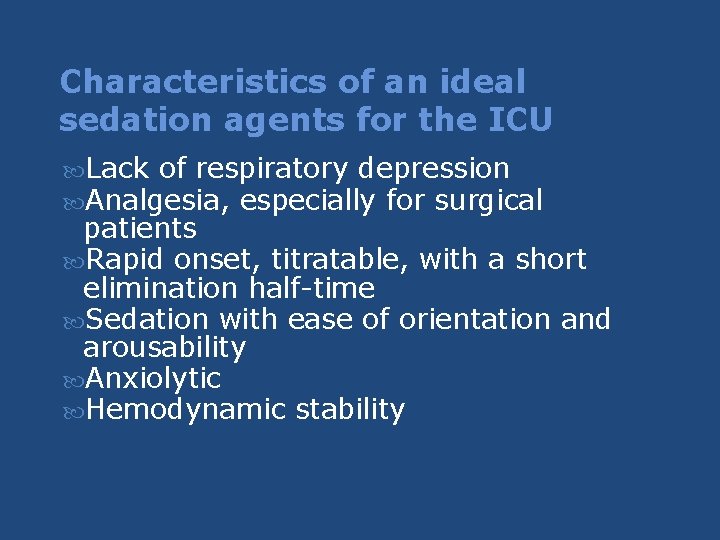
Characteristics of an ideal sedation agents for the ICU Lack of respiratory depression Analgesia, especially for surgical patients Rapid onset, titratable, with a short elimination half-time Sedation with ease of orientation and arousability Anxiolytic Hemodynamic stability
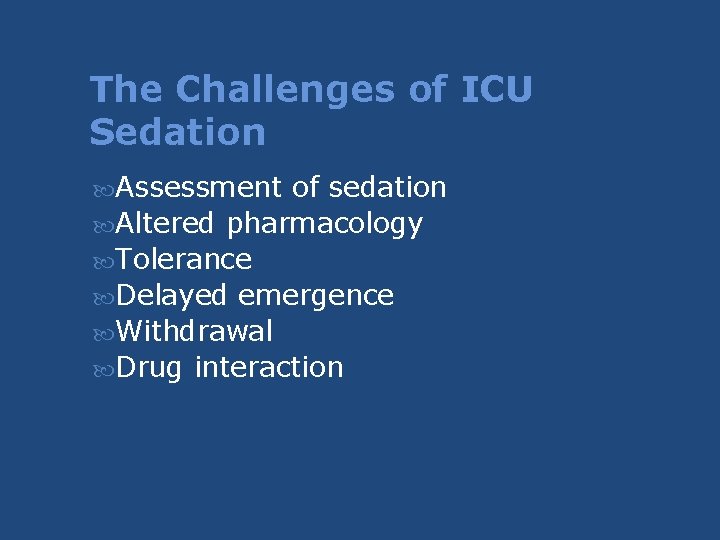
The Challenges of ICU Sedation Assessment of sedation Altered pharmacology Tolerance Delayed emergence Withdrawal Drug interaction
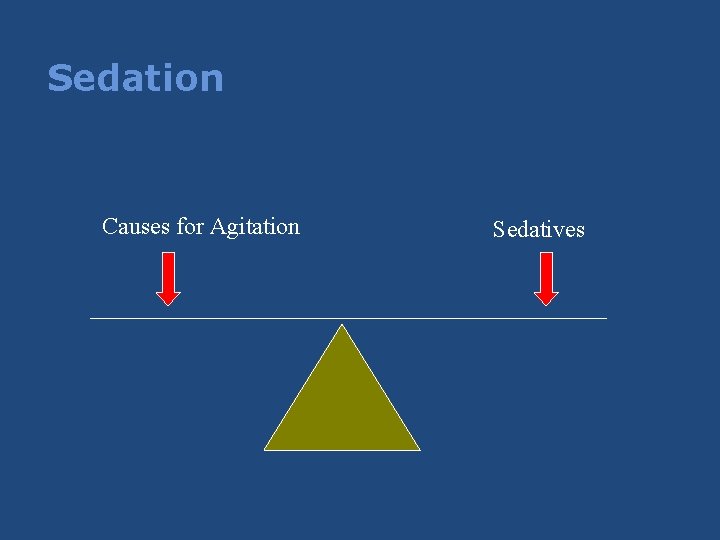
Sedation Causes for Agitation Sedatives
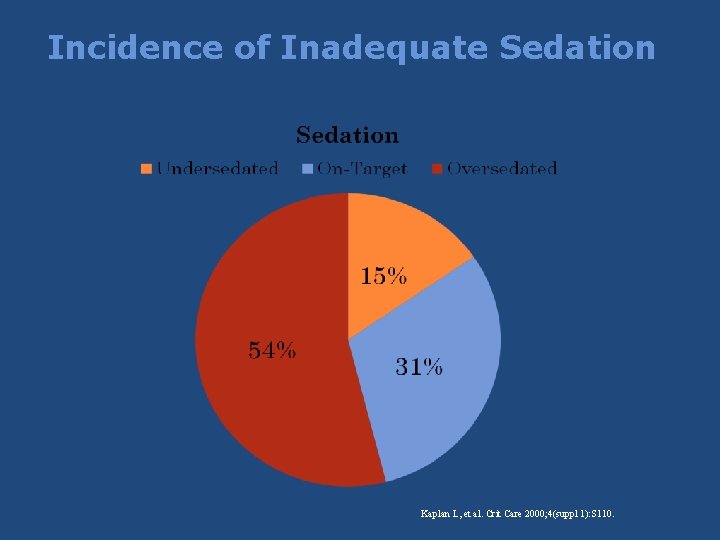
Incidence of Inadequate Sedation Kaplan L, et al. Crit Care 2000; 4(suppl 1): S 110.
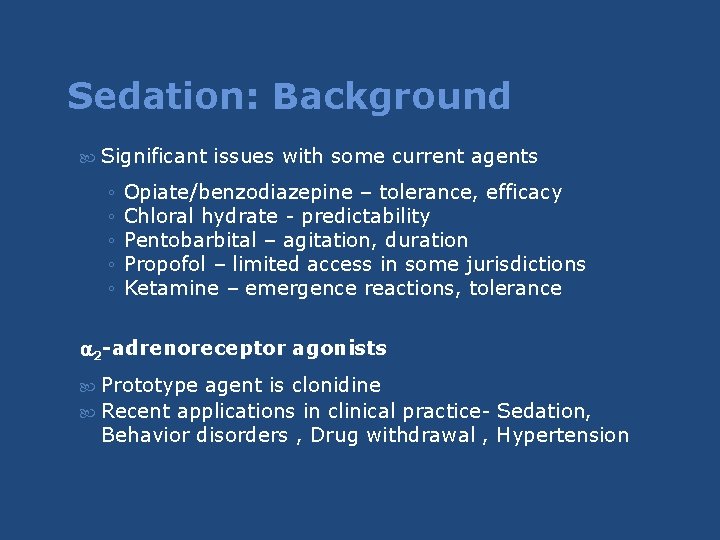
Sedation: Background Significant issues with some current agents ◦ ◦ ◦ Opiate/benzodiazepine – tolerance, efficacy Chloral hydrate - predictability Pentobarbital – agitation, duration Propofol – limited access in some jurisdictions Ketamine – emergence reactions, tolerance 2 -adrenoreceptor agonists Prototype agent is clonidine Recent applications in clinical practice- Sedation, Behavior disorders , Drug withdrawal , Hypertension
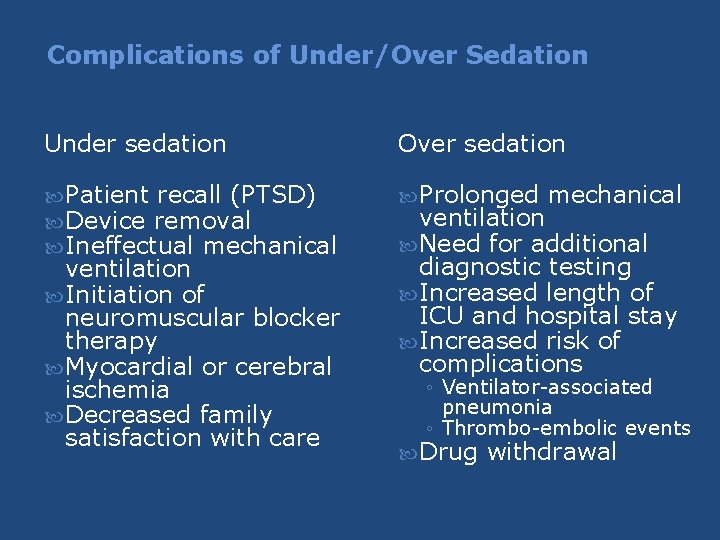
Complications of Under/Over Sedation Under sedation Over sedation Patient recall (PTSD) Device removal Ineffectual mechanical Prolonged mechanical ventilation Initiation of neuromuscular blocker therapy Myocardial or cerebral ischemia Decreased family satisfaction with care ventilation Need for additional diagnostic testing Increased length of ICU and hospital stay Increased risk of complications ◦ Ventilator-associated pneumonia ◦ Thrombo-embolic events Drug withdrawal
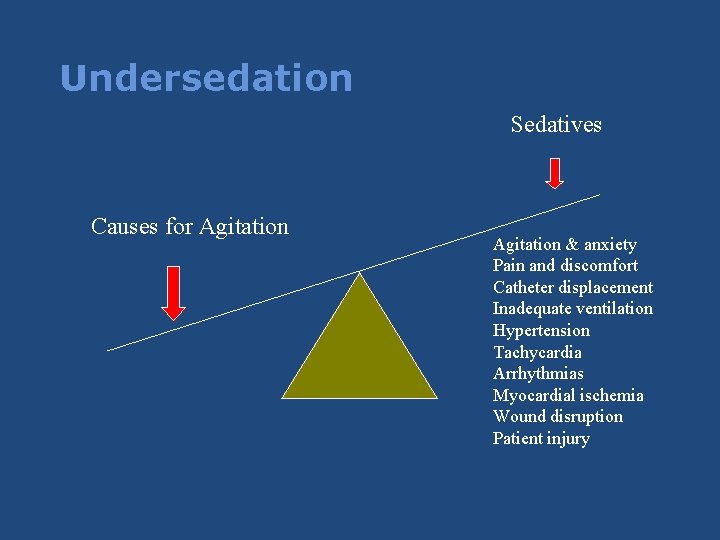
Undersedation Sedatives Causes for Agitation & anxiety Pain and discomfort Catheter displacement Inadequate ventilation Hypertension Tachycardia Arrhythmias Myocardial ischemia Wound disruption Patient injury
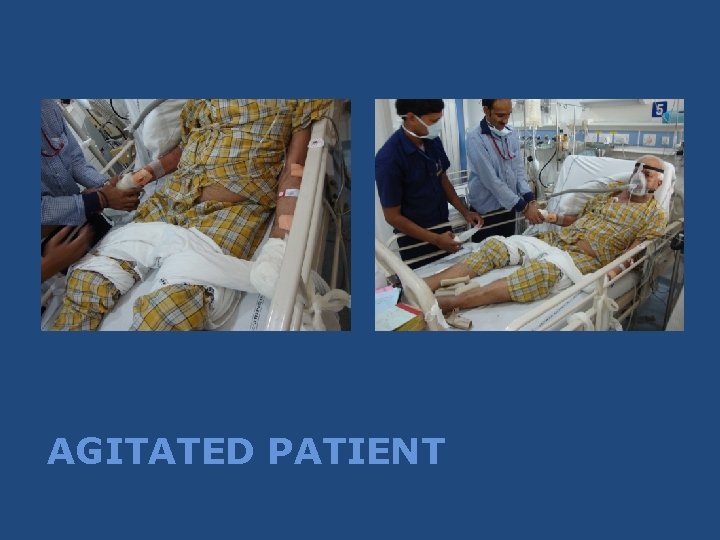
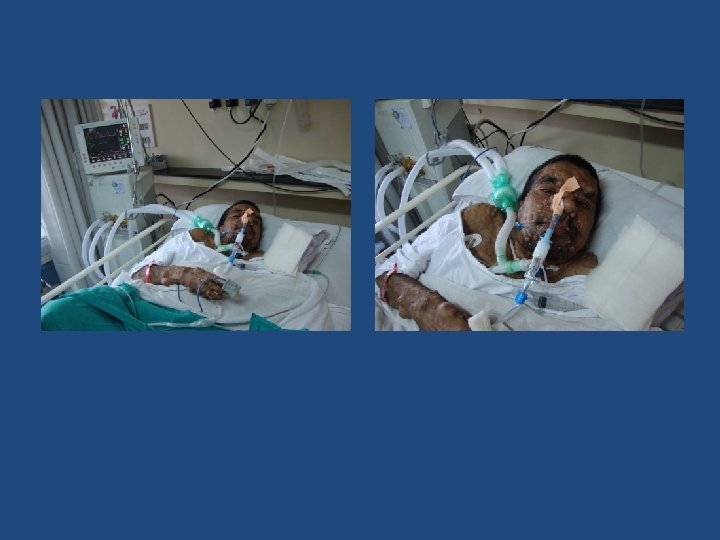
AGITATED PATIENT
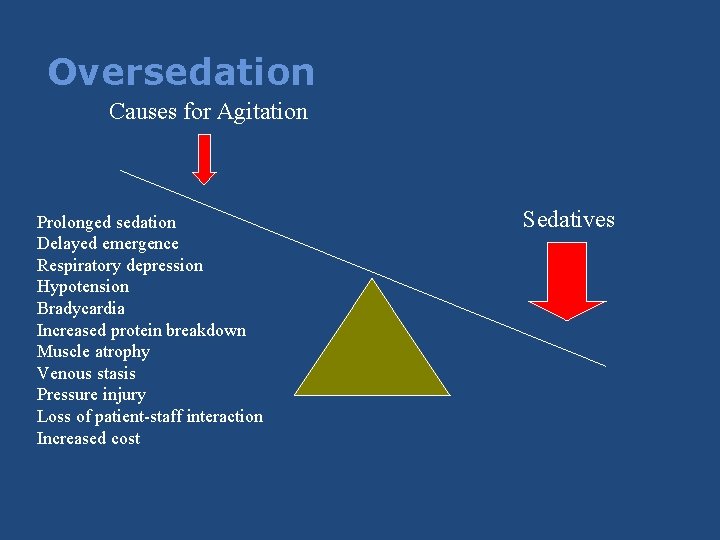
Oversedation Causes for Agitation Prolonged sedation Delayed emergence Respiratory depression Hypotension Bradycardia Increased protein breakdown Muscle atrophy Venous stasis Pressure injury Loss of patient-staff interaction Increased cost Sedatives
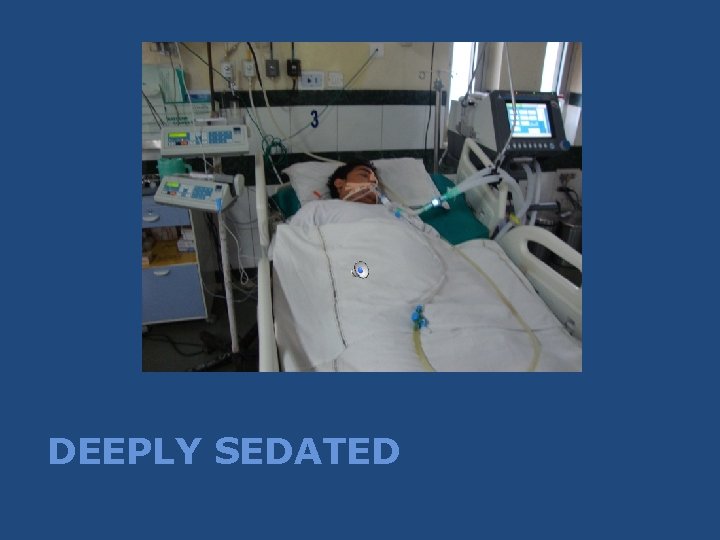
DEEPLY SEDATED
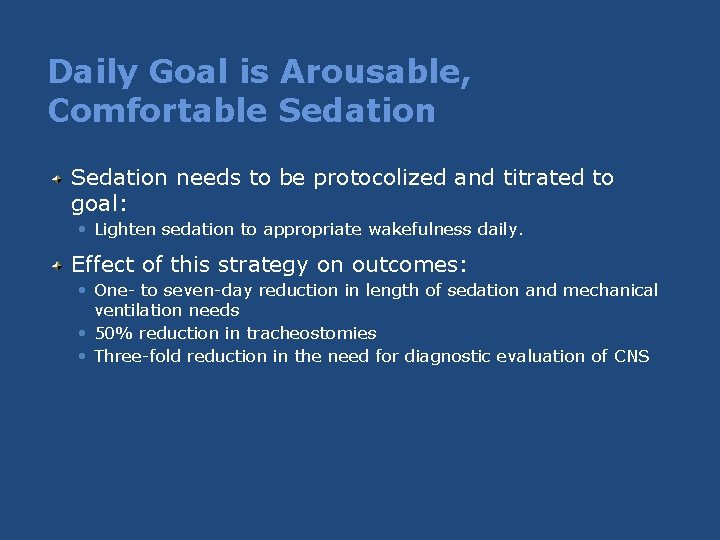
Daily Goal is Arousable, Comfortable Sedation needs to be protocolized and titrated to goal: • Lighten sedation to appropriate wakefulness daily. Effect of this strategy on outcomes: • One- to seven-day reduction in length of sedation and mechanical ventilation needs • 50% reduction in tracheostomies • Three-fold reduction in the need for diagnostic evaluation of CNS
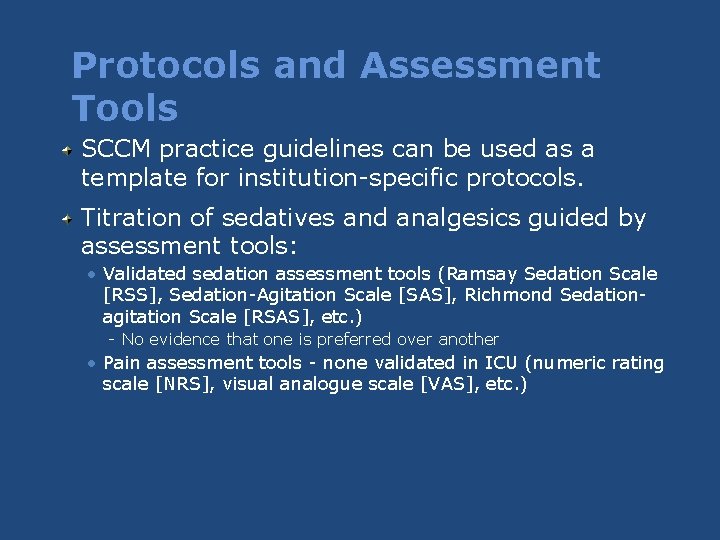
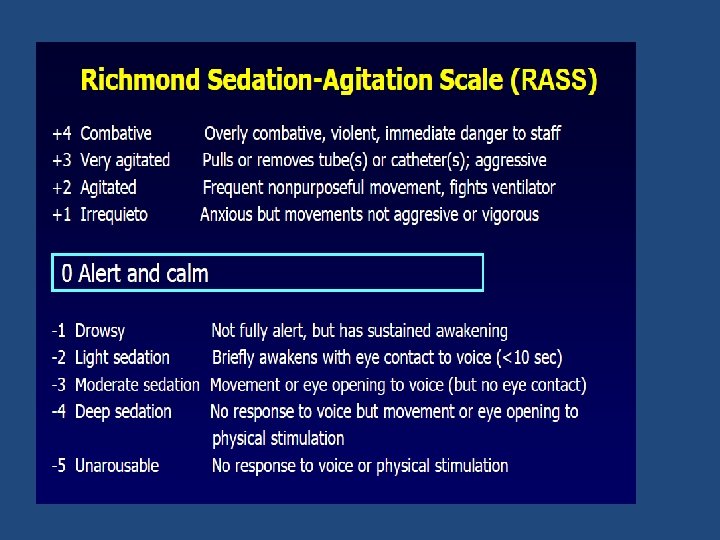
Protocols and Assessment Tools SCCM practice guidelines can be used as a template for institution-specific protocols. Titration of sedatives and analgesics guided by assessment tools: • Validated sedation assessment tools (Ramsay Sedation Scale [RSS], Sedation-Agitation Scale [SAS], Richmond Sedationagitation Scale [RSAS], etc. ) - No evidence that one is preferred over another • Pain assessment tools - none validated in ICU (numeric rating scale [NRS], visual analogue scale [VAS], etc. )
Strategies for Patient Comfort Set treatment goal Quantitate sedation and pain Choose the right medication Use combined infusion Reevaluate need Treat withdrawal
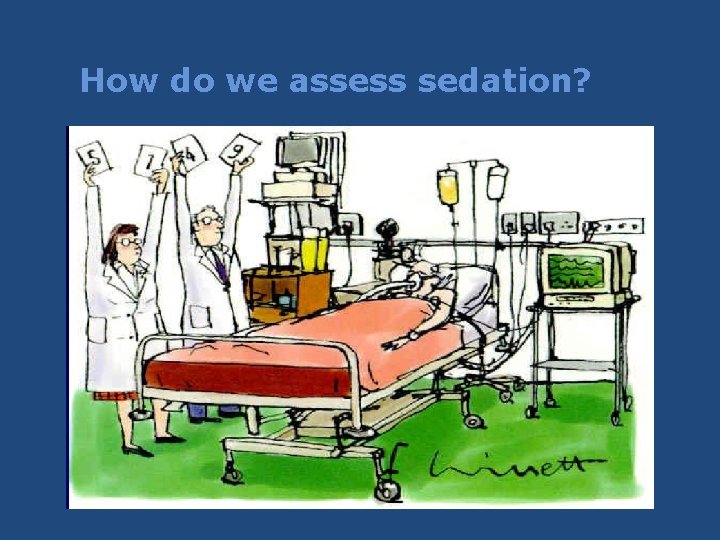
How do we assess sedation?
Sedation Scales : Very useful , very underused.
What Sedation Scales Do Provide a semiquantitative “score” Standardize treatment endpoints Allow review of efficacy of sedation Facilitate sedation studies Help to avoid oversedation
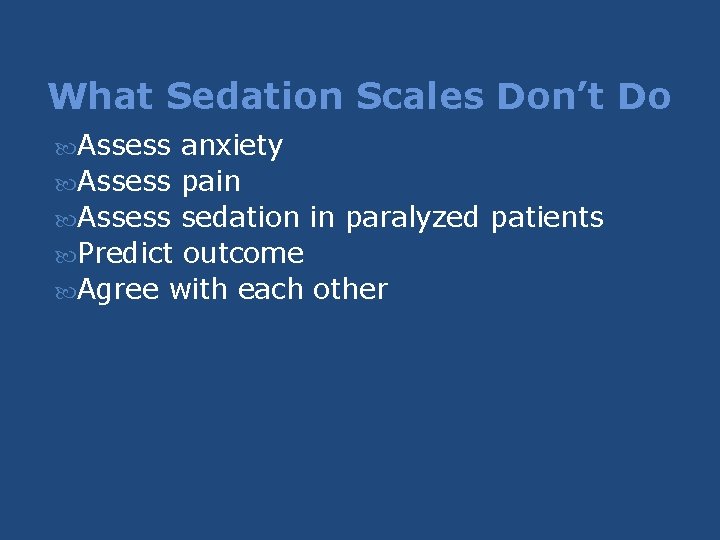
What Sedation Scales Don’t Do Assess anxiety Assess pain Assess sedation in paralyzed patients Predict outcome Agree with each other
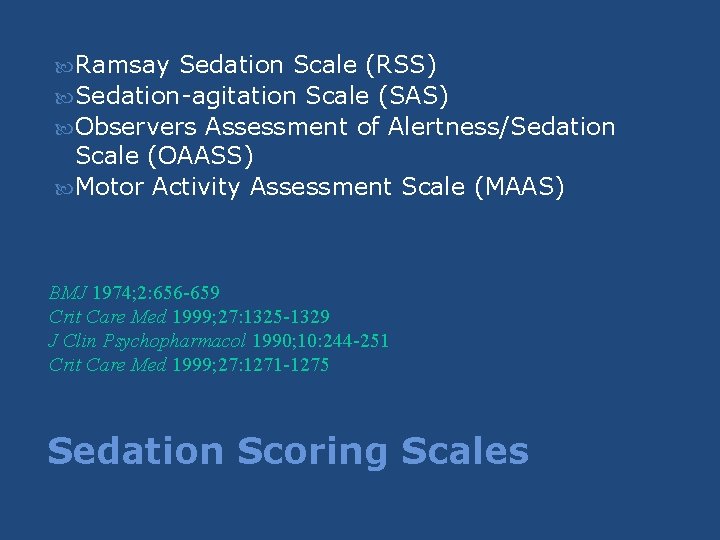
Ramsay Sedation Scale (RSS) Sedation-agitation Scale (SAS) Observers Assessment of Alertness/Sedation Scale (OAASS) Motor Activity Assessment Scale (MAAS) BMJ 1974; 2: 656 -659 Crit Care Med 1999; 27: 1325 -1329 J Clin Psychopharmacol 1990; 10: 244 -251 Crit Care Med 1999; 27: 1271 -1275 Sedation Scoring Scales
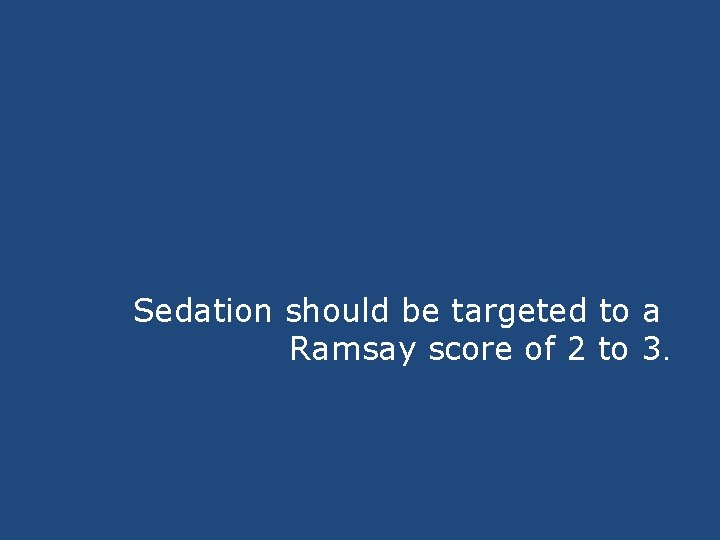
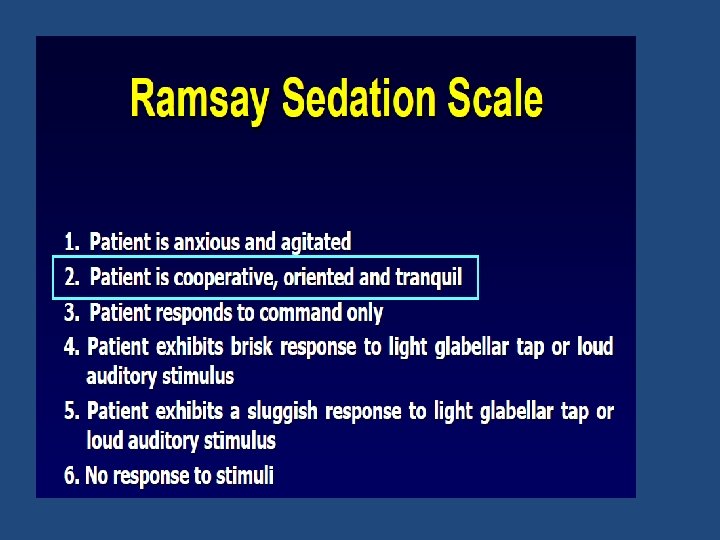
Sedation should be targeted to a Ramsay score of 2 to 3.
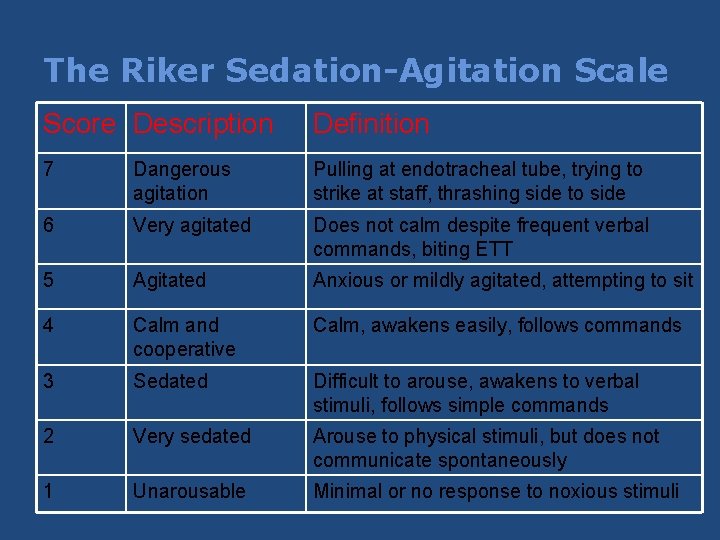
The Riker Sedation-Agitation Scale Score Description Definition 7 Dangerous agitation Pulling at endotracheal tube, trying to strike at staff, thrashing side to side 6 Very agitated Does not calm despite frequent verbal commands, biting ETT 5 Agitated Anxious or mildly agitated, attempting to sit 4 Calm and cooperative Calm, awakens easily, follows commands 3 Sedated Difficult to arouse, awakens to verbal stimuli, follows simple commands 2 Very sedated Arouse to physical stimuli, but does not communicate spontaneously 1 Unarousable Minimal or no response to noxious stimuli
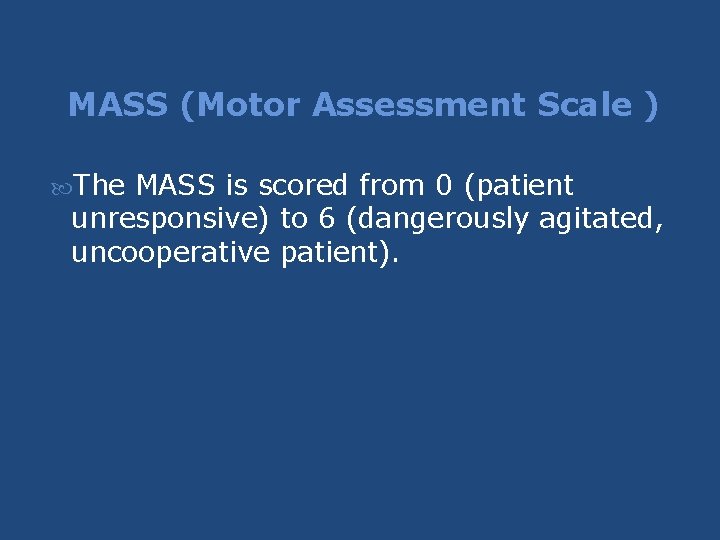
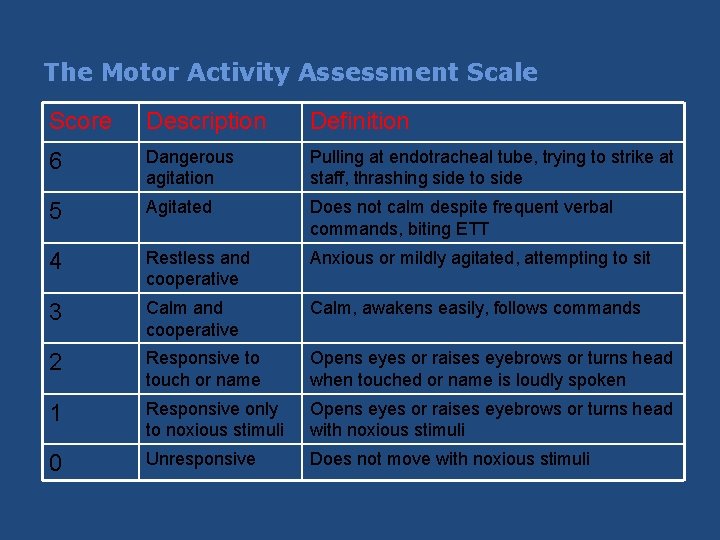
MASS (Motor Assessment Scale ) The MASS is scored from 0 (patient unresponsive) to 6 (dangerously agitated, uncooperative patient).
The Motor Activity Assessment Scale Score Description Definition 6 Dangerous agitation Pulling at endotracheal tube, trying to strike at staff, thrashing side to side 5 Agitated Does not calm despite frequent verbal commands, biting ETT 4 Restless and cooperative Anxious or mildly agitated, attempting to sit 3 Calm and cooperative Calm, awakens easily, follows commands 2 Responsive to touch or name Opens eyes or raises eyebrows or turns head when touched or name is loudly spoken 1 Responsive only to noxious stimuli Opens eyes or raises eyebrows or turns head with noxious stimuli 0 Unresponsive Does not move with noxious stimuli
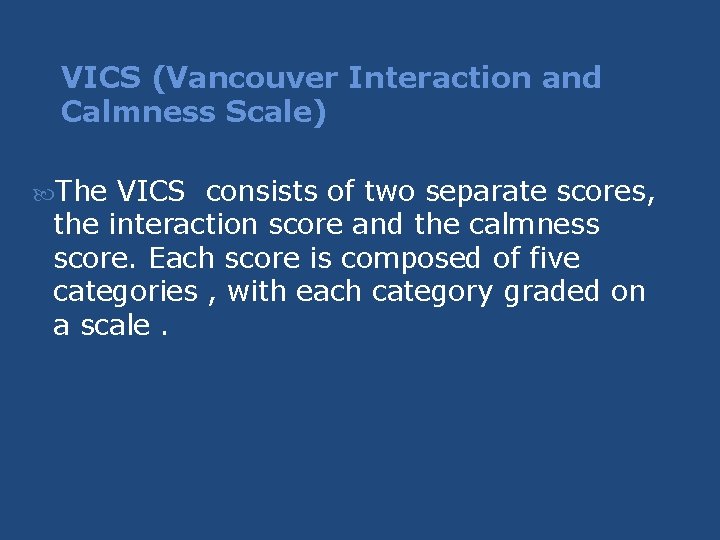
VICS (Vancouver Interaction and Calmness Scale) The VICS consists of two separate scores, the interaction score and the calmness score. Each score is composed of five categories , with each category graded on a scale.
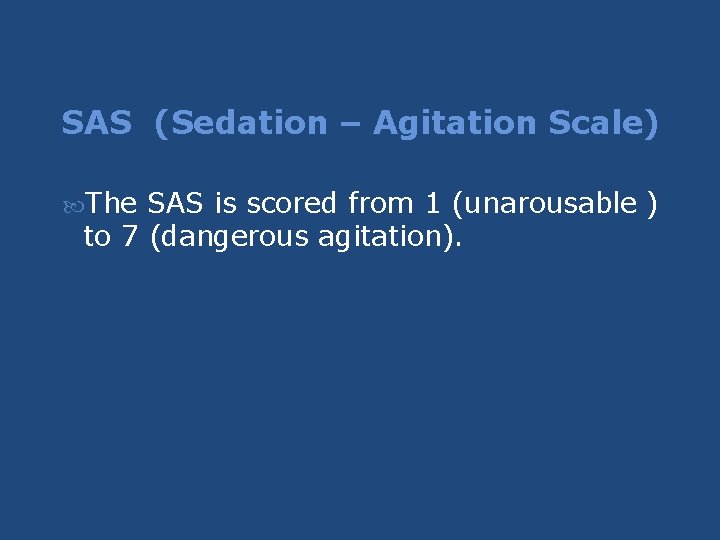
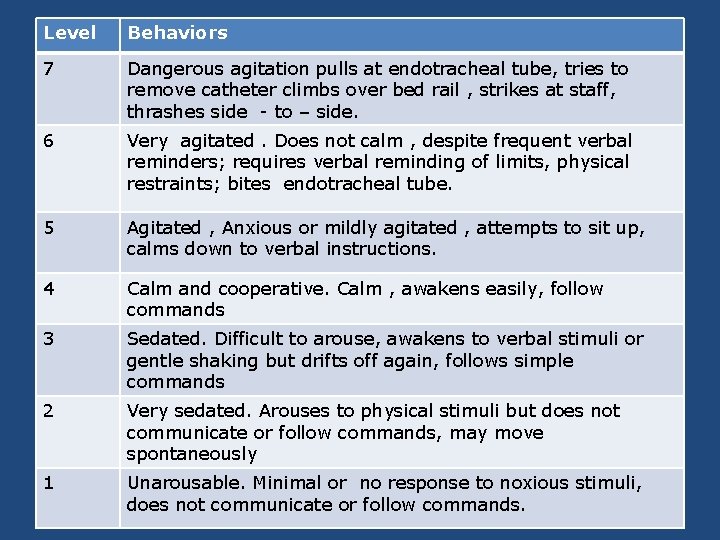
SAS (Sedation – Agitation Scale) The SAS is scored from 1 (unarousable ) to 7 (dangerous agitation).
Level Behaviors 7 Dangerous agitation pulls at endotracheal tube, tries to remove catheter climbs over bed rail , strikes at staff, thrashes side - to – side. 6 Very agitated. Does not calm , despite frequent verbal reminders; requires verbal reminding of limits, physical restraints; bites endotracheal tube. 5 Agitated , Anxious or mildly agitated , attempts to sit up, calms down to verbal instructions. 4 Calm and cooperative. Calm , awakens easily, follow commands 3 Sedated. Difficult to arouse, awakens to verbal stimuli or gentle shaking but drifts off again, follows simple commands 2 Very sedated. Arouses to physical stimuli but does not communicate or follow commands, may move spontaneously 1 Unarousable. Minimal or no response to noxious stimuli, does not communicate or follow commands.
AVRIPAS This scale consists of four components : (a) agitation; (b) alertness; (c) heart rate; (d) respiration. Agitation, alertness , and respiration are measured on a 5 point scoring system. Heart rate is measured on a 4 point scale. The overall sedation score for this system is a sum of each component , with scores ranging from 1 (sedated) to 19 (need for more sedation).
Bloomsbury Also known as the University College London Hospitals sedation protocol, this scale spans from -3 (unarousable) to +3 (agitated and restless). There is also categorization for natural sleep. The bloomsbury scale appears to have a high association with the Ramsay Sedation Scale.
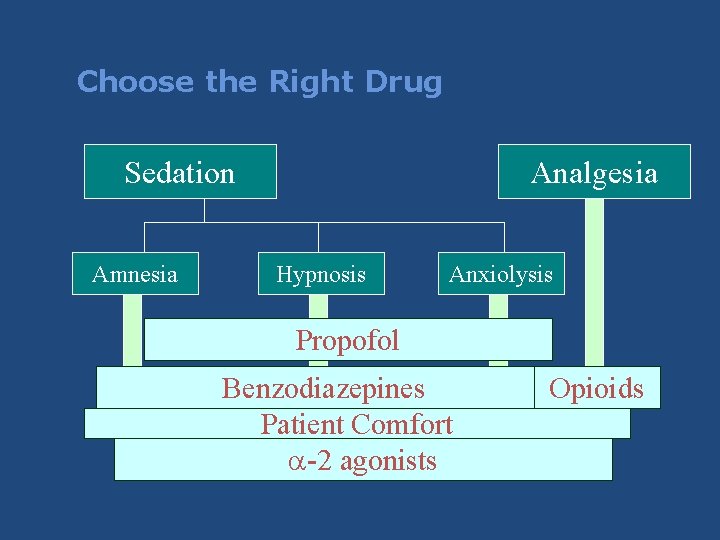
Choose the Right Drug Sedation Amnesia Analgesia Hypnosis Anxiolysis Propofol Benzodiazepines Patient Comfort -2 agonists Opioids
Sedation Options: Benzodiazepines (Midazolam and Lorazepam) Pharmacokinetics/dynamics • Lorazepam: onset 5 - 10 minutes, half-life 10 hours, glucuronidated • Midazolam: onset 1 - 2 minutes, half-life 3 hours, metabolized by cytochrome P 450, active metabolite (1 -OH) accumulates in renal disease Benefits • Anxiolytic • Amnestic • Sedating Risks • • Delirium NO analgesia Excessive sedation: especially after long-term sustained use Propylene glycol toxicity (parenteral lorazepam): significance uncertain - Evaluate when a patient has unexplained acidosis - Particularly problematic in alcoholics (due to doses used) and renal failure • Respiratory failure (especially with concurrent opiate use) • Withdrawal
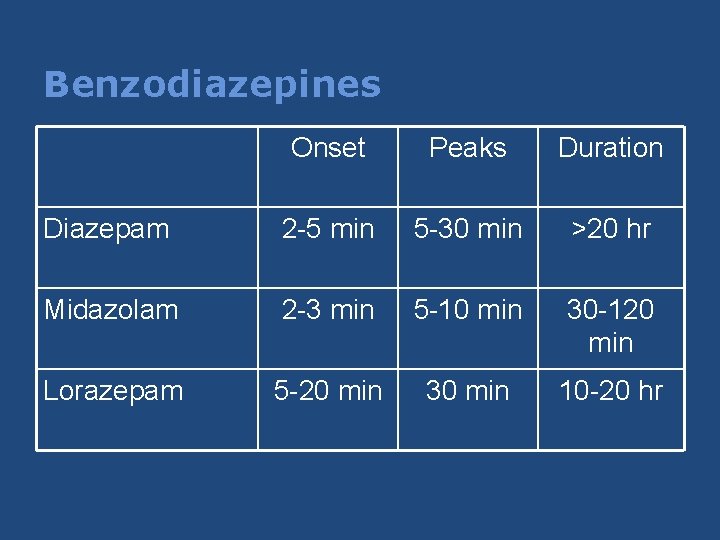
Benzodiazepines Onset Peaks Duration Diazepam 2 -5 min 5 -30 min >20 hr Midazolam 2 -3 min 5 -10 min 30 -120 min Lorazepam 5 -20 min 30 min 10 -20 hr
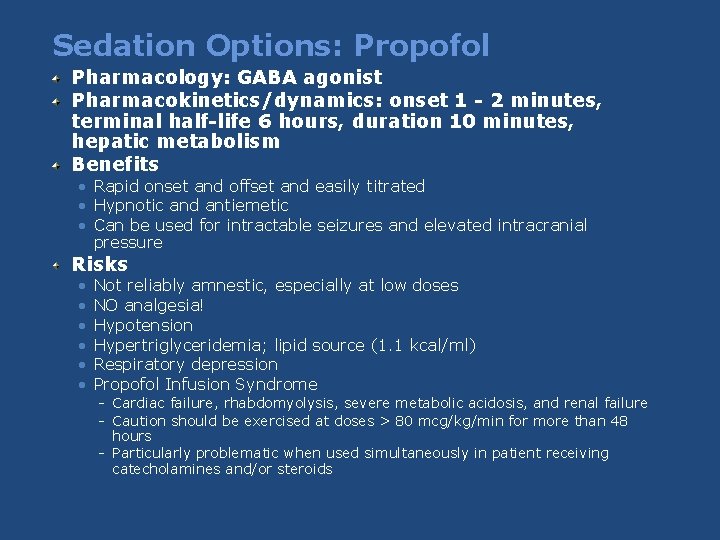
Sedation Options: Propofol Pharmacology: GABA agonist Pharmacokinetics/dynamics: onset 1 - 2 minutes, terminal half-life 6 hours, duration 10 minutes, hepatic metabolism Benefits • Rapid onset and offset and easily titrated • Hypnotic and antiemetic • Can be used for intractable seizures and elevated intracranial pressure Risks • • • Not reliably amnestic, especially at low doses NO analgesia! Hypotension Hypertriglyceridemia; lipid source (1. 1 kcal/ml) Respiratory depression Propofol Infusion Syndrome - Cardiac failure, rhabdomyolysis, severe metabolic acidosis, and renal failure - Caution should be exercised at doses > 80 mcg/kg/min for more than 48 hours - Particularly problematic when used simultaneously in patient receiving catecholamines and/or steroids
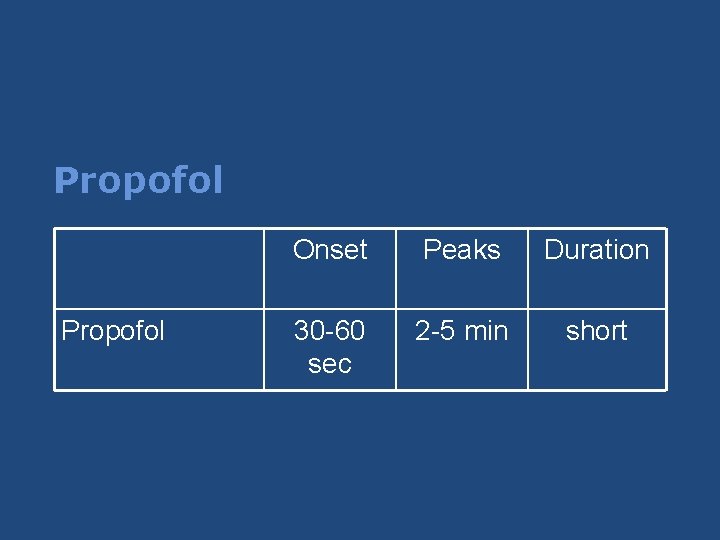
Propofol Onset Peaks Duration 30 -60 sec 2 -5 min short
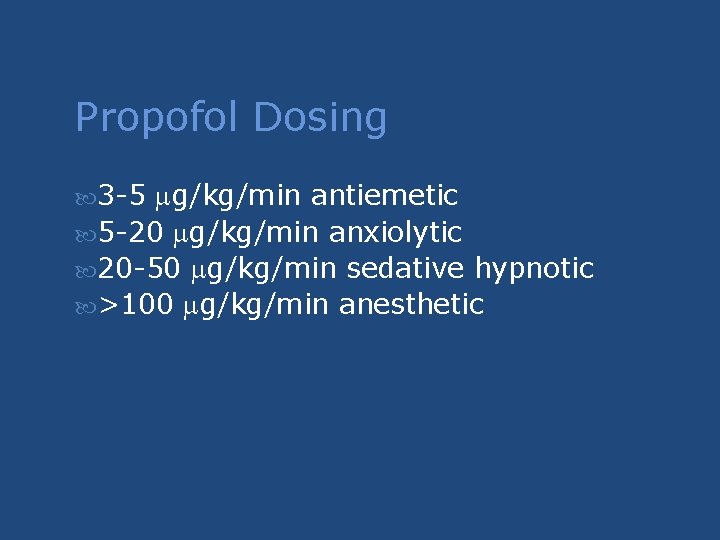
Propofol Dosing 3 -5 g/kg/min antiemetic 5 -20 g/kg/min anxiolytic 20 -50 g/kg/min sedative hypnotic >100 g/kg/min anesthetic
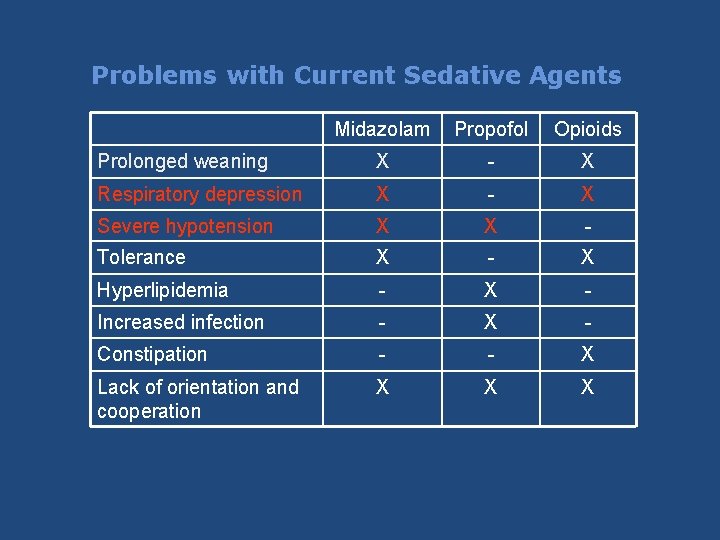
Problems with Current Sedative Agents Midazolam Propofol Opioids Prolonged weaning X - X Respiratory depression X - X Severe hypotension X X - Tolerance X - X Hyperlipidemia - X - Increased infection - X - Constipation - - X Lack of orientation and cooperation X X X
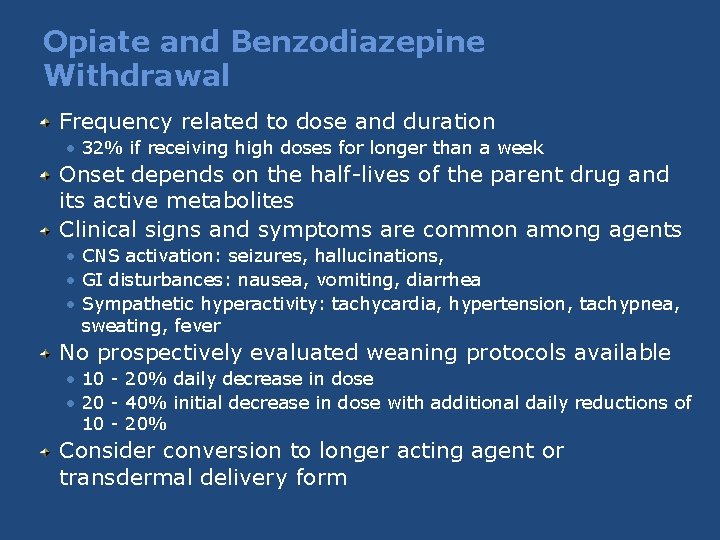
Opiate and Benzodiazepine Withdrawal Frequency related to dose and duration • 32% if receiving high doses for longer than a week Onset depends on the half-lives of the parent drug and its active metabolites Clinical signs and symptoms are common among agents • CNS activation: seizures, hallucinations, • GI disturbances: nausea, vomiting, diarrhea • Sympathetic hyperactivity: tachycardia, hypertension, tachypnea, sweating, fever No prospectively evaluated weaning protocols available • 10 - 20% daily decrease in dose • 20 - 40% initial decrease in dose with additional daily reductions of 10 - 20% Consider conversion to longer acting agent or transdermal delivery form
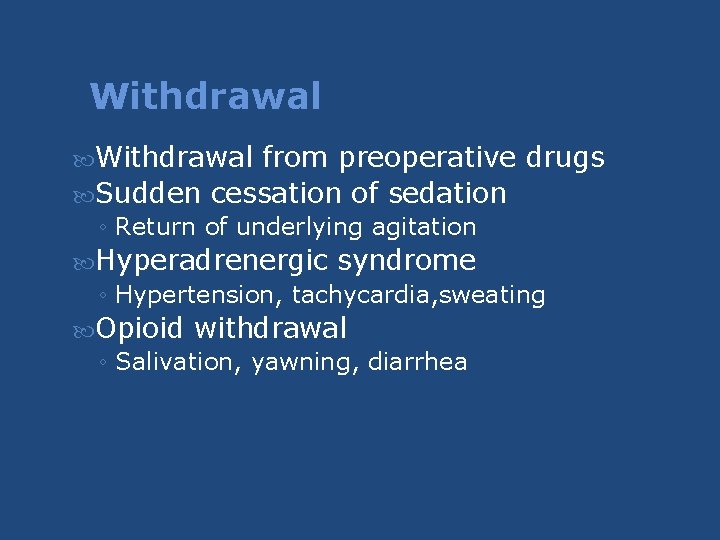
Withdrawal from preoperative drugs Sudden cessation of sedation ◦ Return of underlying agitation Hyperadrenergic syndrome ◦ Hypertension, tachycardia, sweating Opioid withdrawal ◦ Salivation, yawning, diarrhea
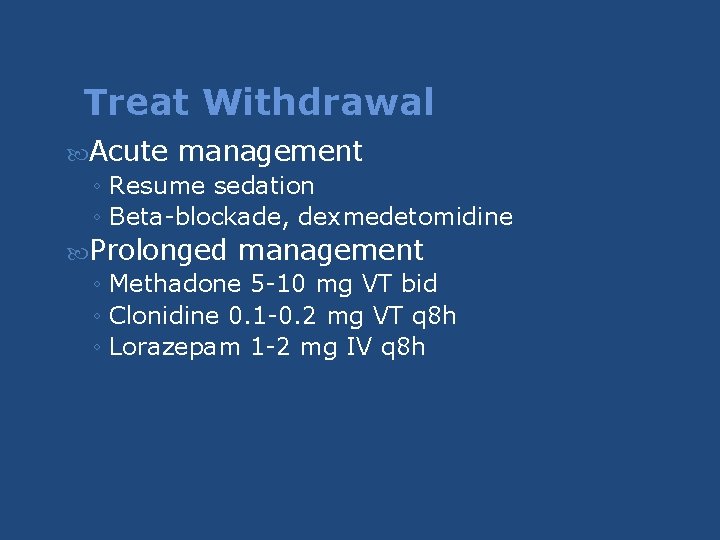
Treat Withdrawal Acute management ◦ Resume sedation ◦ Beta-blockade, dexmedetomidine Prolonged management ◦ Methadone 5 -10 mg VT bid ◦ Clonidine 0. 1 -0. 2 mg VT q 8 h ◦ Lorazepam 1 -2 mg IV q 8 h
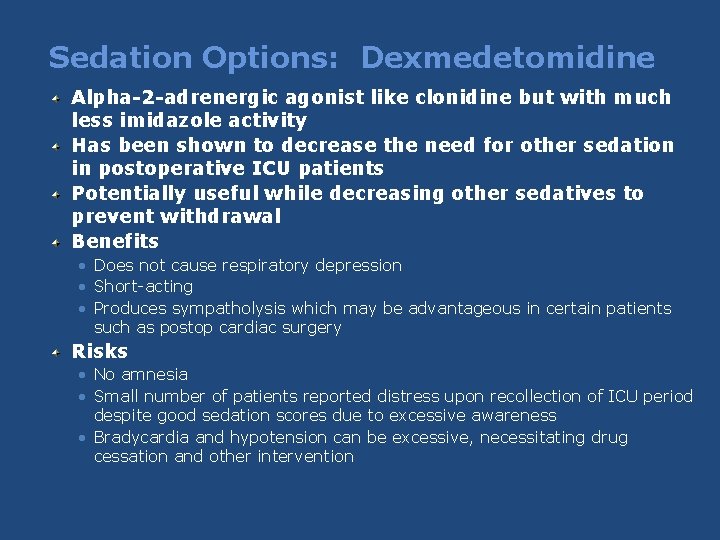
Sedation Options: Dexmedetomidine Alpha-2 -adrenergic agonist like clonidine but with much less imidazole activity Has been shown to decrease the need for other sedation in postoperative ICU patients Potentially useful while decreasing other sedatives to prevent withdrawal Benefits • Does not cause respiratory depression • Short-acting • Produces sympatholysis which may be advantageous in certain patients such as postop cardiac surgery Risks • No amnesia • Small number of patients reported distress upon recollection of ICU period despite good sedation scores due to excessive awareness • Bradycardia and hypotension can be excessive, necessitating drug cessation and other intervention
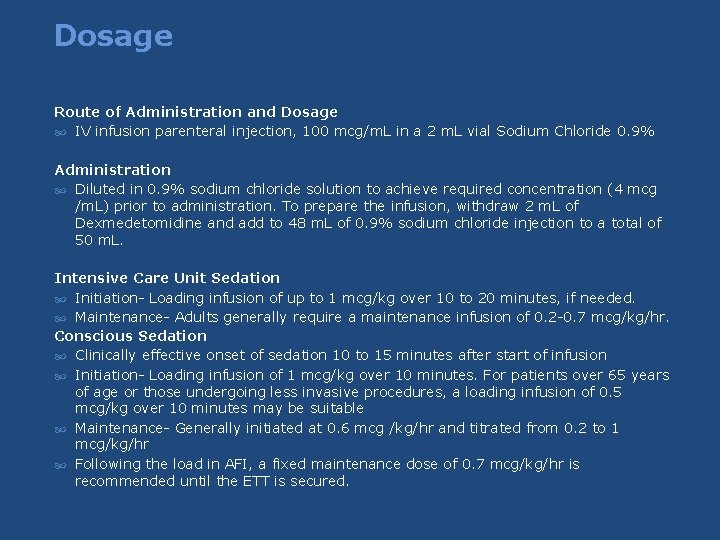
Dosage Route of Administration and Dosage IV infusion parenteral injection, 100 mcg/m. L in a 2 m. L vial Sodium Chloride 0. 9% Administration Diluted in 0. 9% sodium chloride solution to achieve required concentration (4 mcg /m. L) prior to administration. To prepare the infusion, withdraw 2 m. L of Dexmedetomidine and add to 48 m. L of 0. 9% sodium chloride injection to a total of 50 m. L. Intensive Care Unit Sedation Initiation- Loading infusion of up to 1 mcg/kg over 10 to 20 minutes, if needed. Maintenance- Adults generally require a maintenance infusion of 0. 2 -0. 7 mcg/kg/hr. Conscious Sedation Clinically effective onset of sedation 10 to 15 minutes after start of infusion Initiation- Loading infusion of 1 mcg/kg over 10 minutes. For patients over 65 years of age or those undergoing less invasive procedures, a loading infusion of 0. 5 mcg/kg over 10 minutes may be suitable Maintenance- Generally initiated at 0. 6 mcg /kg/hr and titrated from 0. 2 to 1 mcg/kg/hr Following the load in AFI, a fixed maintenance dose of 0. 7 mcg/kg/hr is recommended until the ETT is secured.
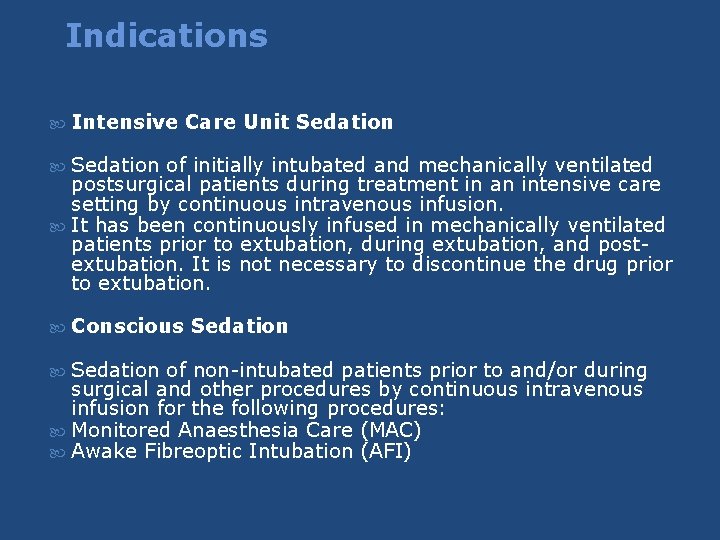
Indications Intensive Care Unit Sedation of initially intubated and mechanically ventilated postsurgical patients during treatment in an intensive care setting by continuous intravenous infusion. It has been continuously infused in mechanically ventilated patients prior to extubation, during extubation, and postextubation. It is not necessary to discontinue the drug prior to extubation. Conscious Sedation of non-intubated patients prior to and/or during surgical and other procedures by continuous intravenous infusion for the following procedures: Monitored Anaesthesia Care (MAC) Awake Fibreoptic Intubation (AFI)
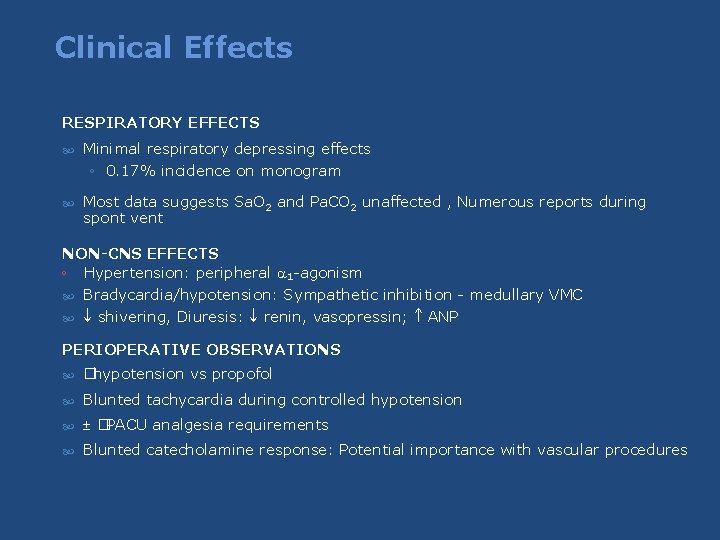
Clinical Effects RESPIRATORY EFFECTS Minimal respiratory depressing effects ◦ 0. 17% incidence on monogram Most data suggests Sa. O 2 and Pa. CO 2 unaffected , Numerous reports during spont vent NON-CNS EFFECTS ◦ Hypertension: peripheral 1 -agonism Bradycardia/hypotension: Sympathetic inhibition - medullary VMC shivering, Diuresis: renin, vasopressin; ANP PERIOPERATIVE OBSERVATIONS � hypotension vs propofol Blunted tachycardia during controlled hypotension � PACU analgesia requirements Blunted catecholamine response: Potential importance with vascular procedures
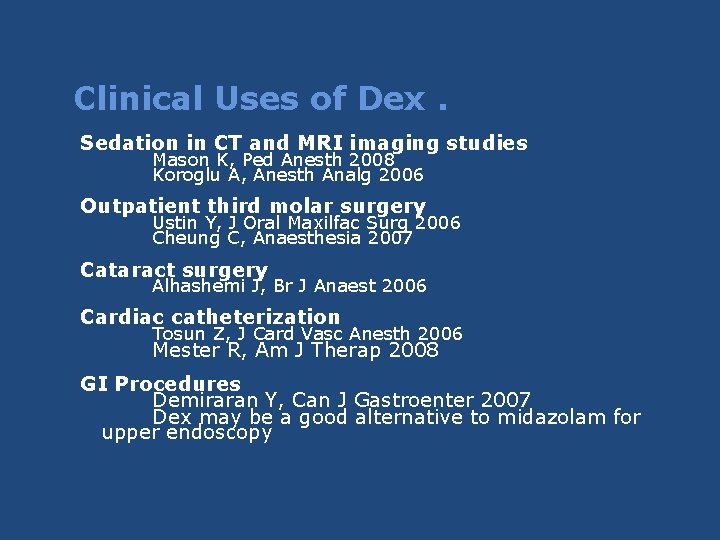
Clinical Uses of Dex. Sedation in CT and MRI imaging studies Mason K, Ped Anesth 2008 Koroglu A, Anesth Analg 2006 Outpatient third molar surgery Ustin Y, J Oral Maxilfac Surg 2006 Cheung C, Anaesthesia 2007 Cataract surgery Alhashemi J, Br J Anaest 2006 Cardiac catheterization Tosun Z, J Card Vasc Anesth 2006 Mester R, Am J Therap 2008 GI Procedures Demiraran Y, Can J Gastroenter 2007 Dex may be a good alternative to midazolam for upper endoscopy
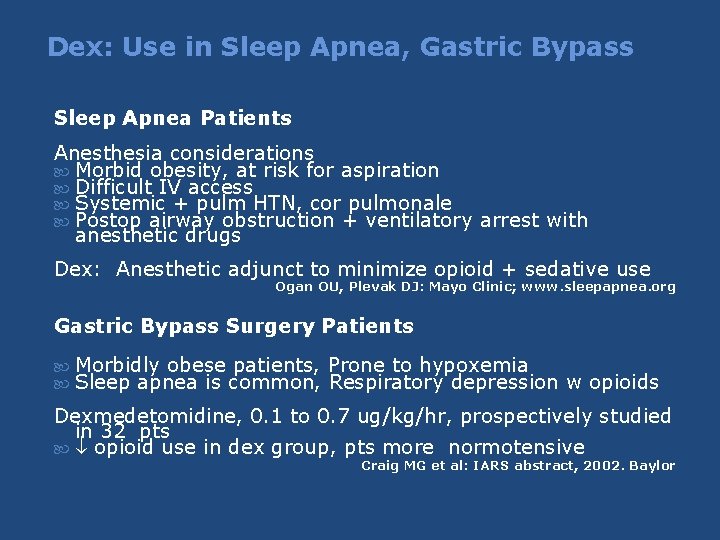
Dex: Use in Sleep Apnea, Gastric Bypass Sleep Apnea Patients Anesthesia considerations Morbid obesity, at risk for aspiration Difficult IV access Systemic + pulm HTN, cor pulmonale Postop airway obstruction + ventilatory arrest with anesthetic drugs Dex: Anesthetic adjunct to minimize opioid + sedative use Ogan OU, Plevak DJ: Mayo Clinic; www. sleepapnea. org Gastric Bypass Surgery Patients Morbidly obese patients, Prone to hypoxemia Sleep apnea is common, Respiratory depression w opioids Dexmedetomidine, 0. 1 to 0. 7 ug/kg/hr, prospectively studied in 32 pts opioid use in dex group, pts more normotensive Craig MG et al: IARS abstract, 2002. Baylor
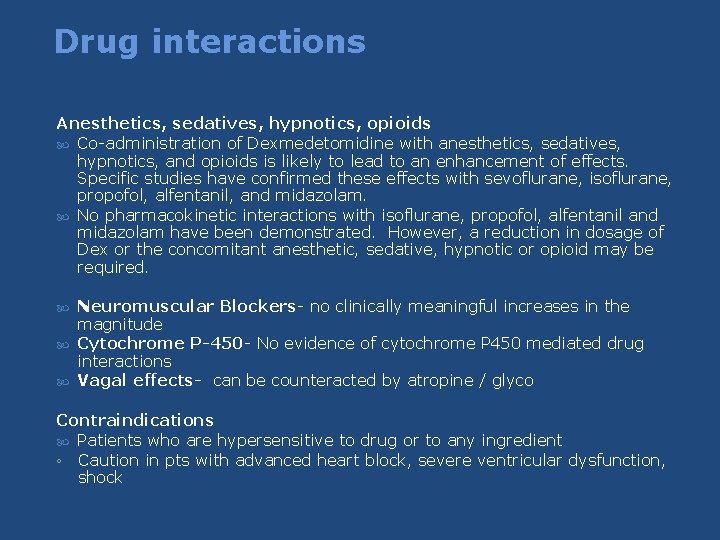
Drug interactions Anesthetics, sedatives, hypnotics, opioids Co-administration of Dexmedetomidine with anesthetics, sedatives, hypnotics, and opioids is likely to lead to an enhancement of effects. Specific studies have confirmed these effects with sevoflurane, isoflurane, propofol, alfentanil, and midazolam. No pharmacokinetic interactions with isoflurane, propofol, alfentanil and midazolam have been demonstrated. However, a reduction in dosage of Dex or the concomitant anesthetic, sedative, hypnotic or opioid may be required. Neuromuscular Blockers- no clinically meaningful increases in the magnitude Cytochrome P-450 - No evidence of cytochrome P 450 mediated drug interactions Vagal effects- can be counteracted by atropine / glyco Contraindications Patients who are hypersensitive to drug or to any ingredient ◦ Caution in pts with advanced heart block, severe ventricular dysfunction, shock
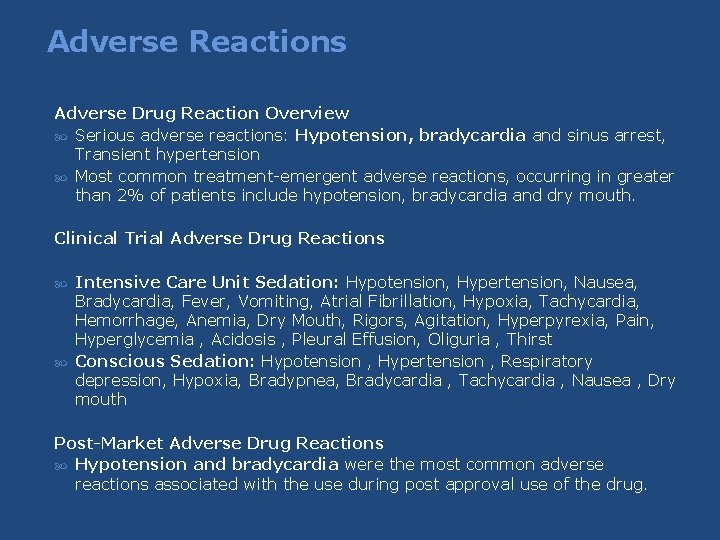
Adverse Reactions Adverse Drug Reaction Overview Serious adverse reactions: Hypotension, bradycardia and sinus arrest, Transient hypertension Most common treatment-emergent adverse reactions, occurring in greater than 2% of patients include hypotension, bradycardia and dry mouth. Clinical Trial Adverse Drug Reactions Intensive Care Unit Sedation: Hypotension, Hypertension, Nausea, Bradycardia, Fever, Vomiting, Atrial Fibrillation, Hypoxia, Tachycardia, Hemorrhage, Anemia, Dry Mouth, Rigors, Agitation, Hyperpyrexia, Pain, Hyperglycemia , Acidosis , Pleural Effusion, Oliguria , Thirst Conscious Sedation: Hypotension , Hypertension , Respiratory depression, Hypoxia, Bradypnea, Bradycardia , Tachycardia , Nausea , Dry mouth Post-Market Adverse Drug Reactions Hypotension and bradycardia were the most common adverse reactions associated with the use during post approval use of the drug.
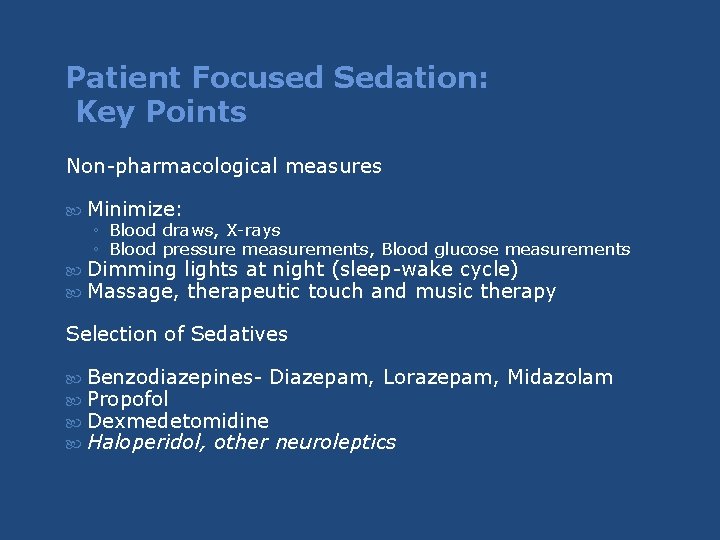
Patient Focused Sedation: Key Points Non-pharmacological measures Minimize: ◦ Blood draws, X-rays ◦ Blood pressure measurements, Blood glucose measurements Dimming lights at night (sleep-wake cycle) Massage, therapeutic touch and music therapy Selection of Sedatives Benzodiazepines- Diazepam, Lorazepam, Midazolam Propofol Dexmedetomidine Haloperidol, other neuroleptics
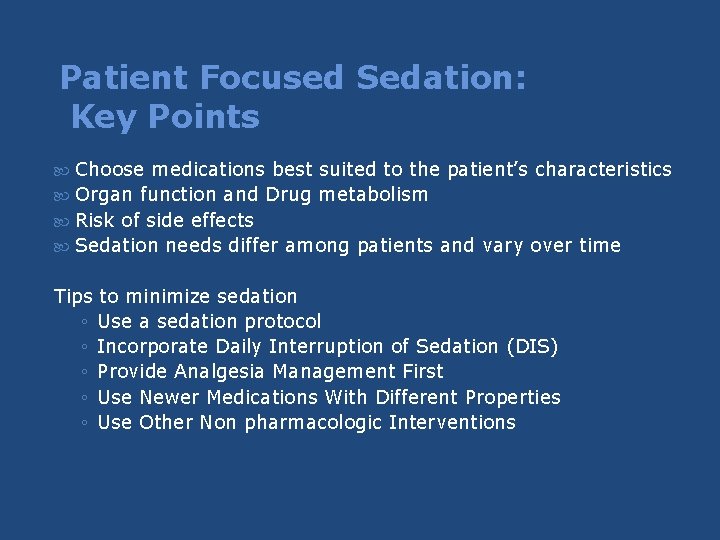
Patient Focused Sedation: Key Points Choose medications best suited to the patient’s characteristics Organ function and Drug metabolism Risk of side effects Sedation needs differ among patients and vary over time Tips to minimize sedation ◦ Use a sedation protocol ◦ Incorporate Daily Interruption of Sedation (DIS) ◦ Provide Analgesia Management First ◦ Use Newer Medications With Different Properties ◦ Use Other Non pharmacologic Interventions
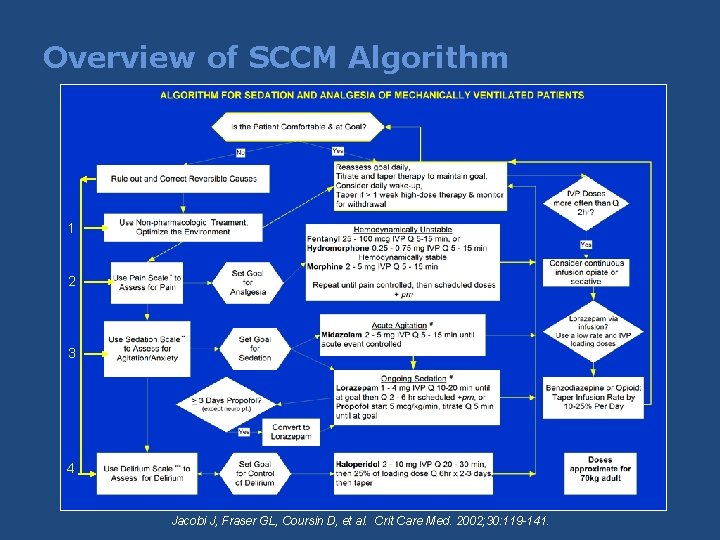
Overview of SCCM Algorithm 1 2 3 4 Jacobi J, Fraser GL, Coursin D, et al. Crit Care Med. 2002; 30: 119 -141.
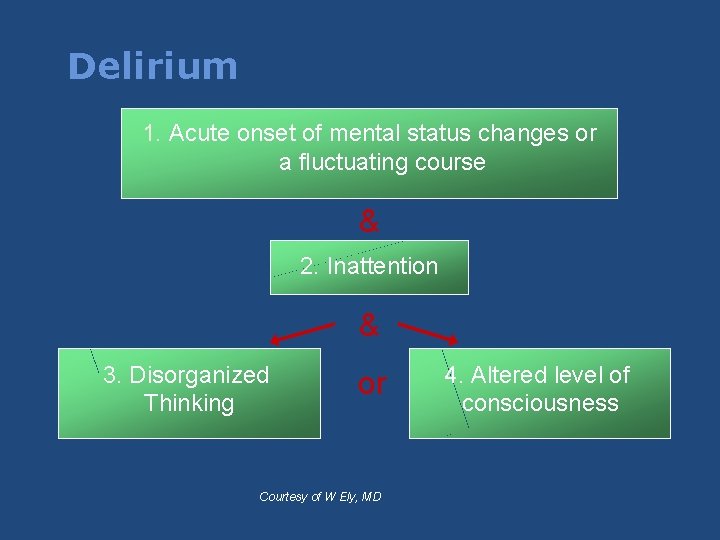
Delirium 1. Acute onset of mental status changes or a fluctuating course & 2. Inattention & 3. Disorganized Thinking or Courtesy of W Ely, MD 4. Altered level of consciousness
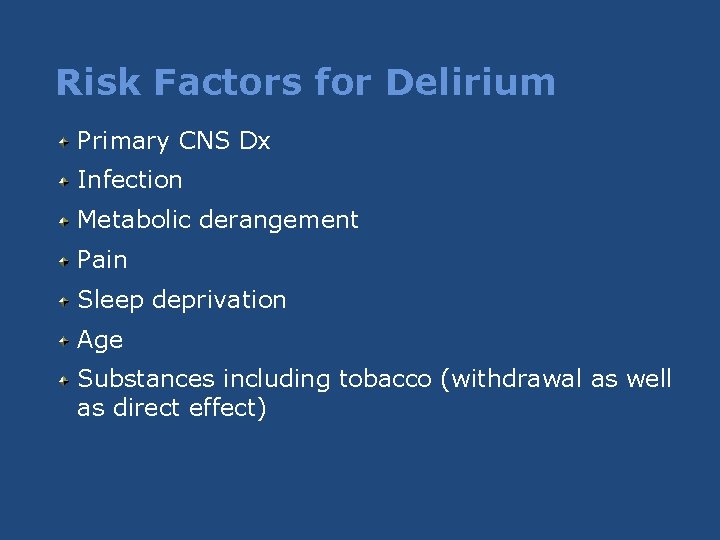
Risk Factors for Delirium Primary CNS Dx Infection Metabolic derangement Pain Sleep deprivation Age Substances including tobacco (withdrawal as well as direct effect)
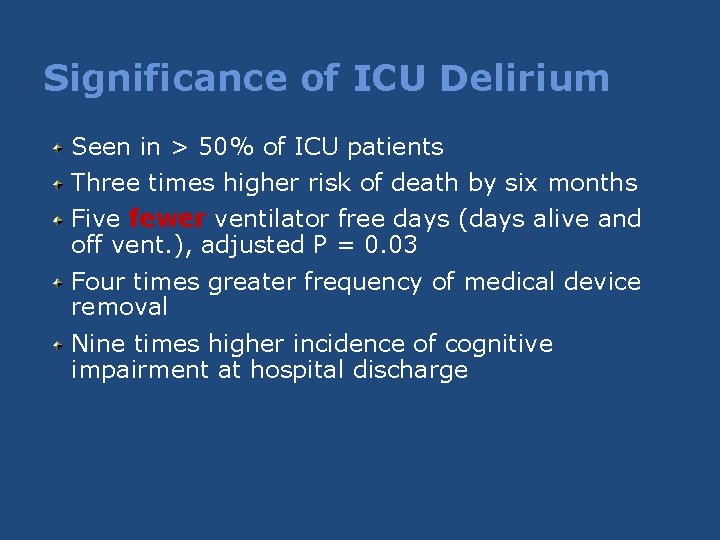
Significance of ICU Delirium Seen in > 50% of ICU patients Three times higher risk of death by six months Five fewer ventilator free days (days alive and off vent. ), adjusted P = 0. 03 Four times greater frequency of medical device removal Nine times higher incidence of cognitive impairment at hospital discharge
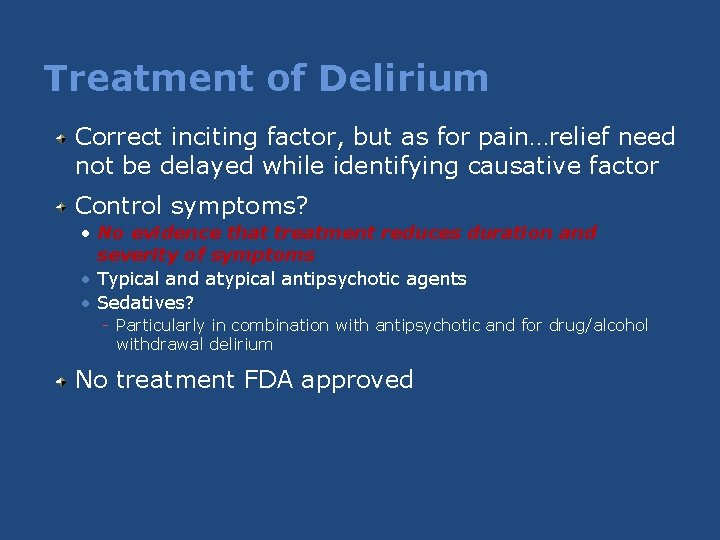
Treatment of Delirium Correct inciting factor, but as for pain…relief need not be delayed while identifying causative factor Control symptoms? • No evidence that treatment reduces duration and severity of symptoms • Typical and atypical antipsychotic agents • Sedatives? - Particularly in combination with antipsychotic and for drug/alcohol withdrawal delirium No treatment FDA approved
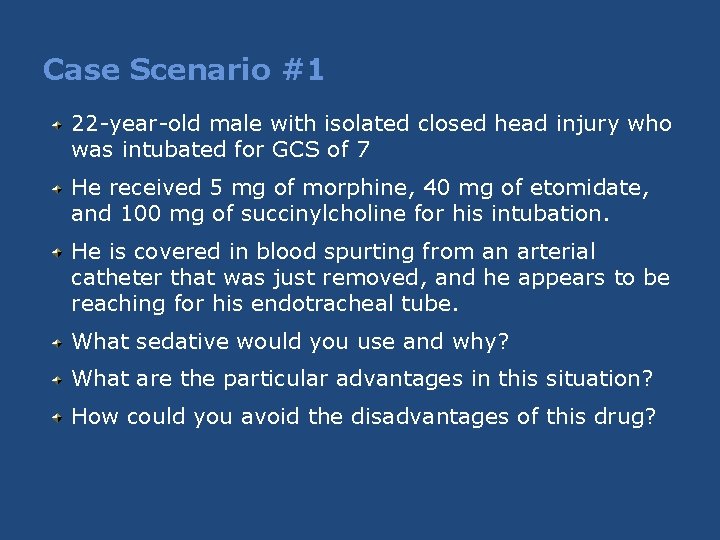
Case Scenario #1 22 -year-old male with isolated closed head injury who was intubated for GCS of 7 He received 5 mg of morphine, 40 mg of etomidate, and 100 mg of succinylcholine for his intubation. He is covered in blood spurting from an arterial catheter that was just removed, and he appears to be reaching for his endotracheal tube. What sedative would you use and why? What are the particular advantages in this situation? How could you avoid the disadvantages of this drug?
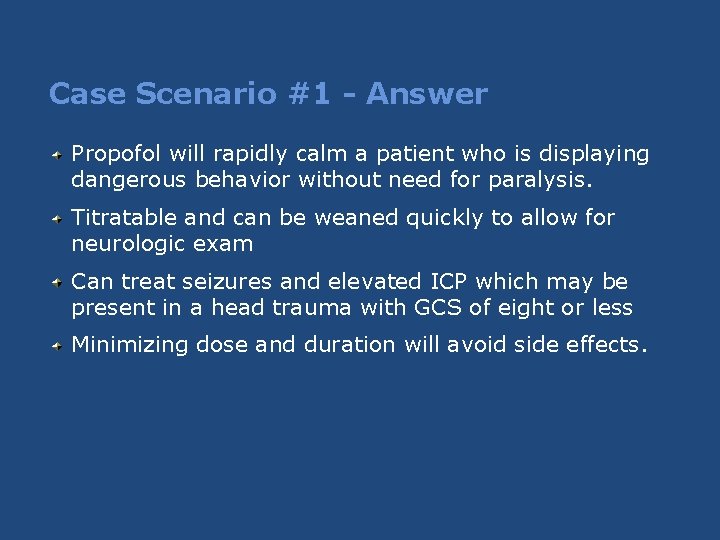
Case Scenario #1 - Answer Propofol will rapidly calm a patient who is displaying dangerous behavior without need for paralysis. Titratable and can be weaned quickly to allow for neurologic exam Can treat seizures and elevated ICP which may be present in a head trauma with GCS of eight or less Minimizing dose and duration will avoid side effects.
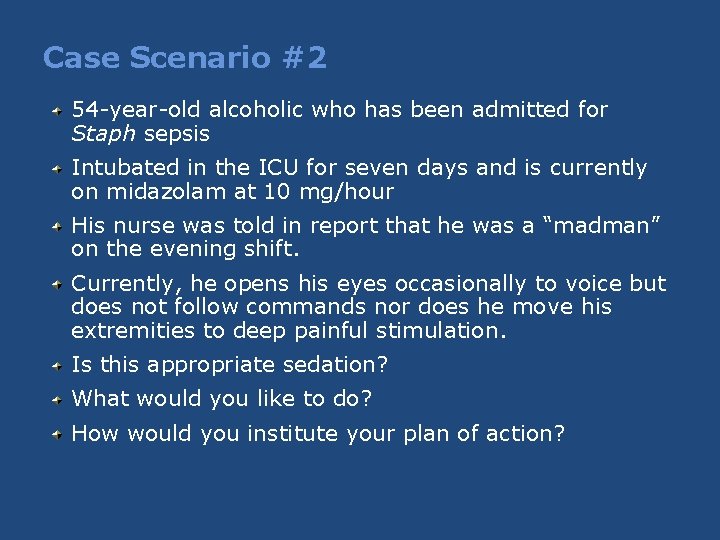
Case Scenario #2 54 -year-old alcoholic who has been admitted for Staph sepsis Intubated in the ICU for seven days and is currently on midazolam at 10 mg/hour His nurse was told in report that he was a “madman” on the evening shift. Currently, he opens his eyes occasionally to voice but does not follow commands nor does he move his extremities to deep painful stimulation. Is this appropriate sedation? What would you like to do? How would you institute your plan of action?
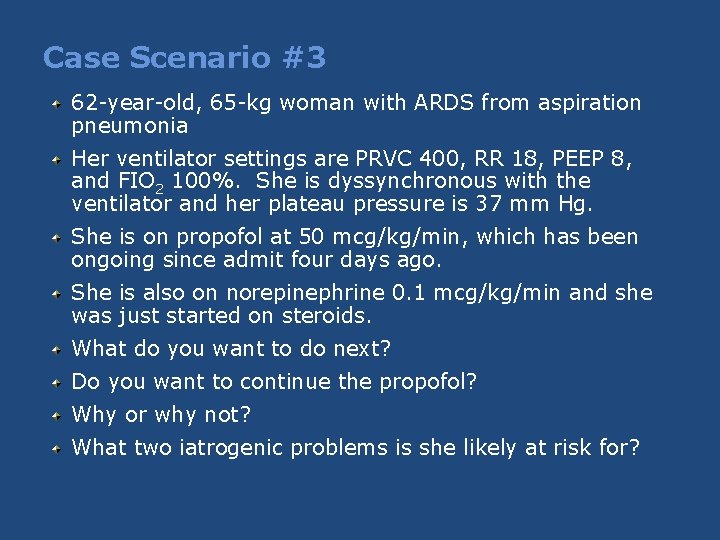
Case Scenario #3 62 -year-old, 65 -kg woman with ARDS from aspiration pneumonia Her ventilator settings are PRVC 400, RR 18, PEEP 8, and FIO 2 100%. She is dyssynchronous with the ventilator and her plateau pressure is 37 mm Hg. She is on propofol at 50 mcg/kg/min, which has been ongoing since admit four days ago. She is also on norepinephrine 0. 1 mcg/kg/min and she was just started on steroids. What do you want to do next? Do you want to continue the propofol? Why or why not? What two iatrogenic problems is she likely at risk for?
Case Scenario #3 - Answer This patient needs optimization of her sedatives, and potentially chemical paralysis to avoid complications of ventilator dyssynchrony and high airway pressures. If you continue to use propofol, higher doses are required and the patient is already on norepinephrine. In addition, if paralysis is used, you do not have reliable amnesia. She is at risk for propofol infusion syndrome and critical illness polyneuropathy.