Perseus Making the New Mycenae Liminality Janus God

- Slides: 119
Perseus Making the New Mycenae
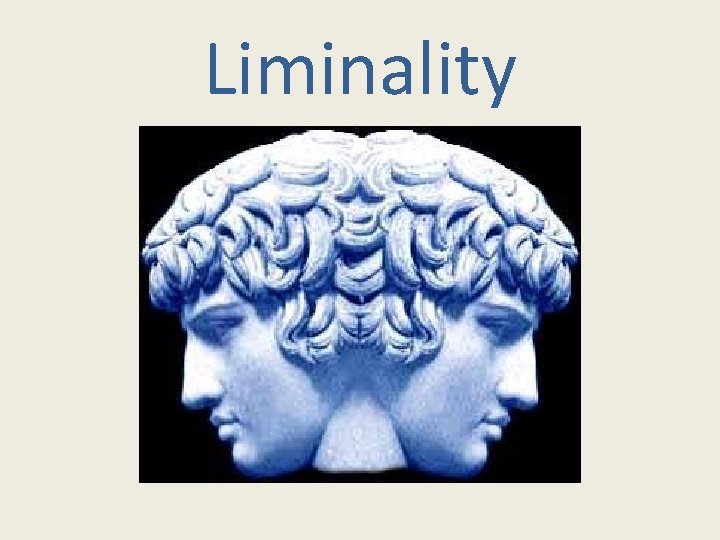
Liminality
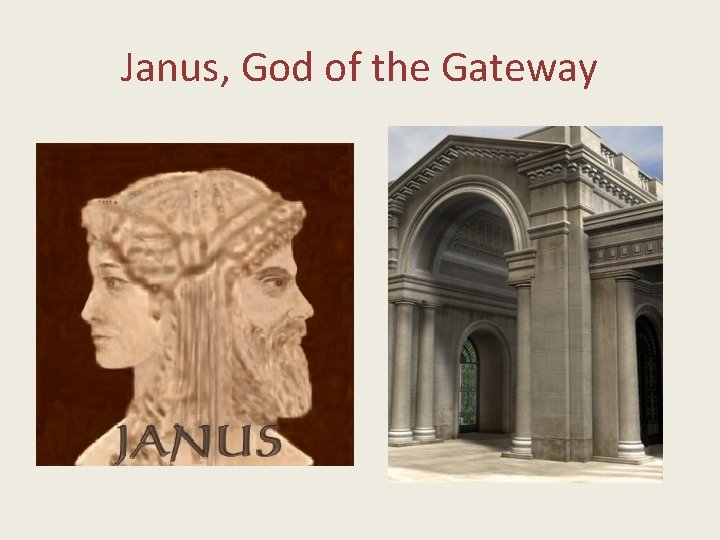
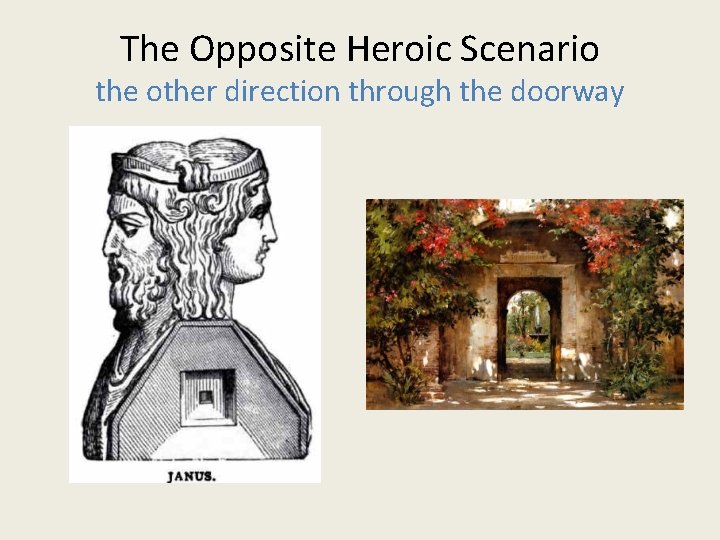
Janus, God of the Gateway
The Other Self The various tales told of the hero are composed of recurrent motifs, contrasting the self and its reflected image. The role of the entheogen is essential in bringing the two personae into an alliance. This reconciliation is the fundamental objective of psychotherapy.
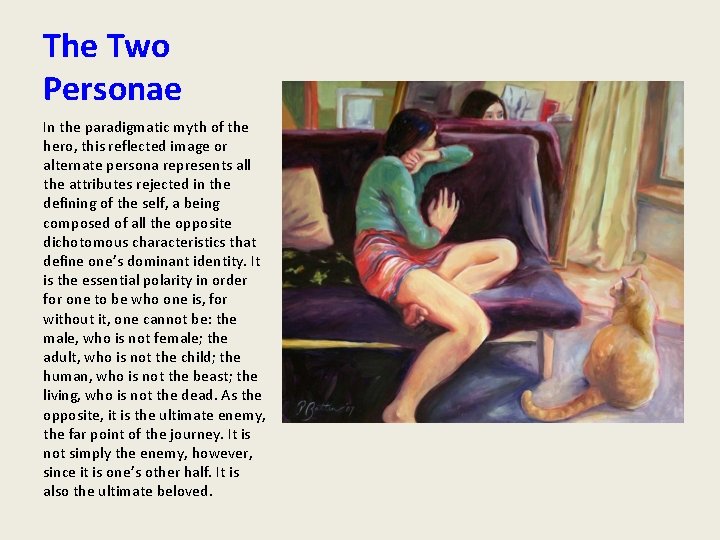
The Two Personae In the paradigmatic myth of the hero, this reflected image or alternate persona represents all the attributes rejected in the defining of the self, a being composed of all the opposite dichotomous characteristics that define one’s dominant identity. It is the essential polarity in order for one to be who one is, for without it, one cannot be: the male, who is not female; the adult, who is not the child; the human, who is not the beast; the living, who is not the dead. As the opposite, it is the ultimate enemy, the far point of the journey. It is not simply the enemy, however, since it is one’s other half. It is also the ultimate beloved.
Betwixt and Between • Both liminal and liminality are derived from the Latin “limen, ” which means “threshold”—that is, the bottom part of a doorway that must be crossed when entering a building. • In “Liminality and Communitas, ” Victor Turner begins by defining liminal individuals or entities as “neither here nor there; they are betwixt and between the positions assigned and arrayed by law, custom, convention, and ceremony. ” He then goes on to name the non-structure or anti-structure that he continuously refers to in “Betwixt and Between” through such concepts as the “realm of pure possibility” and structural invisibility.
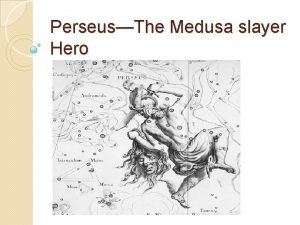
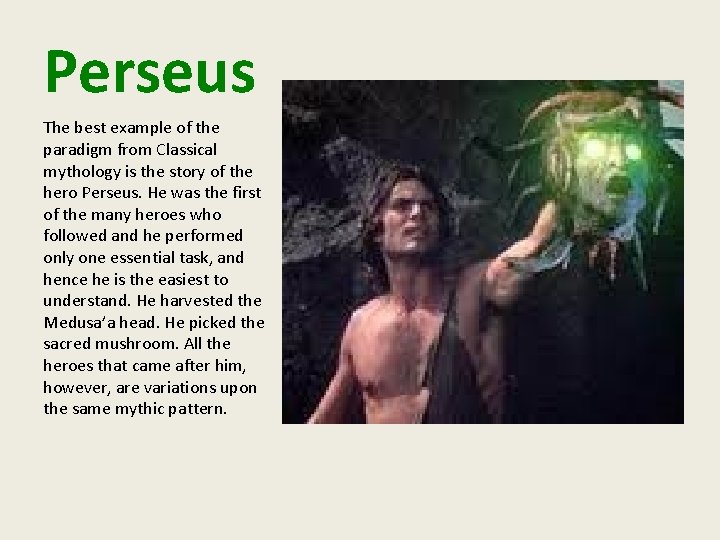
Perseus The best example of the paradigm from Classical mythology is the story of the hero Perseus. He was the first of the many heroes who followed and he performed only one essential task, and hence he is the easiest to understand. He harvested the Medusa’a head. He picked the sacred mushroom. All the heroes that came after him, however, are variations upon the same mythic pattern.
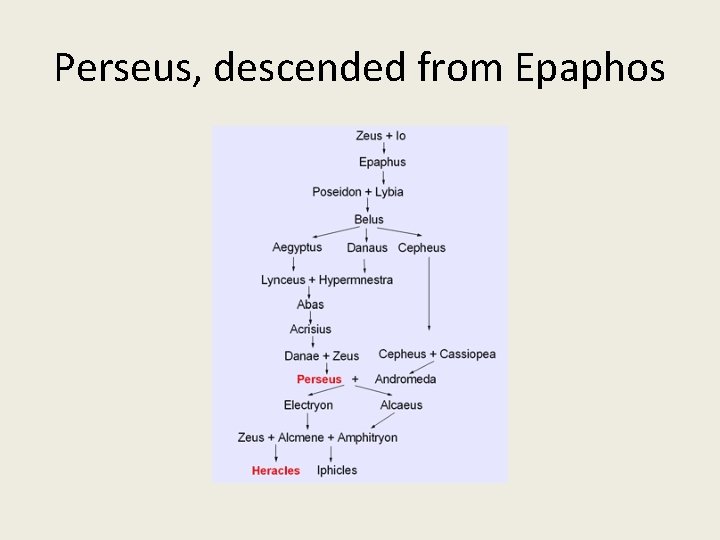
Perseus, descended from Epaphos
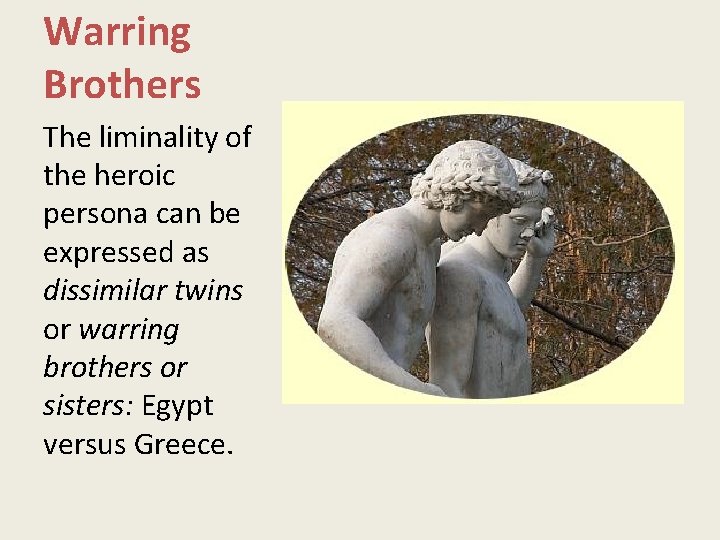
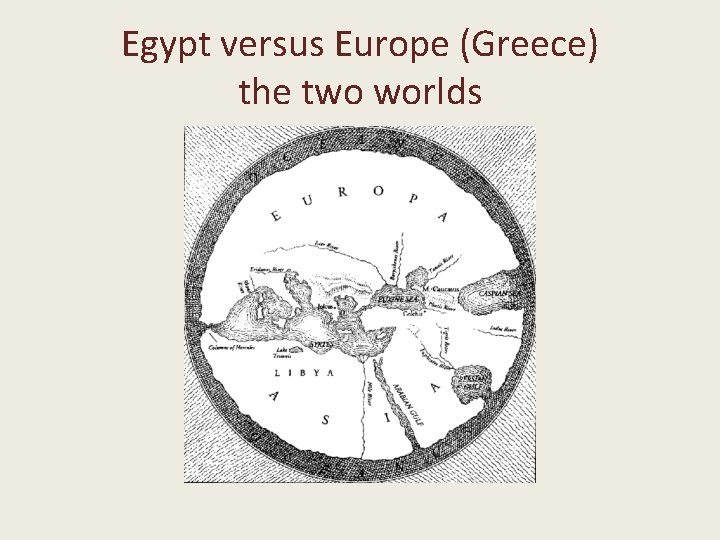
Warring Brothers The liminality of the heroic persona can be expressed as dissimilar twins or warring brothers or sisters: Egypt versus Greece.
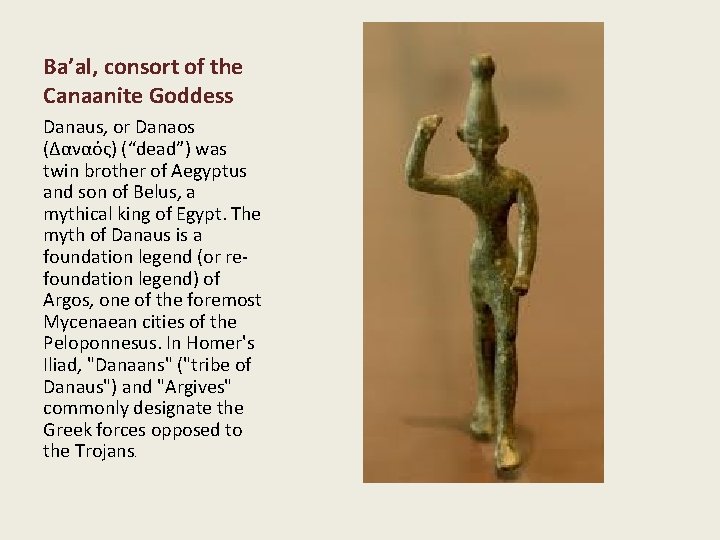
Ba’al, consort of the Canaanite Goddess Danaus, or Danaos (Δαναός) (“dead”) was twin brother of Aegyptus and son of Belus, a mythical king of Egypt. The myth of Danaus is a foundation legend (or refoundation legend) of Argos, one of the foremost Mycenaean cities of the Peloponnesus. In Homer's Iliad, "Danaans" ("tribe of Danaus") and "Argives" commonly designate the Greek forces opposed to the Trojans.
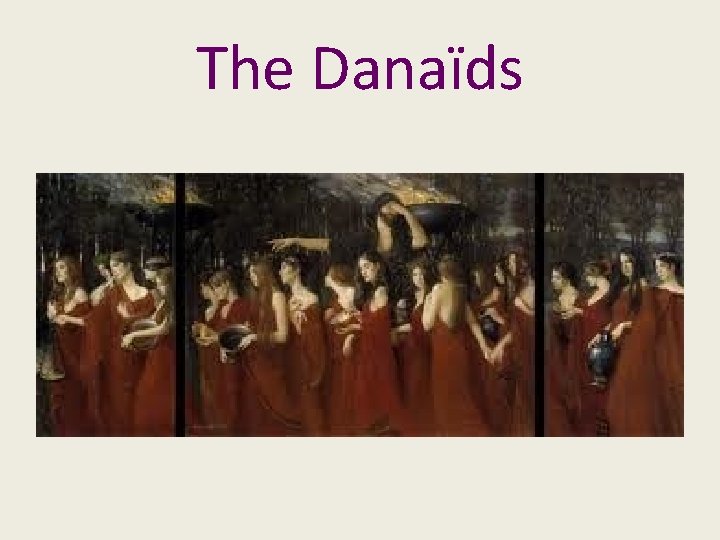
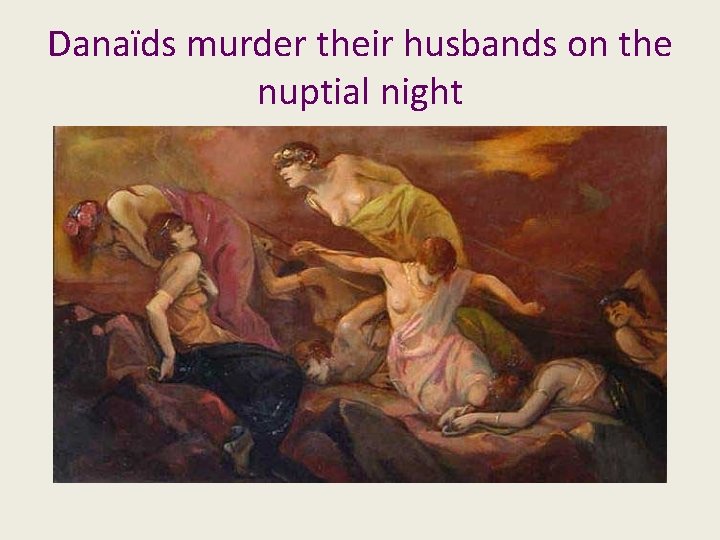
Dissimilar twins or warring brothers Aigyptus (Egyptian) and Danaos (Greek) Danaus had fifty daughters, the Danaïds, and his twin brother, Aegyptus, had fifty sons. Aegyptus commanded that his sons marry the Danaïds. Danaus elected to flee instead, and to that purpose he built a ship, the first ship that ever was. In it he fled to Argos, to which he was connected by his descent from Io, the maid wooed by Zeus and turned into a heifer and pursued by Hera until she found asylum in Egypt.
Egypt versus Europe (Greece) the two worlds
The Danaïds
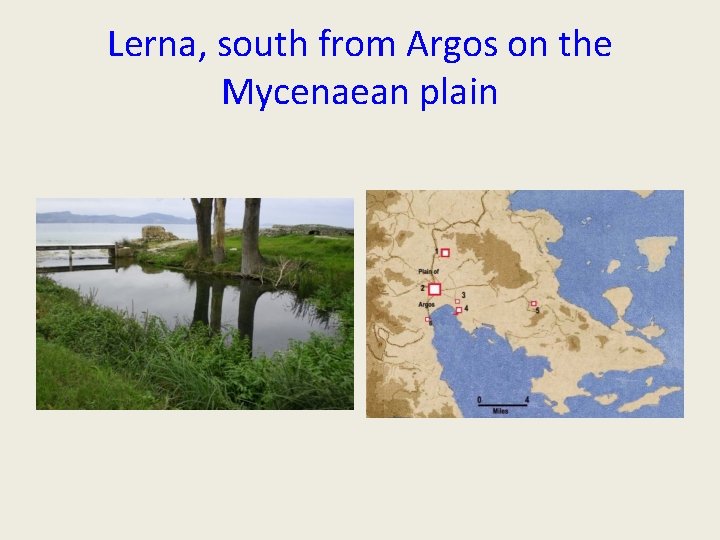
Lerna, south from Argos on the Mycenaean plain
Danaïds murder their husbands on the nuptial night
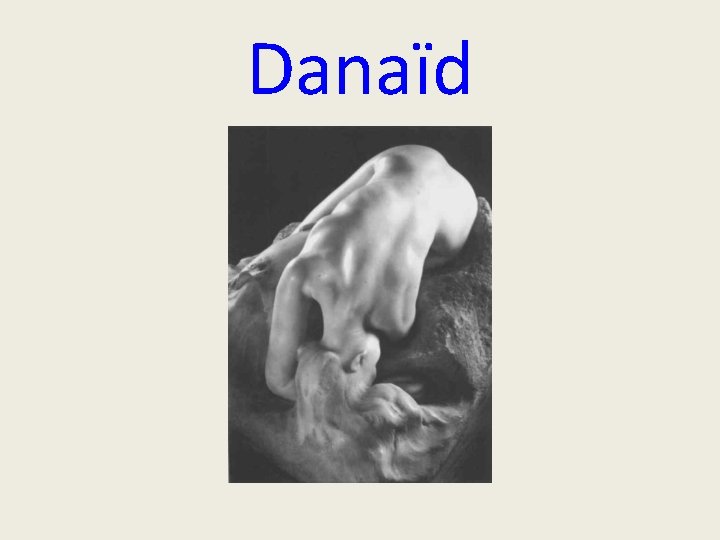
Danaïd
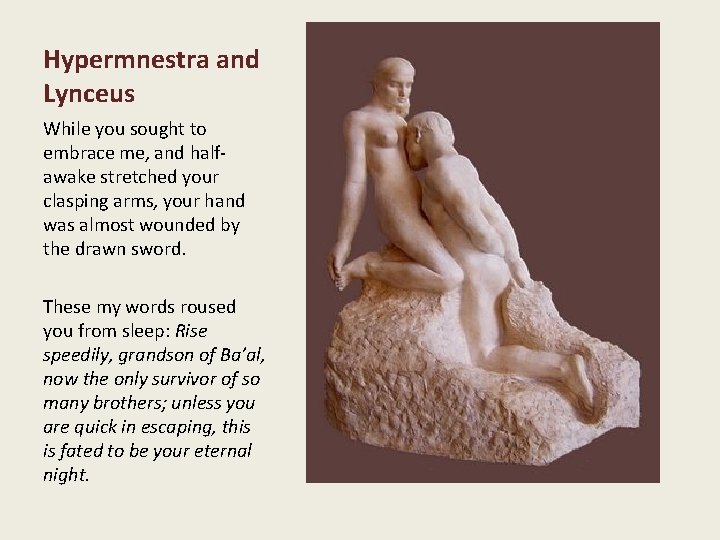
Hypermnestra and Lynceus While you sought to embrace me, and halfawake stretched your clasping arms, your hand was almost wounded by the drawn sword. These my words roused you from sleep: Rise speedily, grandson of Ba’al, now the only survivor of so many brothers; unless you are quick in escaping, this is fated to be your eternal night.
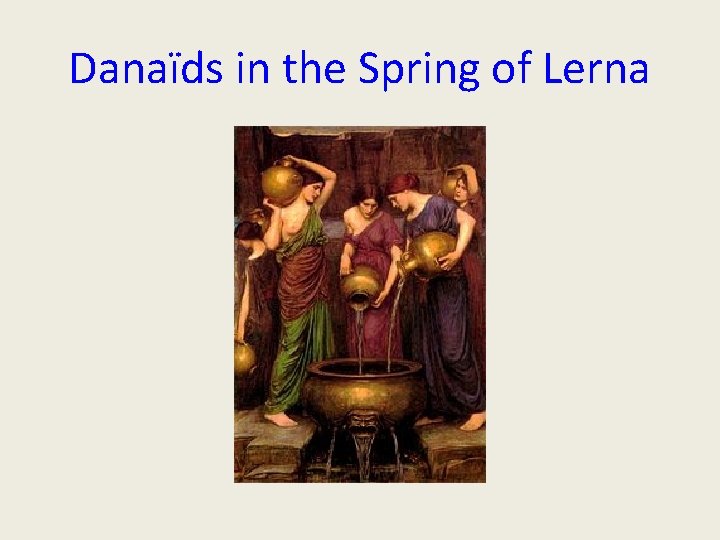
Danaïds in the Spring of Lerna
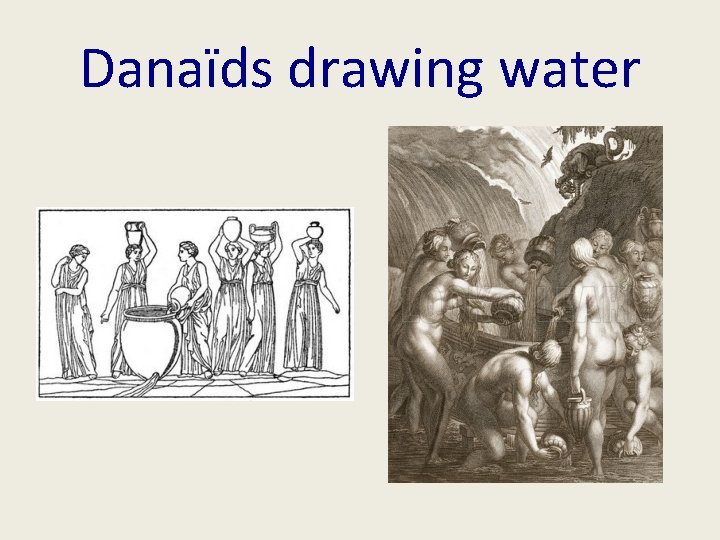
Danaïds drawing water
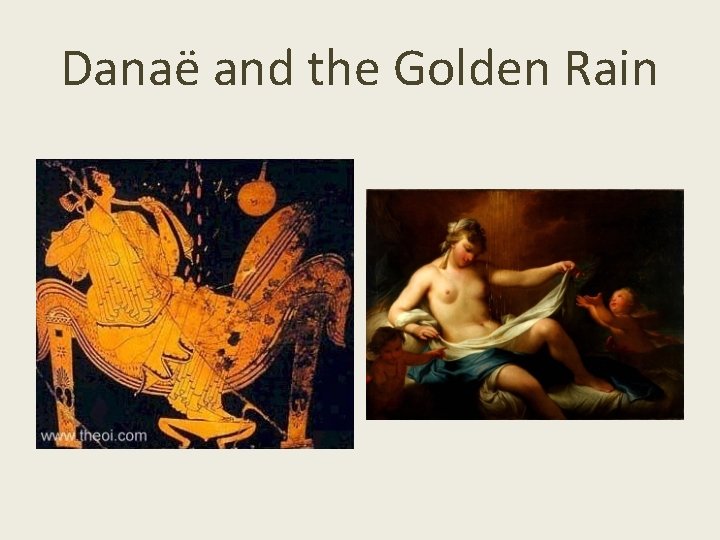
Danaë and the Golden Rain
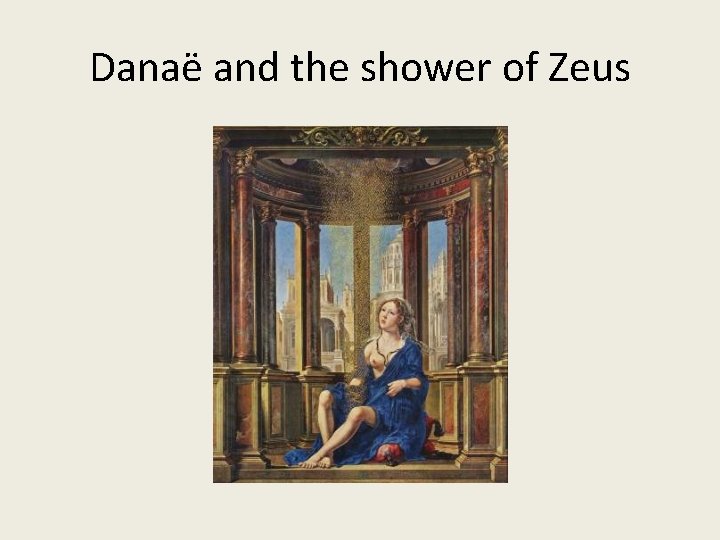
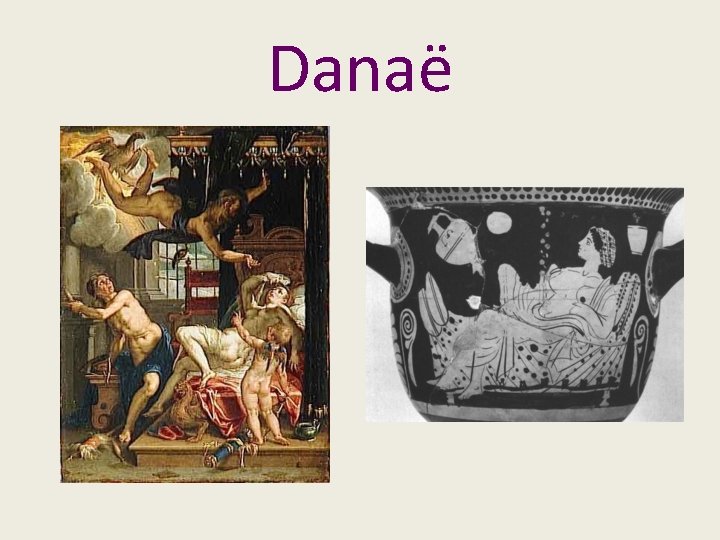
Danaë and the shower of Zeus
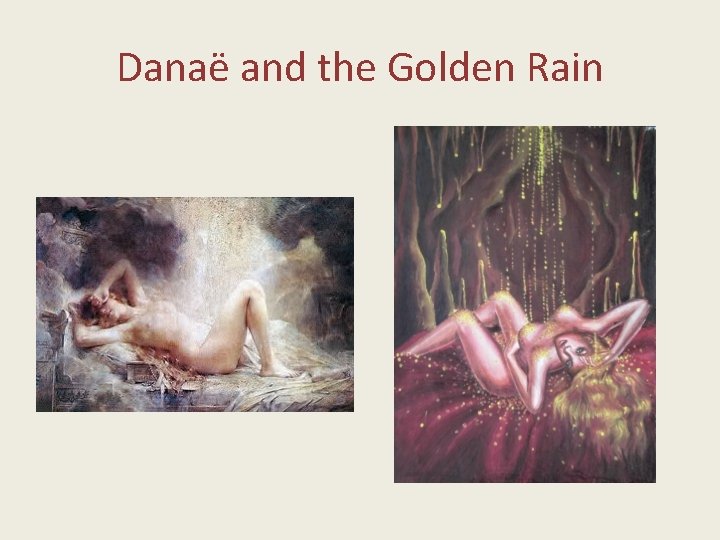
Danaë and the Golden Rain
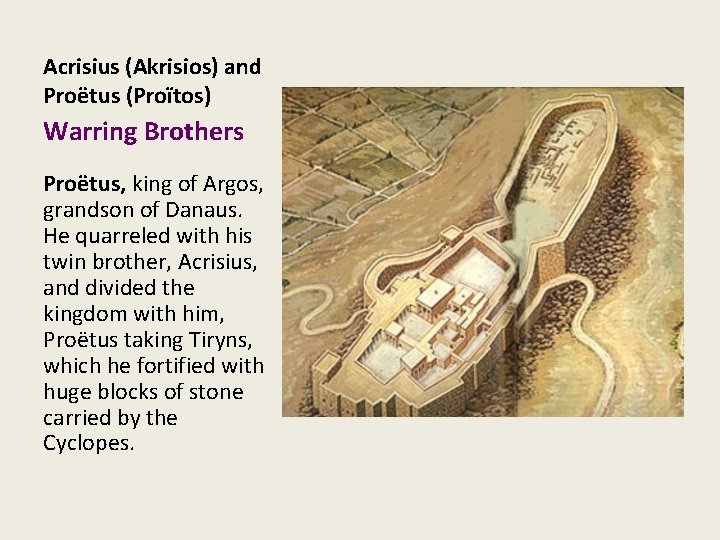
Acrisius (Akrisios) and Proëtus (Proïtos) Warring Brothers Proëtus, king of Argos, grandson of Danaus. He quarreled with his twin brother, Acrisius, and divided the kingdom with him, Proëtus taking Tiryns, which he fortified with huge blocks of stone carried by the Cyclopes.
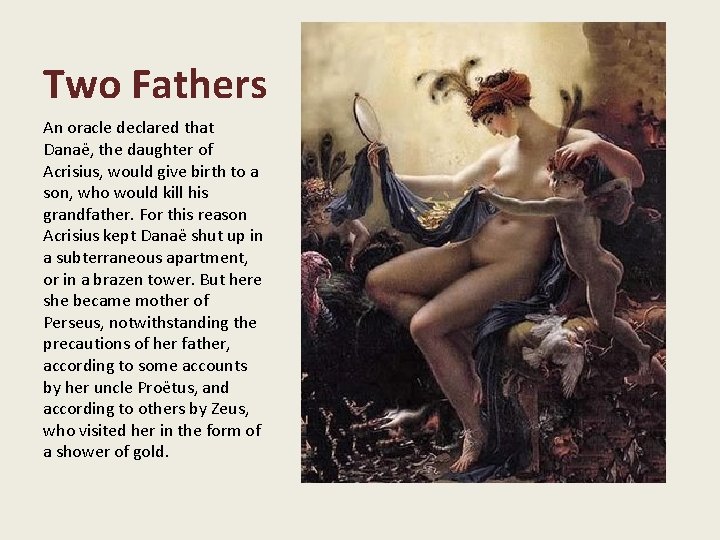
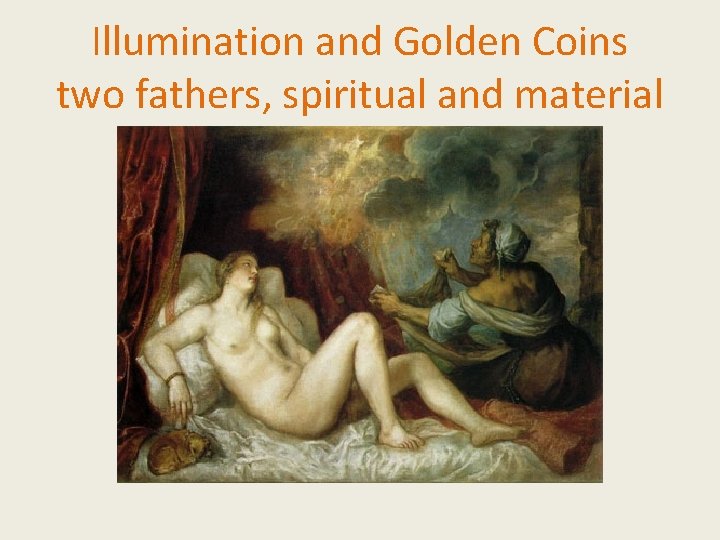
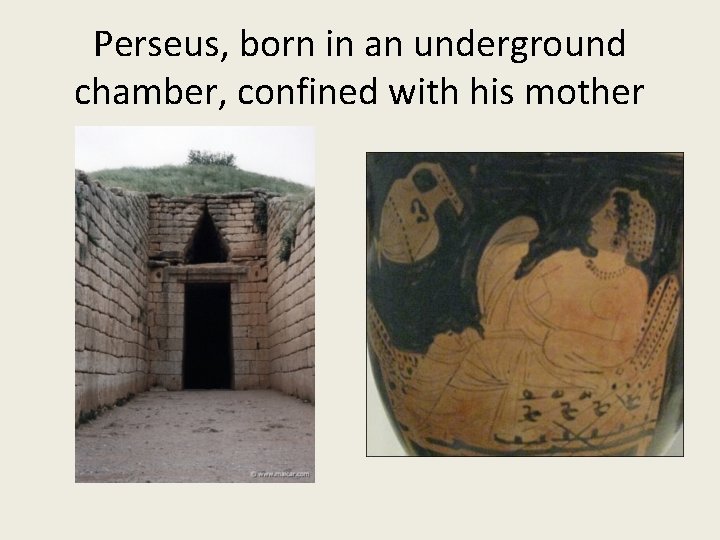
Two Fathers An oracle declared that Danaë, the daughter of Acrisius, would give birth to a son, who would kill his grandfather. For this reason Acrisius kept Danaë shut up in a subterraneous apartment, or in a brazen tower. But here she became mother of Perseus, notwithstanding the precautions of her father, according to some accounts by her uncle Proëtus, and according to others by Zeus, who visited her in the form of a shower of gold.
Illumination and Golden Coins two fathers, spiritual and material
Danaë
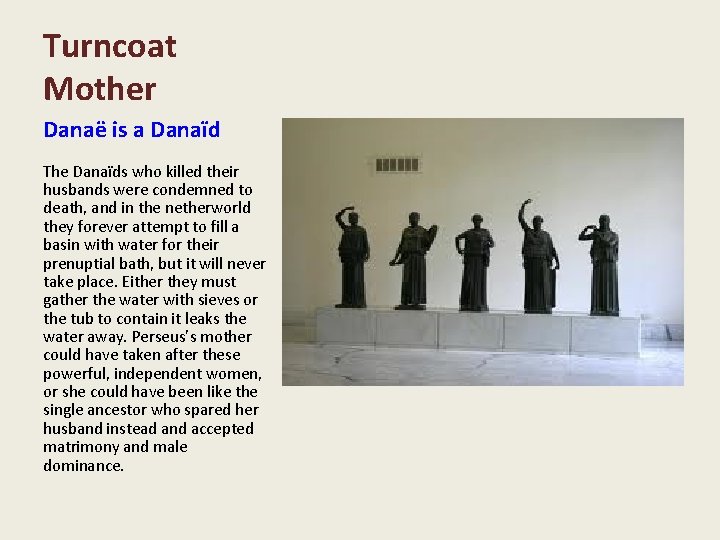
Turncoat Mother Danaë is a Danaïd The Danaïds who killed their husbands were condemned to death, and in the netherworld they forever attempt to fill a basin with water for their prenuptial bath, but it will never take place. Either they must gather the water with sieves or the tub to contain it leaks the water away. Perseus’s mother could have taken after these powerful, independent women, or she could have been like the single ancestor who spared her husband instead and accepted matrimony and male dominance.
Two Fathers, Ambiguous Turncoat Mother • For this dual ambiguity about the mother’s role, we employ the label of turncoat. Danaë could have been a turncoat to her own family heritage. • The hero thus has two sets of parents, corresponding to the two scenarios. His parents are either Zeus and Danaë or Proetus and Danaê, with the mother having a pivotal role of two possibilities, either the androcentric turncoat (the female who has changed sides in the battle to lend her support to the androcentric scenario) or the woman true to her unredeemed gynocentric heritage.
Two Names • Perseus might be from the ancient Greek verb, "πέρθειν" (perthein), “to waste, ravage, sack, destroy”, some form of which appears in Homeric epithets. The –eus suffix is typically used to form an agent noun. Pers-eus therefore is a sacker of cities; that is, a soldier by occupation, a fitting name for the first Mycenaean warrior. • Perse, Persa or Perseis, a mermaid (Gorgon Medusa), wife of Helios. Perseus is named after her.
If there are two, do they have different names? Yes, there are two, the motif of the two names. • The two names motif yields two ways of interpreting the hero’s name. Perseus has either a matrilineal name in the gynocentric scenario, derived from the mermaid Perse, who was the mother of the great witch Circe, who turned men into boars; and of the Cretan Pasiphaë, who lusted for the bull and who mothered the Minotaur; and of Aeëtes, who was the father of the witch Medea and the owner of the Golden Fleece. As a mermaid, Perse is essentially a doublet for the Gorgon Medusa. • The other possibility is that in overcoming the threat of the Medusa, he has mastered her power. In this case he has the ability to smite, strike, ravage, etc. , derived from the root that yields ferio in Latin. Thus, instead of being ‘Perse’s man, ’ he could be seen as the one with Perse’s power to wield as a weapon to ‘smite’ his enemies.
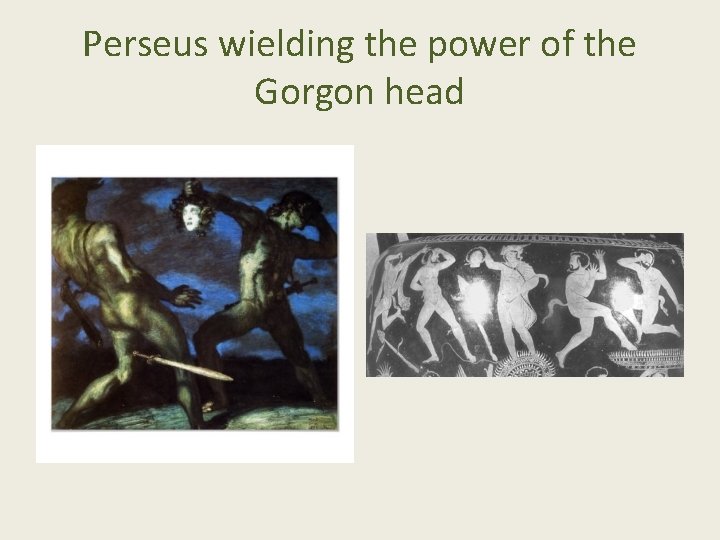
Perseus wielding the power of the Gorgon head
Perseus, born in an underground chamber, confined with his mother
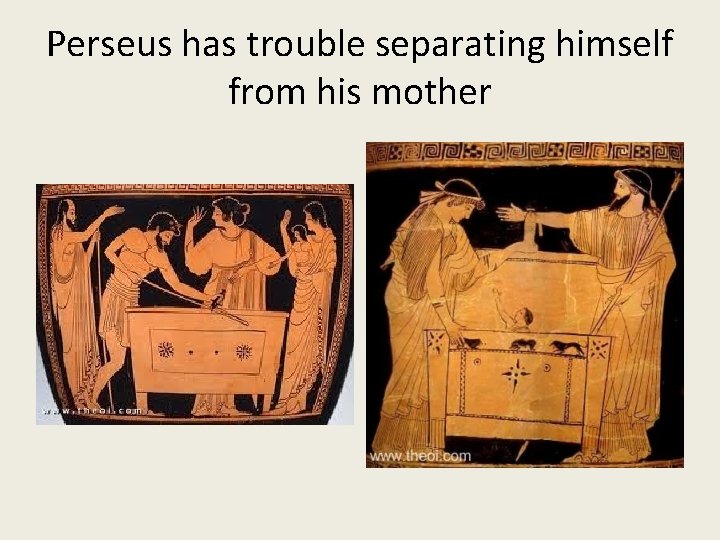
Perseus has trouble separating himself from his mother
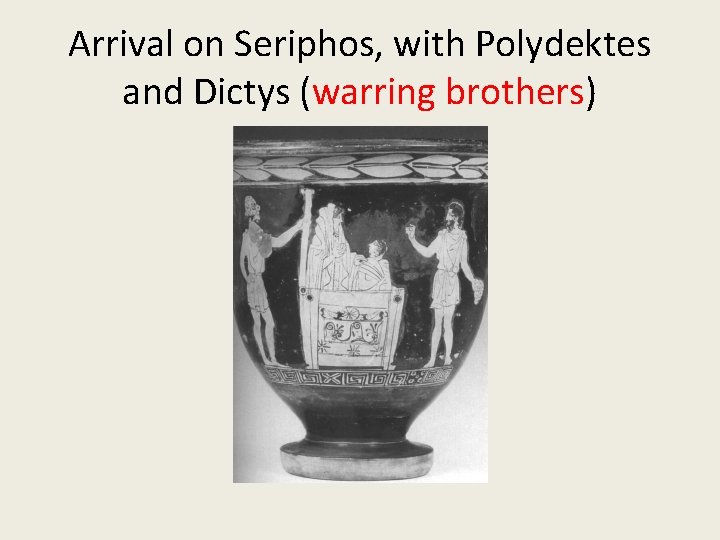
Arrival on Seriphos, with Polydektes and Dictys (warring brothers)
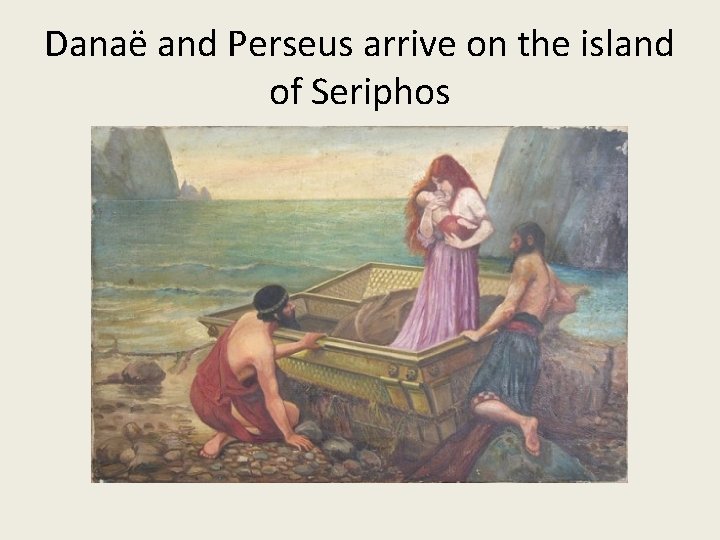
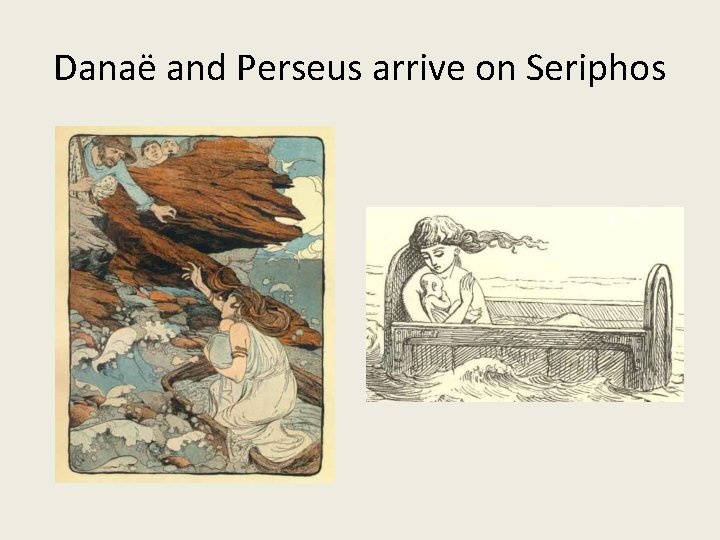
Danaë and Perseus arrive on the island of Seriphos
Danaë and Perseus arrive on Seriphos
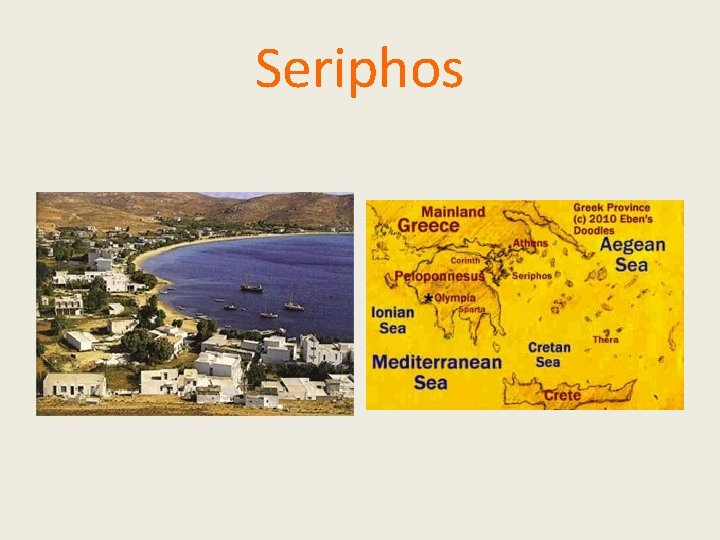
Seriphos
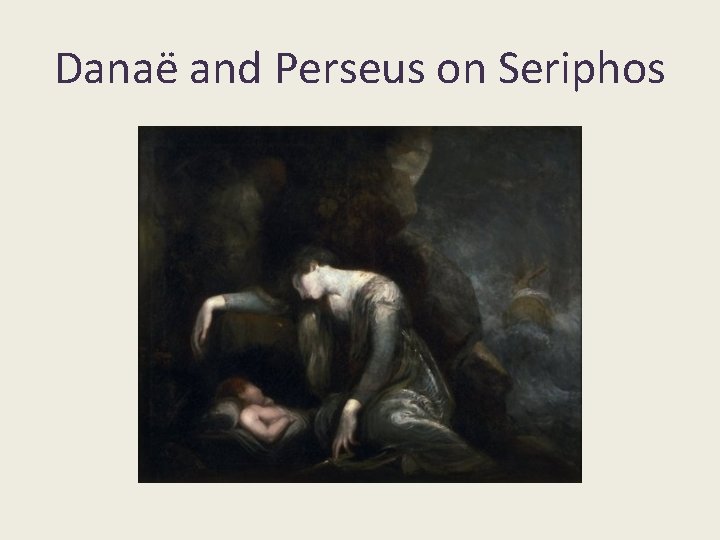
Danaë and Perseus on Seriphos
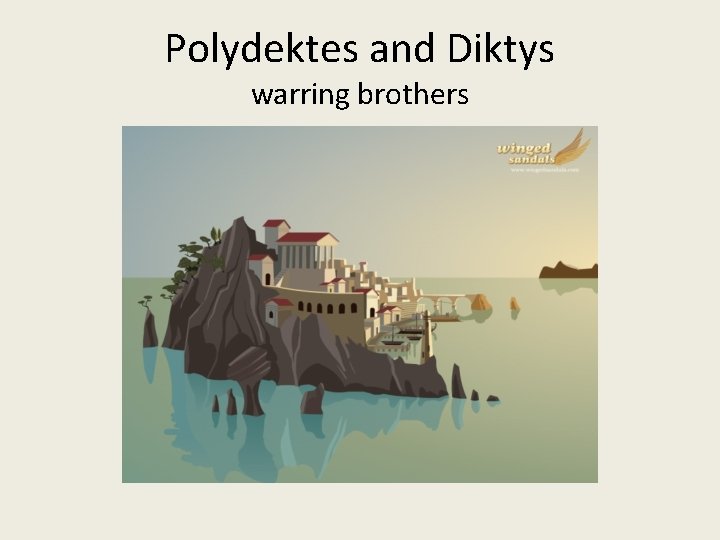
Polydektes and Diktys warring brothers
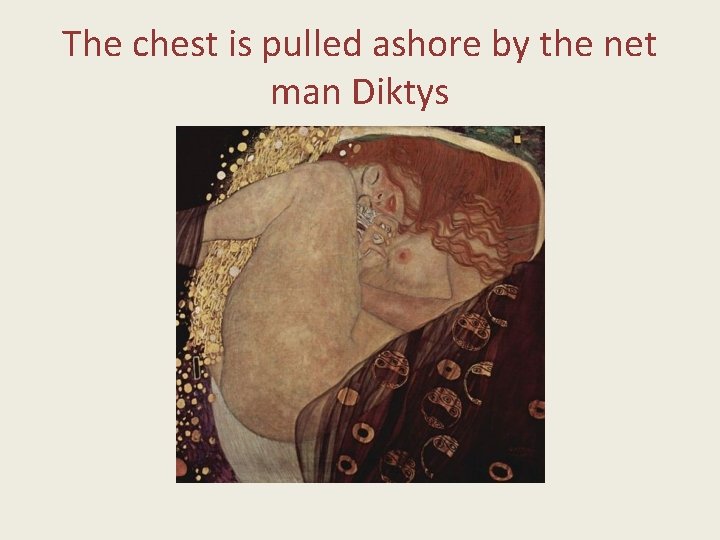
The chest is pulled ashore by the net man Diktys
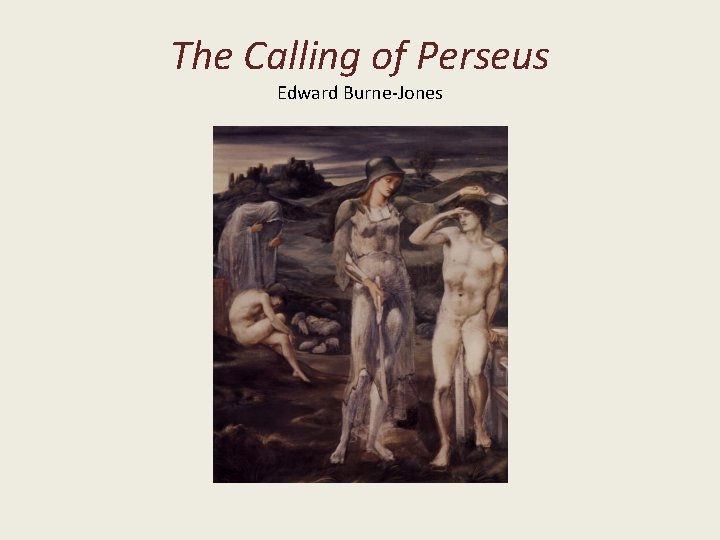
The Calling of Perseus Edward Burne-Jones
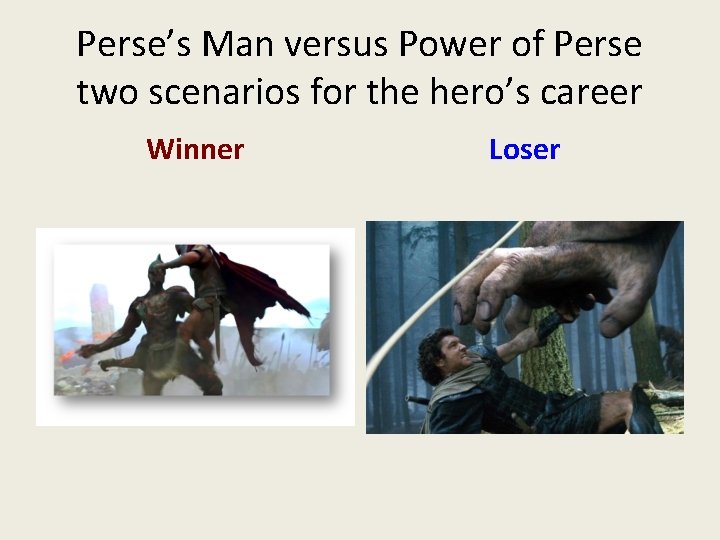
Perse’s Man versus Power of Perse two scenarios for the hero’s career Winner Loser
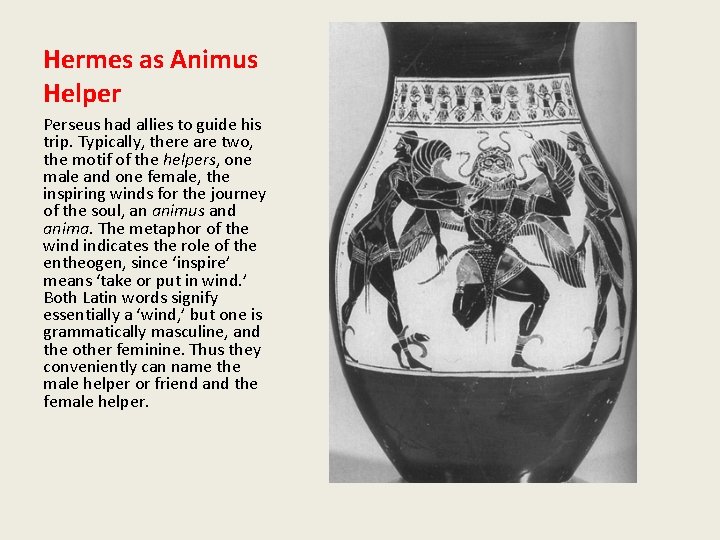
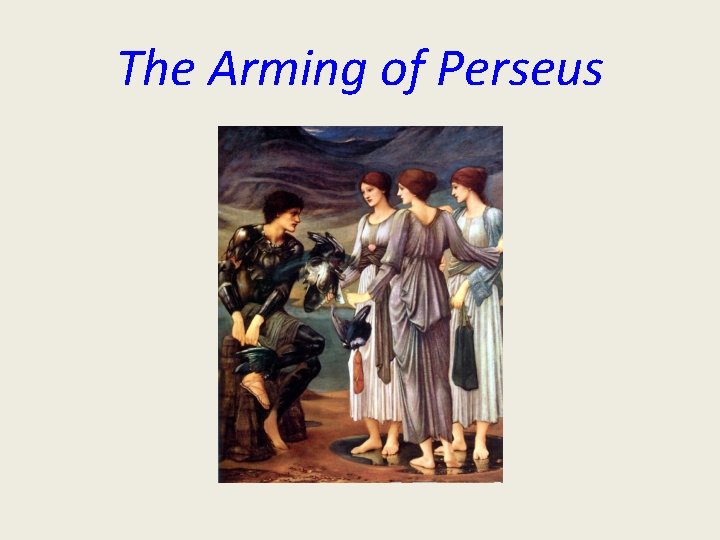
Hermes as Animus Helper Perseus had allies to guide his trip. Typically, there are two, the motif of the helpers, one male and one female, the inspiring winds for the journey of the soul, an animus and anima. The metaphor of the wind indicates the role of the entheogen, since ‘inspire’ means ‘take or put in wind. ’ Both Latin words signify essentially a ‘wind, ’ but one is grammatically masculine, and the other feminine. Thus they conveniently can name the male helper or friend and the female helper.
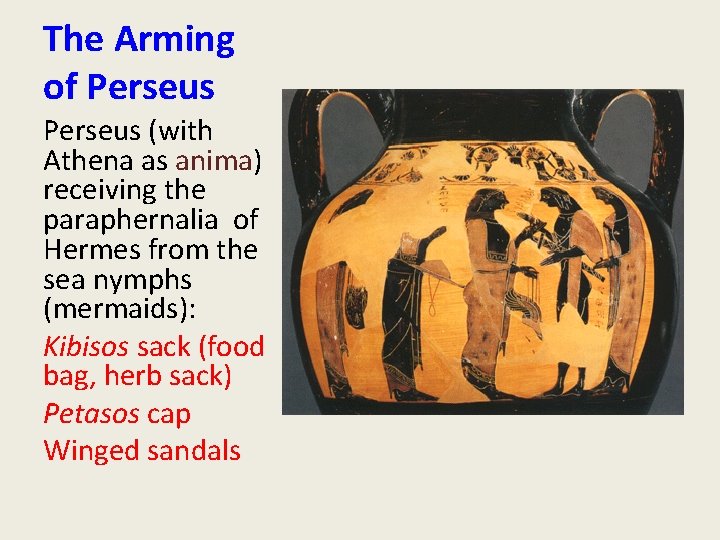
The Arming of Perseus (with Athena as anima) receiving the paraphernalia of Hermes from the sea nymphs (mermaids): Kibisos sack (food bag, herb sack) Petasos cap Winged sandals
The Arming of Perseus
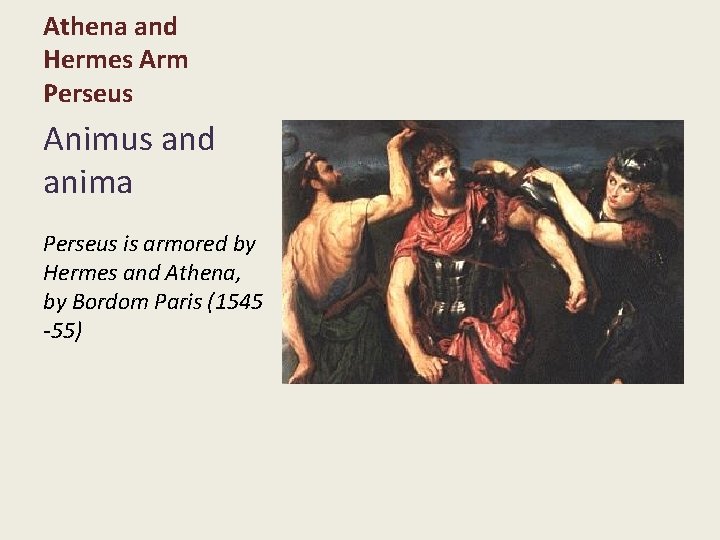
Athena and Hermes Arm Perseus Animus and anima Perseus is armored by Hermes and Athena, by Bordom Paris (1545 -55)
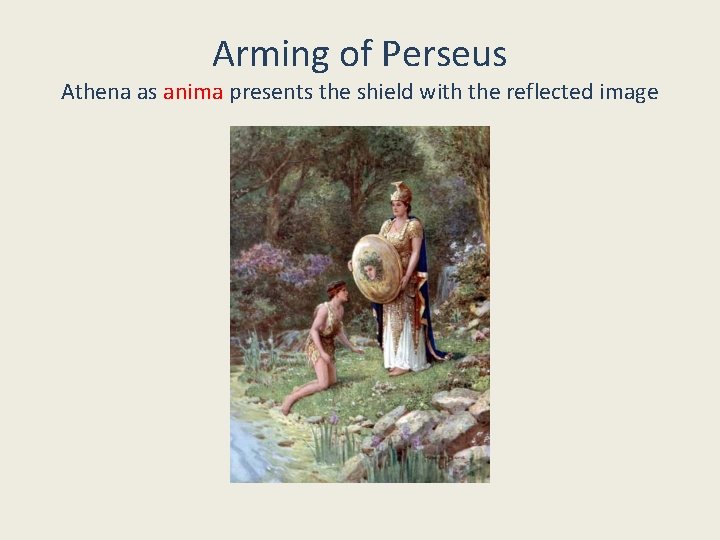
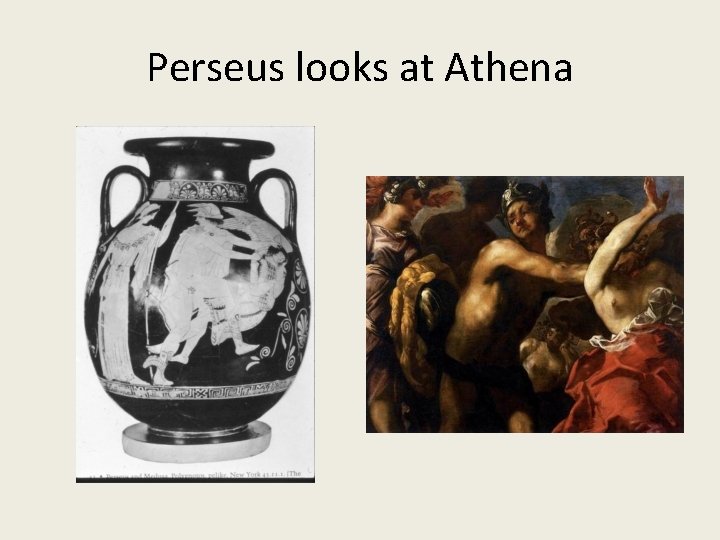
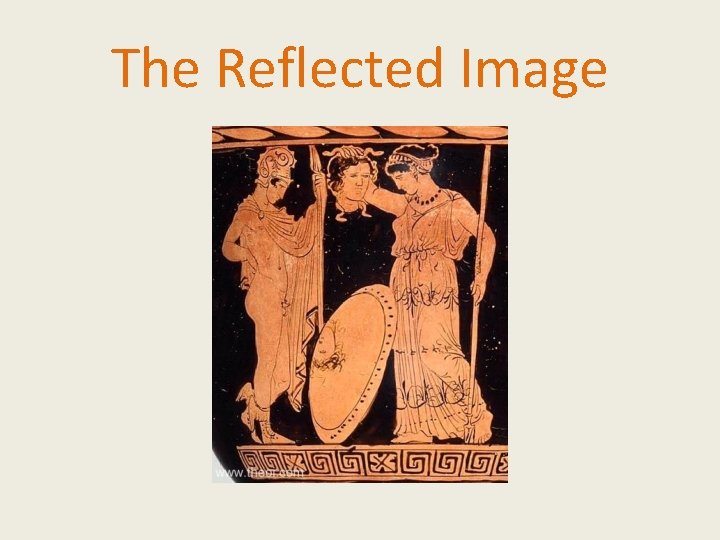
Arming of Perseus Athena as anima presents the shield with the reflected image
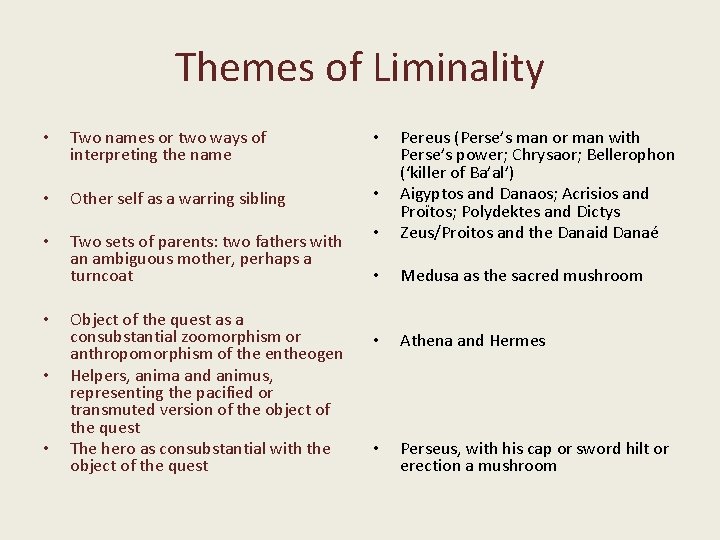
Themes of Liminality • Two names or two ways of interpreting the name • • Other self as a warring sibling • • Two sets of parents: two fathers with an ambiguous mother, perhaps a turncoat • Pereus (Perse’s man or man with Perse’s power; Chrysaor; Bellerophon (‘killer of Ba’al’) Aigyptos and Danaos; Acrisios and Proïtos; Polydektes and Dictys Zeus/Proitos and the Danaid Danaé • Medusa as the sacred mushroom • Athena and Hermes • Perseus, with his cap or sword hilt or erection a mushroom • • • Object of the quest as a consubstantial zoomorphism or anthropomorphism of the entheogen Helpers, anima and animus, representing the pacified or transmuted version of the object of the quest The hero as consubstantial with the object of the quest
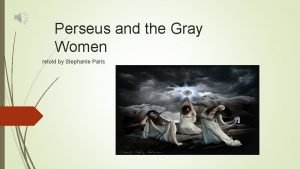
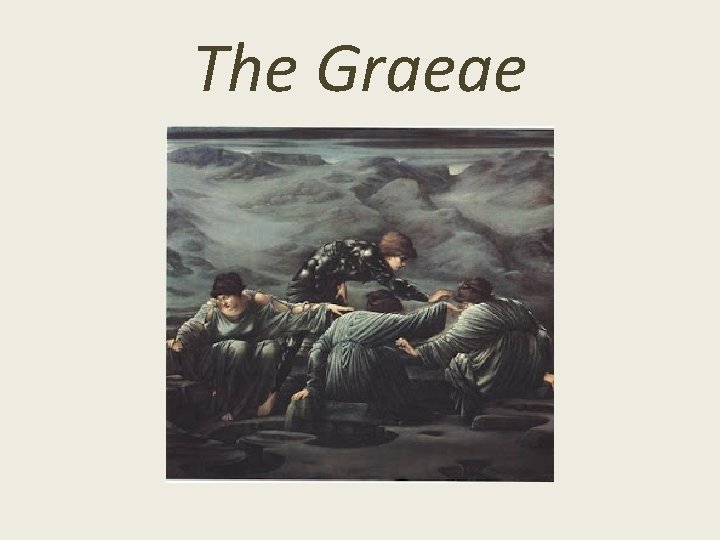
The Graeae
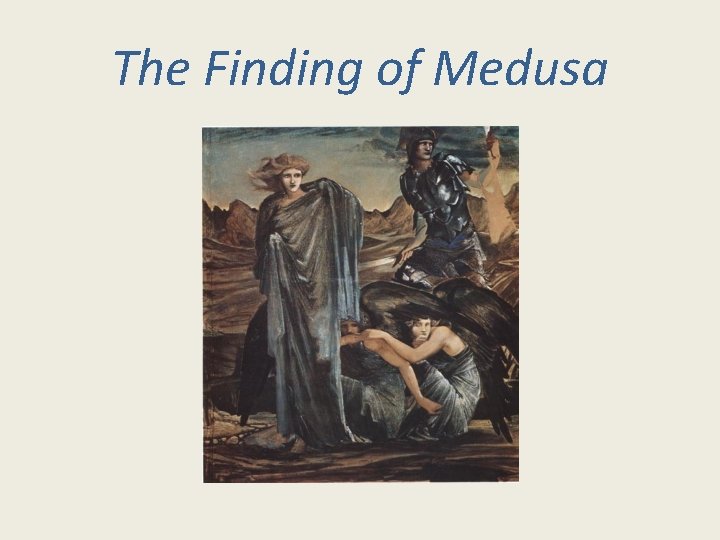
The Finding of Medusa
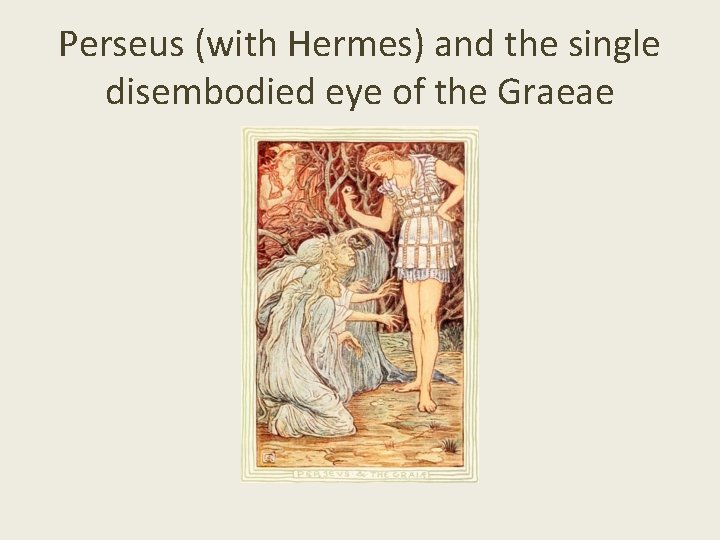
Perseus (with Hermes) and the single disembodied eye of the Graeae
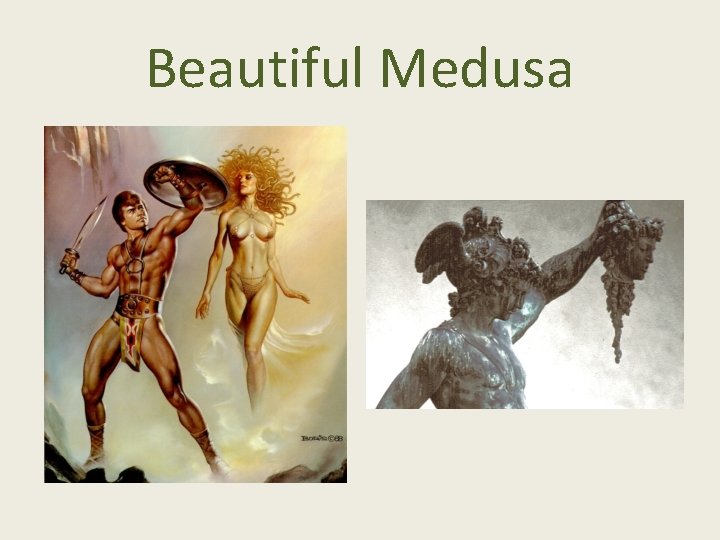
Beautiful Medusa
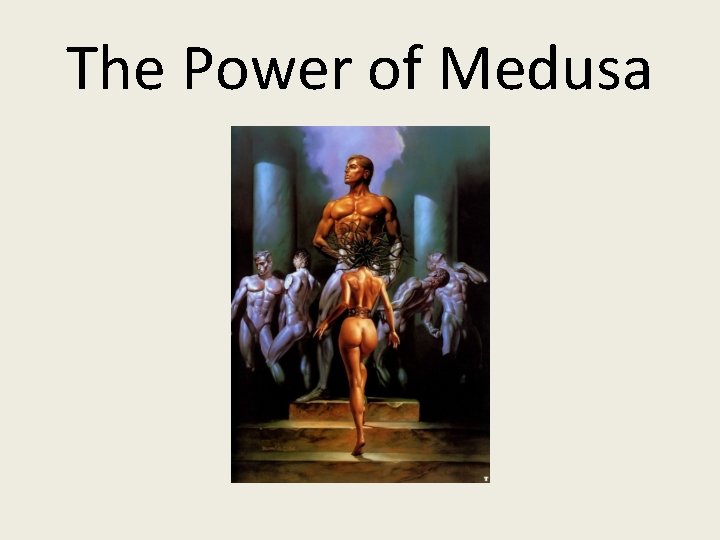
The Power of Medusa
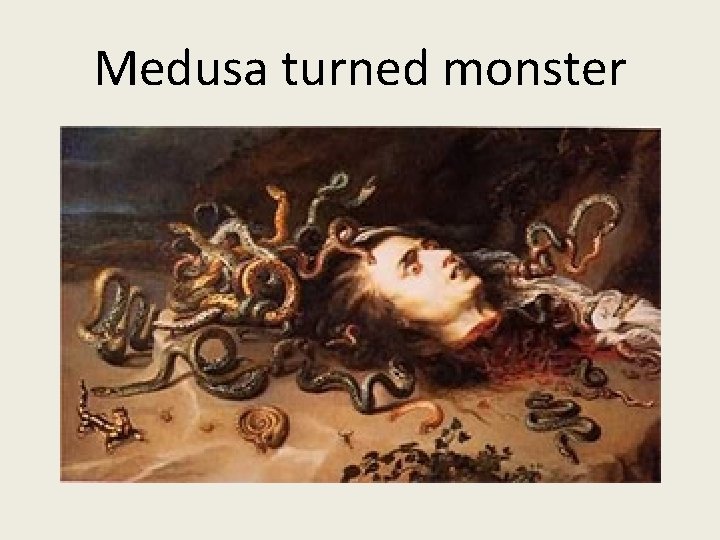
Medusa turned monster
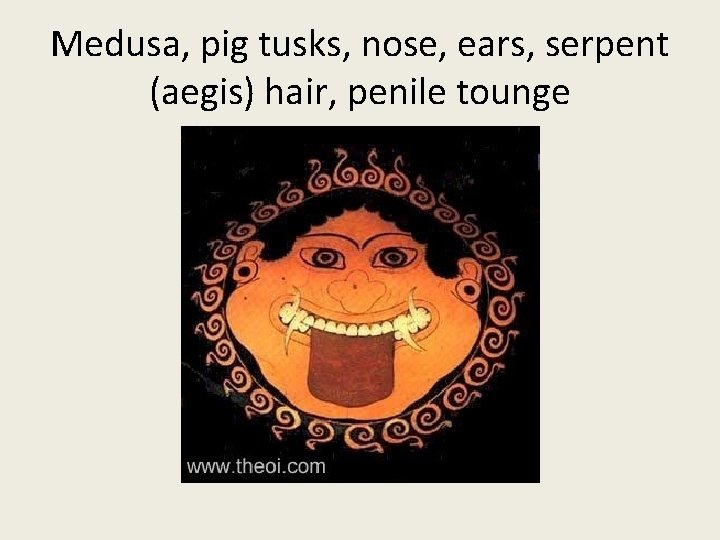
Medusa, pig tusks, nose, ears, serpent (aegis) hair, penile tounge
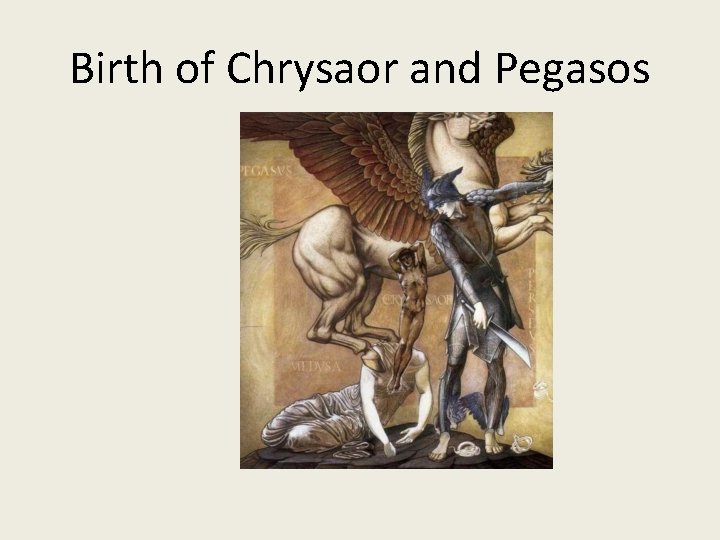
Birth of Chrysaor and Pegasos
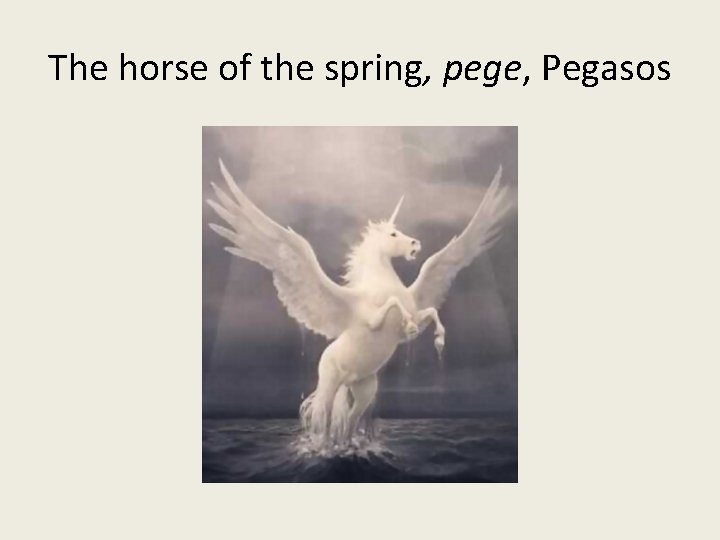
The horse of the spring, pege, Pegasos
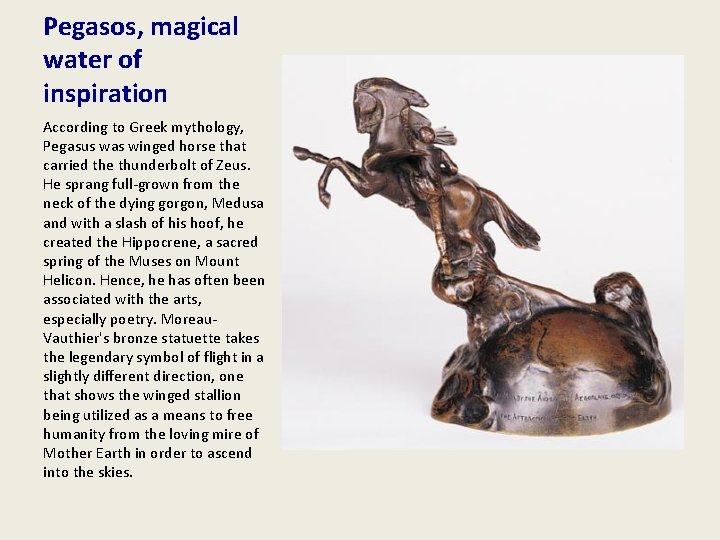
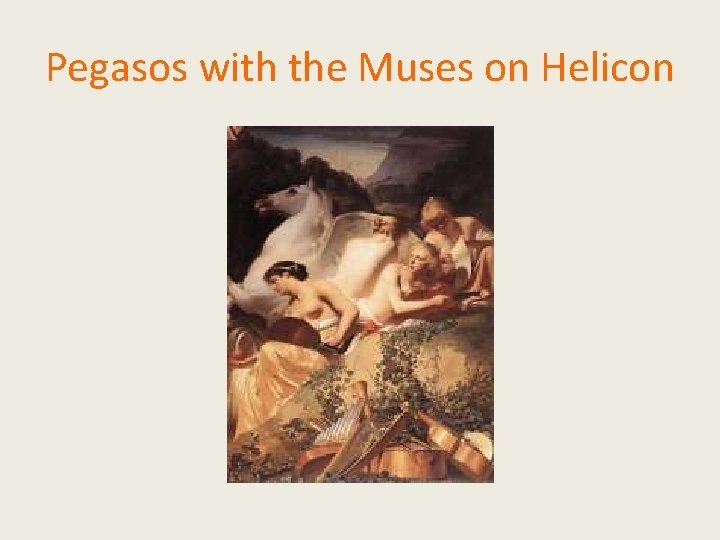
Pegasos, magical water of inspiration According to Greek mythology, Pegasus was winged horse that carried the thunderbolt of Zeus. He sprang full-grown from the neck of the dying gorgon, Medusa and with a slash of his hoof, he created the Hippocrene, a sacred spring of the Muses on Mount Helicon. Hence, he has often been associated with the arts, especially poetry. Moreau. Vauthier's bronze statuette takes the legendary symbol of flight in a slightly different direction, one that shows the winged stallion being utilized as a means to free humanity from the loving mire of Mother Earth in order to ascend into the skies.
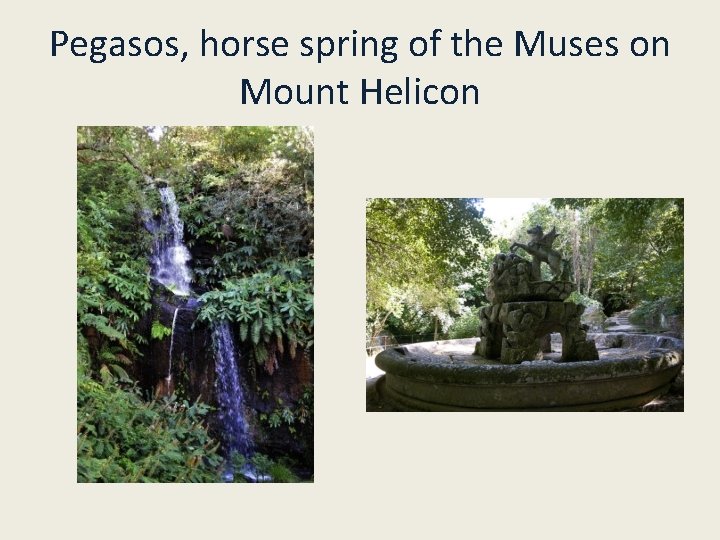
Pegasos, horse spring of the Muses on Mount Helicon
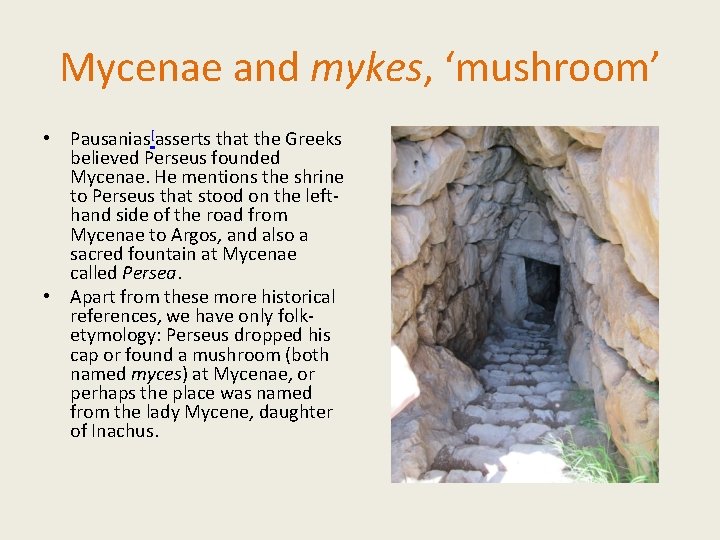
Mycenae and mykes, ‘mushroom’ • Pausanias[asserts that the Greeks believed Perseus founded Mycenae. He mentions the shrine to Perseus that stood on the lefthand side of the road from Mycenae to Argos, and also a sacred fountain at Mycenae called Persea. • Apart from these more historical references, we have only folketymology: Perseus dropped his cap or found a mushroom (both named myces) at Mycenae, or perhaps the place was named from the lady Mycene, daughter of Inachus.
Pegasos with the Muses on Helicon
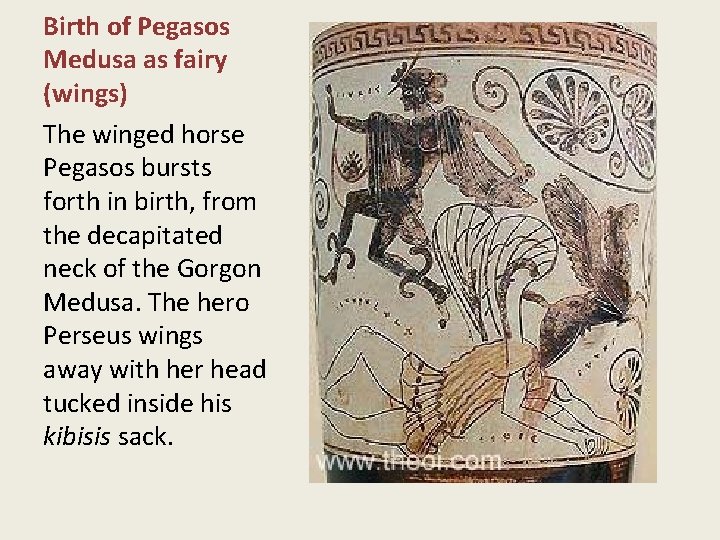
Birth of Pegasos Medusa as fairy (wings) The winged horse Pegasos bursts forth in birth, from the decapitated neck of the Gorgon Medusa. The hero Perseus wings away with her head tucked inside his kibisis sack.
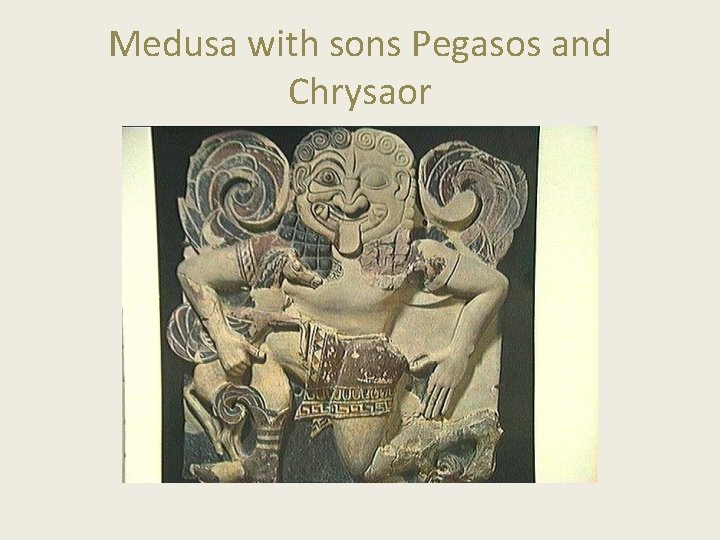
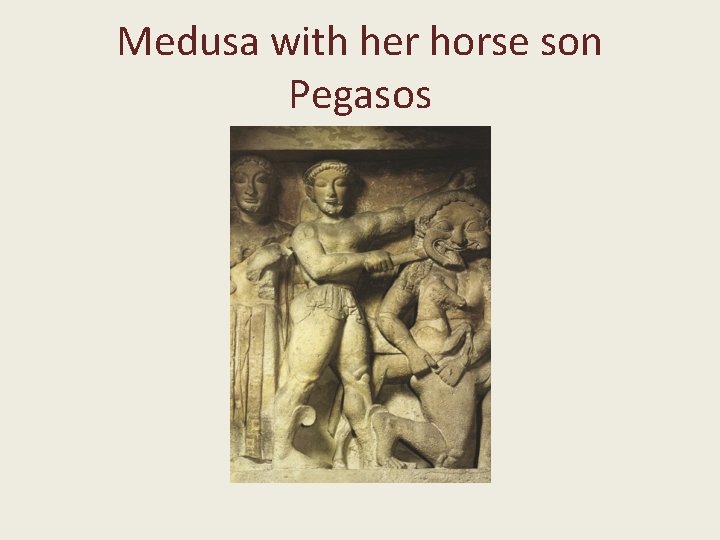
Medusa with sons Pegasos and Chrysaor
Medusa with her horse son Pegasos
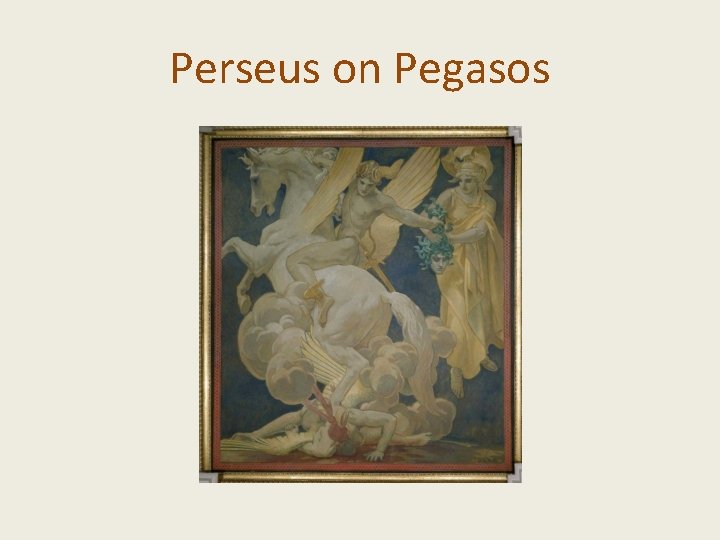
Perseus on Pegasos
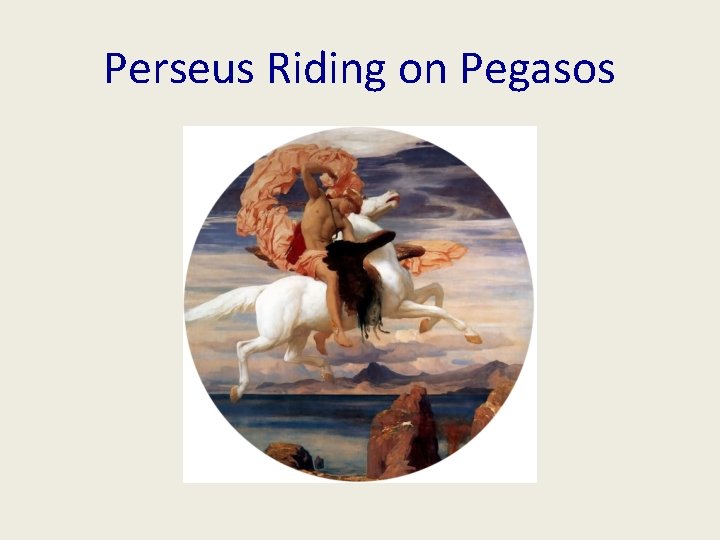
Perseus Riding on Pegasos
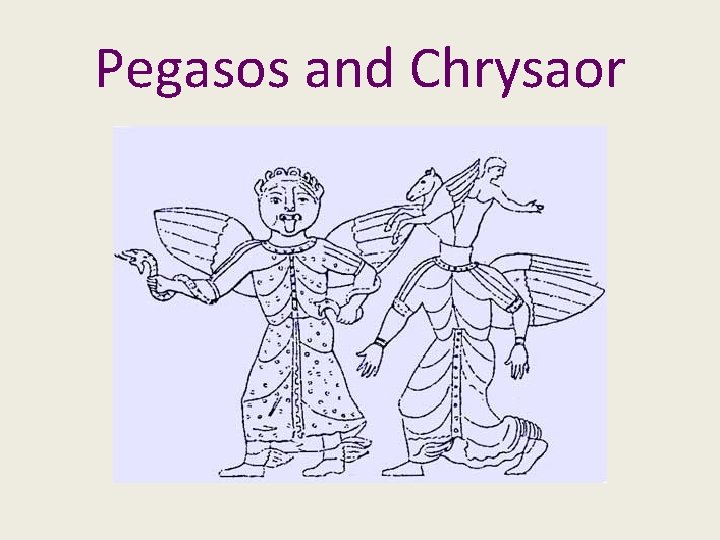
Pegasos and Chrysaor
Perseus looks at Athena
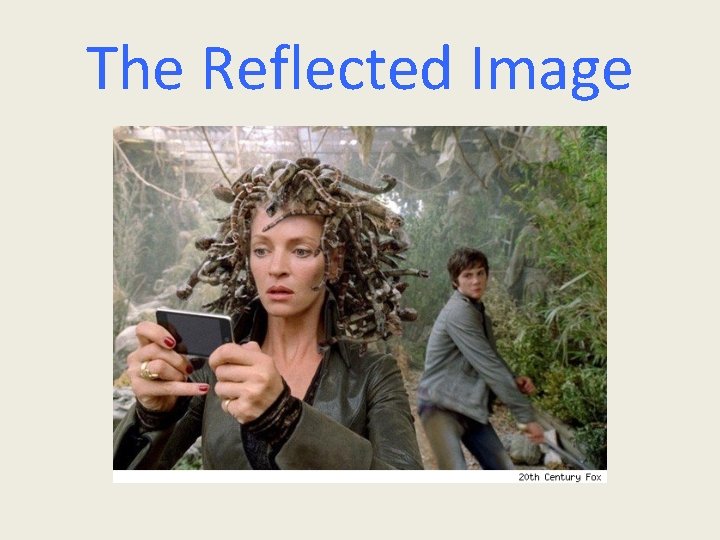
The Reflected Image
The Reflected Image
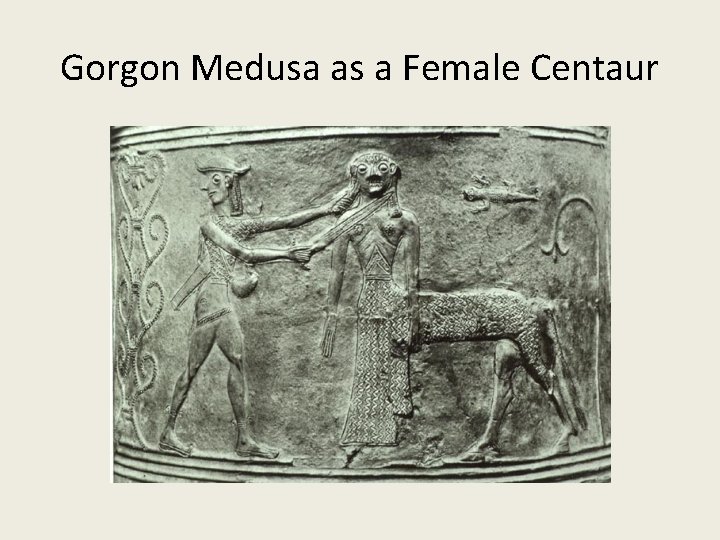
Gorgon Medusa as a Female Centaur
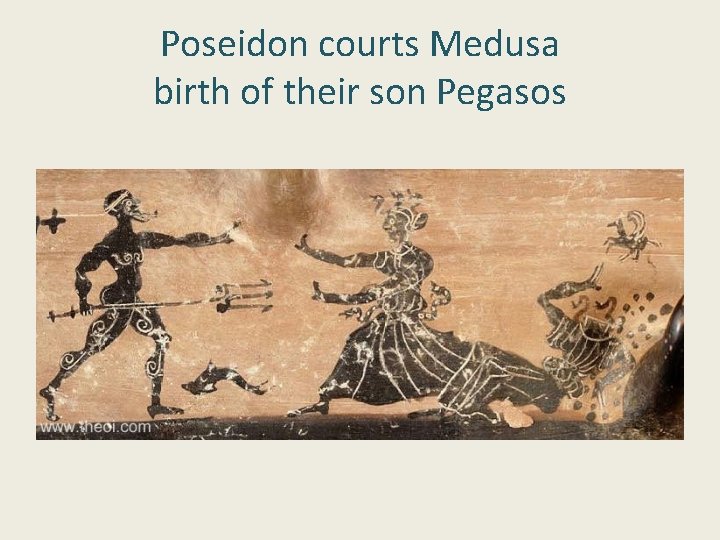
Poseidon courts Medusa birth of their son Pegasos
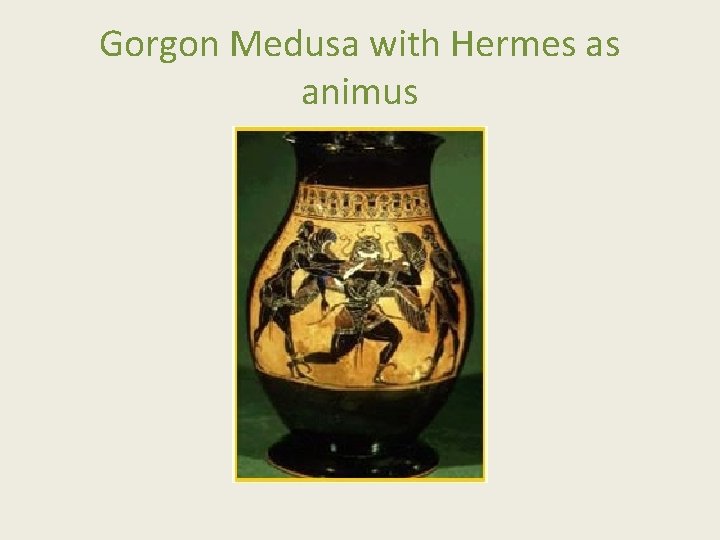
Gorgon Medusa with Hermes as animus
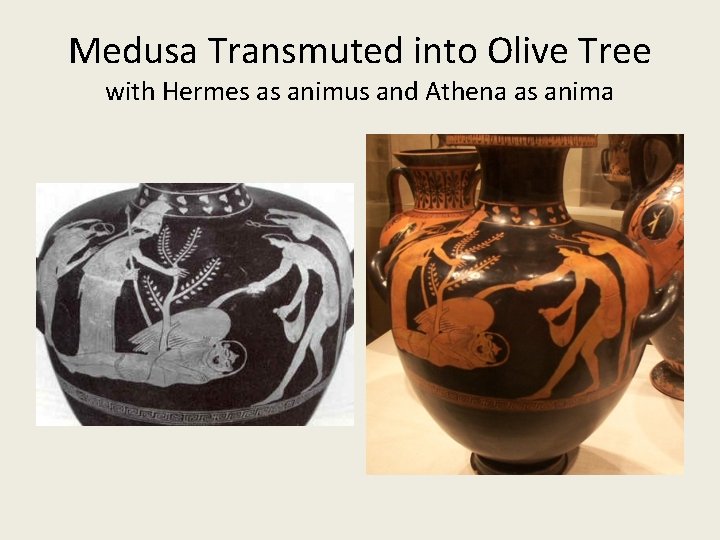
Medusa Transmuted into Olive Tree with Hermes as animus and Athena as anima
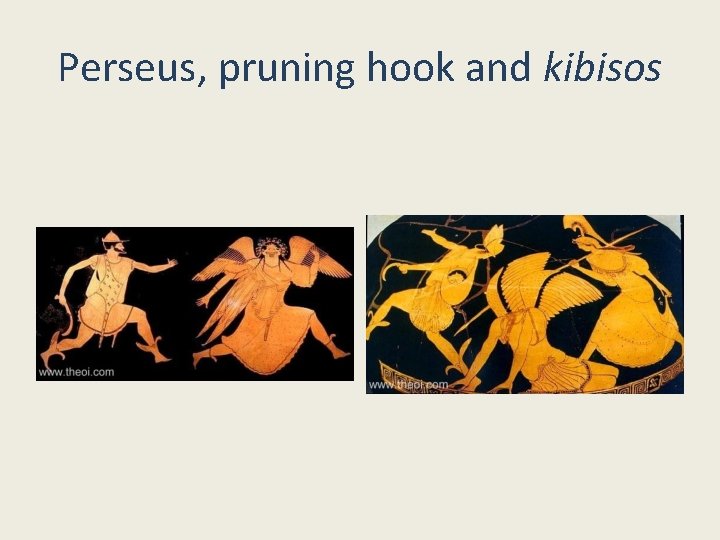
Perseus, pruning hook and kibisos
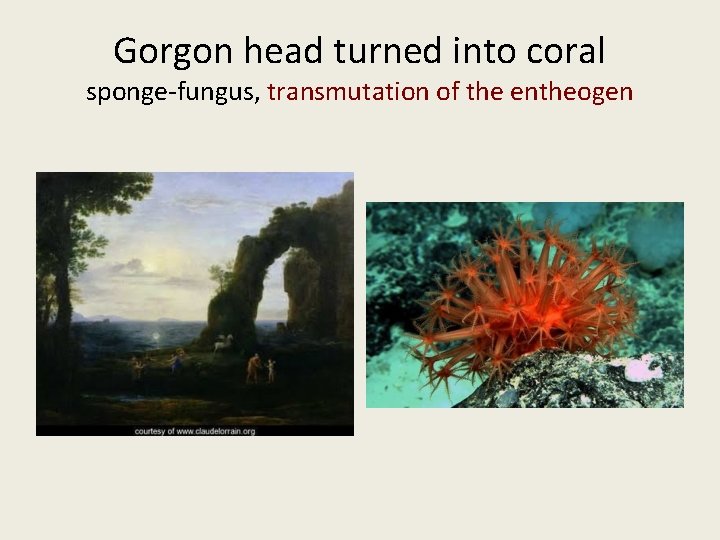
Gorgon head turned into coral sponge-fungus, transmutation of the entheogen
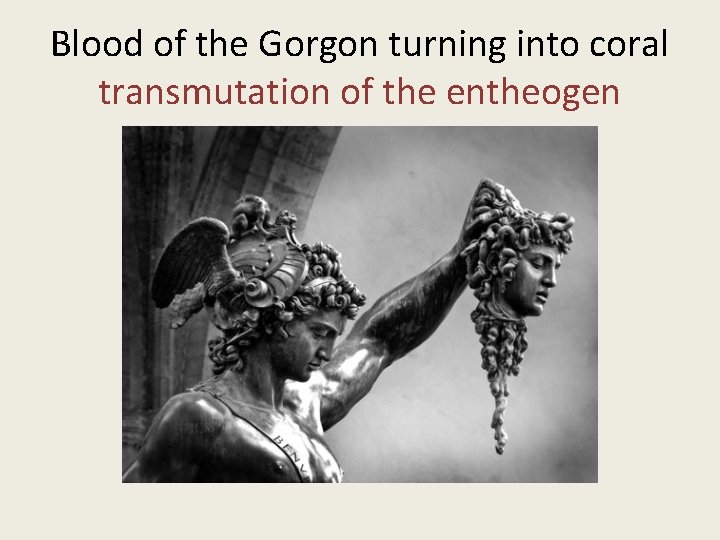
Blood of the Gorgon turning into coral transmutation of the entheogen
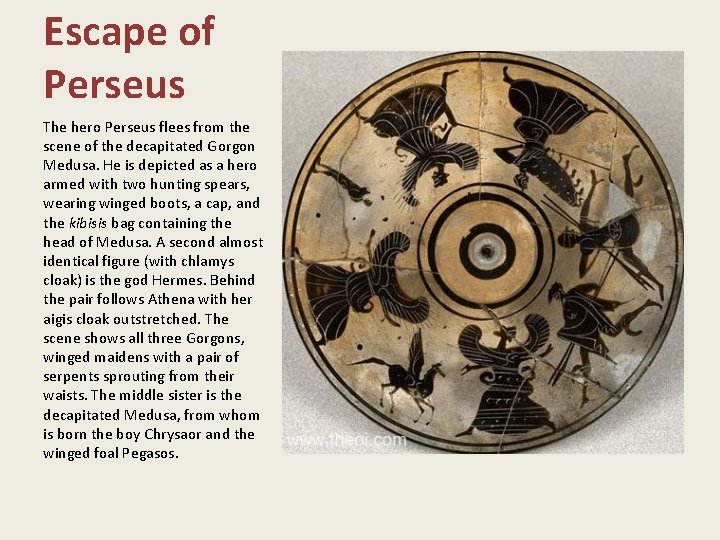
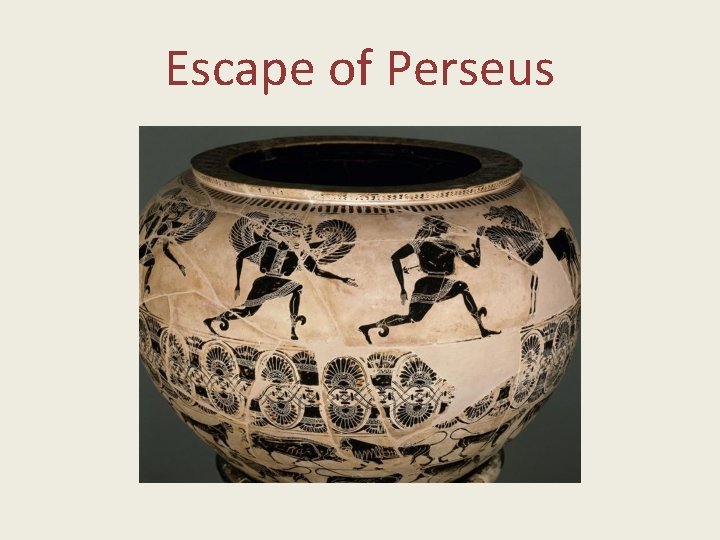
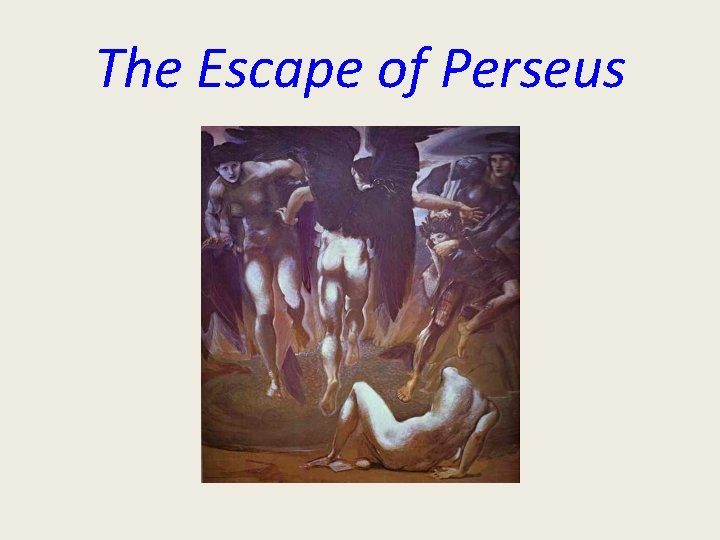
Escape of Perseus The hero Perseus flees from the scene of the decapitated Gorgon Medusa. He is depicted as a hero armed with two hunting spears, wearing winged boots, a cap, and the kibisis bag containing the head of Medusa. A second almost identical figure (with chlamys cloak) is the god Hermes. Behind the pair follows Athena with her aigis cloak outstretched. The scene shows all three Gorgons, winged maidens with a pair of serpents sprouting from their waists. The middle sister is the decapitated Medusa, from whom is born the boy Chrysaor and the winged foal Pegasos.
Escape of Perseus
The Escape of Perseus
The Death of Medusa
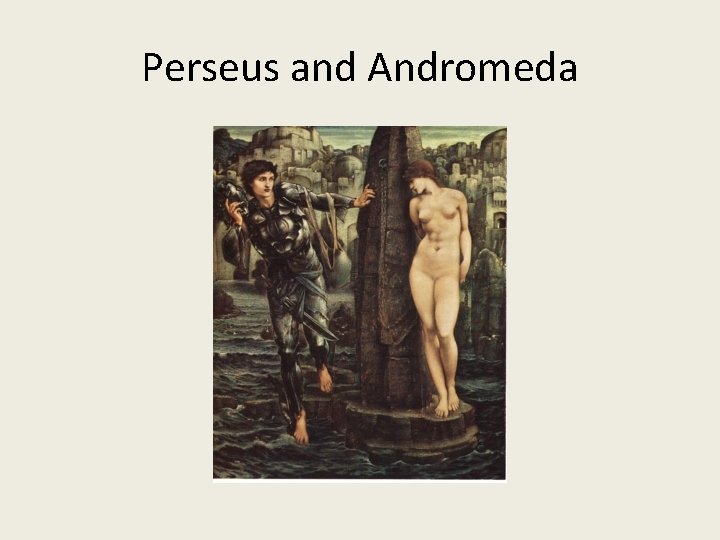
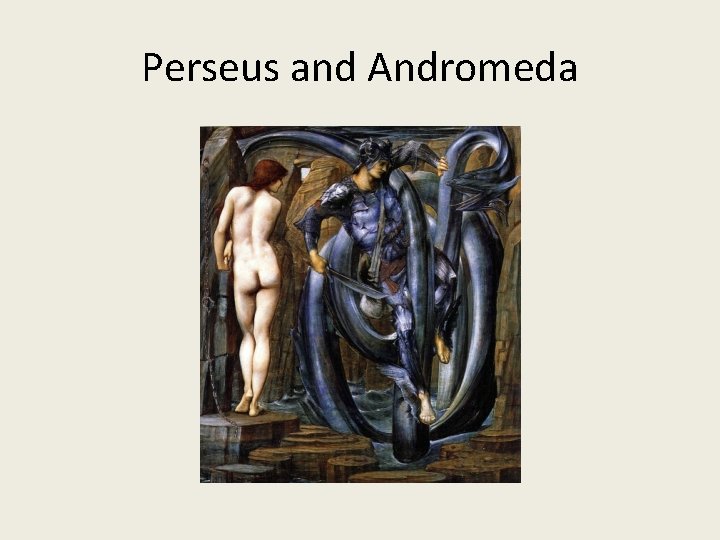
Perseus and Andromeda
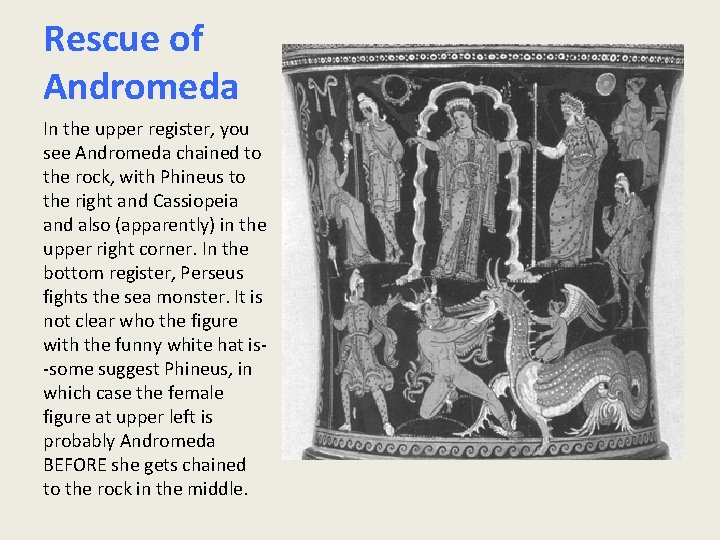
Rescue of Andromeda In the upper register, you see Andromeda chained to the rock, with Phineus to the right and Cassiopeia and also (apparently) in the upper right corner. In the bottom register, Perseus fights the sea monster. It is not clear who the figure with the funny white hat is-some suggest Phineus, in which case the female figure at upper left is probably Andromeda BEFORE she gets chained to the rock in the middle.
Perseus and Andromeda
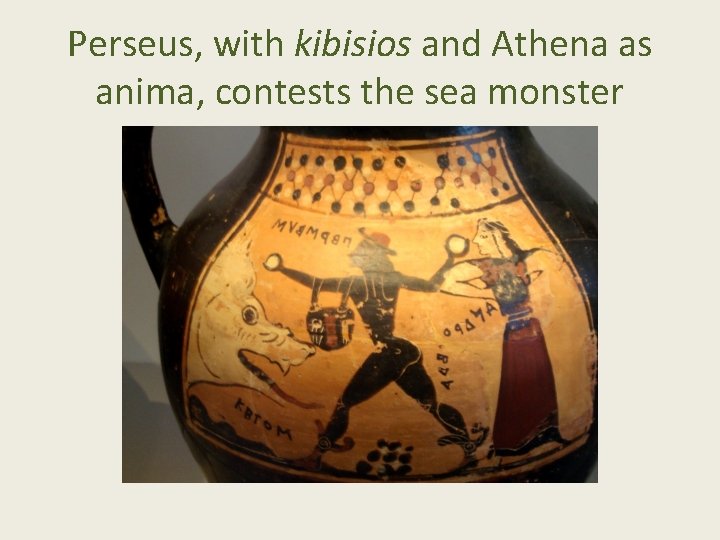
Perseus, with kibisios and Athena as anima, contests the sea monster
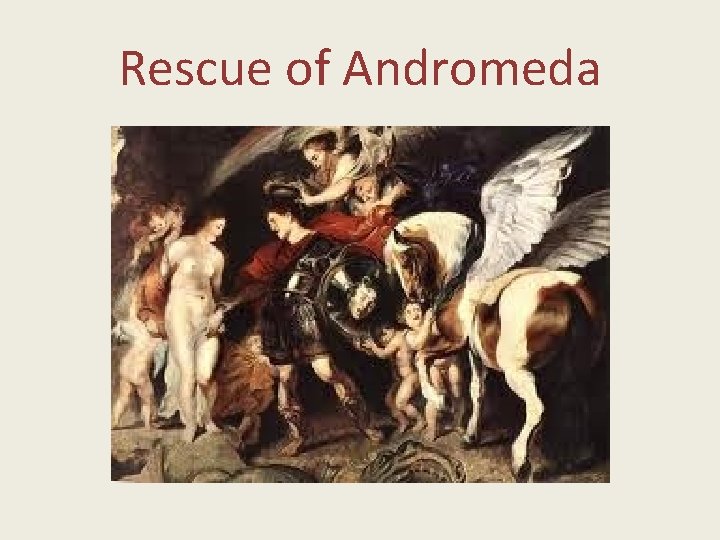
Rescue of Andromeda
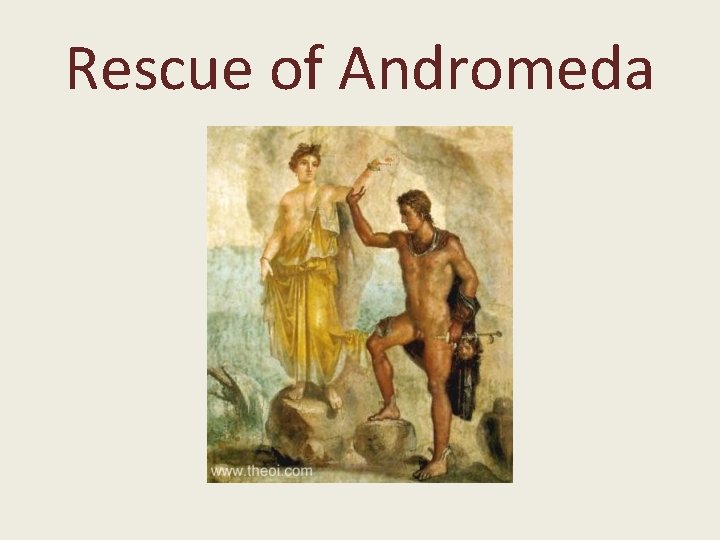
Rescue of Andromeda
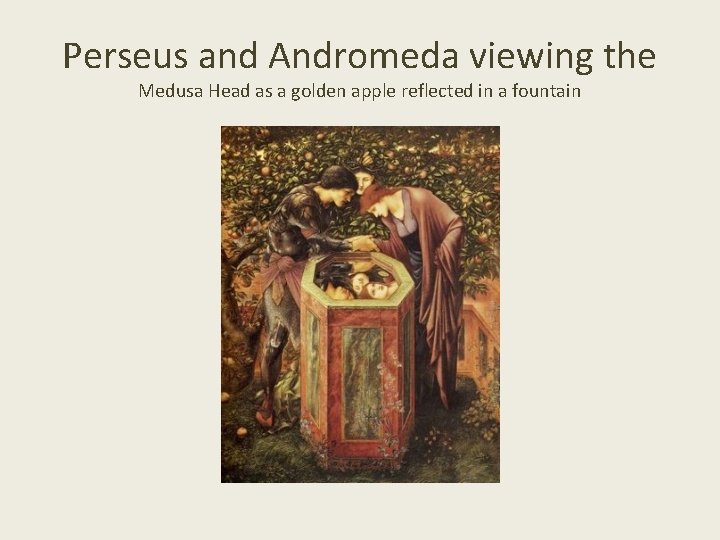
Perseus and Andromeda viewing the Medusa Head as a golden apple reflected in a fountain
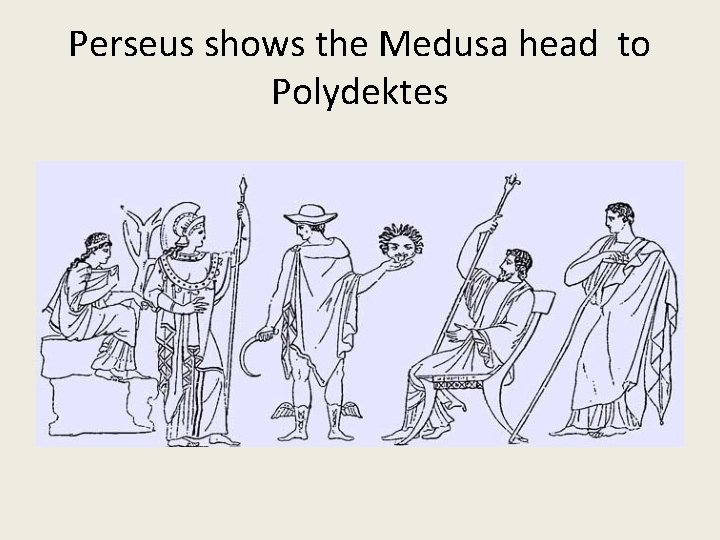
Perseus shows the Medusa head to Polydektes
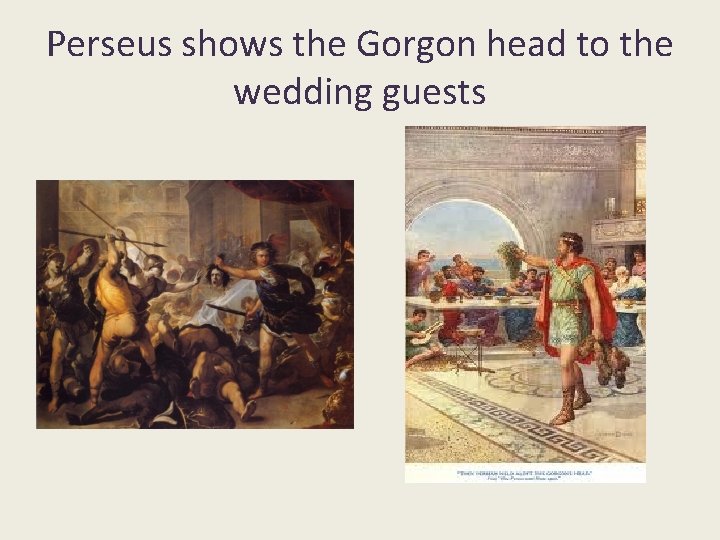
Perseus shows the Gorgon head to the wedding guests
Recurrent Themes (8) expressing heroic liminality • Two names or two ways of interpreting the name • Other self as a warring sibling • Two sets of parents: two fathers with an ambiguous mother, perhaps a turncoat • Object of the quest as a consubstantial zoomorphism or anthropomorphism of the entheogen • Helpers, anima and animus, representing the pacified or transmuted version of the object of the quest • The hero as consubstantial with the object of the quest
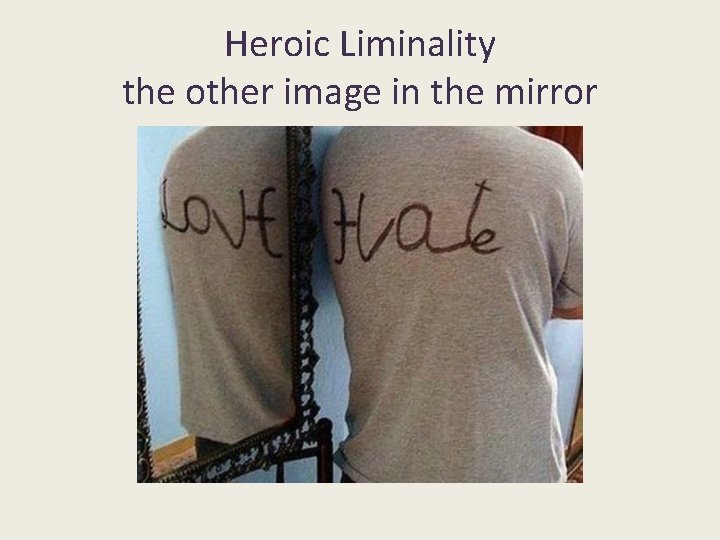
Heroic Liminality the other image in the mirror
The Opposite Heroic Scenario the other direction through the doorway
Transcendent versus Decadent • Merely for convenience in labeling the two possibilities, the former could be called ‘transcendent’ and the latter ‘decadent. ’ These labels imply no value judgment. They simply reflect the prejudice of the chauvinism implicit in the evolution of the Classical male-dominant tradition. Alternatively, they might be termed ascendant and descendant, without prejudice, merely as directions along the cosmic axis through the volcanic mountain from the alchemical crucible to the fiery empyrean.
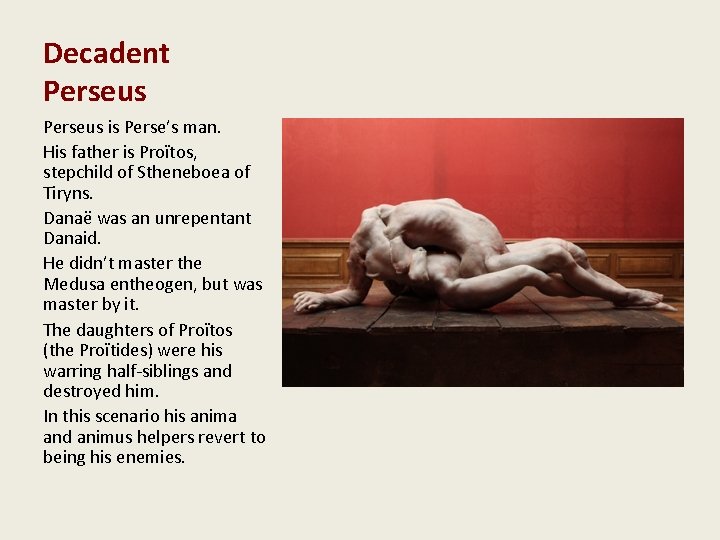
Decadent Perseus is Perse’s man. His father is Proïtos, stepchild of Stheneboea of Tiryns. Danaë was an unrepentant Danaid. He didn’t master the Medusa entheogen, but was master by it. The daughters of Proïtos (the Proïtides) were his warring half-siblings and destroyed him. In this scenario his anima and animus helpers revert to being his enemies.
Proitides (Proëtides), daughters of Stheneboea and Proitos (Proëtus) • The local people easily recognized their madness because they took off over the wild countryside claiming to be cows. As cows they saw no need to care for their clothes and they soon fell into shreds and exposed their private parts. In addition their beauty was destroyed and their hair began to fall out. As they waved and gyrated it seemed to the locals that they behaved in a lewd manner. • In this state, they pulled Perseus to pieces in a Bacchant sparagmos.
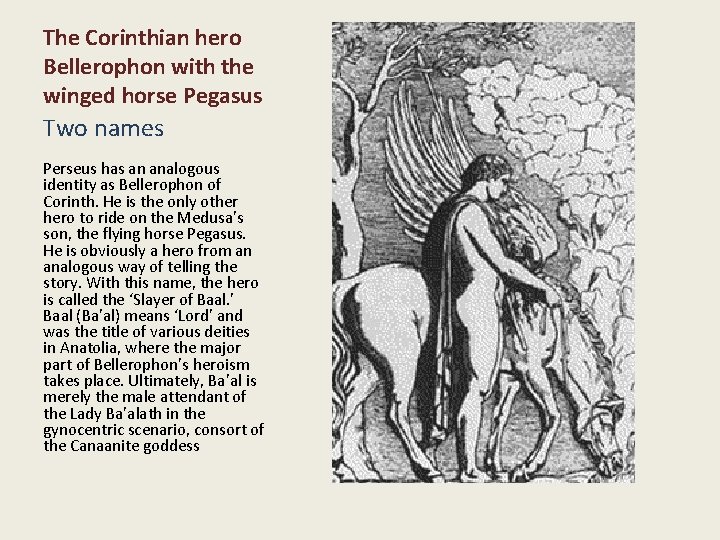
The Corinthian hero Bellerophon with the winged horse Pegasus Two names Perseus has an analogous identity as Bellerophon of Corinth. He is the only other hero to ride on the Medusa’s son, the flying horse Pegasus. He is obviously a hero from an analogous way of telling the story. With this name, the hero is called the ‘Slayer of Baal. ’ Baal (Ba’al) means ‘Lord’ and was the title of various deities in Anatolia, where the major part of Bellerophon’s heroism takes place. Ultimately, Ba’al is merely the male attendant of the Lady Ba’alath in the gynocentric scenario, consort of the Canaanite goddess
Bellerophon • One of the names attested for that Canaanite goddess from a 7 thcentury BCE divinatory temple at Ekkron, just 35 kilometers southwest of Jerusalem, was Pitryh (pronounced pet-ree-yah), PTR, Hebrew for ‘mushroom, ’ with the final syllable a suffix indicating divinity, as in the name of Yahweh. The patriarchal revisionism that resulted in the canonic Old Testament understandably considered Ba’al a false god. Ba’al was called Ba’al Zebub, ‘Lord of the Flies, ’ an attribute hard to disassociate from the folkloric traditions of the flyagaric mushroom, the Amanita muscaria. Christian demonology identified him with the fallen angel of the illumination, Lucifer. He was thought to materialize as a toad, enthroned upon his toadstool. Christian hagiography turned PTR into Peter, the crucified saint and first of the popes, the ‘rock’ (Greek petros) upon which the Vatican stands.
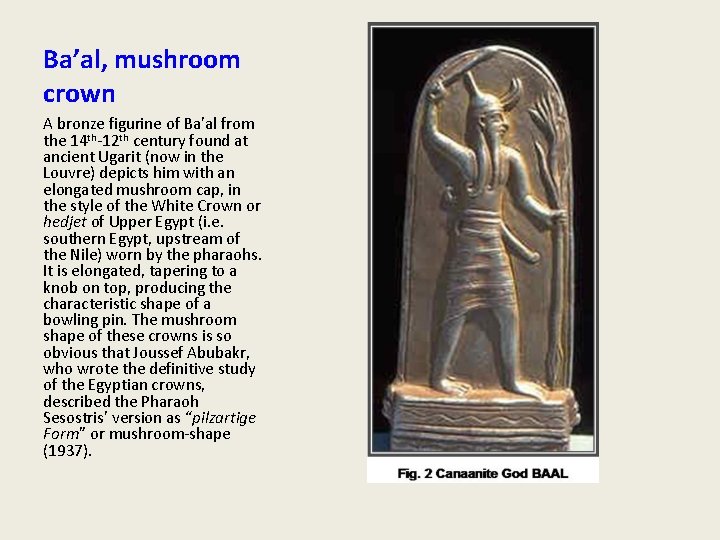
Ba’al, mushroom crown A bronze figurine of Ba’al from the 14 th-12 th century found at ancient Ugarit (now in the Louvre) depicts him with an elongated mushroom cap, in the style of the White Crown or hedjet of Upper Egypt (i. e. southern Egypt, upstream of the Nile) worn by the pharaohs. It is elongated, tapering to a knob on top, producing the characteristic shape of a bowling pin. The mushroom shape of these crowns is so obvious that Joussef Abubakr, who wrote the definitive study of the Egyptian crowns, described the Pharaoh Sesostris’ version as “pilzartige Form” or mushroom-shape (1937).
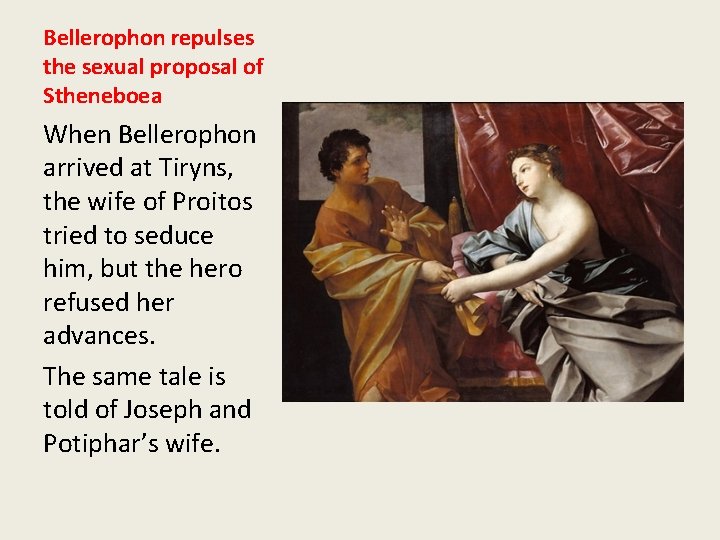
Bellerophon repulses the sexual proposal of Stheneboea When Bellerophon arrived at Tiryns, the wife of Proitos tried to seduce him, but the hero refused her advances. The same tale is told of Joseph and Potiphar’s wife.
Bellerophontes, the slayer of Ba’al The period of Bellerophon’s career when he killed Belleros (Ba’al) is not documented, but it must be similar to the ascendant phase of Perseus’s career in decapitating the Medusa.
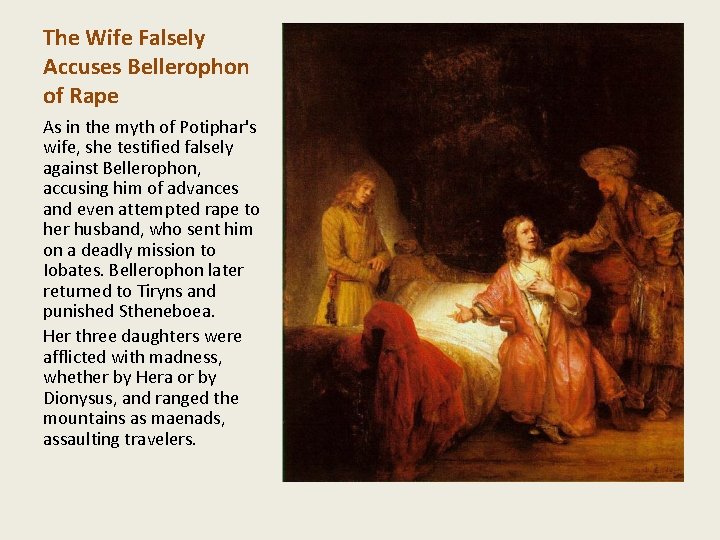
The Wife Falsely Accuses Bellerophon of Rape As in the myth of Potiphar's wife, she testified falsely against Bellerophon, accusing him of advances and even attempted rape to her husband, who sent him on a deadly mission to Iobates. Bellerophon later returned to Tiryns and punished Stheneboea. Her three daughters were afflicted with madness, whether by Hera or by Dionysus, and ranged the mountains as maenads, assaulting travelers.
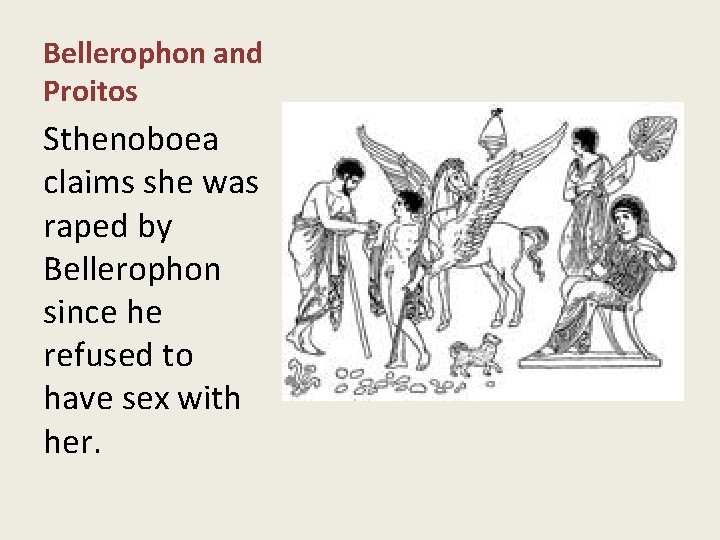
Bellerophon and Proitos Sthenoboea claims she was raped by Bellerophon since he refused to have sex with her.
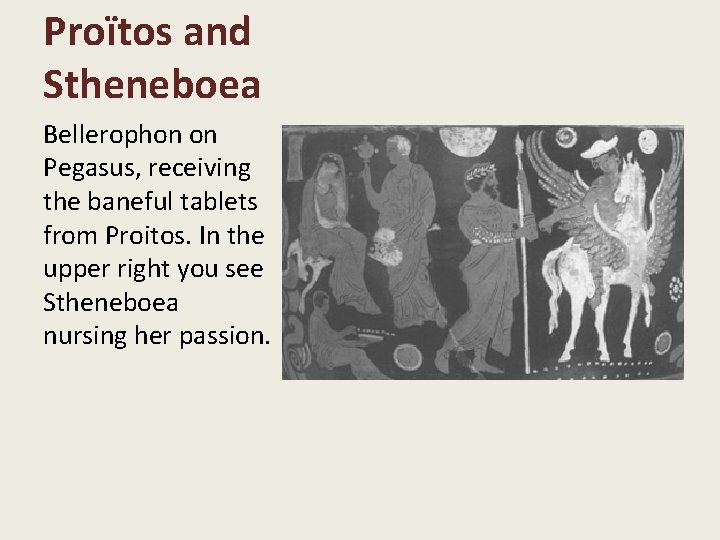
Proïtos and Stheneboea Bellerophon on Pegasus, receiving the baneful tablets from Proitos. In the upper right you see Stheneboea nursing her passion.
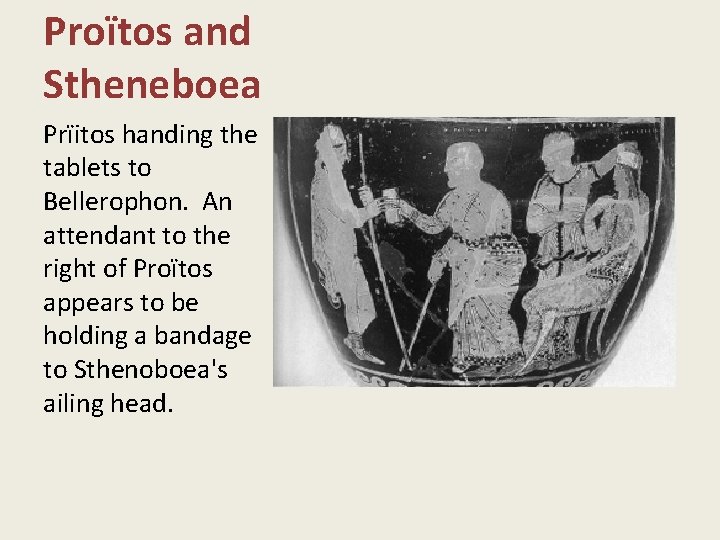
Proïtos and Stheneboea Prïitos handing the tablets to Bellerophon. An attendant to the right of Proïtos appears to be holding a bandage to Sthenoboea's ailing head.
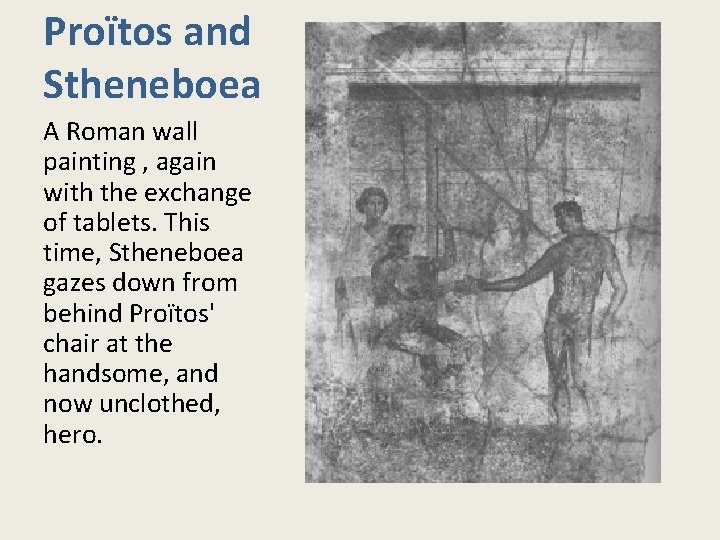
Proïtos and Stheneboea A Roman wall painting , again with the exchange of tablets. This time, Stheneboea gazes down from behind Proïtos' chair at the handsome, and now unclothed, hero.
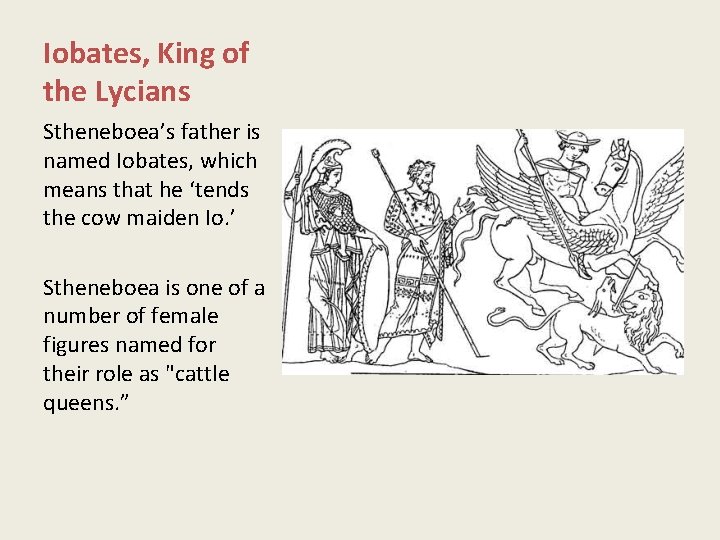
Iobates, King of the Lycians Stheneboea’s father is named Iobates, which means that he ‘tends the cow maiden Io. ’ Stheneboea is one of a number of female figures named for their role as "cattle queens. ”
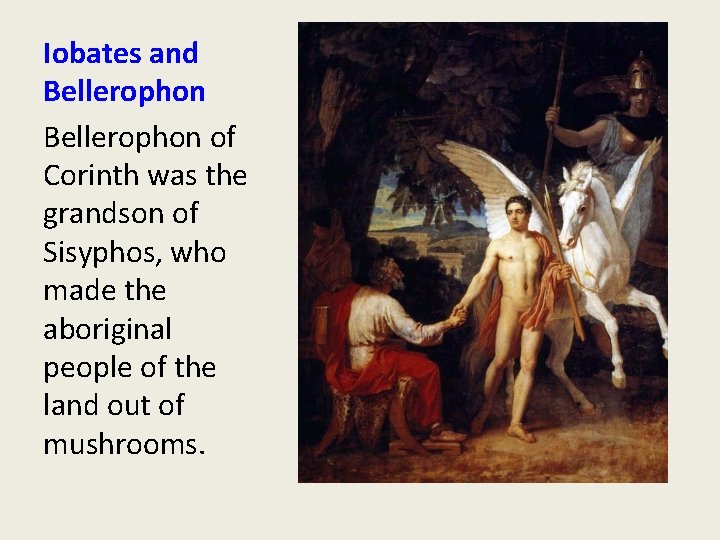
Iobates and Bellerophon of Corinth was the grandson of Sisyphos, who made the aboriginal people of the land out of mushrooms.
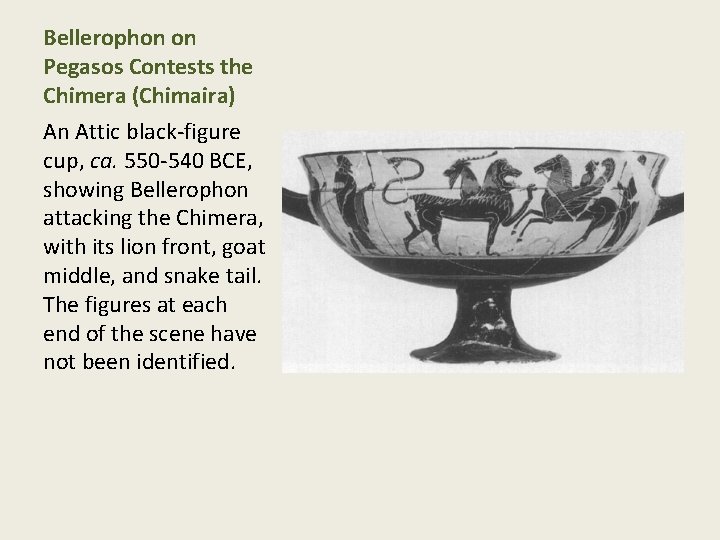
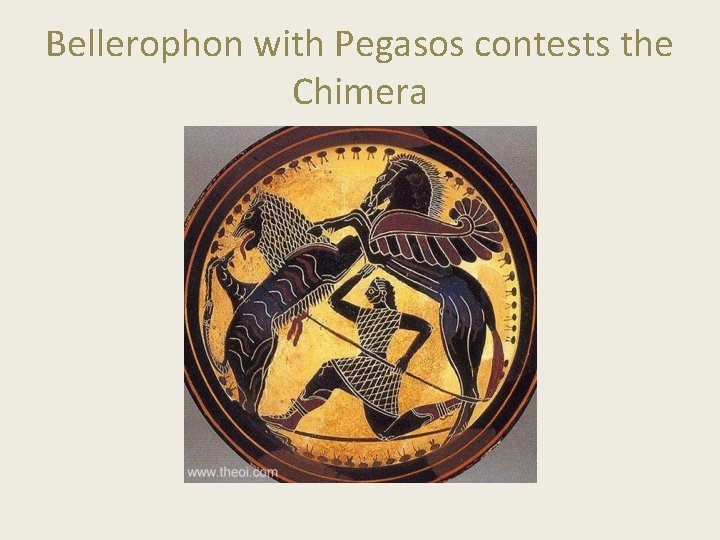
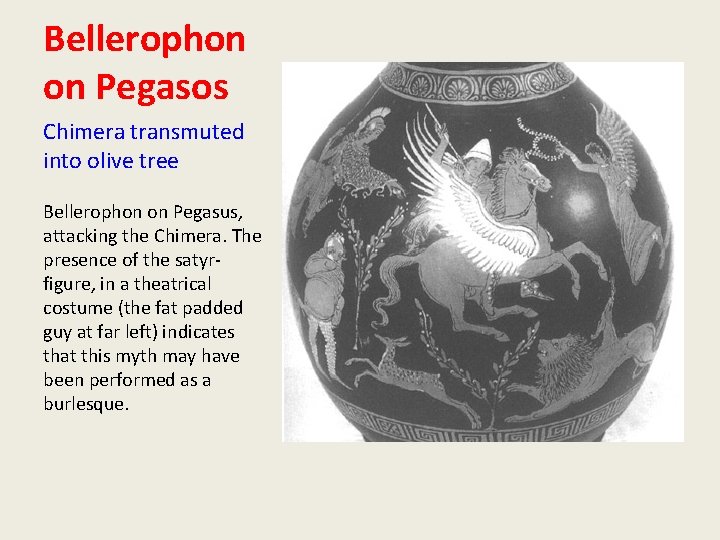
Bellerophon on Pegasos Contests the Chimera (Chimaira) An Attic black-figure cup, ca. 550 -540 BCE, showing Bellerophon attacking the Chimera, with its lion front, goat middle, and snake tail. The figures at each end of the scene have not been identified.
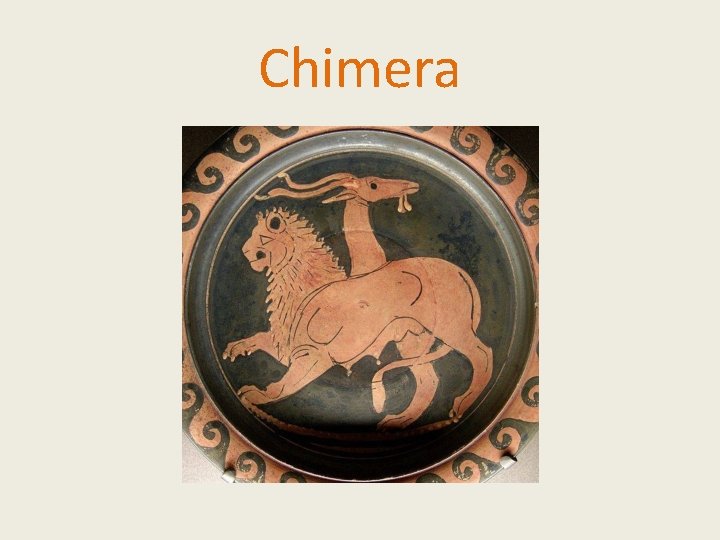
Chimera
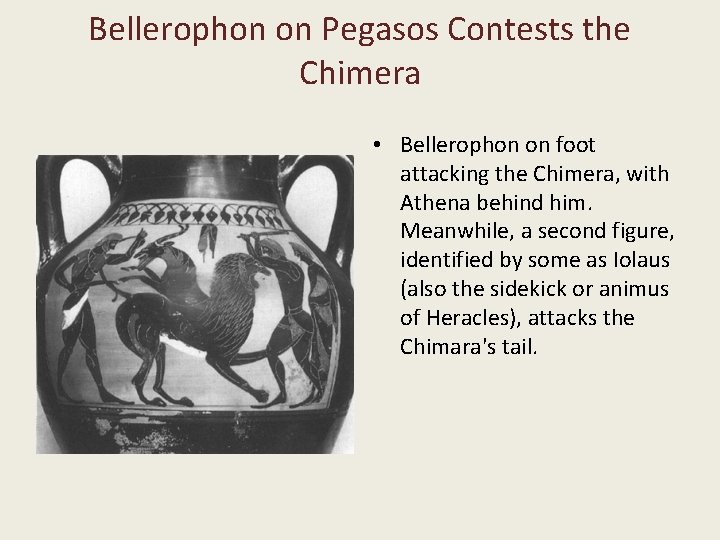
Bellerophon on Pegasos Contests the Chimera • Bellerophon on foot attacking the Chimera, with Athena behind him. Meanwhile, a second figure, identified by some as Iolaus (also the sidekick or animus of Heracles), attacks the Chimara's tail.
Bellerophon with Pegasos contests the Chimera
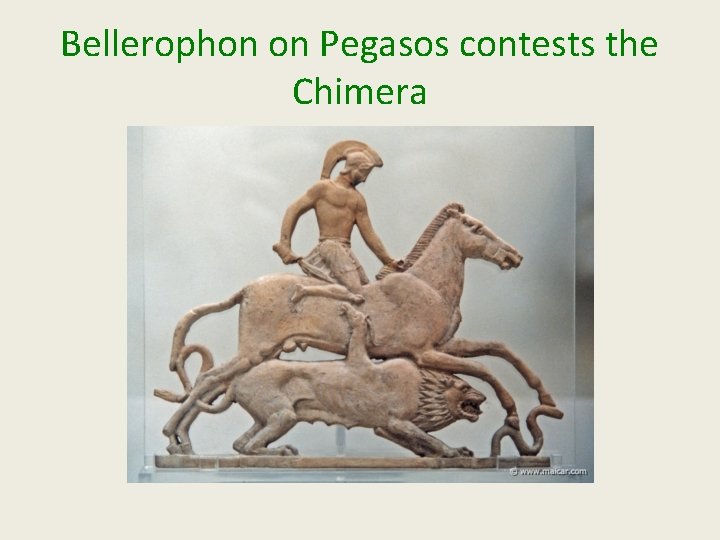
Bellerophon on Pegasos contests the Chimera
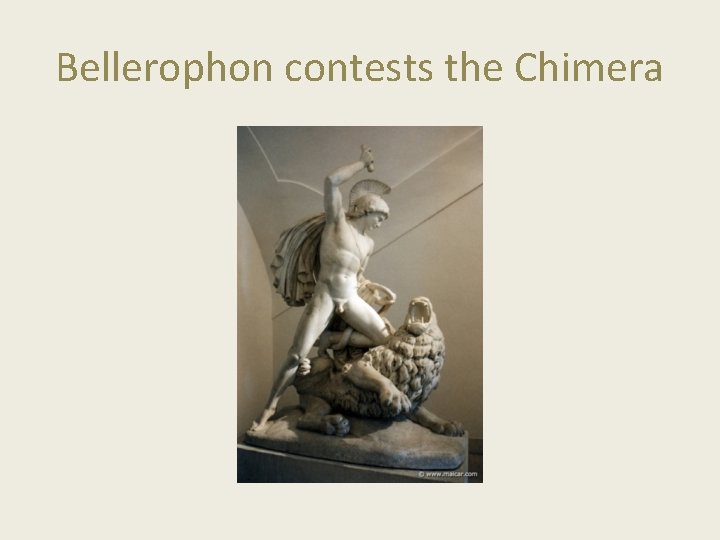
Bellerophon contests the Chimera
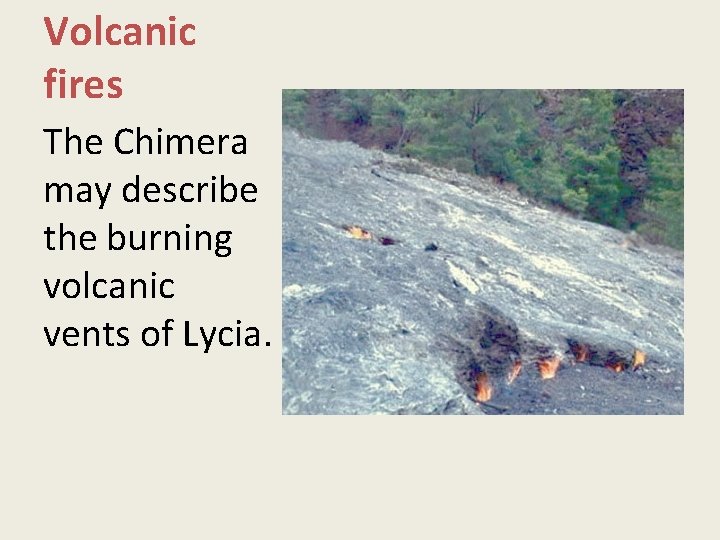
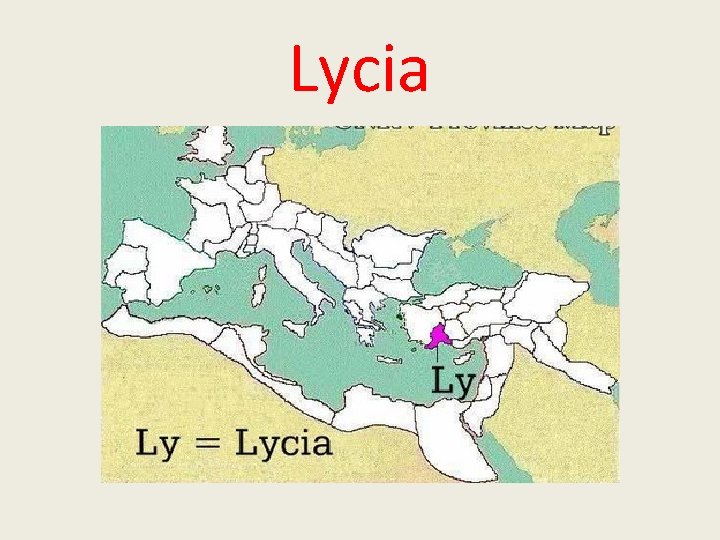
Volcanic fires The Chimera may describe the burning volcanic vents of Lycia.
Lycia
Bellerophon on Pegasos Chimera transmuted into olive tree Bellerophon on Pegasus, attacking the Chimera. The presence of the satyrfigure, in a theatrical costume (the fat padded guy at far left) indicates that this myth may have been performed as a burlesque.
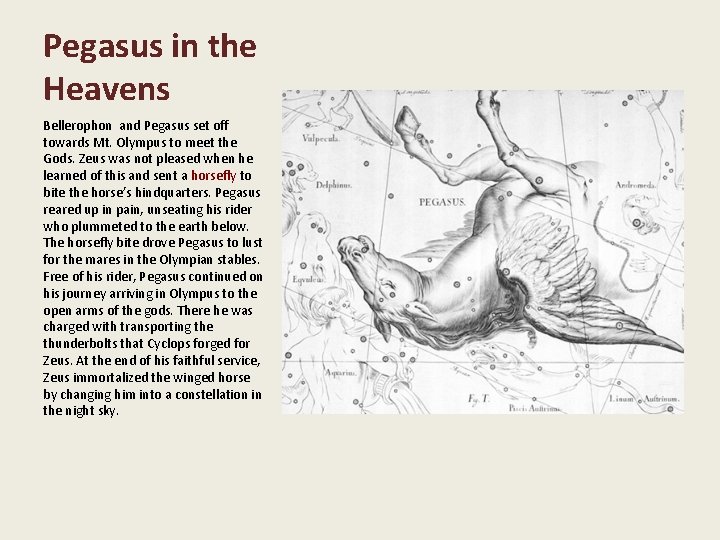
Pegasus in the Heavens Bellerophon and Pegasus set off towards Mt. Olympus to meet the Gods. Zeus was not pleased when he learned of this and sent a horsefly to bite the horse’s hindquarters. Pegasus reared up in pain, unseating his rider who plummeted to the earth below. The horsefly bite drove Pegasus to lust for the mares in the Olympian stables. Free of his rider, Pegasus continued on his journey arriving in Olympus to the open arms of the gods. There he was charged with transporting the thunderbolts that Cyclops forged for Zeus. At the end of his faithful service, Zeus immortalized the winged horse by changing him into a constellation in the night sky.
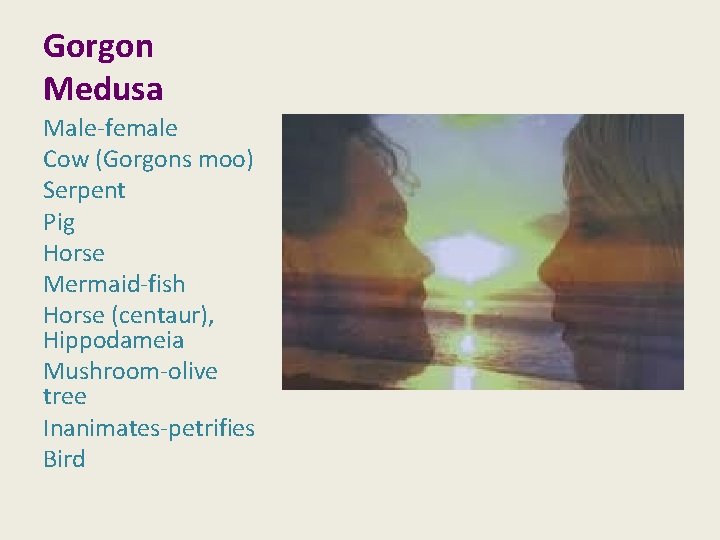
Gorgon Medusa Male-female Cow (Gorgons moo) Serpent Pig Horse Mermaid-fish Horse (centaur), Hippodameia Mushroom-olive tree Inanimates-petrifies Bird