Neonatal and Infantile Cholestasis Yingkit Leung MD FAAP



- Slides: 121
Neonatal and Infantile Cholestasis Ying-kit Leung, MD, FAAP President, Hong Kong Society of Paediatric Gastroenterology, Hepatology and Nutrition, Yantai, Shandong, July 2006
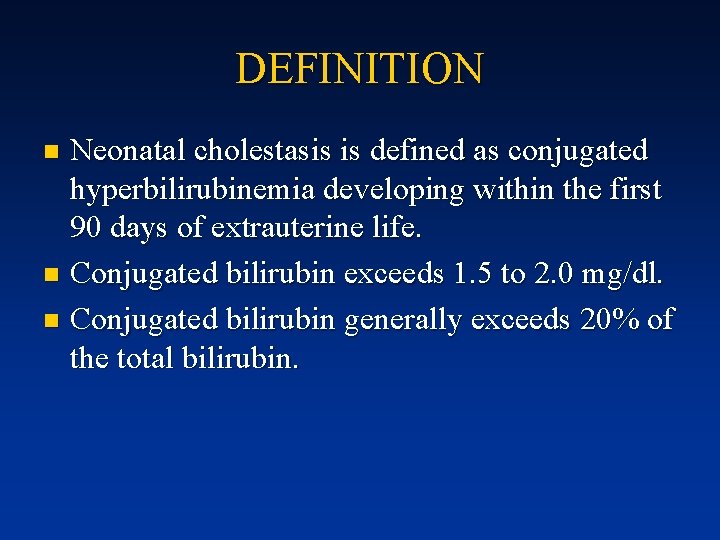
DEFINITION Neonatal cholestasis is defined as conjugated hyperbilirubinemia developing within the first 90 days of extrauterine life. n Conjugated bilirubin exceeds 1. 5 to 2. 0 mg/dl. n Conjugated bilirubin generally exceeds 20% of the total bilirubin. n
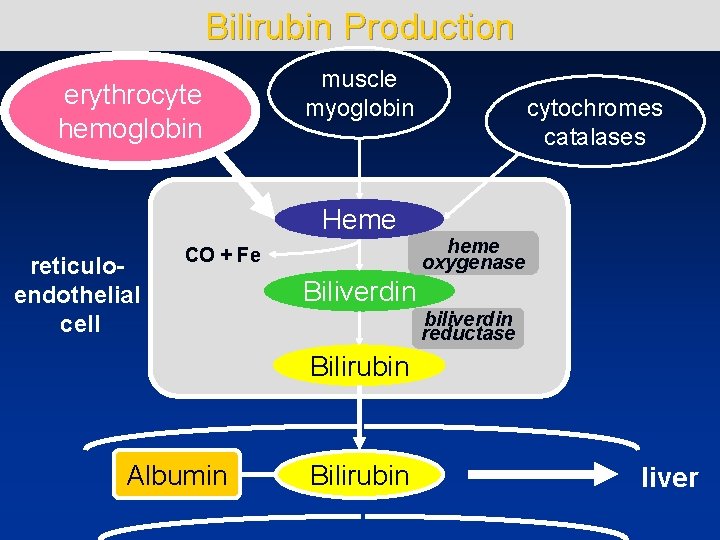
Bilirubin Production erythrocyte hemoglobin muscle myoglobin Heme reticuloendothelial cell CO + Fe cytochromes catalases heme oxygenase Biliverdin biliverdin reductase Bilirubin Albumin Bilirubin liver
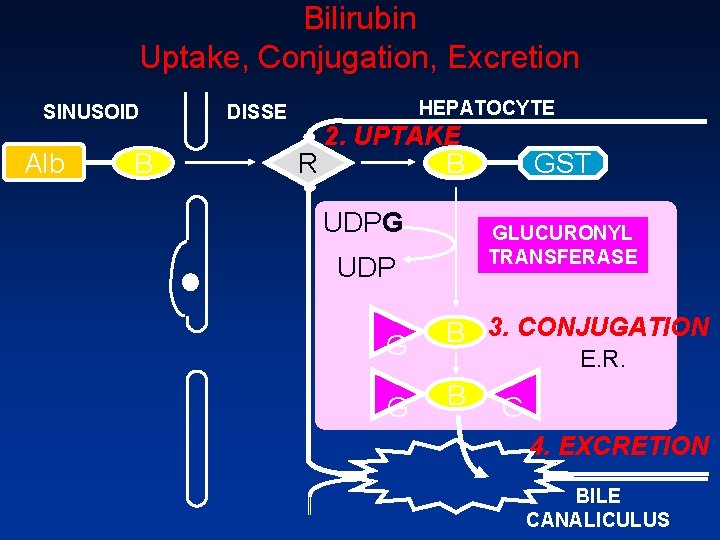
Bilirubin Uptake, Conjugation, Excretion SINUSOID Alb B HEPATOCYTE DISSE R 2. UPTAKE B UDPG GST GLUCURONYL TRANSFERASE UDP G B 3. CONJUGATION G B E. R. G 4. EXCRETION BILE CANALICULUS
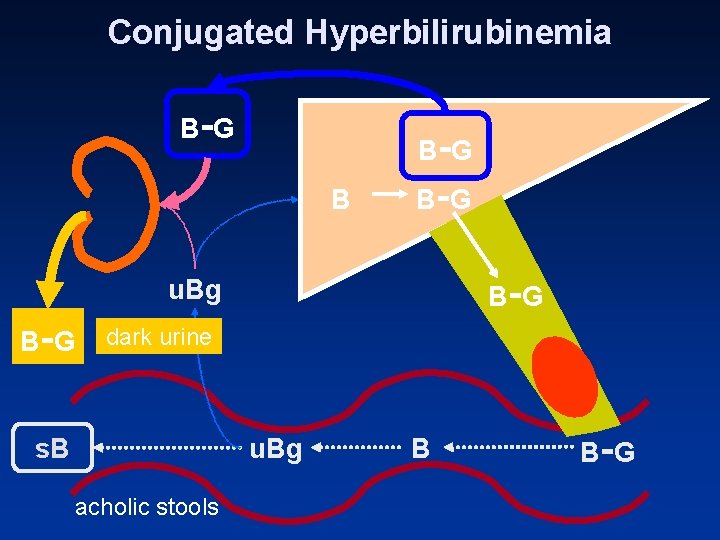
Conjugated Hyperbilirubinemia B -G B- B -G u. Bg B -G dark urine s. B u. Bg acholic stools B B -G
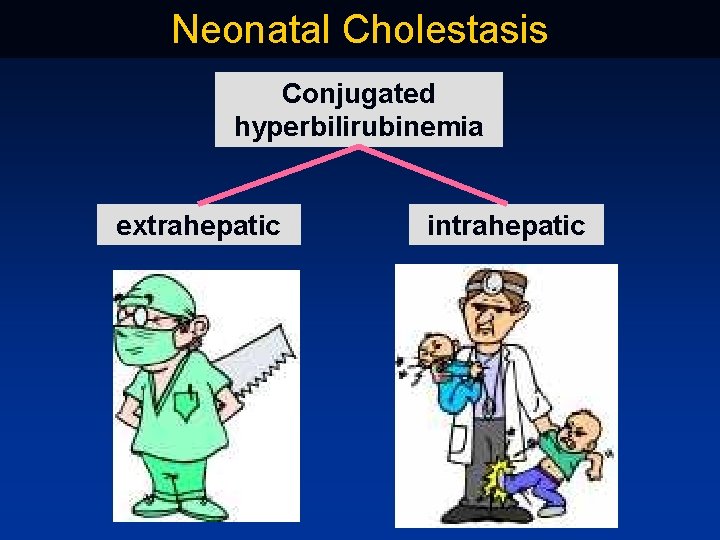
Neonatal Cholestasis Conjugated hyperbilirubinemia extrahepatic intrahepatic
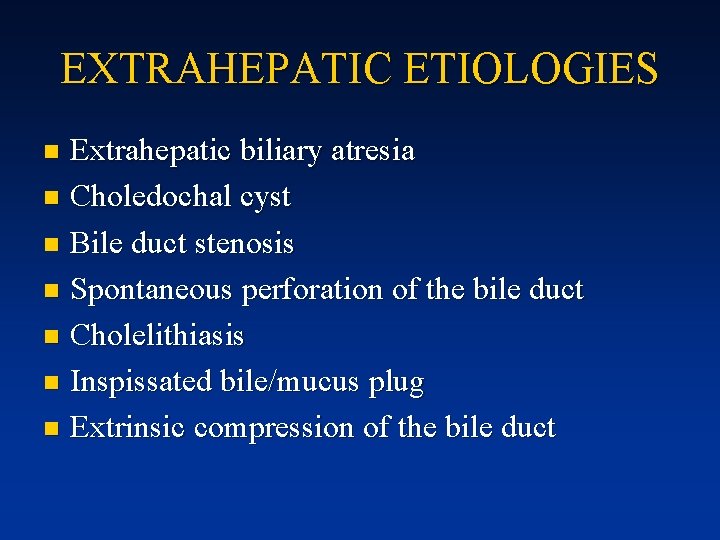
EXTRAHEPATIC ETIOLOGIES Extrahepatic biliary atresia n Choledochal cyst n Bile duct stenosis n Spontaneous perforation of the bile duct n Cholelithiasis n Inspissated bile/mucus plug n Extrinsic compression of the bile duct n
INTRAHEPATIC ETIOLOGIES Idiopathic n Toxic n Genetic/Chromosomal n Infectious n Metabolic n Miscellaneous n
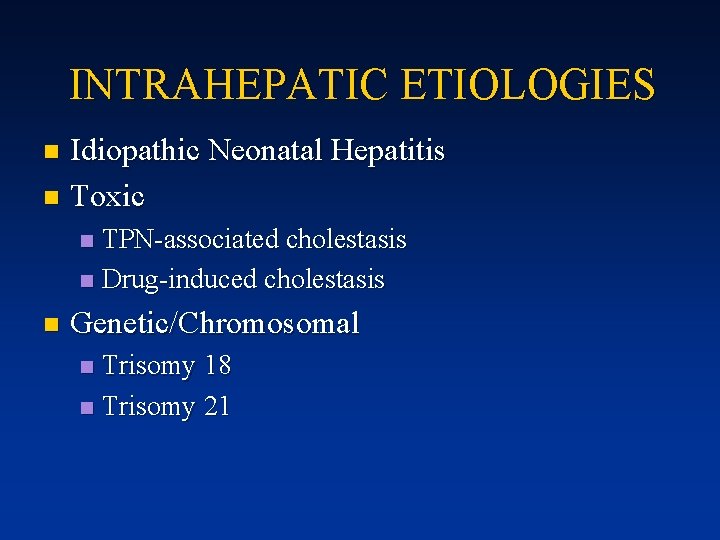
INTRAHEPATIC ETIOLOGIES Idiopathic Neonatal Hepatitis n Toxic n TPN-associated cholestasis n Drug-induced cholestasis n n Genetic/Chromosomal Trisomy 18 n Trisomy 21 n
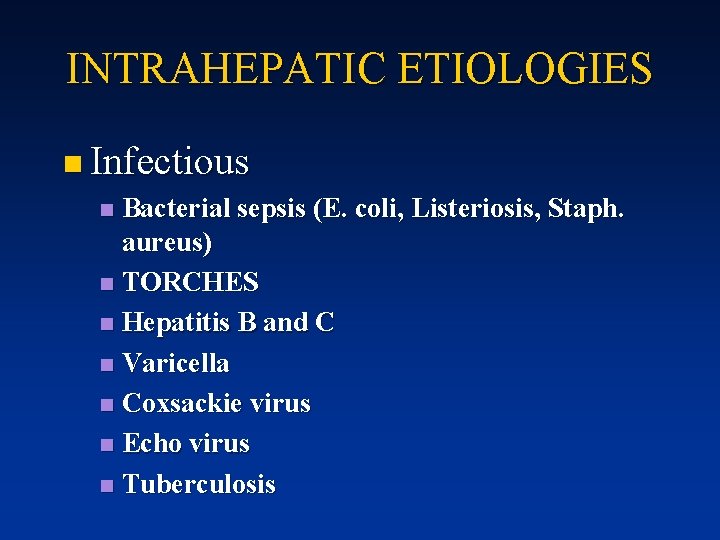
INTRAHEPATIC ETIOLOGIES n Infectious n Bacterial sepsis (E. coli, Listeriosis, Staph. aureus) n TORCHES n Hepatitis B and C n Varicella n Coxsackie virus n Echo virus n Tuberculosis
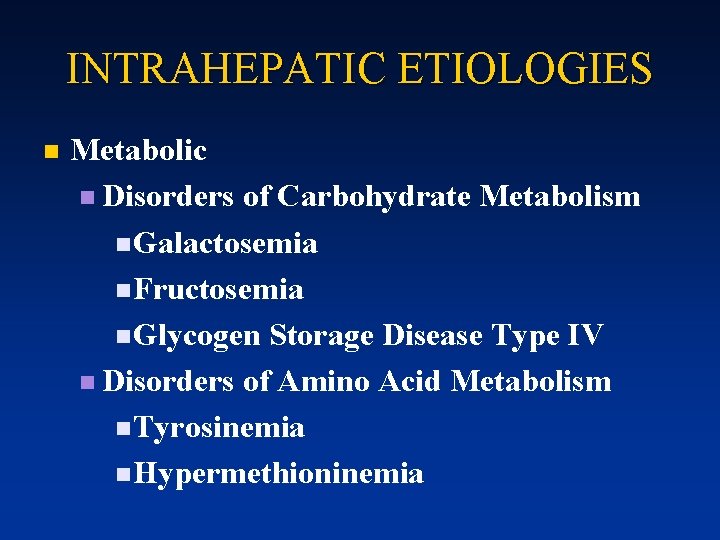
INTRAHEPATIC ETIOLOGIES n Metabolic n Disorders of Carbohydrate Metabolism n Galactosemia n Fructosemia n Glycogen Storage Disease Type IV n Disorders of Amino Acid Metabolism n Tyrosinemia n Hypermethioninemia
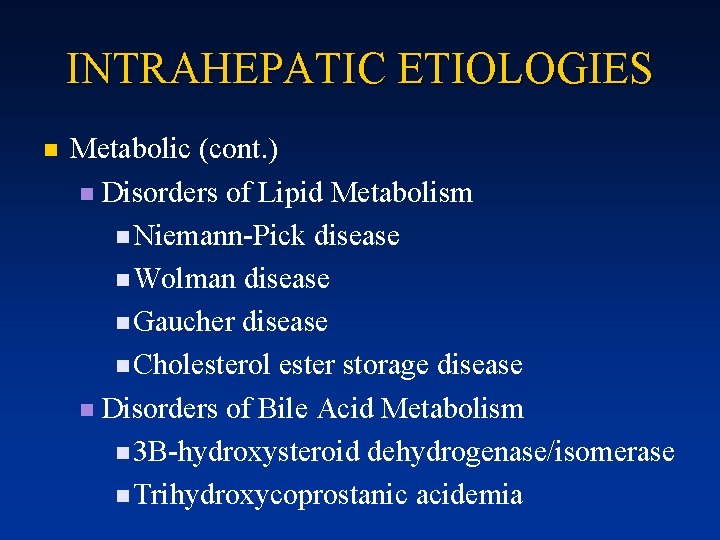
INTRAHEPATIC ETIOLOGIES n Metabolic (cont. ) n Disorders of Lipid Metabolism n Niemann-Pick disease n Wolman disease n Gaucher disease n Cholesterol ester storage disease n Disorders of Bile Acid Metabolism n 3 B-hydroxysteroid dehydrogenase/isomerase n Trihydroxycoprostanic acidemia
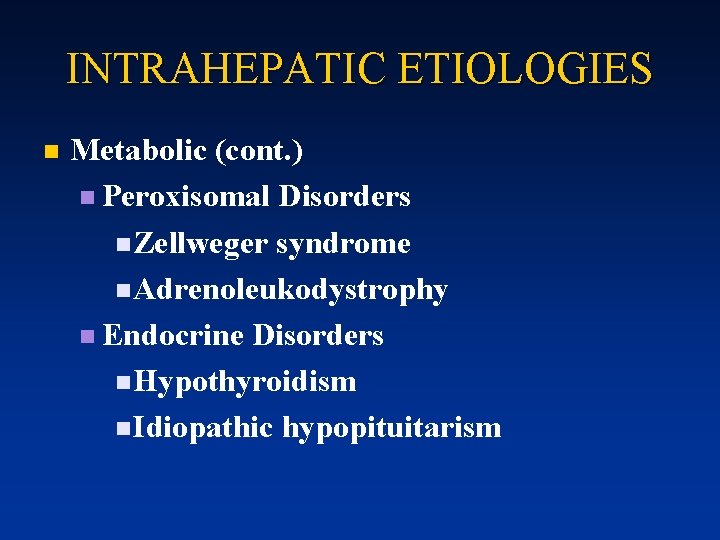
INTRAHEPATIC ETIOLOGIES n Metabolic (cont. ) n Peroxisomal Disorders n Zellweger syndrome n Adrenoleukodystrophy n Endocrine Disorders n Hypothyroidism n Idiopathic hypopituitarism
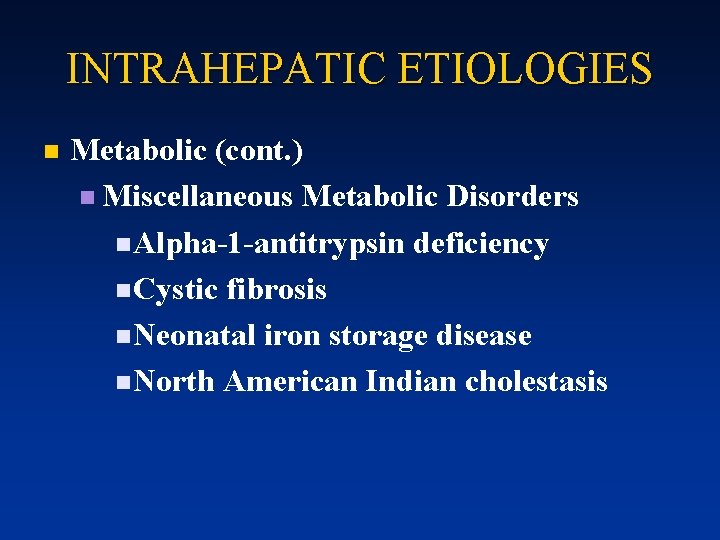
INTRAHEPATIC ETIOLOGIES n Metabolic (cont. ) n Miscellaneous Metabolic Disorders n Alpha-1 -antitrypsin deficiency n Cystic fibrosis n Neonatal iron storage disease n North American Indian cholestasis
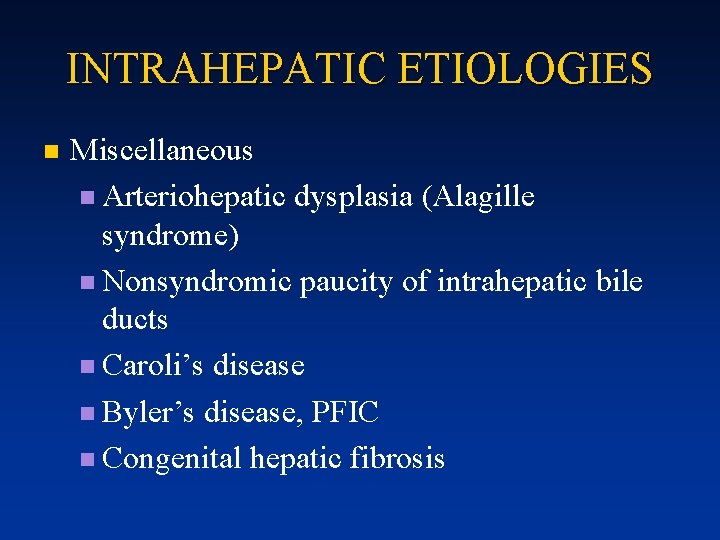
INTRAHEPATIC ETIOLOGIES n Miscellaneous n Arteriohepatic dysplasia (Alagille syndrome) n Nonsyndromic paucity of intrahepatic bile ducts n Caroli’s disease n Byler’s disease, PFIC n Congenital hepatic fibrosis
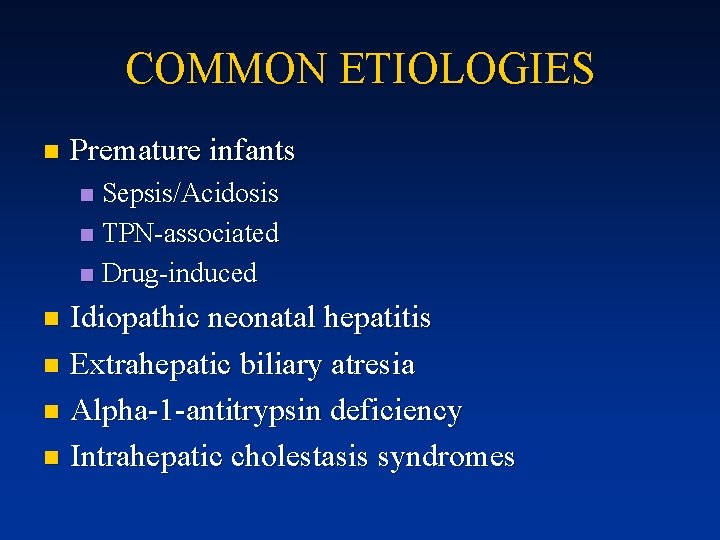
COMMON ETIOLOGIES n Premature infants Sepsis/Acidosis n TPN-associated n Drug-induced n Idiopathic neonatal hepatitis n Extrahepatic biliary atresia n Alpha-1 -antitrypsin deficiency n Intrahepatic cholestasis syndromes n
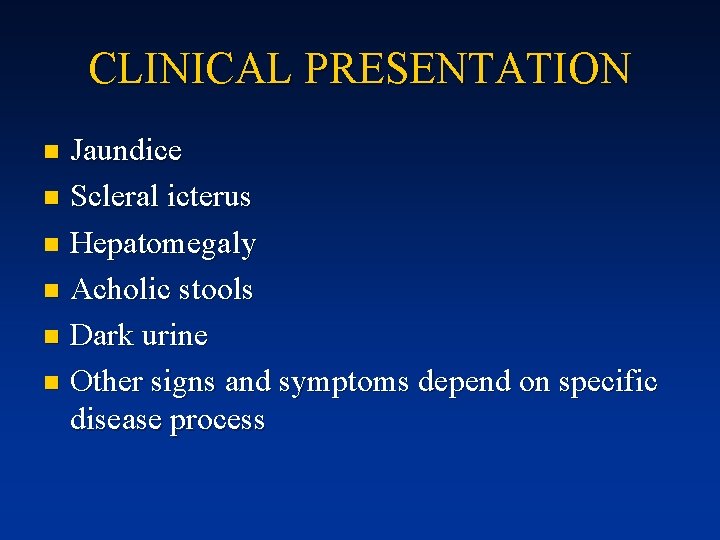
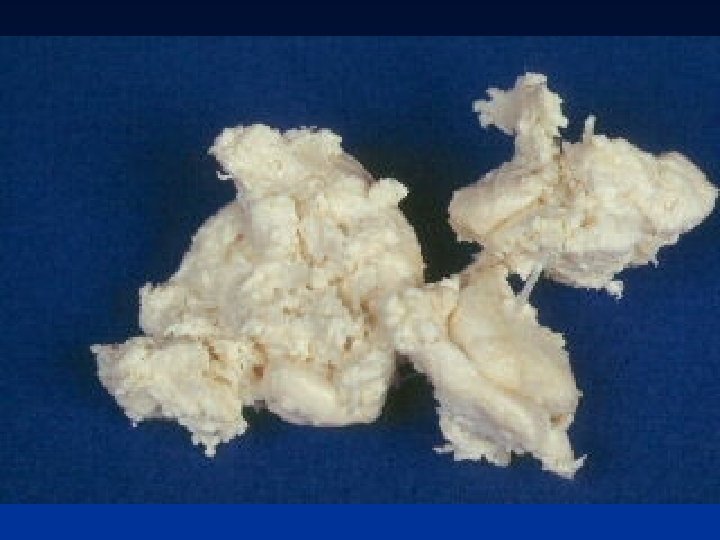
CLINICAL PRESENTATION Jaundice n Scleral icterus n Hepatomegaly n Acholic stools n Dark urine n Other signs and symptoms depend on specific disease process n
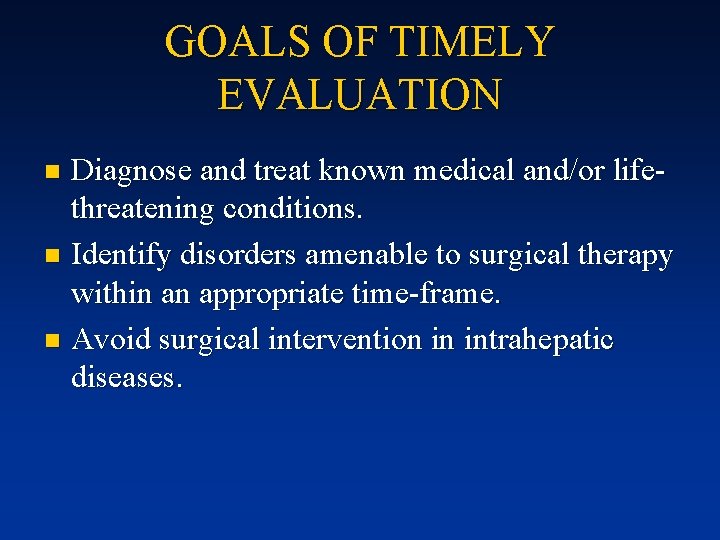
GOALS OF TIMELY EVALUATION Diagnose and treat known medical and/or lifethreatening conditions. n Identify disorders amenable to surgical therapy within an appropriate time-frame. n Avoid surgical intervention in intrahepatic diseases. n
Bu Bc ± Bu
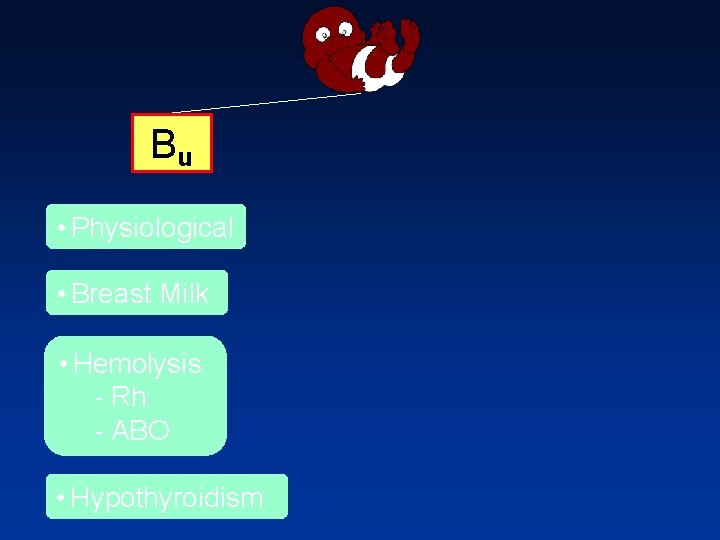
Bu • Physiological • Breast Milk • Hemolysis Rh ABO • Hypothyroidism
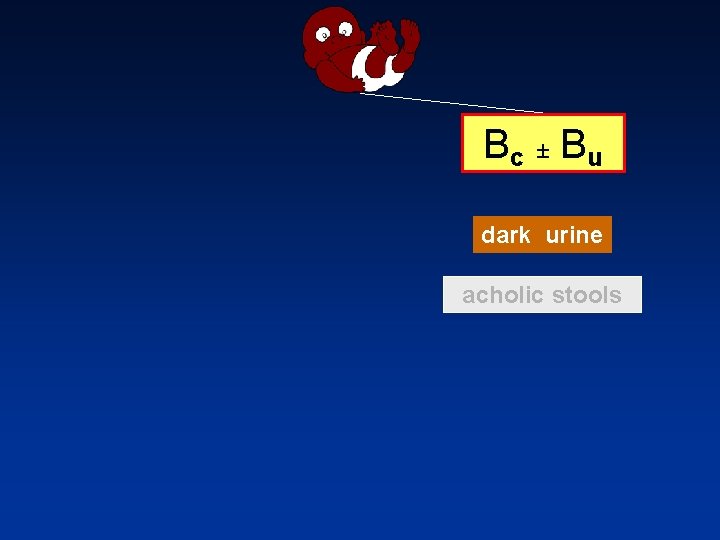
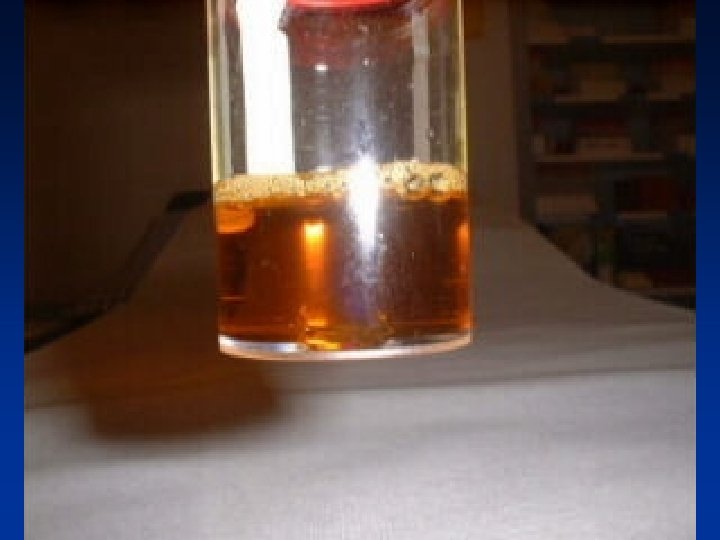
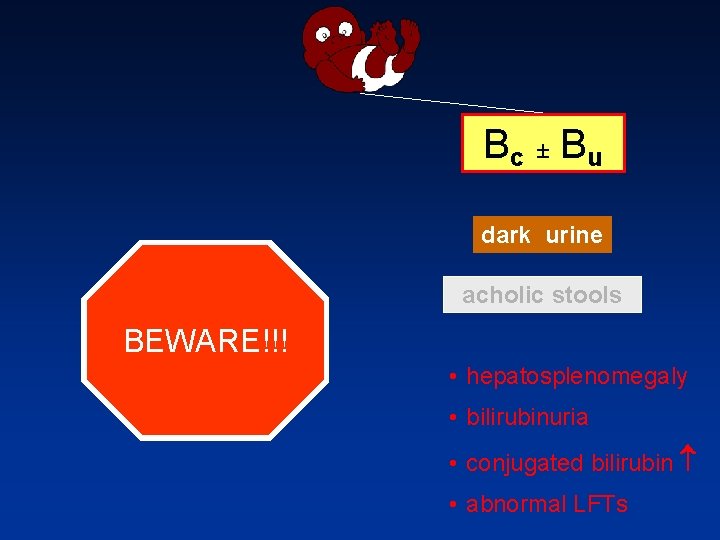
Bc ± Bu dark urine acholic stools
Bc ± Bu dark urine acholic stools BEWARE!!! • hepatosplenomegaly • bilirubinuria • conjugated bilirubin • abnormal LFTs
EVALUATION n Basic evaluation n History and physical examination (includes exam of stool color) n CBC and reticulocyte count n Electrolytes, BUN, creatinine, calcium, phosphate n SGOT, SGPT, GGT, alkaline phosphatase n Total and direct bilirubin n Total protein, albumin, cholesterol, PT/PTT
EVALUATION n Tests for infectious causes Indicated cultures of blood, urine, CSF n TORCH titers, VDRL n Urine for CMV n Hepatitis B and C serology n n Ophthalmologic examination
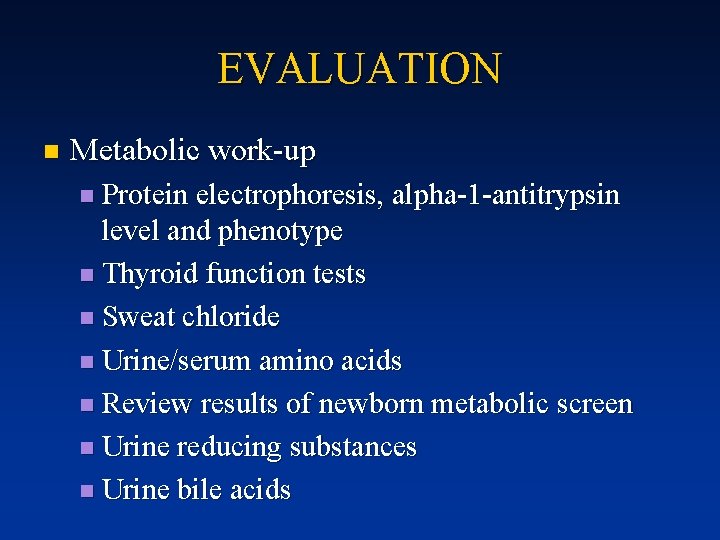
EVALUATION n Metabolic work-up n Protein electrophoresis, alpha-1 -antitrypsin level and phenotype n Thyroid function tests n Sweat chloride n Urine/serum amino acids n Review results of newborn metabolic screen n Urine reducing substances n Urine bile acids
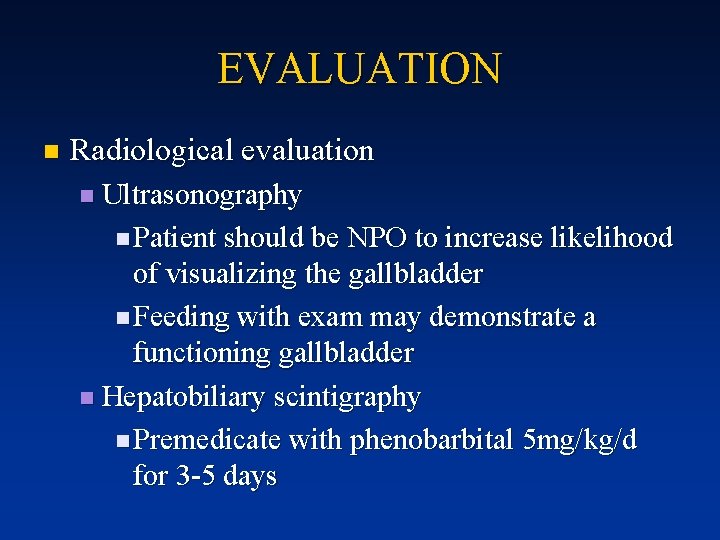
EVALUATION n Radiological evaluation n Ultrasonography n Patient should be NPO to increase likelihood of visualizing the gallbladder n Feeding with exam may demonstrate a functioning gallbladder n Hepatobiliary scintigraphy n Premedicate with phenobarbital 5 mg/kg/d for 3 -5 days
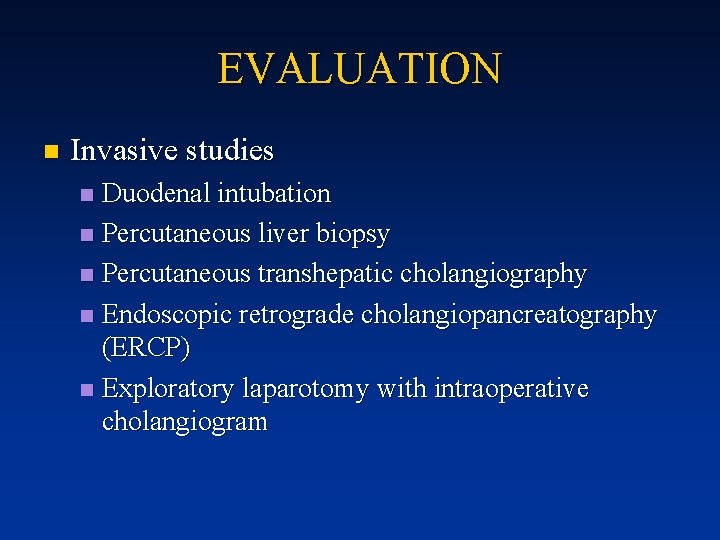
EVALUATION n Invasive studies Duodenal intubation n Percutaneous liver biopsy n Percutaneous transhepatic cholangiography n Endoscopic retrograde cholangiopancreatography (ERCP) n Exploratory laparotomy with intraoperative cholangiogram n
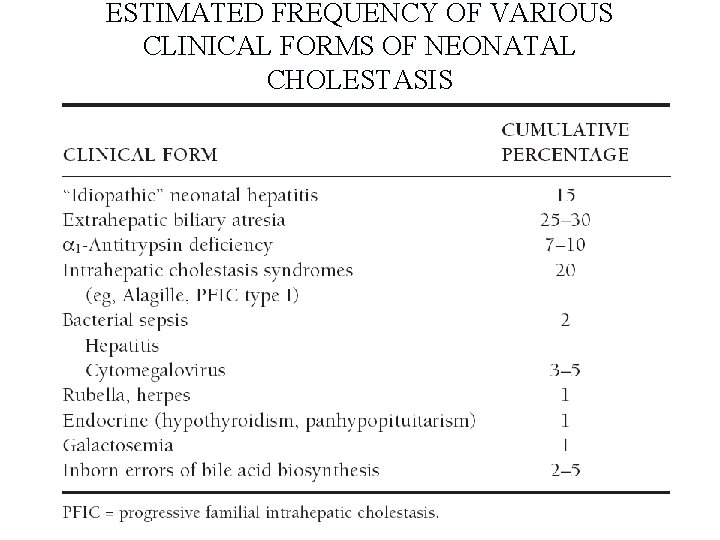
ESTIMATED FREQUENCY OF VARIOUS CLINICAL FORMS OF NEONATAL CHOLESTASIS
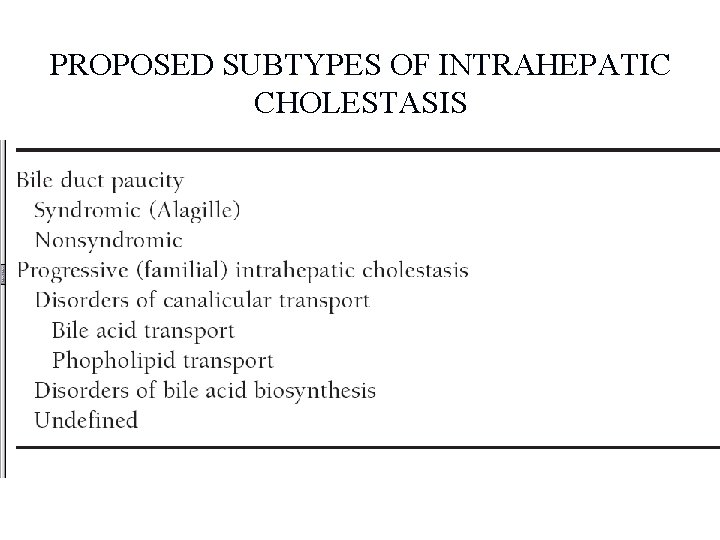
PROPOSED SUBTYPES OF INTRAHEPATIC CHOLESTASIS
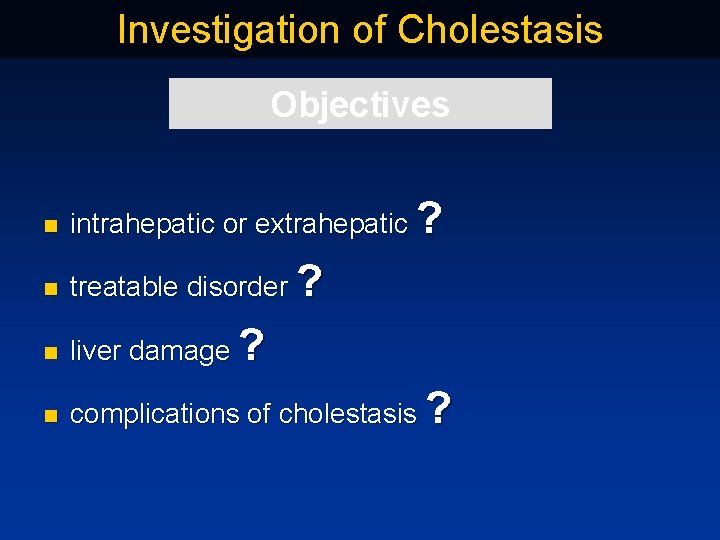
Investigation of Cholestasis Objectives n intrahepatic or extrahepatic ? n treatable disorder ? n liver damage ? n complications of cholestasis ?
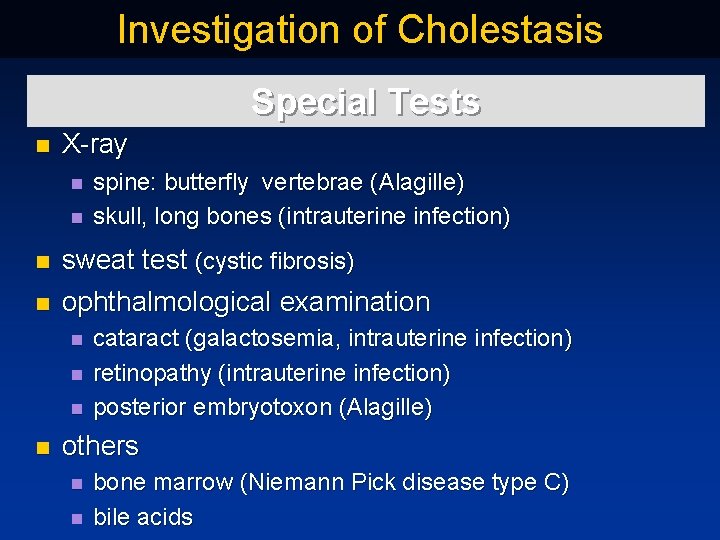
Investigation of Cholestasis Special Tests n X ray n n sweat test (cystic fibrosis) ophthalmological examination n n spine: butterfly vertebrae (Alagille) skull, long bones (intrauterine infection) cataract (galactosemia, intrauterine infection) retinopathy (intrauterine infection) posterior embryotoxon (Alagille) others n n bone marrow (Niemann Pick disease type C) bile acids
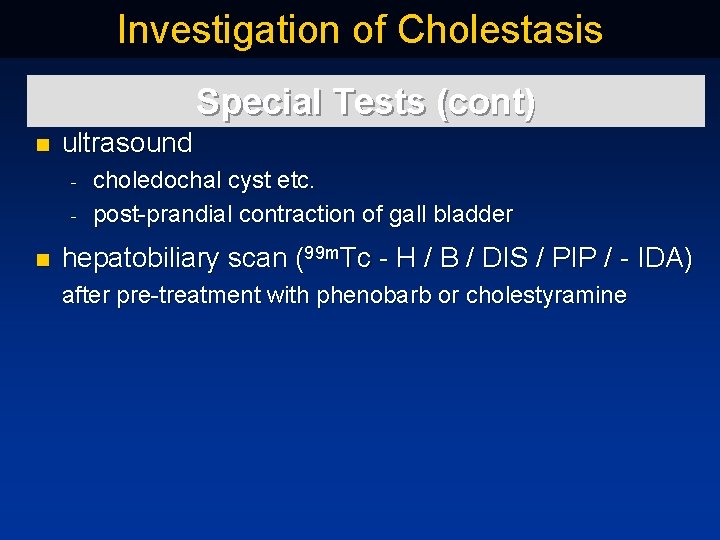
Investigation of Cholestasis Special Tests (cont) n ultrasound n choledochal cyst etc. post prandial contraction of gall bladder hepatobiliary scan (99 m. Tc H / B / DIS / PIP / IDA) after pre treatment with phenobarb or cholestyramine
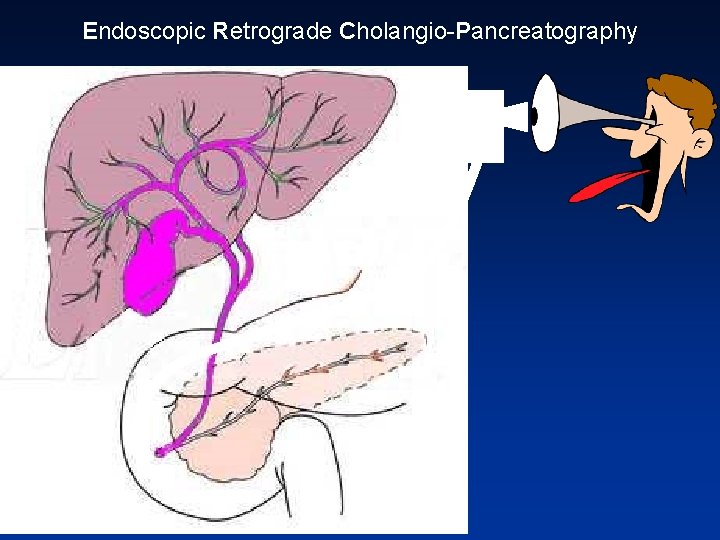
Investigation of Cholestasis Special Tests (cont) n ultrasound n choledochal cyst etc. post prandial contraction of gall bladder hepatobiliary scan (99 m. Tc H / B / DIS / PIP / IDA) after pre treatment with phenobarb or cholestyramine n ERCP (endoscopic retrograde cholangiopancreatography)
Endoscopic Retrograde Cholangio Pancreatography
Investigation of Cholestasis Special Tests (cont) n liver histology (needle biopsy) biliary atresia: portal ductal proliferation neonatal hepatitis: giant cells specific disorder e. g a 1 antitrypsin
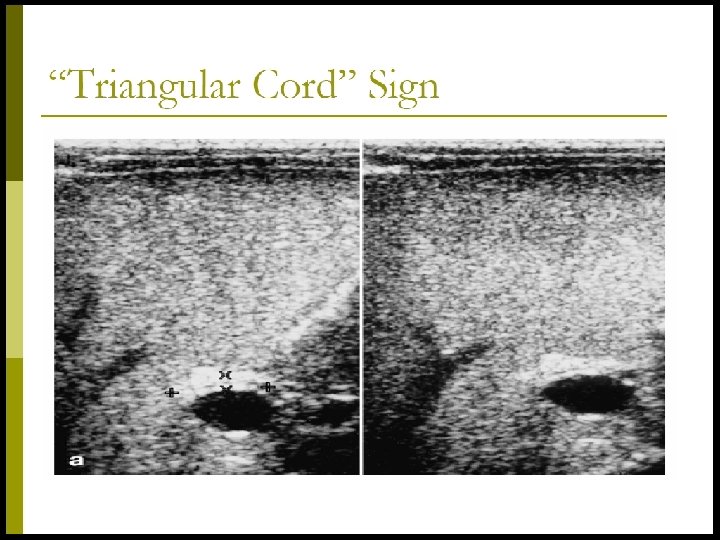
Biliary Atresia n Definition - Progressive scarring of bile ducts outside and inside of the liver that leads to complete blockage of bile flow in the first three months of life. n Bile is the yellow fluid made in the liver that helps digest food (fat) in the intestine
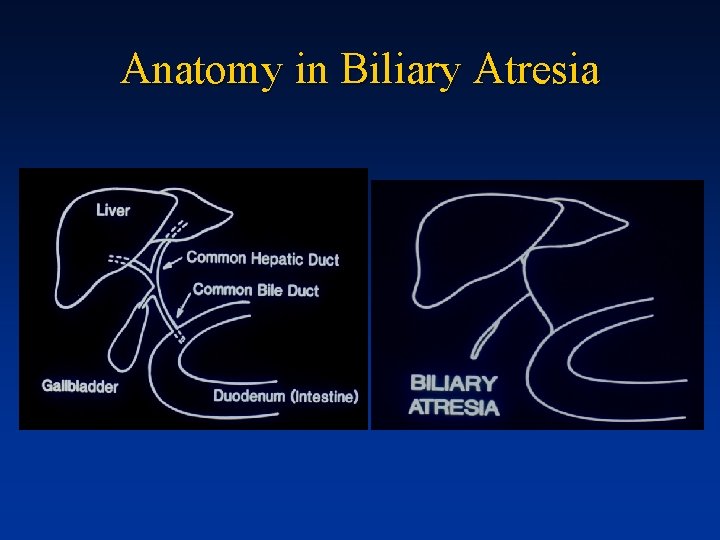
Anatomy in Biliary Atresia
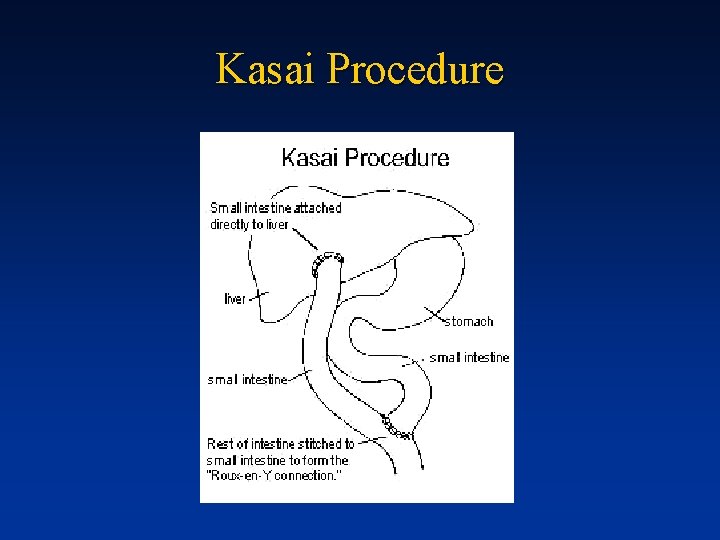
Kasai Procedure
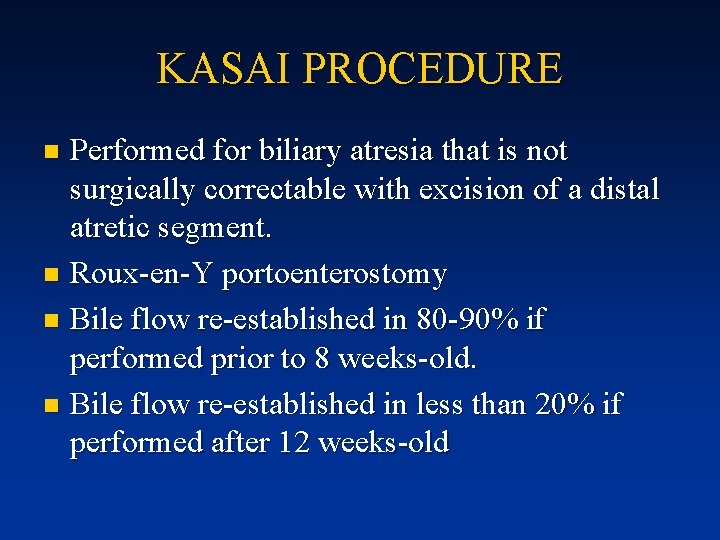
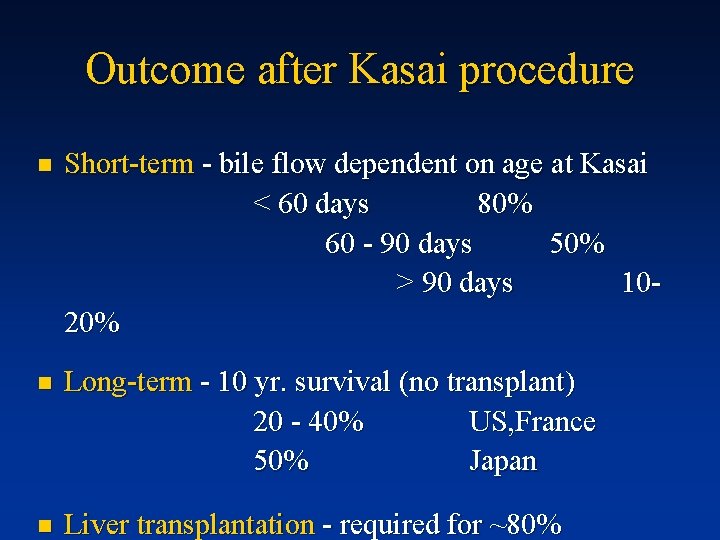
KASAI PROCEDURE Performed for biliary atresia that is not surgically correctable with excision of a distal atretic segment. n Roux-en-Y portoenterostomy n Bile flow re-established in 80 -90% if performed prior to 8 weeks-old. n Bile flow re-established in less than 20% if performed after 12 weeks-old n
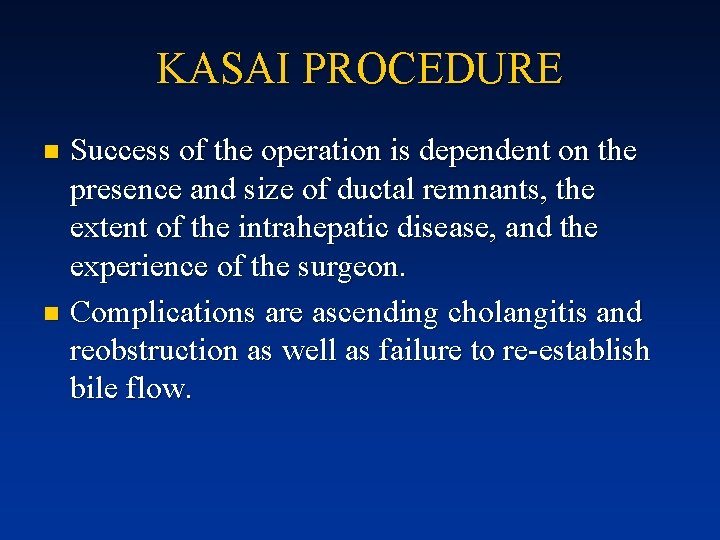
KASAI PROCEDURE Success of the operation is dependent on the presence and size of ductal remnants, the extent of the intrahepatic disease, and the experience of the surgeon. n Complications are ascending cholangitis and reobstruction as well as failure to re-establish bile flow. n
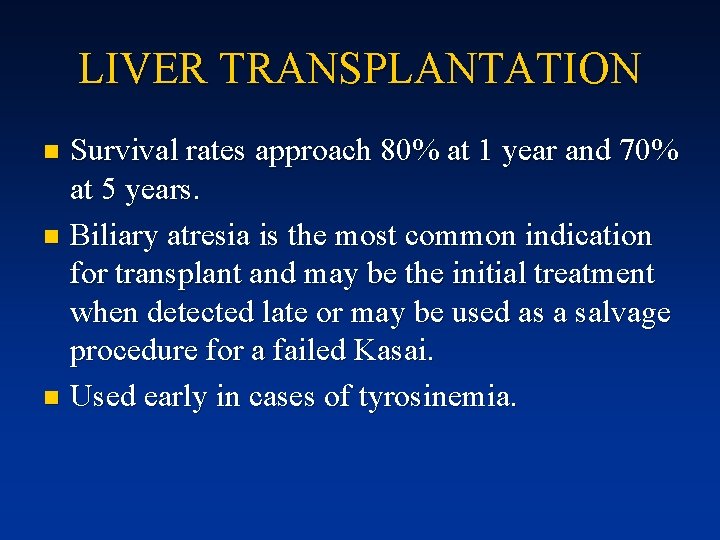
LIVER TRANSPLANTATION Survival rates approach 80% at 1 year and 70% at 5 years. n Biliary atresia is the most common indication for transplant and may be the initial treatment when detected late or may be used as a salvage procedure for a failed Kasai. n Used early in cases of tyrosinemia. n
Outcome after Kasai procedure n Short-term - bile flow dependent on age at Kasai < 60 days 80% 60 - 90 days 50% > 90 days 1020% n Long-term - 10 yr. survival (no transplant) 20 - 40% US, France 50% Japan n Liver transplantation - required for ~80%
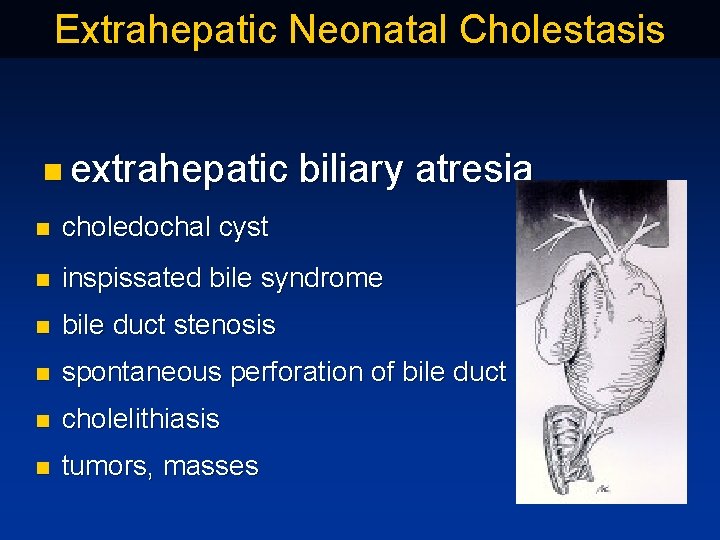
Extrahepatic Neonatal Cholestasis n extrahepatic biliary atresia n choledochal cyst n inspissated bile syndrome n bile duct stenosis n spontaneous perforation of bile duct n cholelithiasis n tumors, masses
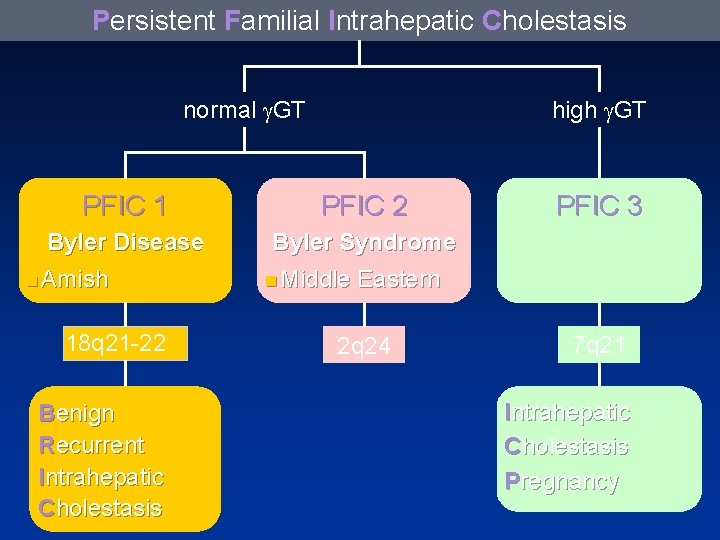
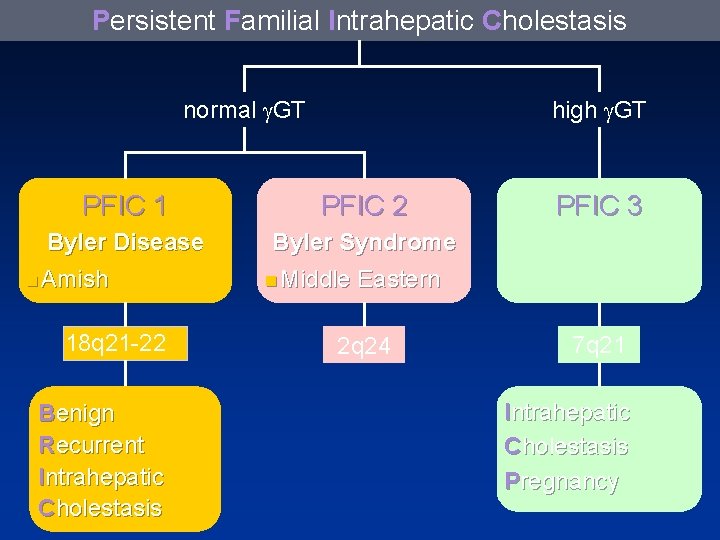
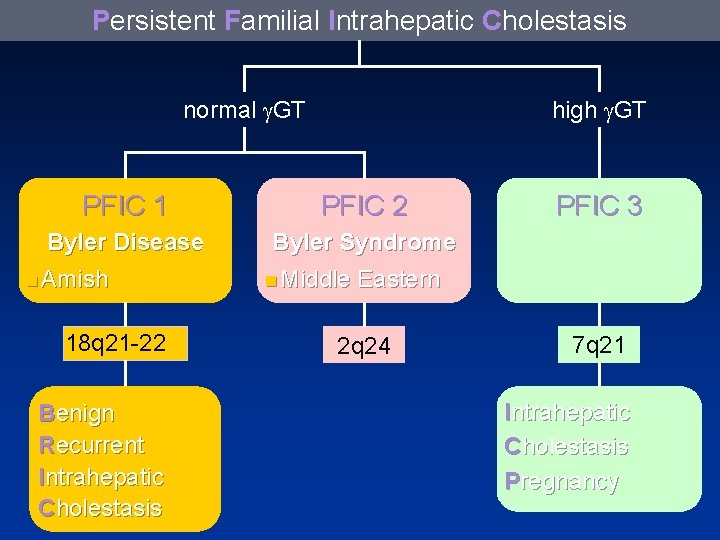
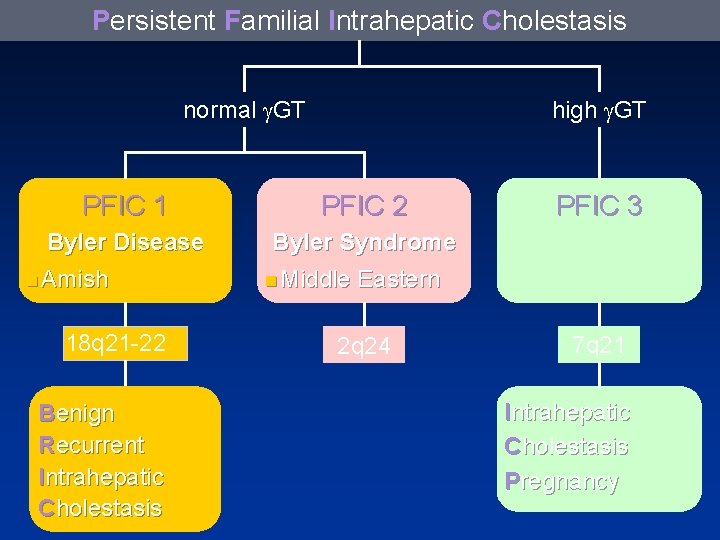
Persistent Familial Intrahepatic Cholestasis normal g. GT PFIC 1 high g. GT PFIC 2 Byler Disease n Amish Byler Syndrome n Middle Eastern 18 q 21 22 2 q 24 Benign Recurrent Intrahepatic Cholestasis PFIC 3 7 q 21 Intrahepatic Cholestasis Pregnancy
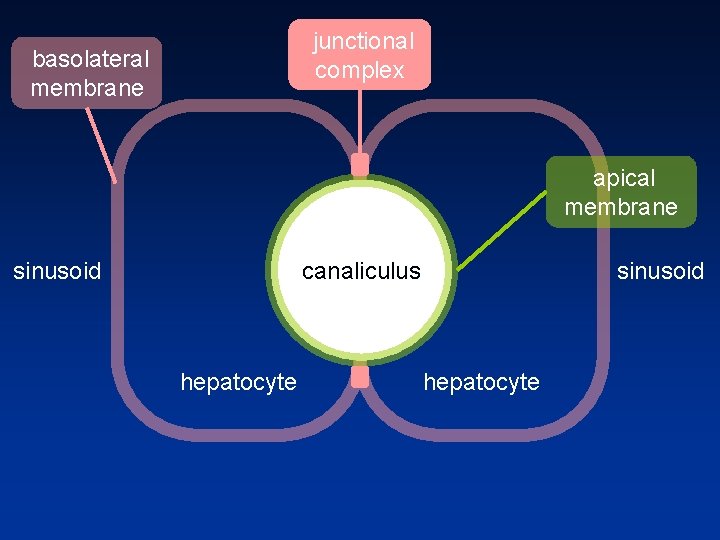
junctional complex basolateral membrane apical membrane sinusoid canaliculus hepatocyte sinusoid hepatocyte
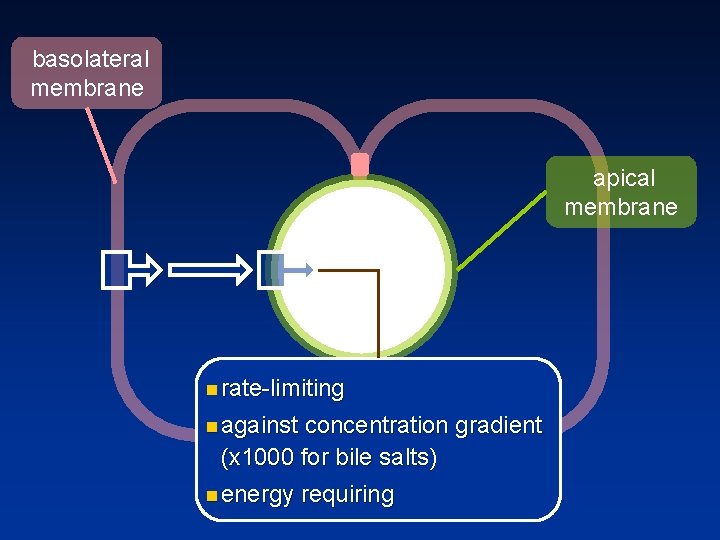
basolateral membrane apical membrane n rate limiting n against concentration gradient (x 1000 for bile salts) n energy requiring
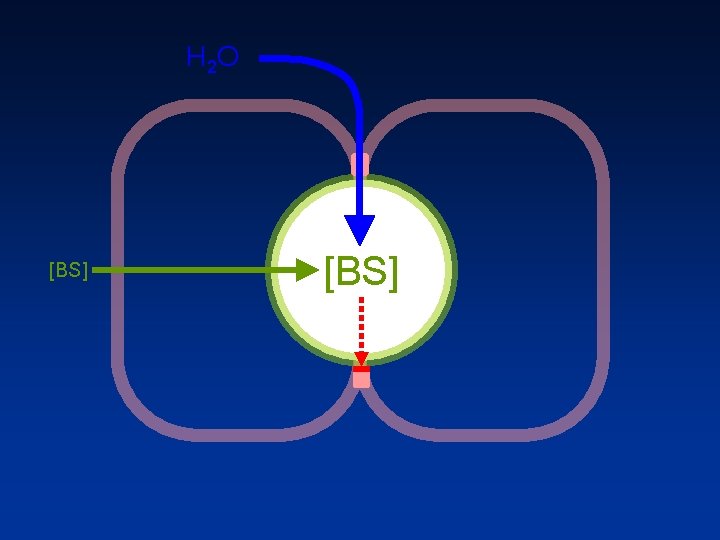
H 2 O [BS]
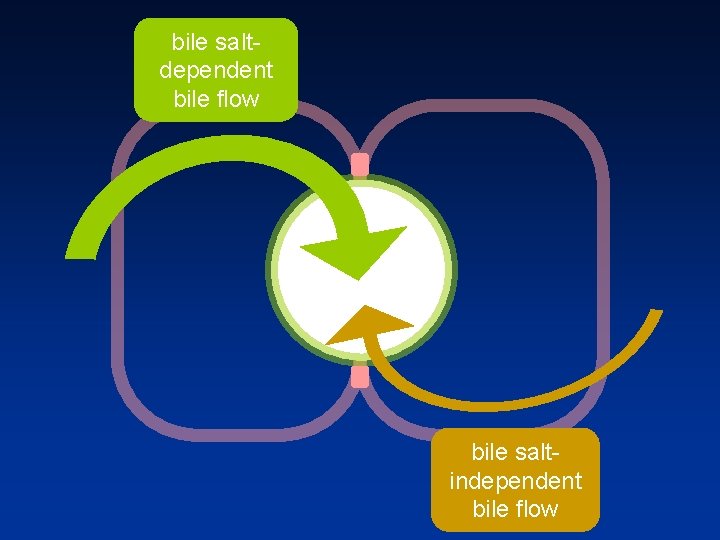
bile salt dependent bile flow bile salt independent bile flow
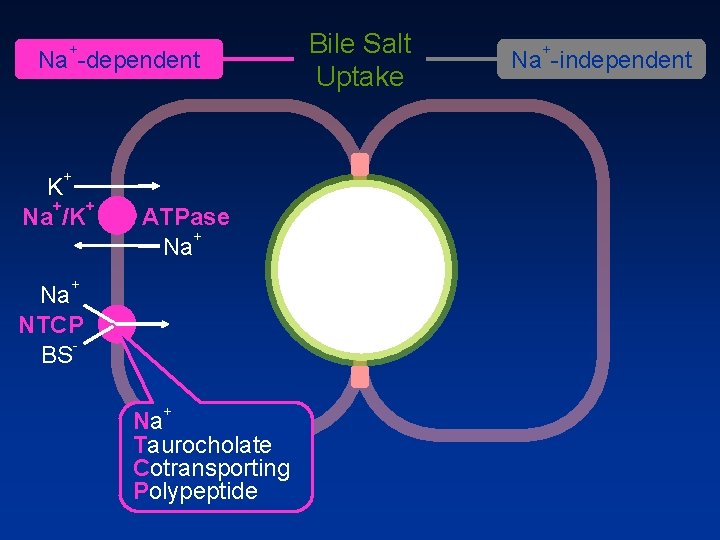
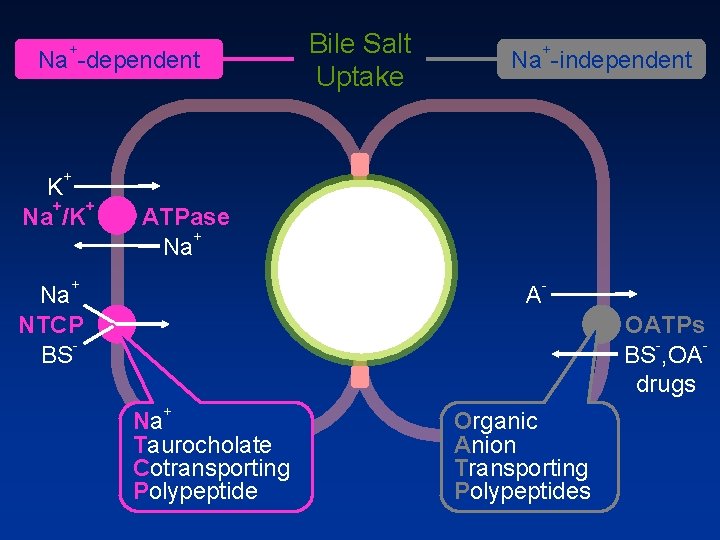
+ Na dependent + K + + Na /K ATPase + Na NTCP BS + Na Taurocholate Cotransporting Polypeptide Bile Salt Uptake + Na independent
+ Na dependent Bile Salt Uptake + Na independent + K + + Na /K ATPase + Na NTCP BS A OATPs BS , OA drugs + Na Taurocholate Cotransporting Polypeptide Organic Anion Transporting Polypeptides
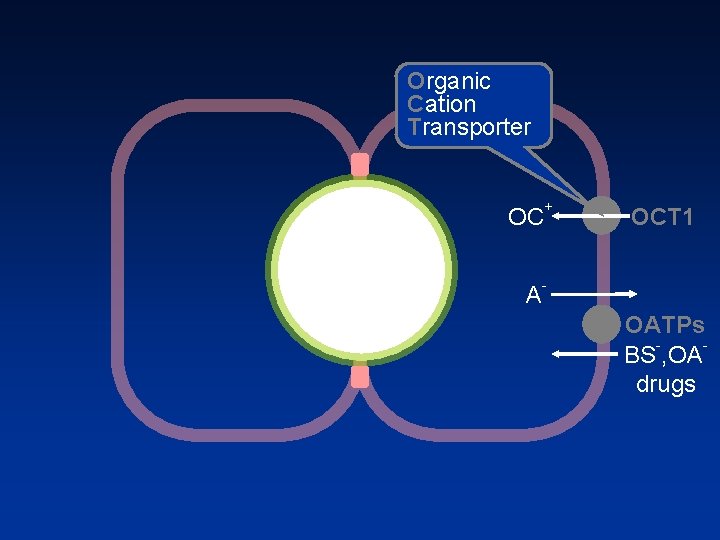
Organic Cation Transporter OC A + OCT 1 OATPs BS , OA drugs
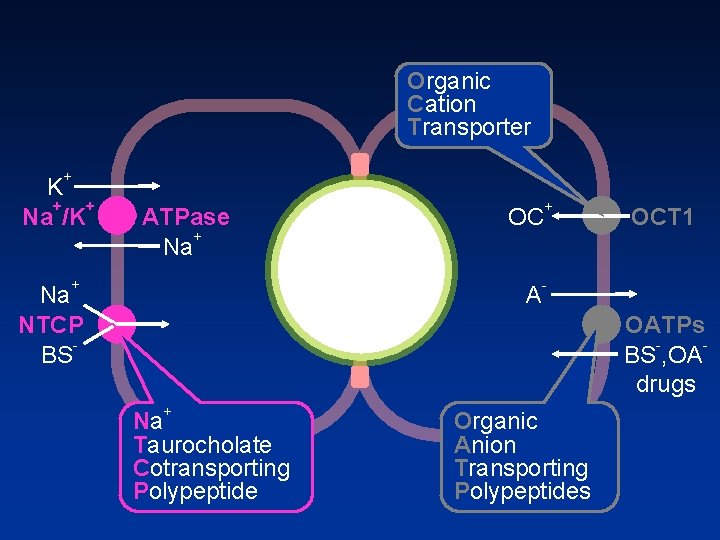
Organic Cation Transporter + K + + Na /K ATPase + Na NTCP BS OC A + OCT 1 OATPs BS , OA drugs + Na Taurocholate Cotransporting Polypeptide Organic Anion Transporting Polypeptides
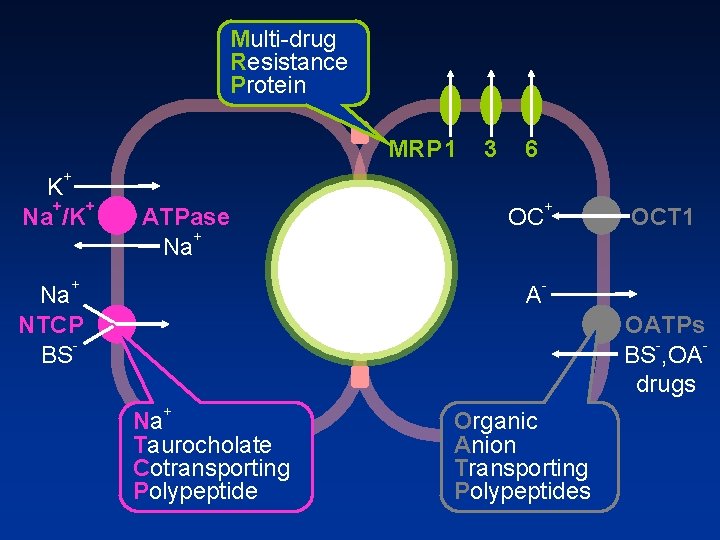
Multi drug Resistance Protein MRP 1 3 6 + K + + Na /K ATPase + Na NTCP BS OC A + OCT 1 OATPs BS , OA drugs + Na Taurocholate Cotransporting Polypeptide Organic Anion Transporting Polypeptides
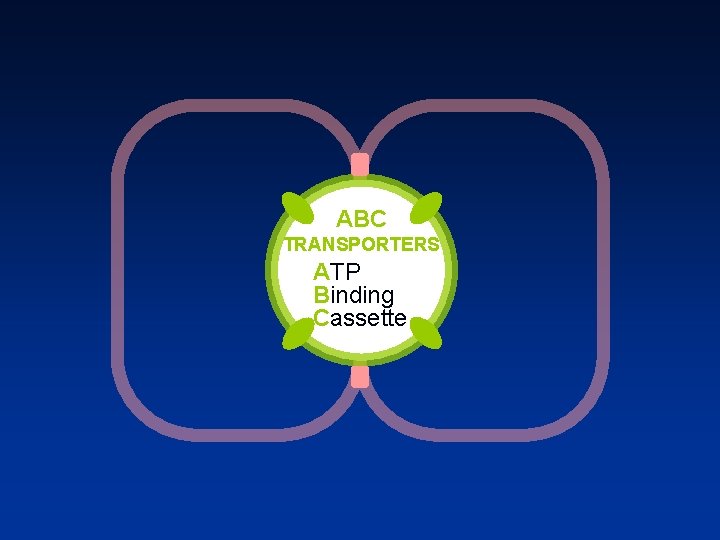
ABC TRANSPORTERS ATP Binding Cassette
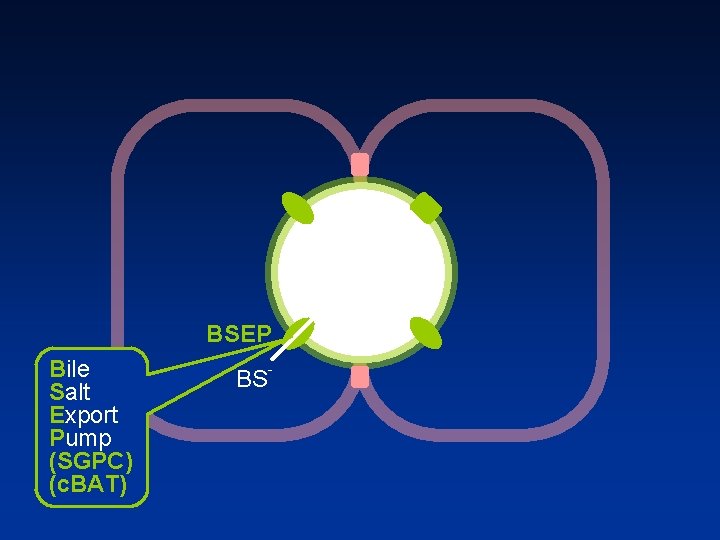
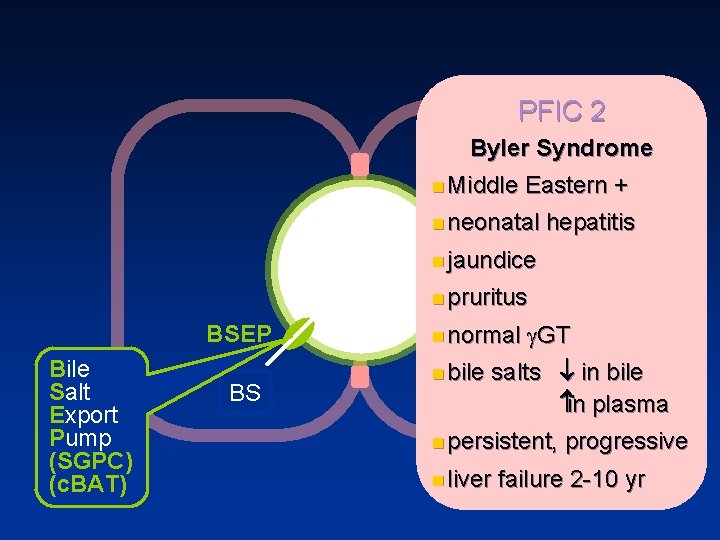
BSEP Bile Salt Export Pump (SGPC) (c. BAT) BS
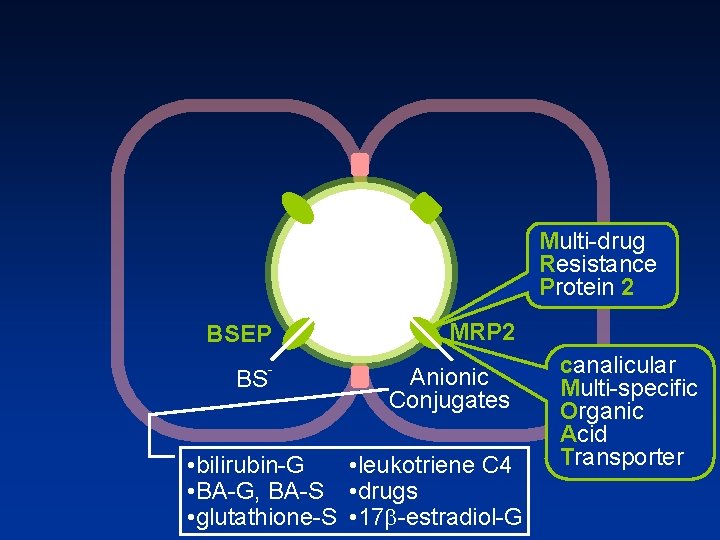
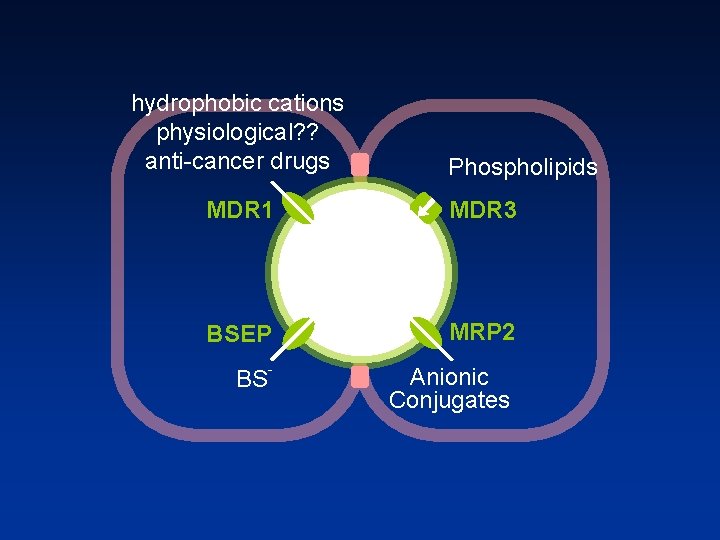
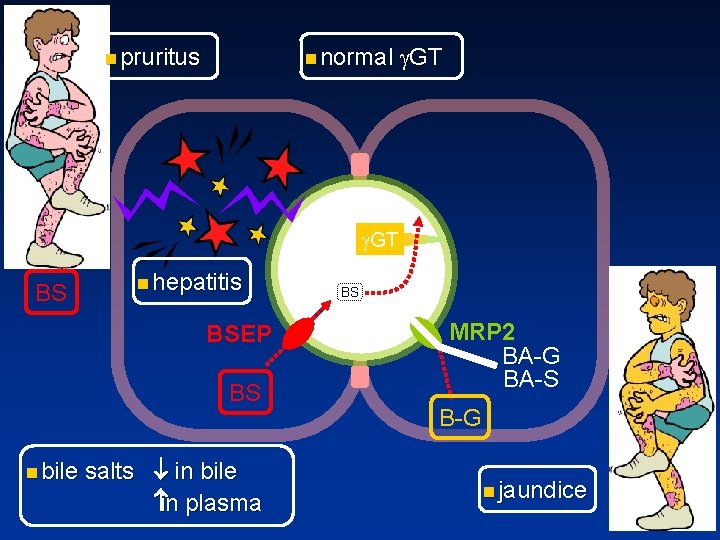
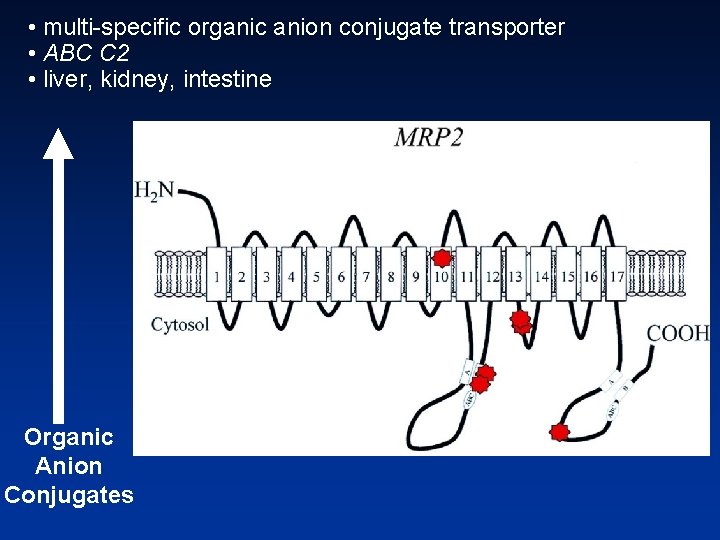
Multi drug Resistance Protein 2 BSEP BS MRP 2 Anionic Conjugates • leukotriene C 4 • bilirubin G • BA G, BA S • drugs • glutathione S • 17 b estradiol G canalicular Multi specific Organic Acid Transporter
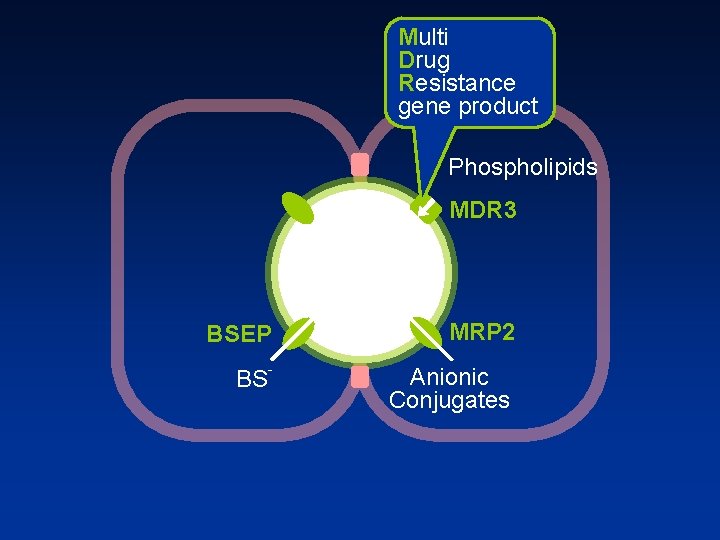
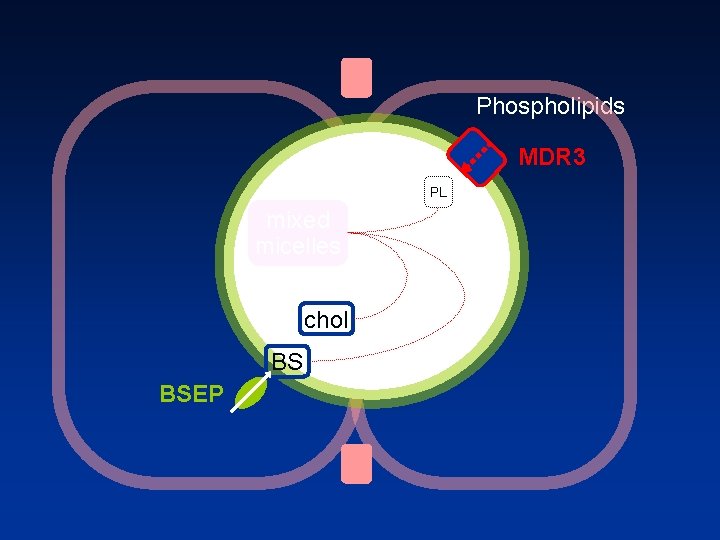
Multi Drug Resistance gene product Phospholipids MDR 3 BSEP BS MRP 2 Anionic Conjugates
hydrophobic cations physiological? ? anti cancer drugs Phospholipids MDR 1 MDR 3 BSEP MRP 2 BS Anionic Conjugates
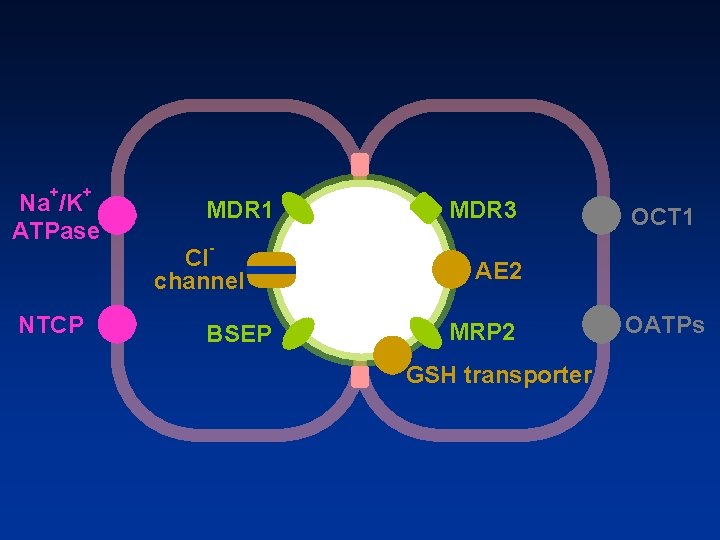
+ + Na /K ATPase NTCP MDR 1 MDR 3 OCT 1 - Cl channel BSEP AE 2 MRP 2 GSH transporter OATPs
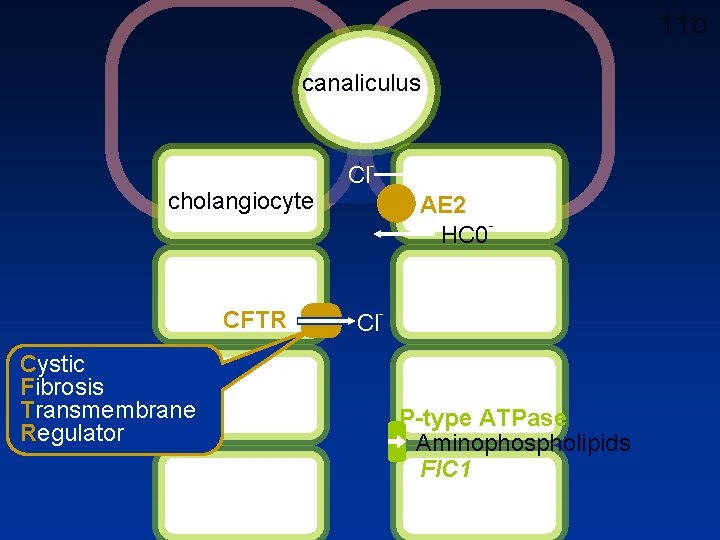
11 b canaliculus cholangiocyte CFTR Cystic Fibrosis Transmembrane Regulator Cl AE 2 HC 0 Cl P-type ATPase Aminophospholipids FIC 1
Persistent Familial Intrahepatic Cholestasis normal g. GT PFIC 1 high g. GT PFIC 2 Byler Disease n Amish Byler Syndrome n Middle Eastern 18 q 21 22 2 q 24 Benign Recurrent Intrahepatic Cholestasis PFIC 3 7 q 21 Intrahepatic Cholestasis Pregnancy
PFIC 2 Byler Syndrome n Middle Eastern + n neonatal hepatitis n jaundice n pruritus BSEP Bile Salt Export Pump (SGPC) (c. BAT) BS n normal n bile g. GT salts ¯ in bile in plasma n persistent, n liver progressive failure 2 10 yr
n pruritus n normal g. GT BS n hepatitis BSEP BS n bile salts ¯ in bile in plasma BS MRP 2 BA G BA S B G n jaundice
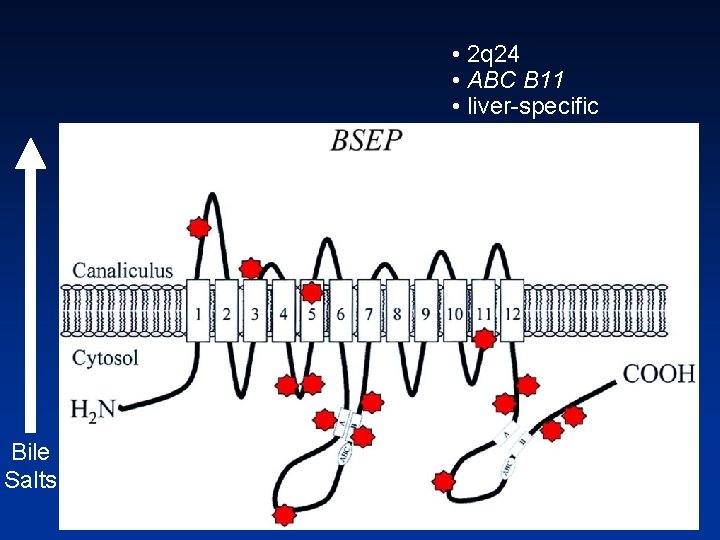
• 2 q 24 • ABC B 11 • liver specific Bile Salts
Persistent Familial Intrahepatic Cholestasis normal g. GT PFIC 1 high g. GT PFIC 2 Byler Disease n Amish Byler Syndrome n Middle Eastern 18 q 21 22 2 q 24 Benign Recurrent Intrahepatic Cholestasis PFIC 3 7 q 21 Intrahepatic Cholestasis Pregnancy
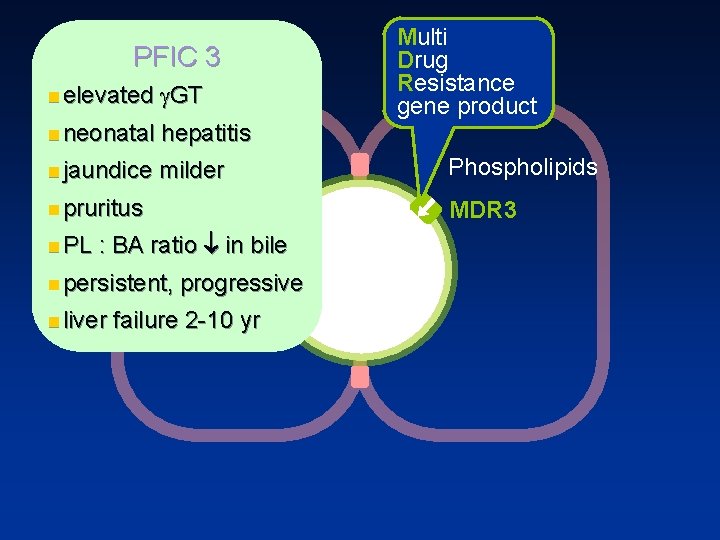
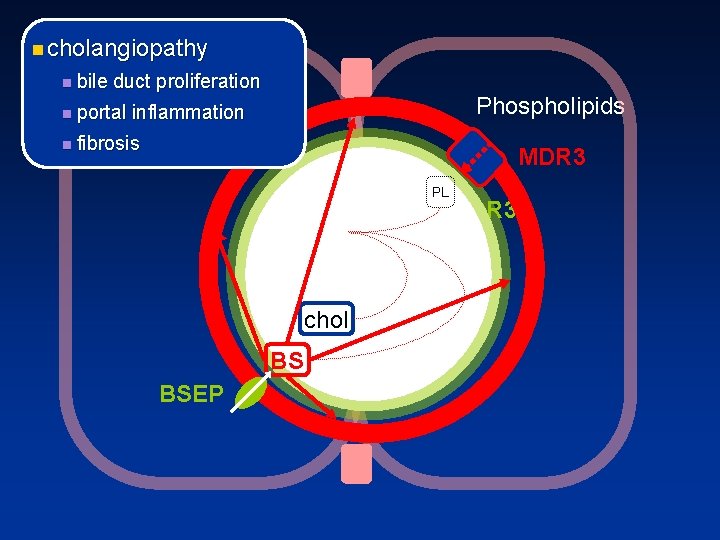
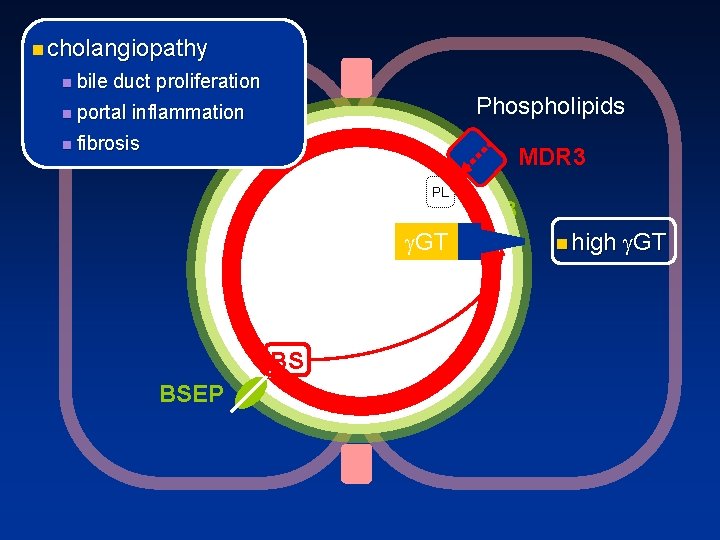
PFIC 3 n elevated g. GT n neonatal hepatitis n jaundice milder n pruritus n PL n liver Phospholipids MDR 3 : BA ratio ¯ in bile n persistent, Multi Drug Resistance gene product progressive failure 2 10 yr
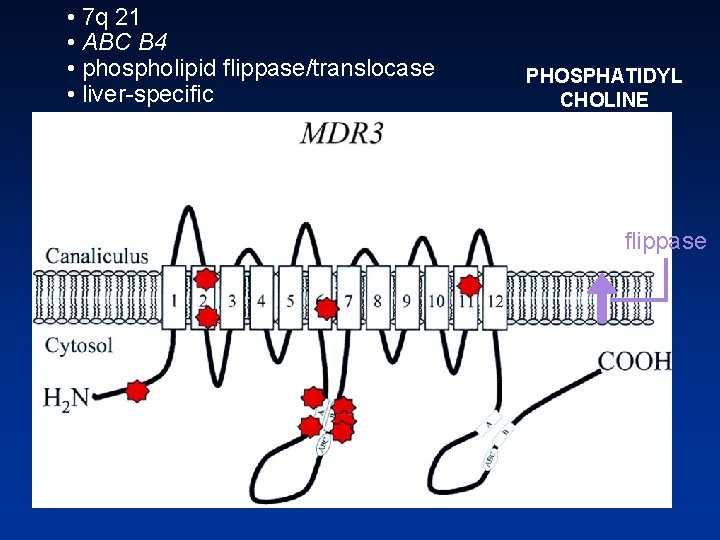
• 7 q 21 • ABC B 4 • phospholipid flippase/translocase • liver specific PHOSPHATIDYL CHOLINE flippase
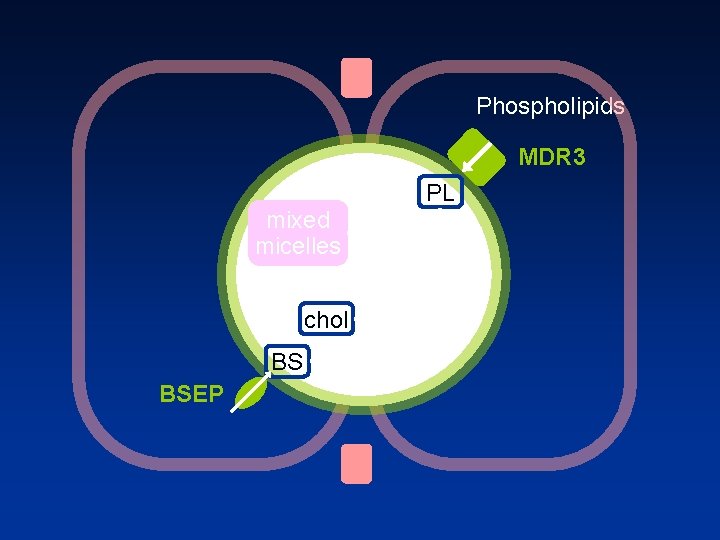
Phospholipids MDR 3 PL mixed micelles chol BS BSEP
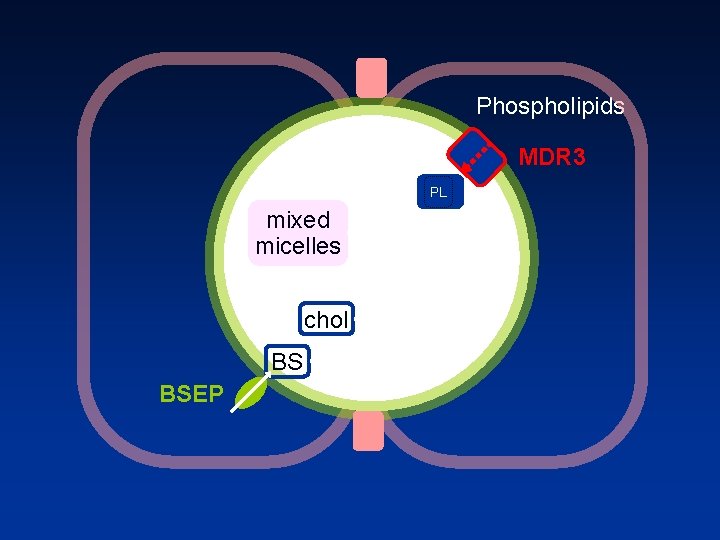
Phospholipids MDR 3 PL PL mixed micelles chol BS BSEP
Phospholipids MDR 3 PL mixed micelles chol BS BSEP
n cholangiopathy n bile duct proliferation n portal Phospholipids inflammation n fibrosis MDR 3 PL chol BS BSEP MDR 3
n cholangiopathy n bile duct proliferation n portal Phospholipids inflammation n fibrosis MDR 3 PL MDR 3 g. GT BS BSEP n high g. GT
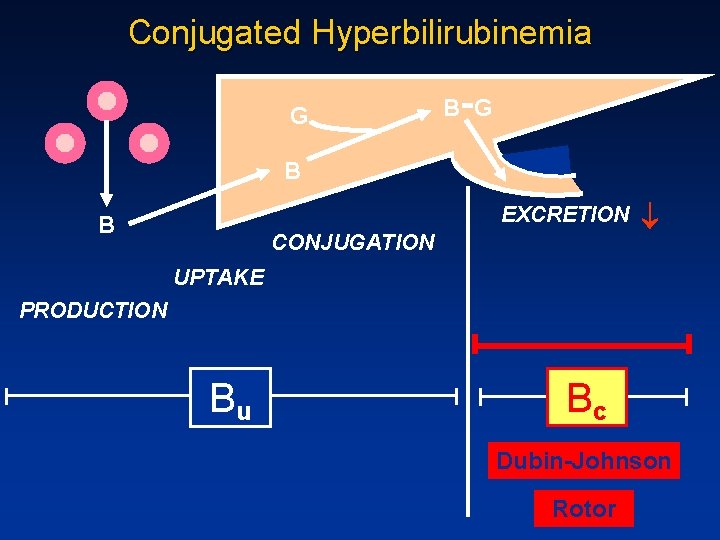
Conjugated Hyperbilirubinemia G - B G B EXCRETION B CONJUGATION ¯ UPTAKE PRODUCTION Bu Bc Dubin-Johnson Rotor
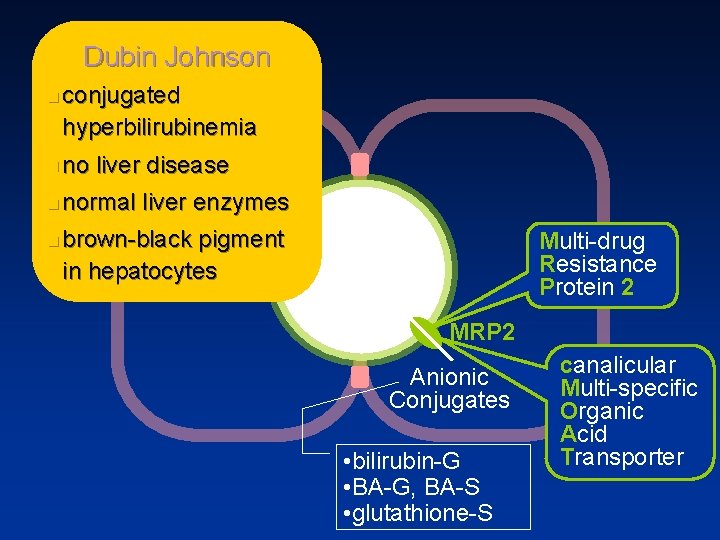
Dubin Johnson n conjugated hyperbilirubinemia n no liver disease n normal liver enzymes n brown black pigment in hepatocytes Multi drug Resistance Protein 2 MRP 2 Anionic Conjugates • bilirubin G • BA G, BA S • glutathione S canalicular Multi specific Organic Acid Transporter
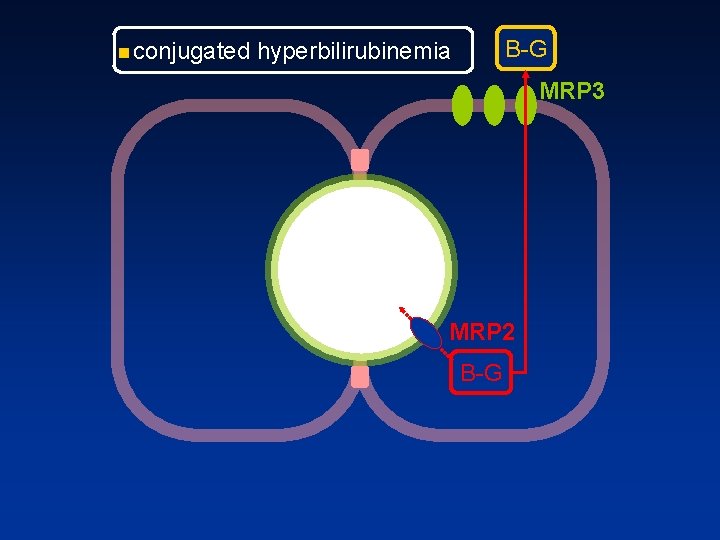
n conjugated B G hyperbilirubinemia MRP 3 MRP 2 B G
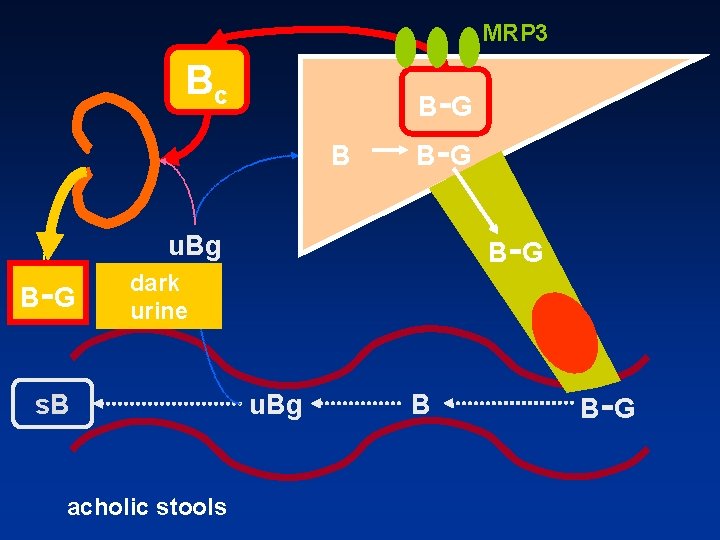
MRP 3 Bc B -G B- B -G u. Bg B -G dark urine s. B acholic stools u. Bg B B -G
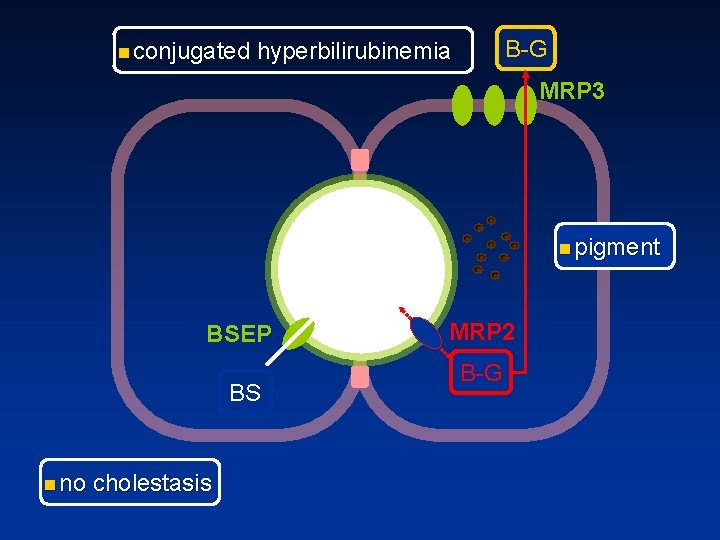
n conjugated B G hyperbilirubinemia MRP 3 n pigment BSEP BS n no cholestasis MRP 2 B G
• multi specific organic anion conjugate transporter • ABC C 2 • liver, kidney, intestine Organic Anion Conjugates
Persistent Familial Intrahepatic Cholestasis normal g. GT PFIC 1 high g. GT PFIC 2 Byler Disease n Amish Byler Syndrome n Middle Eastern 18 q 21 22 2 q 24 Benign Recurrent Intrahepatic Cholestasis PFIC 3 7 q 21 Intrahepatic Cholestasis Pregnancy
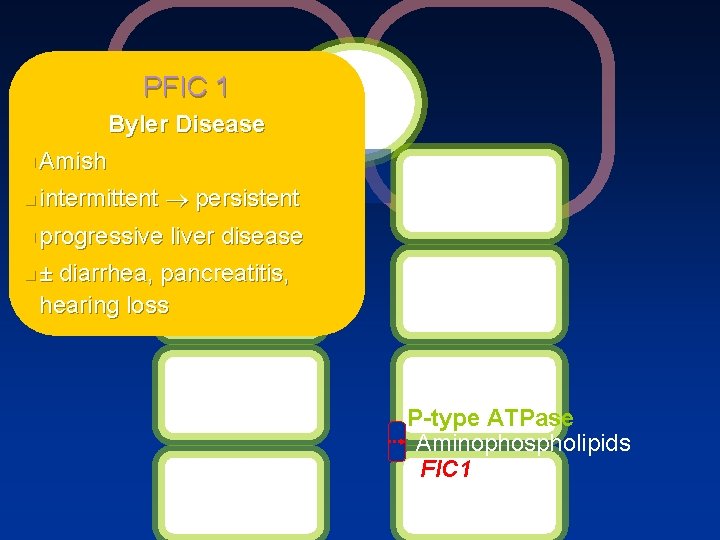
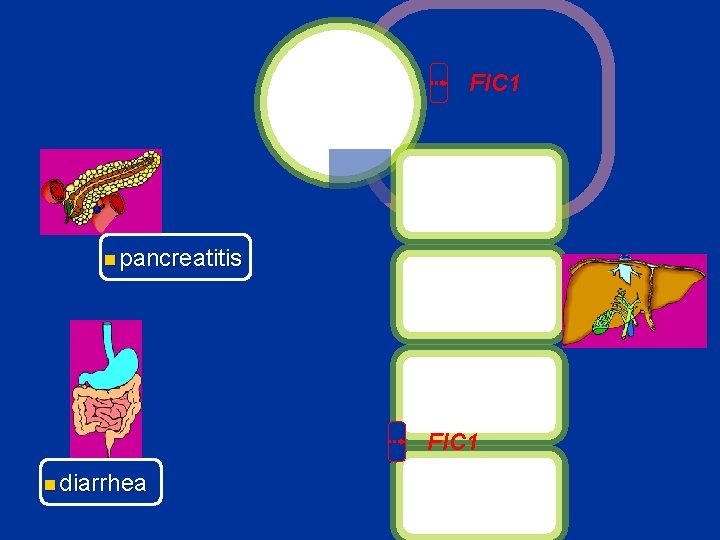
PFIC 1 Byler Disease n Amish n intermittent ® persistent n progressive liver disease n± diarrhea, pancreatitis, hearing loss P-type ATPase Aminophospholipids FIC 1
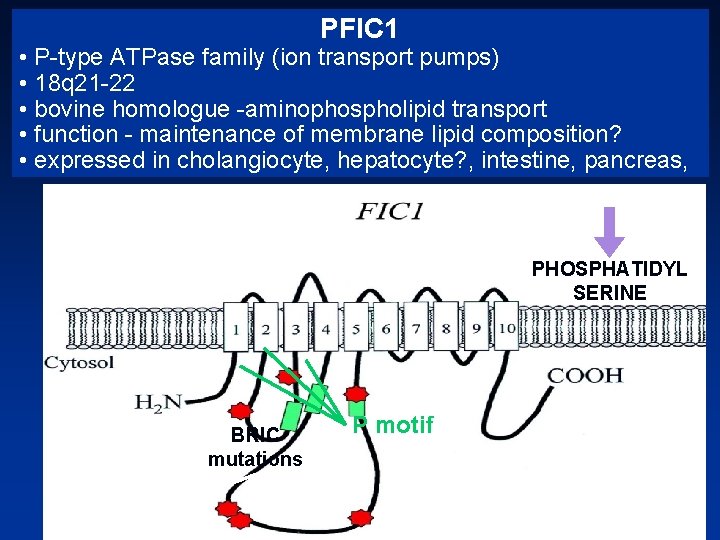
PFIC 1 • P type ATPase family (ion transport pumps) • 18 q 21 22 • bovine homologue aminophospholipid transport • function maintenance of membrane lipid composition? • expressed in cholangiocyte, hepatocyte? , intestine, pancreas, PHOSPHATIDYL SERINE BRIC mutations P motif
FIC 1 n pancreatitis FIC 1 n diarrhea
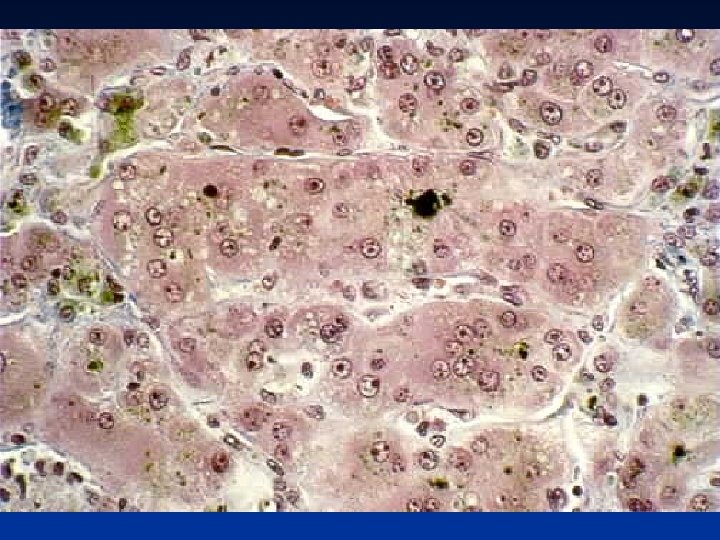
ALPHA-1 -ANTITRYPSIN DEFICIENCY Alpha-1 -antitrypsin makes up 90% of alpha-1 globulin fraction n Associated with Pi. ZZ (about 10 -20% will have liver disease) and rarely with Pi. SZ and Pi. Znull phenotypes n Biopsy shows hepatocellular edema, giant cell transformation, necrosis, and pseudoacinar transformation. n
ALPHA-1 -ANTITRYPSIN DEFICIENCY Biopsy also shows accumulation of PASpositive, diastase-resistant globules in the cytoplasm of periportal hepatocytes. n Varying degrees of fibrosis correlate with disease prognosis. n
INTRAHEPATIC CHOLESTASIS SYNDROMES Includes several diagnostic entities. n Biopsies show cholestasis. May show paucity of intrahepatic bile ducts, giant cell transformation, and/or fibrosis. n
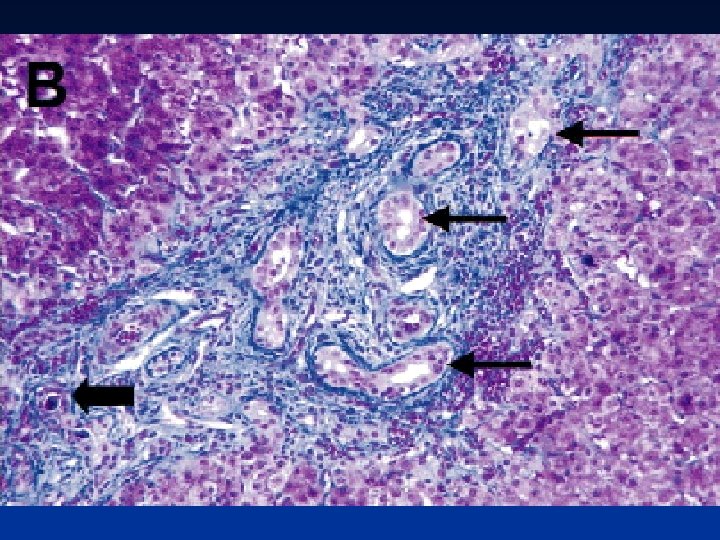
Intrahepatic Neonatal Cholestasis n Paucity of intrahepatic bile ducts
Alagille Syndrome
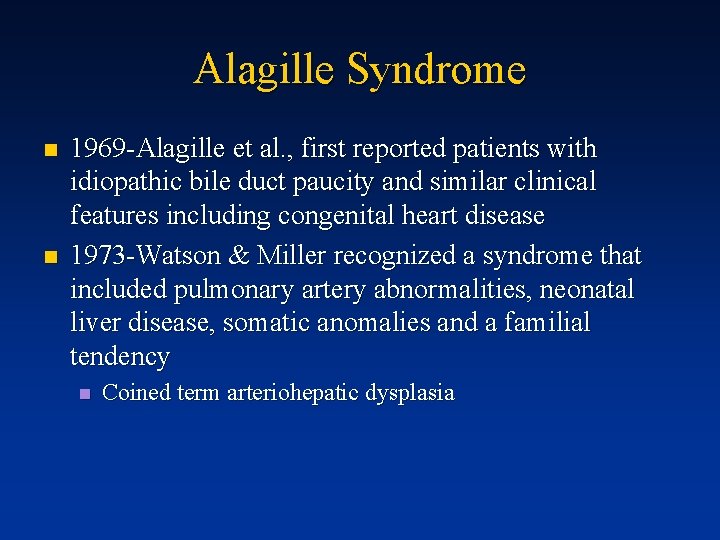
Alagille Syndrome n n 1969 -Alagille et al. , first reported patients with idiopathic bile duct paucity and similar clinical features including congenital heart disease 1973 -Watson & Miller recognized a syndrome that included pulmonary artery abnormalities, neonatal liver disease, somatic anomalies and a familial tendency n Coined term arteriohepatic dysplasia
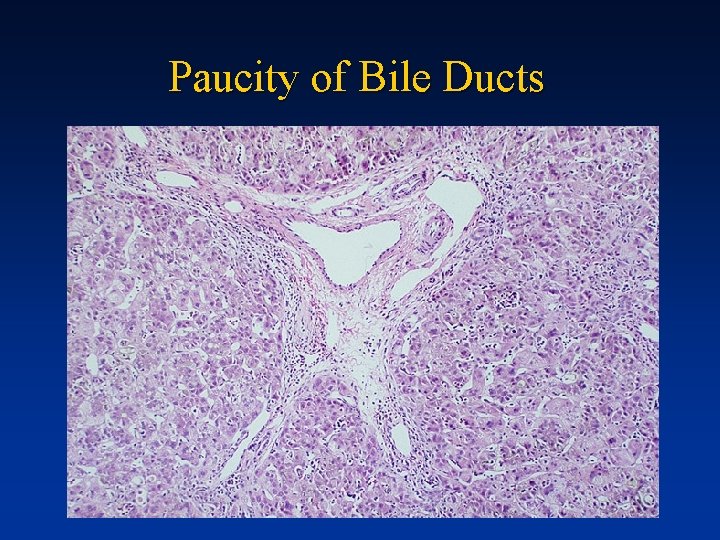
Paucity of Bile Ducts
Alagille Syndrome n 1975 -Alagille et al. , published extended observations in 15 patients n Chronic liver disease n Characteristic facies n Systolic murmur n Vertebral arch defects n Mental retardation, hypgonadism, n Family history
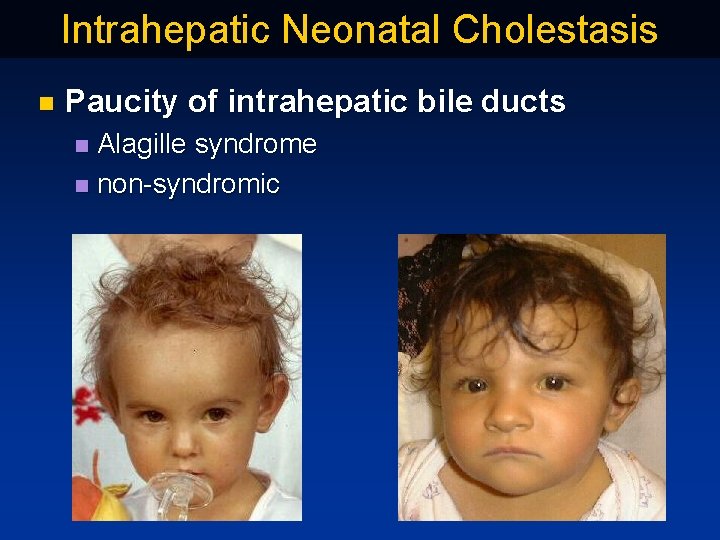
Intrahepatic Neonatal Cholestasis n Paucity of intrahepatic bile ducts Alagille syndrome n non syndromic n
Clinical Features: Hepatic Hepatomegaly n Neonatal hepatitis n Splenomegaly n Portal hypertension n Cirrhosis n Synthetic liver failure n
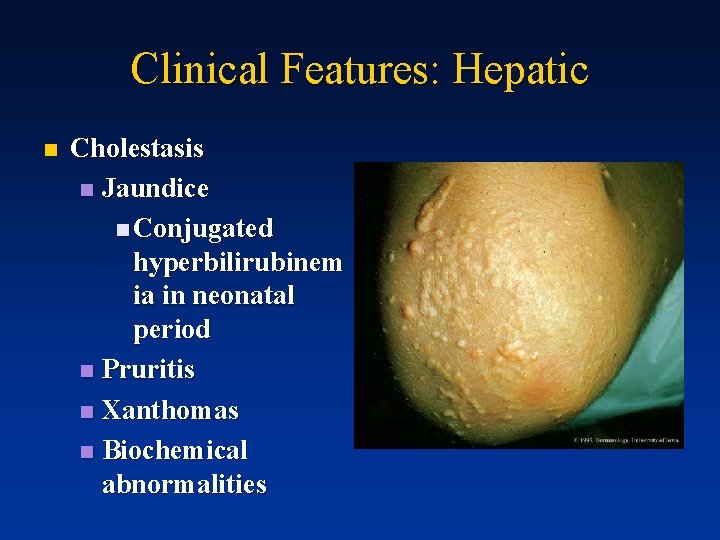
Clinical Features: Hepatic n Cholestasis n Jaundice n Conjugated hyperbilirubinem ia in neonatal period n Pruritis n Xanthomas n Biochemical abnormalities
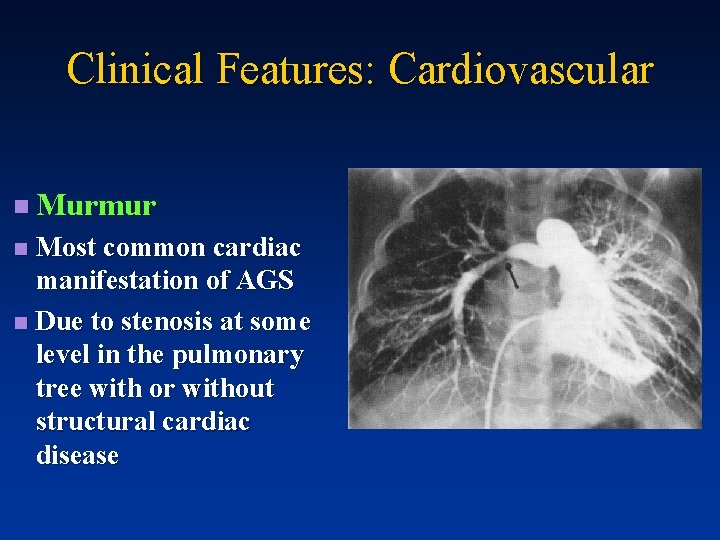
Clinical Features: Cardiovascular n Murmur Most common cardiac manifestation of AGS n Due to stenosis at some level in the pulmonary tree with or without structural cardiac disease n
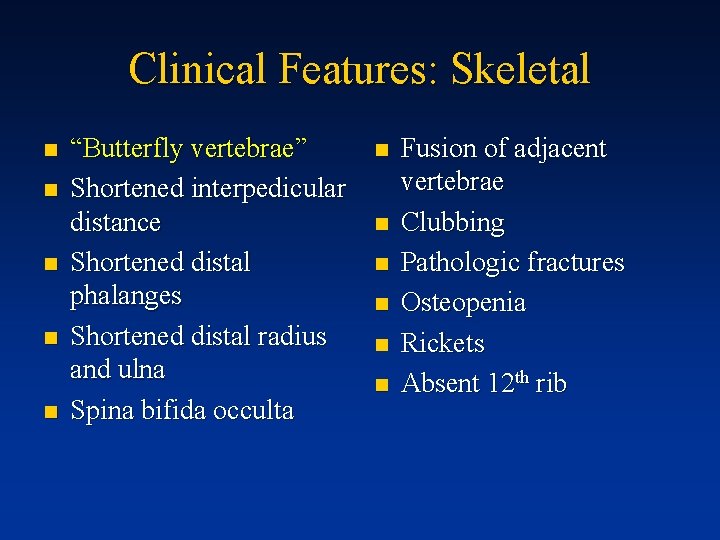
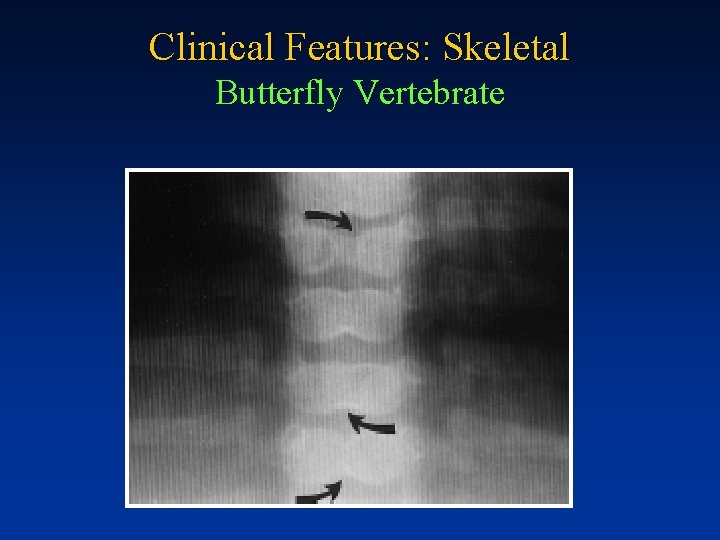
Clinical Features: Skeletal n n n “Butterfly vertebrae” Shortened interpedicular distance Shortened distal phalanges Shortened distal radius and ulna Spina bifida occulta n n n Fusion of adjacent vertebrae Clubbing Pathologic fractures Osteopenia Rickets Absent 12 th rib
Clinical Features: Skeletal Butterfly Vertebrate
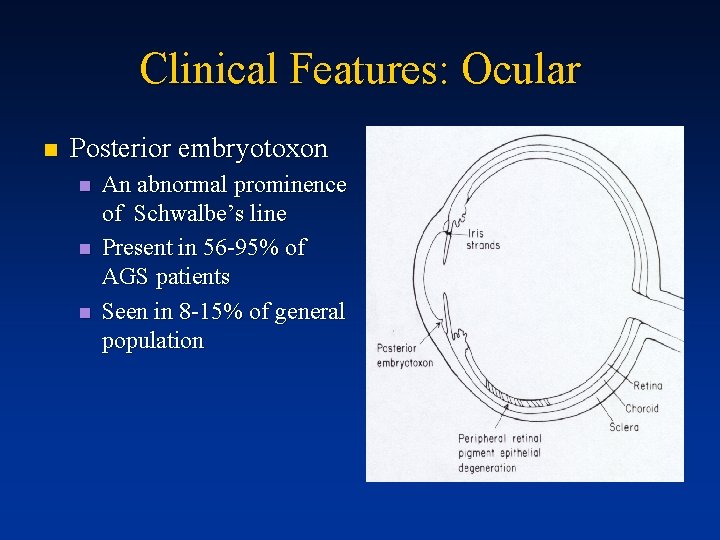
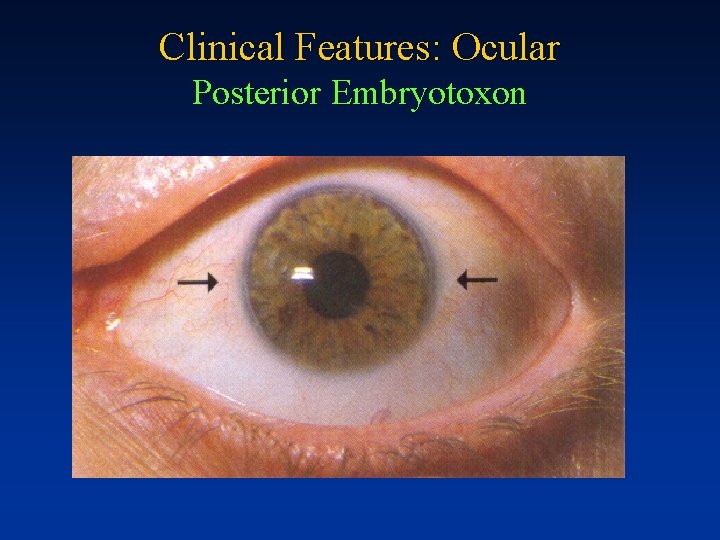
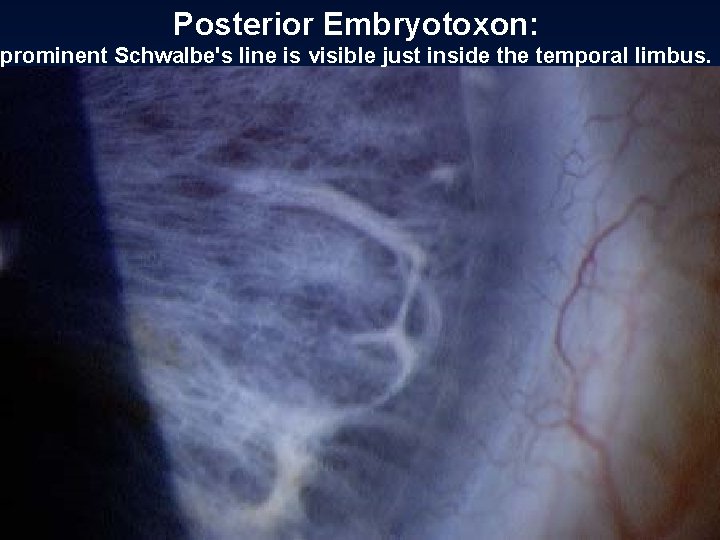
Clinical Features: Ocular n Posterior embryotoxon n An abnormal prominence of Schwalbe’s line Present in 56 -95% of AGS patients Seen in 8 -15% of general population
Clinical Features: Ocular Posterior Embryotoxon
Posterior Embryotoxon: prominent Schwalbe's line is visible just inside the temporal limbus.
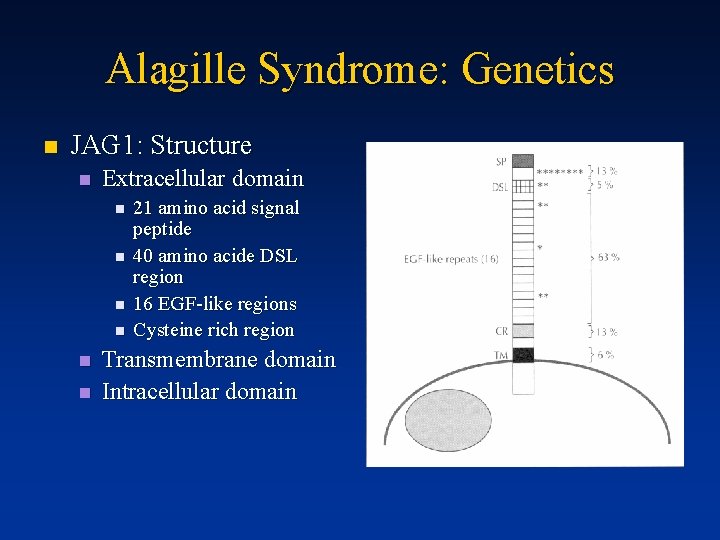
Alagille Syndrome: Genetics n JAG 1: Structure n Extracellular domain n n n 21 amino acid signal peptide 40 amino acide DSL region 16 EGF-like regions Cysteine rich region Transmembrane domain Intracellular domain
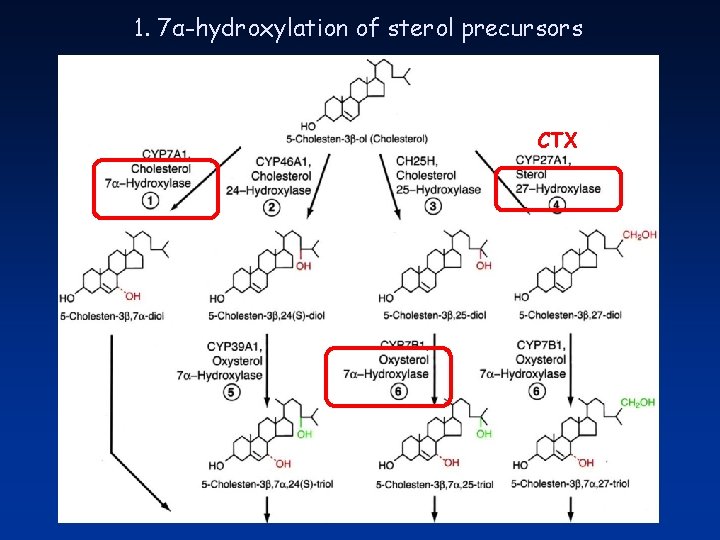
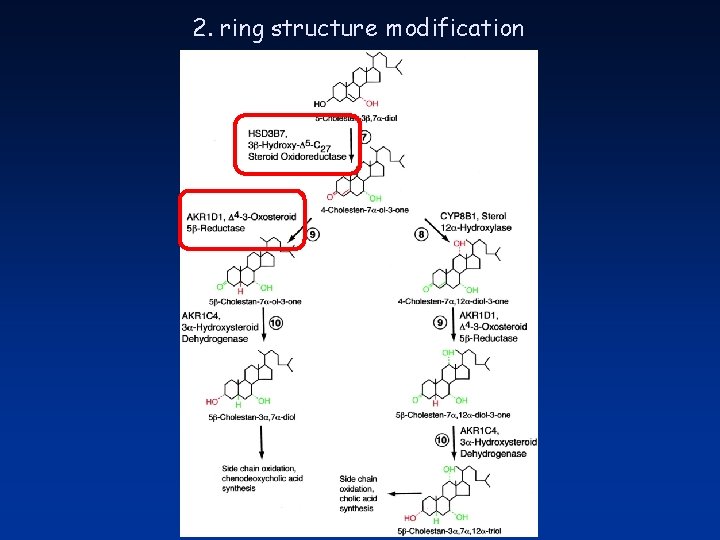
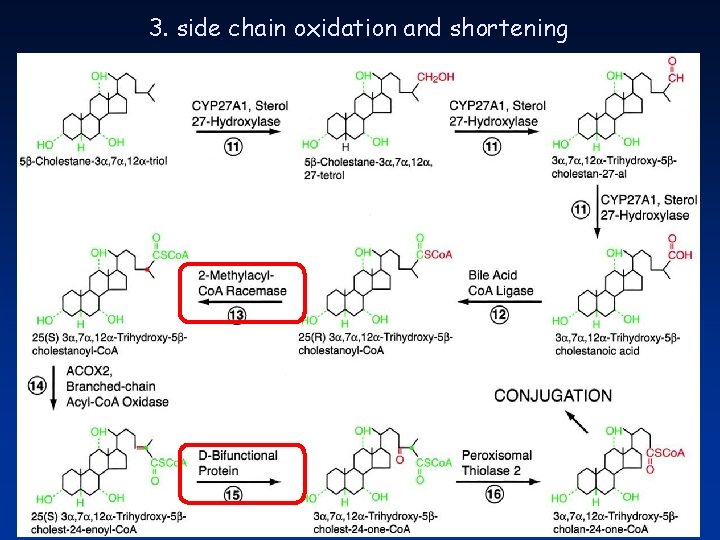
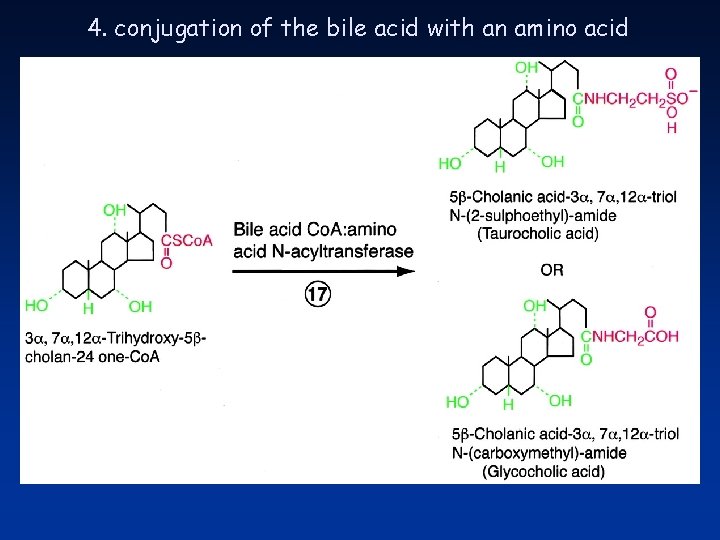
Defects of Bile Acid Synthesis
1. 7α-hydroxylation of sterol precursors CTX
2. ring structure modification
3. side chain oxidation and shortening
4. conjugation of the bile acid with an amino acid
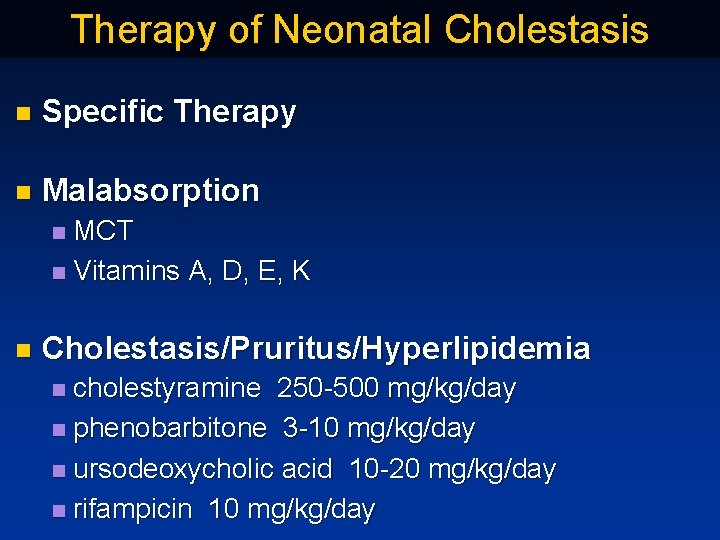
Therapy of Neonatal Cholestasis n Specific Therapy n Malabsorption MCT n Vitamins A, D, E, K n n Cholestasis/Pruritus/Hyperlipidemia cholestyramine 250 500 mg/kg/day n phenobarbitone 3 10 mg/kg/day n ursodeoxycholic acid 10 20 mg/kg/day n rifampicin 10 mg/kg/day n
TREATMENT n Medical management Nutritional support n Treatment of pruritus n Choleretics and bile acid-binders n Management of portal hypertension and its consequences n
TREATMENT n Nutritional support Adequate calories and protein n Supplement calories with medium chain triglycerides n Maintain levels of essential long-chain fatty acids n Treatment and/or prophylaxis for fat-soluble vitamin deficiencies (vitamins A, D, E, and K) n
TREATMENT n Nutritional support (cont. ) Supplemental calcium and phosphate when bone disease is present n Prophylaxis for zinc deficiency n Low-copper diet as poorly excreted n Sodium restriction when ascites present n
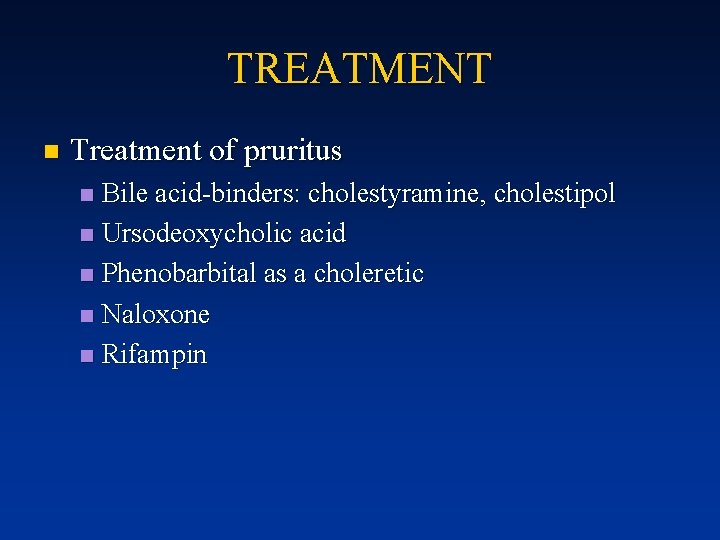
TREATMENT n Treatment of pruritus Bile acid-binders: cholestyramine, cholestipol n Ursodeoxycholic acid n Phenobarbital as a choleretic n Naloxone n Rifampin n
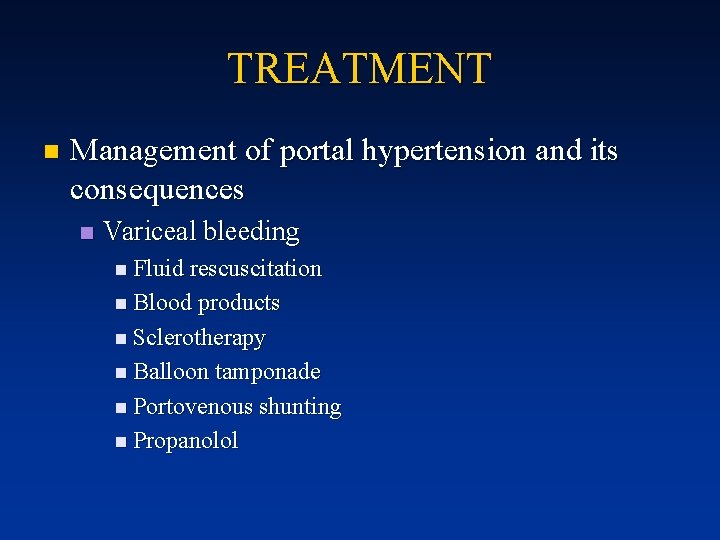
TREATMENT n Management of portal hypertension and its consequences n Variceal bleeding n Fluid rescuscitation n Blood products n Sclerotherapy n Balloon tamponade n Portovenous shunting n Propanolol
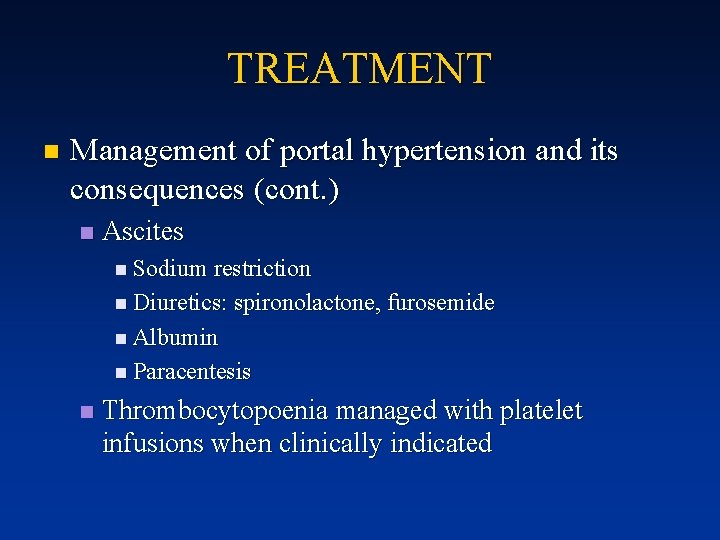
TREATMENT n Management of portal hypertension and its consequences (cont. ) n Ascites n Sodium restriction n Diuretics: spironolactone, furosemide n Albumin n Paracentesis n Thrombocytopoenia managed with platelet infusions when clinically indicated
Neonatal Cholestasis Conjugated Hyperbilirubinemia REFER URGENTLY
Thank you!