The Psychological Therapies Psychoanalysis Aims of therapy Childhood




- Slides: 102
The Psychological Therapies
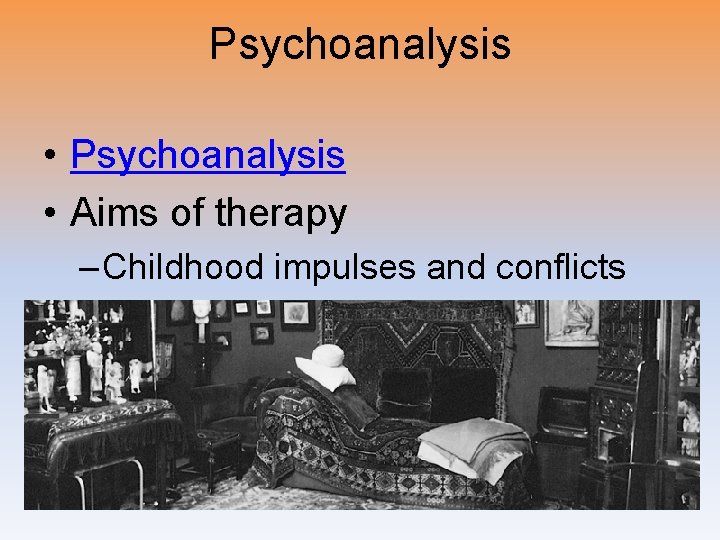
Psychoanalysis • Aims of therapy – Childhood impulses and conflicts
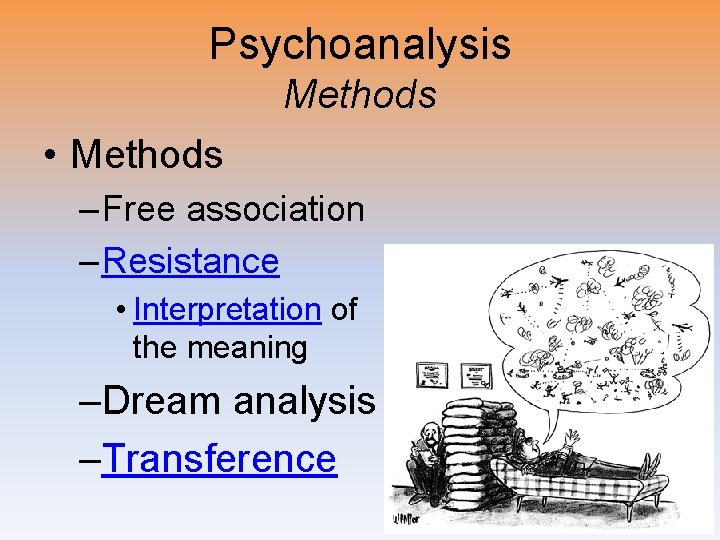
Psychoanalysis Methods • Methods – Free association – Resistance • Interpretation of the meaning –Dream analysis –Transference
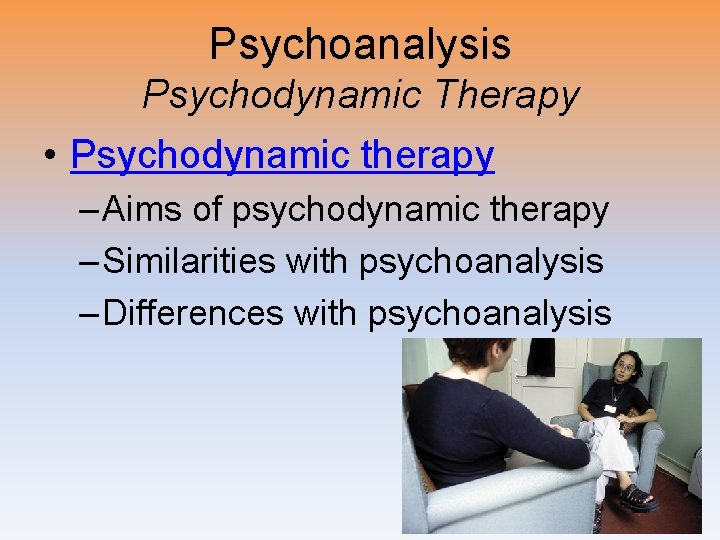
Psychoanalysis Psychodynamic Therapy • Psychodynamic therapy – Aims of psychodynamic therapy – Similarities with psychoanalysis – Differences with psychoanalysis
Humanistic Therapies • Insight therapies focus more on: – the present rather than the past – conscious rather than the unconscious – taking immediate responsibility – promoting growth instead of curing
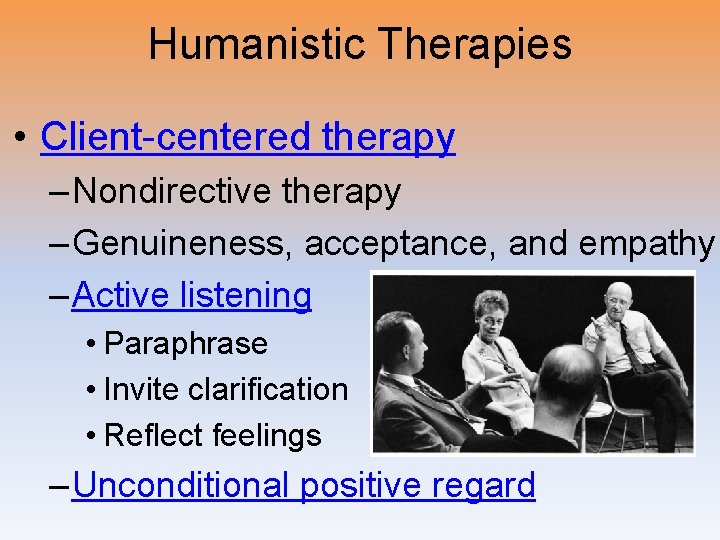
Humanistic Therapies • Client-centered therapy – Nondirective therapy – Genuineness, acceptance, and empathy – Active listening • Paraphrase • Invite clarification • Reflect feelings – Unconditional positive regard
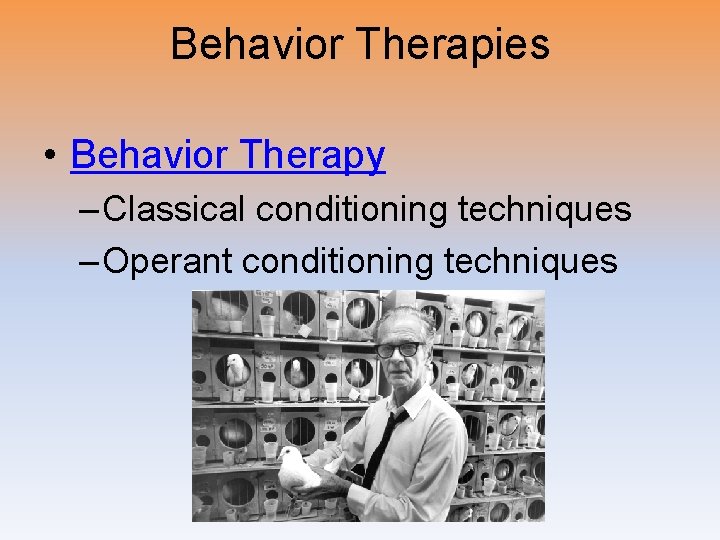
Behavior Therapies • Behavior Therapy – Classical conditioning techniques – Operant conditioning techniques
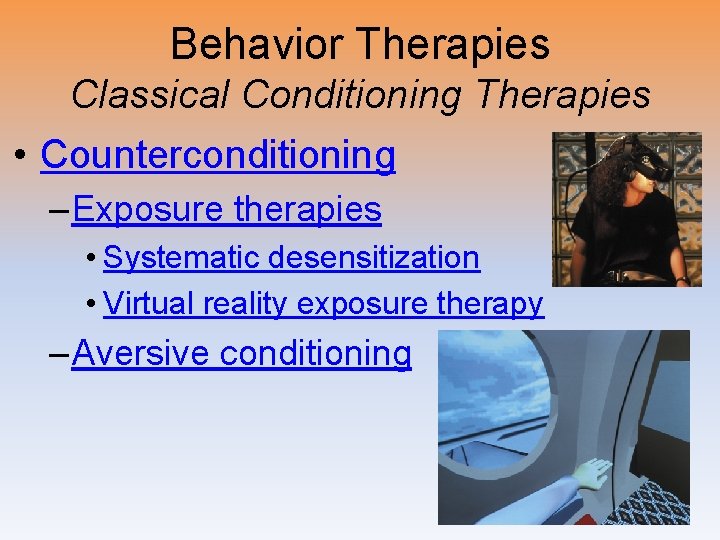
Behavior Therapies Classical Conditioning Therapies • Counterconditioning – Exposure therapies • Systematic desensitization • Virtual reality exposure therapy – Aversive conditioning
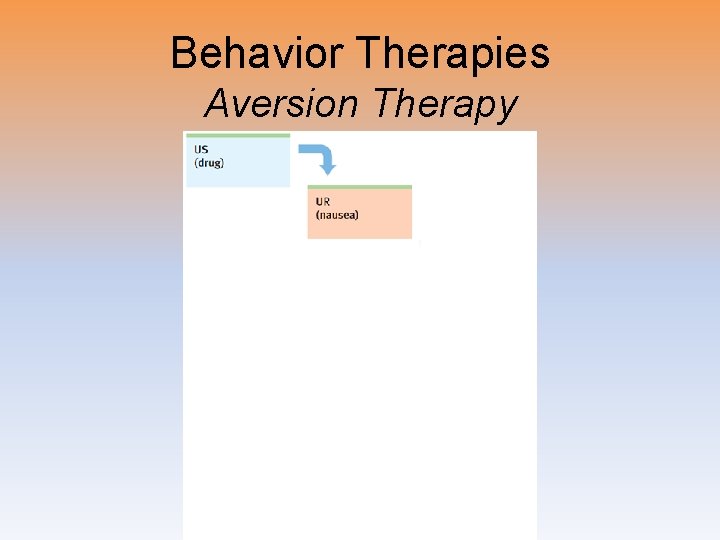
Behavior Therapies Aversion Therapy
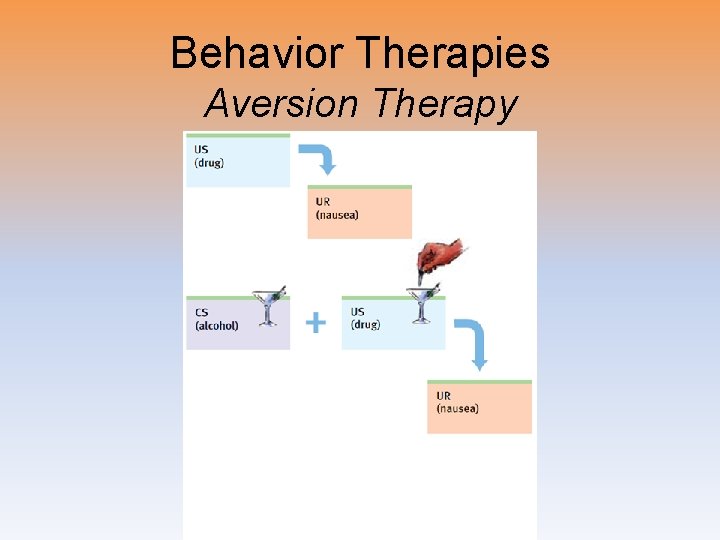
Behavior Therapies Aversion Therapy
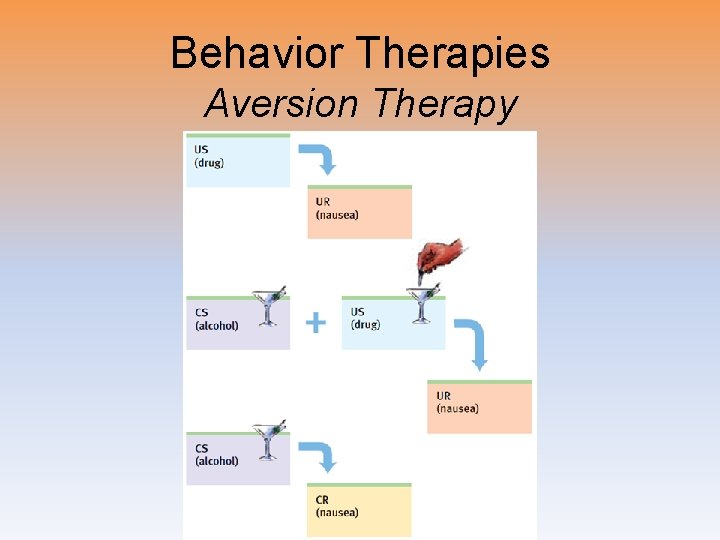
Behavior Therapies Aversion Therapy
Behavior Therapies Operant Conditioning • Behavior modification • Token economy
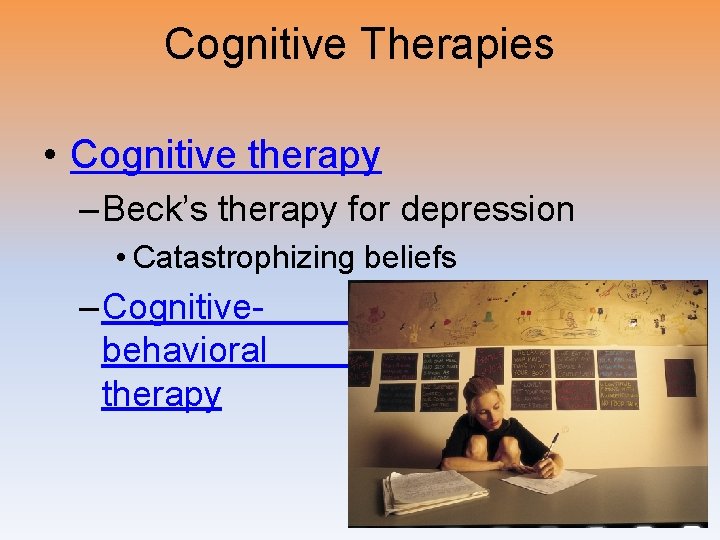
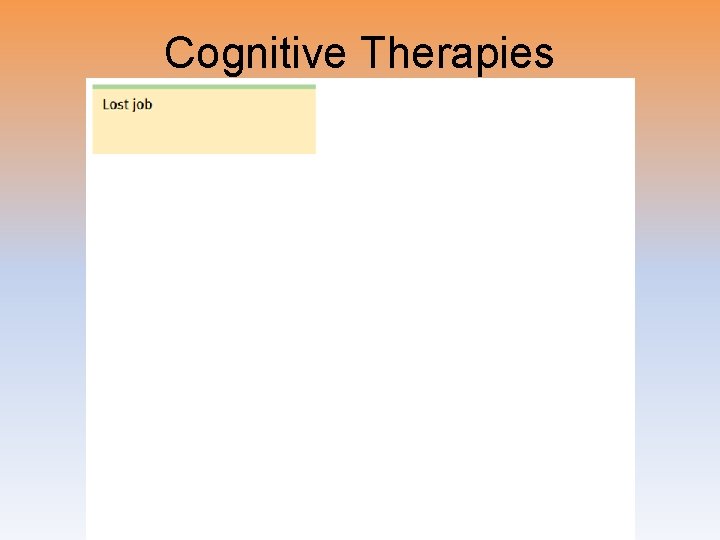
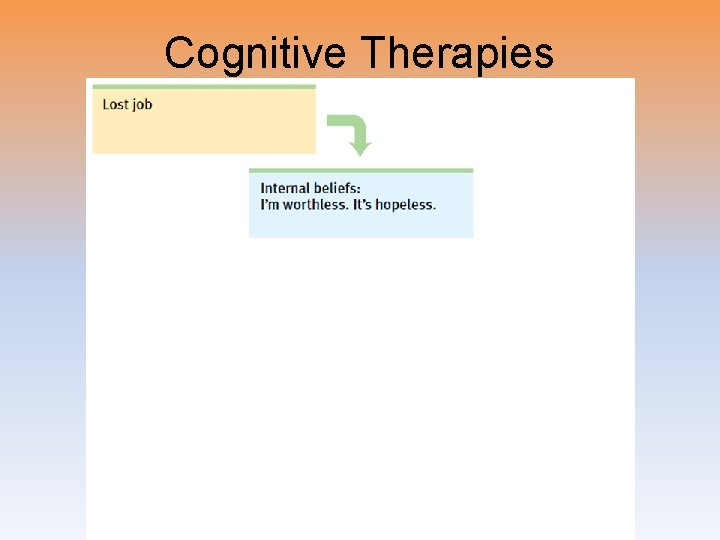
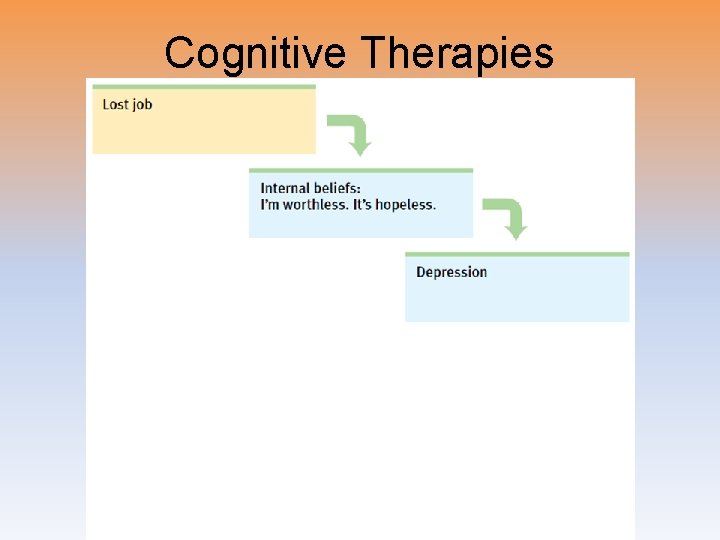
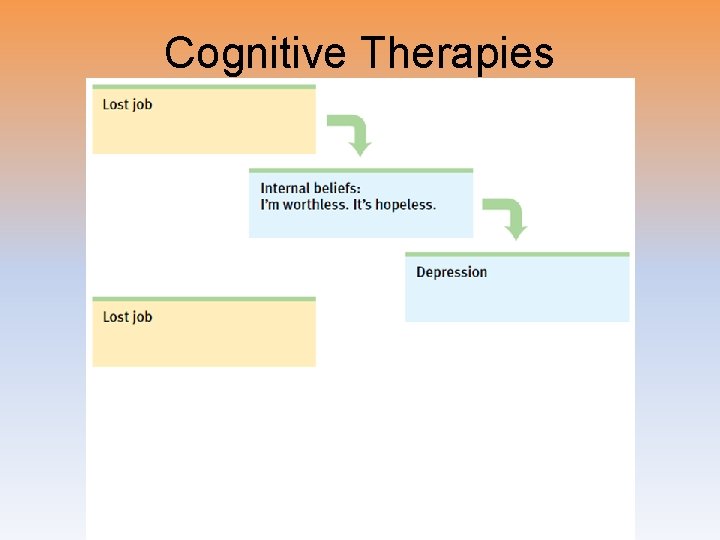
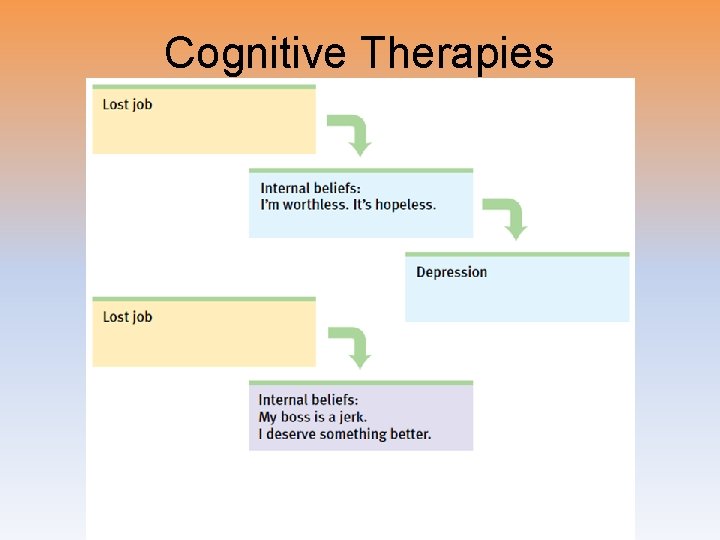
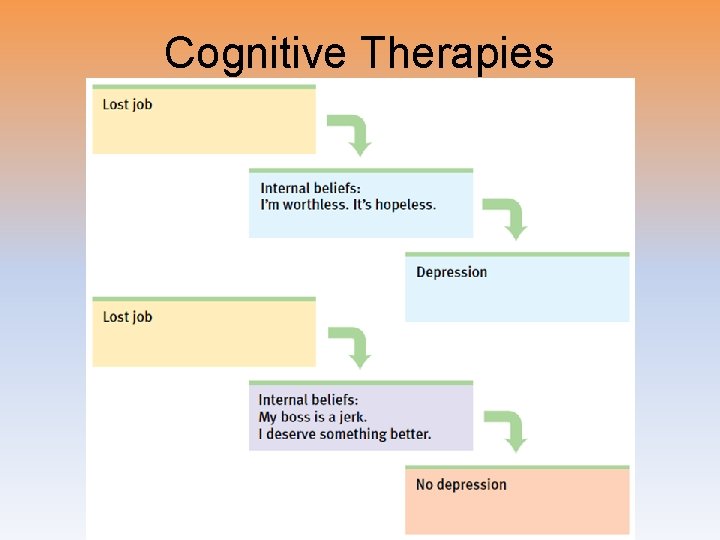
Cognitive Therapies • Cognitive therapy – Beck’s therapy for depression • Catastrophizing beliefs – Cognitivebehavioral therapy
Cognitive Therapies
Cognitive Therapies
Cognitive Therapies
Cognitive Therapies
Cognitive Therapies
Cognitive Therapies
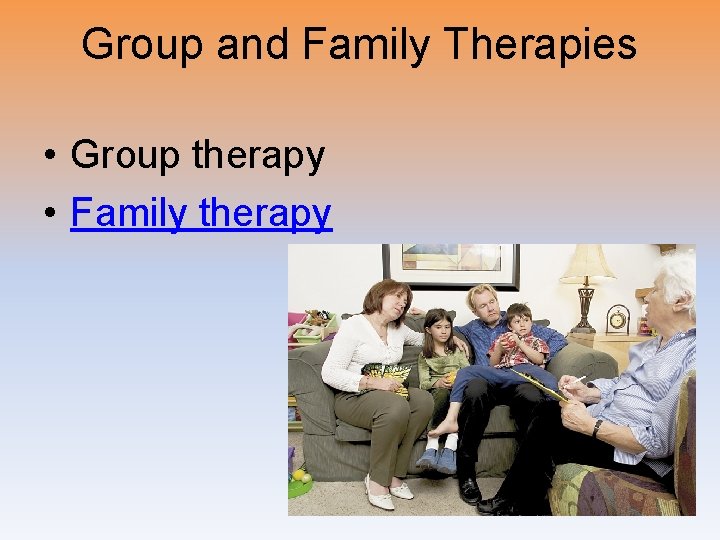
Group and Family Therapies • Group therapy • Family therapy
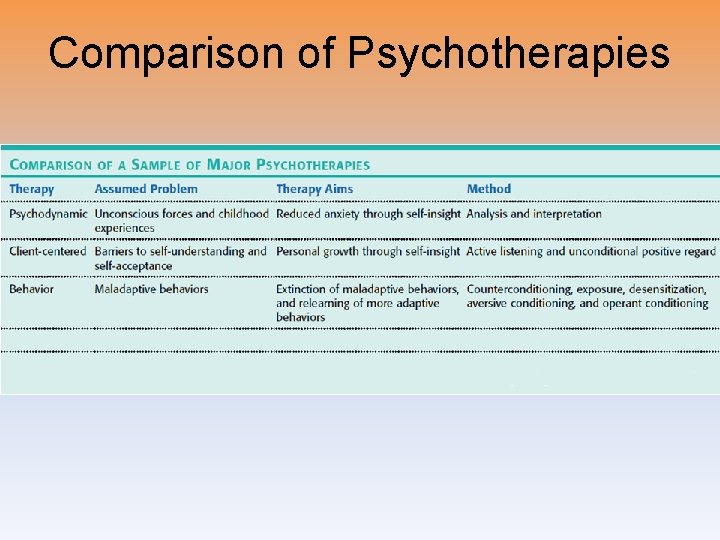
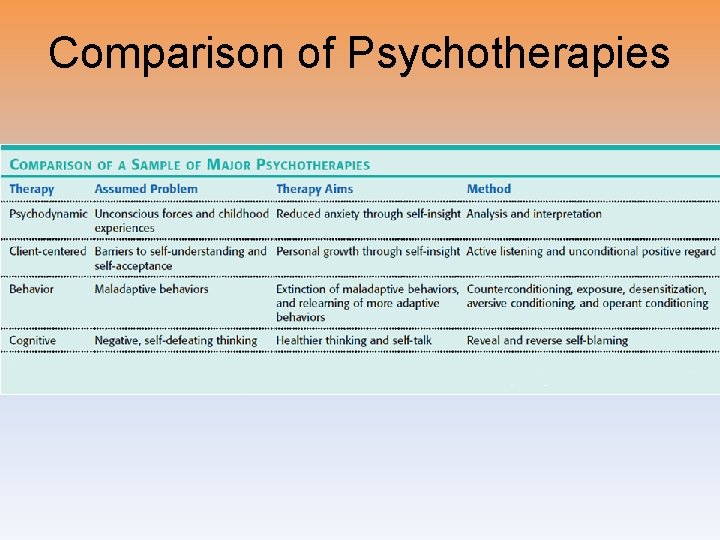
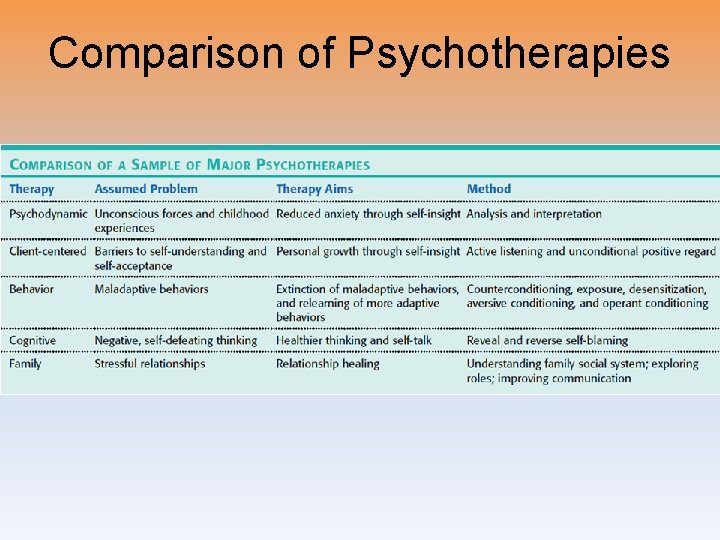
Comparison of Psychotherapies
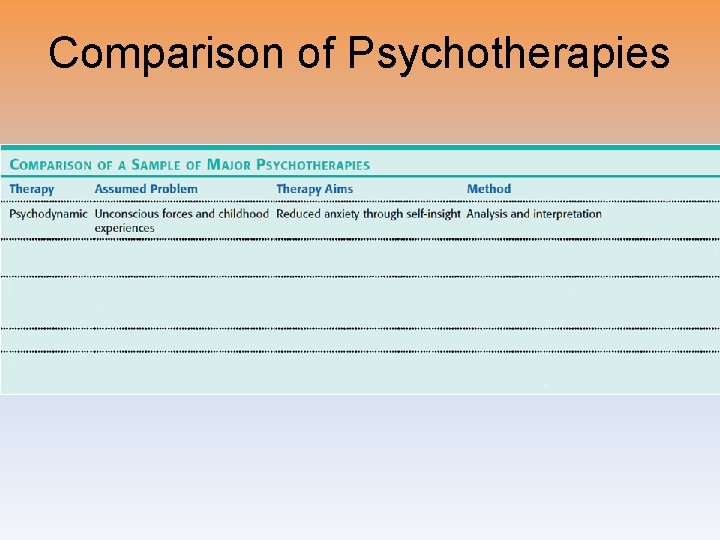
Comparison of Psychotherapies
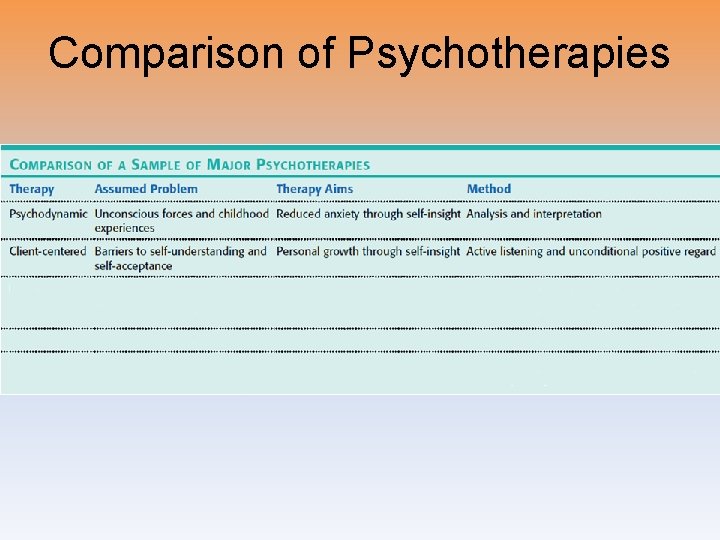
Comparison of Psychotherapies
Comparison of Psychotherapies
Comparison of Psychotherapies
Comparison of Psychotherapies
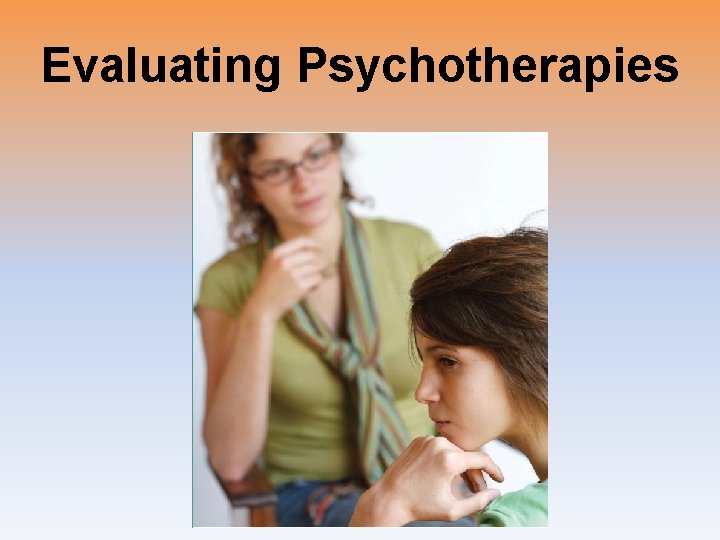
Evaluating Psychotherapies
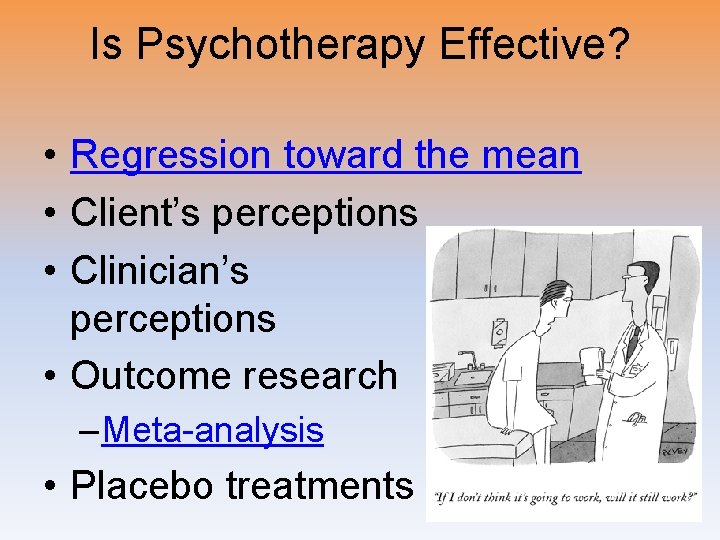
Is Psychotherapy Effective? • Regression toward the mean • Client’s perceptions • Clinician’s perceptions • Outcome research – Meta-analysis • Placebo treatments
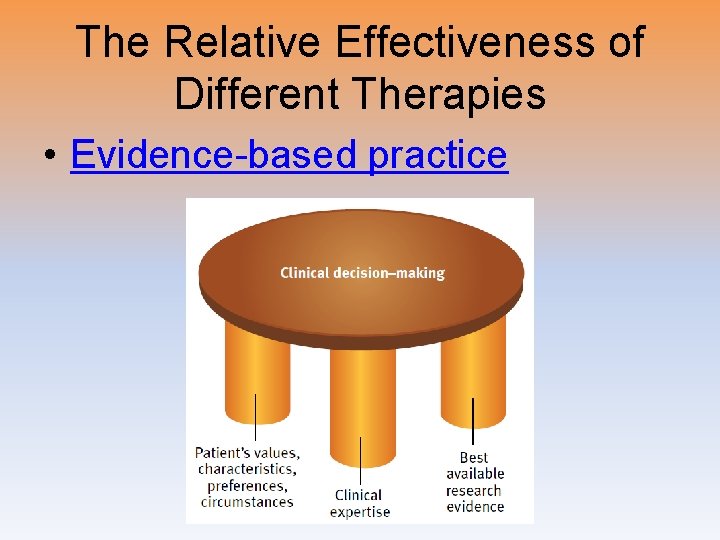
The Relative Effectiveness of Different Therapies • Evidence-based practice
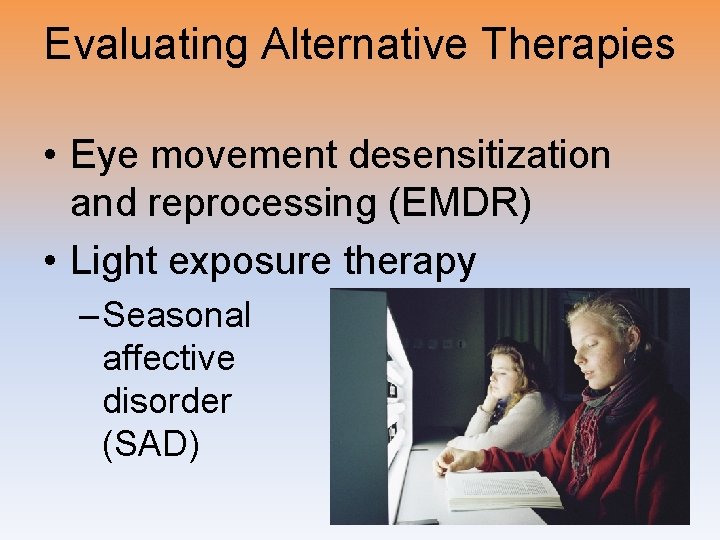
Evaluating Alternative Therapies • Eye movement desensitization and reprocessing (EMDR) • Light exposure therapy – Seasonal affective disorder (SAD)
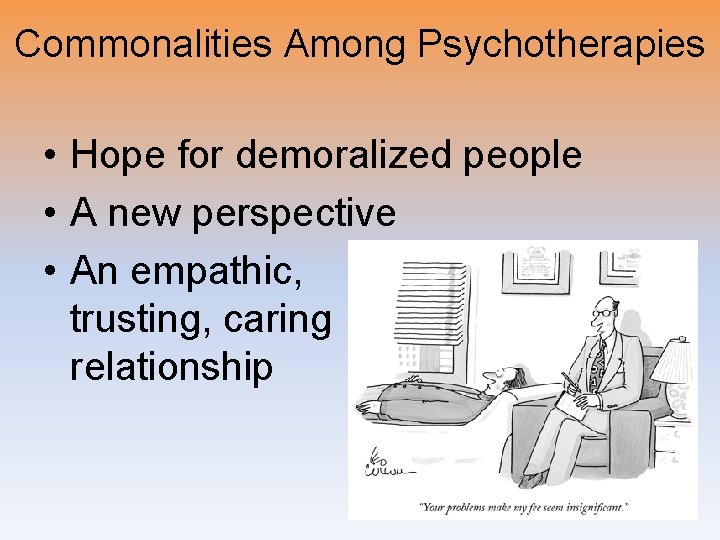
Commonalities Among Psychotherapies • Hope for demoralized people • A new perspective • An empathic, trusting, caring relationship
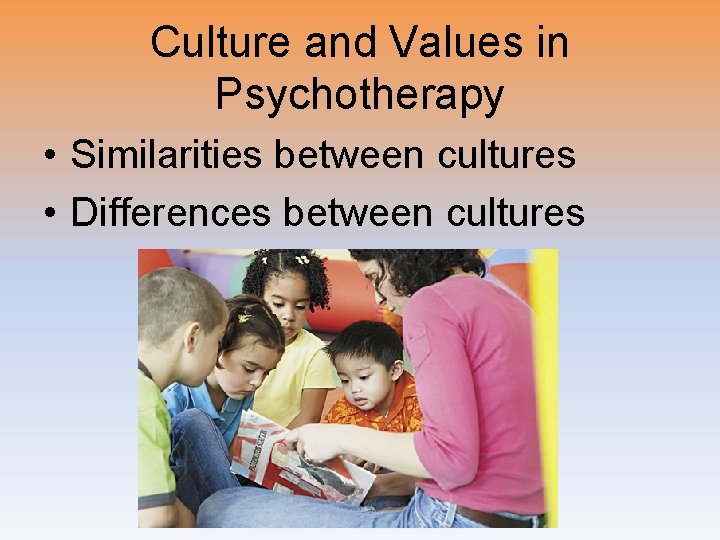
Culture and Values in Psychotherapy • Similarities between cultures • Differences between cultures
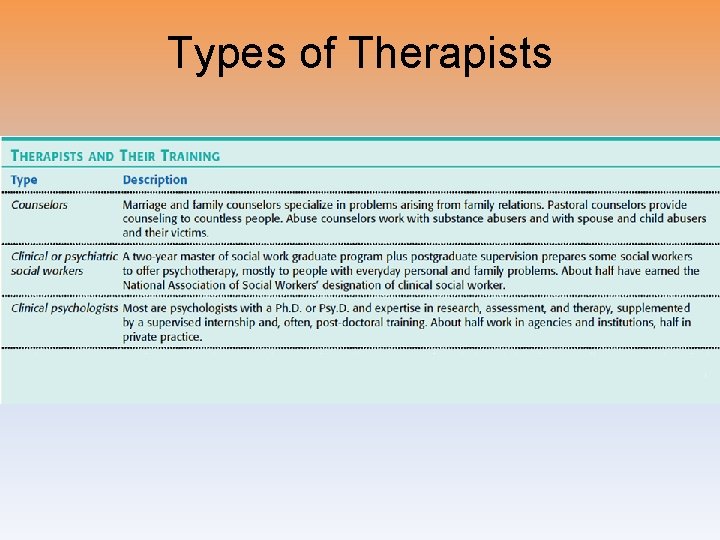
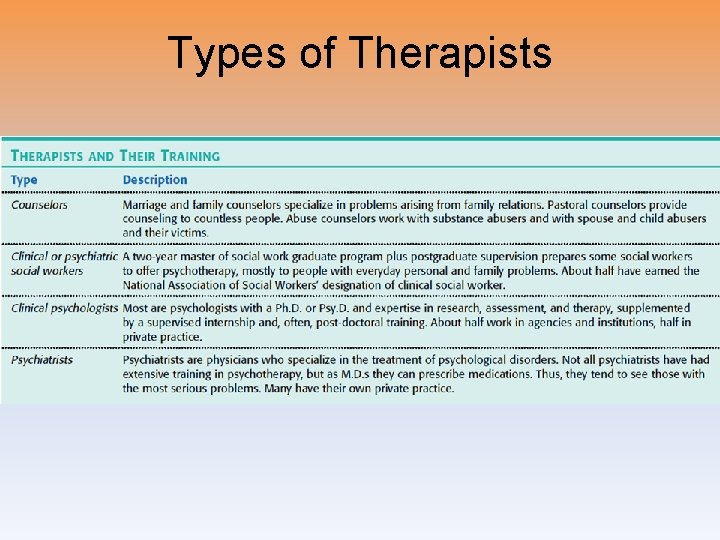
Types of Therapists
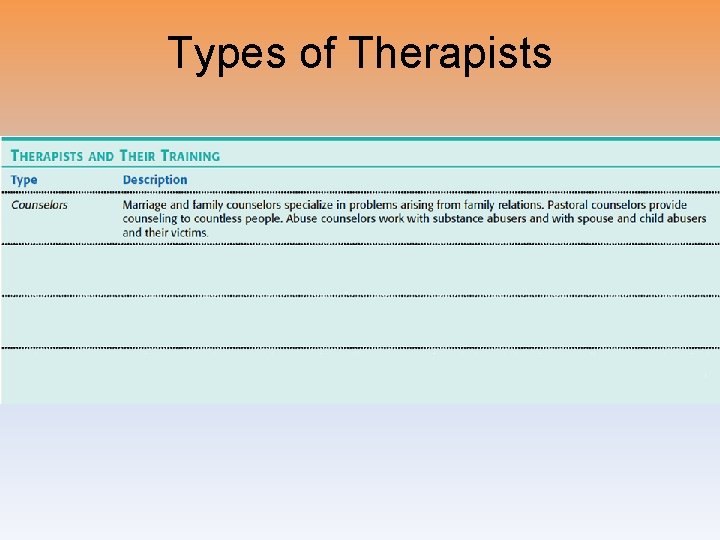
Types of Therapists
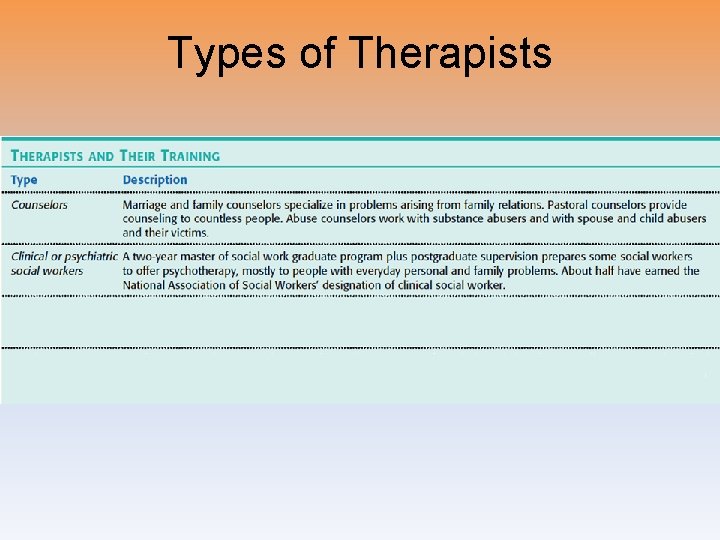
Types of Therapists
Types of Therapists
Types of Therapists
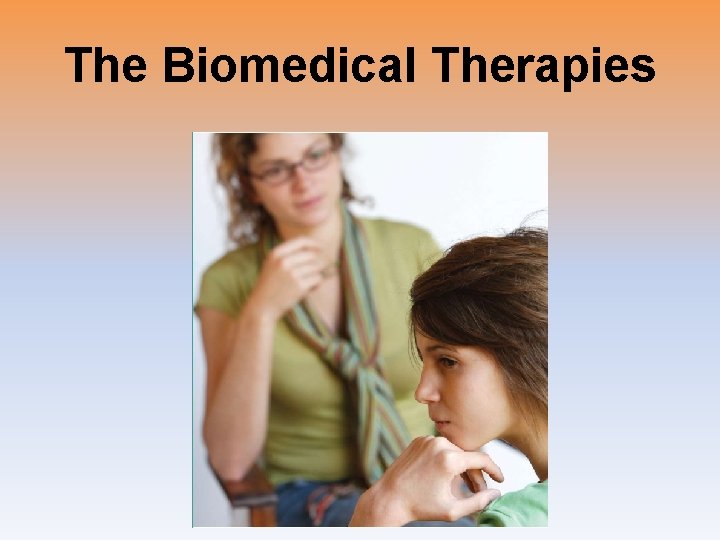
The Biomedical Therapies
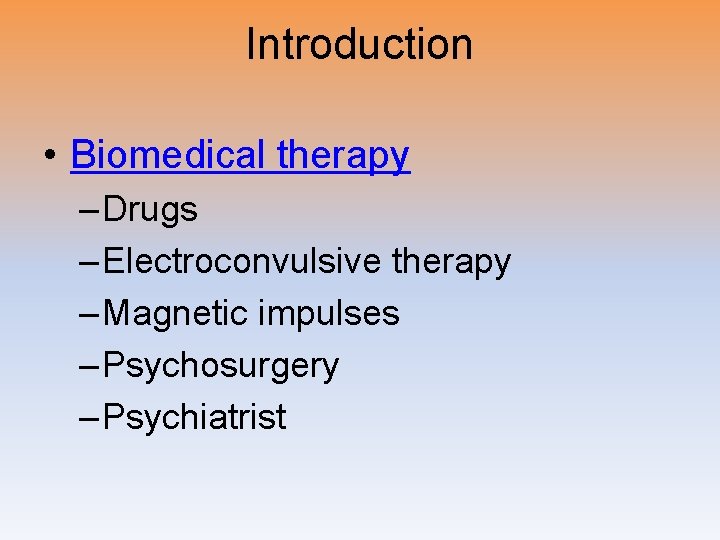
Introduction • Biomedical therapy – Drugs – Electroconvulsive therapy – Magnetic impulses – Psychosurgery – Psychiatrist
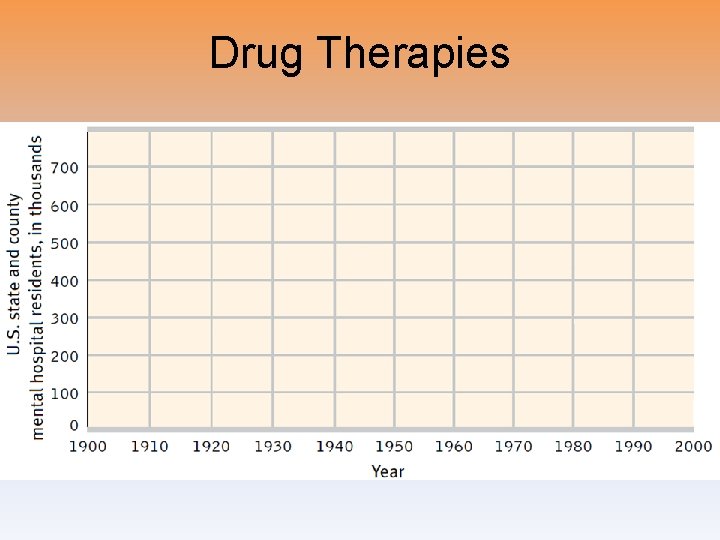
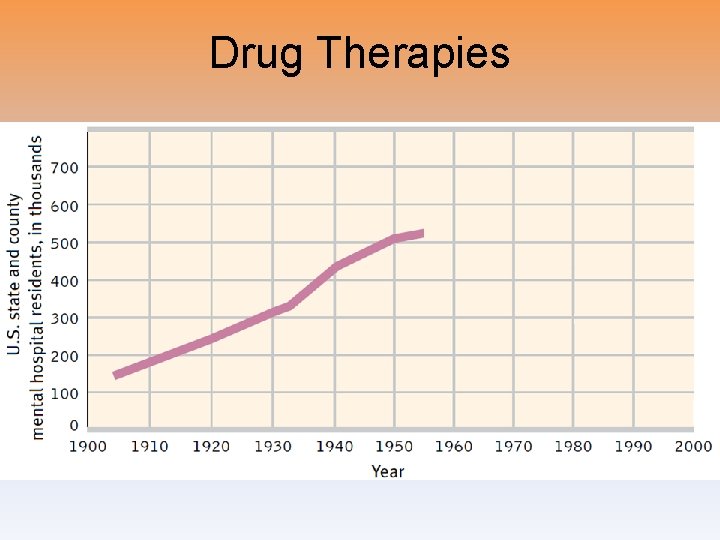
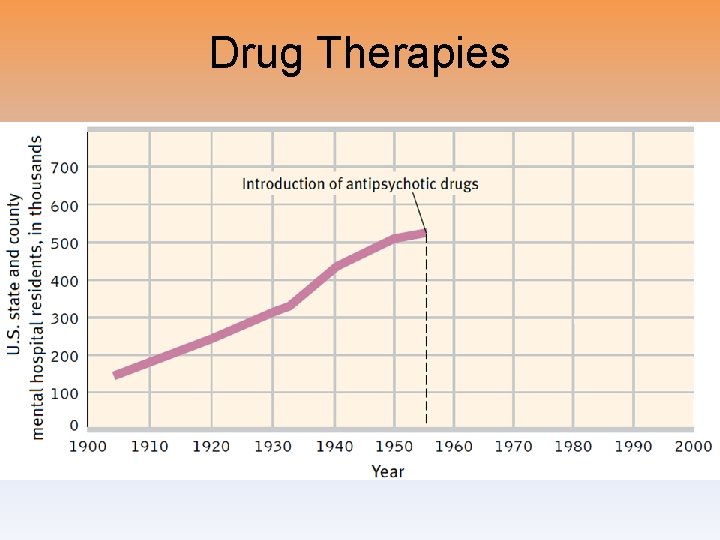
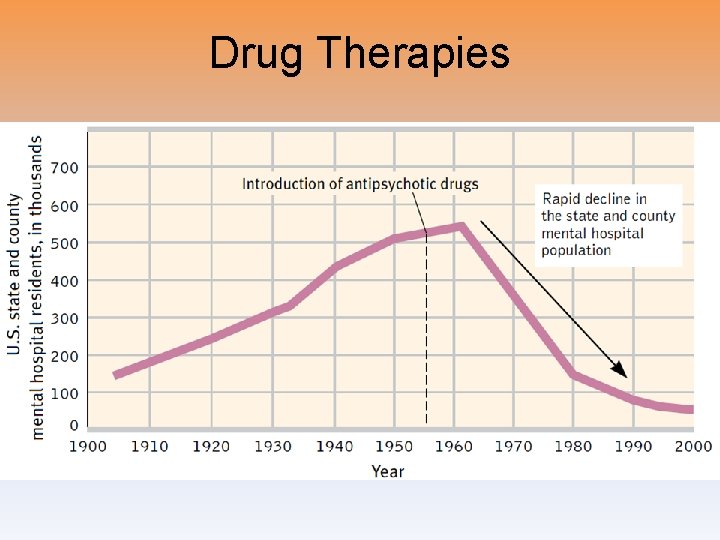
Drug Therapies • Psychopharmacology • Factors to consider with drug therapy – Normal recovery rate of untreated patients – Placebo effect • Double blind procedure
Drug Therapies
Drug Therapies
Drug Therapies
Drug Therapies
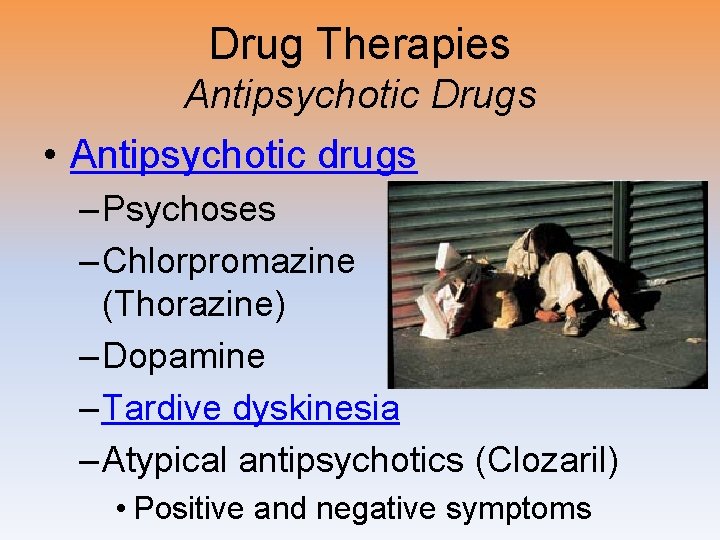
Drug Therapies Antipsychotic Drugs • Antipsychotic drugs – Psychoses – Chlorpromazine (Thorazine) – Dopamine – Tardive dyskinesia – Atypical antipsychotics (Clozaril) • Positive and negative symptoms
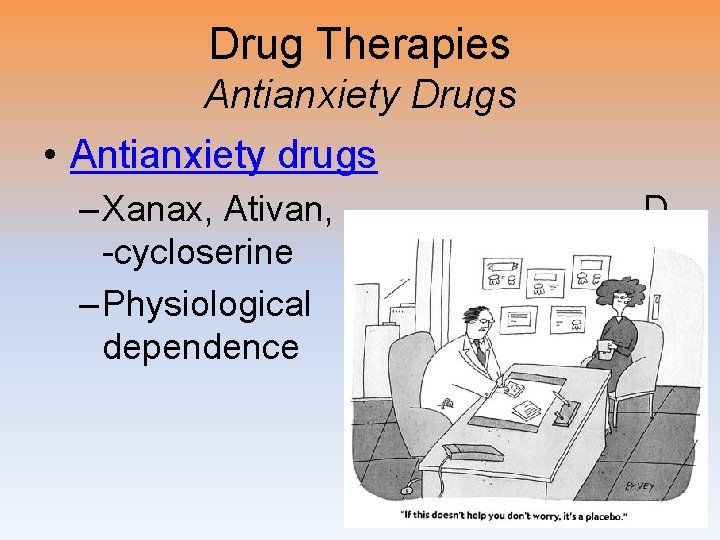
Drug Therapies Antianxiety Drugs • Antianxiety drugs – Xanax, Ativan, -cycloserine – Physiological dependence D
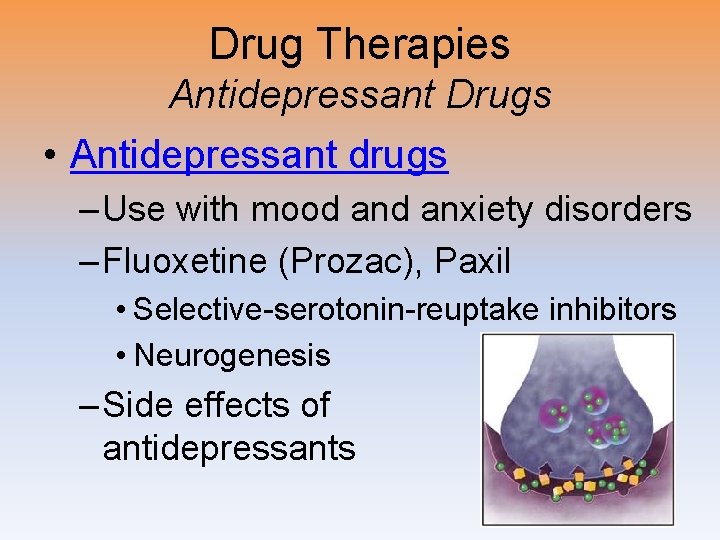
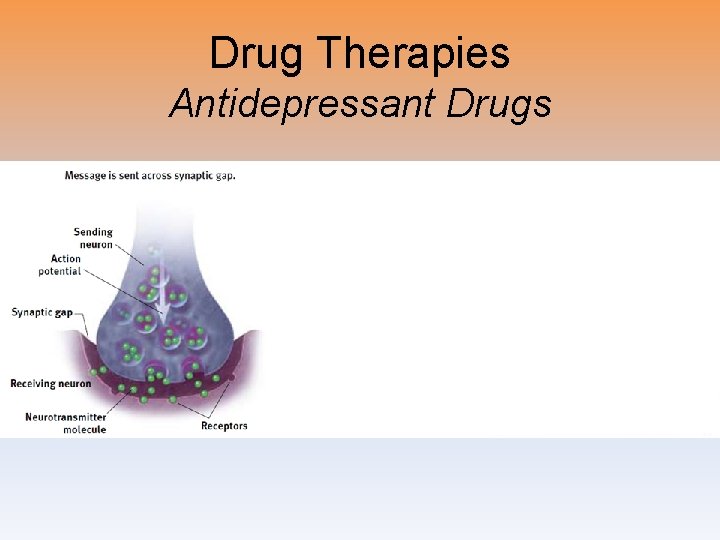
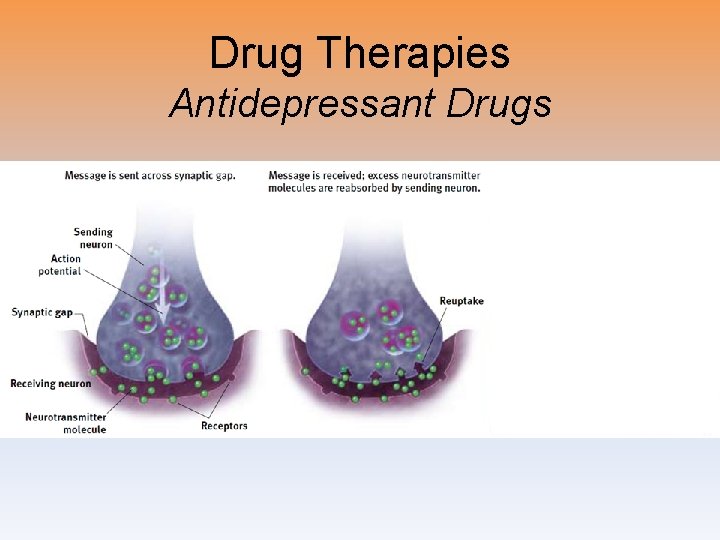
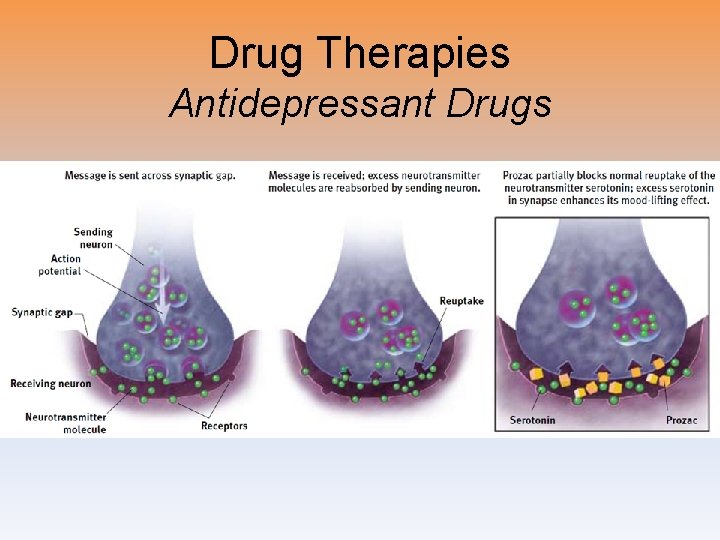
Drug Therapies Antidepressant Drugs • Antidepressant drugs – Use with mood anxiety disorders – Fluoxetine (Prozac), Paxil • Selective-serotonin-reuptake inhibitors • Neurogenesis – Side effects of antidepressants
Drug Therapies Antidepressant Drugs
Drug Therapies Antidepressant Drugs
Drug Therapies Antidepressant Drugs
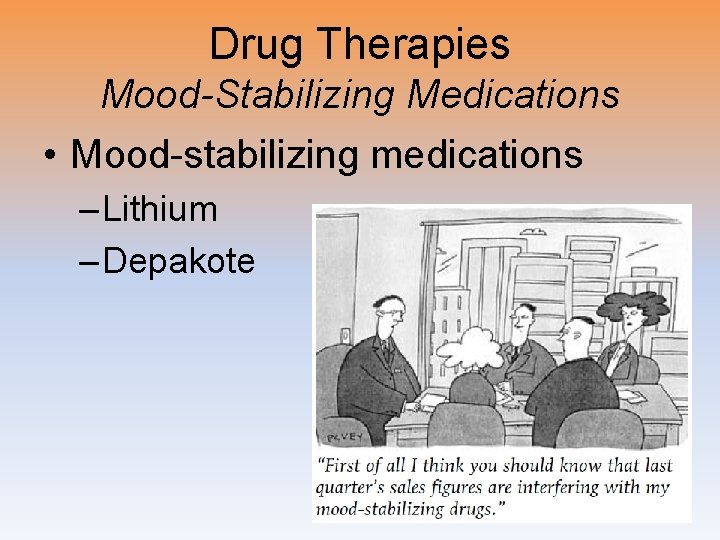
Drug Therapies Mood-Stabilizing Medications • Mood-stabilizing medications – Lithium – Depakote
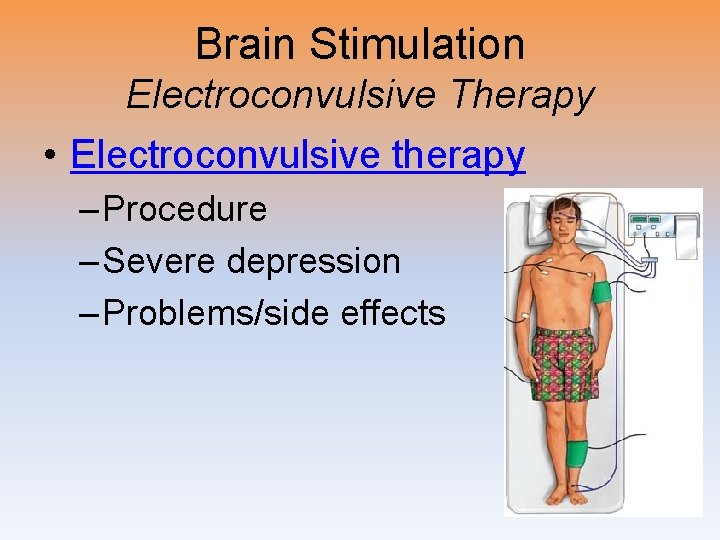
Brain Stimulation Electroconvulsive Therapy • Electroconvulsive therapy – Procedure – Severe depression – Problems/side effects
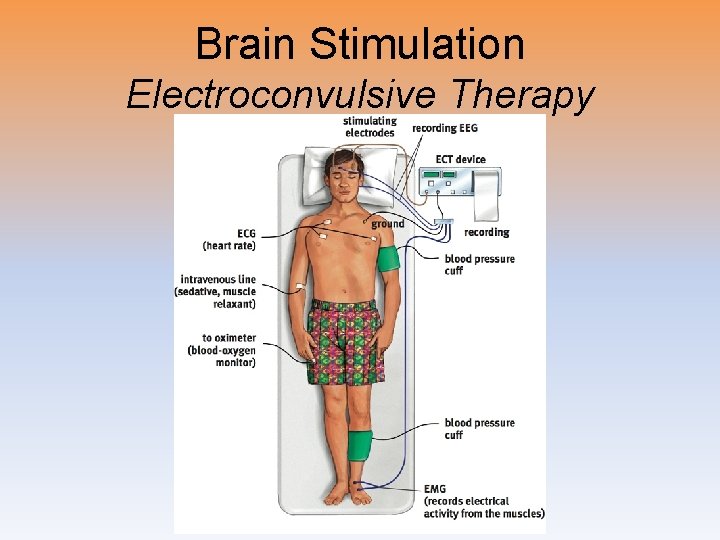
Brain Stimulation Electroconvulsive Therapy
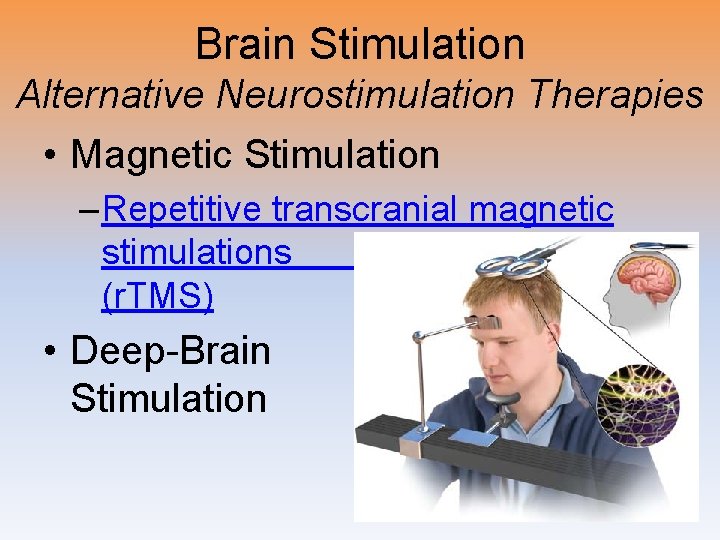
Brain Stimulation Alternative Neurostimulation Therapies • Magnetic Stimulation – Repetitive transcranial magnetic stimulations (r. TMS) • Deep-Brain Stimulation
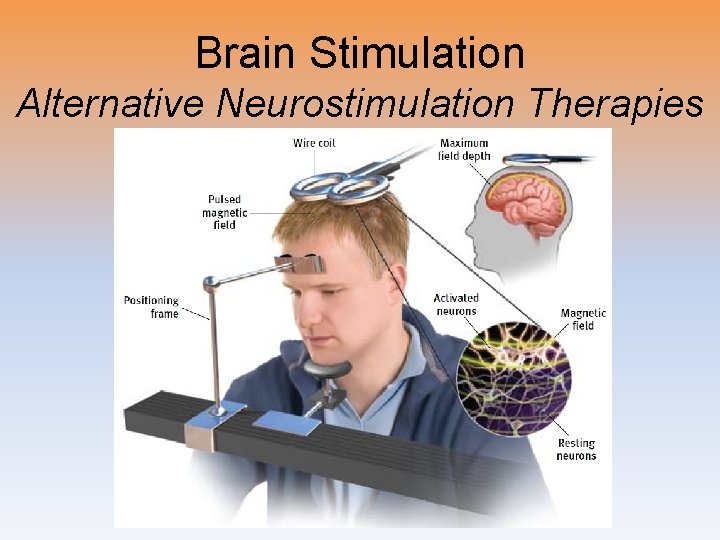
Brain Stimulation Alternative Neurostimulation Therapies
Psychosurgery • Psychosurgery – Lobotomy • History • Procedure • Side effects • Use today
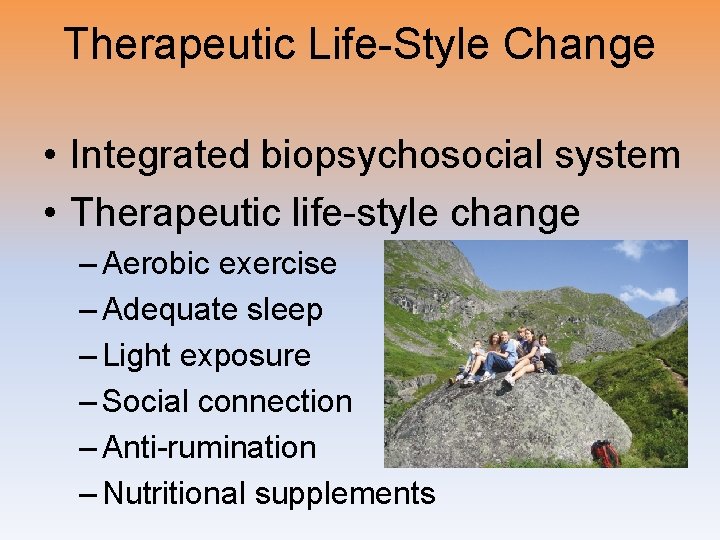
Therapeutic Life-Style Change • Integrated biopsychosocial system • Therapeutic life-style change – Aerobic exercise – Adequate sleep – Light exposure – Social connection – Anti-rumination – Nutritional supplements
Preventing Psychological Disorders
Preventing Psychological Disorders • Resilience • Preventing psychological disorders
The End
• Types of Files Teacher Information – This presentation has been saved as a “basic” Powerpoint file. While this file format placed a few limitations on the presentation, it insured the file would be compatible with the many versions of Powerpoint teachers use. To add functionality to the presentation, teachers may want to save the file for their specific version of Powerpoint. • Animation – Once again, to insure compatibility with all versions of Powerpoint, none of the slides are animated. To increase student interest, it is suggested teachers animate the slides wherever possible. • Adding slides to this presentation – Teachers are encouraged to adapt this presentation to their personal teaching style. To help keep a sense of continuity, blank slides which can be copied and pasted to a specific location in the presentation follow this “Teacher Information” section.
Teacher Information • Hyperlink Slides - This presentation contain two types of hyperlinks. Hyperlinks can be identified by the text being underlined and a different color (usually purple). – Unit subsections hyperlinks: Immediately after the unit title slide, a page (slide #3) can be found listing all of the unit’s subsections. While in slide show mode, clicking on any of these hyperlinks will take the user directly to the beginning of that subsection. This allows teachers quick access to each subsection. – Bold print term hyperlinks: Every bold print term from the unit is included in this presentation as a hyperlink. While in slide show mode, clicking on any of the hyperlinks will take the user to a slide containing the formal definition of the term. Clicking on the “arrow” in the bottom left corner of the definition slide will take the user back to the original point in the presentation. These hyperlinks were included for teachers who want students to see or copy down the exact definition as stated in the text. Most teachers prefer the definitions not be included to prevent students from only “copying down what is on the screen” and not actively listening to the presentation. For teachers who continually use the Bold Print Term Hyperlinks option, please contact the author using the email address on the next slide to learn a technique to expedite the returning to the original point in the presentation.
Teacher Information • Continuity slides – Throughout this presentation there are slides, usually of graphics or tables, that build on one another. These are included for three purposes. • By presenting information in small chunks, students will find it easier to process and remember the concepts. • By continually changing slides, students will stay interested in the presentation. • To facilitate class discussion and critical thinking. Students should be encouraged to think about “what might come next” in the series of slides. • Please feel free to contact me at kkorek@germantown. k 12. wi. us with any questions, concerns, suggestions, etc. regarding these presentations. Kent Korek Germantown High School Germantown, WI 53022 262 -253 -3400 kkorek@germantown. k 12. wi. us
Division title (green print) subdivision title (blue print) • xxx – xxx
Division title (green print) subdivision title (blue print) Use this slide to add a table, chart, clip art, picture, diagram, or video clip. Delete this box when finished
Definition Slide = add definition here
Definition Slides
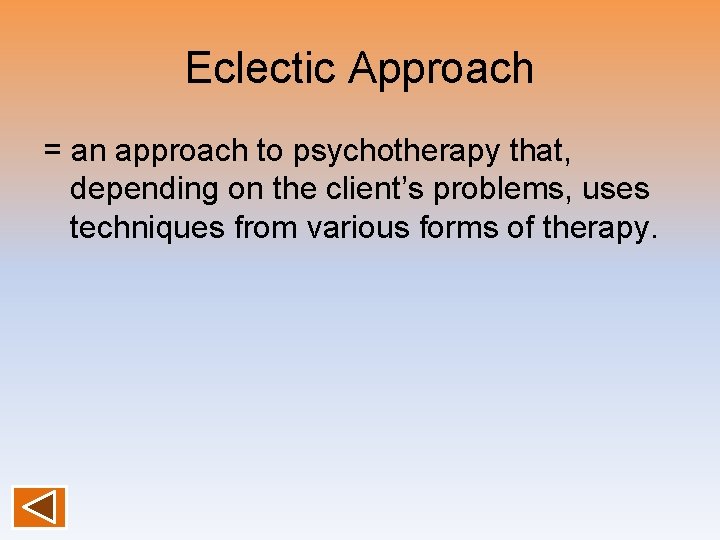
Eclectic Approach = an approach to psychotherapy that, depending on the client’s problems, uses techniques from various forms of therapy.
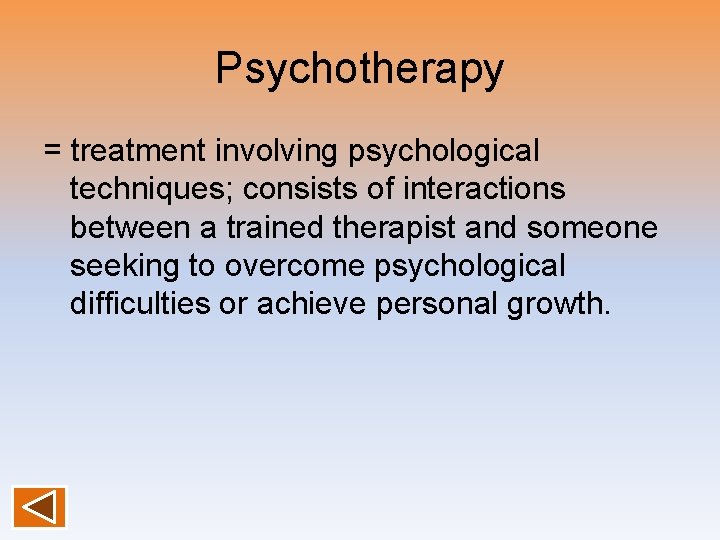
Psychotherapy = treatment involving psychological techniques; consists of interactions between a trained therapist and someone seeking to overcome psychological difficulties or achieve personal growth.
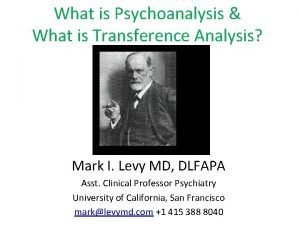
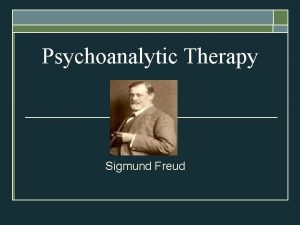
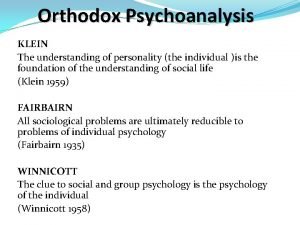
Psychoanalysis = Sigmund Freud’s therapeutic technique. Freud believed the patient’s free associations, resistances, dreams, and transferences – and therapist’s interpretations of them – released previously repressed feelings, allowing the patient to gain self-insight.
Resistance = in psychoanalysis, the blocking from consciousness of anxiety-laden material.
Interpretation = in psychoanalysis, the analyst’s noting supposed dream meanings, resistances, and other significant behaviors and events in order to promote insight.
Transference = in psychoanalysis, the patient’s transfer to the analyst of emotions linked with other relationships (such as love or hatred for a parent).
Psychodynamic Therapy = therapy deriving from the psychoanalytic tradition that views individuals as responding to unconscious forces and childhood experiences, and that seeks to enhance self-insight.
Insight Therapies = a variety of therapies that aim to improve psychological functioning by increasing the client’s awareness of underlying motives and defenses.
Client-centered Therapy = a humanistic therapy, developed by Carl Rogers, in which therapist uses techniques such as active listening within a genuine, accepting, empathic environment to facilitate client’s growth. (Also called person-centered therapy. )
Active Listening = empathic listening in which the listener echoes, restates, and clarifies. A feature of Roger’s client-centered therapy.
Unconditional Positive Regard = a caring, accepting, nonjudgmental attitude, which Carl Rogers believed would help clients to develop self-awareness and self-acceptance.
Behavior Therapy = therapy that applies learning principles to the elimination of unwanted behaviors.
Counterconditioning = a behavior therapy procedure that used classical conditioning to evoke new responses to stimuli that are triggering unwanted behaviors; includes exposure therapies and aversive conditioning.
Exposure Therapies = behavioral techniques, such as systematic desensitization, that treat anxieties by exposing people (in imagination or actuality) to the things they fear and avoid.
Systematic Desensitization = a type of exposure therapy that associates a pleasant relaxed state with gradually increasing anxiety-triggering stimuli. Commonly used to treat phobias.
Virtual Reality Exposure Therapy = an anxiety treatment that progressively exposes people to simulations of their greatest fears, such as airplane flying, spiders, or public speaking.
Aversive Conditioning = a type of counterconditioning that associates an unpleasant state (such as nausea) with an unwanted behavior (such as drinking alcohol).
Token Economy = an operant conditioning procedure in which people earn a token of some sort for exhibiting a desired behavior and can later exchange the tokens for various privileges or treats.
Cognitive Therapy = therapy that teaches people new, more adaptive ways of thinking and acting; based on the assumption that thoughts intervene between events and our emotional reactions.
Cognitive-behavioral Therapy = a popular integrative therapy that combines cognitive therapy (changing selfdefeating thinking) with behavior therapy (changing behavior).
Family Therapy = therapy that treats the family as a system. Views an individual’s unwanted behaviors as influenced by, or directed at, other family members.
Regression Toward the Mean = the tendency for extreme or unusual scores to fall back (regress) toward their average.
Meta-analysis = a procedure for statistically combining the results of many different research studies.
Evidence-based Practice = clinical decision-making that integrates the best available research with clinical expertise and patient characteristics and preferences.
Biomedical Therapy = prescribed medications or medical procedures that act directly on the patient’s nervous system.
Psychopharmacology = the study of the effects of drugs on mind and behavior.
Antipsychotic Drugs = drugs used to treat schizophrenia and other forms of severe thought disorder.
Tardive Dyskinesia = involuntary movements of the facial muscles, tongue, and limbs; a possible neurotoxic side effect of long-term use of antipsychotic drugs that target certain dopamine receptors.
Antianxiety Drugs = drugs used to control anxiety and agitation.
Antidepressant Drugs = drugs used to treat depression; also increasingly prescribed for anxiety. Different types work by altering the availability of various neurotransmitters.
Electroconvulsive Therapy (ECT) = a biomedical therapy for severely depressed patients in which a brief electric current is sent through the brain of an anesthetized patient.
Repetitive Transcranial Magnetic Stimulation (r. TMS) = the application of repeated pulses of magnetic energy to the brain; used to stimulate or suppress brain activity.
Psychosurgery = surgery that removes or destroys brain tissue in an effort to change behavior.
Lobotomy = a now-rare psychosurgical procedure once used to calm uncontrollably emotional or violent patients. The procedure cut the nerves connecting the frontal lobes to the emotion-controlling centers of the inner brain.
Resilience = the personal strength that helps most people cope with stress and recover from adversity and even trauma.