RSI in India de RECOUP methode Dr Deepak

- Slides: 93
‘RSI in India – de RECOUP methode’ Dr. Deepak Sharan, Bangalore Titlexx Slide: 1
RSI in India – de RECOUP methode Dr. Deepak Sharan, Bangalore Vrijdag 6 november 2009 Jaarbeurs Utrecht Spreker: Sharan, dr D. (Deepak) MS Ortho, DNB Ortho, Dip Ortho, M Sc Orthopaedic Engineering (UK), Dip Orthopaedic & Rehabilitation Technology (UK), Fellow, AACP&DM (USA), Fellowship in Paediatric Orthopaedics (UK & USA), Certificate in Ergonomics (Sweden) Consultant in Orthopaedics, Rehabilitation & Ergonomics, Medical Director, RECOUP Neuromusculoskeletal Rehabilitation Centre, Bangalore, India Dr. Deepak Sharan is een Indiase expert op het gebied van RSI. Dr Sharan is oprichter en medisch directeur van een RSI centre of excellence in Bangalore, India. Hij is consultant op het gebied van orthopedische chirurgie en RSI-klachten, met een indrukwekkende lijst titels en diploma’s op het gebied van orthopedie en ergonomie. Eén van zijn interessante stellingen is dat aspecifieke RSI vaak niet goed gediagnosticeerd wordt, dat er meestal andere klachten achter zitten. Het behandelprogramma in zijn RECOUP kliniek in Bangalore is multidisciplinair, een combinatie van fysieke behandeling, yoga, gesprekken met een psycholoog, cognitieve gedragstherapie, meditatie, stressmanagement en mindfulness training. Het is een fulltime programma van 8 -13 weken. Hiermee claimt hij 95% genezing te bereiken bij RSI-klachten. Titlexx Slide: 2
RSI Treatment What Works? Dr. Deepak Sharan, MS Ortho, DNB Ortho, Dip. Ortho, M Sc. Orthopaedic Engineering (UK), Dip. Orthopaedic & Rehabilitation Technology (UK), Certificate in Ergonomics (Sweden) Consultant in Orthopaedics, Rehabilitation & Ergonomics RECOUP, Bangalore, India Titlexx Slide: 3
What will be Covered? Ø My Professional Background Ø Overview of my Understanding of RSI Ø My Treatment Protocol Ø How do I judge the Prognosis in RSI? Titlexx Slide: 4
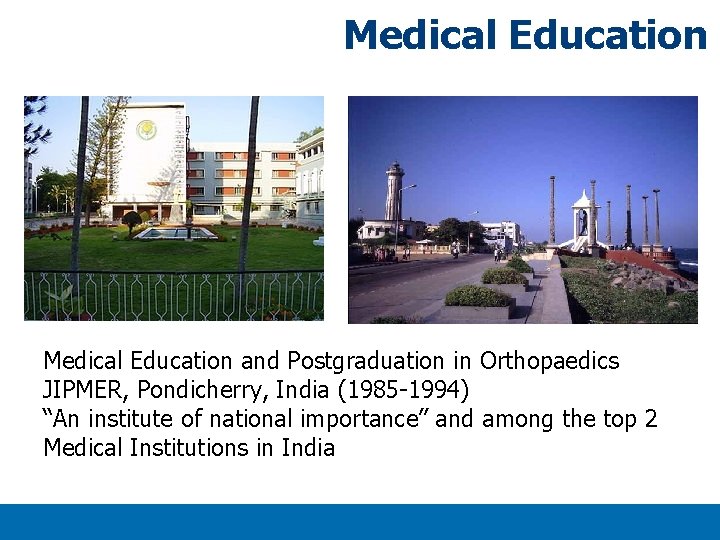
Medical Education and Postgraduation in Orthopaedics JIPMER, Pondicherry, India (1985 -1994) “An institute of national importance” and among the top 2 Medical Institutions in India Titlexx Slide: 5
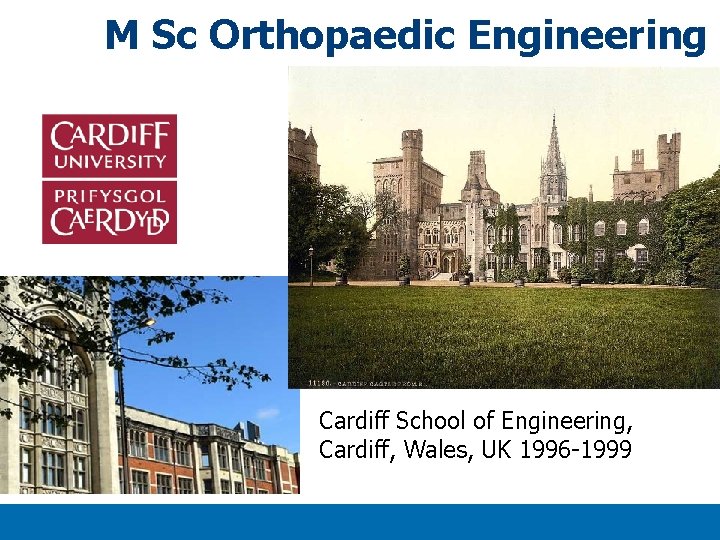
M Sc Orthopaedic Engineering Cardiff School of Engineering, Cardiff, Wales, UK 1996 -1999 Titlexx Slide: 6
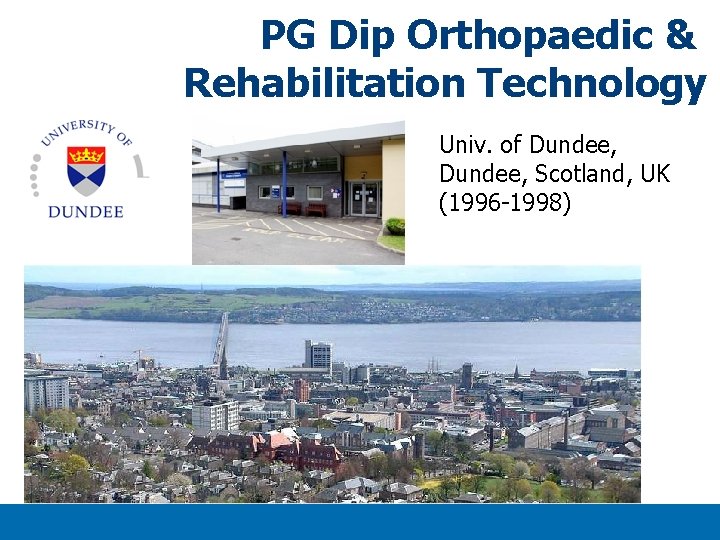
PG Dip Orthopaedic & Rehabilitation Technology Univ. of Dundee, Scotland, UK (1996 -1998) Titlexx Slide: 7
Certificate in Ergonomics Lulea University of Technology , Lulea, Sweden 2004 -2005 Titlexx Slide: 8
Professional Experience & Licensure Ø Orthopaedics & Rehabilitation: 19 Years Ø 5 years in UK, 3 months in USA Ø Full registration in India and UK, eligible in USA Titlexx Slide: 9
Advisory Role Ø I am an advisor on RSI to the Govt of India and help to frame national guidelines for RSI prevention and management. Ø I also provide RSI and Ergonomics Consultancy to 70 major companies, including the Global RSI Group for Mc. Kinsey and Company, HP, Oracle, Texas Instruments, Monsanto & Cisco. Titlexx Slide: 10
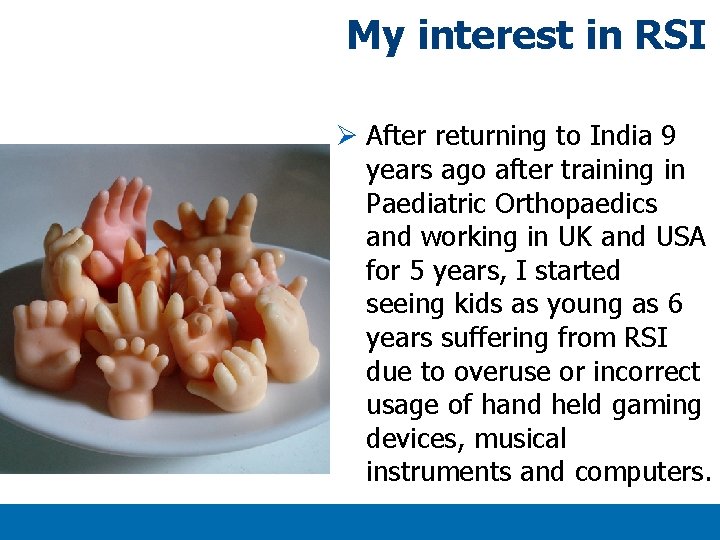
My interest in RSI Ø After returning to India 9 years ago after training in Paediatric Orthopaedics and working in UK and USA for 5 years, I started seeing kids as young as 6 years suffering from RSI due to overuse or incorrect usage of hand held gaming devices, musical instruments and computers. Titlexx Slide: 11
RSI Knowledge in 2001 Ø Generalised muscle pain in Computer Users usually indicates RSI Ø On developing pain you should stop using your hands Ø Avoid Physicians if possible since they know nothing about RSI Titlexx Slide: 12
RSI Knowledge in 2001 Ø Treatment is essentially home exercises picked up from books or web sites or Physiotherapy in severe cases Ø Be guided by other RSI sufferers and information on the Internet Ø RSI can only be “managed” and not cured, as long as the exposure (e. g. , computer usage) persists Titlexx Slide: 13
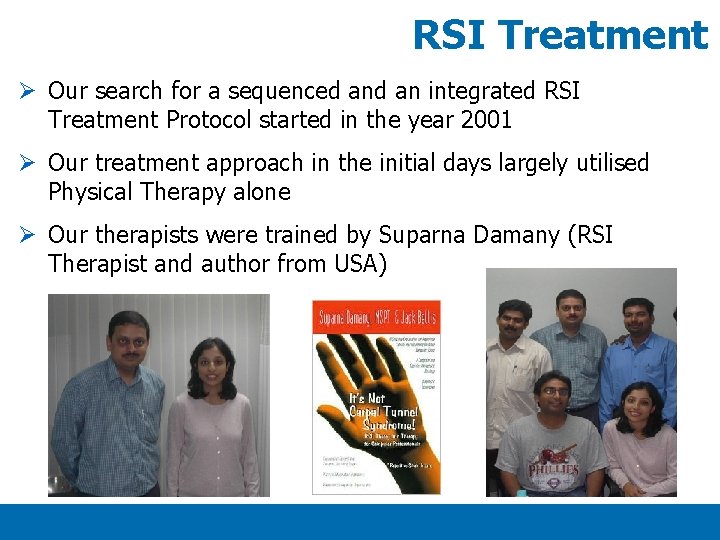
RSI Treatment Ø Our search for a sequenced an integrated RSI Treatment Protocol started in the year 2001 Ø Our treatment approach in the initial days largely utilised Physical Therapy alone Ø Our therapists were trained by Suparna Damany (RSI Therapist and author from USA) Titlexx Slide: 14
Results Ø Our success rate with the predominantly Physical Therapy approach was approximately 60 -70% Ø Flare ups and incomplete recoveries were common in patients with chronic pain Ø Our results improved to > 95% once we refined our treatment protocol and added the Mind Body Approaches Titlexx Slide: 15
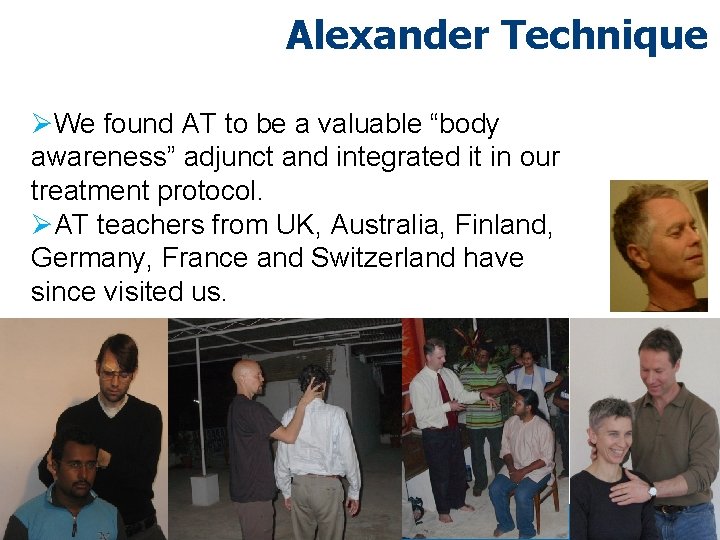
Alexander Technique ØWe found AT to be a valuable “body awareness” adjunct and integrated it in our treatment protocol. ØAT teachers from UK, Australia, Finland, Germany, France and Switzerland have since visited us. Titlexx Slide: 16
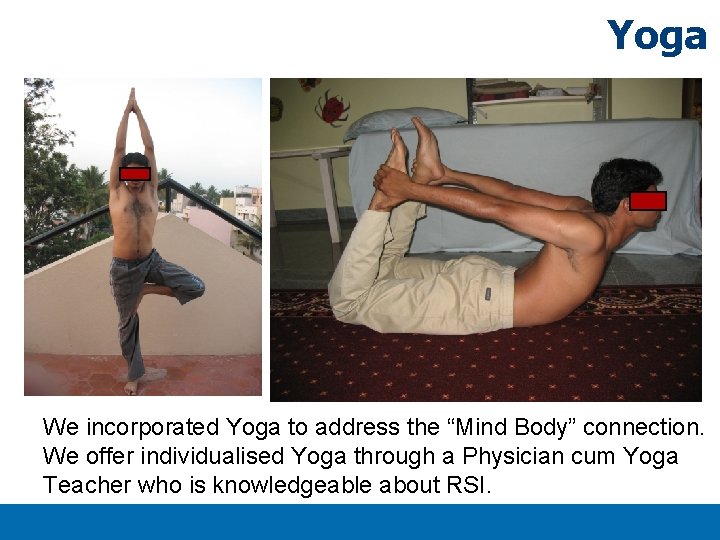
Yoga We incorporated Yoga to address the “Mind Body” connection. We offer individualised Yoga through a Physician cum Yoga Teacher who is knowledgeable about RSI. Titlexx Slide: 17
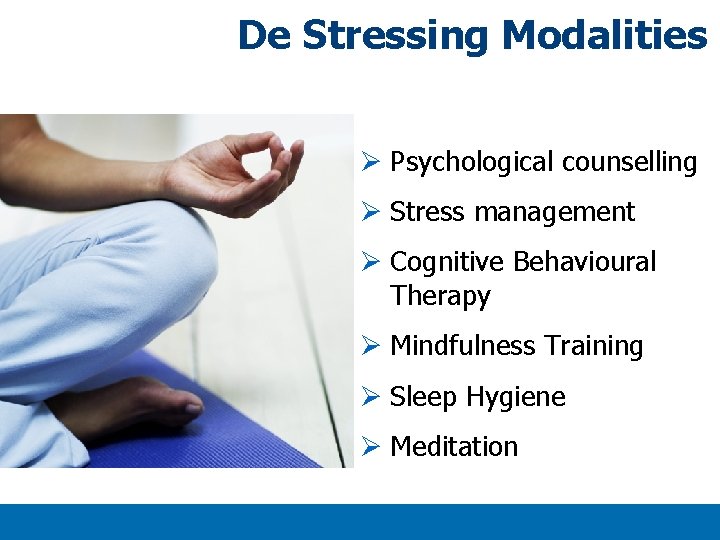
De Stressing Modalities Ø Psychological counselling Ø Stress management Ø Cognitive Behavioural Therapy Ø Mindfulness Training Ø Sleep Hygiene Ø Meditation Titlexx Slide: 18
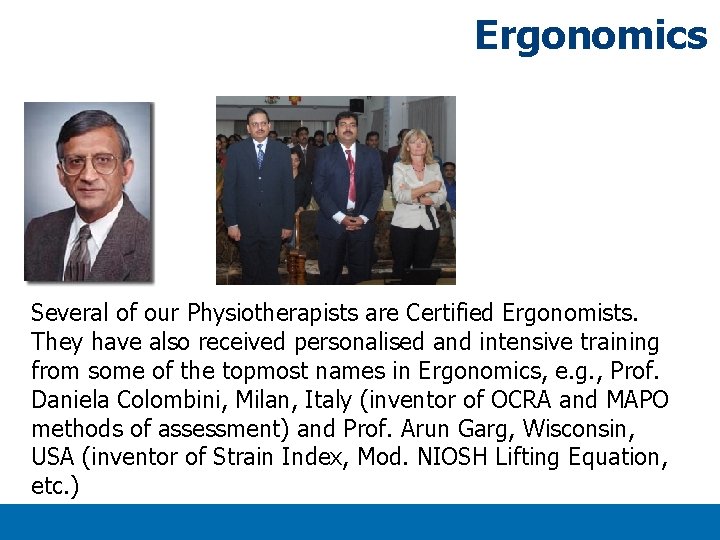
Ergonomics Several of our Physiotherapists are Certified Ergonomists. They have also received personalised and intensive training from some of the topmost names in Ergonomics, e. g. , Prof. Daniela Colombini, Milan, Italy (inventor of OCRA and MAPO methods of assessment) and Prof. Arun Garg, Wisconsin, USA (inventor of Strain Index, Mod. NIOSH Lifting Equation, etc. ) Titlexx Slide: 19
Prevalence of RSI in India Ø 75% of > 35, 000 computer professionals in Bangalore, Mumbai, Hyderabad & Delhi (2001 -09) – RECOUP’s study (largest in the world on Computer Related RSI) Titlexx Slide: 20
Risk Factors for RSI Ø Worker: Age, Gender, Body Mass Index, Smoking, Habitual Deep Muscle Tension, Medical Comorbidities Ø Environment: Temperature, Air Quality, Humidity, Lighting, Noise Ø Task: Physical/Biomechanical, Psychosocial Titlexx Slide: 21
Personality Ø The Type A personalities have a vulture neck posture, while the depressed types work slouched with drooping shoulders. Ø The net result is the same: muscle strain and compression of nerves and blood vessels in the neck, chest or shoulders. Ø In our experience, the depressed types seem to be at greater risk for Generalised Myofascial Pain or Fibromyalgia, while the Type A ones mainly develop Thoracic Outlet Syndrome. Titlexx Slide: 22
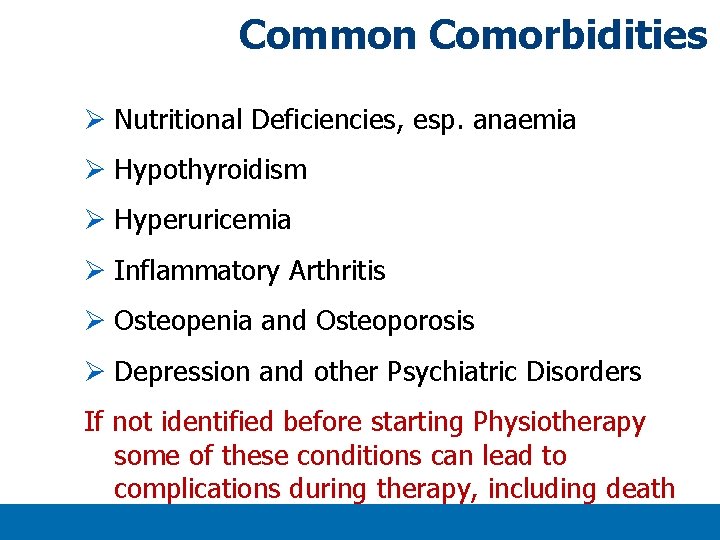
Medical Management of RSI The rehabilitation team must be led by a Physician and not a Therapist or an Alternative Medicine Practitioner because over 30% of 55, 000 RSI patients treated at RECOUP were found to have a co-morbid condition on investigation requiring medical management. Titlexx Slide: 23
Common Comorbidities Ø Nutritional Deficiencies, esp. anaemia Ø Hypothyroidism Ø Hyperuricemia Ø Inflammatory Arthritis Ø Osteopenia and Osteoporosis Ø Depression and other Psychiatric Disorders If not identified before starting Physiotherapy some of these conditions can lead to complications during therapy, including death Titlexx Slide: 24
Diagnosis Ø History: symptoms that get worse towards the end of the working day or week and get better with rest or time off work tend to be work related, at least in the earlier stages. Titlexx Slide: 25
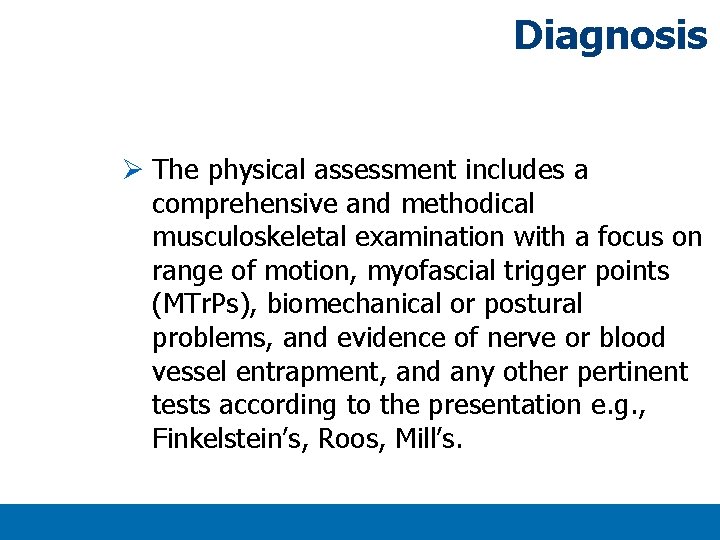
Diagnosis Ø The physical assessment includes a comprehensive and methodical musculoskeletal examination with a focus on range of motion, myofascial trigger points (MTr. Ps), biomechanical or postural problems, and evidence of nerve or blood vessel entrapment, and any other pertinent tests according to the presentation e. g. , Finkelstein’s, Roos, Mill’s. Titlexx Slide: 26
Diagnosis Ø A specific diagnosis consistent with the current International Classification of Diseases is necessary Ø Terms such as repetitive strain injury, occupational overuse syndrome, repetitive motion disorders, and cumulative trauma disorders are not ICD diagnoses Ø At RECOUP, every single RSI patient has received a specific diagnosis so far Titlexx Slide: 27
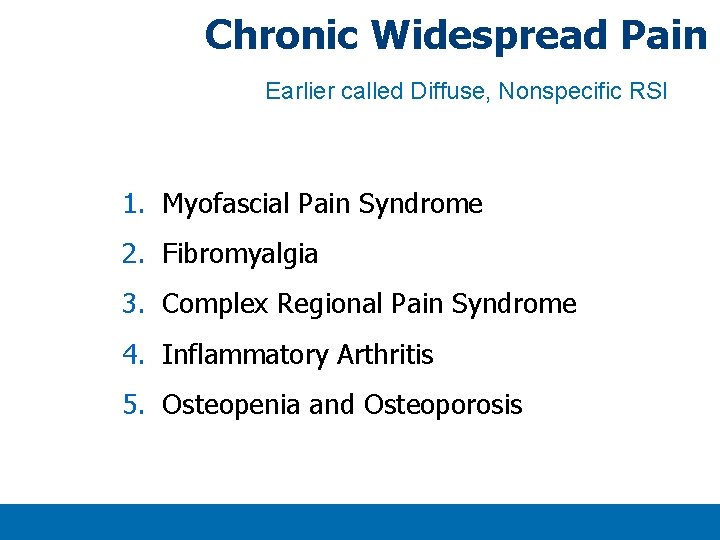
Chronic Widespread Pain Earlier called Diffuse, Nonspecific RSI 1. Myofascial Pain Syndrome 2. Fibromyalgia 3. Complex Regional Pain Syndrome 4. Inflammatory Arthritis 5. Osteopenia and Osteoporosis Titlexx Slide: 28
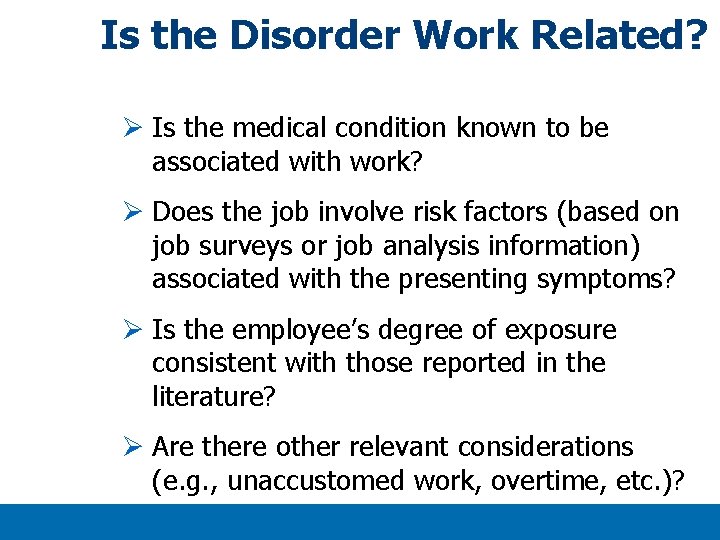
Is the Disorder Work Related? Ø Is the medical condition known to be associated with work? Ø Does the job involve risk factors (based on job surveys or job analysis information) associated with the presenting symptoms? Ø Is the employee’s degree of exposure consistent with those reported in the literature? Ø Are there other relevant considerations (e. g. , unaccustomed work, overtime, etc. )? Titlexx Slide: 29
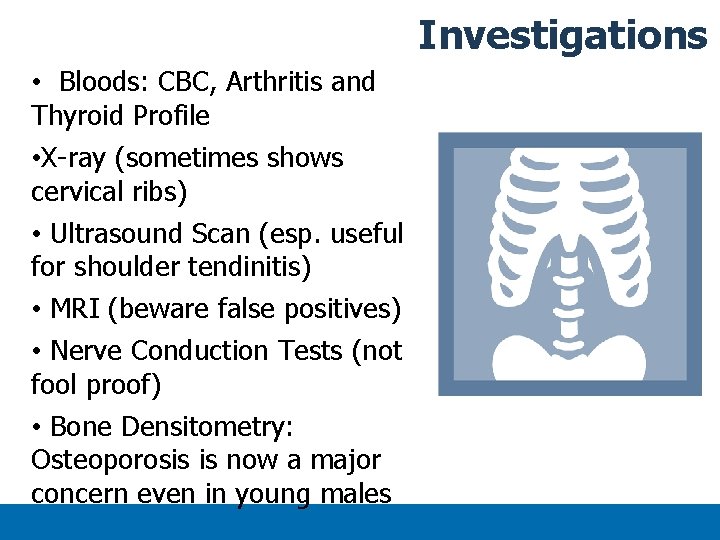
Investigations • Bloods: CBC, Arthritis and Thyroid Profile • X-ray (sometimes shows cervical ribs) • Ultrasound Scan (esp. useful for shoulder tendinitis) • MRI (beware false positives) • Nerve Conduction Tests (not fool proof) • Bone Densitometry: Osteoporosis is now a major concern even in young males Titlexx Slide: 30
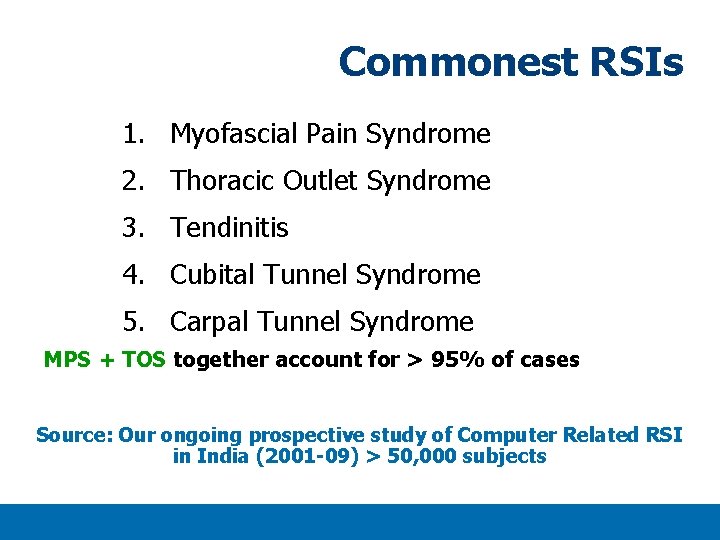
Commonest RSIs 1. Myofascial Pain Syndrome 2. Thoracic Outlet Syndrome 3. Tendinitis 4. Cubital Tunnel Syndrome 5. Carpal Tunnel Syndrome MPS + TOS together account for > 95% of cases Source: Our ongoing prospective study of Computer Related RSI in India (2001 -09) > 50, 000 subjects Titlexx Slide: 31
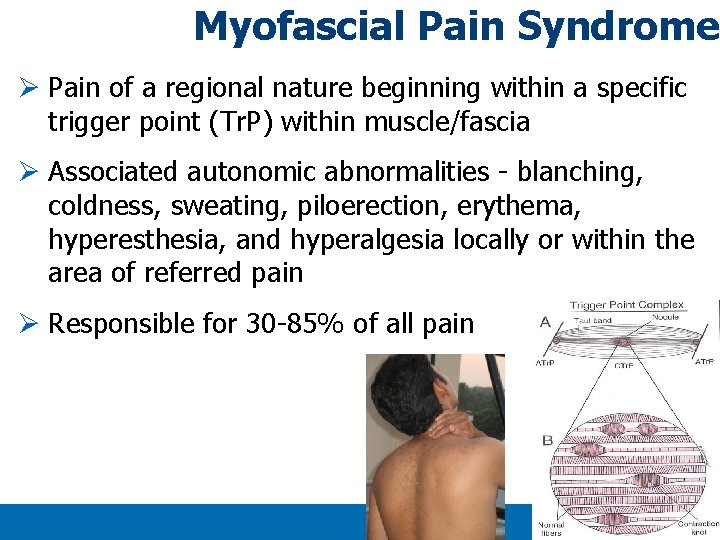
Myofascial Pain Syndrome Ø Pain of a regional nature beginning within a specific trigger point (Tr. P) within muscle/fascia Ø Associated autonomic abnormalities - blanching, coldness, sweating, piloerection, erythema, hyperesthesia, and hyperalgesia locally or within the area of referred pain Ø Responsible for 30 -85% of all pain Titlexx Slide: 32
Types of Trigger Points ØActive Tr. P and Latent Tr. P ØKey Tr. P and Satellite Tr. P Titlexx Slide: 33
Active Tr. P’s Ø Causes pain and tenderness at rest or with motion that stretches or loads the muscle. Ø It prevents full lengthening of the muscle, as well as fatigue and decreased strength. Ø Pressure on an active MTr. P induces / reproduces some of the patient’s pain complaint and is recognised by the patient as being some or all of his or her pain. Ø The signs and symptoms of Tr. P activity long outlast the precipitating event. Titlexx Slide: 34
Latent Tr. P Ø Clinically quiescent with respect to spontaneous pain, but painful when palpated. Ø Does not cause pain during normal activities. Ø It also refers pain on pressure. Ø It can be associated with a weakened, shortened, more easily fatigued muscle. Titlexx Slide: 35
Key Tr. P Ø Responsible for activating one or more satellite Tr. P’s Ø Develops almost directly in the centre of the muscle fibres, where the motor endplate innervates it at the neuromuscular junction Titlexx Slide: 36
Satellite Tr. P Ø Develops in the zone of the referred pain pattern of the Key Tr. P Titlexx Slide: 37
Spinal Segmental Sensitisation (SSS) Ø If Tr. P is left untreated, it may become an irritative focus and send persistent pain impulses via a sensory neuron into the spinal cord Ø The spinal loop that is constantly bombarded with noxious stimuli and irritated may develop the facilitated release of nociceptive neurotransmitters with lowered threshold for synaptic activation, amplification and perpetuation of pain Titlexx Slide: 38
Simons Criteria for Dx of MPS Major criteria: 1. Localised spontaneous pain. 2. Spontaneous pain or altered sensations in expected referred pain area for given MTr. P 3. Taut, palpable band in accessible muscle. 4. Exquisite, localised tenderness in precise point along taut band 5. Some measurable reduced movement range. Titlexx Slide: 39 5 major and at least 1 of 3 minor criteria
Simons Criteria for Dx of MPS Minor criteria: 1. Reproduction of spontaneously perceived pain and altered sensations by pressure on MTr. P. 2. Elicitation of local twitch response of muscular fibers by transverse “snapping” palpation or by needle insertion into MTr. P. 3. Pain relief obtained by muscle stretching or injection of MTr. P. Titlexx Slide: 40 5 major and at least 1 of 3 minor criteria
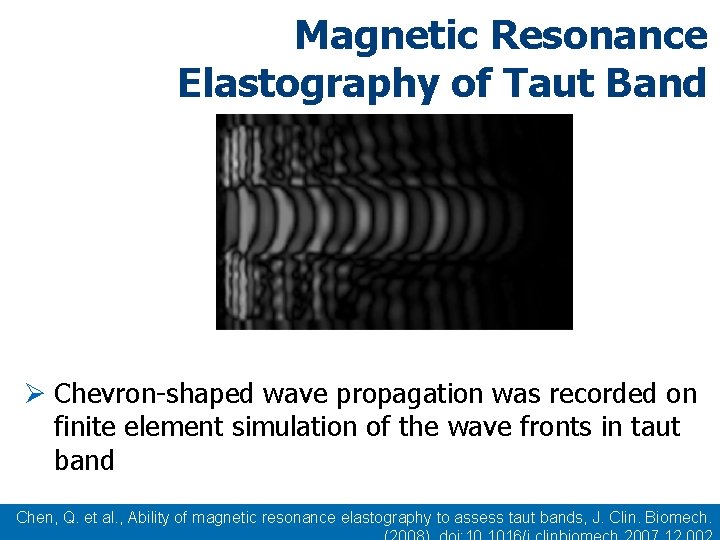
Magnetic Resonance Elastography of Taut Band Ø Chevron-shaped wave propagation was recorded on finite element simulation of the wave fronts in taut band Chen, Q. et al. , Titlexx Ability of magnetic resonance elastography to assess taut bands, J. Clin. Biomech. Slide: 41
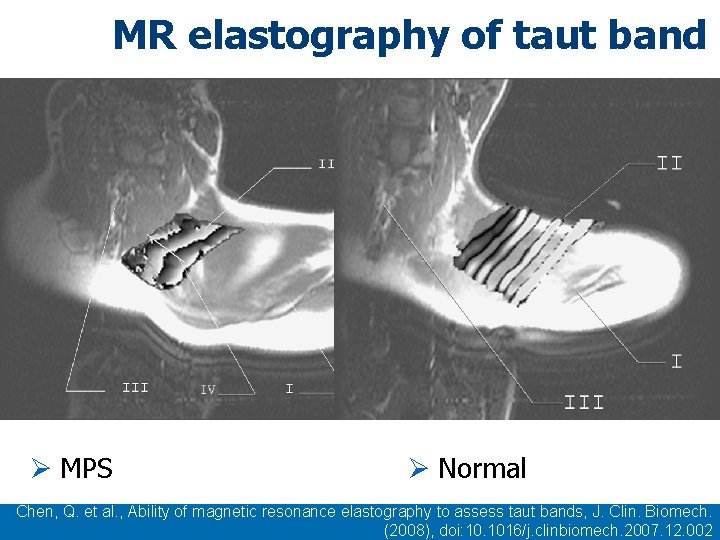
MR elastography of taut band Ø MPS Ø Normal Chen, Q. et al. , Ability of magnetic resonance elastography to assess taut bands, J. Clin. Biomech. Titlexx Slide: 42 (2008), doi: 10. 1016/j. clinbiomech. 2007. 12. 002
Biochemical Study of Tr. Ps Ø Subjects with active MTPs in the trapezius muscle have a biochemical milieu of selected inflammatory mediators, neuropeptides, cytokines, and catecholamines different from subjects with latent or absent MTPs in their trapezius. Ø These concentrations also differ quantitatively from a remote, uninvolved site in the gastrocnemius muscle. Titlexx 43 Shah JP, et al. Arch Phys Med Rehabil 2008; 89: Slide: 16 -23
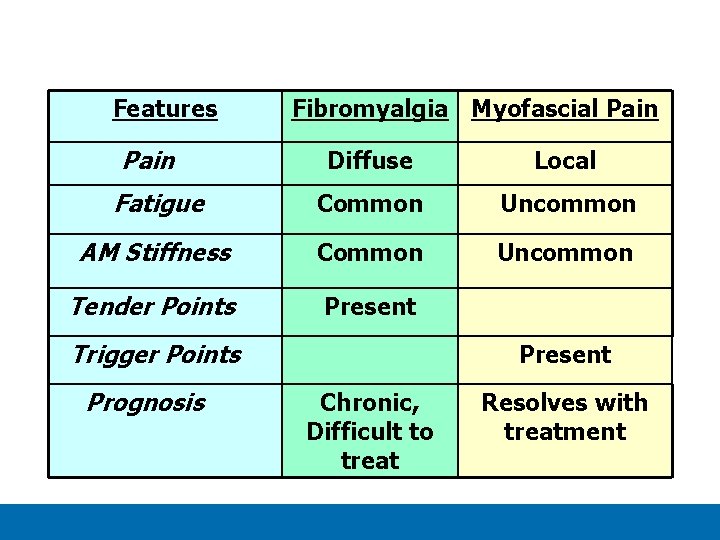
Features Fibromyalgia Myofascial Pain Diffuse Local Fatigue Common Uncommon AM Stiffness Common Uncommon Tender Points Present Trigger Points Prognosis Titlexx Present Chronic, Difficult to treat Resolves with treatment Slide: 44
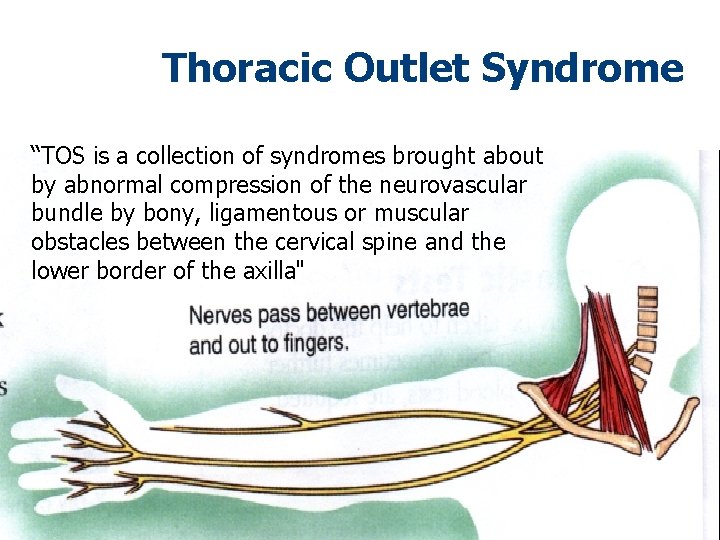
Thoracic Outlet Syndrome “TOS is a collection of syndromes brought about by abnormal compression of the neurovascular bundle by bony, ligamentous or muscular obstacles between the cervical spine and the lower border of the axilla" Titlexx Slide: 45
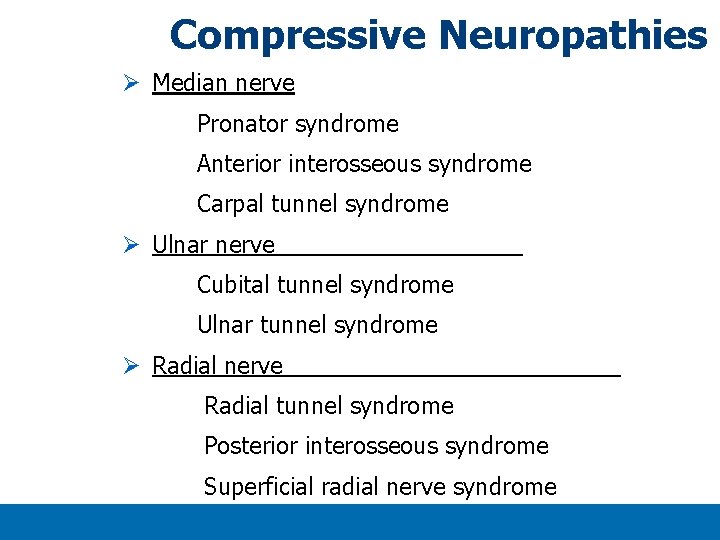
Compressive Neuropathies Ø Median nerve Pronator syndrome Anterior interosseous syndrome Carpal tunnel syndrome Ø Ulnar nerve Cubital tunnel syndrome Ulnar tunnel syndrome Ø Radial nerve Radial tunnel syndrome Posterior interosseous syndrome Superficial radial nerve syndrome Titlexx Slide: 46
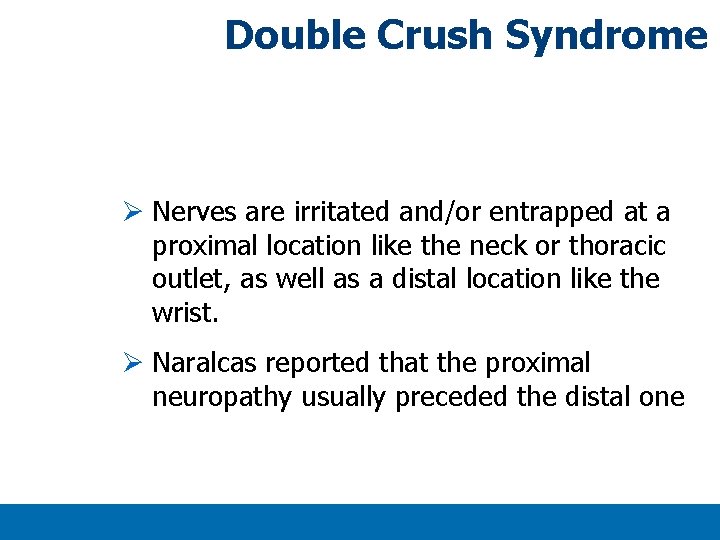
Double Crush Syndrome Ø Nerves are irritated and/or entrapped at a proximal location like the neck or thoracic outlet, as well as a distal location like the wrist. Ø Naralcas reported that the proximal neuropathy usually preceded the distal one Titlexx Slide: 47
Double Crush Syndrome Ø The relative contribution at each site may be difficult to assess and correction of the problem at one site alone is more likely to result in lingering or persistent symptoms. Ø Signs and symptoms out of proportion to findings documented by electrical nerve testing. Ø Underlying constitutional tendency toward irritative nerve symptoms. Titlexx Slide: 48
Early Intervention is the magic word Ø Prolonged rest, non usage of affected body part and usage of wrist splints can be dangerous and career threatening Ø Symptoms will overpower you from time to time and the situation will inevitably spiral downwards, unless a concerted attempt is made towards an early “cure” Titlexx Slide: 49
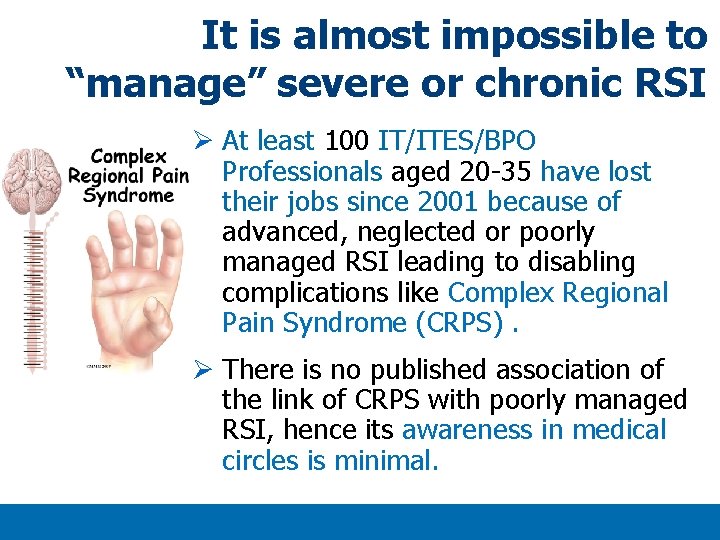
It is almost impossible to “manage” severe or chronic RSI Ø At least 100 IT/ITES/BPO Professionals aged 20 -35 have lost their jobs since 2001 because of advanced, neglected or poorly managed RSI leading to disabling complications like Complex Regional Pain Syndrome (CRPS). Ø There is no published association of the link of CRPS with poorly managed RSI, hence its awareness in medical circles is minimal. Titlexx Slide: 50
SHARAN'S® Protocol for RSI Ø Skilled Ø Hands-on Ø Approach for Ø Release of myofascia, Ø Articular, Ø Neural and Ø Soft-tissue mobilisation Titlexx Slide: 51
Why A Sequenced Protocol? Ø Previous authors have documented a statistically significant relationship between the presence of Tr. P in upper trapezius muscle and cervical joint dysfunctions at C 3 and C 4 vertebrae. Ø There is clinical evidence showing that joint dysfunctions can induce Tr. P activity, and that Tr. P activity can aggravate corresponding joint dysfunction. Fernández de-las-Peñas C, et al. Musculoskeletal Disorders in Mechanical Neck Pain MTr. Ps Titlexx Slide: 52 versus Cervical Joint Dysfunction- A Clinical Study. J Musculoskeletal Pain 2005; 13 (1)
Why A Sequenced Protocol? Ø Nerve tissues can contribute to the origin or perpetuation of Tr. Ps. Ø Decreased extensibility of the upper quadrant neural structures, as assessed by the median nerve tension test, was associated with decreased length of upper Trapezius muscle. Edgar D, et. Titlexx al. Relationship between upper trapezius muscle length and upper quadrant neural Slide: 53 tissue extensibility. Aust J Physiother 1994; 40: 99 -103
Treatment Approach Ø Before starting treatment, I make a specific diagnosis and outline the treatment goals for our rehabilitation team. Ø I also supervise the treatment and review patients at least once a week, occasionally modifying treatment or stopping the treatment for reassessment and further investigations if necessary. Ø I decide when a patient can go on to the subsequent stage of rehabilitation. Titlexx Slide: 54
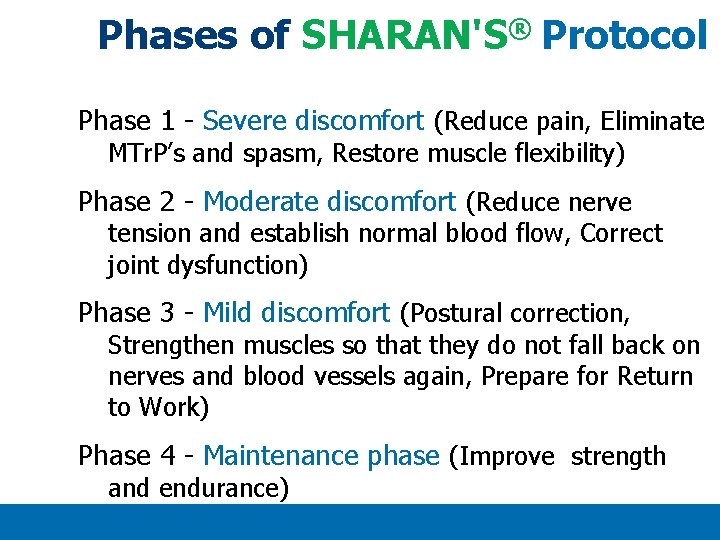
Phases of SHARAN'S® Protocol Phase 1 - Severe discomfort (Reduce pain, Eliminate MTr. P’s and spasm, Restore muscle flexibility) Phase 2 - Moderate discomfort (Reduce nerve tension and establish normal blood flow, Correct joint dysfunction) Phase 3 - Mild discomfort (Postural correction, Strengthen muscles so that they do not fall back on nerves and blood vessels again, Prepare for Return to Work) Phase 4 - Maintenance phase (Improve strength and endurance) Titlexx Slide: 55
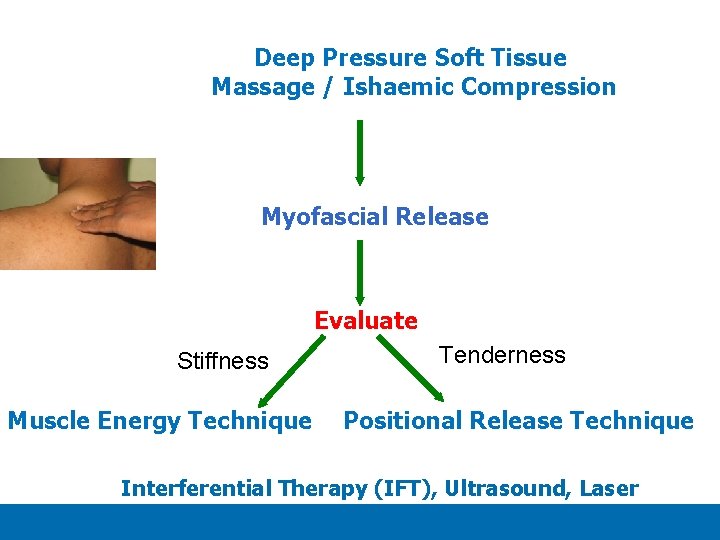
Phase -1 Severe Discomfort Ø Ischaemic compression, deep pressure soft tissue massage Ø Myofascial Release Technique Ø Muscle Energy Technique Ø Positional Release Techniques Ø Relaxation techniques / breathing exercises Ø Aqua Therapy in a Swimming Pool Ø Taping Ø Interferential Therapy (IFT), Ultrasound, Laser Ø Spray & Stretch and Tr. P needling injections Titlexx Slide: 56
Ischaemic Compression Ø The therapist applies a slow, gentle, firm pressure to the Tr. P for 2 minutes. Ø There is a feeling of the muscle "giving way" beneath the fingers during the second minute. Ø Once pressure is released, the skin blanches briefly, and a reactive hyperemia follows that may last several hours. Ø This technique has no known complications other than local ecchymosis and soreness in some patients. Titlexx Slide: 57
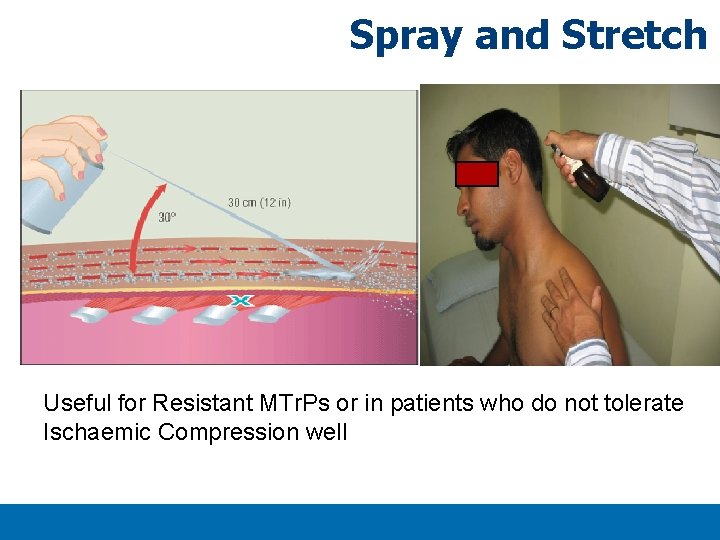
Spray and Stretch Useful for Resistant MTr. Ps or in patients who do not tolerate Ischaemic Compression well Titlexx Slide: 58
Ice Stroking Ø Water is frozen in a plastic or paper cup with a stirring stick, such as a tongue depressor, placed in the cup to provide a handle to hold the ice. Ø The bottom of the cup is then torn back and an edge of ice is applied to the skin in a unidirectional stroke following the same patterns as for the spray. Ø Useful in patients with cold-induced asthma or other respiratory conditions. Titlexx Slide: 59
Causes of persisting pain after 2 -3 sessions 1. The key MTr. P has not been correctly identified and treated 2. The diagnosis of MTr. P pain is incorrect 3. There are factors causing persistence or recurrence of the treated MTr. P and require a review by the Physician Titlexx Slide: 60
Causes of persistent MTr. Ps Ø Mechanical: Structural, Postural, Ergonomic Ø Medical: Infectious diseases (Lyme disease, Candida albicans infections), Inflammatory disorders, Immunological/allergic, Nutritional disorders (vitamin B 6, B 12, D, iron insufficiency), Hormonal disorders (hypothyroidism, GH deficiency) Titlexx Slide: 61
Shifting pain during treatment Ø This is likely to be an apparent movement rather than actual movement of a specific MTr. P and can occur as a result of treatment of a series of satellite MTr. Ps. Ø If the key MTr. P is identified and treated in the first instance, this apparent movement is less likely to occur. Titlexx Slide: 62
Deep Pressure Soft Tissue Massage / Ishaemic Compression Myofascial Release Evaluate Stiffness Muscle Energy Technique Tenderness Positional Release Technique Interferential Therapy (IFT), Ultrasound, Laser Titlexx Slide: 63
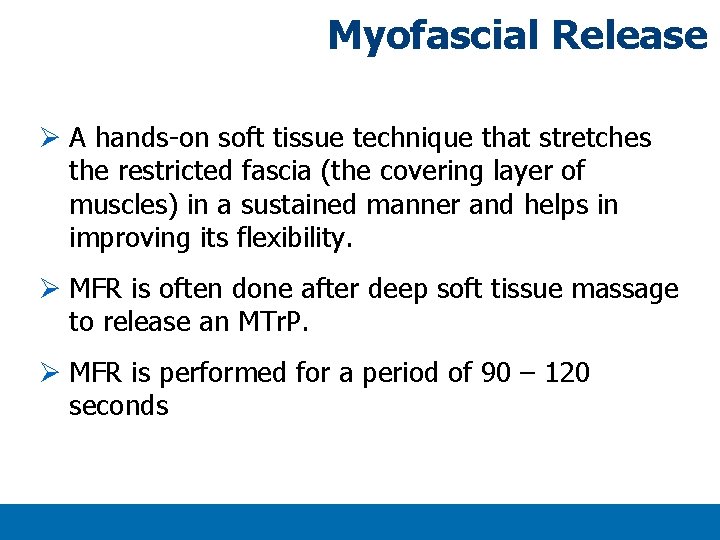
Myofascial Release Ø A hands-on soft tissue technique that stretches the restricted fascia (the covering layer of muscles) in a sustained manner and helps in improving its flexibility. Ø MFR is often done after deep soft tissue massage to release an MTr. P. Ø MFR is performed for a period of 90 – 120 seconds Titlexx Slide: 64
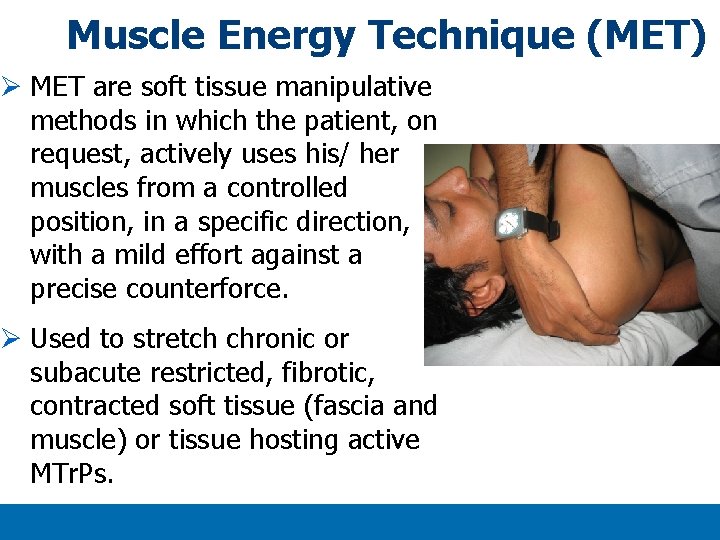
Muscle Energy Technique (MET) Ø MET are soft tissue manipulative methods in which the patient, on request, actively uses his/ her muscles from a controlled position, in a specific direction, with a mild effort against a precise counterforce. Ø Used to stretch chronic or subacute restricted, fibrotic, contracted soft tissue (fascia and muscle) or tissue hosting active MTr. Ps. Titlexx Slide: 65
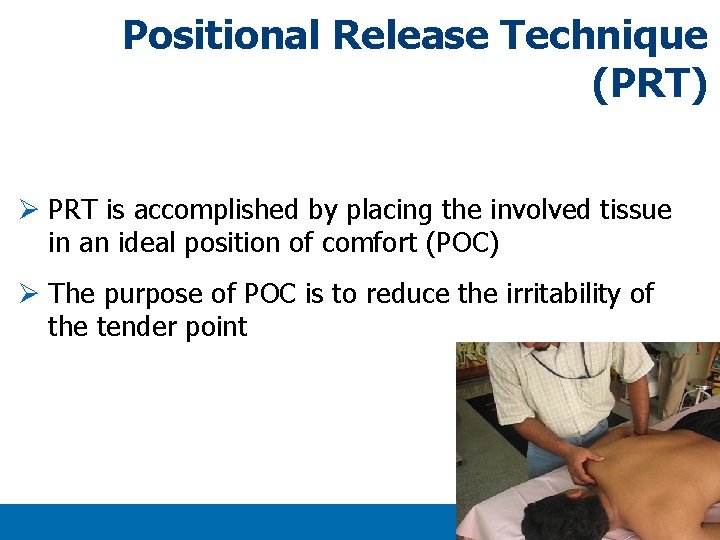
Positional Release Technique (PRT) Ø PRT is accomplished by placing the involved tissue in an ideal position of comfort (POC) Ø The purpose of POC is to reduce the irritability of the tender point Titlexx Slide: 66
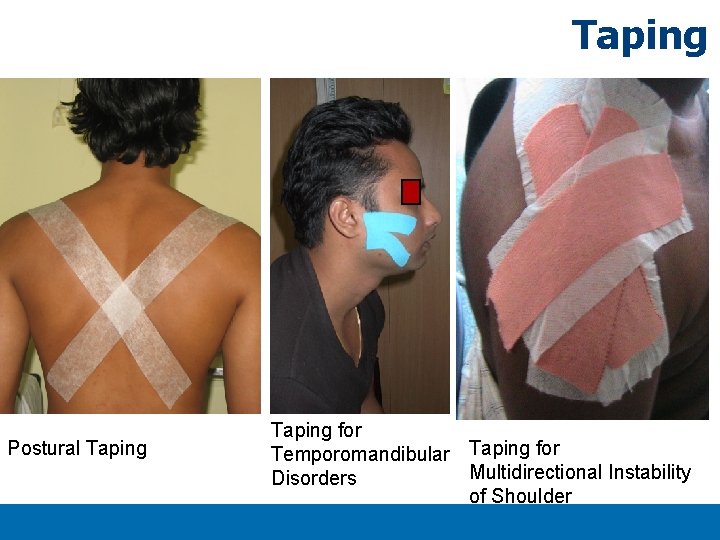
Taping Postural Taping Titlexx Taping for Temporomandibular Taping for Multidirectional Instability Disorders of Shoulder Slide: 67
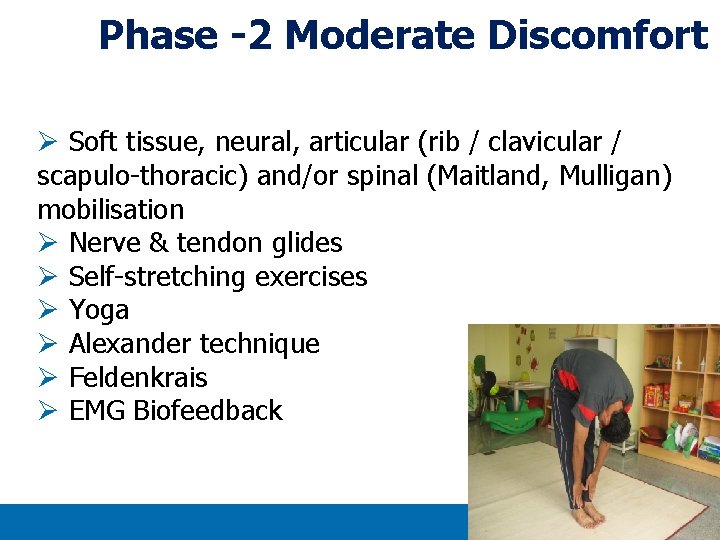
Phase -2 Moderate Discomfort Ø Soft tissue, neural, articular (rib / clavicular / scapulo-thoracic) and/or spinal (Maitland, Mulligan) mobilisation Ø Nerve & tendon glides Ø Self-stretching exercises Ø Yoga Ø Alexander technique Ø Feldenkrais Ø EMG Biofeedback Titlexx Slide: 68
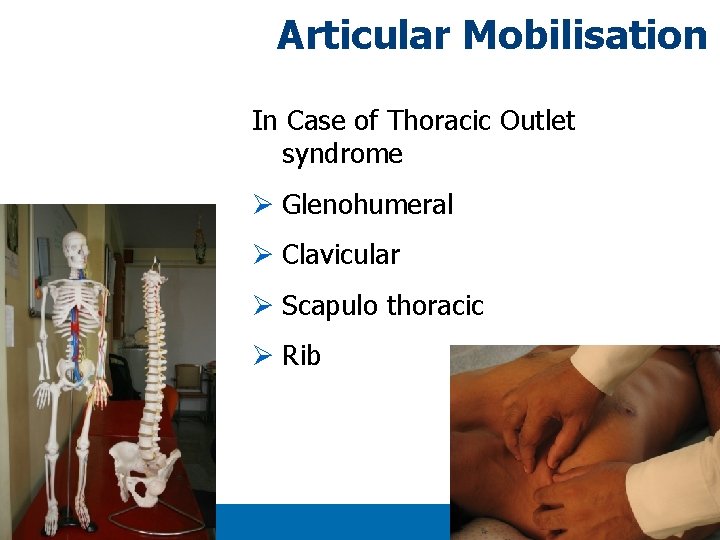
Articular Mobilisation In Case of Thoracic Outlet syndrome Ø Glenohumeral Ø Clavicular Ø Scapulo thoracic Ø Rib Titlexx Slide: 69
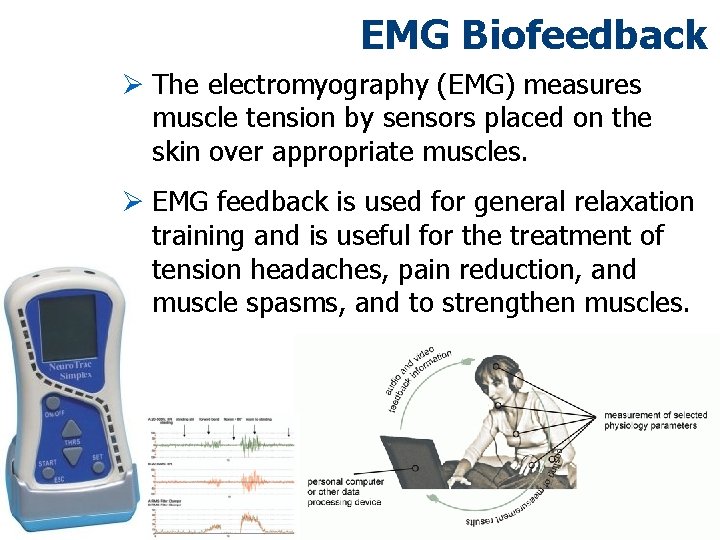
EMG Biofeedback Ø The electromyography (EMG) measures muscle tension by sensors placed on the skin over appropriate muscles. Ø EMG feedback is used for general relaxation training and is useful for the treatment of tension headaches, pain reduction, and muscle spasms, and to strengthen muscles. Titlexx Slide: 70
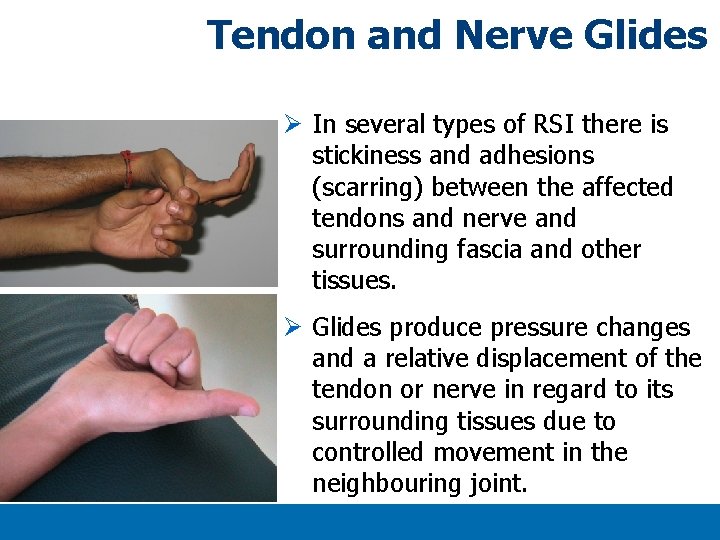
Tendon and Nerve Glides Ø In several types of RSI there is stickiness and adhesions (scarring) between the affected tendons and nerve and surrounding fascia and other tissues. Ø Glides produce pressure changes and a relative displacement of the tendon or nerve in regard to its surrounding tissues due to controlled movement in the neighbouring joint. Titlexx Slide: 71
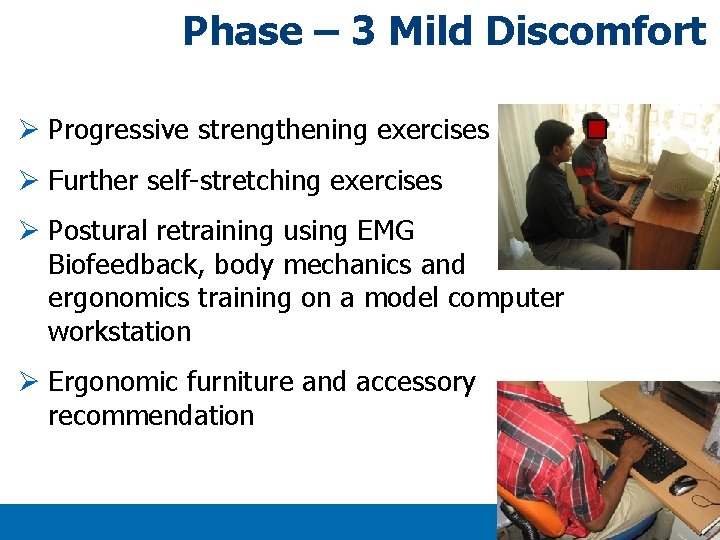
Phase – 3 Mild Discomfort Ø Progressive strengthening exercises Ø Further self-stretching exercises Ø Postural retraining using EMG Biofeedback, body mechanics and ergonomics training on a model computer workstation Ø Ergonomic furniture and accessory recommendation Titlexx Slide: 72
Strengthening Ø Strengthening builds endurance, helps people maintain proper posture and relieve pressure on nerves and blood vessels. Ø However, strengthening is absolutely the last step of rehabilitation and when done in the presence of active MTr. P’s, worsens the situation. Ø We start supervised strengthening usually a fortnight after the pain has subsided, and only when the MTr. P’s have been treated, and adequate flexibility achieved. Titlexx Slide: 73
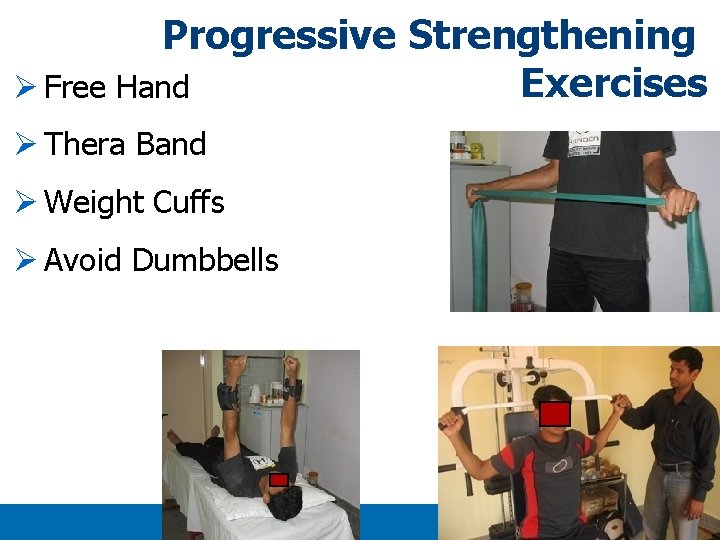
Progressive Strengthening Exercises Ø Free Hand Ø Thera Band Ø Weight Cuffs Ø Avoid Dumbbells Titlexx Slide: 74
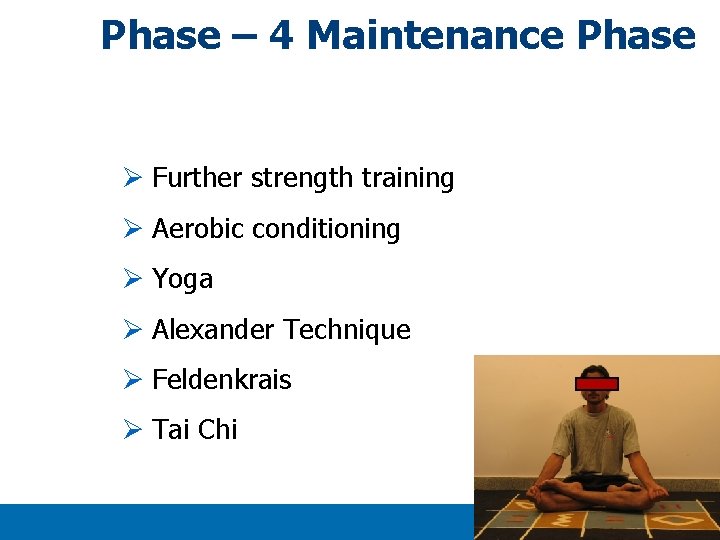
Phase – 4 Maintenance Phase Ø Further strength training Ø Aerobic conditioning Ø Yoga Ø Alexander Technique Ø Feldenkrais Ø Tai Chi Titlexx Slide: 75
TOS Treatment Ø Surgery not usually required Ø Our research study of 100 consecutive TOS patients treated with a sequenced rehabilitation protocol reported almost a 100% success rate. Titlexx Slide: 76
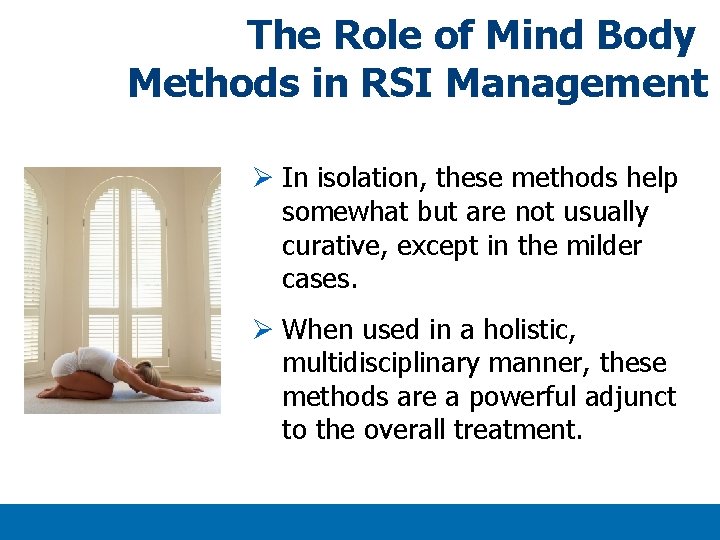
The Role of Mind Body Methods in RSI Management Ø In isolation, these methods help somewhat but are not usually curative, except in the milder cases. Ø When used in a holistic, multidisciplinary manner, these methods are a powerful adjunct to the overall treatment. Titlexx Slide: 77
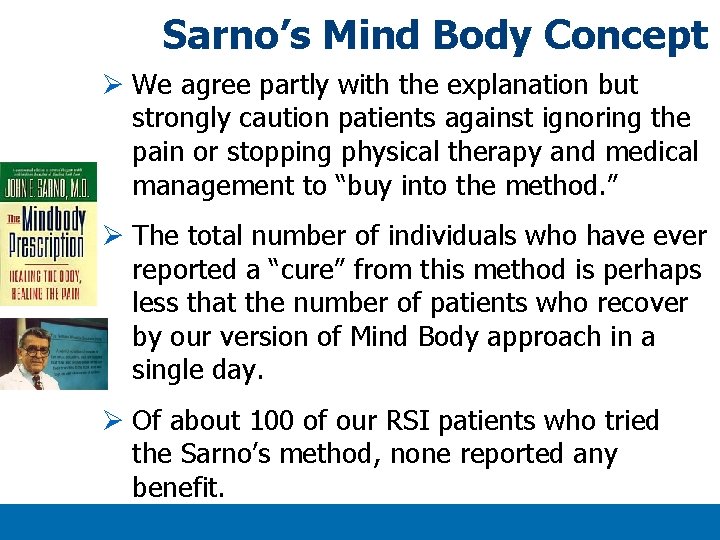
Sarno’s Mind Body Concept Ø We agree partly with the explanation but strongly caution patients against ignoring the pain or stopping physical therapy and medical management to “buy into the method. ” Ø The total number of individuals who have ever reported a “cure” from this method is perhaps less that the number of patients who recover by our version of Mind Body approach in a single day. Ø Of about 100 of our RSI patients who tried the Sarno’s method, none reported any benefit. Titlexx Slide: 78
Speed of Recovery Ø Related to the stage at presentation Titlexx Slide: 79
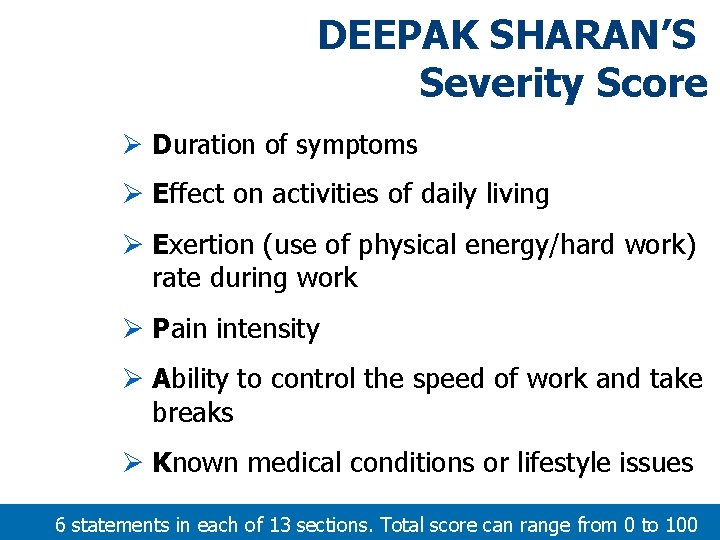
DEEPAK SHARAN’S Severity Score Ø Duration of symptoms Ø Effect on activities of daily living Ø Exertion (use of physical energy/hard work) rate during work Ø Pain intensity Ø Ability to control the speed of work and take breaks Ø Known medical conditions or lifestyle issues Titlexx Slide: 80 6 statements in each of 13 sections. Total score can range from 0 to 100
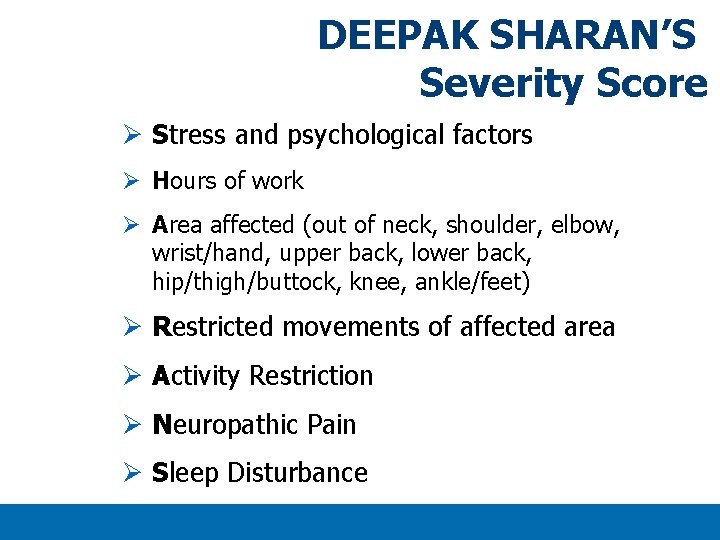
DEEPAK SHARAN’S Severity Score Ø Stress and psychological factors Ø Hours of work Ø Area affected (out of neck, shoulder, elbow, wrist/hand, upper back, lower back, hip/thigh/buttock, knee, ankle/feet) Ø Restricted movements of affected area Ø Activity Restriction Ø Neuropathic Pain Ø Sleep Disturbance Titlexx Slide: 81
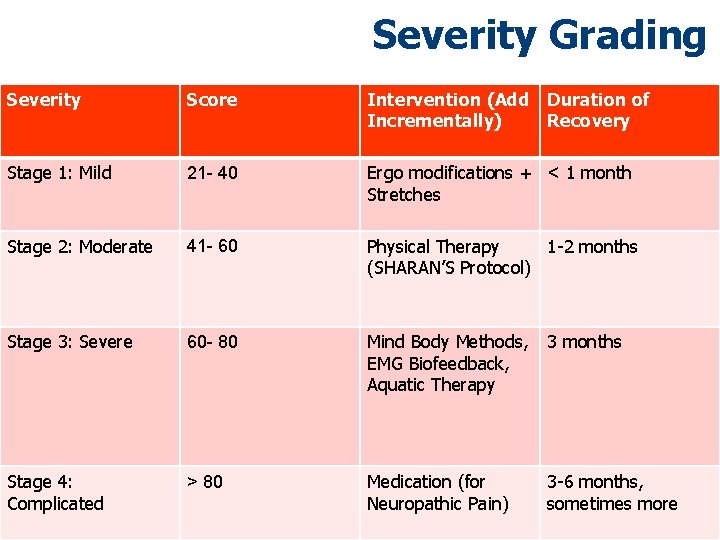
Severity Grading Severity Score Intervention (Add Duration of Incrementally) Recovery Stage 1: Mild 21 - 40 Ergo modifications + < 1 month Stretches Stage 2: Moderate 41 - 60 Physical Therapy 1 -2 months (SHARAN’S Protocol) Stage 3: Severe 60 - 80 Mind Body Methods, 3 months EMG Biofeedback, Aquatic Therapy Stage 4: Complicated > 80 Medication (for Neuropathic Pain) Titlexx 3 -6 months, sometimes more Slide: 82
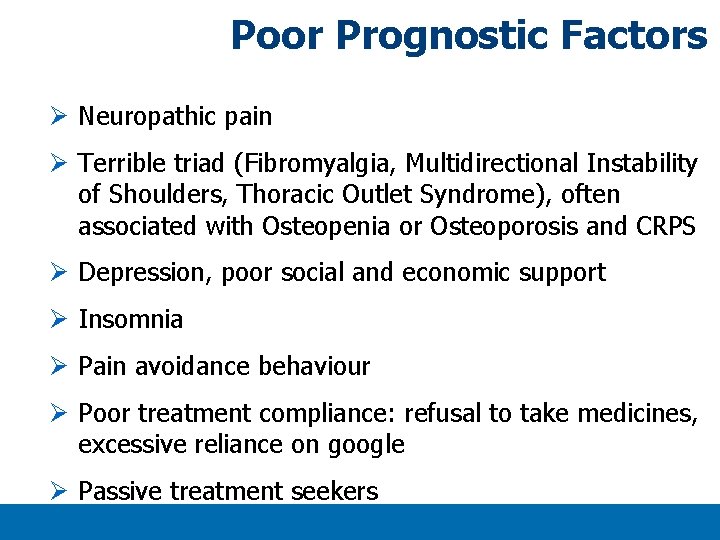
Poor Prognostic Factors Ø Neuropathic pain Ø Terrible triad (Fibromyalgia, Multidirectional Instability of Shoulders, Thoracic Outlet Syndrome), often associated with Osteopenia or Osteoporosis and CRPS Ø Depression, poor social and economic support Ø Insomnia Ø Pain avoidance behaviour Ø Poor treatment compliance: refusal to take medicines, excessive reliance on google Ø Passive treatment seekers Titlexx Slide: 83
Ergonomics Ø Goal: free, effortless movement of body Ø Everyone is different Ø The injurious positions: pronation, ulnar deviation, dorsiflexion Ø Tense, constrained movements are never good, no matter how “correct” Ø Once recovered from RSI, ergonomics has a role in prevention of further injury Titlexx Slide: 84
Research Projects @ RECOUP Ø The Effect of Cetylated Fatty Esters and Physical Therapy on Myofascial Pain Syndrome of the Neck (Randomised Controlled Trial, 108 patients) Status: Presented at ICMD, Edinburgh on Oct 31, 2009, and awaiting publication Titlexx Slide: 85
Research Projects @ RECOUP Ø Risk Factors, Clinical Features and Outcome of Treatment of Work Related Musculoskeletal Disorders in On-Site Clinics in Indian IT Companies Ø Musculoskeletal Disorders in Caregivers of Children with Cerebral Palsy Following Multilevel Surgery Status: Presented at World Ergonomics Congress at Beijing, China in August 2009 Titlexx Slide: 86 35 Other Research Projects nearing completion
Courses Run by RECOUP Ø Online Back School Course for Patients (already available on www. recoup. in) Ø Online M Sc and PG Diploma in Ergonomics (with Indian University affiliation) likely to start in Jan 2010 Ø Online courses on Ergonomics, Stress Management and Yoga for patients – likely to start in 2010 Titlexx Slide: 87
88 What does it take to recover from RSI? Titlexx Slide: 88
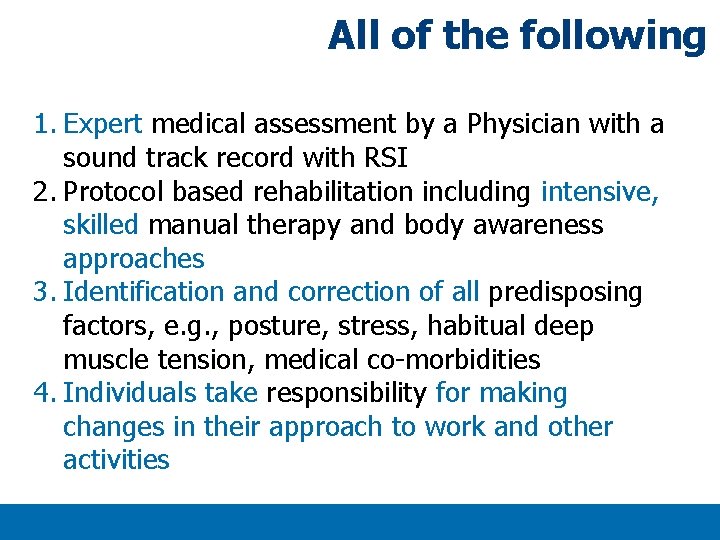
All of the following 1. Expert medical assessment by a Physician with a sound track record with RSI 2. Protocol based rehabilitation including intensive, skilled manual therapy and body awareness approaches 3. Identification and correction of all predisposing factors, e. g. , posture, stress, habitual deep muscle tension, medical co-morbidities 4. Individuals take responsibility for making changes in their approach to work and other activities Titlexx Slide: 89
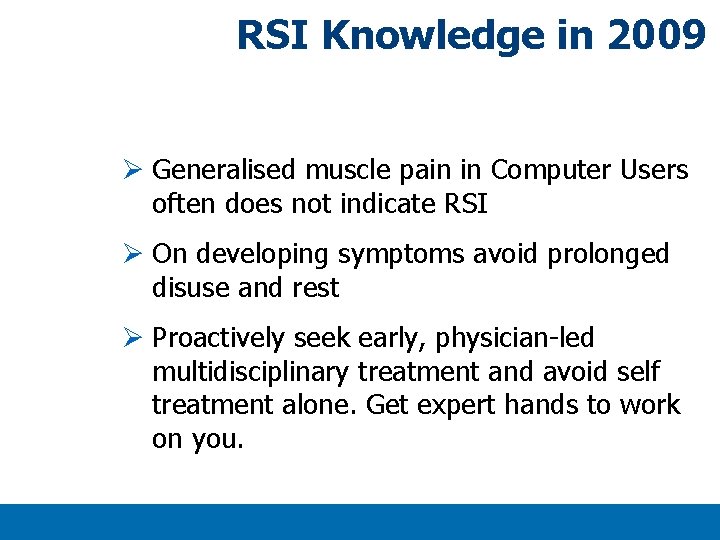
RSI Knowledge in 2009 Ø Generalised muscle pain in Computer Users often does not indicate RSI Ø On developing symptoms avoid prolonged disuse and rest Ø Proactively seek early, physician-led multidisciplinary treatment and avoid self treatment alone. Get expert hands to work on you. Titlexx Slide: 90
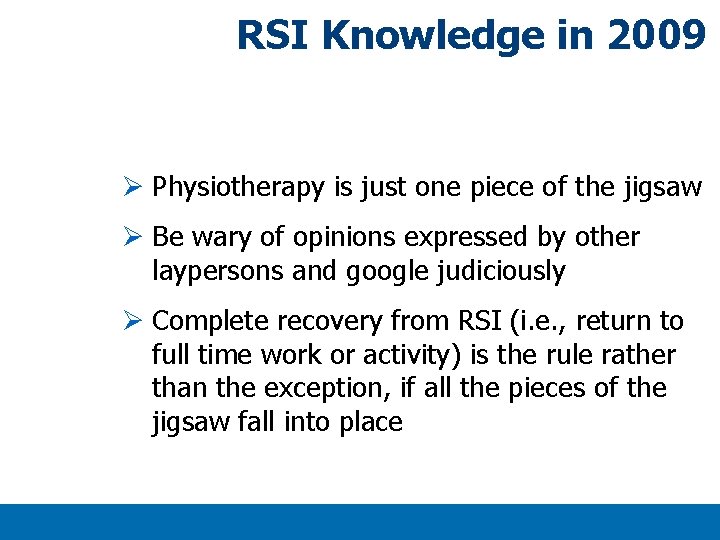
RSI Knowledge in 2009 Ø Physiotherapy is just one piece of the jigsaw Ø Be wary of opinions expressed by other laypersons and google judiciously Ø Complete recovery from RSI (i. e. , return to full time work or activity) is the rule rather than the exception, if all the pieces of the jigsaw fall into place Titlexx Slide: 91
Further Information Thank You Ø info@recoup. in Ø www. recoup. in Bangalore, India Titlexx Slide: 92
Titlexx Slide: 93