Chapter 15 THE ENDOCRINE SYSTEM Topic 15 1












- Slides: 87
Chapter 15 THE ENDOCRINE SYSTEM
Topic 15. 1 HOMEOSTASIS, HORMONES & THE ENDOCRINE SYSTEM
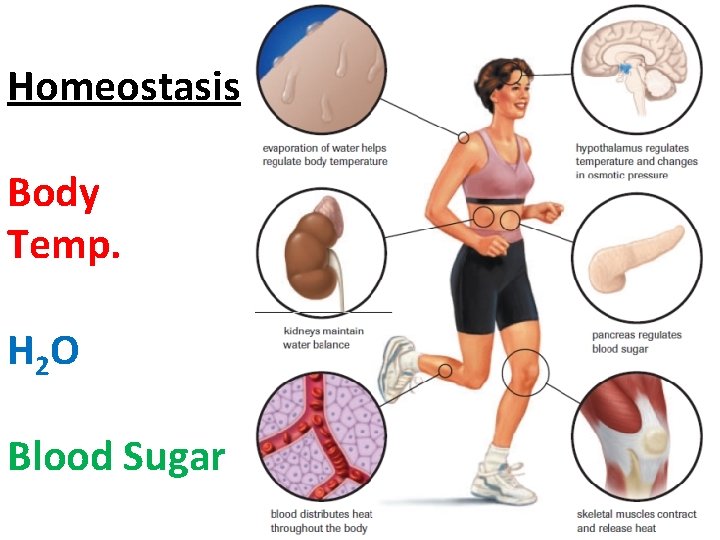
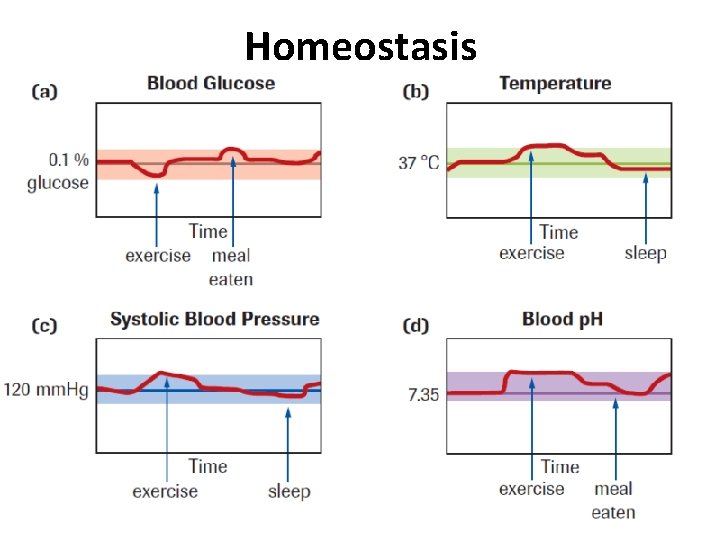
Homeostasis The human body works best at a temperature of 37°C, with a 0. 1 % blood glucose level and a blood p. H of 7. 35. What conditions can get in the way of these “ideal settings”? • Homeostasis refers to the body’s attempt to adjust to a fluctuating environment. – The body maintains a constant balance, or steady state, through a series of adjustments. – This system of balance requires constant monitoring and feedback about body conditions.
Homeostasis Body Temp. H 2 O Blood Sugar
Homeostasis is often referred to as a Dynamic Equilibrium - a state of stability within Fluctuating limits. - Although there are fluctuations in blood glucose, body temp. , blood pressure, and blood p. H, the homeostatic mechanism ensures that all body systems function within an acceptable range to sustain life.
Homeostasis
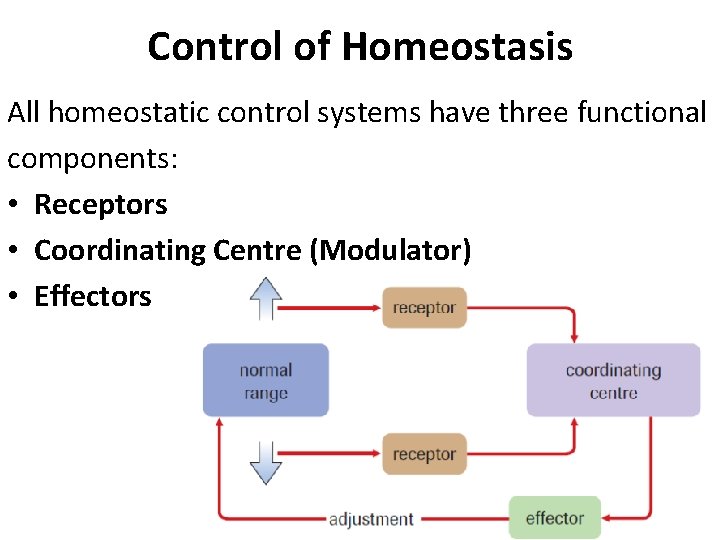
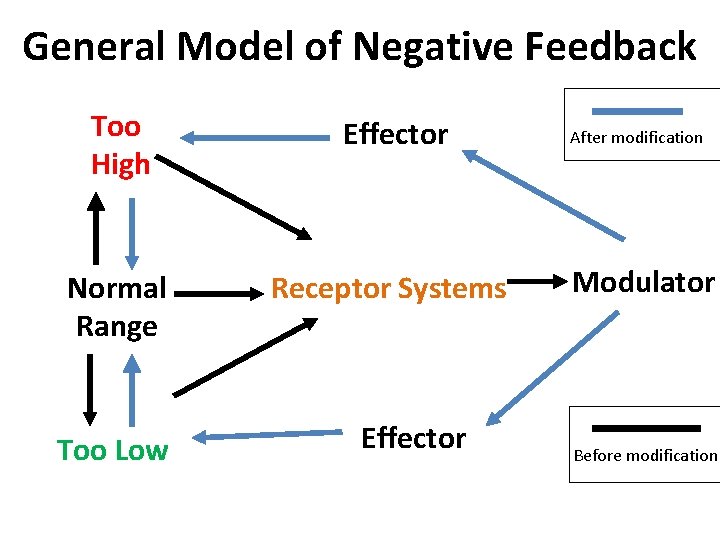
Control of Homeostasis All homeostatic control systems have three functional components: • Receptors • Coordinating Centre (Modulator) • Effectors
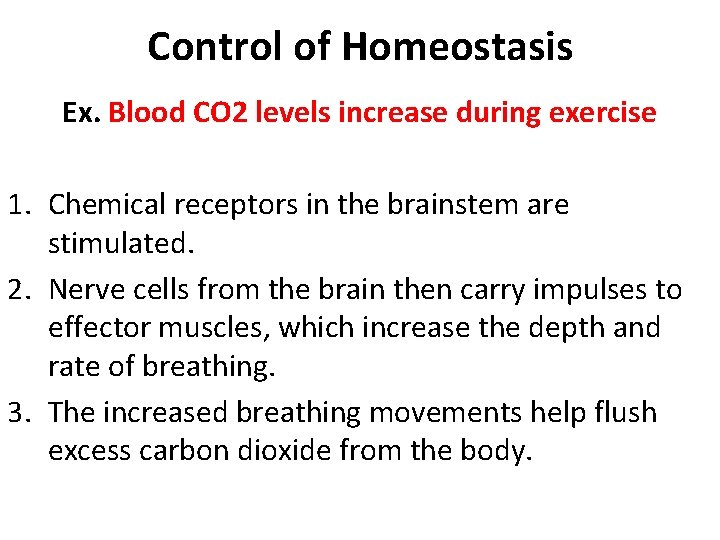
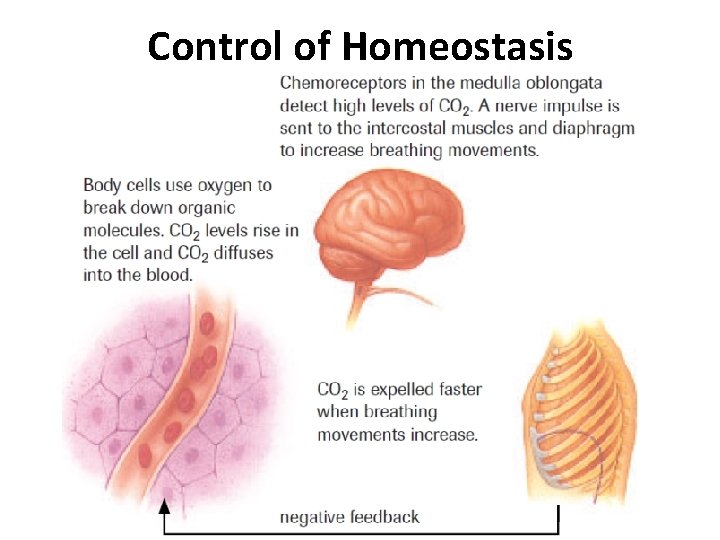
Control of Homeostasis Ex. Blood CO 2 levels increase during exercise 1. Chemical receptors in the brainstem are stimulated. 2. Nerve cells from the brain then carry impulses to effector muscles, which increase the depth and rate of breathing. 3. The increased breathing movements help flush excess carbon dioxide from the body.
Control of Homeostasis
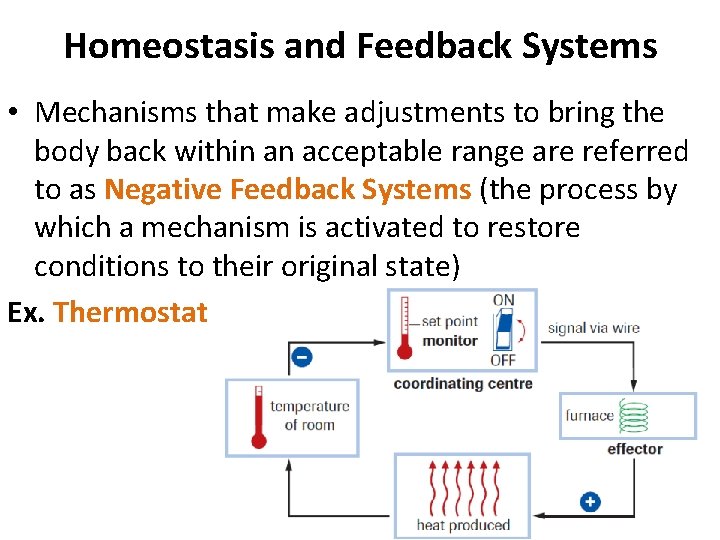
Homeostasis and Feedback Systems • Mechanisms that make adjustments to bring the body back within an acceptable range are referred to as Negative Feedback Systems (the process by which a mechanism is activated to restore conditions to their original state) Ex. Thermostat
General Model of Negative Feedback Too High Effector Normal Range Receptor Systems Too Low Effector After modification Modulator Before modification
Homeostasis and Feedback Systems • Positive feedback systems are less common in the body. Instead of resisting change, they reinforce (or amplify) change. – Positive feedback systems move the controlled variable away from a steady state. • Value of this? • Allows a discrete physiological event to be accomplished rapidly. Once this event is accomplished, the feedback system stops.
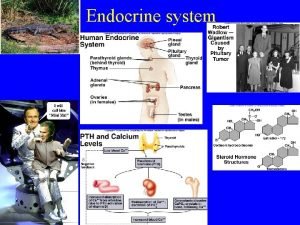
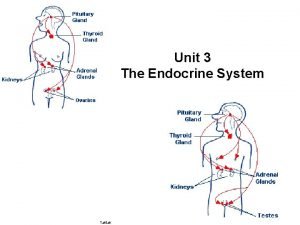
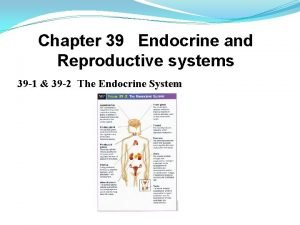
Messages and the Nervous System • Endocrine glands - Secrete chemical messengers called Hormones directly into the bloodstream. • Hormones – chemicals (in very small amounts) that target cells and set into motion specific regulatory responses. • Endocrine glands and Hormones make up the Endocrine System. • The Endocrine System is slower but has longer acting effects than the nervous system
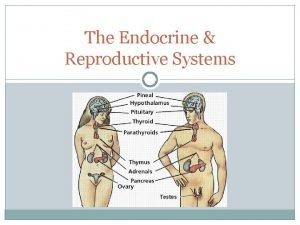
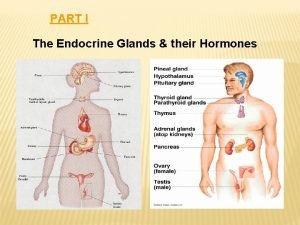
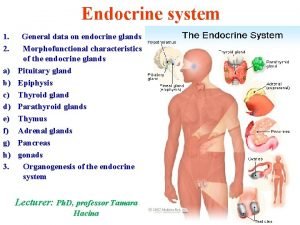
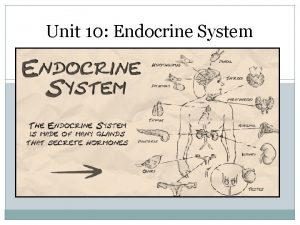
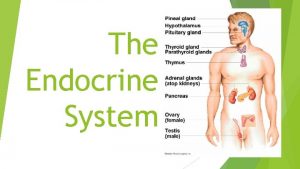
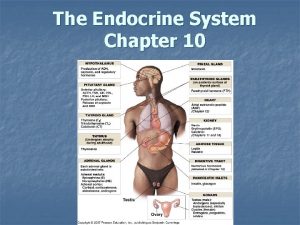
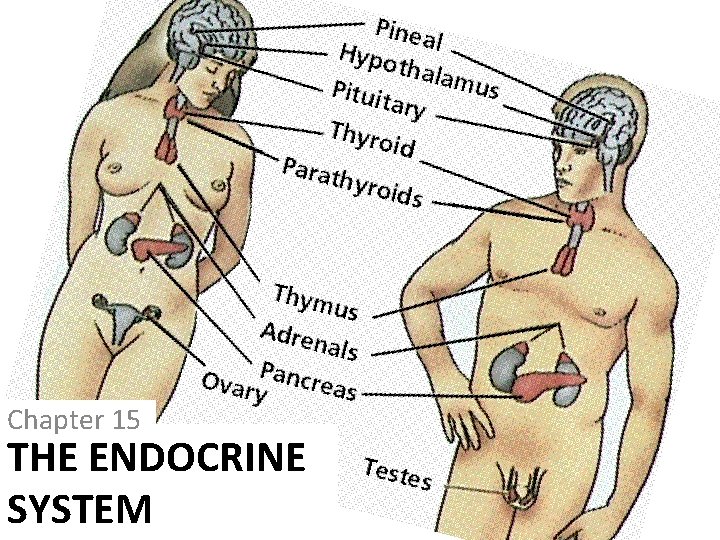
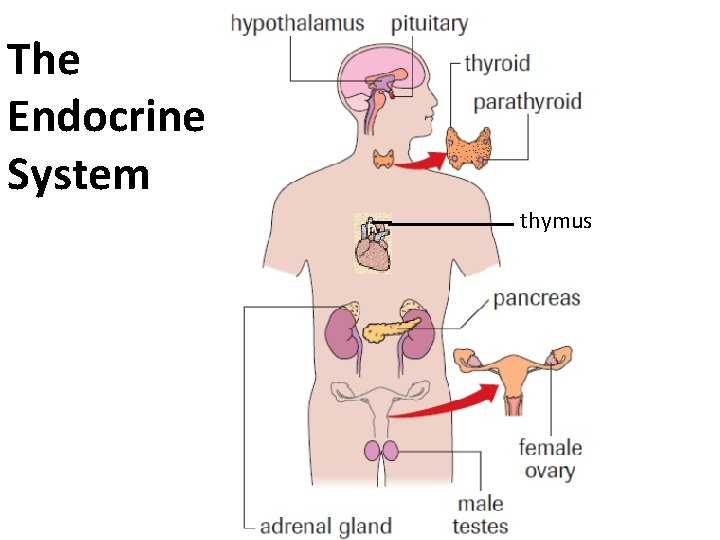
Endocrine System Important endocrine glands: – Hypothalamus – Pituitary – Thyroid – Parathyroid – Adrenal glands – Pancreas – Thymus – Testes – Ovaries
The Endocrine System thymus
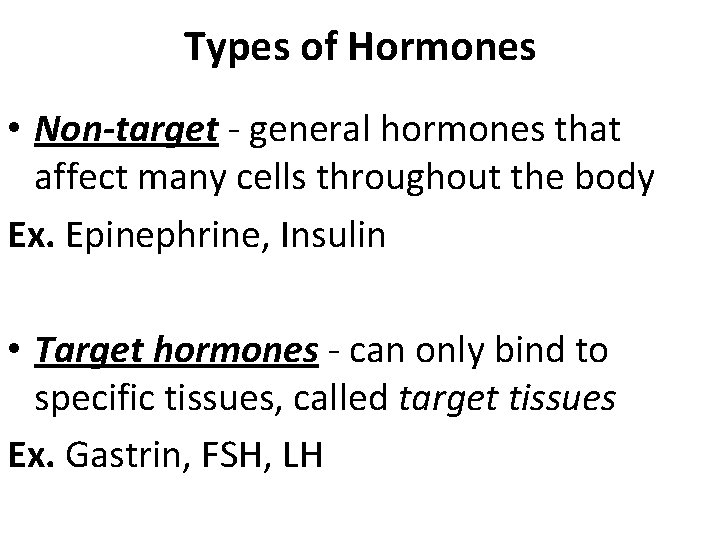
Types of Hormones • Non-target - general hormones that affect many cells throughout the body Ex. Epinephrine, Insulin • Target hormones - can only bind to specific tissues, called target tissues Ex. Gastrin, FSH, LH
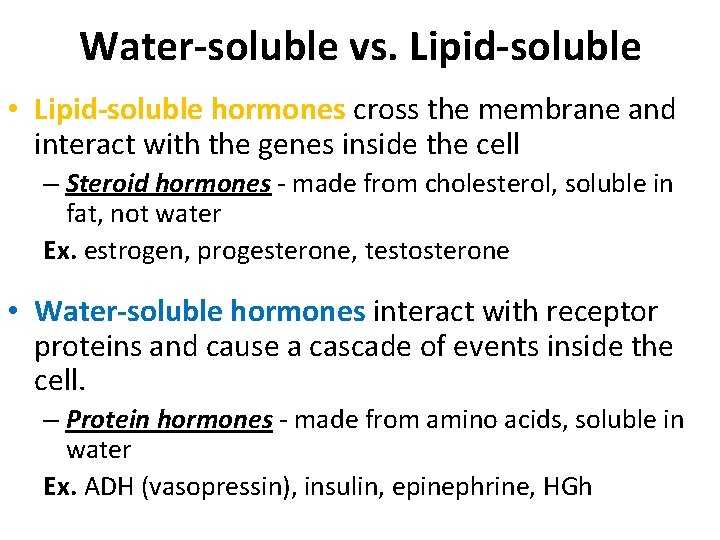
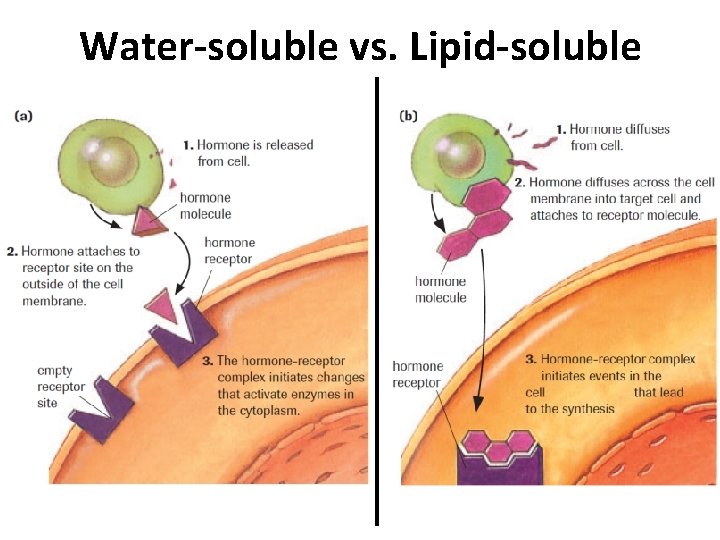
Water-soluble vs. Lipid-soluble • Lipid-soluble hormones cross the membrane and interact with the genes inside the cell – Steroid hormones - made from cholesterol, soluble in fat, not water Ex. estrogen, progesterone, testosterone • Water-soluble hormones interact with receptor proteins and cause a cascade of events inside the cell. – Protein hormones - made from amino acids, soluble in water Ex. ADH (vasopressin), insulin, epinephrine, HGh
Water-soluble vs. Lipid-soluble
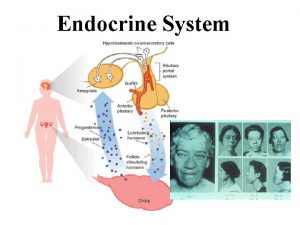
Nervous & Endocrine Along with the nervous system, the endocrine system provides integration and control of the organs and tissues to maintain homeostasis. • The nervous system enables the body to adjust quickly to changes in the environment. • The endocrine system is designed to maintain control over a longer duration. • The Hypothalamus serves as the intersection between the two systems.
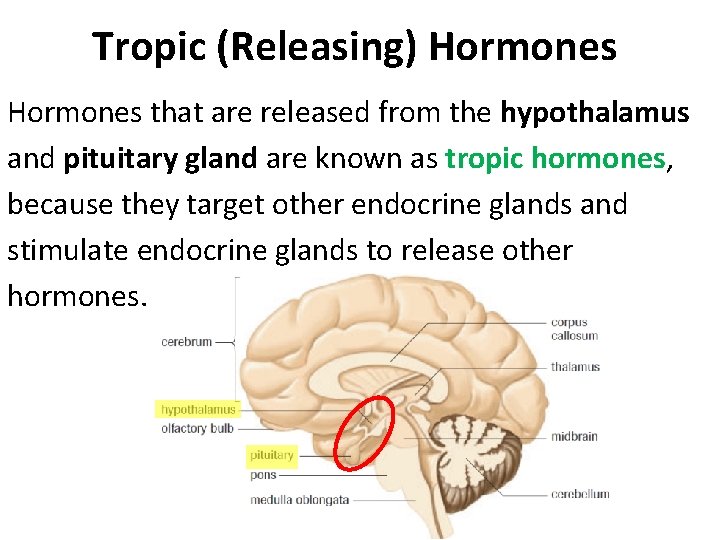
Tropic (Releasing) Hormones that are released from the hypothalamus and pituitary gland are known as tropic hormones, because they target other endocrine glands and stimulate endocrine glands to release other hormones.
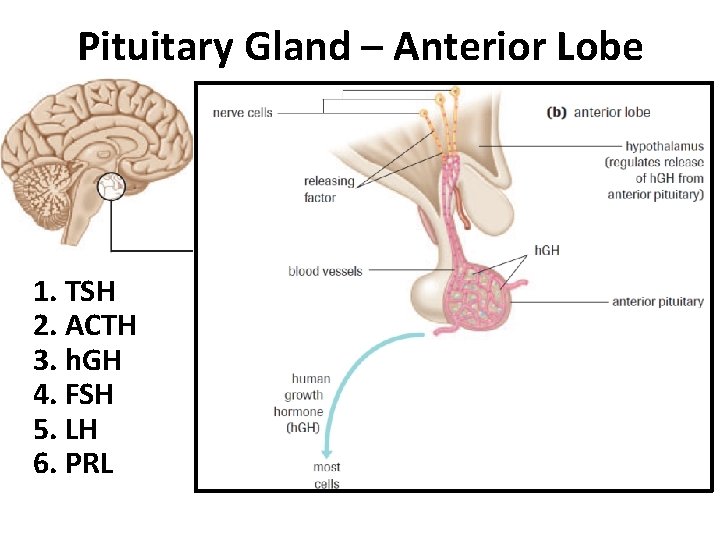
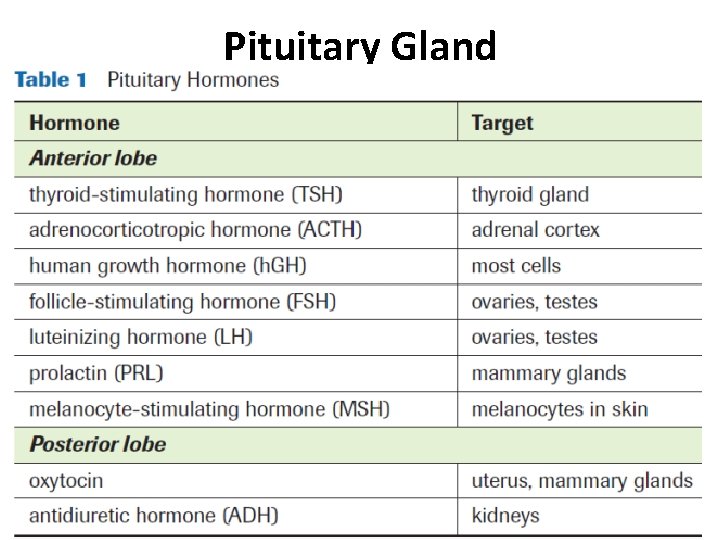
Pituitary Gland • The Pituitary gland exercises control over all the other endocrine glands. • Sometimes referred to as the ``Master Gland`` • Attached to (below) Hypothalmus Two parts: • Posterior lobe • Anterior lobe
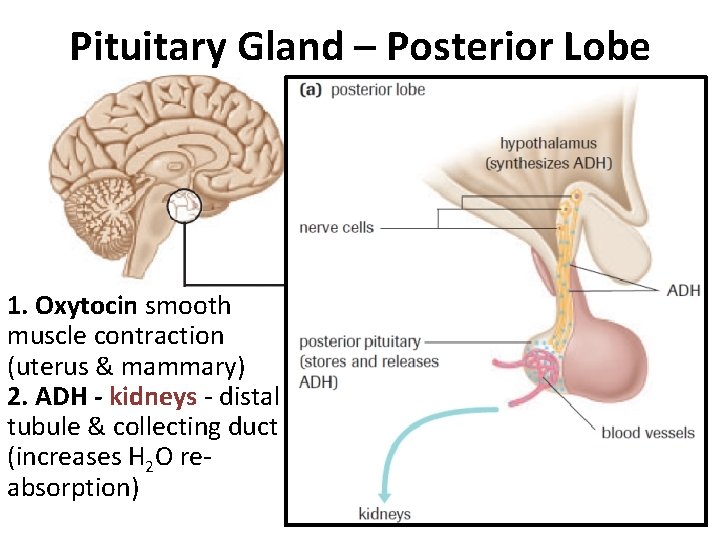
Pituitary Gland – Posterior Lobe 1. Oxytocin smooth muscle contraction (uterus & mammary) 2. ADH - kidneys - distal tubule & collecting duct (increases H 2 O reabsorption)
Pituitary Gland – Anterior Lobe 1. TSH 2. ACTH 3. h. GH 4. FSH 5. LH 6. PRL
Pituitary Gland
Practice • Pg. 472 – 475 Practice #1 -6 • Section 15. 1 Questions # 1 -7
Topic 15. 2 A HORMONAL REGULATION OF BLOOD SUGAR
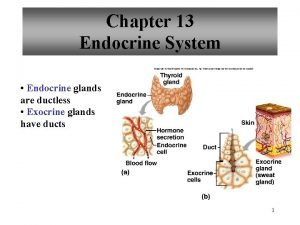
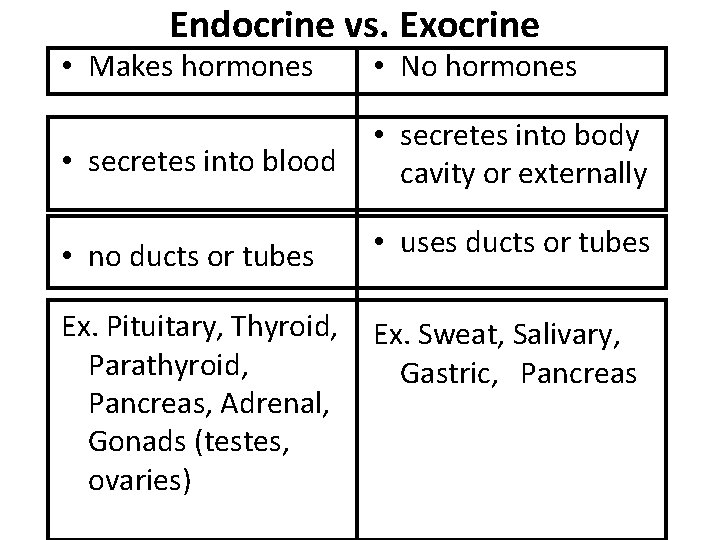
Endocrine vs. Exocrine • Makes hormones • No hormones • secretes into blood • secretes into body cavity or externally • no ducts or tubes • uses ducts or tubes Ex. Pituitary, Thyroid, Parathyroid, Pancreas, Adrenal, Gonads (testes, ovaries) Ex. Sweat, Salivary, Gastric, Pancreas
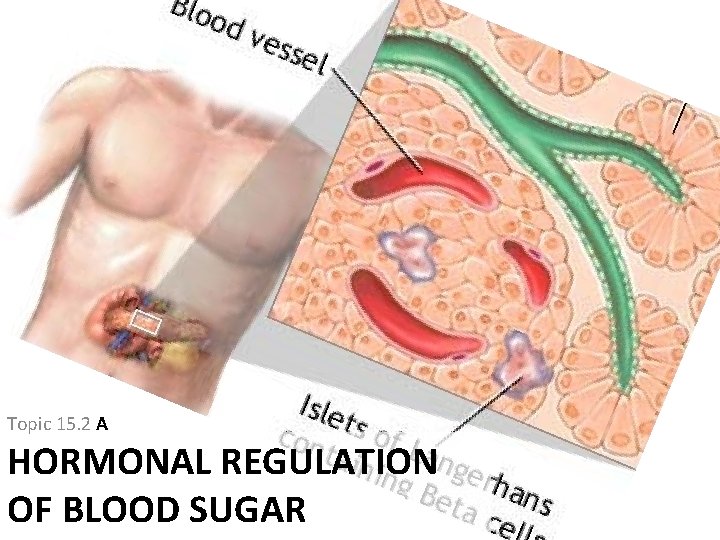
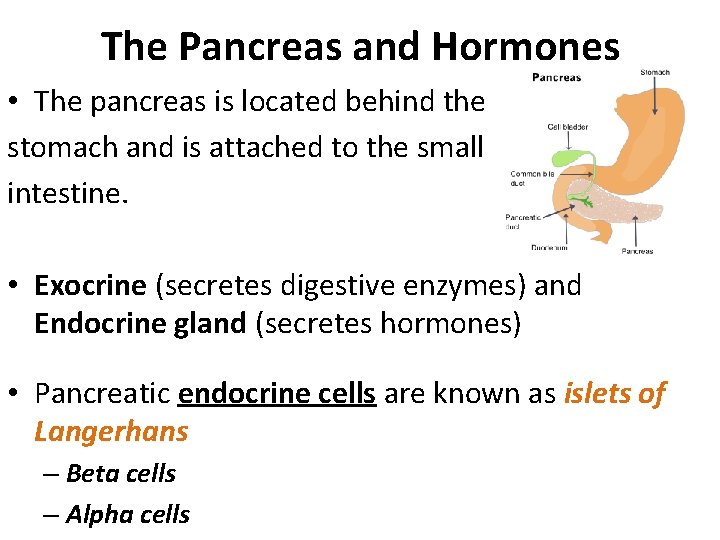
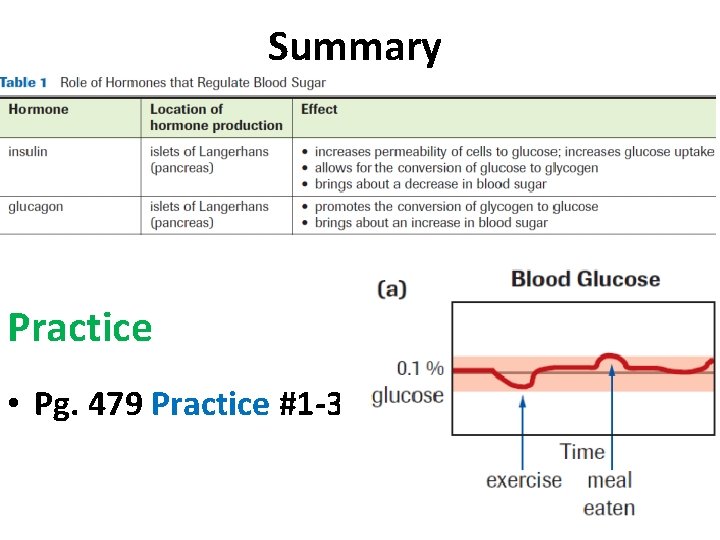
The Pancreas and Hormones • The pancreas is located behind the stomach and is attached to the small intestine. • Exocrine (secretes digestive enzymes) and Endocrine gland (secretes hormones) • Pancreatic endocrine cells are known as islets of Langerhans – Beta cells – Alpha cells
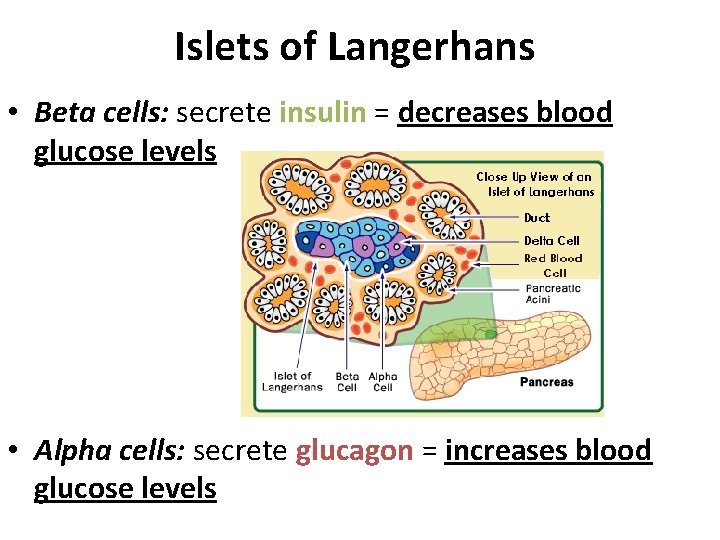
Islets of Langerhans • Beta cells: secrete insulin = decreases blood glucose levels • Alpha cells: secrete glucagon = increases blood glucose levels
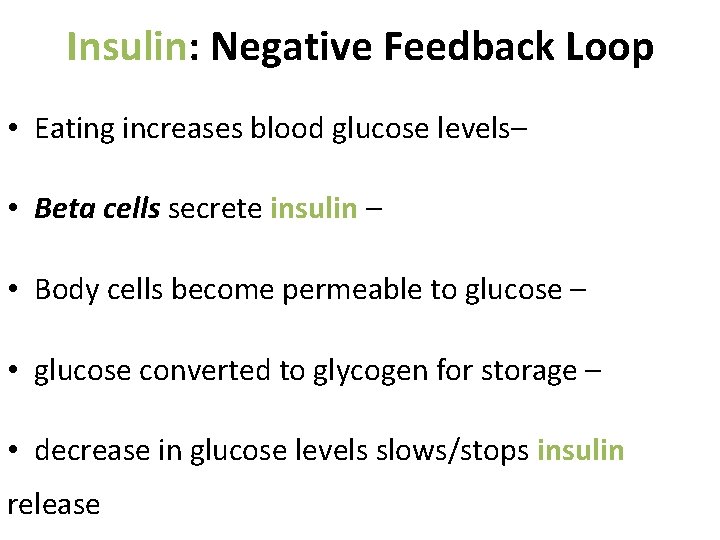
Insulin: Negative Feedback Loop • Eating increases blood glucose levels– • Beta cells secrete insulin – • Body cells become permeable to glucose – • glucose converted to glycogen for storage – • decrease in glucose levels slows/stops insulin release
Insulin: Negative Feedback Loop
Glucagon: Negative Feedback Loop • Exercise drops blood glucose levels (glucose used up)– • alpha cells release glucagon – • glucagon stimulates the liver to convert glycogen to glucose – • glucose released into bloodstream
Glucagon: Negative Feedback Loop
Glucose Imbalance Diabetes mellitus (Short-term) • Cause - Body does not produce enough insulin or does not respond to insulin • Effects: – High blood glucose levels (aka hyperglycemia) – Body breaks down fats and proteins instead – When fats are metabolized they produce ketones – Poor glucose re-absorption from kidneys and glucose is flushed out through urine (leads to dehydration b/c more water is released as well)
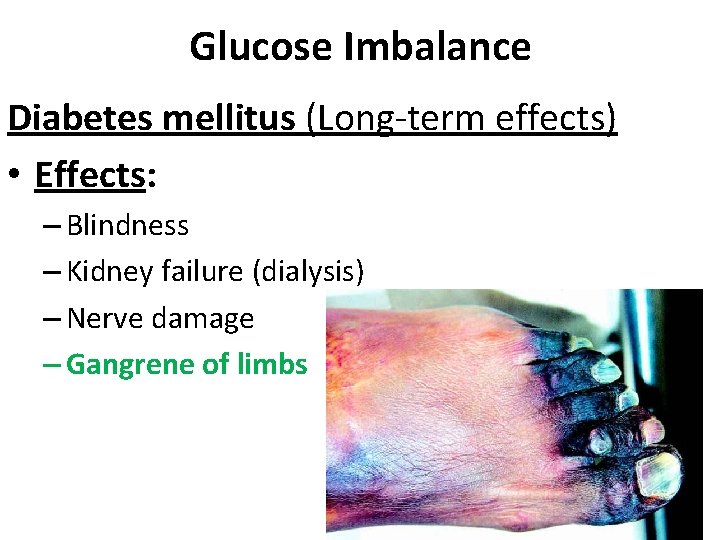
Glucose Imbalance Diabetes mellitus (Long-term effects) • Effects: – Blindness – Kidney failure (dialysis) – Nerve damage – Gangrene of limbs
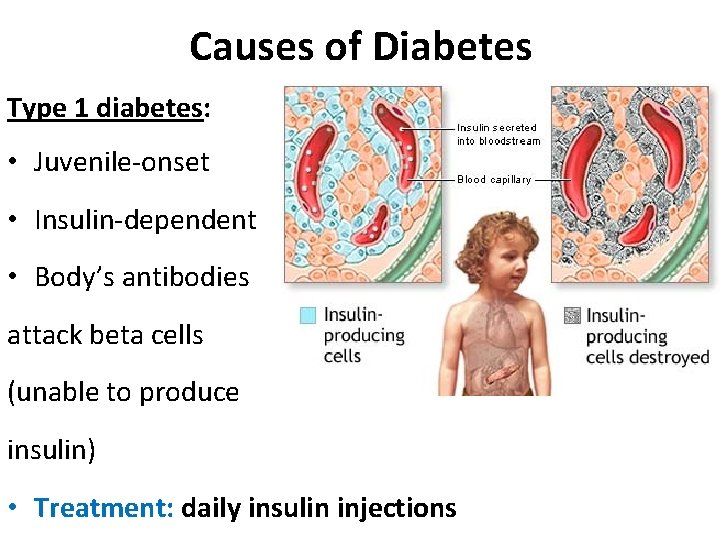
Causes of Diabetes Type 1 diabetes: • Juvenile-onset • Insulin-dependent • Body’s antibodies attack beta cells (unable to produce insulin) • Treatment: daily insulin injections
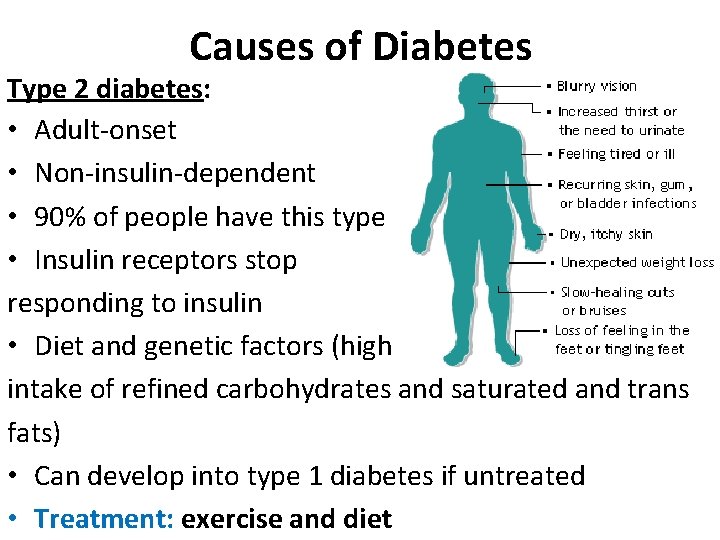
Causes of Diabetes Type 2 diabetes: • Adult-onset • Non-insulin-dependent • 90% of people have this type • Insulin receptors stop responding to insulin • Diet and genetic factors (high intake of refined carbohydrates and saturated and trans fats) • Can develop into type 1 diabetes if untreated • Treatment: exercise and diet
Diabetes Treatment - Transplantation • Islet cells are transplanted to the diabetics pancreas • Required to take immunosuppressive drugs (life-long) • Complicated procedure, requires many pancreases to do one transplant • Have had a good success rate at U of A medical centre.
Summary Practice • Pg. 479 Practice #1 -3
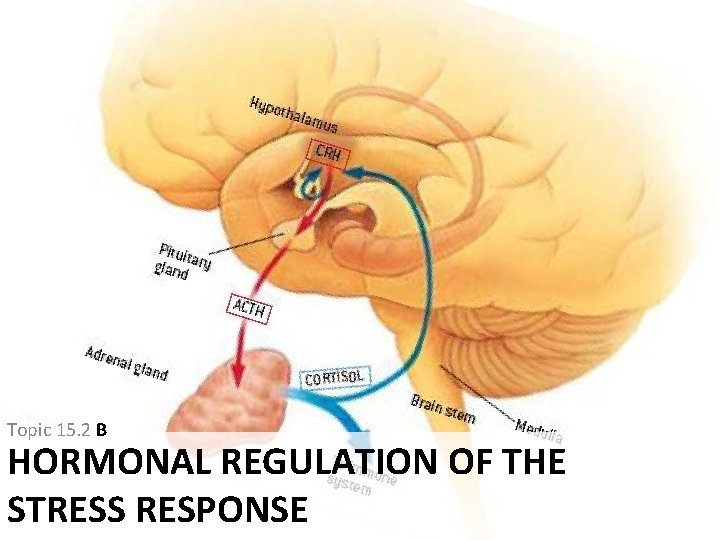
Topic 15. 2 B HORMONAL REGULATION OF THE STRESS RESPONSE
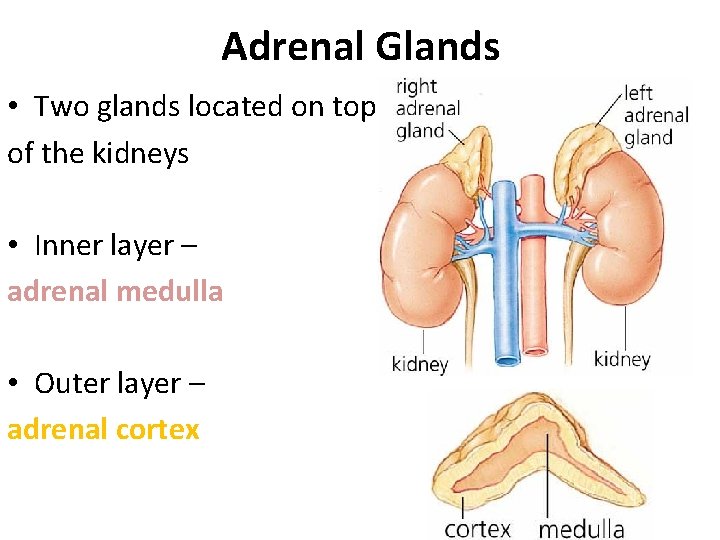
Adrenal Glands • Two glands located on top of the kidneys • Inner layer – adrenal medulla • Outer layer – adrenal cortex
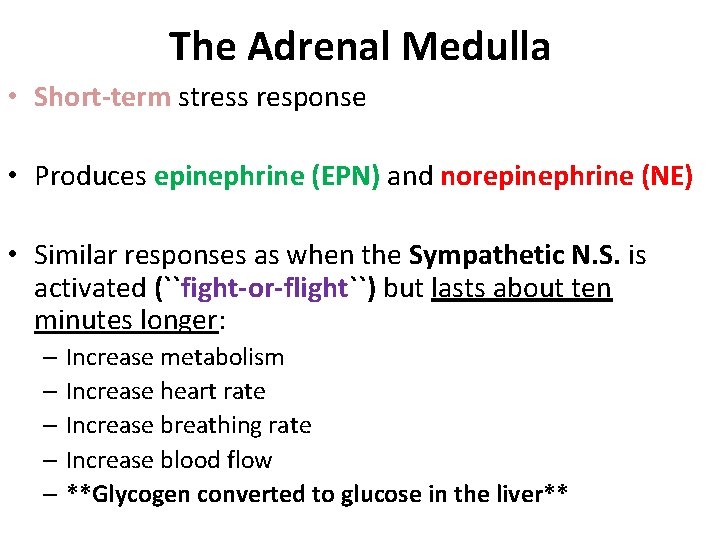
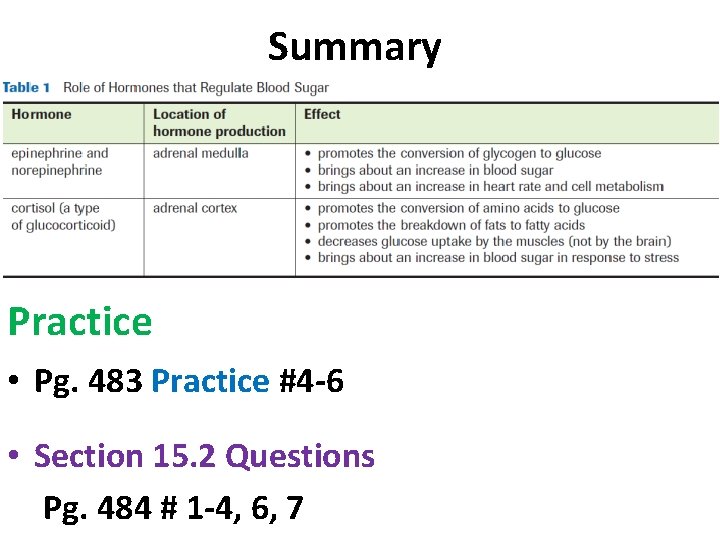
The Adrenal Medulla • Short-term stress response • Produces epinephrine (EPN) and norepinephrine (NE) • Similar responses as when the Sympathetic N. S. is activated (``fight-or-flight``) but lasts about ten minutes longer: – Increase metabolism – Increase heart rate – Increase breathing rate – Increase blood flow – **Glycogen converted to glucose in the liver**
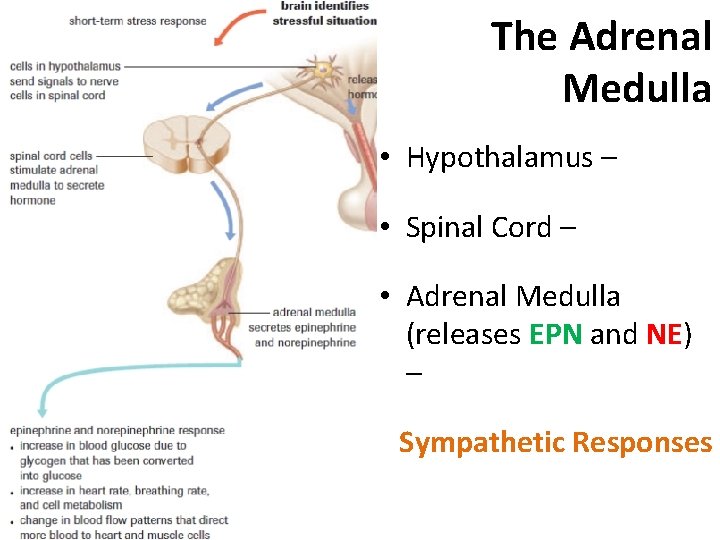
The Adrenal Medulla • Hypothalamus – • Spinal Cord – • Adrenal Medulla (releases EPN and NE) – Sympathetic Responses
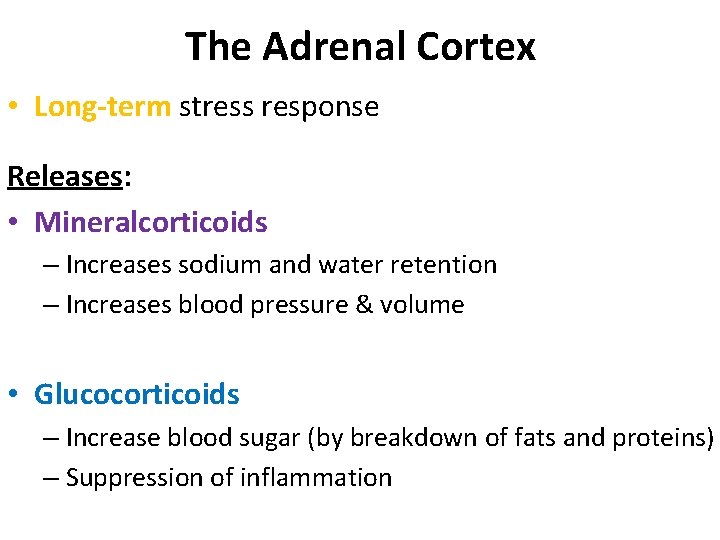
The Adrenal Cortex • Long-term stress response Releases: • Mineralcorticoids – Increases sodium and water retention – Increases blood pressure & volume • Glucocorticoids – Increase blood sugar (by breakdown of fats and proteins) – Suppression of inflammation
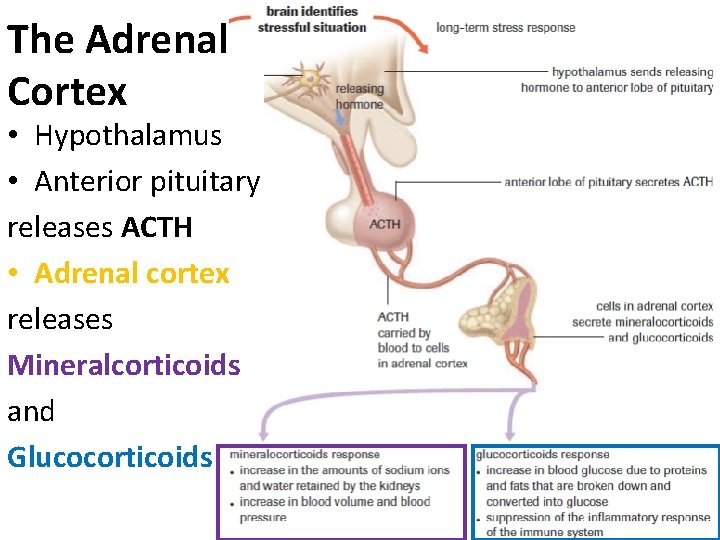
The Adrenal Cortex • Hypothalamus • Anterior pituitary releases ACTH • Adrenal cortex releases Mineralcorticoids and Glucocorticoids
Cortisol • Type of glucocorticoid (most abundant) • Produced by the adrenal cortex • Steroid hormone synthesized from cholesterol (natural anti-inflammatory) • Works in conjunction with EPN but is longer lasting • MAIN PURPOSE: increase blood glucose levels
Cortisol and Blood Glucose Level • Cortisol stimulates the break down of muscle proteins and fat cells to increase blood glucose levels • Cortisol prevents further production of ACTH (negative feedback loop) Chronic stress is due to continual release of cortisol: – Impaired thinking – Damage the heart – High blood pressure – Diabetes – Increased susceptibility to infection
Aldosterone • Type of mineralcorticoid • Increases absorption of sodium into the bloodstream, which draws in more water and increases blood pressure • Low levels of aldosterone results in low water and solute in the blood (lots through urine) = low blood pressure, thirst, and electrolyte imbalance which can lead to death
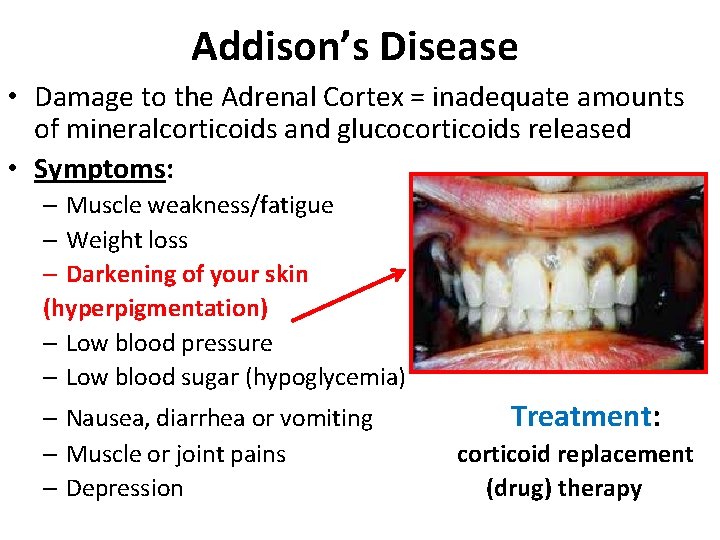
Addison’s Disease • Damage to the Adrenal Cortex = inadequate amounts of mineralcorticoids and glucocorticoids released • Symptoms: – Muscle weakness/fatigue – Weight loss – Darkening of your skin (hyperpigmentation) – Low blood pressure – Low blood sugar (hypoglycemia) – Nausea, diarrhea or vomiting – Muscle or joint pains – Depression Treatment: corticoid replacement (drug) therapy
Summary Practice • Pg. 483 Practice #4 -6 • Section 15. 2 Questions Pg. 484 # 1 -4, 6, 7
Topic 15. 3 HORMONAL REGULATION OF GROWTH, DEVELOPMENT AND METABOLISM
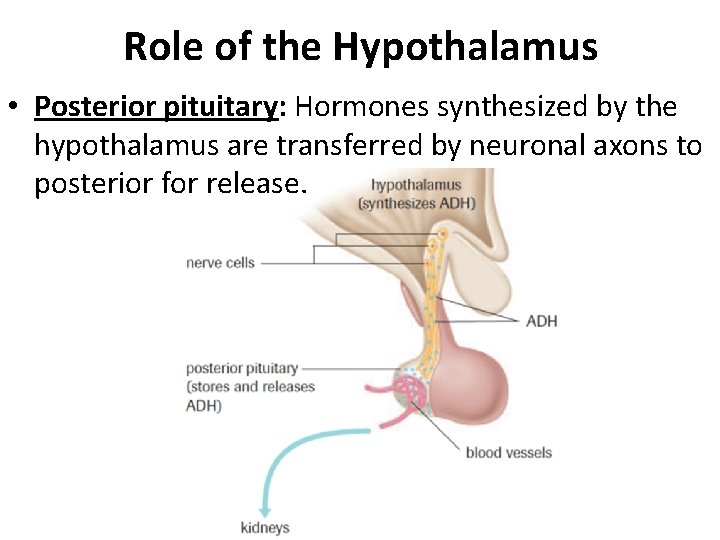
Role of the Hypothalamus • Posterior pituitary: Hormones synthesized by the hypothalamus are transferred by neuronal axons to posterior for release.
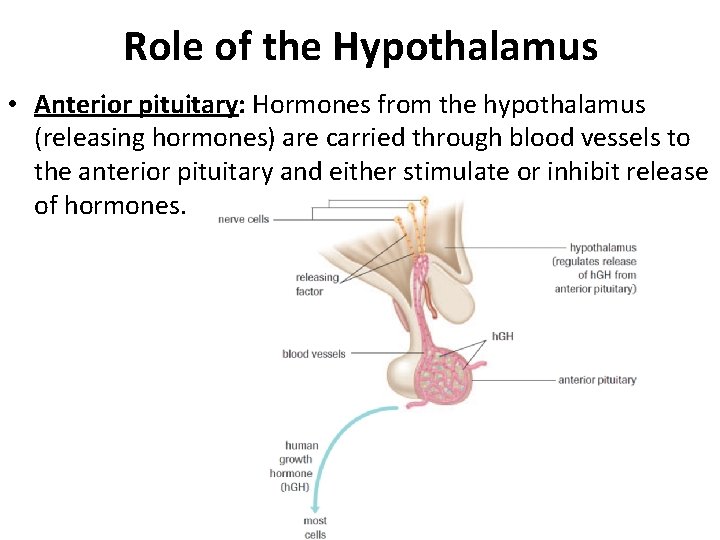
Role of the Hypothalamus • Anterior pituitary: Hormones from the hypothalamus (releasing hormones) are carried through blood vessels to the anterior pituitary and either stimulate or inhibit release of hormones.
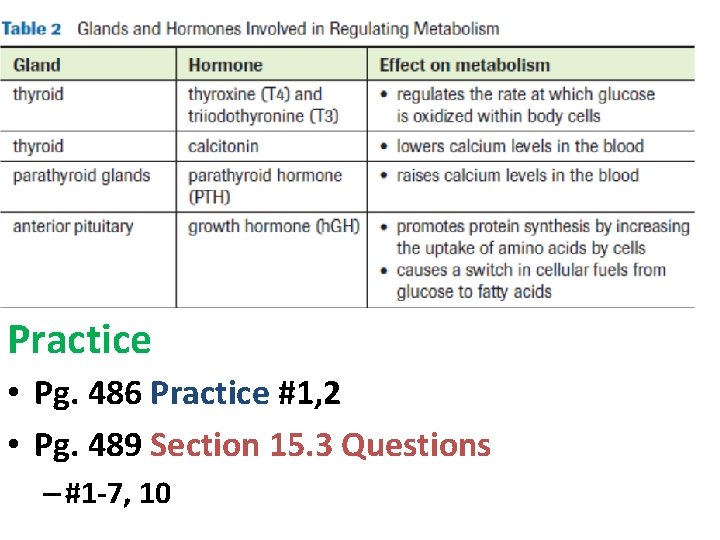
Human Growth Hormone (h. GH) • Regulates growth, development and metabolism • Increases protein synthesis • Increases cell division (hyperplasia) and growth (hypertrophy) of bone, cartilage and muscle • Increases metabolic break down of fat stores for energy.
h. GH Negative Feedback Loop • Hypothalamus (RH) – • anterior pituitary (release h. GH) – • liver (releases growth factors) – – Growth factors (-) feedback stimulates: • muscle (growth) • bone/cartilage (growth) • fat cells (metabolizes)
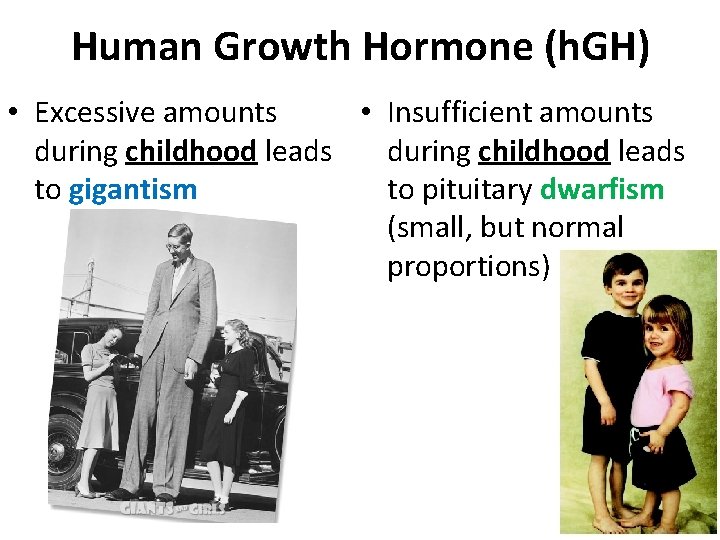
Human Growth Hormone (h. GH) • Insufficient amounts • Excessive amounts during childhood leads to gigantism to pituitary dwarfism (small, but normal proportions)
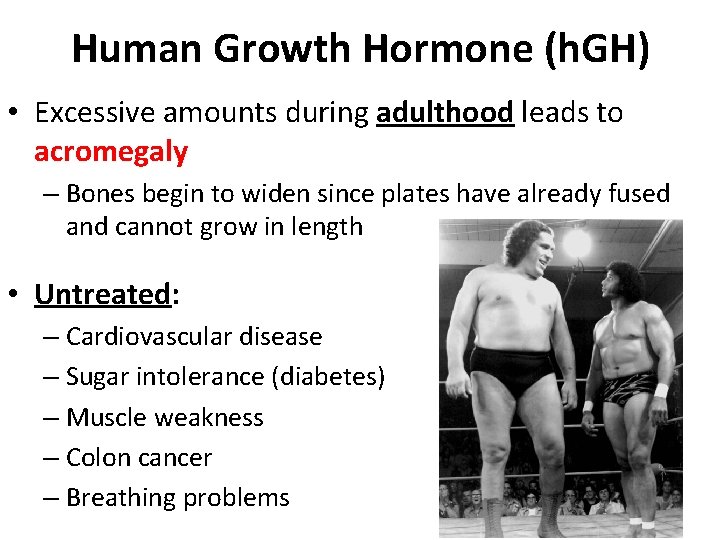
Human Growth Hormone (h. GH) • Excessive amounts during adulthood leads to acromegaly – Bones begin to widen since plates have already fused and cannot grow in length • Untreated: – Cardiovascular disease – Sugar intolerance (diabetes) – Muscle weakness – Colon cancer – Breathing problems
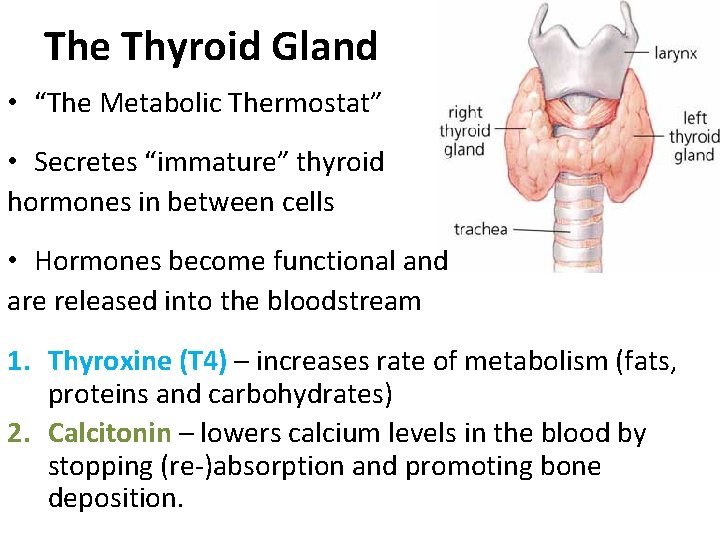
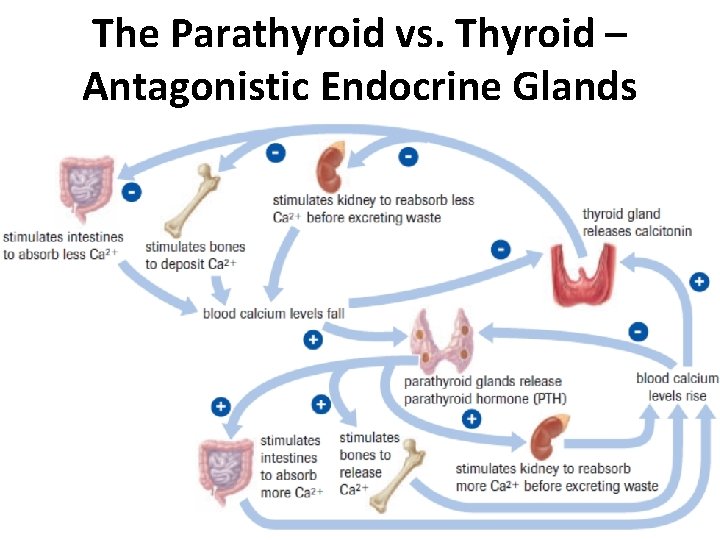
The Thyroid Gland • “The Metabolic Thermostat” • Secretes “immature” thyroid hormones in between cells • Hormones become functional and are released into the bloodstream 1. Thyroxine (T 4) – increases rate of metabolism (fats, proteins and carbohydrates) 2. Calcitonin – lowers calcium levels in the blood by stopping (re-)absorption and promoting bone deposition.
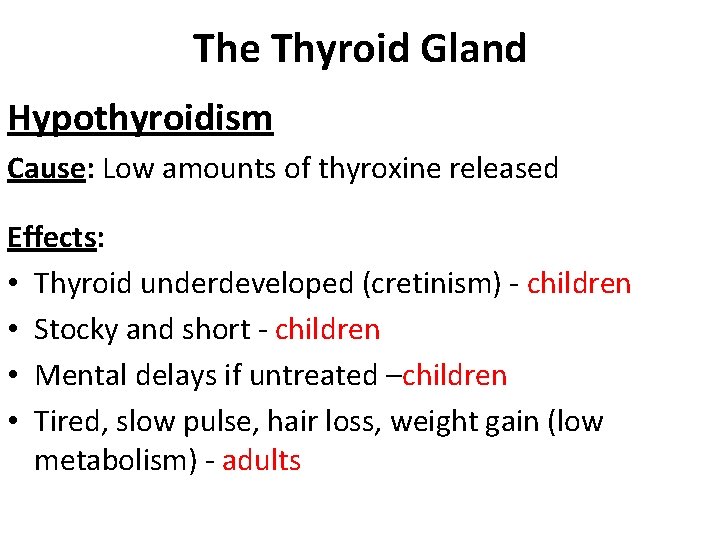
The Thyroid Gland Hypothyroidism Cause: Low amounts of thyroxine released Effects: • Thyroid underdeveloped (cretinism) - children • Stocky and short - children • Mental delays if untreated –children • Tired, slow pulse, hair loss, weight gain (low metabolism) - adults
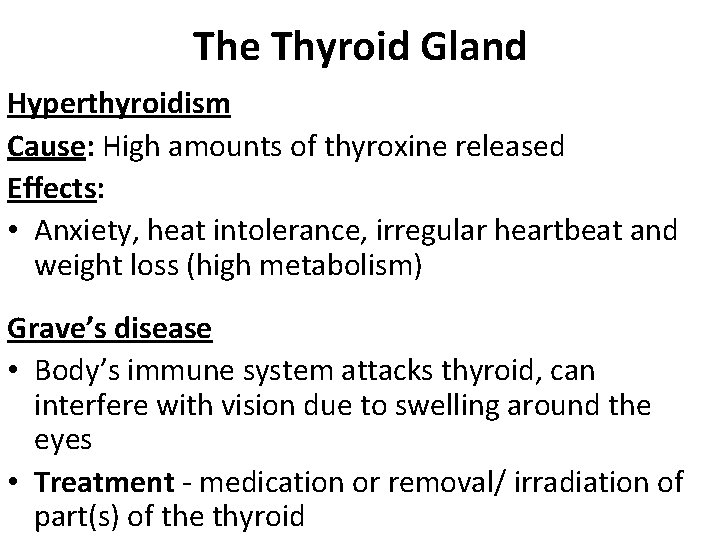
The Thyroid Gland Hyperthyroidism Cause: High amounts of thyroxine released Effects: • Anxiety, heat intolerance, irregular heartbeat and weight loss (high metabolism) Grave’s disease • Body’s immune system attacks thyroid, can interfere with vision due to swelling around the eyes • Treatment - medication or removal/ irradiation of part(s) of the thyroid
Negative Feedback Loop • Hypothalamus (TRH)– Anterior Pituitary (TSH) – Thyroid (thyroxine – T 4) - Thyroxine feeds back to hypothalamus and anterior pituitary and inhibits further release of TSH
Negative Feedback Loop #2 Calcitonin released by the Thyroid lowers calcium levels in the blood by stopping re-absorption in kidneys and intestines and promoting bone deposition.
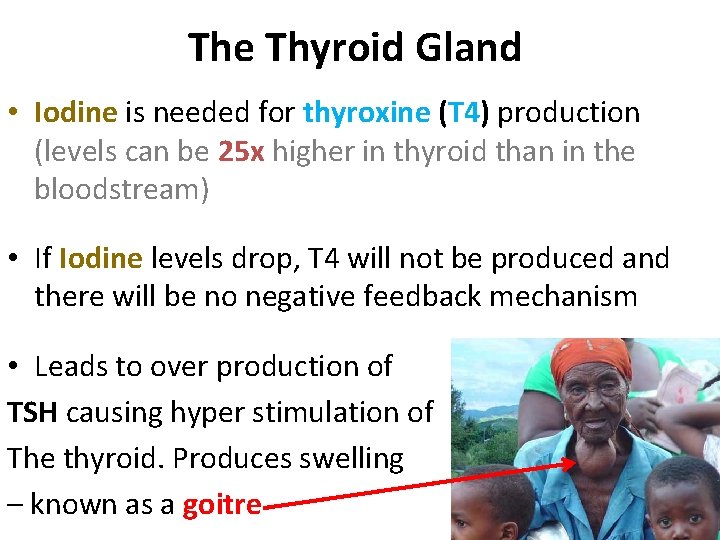
The Thyroid Gland • Iodine is needed for thyroxine (T 4) production (levels can be 25 x higher in thyroid than in the bloodstream) • If Iodine levels drop, T 4 will not be produced and there will be no negative feedback mechanism • Leads to over production of TSH causing hyper stimulation of The thyroid. Produces swelling – known as a goitre
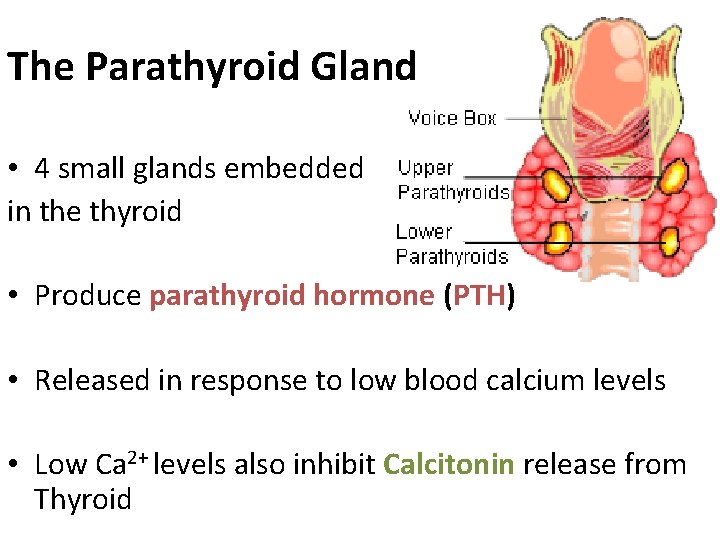
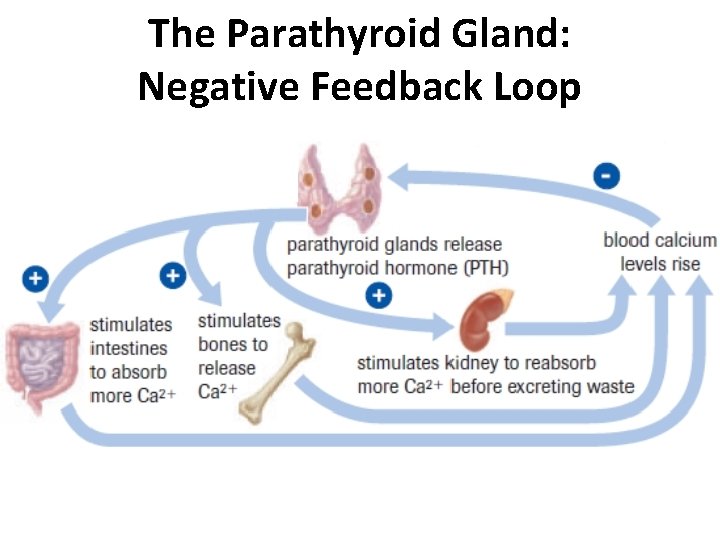
The Parathyroid Gland • 4 small glands embedded in the thyroid • Produce parathyroid hormone (PTH) • Released in response to low blood calcium levels • Low Ca 2+ levels also inhibit Calcitonin release from Thyroid
The Parathyroid Gland • Stimulates break down and release of calcium from bones into the bloodstream – Consequently a large amount of Phosphate (PO 43 -)is excreted • Stimulates kidneys to reabsorb calcium from urine and activate Vitamin D • Vitamin D stimulates absorption of calcium from food in the small Intestine & is important for bone development.
The Parathyroid Gland: Negative Feedback Loop • Low blood calcium – • parathyroid releases PTH – • re-absorption of calcium in kidneys – • breakdown of bone releases calcium – • increase absorption of calcium in small intestine = HIGHER BLOOD CALCIUM
The Parathyroid Gland: Negative Feedback Loop
The Parathyroid vs. Thyroid – Antagonistic Endocrine Glands
Practice • Pg. 486 Practice #1, 2 • Pg. 489 Section 15. 3 Questions – #1 -7, 10
Topic 15. 4 HORMONES AFFECTING WATER & ION BALANCE
Antidiuretic Hormone (ADH) • The main function of antidiuretic hormone (ADH) is to conserve body water by reducing urine output. How does the body know when to conserve water? • There are sensory receptors in the hypothalamus called osmoreceptors, which detect changes in osmotic pressure in body fluids.
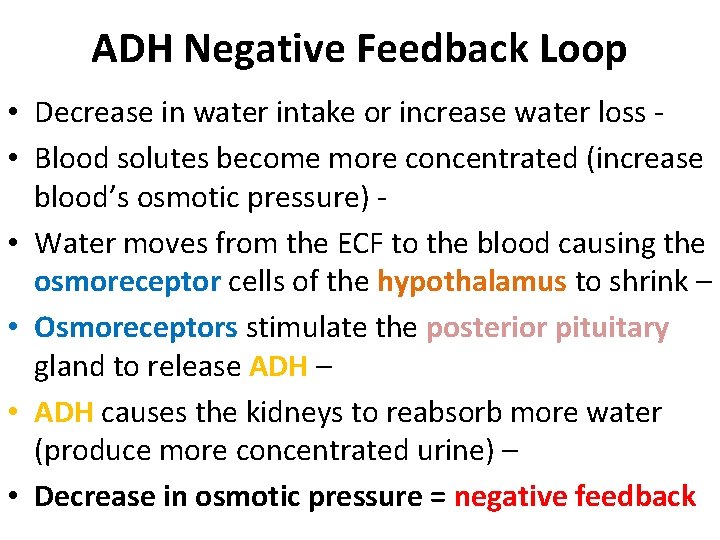
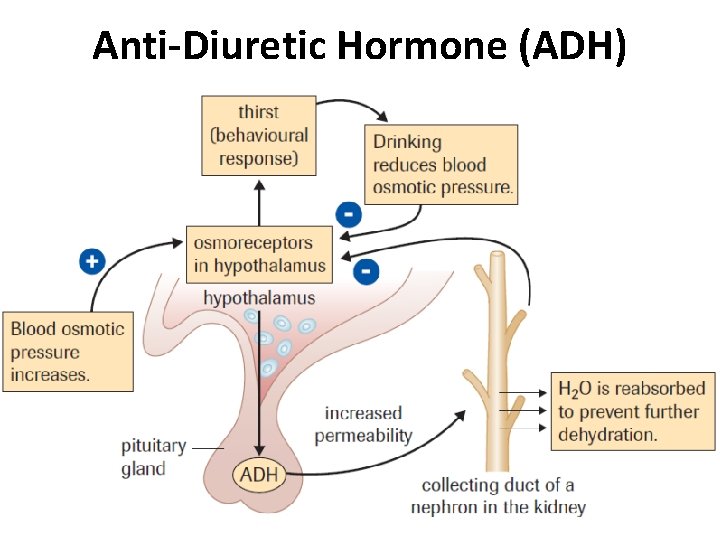
ADH Negative Feedback Loop • Decrease in water intake or increase water loss • Blood solutes become more concentrated (increase blood’s osmotic pressure) • Water moves from the ECF to the blood causing the osmoreceptor cells of the hypothalamus to shrink – • Osmoreceptors stimulate the posterior pituitary gland to release ADH – • ADH causes the kidneys to reabsorb more water (produce more concentrated urine) – • Decrease in osmotic pressure = negative feedback
ADH Negative Feedback Loop Behavioral • As the osmoreceptors of the hypothalamus shrink, they also stimulate the sensation of thirst – • Drinking water in response to feeling thirsty (behavioural response, not physiological) – • As water intake increases blood solute concentration decreases – • Decrease in osmotic pressure = negative feedback
Anti-Diuretic Hormone (ADH)
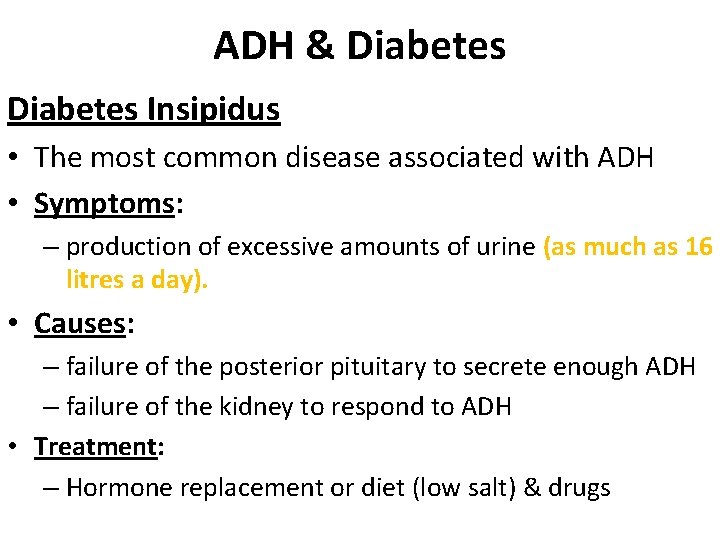
ADH & Diabetes Insipidus • The most common disease associated with ADH • Symptoms: – production of excessive amounts of urine (as much as 16 litres a day). • Causes: – failure of the posterior pituitary to secrete enough ADH – failure of the kidney to respond to ADH • Treatment: – Hormone replacement or diet (low salt) & drugs
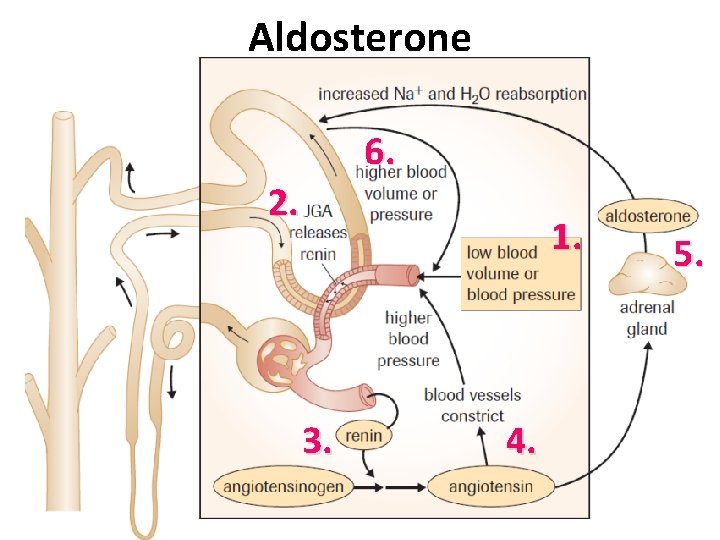
Aldosterone • Aldosterone (mineralcorticoid) – Released as part of the renin-angiotensinaldosterone (RAAS) system – Increases absorption of Na+ into the bloodstream (by DCT’s of nephrons), which draws in more water and increases blood pressure. • Aldosterone is released (in a cascade reaction) when blood pressure sensors in the juxtaglomerular apparatus (JGA) (bundle of cells near the glomerulus) detect low blood pressure/volume.
Aldosterone 6. 2. 1. 3. 4. 5.
ADH vs. Aldosterone – Difference? At first glance it appears that ADH and the RAAS system serve the same purpose. Both increase water reabsorption. • Differences: – ADH responds to an increase in osmotic pressure of the blood. Ex. Body is dehydrated due to lack of water. – The RAAS system responds when the blood volume is reduced but the osmotic pressure of the blood remains the same. Ex. large loss of body fluid - severe diarrhea/hemorrhage
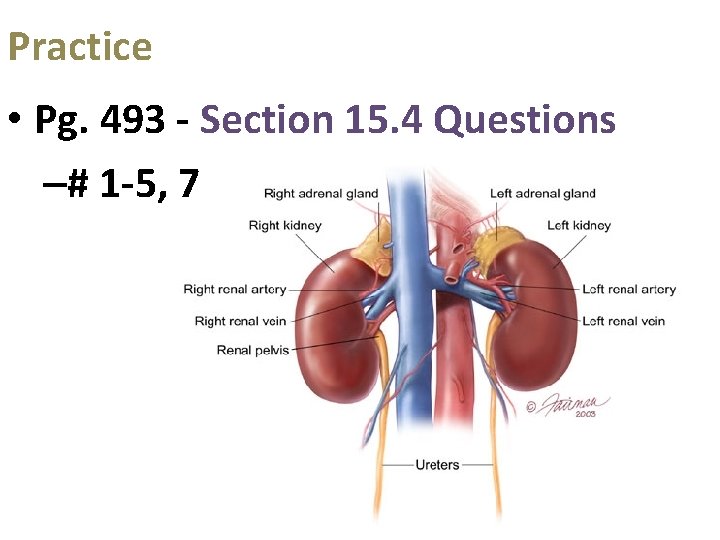
Practice • Pg. 493 - Section 15. 4 Questions –# 1 -5, 7
Topic 15. 5 THE BODY’S ADJUSTMENT TO STRESS
Adapting to Stress When stressful stimulus is identified, both the endocrine system and nervous system make adjustments that enable the body to cope with the problem. • The nervous system rapidly adjusts to stress (increasing heart rate & diverting blood to muscles) • Hormones from the endocrine system provide a slower, more sustained response to the stimulus.
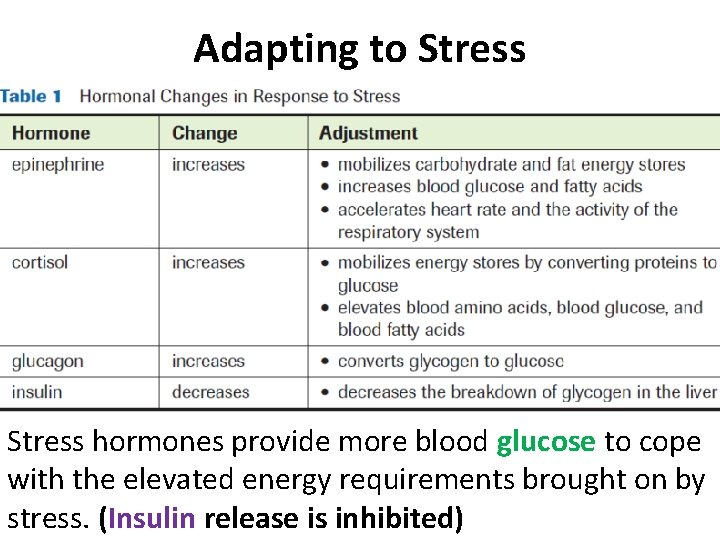
Adapting to Stress hormones provide more blood glucose to cope with the elevated energy requirements brought on by stress. (Insulin release is inhibited)
Adapting to Stress • Hormones that regulate blood pressure/volume are also released during times of stress. • The nervous system activates the RAAS pathway in response to reduced blood flow to the kidneys (increasing Na+ reabsorption = increase fluid volume & BP) • The stressor activates the hypothalamus, which causes an increased release of ADH (further increase water reabsorption and blood volume/BP)
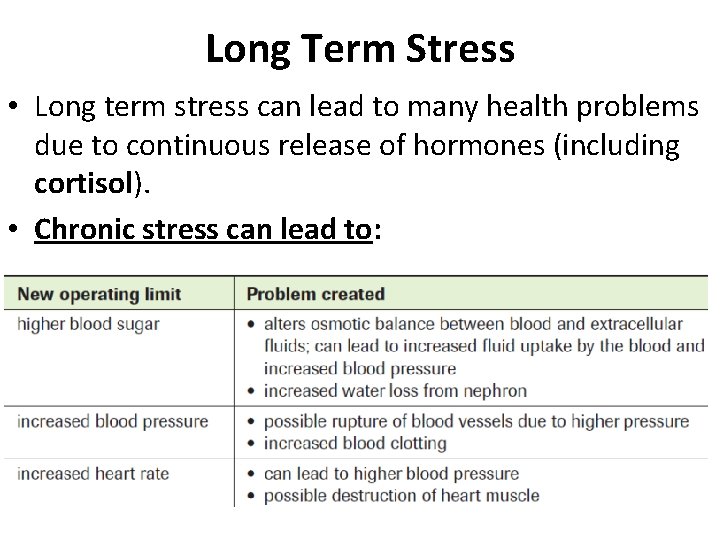
Long Term Stress • Long term stress can lead to many health problems due to continuous release of hormones (including cortisol). • Chronic stress can lead to:
Prostaglandins • A group of hormones produced by almost all cells in the body. • Prostaglandins acts on the cells that produced them (don’t travel to other parts of the body). • Produced when a tissue is damaged (stressed). Effects of Prostaglandins: – stimulate inflammation – increase blood flow – stimulate platelets to form clots in damaged vessels – role in producing a fever – cause an increase in the perception of pain
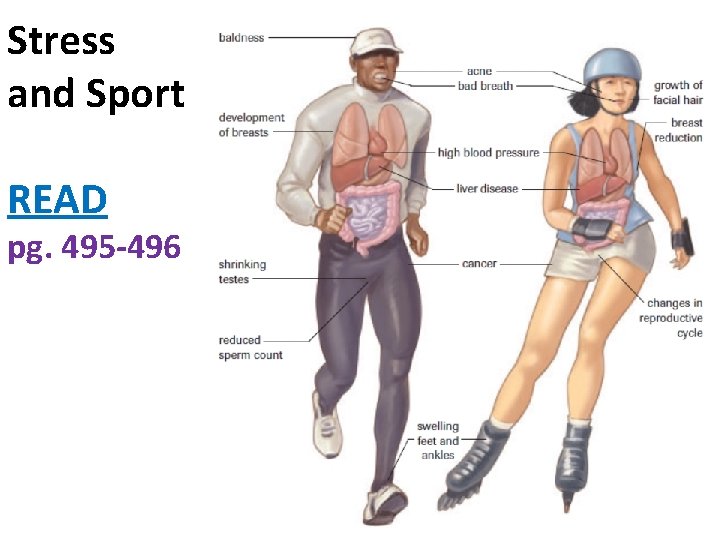
Stress and Sport READ pg. 495 -496
Practice • Pg. 497 - Section 15. 5 Questions –# 1 -10