In the name of God Source of hx

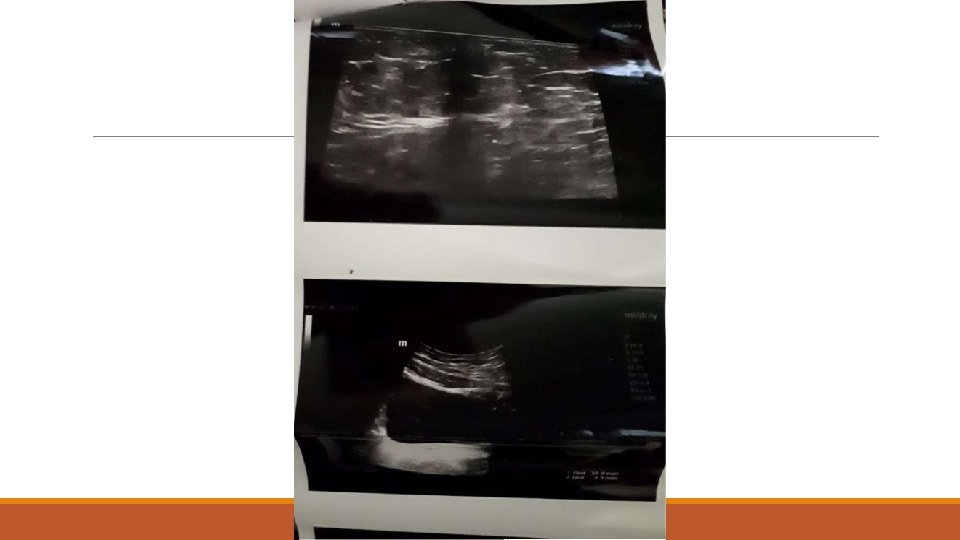
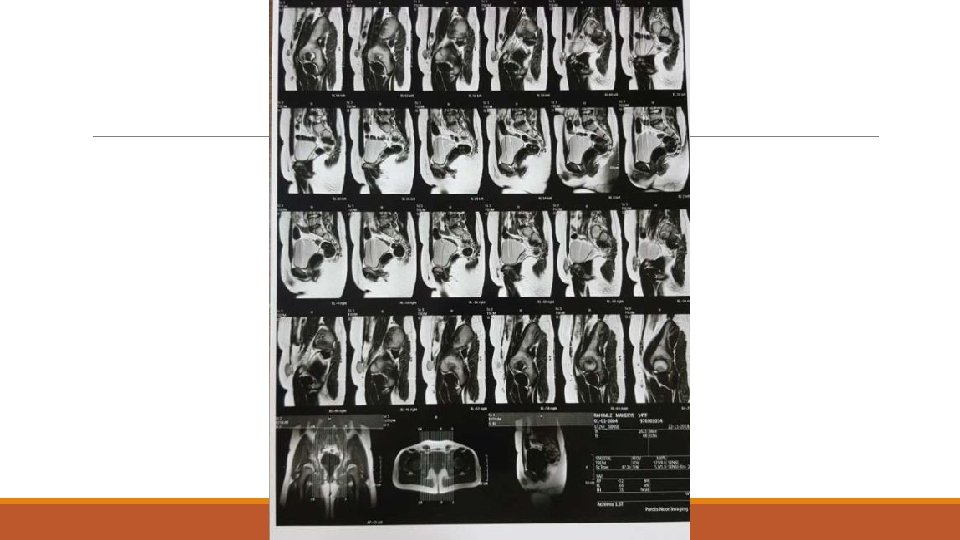
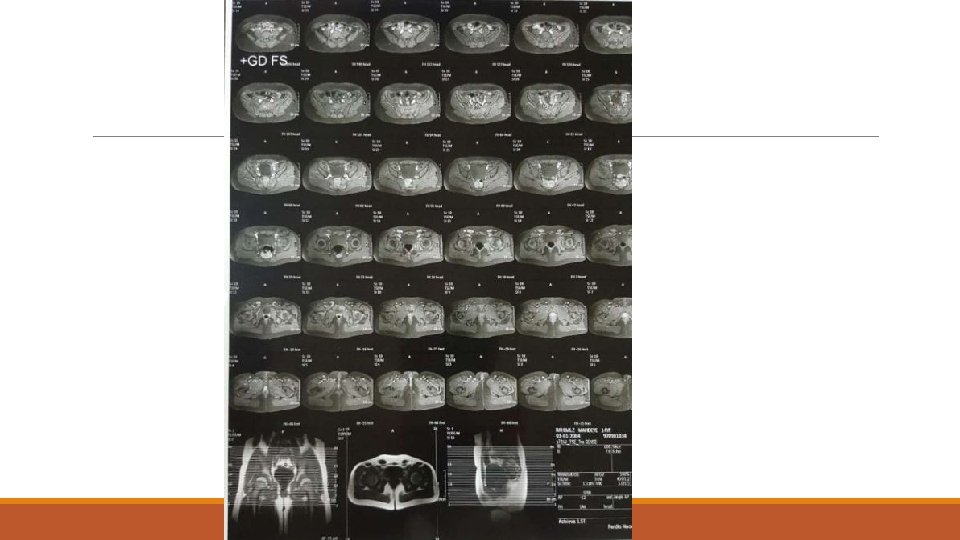
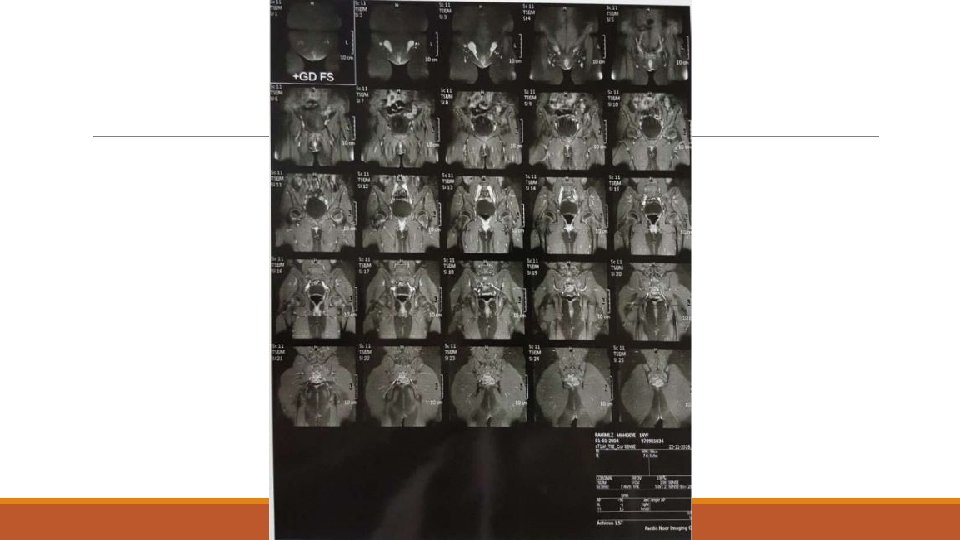
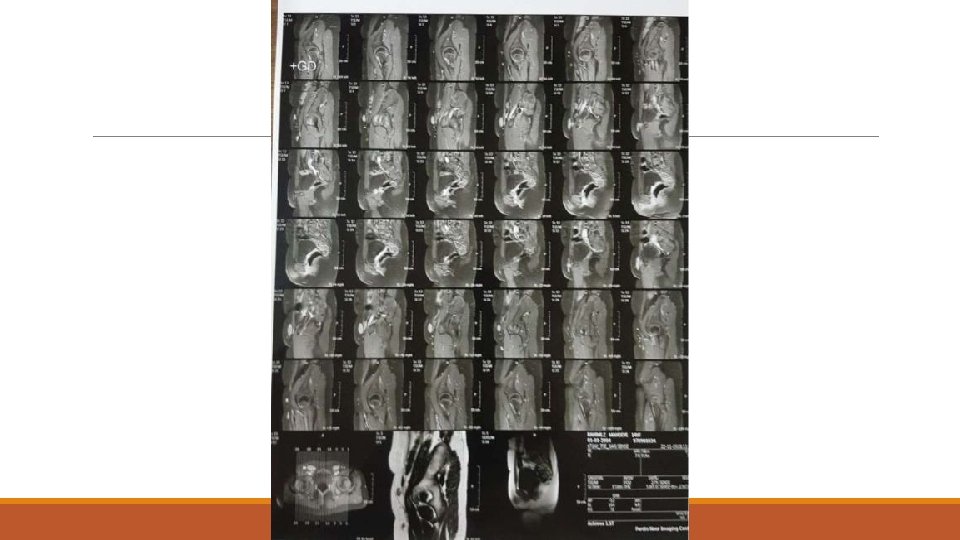
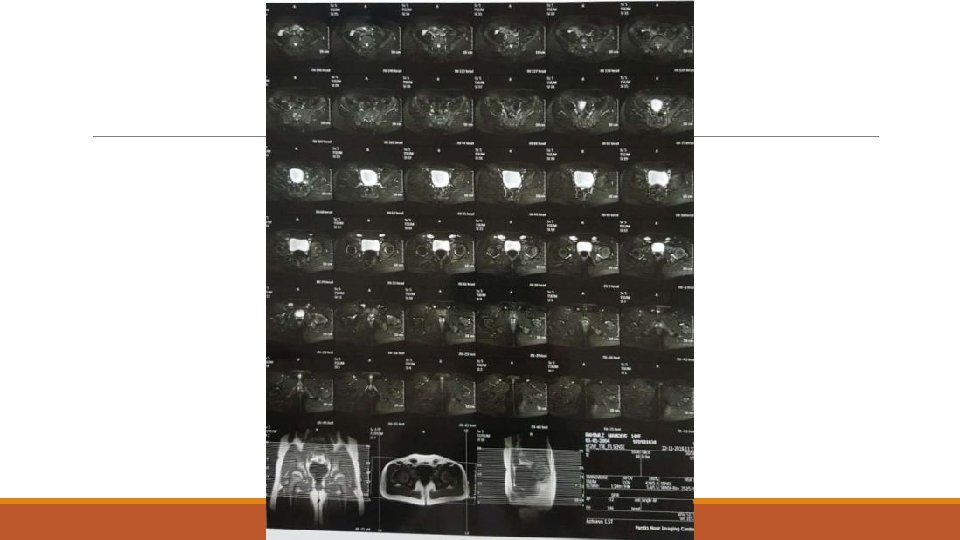
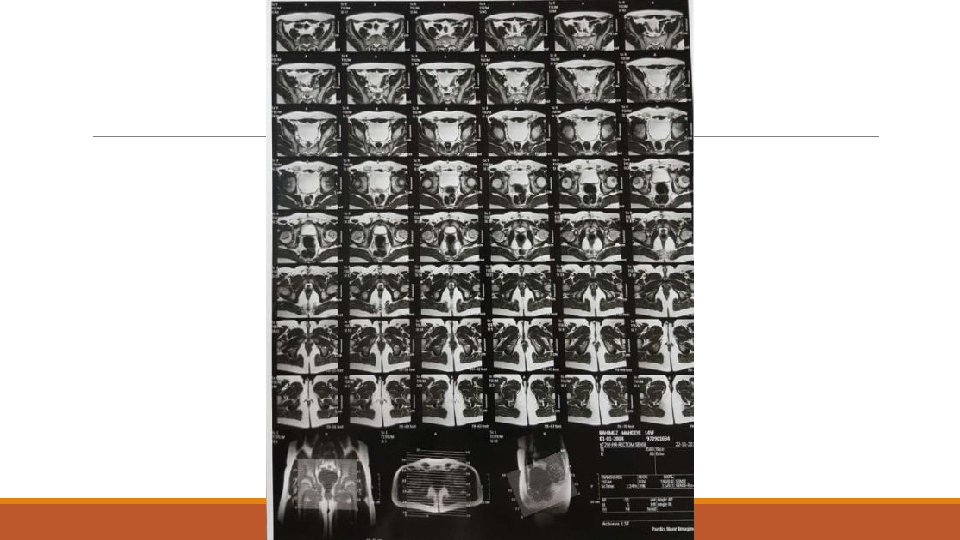
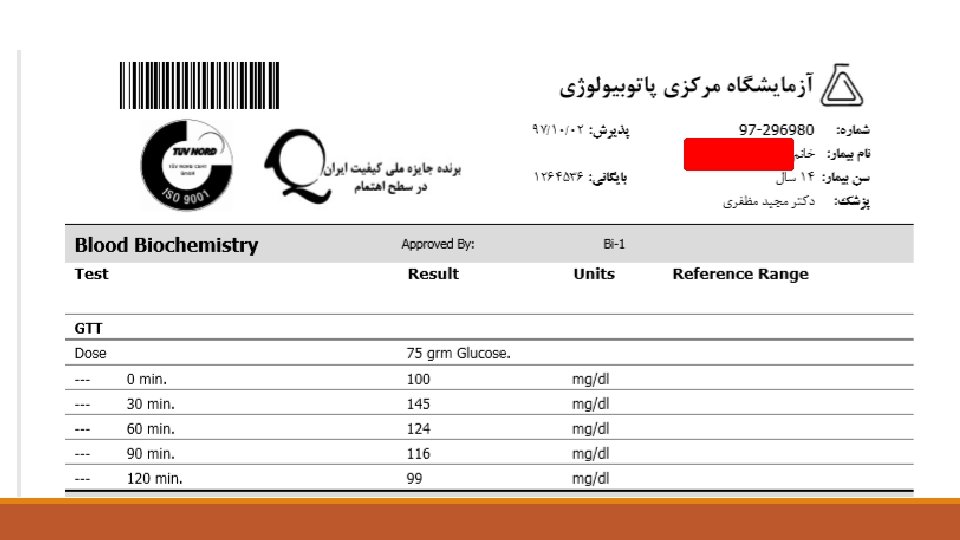


- Slides: 91
In the name of God
Source of hx S. of Hx: Her Parents Cc: primary Amnorrhea
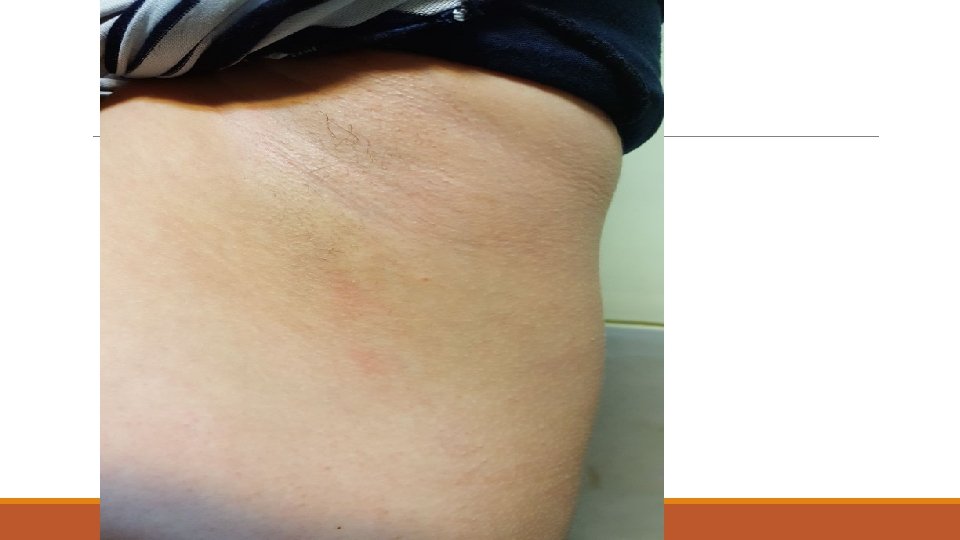
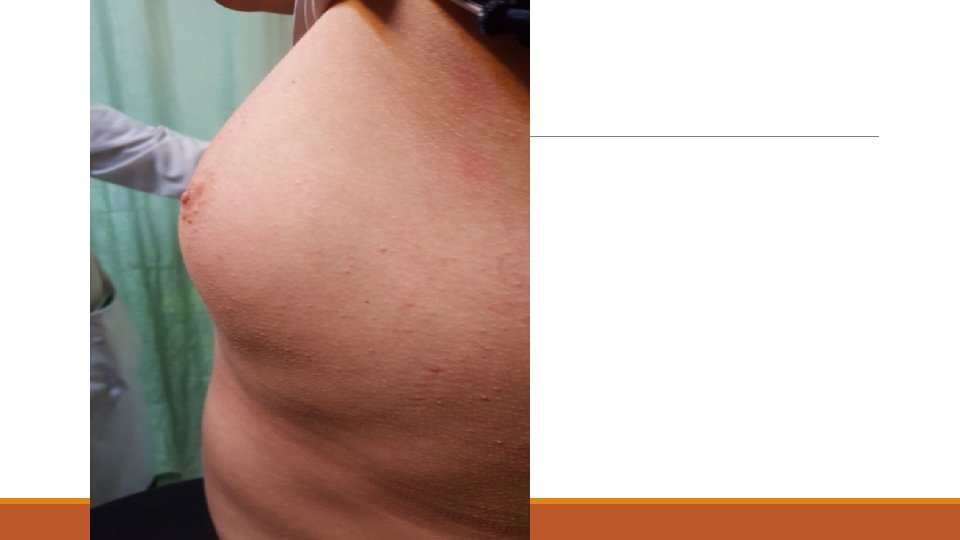
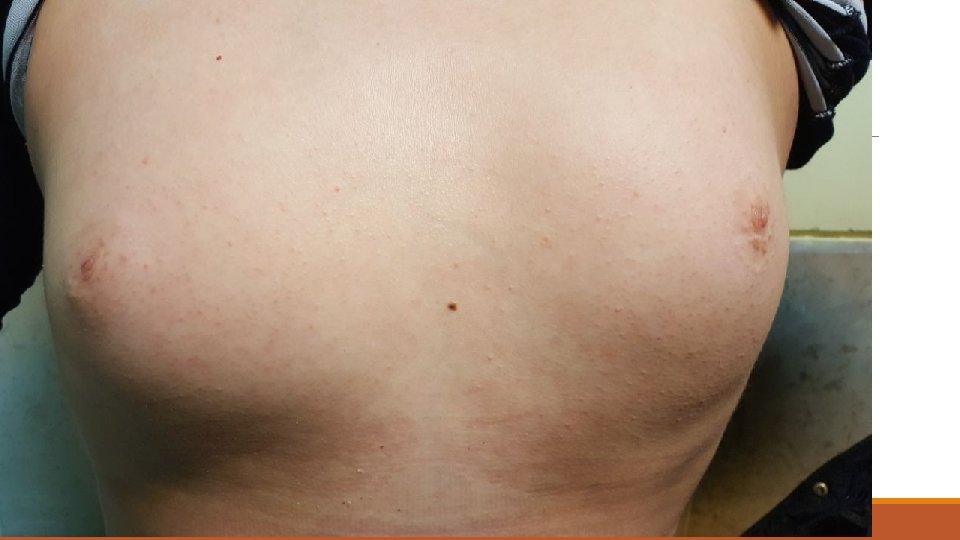
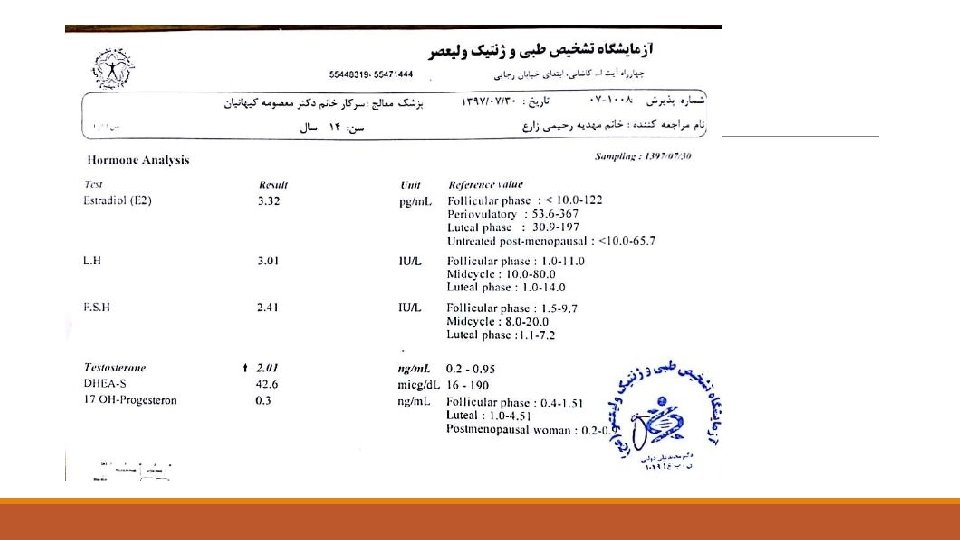
PI They say that the patient's fast growth during puberty begins at the age of 11 yrs/old and continues to now. Age is 14. 5 years. Also, the breasts are a subtle growth. the hair of the pubic area and axillary area is thin.
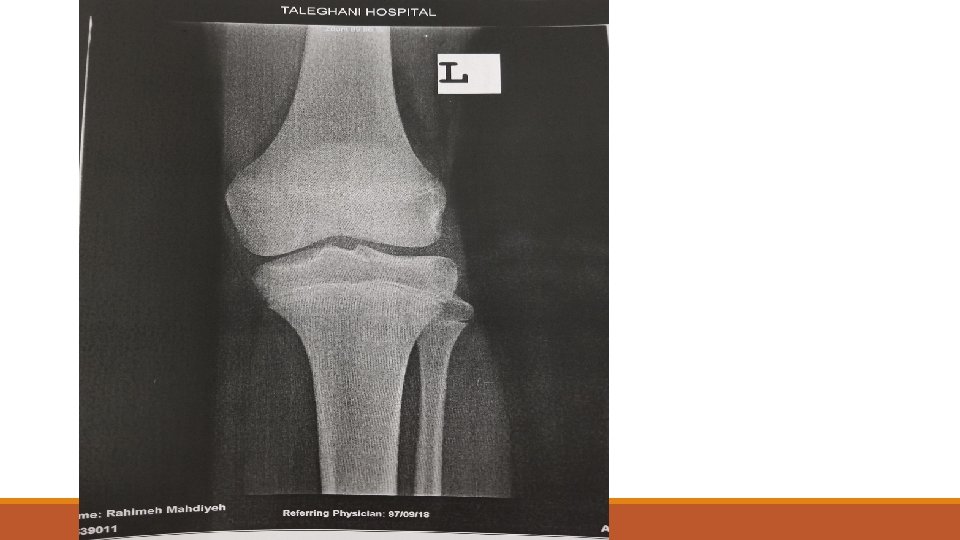
PI The patient's mother states that she has never had menstrual bleeding. The patient's height is 184 centimeters and it's much taller than her peers.
PMH she has history of no specific medical disease.
Habitat hx No smoker No addicted or Durag abused negative
FH Parents and her sisters are healthy and have no special medical problems. There is no history of primary amenorhea or infertility in the patient's family.
She has only one sister: Age=25 height: 168 cm mense: regular Father’s height=183 cm Mother’s height=170
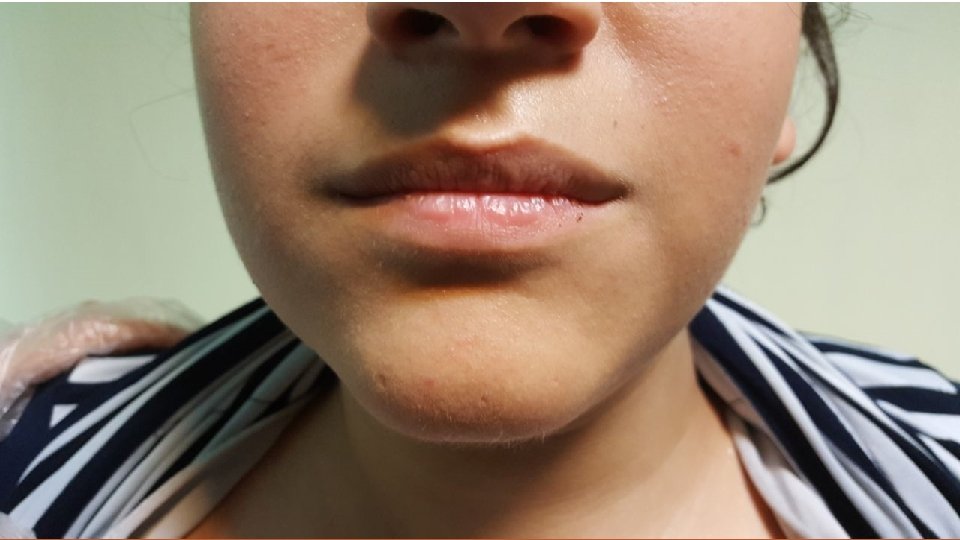
GA and. PE The patient is a tall teenage girl (athlete) Height is 184 cm And weights is 83 kilograms V/s BP: 115/80 Hr: 74. Rr: 16
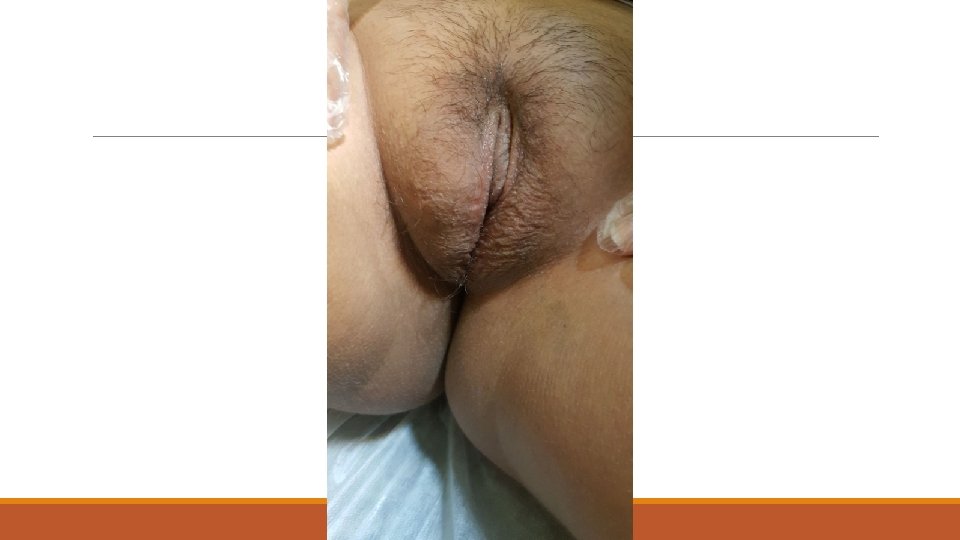
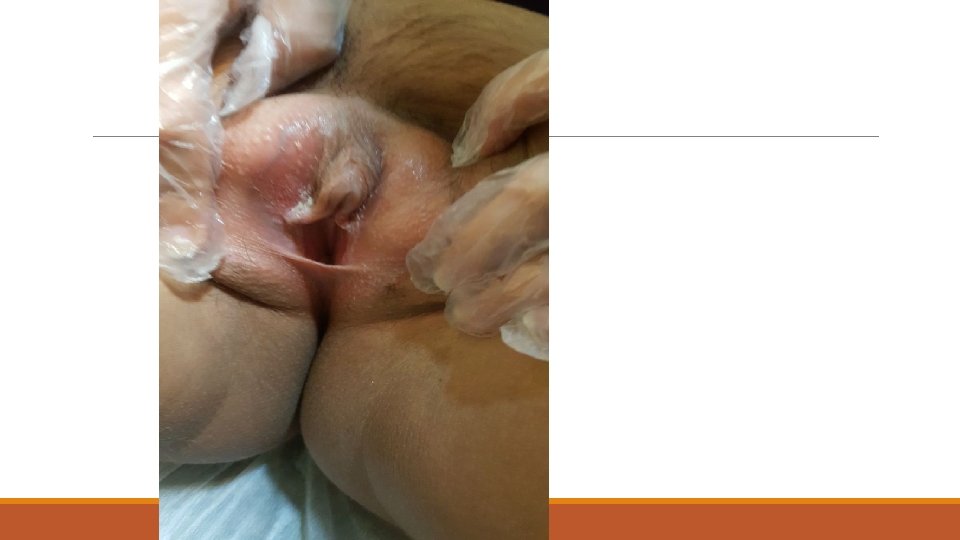
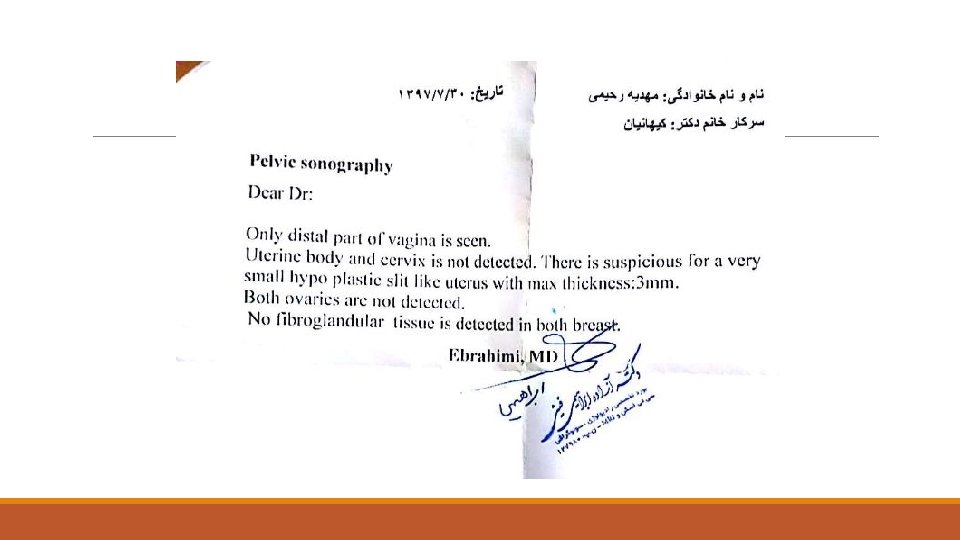
Sclera is not ictric. Conjunctiva is not pale. No anosmia. Skin : No hairy skin or hirsutism. LAD not seen. Chest clear Heart nl S 1 and S 2 no murmur Abd: No organomegaly. soft. Ext: nl N/E: Nl Breast: B 2 Pubarch : p 2 Axilla: a few hairs straight and no terminal. Ext genitalia: Clitoris : Hypertrophy 1× 3 cm RT labia major observe a mass.
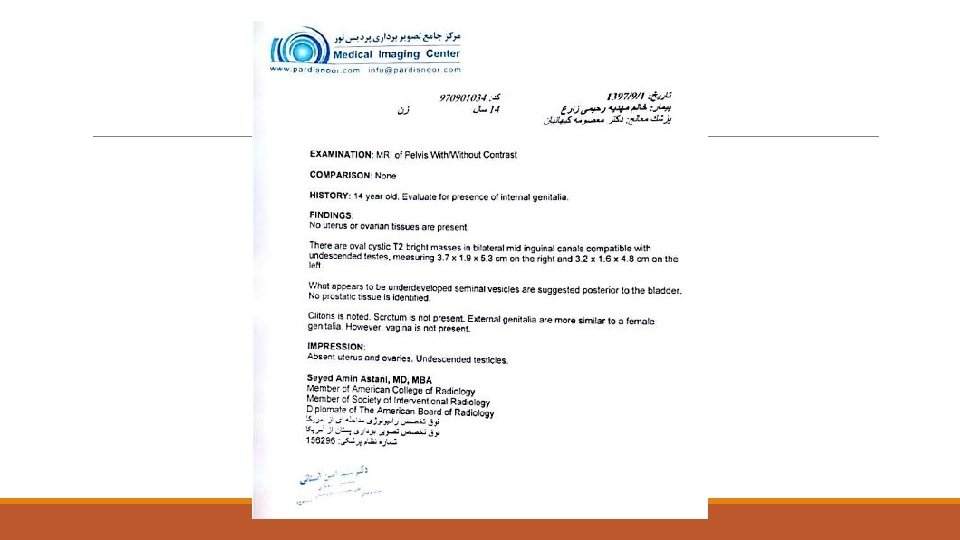
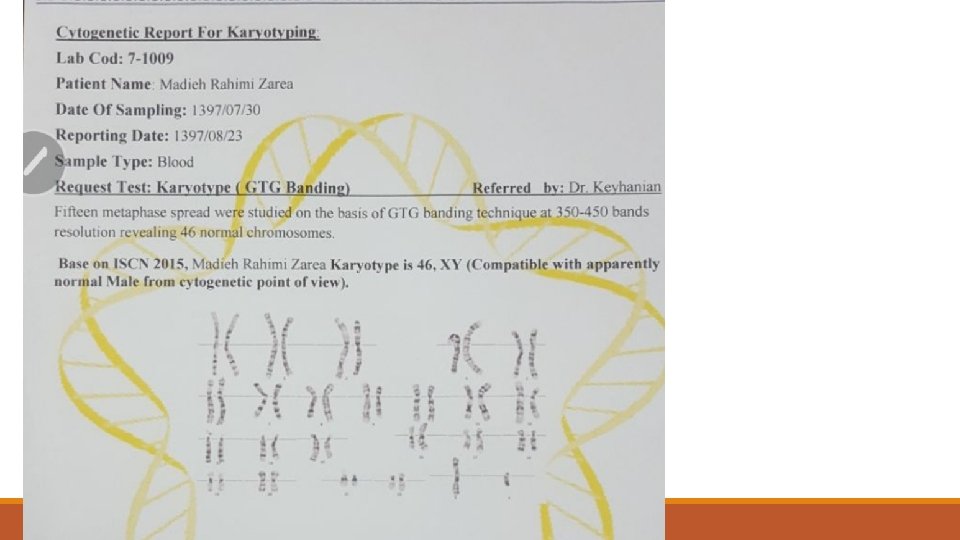
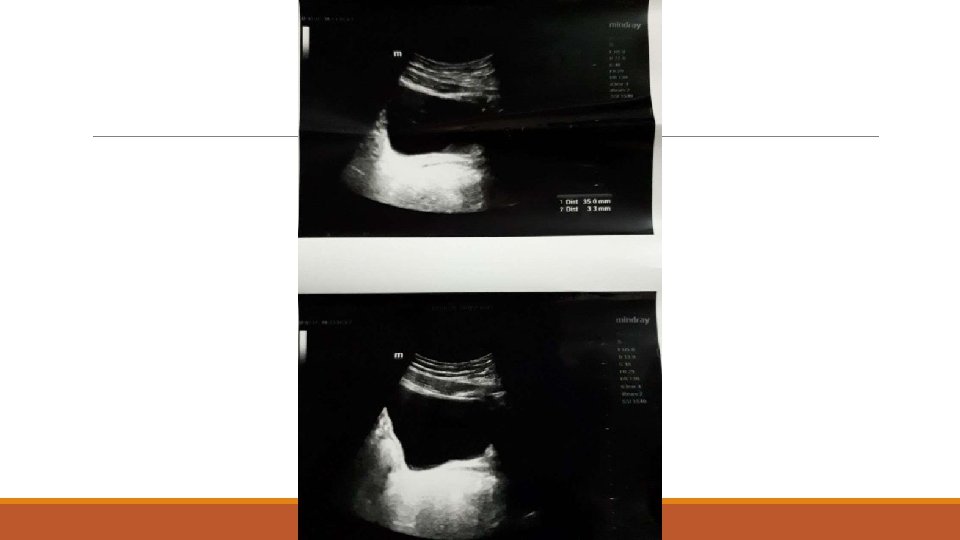
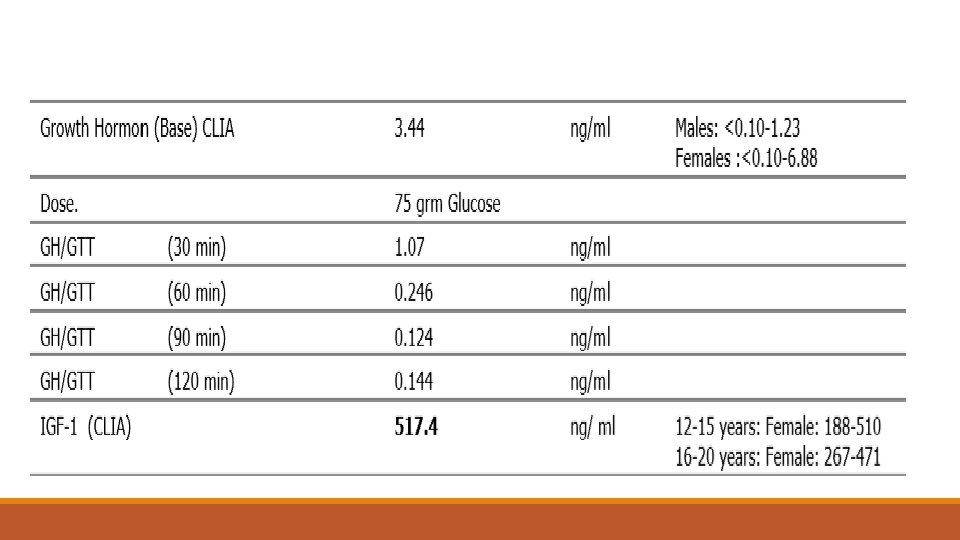
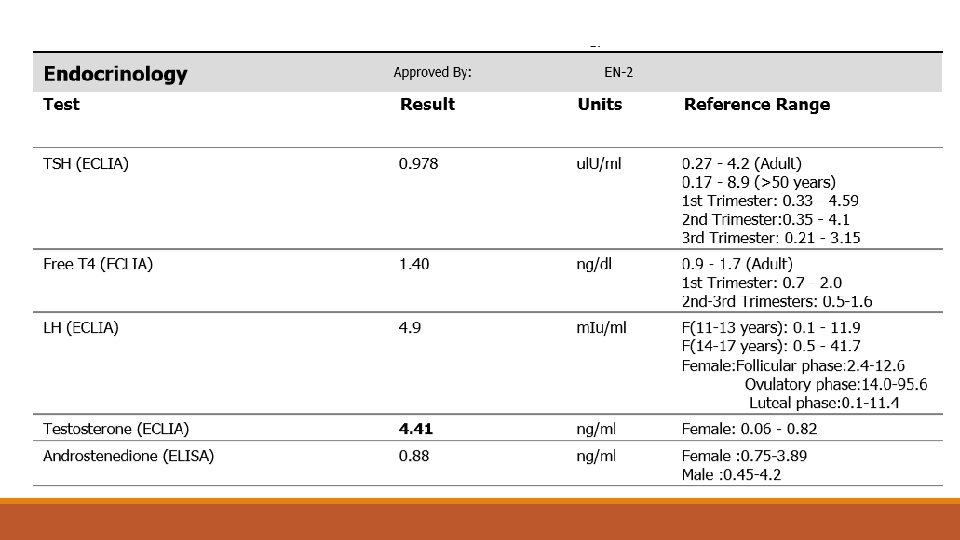
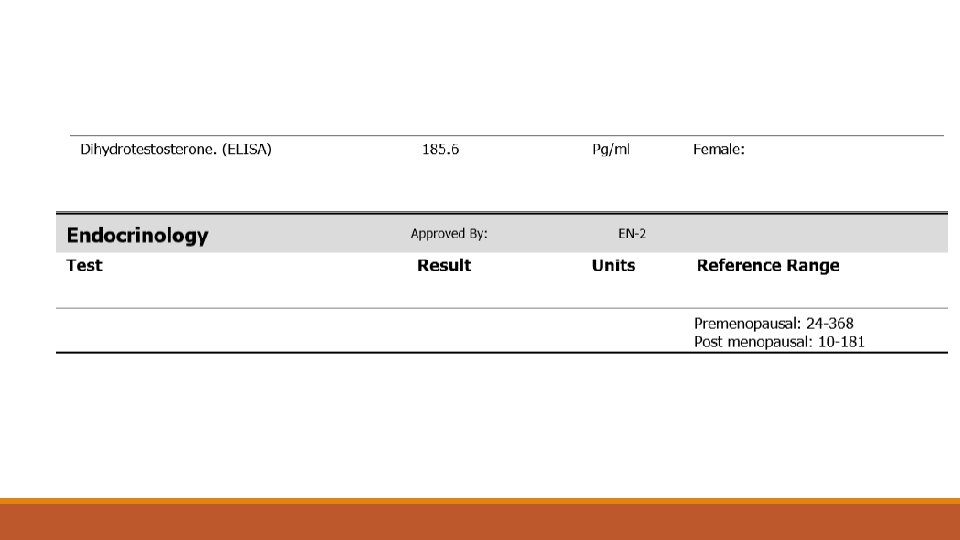
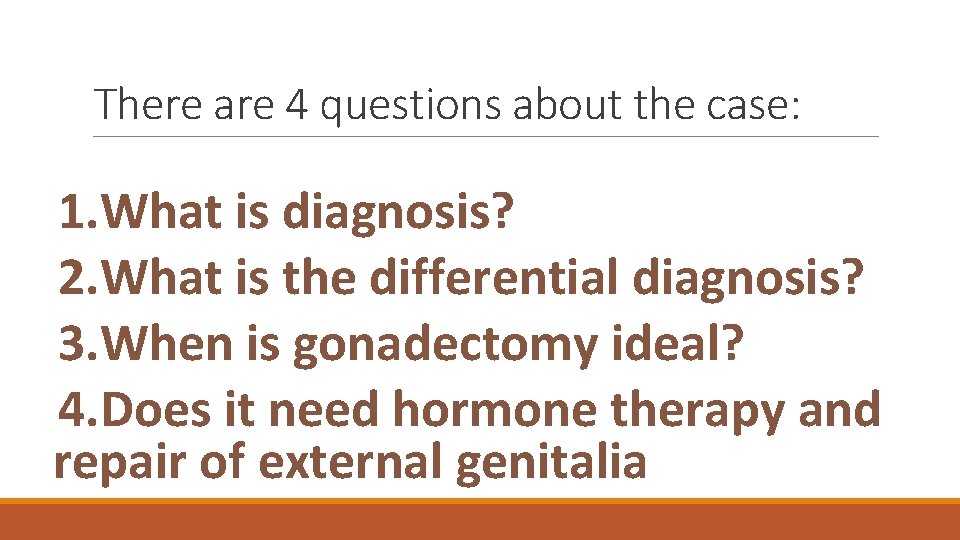
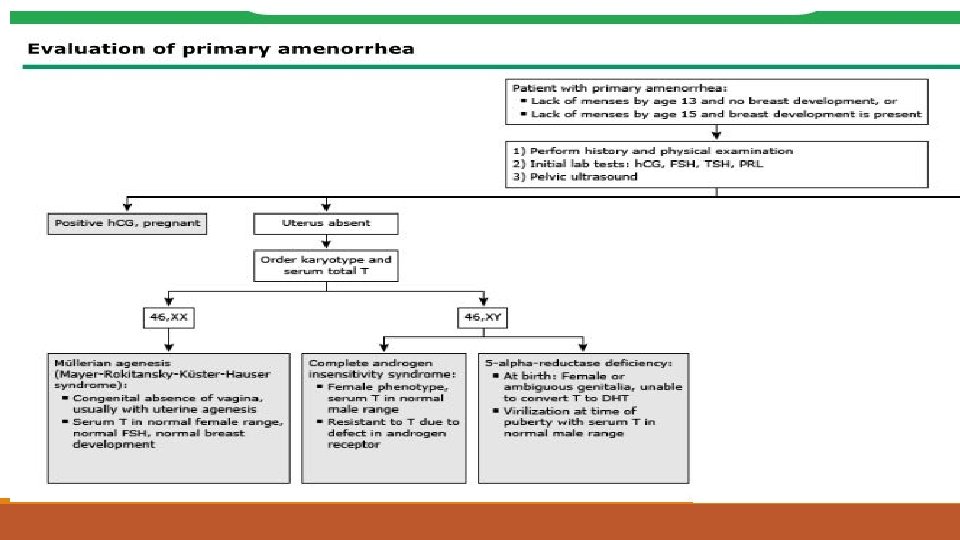
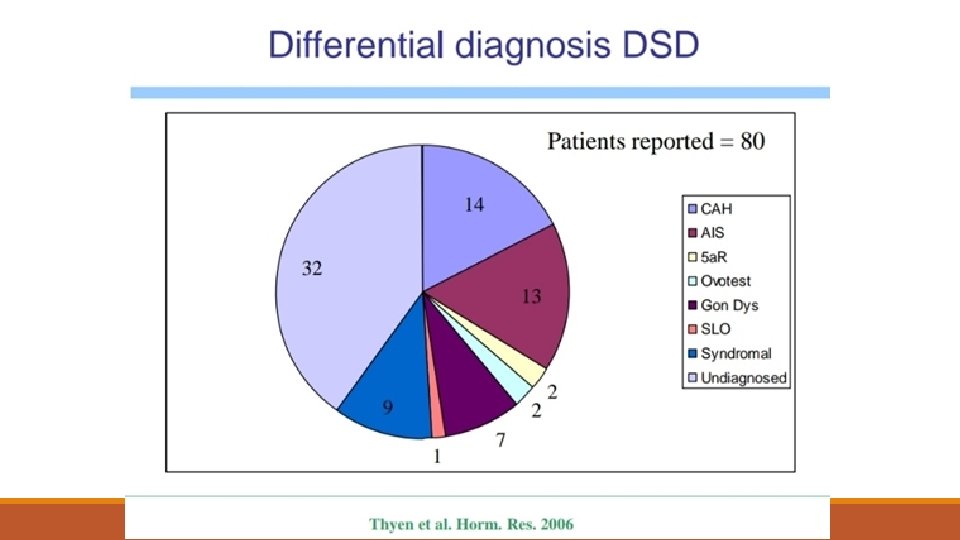
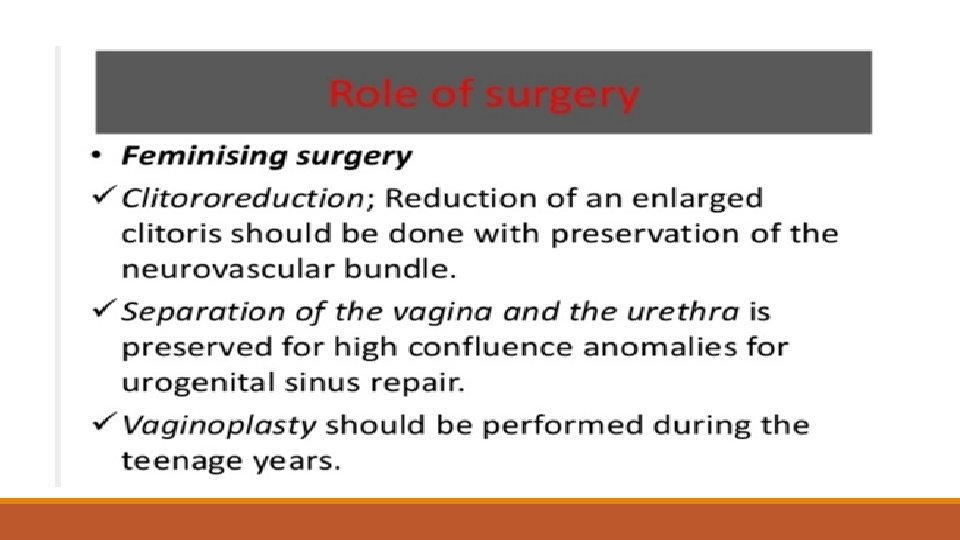
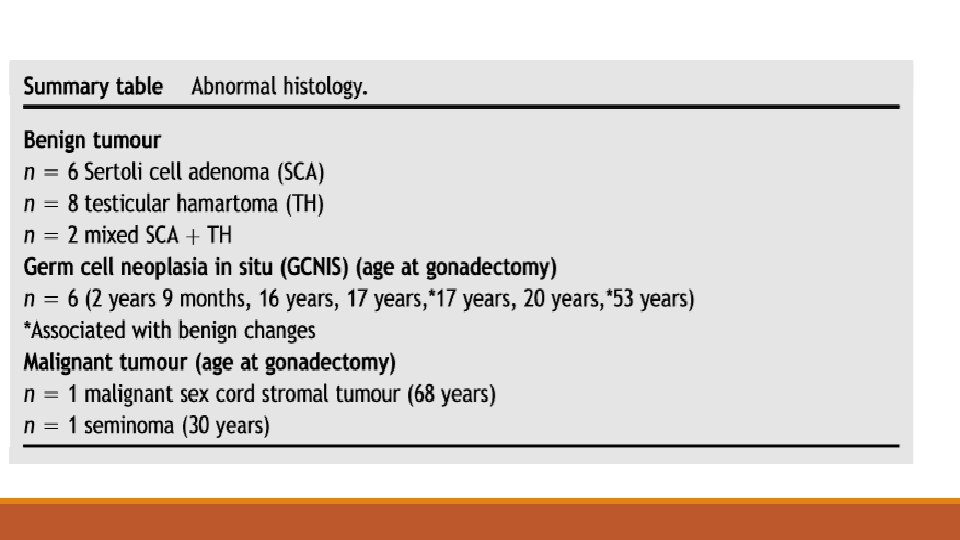
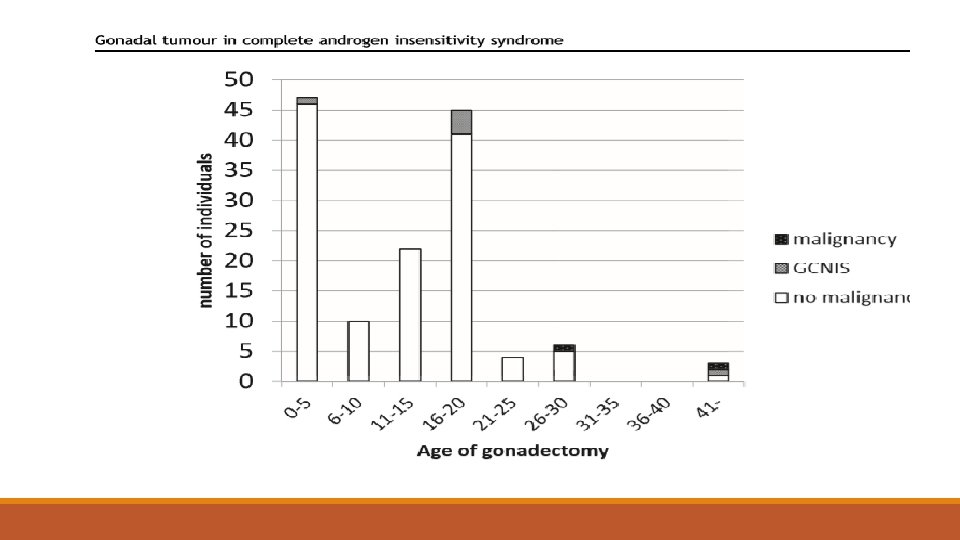
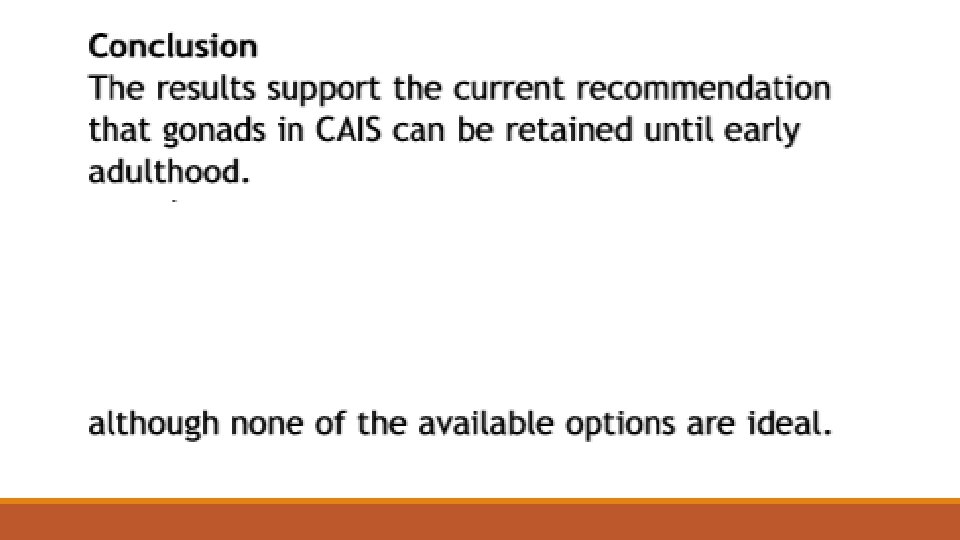
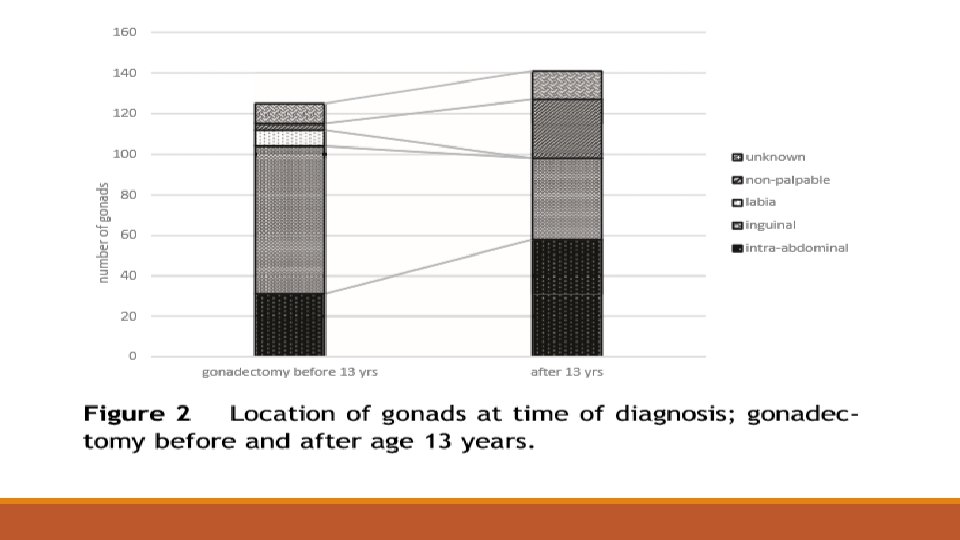
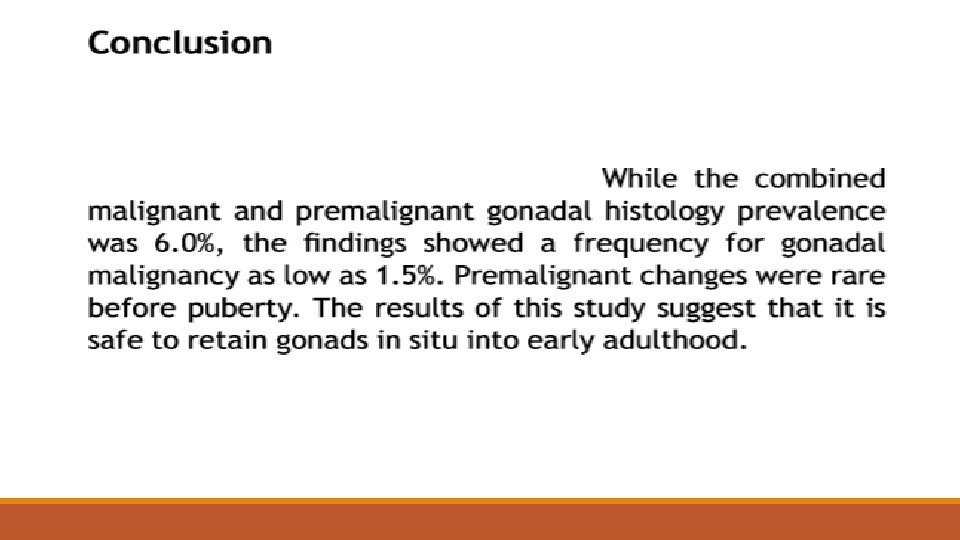
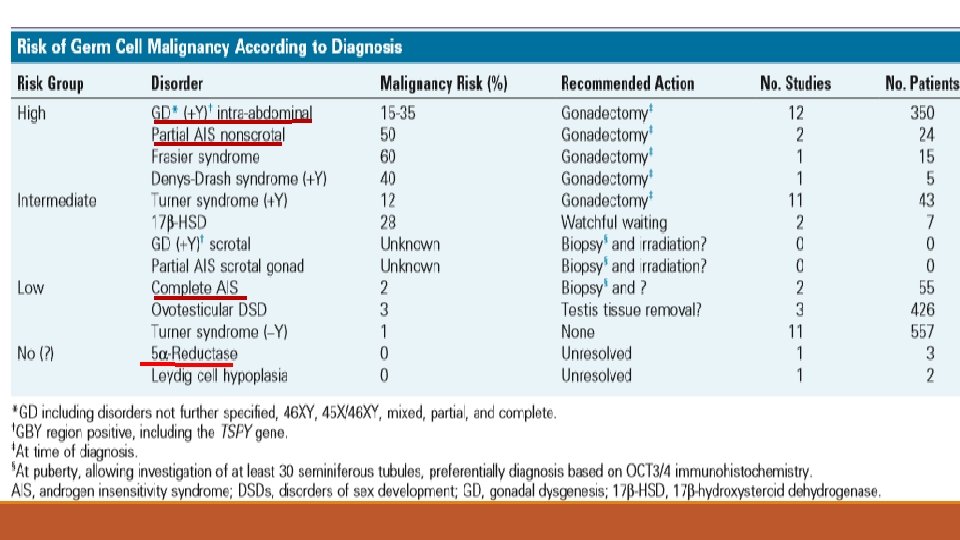
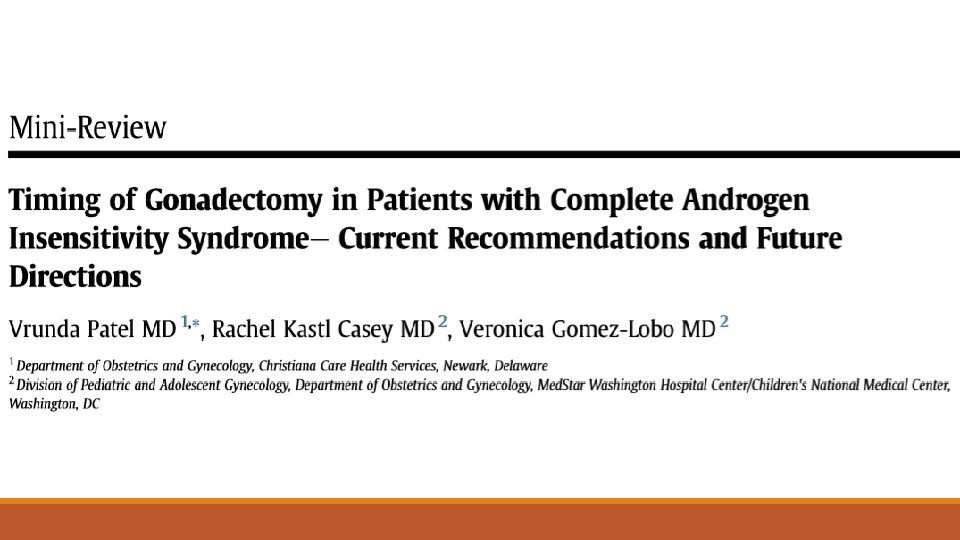
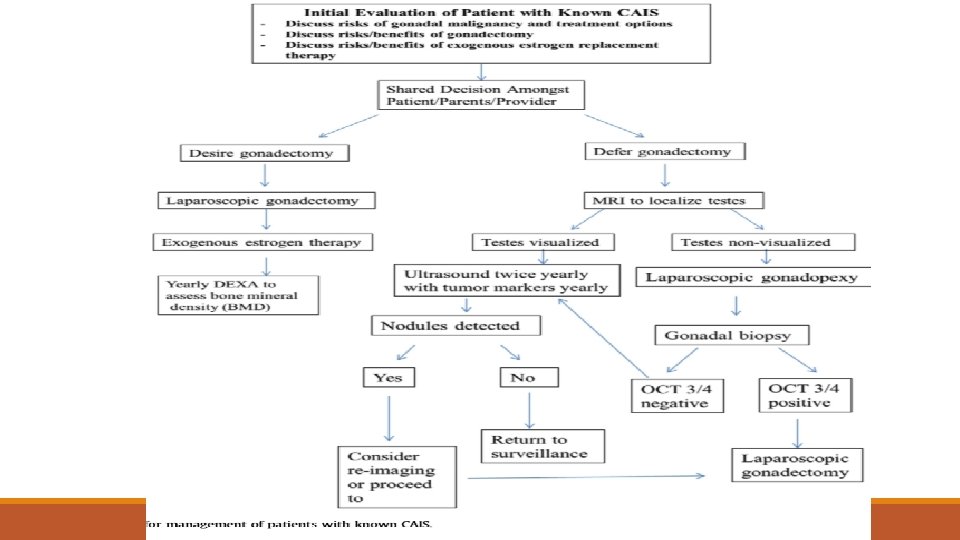
There are 4 questions about the case: 1. What is diagnosis? 2. What is the differential diagnosis? 3. When is gonadectomy ideal? 4. Does it need hormone therapy and repair of external genitalia
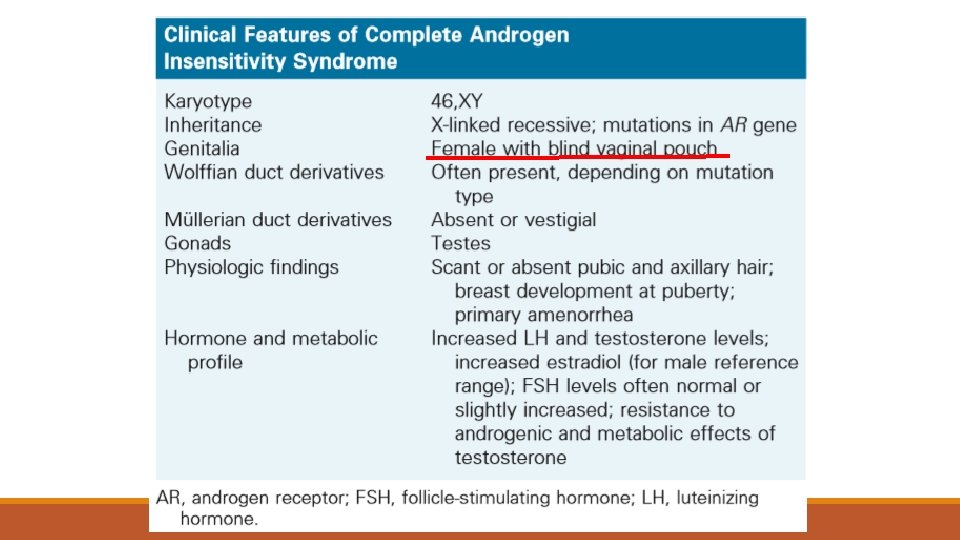
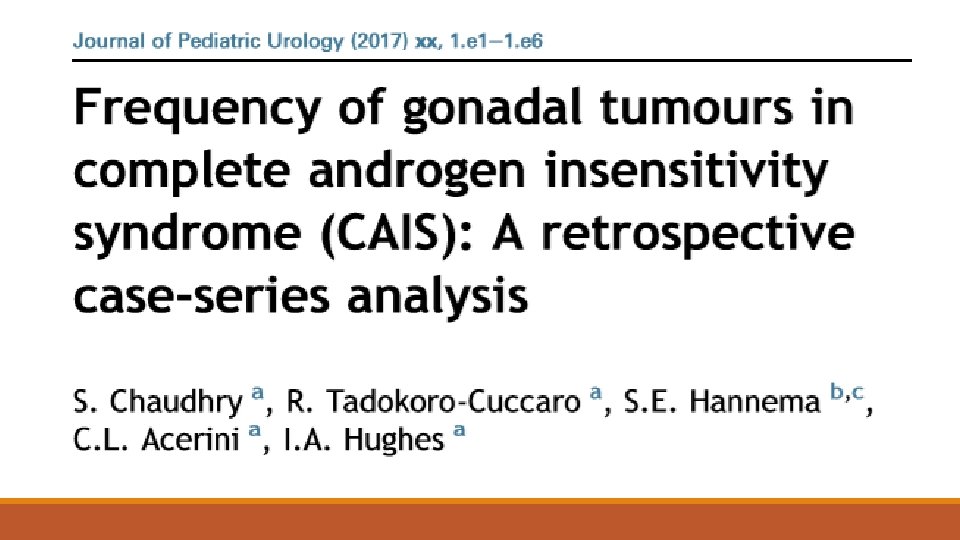
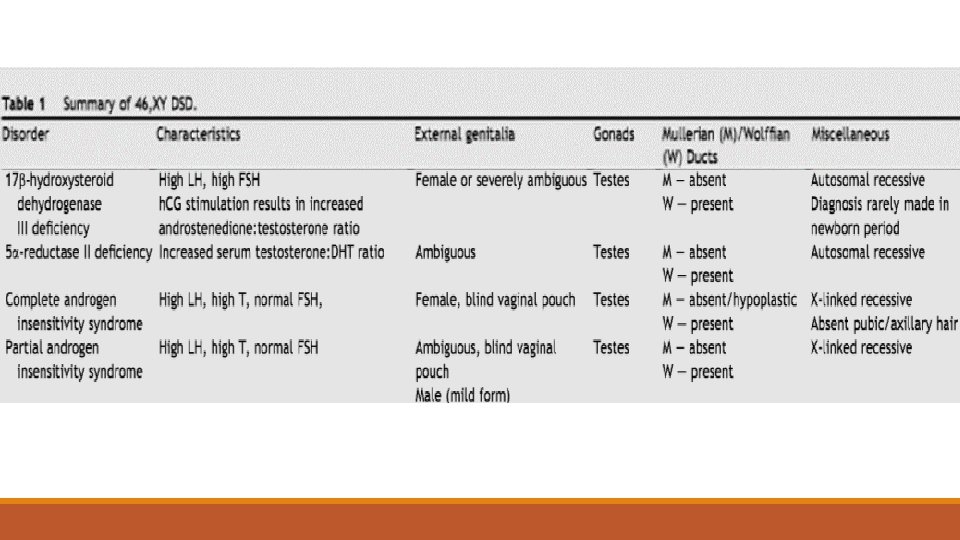
No precise figures are available for the prevalence of complete androgen insensitivity syndrome, but estimates range from one in 20 400 to one in 99 100 genetic males on the basis of a proven molecular diagnosis.
Partial androgen insensitivity syndrome
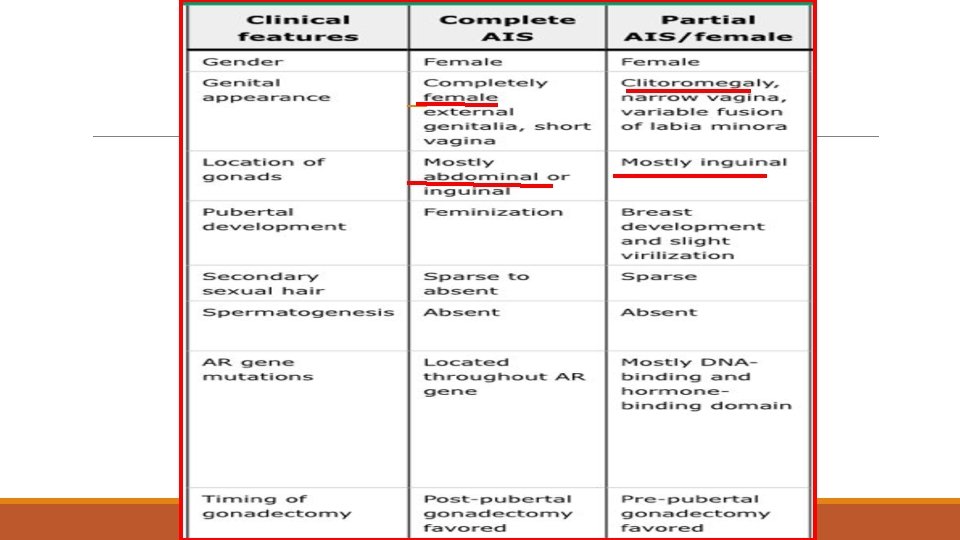
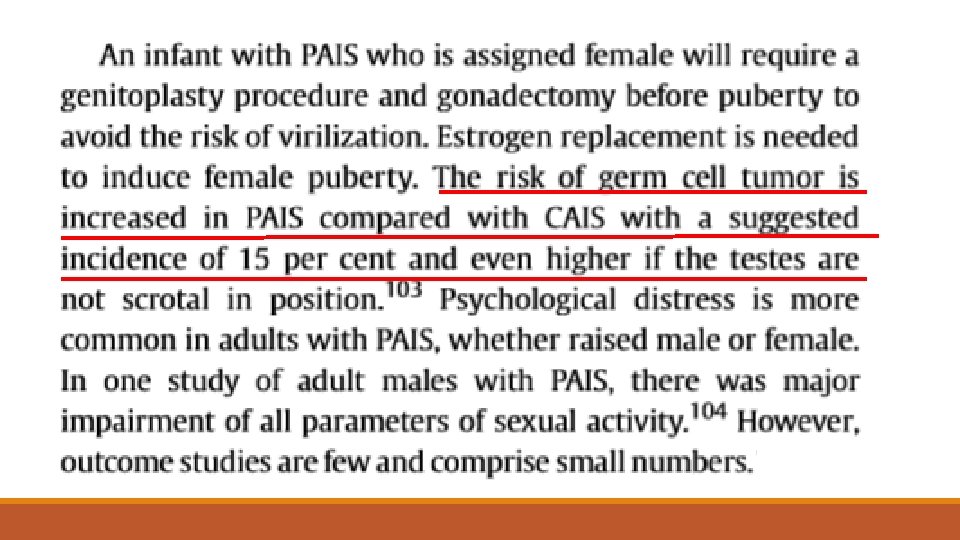
The clinical presentation of partial androgen insensitivity syndrome depends on the degree of responsiveness of the external genitalia to androgens Occasionally, the appearance of the genitalia is more consistent with complete androgen insensitivity syndrome, apart from the degree of clitoromegaly.
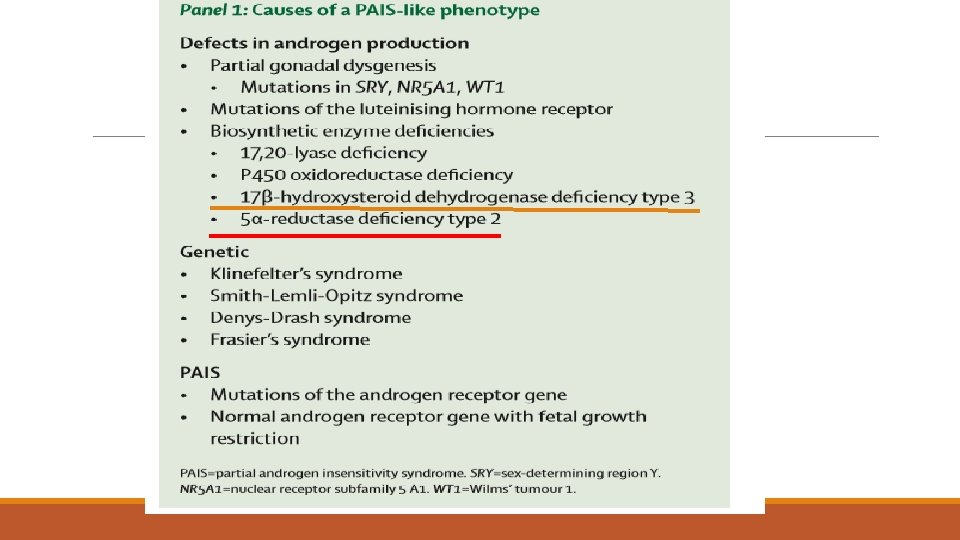
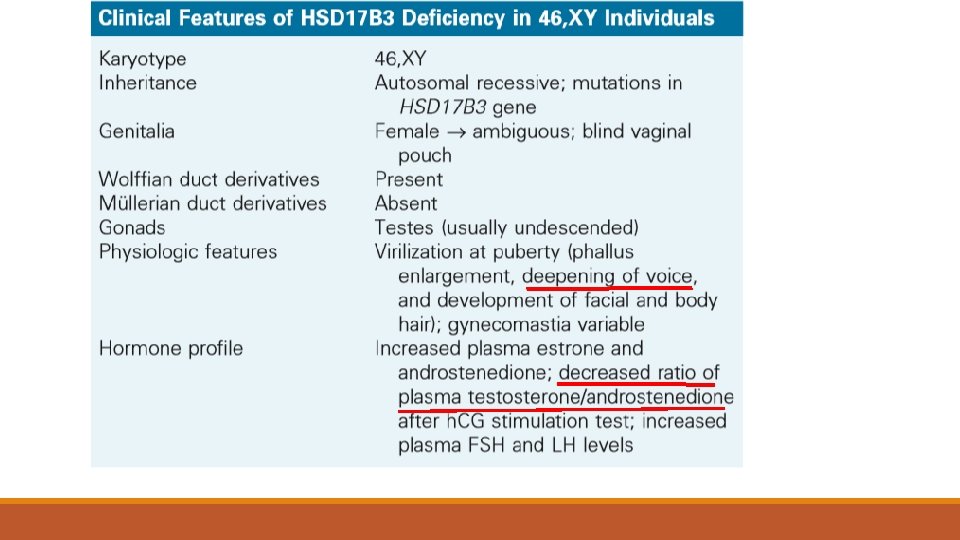
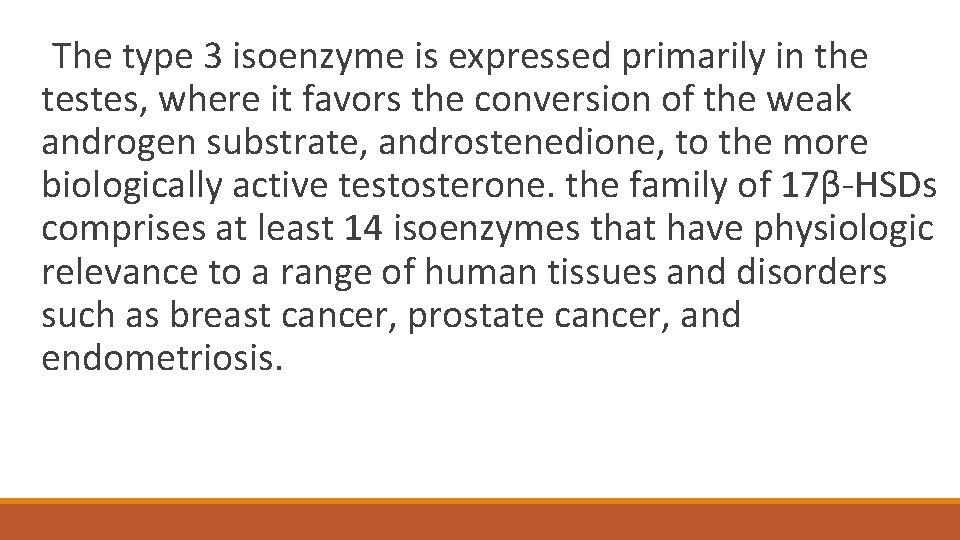
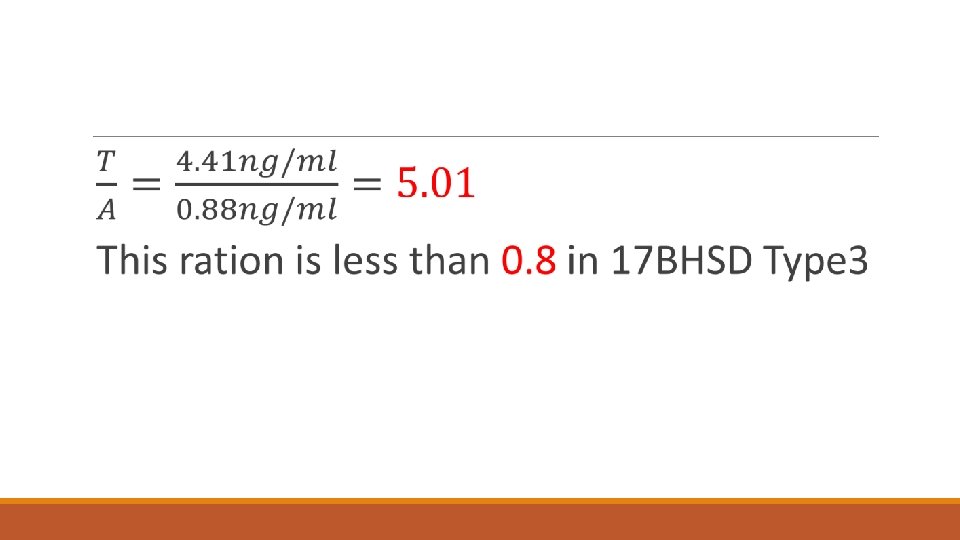
The type 3 isoenzyme is expressed primarily in the testes, where it favors the conversion of the weak androgen substrate, androstenedione, to the more biologically active testosterone. the family of 17β-HSDs comprises at least 14 isoenzymes that have physiologic relevance to a range of human tissues and disorders such as breast cancer, prostate cancer, and endometriosis.
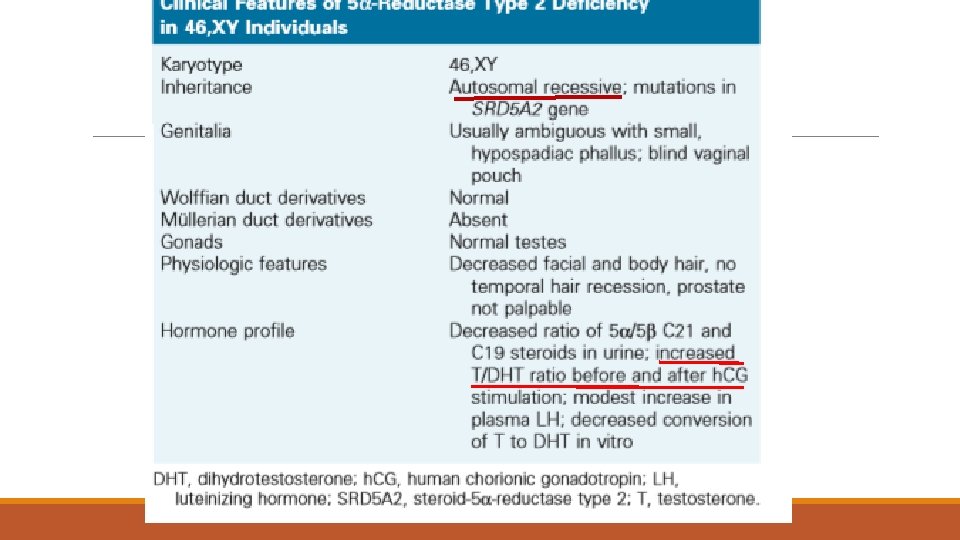
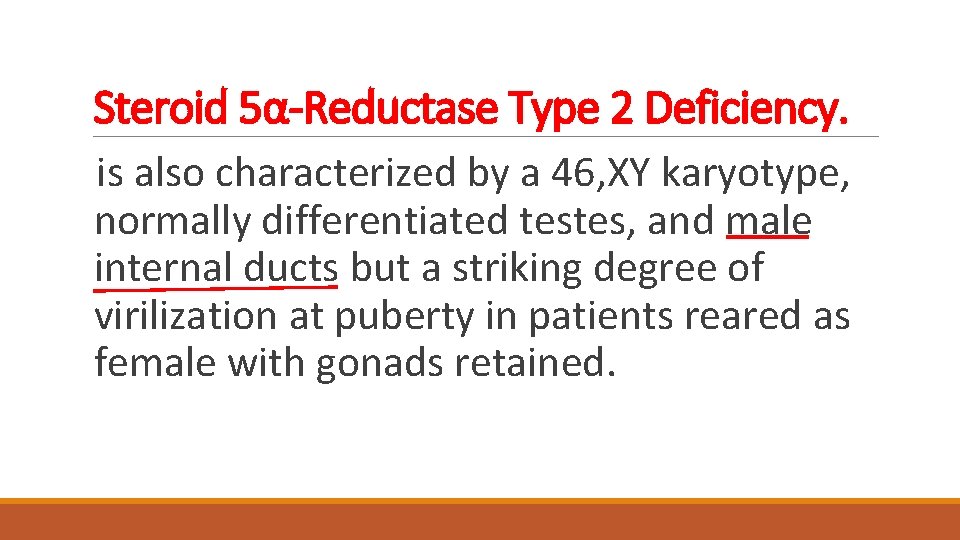
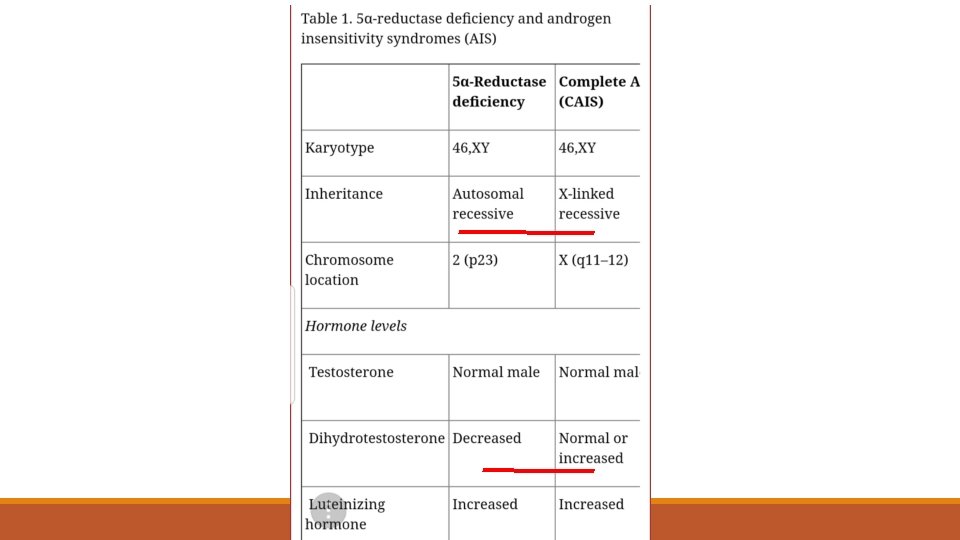
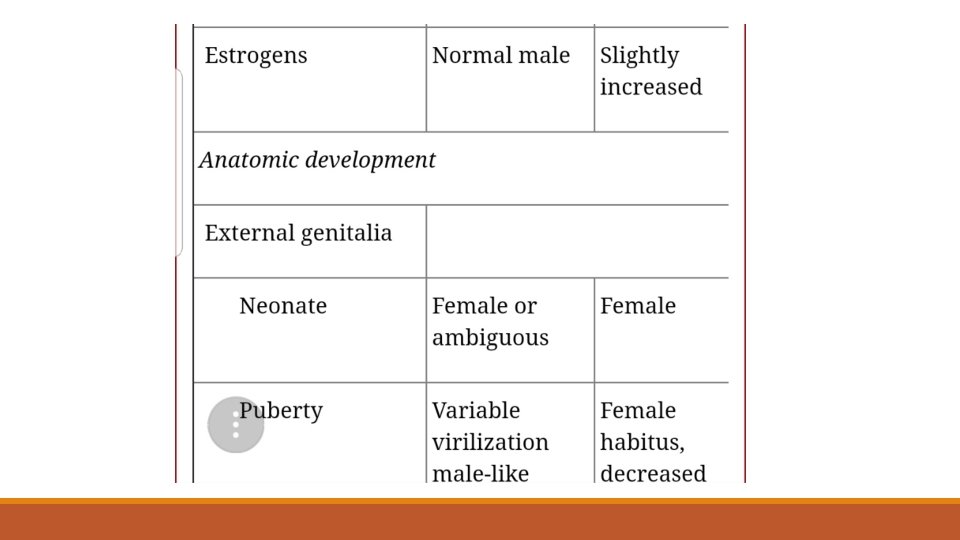
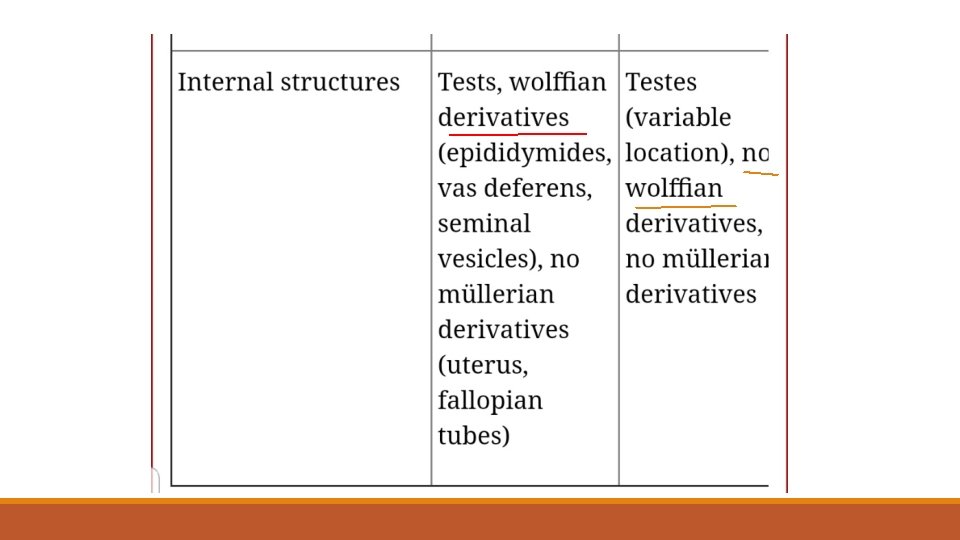
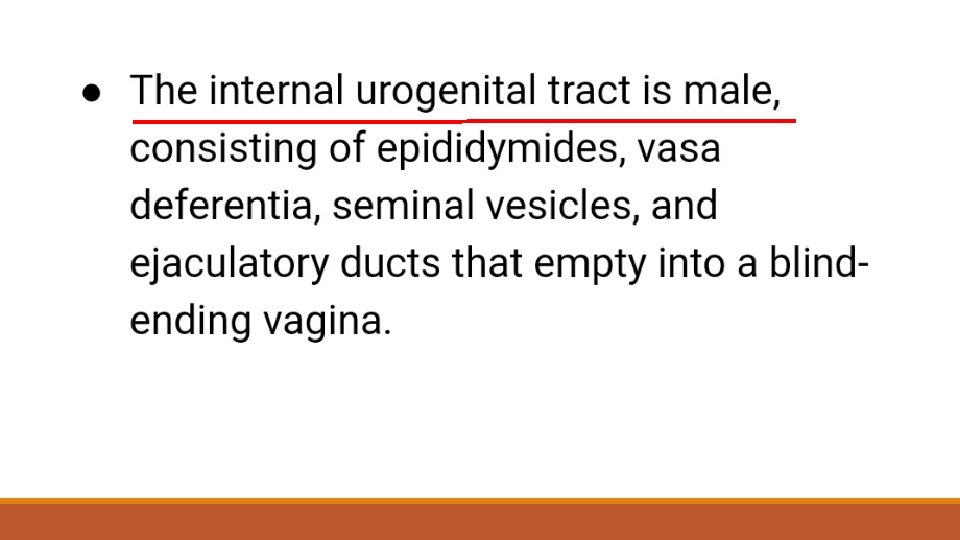
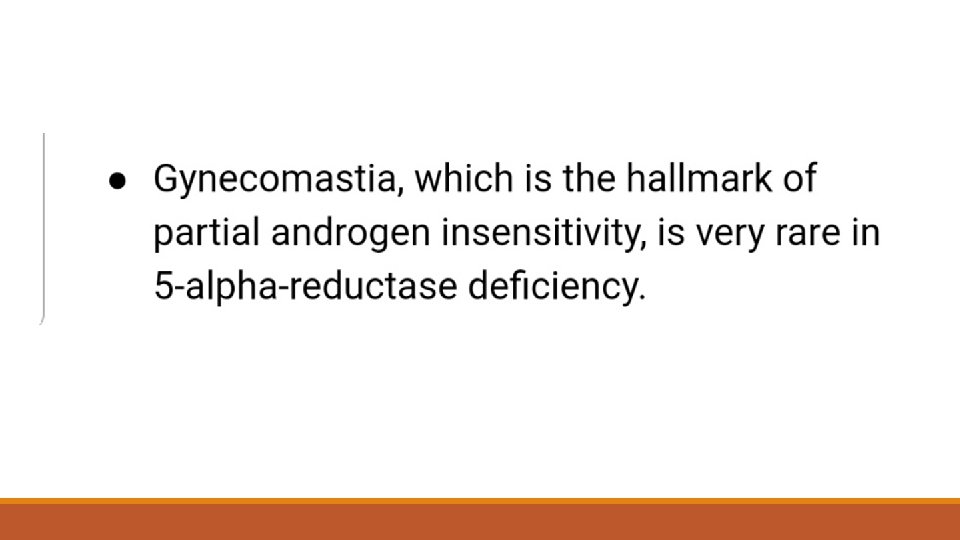
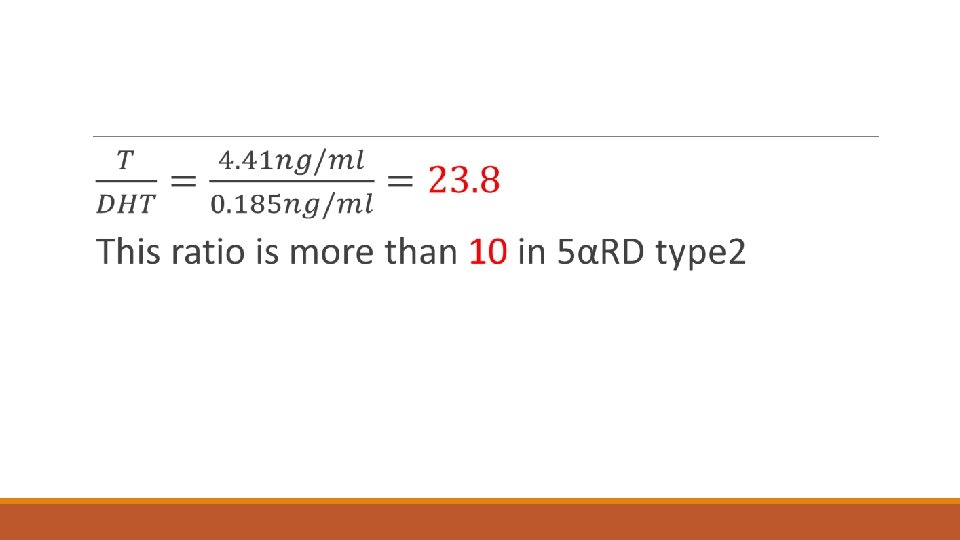
Steroid 5α-Reductase Type 2 Deficiency. is also characterized by a 46, XY karyotype, normally differentiated testes, and male internal ducts but a striking degree of virilization at puberty in patients reared as female with gonads retained.
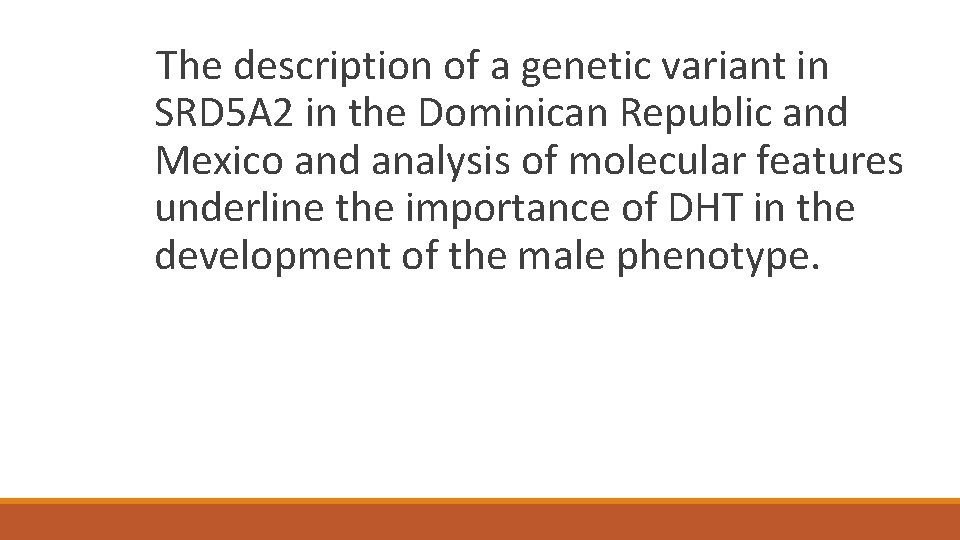
The description of a genetic variant in SRD 5 A 2 in the Dominican Republic and Mexico and analysis of molecular features underline the importance of DHT in the development of the male phenotype.
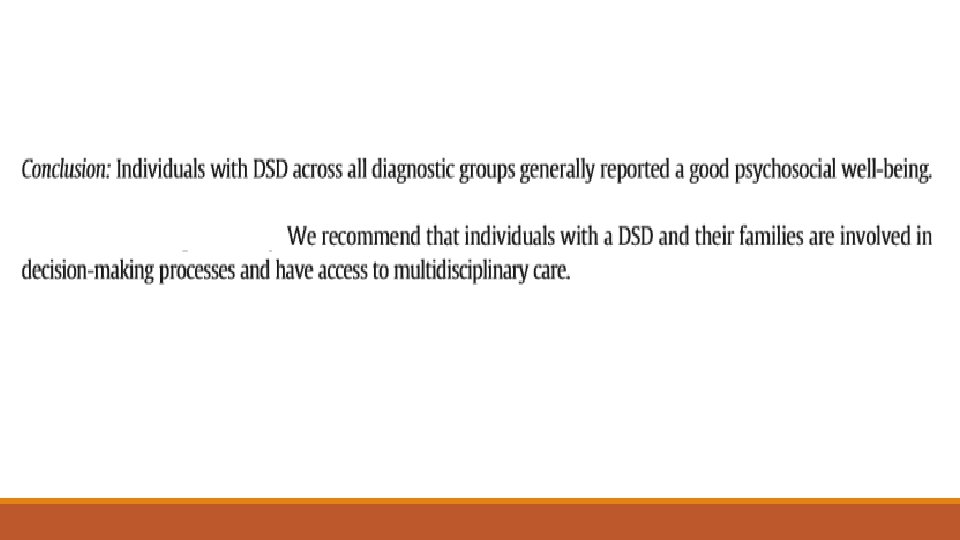
Patient advocacy groups (eg, the Androgen Insensitivity Syndrome Support Group and dsd. Families in the UK) should have a close supportive role. Support groups related to androgen insensitivity syndrome are well represented in several countries.
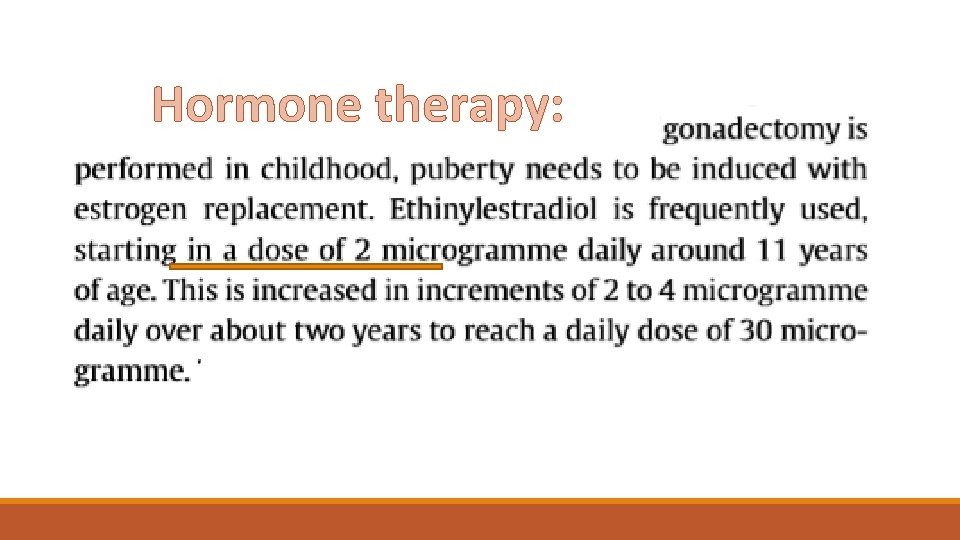
Hormone therapy: hohhhh
Thank you