In the name of God Fever In Children

- Slides: 71
In the name of God Fever In Children
Fever is a common symptom with various diseases in children Fever Definition A centrally mediated elevation of body temperature in response to stress or insult Rectal temperature is over 100. 4°F (38°C) Oral temperature above 37. 5°C Auxiliary temperature above 37. 2°C
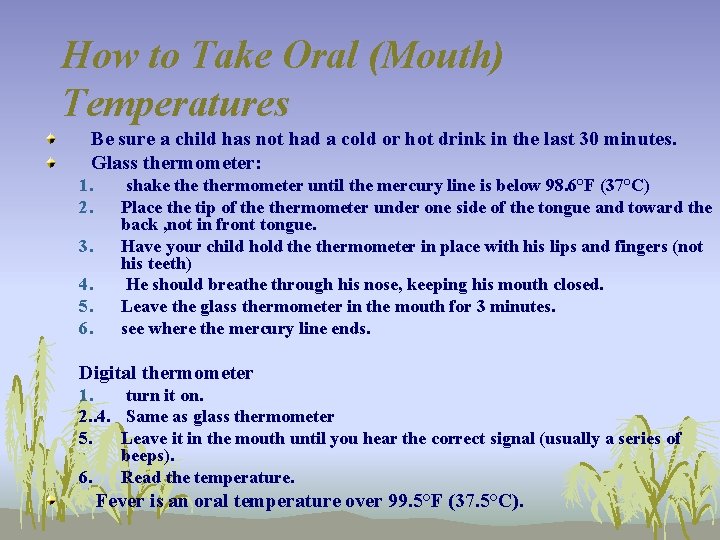
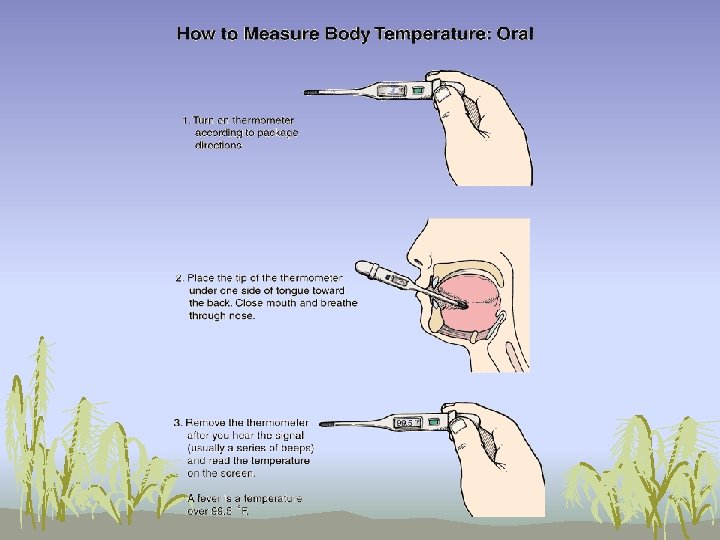
How to Take Oral (Mouth) Temperatures Be sure a child has not had a cold or hot drink in the last 30 minutes. Glass thermometer: 1. 2. 3. 4. 5. 6. shake thermometer until the mercury line is below 98. 6°F (37°C) Place the tip of thermometer under one side of the tongue and toward the back , not in front tongue. Have your child hold thermometer in place with his lips and fingers (not his teeth) He should breathe through his nose, keeping his mouth closed. Leave the glass thermometer in the mouth for 3 minutes. see where the mercury line ends. Digital thermometer 1. turn it on. 2. . 4. Same as glass thermometer 5. Leave it in the mouth until you hear the correct signal (usually a series of beeps). 6. Read the temperature. Fever is an oral temperature over 99. 5°F (37. 5°C).
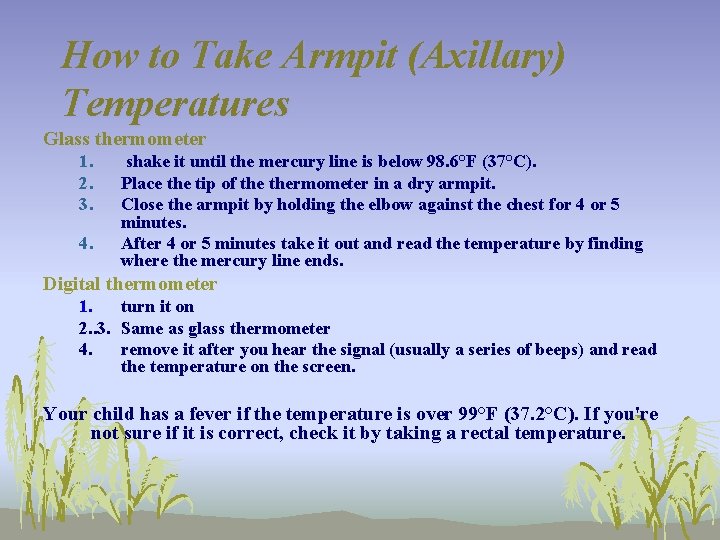
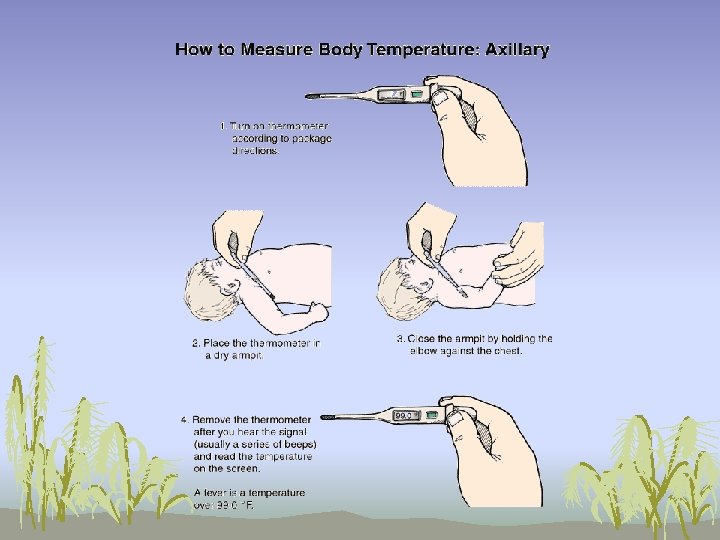
How to Take Armpit (Axillary) Temperatures Glass thermometer 1. 2. 3. 4. shake it until the mercury line is below 98. 6°F (37°C). Place the tip of thermometer in a dry armpit. Close the armpit by holding the elbow against the chest for 4 or 5 minutes. After 4 or 5 minutes take it out and read the temperature by finding where the mercury line ends. Digital thermometer 1. turn it on 2. . 3. Same as glass thermometer 4. remove it after you hear the signal (usually a series of beeps) and read the temperature on the screen. Your child has a fever if the temperature is over 99°F (37. 2°C). If you're not sure if it is correct, check it by taking a rectal temperature.
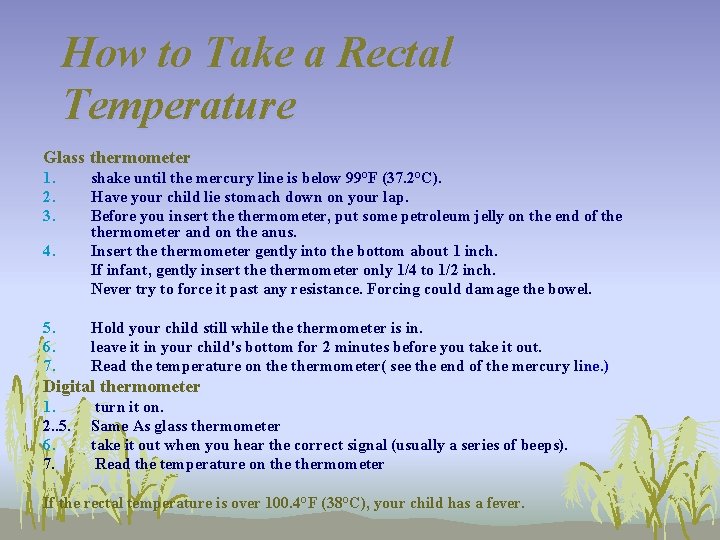
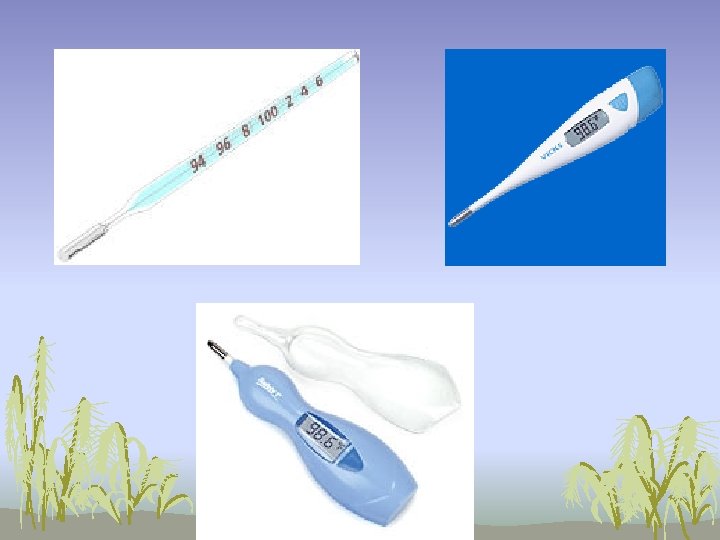
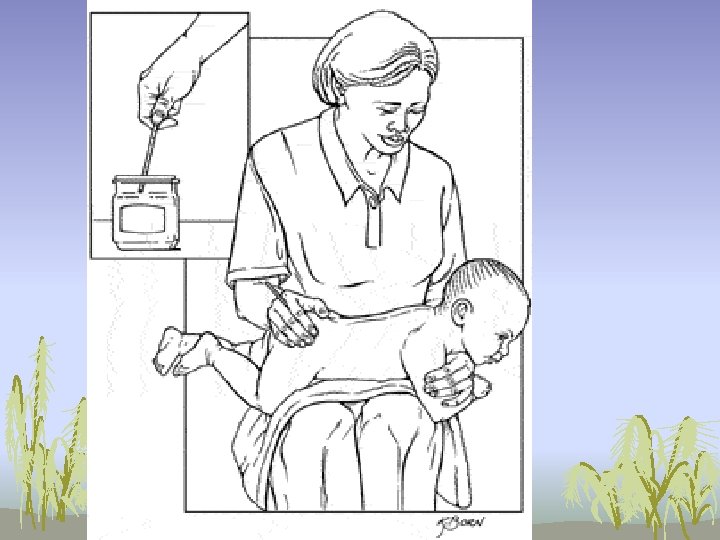
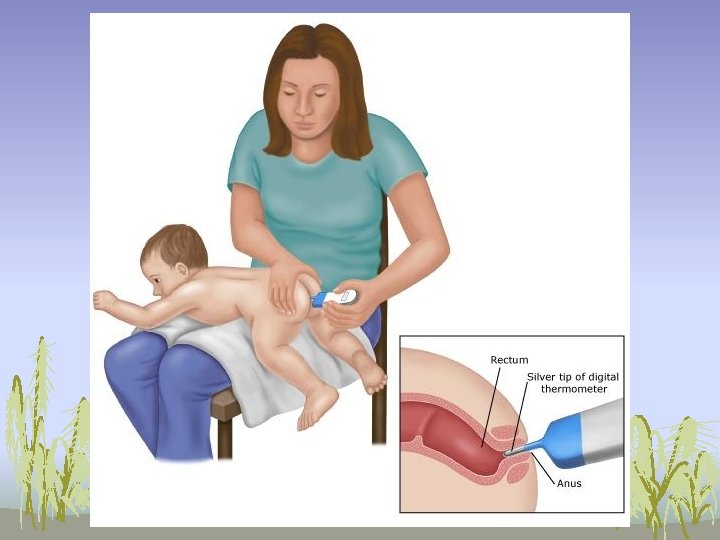
How to Take a Rectal Temperature Glass thermometer 1. 2. 3. 4. 5. 6. 7. shake until the mercury line is below 99°F (37. 2°C). Have your child lie stomach down on your lap. Before you insert thermometer, put some petroleum jelly on the end of thermometer and on the anus. Insert thermometer gently into the bottom about 1 inch. If infant, gently insert thermometer only 1/4 to 1/2 inch. Never try to force it past any resistance. Forcing could damage the bowel. Hold your child still while thermometer is in. leave it in your child's bottom for 2 minutes before you take it out. Read the temperature on thermometer( see the end of the mercury line. ) Digital thermometer 1. 2. . 5. 6. 7. turn it on. Same As glass thermometer take it out when you hear the correct signal (usually a series of beeps). Read the temperature on thermometer If the rectal temperature is over 100. 4°F (38°C), your child has a fever.
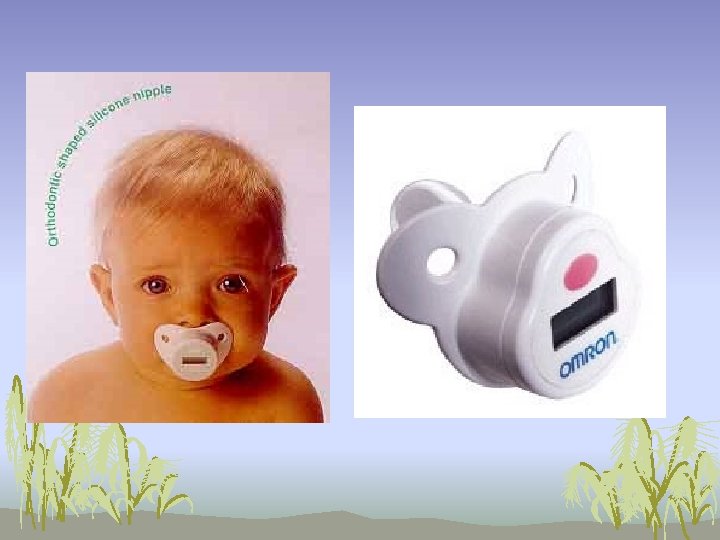
How to Take a Electronic Pacifier Temperature Have your child suck on the pacifier until the temperature stops changing and you hear a beep. This usually takes 3 to 4 minutes. Read the temperature. Your child has a fever if the pacifier temperature is over 100°F (37. 8°C).
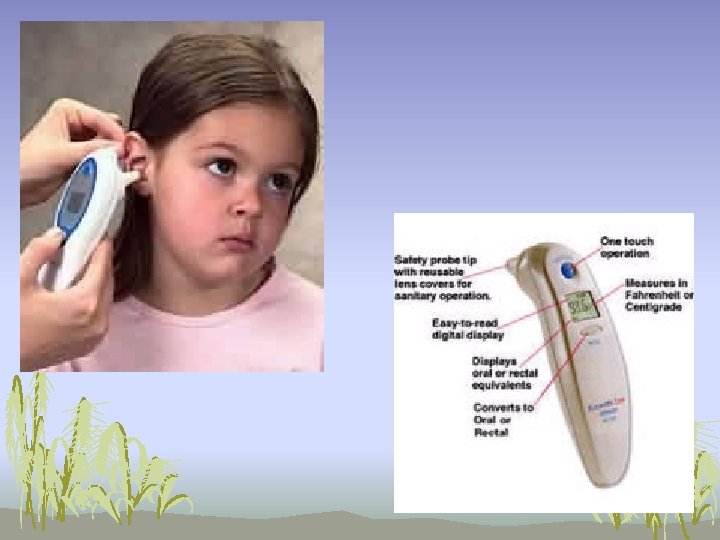
How to Take an Ear Temperature If your child has been outdoors on a cold day, he needs to be inside for 15 minutes before taking the temperature. (Earwax, ear infections and ear tubes, however, do not interfere with accurate readings. ) Pull the ear backward to straighten the ear canal. Place the end of thermometer into your child's ear canal and aim the probe toward the eye on the opposite side of the head. Then press the button. In about 20 seconds you can read the temperature. Your child has a fever if the ear temperature is over 100. 4°F (38°C).
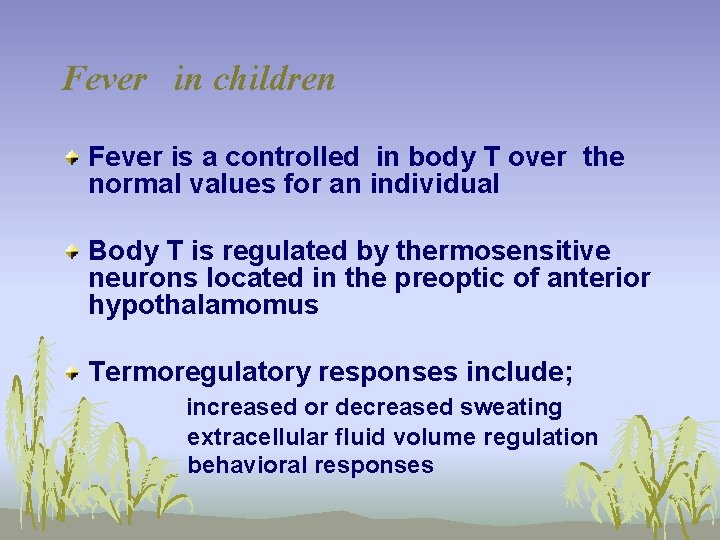
Fever in children Fever is a controlled in body T over the normal values for an individual Body T is regulated by thermosensitive neurons located in the preoptic of anterior hypothalamomus Termoregulatory responses include; increased or decreased sweating extracellular fluid volume regulation behavioral responses
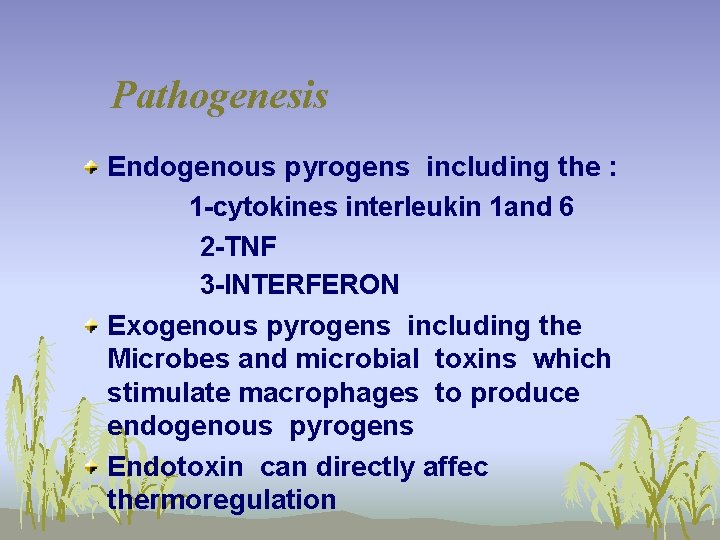
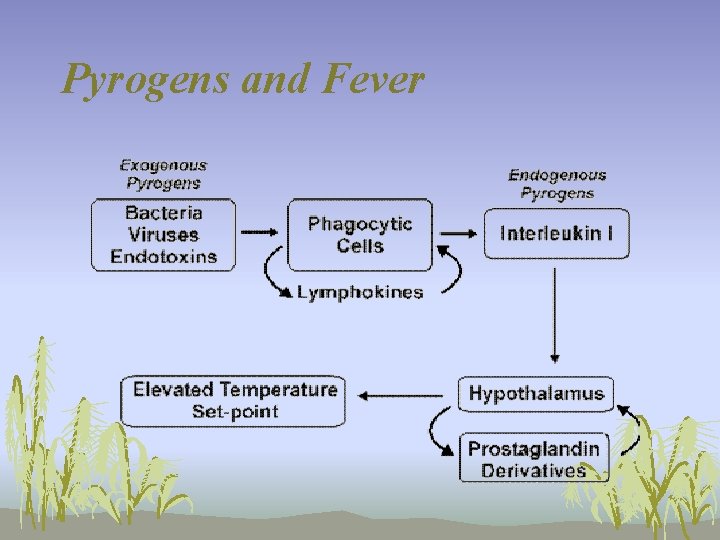
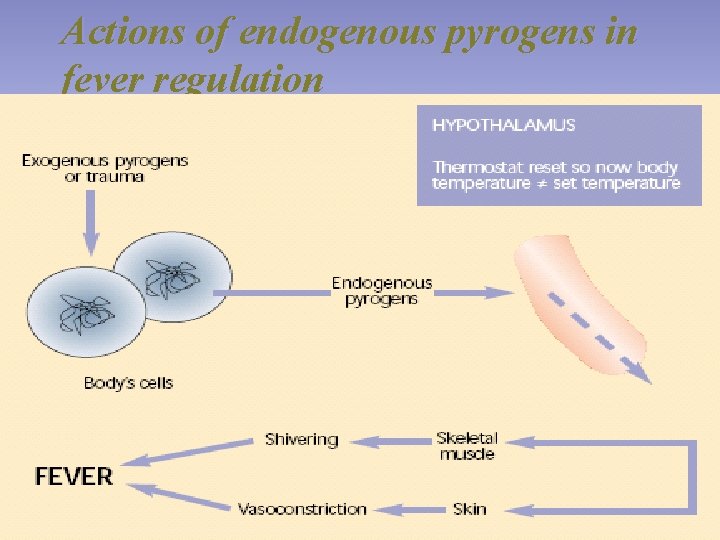
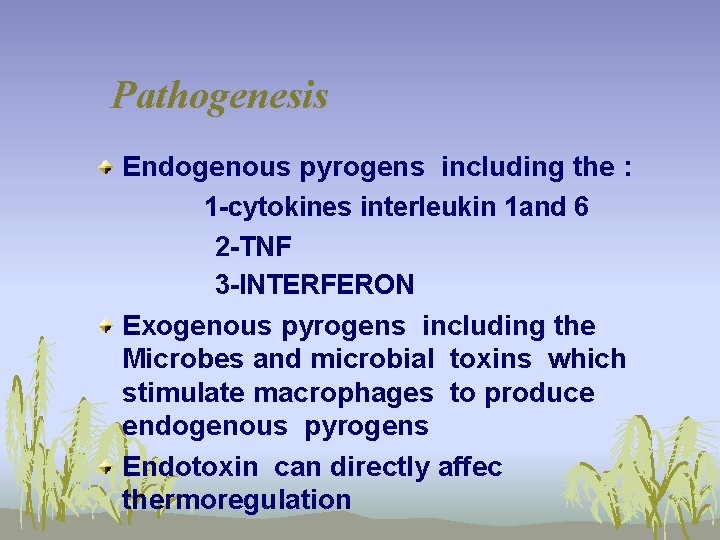
Pathogenesis Endogenous pyrogens including the : 1 -cytokines interleukin 1 and 6 2 -TNF 3 -INTERFERON Exogenous pyrogens including the Microbes and microbial toxins which stimulate macrophages to produce endogenous pyrogens Endotoxin can directly affec thermoregulation
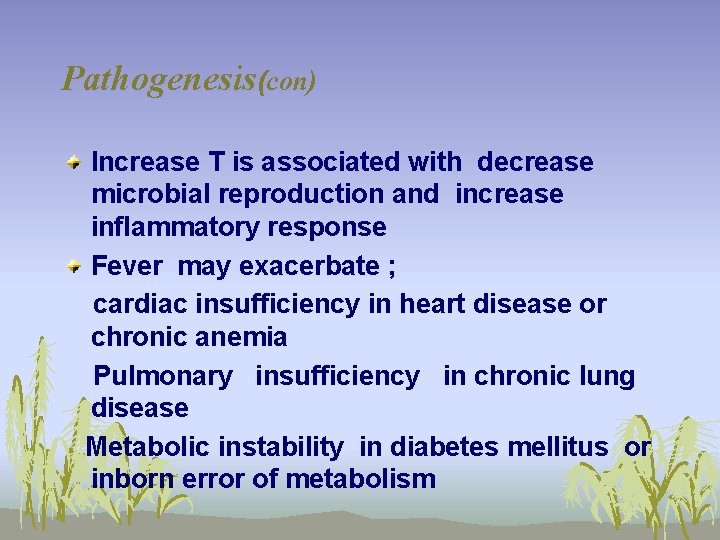
Pathogenesis(con) Increase T is associated with decrease microbial reproduction and increase inflammatory response Fever may exacerbate ; cardiac insufficiency in heart disease or chronic anemia Pulmonary insufficiency in chronic lung disease Metabolic instability in diabetes mellitus or inborn error of metabolism
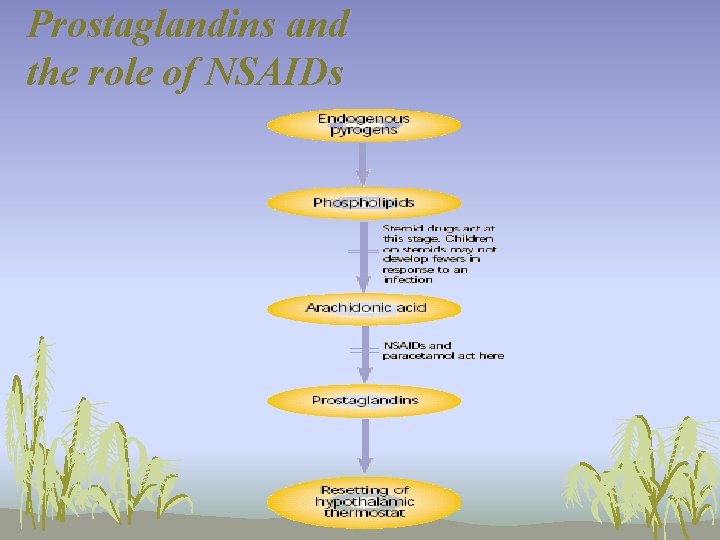
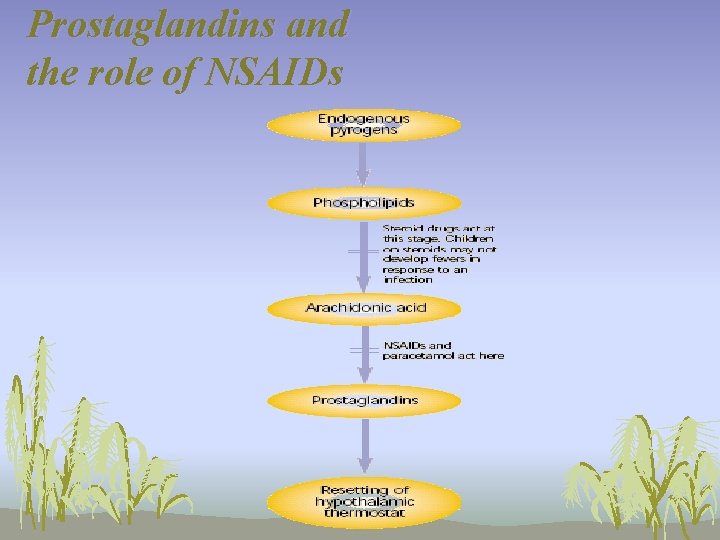
Prostaglandins and the role of NSAIDs
Pyrogens and Fever
Actions of endogenous pyrogens in fever regulation
Heat illness Situation in witch either environmental stress impair the ability of the central thermoregulatory mechanism to maintain normal body temperature or internal factors produce excessive heat or impair the body’s ability to dissipate metabolism heat Body temperature is elevated despite a normal set-point in POAH
Example of Heat illness Hyperthyroidism Malignant hyperthermia Anhidrotic ectodermal dysplasia Pharmacologic agent Medical drug (anticholinergics and phenothiazines) Street drug
Fever is s friend or enemy? Fever is a beneficial response in favor the host Fever may directly impair reproduction or even the survival of an invading microorganism Moderate fever may enhance the immunologic response
Fever is friend or enemy? High fever can impair the immunologic response Fever increase the basal metabolic rater by 10 -12 % for 1 °C Increase oxygen consumption Carbon dioxide production Increase Fluid and caloric requirements can precipitate febrile seizures May be associated with neurological manifestation irritability, delirium, disorientation and hallucinations
Treatment of Fever Anti pyretic drugs should not proscribed routinely to febrile children WHO recommend the use anti pyretic for children with fever of ≥ 39 C°
The decision to treat when the patient is uncomfortable susceptible To febrile seizure Critically ill-sepsis or septic shock Cardiac or respiratory failure Neurological diseases or injury Disturbed fluid , electrolyte status
Acetaminophen Is the first line therapy for childhood fever Rapidly and almost completely absorb from GI half-life in plasma about 2 hour Dose 10 -15 mg/kg/dose PO/PR Q 4 -6 hr Maximum 5 dose/24 hr
Acetaminophen Side affect Skin rash and allergic reaction occasionally Neuttropenia , thrombocytopenia and pancytopenia rarely Toxic Effect Hepatotoxicity Renal tubular necrosis Hypoglycemia coma
Acetaminophen AAP recommend that rectal Acetaminophen therapy should be avoided unless specifically discussed with the health care provider and that direction be followed
Ibuprophen Inhibit prostaglandin synthetase. Dose 8 -10 mg/kg Q 6 -8 hr Side affect Gastiris Gastrointestinal apset Platelets aggregation
Acetaminophen versus Ibubrophen Acetaminophen: provided greater initial temperature reduction Ibubrophen: Provided more significant antipyretic effect at 4 hr Temperature decrement lasted longer The two drug have equal tolerability
Prostaglandins and the role of NSAIDs
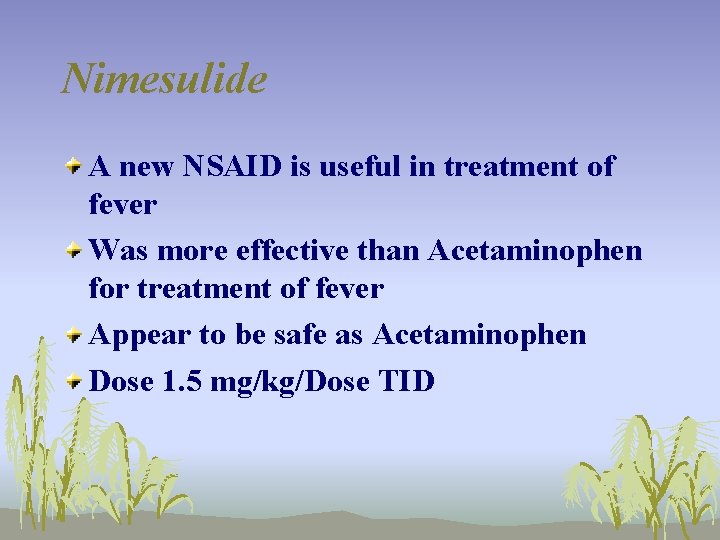
Nimesulide A new NSAID is useful in treatment of fever Was more effective than Acetaminophen for treatment of fever Appear to be safe as Acetaminophen Dose 1. 5 mg/kg/Dose TID
Fever in children Fever is a controlled in body T over the normal values for an individual Body T is regulated by thermosensitive neurons located in the preoptic of anterior hypothalamomus Termoregulatory responses include; increased or decreased sweating extracellular fluid volume regulation behavioral responses
Pathogenesis Endogenous pyrogens including the : 1 -cytokines interleukin 1 and 6 2 -TNF 3 -INTERFERON Exogenous pyrogens including the Microbes and microbial toxins which stimulate macrophages to produce endogenous pyrogens Endotoxin can directly affec thermoregulation
Pathogenesis(con) Increase T is associated with decrease microbial reproduction and increase inflammatory response Fever may exacerbate ; cardiac insufficiency in heart disease or chronic anemia Pulmonary insufficiency in chronic lung disease Metabolic instability in diabetes mellitus or inborn error of metabolism
Fever is a common manifestation of infectious disease but is not predictive of severity Many infections are usually benign in normal hosts Sepsis , meningitis pneumonia , osteoarticular infections , pyelonephritis may have significant morbidity or mortality Most febrile episodes can be diagnosed by careful history and physical examination and few lab tests
The causes of fever Infection vaccines , endocrine disorders, genetic disorders , metabolic disorders , immunologic and rheumatologic disorders tissue injury, malignancy , drugs granulomatous diseases , inflammatory diseases factitious fever
Clinical Manifestation Causes of very high T( >41) include : central fever , malignant hyperthermia drug fever , heatstroke T lower than (<36) can be sepsis and more commonly with cold exposure , hypothyroidism , or overuse of antipyretic Intermittent fever , sustained fever , Remittent fever , Relapsing fever , periodic fever
Type of fever Intermittent fever - Fever that touches normal for a few hours during the day. It is seen in malaria, acute pyelonephritis, local boils and furuncles. tuberculosis, lymphoma, and juvenile rheumatoid arthritis (JRA) Remittent fever - Fever that fluctuates between 1. 5 degree F in 24 hours without touching normal. viral infections but also may occur with bacterial infections (especially endocarditis), sarcoid, lymphoma, and atrial myxoma. Continuous fever - Fever that does not touch normal and fluctuates less than 1. 5 degree F in a day. It is seen in enteric fever, Bacterial endocarditis, viral pneumonia. Typhoid fever, typhus, brucellosis, and many other infections
Fever Prone to Relapse 1. Infectious causes 2. Noninfectious causes Behcet disease , crohn disease , SLE 3. Periodic fever syndromes: familial Mediterranean fever cyclic neutropenia Hyper ig. D syndrome (PFAPA) periodic fever aphthous stomatitis pharyngitis - adenopathy
Febrile Patients at increased Risk for Serious Baterial infections Immunocompetent patient: Neonates(28 days) infants<3 mo Infants and children 3 -36 mo Hyperpyrexia(>40) Fever with petechiae Immunocompromised patients: Sickle cell disease -Asplenia Complement / properdin deficiency. Agammaglobulinemia AIDS – Malignancy Congenital heart disease
Treatment fever<39 in healthy children do not require treatment Antipyretic therapy dose not change the course of infection Antipyretic therapy is beneficial in high-risk patients Hyperpyrxia indicates risk of; severe infection , hypothalamic disorders , CNS hemorrhage
Fever without localizing signs usually acute onset present for< 1 wk. Young infants limited signs of infection and difficult to distinguish between bacterial and viral infection.
Fever without localizing signs Ø Infants< 4 wk are at risk for; late-onset bacterial diseases Perinatally acquired herpes simplex virus Acquire community pathogens
Infants <3 mo with fever Ø Fever in this age should always suggest the possibility of serious bacterial disease v Pyelonephritis is more common in uncircumcised boys , neonate and infants with UT anomalies and young girls v Other bacterial diseases include: q , pneumonia , omphalitis , mastitis soft tissue infection. otitis media skin and
Infants <3 mo with fever Viral infection is identified in 70% Bacteremia is present in 5% Serious bacterial infection are present in 10 -15% in T > 38
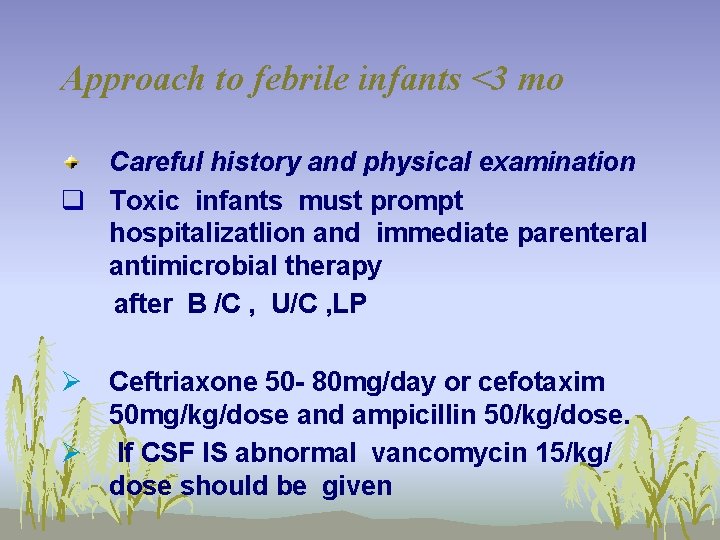
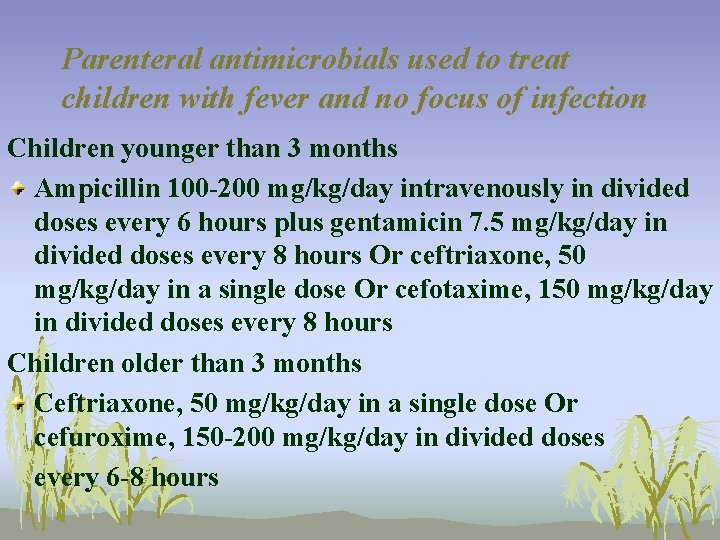
Approach to febrile infants <3 mo Careful history and physical examination q Toxic infants must prompt hospitalizat. Iion and immediate parenteral antimicrobial therapy after B /C , U/C , LP Ø Ceftriaxone 50 - 80 mg/day or cefotaxim 50 mg/kg/dose and ampicillin 50/kg/dose. Ø If CSF IS abnormal vancomycin 15/kg/ dose should be given
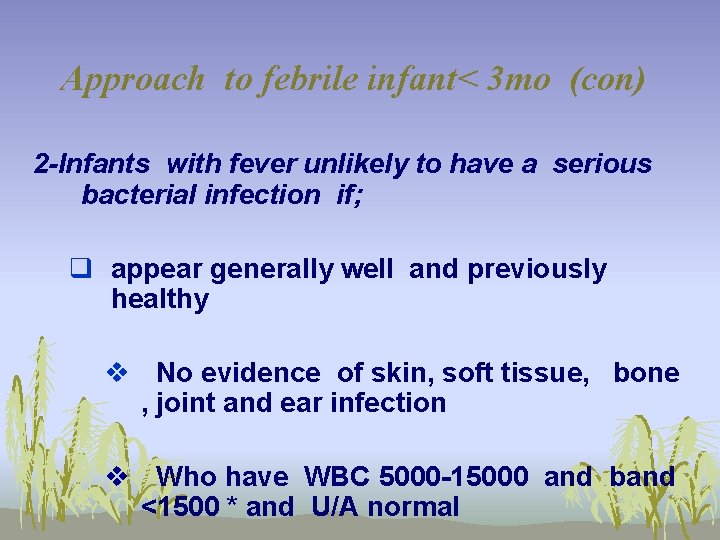
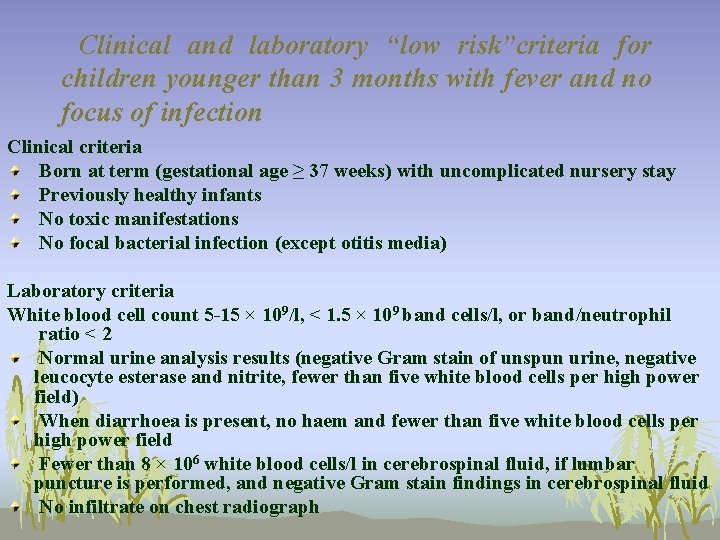
Approach to febrile infant< 3 mo (con) 2 -Infants with fever unlikely to have a serious bacterial infection if; q appear generally well and previously healthy v No evidence of skin, soft tissue, bone , joint and ear infection v Who have WBC 5000 -15000 and band <1500 * and U/A normal
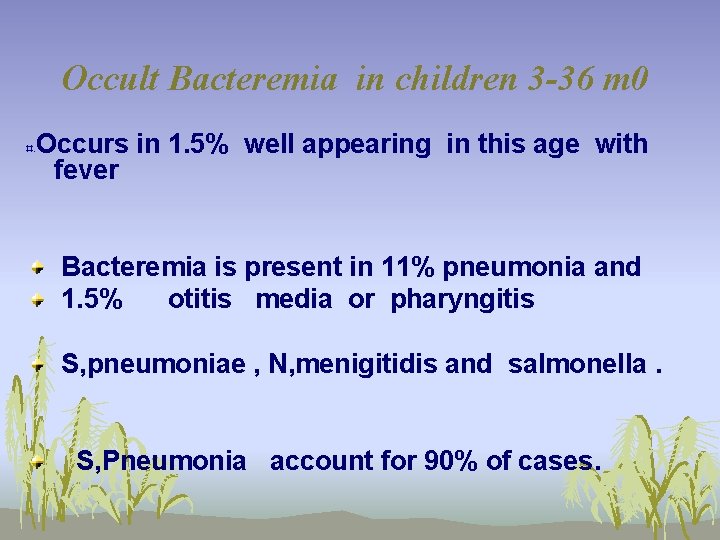
Occult Bacteremia in children 3 -36 m 0 ¤ * Occurs in 1. 5% well appearing in this age with fever Bacteremia is present in 11% pneumonia and 1. 5% otitis media or pharyngitis S, pneumoniae , N, menigitidis and salmonella. S, Pneumonia account for 90% of cases.
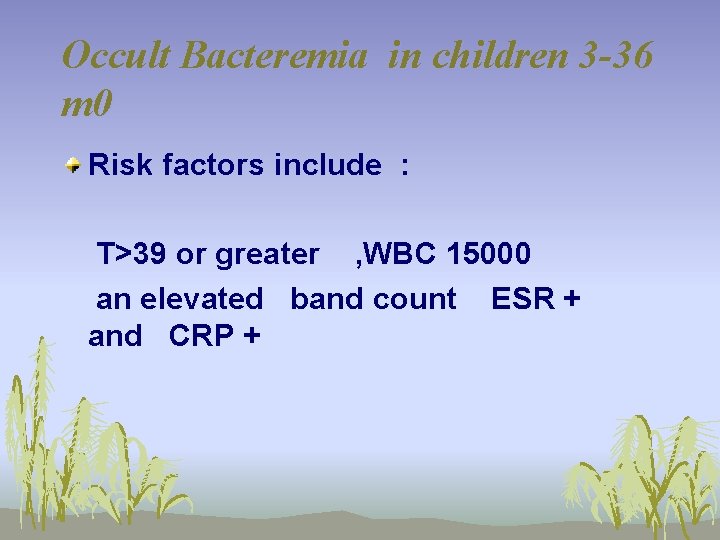
Occult Bacteremia in children 3 -36 m 0 Risk factors include : T>39 or greater , WBC 15000 an elevated band count ESR + and CRP +
Occult bacteremia (con) Without therapy occult bacteremia may; ■ Resolve spontaneously ■ May persist ■ May lead to localized infection pnemococcal bacteremia spontaneous resolution occur in 30 -40% in all patients
Occult bacteremia (con) H , influenza type b bacteremia is with a higher risk of localized serious infection. Fewer than 5% of these bacteremia can be transient.
Fever with petechiae Independent of age , with or without localizing signs indicates high risk for bacterial infections. serious bacteria infection 8 -20% meningococcal sepsis or meningitis 7 -10% Managemen t includes ; prompt hospitalization , B/C , CSF/C, and administration parenteral antimicrobial agent
Fever with sickle cell disease Children should be hospitalized; if seriously ill , T>40, WBC<5000 0 r>30000 or pulmonary infiltration , or severe pain The increased risk is due to: functional asplenia , defect in the properdin pathway S, pneumoniae H, influenzae type b , Salmonella sepsis, meningitis, pneumonia, osteomylitis. Prevention of pneumococcal sepsis is ; long term penicillin therapy and pneumococcal and H, inflenza vaccine.
Treatment of occult bacteremia Toxic-appearing infants without focal signs: v must hospitalization and prompt antimicrobial therapy after B/C , U/C, CSF/C
Treatment of occult bacteremia for Non toxic-appearing infants with T>39: 1. B/C and give ceftriaxon a single dose 50 mg/kg 2. if the WBC is 15000 or greater obtain B/C and ceftrixon If the child, s condition deteriorate or new symptoms develop the infants must return immediately.
Treatment occult bacteremia (con) If the child develops a localized infection therapy is directed toward the specific pathogen and site If the child appears well , afebrile , and physical findings is normal with B/C+ , should receive 7 -10 days of oral antibiotic
Treatment occult bacteremia (con) 1. If the child appears ill and continues fever with no identifiable focus of infection. or 2. IF B/C is H, influenzae or N, meningitidis The child should have a repeat B/C , LP, and treatment in hospital with appropriate antimicrobial agents
Fever of unknown origin “FUO” Fever of 101 F for longer than three weeks or Fever of uncertain diagnosis for more than one week in a hospitalized patient
Etiology of FUO “A fever of unknown origin is more likely to be the unusual presentation of a common disorder than the common presentation of a rare disorder”
Etiology of FUO Infections Autoimmune Malignancy Others (incl. . factitious fever, drug fever, sarcoid) Never determined:
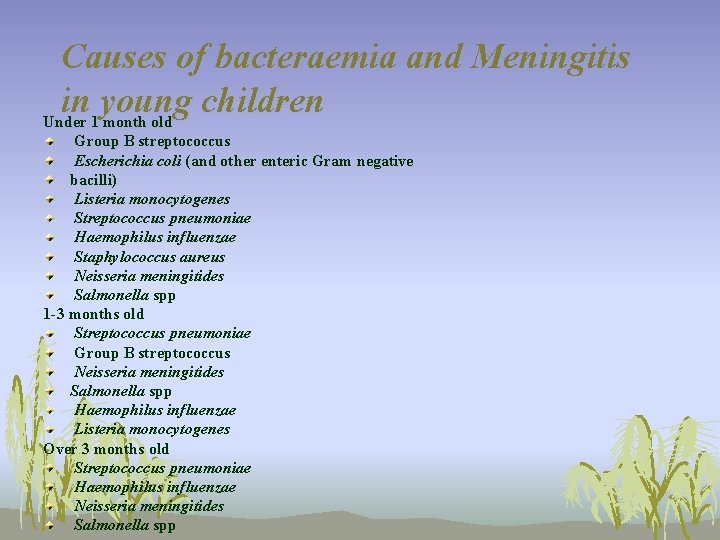
Causes of bacteraemia and Meningitis in young children Under 1 month old Group B streptococcus Escherichia coli (and other enteric Gram negative bacilli) Listeria monocytogenes Streptococcus pneumoniae Haemophilus influenzae Staphylococcus aureus Neisseria meningitides Salmonella spp 1 -3 months old Streptococcus pneumoniae Group B streptococcus Neisseria meningitides Salmonella spp Haemophilus influenzae Listeria monocytogenes Over 3 months old Streptococcus pneumoniae Haemophilus influenzae Neisseria meningitides Salmonella spp
Clinical and laboratory “low risk”criteria for children younger than 3 months with fever and no focus of infection Clinical criteria Born at term (gestational age ≥ 37 weeks) with uncomplicated nursery stay Previously healthy infants No toxic manifestations No focal bacterial infection (except otitis media) Laboratory criteria White blood cell count 5 -15 × 109/l, < 1. 5 × 10⁹ band cells/l, or band/neutrophil ratio < 2 Normal urine analysis results (negative Gram stain of unspun urine, negative leucocyte esterase and nitrite, fewer than five white blood cells per high power field) When diarrhoea is present, no haem and fewer than five white blood cells per high power field Fewer than 8 × 10⁶ white blood cells/l in cerebrospinal fluid, if lumbar puncture is performed, and negative Gram stain findings in cerebrospinal fluid No infiltrate on chest radiograph
Parenteral antimicrobials used to treat children with fever and no focus of infection Children younger than 3 months Ampicillin 100 -200 mg/kg/day intravenously in divided doses every 6 hours plus gentamicin 7. 5 mg/kg/day in divided doses every 8 hours Or ceftriaxone, 50 mg/kg/day in a single dose Or cefotaxime, 150 mg/kg/day in divided doses every 8 hours Children older than 3 months Ceftriaxone, 50 mg/kg/day in a single dose Or cefuroxime, 150 -200 mg/kg/day in divided doses every 6 -8 hours
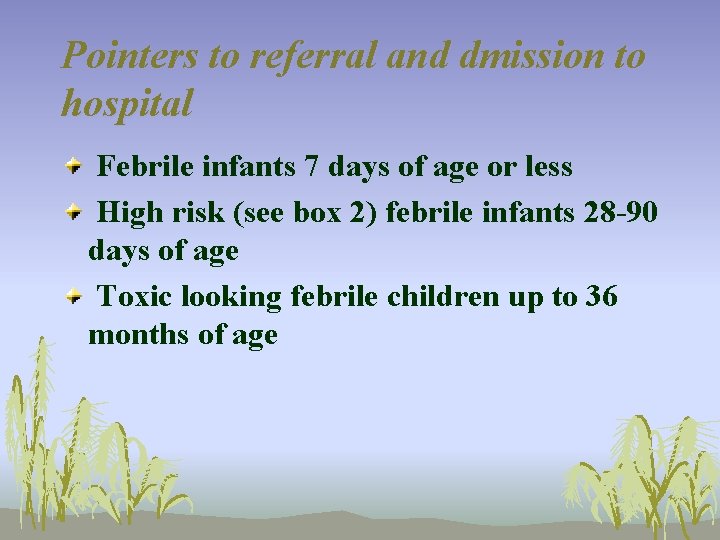
Pointers to referral and dmission to hospital Febrile infants 7 days of age or less High risk (see box 2) febrile infants 28 -90 days of age Toxic looking febrile children up to 36 months of age
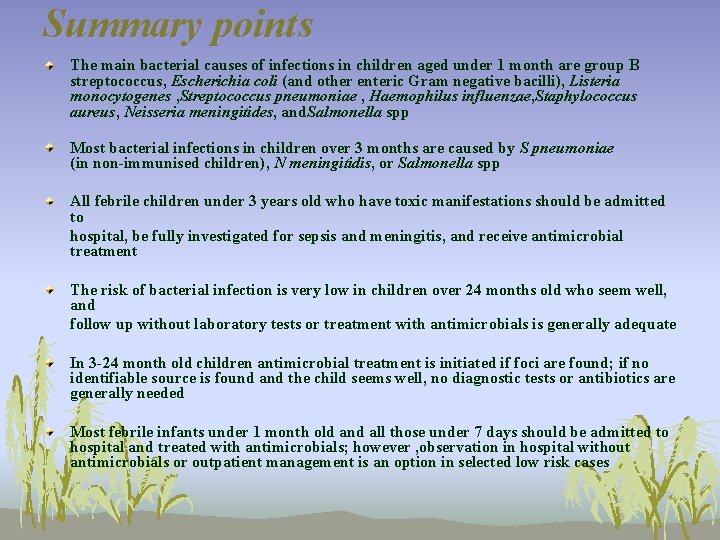
Summary points The main bacterial causes of infections in children aged under 1 month are group B streptococcus, Escherichia coli (and other enteric Gram negative bacilli), Listeria monocytogenes , Streptococcus pneumoniae , Haemophilus influenzae, Staphylococcus aureus, Neisseria meningitides, and. Salmonella spp Most bacterial infections in children over 3 months are caused by S pneumoniae (in non-immunised children), N meningitidis, or Salmonella spp All febrile children under 3 years old who have toxic manifestations should be admitted to hospital, be fully investigated for sepsis and meningitis, and receive antimicrobial treatment The risk of bacterial infection is very low in children over 24 months old who seem well, and follow up without laboratory tests or treatment with antimicrobials is generally adequate In 3 -24 month old children antimicrobial treatment is initiated if foci are found; if no identifiable source is found and the child seems well, no diagnostic tests or antibiotics are generally needed Most febrile infants under 1 month old and all those under 7 days should be admitted to hospital and treated with antimicrobials; however , observation in hospital without antimicrobials or outpatient management is an option in selected low risk cases