Strain improvement for industrial enzyme production Dr K


- Slides: 60
Strain improvement for industrial enzyme production Dr. K. Swaminathan Professor and Head Dept. of Microbial Biotechnology School of Biotechnology and Genetic Engineering Bharathiar University Coimbatore - 46
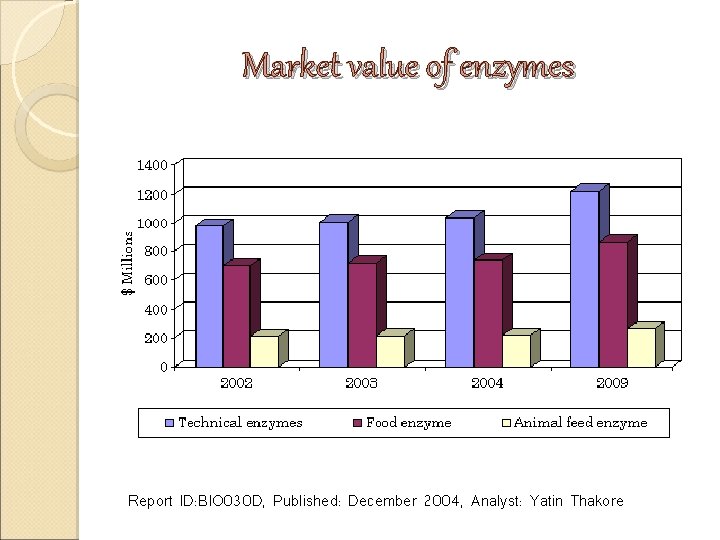
Enzymes are proteins specialized to catalyze biological reactions. Most remarkable biomolecules due to their extraordinary specificity and catalytic power Far greater than those of man-made catalysts Overall global value of industrial enzymes is about $2. 0 billion – 2004 is expected to rise at an average annual growth rate (AAGR) of 3. 3% to $2. 4 billion in 2009
Market value of enzymes Report ID: BIO 030 D, Published: December 2004, Analyst: Yatin Thakore
What are the sources of enzymes? Enzymes are obtained from Plant source – Papain, ficin Animal source – Rennet Microbial source – amylase, proteases, cellulase, xylanase etc. ,
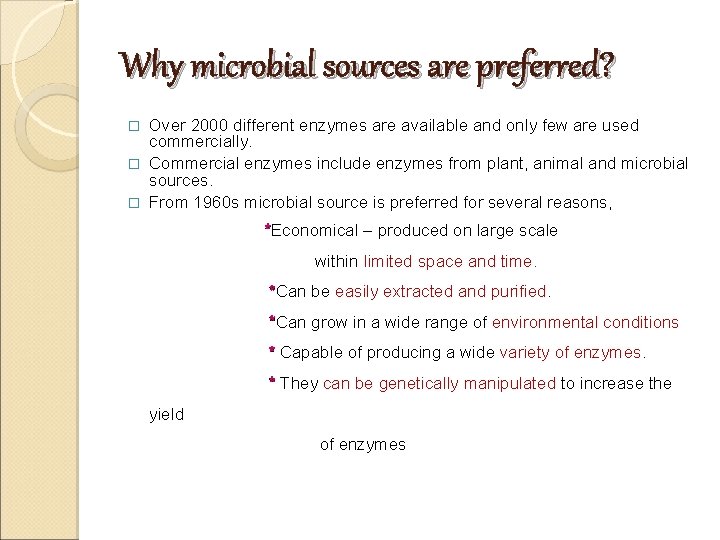
Why microbial sources are preferred? Over 2000 different enzymes are available and only few are used commercially. � Commercial enzymes include enzymes from plant, animal and microbial sources. � From 1960 s microbial source is preferred for several reasons, � *Economical – produced on large scale within limited space and time. *Can be easily extracted and purified. *Can grow in a wide range of environmental conditions * Capable of producing a wide variety of enzymes. * They can be genetically manipulated to increase the yield of enzymes
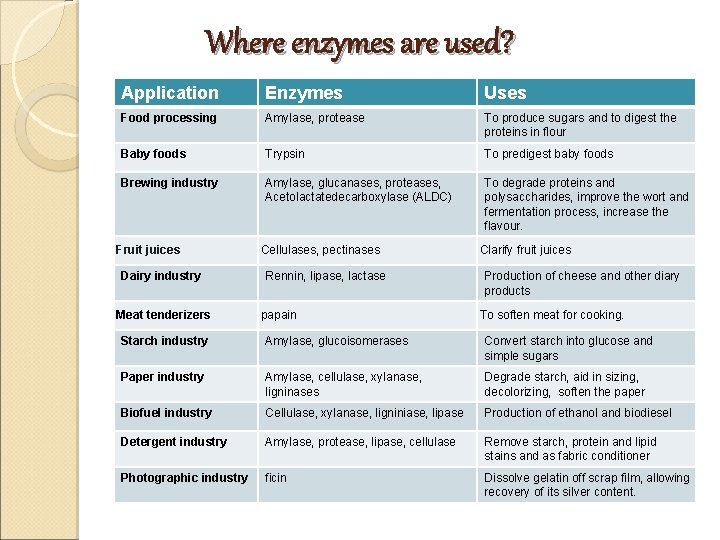
Where enzymes are used? Application Enzymes Uses Food processing Amylase, protease To produce sugars and to digest the proteins in flour Baby foods Trypsin To predigest baby foods Brewing industry Amylase, glucanases, proteases, Acetolactatedecarboxylase (ALDC) To degrade proteins and polysaccharides, improve the wort and fermentation process, increase the flavour. Fruit juices Dairy industry Meat tenderizers Cellulases, pectinases Rennin, lipase, lactase papain Clarify fruit juices Production of cheese and other diary products To soften meat for cooking. Starch industry Amylase, glucoisomerases Convert starch into glucose and simple sugars Paper industry Amylase, cellulase, xylanase, ligninases Degrade starch, aid in sizing, decolorizing, soften the paper Biofuel industry Cellulase, xylanase, ligniniase, lipase Production of ethanol and biodiesel Detergent industry Amylase, protease, lipase, cellulase Remove starch, protein and lipid stains and as fabric conditioner Photographic industry ficin Dissolve gelatin off scrap film, allowing recovery of its silver content.
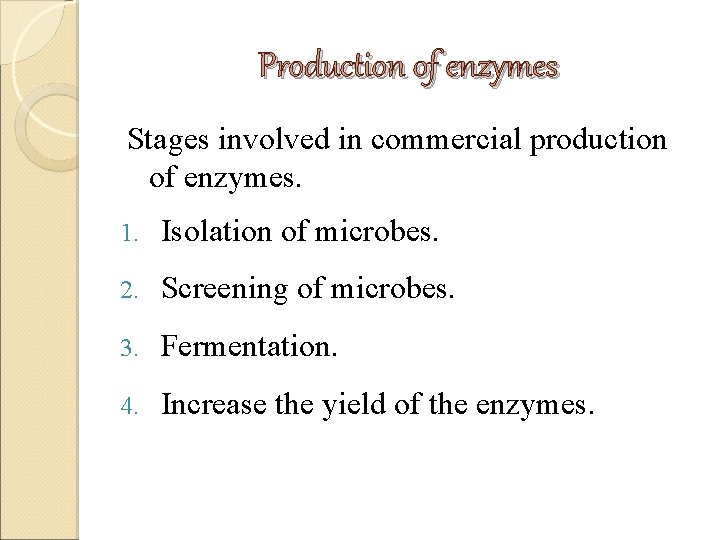
Production of enzymes Stages involved in commercial production of enzymes. 1. Isolation of microbes. 2. Screening of microbes. 3. Fermentation. 4. Increase the yield of the enzymes.
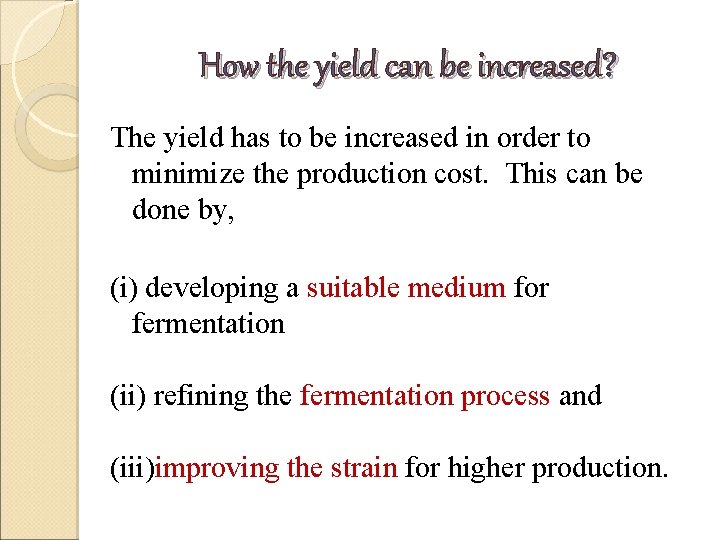
How the yield can be increased? The yield has to be increased in order to minimize the production cost. This can be done by, (i) developing a suitable medium for fermentation (ii) refining the fermentation process and (iii)improving the strain for higher production.
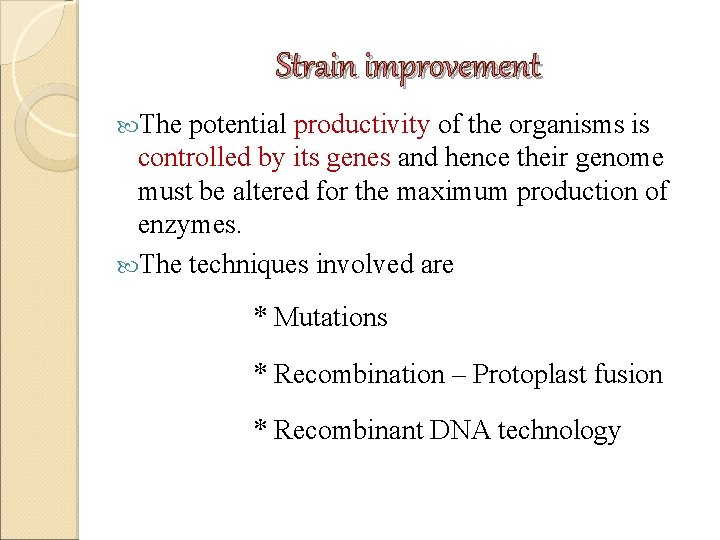
Strain improvement The potential productivity of the organisms is controlled by its genes and hence their genome must be altered for the maximum production of enzymes. The techniques involved are * Mutations * Recombination – Protoplast fusion * Recombinant DNA technology
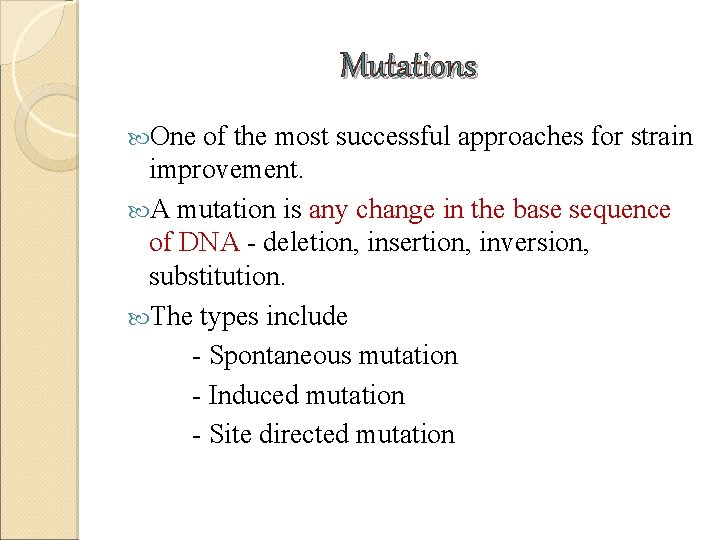
Mutations One of the most successful approaches for strain improvement. A mutation is any change in the base sequence of DNA - deletion, insertion, inversion, substitution. The types include - Spontaneous mutation - Induced mutation - Site directed mutation
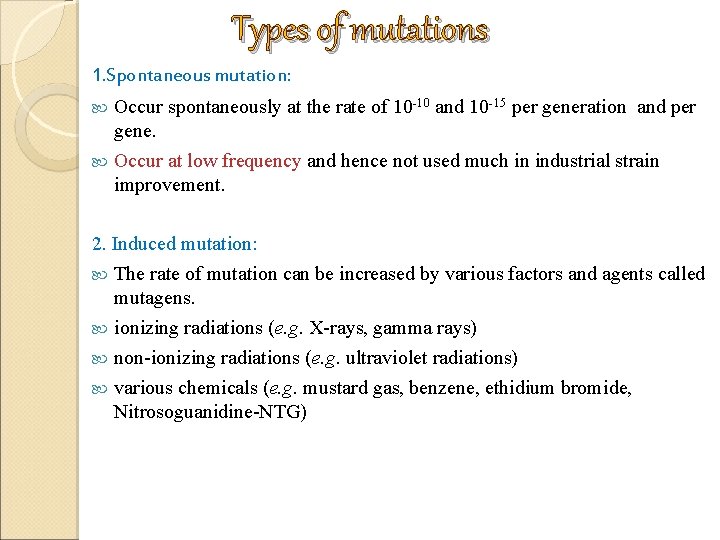
Types of mutations 1. Spontaneous mutation: Occur spontaneously at the rate of 10 -10 and 10 -15 per generation and per gene. Occur at low frequency and hence not used much in industrial strain improvement. 2. Induced mutation: The rate of mutation can be increased by various factors and agents called mutagens. ionizing radiations (e. g. X-rays, gamma rays) non-ionizing radiations (e. g. ultraviolet radiations) various chemicals (e. g. mustard gas, benzene, ethidium bromide, Nitrosoguanidine-NTG)
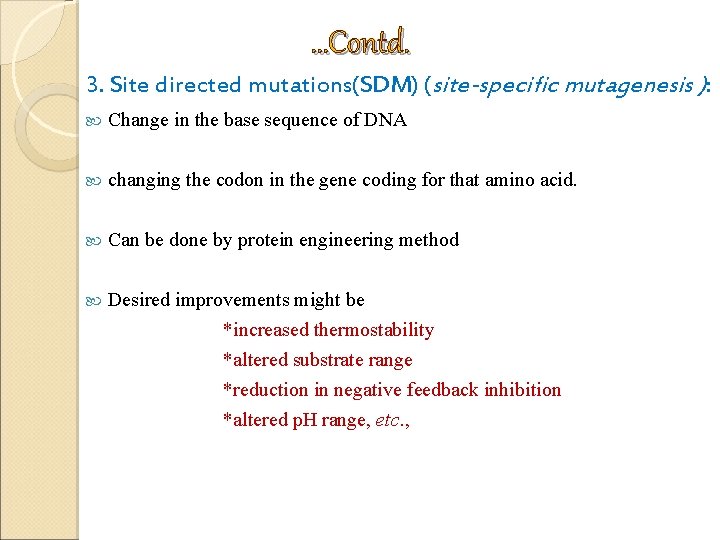
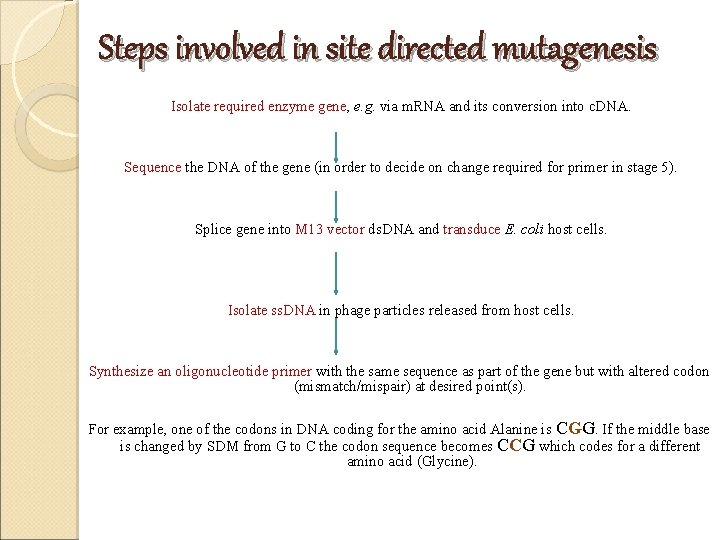
…Contd. 3. Site directed mutations(SDM) (site-specific mutagenesis ): Change in the base sequence of DNA changing the codon in the gene coding for that amino acid. Can be done by protein engineering method Desired improvements might be *increased thermostability *altered substrate range *reduction in negative feedback inhibition *altered p. H range, etc. ,
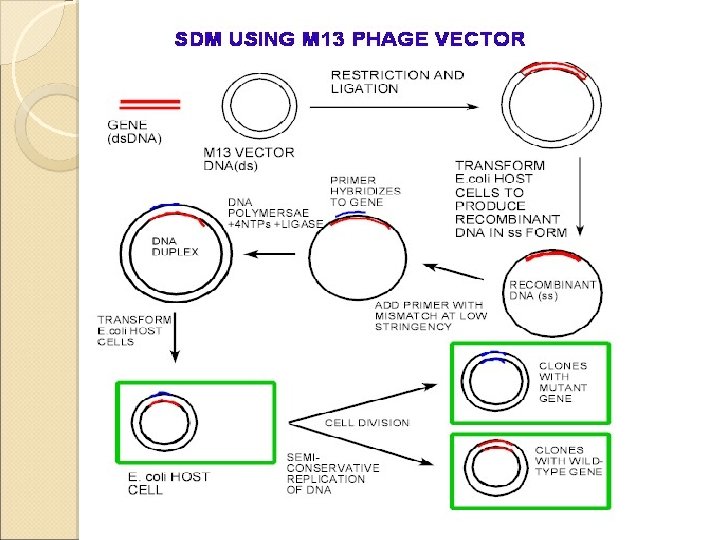
Steps involved in site directed mutagenesis Isolate required enzyme gene, e. g. via m. RNA and its conversion into c. DNA. Sequence the DNA of the gene (in order to decide on change required for primer in stage 5). Splice gene into M 13 vector ds. DNA and transduce E. coli host cells. Isolate ss. DNA in phage particles released from host cells. Synthesize an oligonucleotide primer with the same sequence as part of the gene but with altered codon (mismatch/mispair) at desired point(s). For example, one of the codons in DNA coding for the amino acid Alanine is CGG. If the middle base is changed by SDM from G to C the codon sequence becomes CCG which codes for a different amino acid (Glycine).
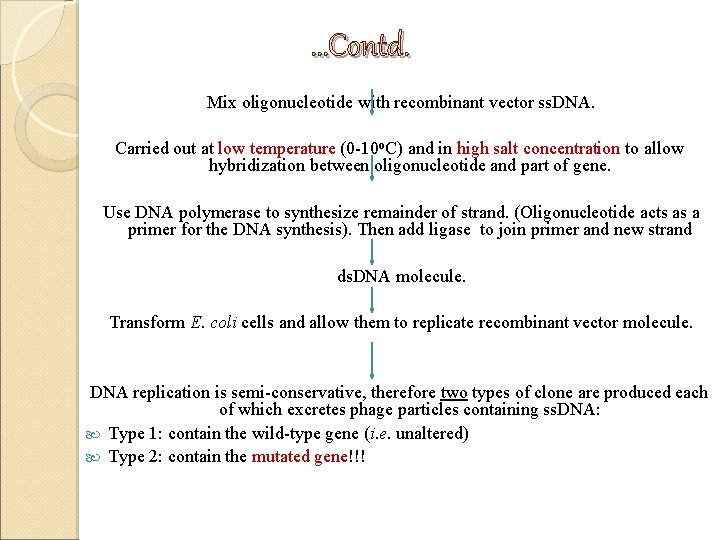
…Contd. Mix oligonucleotide with recombinant vector ss. DNA. Carried out at low temperature (0 -10 o. C) and in high salt concentration to allow hybridization between oligonucleotide and part of gene. Use DNA polymerase to synthesize remainder of strand. (Oligonucleotide acts as a primer for the DNA synthesis). Then add ligase to join primer and new strand ds. DNA molecule. Transform E. coli cells and allow them to replicate recombinant vector molecule. DNA replication is semi-conservative, therefore two types of clone are produced each of which excretes phage particles containing ss. DNA: Type 1: contain the wild-type gene (i. e. unaltered) Type 2: contain the mutated gene!!!
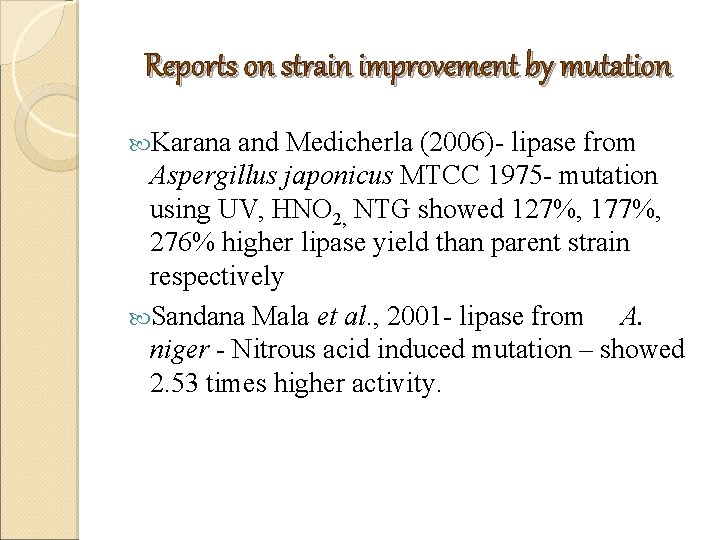
Reports on strain improvement by mutation Karana and Medicherla (2006)- lipase from Aspergillus japonicus MTCC 1975 - mutation using UV, HNO 2, NTG showed 127%, 177%, 276% higher lipase yield than parent strain respectively Sandana Mala et al. , 2001 - lipase from A. niger - Nitrous acid induced mutation – showed 2. 53 times higher activity.
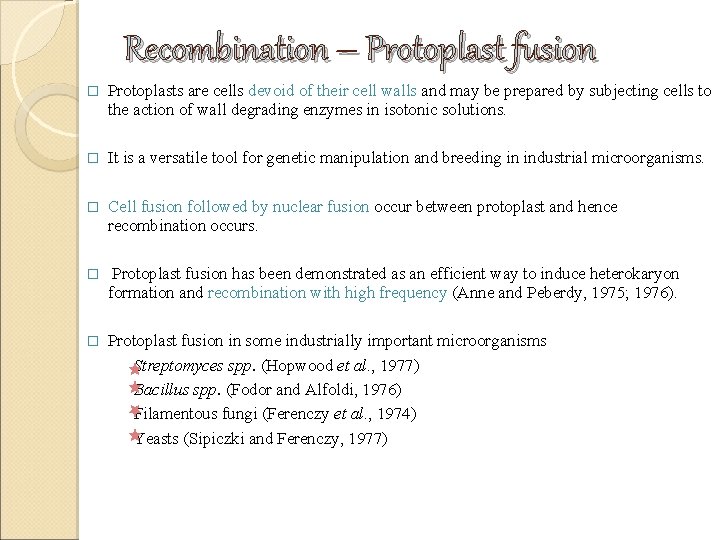
Recombination – Protoplast fusion � Protoplasts are cells devoid of their cell walls and may be prepared by subjecting cells to the action of wall degrading enzymes in isotonic solutions. � It is a versatile tool for genetic manipulation and breeding in industrial microorganisms. � Cell fusion followed by nuclear fusion occur between protoplast and hence recombination occurs. � Protoplast fusion has been demonstrated as an efficient way to induce heterokaryon formation and recombination with high frequency (Anne and Peberdy, 1975; 1976). � Protoplast fusion in some industrially important microorganisms Streptomyces spp. (Hopwood et al. , 1977) Bacillus spp. (Fodor and Alfoldi, 1976) Filamentous fungi (Ferenczy et al. , 1974) Yeasts (Sipiczki and Ferenczy, 1977)
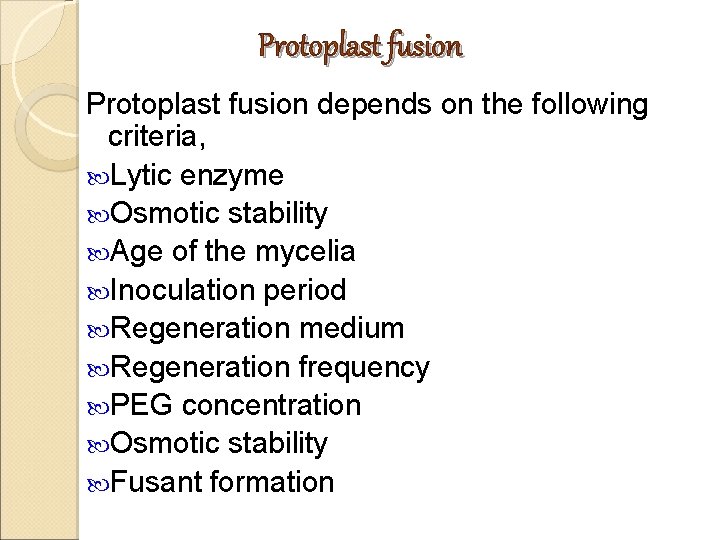
Protoplast fusion depends on the following criteria, Lytic enzyme Osmotic stability Age of the mycelia Inoculation period Regeneration medium Regeneration frequency PEG concentration Osmotic stability Fusant formation
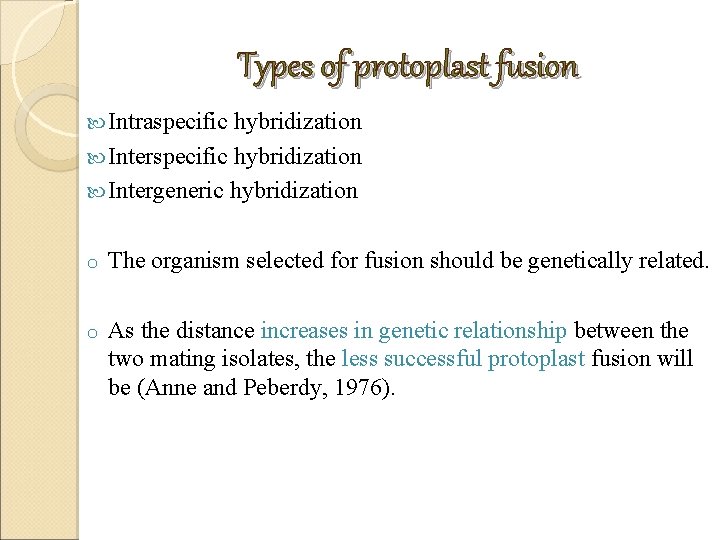
Types of protoplast fusion Intraspecific hybridization Intergeneric hybridization o The organism selected for fusion should be genetically related. o As the distance increases in genetic relationship between the two mating isolates, the less successful protoplast fusion will be (Anne and Peberdy, 1976).
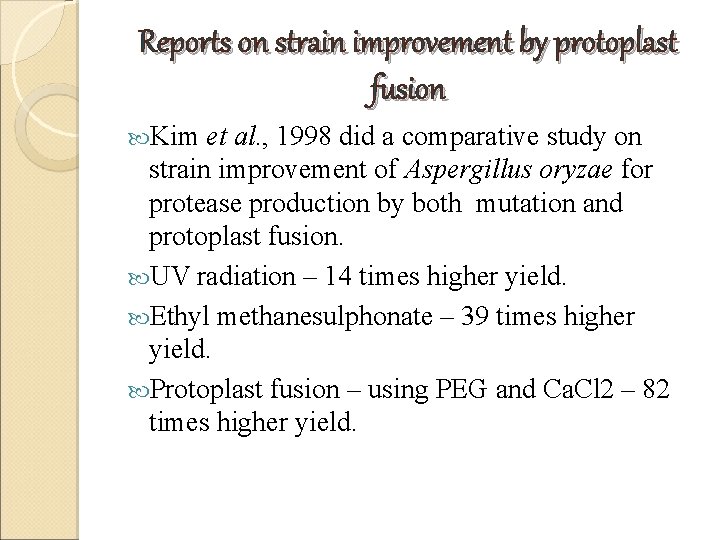
Reports on strain improvement by protoplast fusion Kim et al. , 1998 did a comparative study on strain improvement of Aspergillus oryzae for protease production by both mutation and protoplast fusion. UV radiation – 14 times higher yield. Ethyl methanesulphonate – 39 times higher yield. Protoplast fusion – using PEG and Ca. Cl 2 – 82 times higher yield.
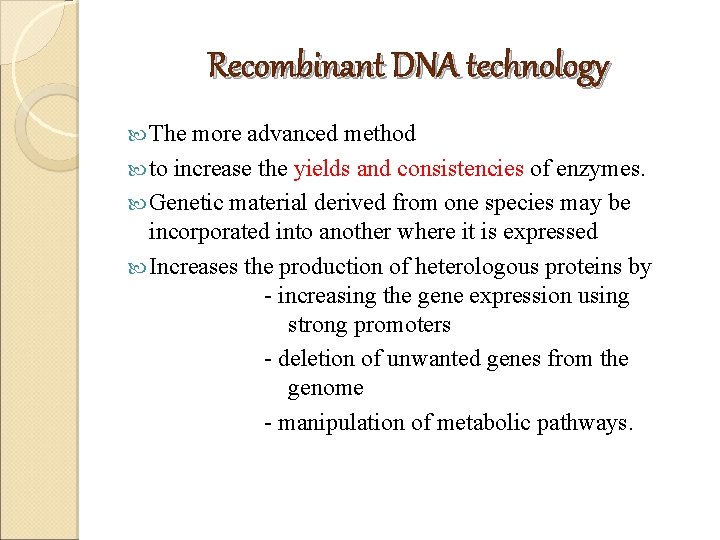
Recombinant DNA technology The more advanced method to increase the yields and consistencies of enzymes. Genetic material derived from one species may be incorporated into another where it is expressed Increases the production of heterologous proteins by - increasing the gene expression using strong promoters - deletion of unwanted genes from the genome - manipulation of metabolic pathways.
Objectives to get multiple copies of specific gene 2. to get high amounts of specific protein or product 3. to integrate gene of interest of one organism into another 1.
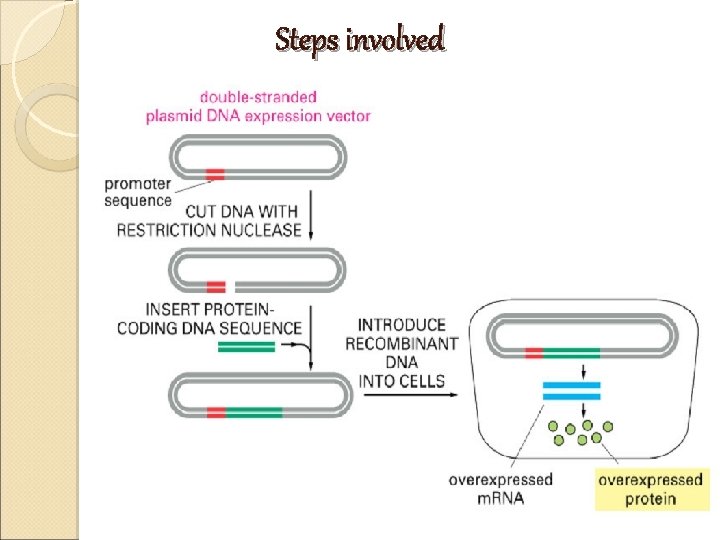
Steps involved in r. DNA process Steps involved: Preparation of desired DNA Insertion of desired DNA into vector DNA Introduction of recombinant DNAs into host cells Identification of recombinants Expression of cloned genes
Steps involved
Some examples for strain improvement by r. DNA technology Sidhu et al. , 1998 tried both mutagenesis and cloning in E. coli for increased production by amylase in Bacillus sp. MK 716. Mutation – ethyl methane sulphonate – 40 times higher. Mutated gene – cloned in E. coli p. BR 322 - 107 times higher yield than parent strain. Calado et al. , 2004 – cutinase enzyme – Arthrobacter simplex - 205 fold higher.
Drawbacks of r. DNA technology Genetic instability Genetical information of the industrially employed organism is unknown Costlier than other methods
Conclusion The task of both discovering new microbial compounds and improving the synthesis of known ones have become more and more challenging. Newer genetic methods have been developed to obtain higher yields. The basic genetic information for all the organisms used industrially is not available The steps have been taken by firms in order to gap the bridge between basic knowledge and industrial application.
Application of strain improvement in paper industry
Paper manufacture Raw material: Eucalyptus grandis wood chips, Bamboo, sugarcane bagasse etc. Chemical component: Lignin, Hemicellulose, Cellulose Lignin - Heterocyclic phenolic polymer. Hemicellulose - Polymer of pentoses. Cellulose - Polymer of hexoses(glucose) Needed component - Cellulose Unwanted – Lignin, Hemicellulose
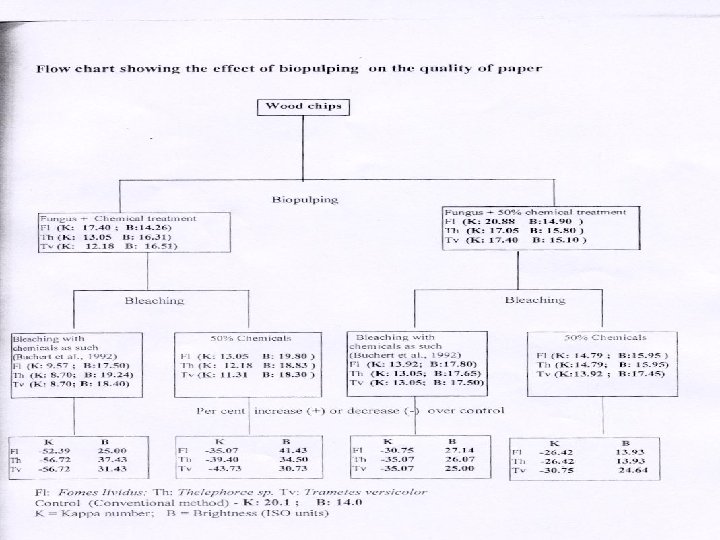
Conventional process Pulping and bleaching Pulping: Wood chips cooked in alkali(kraft pulping) or Sodium sulfite (sulfite pulping) removal of Lignin content measured in terms of Kappa number Bleaching: Alkali or Chlorine bleaching. Removal of hemicellulose measured in terms of brightness. Important Parameters: Brightness, Tensile strength, Tearing ability etc.
Demerits Ø Cooking requires high amount of heat energy. Ø Cost of the chemicals and recycling of waste papers – not economical. Ø Environmental problem due to black liquor (lignin related compounds) and Organochlorines Hence need for alternative methodology
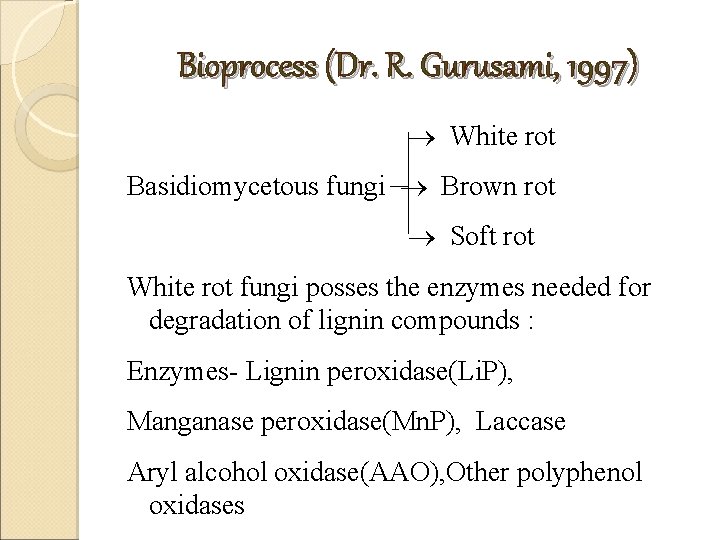
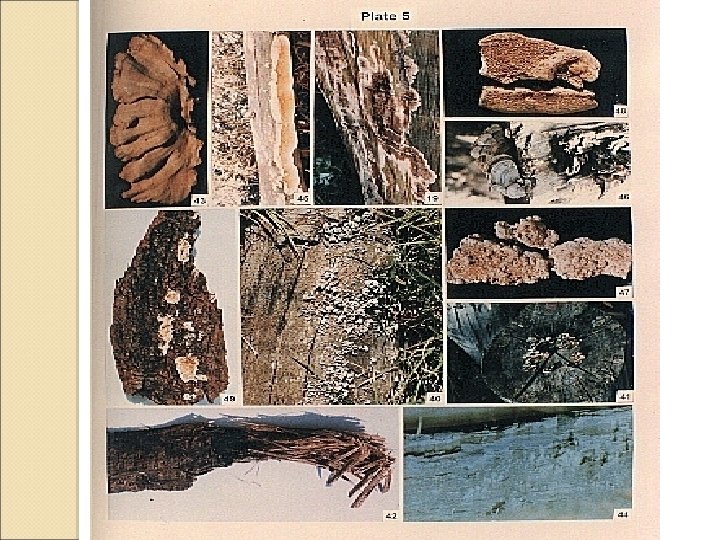
Bioprocess (Dr. R. Gurusami, 1997) White rot Basidiomycetous fungi Brown rot Soft rot White rot fungi posses the enzymes needed for degradation of lignin compounds : Enzymes- Lignin peroxidase(Li. P), Manganase peroxidase(Mn. P), Laccase Aryl alcohol oxidase(AAO), Other polyphenol oxidases
Methodology 1. Isolation 2. Surface sterilised plant parts showing fructification. 3. Medium for growth 4. 2% Malt agar medium 5. Enzyme production medium 6. C - Limited medium of Janshekar and Feichter (1988)
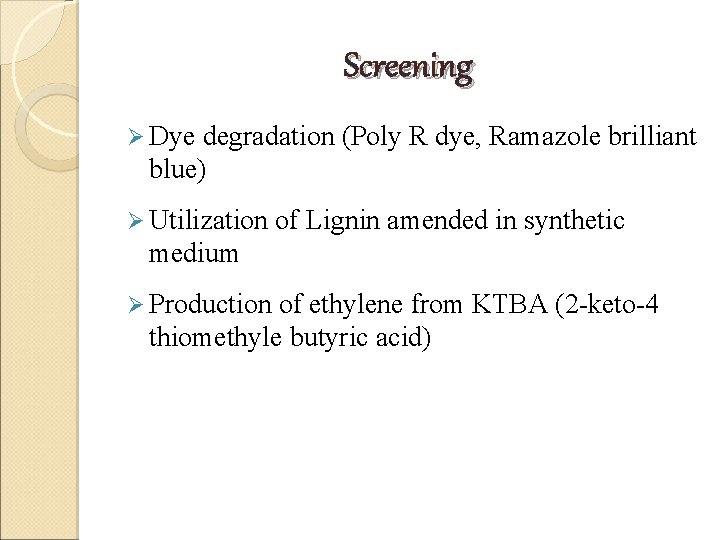
Screening Ø Dye degradation (Poly R dye, Ramazole brilliant blue) Ø Utilization of Lignin amended in synthetic medium Ø Production of ethylene from KTBA (2 -keto-4 thiomethyle butyric acid)
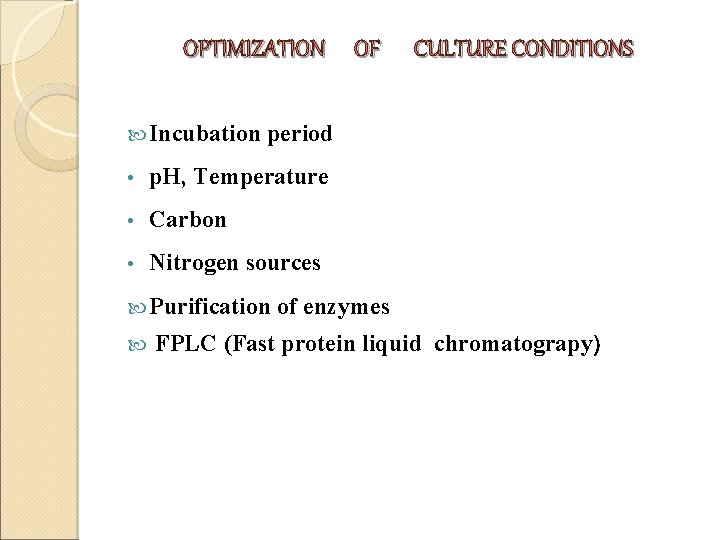
OPTIMIZATION OF Incubation period • p. H, Temperature • Carbon • Nitrogen sources Purification FPLC CULTURE CONDITIONS of enzymes (Fast protein liquid chromatograpy)
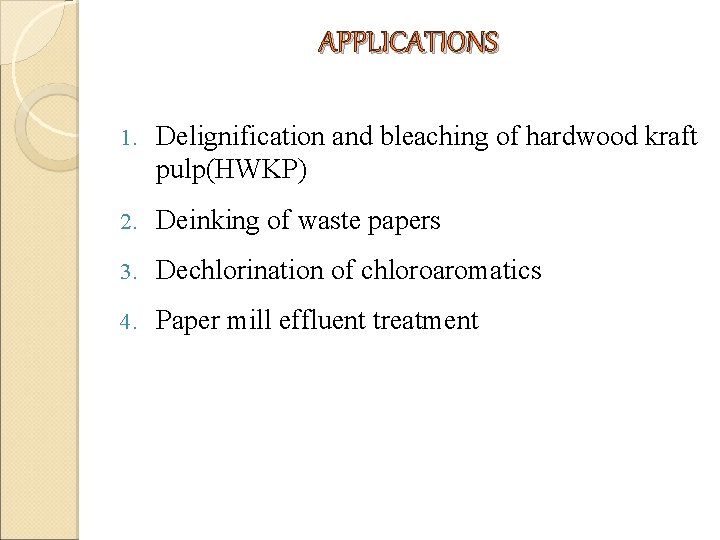
APPLICATIONS 1. Delignification and bleaching of hardwood kraft pulp(HWKP) 2. Deinking of waste papers 3. Dechlorination of chloroaromatics 4. Paper mill effluent treatment
Precautions • Environmental requirements during pretreatments • Sterility conditions • Necessary exposure times.
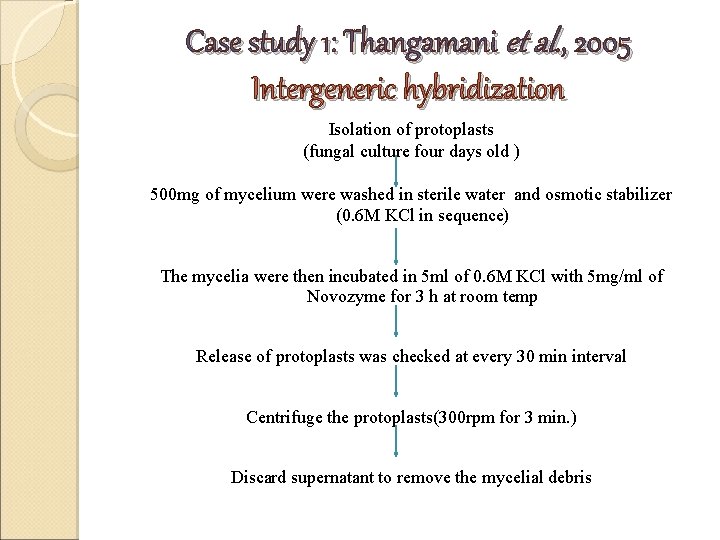
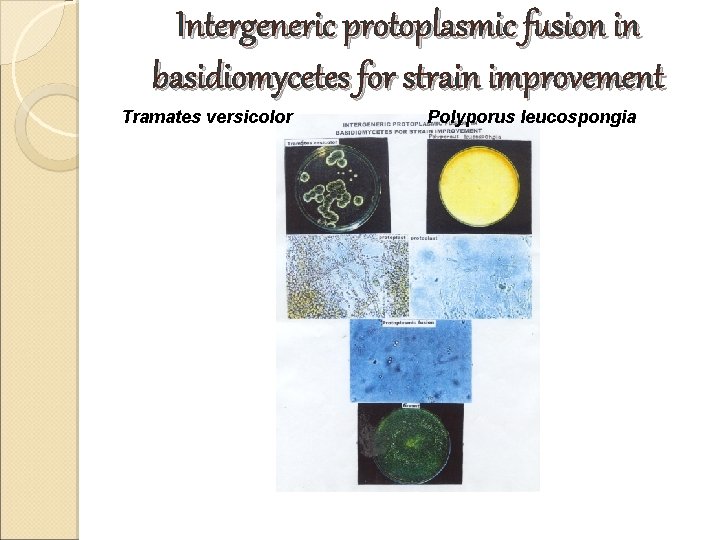
Case study 1: Thangamani et al. , 2005 Intergeneric hybridization Isolation of protoplasts (fungal culture four days old ) 500 mg of mycelium were washed in sterile water and osmotic stabilizer (0. 6 M KCl in sequence) The mycelia were then incubated in 5 ml of 0. 6 M KCl with 5 mg/ml of Novozyme for 3 h at room temp Release of protoplasts was checked at every 30 min interval Centrifuge the protoplasts(300 rpm for 3 min. ) Discard supernatant to remove the mycelial debris
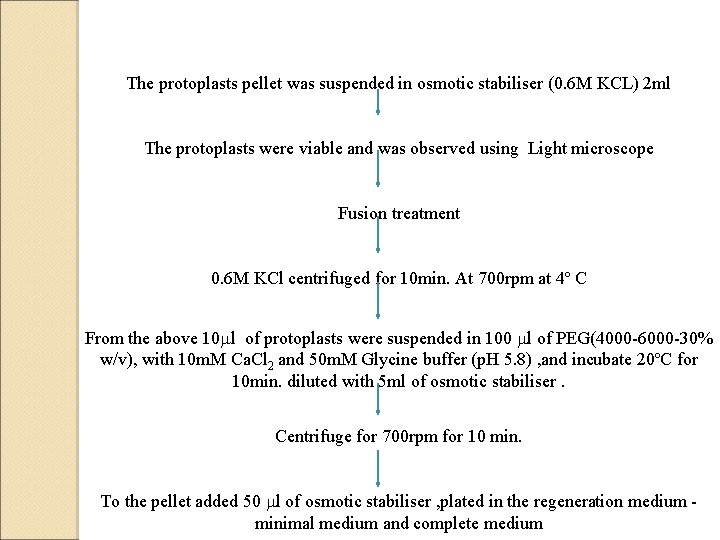
The protoplasts pellet was suspended in osmotic stabiliser (0. 6 M KCL) 2 ml The protoplasts were viable and was observed using Light microscope Fusion treatment 0. 6 M KCl centrifuged for 10 min. At 700 rpm at 4º C From the above 10 l of protoplasts were suspended in 100 l of PEG(4000 -6000 -30% w/v), with 10 m. M Ca. Cl 2 and 50 m. M Glycine buffer (p. H 5. 8) , and incubate 20ºC for 10 min. diluted with 5 ml of osmotic stabiliser. Centrifuge for 700 rpm for 10 min. To the pellet added 50 l of osmotic stabiliser , plated in the regeneration medium minimal medium and complete medium
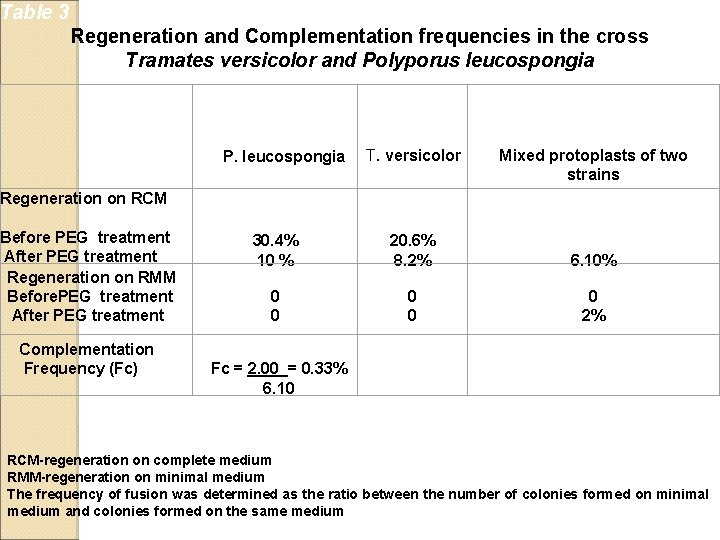
Table 3 Regeneration and Complementation frequencies in the cross Tramates versicolor and Polyporus leucospongia P. leucospongia T. versicolor Mixed protoplasts of two strains Regeneration on RCM Before PEG treatment After PEG treatment Regeneration on RMM Before. PEG treatment After PEG treatment 30. 4% 10 % 0 0 20. 6% 8. 2% 0 0 6. 10% 0 2% Complementation Frequency (Fc) Fc = 2. 00 = 0. 33% 6. 10 RCM-regeneration on complete medium RMM-regeneration on minimal medium The frequency of fusion was determined as the ratio between the number of colonies formed on minimal medium and colonies formed on the same medium
Intergeneric protoplasmic fusion in basidiomycetes for strain improvement Tramates versicolor Polyporus leucospongia
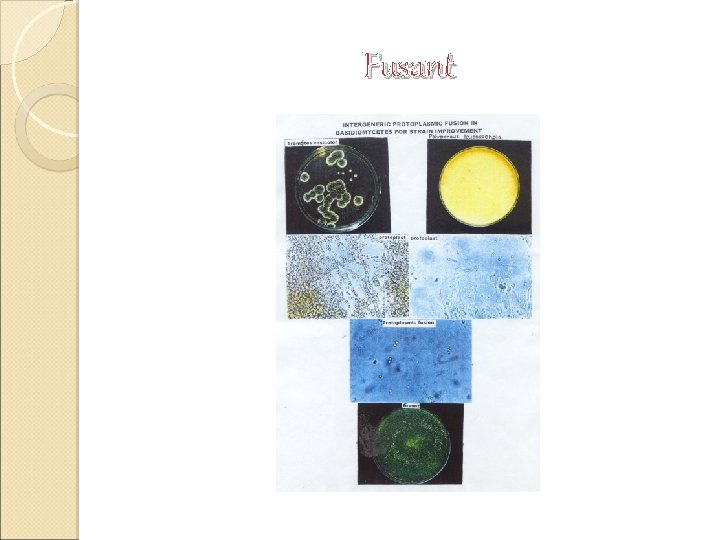
Fusant
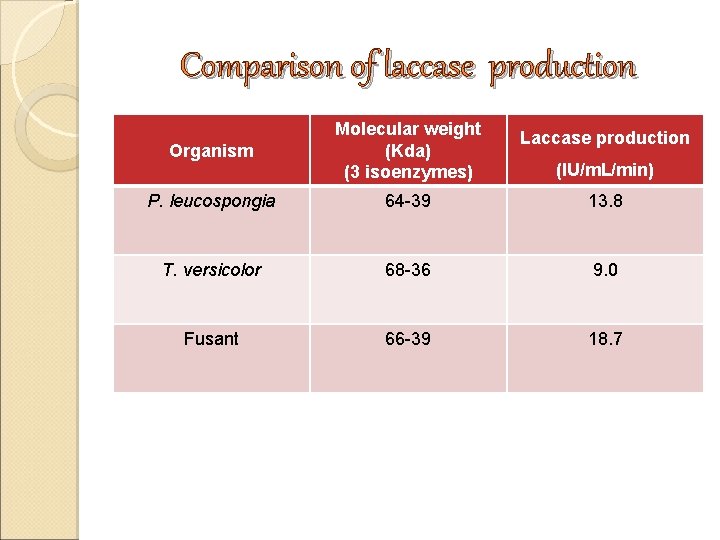
Comparison of laccase production Organism Molecular weight (Kda) (3 isoenzymes) Laccase production P. leucospongia 64 -39 13. 8 T. versicolor 68 -36 9. 0 Fusant 66 -39 18. 7 (IU/m. L/min)
Fusant
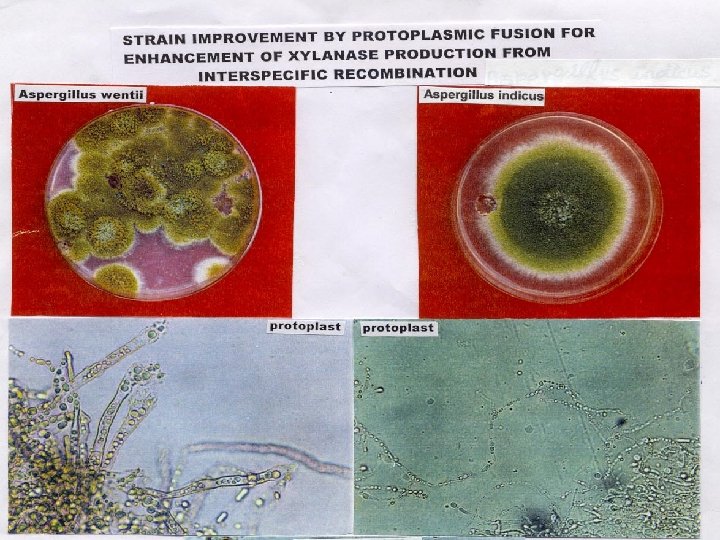
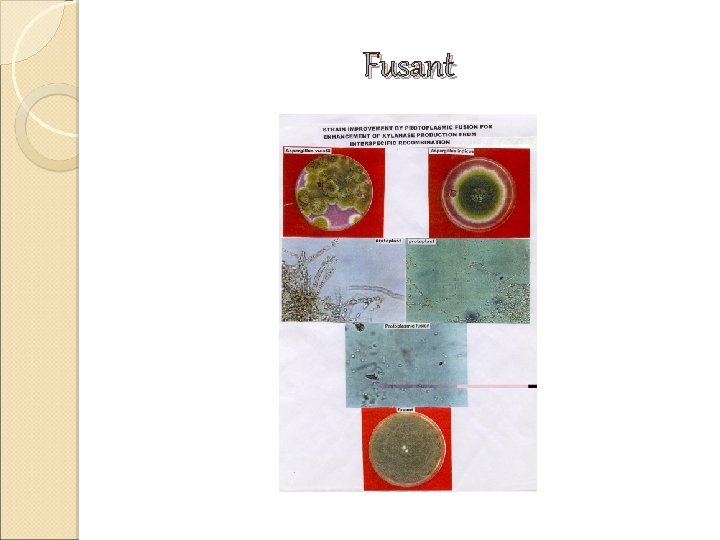
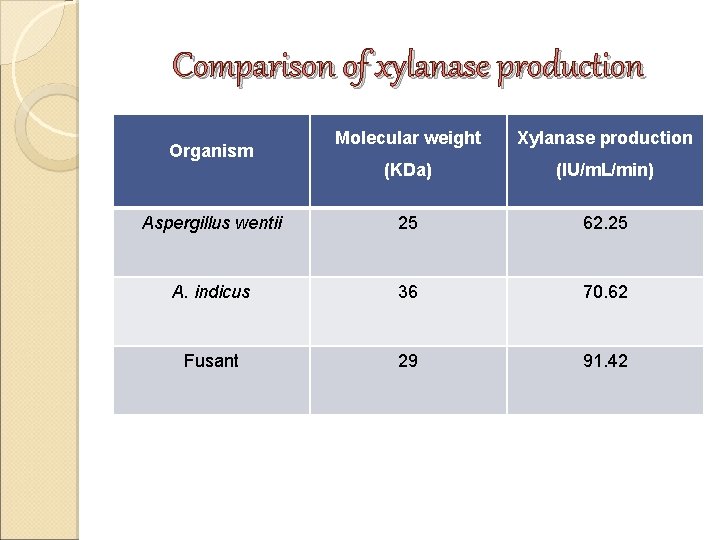
Comparison of xylanase production Molecular weight Xylanase production (KDa) (IU/m. L/min) Aspergillus wentii 25 62. 25 A. indicus 36 70. 62 Fusant 29 91. 42 Organism
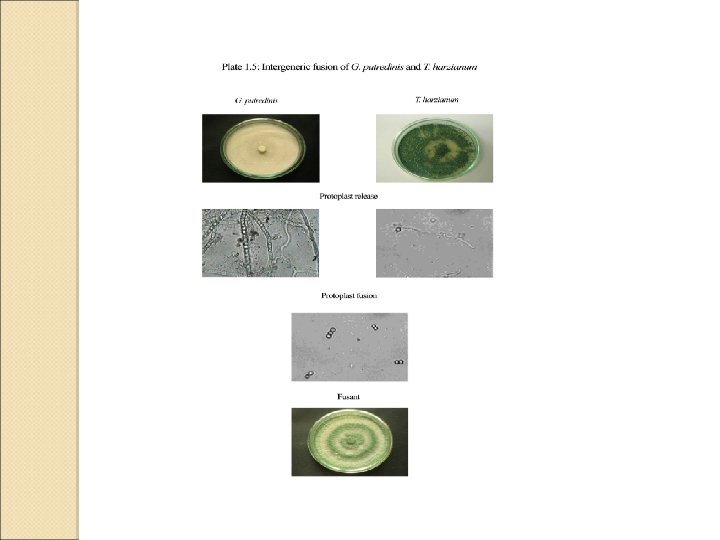
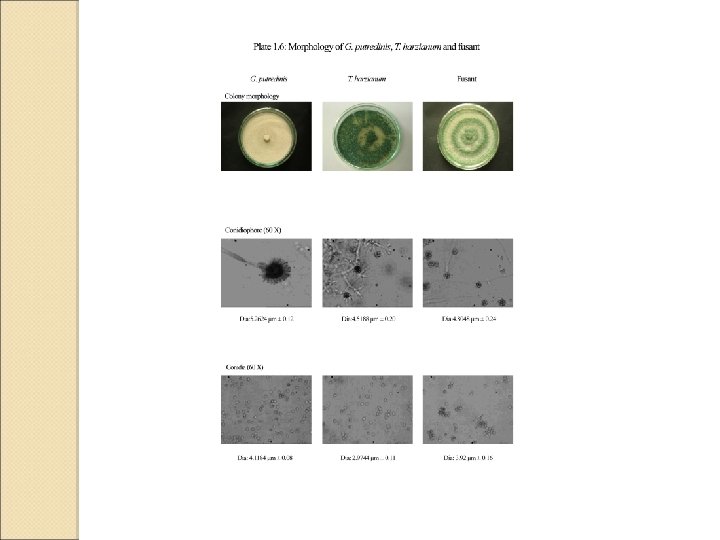
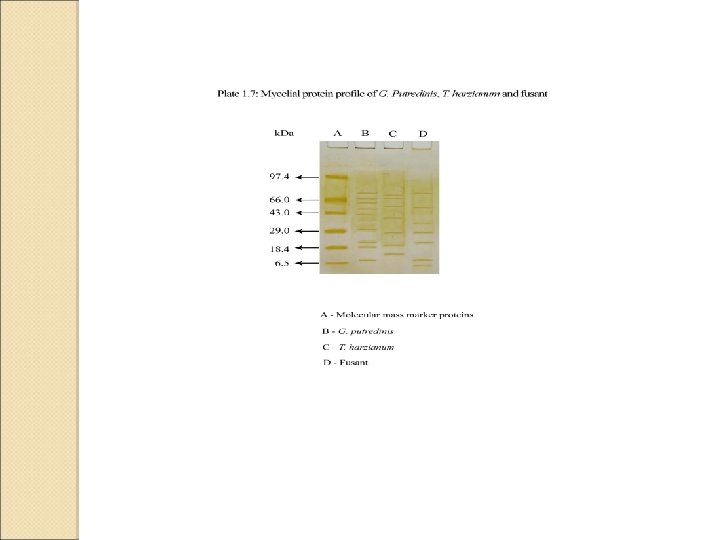
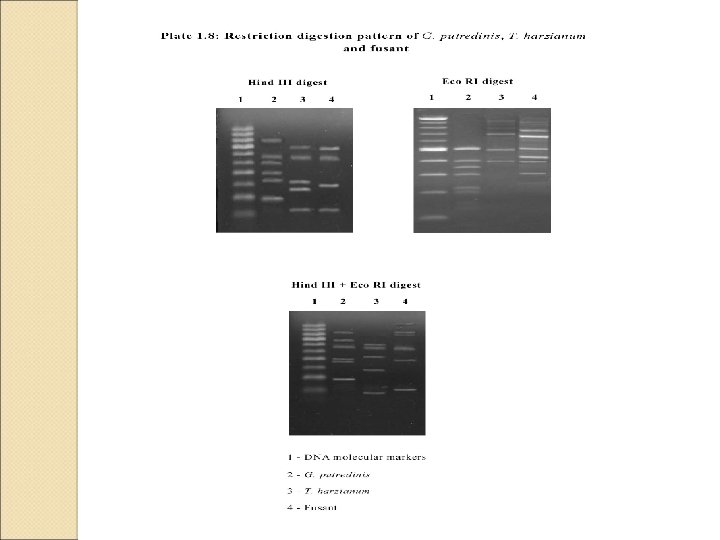
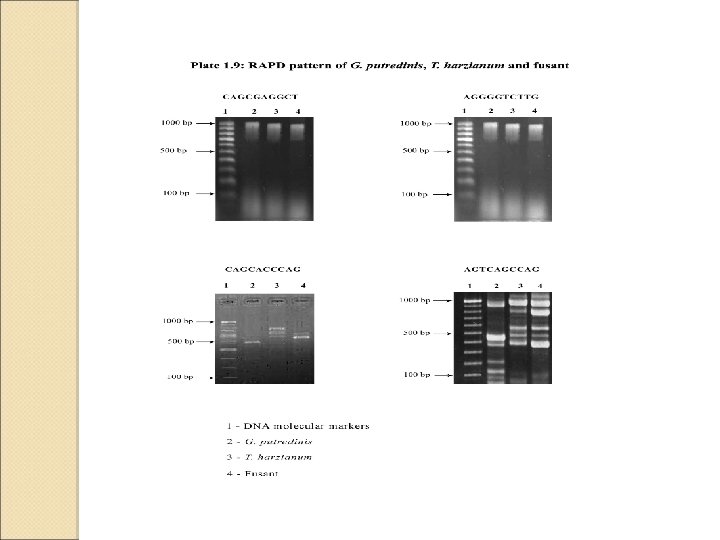
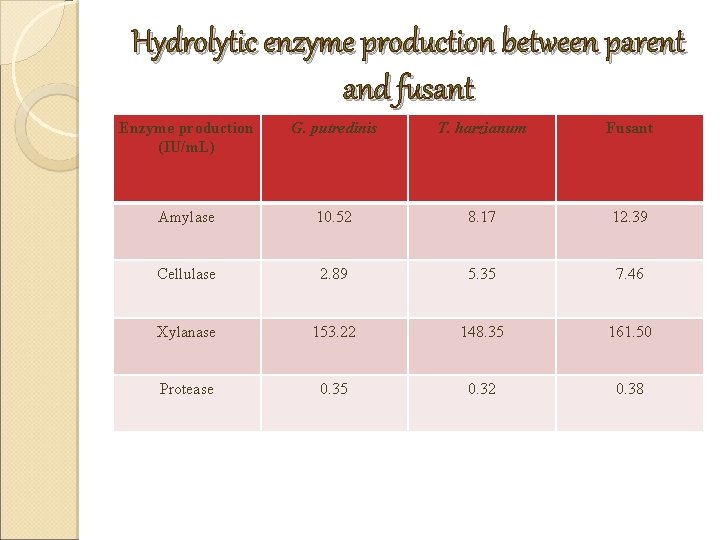
Case study 2: Savitha et al. , 2007 Intergeneric hydridization Intergeneric hybridization between Graphium putredinis and Trichoderma harzianum It was done to enhance the production of industrially important hydrolytic enzymes like cellulase, xylanase, amylase and protease. Morphological study, protein profiling, restriction digestion pattern and RAPD analysis was carried out.
Hydrolytic enzyme production between parent and fusant Enzyme production (IU/m. L) G. putredinis T. harzianum Fusant Amylase 10. 52 8. 17 12. 39 Cellulase 2. 89 5. 35 7. 46 Xylanase 153. 22 148. 35 161. 50 Protease 0. 35 0. 32 0. 38