MARKETING PLAN For SME OTOP The Importance of













- Slides: 80
MARKETING PLAN For SME & OTOP
The Importance of Marketing Financial success depends on marketing No demand - no business Marketing decisions tough – What to design – What prices to offer – Where to sell – How much to spend on advertising…
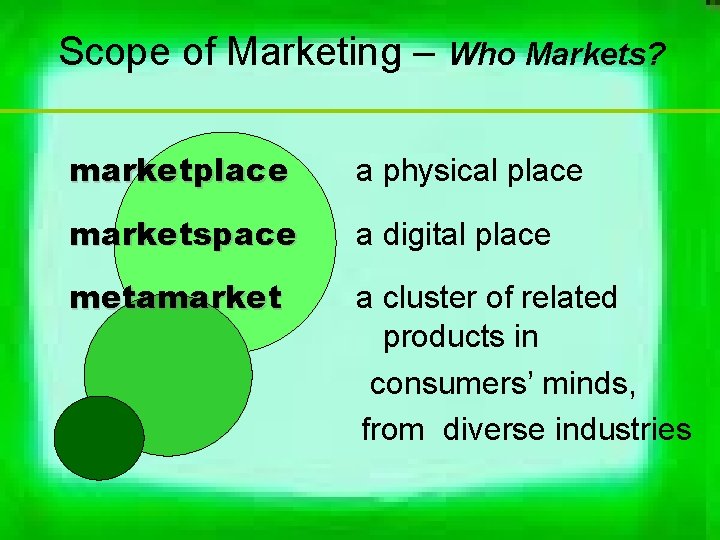
Scope of Marketing – Who Markets? marketplace a physical place marketspace a digital place metamarket a cluster of related products in consumers’ minds, from diverse industries
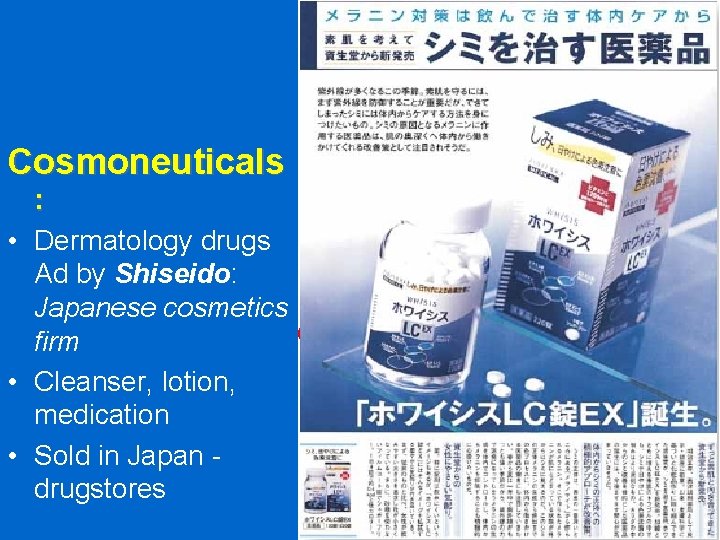
Cosmoneuticals : • Dermatology drugs Ad by Shiseido: • Industry Japanese cosmetics firmconvergence • Cleanser, lotion, medication • Sold in Japan drugstores
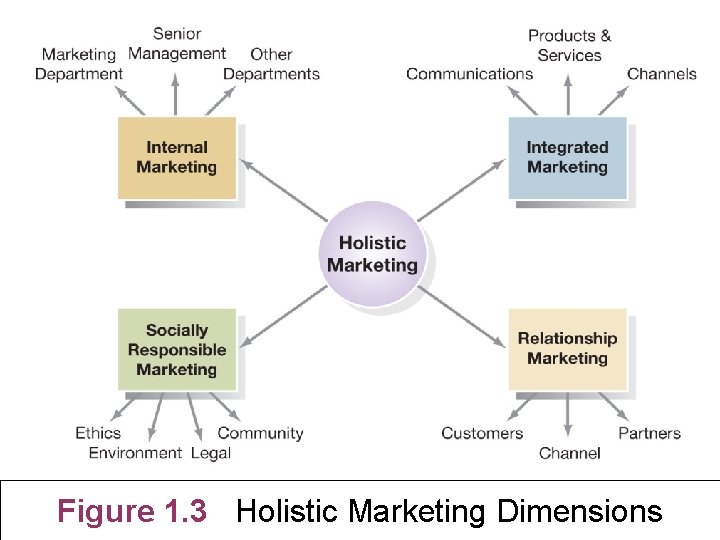
Figure 1. 3 Holistic Marketing Dimensions
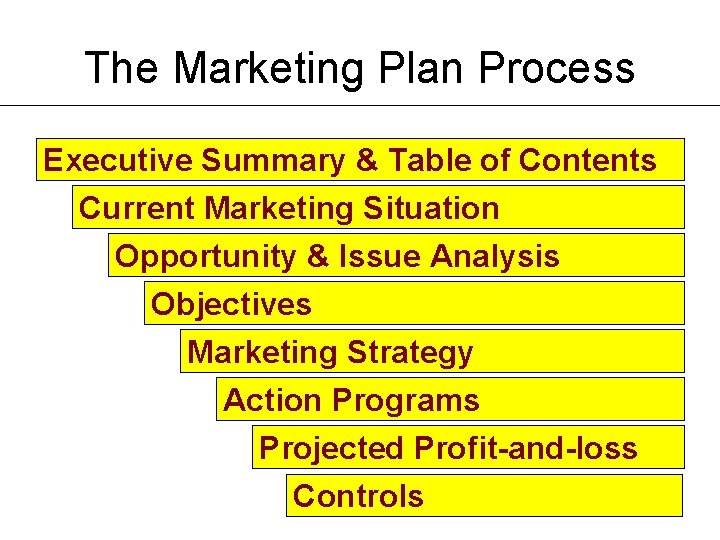
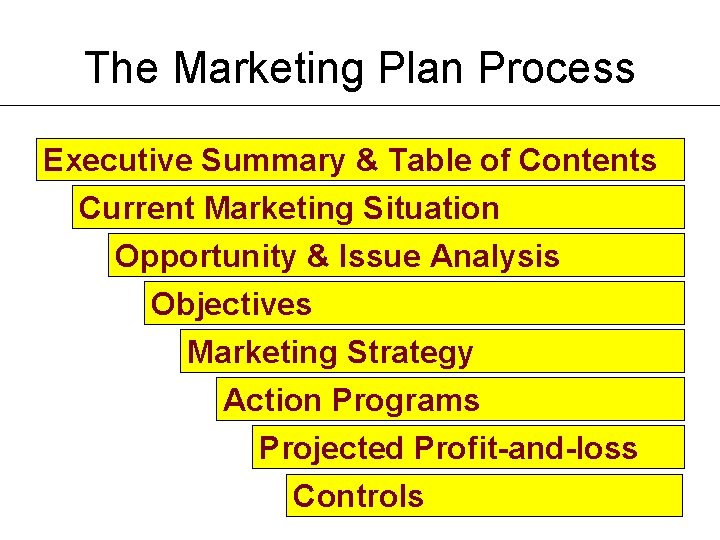
The Marketing Plan Process Executive Summary & Table of Contents Current Marketing Situation Opportunity & Issue Analysis Objectives Marketing Strategy Action Programs Projected Profit-and-loss Controls
Executive Summary • A well-received executive summary will be succinct, to the point and will provide the audience with an understanding of the rationale behind the strategies and tactics. • Keep it simple and succinct. • Only cite data that is relevant to your conclusions. • Mention only those elements of the situation analysis that are key to understanding the given or result.
Executive Summary • Do not repeat anything, avoid saying the obvious or stating the status quo. • Identify the differences in the market, the competition and your plan that will lead to different results, not similarities to previous situations of plans.
Executive Summary • Objectives and financial summary • Market definition and executive summary or market information • Core marketing strategy, supporting strategies, key actions.
Part 1: Purpose and Mission
Purpose of Marketing Plan • This part also includes organizational background information • Offer brief explanation for why this plan was produced • Suggest what may be done with the information contained in the plan
Mission Statement • Identifies a stable long-run vision of the organization that can answer such questions as: - Why is the company in business? – What markets do we serve and why do we serve these markets? – What is the general corporate philosophy for doing business? – What products/services does the company offer?
Mission Statement • In developing the vision presented in the mission statement consider: – Company History – Resources and Competencies – Environment
Lesson learn
GROWTH STRATEGY Eiji Koike President & CEO 24
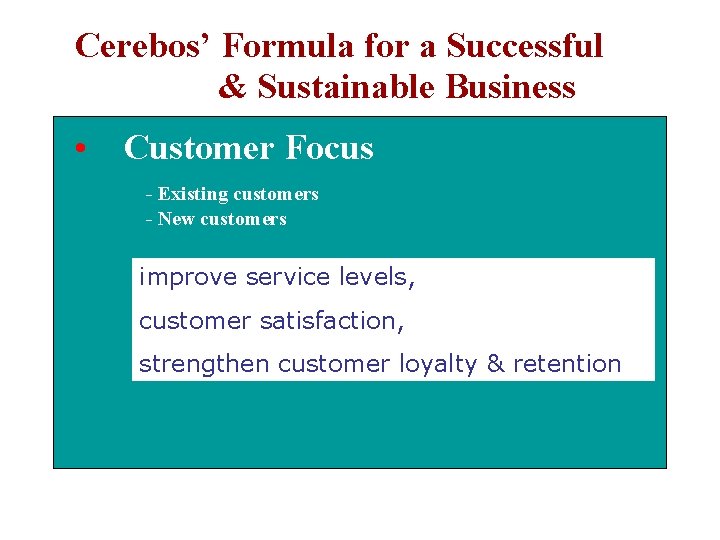
Cerebos’ Formula for a Successful & Sustainable Business • Customer Focus - Existing customers - New customers improve service levels, customer satisfaction, strengthen customer loyalty & retention
For Mind, For Body, For Life. - Our Mission - BRAND’S will be your “Health Partner” at every stage of your life. We know your lifestyle is demanding and that you need to maintain good health, both physically and mentally, to sustain it -------------------------“We are selling solutions for health”
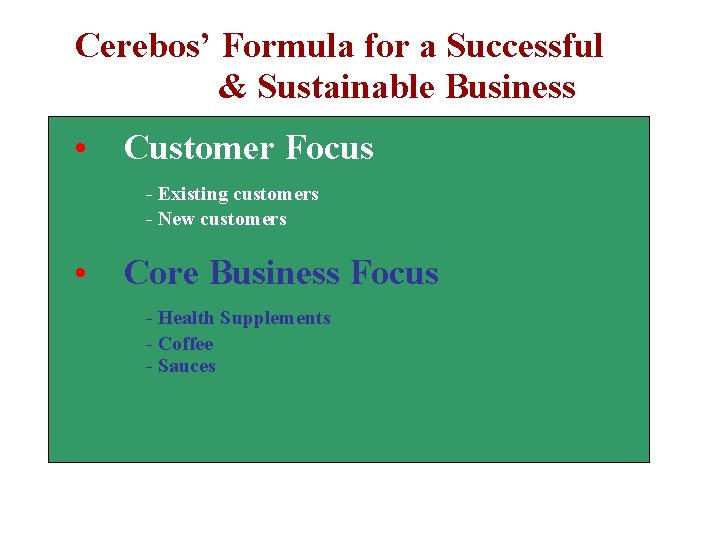
Cerebos’ Formula for a Successful & Sustainable Business • Customer Focus - Existing customers - New customers • Core Business Focus - Health Supplements - Coffee - Sauces
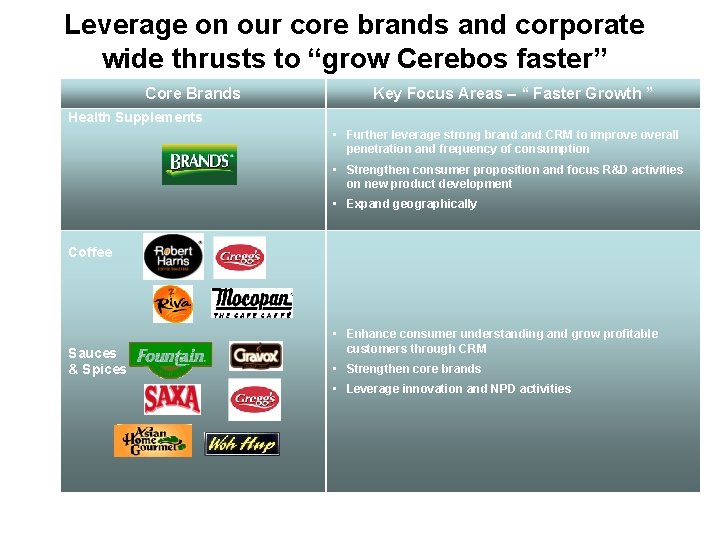
Leverage on our core brands and corporate wide thrusts to “grow Cerebos faster” Core Brands Health Supplements Key Focus Areas – “ Faster Growth ” • Further leverage strong brand CRM to improve overall penetration and frequency of consumption • Strengthen consumer proposition and focus R&D activities on new product development • Expand geographically Coffee Sauces & Spices • Enhance consumer understanding and grow profitable customers through CRM • Strengthen core brands • Leverage innovation and NPD activities
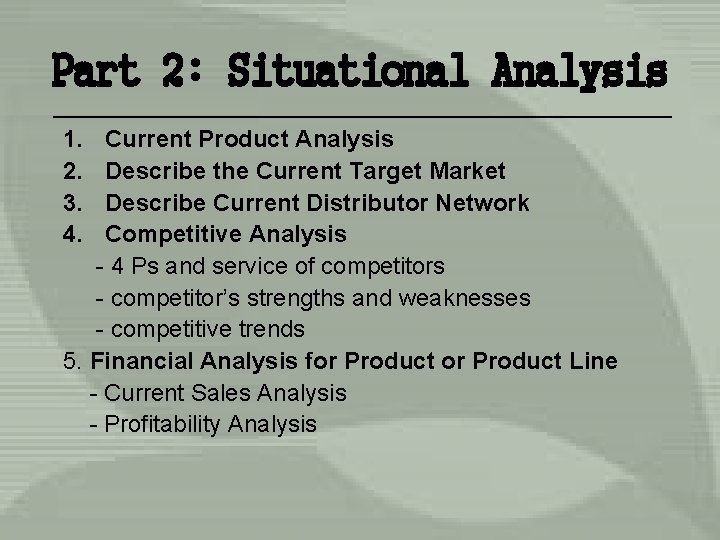
Part 2: Situational Analysis 1. 2. 3. 4. Current Product Analysis Describe the Current Target Market Describe Current Distributor Network Competitive Analysis - 4 Ps and service of competitors - competitor’s strengths and weaknesses - competitive trends 5. Financial Analysis for Product Line - Current Sales Analysis - Profitability Analysis
Part 2: Situational Analysis 6. Environmental Problems and Opportunities
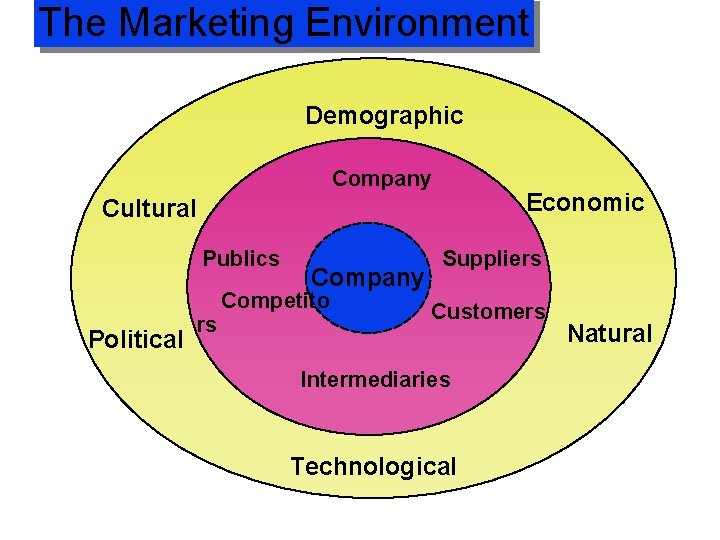
The Marketing Environment Demographic Company Economic Cultural Publics Political Company Competito rs Suppliers Customers Intermediaries Technological Natural
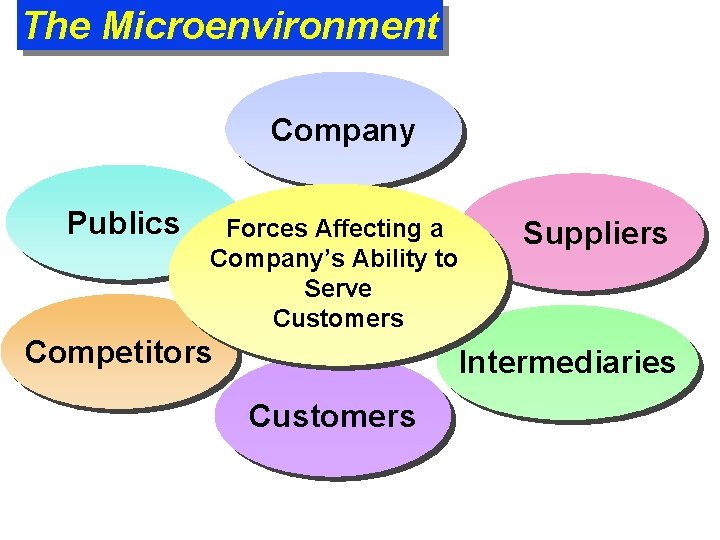
The Microenvironment Company Publics Forces Affecting a Company’s Ability to Serve Customers Competitors Suppliers Intermediaries Customers
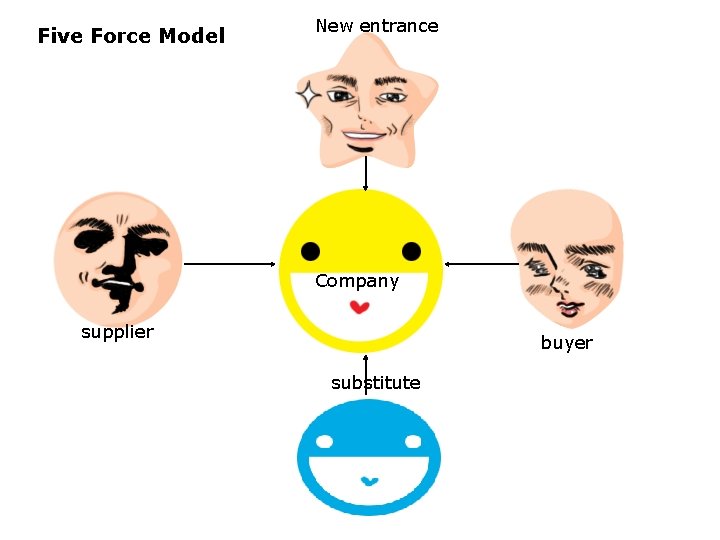
Five Force Model New entrance company Company supplier buyer substitute
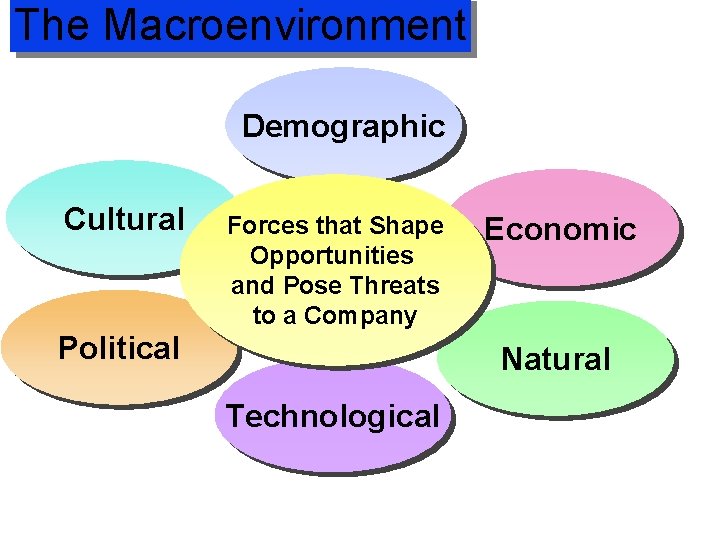
The Macroenvironment Demographic Cultural Forces that Shape Opportunities and Pose Threats to a Company Political Economic Natural Technological
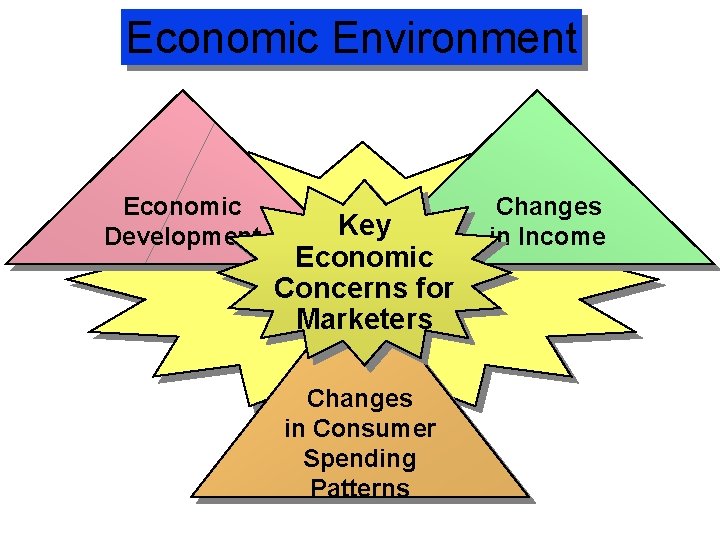
Economic Environment Economic Development Changes in Income Key Economic Concerns for Marketers Changes in Consumer Spending Patterns
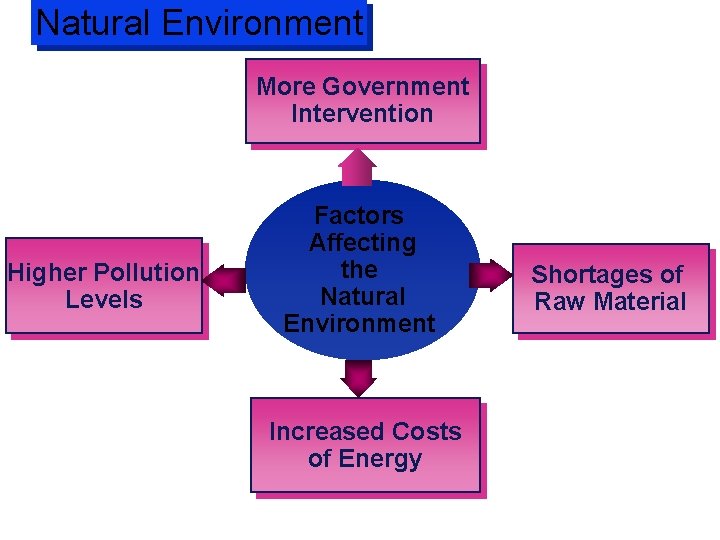
Natural Environment More Government Intervention Higher Pollution Levels Factors Affecting the Natural Environment Increased Costs of Energy Shortages of Raw Material
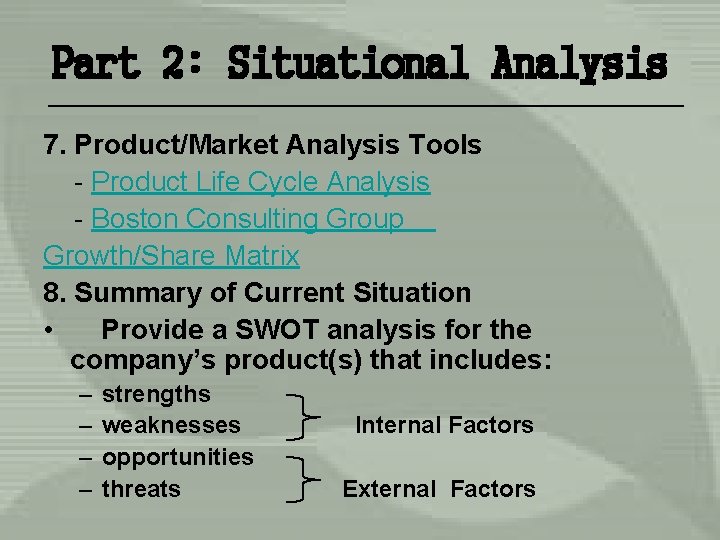
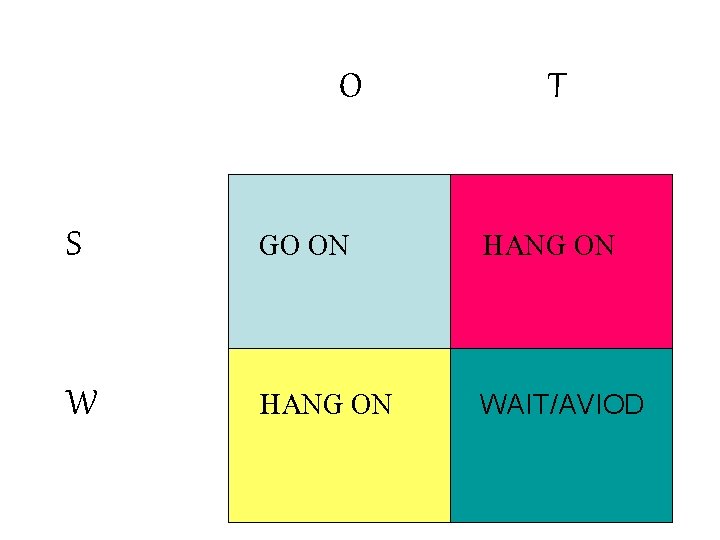
Part 2: Situational Analysis 7. Product/Market Analysis Tools - Product Life Cycle Analysis - Boston Consulting Group Growth/Share Matrix 8. Summary of Current Situation • Provide a SWOT analysis for the company’s product(s) that includes: – – strengths weaknesses Internal Factors opportunities threats External Factors
O T S GO ON HANG ON WAIT/AVIOD
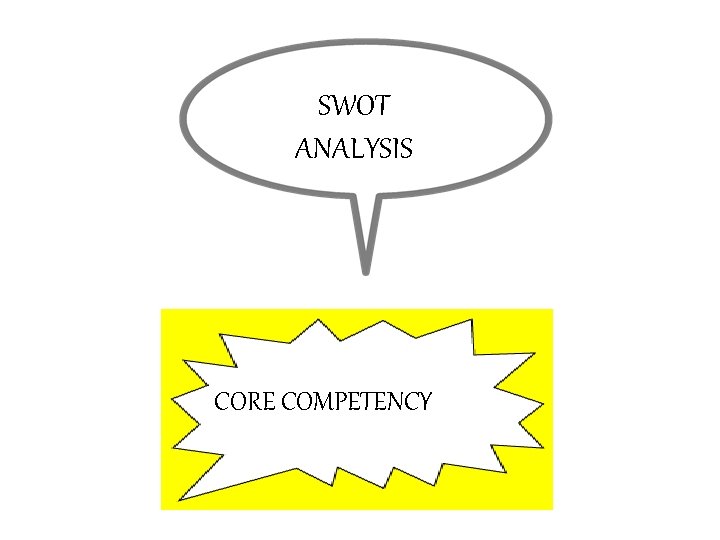
SWOT ANALYSIS CORE COMPETENCY
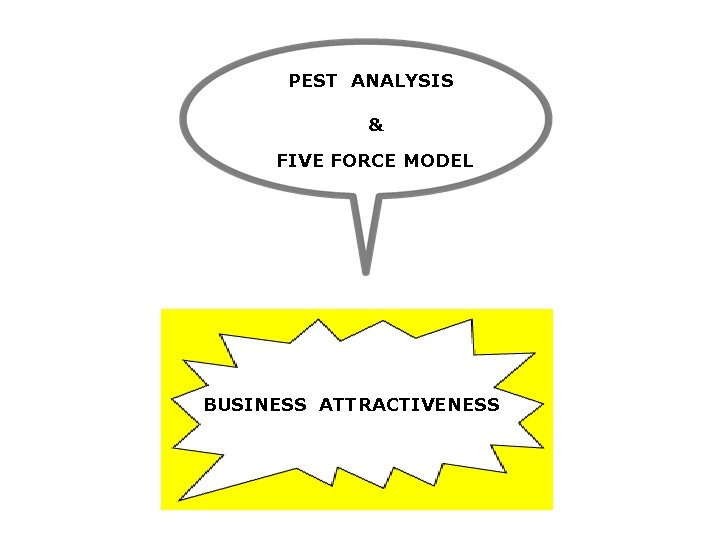
PEST ANALYSIS & FIVE FORCE MODEL BUSINESS ATTRACTIVENESS
Responding to the Marketing Environment • Reactive: Passive Acceptance and Adaptation – Companies design strategies that avoid threats and capitalize upon opportunities. • Proactive: Environmental Management – Use of lobbyists, PR, advertorials, lawsuits, complaints, and contractual agreements to influence environmental forces.
How to set marketing objective?
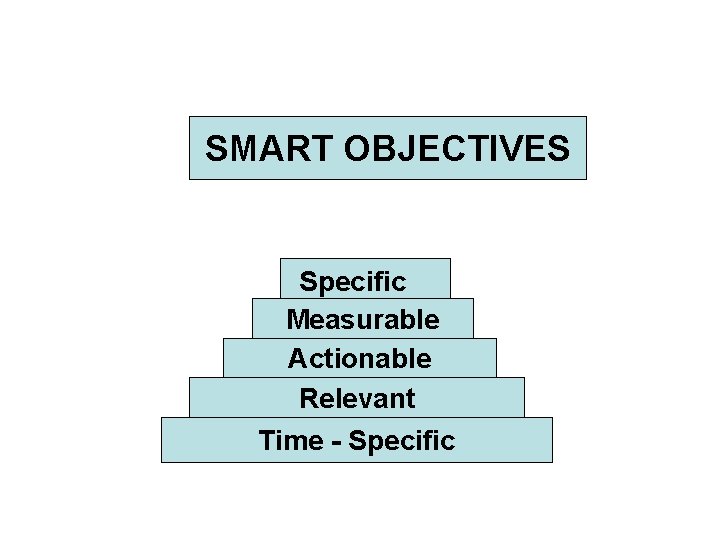
SMART OBJECTIVES Specific Measurable Actionable Relevant Time - Specific
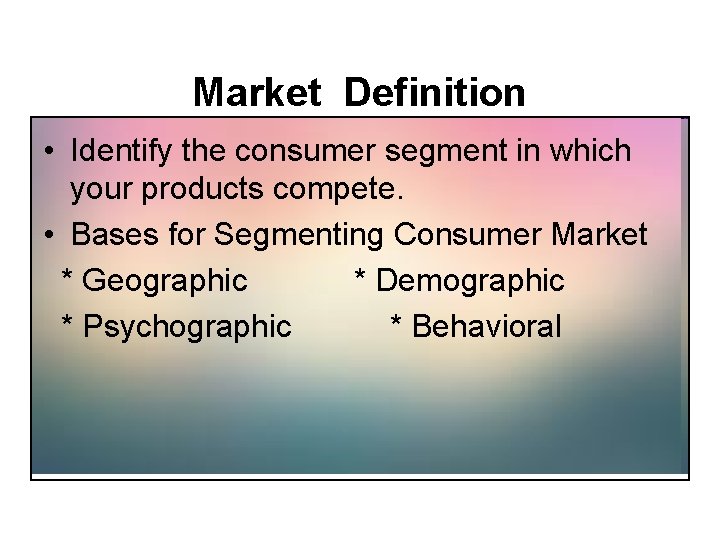
Market Definition • Identify the consumer segment in which your products compete. • Bases for Segmenting Consumer Market * Geographic * Demographic * Psychographic * Behavioral
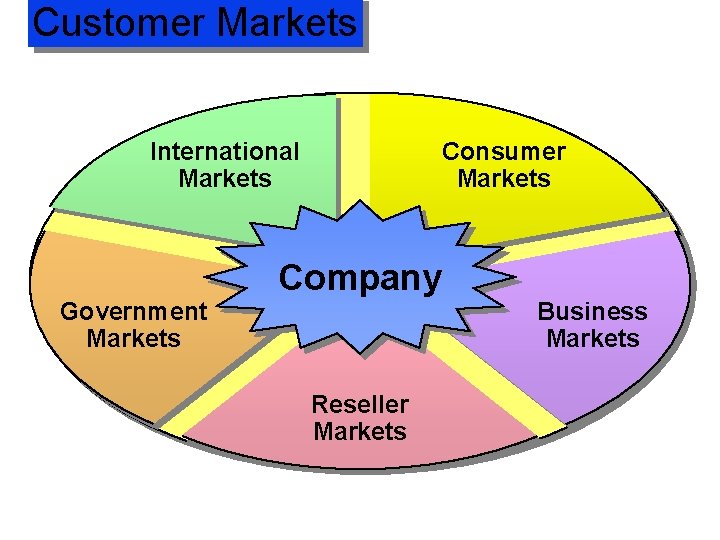
Customer Markets International Markets Government Markets Consumer Markets Company Reseller Markets Business Markets
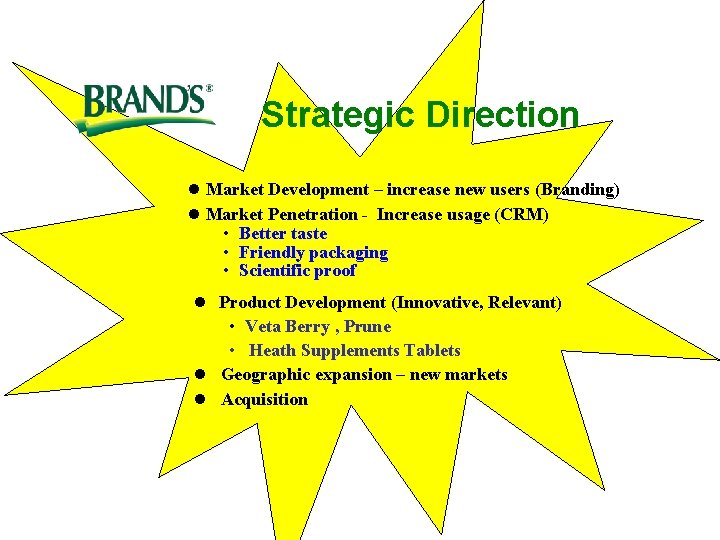
Strategic Direction l Market Development – increase new users (Branding) l Market Penetration - Increase usage (CRM) • Better taste • Friendly packaging • Scientific proof l Product Development (Innovative, Relevant) • Veta Berry , Prune • Heath Supplements Tablets l Geographic expansion – new markets l Acquisition
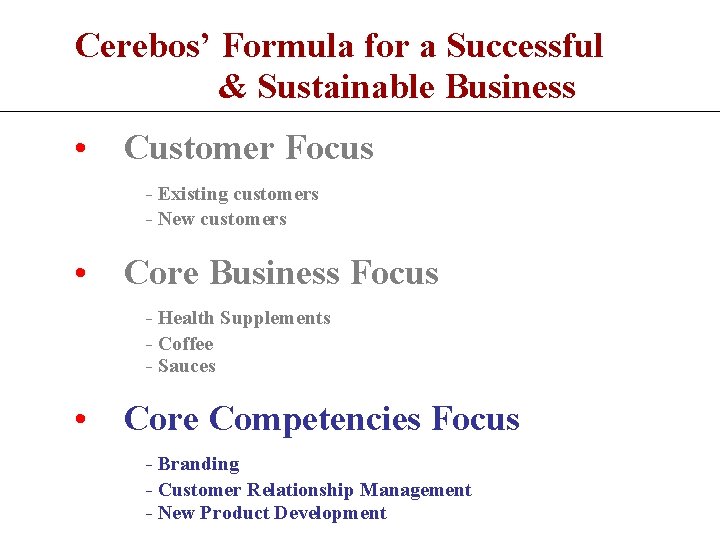
Cerebos’ Formula for a Successful & Sustainable Business • Customer Focus - Existing customers - New customers • Core Business Focus - Health Supplements - Coffee - Sauces • Core Competencies Focus - Branding - Customer Relationship Management - New Product Development
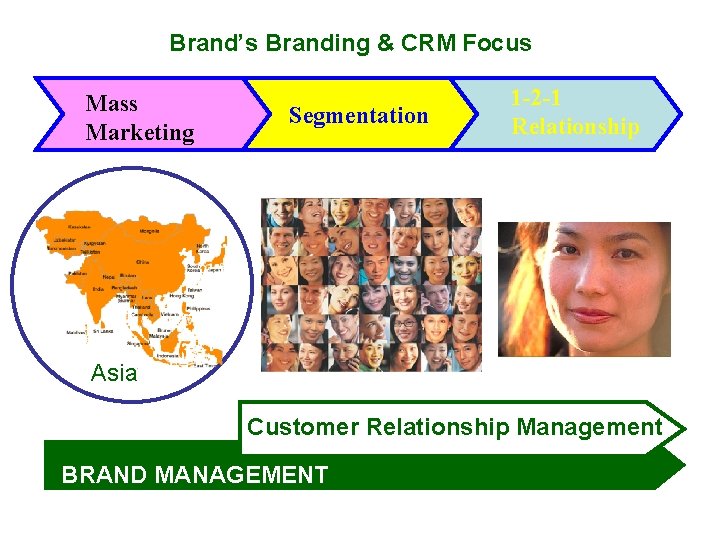
Brand’s Branding & CRM Focus Mass Marketing Segmentation 1 -2 -1 Relationship Asia Customer Relationship Management BRAND MANAGEMENT
More Education on Scientifically Proven Benefits New, Innovative, Customer Oriented Products
Implementation Plan • Key Execution Elements * Pre – Launch > PR Program - Press Conference - Press Tour - Press Release - Etc.
Implementation Plan • Key Execution Elements * Launch > IMC Plan - Key Creative Ideas - Key Activities Grid - Media Plan - PR Plan - Consumer Promotion Plan - CRM Plan - Launch Event & Marketing Event Plan - Budget (Break down by activities) & ROI analysis
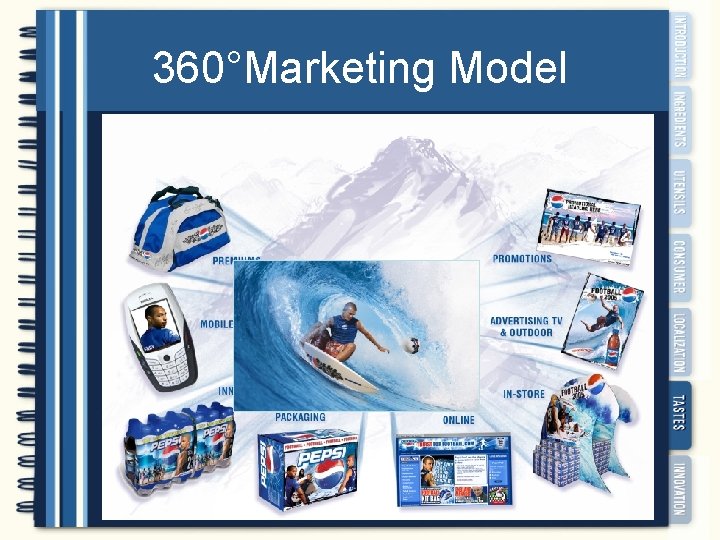
360°Marketing Model
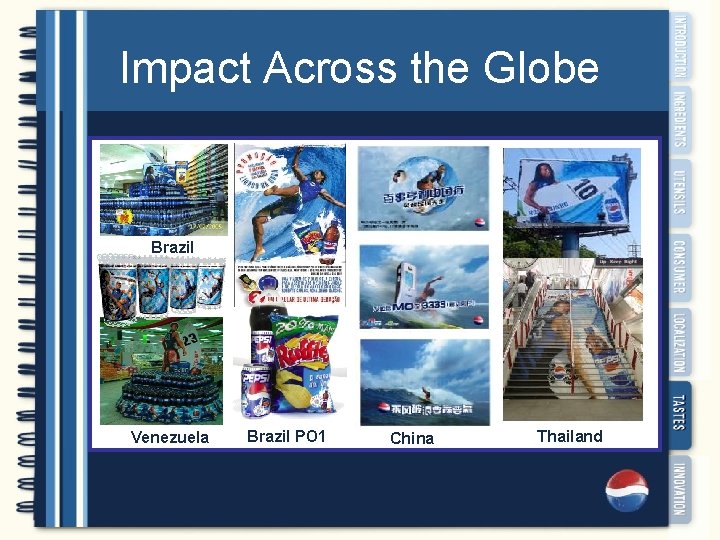
Impact Across the Globe Brazil Chapter 5: Blast your taste buds Venezuela Brazil PO 1 China Thailand
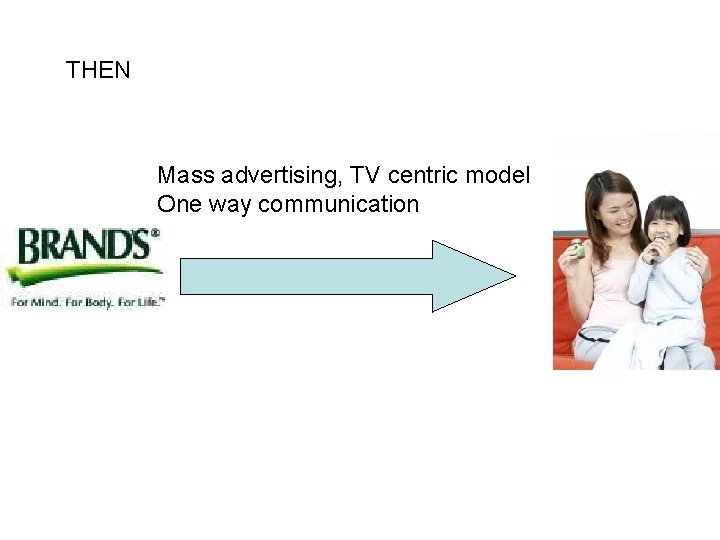
THEN Mass advertising, TV centric model One way communication
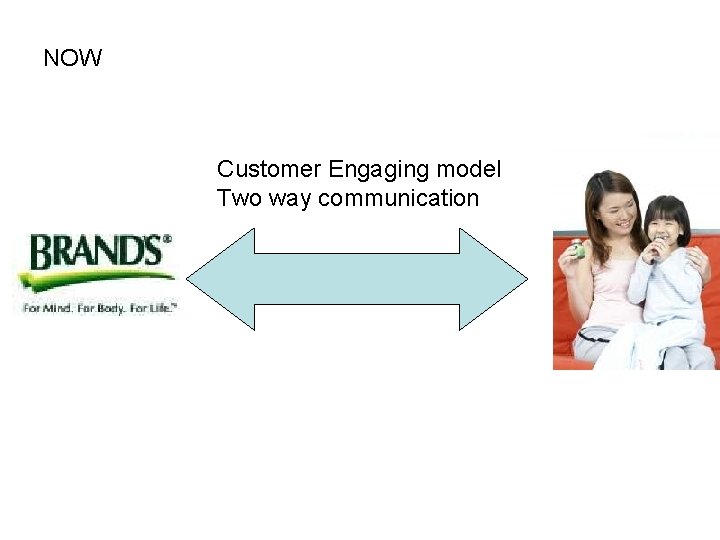
NOW Customer Engaging model Two way communication
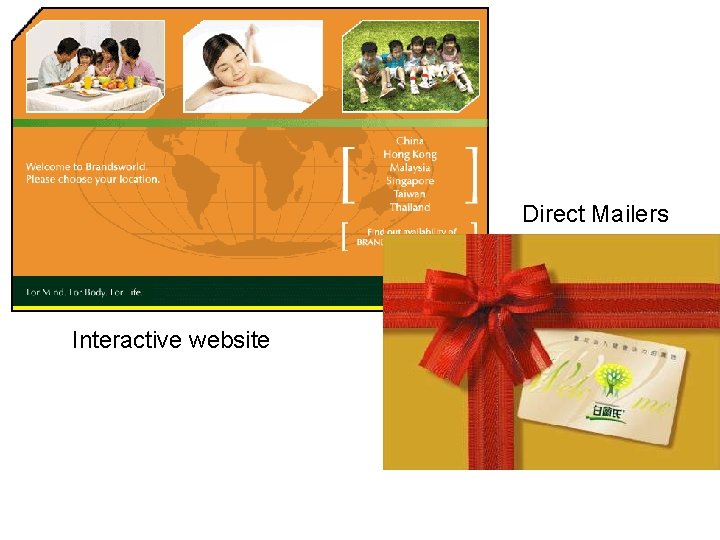
Direct Mailers Interactive website
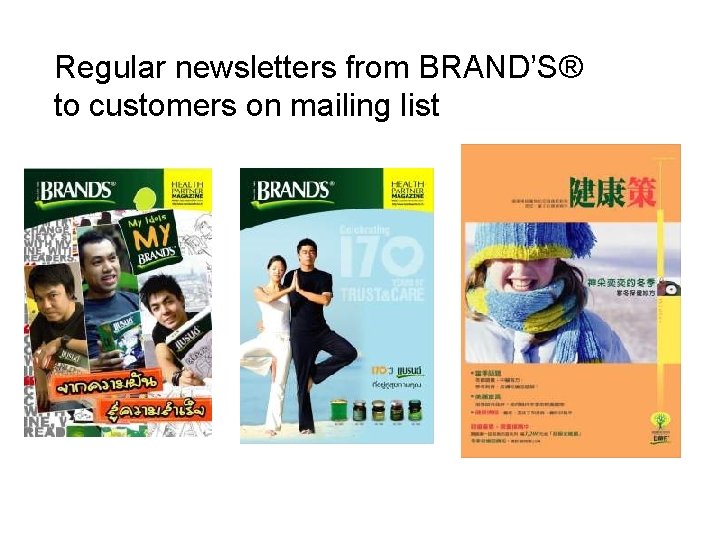
Regular newsletters from BRAND’S® to customers on mailing list
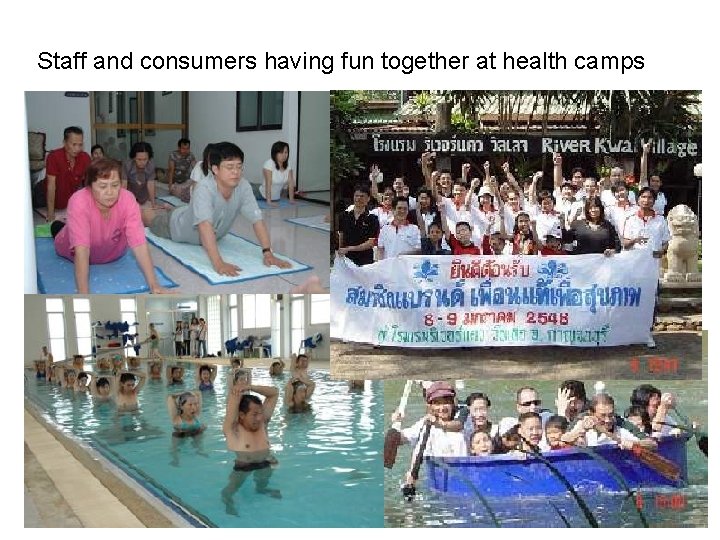
Staff and consumers having fun together at health camps
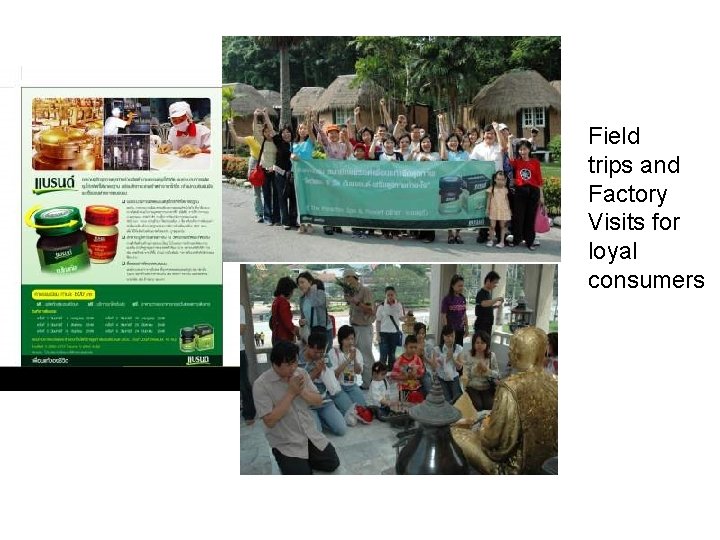
Field trips and Factory Visits for loyal consumers
Health seminars empower consumers to take charge of their health matters
Picture of Call Centre in Taiwan BRAND’S® Call Centre in Taiwan receives an average of 500 calls from consumers daily
We must continue to CHANGE Remain relevant to consumers needs and wants CRM Maintain our differentiation and justify our premium pricing Branding Increase customer loyalty
It is not the strongest of the species that survive, nor the most intelligent but the one most responsive to change Charles Darwin
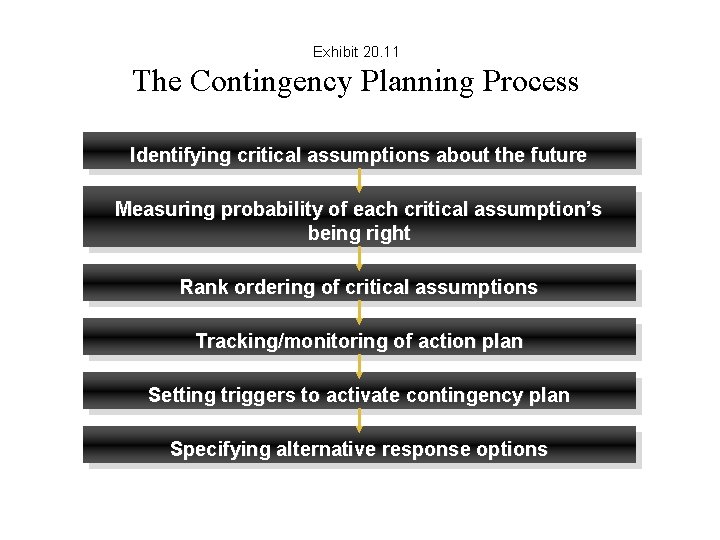
Exhibit 20. 11 The Contingency Planning Process Identifying critical assumptions about the future Measuring probability of each critical assumption’s being right Rank ordering of critical assumptions Tracking/monitoring of action plan Setting triggers to activate contingency plan Specifying alternative response options
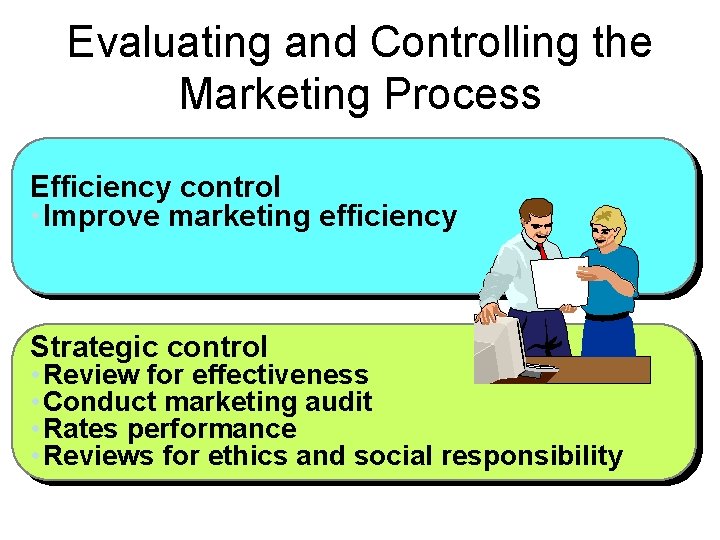
Evaluating and Controlling the Marketing Process Efficiency control • Improve marketing efficiency Strategic control • Review for effectiveness • Conduct marketing audit • Rates performance • Reviews for ethics and social responsibility
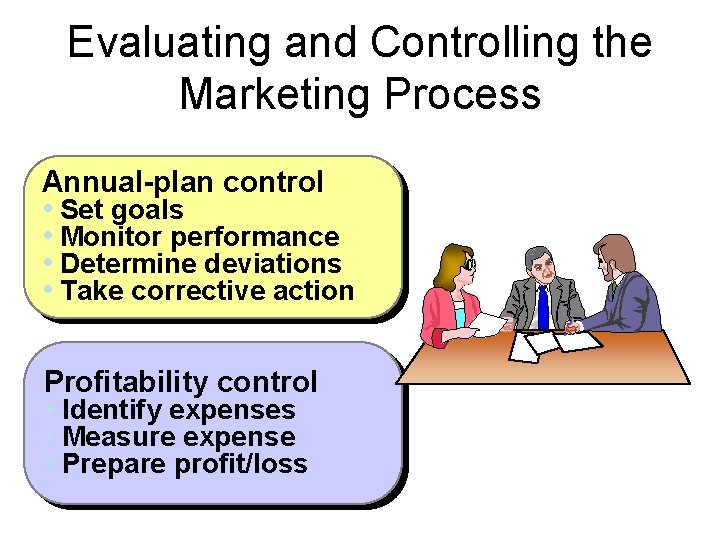
Evaluating and Controlling the Marketing Process Annual-plan control • Set goals • Monitor performance • Determine deviations • Take corrective action Profitability control • Identify expenses • Measure expense • Prepare profit/loss
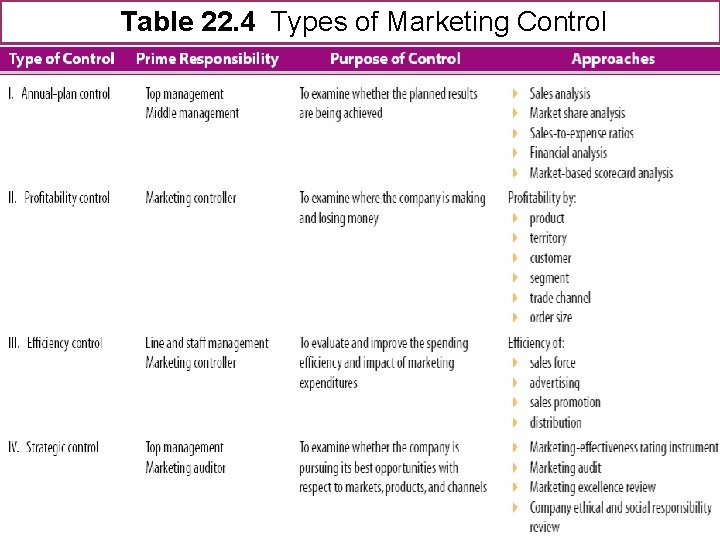
Table 22. 4 Types of Marketing Control
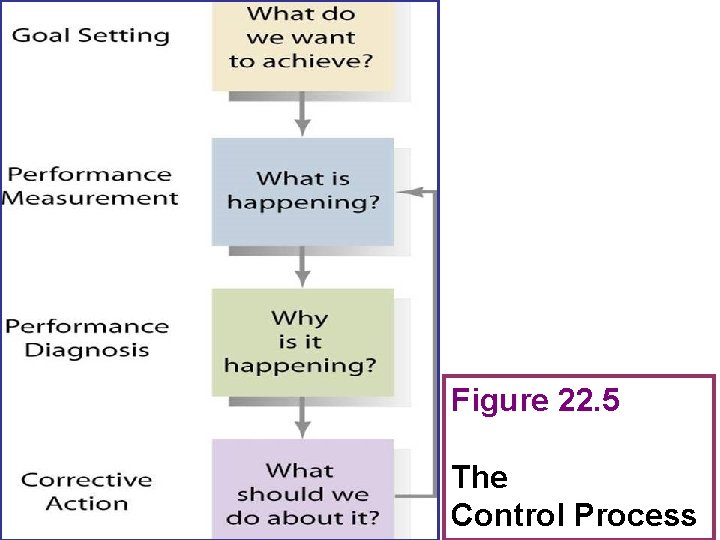
Figure 22. 5 The Control Process
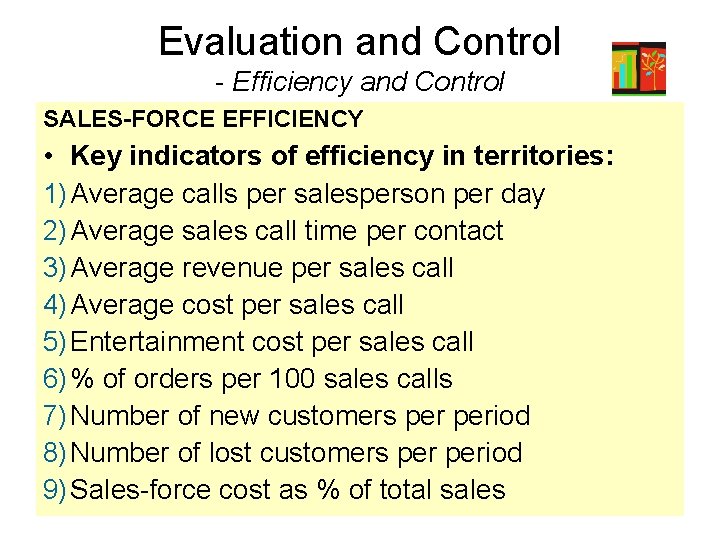
Evaluation and Control - Efficiency and Control SALES-FORCE EFFICIENCY • Key indicators of efficiency in territories: 1) Average calls per salesperson per day 2) Average sales call time per contact 3) Average revenue per sales call 4) Average cost per sales call 5) Entertainment cost per sales call 6) % of orders per 100 sales calls 7) Number of new customers period 8) Number of lost customers period 9) Sales-force cost as % of total sales
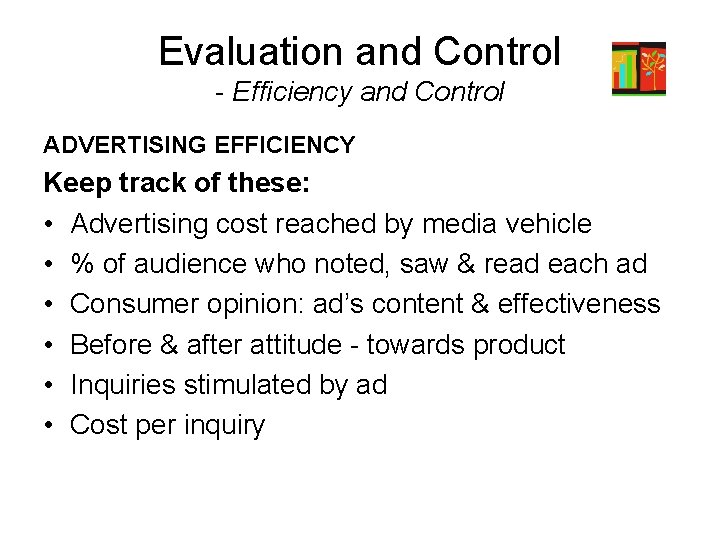
Evaluation and Control - Efficiency and Control ADVERTISING EFFICIENCY Keep track of these: • Advertising cost reached by media vehicle • % of audience who noted, saw & read each ad • Consumer opinion: ad’s content & effectiveness • Before & after attitude - towards product • Inquiries stimulated by ad • Cost per inquiry
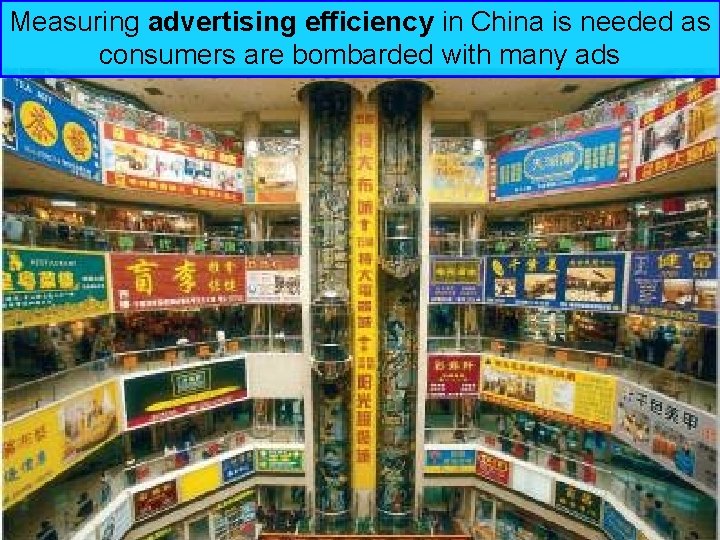
Measuring advertising efficiency in China is needed as consumers are bombarded with many ads
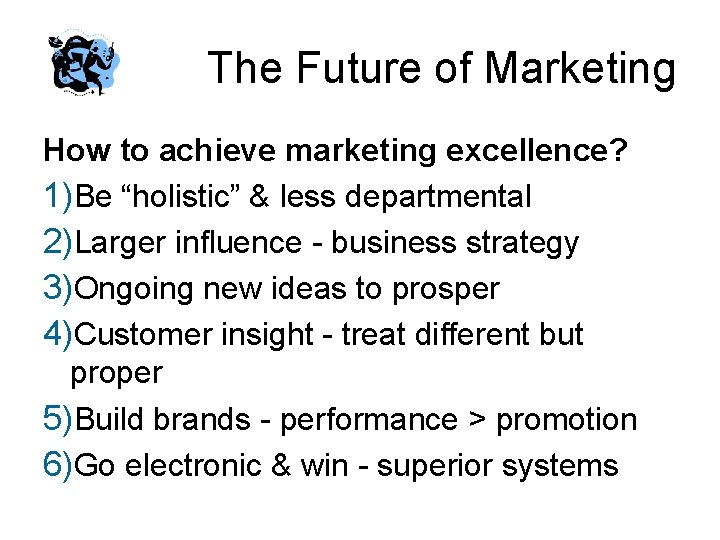
The Future of Marketing How to achieve marketing excellence? 1)Be “holistic” & less departmental 2)Larger influence - business strategy 3)Ongoing new ideas to prosper 4)Customer insight - treat different but proper 5)Build brands - performance > promotion 6)Go electronic & win - superior systems
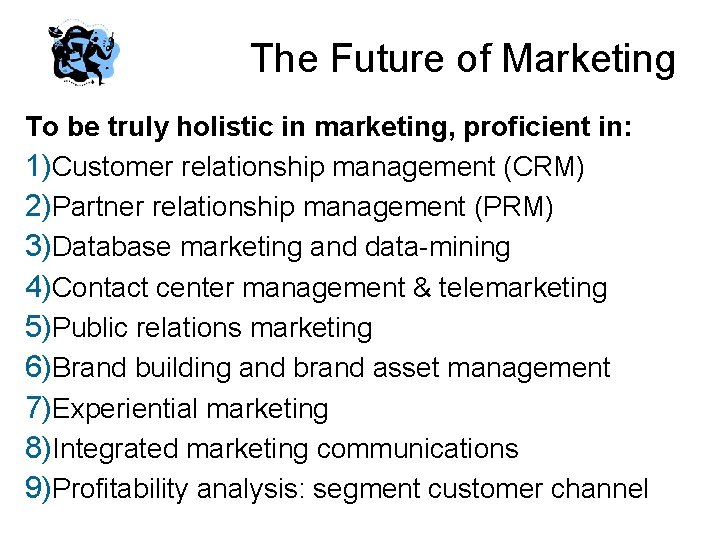
The Future of Marketing To be truly holistic in marketing, proficient in: 1)Customer relationship management (CRM) 2)Partner relationship management (PRM) 3)Database marketing and data-mining 4)Contact center management & telemarketing 5)Public relations marketing 6)Brand building and brand asset management 7)Experiential marketing 8)Integrated marketing communications 9)Profitability analysis: segment customer channel
The Future of Marketing • Pursuit of marketing superiority & dominance, new rules and practices are emerging • Benefits of successful 21 st century marketing are many, but need hard work, insight, and inspiration
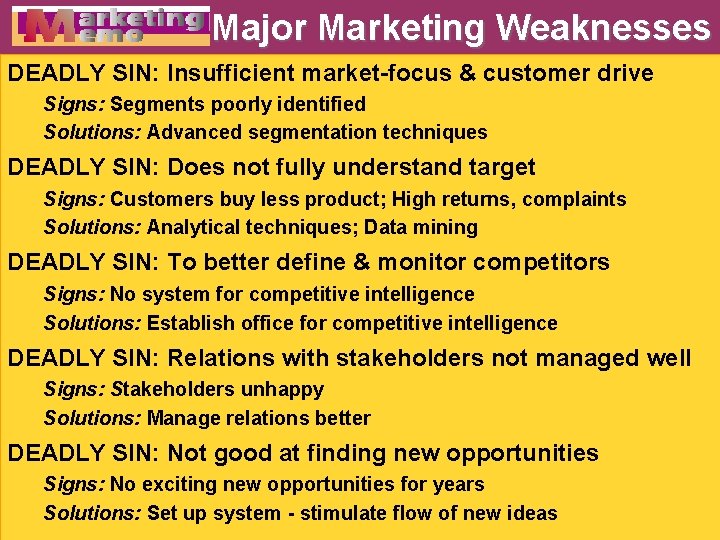
Major Marketing Weaknesses DEADLY SIN: Insufficient market-focus & customer drive Signs: Segments poorly identified Solutions: Advanced segmentation techniques DEADLY SIN: Does not fully understand target Signs: Customers buy less product; High returns, complaints Solutions: Analytical techniques; Data mining DEADLY SIN: To better define & monitor competitors Signs: No system for competitive intelligence Solutions: Establish office for competitive intelligence DEADLY SIN: Relations with stakeholders not managed well Signs: Stakeholders unhappy Solutions: Manage relations better DEADLY SIN: Not good at finding new opportunities Signs: No exciting new opportunities for years Solutions: Set up system - stimulate flow of new ideas
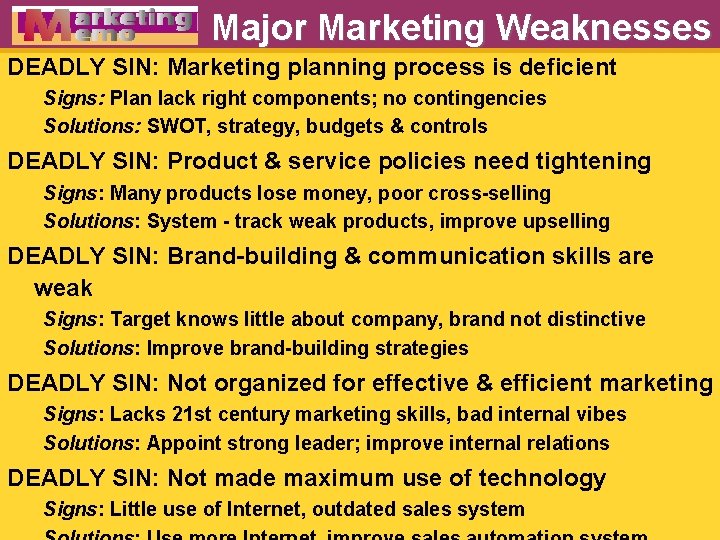
Major Marketing Weaknesses DEADLY SIN: Marketing planning process is deficient Signs: Plan lack right components; no contingencies Solutions: SWOT, strategy, budgets & controls DEADLY SIN: Product & service policies need tightening Signs: Many products lose money, poor cross-selling Solutions: System - track weak products, improve upselling DEADLY SIN: Brand-building & communication skills are weak Signs: Target knows little about company, brand not distinctive Solutions: Improve brand-building strategies DEADLY SIN: Not organized for effective & efficient marketing Signs: Lacks 21 st century marketing skills, bad internal vibes Solutions: Appoint strong leader; improve internal relations DEADLY SIN: Not made maximum use of technology Signs: Little use of Internet, outdated sales system
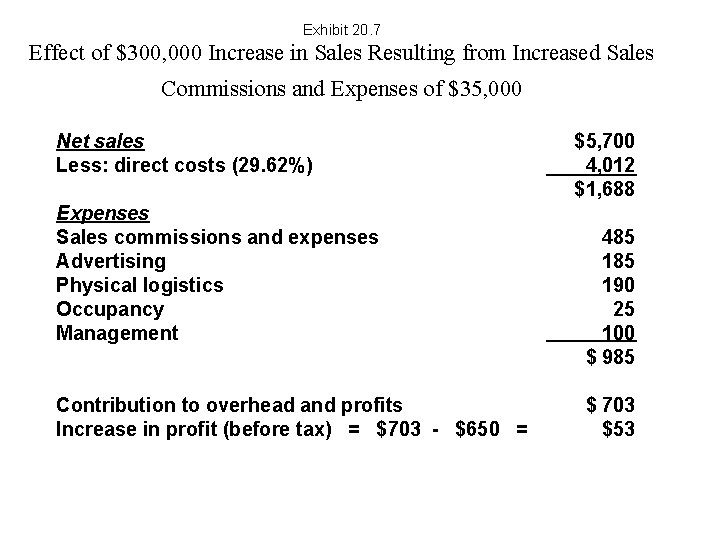
Exhibit 20. 7 Effect of $300, 000 Increase in Sales Resulting from Increased Sales Commissions and Expenses of $35, 000 Net sales Less: direct costs (29. 62%) Expenses Sales commissions and expenses Advertising Physical logistics Occupancy Management Contribution to overhead and profits Increase in profit (before tax) = $703 - $650 = $5, 700 4, 012 $1, 688 485 190 25 100 $ 985 $ 703 $53
The Marketing Plan Process Executive Summary & Table of Contents Current Marketing Situation Opportunity & Issue Analysis Objectives Marketing Strategy Action Programs Projected Profit-and-loss Controls