THE SCIENCE OF SEXUAL ORIENTATION Gay Christian Network

- Slides: 50
THE SCIENCE OF SEXUAL ORIENTATION Gay Christian Network – 2013 Conference Jonathan Henke bit. ly/gcn 13 -soso
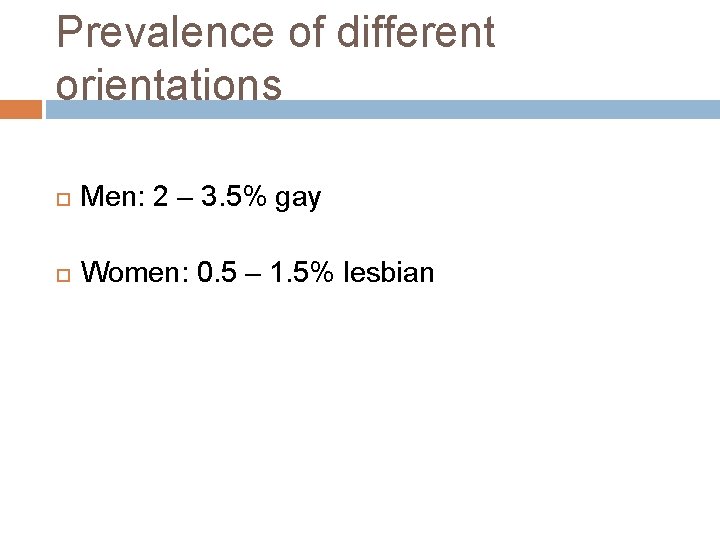
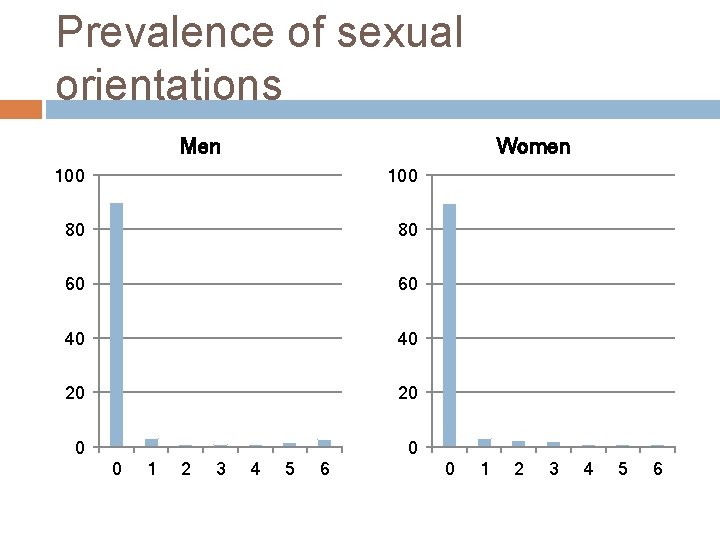
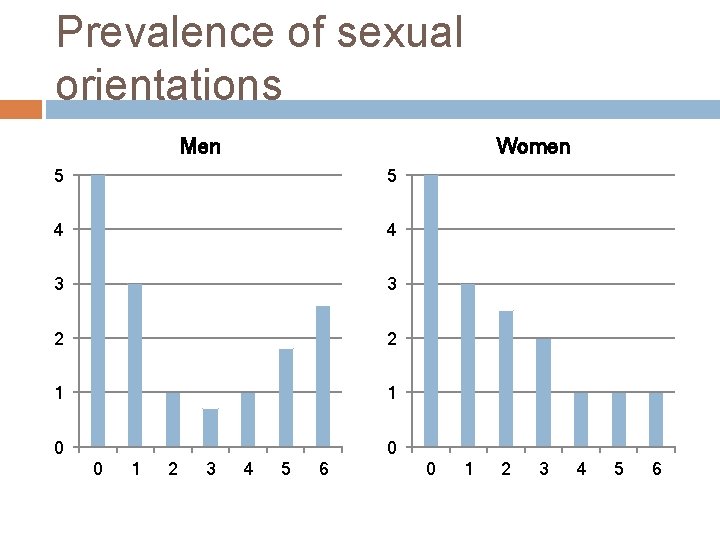
Prevalence of different orientations How many people are straight, gay, and bisexual?
Prevalence of different orientations Men: 2 – 3. 5% gay Women: 0. 5 – 1. 5% lesbian
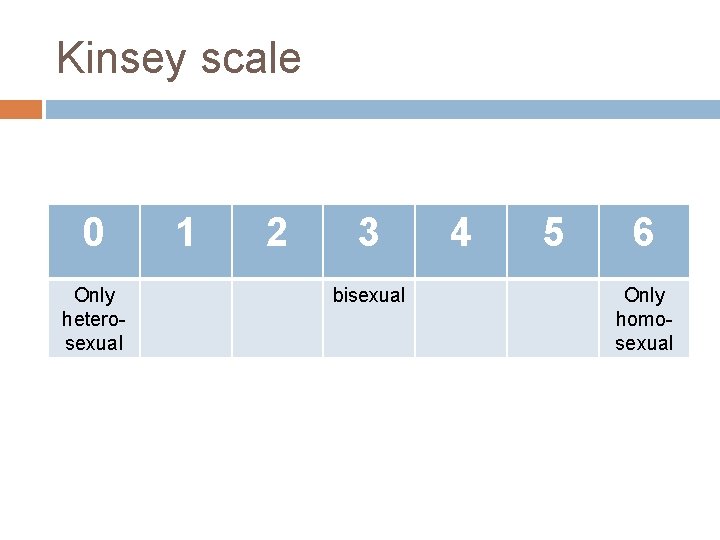
Kinsey scale 0 Only heterosexual 1 2 3 bisexual 4 5 6 Only homosexual
Prevalence of sexual orientations Men Women 100 80 80 60 60 40 40 20 20 0 1 2 3 4 5 6
Prevalence of sexual orientations Men Women 5 5 4 4 3 3 2 2 1 1 0 0 0 1 2 3 4 5 6
Theories of Sexual Orientation What makes people gay or straight?
Theories of Sexual Orientation � Choice � Psychosocial theories Psychoanalytic: Absent father – overbearing mother (Freud) Early sexual experiences (or molestation) Gender learning � Biological: Genetic Environmental Random
Why a biological theory? 1. 2. 3. Homosexual behavior is common among animals. Gay & straight adults differ in gendered traits. Pre-gay & pre-straight children differ in gendered traits. � 4. 5. 6. Fetal sex hormones influence gendered traits Sexual orientation seems to be genetically influenced. Gay & straight brains differ, structurally & functionally. Gay & straight bodies differ, structurally & functionally.
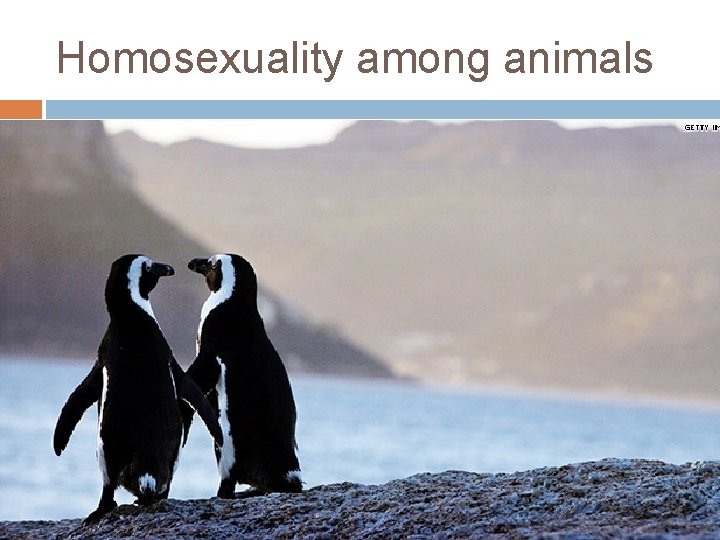
Homosexuality among animals
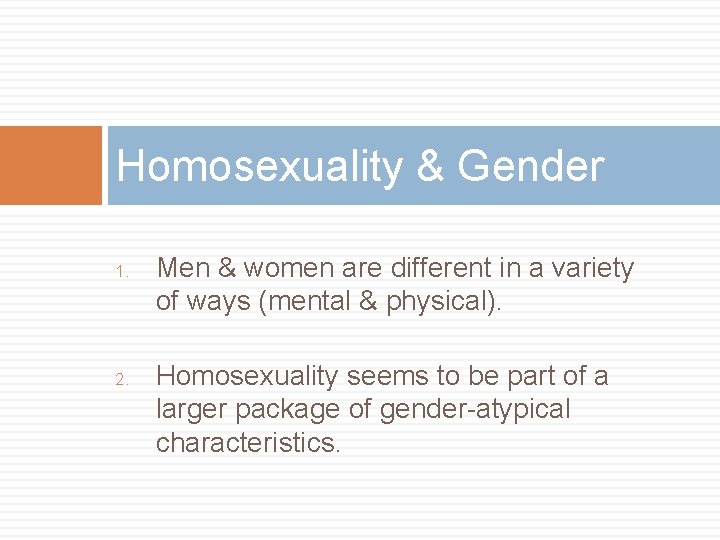
Homosexuality & Gender 1. 2. Men & women are different in a variety of ways (mental & physical). Homosexuality seems to be part of a larger package of gender-atypical characteristics.
Gender differences How are men different from women? How are boys different from girls?
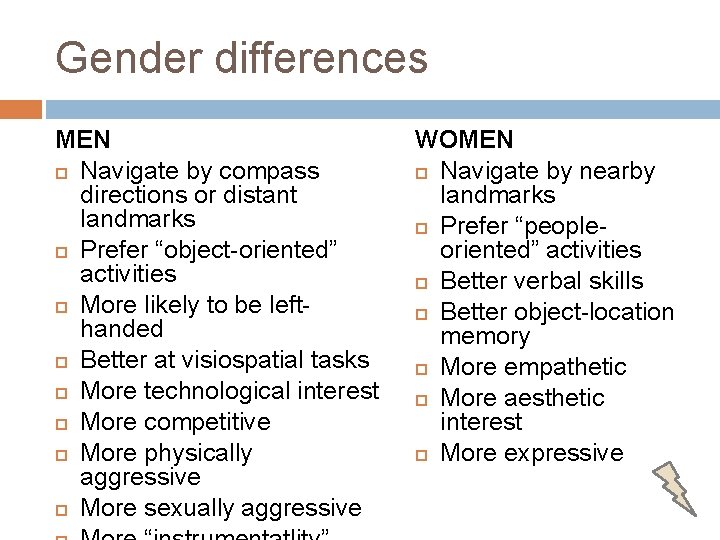
Gender differences MEN Navigate by compass directions or distant landmarks Prefer “object-oriented” activities More likely to be lefthanded Better at visiospatial tasks More technological interest More competitive More physically aggressive More sexually aggressive WOMEN Navigate by nearby landmarks Prefer “peopleoriented” activities Better verbal skills Better object-location memory More empathetic More aesthetic interest More expressive
Biological basis of gender
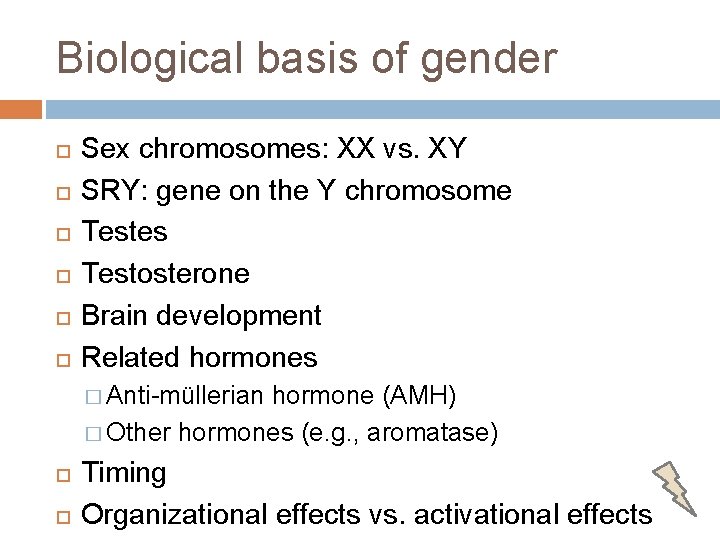
Biological basis of gender Sex chromosomes: XX vs. XY SRY: gene on the Y chromosome Testes Testosterone Brain development Related hormones � Anti-müllerian hormone (AMH) � Other hormones (e. g. , aromatase) Timing Organizational effects vs. activational effects
Gay & Straight Characteristics
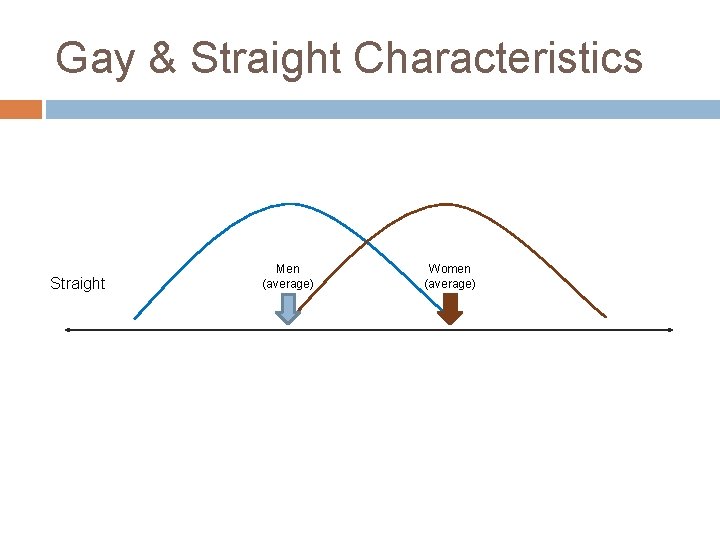
Gay & Straight Characteristics Straight Men (average) Women (average)
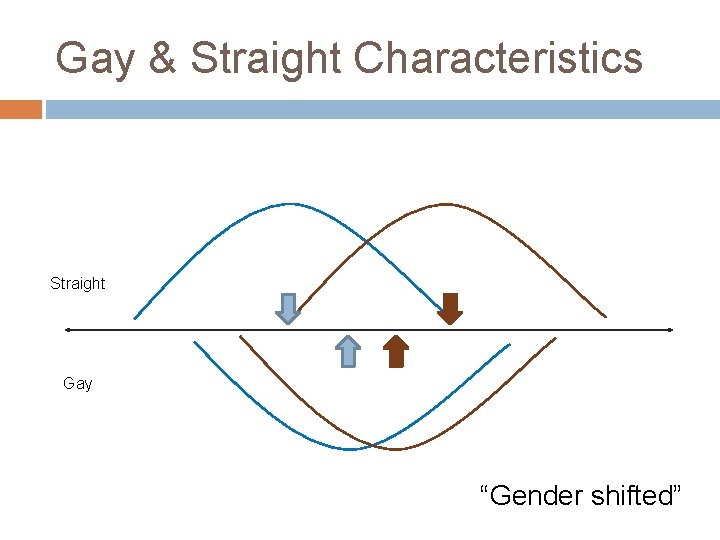
Gay & Straight Characteristics Straight Gay “Gender shifted”
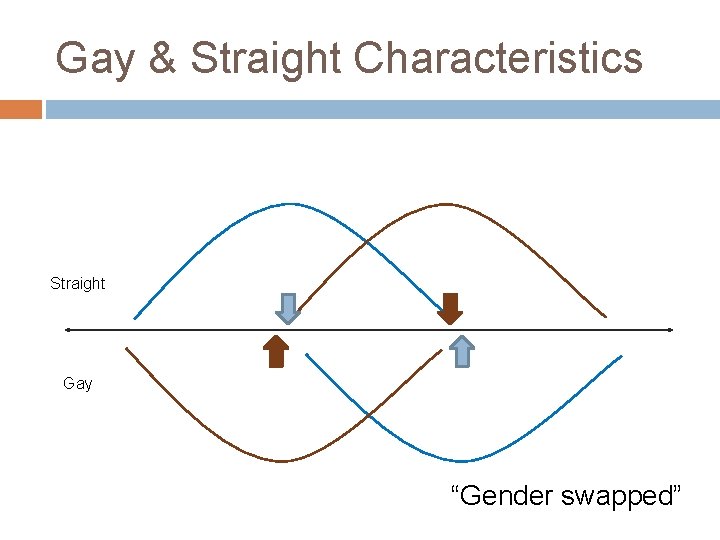
Gay & Straight Characteristics Straight Gay “Gender swapped”
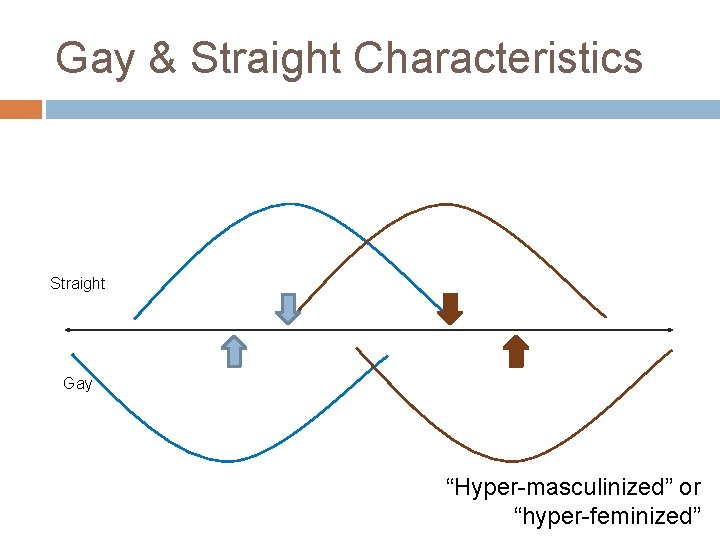
Gay & Straight Characteristics Straight Gay “Hyper-masculinized” or “hyper-feminized”
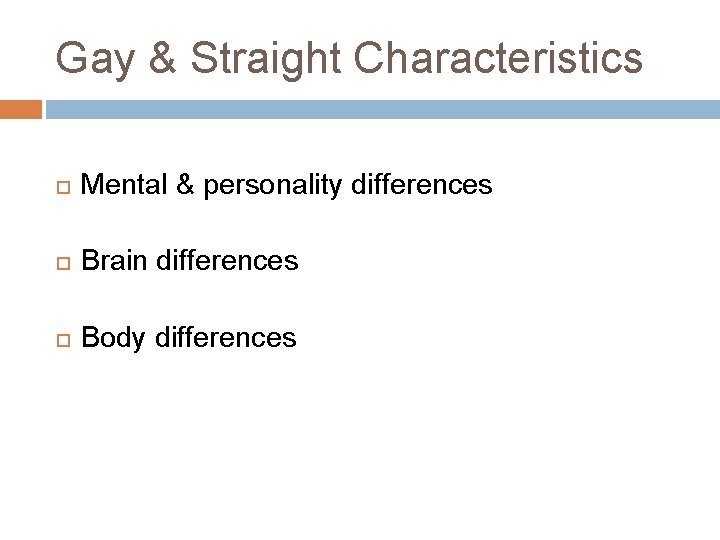
Gay & Straight Characteristics Mental & personality differences Brain differences Body differences
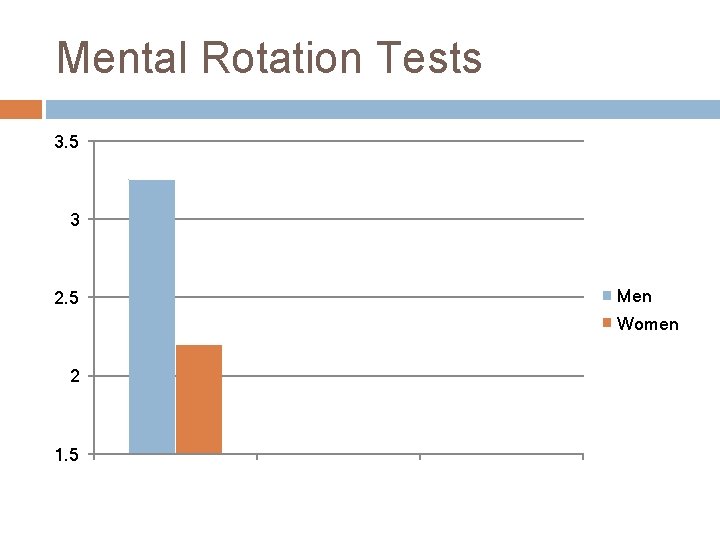
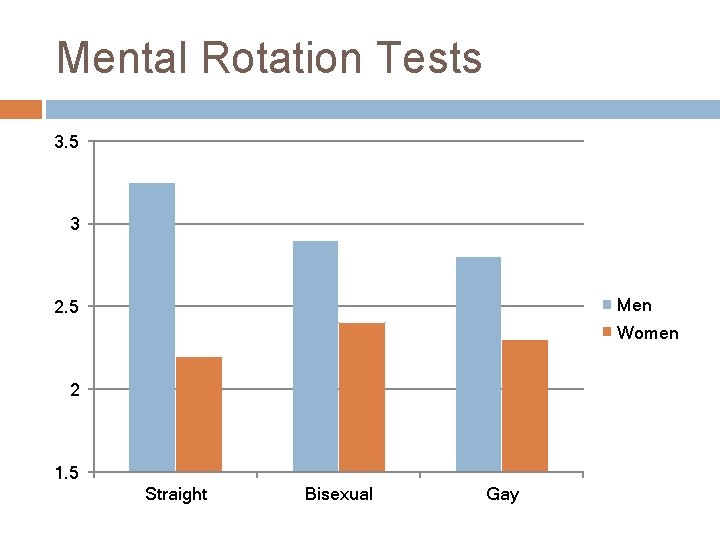
Mental Rotation Tests 3. 5 3 2. 5 Men Women 2 1. 5
Mental Rotation Tests 3. 5 3 Men 2. 5 Women 2 1. 5 Straight Bisexual Gay
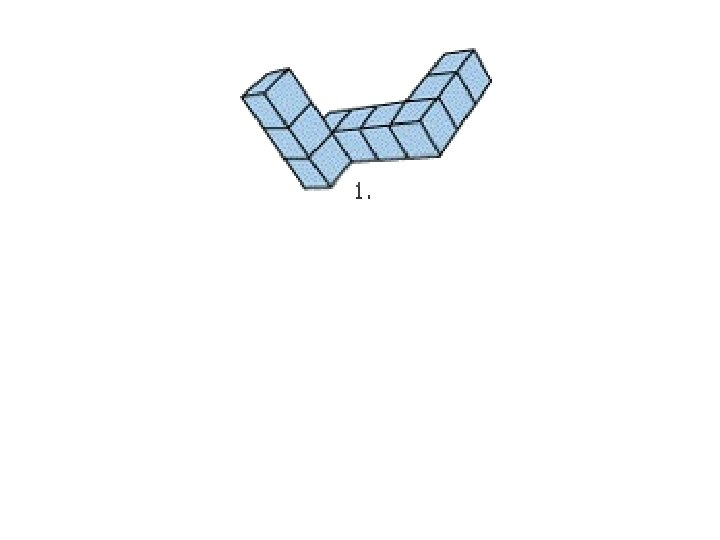
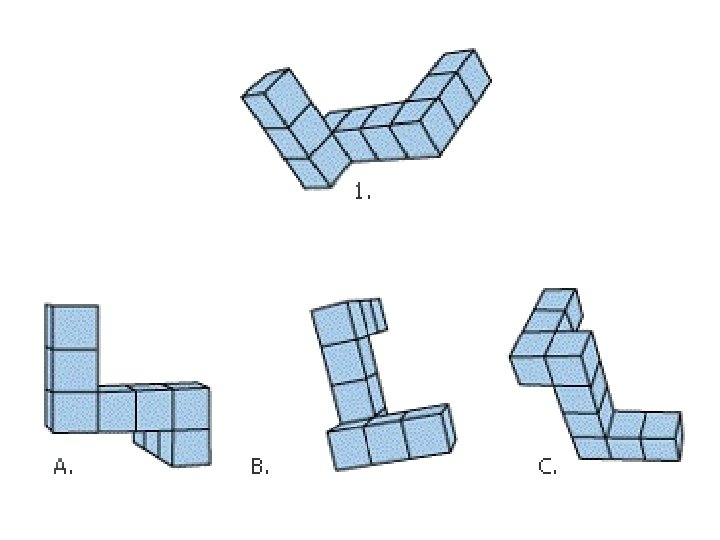
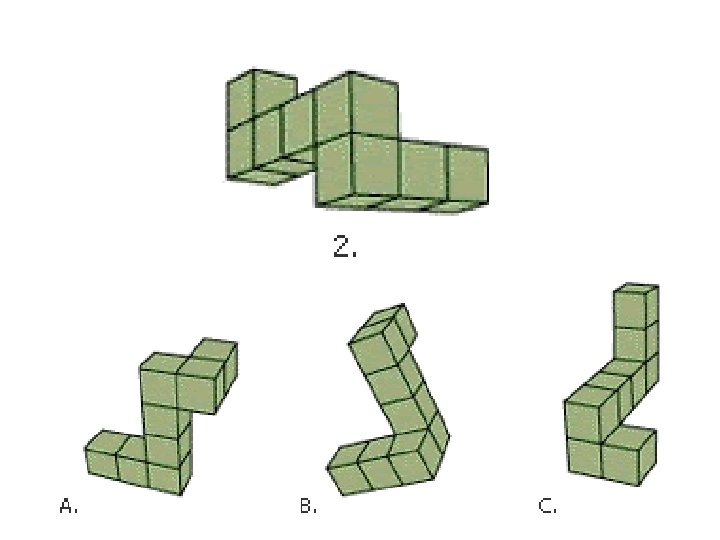
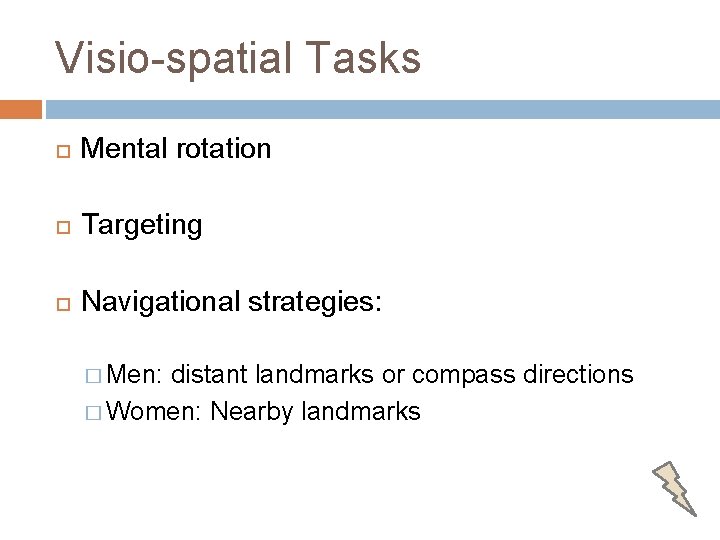
Visio-spatial Tasks Mental rotation Targeting Navigational strategies: � Men: distant landmarks or compass directions � Women: Nearby landmarks
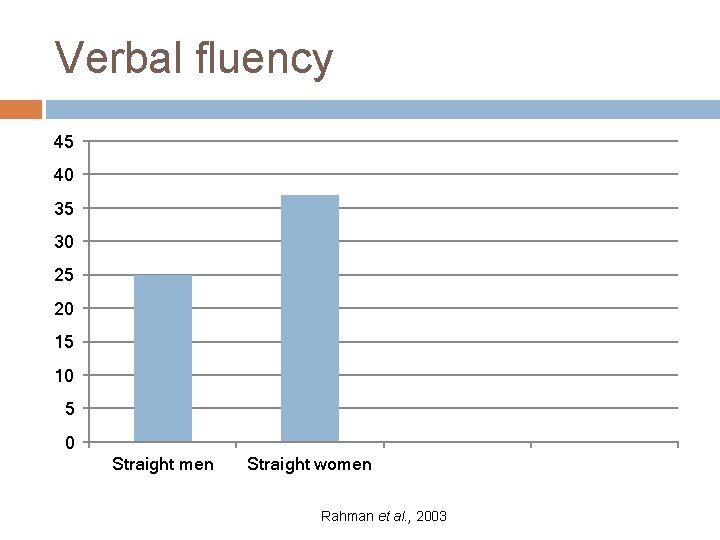
Verbal fluency 45 40 35 30 25 20 15 10 5 0 Straight men Straight women Rahman et al. , 2003
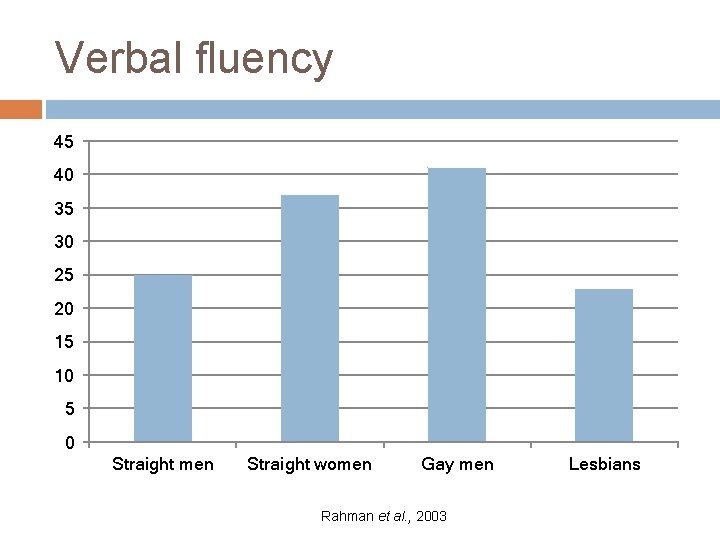
Verbal fluency 45 40 35 30 25 20 15 10 5 0 Straight men Straight women Gay men Rahman et al. , 2003 Lesbians
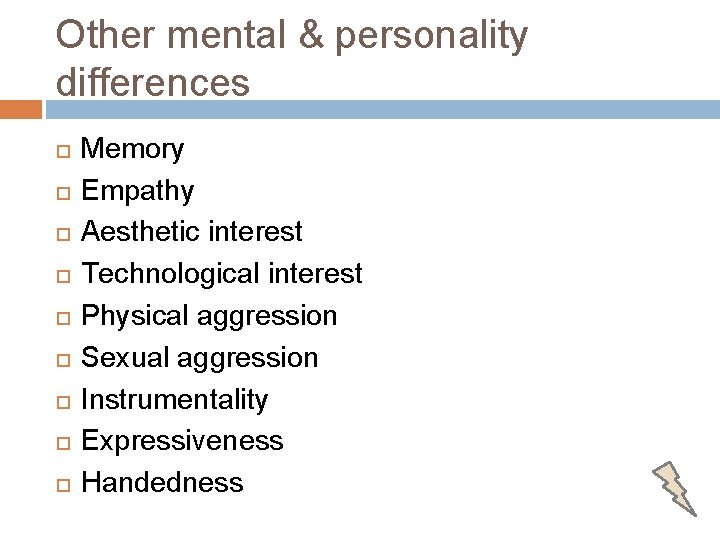
Other mental & personality differences Memory Empathy Aesthetic interest Technological interest Physical aggression Sexual aggression Instrumentality Expressiveness Handedness
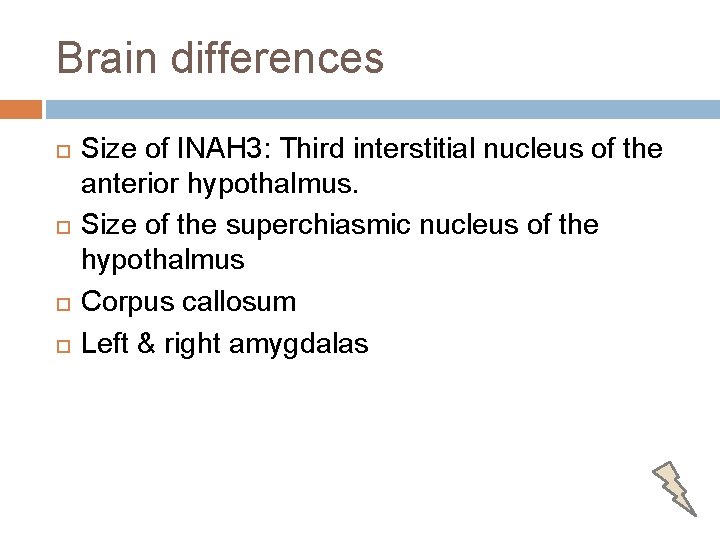
Brain differences Size of INAH 3: Third interstitial nucleus of the anterior hypothalmus. Size of the superchiasmic nucleus of the hypothalmus Corpus callosum Left & right amygdalas
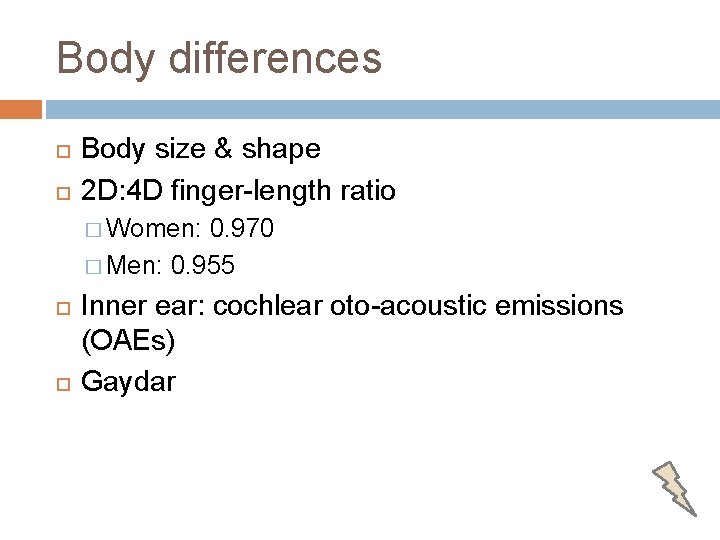
Body differences Body size & shape 2 D: 4 D finger-length ratio � Women: 0. 970 � Men: 0. 955 Inner ear: cochlear oto-acoustic emissions (OAEs) Gaydar
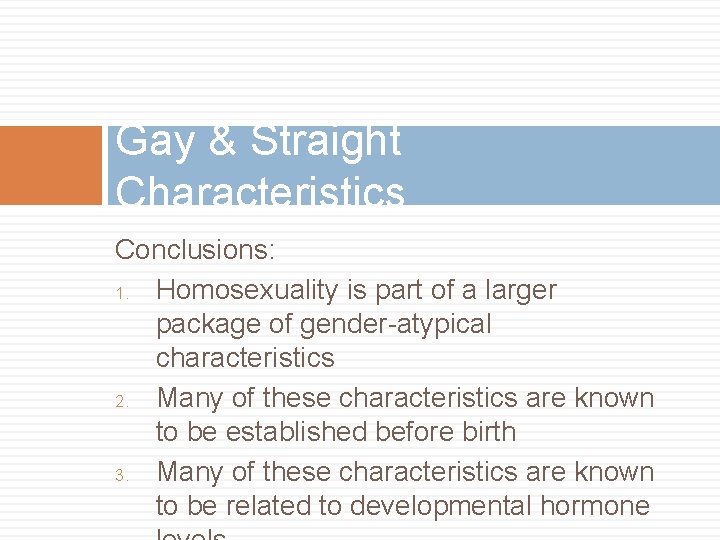
Gay & Straight Characteristics Conclusions: 1. Homosexuality is part of a larger package of gender-atypical characteristics 2. Many of these characteristics are known to be established before birth 3. Many of these characteristics are known to be related to developmental hormone
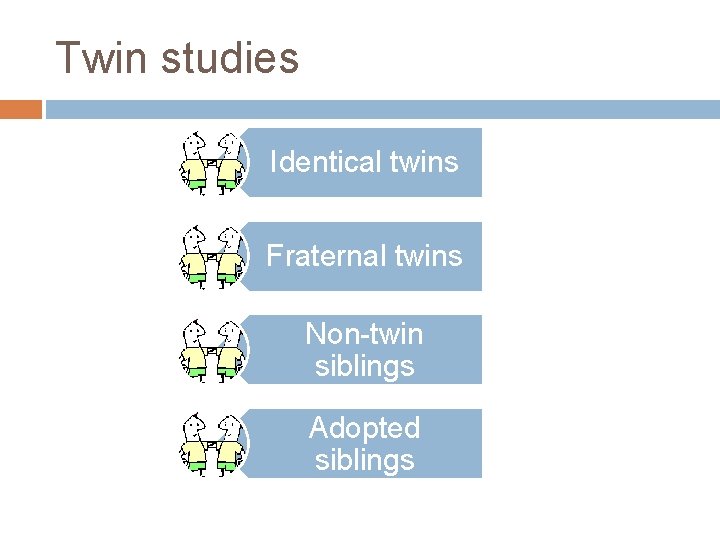
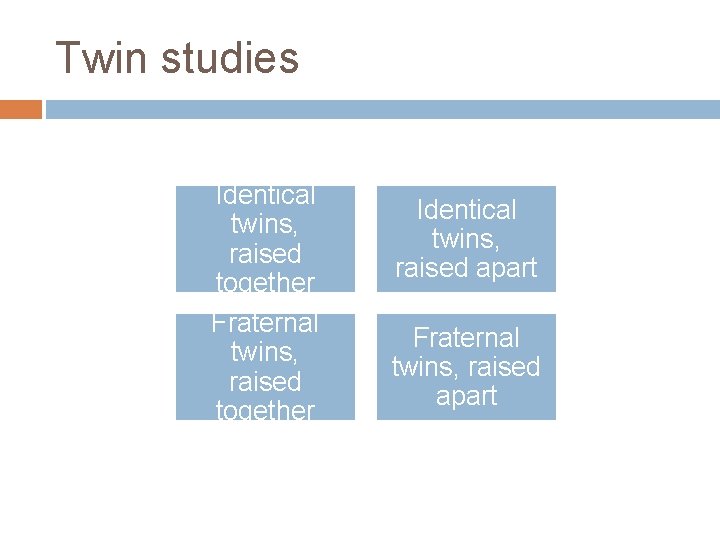
Twin studies Identical twins Fraternal twins Non-twin siblings Adopted siblings
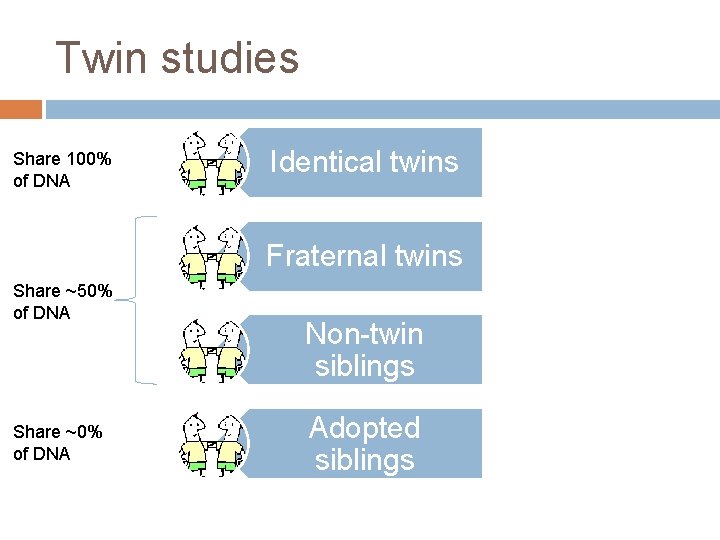
Twin studies Share 100% of DNA Identical twins Fraternal twins Share ~50% of DNA Share ~0% of DNA Non-twin siblings Adopted siblings
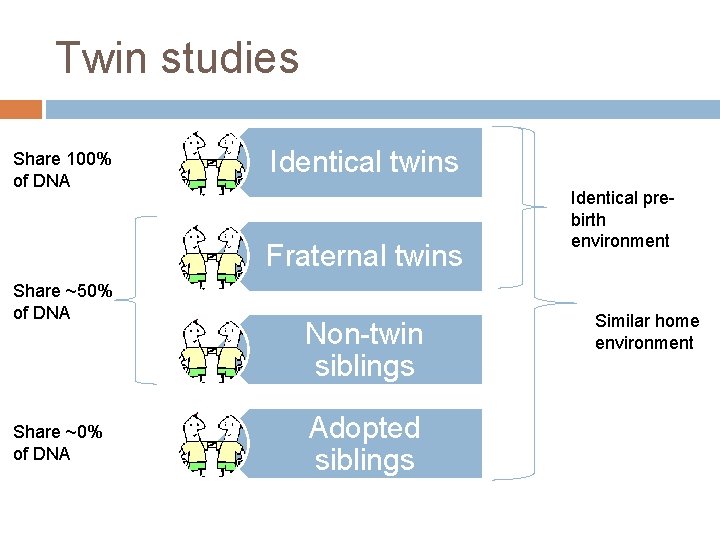
Twin studies Share 100% of DNA Identical twins Fraternal twins Share ~50% of DNA Share ~0% of DNA Non-twin siblings Adopted siblings Identical prebirth environment Similar home environment
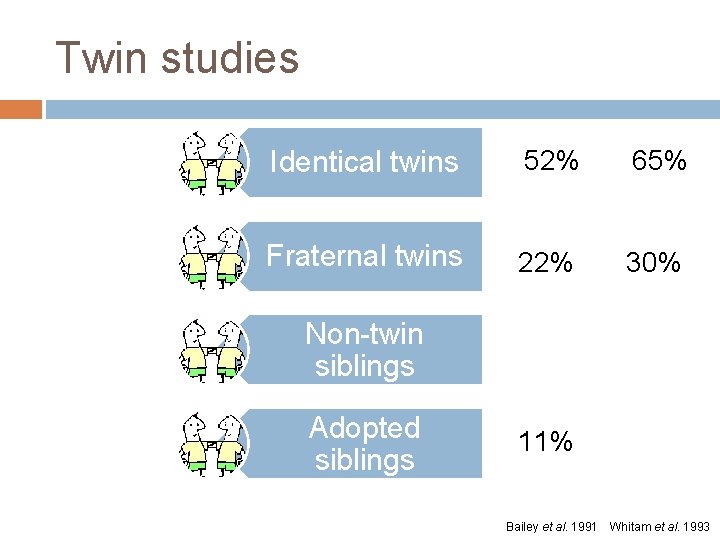
Twin studies Identical twins 52% 65% Fraternal twins 22% 30% Non-twin siblings Adopted siblings 11% Bailey et al. 1991 Whitam et al. 1993
Twin studies Identical twins, raised together Fraternal twins, raised together Identical twins, raised apart Fraternal twins, raised apart
Fraternal birth order effect
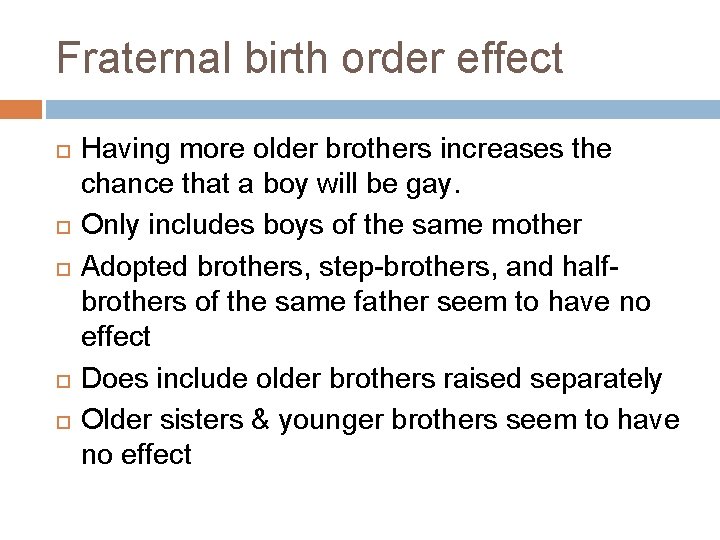
Fraternal birth order effect Having more older brothers increases the chance that a boy will be gay. Only includes boys of the same mother Adopted brothers, step-brothers, and halfbrothers of the same father seem to have no effect Does include older brothers raised separately Older sisters & younger brothers seem to have no effect
Conclusions What causes sexual orientation? Does sexual orientation change? What do scientists know? What research still needs to be done?
Homosexuality & natural selection How can homosexuality be evolutionarily adaptive? Why hasn’t it been eliminated from the gene pool?
Homosexuality & natural selection Other genes also reduce reproductive success: � Recessive, and uncommon � Single copy is beneficial; double is harmful Other theories: Maybe ( historically) it had a very small effect Maybe gay people improve their relatives’ reproductive success. (the “gay uncle” theory) Possible side effects on opposite-sex relatives (“Fertile female” theory) Possible side-effects on same-sex relatives
Sexual Orientation Research Challenges of conducting and interpreting research on sexual orientation
Sexual Orientation Research “A recent study on homosexual relationships finds they last 1½ years on average — even as homosexual groups are pushing nationwide to legalize same-sex ‘marriages. ’ The study of young Dutch homosexual men by Dr. Maria Xiridou of the Amsterdam Municipal Health Service, published in May in the journal AIDS…found that men in homosexual relationships on average have eight partners a year outside those relationships. ” —Washington Times (2003)
Sexual Orientation Research Selection bias Ascertainment bias
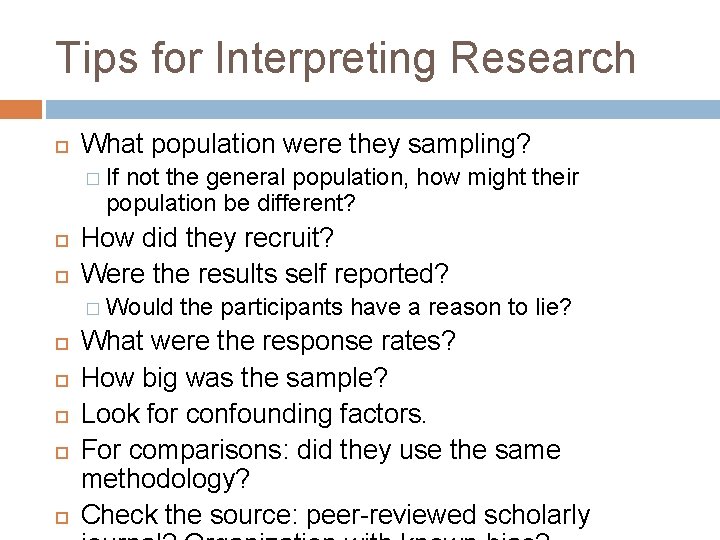
Tips for Interpreting Research What population were they sampling? � If not the general population, how might their population be different? How did they recruit? Were the results self reported? � Would the participants have a reason to lie? What were the response rates? How big was the sample? Look for confounding factors. For comparisons: did they use the same methodology? Check the source: peer-reviewed scholarly
QUESTIONS?
THANK YOU! bit. ly/gcn 13 -soso