
Sensation vs Perception Sensation the stimulation of sense


















- Slides: 78
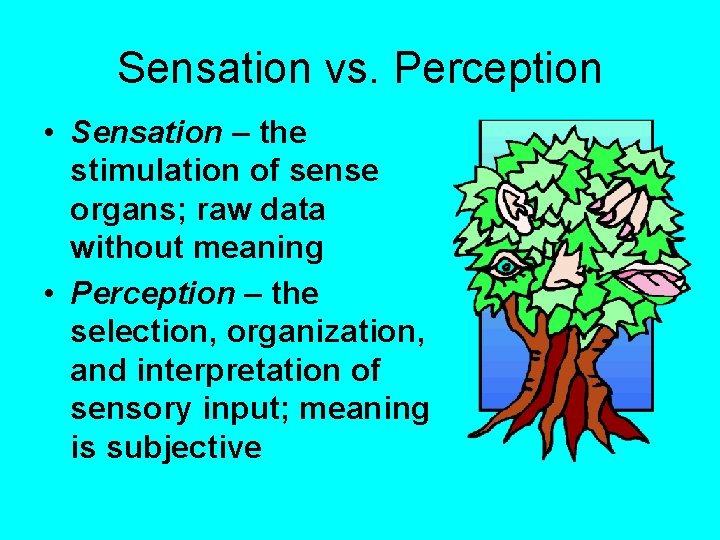
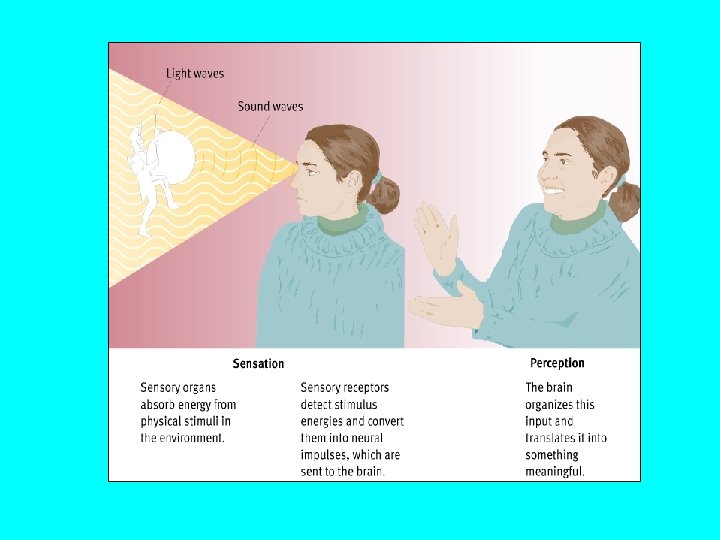
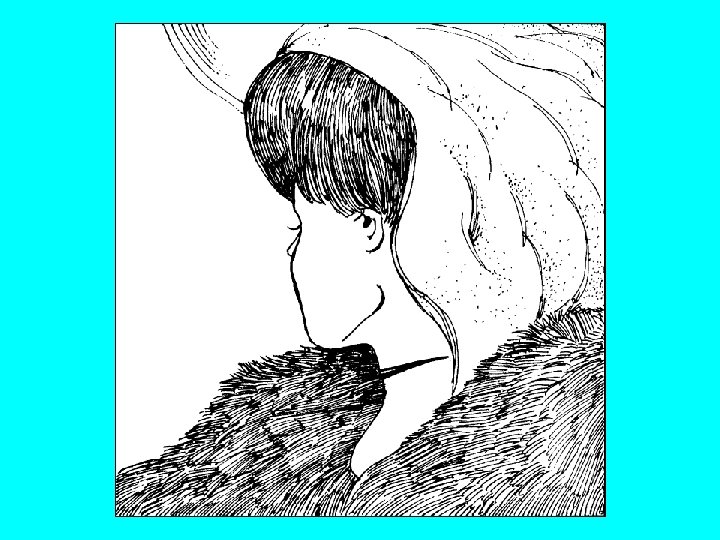
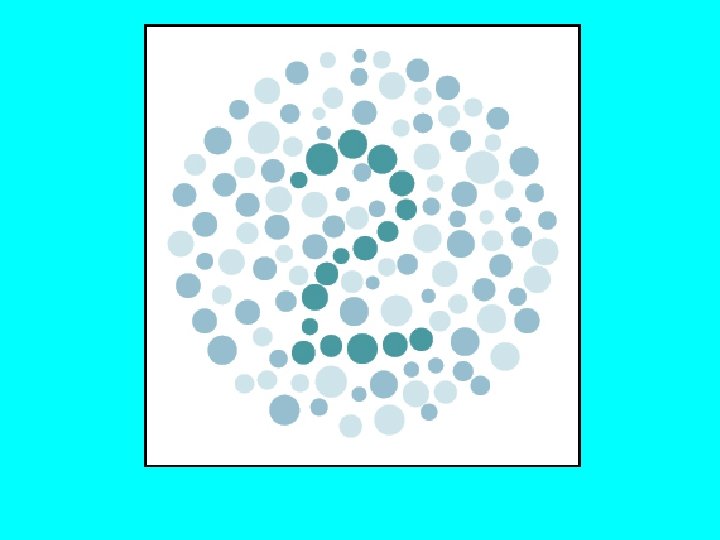
Sensation vs. Perception • Sensation – the stimulation of sense organs; raw data without meaning • Perception – the selection, organization, and interpretation of sensory input; meaning is subjective
Sensation and Perception • 6 -8% of AP exam • Thresholds and Signal Detection Theory • Sensory Mechanisms • Attention • Perceptual Processes
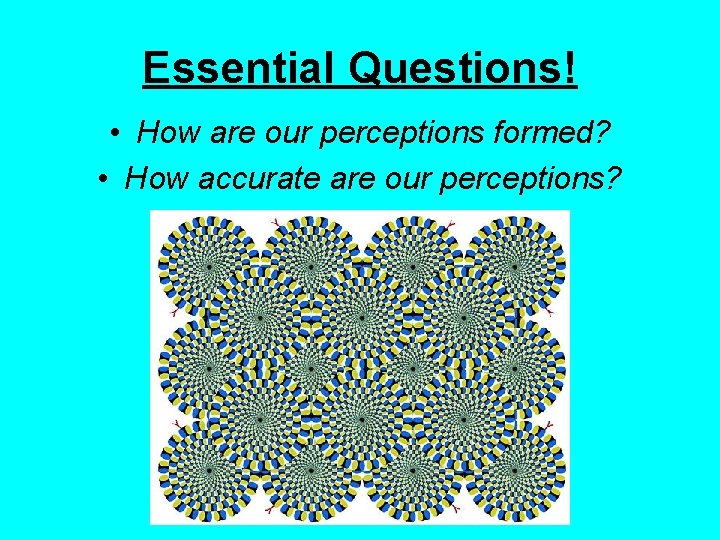
Essential Questions! • How are our perceptions formed? • How accurate are our perceptions?
Common Features • All senses enter the brain through TRANSDUCTION – the process of transforming physical stimuli into neural impulses • All sense organs have a built-in system of ADAPTATION – our awareness of the stimulation decreases if we are constantly exposed to it
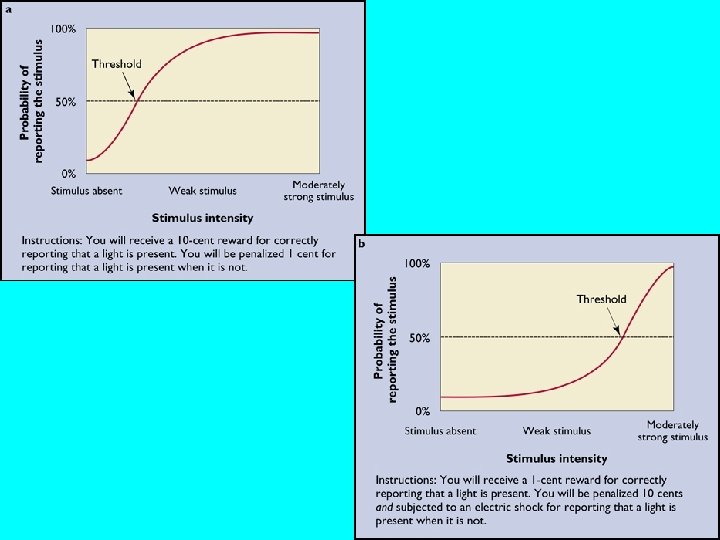
Sensory Thresholds • Absolute threshold – the intensity level of a stimulus that a person correctly detects at least half (50%) of the time • Subliminal stimulus – a stimulus that is correctly detected less than half of the time • Just noticeable difference (JND) – the smallest magnitude of difference in a stimulus that a person can correctly detect at least 50% of the time
Examples of Absolute Thresholds Vision Hearing Taste Smell Touch A candle flame seen at 30 miles on a dark, clear night The tick of a watch under quiet conditions at 20 feet One teaspoon of sugar in two gallons of water One drop of perfume diffused into the entire volume of a six-room apartment The wing of a fly falling on your cheek from a distance of 1 cm
Sensory Thresholds • Absolute threshold – the intensity level of a stimulus that a person correctly detects at least half (50%) of the time • Subliminal stimulus – a stimulus that is correctly detected less than half of the time • Just noticeable difference (JND) – the smallest magnitude of difference in a stimulus that a person can correctly detect at least 50% of the time
Sensory Thresholds • Absolute threshold – the intensity level of a stimulus that a person correctly detects at least half (50%) of the time • Subliminal stimulus – a stimulus that is correctly detected less than half of the time • Just noticeable difference (JND) – the smallest magnitude of difference in a stimulus that a person can correctly detect at least 50% of the time
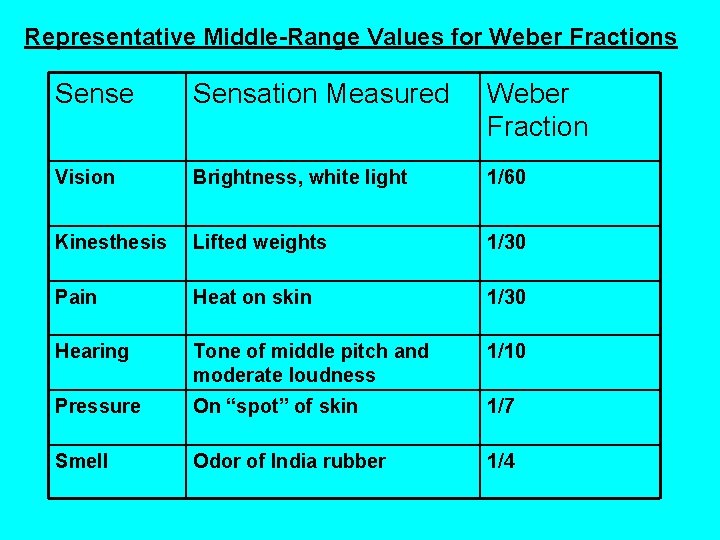
Weber’s Law • The size of the JND is proportional to the intensity of the initial stimulus Ex: You can tell the diff. between 1 lb. and 2 lb. weights, but not between 100 and 101 lb. weights
Representative Middle-Range Values for Weber Fractions Sense Sensation Measured Weber Fraction Vision Brightness, white light 1/60 Kinesthesis Lifted weights 1/30 Pain Heat on skin 1/30 Hearing Tone of middle pitch and moderate loudness 1/10 Pressure On “spot” of skin 1/7 Smell Odor of India rubber 1/4
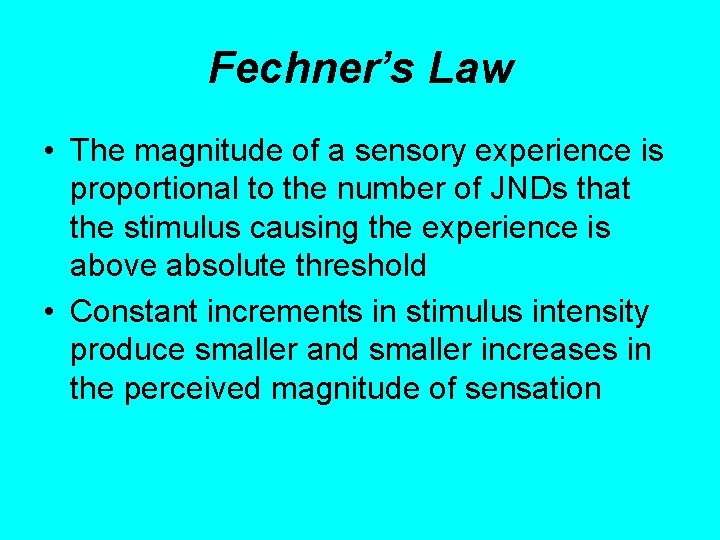
Fechner’s Law • The magnitude of a sensory experience is proportional to the number of JNDs that the stimulus causing the experience is above absolute threshold • Constant increments in stimulus intensity produce smaller and smaller increases in the perceived magnitude of sensation
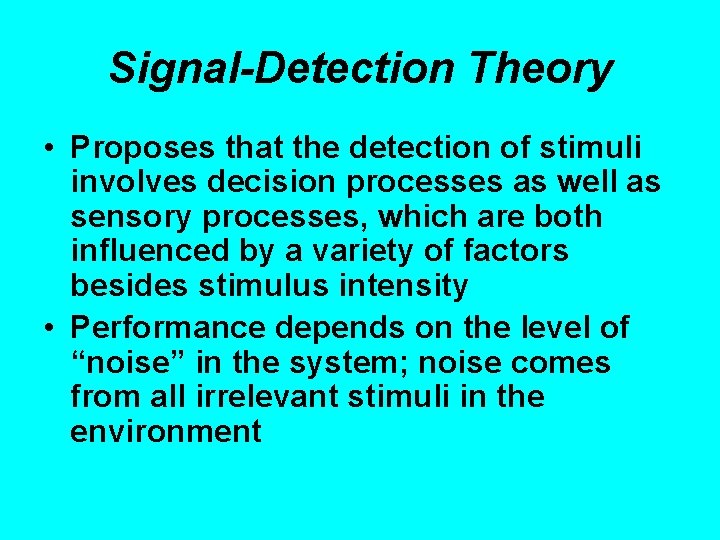
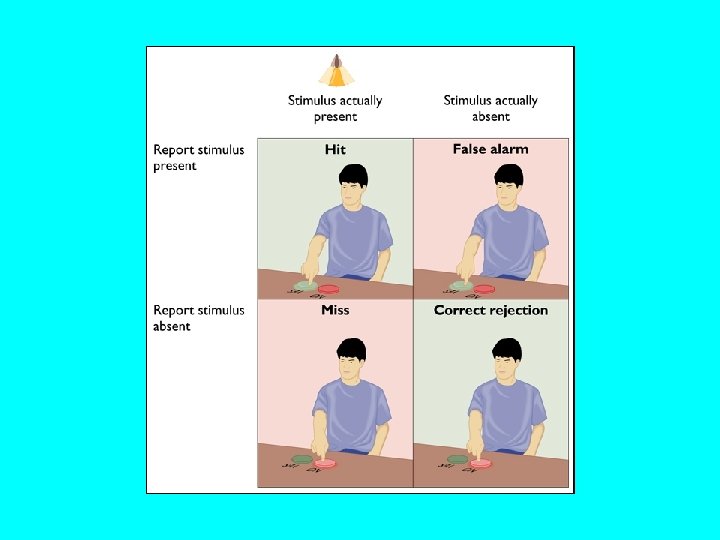
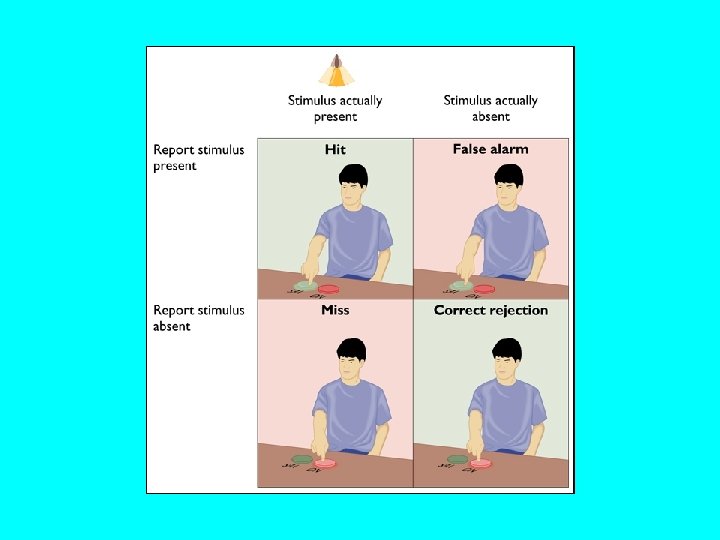
Signal-Detection Theory • Proposes that the detection of stimuli involves decision processes as well as sensory processes, which are both influenced by a variety of factors besides stimulus intensity • Performance depends on the level of “noise” in the system; noise comes from all irrelevant stimuli in the environment
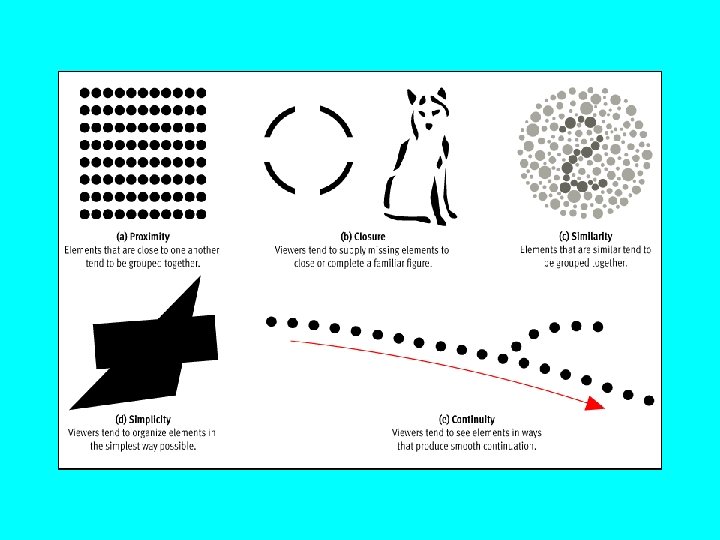
Gestalt Principles of Organization • Rules that specify how our brains organize separate pieces or elements into meaningful perceptions
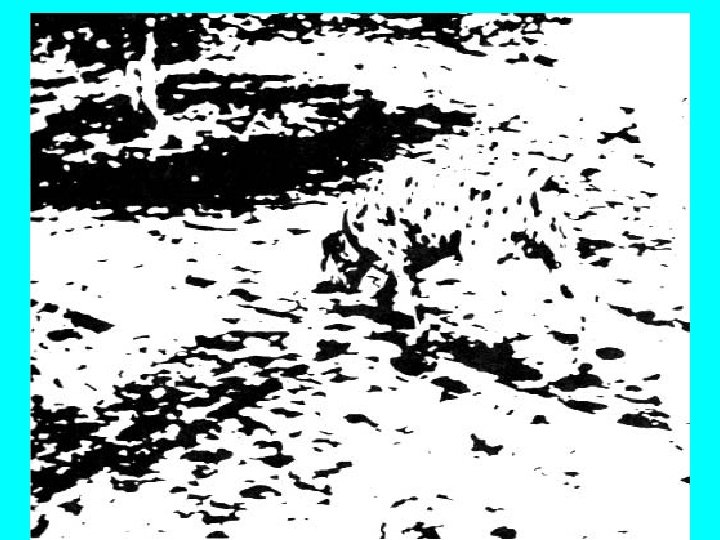
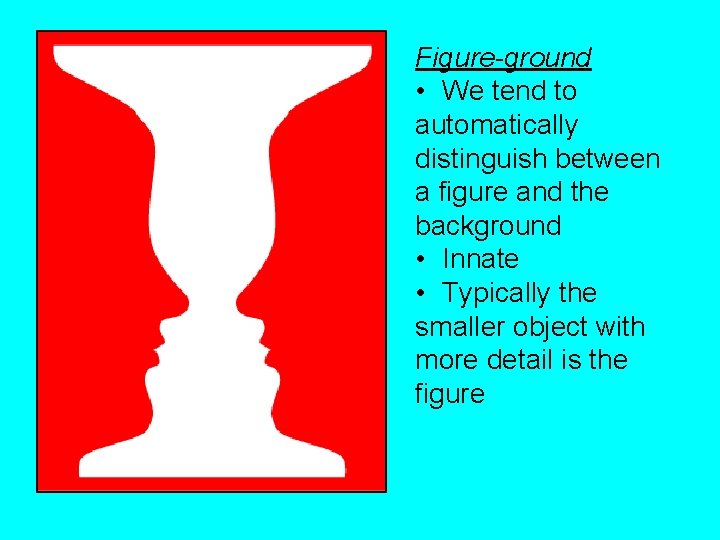
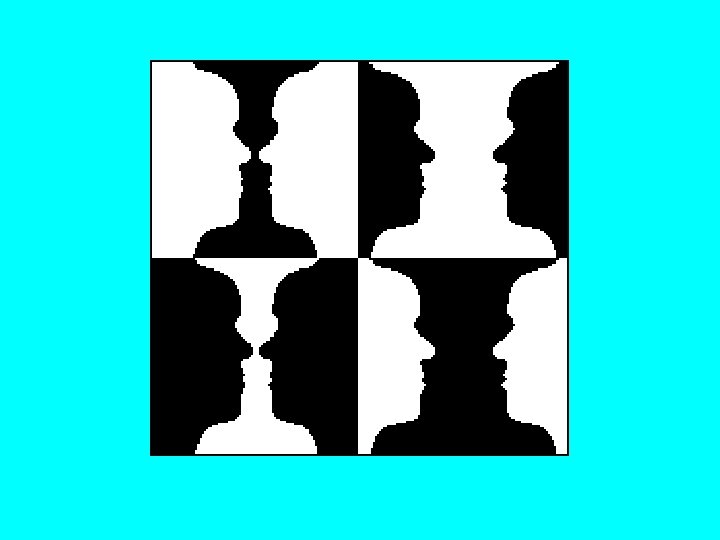
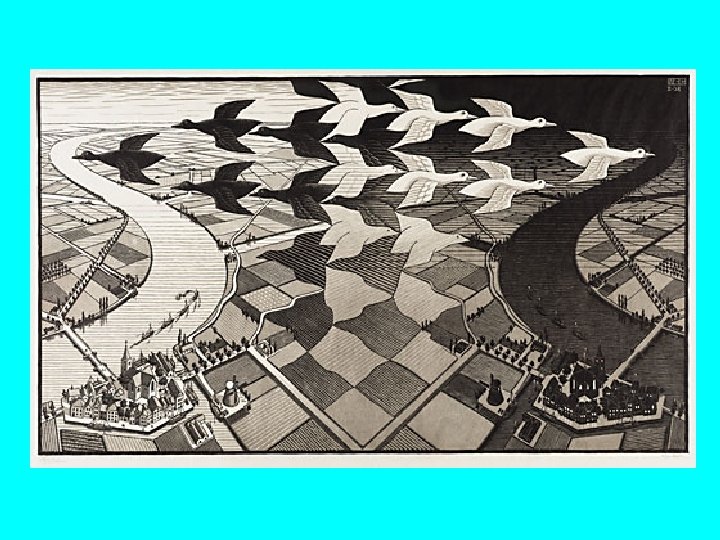
Figure-ground • We tend to automatically distinguish between a figure and the background • Innate • Typically the smaller object with more detail is the figure
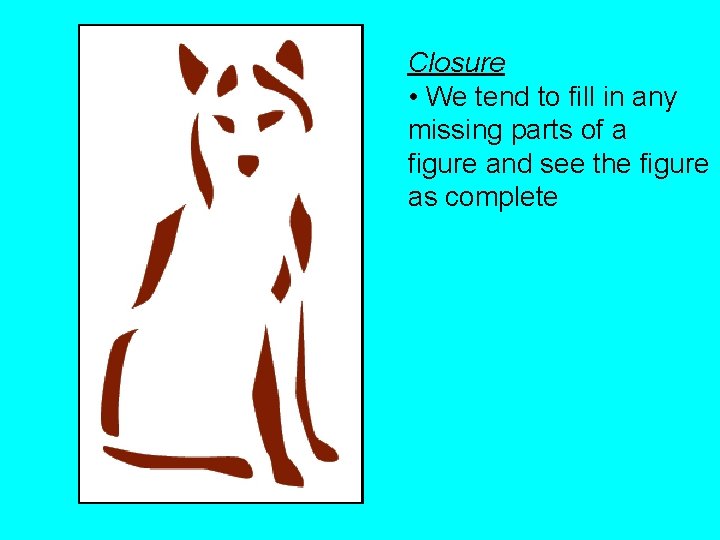
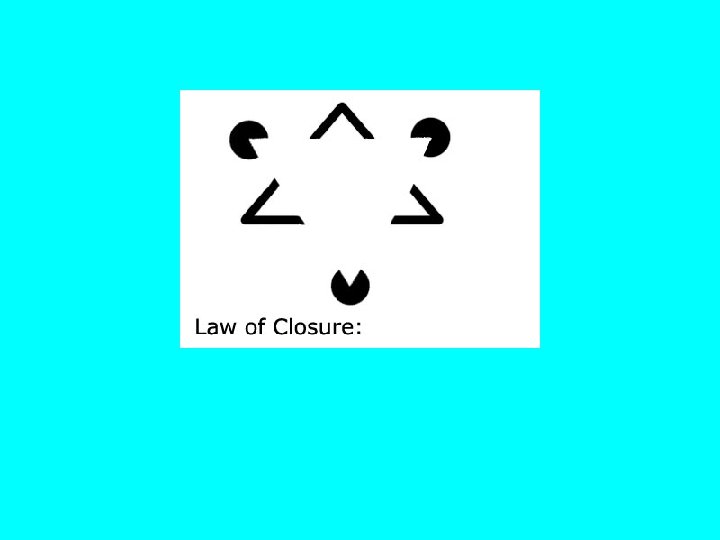
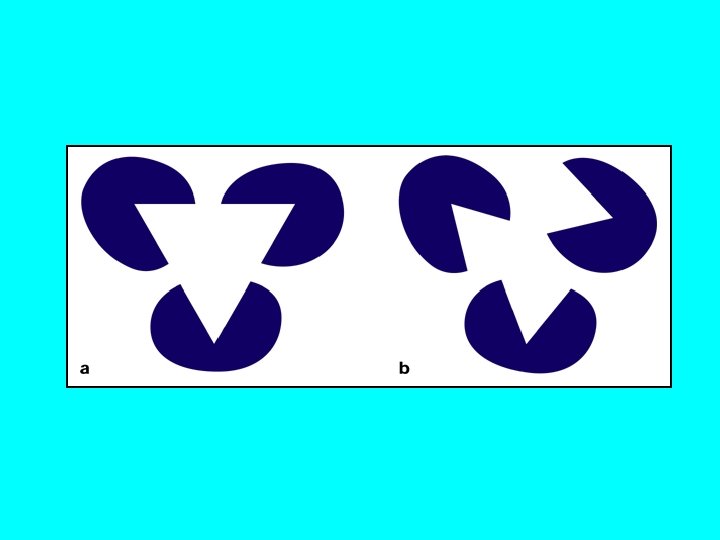
Closure • We tend to fill in any missing parts of a figure and see the figure as complete
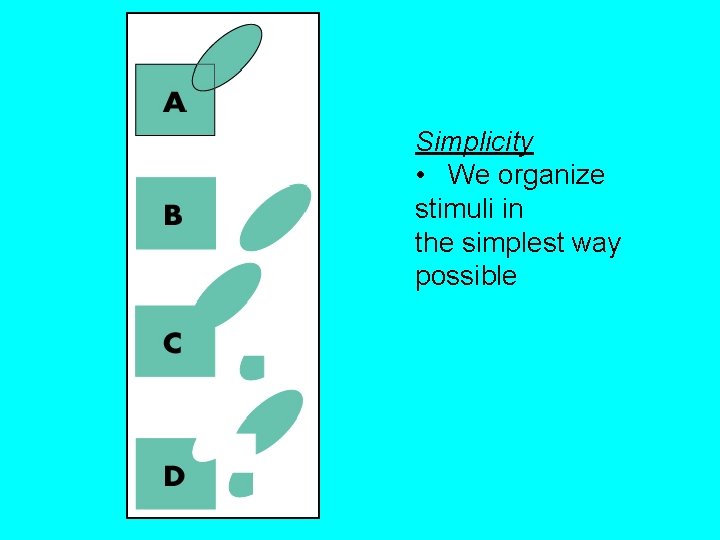
Simplicity • We organize stimuli in the simplest way possible
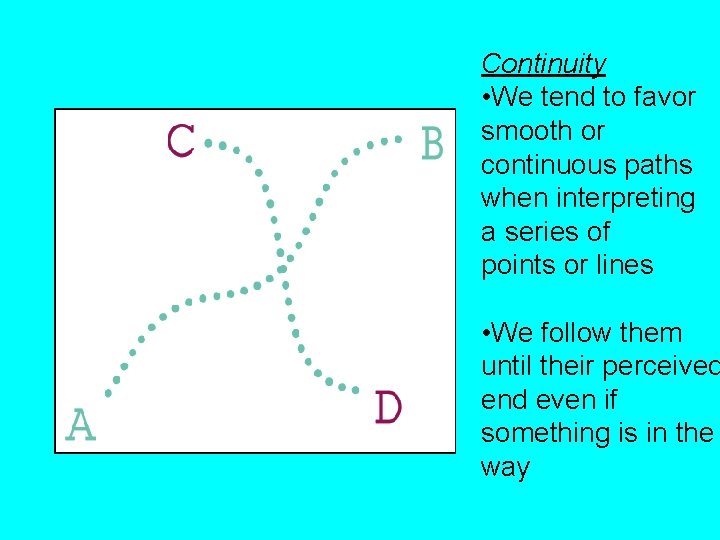
Continuity • We tend to favor smooth or continuous paths when interpreting a series of points or lines • We follow them until their perceived end even if something is in the way
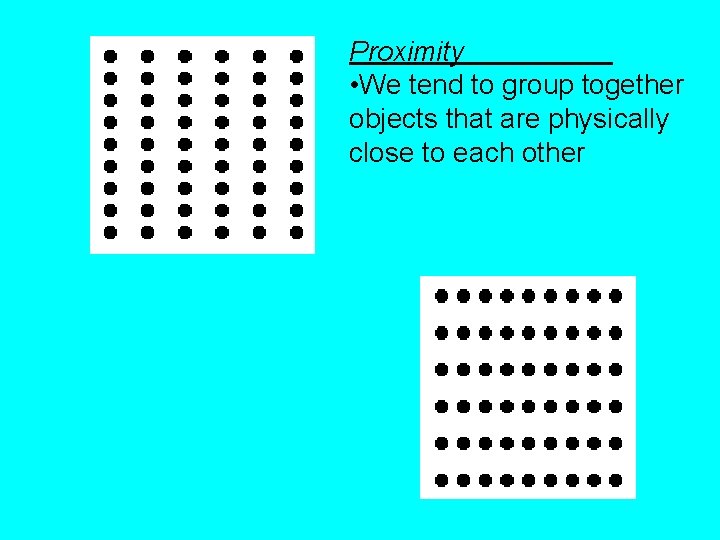
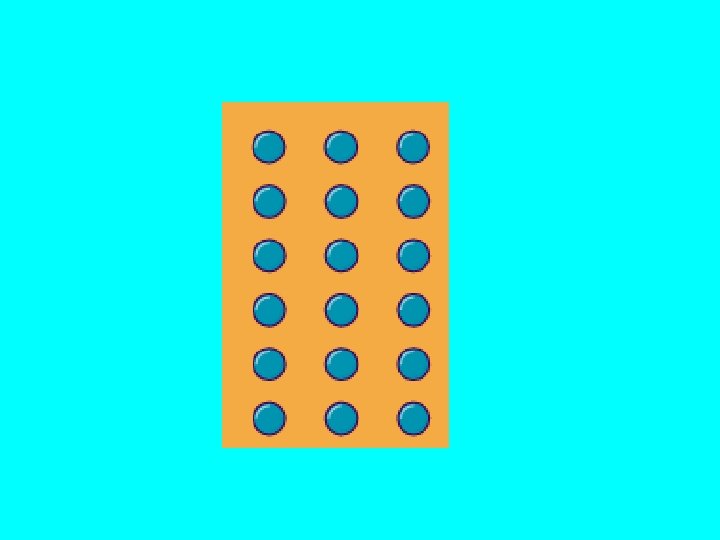
Proximity • We tend to group together objects that are physically close to each other
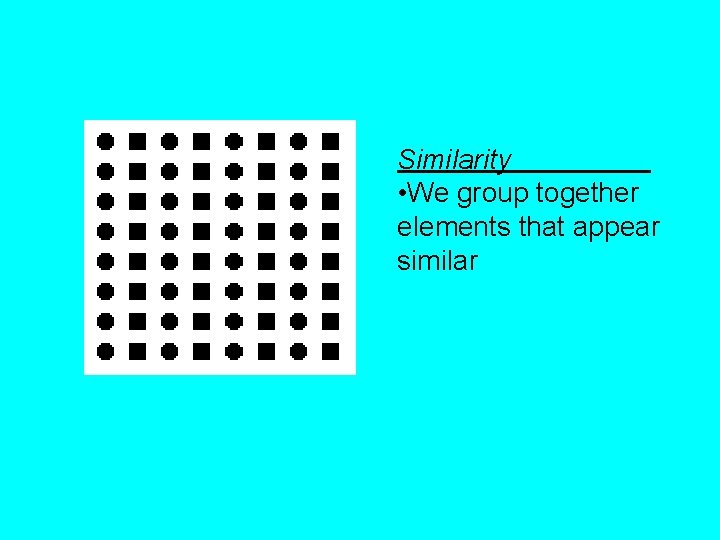
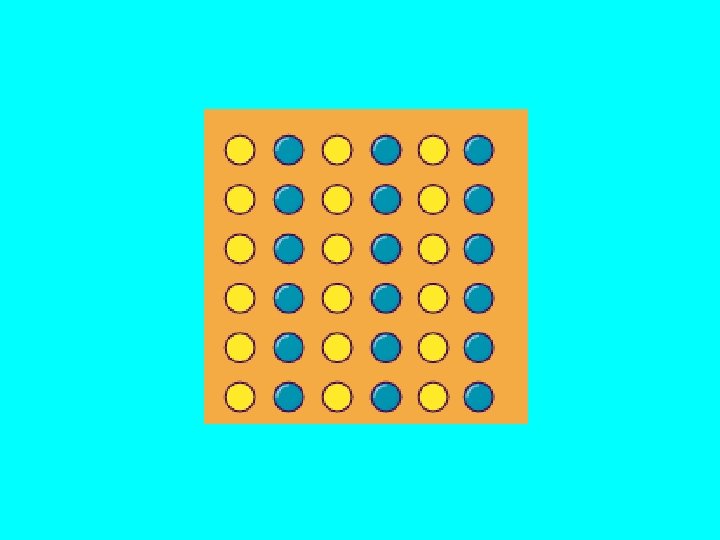
Similarity • We group together elements that appear similar
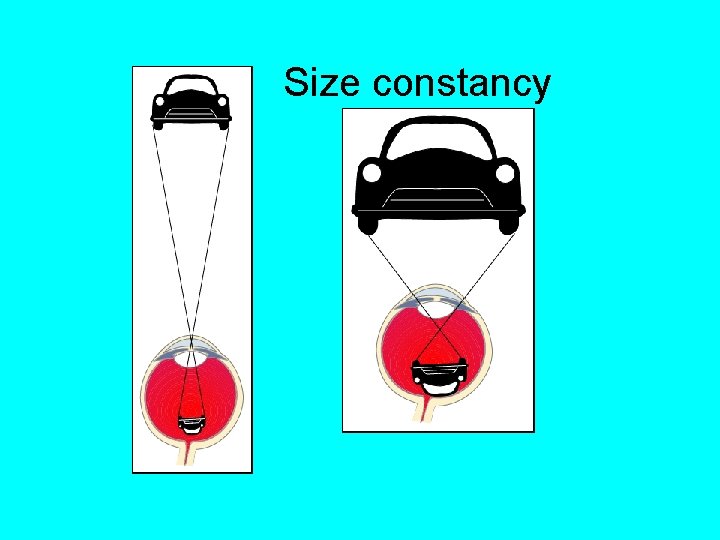
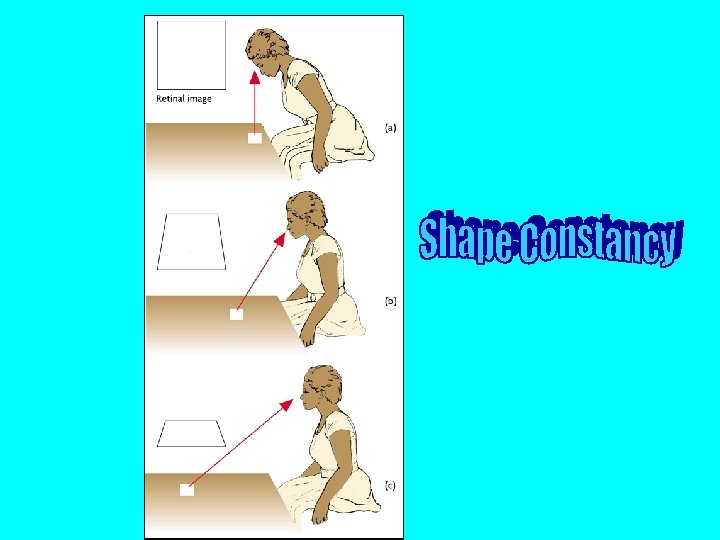
Size constancy
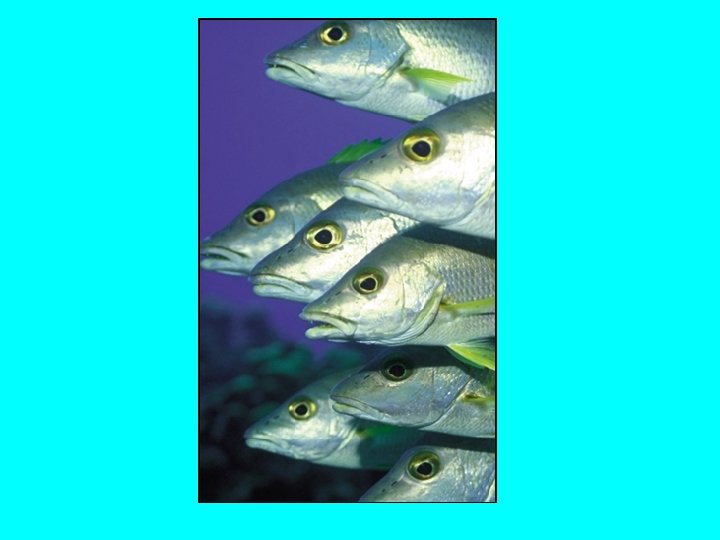
• Having two eyes helps us to judge depth • Retinal Disparity – the difference between the image cast on each retina, helps our brains determine depth (the closer the image, the greater the disparity) • Convergence – your eyes turn inward to focus on close object; the closer an object the greater the convergence
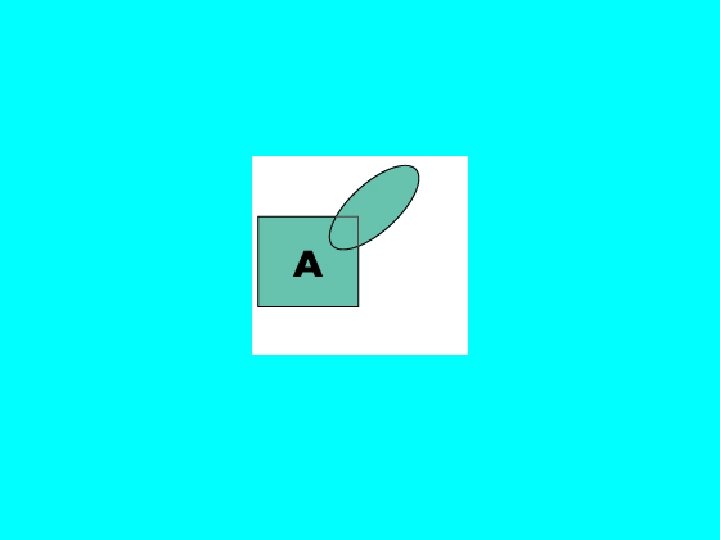
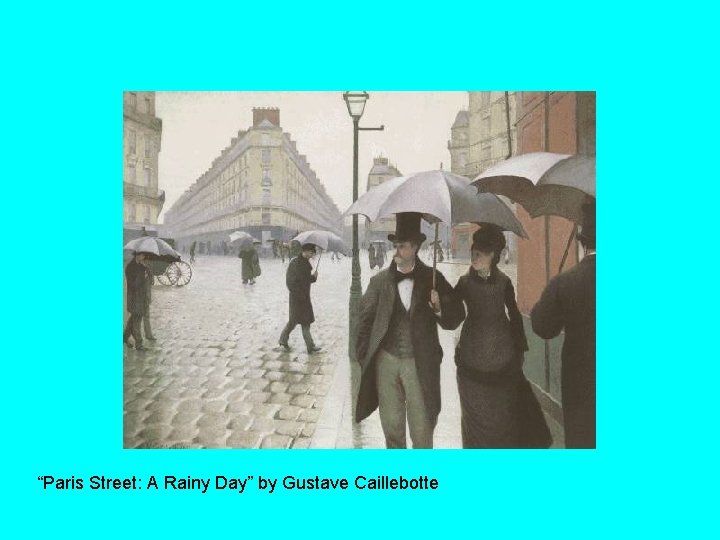
Monocular Depth Cues – need only one eye • Height-in-plane – objects higher in the visual field are perceived as being farther away • Interposition – when objects overlap, the object that is blocked appears farther away • Linear perspective – parallel lines appear to come together at greater distances
http: //psych. hanover. edu/Krantz/Motion. Parallax. html
Sandro Botticelli
Eugene Boudin - "The Coast of Protrieux"
"Sculls" by Gustave Caillebotte http: //psych. hanover. edu/Krantz/art/rel_size. html
http: //psych. hanover. edu/Krantz/art/linear. html
“Paris Street: A Rainy Day” by Gustave Caillebotte
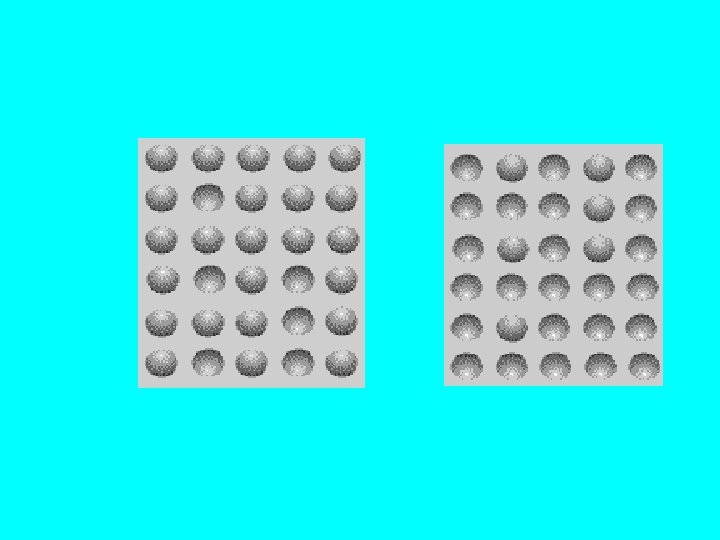
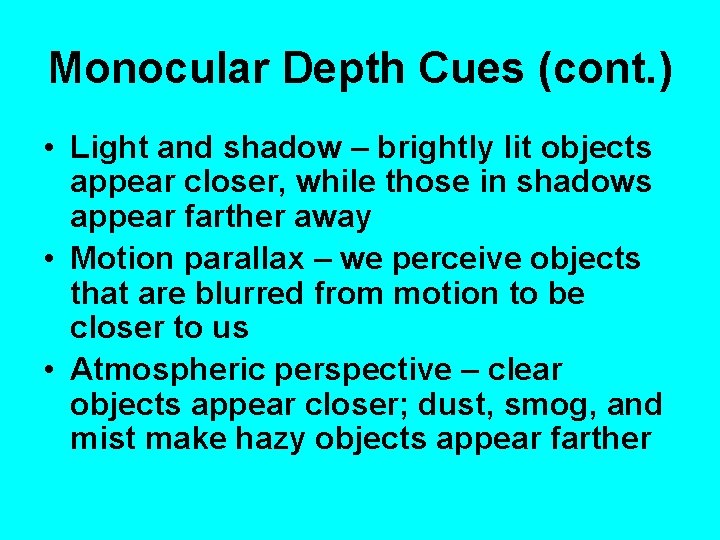
Monocular Depth Cues (cont. ) • Light and shadow – brightly lit objects appear closer, while those in shadows appear farther away • Motion parallax – we perceive objects that are blurred from motion to be closer to us • Atmospheric perspective – clear objects appear closer; dust, smog, and mist make hazy objects appear farther
Photographs by Gus van Veen & Jan Brouwer, Used by Permission, "Rock Art in the British Landscape" (www. rockartuk. tk)
“Near Salt Lake City” by Albert Bierstadt
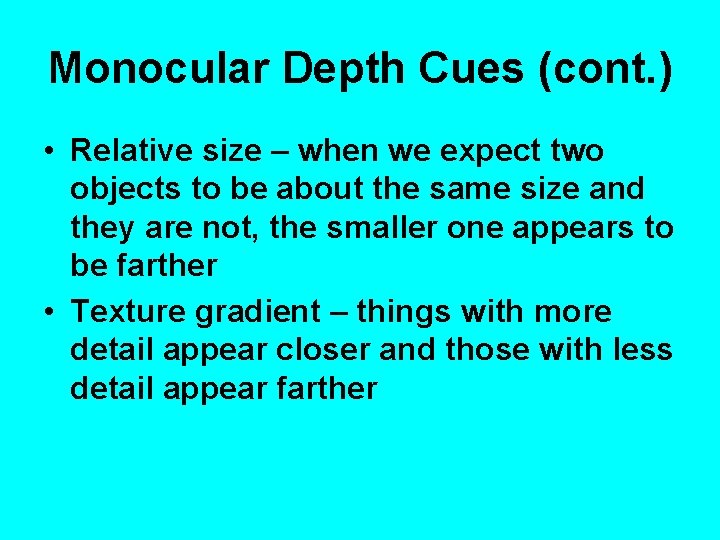
Monocular Depth Cues (cont. ) • Relative size – when we expect two objects to be about the same size and they are not, the smaller one appears to be farther • Texture gradient – things with more detail appear closer and those with less detail appear farther