Chapter 2 The Chemistry of Life Mr Freidhoff

- Slides: 42
Chapter 2: The Chemistry of Life Mr. Freidhoff
What is Chemistry? • Chemistry: Study of interactions between matter and energy.
You Matter! • Matter: Anything that occupies space and has a mass.
Elements • Element: Substance that cannot be broken down into simpler substances. • Element Symbol: Abbreviation for the element. – One to two letters.
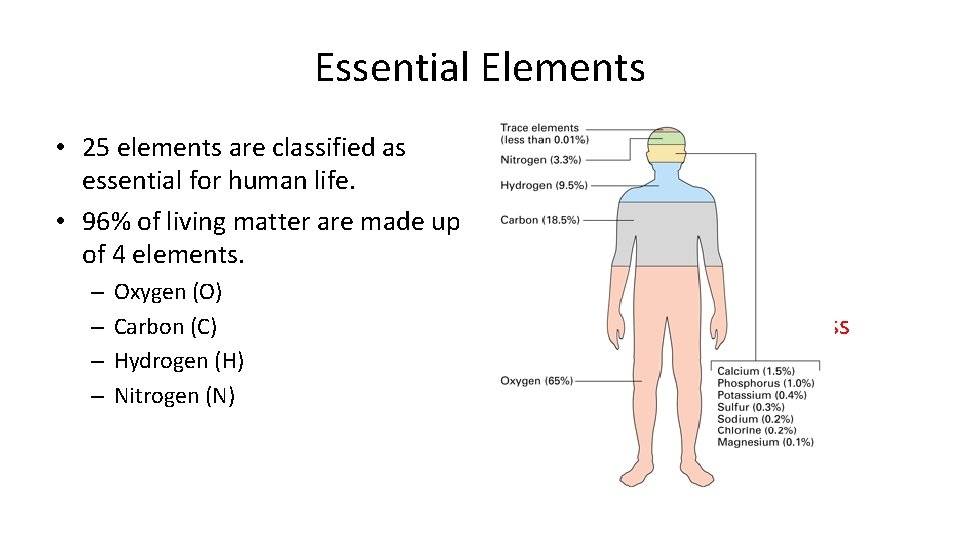
Essential Elements Why is oxygen the most abundant? • 25 elements are classified as essential for human life. • 96% of living matter are made up of 4 elements. – – Oxygen (O) Carbon (C) Hydrogen (H) Nitrogen (N) • Other 4% – – Calcium (Ca) Sulfur (S) Potassium (K) Phosphorus (P) • Trace elements make up less than 0. 01%
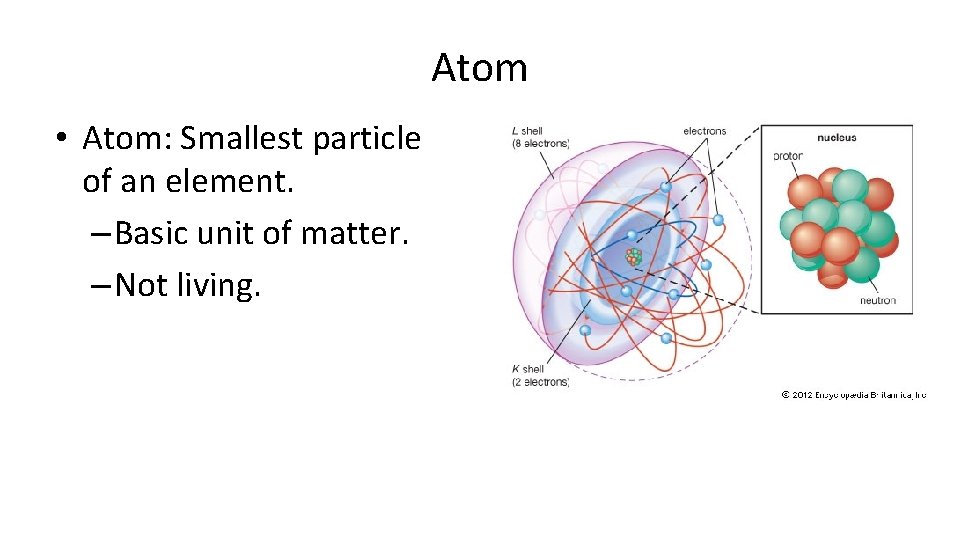
Atom • Atom: Smallest particle of an element. – Basic unit of matter. – Not living.
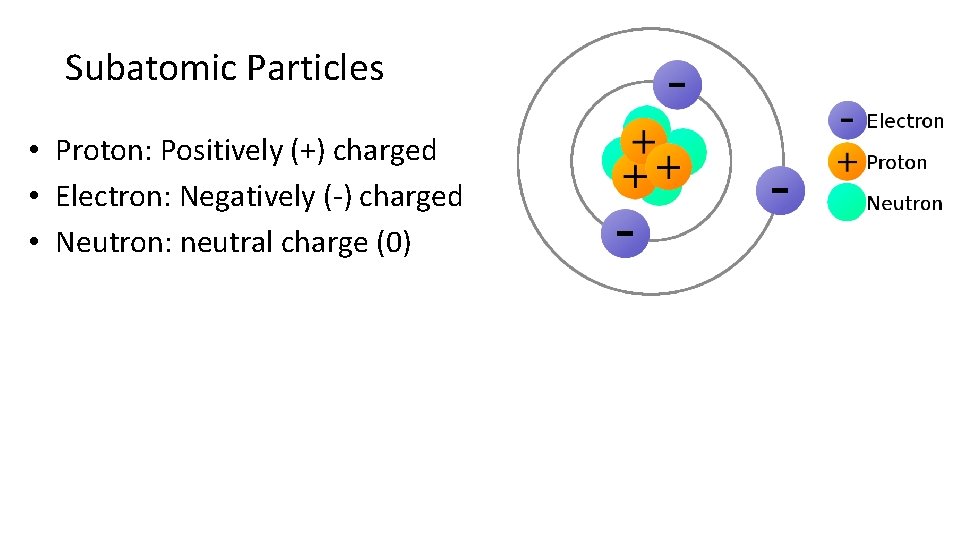
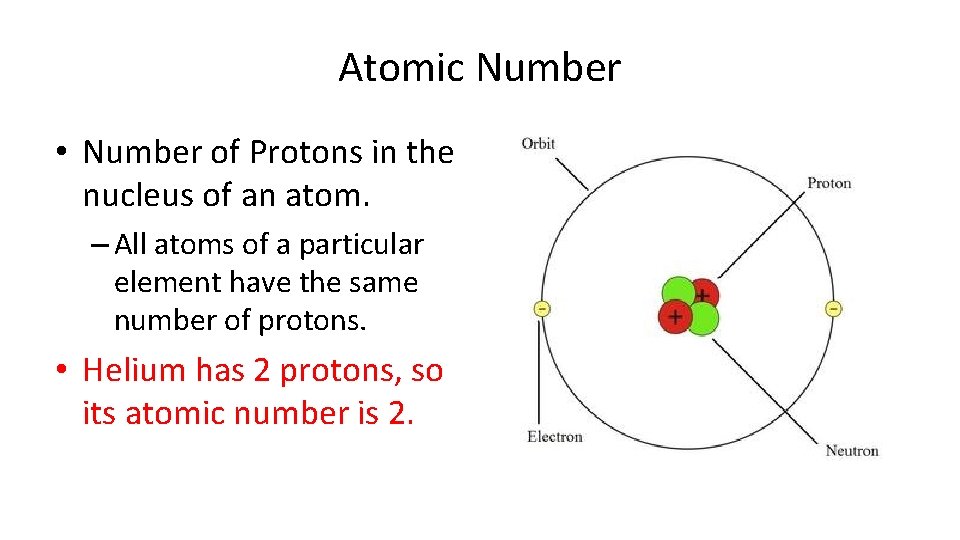
Subatomic Particles • Proton: Positively (+) charged • Electron: Negatively (-) charged • Neutron: neutral charge (0)
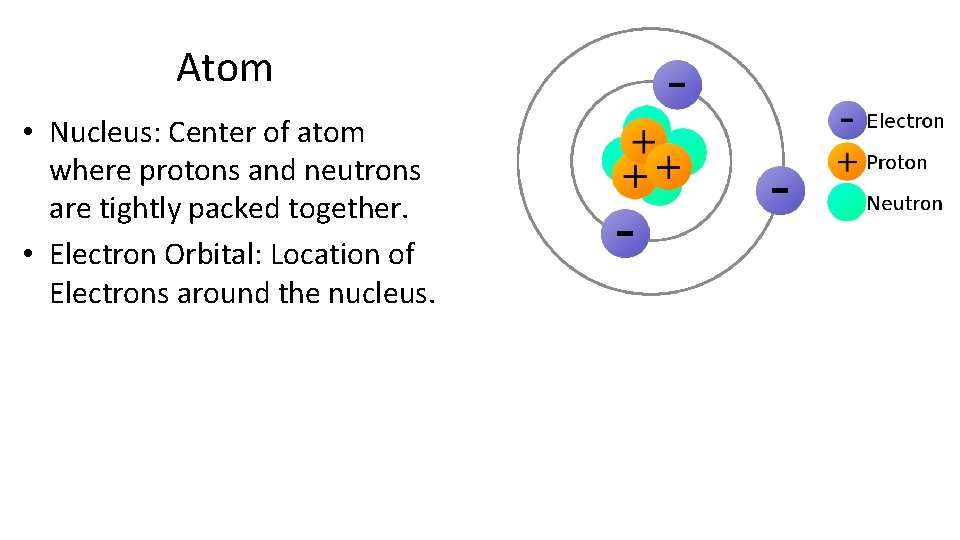
Atom • Nucleus: Center of atom where protons and neutrons are tightly packed together. • Electron Orbital: Location of Electrons around the nucleus.
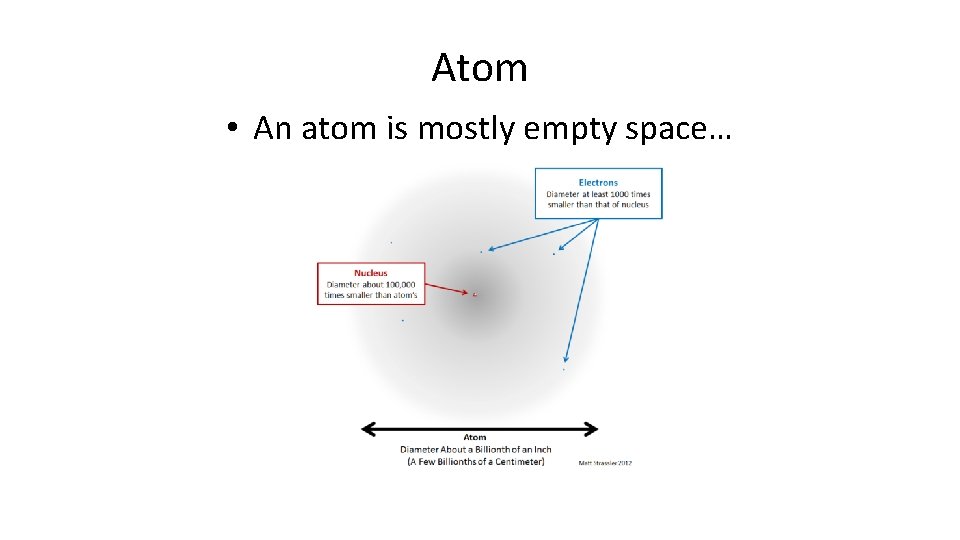
Atom • An atom is mostly empty space…
Atomic Number • Number of Protons in the nucleus of an atom. – All atoms of a particular element have the same number of protons. • Helium has 2 protons, so its atomic number is 2.
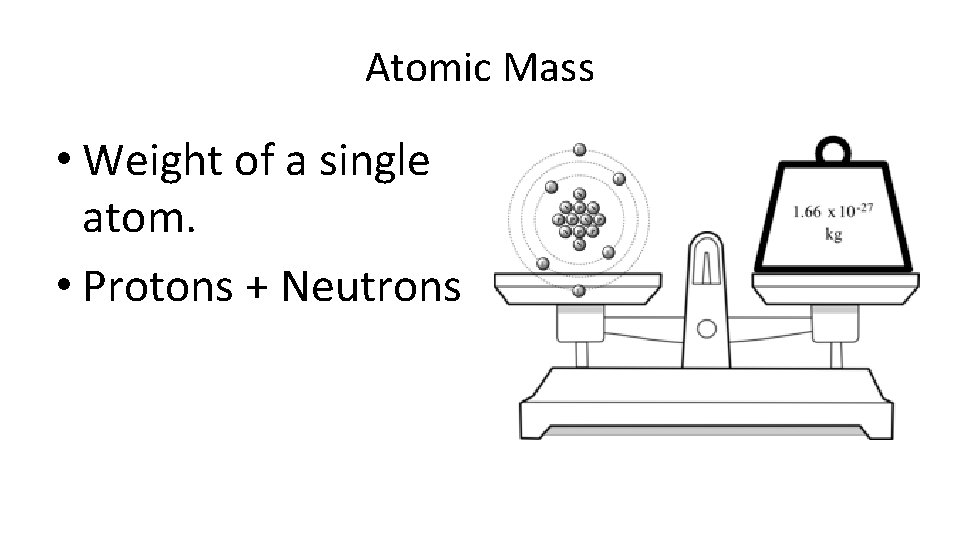
Atomic Mass • Weight of a single atom. • Protons + Neutrons
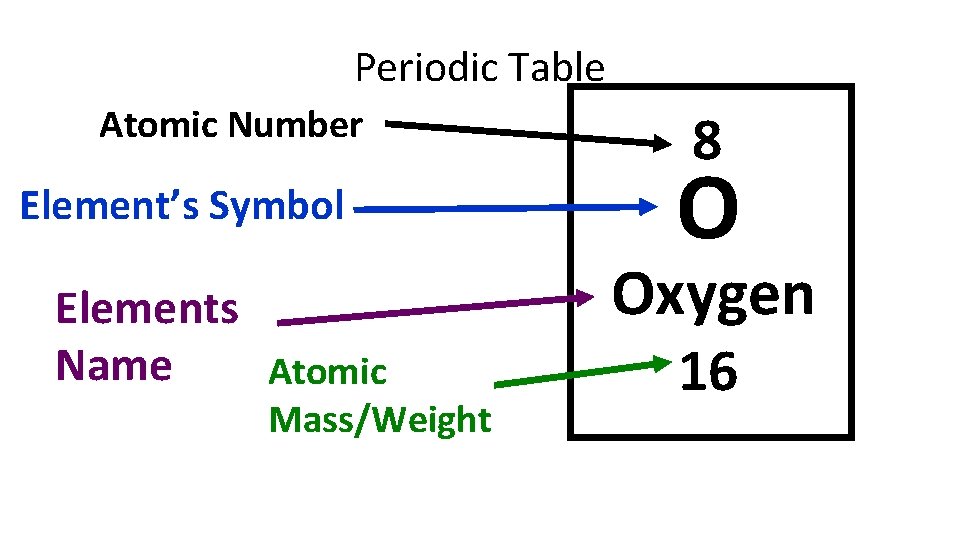
Periodic Table Atomic Number Element’s Symbol Elements Name Atomic Mass/Weight 8 O Oxygen 16
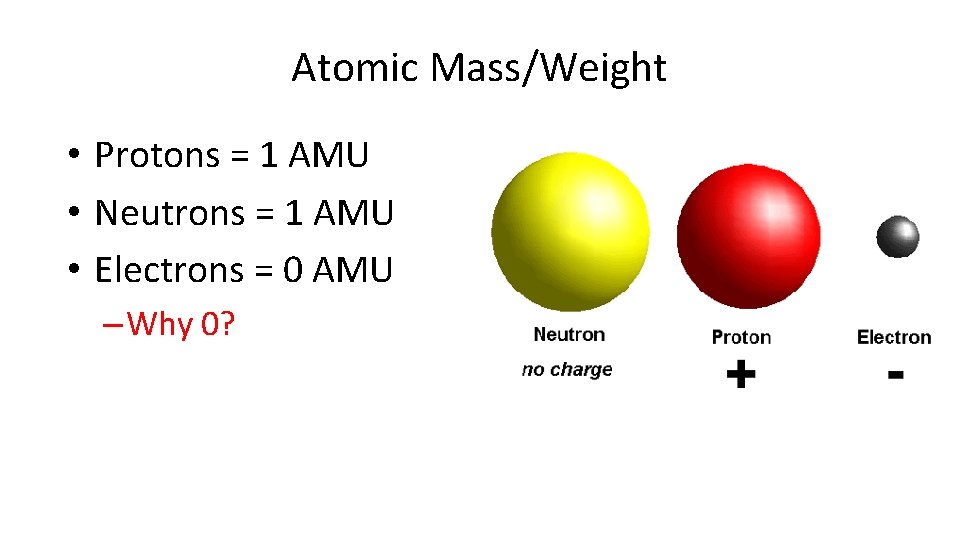
Atomic Mass/Weight • Protons = 1 AMU • Neutrons = 1 AMU • Electrons = 0 AMU – Why 0?
The Periodic Table • 118 elements on the periodic table. • Organized by the atomic number and other properties.
Valence Electrons • Number of electrons in the outer most orbital of the atom. • These electrons help the atom bond with other atoms. • Valence electrons range from 1 – 8.
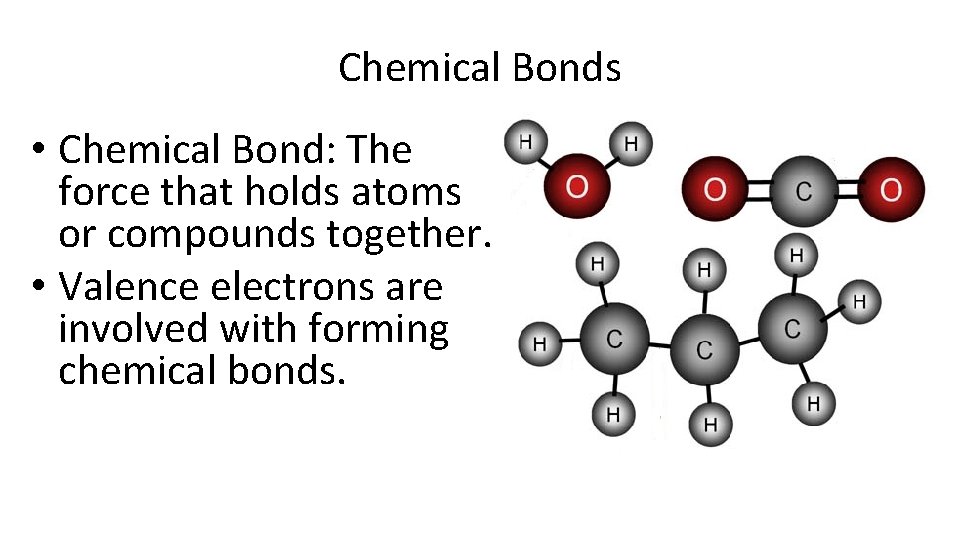
Chemical Bonds • Chemical Bond: The force that holds atoms or compounds together. • Valence electrons are involved with forming chemical bonds.
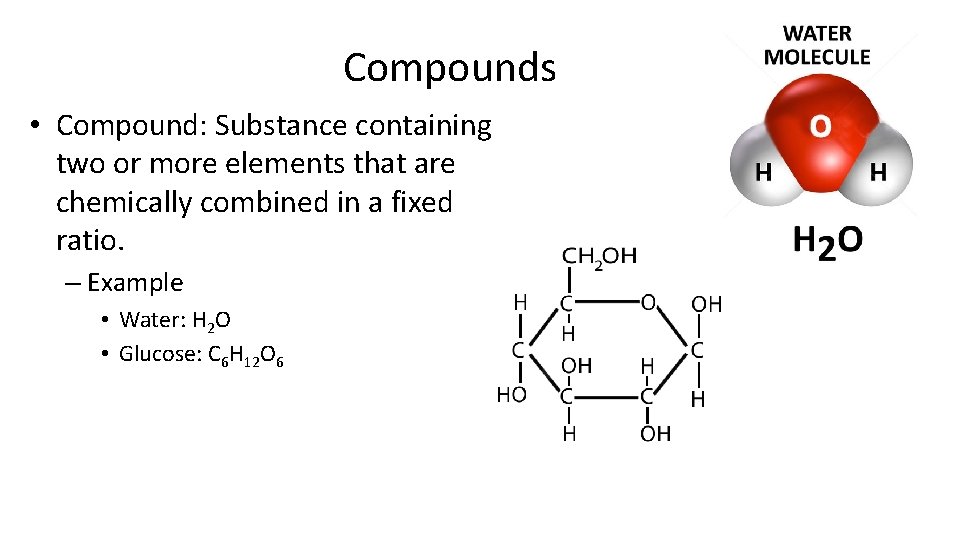
Compounds • Compound: Substance containing two or more elements that are chemically combined in a fixed ratio. – Example • Water: H 2 O • Glucose: C 6 H 12 O 6
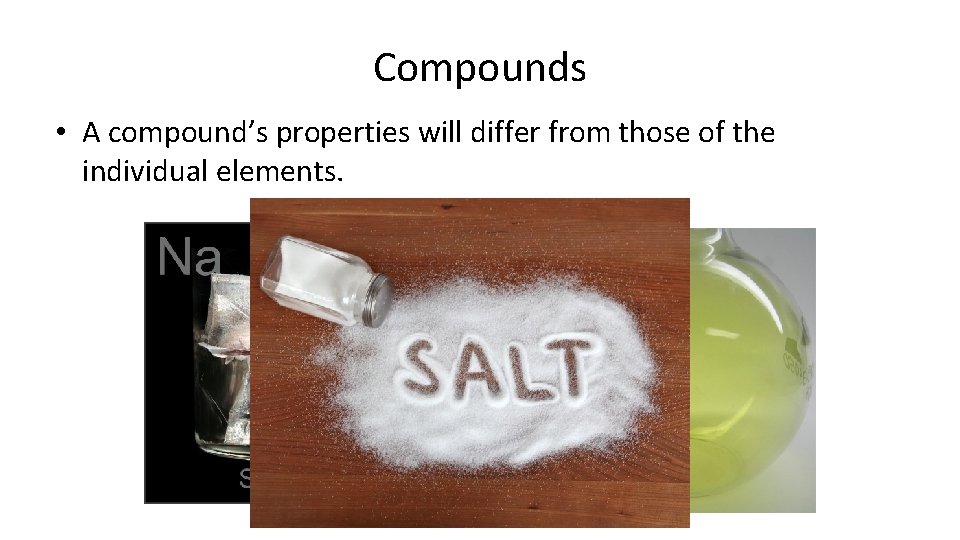
Compounds • A compound’s properties will differ from those of the individual elements. +
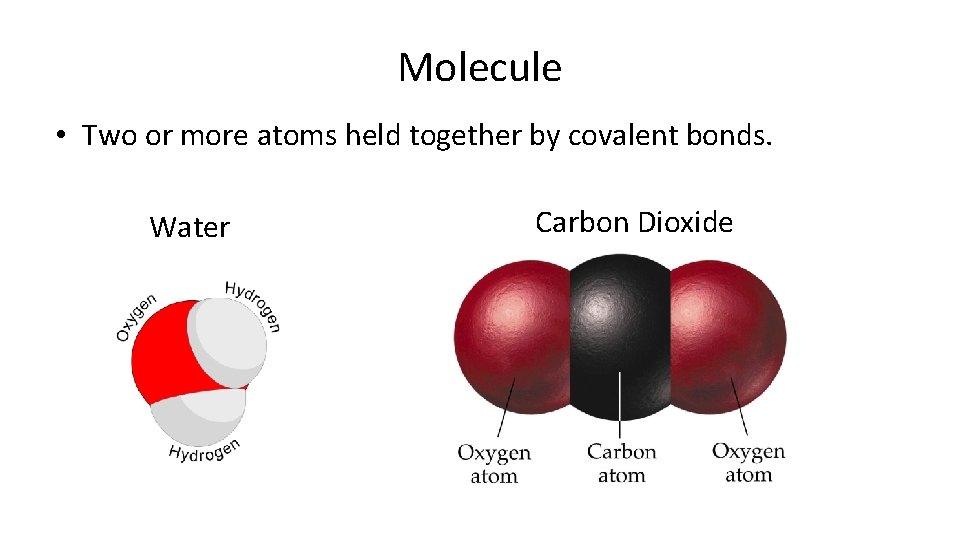
Molecule • Two or more atoms held together by covalent bonds. Water Carbon Dioxide
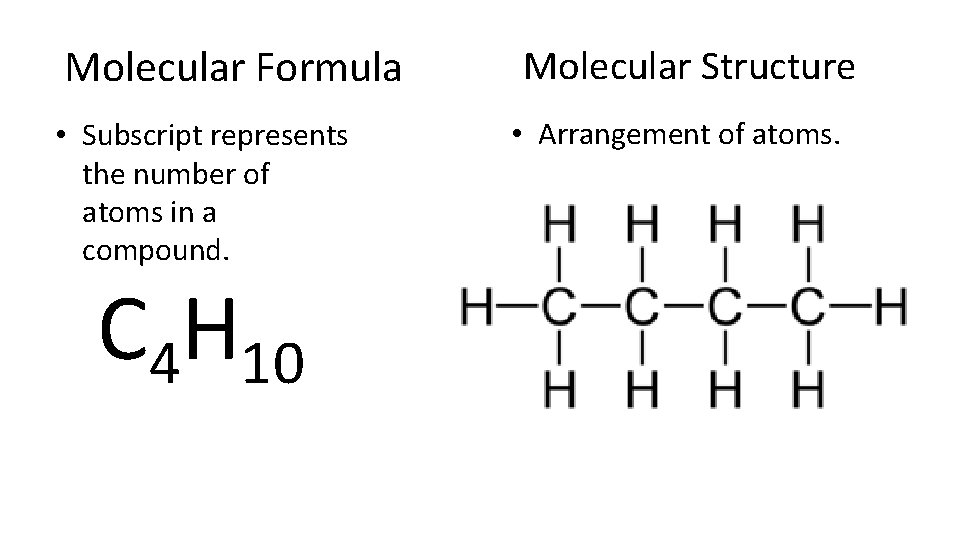
Molecular Formula • Subscript represents the number of atoms in a compound. C 4 H 10 Molecular Structure • Arrangement of atoms.
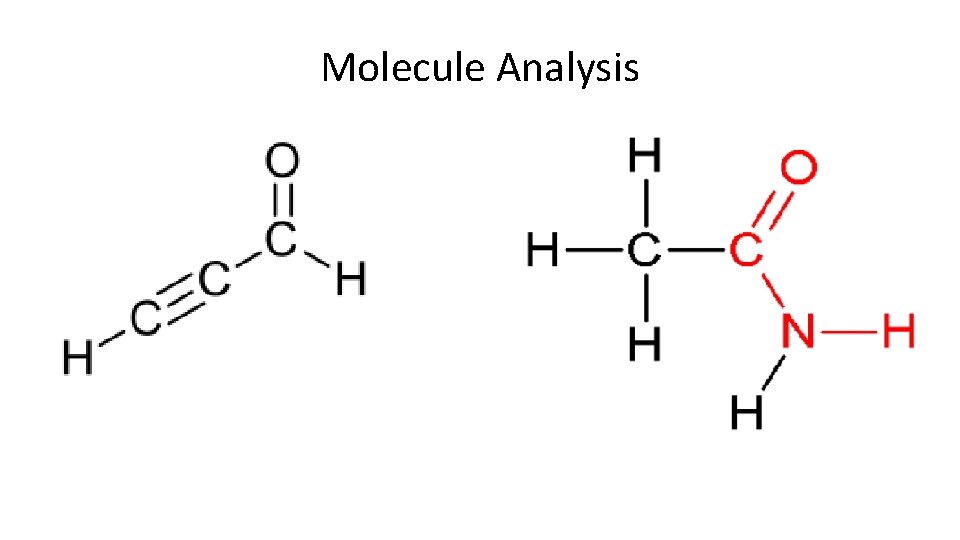
Molecule Analysis
Two main types of chemical bonds: • Ionic bonds • Covalent bonds
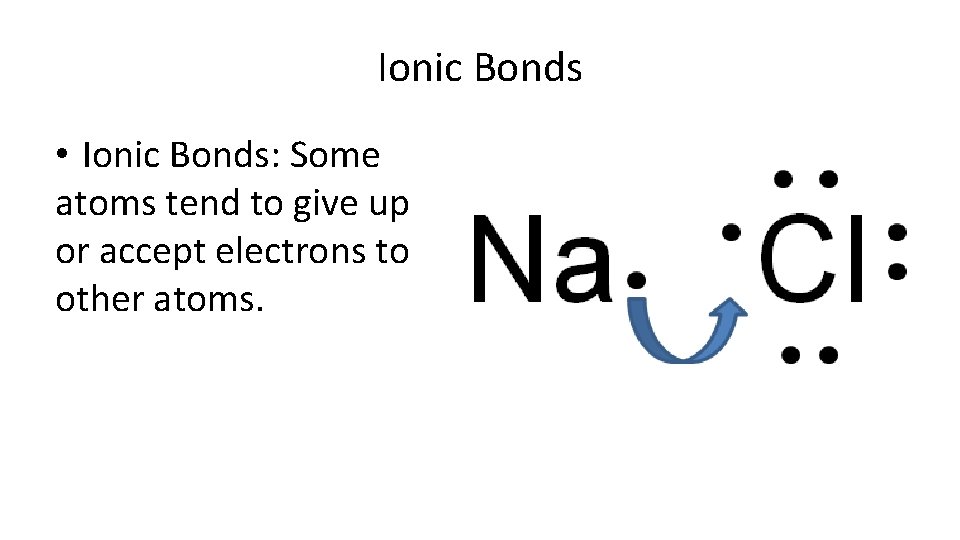
Ionic Bonds • Ionic Bonds: Some atoms tend to give up or accept electrons to other atoms.
Ionic Bonds • Transfer of electrons create ions. • Attraction between two ions (+/-). • Weaker bond.
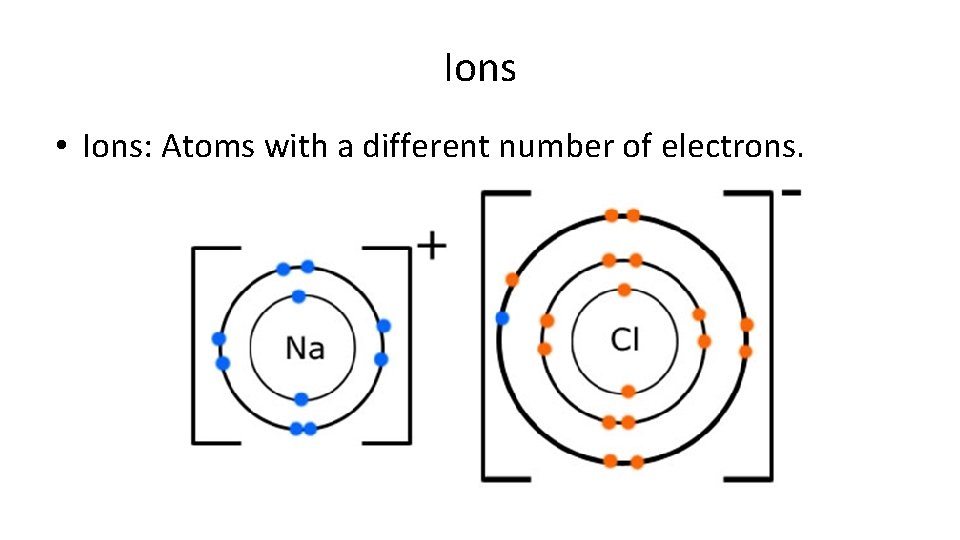
Ions • Ions: Atoms with a different number of electrons.
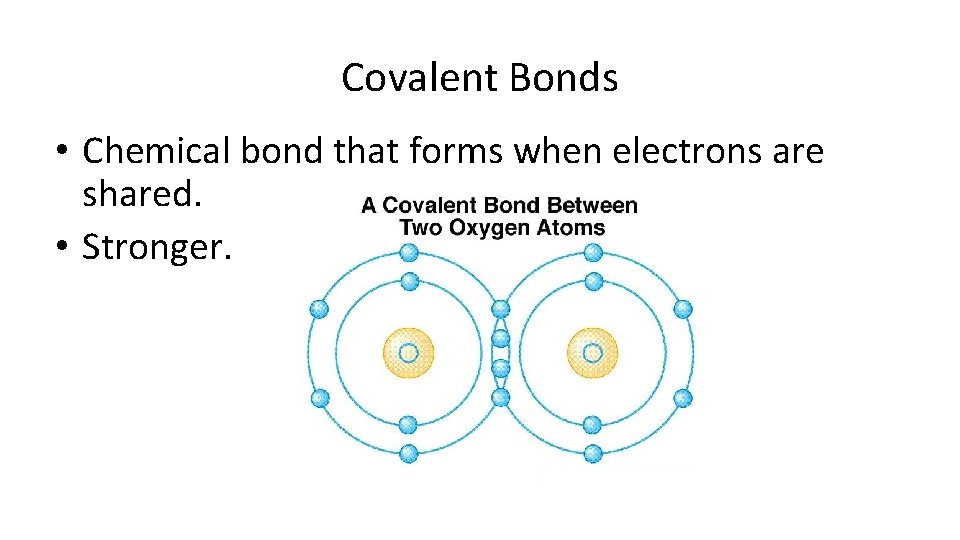
Covalent Bonds • Chemical bond that forms when electrons are shared. • Stronger.
Remember these 4 words! IONIC GIVE COVALENT SHARE
Water!
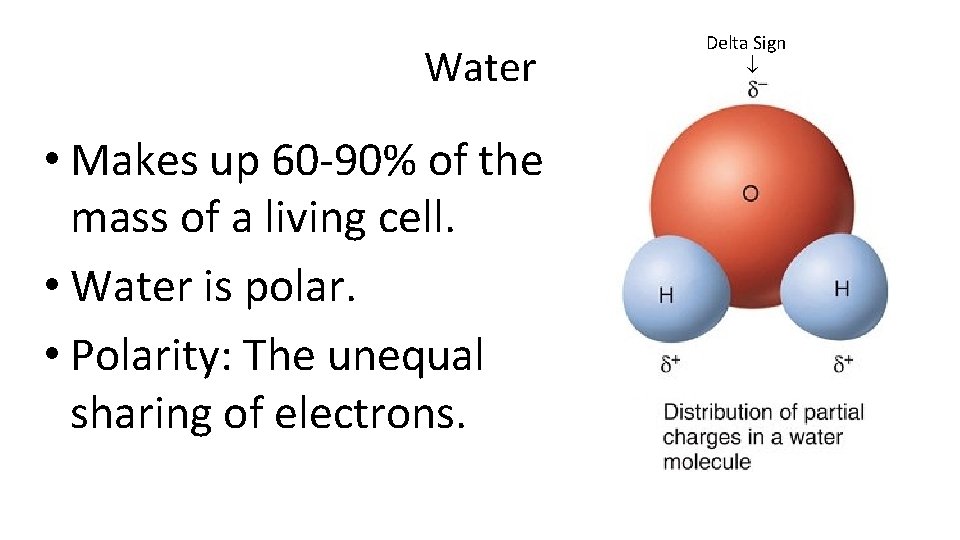
Water • Makes up 60 -90% of the mass of a living cell. • Water is polar. • Polarity: The unequal sharing of electrons. Delta Sign
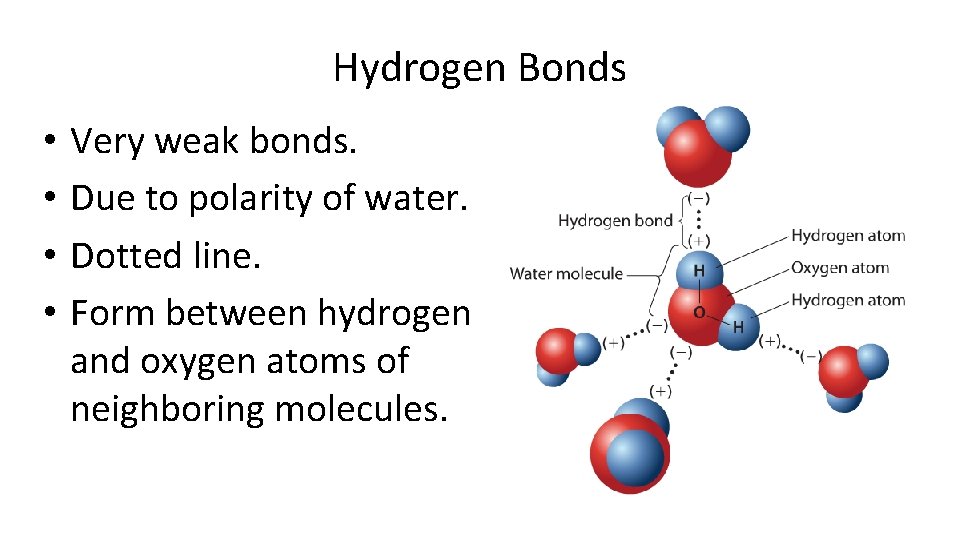
Hydrogen Bonds • • Very weak bonds. Due to polarity of water. Dotted line. Form between hydrogen and oxygen atoms of neighboring molecules.
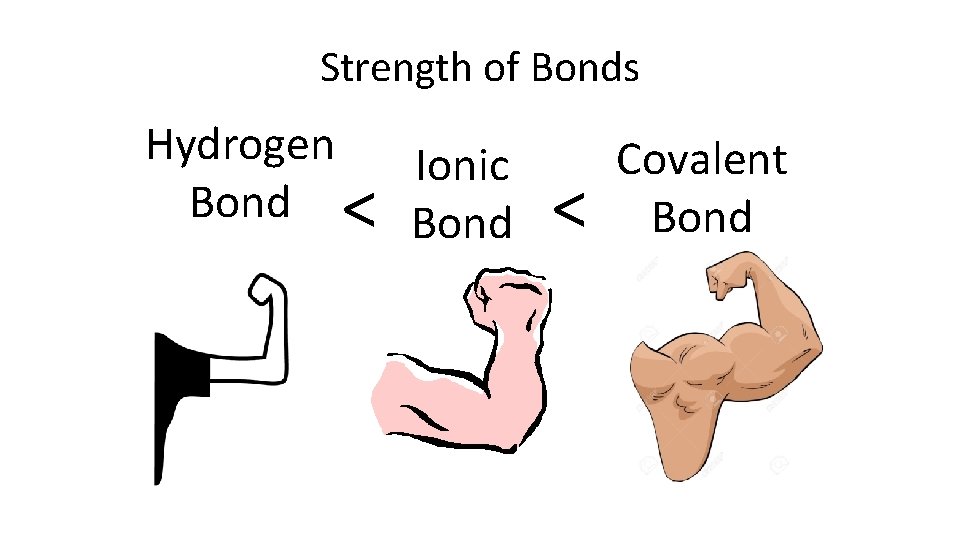
Strength of Bonds Hydrogen Ionic Bond < Covalent Bond
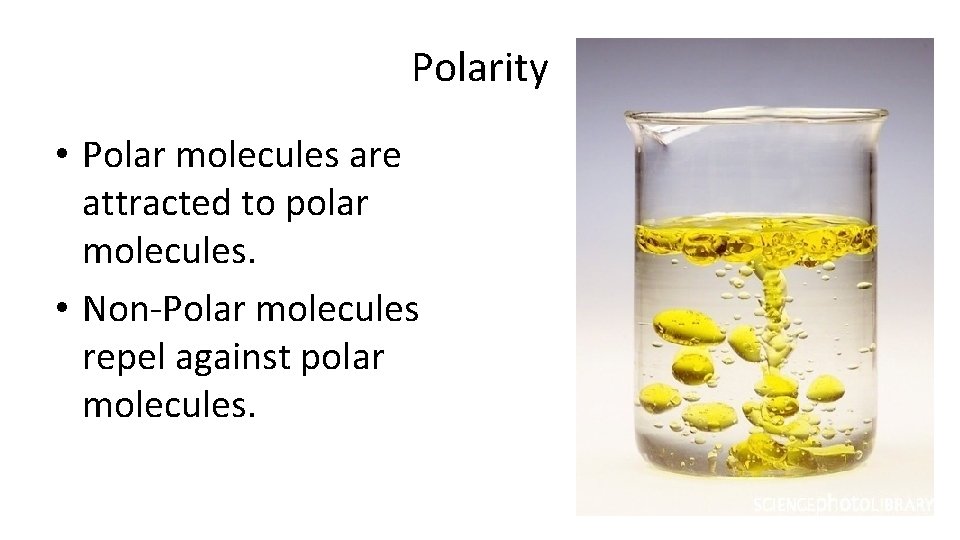
Polarity • Polar molecules are attracted to polar molecules. • Non-Polar molecules repel against polar molecules.
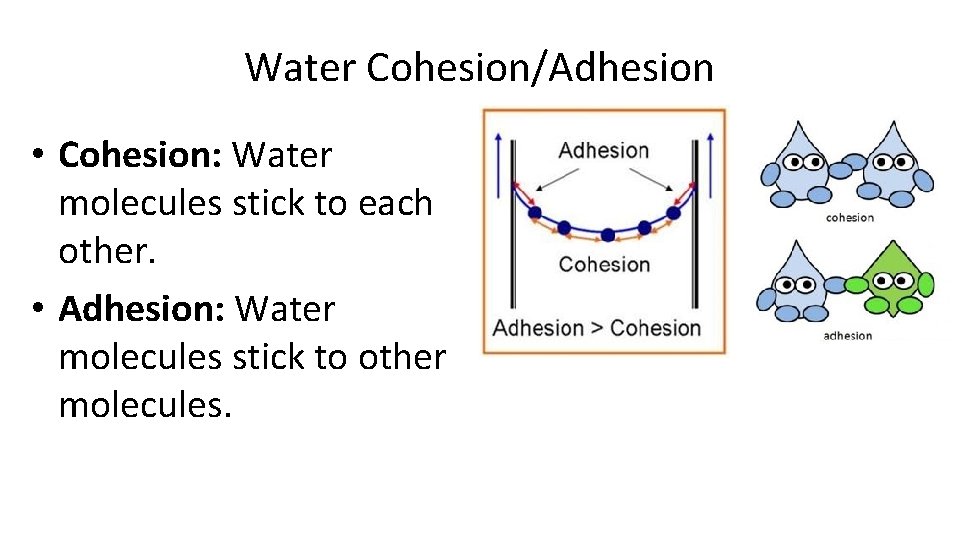
Water Cohesion/Adhesion • Cohesion: Water molecules stick to each other. • Adhesion: Water molecules stick to other molecules.
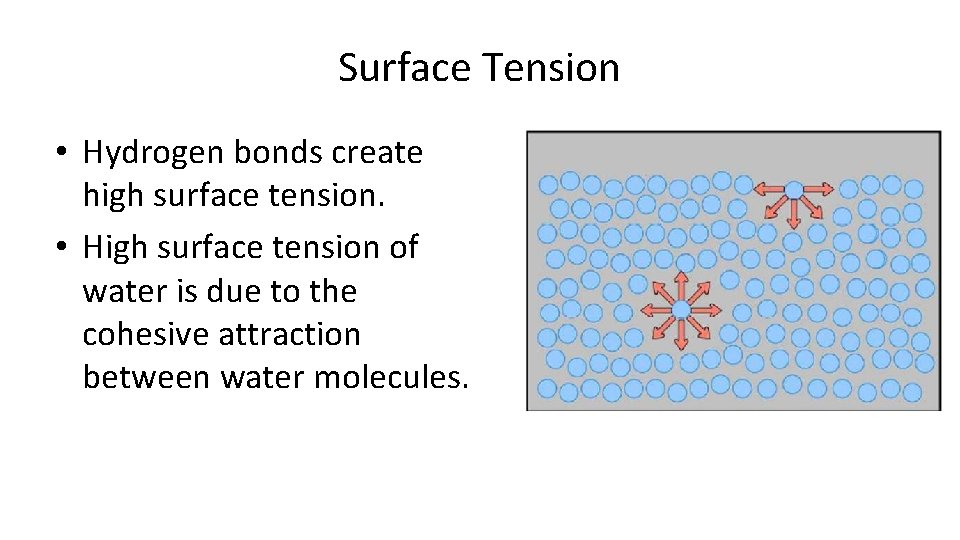
Surface Tension • Hydrogen bonds create high surface tension. • High surface tension of water is due to the cohesive attraction between water molecules.
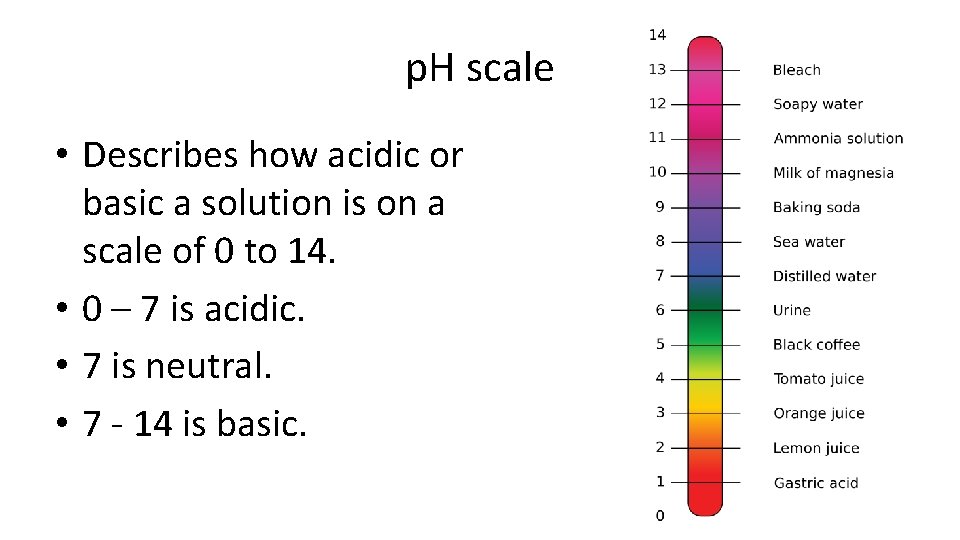
p. H scale • Describes how acidic or basic a solution is on a scale of 0 to 14. • 0 – 7 is acidic. • 7 is neutral. • 7 - 14 is basic.
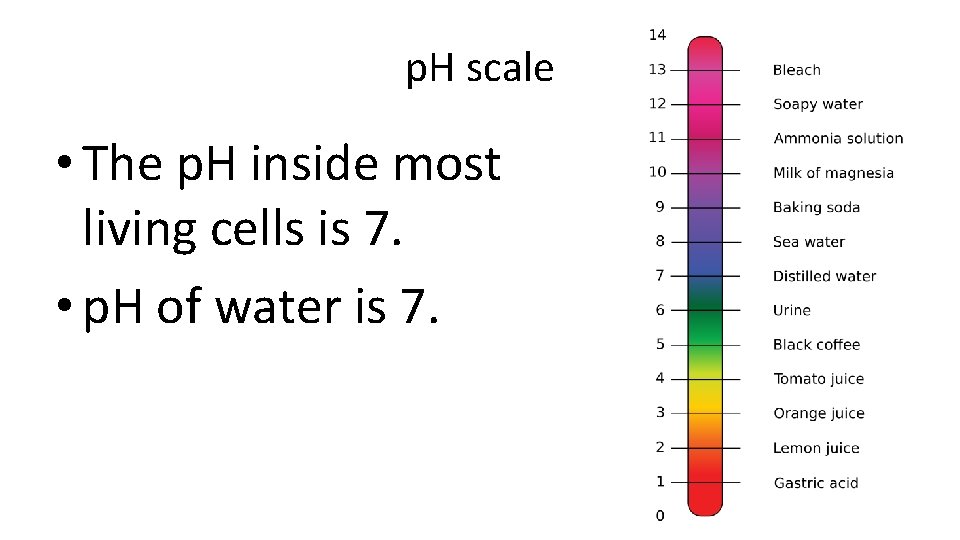
p. H scale • The p. H inside most living cells is 7. • p. H of water is 7.
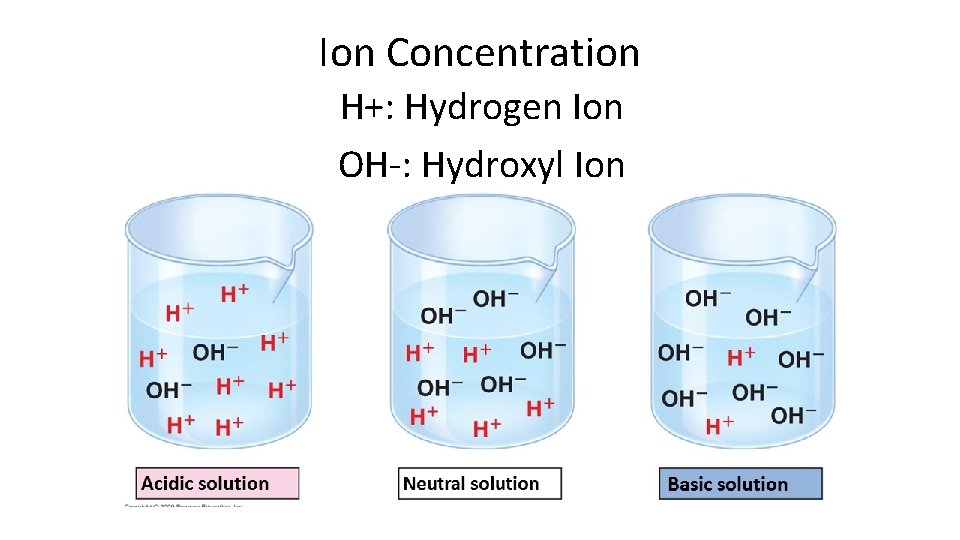
Ion Concentration H+: Hydrogen Ion OH-: Hydroxyl Ion
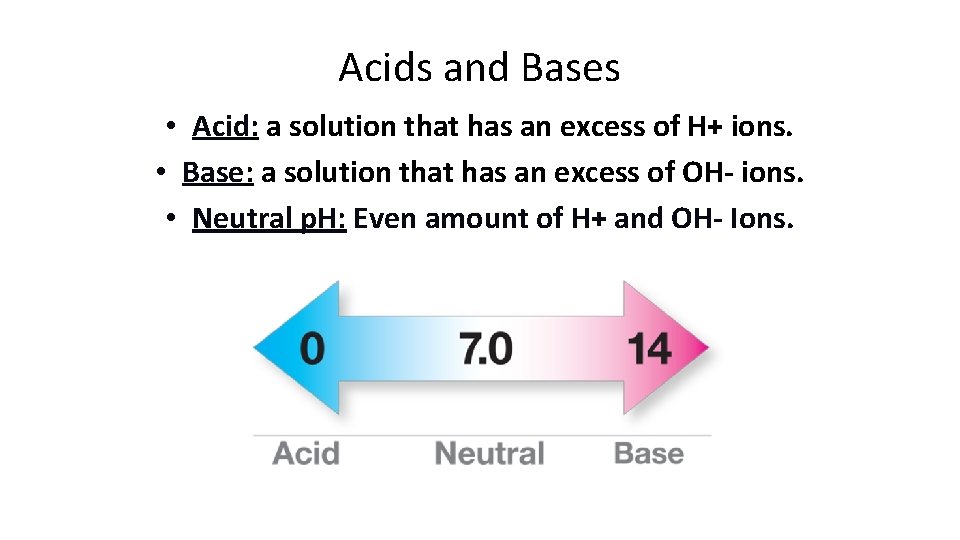
Acids and Bases • Acid: a solution that has an excess of H+ ions. • Base: a solution that has an excess of OH- ions. • Neutral p. H: Even amount of H+ and OH- Ions.
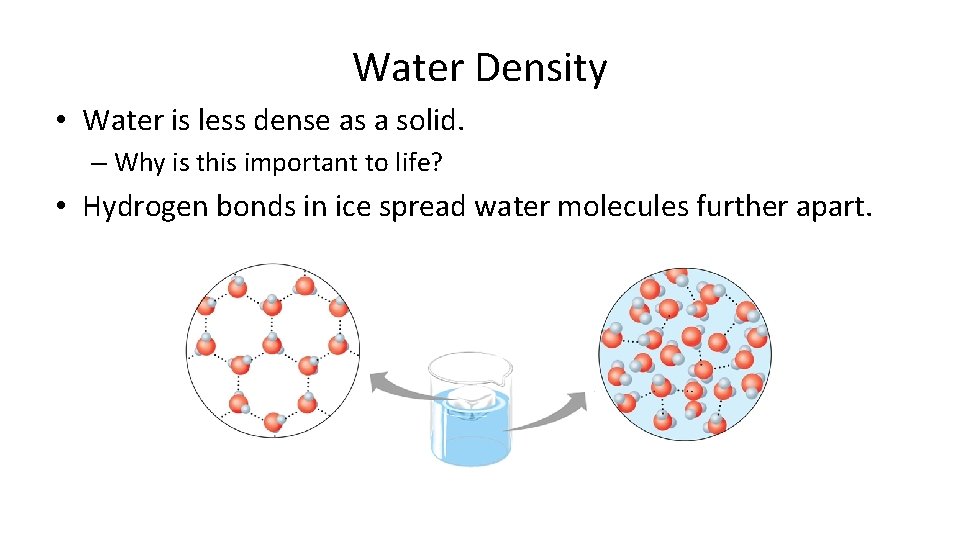
Water Density • Water is less dense as a solid. – Why is this important to life? • Hydrogen bonds in ice spread water molecules further apart.
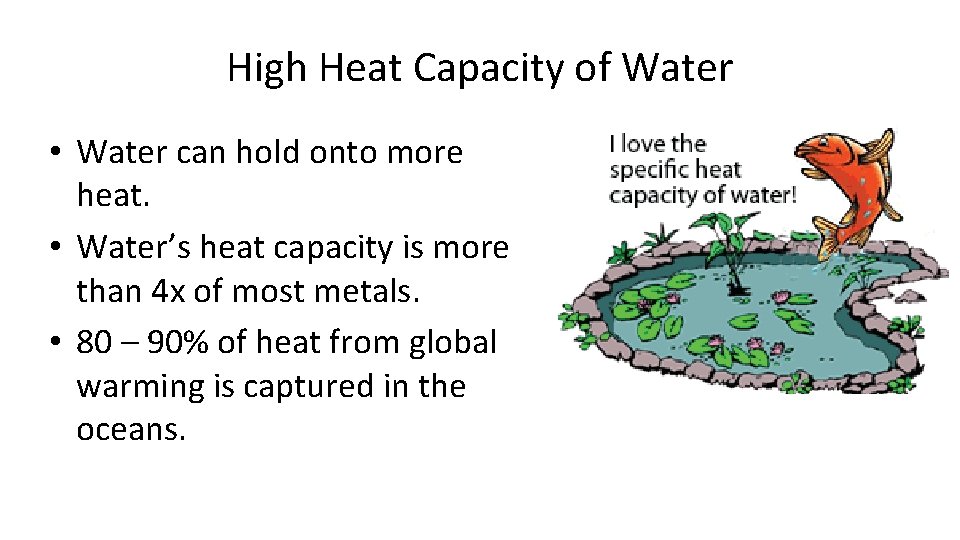
High Heat Capacity of Water • Water can hold onto more heat. • Water’s heat capacity is more than 4 x of most metals. • 80 – 90% of heat from global warming is captured in the oceans.
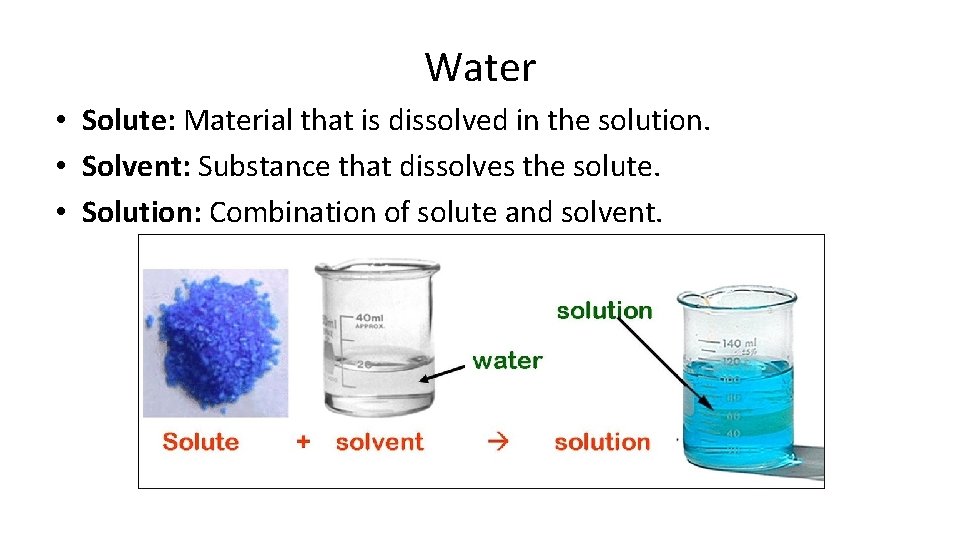
Water • Solute: Material that is dissolved in the solution. • Solvent: Substance that dissolves the solute. • Solution: Combination of solute and solvent.
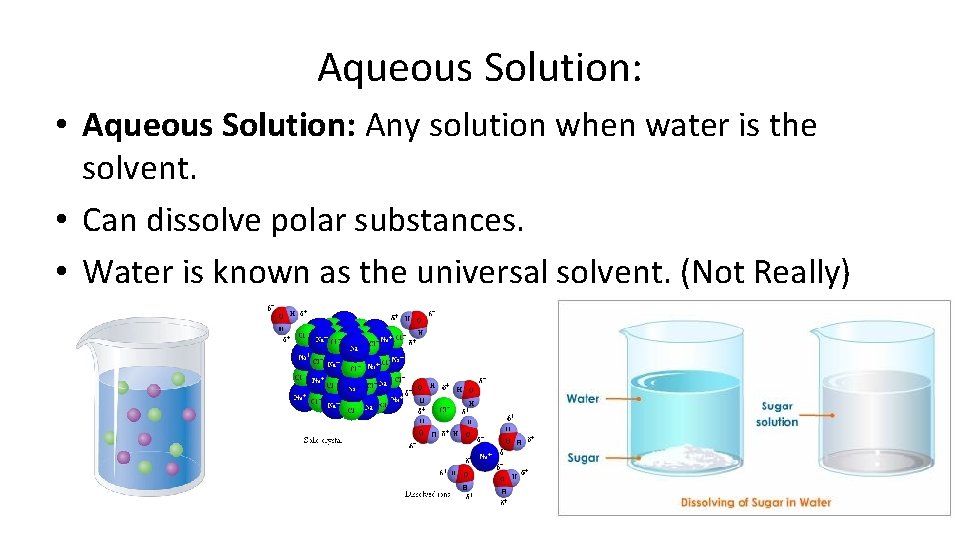
Aqueous Solution: • Aqueous Solution: Any solution when water is the solvent. • Can dissolve polar substances. • Water is known as the universal solvent. (Not Really)