New insights into the mechanisms of action of



- Slides: 47
New insights into the mechanisms of action of microtubule targeting agents that are effective against metastatic breast cancer Susan L. Mooberry, Ph. D. Professor of Pharmacology Cancer Therapy & Research Center University of Texas Health Science Center at San Antonio, TX, 78229
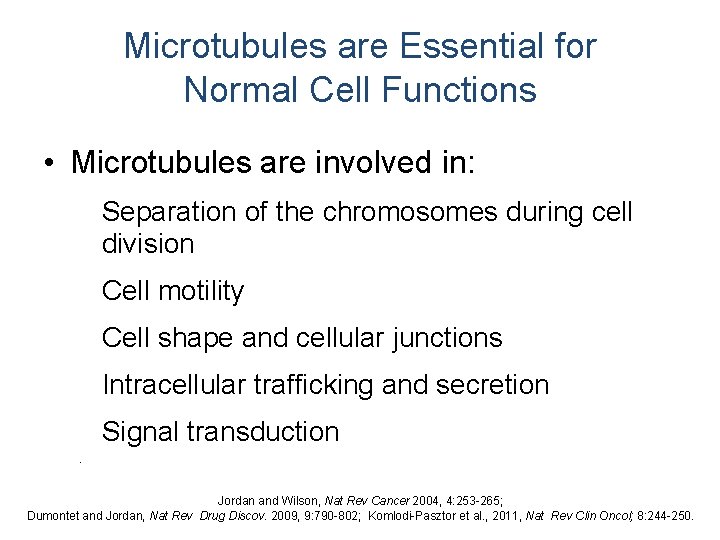
Microtubules are Essential for Normal Cell Functions • Microtubules are involved in: Separation of the chromosomes during cell division Cell motility Cell shape and cellular junctions Intracellular trafficking and secretion Signal transduction. Jordan and Wilson, Nat Rev Cancer 2004, 4: 253 -265; Dumontet and Jordan, Nat Rev Drug Discov. 2009, 9: 790 -802; Komlodi-Pasztor et al. , 2011, Nat Rev Clin Oncol; 8: 244 -250.
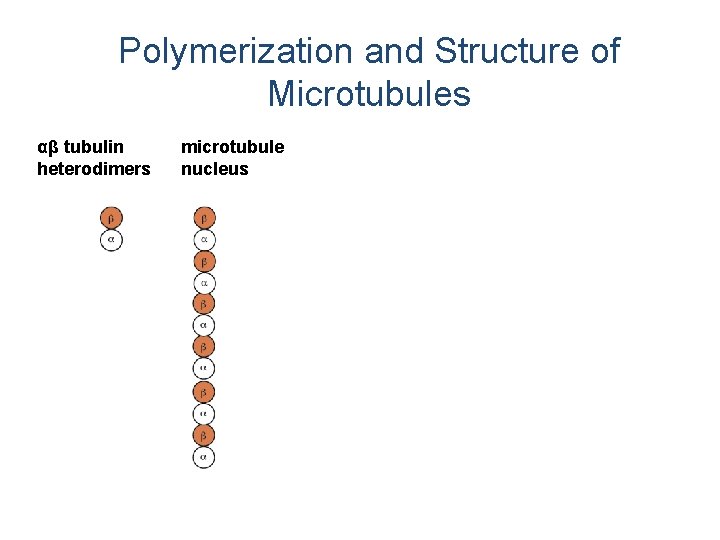
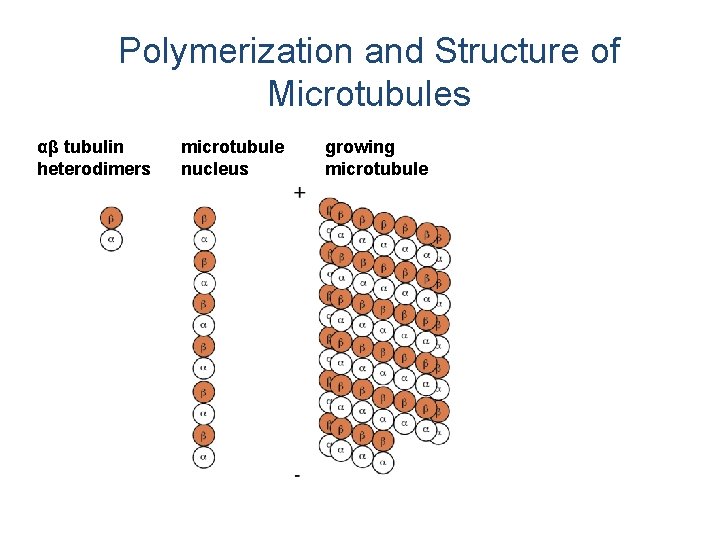
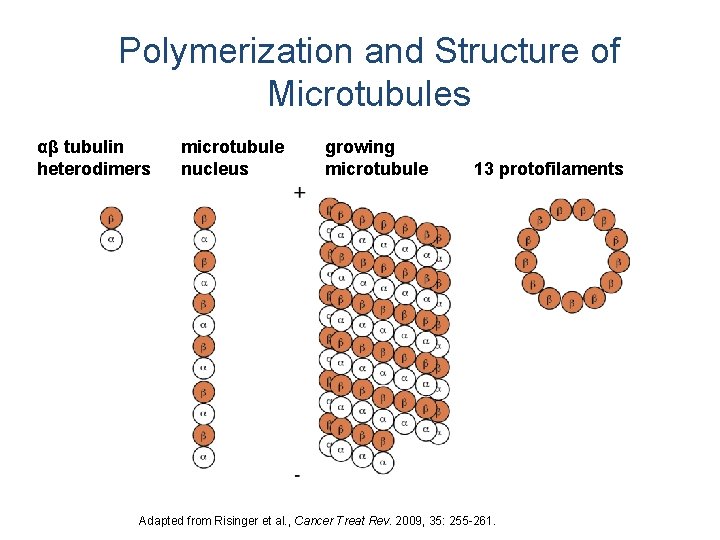
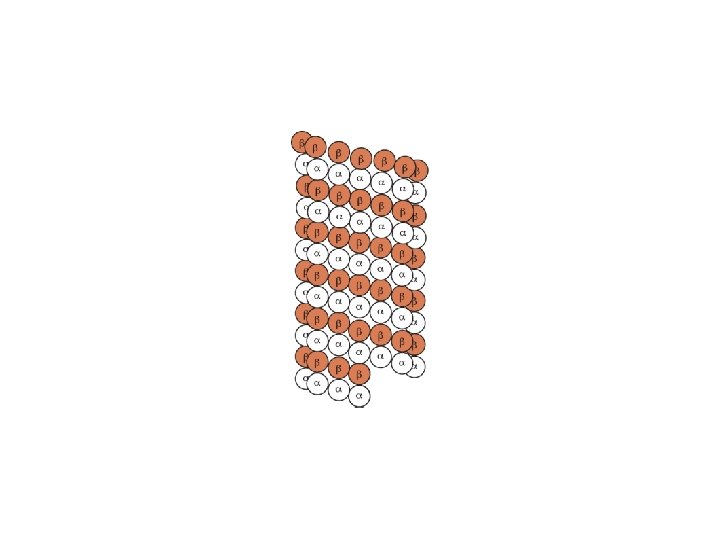
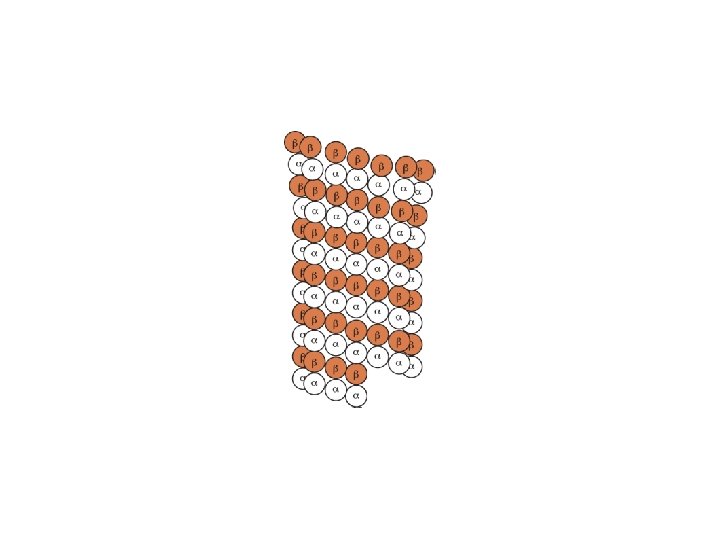
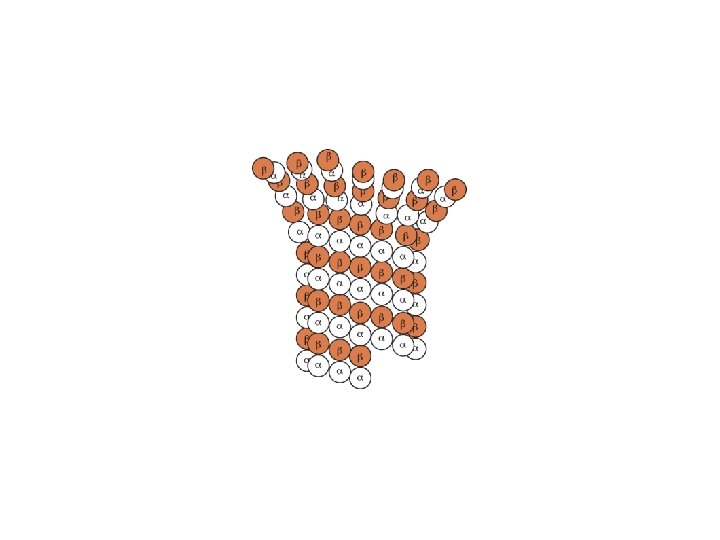
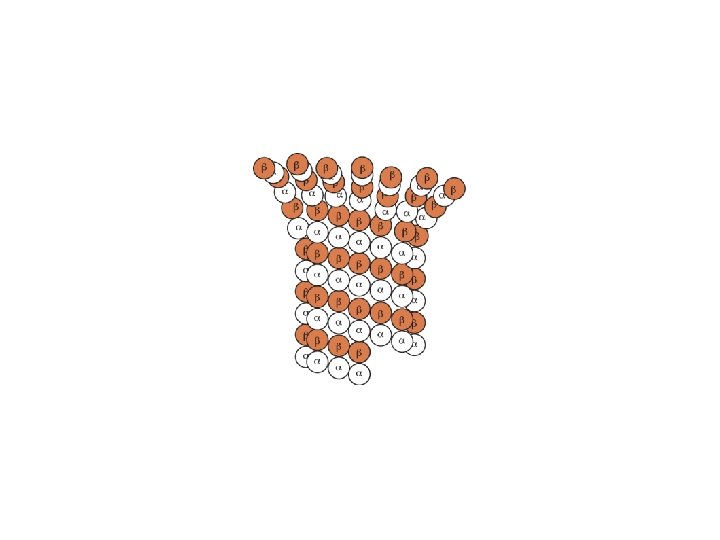
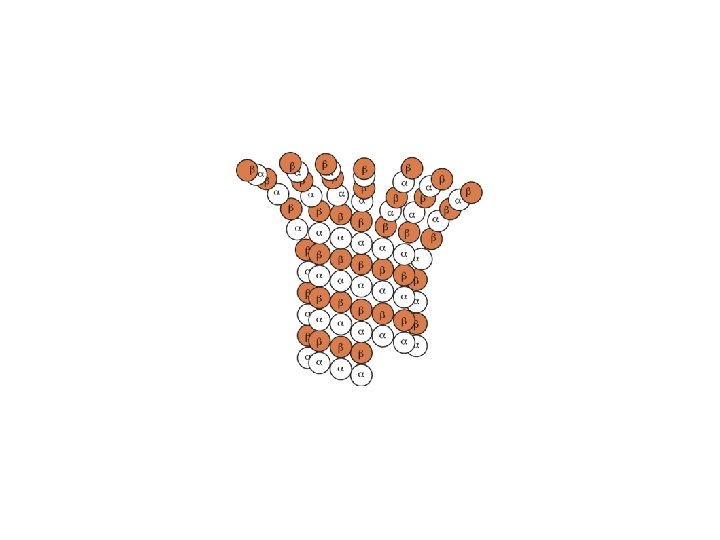
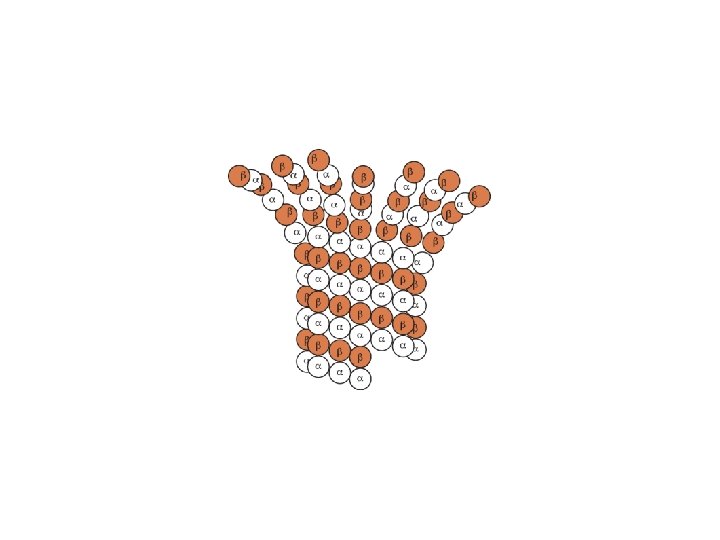
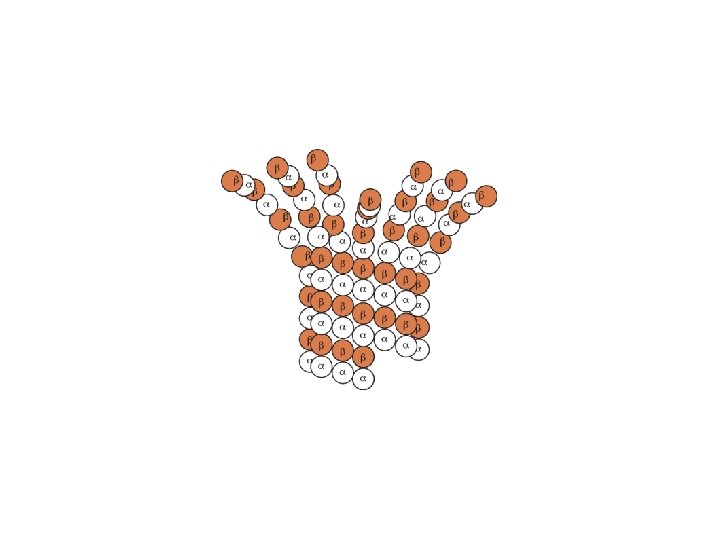
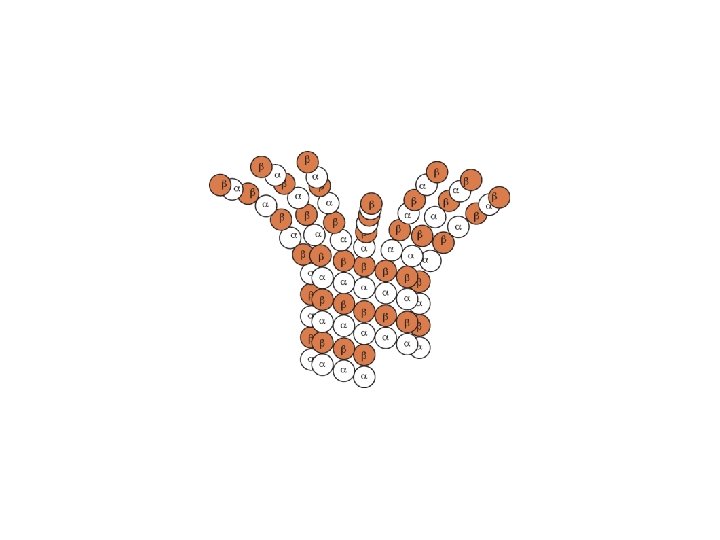
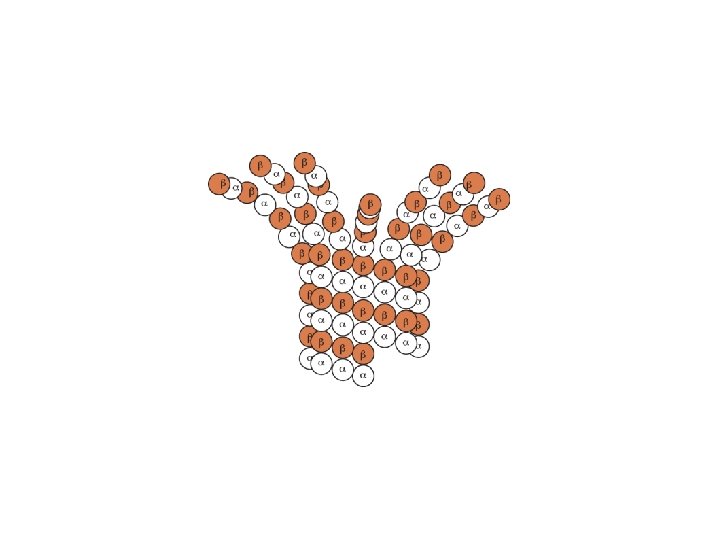
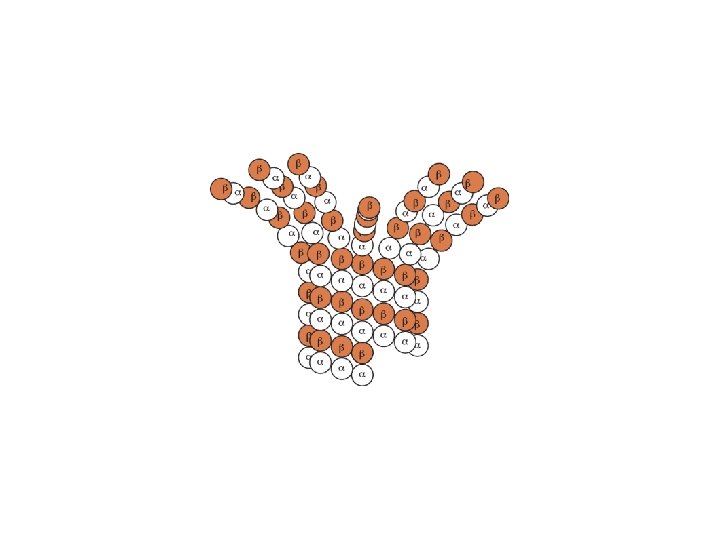
Polymerization and Structure of Microtubules αβ tubulin heterodimers microtubule nucleus
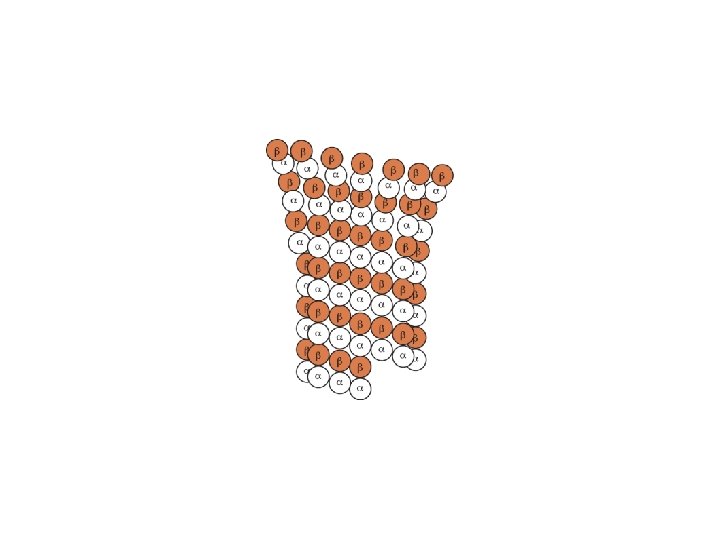
Polymerization and Structure of Microtubules αβ tubulin heterodimers microtubule nucleus growing microtubule
Polymerization and Structure of Microtubules αβ tubulin heterodimers microtubule nucleus growing microtubule 13 protofilaments Adapted from Risinger et al. , Cancer Treat Rev. 2009, 35: 255 -261.
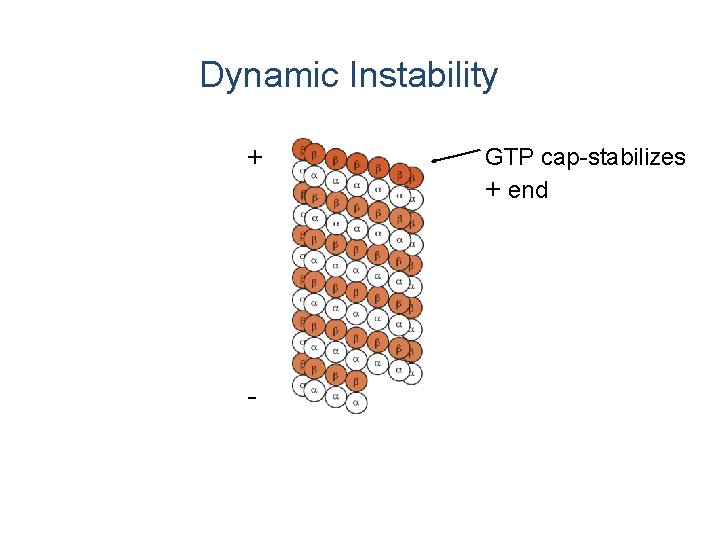
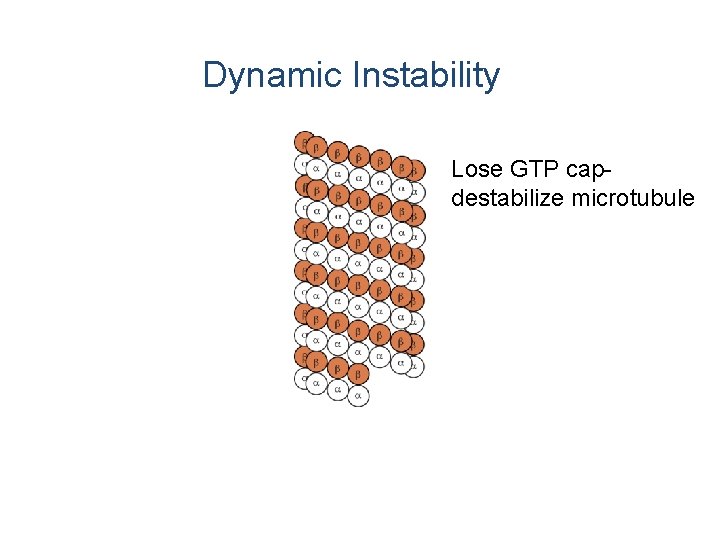
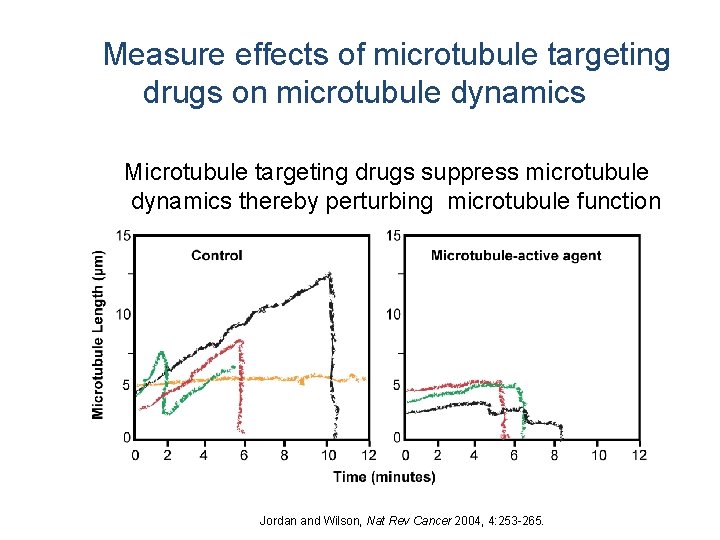
Microtubules are Intrinsically Dynamics are essential for microtubule functions Dynamic Instability- switching between growth and shortening Elongation-growth at + end Catastrophe-rapid change from growth to shrinkage Pause-no change in length Jordan and Wilson, Nat Rev Cancer 2004, 4: 253 -265.
Dynamic Instability + - GTP cap-stabilizes + end
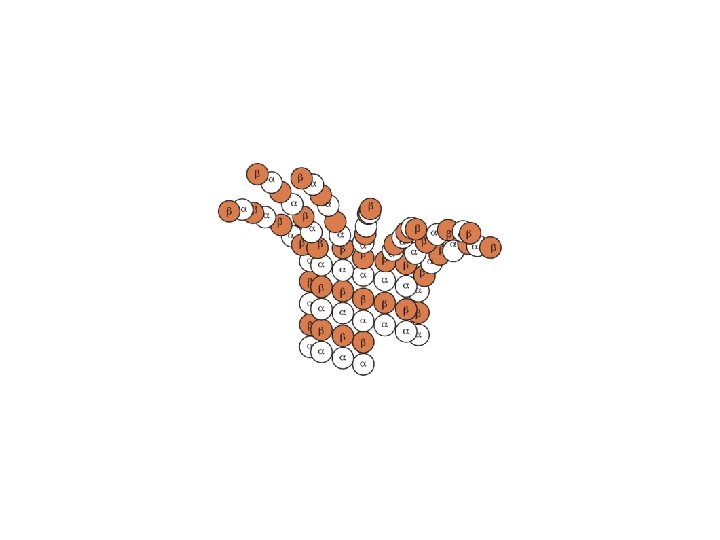
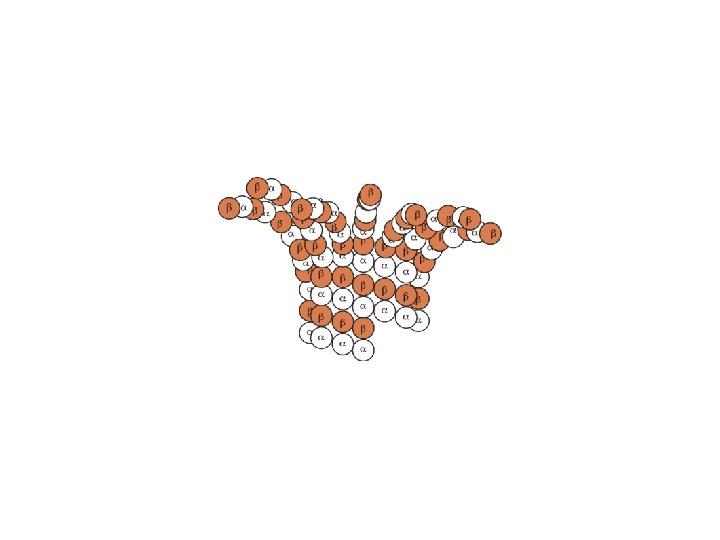
Dynamic Instability Lose GTP capdestabilize microtubule
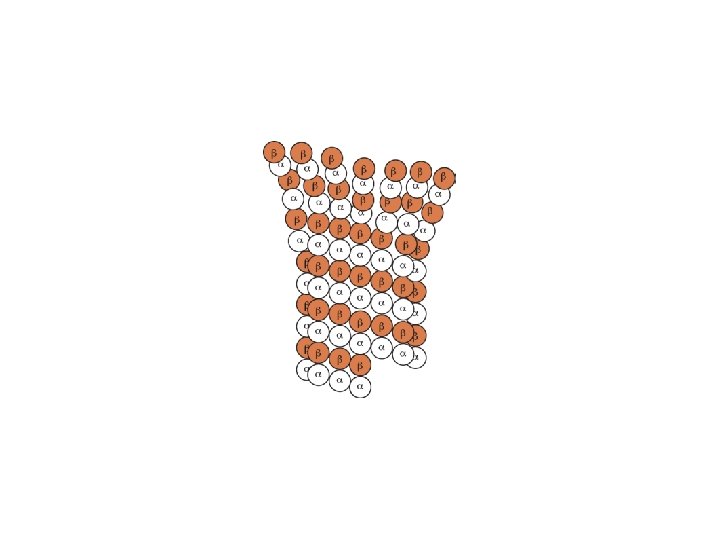
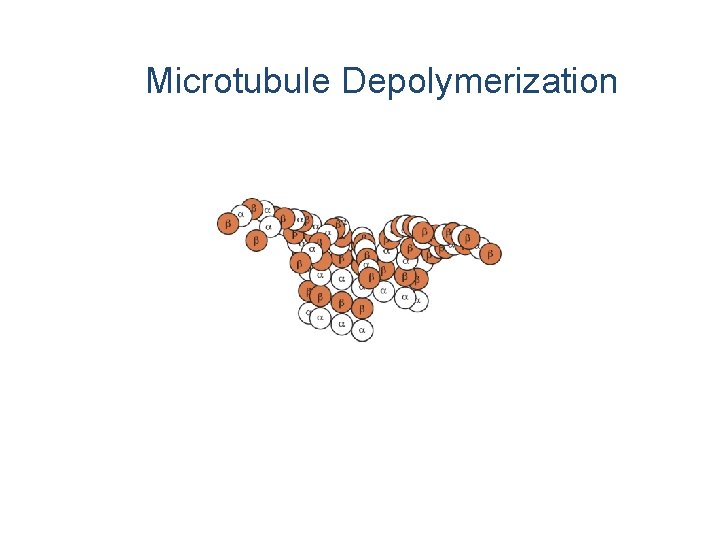
Microtubule Depolymerization
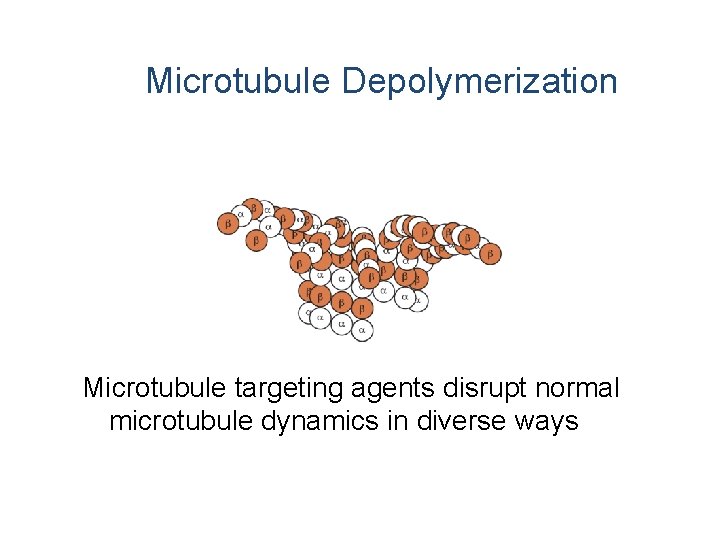
Microtubule Depolymerization Microtubule targeting agents disrupt normal microtubule dynamics in diverse ways
Measure effects of microtubule targeting drugs on microtubule dynamics Microtubule targeting drugs suppress microtubule dynamics thereby perturbing microtubule function Jordan and Wilson, Nat Rev Cancer 2004, 4: 253 -265.
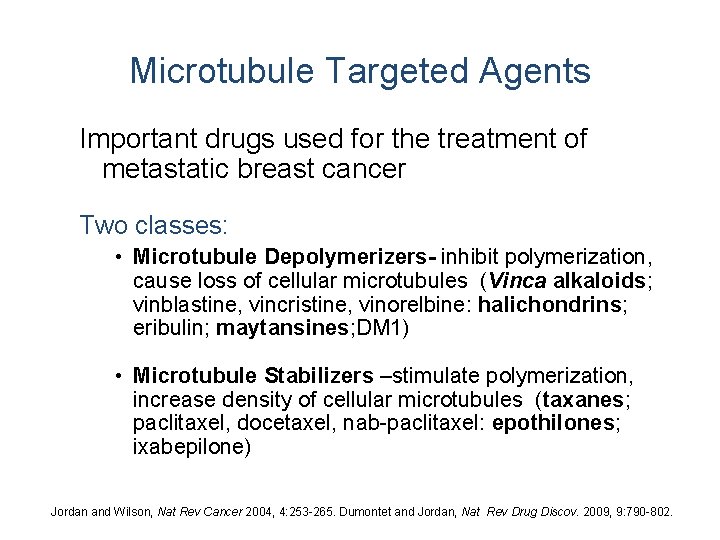
Microtubule Targeted Agents Important drugs used for the treatment of metastatic breast cancer Two classes: • Microtubule Depolymerizers- inhibit polymerization, cause loss of cellular microtubules (Vinca alkaloids; vinblastine, vincristine, vinorelbine: halichondrins; eribulin; maytansines; DM 1) • Microtubule Stabilizers –stimulate polymerization, increase density of cellular microtubules (taxanes; paclitaxel, docetaxel, nab-paclitaxel: epothilones; ixabepilone) Jordan and Wilson, Nat Rev Cancer 2004, 4: 253 -265. Dumontet and Jordan, Nat Rev Drug Discov. 2009, 9: 790 -802.
Microtubule Targeted Agents • The effects of these drugs on interphase microtubules are dramatic, but at the lowest concentrations these drug inhibit mitosis and are classified as antimitotics • Mitotic spindle is highly dynamic-leading to increased susceptibility to microtubule targeting agents Jordan and Wilson, Nat Rev Cancer 2004, 4: 253 -265. Dumontet and Jordan, Nat Rev Drug Discov. 2009, 9: 790 -802.
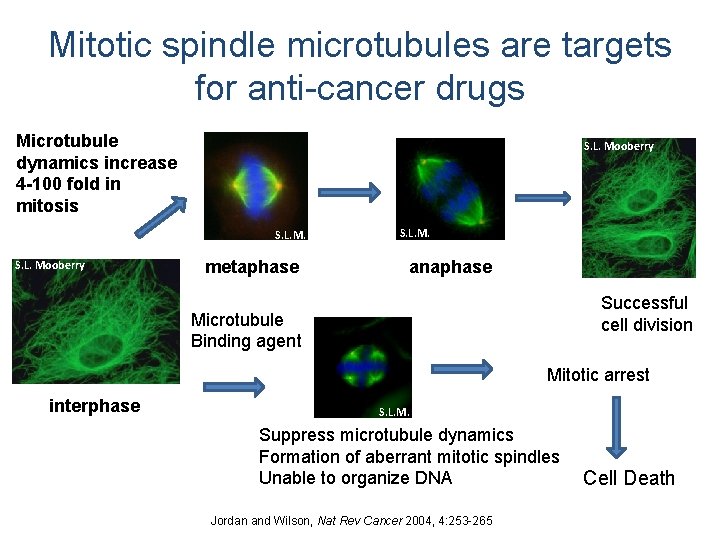
Mitotic spindle microtubules are targets for anti-cancer drugs Microtubule dynamics increase 4 -100 fold in mitosis S. L. Mooberry metaphase S. L. M. anaphase Successful cell division Microtubule Binding agent Mitotic arrest interphase S. L. M. Suppress microtubule dynamics Formation of aberrant mitotic spindles Unable to organize DNA Jordan and Wilson, Nat Rev Cancer 2004, 4: 253 -265 Cell Death
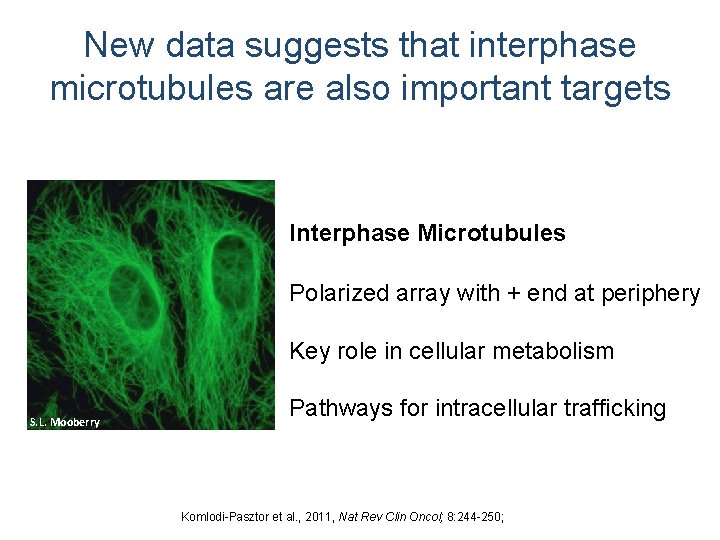
New data suggests that interphase microtubules are also important targets Interphase Microtubules Polarized array with + end at periphery Key role in cellular metabolism S. L. Mooberry Pathways for intracellular trafficking Komlodi-Pasztor et al. , 2011, Nat Rev Clin Oncol; 8: 244 -250;
Microtubule Targeted Agents Are Not the Same • Bind to different binding sites on tubulin and on microtubules • Suppress microtubule dynamics by subtly different mechanisms • These differences may help explain lack of cross resistance
Microtubule Targeted Agents Are Not the Same • Bind to different binding sites on tubulin and on microtubules
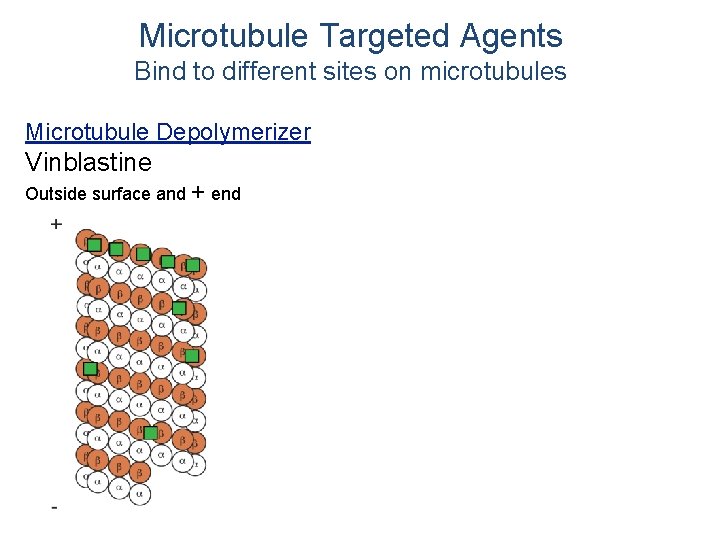
Microtubule Targeted Agents Bind to different sites on microtubules Microtubule Depolymerizer Vinblastine Outside surface and + end
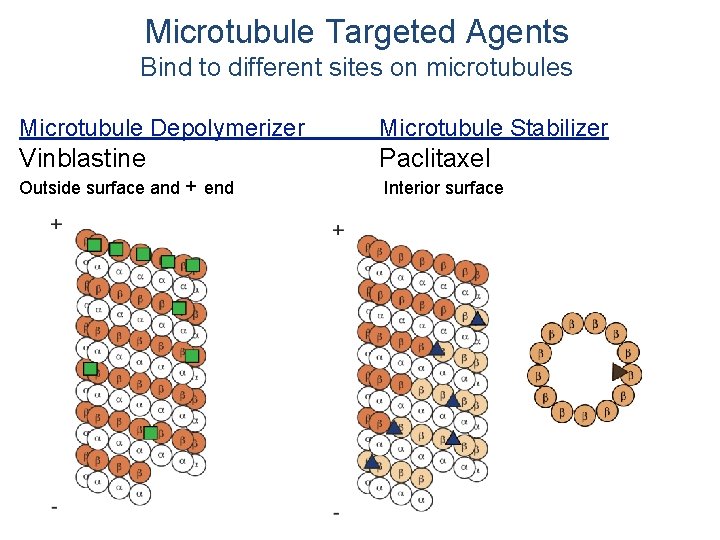
Microtubule Targeted Agents Bind to different sites on microtubules Microtubule Depolymerizer Microtubule Stabilizer Vinblastine Paclitaxel Outside surface and + end Interior surface
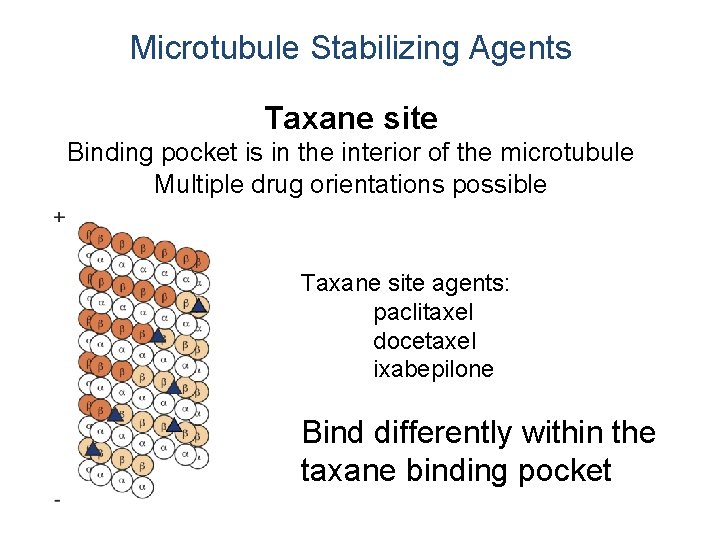
Microtubule Stabilizing Agents Taxane site Binding pocket is in the interior of the microtubule Multiple drug orientations possible Taxane site agents: paclitaxel docetaxel ixabepilone Bind differently within the taxane binding pocket
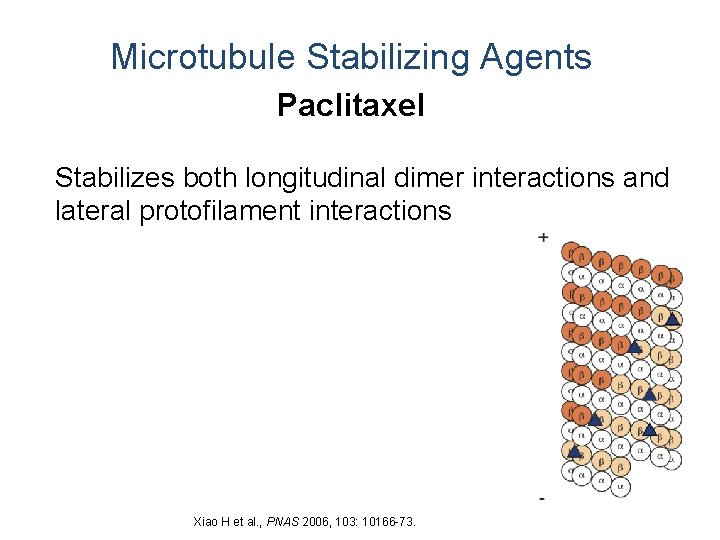
Microtubule Stabilizing Agents Paclitaxel Stabilizes both longitudinal dimer interactions and lateral protofilament interactions Xiao H et al. , PNAS 2006, 103: 10166 -73.
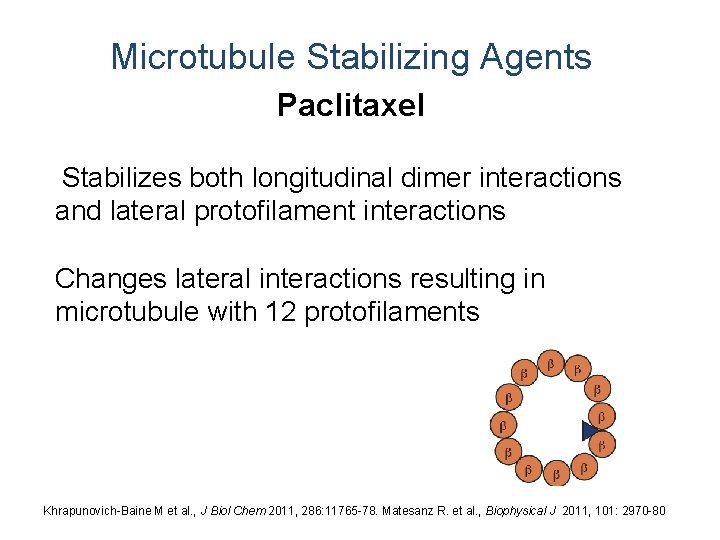
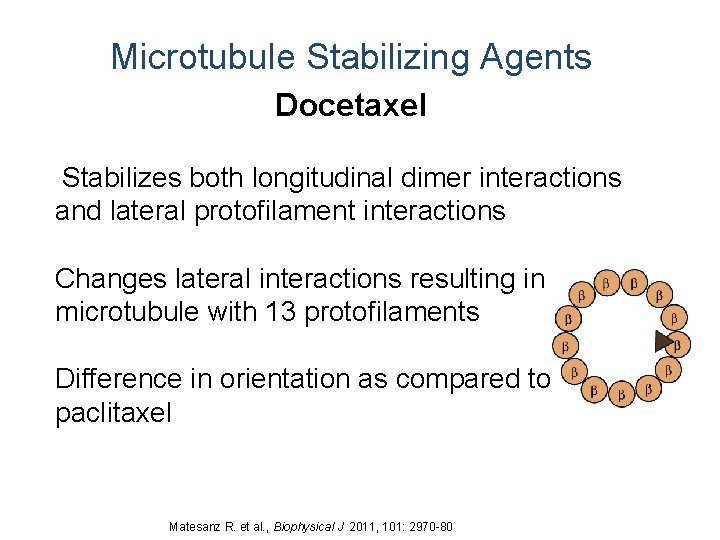
Microtubule Stabilizing Agents Paclitaxel Stabilizes both longitudinal dimer interactions and lateral protofilament interactions Changes lateral interactions resulting in microtubule with 12 protofilaments Khrapunovich-Baine M et al. , J Biol Chem 2011, 286: 11765 -78. Matesanz R. et al. , Biophysical J 2011, 101: 2970 -80
Microtubule Stabilizing Agents Paclitaxel Stabilizes both longitudinal dimer interactions and lateral protofilament interactions Changes lateral interactions resulting in microtubule with 12 protofilaments Binding within β-tubulin transduces changes in structure of α-tubulin and site of motor and microtubule associated protein (MAP) binding Khrapunovich-Baine M et al. , J Biol Chem 2011, 286: 11765 -78. Xiao H. et al. , 2012, ACS Chem Biol. 7: 744 -52.
Microtubule Stabilizing Agents Docetaxel Stabilizes both longitudinal dimer interactions and lateral protofilament interactions Changes lateral interactions resulting in microtubule with 13 protofilaments Difference in orientation as compared to paclitaxel Matesanz R. et al. , Biophysical J 2011, 101: 2970 -80
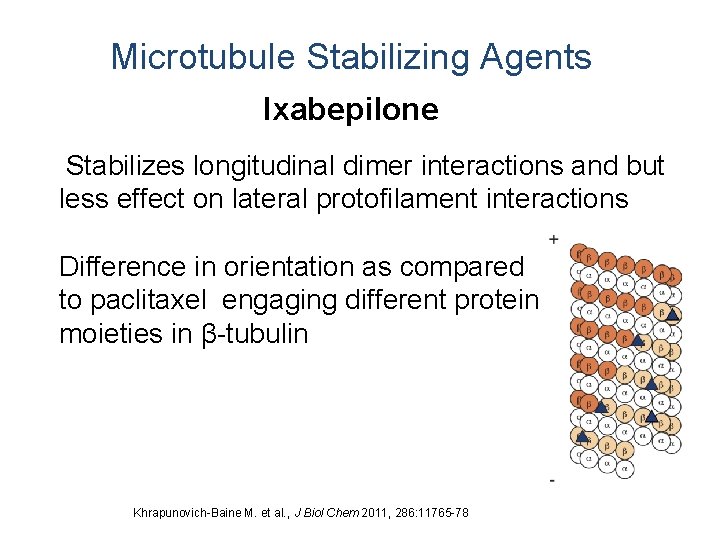
Microtubule Stabilizing Agents Ixabepilone Stabilizes longitudinal dimer interactions and but less effect on lateral protofilament interactions Difference in orientation as compared to paclitaxel engaging different protein moieties in β-tubulin Khrapunovich-Baine M. et al. , J Biol Chem 2011, 286: 11765 -78
Microtubule Stabilizing Agents Taxane site Bind on interior surface of formed microtubule Stabilize longitudinal and lateral interactions Drugs bind with different poses within the site Contacts with different peptides in β-tubulin and distinct poses may initiate different interactions with microtubule associated proteins Xiao H et al. , PNAS 2006, 103: 10166 -73. Matesanz R. et al. , Biophysical J 2011, 101: 2970 -80 Khrapunovich-Baine M et al. , J Biol Chem 2011, 286: 11765 -78. Xiao H. et al. , 2012, ACS Chem Biol. 7: 744 -52.
Microtubule Destabilizing Agents Vinca Domain Located on β-tubulin Binding site on exterior of microtubules Multiple drug orientations possible Vinca domain binding agents: Vinca alkaloids: vinblastine, vinorelbine halichrondrins: eribulin maytansines: maytansine, DM-1 Bind with distinct orientations in binding site
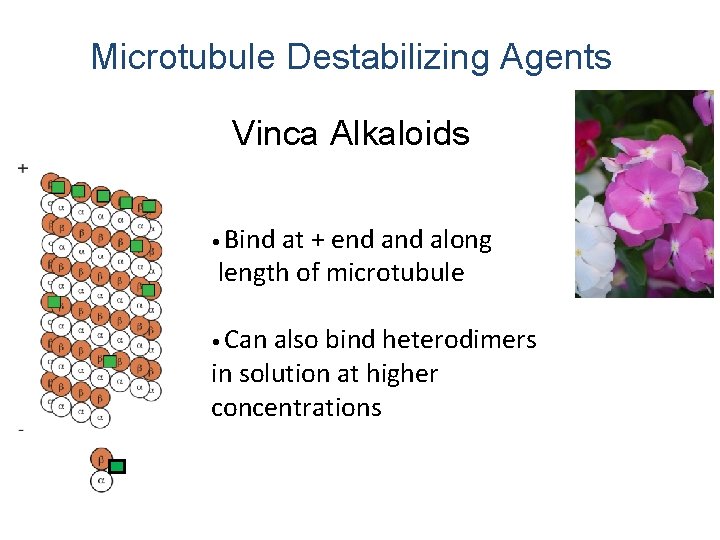
Microtubule Destabilizing Agents Vinca Alkaloids • Bind at + end along length of microtubule • Can also bind heterodimers in solution at higher concentrations
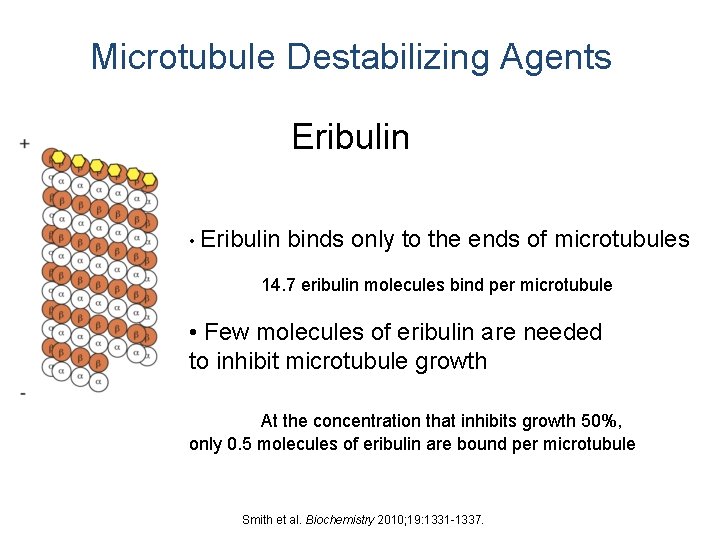
Microtubule Destabilizing Agents Eribulin • Eribulin binds only to the ends of microtubules 14. 7 eribulin molecules bind per microtubule • Few molecules of eribulin are needed to inhibit microtubule growth At the concentration that inhibits growth 50%, only 0. 5 molecules of eribulin are bound per microtubule Smith et al. Biochemistry 2010; 19: 1331 -1337.
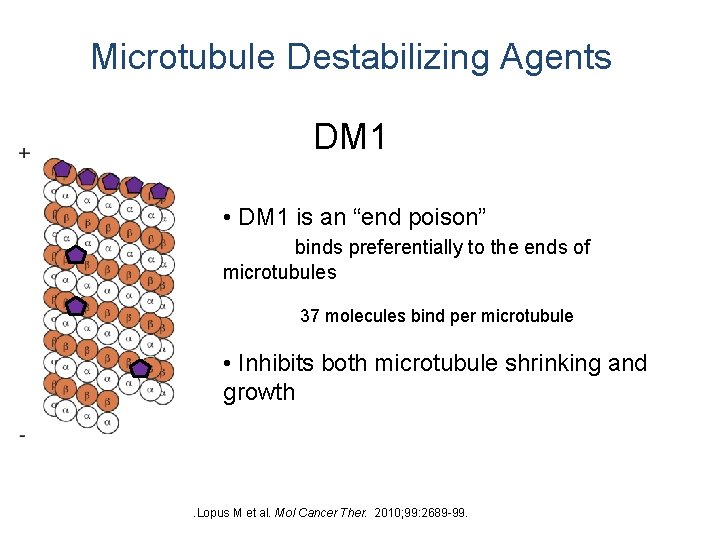
Microtubule Destabilizing Agents DM 1 • DM 1 is an “end poison” binds preferentially to the ends of microtubules 37 molecules bind per microtubule • Inhibits both microtubule shrinking and growth . Lopus M et al. Mol Cancer Ther. 2010; 99: 2689 -99.
Microtubule Destabilizing Agents Vinca Domain Binding Drugs Suppress microtubule dynamics Bind with distinct orientations in binding site Subtle differences in how they inhibit microtubule dynamics Lopus M et al. Mol Cancer Ther. 2010; 99: 2689 -99 Smith et al. Biochemistry 2010; 19: 1331 -1337.
Microtubule Targeted Agents • Suppress normal microtubule dynamics • Disrupt microtubules and • Prevent normal microtubule functions • Resulting in apoptosis • They all are mechanistically distinct
In Conclusion: Microtubule Targeting Agents ● Effective drugs used in the treatment of breast cancer ● Mechanistic differences among microtubule targeting drugs ● All suppress microtubule dynamics and lead to mitotic arrest and ultimately apoptosis ● A recent hypothesis suggests that interruption of interphase microtubules might also be important ● New opportunities for the future by targeting microtubule disrupting agents to tumor-directed antibodies, T-DM 1