Introduction in Community Medicine Dr Amina Muftah Elsaid































- Slides: 100
Introduction in Community Medicine Dr. Amina Muftah Elsaid Community Medicine
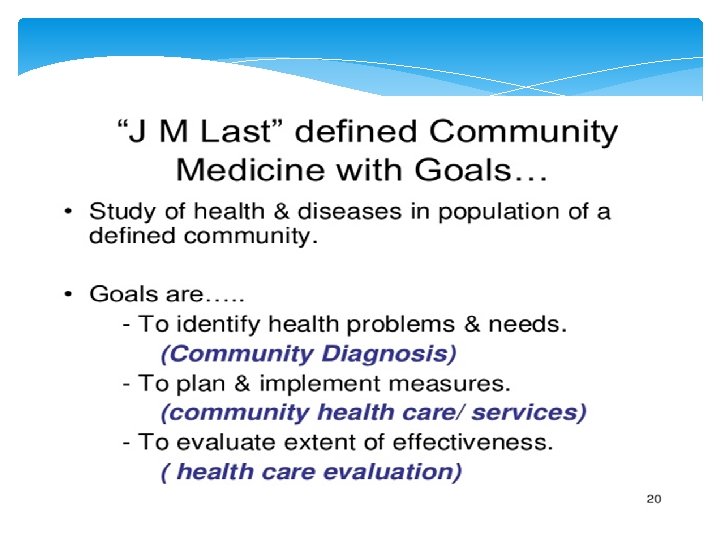
Objectives - To understand the concept of community health - compare between clinical and community medicine - To understand the aims and goals of community medicine - To know the branches of community medicine - To understand the differences between clinical and community medicine
Concepts of community medicine When we joined the medical school our understanding was that we are going to work in a clinic or hospital, we receive patients having a complaint or suffering from a disease, we examine our patients, diagnose and treat them this is Curative Medicine
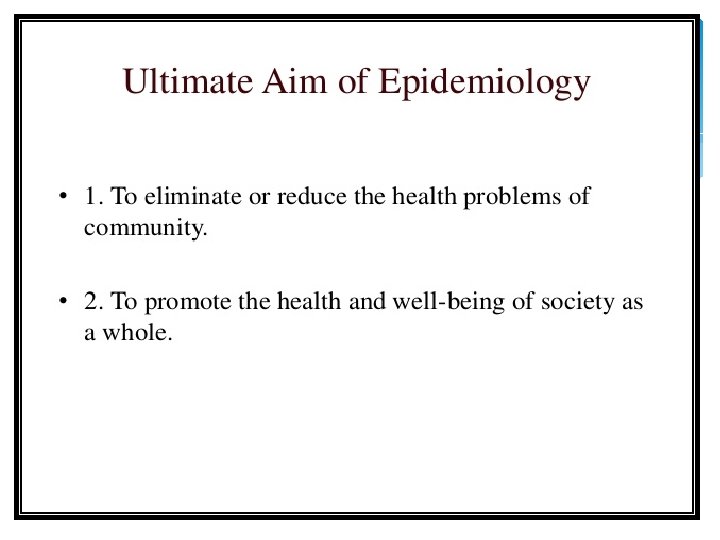
In public health and community medicine We are concerned about the individual for his/her self, as a member of the family , and living within a community. Our concern extends throughout the health spectrum from being perfectly healthy to being seriously affected by a disease or its complications.
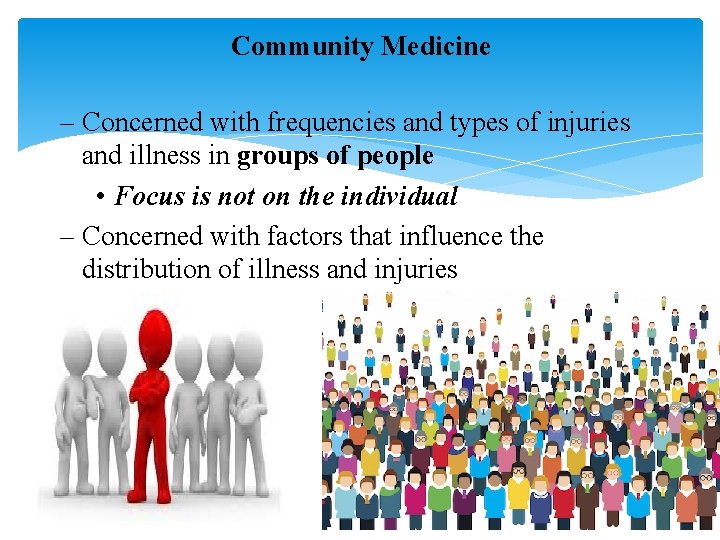
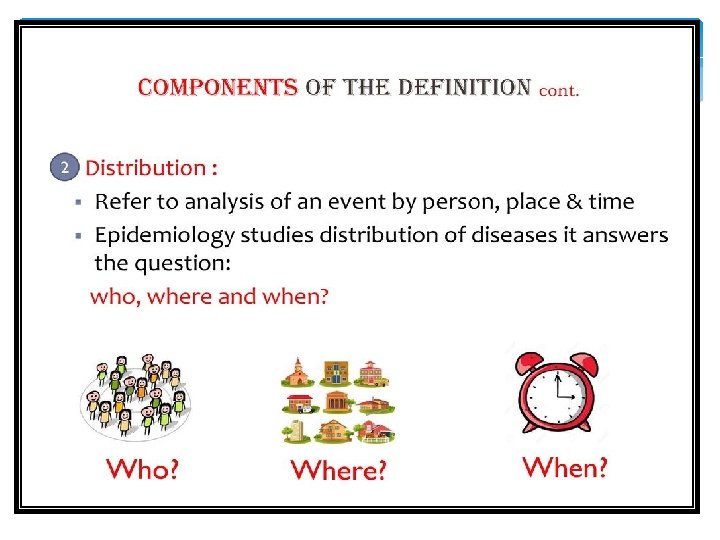
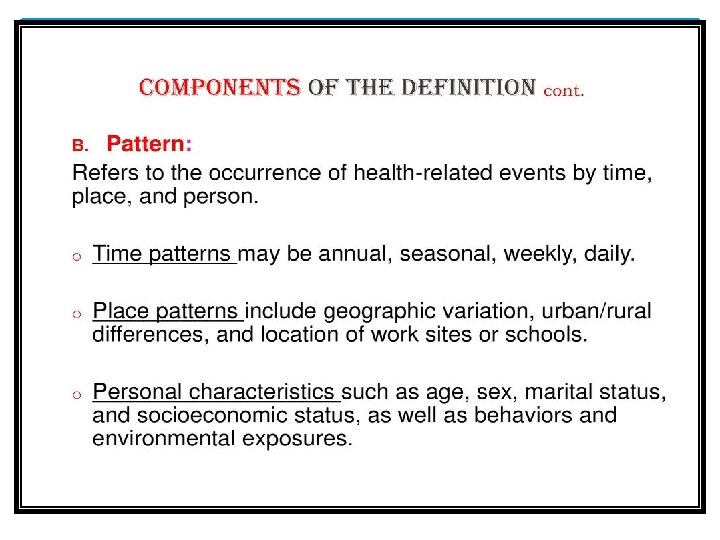
Community Medicine – Concerned with frequencies and types of injuries and illness in groups of people • Focus is not on the individual – Concerned with factors that influence the distribution of illness and injuries
Prevention better than cure Prevention is also * Simpler than cure * Safer than cure * Cheaper than cure * Easier than cure
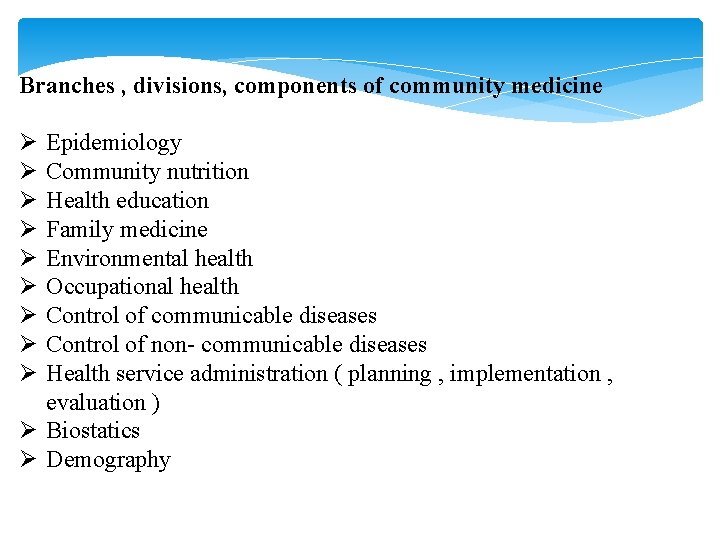
Branches , divisions, components of community medicine Ø Ø Ø Ø Ø Epidemiology Community nutrition Health education Family medicine Environmental health Occupational health Control of communicable diseases Control of non- communicable diseases Health service administration ( planning , implementation , evaluation ) Ø Biostatics Ø Demography
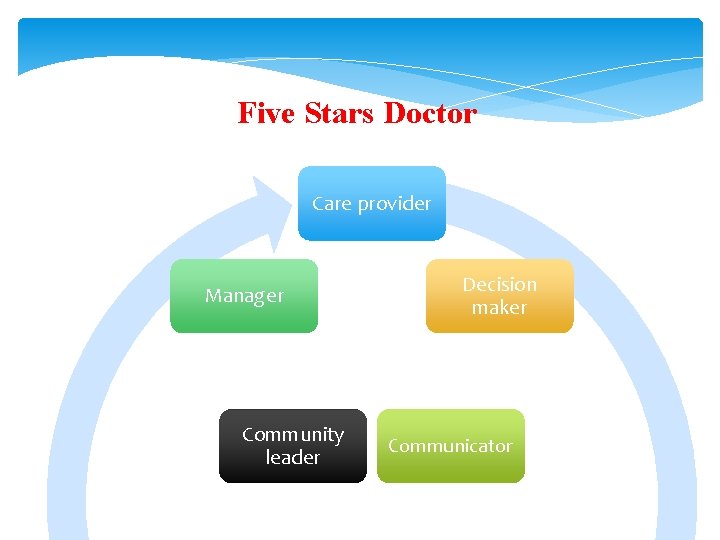
Five Stars Doctor Care provider Manager Community leader Decision maker Communicator
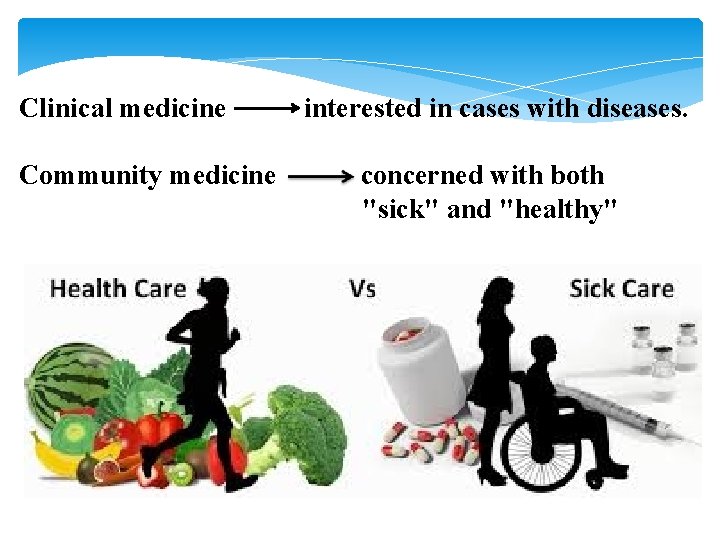
Clinical medicine interested in cases with diseases. Community medicine concerned with both "sick" and "healthy"
Clinician is concerned with the - Diagnosis -Prognosis -Treatment Epidemiologist identify - particular source of infection, - mode of spread or an etiological factor(s) in order to determine a future trend and recommend specific control measures.
Clinician uses laboratory reports and post mortem reports to diagnose disease while in epidemiology the subject matter is conceptual and can only be symbolized in the form of tables and graphs.
Clinical medicine patient comes to the doctor Epidemiological epidemiologist goes out into the community to find persons who have the disease or experience of the suspected causal factor in question.
Finally Clinical medicine and Epidemiology are not antagonistic. Both are closely related, co-existent and mutually helpful
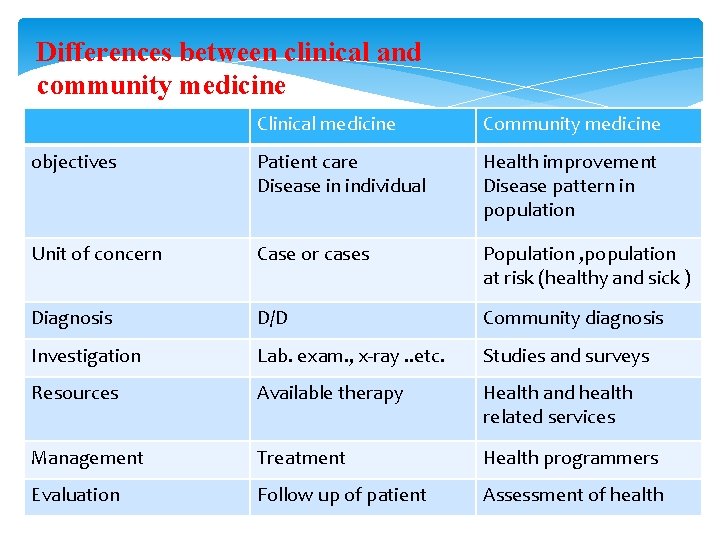
Differences between clinical and community medicine Clinical medicine Community medicine objectives Patient care Disease in individual Health improvement Disease pattern in population Unit of concern Case or cases Population , population at risk (healthy and sick ) Diagnosis D/D Community diagnosis Investigation Lab. exam. , x-ray. . etc. Studies and surveys Resources Available therapy Health and health related services Management Treatment Health programmers Evaluation Follow up of patient Assessment of health
Principles of Epidemiology Dr. Amina Elsaid Community Medicine
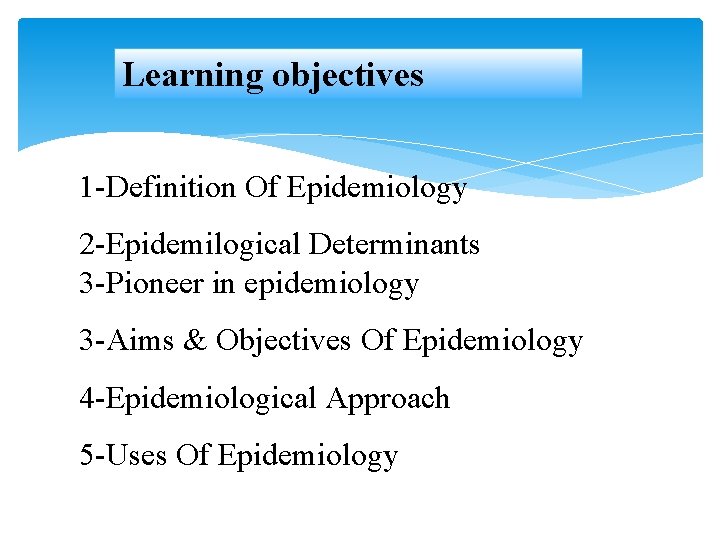
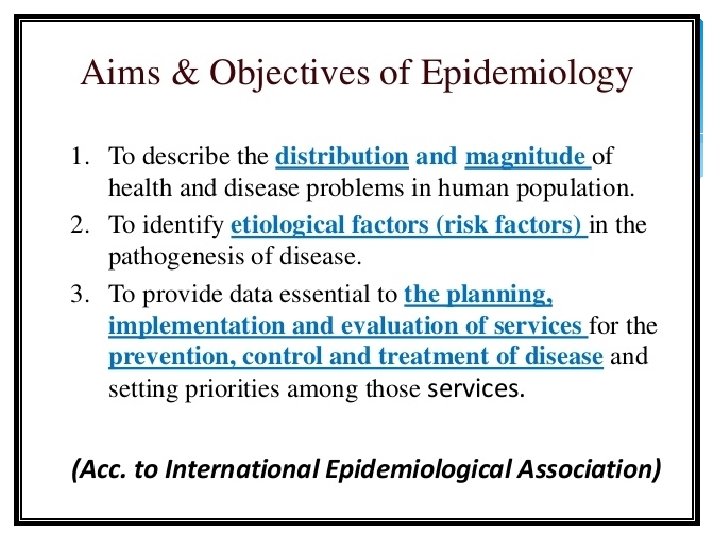
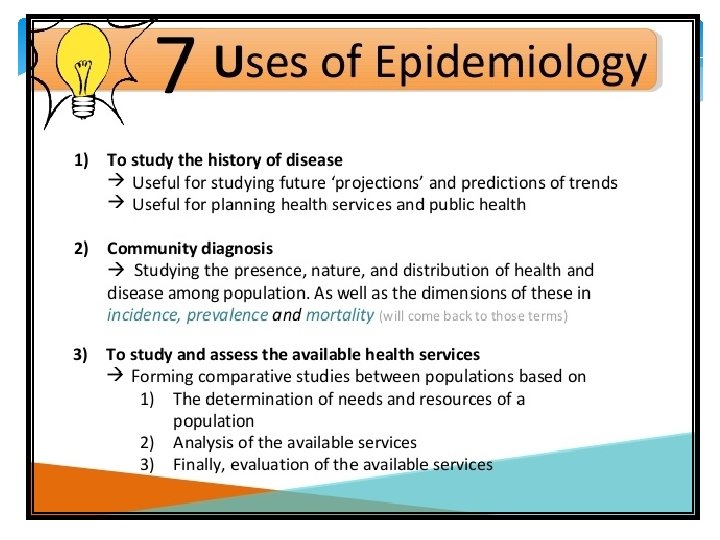
Learning objectives 1 -Definition Of Epidemiology 2 -Epidemilogical Determinants 3 -Pioneer in epidemiology 3 -Aims & Objectives Of Epidemiology 4 -Epidemiological Approach 5 -Uses Of Epidemiology
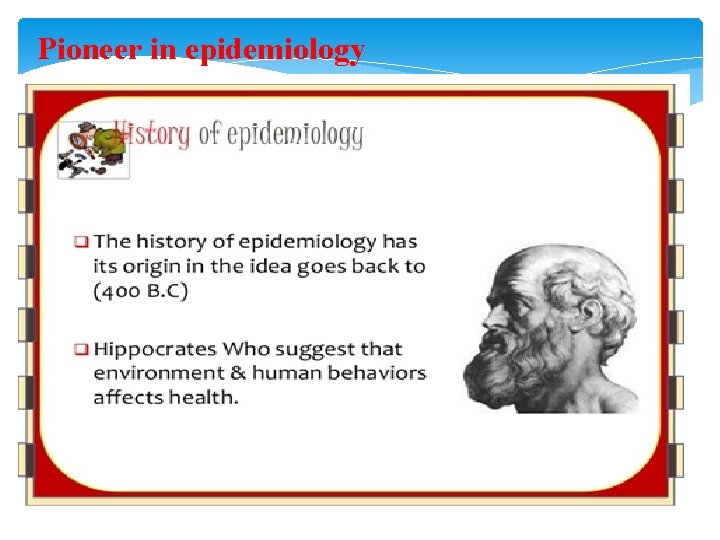
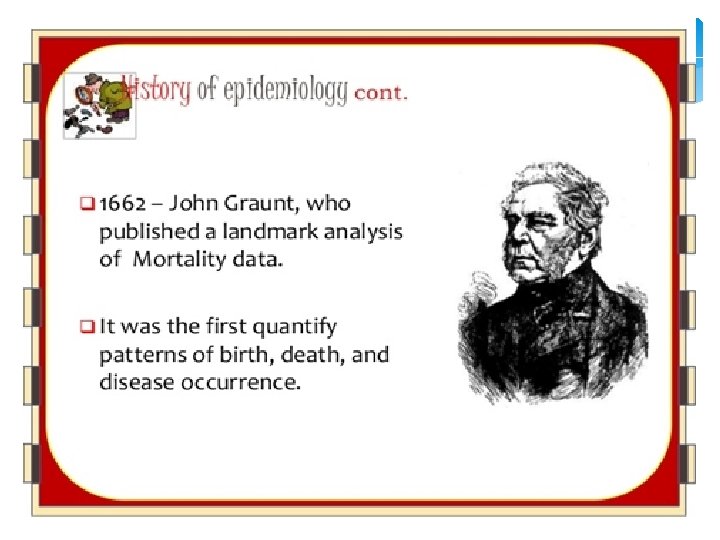
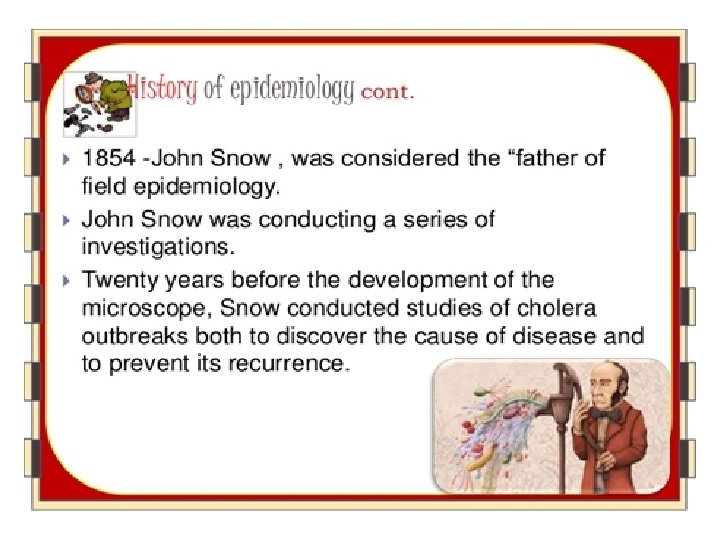
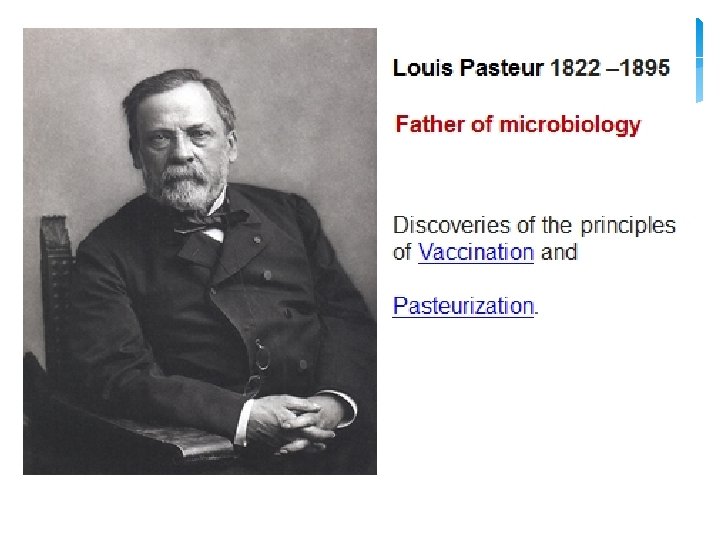
Pioneer in epidemiology
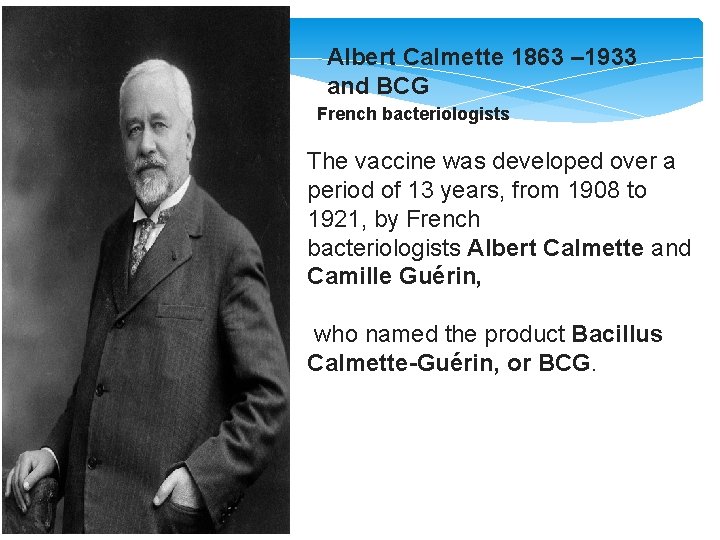
Albert Calmette 1863 – 1933 and BCG French bacteriologists The vaccine was developed over a period of 13 years, from 1908 to 1921, by French bacteriologists Albert Calmette and Camille Guérin, who named the product Bacillus Calmette-Guérin, or BCG.
Thank you
Tools of Measurement in Epidemiology Dr. Amina Elsaid Community Medicine
Learning objectives 1 - Measures of Morbidity 2 - Measures of Mortality
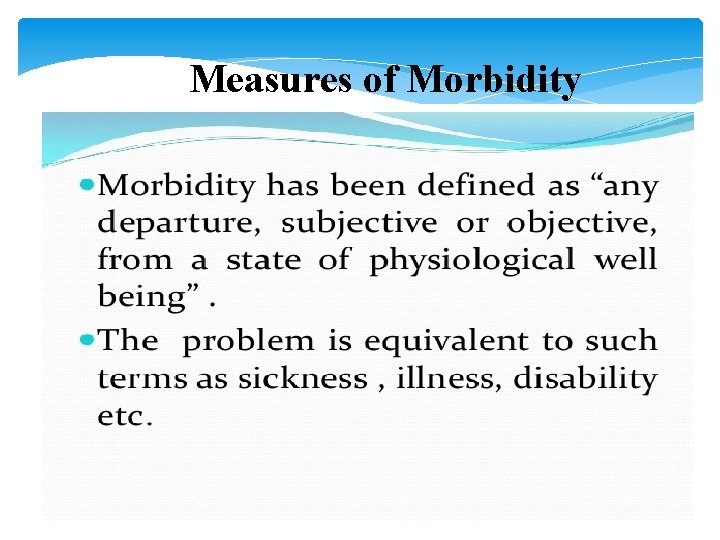
Measures of Morbidity
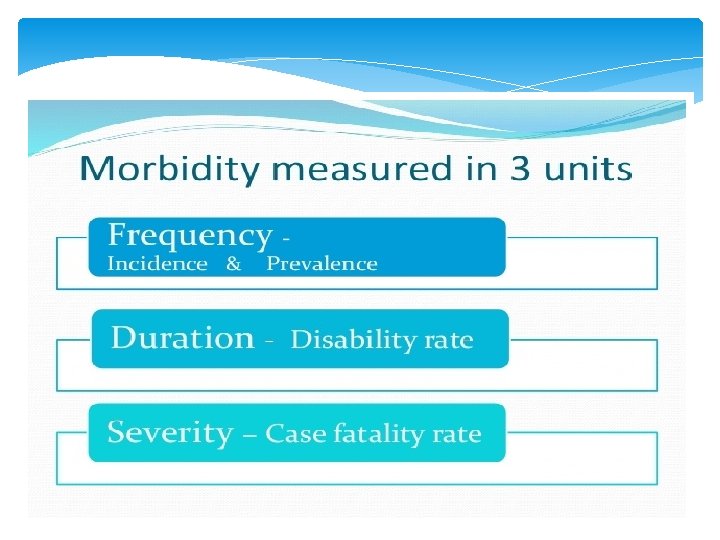
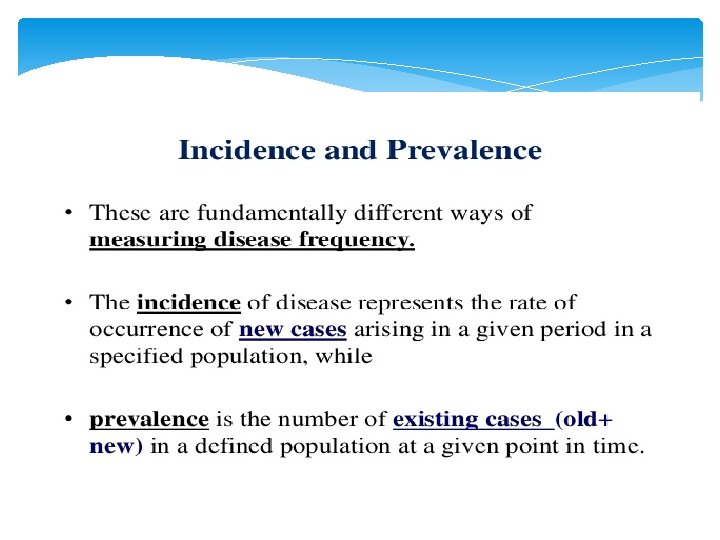
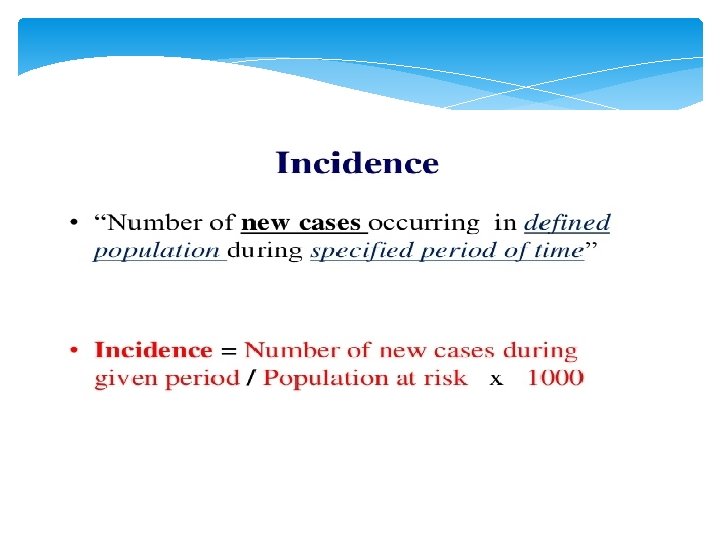
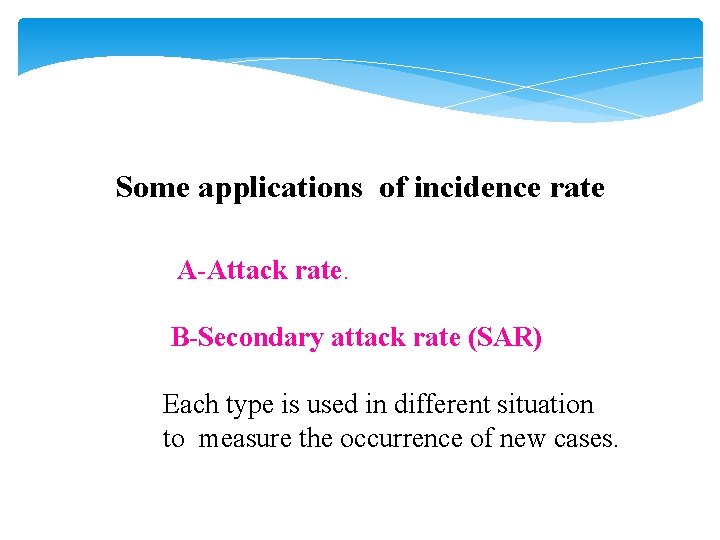
Some applications of incidence rate A-Attack rate. B-Secondary attack rate (SAR) Each type is used in different situation to measure the occurrence of new cases.
A-Attack rate It measures the frequency of new cases when the population is exposed to an agent for a limited period of time, such as during an epidemic. It measures the extent or magnitude of the disease during an epidemic (usually used for infectious diseases) Attack rate = Number of cases of the disease during an epidemic period X 100 Total people at risk of developing the disease during the same epidemic period
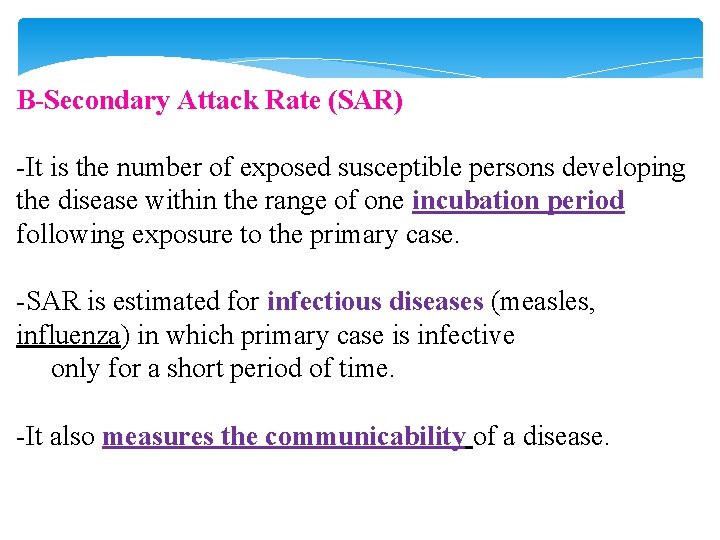
B-Secondary Attack Rate (SAR) -It is the number of exposed susceptible persons developing the disease within the range of one incubation period following exposure to the primary case. -SAR is estimated for infectious diseases (measles, influenza) in which primary case is infective only for a short period of time. -It also measures the communicability of a disease.
Uses of SAR 1 -To measure the spread or communicability of an infection within family or in a closed group e. g. hostel inmates. 2 -To know the communicability of a new disease. 3 -To evaluate the control and preventive measures e. g. , vaccination , isolation, etc.
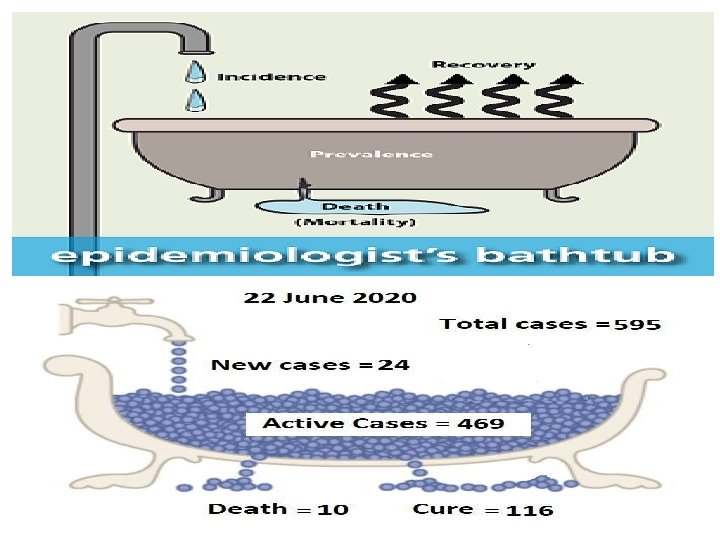
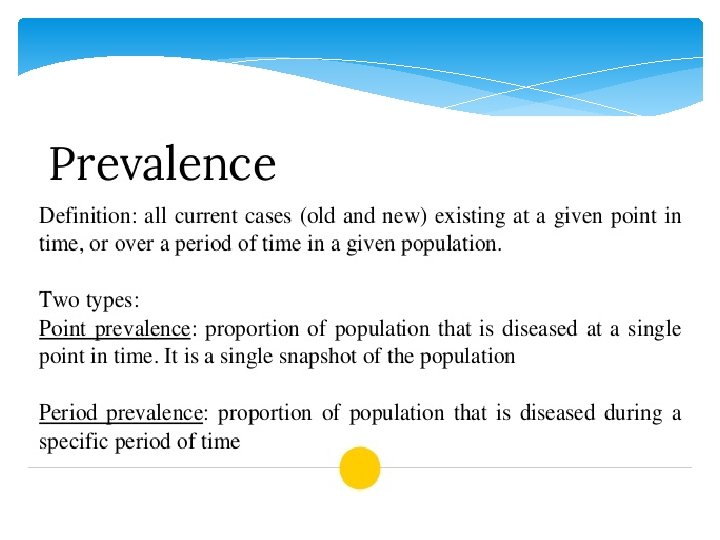
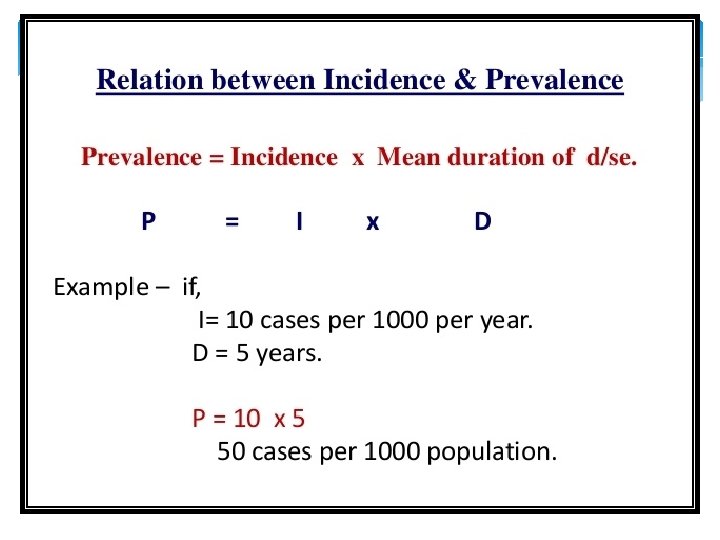
Uses of incidence and prevalence rates 1. Incidence rate To plan control and preventive measures 2. To evaluate control & preventive measures i. e. if incidence rate of a disease is increasing after application of control and preventive measures, it indicates failure of the measures. There is a need for new measures or present measures needs modification 3. Provides research direction in to a disease Prevalence rate 1 -To estimate the total magnitude of a disease in the community 2. To identify potential high risk population 3. Useful for administrative and planning purposes. 4. To plan facilities to deal with the total magnitude of disease e. g. Number of beds, doctors, nurses, required drugs, rehabilitation facilities.
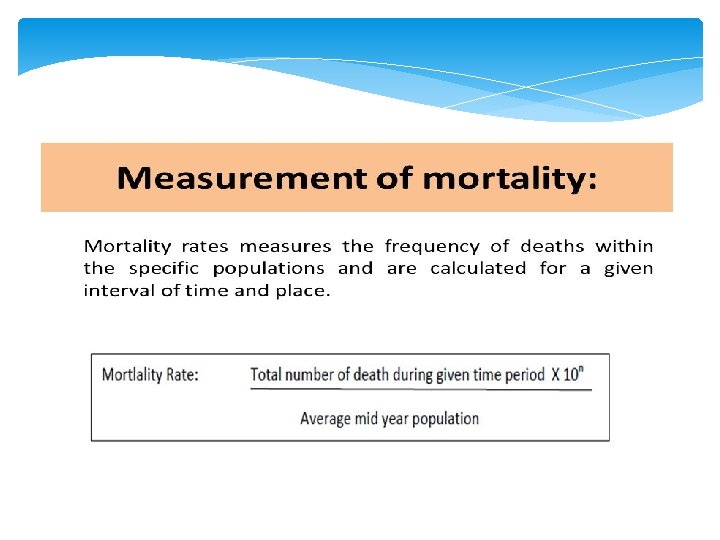
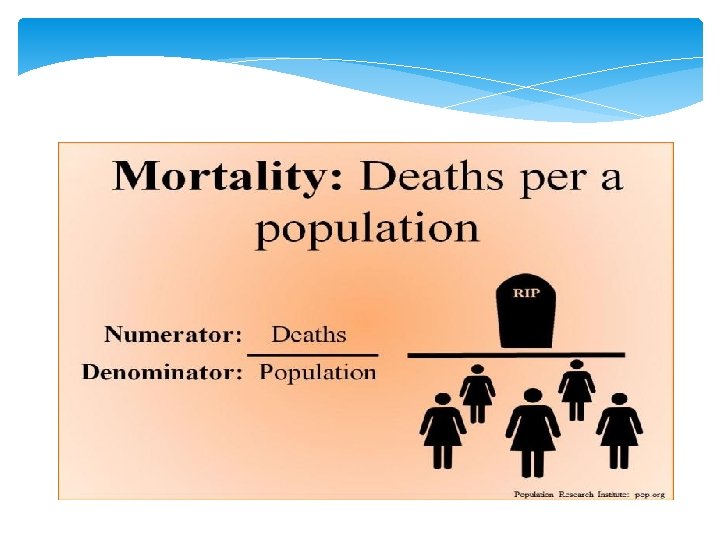
MEASURES OF MORTALITY
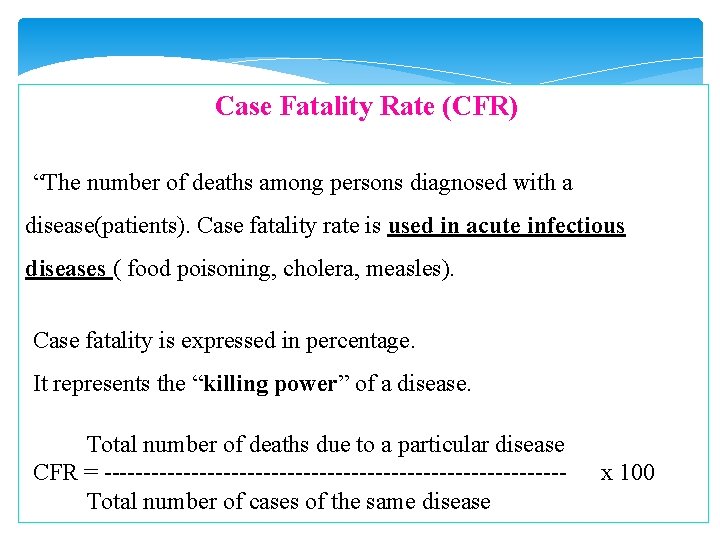
Case Fatality Rate (CFR) “The number of deaths among persons diagnosed with a disease(patients). Case fatality rate is used in acute infectious diseases ( food poisoning, cholera, measles). Case fatality is expressed in percentage. It represents the “killing power” of a disease. Total number of deaths due to a particular disease CFR = -----------------------------Total number of cases of the same disease x 100
Standardized Death Rates: Comparison of death rates of two populations with different age compositions should be done by age adjustment or age standardization as Crude Death rate cannot provide correct comparison. This removes the confounding effect of different age structures. Survival Rate: It is the proportion of survivors in a group studied and followed over a period (usually 5 years). It is a method of describing prognosis in certain disease conditions. Total number of patients alive after a specific period Survival rate = ---------------------------------- x 100 Total number of patients diagnosed or treated
Thank you
Investigation Of An Epidemic Dr. Amina Elsaid Community Medicine
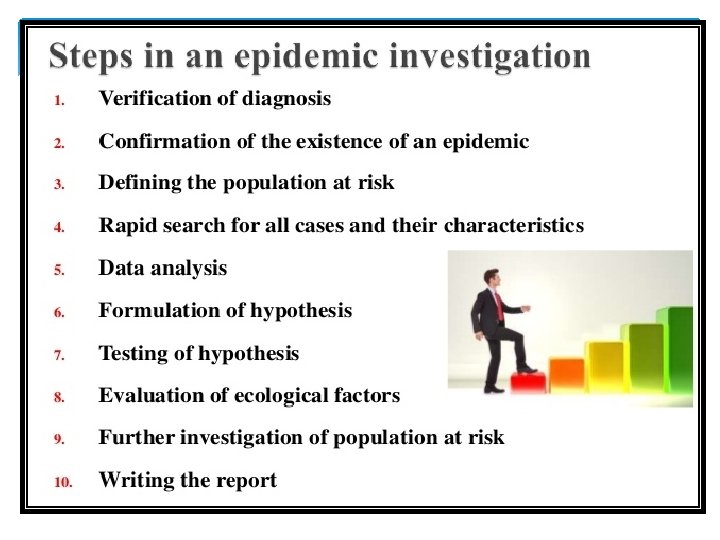
Learning objectives 1 - Definition of epidemic 2 - Steps in an epidemic Investigation
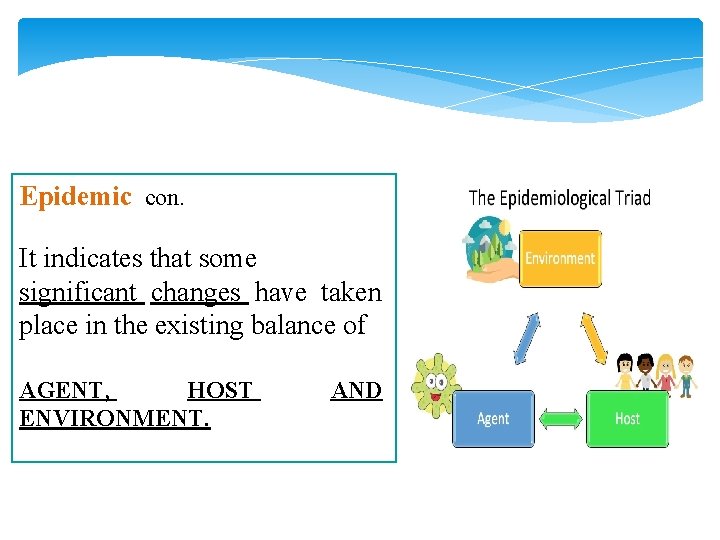
Epidemic The unusual occurrence in a community specific of disease, health related behaviors (smoking) or other health related events (accident) clearly in excess of expected occurrence
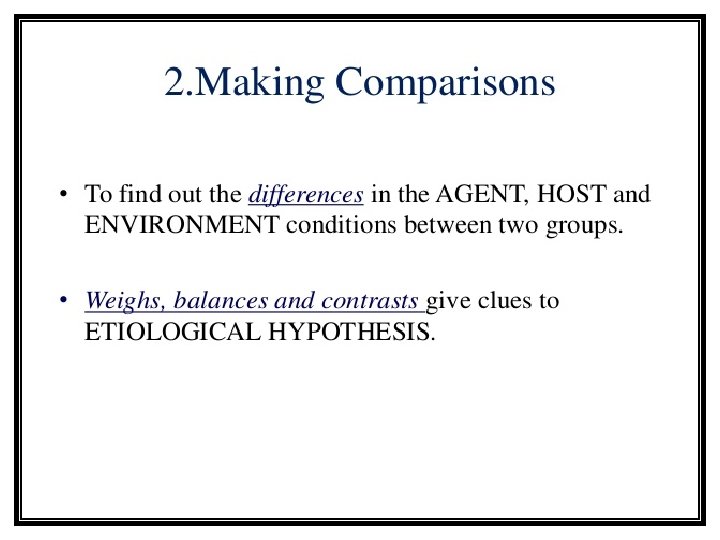
Epidemic con. It indicates that some significant changes have taken place in the existing balance of AGENT, HOST ENVIRONMENT. AND
1 -Verification of diagnosis: It should be done quickly Clinical examination laboratory investigation
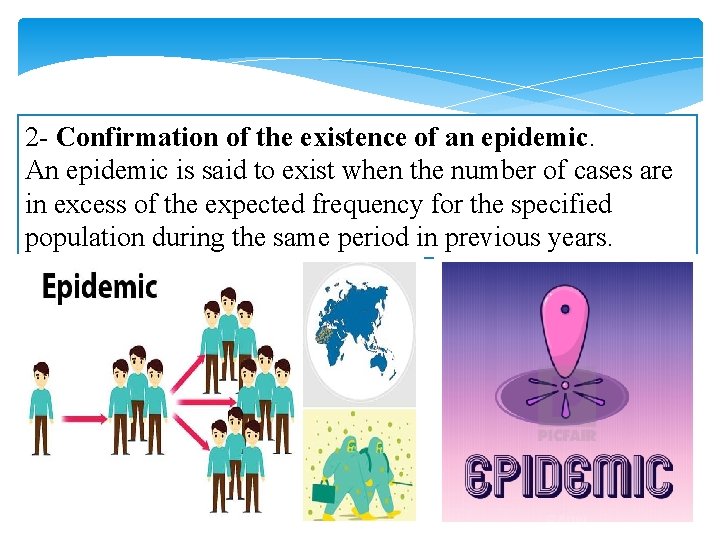
2 - Confirmation of the existence of an epidemic. An epidemic is said to exist when the number of cases are in excess of the expected frequency for the specified population during the same period in previous years.
Search for new cases to be carried out daily till the area is declared free of an epidemic i. e. twice the incubation period of the disease after the last case or death occurs (epidemic disease).
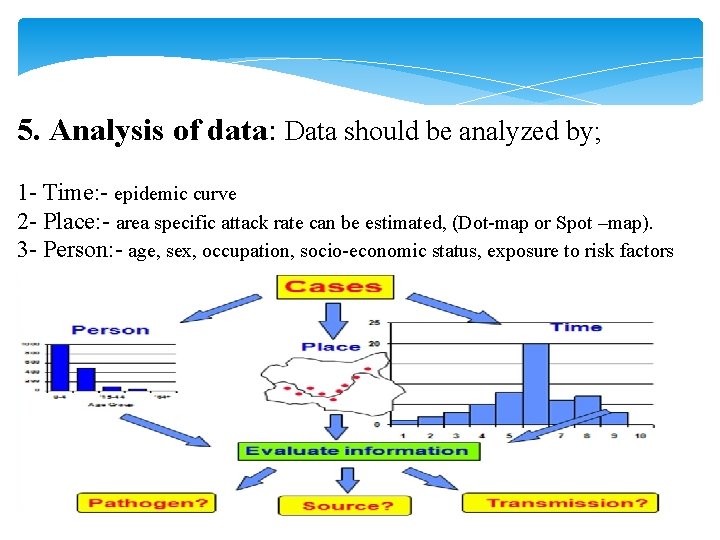
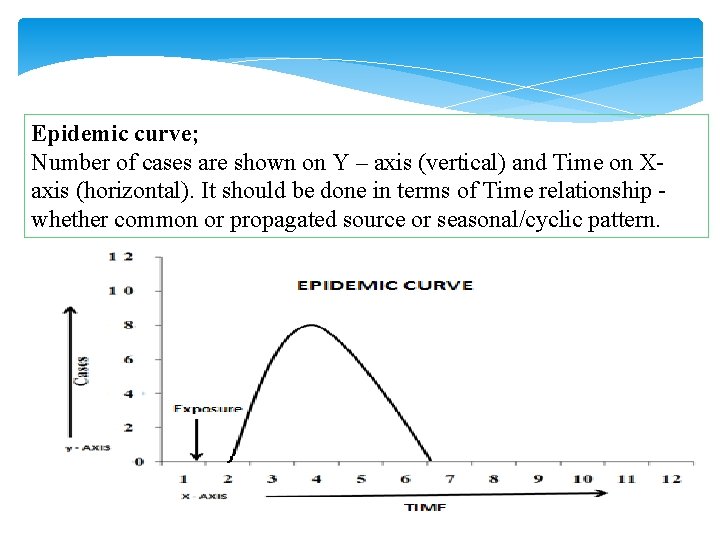
5. Analysis of data: Data should be analyzed by; 1 - Time: - epidemic curve 2 - Place: - area specific attack rate can be estimated, (Dot-map or Spot –map). 3 - Person: - age, sex, occupation, socio-economic status, exposure to risk factors
Epidemic curve; Number of cases are shown on Y – axis (vertical) and Time on Xaxis (horizontal). It should be done in terms of Time relationship whether common or propagated source or seasonal/cyclic pattern.
Thank you