Evolution of Cancer therapy and the current therapy
- Slides: 54
Evolution of Cancer therapy and the current therapy of Lung Cancer Ravin J. Garg MD Hematologist/Oncologist, Anne Arundel Medical Center (Full-time) Assistant Professor (Part-time) Johns Hopkins School of Medicine
No Conflicts of Interest or Disclosures
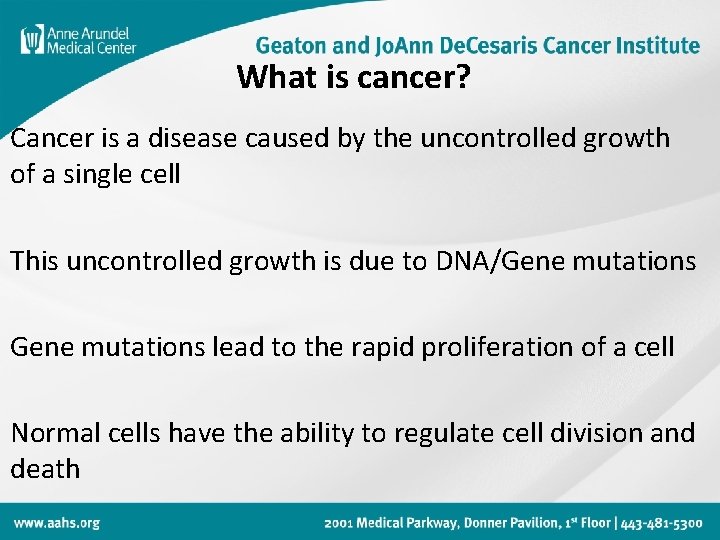
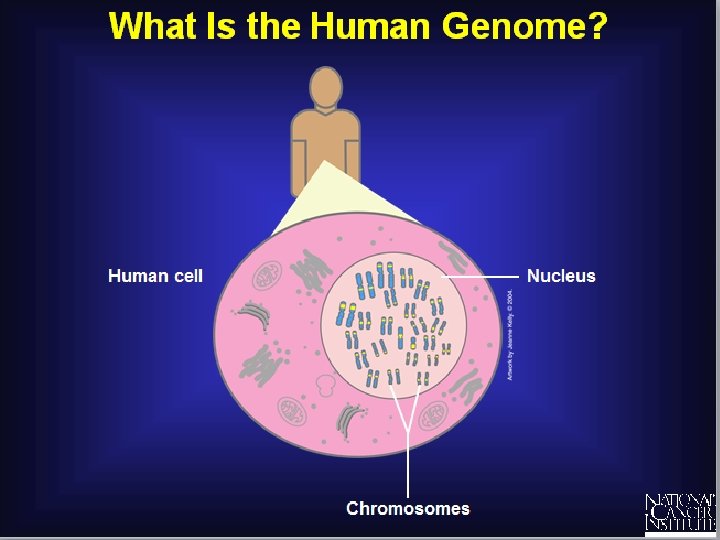
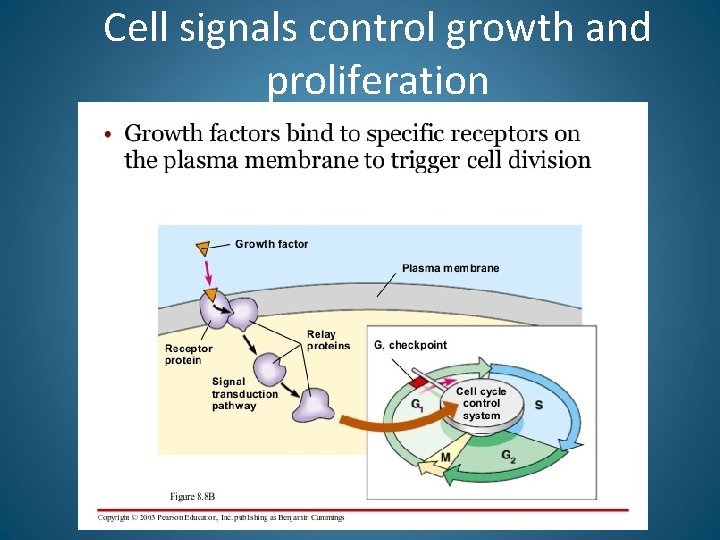
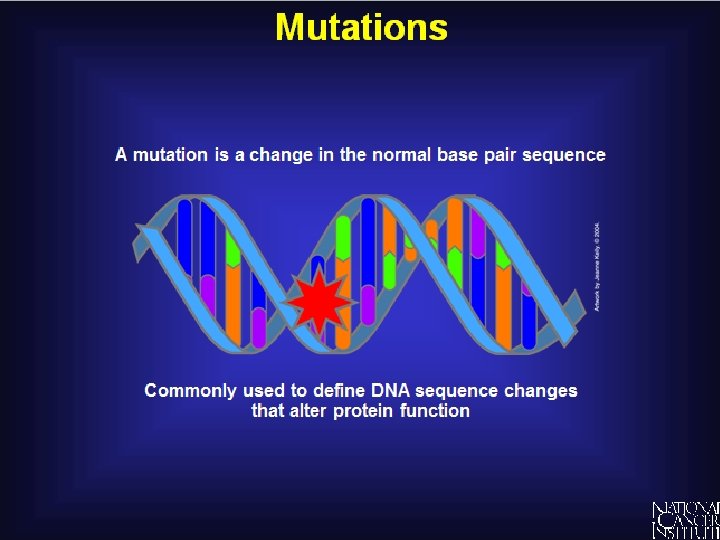
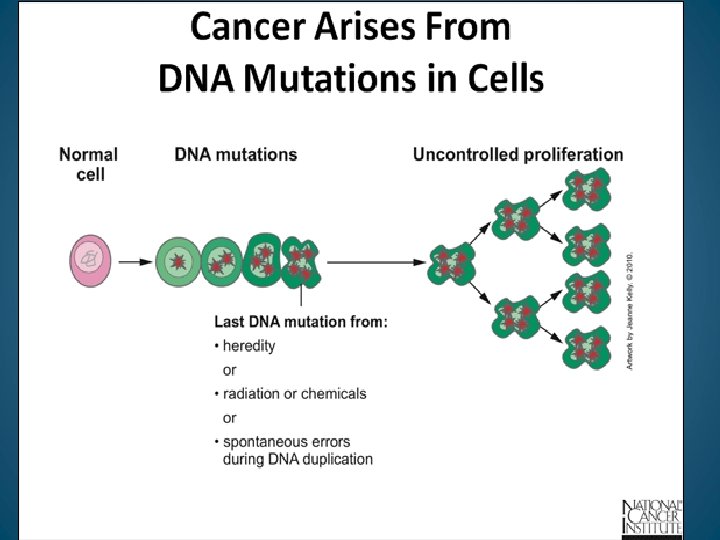
What is cancer? Cancer is a disease caused by the uncontrolled growth of a single cell This uncontrolled growth is due to DNA/Gene mutations lead to the rapid proliferation of a cell Normal cells have the ability to regulate cell division and death
Cell signals control growth and proliferation
How to treat cancer? Prevent mutations from occurring in cells If a mutation is present, how do we kill that cell without killing ourselves Cancer cells can appear quite similar to our normal cells, it is derived from our normal genes, how to target and destroy them
The importance of folic acid Folate is a substance that is used as a building block for DNA synthesis and subsequent cell division Dr. Farber performed a trial where he gave folic acid to children with leukemia. Unfortunately, he realized that administering folic acid accelerated the growth of leukemia He made the connection that perhaps an anti-folate could kill leukemic cells. He strived to shut down the DNA factory by inhibiting a building block (i. e. , folic acid). He used an antifolate (aminopterin) in the treatment of childhood leukemia
Anti-folate is a chemotherapy Dr. Subbarao, synthesized a antifolate molecule and gave it to Dr. Farber to test in children with acute leukemia A 2 year–old boy dying of acute leukemia was given aminopterin, an anti-folate This child had immediate benefit. The white count came down and his enlarged spleen shrunk. Responses were not durable Antifolates essentially starve a cancer cell of nutrients required for cell division
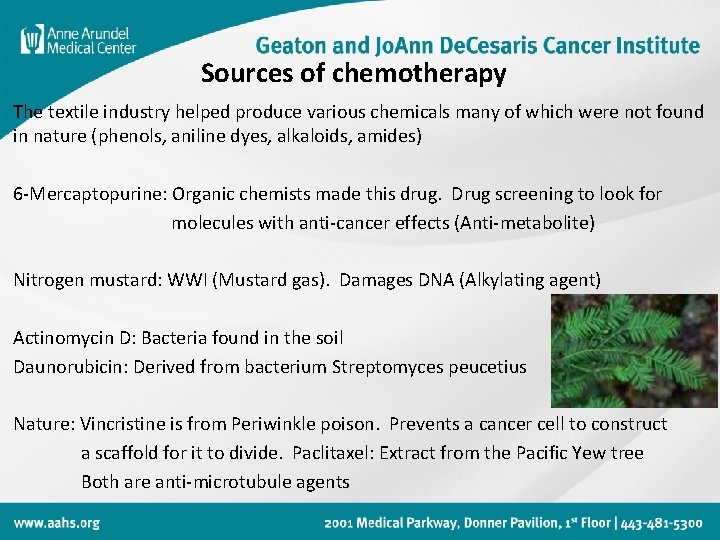
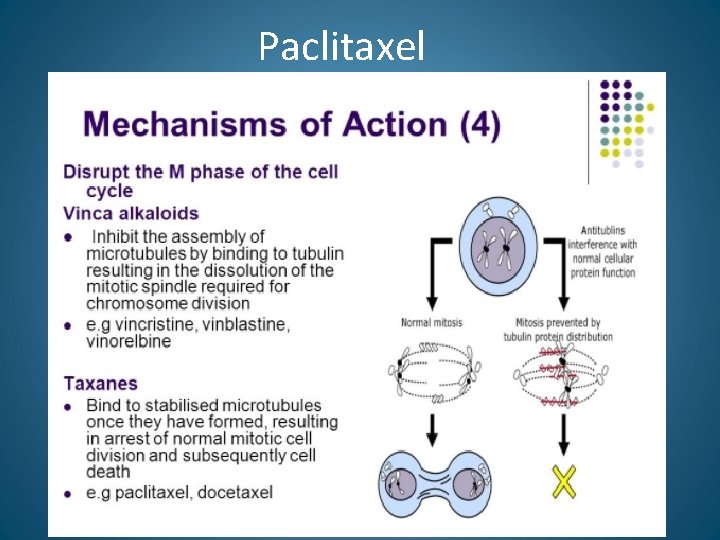
Sources of chemotherapy The textile industry helped produce various chemicals many of which were not found in nature (phenols, aniline dyes, alkaloids, amides) 6 -Mercaptopurine: Organic chemists made this drug. Drug screening to look for molecules with anti-cancer effects (Anti-metabolite) Nitrogen mustard: WWI (Mustard gas). Damages DNA (Alkylating agent) Actinomycin D: Bacteria found in the soil Daunorubicin: Derived from bacterium Streptomyces peucetius Nature: Vincristine is from Periwinkle poison. Prevents a cancer cell to construct a scaffold for it to divide. Paclitaxel: Extract from the Pacific Yew tree Both are anti-microtubule agents
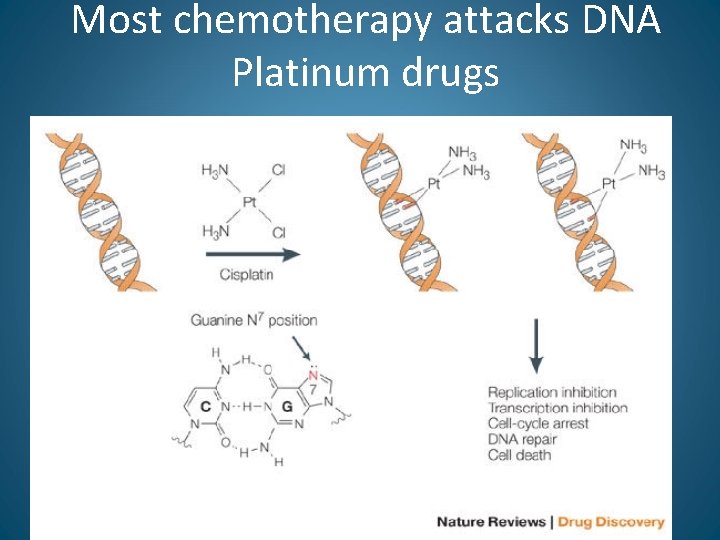
Most chemotherapy attacks DNA Platinum drugs
Paclitaxel
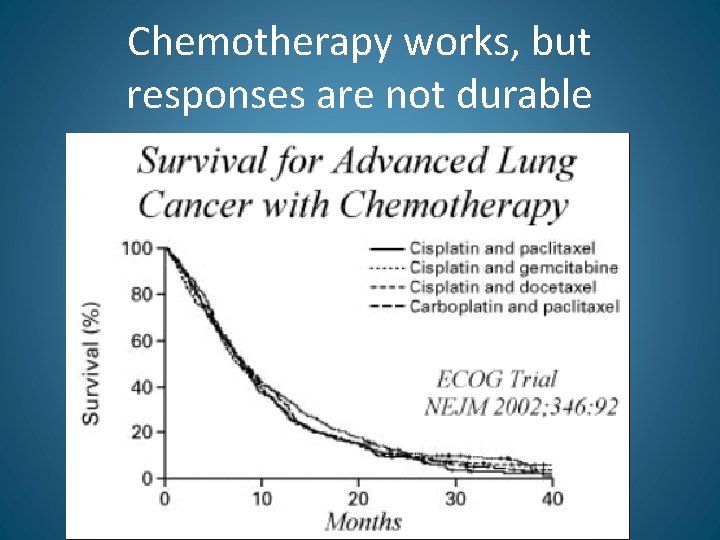
Chemotherapy works, but responses are not durable
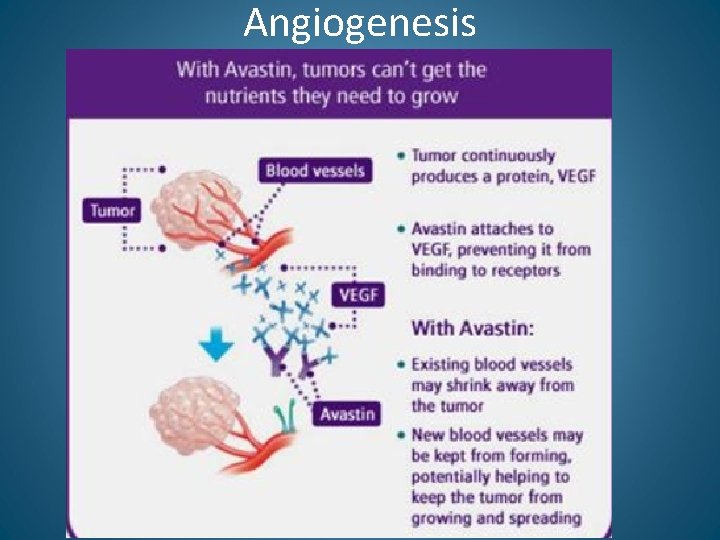
Angiogenesis
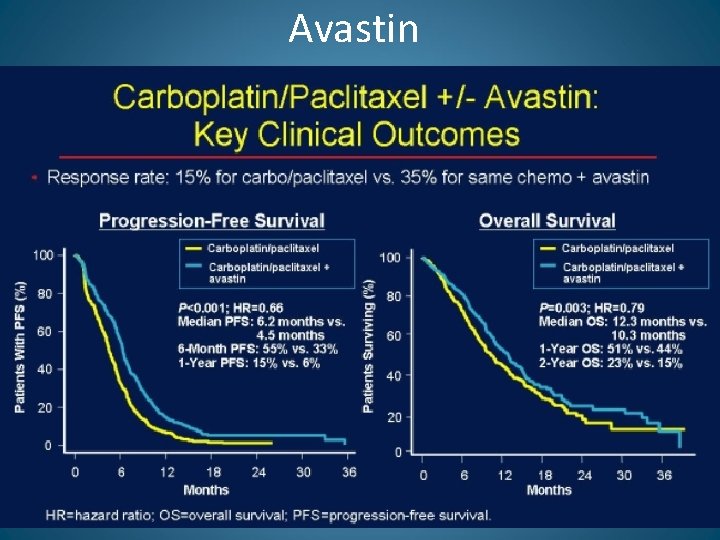
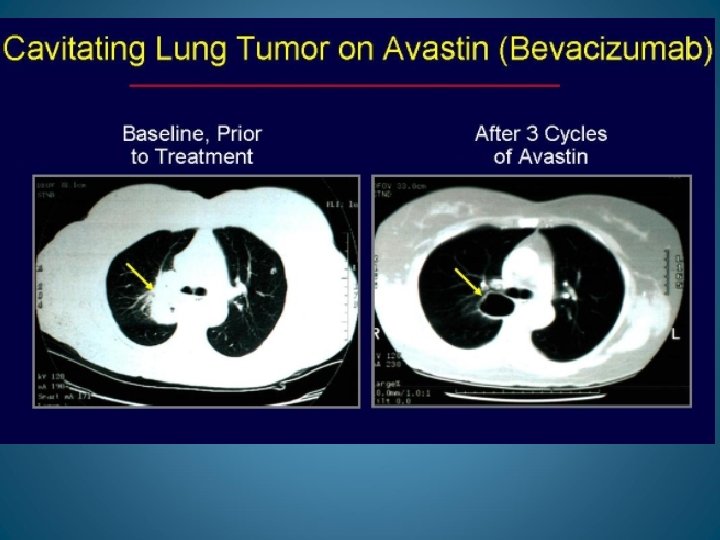
Avastin
Traditional Attack against Cancer cell DNA All cancers are treated the same based upon organ of origin All DNA is the body is attacked by chemotherapy (healthy and unhealthy). This leads to broad side effects Can we specifically attack a particular gene mutation or its resulting cancer causing protein?
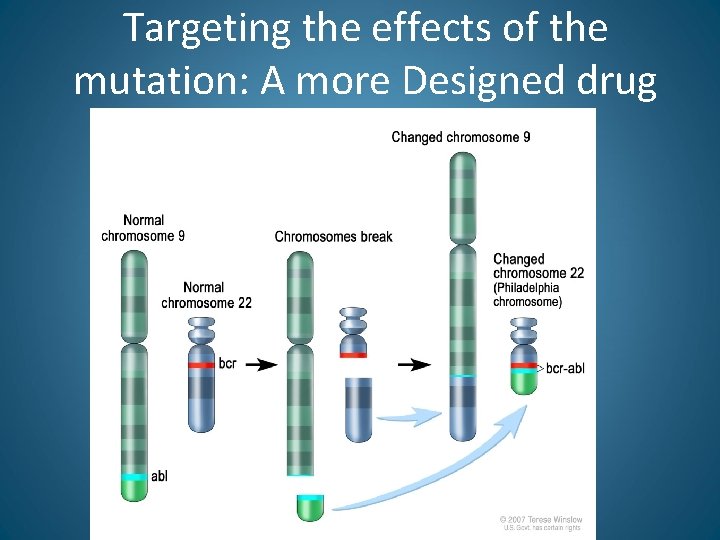
Targeting the effects of the mutation: A more Designed drug
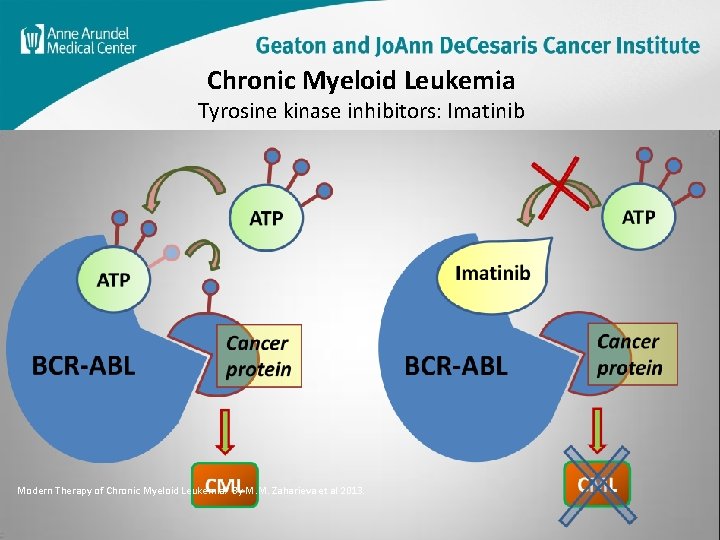
Chronic Myeloid Leukemia Tyrosine kinase inhibitors: Imatinib Modern Therapy of Chronic Myeloid Leukemia. By M. M. Zaharieva et al 2013.
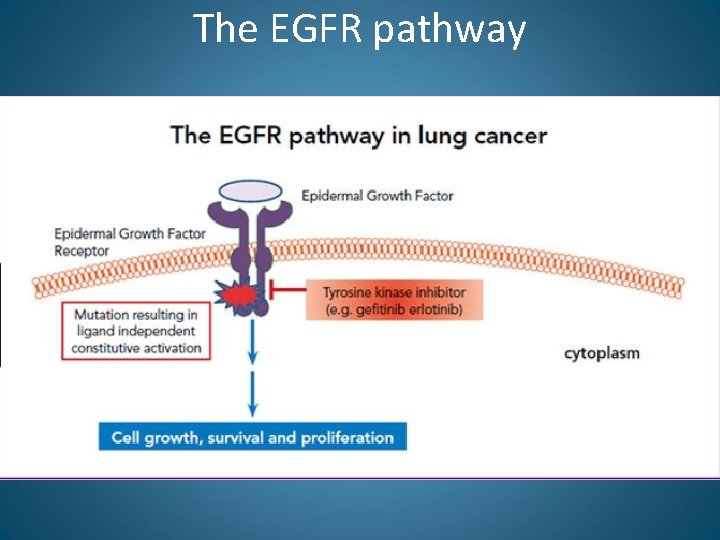
The EGFR pathway
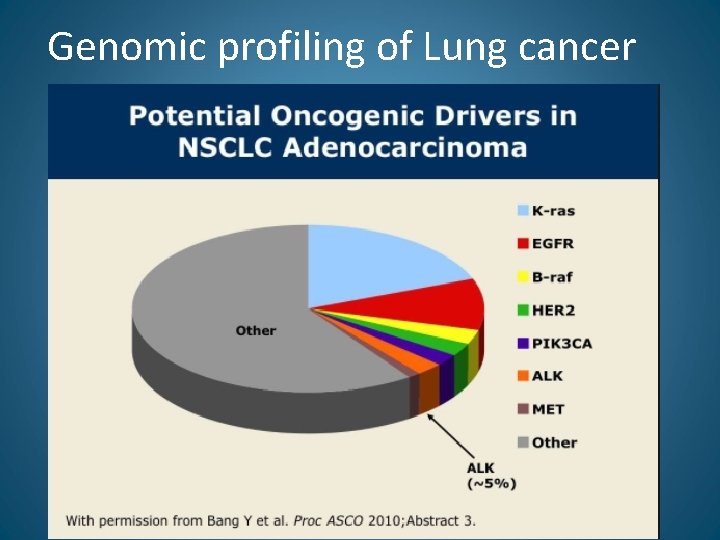
Genomic profiling of Lung cancer
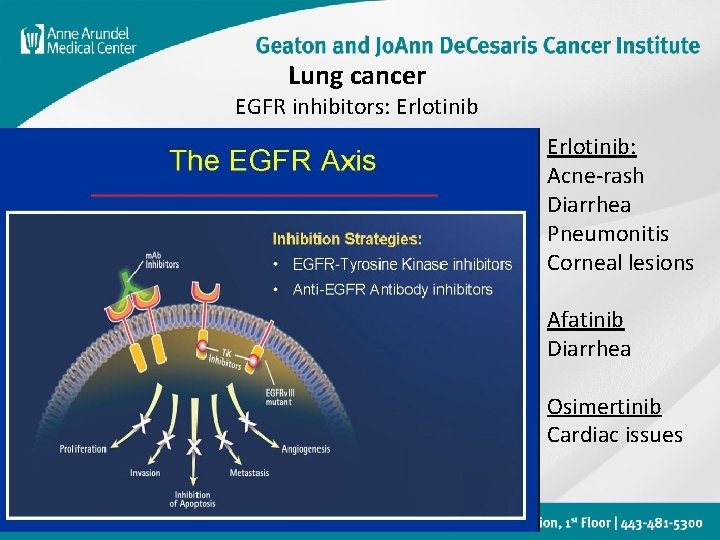
Lung cancer EGFR inhibitors: Erlotinib: Acne-rash Diarrhea Pneumonitis Corneal lesions Afatinib Diarrhea Osimertinib Cardiac issues
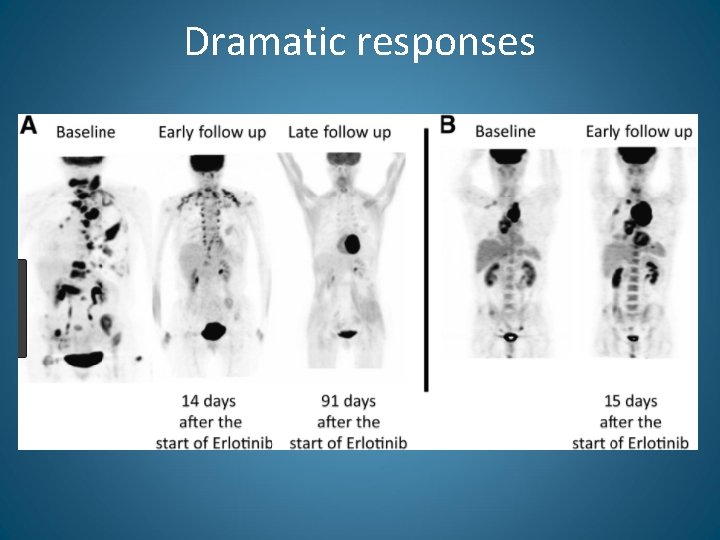
Dramatic responses
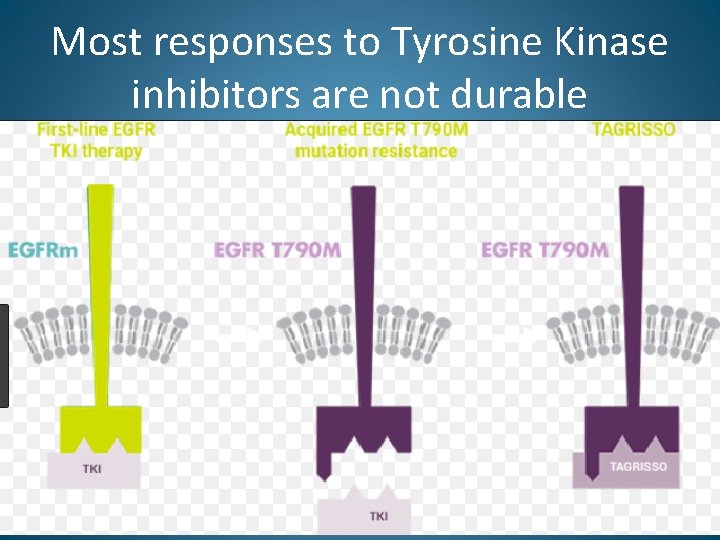
Most responses to Tyrosine Kinase inhibitors are not durable
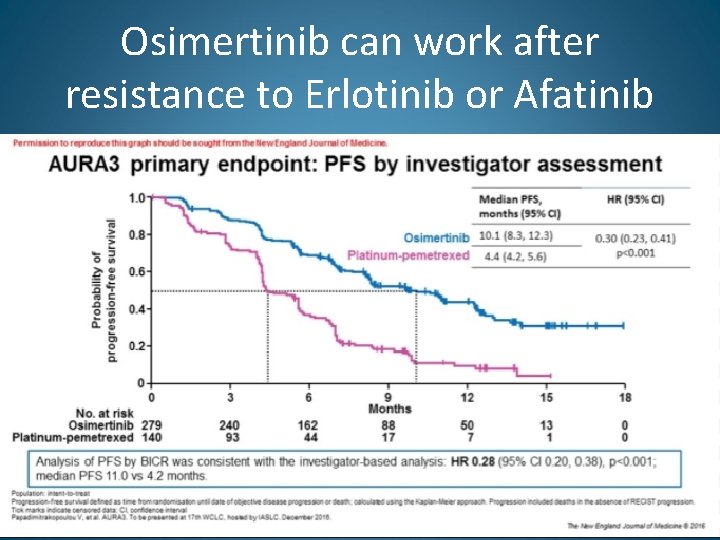
Osimertinib can work after resistance to Erlotinib or Afatinib
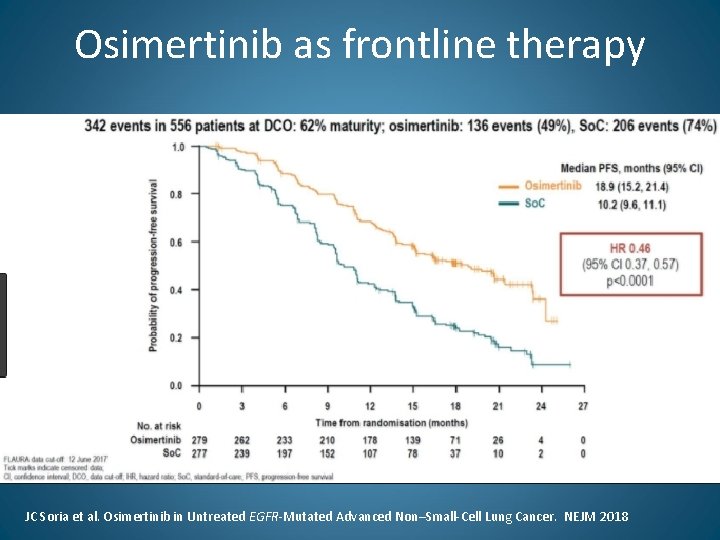
Osimertinib as frontline therapy JC Soria et al. Osimertinib in Untreated EGFR-Mutated Advanced Non–Small-Cell Lung Cancer. NEJM 2018
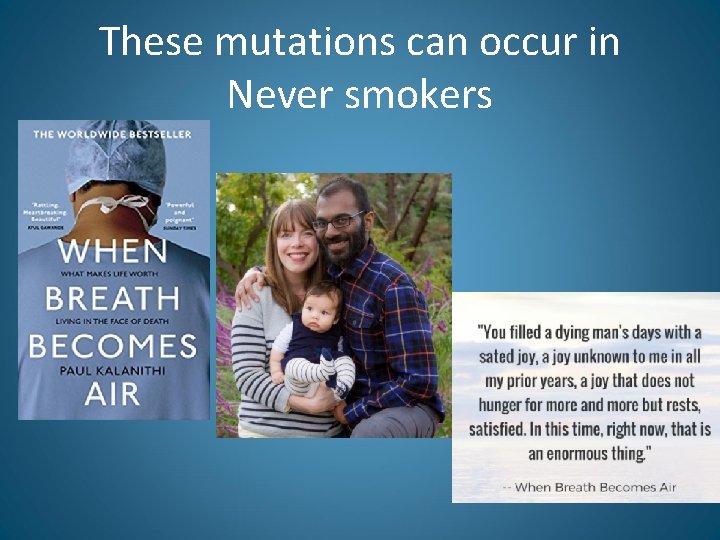
These mutations can occur in Never smokers
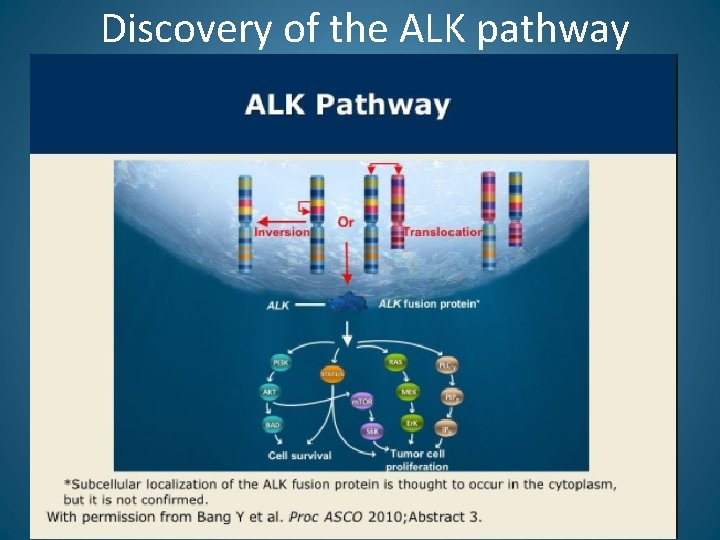
Discovery of the ALK pathway
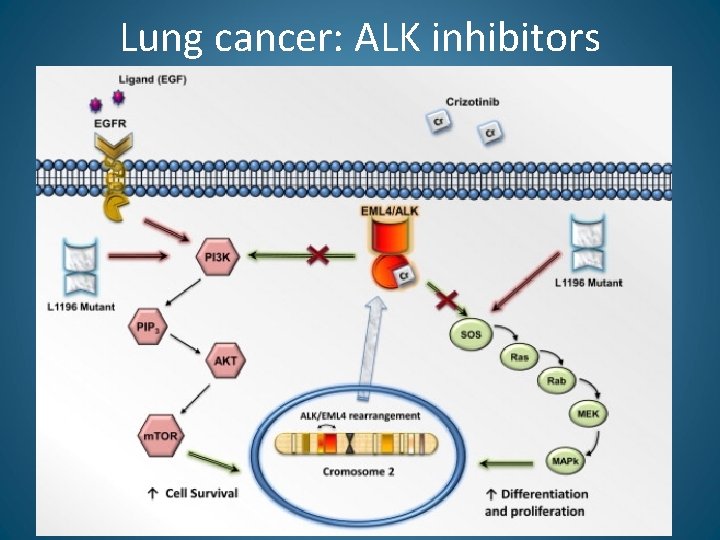
Lung cancer: ALK inhibitors
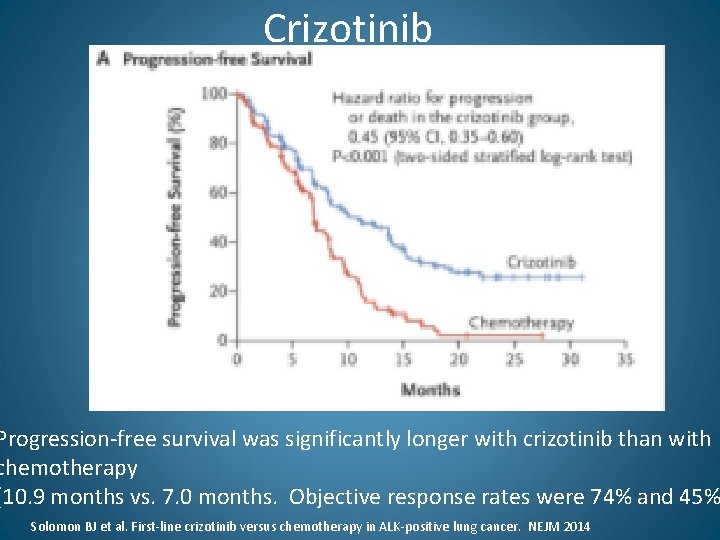
Crizotinib Progression-free survival was significantly longer with crizotinib than with chemotherapy (10. 9 months vs. 7. 0 months. Objective response rates were 74% and 45% Solomon BJ et al. First-line crizotinib versus chemotherapy in ALK-positive lung cancer. NEJM 2014
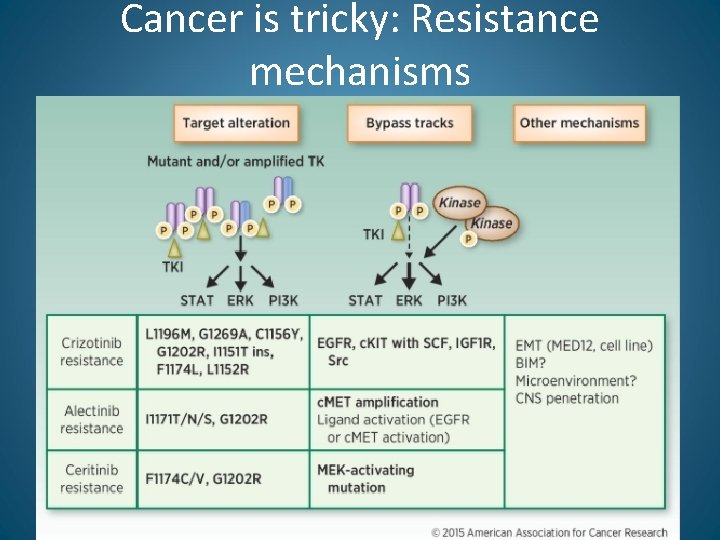
Cancer is tricky: Resistance mechanisms
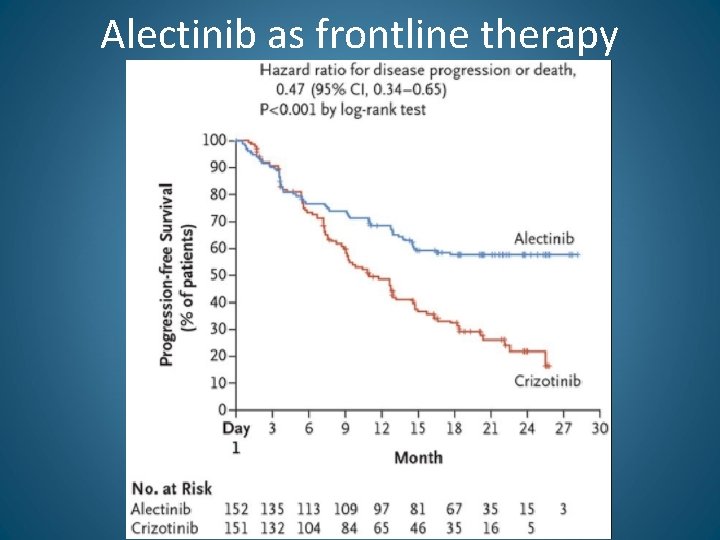
Alectinib as frontline therapy
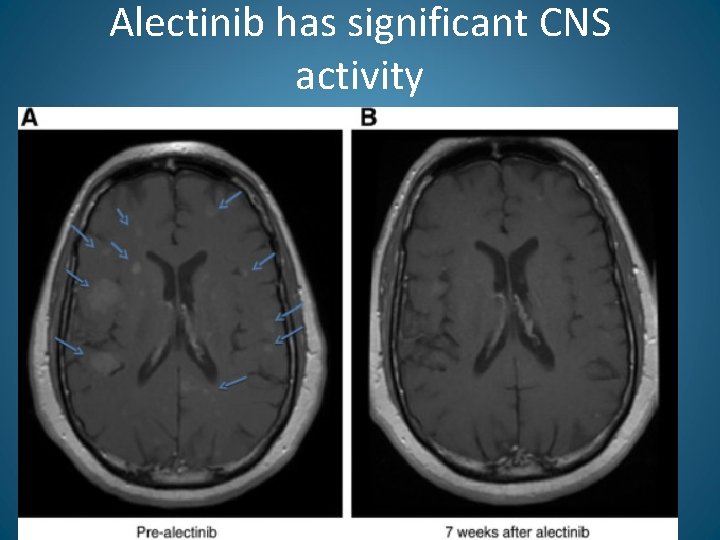
Alectinib has significant CNS activity
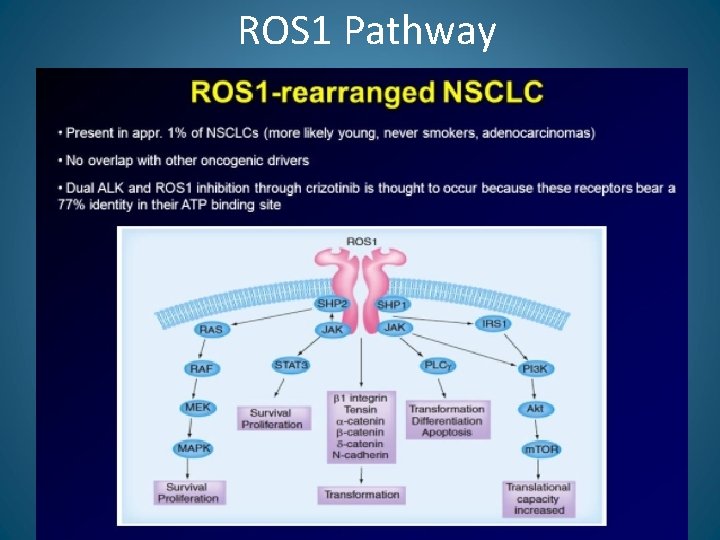
ROS 1 Pathway
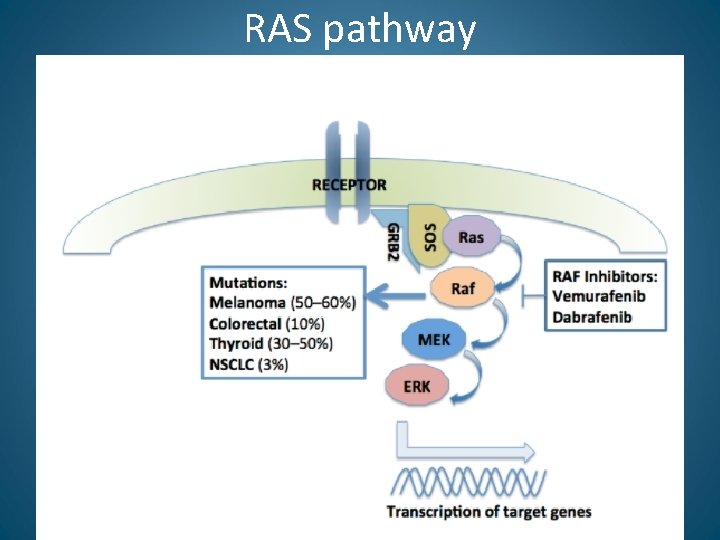
RAS pathway
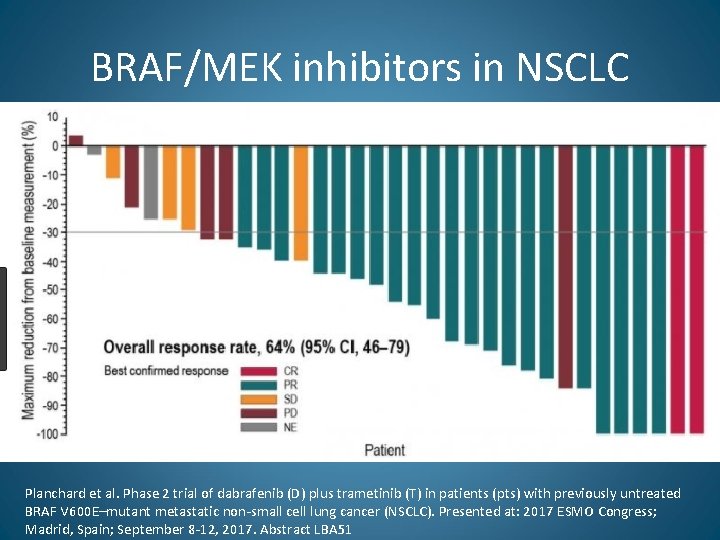
BRAF/MEK inhibitors in NSCLC Planchard et al. Phase 2 trial of dabrafenib (D) plus trametinib (T) in patients (pts) with previously untreated BRAF V 600 E–mutant metastatic non-small cell lung cancer (NSCLC). Presented at: 2017 ESMO Congress; Madrid, Spain; September 8 -12, 2017. Abstract LBA 51
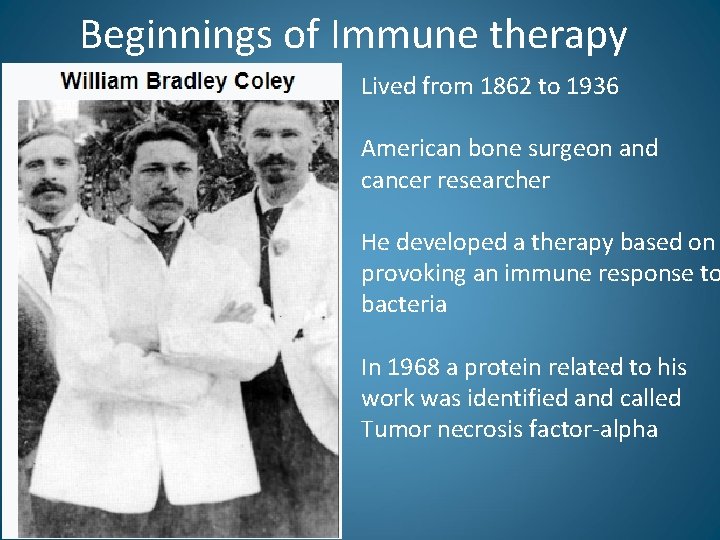
Beginnings of Immune therapy Lived from 1862 to 1936 American bone surgeon and cancer researcher He developed a therapy based on provoking an immune response to bacteria In 1968 a protein related to his work was identified and called Tumor necrosis factor-alpha
Beginnings of Immune therapy A sarcoma patient, Fred Stein, had his tumor disappear following a high fever from erysipelas infection[Strep pyogenes] He developed theory that post-surgical infections had helped patients to recover better from their cancer by provoking an immune response In 1891 he began to experiment by deliberately injecting streptococcus bacteria (Dead bacteria) directly into cancer patients He also incorporated radiation in the treatment of his patients (releases tumor antigens)
Basic scientists make brilliant discoveries Over the past few decades, researchers discovered that our immune cells (T cells), have brakes on them. Evolutionary speaking, it was felt that these brakes evolved to prevent overactivation of our immune system which could lead to autoimmunity. Cancer is tricky and also evolved a way to ‘push’ these brakes on the surface of the T cells to make them dormant. This enables the cancer cell to grow.
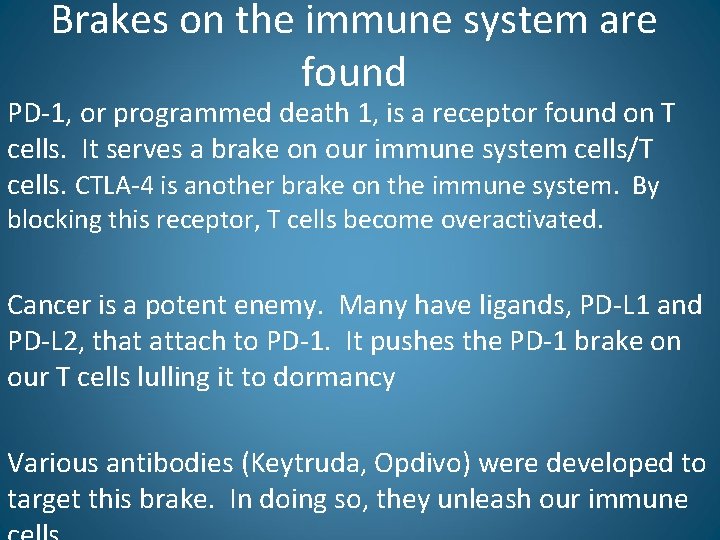
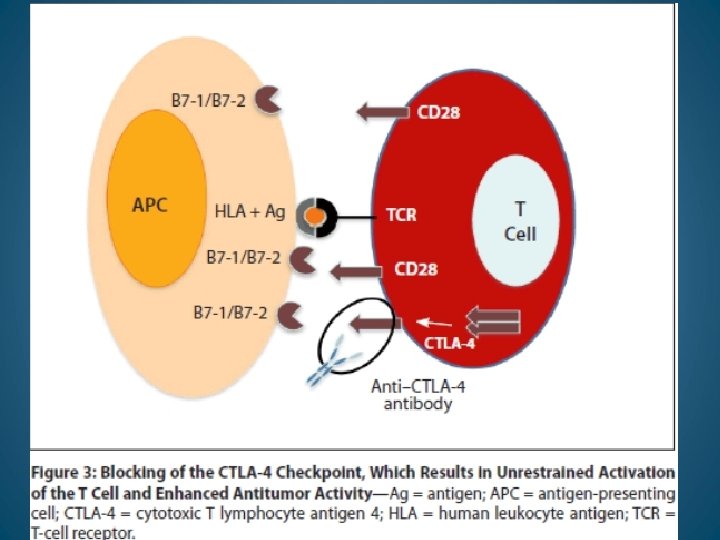
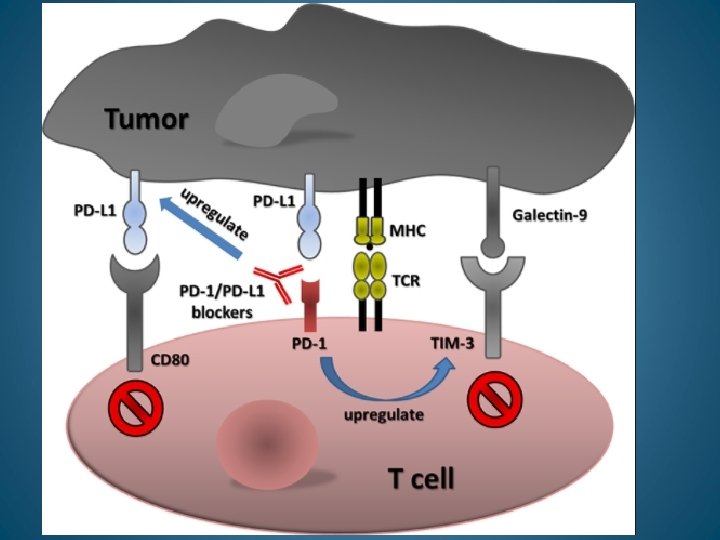
Brakes on the immune system are found PD-1, or programmed death 1, is a receptor found on T cells. It serves a brake on our immune system cells/T cells. CTLA-4 is another brake on the immune system. By blocking this receptor, T cells become overactivated. Cancer is a potent enemy. Many have ligands, PD-L 1 and PD-L 2, that attach to PD-1. It pushes the PD-1 brake on our T cells lulling it to dormancy Various antibodies (Keytruda, Opdivo) were developed to target this brake. In doing so, they unleash our immune
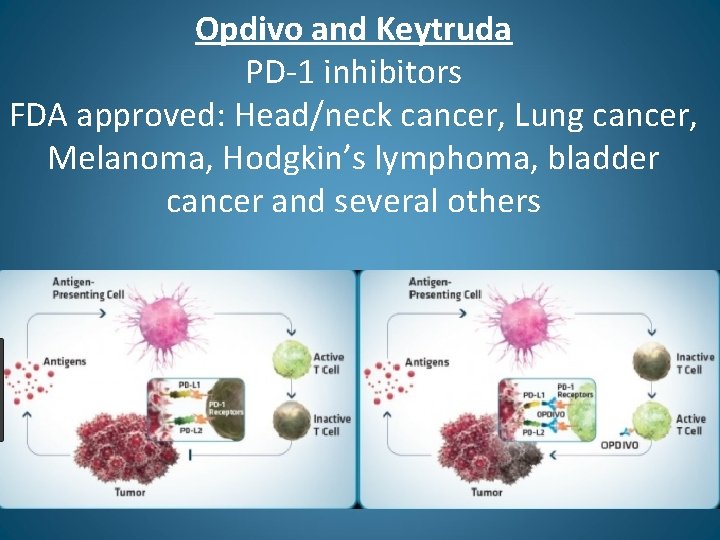
Opdivo and Keytruda PD-1 inhibitors FDA approved: Head/neck cancer, Lung cancer, Melanoma, Hodgkin’s lymphoma, bladder cancer and several others
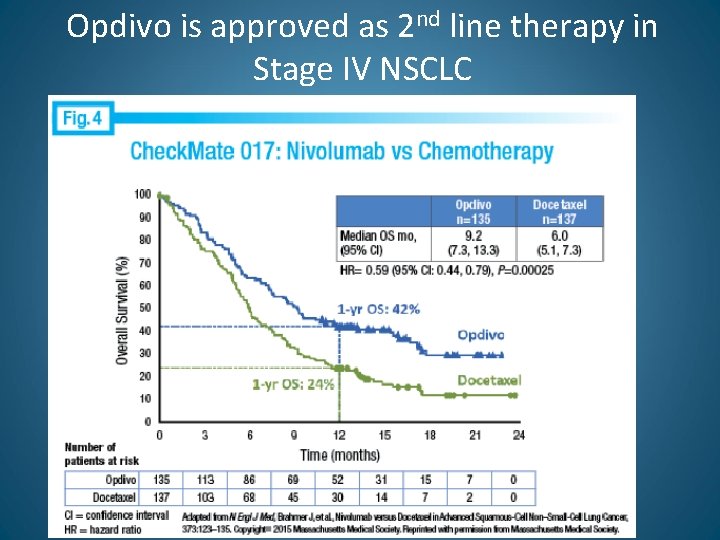
Opdivo is approved as 2 nd line therapy in Stage IV NSCLC
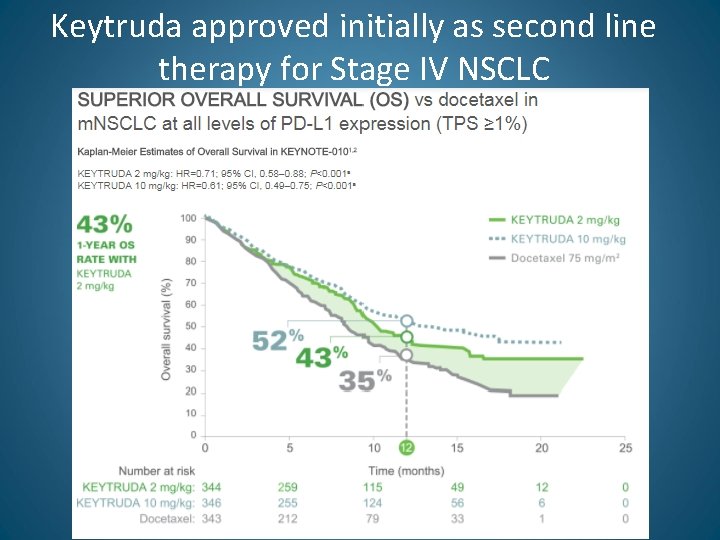
Keytruda approved initially as second line therapy for Stage IV NSCLC
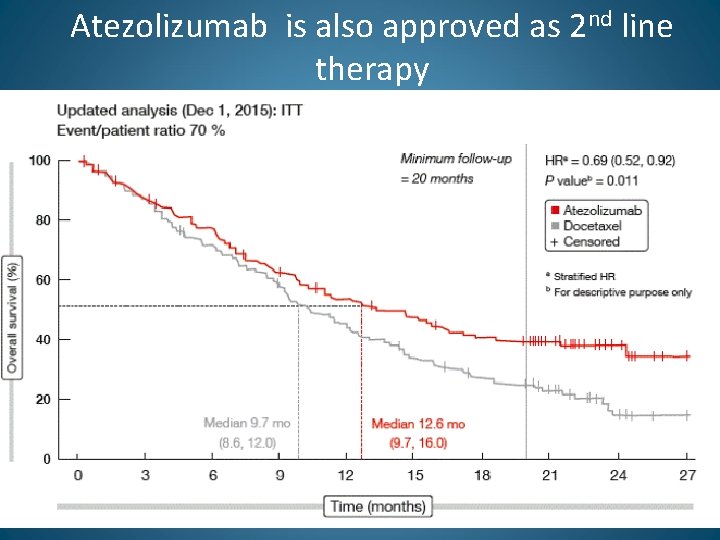
Atezolizumab is also approved as 2 nd line therapy
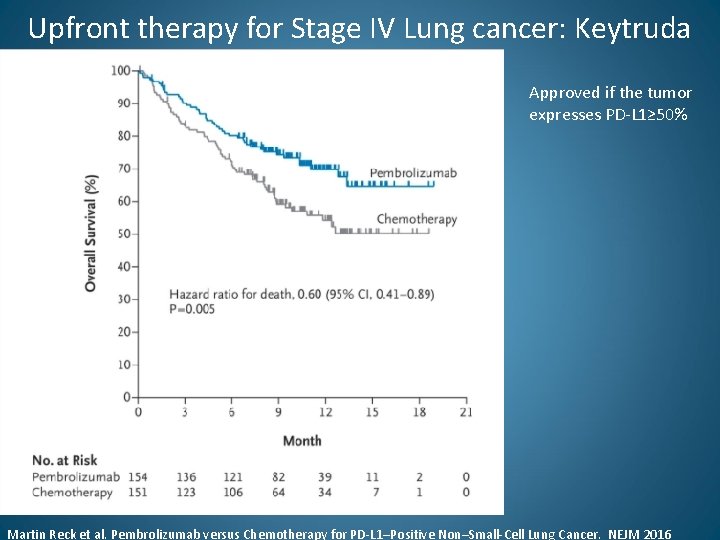
Upfront therapy for Stage IV Lung cancer: Keytruda Approved if the tumor expresses PD-L 1≥ 50% Martin Reck et al. Pembrolizumab versus Chemotherapy for PD-L 1–Positive Non–Small-Cell Lung Cancer. NEJM 2016
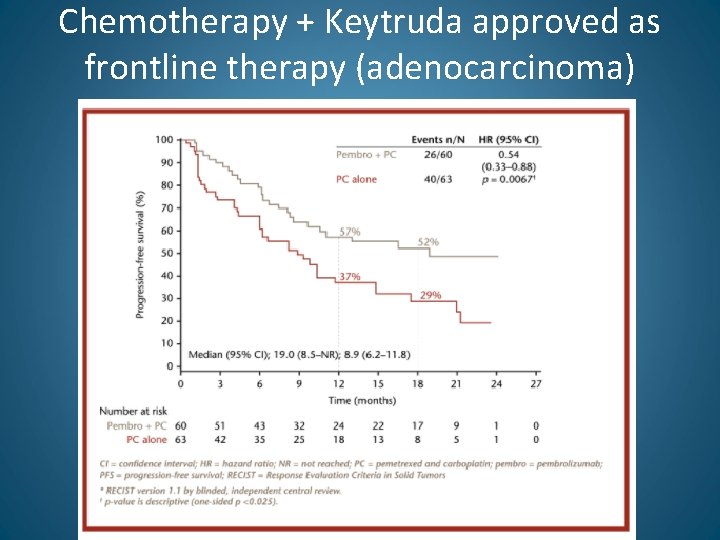
Chemotherapy + Keytruda approved as frontline therapy (adenocarcinoma)
Durability is key At 5 years, the overall survival rate was found to be 16% in patients with advanced non–small cell lung cancer treated with single-agent nivolumab according to follow-up of a phase Ib dose-ranging study (CA 209 -003) This represents a quadrupling of 5 -year survival reported with standard chemotherapy. Brahmer J et al: Five-year follow-up from the CA 209 -003 study of nivolumab in previously treated advanced nonsmall cell lung cancer: Clinical characteristics of long-term survivors. 2017 AACR Annual Meeting. Abstract CT 077.
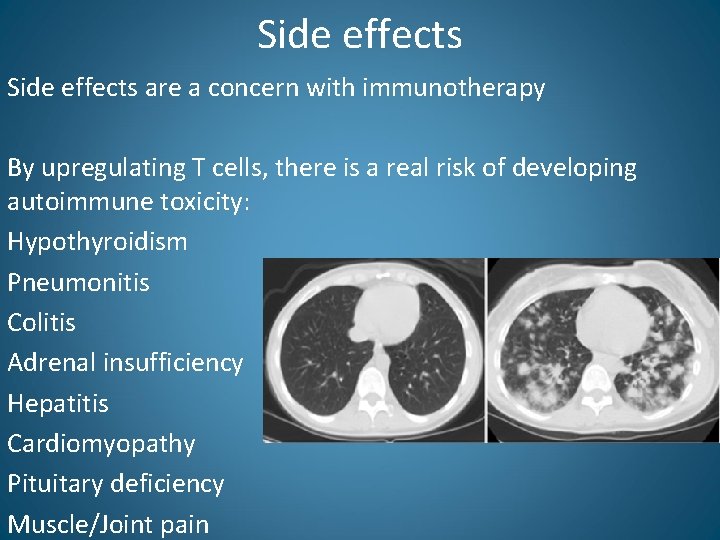
Side effects are a concern with immunotherapy By upregulating T cells, there is a real risk of developing autoimmune toxicity: Hypothyroidism Pneumonitis Colitis Adrenal insufficiency Hepatitis Cardiomyopathy Pituitary deficiency Muscle/Joint pain
Thank you --De. Cesaris Cancer Institute --Anne Arundel Hospital --Anne Arundel Oncology and Hematology Doctors, Nurses and Staff (Dr. Werner, Dr. Rhee, Dr. Graze, Dr. Weng, Dr. Tweed, Dr. Taksey, Dr. Watkins, Dr. Selonick) --AAMC Doctors, Nurses and Staff