DNA diagnosis for colorectal carcinoma Patrick Willems GENDIA

- Slides: 68
DNA diagnosis for colorectal carcinoma Patrick Willems GENDIA Antwerp, Belgium
Treatment of Colorectal carcinoma • surgery • radiation • Chemotherapy • Targeted treatment • Immunotherapy
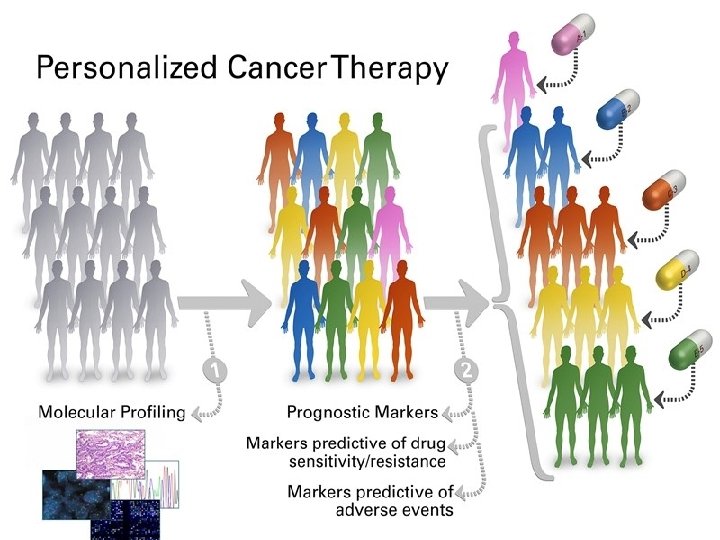
Personalized cancer treatment • Immunotherapy to stimulate immune response to cancer PD-1 inhibitors PD-L 1 inhibitors CTLA-4 inhibitors • Targeted therapy with designer drugs that target the genetic cause of the tumor Monoclonal antibodies (m. AB): Herceptin Tyrosine kinase inhibitors (TKI): Gleevec
Problems in personalized cancer treatment • Immunotherapy Extremely expensive (100 -300. 000 Euro/year) Few biomarkers (companion diagnostics) • Targeted therapy with designer drugs Very expensive (50 -100. 000 Euro/year) Biomarkers (companion diagnostics)
Problems in personalized cancer treatment The very high cost of personalised treatment makes companion diagnostics (cancer biomarkers) necessary
Cancer biomarkers tumor material (biopsy) blood (liquid biopsy)
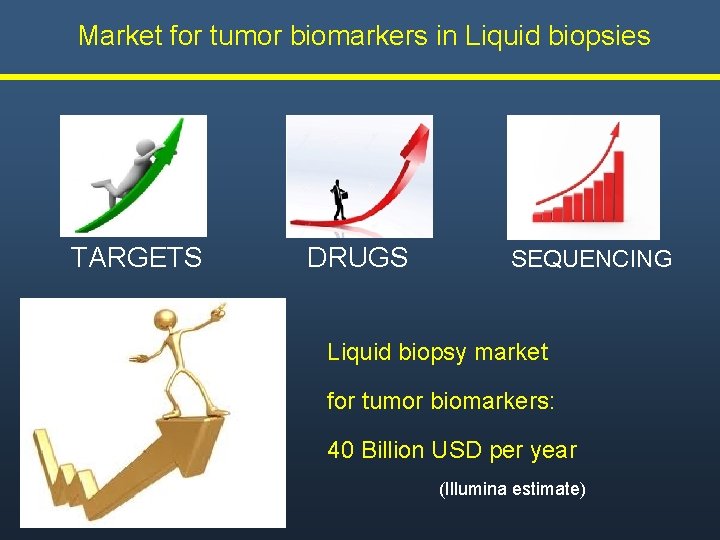
Market for tumor biomarkers in Liquid biopsies TARGETS DRUGS SEQUENCING Liquid biopsy market for tumor biomarkers: 40 Billion USD per year (Illumina estimate)
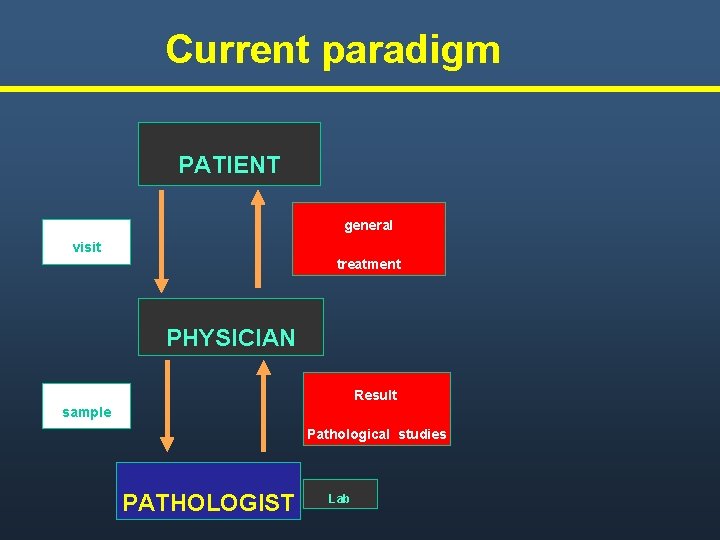
Current paradigm PATIENT general visit treatment PHYSICIAN Result sample Pathological studies PATHOLOGIST Lab
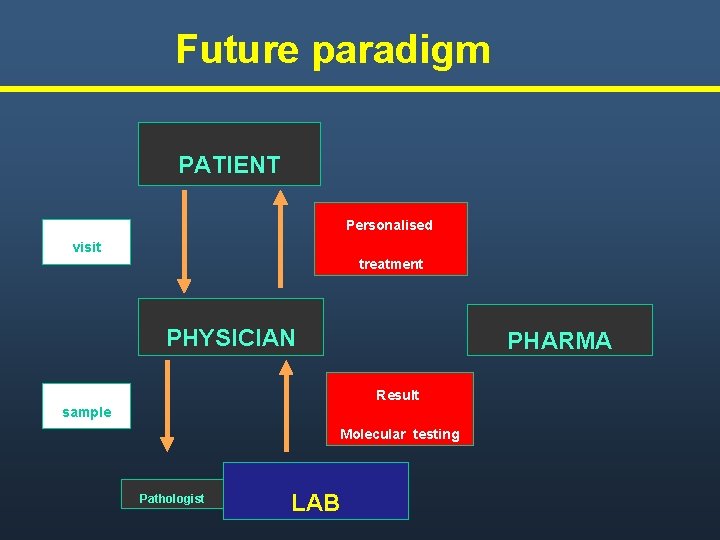
Future paradigm PATIENT Personalised visit treatment PHYSICIAN PHARMA Result sample Molecular testing Pathologist LAB
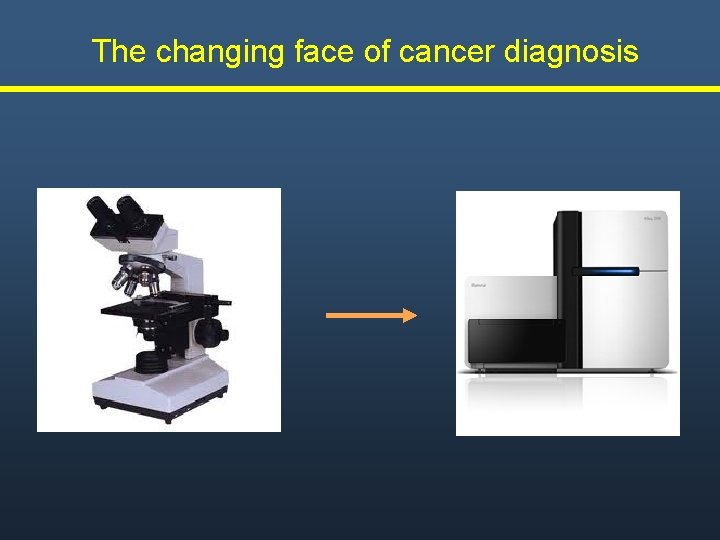
The changing face of cancer diagnosis
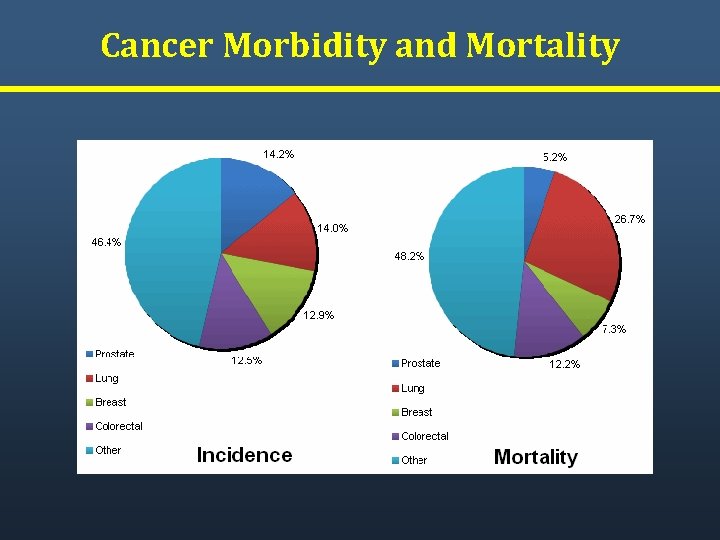
Cancer Morbidity and Mortality
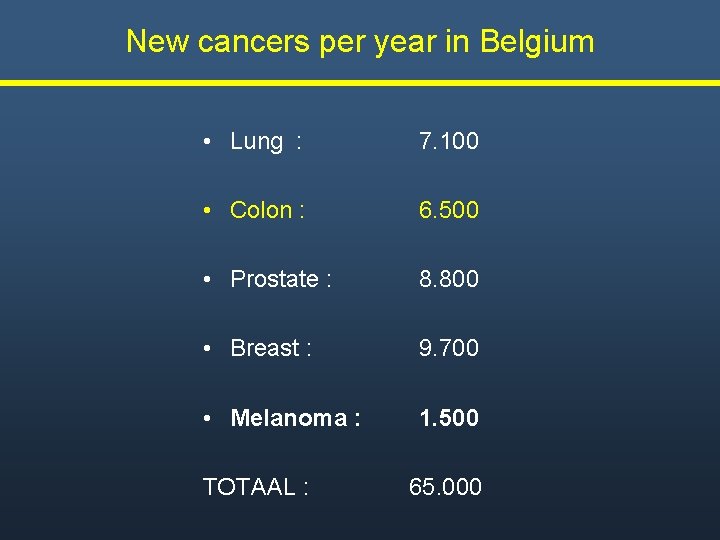
New cancers per year in Belgium • Lung : 7. 100 • Colon : 6. 500 • Prostate : 8. 800 • Breast : 9. 700 • Melanoma : 1. 500 TOTAAL : 65. 000
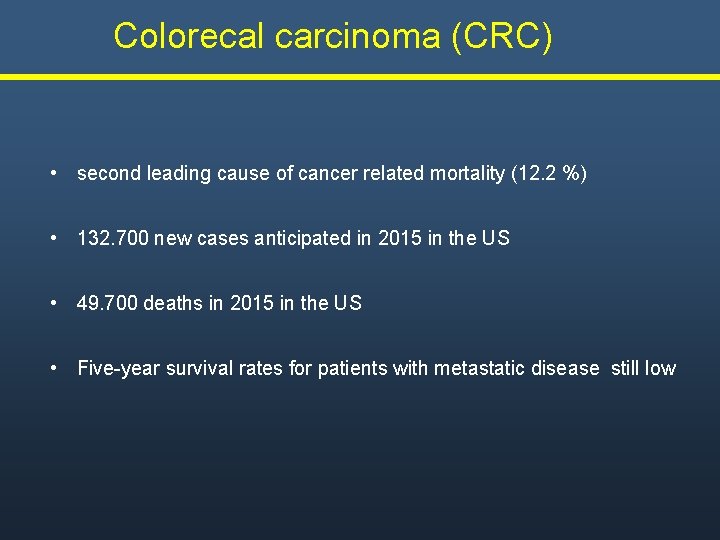
Colorecal carcinoma (CRC) • second leading cause of cancer related mortality (12. 2 %) • 132. 700 new cases anticipated in 2015 in the US • 49. 700 deaths in 2015 in the US • Five-year survival rates for patients with metastatic disease still low
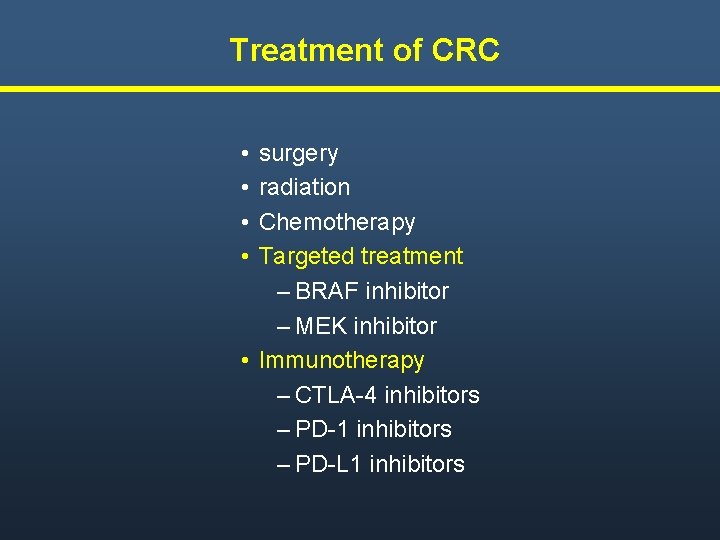
Treatment of CRC • • surgery radiation Chemotherapy Targeted treatment – BRAF inhibitor – MEK inhibitor • Immunotherapy – CTLA-4 inhibitors – PD-1 inhibitors – PD-L 1 inhibitors
Immunotherapy for CRC • CTLA-4 (cytotoxic T-lymphocyte–associated antigen 4) : ipilimumab, tremelimumab • PD-1 (programmed death-1) : nivolumab, pembrolizumab, Lambrolizumab, pidilizumab • PD-L 1 (programmed death-1 ligand) : BMS-935559, MEDI 4736, MPDL 3280 A and MSB 0010718 C • Other checkpoints : TIM 3, LAG 3, VISTA, KIR, OX 40, CD 137
Inhibition immune checkpoints
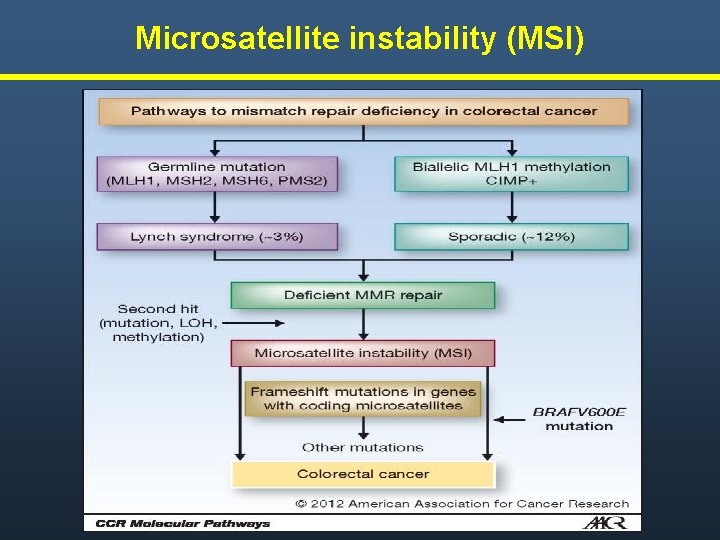
Biomarkers for immunotherapy for CRC Few biomarkers for immunotherapy First real biomarker : Micro. Satellite Instability (MSI) Response to pembrolizumab (PD-1 inhibitor) in CRC MMR-proficient : 0 % MMR-deficient : 40 % NEJM : May 30, 2015 (Vogelstein group)
MSI as Biomarker for immunotherapy in CRC MMR deficiency Genomic instability Large mutation load in CRC (driver and passenger) Many mutant proteins - neoantgens Immune response
Microsatellite instability (MSI)
Targeted treatment for CRC Personalised targeted treatment inhibits specific somatic mutations that cause MM These mutations are patient-specific These mutations can be detected by molecular studies of : tumor material (biopsy) : FFPE, fresh or frozen blood (liquid biopsy)
Why liquid biopsies for CRC ? • Common cancer • High mortality • High load of driver oncogenic mutations • Druggable targets
Inheritance of cancer Majority of cancers are caused by genetic anomalies in the tumor (somatic mutations) Minority of cancers is inherited (germline mutations) • Breast Cancer : 10 % • Colon cancer : 3 -5% • Prostate cancer : low • Lung cancer : very low :
Inheritance of CRC 3 -5 % germline mutations MANY somatic mutations
Germline mutations in Colon cancer Polyposis coli: APC gene (Autosomal dominant) MUTYH (Autosomal recessive) Hereditary Non Poliposis Coli (HNPCC) : Autosomal dominant mutations in : MLH 1, MSH 2, MSH 6, PMS 1
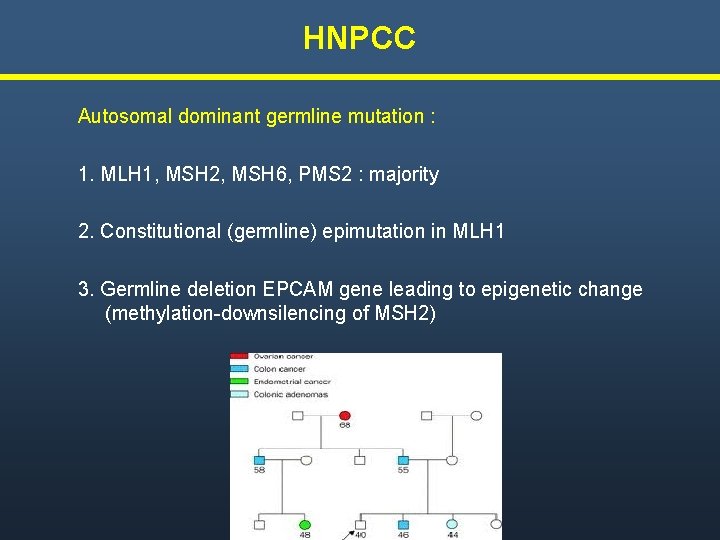
HNPCC Autosomal dominant germline mutation : 1. MLH 1, MSH 2, MSH 6, PMS 2 : majority 2. Constitutional (germline) epimutation in MLH 1 3. Germline deletion EPCAM gene leading to epigenetic change (methylation-downsilencing of MSH 2)
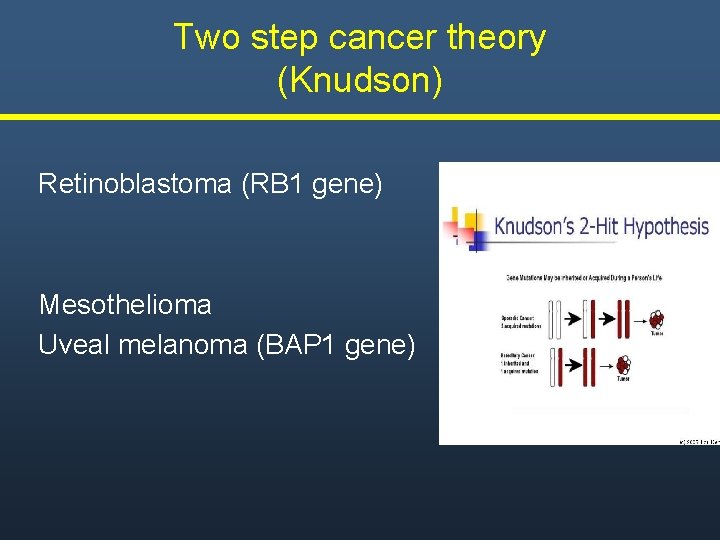
Two step cancer theory (Knudson) Retinoblastoma (RB 1 gene) Mesothelioma Uveal melanoma (BAP 1 gene)
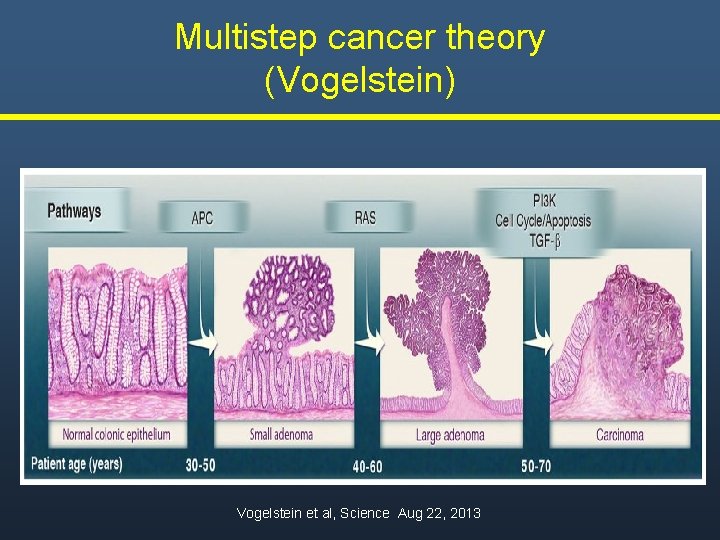
Multistep cancer theory (Vogelstein) Vogelstein et al, Science Aug 22, 2013
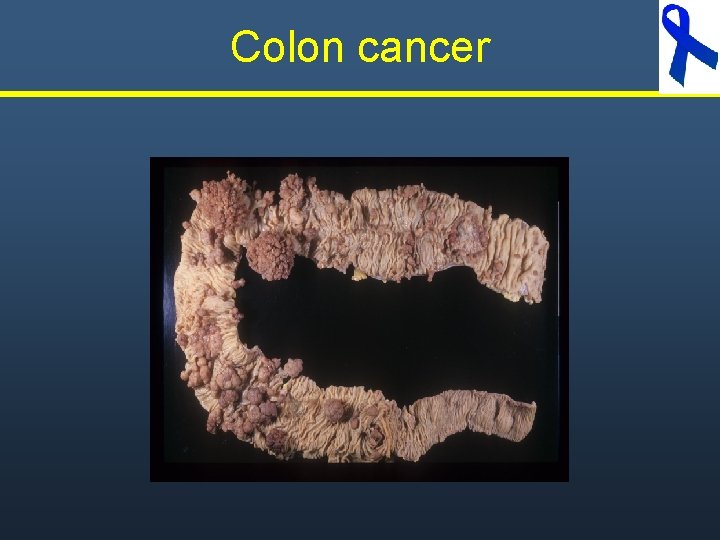
Colon cancer
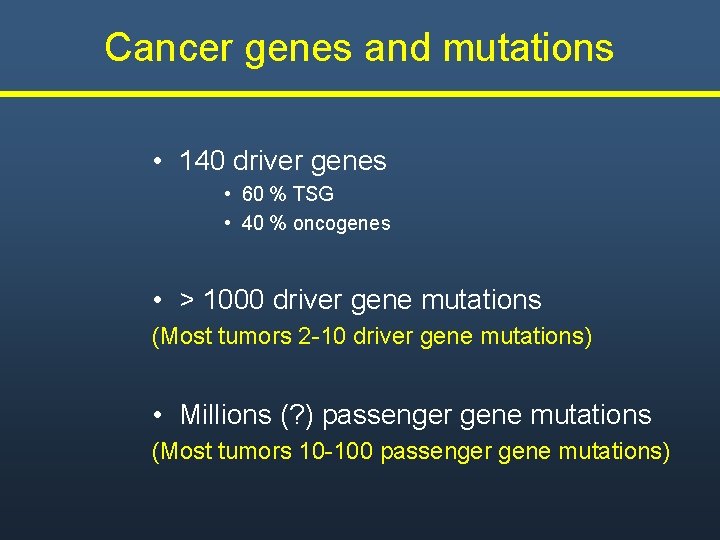
Cancer genes and mutations • 140 driver genes • 60 % TSG • 40 % oncogenes • > 1000 driver gene mutations (Most tumors 2 -10 driver gene mutations) • Millions (? ) passenger gene mutations (Most tumors 10 -100 passenger gene mutations)
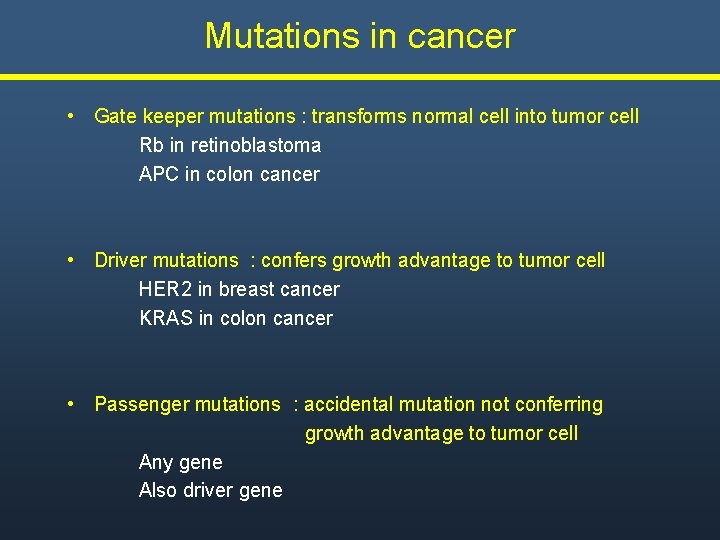
Mutations in cancer • Gate keeper mutations : transforms normal cell into tumor cell Rb in retinoblastoma APC in colon cancer • Driver mutations : confers growth advantage to tumor cell HER 2 in breast cancer KRAS in colon cancer • Passenger mutations : accidental mutation not conferring growth advantage to tumor cell Any gene Also driver gene
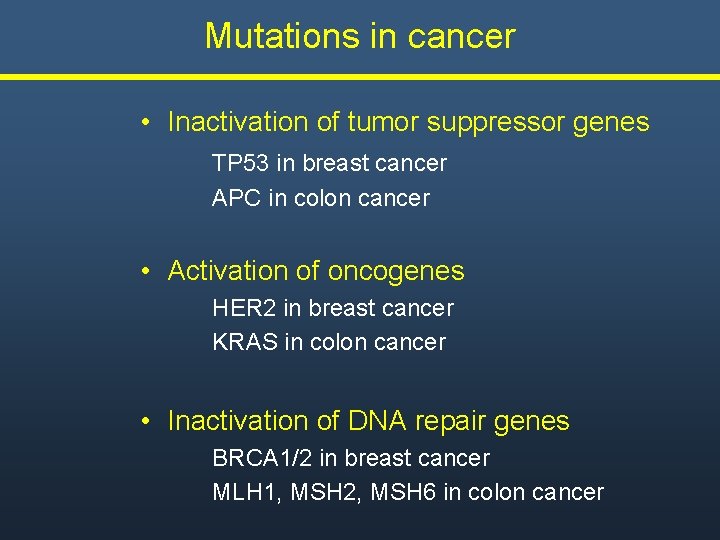
Mutations in cancer • Inactivation of tumor suppressor genes TP 53 in breast cancer APC in colon cancer • Activation of oncogenes HER 2 in breast cancer KRAS in colon cancer • Inactivation of DNA repair genes BRCA 1/2 in breast cancer MLH 1, MSH 2, MSH 6 in colon cancer
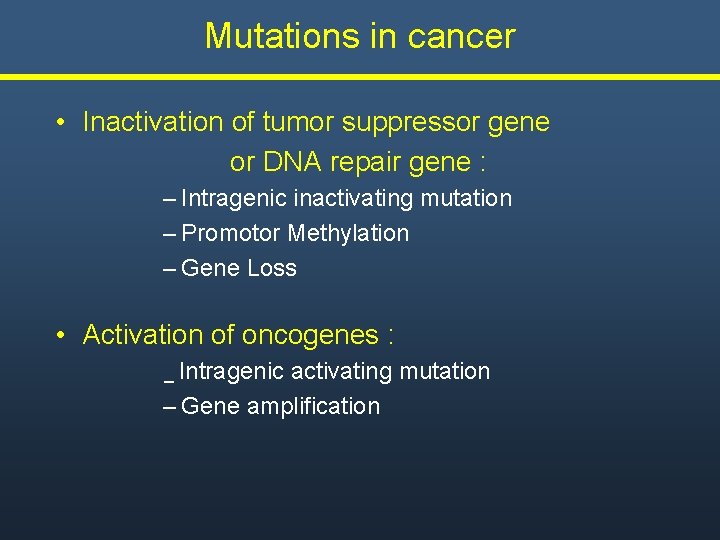
Mutations in cancer • Inactivation of tumor suppressor gene or DNA repair gene : – Intragenic inactivating mutation – Promotor Methylation – Gene Loss • Activation of oncogenes : _ Intragenic activating mutation – Gene amplification
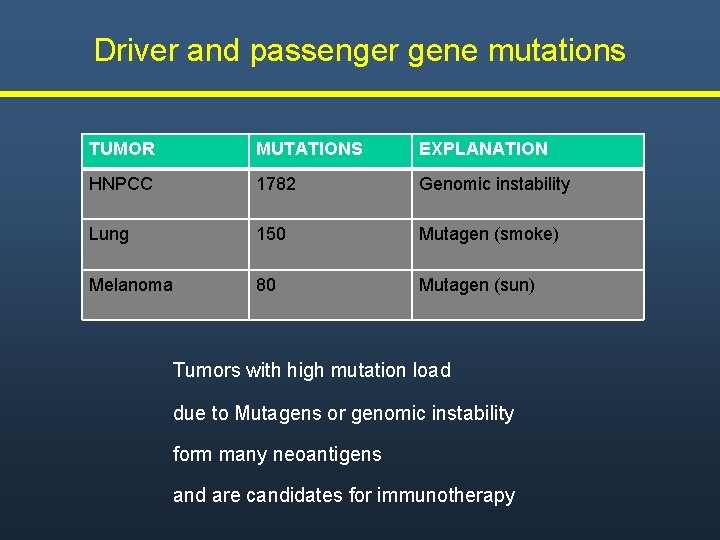
Driver and passenger gene mutations TUMOR MUTATIONS EXPLANATION HNPCC 1782 Genomic instability Lung 150 Mutagen (smoke) Melanoma 80 Mutagen (sun) Tumors with high mutation load due to Mutagens or genomic instability form many neoantigens and are candidates for immunotherapy
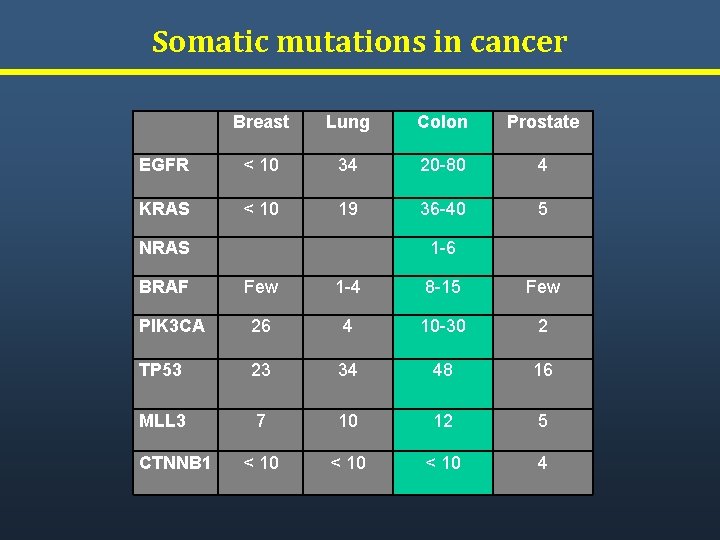
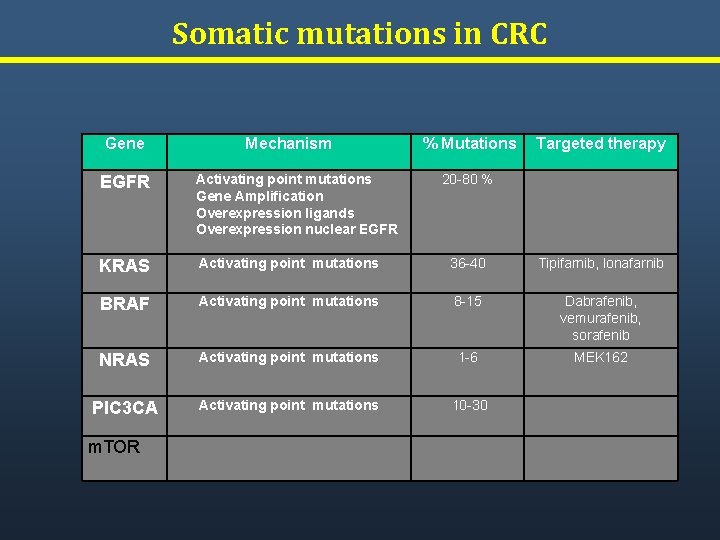
Somatic mutations in cancer Breast Lung Colon Prostate EGFR < 10 34 20 -80 4 KRAS < 10 19 36 -40 5 NRAS BRAF 1 -6 Few 1 -4 8 -15 Few PIK 3 CA 26 4 10 -30 2 TP 53 23 34 48 16 MLL 3 7 10 12 5 < 10 4 CTNNB 1
Somatic mutations in CRC Gene Mechanism % Mutations Targeted therapy EGFR Activating point mutations Gene Amplification Overexpression ligands Overexpression nuclear EGFR KRAS Activating point mutations 36 -40 Tipifarnib, lonafarnib BRAF Activating point mutations 8 -15 Dabrafenib, vemurafenib, sorafenib NRAS Activating point mutations 1 -6 MEK 162 PIC 3 CA Activating point mutations 10 -30 m. TOR 20 -80 %
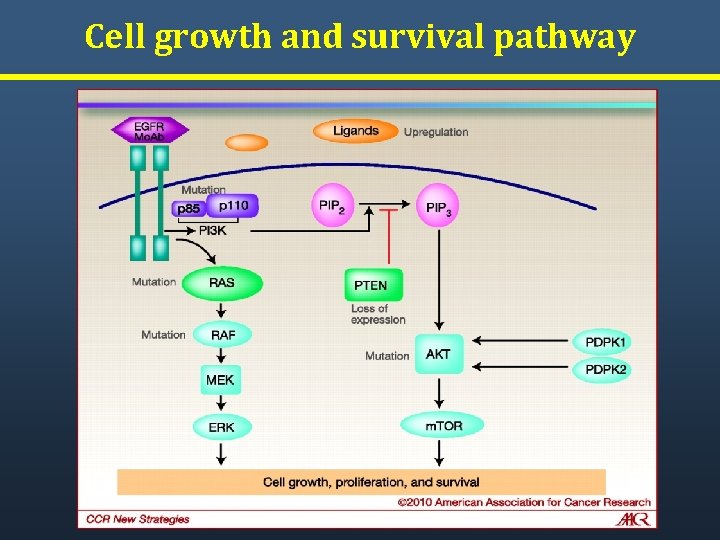
Cell growth and survival pathway
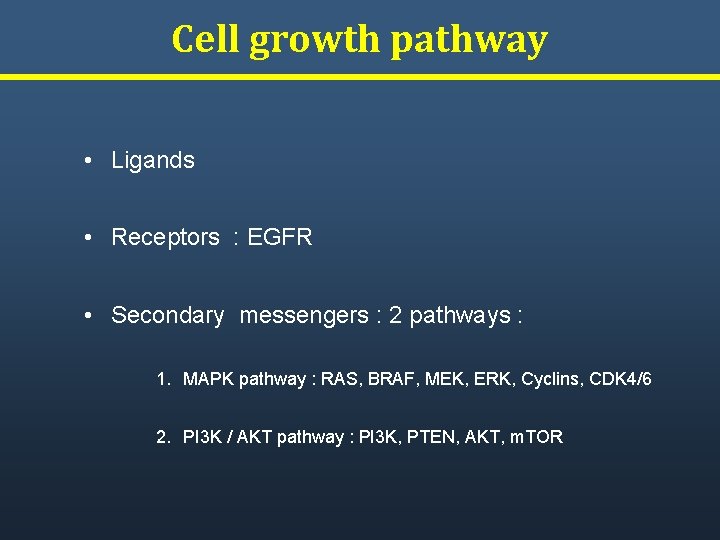
Cell growth pathway • Ligands • Receptors : EGFR • Secondary messengers : 2 pathways : 1. MAPK pathway : RAS, BRAF, MEK, ERK, Cyclins, CDK 4/6 2. PI 3 K / AKT pathway : PI 3 K, PTEN, AKT, m. TOR
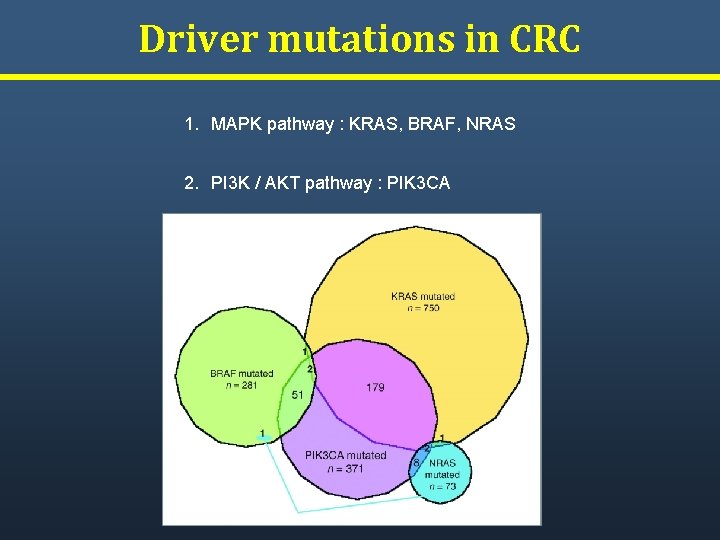
Driver mutations in CRC 1. MAPK pathway : KRAS, BRAF, NRAS 2. PI 3 K / AKT pathway : PIK 3 CA
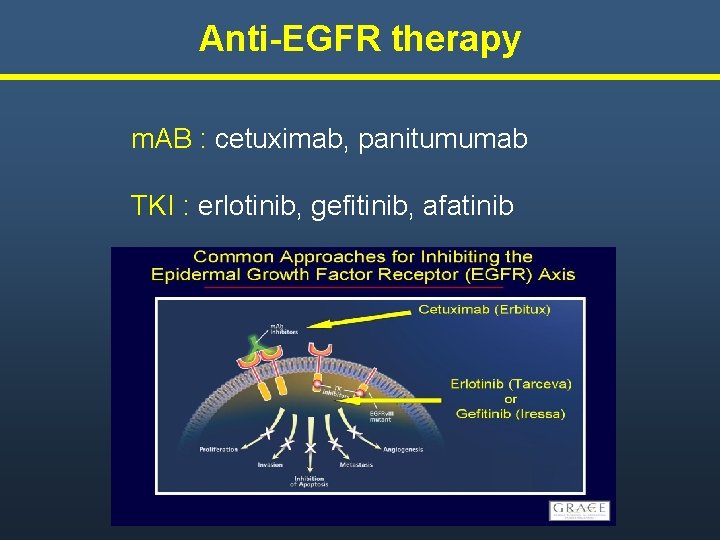
Classical treatment in colon cancer • Surgery • Chemotherapy • If pathology shows EGFR overexpression Start anti EGFR therapy : – m. AB : Cetuximab, panitumumab – TKI : erlotinib, gefitinib, afatinib
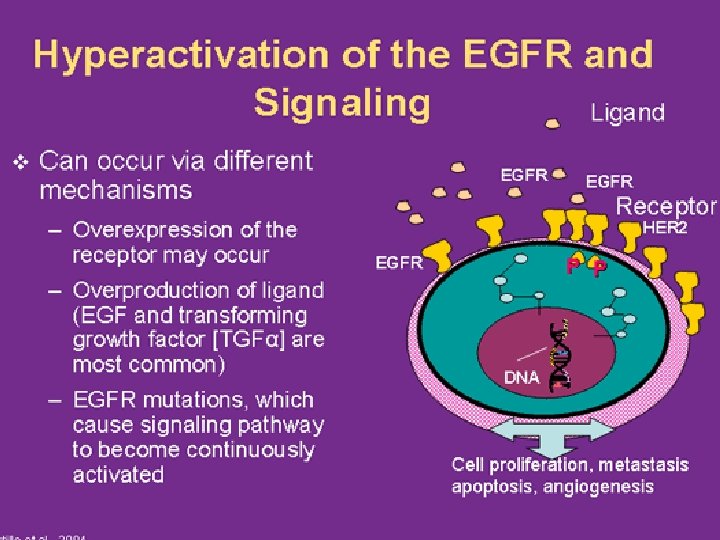
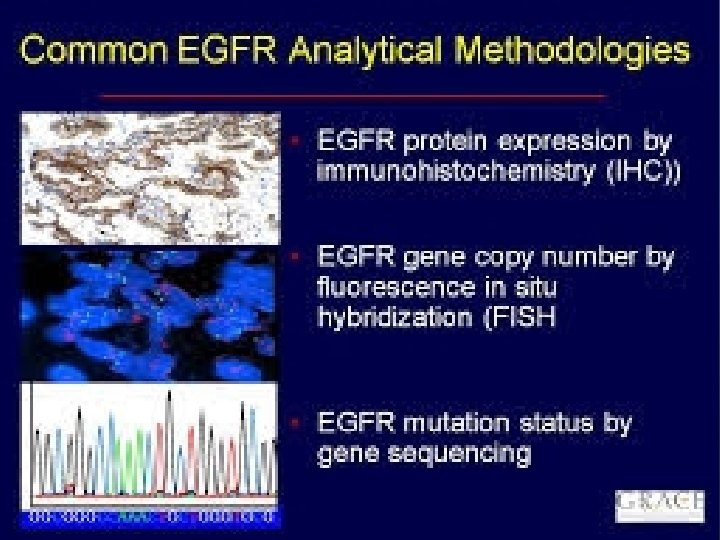
EGFR overexpression in CRC • In Lung Ca : activating mutations TK domain of EGFR • In Glioblastoma : activating mutations Extracellular domain of EGFR • In CRC : unclear : Overexpression membrane EGFR (m. EGFR) Overexpression nuclear EGFR (n. EGFR) Gene Amplification Overexpression ligands Activating point mutations
EGFR overexpression Overexpression membrane EGFR (m. EGFR) Overexpression nuclear EGFR (n. EGFR) Gene Amplification Overexpression ligands Activating point mutations
EGFR status
Anti-EGFR therapy m. AB : cetuximab, panitumumab TKI : erlotinib, gefitinib, afatinib
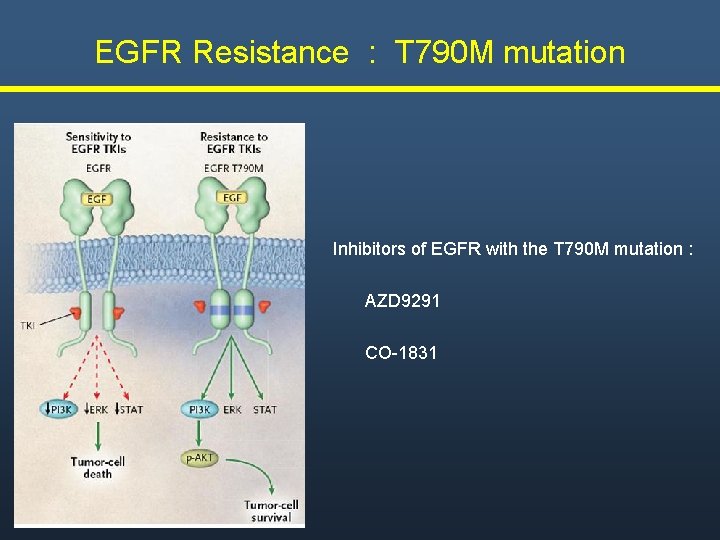
EGFR Resistance : T 790 M mutation Inhibitors of EGFR with the T 790 M mutation : AZD 9291 CO-1831
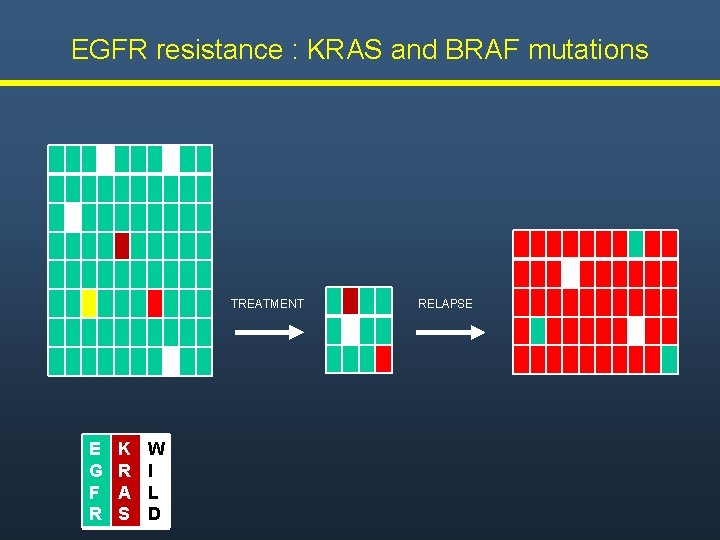
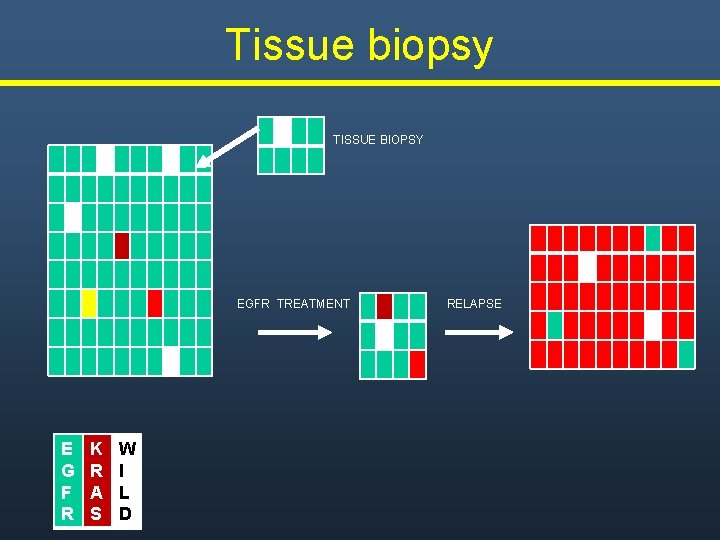
EGFR resistance : KRAS and BRAF mutations TREATMENT E G F R K R A S W I L D RELAPSE
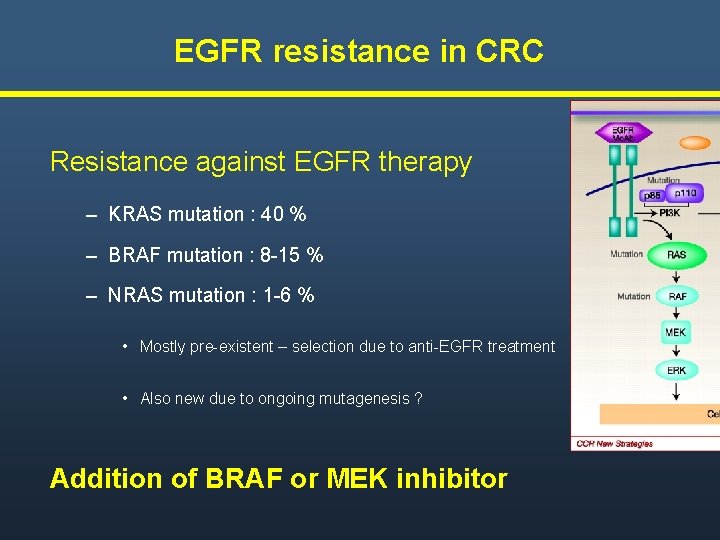
EGFR resistance in CRC Resistance against EGFR therapy – KRAS mutation : 40 % – BRAF mutation : 8 -15 % – NRAS mutation : 1 -6 % • Mostly pre-existent – selection due to anti-EGFR treatment • Also new due to ongoing mutagenesis ? Addition of BRAF or MEK inhibitor
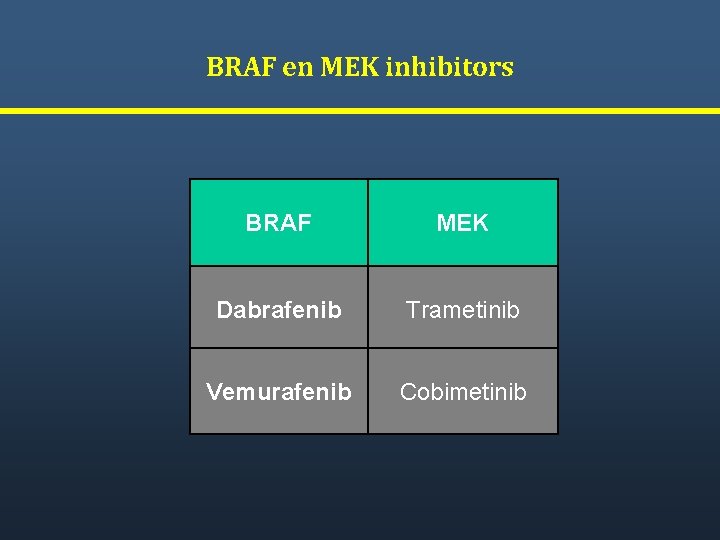
BRAF en MEK inhibitors BRAF MEK Dabrafenib Trametinib Vemurafenib Cobimetinib
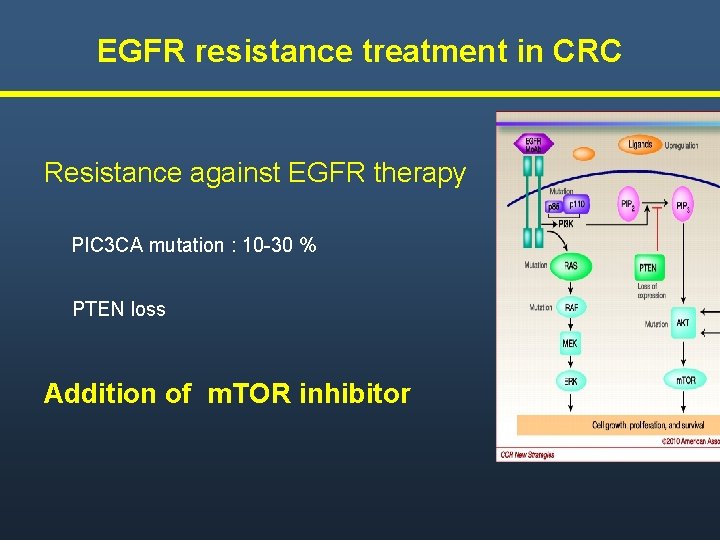
EGFR resistance treatment in CRC Resistance against EGFR therapy PIC 3 CA mutation : 10 -30 % PTEN loss Addition of m. TOR inhibitor
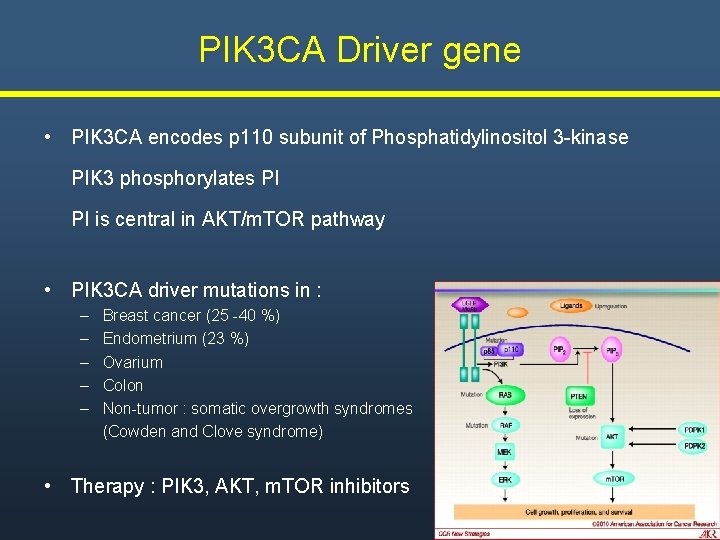
PIK 3 CA Driver gene • PIK 3 CA encodes p 110 subunit of Phosphatidylinositol 3 -kinase PIK 3 phosphorylates PI PI is central in AKT/m. TOR pathway • PIK 3 CA driver mutations in : – – – Breast cancer (25 -40 %) Endometrium (23 %) Ovarium Colon Non-tumor : somatic overgrowth syndromes (Cowden and Clove syndrome) • Therapy : PIK 3, AKT, m. TOR inhibitors
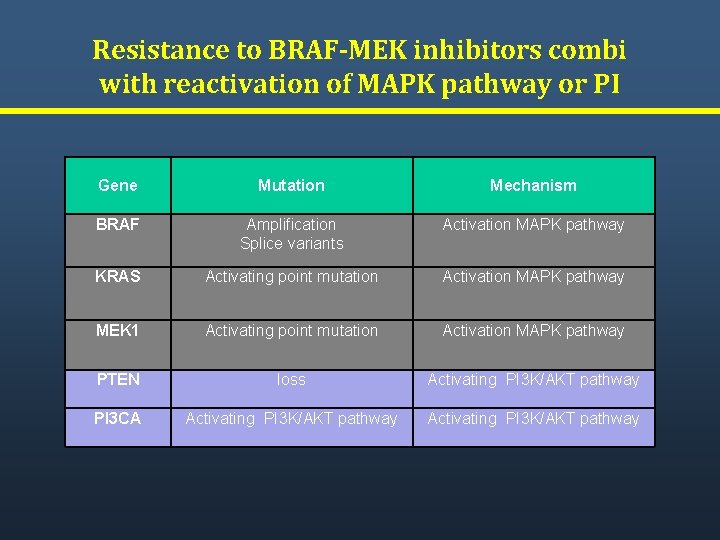
Resistance to BRAF-MEK inhibitors combi with reactivation of MAPK pathway or PI Gene Mutation Mechanism BRAF Amplification Splice variants Activation MAPK pathway KRAS Activating point mutation Activation MAPK pathway MEK 1 Activating point mutation Activation MAPK pathway PTEN loss Activating PI 3 K/AKT pathway PI 3 CA Activating PI 3 K/AKT pathway
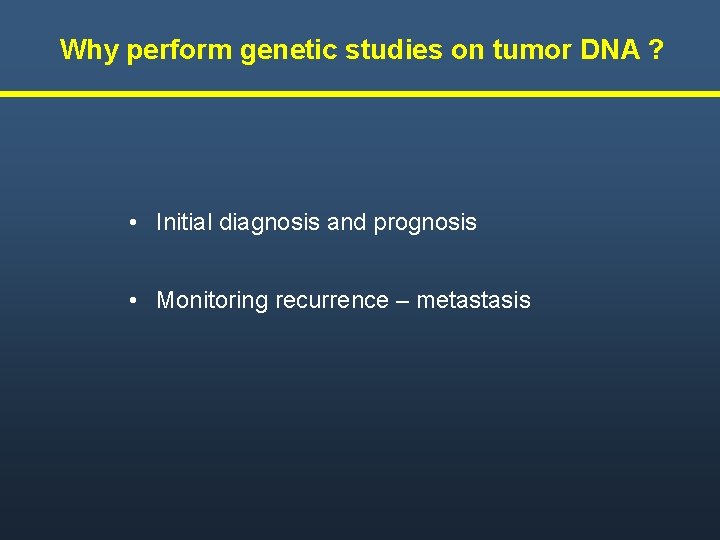
Why perform genetic studies on tumor DNA ? • Initial diagnosis and prognosis • Monitoring recurrence – metastasis
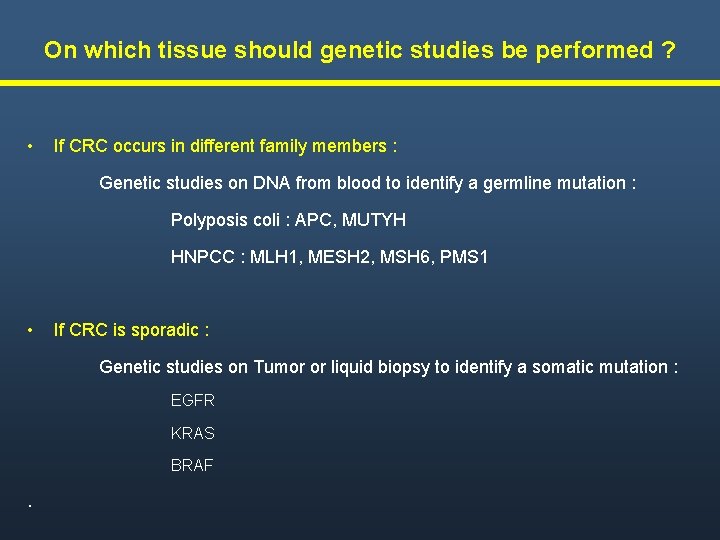
On which tissue should genetic studies be performed ? • If CRC occurs in different family members : Genetic studies on DNA from blood to identify a germline mutation : Polyposis coli : APC, MUTYH HNPCC : MLH 1, MESH 2, MSH 6, PMS 1 • If CRC is sporadic : Genetic studies on Tumor or liquid biopsy to identify a somatic mutation : EGFR KRAS BRAF .
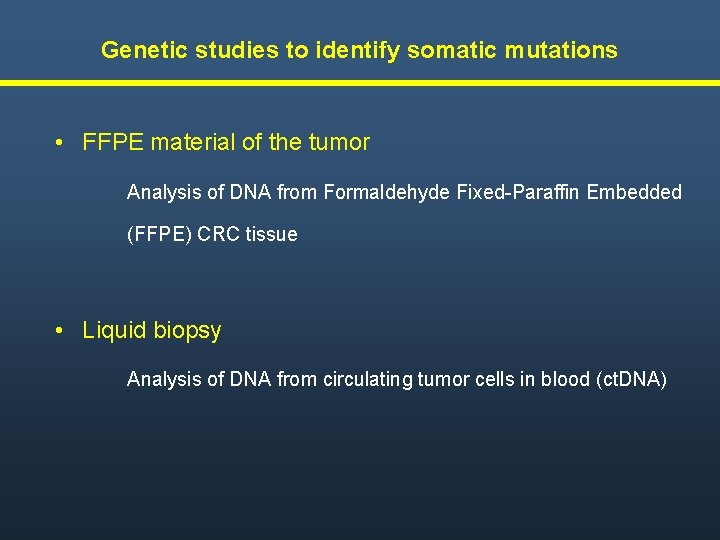
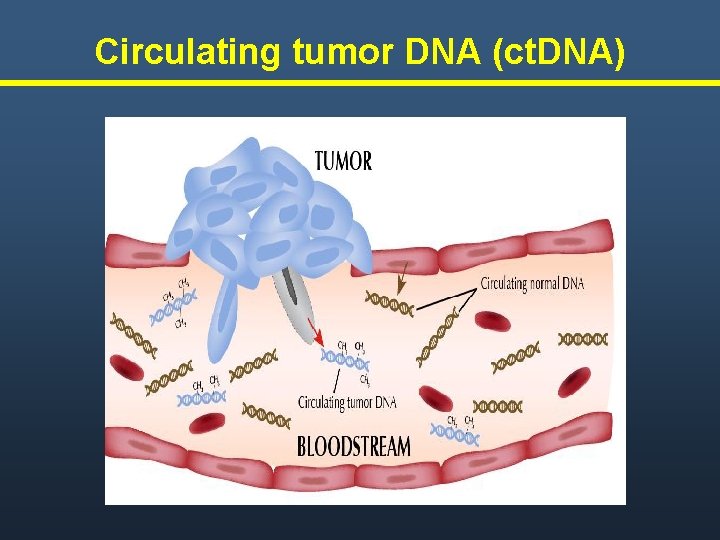
Genetic studies to identify somatic mutations • FFPE material of the tumor Analysis of DNA from Formaldehyde Fixed-Paraffin Embedded (FFPE) CRC tissue • Liquid biopsy Analysis of DNA from circulating tumor cells in blood (ct. DNA)
Circulating tumor DNA (ct. DNA)
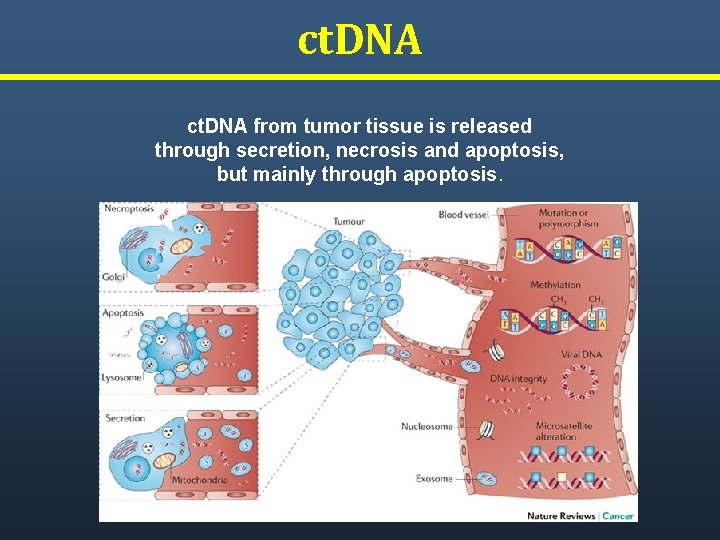
ct. DNA from tumor tissue is released through secretion, necrosis and apoptosis, but mainly through apoptosis.
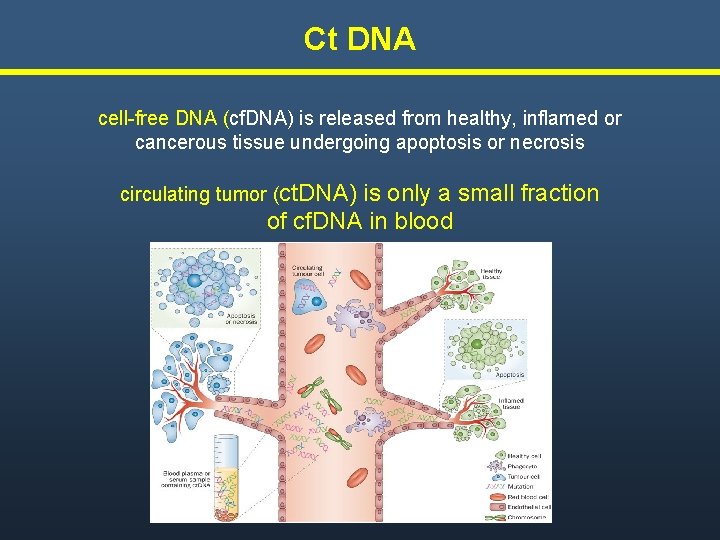
Ct DNA cell-free DNA (cf. DNA) is released from healthy, inflamed or cancerous tissue undergoing apoptosis or necrosis circulating tumor (ct. DNA) is only a small fraction of cf. DNA in blood
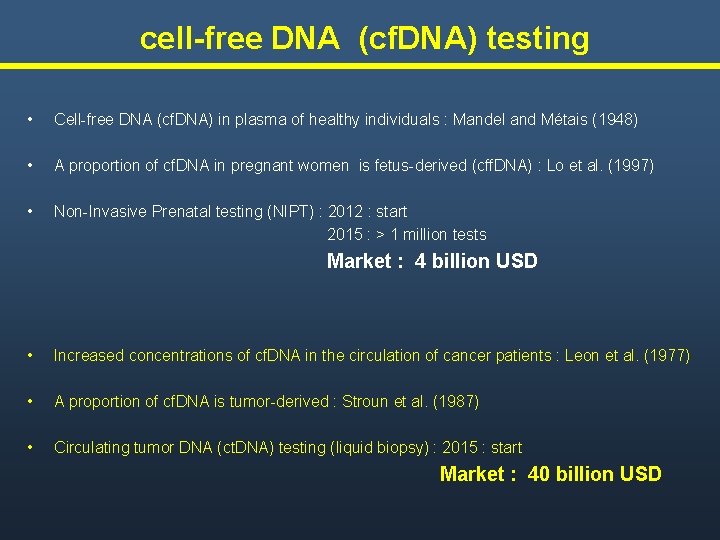
cell-free DNA (cf. DNA) testing • Cell-free DNA (cf. DNA) in plasma of healthy individuals : Mandel and Métais (1948) • A proportion of cf. DNA in pregnant women is fetus-derived (cff. DNA) : Lo et al. (1997) • Non-Invasive Prenatal testing (NIPT) : 2012 : start 2015 : > 1 million tests Market : 4 billion USD • Increased concentrations of cf. DNA in the circulation of cancer patients : Leon et al. (1977) • A proportion of cf. DNA is tumor-derived : Stroun et al. (1987) • Circulating tumor DNA (ct. DNA) testing (liquid biopsy) : 2015 : start Market : 40 billion USD
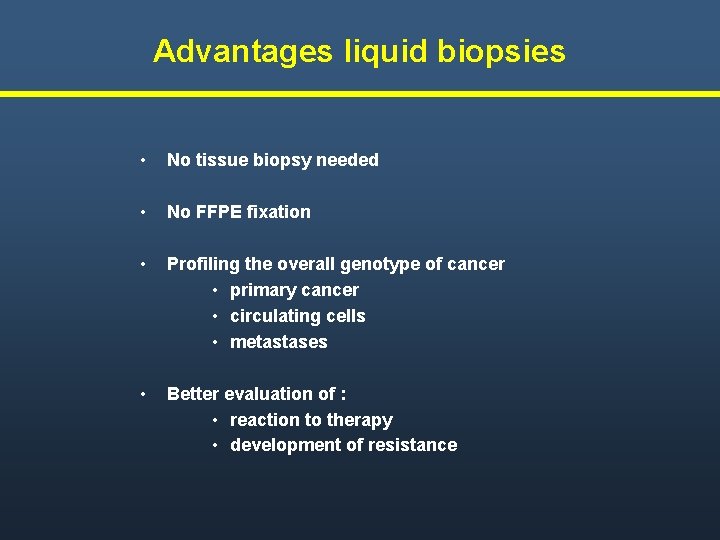
Advantages liquid biopsies • No tissue biopsy needed • No FFPE fixation • Profiling the overall genotype of cancer • primary cancer • circulating cells • metastases • Better evaluation of : • reaction to therapy • development of resistance
Tissue biopsy TISSUE BIOPSY EGFR TREATMENT E G F R K R A S W I L D RELAPSE
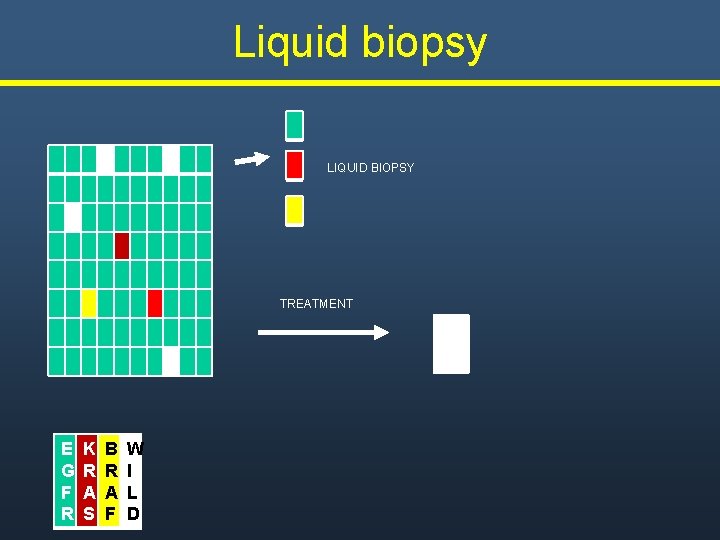
Liquid biopsy LIQUID BIOPSY TREATMENT E G F R K R A S B R A F W I L D
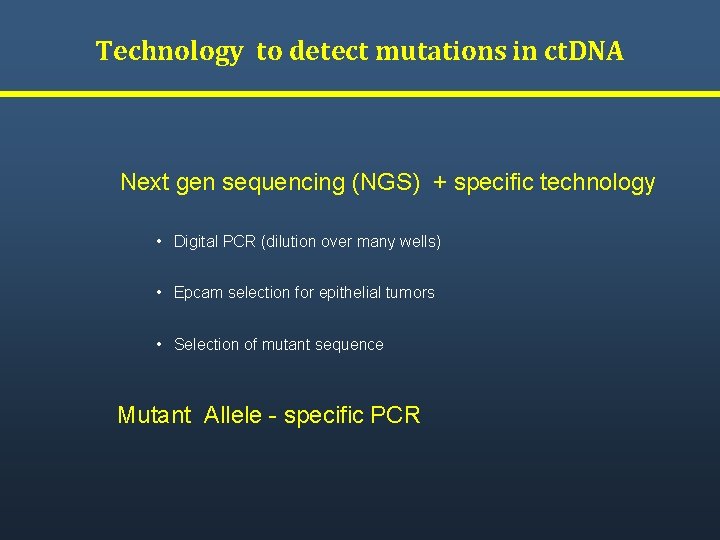
Technology to detect mutations in ct. DNA Next gen sequencing (NGS) + specific technology • Digital PCR (dilution over many wells) • Epcam selection for epithelial tumors • Selection of mutant sequence Mutant Allele - specific PCR
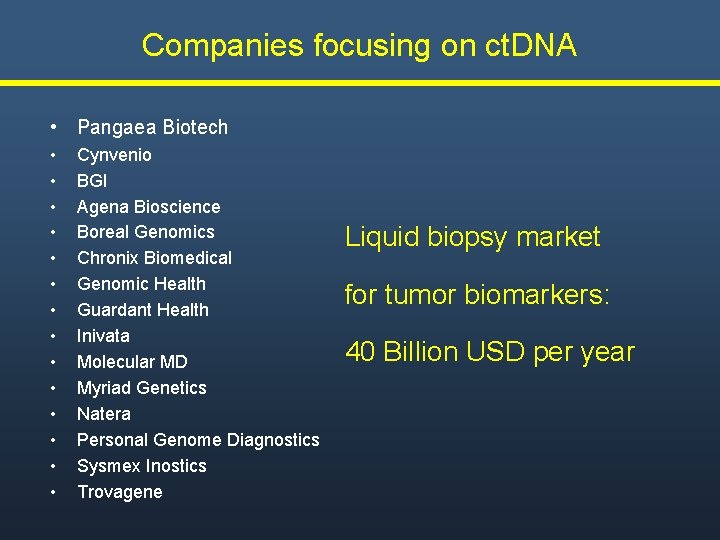
Companies focusing on ct. DNA • Pangaea Biotech • • • • Cynvenio BGI Agena Bioscience Boreal Genomics Chronix Biomedical Genomic Health Guardant Health Inivata Molecular MD Myriad Genetics Natera Personal Genome Diagnostics Sysmex Inostics Trovagene Liquid biopsy market for tumor biomarkers: 40 Billion USD per year
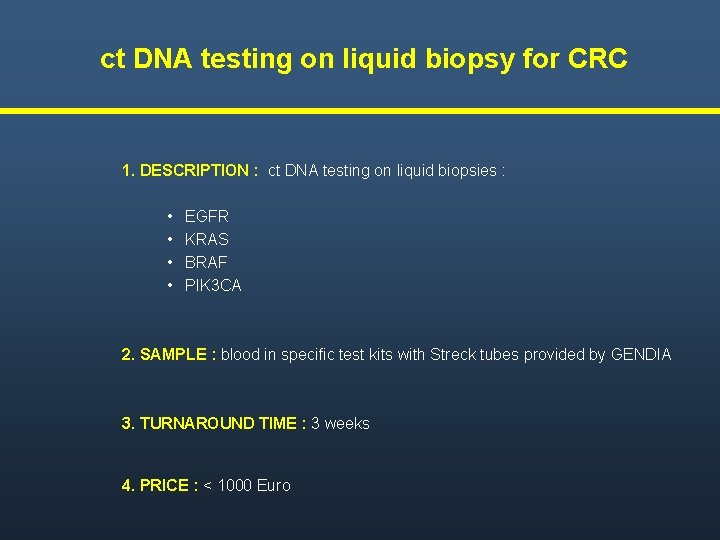
ct DNA testing on liquid biopsy for CRC 1. DESCRIPTION : ct DNA testing on liquid biopsies : • • EGFR KRAS BRAF PIK 3 CA 2. SAMPLE : blood in specific test kits with Streck tubes provided by GENDIA 3. TURNAROUND TIME : 3 weeks 4. PRICE : < 1000 Euro
How offer ct. DNA testing to your patients ? 1. Refer to our consultation : Email ct. DNA@GENDIA. net to ask for an appointment 2. Take blood yourself : Email ct. DNA@GENDIA. net to ask for kits www. circulatingtumor. DNA. net
www. circulatingtumor. DNA. net