What is osteoarthritis Osteoarthritis is a form of





- Slides: 145
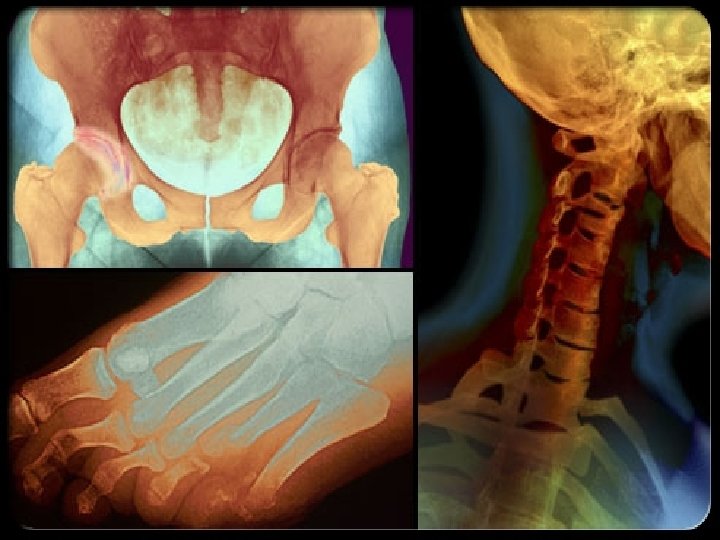
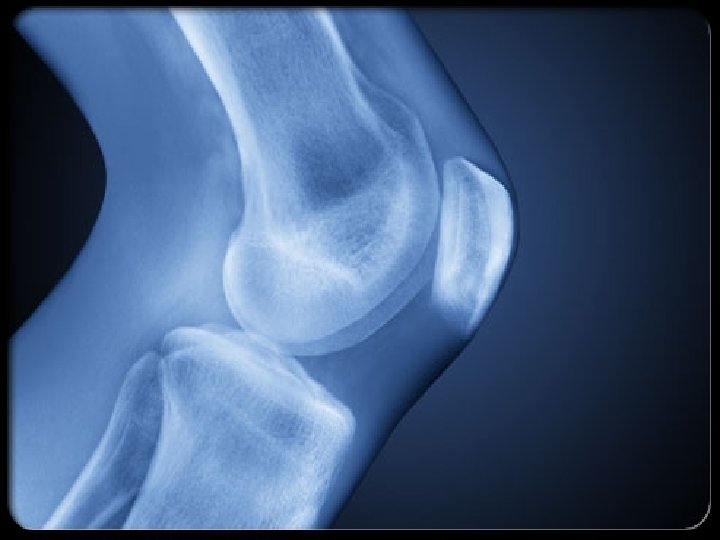
What is osteoarthritis? Osteoarthritis is a form of arthritis that features the breakdown and eventual loss of the cartilage of one or more joints. Cartilage is a protein substance that serves as a "cushion" between the bones of the joints It called degenerative joint disease. the most common form of arthritis.
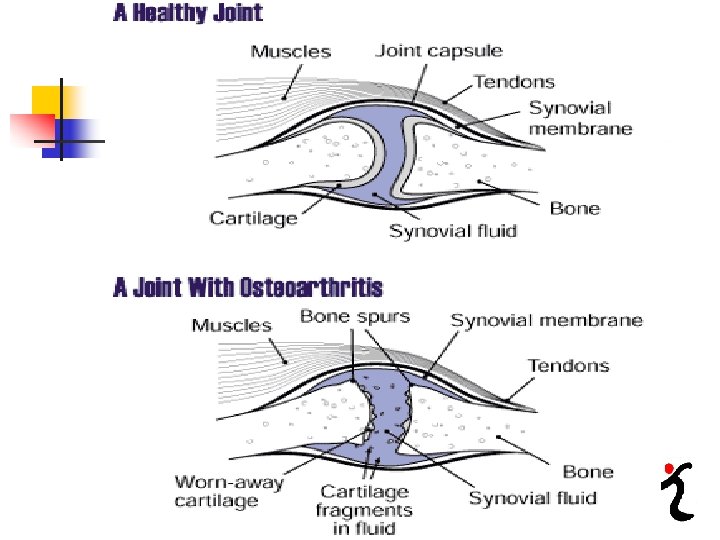
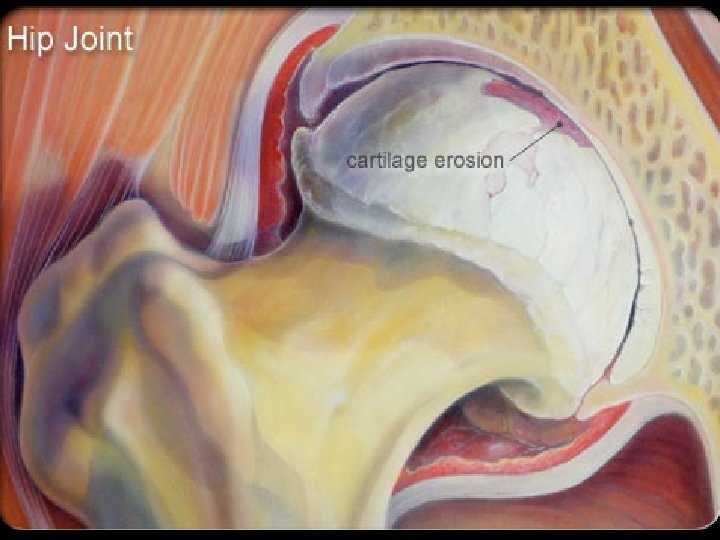
pathology In healthy joints cartilage acts as a shock absorber when you put weight on the joint. The slippery surface of the cartilage allows the bones to move smoothly. joint osteoarthritis the cartilage gradually becomes rough and thin, and the bone underneath thickens. Over time the cartilage may wear away entirely, and the bones will rub together.
Primary osteoarthritis not resulting from injury or disease, is mostly a result of natural aging of the joint. With aging, the water content of the cartilage increases, and the protein makeup of cartilage degenerates. .
Secondary osteoarthritis is a form of osteoarthritis that is caused by another disease or condition • obesity, • repeated trauma • surgery to the joint structures • abnormal joints at birth (congenital abnormalities) • gout, • diabetes, • hormone disorders • .
Symptoms The symptoms of osteoarthritis tend to develop slowly • pain or soreness when you move certain joints or when you've been inactive for a prolonged period • The affected joints may also be stiff or creaky Typically, osteoarthritis leads to morning stiffness that resolves in 30 minutes • When osteoarthritis affects the hands, some people develop bony enlargements in the fingers, which may or may not cause pain.
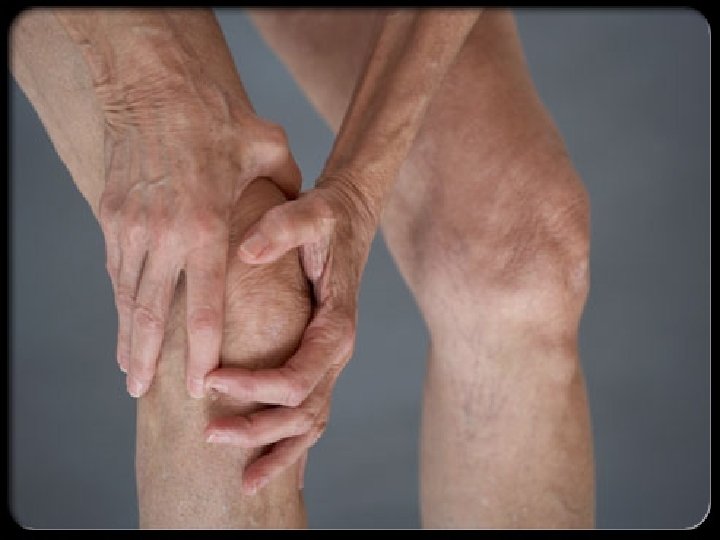
Where Does It Hurt? • In most cases, osteoarthritis develops in the weightbearing joints of the knees, hips, or spine • It's also common in the fingers, thumb, neck, and big toe. • Other joints are usually not affected, unless an injury is involved.
Causes Every joint comes with a natural shock absorber in the form of cartilage. This firm, rubbery material cushions the ends of the bones and reduces friction in healthy joints. As we age, joints become stiffer and cartilage is more vulnerable to wear and tear. At the same time, repetitive use of the joints over the years irritates the cartilage. If it deteriorates enough, bone rubs against bone, causing pain and reducing range of motion.
1 -unknown 2 -heredity 3 -excess weight (obesity) : puts extra stress on the weight-bearing joints, especially the knees and hips. 4 -joint injury: a- sport (wear and tear in joint). b- occupation (squat position over many years. 5 -other disease RA.
Age Osteoarthritis usually starts in the late 40 s, 50 s or 60 s and is uncommon before the age of 40. It is probably due to several factors that accompany growing older – muscles become weaker we put on weight our body is less able to heal itself.
Sex For most joints, especially the knees and hands, osteoarthritis is more common and severe in women.
Obesity For many people, this is an important factor in causing osteoarthritis, especially at the knee. Being overweight also increases the chances of osteoarthritis worsening once it has developed.
Joint injury A major injury or operation on a joint may lead to osteoarthritis at that site in later life. There are some abnormalities of the joint that you can be born with or which develop when you are a child, such as Perthes' disease of the hips, which also lead to osteoarthritis in later life.
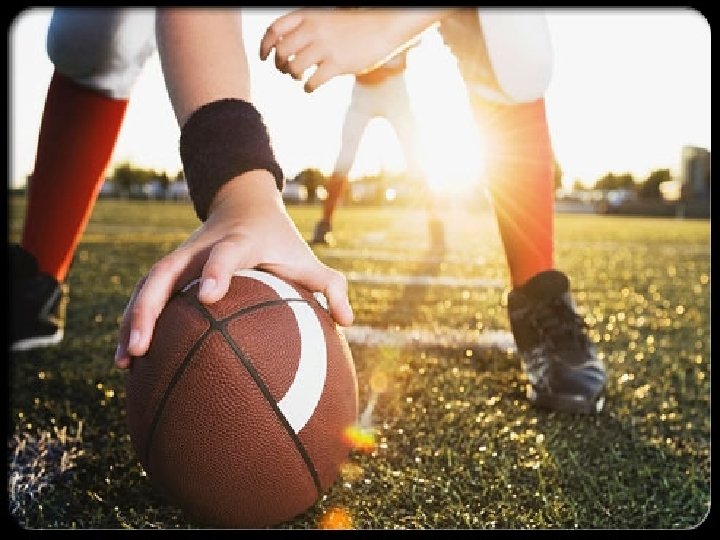
Joint injury Normal activity and exercise is good rather than bad for joints and does not cause osteoarthritis. very hard repetitive activity may injure joints. This explains why osteoarthritis is more common in people in some physically demanding jobs, such as farmers (osteoarthritis of the hip) and professional footballers (osteoarthritis of the knee)
Heredity • There is one common form of osteoarthritis (nodal osteoarthritis) that strongly runs in families. • This particularly affects the hands of middle-aged women. • In knee and hip osteoarthritis, heredity plays a smaller, though still significant, role. • We know these are linked with single genes that affect collagen – an essential component of cartilage.
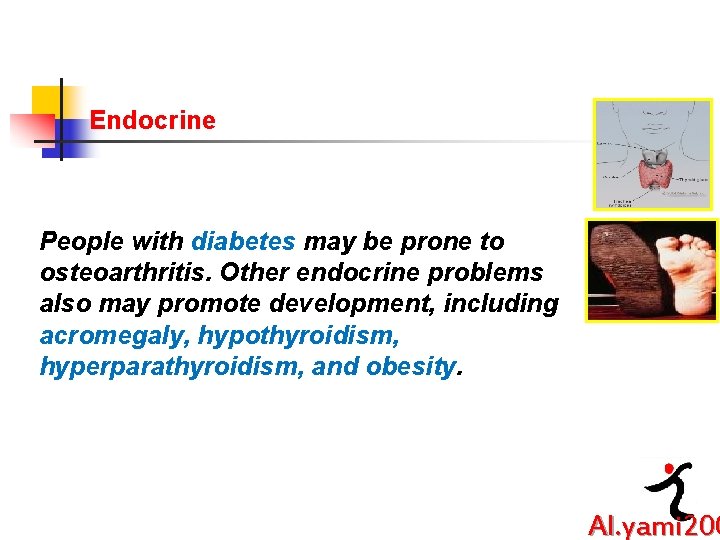
Endocrine People with diabetes may be prone to osteoarthritis. Other endocrine problems also may promote development, including acromegaly, hypothyroidism, hyperparathyroidism, and obesity. Al. yami 200
Posttraumatic Traumatic causes can be further divided into macro or micro trauma. An example of macrotrauma is an injury to the joint such as a bone break causing the bones to line up improperly (malalignment), lose stability, or damage cartilage.
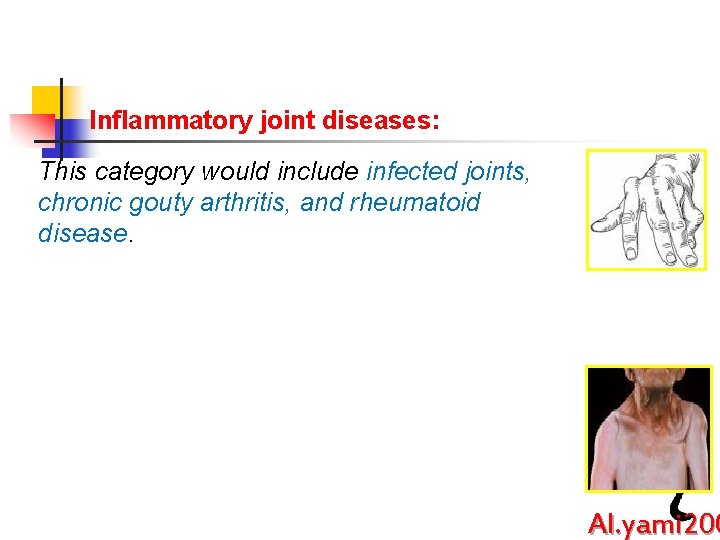
Inflammatory joint diseases: This category would include infected joints, chronic gouty arthritis, and rheumatoid disease. Al. yami 200
Metabolic Diseases causing errors of metabolism may cause osteoarthritis. Examples include Paget disease and Wilson disease.
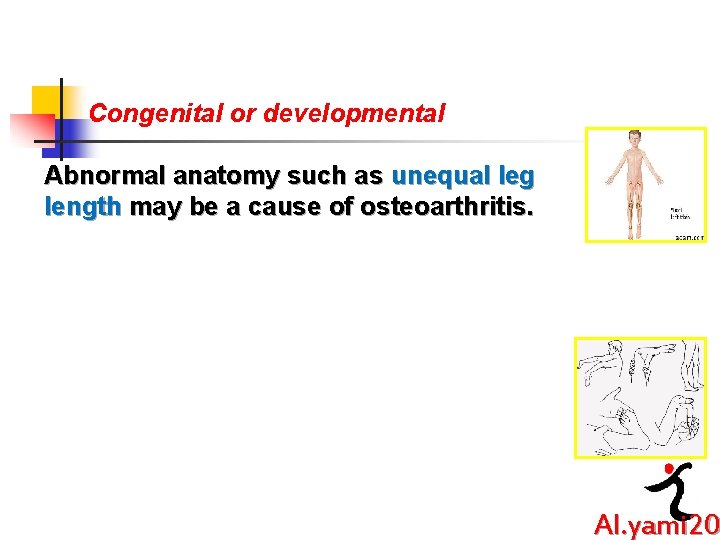
Congenital or developmental Abnormal anatomy such as unequal leg length may be a cause of osteoarthritis. Al. yami 20
Genetic A genetic defect may promote breakdown of the protective architecture of cartilage. Examples include collagen disturbances such as Ehlers-Danlos syndrome.
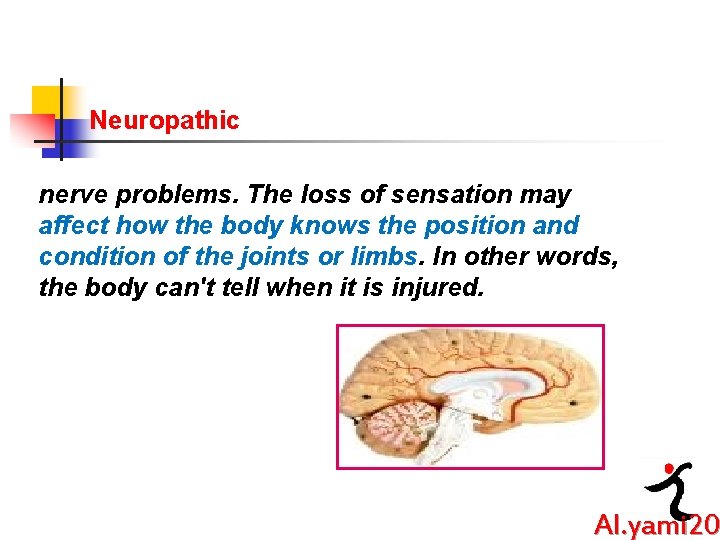
Neuropathic nerve problems. The loss of sensation may affect how the body knows the position and condition of the joints or limbs. In other words, the body can't tell when it is injured. Al. yami 20
Risk Factors One of the major risk factors for osteoarthritis is something none of us can control – getting older. Gender also plays a role. Over age 50, more women than men develop osteoarthritis. In most cases, the condition results from normal wear and tear over the years. But some people have a genetic defect or joint abnormality that makes them more vulnerable.
Because injured joints are more vulnerable to osteoarthritis, doing anything that damages the joints can raise your risk. This includes sports that have a high rate of injury and jobs that require repetitive motion, such as bending the knees to install flooring. Obesity is another risk factor – it has been linked specifically to osteoarthritis of the knees and hips.
Sign and symptoms 1 pain, especially when moving a joint. 2 swelling or bumps. 3 sore and stiff (fingers and foot). 4 hear grating sound when the roughened cartilage on the surface of the bones rubs together. 5 hard movement (walk and up stair).
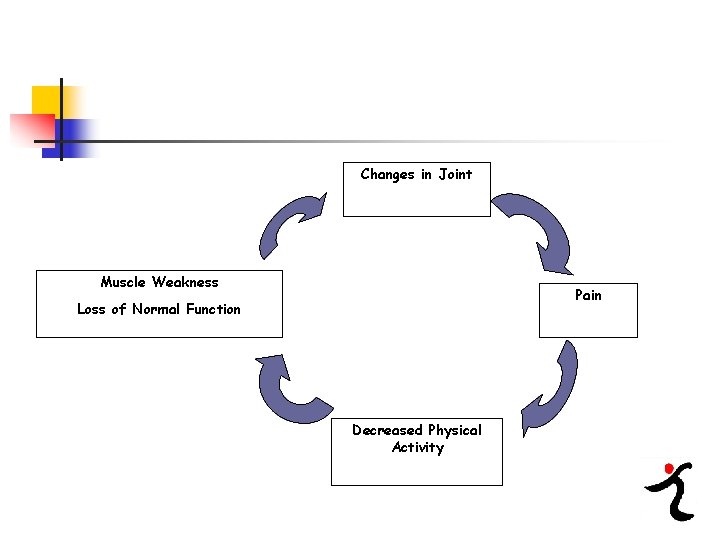
Changes in Joint Muscle Weakness Pain Loss of Normal Function Decreased Physical Activity
Joint affected OA commonly affects weight bearing joints such as hips, knees, feet and spine. However, non weight bearing joints such as finger joints.
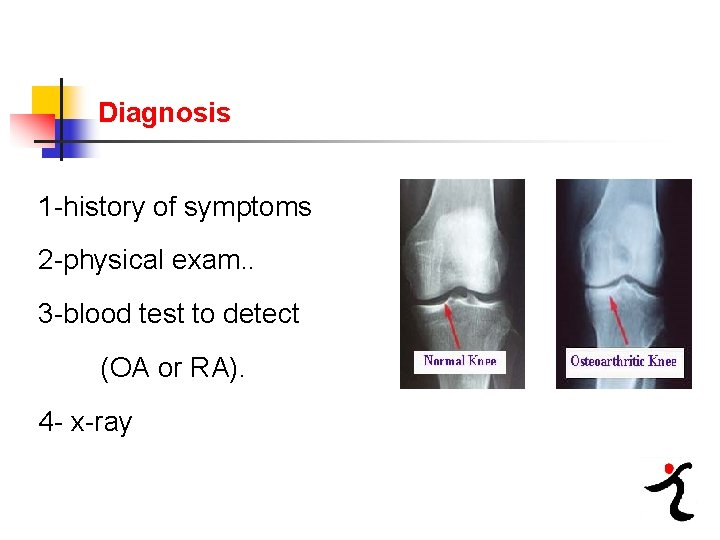
Diagnosis 1 history of symptoms 2 physical exam. . 3 blood test to detect (OA or RA). 4 x ray
Factor to distinguish OA and other disease. 1 Osteoarthritis usually occurs in older people after the age 45 years, but occur at any age. 2 It is usually located in only one or a few joints. 3 The joints are less inflamed than in other arthritic conditions. 4 Progression of pain is almost always gradual. 5 It affects men and women in equal numbers but after the 50 age the women is more.
Complication of OA 1 The muscles that hold the joint in place weaken because they are not being used. 2 Over time, the joint looses its shape and does not work at all.
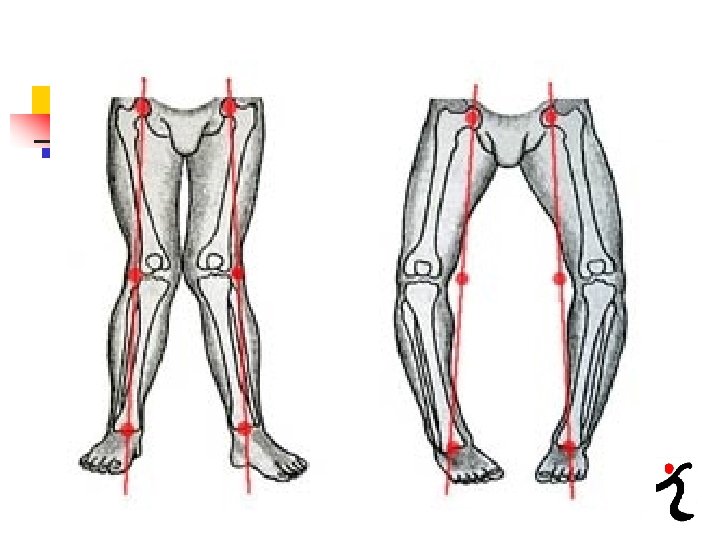
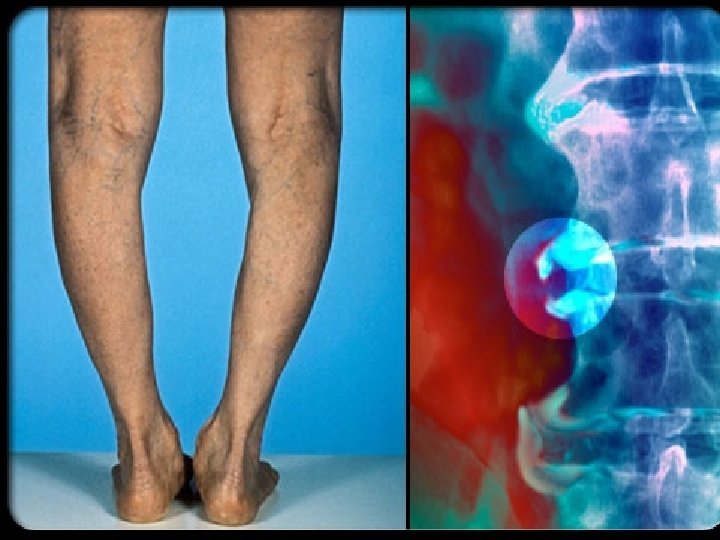
Long-Term Complications • it can lead to deformities that take a toll on mobility Severe loss of cartilage in the knee joints can cause the knees to curve out, creating a bow-legged appearance (shown on the left). Bony spurs along the spine (shown on the right) can irritate nerves, leading to pain, numbness, or tingling in some parts of the body.
Treatment n Individualized treatment n n Comorbid conditions Patient's needs and expectations n n Types of treatment n n Non-pharmacological n Patient education n n Exercise Therapy Assistive devices PT & OT Weight management Supplements Pharmacological n n Simple analgesics NSAID COX-2 inhibitor Local analgesics Intra-articular corticosteroid Intra-articular hyaluronic acid like product Surgery n n n Arthroscopic debridement or joint lavage Osteotomy for mal-alignment of the knee or hip Arthroplasty
Medical 1 -Analgesics drugs: A) Acetaminophen : to relieve mild to moderate arthritis pain. Side effect: liver damage. B) Codeine preparation: to relive severe arthritis pain. Side effect: may cause constipation 2 -Cream and gels: to temporary pain relive.
3 -Nonsteroidal anti-inflammatory drugs (NSAIDs): To reduce pain and swelling of the joint and decrease stiffness. a) Non selective NSAIDs: e. g. aspirin Low dose use to relive pain. Higher dose and regular use to suppress inflammation Side effect: Stomach upset, diarrhea and abdominal pain B) Selective NSAIDs (Cox 2 inhibitor): are as effective as non selective NSAIDs and less cause gastrointestinal injury and side effect.
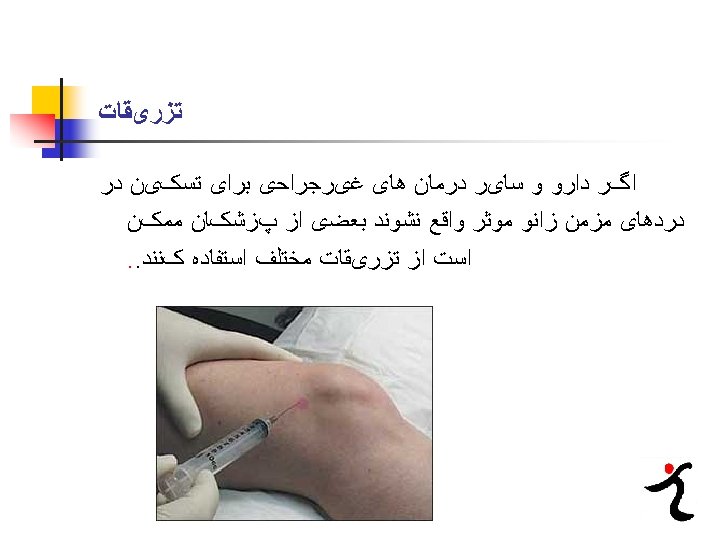
Joint irrigation: the joint space is flushed with fluid to remove cartilage debris, irritating crystals and other substance. *use to reduce pain, stiffness and tenderness and allow for increased physical activity. Corticosteroid: May be injected into the joint to relive severe inflammation. Cortisone as asteroid that reduce inflammation and swelling.
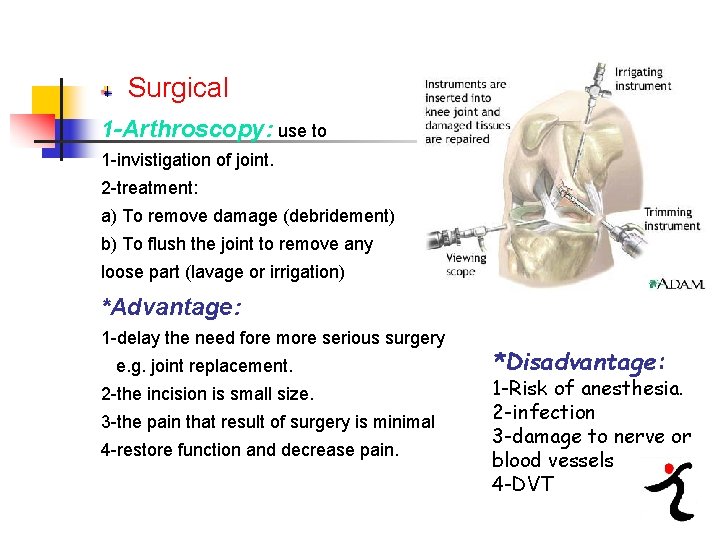
Surgical 1 -Arthroscopy: use to 1 invistigation of joint. 2 treatment: a) To remove damage (debridement) b) To flush the joint to remove any loose part (lavage or irrigation) *Advantage: 1 delay the need fore more serious surgery e. g. joint replacement. 2 the incision is small size. 3 the pain that result of surgery is minimal 4 restore function and decrease pain. *Disadvantage: 1 -Risk of anesthesia. 2 -infection 3 -damage to nerve or blood vessels 4 -DVT
2 -osteotomy: Is procedure change the position or alignment of knee so your weight shift away from the damage area. This procedure only be done when only one area or side of knee damage. *Advantage: Decrease pain and restore function. *Disadvantage: May need knee replacement surgery in future.
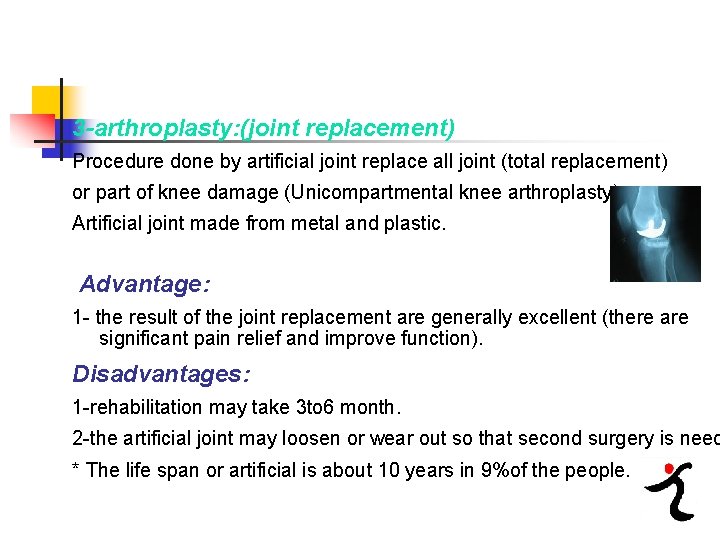
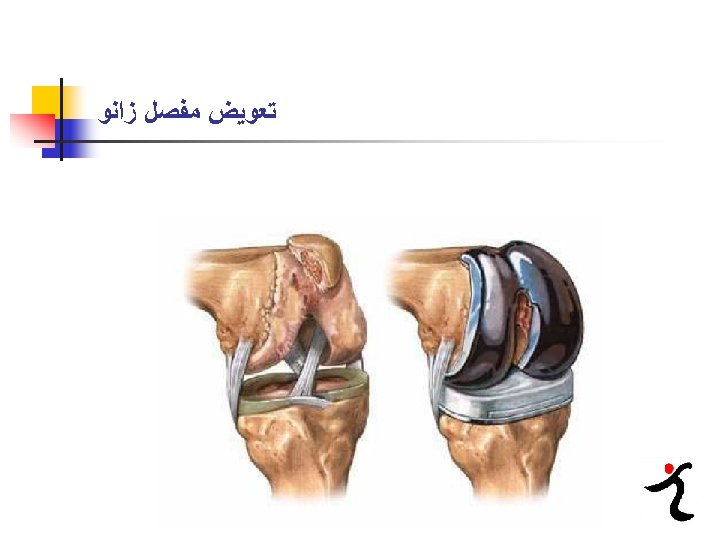
3 -arthroplasty: (joint replacement) Procedure done by artificial joint replace all joint (total replacement) or part of knee damage (Unicompartmental knee arthroplasty). Artificial joint made from metal and plastic. Advantage: 1 the result of the joint replacement are generally excellent (there are significant pain relief and improve function). Disadvantages: 1 rehabilitation may take 3 to 6 month. 2 the artificial joint may loosen or wear out so that second surgery is need * The life span or artificial is about 10 years in 9%of the people.
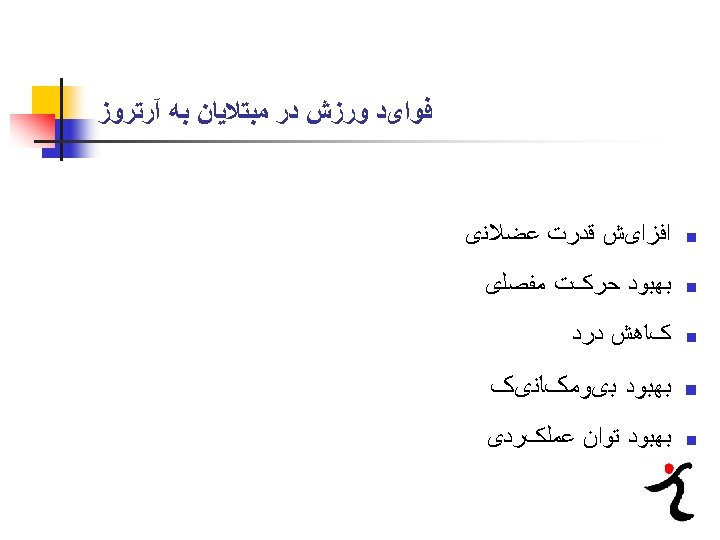
Physical Therapy n n Physical therapy and exercise improve flexibility and strengthen the muscles surrounding the joints. People who exercise regularly their arthritis will typically have less pain and better function than those who are inactive. physiotherapy treatment program will help: • Reduce pain • Improve movement and posture • Strengthen muscles • Improve independent function • Assess and treat biomechanical problems that may exacerbate the pain and loss of function
Exercises n n n prevent the disability that result from inactivity. promotes the health and normal function of muscles and bones. keeps the muscles toned increases bone mineral density, which reduces the risk of osteoporosis and fractures. It promotes cardiovascular health, which decreases the risk of heart disease. psychosocial benefits including an improved sense of wellbeing and the relief of depression.
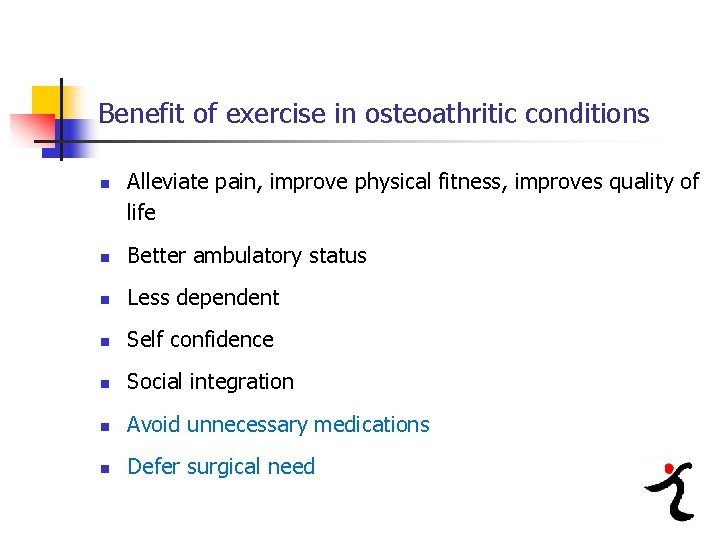
Benefit of exercise in osteoathritic conditions n Alleviate pain, improve physical fitness, improves quality of life n Better ambulatory status n Less dependent n Self confidence n Social integration n Avoid unnecessary medications n Defer surgical need
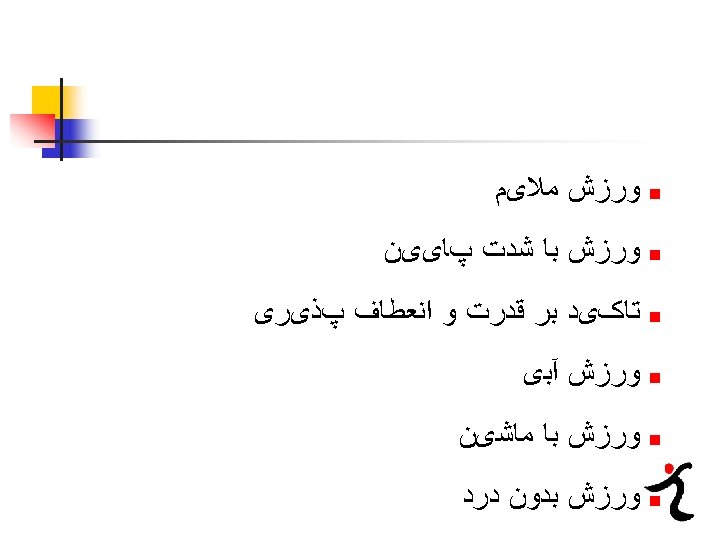
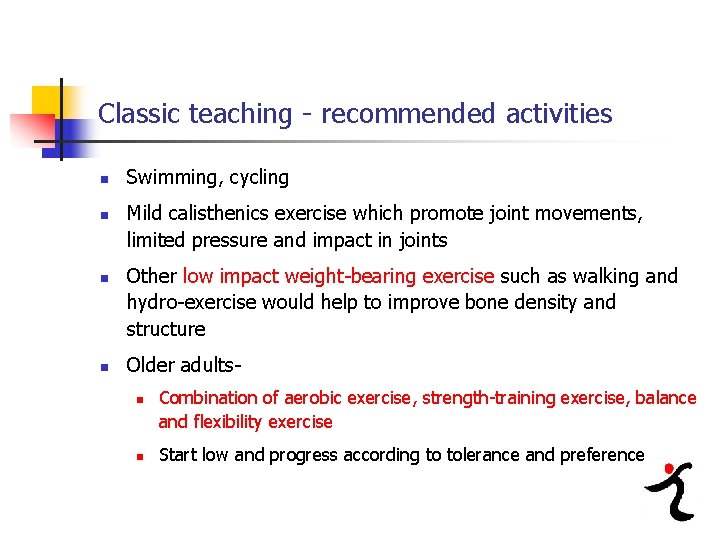
Classic teaching - recommended activities n n Swimming, cycling Mild calisthenics exercise which promote joint movements, limited pressure and impact in joints Other low impact weight-bearing exercise such as walking and hydro-exercise would help to improve bone density and structure Older adultsn n Combination of aerobic exercise, strength-training exercise, balance and flexibility exercise Start low and progress according to tolerance and preference
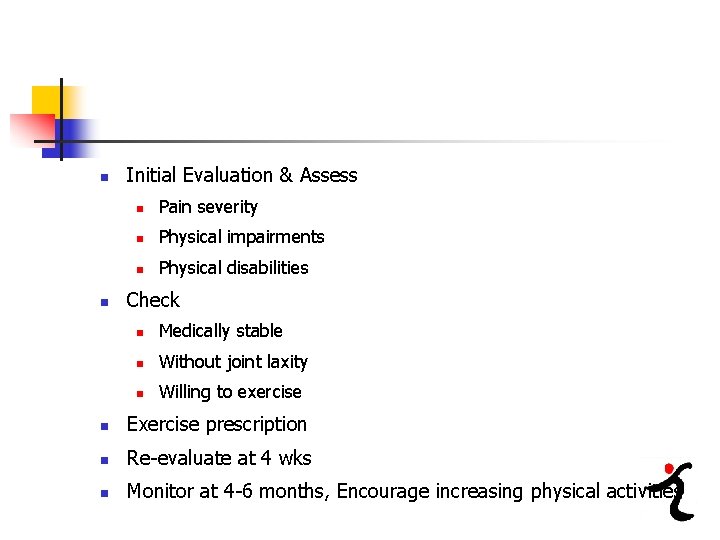
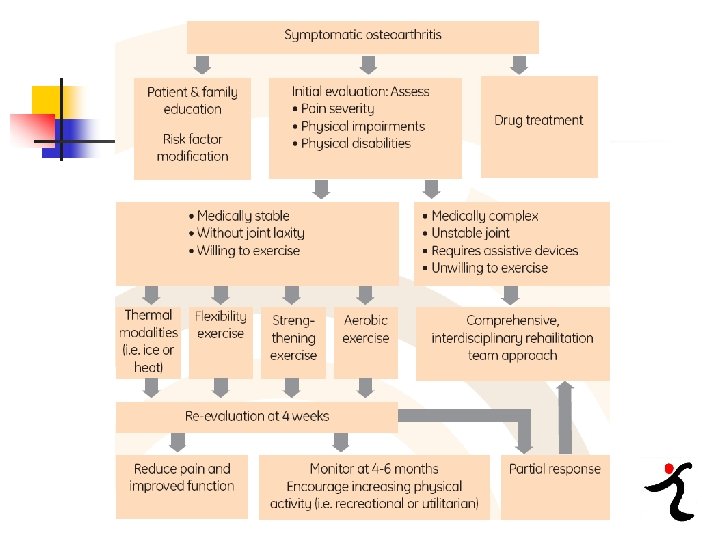
n n Initial Evaluation & Assess n Pain severity n Physical impairments n Physical disabilities Check n Medically stable n Without joint laxity n Willing to exercise n Exercise prescription n Re-evaluate at 4 wks n Monitor at 4 -6 months, Encourage increasing physical activities
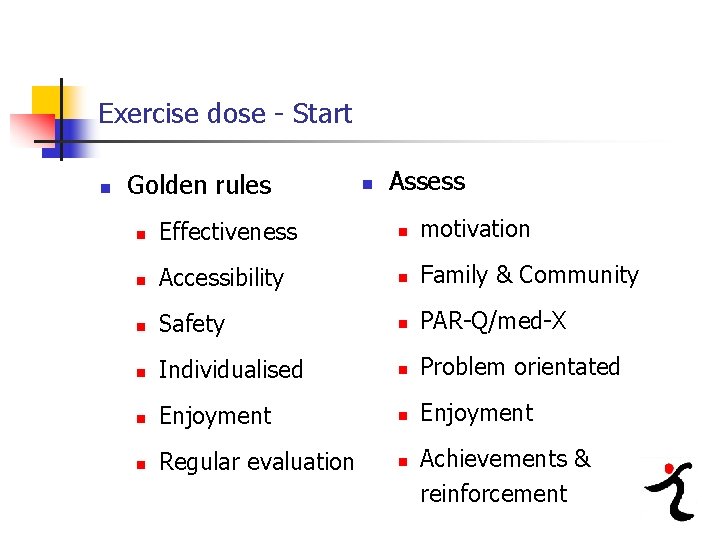
Exercise dose - Start n Golden rules n Assess n Effectiveness n motivation n Accessibility n Family & Community n Safety n PAR-Q/med-X n Individualised n Problem orientated n Enjoyment n Regular evaluation n Achievements & reinforcement
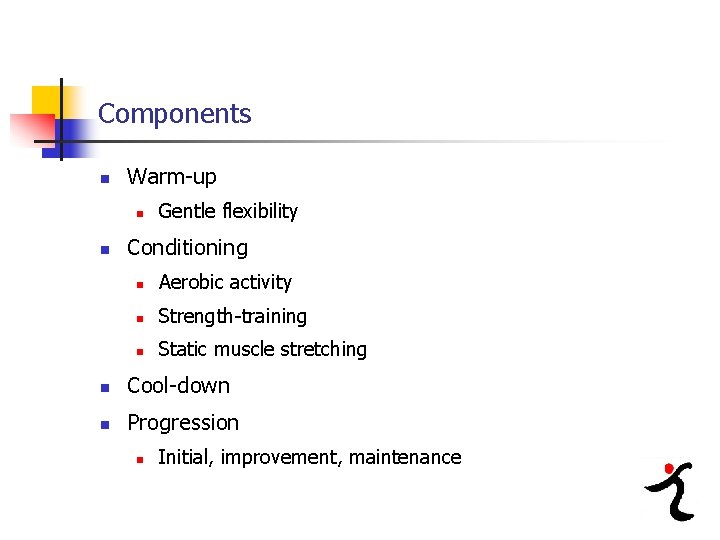
Components n Warm-up n n Gentle flexibility Conditioning n Aerobic activity n Strength-training n Static muscle stretching n Cool-down n Progression n Initial, improvement, maintenance
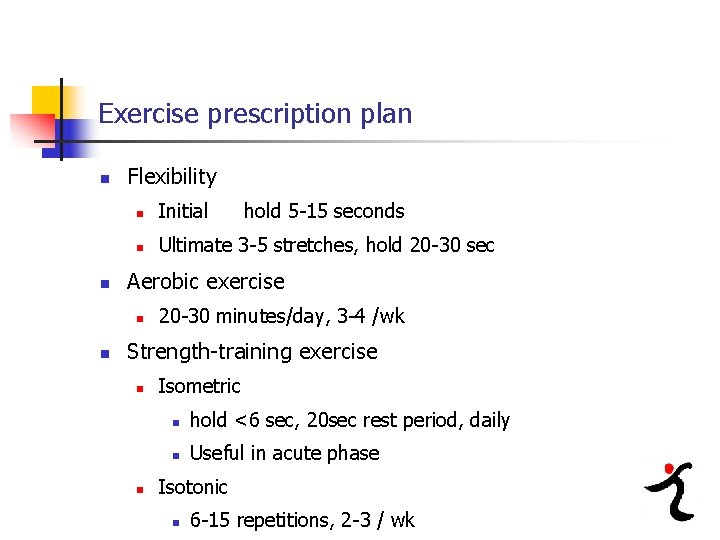
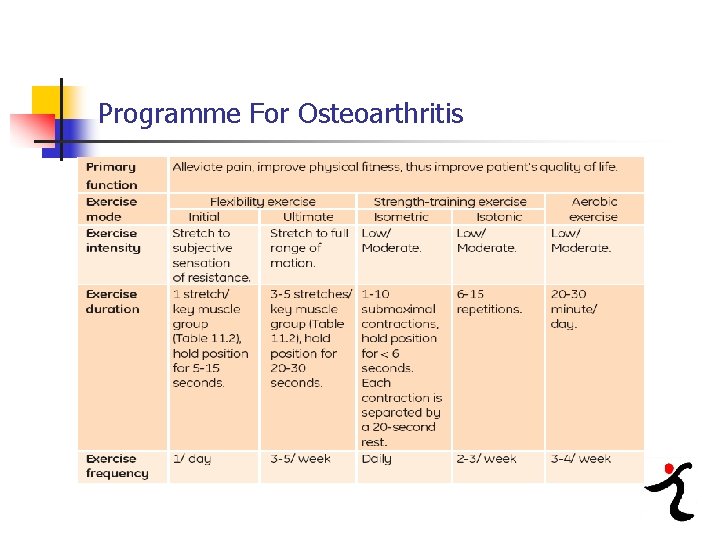
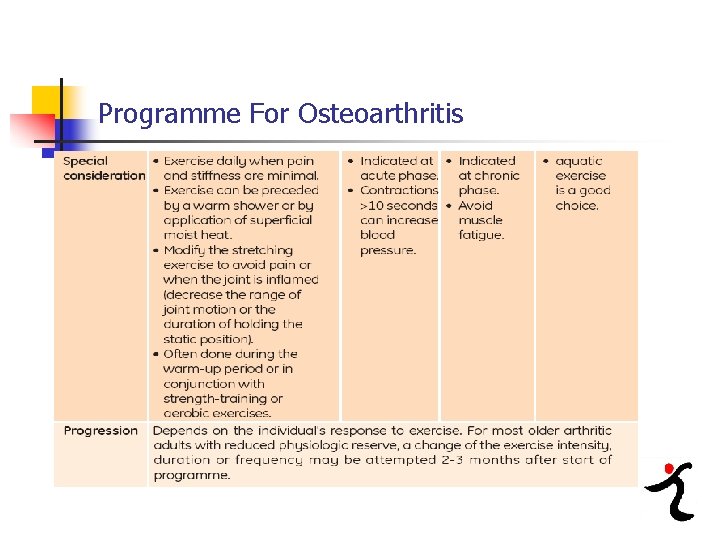
Exercise prescription plan n n Flexibility n Initial n Ultimate 3 -5 stretches, hold 20 -30 sec Aerobic exercise n n hold 5 -15 seconds 20 -30 minutes/day, 3 -4 /wk Strength-training exercise n n Isometric n hold <6 sec, 20 sec rest period, daily n Useful in acute phase Isotonic n 6 -15 repetitions, 2 -3 / wk
Programme For Osteoarthritis
Programme For Osteoarthritis
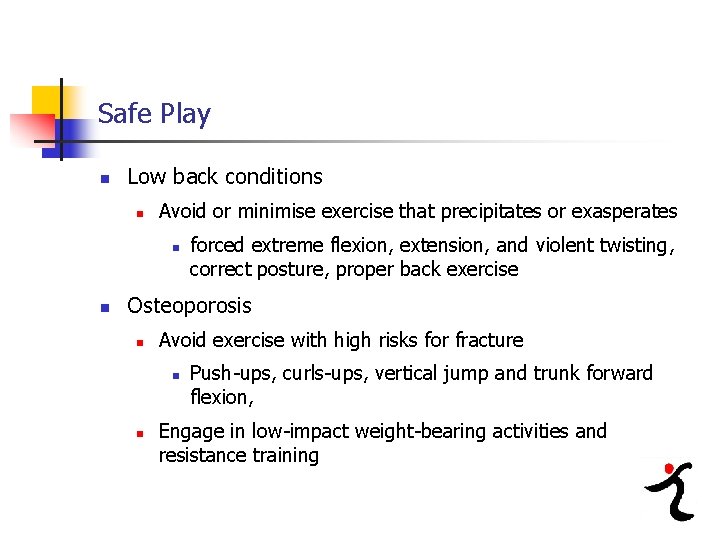
Safe Play n Low back conditions n Avoid or minimise exercise that precipitates or exasperates n n forced extreme flexion, extension, and violent twisting, correct posture, proper back exercise Osteoporosis n Avoid exercise with high risks for fracture n n Push-ups, curls-ups, vertical jump and trunk forward flexion, Engage in low-impact weight-bearing activities and resistance training
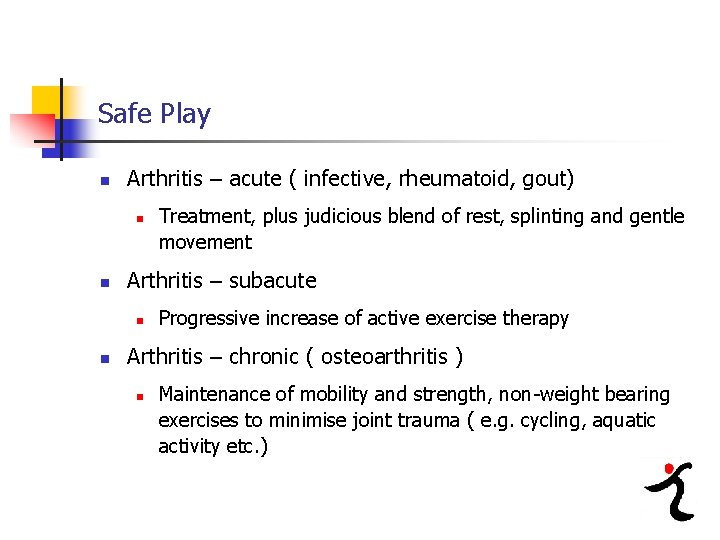
Safe Play n Arthritis – acute ( infective, rheumatoid, gout) n n Arthritis – subacute n n Treatment, plus judicious blend of rest, splinting and gentle movement Progressive increase of active exercise therapy Arthritis – chronic ( osteoarthritis ) n Maintenance of mobility and strength, non-weight bearing exercises to minimise joint trauma ( e. g. cycling, aquatic activity etc. )
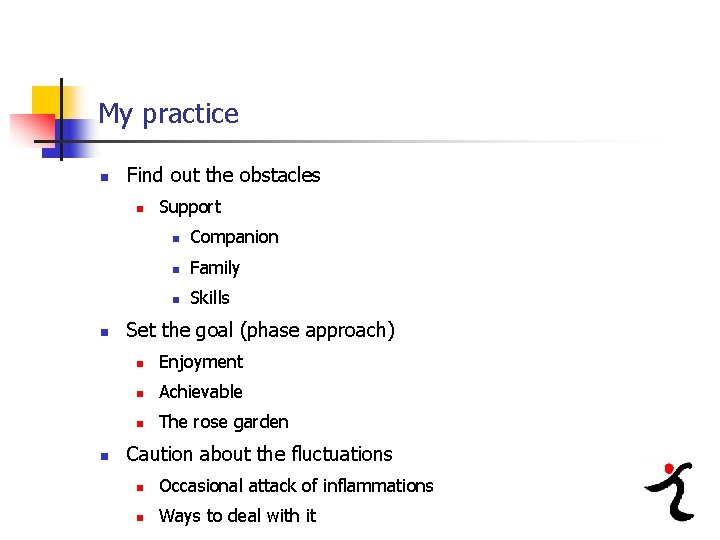
My practice n Find out the obstacles n n n Support n Companion n Family n Skills Set the goal (phase approach) n Enjoyment n Achievable n The rose garden Caution about the fluctuations n Occasional attack of inflammations n Ways to deal with it
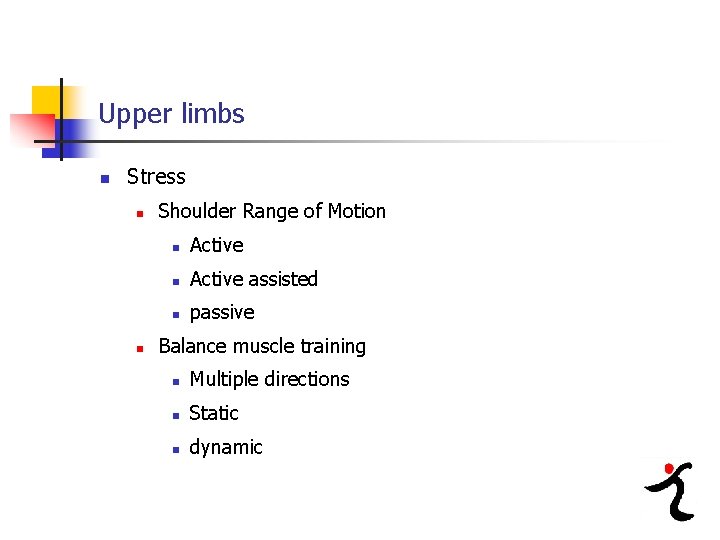
Upper limbs n Stress n n Shoulder Range of Motion n Active assisted n passive Balance muscle training n Multiple directions n Static n dynamic
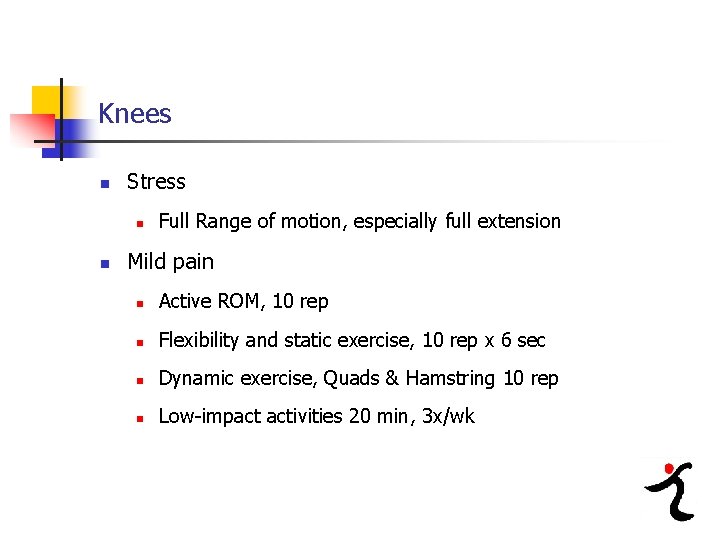
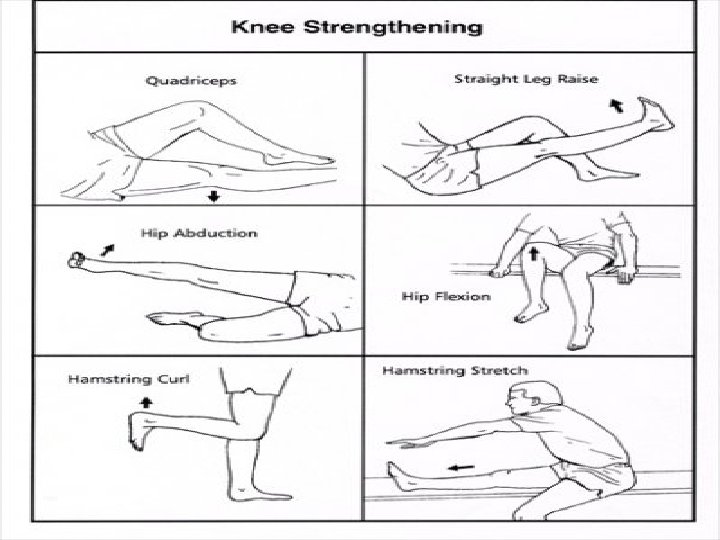
Knees n Stress n n Full Range of motion, especially full extension Mild pain n Active ROM, 10 rep n Flexibility and static exercise, 10 rep x 6 sec n Dynamic exercise, Quads & Hamstring 10 rep n Low-impact activities 20 min, 3 x/wk
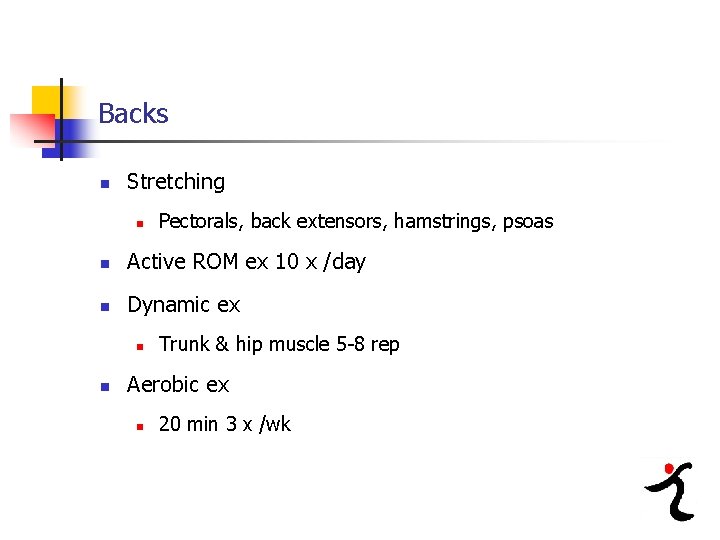
Backs n Stretching n Pectorals, back extensors, hamstrings, psoas n Active ROM ex 10 x /day n Dynamic ex n n Trunk & hip muscle 5 -8 rep Aerobic ex n 20 min 3 x /wk
Issues of different exercise n Brisk walk, Jogging n Swimming n Aerobic dance n Tai. Chi
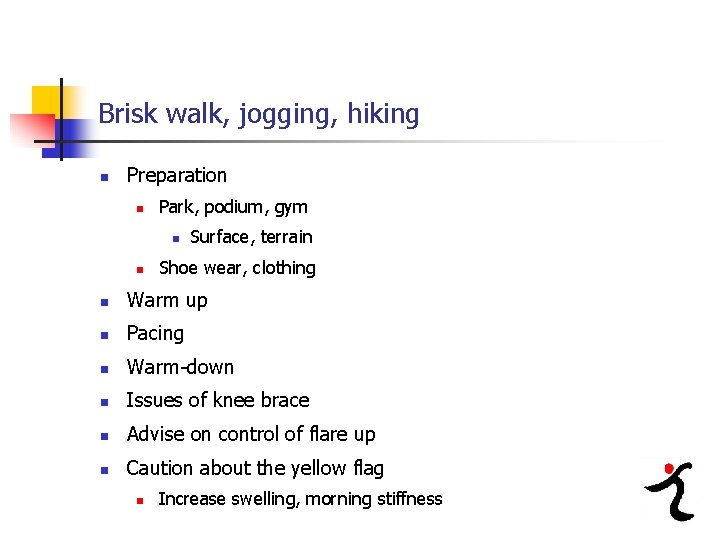
Brisk walk, jogging, hiking n Preparation n Park, podium, gym n n Surface, terrain Shoe wear, clothing n Warm up n Pacing n Warm-down n Issues of knee brace n Advise on control of flare up n Caution about the yellow flag n Increase swelling, morning stiffness
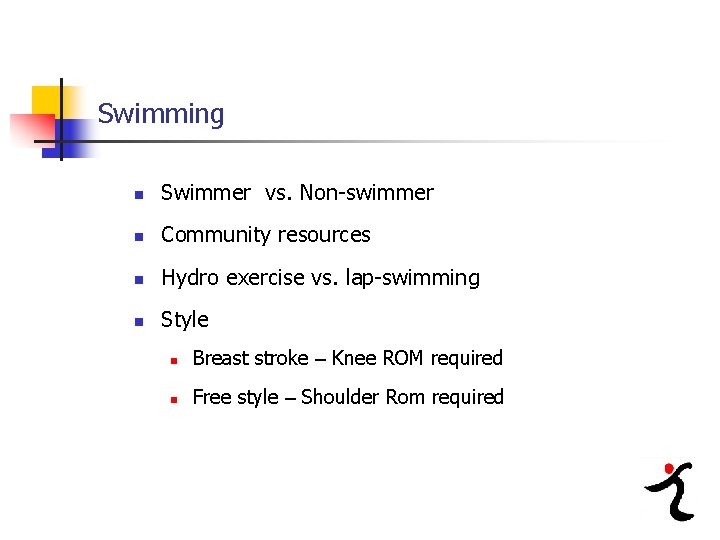
Swimming n Swimmer vs. Non-swimmer n Community resources n Hydro exercise vs. lap-swimming n Style n Breast stroke – Knee ROM required n Free style – Shoulder Rom required
Taichi n Proved to be good in aerobic ability, muscle strength & Balance n Community resource n Demanding on n Knees n Co-ordination n Stress on the need of warm up n Stress enjoyment
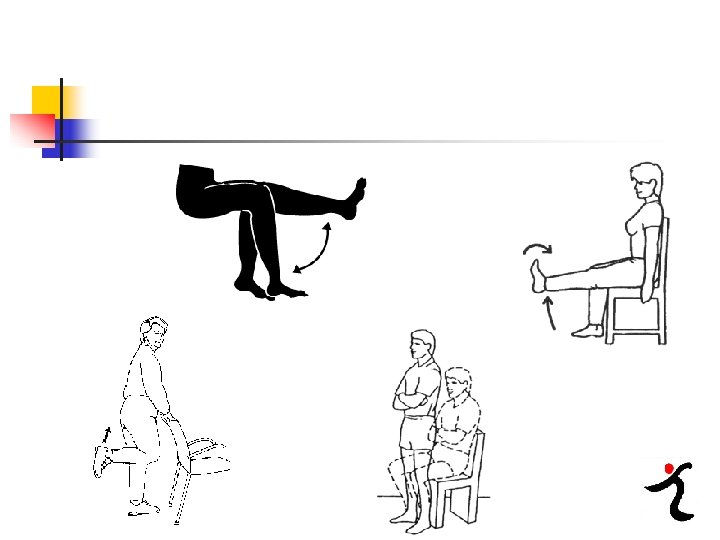
Range of Motion Exercises n n n Range-of-motion exercises are gentle stretching exercises which move each joint as far as possible in all directions. These exercises need to be done daily to help keep joints fully mobile and prevent stiffness and deformities. ROM (range-of-motion) exercises are especially important for arthritis patients, who because of intense inflammatory pain tend not to want to move painful joints.
Strengthening Exercises n Strengthening exercises help increase muscle strength. Strong muscles help to support the joints, making the joints more stable, and helping a person move more easily and with less pain. The two types of strengthening exercises are isometric and isotonic: n n Isometric exercises involve tightening the muscles, without moving the joints. These exercises are especially useful when joint motion is impaired. Isotonic exercises involve strengthening the muscles by moving the joints.
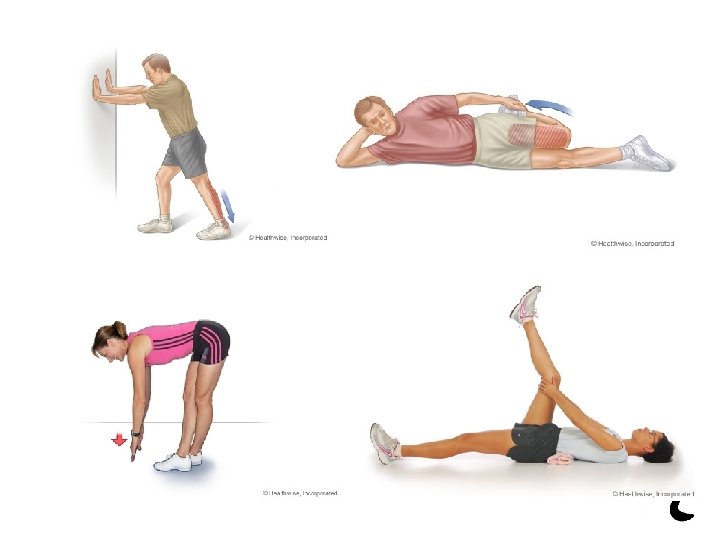
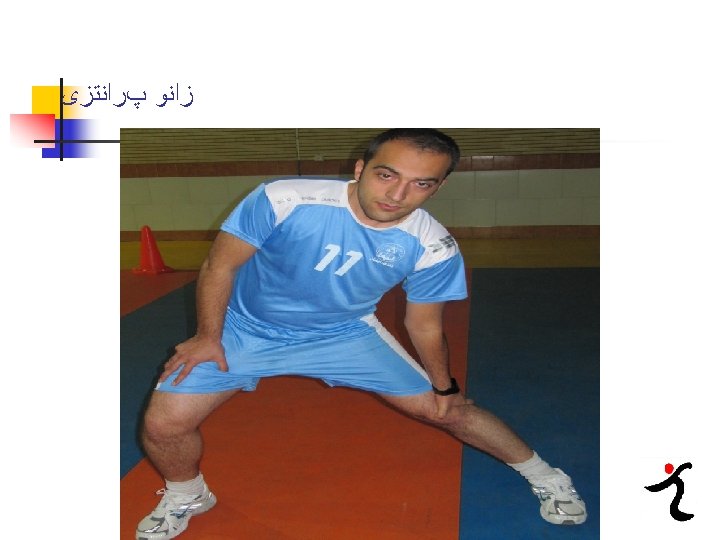
Stretching Exercises n n Stretching the muscles that support the knee is important in preventing injury. Flexible muscles are not as easily injured as tight muscles. Tightness of muscles connected to the knee can also pull the knee out of alignment. When doing stretching knee exercises, be careful to go slowly and not to overstretch.
Aerobic Exercise n n n Aerobic exercise benefits those with knee problems by toning the muscles of the leg that support the knee joint to absorb shock before it reaches the knee joint. Aerobic exercises also help in weight reduction. Losing weight reduces stress on the knee joint - the impact placed upon on the knees is three times the body weight while walking. Aerobics also stimulate your the body to release endorphins - natural painkillers produced by one's own body.
n n Aerobic exercise is important for the health of the heart, lungs, and overall function of the body. Warm up before aerobic exercise to slowly increase your heart rate and breathing rate. Five minutes of slow paced walking, and a few minutes of stretching are sufficient. Cooling down in the same manner is also important be sure to stretch your quadriceps and hamstrings.
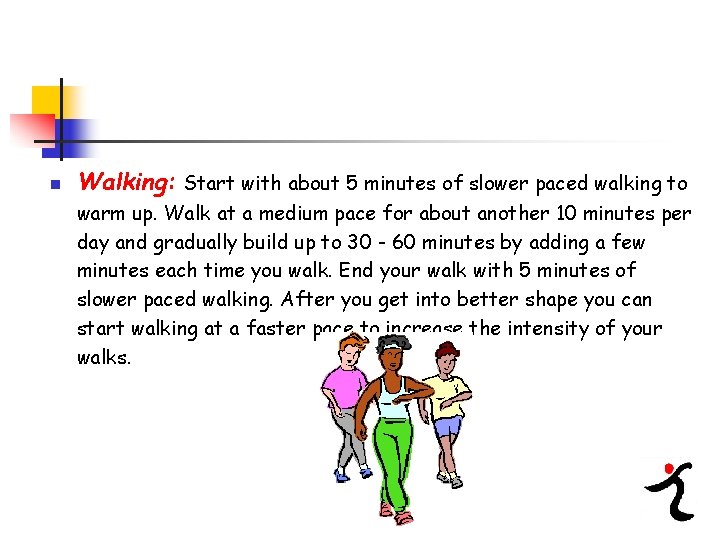
n Walking: Start with about 5 minutes of slower paced walking to warm up. Walk at a medium pace for about another 10 minutes per day and gradually build up to 30 - 60 minutes by adding a few minutes each time you walk. End your walk with 5 minutes of slower paced walking. After you get into better shape you can start walking at a faster pace to increase the intensity of your walks.
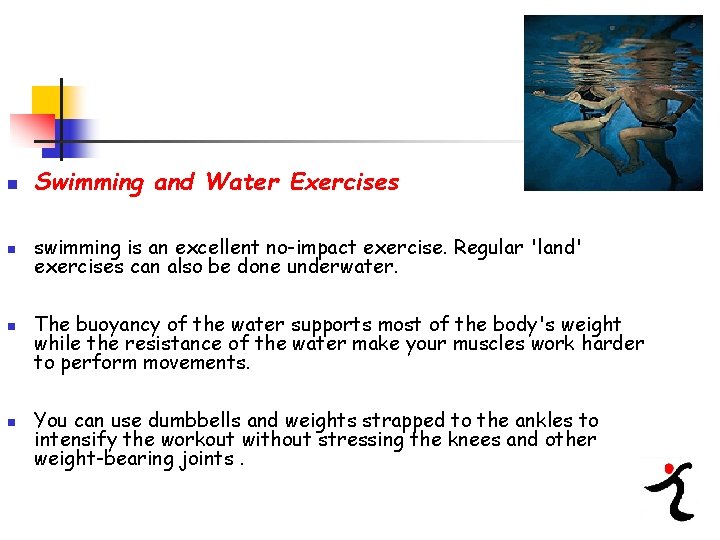
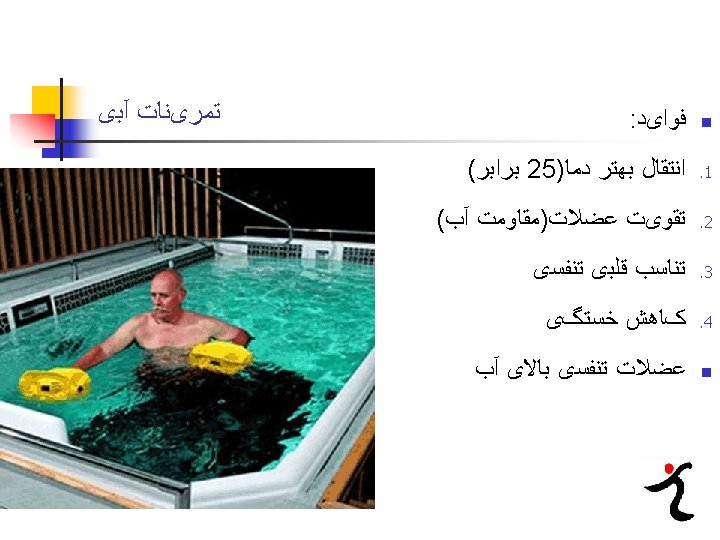
n Swimming and Water Exercises n swimming is an excellent no-impact exercise. Regular 'land' exercises can also be done underwater. n n The buoyancy of the water supports most of the body's weight while the resistance of the water make your muscles work harder to perform movements. You can use dumbbells and weights strapped to the ankles to intensify the workout without stressing the knees and other weight-bearing joints.
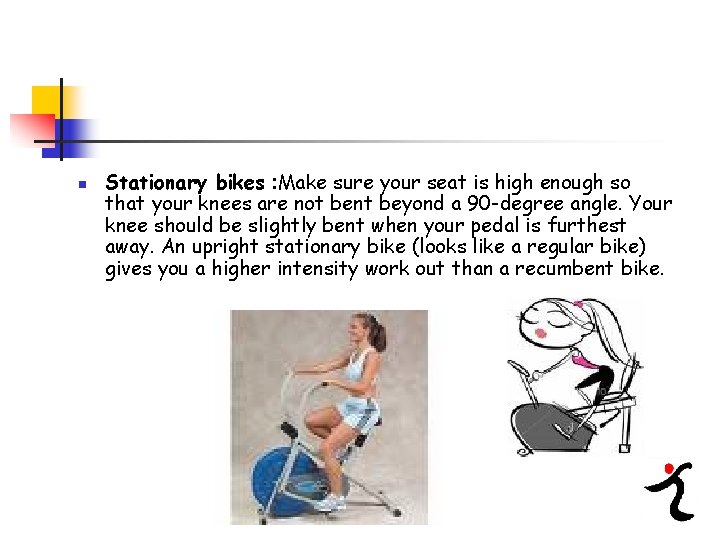
n Stationary bikes : Make sure your seat is high enough so that your knees are not bent beyond a 90 -degree angle. Your knee should be slightly bent when your pedal is furthest away. An upright stationary bike (looks like a regular bike) gives you a higher intensity work out than a recumbent bike.
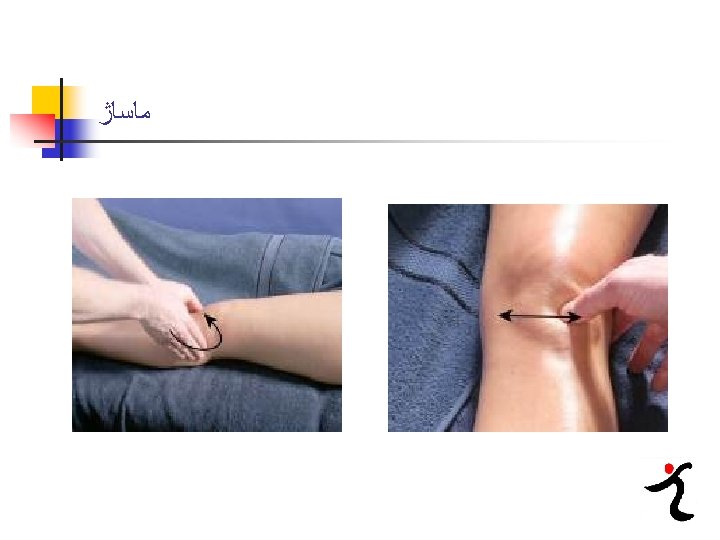
Heat and cold therapies n n n Applying heat and cold to arthritic joints can help to control symptoms such as pain and stiffness. Heat therapy : Heat relieves pain and stiffness in arthritic joints. Heat can be applied to the joints with hot packs, hot water bottles, heating pads, or electrically heated mittens. Heating pads should be set on a timer and used for no more than 20 minutes at a time. The heating pad can be reapplied after 20 minutes of no use.
n Cold therapy : Cold relieves pain in arthritic joints and reduces muscle spasms. Cold can be applied for short periods using ice packs or topical coolant sprays. People with certain medical conditions, such as the Raynaud phenomenon, should not use cold therapy.
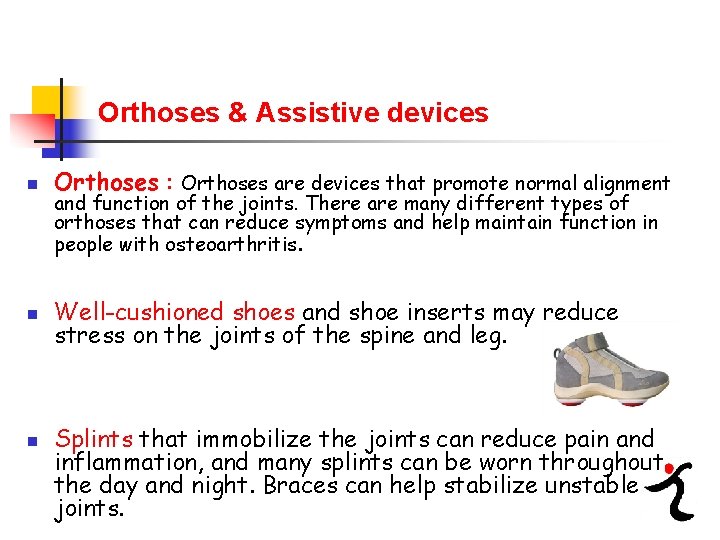
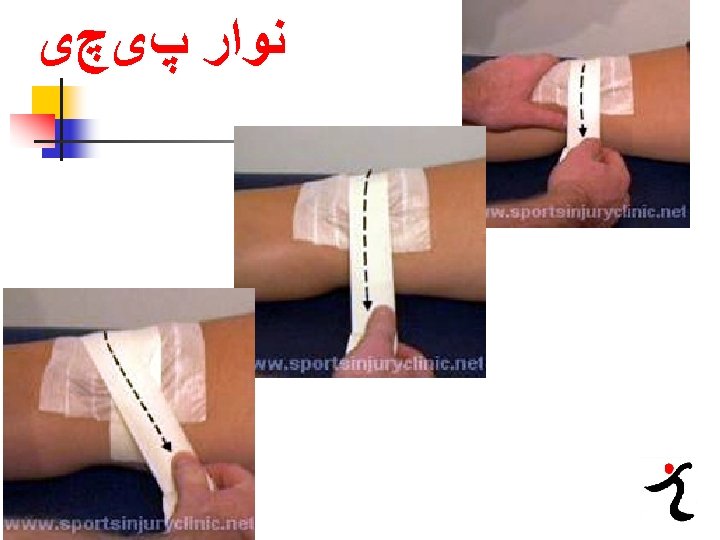
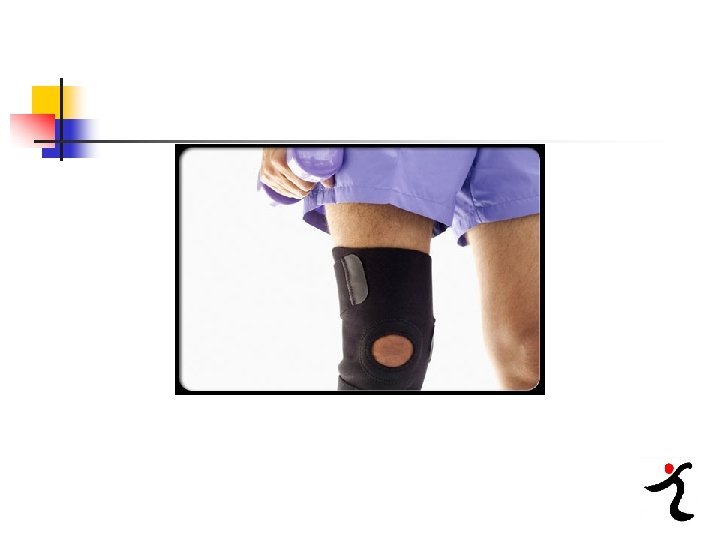
Orthoses & Assistive devices n Orthoses : Orthoses are devices that promote normal alignment n Well-cushioned shoes and shoe inserts may reduce stress on the joints of the spine and leg. n and function of the joints. There are many different types of orthoses that can reduce symptoms and help maintain function in people with osteoarthritis. Splints that immobilize the joints can reduce pain and inflammation, and many splints can be worn throughout the day and night. Braces can help stabilize unstable joints.
n Assistive devices : Canes, walkers, electric powered seat lifts, raised toilet seats, and tub and shower bars can reduce the stress on joints and make it easier to perform daily tasks.
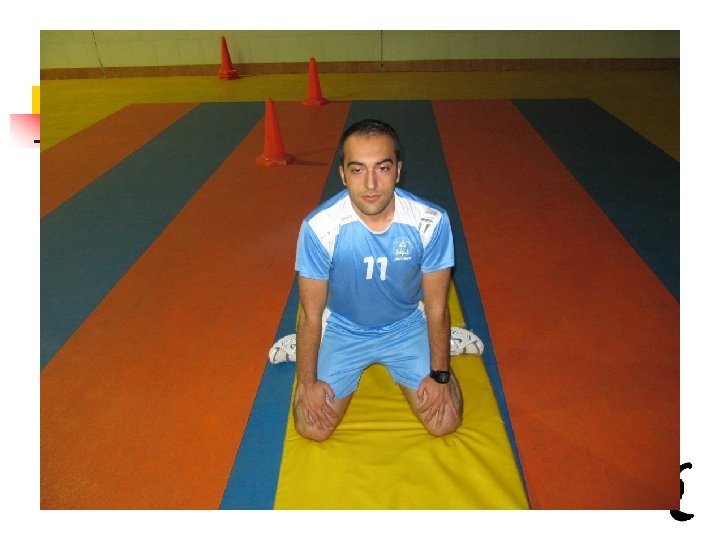
Activity limitations n n n The following positions and activities place excessive pressure on the knee joint and must be limited until knee pain and swelling resolve: Squatting , Kneeling , Twisting and pivoting, repetitive bending and Bicycling. The preferred exercise equipment for the knee should provide smooth motion of the knee, maximal toning of the front and back thigh muscles (quadriceps and hamstring muscles).
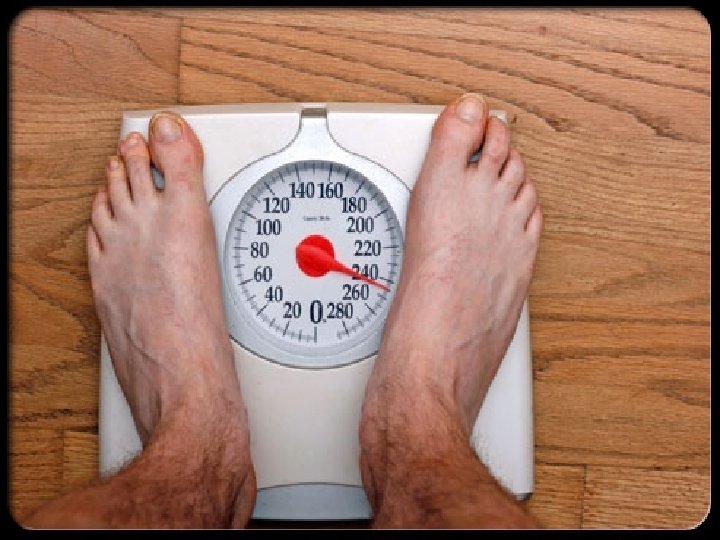
Osteoarthritis and Weight If you're overweight, one of the most effective ways to relieve pain in the knee or hip joints is to shed a few pounds. Even modest weight loss has been shown to reduce symptoms of osteoarthritis by easing the strain on weight-bearing joints. Losing weight not only cuts down on pain, but may also reduce long-term joint damage.
Supportive Devices Supportive devices, such as finger splints or knee braces, can reduce stress on the joints and ease pain. If walking is difficult, canes, crutches, or walkers may be helpful. People with osteoarthritis of the spine may benefit from switching to a firmer mattress and wearing a back brace or neck collar.
Preventing Osteoarthritis The most important thing you can do to ward off osteoarthritis is keep your weight in check. Over the years, extra weight puts stress on the joints and may even alter the normal joint structure. Preventing injuries is also important. Take precautions to avoid repetitive motion injuries on the job. If you play a sport, use proper equipment and observe safety guidelines.
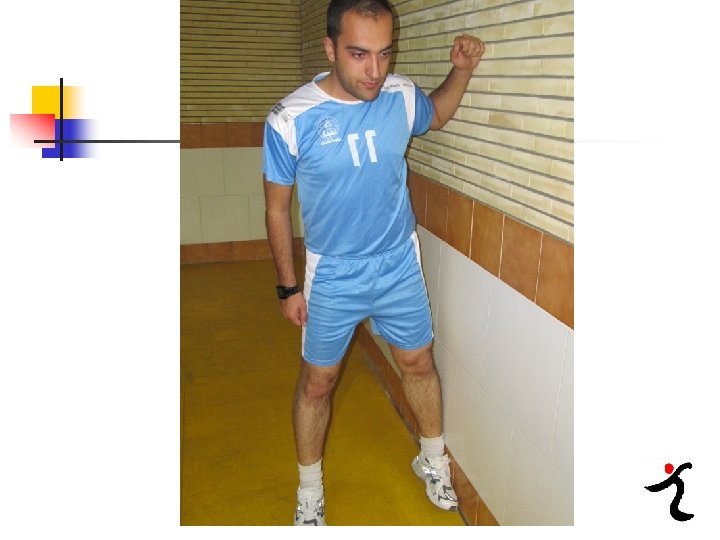
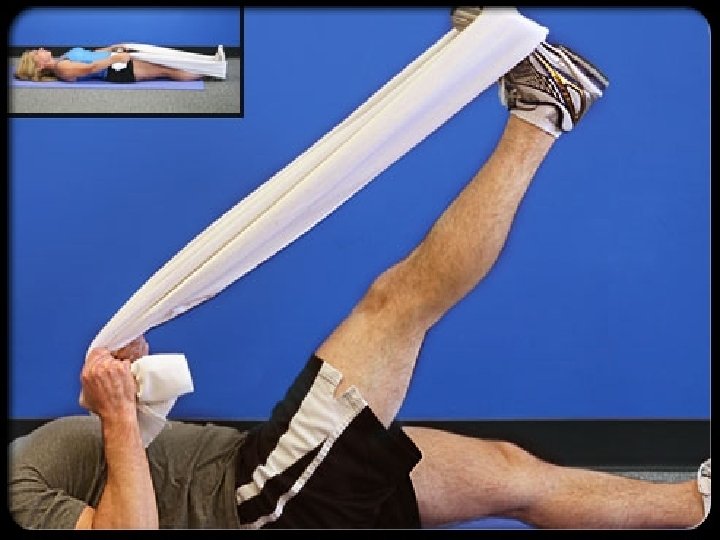
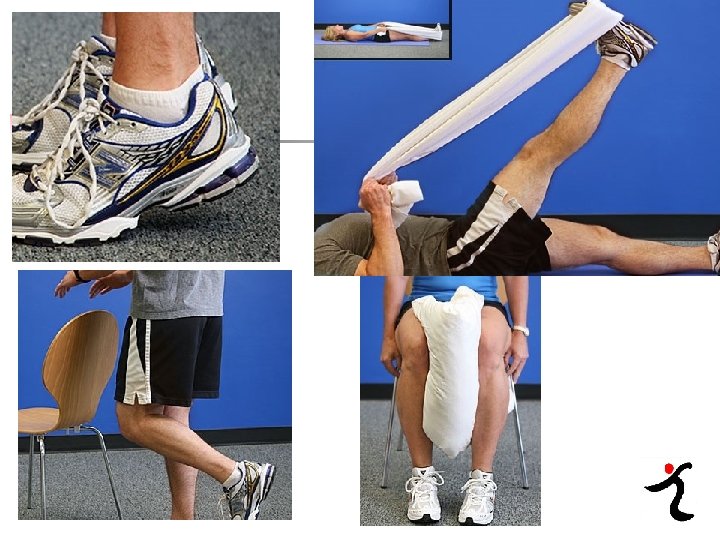
Hamstring Stretch Warm up with a five-minute walk. Then, stretch. Lie down. Loop a bed sheet around your right foot. Use sheet to help pull and stretch leg up. Hold for 20 seconds. Repeat twice, then switch legs. Stretching is one of three important types of exercises for knee OA. Range of motion or stretching exercises keep you limber. Strengthening exercises build muscle strength to stabilize weak joints. Aerobic exercises, like walking, help lung and heart fitness.
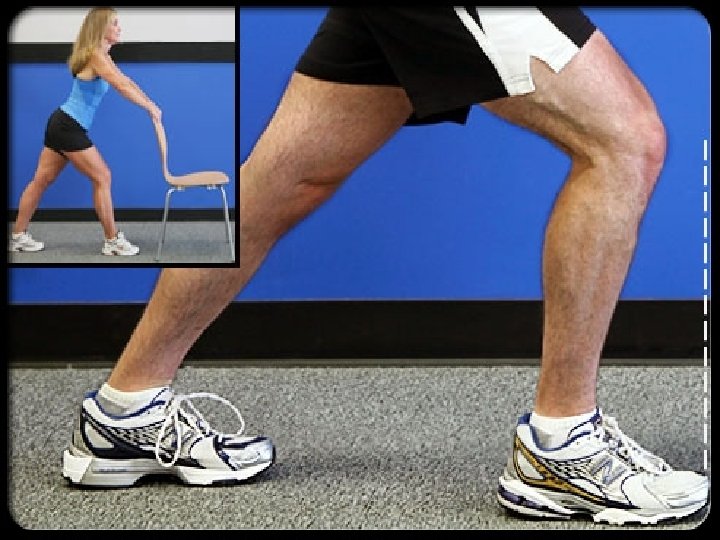
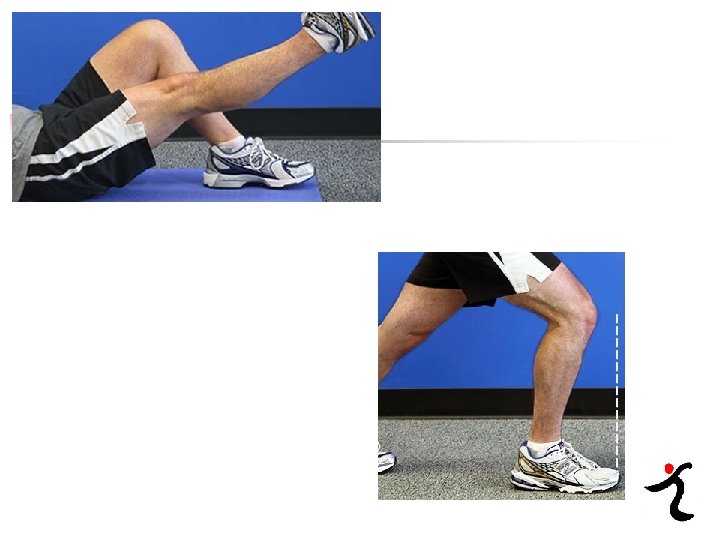
Calf Stretching exercises loosen muscles, improve flexibility, and help prevent pain and injury. Use a chair for balance. Bend your right leg. Step back with left leg, slowly straightening it behind you. Press left heel towards the floor. Feel the stretch in your back leg. For more of a stretch: Lean forward, bending the right knee deeper. Don't let the right knee go past your toes. Hold for 20 seconds. Do twice, then switch legs.
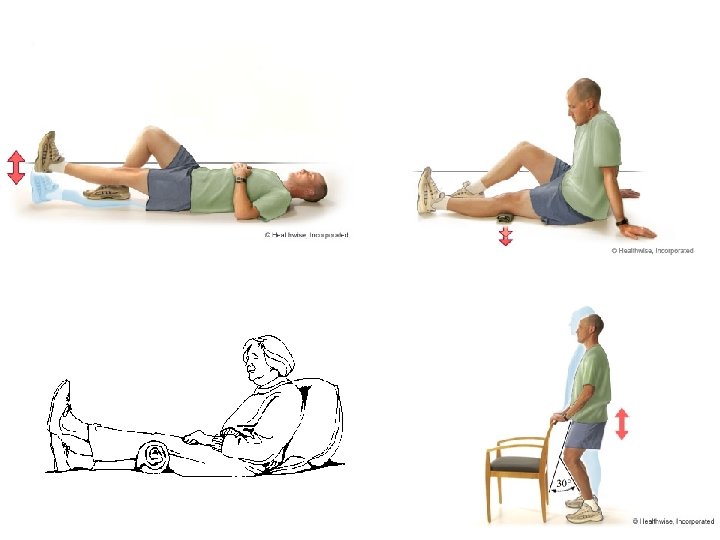
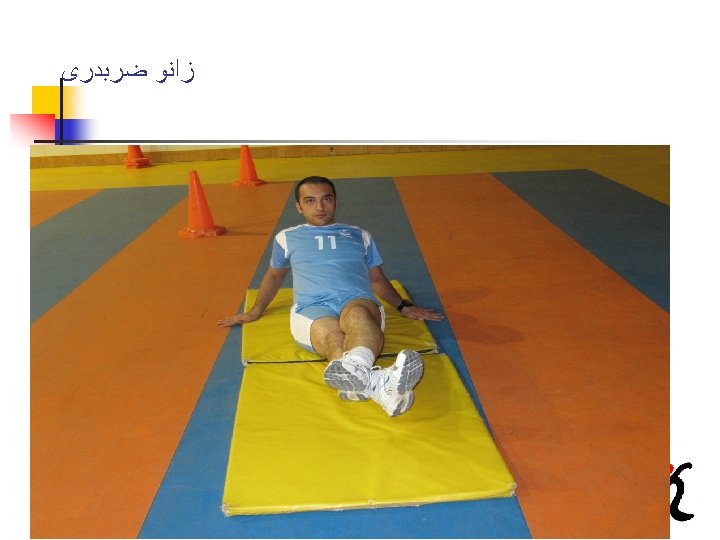
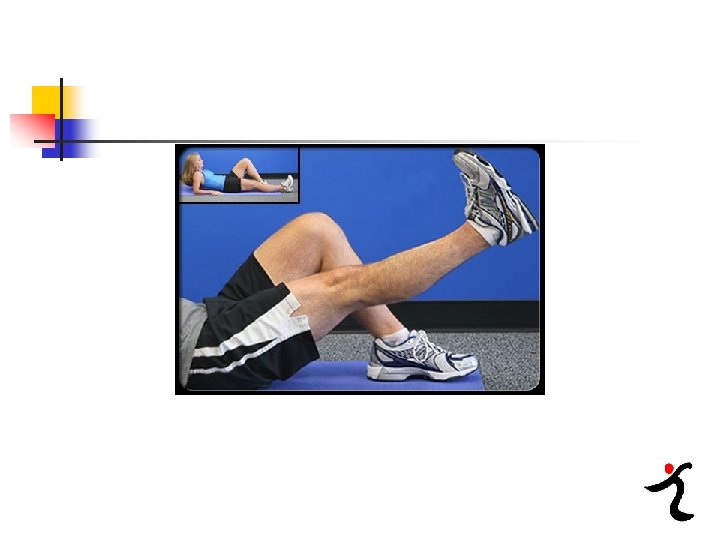
Straight Leg Raise To try this leg strengthening move, lie on the floor. Prop your back up on your elbows. Bend your left knee, keeping foot on floor. Keep the right leg straight, toes pointed up. Tighten thigh muscles of your right leg. Slowly and smoothly use your thigh muscles -- not your back -- to raise your leg. Pause, as seen above, for five seconds. With thigh still tight, slowly lower leg to ground. Relax. Repeat 10 times. Rest. Do another 10; then switch legs.
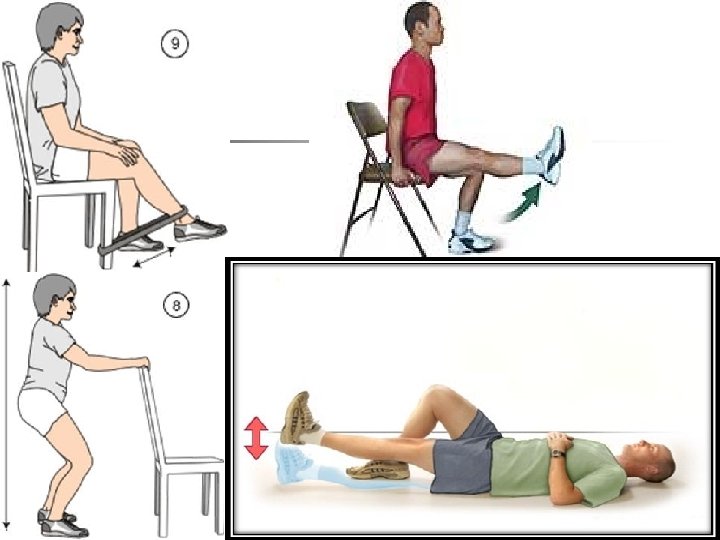
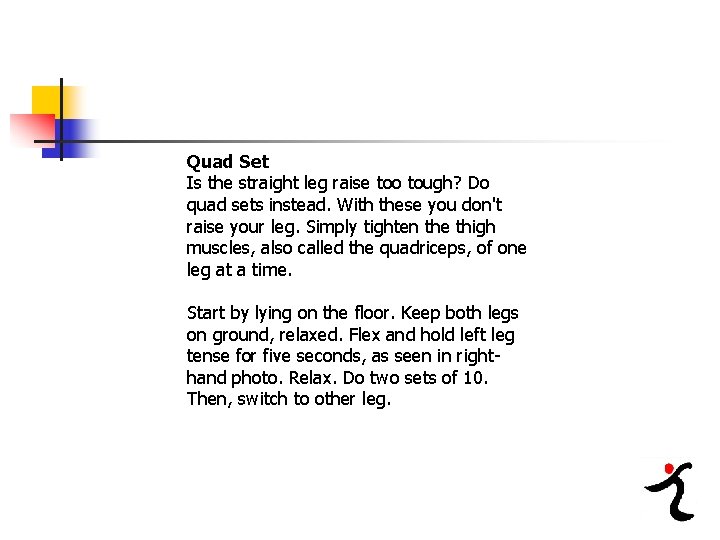
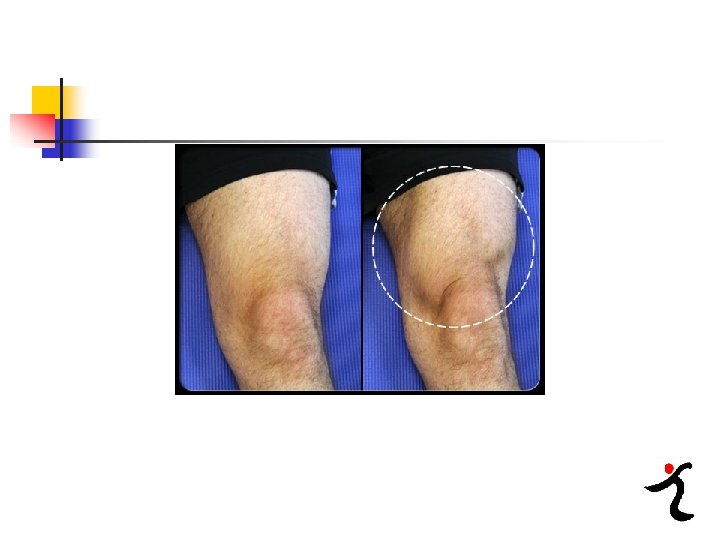
Quad Set Is the straight leg raise too tough? Do quad sets instead. With these you don't raise your leg. Simply tighten the thigh muscles, also called the quadriceps, of one leg at a time. Start by lying on the floor. Keep both legs on ground, relaxed. Flex and hold left leg tense for five seconds, as seen in righthand photo. Relax. Do two sets of 10. Then, switch to other leg.
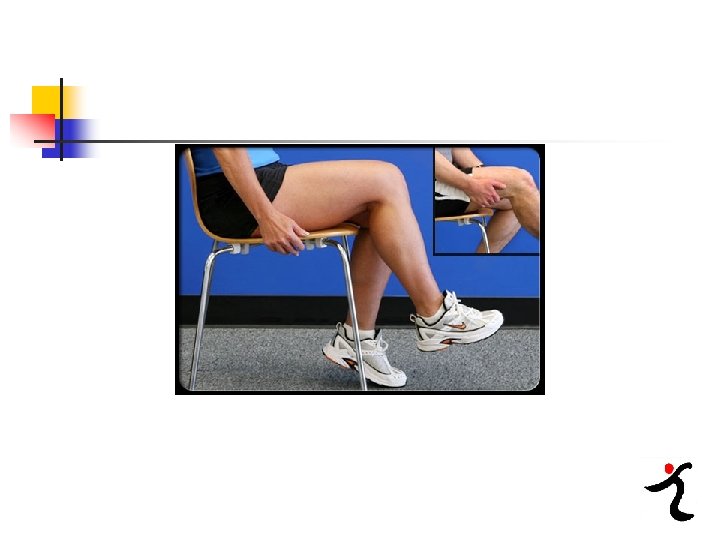
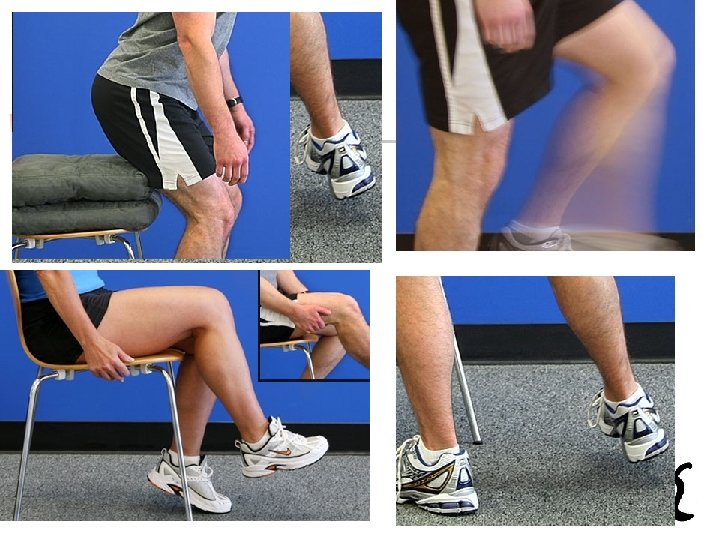
Seated Hip March This move can strengthen hips and thigh muscles to help with daily activities, such as walking or rising from a chair. Sit up straight in chair. Slightly kick back your left foot but keep toes on the floor. Lift your right foot off the floor, keeping knee bent. Hold right leg in the air five seconds. Slowly lower your foot to the ground. Repeat 10 times. Rest and do another 10, then switch legs. Too hard? Use your hands to help raise your leg.
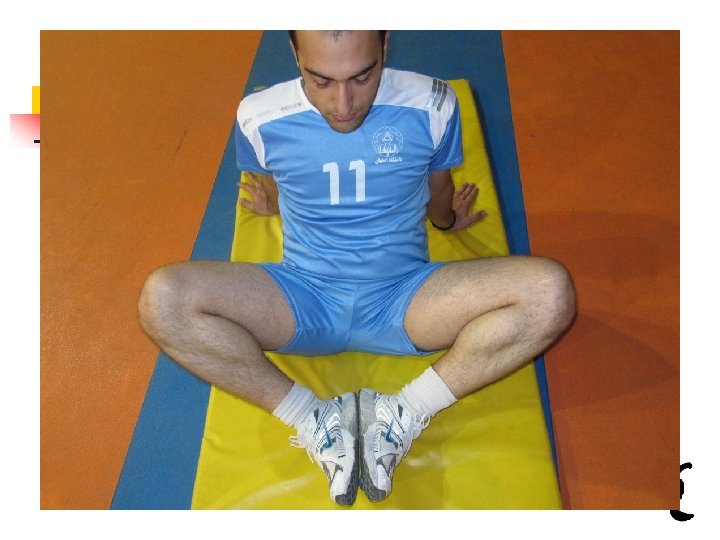
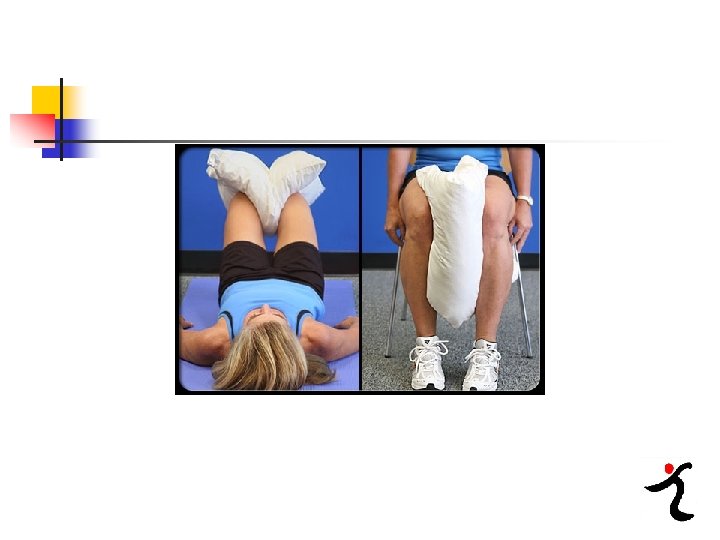
Pillow Squeeze This move helps strengthen the inside of your legs to help support your knee. Lie on your back, both knees bent. Place a pillow between knees. Squeeze knees together, squishing pillow between them. Hold for five seconds. Relax. Repeat 10 times. Rest, then do another set of 10.
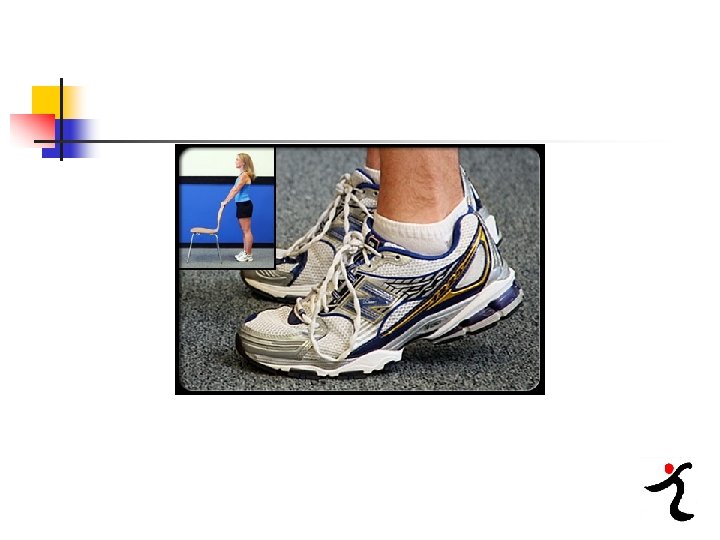
Heel Raise Hold back of chair for support. Stand straight and tall. Lift heels off ground and rise up on toes of both feet. Hold for five seconds. Slowly lower both heels to ground. Repeat 10 times. Rest. Do another 10. Too hard? Do the same exercise, only sitting in a chair.
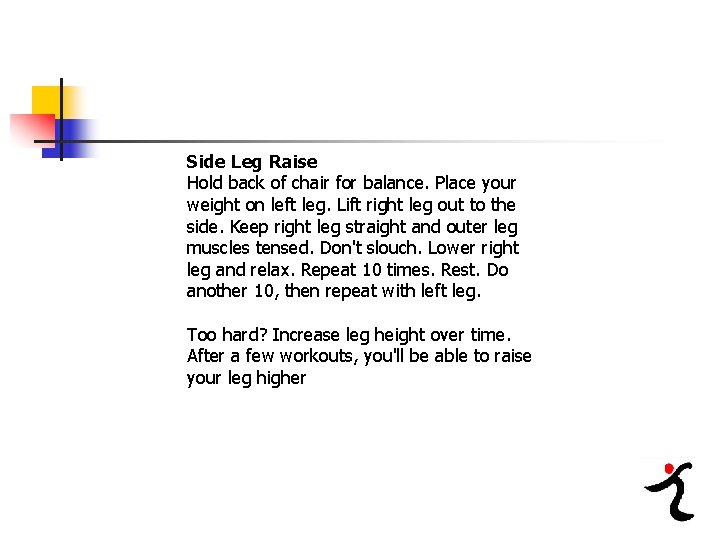
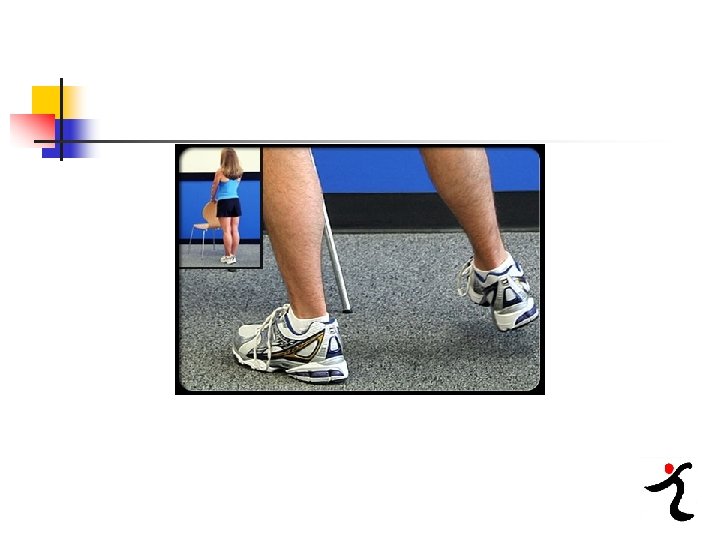
Side Leg Raise Hold back of chair for balance. Place your weight on left leg. Lift right leg out to the side. Keep right leg straight and outer leg muscles tensed. Don't slouch. Lower right leg and relax. Repeat 10 times. Rest. Do another 10, then repeat with left leg. Too hard? Increase leg height over time. After a few workouts, you'll be able to raise your leg higher
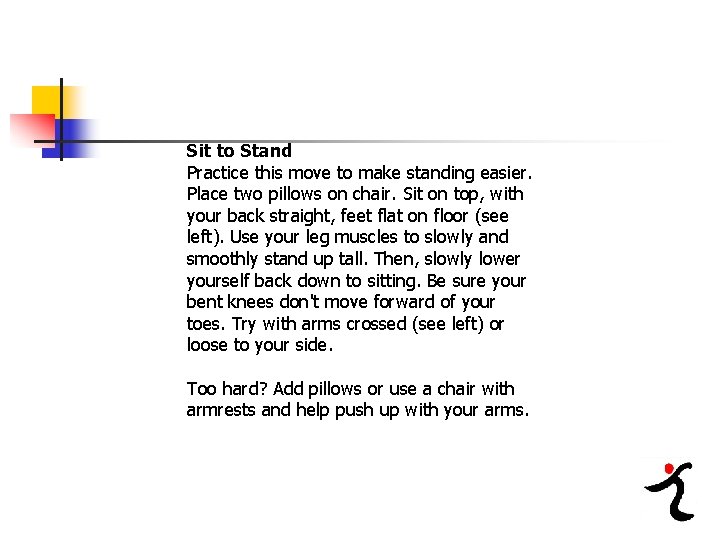
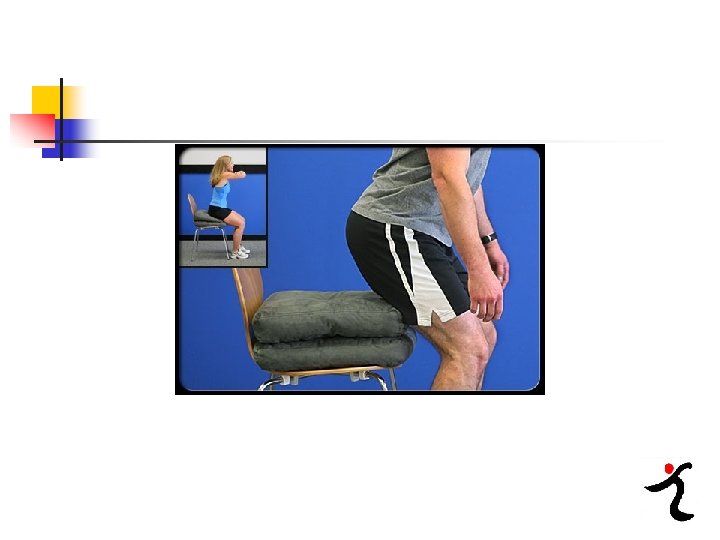
Sit to Stand Practice this move to make standing easier. Place two pillows on chair. Sit on top, with your back straight, feet flat on floor (see left). Use your leg muscles to slowly and smoothly stand up tall. Then, slowly lower yourself back down to sitting. Be sure your bent knees don't move forward of your toes. Try with arms crossed (see left) or loose to your side. Too hard? Add pillows or use a chair with armrests and help push up with your arms.
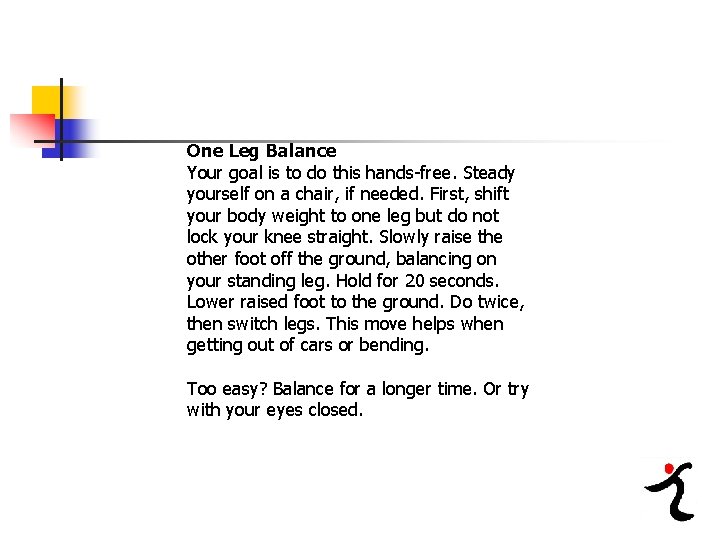
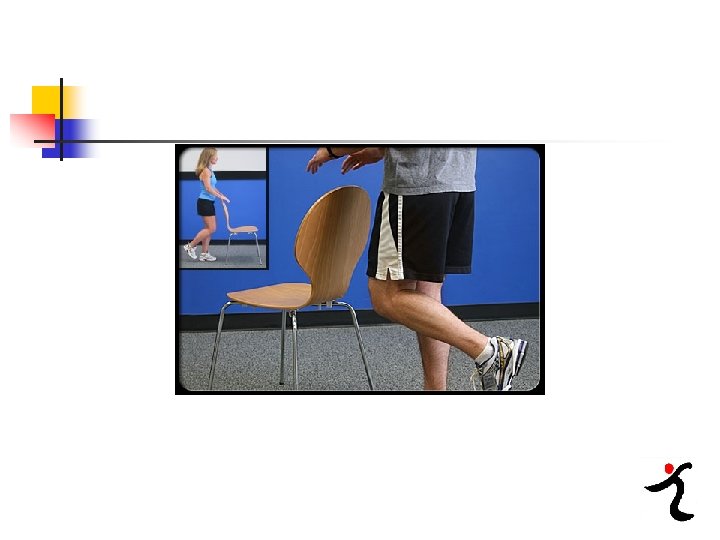
One Leg Balance Your goal is to do this hands-free. Steady yourself on a chair, if needed. First, shift your body weight to one leg but do not lock your knee straight. Slowly raise the other foot off the ground, balancing on your standing leg. Hold for 20 seconds. Lower raised foot to the ground. Do twice, then switch legs. This move helps when getting out of cars or bending. Too easy? Balance for a longer time. Or try with your eyes closed.
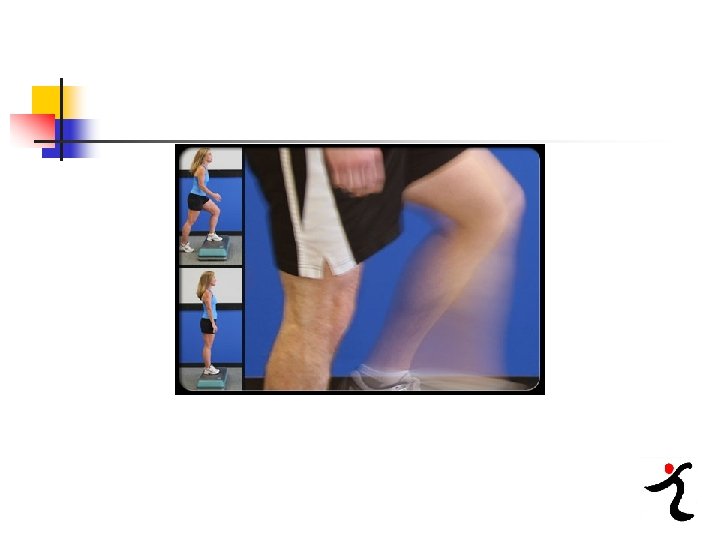
Step Ups This move helps strengthen your legs for climbing stairs. Face a stable step, both feet on the ground. Step up with your left foot. Follow with your right foot. Stand on top, tall and with both feet flat. Climb down in reverse: right foot down first, then left. Do 10 times. Rest, then repeat another 10 times. Then repeat, starting with right leg first. Too hard? Use a railing, wall, or lamppost for balance. Or try a lower step.
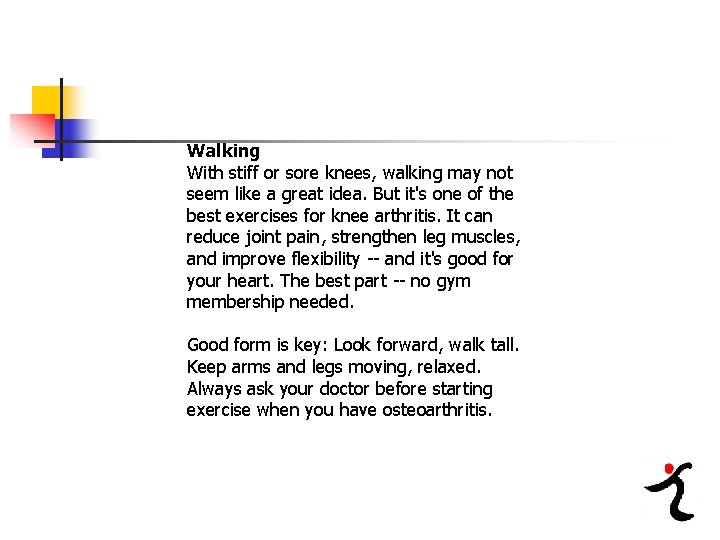
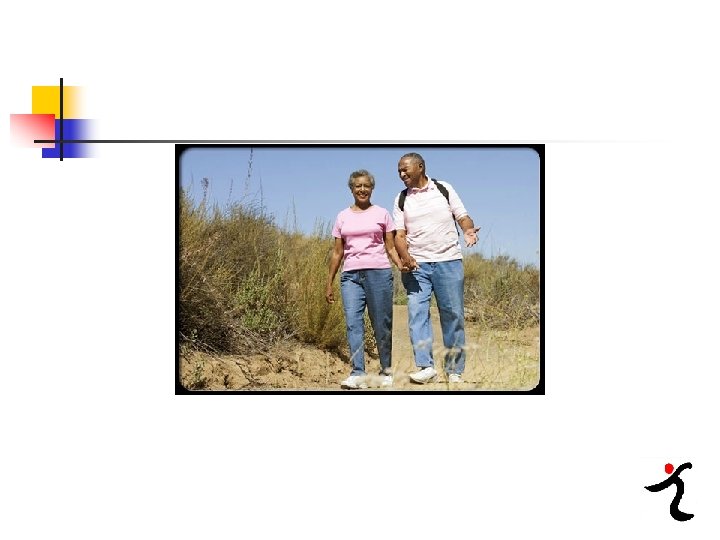
Walking With stiff or sore knees, walking may not seem like a great idea. But it's one of the best exercises for knee arthritis. It can reduce joint pain, strengthen leg muscles, and improve flexibility -- and it's good for your heart. The best part -- no gym membership needed. Good form is key: Look forward, walk tall. Keep arms and legs moving, relaxed. Always ask your doctor before starting exercise when you have osteoarthritis.
Low-Impact Activities Being active may also help you lose weight, which takes pressure off joints. Other exercises that are easy on the knees: biking, swimming, and water aerobics. Water exercise takes weight off painful joints. Many community and hospital wellness centers, YMCAs, and pools offer classes for people with arthritis. Don't give up favorite activities, like golf. Talk to your doctor or physical therapist about modifying painful moves.
www. bagherimoghaddam. ir Ahmad_bagheri 2001@yahoo. com 09132073251 ﺗﻠﻔﻦ ﻫﻤﺮﺍﻩ Thank you for your attention ﺩکﺘﺮ ﺑﺎﻗﺮی ﻣﻘﺪﻡ