Stress and the Liver DeStressing Techniques a presentation






- Slides: 50
Stress and the Liver De-Stressing Techniques a presentation by Hakim M. Salim Khan
College of Medicine and Healing Arts 2016 Hakim M. Salim Khan M. D. (M. A) M. H. D. O. Founder and Principal Telephone E-mail (+44) (0)116 273 86 14 admissions@Co. MHA. org. uk Website www. Co. MHA. org. uk
College of Medicine and Healing Arts 2016 Hakim M. Salim Khan M. D. (M. A) M. H. D. O. President of Website and Contact Form: www. gni-international. org Telephone: (+44) (0)207 821 0255
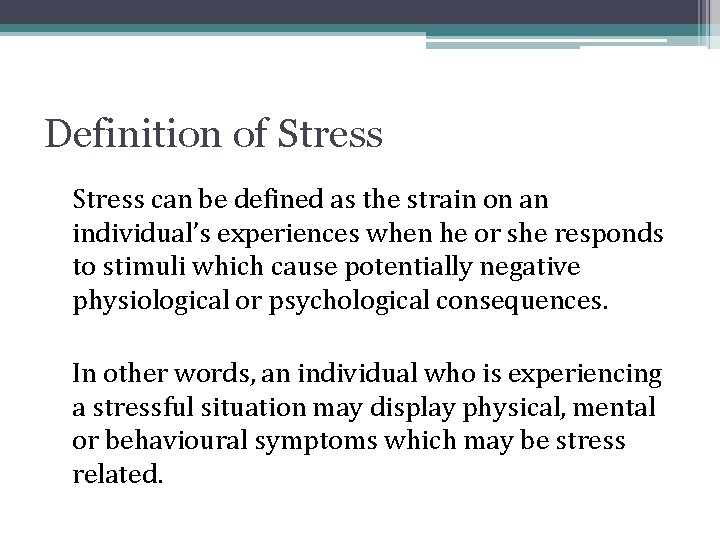
Definition of Stress can be defined as the strain on an individual’s experiences when he or she responds to stimuli which cause potentially negative physiological or psychological consequences. In other words, an individual who is experiencing a stressful situation may display physical, mental or behavioural symptoms which may be stress related.
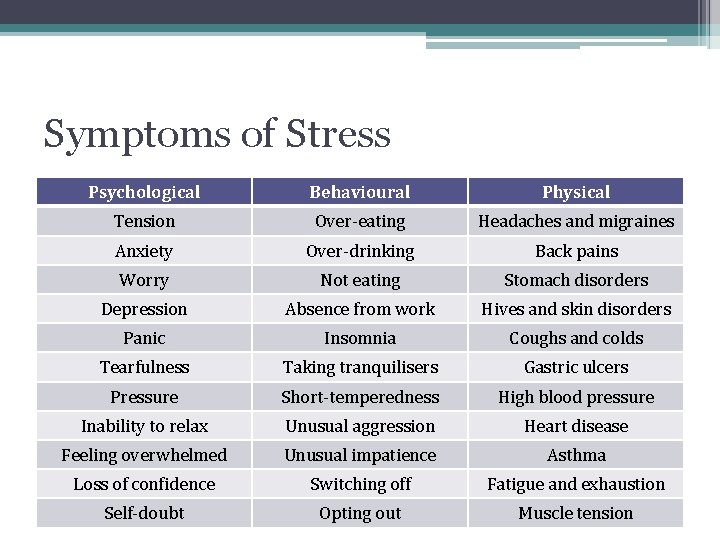
Symptoms of Stress Psychological Behavioural Physical Tension Over-eating Headaches and migraines Anxiety Over-drinking Back pains Worry Not eating Stomach disorders Depression Absence from work Hives and skin disorders Panic Insomnia Coughs and colds Tearfulness Taking tranquilisers Gastric ulcers Pressure Short-temperedness High blood pressure Inability to relax Unusual aggression Heart disease Feeling overwhelmed Unusual impatience Asthma Loss of confidence Switching off Fatigue and exhaustion Self-doubt Opting out Muscle tension
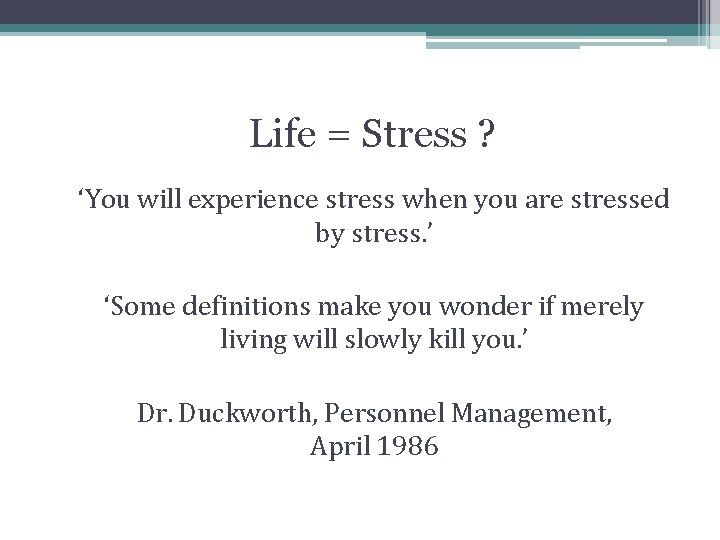
Life = Stress ? ‘You will experience stress when you are stressed by stress. ’ ‘Some definitions make you wonder if merely living will slowly kill you. ’ Dr. Duckworth, Personnel Management, April 1986
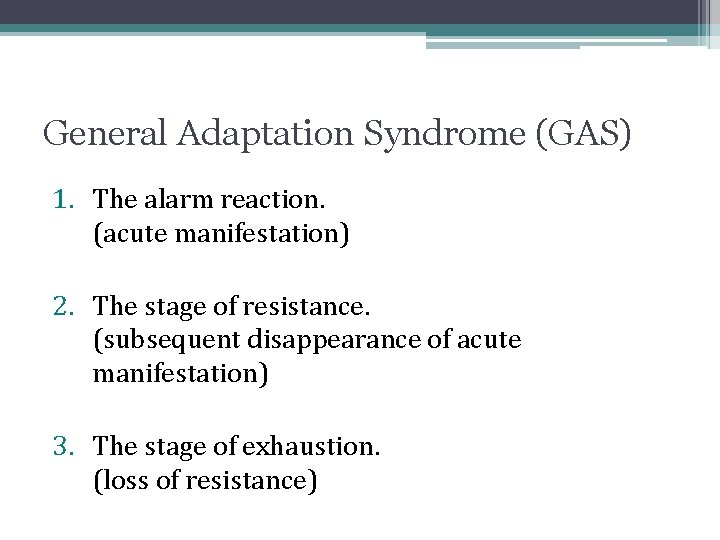
General Adaptation Syndrome (GAS) 1. The alarm reaction. (acute manifestation) 2. The stage of resistance. (subsequent disappearance of acute manifestation) 3. The stage of exhaustion. (loss of resistance)
‘Fight or Flight’ Reaction The Sympathetic Nervous System
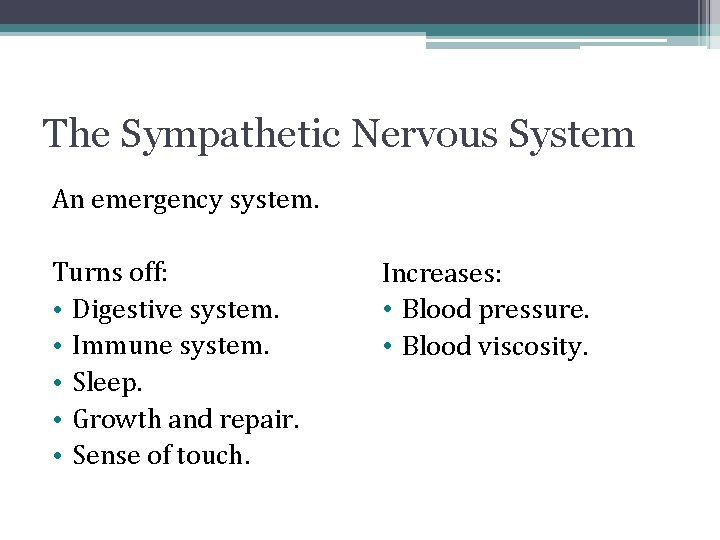
The Sympathetic Nervous System An emergency system. Turns off: • Digestive system. • Immune system. • Sleep. • Growth and repair. • Sense of touch. Increases: • Blood pressure. • Blood viscosity.
‘Rest and Recover’ Response The Parasympathetic Nervous System
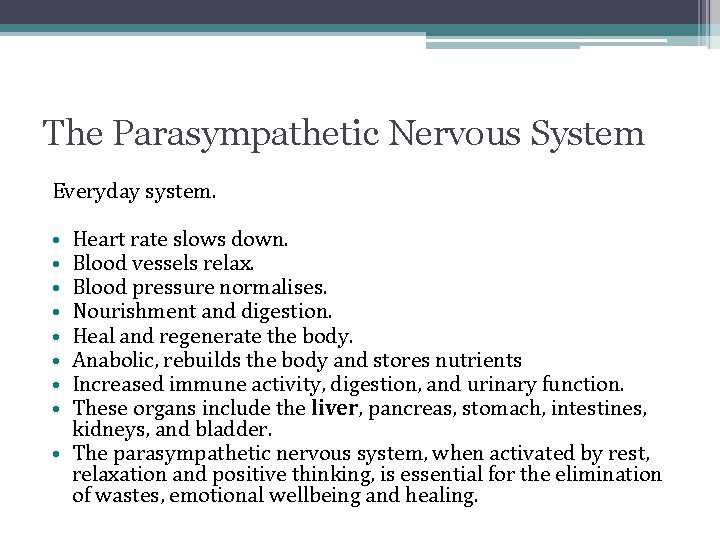
The Parasympathetic Nervous System Everyday system. Heart rate slows down. Blood vessels relax. Blood pressure normalises. Nourishment and digestion. Heal and regenerate the body. Anabolic, rebuilds the body and stores nutrients Increased immune activity, digestion, and urinary function. These organs include the liver, pancreas, stomach, intestines, kidneys, and bladder. • The parasympathetic nervous system, when activated by rest, relaxation and positive thinking, is essential for the elimination of wastes, emotional wellbeing and healing. • •
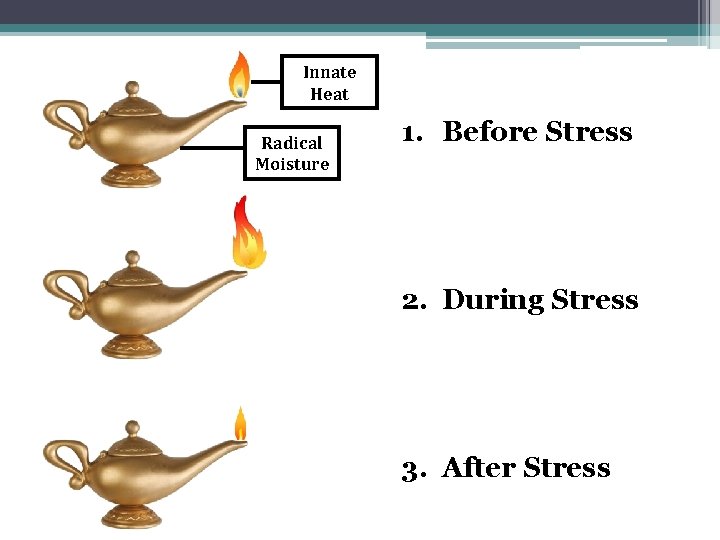
Innate Heat Radical Moisture 1. Before Stress 2. During Stress 3. After Stress
Stress According to Tibb 1. Human life and health is compared to an oil lamp that comprises of Innate Heat (the flame of life) and Radical Moisture (the oil that feeds the flame). 2. Preservation of these two factors are the necessary components to health. 3. In a constantly stressful lifestyle, the person is ‘burning the candle at both ends’ and excess ‘oil’ is used up too rapidly. 4. This can be manifest outwardly or the individual can ‘burn on the inside’. 5. After a period of stress, a lot of ‘oil’ has been used up thus the ‘flame of life’ dwindles.
Stress and the Liver
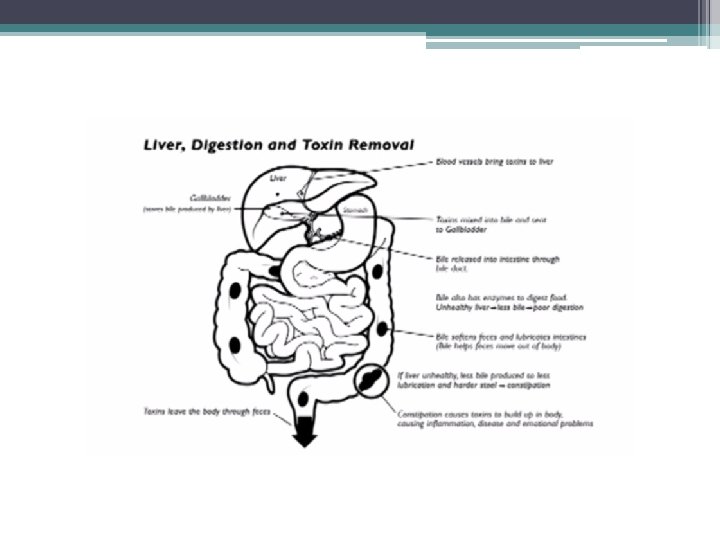
Functions of the Liver • One of the primary and main organs of the body. • Called ‘the general of the army’ in TCM. Functions: • Detoxification. • Enzymes and digestive juices. • Hormone and protein production. • Blood sugar storage. • Immune cell activation. • Storage of vitamins and iron.
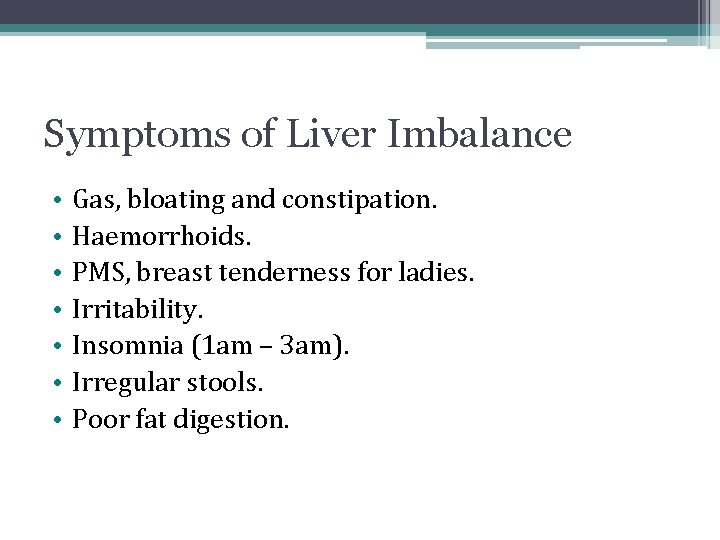
Symptoms of Liver Imbalance • • Gas, bloating and constipation. Haemorrhoids. PMS, breast tenderness for ladies. Irritability. Insomnia (1 am – 3 am). Irregular stools. Poor fat digestion.
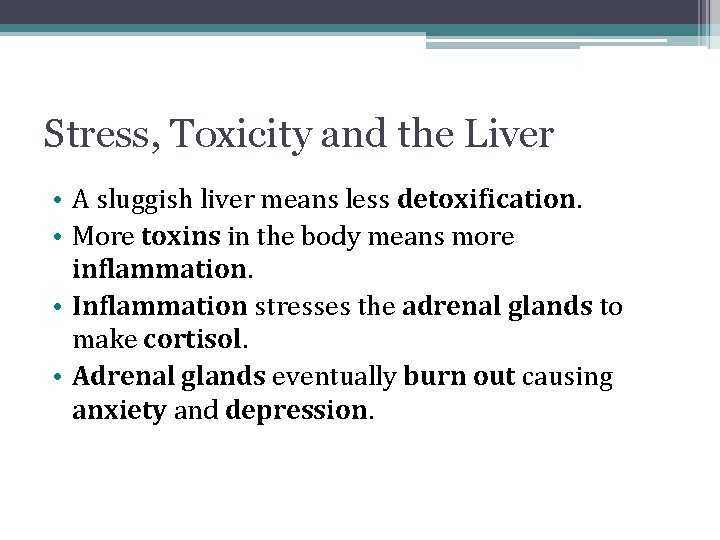
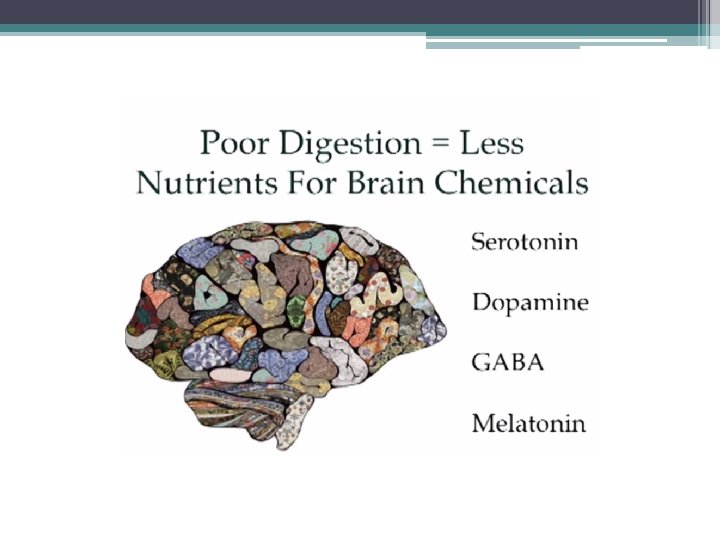
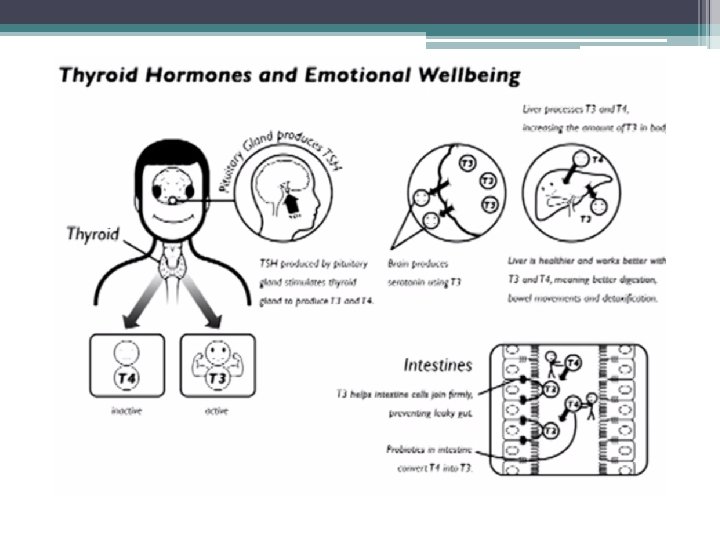
Stress, Toxicity and the Liver • A sluggish liver means less detoxification. • More toxins in the body means more inflammation. • Inflammation stresses the adrenal glands to make cortisol. • Adrenal glands eventually burn out causing anxiety and depression.
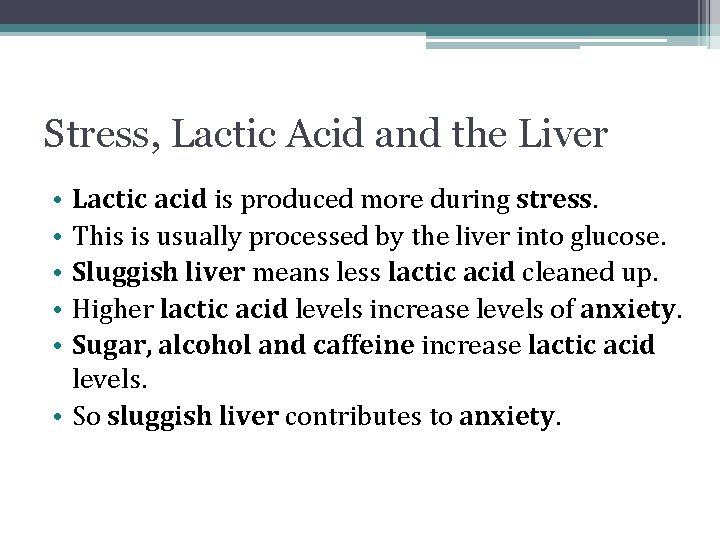
Stress, Lactic Acid and the Liver Lactic acid is produced more during stress. This is usually processed by the liver into glucose. Sluggish liver means less lactic acid cleaned up. Higher lactic acid levels increase levels of anxiety. Sugar, alcohol and caffeine increase lactic acid levels. • So sluggish liver contributes to anxiety. • • •
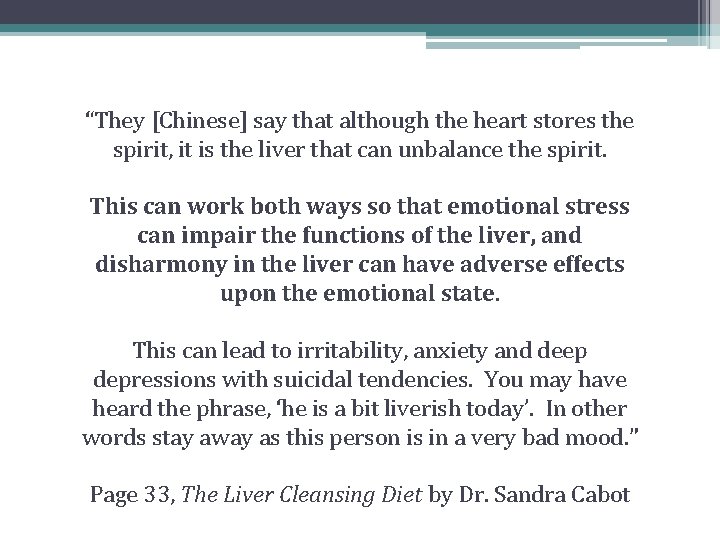
“They [Chinese] say that although the heart stores the spirit, it is the liver that can unbalance the spirit. This can work both ways so that emotional stress can impair the functions of the liver, and disharmony in the liver can have adverse effects upon the emotional state. This can lead to irritability, anxiety and deep depressions with suicidal tendencies. You may have heard the phrase, ‘he is a bit liverish today’. In other words stay away as this person is in a very bad mood. ” Page 33, The Liver Cleansing Diet by Dr. Sandra Cabot
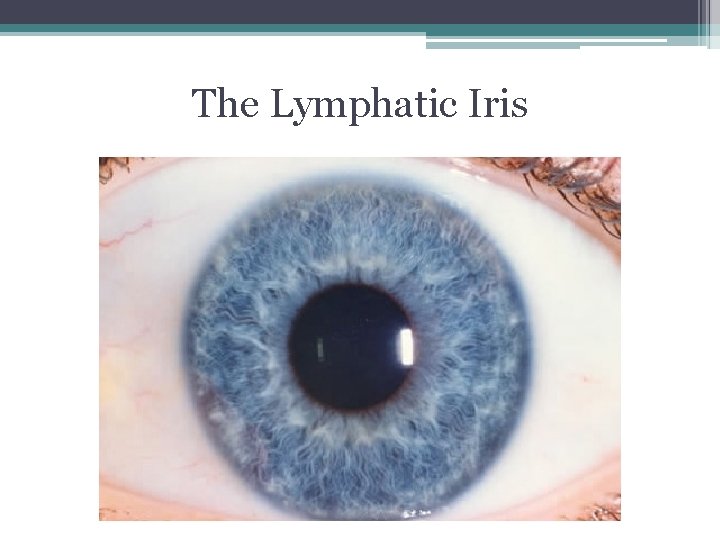
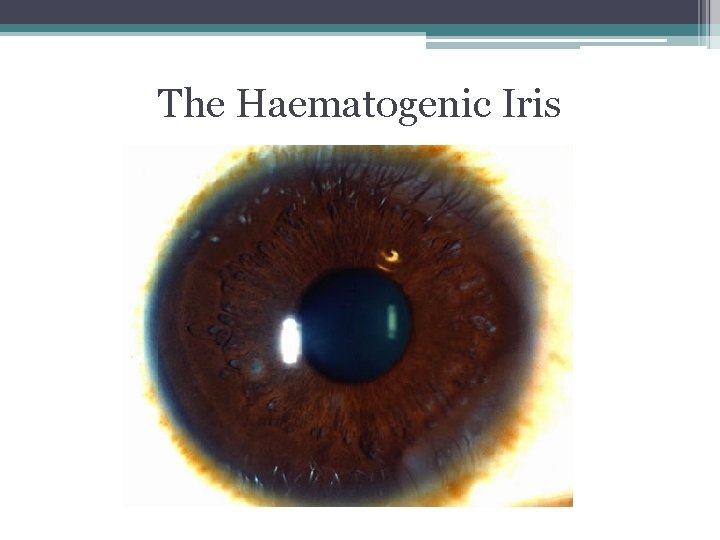
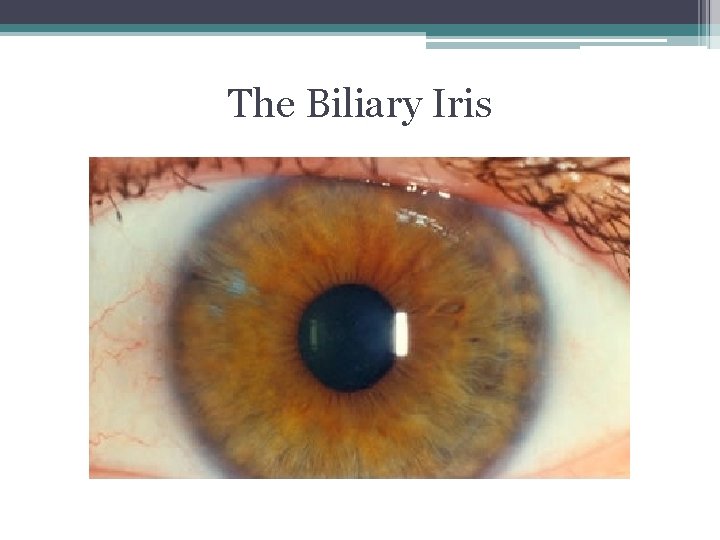
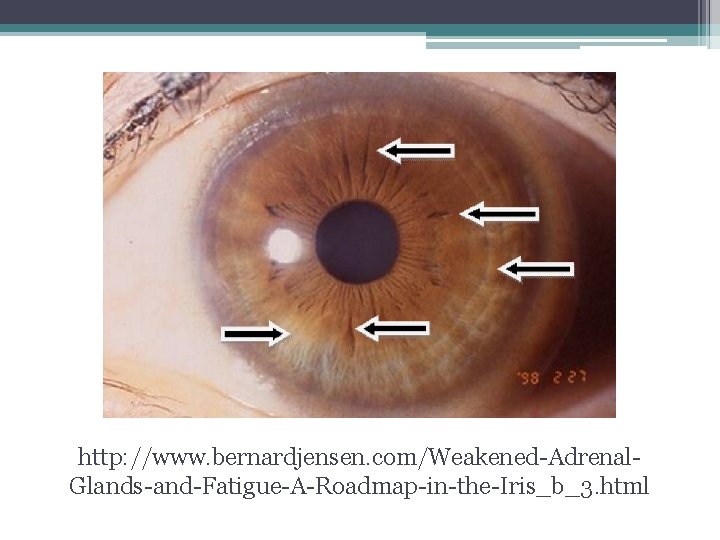
Stress and the Iris
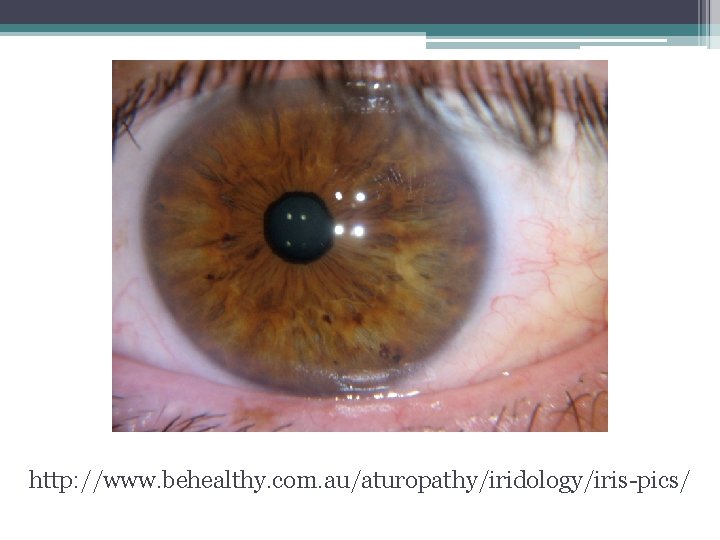
The Lymphatic Iris
The Haematogenic Iris
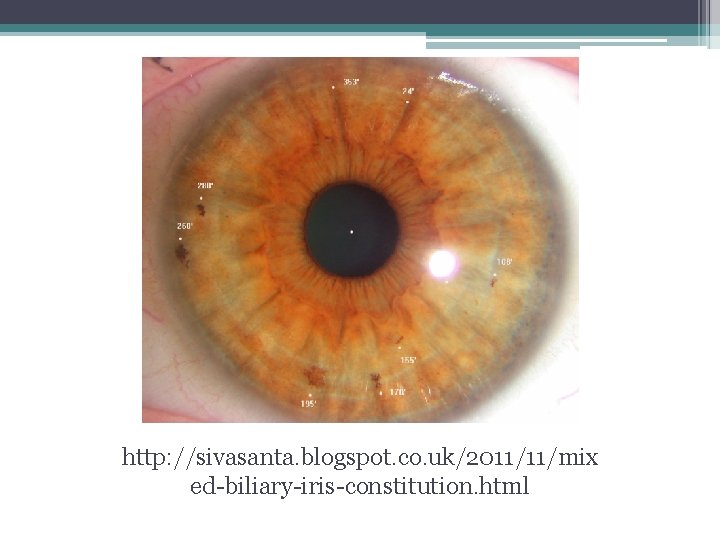
The Biliary Iris
http: //www. bernardjensen. com/Weakened-Adrenal. Glands-and-Fatigue-A-Roadmap-in-the-Iris_b_3. html
http: //www. behealthy. com. au/aturopathy/iridology/iris-pics/
http: //sivasanta. blogspot. co. uk/2011/11/mix ed-biliary-iris-constitution. html
De-Stressing Techniques
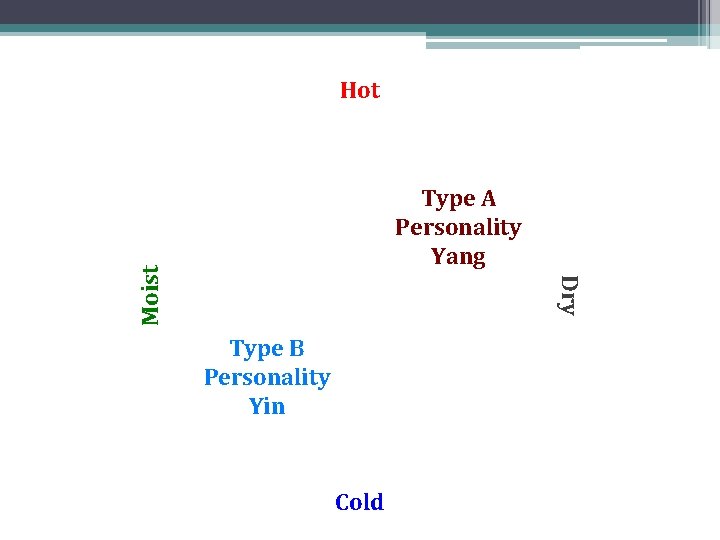
Hot Dry Moist Type A Personality Yang Type B Personality Yin Cold
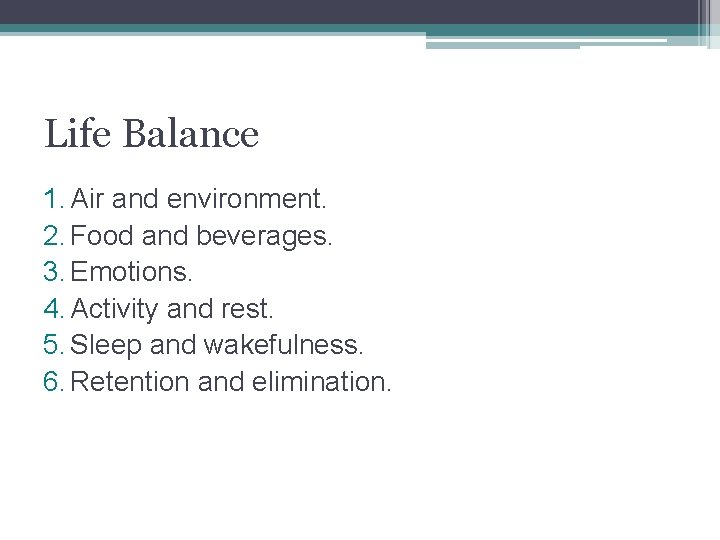
Life Balance 1. Air and environment. 2. Food and beverages. 3. Emotions. 4. Activity and rest. 5. Sleep and wakefulness. 6. Retention and elimination.
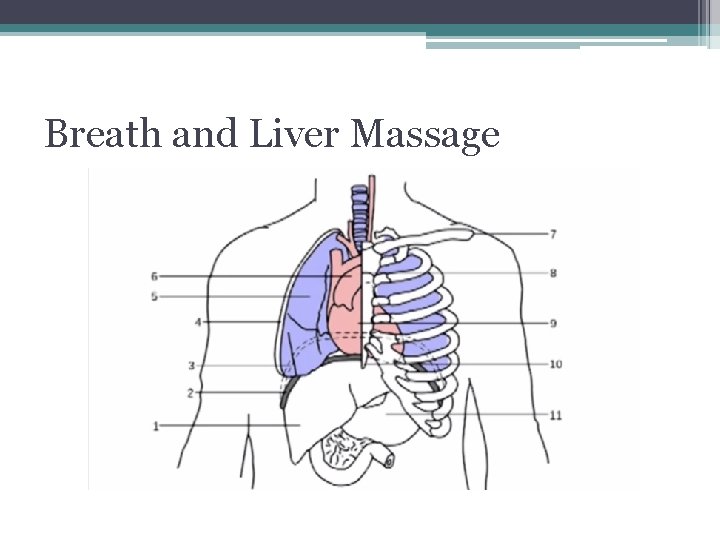
Breath and Liver Massage
Nutritional Support • • • Antioxidants, e. g. berries, beetroot. Fibre to bind onto toxins. Vitamins: C and B. Minerals: potassium and magnesium. Bitter greens.
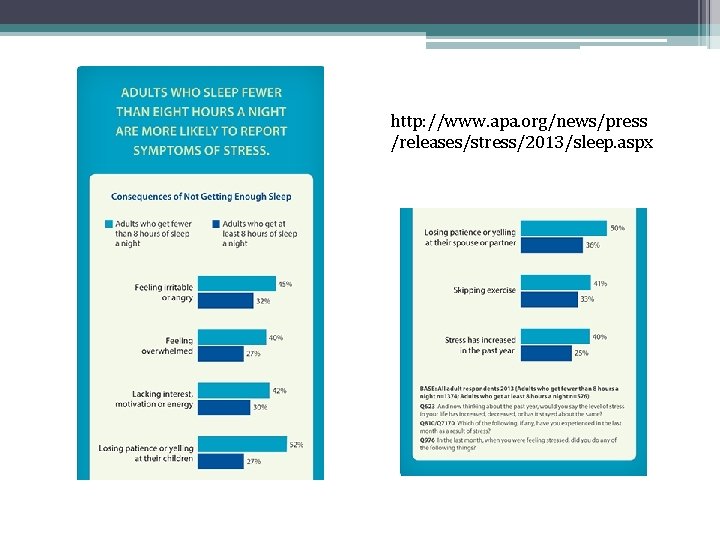
http: //www. apa. org/news/press /releases/stress/2013/sleep. aspx
Importance of Sleep in Managing Stress Get adequate sleep: A good night's sleep makes you able to tackle the day's stress more easily. When you are tired, you are less patient and more easily agitated, which can increase stress. Most adults need 7 -9 hours of sleep per night. Practicing good sleep hygiene along with stress-lowering tactics can help improve your quality of sleep. http: //www. webmd. com/sleep-disorders/guide/tips-reduce-stress
Herbal Support • Adaptogenics: ashwaganda, shatawri. • Liver support: dandelion, milk thistle. • Heart support: saffron, hawthorn.
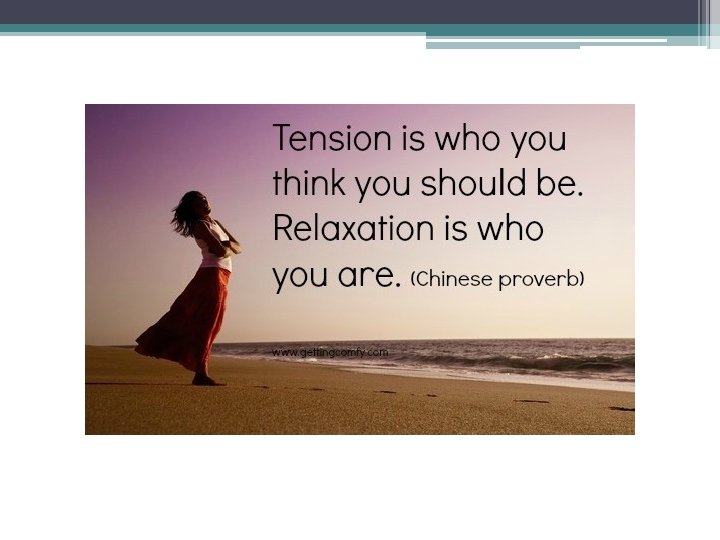
Social-Emotional Support • • Acceptance and place in society. Positive and loving relationships. Unconditional Service (Khidma). Relaxation.
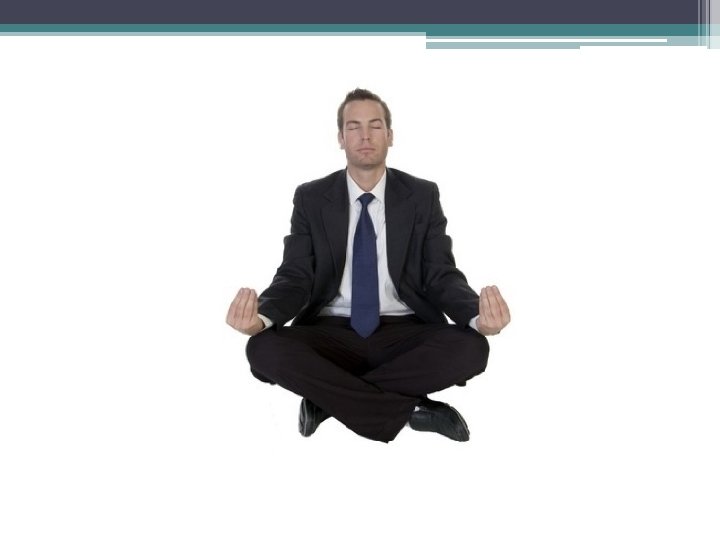
Psycho-Spiritual Support • • • Positive self-esteem. Positive thinking. Muraqabah, meditation or ‘watching over’. Tafakkur, contemplation of the cosmos. Dhikr, remembrance of the beloved. Ma’rifa, understanding our place in the cosmos.
College of Medicine and Healing Arts Guild of Naturopathic Iridologists International Telephone Website and Contact (+44) (0)116 273 86 14 www. GNI-International. org E-mail Telephone admissions@Co. MHA. org. uk (+44) (0)207 821 02 55 Website www. Co. MHA. org. uk