III N Y A G L O P






- Slides: 91
III N Y A G L O : P 7 L 2 O BIP T E R IB H A C T T IS S U E S
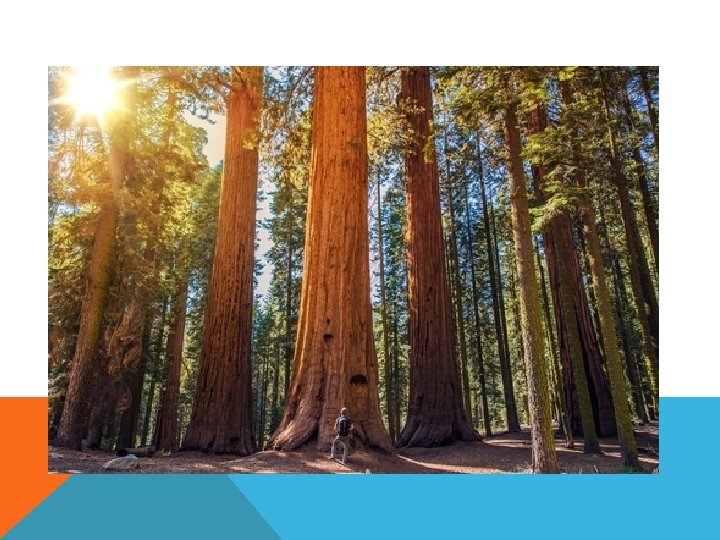
27. 1: CARBON SEQUESTRATION By the process of photosynthesis, plants naturally remove carbon from the atmosphere and incorporate it into their tissues. Carbon that is locked in molecules of wood and other durable plant tissues can stay out of the atmosphere for centuries.
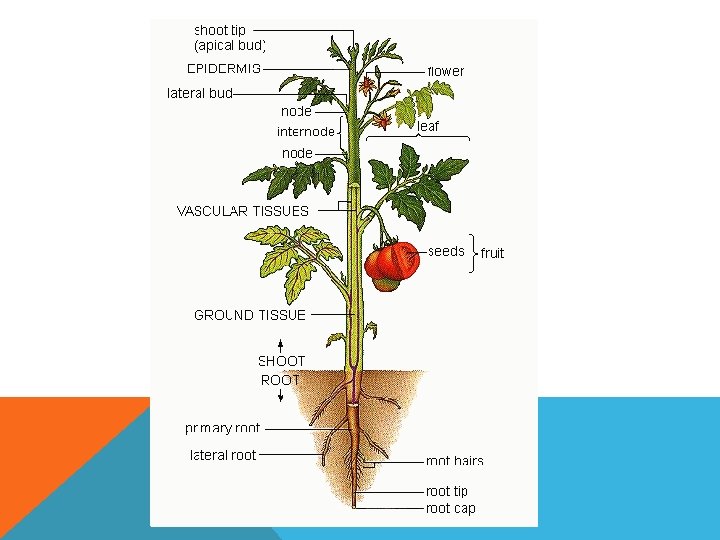
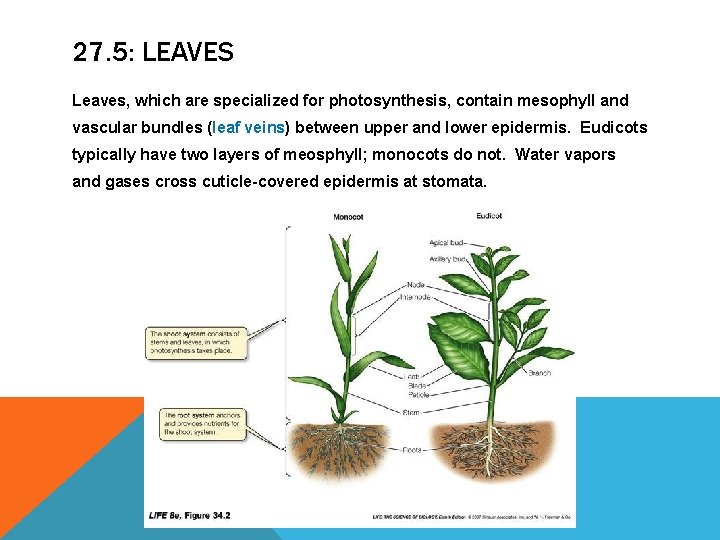
27. 2: THE PLANT BODY Most flowing plants have belowground roots and aboveground shoots, including stems, leaves, and flowers. Ground tissue makes up the bulk of a plant, and dermal tissues protect its surfaces. Vascular tissues conduct water and nutrients to all parts of the plant. Monocots and eudicots have the same tissues organized in different ways. For example, embryos of monocots have one cotyledon, those of eudicots have two.
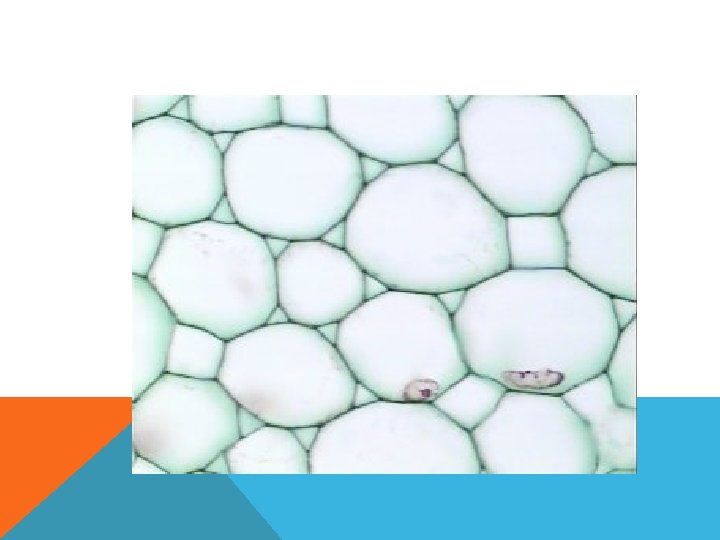
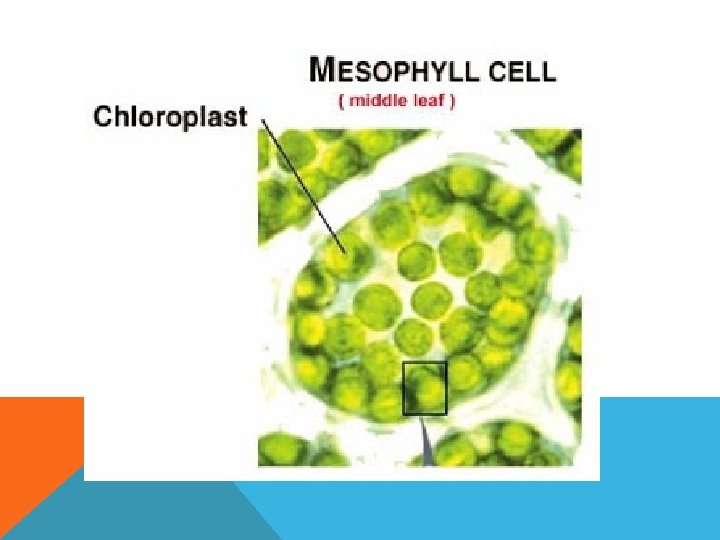
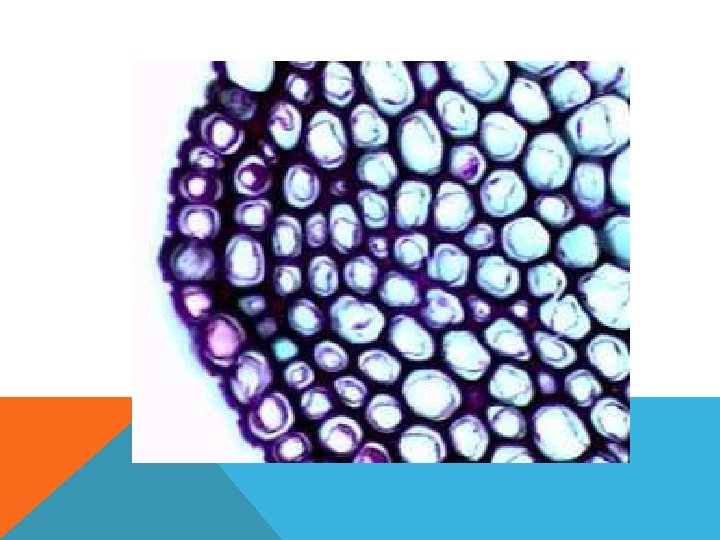
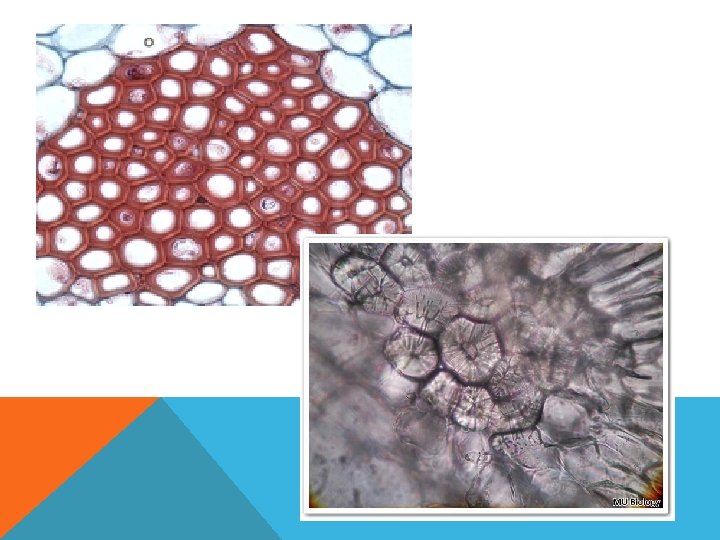
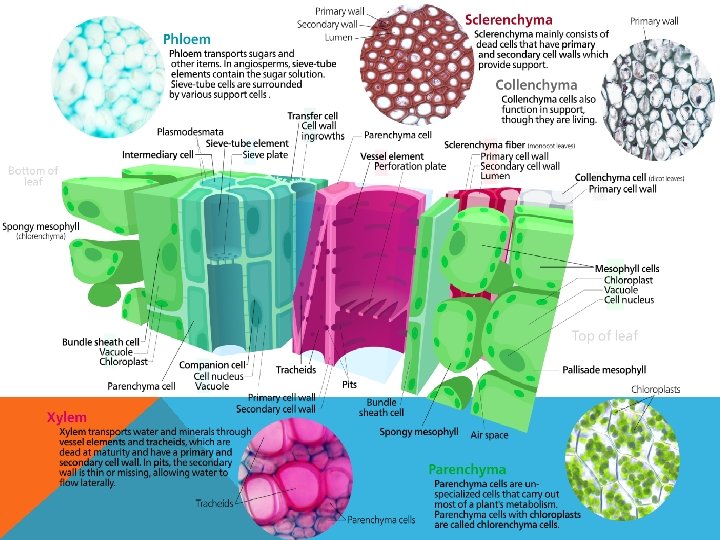
27. 3: PLANT TISSUES Parenchyma, collenchyma, and sclerenchyma are simple tissues; each consists of only one type of cell. Mesophyll is photosynthetic parenchyma. Living cells in collenchyma have sturdy, flexible walls that support fastgrowing plant parts. Cells in sclerenchyma die at maturity, but their liginreinforced walls remain and support the plant. Stomata open across epidermis, a dermal tissue that covers soft plant parts. In vascular tissue, water and dissolved minerals flow through vessels in xylem, and sugars travel through vessels of phloem.
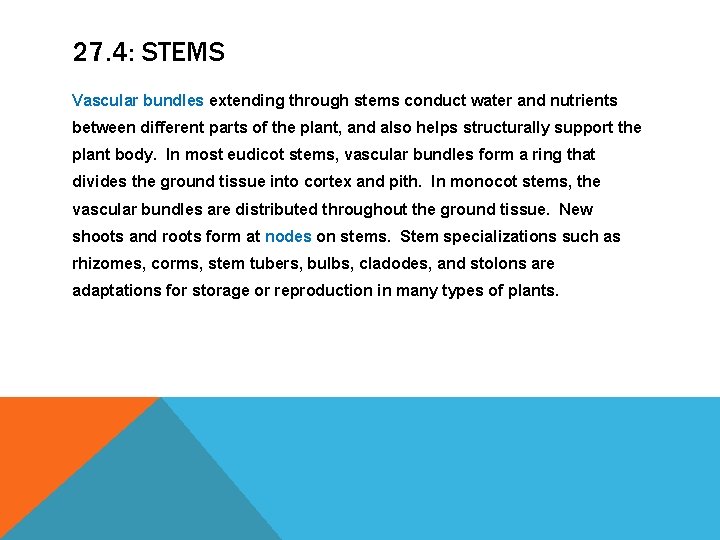
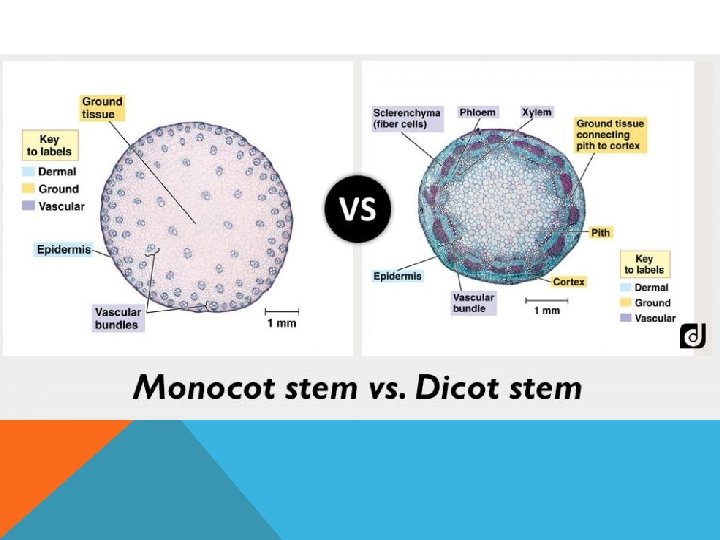
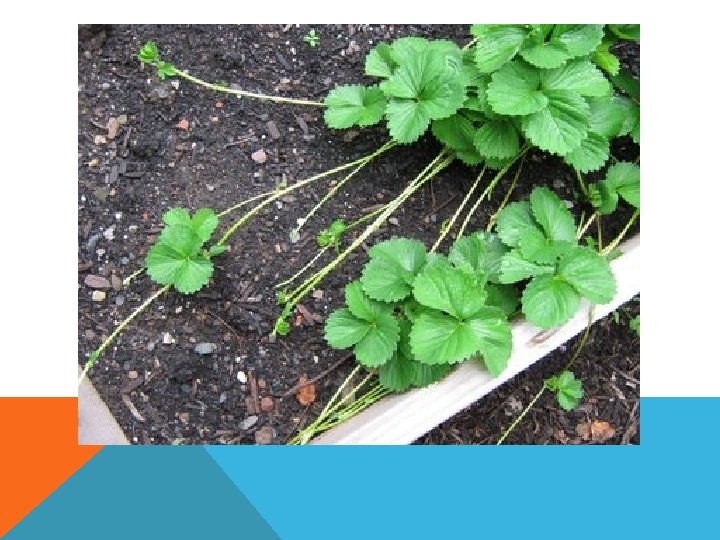
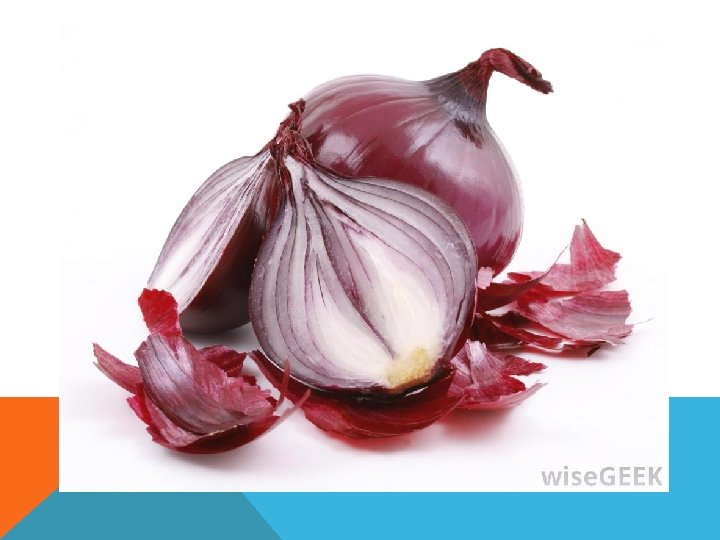
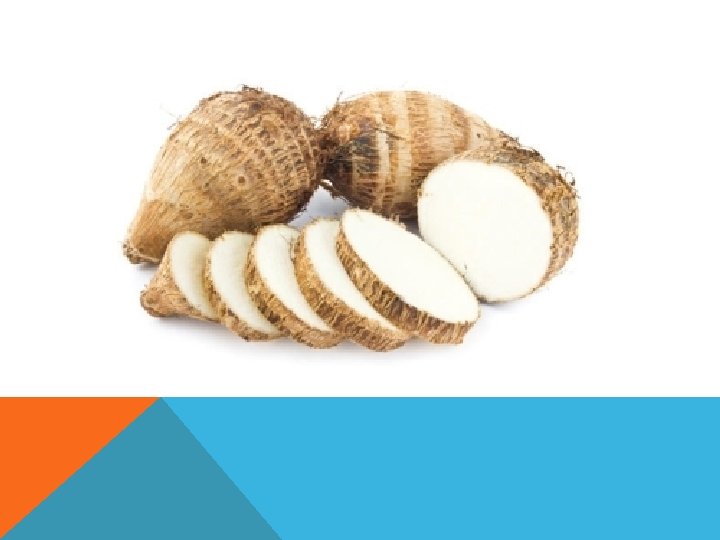
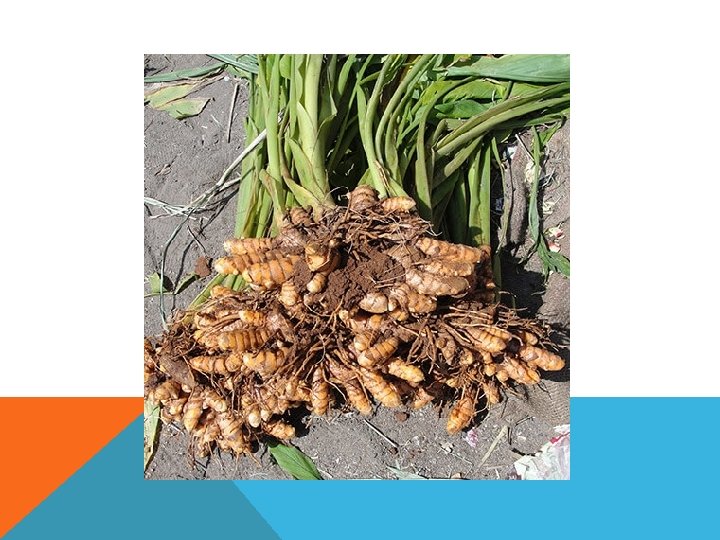
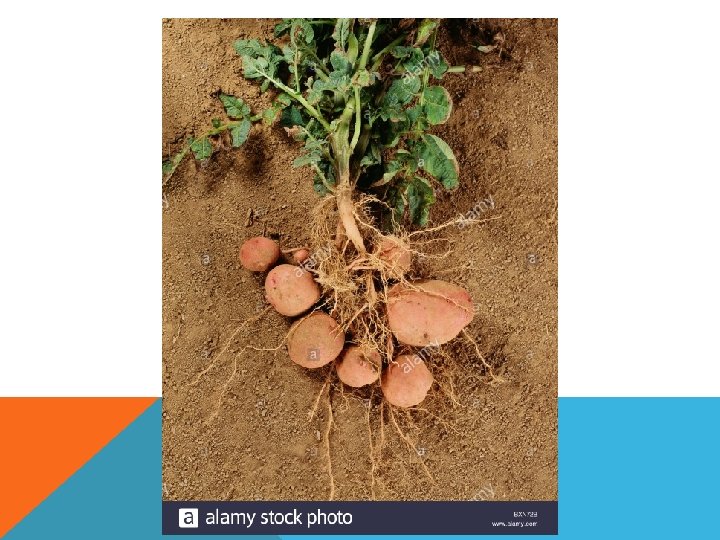
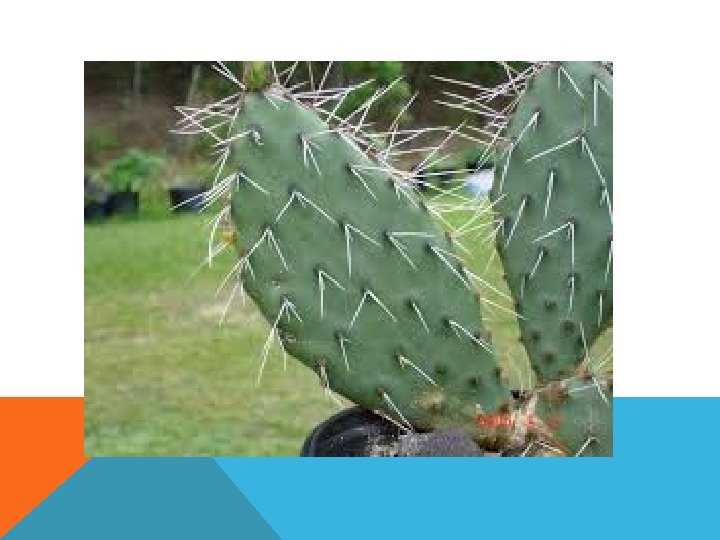
27. 4: STEMS Vascular bundles extending through stems conduct water and nutrients between different parts of the plant, and also helps structurally support the plant body. In most eudicot stems, vascular bundles form a ring that divides the ground tissue into cortex and pith. In monocot stems, the vascular bundles are distributed throughout the ground tissue. New shoots and roots form at nodes on stems. Stem specializations such as rhizomes, corms, stem tubers, bulbs, cladodes, and stolons are adaptations for storage or reproduction in many types of plants.
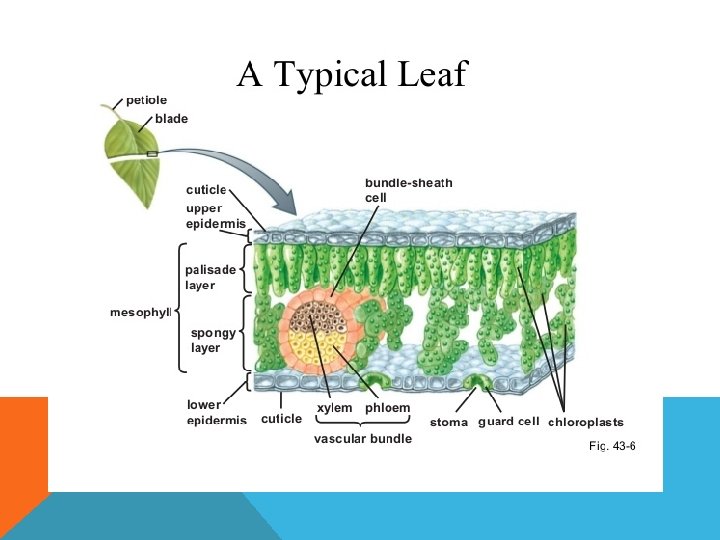
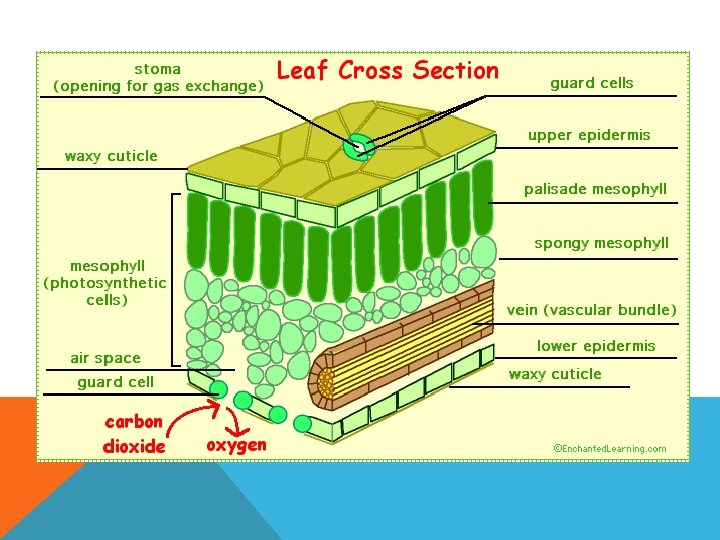
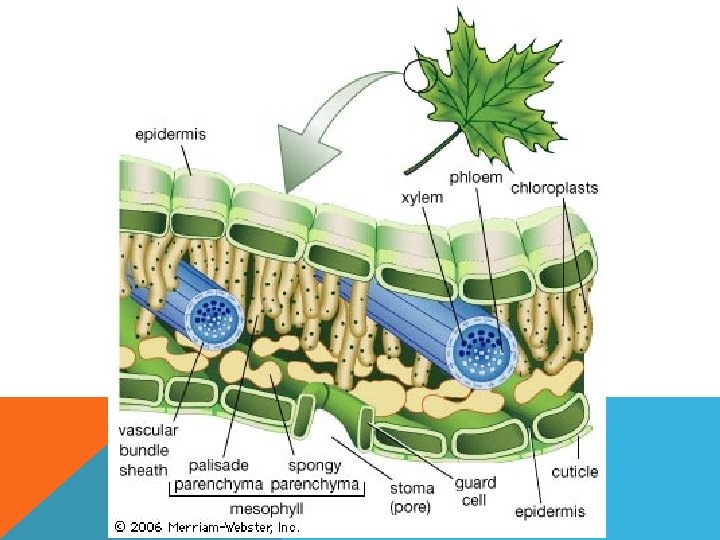
27. 5: LEAVES Leaves, which are specialized for photosynthesis, contain mesophyll and vascular bundles (leaf veins) between upper and lower epidermis. Eudicots typically have two layers of meosphyll; monocots do not. Water vapors and gases cross cuticle-covered epidermis at stomata.
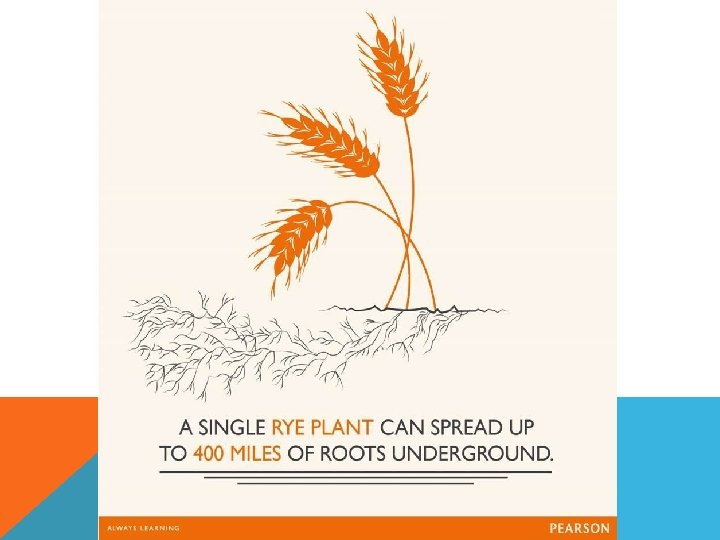
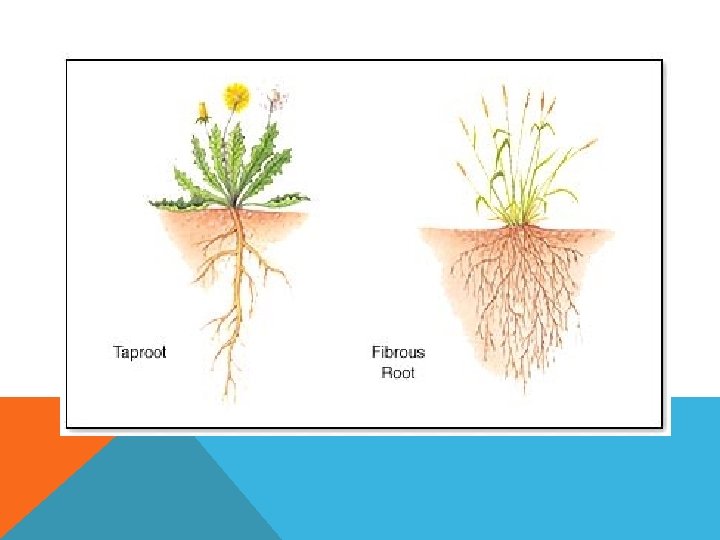
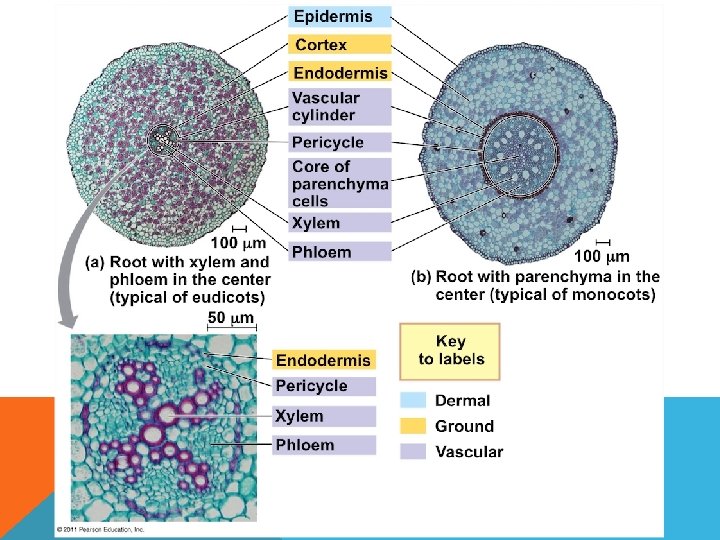
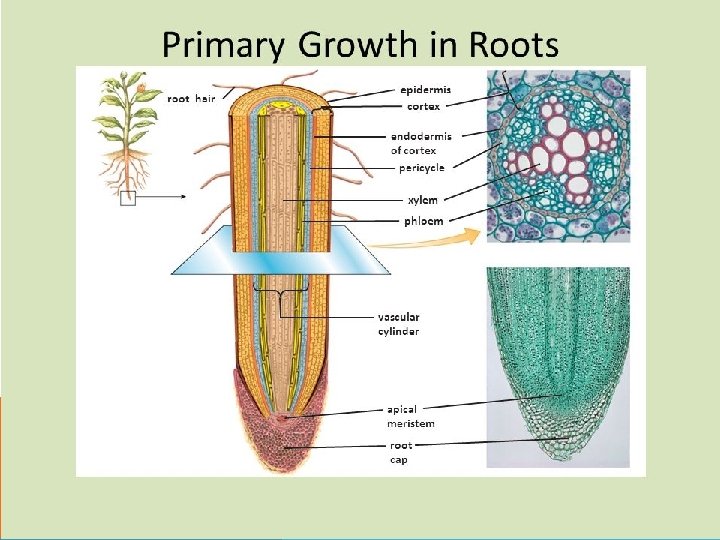
27. 6: ROOTS Roots absorb water and mineral ions for the entire plant. Inside each is a vascular cylinder (stele). The outer boundary of the vascular cylinder is a layer of endodermis. Root hairs increase the surface area of roots. Many monocots have a fibrous root system that consists of similar-sized adventitious roots. Most eudicots have a taproot system – an enlarged primary root with its lateral root branchings. Lateral roots arise from divisions of pericycle cells inside the root vascular cylinder.
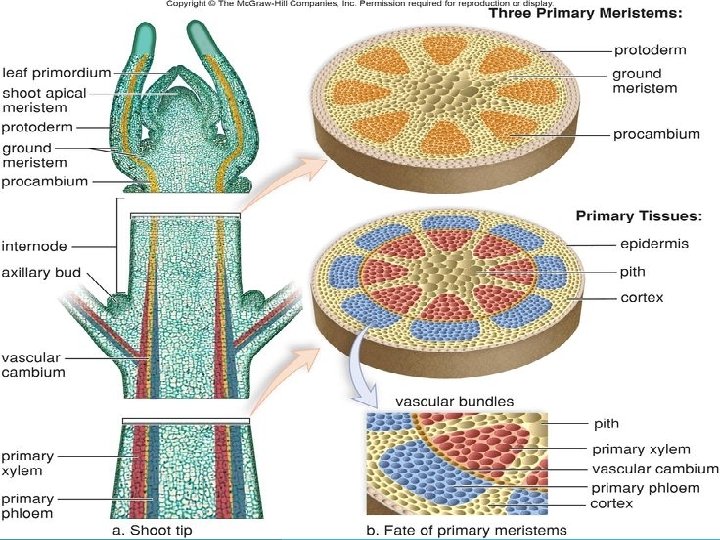
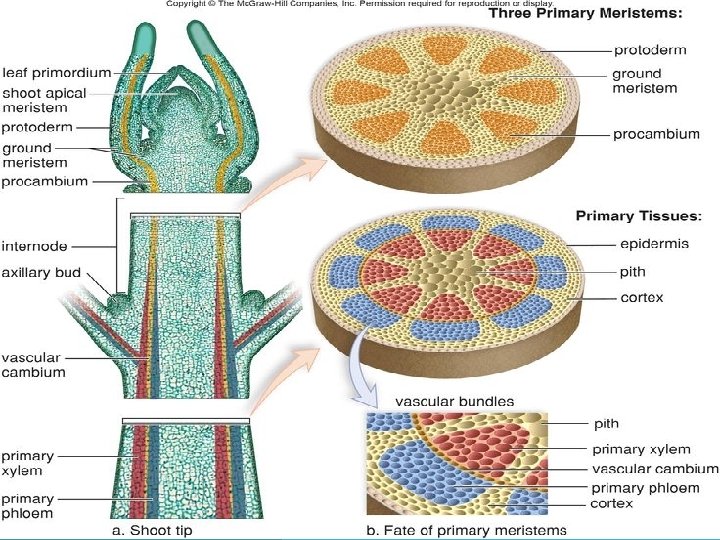
27. 7: PRIMARY GROWTH All plant tissues originate at meristems, which are regions of undifferentiated cells that retain their ability to divide. Primary growth (lengthening) arises at apical meristems in terminal buds and lateral buds in the tips of shoots and roots.
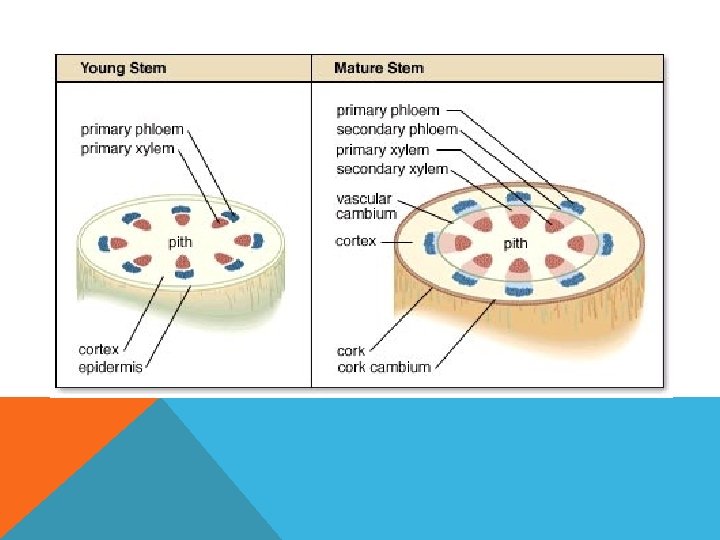
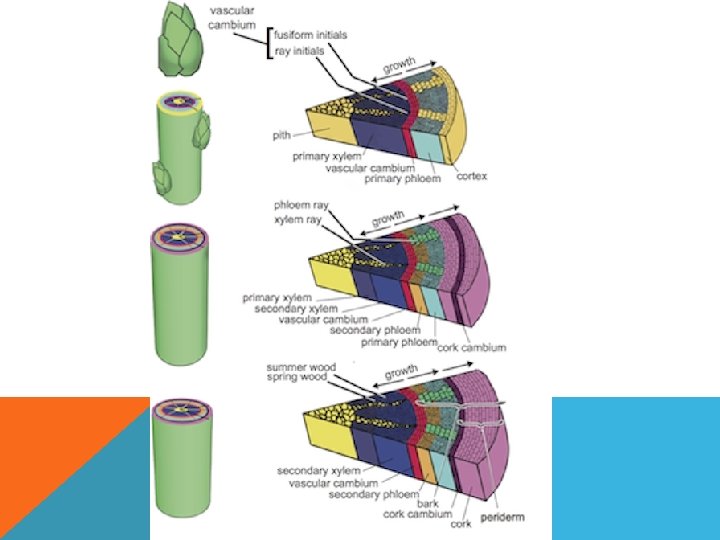
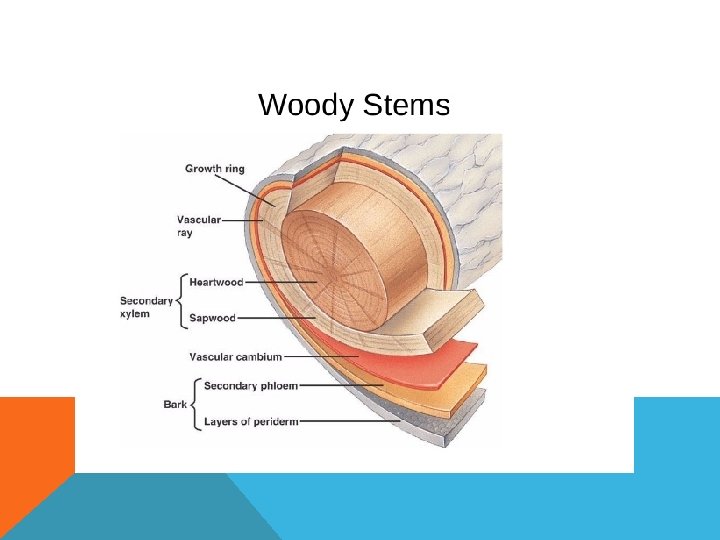
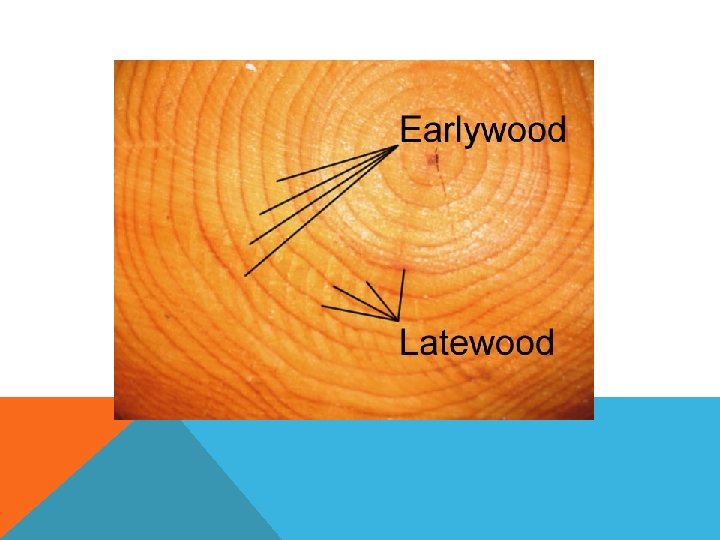
27. 8: SECONDARY GROWTH Secondary growth (thickening) arises at lateral meristems (vascular cambium and cork cambium) in older stems and roots. Vascular cambium produces secondary xylem (wood) on its inner surface, and secondary phloem on its outer surface. Cork cambium gives rise to cork, which is part of periderm. Bark is all tissue outside of the vascular cambium of a woody plant.
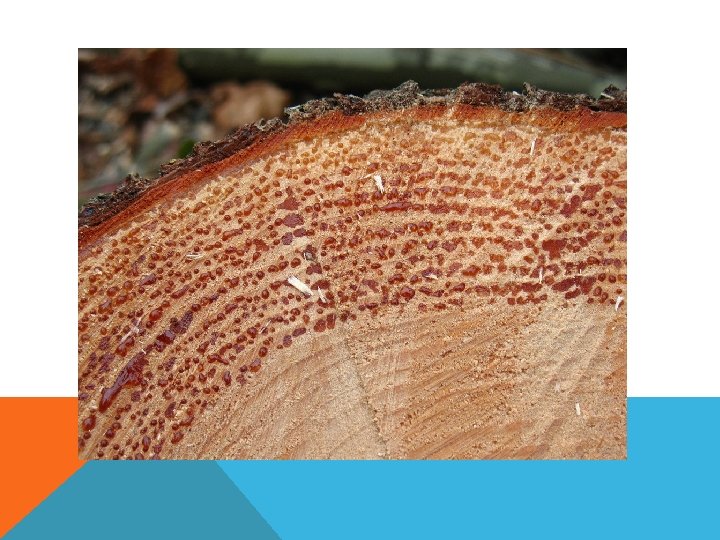
27. 9: TREE RINGS AND OLD SECRETS In many trees, one ring forms during each growing season. Tree rings hold information about environmental conditions that prevailed while the rings were forming. For example, the relative thicknesses of the rings reflect the relative availability of water.
III T N Y G LA O : P 8 L 2 O BIP T E R IB H A C N U T R IT IO N A N D T R A N S P O R T
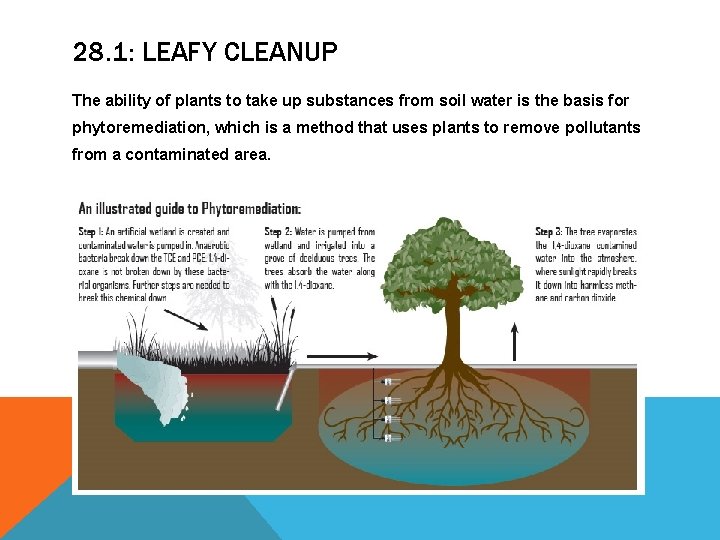
28. 1: LEAFY CLEANUP The ability of plants to take up substances from soil water is the basis for phytoremediation, which is a method that uses plants to remove pollutants from a contaminated area.
Zombies!!!!!!!
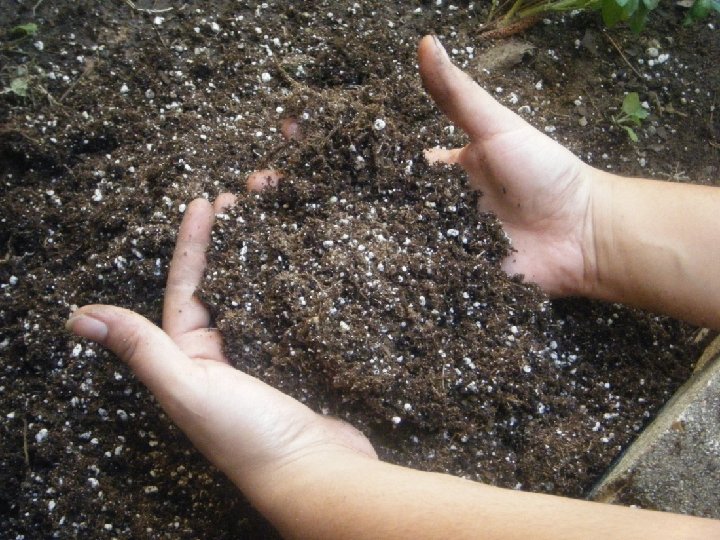
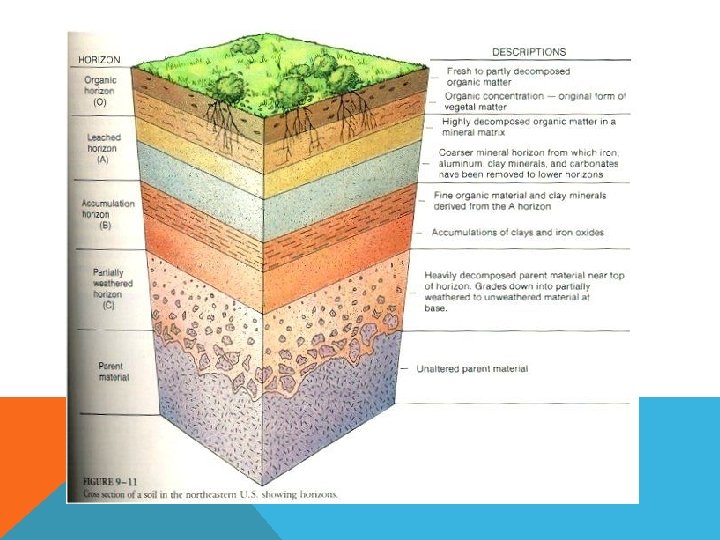
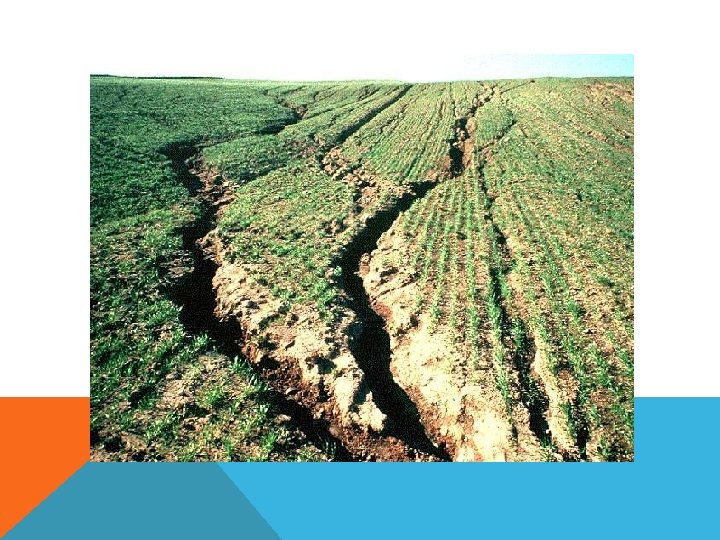
28. 2: PLANT NUTRIENTS AND AVAILABILITY IN SOIL Plant growth requires steady sources of elemental nutrients. Oxygen, carbon, and hydrogen atoms are abundant in air and water; nitrogen, phosphorus, sulfur, and other elements are available in soil. The availability of water and mineral ions in a particular soil depends on its proportions of sand, silt, and clay, and also on its humus content. Loams have roughly equal proportions of sand, silt, and clay. Leaching and soil erosion deplete nutrients from soil, particularly topsoils.
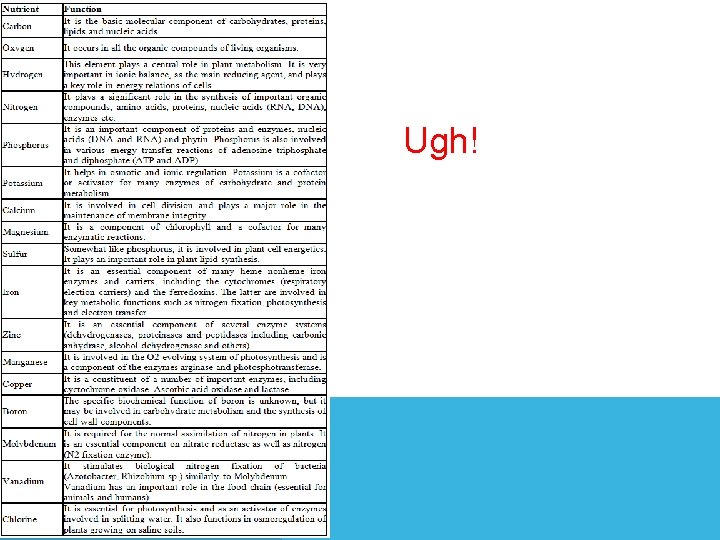
Ugh!
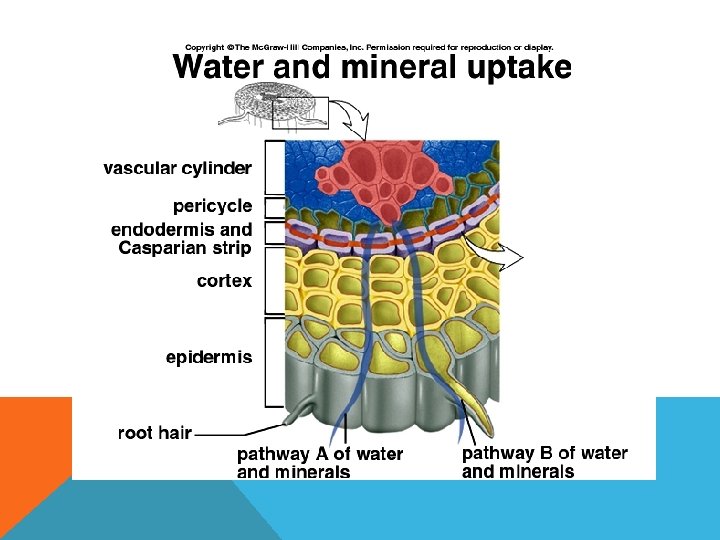
28. 3: ROOT ADAPTATIONS FOR NUTRIENT UPTAKE Transport proteins in root cell plasma membranes control the plant’s uptake of substances in soil water. Endodermal cells that form the vascular cylinder’s outer layer deposit a Casparian strip into their abutting walls. This waxy, waterproof band prevents soil water from diffusing around endodermal cells into root xylem. Substances such as ions in soil water must pass through membrane transport proteins of an endodermal cell (or other root cell). Once in cytoplasm, the ions can diffuse through plasmodesmata to pericycle cells, which load them into xylem. Many plants form mutualisms with microorganisms. Fungi associate with young roots in mycorrhizae, which enhance the plant’s ability to absorb mineral ions from soil. Nitrogen fixation by bacteria in root nodules gives a plant extra nitrogen. In both cases, the microorganisms receive some sugars made by the plant.
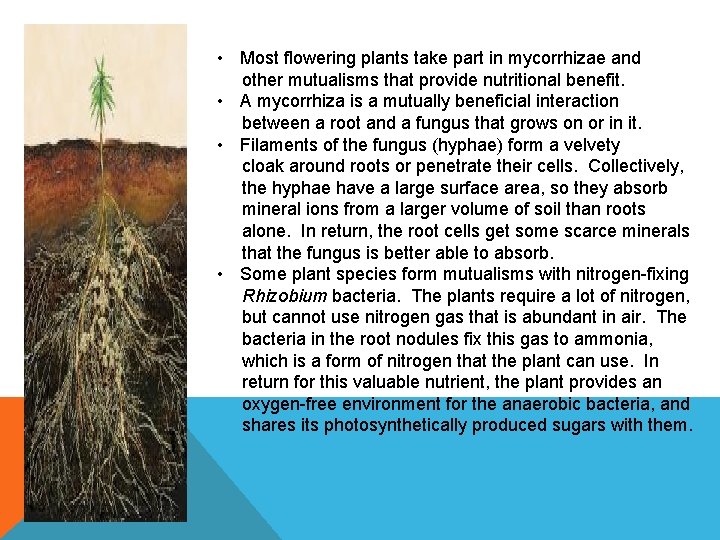
• Most flowering plants take part in mycorrhizae and other mutualisms that provide nutritional benefit. • A mycorrhiza is a mutually beneficial interaction between a root and a fungus that grows on or in it. • Filaments of the fungus (hyphae) form a velvety cloak around roots or penetrate their cells. Collectively, the hyphae have a large surface area, so they absorb mineral ions from a larger volume of soil than roots alone. In return, the root cells get some scarce minerals that the fungus is better able to absorb. • Some plant species form mutualisms with nitrogen-fixing Rhizobium bacteria. The plants require a lot of nitrogen, but cannot use nitrogen gas that is abundant in air. The bacteria in the root nodules fix this gas to ammonia, which is a form of nitrogen that the plant can use. In return for this valuable nutrient, the plant provides an oxygen-free environment for the anaerobic bacteria, and shares its photosynthetically produced sugars with them.
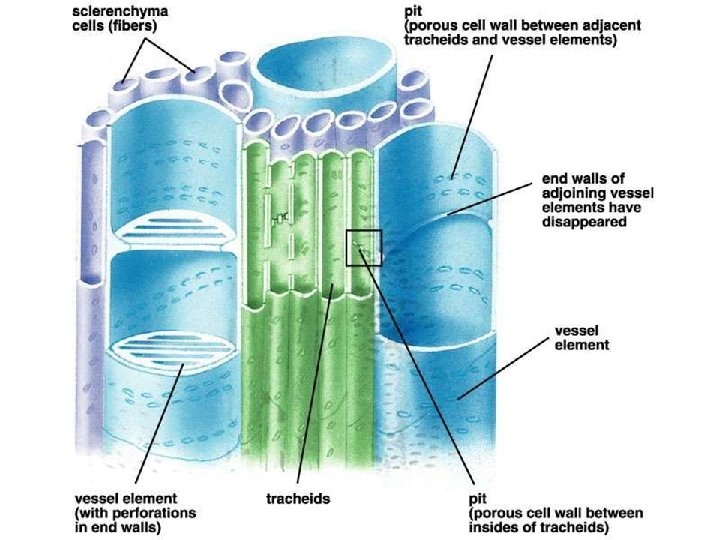
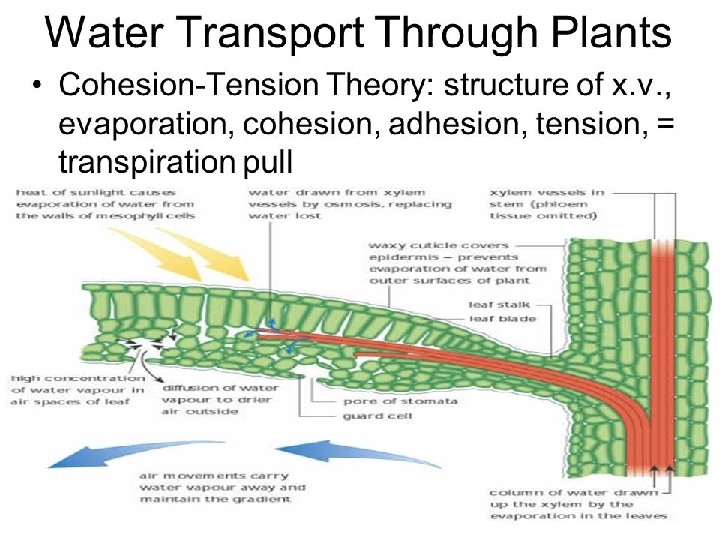
28. 4: WATER MOVEMENT INSIDE PLANTS Water and dissolved mineral ions flow through xylem from roots to shoot tips. Xylem tubes consist of stacks of dead cells: tracheids and vessel elements. Water moves through the perforated and lignin-reinforced secondary walls of these cells. The cohesion-tension theory explains how water moves upward through xylem: Transpiration (the evaporation from aboveground plant parts, mainly at stomata) pulls water upward. This pull (tension) extends from leaves to roots because of water’s cohesion inside the narrow tubes of xylem. Cohesion also keeps the water from breaking into droplets, so it moves upward in continuous columns.
28. 5: WATER-CONSERVING ADAPTATIONS OF STEMS AND LEAVES A cuticle helps a plant conserve water; stomata help it balance water conservation with gas exchange required for metabolism. A stoma, which is a gap between two guard cells, may be surrounded by an indentation, protrusions, or other specializations that reduce airflow around it. Environmental and internal signals cause stomata to open or close. The signals trigger guard cells to pump ions into or out of their cytoplasm; water follows the ions by osmosis. Water moving into guard cells plumps them, which opens the stoma between them. Water diffusing out of the cells causes them to collapse against each other, so the stoma closes.
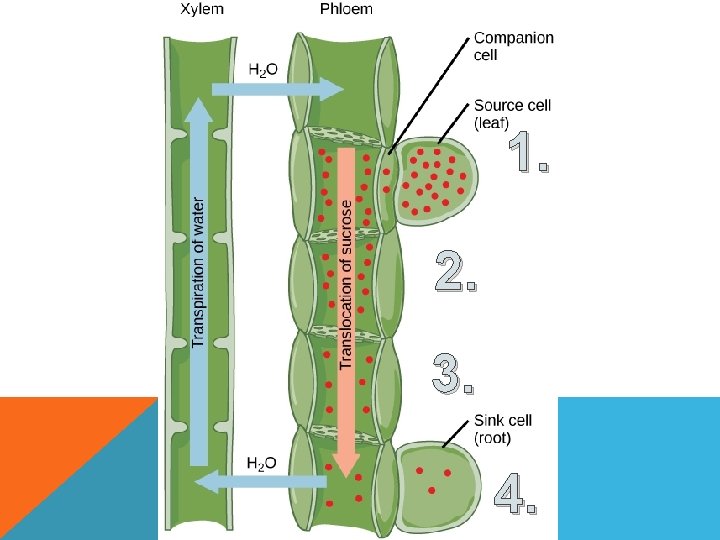
28. 6: MOVEMENT OF ORGANIC COMPOUNDS IN PLANTS Sugars move through a plant by translocation in phloem’s sieve tubes, which consist of stacked sieve elements separated by perforated sieve plates. By the pressure flow theory, the movement of sugar-rich fluid through a sieve tube is driven by a pressure gradient between source and sink. Companion cells load sugars into sieve elements at sources.
1. 2. 3. 4.
III Y IFE G O : L 9 L 2 O BIP T E R IB H A C C Y C L E S O F F L O W IN G P L A N T S
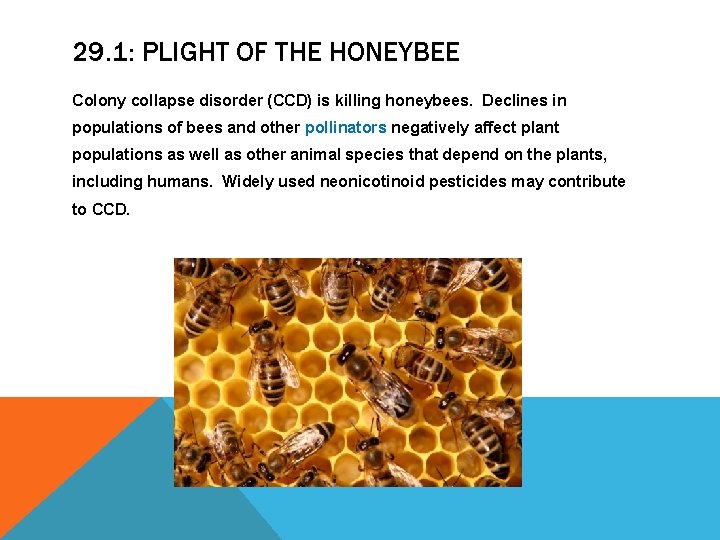
29. 1: PLIGHT OF THE HONEYBEE Colony collapse disorder (CCD) is killing honeybees. Declines in populations of bees and other pollinators negatively affect plant populations as well as other animal species that depend on the plants, including humans. Widely used neonicotinoid pesticides may contribute to CCD.
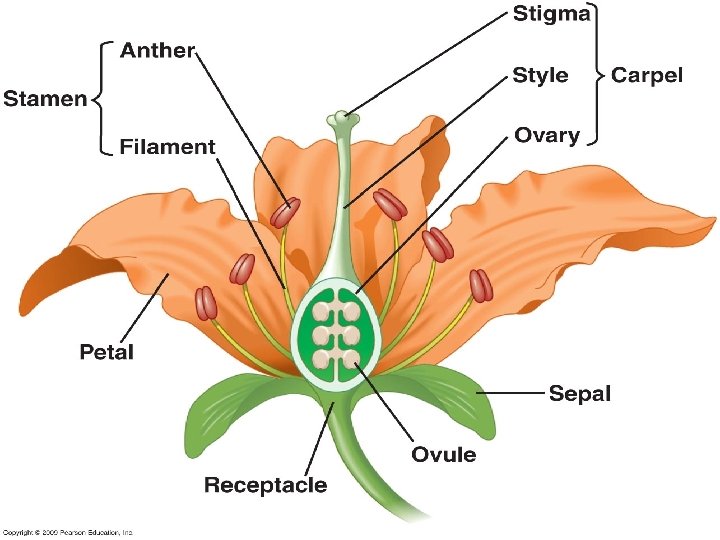
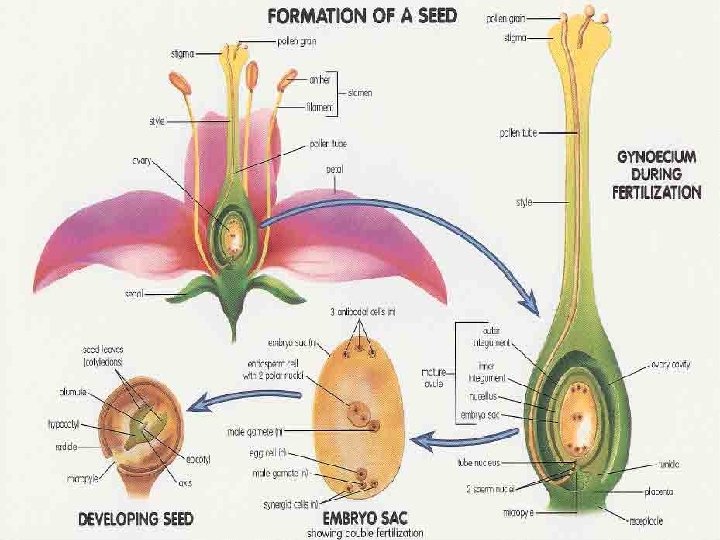
29. 2: REPRODUCTIVE STRUCTURES Flowers consist of whorls of modified leaves at the ends of specialized branches of angiosperms. A calyx of sepals surrounds a corolla of petals, which in turn surround stamens and carpels. A carpel consists of a stigma, often a style, and an ovary inside which one or more ovules develop. The female gametophyte forms inside an ovule. A stamen consists of an anther on a thin filament. Anthers produce pollen grains.
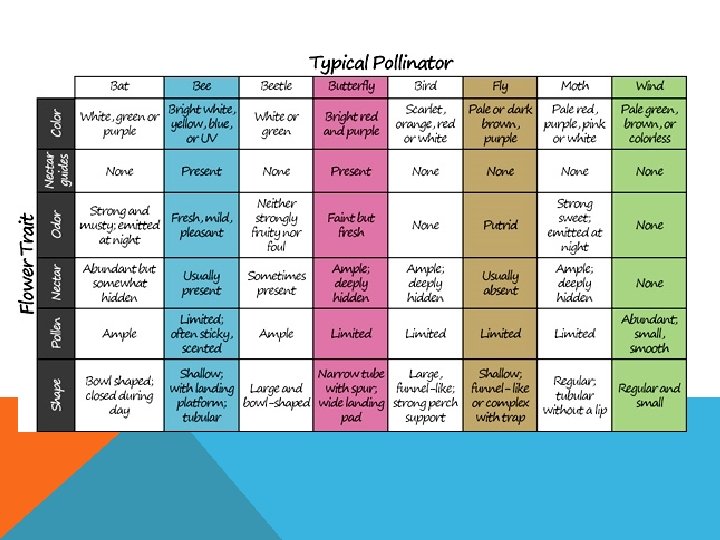
29. 3: FLOWERS AND THEIR POLLINATORS Pollination is the arrival of pollen on a receptive stigma. A flower’s shape, pattern, color, and fragrance typically reflect an evolutionary relationship with a particular pollination vector, often a coevolved animal. Coevolved pollinators receive nectar, pollen, or another reward for visiting a flower.
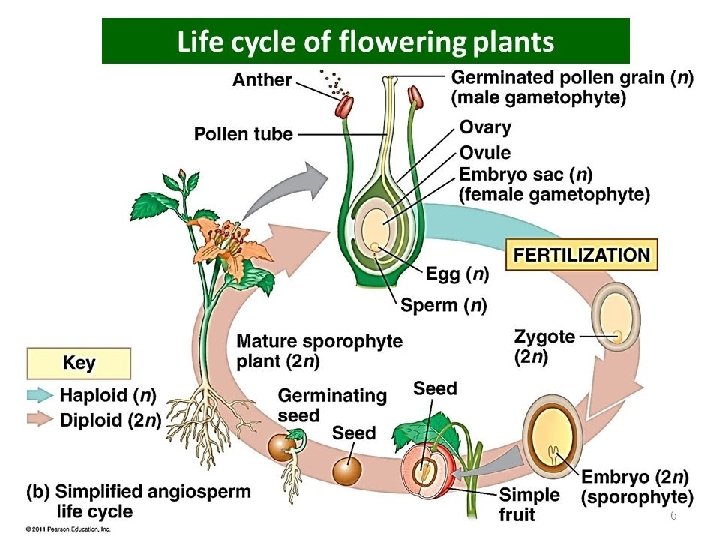
29. 4: A NEW GENERATION BEGINS 29. 5: FLOWER SEX Meiosis of diploid cells inside pollen sacs of anthers produces haploid microspores. Each microspore develops into a pollen grain that is released from a pollen sac after a period of dormancy. Meiosis and cytoplasmic division of a cell in an ovule produce four megaspores, one of which gives rise to the female gametophyte. One of the seven cells of the gametophyte is the egg; another is the endosperm mother cell. An interplay of species-specific molecular signals trigger a pollen grain to germinate on a receptive stigma and form a pollen tube that contains two sperm cells. Other molecular signals guide pollen tube growth through tissues of the carpal to the egg. In double fertilization, one of the sperm cells in the pollen tube fertilizes the egg, forming a zygote; the other fuses with the endosperm mother cell and gives rise to triploid endosperm.
Take home message: • A pollen grain that germinates on a stigma develops into the male gametophyte, which consists of a pollen tube and two sperm cells. The pollen tube grows into the carpel, enters the ovule, and releases the sperm cells. • Double fertilization occurs when one of the sperm cells delivered by the pollen tube fuses with the egg, and the other fuses with the endosperm mother cell.
29. 6: SEED FORMATION As a zygote develops into an embryo, endosperm collects nutrients from the parent plant, and the ovule’s protective layers develop into a seed coat. A seed is a mature ovule: an embryo sporophyte and endosperm enclosed within a seed coat. Nutrients in endosperm or cotyledons make seeds a nutritious food source.
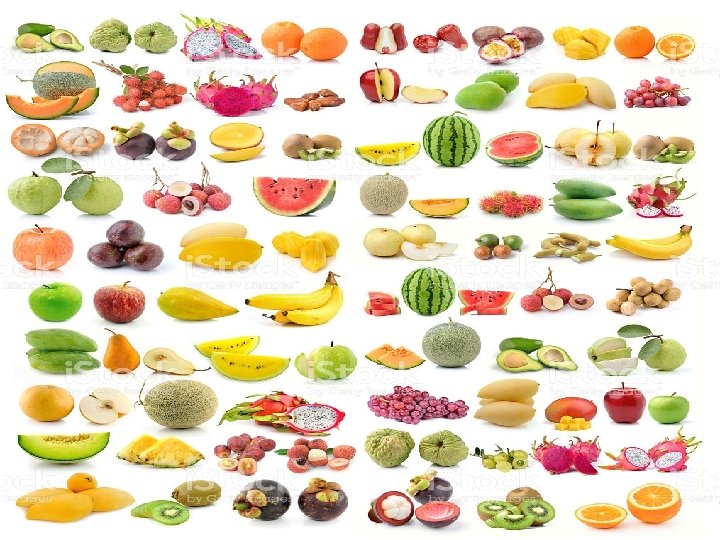
29. 7: FRUITS As an embryo sporophyte develops, the ovary wall and sometimes other tissues mature into a fruit that encloses the seeds. Fruit specializations are adaptations to seed dispersal by specific vectors such as wind, water, or animals. A fruit can be categorized by tissue of origin, composition, and whether it is dry or fleshy.
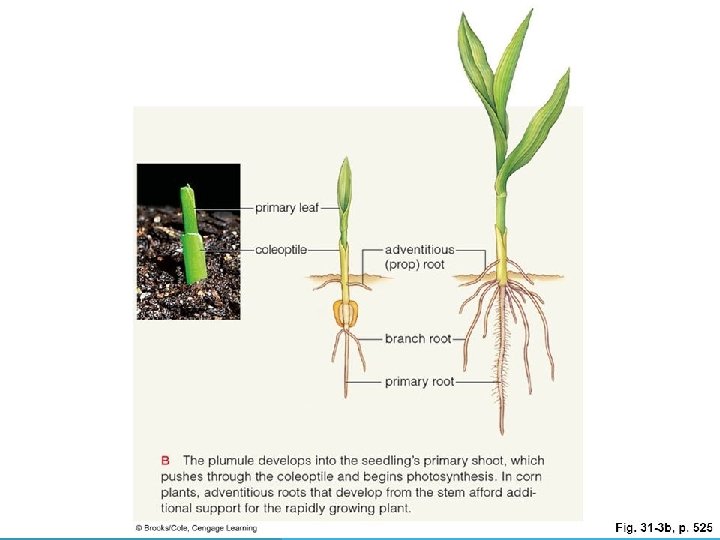
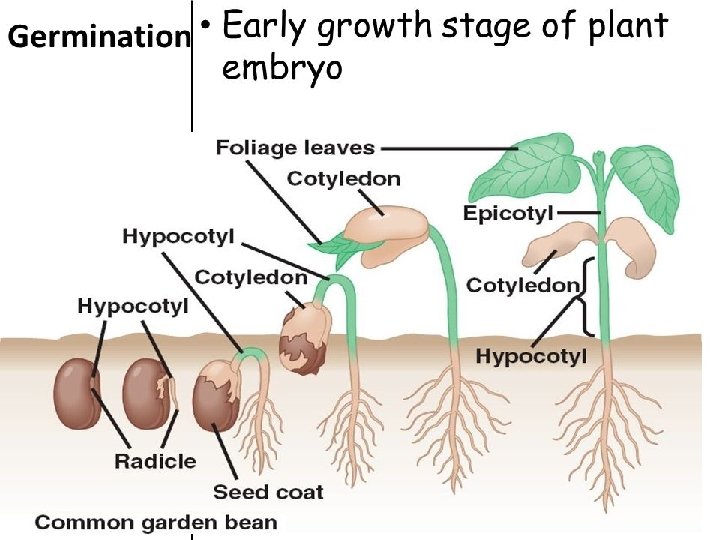
29. 8: EARLY DEVELOPMENT Seeds often undergo a period of dormancy that does not end until species-specific environmental cues trigger germination. The radicle emerges from the seed coat at the end of germination; other patterns of early development vary. For example, monocot plumules are sheathed by a coleoptile; eudicot hypocotyls form a hook that pulls cotyledons up through soil.
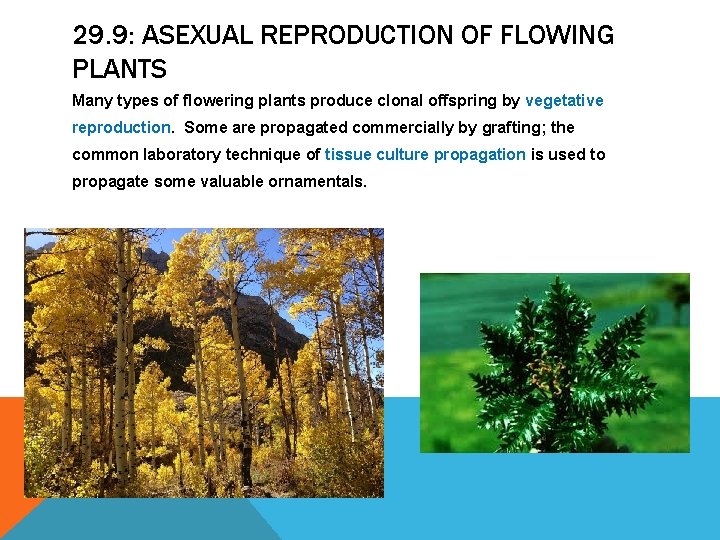
29. 9: ASEXUAL REPRODUCTION OF FLOWING PLANTS Many types of flowering plants produce clonal offspring by vegetative reproduction. Some are propagated commercially by grafting; the common laboratory technique of tissue culture propagation is used to propagate some valuable ornamentals.
P S GY O L O IB C H BI A P T 3 E R 0 : C O M III M U N IC A T IO N T R A T E G IE S IN L A N T S
30. 1: PRESCRIPTION: CHOCOLATE Secondary metabolites are not required for immediate survival of the organism that produces them. Some plant secondary metabolites attract pollinators or symbionts, or function in defense. A few of these compounds, including a number of flavonoids, are beneficial to human health.
30. 2: INTRODUCTION TO PLANT HORMONES Plants continue to develop through their lifetime. Plant hormones promote or arrest development in regions of a plant by stimulating or inhibiting cell division, differentiation, or enlargement. Some have roles in occasional responses such as pathogen defense. Hormones work together or in opposition, and many have different effects in different regions of the plant.
30. 3: AUXIN: THE MASTER GROWTH HORMONE Auxin promotes lengthening and also coordinates the effects of other hormones involved in growth. A unique transport system distributes auxin directionally. The polar distribution sets up auxin gradients that affect the growth and development of plant parts, such as when auxin gradients maintain apical dominance in a growing shoot tip.
30. 4: CYTOKININ Cytokinin promotes cell division in shoot apical meristem, and differentiation in root apical meristem. This hormone acts together with auxin, often antagonistically, to balance growth with development in shoot and root tips.
30. 5: GIBBERELLIN Gibberellin lengthens stems between nodes by inducing cell division and elongation. It also stimulates production of enzymes that break down endosperm during seed germination.
30. 6: ABSCISIC ACID Abscisic acid (ABA) plays a part in abscission, but has a greater role in other processes, especially responses to stress. ABA influences expression of thousands of genes, with effects that include the suppression of seed germination, and growth. ABA also participates in embryonic development and fruit ripening.
30. 7: ETHYLENE Ethylene is produced in negative and positive feedback loops. The negative feedback loops help regulate ongoing metabolism and development; the positive feedback loops trigger special processes such as abscission, ripening, and defense responses.
30. 8: TROPISMS A tropism is an adjustment in the direction of plant growth in response to environmental cues such as gravity (gravitrophism), light (phototropism), or contact (thigmotropism). Statoliths play a part in gravitropism.
30. 9: SENSING RECURRING ENVIRONMENTAL CHANGE Circadian rhythms are driven by gene expression feedback loops that have input from nonphotosynthetic pigments such as phytochromes. Photoperiodism is a response to change in the length of day relative to night. Seasonal cycles of abscission and dormancy are adaptations to seasonal changes in environmental conditions. Some plants require prolonged exposure to cold before they can flower (vernalization).
30. 10: RESPONSES TO STRESS Plants use hormones to respond to abiotic and biotic stresses. ABA is part of the stress response that closes stomata when water is scare. Nitric oxide is part of a hypersensitive defense response that closes stomata or kills the cell in response to pathogen detection. Pathogentriggered systemic acquired resistance increases the plant’s resilience to biotic and abiotic stress in genera.
III T Y N G A L O P : L 9 O BIP T E R IB H A C B IO L O G Y
9. 1: TRANSPORT IN THE XYLEM OF PLANTS Plants are highly diverse in structure and physiology. They act as the producers in almost all terrestrial ecosystems. Structures and function are correlated in the xylem and phloem of plants. Plants have sophisticated methods of adapting their growth to environmental conditions. Reproduction in flowering plants is influenced by both the biotic and abiotic environment. • • Transpiration is the inevitable consequence of gas exchange in the leaf. Plants transport water from the roots to the leaves to replace losses from transpiration. • The cohesive property of water and the structure of the xylem vessels allow transport under tension. • The adhesive property of water and evaporation generate tension forces in leaf cell walls. • Active uptake of mineral ions in the roots causes absorption of water by osmosis.
9. 2 TRANSPORT IN THE PHLOEM OF PLANTS • Plants transport organic compounds from sources to sinks. • Incompressibility of water allows transport by hydrostatic pressure gradients. • Active transport is used to load organic compounds into phloem sieve tubes at the source. • High concentrations of solutes in the phloem at the source lead to water uptake by osmosis. • Raised hydrostatic pressure causes the contents of the phloem to flow toward sinks.
9. 3: GROWTH IN PLANTS • Undifferentiated cells in the meristems of plants allow indeterminate growth. • Mitosis and cell division in the shoot apex provide cells needed for extension of the stem and development of leaves. • Plant hormones control growth in the shoot apex. • Plants respond to the environment by tropisms. • Auxin influences cell growth rates by changing the pattern of gene expression. • Auxin efflux pumps can set up concentration gradients of auxin in plant tissues.
9. 4: REPRODUCTION IN PLANTS • Flowering involves a change in gene expression in the shoot apex. • The switch to flowering is a response to the length of light and dark periods in many plants. • Most flowering plants use mutualistic relationships with pollinators in sexual reproduction. • Success in plant reproduction depends on pollination, fertilization and seed dispersal.