Advances and Changing Trends in the Diagnosis and
- Slides: 48
Advances and Changing Trends in the Diagnosis and Treatment of Hyperparathyroidism Istanbul: June 2, 2007 Alan Dackiw MD, Ph. D, BSc (MED) FRCSC, FACS Division of Endocrine and Oncologic Surgery Johns Hopkins University School of Medicine Baltimore, Maryland, USA
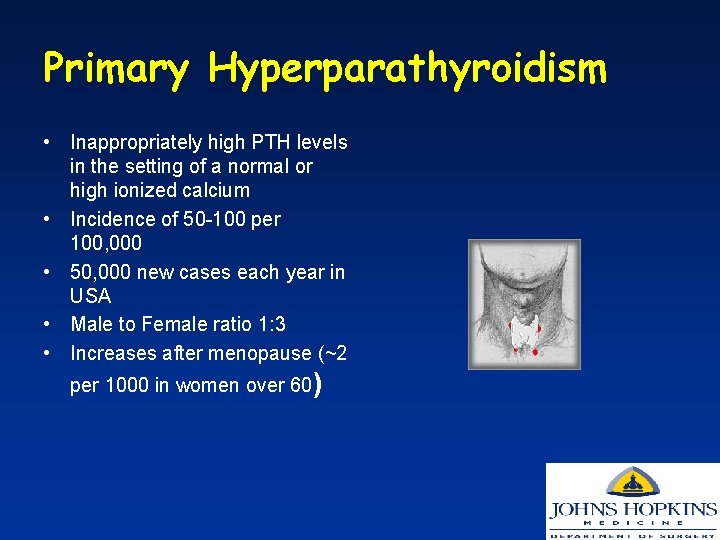
Primary Hyperparathyroidism • Inappropriately high PTH levels in the setting of a normal or high ionized calcium • Incidence of 50 -100 per 100, 000 • 50, 000 new cases each year in USA • Male to Female ratio 1: 3 • Increases after menopause (~2 per 1000 in women over 60)
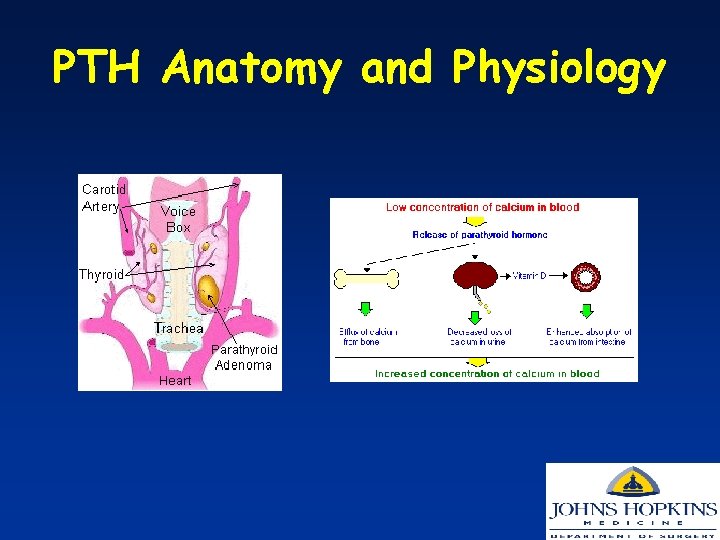
PTH Anatomy and Physiology
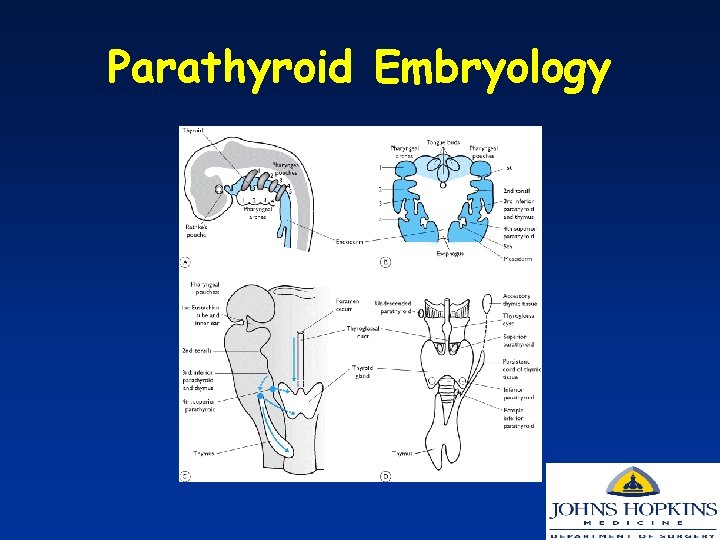
Parathyroid Embryology
Hyperparathyroidism • • Epidemiology/Diagnosis Localization Modern Operative Techniques Some Historical Vignettes
Primary Hyperparathyroidism • Hypersecretion of PTH by parathyroid tissue • Etiology unclear; association with 11 q 13 mutations (MEN 1), Cyclin D 1 • Associated with neck irradiation
Secondary and tertiary hyperparathyroidism • Etiologies: CRF and osteomalacia • Long-term secondary hyperparathyroidism may result in autonomous parathyroid hyperfunction (tertiary hyperparathyroidism)
Prevalence of hypercalcemia • 1: 1000 –from population-based prevalence studies –includes both hyperparathyroidism and FHH
Etiology of parathyroid hormone hypersecretion • Adenoma (80%) • Hyperplasia (20%) –No single set of conclusive criteria differentiates adenoma from hyperplasia • Carcinoma (1%) –Ca >14; high PTH –local invasion; LN mets; lung, liver, bone mets
Clinical manifestations of hyperparathyroidism I: Stones, bones, abdominal groans, psychic and fatigue overtones • Often asymptomatic • Systemic symptoms: weakness, fatigability, headache, weight loss, depression • Renal: renal colic, nephrolithiasis, nephrocalcinosis, metabolic acidosis (ca oxalate>ca phosphate stones) • Skeletal: bone pain, pathologic fractures, bone cysts, localized swellings (“brown tumors”), osteitis fibrosa cystica, gout/pseudogout, arthralgias
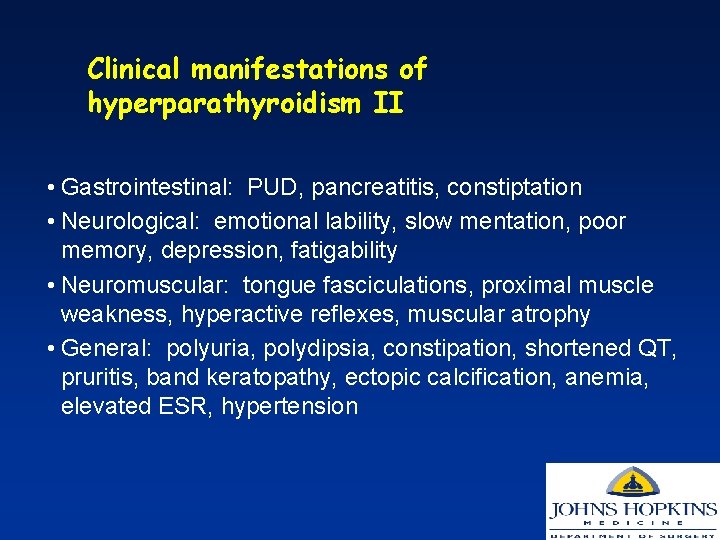
Clinical manifestations of hyperparathyroidism II • Gastrointestinal: PUD, pancreatitis, constiptation • Neurological: emotional lability, slow mentation, poor memory, depression, fatigability • Neuromuscular: tongue fasciculations, proximal muscle weakness, hyperactive reflexes, muscular atrophy • General: polyuria, polydipsia, constipation, shortened QT, pruritis, band keratopathy, ectopic calcification, anemia, elevated ESR, hypertension
Most Common Clinical Manifestation in 2007 !! • Elevated Calcium on blood test • Calcium added to routine electrolytes measured by autoanalyzer
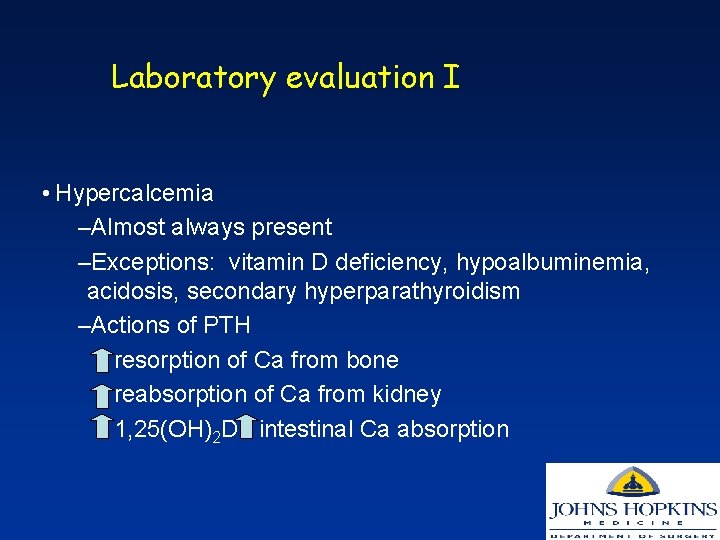
Laboratory evaluation I • Hypercalcemia –Almost always present –Exceptions: vitamin D deficiency, hypoalbuminemia, acidosis, secondary hyperparathyroidism –Actions of PTH resorption of Ca from bone reabsorption of Ca from kidney 1, 25(OH)2 D intestinal Ca absorption
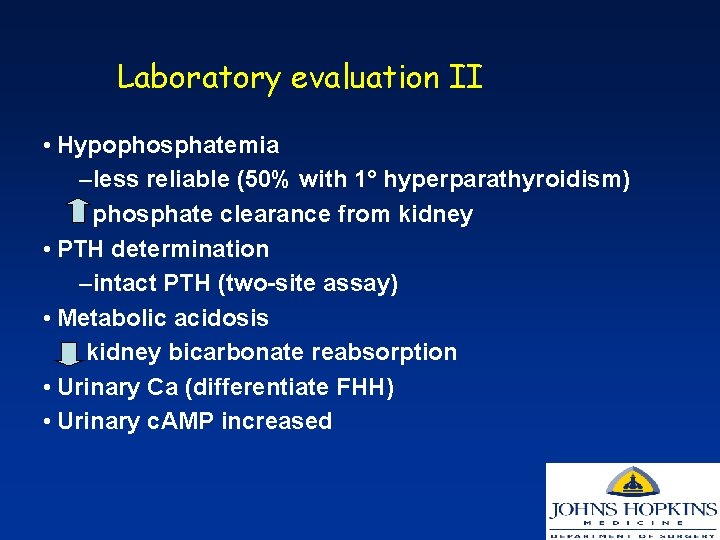
Laboratory evaluation II • Hypophosphatemia –less reliable (50% with 1° hyperparathyroidism) phosphate clearance from kidney • PTH determination –intact PTH (two-site assay) • Metabolic acidosis kidney bicarbonate reabsorption • Urinary Ca (differentiate FHH) • Urinary c. AMP increased
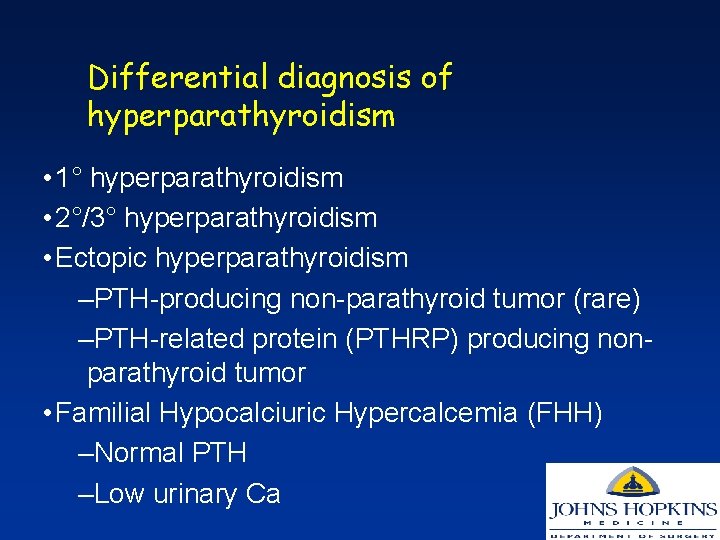
Differential diagnosis of hyperparathyroidism • 1° hyperparathyroidism • 2°/3° hyperparathyroidism • Ectopic hyperparathyroidism –PTH-producing non-parathyroid tumor (rare) –PTH-related protein (PTHRP) producing nonparathyroid tumor • Familial Hypocalciuric Hypercalcemia (FHH) –Normal PTH –Low urinary Ca
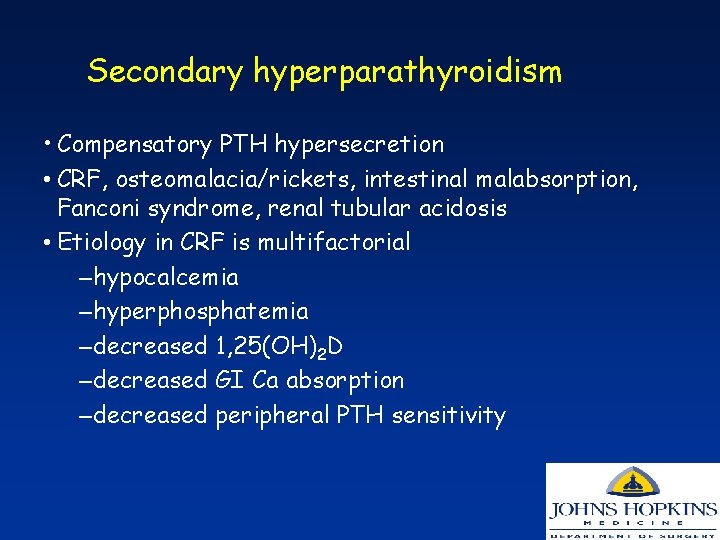
Secondary hyperparathyroidism • Compensatory PTH hypersecretion • CRF, osteomalacia/rickets, intestinal malabsorption, Fanconi syndrome, renal tubular acidosis • Etiology in CRF is multifactorial –hypocalcemia –hyperphosphatemia –decreased 1, 25(OH)2 D –decreased GI Ca absorption –decreased peripheral PTH sensitivity
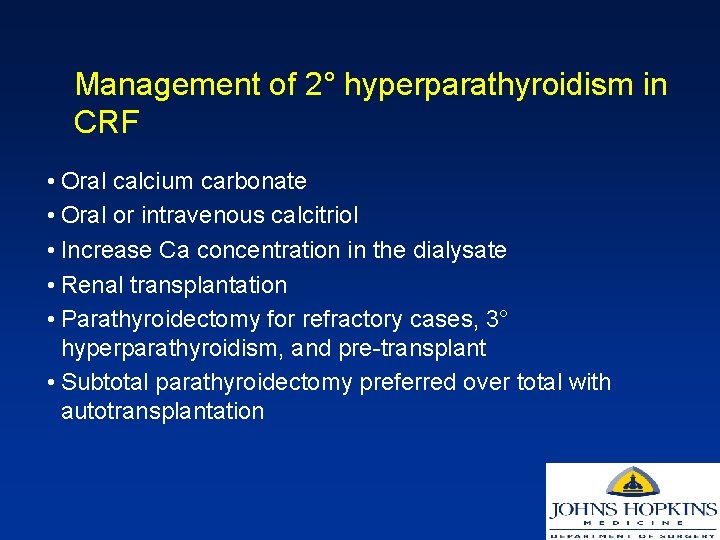
Management of 2° hyperparathyroidism in CRF • Oral calcium carbonate • Oral or intravenous calcitriol • Increase Ca concentration in the dialysate • Renal transplantation • Parathyroidectomy for refractory cases, 3° hyperparathyroidism, and pre-transplant • Subtotal parathyroidectomy preferred over total with autotransplantation
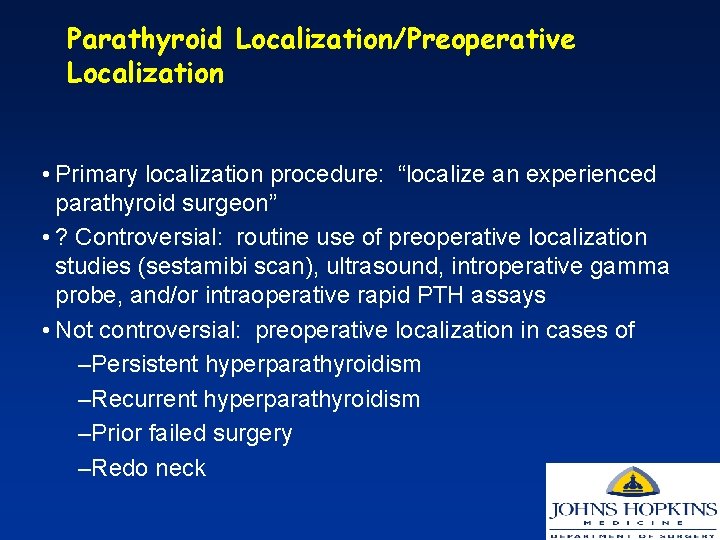
Parathyroid Localization/Preoperative Localization • Primary localization procedure: “localize an experienced parathyroid surgeon” • ? Controversial: routine use of preoperative localization studies (sestamibi scan), ultrasound, introperative gamma probe, and/or intraoperative rapid PTH assays • Not controversial: preoperative localization in cases of –Persistent hyperparathyroidism –Recurrent hyperparathyroidism –Prior failed surgery –Redo neck
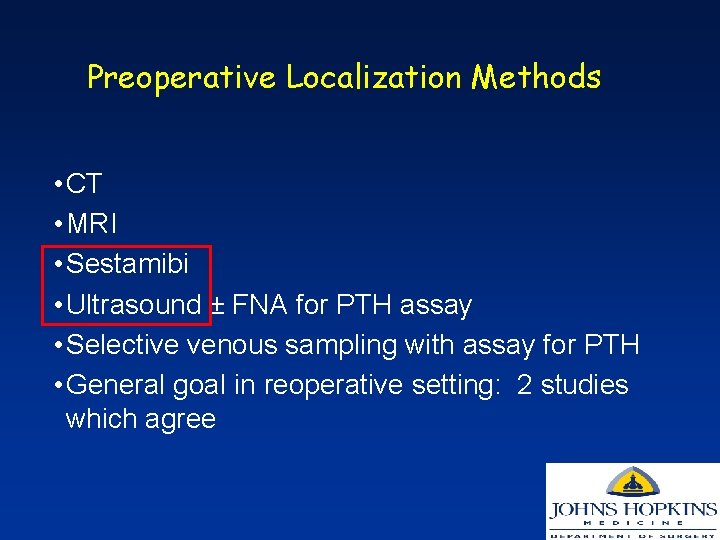
Preoperative Localization Methods • CT • MRI • Sestamibi • Ultrasound ± FNA for PTH assay • Selective venous sampling with assay for PTH • General goal in reoperative setting: 2 studies which agree
How Should Patients with Hyperparathyroidism be Selected for Surgical Treatment? • Symptomatic Patient : Surgery • What about the “asymptomatic” patient ?
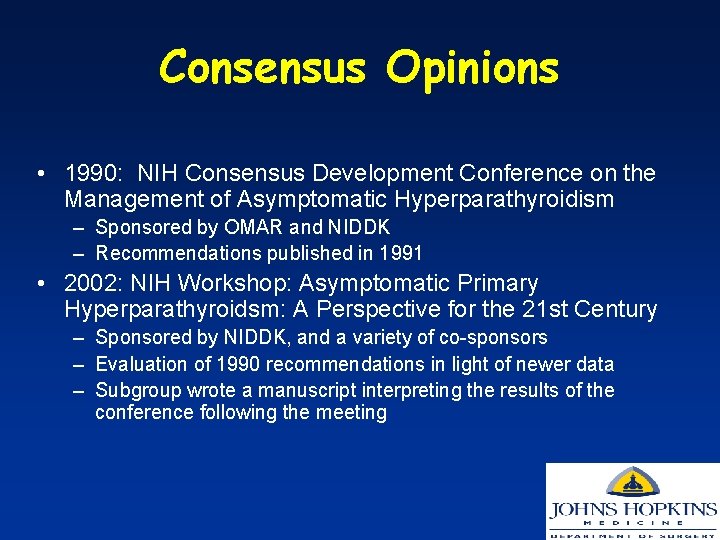
Consensus Opinions • 1990: NIH Consensus Development Conference on the Management of Asymptomatic Hyperparathyroidism – Sponsored by OMAR and NIDDK – Recommendations published in 1991 • 2002: NIH Workshop: Asymptomatic Primary Hyperparathyroidsm: A Perspective for the 21 st Century – Sponsored by NIDDK, and a variety of co-sponsors – Evaluation of 1990 recommendations in light of newer data – Subgroup wrote a manuscript interpreting the results of the conference following the meeting
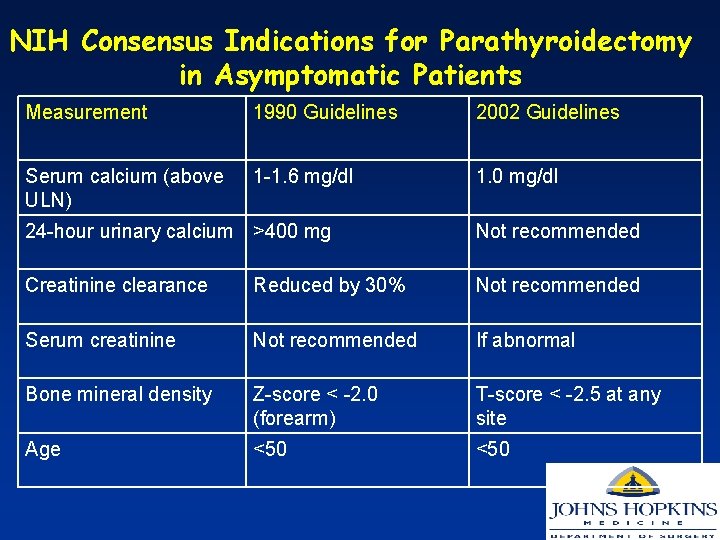
NIH Consensus Indications for Parathyroidectomy in Asymptomatic Patients Measurement 1990 Guidelines 2002 Guidelines Serum calcium (above ULN) 1 -1. 6 mg/dl 1. 0 mg/dl 24 -hour urinary calcium >400 mg Not recommended Creatinine clearance Reduced by 30% Not recommended Serum creatinine Not recommended If abnormal Bone mineral density Z-score < -2. 0 (forearm) T-score < -2. 5 at any site Age <50
Intraoperative Quick PTH assay GL Irvin et al: Am J Surg, 168: 466, 1994.
Clinical manifestations of hyperparathyroidism I: Stones, bones, abdominal groans, psychic and fatigue overtones • Often asymptomatic • Systemic symptoms: weakness, fatigability, headache, weight loss, depression, difficulty concentrating
Surgical Benefits • Biochemical normalization • Sustained increase in bone density • 27% of untreated, asymptomatic patients will develop worsening hypercalcemia and hypercalciuria NEJM 1999; 341(17): 1249 -1255
? ? Neurospsychiatric Symptoms • Both high and low calcium groups showed marked and virtually identical impairment of functional health status. Both groups showed marked improvement in health status at 2 months and additional improvement at 6 months, returning to normal or near normal in 6 of 8 SF-36 domains. Surgery 1999 Jun; 125(6): 608 -14.
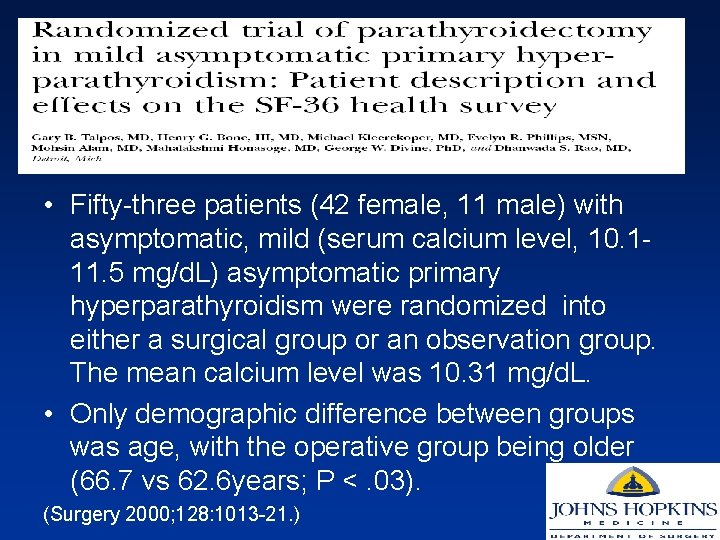
• Fifty-three patients (42 female, 11 male) with asymptomatic, mild (serum calcium level, 10. 111. 5 mg/d. L) asymptomatic primary hyperparathyroidism were randomized into either a surgical group or an observation group. The mean calcium level was 10. 31 mg/d. L. • Only demographic difference between groups was age, with the operative group being older (66. 7 vs 62. 6 years; P <. 03). (Surgery 2000; 128: 1013 -21. )
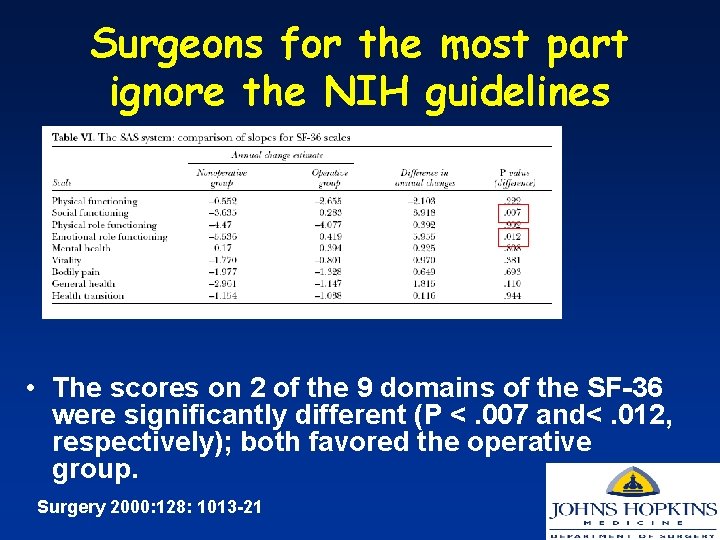
Surgeons for the most part ignore the NIH guidelines • The scores on 2 of the 9 domains of the SF-36 were significantly different (P <. 007 and<. 012, respectively); both favored the operative group. Surgery 2000: 128: 1013 -21
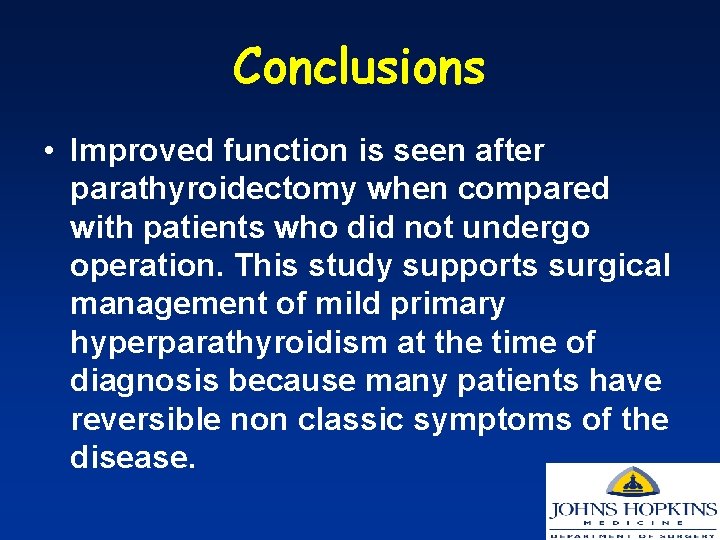
Conclusions • Improved function is seen after parathyroidectomy when compared with patients who did not undergo operation. This study supports surgical management of mild primary hyperparathyroidism at the time of diagnosis because many patients have reversible non classic symptoms of the disease.
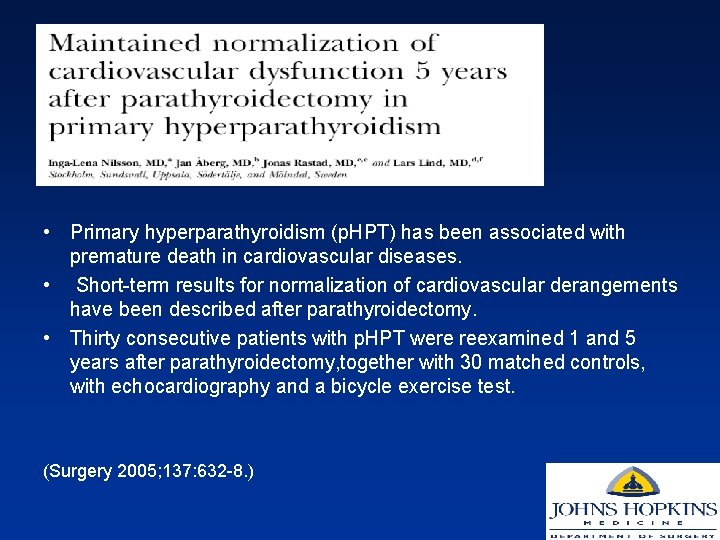
• Primary hyperparathyroidism (p. HPT) has been associated with premature death in cardiovascular diseases. • Short-term results for normalization of cardiovascular derangements have been described after parathyroidectomy. • Thirty consecutive patients with p. HPT were reexamined 1 and 5 years after parathyroidectomy, together with 30 matched controls, with echocardiography and a bicycle exercise test. (Surgery 2005; 137: 632 -8. )
The maximal blood pressure during exercise was higher before parathyroidectomy (median 223 [range, 200 -268] mm Hgvs 202 [165 -277] mm Hg, P<. 05) but not 5 years after (230 [155 -270] mm Hg vs 219 [165 -252] mm. Hg. The ST-segment depression diminished from 1. 4 (8. 3 -0) to 0. 8 (3. 3 -0) mm 1 year afterparathyroidectomy and further to 0. 1 (3. 30. 0) mm after 5 years but was unchanged in the control group. The number of ventricular extrasystolic beats at exercise testing in the p. HPT group before parathyroidectomy was higher than in the control group (1 [0 -340] vs 0 [0 -3]). The isovolemicrelaxation time at rest was prolonged before parathyroidectomy (mean 100 ± 17 ms [SD] vs 89 ± 14 ms, P<. 05).
Cardiovascular Effects ! Conclusion. Parathyroidectomy can induce long-lasting improvement in regulation of blood pressure, left ventricular diastolic function, cardiac irritability (ventricular extrasystolic beats), and other signs of myocardial ischemia, with potential implications for the postoperative life expectancy of patients withp. HPT who have undergone parathyroidectomy.
Relative Contributions of Sestamibi Scanning, Intraoperative Gamma Probe Detection and the Rapid PTH Assay to the Surgical Management of Hyperparathyroidism • Dackiw et al. Arch Surg. ; 135: 550 -557.
Study Design • Retrospective data base analysis to determine the specific contribution of these technologies • Coordinated application of techniques studied in patients with HPTH
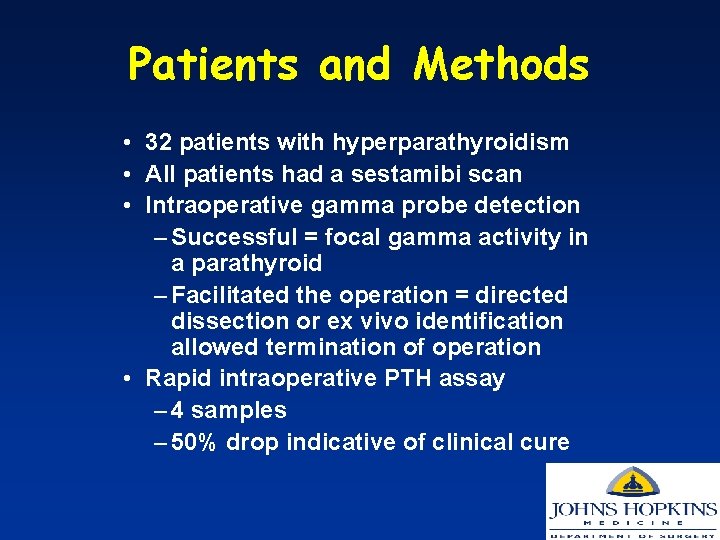
Patients and Methods • 32 patients with hyperparathyroidism • All patients had a sestamibi scan • Intraoperative gamma probe detection – Successful = focal gamma activity in a parathyroid – Facilitated the operation = directed dissection or ex vivo identification allowed termination of operation • Rapid intraoperative PTH assay – 4 samples – 50% drop indicative of clinical cure
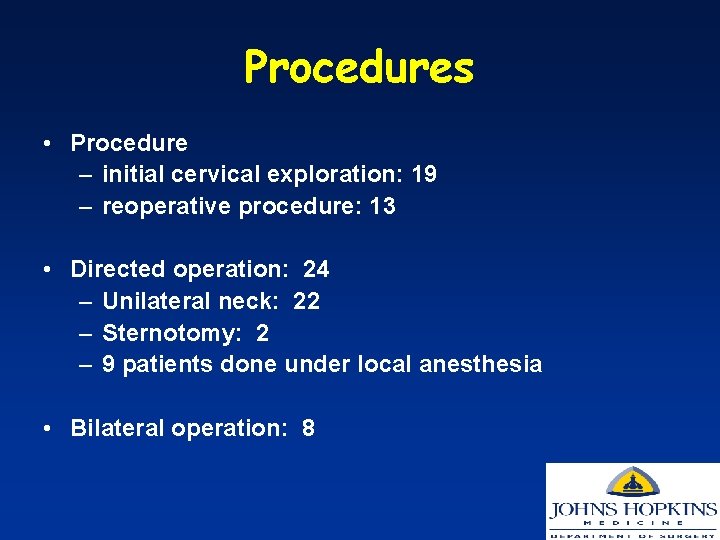
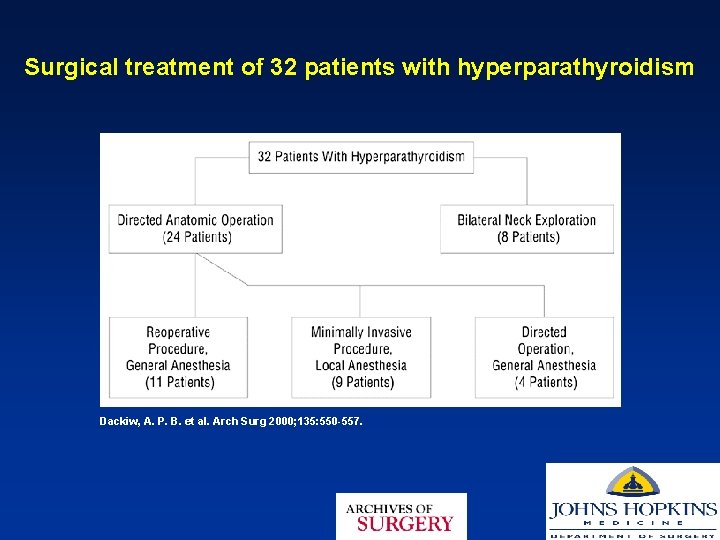
Procedures • Procedure – initial cervical exploration: 19 – reoperative procedure: 13 • Directed operation: 24 – Unilateral neck: 22 – Sternotomy: 2 – 9 patients done under local anesthesia • Bilateral operation: 8
Surgical treatment of 32 patients with hyperparathyroidism Dackiw, A. P. B. et al. Arch Surg 2000; 135: 550 -557.
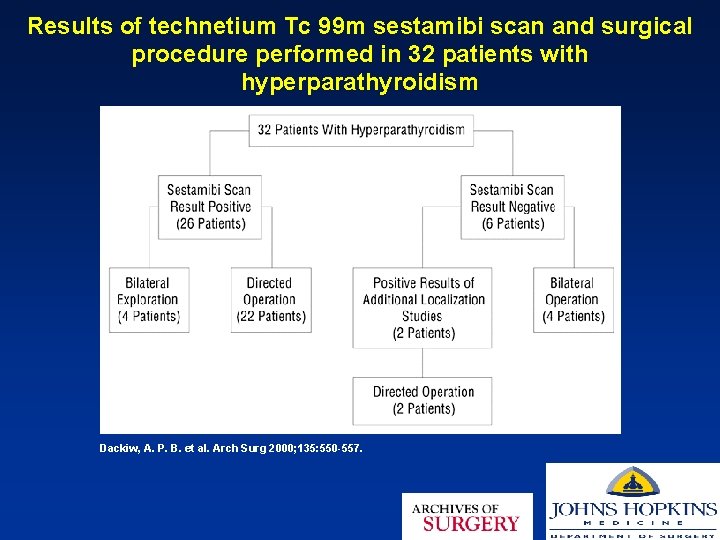
Results of technetium Tc 99 m sestamibi scan and surgical procedure performed in 32 patients with hyperparathyroidism Dackiw, A. P. B. et al. Arch Surg 2000; 135: 550 -557.
Negative Sestamibi Scan
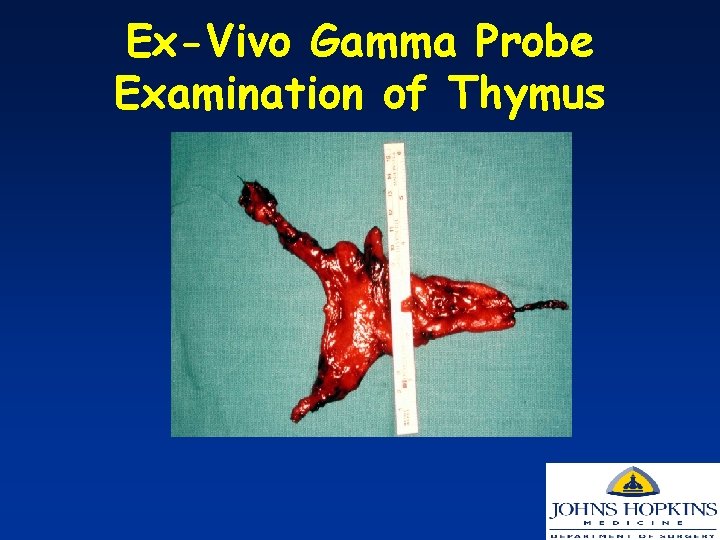
Ex-Vivo Gamma Probe Examination of Thymus
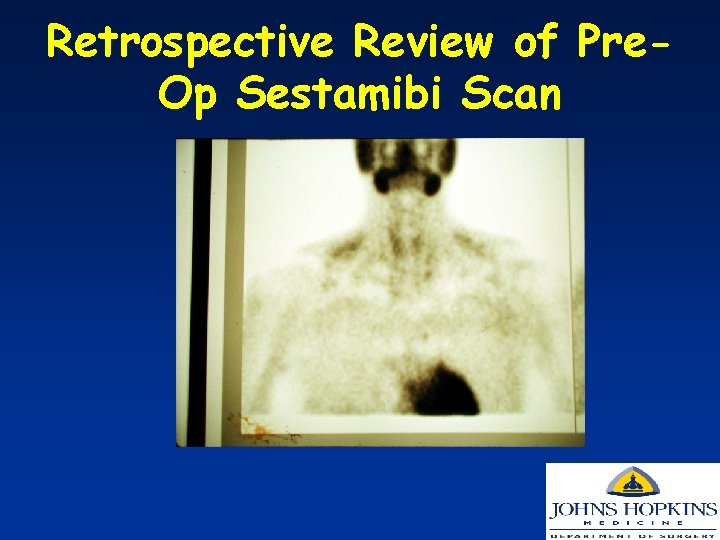
Retrospective Review of Pre. Op Sestamibi Scan
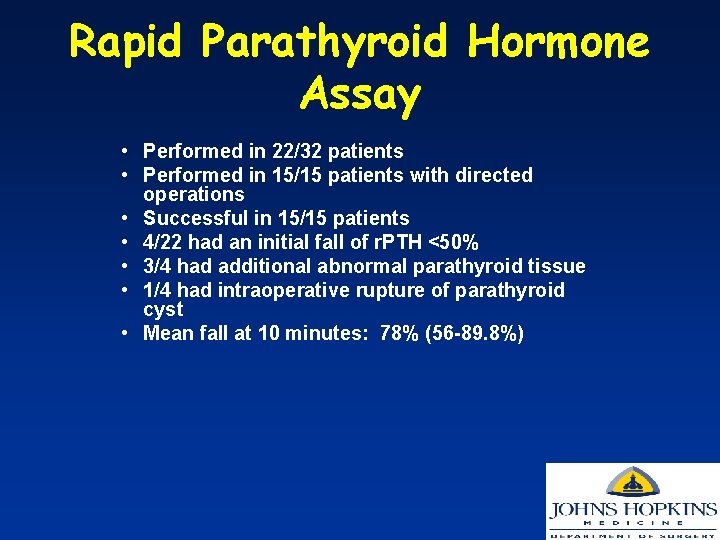
Rapid Parathyroid Hormone Assay • Performed in 22/32 patients • Performed in 15/15 patients with directed operations • Successful in 15/15 patients • 4/22 had an initial fall of r. PTH <50% • 3/4 had additional abnormal parathyroid tissue • 1/4 had intraoperative rupture of parathyroid cyst • Mean fall at 10 minutes: 78% (56 -89. 8%)
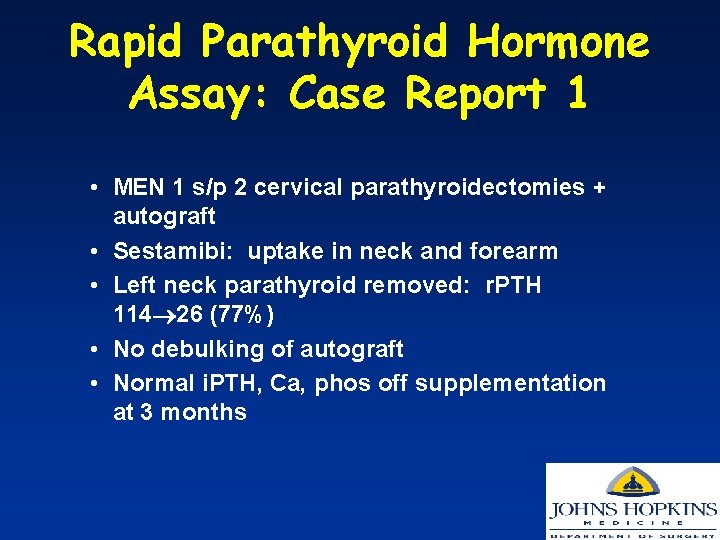
Rapid Parathyroid Hormone Assay: Case Report 1 • MEN 1 s/p 2 cervical parathyroidectomies + autograft • Sestamibi: uptake in neck and forearm • Left neck parathyroid removed: r. PTH 114® 26 (77%) • No debulking of autograft • Normal i. PTH, Ca, phos off supplementation at 3 months
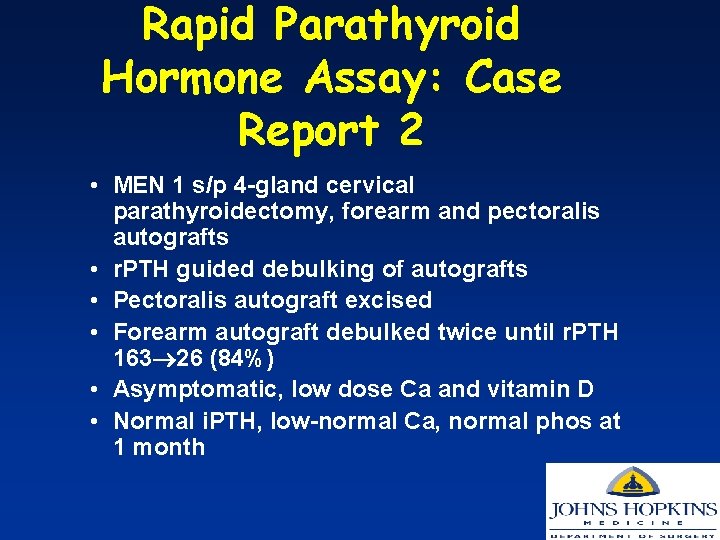
Rapid Parathyroid Hormone Assay: Case Report 2 • MEN 1 s/p 4 -gland cervical parathyroidectomy, forearm and pectoralis autografts • r. PTH guided debulking of autografts • Pectoralis autograft excised • Forearm autograft debulked twice until r. PTH 163® 26 (84%) • Asymptomatic, low dose Ca and vitamin D • Normal i. PTH, low-normal Ca, normal phos at 1 month
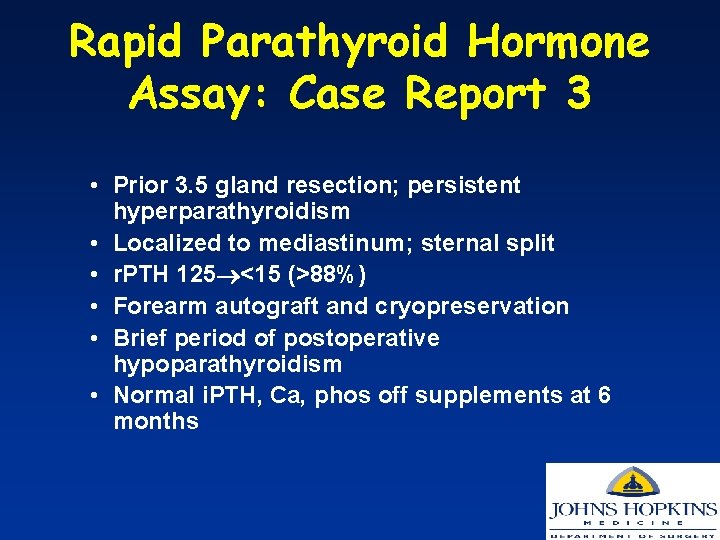
Rapid Parathyroid Hormone Assay: Case Report 3 • Prior 3. 5 gland resection; persistent hyperparathyroidism • Localized to mediastinum; sternal split • r. PTH 125®<15 (>88%) • Forearm autograft and cryopreservation • Brief period of postoperative hypoparathyroidism • Normal i. PTH, Ca, phos off supplements at 6 months
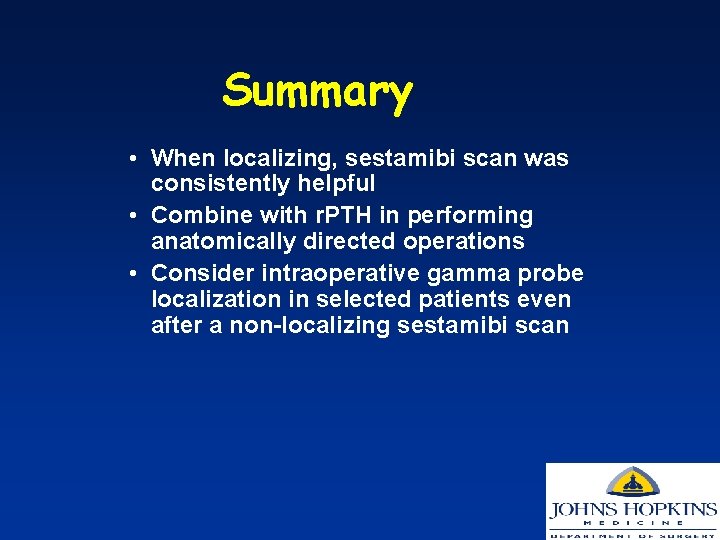
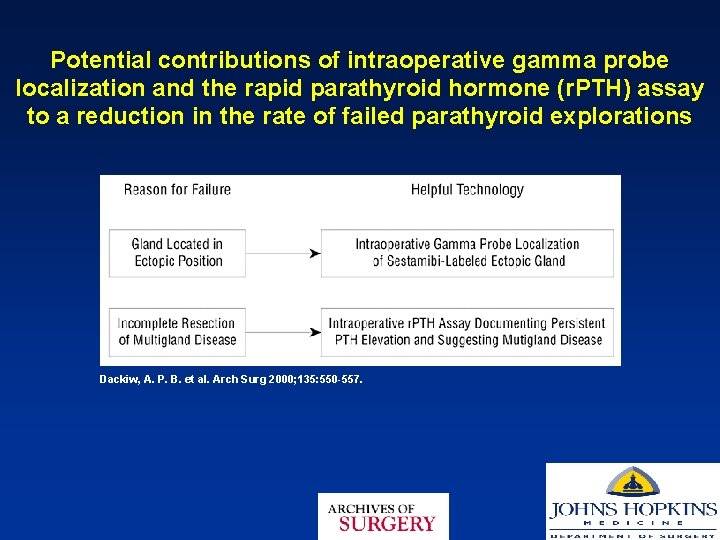
Summary • When localizing, sestamibi scan was consistently helpful • Combine with r. PTH in performing anatomically directed operations • Consider intraoperative gamma probe localization in selected patients even after a non-localizing sestamibi scan
Summary: r. PTH assay • Predicts clinical cure in minimally invasive surgery • Indicates the need for bilateral exploration • Predicts clinical cure in reoperative surgery • Indicates the need for additional surgery in patients with parathyroid hyperplasia, including MEN 1 patients • Can suggest the need for autografting and cryopreservation • Gamma probe the least essential of the modalities evaluated
Potential contributions of intraoperative gamma probe localization and the rapid parathyroid hormone (r. PTH) assay to a reduction in the rate of failed parathyroid explorations Dackiw, A. P. B. et al. Arch Surg 2000; 135: 550 -557.