Parkinsons Disease Nutritional Management Lucille Leader 2019 Dip

- Slides: 103
Parkinson’s Disease Nutritional Management © Lucille Leader 2019 Dip ION MBANT CNHC Reg Nutrition Director Parkinson’s Disease Multidisciplinary Clinic Highgate Hospital London N 6 4 DJ Email: denorgroup@gmail. com © Lucille Leader 2019 1
Cautionary Note - Disclaimer • The following lecture and information is intended exclusively for Nutritional Therapy students and is not for the general public. • Lucille Leader does not take responsibility for the misinterpretation or inappropriate application of the material presented - which does not replace the position and guidance of the attendant medical physician. • The EU rules governing the practice of Nutritional Therapy apply. • Lucille Leader has no financial interest in nutritional or pharmaceutical supplements. • Copyright Law applies to the content. © Lucille Leader 2019 2
The Brief of this Lecture: Parkinson’s Disease Nutritional Management Forming Part of Multidisciplinary Management: Support of General Metabolic Function and Functional Health. . . within the confines of Parkinson’s Disease © Lucille Leader 2019 3
What is Parkinson’s Disease? • Parkinson’s Disease (PD) is a degenerative neurological illness. • Genetic and environmental influences are of consideration (1) 1. Genetic and environmental factors in the cause of Parkinson's disease: Thomas T. Warner, Anthony H. V. Schapira Annals of Neurology: Neurogeneration and Prospects for Neuroprotection and Rescue in Parkinson's Disease Vol 53, Issue 3, March 2003: pps S 16 S 25 https: //doi. org/10. 1002/ana. 10487 © Lucille Leader 2019 4
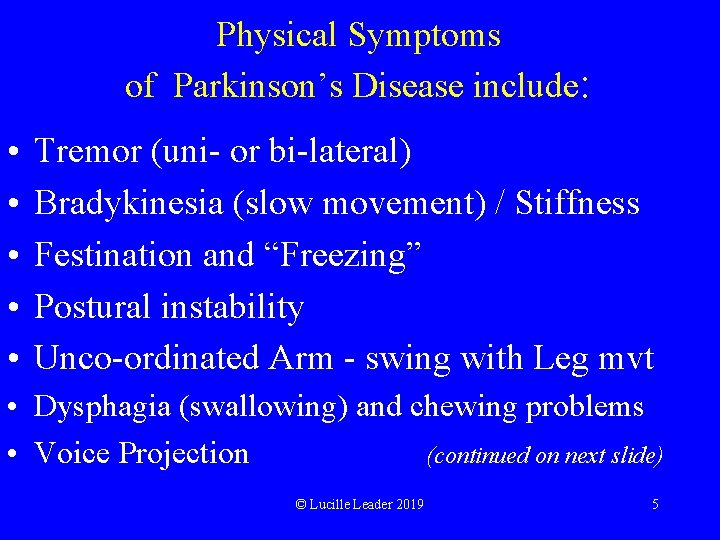
Physical Symptoms of Parkinson’s Disease include: • • • Tremor (uni- or bi-lateral) Bradykinesia (slow movement) / Stiffness Festination and “Freezing” Postural instability Unco-ordinated Arm - swing with Leg mvt • Dysphagia (swallowing) and chewing problems • Voice Projection (continued on next slide) © Lucille Leader 2019 5
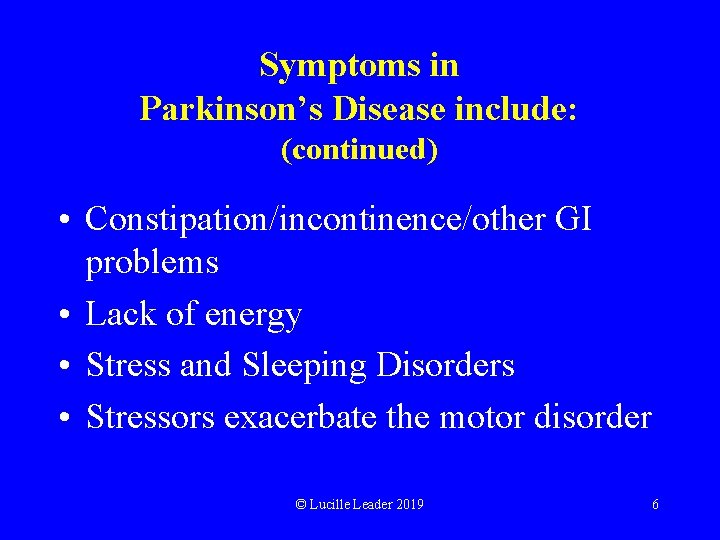
Symptoms in Parkinson’s Disease include: (continued) • Constipation/incontinence/other GI problems • Lack of energy • Stress and Sleeping Disorders • Stressors exacerbate the motor disorder © Lucille Leader 2019 6
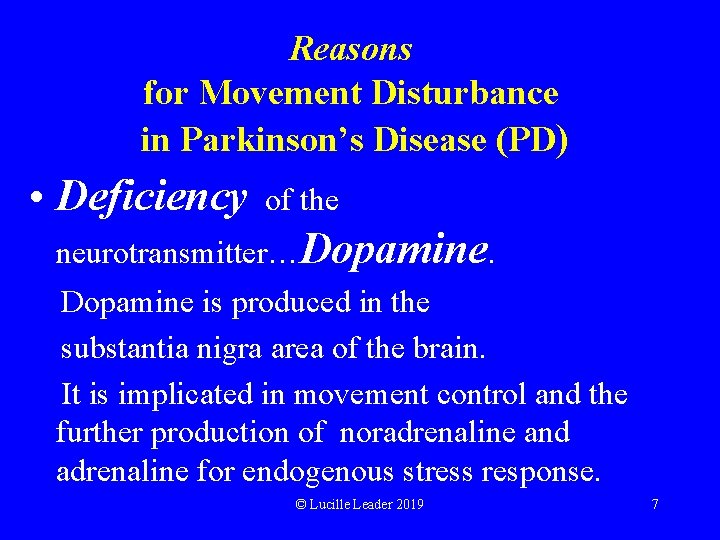
Reasons for Movement Disturbance in Parkinson’s Disease (PD) • Deficiency of the neurotransmitter…Dopamine is produced in the substantia nigra area of the brain. It is implicated in movement control and the further production of noradrenaline and adrenaline for endogenous stress response. © Lucille Leader 2019 7
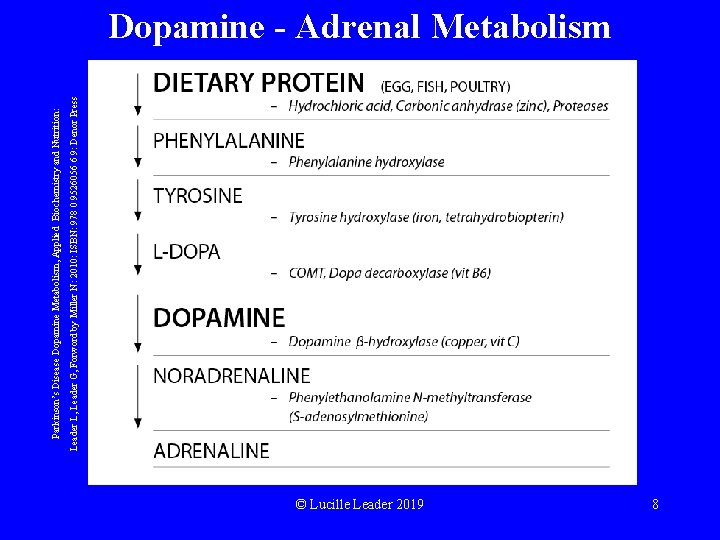
Leader L, Leader G, Forword by Miller N: 2010: ISBN: 978 0 9526056 6 9: Denor Press Parkinson’s Disease Dopamine Metabolism, Applied Biochemistry and Nutrition: Dopamine - Adrenal Metabolism © Lucille Leader 2019 8
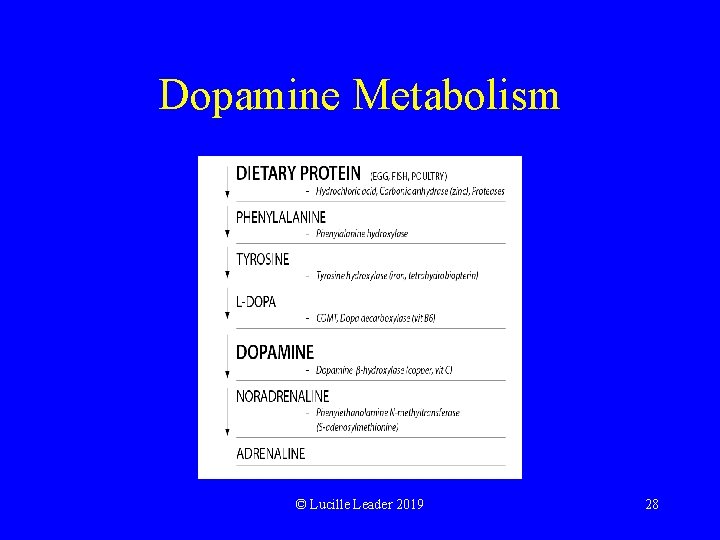
Dopamine does metabolise further but for the purposes of general contemporary nutritional support, metabolism of Protein to Dopamine and Adrenaline is addressed. © Lucille Leader 2019 9
Some Biochemical Aberrations Include: • Dis-regulation of dopamine - adrenal production due to Stressors • Oxidative Stress and Free Radicals • Inflammation • Mitochondrial Problems • Misfolded proteins in the brain • Detoxification Problems (Liver) • Glial Cells/Microglia Problems • Nutritional/Enzyme Deficiencies © Lucille Leader 2019 10
Misfolded Proteins in Neurones in Parkinson’s Disease • The unnatural aggregates (accumulations) and misfolded proteins in the nervous system in Parkinson’s Disease are: • alpha synuclein (1), Lewy bodies (2), beta amyloid (3) and Tau (4) 1. Mov Disord. 2013 Jan; 28(1): 31 -40. doi: 10. 1002/mds. 25373. 2. http: //www. thebarrow. org/Neurological_Services/Alzheimers_Disease_and_Cognitive_Disorders/215 225 3. Motor deficits associated with changes in β-amyloid in Parkinson's disease J Neurol Neurosurg Psychiatry jnnp-2012 -304177 Published Online First: 9 November 2012 4. Ref: Int J Biochem Cell Biol. 2010 Nov; 42(11): 1775 -8. doi: 10. 1016/j. biocel. 2010. 07. 016. Epub 2010 Aug © Lucille Leader 2019 11
What is Parkinsonism? • Symptoms that manifest similarly to PD • Causes include: - pharmaceutical drugs (neuroleptics, anti-emetic dopamine blocking agents, dopamine-depleting drugs, anti-convulsants, calcium channel blockers and other drugs including Lithium) - street drugs (MPTP) - neurodegenerative illnesses incl. PSP, MSA CBGD) © Lucille Leader 2019 12
Diagnostic Methods • Clinical Observation and Rating Scales • Cerebral Imaging (PET and DAT scans) © Lucille Leader 2019 13
Integrated Therapeutic Approach • Neurology and other Medical, Dental Professionals • Nutritional Therapy • Speech Therapy • Physiotherapy/Osteopathy/Remedial Movement/Dance Therapy/Music Therapy • Psychotherapy and Autogenic Training/Mindfulness • As last resort: Surgery (Deep Brain Stimulation (DBS) © Lucille Leader 2019 14
Integrated Therapeutic Approach Dopaminergic Pharmaceuticals • Pharmaceutical support offering dopaminergic drugs including: - Levodopa (L-dopa) with dopa decarboxylase inhibitor - COMT inhibitors - Agonists - MAO-B inhibitors - Anticholinergics - Amantadine © Lucille Leader 2019 15
Dopaminergic Pharmaceuticals • Dopamine Agonists (Ropinerole, Mirapexin, Pergolide, Apomorphine, Neupro-Patch) – stimulate dopamine receptors • Catechol-o-methyltransferase (COMT) Inhibitor (Comtess, Entacapone, Opicapone) – reduces toxic metabolites formed during metabolism from l-DOPA TO DOPAMINE and DOPAL to homovanillic acid (HVA) © Lucille Leader 2019 16
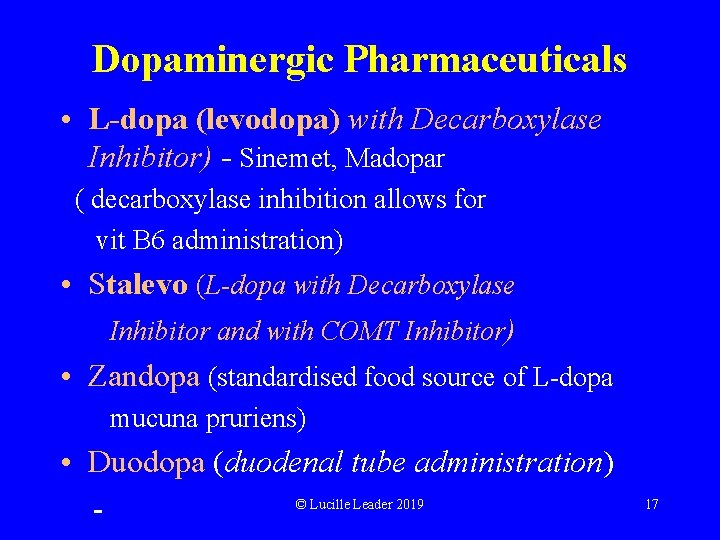
Dopaminergic Pharmaceuticals • L-dopa (levodopa) with Decarboxylase Inhibitor) - Sinemet, Madopar ( decarboxylase inhibition allows for vit B 6 administration) • Stalevo (L-dopa with Decarboxylase Inhibitor and with COMT Inhibitor) • Zandopa (standardised food source of L-dopa mucuna pruriens) • Duodopa (duodenal tube administration) © Lucille Leader 2019 - 17
Dopaminergic Pharmaceuticals (continued) Food source L-dopa (mucuna pruriens ZANDOPA: HP 200 Zandu Pharmaceutical Works Limited, India © Lucille Leader 2019 18
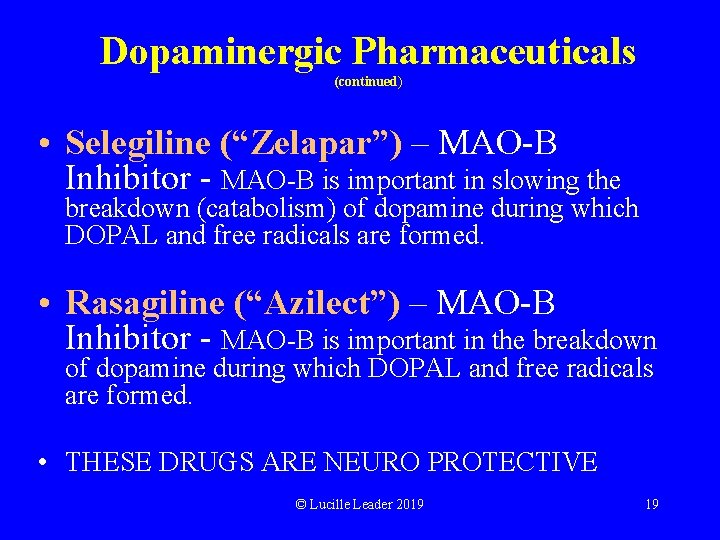
Dopaminergic Pharmaceuticals (continued) • Selegiline (“Zelapar”) – MAO-B Inhibitor - MAO-B is important in slowing the breakdown (catabolism) of dopamine during which DOPAL and free radicals are formed. • Rasagiline (“Azilect”) – MAO-B Inhibitor - MAO-B is important in the breakdown of dopamine during which DOPAL and free radicals are formed. • THESE DRUGS ARE NEURO PROTECTIVE © Lucille Leader 2019 19
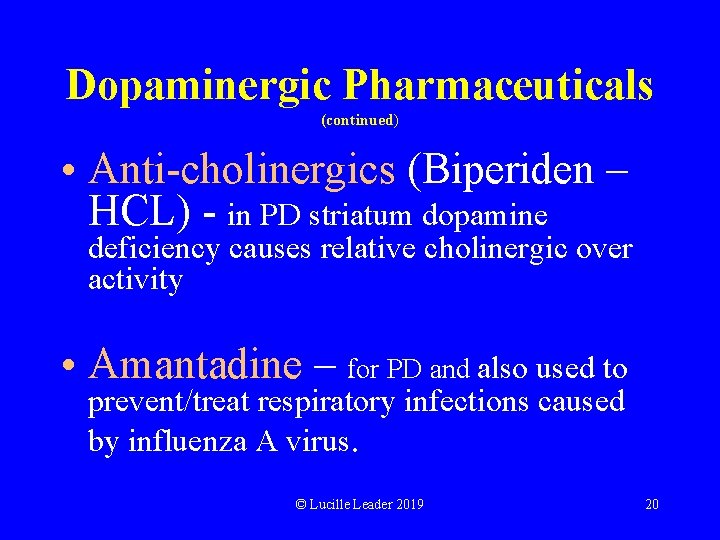
Dopaminergic Pharmaceuticals (continued) • Anti-cholinergics (Biperiden – HCL) - in PD striatum dopamine deficiency causes relative cholinergic over activity • Amantadine – for PD and also used to prevent/treat respiratory infections caused by influenza A virus. © Lucille Leader 2019 20
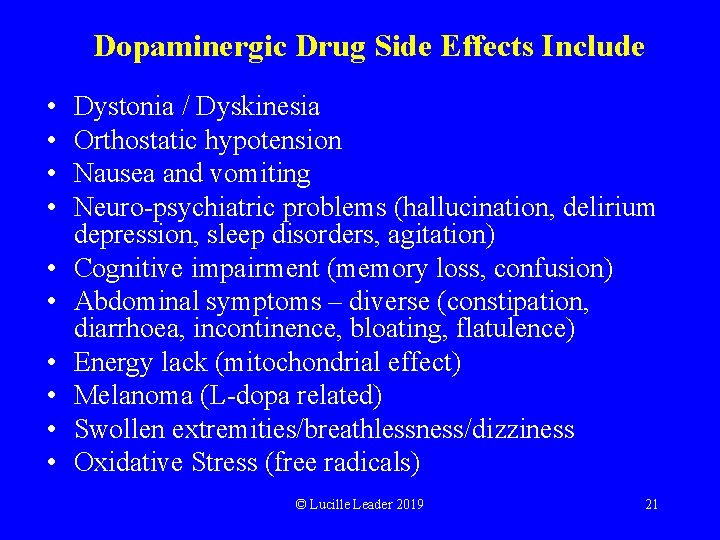
Dopaminergic Drug Side Effects Include • • • Dystonia / Dyskinesia Orthostatic hypotension Nausea and vomiting Neuro-psychiatric problems (hallucination, delirium depression, sleep disorders, agitation) Cognitive impairment (memory loss, confusion) Abdominal symptoms – diverse (constipation, diarrhoea, incontinence, bloating, flatulence) Energy lack (mitochondrial effect) Melanoma (L-dopa related) Swollen extremities/breathlessness/dizziness Oxidative Stress (free radicals) © Lucille Leader 2019 21
Dopaminergic Drug Side Effects • All dopaminergic drugs, however helpful in the control of tremor and stiffness, have potential side effects. • Nutritional protocols may sometimes facilitate the upregulation of effective drug response, enabling patients to be medically prescribed the minimum most effective doses (MED). This potentially reduces some side effects including dyskinesia induced by inappropriate high dose – related L-dopa drug combinations. © Lucille Leader 2019 22
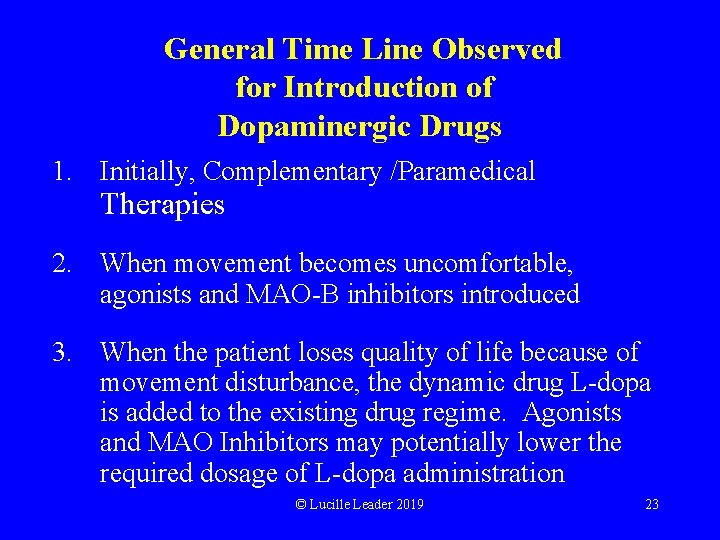
General Time Line Observed for Introduction of Dopaminergic Drugs 1. Initially, Complementary /Paramedical Therapies 2. When movement becomes uncomfortable, agonists and MAO-B inhibitors introduced 3. When the patient loses quality of life because of movement disturbance, the dynamic drug L-dopa is added to the existing drug regime. Agonists and MAO Inhibitors may potentially lower the required dosage of L-dopa administration © Lucille Leader 2019 23
Dopamine Metabolism “The Nutrition Connection” For patients to understand dopamine metabolism and the “nutrition connection”, it must be asked: “What is the composition of the human body? © Lucille Leader 2019 24
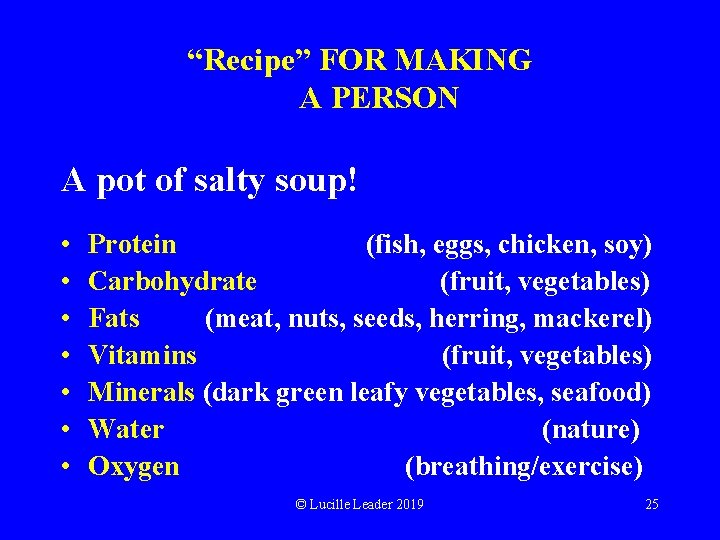
“Recipe” FOR MAKING A PERSON A pot of salty soup! • • Protein (fish, eggs, chicken, soy) Carbohydrate (fruit, vegetables) Fats (meat, nuts, seeds, herring, mackerel) Vitamins (fruit, vegetables) Minerals (dark green leafy vegetables, seafood) Water (nature) Oxygen (breathing/exercise) © Lucille Leader 2019 25
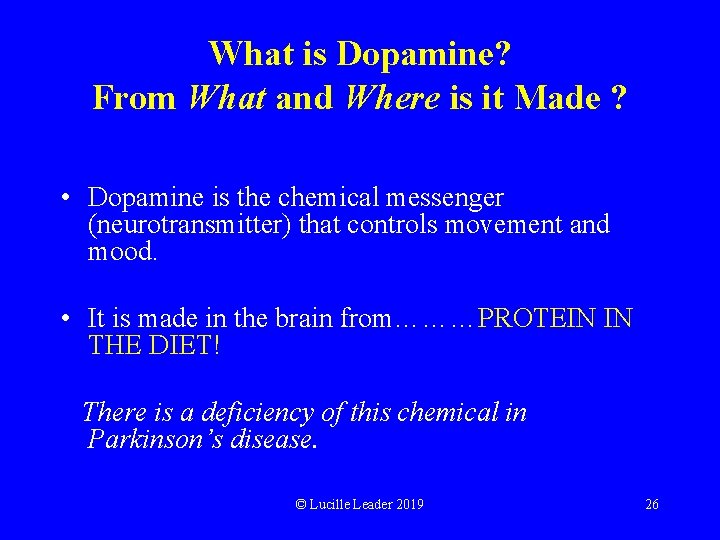
What is Dopamine? From What and Where is it Made ? • Dopamine is the chemical messenger (neurotransmitter) that controls movement and mood. • It is made in the brain from………PROTEIN IN THE DIET! There is a deficiency of this chemical in Parkinson’s disease. © Lucille Leader 2019 26
General Metabolic Pathways • The following section highlights some of the general biochemical pathways pertinent to nutritional support in Parkinson’s Disease. • Others do exist but these are the most accessible for patients at this time. © Lucille Leader 2019 27
Dopamine Metabolism © Lucille Leader 2019 28
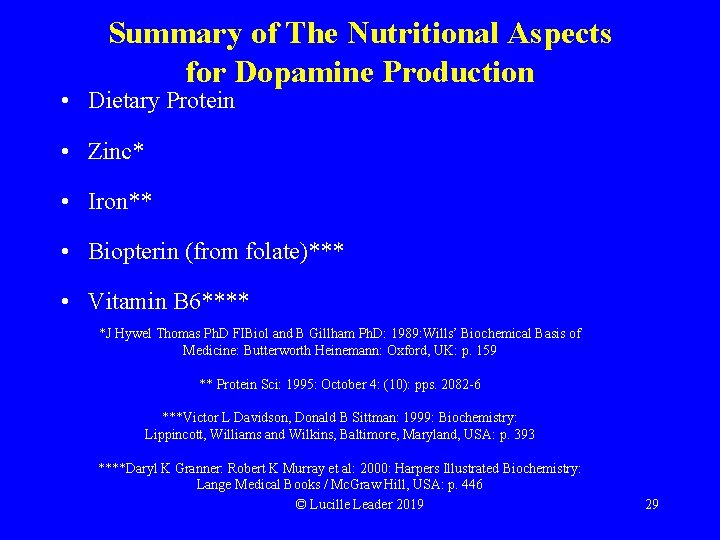
Summary of The Nutritional Aspects for Dopamine Production • Dietary Protein • Zinc* • Iron** • Biopterin (from folate)*** • Vitamin B 6**** *J Hywel Thomas Ph. D FIBiol and B Gillham Ph. D: 1989: Wills’ Biochemical Basis of Medicine: Butterworth Heinemann: Oxford, UK: p. 159 ** Protein Sci: 1995: October 4: (10): pps. 2082 -6 ***Victor L Davidson, Donald B Sittman: 1999: Biochemistry: Lippincott, Williams and Wilkins, Baltimore, Maryland, USA: p. 393 ****Daryl K Granner: Robert K Murray et al: 2000: Harpers Illustrated Biochemistry: Lange Medical Books / Mc. Graw Hill, USA: p. 446 © Lucille Leader 2019 29
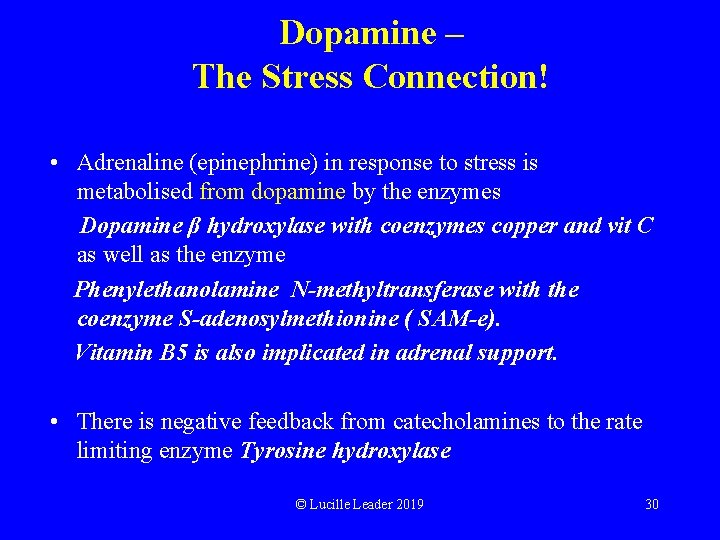
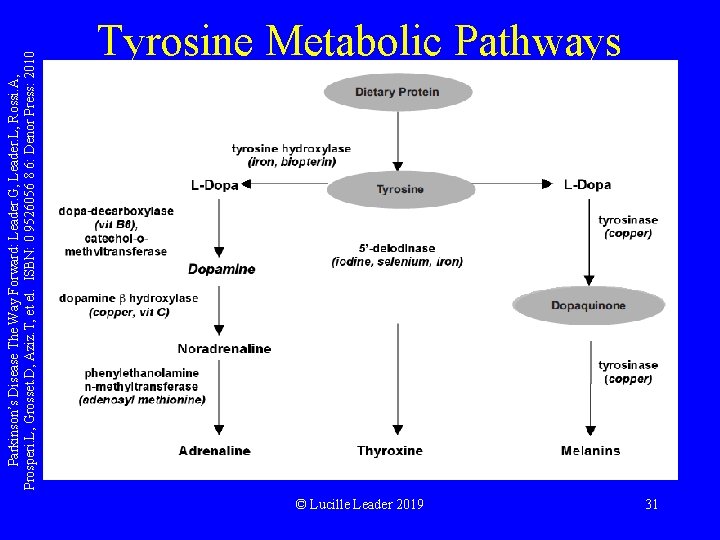
Dopamine – The Stress Connection! • Adrenaline (epinephrine) in response to stress is metabolised from dopamine by the enzymes Dopamine β hydroxylase with coenzymes copper and vit C as well as the enzyme Phenylethanolamine N-methyltransferase with the coenzyme S-adenosylmethionine ( SAM-e). Vitamin B 5 is also implicated in adrenal support. • There is negative feedback from catecholamines to the rate limiting enzyme Tyrosine hydroxylase © Lucille Leader 2019 30
Parkinson’s Disease The Way Forward: Leader. G, Leader. L, Rossi. A, Prosperi. L, Grosset. D, Aziz. T, et el. ISBN: 0 9526056 8 6: Denor Press: 2010 Tyrosine Metabolic Pathways © Lucille Leader 2019 31
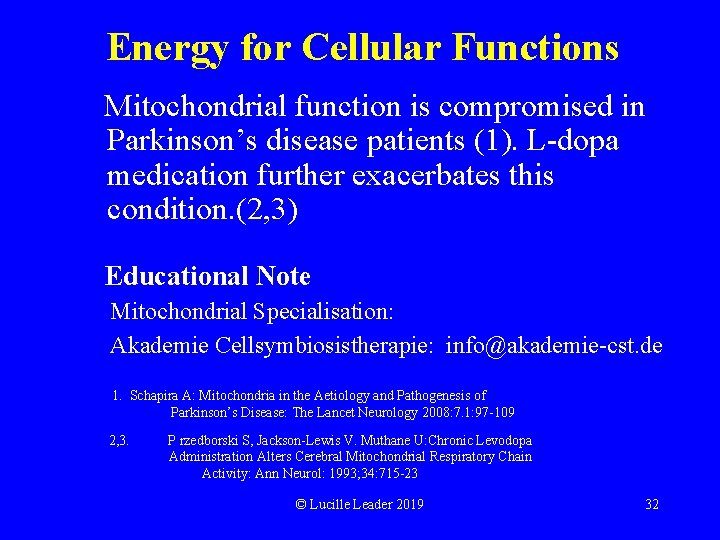
Energy for Cellular Functions Mitochondrial function is compromised in Parkinson’s disease patients (1). L-dopa medication further exacerbates this condition. (2, 3) Educational Note Mitochondrial Specialisation: Akademie Cellsymbiosistherapie: info@akademie-cst. de 1. Schapira A: Mitochondria in the Aetiology and Pathogenesis of Parkinson’s Disease: The Lancet Neurology 2008: 7. 1: 97 -109 2, 3. P rzedborski S, Jackson-Lewis V. Muthane U: Chronic Levodopa Administration Alters Cerebral Mitochondrial Respiratory Chain Activity: Ann Neurol: 1993; 34: 715 -23 © Lucille Leader 2019 32
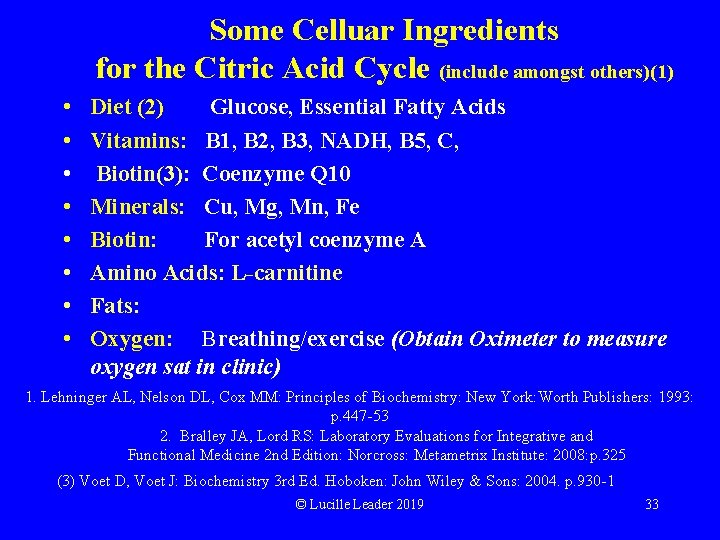
Some Celluar Ingredients for the Citric Acid Cycle (include amongst others)(1) • • Diet (2) Glucose, Essential Fatty Acids Vitamins: B 1, B 2, B 3, NADH, B 5, C, Biotin(3): Coenzyme Q 10 Minerals: Cu, Mg, Mn, Fe Biotin: For acetyl coenzyme A Amino Acids: L-carnitine Fats: Oxygen: Breathing/exercise (Obtain Oximeter to measure oxygen sat in clinic) 1. Lehninger AL, Nelson DL, Cox MM: Principles of Biochemistry: New York: Worth Publishers: 1993: p. 447 -53 2. Bralley JA, Lord RS: Laboratory Evaluations for Integrative and Functional Medicine 2 nd Edition: Norcross: Metametrix Institute: 2008: p. 325 (3) Voet D, Voet J: Biochemistry 3 rd Ed. Hoboken: John Wiley & Sons: 2004. p. 930 -1 © Lucille Leader 2019 33
Detoxification • In Parkinson’s there can be problems with the mechanism of liver detoxification (1). • There are 2 phases of detoxification in the liver and these are dependent on specific nutritional co-enzymes. 1. Williams A, Steventon G, Sturmann S, Waring R. Heredity Variation: Involved with Detoxification and Neurodegenerative Disease. Journal of Inherited Metabolic Disorders 1991: 14: 431 -5 © Lucille Leader 2019 34
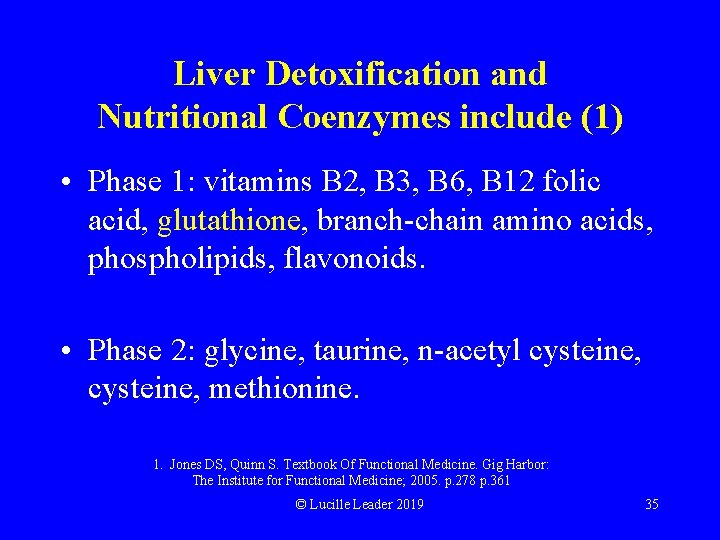
Liver Detoxification and Nutritional Coenzymes include (1) • Phase 1: vitamins B 2, B 3, B 6, B 12 folic acid, glutathione, branch-chain amino acids, phospholipids, flavonoids. • Phase 2: glycine, taurine, n-acetyl cysteine, methionine. 1. Jones DS, Quinn S. Textbook Of Functional Medicine. Gig Harbor: The Institute for Functional Medicine; 2005. p. 278 p. 361 © Lucille Leader 2019 35
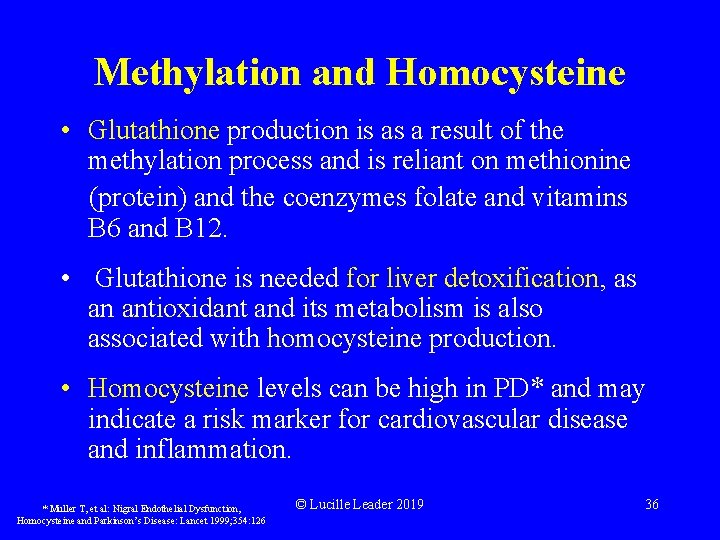
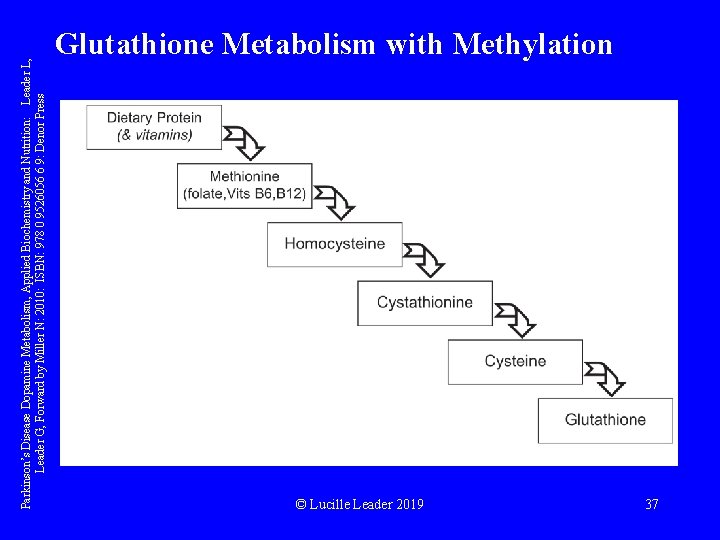
Methylation and Homocysteine • Glutathione production is as a result of the methylation process and is reliant on methionine (protein) and the coenzymes folate and vitamins B 6 and B 12. • Glutathione is needed for liver detoxification, as an antioxidant and its metabolism is also associated with homocysteine production. • Homocysteine levels can be high in PD* and may indicate a risk marker for cardiovascular disease and inflammation. © Lucille Leader 2019 * Muller T, et al: Nigral Endothelial Dysfunction, Homocysteine and Parkinson’s Disease: Lancet 1999; 354: 126 36
Parkinson’s Disease Dopamine Metabolism, Applied Biochemistry and Nutrition: Leader L, Leader G, Forward by Miller N: 2010: ISBN: 978 0 9526056 6 9: Denor Press Glutathione Metabolism with Methylation © Lucille Leader 2019 37
Prostaglandins and Control of Inflammation • Inflammation at cellular level is considered to be a major factor in Parkinson’s Disease (1). • Cells have highly developed metabolic systems for the regulation of both inflammatory and antiinflammatory responses from Essential Fatty Acids 1. Hunot S, Hirsch EC: Neuroinflammatory Processes in Parkinson's Disease: Annals of Neurology 2003: 53 S 3: S 49 - S 60 © Lucille Leader 2019 38
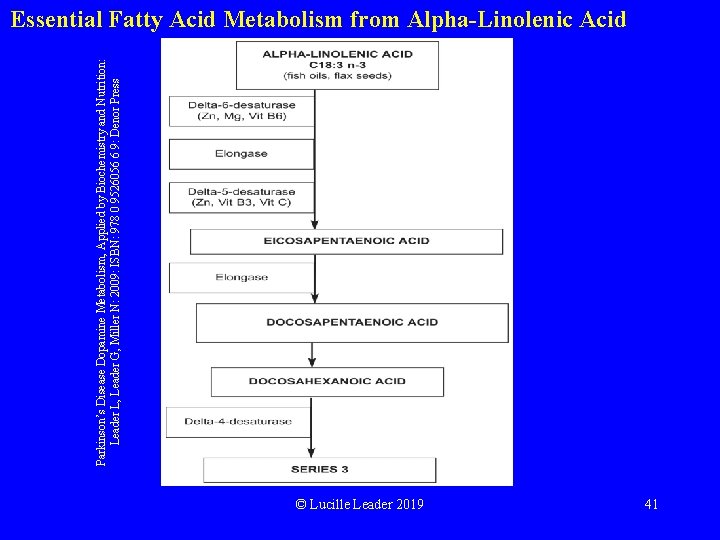
Production of Inflammatory Hormones Omega 6 Prostaglandins • Linoleic Acid - Metabolised from nuts and seeds to PG Series 1 and PG Series 2 (Arachidonic Acid) • Enzymes with coenzymes - Delta 6 (zinc, mg, Vit B 6) - Delta 5 (zinc, vit. B 3, Vit C) - Delta 4 © Lucille Leader 2019 39
Anti-inflammatory Prostaglandins Omega 3 and Anti-Inflammatory Control (1) • This system is metabolised exclusively from Essentail Fatty Acids in nuts, seeds and oily fish. • Alpha -linolenic Acid with enzymes and their coenzymes (vitamins B 3, B 6, C, zinc and magnesium), metabolize these foods into antiinflammatory hormones (prostaglandins). 1. Erasmus U. Fats That Heal, Fats That Kill. p. 276 -8: Alive Books; 1993. © Lucille Leader 2019 40
Parkinson’s Disease Dopamine Metabolism, Applied by Biochemistry and Nutrition: Leader L, Leader G, Miller N: 2009: ISBN: 978 0 9526056 6 9: Denor Press Essential Fatty Acid Metabolism from Alpha-Linolenic Acid © Lucille Leader 2019 41
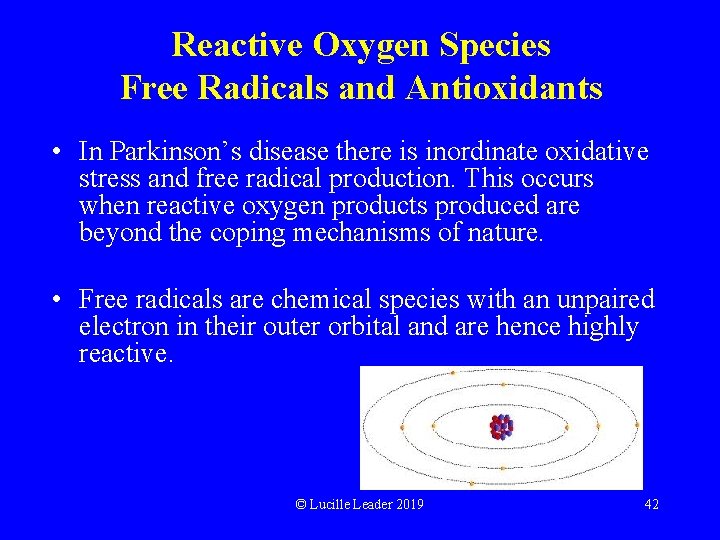
Reactive Oxygen Species Free Radicals and Antioxidants • In Parkinson’s disease there is inordinate oxidative stress and free radical production. This occurs when reactive oxygen products produced are beyond the coping mechanisms of nature. • Free radicals are chemical species with an unpaired electron in their outer orbital and are hence highly reactive. © Lucille Leader 2019 42
Reactive Oxygen Species (continued) • In oxidative stress (1) the protection afforded by endogenous antioxidant enzymes is overwhelmed. • The secondary radicals produced may be very damaging to every tissue in the body and can pass into the brain. 1. Miller N: Parkinson’s Disease Dopamine Metabolism, Applied Biochemistry and Nutrition: Leader, L, Leader G: 2010: ISBN: 978 0 9526056 6 9: Denor Press © Lucille Leader 2019 43
Reactive Oxygen Species (continued) • Loss of magnesium and membrane fatty acids are among the easily-observable consequences of oxidative stress(1). • One can postulate that the administration of antioxidants, intravenously and orally which can pass through the blood brain barrier, could possibly be neuro protective. Glutathione, the antioxidant, has this quality. 1. Miller N: Parkinson’s Disease Dopamine Metabolism, Applied Biochemistry and Nutrition: Leader L, Leader G: 2010: ISBN: 978 0 9526056 6 9: Denor Press © Lucille Leader 2019 44
Reactive Oxygen Species (continued) • Physiologically, free radical cascade is quenched by antioxidants (1, 2) including (amongst others) glutathione, vitamin C, vitamin E, alphalipoic acid and selenium. Antioxidant enzymes are glutathione peroxidase (selenium dependent) and superoxide dismutase (dependent on zinc, copper, manganese) and catalase (zinc dependent). 1. Oxidative Stress and Neurodegenerative Diseases: A Review of Upstream and Downstream Antioxidant Therapeutic Options: Uttara, Bayani, Singh, Ajay V. ; Zamboni, Paolo. Mahajan, R. T. Current Neuropharmacology Volume 7, Number 1, March 2009, pp. 65 -74(10) 2. Pizzorno JE, Murray MT. Textbook Of Natural Medicine 3 rd Edition. Churchill Livingstone/Elsevier; 2006. p. 1088 -9 © Lucille Leader 2019 45
Reactive Oxygen Species Free Radicals & Antioxidants – cont… • Impaired oxidation of pyruvate has been demonstrated in human embryonic fibroblasts after exposure to L-dopa*. * Werner P, Mytilineou C, Cohen G, Yahr MD. Impaired Oxidation of Pyruvate in Human Embryonic Fibroblasts After Exposure to L-dopa. European Journal of Pharmacology 1994; 263: 157 -62 © Lucille Leader 2019 46
Nutritional Therapy How it Supports Functional Health Practical Applications History has taught us that only intense involvement in any subject or sphere, brings mastery. © Lucille Leader 2019 47
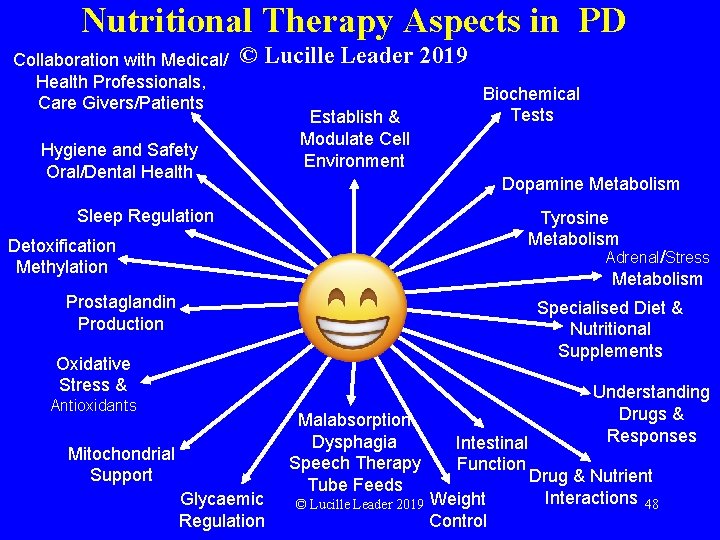
Nutritional Therapy Aspects in PD Collaboration with Medical/ Health Professionals, Care Givers/Patients © Lucille Leader 2019 Hygiene and Safety Oral/Dental Health Establish & Modulate Cell Environment Biochemical Tests Dopamine Metabolism Sleep Regulation Tyrosine Metabolism Detoxification Methylation Adrenal/Stress Metabolism Prostaglandin Production Specialised Diet & Nutritional Supplements Oxidative Stress & Antioxidants Mitochondrial Support Glycaemic Regulation Malabsorption Dysphagia Speech Therapy Tube Feeds Intestinal Function Weight © Lucille Leader 2019 Control Understanding Drugs & Responses Drug & Nutrient Interactions 48
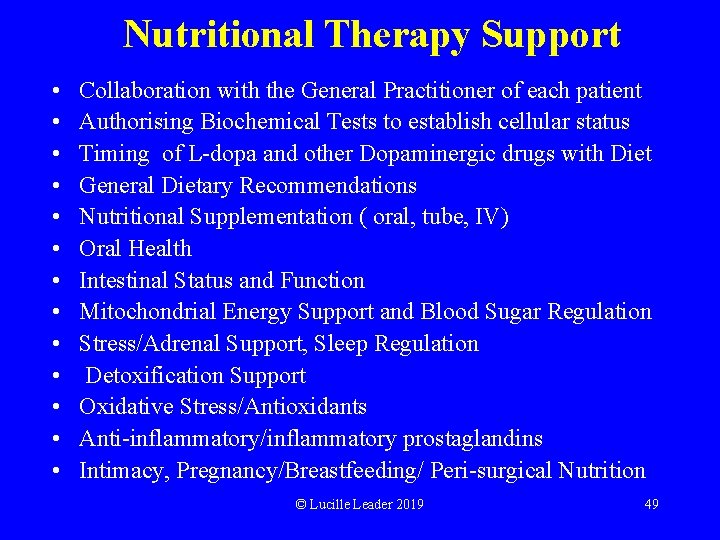
Nutritional Therapy Support • • • • Collaboration with the General Practitioner of each patient Authorising Biochemical Tests to establish cellular status Timing of L-dopa and other Dopaminergic drugs with Diet General Dietary Recommendations Nutritional Supplementation ( oral, tube, IV) Oral Health Intestinal Status and Function Mitochondrial Energy Support and Blood Sugar Regulation Stress/Adrenal Support, Sleep Regulation Detoxification Support Oxidative Stress/Antioxidants Anti-inflammatory/inflammatory prostaglandins Intimacy, Pregnancy/Breastfeeding/ Peri-surgical Nutrition © Lucille Leader 2019 49
Establishing Collaboration with the Patient’s General Practitioner for Comprehensive History & Investigations • Establishing Collaboration (1) with the General Practitioner ( GP) is essential prior to receiving patients for consultations. • Ref 1. How to accomplish this is in the following publication: Medical Collaboration for Nutritional Therapists ISBN 978 0 9526056 5 2 (Denor Press) REVISED EDITION: 2018 Lucille Leader © Lucille Leader 2019 50
Nutritional Support and Professional Guidance • Nutritional advice needs to be tailored to the individual. “One size does not fit all!” • Contemporary nutritional biochemical tests enable clinicians to support the biochemical individuality of each person © Lucille Leader 2019 51
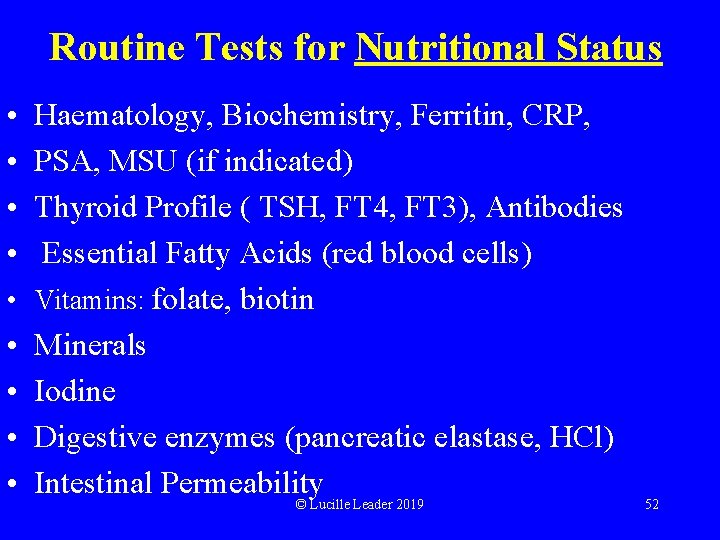
Routine Tests for Nutritional Status • • • Haematology, Biochemistry, Ferritin, CRP, PSA, MSU (if indicated) Thyroid Profile ( TSH, FT 4, FT 3), Antibodies Essential Fatty Acids (red blood cells) Vitamins: folate, biotin Minerals Iodine Digestive enzymes (pancreatic elastase, HCl) Intestinal Permeability © Lucille Leader 2019 52
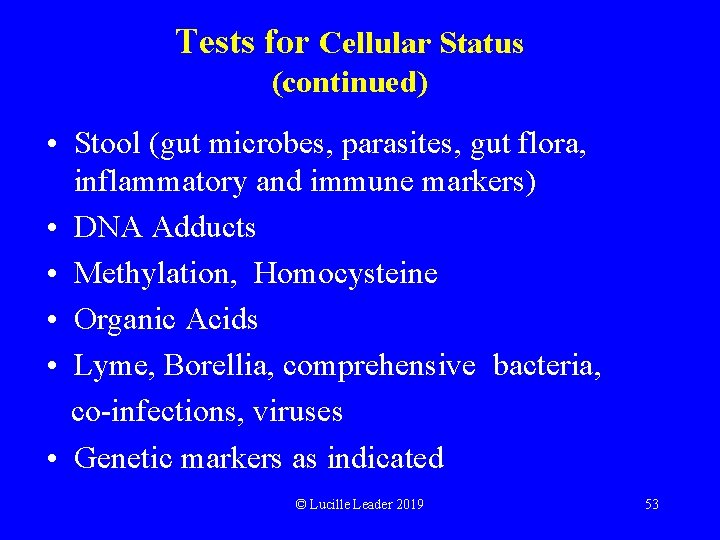
Tests for Cellular Status (continued) • Stool (gut microbes, parasites, gut flora, inflammatory and immune markers) • DNA Adducts • Methylation, Homocysteine • Organic Acids • Lyme, Borellia, comprehensive bacteria, co-infections, viruses • Genetic markers as indicated © Lucille Leader 2019 53
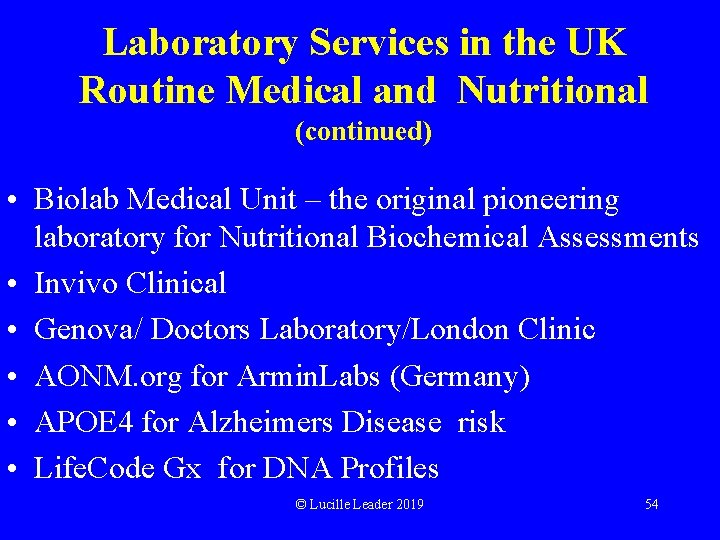
Laboratory Services in the UK Routine Medical and Nutritional (continued) • Biolab Medical Unit – the original pioneering laboratory for Nutritional Biochemical Assessments • Invivo Clinical • Genova/ Doctors Laboratory/London Clinic • AONM. org for Armin. Labs (Germany) • APOE 4 for Alzheimers Disease risk • Life. Code Gx for DNA Profiles © Lucille Leader 2019 54
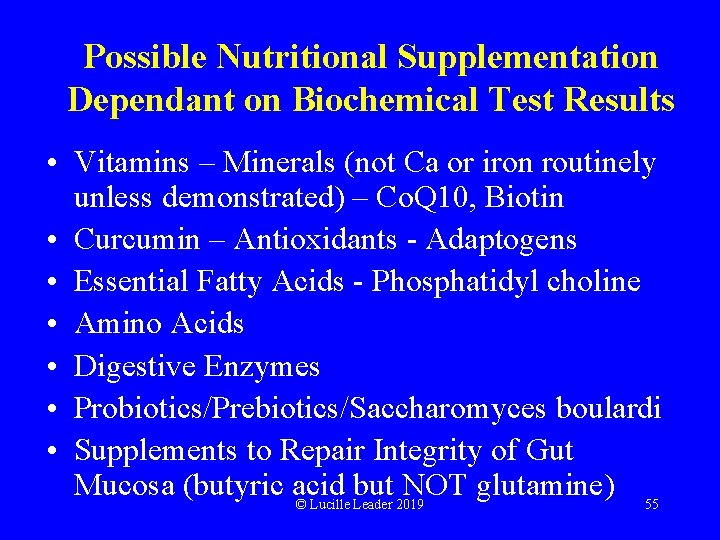
Possible Nutritional Supplementation Dependant on Biochemical Test Results • Vitamins – Minerals (not Ca or iron routinely unless demonstrated) – Co. Q 10, Biotin • Curcumin – Antioxidants - Adaptogens • Essential Fatty Acids - Phosphatidyl choline • Amino Acids • Digestive Enzymes • Probiotics/Prebiotics/Saccharomyces boulardi • Supplements to Repair Integrity of Gut Mucosa (butyric acid but NOT glutamine) © Lucille Leader 2019 55
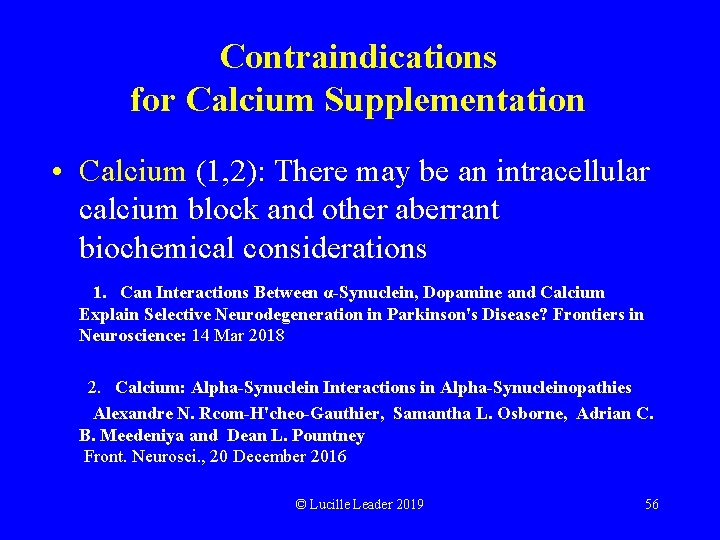
Contraindications for Calcium Supplementation • Calcium (1, 2): There may be an intracellular calcium block and other aberrant biochemical considerations 1. Can Interactions Between α-Synuclein, Dopamine and Calcium Explain Selective Neurodegeneration in Parkinson's Disease? Frontiers in Neuroscience: 14 Mar 2018 2. Calcium: Alpha-Synuclein Interactions in Alpha-Synucleinopathies Alexandre N. Rcom-H'cheo-Gauthier, Samantha L. Osborne, Adrian C. B. Meedeniya and Dean L. Pountney Front. Neurosci. , 20 December 2016 © Lucille Leader 2019 56
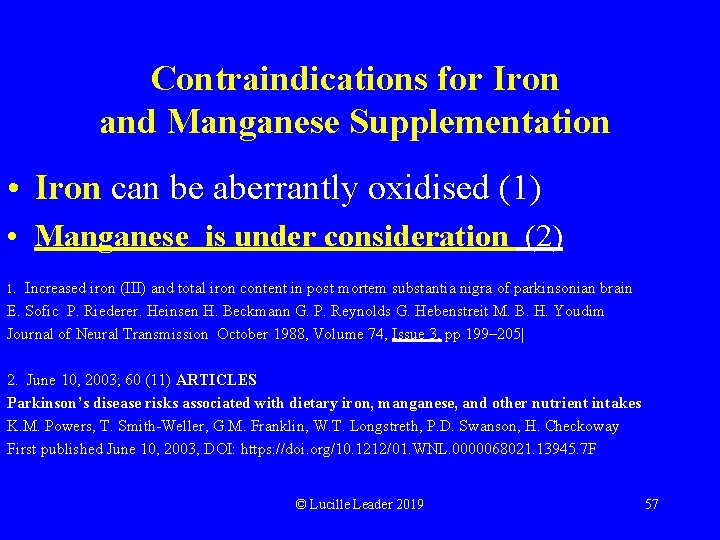
Contraindications for Iron and Manganese Supplementation • Iron can be aberrantly oxidised (1) • Manganese is under consideration (2) 1. Increased iron (III) and total iron content in post mortem substantia nigra of parkinsonian brain E. Sofic P. Riederer. Heinsen H. Beckmann G. P. Reynolds G. Hebenstreit M. B. H. Youdim Journal of Neural Transmission October 1988, Volume 74, Issue 3, pp 199– 205| 2. June 10, 2003; 60 (11) ARTICLES Parkinson’s disease risks associated with dietary iron, manganese, and other nutrient intakes K. M. Powers, T. Smith-Weller, G. M. Franklin, W. T. Longstreth, P. D. Swanson, H. Checkoway First published June 10, 2003, DOI: https: //doi. org/10. 1212/01. WNL. 0000068021. 13945. 7 F © Lucille Leader 2019 57
Nutritional Supplementation following Test Results (continued) • Nutritional Therapist may need to recommend, tube feeding or IV/IM nutrients or predigested feeds due to dysphagia or malabsorption. • Referrals may need to be requested for Occupational Therapists, Speech Therapists, ENT Specialists or Dieticians © Lucille Leader 2019 58
Drug and Nutrient Interactions Contents • • L-dopa and Large Neutral Amino Acids When to Take Other Dopaminergic Drugs Alcohol and Agonists Iron and Zinc and L-dopa / COMT Inhibitor Antacids and L-dopa Vit B 6 and L-dopa Tyramine and MAO-B Inhibitors © Lucille Leader 2019 59
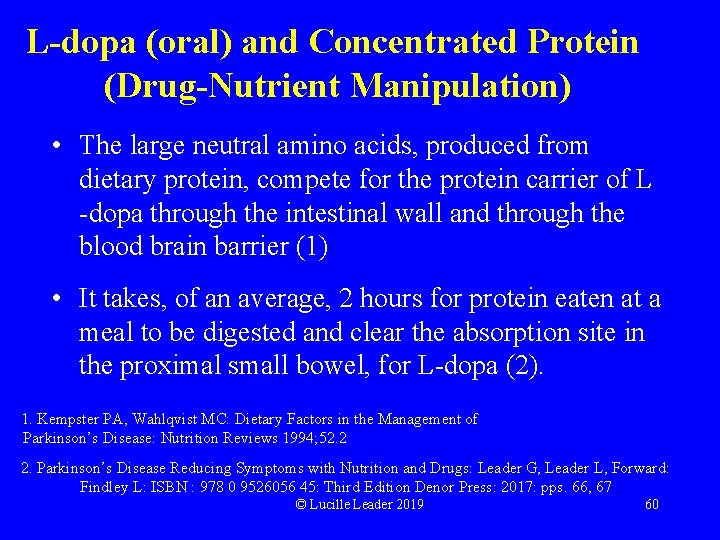
L-dopa (oral) and Concentrated Protein (Drug-Nutrient Manipulation) • The large neutral amino acids, produced from dietary protein, compete for the protein carrier of L -dopa through the intestinal wall and through the blood brain barrier (1) • It takes, of an average, 2 hours for protein eaten at a meal to be digested and clear the absorption site in the proximal small bowel, for L-dopa (2). 1. Kempster PA, Wahlqvist MC: Dietary Factors in the Management of Parkinson’s Disease: Nutrition Reviews 1994; 52. 2 2. Parkinson’s Disease Reducing Symptoms with Nutrition and Drugs: Leader G, Leader L, Forward: Findley L: ISBN : 978 0 9526056 45: Third Edition Denor Press: 2017: pps. 66, 67 © Lucille Leader 2019 60
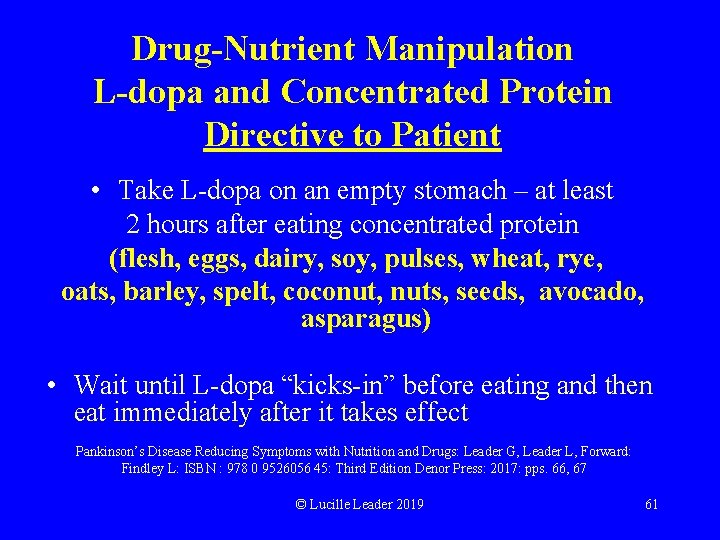
Drug-Nutrient Manipulation L-dopa and Concentrated Protein Directive to Patient • Take L-dopa on an empty stomach – at least 2 hours after eating concentrated protein (flesh, eggs, dairy, soy, pulses, wheat, rye, oats, barley, spelt, coconut, nuts, seeds, avocado, asparagus) • Wait until L-dopa “kicks-in” before eating and then eat immediately after it takes effect Pankinson’s Disease Reducing Symptoms with Nutrition and Drugs: Leader G, Leader L, Forward: Findley L: ISBN : 978 0 9526056 45: Third Edition Denor Press: 2017: pps. 66, 67 © Lucille Leader 2019 61
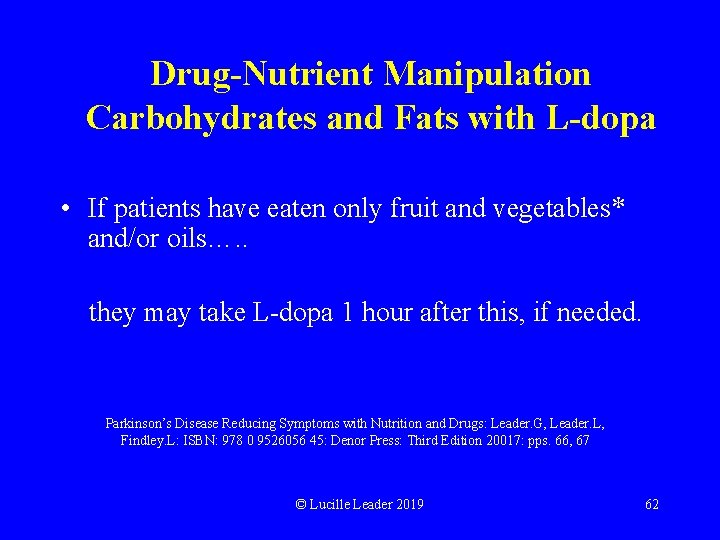
Drug-Nutrient Manipulation Carbohydrates and Fats with L-dopa • If patients have eaten only fruit and vegetables* and/or oils…. . they may take L-dopa 1 hour after this, if needed. Parkinson’s Disease Reducing Symptoms with Nutrition and Drugs: Leader. G, Leader. L, Findley. L: ISBN: 978 0 9526056 45: Denor Press: Third Edition 20017: pps. 66, 67 © Lucille Leader 2019 62
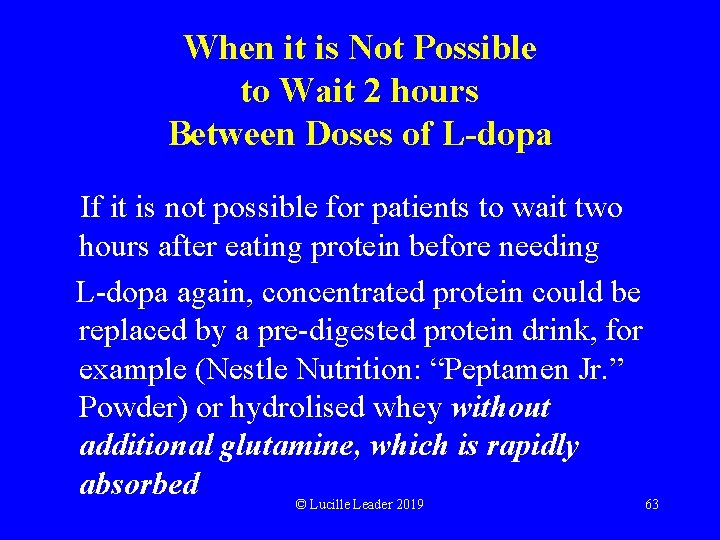
When it is Not Possible to Wait 2 hours Between Doses of L-dopa If it is not possible for patients to wait two hours after eating protein before needing L-dopa again, concentrated protein could be replaced by a pre-digested protein drink, for example (Nestle Nutrition: “Peptamen Jr. ” Powder) or hydrolised whey without additional glutamine, which is rapidly absorbed © Lucille Leader 2019 63
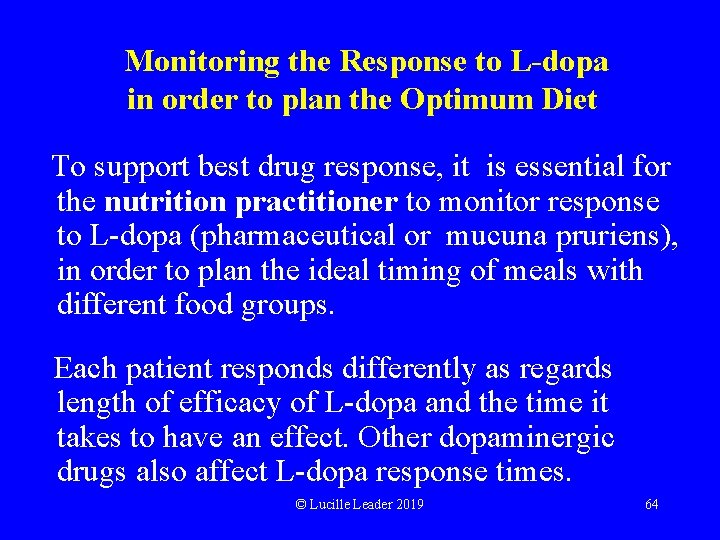
Monitoring the Response to L-dopa in order to plan the Optimum Diet To support best drug response, it is essential for the nutrition practitioner to monitor response to L-dopa (pharmaceutical or mucuna pruriens), in order to plan the ideal timing of meals with different food groups. Each patient responds differently as regards length of efficacy of L-dopa and the time it takes to have an effect. Other dopaminergic drugs also affect L-dopa response times. © Lucille Leader 2019 64
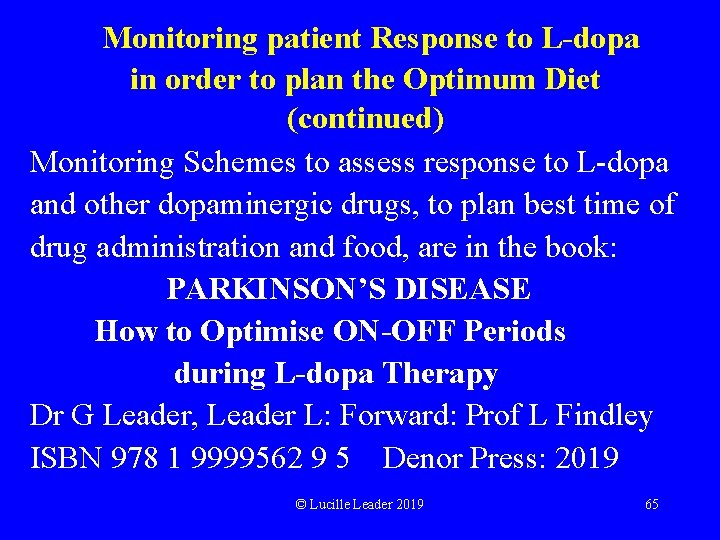
Monitoring patient Response to L-dopa in order to plan the Optimum Diet (continued) Monitoring Schemes to assess response to L-dopa and other dopaminergic drugs, to plan best time of drug administration and food, are in the book: PARKINSON’S DISEASE How to Optimise ON-OFF Periods during L-dopa Therapy Dr G Leader, Leader L: Forward: Prof L Findley ISBN 978 1 9999562 9 5 Denor Press: 2019 © Lucille Leader 2019 65
Duodopa: L-dopa administration by duodenal tube • Administration and monitoring of drug response with different food combinations, should be discussed with the manufacturers © Lucille Leader 2019 66
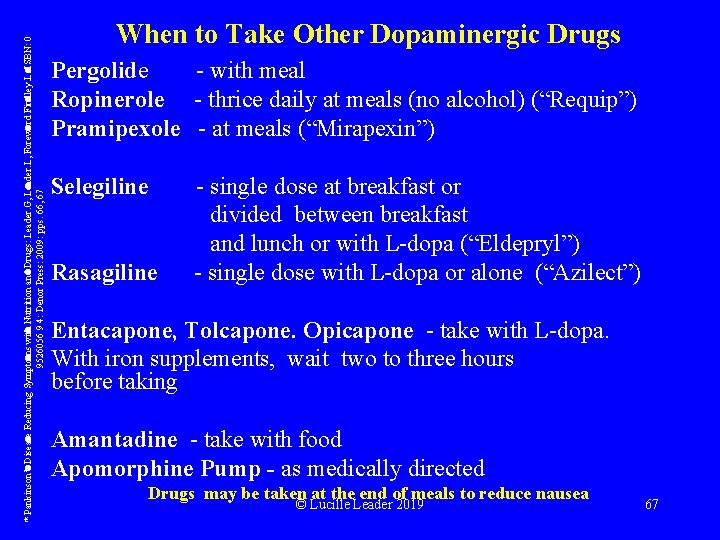
* Pankinson’s Disease Reducing Symptoms with Nutrition and Drugs: Leader. G, Leader. L, Foreword Findley. L: ISBN: 0 9526056 9 4: Denor Press: 2009: pps. 66, 67 When to Take Other Dopaminergic Drugs • Pergolide - with meal • Ropinerole - thrice daily at meals (no alcohol) (“Requip”) • Pramipexole - at meals (“Mirapexin”) • Selegiline - single dose at breakfast or divided between breakfast and lunch or with L-dopa (“Eldepryl”) • Rasagiline - single dose with L-dopa or alone (“Azilect”) • Entacapone, Tolcapone. Opicapone - take with L-dopa. • With iron supplements, wait two to three hours before taking • Amantadine - take with food • Apomorphine Pump - as medically directed Drugs may be taken at the end of meals to reduce nausea © Lucille Leader 2019 67
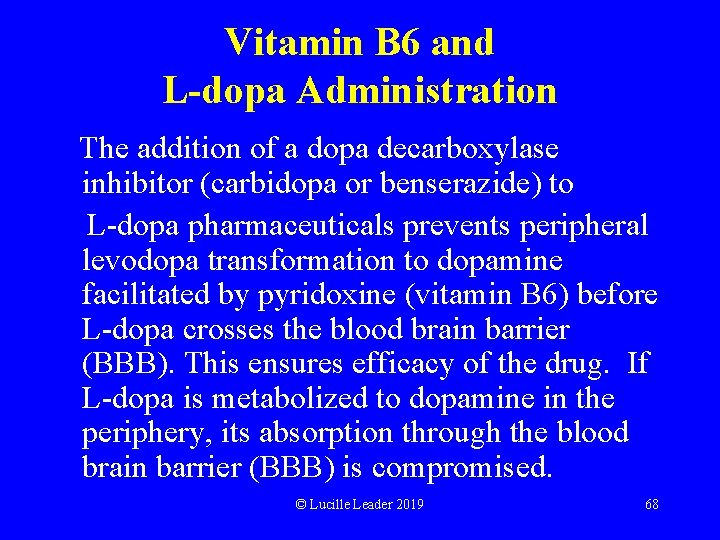
Vitamin B 6 and L-dopa Administration The addition of a dopa decarboxylase inhibitor (carbidopa or benserazide) to L-dopa pharmaceuticals prevents peripheral levodopa transformation to dopamine facilitated by pyridoxine (vitamin B 6) before L-dopa crosses the blood brain barrier (BBB). This ensures efficacy of the drug. If L-dopa is metabolized to dopamine in the periphery, its absorption through the blood brain barrier (BBB) is compromised. © Lucille Leader 2019 68
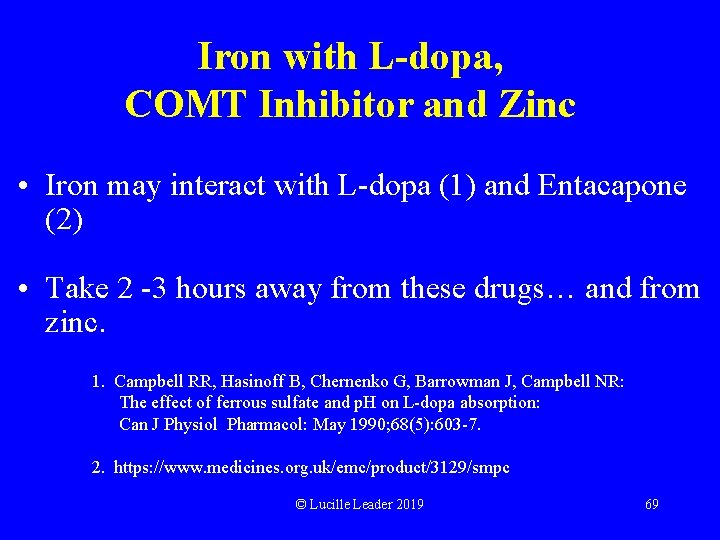
Iron with L-dopa, COMT Inhibitor and Zinc • Iron may interact with L-dopa (1) and Entacapone (2) • Take 2 -3 hours away from these drugs… and from zinc. 1. Campbell RR, Hasinoff B, Chernenko G, Barrowman J, Campbell NR: The effect of ferrous sulfate and p. H on L-dopa absorption: Can J Physiol Pharmacol: May 1990; 68(5): 603 -7. 2. https: //www. medicines. org. uk/emc/product/3129/smpc © Lucille Leader 2019 69
Antacids with L-dopa Antacids reduce the absorption of L-dopa(1) 1. Malcolm SL, Allen JG et al: 1987: Single Dose Pharmaconetics of Madopar HBS in Patients and Effect of Food and Antacid Absorption of Madopar HBS in Volunteers: European Neurology: Vol 27. Suppl 1. 1987 © Lucille Leader 2019 70
Agonists and Alcohol • Alcohol may interact with the Agonists: Pramipexole* and Ropinerole. ** • Alcohol is best avoided and replaced with delicious diluted fruit and herbal drinks (diabetics need special protocols). * www. medicines. org. uk ** ABPI Compendium of Data Sheets and Summaries of Product Characteristics (1999 -2000): Datapharm Publications Limited: : p. 1610 © Lucille Leader 2019 71
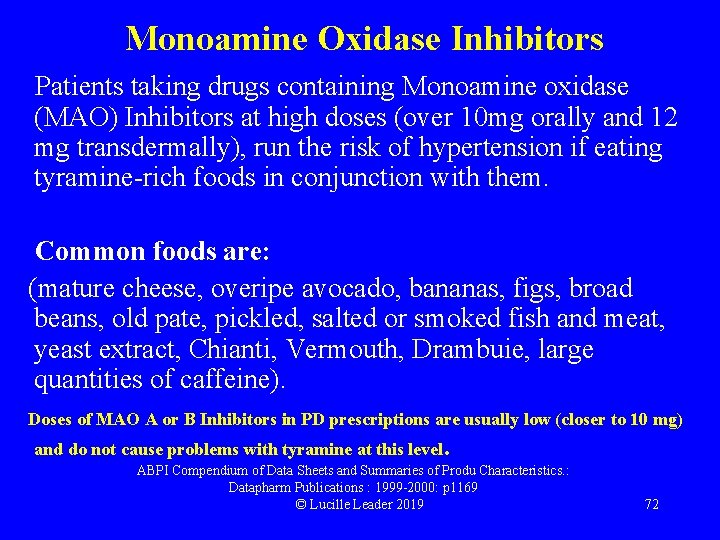
Monoamine Oxidase Inhibitors Patients taking drugs containing Monoamine oxidase (MAO) Inhibitors at high doses (over 10 mg orally and 12 mg transdermally), run the risk of hypertension if eating tyramine-rich foods in conjunction with them. Common foods are: (mature cheese, overipe avocado, bananas, figs, broad beans, old pate, pickled, salted or smoked fish and meat, yeast extract, Chianti, Vermouth, Drambuie, large quantities of caffeine). Doses of MAO A or B Inhibitors in PD prescriptions are usually low (closer to 10 mg) and do not cause problems with tyramine at this level. ABPI Compendium of Data Sheets and Summaries of Produ Characteristics. : Datapharm Publications : 1999 -2000: p 1169 © Lucille Leader 2019 72
Dental Health and Dysphagia • The monitoring of dental health is essential. Regular dental checks, attendance of dental hygiene clinics are necessary. • Mercury removal by a dental specialist as gradual removal with chelation therapy is necessary. • An electric toothbrush may be indicated if movement control is a problem. • Dentures should be well fitting for optimal chewing. • Gum disease is a source of inflammation and has been implicated in brain disease. • . © Lucille Leader 2019 73
Dental Health and Dysphagia (continued) If chewing and swallowing are problems, tube feeding may be necessary to maintain functional health and prevent malnutrition. Referrals to Ear Nose and Throat Specialists, Speech Therapists, Dieticians, Occupational Therapists may be indicated © Lucille Leader 2019 74
Check Home Safety and Hygiene Fire/ General Hygiene/ Refrigeration/ Safety with heat cooking/ Alarm call/ Holding temperatures (cold and hot) Ref: PARKINSON’S DISEASE Reducing Symptoms with Nutrition and Drugs Leader L, Leader G, Foreword Findley L ISBN 978 0 9526056 45 Third Edition © Lucille Leader 2019 75
Healthy Cooking Methods • Always cook below 180ºC ( 150 C- 160 C) • Cook with monounsaturated olive oil ( very low heat). coconut oil or with butter (saturated fat) or ghee if appropriate –these are the most stable oils when heating. Organic/in glass containers • Never heat polyunsaturated fats/oils (sunflower, safflower, corn, margarine or vegetable oils) as they are transformed into trans fats, contributing to oxidative stress and inflammation. Unrefined cold-pressed oils appropriate as dressings. © Lucille Leader 2019 76
Dietary Considerations Gluten, Dairy, Red Meat, Alcohol, Caffeine • Gluten grains (1): wheat, rye, oats, barley, spelt. Replacements: gluten free oats (check response), buckwheat, millet, tapioca. Rice, a gluten free grain, is now of concern due to arsenic content. Corn is gluten free but does contain carcinogenic aflatoxins. • Red meat (2): beef, lamb, pork. Replacements: poultry, sea fish ( no tuna, swordfish (contains mercury) or cod due to plastic contamination). • Dairy Produce (3): milk, cheese, yoghurt Replacements: almond, coconut products/ olive/ vegetable/ fish/nut spreads (not peanuts/cashews containing carcinogenic aflatoxins). 1. Hadjivassiliou M, Gibson A, Davies-Jones GAB, Lobo AJ, Stephenson TJ, Milford. Ward A: 1996: Does cryptic gluten sensitivity play a part in neurological illness? : Lancet 347: pps. 369 -71 2. 3. Parkinson’s Disease Reducing Symptoms with Nutrition and Drugs: Leader. G, Leader. L, Findley. L: ISBN: 978 0 9526056 4 5: Denor Press: Third Edition pps. 68 -80 © Lucille Leader 2019 77
Dietary Changes • All dietary changes must be very gradual – over some weeks. Delicious and appealaing alternatives must be in place before recommendation of any dietary change. © Lucille Leader 2019 78
Dietary Considerations cont… Alcohol, Caffeine • Alcohol free • Caffeine in moderation Pankinson’s Disease Reducing Symptoms with Nutrition and Drugs: Leader. G, Leader. L, Findley. L: ISBN: 0 9526056 9 4: Denor Press: 2009: pps. 66, 67 © Lucille Leader 2019 79
Dietary Considerations - Alcohol (continued) • Alcohol should be gradually reduced in the diet as in Parkinson’s Disease there is compromised detoxification in both liver and glymphatic systems. • Postural instability can also be a problem and therefore alcohol consumption may aggravate the tendency to unsteadiness. . © Lucille Leader 2019 80
Dietary Considerations (continued) • “Rainbow coloured” fruit and vegetables to represent vitamins and minerals and serve intestinal function. No grapefruit as it contains naringenin which is contraindicated with liver detoxification compromise. • Sufficient fluid ( special cups for those with tremor). © Lucille Leader 2019 81
Dietary Considerations General (continued) • Regulate blood sugar. • Snack every 2 -3 hours, including medium chain triglycerides (MCTs) as a fuel source. The Ketogenic Diet, with fasting over some hours, is not generally suitable in Parkinson’s Disease as most patients are reliant on regular. . . at short spaced intervals, pharmaceutical support which needs taking with food. • Maintain sufficient protein for anabolic function – possible use of pre-digested formulae if the timing of L-dopa administration needs this. © Lucille Leader 2019 82
Diet &Energy Support (Krebs Cycle) (continued) • Many nutrients for the cycle include vitamins B 1, 2, 3, 5, C, Co. Q 10 , biotin and minerals iron, copper, magnesium, manganese. • However, iron and manganese are of serious consideration because of their aberrant metabolism in Parkinsons’ Disease. Administration only if deficient, short duration only. Together with Vit C. Regular monitoring. • B vitamin complex not more than 25 mg daily. © Lucille Leader 2019 83
Diet &Energy Support of Krebs Cycle (continued) • Exercise to generate oxygen utilisation. • Breathing Exercises (measure oxygen saturation with an oximeter (available from amazon. co. uk © Lucille Leader 2019 84
Dietary Considerations cont… Anti-inflammatory Prostaglandins • Nuts and seeds (not peanuts or cashews). Best ground as swallowing can be a problem • Oily fish (mackerel, herring, sardines) © Lucille Leader 2019 85
Dietary Considerations cont… Excitotoxins and the Brain • It is best to avoid food that contains monosodium glutamate (MSG) and aspartame as these can act as excito-toxins(1). • MSG is found in many oriental as well as general processed foods. In animal research it has been found to destroy neurones (2. 3)**. 1. Russell Blaylock MD: 1997: Excitotoxins - The Taste that Kills: Health Press: pps. 39 -43 2, 3. D W Choi: 1990: Glutamate Neurotoxicity / A three-stage process / Neurotoxicity of Excitatory Amino Acids: FIDA Research Foundation, Symposium Series (Vol. 4): Raven Press © Lucille Leader 2019 86
Optimizing Bowel Function • Establishing Training (gastro-colic reflex) – sitting on the toilet approx 10 minutes after each meal. Feet raised on a platform in a squatting position may be helpful. Exercise and abdominal massage. • 2 -3 soaked prunes at different intervals over the day, cabbage. • Papaya extract (Caricol) – safe for daily use • 8 -9 glasses of fluid over the day. © Lucille Leader 2019 87
Optimizing Bowel Function cont… • Kirkman: Buffered Magnesium Oxide with a full glass of coconut water to facilitate daily function: Mg bisglycinate often seems to be helpful. Monitor and cease administration if causes discomfort. • Philips Milk of Magnesia for a good clear-out. • Lactulose may be helpful to soften the stool. • Avoid cascara and senna as with regular use these products may cause melanosis in the gut and eventually affect natural motility. • Enema/suppositories under supervision, if necessary. © Lucille Leader 2019 88
Medical Emergency Intestinal Obstruction • Ensure patients are aware of the symptoms and know to go to A and E hospital emergency departments – to err on the side of caution in case of perforation. © Lucille Leader 2019 89
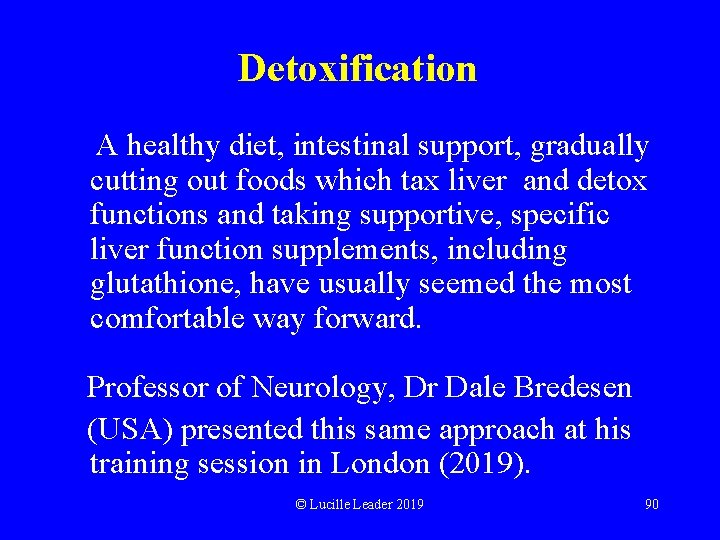
Detoxification A healthy diet, intestinal support, gradually cutting out foods which tax liver and detox functions and taking supportive, specific liver function supplements, including glutathione, have usually seemed the most comfortable way forward. Professor of Neurology, Dr Dale Bredesen (USA) presented this same approach at his training session in London (2019). © Lucille Leader 2019 90
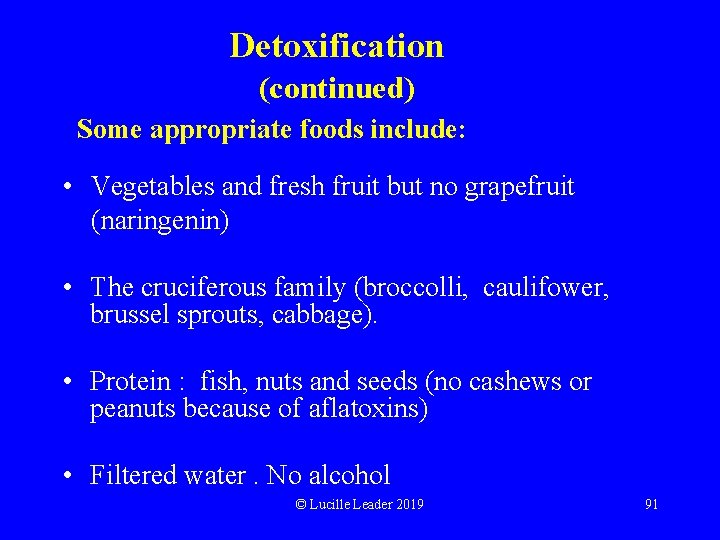
Detoxification (continued) Some appropriate foods include: • Vegetables and fresh fruit but no grapefruit (naringenin) • The cruciferous family (broccolli, caulifower, brussel sprouts, cabbage). • Protein : fish, nuts and seeds (no cashews or peanuts because of aflatoxins) • Filtered water. No alcohol © Lucille Leader 2019 91
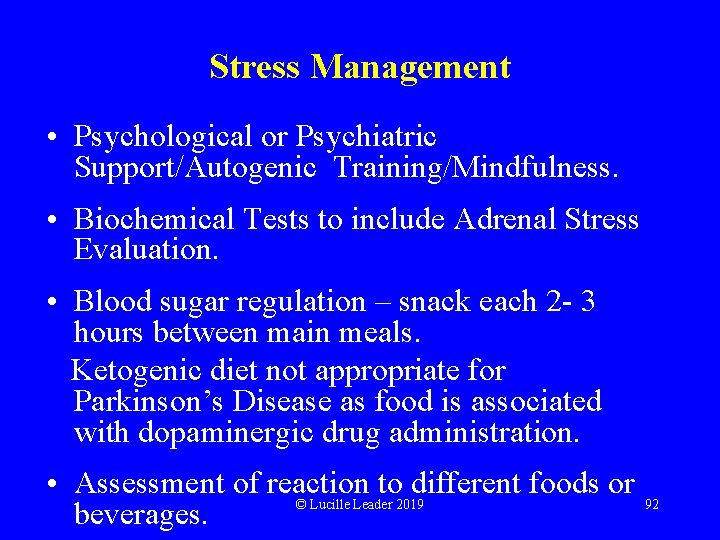
Stress Management • Psychological or Psychiatric Support/Autogenic Training/Mindfulness. • Biochemical Tests to include Adrenal Stress Evaluation. • Blood sugar regulation – snack each 2 - 3 hours between main meals. Ketogenic diet not appropriate for Parkinson’s Disease as food is associated with dopaminergic drug administration. • Assessment of reaction to different foods or © Lucille Leader 2019 92 beverages.
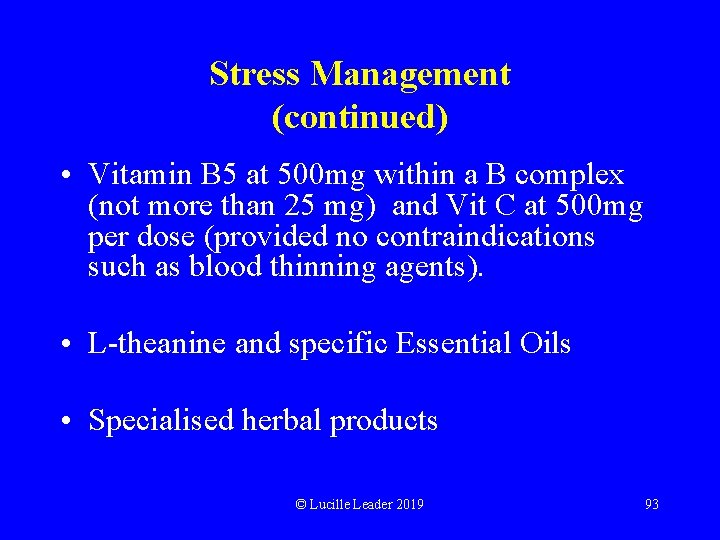
Stress Management (continued) • Vitamin B 5 at 500 mg within a B complex (not more than 25 mg) and Vit C at 500 mg per dose (provided no contraindications such as blood thinning agents). • L-theanine and specific Essential Oils • Specialised herbal products © Lucille Leader 2019 93
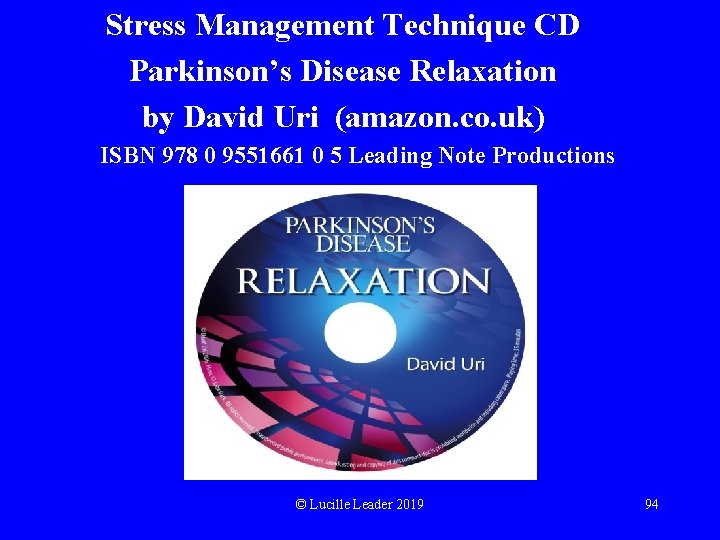
Stress Management Technique CD Parkinson’s Disease Relaxation by David Uri (amazon. co. uk) ISBN 978 0 9551661 0 5 Leading Note Productions © Lucille Leader 2019 94
Sleep • Ensure that the room is very dark as melatonin synthesis in the brain may be compromised. • Ensure the client does not use electromagnetic instruments after 6 pm and if exposed should wear speciailised glasses to negate the blue light emitted. • Regulate blood sugar before sleep and during the night if necessary. • Use of PD Relaxation CD/Autogenic Training. • Silk pyjamas and sheets to facilitate turning. • Comfortable neck position with pillow, regulated room temperature, commode © Lucille Leader 2019 95
Peri-surgical Nutrition • Details: Parkinson’s Disease Reducing Symptoms with Nutrition and Drugs ISBN 978 0 9526056 4 5 (Denor Press) Third Edition © Lucille Leader 2019 96
Intimacy • Parkinson’s Disease Reducing Symptoms with Nutrition and Drugs Authors: Leader L, Leader G, Foreword Findley L ISBN 978 0 9526056 4 5 (Denor Press) Third Edition • Parkinson’s Disease the Way Forward! Sexuality Chapter by Dr Michael Perring Authors: Leader G. Leader L , International Multidisciplinary Medical Team ISBN 978 0 9526056 4 5 (Denor Press) © Lucille Leader 2019 97
Pregnancy • Parkinson’s Disease the Way Forward! ISBN 978 0 9526056 4 5 (Denor Press) Chapter by Dr Lia Rossi-Prosperi Authors: Leader G. Leader L, Rossi A, International Multidisciplinary Medical Team © Lucille Leader 2019 98
Breast Feeding Parkinson’s Disease The Way Forward! ISBN 0 9526056 8 6 (Denor Press) Chapter by Dr Lia Rossi-Prosperi Authors: Leader G. Leader L, Rossi A, International Multidisciplinary Medical Team © Lucille Leader 2019 99
“ Each person surely deserves to function as best as he or she is able within the constraints of the illness”. Dr Geoffrey Leader MB Ch. B FRCA Director Parkinson’s Disease Multidisciplinary Clinic Highgate Hospital, London UK © Lucille Leader 2019 100
Conclusion • There are nutritional considerations in all aspects of cellular metabolism and drug response in Parkinson’s Disease. These can be quantified by contemporary biochemical laboratory tests • Specific dietary and nutrient recommendations can now be offered based upon scientific evidence to demonstrate biochemical individuality. Cellular environment can be up- or down-regulated. Such modulation, which follows the Functional Medicine paradigm, can potentially support not only dopamine, adrenal, anti-inflammatory, antioxidant, mitochondrial, methylation, detoxification and other metabolism but also general functional health including non-motor aspects. Potentially this may result in a better feeling of well-being and coping within the constraints of Parkinson’s Disease • Health Practitioners must work as part of a multidisciplinary © Lucille Leader 2019 101 team
ACKNOWLEDGEMENTS • Dr Geoffrey Leader • Dr Nicholas Miller • Michael Beder © Lucille Leader 2019 102
Helpful Study Guides for Nutritional Management • Electronic Medicines Compendium (e. MC) at http: //emc. medicines. org. uk and other pharmaceutical websites/BNF • Google Scholar, Medline, Cochrane, PUB MED • Leader L, Leader G, Miller N: Parkinson’s Disease Metabolism, Applied Biochemistry and Nutrition ISBN 978 0 9526056 6 9 Denor Press: 2010 (Revised edition best available December 2019). • Leader L, Leader G, Forward Prof Leslie Findley: Parkinson’s Disease Reducing Symptoms with Nutrition and Drugs ISBN 978 0 9526056 4 5 Denor Press: THIRD Edition 2017/18 • Leader L, Leader G: Parkinson’s Disease Top Tips to Optimize Function (this book is suitable for patients and caregivers) ISBN 9780956172235 (Denor Press): REVISED Edition 2018 • PARKINSON’S DISEASE How to Optimise ON-OFF Periods during L-dopa Therapy Dr Geoffrey Leader, Lucille Leader, Forward Professor Leslie Findley: Denor Press 2019 © Lucille Leader 2019 103