Neuromodulation for chronic pain Felipe Fregni MD Ph




- Slides: 49
Neuromodulation for chronic pain Felipe Fregni, MD, Ph. D Assistant Professor Harvard Medical School Laboratory for Magnetic Brain Stimulation
• Why neuromodulation for the treatment of chronic pain? • What do we know about chronic pain?
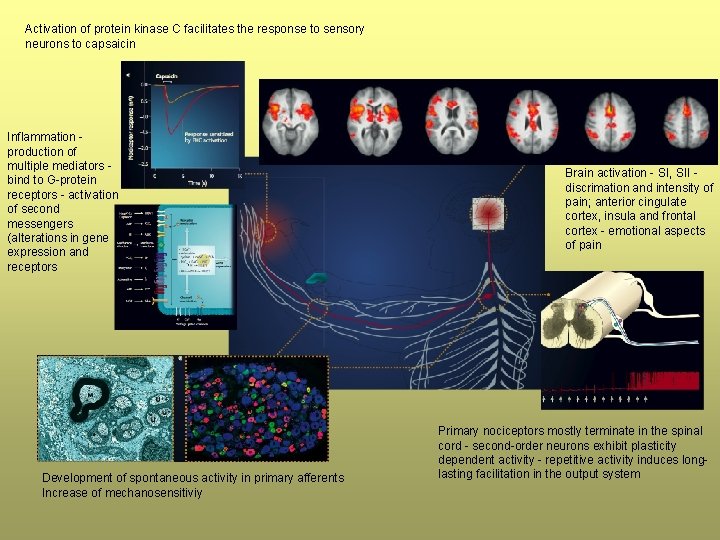
• Chronic pain has a different pathophysiology as compared to acute pain syndromes • It is associated with plastic changes in the nervous system - leading to the phenomenon of central and peripheral sensitization
Activation of protein kinase C facilitates the response to sensory neurons to capsaicin Inflammation production of multiple mediators bind to G-protein receptors - activation of second messengers (alterations in gene expression and receptors Development of spontaneous activity in primary afferents Increase of mechanosensitiviy Brain activation - SI, SII discrimation and intensity of pain; anterior cingulate cortex, insula and frontal cortex - emotional aspects of pain Primary nociceptors mostly terminate in the spinal cord - second-order neurons exhibit plasticity dependent activity - repetitive activity induces longlasting facilitation in the output system
• In chronic pain, usually, there is no (or little) peripheral damage, injury or inflammation - it is a result of nervous system dysfunction • Chronic pain is a result of maladaptive plasticity
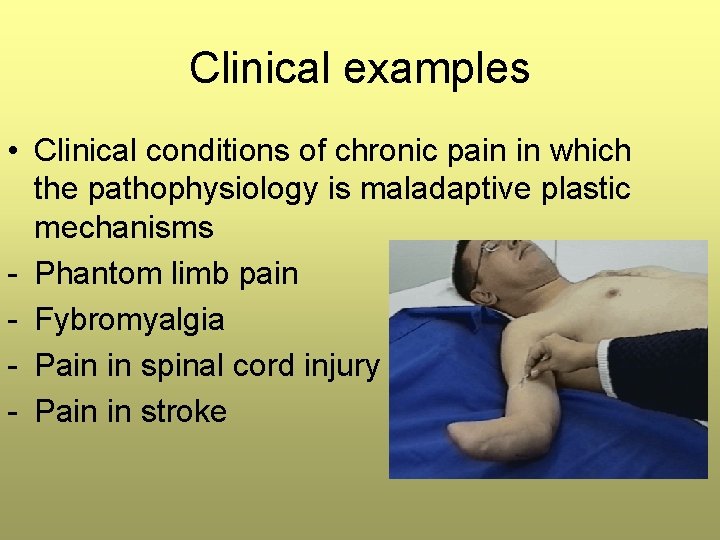
Clinical examples • Clinical conditions of chronic pain in which the pathophysiology is maladaptive plastic mechanisms - Phantom limb pain - Fybromyalgia - Pain in spinal cord injury - Pain in stroke
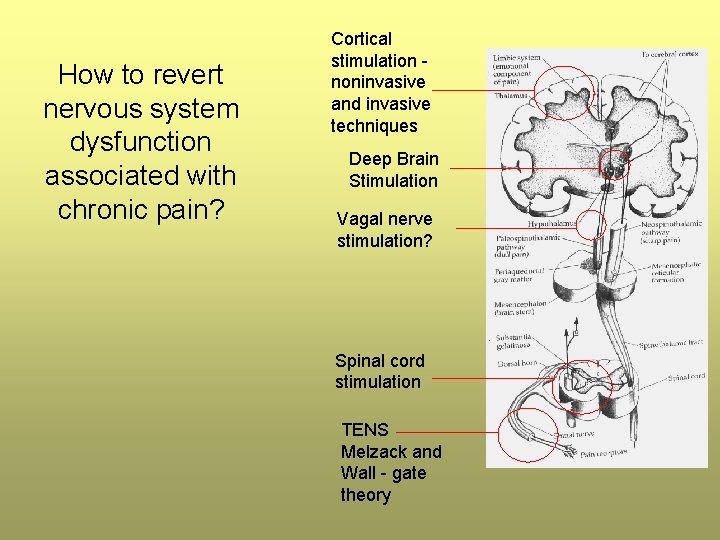
How to revert nervous system dysfunction associated with chronic pain? Cortical stimulation noninvasive and invasive techniques Deep Brain Stimulation Vagal nerve stimulation? Spinal cord stimulation TENS Melzack and Wall - gate theory
Cortical Stimulation for the treatment of pain • Initial experience with invasive stimulation - epidural stimulation of motor cortex is effective to reduce chronic pain (Tsubokawa, 1993) • Animal study - the spinal cord was transected hyperactivity in the thalamus that was decreased by motor cortex stimulation, but not sensory stimulation (Tsubokawa, 1991) • Neuroimaging study - thalamic modulation associated with M 1 stimulation (Garcia-Larrea, 1999)
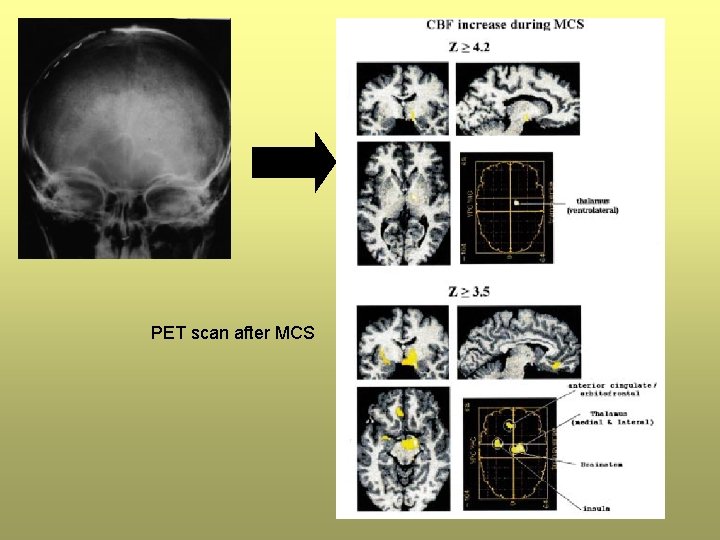
PET scan after MCS
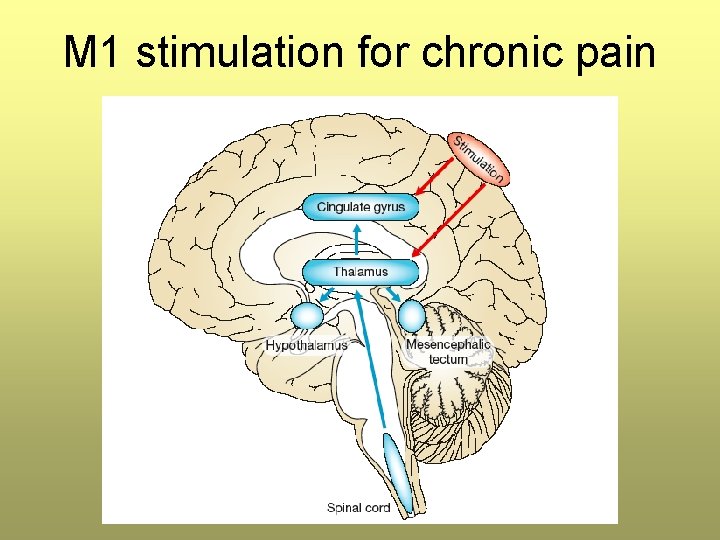
M 1 stimulation for chronic pain
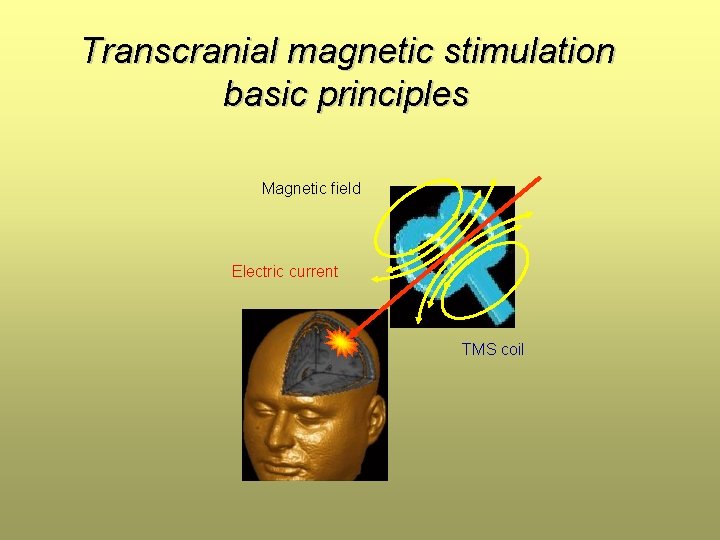
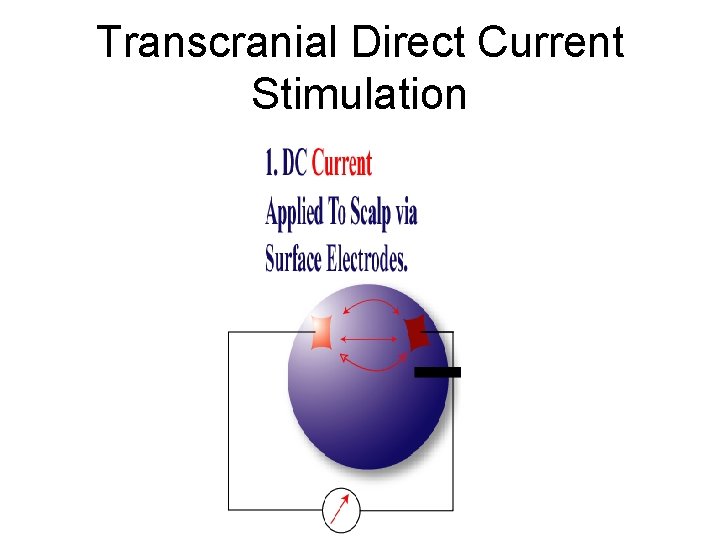
Noninvasive techniques of cortical stimulation • Repetitive transcranial magnetic stimulation • Transcranial direct current stimulation
Transcranial magnetic stimulation basic principles Magnetic field Electric current TMS coil
Transcranial Direct Current Stimulation
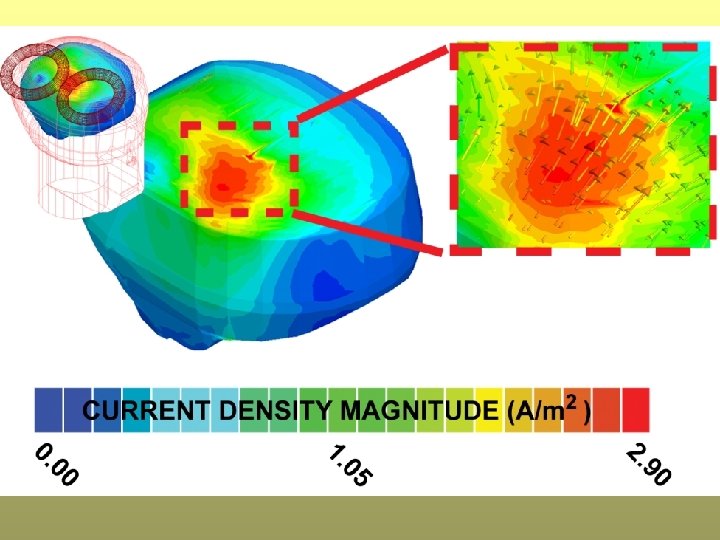
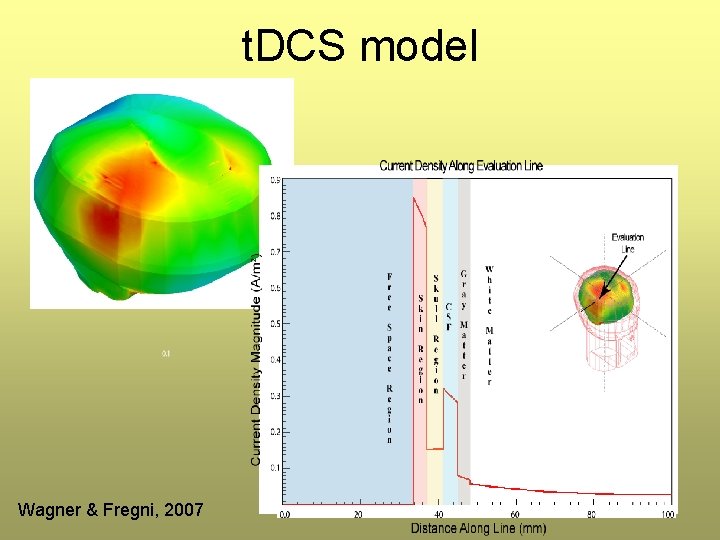
t. DCS model Wagner & Fregni, 2007
Clinical studies
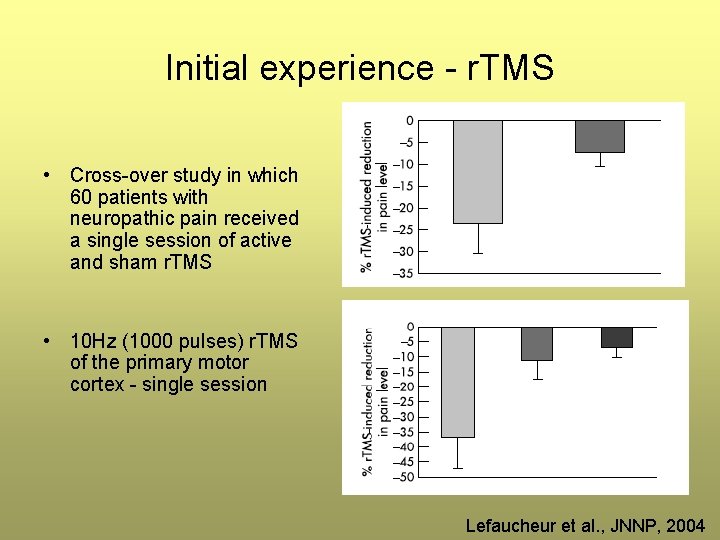
Initial experience - r. TMS • Cross-over study in which 60 patients with neuropathic pain received a single session of active and sham r. TMS • 10 Hz (1000 pulses) r. TMS of the primary motor cortex - single session Lefaucheur et al. , JNNP, 2004
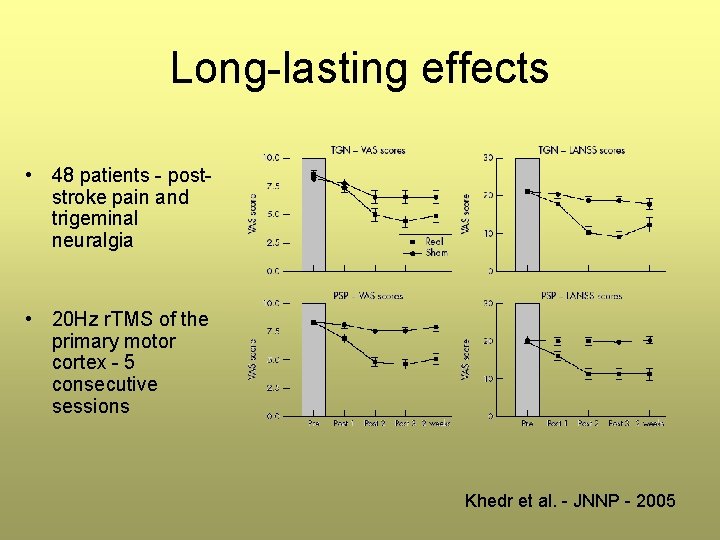
Long-lasting effects • 48 patients - poststroke pain and trigeminal neuralgia • 20 Hz r. TMS of the primary motor cortex - 5 consecutive sessions Khedr et al. - JNNP - 2005
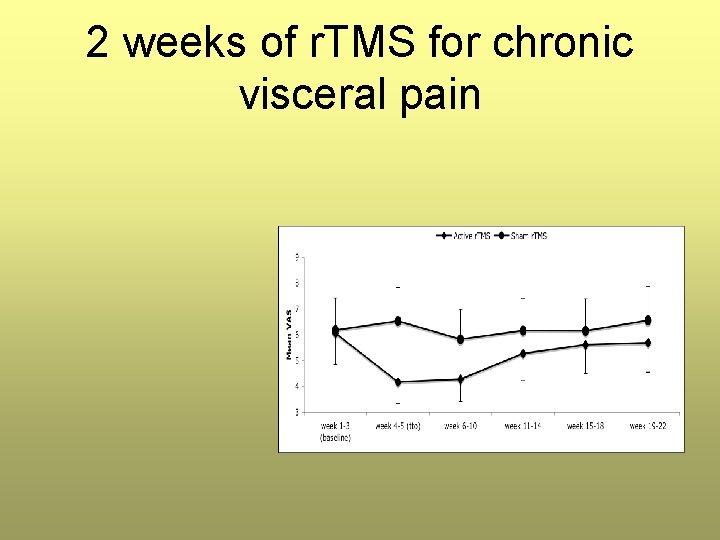
r. TMS for chronic visceral pain • Initial study - site and parameters of stimulation (1 Hz - right and left SII (secondary somatosensory area; 20 Hz - right and left SII; sham r. TMS) • Main outcome = %VAS reduction + % Medication reduction Fregni et al. , Annals of Neurology, 2005
Opioid use during treatment Baseline L-1 Hz R-Sham L-20 Hz L-sham R-20 Hz
2 weeks of r. TMS for chronic visceral pain
Other strategies • r. TMS for migraine - site of stimulation (left DLPFC ) - preliminary studies with significant reduction of migraine attacks and medication use (Brighina, 2004) • Other sites of stimulation - comparison of M 1, SI, SMA and PM - pain reduction only after M 1 stimulation (Hirayama, 2006) • Prediction tool for epidural stimulation (Andre-Obadia, 2006)
Pooled analysis - meta-analysis • Studies investigating M 1 stimulation for chronic pain (r. TMS and t. DCS) • 12 studies using nonivasive brain stimulation Risk ratio (responders rate) - active vs. sham r. TMS - 2. 64, 95% C. I. , 1. 63 – 4. 30
Invasive vs. noninvasive brain stimulation • 12 studies using non-invasive brain stimulation and 22 for invasive brain stimulation (open studies) • Weighted responders rate: – 72. 6% (95% C. I. , 67. 7 – 77. 4) invasive stimulation studies – 45. 3% (95% C. I. , 39. 2 – 51. 4) noninvasive stimulation studies (36. 8% (95% C. I. , 30. 5 – 43. 0) for the r. TMS studies and 71. 4% (95% C. I. , 52. 1– 90. 7) for t. DCS studies)
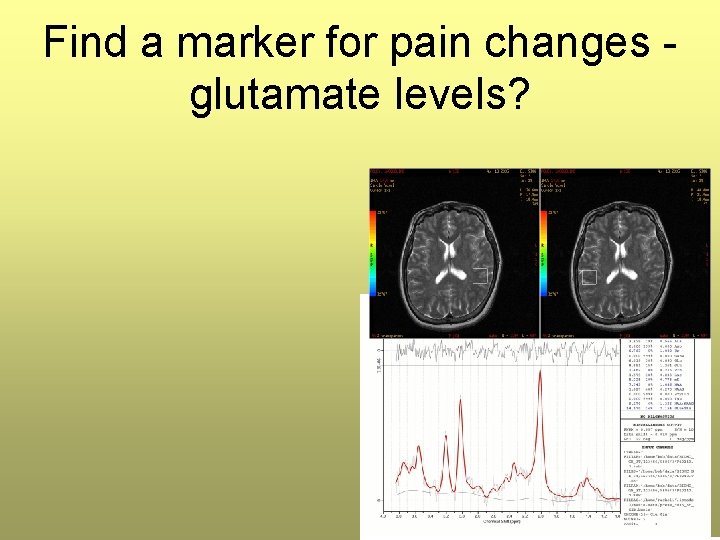
Find a marker for pain changes glutamate levels?
Study design • 17 patients with spinal cord injury and refractory chronic pain • Randomized (1: 2) to receive sham and active t. DCS • Baseline evaluation (2 weeks before) • Treatment (5 days of treatment) • Follow-up evaluation (after 2 weeks of treatment)
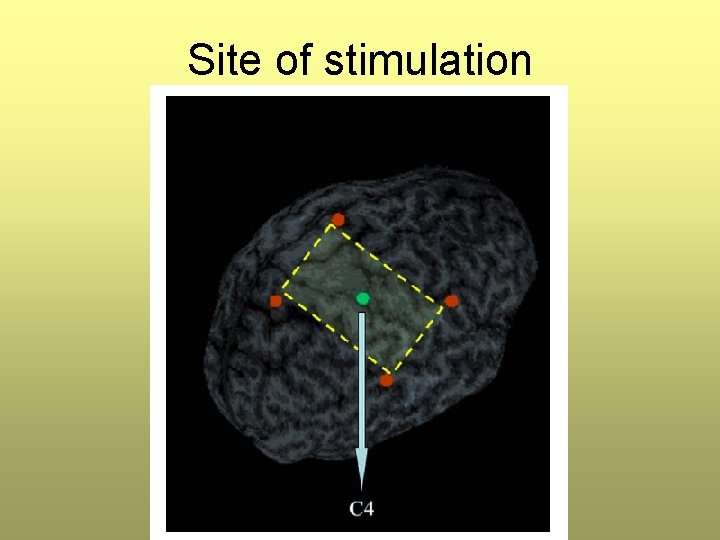
Site of stimulation
t. DCS of the primary motor cortex for the treatment of central pain due to spinal cord injury - Fregni et al. , Pain, 2006 * * * *
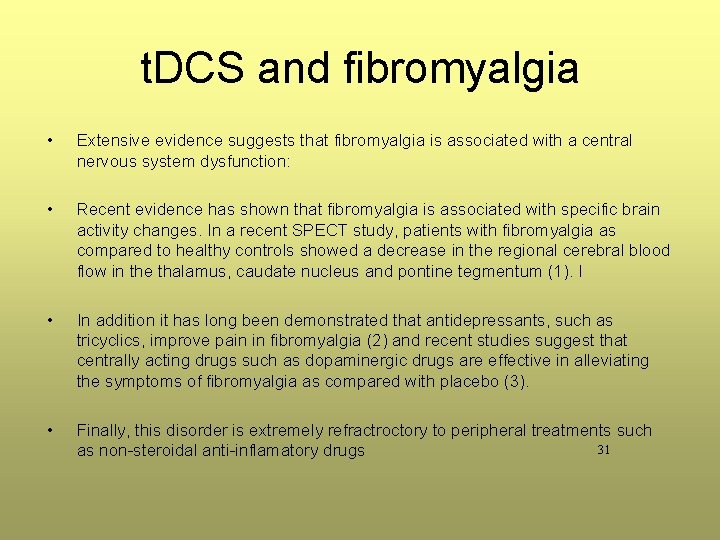
t. DCS and fibromyalgia • Extensive evidence suggests that fibromyalgia is associated with a central nervous system dysfunction: • Recent evidence has shown that fibromyalgia is associated with specific brain activity changes. In a recent SPECT study, patients with fibromyalgia as compared to healthy controls showed a decrease in the regional cerebral blood flow in the thalamus, caudate nucleus and pontine tegmentum (1). I • In addition it has long been demonstrated that antidepressants, such as tricyclics, improve pain in fibromyalgia (2) and recent studies suggest that centrally acting drugs such as dopaminergic drugs are effective in alleviating the symptoms of fibromyalgia as compared with placebo (3). • Finally, this disorder is extremely refractroctory to peripheral treatments such 31 as non-steroidal anti-inflamatory drugs
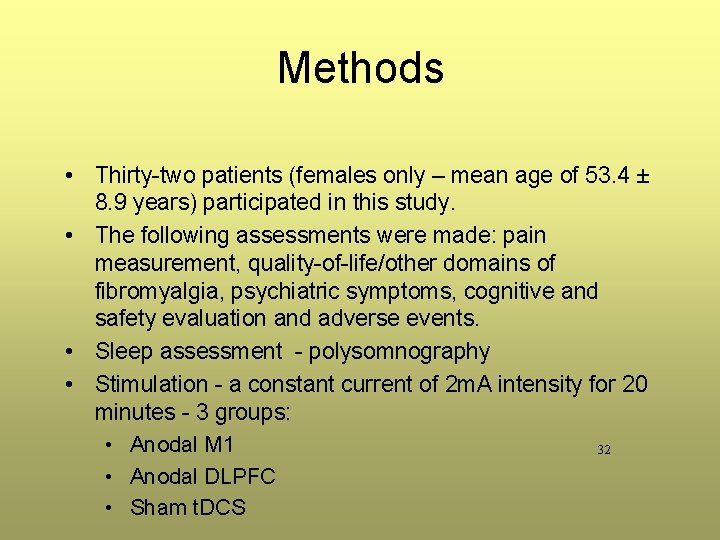
Methods • Thirty-two patients (females only – mean age of 53. 4 ± 8. 9 years) participated in this study. • The following assessments were made: pain measurement, quality-of-life/other domains of fibromyalgia, psychiatric symptoms, cognitive and safety evaluation and adverse events. • Sleep assessment - polysomnography • Stimulation - a constant current of 2 m. A intensity for 20 minutes - 3 groups: • Anodal M 1 32 • Anodal DLPFC • Sham t. DCS
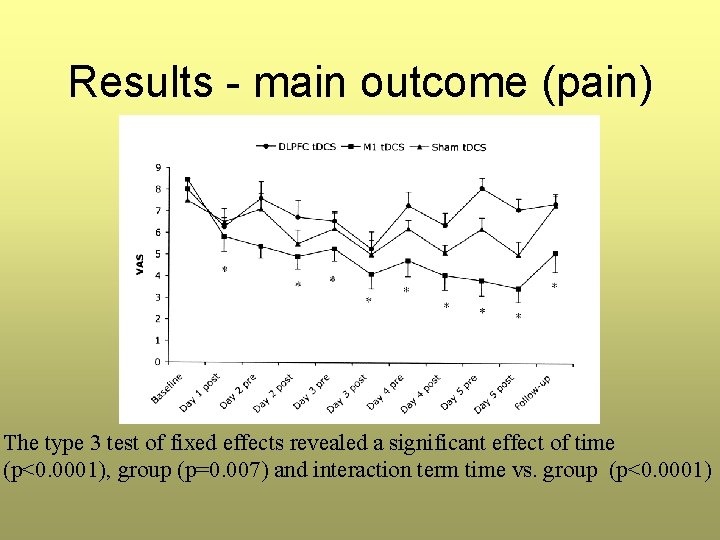
Results - main outcome (pain) The type 3 test of fixed effects revealed a significant effect of time (p<0. 0001), group (p=0. 007) and interaction term time vs. group (p<0. 0001)
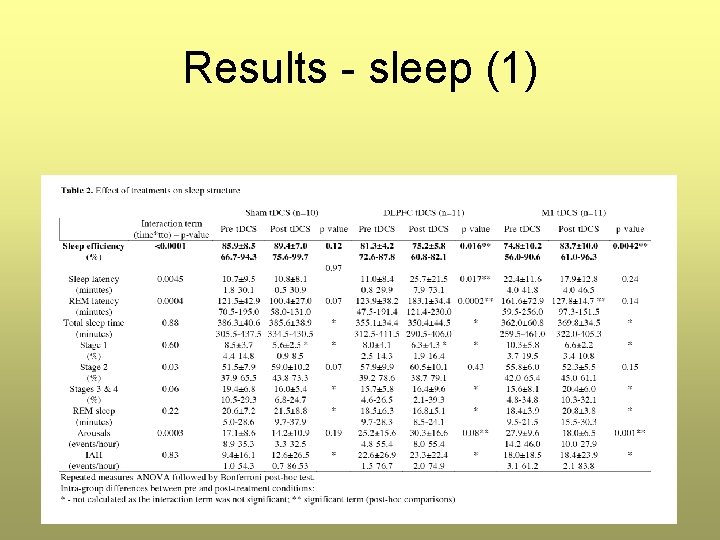
Results - sleep (1)
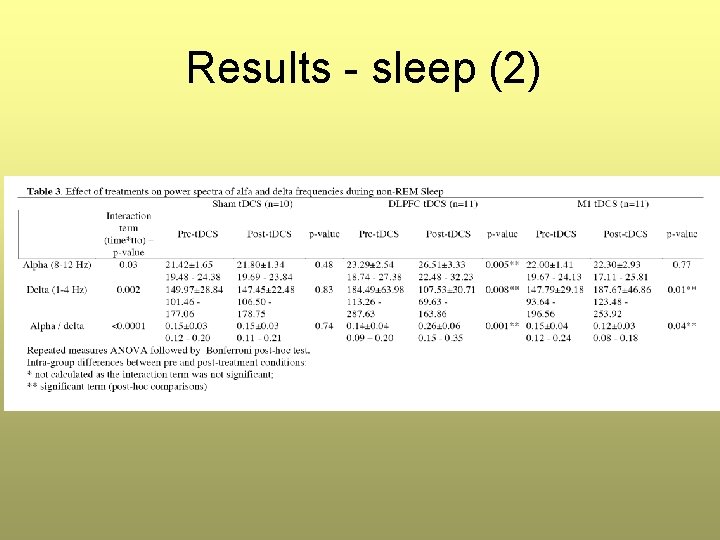
Results - sleep (2)
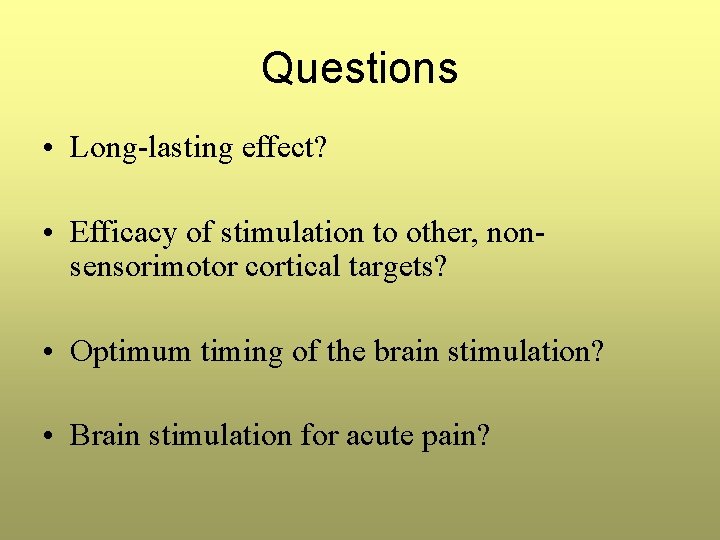
Questions • Long-lasting effect? • Efficacy of stimulation to other, nonsensorimotor cortical targets? • Optimum timing of the brain stimulation? • Brain stimulation for acute pain?
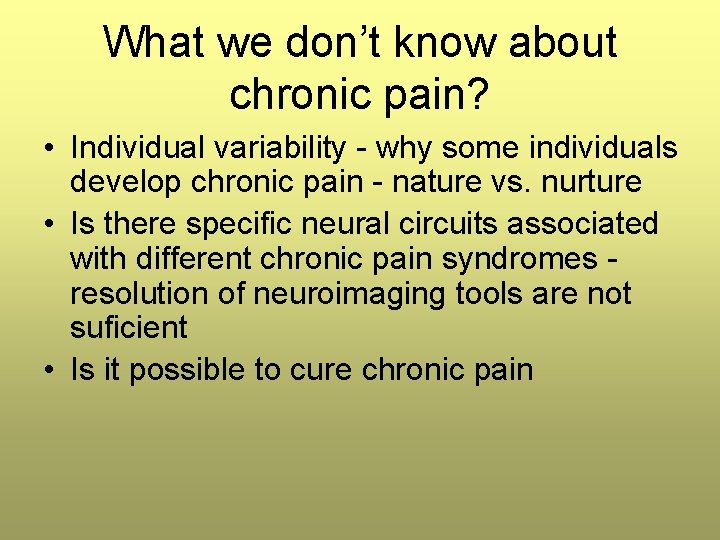
What we don’t know about chronic pain? • Individual variability - why some individuals develop chronic pain - nature vs. nurture • Is there specific neural circuits associated with different chronic pain syndromes resolution of neuroimaging tools are not suficient • Is it possible to cure chronic pain
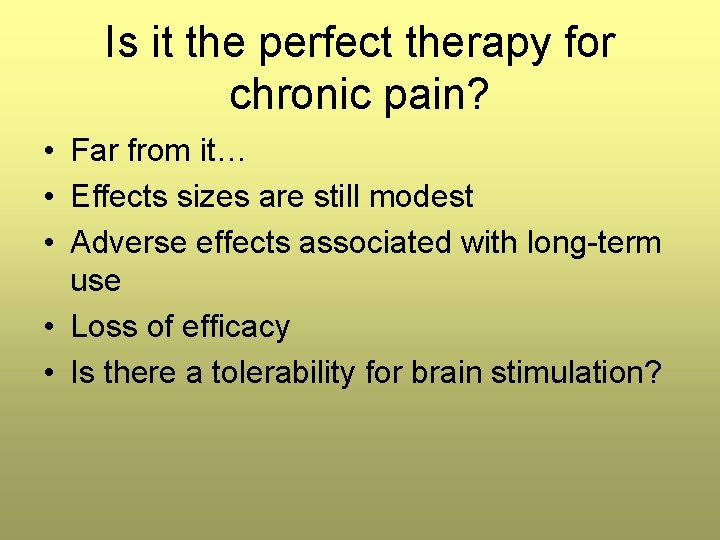
Is it the perfect therapy for chronic pain? • Far from it… • Effects sizes are still modest • Adverse effects associated with long-term use • Loss of efficacy • Is there a tolerability for brain stimulation?
Challenges for the future
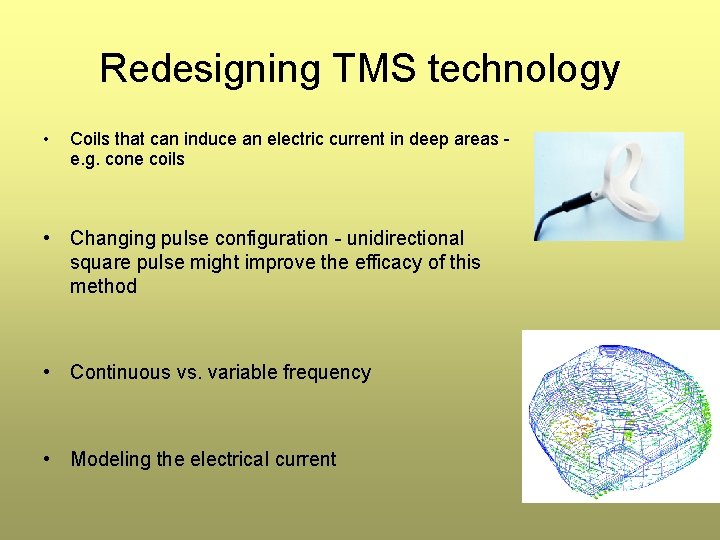
Redesigning TMS technology • Coils that can induce an electric current in deep areas e. g. cone coils • Changing pulse configuration - unidirectional square pulse might improve the efficacy of this method • Continuous vs. variable frequency • Modeling the electrical current
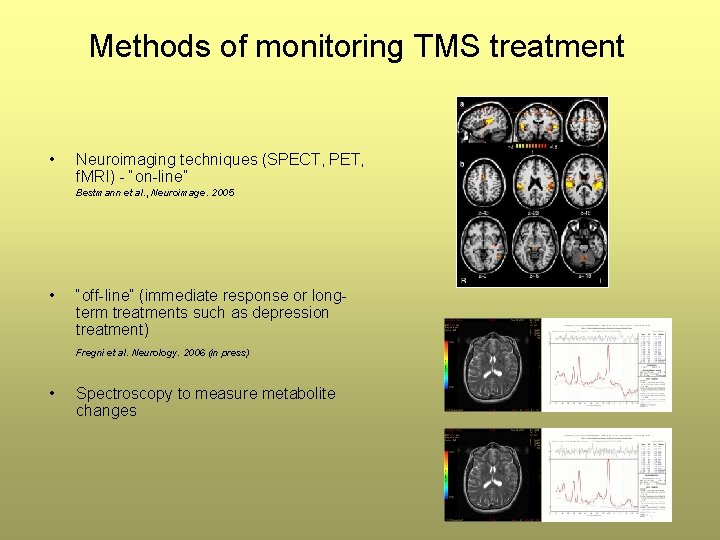
Methods of monitoring TMS treatment • Neuroimaging techniques (SPECT, PET, f. MRI) - “on-line” Bestmann et al. , Neuroimage. 2005 • “off-line” (immediate response or longterm treatments such as depression treatment) Fregni et al. Neurology. 2006 (in press) • Spectroscopy to measure metabolite changes
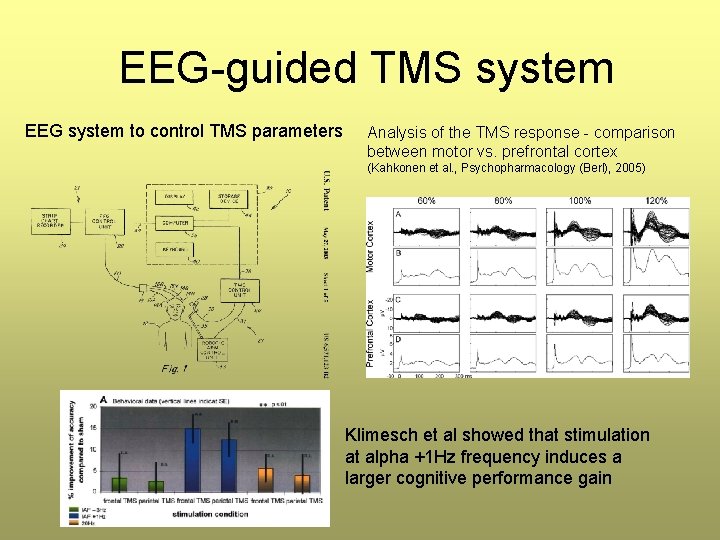
EEG-guided TMS system EEG system to control TMS parameters Analysis of the TMS response - comparison between motor vs. prefrontal cortex (Kahkonen et al. , Psychopharmacology (Berl), 2005) Klimesch et al showed that stimulation at alpha +1 Hz frequency induces a larger cognitive performance gain
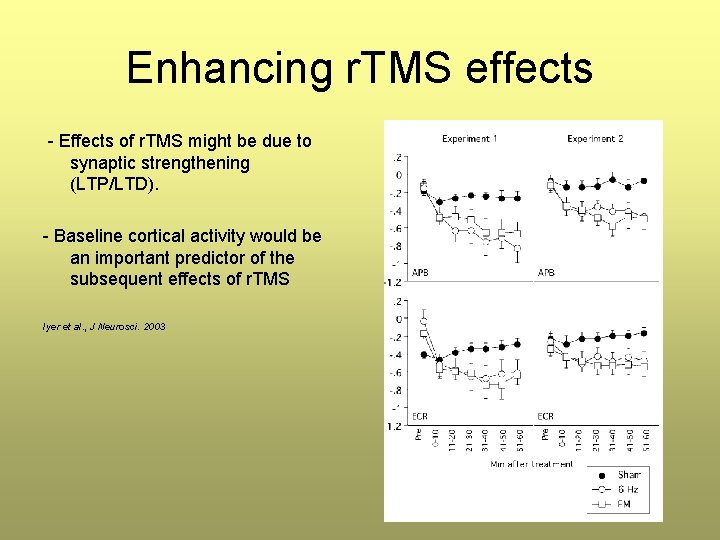
Enhancing r. TMS effects - Effects of r. TMS might be due to synaptic strengthening (LTP/LTD). - Baseline cortical activity would be an important predictor of the subsequent effects of r. TMS Iyer et al. , J Neurosci. 2003
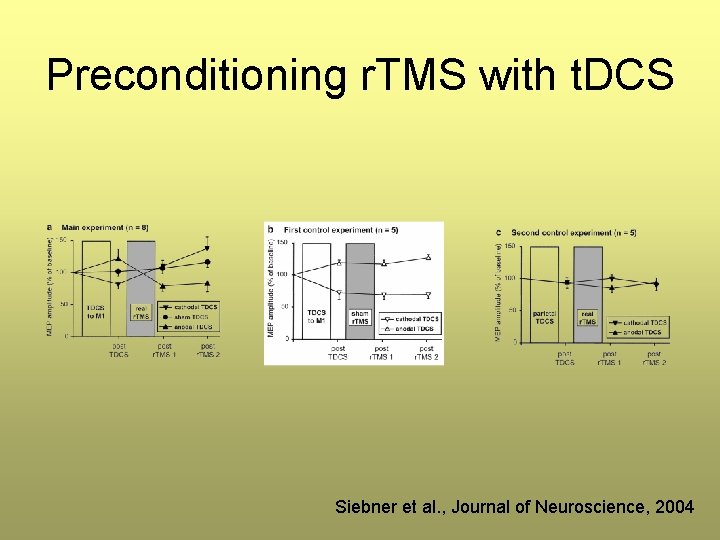
Preconditioning r. TMS with t. DCS Siebner et al. , Journal of Neuroscience, 2004
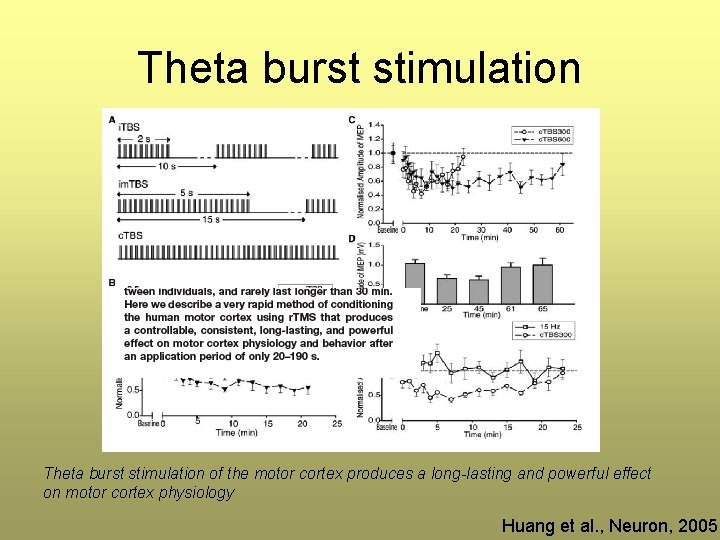
Theta burst stimulation of the motor cortex produces a long-lasting and powerful effect on motor cortex physiology Huang et al. , Neuron, 2005
Maintenance therapy - what to do after the induction phase? • Recent studies showing that r. TMS if applied once every 1 or 2 weeks is effective to maintain the beneficial therapeutic effects O'Reardon JP, Blumner KH, Peshek AD, Pradilla RR, Pimiento PC. Long-term maintenance therapy for major depressive disorder with r. TMS. J Clin Psychiatry. 2005 Dec; 66(12): 1524 -8. Li X, Nahas Z, Anderson B, Kozel FA, George MS. Can left prefrontal r. TMS be used as a maintenance treatment for bipolardepression? Depress Anxiety. 2004; 20(2): 98 -100. • Our experience shows that it is possible to maintain patients in remission for several years using r. TMS
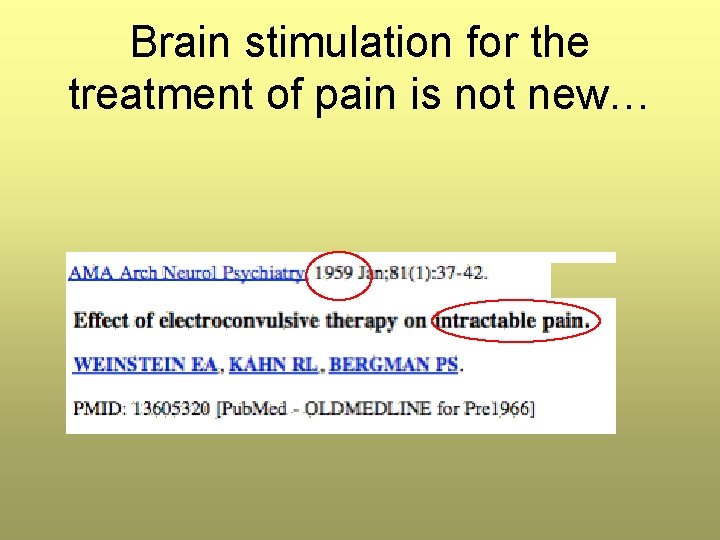
Brain stimulation for the treatment of pain is not new…
• Although there are some encouraging results, neuromodulation for chronic pain is still a relatively unexplored field and conclusions regarding its clinical effects at this stage are not yet possible.
Thank you ffregni@bidmc. harvard. edu