Hazard Recognition in Scrap Recycling Susan Harwood Training

- Slides: 191
Hazard Recognition in Scrap Recycling Susan Harwood Training Grant 2016
Disclaimers • This material was produced under grant number SH-29653 -SH 6 from the Occupational Safety and Health Administration, U. S. Department of Labor. It does not necessarily reflect the views or policies of the U. S. Department of Labor, nor does mention of trade names, commercial products, or organizations imply endorsement by the U. S. Government. • This training is not intended to replace site or company specific training on the recognition and control of hazards in the workplace. • Photos shown in this presentation may depict situations that are not in compliance with applicable OSHA/safety requirements. • It is the responsibility of the employer and its employees to comply with all pertinent OSHA/safety rules and regulations in the jurisdiction in which they work.
Introduction • Who am I & Why are we here today • Who is ISRI, OSHA, Susan Harwood • Wii. FM or What’s in it for me? • Safety issues in scrap recycling • Mobile Equipment safety – Housekeeping & Fire Prevention – Lockout/Tagout – Hazard Communication – Personal Protective Equipment • Accidents/Incidents • Hazard Recognition • Job Hazard Analysis (JHA) understanding & development
Learning Objectives In this class you can expect to learn the following: • How to better recognize hazards in your workplace • Understanding safety around mobile equipment • Fire prevention methods • How to follow the lock out tag out process • How to recognize and understand Safety Data Sheet (SDS) pictograms • How to read and understand a Safety Data Sheet • How to do a Personal Protective Equipment job hazard assessment
OSHA’s Mission With the Occupational Safety and Health Act of 1970, Congress created the Occupational Safety and Health Administration (OSHA) to assure safe and healthful working conditions for working men and women by setting and enforcing standards and by providing training, outreach, education and assistance.
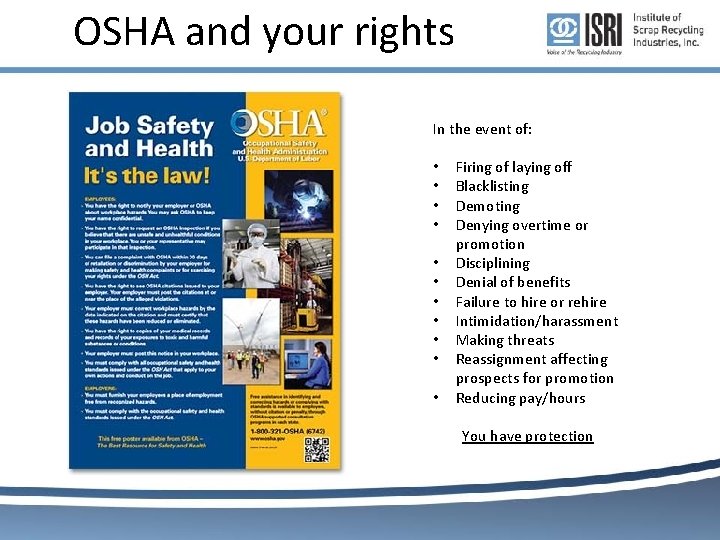
OSHA and your rights In the event of: • • • Firing of laying off Blacklisting Demoting Denying overtime or promotion Disciplining Denial of benefits Failure to hire or rehire Intimidation/harassment Making threats Reassignment affecting prospects for promotion Reducing pay/hours You have protection
OSHA code of federal regulations http: //www. osha. gov
Incident An unplanned, unwanted, but controllable event which disrupts the work process and causes injury to people or damage to property.
Near Miss An unplanned and unwanted event which disrupts the work process and has the potential of resulting in injury, harm, or damage to persons or property.
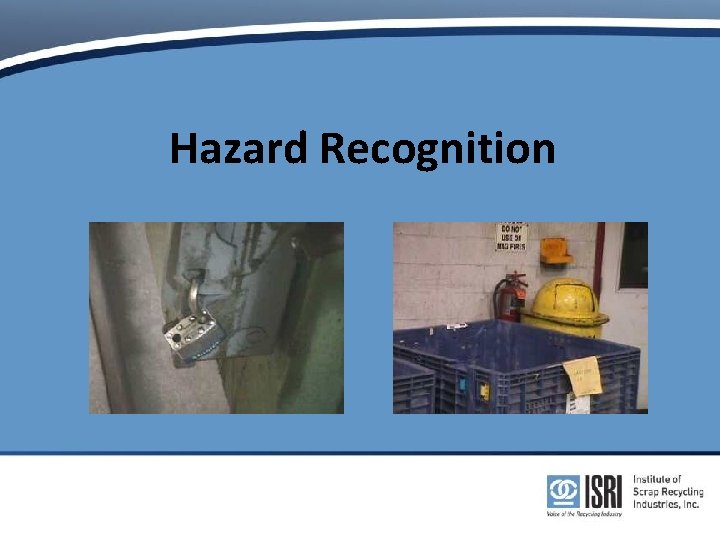
Hazard Recognition
What is a Hazard? • A hazard is a situation, an item, or a condition that is potentially dangerous. A hazard might endanger the health and/or safety of workers, contractors, or the general public. • Hazards may look nonthreatening, but they have the potential to result in injury, illness or loss of life and/or property within certain conditions, and are described as incidents looking for a place to happen. • Most hazards are foreseeable and, therefore, preventable if safety measures are implemented and hazards are diligently reported and dealt with. (Hazard Recognition Checklists)
Why is Hazard Recognition Important? Poor health and safety conditions can cause property damage, increase costs and result in incidents. Recognizing and correcting hazards can greatly reduce the risk of workplace incidents and overall help to ensure worker safety.
Tips for Hazard Recognition • Create a plant inspection team. • Try to include someone on your team who doesn’t work in this area all the time. • Divide the assessment area into sections. • Do a pre-assessment preparation. • Monthly inspections are necessary, but they are no substitute for daily checks. • Be sure to communicate the results of your findings.
Quiz – Hazard Recognition Anything that has the potential to cause harm to people, damage to property or environment, or loss to process is called what? A. A mistake B. A hazard C. Excessive noise D. All of the above
Quiz – Hazard Recognition Pre-use inspections provide you with the opportunity to identify hazards and correct them before beginning any task. True or False
Quiz – Hazard Recognition Effective hazard recognition can be the difference between a near miss event and a very serious injury, or even a fatality. True or False
Quiz – Hazard Recognition A Job Hazard Assessment (JHA) is an example of a procedure that can be created from information gathered during a risk assessment of the working area. True or False
Quiz – Hazard Recognition Which of the following requires an inspection to be completed prior to use on each shift? A. Forklifts B. Overhead Cranes C. All other forms of mobile equipment D. All of the above
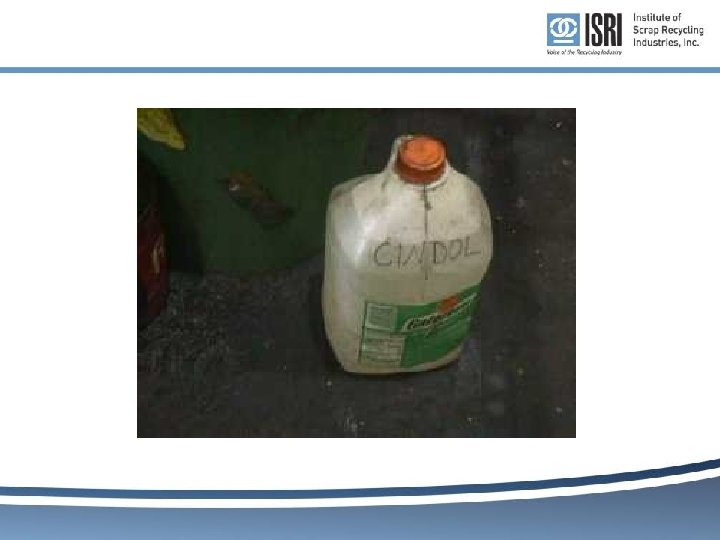
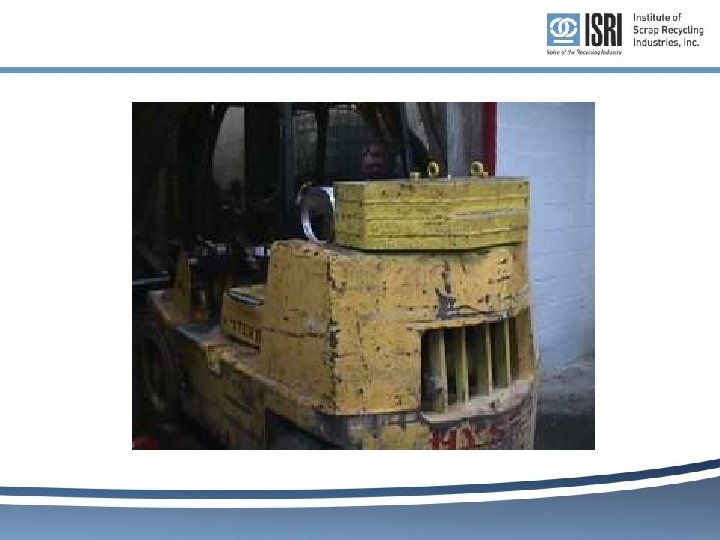
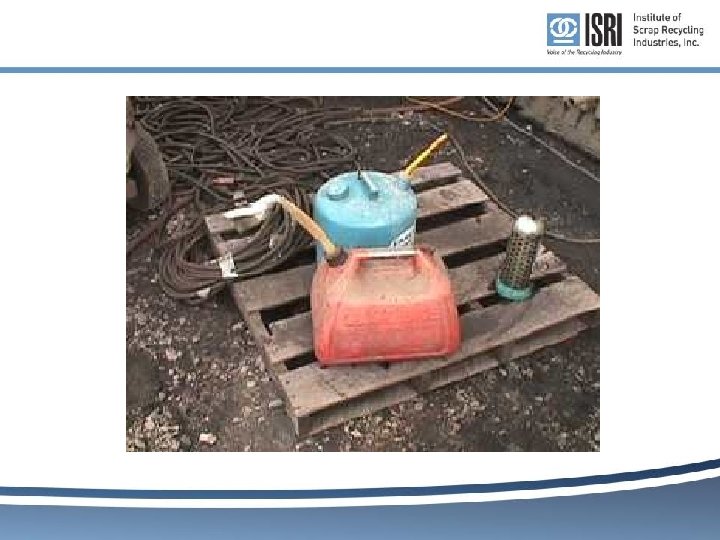
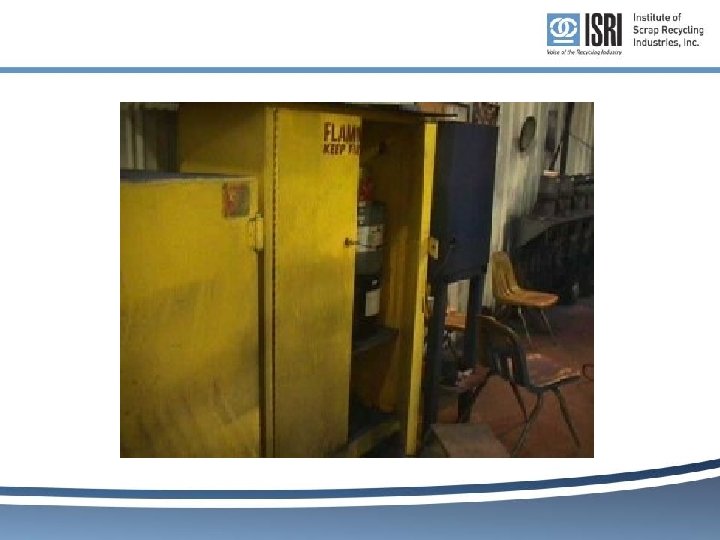
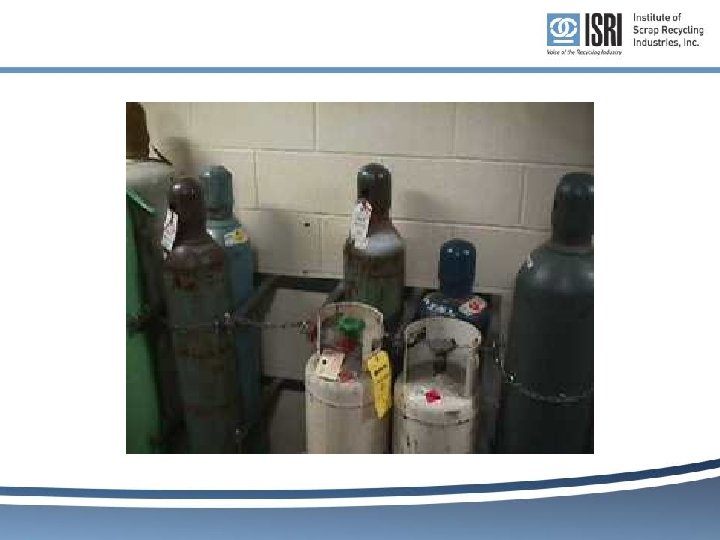
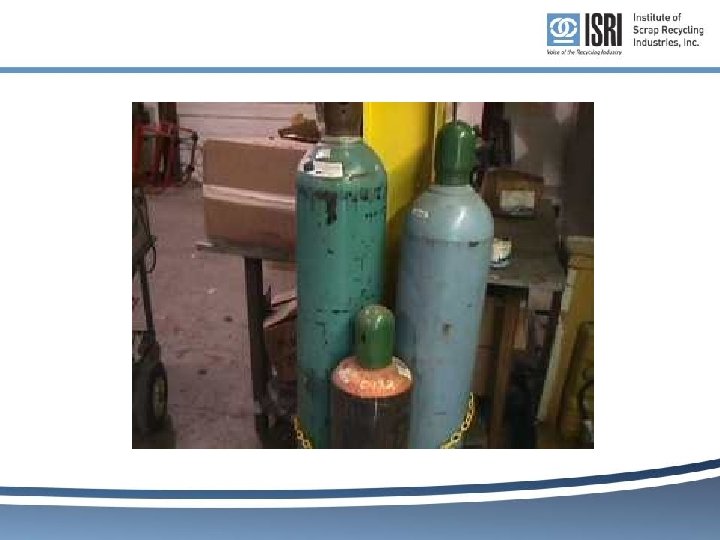
Do you see any hazards here?
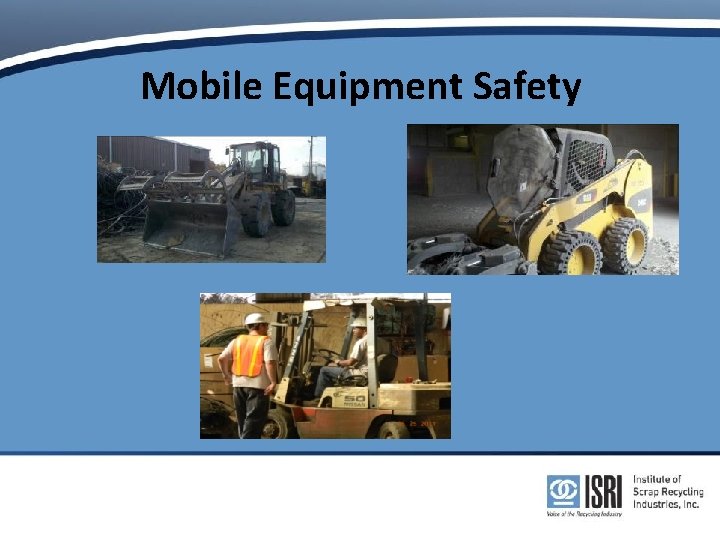
Mobile Equipment Safety
Hazard Recognition
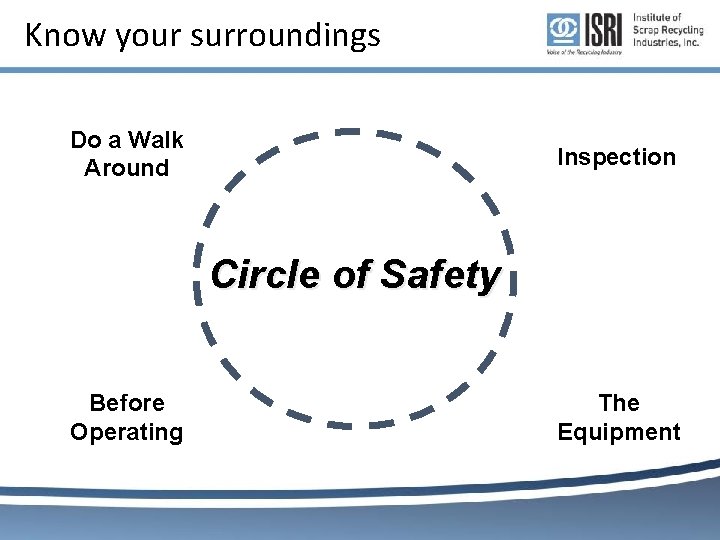
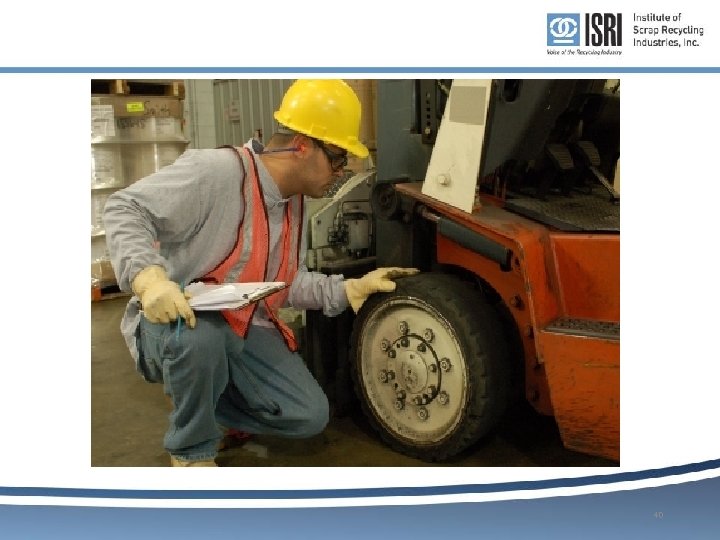
Know your surroundings Do a Walk Around Inspection Circle of Safety Before Operating The Equipment
40
Safety around Mobile Equipment How do you communicate with the mobile equipment operators in your facility?
Safety around Mobile Equipment What is the safe distance to work or walk around mobile equipment at your facility?
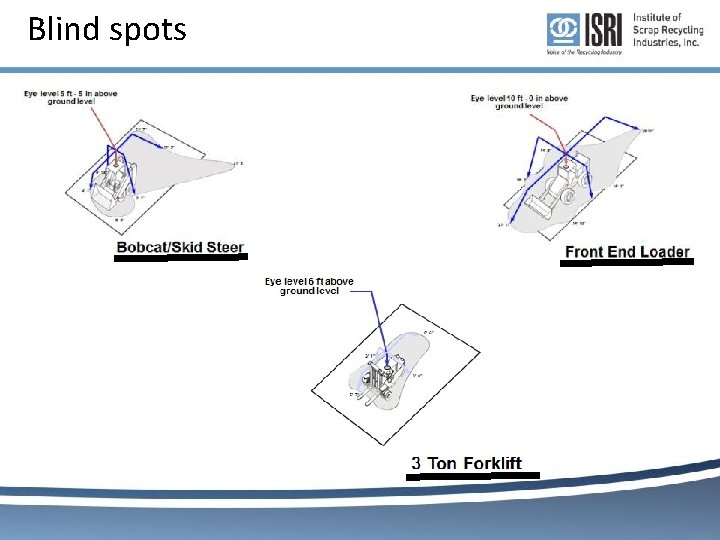
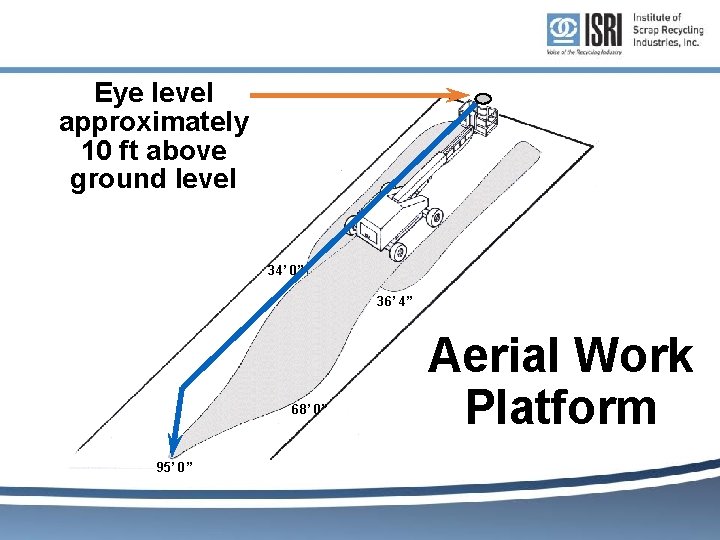
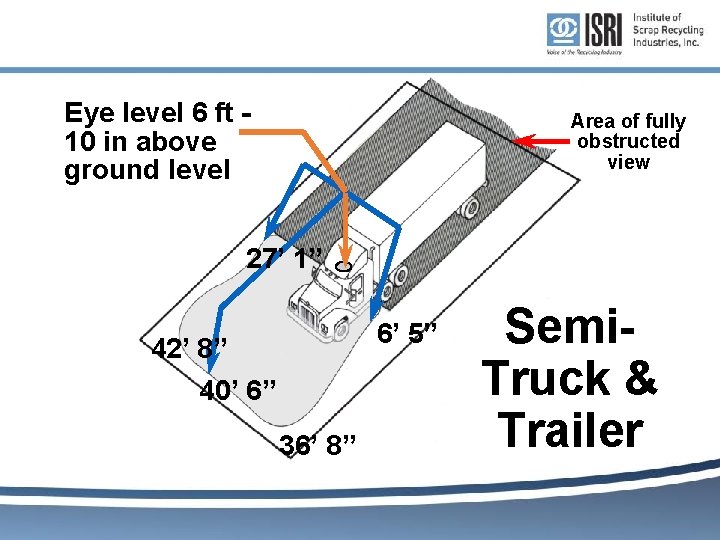
Blind spots
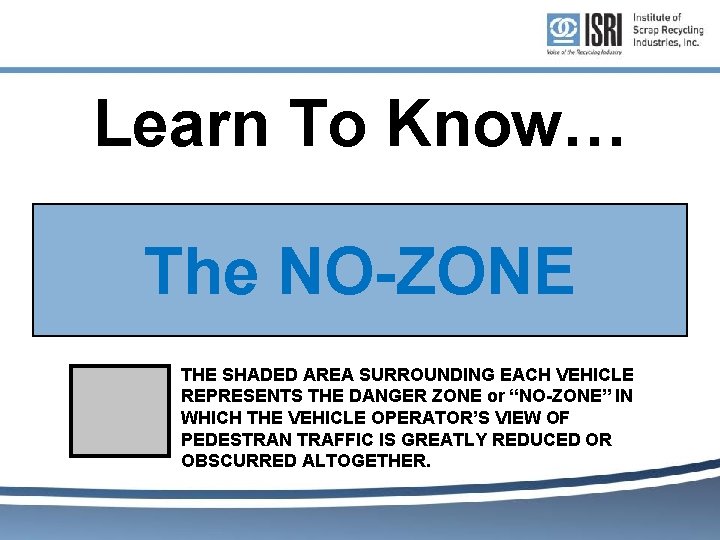
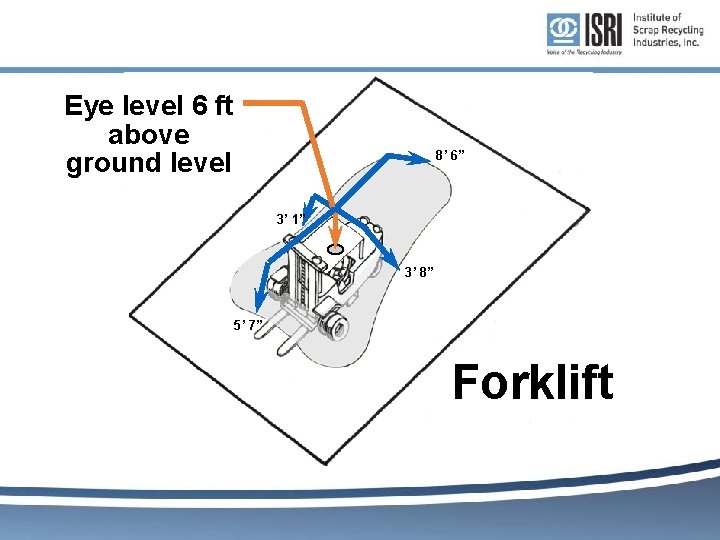
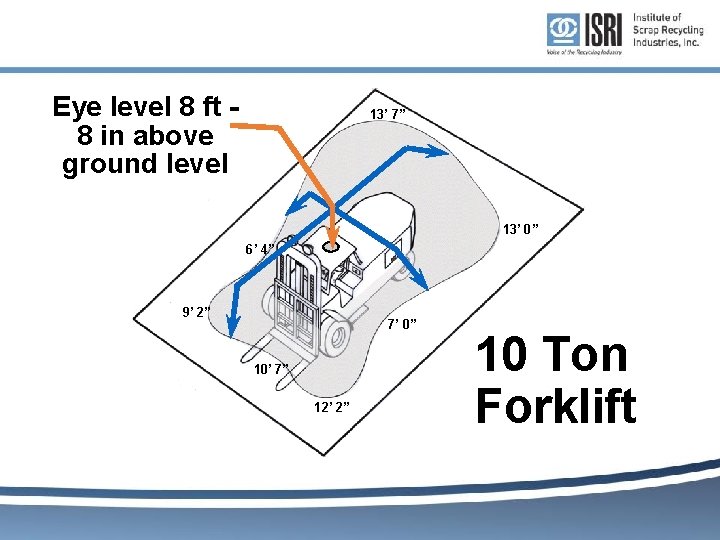
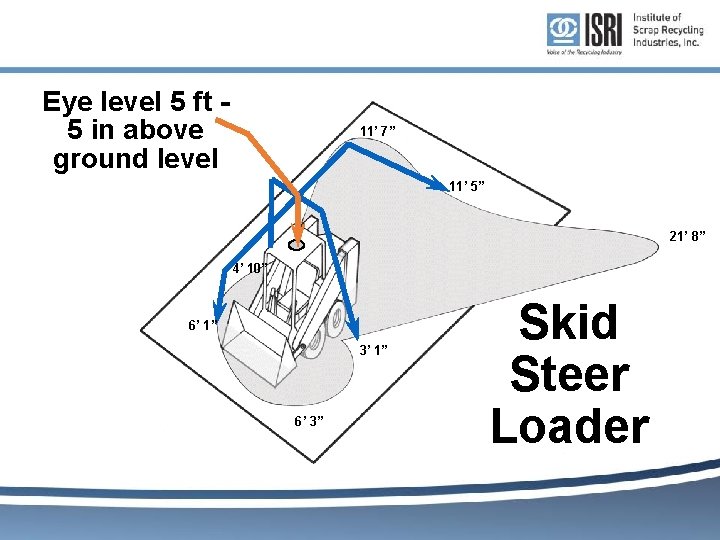
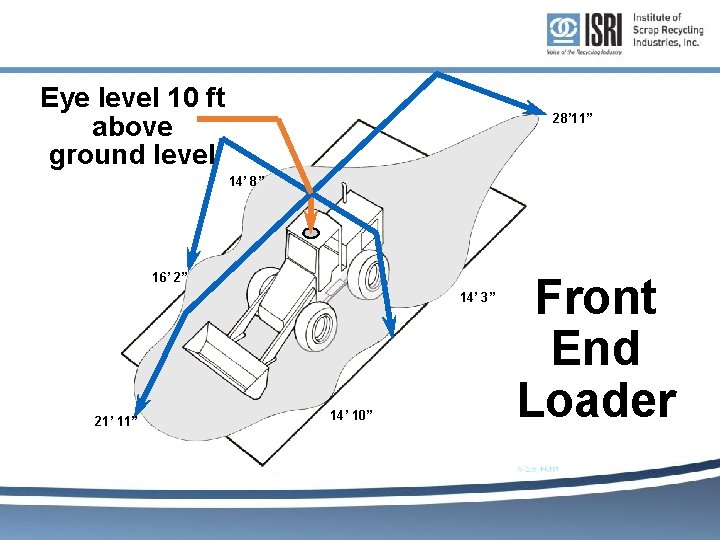
Learn To Know… The NO-ZONE THE SHADED AREA SURROUNDING EACH VEHICLE REPRESENTS THE DANGER ZONE or “NO-ZONE” IN WHICH THE VEHICLE OPERATOR’S VIEW OF PEDESTRAN TRAFFIC IS GREATLY REDUCED OR OBSCURRED ALTOGETHER.
Eye level 6 ft above ground level 8’ 6” 3’ 1” 3’ 8” 5’ 7” Forklift
Eye level 8 ft 8 in above ground level 13’ 7” 13’ 0” 6’ 4” 9’ 2” 7’ 0” 10’ 7” 12’ 2” 10 Ton Forklift
Eye level 5 ft 5 in above ground level 11’ 7” 11’ 5” 21’ 8” 4’ 10” 6’ 1” 3’ 1” 6’ 3” Skid Steer Loader
Eye level 10 ft above ground level 28’ 11” 14’ 8” 16’ 2” 14’ 3” 21’ 11” 14’ 10” Front End Loader
Eye level approximately 10 ft above ground level 34’ 0” 36’ 4” 68’ 0” 95’ 0” Aerial Work Platform
Eye level 6 ft 10 in above ground level Area of fully obstructed view 27’ 1” 6’ 5” 42’ 8” 40’ 6” 36’ 8” Semi. Truck & Trailer
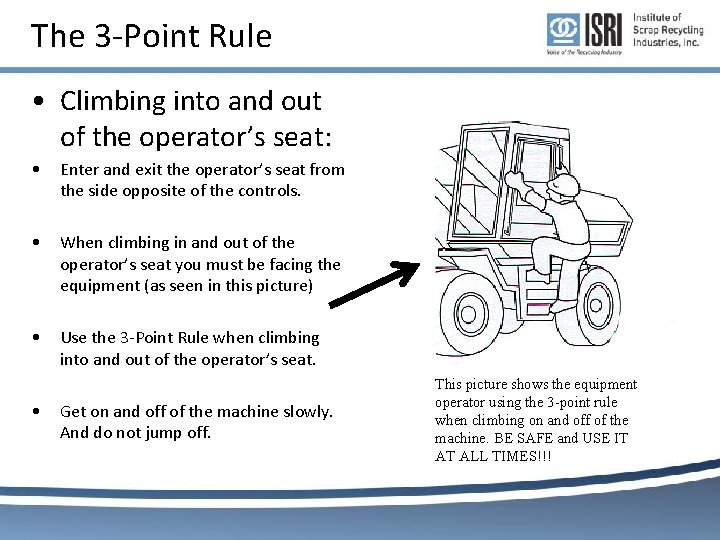
The 3 -Point Rule • Climbing into and out of the operator’s seat: • Enter and exit the operator’s seat from the side opposite of the controls. • When climbing in and out of the operator’s seat you must be facing the equipment (as seen in this picture) • Use the 3 -Point Rule when climbing into and out of the operator’s seat. • Get on and off of the machine slowly. And do not jump off. This picture shows the equipment operator using the 3 -point rule when climbing on and off of the machine. BE SAFE and USE IT AT ALL TIMES!!!
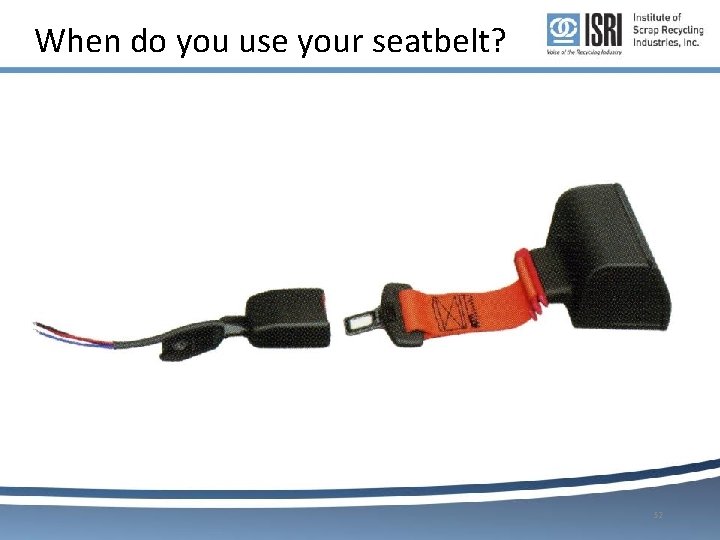
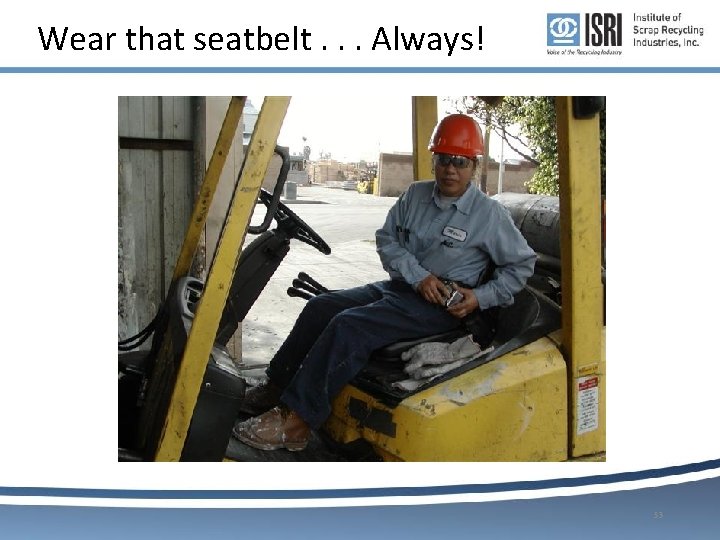
When do you use your seatbelt? 52
Wear that seatbelt. . . Always! 53
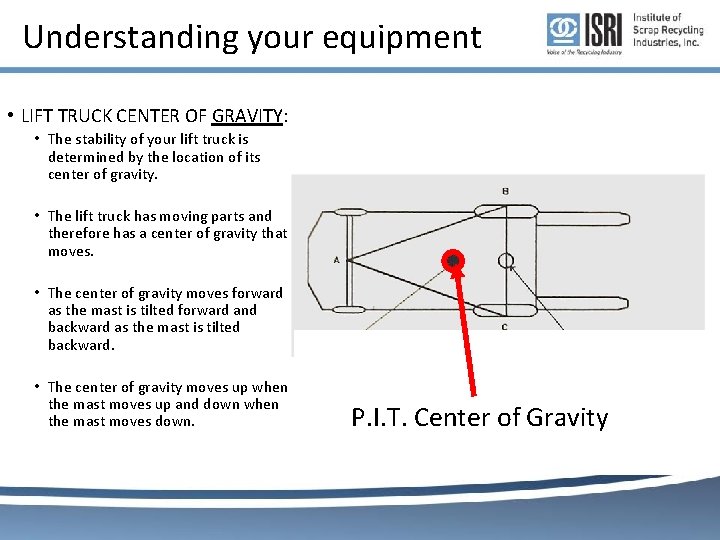
Understanding your equipment • LIFT TRUCK CENTER OF GRAVITY: • The stability of your lift truck is determined by the location of its center of gravity. • The lift truck has moving parts and therefore has a center of gravity that moves. • The center of gravity moves forward as the mast is tilted forward and backward as the mast is tilted backward. • The center of gravity moves up when the mast moves up and down when the mast moves down. P. I. T. Center of Gravity
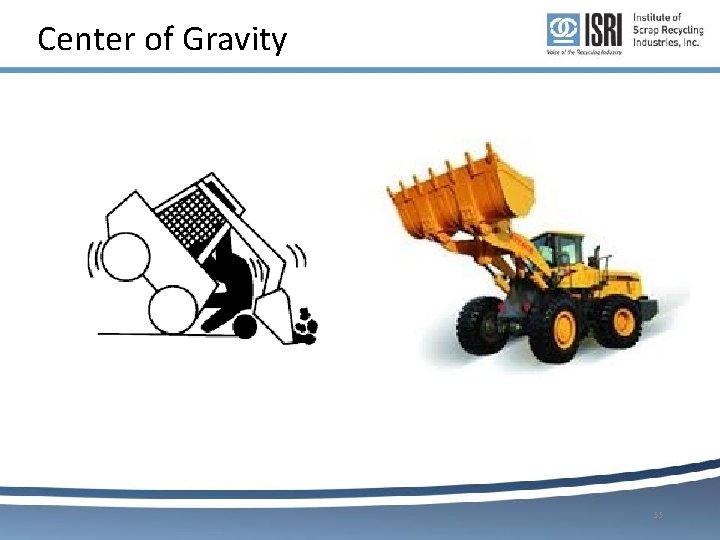
Center of Gravity 55
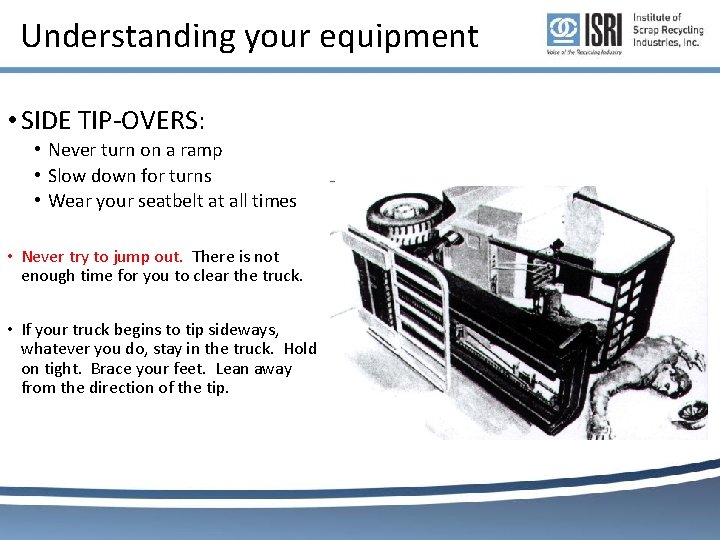
Understanding your equipment • SIDE TIP-OVERS: • Never turn on a ramp • Slow down for turns • Wear your seatbelt at all times • Never try to jump out. There is not enough time for you to clear the truck. • If your truck begins to tip sideways, whatever you do, stay in the truck. Hold on tight. Brace your feet. Lean away from the direction of the tip.
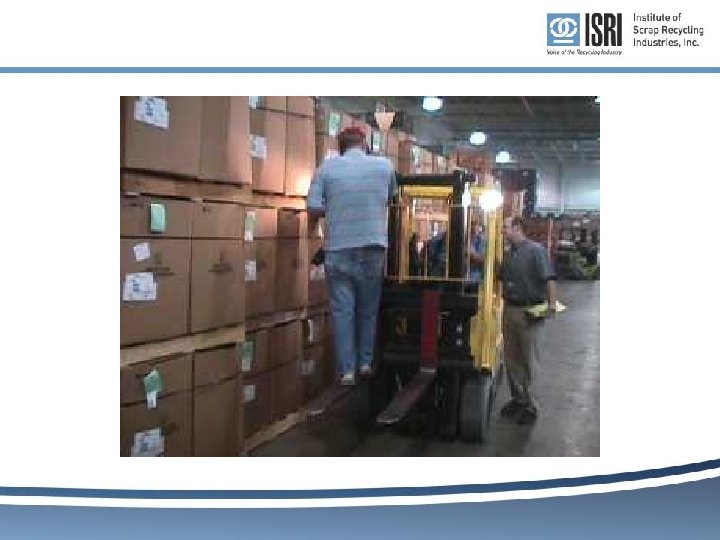
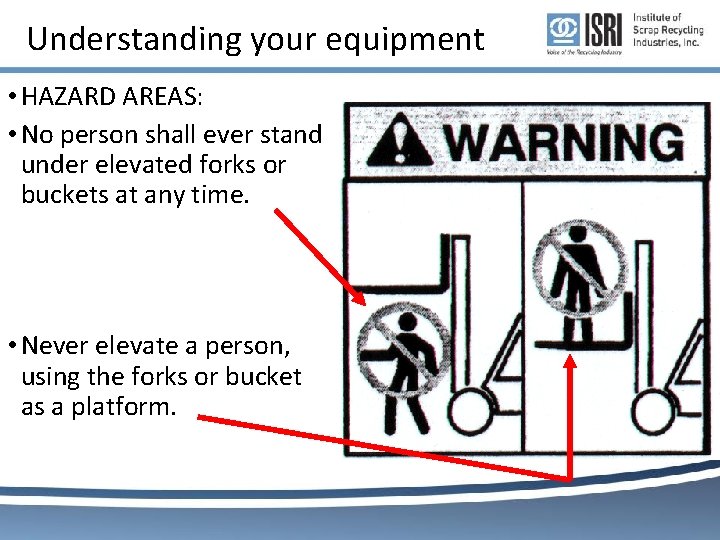
Understanding your equipment • HAZARD AREAS: • No person shall ever stand under elevated forks or buckets at any time. • Never elevate a person, using the forks or bucket as a platform.
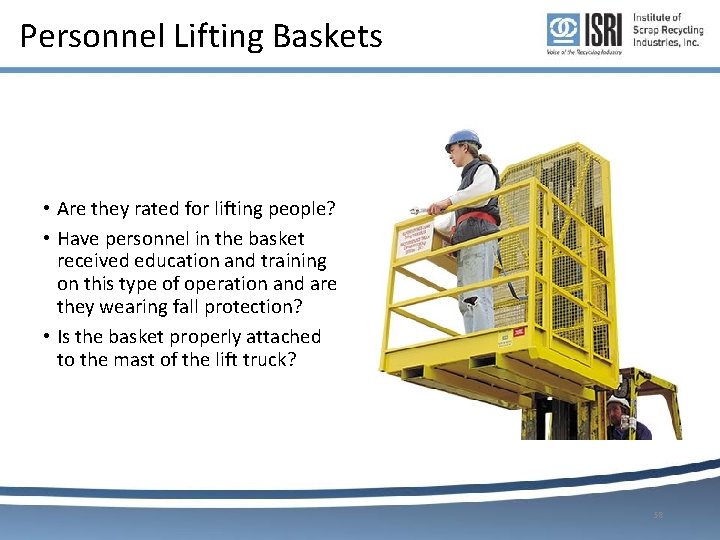
Personnel Lifting Baskets • Are they rated for lifting people? • Have personnel in the basket received education and training on this type of operation and are they wearing fall protection? • Is the basket properly attached to the mast of the lift truck? 58
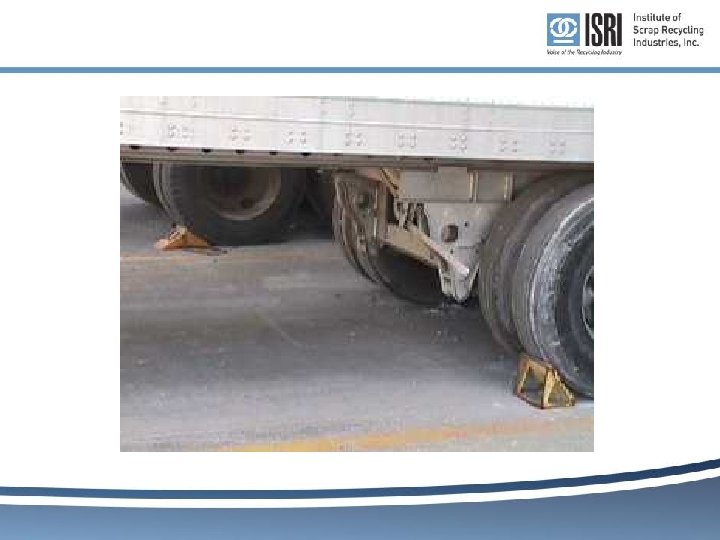
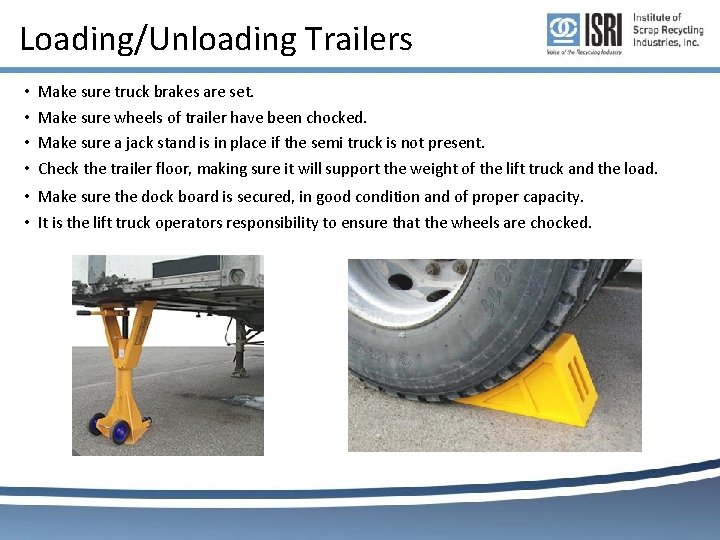
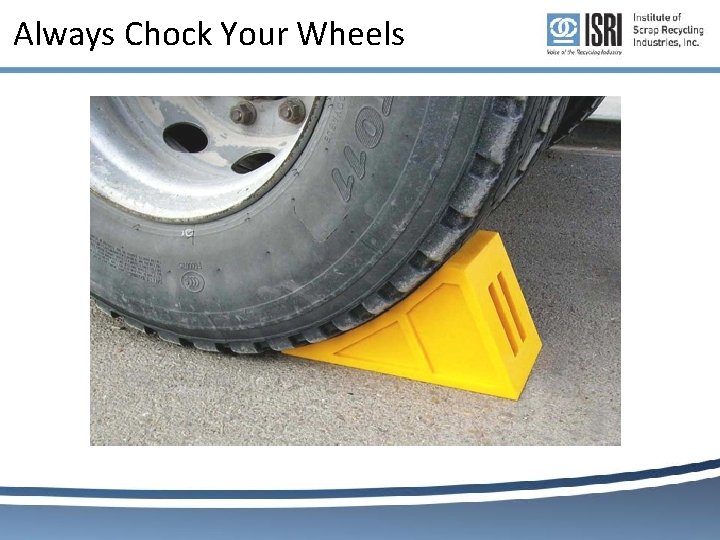
Loading/Unloading Trailers • • Make sure truck brakes are set. Make sure wheels of trailer have been chocked. Make sure a jack stand is in place if the semi truck is not present. Check the trailer floor, making sure it will support the weight of the lift truck and the load. • Make sure the dock board is secured, in good condition and of proper capacity. • It is the lift truck operators responsibility to ensure that the wheels are chocked.
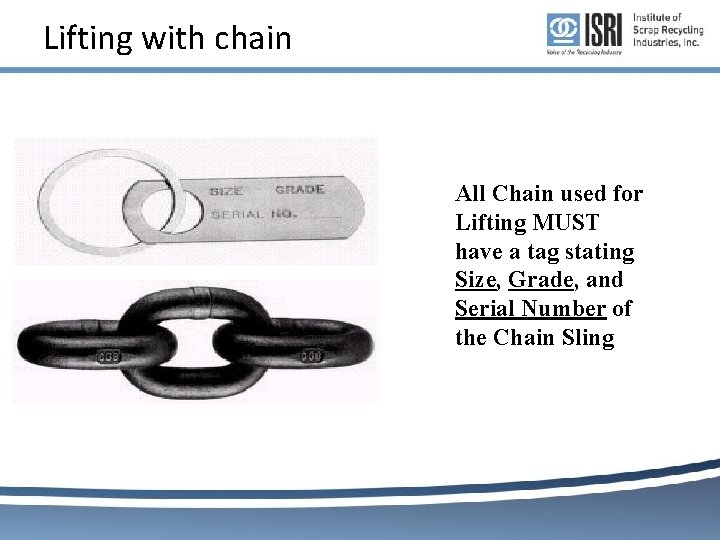
Lifting with chain All Chain used for Lifting MUST have a tag stating Size, Grade, and Serial Number of the Chain Sling
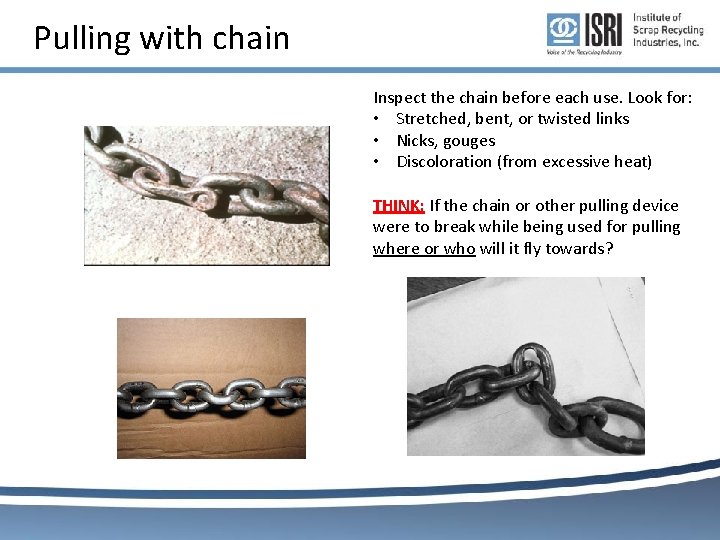
Pulling with chain Inspect the chain before each use. Look for: • Stretched, bent, or twisted links • Nicks, gouges • Discoloration (from excessive heat) THINK: If the chain or other pulling device were to break while being used for pulling where or who will it fly towards?
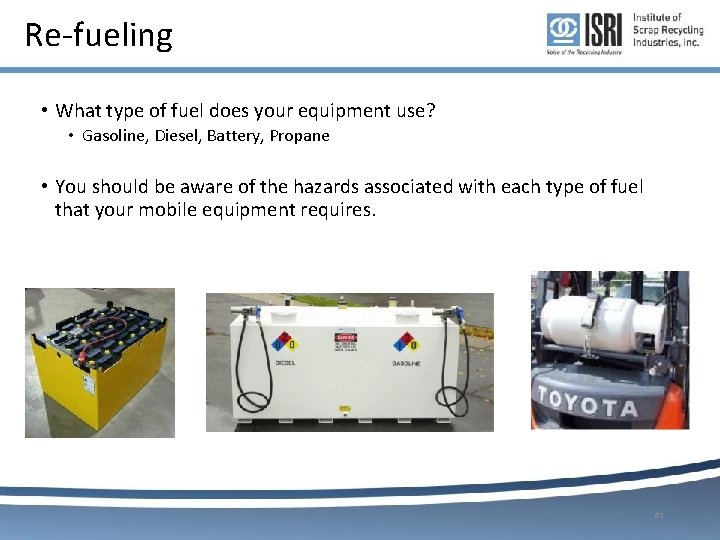
Re-fueling • What type of fuel does your equipment use? • Gasoline, Diesel, Battery, Propane • You should be aware of the hazards associated with each type of fuel that your mobile equipment requires. 62
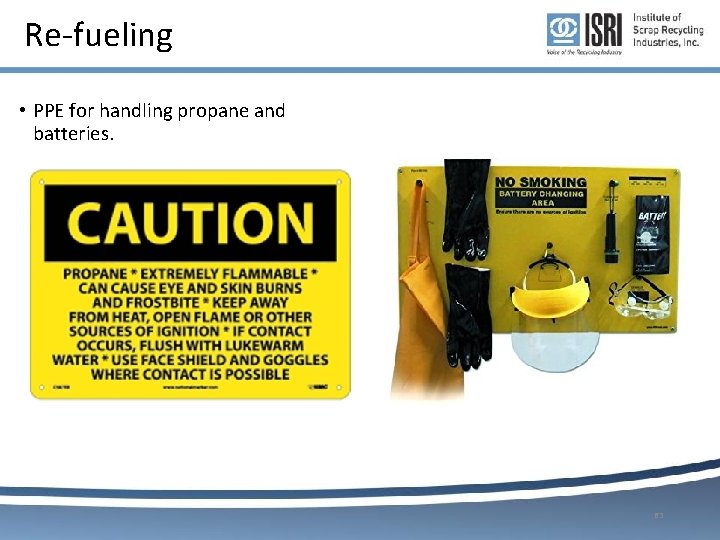
Re-fueling • PPE for handling propane and batteries. 63
Be aware of Carbon Monoxide HUNTERSVILLE, NC (WBTV) - Three people were taken to the hospital and nine others were evaluated after officials detected high levels of carbon monoxide inside a Huntersville building Monday afternoon. The source of the carbon monoxide was a forklift, the Huntersville Fire Department determined. The incident happened just before 12: 30 p. m. a building in the 11500 block of Vanstory Drive, where fire officials worked to ventilate the structure. Medic took three people to Novant Huntersville with minor injuries and evaluated nine others. By 1: 40 p. m. , Huntersville fire officials said the building was clear and safe. http: //www. wbtv. com/story/30586558/forklift-to-blame-for-co-detection-in-huntersville-buildinghospitalizing-3
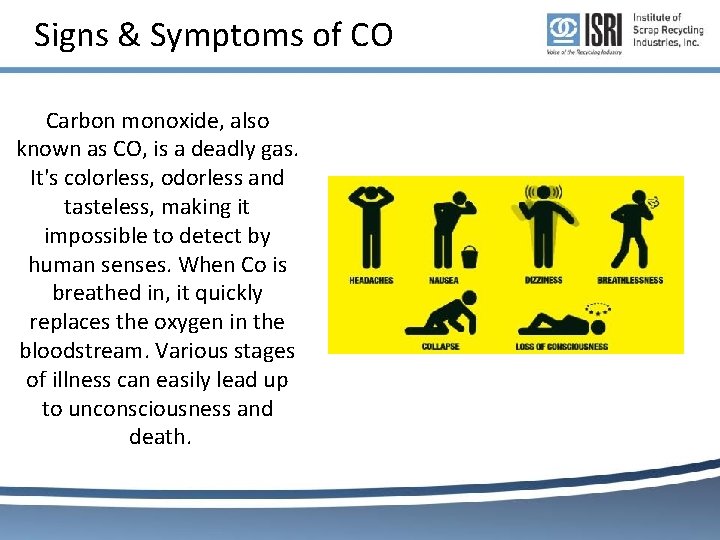
Signs & Symptoms of CO Carbon monoxide, also known as CO, is a deadly gas. It's colorless, odorless and tasteless, making it impossible to detect by human senses. When Co is breathed in, it quickly replaces the oxygen in the bloodstream. Various stages of illness can easily lead up to unconsciousness and death.
Cell Phone Use And Texting What is your policy?
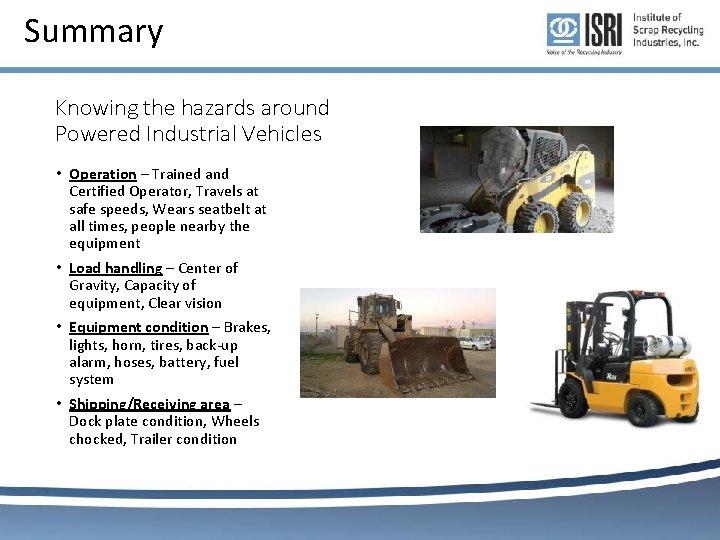
Summary Knowing the hazards around Powered Industrial Vehicles • Operation – Trained and Certified Operator, Travels at safe speeds, Wears seatbelt at all times, people nearby the equipment • Load handling – Center of Gravity, Capacity of equipment, Clear vision • Equipment condition – Brakes, lights, horn, tires, back-up alarm, hoses, battery, fuel system • Shipping/Receiving area – Dock plate condition, Wheels chocked, Trailer condition
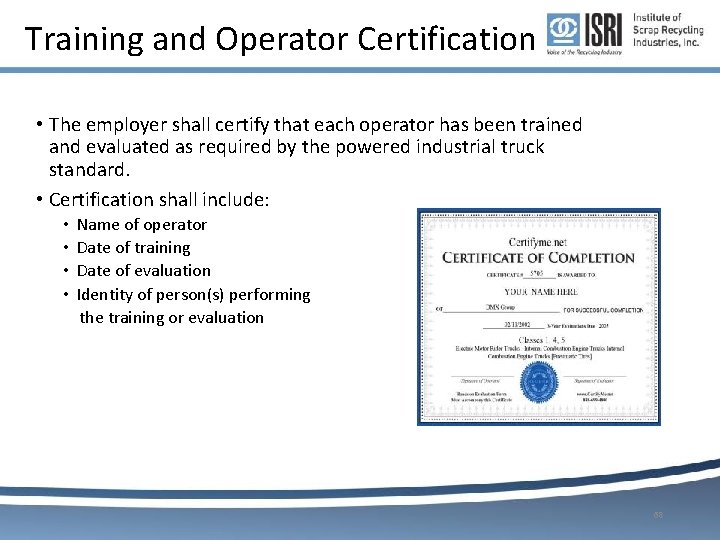
Training and Operator Certification • The employer shall certify that each operator has been trained and evaluated as required by the powered industrial truck standard. • Certification shall include: • • Name of operator Date of training Date of evaluation Identity of person(s) performing the training or evaluation 68
Mobile equipment checklist • Operators trained to operate safely • Equipment inspections are getting done • Back-up alarms, lights, horn function properly • Data plates are legible • Three point RULE is being used when climbing on/off of machinery • Pedestrians are at a safe distance from operating machinery • Operators are wearing seatbelts • Equipment is being operated safely and within its limits • Forks lowered to the ground when machine is parked
Quiz – Mobile Equipment When approaching mobile equipment, it is important to do which of the following? A. Walk behind the equipment and wait for the operator to stop B. Make eye contact with the operator and wait for permission to approach C. Stand in the middle of the roadway to flag down the operator D. Walk beside the operator and yell until the operator stops the equipment
Quiz – Mobile Equipment One way to prevent a dangerous situation when working around moving equipment would be to: A. Avoid danger zones B. Assume the equipment operator can see you C. Always walk behind mobile equipment D. Ride along with the operator
Quiz – Mobile Equipment operators and pedestrians play an important role in mobile equipment safety. True or False
Quiz – Mobile Equipment Which of the following has the potential to cause blind spots? A. Corners of buildings B. Stacks of products or materials C. Structural supports that exist in the cab of mobile equipment D. All of the above
Quiz – Mobile Equipment Which of the following is a common cause of injuries when climbing up, down, on or off of mobile equipment? A. Not using proper fall protection B. Ensuring steps are in good condition before climbing up, down, on or off of the equipment C. Failure to use three points of contact when climbing up, down, on or off of the equipment D. Facing the equipment when climbing up, down, on or off of the equipment
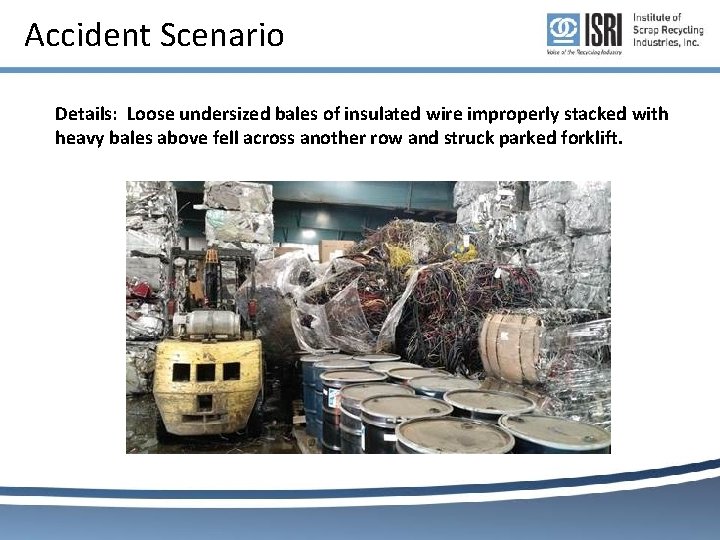
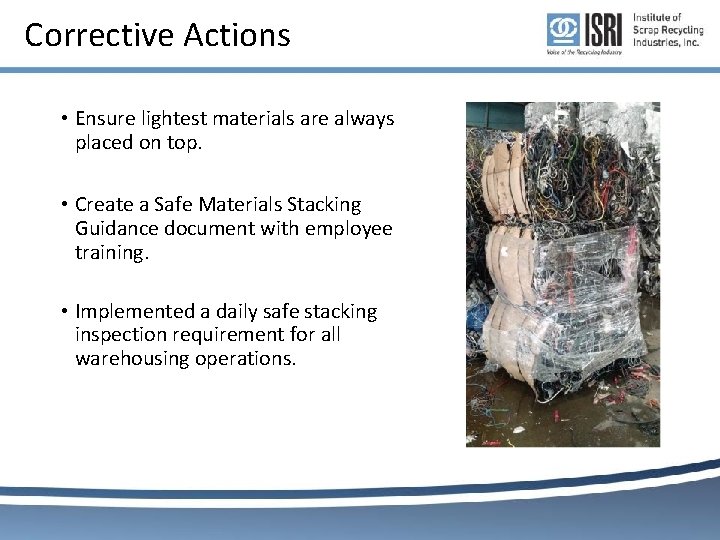
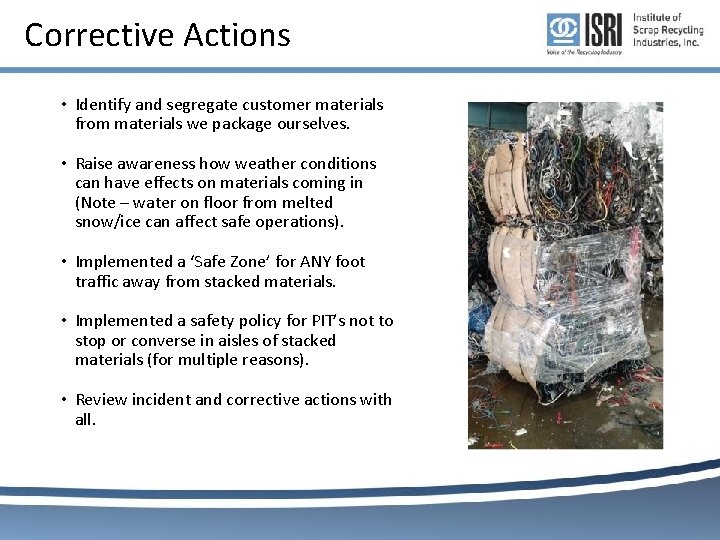
Accident Scenario Details: Loose undersized bales of insulated wire improperly stacked with heavy bales above fell across another row and struck parked forklift.
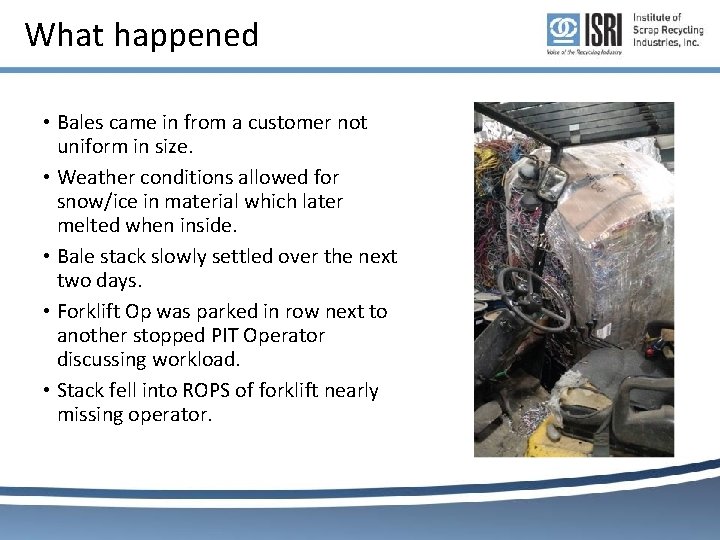
What happened • Bales came in from a customer not uniform in size. • Weather conditions allowed for snow/ice in material which later melted when inside. • Bale stack slowly settled over the next two days. • Forklift Op was parked in row next to another stopped PIT Operator discussing workload. • Stack fell into ROPS of forklift nearly missing operator.
Corrective Actions • Ensure lightest materials are always placed on top. • Create a Safe Materials Stacking Guidance document with employee training. • Implemented a daily safe stacking inspection requirement for all warehousing operations.
Corrective Actions • Identify and segregate customer materials from materials we package ourselves. • Raise awareness how weather conditions can have effects on materials coming in (Note – water on floor from melted snow/ice can affect safe operations). • Implemented a ‘Safe Zone’ for ANY foot traffic away from stacked materials. • Implemented a safety policy for PIT’s not to stop or converse in aisles of stacked materials (for multiple reasons). • Review incident and corrective actions with all.
How do we fix this so it doesn’t happen again?
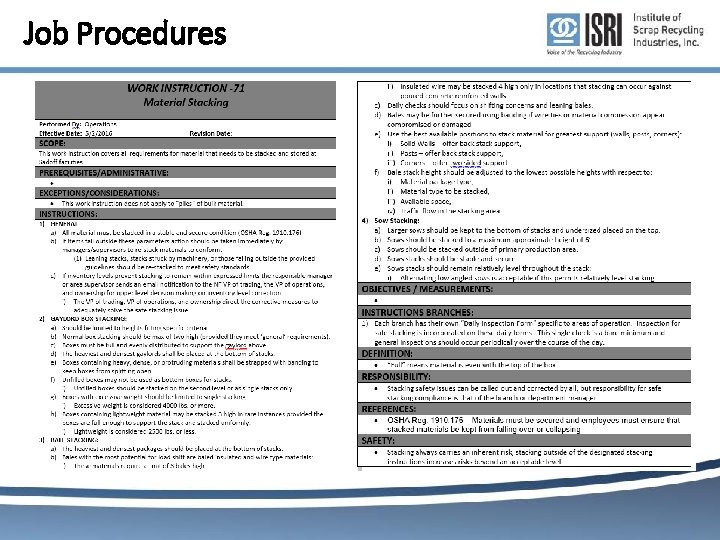
Job Procedures
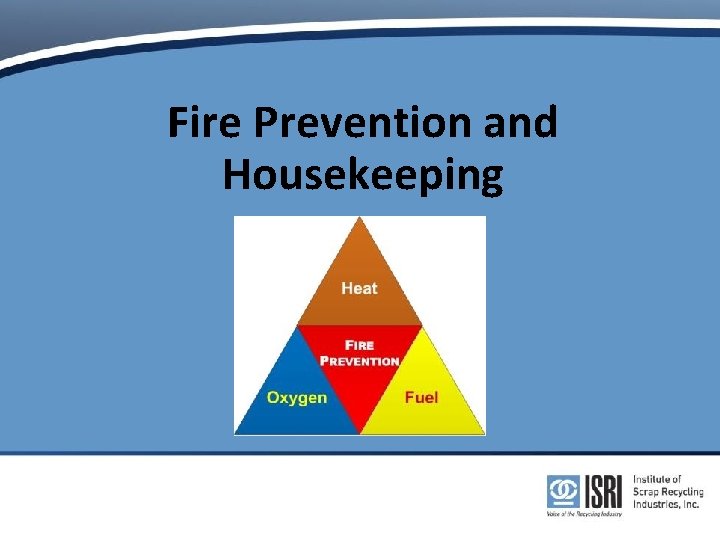
Fire Prevention and Housekeeping
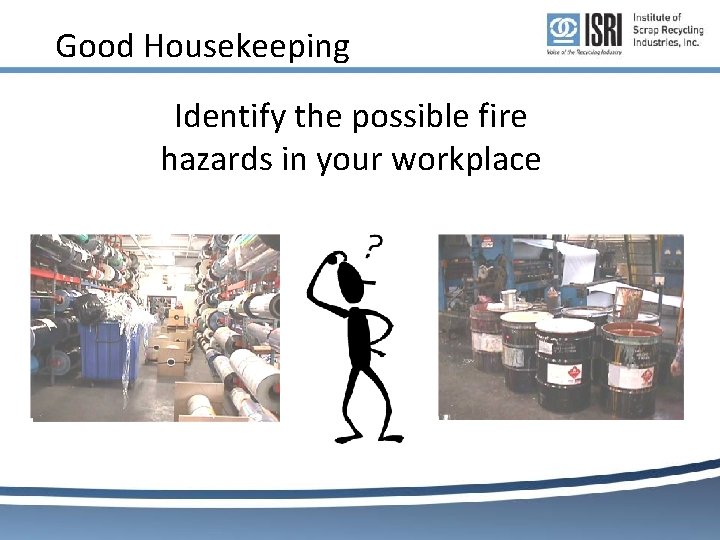
Good Housekeeping Identify the possible fire hazards in your workplace
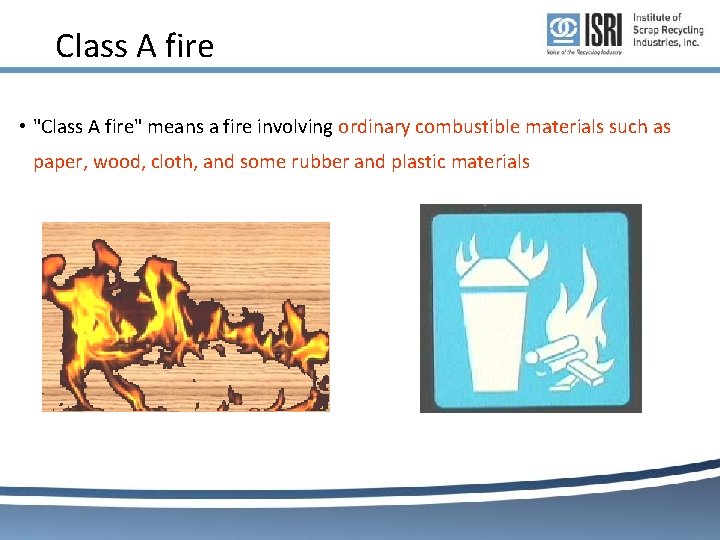
Class A fire • "Class A fire" means a fire involving ordinary combustible materials such as paper, wood, cloth, and some rubber and plastic materials
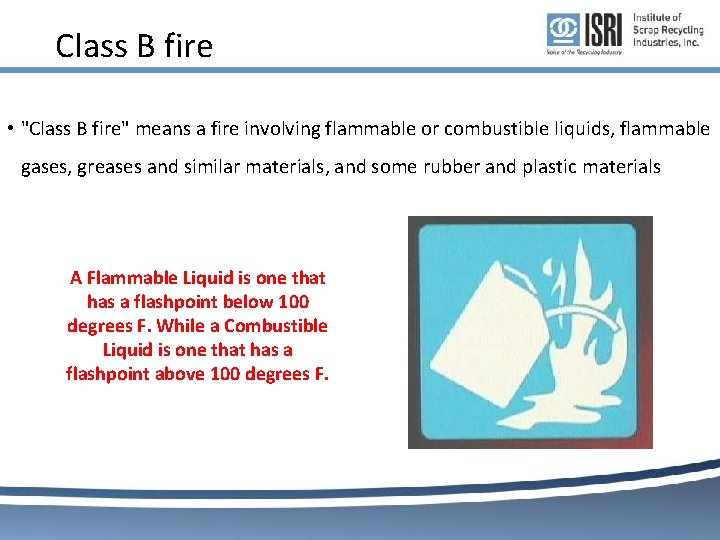
Class B fire • "Class B fire" means a fire involving flammable or combustible liquids, flammable gases, greases and similar materials, and some rubber and plastic materials A Flammable Liquid is one that has a flashpoint below 100 degrees F. While a Combustible Liquid is one that has a flashpoint above 100 degrees F.
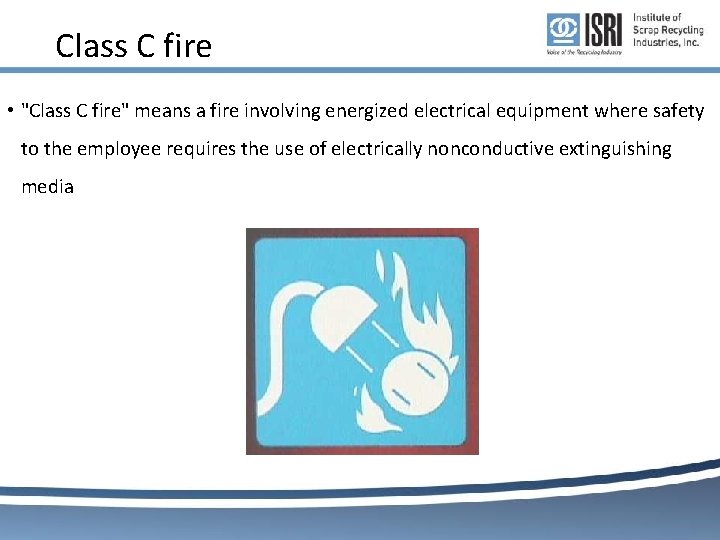
Class C fire • "Class C fire" means a fire involving energized electrical equipment where safety to the employee requires the use of electrically nonconductive extinguishing media
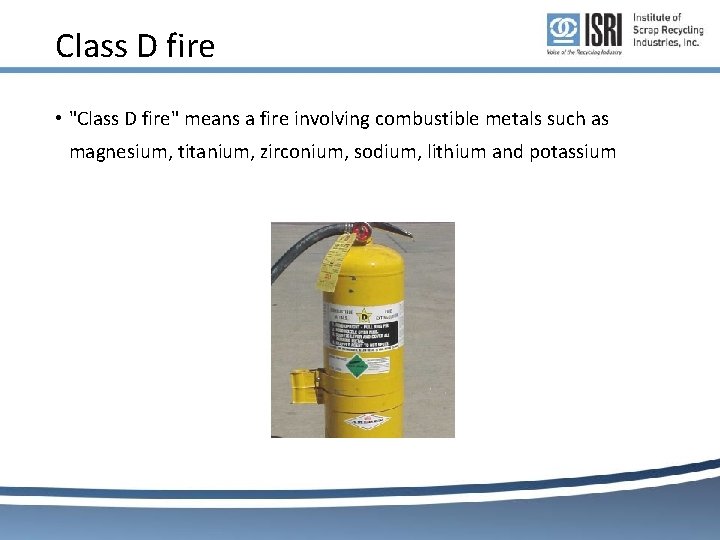
Class D fire • "Class D fire" means a fire involving combustible metals such as magnesium, titanium, zirconium, sodium, lithium and potassium
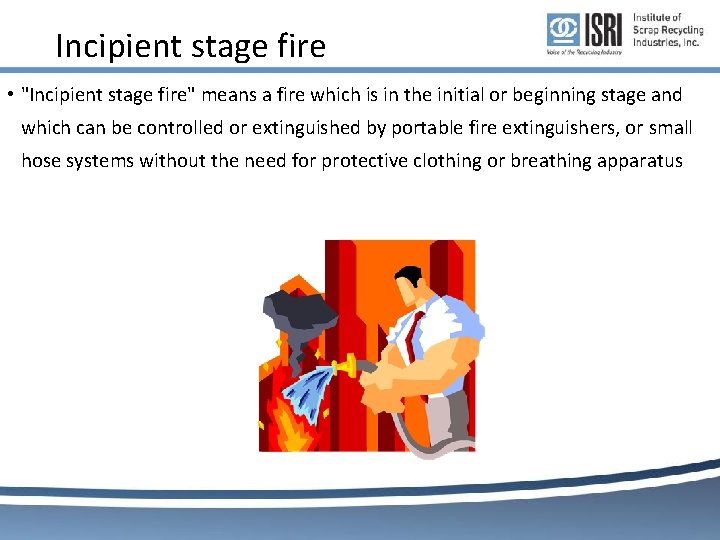
Incipient stage fire • "Incipient stage fire" means a fire which is in the initial or beginning stage and which can be controlled or extinguished by portable fire extinguishers, or small hose systems without the need for protective clothing or breathing apparatus
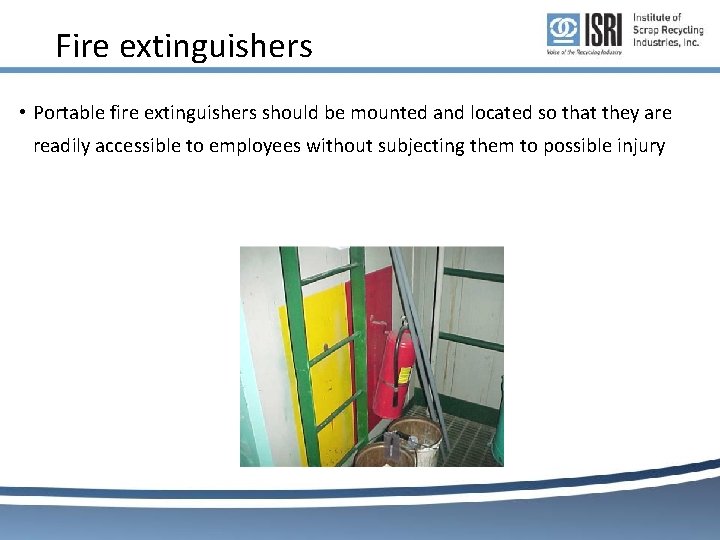
Fire extinguishers • Portable fire extinguishers should be mounted and located so that they are readily accessible to employees without subjecting them to possible injury
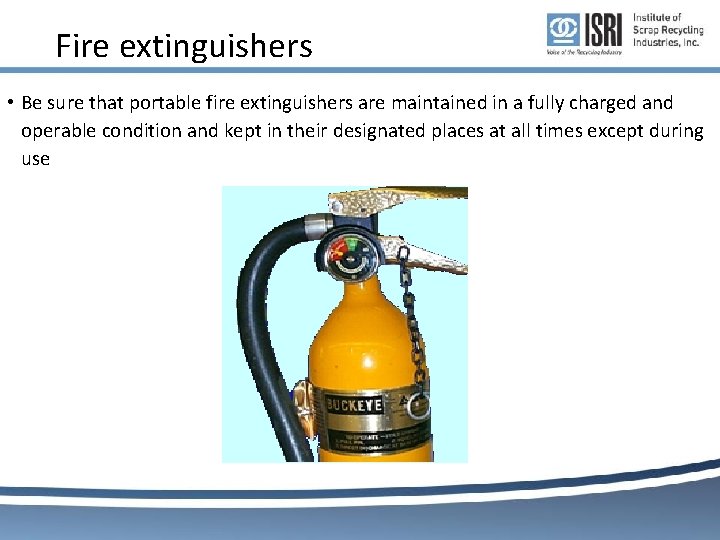
Fire extinguishers • Be sure that portable fire extinguishers are maintained in a fully charged and operable condition and kept in their designated places at all times except during use
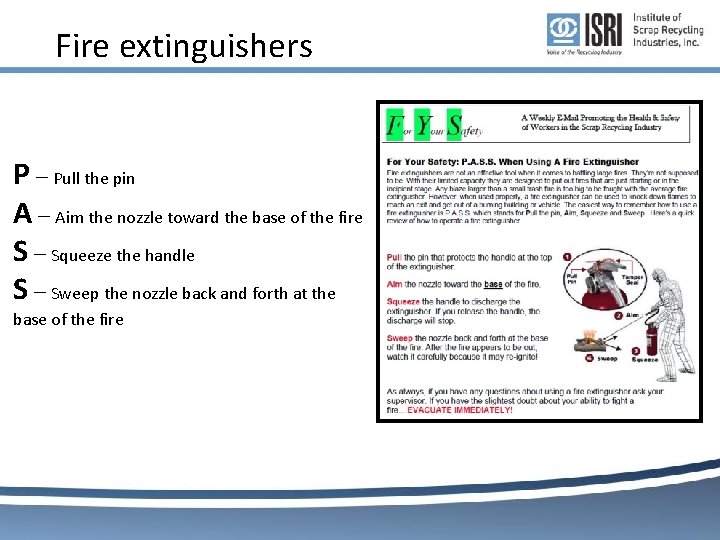
Fire extinguishers P – Pull the pin A – Aim the nozzle toward the base of the fire S – Squeeze the handle S – Sweep the nozzle back and forth at the base of the fire
Fire prevention checklist • Fire extinguisher(s) accessible and their location’s are marked properly • Fire extinguishers are in place and charged • No combustibles or flammables in hot work areas • Trash/Rag cans covered or emptied on a daily basis • Clear egress routes and exit signs • Automatic sprinkler heads unobstructed • Flammable liquids stored properly • Combustible materials kept to a minimum in process areas • Fire extinguisher are checked per code
Housekeeping checklist • Aisles/Stairs/Work stations clear of obstructions (slip/trip hazards) • Entry/Exits clear and unlocked • Work area clear of recognized hazards • Disconnects accessible • Compressed cylinders stored properly • Material stacked properly (will it fall) • Break room clean • Overall general area clean • Proper spill management tools available and used • Scrap stored properly/orderly • Mobile equipment cabs • Condition of maintenance shop areas • Restrooms clean and sanitary
Quiz – Fire Prevention Fire watches are responsible for which of the following? A. Continually watching for fires B. Knowing how to alert employees in the event of a fire C. Having a fire extinguisher and know how to operate it D. All of the above
Quiz – Fire Prevention How far away must combustible materials be removed from an area where hot work is being performed? A. 15 feet B. 25 feet C. 35 feet D. 45 feet
Quiz – Fire Prevention Identifying and eliminating fire hazards is the key to fire prevention. True or False
Quiz – Fire Prevention Before you begin any type of hot work activities, you should first evaluate your work area to identify items that have the potential to ignite. True or False
Quiz – Fire Prevention What is the proper way to operate a fire extinguisher? A. Pull, Aim, Twist, and Shout B. Pull, Aim, Squeeze, and Sweep C. Point, Aim, and Side-to-Side D. Pull the pin and squeeze the handle
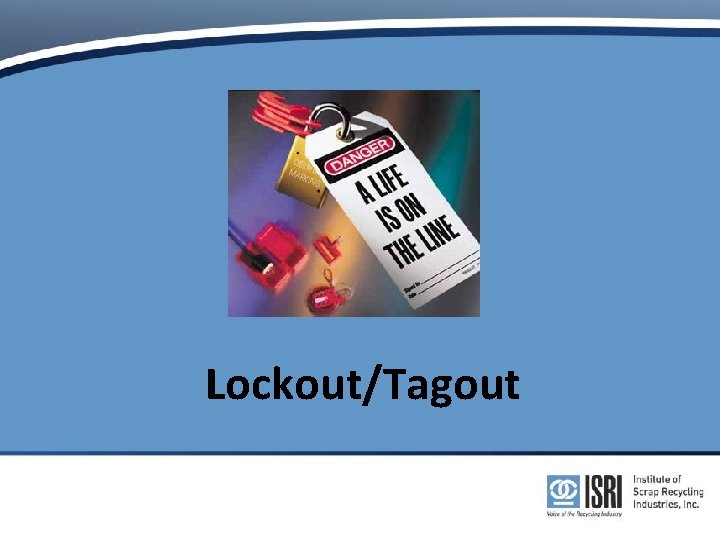
Lockout/Tagout
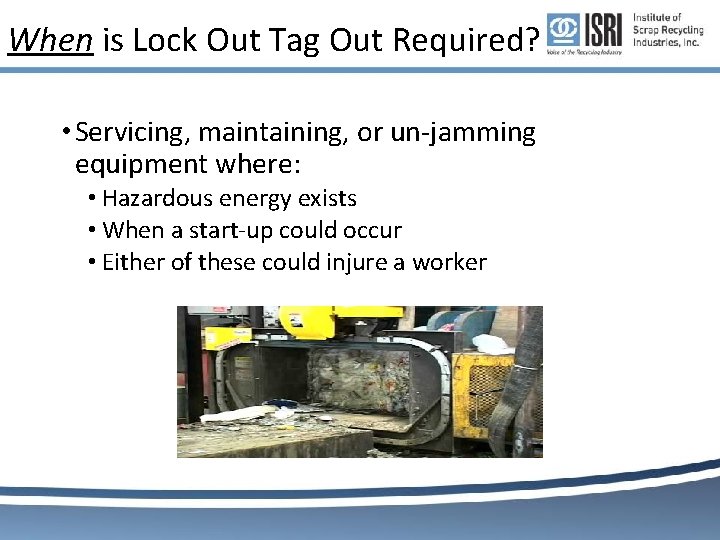
When is Lock Out Tag Out Required? • Servicing, maintaining, or un-jamming equipment where: • Hazardous energy exists • When a start-up could occur • Either of these could injure a worker
Use Lock Out Tag Out when: • Employees are required to remove or bypass a safety device. • Employees are required to place any part of their body in harm’s way. • Employees are exposed to hazardous energy.
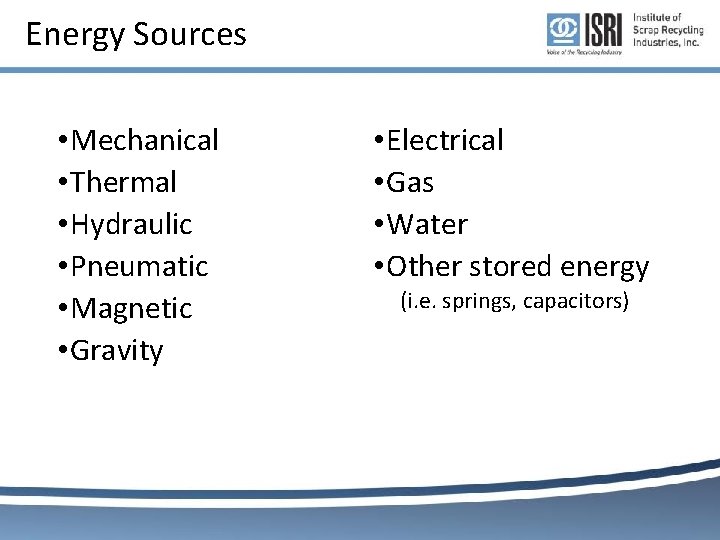
Energy Sources • Mechanical • Thermal • Hydraulic • Pneumatic • Magnetic • Gravity • Electrical • Gas • Water • Other stored energy (i. e. springs, capacitors)
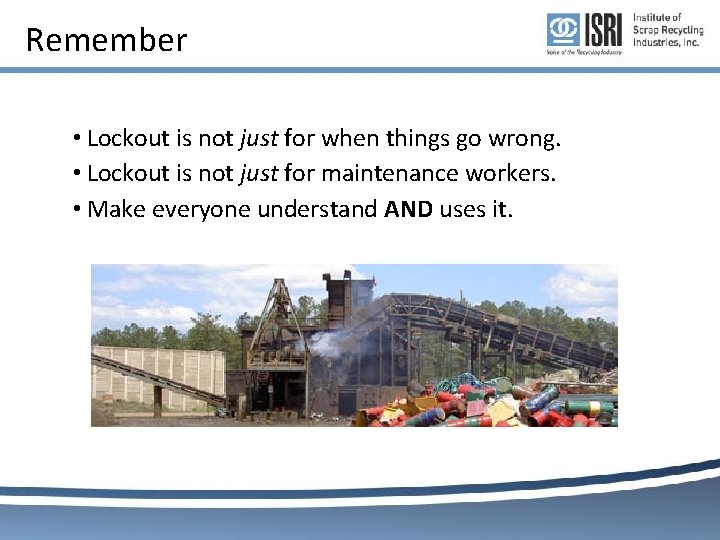
Remember • Lockout is not just for when things go wrong. • Lockout is not just for maintenance workers. • Make everyone understand AND uses it.
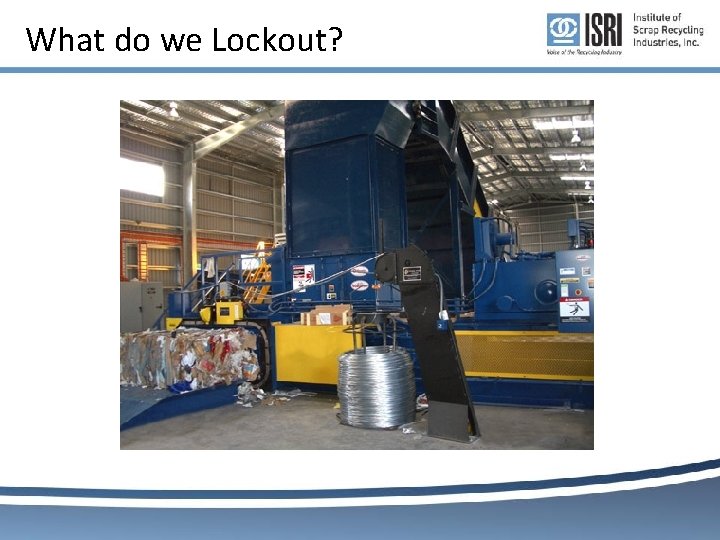
What do we Lockout?
Machinery with Multiple LOTO Points
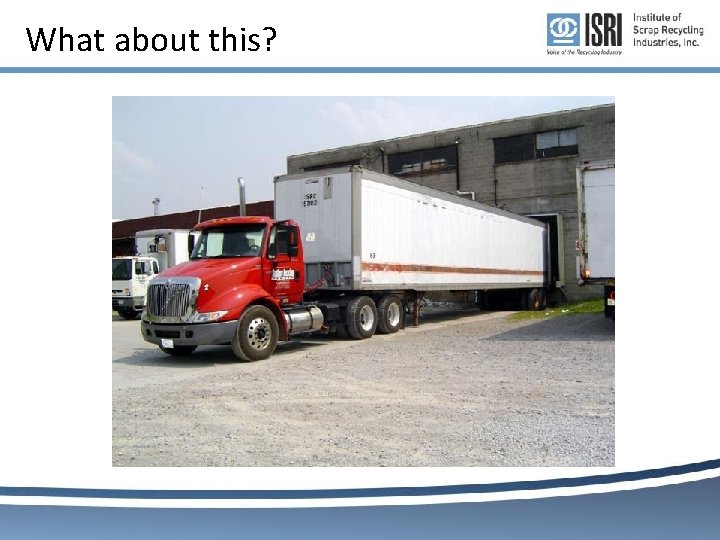
What about this?
A 47 -year-old man was operating a forklift in the bed of a semi-trailer. As the truck driver was pulling away from the dock, the forklift fell from the trailer bed to the ground. . . The forklift operator was able to get himself off the ground and enter the facility, where he was treated by medical personnel. Approximately 16 hours later he died as a result of the injuries he suffered.
Always Chock Your Wheels
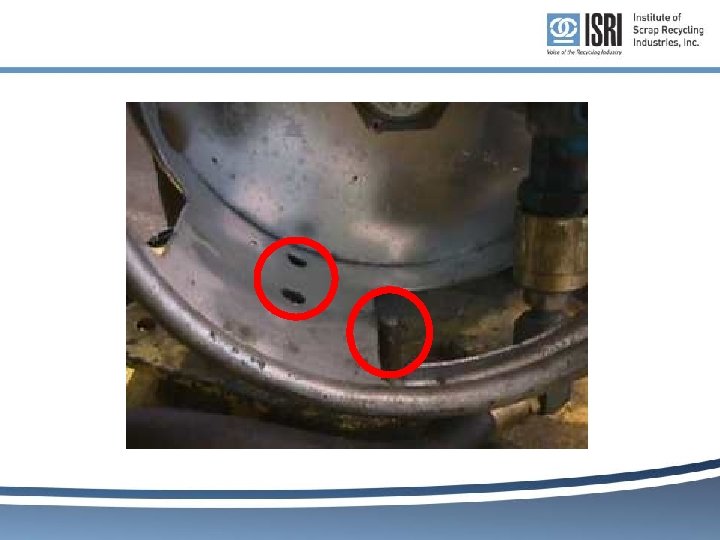
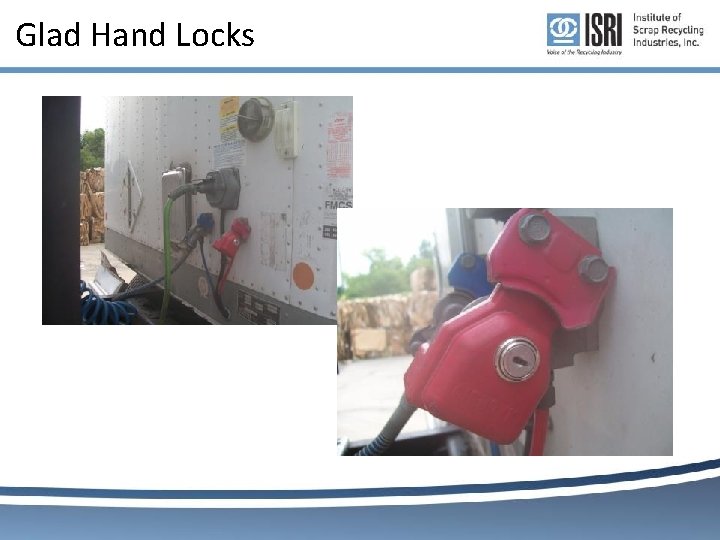
Glad Hand Locks
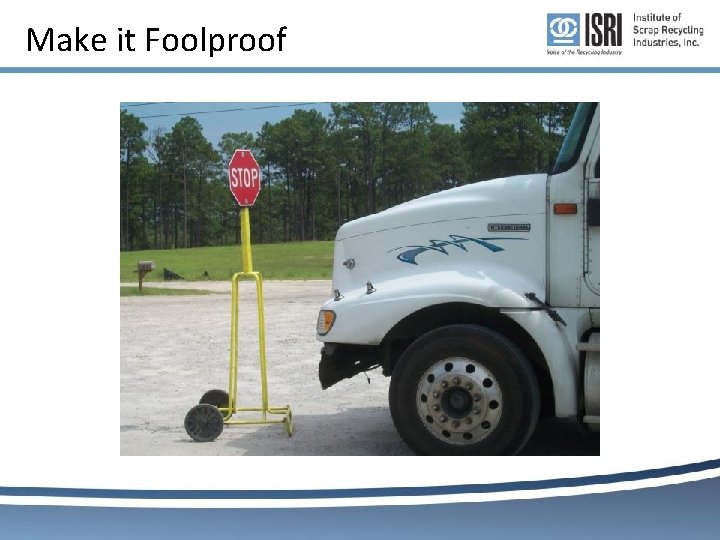
Make it Foolproof
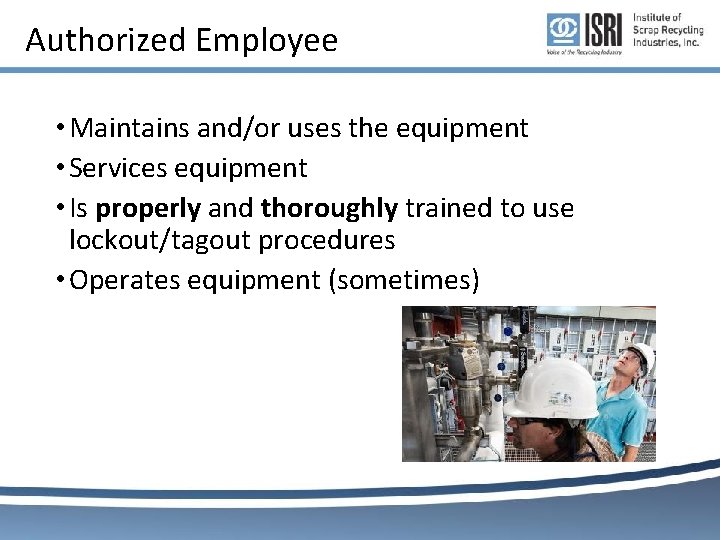
Authorized Employee • Maintains and/or uses the equipment • Services equipment • Is properly and thoroughly trained to use lockout/tagout procedures • Operates equipment (sometimes)
Affected Employees who: • Operate • Work around • Occasionally adjust equipment that is subject to lockout tagout
Where to Begin • First, conduct a HAZARD ASSESSMENT by identifying each piece of equipment that is used, serviced, or maintained • Include broken or stored equipment • Then, determine the requirements for lockout • If there is more than one primary energy source to the equipment, document each source
Where to Begin • Document all energy sources • Hidden • Direct • The hazard posed • The magnitude or measurable degree of danger • Special or unusual conditions • Proper isolations and devices
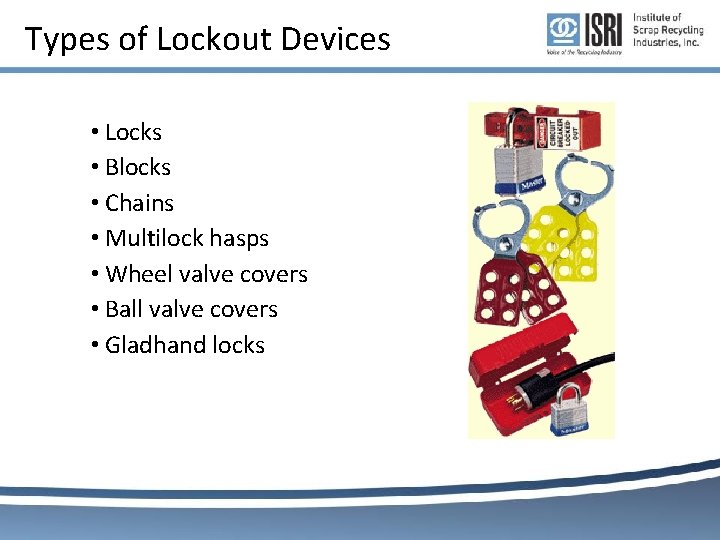
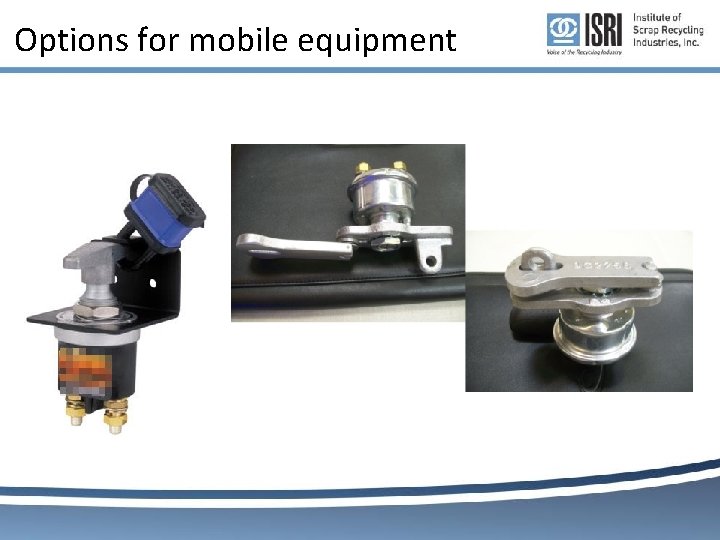
Types of Lockout Devices • Locks • Blocks • Chains • Multilock hasps • Wheel valve covers • Ball valve covers • Gladhand locks
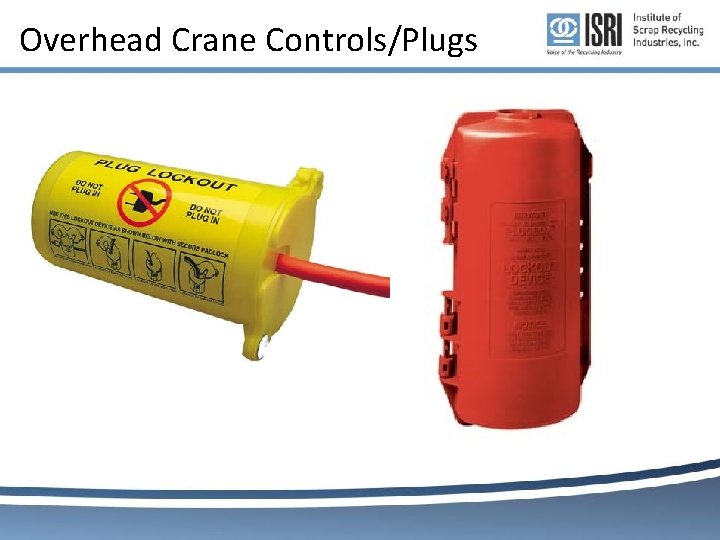
Overhead Crane Controls/Plugs
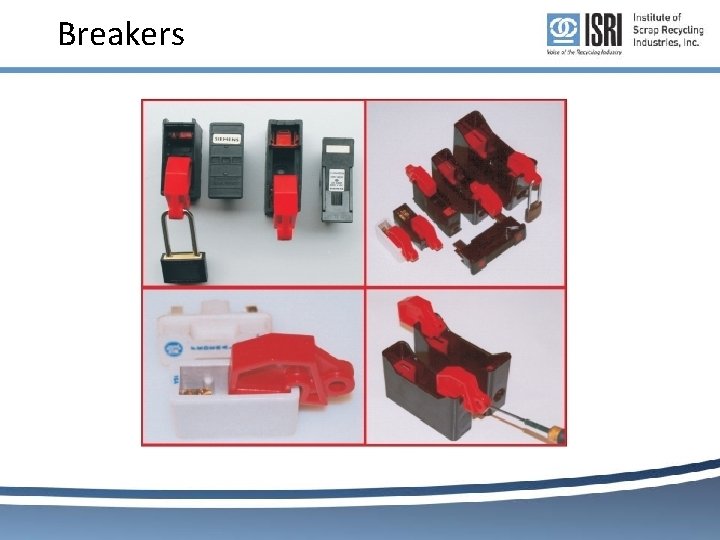
Breakers
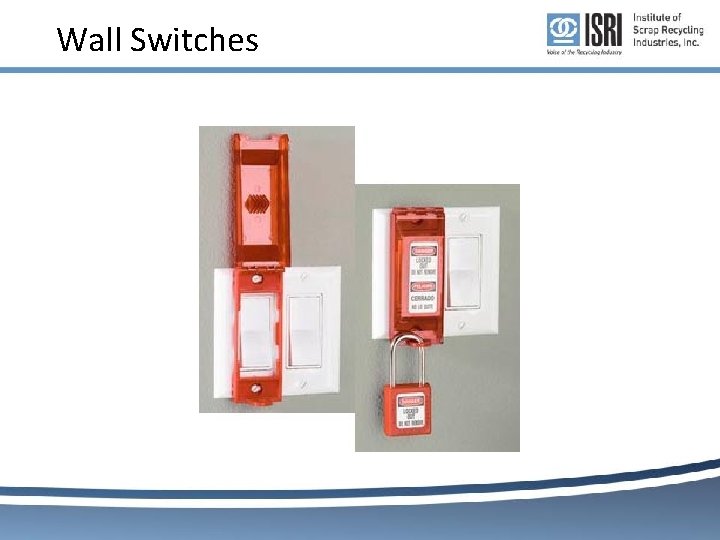
Wall Switches
Options for mobile equipment
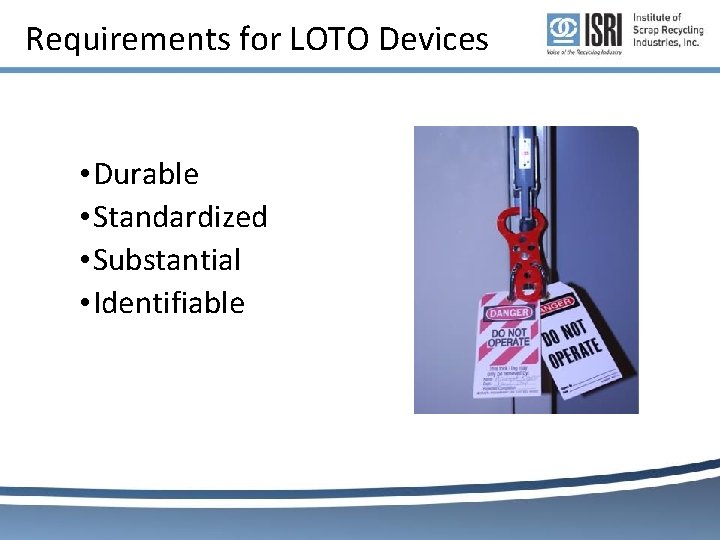
Requirements for LOTO Devices • Durable • Standardized • Substantial • Identifiable
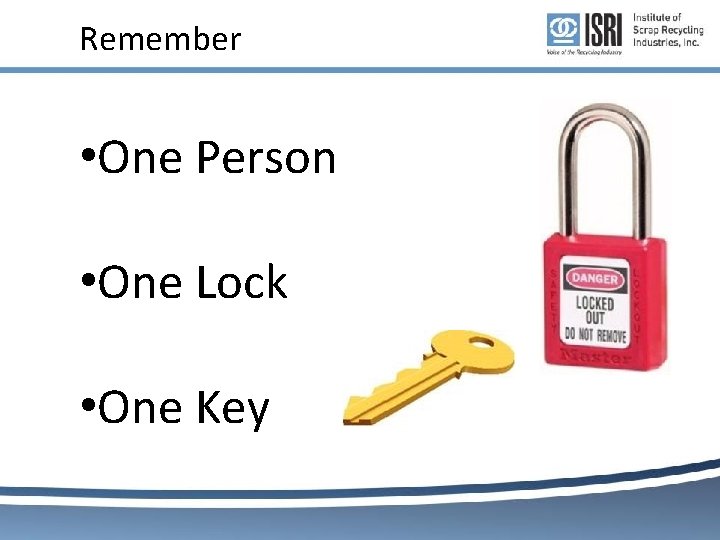
Remember • One Person • One Lock • One Key
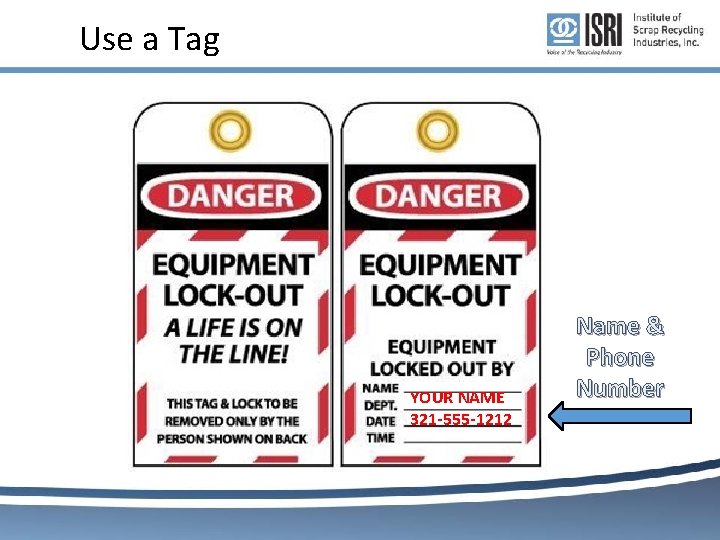
Use a Tag YOUR NAME 321 -555 -1212 Name & Phone Number
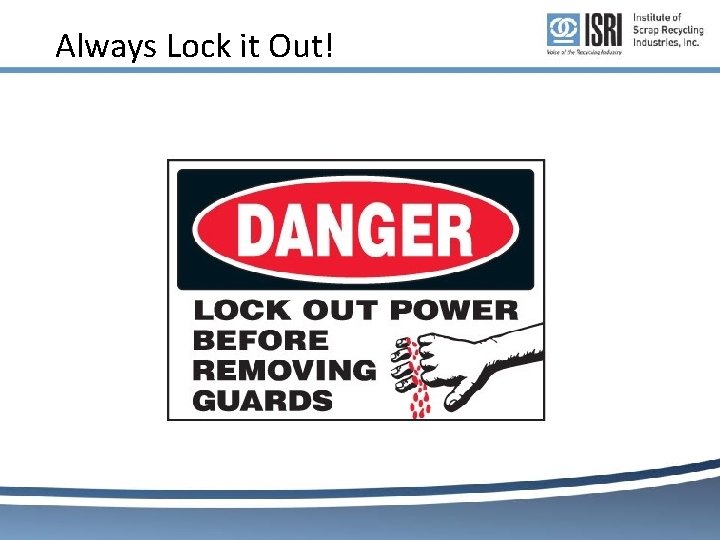
Always Lock it Out!
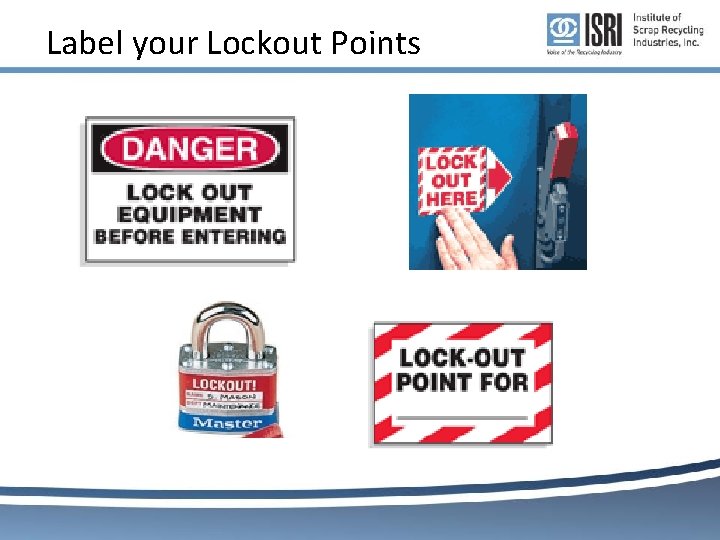
Label your Lockout Points
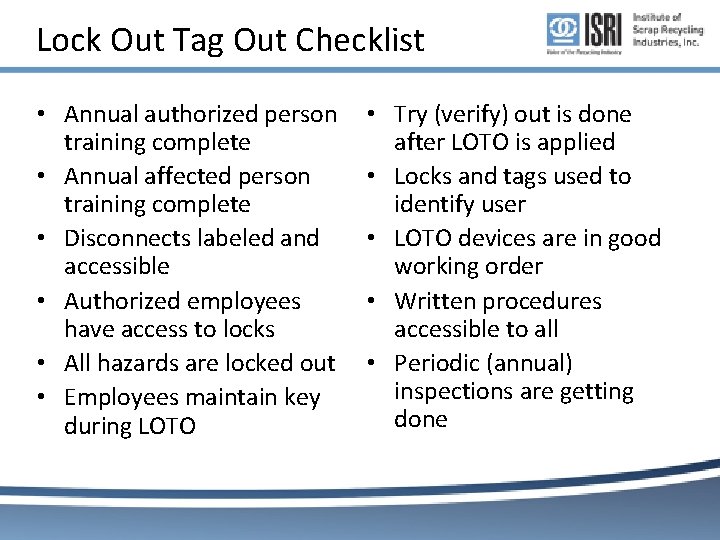
Lock Out Tag Out Checklist • Annual authorized person training complete • Annual affected person training complete • Disconnects labeled and accessible • Authorized employees have access to locks • All hazards are locked out • Employees maintain key during LOTO • Try (verify) out is done after LOTO is applied • Locks and tags used to identify user • LOTO devices are in good working order • Written procedures accessible to all • Periodic (annual) inspections are getting done
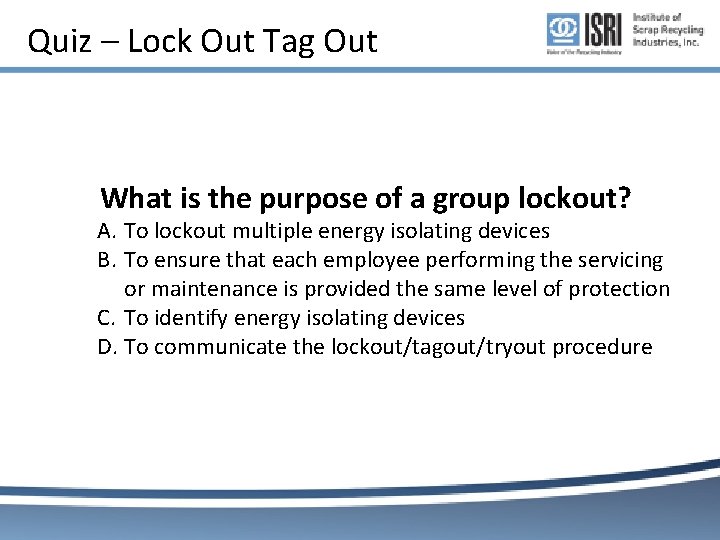
Quiz – Lock Out Tag Out What is the purpose of a group lockout? A. To lockout multiple energy isolating devices B. To ensure that each employee performing the servicing or maintenance is provided the same level of protection C. To identify energy isolating devices D. To communicate the lockout/tagout/tryout procedure
Quiz – Lock Out Tag Out Which of the following is important and must take place at the beginning and at the end of every lockout/tagout/tryout situation? A. Lock removal B. Communication with all employees in the area C. Lock placement D. Lockout procedure review
Quiz – Lock Out Tag Out Equipment must be locked out when servicing or doing maintenance work, when the point of operation is accessed, or when a guard is removed or bypassed. True or False
Quiz – Lock Out Tag Out An energy control procedure is unique to each piece of equipment and is a step-by-step guide for how-to lock out a piece of equipment that is being worked on. True or False
Quiz – Lock Out Tag Out Is it ok to un-jam a baler without locking it out? True or False
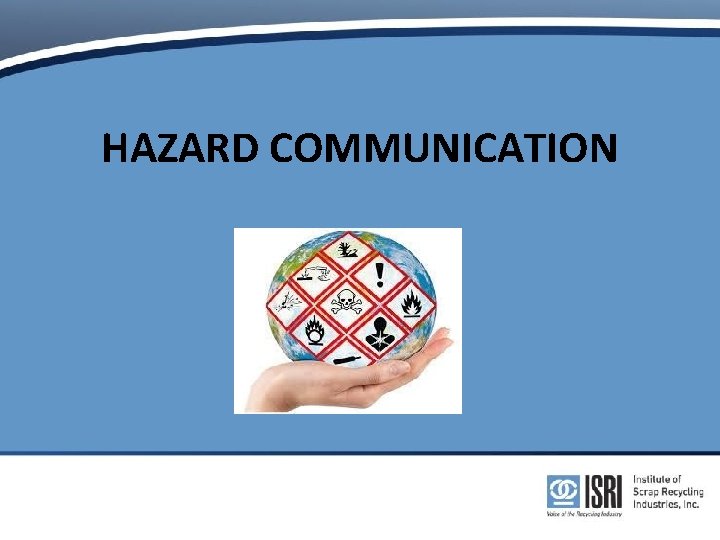
HAZARD COMMUNICATION
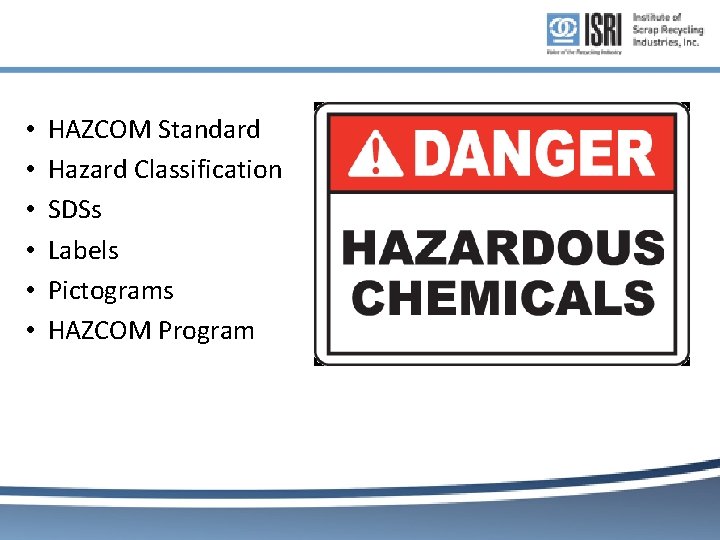
• • • HAZCOM Standard Hazard Classification SDSs Labels Pictograms HAZCOM Program
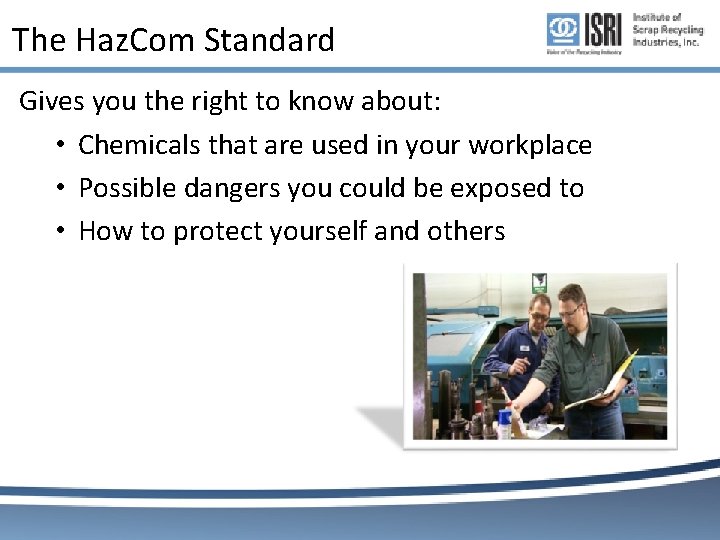
The Haz. Com Standard Gives you the right to know about: • Chemicals that are used in your workplace • Possible dangers you could be exposed to • How to protect yourself and others
How it Works Employers who do not produce chemicals should focus on: • Identify and list hazardous chemicals in workplaces. • SDS & Labeling: Obtain Safety Data Sheets and labels for each hazardous chemical, if not provided by the manufacturer, importer, or distributor. • Implement a written Haz. Com program, including labels, SDS, and employee training. • Communicate hazard information to employees through labels, SDSs, and formal training programs.
Hazardous Chemical Any chemical which is classified as: • Physical Hazard • Health Hazard • A simple asphyxiant • Combustible dust • Pyrophoric gas • Hazard not otherwise classified
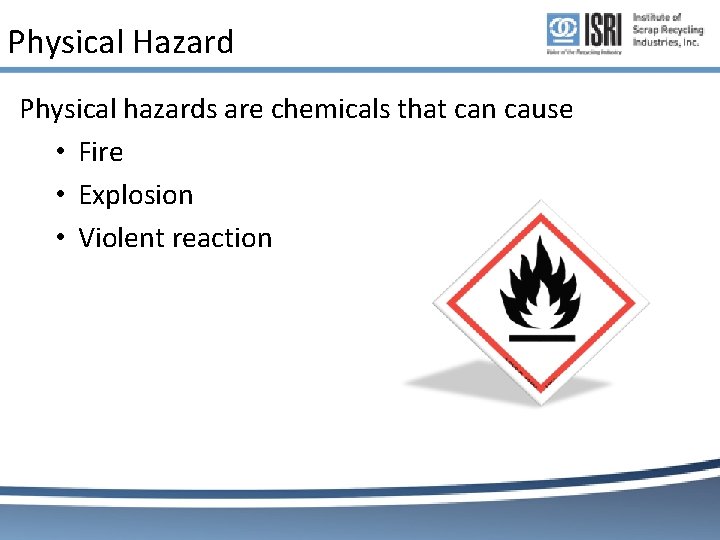
Physical Hazard Physical hazards are chemicals that can cause • Fire • Explosion • Violent reaction
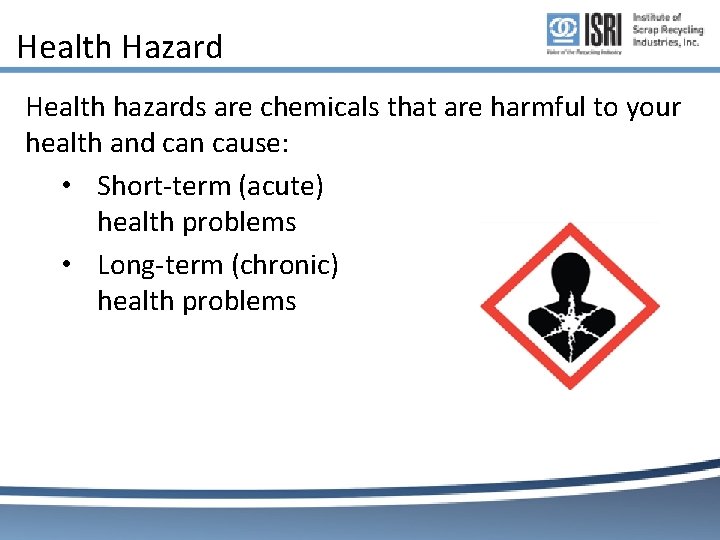
Health Hazard Health hazards are chemicals that are harmful to your health and can cause: • Short-term (acute) health problems • Long-term (chronic) health problems
Health Hazard OSHA considers a health hazard to be any chemical which: • Is toxic • Is corrosive to the skin or eyes • Is a respiratory sensitizer • May cause cancer, birth defects or reproductive issues • Attacks specific organs • Is harmful or deadly when inhaled
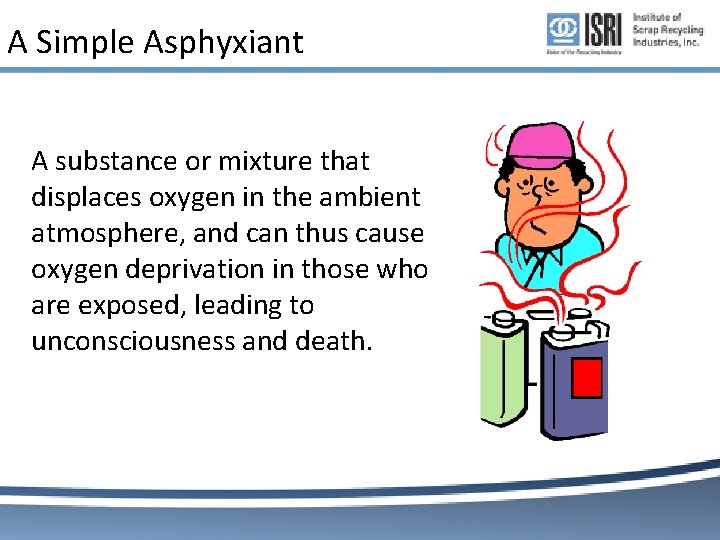
A Simple Asphyxiant A substance or mixture that displaces oxygen in the ambient atmosphere, and can thus cause oxygen deprivation in those who are exposed, leading to unconsciousness and death.
Combustible Dust • Any combustible material can burn rapidly when in a finely divided form. • If such a dust is suspended in air in the right concentration, under certain conditions, it can become explosible. • Materials that do not burn in larger pieces (such as aluminum or iron), given the proper conditions, can be explosible in dust form.
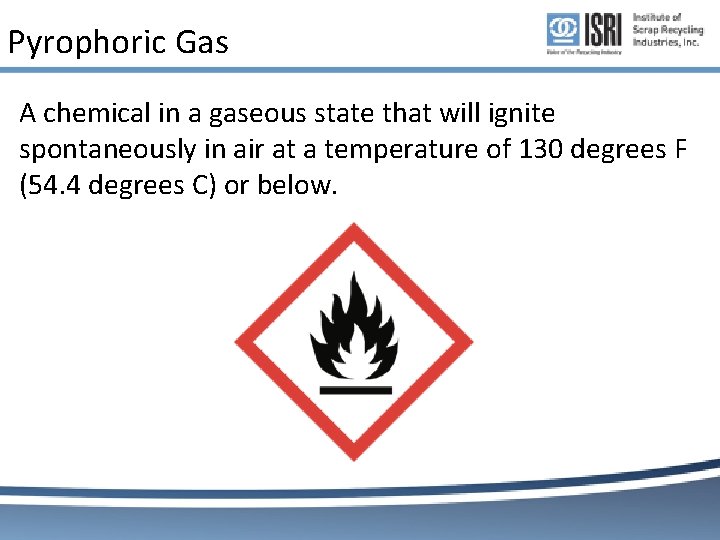
Pyrophoric Gas A chemical in a gaseous state that will ignite spontaneously in air at a temperature of 130 degrees F (54. 4 degrees C) or below.
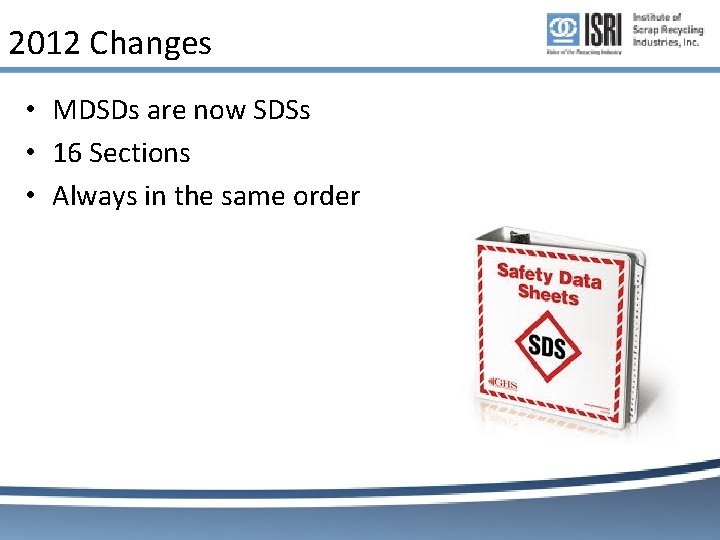
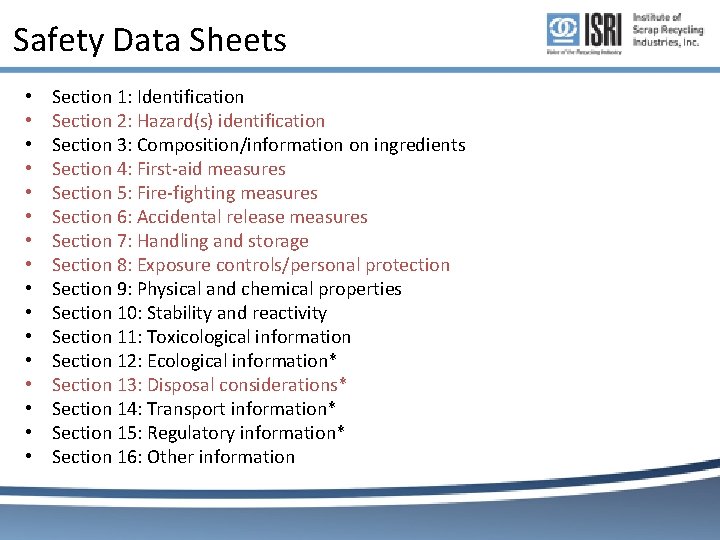
2012 Changes • MDSDs are now SDSs • 16 Sections • Always in the same order
Safety Data Sheets • • • • Section 1: Identification Section 2: Hazard(s) identification Section 3: Composition/information on ingredients Section 4: First-aid measures Section 5: Fire-fighting measures Section 6: Accidental release measures Section 7: Handling and storage Section 8: Exposure controls/personal protection Section 9: Physical and chemical properties Section 10: Stability and reactivity Section 11: Toxicological information Section 12: Ecological information* Section 13: Disposal considerations* Section 14: Transport information* Section 15: Regulatory information* Section 16: Other information
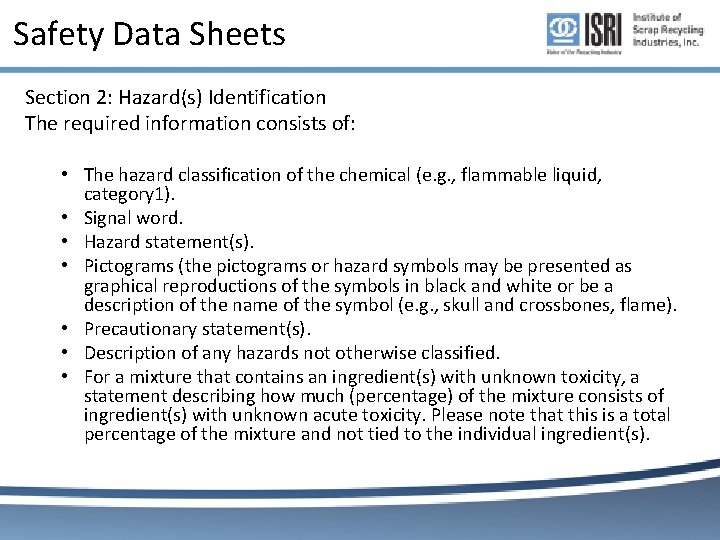
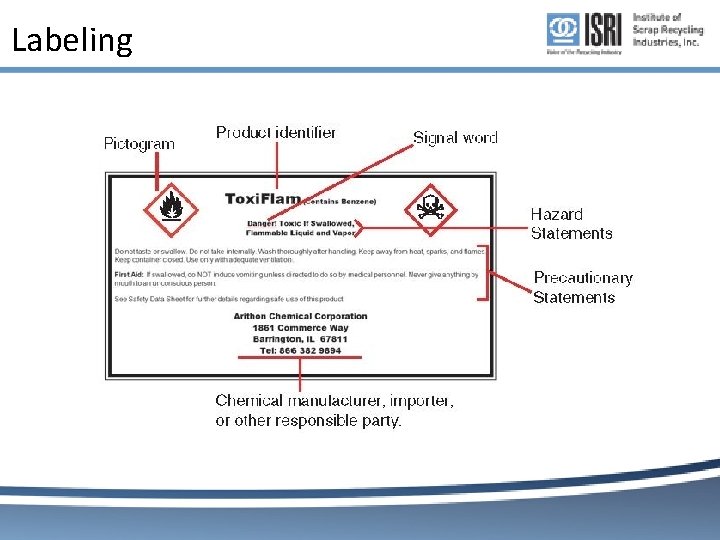
Safety Data Sheets Section 2: Hazard(s) Identification The required information consists of: • The hazard classification of the chemical (e. g. , flammable liquid, category 1). • Signal word. • Hazard statement(s). • Pictograms (the pictograms or hazard symbols may be presented as graphical reproductions of the symbols in black and white or be a description of the name of the symbol (e. g. , skull and crossbones, flame). • Precautionary statement(s). • Description of any hazards not otherwise classified. • For a mixture that contains an ingredient(s) with unknown toxicity, a statement describing how much (percentage) of the mixture consists of ingredient(s) with unknown acute toxicity. Please note that this is a total percentage of the mixture and not tied to the individual ingredient(s).
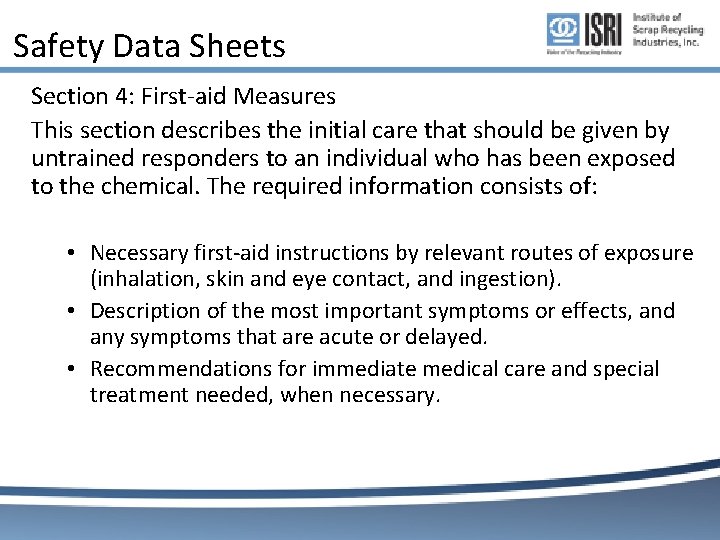
Safety Data Sheets Section 4: First-aid Measures This section describes the initial care that should be given by untrained responders to an individual who has been exposed to the chemical. The required information consists of: • Necessary first-aid instructions by relevant routes of exposure (inhalation, skin and eye contact, and ingestion). • Description of the most important symptoms or effects, and any symptoms that are acute or delayed. • Recommendations for immediate medical care and special treatment needed, when necessary.
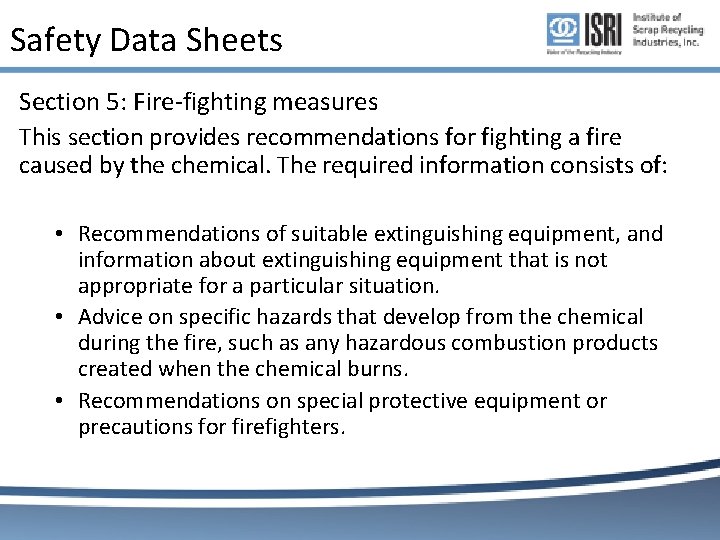
Safety Data Sheets Section 5: Fire-fighting measures This section provides recommendations for fighting a fire caused by the chemical. The required information consists of: • Recommendations of suitable extinguishing equipment, and information about extinguishing equipment that is not appropriate for a particular situation. • Advice on specific hazards that develop from the chemical during the fire, such as any hazardous combustion products created when the chemical burns. • Recommendations on special protective equipment or precautions for firefighters.
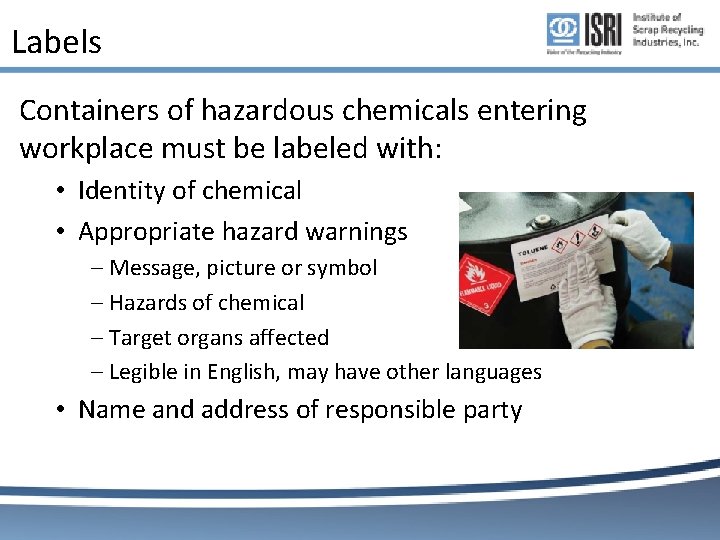
Labels Containers of hazardous chemicals entering workplace must be labeled with: • Identity of chemical • Appropriate hazard warnings – Message, picture or symbol – Hazards of chemical – Target organs affected – Legible in English, may have other languages • Name and address of responsible party
Labeling
Labeling Exemptions Other federal agencies control labeling requirements for the following substances: • Pesticides • Foods or food additives • Distilled spirits, tobacco • Consumer products, lumber, cosmetics • Hazardous wastes
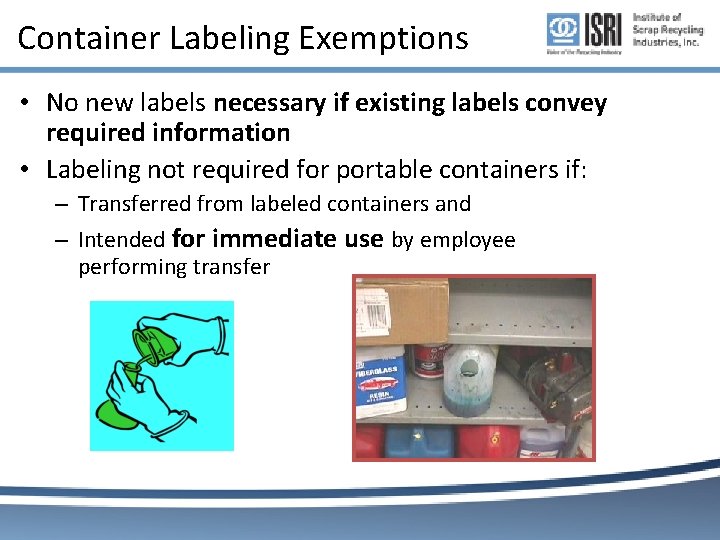
Container Labeling Exemptions • No new labels necessary if existing labels convey required information • Labeling not required for portable containers if: – Transferred from labeled containers and – Intended for immediate use by employee performing transfer
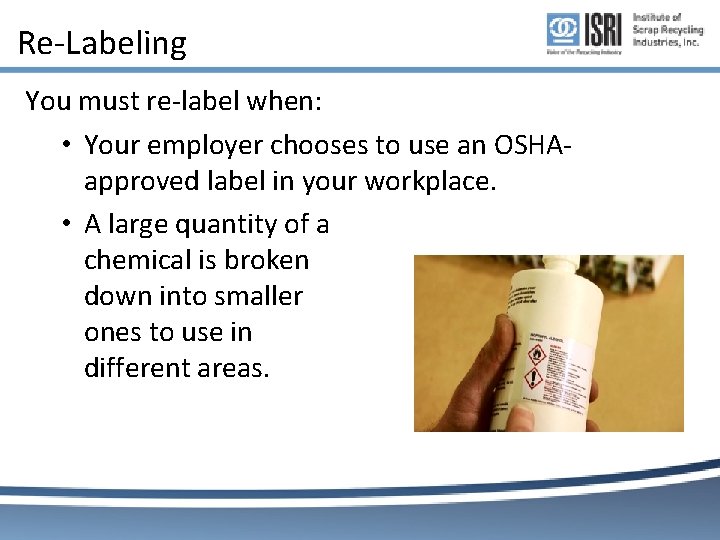
Re-Labeling You must re-label when: • Your employer chooses to use an OSHAapproved label in your workplace. • A large quantity of a chemical is broken down into smaller ones to use in different areas.
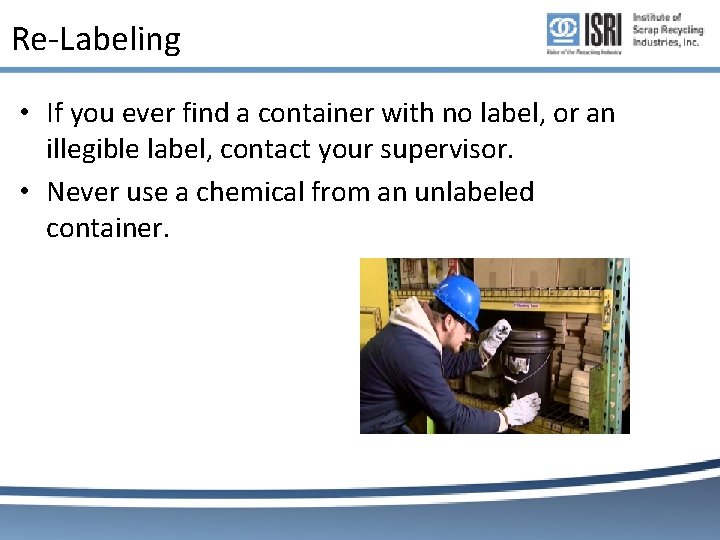
Re-Labeling • If you ever find a container with no label, or an illegible label, contact your supervisor. • Never use a chemical from an unlabeled container.
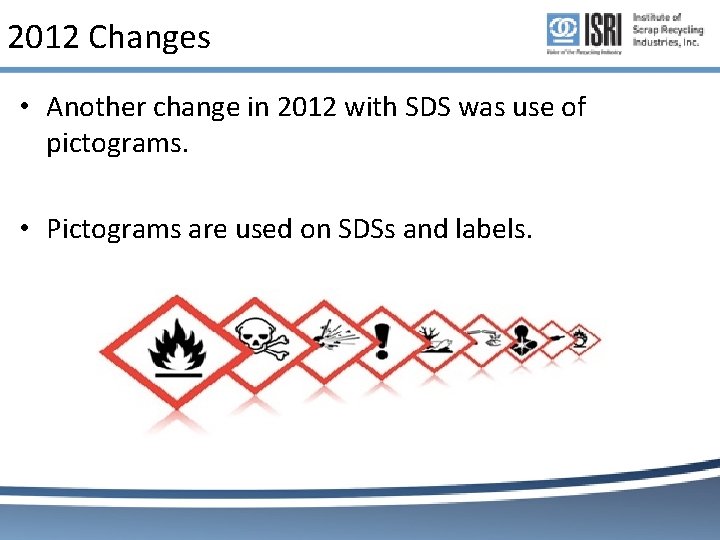
2012 Changes • Another change in 2012 with SDS was use of pictograms. • Pictograms are used on SDSs and labels.
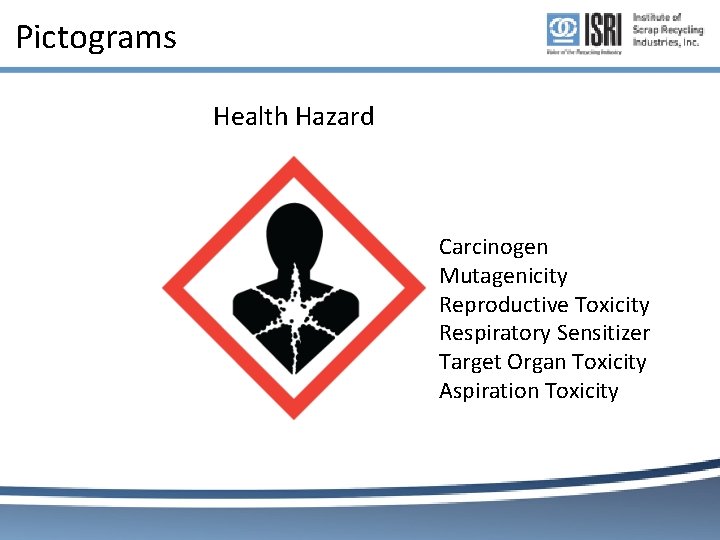
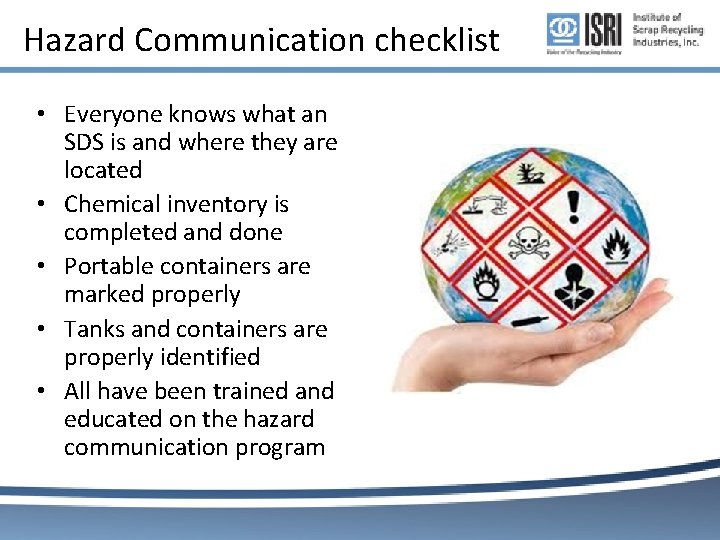
Pictograms Health Hazard Carcinogen Mutagenicity Reproductive Toxicity Respiratory Sensitizer Target Organ Toxicity Aspiration Toxicity
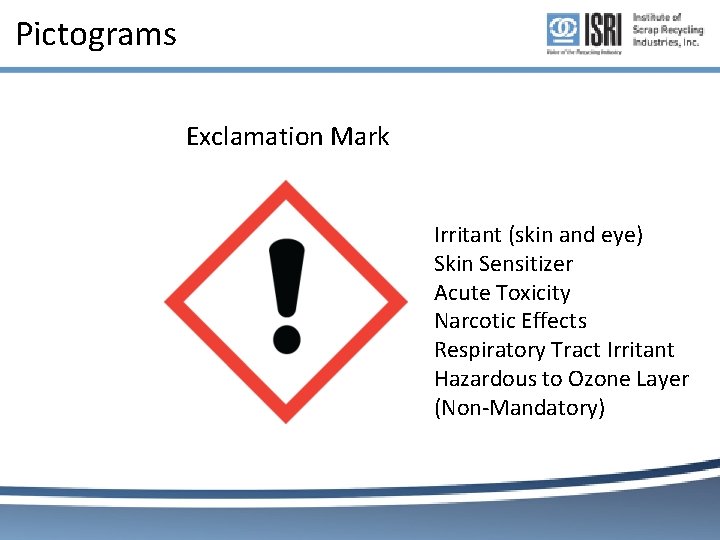
Pictograms Exclamation Mark Irritant (skin and eye) Skin Sensitizer Acute Toxicity Narcotic Effects Respiratory Tract Irritant Hazardous to Ozone Layer (Non-Mandatory)
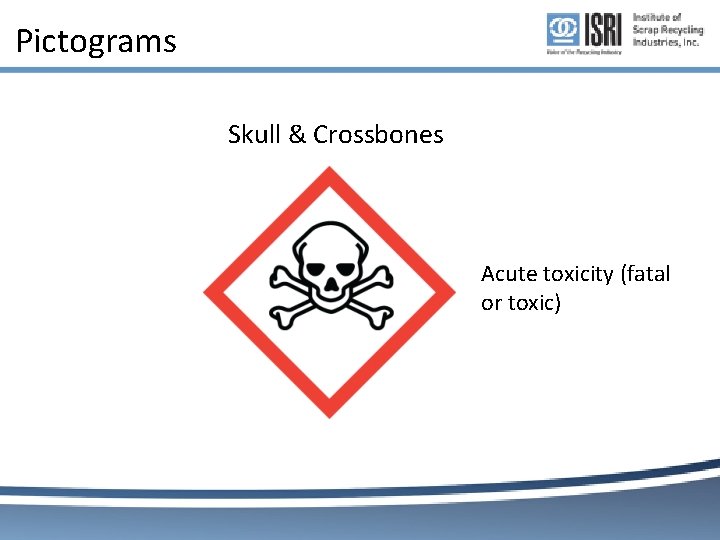
Pictograms Skull & Crossbones Acute toxicity (fatal or toxic)
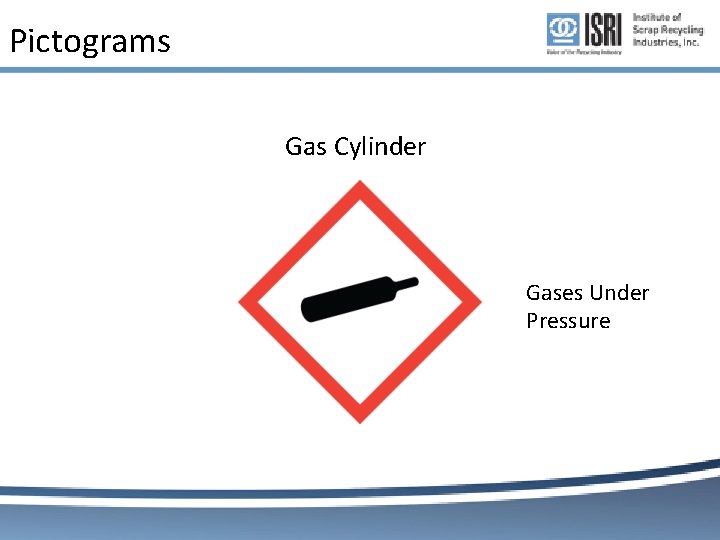
Pictograms Gas Cylinder Gases Under Pressure
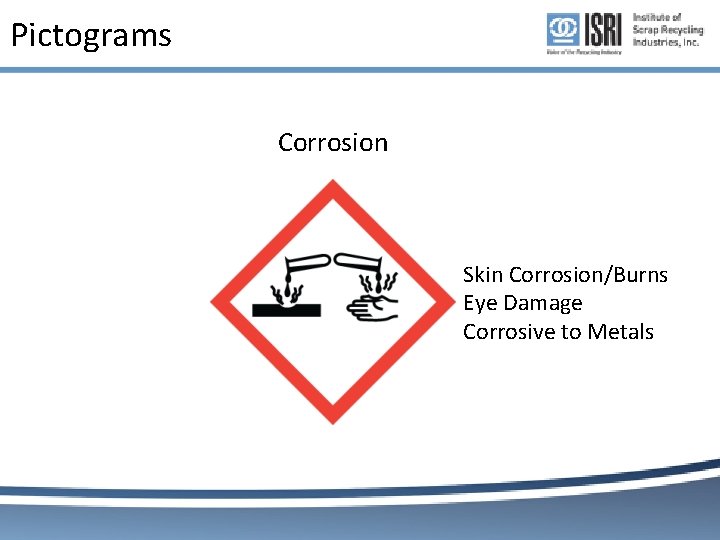
Pictograms Corrosion Skin Corrosion/Burns Eye Damage Corrosive to Metals
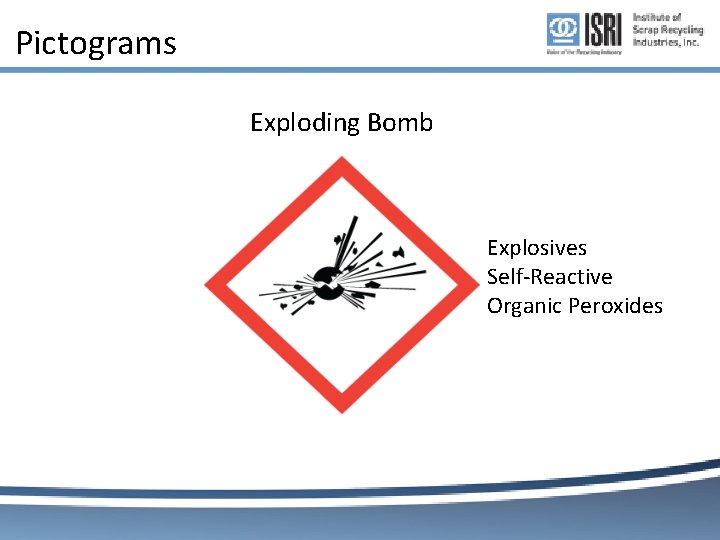
Pictograms Exploding Bomb Explosives Self-Reactive Organic Peroxides
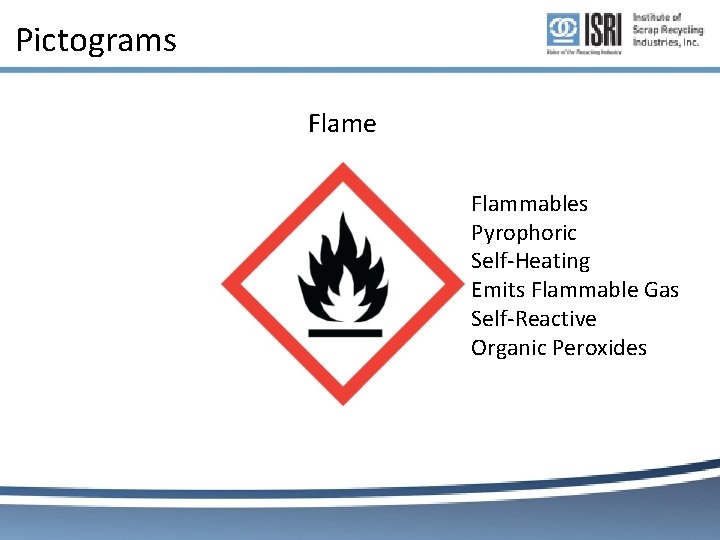
Pictograms Flame Flammables Pyrophoric Self-Heating Emits Flammable Gas Self-Reactive Organic Peroxides
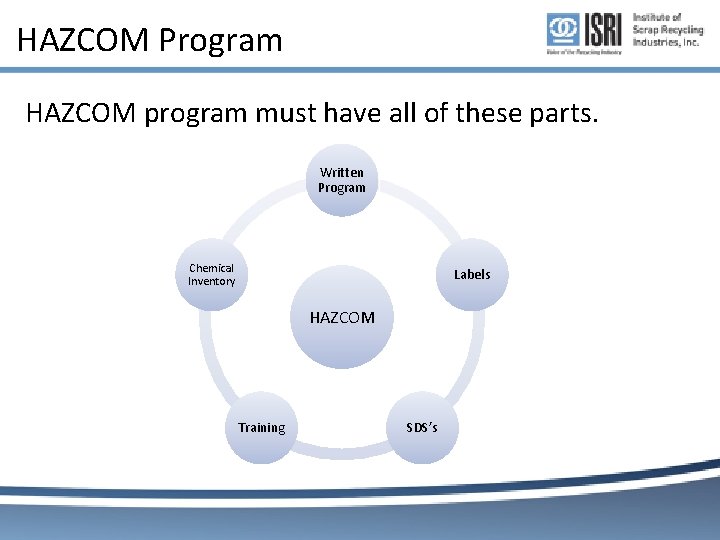
HAZCOM Program HAZCOM program must have all of these parts. Written Program Chemical Inventory Labels HAZCOM Training SDS’s
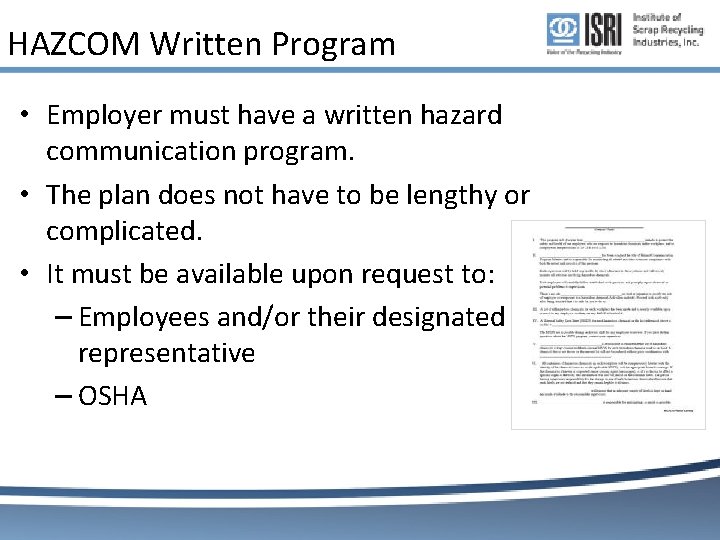
HAZCOM Written Program • Employer must have a written hazard communication program. • The plan does not have to be lengthy or complicated. • It must be available upon request to: – Employees and/or their designated representative – OSHA
HAZCOM Witten Program Employees must be provided information and training on hazardous chemicals in their work area: • At the time of their initial assignment. • Whenever a new physical or health hazard is introduced into their work area. • May cover categories of hazards or individual chemicals.
Requirements Employees must receive training on: • Haz. Com Standard requirements • Hazardous chemical locations • Safety data sheets • Labels • Protection (Protective measures such as work practices and the use of PPE) • Detection (Using monitoring devices, observation, or smell) • Location and availability of the written hazard communication program.
HAZCOM Written Program Must contain how the following will be met: • • Labels and other forms of warning Safety data sheets Information and training List of chemicals
Employer Responsibility • Compile a complete list of the potentially hazardous chemicals in the workplace. • Determine if you have received safety data sheets for all of them. • If any are missing, contact your supplier and request one. • Do not allow employees to use any chemicals for which you have not received an SDS.
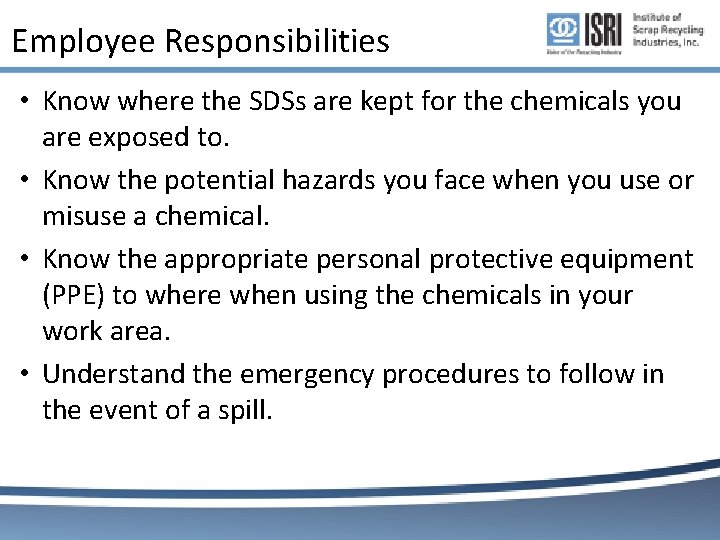
Employee Responsibilities • Know where the SDSs are kept for the chemicals you are exposed to. • Know the potential hazards you face when you use or misuse a chemical. • Know the appropriate personal protective equipment (PPE) to where when using the chemicals in your work area. • Understand the emergency procedures to follow in the event of a spill.
Hazard Communication checklist • Everyone knows what an SDS is and where they are located • Chemical inventory is completed and done • Portable containers are marked properly • Tanks and containers are properly identified • All have been trained and educated on the hazard communication program
Quiz – Hazard Communication What is the purpose of the pictograms found on the Safety Data Sheets and chemical container labels? A. To provide a molecular diagram of the chemical B. To help employees quickly identify the chemical’s hazards C. To confuse people D. To provide visual instructions for what to do in an emergency
Quiz – Hazard Communication Safety Data Sheets are defined as a source of detailed information on health hazards of chemicals. True or False
Quiz – Hazard Communication How can you protect yourself against chemical hazards? A. Substituting a hazardous chemical for a less hazardous chemical B. Wearing the appropriate PPE C. Wash your hands before and after eating D. All of the above
Quiz – Hazard Communication What is the purpose of a Hazard Communication Program? A. To make information about chemicals and their hazards readily available B. To serve as a company’s chemical inventory C. To provide detailed information on hazardous chemicals D. To provide emergency response information to combat a chemical incident
Quiz – Hazard Communication Which of the following is the quickest way for you to obtain information about a chemical? A. Call the manufacturer B. Look at the Safety Data Sheet C. Talk to your Supervisor D. Read the label
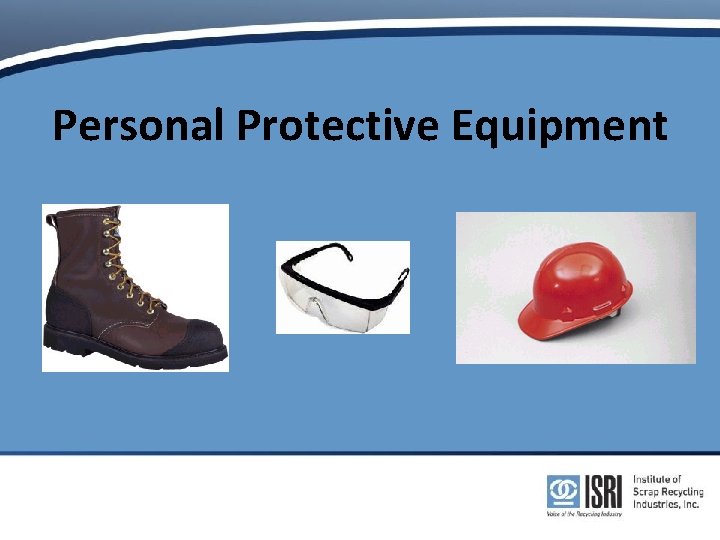
Personal Protective Equipment
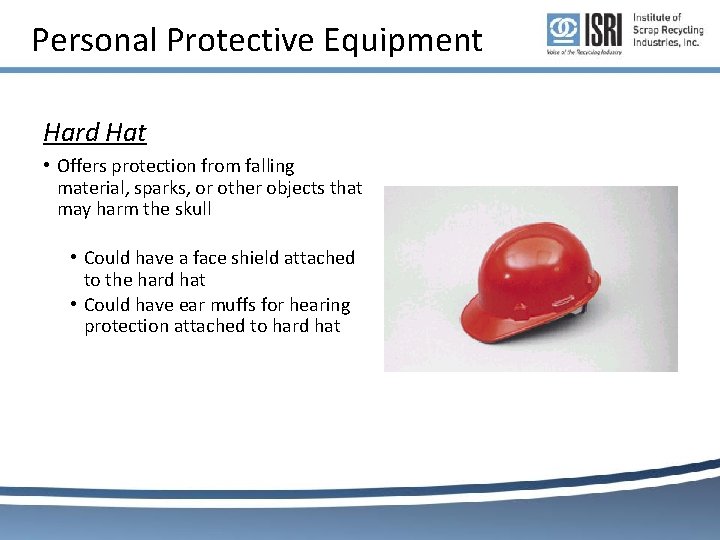
Personal Protective Equipment Hard Hat • Offers protection from falling material, sparks, or other objects that may harm the skull • Could have a face shield attached to the hard hat • Could have ear muffs for hearing protection attached to hard hat
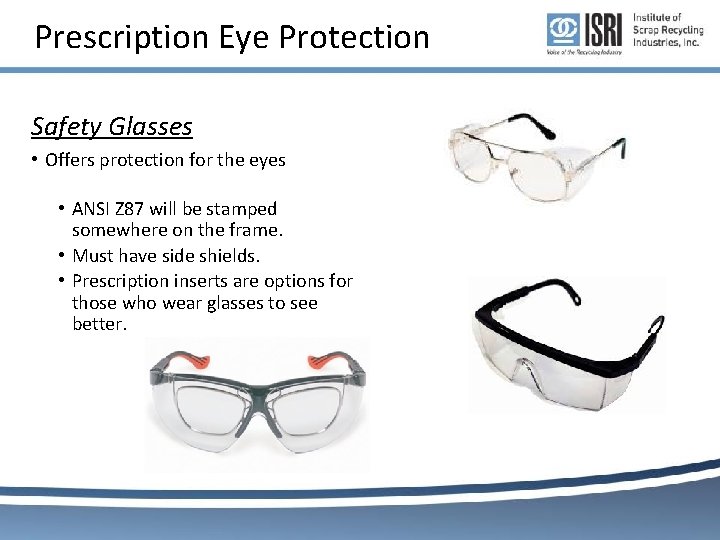
Prescription Eye Protection Safety Glasses • Offers protection for the eyes • ANSI Z 87 will be stamped somewhere on the frame. • Must have side shields. • Prescription inserts are options for those who wear glasses to see better.
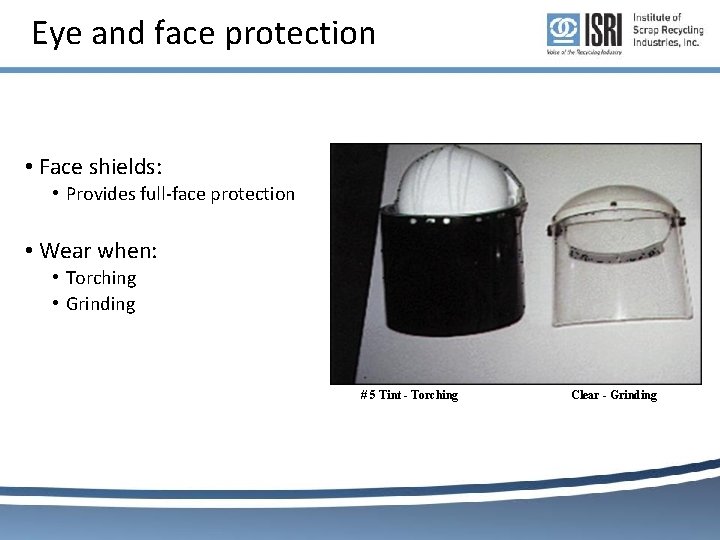
Eye and face protection • Face shields: • Provides full-face protection • Wear when: • Torching • Grinding # 5 Tint - Torching Clear - Grinding
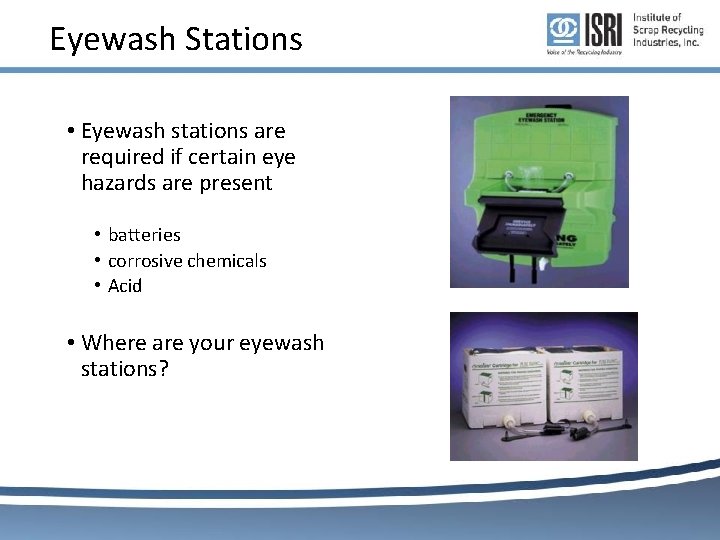
Eyewash Stations • Eyewash stations are required if certain eye hazards are present • batteries • corrosive chemicals • Acid • Where are your eyewash stations?
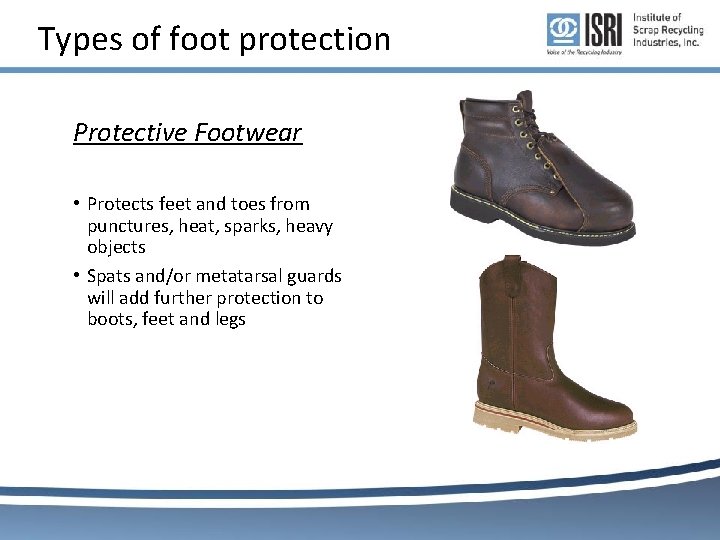
Types of foot protection Protective Footwear • Protects feet and toes from punctures, heat, sparks, heavy objects • Spats and/or metatarsal guards will add further protection to boots, feet and legs
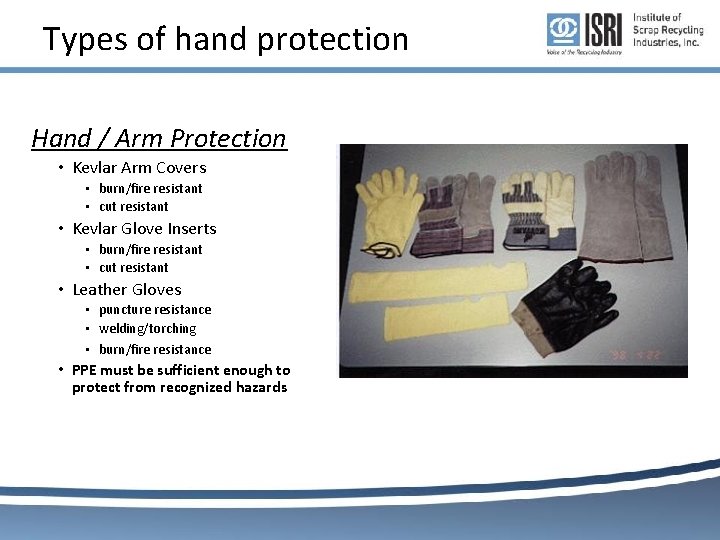
Types of hand protection Hand / Arm Protection • Kevlar Arm Covers • burn/fire resistant • cut resistant • Kevlar Glove Inserts • burn/fire resistant • cut resistant • Leather Gloves • puncture resistance • welding/torching • burn/fire resistance • PPE must be sufficient enough to protect from recognized hazards
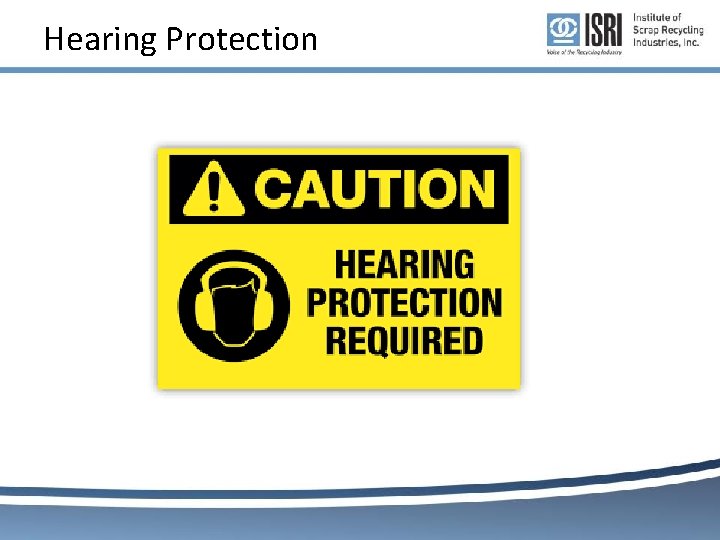
Hearing Protection
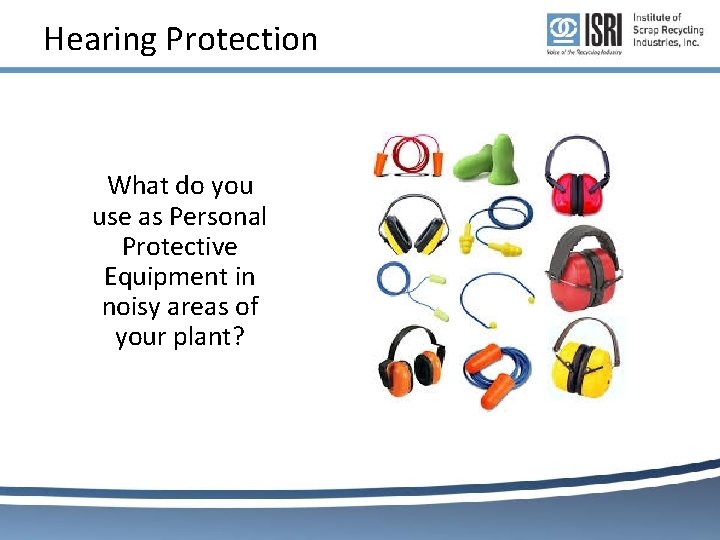
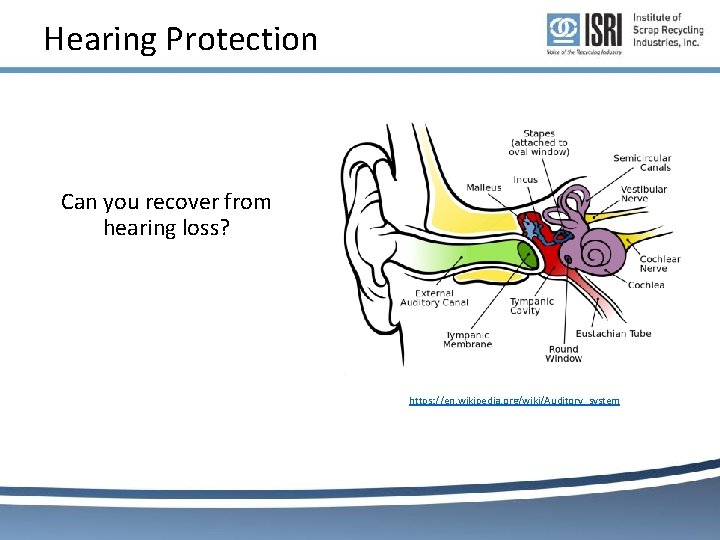
Hearing Protection What do you use as Personal Protective Equipment in noisy areas of your plant?
Hearing Protection Can you recover from hearing loss? https: //en. wikipedia. org/wiki/Auditory_system
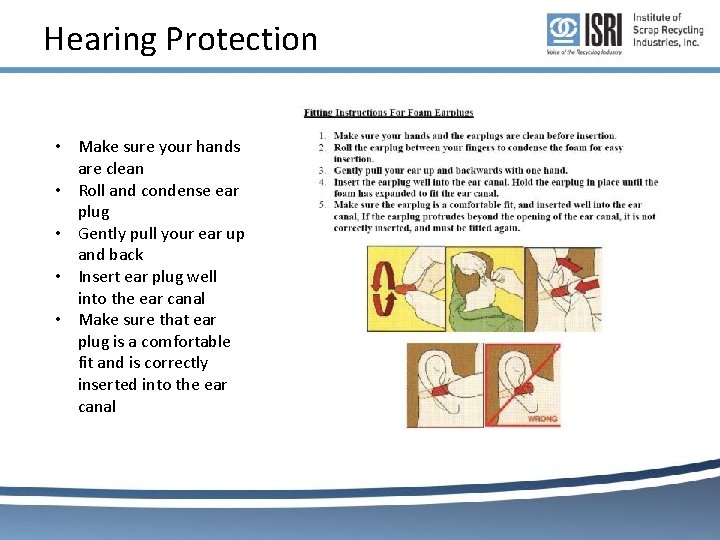
Hearing Protection • Make sure your hands are clean • Roll and condense ear plug • Gently pull your ear up and back • Insert ear plug well into the ear canal • Make sure that ear plug is a comfortable fit and is correctly inserted into the ear canal
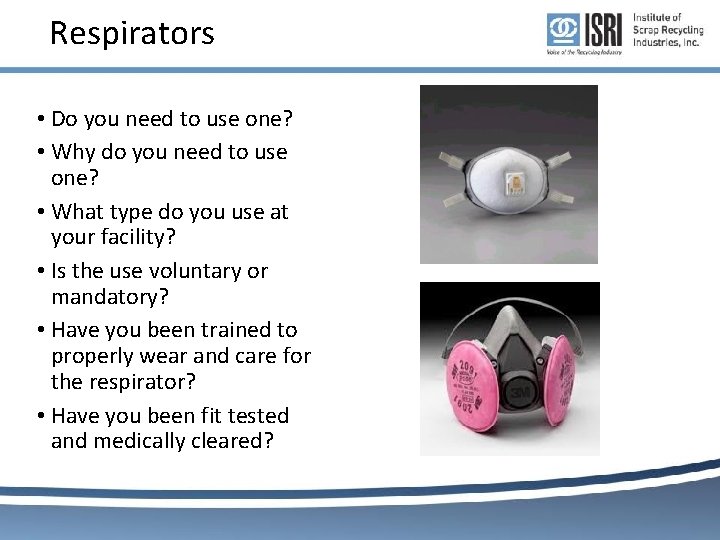
Respirators • Do you need to use one? • Why do you need to use one? • What type do you use at your facility? • Is the use voluntary or mandatory? • Have you been trained to properly wear and care for the respirator? • Have you been fit tested and medically cleared?
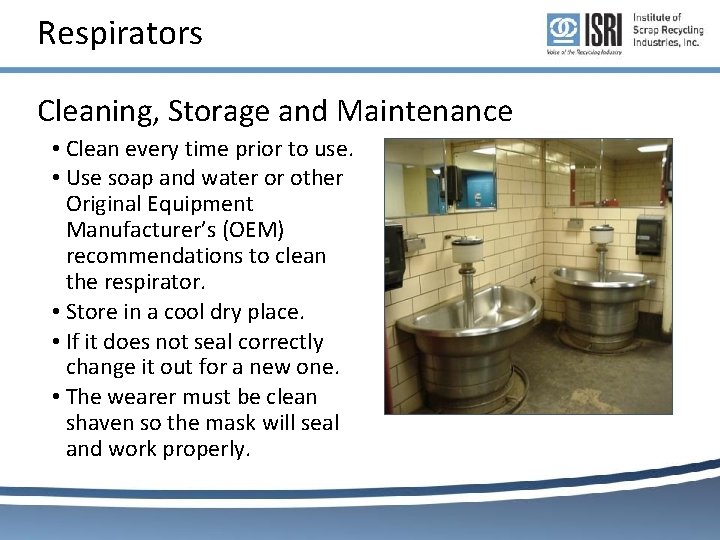
Respirators Cleaning, Storage and Maintenance • Clean every time prior to use. • Use soap and water or other Original Equipment Manufacturer’s (OEM) recommendations to clean the respirator. • Store in a cool dry place. • If it does not seal correctly change it out for a new one. • The wearer must be clean shaven so the mask will seal and work properly.
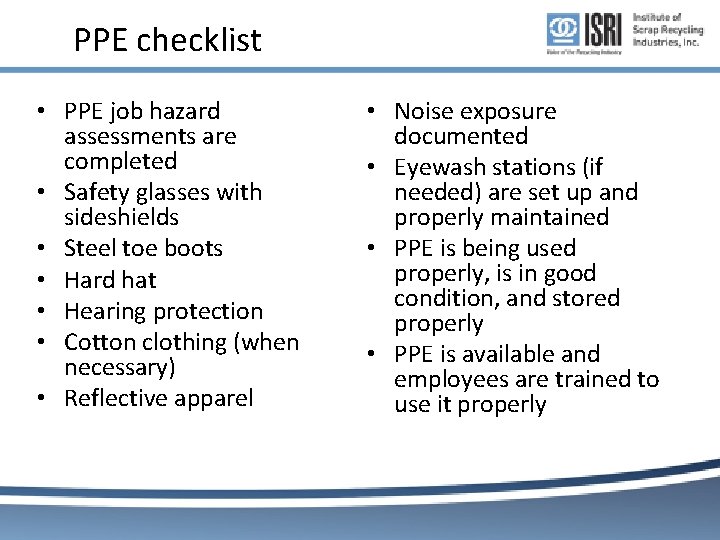
PPE checklist • PPE job hazard assessments are completed • Safety glasses with sideshields • Steel toe boots • Hard hat • Hearing protection • Cotton clothing (when necessary) • Reflective apparel • Noise exposure documented • Eyewash stations (if needed) are set up and properly maintained • PPE is being used properly, is in good condition, and stored properly • PPE is available and employees are trained to use it properly
PPE Hazard Assessment
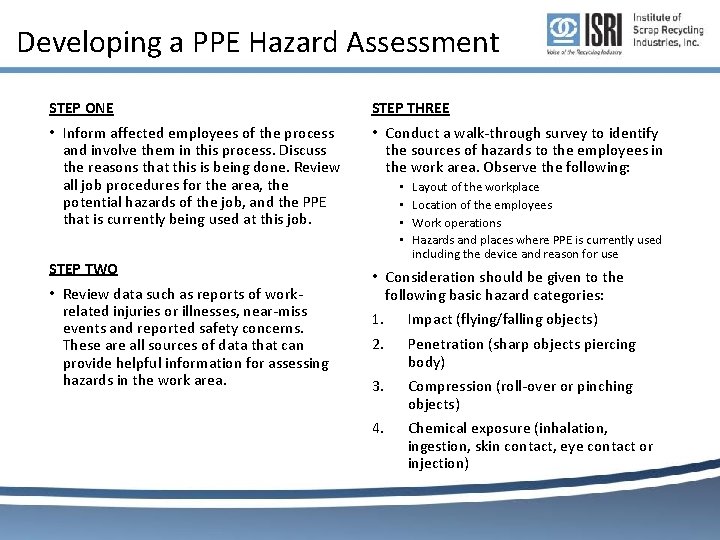
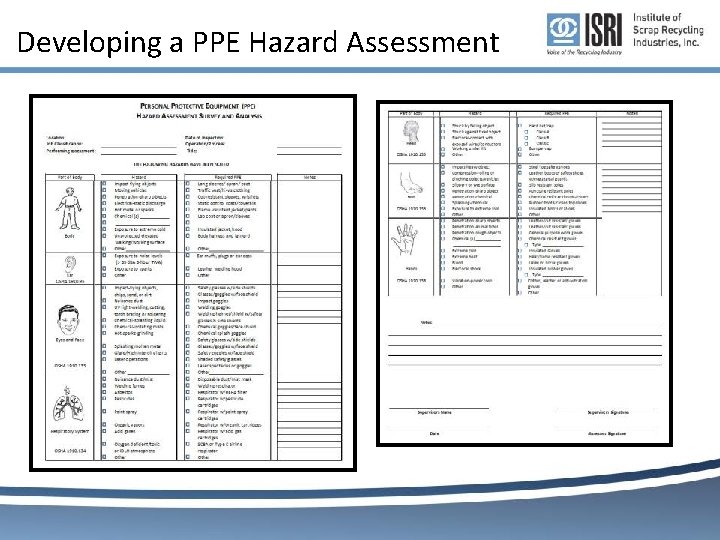
Developing a PPE Hazard Assessment STEP ONE STEP THREE • Inform affected employees of the process and involve them in this process. Discuss the reasons that this is being done. Review all job procedures for the area, the potential hazards of the job, and the PPE that is currently being used at this job. • Conduct a walk-through survey to identify the sources of hazards to the employees in the work area. Observe the following: STEP TWO • Review data such as reports of workrelated injuries or illnesses, near-miss events and reported safety concerns. These are all sources of data that can provide helpful information for assessing hazards in the work area. • • Layout of the workplace Location of the employees Work operations Hazards and places where PPE is currently used including the device and reason for use • Consideration should be given to the following basic hazard categories: 1. Impact (flying/falling objects) 2. Penetration (sharp objects piercing body) 3. Compression (roll-over or pinching objects) 4. Chemical exposure (inhalation, ingestion, skin contact, eye contact or injection)
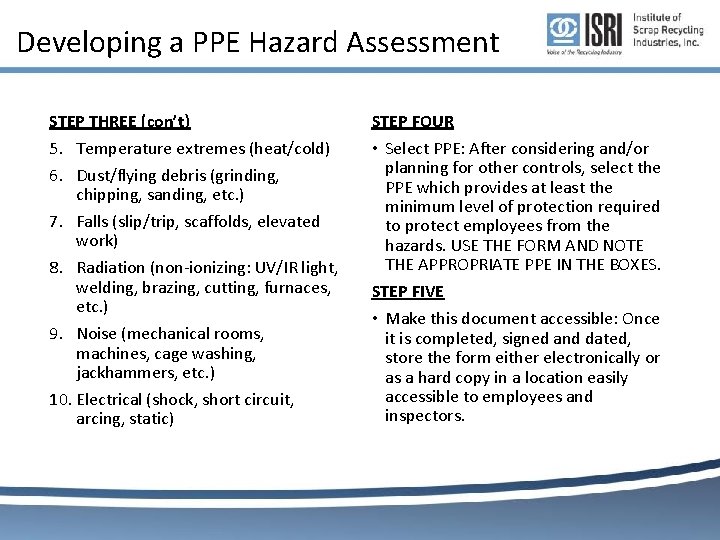
Developing a PPE Hazard Assessment STEP THREE (con’t) 5. Temperature extremes (heat/cold) 6. Dust/flying debris (grinding, chipping, sanding, etc. ) 7. Falls (slip/trip, scaffolds, elevated work) 8. Radiation (non-ionizing: UV/IR light, welding, brazing, cutting, furnaces, etc. ) 9. Noise (mechanical rooms, machines, cage washing, jackhammers, etc. ) 10. Electrical (shock, short circuit, arcing, static) STEP FOUR • Select PPE: After considering and/or planning for other controls, select the PPE which provides at least the minimum level of protection required to protect employees from the hazards. USE THE FORM AND NOTE THE APPROPRIATE PPE IN THE BOXES. STEP FIVE • Make this document accessible: Once it is completed, signed and dated, store the form either electronically or as a hard copy in a location easily accessible to employees and inspectors.
Developing a PPE Hazard Assessment STEP SIX • Revise Protocol: Update departmental protocols with the new or modified PPE requirements if necessary. STEP SEVEN • Reassess the workplace as necessary by identifying and evaluating: 1. New equipment and processes 2. Accident records 3. Suitability of previously selected PPE
Developing a PPE Hazard Assessment