
Relationships between Waste Collection Systems and MSDs Presentation
Relationships between Waste Collection Systems and MSD’s Presentation to IOSH Branch Meeting London Dr David Thomas 9 th February 2016 dthomas@aylesburyvaledc. gov. uk
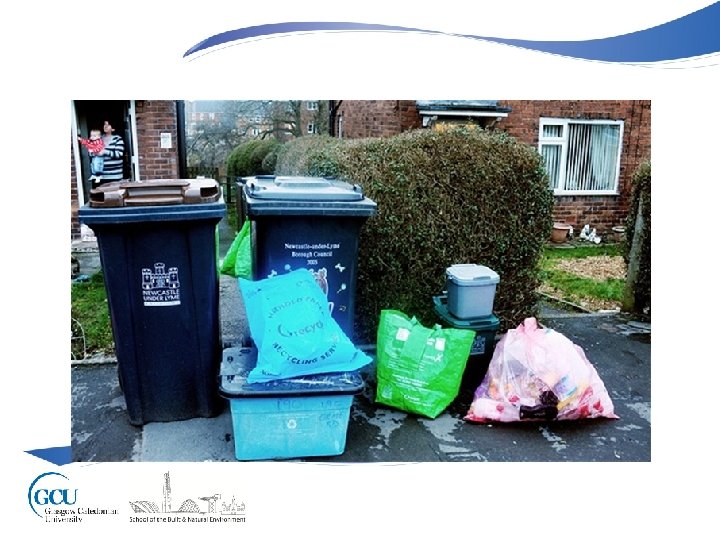
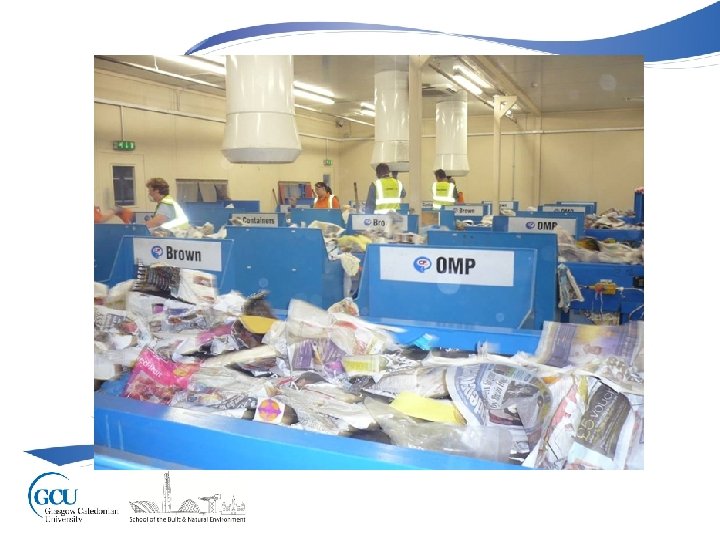
Industry Problem Entranched views • Historic Problem – Wheeled bins v Boxes • Chere – Research • Better quality of recycling when hand sorted than MRFs • Modern MRFs can produce high quality material • HSL Studies and Academic Research
Industry Headlines • Ro. SPA – Work related Accidents & Ill health cost £ 20 - £ 30 b • Work Foundation – Over 40 million workers in Europe are affected by MSDs attributable with work • PWC – absenteeism costs UK business £ 32 bn pa • HSL- Considering W&R sector as a whole, levels of sickness absence are approx. 30% higher than those of other comparable sectors
Aim • “Investigate common domestic waste kerbside collection and recycling practices in the UK to establish their relationship with operative’s health around musculoskeletal (MSD) injuries as a contribution to the risk assessment decision making process”.
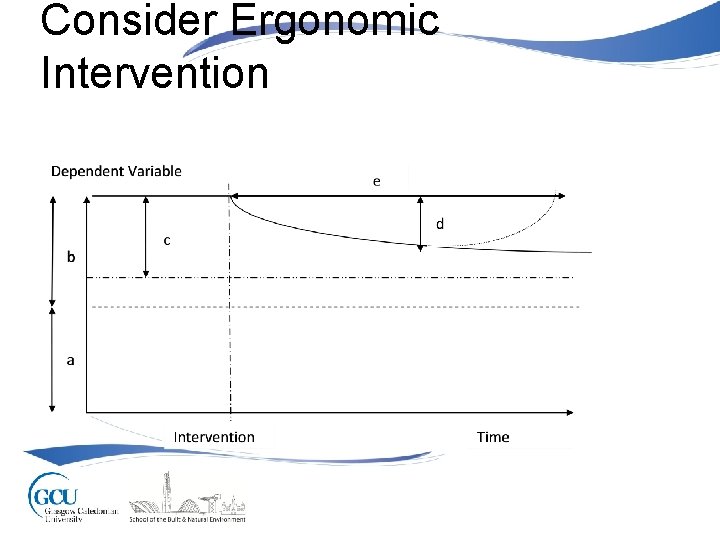
Consider Ergonomic Intervention
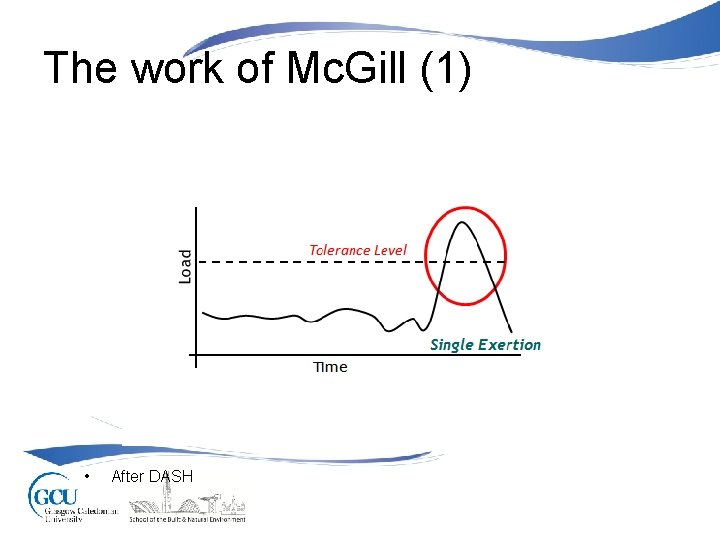
The work of Mc. Gill (1) • After DASH
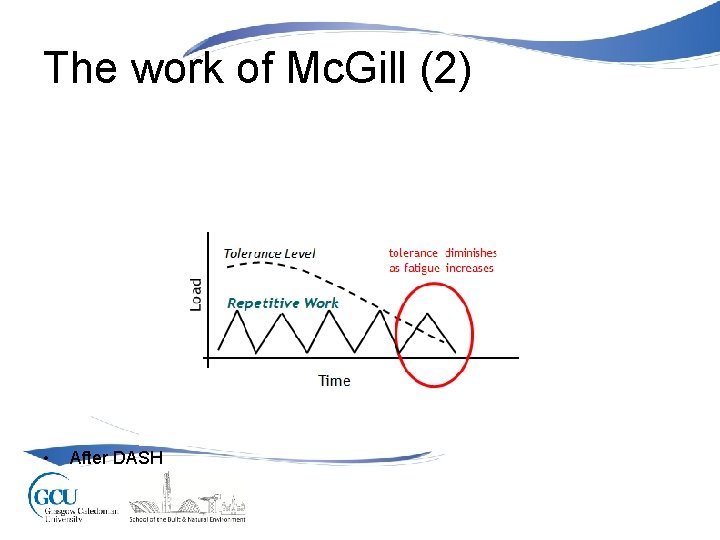
The work of Mc. Gill (2) • After DASH
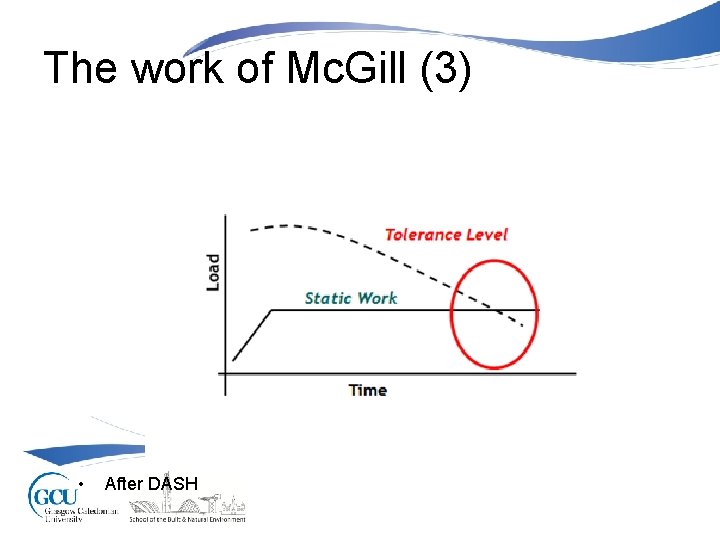
The work of Mc. Gill (3) • After DASH
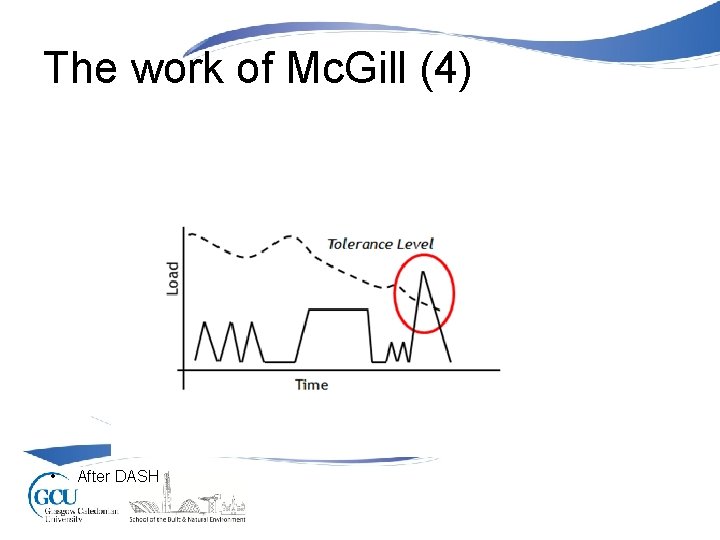
The work of Mc. Gill (4) • After DASH
Other Parts of the Body Not just the back - Consider: • Shoulder • Knee • Lower Leg • Wrist
Literature Review • Extended search carried out • HSE /HSL Research Reports • Peer Reviewed information from university data bases • Grey literature from local authorities… • Global – providing in the English Language
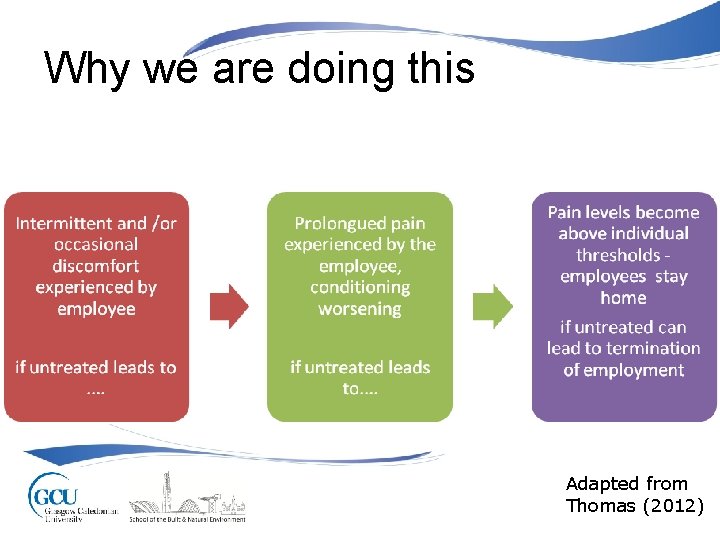
Why we are doing this Adapted from Thomas (2012)
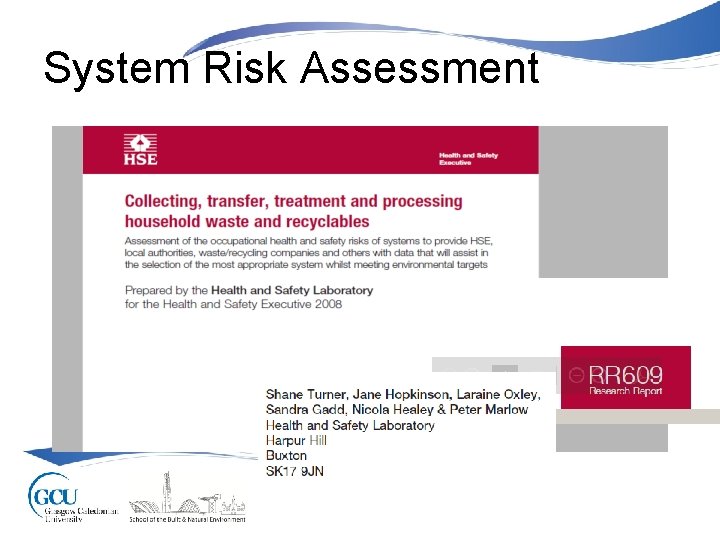
System Risk Assessment
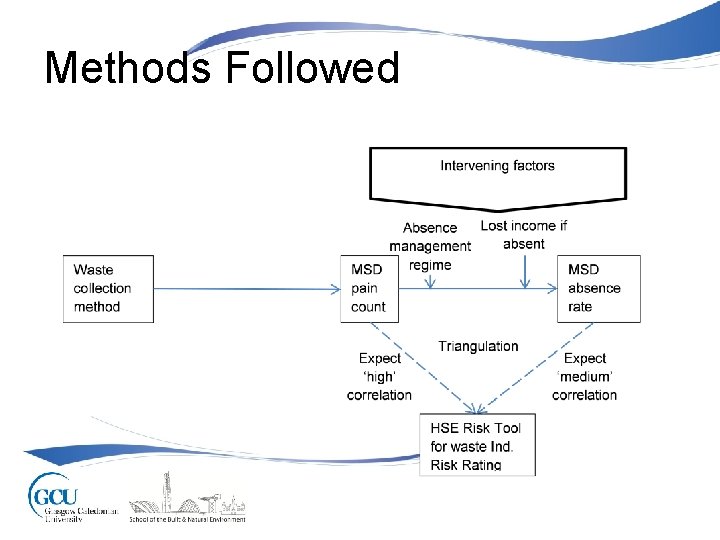
Methods Followed
Key Contacts • • • 65 LA’s contacted 20 provided information 15 sets was useable 5 authorities – followed up work AVDC in effect a case study • Direct contact, FOI of limited use
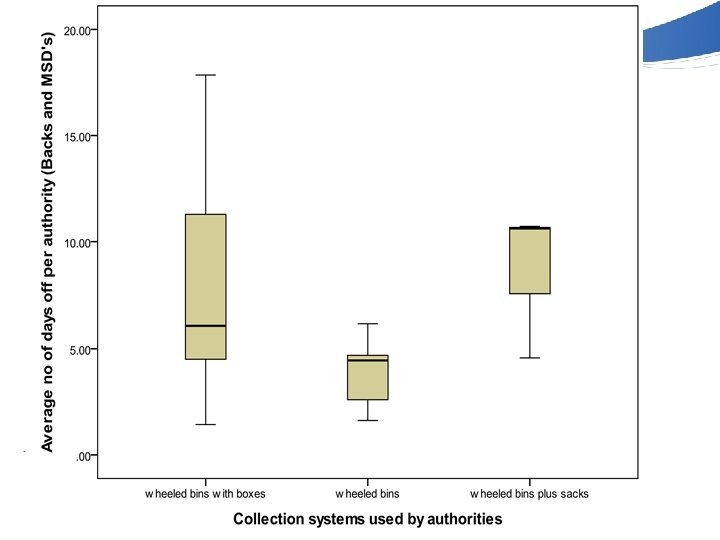
Some Findings
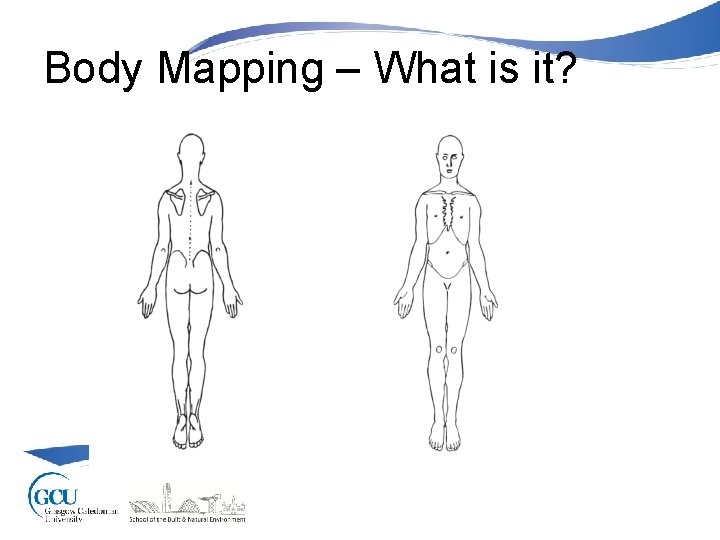
Body Mapping – What is it?
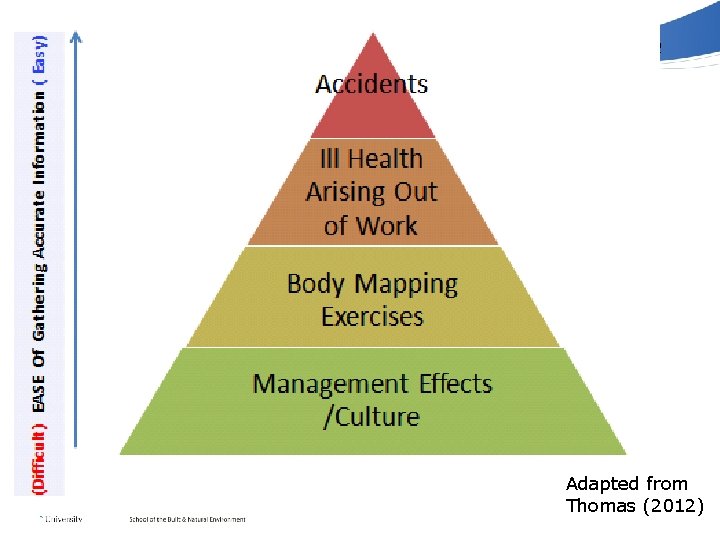
How do you measure Performance Adapted from Thomas (2012)
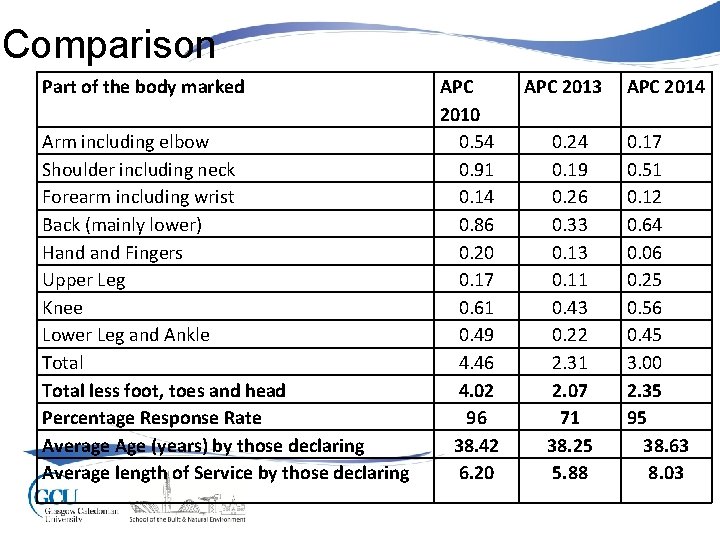
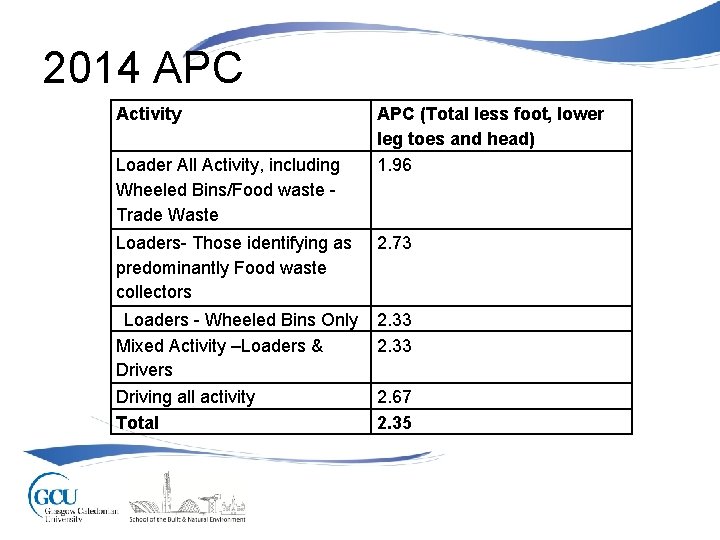
What is APC (APC=P/E) • APC = Average Pain Count • APC= No. of Pain Markers (P)/number of employees (E) • Epidemiological – Simple process utilising amount of pain experienced within a work group – Is a very useful comparator of pain being experienced by different work groups
Worked Examples 1. Comparison of pain amongst refuse collectors carrying out waste collection using different methods 2. Identification of pain experienced by office based staff at AVDC
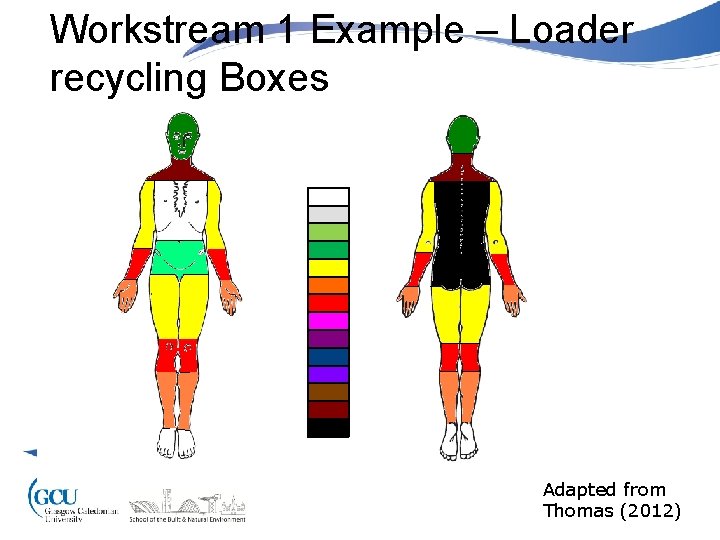
Workstream 1 Example – Loader recycling Boxes Adapted from Thomas (2012)
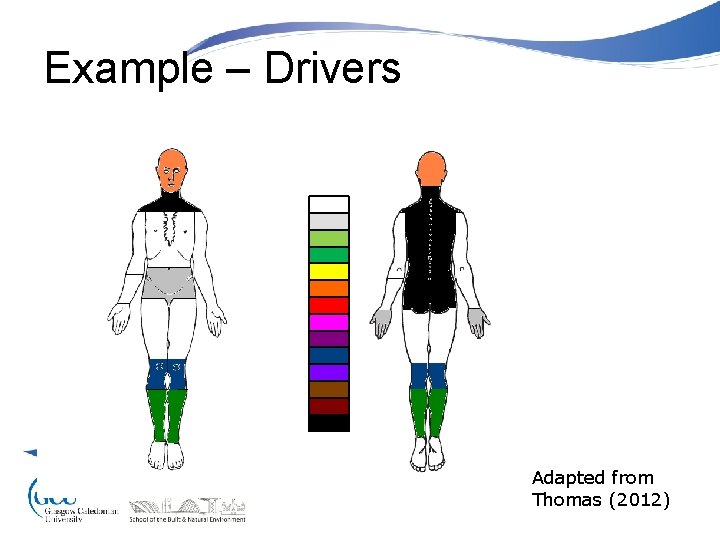
Example – Drivers Adapted from Thomas (2012)
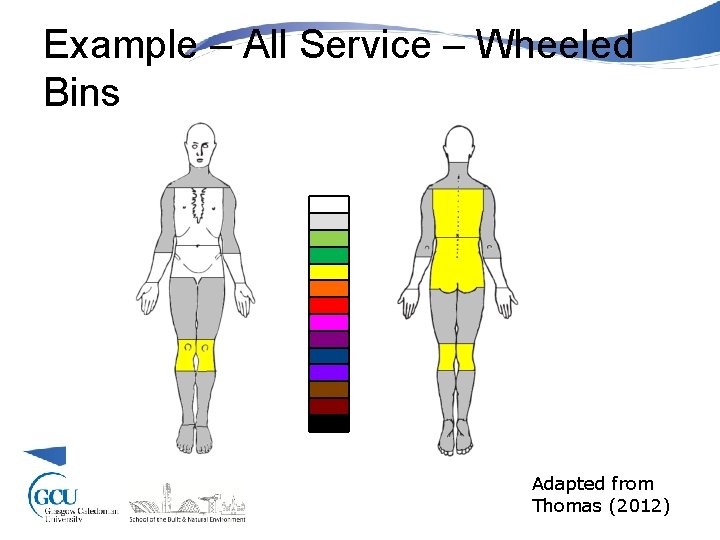
Example – All Service – Wheeled Bins Adapted from Thomas (2012)
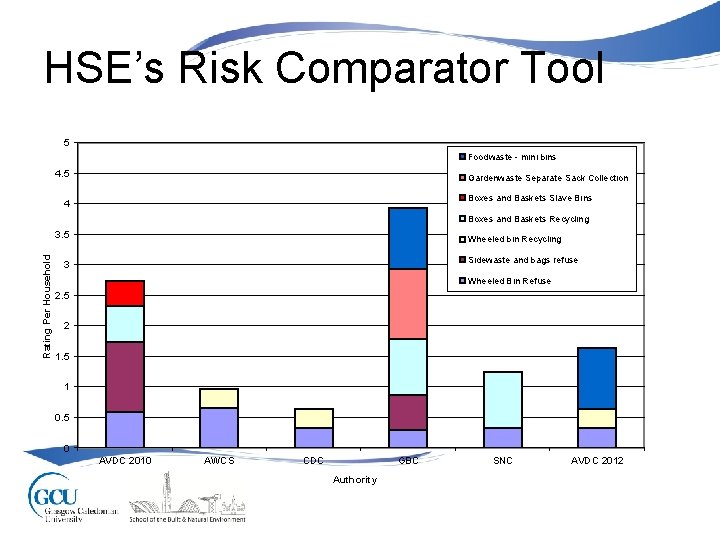
HSE’s Risk Comparator Tool 5 Foodwaste - mini bins 4. 5 Gardenwaste Separate Sack Collection Boxes and Baskets Slave Bins 4 Boxes and Baskets Recycling Rating Per Household 3. 5 Wheeled bin Recycling Sidewaste and bags refuse 3 Wheeled Bin Refuse 2. 5 2 1. 5 1 0. 5 0 AVDC 2010 AWCS CDC GBC Authority SNC AVDC 2012
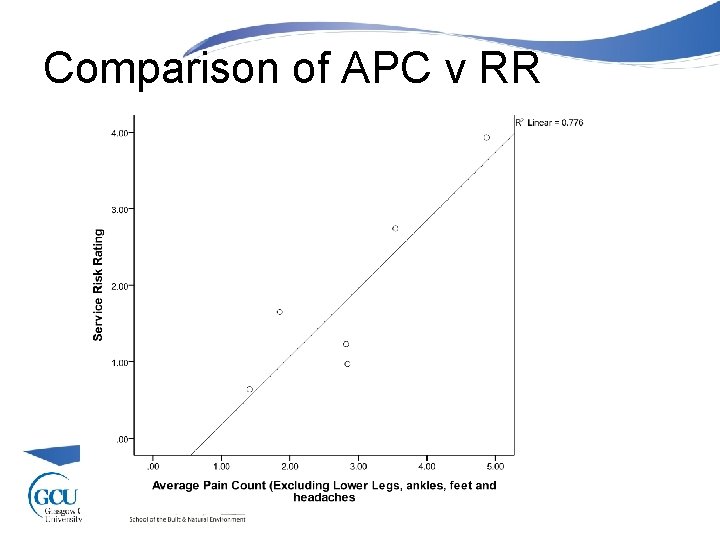
Comparison of APC v RR
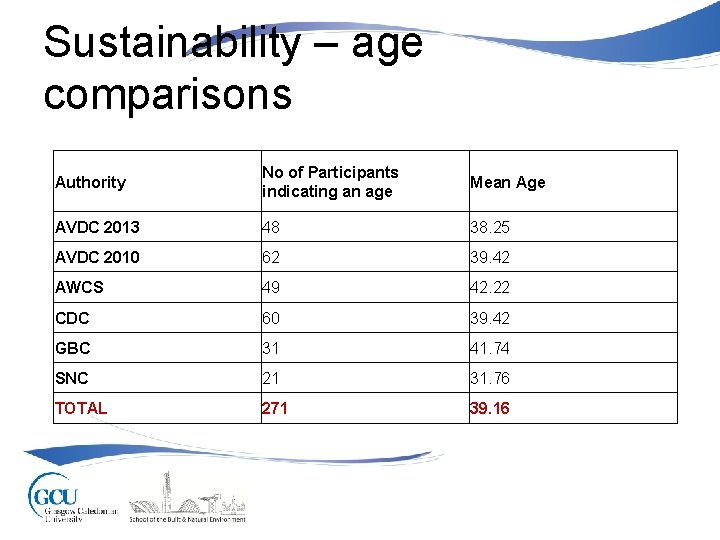
Sustainability – age comparisons Authority No of Participants indicating an age Mean Age AVDC 2013 48 38. 25 AVDC 2010 62 39. 42 AWCS 49 42. 22 CDC 60 39. 42 GBC 31 41. 74 SNC 21 31. 76 TOTAL 271 39. 16
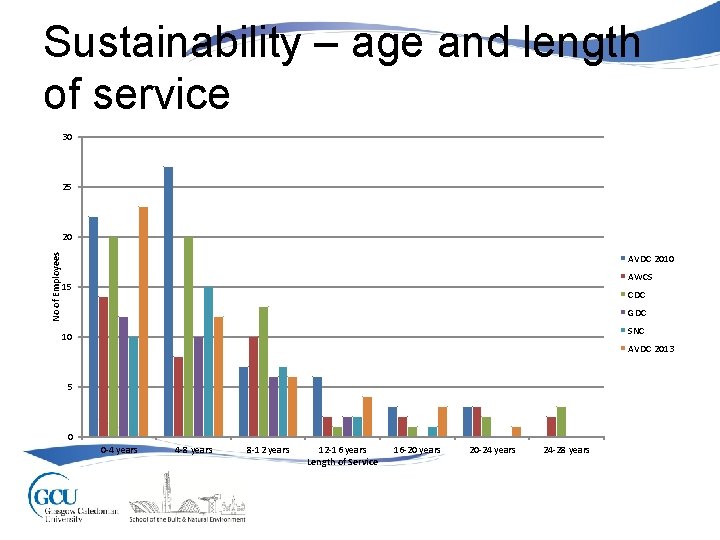
Sustainability – age and length of service 30 25 No of Employees 20 AVDC 2010 AWCS 15 CDC GDC SNC 10 AVDC 2013 5 0 0 -4 years 4 -8 years 8 -12 years 12 -16 years Length of Service 16 -20 years 20 -24 years 24 -28 years
Sustainability Rio Declaration The 1992 Rio Declaration on Environment and Development No 1 • People are entitled to a healthy and productive life in harmony with nature. • Raising the retirement age- issues?
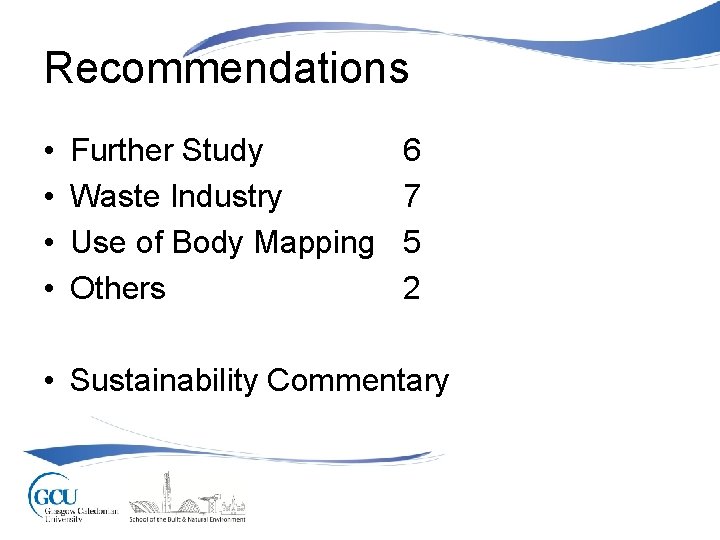
Recommendations • • Further Study Waste Industry Use of Body Mapping Others 6 7 5 2 • Sustainability Commentary
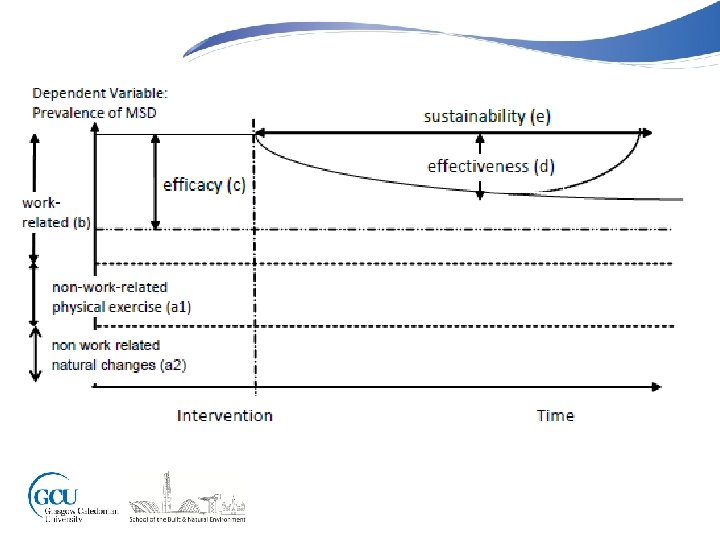
From WYG Consultants
Follow up work • Third study at AVDC • Obtained more information on age and length of service • New service nearly 2 years old • Effects of food waste collection?
Comparison Part of the body marked Arm including elbow Shoulder including neck Forearm including wrist Back (mainly lower) Hand Fingers Upper Leg Knee Lower Leg and Ankle Total less foot, toes and head Percentage Response Rate Average Age (years) by those declaring Average length of Service by those declaring APC 2010 0. 54 0. 91 0. 14 0. 86 0. 20 0. 17 0. 61 0. 49 4. 46 4. 02 96 38. 42 6. 20 APC 2013 0. 24 0. 19 0. 26 0. 33 0. 11 0. 43 0. 22 2. 31 2. 07 71 38. 25 5. 88 APC 2014 0. 17 0. 51 0. 12 0. 64 0. 06 0. 25 0. 56 0. 45 3. 00 2. 35 95 38. 63 8. 03
2014 APC Activity Loader All Activity, including Wheeled Bins/Food waste Trade Waste APC (Total less foot, lower leg toes and head) 1. 96 Loaders- Those identifying as predominantly Food waste collectors 2. 73 Loaders - Wheeled Bins Only Mixed Activity –Loaders & Drivers Driving all activity Total 2. 33 2. 67 2. 35
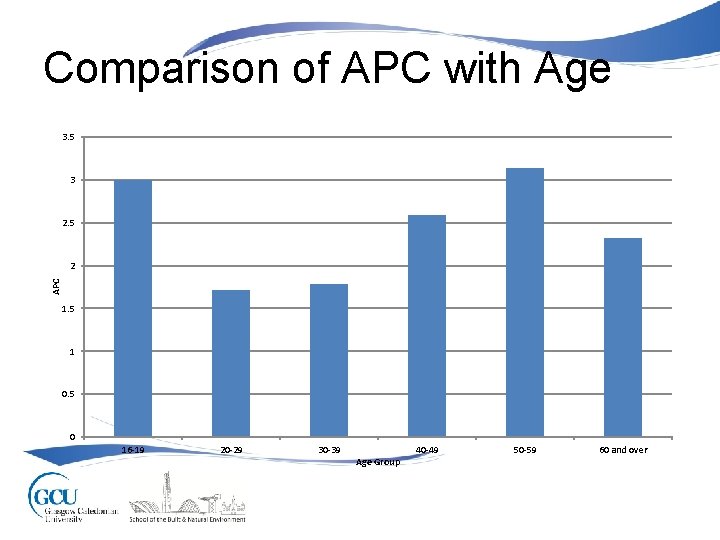
Comparison of APC with Age 3. 5 3 2. 5 APC 2 1. 5 1 0. 5 0 16 -19 20 -29 30 -39 Age Group 40 -49 50 -59 60 and over
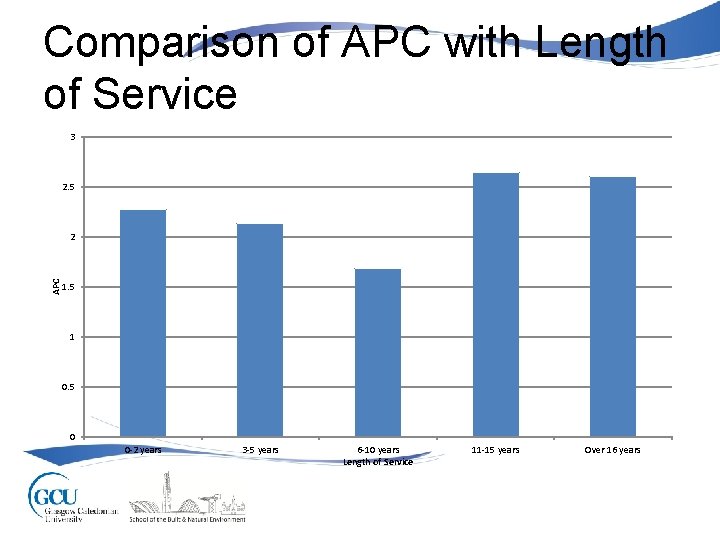
Comparison of APC with Length of Service 3 2. 5 APC 2 1. 5 1 0. 5 0 0 -2 years 3 -5 years 6 -10 years Length of Service 11 -15 years Over 16 years
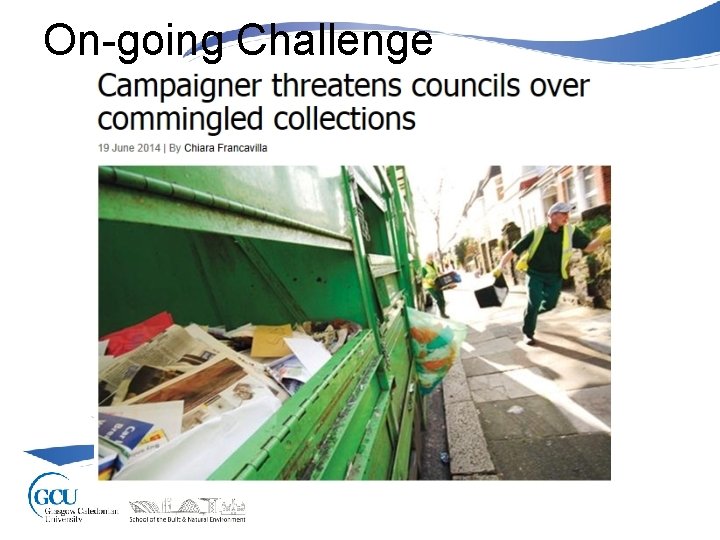
On-going Challenge
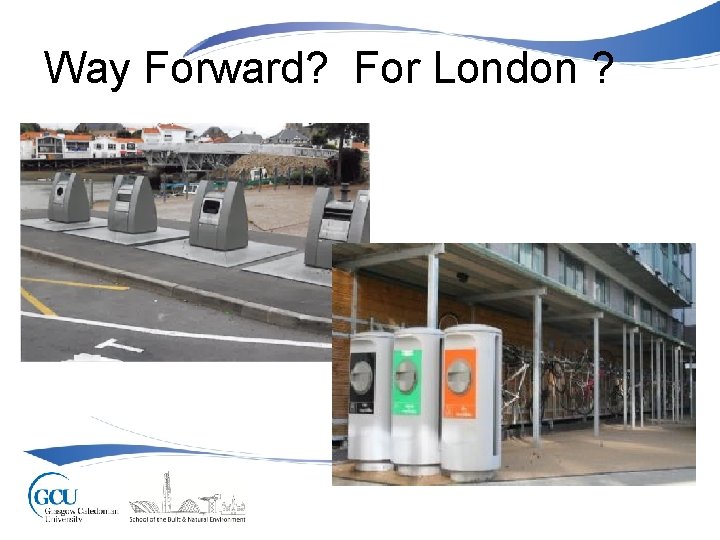
Way Forward? For London ?
Summary • Literature review suggests relationship • Absence ill health data suggests a relationship but limited statistically significant data • Body mapping shows a relationship • RR 609 developed from literature • Weakness in traditional H&S advice • Co incidence? ? ?

GCU Degree • Health and Safety BSc • Part time • Our London campus of Glasgow Caledonian University (GCU) is considering delivering BSc Health & Safety Management part time degree over 2 years. This is currently a successfully run degree at our Glasgow campus. We would welcome any note of interest from colleagues within industry may have for this unique programme. The degree is accredited by IOSH to Graduate membership level and provide graduates with an integrated portfolio structure to allow for application to Chartered Membership on completion. • Audrey. Meikle@gcu. ac. uk

A world of work which is safe, healthy and sustainable
- Slides: 43