Welcome to the STEM Research Panel Erin Scanlon




- Slides: 44
Welcome to the STEM Research Panel Erin Scanlon, Westley James, and Jacquelyn Chini University of Central Florida Please be respectful of your colleagues by silencing your phone. If you need to answer a call, please go to the hallway.
We ask you to join us in creating a culture that reflects… Access and Inclusion and Civility and Respect …this week and in all aspects of our organization.
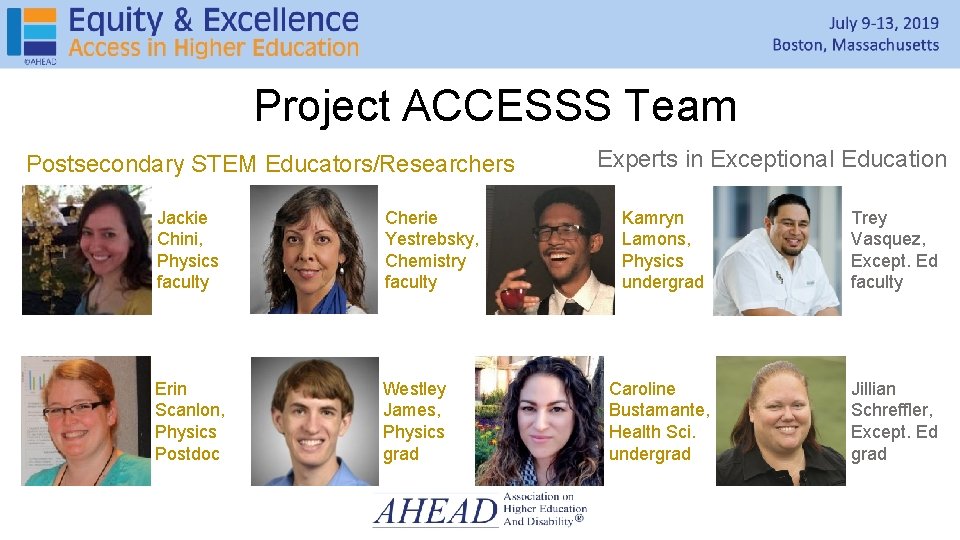
Project ACCESSS Team Postsecondary STEM Educators/Researchers Jackie Chini, Physics faculty Cherie Yestrebsky, Chemistry faculty Erin Scanlon, Physics Postdoc Westley James, Physics grad Experts in Exceptional Education Kamryn Lamons, Physics undergrad Trey Vasquez, Except. Ed faculty Caroline Bustamante, Health Sci. undergrad Jillian Schreffler, Except. Ed grad
Poll: Who is here with us today? • Role/position • • • Academia Government Student support Independent Researcher Student • Familiarity with Universal Design for Learning?
How we view disability matters How disability/impairment is viewed -quality of an individual? -consequence of social structures? -combination of the two? This question motivates: • Identity • Where the supports/changes should occur • How the supports/changes should occur • Research design and data analysis
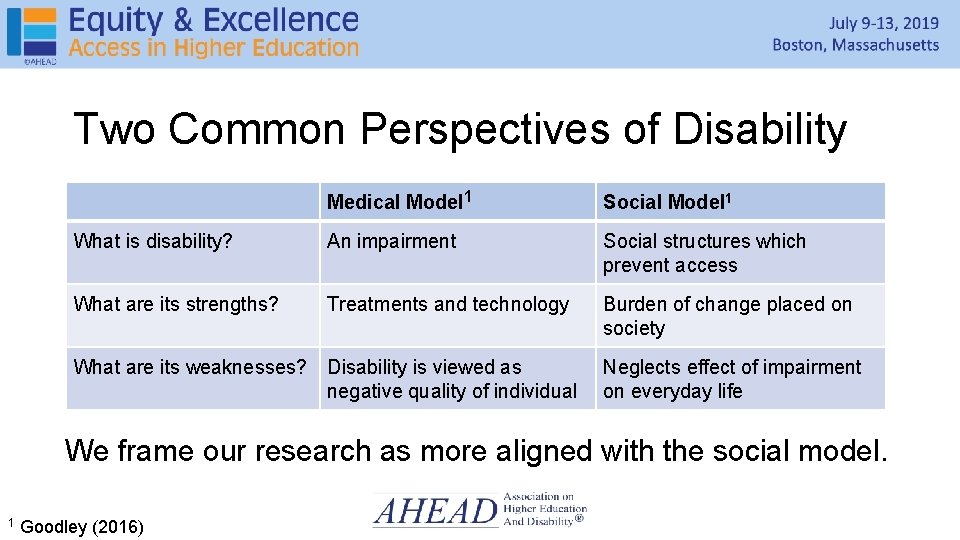
Two Common Perspectives of Disability Medical Model 1 Social Model 1 What is disability? An impairment Social structures which prevent access What are its strengths? Treatments and technology Burden of change placed on society What are its weaknesses? Disability is viewed as negative quality of individual Neglects effect of impairment on everyday life We frame our research as more aligned with the social model. 1 Goodley (2016)
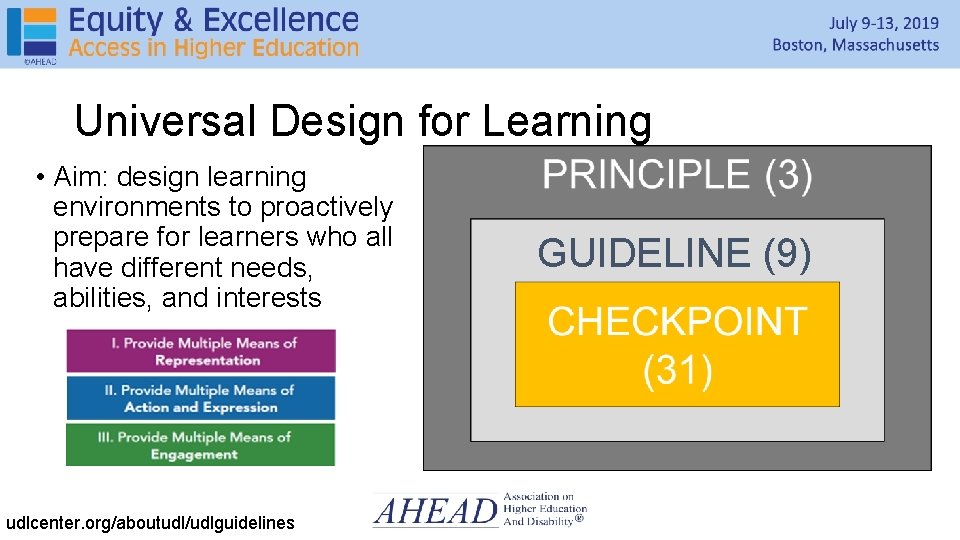
Universal Design for Learning • Aim: design learning environments to proactively prepare for learners who all have different needs, abilities, and interests udlcenter. org/aboutudl/udlguidelines GUIDELINE (9)
Sample Activity • In groups, read through and complete activity as if you were a student in an introductory physics course • Pay close attention to things that are easy for you and things that are difficult for you • Try to identify possible barriers and supports in the activity.
Postsecondary STEM curricula: Preparing for diverse learners Erin Scanlon, Jillian Schreffler, Westley James, Tamra Legron-Rodriquez, Elijah Ibadlit, Eleazar Vasquez, and Jacquelyn J. Chini
Our Study • Investigated the accessibility of introductory physics curricula • Accessibility was measured through alignment with Universal Design for Learning 1 checkpoints • Research questions: • How do research-based physics curricula support learners with varying needs, interests, and abilities? • How can physics curricula be modified to better support all physics students? 1 CAST, 2011
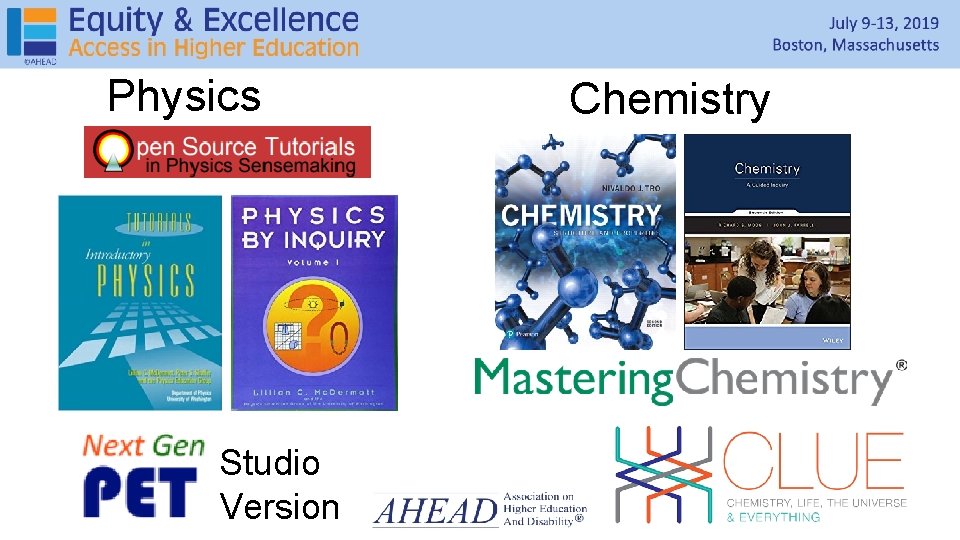
Physics Studio Version Chemistry
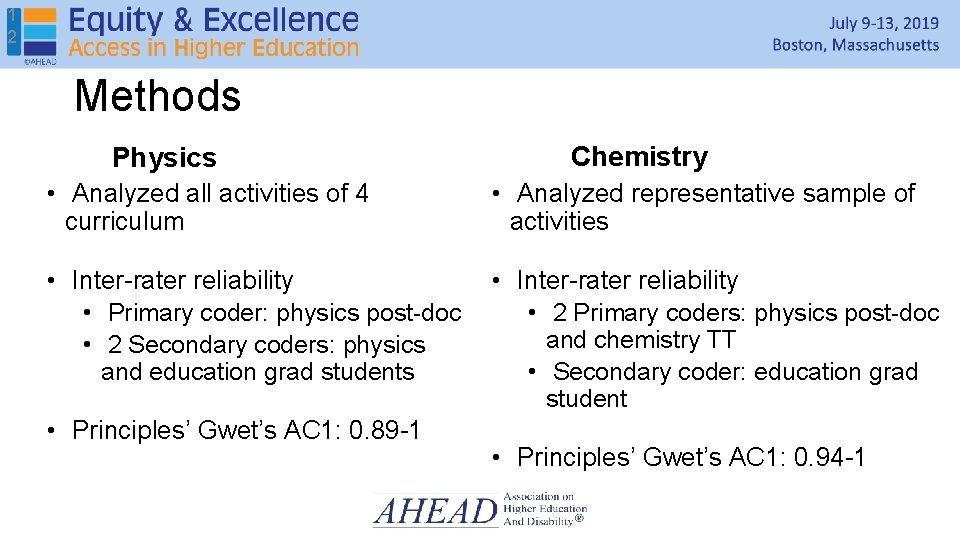
1 2 Methods Physics Chemistry • Analyzed all activities of 4 curriculum • Analyzed representative sample of activities • Inter-rater reliability • Primary coder: physics post-doc • 2 Secondary coders: physics • Inter-rater reliability • 2 Primary coders: physics post-doc and education grad students • Principles’ Gwet’s AC 1: 0. 89 -1 and chemistry TT • Secondary coder: education grad student • Principles’ Gwet’s AC 1: 0. 94 -1
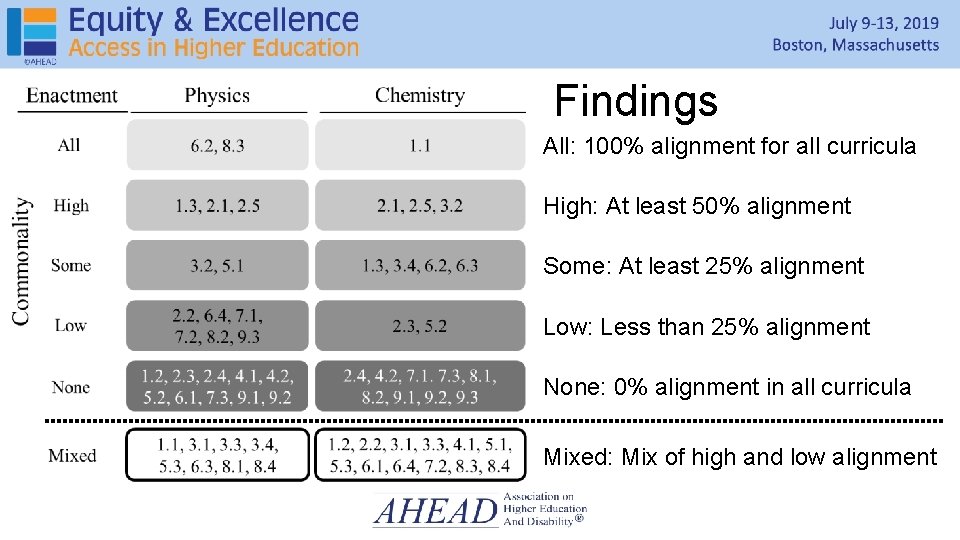
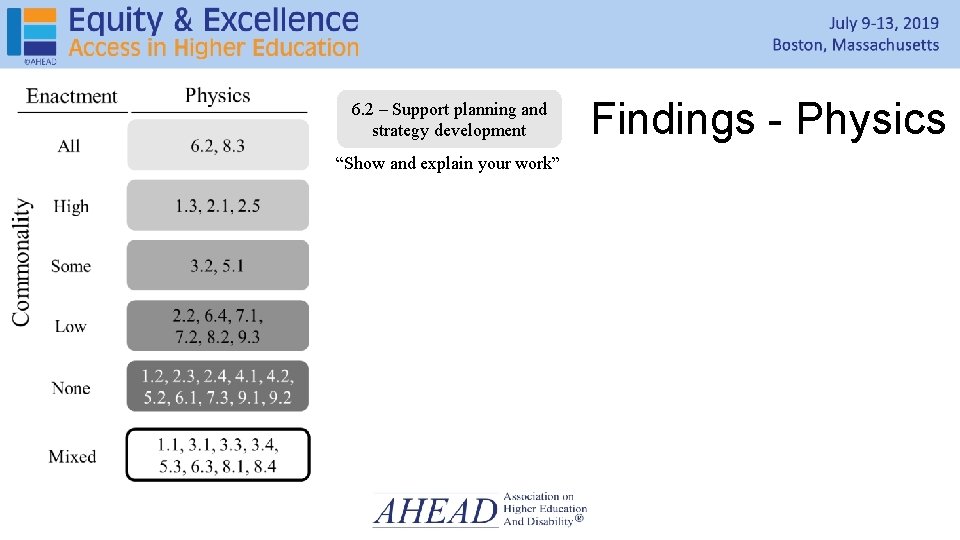
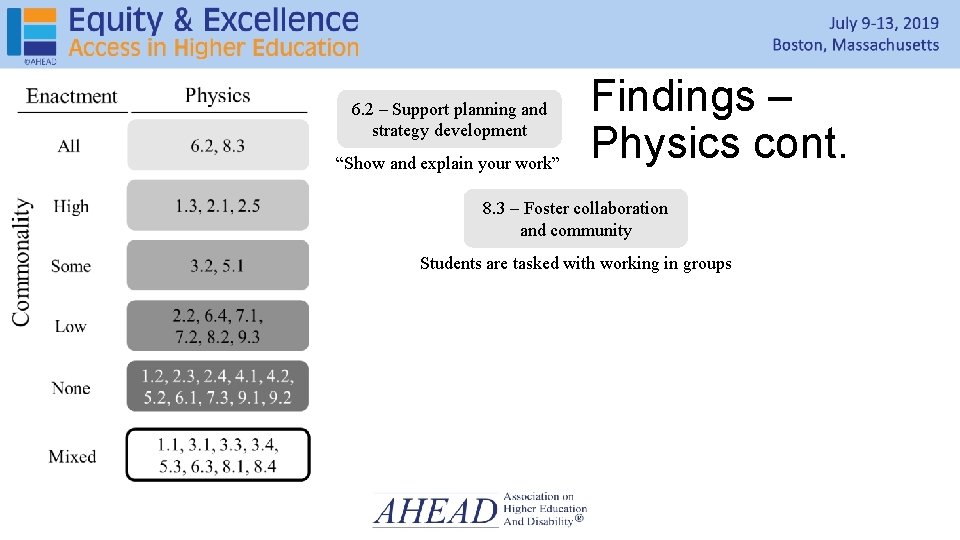
Findings All: 100% alignment for all curricula High: At least 50% alignment Some: At least 25% alignment Low: Less than 25% alignment None: 0% alignment in all curricula Mixed: Mix of high and low alignment
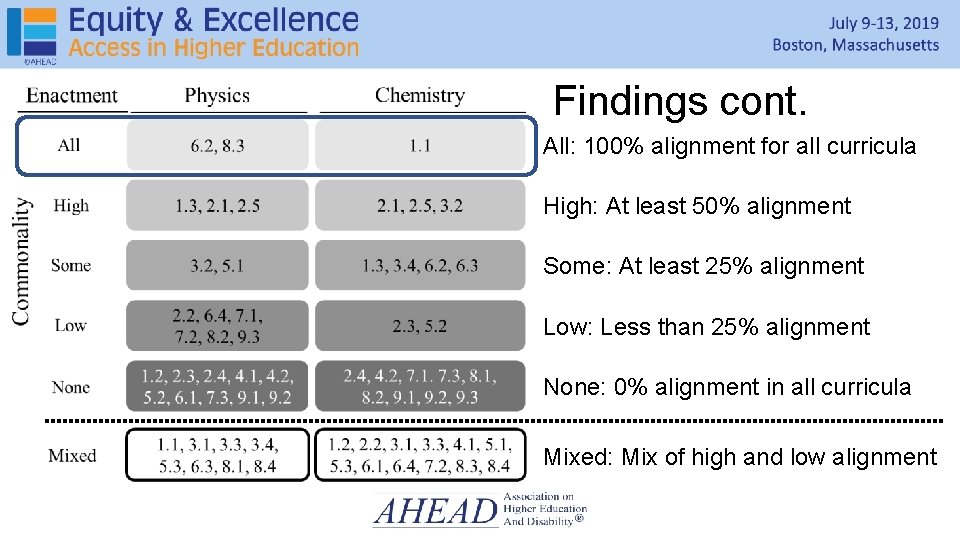
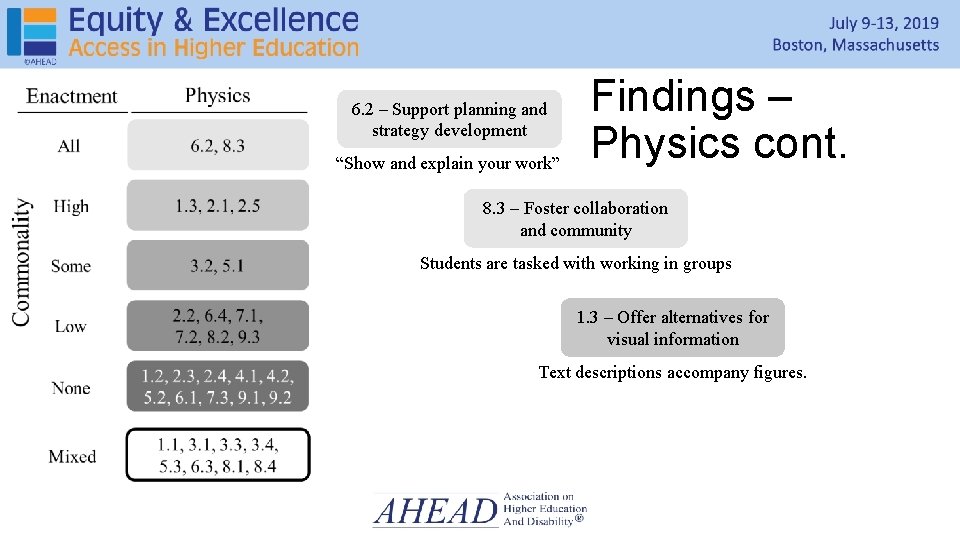
Findings cont. All: 100% alignment for all curricula High: At least 50% alignment Some: At least 25% alignment Low: Less than 25% alignment None: 0% alignment in all curricula Mixed: Mix of high and low alignment
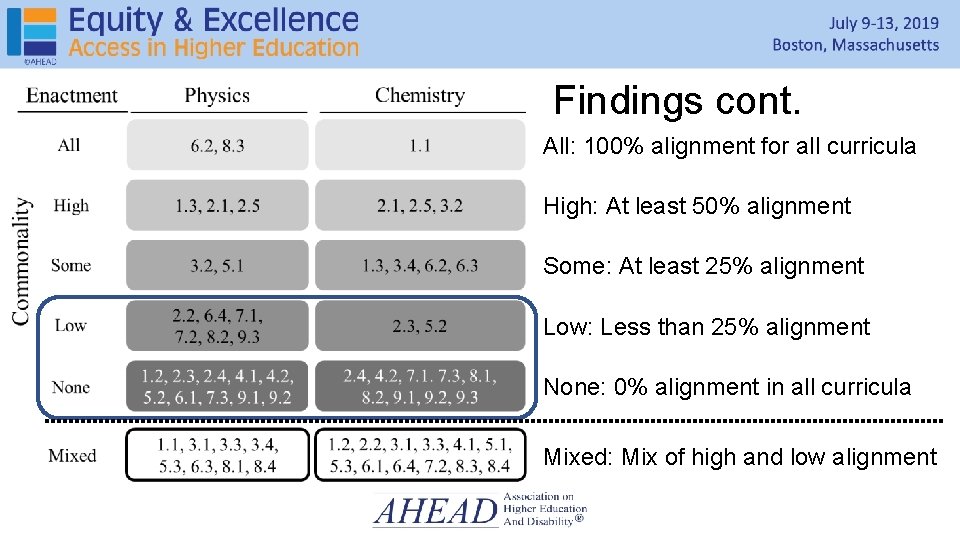
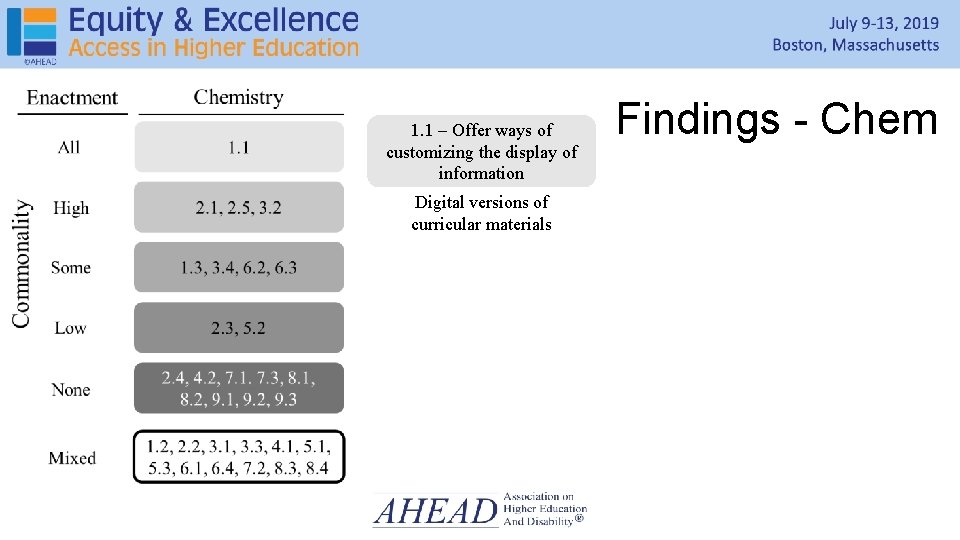
Findings cont. All: 100% alignment for all curricula High: At least 50% alignment Some: At least 25% alignment Low: Less than 25% alignment None: 0% alignment in all curricula Mixed: Mix of high and low alignment
6. 2 – Support planning and strategy development “Show and explain your work” Findings - Physics
6. 2 – Support planning and strategy development “Show and explain your work” Findings – Physics cont. 8. 3 – Foster collaboration and community Students are tasked with working in groups
6. 2 – Support planning and strategy development “Show and explain your work” Findings – Physics cont. 8. 3 – Foster collaboration and community Students are tasked with working in groups 1. 3 – Offer alternatives for visual information Text descriptions accompany figures.
6. 2 – Support planning and strategy development “Show and explain your work” Findings – Physics cont. 8. 3 – Foster collaboration and community Students are tasked with working in groups 1. 3 – Offer alternatives for visual information Text descriptions accompany figures. 2. 1 – Clarify vocabulary and symbols "The technical definition of pressure is force per unit area. " (Tutorial 8, page 4)
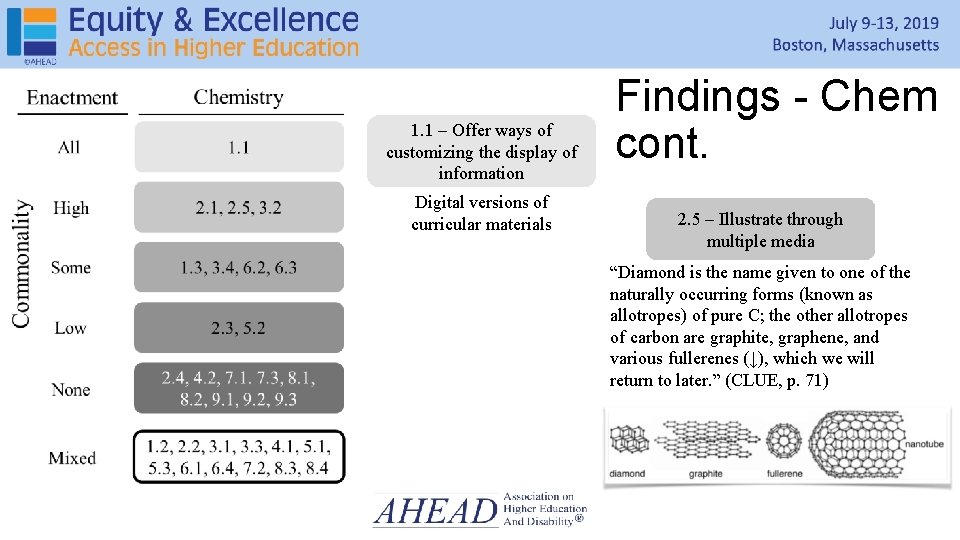
1. 1 – Offer ways of customizing the display of information Digital versions of curricular materials Findings - Chem
1. 1 – Offer ways of customizing the display of information Digital versions of curricular materials Findings - Chem cont. 2. 5 – Illustrate through multiple media “Diamond is the name given to one of the naturally occurring forms (known as allotropes) of pure C; the other allotropes of carbon are graphite, graphene, and various fullerenes (↓), which we will return to later. ” (CLUE, p. 71)
1. 1 – Offer ways of customizing the display of information Digital versions of curricular materials 3. 2 – Highlight patterns, critical features, big ideas, and relationships Bold or italics key ideas Findings - Chem cont. 2. 5 – Illustrate through multiple media “Diamond is the name given to one of the naturally occurring forms (known as allotropes) of pure C; the other allotropes of carbon are graphite, graphene, and various fullerenes (↓), which we will return to later. ” (CLUE, p. 71)
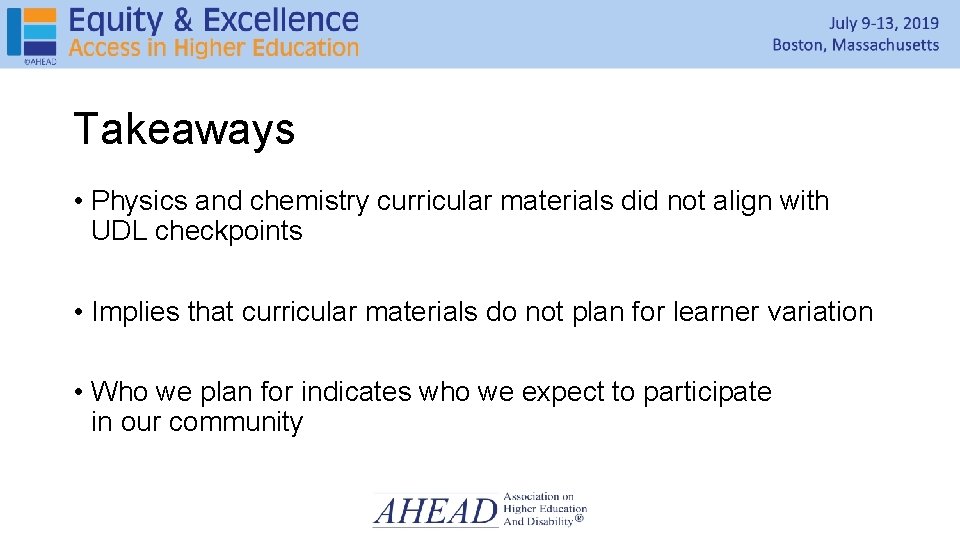
Takeaways • Physics and chemistry curricular materials did not align with UDL checkpoints • Implies that curricular materials do not plan for learner variation • Who we plan for indicates who we expect to participate in our community
Investigating the experiences of students with ADHD in postsecondary physics courses Westley James, Kamryn Lamons, Caroline Bustamante, Erin Scanlon, and Jacquelyn J. Chini
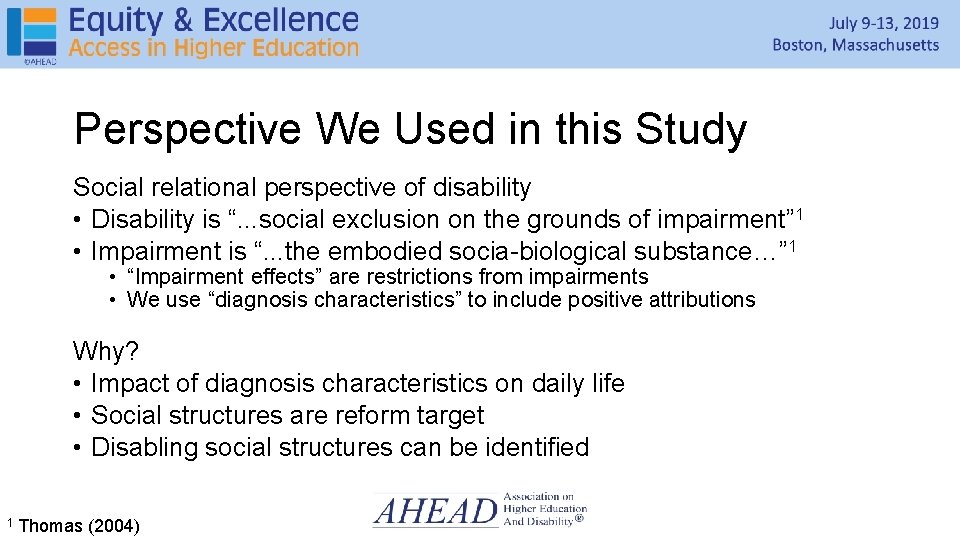
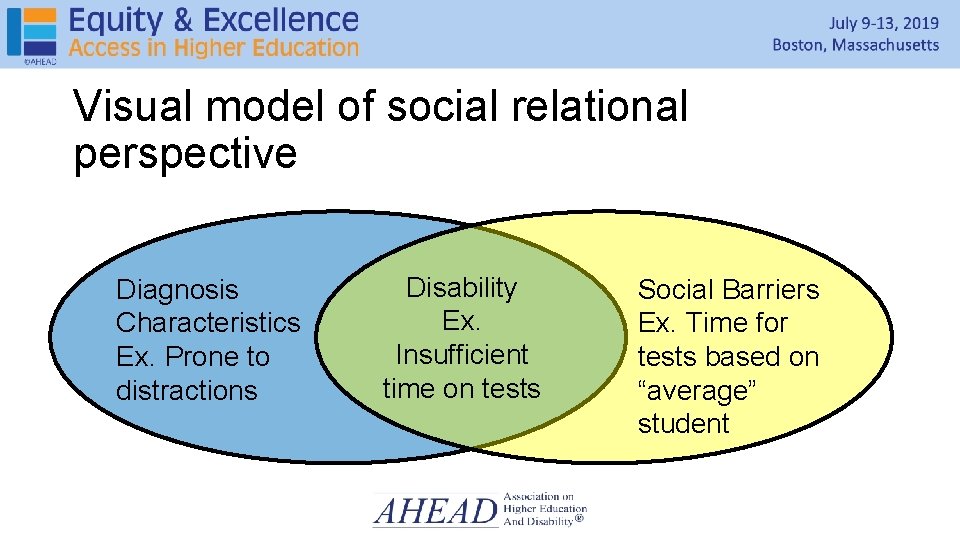
Perspective We Used in this Study Social relational perspective of disability • Disability is “. . . social exclusion on the grounds of impairment” 1 • Impairment is “. . . the embodied socia-biological substance…” 1 • “Impairment effects” are restrictions from impairments • We use “diagnosis characteristics” to include positive attributions Why? • Impact of diagnosis characteristics on daily life • Social structures are reform target • Disabling social structures can be identified 1 Thomas (2004)
Visual model of social relational perspective Diagnosis Characteristics Ex. Prone to distractions Disability Ex. Insufficient time on tests Social Barriers Ex. Time for tests based on “average” student
Our Study and Research Questions Interviewed students with ADHD about their experiences in college, specifically in post-secondary schools Research questions • How do they view their diagnosis? • What barriers/supports have they encountered in physics courses? • What has been their experiences with accommodation use?
Recruitment and Participation • Large southeastern, research-intensive, 4 -year university • Recruitment email sent through disability services office • Only students in introductory chemistry or physics courses • Two 1 -hour interviews at beginning and end of semester • 5 participants chosen • Explicitly identified diagnosis characteristics and the interaction between their diagnosis characteristics and the learning environment • Diagnosed at varying ages
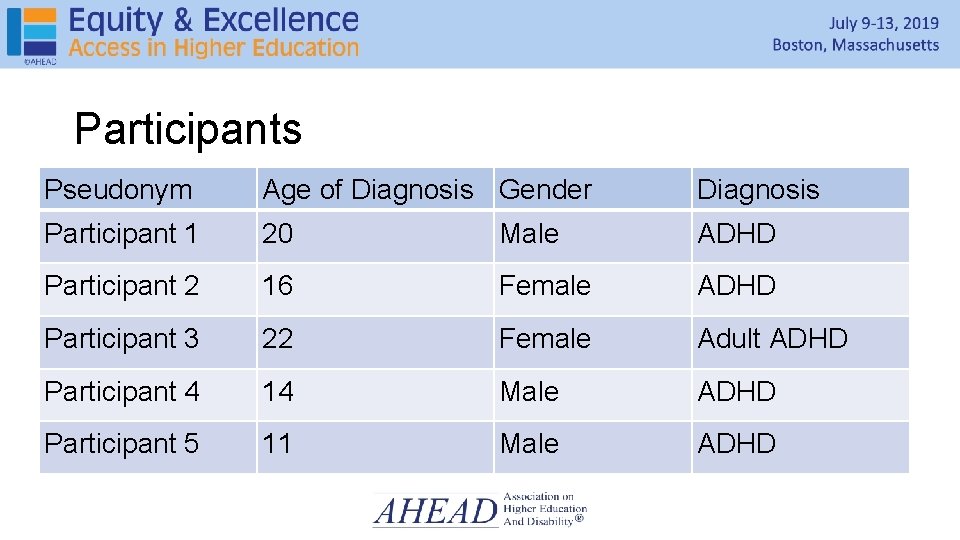
Participants Pseudonym Age of Diagnosis Gender Diagnosis Participant 1 20 Male ADHD Participant 2 16 Female ADHD Participant 3 22 Female Adult ADHD Participant 4 14 Male ADHD Participant 5 11 Male ADHD
Positionality Three researchers: • One graduate (WJ) and two undergraduate students • Spectrum of disability diagnosis: non-disabled, diagnosed with ADHD, and undiagnosed but identifies with impairments associated with ADHD • Physics and non-physics, STEM backgrounds
Analytic Framework Interpretative Phenomenological Analysis 1 • Phenomenology: investigating lived experiences of individual regarding some phenomenon • Interpretative: researchers making sense of how participants make sense of world • We are interpreting experiences from participant’s words • Making connections across participants 1 Smith & Osborn (2004)
Analysis Process • Researchers collaboratively analyzed transcripts • Focused on turns of speech identifying diagnosis characteristics or interaction between diagnosis characteristics and course experiences • “Bracketing” our assumptions about ADHD • Transcripts analyzed independently from each other • Findings represent common experiences across participants
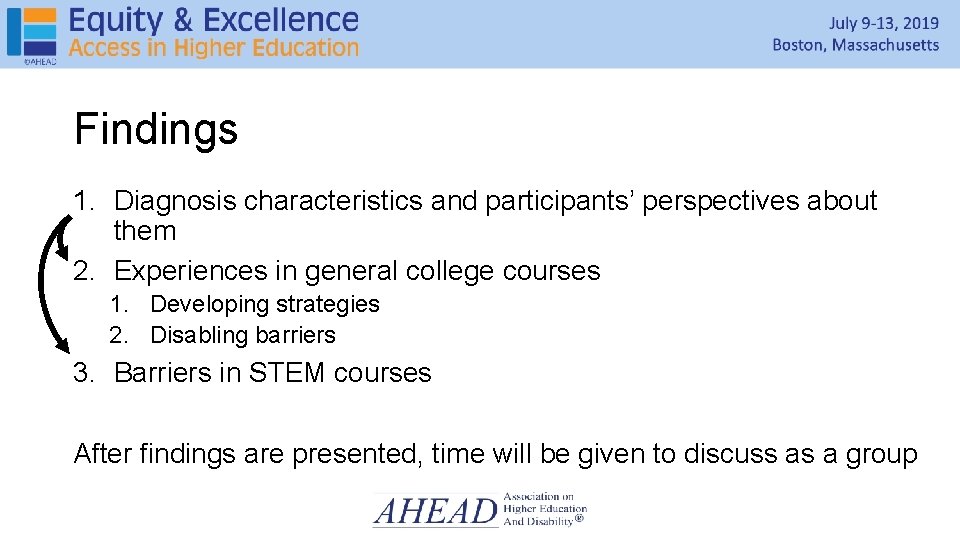
Findings 1. Diagnosis characteristics and participants’ perspectives about them 2. Experiences in general college courses 1. Developing strategies 2. Disabling barriers 3. Barriers in STEM courses After findings are presented, time will be given to discuss as a group
Diagnosis Characteristics and Participant Perspectives about them • Challenges with: • • Focusing Being prone to distractions Keeping mental track of tasks and structures Time • Diagnosis characteristics often defined in relation to others “…’cause generally what takes another person an hour to study it'll take me like 2 to 4 hours to study. ” - Participant 2
Diagnosis Characteristics and Participant Perspectives about them cont. • Strengths: • Thinking abstractly • Constantly present and integral in learning process “I think about it [course content] a lot more, I think, than a lot of other people do just because that's, there's a lot more thoughts always coming in. ” - Participant 5
Participants’ General College Experiences – Adapting to Diagnosis Characteristics • Planning is critical • Developing study strategies • Medication for ADHD beneficial but has negative side effects “I have a planner in which I write every single aspect of my life. . . If I lose it I wouldn’t remember anything. ” - Participant 2
Participants’ General College Experiences – Disabling Course Structures • Course barriers • Lack of organization • Testing time constraints • Extra test time • Valued, but stigmatized “A tentative [class] schedule is something I particularly rely on because again I need to plan and if I don't have that, that's not going to work. ” - Participant 1
Participants’ STEM Specific Experiences • Insufficient time to learn and expressing understanding • Challenges with pacing and effectively studying • Extra test time critical “At first when I would read the chapters it was, it was hard because um some of the concepts are … they're not intuitive, you can't really see them happen and that was the biggest challenge at first, but um I think repetition was a key for me, just reading it again. ” - Participant 1
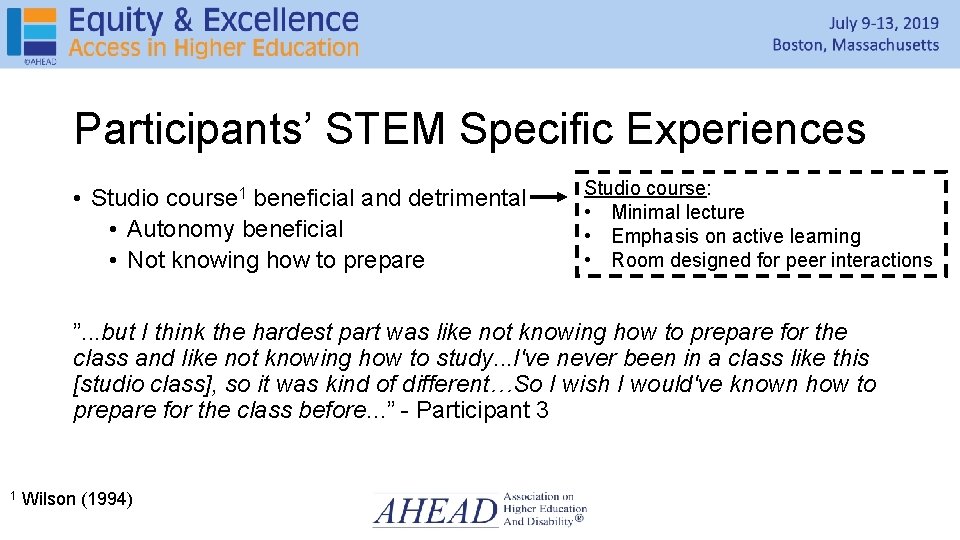
Participants’ STEM Specific Experiences • Studio course 1 beneficial and detrimental • Autonomy beneficial • Not knowing how to prepare Studio course: • Minimal lecture • Emphasis on active learning • Room designed for peer interactions ”. . . but I think the hardest part was like not knowing how to prepare for the class and like not knowing how to study. . . I've never been in a class like this [studio class], so it was kind of different…So I wish I would've known how to prepare for the class before. . . ” - Participant 3 1 Wilson (1994)
Let’s Talk about this Together 1. What stood out to you the most? 2. Was there anything surprising or unexpected? 3. What are you curious about that wasn’t covered?
Wrap-up • Diagnosis characteristics identified by participants, mostly negative • Course structures could support or hinder participants effectively learning • Barriers in STEM courses are higher than in other courses • Ex. Testing accommodations more critical for success
Instructors Must Balance Many Competing Interests • • • Cost Accessibility Features of curricula Content Time during the semester Planning for learner variation should be a consideration too! • Here’s A Few Things YOU Can Do • Provide curricular materials in digital format • Vary methods of response and navigation • Optimize individual choice and autonomy • Continue dialog with individuals with disabilities about their experiences • Highlight positive diagnosis characteristics
Session Evaluation Please session moderator for paper evaluation form or complete the evaluation online.
References • CAST (2011). Universal Design for Learning Guidelines version 2. 0. Wakefield, MA: Author. • Individuals with Disabilities Education Act. , 20 U. S. C. § 1414 (2004). • Goodley, D. (2016). Disability Studies: An Interdisciplinary Introduction. SAGE. • Mullins, L. , & Preyde, M. (2013). The lived experience of students with an invisible disability at a Canadian university. Disability & Society, 28(2), 147– 160. • Section 504 of the Rehabilitation Act of 1973. , Pub. L. No. 93 -112, § 794, 29 U. S. C. (1973). • Thomas, C. (2004). Developing the Social Relational in the Social Model of Disability: a theoretical agenda. In C. Barnes & G. Mercer (Eds. ), Implementing the Social Model of Disability: Theory and Research. • Wilson, J. M. (1994). The CUPLE physics studio. Physics Teacher, 32(9), 518– 523.