
Nonhydrostatic Icosahedral Model NIM Jin Lee NIM Project
- Slides: 125
Nonhydrostatic Icosahedral Model (NIM) Jin Lee
NIM Project Goal: A non-hydrostatic global model for earth system modeling, and weather and intra-seasonal climate predictions. Active groups developing global non-hydrostatic models: • • • CSU-icosahedral model (Prof. Randall – Colorado State Univ. ), NICAM/Earth Simulator: Prof. Satoh MPI/DWD, IAP – ICON project NOAA/ESRL – FIM/NIM NCAR/MPAS – Joe Klemp, Bill Skamarock OLAM - Robert Walko ECMWF – A nonhydrostatic global model (dx=6 km) for medium range NWP. NCEP - global WRF/NMM formulated on lat/lon grid UKMO – ENDGame GFDL/NASA NRL & NPS - NUMA
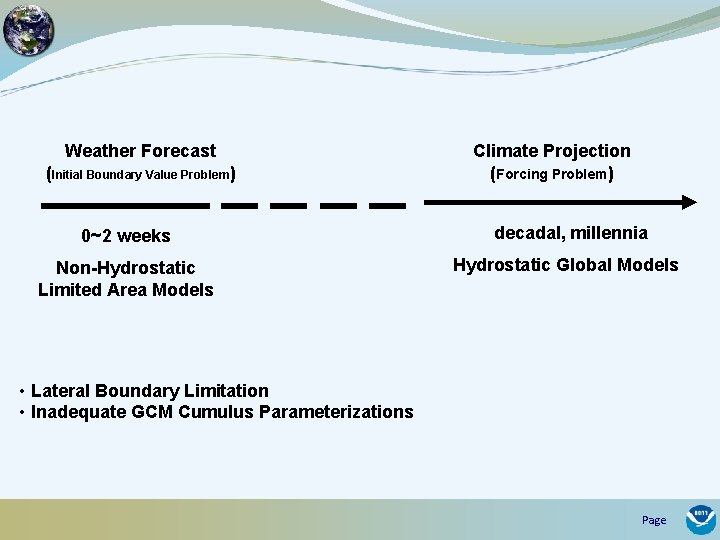
Weather Forecast (Initial Boundary Value Problem) Climate Projection (Forcing Problem) 0~2 weeks decadal, millennia Non-Hydrostatic Limited Area Models Hydrostatic Global Models • Lateral Boundary Limitation • Inadequate GCM Cumulus Parameterizations Page
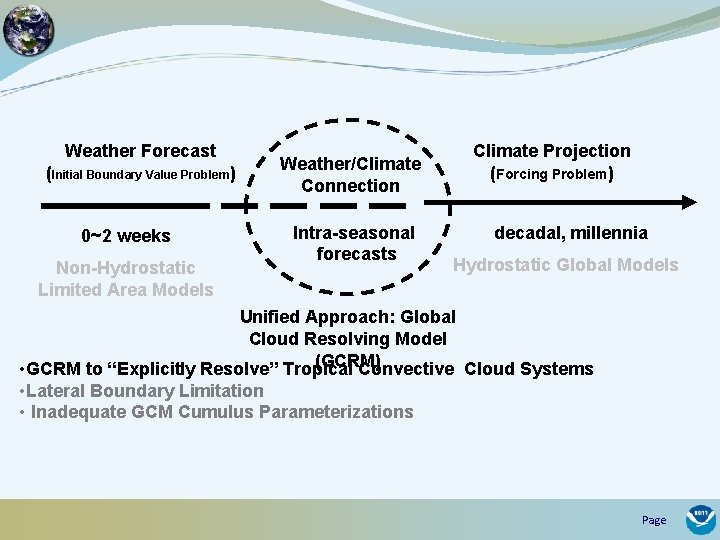
Weather Forecast (Initial Boundary Value Problem) 0~2 weeks Non-Hydrostatic Limited Area Models Weather/Climate Connection Intra-seasonal forecasts Climate Projection (Forcing Problem) decadal, millennia Hydrostatic Global Models Unified Approach: Global Cloud Resolving Model (GCRM) • GCRM to “Explicitly Resolve” Tropical Convective Cloud Systems • Lateral Boundary Limitation • Inadequate GCM Cumulus Parameterizations Page
NIM Project Goal: A non-hydrostatic global model for earth system modeling, and weather and intra-seasonal climate predictions. Active groups developing global non-hydrostatic models: • • • CSU-icosahedral model (Prof. Randall – Colorado State Univ. ), NICAM/Earth Simulator: Prof. Satoh MPI/DWD, IAP – ICON project NOAA/ESRL – FIM/NIM NCAR/MPAS – Joe Klemp, Bill Skamarock ECMWF – A nonhydrostatic global model for medium range NWP. NCEP - global WRF/NMM formulated on lat/lon grid UKMO – ENDGame GFDL/NASA NRL & NPS – NUMA KMA ( Korea )
NIM Project Goal: A non-hydrostatic global model for earth system modeling, and weather and intra-seasonal climate predictions. Active groups developing global non-hydrostatic models: • • • CSU-icosahedral model (Prof. Randall – Colorado State Univ. ), NICAM/Earth Simulator: Prof. Satoh MPI/DWD, IAP – ICON project NOAA/ESRL – FIM/NIM NCAR/MPAS – Joe Klemp, Bill Skamarock ECMWF – A nonhydrostatic global model for medium range NWP. NCEP - global WRF/NMM formulated on lat/lon grid UKMO – ENDGame GFDL/NASA NRL & NPS – NUMA KMA ( Korea )
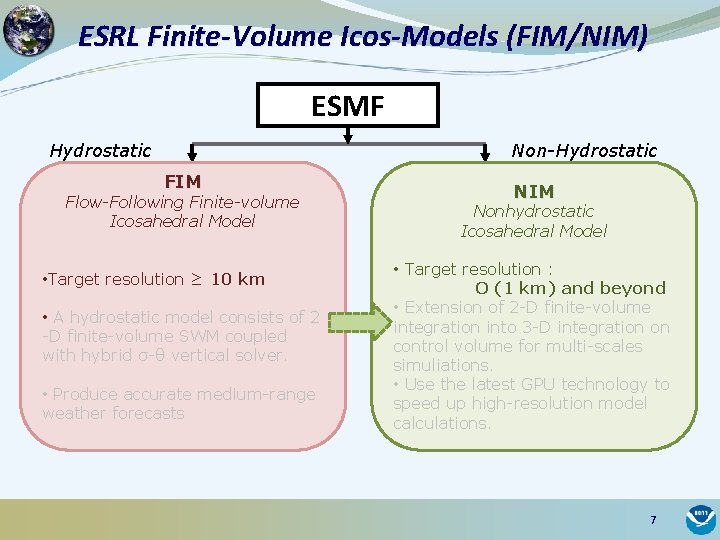
ESRL Finite-Volume Icos-Models (FIM/NIM) ESMF Non-Hydrostatic FIM Flow-Following Finite-volume Icosahedral Model • Target resolution ≥ 10 km • A hydrostatic model consists of 2 -D finite-volume SWM coupled with hybrid σ-θ vertical solver. • Produce accurate medium-range weather forecasts NIM Nonhydrostatic Icosahedral Model • Target resolution : O (1 km) and beyond • Extension of 2 -D finite-volume integration into 3 -D integration on control volume for multi-scales simuliations. • Use the latest GPU technology to speed up high-resolution model calculations. 7
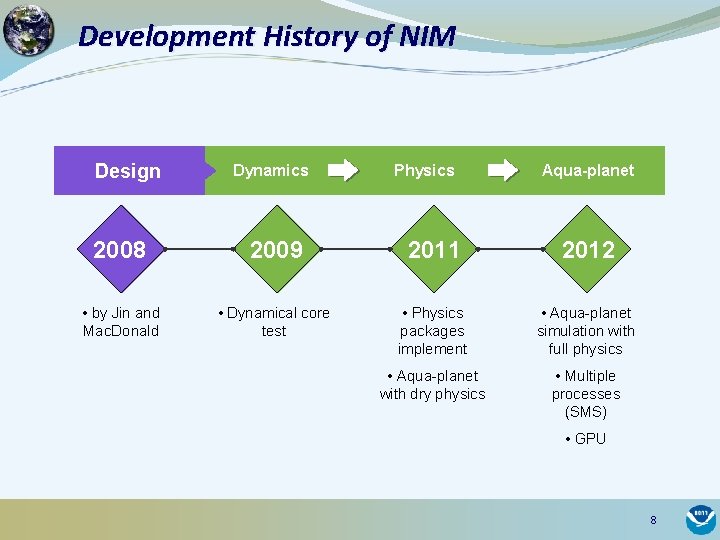
Development History of NIM Design Dynamics Physics Aqua-planet 2008 2009 2011 2012 • by Jin and Mac. Donald • Dynamical core test • Physics packages implement • Aqua-planet simulation with full physics • Aqua-planet with dry physics • Multiple processes (SMS) • GPU 8
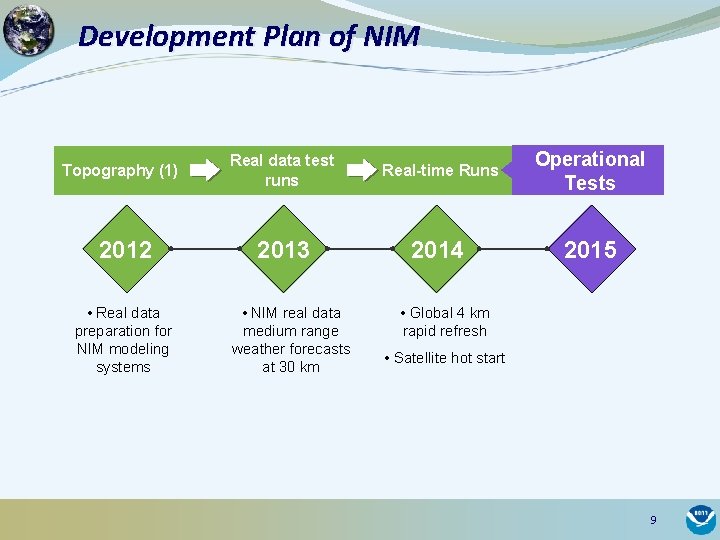
Development Plan of NIM Topography (1) 2012 • Real data preparation for NIM modeling systems Real data test runs Real-time Runs Operational Tests 2013 2014 2015 • NIM real data medium range weather forecasts at 30 km • Global 4 km rapid refresh • Satellite hot start 9
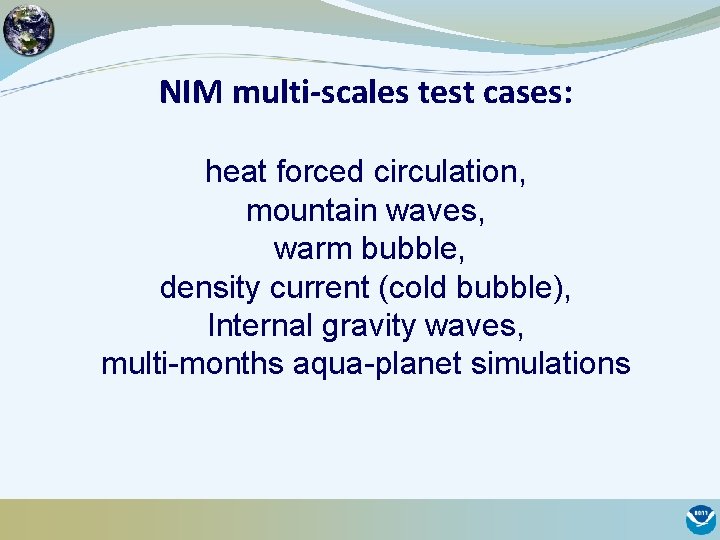
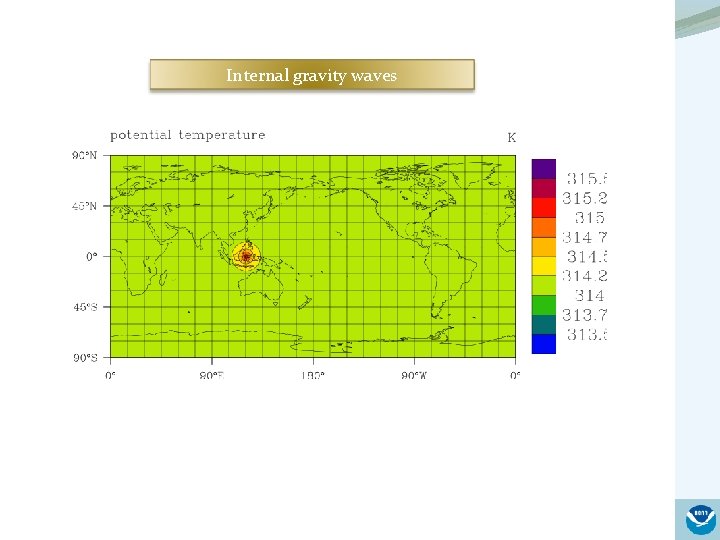
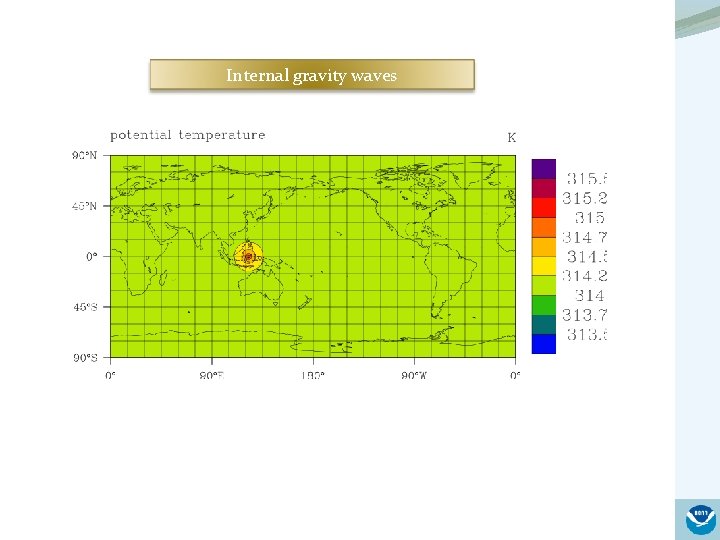
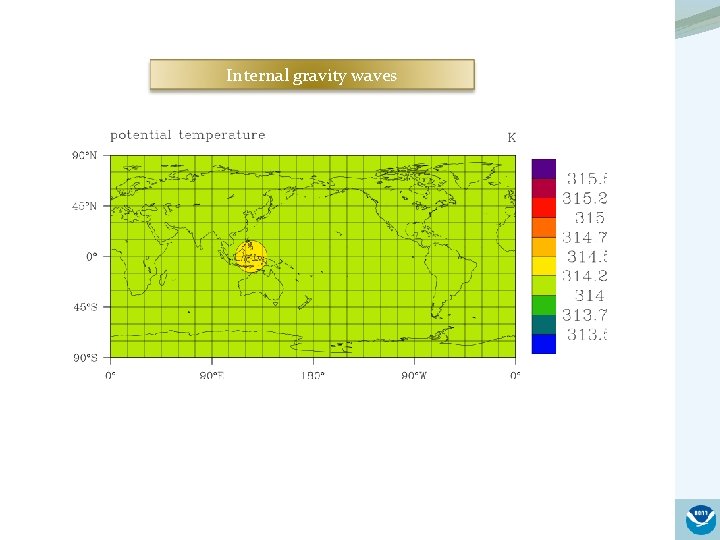
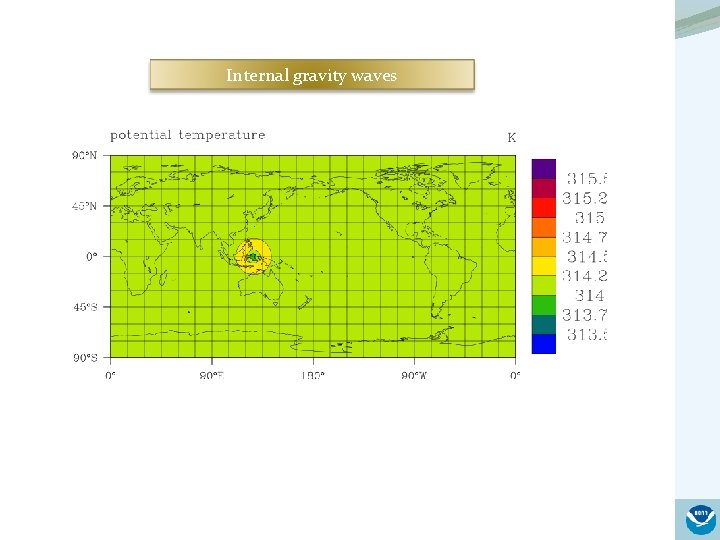
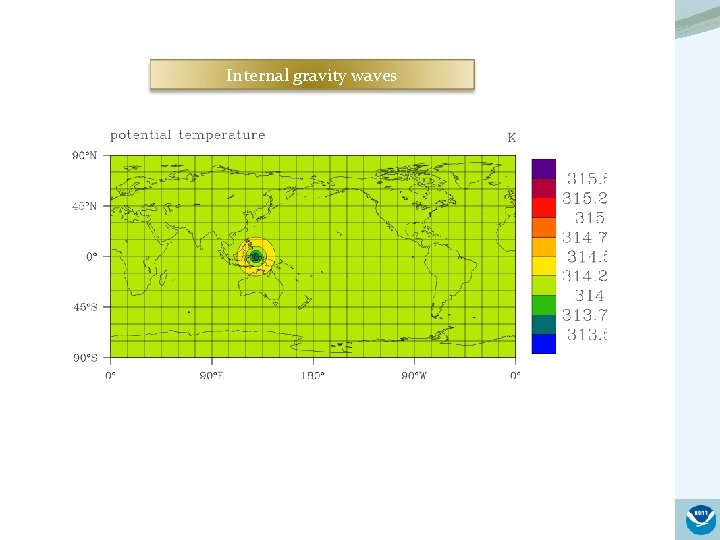
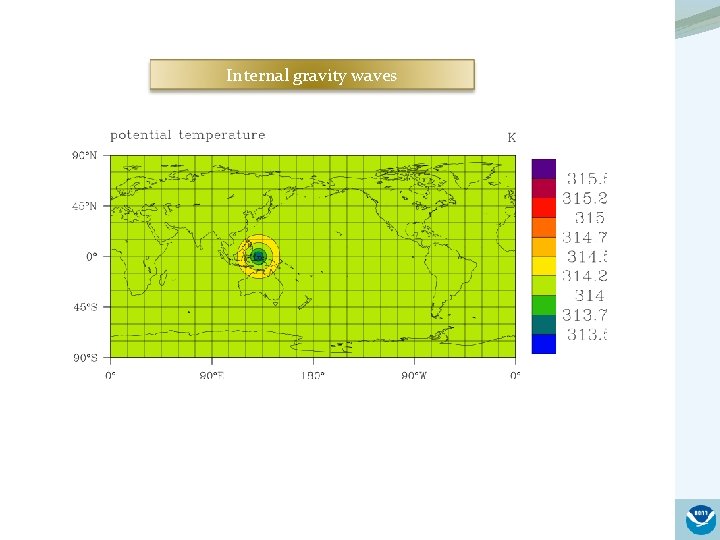
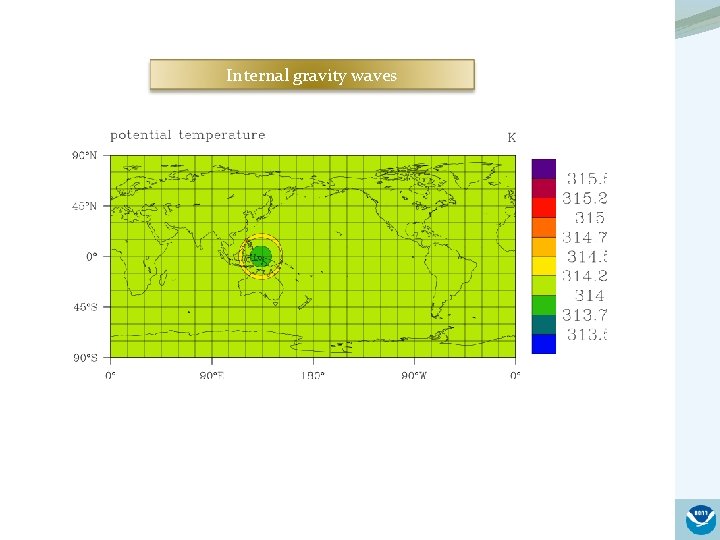
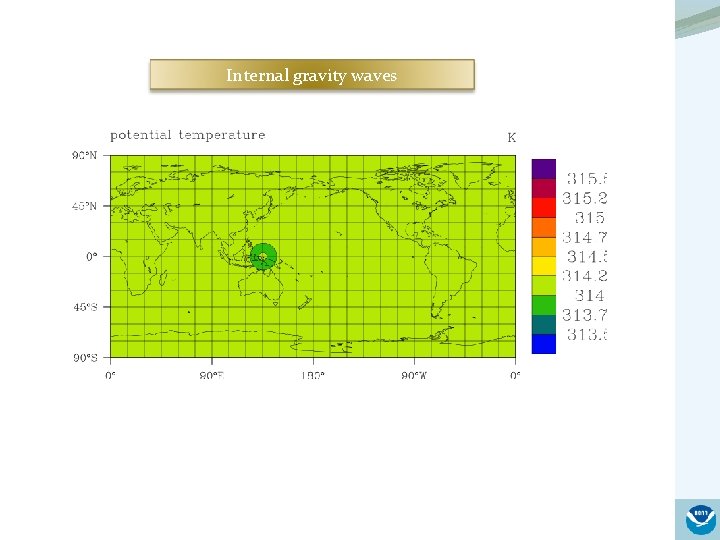
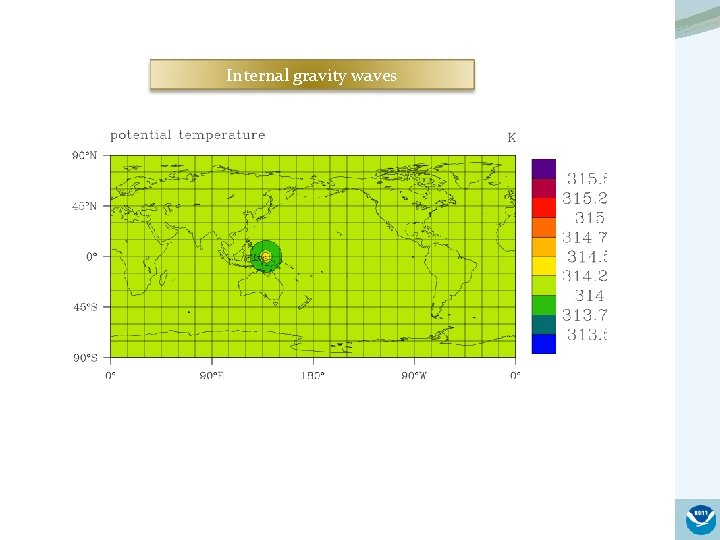
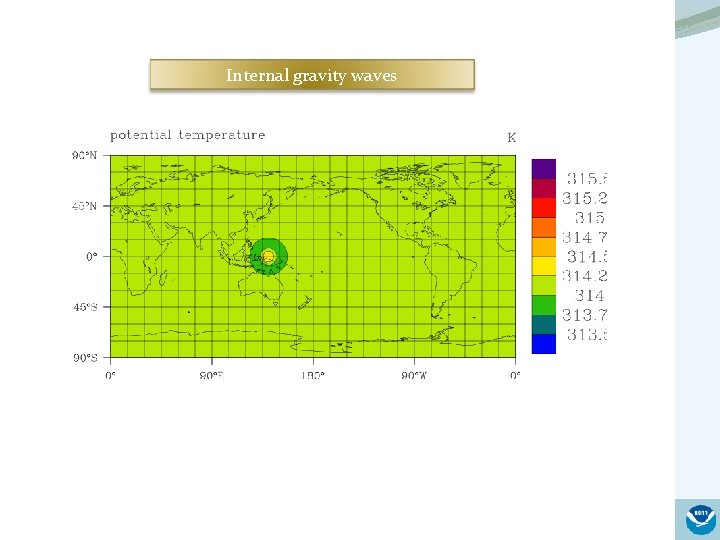
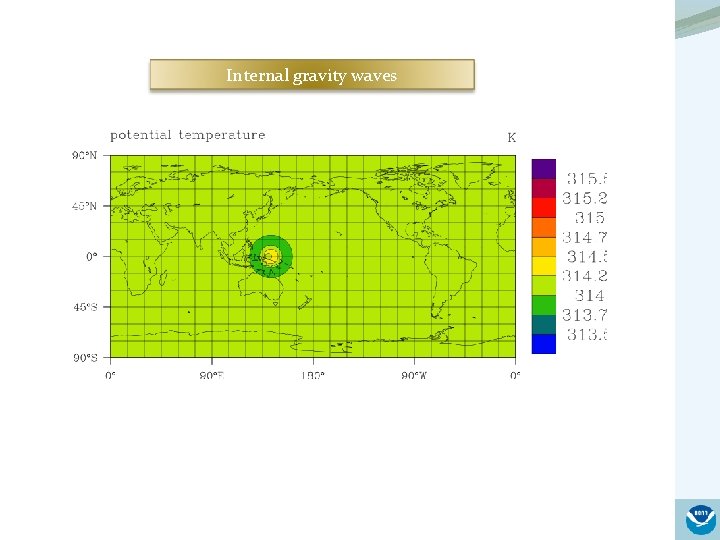
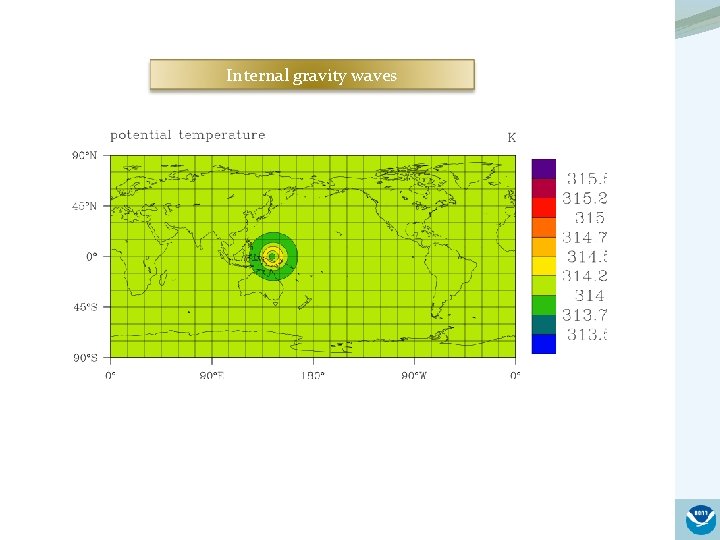
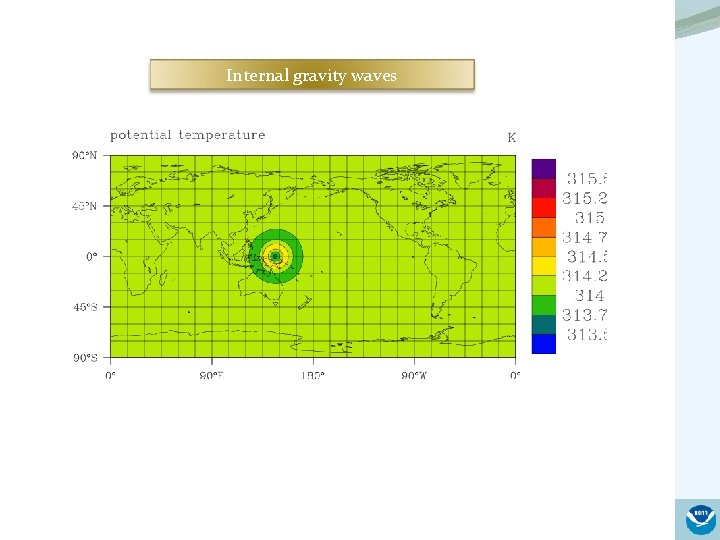
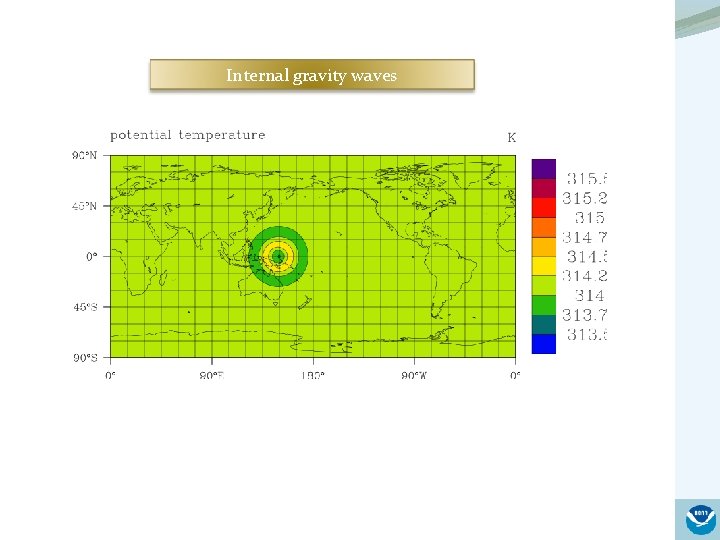
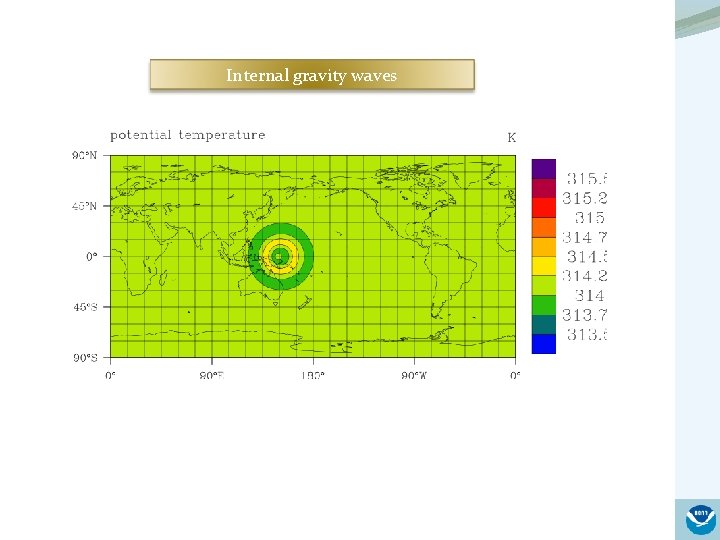
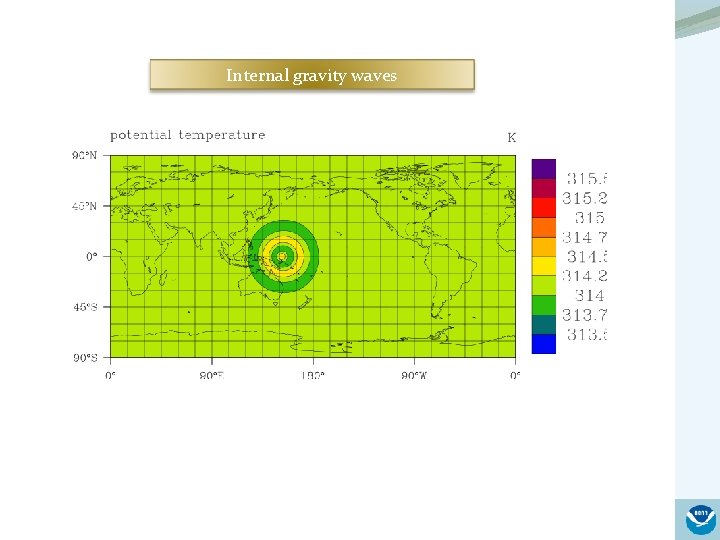
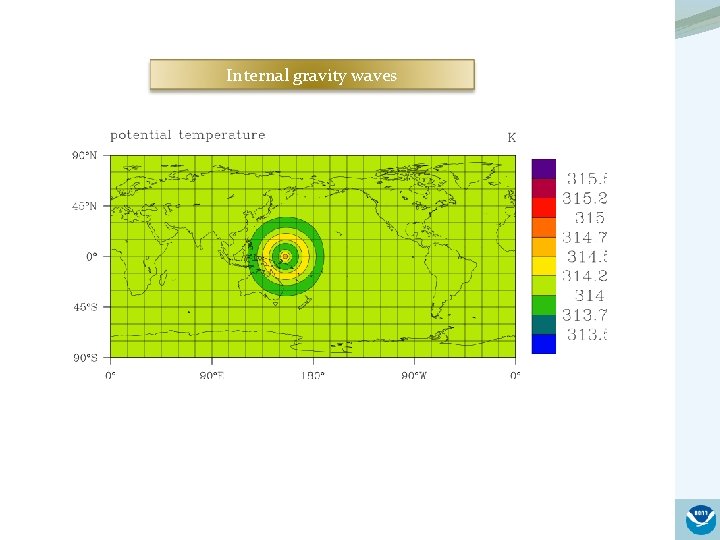
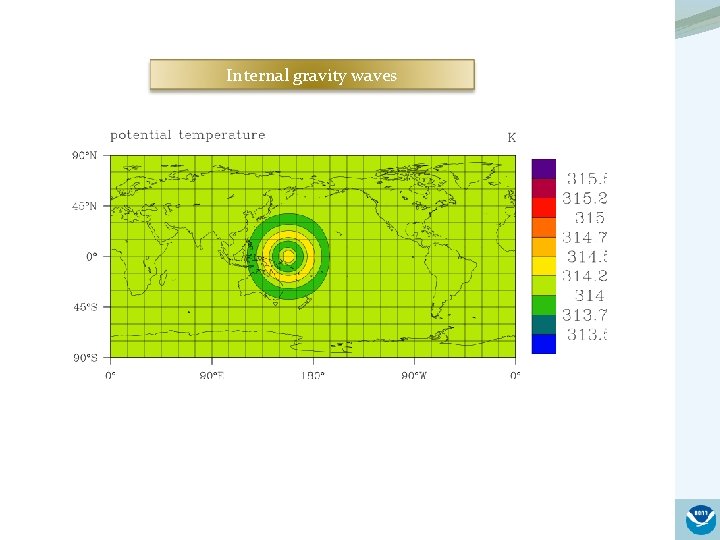
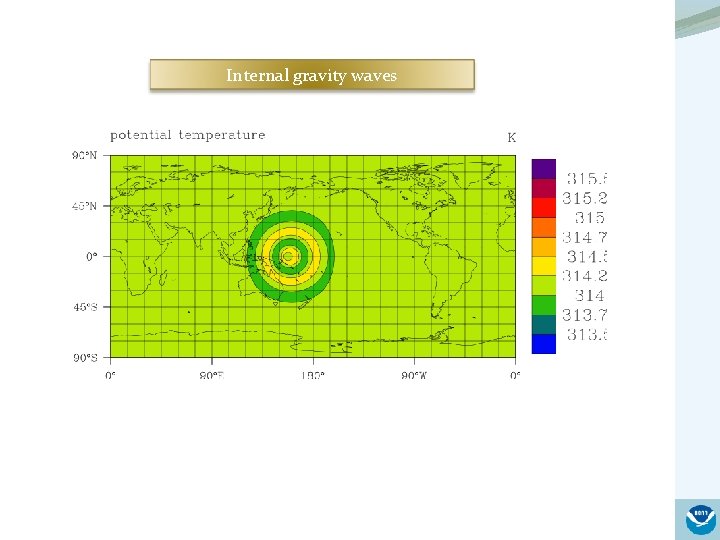
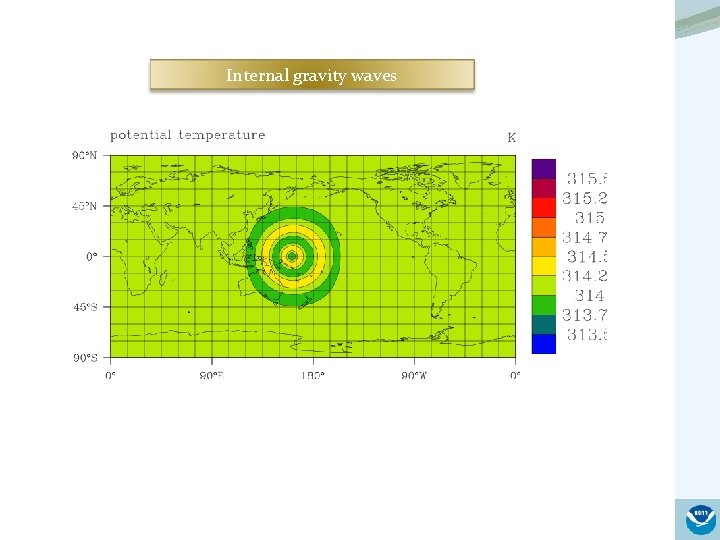
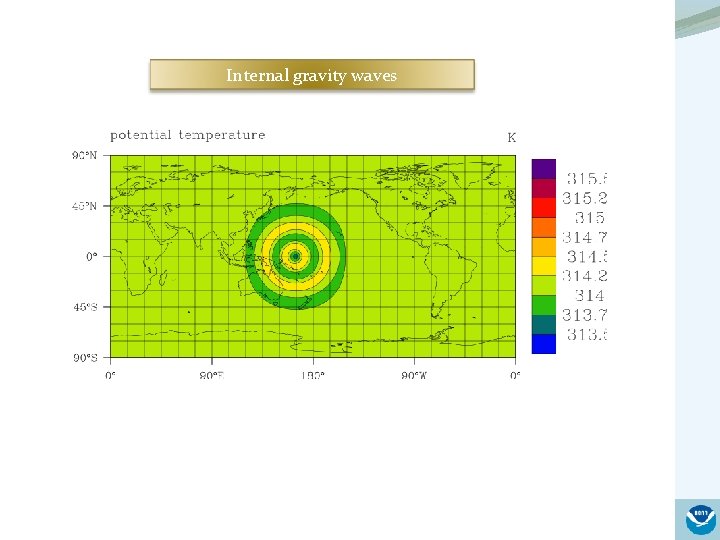
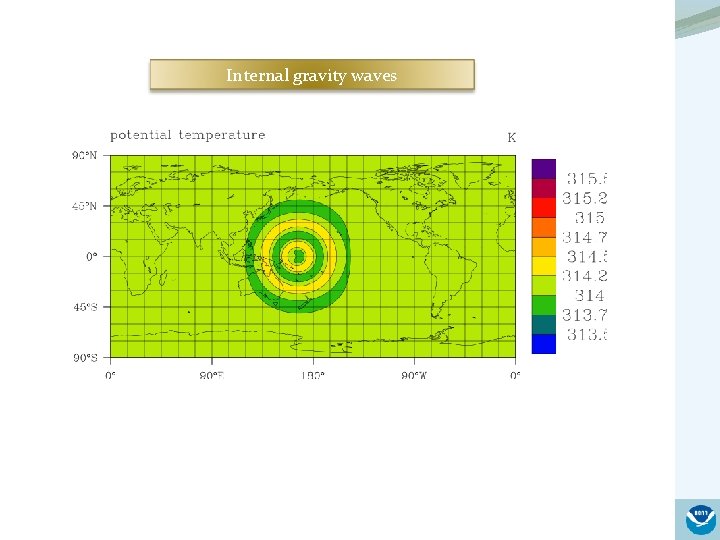
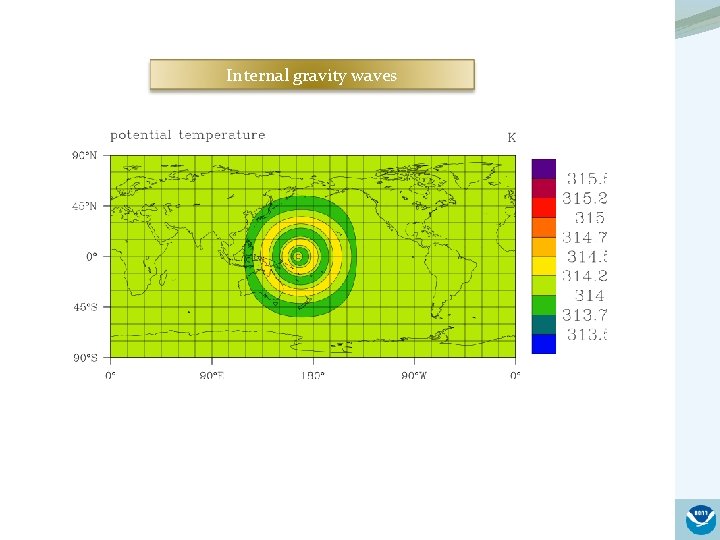
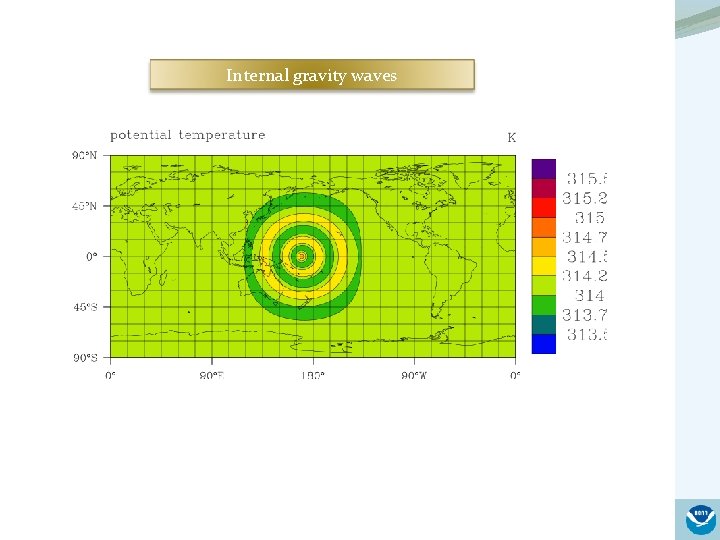
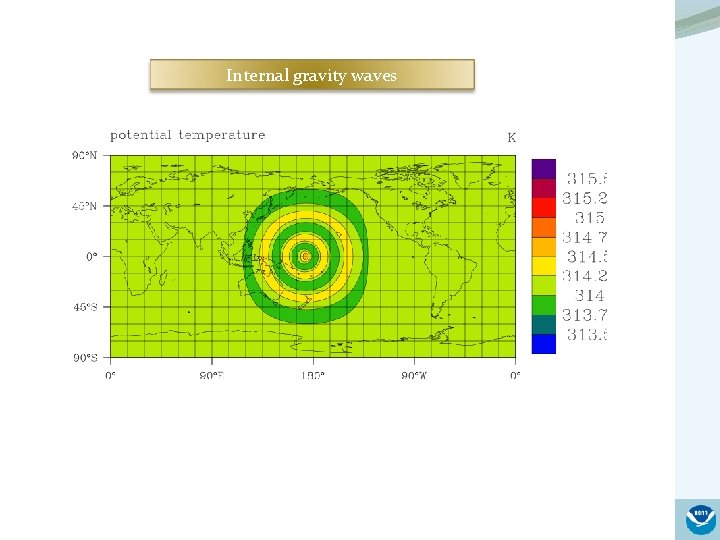
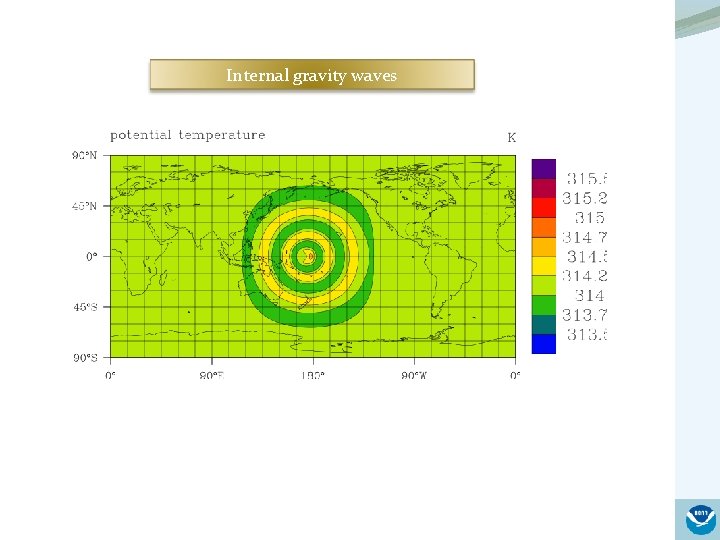
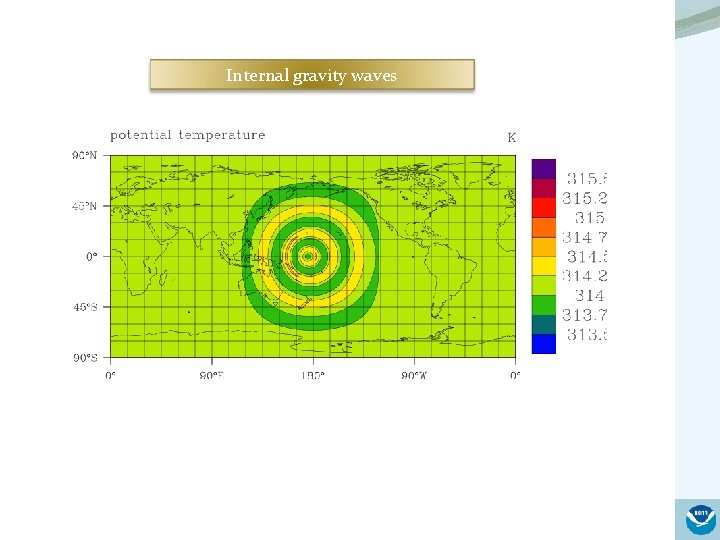
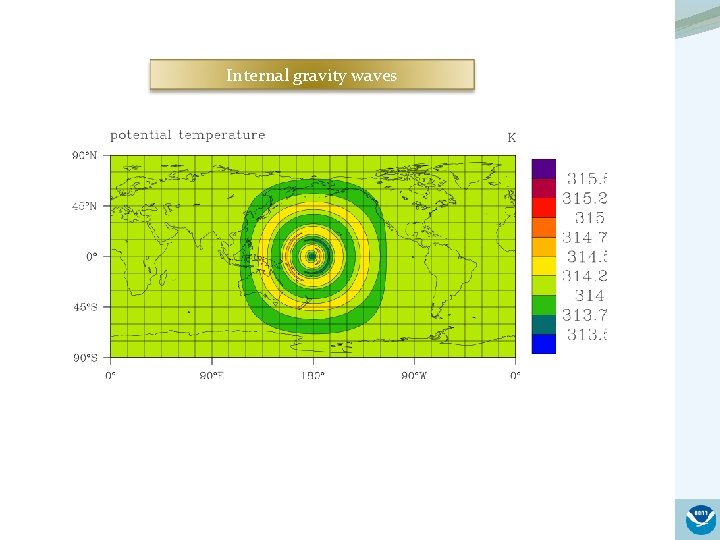
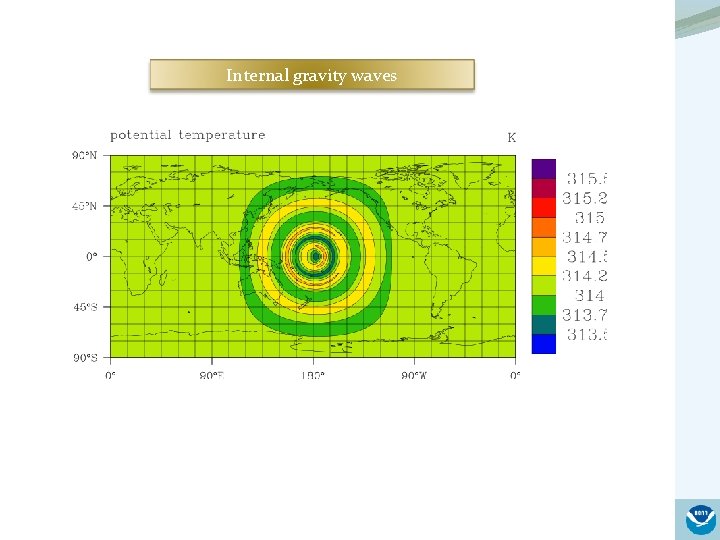
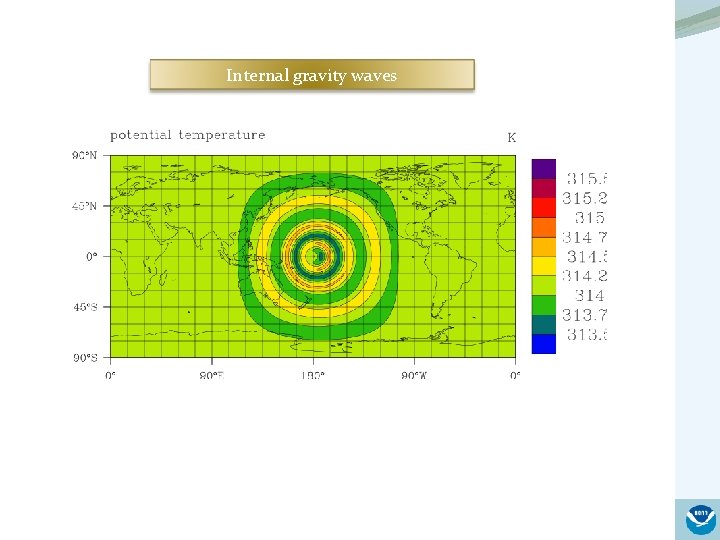
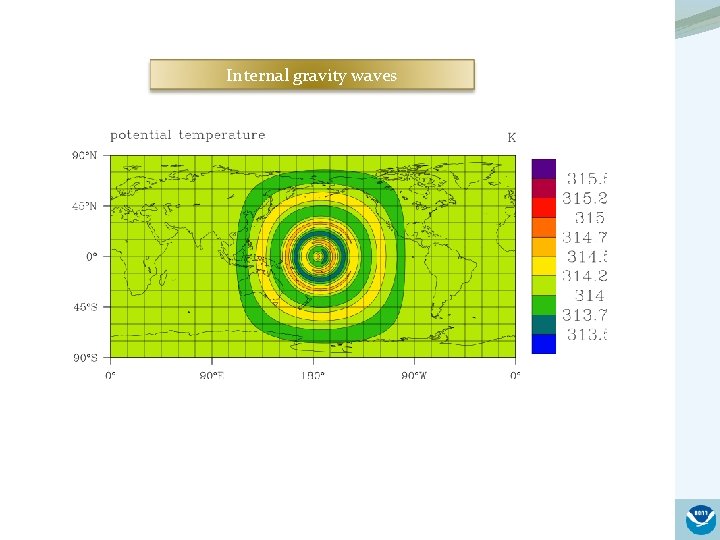
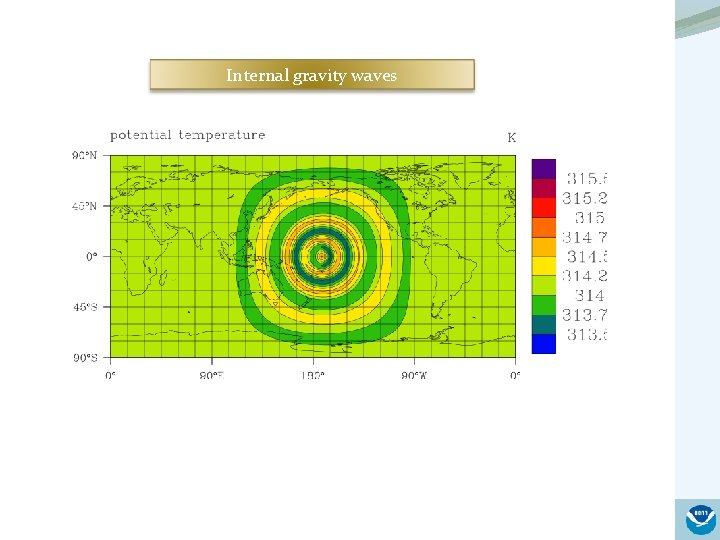
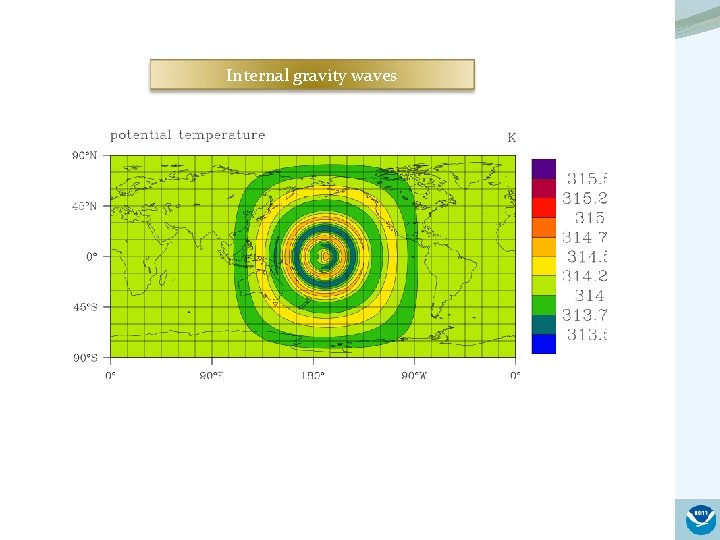
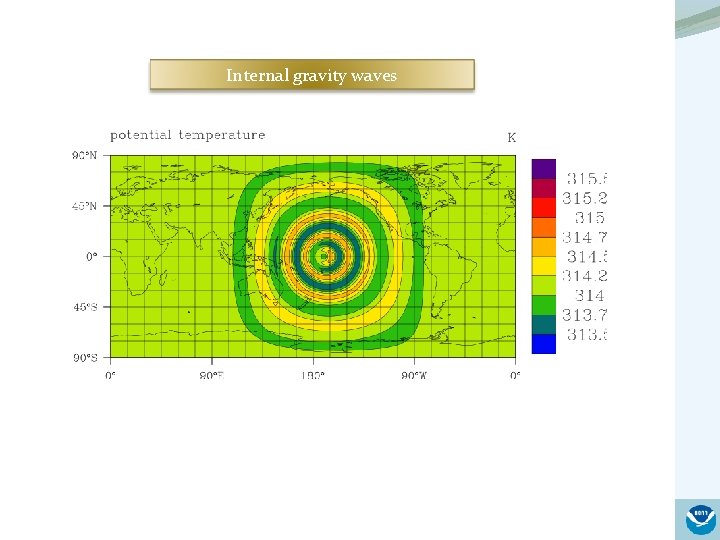
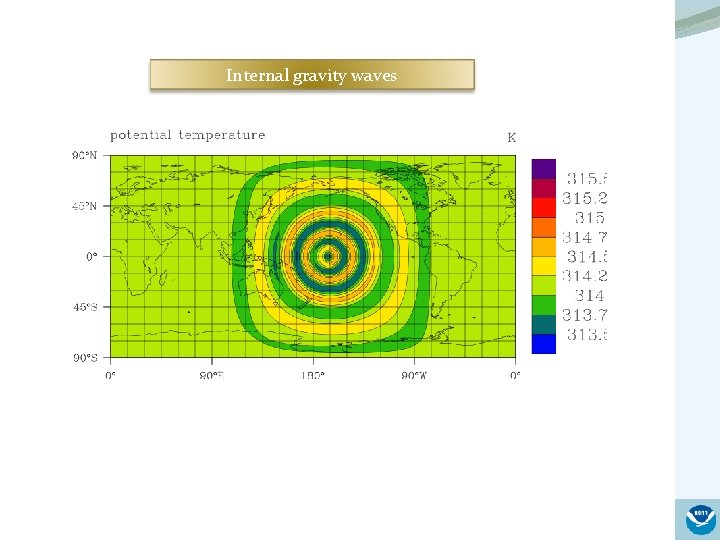
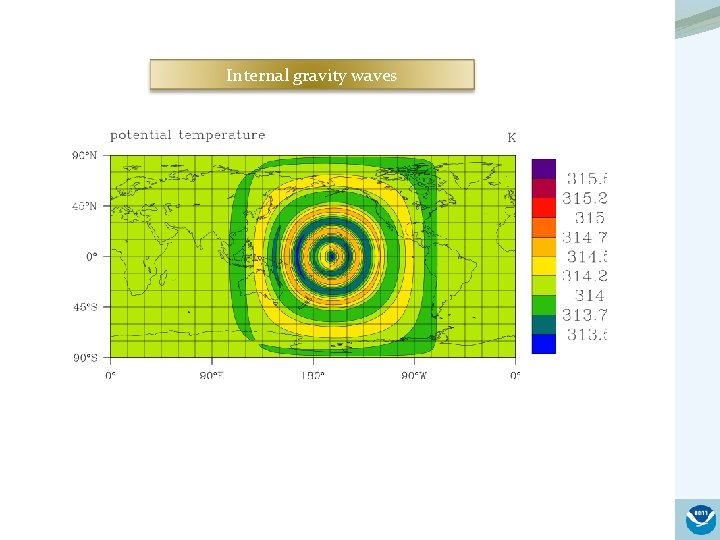
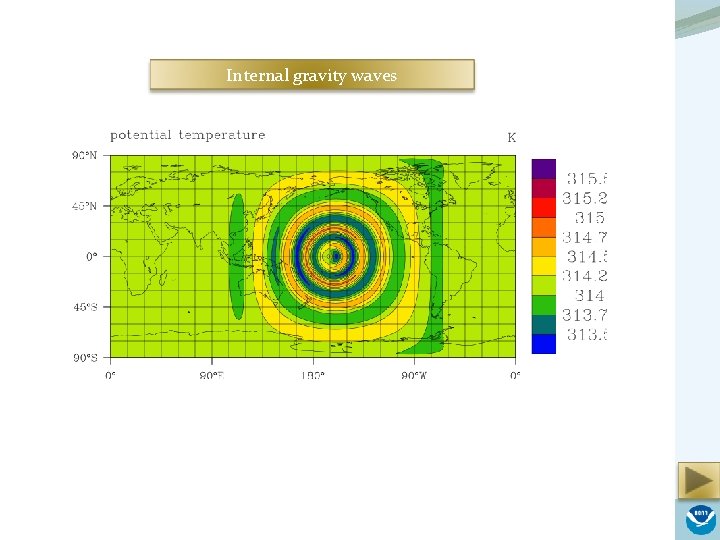
NIM multi-scales test cases: heat forced circulation, mountain waves, warm bubble, density current (cold bubble), Internal gravity waves, multi-months aqua-planet simulations
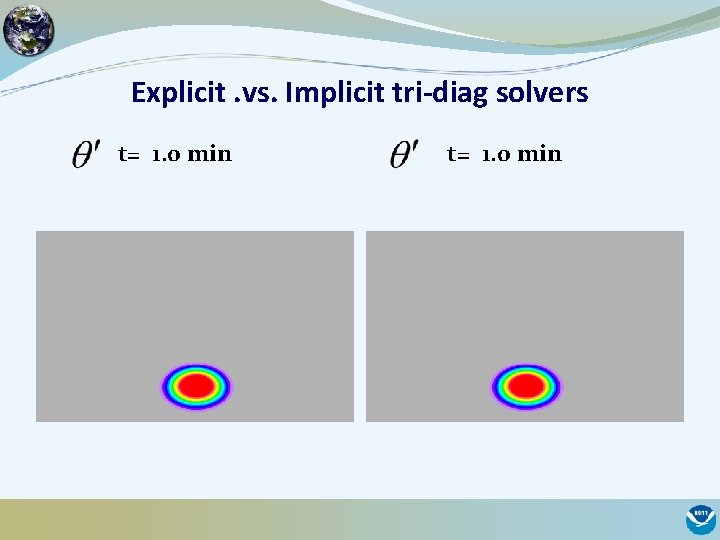
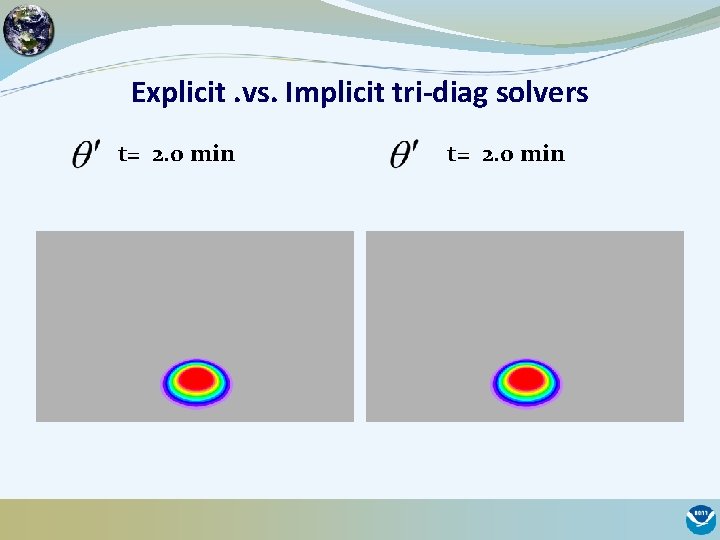
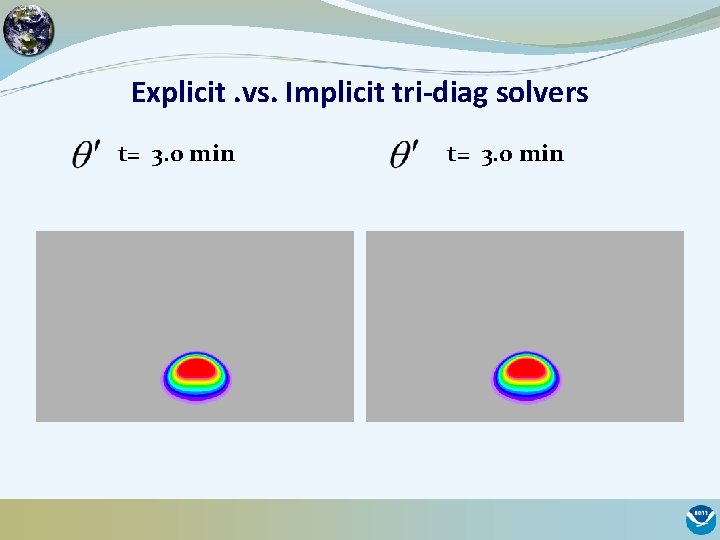
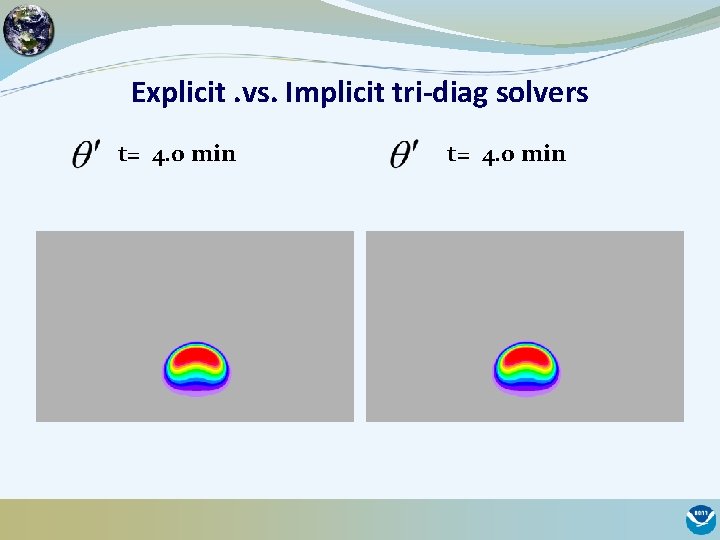
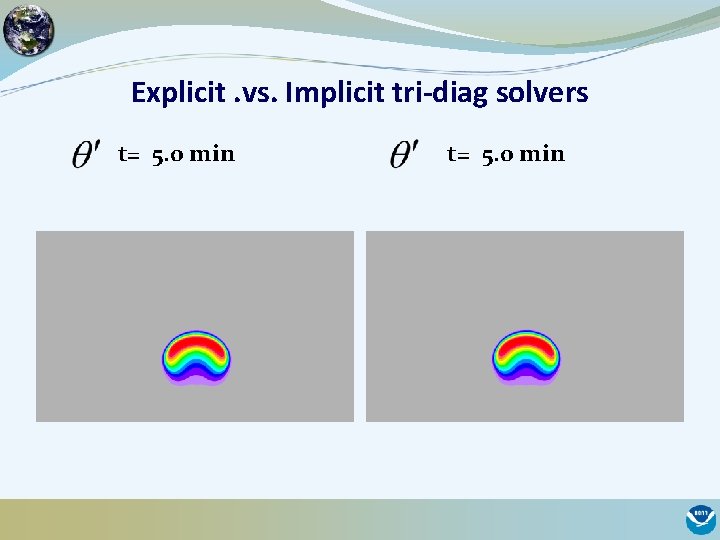
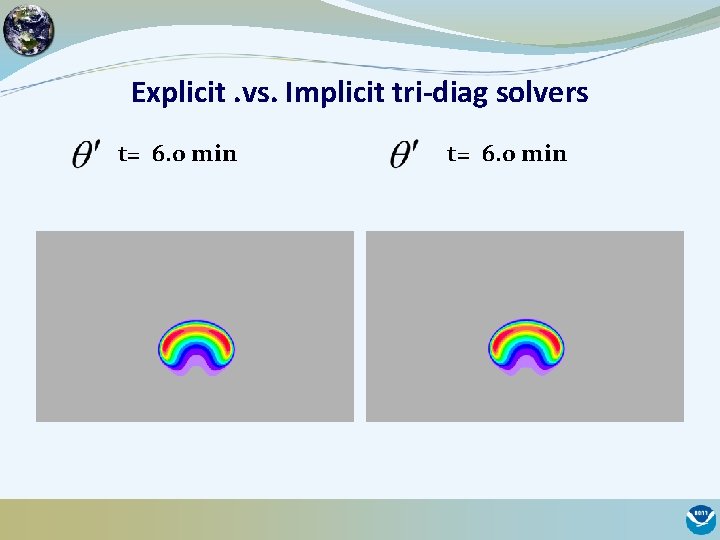
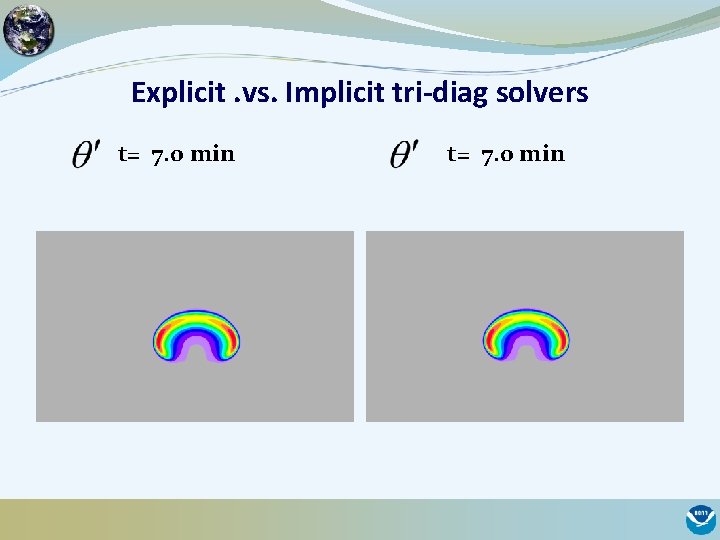
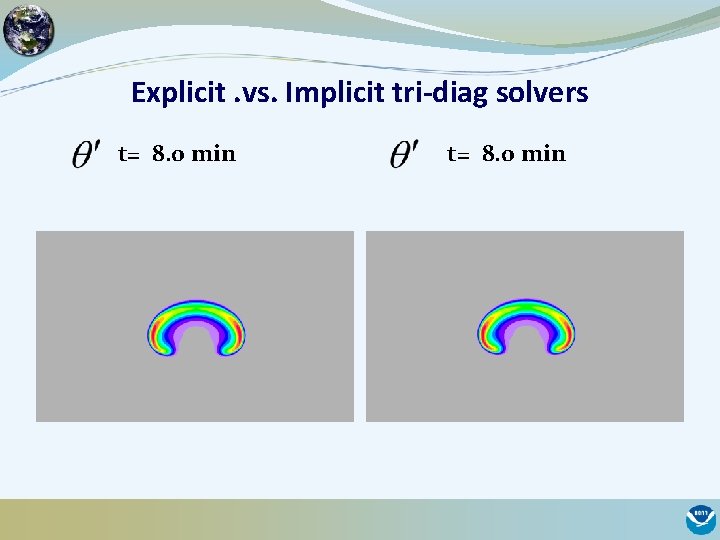
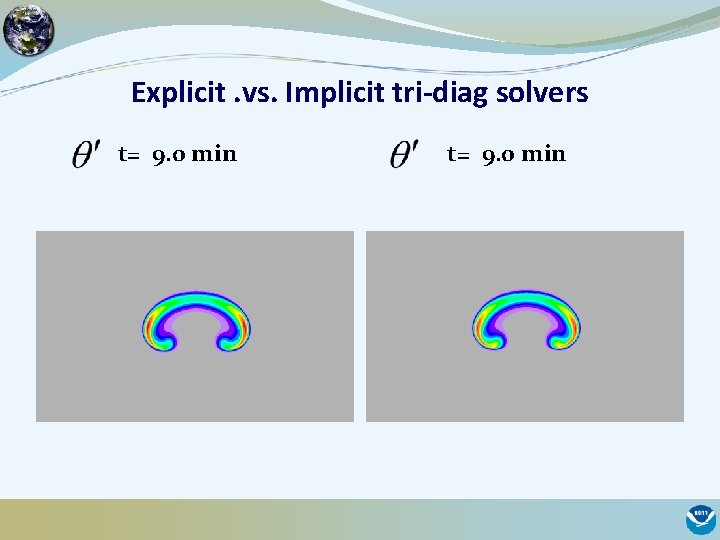
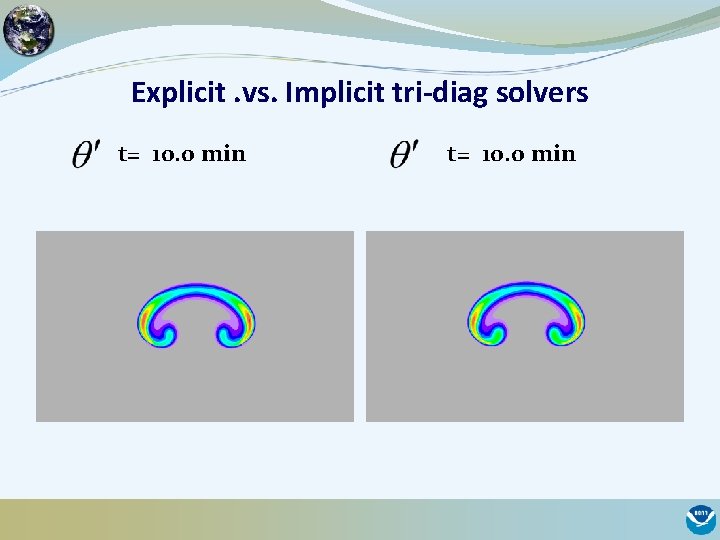
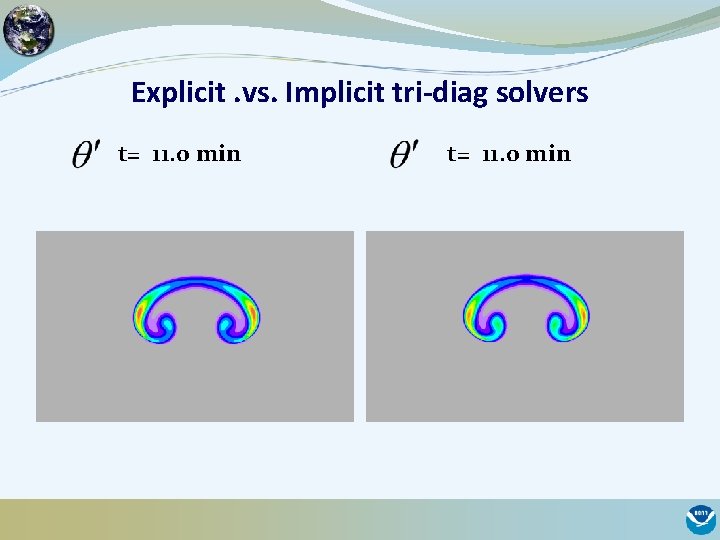
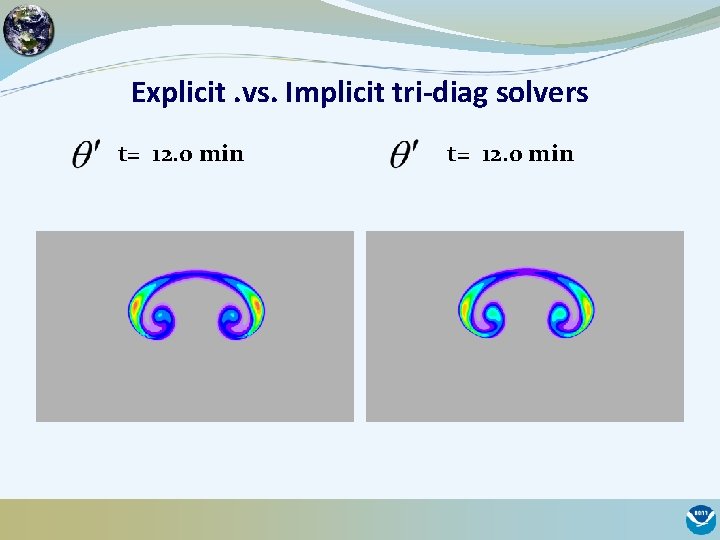
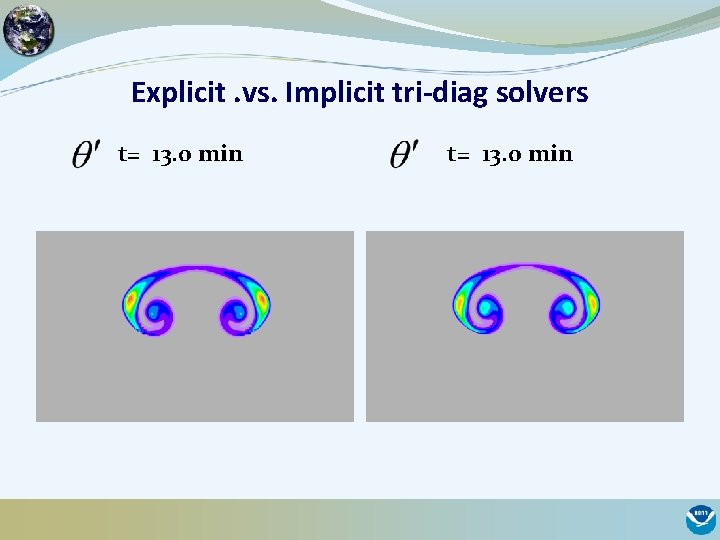
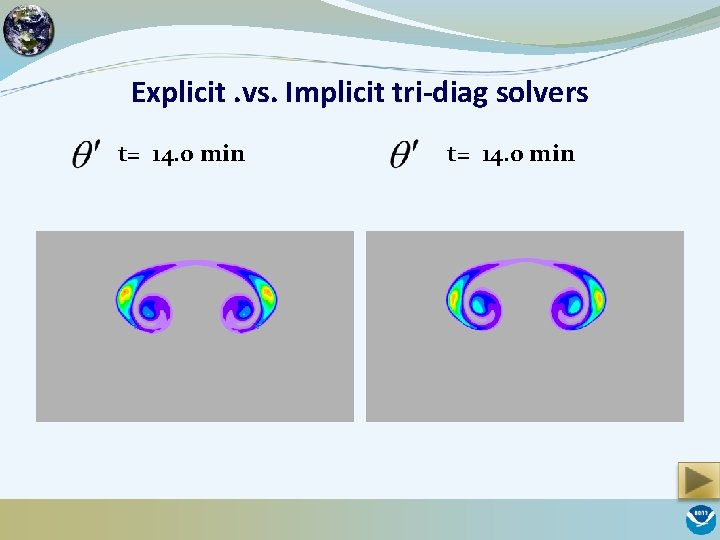
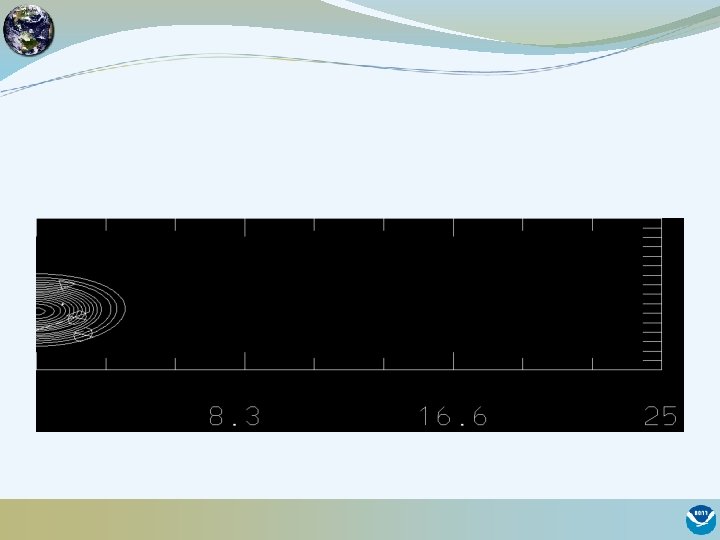
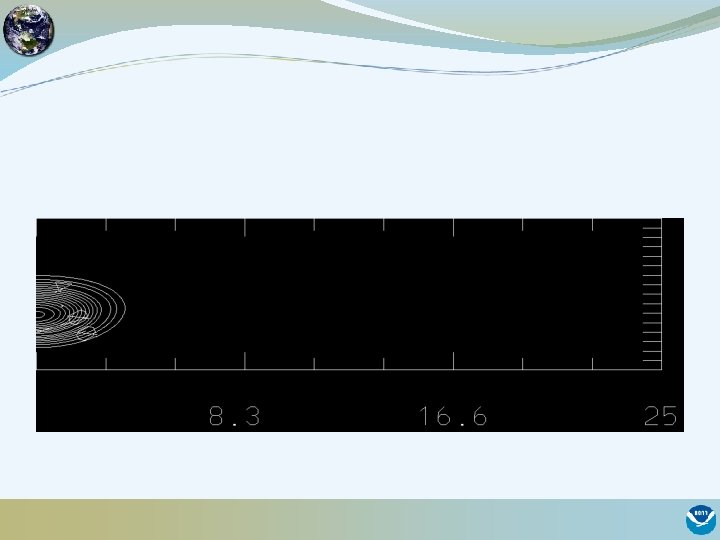
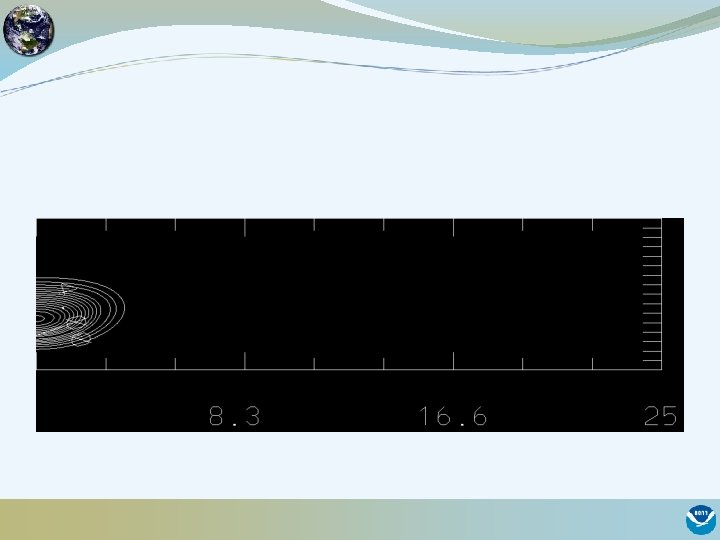
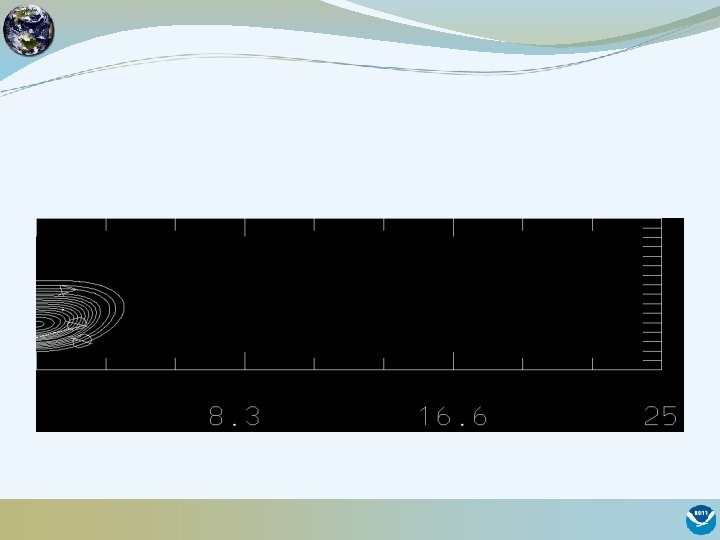
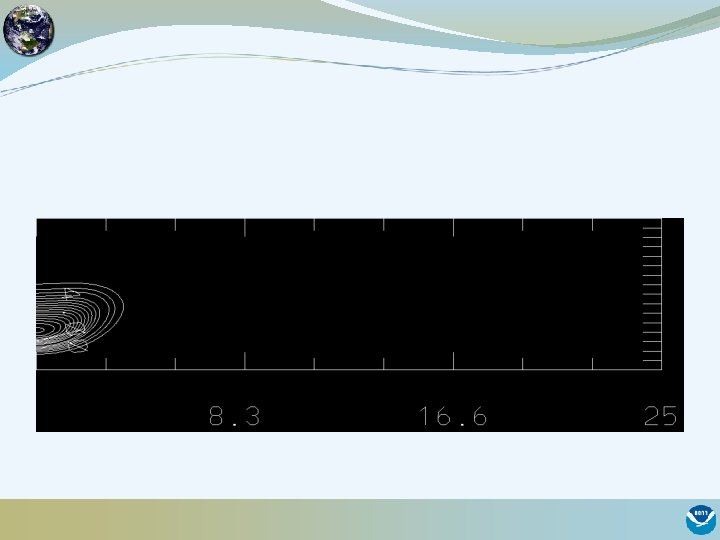
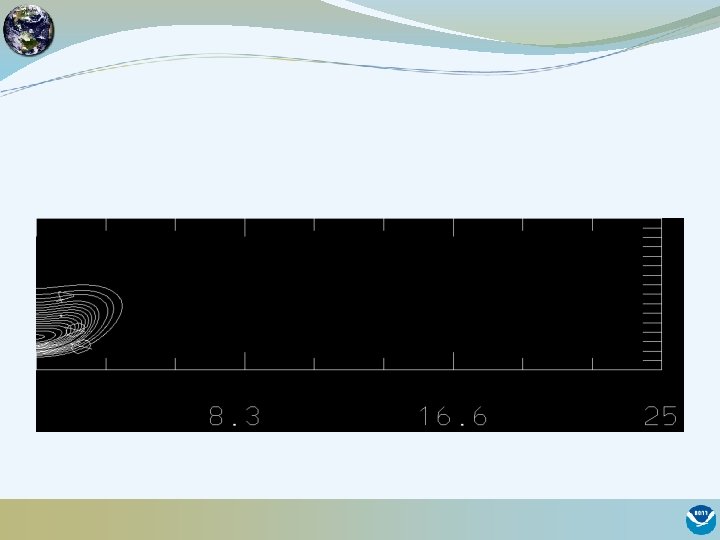
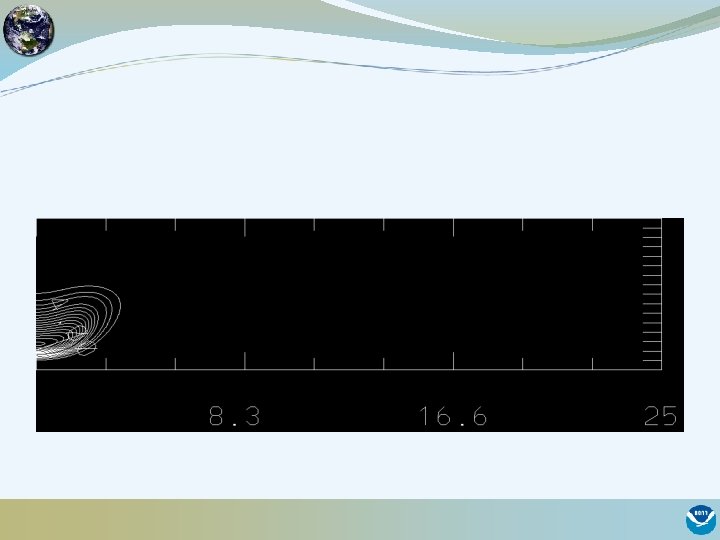
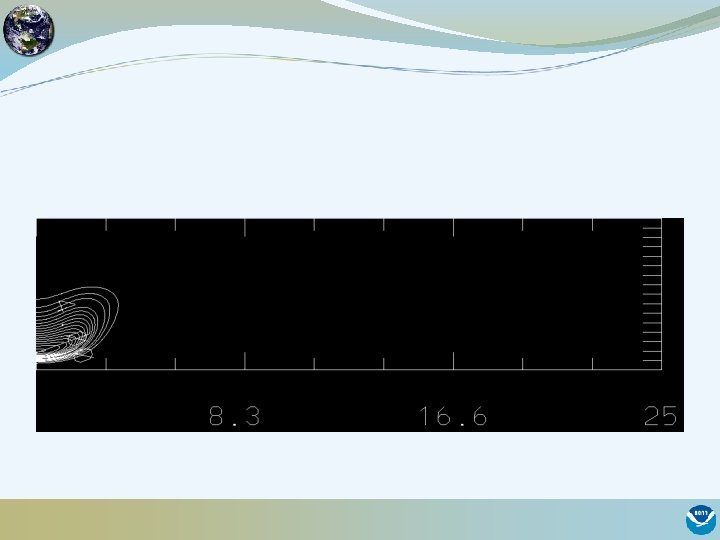
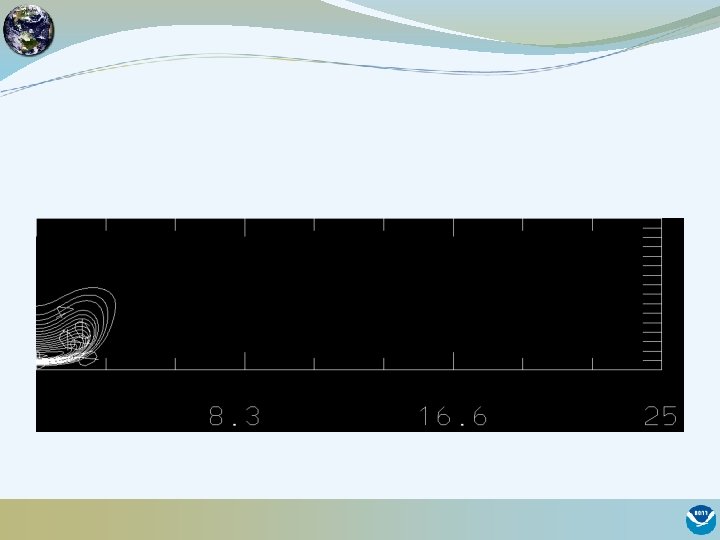
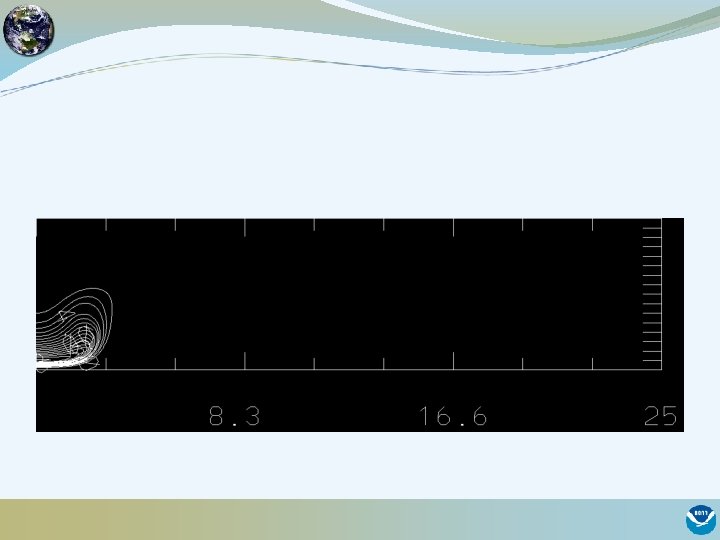
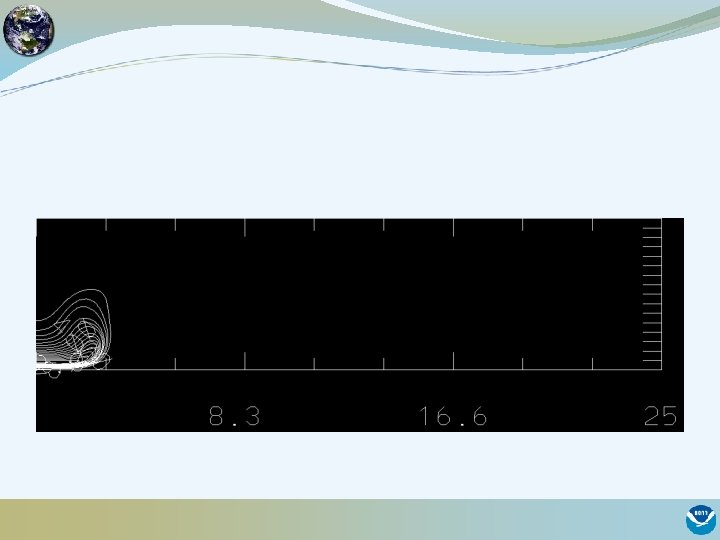
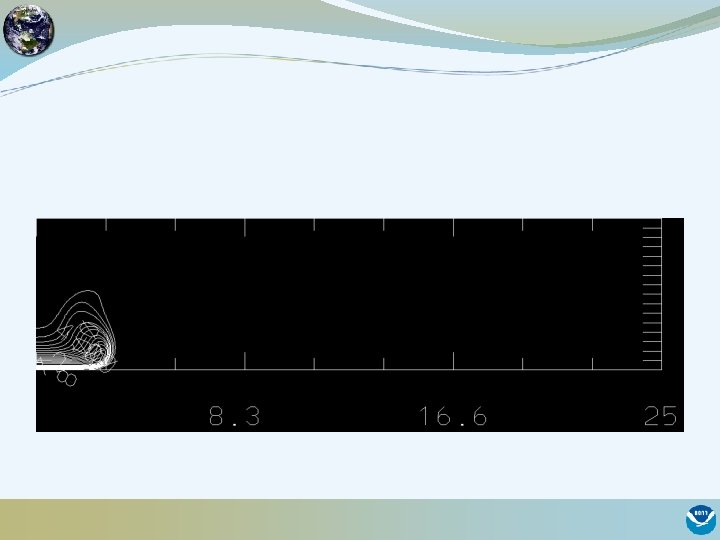
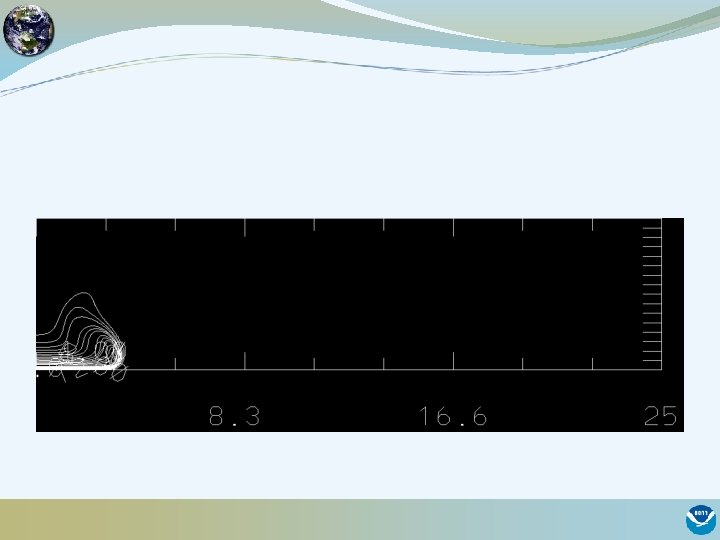
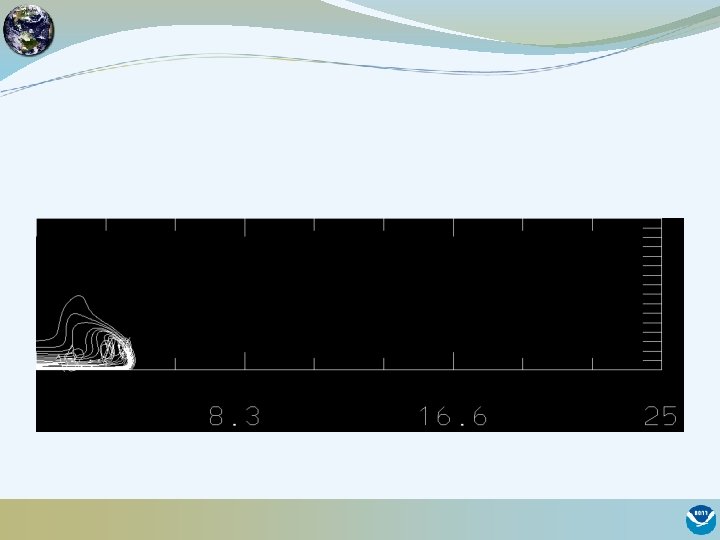
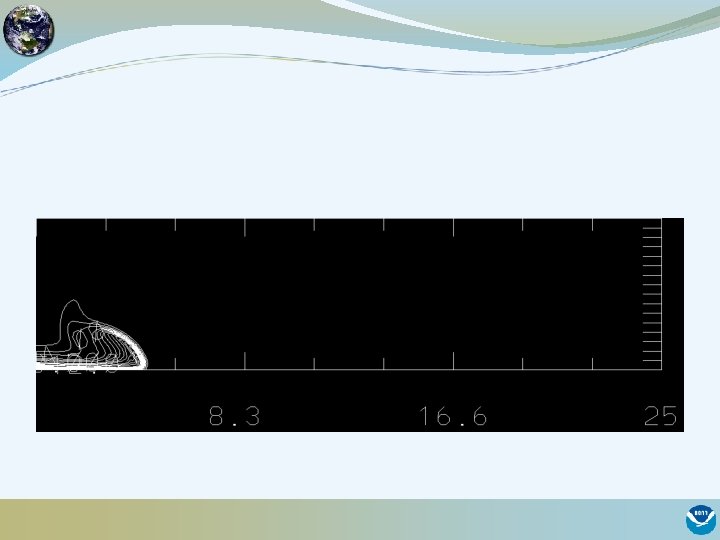
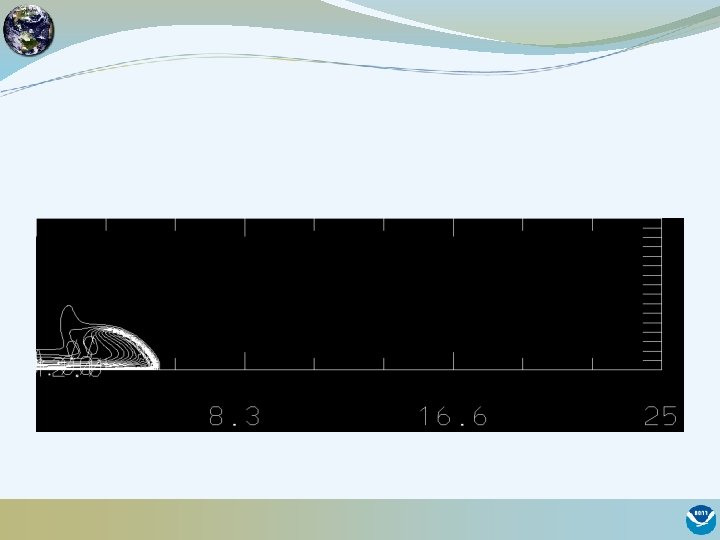
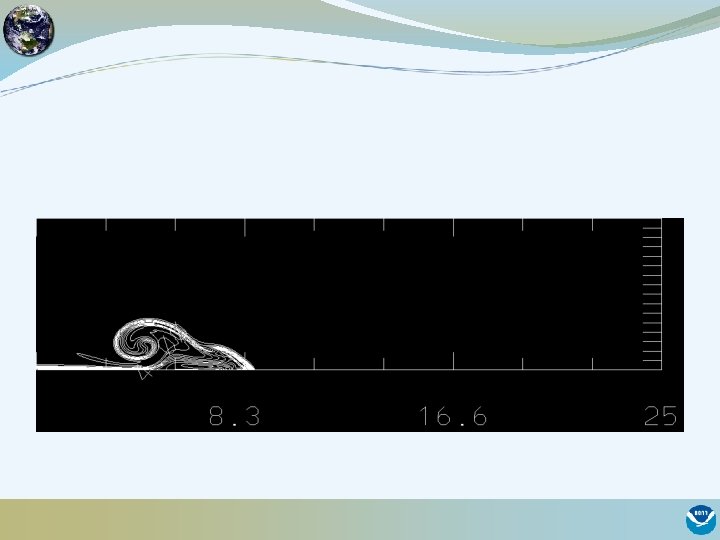
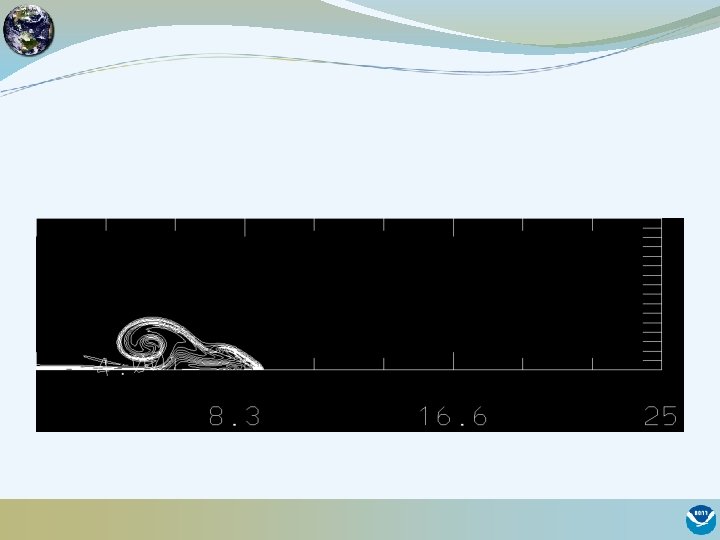
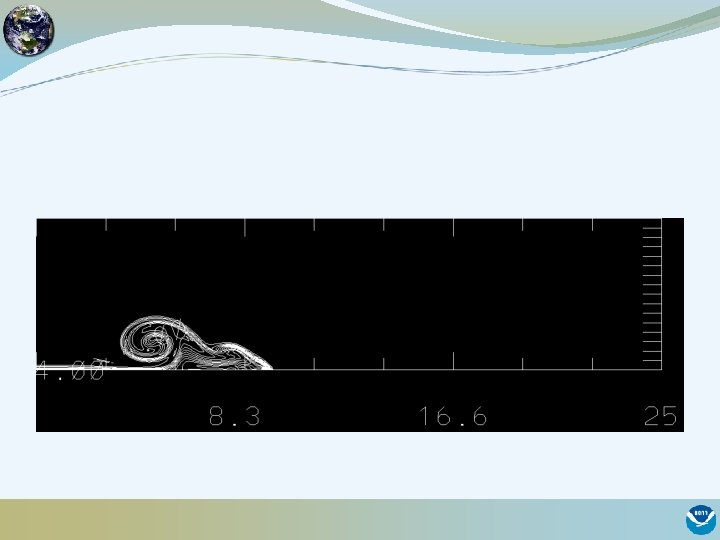
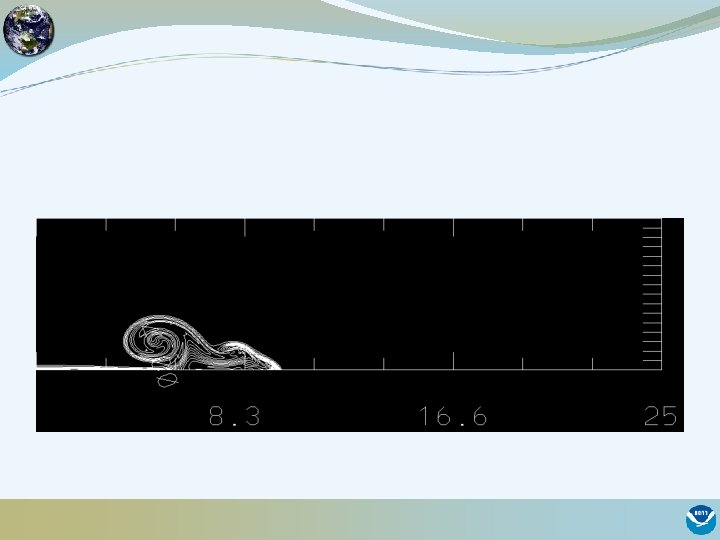
Comparisons of vertical solvers with the warm bubble simulation. A rising thermal in an isentropic atmosphere. 11
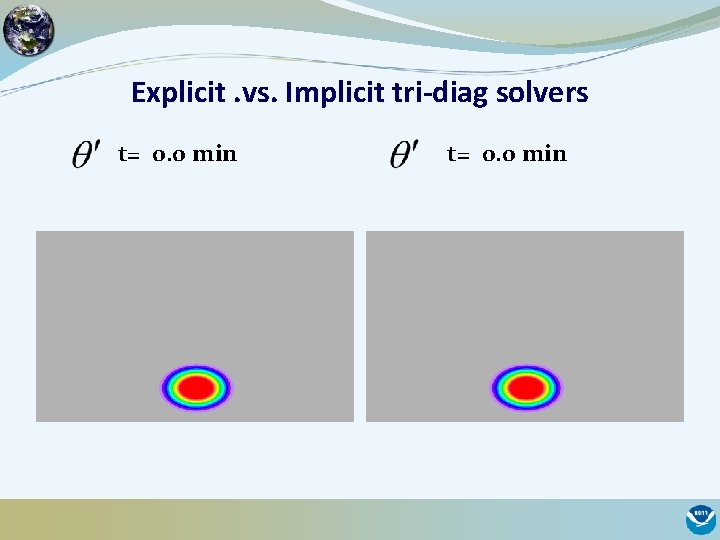
Explicit. vs. Implicit tri-diag solvers t= 0. 0 min
Explicit. vs. Implicit tri-diag solvers t= 1. 0 min
Explicit. vs. Implicit tri-diag solvers t= 2. 0 min
Explicit. vs. Implicit tri-diag solvers t= 3. 0 min
Explicit. vs. Implicit tri-diag solvers t= 4. 0 min
Explicit. vs. Implicit tri-diag solvers t= 5. 0 min
Explicit. vs. Implicit tri-diag solvers t= 6. 0 min
Explicit. vs. Implicit tri-diag solvers t= 7. 0 min
Explicit. vs. Implicit tri-diag solvers t= 8. 0 min
Explicit. vs. Implicit tri-diag solvers t= 9. 0 min
Explicit. vs. Implicit tri-diag solvers t= 10. 0 min
Explicit. vs. Implicit tri-diag solvers t= 11. 0 min
Explicit. vs. Implicit tri-diag solvers t= 12. 0 min
Explicit. vs. Implicit tri-diag solvers t= 13. 0 min
Explicit. vs. Implicit tri-diag solvers t= 14. 0 min
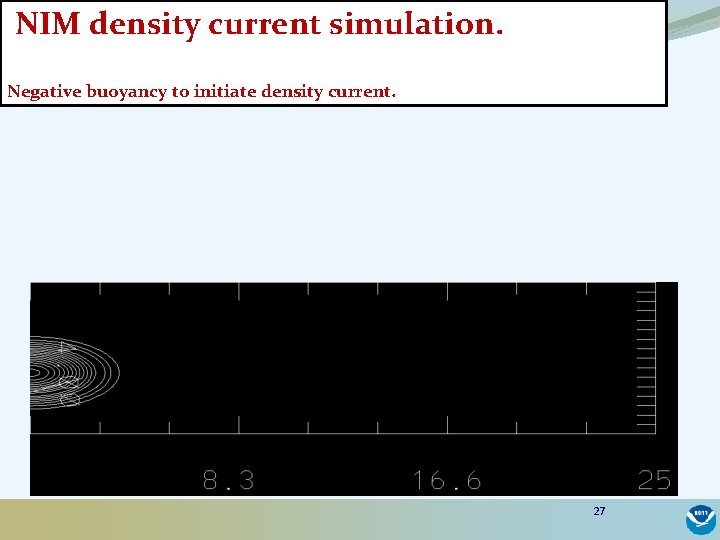
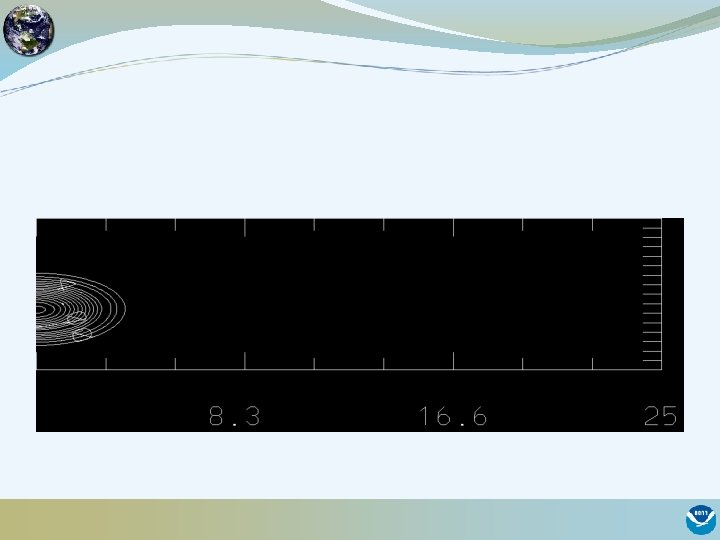
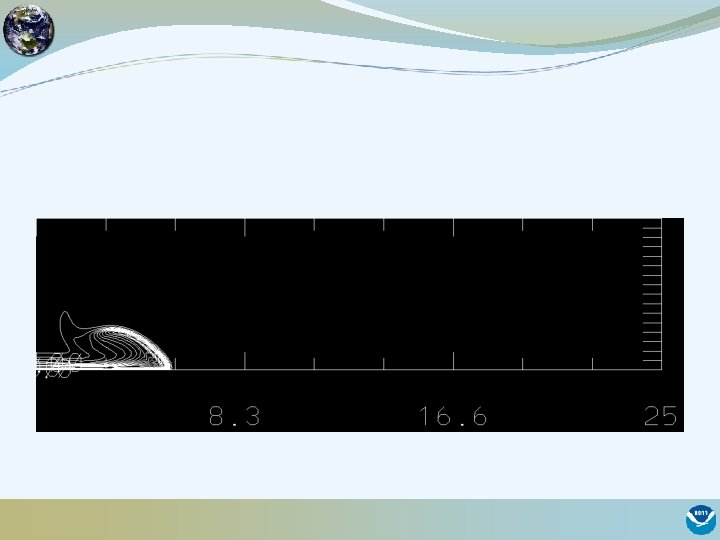
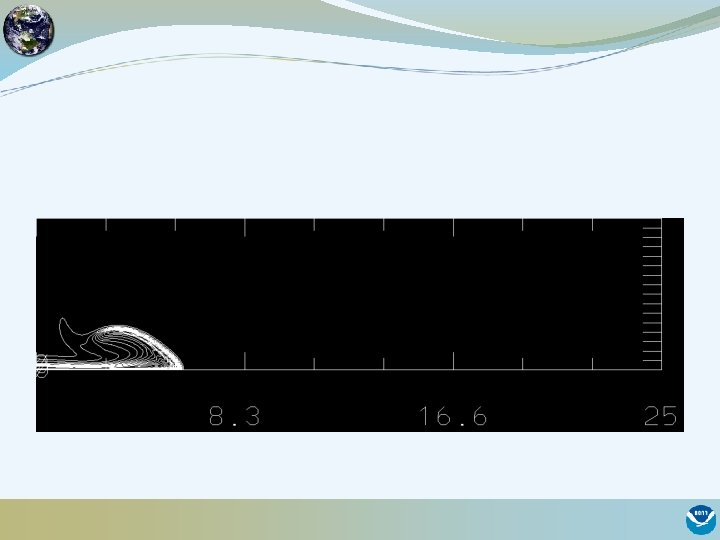
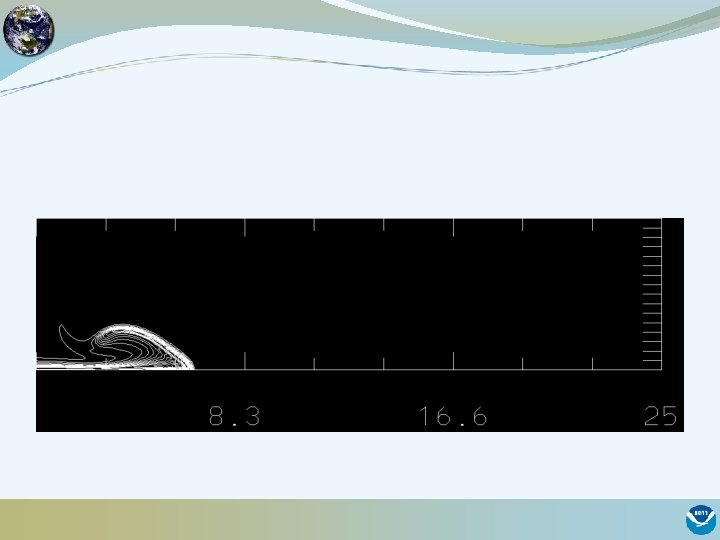
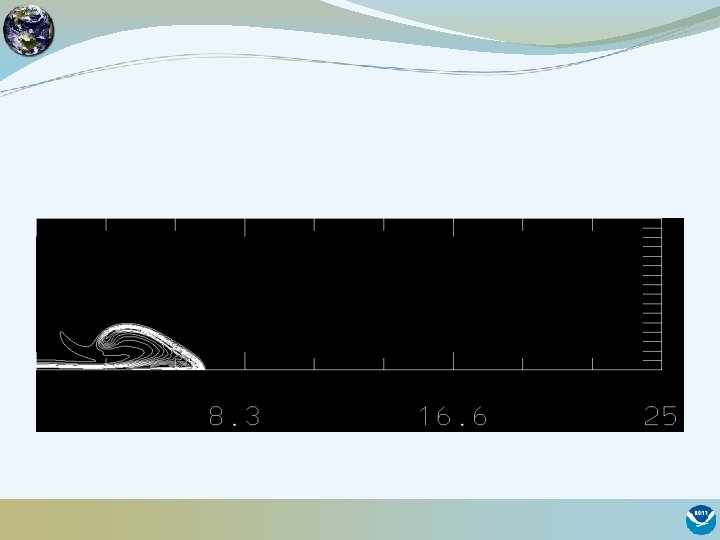
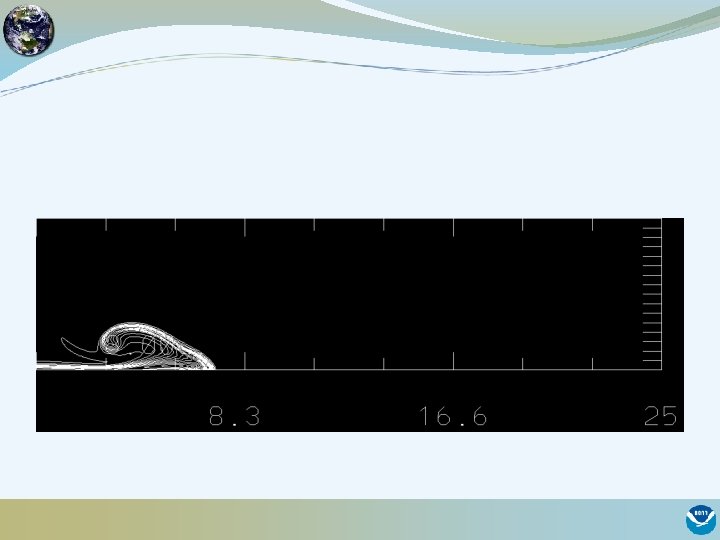
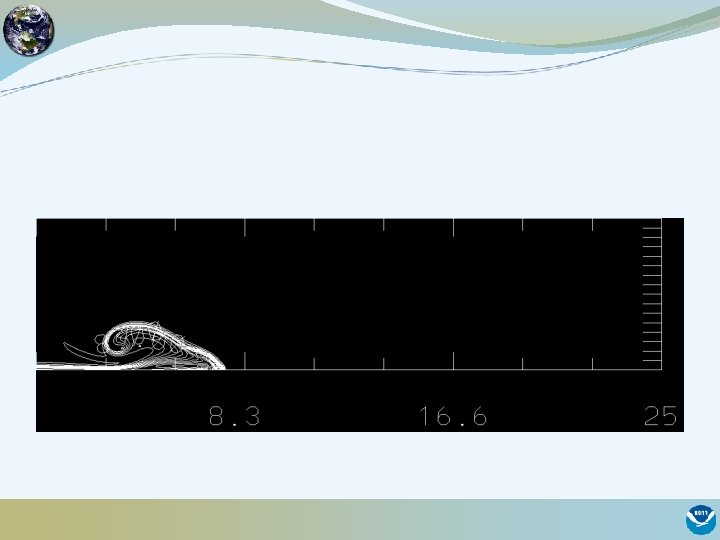
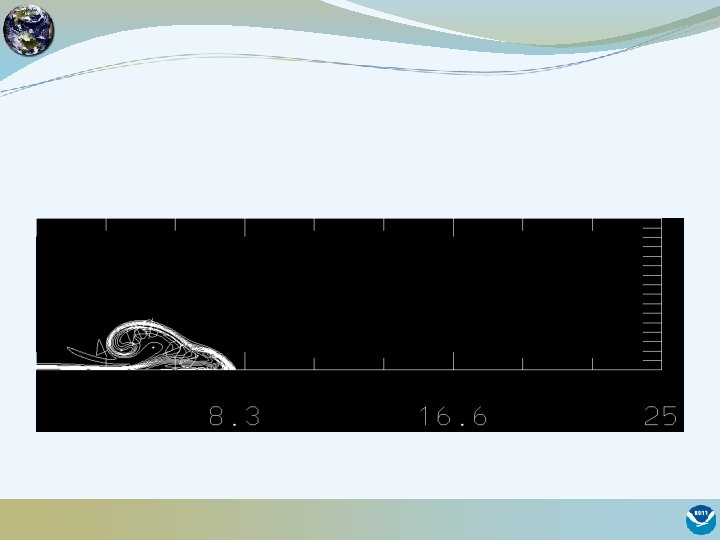
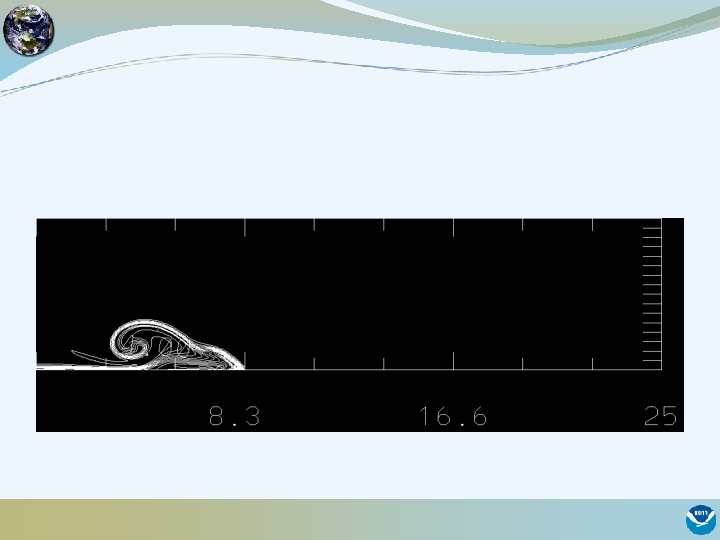
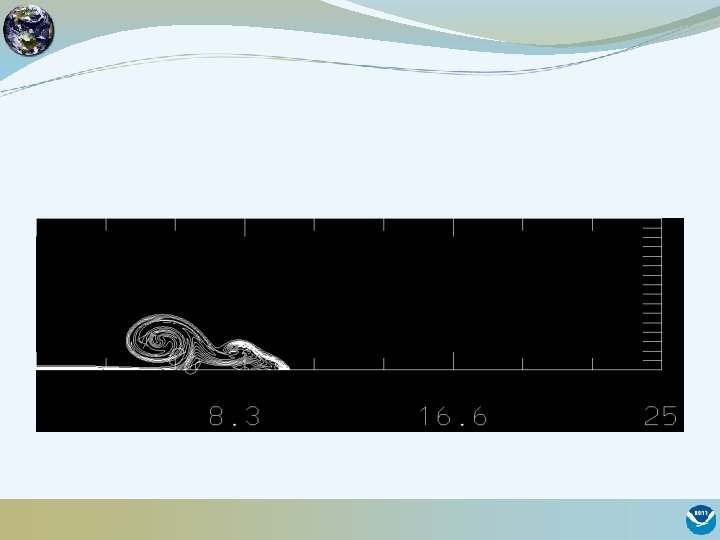
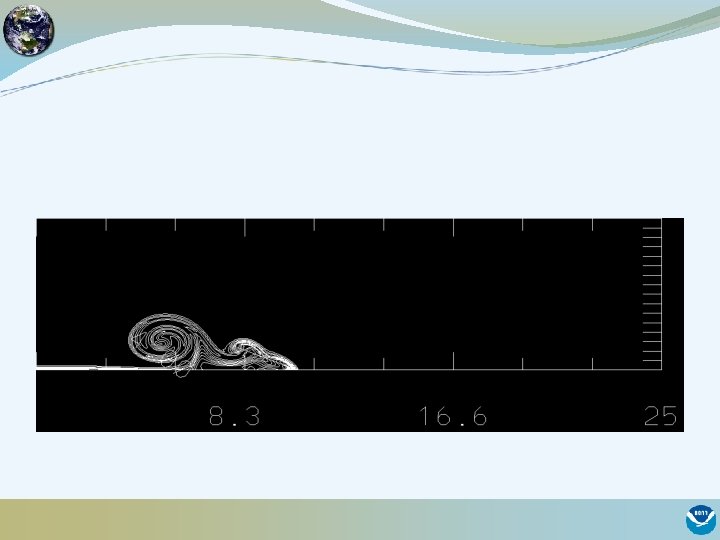
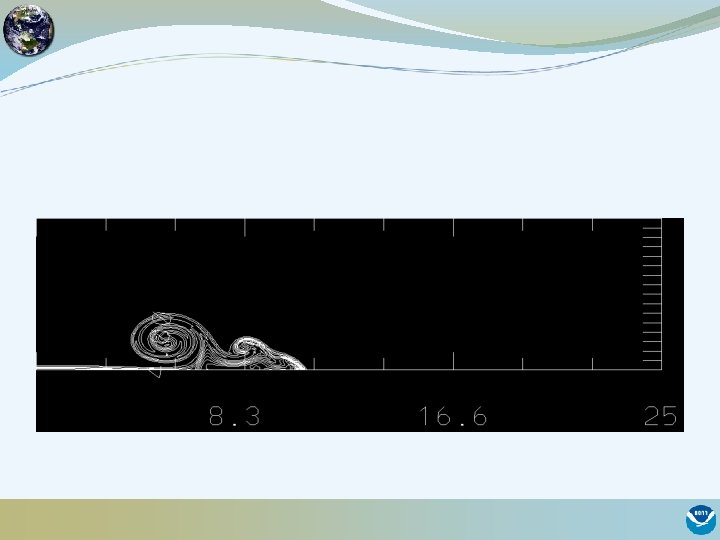
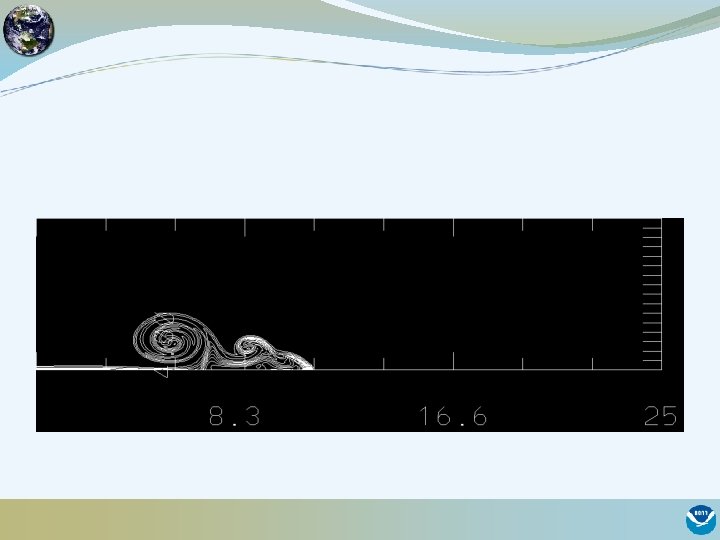
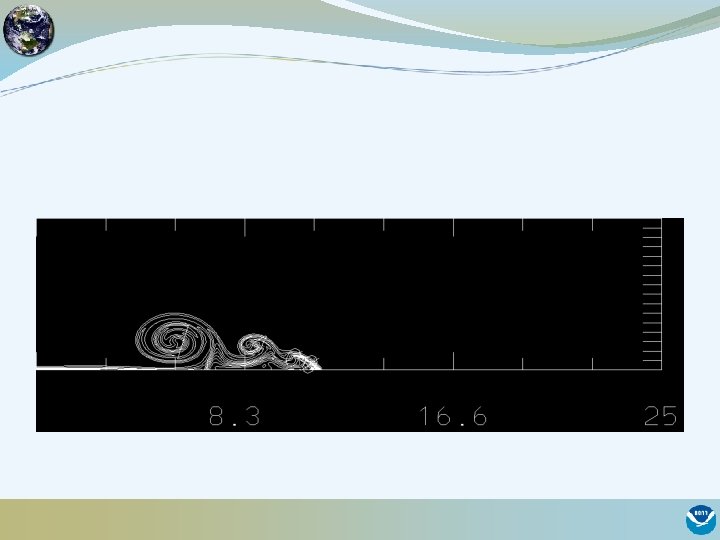
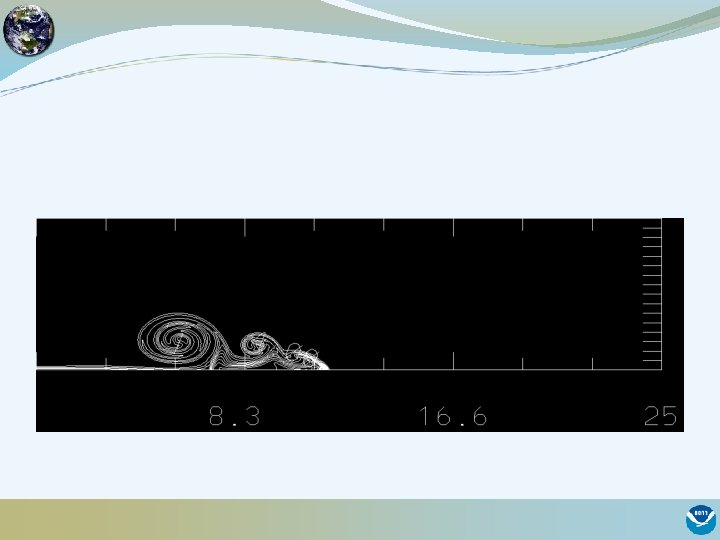
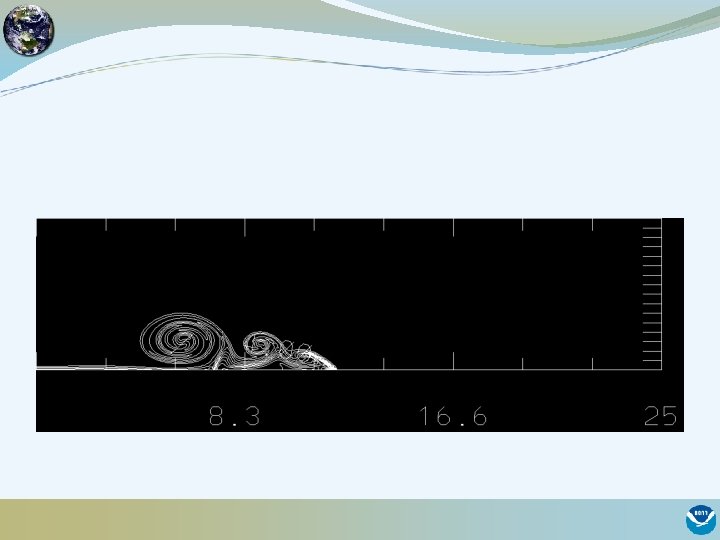
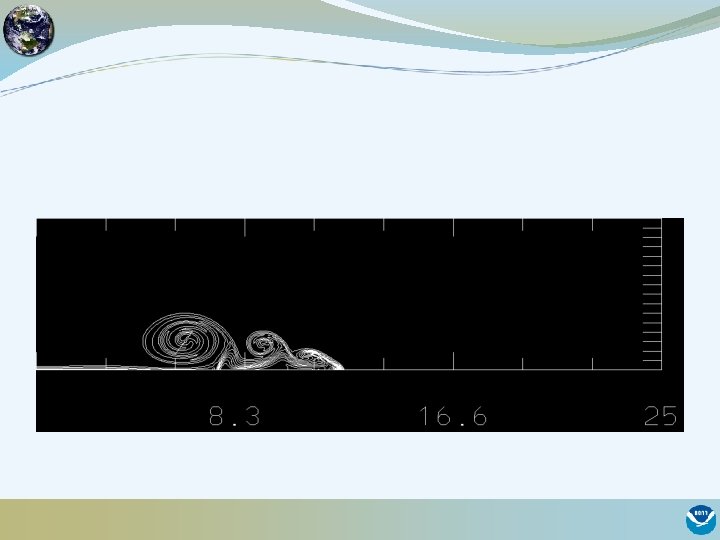
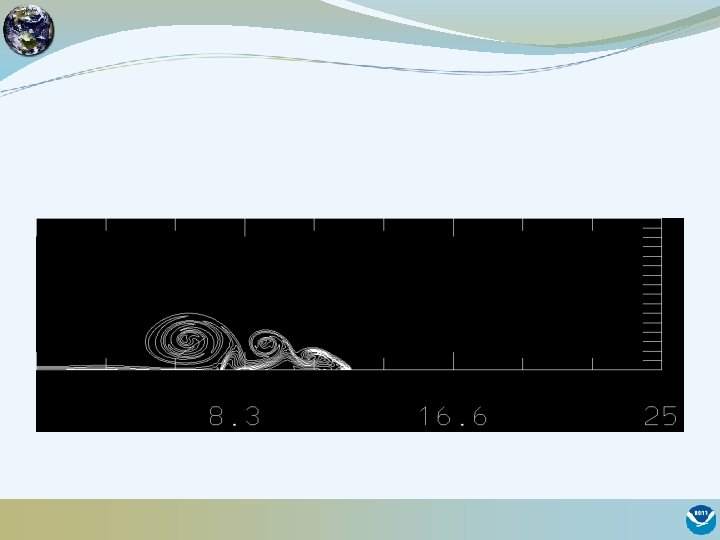
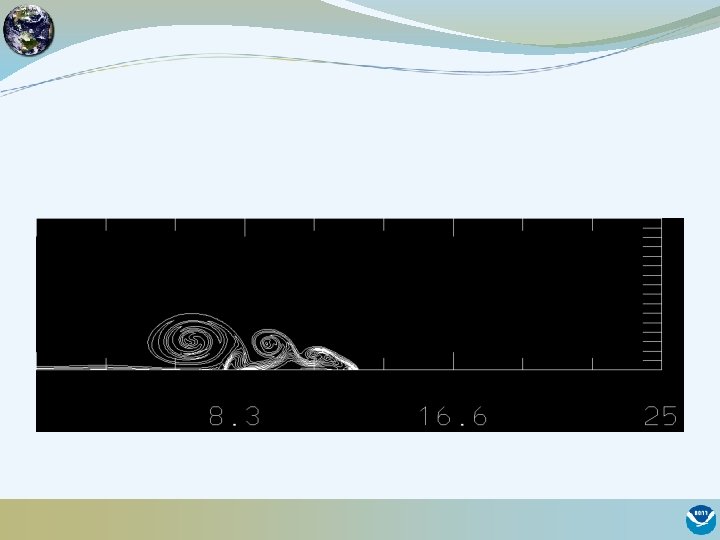
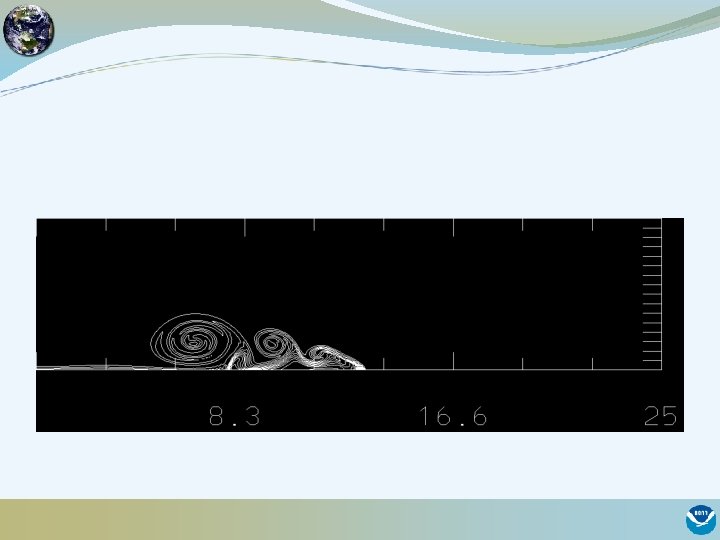
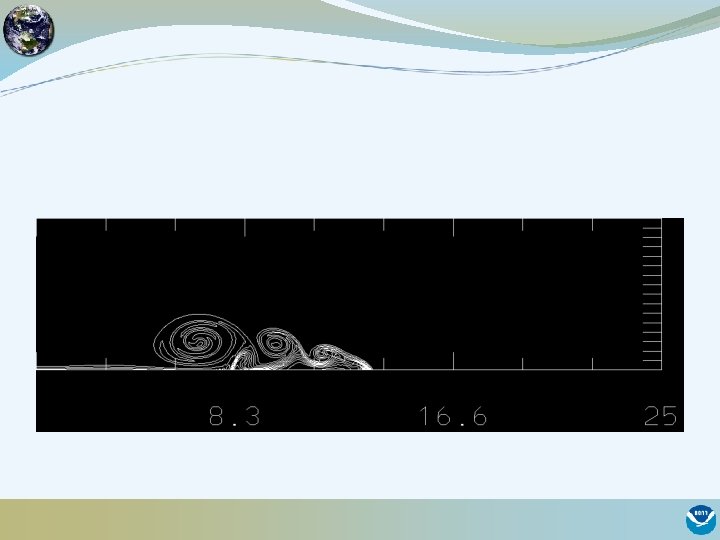
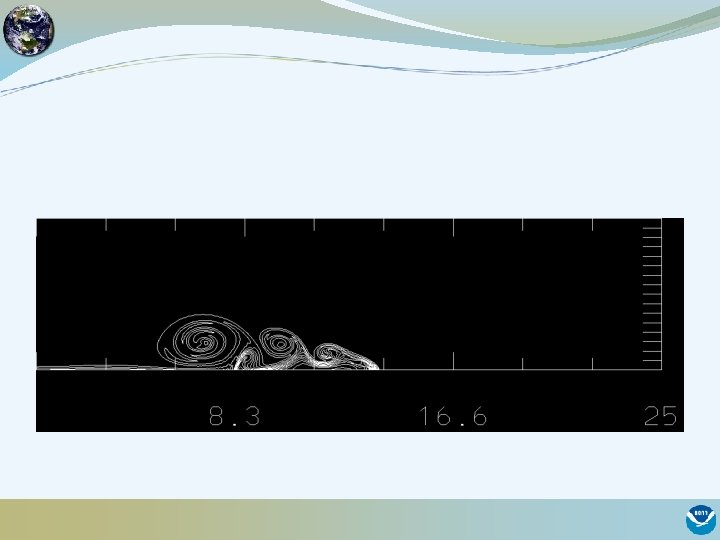
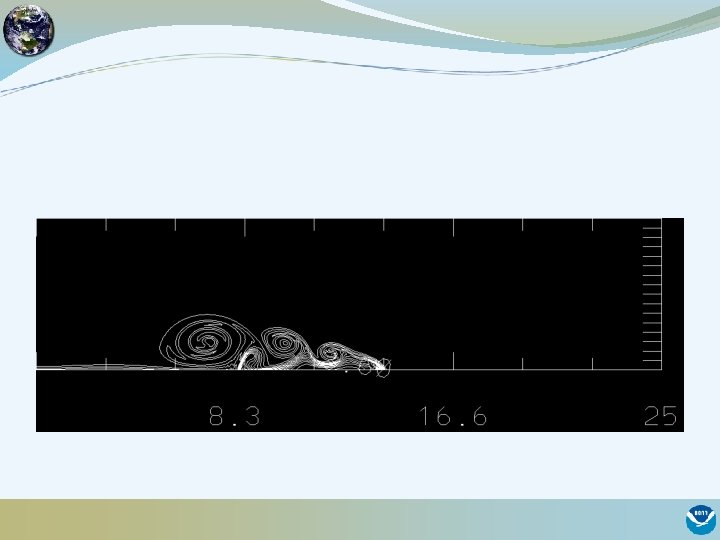
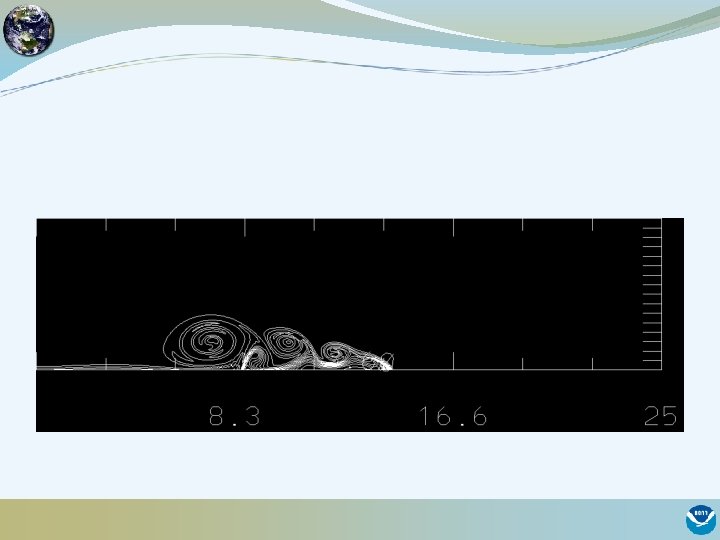
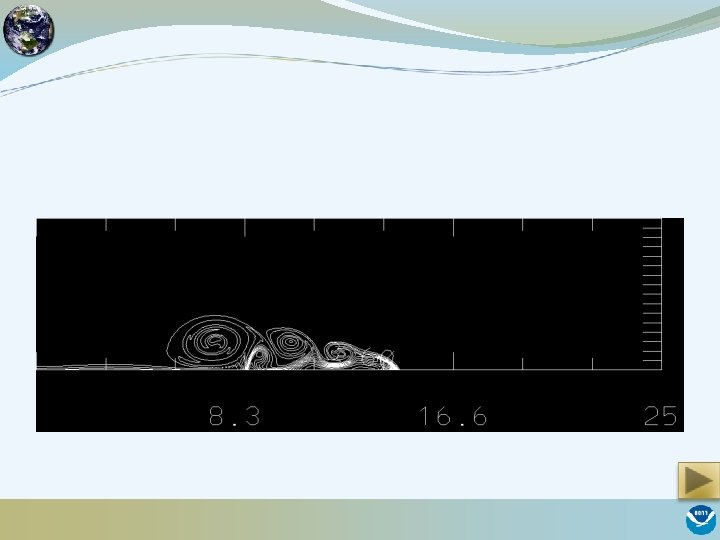
NIM density current simulation. Negative buoyancy to initiate density current. 27
Internal Gravity Waves
Internal gravity waves
Internal gravity waves
Internal gravity waves
Internal gravity waves
Internal gravity waves
Internal gravity waves
Internal gravity waves
Internal gravity waves
Internal gravity waves
Internal gravity waves
Internal gravity waves
Internal gravity waves
Internal gravity waves
Internal gravity waves
Internal gravity waves
Internal gravity waves
Internal gravity waves
Internal gravity waves
Internal gravity waves
Internal gravity waves
Internal gravity waves
Internal gravity waves
Internal gravity waves
Internal gravity waves
Internal gravity waves
Internal gravity waves
Internal gravity waves
Internal gravity waves
Internal gravity waves
Internal gravity waves
Internal gravity waves
Internal gravity waves
Internal gravity waves
Internal gravity waves
Internal gravity waves
Internal gravity waves
Internal gravity waves
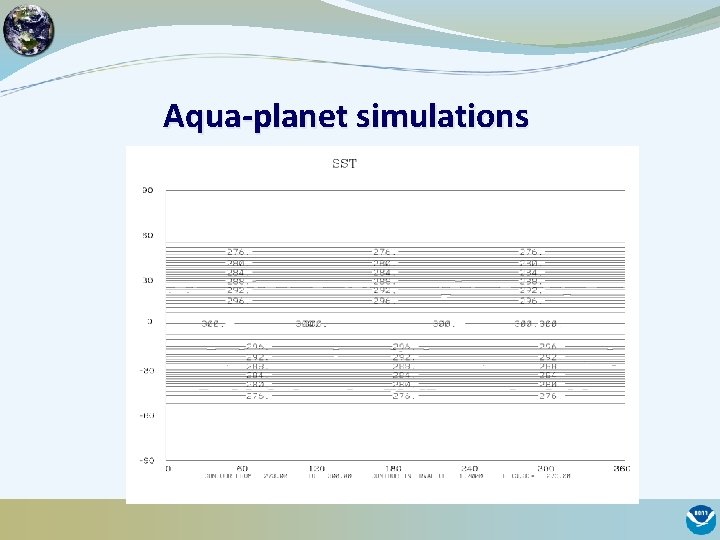
Aqua-planet simulations
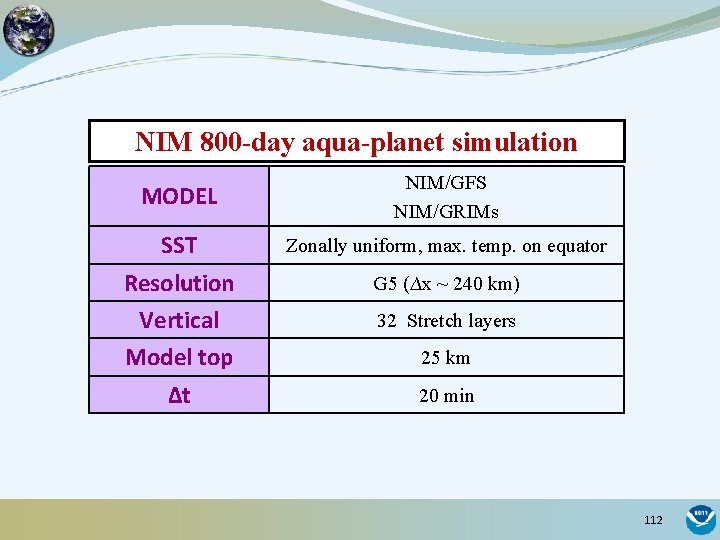
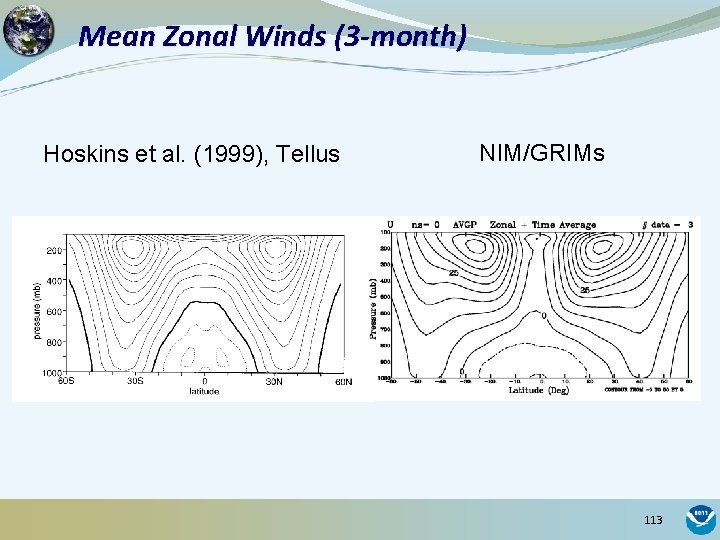
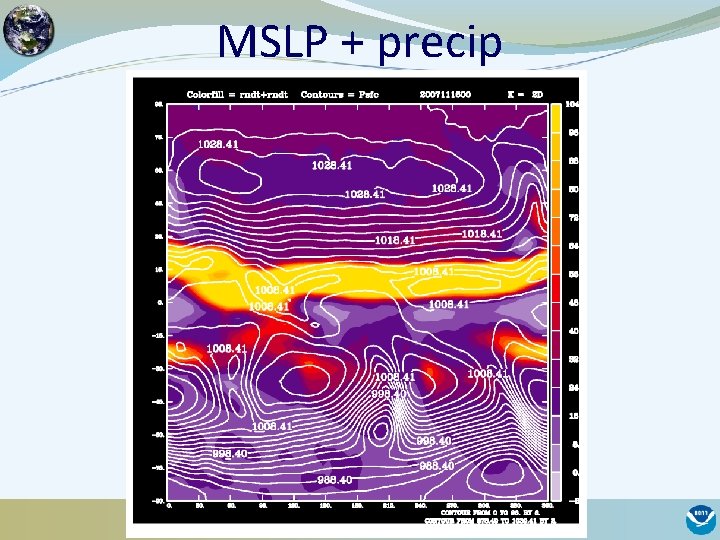
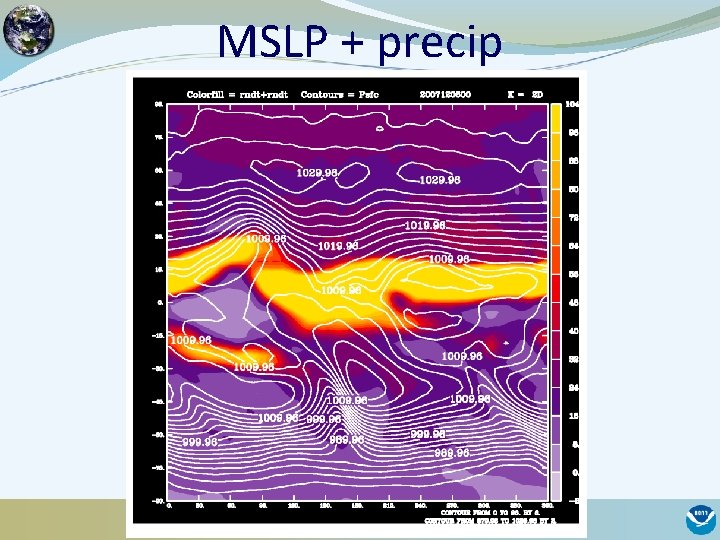
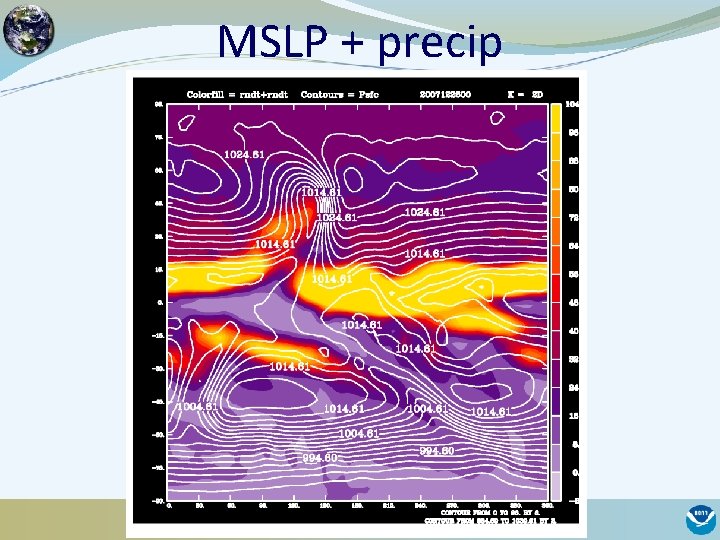
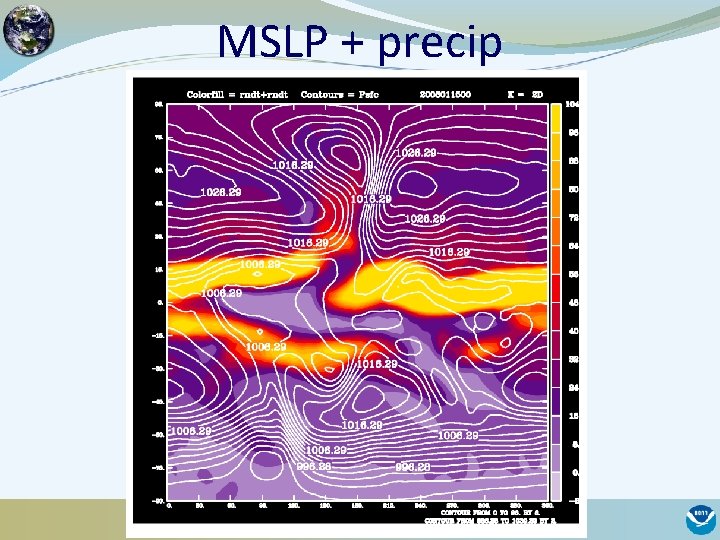
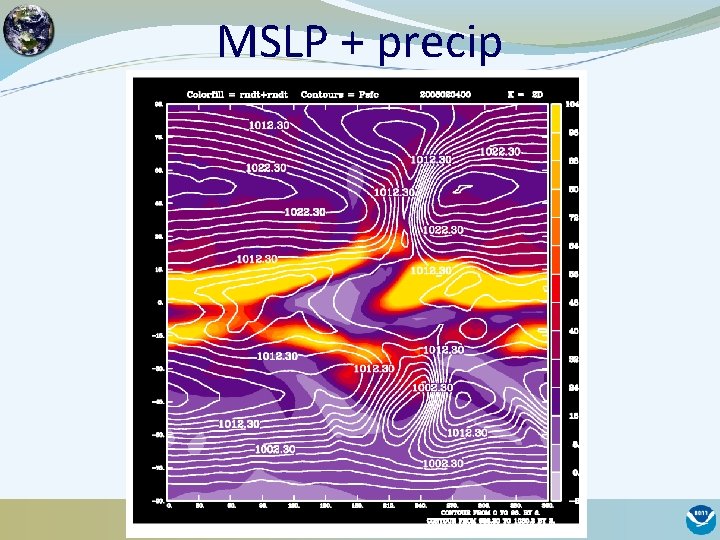
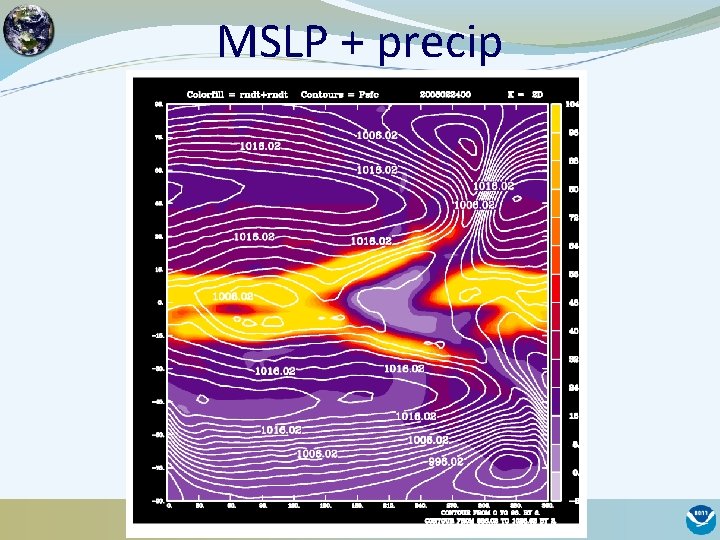
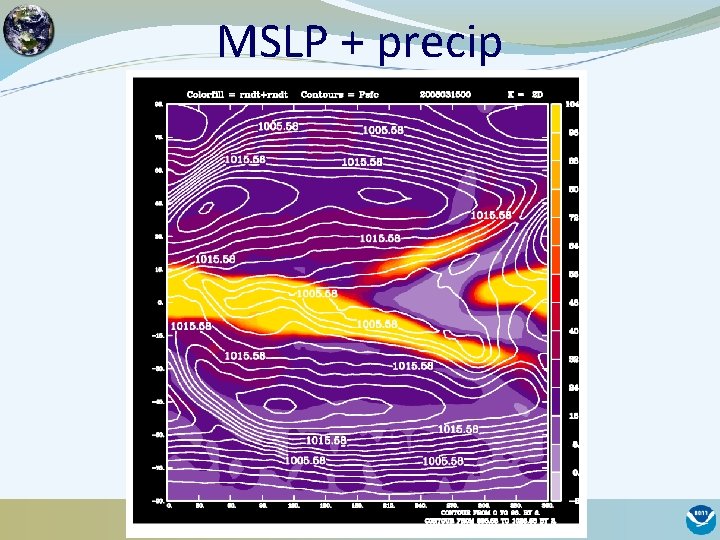
NIM 800 -day aqua-planet simulation MODEL NIM/GFS NIM/GRIMs SST Resolution Vertical Model top ∆t Zonally uniform, max. temp. on equator G 5 (∆x ~ 240 km) 32 Stretch layers 25 km 20 min 112
Mean Zonal Winds (3 -month) Hoskins et al. (1999), Tellus NIM/GRIMs 113
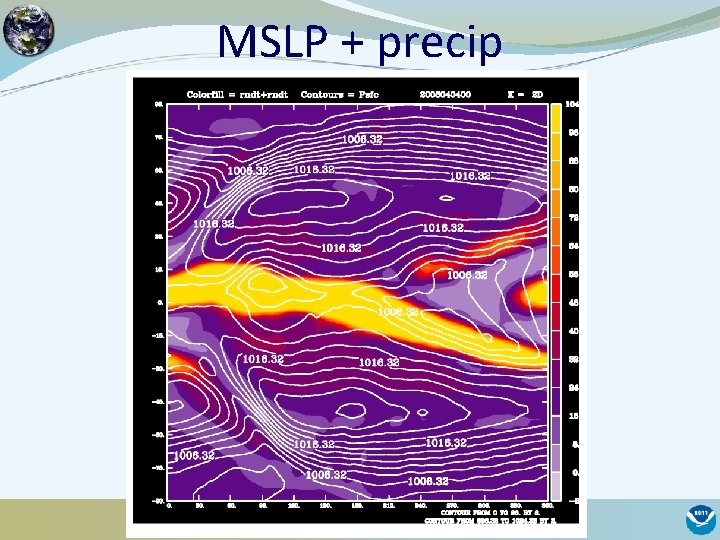
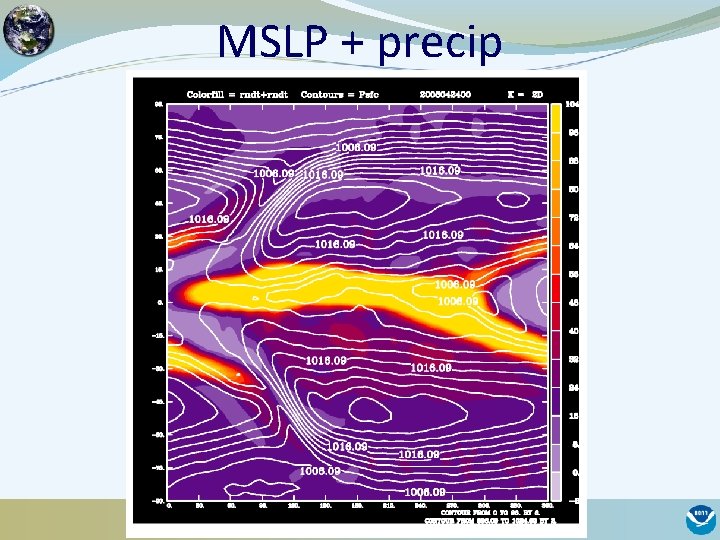
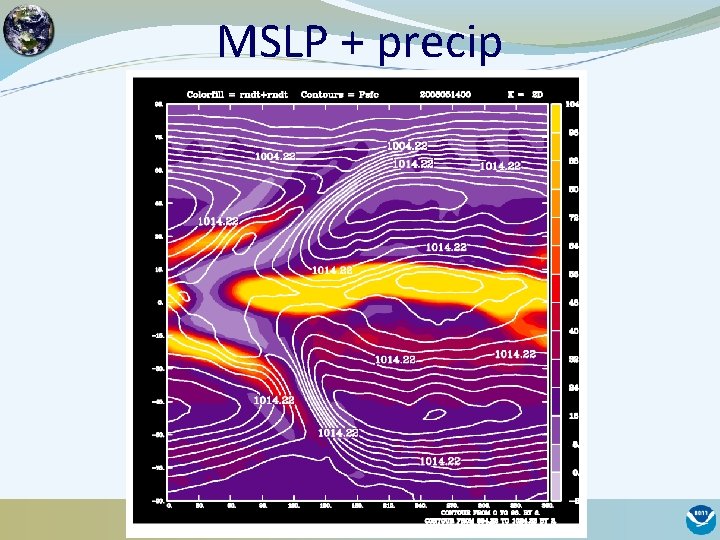
MSLP + precip
MSLP + precip
MSLP + precip
MSLP + precip
MSLP + precip
MSLP + precip
MSLP + precip
MSLP + precip
MSLP + precip
MSLP + precip
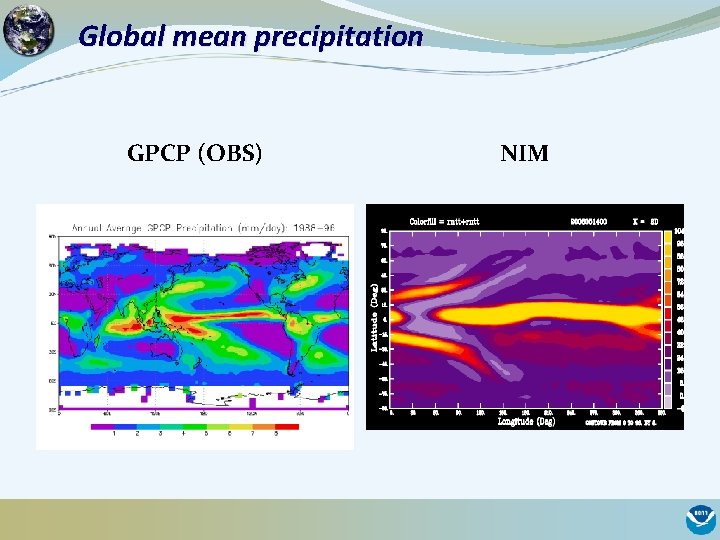
Global mean precipitation GPCP (OBS) NIM
Final remarks and Outlook • A Nonhydrostatic Icosahedral Model (NIM) dynamical core has been developed and tested w/ multi-scales benchmarks, • Incorporated GFS and GRIMs physics into NIM dynamical core, • Aqua-planet simulations to test dynamics/physics interfaces, • Implemented NIM on CPU/GPU for efficient GCRM integration, • NIM for weather and intra-seasonal forecasts at < 10 -km resolution initialized w/ En. KF. 125