
Section 5 1 Light and Quantized Energy Section






























- Slides: 98
Section 5. 1 Light and Quantized Energy Section 5. 2 Quantum Theory and the Atom Section 5. 3 Electron Configuration
radiation: the rays and particles —alpha particles, beta particles, and gamma rays—that are emitted by radioactive material
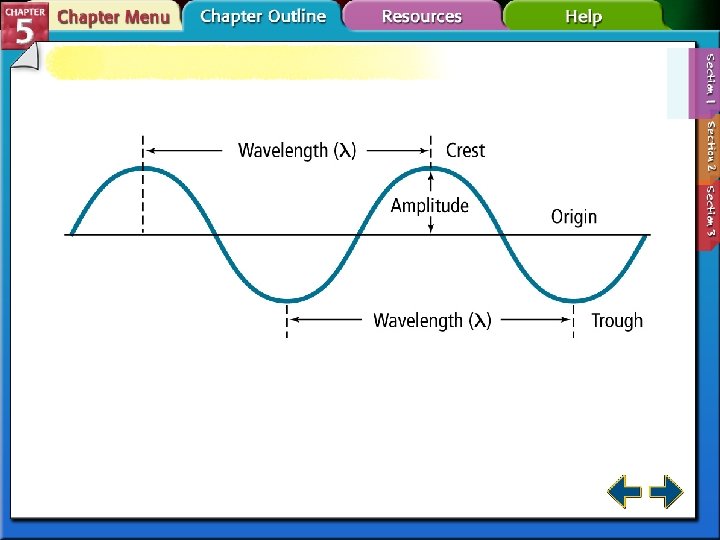
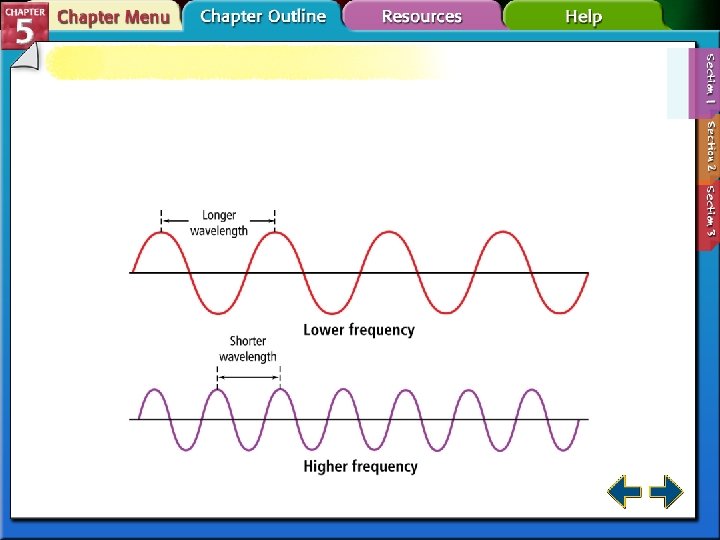
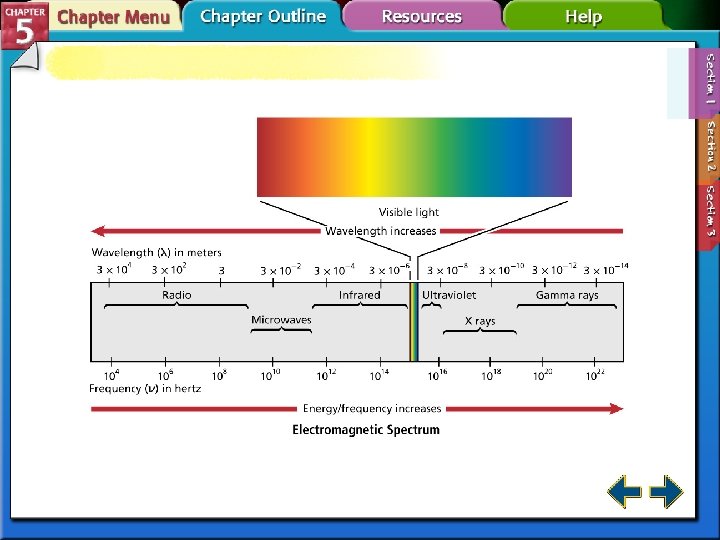
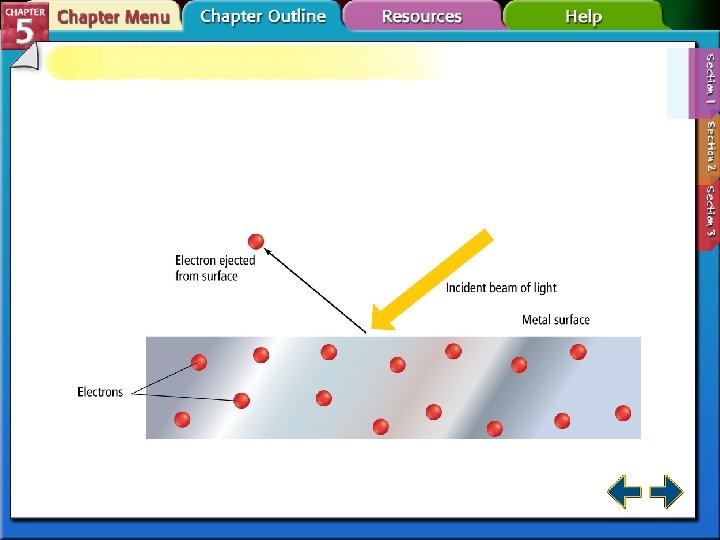
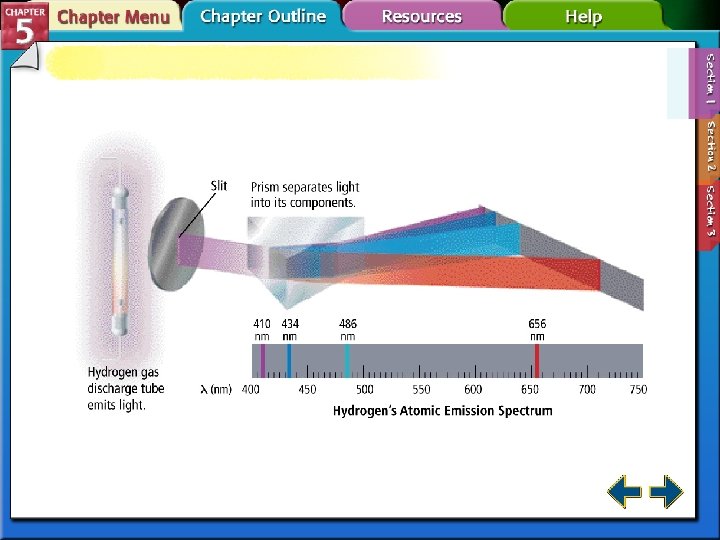
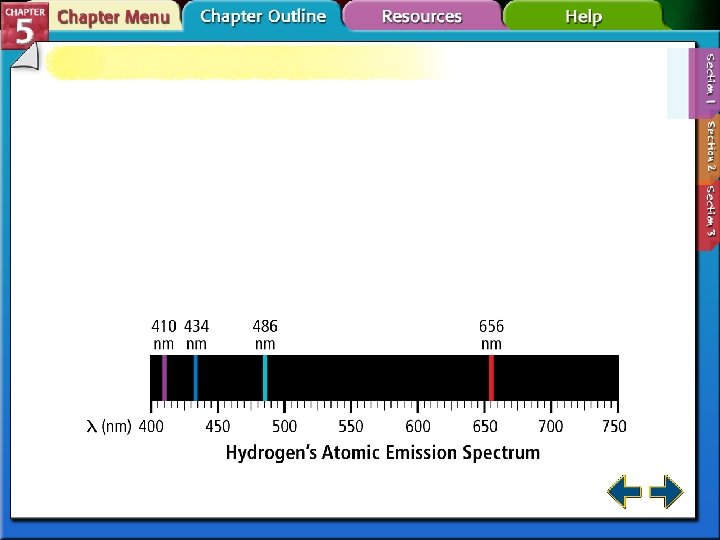
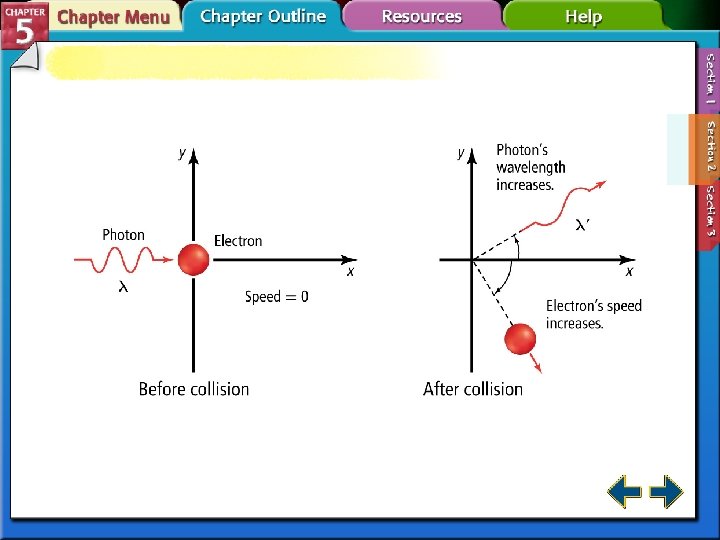
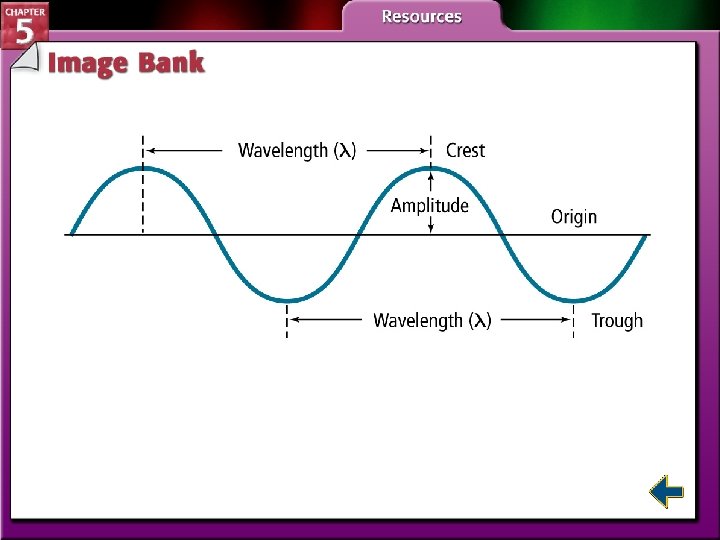
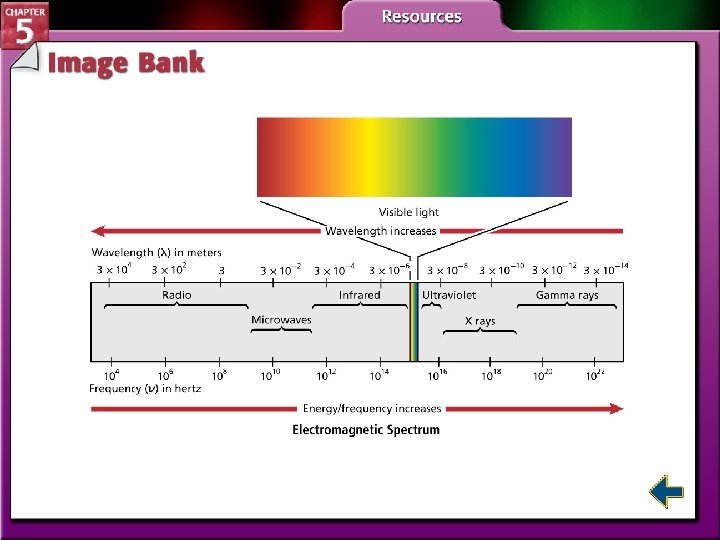
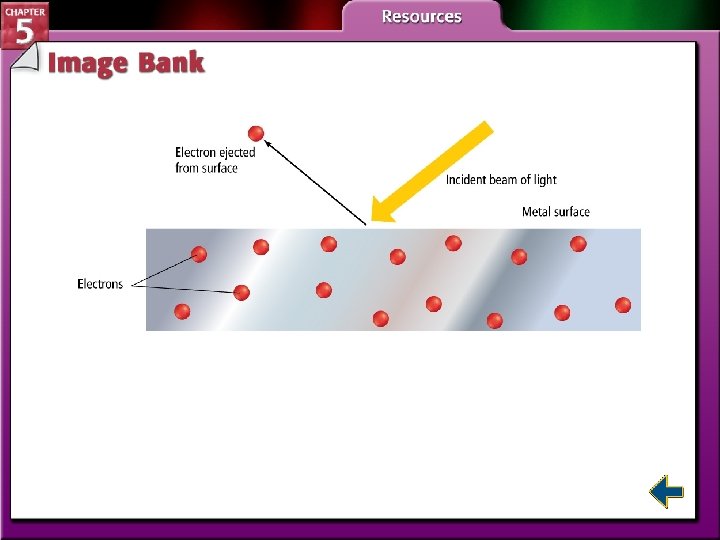
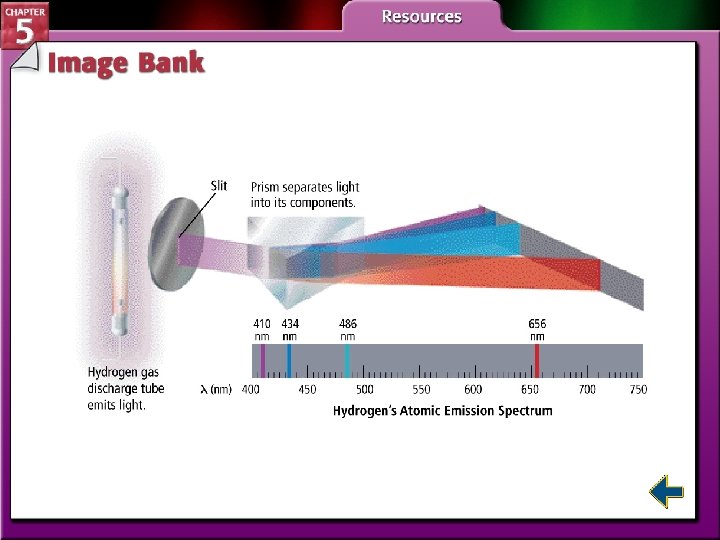
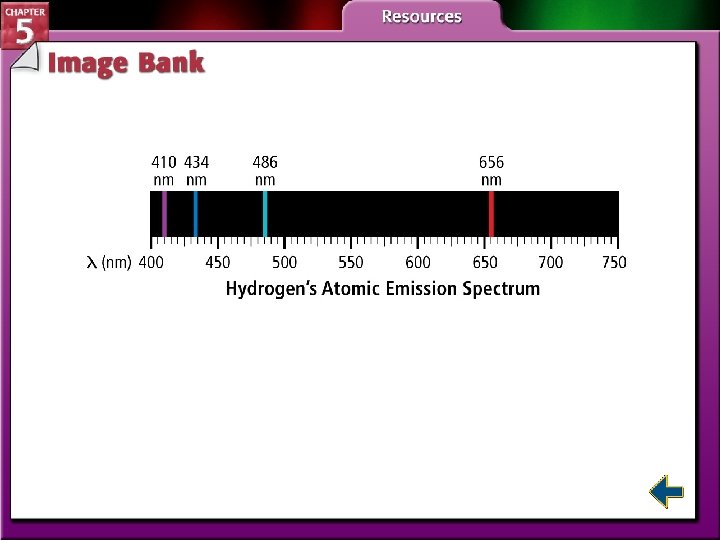
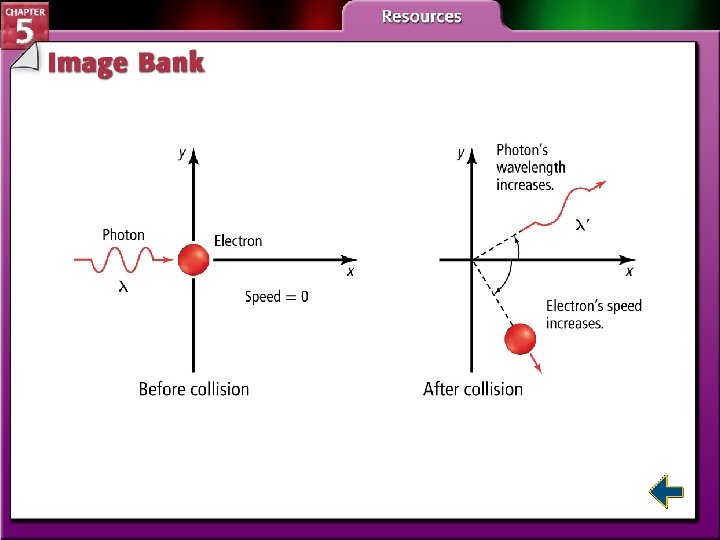
electromagnetic radiation quantum wavelength Planck's constant frequency photoelectric effect amplitude photon electromagnetic spectrum atomic emission spectrum Light, a form of electronic radiation, has characteristics of both a wave and a particle.
atom: the smallest particle of an element that retains all the properties of that element, is composed of electrons, protons, and neutrons.
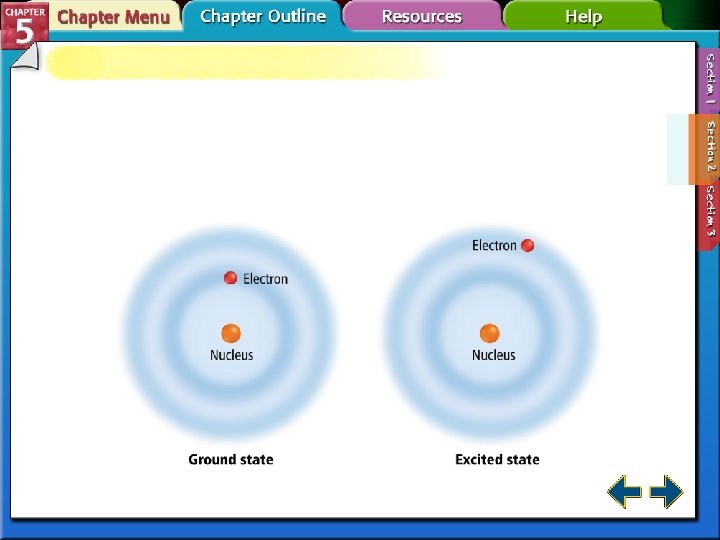
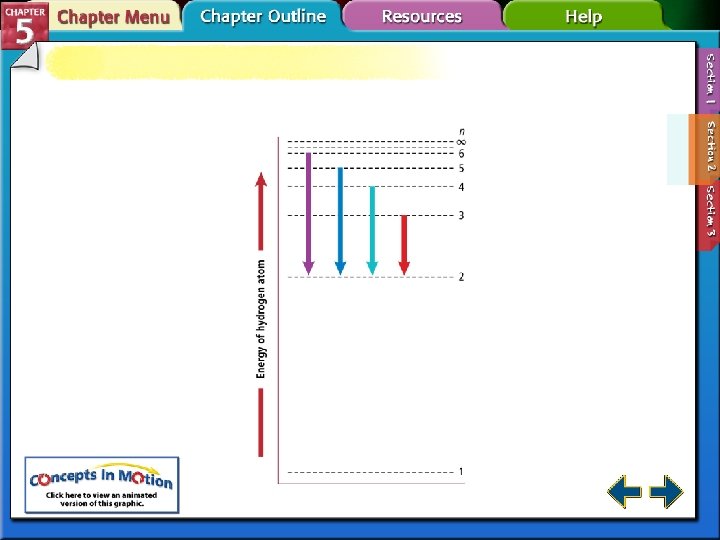
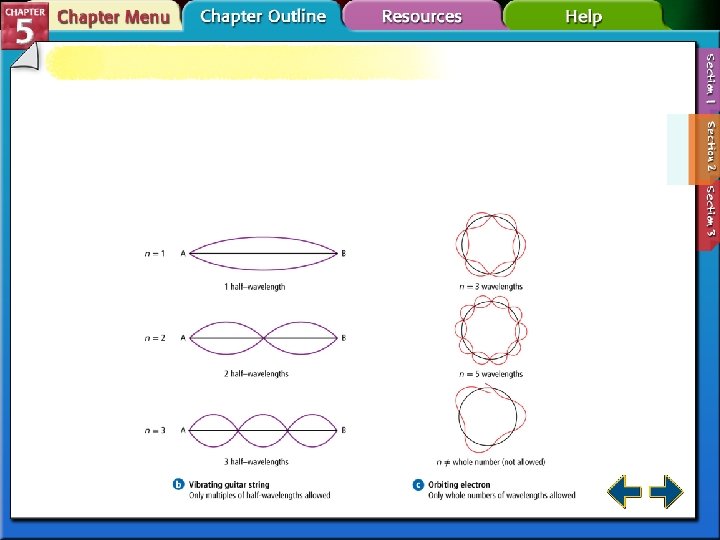
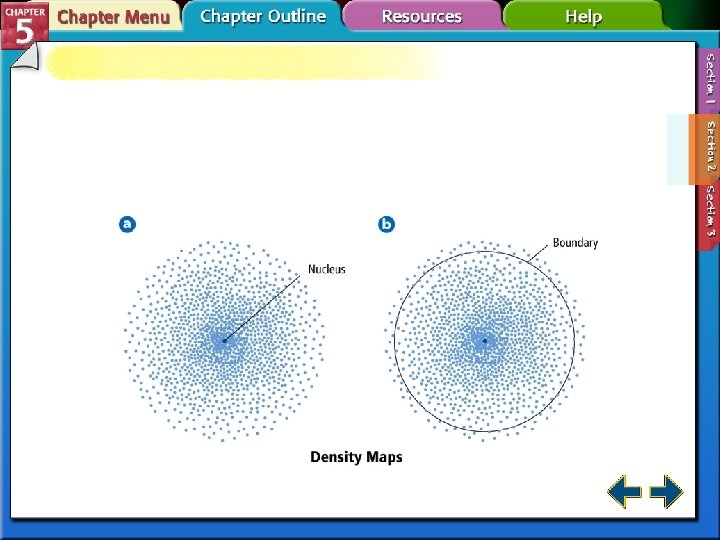
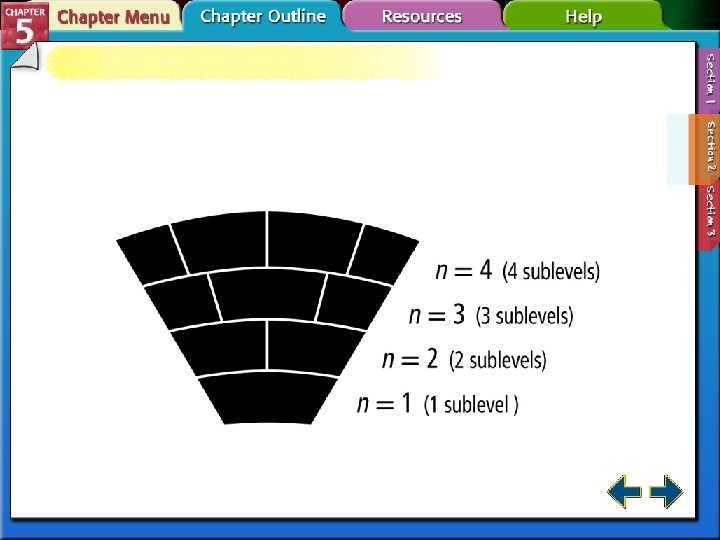
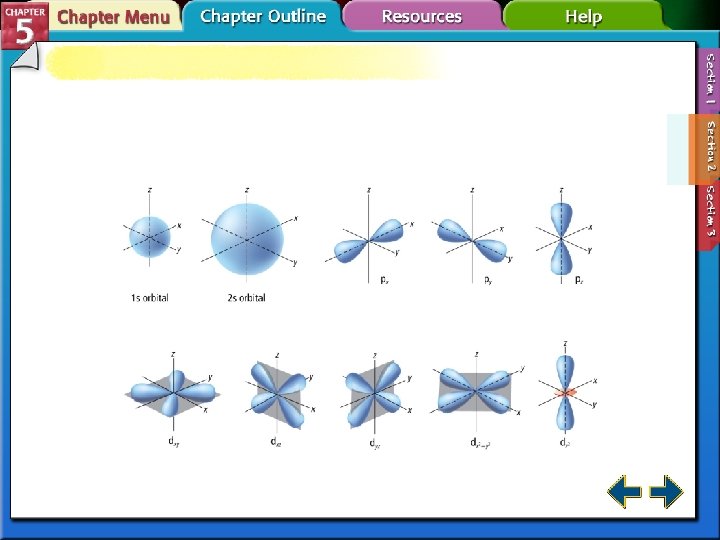
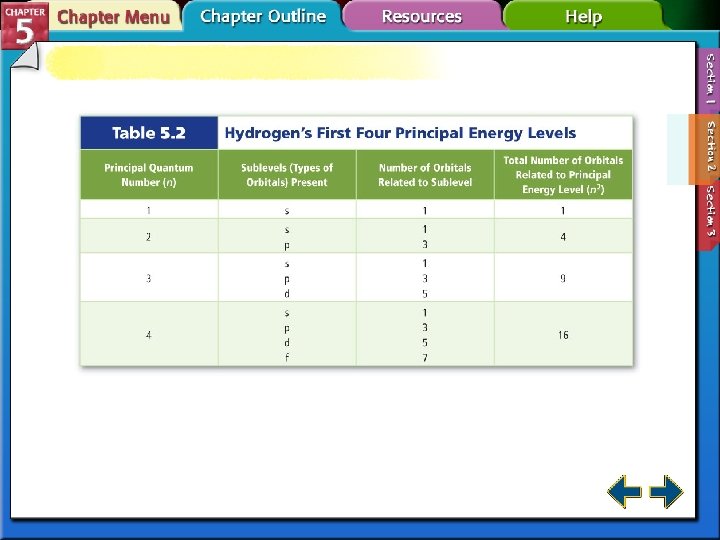
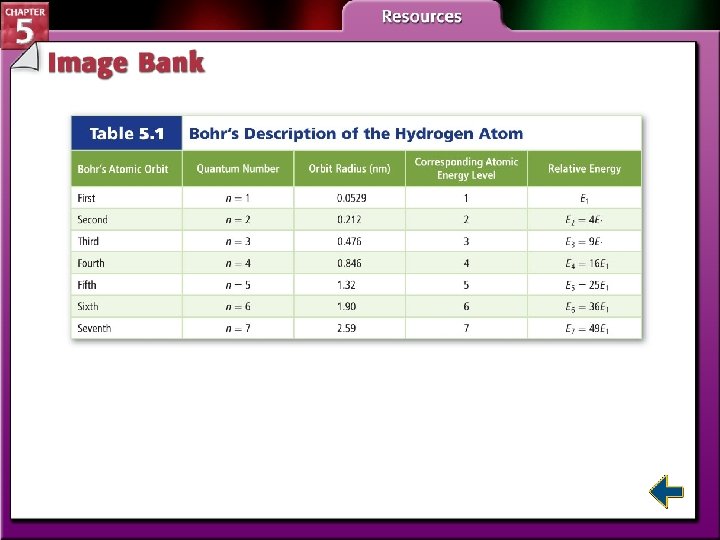
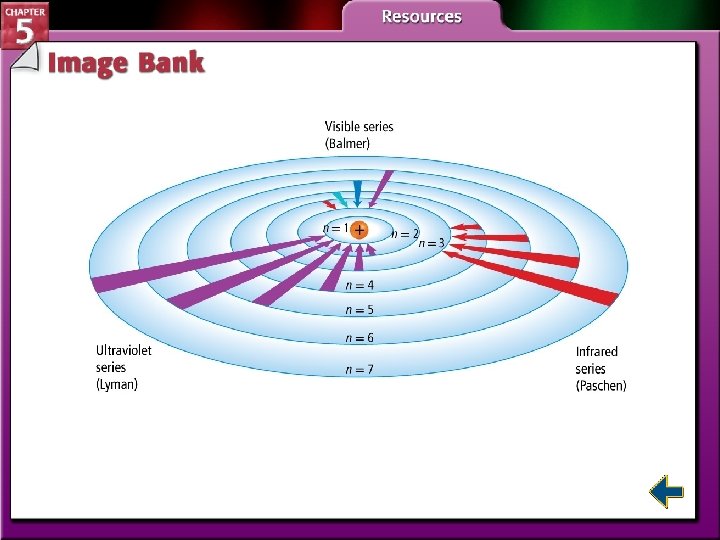
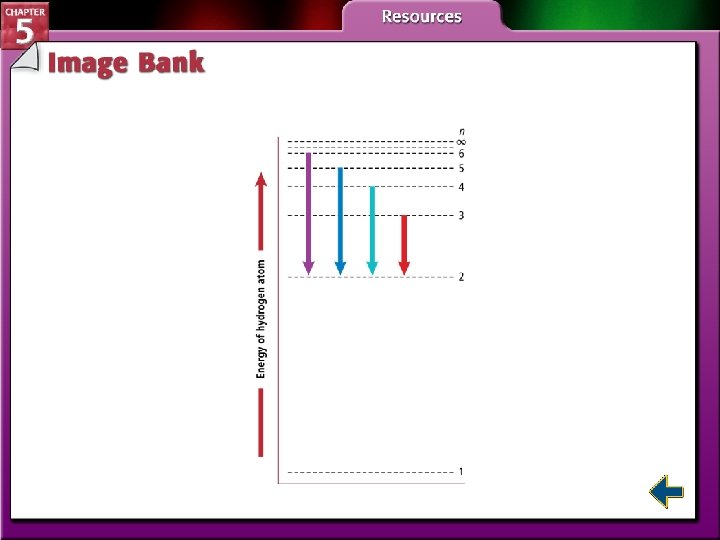
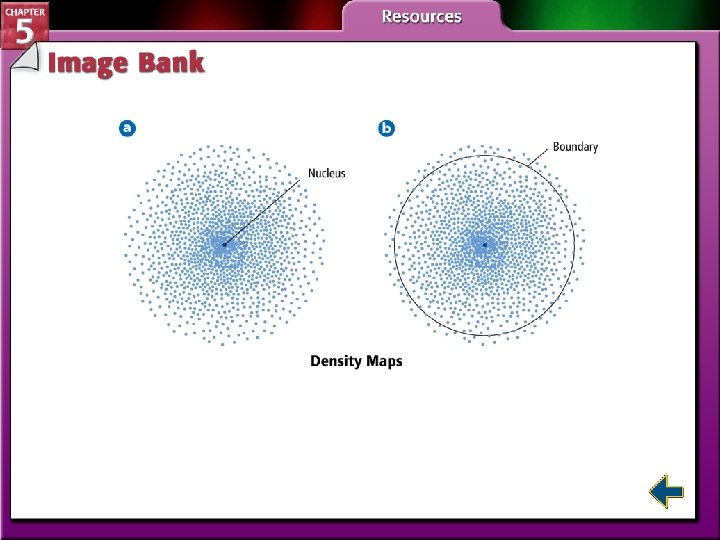
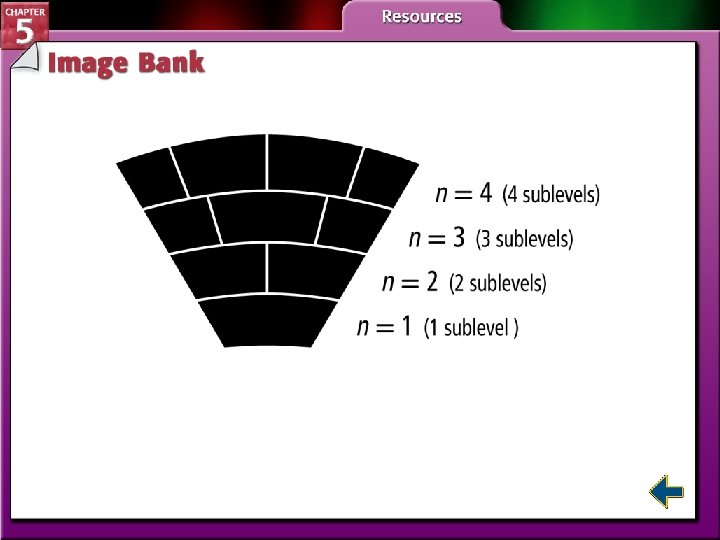
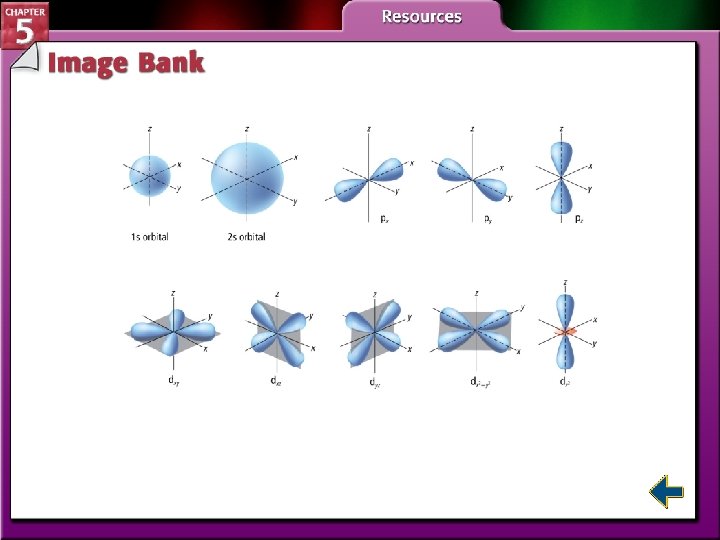
ground state quantum number de Broglie equation Heisenberg uncertainty principle quantum mechanical model of the atomic orbital principal quantum number principal energy level energy sublevel Wavelike properties of electrons help relate atomic emission spectra, energy states of atoms, and atomic orbitals.
electron: a negatively charged, fast-moving particle with an extremely small mass that is found in all forms of matter and moves through the empty space surrounding an atom's nucleus
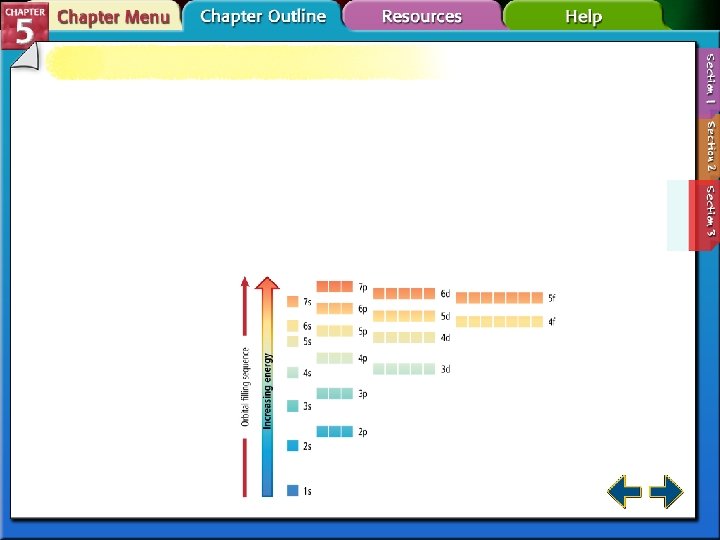
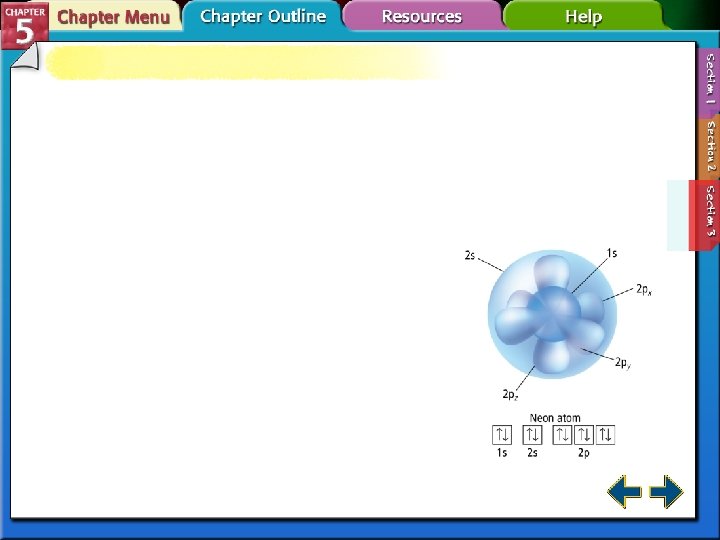
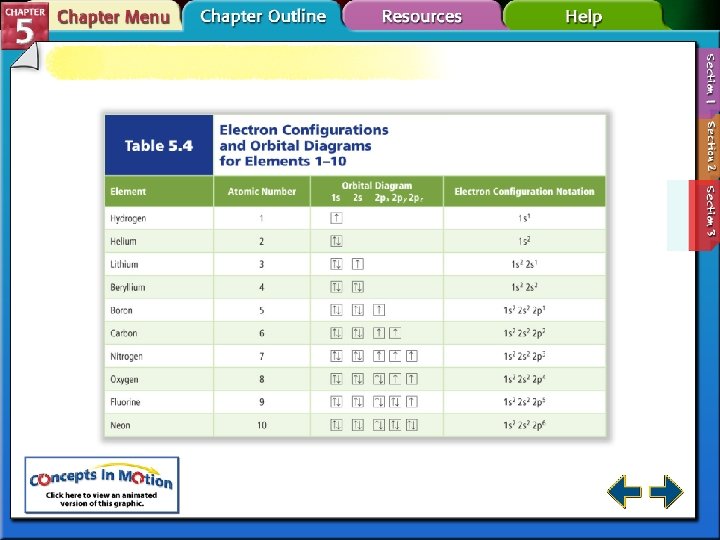
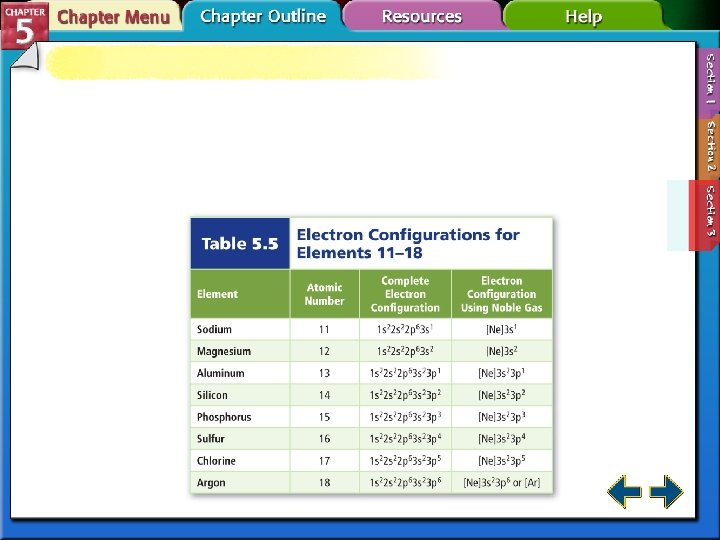
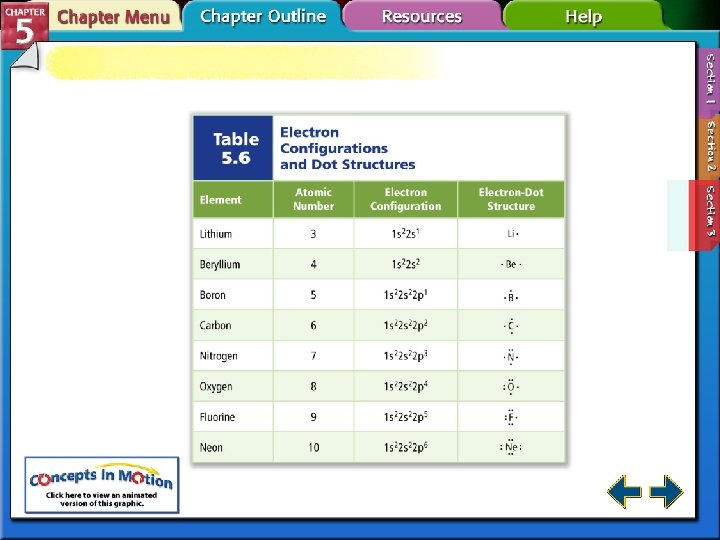
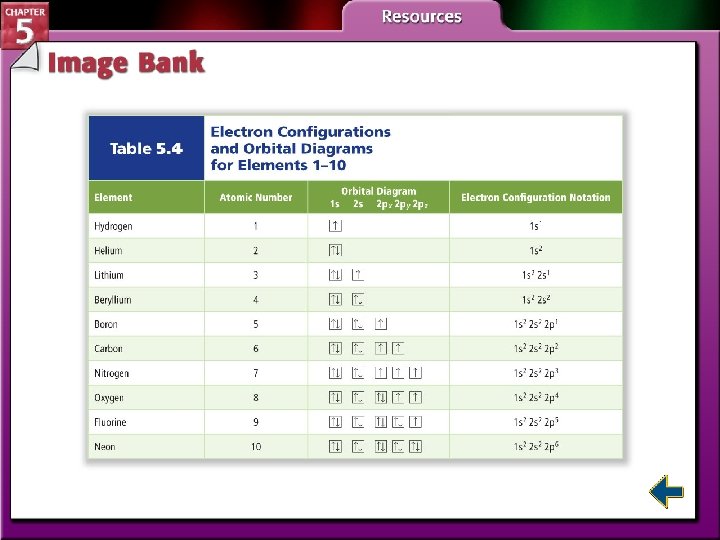
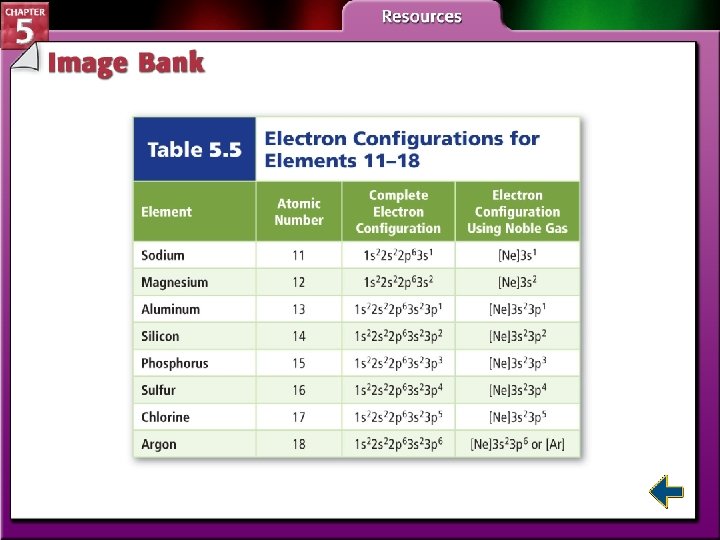
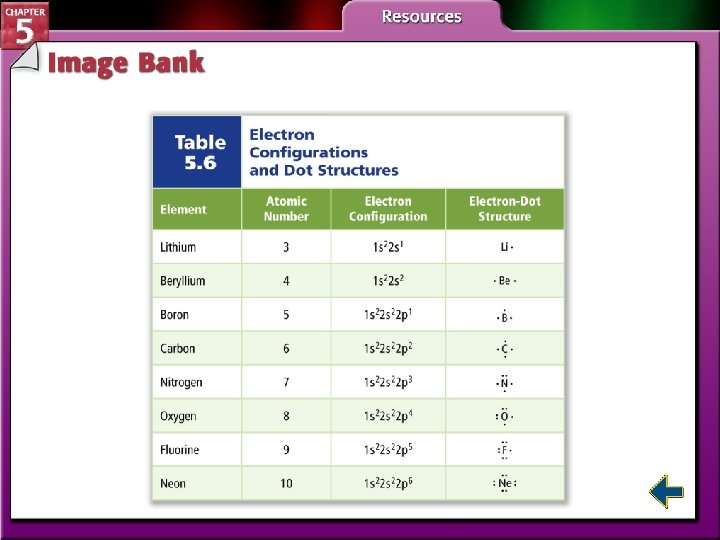
electron configuration aufbau principle Pauli exclusion principle Hund's rule valence electrons electron-dot structure A set of three rules determines the arrangement in an atom.
Section 5. 1 Light and Quantized Energy Key Concepts
Key Concepts
Section 5. 2 Quantum Theory and the Atom Key Concepts
Section 5. 3 Electron Configuration Key Concepts