
Photosynthesis Chapter 8 Energy and Life Section 8
- Slides: 22
Photosynthesis Chapter 8
Energy and Life Section 8 -1
Energy and Life • Energy is the ability to do work. • All living things use energy stored in chemical compounds to survive. (FOOD) • Heterotrophs – eat food to get energy • Autotrophs – make their own food from sunlight and inorganic molecules to get energy. • When are you not using energy?
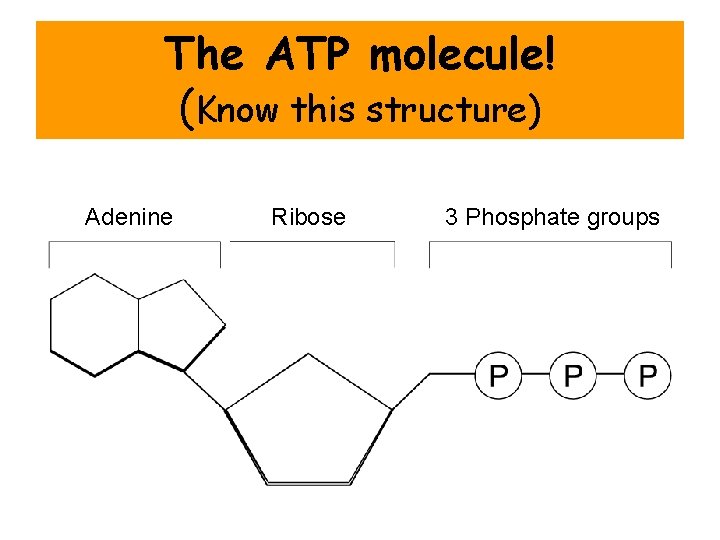
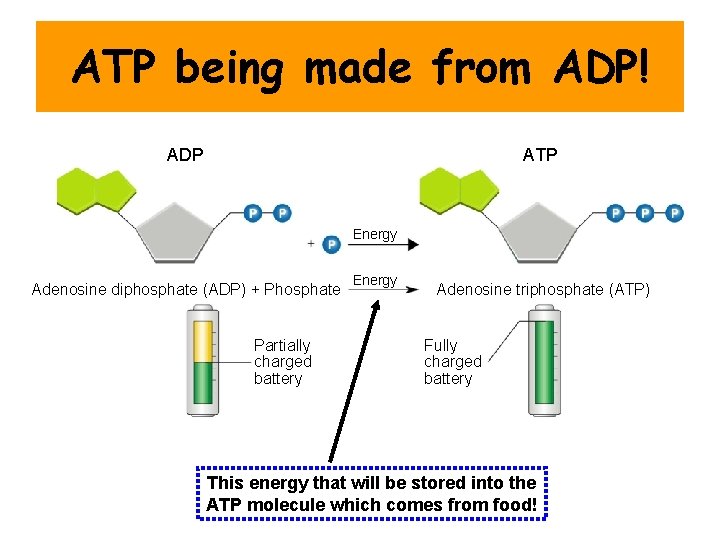
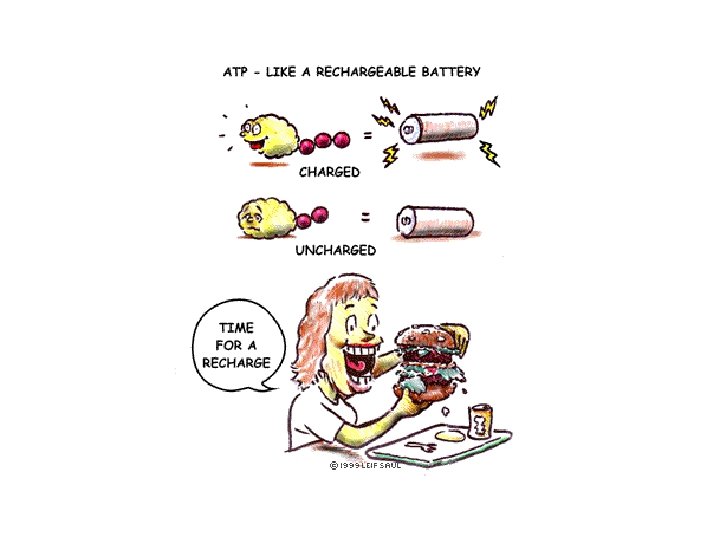
Chemical Energy and ATP • Energy from food is changed into another form cells can use. • Adenosine Triphosphate (ATP) – energy molecule of the cell (made by what organelle? ) • Must break down the foods to generate the ATP. • Breaking the bonds between the phosphate atoms will release the energy from ATP. • Used ATP is now ADP. (what is ADP? ) • Energy stored in foods (glucose) will change ADP back into ATP.
ATP Section 8 -1 The ATP molecule! (Know this structure) Adenine Ribose 3 Phosphate groups
Figure 8 -3 Comparison of ADP and ATP being made from ADP! ATP to a Battery Section 8 -1 ADP ATP Energy Adenosine diphosphate (ADP) + Phosphate Partially charged battery Energy Adenosine triphosphate (ATP) Fully charged battery This energy that will be stored into the ATP molecule which comes from food!
Photosynthesis: An Overview Section 8 -2
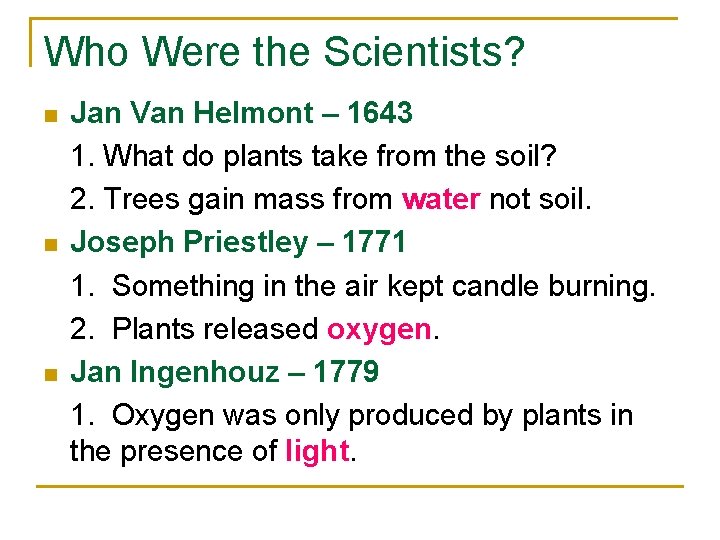
Who Were the Scientists? n n n Jan Van Helmont – 1643 1. What do plants take from the soil? 2. Trees gain mass from water not soil. Joseph Priestley – 1771 1. Something in the air kept candle burning. 2. Plants released oxygen. Jan Ingenhouz – 1779 1. Oxygen was only produced by plants in the presence of light.
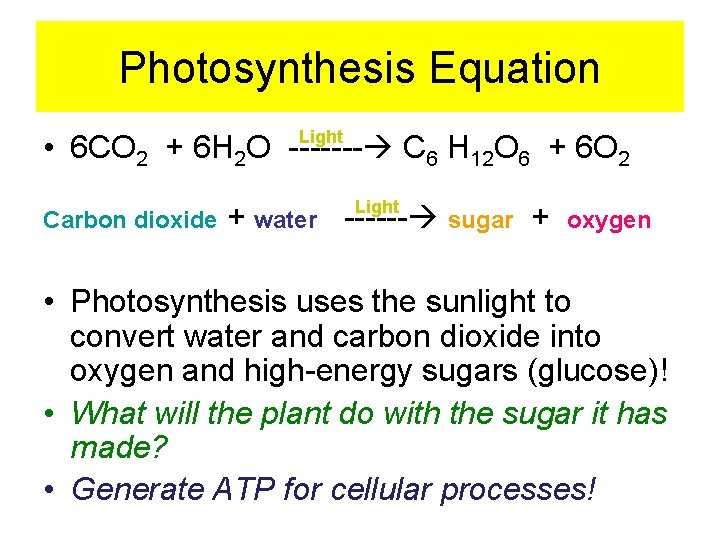
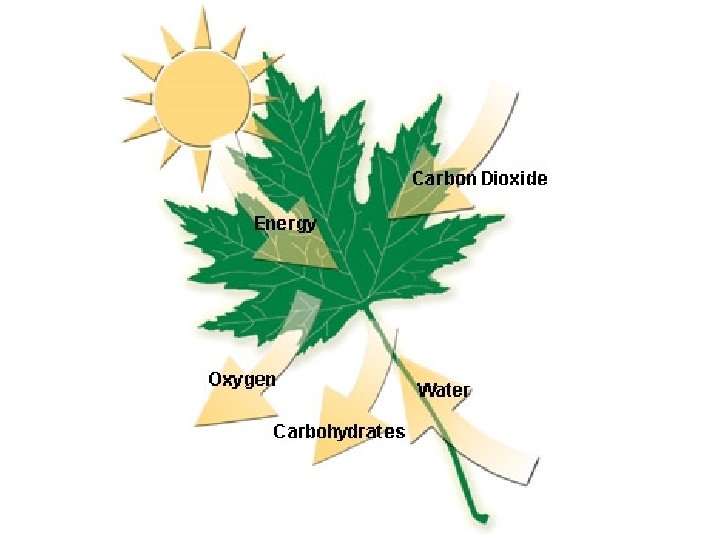
Photosynthesis Equation Light • 6 CO 2 + 6 H 2 O ------- C 6 H 12 O 6 + 6 O 2 Carbon dioxide Light + water ------ sugar + oxygen • Photosynthesis uses the sunlight to convert water and carbon dioxide into oxygen and high-energy sugars (glucose)! • What will the plant do with the sugar it has made? • Generate ATP for cellular processes!
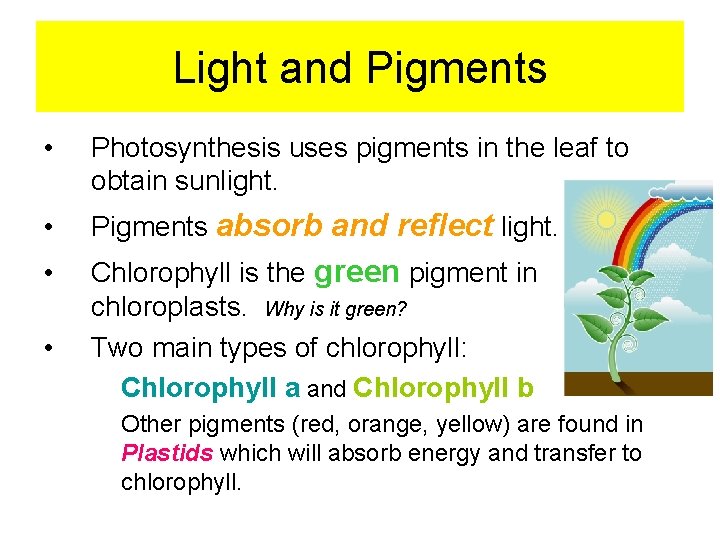
Light and Pigments • Photosynthesis uses pigments in the leaf to obtain sunlight. • Pigments absorb and reflect light. • Chlorophyll is the green pigment in chloroplasts. Why is it green? Two main types of chlorophyll: Chlorophyll a and Chlorophyll b • Other pigments (red, orange, yellow) are found in Plastids which will absorb energy and transfer to chlorophyll.
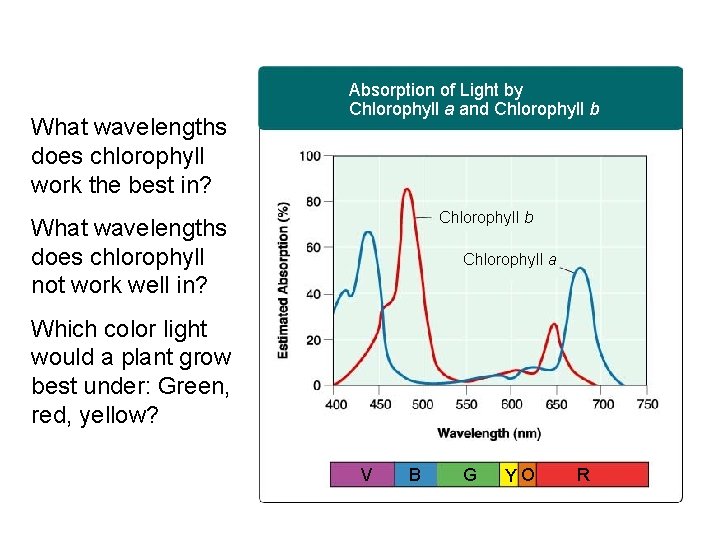
Figure 8 -5 Chlorophyll Light Absorption Section 8 -2 What wavelengths does chlorophyll work the best in? Absorption of Light by Chlorophyll a and Chlorophyll b What wavelengths does chlorophyll not work well in? Chlorophyll a Which color light would a plant grow best under: Green, red, yellow? V B G YO R
Photosynthesis: Reactants and Products Section 8 -2
The Reactions of Photosynthesis Section 8 -3
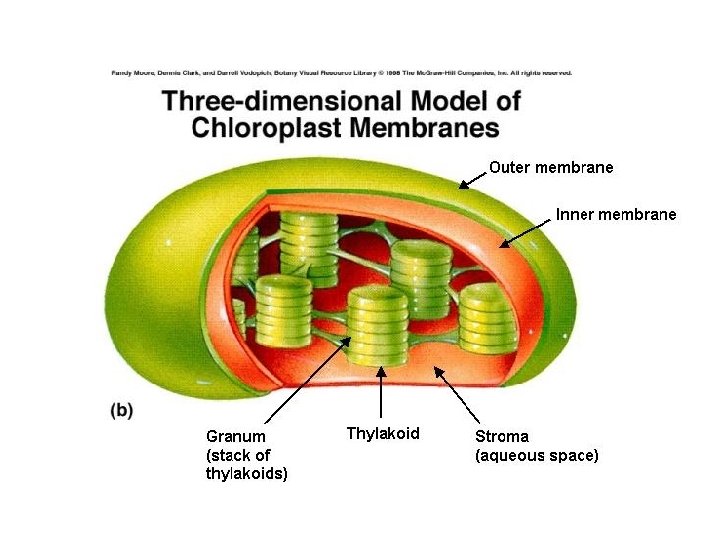
The Chloroplast Structure of Chloroplast: 1. Thylakoids – saclike photosynthetic membrane (they look like pancakes!) a. Contains light absorbing pigments b. Light Dependent reaction occurs here 2. Grana(um) – stacks of thylakoids 3. Stroma – space surrounding the thylakoids a. Calvin cycle occurs here.
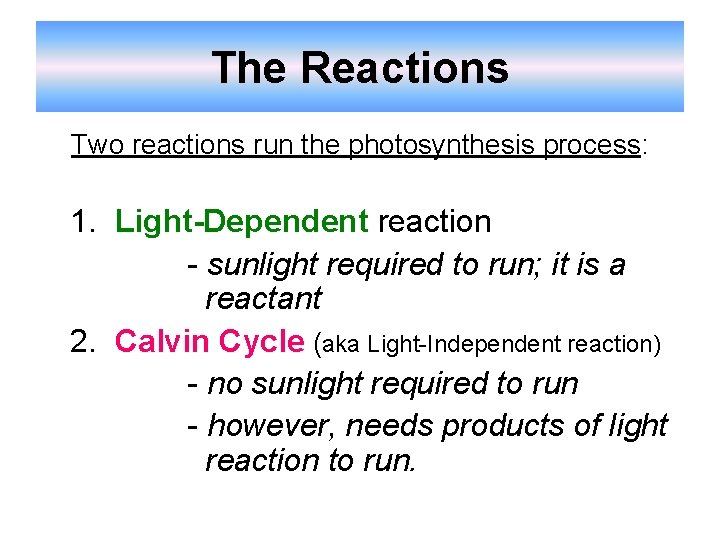
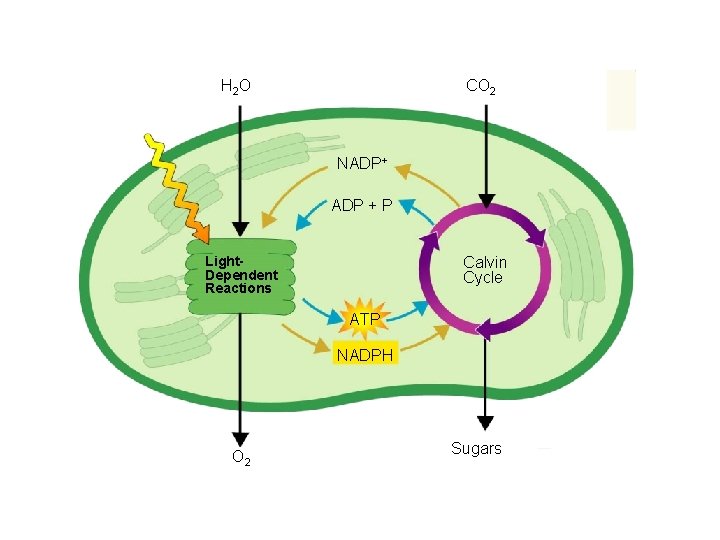
The Reactions Two reactions run the photosynthesis process: 1. Light-Dependent reaction - sunlight required to run; it is a reactant 2. Calvin Cycle (aka Light-Independent reaction) - no sunlight required to run - however, needs products of light reaction to run.
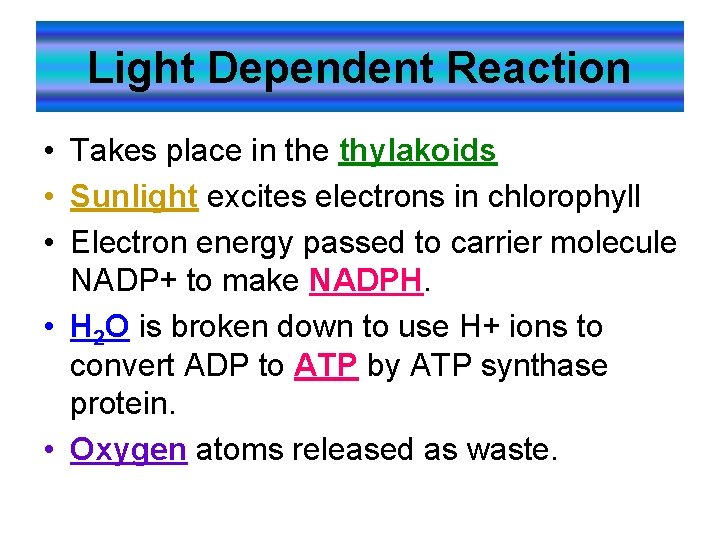
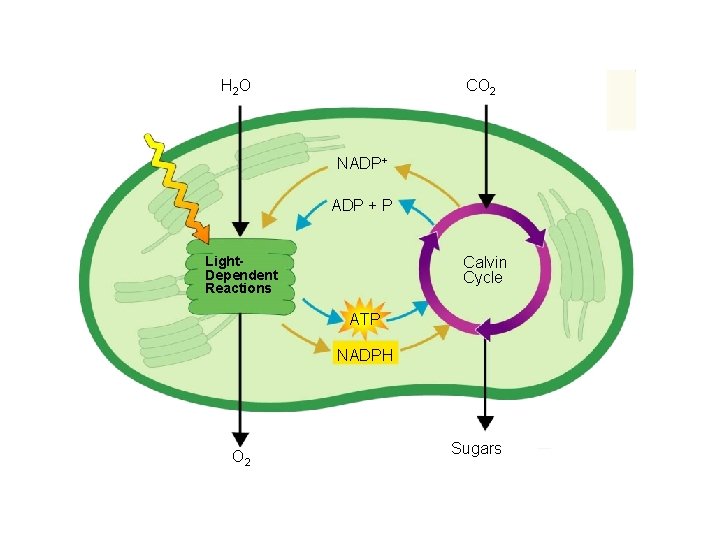
Light Dependent Reaction • Takes place in the thylakoids • Sunlight excites electrons in chlorophyll • Electron energy passed to carrier molecule NADP+ to make NADPH. • H 2 O is broken down to use H+ ions to convert ADP to ATP by ATP synthase protein. • Oxygen atoms released as waste.
Figure 8 -7 Photosynthesis: An Overview Section 8 -3 CO 2 H 2 O NADP+ ADP + P Calvin Cycle Light. Dependent Reactions ATP NADPH O 2 Sugars
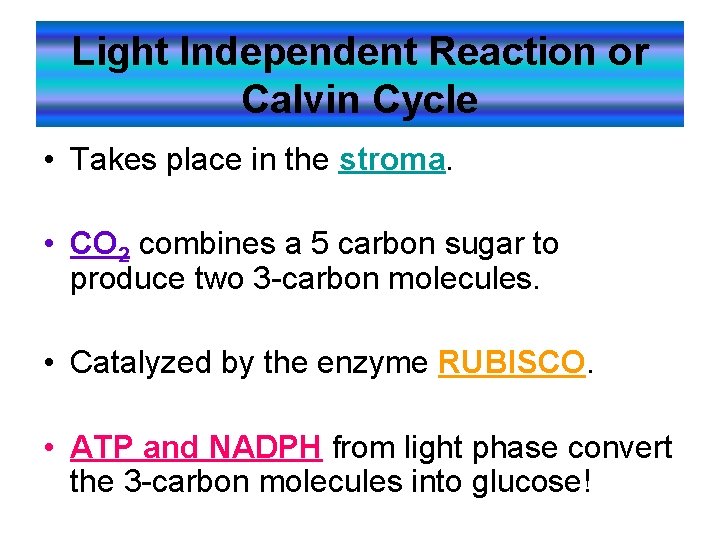
Light Independent Reaction or Calvin Cycle • Takes place in the stroma. • CO 2 combines a 5 carbon sugar to produce two 3 -carbon molecules. • Catalyzed by the enzyme RUBISCO. • ATP and NADPH from light phase convert the 3 -carbon molecules into glucose!
Figure 8 -7 Photosynthesis: An Overview Section 8 -3 CO 2 H 2 O NADP+ ADP + P Calvin Cycle Light. Dependent Reactions ATP NADPH O 2 Sugars
How is the Rate of Photosynthesis Controlled? • Availability of water – lack of water slows process down – plants in warm climates have waxy coating to reduce water loss • Temperature – best rate occurs between 0 and 35 degrees Celsius • Intensity of light – increasing light intensity increases rate