AORTIC DISSECTION Prof Dr Suat Nail MEROLU n
- Slides: 54
AORTIC DISSECTION Prof. Dr. Suat Nail ÖMEROĞLU
n n n The most catastrophic disease of the aorta 5 -10 patients/ 1 milion per year Incidence is 0. 2 -0. 8 % in autopsy series M/F: 2. 5 -3 Most frequently seen 5. -6. decade of age.
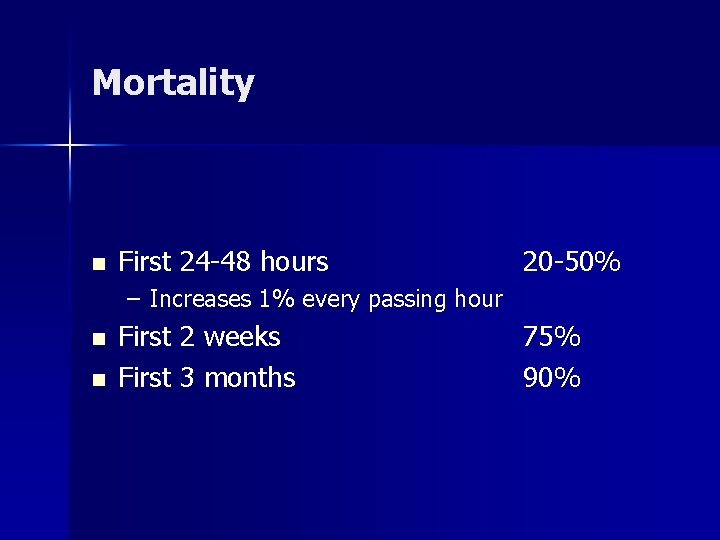
Mortality n First 24 -48 hours 20 -50% – Increases 1% every passing hour n n First 2 weeks First 3 months 75% 90%
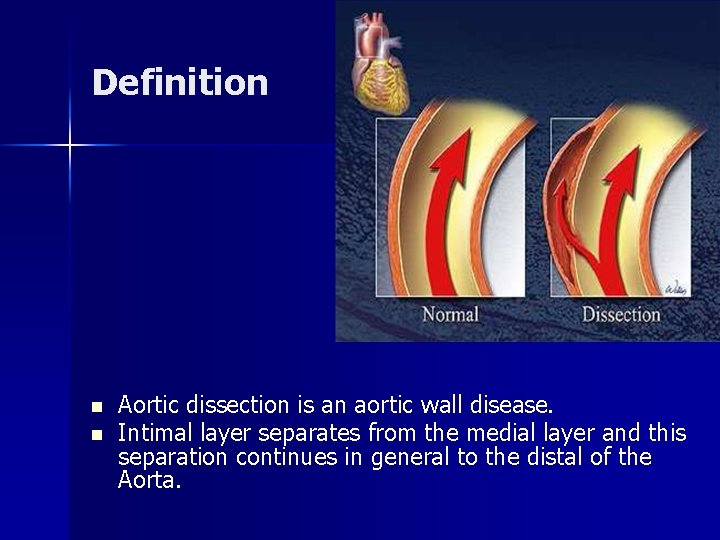
Definition n n Aortic dissection is an aortic wall disease. Intimal layer separates from the medial layer and this separation continues in general to the distal of the Aorta.
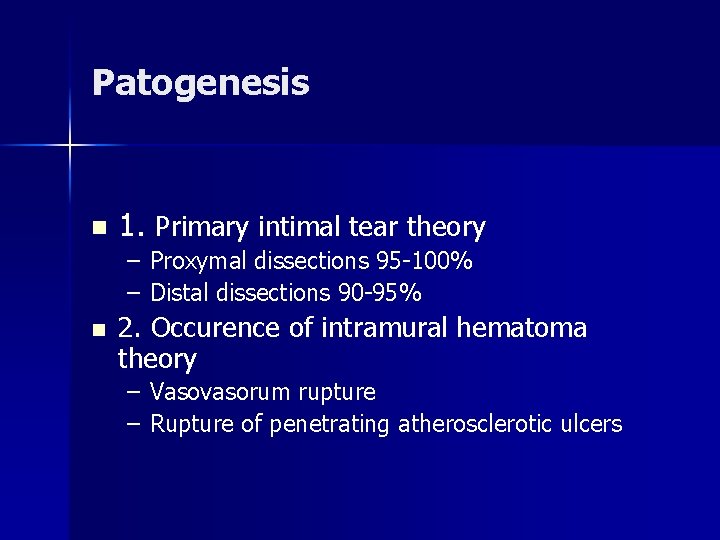
Patogenesis n 1. Primary intimal tear theory – Proxymal dissections 95 -100% – Distal dissections 90 -95% n 2. Occurence of intramural hematoma theory – – Vasovasorum rupture Rupture of penetrating atherosclerotic ulcers
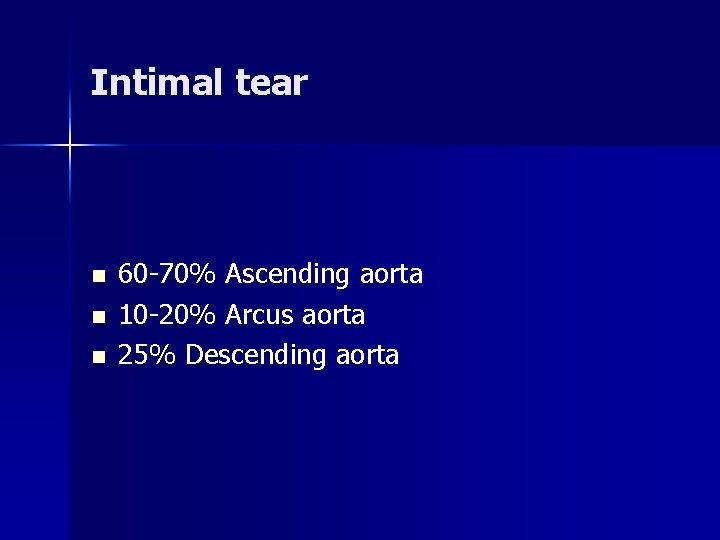
Intimal tear n n n 60 -70% Ascending aorta 10 -20% Arcus aorta 25% Descending aorta
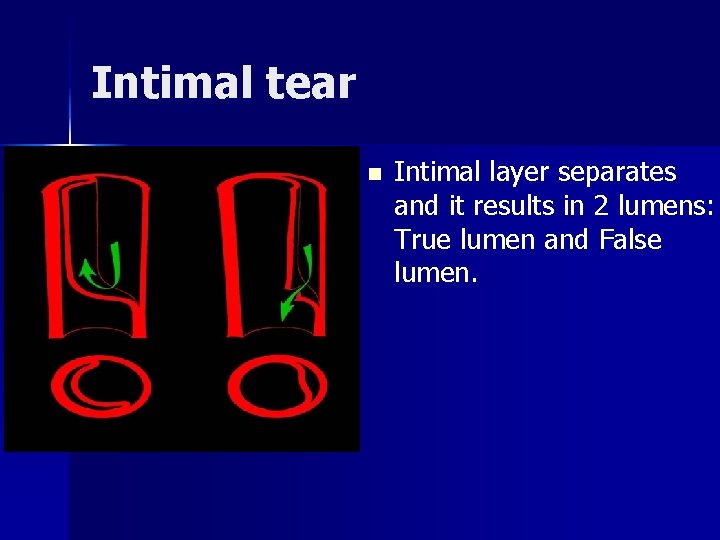
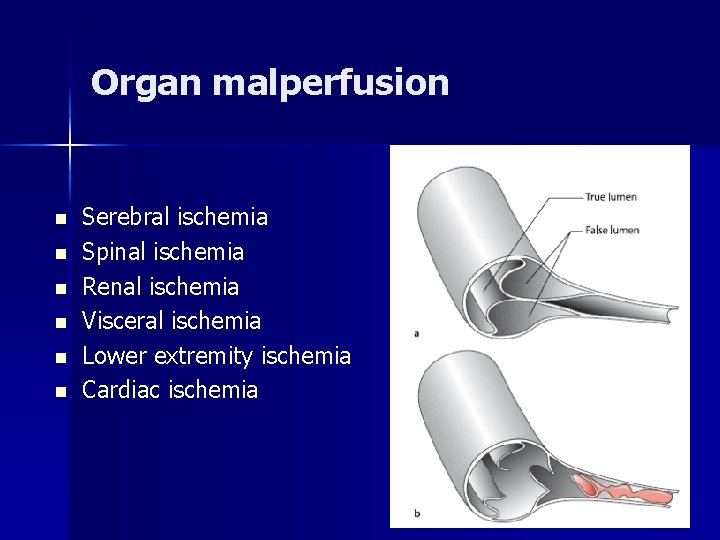
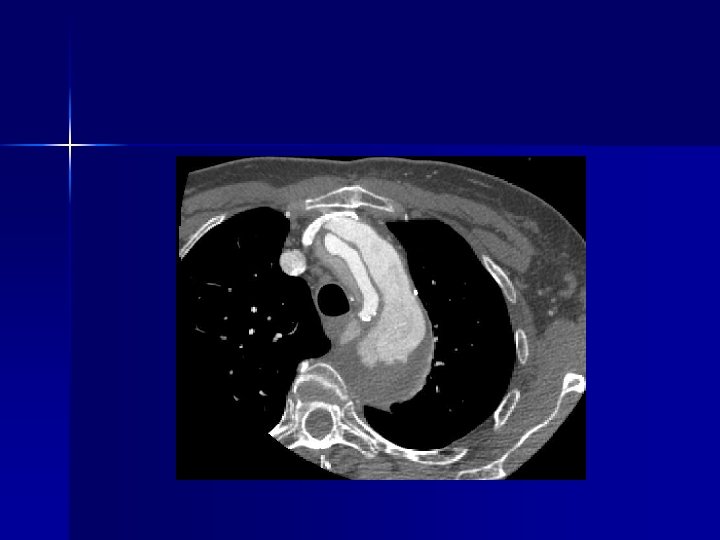
Intimal tear n Intimal layer separates and it results in 2 lumens: True lumen and False lumen.
Ethiology n n n n n Hypertension Medial degenerative disease Genetic diseases Congenital heart and vascular diseases Atherosclerosis Inflammatory aortic diseases Travmatic injuries Iatrogenic injuries Drug abuse Pregnancy
Classifications n n Clinical classification Topografical classification – – – De Bakey Stanford Svensson
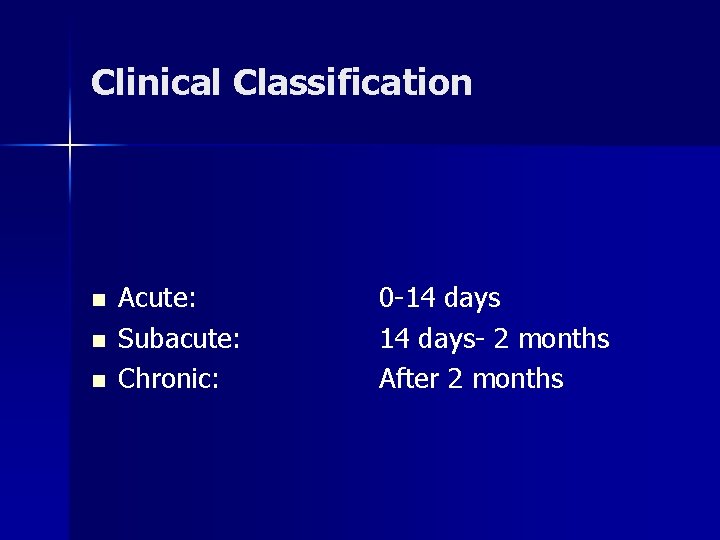
Clinical Classification n Acute: Subacute: Chronic: 0 -14 days- 2 months After 2 months
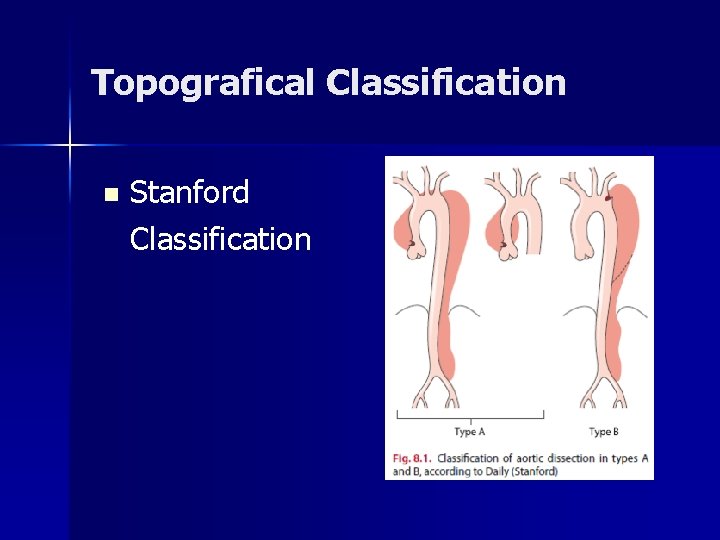
Topografical Classification n Stanford Classification
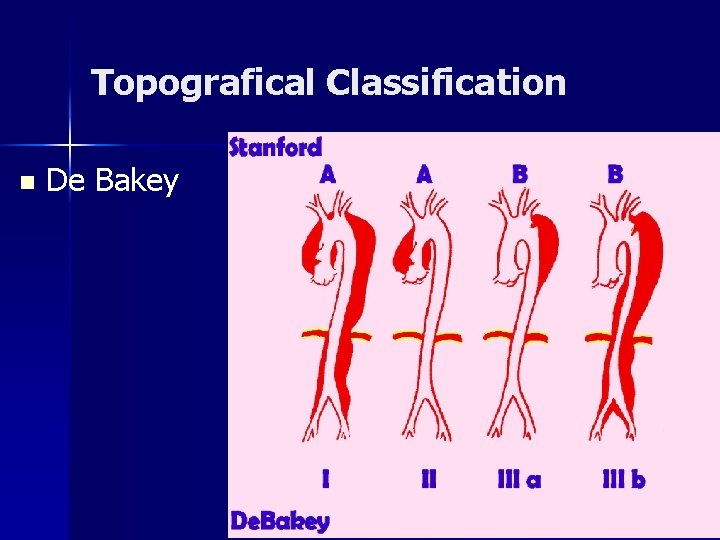
Topografical Classification n De Bakey
Rupture n n Rupture is the most frequent cause of death and usually occurs at the site of intimal tear. Type A dissection Intrapericardial Dissection of arcus aorta Intramediastinal Type B dissection Left pleura
Organ malperfusion n n n Serebral ischemia Spinal ischemia Renal ischemia Visceral ischemia Lower extremity ischemia Cardiac ischemia
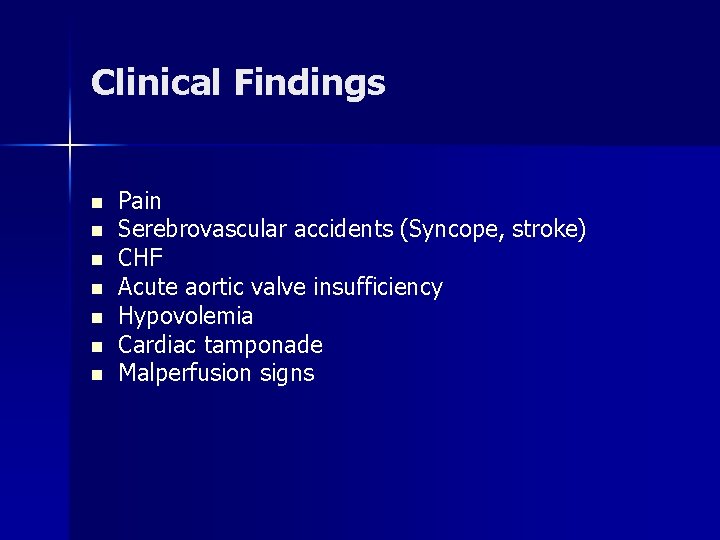
Clinical Findings n n n n Pain Serebrovascular accidents (Syncope, stroke) CHF Acute aortic valve insufficiency Hypovolemia Cardiac tamponade Malperfusion signs
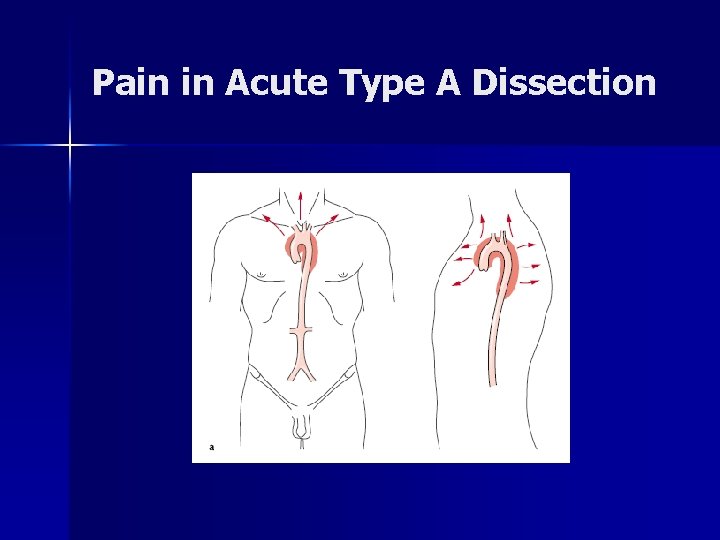
Pain in Acute Type A Dissection
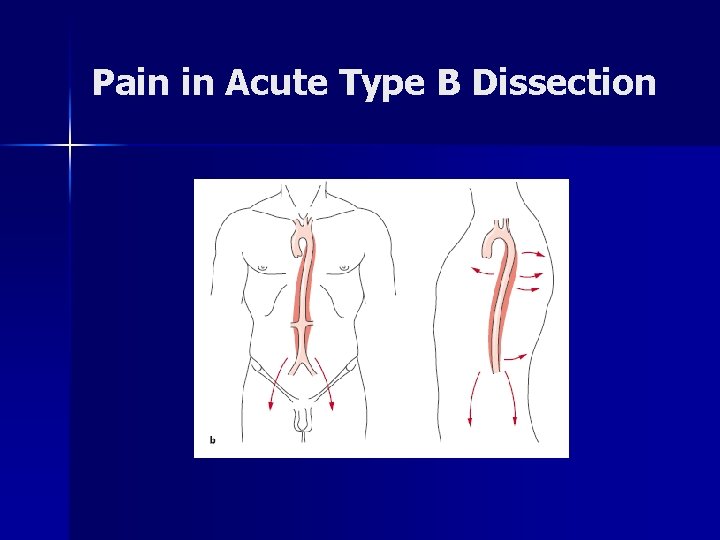
Pain in Acute Type B Dissection
Clinical Findings n Typical patient: 60 year old male patient with hypertension, sudden severe pain
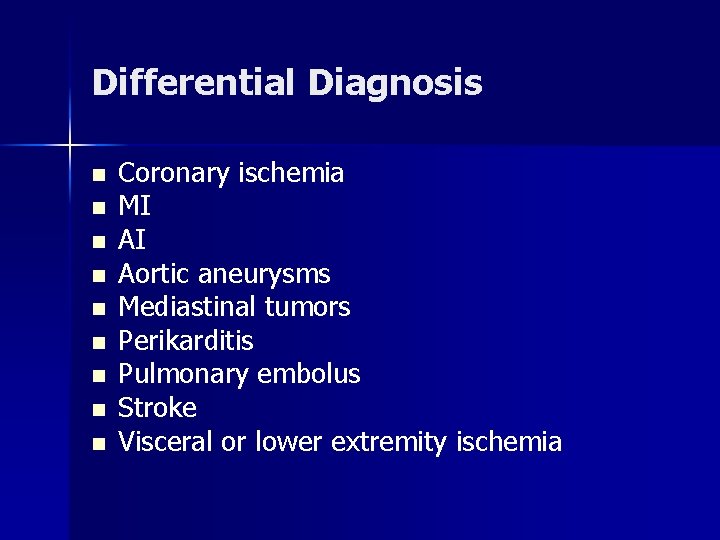
Differential Diagnosis n n n n n Coronary ischemia MI AI Aortic aneurysms Mediastinal tumors Perikarditis Pulmonary embolus Stroke Visceral or lower extremity ischemia
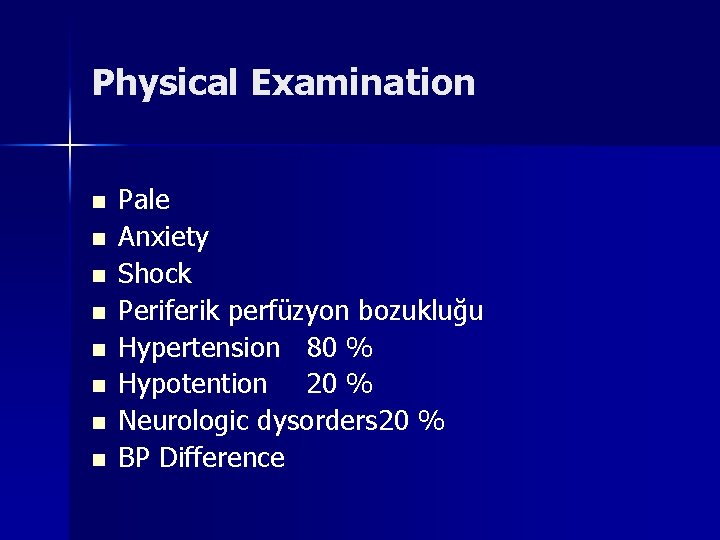
Physical Examination n n n n Pale Anxiety Shock Periferik perfüzyon bozukluğu Hypertension 80 % Hypotention 20 % Neurologic dysorders 20 % BP Difference
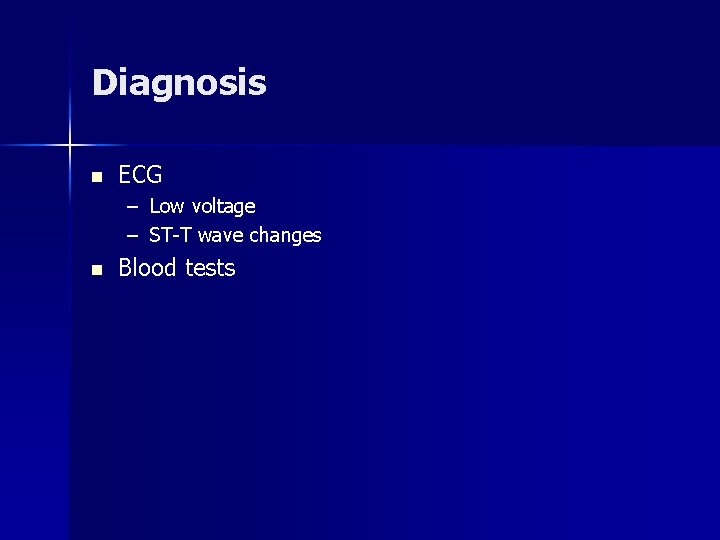
Diagnosis n ECG – Low voltage – ST-T wave changes n Blood tests
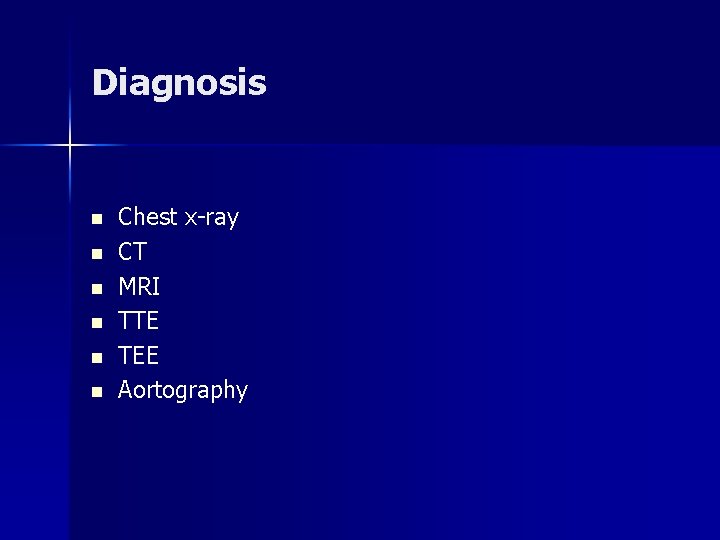
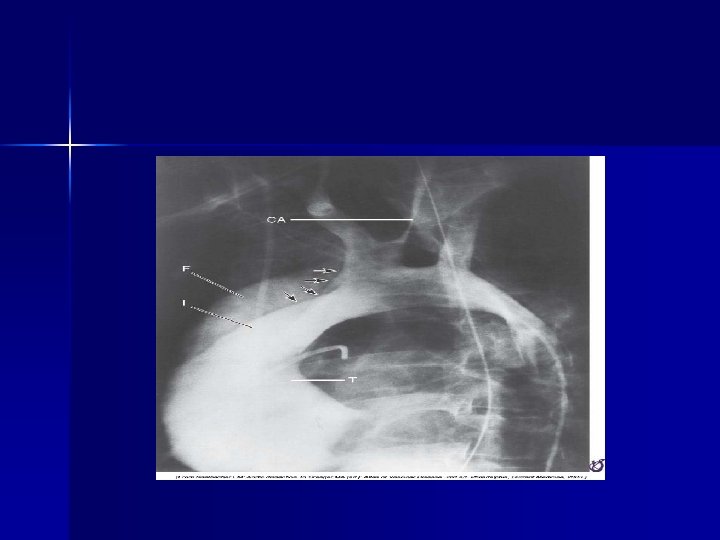
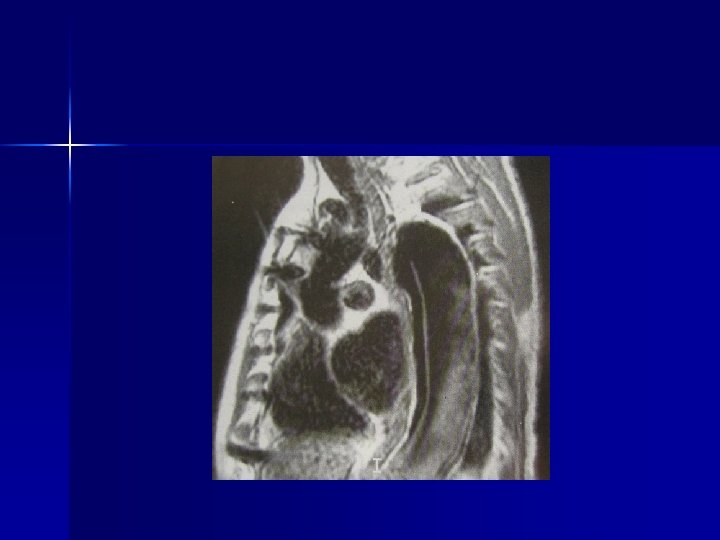
Diagnosis n n n Chest x-ray CT MRI TTE TEE Aortography
To whom shall we perform angiography? n n n No need for patients with Acute type A dissection It can be performed to patients with Acute type B dissection, because CAD is frequent It must be performed to patients with chronic dissection
Treatment Surgical treatment n Medical treatment n Endovascular treatment n Hybrid treatment n
Treatment-Aim n n n Stabilize the dissection Avoid the rupture Avoid organ ischemia n n n Systolic BP 100 -110 mm. Hg Mean BP 60 -75 mm. Hg Urine output and neurologic status should be monitorized
Treatment-Emergency Unit n n n n Fluid replacement ECG Blood tests Chest x-ray O 2 Analgesia (Morphine) Invasive arterial monitoring B-blocker
Surgical Treatment n n Acute Type A Emergent surgical treatment Acute Type B Endovascular or medical treatment (surgery for rupture, intractable sympoms or organ ischemia) Chronic Type A Elective surgical treatment Chronic Type B Surgery for aneurysmatic aorta, organ ischemia.
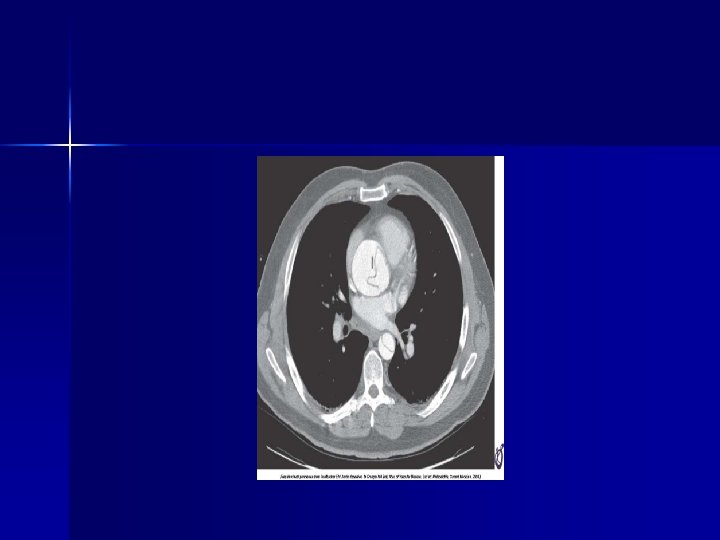
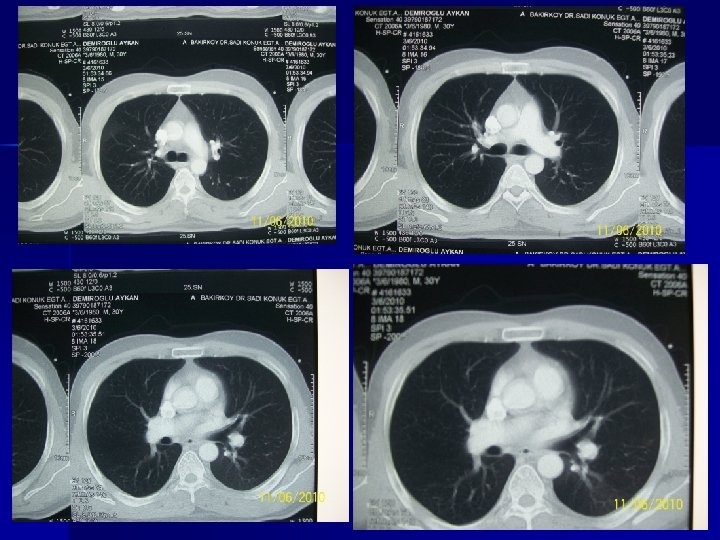
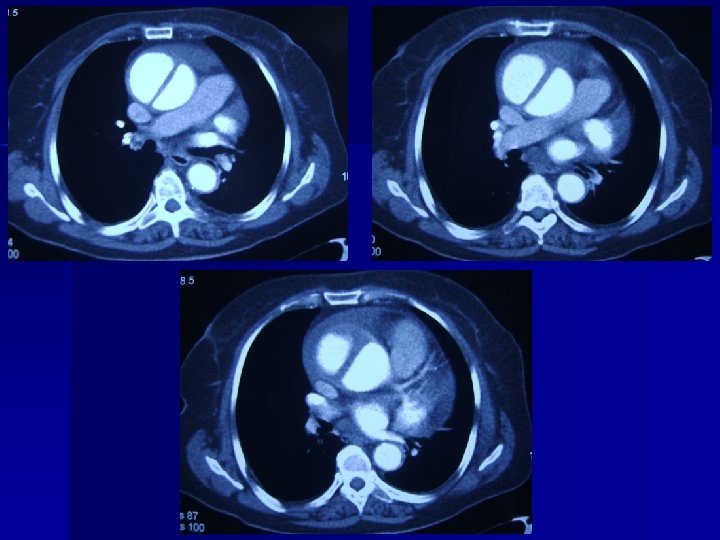
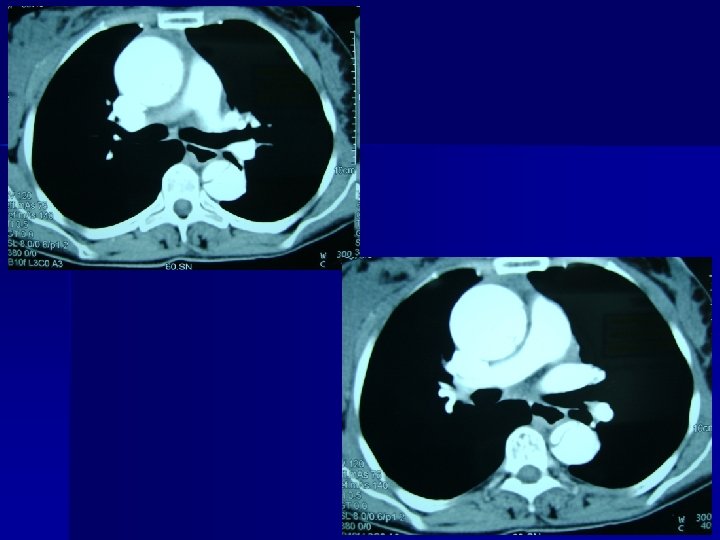
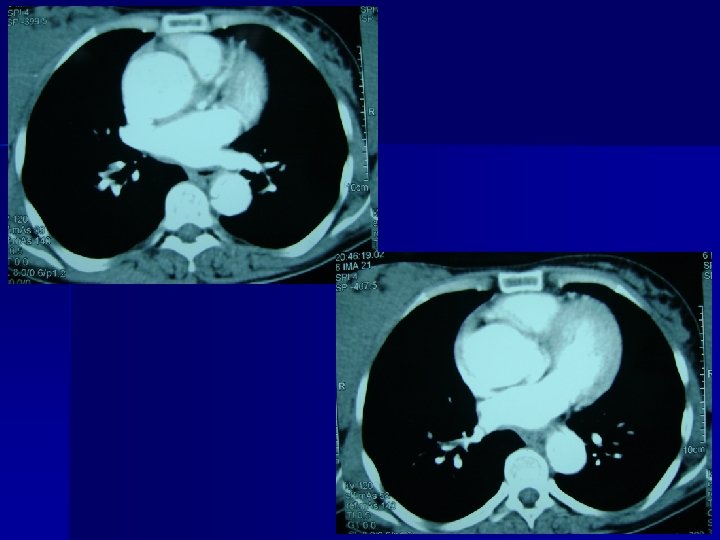
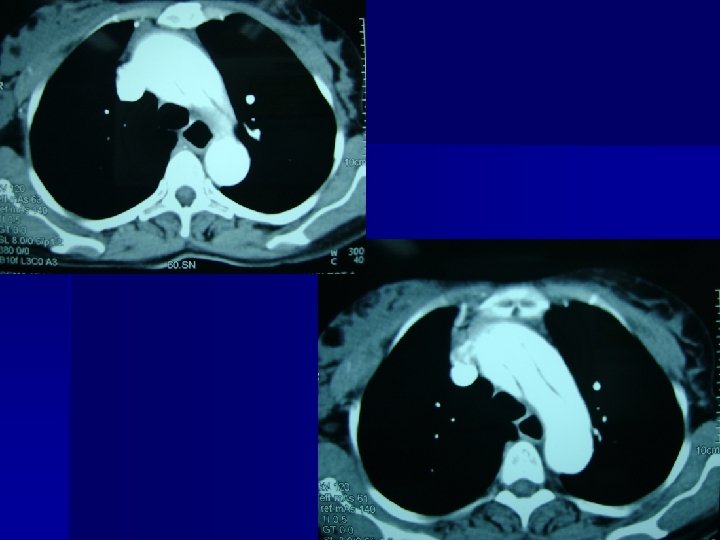
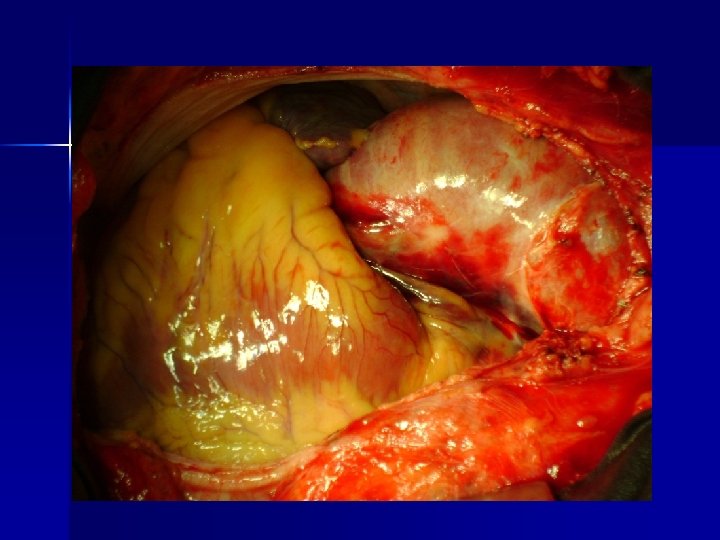
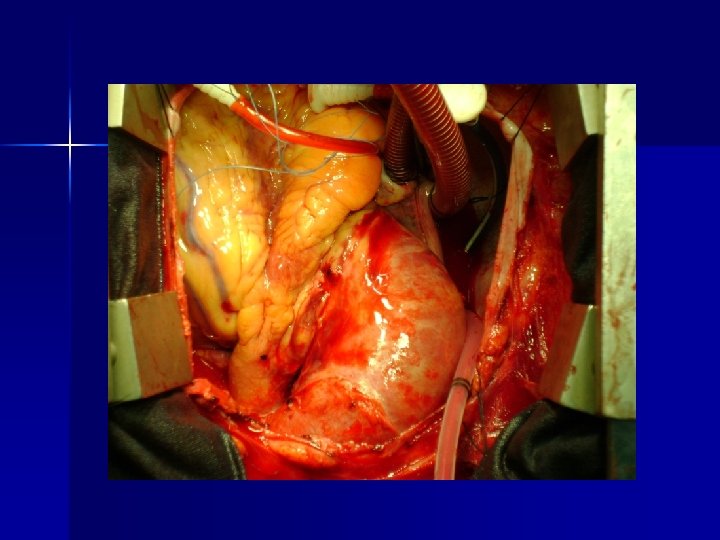
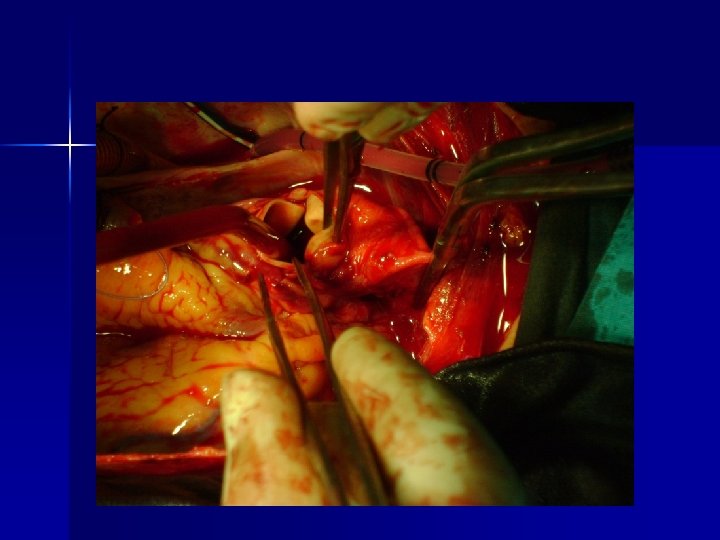
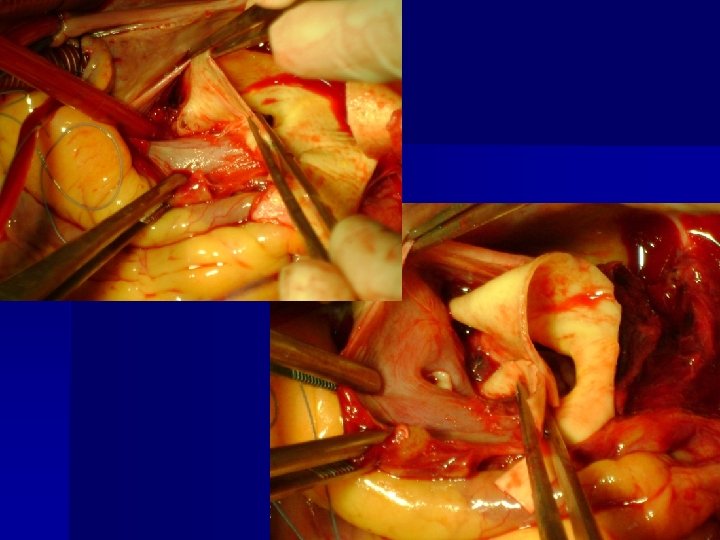
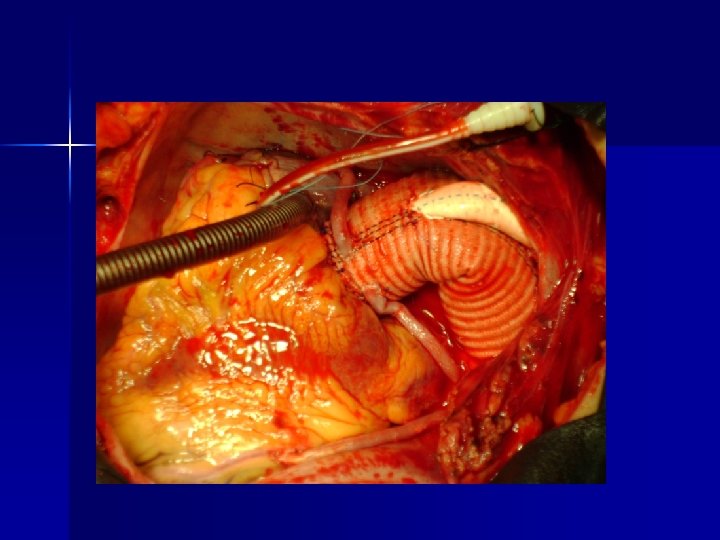
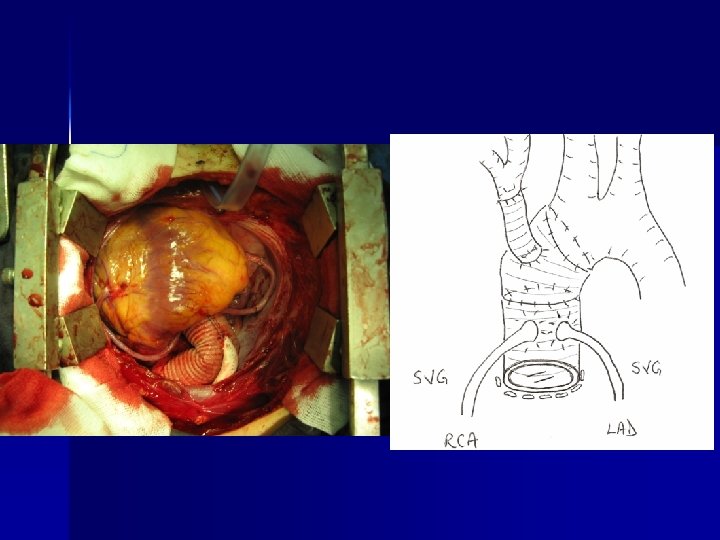
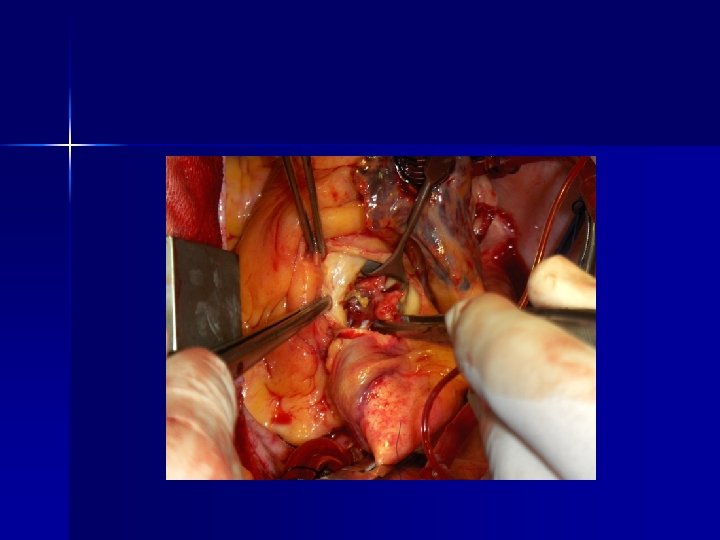
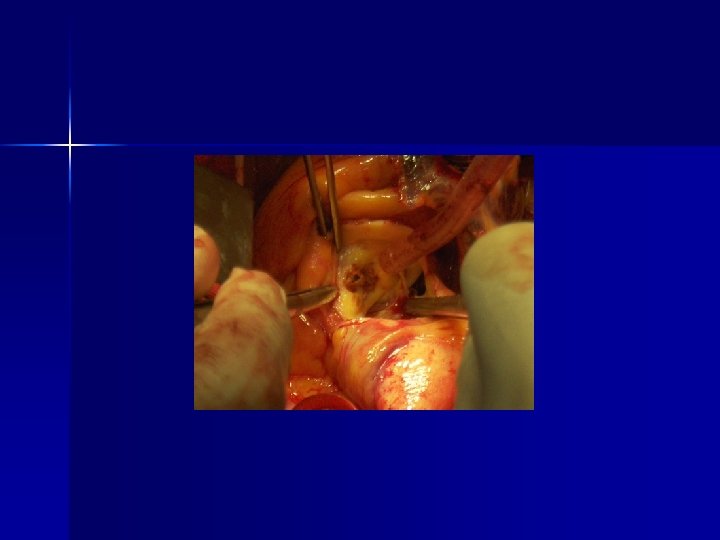
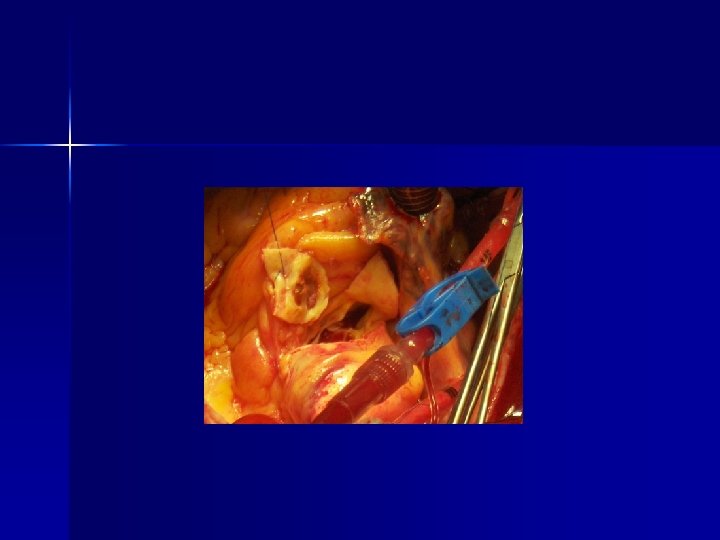
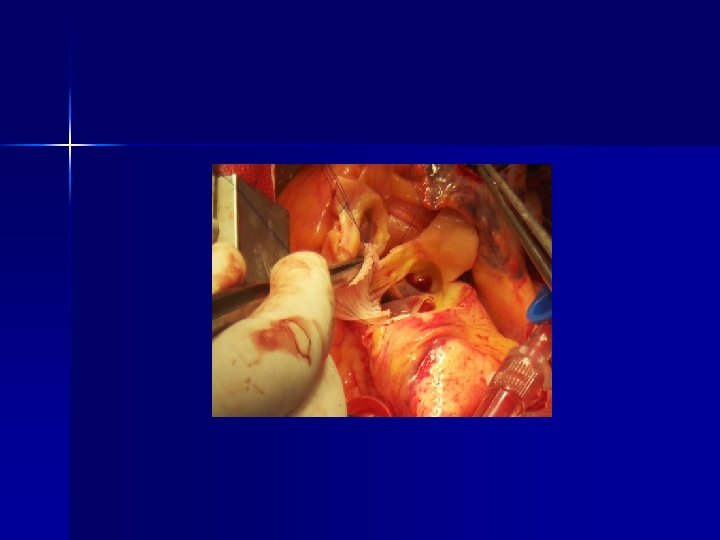
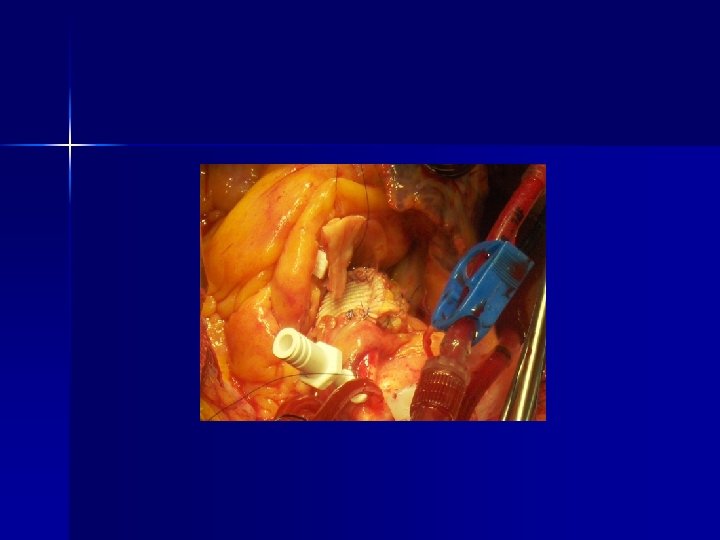
Case Report n n n 41 year-old female with 8 children ECG: Paroxysmal AF Entubated Diagnosis: Acute Stanford type A Aortic Dissection Hypertension
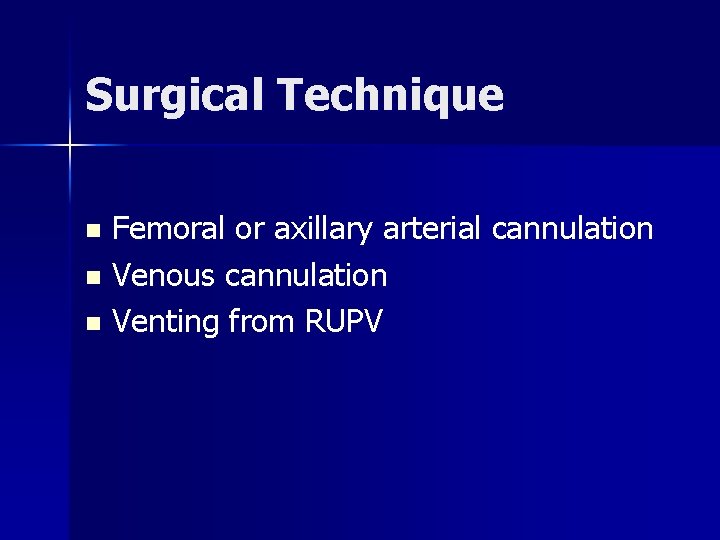
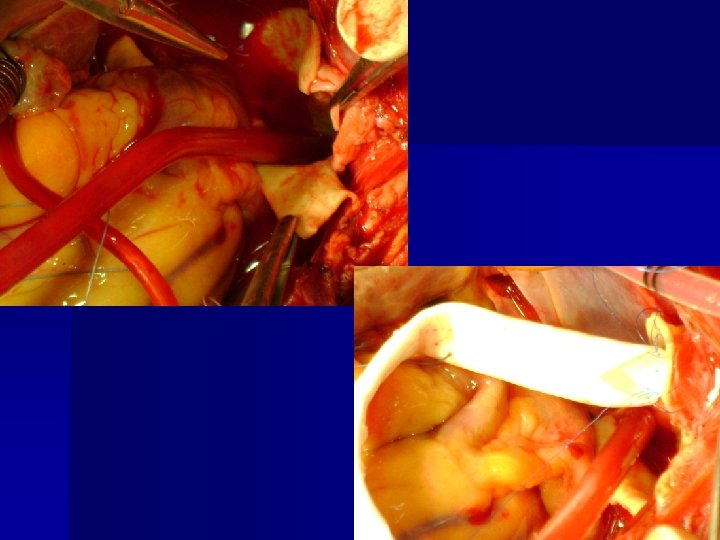
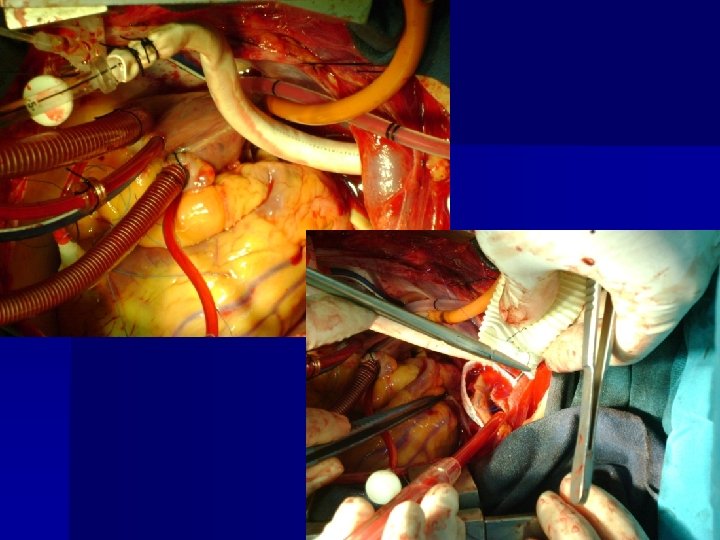
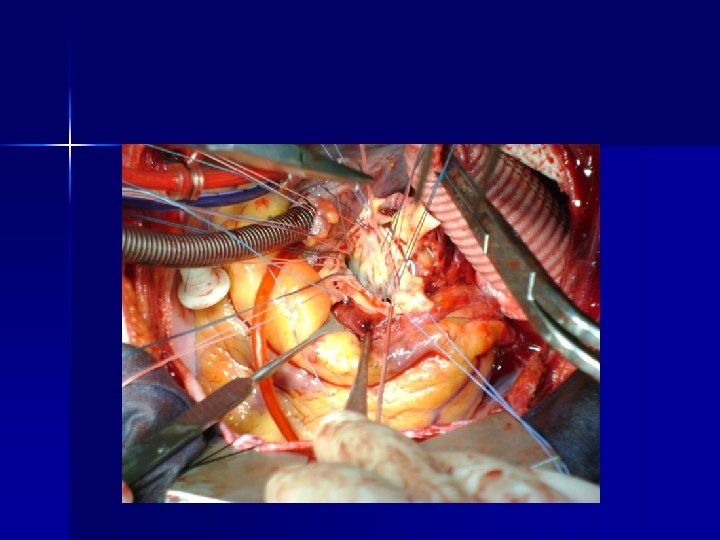
Surgical Technique Femoral or axillary arterial cannulation n Venous cannulation n Venting from RUPV n
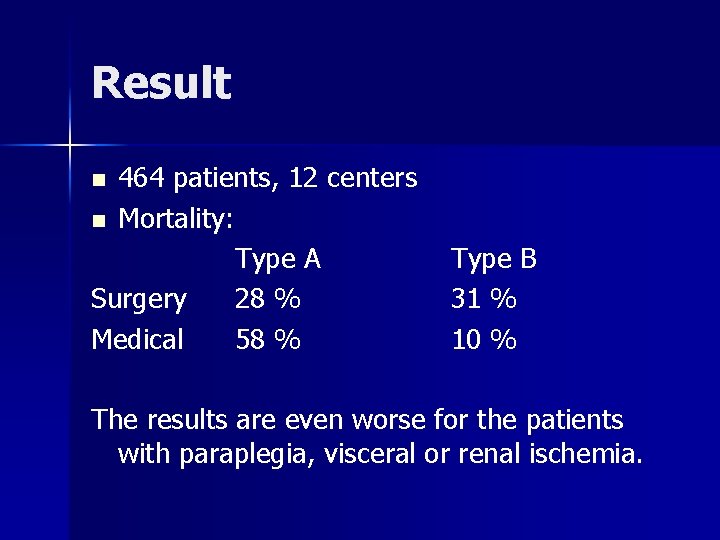
Result 464 patients, 12 centers n Mortality: Type A Surgery 28 % Medical 58 % n Type B 31 % 10 % The results are even worse for the patients with paraplegia, visceral or renal ischemia.