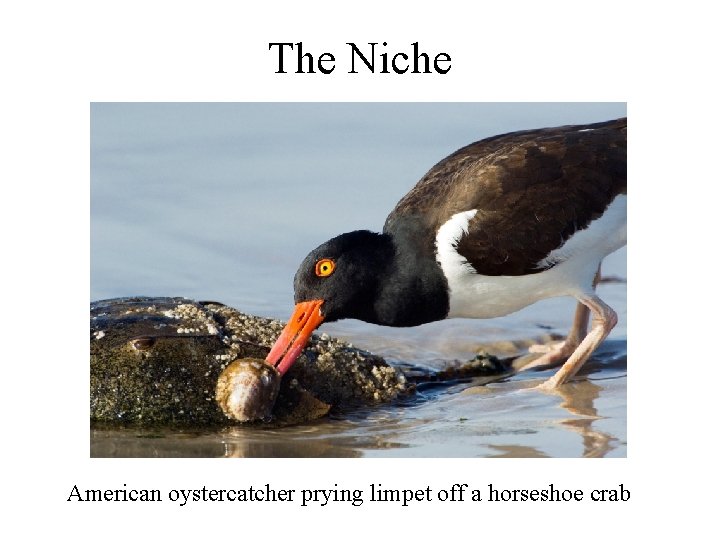
The Niche American oystercatcher prying limpet off a
- Slides: 41
The Niche American oystercatcher prying limpet off a horseshoe crab
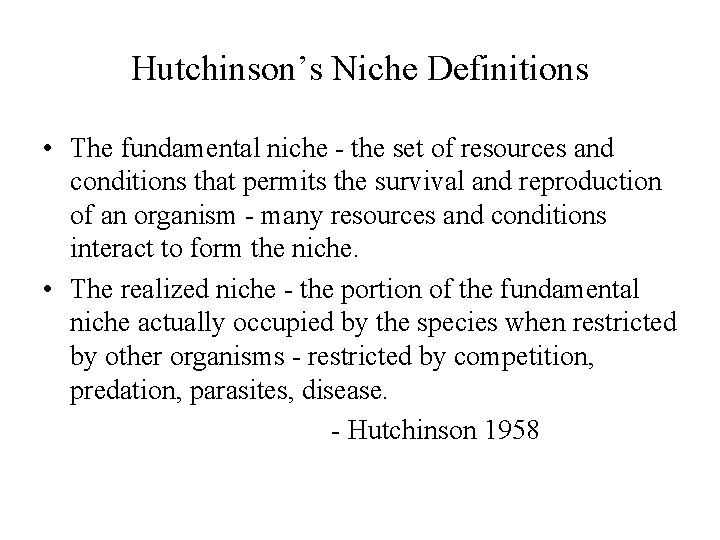
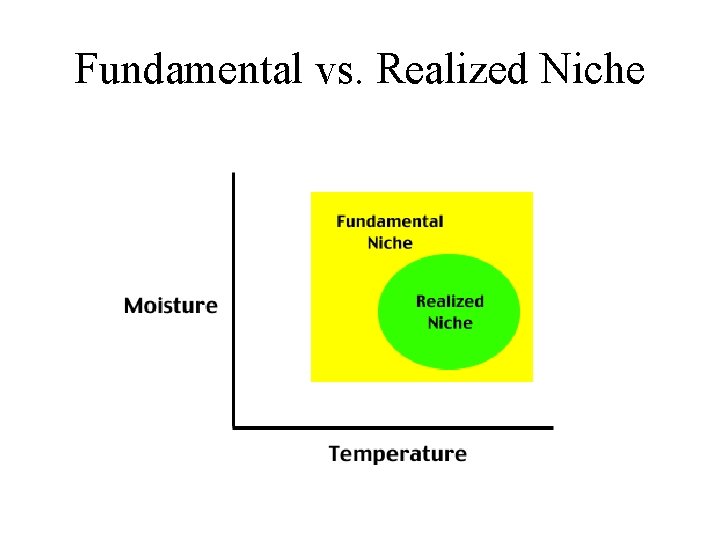
Hutchinson’s Niche Definitions • The fundamental niche - the set of resources and conditions that permits the survival and reproduction of an organism - many resources and conditions interact to form the niche. • The realized niche - the portion of the fundamental niche actually occupied by the species when restricted by other organisms - restricted by competition, predation, parasites, disease. - Hutchinson 1958
Fundamental vs. Realized Niche
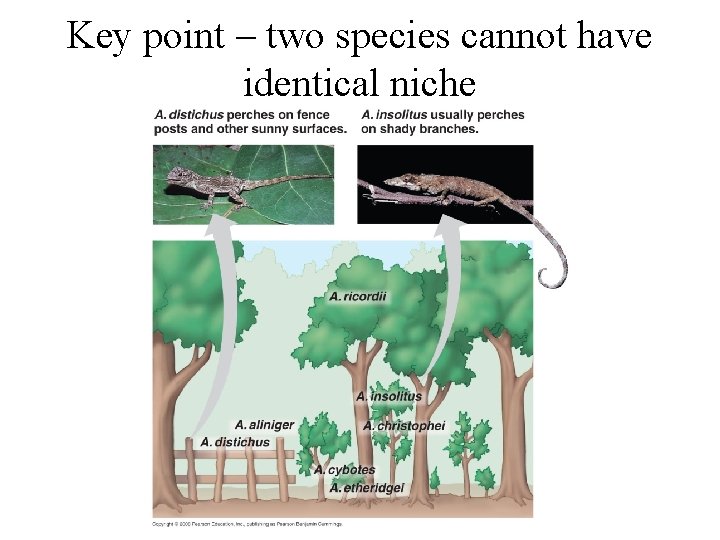
Key point – two species cannot have identical niche
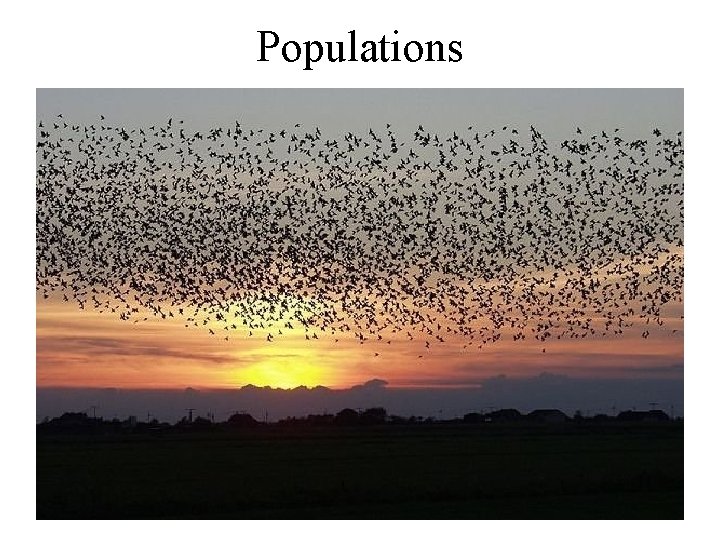
Populations
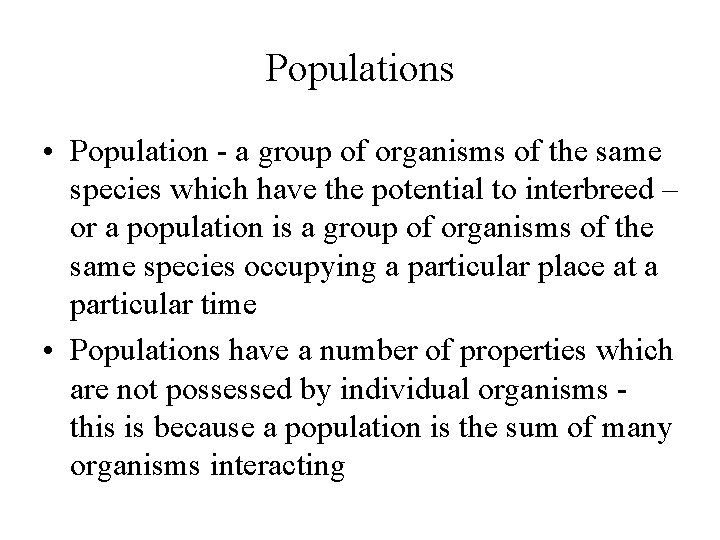
Populations • Population - a group of organisms of the same species which have the potential to interbreed – or a population is a group of organisms of the same species occupying a particular place at a particular time • Populations have a number of properties which are not possessed by individual organisms this is because a population is the sum of many organisms interacting
Starling Murmuration http: //vimeo. com/31158841
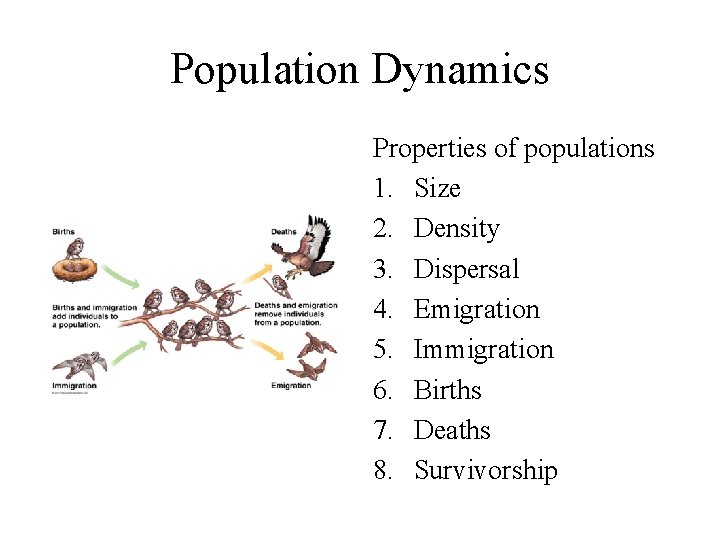
Population Dynamics Properties of populations 1. Size 2. Density 3. Dispersal 4. Emigration 5. Immigration 6. Births 7. Deaths 8. Survivorship
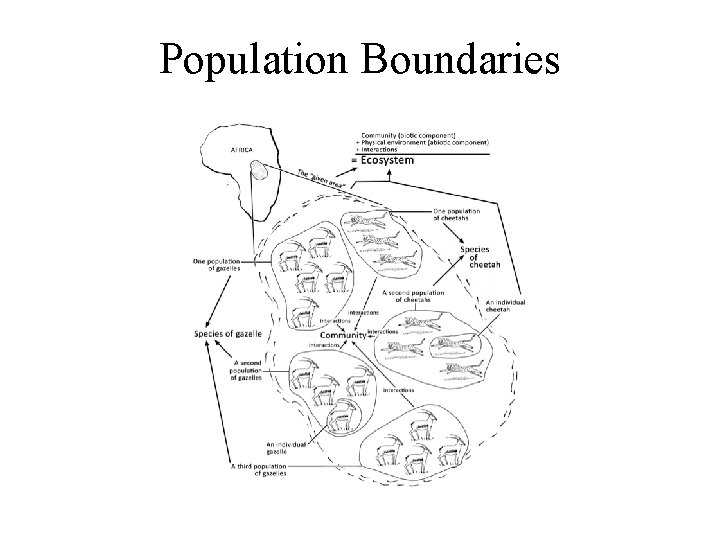
Population Boundaries
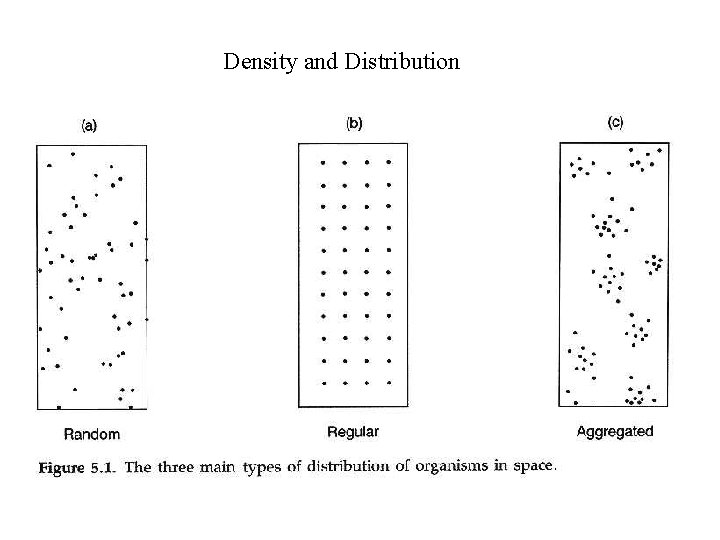
Density and Distribution
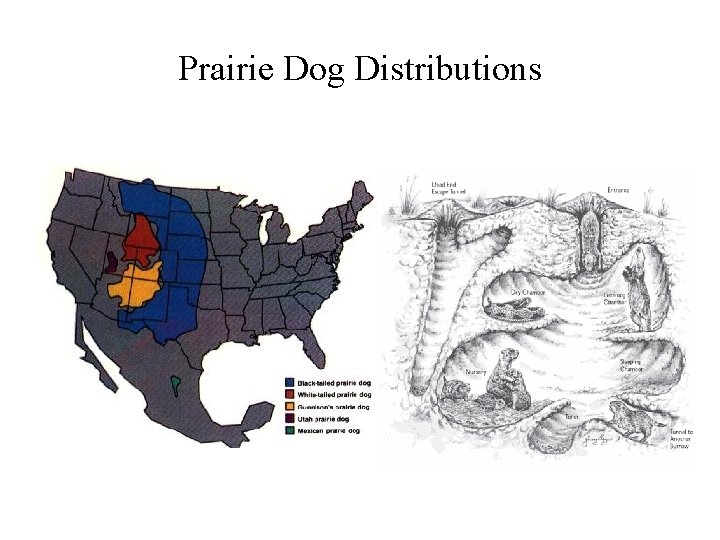
Prairie Dog Distributions
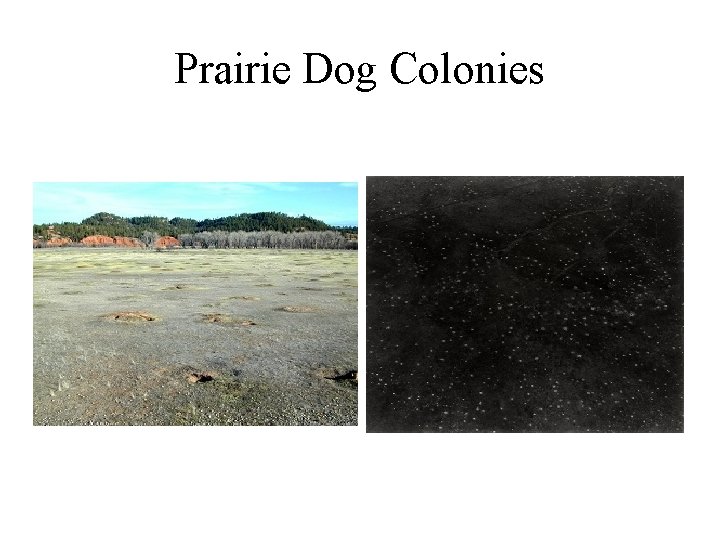
Prairie Dog Colonies
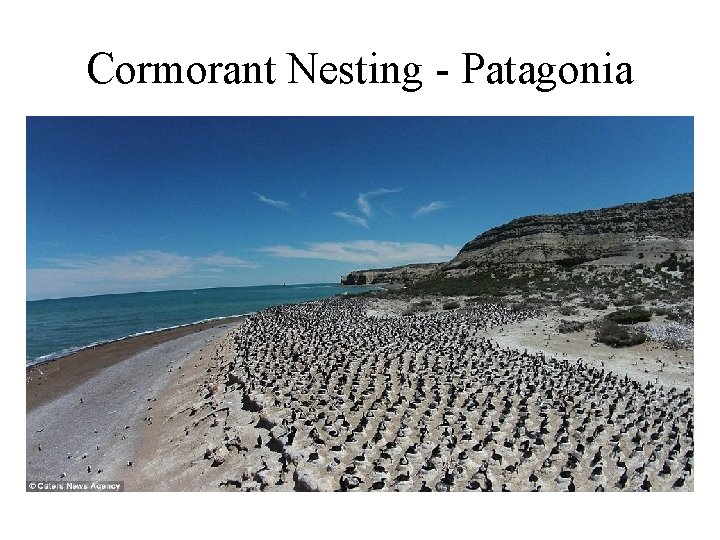
Cormorant Nesting - Patagonia
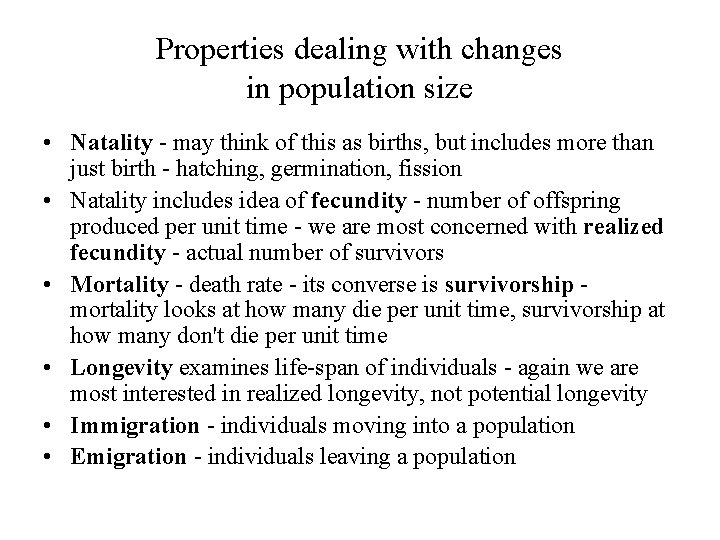
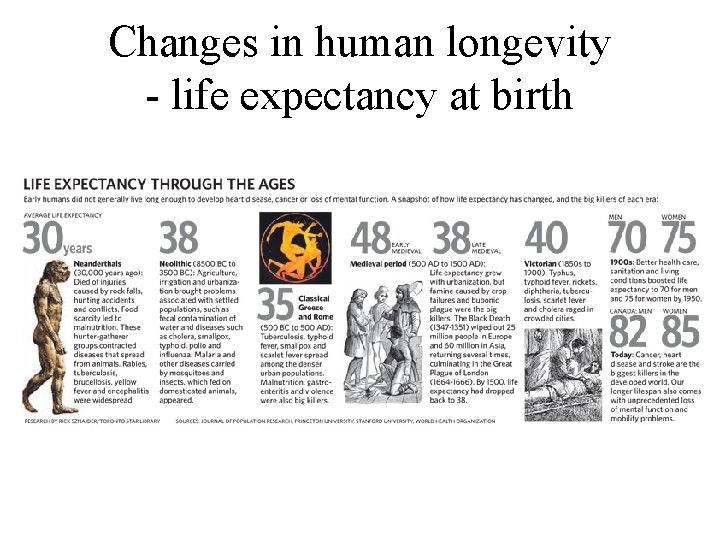
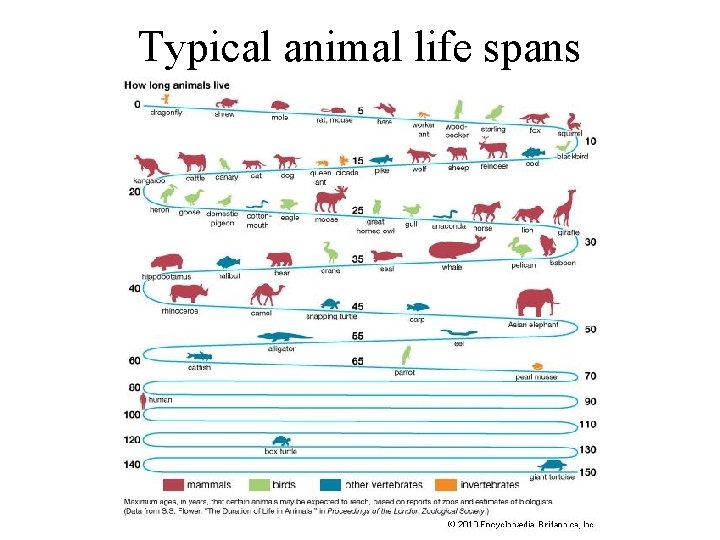
Properties dealing with changes in population size • Natality - may think of this as births, but includes more than just birth - hatching, germination, fission • Natality includes idea of fecundity - number of offspring produced per unit time - we are most concerned with realized fecundity - actual number of survivors • Mortality - death rate - its converse is survivorship mortality looks at how many die per unit time, survivorship at how many don't die per unit time • Longevity examines life-span of individuals - again we are most interested in realized longevity, not potential longevity • Immigration - individuals moving into a population • Emigration - individuals leaving a population
Changes in human longevity - life expectancy at birth
Typical animal life spans
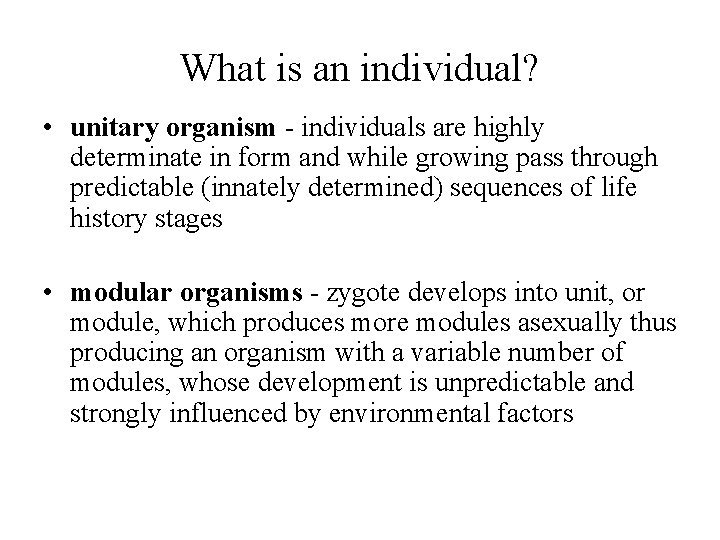
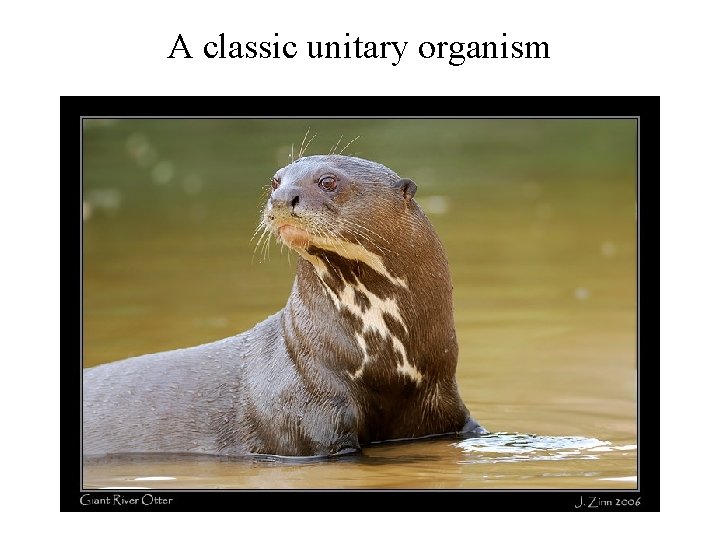
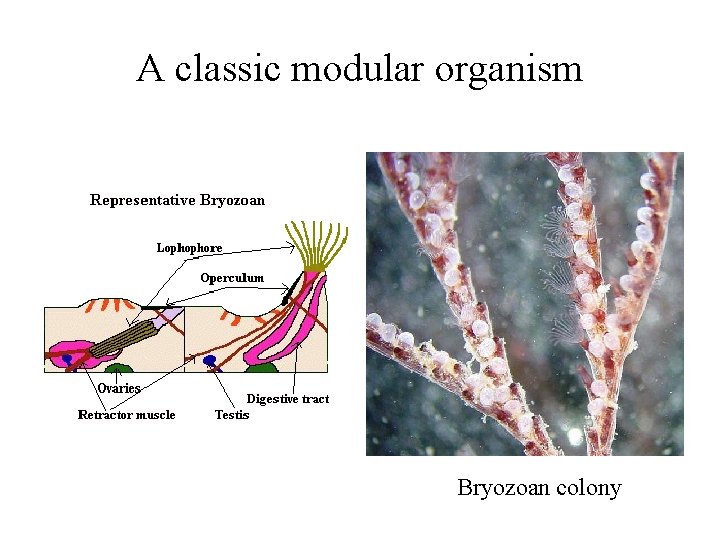
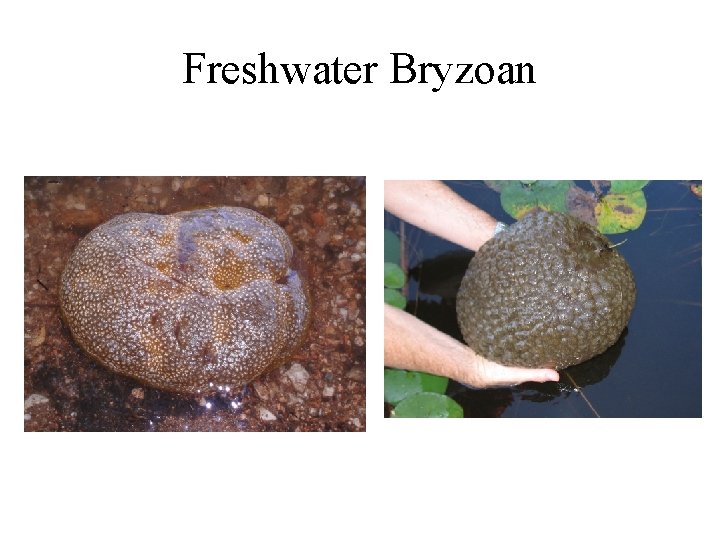
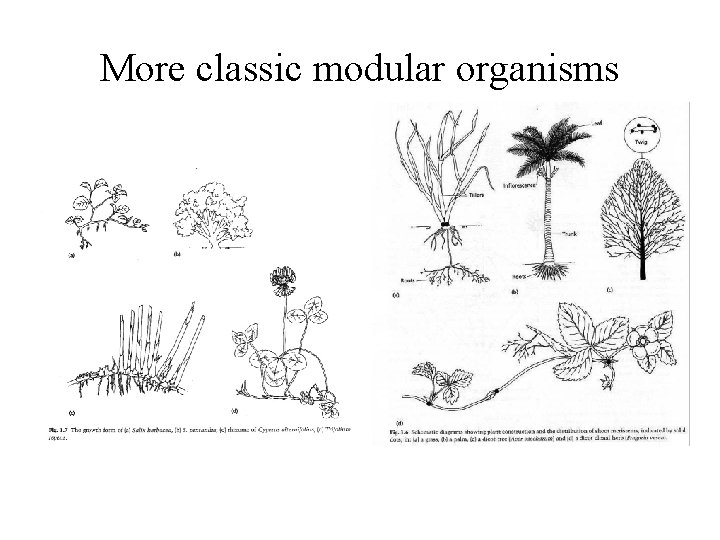
What is an individual? • unitary organism - individuals are highly determinate in form and while growing pass through predictable (innately determined) sequences of life history stages • modular organisms - zygote develops into unit, or module, which produces more modules asexually thus producing an organism with a variable number of modules, whose development is unpredictable and strongly influenced by environmental factors
A classic unitary organism
A classic modular organism Bryozoan colony
Freshwater Bryzoan
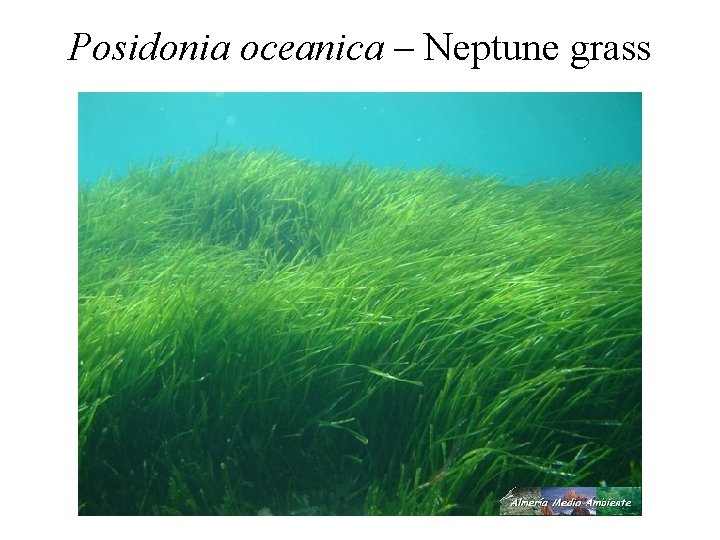
More classic modular organisms
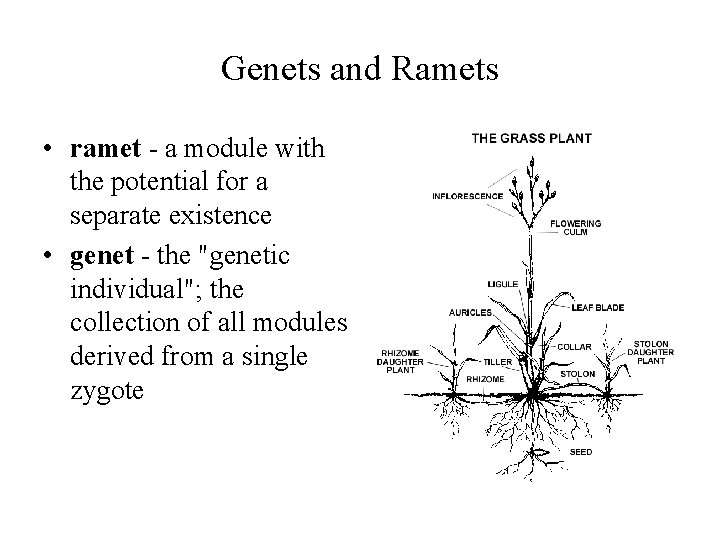
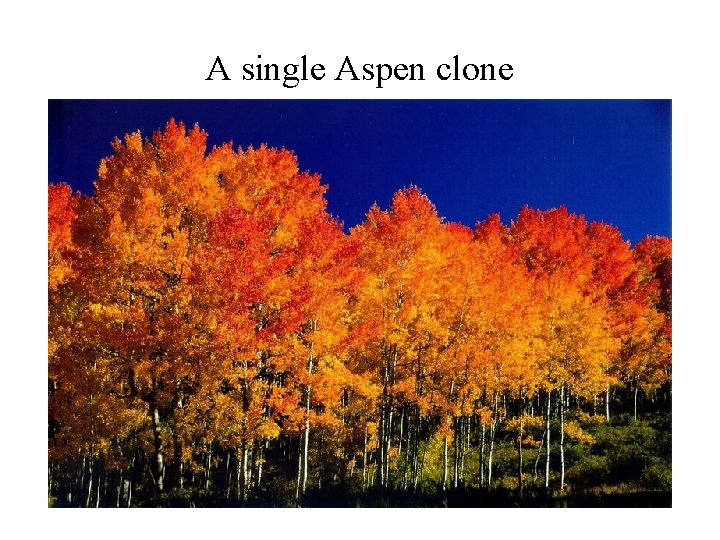
Genets and Ramets • ramet - a module with the potential for a separate existence • genet - the "genetic individual"; the collection of all modules derived from a single zygote
A single Aspen clone
Posidonia oceanica – Neptune grass
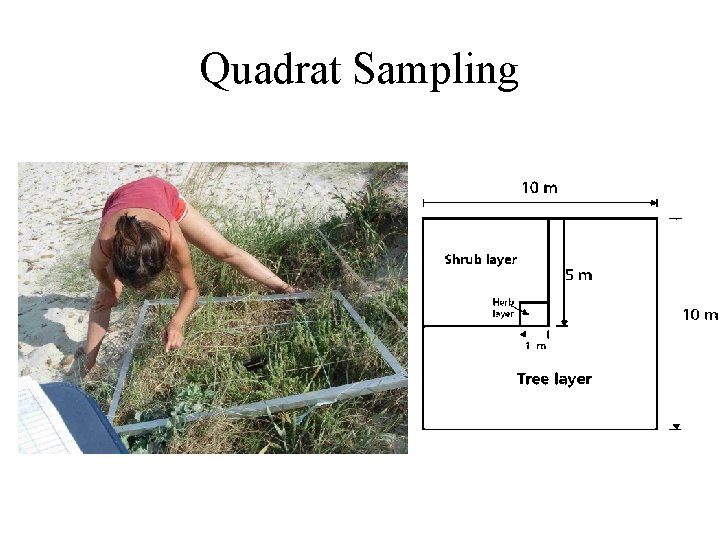
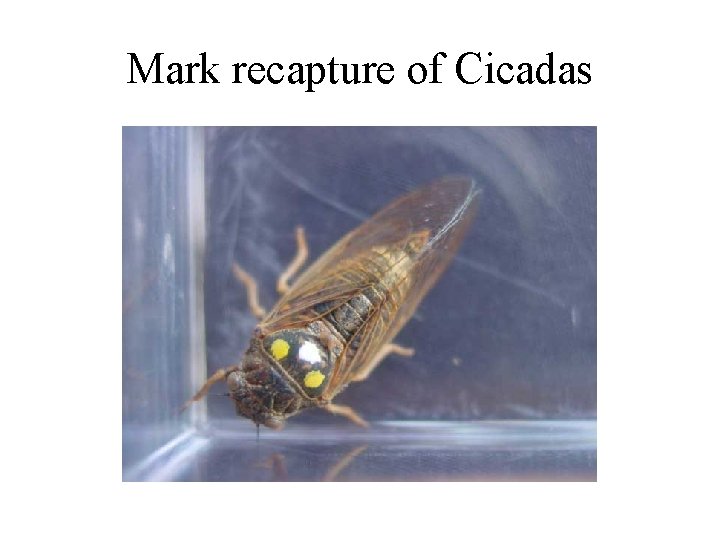
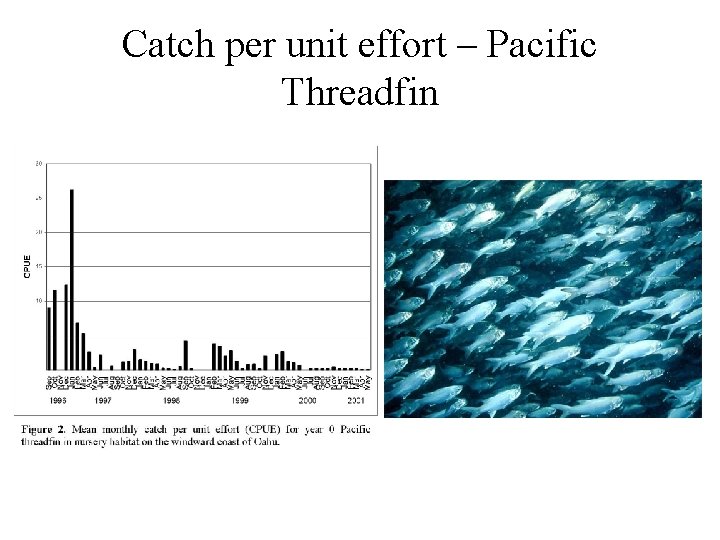
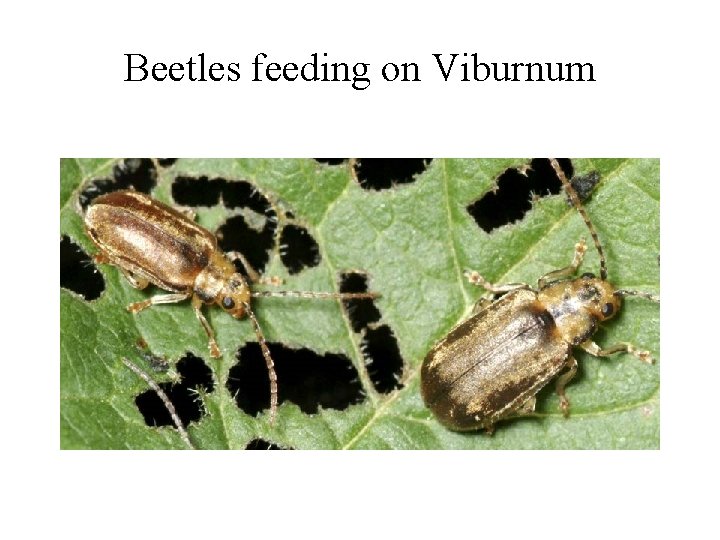
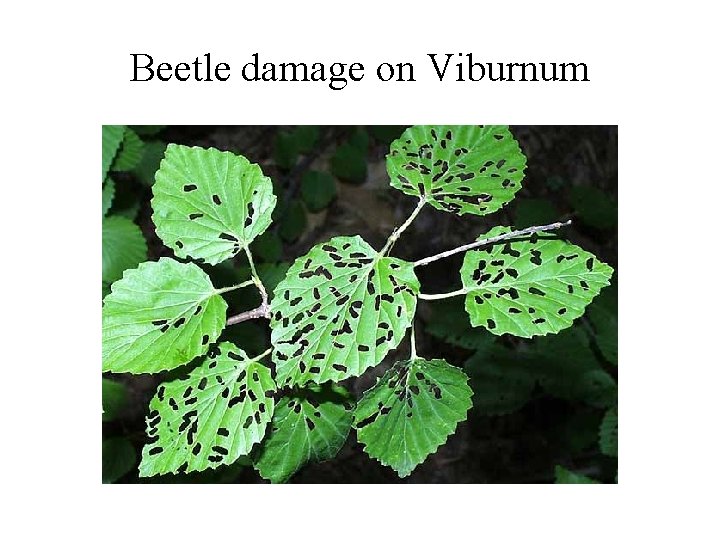
Sampling to collect population data Census - most basic sampling - count and determine age of all individuals in population, count again later Several ways to subsample and estimate population size: 1. Determine total area in which population occurs, count all individuals in small plots, multiply average number in plots to get total, repeat at later dates works best for sessile organisms 2. Mark-recapture methods 3. Catch per unit effort 4. Miscellaneous methods – traps, counts of fecal pellets, counts of vocalizations, feeding damage on plants, radar counts, roadside sightings, fur or pelt records, roadkill
Quadrat Sampling
Mark recapture of Cicadas
Catch per unit effort – Pacific Threadfin
Beetles feeding on Viburnum
Beetle damage on Viburnum
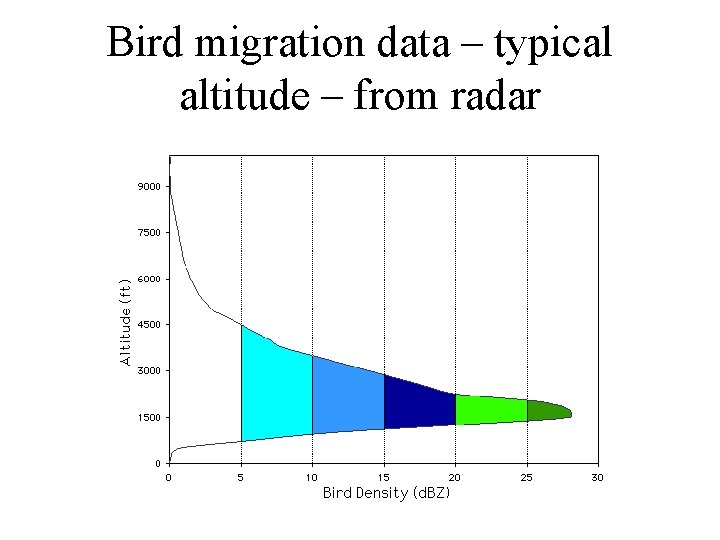
Bird migration data – typical altitude – from radar
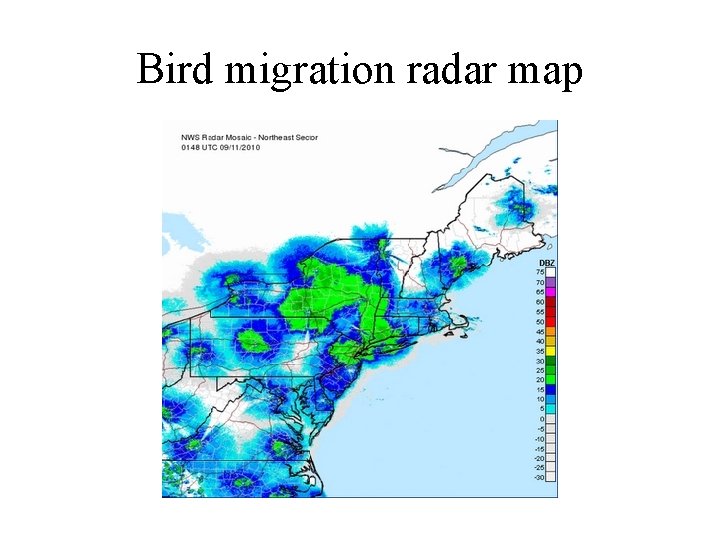
Bird migration radar map
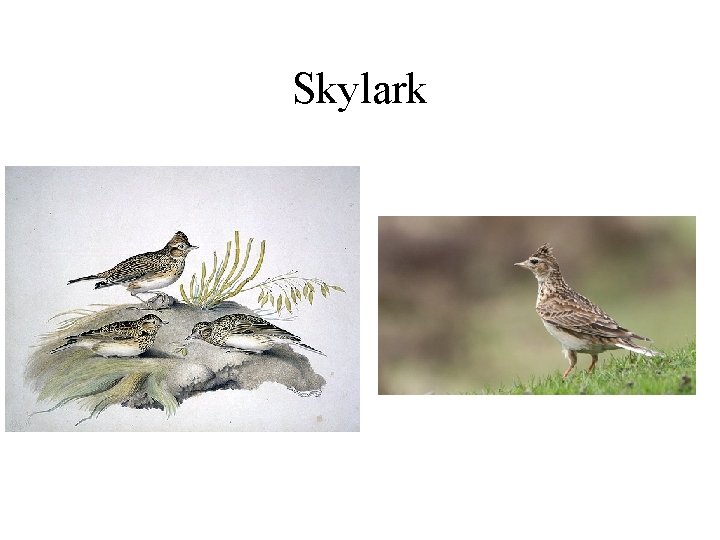
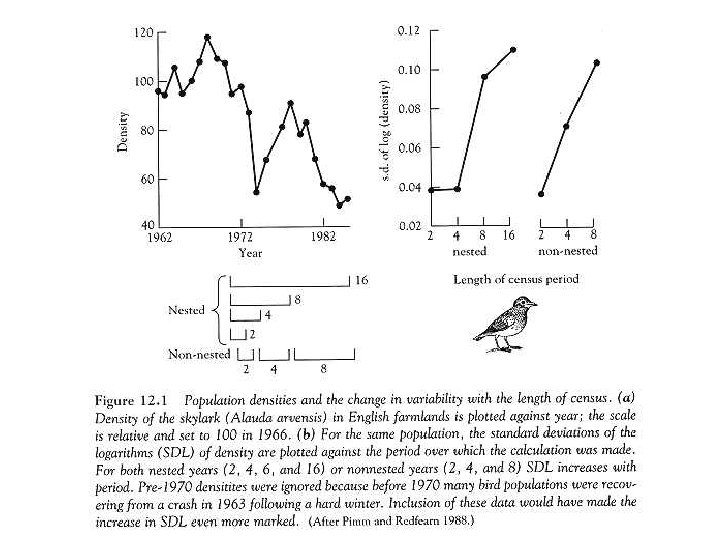
Skylark
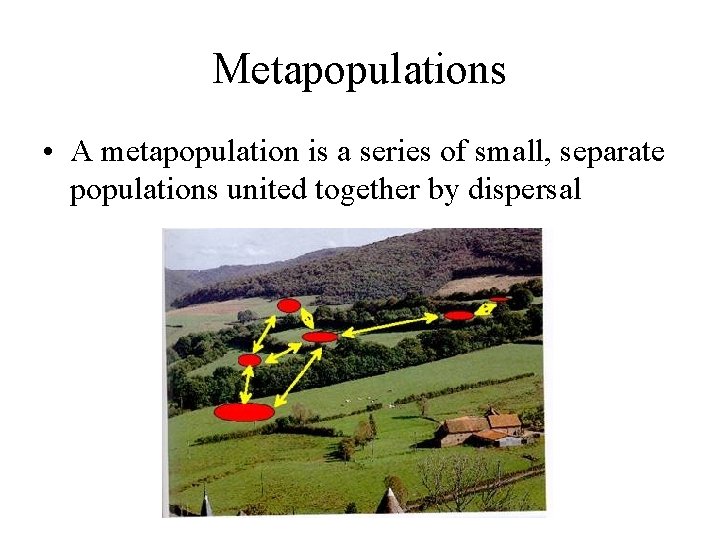
Metapopulations • A metapopulation is a series of small, separate populations united together by dispersal
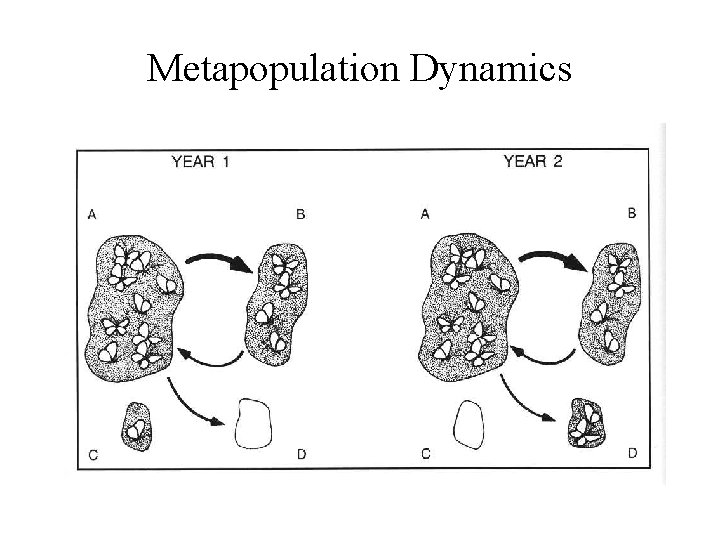
Metapopulation Dynamics
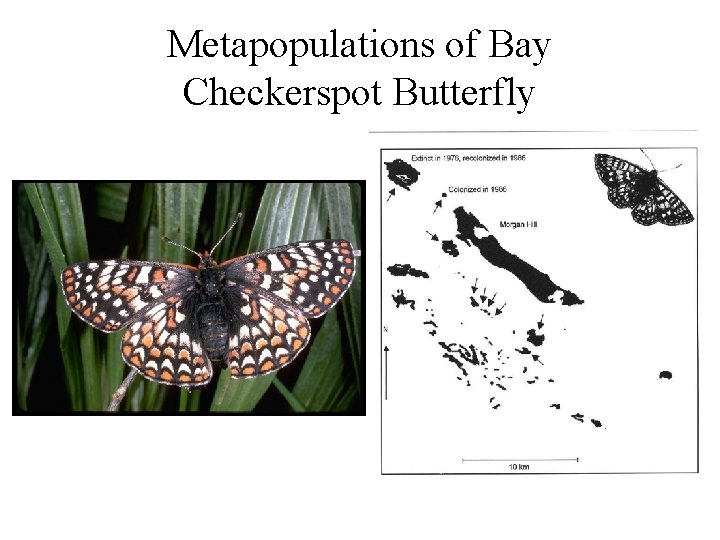
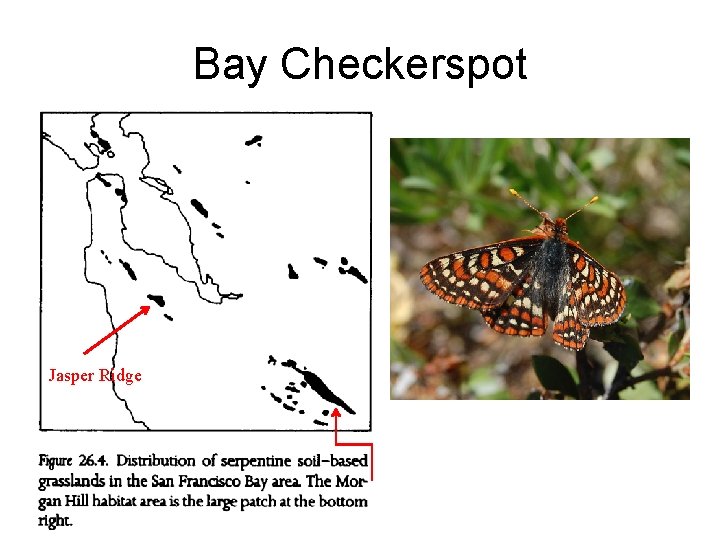
Metapopulations of Bay Checkerspot Butterfly
Bay Checkerspot Jasper Ridge
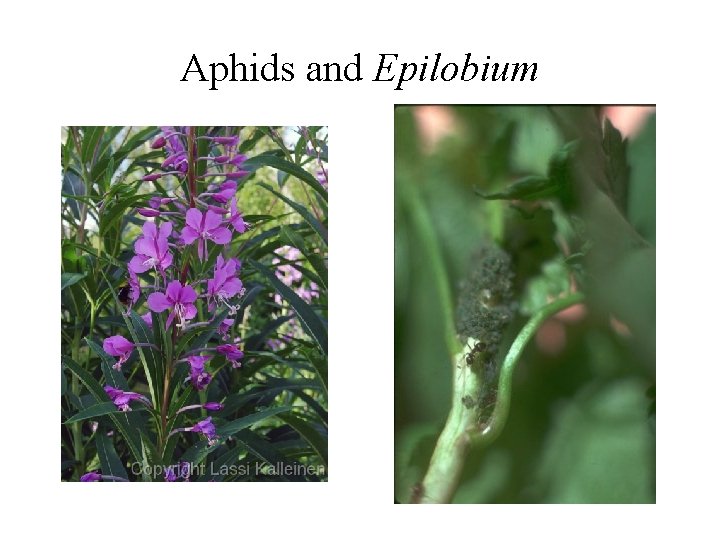
Aphids and Epilobium
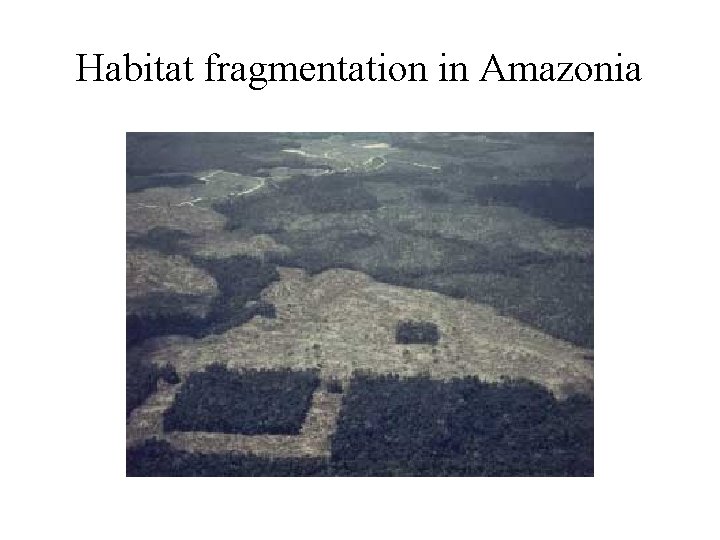
Habitat fragmentation in Amazonia