Log on Poll Ev comalanshirley or Text ALANSHIRLEY





- Slides: 53
Log on Poll. Ev. com/alanshirley or Text ALANSHIRLEY to 020 3322 5822
Making Decisions Better Alan Shirley Programme Director Sheffield GP Specialty Training Programme @ralanshirley
Human decision making • How do human beings make decisions? • 40+ years psychological research • Un(der) used in medicine
How do you make decisions? • What is your model of clinical decision making?
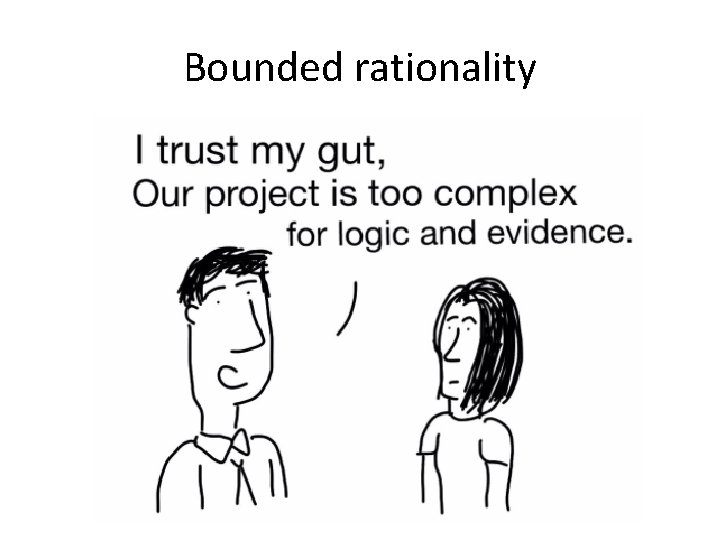
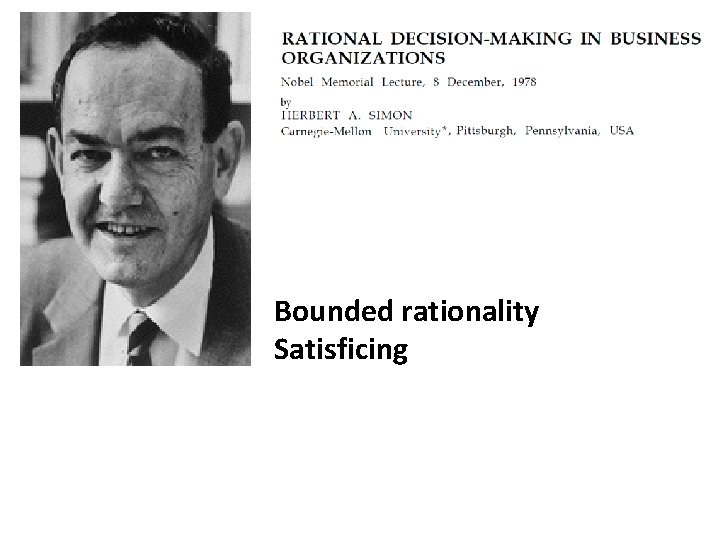
Bounded rationality
Bounded rationality Satisficing
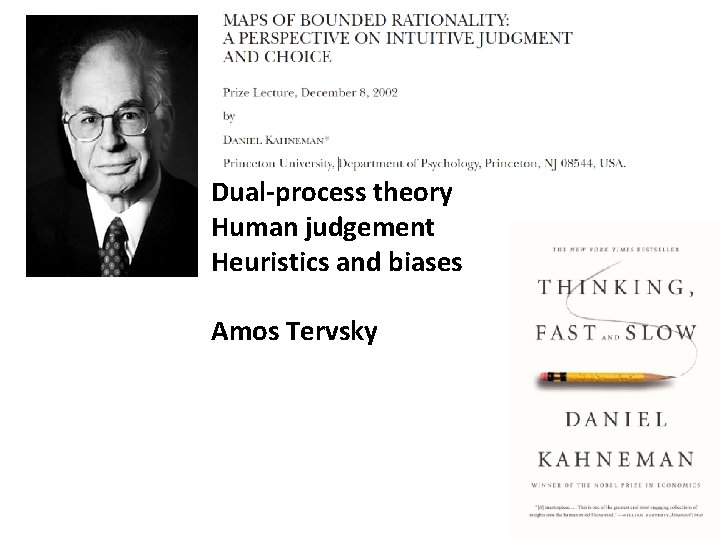
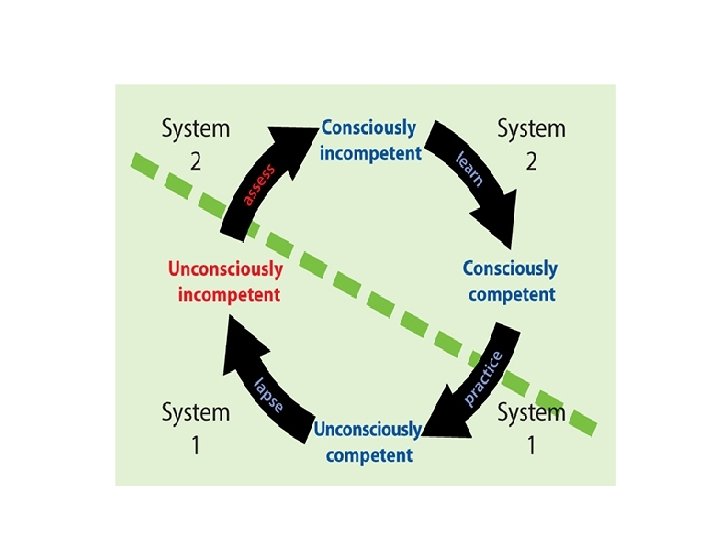
Dual-process theory Human judgement Heuristics and biases Amos Tervsky
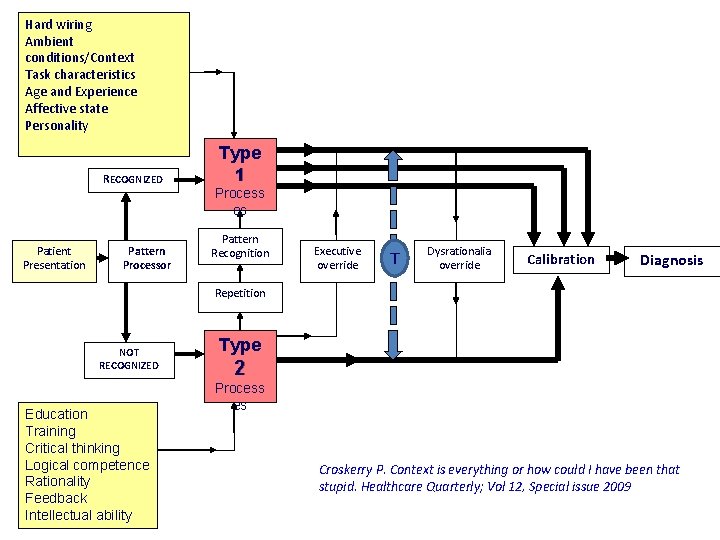
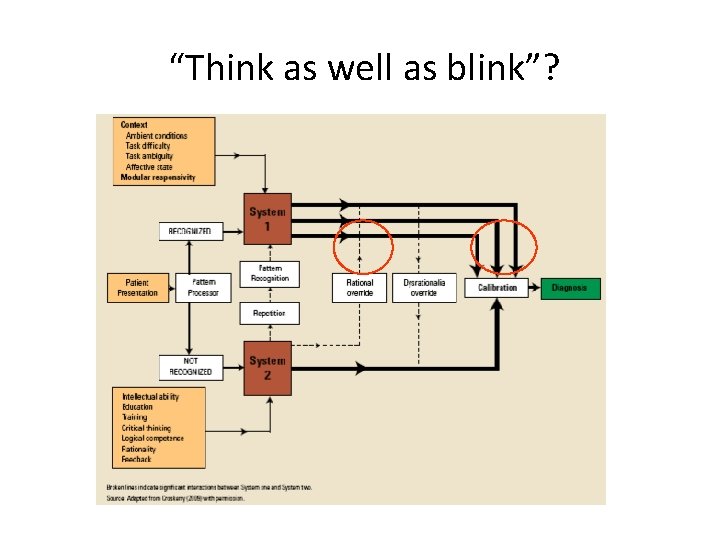
Hard wiring Ambient conditions/Context Task characteristics Age and Experience Affective state Personality RECOGNIZED Patient Presentation Pattern Processor Type 1 Process es Pattern Recognition Executive override T Dysrationalia override Calibration Diagnosis Repetition NOT RECOGNIZED Education Training Critical thinking Logical competence Rationality Feedback Intellectual ability Type 2 Process es Croskerry P. Context is everything or how could I have been that stupid. Healthcare Quarterly; Vol 12, Special issue 2009
Type 1 Thinking • Intuition • Gut feeling • “I just know” • Sixth sense • Spidey- sense • Expert skilled pattern recognition
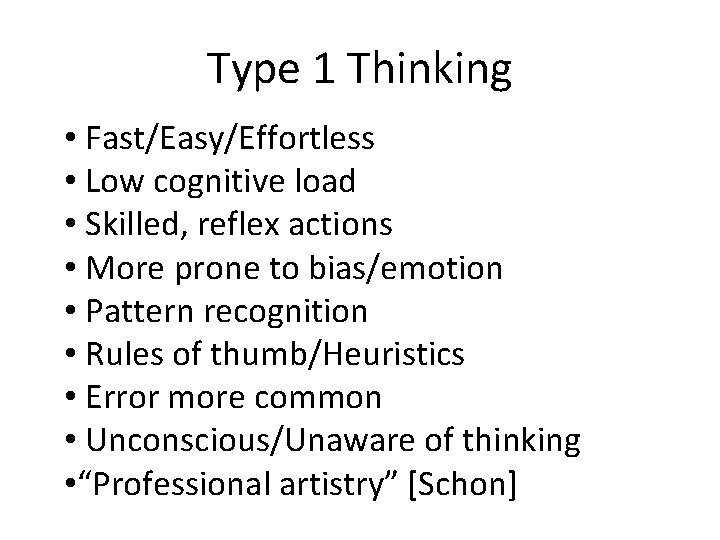
Type 1 Thinking • Fast/Easy/Effortless • Low cognitive load • Skilled, reflex actions • More prone to bias/emotion • Pattern recognition • Rules of thumb/Heuristics • Error more common • Unconscious/Unaware of thinking • “Professional artistry” [Schon]
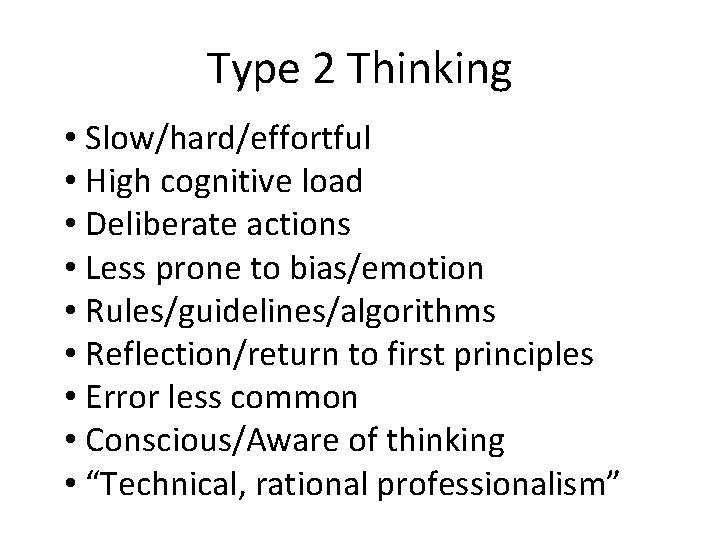
Type 2 Thinking • Slow/hard/effortful • High cognitive load • Deliberate actions • Less prone to bias/emotion • Rules/guidelines/algorithms • Reflection/return to first principles • Error less common • Conscious/Aware of thinking • “Technical, rational professionalism”
All together, big breath in……… What is the answer to this sum?
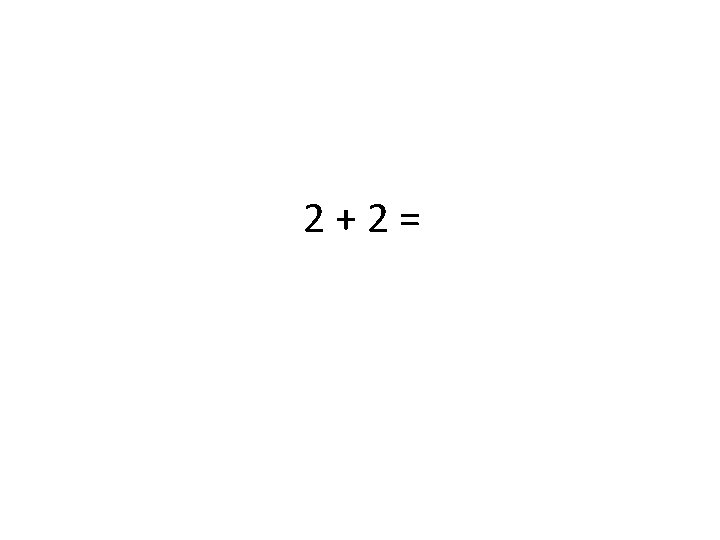
2+2=
All together, big breath in……… What is the answer to this sum?
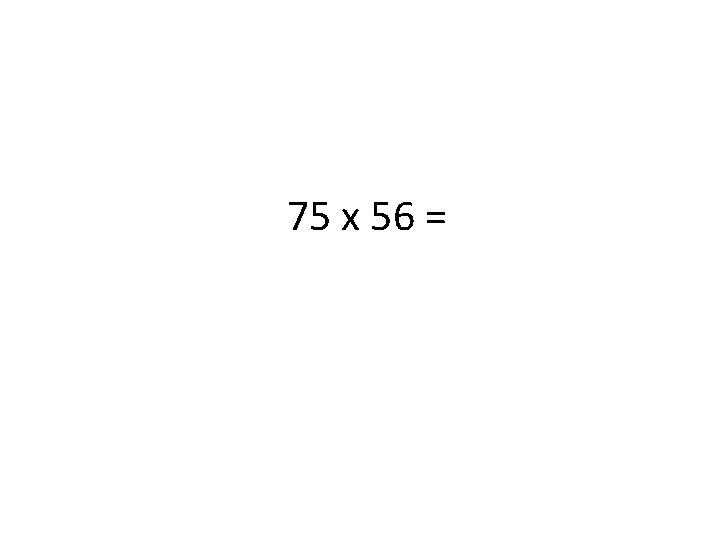
75 x 56 =
All together, big breath in……… Is the answer to this sum right or wrong?
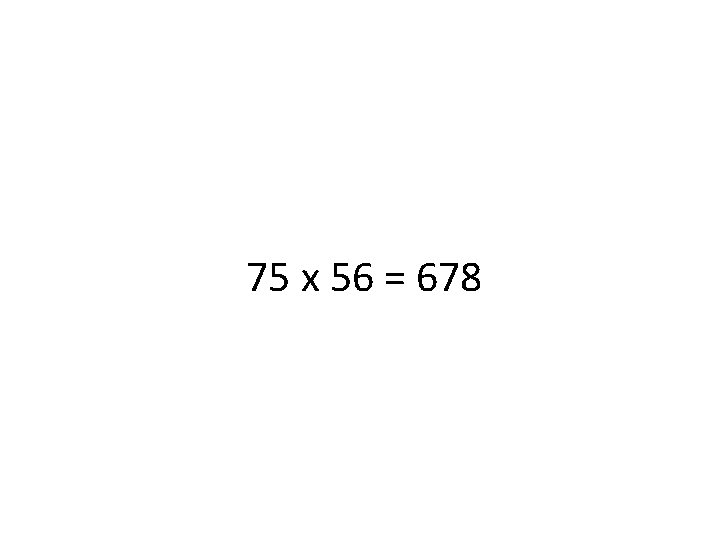
75 x 56 = 678
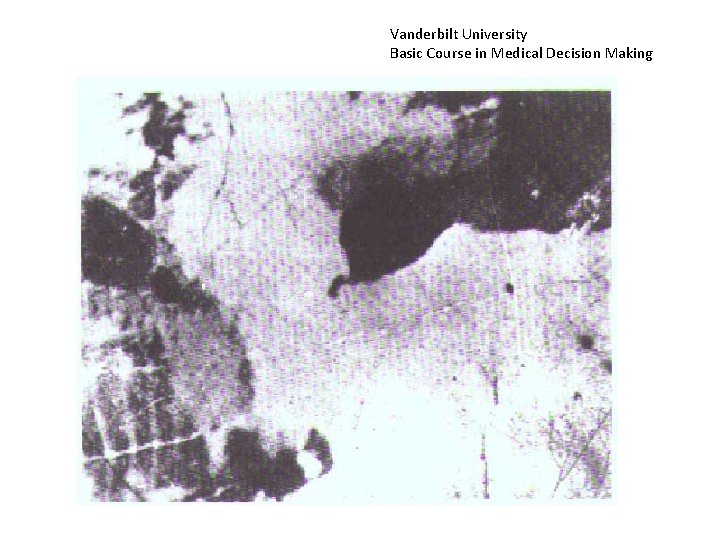
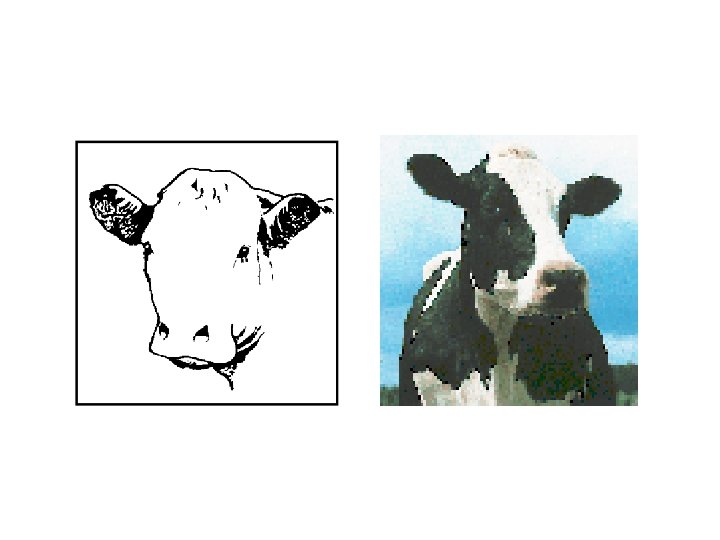
Say OUT LOUD what you see on the next slide
Vanderbilt University Basic Course in Medical Decision Making
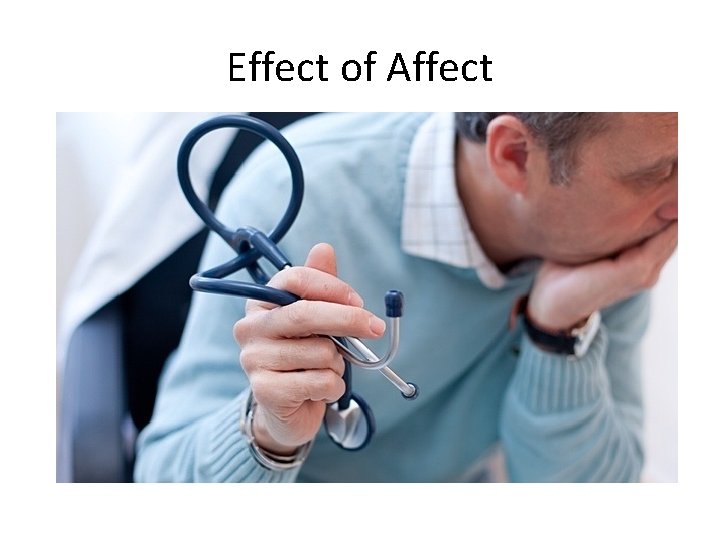
Effect of Affect
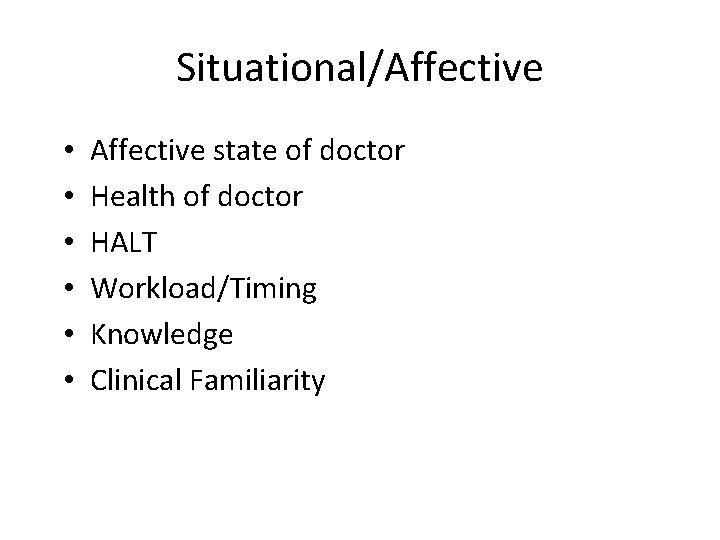
Situational/Affective • • • Affective state of doctor Health of doctor HALT Workload/Timing Knowledge Clinical Familiarity
Decision making processes • Bounded rationality • Dual Process • Cognitive Biases • Limitations of processing/cognitive overload • Effect of Affect
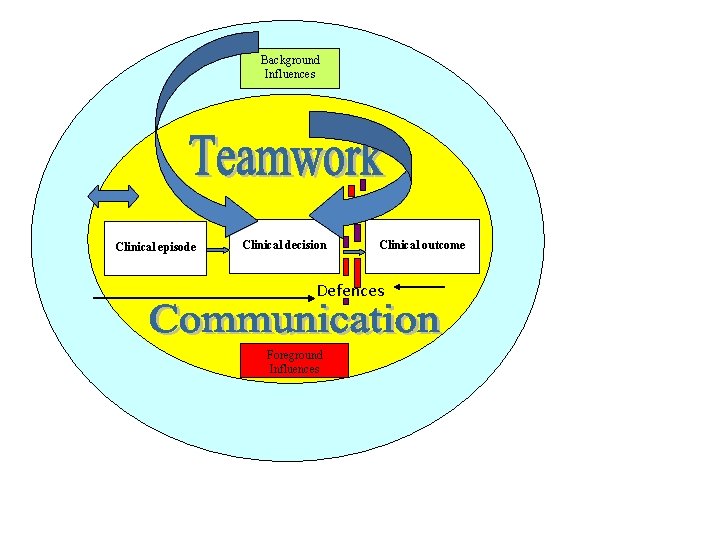
Background Influences Clinical episode Clinical decision Clinical outcome Defences Foreground Influences
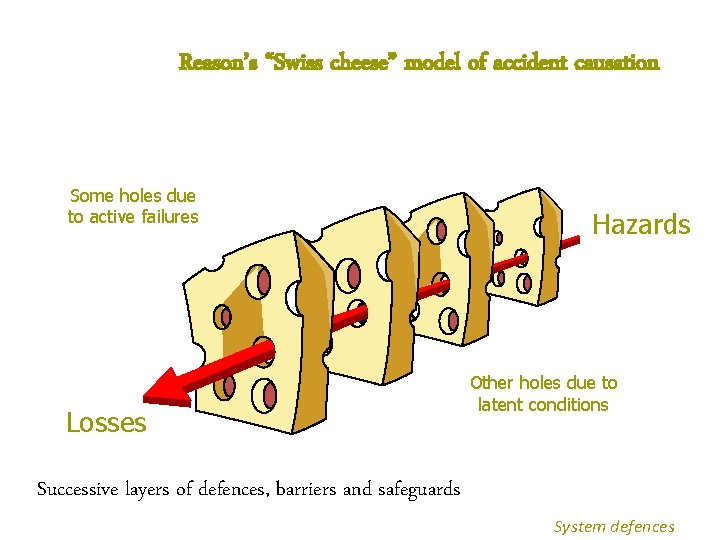
Reason’s “Swiss cheese” model of accident causation Some holes due to active failures Losses Hazards Other holes due to latent conditions Successive layers of defences, barriers and safeguards System defences
How can we do better? • • • Meta-cognition Self awareness Cognitive forcing functions Decision aids when appropriate Safe working environments
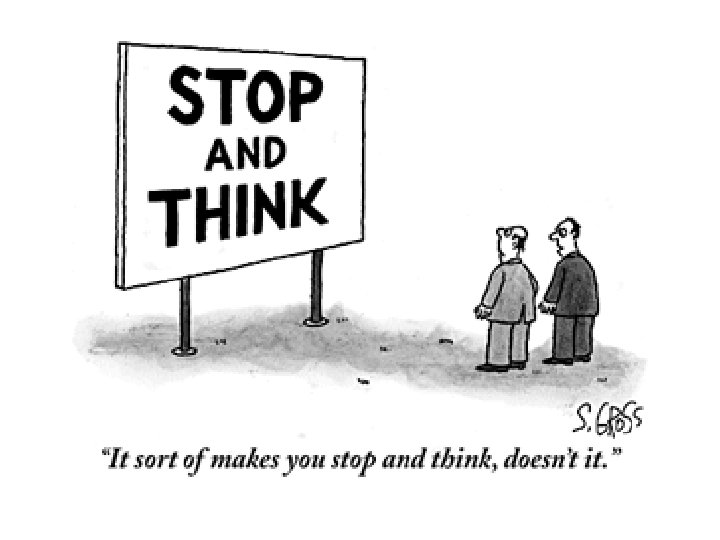
“Think as well as blink”?
Metacognition “The process by which we reflect upon, and have the option of regulating, what we are thinking” • “thinking about thinking” • remembering to stand back + observe our own thinking The Cognitive Imperative: Thinking about How We Think Croskerry 2000 Academic Emergency Medicine
Features of Metacognition • Awareness of the learning process and the cognitive demands of a particular situation • Recognition of the limitations of memory • Ability to appreciate the broader perspective • Capacity for self critique • Ability to select a particular strategy for improving the decision making, particularly when things don’t fit
“Think as well as blink”? • Background factors • • • Self awareness: our own Common biases Attitude to risk Under/over confidence System 1/system 2 preference More risky situations/patients/presentations
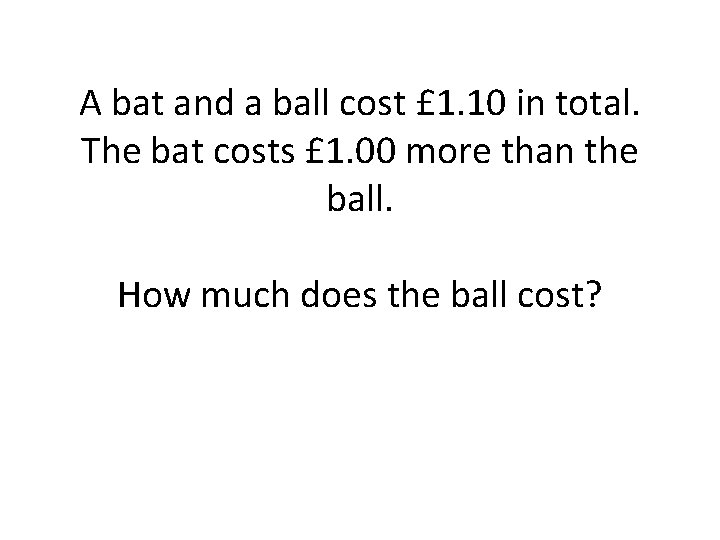
A bat and a ball cost £ 1. 10 in total. The bat costs £ 1. 00 more than the ball. How much does the ball cost?
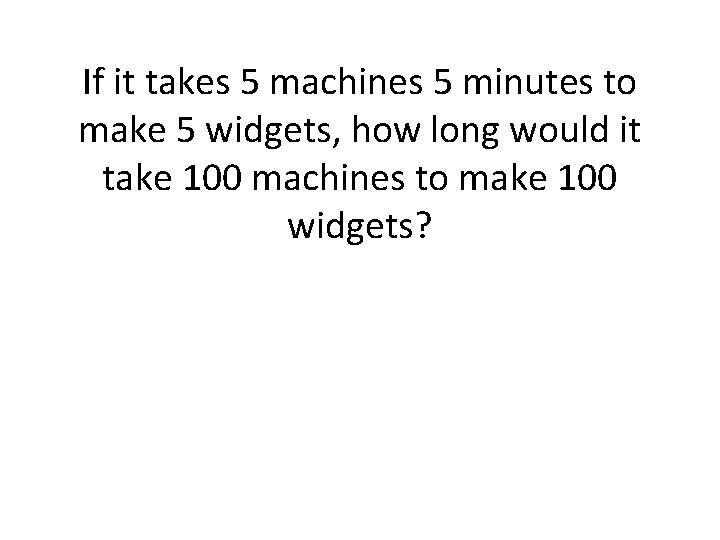
If it takes 5 machines 5 minutes to make 5 widgets, how long would it take 100 machines to make 100 widgets?
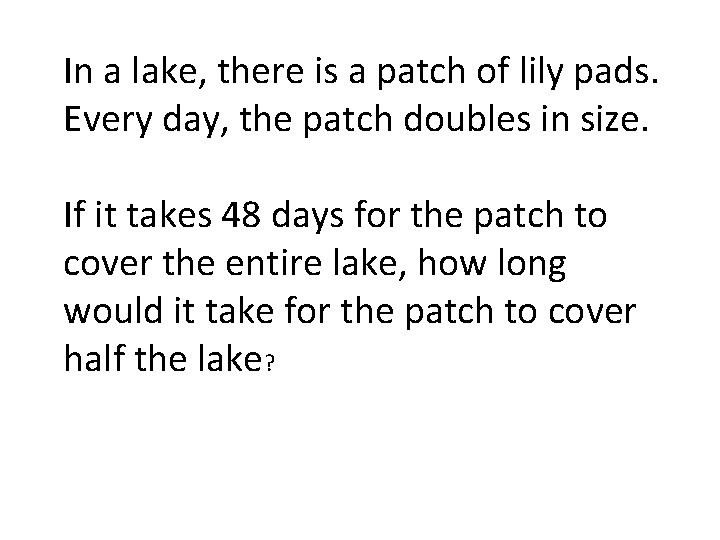
In a lake, there is a patch of lily pads. Every day, the patch doubles in size. If it takes 48 days for the patch to cover the entire lake, how long would it take for the patch to cover half the lake?
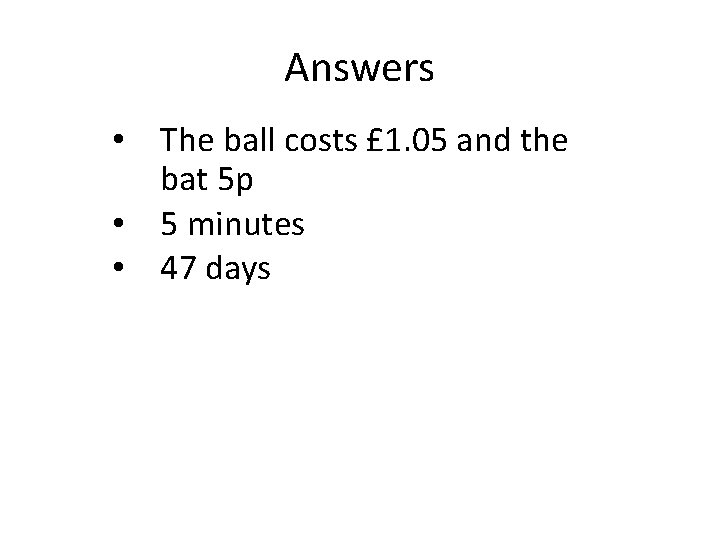
Answers • The ball costs £ 1. 05 and the bat 5 p • 5 minutes • 47 days
Cognitive Reflective Test • The test distinguishes intuitive (system 1) from analytical (system 2) processing…. • ……. the ability to resist first response that comes to mind • Of 3428 people tested only 17% got all 3 correct • 33% answered all three incorrectly Frederick 2002 (MIT)
“Think as well as blink”? • Foreground factors • Right system right time • Know when to slow down AND when to trust your gut • Use a systematic approach to common problems – where validated tools • Acknowledge emotional/affective factors • What doesn’t fit? What else could it be
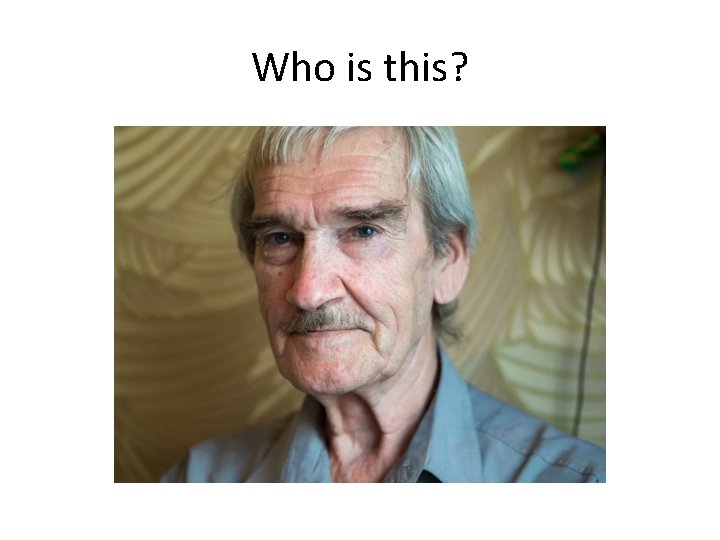
Who is this?
Stanislav Petrov • • • 26 th Sept 1983 Lt colonel evaluating incoming data Satellite signal 5 missiles launched Alarms going “funny feeling in my gut” Analysis: only 5 nil from ground radar
“Think as well as blink”? • • Cognitive forcing functions ATM money/card Restricted rule out – worst case Restricted rule in – likely diagnosis Reframe when recording Decrease reliance on memory Checklists
3 S “checklist” • Summarising: reframing the story checking for bias Signposting: think aloud • Safetynetting: what else might happen? what if I am wrong? • All involve the patient
Dunning-Kruger • “the fool doth think he is wise, but the wise man knows himself to be a fool” • Novices overestimate relative ability – failure of metacognition • Experts underestimate relative ability – underestimate difficulty for others
Top tips • • • Make the implicit: explicit Process not outcome Timeliness Be specific Integrate consultation skills Effect of affect