HIV and Hepatitis C Shadi Parsaei DO Norton


- Slides: 70
HIV and Hepatitis C Shadi Parsaei, DO Norton Infectious Disease Specialists Norton Healthcare, Norton Hospital--Downtown Louisville, KY
No financial disclosures
HIV
Learning Objectives: HIV • Review the epidemiology of HIV, nationally and locally • Review HIV screening and caveats of testing • Introduce tables which provide treatment options and important drug-drug interactions • Examine HIV in regards to metabolic complications
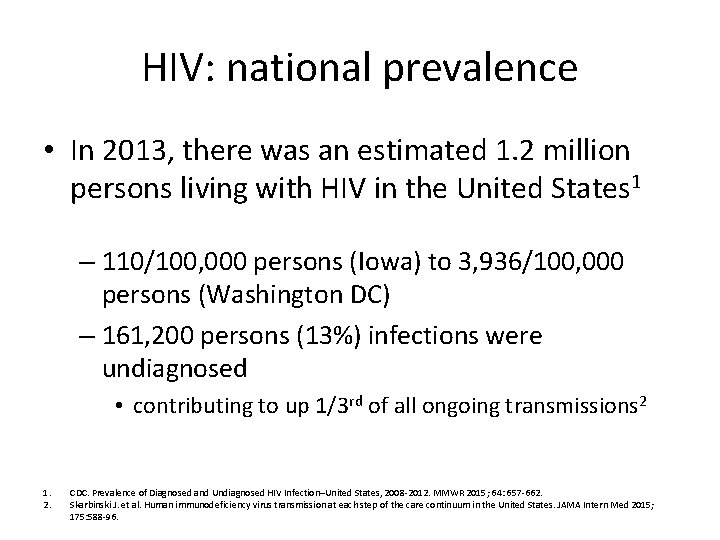
HIV: national prevalence • In 2013, there was an estimated 1. 2 million persons living with HIV in the United States 1 – 110/100, 000 persons (Iowa) to 3, 936/100, 000 persons (Washington DC) – 161, 200 persons (13%) infections were undiagnosed • contributing to up 1/3 rd of all ongoing transmissions 2 1. 2. CDC. Prevalence of Diagnosed and Undiagnosed HIV Infection–United States, 2008 -2012. MMWR 2015; 64: 657 -662. Skarbinski J. et al. Human immunodeficiency virus transmission at each step of the care continuum in the United States. JAMA Intern Med 2015; 175: 588 -96.
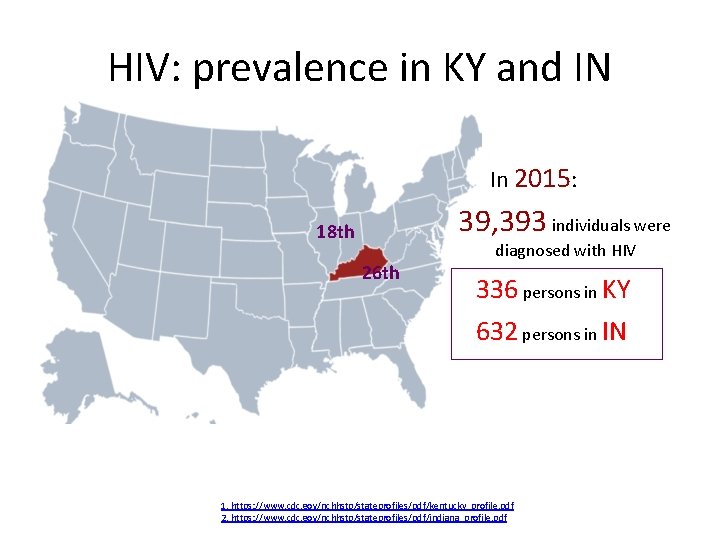
HIV: prevalence in KY and IN In 2015: 39, 393 individuals were 18 th 26 th diagnosed with HIV 336 persons in KY 632 persons in IN 1. https: //www. cdc. gov/nchhstp/stateprofiles/pdf/kentucky_profile. pdf 2. https: //www. cdc. gov/nchhstp/stateprofiles/pdf/indiana_profile. pdf
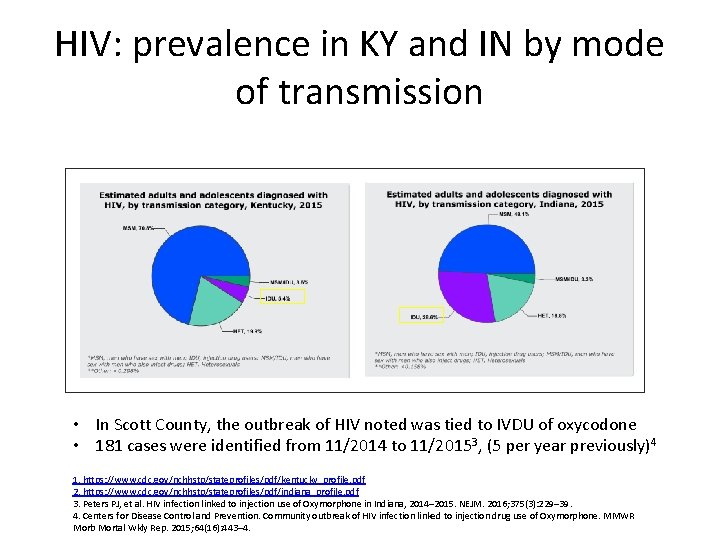
HIV: prevalence in KY and IN by mode of transmission • In Scott County, the outbreak of HIV noted was tied to IVDU of oxycodone • 181 cases were identified from 11/2014 to 11/20153, (5 per year previously)4 1. https: //www. cdc. gov/nchhstp/stateprofiles/pdf/kentucky_profile. pdf 2. https: //www. cdc. gov/nchhstp/stateprofiles/pdf/indiana_profile. pdf 3. Peters PJ, et al. HIV infection linked to injection use of Oxymorphone in Indiana, 2014– 2015. NEJM. 2016; 375(3): 229– 39. 4. Centers for Disease Control and Prevention. Community outbreak of HIV infection linked to injection drug use of Oxymorphone. MMWR Morb Mortal Wkly Rep. 2015; 64(16): 443– 4.
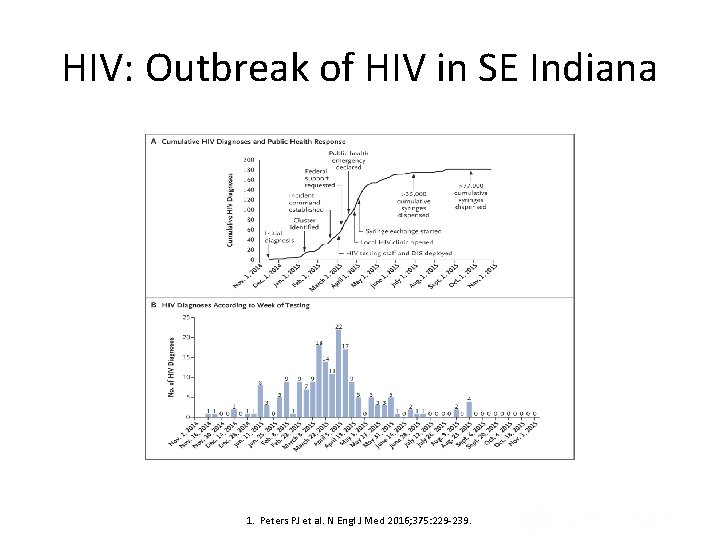
Outbreak of HIV Infection in Southeastern Indiana. HIV: Outbreak of HIV in SE Indiana 1. Peters PJ et al. N Engl J Med 2016; 375: 229 -239.
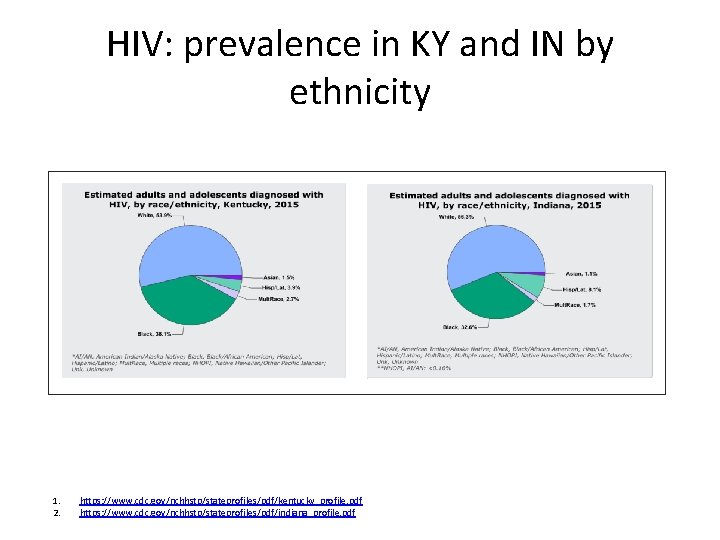
HIV: prevalence in KY and IN by ethnicity 1. 2. https: //www. cdc. gov/nchhstp/stateprofiles/pdf/kentucky_profile. pdf https: //www. cdc. gov/nchhstp/stateprofiles/pdf/indiana_profile. pdf
Rationale for HIV screening: • To INCREASE our detection of the newly infected • To DECREASE the number who present with advanced immunocompromise • To REDUCE transmission to others
HIV screening: • USFTPS recommends screening in patients aged 15 to 65 • CDC recommends screening in patients aged 13 to 64 – At least once in their life – More frequently if risk factors present or based on certain population groups • Since 2006, CDC has recommended approaching screening with an OPT-OUT approach
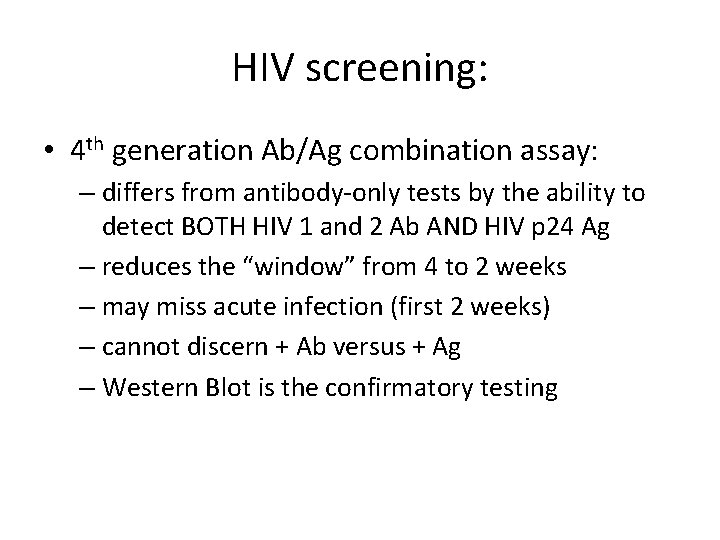
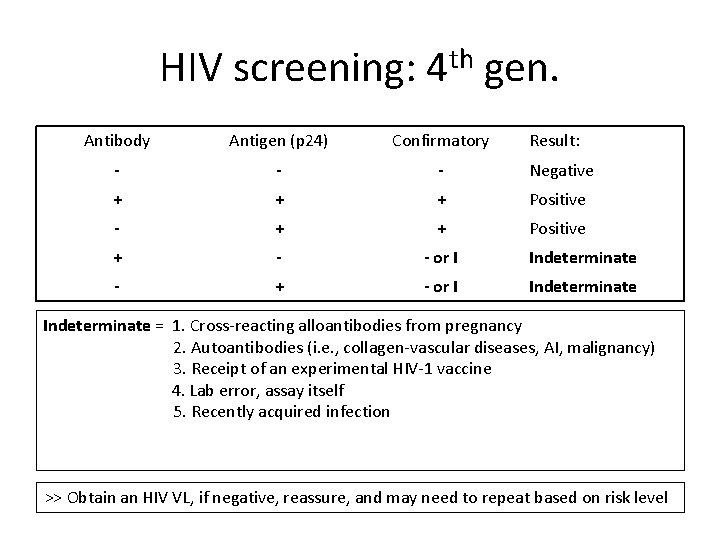
HIV screening: • 4 th generation Ab/Ag combination assay: – differs from antibody-only tests by the ability to detect BOTH HIV 1 and 2 Ab AND HIV p 24 Ag – reduces the “window” from 4 to 2 weeks – may miss acute infection (first 2 weeks) – cannot discern + Ab versus + Ag – Western Blot is the confirmatory testing
HIV screening: 4 th gen. Antibody Antigen (p 24) Confirmatory Result: - - - Negative + + + Positive - + + Positive + - - or I Indeterminate - + - or I Indeterminate = 1. Cross-reacting alloantibodies from pregnancy 2. Autoantibodies (i. e. , collagen-vascular diseases, AI, malignancy) 3. Receipt of an experimental HIV-1 vaccine 4. Lab error, assay itself 5. Recently acquired infection >> Obtain an HIV VL, if negative, reassure, and may need to repeat based on risk level
HIV: treatment http: //i-base. info/guides/wp-content/uploads/2016/11/Intro-ARV-chart-A 4 -single-page-Sep-2016 e. pdf
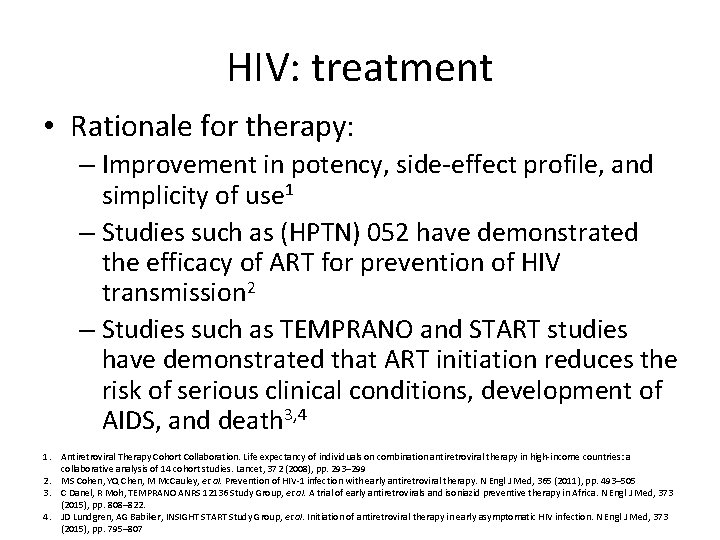
HIV: treatment • Rationale for therapy: – Improvement in potency, side-effect profile, and simplicity of use 1 – Studies such as (HPTN) 052 have demonstrated the efficacy of ART for prevention of HIV transmission 2 – Studies such as TEMPRANO and START studies have demonstrated that ART initiation reduces the risk of serious clinical conditions, development of AIDS, and death 3, 4 1. Antiretroviral Therapy Cohort Collaboration. Life expectancy of individuals on combination antiretroviral therapy in high-income countries: a collaborative analysis of 14 cohort studies. Lancet, 372 (2008), pp. 293– 299 2. MS Cohen, YQ Chen, M Mc. Cauley, et al. Prevention of HIV-1 infection with early antiretroviral therapy. N Engl J Med, 365 (2011), pp. 493– 505 3. C Danel, R Moh, TEMPRANO ANRS 12136 Study Group, et al. A trial of early antiretrovirals and isoniazid preventive therapy in Africa. N Engl J Med, 373 (2015), pp. 808– 822. 4. JD Lundgren, AG Babiker, INSIGHT START Study Group, et al. Initiation of antiretroviral therapy in early asymptomatic HIV infection. N Engl J Med, 373 (2015), pp. 795– 807
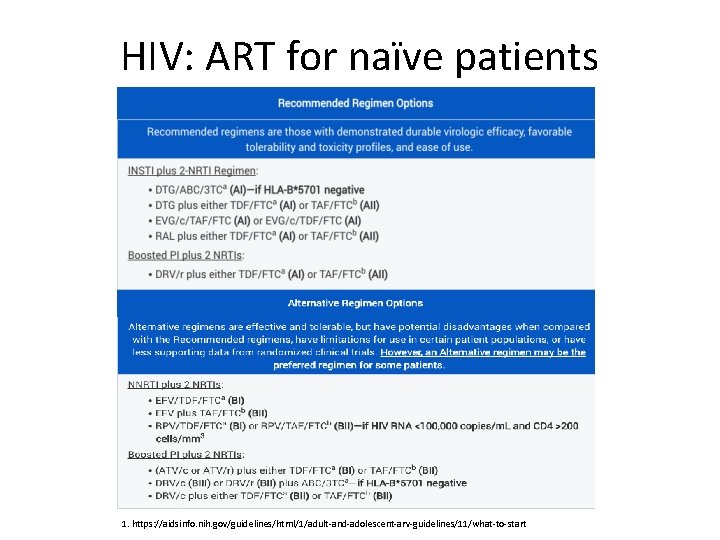
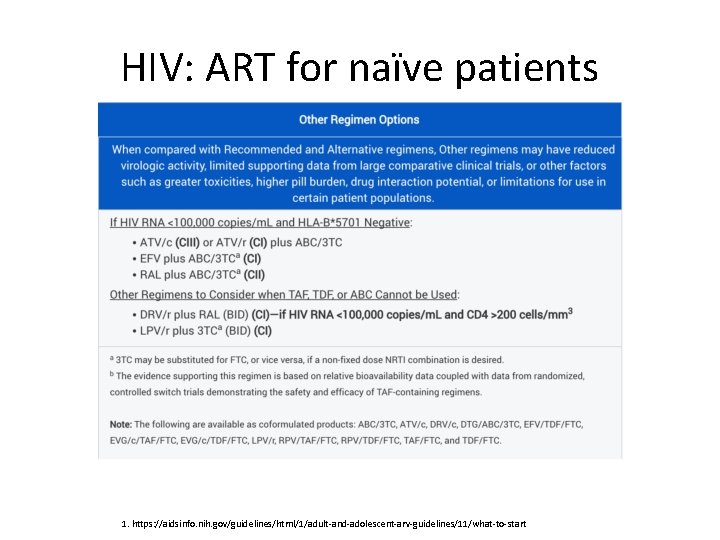
HIV: ART for naïve patients 1. https: //aidsinfo. nih. gov/guidelines/html/1/adult-and-adolescent-arv-guidelines/11/what-to-start
HIV: ART for naïve patients 1. https: //aidsinfo. nih. gov/guidelines/html/1/adult-and-adolescent-arv-guidelines/11/what-to-start
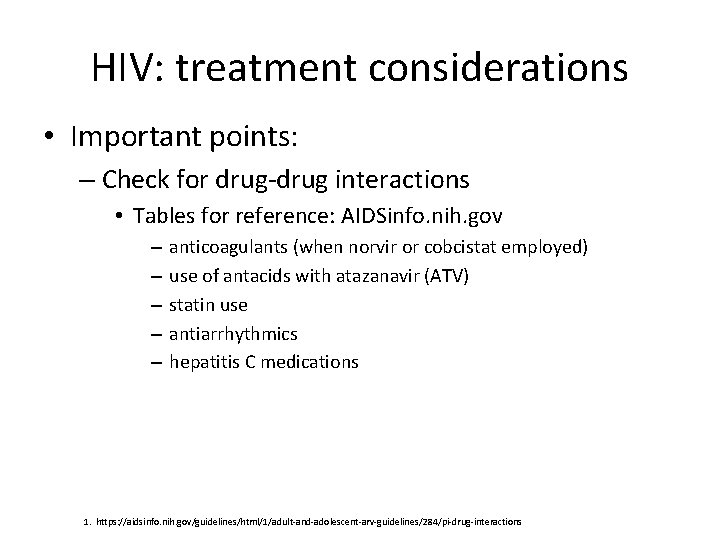
HIV: treatment considerations • Important points: – Check for drug-drug interactions • Tables for reference: AIDSinfo. nih. gov – – – anticoagulants (when norvir or cobcistat employed) use of antacids with atazanavir (ATV) statin use antiarrhythmics hepatitis C medications 1. https: //aidsinfo. nih. gov/guidelines/html/1/adult-and-adolescent-arv-guidelines/284/pi-drug-interactions
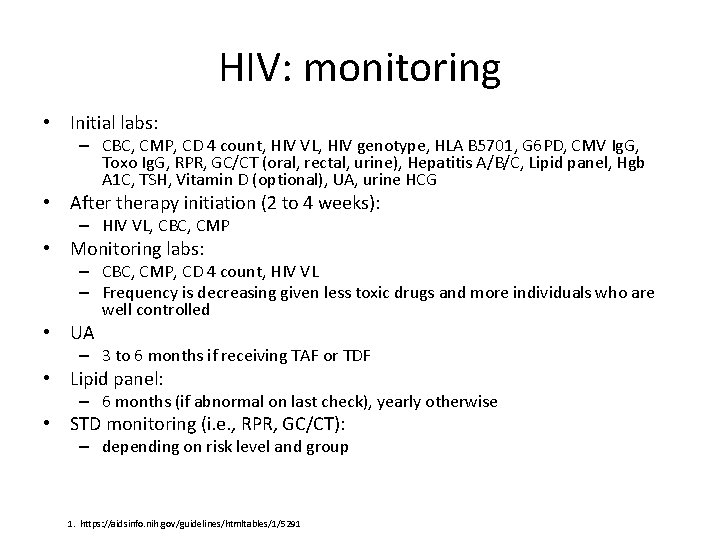
HIV: monitoring • Initial labs: – CBC, CMP, CD 4 count, HIV VL, HIV genotype, HLA B 5701, G 6 PD, CMV Ig. G, Toxo Ig. G, RPR, GC/CT (oral, rectal, urine), Hepatitis A/B/C, Lipid panel, Hgb A 1 C, TSH, Vitamin D (optional), UA, urine HCG • After therapy initiation (2 to 4 weeks): – HIV VL, CBC, CMP • Monitoring labs: – CBC, CMP, CD 4 count, HIV VL – Frequency is decreasing given less toxic drugs and more individuals who are well controlled • UA – 3 to 6 months if receiving TAF or TDF • Lipid panel: – 6 months (if abnormal on last check), yearly otherwise • STD monitoring (i. e. , RPR, GC/CT): – depending on risk level and group 1. https: //aidsinfo. nih. gov/guidelines/htmltables/1/5291
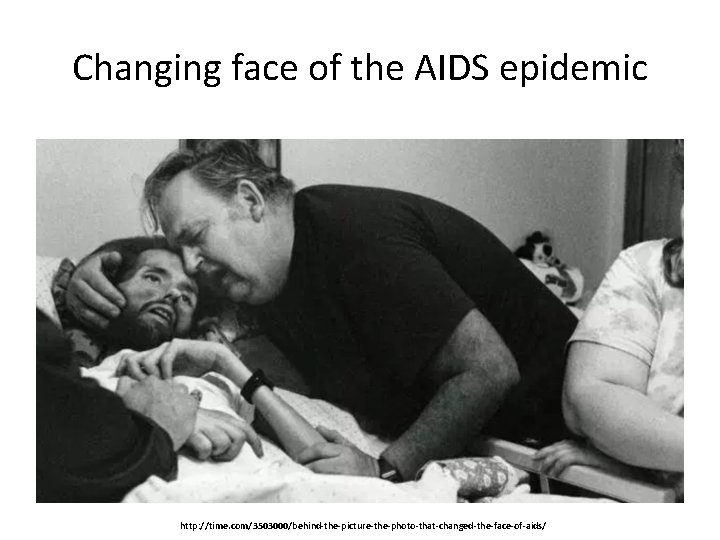
Changing face of the AIDS epidemic http: //time. com/3503000/behind-the-picture-the-photo-that-changed-the-face-of-aids/
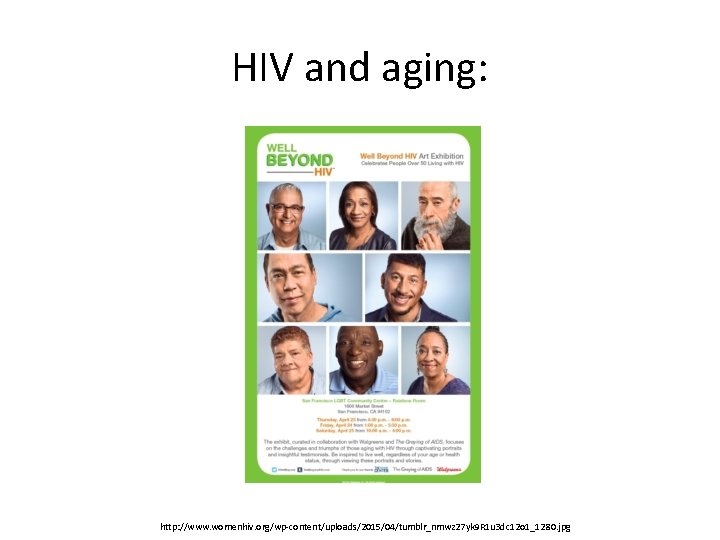
HIV and aging: http: //www. womenhiv. org/wp-content/uploads/2015/04/tumblr_nmwz 27 yk 9 R 1 u 3 dc 12 o 1_1280. jpg
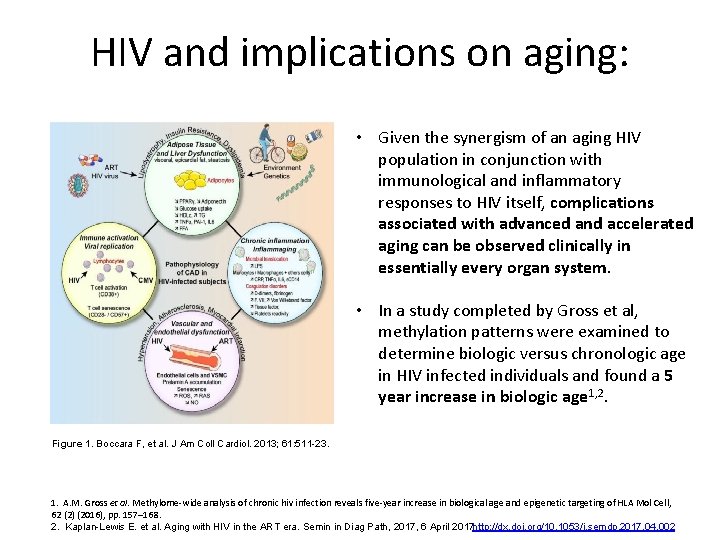
HIV and implications on aging: • Given the synergism of an aging HIV population in conjunction with immunological and inflammatory responses to HIV itself, complications associated with advanced and accelerated aging can be observed clinically in essentially every organ system. • In a study completed by Gross et al, methylation patterns were examined to determine biologic versus chronologic age in HIV infected individuals and found a 5 year increase in biologic age 1, 2. Figure 1. Boccara F, et al. J Am Coll Cardiol. 2013; 61: 511 -23. 1. A. M. Gross et al. Methylome-wide analysis of chronic hiv infection reveals five-year increase in biological age and epigenetic targeting of HLA Mol Cell, 62 (2) (2016), pp. 157– 168. 2. Kaplan-Lewis E. et al. Aging with HIV in the ART era. Semin in Diag Path, 2017, 6 April 2017 http: //dx. doi. org/10. 1053/j. semdp. 2017. 04. 002
HIV and implications on aging: • Influenced by: – individual differences among patients – age of HIV acquisition – duration of HIV infection • Individuals who acquire HIV at a younger age and who age with the virus generally have a pro-inflammatory phenotype, similar to that seen with other chronic infections and inflammatory diseases 1, 2, 3 1. Kaplan-Lewis E. et al. Aging with HIV in the ART era. Semin in Diag Path, 2017, 6 April 2017. http: //dx. doi. org/10. 1053/j. semdp. 2017. 04. 002 2. B. Sun et al. Differential cognitive impairment in HCV coinfected men with controlled HIV compared to HCV monoinfection. J Acquir Immune Defic Syndr, 62 (2) (1999). 3. R. H. Straub et al. The multiple facets of premature aging in rheumatoid arthritis. Arthritis Rheum, 48 (10) (2003), pp. 2713– 2721.
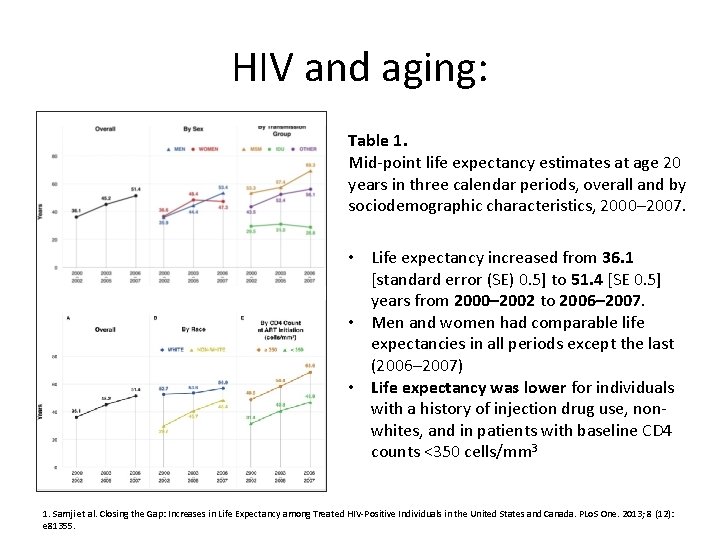
HIV and aging: Table 1. Mid-point life expectancy estimates at age 20 years in three calendar periods, overall and by sociodemographic characteristics, 2000– 2007. • Life expectancy increased from 36. 1 [standard error (SE) 0. 5] to 51. 4 [SE 0. 5] years from 2000– 2002 to 2006– 2007. • Men and women had comparable life expectancies in all periods except the last (2006– 2007) • Life expectancy was lower for individuals with a history of injection drug use, nonwhites, and in patients with baseline CD 4 counts <350 cells/mm 3 1. Samji et al. Closing the Gap: Increases in Life Expectancy among Treated HIV-Positive Individuals in the United States and Canada. PLo. S One. 2013; 8 (12): e 81355.
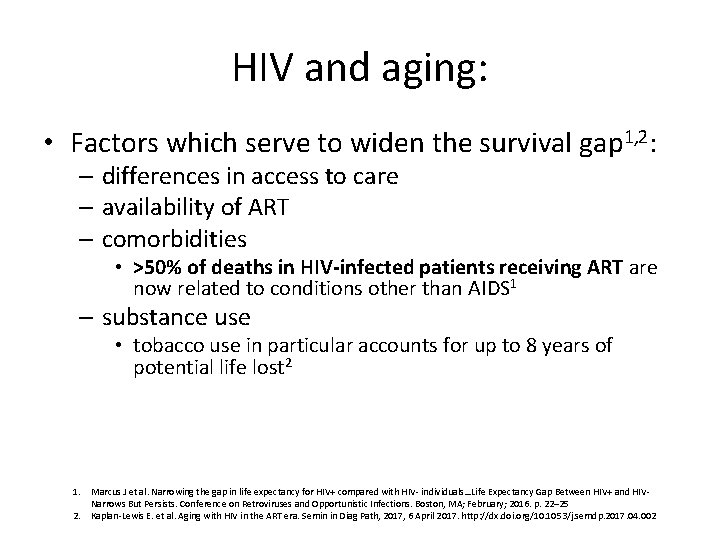
HIV and aging: • Factors which serve to widen the survival gap 1, 2: – differences in access to care – availability of ART – comorbidities • >50% of deaths in HIV-infected patients receiving ART are now related to conditions other than AIDS 1 – substance use • tobacco use in particular accounts for up to 8 years of potential life lost 2 1. Marcus J et al. Narrowing the gap in life expectancy for HIV+ compared with HIV- individuals…Life Expectancy Gap Between HIV+ and HIV- Narrows But Persists. Conference on Retroviruses and Opportunistic Infections. Boston, MA; February; 2016. p. 22– 25 2. Kaplan-Lewis E. et al. Aging with HIV in the ART era. Semin in Diag Path, 2017, 6 April 2017. http: //dx. doi. org/10. 1053/j. semdp. 2017. 04. 002
HIV, healthy aging and the PCP: • The increased prevalence of HIV patients living longer and emergence of non-AIDS-related conditions highlights the important role of the PCP
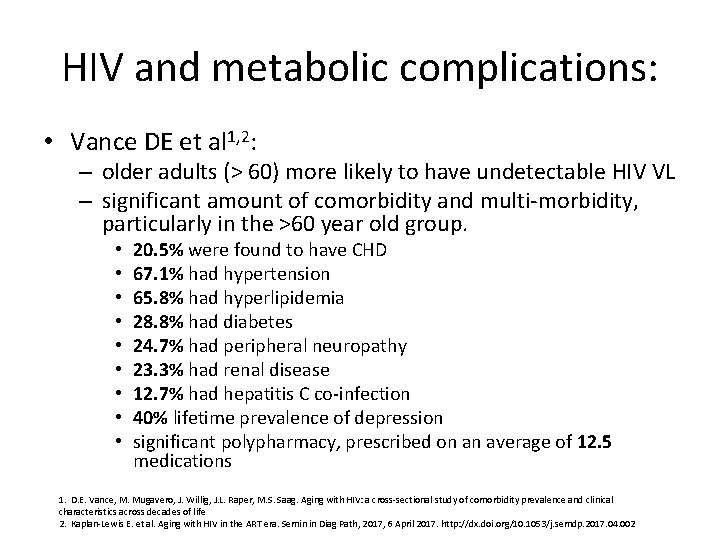
HIV and metabolic complications: • Vance DE et al 1, 2: – older adults (> 60) more likely to have undetectable HIV VL – significant amount of comorbidity and multi-morbidity, particularly in the >60 year old group. • • • 20. 5% were found to have CHD 67. 1% had hypertension 65. 8% had hyperlipidemia 28. 8% had diabetes 24. 7% had peripheral neuropathy 23. 3% had renal disease 12. 7% had hepatitis C co-infection 40% lifetime prevalence of depression significant polypharmacy, prescribed on an average of 12. 5 medications 1. D. E. Vance, M. Mugavero, J. Willig, J. L. Raper, M. S. Saag. Aging with HIV: a cross-sectional study of comorbidity prevalence and clinical characteristics across decades of life 2. Kaplan-Lewis E. et al. Aging with HIV in the ART era. Semin in Diag Path, 2017, 6 April 2017. http: //dx. doi. org/10. 1053/j. semdp. 2017. 04. 002
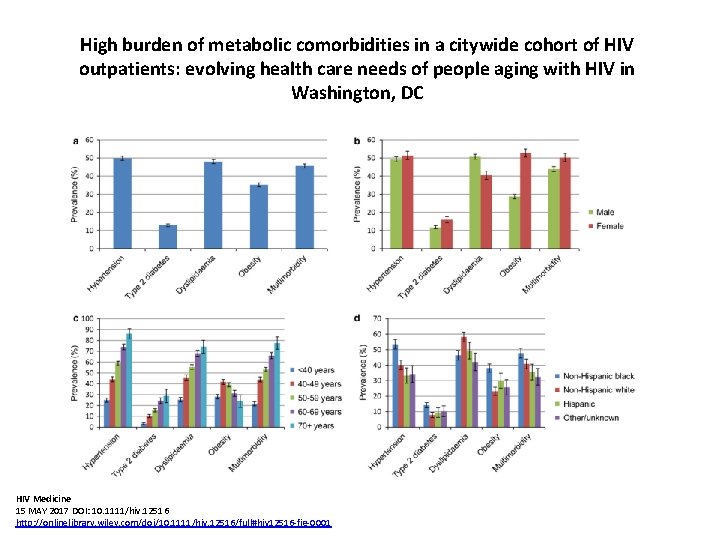
High burden of metabolic comorbidities in a citywide cohort of HIV outpatients: evolving health care needs of people aging with HIV in Washington, DC HIV Medicine 15 MAY 2017 DOI: 10. 1111/hiv. 12516 http: //onlinelibrary. wiley. com/doi/10. 1111/hiv. 12516/full#hiv 12516 -fig-0001
HIV and metabolic complications: CVD • Increased risk secondary to 1: – direct effects from HIV – traditional risk factors – effects and toxicities from ARVs • older ARVs and early PIs 2 – mitochondrial toxicity and associated metabolic effects 3 » insulin resistance, lipoatrophy, lipohypertrophy, dyslipidemia 1. Kaplan-Lewis E. et al. Aging with HIV in the ART era. Semin in Diag Path, 2017, 6 April 2017. http: //dx. doi. org/10. 1053/j. semdp. 2017. 04. 002. 2. P. Domingo et al. Effects of switching from stavudine to raltegravir on subcutaneous adipose tissue in HIV-infected patients with HIV/HAART-associated lipodystrophy syndrome (HALS). A clinical and molecular study. PLo. S One, 9 (2) (2014), p. e 89088. 3. E. Hammond et al. Human immunodeficiency virus treatment-induced adipose tissue pathology and lipoatrophy: prevalence and metabolic consequences Clin Infect Dis Publ Infect Dis Soc Am, 51 (5) (2010), pp. 591– 599.
HIV and metabolic complications: • In the era of non-toxic ARVs, the elevated risk of CVD events is now less likely attributed to ART 1, 2, 3 • Data from NYC found an increased risk of allcause coronary and cerebrovascular disease among younger persons with HIV 3 – 65+ years, the risk is SIMILAR to those without HIV – risk from HIV itself decreased in comparison to effects of traditional risk factors (tobacco, genes) 1. D. B. Klein et al. Declining relative risk for myocardial infarction among HIV-positive compared with HIV-negative individuals with access to care. Clin Infect Dis Publ Infect Dis Soc Am, 60 (8) (2015), pp. 1278– 1280 2. Bonnet F et al. Burden of comorbidities in hospitalized HIV patients in France: National French Medical Information System Database, 2014. Poster presentation presented at: Co-morbidities and Adverse Drug Reactions in HIV; 2016 Sep 12; NYC, NY. 3. Kaplan-Lewis E. et al. Aging with HIV in the ART era. Semin in Diag Path, 2017, 6 April 2017. http: //dx. doi. org/10. 1053/j. semdp. 2017. 04. 002
HIV and CV risk: • Traditional methods to assess CV risk: – Framingham risk score – American Heart Association/American College of Cardiology (AHA/ACC) Pooled Cohort Equations (PCE) CV Risk Calculator • The pathophysiological mechanisms that confer increased risk in HIVinfected patients may not be accounted for in standard risk assessment methods, may underestimate actual risk in HIV-infected patients 1 • Incidence of acute MI was higher among HIV-infected patients, even after adjusting for Framingham risk factors and other potential contributors (adjusted hazard ratio (HR) 1. 48; 95% CI 1. 27 -1. 72)1 – Framingham risk score for CVA also underestimated the risk of CVA among HIV -infected men in a separate study 2 • Many leading experts in HIV, would recommend, that HIV be considered as an additional risk factor for CVD, which is in accordance with the guidance provided by the National Lipid Association (NLA)3 1. G. Guaraldi et al. Premature age-related comorbidities among HIV-infected persons compared with the general population. Clin Infect Dis Publ Infect Dis Soc Am, 53 (11) (2011), pp. 1120– 1126 (December). 2. J. A. Aberg. Aging, inflammation, and HIV infection. Top Antivir Med, 20 (3) (2012), pp. 101– 105. 3. Kaplan-Lewis E. et al. Aging with HIV in the ART era. Semin in Diag Path, 2017, 6 April 2017. http: //dx. doi. org/10. 1053/j. semdp. 2017. 04. 002
HIV and renal disease: • Glomerular filtration rate (GFR) declines can potentially accelerated in HIV-infected patients 1 • May be due to comorbidities – illicit drug use, hypertension, nephrotoxic medications, and genetics • HIV associated nephropathy (HIVAN) causes rapid decline in GFR in a subset of HIV-infected patients • ART related nephrotoxicity is an important consideration. – Tenofovir disoproxyl fumarate (TDF) is linked to both proximal tubule dysfunction in the form of Fanconi syndrome as well as CKD. • TDF has been reported to cause renal injury in up to 10% of recipients 2 – A new formulation , tenofovir alafenomide fumarate (TAF), achieves lower plasma concentration of tenofovir and is associated with lower risk of toxicity 3 1. Kaplan-Lewis E. et al. Aging with HIV in the ART era. Semin in Diag Path, 2017, 6 April 2017. http: //dx. doi. org/10. 1053/j. semdp. 2017. 04. 002 2. P. Wikman et al. The significance of antiretroviral-associated acute kidney injury in a cohort of ambulatory human immunodeficiency virus-infected patients. Nephrol Dial Transplant Publ Eur Dial Transpl Assoc - Eur Ren Assoc, 28 (8) (2013), pp. 2073– 2081. 3 F. A. Post. Managing chronic kidney disease in the older adults living with HIV. Curr Opin Infect Dis, 30 (1) (2017), pp. 4– 11
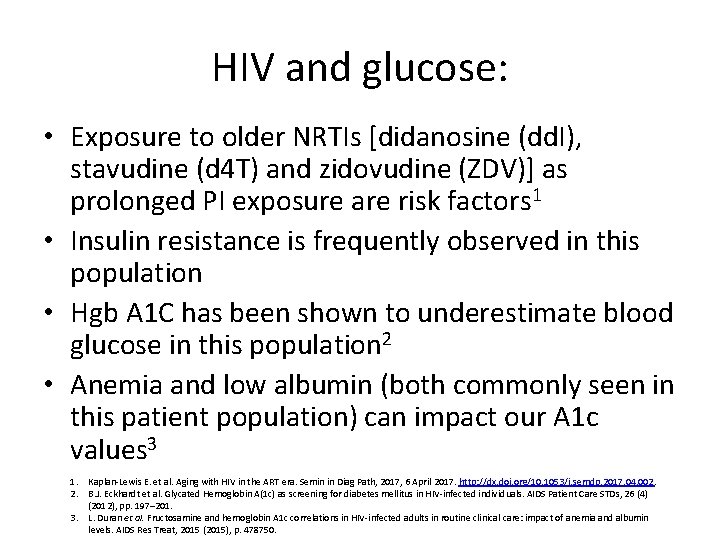
HIV and glucose: • Exposure to older NRTIs [didanosine (dd. I), stavudine (d 4 T) and zidovudine (ZDV)] as prolonged PI exposure are risk factors 1 • Insulin resistance is frequently observed in this population • Hgb A 1 C has been shown to underestimate blood glucose in this population 2 • Anemia and low albumin (both commonly seen in this patient population) can impact our A 1 c values 3 1. Kaplan-Lewis E. et al. Aging with HIV in the ART era. Semin in Diag Path, 2017, 6 April 2017. http: //dx. doi. org/10. 1053/j. semdp. 2017. 04. 002. 2. B. J. Eckhardt et al. Glycated Hemoglobin A(1 c) as screening for diabetes mellitus in HIV-infected individuals. AIDS Patient Care STDs, 26 (4) (2012), pp. 197– 201. 3. L. Duran et al. Fructosamine and hemoglobin A 1 c correlations in HIV-infected adults in routine clinical care: impact of anemia and albumin levels. AIDS Res Treat, 2015 (2015), p. 478750.
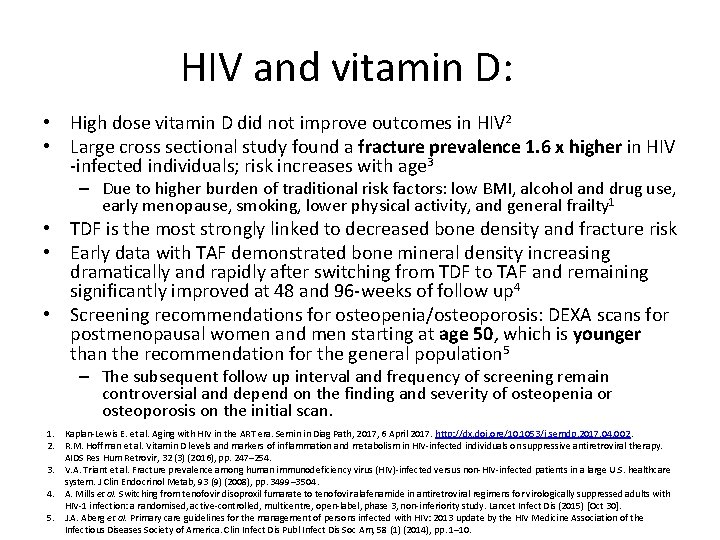
HIV and vitamin D: • High dose vitamin D did not improve outcomes in HIV 2 • Large cross sectional study found a fracture prevalence 1. 6 x higher in HIV -infected individuals; risk increases with age 3 – Due to higher burden of traditional risk factors: low BMI, alcohol and drug use, early menopause, smoking, lower physical activity, and general frailty 1 • TDF is the most strongly linked to decreased bone density and fracture risk • Early data with TAF demonstrated bone mineral density increasing dramatically and rapidly after switching from TDF to TAF and remaining significantly improved at 48 and 96 -weeks of follow up 4 • Screening recommendations for osteopenia/osteoporosis: DEXA scans for postmenopausal women and men starting at age 50, which is younger than the recommendation for the general population 5 – The subsequent follow up interval and frequency of screening remain controversial and depend on the finding and severity of osteopenia or osteoporosis on the initial scan. 1. Kaplan-Lewis E. et al. Aging with HIV in the ART era. Semin in Diag Path, 2017, 6 April 2017. http: //dx. doi. org/10. 1053/j. semdp. 2017. 04. 002. 2. R. M. Hoffman et al. Vitamin D levels and markers of inflammation and metabolism in HIV-infected individuals on suppressive antiretroviral therapy. AIDS Res Hum Retrovir, 32 (3) (2016), pp. 247– 254. 3. V. A. Triant et al. Fracture prevalence among human immunodeficiency virus (HIV)-infected versus non-HIV-infected patients in a large U. S. healthcare system. J Clin Endocrinol Metab, 93 (9) (2008), pp. 3499– 3504. 4. A. Mills et al. Switching from tenofovir disoproxil fumarate to tenofovir alafenamide in antiretroviral regimens for virologically suppressed adults with HIV-1 infection: a randomised, active-controlled, multicentre, open-label, phase 3, non-inferiority study. Lancet Infect Dis (2015) [Oct 30]. 5. J. A. Aberg et al. Primary care guidelines for the management of persons infected with HIV: 2013 update by the HIV Medicine Association of the Infectious Diseases Society of America. Clin Infect Dis Publ Infect Dis Soc Am, 58 (1) (2014), pp. 1– 10.
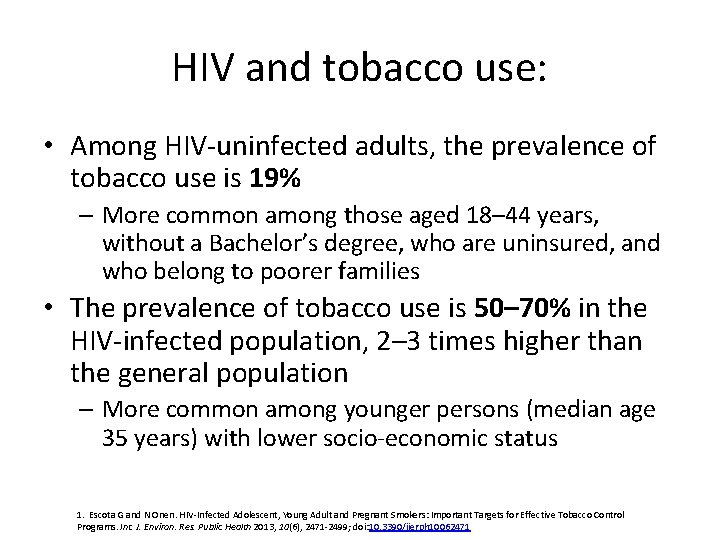
HIV and tobacco use: • Among HIV-uninfected adults, the prevalence of tobacco use is 19% – More common among those aged 18– 44 years, without a Bachelor’s degree, who are uninsured, and who belong to poorer families • The prevalence of tobacco use is 50– 70% in the HIV-infected population, 2– 3 times higher than the general population – More common among younger persons (median age 35 years) with lower socio-economic status 1. Escota G and N Onen. HIV-Infected Adolescent, Young Adult and Pregnant Smokers: Important Targets for Effective Tobacco Control Programs. Int. J. Environ. Res. Public Health 2013, 10(6), 2471 -2499; doi: 10. 3390/ijerph 10062471
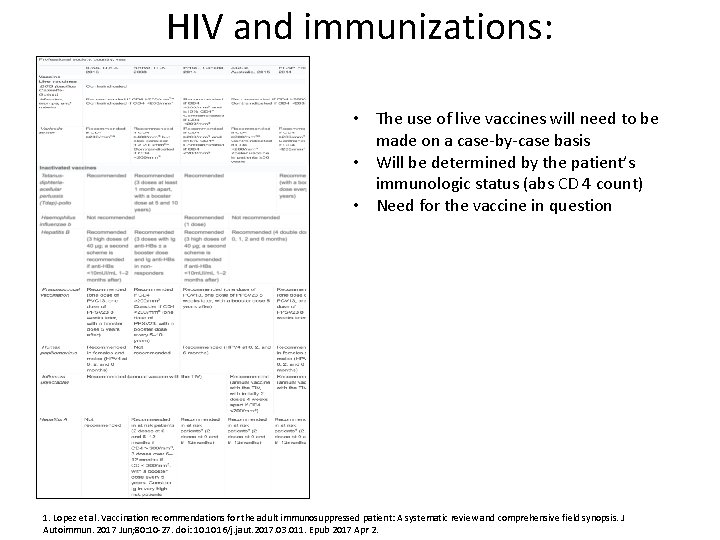
HIV and immunizations: • The use of live vaccines will need to be made on a case-by-case basis • Will be determined by the patient’s immunologic status (abs CD 4 count) • Need for the vaccine in question 1. Lopez et al. Vaccination recommendations for the adult immunosuppressed patient: A systematic review and comprehensive field synopsis. J Autoimmun. 2017 Jun; 80: 10 -27. doi: 10. 1016/j. jaut. 2017. 03. 011. Epub 2017 Apr 2.
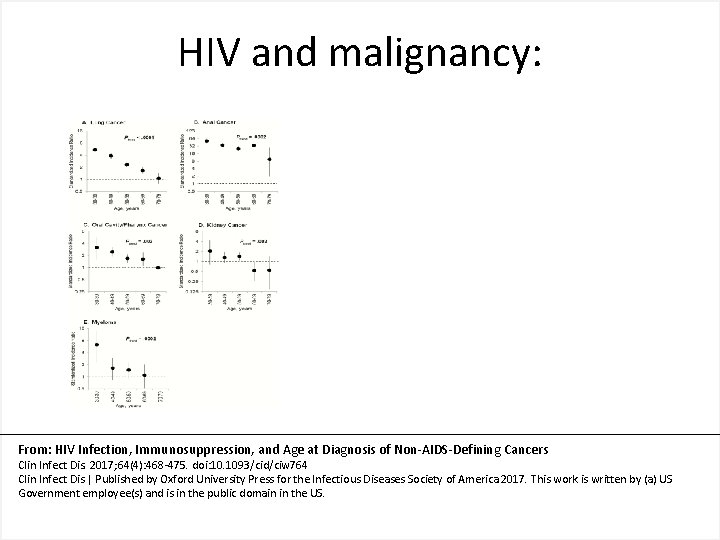
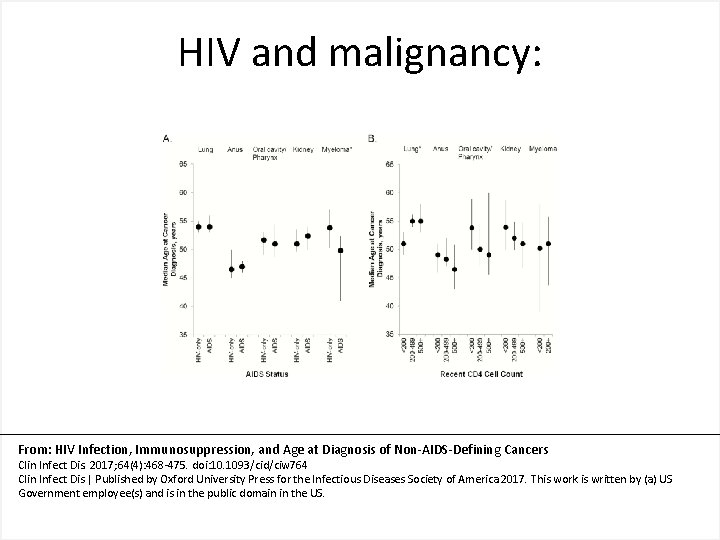
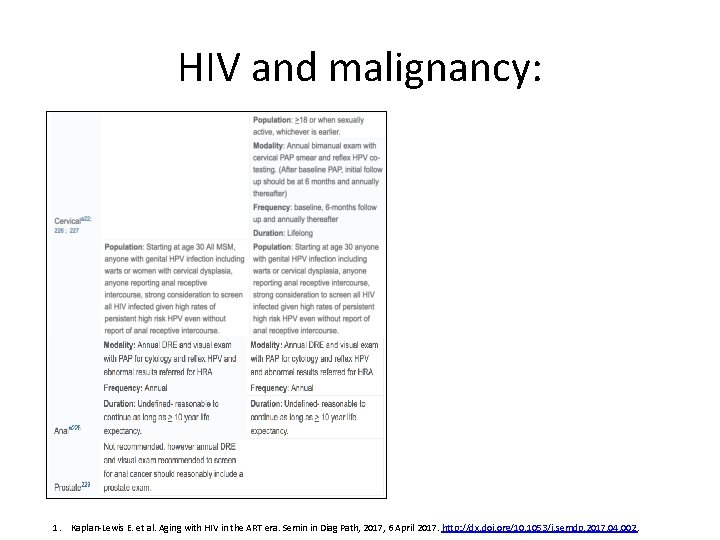
HIV and malignancy: • Malignancy is a leading cause of morbidity and mortality in the aging HIV population 1 • Occurs at higher rates compared to the general population 2 • AIDS defining cancer (ADC) vs. non-AIDS defining cancer (NADC) – ADCs: Kaposi's sarcoma, non-Hodgkin's lymphoma, primary CNS lymphoma – NADCs: all other types of malignancy (i. e. , lung, renal, liver, cervical) • In the era of ART, incidence of most ADCs are decreasing 2 – But these malignancies still occur with greater frequency in HIV-infected • NADCs have been shown to be increasing (anal, liver, and lung cancer)3 – Partly due to improved life expectancy, BUT the increase is above that which is predicted by prolonged survival 2 – Potential factors contributing this is chronic inflammation with increased cellular turnover, higher prevalence of cancer related comorbidities 1 1. Kaplan-Lewis E. et al. Aging with HIV in the ART era. Semin in Diag Path, 2017, 6 April 2017. http: //dx. doi. org/10. 1053/j. semdp. 2017. 04. 002. 2. P. G. Rubinstein et al. Malignancies in HIV/AIDS: from epidemiology to therapeutic challenges. AIDS Lond Engl, 28 (4) (2014), pp. 453– 465. 3. H. A. Robbins et al. Excess cancers among HIV-infected people in the United States. J Natl Cancer Inst, 107 (4) (2015).
HIV and malignancy: From: HIV Infection, Immunosuppression, and Age at Diagnosis of Non-AIDS-Defining Cancers Clin Infect Dis. 2017; 64(4): 468 -475. doi: 10. 1093/cid/ciw 764 Clin Infect Dis | Published by Oxford University Press for the Infectious Diseases Society of America 2017. This work is written by (a) US Government employee(s) and is in the public domain in the US.
HIV and malignancy: From: HIV Infection, Immunosuppression, and Age at Diagnosis of Non-AIDS-Defining Cancers Clin Infect Dis. 2017; 64(4): 468 -475. doi: 10. 1093/cid/ciw 764 Clin Infect Dis | Published by Oxford University Press for the Infectious Diseases Society of America 2017. This work is written by (a) US Government employee(s) and is in the public domain in the US.
HIV and malignancy: • Lung cancer screening in HIV patients has not been validated, but primary care guidelines for the general population recommend low dose CT scan for lung cancer screening in those at high risk starting at age 552 • HIV-infected individuals were excluded from the trials used to create that guideline, unknown if general screening recommendations will result in similar mortality reduction in this patient population 1 1. Kaplan-Lewis E. et al. Aging with HIV in the ART era. Semin in Diag Path, 2017, 6 April 2017. http: //dx. doi. org/10. 1053/j. semdp. 2017. 04. 002. 2. Lung Cancer Screening. [Internet]. USPSTF lung cancer screening guidelines. Available from: https: //www. uspreventiveservicestaskforce. org/Page/Document/Update. Summary. Final/lung-cancer-screening〉.
HIV and malignancy: 1. Kaplan-Lewis E. et al. Aging with HIV in the ART era. Semin in Diag Path, 2017, 6 April 2017. http: //dx. doi. org/10. 1053/j. semdp. 2017. 04. 002.
Questions Shadi. Parsaei@nortonhealthcare. org
Hepatitis C
Learning Objectives: HCV • Review the prevalence of HCV, nationally and locally • Introduce tables which provide treatment options and important drug-drug interactions • Review HCV lab monitoring schedule
HCV: quick history • Developed testing for the identification of HAV (1963) and HBV (1973) • Unidentified cases were termed non-A and non-B hepatitis – 90 -95% of cases are thought to have been HCV • HCV was formally identified in 1989 by Daniel Bradley and Michael Houghton
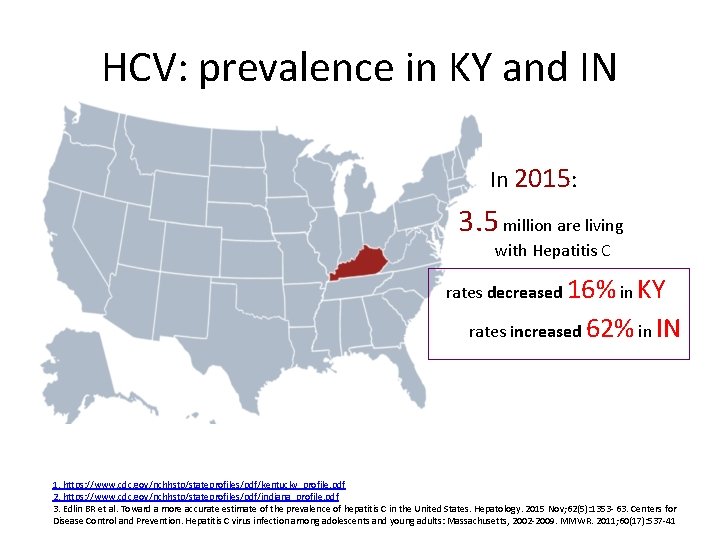
HCV: prevalence in KY and IN In 2015: 3. 5 million are living with Hepatitis C rates decreased 16% in KY rates increased 62% in IN 1. https: //www. cdc. gov/nchhstp/stateprofiles/pdf/kentucky_profile. pdf 2. https: //www. cdc. gov/nchhstp/stateprofiles/pdf/indiana_profile. pdf 3. Edlin BR et al. Toward a more accurate estimate of the prevalence of hepatitis C in the United States. Hepatology. 2015 Nov; 62(5): 1353 - 63. Centers for Disease Control and Prevention. Hepatitis C virus infection among adolescents and young adults: Massachusetts, 2002 -2009. MMWR. 2011; 60(17): 537 -41
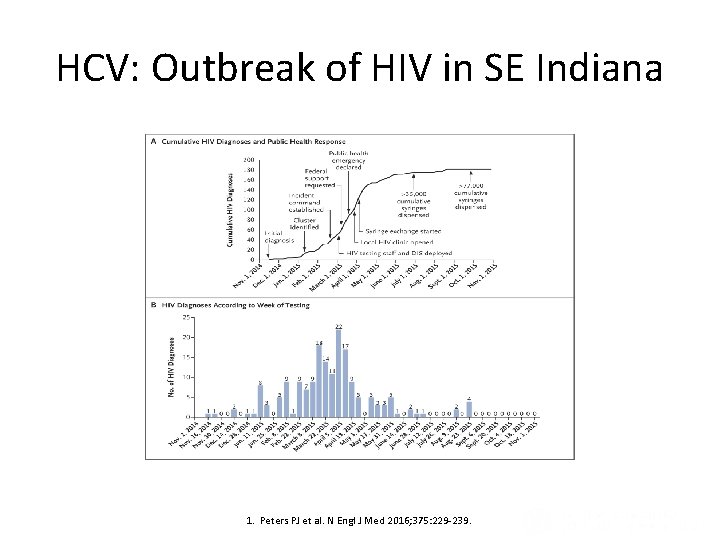
HCV: epidemiology • Between 2010 -2013, the number of acute cases INCREASED by 151% • MOST common infection transmitted through IVDU • Large proportion of new HCV infections are due to IVDU • Increase in cases seen disproportionately among < 30 years, living in non-urban areas east of the Mississippi River • In the Scott County outbreak, HIV was diagnosed in 181, and 92. 3% were co-infected with HCV 1. Peters PJ et al. HIV Infection Linked to Injection Use of Oxymorphone in Indiana, 2014 -2015. N Engl J Med. 2016 Jul 21; 375(3): 229 -39. doi: 10. 1056/NEJMoa 1515195.
Outbreak of HIV Infection in Southeastern Indiana. HCV: Outbreak of HIV in SE Indiana 1. Peters PJ et al. N Engl J Med 2016; 375: 229 -239.
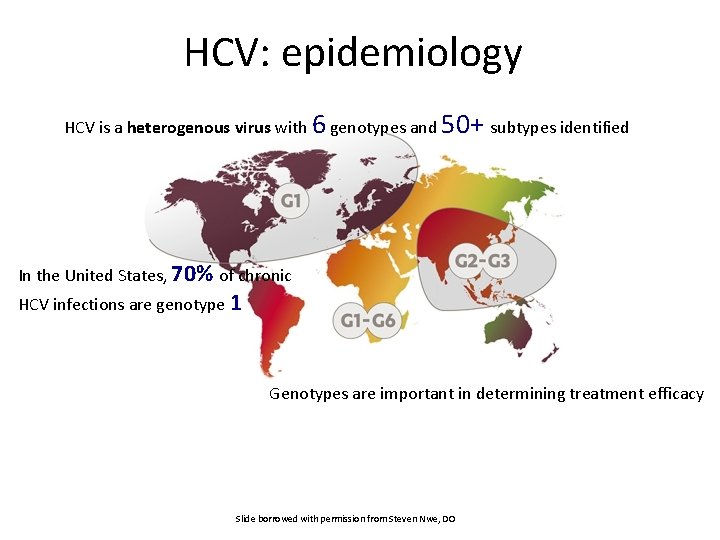
HCV: epidemiology HCV is a heterogenous virus with 6 genotypes and 50+ subtypes identified In the United States, 70% of chronic HCV infections are genotype 1 Genotypes are important in determining treatment efficacy Slide borrowed with permission from Steven Nwe, DO
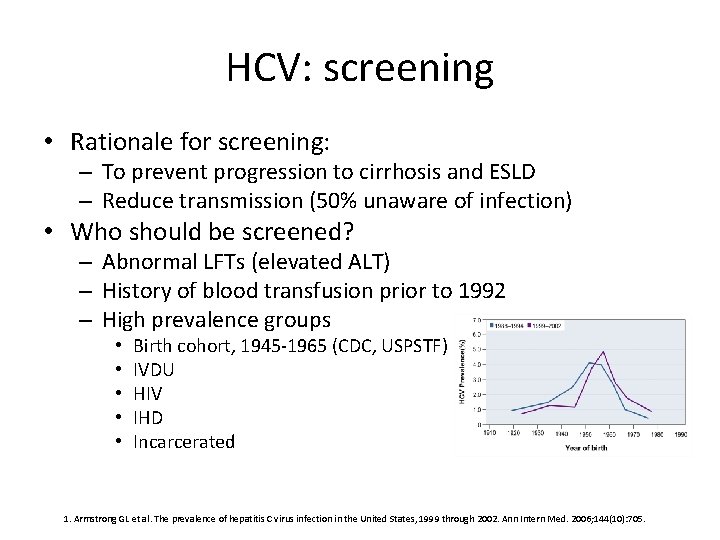
HCV: screening • Rationale for screening: – To prevent progression to cirrhosis and ESLD – Reduce transmission (50% unaware of infection) • Who should be screened? – Abnormal LFTs (elevated ALT) – History of blood transfusion prior to 1992 – High prevalence groups • • • Birth cohort, 1945 -1965 (CDC, USPSTF) IVDU HIV IHD Incarcerated 1. Armstrong GL et al. The prevalence of hepatitis C virus infection in the United States, 1999 through 2002. Ann Intern Med. 2006; 144(10): 705.
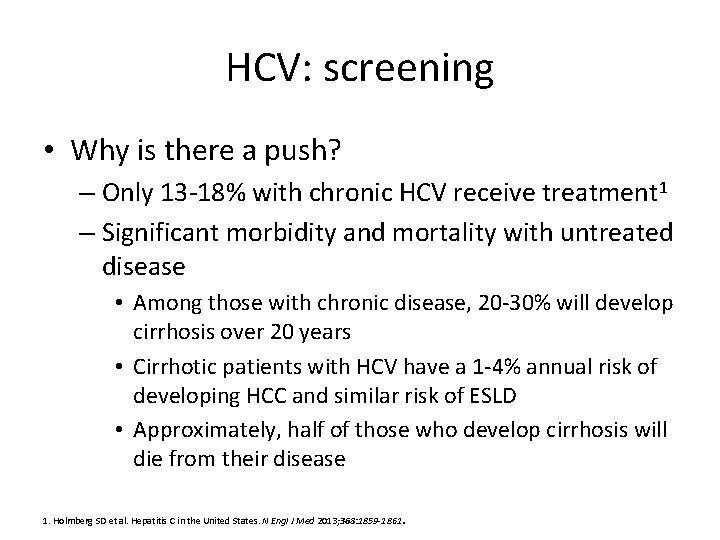
HCV: screening • Why is there a push? – Only 13 -18% with chronic HCV receive treatment 1 – Significant morbidity and mortality with untreated disease • Among those with chronic disease, 20 -30% will develop cirrhosis over 20 years • Cirrhotic patients with HCV have a 1 -4% annual risk of developing HCC and similar risk of ESLD • Approximately, half of those who develop cirrhosis will die from their disease 1. Holmberg SD et al. Hepatitis C in the United States. N Engl J Med 2013; 368: 1859 -1861 .
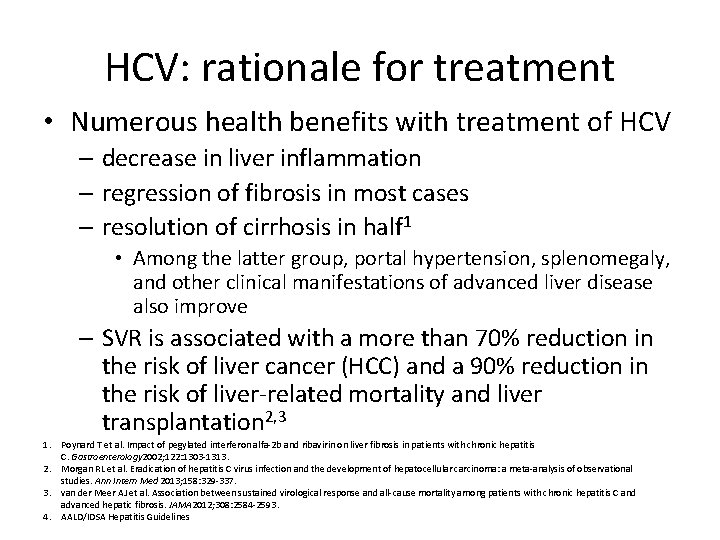
HCV: rationale for treatment • Numerous health benefits with treatment of HCV – decrease in liver inflammation – regression of fibrosis in most cases – resolution of cirrhosis in half 1 • Among the latter group, portal hypertension, splenomegaly, and other clinical manifestations of advanced liver disease also improve – SVR is associated with a more than 70% reduction in the risk of liver cancer (HCC) and a 90% reduction in the risk of liver-related mortality and liver transplantation 2, 3 1. Poynard T et al. Impact of pegylated interferon alfa-2 b and ribavirin on liver fibrosis in patients with chronic hepatitis C. Gastroenterology 2002; 122: 1303 -1313. 2. Morgan RL et al. Eradication of hepatitis C virus infection and the development of hepatocellular carcinoma: a meta-analysis of observational studies. Ann Intern Med 2013; 158: 329 -337. 3. van der Meer AJ et al. Association between sustained virological response and all-cause mortality among patients with chronic hepatitis C and advanced hepatic fibrosis. JAMA 2012; 308: 2584 -2593. 4. AALD/IDSA Hepatitis Guidelines
HCV: rationale for treatment • Cure may also reduce symptoms and mortality from severe extrahepatic manifestations – cryoglobulinemic vasculitis(affects up to 15%) of HCV – HCV with non-Hodgkin lymphoma and other lymphoproliferative disorders achieve complete or partial remission in up to 75% of cases following successful HCV treatment 2, 3 • These reductions in disease severity contribute to dramatic reductions in all-cause mortality 4 1. Fabrizi F et al. P. Antiviral therapy of symptomatic HCV-associated mixed cryoglobulinemia: meta-analysis of clinical studies. J Med Virol 2013; 85: 10191027. 2. Gisbert JP et al. Systematic review: regression of lymphoproliferative disorders after treatment for hepatitis C infection. Aliment Pharmacol Ther 2005; 21: 653 -662. 3. AALD/IDSA joint HCV guidelines 4. van der Meer AJ et al. Association between sustained virological response and all-cause mortality among patients with chronic hepatitis C and advanced hepatic fibrosis. JAMA 2012; 308: 2584 -2593.
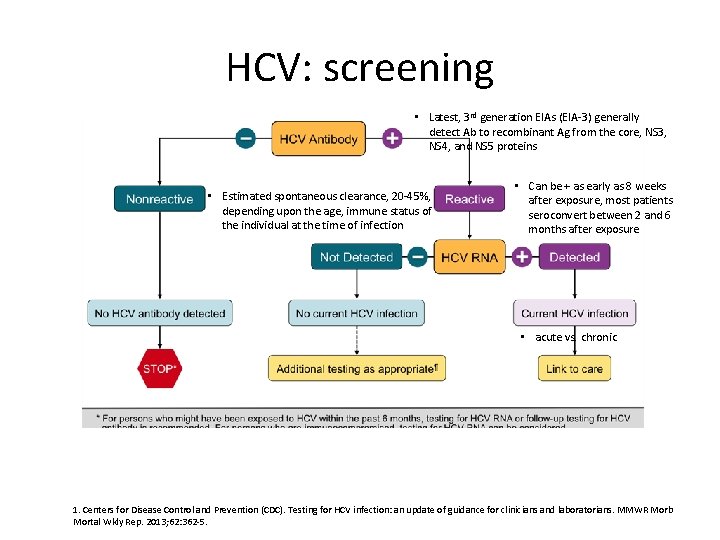
HCV: screening • Latest, 3 rd generation EIAs (EIA-3) generally detect Ab to recombinant Ag from the core, NS 3, NS 4, and NS 5 proteins • Estimated spontaneous clearance, 20 -45%, depending upon the age, immune status of the individual at the time of infection • Can be + as early as 8 weeks after exposure, most patients seroconvert between 2 and 6 months after exposure • acute vs. chronic 1. Centers for Disease Control and Prevention (CDC). Testing for HCV infection: an update of guidance for clinicians and laboratorians. MMWR Morb Mortal Wkly Rep. 2013; 62: 362 -5.
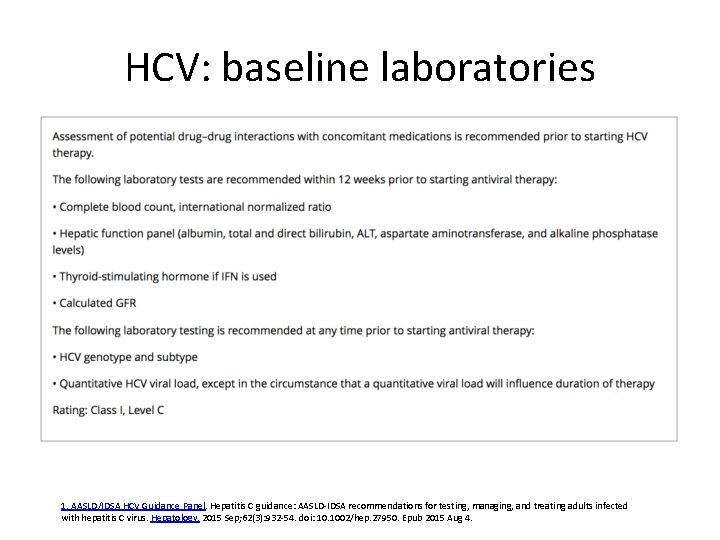
HCV: baseline laboratories 1. AASLD/IDSA HCV Guidance Panel. Hepatitis C guidance: AASLD-IDSA recommendations for testing, managing, and treating adults infected with hepatitis C virus. Hepatology. 2015 Sep; 62(3): 932 -54. doi: 10. 1002/hep. 27950. Epub 2015 Aug 4.
HCV: baseline laboratories • Toxicology screen • Assessment of fibrosis stage – provides important prognostic information and can help guide timing of treatment (high or highest priority) – Fibro. Sure (noninvasive) or liver biopsy • Ultrasound liver • Certain polymorphisms of IL 28 B, have been associated with favorable response to treatment with peg-IFN and ribavirin – However, the clinical utility of testing IL 28 B genotypes is not clear as the predictive value is less with newer treatments – May be obtained on a case by case basis by the GI/Hepatology or ID specialist 1. AASLD/IDSA HCV Guidance Panel. Hepatitis C guidance: AASLD-IDSA recommendations for testing, managing, and treating adults infected with hepatitis C virus. Hepatology. 2015 Sep; 62(3): 932 -54. doi: 10. 1002/hep. 27950. Epub 2015 Aug 4.
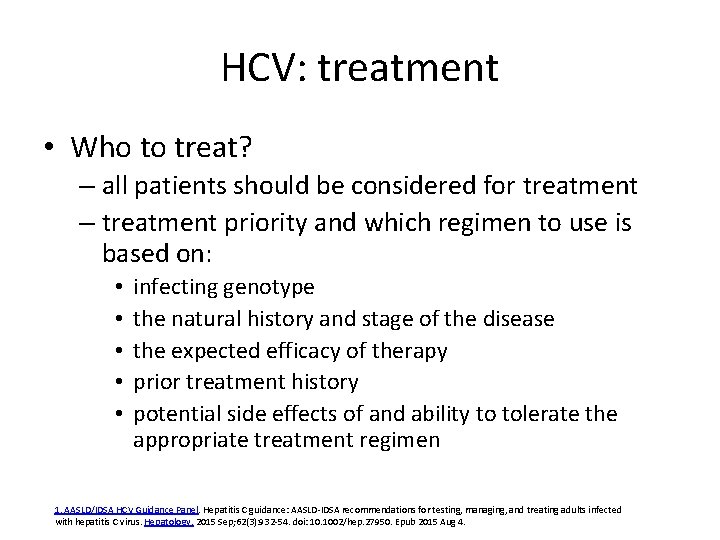
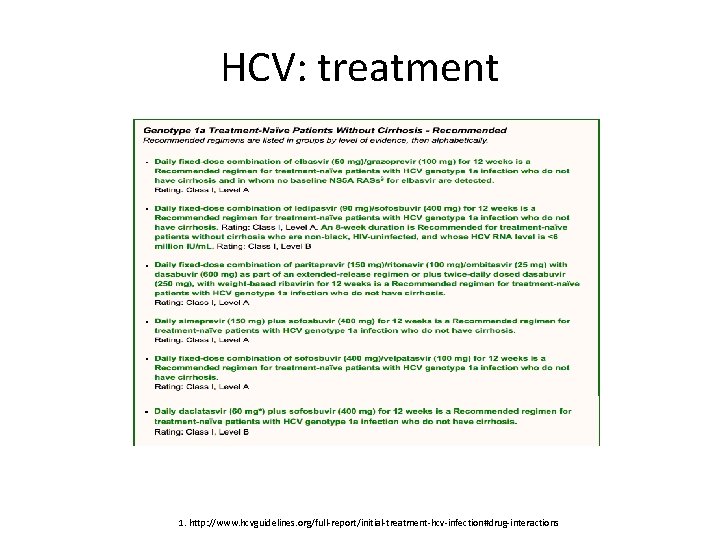
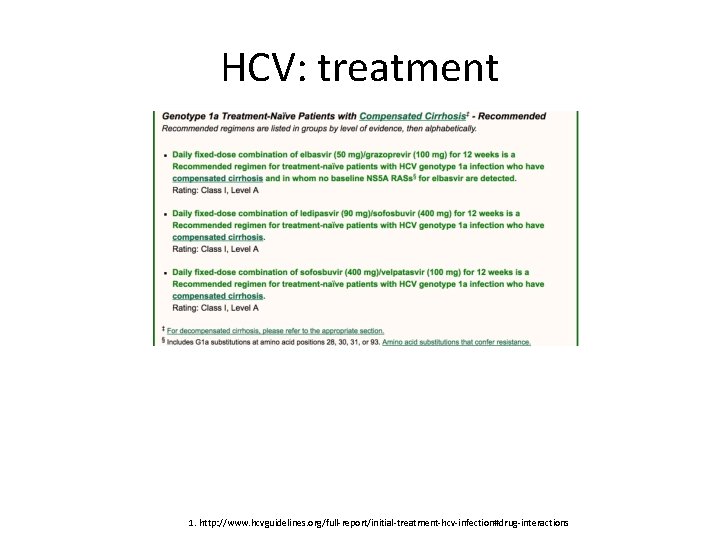
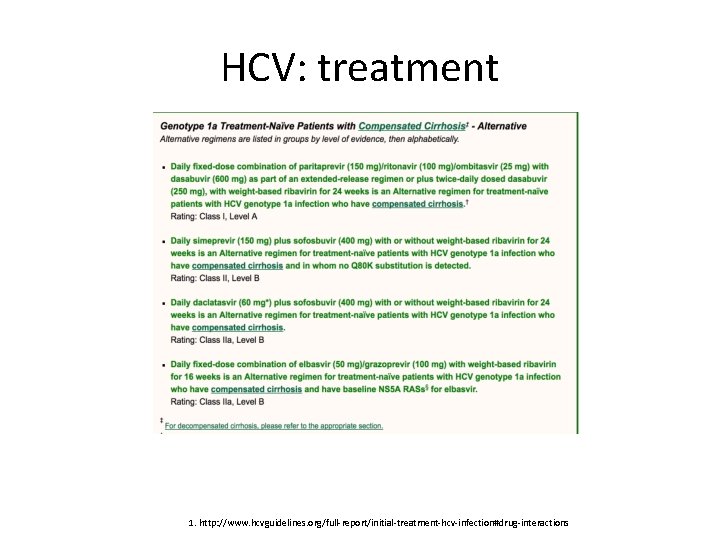
HCV: treatment • Who to treat? – all patients should be considered for treatment – treatment priority and which regimen to use is based on: • • • infecting genotype the natural history and stage of the disease the expected efficacy of therapy prior treatment history potential side effects of and ability to tolerate the appropriate treatment regimen 1. AASLD/IDSA HCV Guidance Panel. Hepatitis C guidance: AASLD-IDSA recommendations for testing, managing, and treating adults infected with hepatitis C virus. Hepatology. 2015 Sep; 62(3): 932 -54. doi: 10. 1002/hep. 27950. Epub 2015 Aug 4.
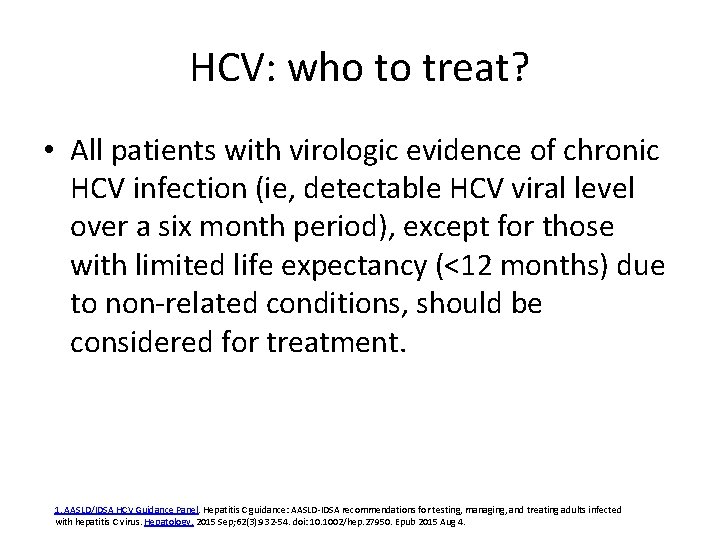
HCV: who to treat? • All patients with virologic evidence of chronic HCV infection (ie, detectable HCV viral level over a six month period), except for those with limited life expectancy (<12 months) due to non-related conditions, should be considered for treatment. 1. AASLD/IDSA HCV Guidance Panel. Hepatitis C guidance: AASLD-IDSA recommendations for testing, managing, and treating adults infected with hepatitis C virus. Hepatology. 2015 Sep; 62(3): 932 -54. doi: 10. 1002/hep. 27950. Epub 2015 Aug 4.
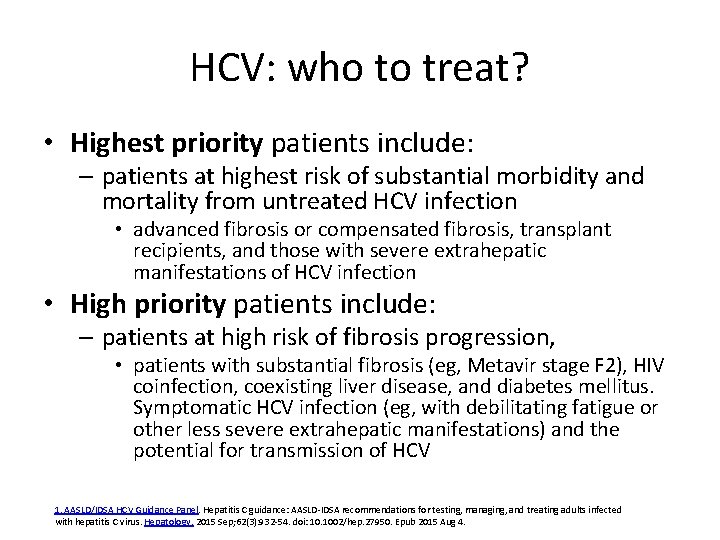
HCV: who to treat? • Highest priority patients include: – patients at highest risk of substantial morbidity and mortality from untreated HCV infection • advanced fibrosis or compensated fibrosis, transplant recipients, and those with severe extrahepatic manifestations of HCV infection • High priority patients include: – patients at high risk of fibrosis progression, • patients with substantial fibrosis (eg, Metavir stage F 2), HIV coinfection, coexisting liver disease, and diabetes mellitus. Symptomatic HCV infection (eg, with debilitating fatigue or other less severe extrahepatic manifestations) and the potential for transmission of HCV 1. AASLD/IDSA HCV Guidance Panel. Hepatitis C guidance: AASLD-IDSA recommendations for testing, managing, and treating adults infected with hepatitis C virus. Hepatology. 2015 Sep; 62(3): 932 -54. doi: 10. 1002/hep. 27950. Epub 2015 Aug 4.
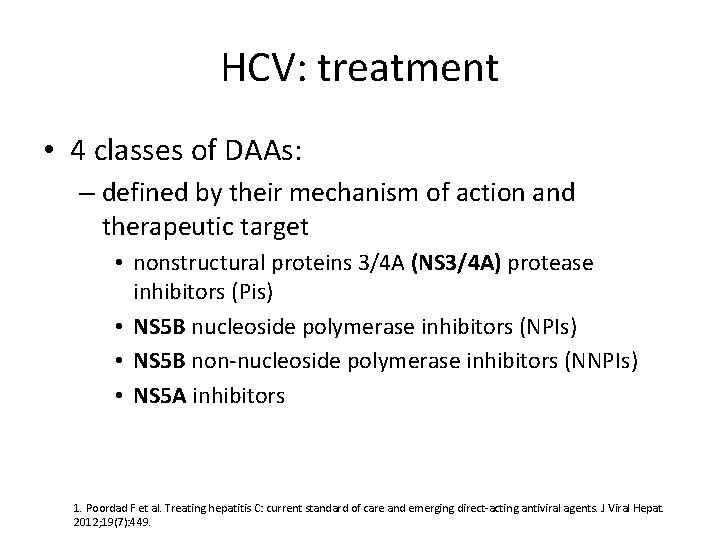
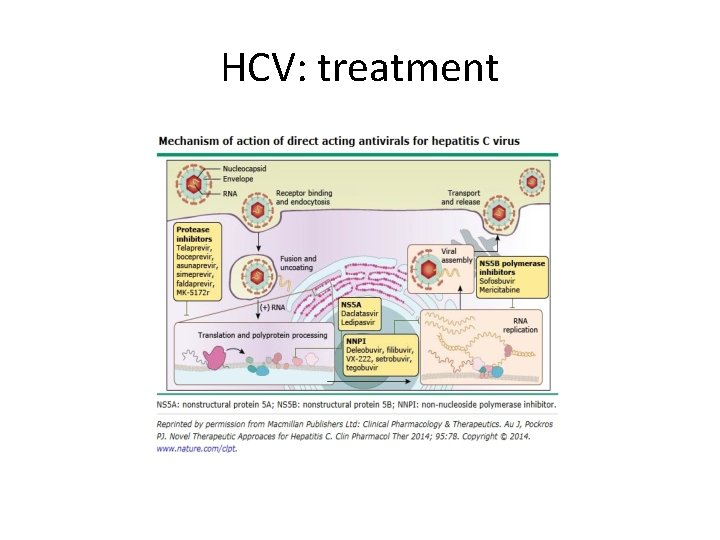
HCV: treatment • 4 classes of DAAs: – defined by their mechanism of action and therapeutic target • nonstructural proteins 3/4 A (NS 3/4 A) protease inhibitors (Pis) • NS 5 B nucleoside polymerase inhibitors (NPIs) • NS 5 B non-nucleoside polymerase inhibitors (NNPIs) • NS 5 A inhibitors 1. Poordad F et al. Treating hepatitis C: current standard of care and emerging direct-acting antiviral agents. J Viral Hepat. 2012; 19(7): 449.
HCV: treatment
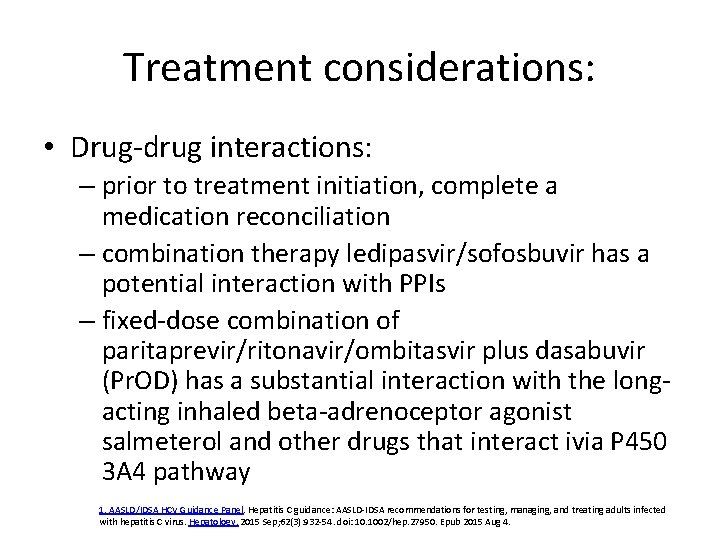
Treatment considerations: • Drug-drug interactions: – prior to treatment initiation, complete a medication reconciliation – combination therapy ledipasvir/sofosbuvir has a potential interaction with PPIs – fixed-dose combination of paritaprevir/ritonavir/ombitasvir plus dasabuvir (Pr. OD) has a substantial interaction with the longacting inhaled beta-adrenoceptor agonist salmeterol and other drugs that interact ivia P 450 3 A 4 pathway 1. AASLD/IDSA HCV Guidance Panel. Hepatitis C guidance: AASLD-IDSA recommendations for testing, managing, and treating adults infected with hepatitis C virus. Hepatology. 2015 Sep; 62(3): 932 -54. doi: 10. 1002/hep. 27950. Epub 2015 Aug 4.
HCV: treatment 1. http: //www. hcvguidelines. org/full-report/initial-treatment-hcv-infection#drug-interactions
HCV: treatment 1. http: //www. hcvguidelines. org/full-report/initial-treatment-hcv-infection#drug-interactions
HCV: treatment 1. http: //www. hcvguidelines. org/full-report/initial-treatment-hcv-infection#drug-interactions
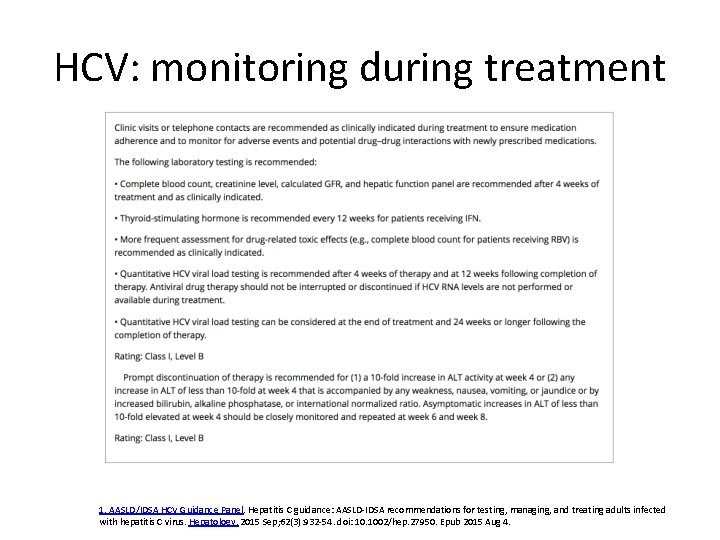
HCV: monitoring during treatment 1. AASLD/IDSA HCV Guidance Panel. Hepatitis C guidance: AASLD-IDSA recommendations for testing, managing, and treating adults infected with hepatitis C virus. Hepatology. 2015 Sep; 62(3): 932 -54. doi: 10. 1002/hep. 27950. Epub 2015 Aug 4.
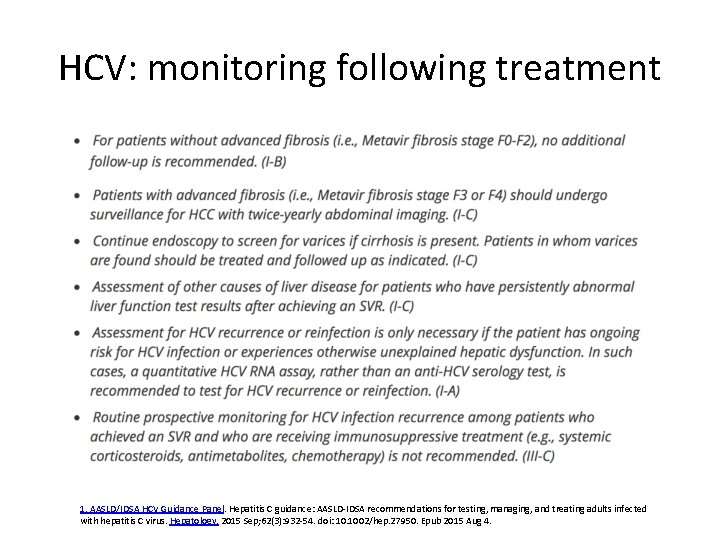
HCV: monitoring following treatment 1. AASLD/IDSA HCV Guidance Panel. Hepatitis C guidance: AASLD-IDSA recommendations for testing, managing, and treating adults infected with hepatitis C virus. Hepatology. 2015 Sep; 62(3): 932 -54. doi: 10. 1002/hep. 27950. Epub 2015 Aug 4.
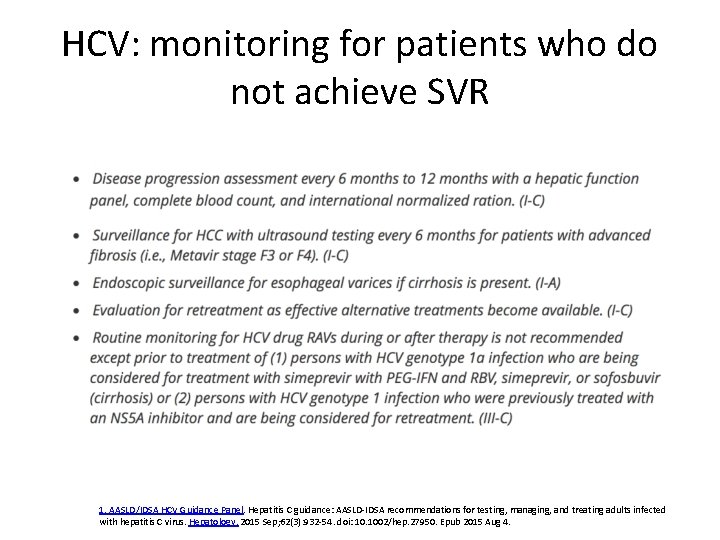
HCV: monitoring for patients who do not achieve SVR 1. AASLD/IDSA HCV Guidance Panel. Hepatitis C guidance: AASLD-IDSA recommendations for testing, managing, and treating adults infected with hepatitis C virus. Hepatology. 2015 Sep; 62(3): 932 -54. doi: 10. 1002/hep. 27950. Epub 2015 Aug 4.
Important link: • AASLD/IDSA HCV Guidance Panel. Hepatitis C guidance: AASLD-IDSA recommendations for testing, managing, and treating adults infected with hepatitis C virus. Hepatology. 2015 Sep; 62(3): 932 -54. doi: 10. 1002/hep. 27950. Epub 2015 Aug 4.
Questions Shadi. Parsaei@nortonhealthcare. org