Transurethral Resection of Prostate Alireza FARSHI M D


- Slides: 51
Transurethral Resection of Prostate Alireza FARSHI, M. D. , MBA Urology Department Tabriz university of Medical Sciences
n. A spinal anesthetic provides adequate anesthesia for the patient and good relaxation of the pelvic floor and the perineum for the surgeon.
The signs and symptoms of water intoxication and fluid overload can be recognized early because the patient is awake. Accidental bladder perforation is also recognized easily if the spinal level is limited to T 10 because the patient would experience abdominal or shoulder pain.
General anesthesia may be necessary in patients who require ventilatory or hemodynamic support, have a contraindication to regional anesthesia, or refuse regional anesthesia.
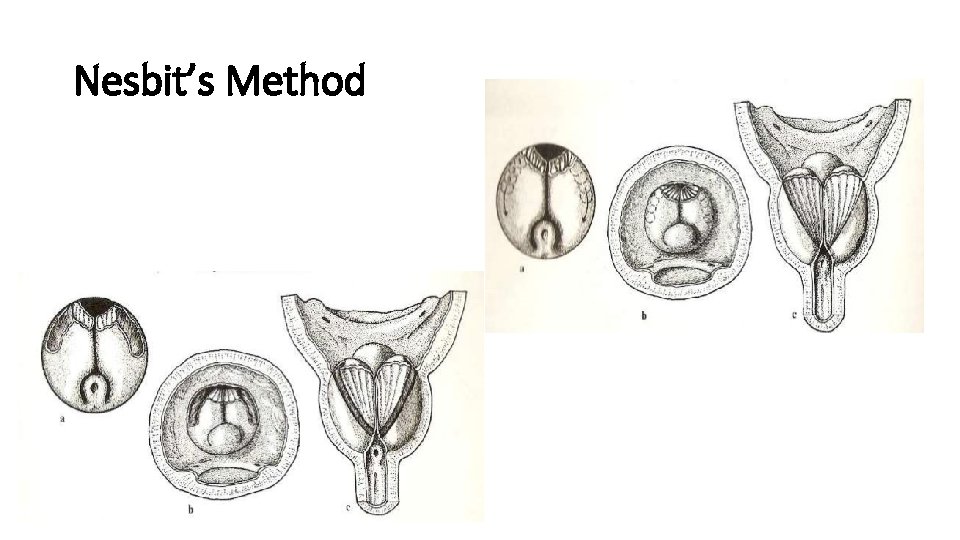
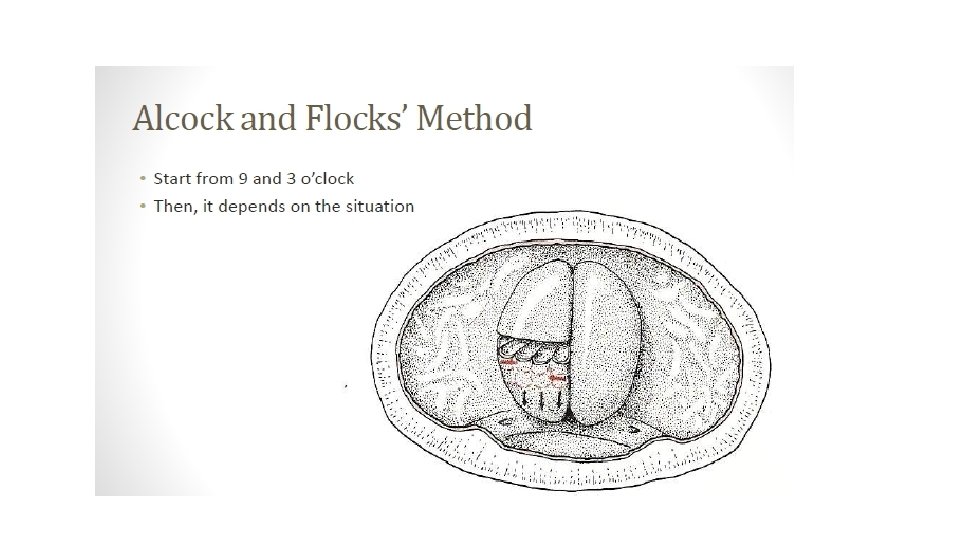
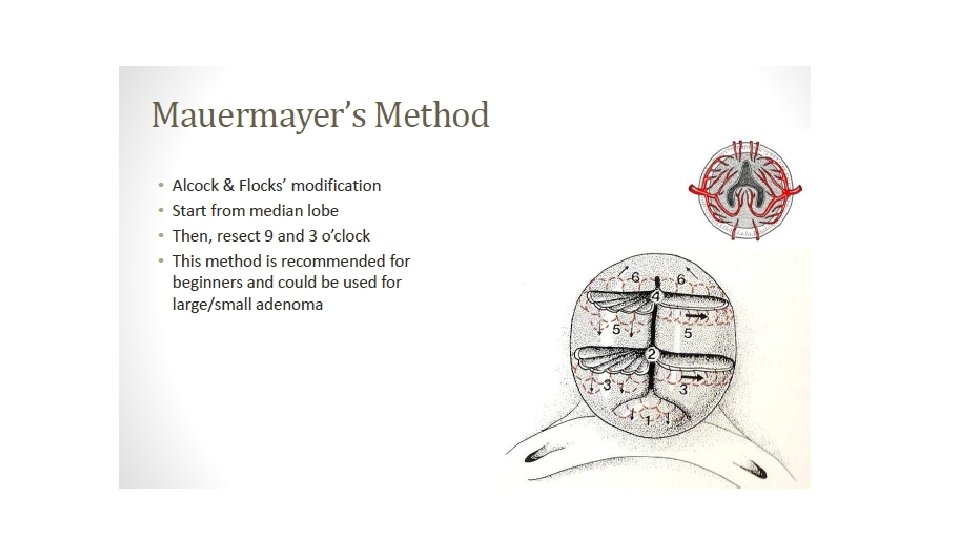
Nesbit’s Method
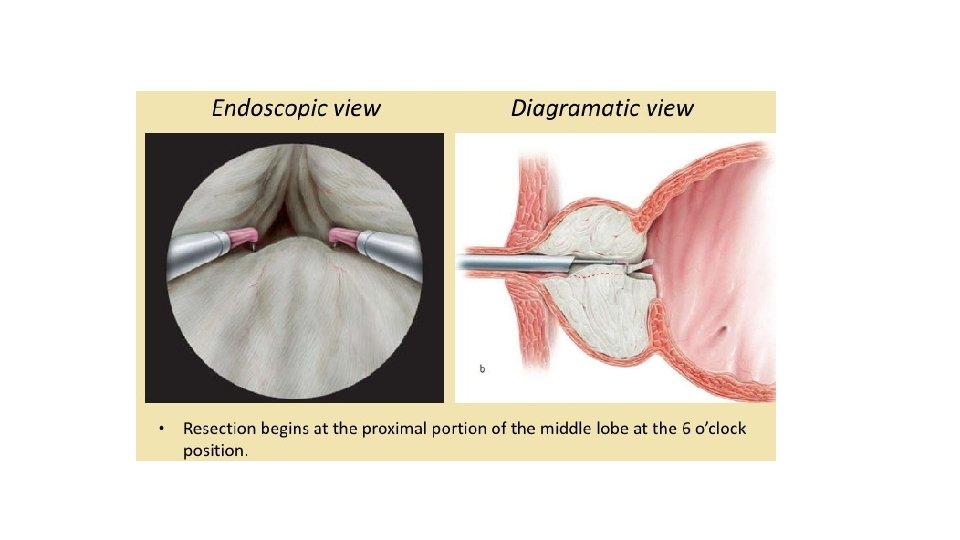
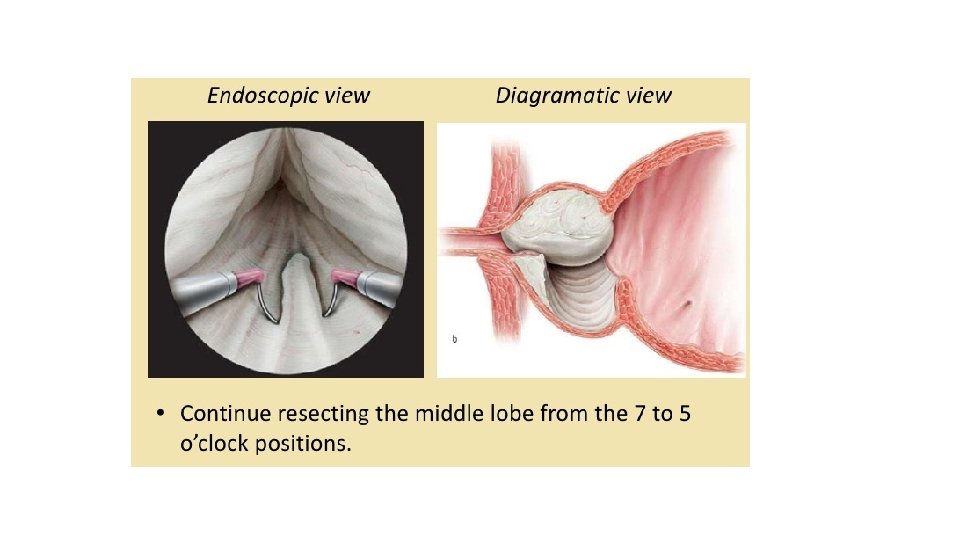
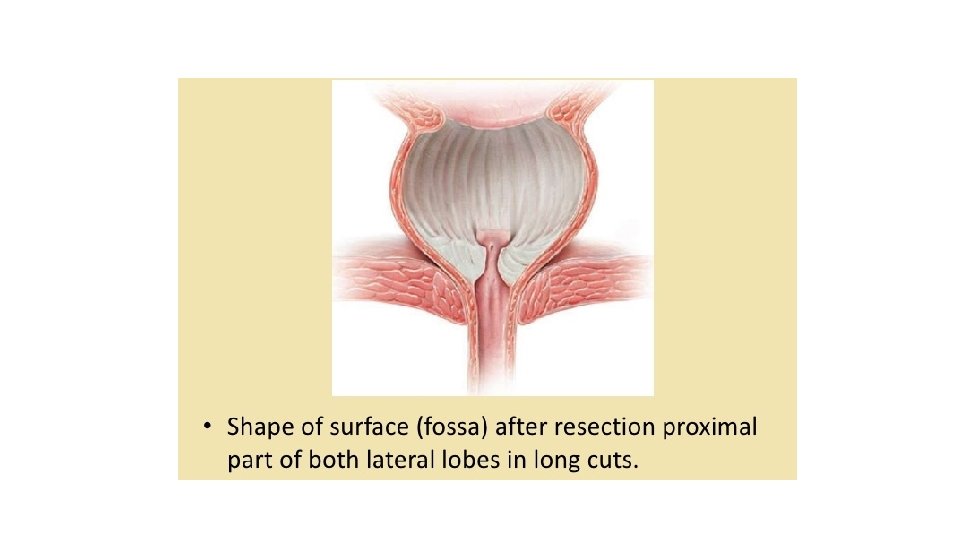
Barnes’ Method • Start from median lobe • Lateral lobe will be resected from the bottom to the top
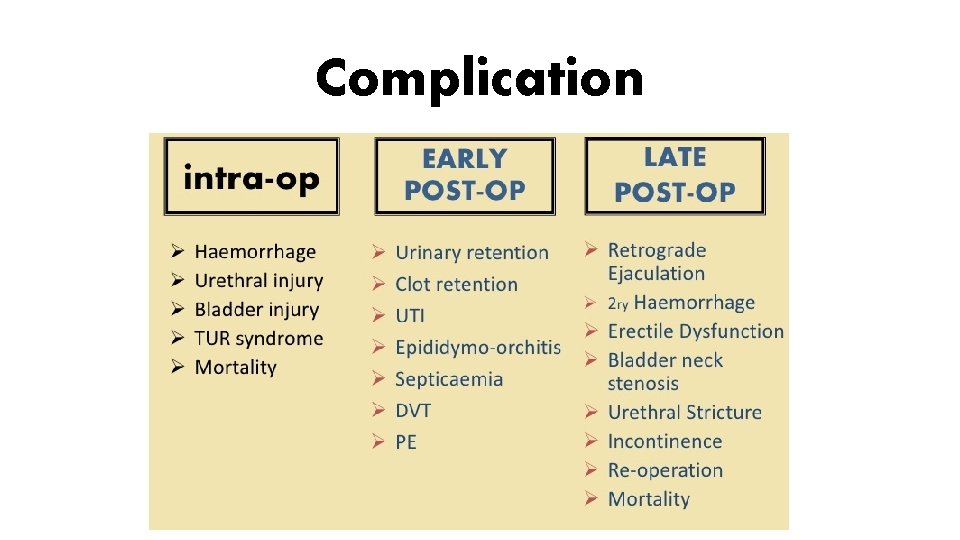
Complication
Irrigation Solutions n. An irrigation solution for TURP should be isotonic, electrically inert, nontoxic, transparent, easy to sterilize, and inexpensive.
nwater is electrically inert and inexpensive and has excellent optical properties; however, it is extremely hypotonic. n. When absorbed into the circulation in large amounts, plain water causes hemolysis, shock, and renal failure.
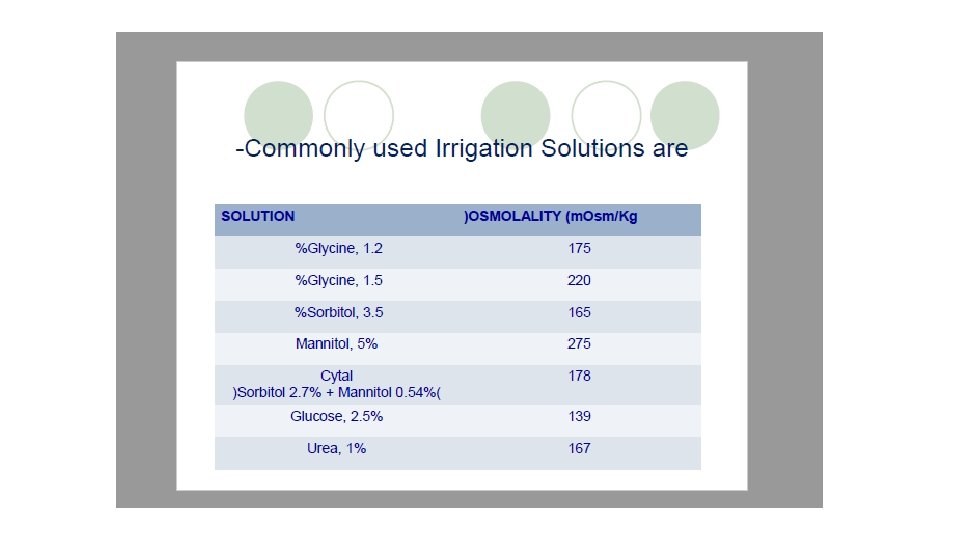
n. In addition, a number of nearly isotonic irrigation solutions have become available. n. Commonly used are solutions of glycine, 1. 2%and 1. 5%; mannitol, 3% to 5%; glucose, 2. 5% to 4%; sorbitol, 3. 5%; Cytal (a mixture of sorbitol, 2. 7%, and mannitol, 0. 54%).
n. Although they cause no significant hemolysis, excessive absorption of modern irrigation solutions might lead to other complications, such as pulmonary edema and hyponatremia. n In addition, the solutes may have adverse effects. n. Glycine may cause cardiac and retinal toxic effects, mannitol rapidly expands the blood volume and mightcause pulmonary edema in cardiac patients, and glucose might cause severe hyperglycemia in diabetic patients.
Complications of Transurethral Resection of the Prostate
Absorption of Irrigating Solution Because the prostate gland contains large venous sinuses, it is inevitable that irrigating solution will be absorbed. Simple principles govern the amount of absorption:
(1) the height of the container of irrigating solution above the surgical table determines the hydrostatic pressure driving fluid into prostatic veins and sinuses,
(2) The time of resection is proportional to the quantity of fluid that is absorbed. On average, 10 to 30 m. L of fluid is absorbed per minute of resection time, with as much as 6 to 8 L absorbed in some procedures lasting up to 2 hours.
Circulatory Overload, Hyponatremia, and Hypo-osmolality • absorption of large quantities of water led dilutional hyponatremia, which resulted in hemolysis of red blood cells and CNS symptoms ranging from confusion to convulsions and coma.
Perforation • Another relatively common complication of TURP is perforation of the bladder. • Perforations usually occur during difficult resections and are most often made by the cutting loop or knife electrode. • Some, however, are made by the tip of the resectoscope, whereas others may result from overdistention of the bladder with irrigation fluid.
• Most perforations are extra peritoneal, and in a conscious patient they result in pain in the periumbilical, inguinal, or suprapubic regions; • additionally, the urologist may note the irregular return of irrigating fluid.
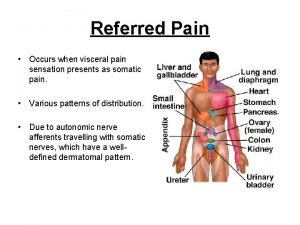
• Less often, the perforation is through the wall of the bladder and is intraperitoneal, or a large extra peritoneal perforation may extend into the peritoneum. • In such cases, pain may be generalized in the upper part of the abdomen or be referred from the diaphragm to the precordial region or the shoulder.
TURP Syndrome • TURP syndrome is a term applied to a constellation of symptoms and signs caused primarily by excessive absorption of irrigating fluid.
• Neurologic manifestations, • such as restlessness, agitation, confusion, altered sensorium, • seizure, and coma, result from water intoxication • and dilutional hyponatremia, which collectively produce • cerebral edema.
• The cardiovascular effects reflect volume overload and hyponatremia. • Hypertension and bradycardia are frequently seen because of acute hypervolemia.
If serum sodium levels rapidly decrease to less than 120 m. Eq/L, negative inotropic effects are manifested as hypotension and ECG changes of widened QRS complexes and ventricular ectopy.
Treatment of TURP syndrome • consists of fluid restriction and a loop diuretic such as furosemide. • Hypertonic saline (3% sodium chloride) is rarely, if ever necessary and should be considered only in patients with severe hyponatremia.
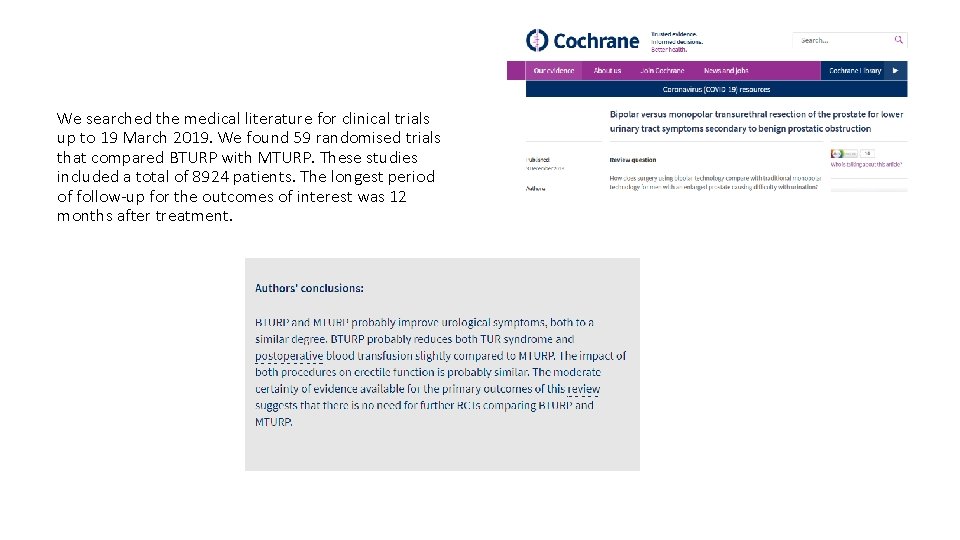
We searched the medical literature for clinical trials up to 19 March 2019. We found 59 randomised trials that compared BTURP with MTURP. These studies included a total of 8924 patients. The longest period of follow-up for the outcomes of interest was 12 months after treatment.