
Complementary alternative therapy for obesity Alireza Esteghamati M
Complementary alternative therapy for obesity Alireza Esteghamati , M. D Professor of Endocrinology and Metabolism Tehran University of Medical Sciences DECMBER , 2013 1

outline Introduction Supplements Homeopathy Yoga , Ayurveda Hypnosis Acupuncture Body Contouring 2
Introduction Complementary and alternative medicine is defined as : ‘‘the use and practice of therapies or diagnostic techniques that may not be part of any current Western health care system, culture, or society. ’’ Examples of CAM include : Acupuncture, chiropractic, herbal medicine, homeopathy, and naturopathy 3
Introduction • 34% of the US population was using at least 1 form of CAM in 1990 • By 1997 that number had grown to 42%. • This amounts to 629 million office visits to alternative practitioners in 1997 • Compared with 386 million office visits to primary care providers 4
Introduction • With the increasing prevalence of obesity, there a large number of alternative treatments touted for weight loss. • Dietary supplements are the most commonly used complementary therapy for weight loss. • A recent study showed that 34% of a representative sample used a dietary supplement for weight loss sometime in their lives, and nearly 1 in 10 have done so in the past year 5
DIETARY SUPPLEMENTS 6 Caffeine/Ephedrine Alkaloids • About 80% of supplements used contain naturally occurring stimulants, such as caffeine and ephedrine. • The combination of caffeine and ephedrine has thermogenic properties that increase energy expenditure and promote weight loss.
DIETARY SUPPLEMENTS 7 Caffeine/Ephedrine Alkaloids Numerous studies have evaluated the effects of caffeine and ephedrine on weight loss in overweight and obese subjects with the typical dose being 200 mg caffeine/20 mg ephedrine 3 times daily. Ephedrine is the primary active ingredient of herbal ephedra, also known as ma huang. In herbal products, caffeine is often derived from guarana or kola nut.
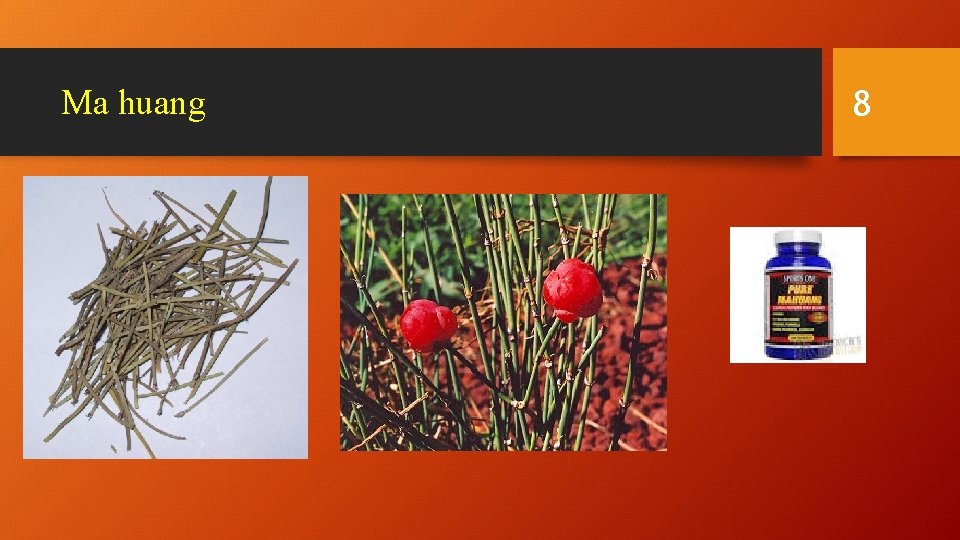
Ma huang 8
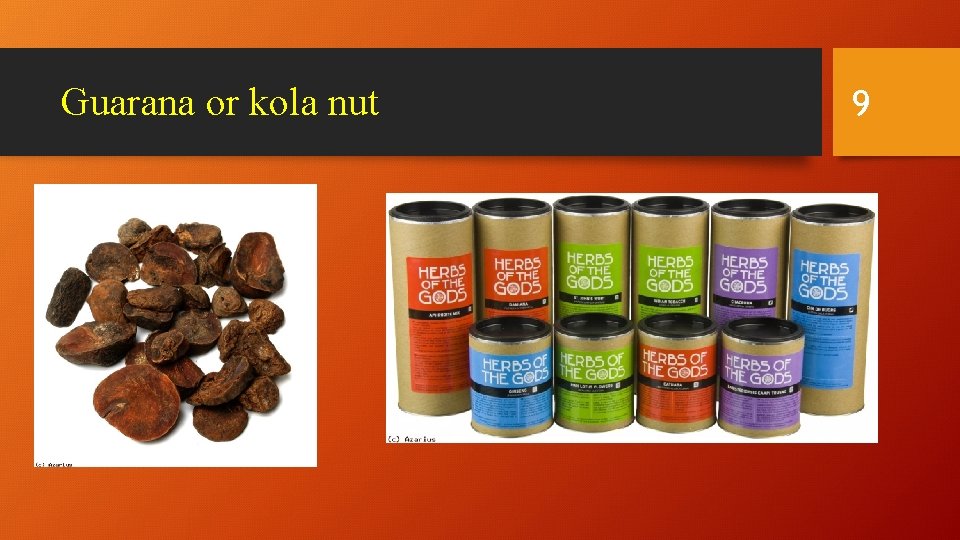
Guarana or kola nut 9
Kola nut • Kola nut was the main ingredient in Coca-Cola after cocaine became illegal. • Whether or not it is still an ingredient in Coca-Cola is a secret, but it can be found in Pepsi cola. • In Jamaica and Colombia Kola nut is consumed as a sexual stimulant similar to cocaine 10
Caffeine/Ephedrine RCT 8 -week double-blind, RCT of 67 overweight subjects Combination of ma huang and guarana, 72 mg/240 mg/d, effectively decreased weight, with an average lo of 4 kg compared with 0. 8 kg in the placebo group. Percentage of body fat, W/H circumferences, and TG decreased significantly more in the active treatment group. There were no differences in BP or blood chemistries HR increased in the active treatment group, 7 bpm. There were 8 dropouts 11
Caffeine/Ephedrine RCT A prospective, double-blind, RCT by Boozer Long-term safety and efficacy of a ma huang/kola nut supplement for weight loss. About 167 healthy, adult volunteers were randomized to receive 30 mg ephedrine alkaloids/64 mg caffeine or placebo 3 times daily 12
Caffeine/Ephedrine RCT 13 At 6 months, subjects in the herbal treatment group lost significantly more weight and body fat than that of placebo, 5. 3 kg versus 2. 6 kg (P<. 001) and 4. 3 kg versus 2. 7 kg (P<. 020), respectively. Other significant differences in favor of the herbal group included decreased waist and hip circumferences.
Caffeine/Ephedrine RCT 14 BP was not significantly different between the 2 groups, but HR increased significantly in the herbal group and decreased in the placebo group, (+ 4 bpm vs 3 bpm) Dry mouth, heartburn, and insomnia were reported significantly more in the active treatment group
Meta-analysis of the efficacy and safety of ephedrine for weight loss / athletic performance 15 • The estimate of the rate of weight loss was 1 kg/mo more than weight loss with placebo. • Subjects receiving ephedrine had a 2. 2 to 3. 6 increased odds of psychiatric symptoms, autonomic hyperactivity, UGI symptoms, and palpitations. • There is sufficient evidence to support the effectiveness of up to 6 months of ephedrine/ caffeine for weight loss. • Side effects may preclude its use in patients with chronic cardiovascular or psychiatric illnesses
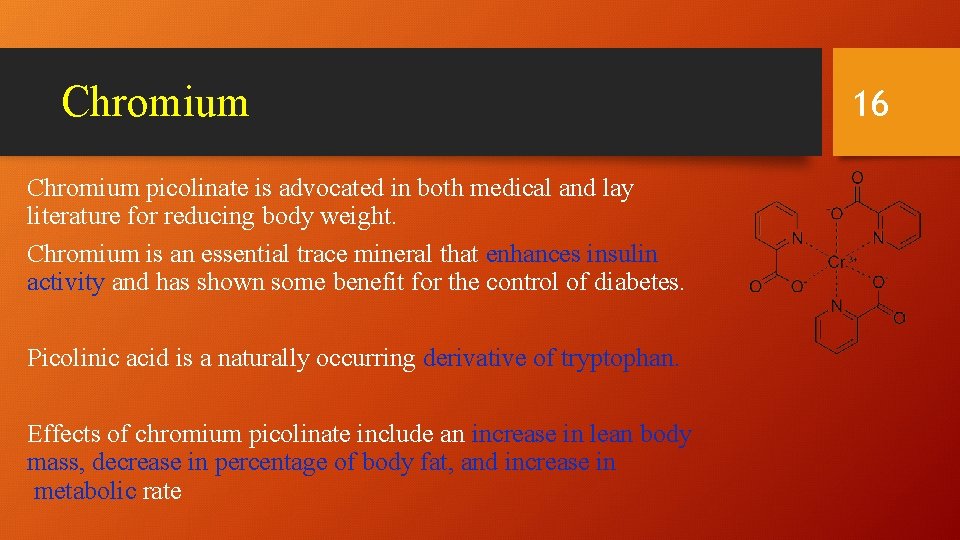
Chromium picolinate is advocated in both medical and lay literature for reducing body weight. Chromium is an essential trace mineral that enhances insulin activity and has shown some benefit for the control of diabetes. Picolinic acid is a naturally occurring derivative of tryptophan. Effects of chromium picolinate include an increase in lean body mass, decrease in percentage of body fat, and increase in metabolic rate 16
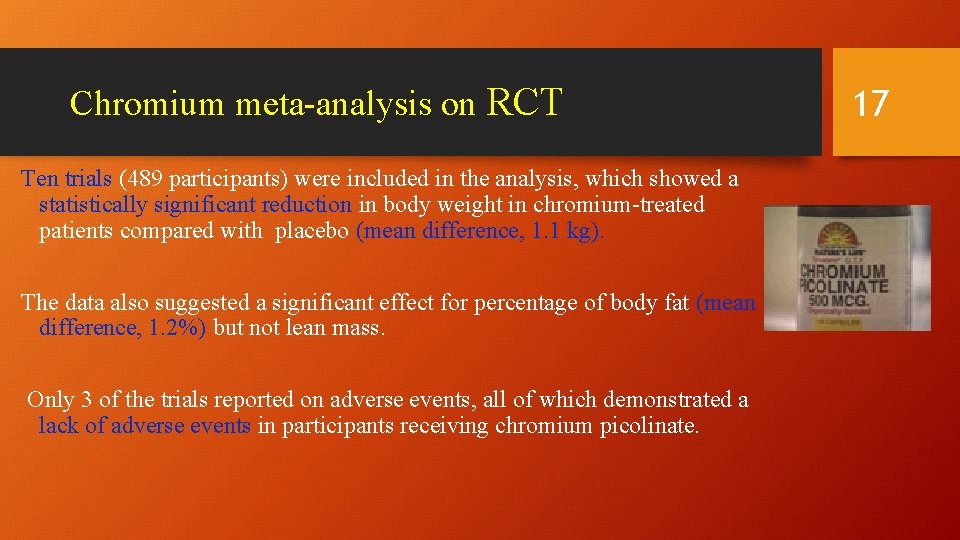
Chromium meta-analysis on RCT Ten trials (489 participants) were included in the analysis, which showed a statistically significant reduction in body weight in chromium-treated patients compared with placebo (mean difference, 1. 1 kg). The data also suggested a significant effect for percentage of body fat (mean difference, 1. 2%) but not lean mass. Only 3 of the trials reported on adverse events, all of which demonstrated a lack of adverse events in participants receiving chromium picolinate. 17
Chromium The clinical relevance is debatable due to the small size of the effect. Additionally, the methodology of the included studies was variable, thus decreasing the robustness of the meta-analysis There have been case reports of adverse effects due to chromium picolinate, including rhabdomyolysis and severe renal impairment 18
Supplements 19 Fish Oil : cannot be recommended for weight loss Calcium Supplements: There is no conclusive evidence that calcium supplementation results in weight loss Diacylglycerol : DG is a minor component of dietary oils and fats , The FDA is reviewing it Conjugated Linoleic Acid : it appears that supplementation with CLA cannot be recommended at this time for weight loss in obese patients.
Supplements 20 Pyruvate: Pyruvic acid is a by-product of glucose metabolism. It is an alpha- keto acid, which is converted to lactic acid More evidence is needed before pyruvate can be recommended for weight loss. Garcinia : Hydroxycitric acid comes from the fruit and rind of garcinia and interferes with lipogenesis. There is insufficient evidence to support the effectiveness of garcinia extract for weight loss
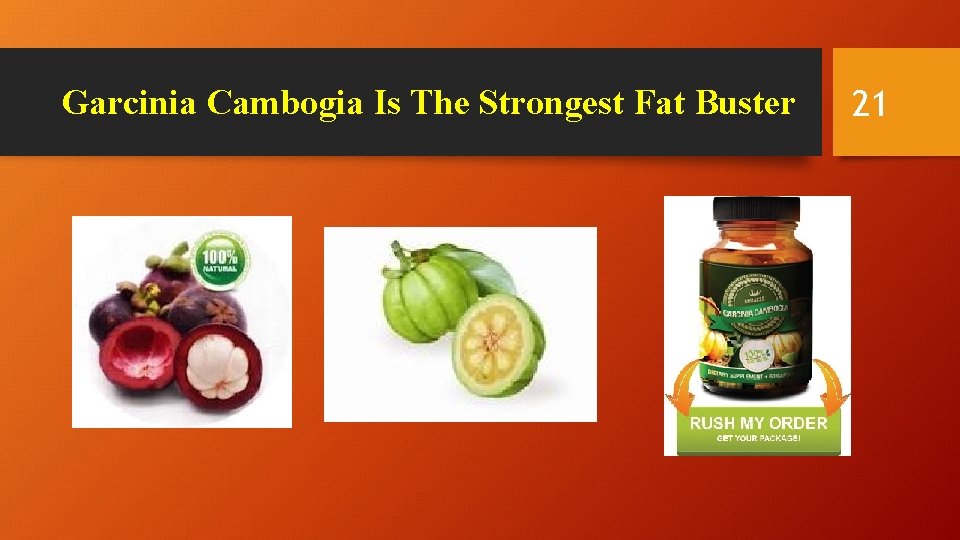
Garcinia Cambogia Is The Strongest Fat Buster 21

Suppress your appetite, start burning 22
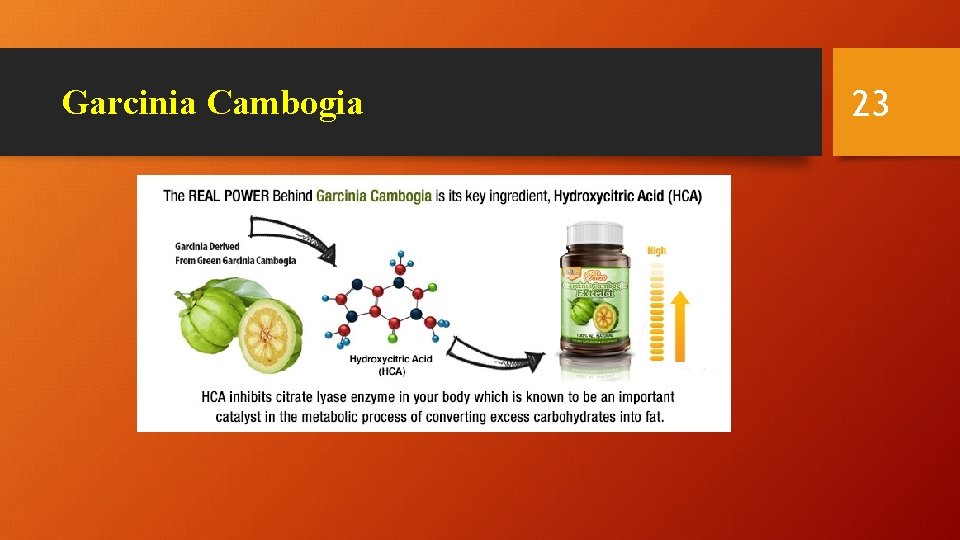
Garcinia Cambogia 23
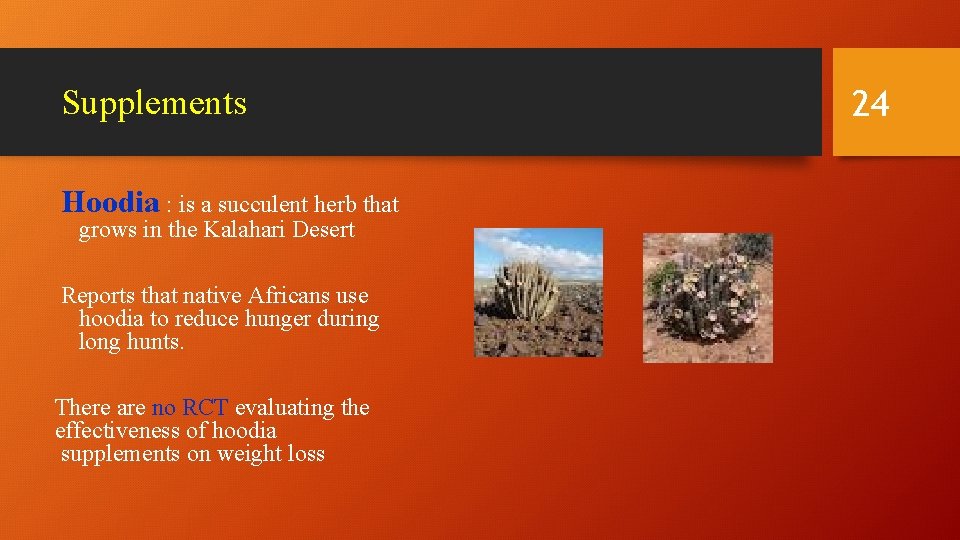
Supplements Hoodia : is a succulent herb that grows in the Kalahari Desert Reports that native Africans use hoodia to reduce hunger during long hunts. There are no RCT evaluating the effectiveness of hoodia supplements on weight loss 24
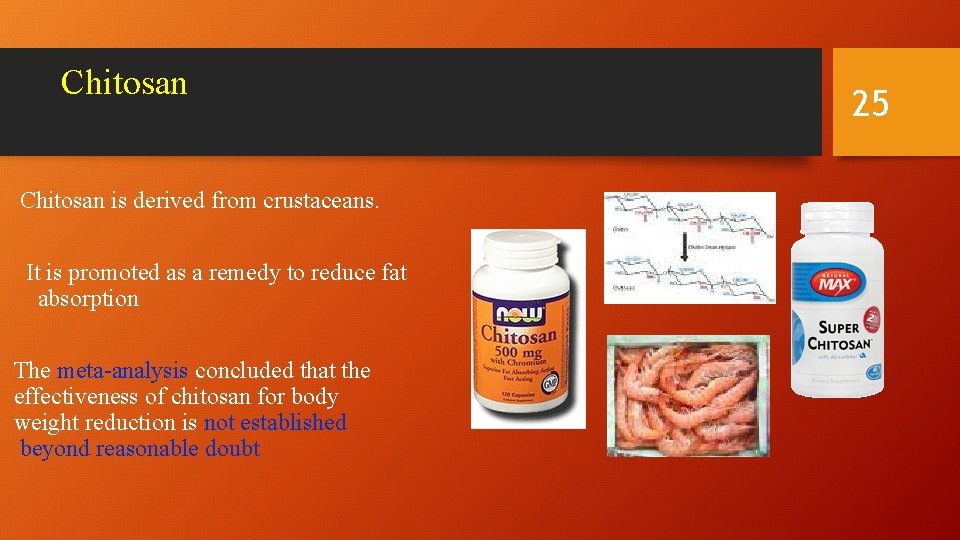
Chitosan is derived from crustaceans. It is promoted as a remedy to reduce fat absorption The meta-analysis concluded that the effectiveness of chitosan for body weight reduction is not established beyond reasonable doubt 25
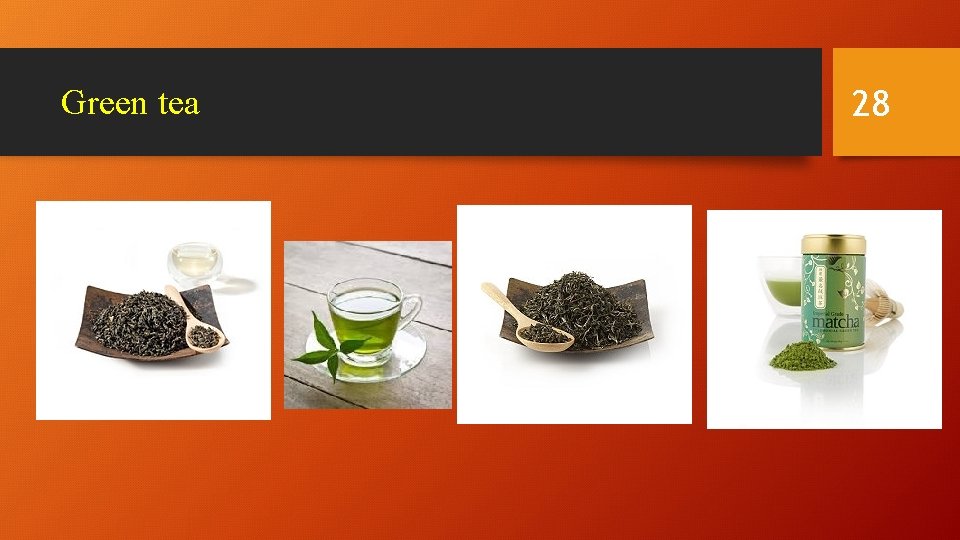
Botanicals in the Treatment of Obesity Tea (Green, Black) 26 Green tea is created when tea leaves are processed soon after collection, and black tea leaves are crushed before fermentation. Tea is believed to induce thermogenesis through actions of polyphenol constituents called catechins, which inhibit the breakdown of norepinephrine. This results in a rise in mitochondrial oxidation and lowered coupling with ATP synthesis, producing heat. Alternatively, catechins may impair angiogenesis and retard the development of adipose tissue.
Green tea 27 Green tea catechins, and epigallocatechin gallate (EGCG) have been demonstrated in cell culture and animal models of obesity to reduce : Adipocyte differentiation and proliferation, lipogenesis, fat mass, body weight, fat absorption, triglycerides, free fatty acids, cholesterol, glucose, insulin and leptin, as well as to increase beta-oxidation and thermogenesis. Since EGCG is regarded as the most active component of green tea, its specific effects on obesity should also be investigated in human trials.
Green tea 28
The Probable Reasons for Obese Person to Prefer Herbal Products for Weight Management 1) Health benefits of weight loss without any side effects. 2) Less demanding than accepted lifestyle changes, such as exercise and diet. 3) Easily available without a prescription. 4) More easily accepted than a professional consultation with a physician or a nutritionist. 5) 100% natural origin and perception that natural means safe. 29
Herbal Approach for Obesity Management An ideal herbal anti obesity product should reduce the weight by 10% over placebo of treatment Showing an evidence of improvement of bio markers like BP , lipids and glycemia without any side effects. 30
Ayurveda In Ayurveda, the five elements of space, air, earth, fire and water make up everything in the universe including the human body. These elements come together to create three different constitutional types, or doshas, known as Vata (airy), Pitta (fiery), and Kapha (earthy). 31
32
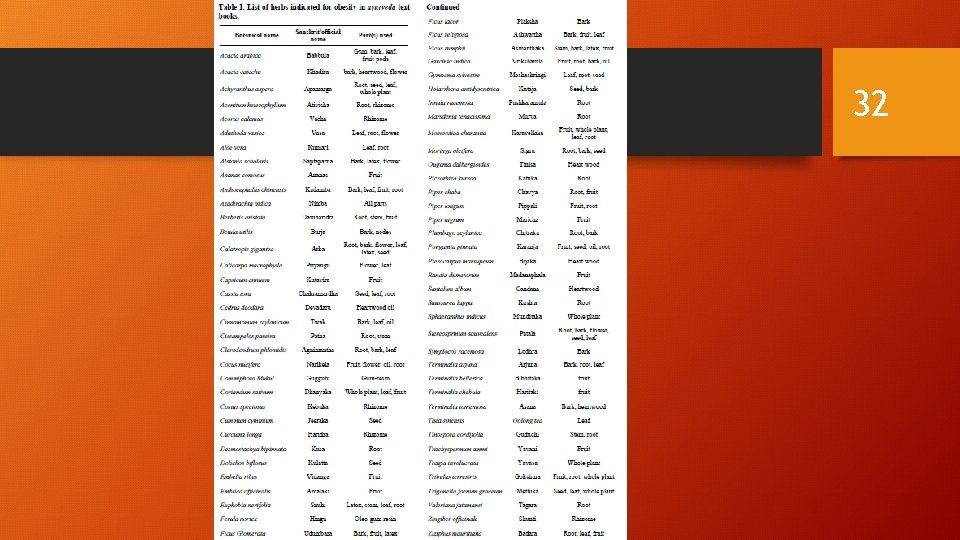
Plants in ayurveda 33 There are several plants described in ayurveda for weight management. But so far, no systematic and well designed screening is attempted to come up with an effective herbal weight loss product. A better understanding in the existing evidence based science on herbs will further guide a qualitative research in obesity management that will attract the end users by the effective benefits.
Plants in ayurveda 34 True randomized, double blinded, placebo-controlled clinical trials using herbal products will demonstrate their potential benefits. Significant weight loss after placebo sub-traction along with known mechanism of action are required in order to generate conviction amongst users as effective agent for weight management.
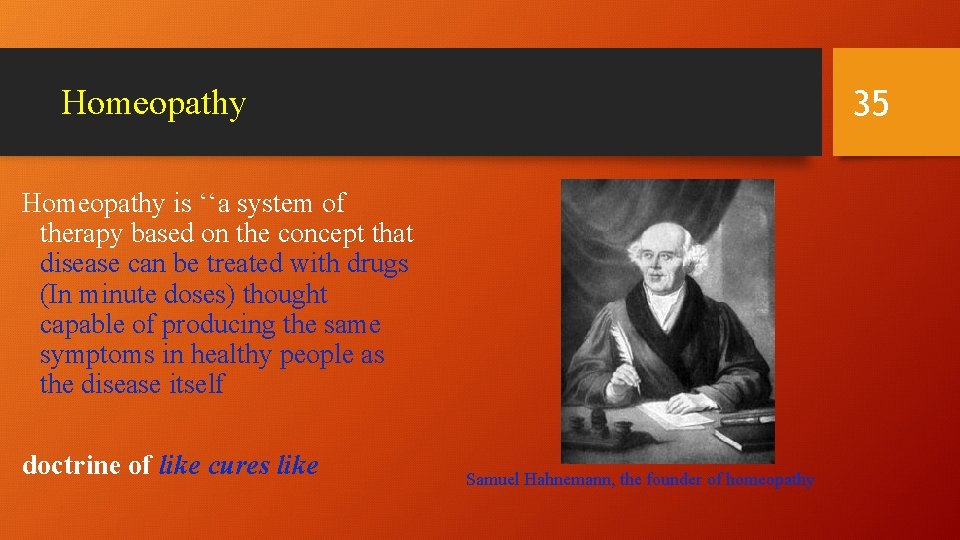
Homeopathy 35 Homeopathy is ‘‘a system of therapy based on the concept that disease can be treated with drugs (In minute doses) thought capable of producing the same symptoms in healthy people as the disease itself doctrine of like cures like Samuel Hahnemann, the founder of homeopathy
Homeopathy 36 Two studies on homeopathy for the treatment of obesity have been identified. In the first trial, Helianthus tuberosus D 1 was used in patients with an average BMI of 28 kg/m 2. After 12 weeks, it was found that the treatment group had lost significantly more weight than that of the control group. In the second study, it was found that Thyroidinum 30 c. H was no more effective than placebo when used as an appetite suppressant. Based on this conflicting evidence, the use of homeopathic remedies for the treatment of obesity cannot be recommended.
Hypnosis Hypnotherapy is ‘‘the induction of trance states and the use of therapeutic Suggestion Your hypnotherapist , guide you into a state of deep relaxation Over time you will learn how to replace your negative habits and eating patterns with positive ones suggested by your hypnotherapist 37
Hypnosis, also referred hypnotic suggestion, is a trance-like state in which you have heightened focus and concentration. Hypnosis is usually done with the help of a therapist using verbal repetition and mental images. When you're under hypnosis, you usually feel calm and relaxed, and are more open to suggestions. It's important to know that although you're more open to suggestion during hypnosis, you don't lose control over your behavior. 38
Hypnosis 39 There have been 2 meta-analyses conducted that look at the effect of hypnosis on weight loss. In a meta-analysis Kirsch and colleagues compared 6 RCT , which compared cognitivebehavioral therapy alone versus cognitive behavioral therapy with hypnosis. They concluded that adding hypnosis as an adjuvant increased the amount of weight loss. As described by Allison, a second group of authors found several transcription and computing errors in the Kirsch meta analysis. Upon correcting these, it was concluded that hypnosis resulted in, at best, a small improvement in the treatment effect
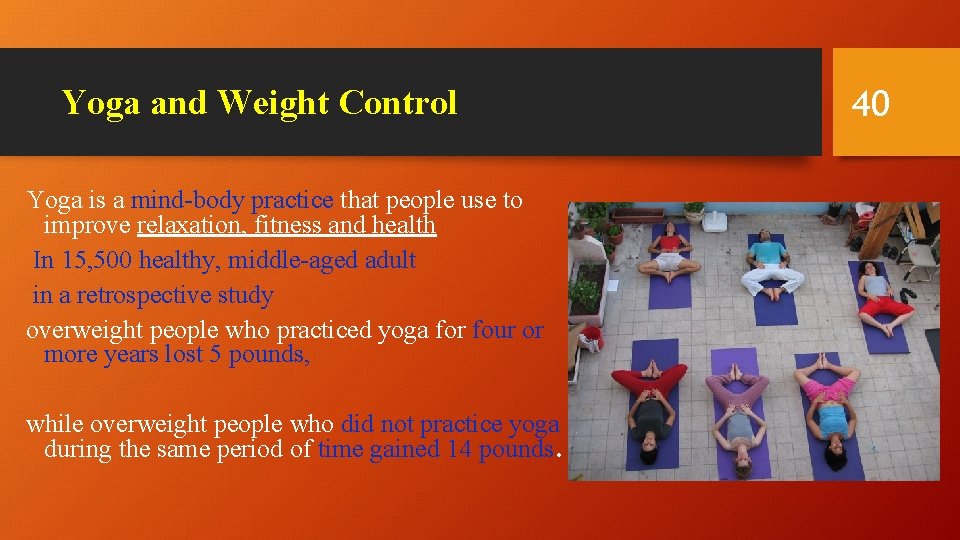
Yoga and Weight Control Yoga is a mind-body practice that people use to improve relaxation, fitness and health In 15, 500 healthy, middle-aged adult in a retrospective study overweight people who practiced yoga for four or more years lost 5 pounds, while overweight people who did not practice yoga during the same period of time gained 14 pounds. 40
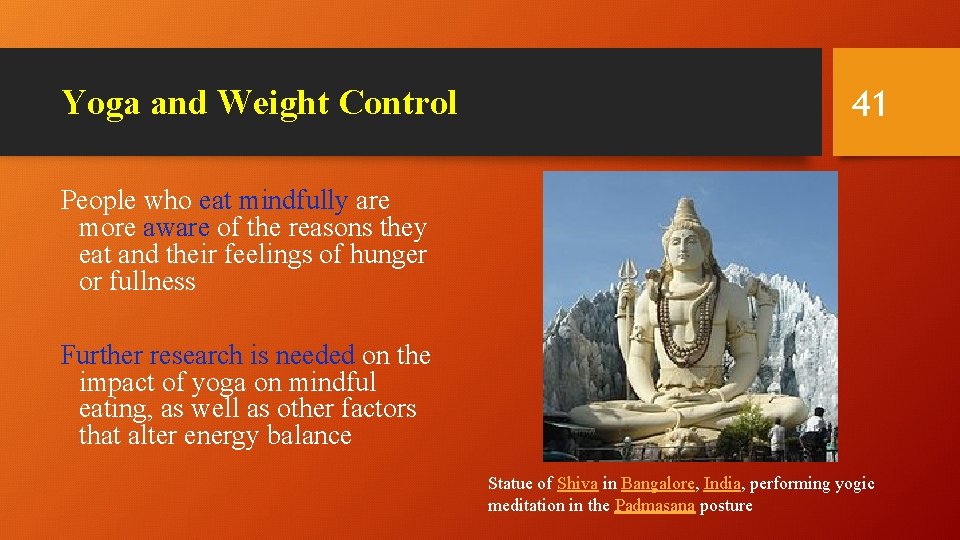
Yoga and Weight Control 41 People who eat mindfully are more aware of the reasons they eat and their feelings of hunger or fullness Further research is needed on the impact of yoga on mindful eating, as well as other factors that alter energy balance Statue of Shiva in Bangalore, India, performing yogic meditation in the Padmasana posture
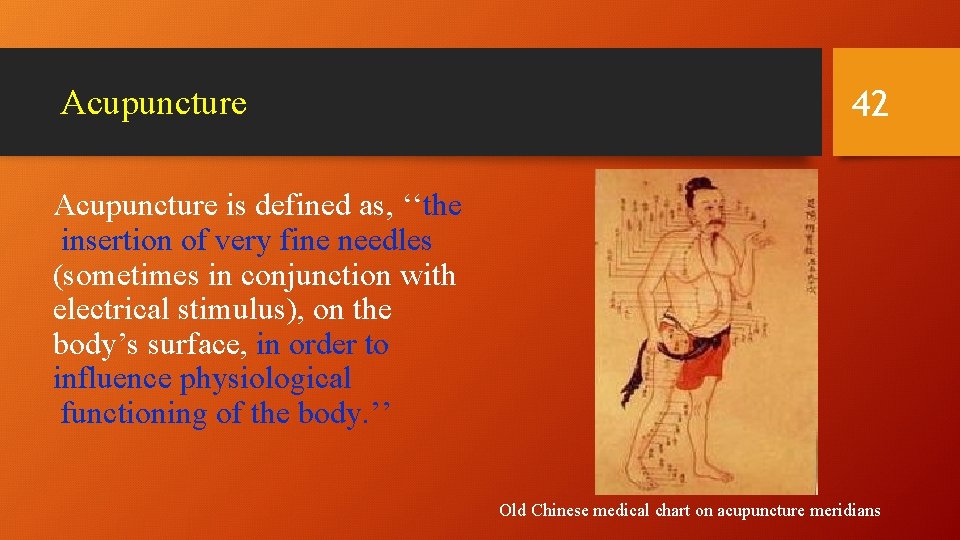
Acupuncture 42 Acupuncture is defined as, ‘‘the insertion of very fine needles (sometimes in conjunction with electrical stimulus), on the body’s surface, in order to influence physiological functioning of the body. ’’ Old Chinese medical chart on acupuncture meridians
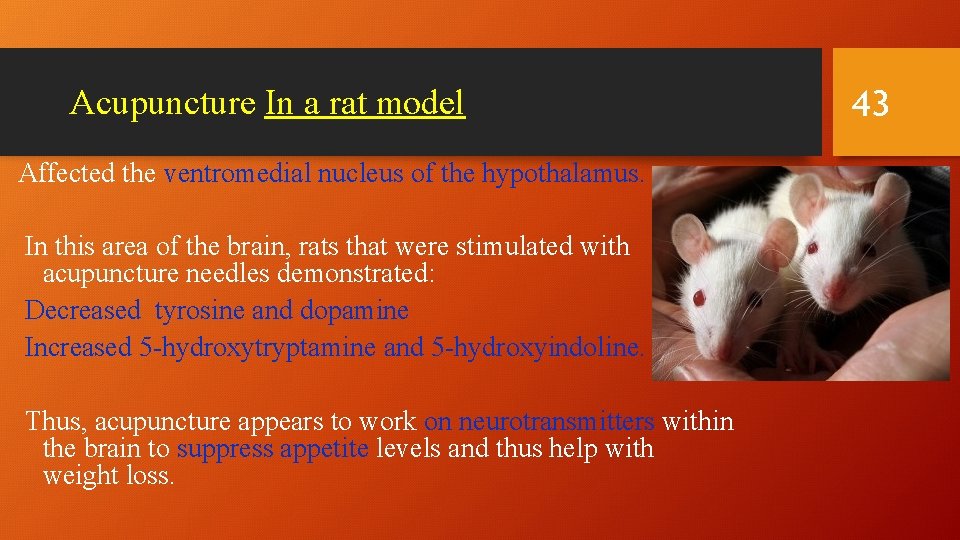
Acupuncture In a rat model Affected the ventromedial nucleus of the hypothalamus. In this area of the brain, rats that were stimulated with acupuncture needles demonstrated: Decreased tyrosine and dopamine Increased 5 -hydroxytryptamine and 5 -hydroxyindoline. Thus, acupuncture appears to work on neurotransmitters within the brain to suppress appetite levels and thus help with weight loss. 43
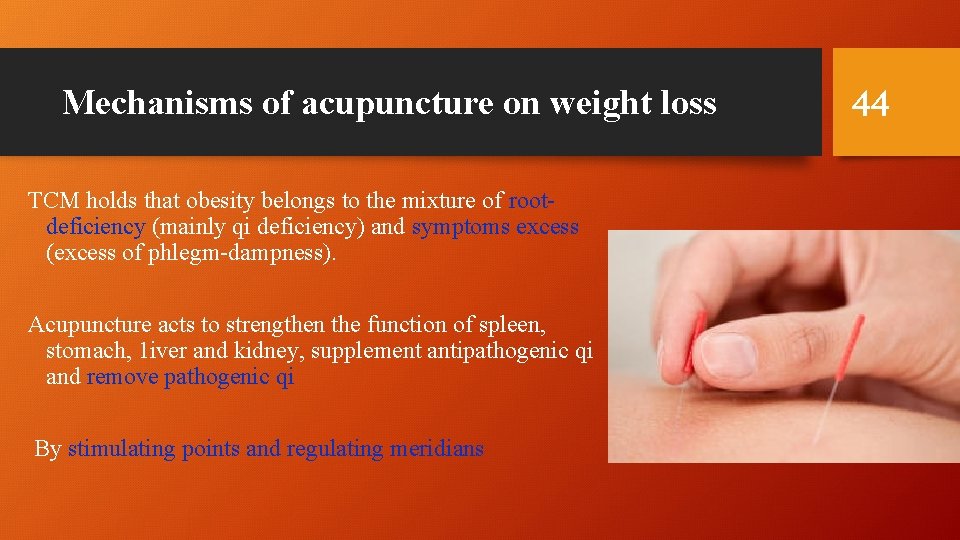
Mechanisms of acupuncture on weight loss TCM holds that obesity belongs to the mixture of rootdeficiency (mainly qi deficiency) and symptoms excess (excess of phlegm-dampness). Acupuncture acts to strengthen the function of spleen, stomach, 1 iver and kidney, supplement antipathogenic qi and remove pathogenic qi By stimulating points and regulating meridians 44
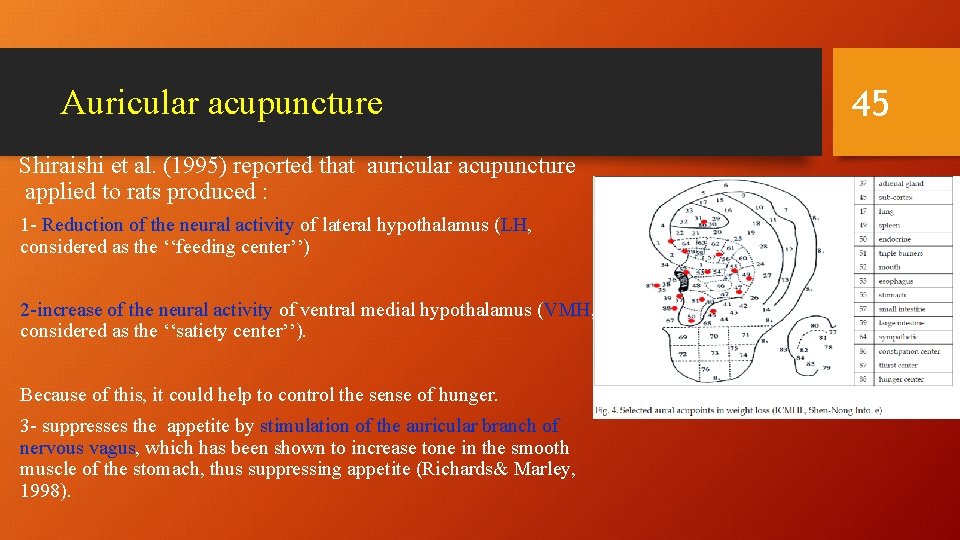
Auricular acupuncture Shiraishi et al. (1995) reported that auricular acupuncture applied to rats produced : 1 - Reduction of the neural activity of lateral hypothalamus (LH, considered as the ‘‘feeding center’’) 2 -increase of the neural activity of ventral medial hypothalamus (VMH, considered as the ‘‘satiety center’’). Because of this, it could help to control the sense of hunger. 3 - suppresses the appetite by stimulation of the auricular branch of nervous vagus, which has been shown to increase tone in the smooth muscle of the stomach, thus suppressing appetite (Richards& Marley, 1998). 45
In sum, the weight loss function of acupuncture might work through the following three means 46 1 -Regulating nerve system It is believed that when needling certain acupoints peripheral nerves were stimulated to regulate the autonomic nerve of the internal organs and make coordination between sympathetic and parasympathetic nerve Which can inhibit gastric emptying and correct abnormal appetite on one side and promote intestinal peristalsis and reduce the food absorption on the other side
In sum, the weight loss function of acupuncture might work through the following three means 47 1 - Regulating nerve system Acupuncture causes changes in K+, Na+, and Ca+ in the neurons (Deng, 1995), and the amount of neuropeptides like beta endorphin, leucine, encephalin, and neurotransmitters like aspartate in CNS (Fu, 2000). Researchers strongly support the opinions that the effect of acupuncture is arranged by the brain (Futaesaku et al. , 1995) and that EA application causes a great change in the action potential of nerve cells
2 -Regulating endocrine system 48 Acupuncture can restore normal endocrine by regulating the two systems of “hypothalamuspituitary-adrenal cortex” and “sympathetic adrenal cortex” (Shi & Zhang, 2005). It has been determined that endomorphin-1, beta endorphin, encephalin, and serotonin levels increase in plasma and CNS through acupuncture application. Encephalins as well as serotonin has an effect on feeling well, producing happiness, being pleased, producing a normal level of appetite, and achieving psychomotor balance. These effects play a role in the arrangement of psychological behaviors, including dietary behavior
3 - Regulating lipid metabolism Increases of endomorphin-1, beta endorphin, encephalin, serotonin, and dopamine cause lipolitic effects on metabolism. Needling certain points can reduce the content of lipid peroxide in the blood and accelerate the fat decomposition. In addition, acupuncture can regulate water and salt metabolism and thus correct the condition of water-salt retention 49
50 A systematic review on use of Chinese medicine and acupuncture for treatment of obesity reviews (2012) 13, 409– 430
A systematic review on use of Chinese medicine and acupuncture for treatment of obesity 51 • Obesity is a major health hazard and despite lifestyle modification, many patients frequently regain any lost body weight. • The use of western anti-obesity drugs has been limited by side effects including : • Mood changes, suicidal thoughts, and GI or cardiovascular complications obesity reviews (2012) 13, 409– 430
Results 55 After screening 2545 potential articles from the electronic databases, 96 RCTs identified 49 trials on CHM treatment 44 trials on acupuncture treatment 3 trials on combined therapy for appraisal. There were 4861 subjects in the treatment groups and 3821 in the control groups treatment duration ranging from 2 weeks to 4 months.
Results 56 Efficacy was defined as body weight reduction 2 kg or BMI reduction 0. 5 kg/m 2. Compared with placebo or lifestyle modification, CHM and acupuncture exhibited respective ‘risk ratio’ (RR) of 1. 84 and 2. 14 in favor of body weight reduction, with a Mean difference in body weight reduction of 4. 03 kg and 2. 76 kg Mean difference in BMI reduction of 1. 32 kg/m 2 and 2. 02 kg/m 2, respectively.
Results 57 Compared with the pharmacological treatments of sibutramine, fenfluramine or orlistat CHM and acupuncture exhibited an RR of 1. 11 and 1. 14 in body weight reduction mean difference in body weight reduction of 0. 08 kg and 0. 65 kg mean difference in BMI reduction of 0. 18 kg/m 2 and 0. 83 kg/m 2, respectively
Results There were fewer reports of adverse effects and relapses of weight regain in CHM intervention studies conducted in China than studies conducted outside China. CHM and acupuncture were more effective than placebo or lifestyle modification in reducing body weight. They had a similar efficacy as the Western anti-obesity drugs but with fewer reported adverse effects. However, these conclusions were limited by small sample size and low quality of methodologies 58
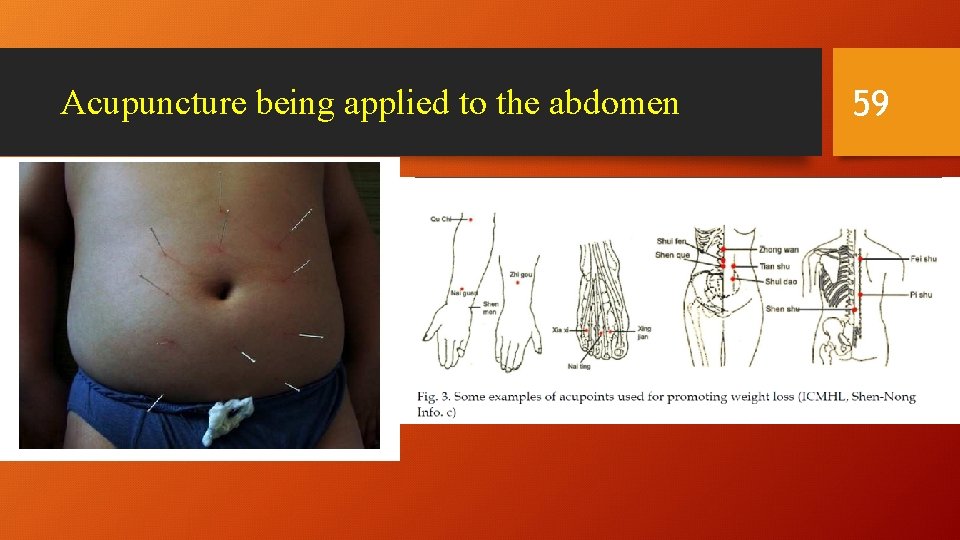
Acupuncture being applied to the abdomen 59
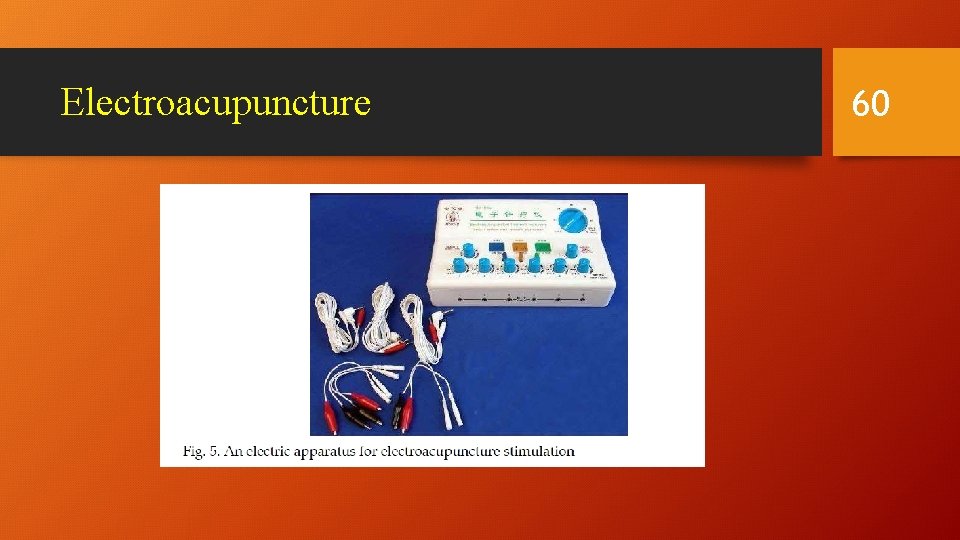
Electroacupuncture 60
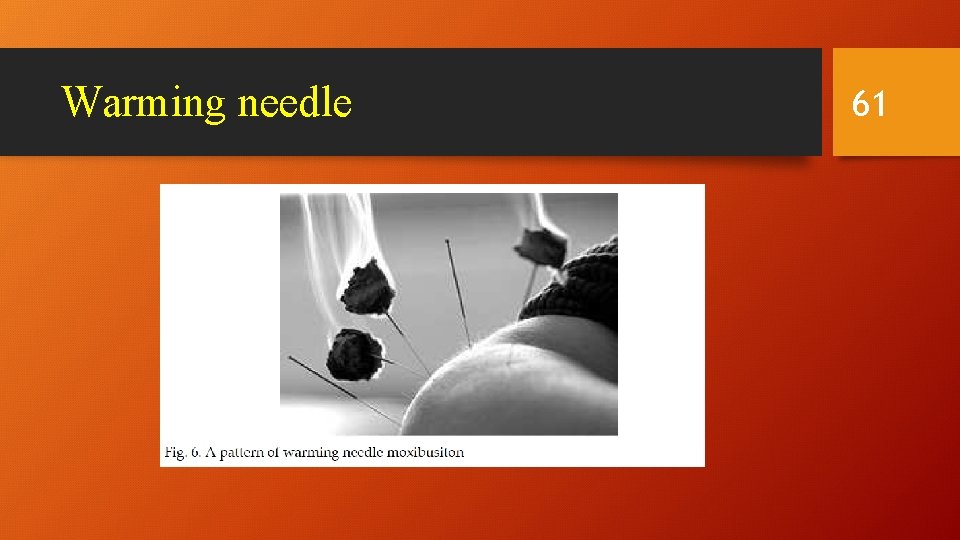
Warming needle 61
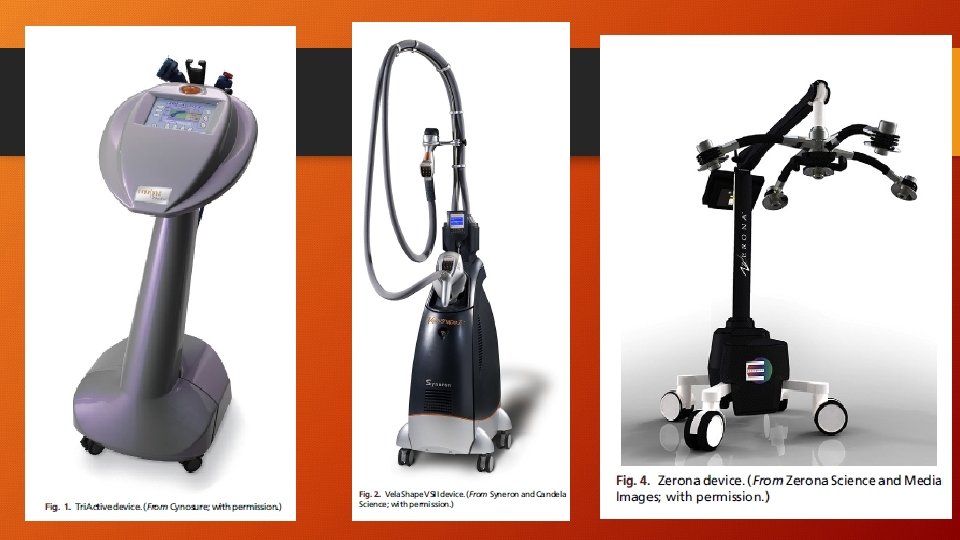
Noninvasive Body Contouring with Radiofrequency, Ultrasound, Cryolipolysis, and Low-Level Laser Therapy In 2009, the global market for all body-shaping platforms was expected to reach $361. 9 billion with more than 9 million procedures performed. The annual growth in noninvasive body-contouring procedures is estimated to expand by 21% per year 62
Body Contouring Historically and currently, the gold standard for body contouring still remains the various techniques of liposuction • Suction: Massage Devices • Suction-Massage: Thermal Devices • Radiofrequency Energy Devices • High-Frequency Focused Ultrasound Energy Devices • Cryolipolysis Energy Devices • Low-Level Light Laser Therapy Devices 63
Indications and contraindications of noninvasive Body Contouring Indications include realistic expectations of a modest reduction of localized fat, modest cellulite improvement, compliance with multiple visits, reasonable BMI and lifestyle, and are opposed to a surgical procedure, which would get a better result. Contraindications include if the patient is pregnant, has a pacemaker, is medically unwell, has unrealistic expectations, or has a large BMI. 64
Indications and contraindications of noninvasive Body Contouring The best candidates and indications for noninvasive body contouring are those patients who are very accepting of a mild to moderate result; in fact, the best candidates are those who state they will be happy with any measurable reduction in fat. 65
66
Conclusion 67 For most complementary therapies there is little convincing evidence. For hypnotherapy, and chromium picolinate small effects compared with placebo were identified. For chromium picolinate, the debatable clinical relevance of the effect and the lack of robustness mean that the findings have to be interpreted with caution. For dephedrine-containing supplements an increased risk of AEs
Conclusion Researchers concluded that since acupuncture is a generally safe treatment, obese patients who want to try it should not be discouraged, if they can afford to pay for it out of pocket. Given the current state of the science, insurers are unlikely to reimburse for it as a weight loss treatment. Long-term, well-designed clinical trials, with details of acupuncture procedures, are needed to determine if acupuncture can be recommended as a primary strategy for weight loss. 68
- Slides: 65