
Barriers to Insulin Therapy Alireza Amirbaigloo MD Betacell
Barriers to Insulin Therapy Alireza Amirbaigloo, MD
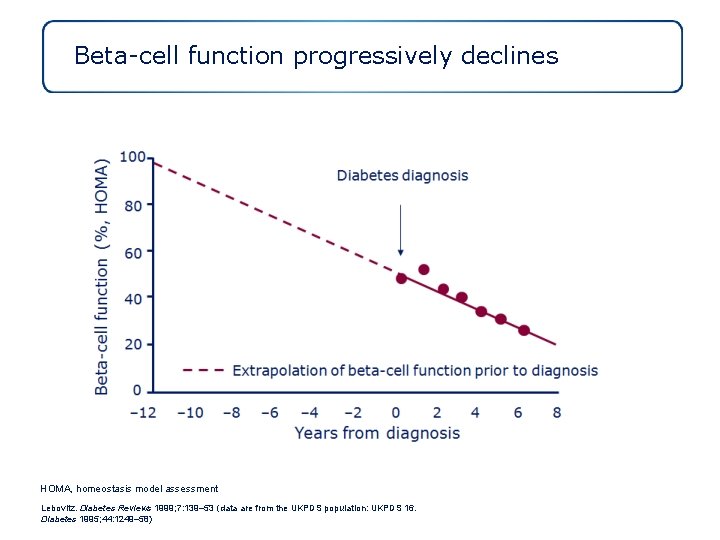
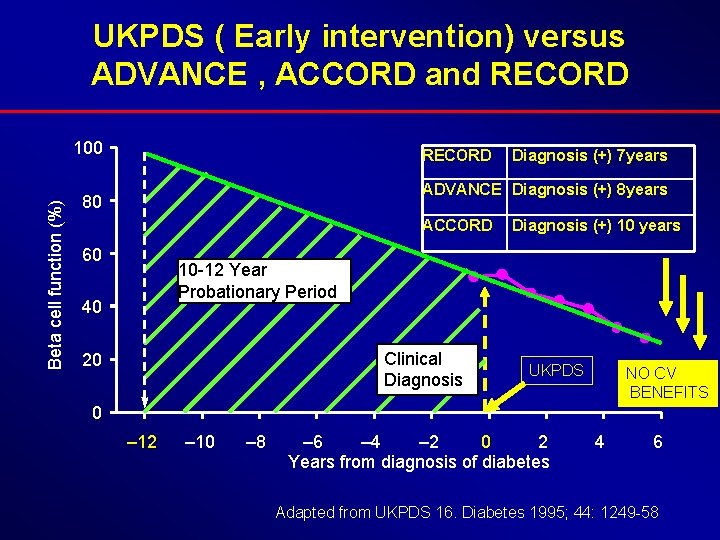
Beta-cell function progressively declines HOMA, homeostasis model assessment Lebovitz. Diabetes Reviews 1999; 7: 139– 53 (data are from the UKPDS population: UKPDS 16. Diabetes 1995; 44: 1249– 58)
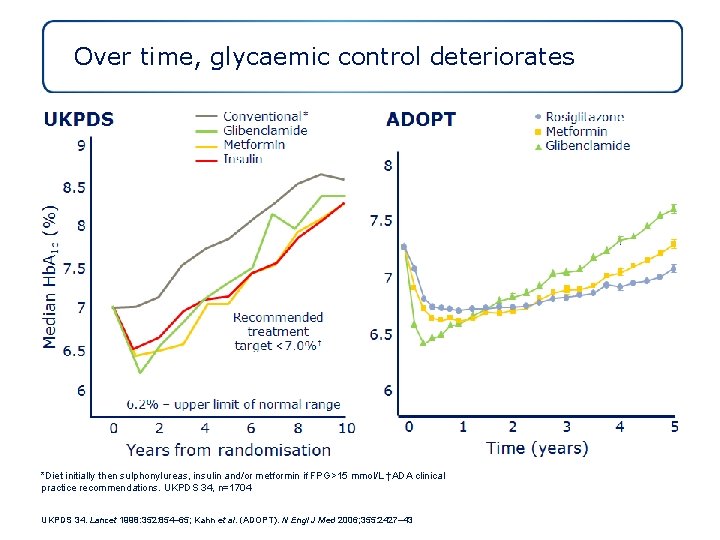
Over time, glycaemic control deteriorates *Diet initially then sulphonylureas, insulin and/or metformin if FPG>15 mmol/L †ADA clinical practice recommendations. UKPDS 34, n=1704 UKPDS 34. Lancet 1998: 352: 854– 65; Kahn et al. (ADOPT). N Engl J Med 2006; 355: 2427– 43
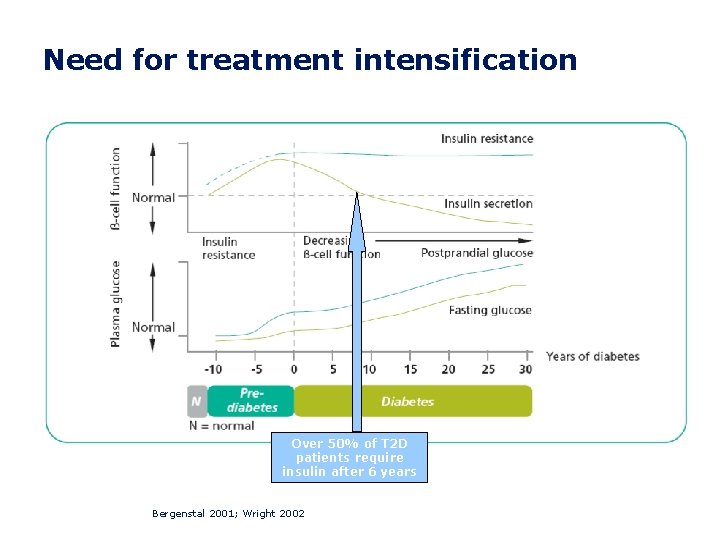
Need for treatment intensification Over 50% of T 2 D patients require insulin after 6 years Bergenstal 2001; Wright 2002
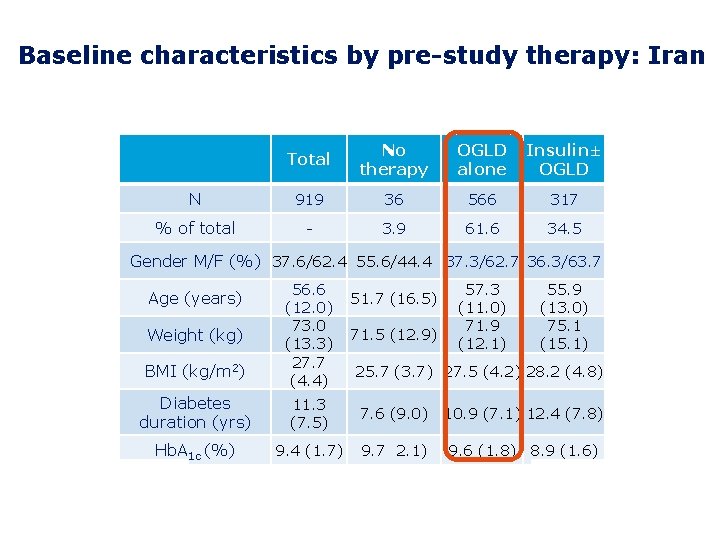
Baseline characteristics by pre-study therapy: Iran Total No therapy OGLD alone Insulin± OGLD N 919 36 566 317 % of total - 3. 9 61. 6 34. 5 Gender M/F (%) 37. 6/62. 4 55. 6/44. 4 37. 3/62. 7 36. 3/63. 7 56. 6 (12. 0) 73. 0 (13. 3) 27. 7 (4. 4) Age (years) Weight (kg) BMI (kg/m 2) 51. 7 (16. 5) 71. 5 (12. 9) 57. 3 (11. 0) 71. 9 (12. 1) 55. 9 (13. 0) 75. 1 (15. 1) 25. 7 (3. 7) 27. 5 (4. 2) 28. 2 (4. 8) Diabetes duration (yrs) 11. 3 (7. 5) 7. 6 (9. 0) 10. 9 (7. 1) 12. 4 (7. 8) Hb. A 1 c (%) 9. 4 (1. 7) 9. 7 2. 1) 9. 6 (1. 8) 8. 9 (1. 6) All data are mean (SD)
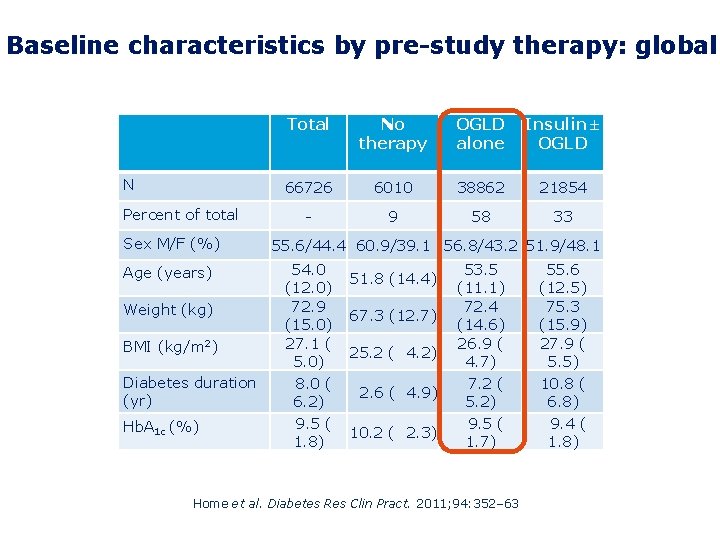
Baseline characteristics by pre-study therapy: global N Percent of total Sex M/F (%) Age (years) Weight (kg) BMI (kg/m 2) Diabetes duration (yr) Hb. A 1 c (%) Total No therapy OGLD alone Insulin± OGLD 66726 6010 38862 21854 - 9 58 33 55. 6/44. 4 60. 9/39. 1 56. 8/43. 2 51. 9/48. 1 54. 0 (12. 0) 72. 9 (15. 0) 27. 1 ( 5. 0) 8. 0 ( 6. 2) 9. 5 ( 1. 8) 51. 8 (14. 4) 67. 3 (12. 7) 25. 2 ( 4. 2) 2. 6 ( 4. 9) 10. 2 ( 2. 3) 53. 5 (11. 1) 72. 4 (14. 6) 26. 9 ( 4. 7) 7. 2 ( 5. 2) 9. 5 ( 1. 7) Home et al. Diabetes Res Clin Pract. 2011; 94: 352– 63 55. 6 (12. 5) 75. 3 (15. 9) 27. 9 ( 5. 5) 10. 8 ( 6. 8) 9. 4 ( 1. 8)
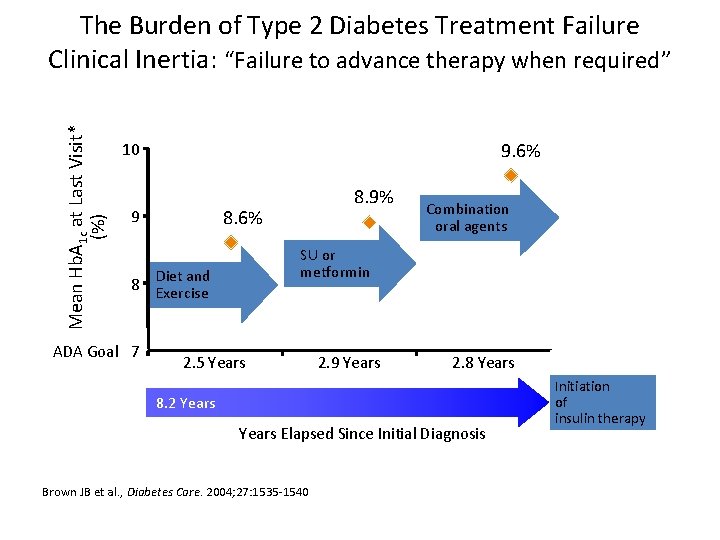
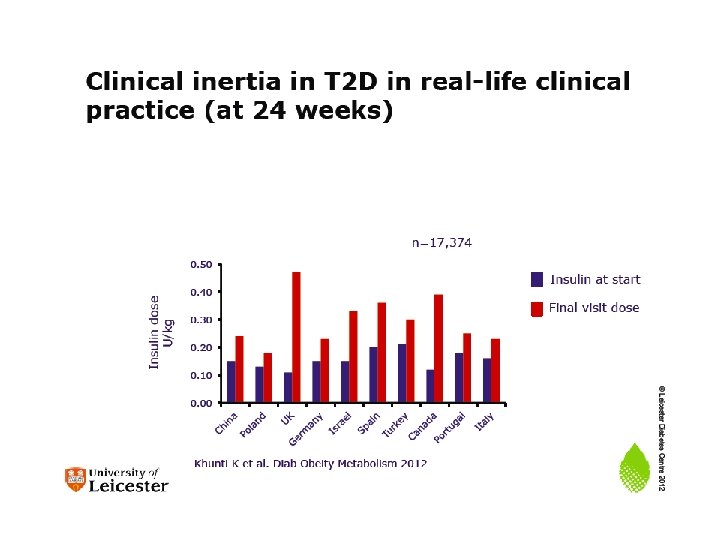
Mean Hb. A 1 c at Last Visit* (%) The Burden of Type 2 Diabetes Treatment Failure Clinical Inertia: “Failure to advance therapy when required” 9. 6% 10 8. 6% 9 8 ADA Goal 7 8. 9% Combination oral agents SU or metformin Diet and Exercise 2. 5 Years 2. 9 Years 2. 8 Years 8. 2 Years Elapsed Since Initial Diagnosis Brown JB et al. , Diabetes Care. 2004; 27: 1535 -1540 Initiation of insulin therapy
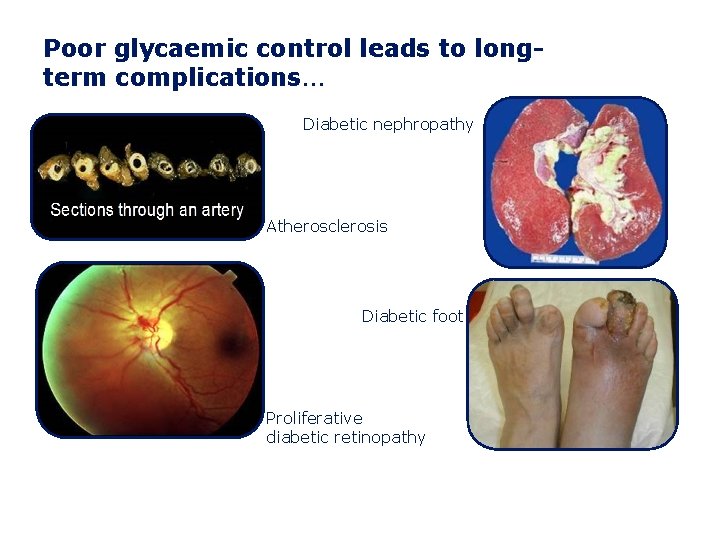
Poor glycaemic control leads to longterm complications… Diabetic nephropathy Atherosclerosis Diabetic foot Proliferative diabetic retinopathy
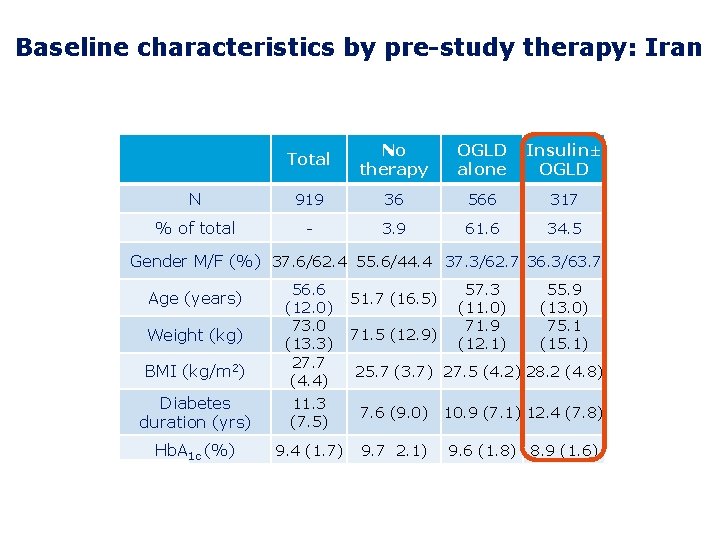
Baseline characteristics by pre-study therapy: Iran Total No therapy OGLD alone Insulin± OGLD N 919 36 566 317 % of total - 3. 9 61. 6 34. 5 Gender M/F (%) 37. 6/62. 4 55. 6/44. 4 37. 3/62. 7 36. 3/63. 7 Age (years) Weight (kg) BMI (kg/m 2) Diabetes duration (yrs) All data are mean (SD) Hb. A 1 c (%) 56. 6 (12. 0) 73. 0 (13. 3) 27. 7 (4. 4) 51. 7 (16. 5) 71. 5 (12. 9) 57. 3 (11. 0) 71. 9 (12. 1) 55. 9 (13. 0) 75. 1 (15. 1) 25. 7 (3. 7) 27. 5 (4. 2) 28. 2 (4. 8) 11. 3 (7. 5) 7. 6 (9. 0) 10. 9 (7. 1) 12. 4 (7. 8) 9. 4 (1. 7) 9. 7 2. 1) 9. 6 (1. 8) 8. 9 (1. 6)
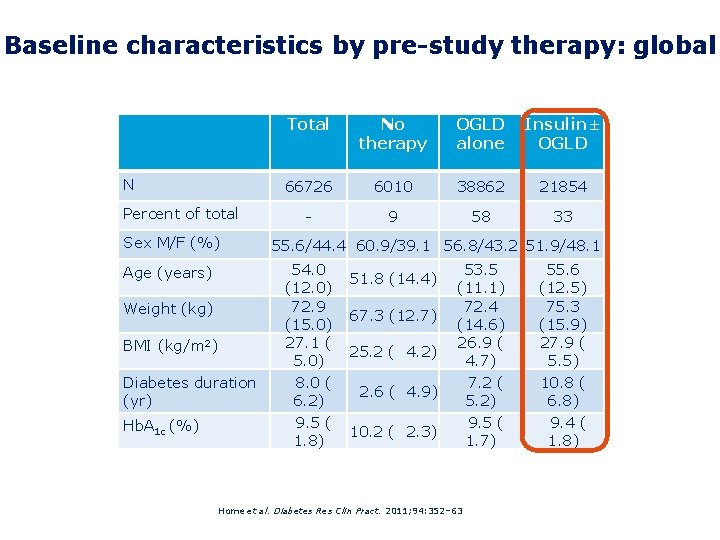
Baseline characteristics by pre-study therapy: global N Percent of total Sex M/F (%) Age (years) Weight (kg) BMI (kg/m 2) Diabetes duration (yr) Hb. A 1 c (%) Total No therapy OGLD alone Insulin± OGLD 66726 6010 38862 21854 - 9 58 33 55. 6/44. 4 60. 9/39. 1 56. 8/43. 2 51. 9/48. 1 54. 0 (12. 0) 72. 9 (15. 0) 27. 1 ( 5. 0) 8. 0 ( 6. 2) 9. 5 ( 1. 8) 51. 8 (14. 4) 67. 3 (12. 7) 25. 2 ( 4. 2) 2. 6 ( 4. 9) 10. 2 ( 2. 3) 53. 5 (11. 1) 72. 4 (14. 6) 26. 9 ( 4. 7) 7. 2 ( 5. 2) 9. 5 ( 1. 7) Home et al. Diabetes Res Clin Pract. 2011; 94: 352– 63 55. 6 (12. 5) 75. 3 (15. 9) 27. 9 ( 5. 5) 10. 8 ( 6. 8) 9. 4 ( 1. 8)
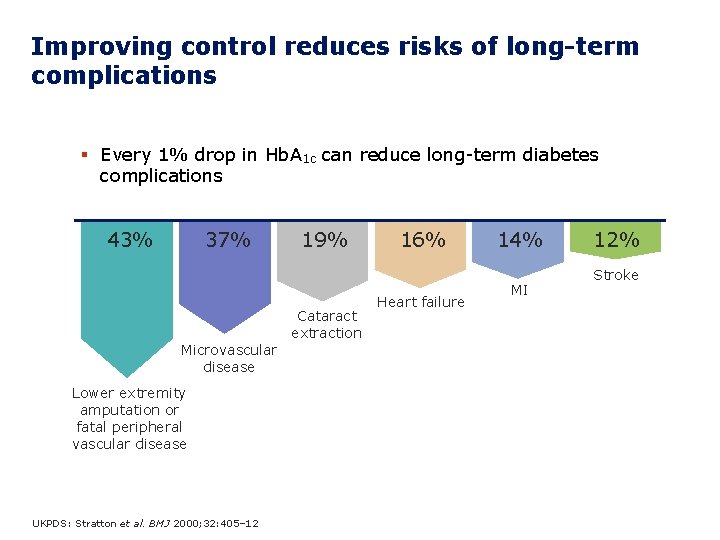
Improving control reduces risks of long-term complications § Every 1% drop in Hb. A 1 c can reduce long-term diabetes complications 43% 37% Microvascular disease Lower extremity amputation or fatal peripheral vascular disease UKPDS: Stratton et al. BMJ 2000; 32: 405– 12 19% Cataract extraction 16% Heart failure 14% MI 12% Stroke
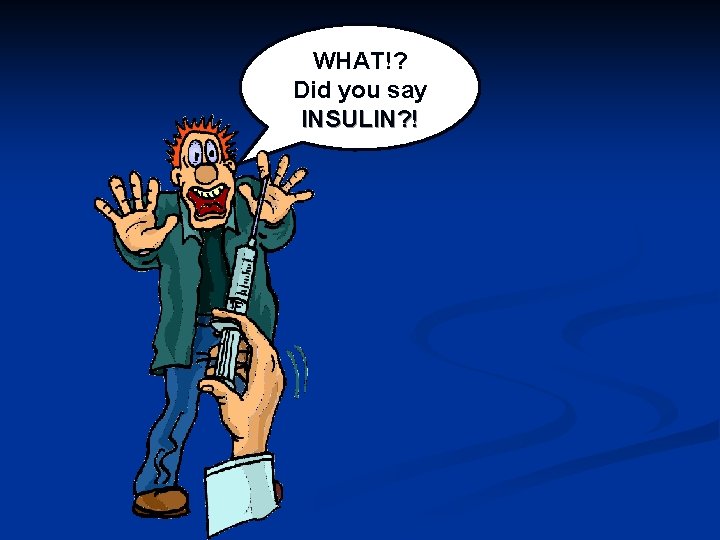
WHAT!? Did you say INSULIN? !
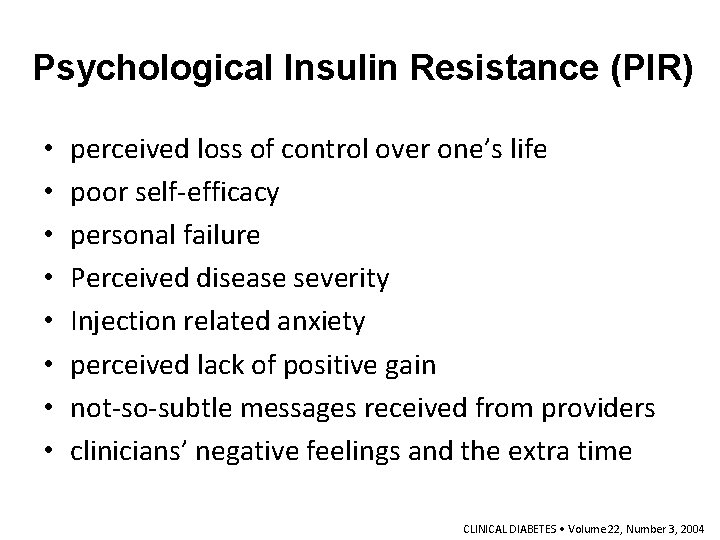
Psychological Insulin Resistance (PIR) • • perceived loss of control over one’s life poor self-efficacy personal failure Perceived disease severity Injection related anxiety perceived lack of positive gain not-so-subtle messages received from providers clinicians’ negative feelings and the extra time CLINICAL DIABETES • Volume 22, Number 3, 2004
perceived loss of control over one’s life • 61. 4% of patients agreed that, “Once I start insulin, I can never stop” • 50. 6% believed that insulin therapy would restrict their lives “too hard to travel, or eat out” CLINICAL DIABETES • Volume 22, Number 3, 2004
poor self-efficacy • 40– 50% of patients do not feel confident that they could handle the demands of insulin therapy, such as determining the proper timing and dosages • “too complicated and overwhelming” CLINICAL DIABETES • Volume 22, Number 3, 2004
personal failure • insulin is viewed as a well-deserved punishment for one’s own negligence in some other area of diabetes self-care • “I haven’t done a good enough job taking care of my diabetes” CLINICAL DIABETES • Volume 22, Number 3, 2004
Perceived disease severity • Concerned that insulin therapy may cause further health problems • Sometimes partially correct (e. g. , a slightly increased hypoglycemia risk), while in other cases (e. g. , “Insulin will cause me to go blind. ”), they may be quite wrong • sizeable ethnic split CLINICAL DIABETES • Volume 22, Number 3, 2004

Injection related anxiety • 50% of patients report being fearful of injections • True injection phobia is rare • When patients report that they “could never take the needle, ” this may often represent a broader reluctance to consider insulin therapy CLINICAL DIABETES • Volume 22, Number 3, 2004
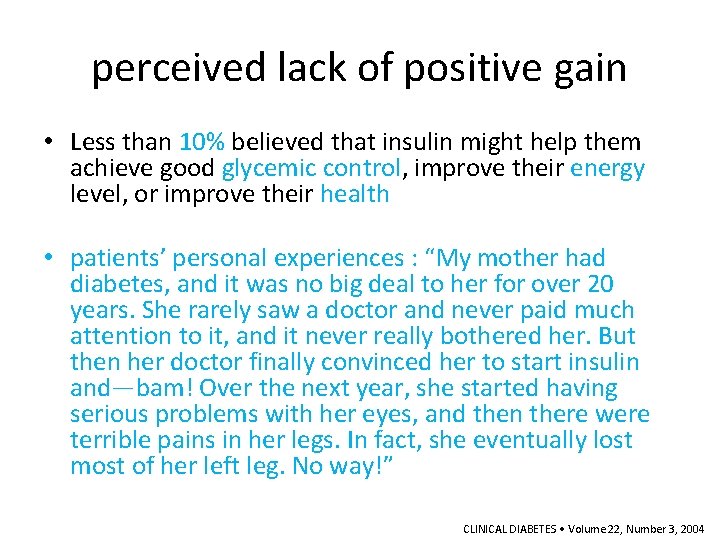
perceived lack of positive gain • Less than 10% believed that insulin might help them achieve good glycemic control, improve their energy level, or improve their health • patients’ personal experiences : “My mother had diabetes, and it was no big deal to her for over 20 years. She rarely saw a doctor and never paid much attention to it, and it never really bothered her. But then her doctor finally convinced her to start insulin and—bam! Over the next year, she started having serious problems with her eyes, and then there were terrible pains in her legs. In fact, she eventually lost most of her left leg. No way!” CLINICAL DIABETES • Volume 22, Number 3, 2004
subtle and not-so-subtle messages received from providers • perhaps the major one • it is common for insulin-naive patients to be threatened with insulin • if you don’t work harder to manage diabetes, then there will be no choice but to start insulin CLINICAL DIABETES • Volume 22, Number 3, 2004
clinicians’ negative feelings and the extra time • Potentially unpleasant confrontations with patients who do not want to take insulin • Potential for severe hypoglycemia, excessive weight gain, or other adverse effects • extra time needed to start and manage insulin therapy • “Why don’t you take a few more months and try to get more serious about exercise and weight loss. Maybe you can get those numbers down by the time we meet again. ” CLINICAL DIABETES • Volume 22, Number 3, 2004
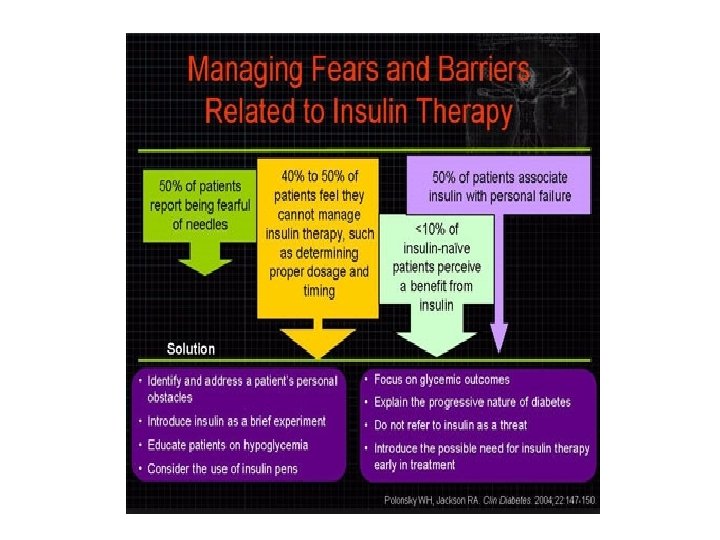
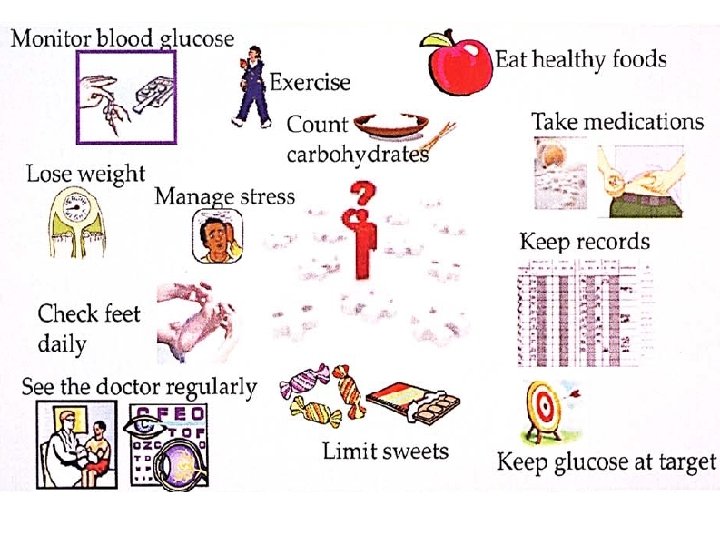
Possible Intervention Strategies • • Identify the patient’s personal obstacles Restore the patient’s sense of personal control Enhance self-efficacy as quickly as possible Consider insulin pens Frame the insulin message properly Discuss the real risks of hypoglycemia Tackle injection phobias Pass along the good news CLINICAL DIABETES • Volume 22, Number 3, 2004
Identify the patient’s personal obstacles • “Injections aren’t so bad” • “Taking insulin doesn’t mean your diabetes is getting worse” • “You’re going to have so much more energy” • Unlikely to be beneficial • “Could you tell some of the reasons why you feel so strongly about not taking insulin? ” CLINICAL DIABETES • Volume 22, Number 3, 2004
Restore the patient’s sense of personal control • “I’d like you to try insulin for just a month. At the end of the month, if you don’t think it has been worthwhile, or if it still seems as awful as you’re imagining it might be, I promise to help you stop. ” CLINICAL DIABETES • Volume 22, Number 3, 2004
Enhance self-efficacy as quickly as possible • the process of insulin use should be demonstrated for patients while they are in the clinician’s office • they should be encouraged to practice before returning home • hands-on discovery CLINICAL DIABETES • Volume 22, Number 3, 2004
• The number of recommended behavioral changes should be minimized, at least at first • No frequent self-monitoring of blood glucose • a single shot of insulin • Quick dose adjustments to ensure that patients will quickly see improvements in their glucose CLINICAL DIABETES • Volume 22, Number 3, 2004
Consider insulin pens • only anecdotal evidence to support this observation but many providers have commented that PIR in their practices has dramatically lessened • a single shot of insulin CLINICAL DIABETES • Volume 22, Number 3, 2004
Frame the insulin message properly • stay focused on glycemic outcomes, sharing SMBG & A 1 C results • When targets are not met by oral agents and lifestyle changes, insulin becomes a natural choice • It should be stressed to patients that they have not “failed” with their diabetes CLINICAL DIABETES • Volume 22, Number 3, 2004
Discuss the real risks of hypoglycemia • In the UKPDS the annual incidence of severe hypoglycemia in insulin-treated patients was < 3. 0% • more frequent SMBG and a careful review of results • further diabetes education CLINICAL DIABETES • Volume 22, Number 3, 2004
Tackle injection phobias • where patients are truly too fearful of needles • cognitive behavioral therapy • Systematic desensitization CLINICAL DIABETES • Volume 22, Number 3, 2004
Pass along the good news • Once patients’ personal obstacles have been addressed, • it may be worthwhile to review the positive benefits associated with insulin • improvements in their mood, sleep, and energy level and investment in the protection of their long-term health CLINICAL DIABETES • Volume 22, Number 3, 2004
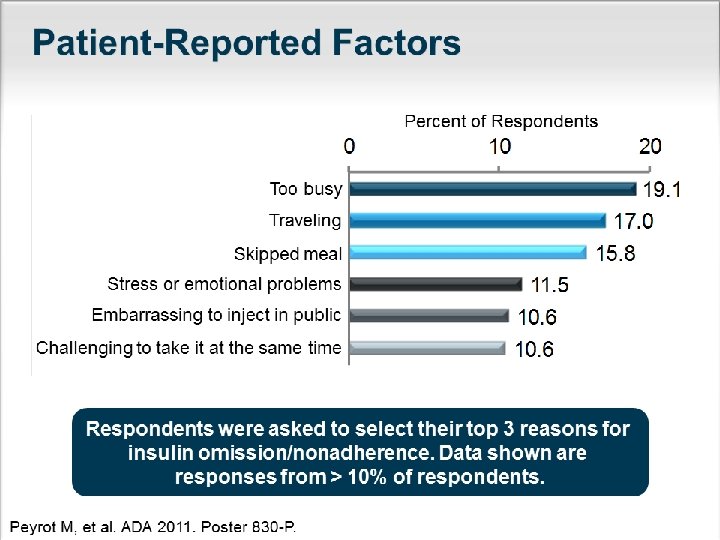
Intentional Insulin Injection Omission • Intentional insulin omission was reported by more than half of respondents • regular omission was reported by 20% DIABETES CARE, VOLUME 33, NUMBER 2, FEBRUARY 2010

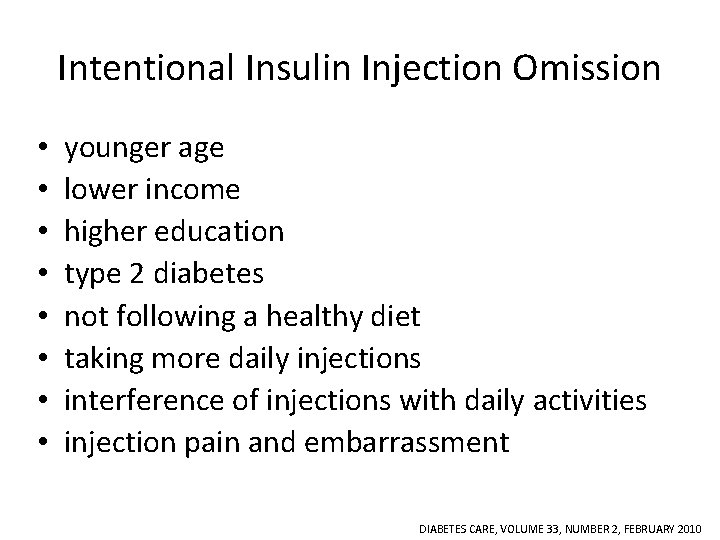
Intentional Insulin Injection Omission • • younger age lower income higher education type 2 diabetes not following a healthy diet taking more daily injections interference of injections with daily activities injection pain and embarrassment DIABETES CARE, VOLUME 33, NUMBER 2, FEBRUARY 2010
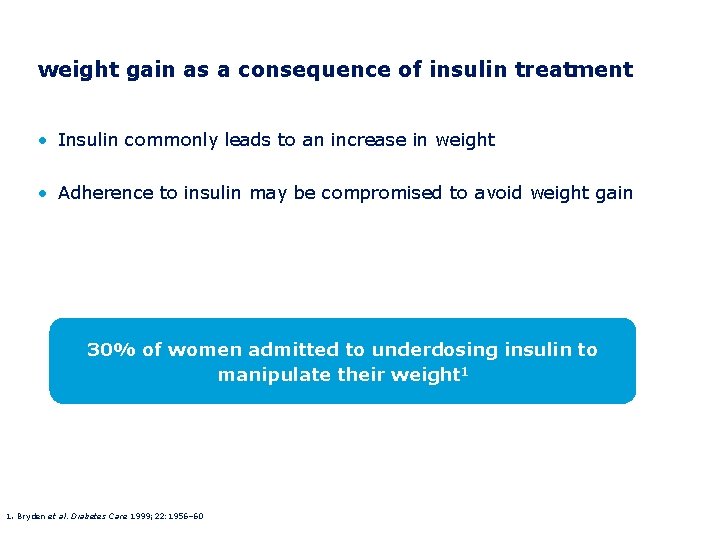
weight gain as a consequence of insulin treatment • Insulin commonly leads to an increase in weight • Adherence to insulin may be compromised to avoid weight gain 30% of women admitted to underdosing insulin to manipulate their weight 1 1. Bryden et al. Diabetes Care 1999; 22: 1956– 60
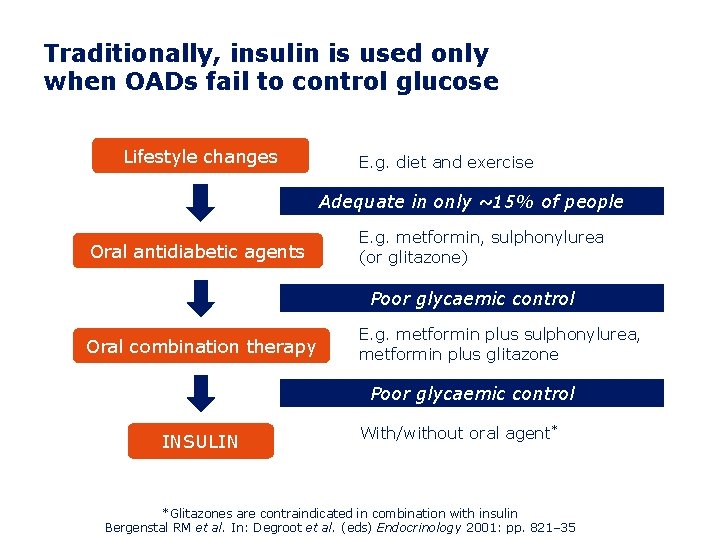
Traditionally, insulin is used only when OADs fail to control glucose Lifestyle changes E. g. diet and exercise Adequate in only ~15% of people Oral antidiabetic agents E. g. metformin, sulphonylurea (or glitazone) Poor glycaemic control Oral combination therapy E. g. metformin plus sulphonylurea, metformin plus glitazone Poor glycaemic control INSULIN With/without oral agent* *Glitazones are contraindicated in combination with insulin Bergenstal RM et al. In: Degroot et al. (eds) Endocrinology 2001: pp. 821– 35

Traditional approach to stepwise management of type 2 diabetes Diabetes disease progression Intensify insulin Start insulin Combination oral agents Add a GLP-1 R agonist (or DPP-4 inhibitor) Start an oral agent Diet/exercise GLP-1 R, Glucagon-like peptide 1 receptor; DPP-4, dipeptidyl peptidase-4

ADA/EASD Position Statement 2012 Initial drug monotherapy Two-drug combinations Metformin If needed to reach individualised Hb. A 1 c target after ~3 months, proceed to two-drug combination (order not meant to denote any specific preference) Metformin + Metformin + SU TZD DPP-4 inhibitor GLP-1 receptor agonist Insulin (usually basal) If needed to reach individualised Hb. A 1 c target after ~3 months, proceed to three-drug combination (order not meant to denote any specific preference) Three-drug combinations Metformin+ Metformin+ OR SU + TZD OR OR DPP-4 i More complex insulin strategies OR TZD + SU OR DPP-4 i OR GLP-1 RA Insulin DPP-4 i + OR OR SU TZD Insulin GLP-1 RA + OR OR SU TZD Insulin + OR TZD OR DPP-4 i GLP-1 RA If combination therapy that includes basal insulin has failed to achieve Hb. A 1 c target after 3– 6 months, proceed to a more complex insulin strategy, usually in combination with one or two non-insulin agents Insulin (multiple daily doses) ADA/EASD Position Statement. Diabetologia Online; 24 February 2012
Insulin or a third oral agent • What is the best therapeutic choice for a patient who fails to obtain adequate glycemic control with the combination of a sulfonylurea and metformin to treat hyperglycemia?
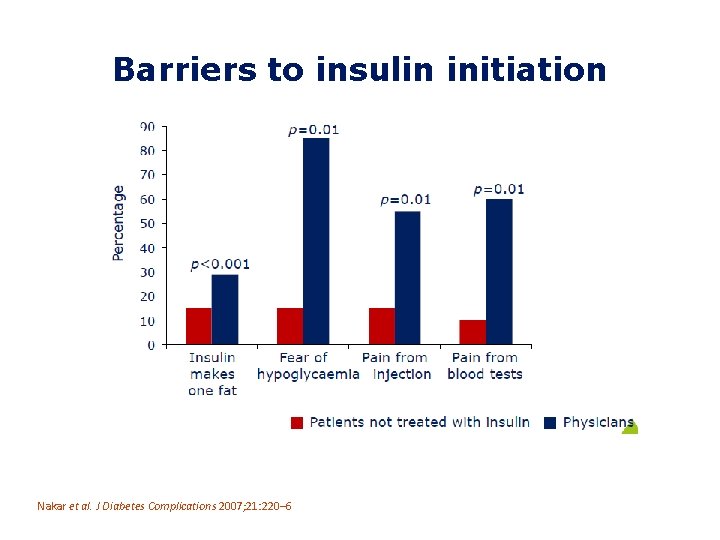
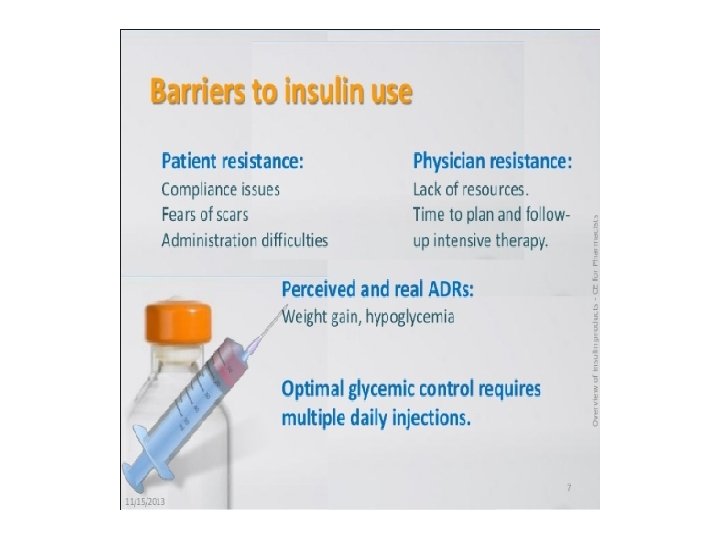
Barriers to insulin initiation Nakar et al. J Diabetes Complications 2007; 21: 220– 6
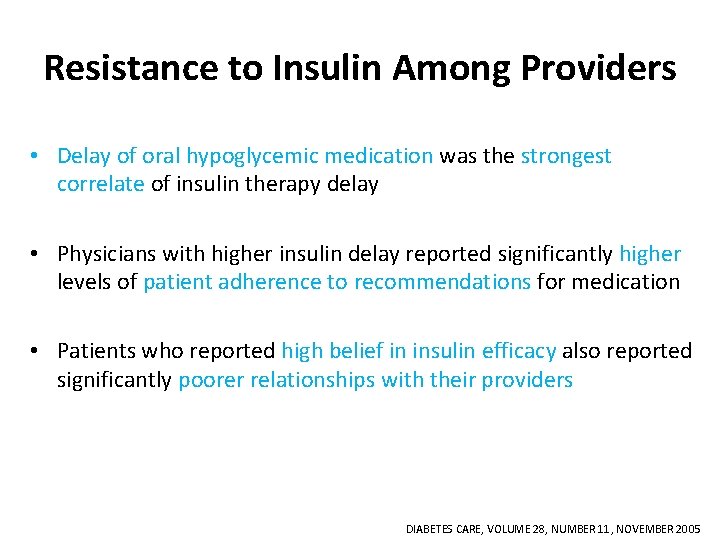
Resistance to Insulin Among Providers • Delay of oral hypoglycemic medication was the strongest correlate of insulin therapy delay • Physicians with higher insulin delay reported significantly higher levels of patient adherence to recommendations for medication • Patients who reported high belief in insulin efficacy also reported significantly poorer relationships with their providers DIABETES CARE, VOLUME 28, NUMBER 11, NOVEMBER 2005
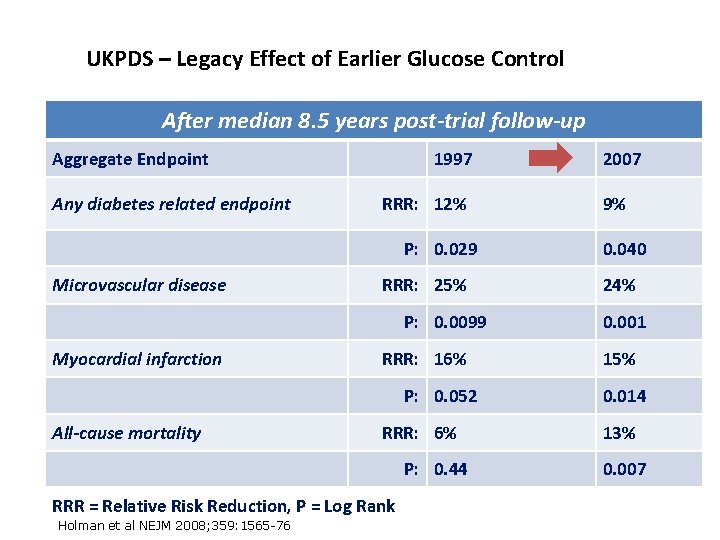
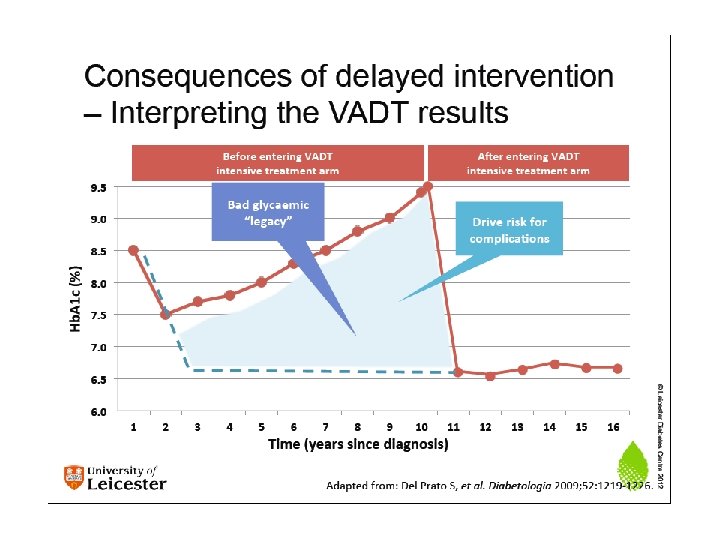
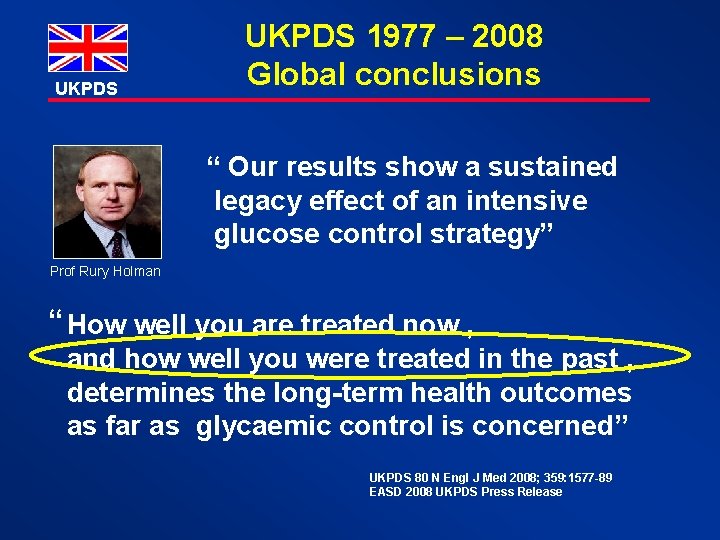
UKPDS – Legacy Effect of Earlier Glucose Control After median 8. 5 years post-trial follow-up Aggregate Endpoint Any diabetes related endpoint 1997 RRR: 12% P: 0. 029 Microvascular disease RRR: 25% P: 0. 0099 Myocardial infarction RRR: 16% P: 0. 052 All-cause mortality RRR: 6% P: 0. 44 RRR = Relative Risk Reduction, P = Log Rank Holman et al NEJM 2008; 359: 1565 -76 2007 9% 0. 040 24% 0. 001 15% 0. 014 13% 0. 007
UKPDS 1977 – 2008 Global conclusions “ Our results show a sustained legacy effect of an intensive glucose control strategy” Prof Rury Holman “ How well you are treated now , and how well you were treated in the past , determines the long-term health outcomes as far as glycaemic control is concerned” UKPDS 80 N Engl J Med 2008; 359: 1577 -89 EASD 2008 UKPDS Press Release

UKPDS ( Early intervention) versus ADVANCE , ACCORD and RECORD Beta cell function (%) 100 RECORD Diagnosis (+) 7 years ADVANCE Diagnosis (+) 8 years 80 ACCORD 60 Diagnosis (+) 10 years 10 -12 Year Probationary Period 40 Clinical Diagnosis 20 UKPDS NO CV BENEFITS 0 – 12 – 10 – 8 – 6 – 4 – 2 0 2 Years from diagnosis of diabetes 4 6 Adapted from UKPDS 16. Diabetes 1995; 44: 1249 -58

LESSONS FROM LANDMARK TRIALS UKPDS, ACCORD and ADVANCE These studies show that if measures to control glycaemia are applied too late , “you can’t stop the moving train” Prof Rury Holman Measures to control glycaemia are not like interventions to control blood pressure or abnormal lipid profiles in patients with established cardiovascular disease – “you can’t play catch up with glucose control” Oxford , UK Treat glucose from day 1 and treat it intensively to reach treatment goals


- Slides: 55