
The History of the Gregorian Calendar ED STAPLES

- Slides: 46
The History of the Gregorian Calendar ED STAPLES
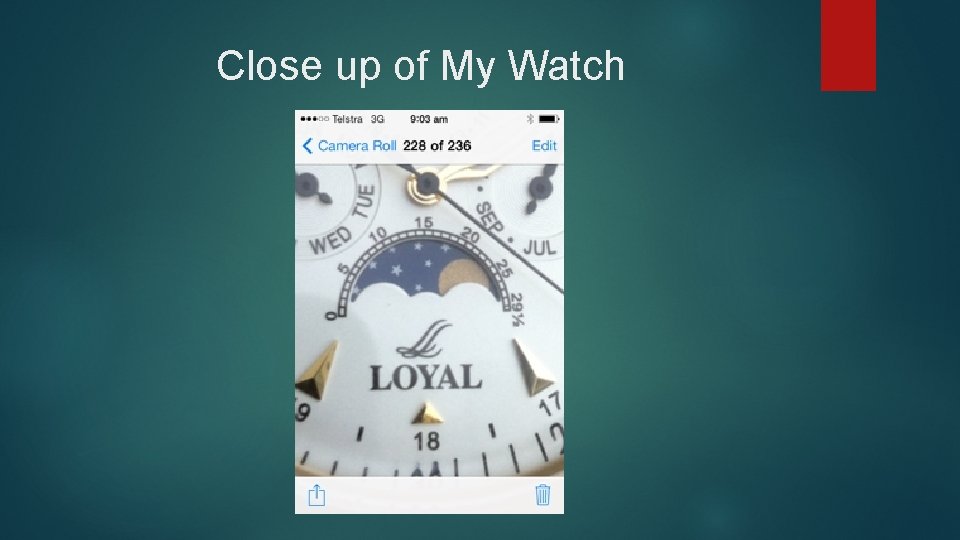
Close up of My Watch
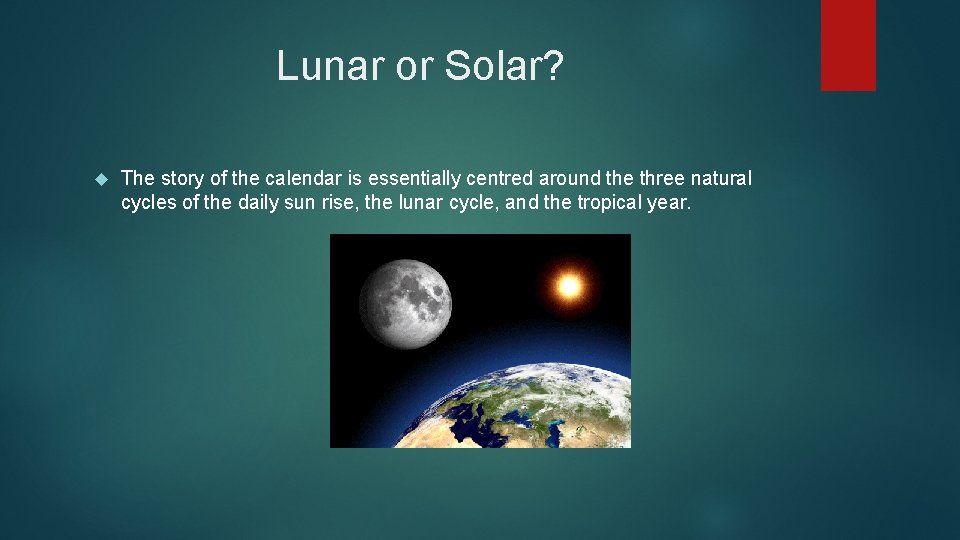
Lunar or Solar? The story of the calendar is essentially centred around the three natural cycles of the daily sun rise, the lunar cycle, and the tropical year.
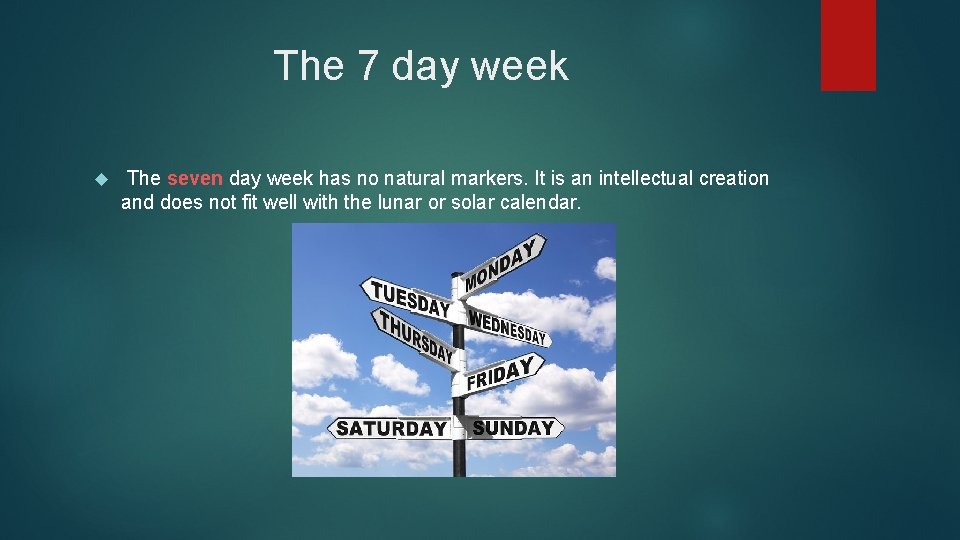
The 7 day week The seven day week has no natural markers. It is an intellectual creation and does not fit well with the lunar or solar calendar.
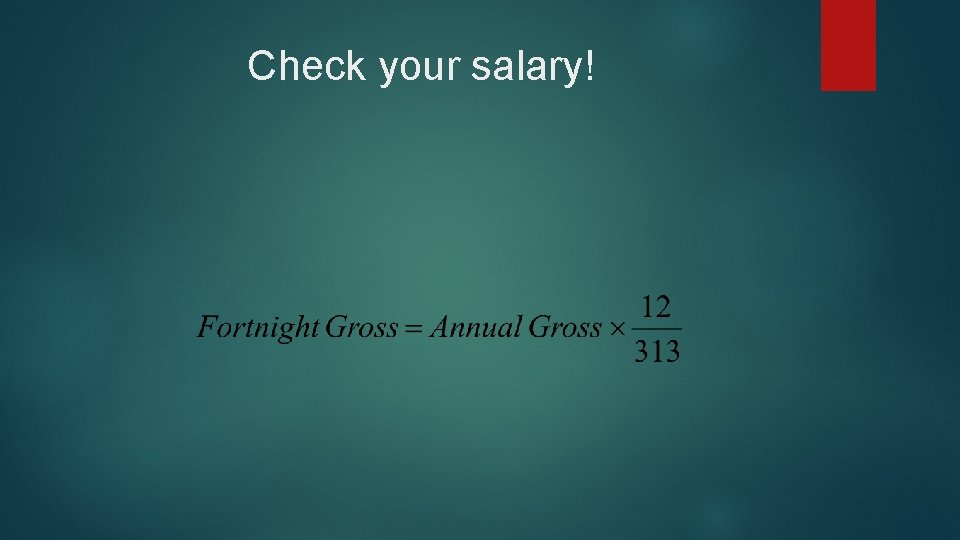
Check your salary!
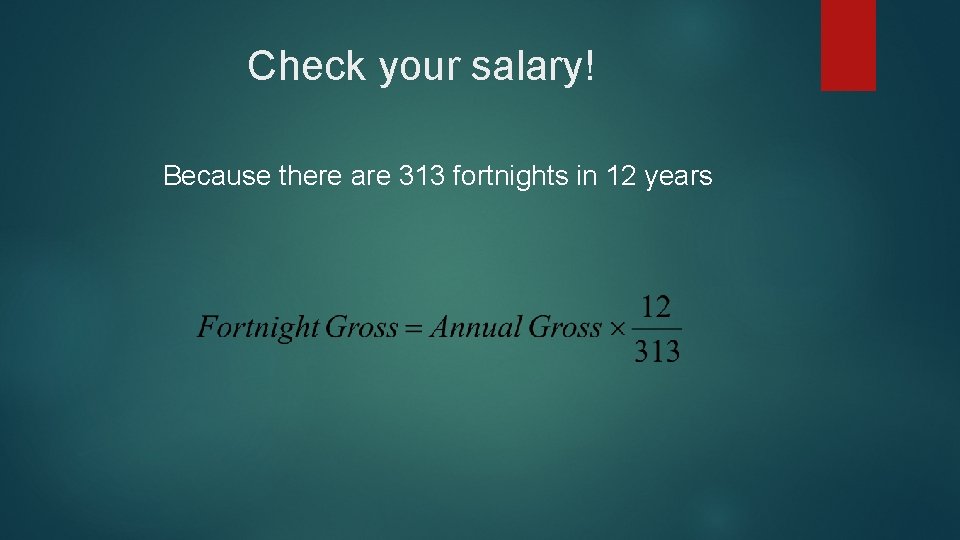
Check your salary! Because there are 313 fortnights in 12 years
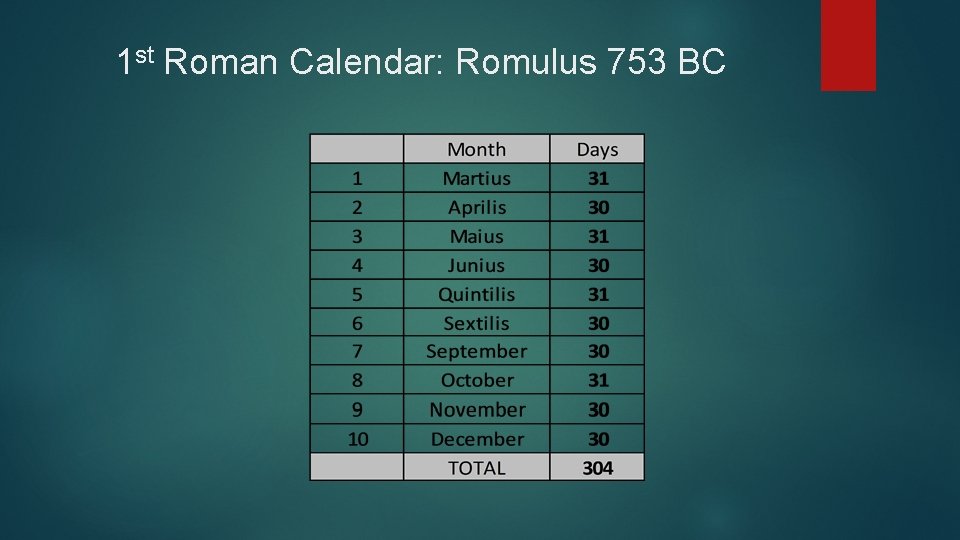
1 st Roman Calendar: Romulus 753 BC
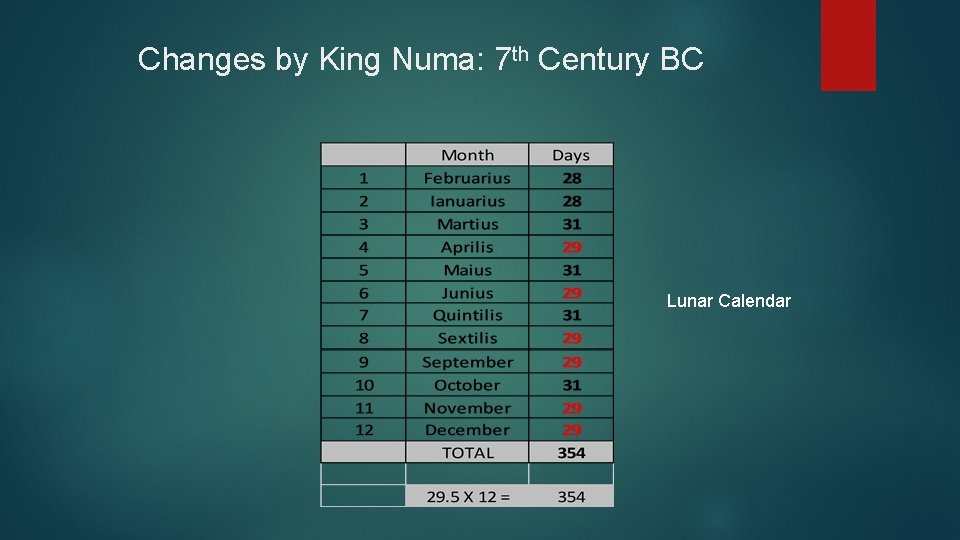
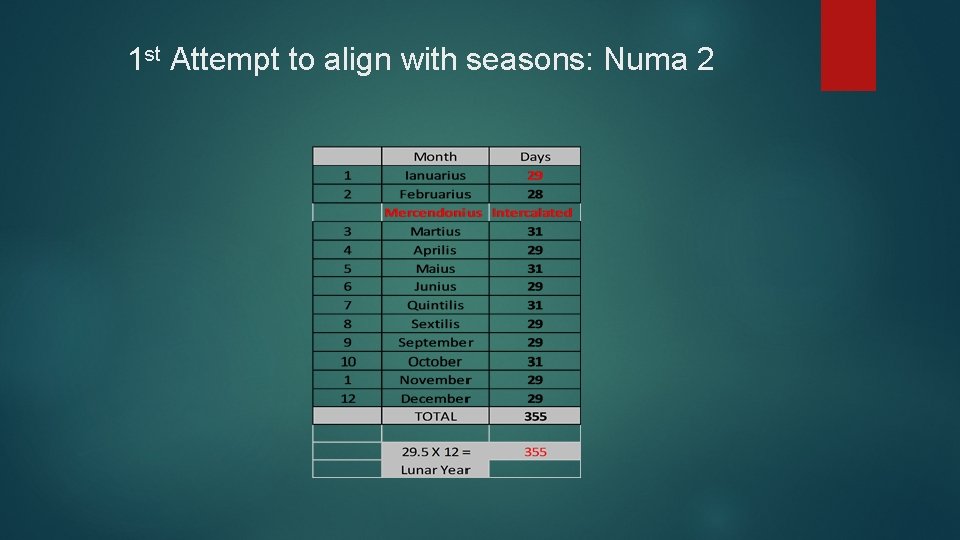
Changes by King Numa: 7 th Century BC Lunar Calendar
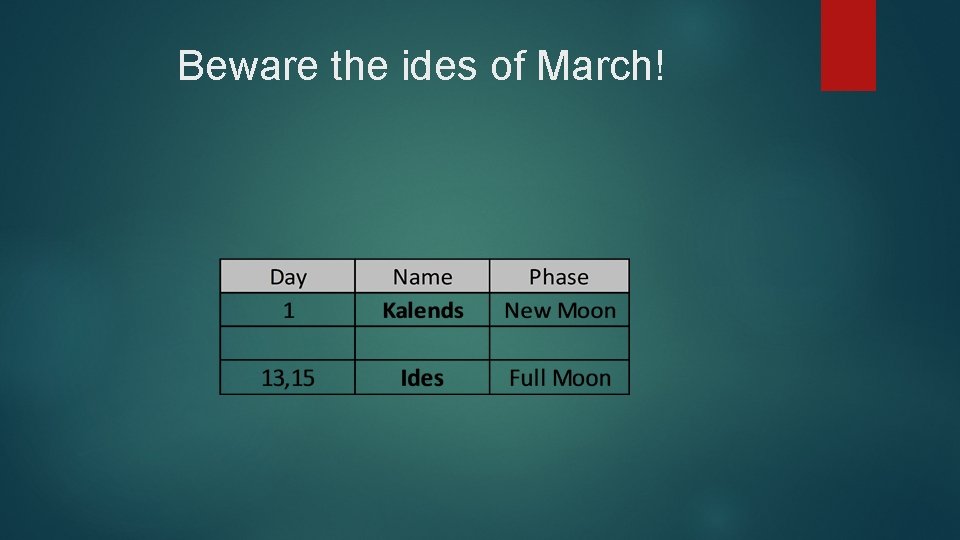
Beware the ides of March!
1 st Attempt to align with seasons: Numa 2
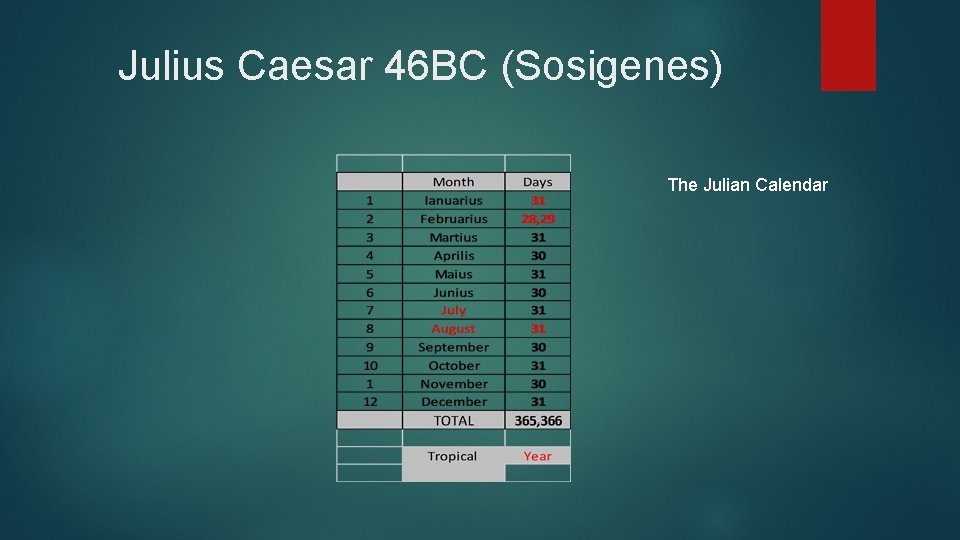
Julius Caesar 46 BC (Sosigenes) The Julian Calendar
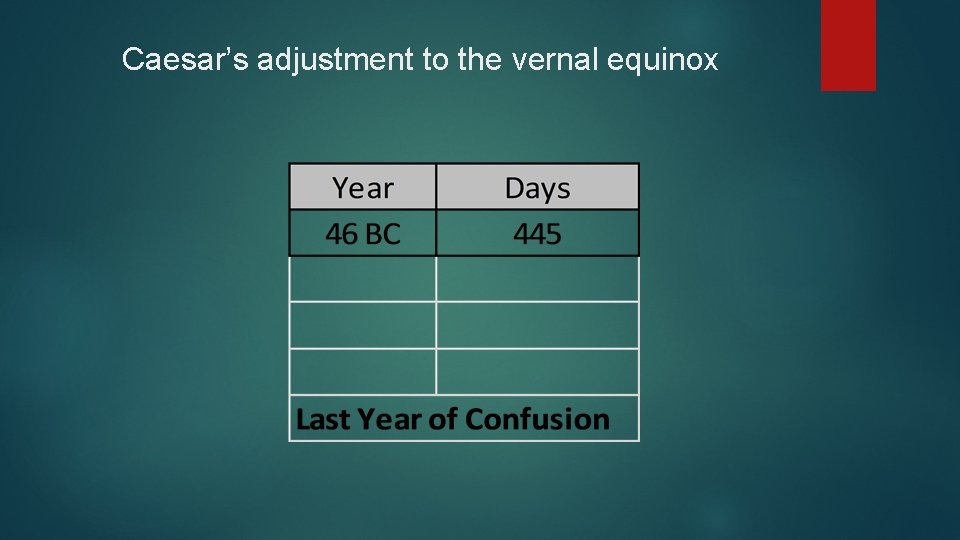
Caesar’s adjustment to the vernal equinox
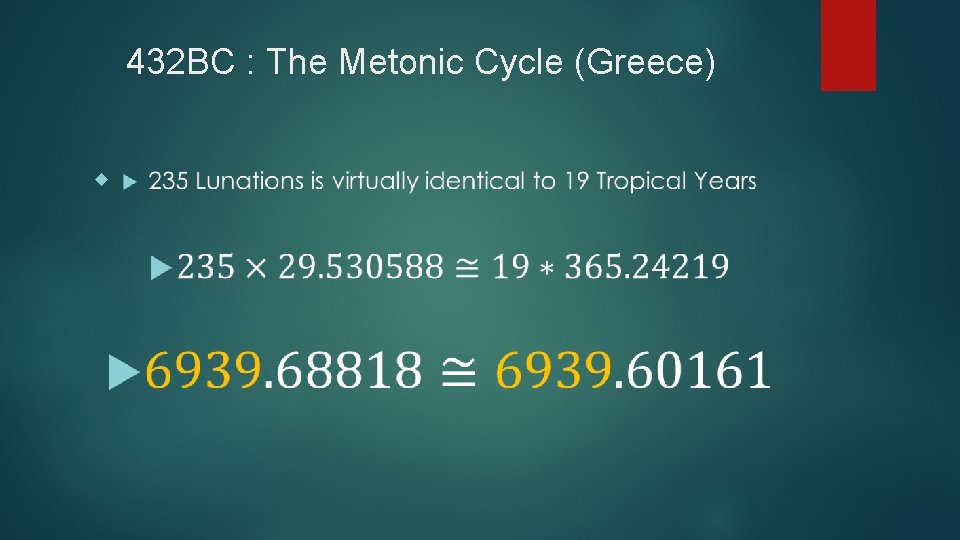
432 BC : The Metonic Cycle (Greece)
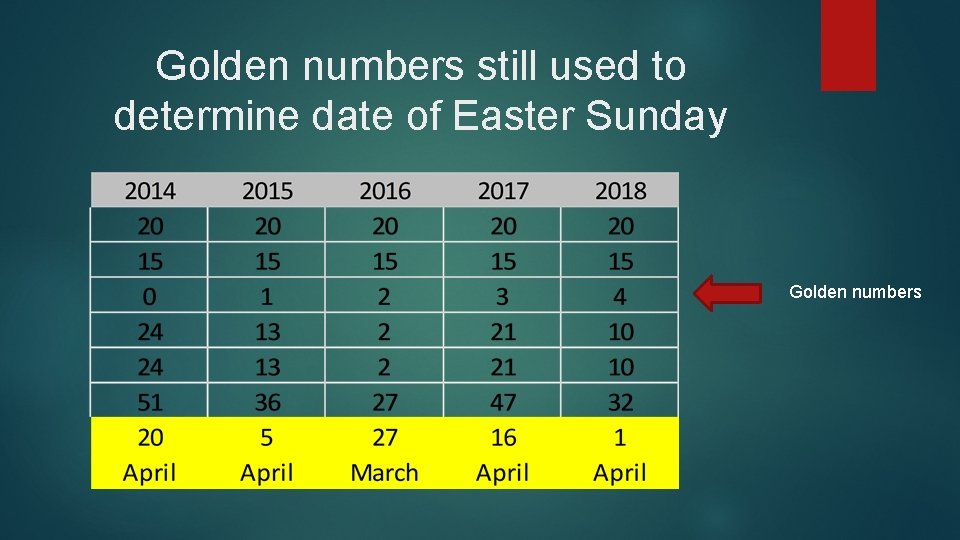
Golden numbers still used to determine date of Easter Sunday Golden numbers
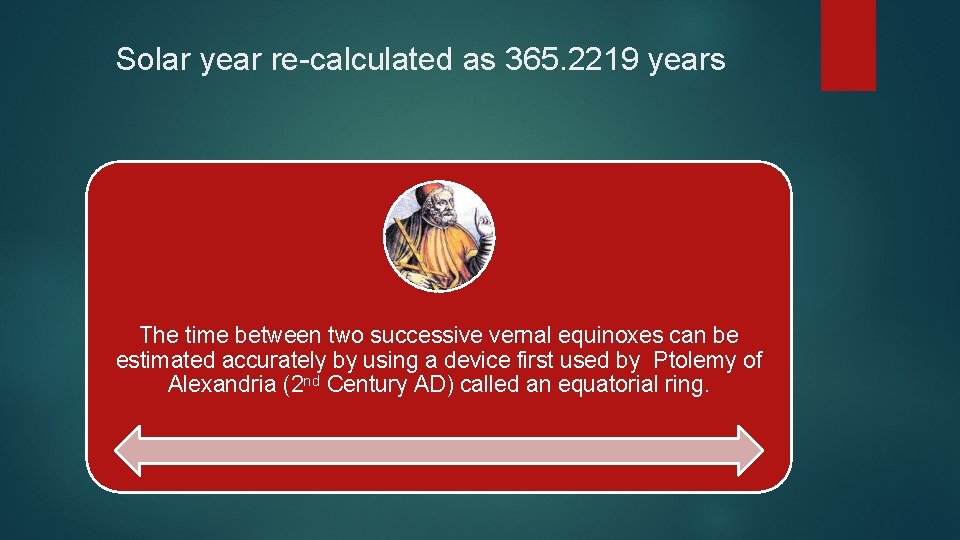
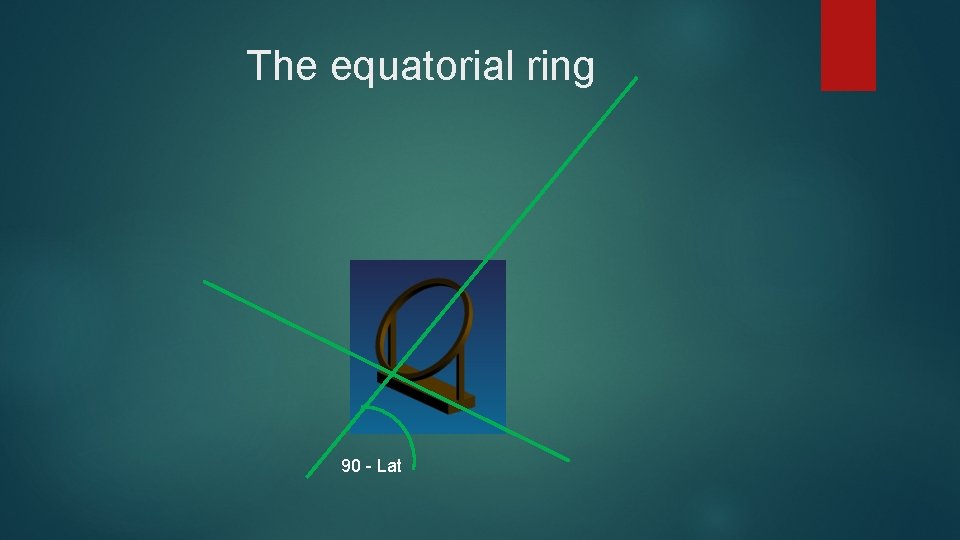
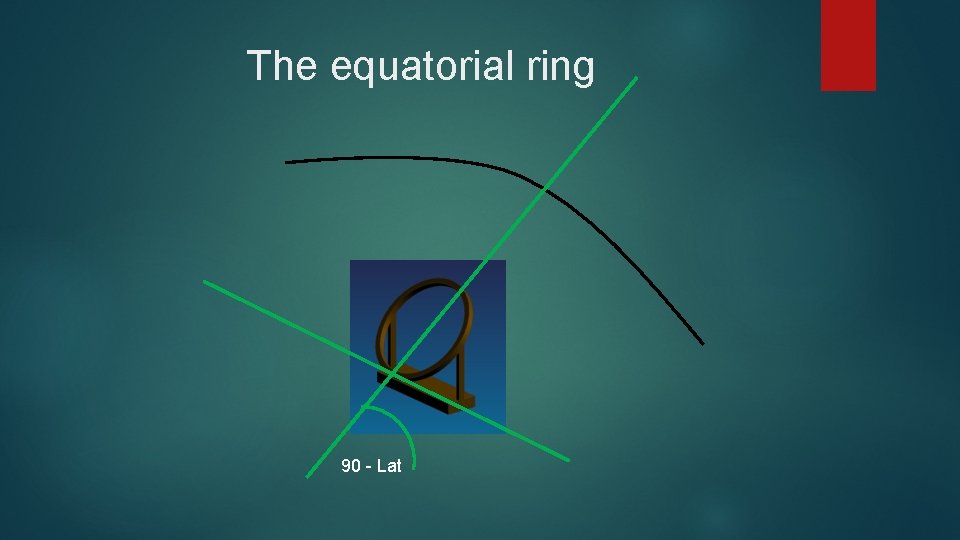
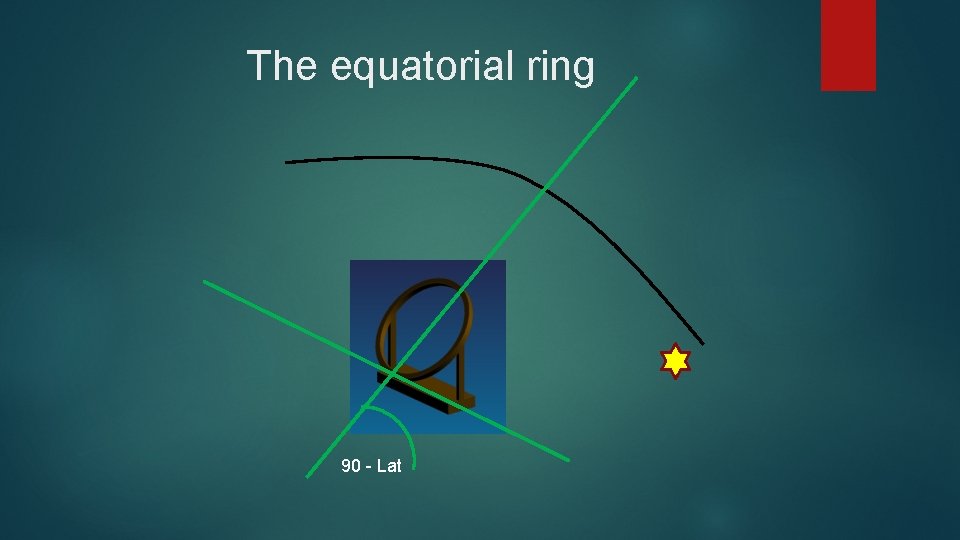
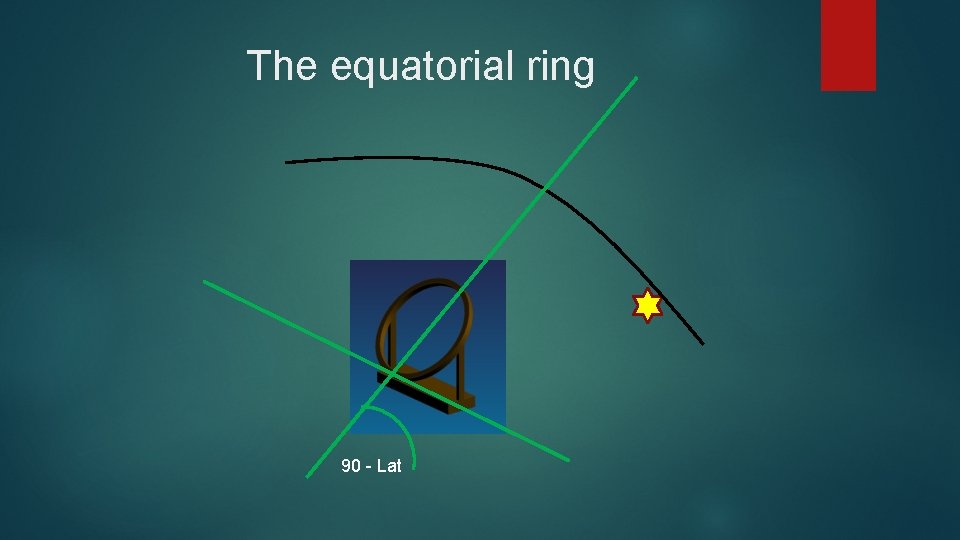
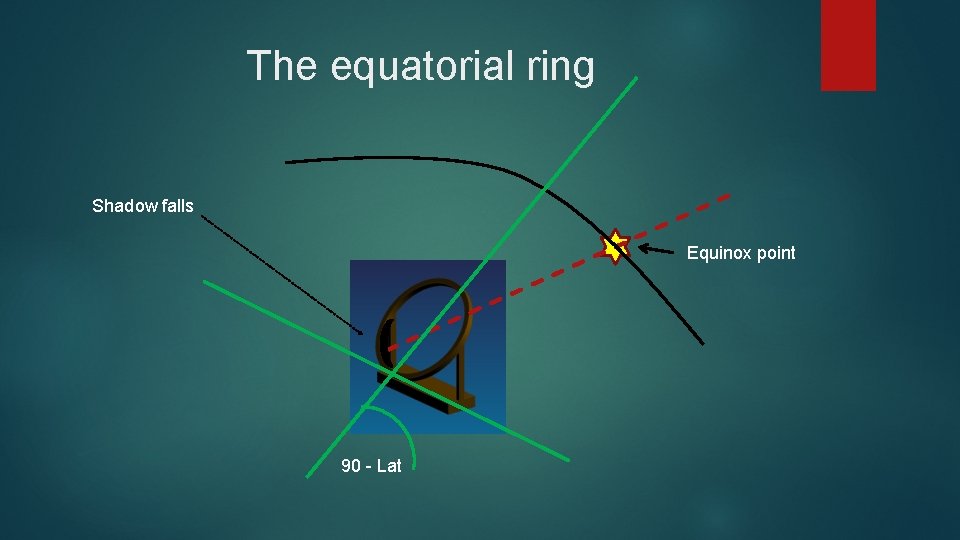
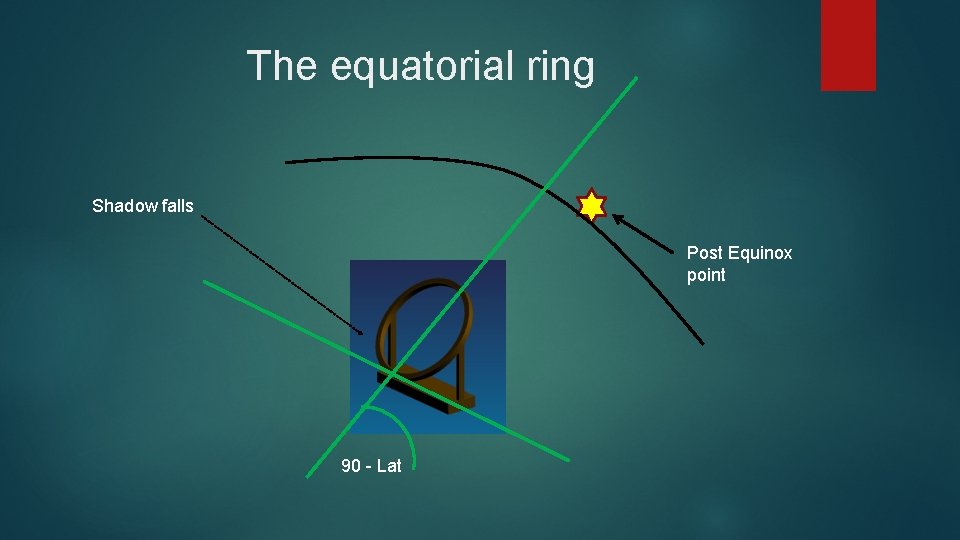
Solar year re-calculated as 365. 2219 years The time between two successive vernal equinoxes can be estimated accurately by using a device first used by Ptolemy of Alexandria (2 nd Century AD) called an equatorial ring.
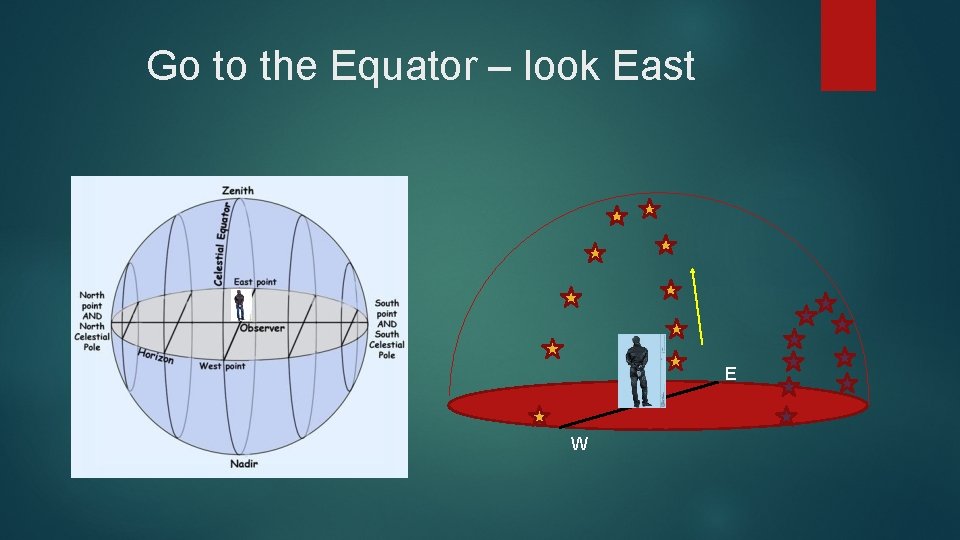
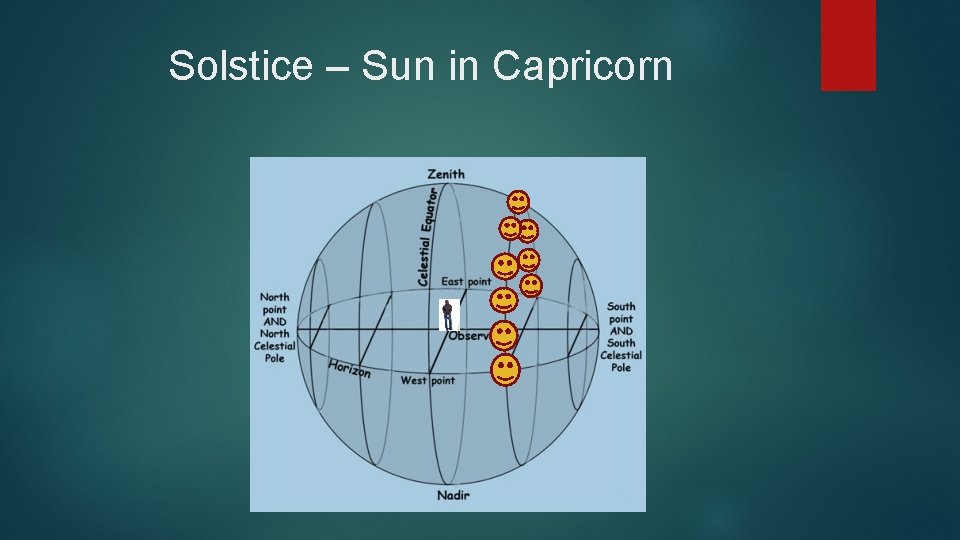
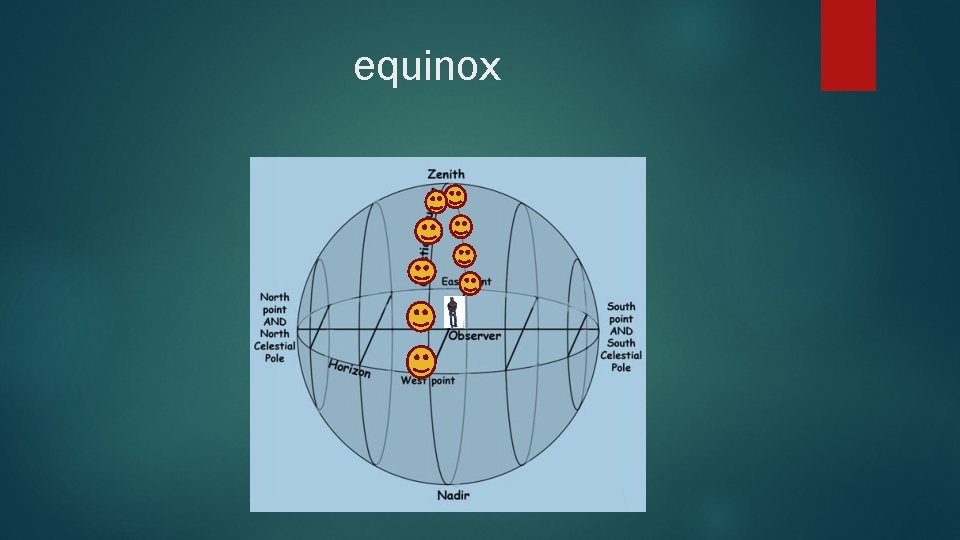
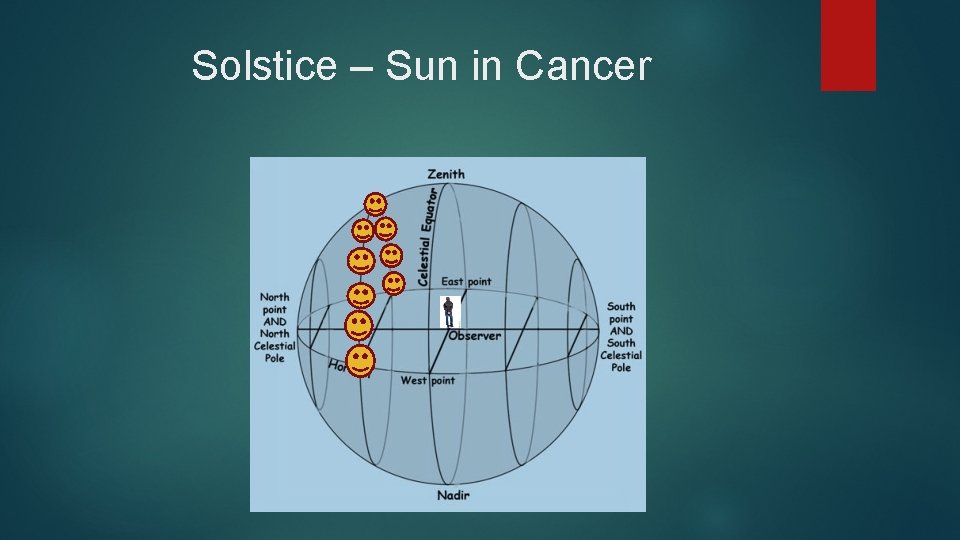
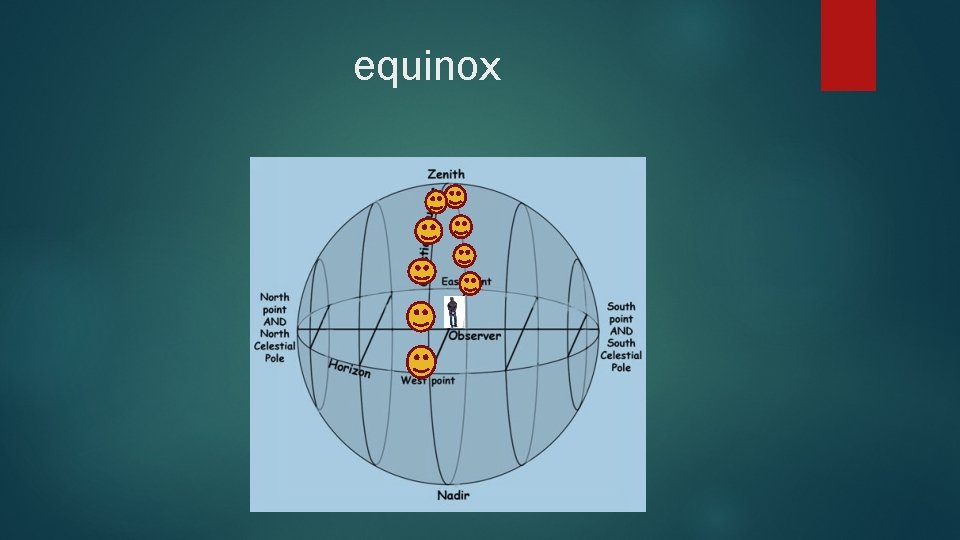
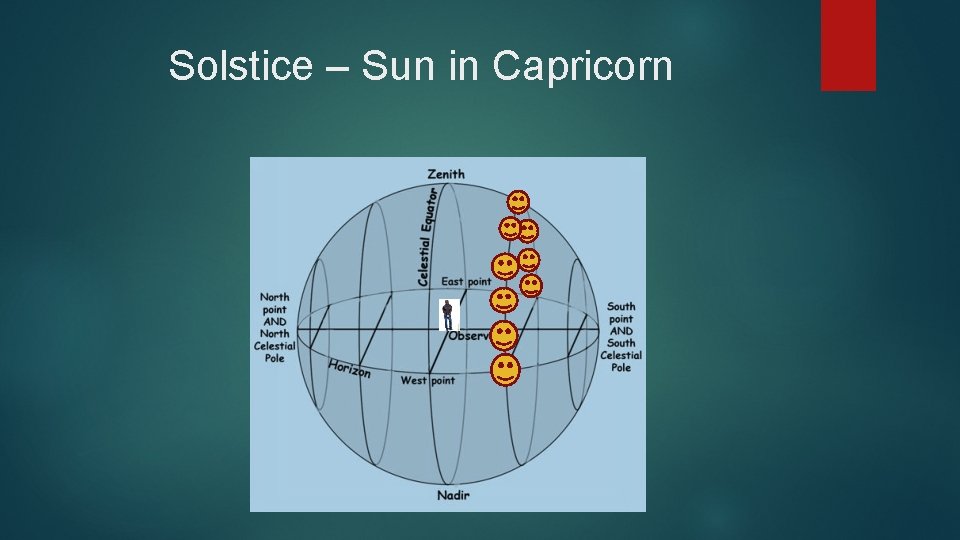
Go to the Equator – look East E W
Solstice – Sun in Capricorn
equinox
Solstice – Sun in Cancer
equinox
Solstice – Sun in Capricorn
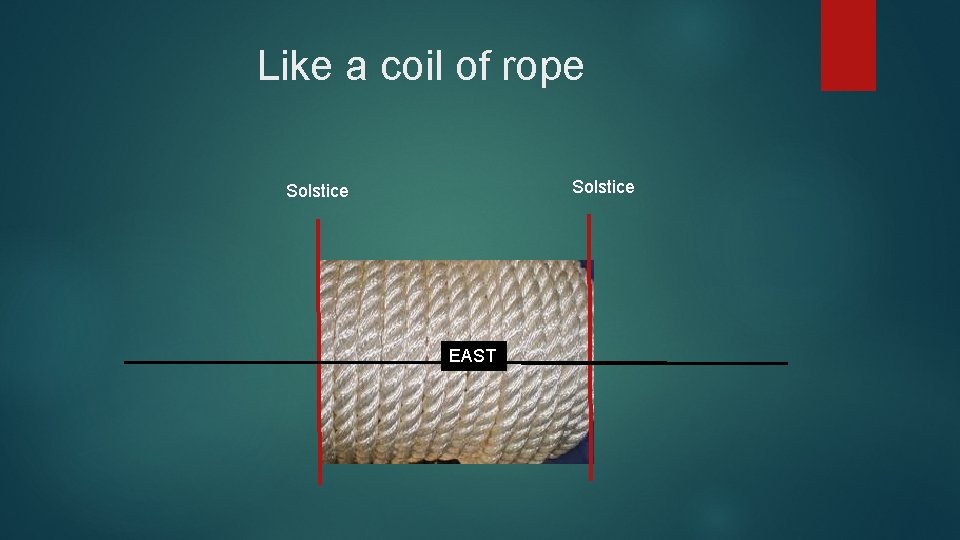
Like a coil of rope Solstice EAST
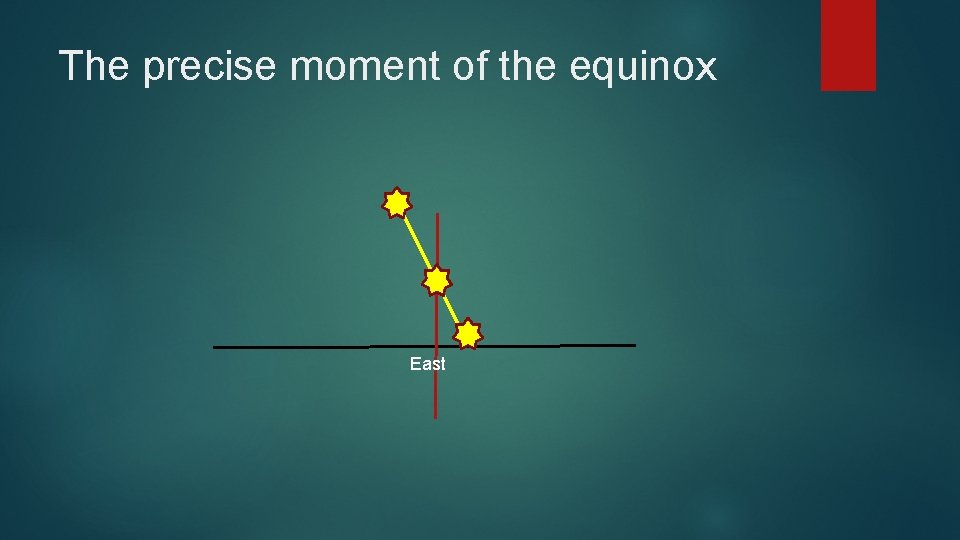
The precise moment of the equinox East
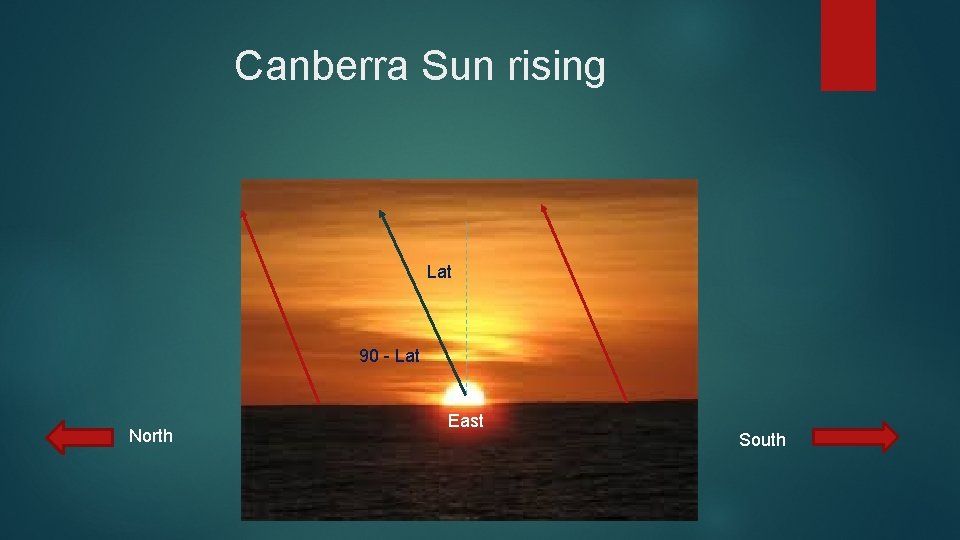
Walking south to Canberra Lat: 35 S If we walk south back to Canberra from the equator, the rising vertical star lines will appear to lean away from us (lean toward the north) This is because we are on a spherical earth
Canberra Sun rising Lat 90 - Lat North East South
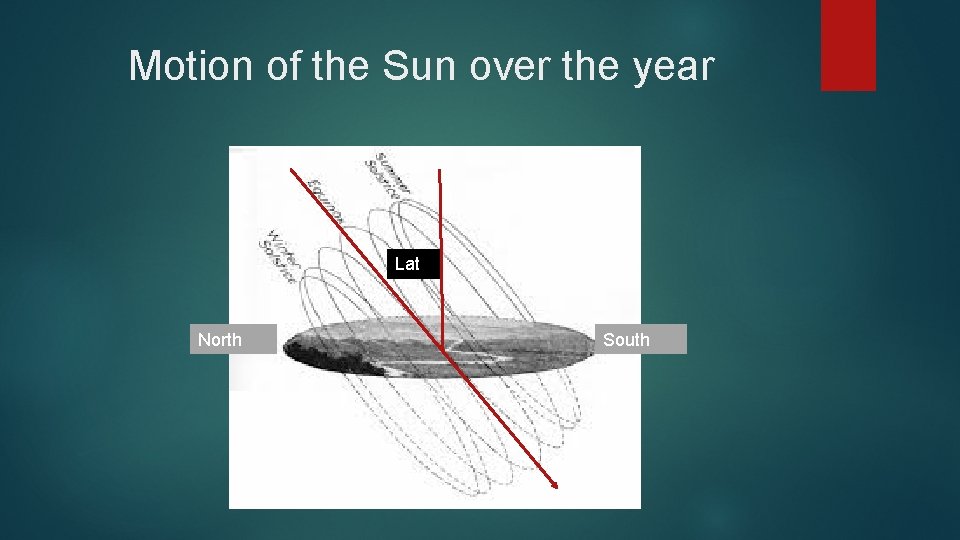
Motion of the Sun over the year Lat North South
Looking East in Canberra
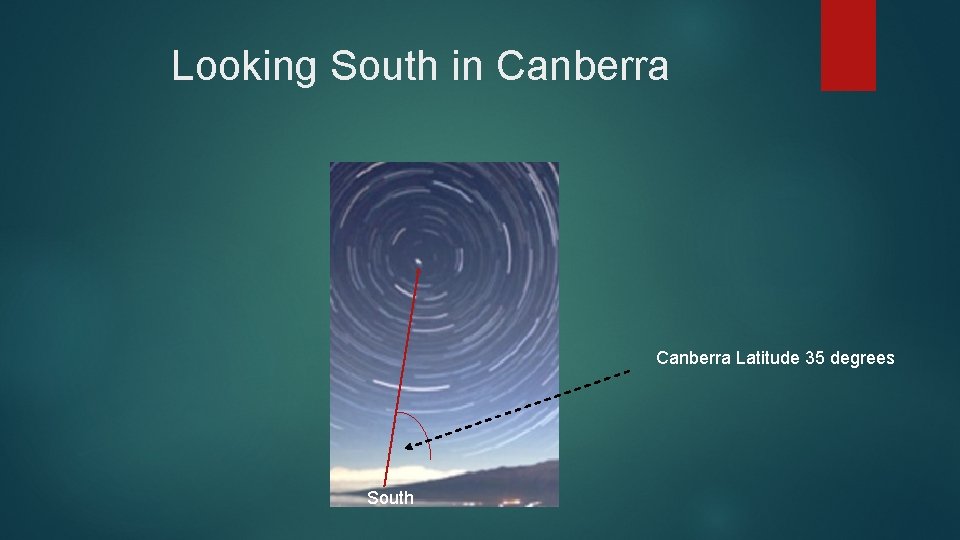
Looking South in Canberra Latitude 35 degrees South
The equatorial ring 90 - Lat
The equatorial ring 90 - Lat
The equatorial ring 90 - Lat
The equatorial ring 90 - Lat
The equatorial ring Shadow falls Equinox point 90 - Lat
The equatorial ring Shadow falls Post Equinox point 90 - Lat
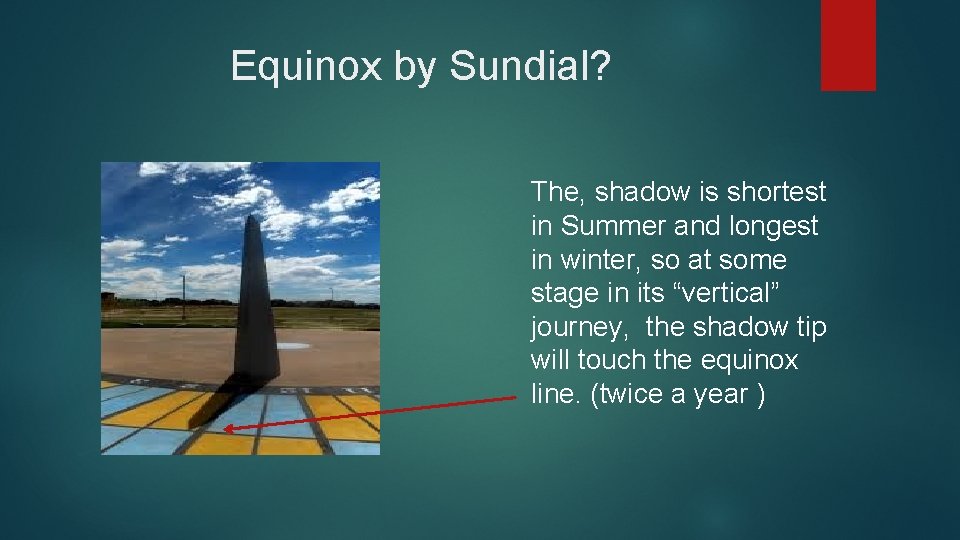
Equinox by Sundial? The, shadow is shortest in Summer and longest in winter, so at some stage in its “vertical” journey, the shadow tip will touch the equinox line. (twice a year )
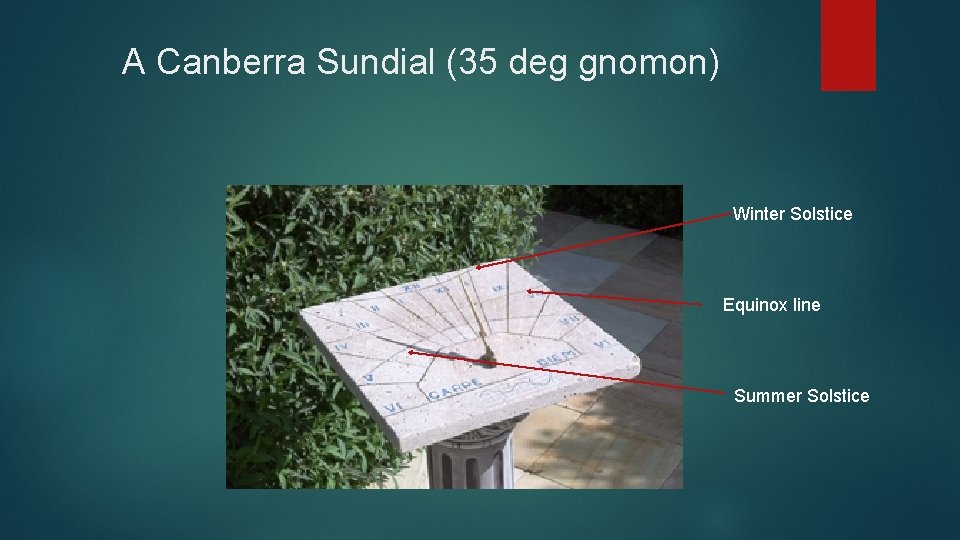
A Canberra Sundial (35 deg gnomon) Winter Solstice Equinox line Summer Solstice
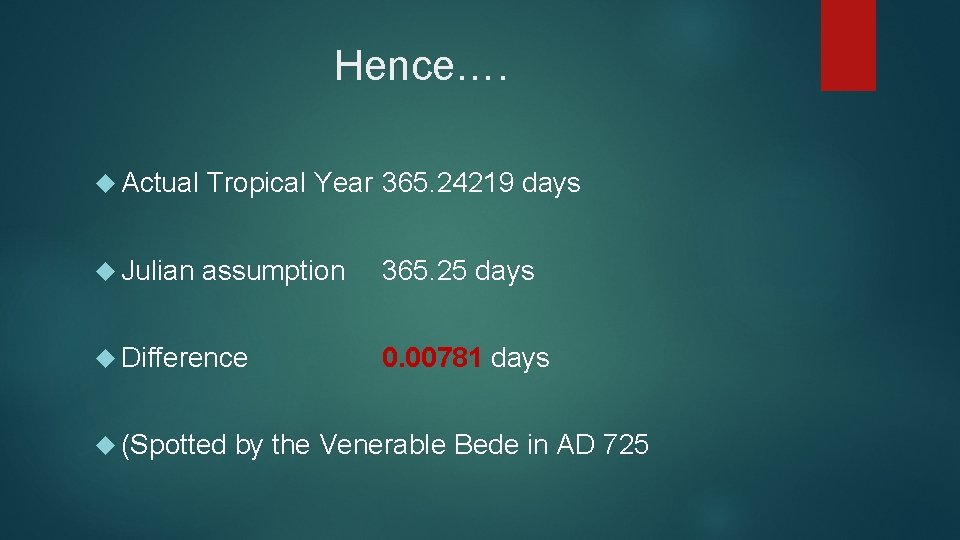
Hence…. Actual Tropical Year 365. 24219 days Julian assumption Difference (Spotted 365. 25 days 0. 00781 days by the Venerable Bede in AD 725
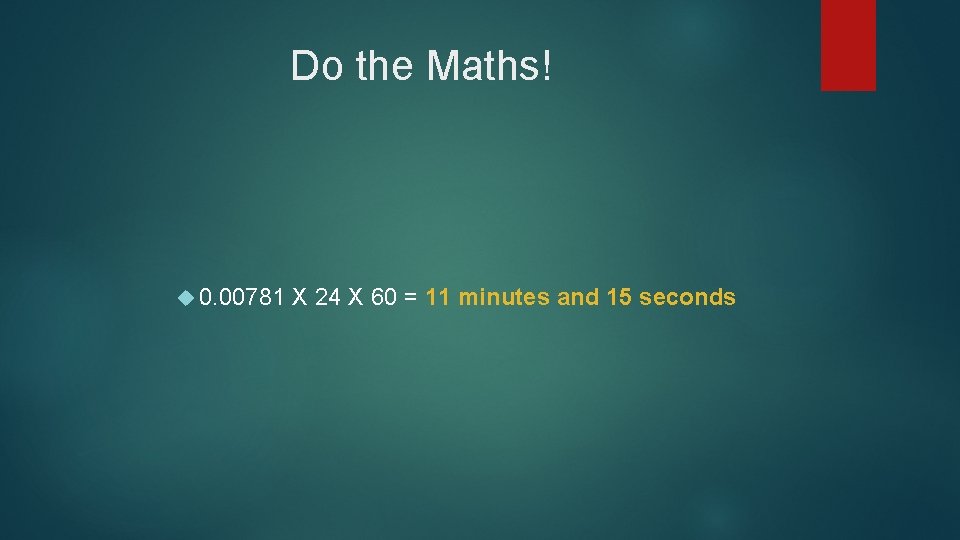
Do the Maths! 0. 00781 X 24 X 60 = 11 minutes and 15 seconds
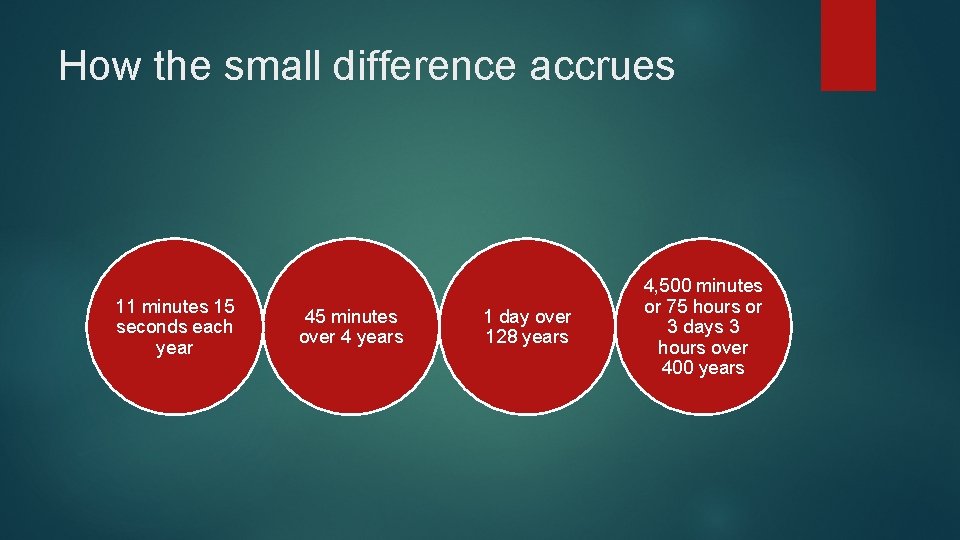
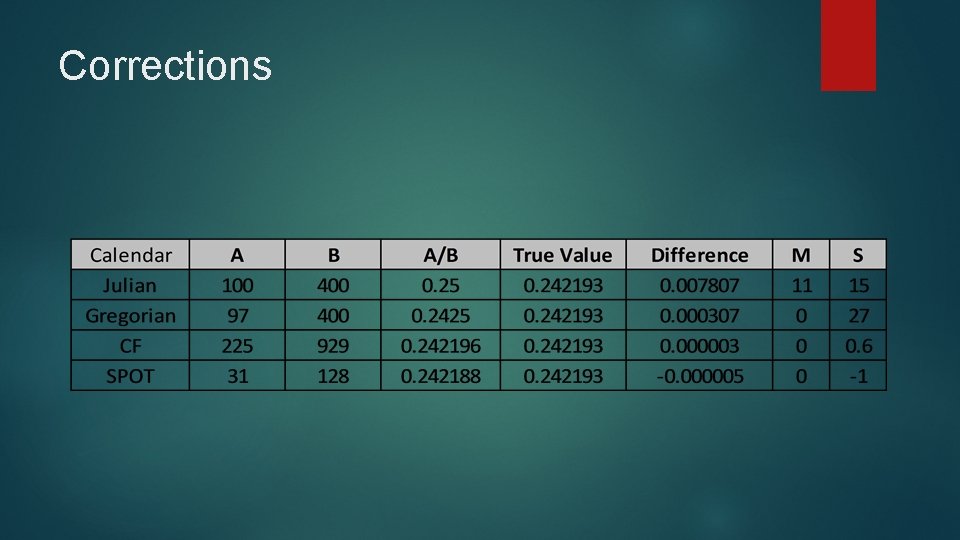
How the small difference accrues 11 minutes 15 seconds each year 45 minutes over 4 years 1 day over 128 years 4, 500 minutes or 75 hours or 3 days 3 hours over 400 years
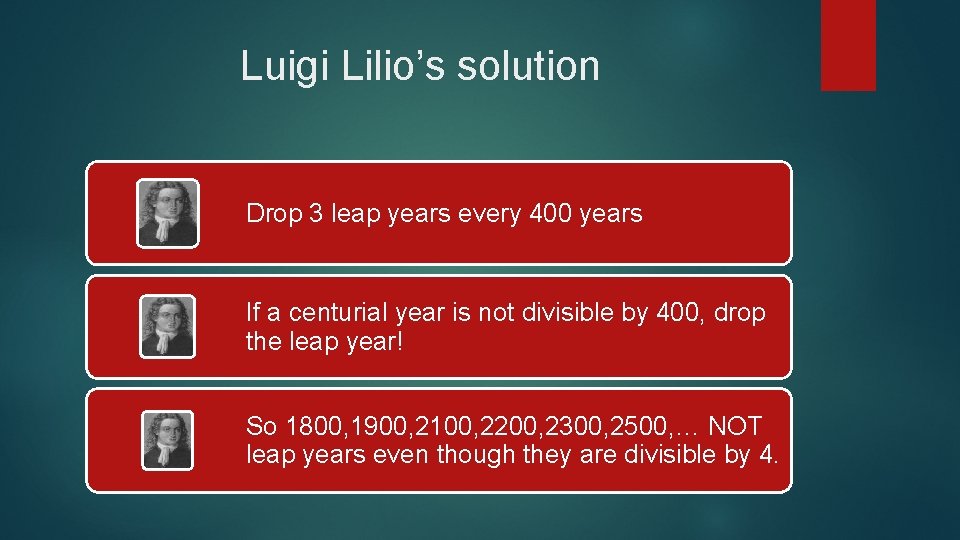
Luigi Lilio’s solution Drop 3 leap years every 400 years If a centurial year is not divisible by 400, drop the leap year! So 1800, 1900, 2100, 2200, 2300, 2500, … NOT leap years even though they are divisible by 4.
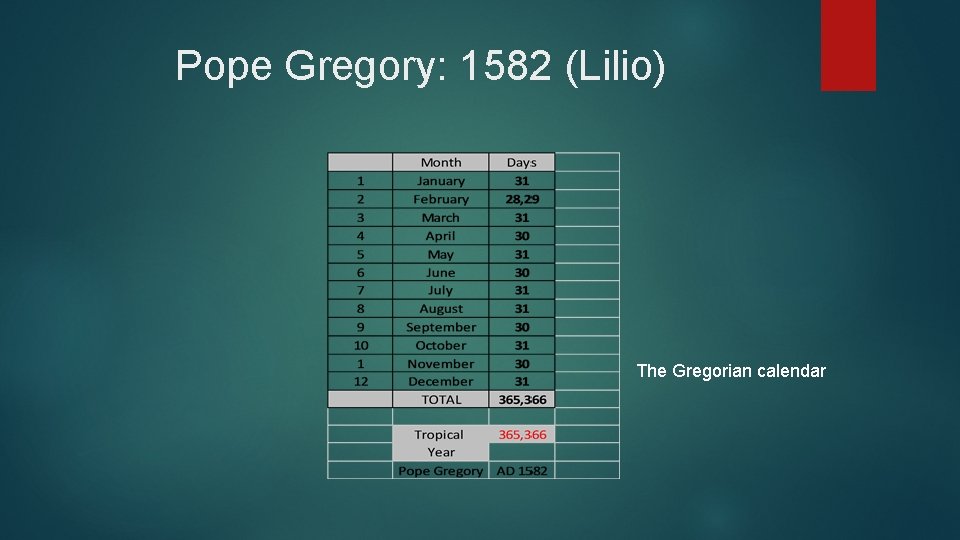
Pope Gregory: 1582 (Lilio) The Gregorian calendar
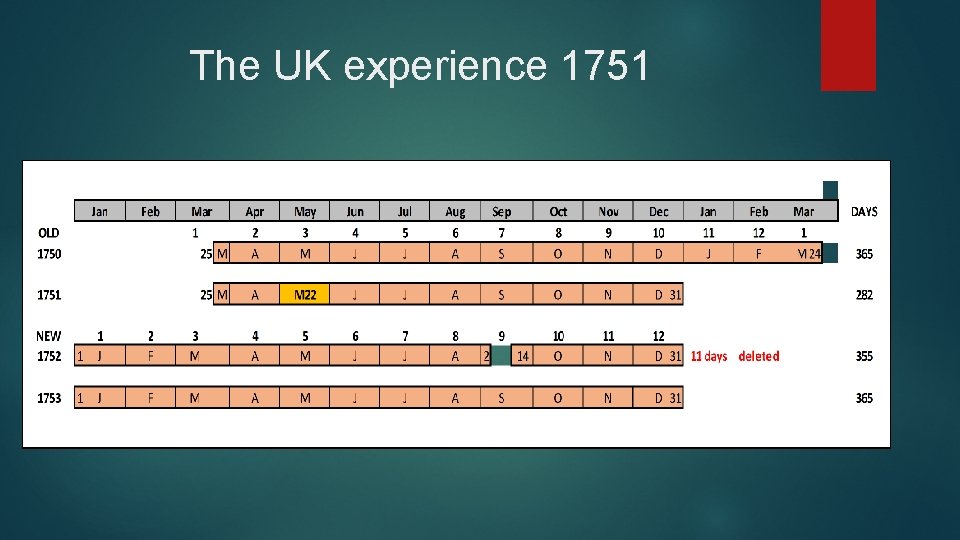
The UK experience 1751
10 minute break
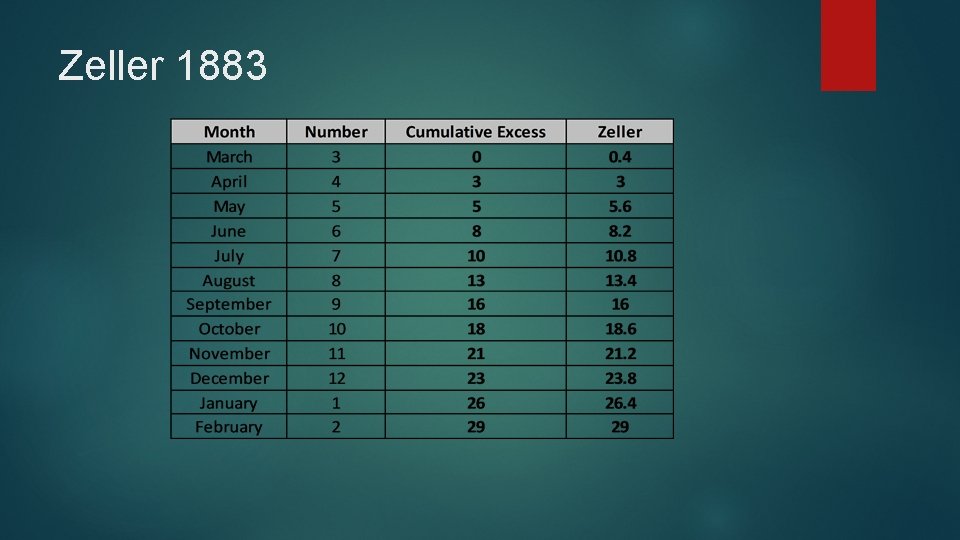
Zeller 1883
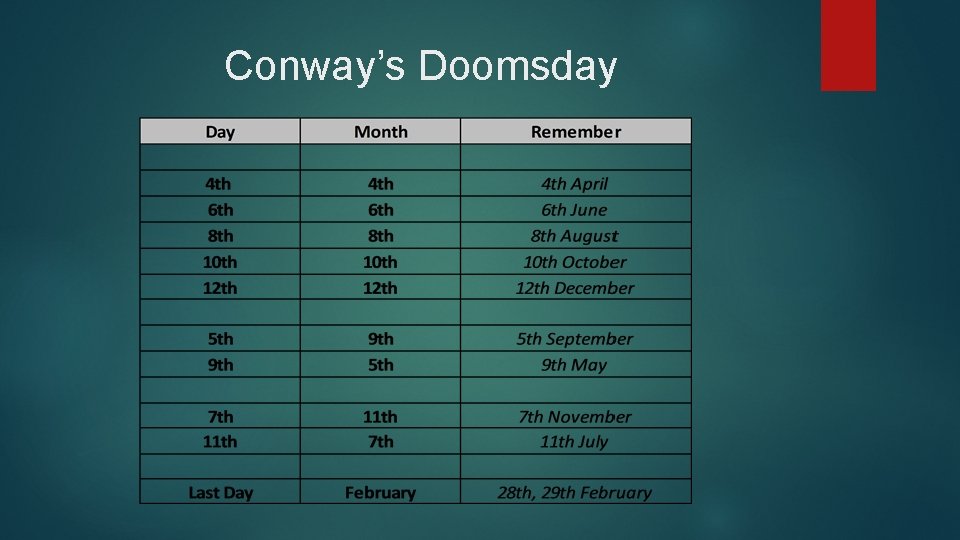
Conway’s Doomsday
Corrections