
Sacred Music Gregorian chant An Introduction What is

- Slides: 49
Sacred Music
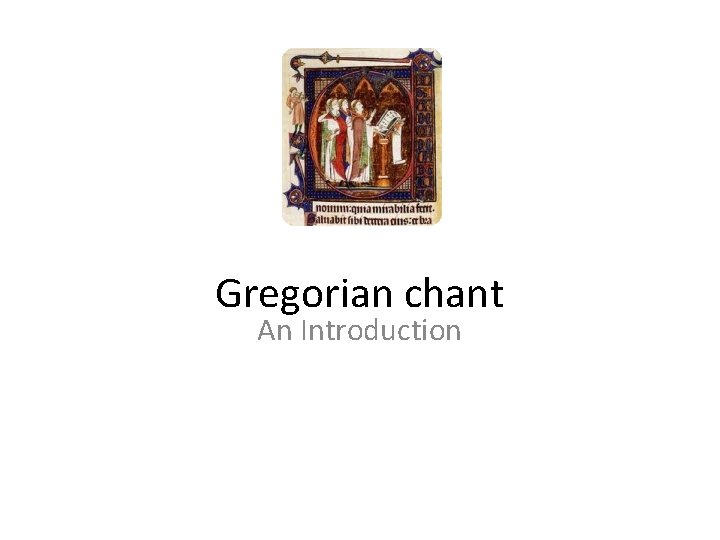
Gregorian chant An Introduction
What is it? • Sacred Music of the Church • Thousands of years of combined knowledge – Ancient Jewish and Greek roots • Ancient Tradition, Magisterium, and Scripture • Aural chant later developed into notation
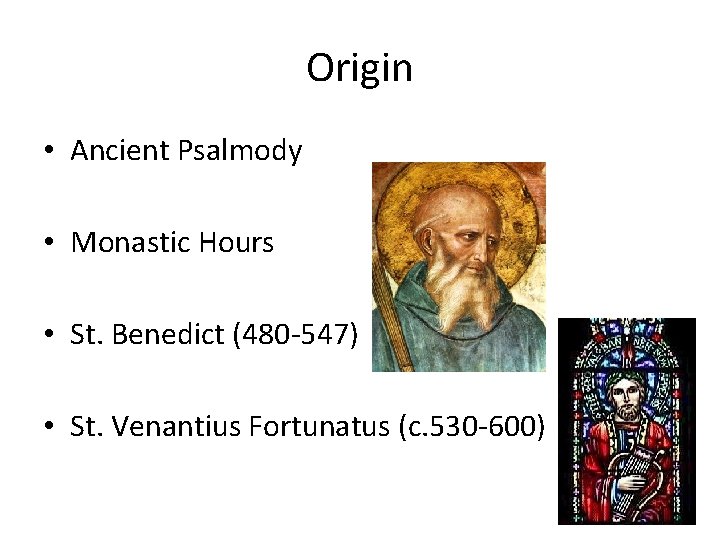
Origin • Ancient Psalmody • Monastic Hours • St. Benedict (480 -547) • St. Venantius Fortunatus (c. 530 -600)
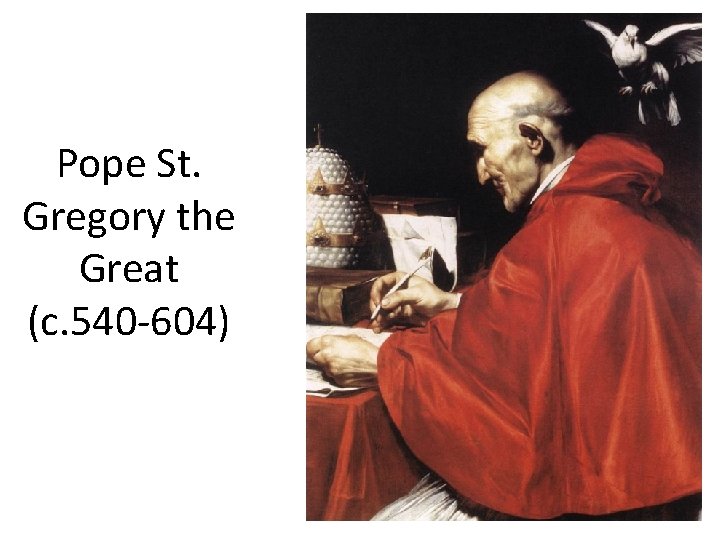
Pope St. Gregory the Great (c. 540 -604)
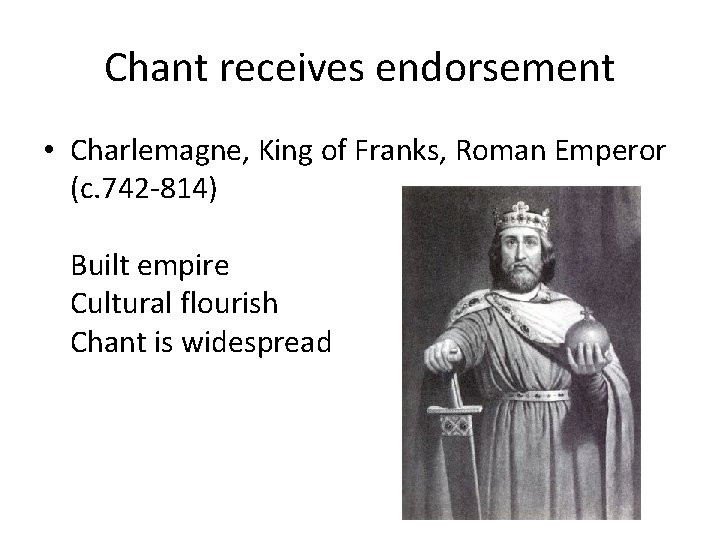
Chant receives endorsement • Charlemagne, King of Franks, Roman Emperor (c. 742 -814) Built empire Cultural flourish Chant is widespread
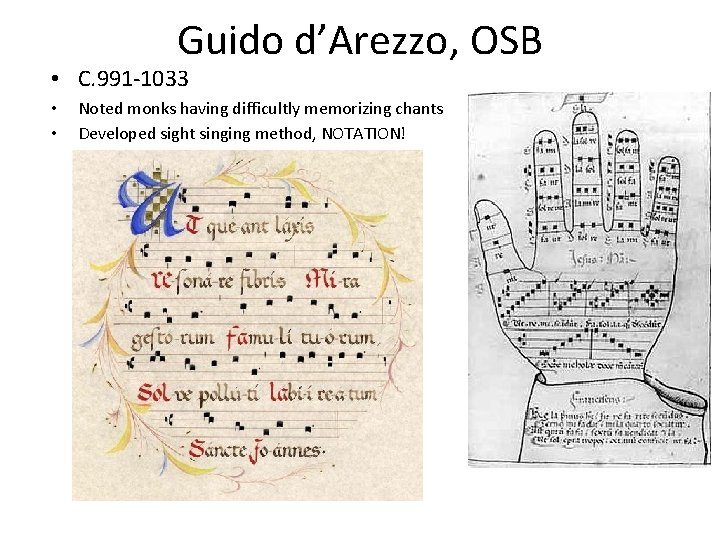
Guido d’Arezzo, OSB • C. 991 -1033 • • Noted monks having difficultly memorizing chants Developed sight singing method, NOTATION!
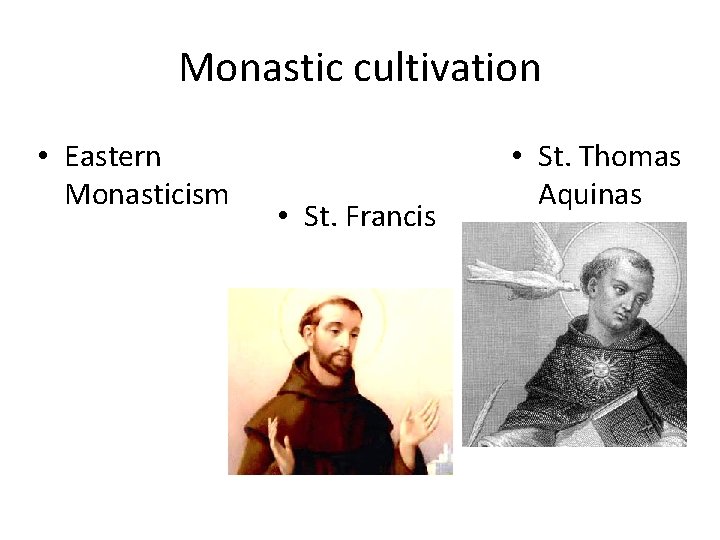
Monastic cultivation • Eastern Monasticism • St. Francis • St. Thomas Aquinas
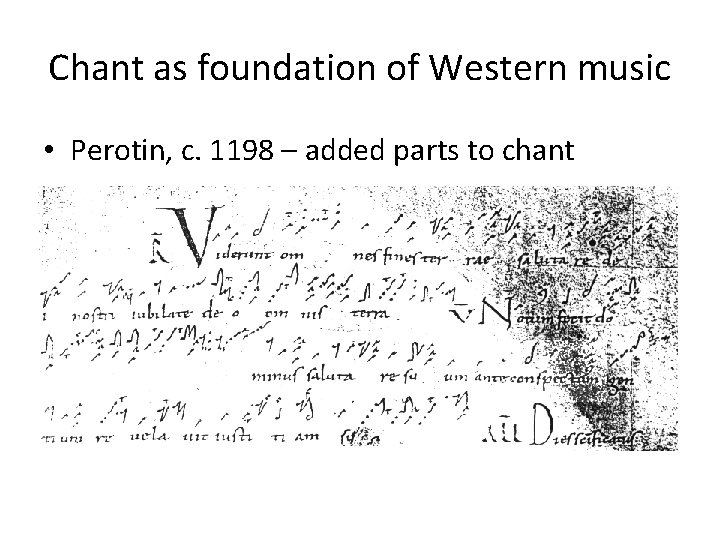
Chant as foundation of Western music • Perotin, c. 1198 – added parts to chant
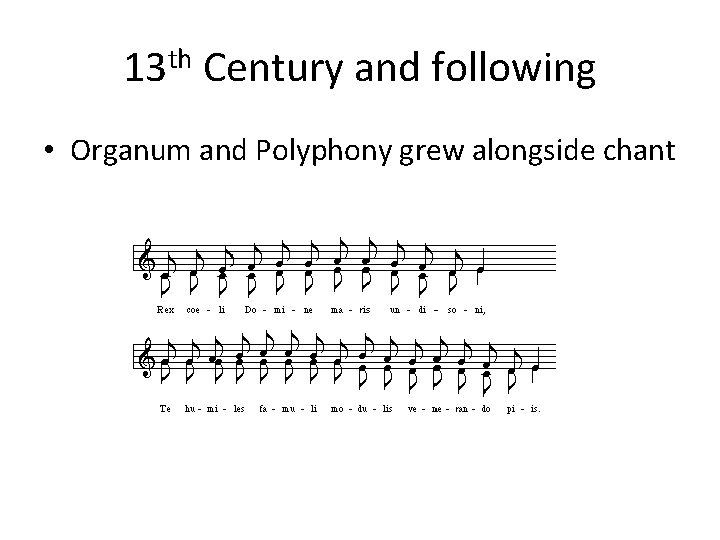
13 th Century and following • Organum and Polyphony grew alongside chant
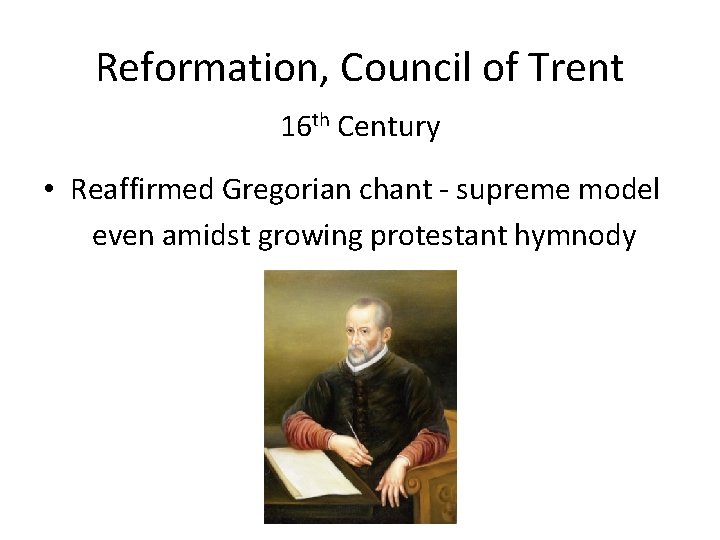
Reformation, Council of Trent 16 th Century • Reaffirmed Gregorian chant - supreme model even amidst growing protestant hymnody
1900 -present
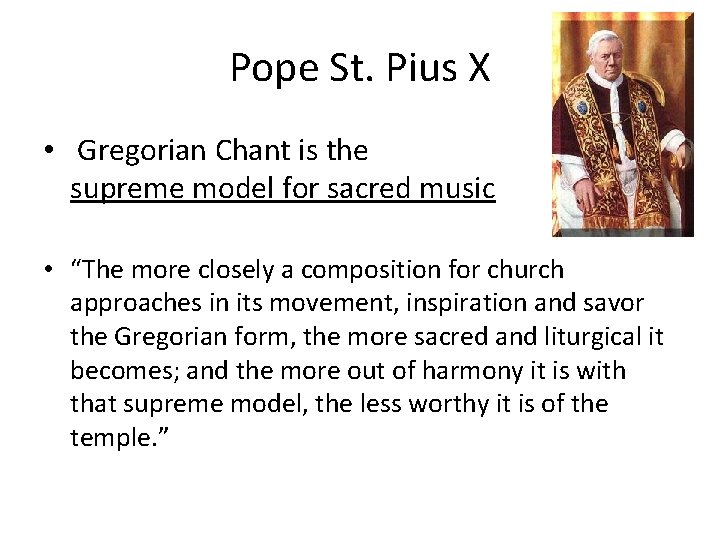
Pope St. Pius X • Gregorian Chant is the supreme model for sacred music • “The more closely a composition for church approaches in its movement, inspiration and savor the Gregorian form, the more sacred and liturgical it becomes; and the more out of harmony it is with that supreme model, the less worthy it is of the temple. ”
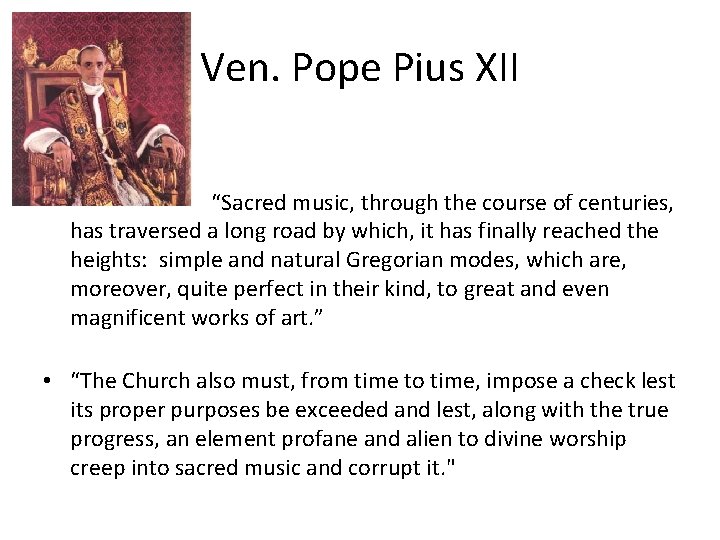
Ven. Pope Pius XII “Sacred music, through the course of centuries, has traversed a long road by which, it has finally reached the heights: simple and natural Gregorian modes, which are, moreover, quite perfect in their kind, to great and even magnificent works of art. ” • “The Church also must, from time to time, impose a check lest its proper purposes be exceeded and lest, along with the true progress, an element profane and alien to divine worship creep into sacred music and corrupt it. "
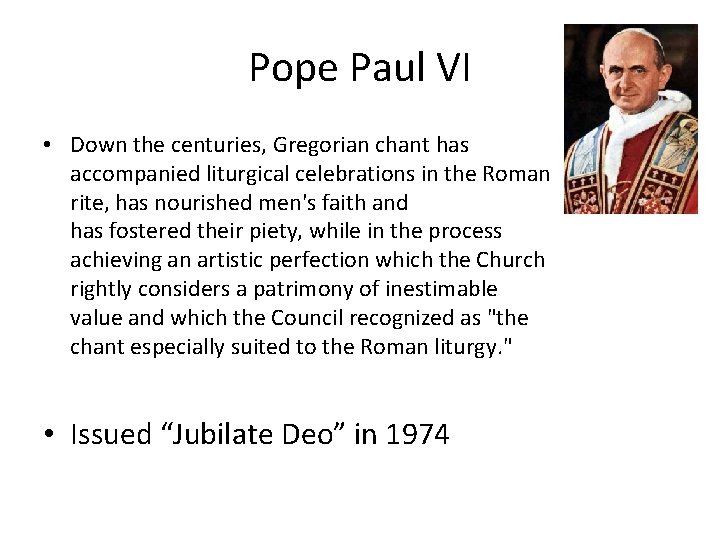
Pope Paul VI • Down the centuries, Gregorian chant has accompanied liturgical celebrations in the Roman rite, has nourished men's faith and has fostered their piety, while in the process achieving an artistic perfection which the Church rightly considers a patrimony of inestimable value and which the Council recognized as "the chant especially suited to the Roman liturgy. " • Issued “Jubilate Deo” in 1974
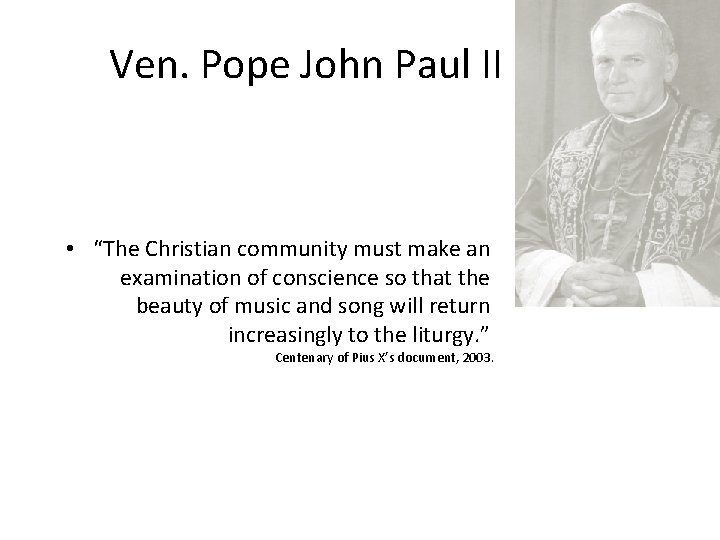
Ven. Pope John Paul II • “The Christian community must make an examination of conscience so that the beauty of music and song will return increasingly to the liturgy. ” Centenary of Pius X’s document, 2003.
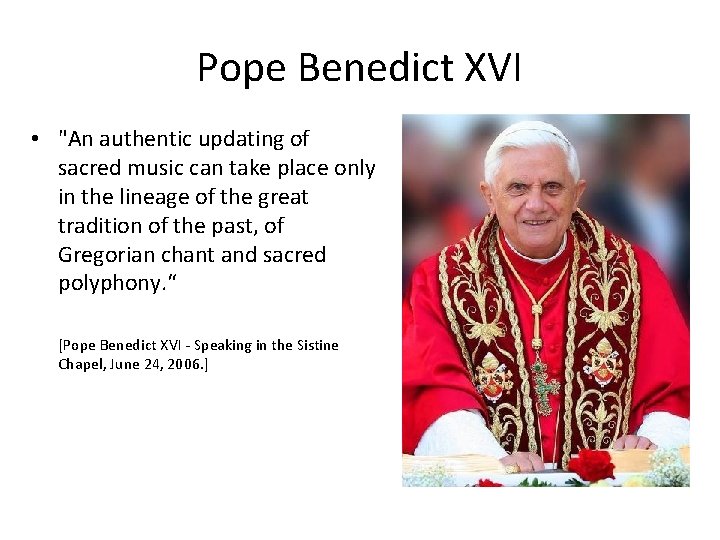
Pope Benedict XVI • "An authentic updating of sacred music can take place only in the lineage of the great tradition of the past, of Gregorian chant and sacred polyphony. “ [Pope Benedict XVI - Speaking in the Sistine Chapel, June 24, 2006. ]
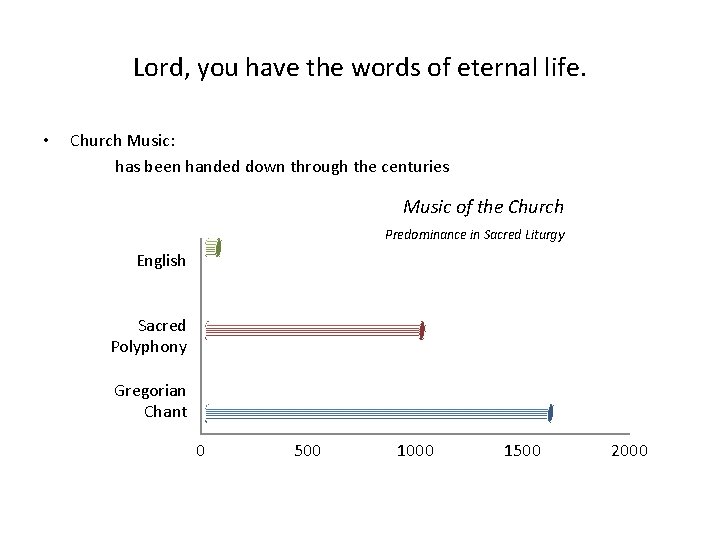
Lord, you have the words of eternal life. • Church Music: has been handed down through the centuries Music of the Church Predominance in Sacred Liturgy English Sacred Polyphony Gregorian Chant 0 500 1000 1500 2000
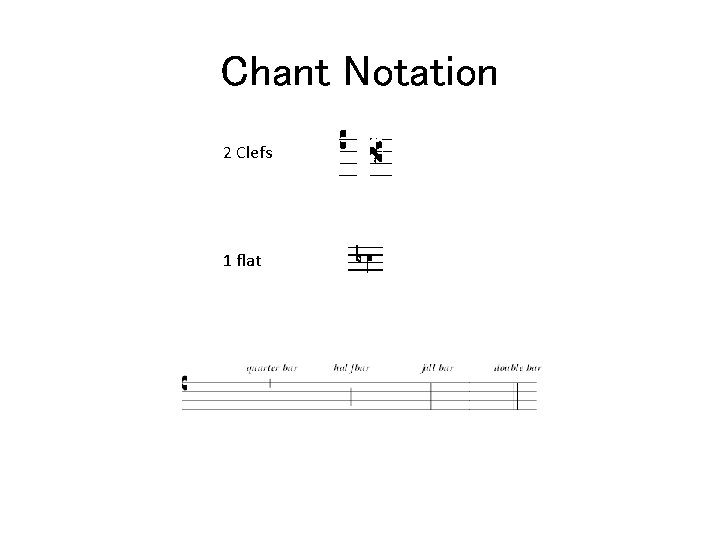
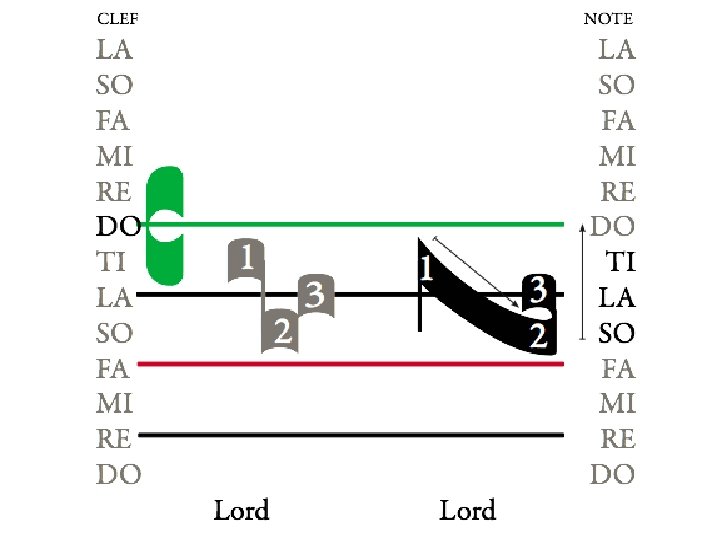
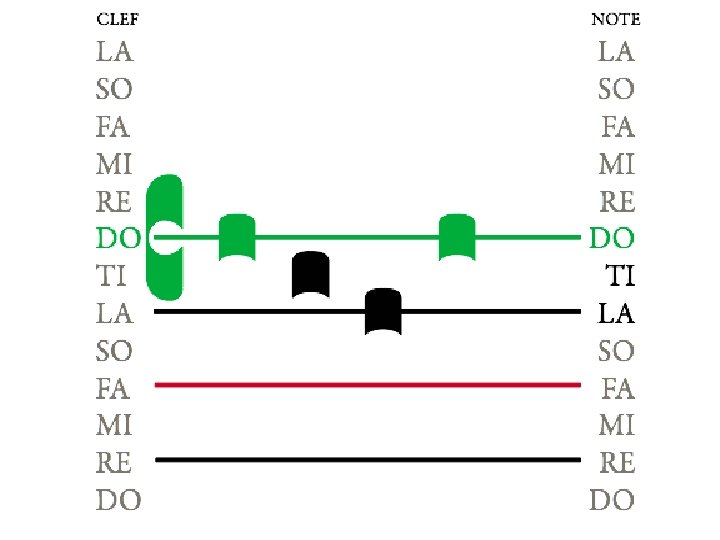
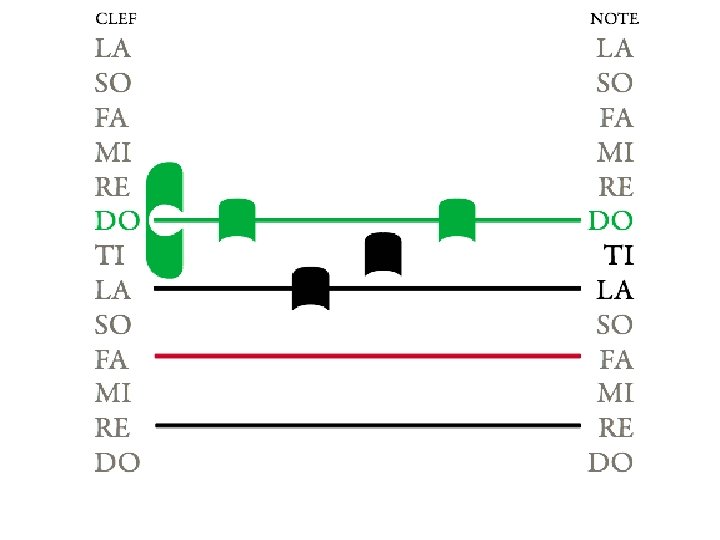
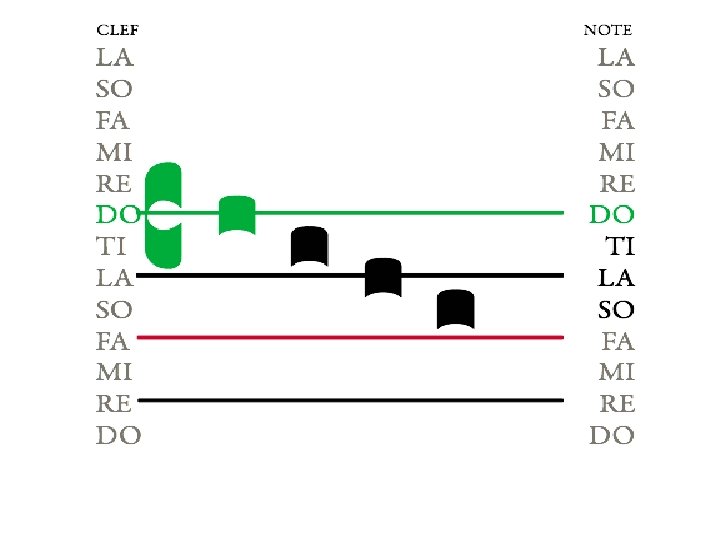
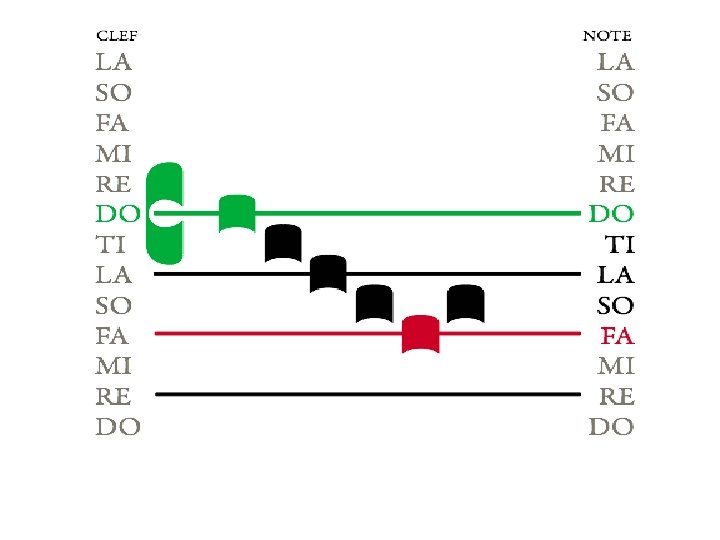
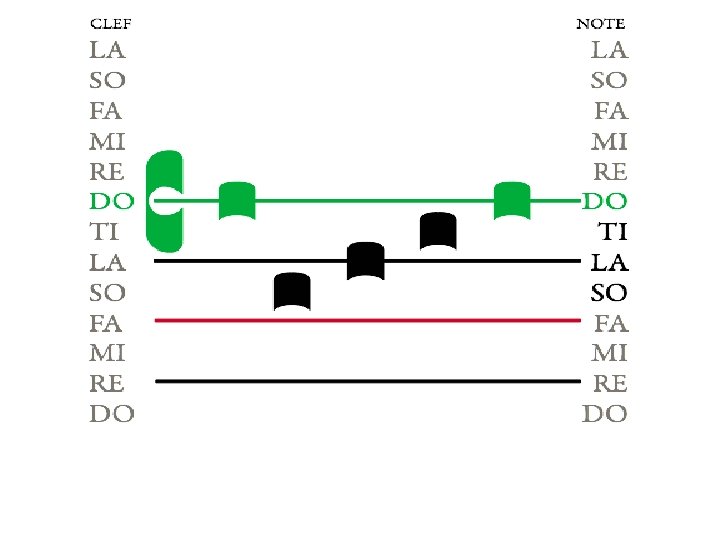
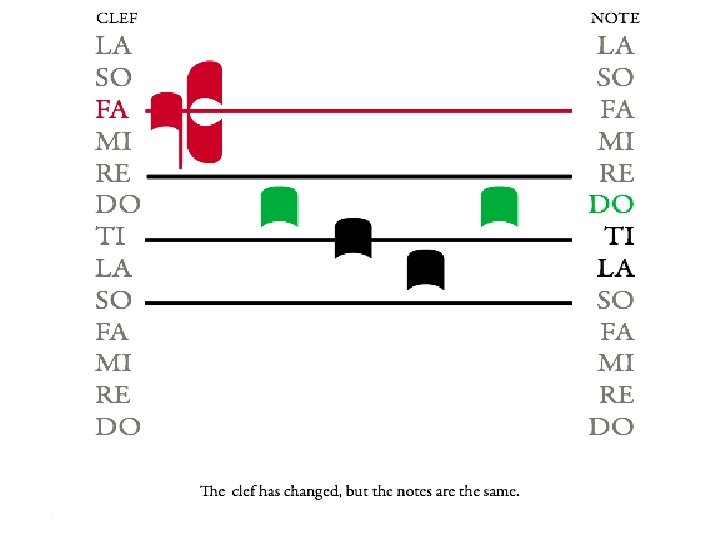
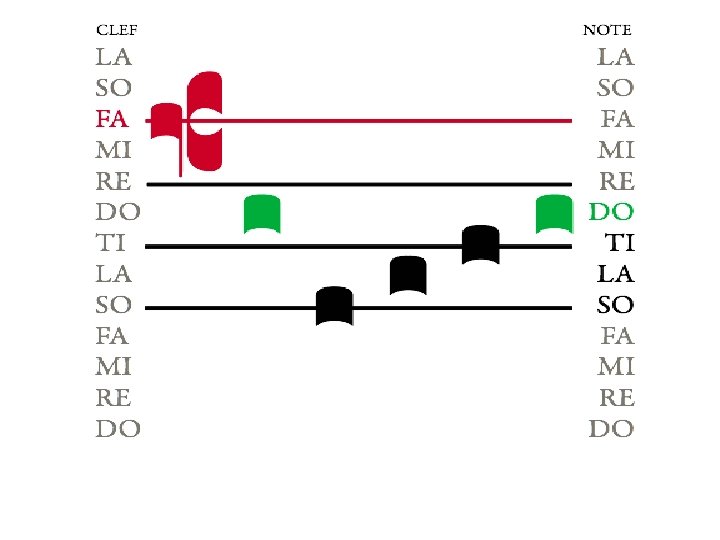
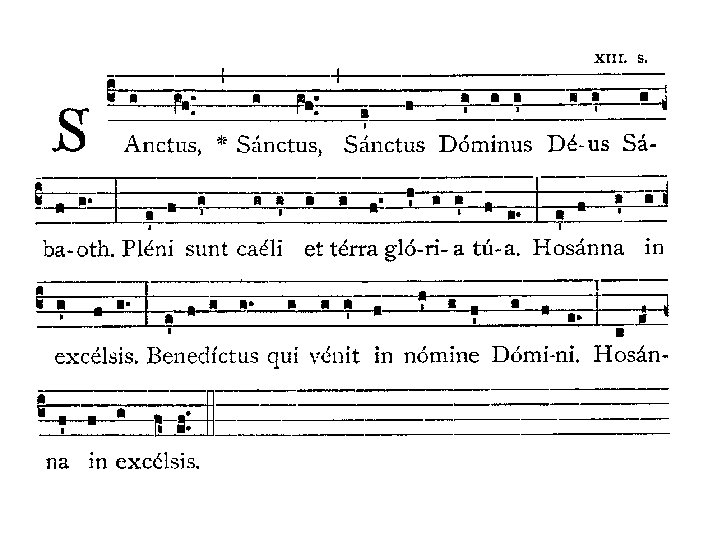
Chant Notation 2 Clefs 1 flat
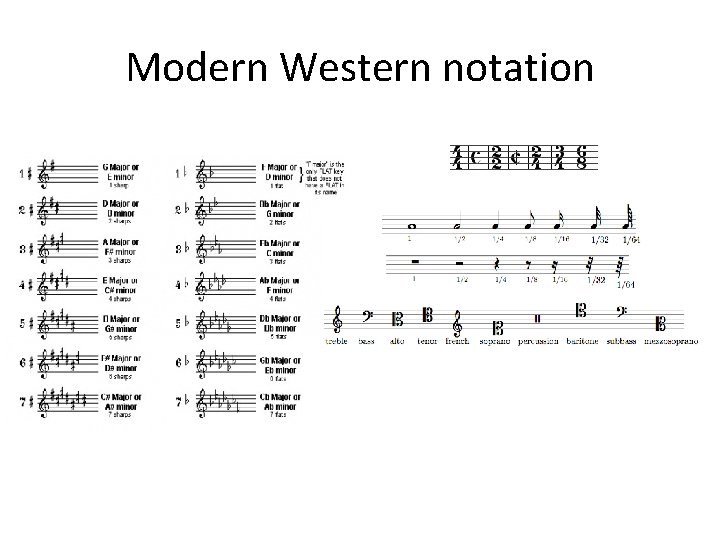
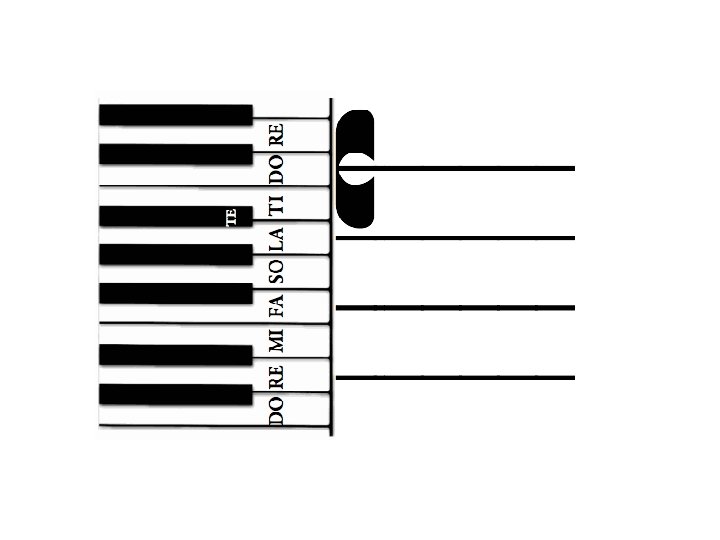
Modern Western notation
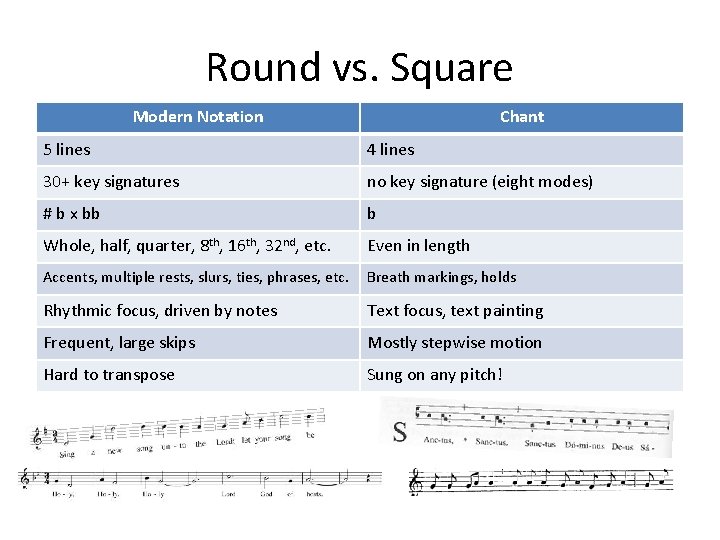
Round vs. Square Modern Notation Chant 5 lines 4 lines 30+ key signatures no key signature (eight modes) # b x bb b Whole, half, quarter, 8 th, 16 th, 32 nd, etc. Even in length Accents, multiple rests, slurs, ties, phrases, etc. Breath markings, holds Rhythmic focus, driven by notes Text focus, text painting Frequent, large skips Mostly stepwise motion Hard to transpose Sung on any pitch!
Ok, how do I read it? • If modern music is from Gregorian chant, why is chant so foreign to us?
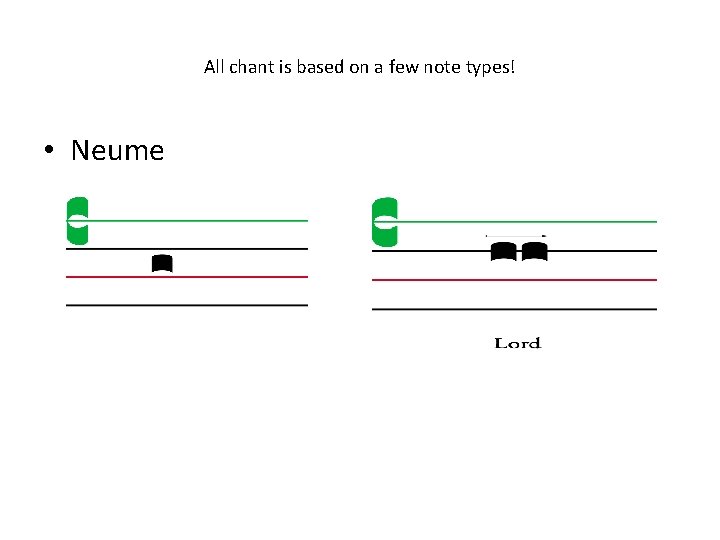
All chant is based on a few note types! • Neume
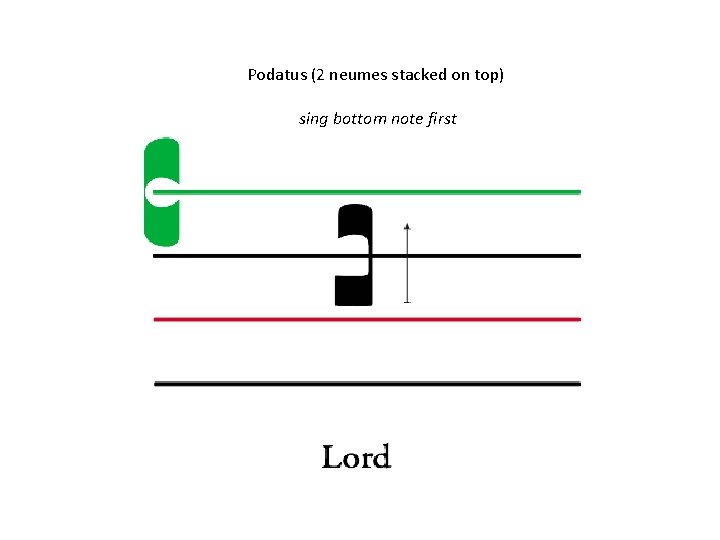
Podatus (2 neumes stacked on top) sing bottom note first
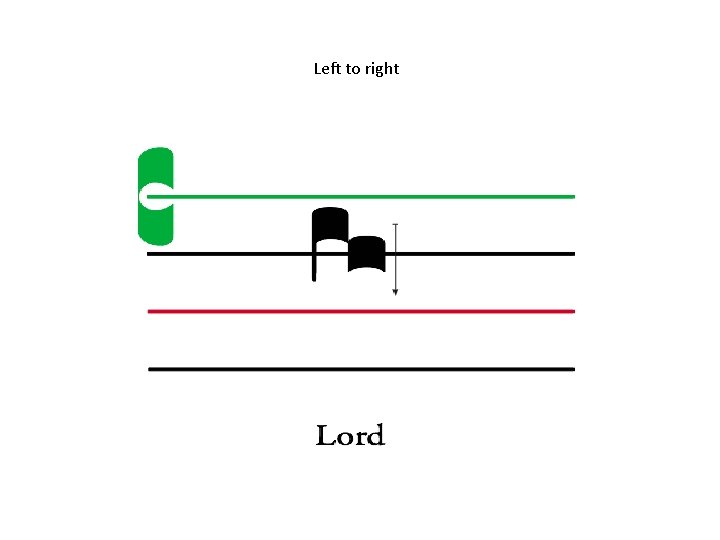
Left to right
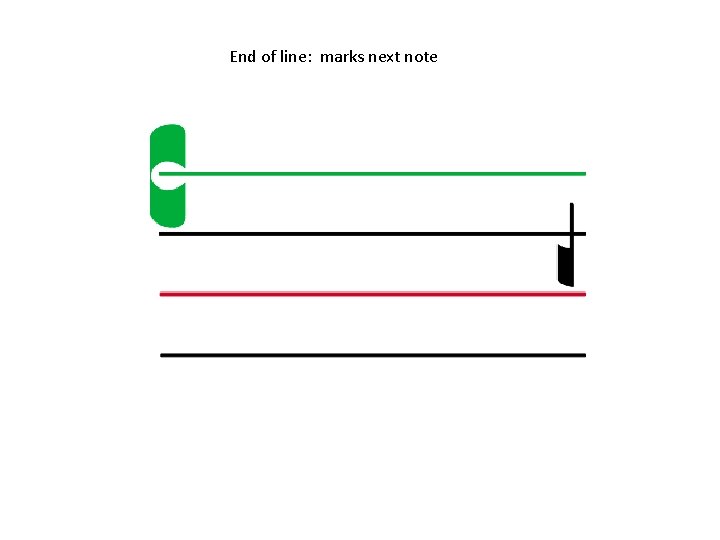
End of line: marks next note
Practice!
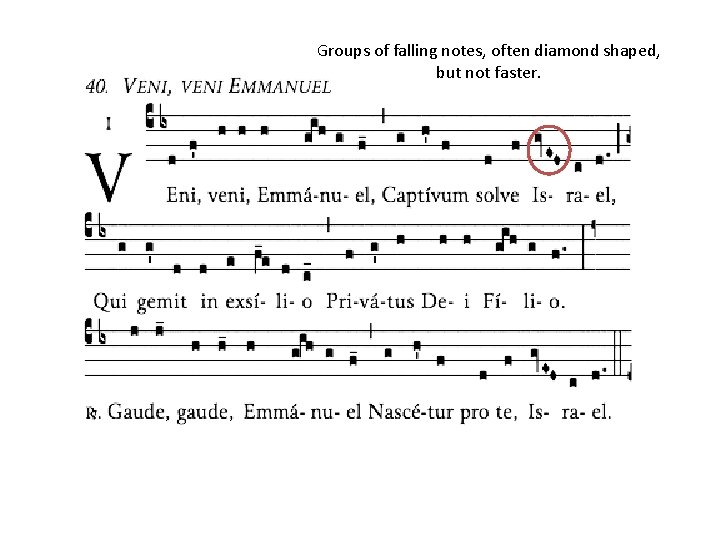
Groups of falling notes, often diamond shaped, but not faster.
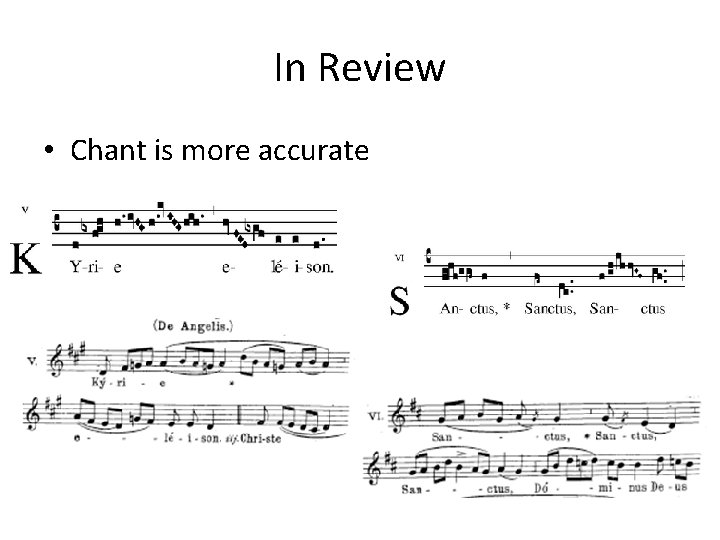
In Review • Chant is more accurate
In Conclusion • Chant is our “Treasure of inestimable value” • Has “Pride of place” at Mass • Chant is: • Vocal • Text focused • Smooth and flowing • Mostly non-rhythmic • Universal • Can be in Latin or vernacular • Holiness • Beauty of form • Reverence • Integral to Mass
End Intro Q&A
Intermediate Chant Notation and Phrasing
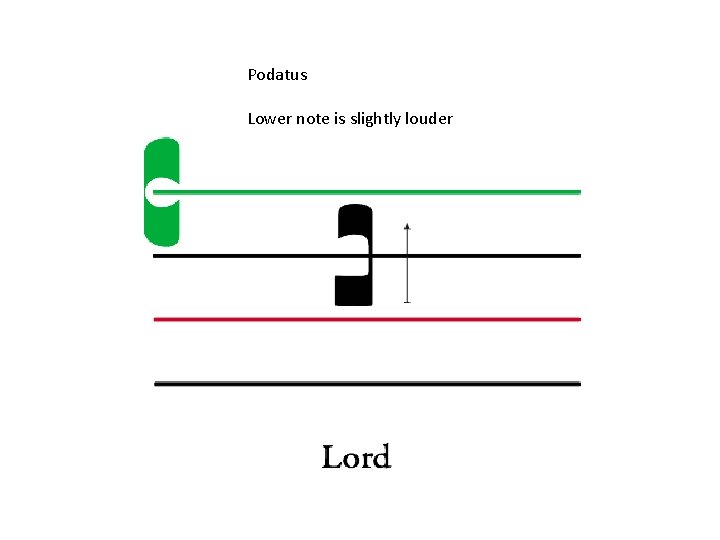
Podatus Lower note is slightly louder
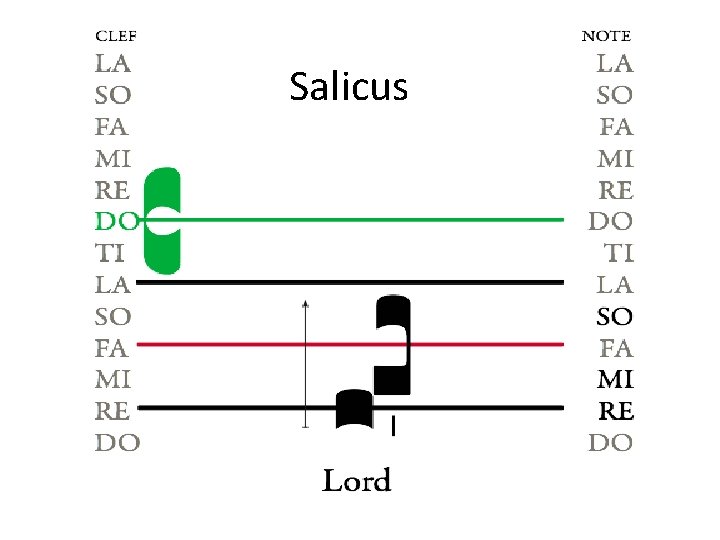
Salicus
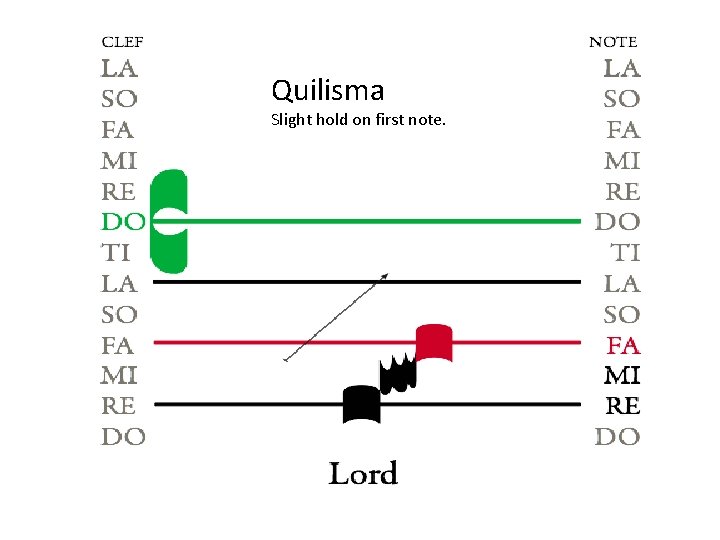
Quilisma Slight hold on first note.
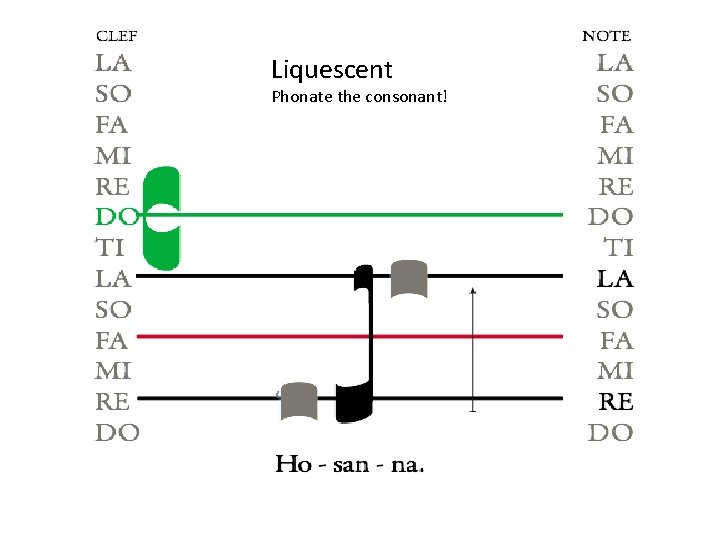
Liquescent Phonate the consonant!
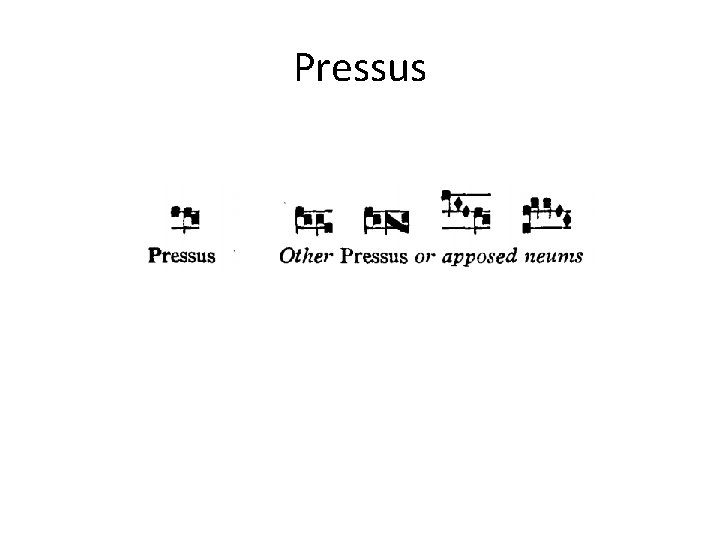
Pressus
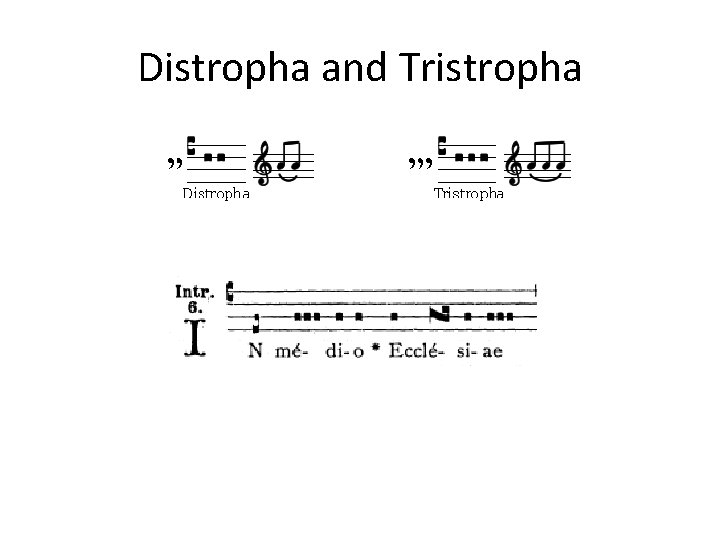
Distropha and Tristropha
Phrasing • Chant is music too! Sing with beauty. • Rests, commas, half and full phrases • Antiphon/Psalm • Entire piece as whole