Outline Transient thyrotoxicosis of pregnancy Graves disease during



- Slides: 79
Outline • • Transient thyrotoxicosis of pregnancy Graves disease during pregnancy Hypothyroidism and pregnancy Iodine nutrition and pregnancy
Thyroid disease and pregnancy
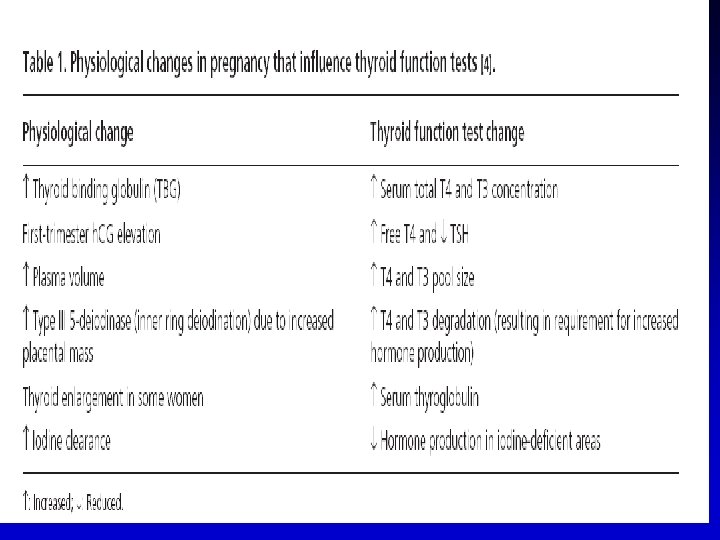
Changes in thyroid physiology in pregnancy
Transient thyrotoxicosis of pregnancy (TTP)
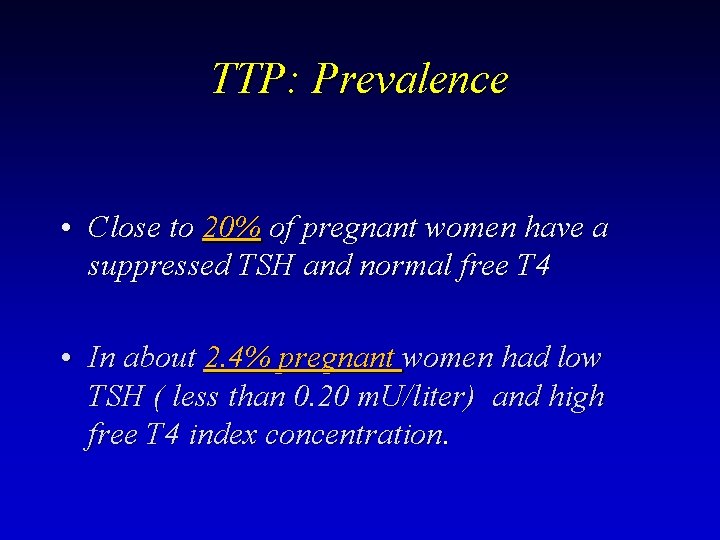
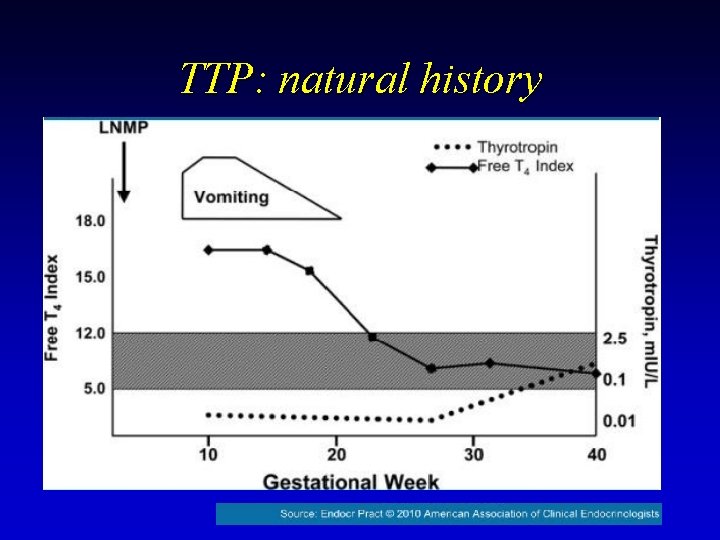
TTP: Prevalence • Close to 20% of pregnant women have a suppressed TSH and normal free T 4 • In about 2. 4% pregnant women had low TSH ( less than 0. 20 m. U/liter) and high free T 4 index concentration.
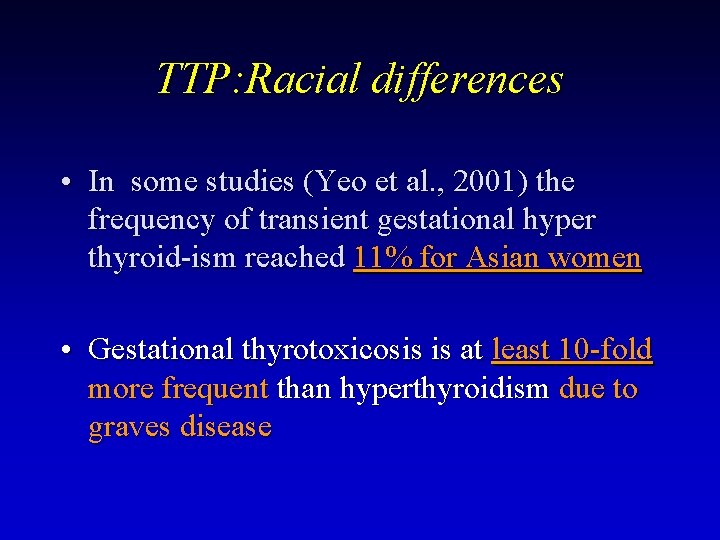
TTP: Racial differences • In some studies (Yeo et al. , 2001) the frequency of transient gestational hyper thyroid-ism reached 11% for Asian women • Gestational thyrotoxicosis is at least 10 -fold more frequent than hyperthyroidism due to graves disease
TTP: natural history
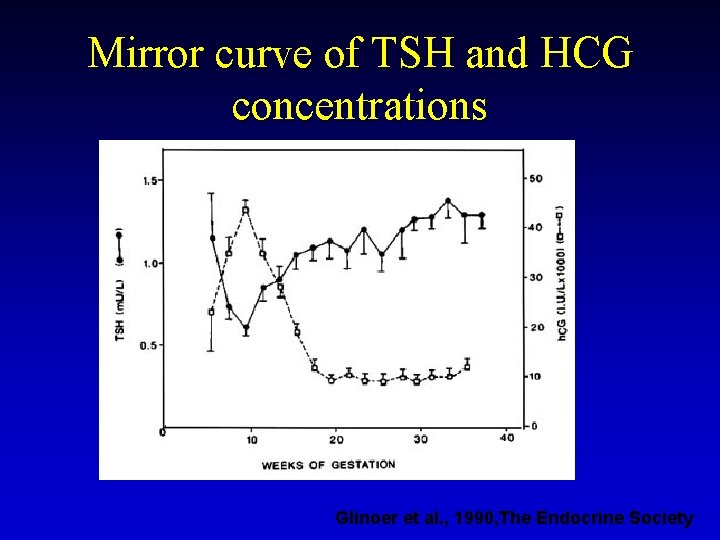
Mirror curve of TSH and HCG concentrations Glinoer et al. , 1990, The Endocrine Society
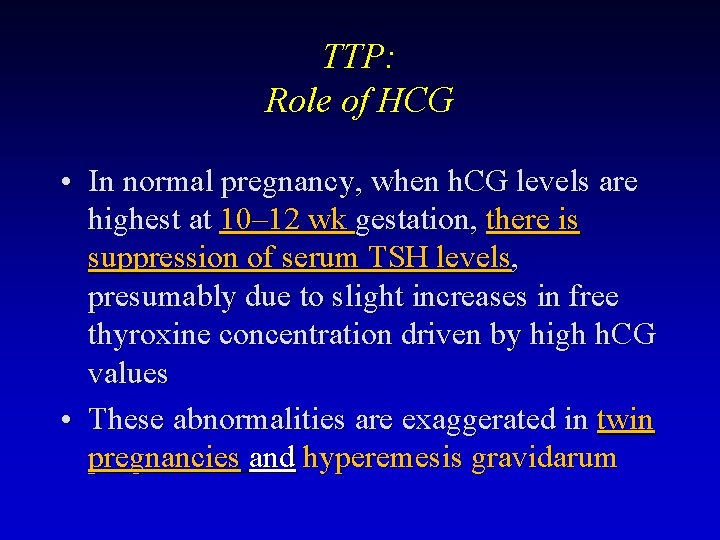
TTP: Role of HCG • In normal pregnancy, when h. CG levels are highest at 10– 12 wk gestation, there is suppression of serum TSH levels, presumably due to slight increases in free thyroxine concentration driven by high h. CG values • These abnormalities are exaggerated in twin pregnancies and hyperemesis gravidarum
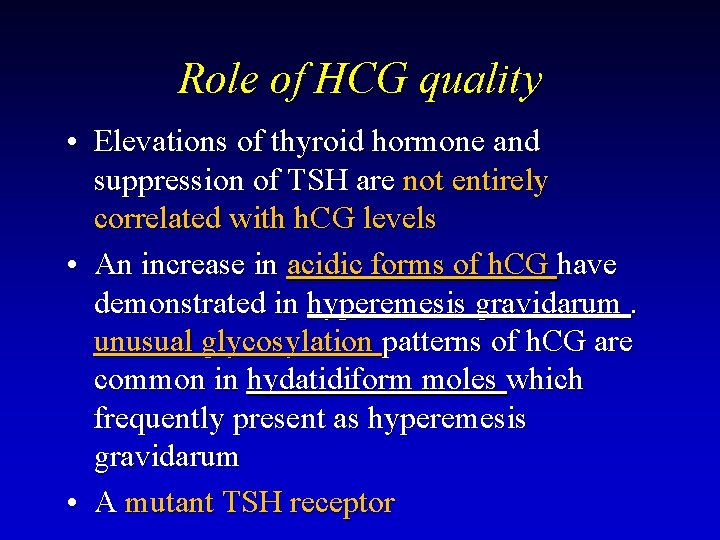
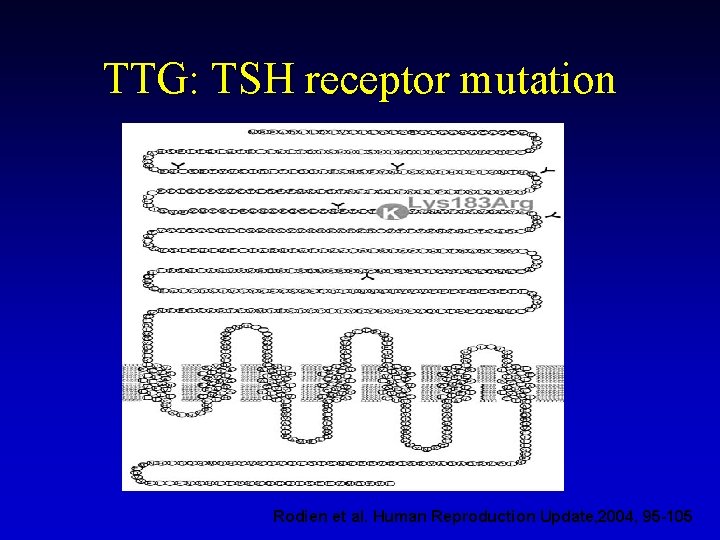
Role of HCG quality • Elevations of thyroid hormone and suppression of TSH are not entirely correlated with h. CG levels • An increase in acidic forms of h. CG have demonstrated in hyperemesis gravidarum. unusual glycosylation patterns of h. CG are common in hydatidiform moles which frequently present as hyperemesis gravidarum • A mutant TSH receptor
TTG: TSH receptor mutation Rodien et al. Human Reproduction Update, 2004, 95 -105
Hyperemesis gravidarum and hyperthyroidism
Definition of HG • Hyperemesis gravidarum, defined as severe vomiting in early pregnancy that causes more than 5% weight loss, dehydration, and ketonuria and occurs in 0. 5– 10 cases per 1000 pregnancies • Gestational transient thyrotoxicosis has been observed in up to two thirds of women suffering from hyperemesis gravidarum
Distinction between gestational transient thyrotoxicosis and Graves' disease
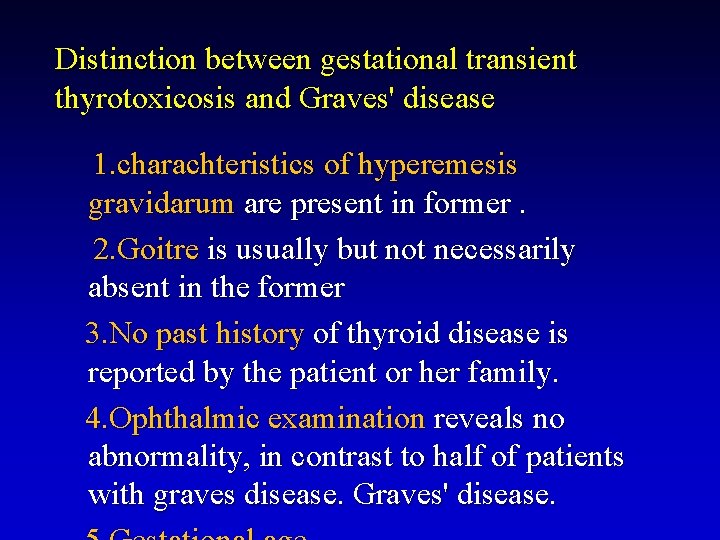
Distinction between gestational transient thyrotoxicosis and Graves' disease 1. charachteristics of hyperemesis gravidarum are present in former. 2. Goitre is usually but not necessarily absent in the former 3. No past history of thyroid disease is reported by the patient or her family. 4. Ophthalmic examination reveals no abnormality, in contrast to half of patients with graves disease. Graves' disease.
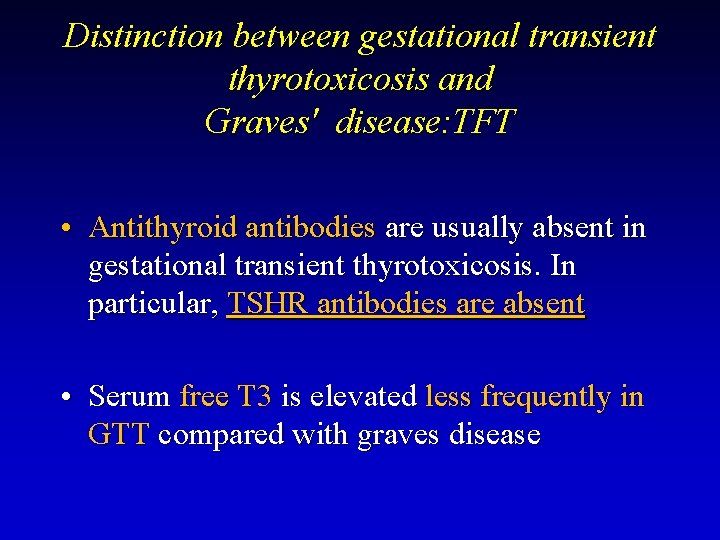
Distinction between gestational transient thyrotoxicosis and Graves' disease: TFT • Antithyroid antibodies are usually absent in gestational transient thyrotoxicosis. In particular, TSHR antibodies are absent • Serum free T 3 is elevated less frequently in GTT compared with graves disease
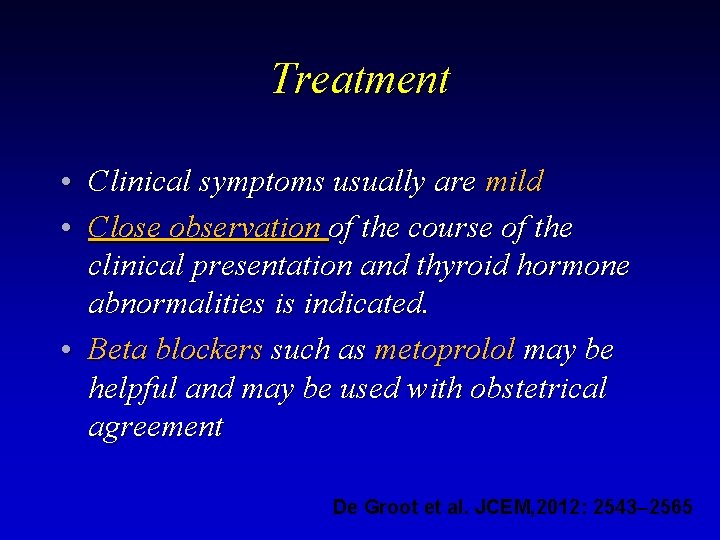
Treatment • Clinical symptoms usually are mild • Close observation of the course of the clinical presentation and thyroid hormone abnormalities is indicated. • Beta blockers such as metoprolol may be helpful and may be used with obstetrical agreement De Groot et al. JCEM, 2012: 2543– 2565
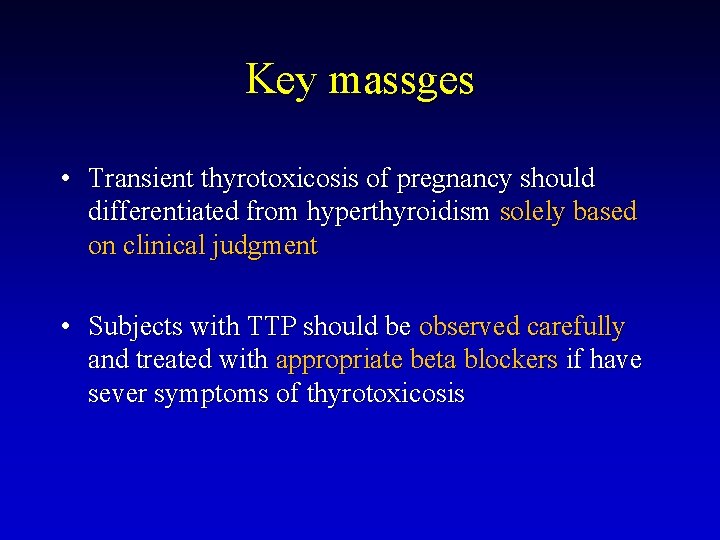
Key massges • Transient thyrotoxicosis of pregnancy should differentiated from hyperthyroidism solely based on clinical judgment • Subjects with TTP should be observed carefully and treated with appropriate beta blockers if have sever symptoms of thyrotoxicosis
Graves disease during pregnancy
Prevalence • Prevalence of hyperthyroidism in pregnancy 0. 1 to 0. 4% • About 85% of cases are Graves’disease De Groot et al. JCEM, 2012: 2543– 2565
Clinical course of Graves in pregnancy v. First trimester v Second and third trimester v. Puerperium
Clinical manifestations • Symptoma are non specific and may be mimicked by normal pregnancy. • Significance of goiter • TFT must be interpreted in the context of the normal gestational changes of decreased serum TSH and increased T 4 and T 3 levels De Groot et al. JCEM, 2012: 2543– 2565
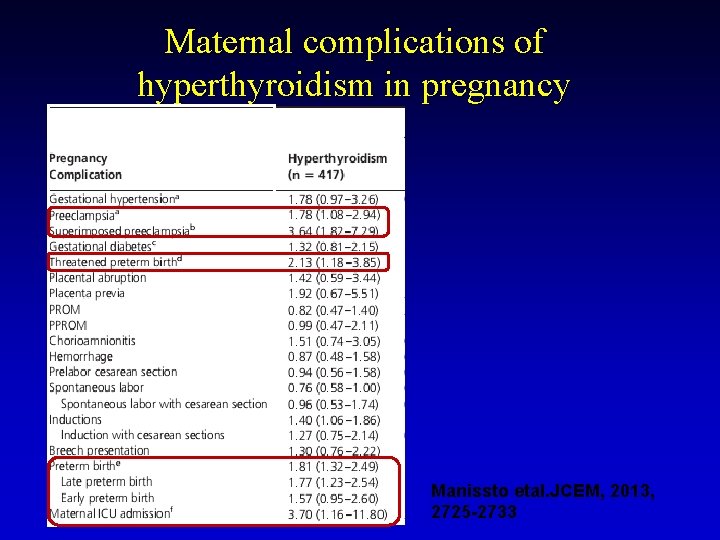
Maternal complications of hyperthyroidism in pregnancy Manissto etal. JCEM, 2013, 2725 -2733
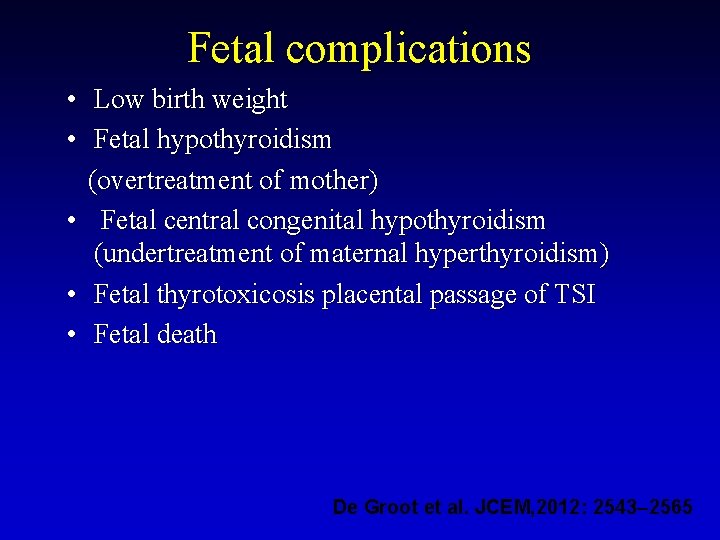
Fetal complications • Low birth weight • Fetal hypothyroidism (overtreatment of mother) • Fetal central congenital hypothyroidism (undertreatment of maternal hyperthyroidism) • Fetal thyrotoxicosis placental passage of TSI • Fetal death De Groot et al. JCEM, 2012: 2543– 2565
Neonatal Graves
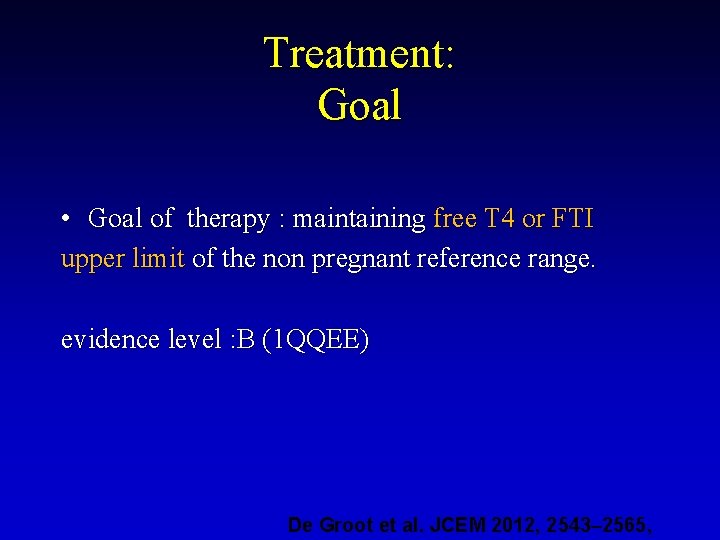
Treatment: Goal • Goal of therapy : maintaining free T 4 or FTI upper limit of the non pregnant reference range. evidence level : B (1 QQEE) De Groot et al. JCEM 2012, 2543– 2565,
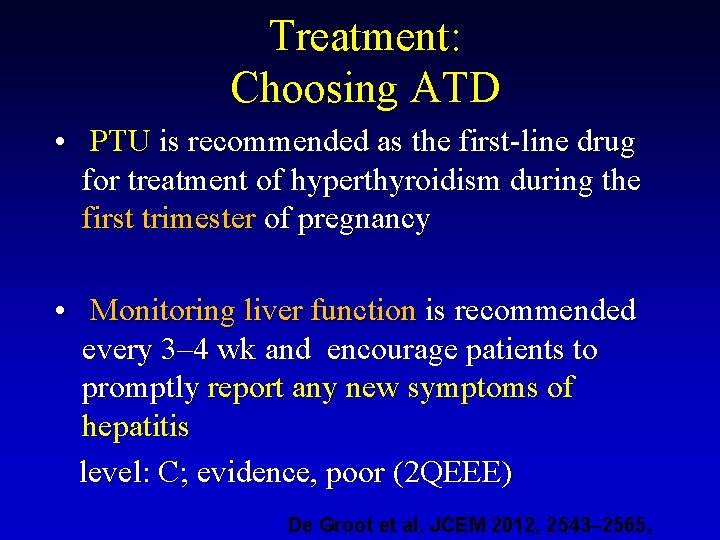
Treatment: Choosing ATD • PTU is recommended as the first-line drug for treatment of hyperthyroidism during the first trimester of pregnancy • Monitoring liver function is recommended every 3– 4 wk and encourage patients to promptly report any new symptoms of hepatitis level: C; evidence, poor (2 QEEE) De Groot et al. JCEM 2012, 2543– 2565,
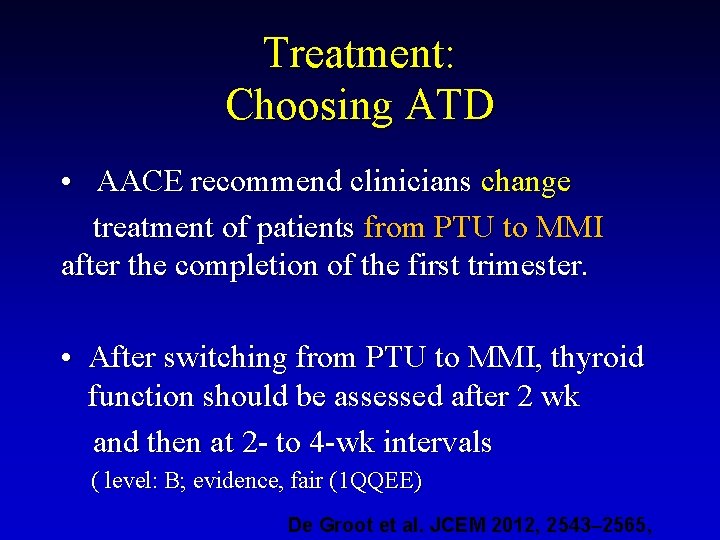
Treatment: Choosing ATD • AACE recommend clinicians change treatment of patients from PTU to MMI after the completion of the first trimester. • After switching from PTU to MMI, thyroid function should be assessed after 2 wk and then at 2 - to 4 -wk intervals ( level: B; evidence, fair (1 QQEE) De Groot et al. JCEM 2012, 2543– 2565,
Aplasia cutis
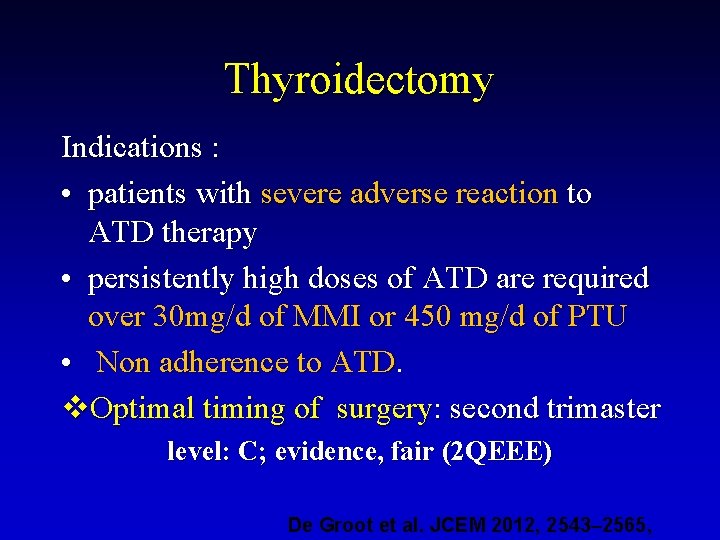
Thyroidectomy Indications : • patients with severe adverse reaction to ATD therapy • persistently high doses of ATD are required over 30 mg/d of MMI or 450 mg/d of PTU • Non adherence to ATD. v. Optimal timing of surgery: second trimaster level: C; evidence, fair (2 QEEE) De Groot et al. JCEM 2012, 2543– 2565,
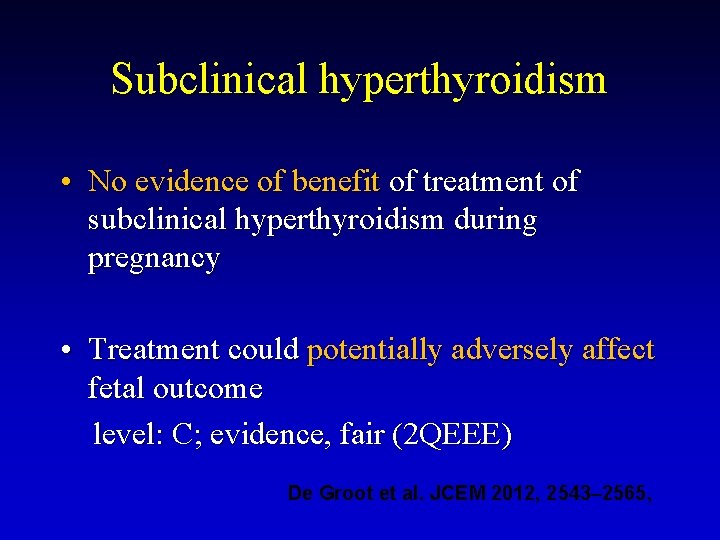
Subclinical hyperthyroidism • No evidence of benefit of treatment of subclinical hyperthyroidism during pregnancy • Treatment could potentially adversely affect fetal outcome level: C; evidence, fair (2 QEEE) De Groot et al. JCEM 2012, 2543– 2565,
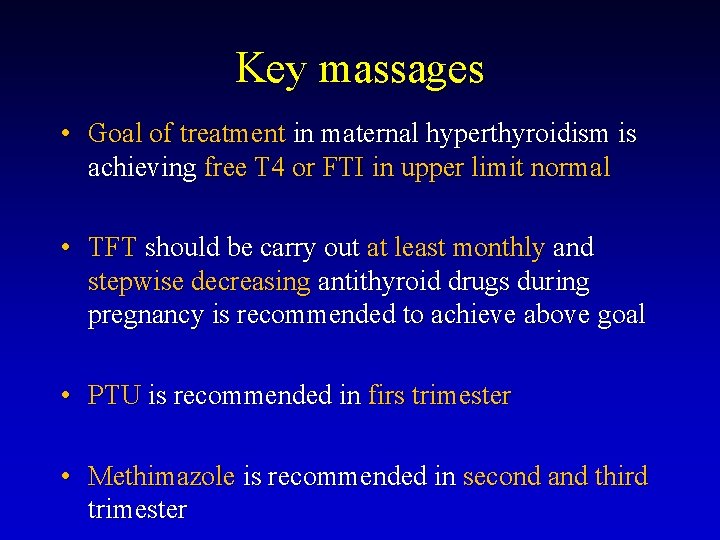
Key massages • Goal of treatment in maternal hyperthyroidism is achieving free T 4 or FTI in upper limit normal • TFT should be carry out at least monthly and stepwise decreasing antithyroid drugs during pregnancy is recommended to achieve above goal • PTU is recommended in firs trimester • Methimazole is recommended in second and third trimester
Hypothyroidism in pregnancy
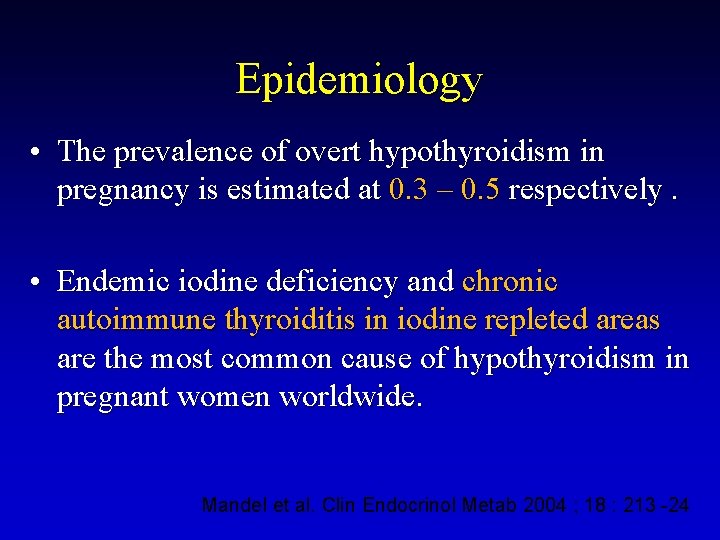
Epidemiology • The prevalence of overt hypothyroidism in pregnancy is estimated at 0. 3 – 0. 5 respectively. • Endemic iodine deficiency and chronic autoimmune thyroiditis in iodine repleted areas are the most common cause of hypothyroidism in pregnant women worldwide. Mandel et al. Clin Endocrinol Metab 2004 ; 18 : 213 -24
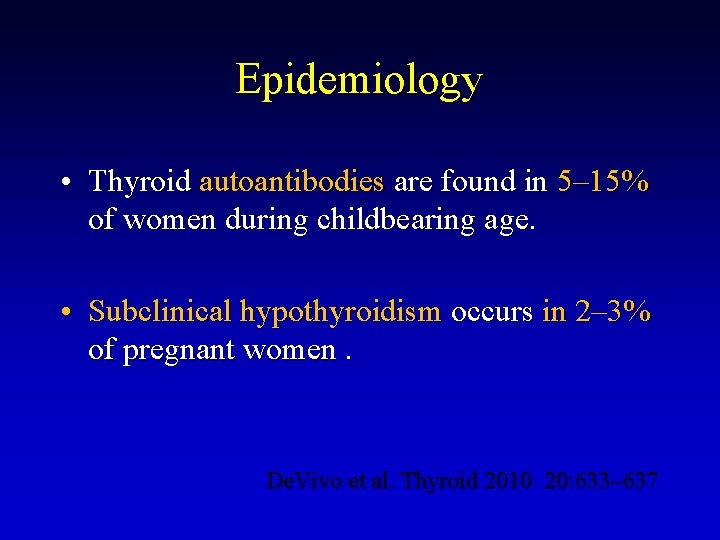
Epidemiology • Thyroid autoantibodies are found in 5– 15% of women during childbearing age. • Subclinical hypothyroidism occurs in 2– 3% of pregnant women. De. Vivo et al. Thyroid 2010 20: 633– 637
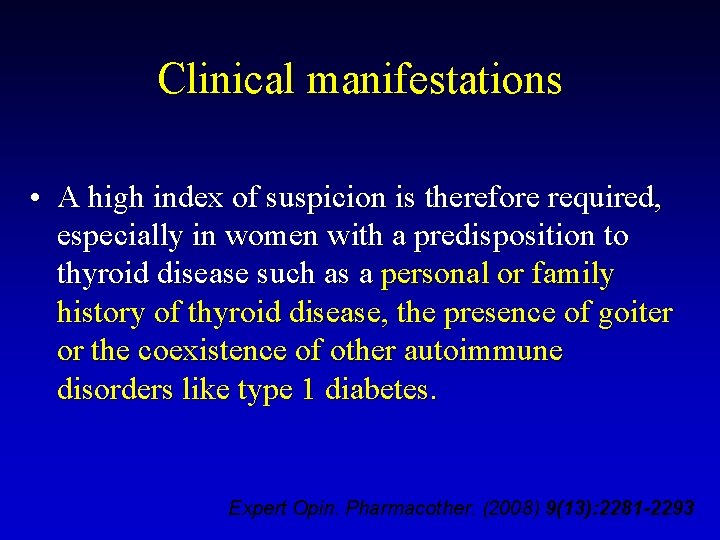
Clinical manifestations • A high index of suspicion is therefore required, especially in women with a predisposition to thyroid disease such as a personal or family history of thyroid disease, the presence of goiter or the coexistence of other autoimmune disorders like type 1 diabetes. Expert Opin. Pharmacother. (2008) 9(13): 2281 -2293
Complications
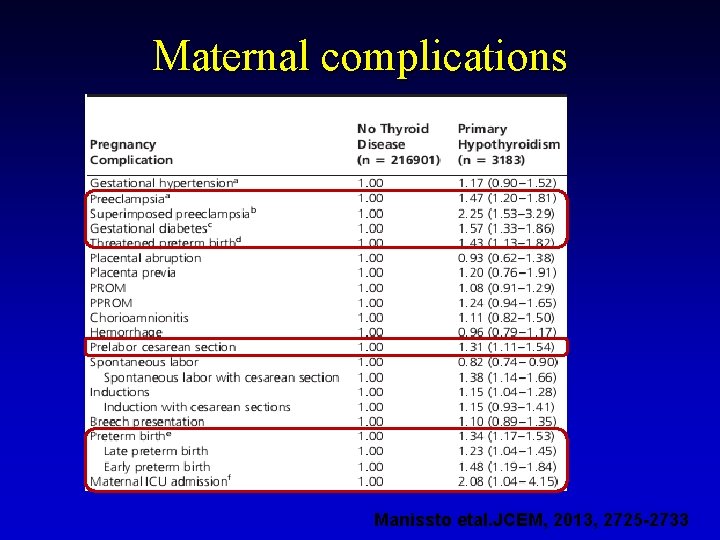
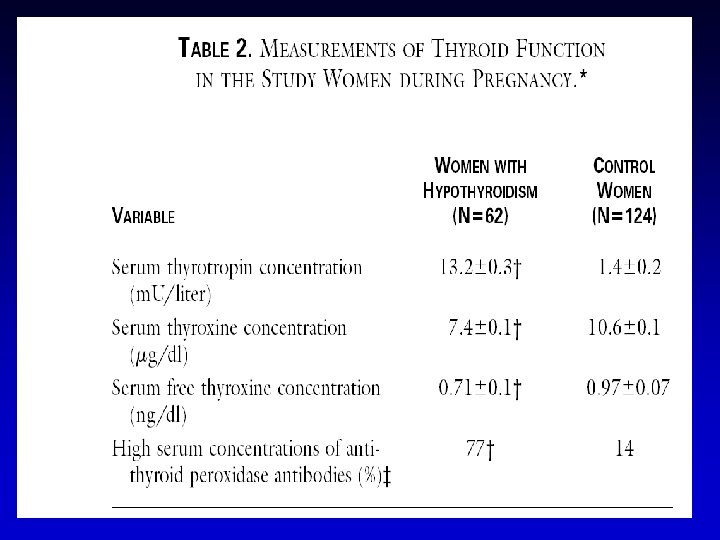
Maternal complications Manissto etal. JCEM, 2013, 2725 -2733
Fetal complications
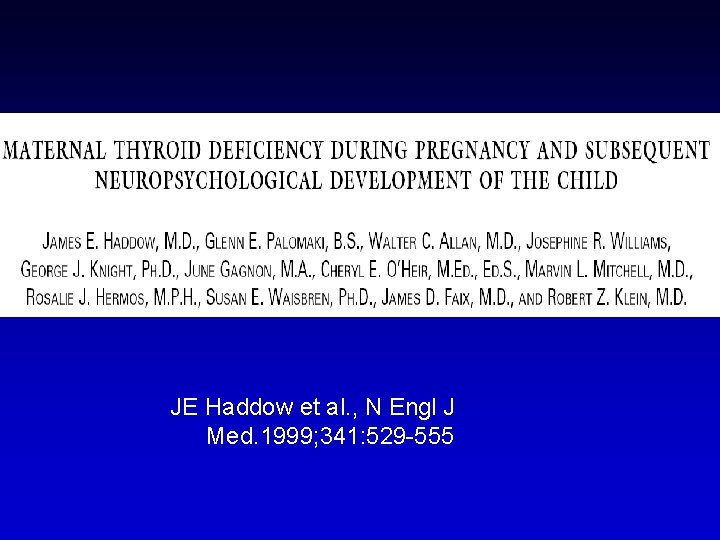
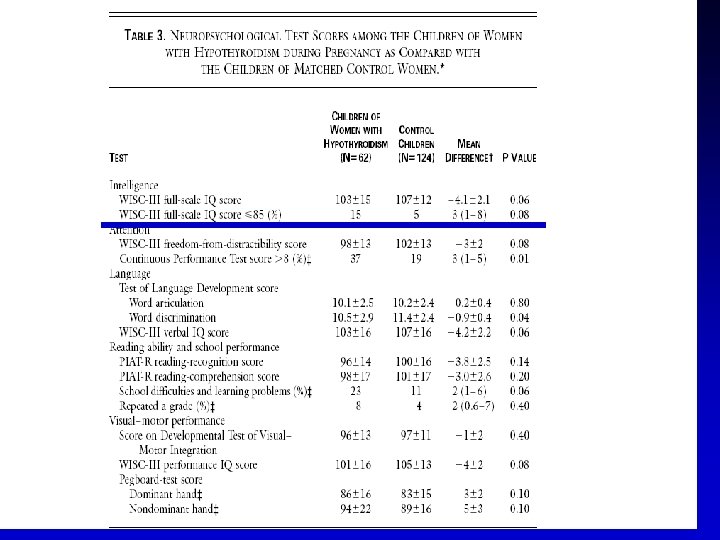
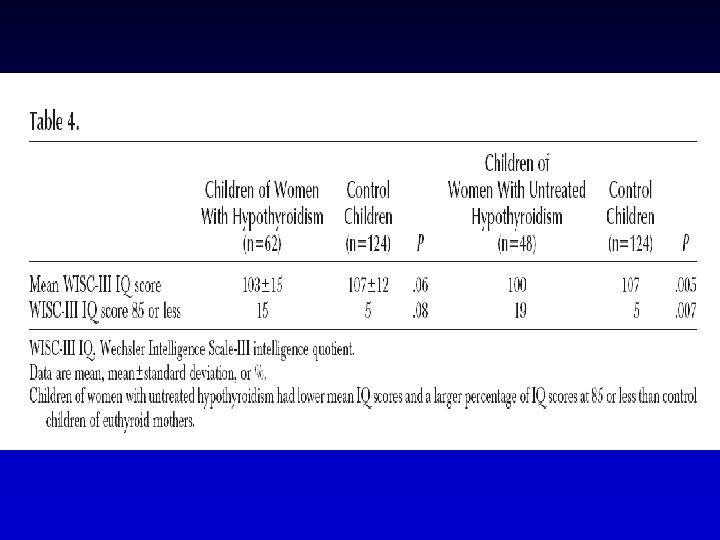
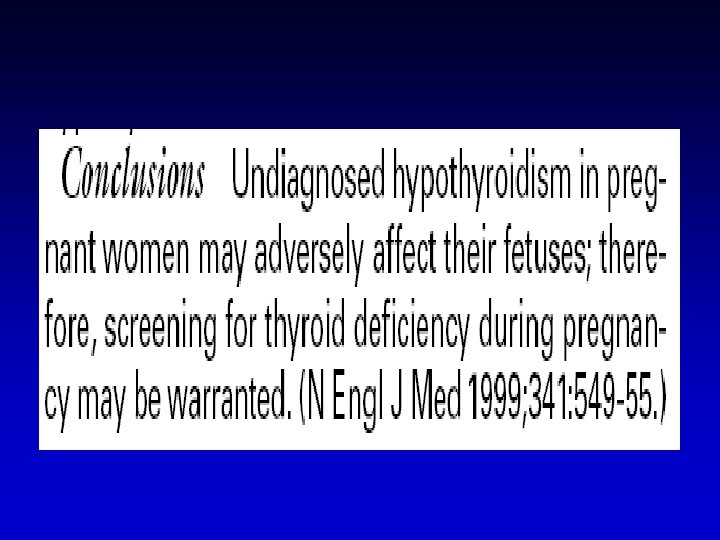
JE Haddow et al. , N Engl J Med. 1999; 341: 529 -555
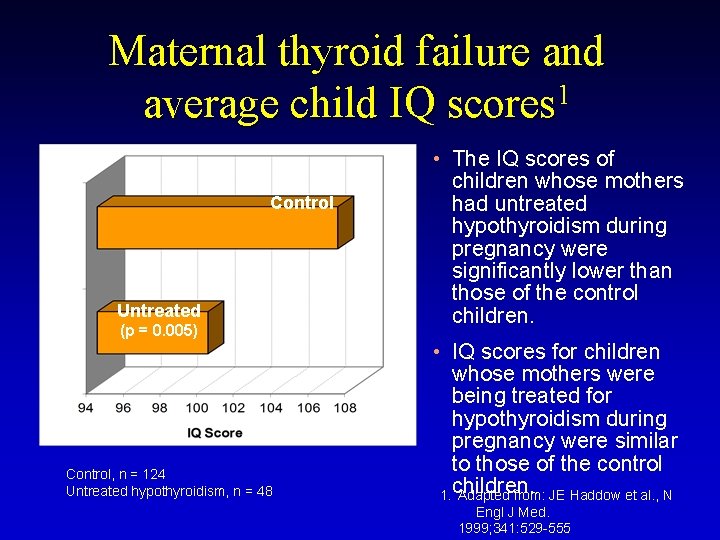
Maternal thyroid failure and average child IQ scores 1 Control Untreated (p = 0. 005) Control, n = 124 Untreated hypothyroidism, n = 48 • The IQ scores of children whose mothers had untreated hypothyroidism during pregnancy were significantly lower than those of the control children. • IQ scores for children whose mothers were being treated for hypothyroidism during pregnancy were similar to those of the control 1. children. Adapted from: JE Haddow et al. , N Engl J Med. 1999; 341: 529 -555
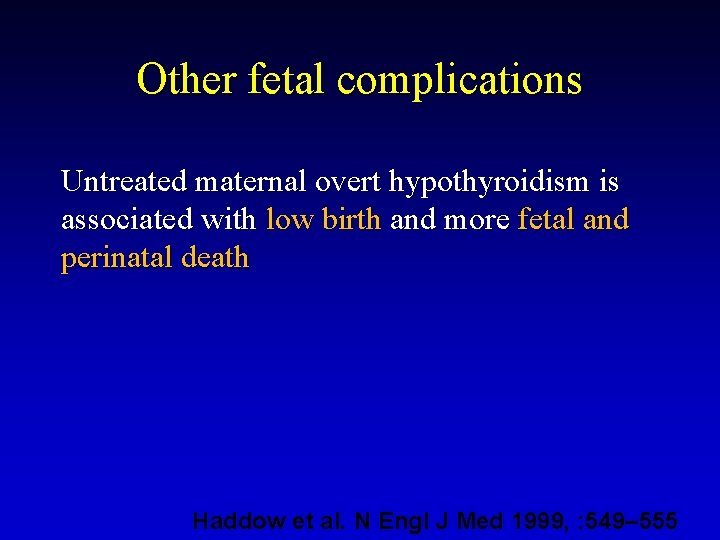
Other fetal complications Untreated maternal overt hypothyroidism is associated with low birth and more fetal and perinatal death Haddow et al. N Engl J Med 1999, : 549– 555
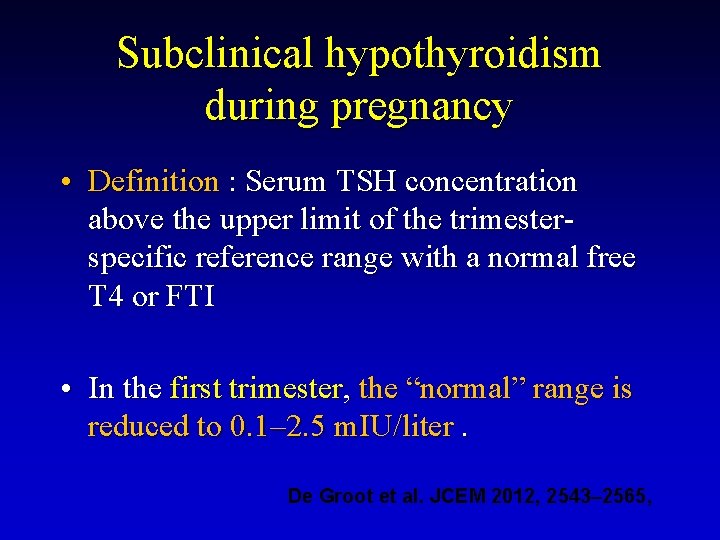
Subclinical hypothyroidism during pregnancy • Definition : Serum TSH concentration above the upper limit of the trimesterspecific reference range with a normal free T 4 or FTI • In the first trimester, the “normal” range is reduced to 0. 1– 2. 5 m. IU/liter. De Groot et al. JCEM 2012, 2543– 2565,
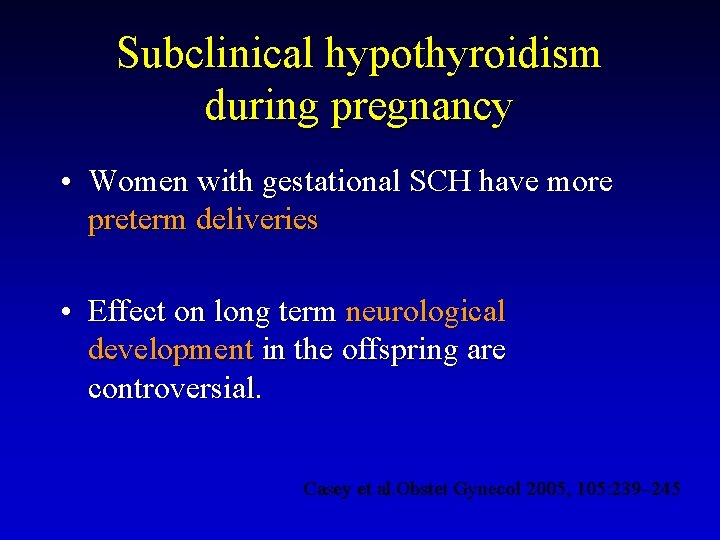
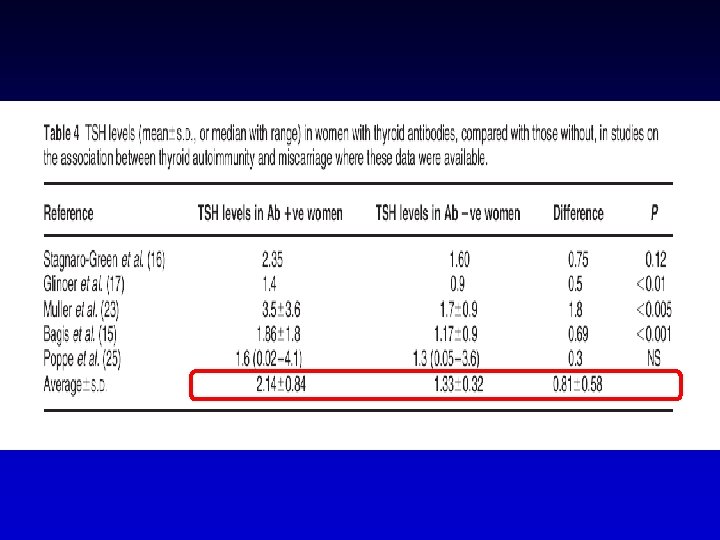
Subclinical hypothyroidism during pregnancy • Women with gestational SCH have more preterm deliveries • Effect on long term neurological development in the offspring are controversial. Casey et al. Obstet Gynecol 2005, 105: 239– 245
Anti TPO positive euthyroid women
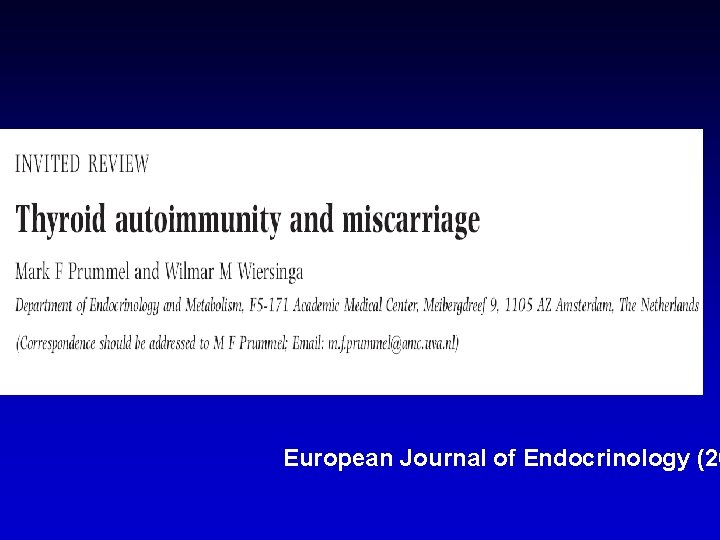
European Journal of Endocrinology (20
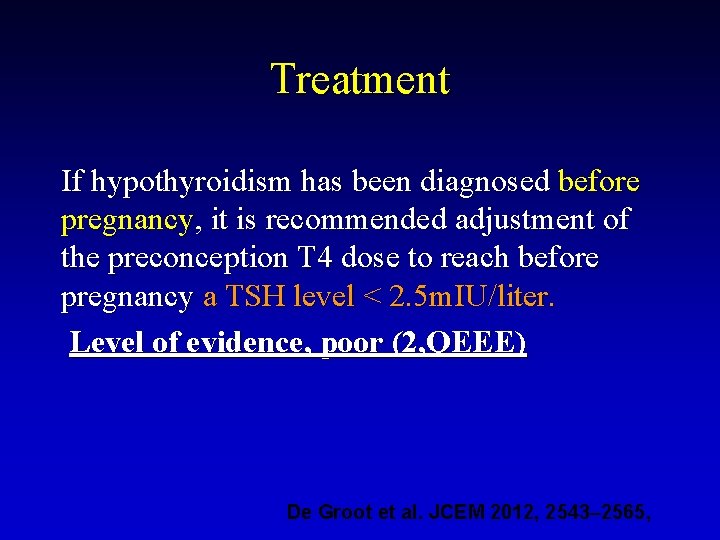
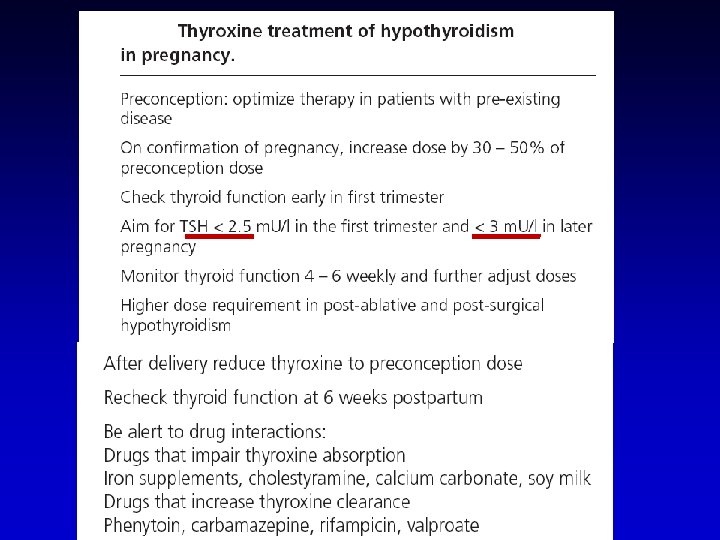
Treatment If hypothyroidism has been diagnosed before pregnancy, it is recommended adjustment of the preconception T 4 dose to reach before pregnancy a TSH level < 2. 5 m. IU/liter. Level of evidence, poor (2, QEEE) De Groot et al. JCEM 2012, 2543– 2565,
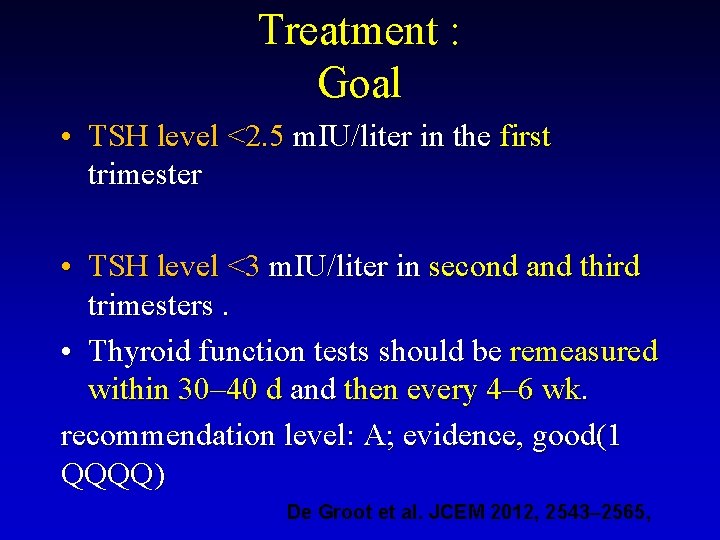
Treatment : Goal • TSH level <2. 5 m. IU/liter in the first trimester • TSH level <3 m. IU/liter in second and third trimesters. • Thyroid function tests should be remeasured within 30– 40 d and then every 4– 6 wk. recommendation level: A; evidence, good(1 QQQQ) De Groot et al. JCEM 2012, 2543– 2565,
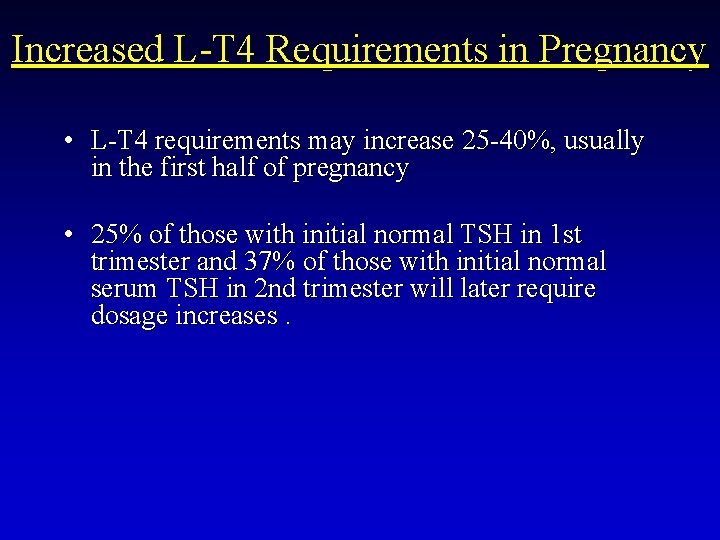
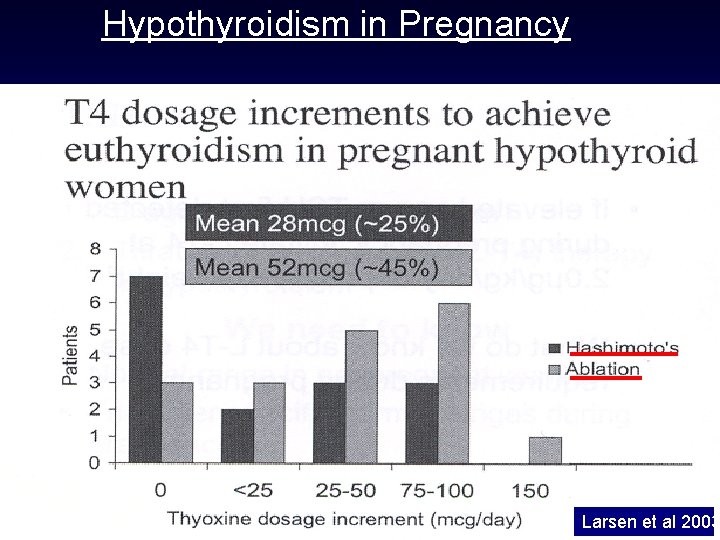
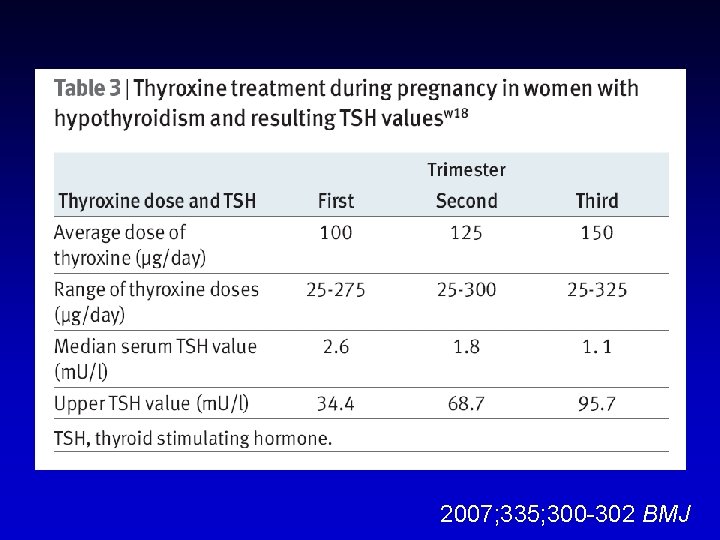
Increased L-T 4 Requirements in Pregnancy • L-T 4 requirements may increase 25 -40%, usually in the first half of pregnancy • 25% of those with initial normal TSH in 1 st trimester and 37% of those with initial normal serum TSH in 2 nd trimester will later require dosage increases.
Hypothyroidism in Pregnancy Larsen et al 2003
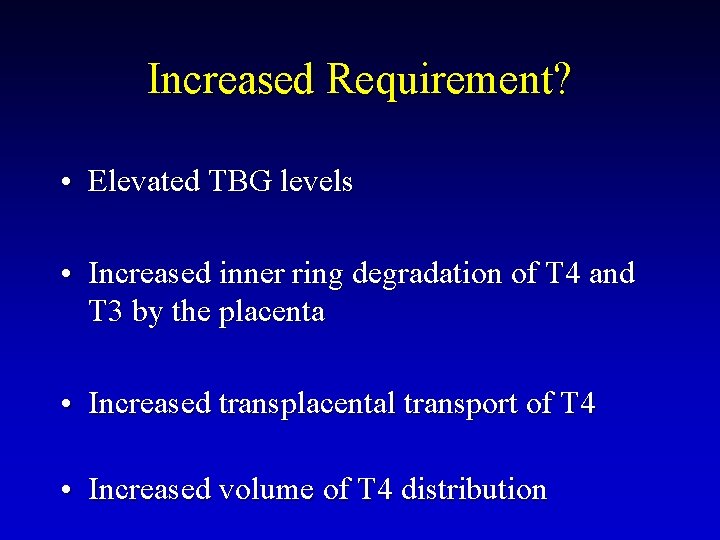
Increased Requirement? • Elevated TBG levels • Increased inner ring degradation of T 4 and T 3 by the placenta • Increased transplacental transport of T 4 • Increased volume of T 4 distribution
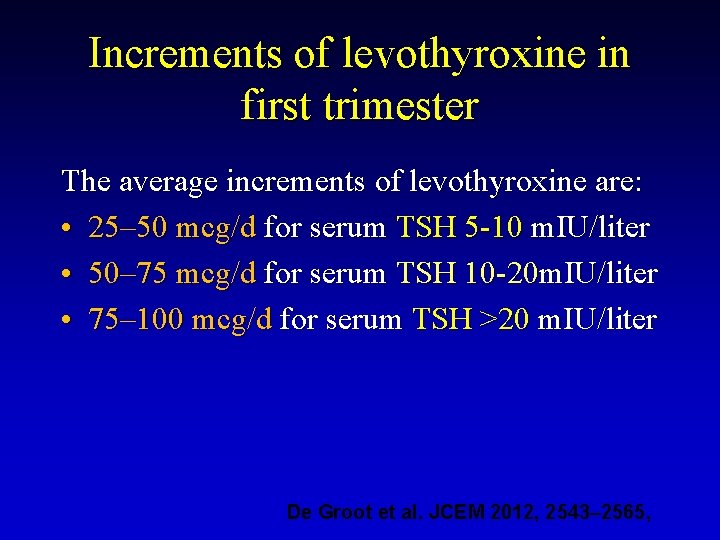
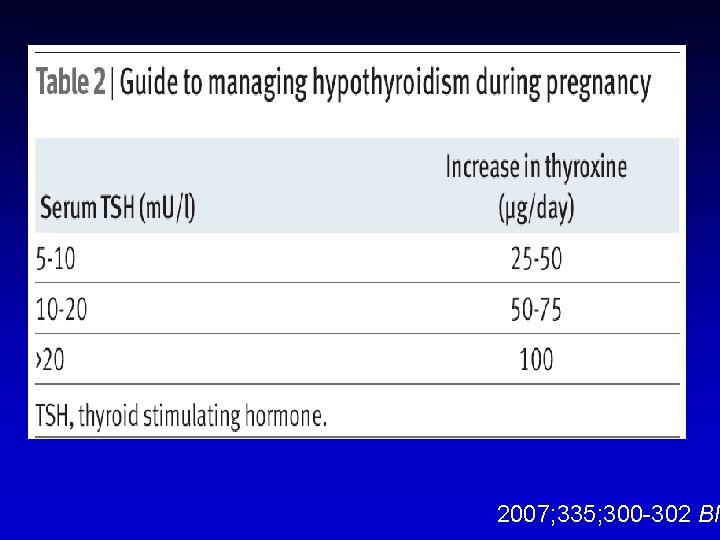
Increments of levothyroxine in first trimester The average increments of levothyroxine are: • 25– 50 mcg/d for serum TSH 5 -10 m. IU/liter • 50– 75 mcg/d for serum TSH 10 -20 m. IU/liter • 75– 100 mcg/d for serum TSH >20 m. IU/liter De Groot et al. JCEM 2012, 2543– 2565,
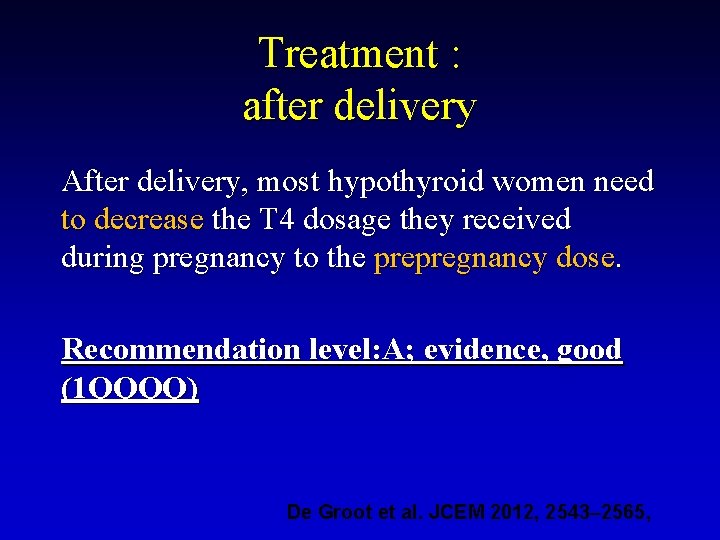
Treatment : after delivery After delivery, most hypothyroid women need to decrease the T 4 dosage they received during pregnancy to the prepregnancy dose. Recommendation level: A; evidence, good (1 QQQQ) De Groot et al. JCEM 2012, 2543– 2565,
Iodine nutrition during pregnancy
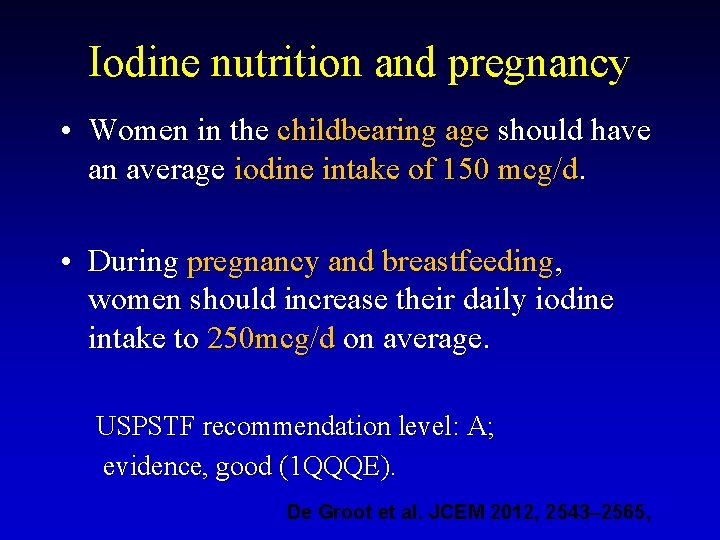
Iodine nutrition and pregnancy • Women in the childbearing age should have an average iodine intake of 150 mcg/d. • During pregnancy and breastfeeding, women should increase their daily iodine intake to 250 mcg/d on average. USPSTF recommendation level: A; evidence, good (1 QQQE). De Groot et al. JCEM 2012, 2543– 2565,
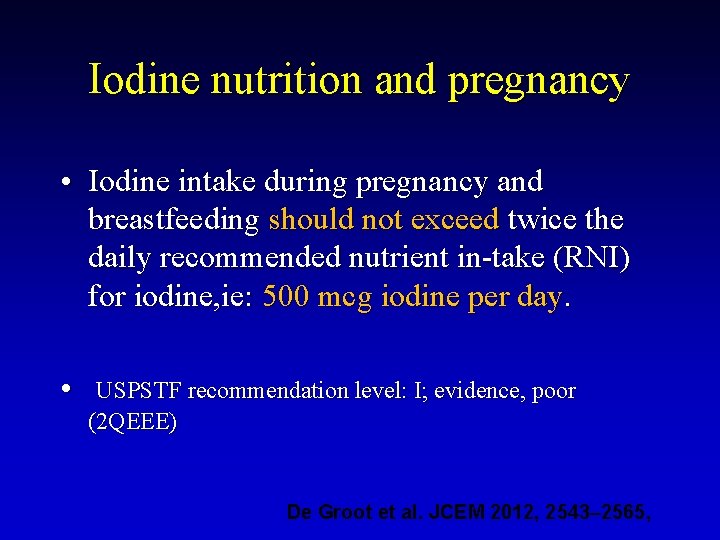
Iodine nutrition and pregnancy • Iodine intake during pregnancy and breastfeeding should not exceed twice the daily recommended nutrient in-take (RNI) for iodine, ie: 500 mcg iodine per day. • USPSTF recommendation level: I; evidence, poor (2 QEEE) De Groot et al. JCEM 2012, 2543– 2565,
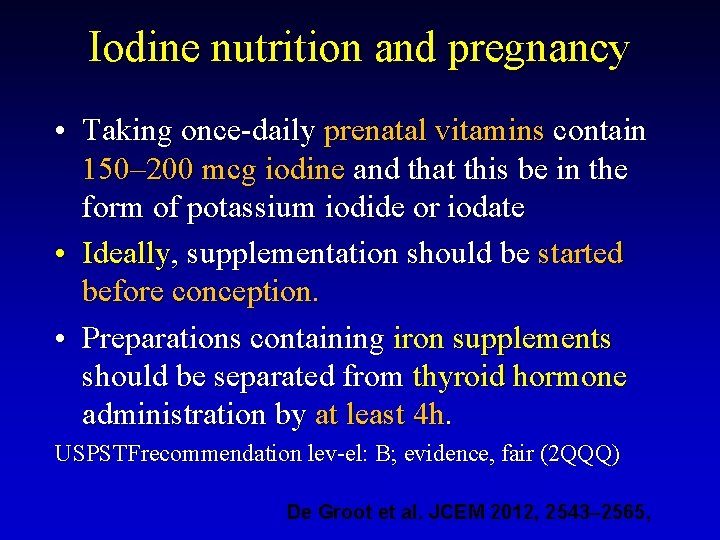
Iodine nutrition and pregnancy • Taking once-daily prenatal vitamins contain 150– 200 mcg iodine and that this be in the form of potassium iodide or iodate • Ideally, supplementation should be started before conception. • Preparations containing iron supplements should be separated from thyroid hormone administration by at least 4 h. USPSTFrecommendation lev-el: B; evidence, fair (2 QQQ) De Groot et al. JCEM 2012, 2543– 2565,
Iodine nutrition and pregnancy • Breastfeeding women should maintain a daily intake of 250 mcg/d of iodine to ensure that breast milk provides 100 mcg iodine per day to the infant. • USPSTF recommendation level: A; evidence, good (1 QQQE) De Groot et al. JCEM 2012, 2543– 2565,
Key massges • Maternal hypothyroidism is a risk factor for obstetric outcome and fetal neurodevelopment • Increasing levothyroxine throghout pregnancy should be done to ensure TSH<2. 5 in first trimester and TSH<3 in second and third trimester • Pregnant and breastfeed women should receive multivitamins containing 150 -200 mcg/d iodine
N Engl J Med 2004; 351: 241 -9.
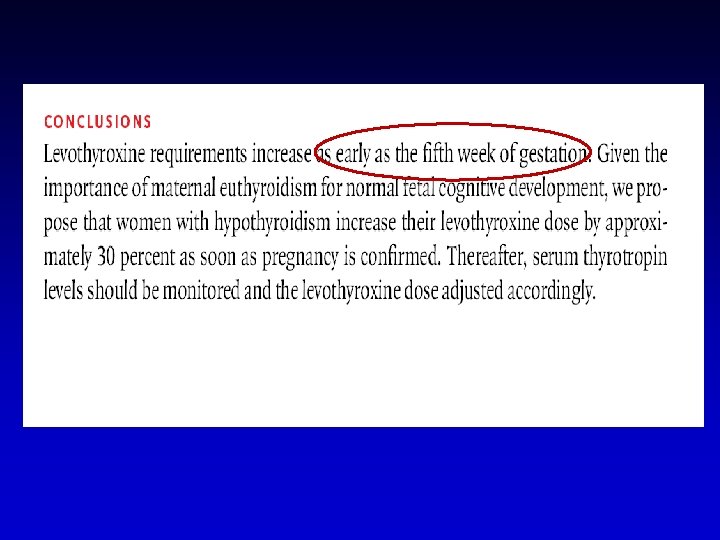
• Aim : To identify precisely the timing and amount of levothyroxine adjustment required during pregnancy. • Methods: Women with hypothyroidism who were planning pregnancy were observed prospectively before and throughout their pregnancies. Thyroid function, human chorionic gonadotropin, and estradiol were measured before conception, approximately every two weeks during the first trimester, and monthly thereafter. The dose of levothyroxine was increased to maintain the thyrotropin concentration at preconception values throughout pregnancy.
2007; 335; 300 -302 BM
2007; 335; 300 -302 BMJ
Agenda • • • Epidemiological and clinical aspects Changes in thyroid physiology in pregnancy Effects on obstetric and fetal outcomes Effects on fetal neurodevelopment Therapeutic aspects Screening
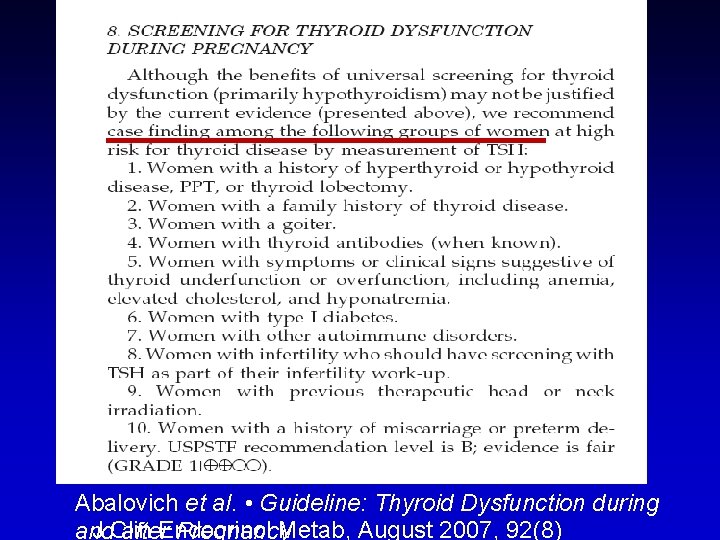
Abalovich et al. • Guideline: Thyroid Dysfunction during J Clin Metab, August 2007, 92(8) and after. Endocrinol Pregnancy
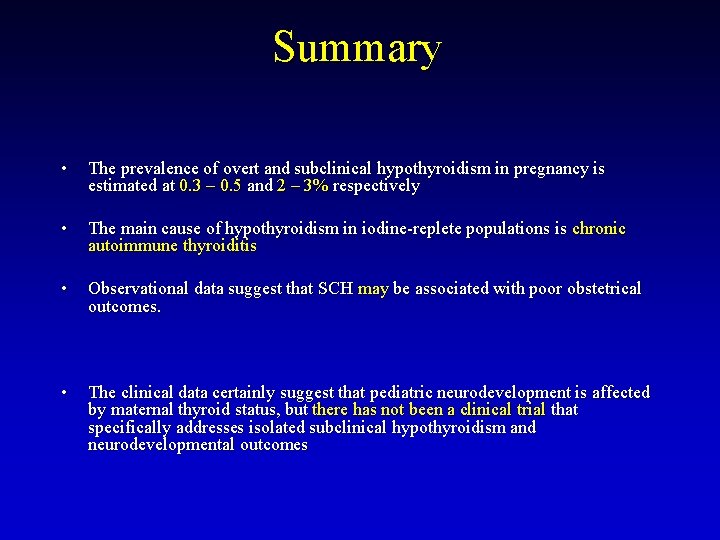
Summary • The prevalence of overt and subclinical hypothyroidism in pregnancy is estimated at 0. 3 – 0. 5 and 2 – 3% respectively • The main cause of hypothyroidism in iodine-replete populations is chronic autoimmune thyroiditis • Observational data suggest that SCH may be associated with poor obstetrical outcomes. • The clinical data certainly suggest that pediatric neurodevelopment is affected by maternal thyroid status, but there has not been a clinical trial that specifically addresses isolated subclinical hypothyroidism and neurodevelopmental outcomes
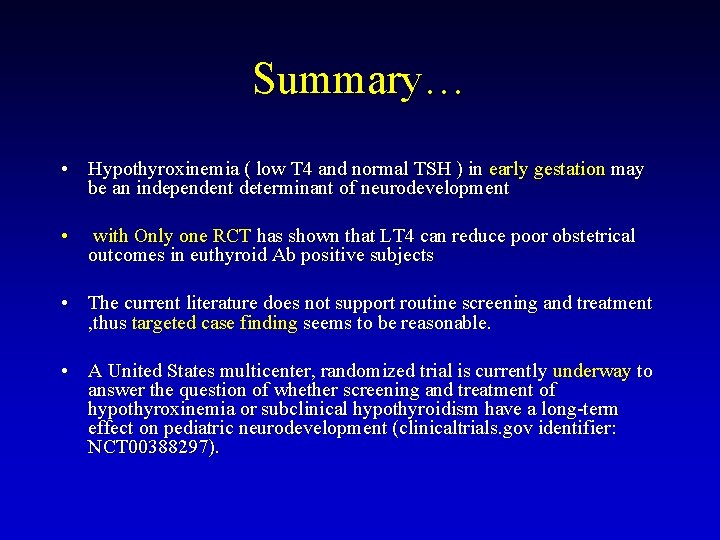
Summary… • Hypothyroxinemia ( low T 4 and normal TSH ) in early gestation may be an independent determinant of neurodevelopment • with Only one RCT has shown that LT 4 can reduce poor obstetrical outcomes in euthyroid Ab positive subjects • The current literature does not support routine screening and treatment , thus targeted case finding seems to be reasonable. • A United States multicenter, randomized trial is currently underway to answer the question of whether screening and treatment of hypothyroxinemia or subclinical hypothyroidism have a long-term effect on pediatric neurodevelopment (clinicaltrials. gov identifier: NCT 00388297).
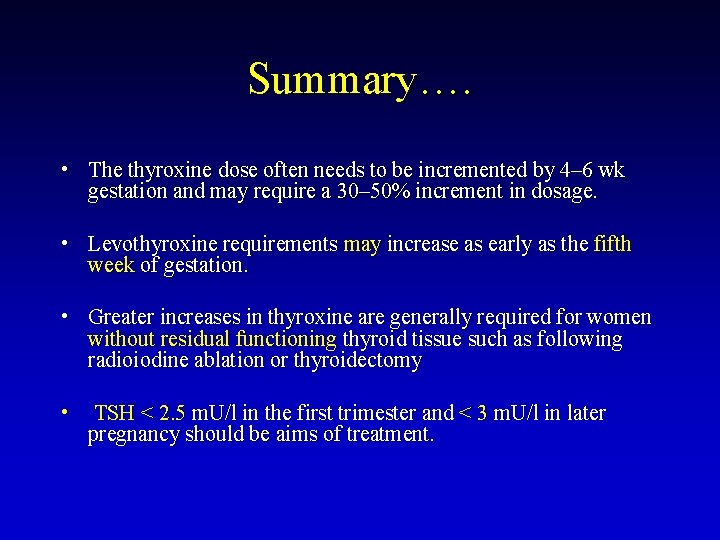
Summary…. • The thyroxine dose often needs to be incremented by 4– 6 wk gestation and may require a 30– 50% increment in dosage. • Levothyroxine requirements may increase as early as the fifth week of gestation. • Greater increases in thyroxine are generally required for women without residual functioning thyroid tissue such as following radioiodine ablation or thyroidectomy • TSH < 2. 5 m. U/l in the first trimester and < 3 m. U/l in later pregnancy should be aims of treatment.
THANK YOU