Diet and Visceral fat regulation Dr Rezzan Khan
- Slides: 69
Diet and Visceral fat regulation Dr. Rezzan Khan Consultant Nutritionist Shifa International Hospital
Learning Objections Overview of body composition and adipose tissue Effect of hormones on adipose tissue regulation Function of visceral fat How diet effects the visceral fat Regulation of visceral fat reduction
3
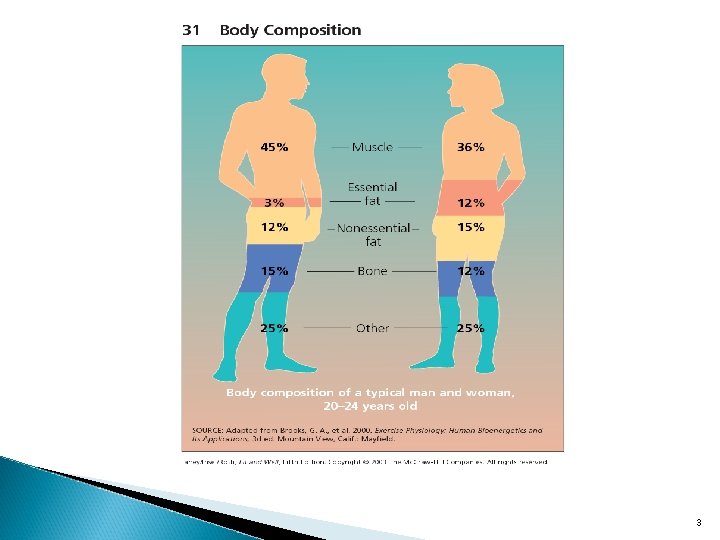
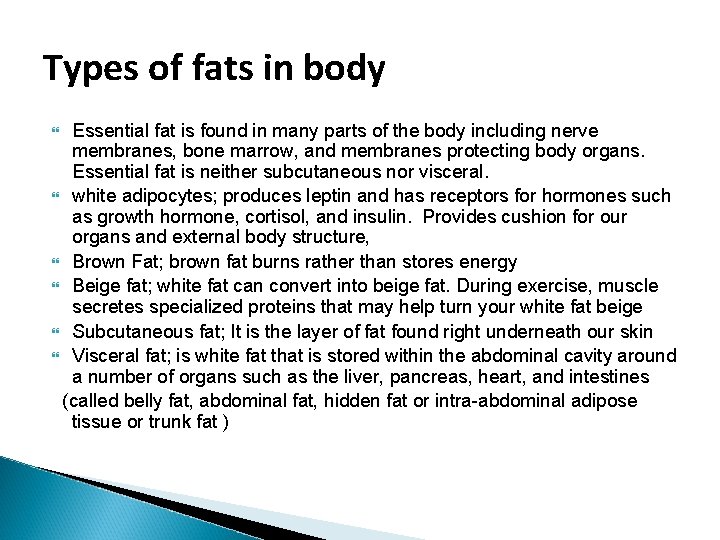
Types of fats in body Essential fat is found in many parts of the body including nerve membranes, bone marrow, and membranes protecting body organs. Essential fat is neither subcutaneous nor visceral. white adipocytes; produces leptin and has receptors for hormones such as growth hormone, cortisol, and insulin. Provides cushion for our organs and external body structure, Brown Fat; brown fat burns rather than stores energy Beige fat; white fat can convert into beige fat. During exercise, muscle secretes specialized proteins that may help turn your white fat beige Subcutaneous fat; It is the layer of fat found right underneath our skin Visceral fat; is white fat that is stored within the abdominal cavity around a number of organs such as the liver, pancreas, heart, and intestines (called belly fat, abdominal fat, hidden fat or intra-abdominal adipose tissue or trunk fat )
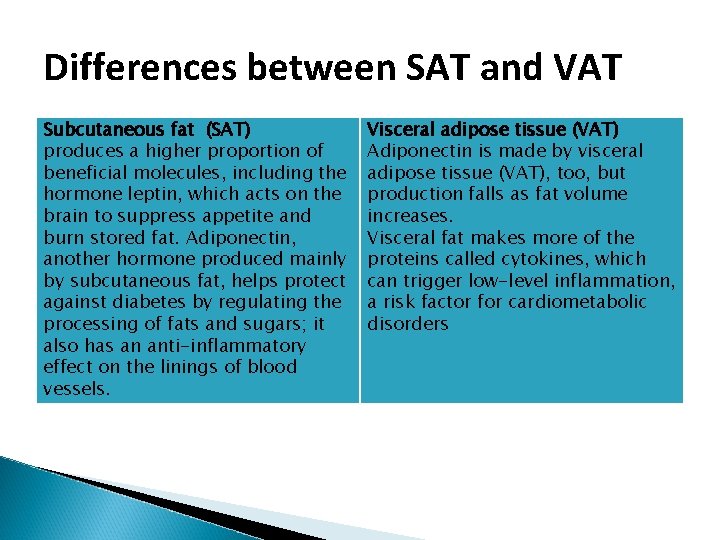
Differences between SAT and VAT Subcutaneous fat (SAT) produces a higher proportion of beneficial molecules, including the hormone leptin, which acts on the brain to suppress appetite and burn stored fat. Adiponectin, another hormone produced mainly by subcutaneous fat, helps protect against diabetes by regulating the processing of fats and sugars; it also has an anti-inflammatory effect on the linings of blood vessels. Visceral adipose tissue (VAT) Adiponectin is made by visceral adipose tissue (VAT), too, but production falls as fat volume increases. Visceral fat makes more of the proteins called cytokines, which can trigger low-level inflammation, a risk factor for cardiometabolic disorders
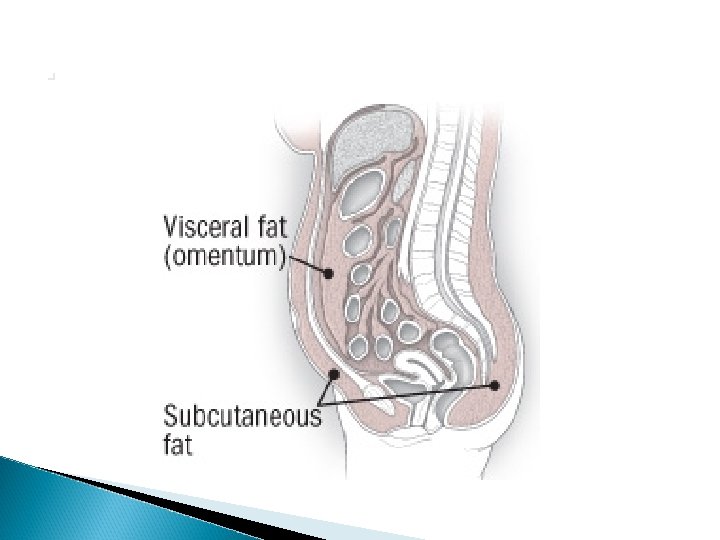
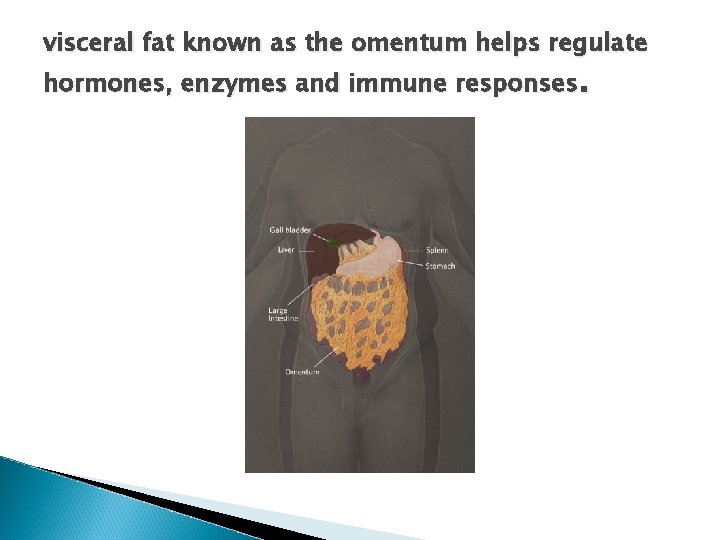
visceral fat known as the omentum helps regulate hormones, enzymes and immune responses.
How to measure visceral fat? CT scan (computed tomography), MRI. Blood tests, RBP 4 (As the volume of visceral fat increases, so do levels of RBP 4) bioelectrical impedance machines at home W/H ratio, this option is not entirely accurate. . This won’t all be visceral fat. Cut points 90 M & 85 F A good indicator of having a high level of visceral fat, is a high BMI score (Body Mass Index) and a large waist. If you have both, chances are likely that you have a high level of visceral fat.
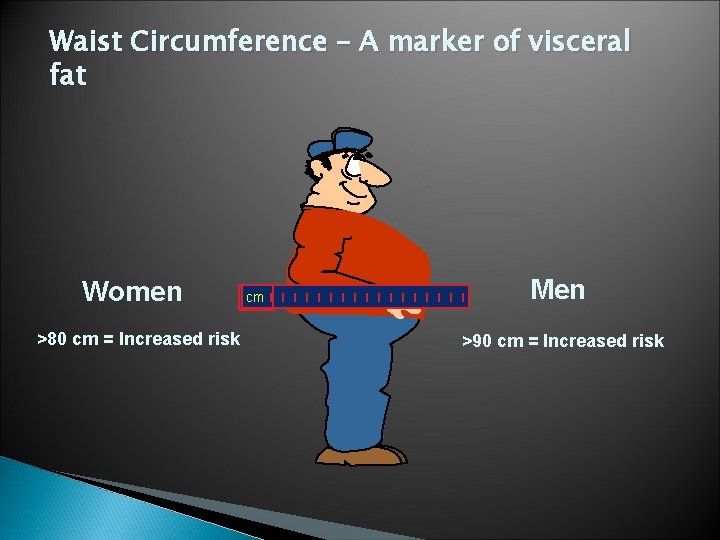
Waist Circumference – A marker of visceral fat Women >80 cm = Increased risk cm Men >90 cm = Increased risk
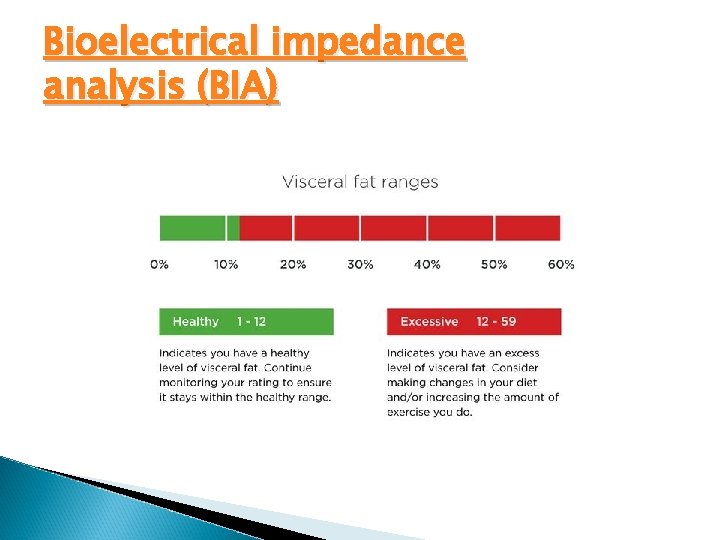
Bioelectrical impedance analysis (BIA)
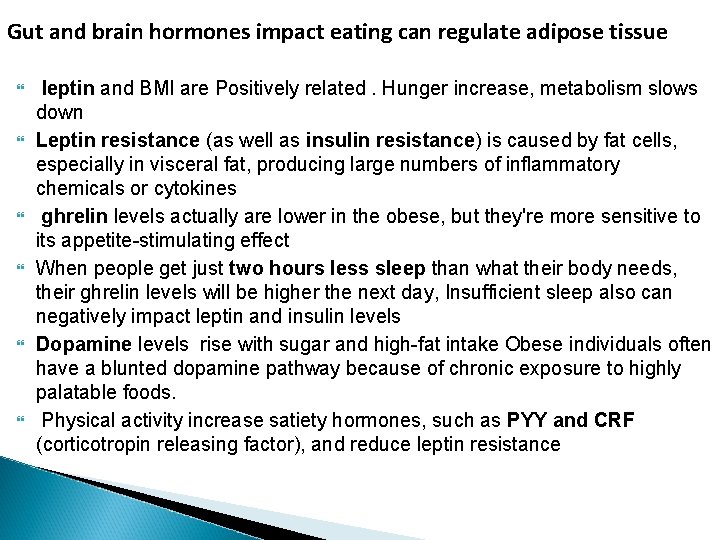
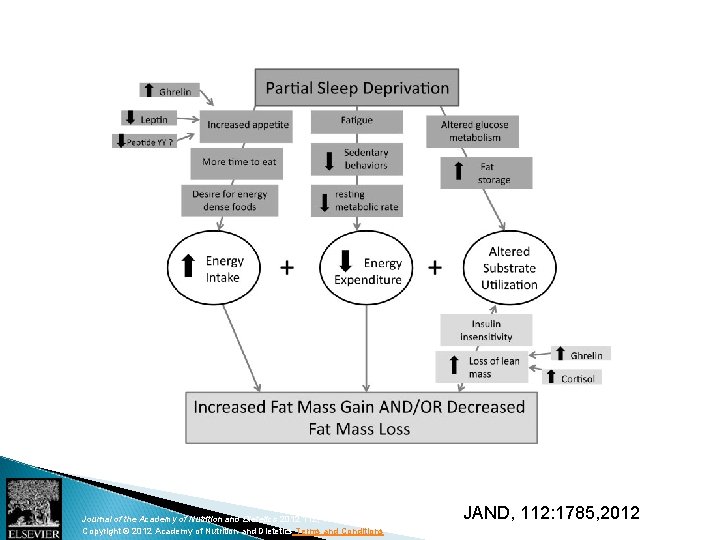
Gut and brain hormones impact eating can regulate adipose tissue leptin and BMI are Positively related. Hunger increase, metabolism slows down Leptin resistance (as well as insulin resistance) is caused by fat cells, especially in visceral fat, producing large numbers of inflammatory chemicals or cytokines ghrelin levels actually are lower in the obese, but they're more sensitive to its appetite-stimulating effect When people get just two hours less sleep than what their body needs, their ghrelin levels will be higher the next day, Insufficient sleep also can negatively impact leptin and insulin levels Dopamine levels rise with sugar and high-fat intake Obese individuals often have a blunted dopamine pathway because of chronic exposure to highly palatable foods. Physical activity increase satiety hormones, such as PYY and CRF (corticotropin releasing factor), and reduce leptin resistance
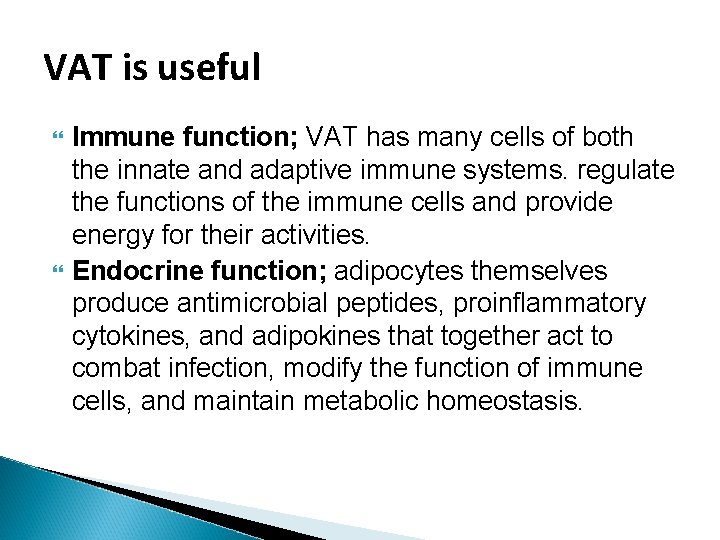
VAT is useful Immune function; VAT has many cells of both the innate and adaptive immune systems. regulate the functions of the immune cells and provide energy for their activities. Endocrine function; adipocytes themselves produce antimicrobial peptides, proinflammatory cytokines, and adipokines that together act to combat infection, modify the function of immune cells, and maintain metabolic homeostasis.
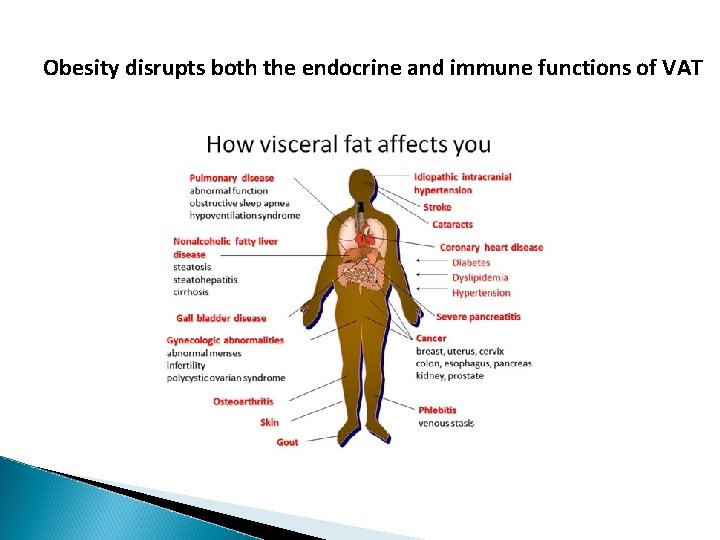
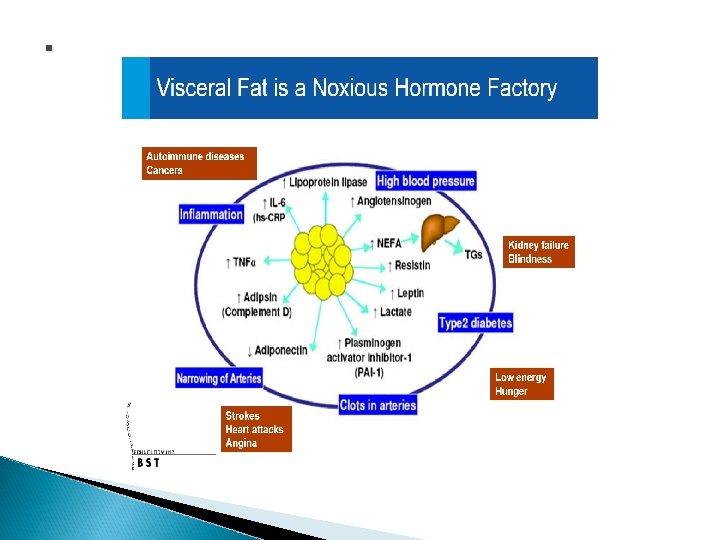
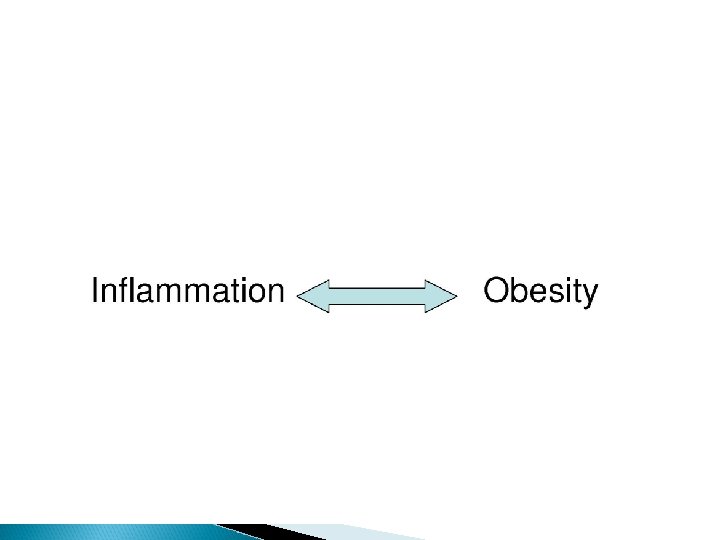
Obesity disrupts both the endocrine and immune functions of VAT
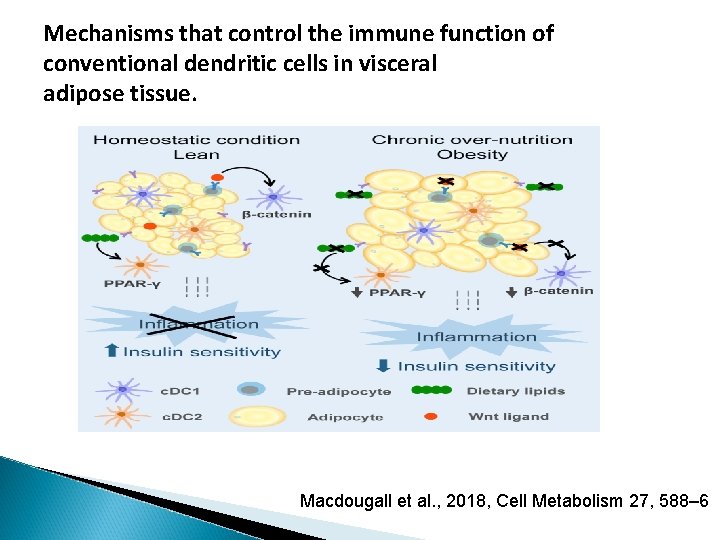
Mechanisms that control the immune function of conventional dendritic cells in visceral adipose tissue. Macdougall et al. , 2018, Cell Metabolism 27, 588– 6
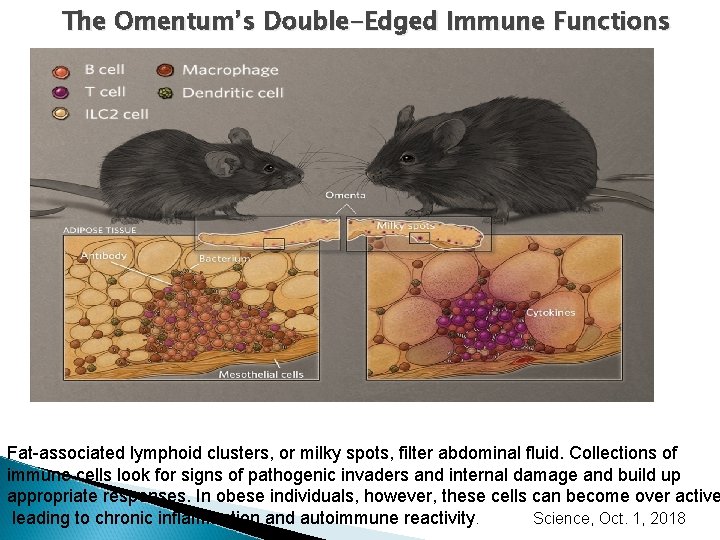
The Omentum’s Double-Edged Immune Functions Fat-associated lymphoid clusters, or milky spots, filter abdominal fluid. Collections of immune cells look for signs of pathogenic invaders and internal damage and build up appropriate responses. In obese individuals, however, these cells can become over active leading to chronic inflammation and autoimmune reactivity. Science, Oct. 1, 2018
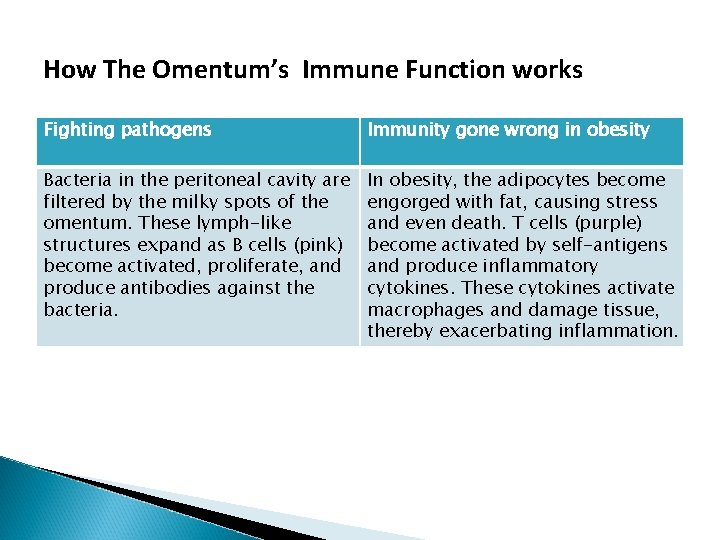
How The Omentum’s Immune Function works Fighting pathogens Immunity gone wrong in obesity Bacteria in the peritoneal cavity are filtered by the milky spots of the omentum. These lymph-like structures expand as B cells (pink) become activated, proliferate, and produce antibodies against the bacteria. In obesity, the adipocytes become engorged with fat, causing stress and even death. T cells (purple) become activated by self-antigens and produce inflammatory cytokines. These cytokines activate macrophages and damage tissue, thereby exacerbating inflammation.
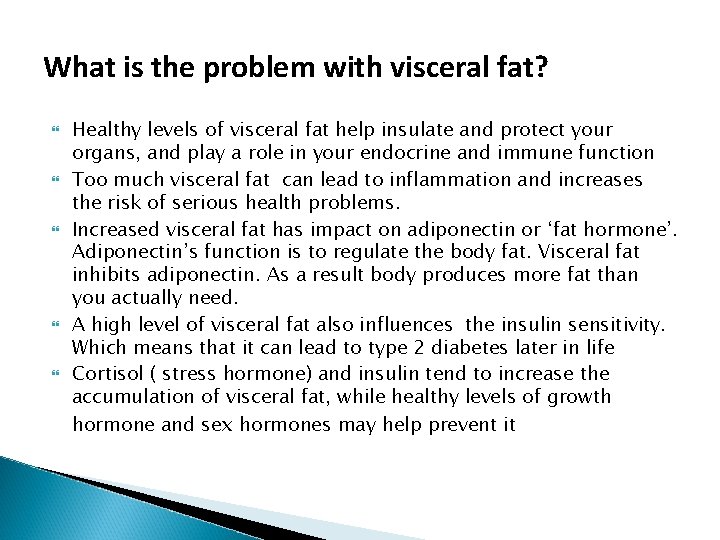
What is the problem with visceral fat? Healthy levels of visceral fat help insulate and protect your organs, and play a role in your endocrine and immune function Too much visceral fat can lead to inflammation and increases the risk of serious health problems. Increased visceral fat has impact on adiponectin or ‘fat hormone’. Adiponectin’s function is to regulate the body fat. Visceral fat inhibits adiponectin. As a result body produces more fat than you actually need. A high level of visceral fat also influences the insulin sensitivity. Which means that it can lead to type 2 diabetes later in life Cortisol ( stress hormone) and insulin tend to increase the accumulation of visceral fat, while healthy levels of growth hormone and sex hormones may help prevent it
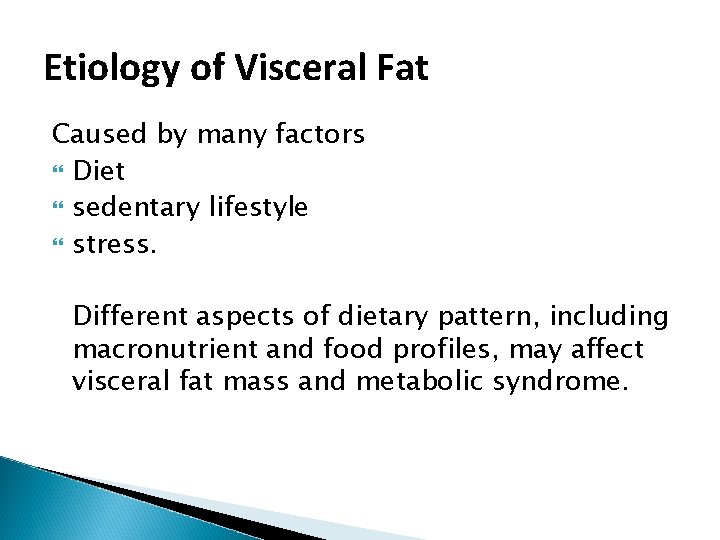
Etiology of Visceral Fat Caused by many factors Diet sedentary lifestyle stress. Different aspects of dietary pattern, including macronutrient and food profiles, may affect visceral fat mass and metabolic syndrome.
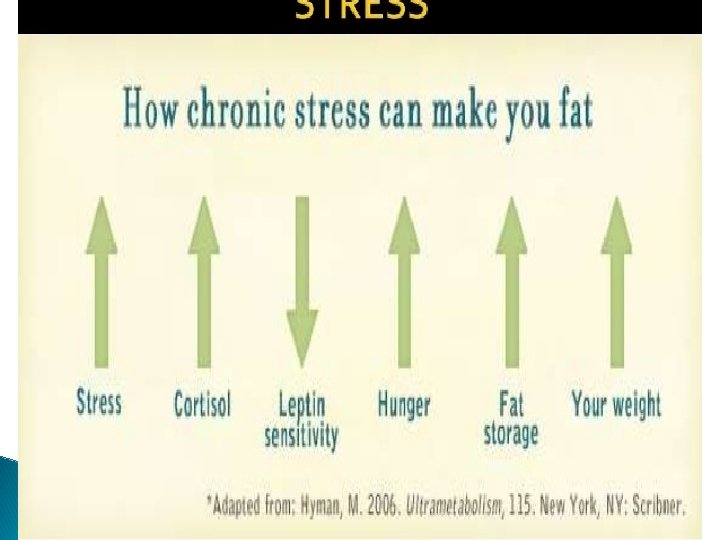
Cortisol Cortisol, a glucocorticoid (steroid hormone), is produced from cholesterol in the two adrenal glands located on top of each kidney. It is normally released in response to events and circumstances When chronically elevated, cortisol can have deleterious effects on weight, immune function, and chronic disease risk. Systemic inflammation, causes elevated cortisol levels decreased cortisol resulting in decreased chronic disease risk
Hormonal effect of stress. Short term: Epinephrine trigger the body’s fight or flight response that temporarily puts eating on hold (Shut down of Appetite) If stress persist for longer: cortisol is released from the adrenal glands which increases appetite and motivation to eat. Increased intake of fats and sugar. Result High cortisol in combination with high insulin as a result of stress increases abdominal fat and weight gain
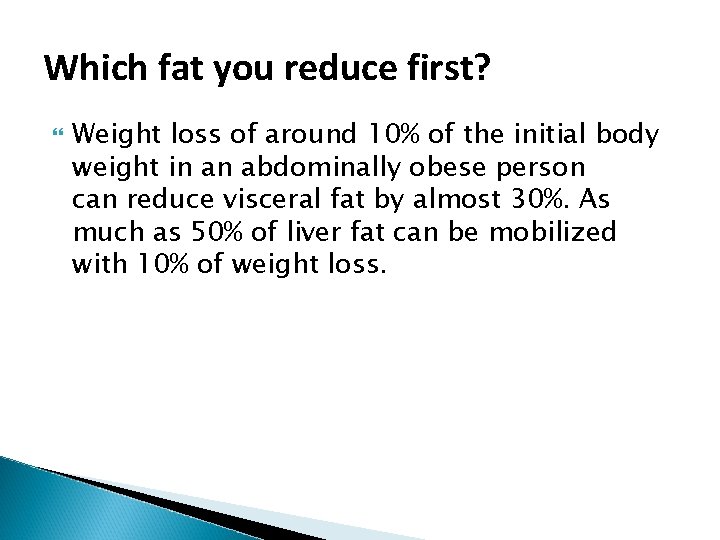
Which fat you reduce first? Weight loss of around 10% of the initial body weight in an abdominally obese person can reduce visceral fat by almost 30%. As much as 50% of liver fat can be mobilized with 10% of weight loss.
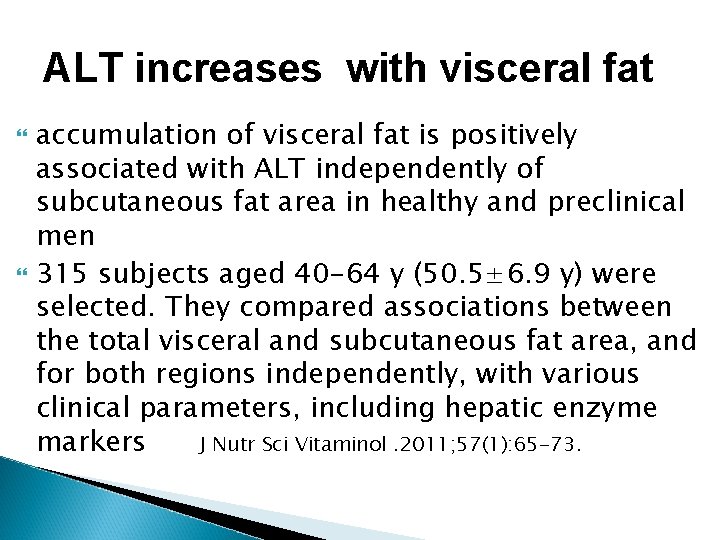
ALT increases with visceral fat accumulation of visceral fat is positively associated with ALT independently of subcutaneous fat area in healthy and preclinical men 315 subjects aged 40 -64 y (50. 5± 6. 9 y) were selected. They compared associations between the total visceral and subcutaneous fat area, and for both regions independently, with various clinical parameters, including hepatic enzyme markers J Nutr Sci Vitaminol. 2011; 57(1): 65 -73.
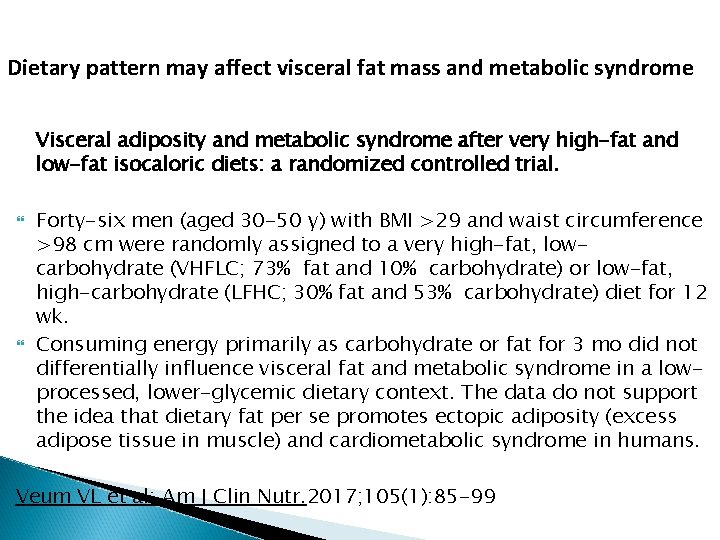
Dietary pattern may affect visceral fat mass and metabolic syndrome Visceral adiposity and metabolic syndrome after very high-fat and low-fat isocaloric diets: a randomized controlled trial. Forty-six men (aged 30 -50 y) with BMI >29 and waist circumference >98 cm were randomly assigned to a very high-fat, lowcarbohydrate (VHFLC; 73% fat and 10% carbohydrate) or low-fat, high-carbohydrate (LFHC; 30% fat and 53% carbohydrate) diet for 12 wk. Consuming energy primarily as carbohydrate or fat for 3 mo did not differentially influence visceral fat and metabolic syndrome in a lowprocessed, lower-glycemic dietary context. The data do not support the idea that dietary fat per se promotes ectopic adiposity (excess adipose tissue in muscle) and cardiometabolic syndrome in humans. Veum VL et al; Am J Clin Nutr. 2017; 105(1): 85 -99
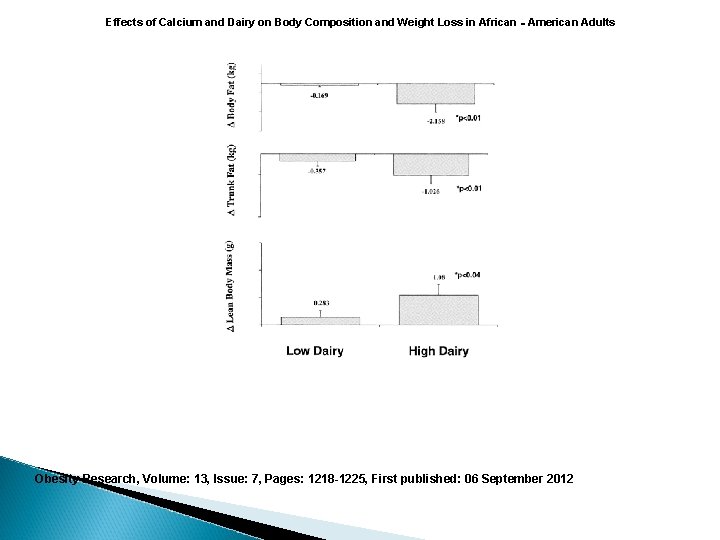
Effects of Calcium and Dairy on Body Composition and Weight Loss in African‐American Adults Obesity Research, Volume: 13, Issue: 7, Pages: 1218 -1225, First published: 06 September 2012
Calcium and vitamin D supplementation may decrease VAT The treatment groups consumed 3 - 240 -m. L glasses of OJ (regular or lite) fortified with 350 mg Ca and 100 IU vitamin D per serving, and the control groups consumed either unfortified regular or lite OJ. 16 -wk trial, 171 participants , BMI>30 adults The findings suggest that calcium and/or vitamin D supplementation contributes to a beneficial reduction of VAT Am J Clin Nutr. 2012 Jan; 95(1): 101– 108.
Suggested 4 mechanism for reduced VAT with CA and VIT D lowers adipocyte intercellular calcium, which is associated with reduced fatty acid synthase and increase adipose tissue lipolysis. calcium increases loss of body fat and weight is through increased oxidation of fat and thermogenesis via upregulation of uncoupling proteins dietary calcium had the potential to increase fecal fat excretion, which may be beneficial at preventing weight gain In addition, suppression of hunger by calcium has been reported
Lecithin (Phosphatidyl choline) Lecithin is a generic term to designate any group of yellow-brownish fatty substances It is also a rich source of a variety of types of dietary fats Lecithin has positive effects on blood lipids, especially in combination with plant compounds known as sterols. Lecithin is a type of fat molecule composed of inositol and choline found in living cells.
Lecithin is found in many whole foods, including: organ meats. red meat. seafood. Egg yolk. green vegetables Legumes and nuts
Inositol –vitamin B 8 Simple CHO, occurs in animal and plant tissues fruits, beans, grains, and nuts. Fresh vegetables and fruits contain more Myo-Inositol than frozen and canned products. Cantaloupe and citrus fruits other than lemons are very rich in Myo-Inositol, oats and bran contain more than other grains. There is very little inositol in milk and yogurt.
Functions of Inositol might balance certain chemicals in the body to possibly help with mental conditions such as panic disorder, depression, and obsessivecompulsive disorder. It might also help insulin work better. This might help with conditions such as polycystic ovary syndrome or diabetes during pregnancy.
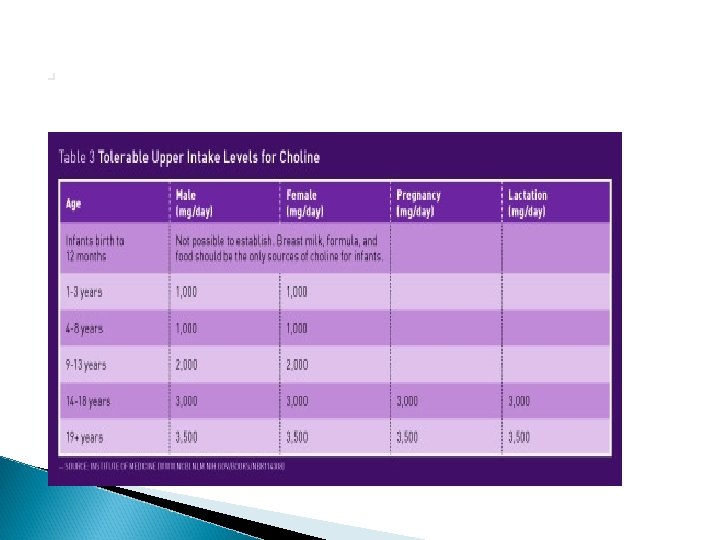
Forgotten Nutrient Choline is a micronutrient commonly grouped with the B-vitamins. Choline deficiency manifests as nonalcoholic fatty liver disease because, choline is required for the synthesis of very low-density lipoprotein particles, which transport fat from the liver. Without adequate choline, liver fat accumulates, leading to steatosis and potentially to liver damage
Inadequate choline- Fatty Liver Adults fed total parenteral nutrition devoid of choline but adequate in other nutrients developed fatty liver, which resolved when choline was administered 1 In a separate study, when adults were deprived of dietary choline, 80% of men and 77% of postmenopausal women developed fatty liver or muscle damage. Choline deficiency is rare among healthy nonpregnant individuals likely because of endogenous choline synthesis and because small amounts of choline are present in a variety of foods. 3 When levels are suboptimal, choline from the kidneys, lungs, and intestines is redistributed to the liver and brain.
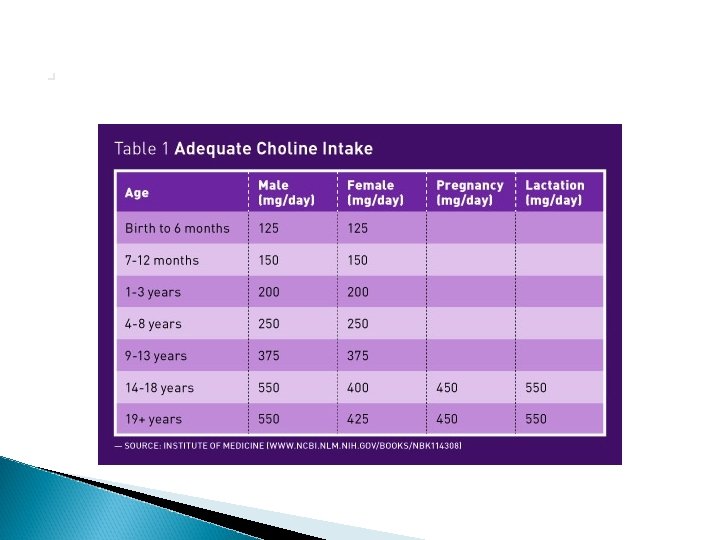
supplements with older clients and patients – be cautious choline is involved in cellular division and could possibly accelerate an undiagnosed cancer. aim to reach the AI with food, adding supplements only if necessary and only to the AI level
Choline in Vegetarian Diets It is often overlooked because it is found in a wide variety of foods choline is found in large amounts primarily in animal foods there are concerns about whether vegans get enough.
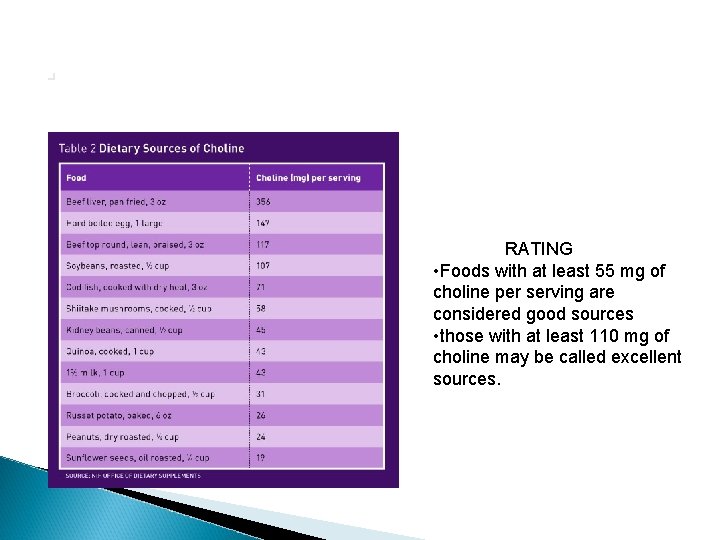
. RATING • Foods with at least 55 mg of choline per serving are considered good sources • those with at least 110 mg of choline may be called excellent sources.
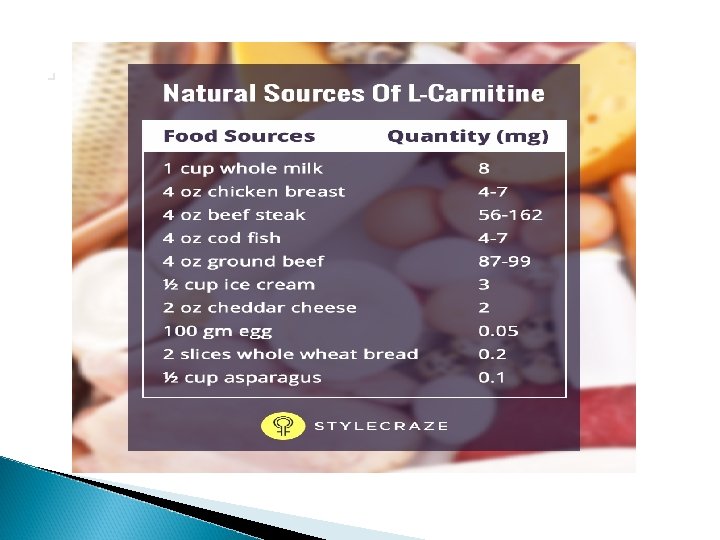
Carnitine- Vitamin BT Body can produce L-carnitine from lysine and methionine. Vitamin C is necessary Animal products like meat, fish, poultry, and milk are the best sources. In general, the redder the meat, the higher its carnitine content. Dairy products contain carnitine primarily in the whey fraction
L-Carnitine in the body related to adipose tissue receiving the carnitine resulted in weight loss. Using multiple-treatments meta-analysis Carnitine improves whole-body glucose disposal by enhancing nonoxidative glucose metabolism in both healthy subjects and patients with type 2 diabetes. chronic administration of L-carnitine prevents the increase in body fat associated with high ingestion of carbohydrates.
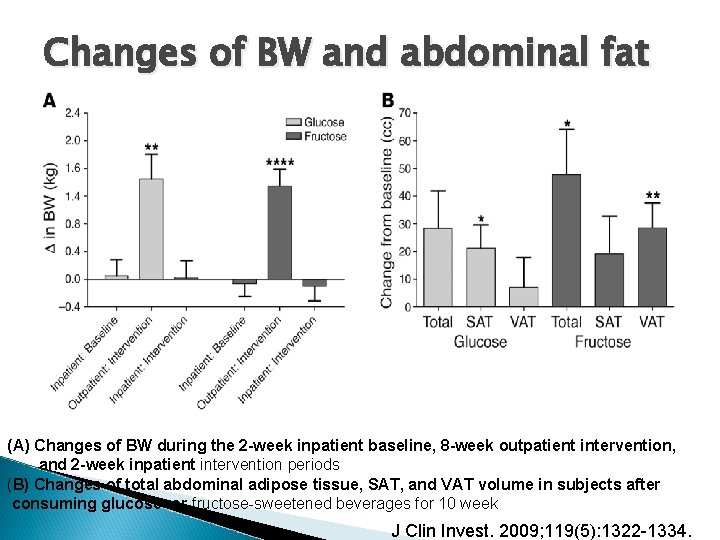
Types of sugar effects VAT Consuming fructose-sweetened, not glucose sweetened, beverages increases visceral adiposity and lipids and decreases insulin sensitivity in overweight/obese humans
Changes of BW and abdominal fat (A) Changes of BW during the 2 -week inpatient baseline, 8 -week outpatient intervention, and 2 -week inpatient intervention periods (B) Changes of total abdominal adipose tissue, SAT, and VAT volume in subjects after consuming glucose- or fructose-sweetened beverages for 10 week J Clin Invest. 2009; 119(5): 1322 -1334.
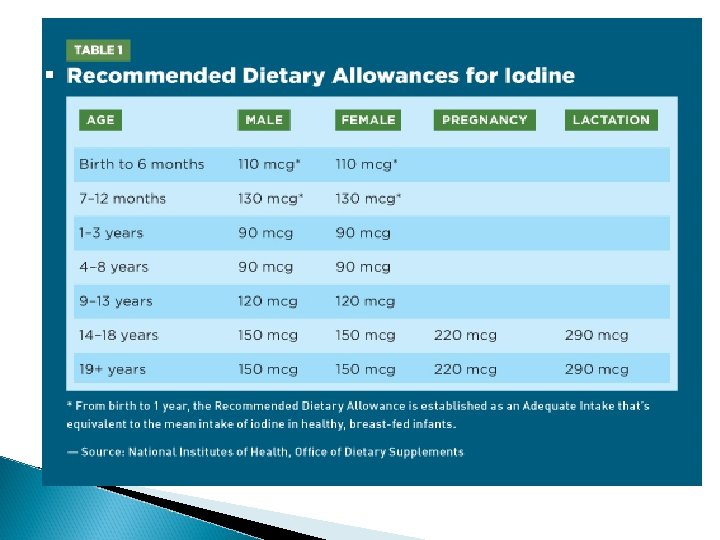
Thyroid Hormone Thyroid hormone plays a role in determining energy expenditure, body mass and body composition Both iodine deficiency and excess have significant risks Vitamin D deficiency is linked to Hashimoto’s and Graves’ Disease Selenium: The highest concentration of selenium is found in the thyroid gland, necessary component of enzymes integral to thyroid function Zinc: Helps to convert T 4 to active T 3 thyroid hormone Vitamin B 12: Studies have shown that about 30% of people with Hashimoto’s disease experience a vitamin B 12 deficiency.
Diet and hypothyroidism Thyroid hormone plays a role in determining energy expendature, body mass and body composition Prolonged fasting decrease T 3 production leads to decreased REE Following fasting refeeding CHO reverses decreased T 3 production Very high intake of curiciferous vegetables may cause hypothyroidism Soy and Millet may suppress thyroid function
In euthyroid men and women, higher levels of serum free T 3 are associated with lower skeletal muscle mass index and greater levels of insulin resistance, according to study findings published in clinical endocrinology, 2018 Kwon H, et al. Clinical Endocrinology. August 2018
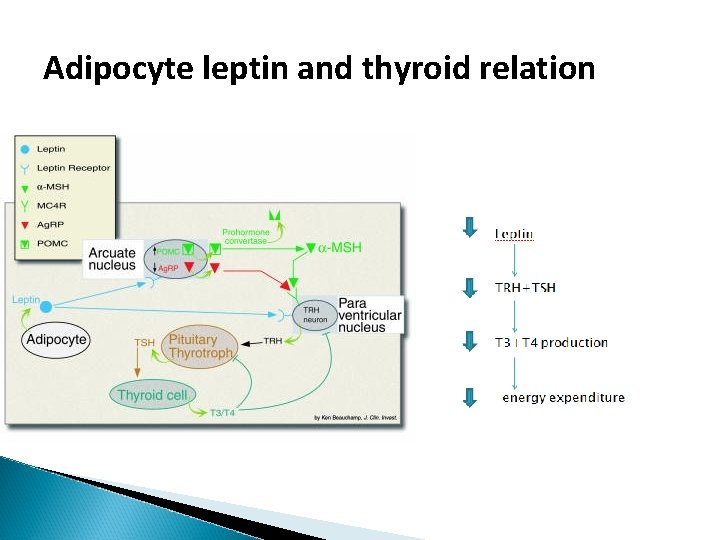
Correlation between BMI, body fat and thyroid hormones Relationship may be mediated by; - Leptin via upregulation of thyroid hormone synthesis. Leptin - Insulin resistant subjects may be at risk for reduced thyroid hormone signaling
Adipocyte leptin and thyroid relation
Correlation between BMI, body fat and thyroid hormones N= 103 eu-thyroid female subjects. There is gradual increase in serum TSH values among three BMI groups i. e normal weight (BMI<23, over-weight BMI 23. 00 -24. 99 and obese BMI 25 females Conclusion: Serum TSH level increases with increase in fat content of the body. Obese women shows higher serum TSH level even if the upper limit of TSH is within normal limit. Volume 4 Issue 6, June 2015 www. ijsr. net
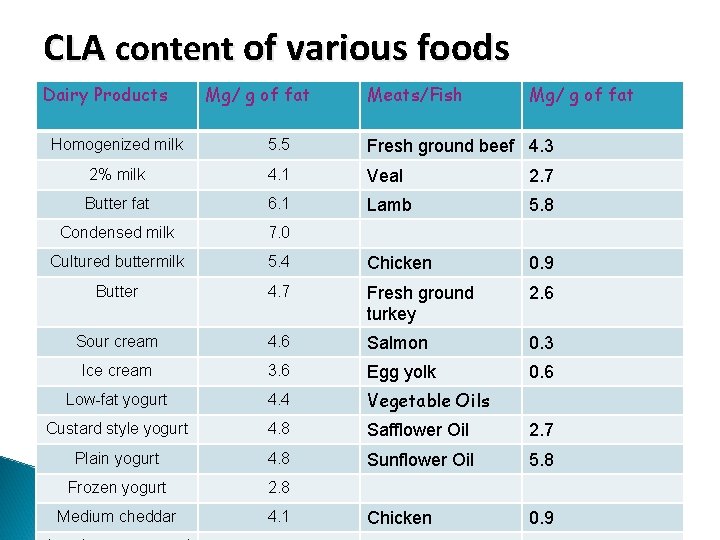
Conjugated Linoleic Acid (CLA) Health benefits • • Biological synthesis of CLA occurs through the microbial isomerization of dietary linoleic acid positive effects on immune function and body composition CLA has protective effect against the catabolism and inflammatory responses induced by cytokines, specifically tumor necrosis factor-α Supplemented diet of 0. 5% CLA had protective effects against TNFα cachexia This group of naturally occurring trans fats should not be associated with the notorious effects of the man-made trans fats found in most snack foods The major dietary sources of CLA for humans are beef and dairy products
CLA content of various foods Dairy Products Mg/ g of fat Meats/Fish Mg/ g of fat Homogenized milk 5. 5 Fresh ground beef 4. 3 2% milk 4. 1 Veal 2. 7 Butter fat 6. 1 Lamb 5. 8 Condensed milk 7. 0 Cultured buttermilk 5. 4 Chicken 0. 9 Butter 4. 7 Fresh ground turkey 2. 6 Sour cream 4. 6 Salmon 0. 3 Ice cream 3. 6 Egg yolk 0. 6 Low-fat yogurt 4. 4 Vegetable Oils Custard style yogurt 4. 8 Safflower Oil 2. 7 Plain yogurt 4. 8 Sunflower Oil 5. 8 Frozen yogurt 2. 8 Medium cheddar 4. 1 Chicken 0. 9
Studies using human subjects are limited and contradictory. A 94 -day study using 17 women, ages 20 to 41 years, supplemented with 3. 0 g/day of mixed CLA isomers indicated no significant effect on body composition or energy expenditure with either CLA or placebo capsules Another study involving nonobese young men and women supplemented with 0. 7 to 1. 4 g CLA daily for 4 to 8 weeks resulted in a decrease in body fat and fat mass It was also reported that the 6. 8 g/day CLA supplemented group showed increased lean body mass, however, this group also had a significant increase in the amount of intensive training during the study. Thus the reduced fat mass and increased lean mass may have been enhanced by the increase in training rather than by CLA. J Am Diet Assoc. 2004; 104: 963 -968.
Safety of CLA Supplementation? • A dose of 3. 4 g/day of CLA was well tolerated and was reported as a safe dose in healthy human populations • The potential for people to attempt to increase their CLA intake through dietary measures (increasing fatty food consumption) is not advised because the research of CLA in human beings is inconclusive and high fat intakes are associated with adverse health effects
Food additives promote obesity Emulsifiers, which are added to most processed foods to aid texture and extend shelf life, can alter the gut flora composition and localization to induce intestinal inflammation low-grade inflammation resulting from an altered microbiota can be an underlying cause of excess eating.
Is Obesity an Addiction? foods rich in fat and sugar can super charge the brain's pleasure system, which can overpower the brain's ability to tell an individual to stop eating. In these cases, the more someone eats, the more he or she wants.
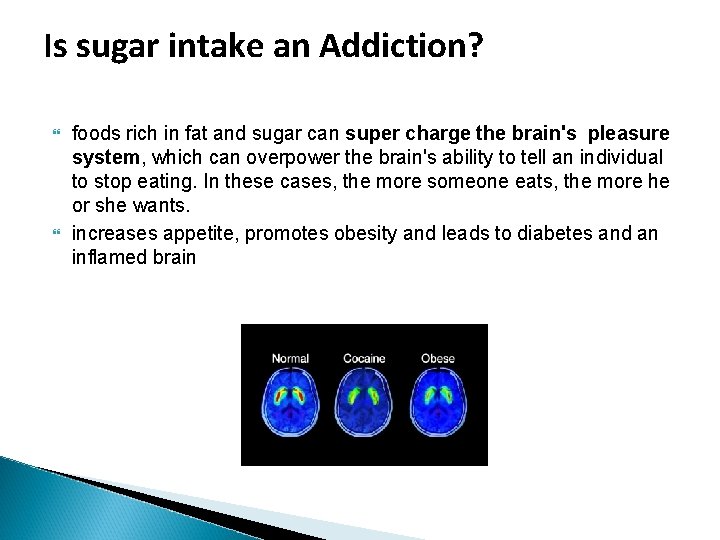
Is sugar intake an Addiction? foods rich in fat and sugar can super charge the brain's pleasure system, which can overpower the brain's ability to tell an individual to stop eating. In these cases, the more someone eats, the more he or she wants. increases appetite, promotes obesity and leads to diabetes and an inflamed brain
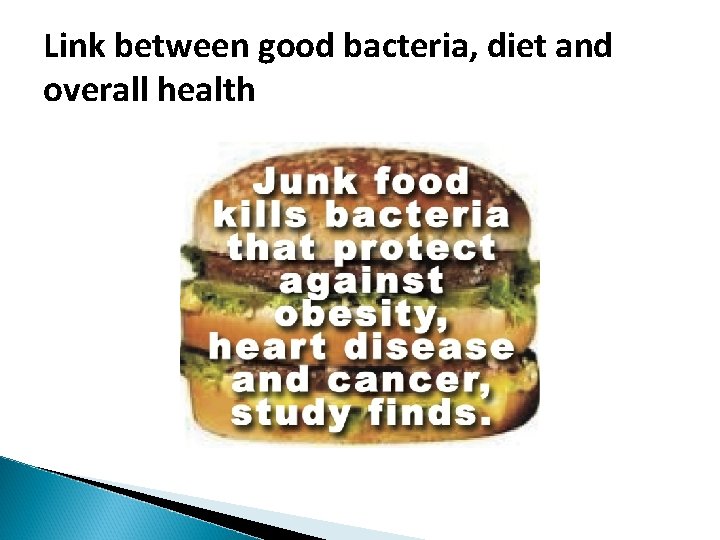
Link between good bacteria, diet and overall health
Regulation of abdominal adiposity by probiotics gut microbiota composition plays a role modulating the body weight, adipose tissue, and the prevalence of a low-grade inflammatory status, probiotics emerge as valuable tools for the prevention of metabolic syndrome and health recovery July 2018 European Journal of Nutrition
Does Inulin Ingestion Reduce Visceral Fat Adiposity? Mini Review Inulin is a chicory root fiber that also found in onions, garlic, wheat, artichokes and bananas. It is a polymer of fructose monomers that is indigestible but soluble fiber. The review supported short-term significant beneficial effects of inulin on body weight with particular attention to the VF These mini-review summaries the current evidence linking a specific dietary fiber called inulin to the reduction of VFA Biomed J Sci & Tech Res Volume 3 - Issue 1: 2018 Biomedical Journal of Scientific & Technical Research (BJSTR)
Probiotics Affect Changes in Weight? Reduce the calories absorbed from food. Certain probiotics may inhibit the absorption of dietary fat, increasing the amount of fat excreted with feces Affect hormones and proteins related to appetite and fat storage. Release of GLP-1: Probiotics may help release the satiety (appetite-reducing) hormone GLP-1. Increased levels of this hormone may help you burn calories and fat Increase of ANGPTL 4: Probiotics may increase levels of the protein ANGPTL 4. This may lead to decreased fat storage Reduce inflammation, which can drive obesity. Adiposity is linked to inflammation in the brain. By improving gut health, probiotics may reduce systemic inflammation and protect against obesity and other diseases
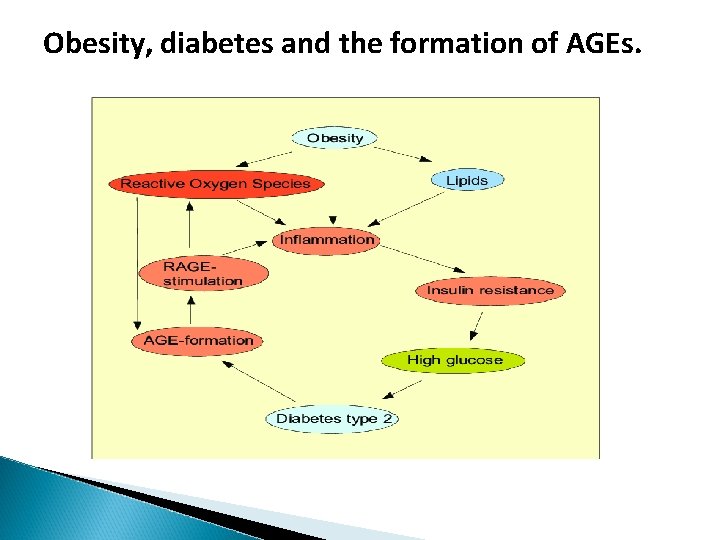
The Age Limit - (toxic end products) High-temperature cooking spurs the production of potentially harmful compounds called advanced glycation end products, or AGEs Created during the preparation of foods Depend on: Type of food processing + Heat+AGE + Drying+AGE Goldberg T et al. AGEs in commonly consumed foods. J Am Diet Assoc 2004; 104: 1287 -91.
. High-fat diet enhances visceral advanced glycation end products, nuclear O-Glc-Nac modification, mitogen-activated protein kinase activation and apoptosis. Li SY, etal. Diabetes Obes Metab. 2005 Jul; 7(4): 448 -54.
Obesity, diabetes and the formation of AGEs.
Figure JAND, 112: 1785, 2012 Journal of the Academy of Nutrition and Dietetics 2012 112, 1785 -1797 DOI: (10. 1016/j. jand. 2012. 07. 032) Copyright © 2012 Academy of Nutrition and Dietetics Terms and Conditions
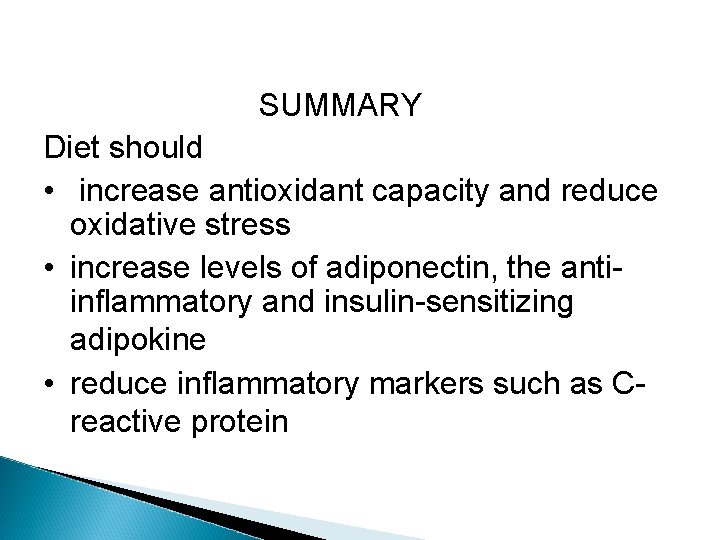
The SDASH Diet: Cs. Sumymarlinica. Trials SUMMARY Diet should • increase antioxidant capacity and reduce oxidative stress • increase levels of adiponectin, the antiinflammatory and insulin-sensitizing adipokine • reduce inflammatory markers such as Creactive protein