DEMENTIA DELIRIUM Elise Henning MD MEd Hospitalist and





- Slides: 54
DEMENTIA DELIRIUM Elise Henning, MD, MEd Hospitalist and Geriatrician Cincinnati VA Medical Center Affiliate Faculty University of Cincinnati
OBJECTIVES 1. Identify key features of different dementias 2. Differentiate mild cognitive impairment (MCI) from dementia 3. Identify, prevent, and manage delirium
COGNITIVE IMPAIRMENT Thinking
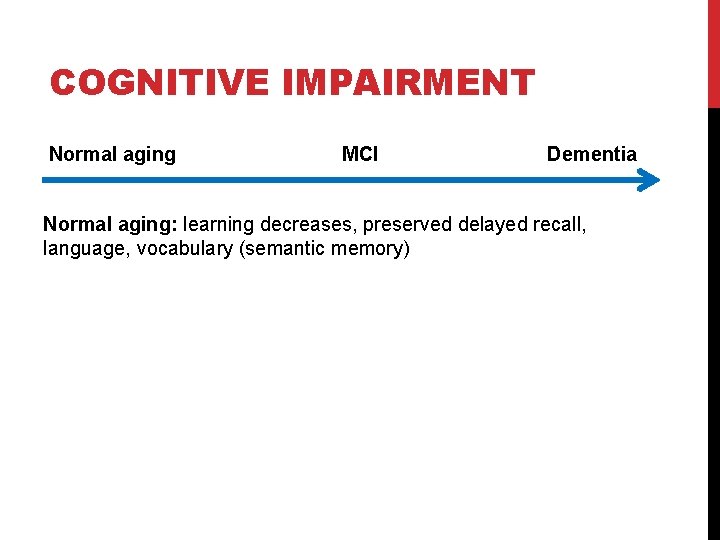
COGNITIVE IMPAIRMENT Normal aging MCI Dementia Normal aging: learning decreases, preserved delayed recall, language, vocabulary (semantic memory)
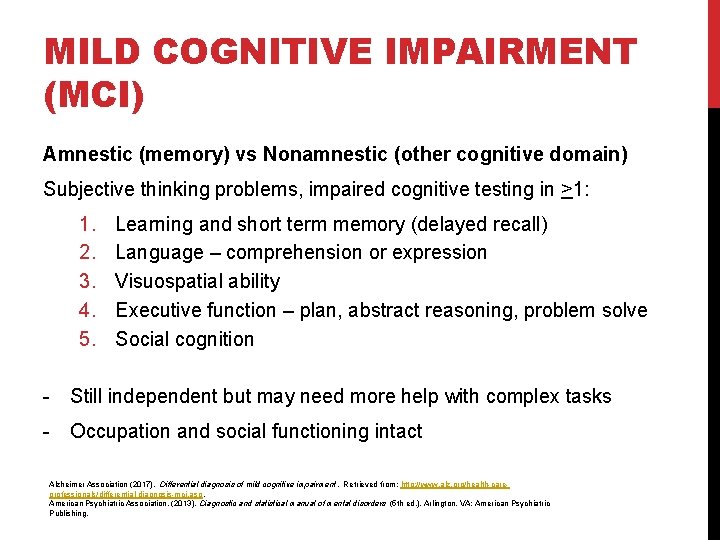
MILD COGNITIVE IMPAIRMENT (MCI) Amnestic (memory) vs Nonamnestic (other cognitive domain) Subjective thinking problems, impaired cognitive testing in >1: 1. 2. 3. 4. 5. Learning and short term memory (delayed recall) Language – comprehension or expression Visuospatial ability Executive function – plan, abstract reasoning, problem solve Social cognition - Still independent but may need more help with complex tasks - Occupation and social functioning intact Alzheimer Association (2017). Differential diagnosis of mild cognitive impairment. Retrieved from: http: //www. alz. org/health-careprofessionals/differential-diagnosis-mci. asp. American Psychiatric Association. (2013). Diagnostic and statistical manual of mental disorders (5 th ed. ). Arlington, VA: American Psychiatric Publishing.
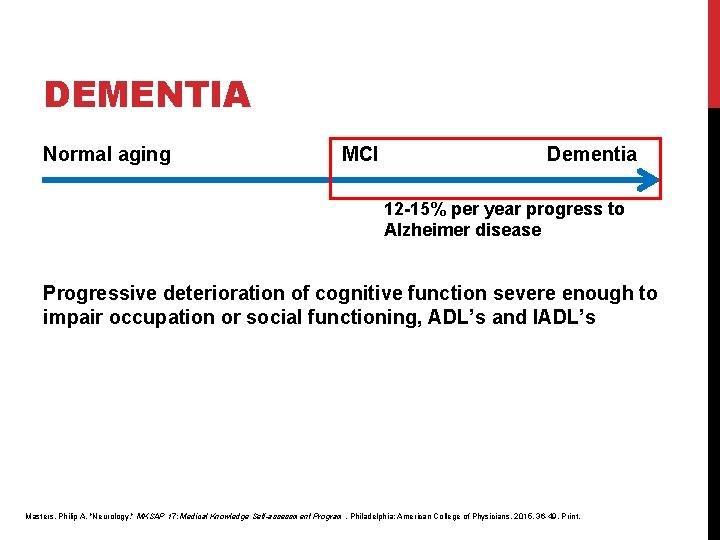
DEMENTIA Normal aging MCI Dementia 12 -15% per year progress to Alzheimer disease Progressive deterioration of cognitive function severe enough to impair occupation or social functioning, ADL’s and IADL’s Masters, Philip A. "Neurology. " MKSAP 17: Medical Knowledge Self-assessment Program. Philadelphia: American College of Physicians, 2015. 36 -49. Print.
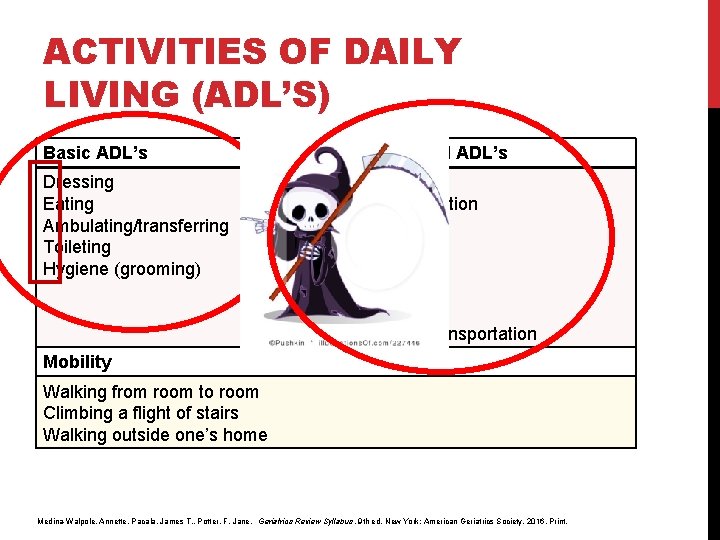
ACTIVITIES OF DAILY LIVING (ADL’S) Basic ADL’s Instrumental ADL’s Dressing Eating Ambulating/transferring Toileting Hygiene (grooming) Telephone Meal preparation Finances Medications Laundry Housework Shopping Managing transportation Mobility Walking from room to room Climbing a flight of stairs Walking outside one’s home Medina-Walpole, Annette, Pacala, James T. , Potter, F. Jane. Geriatrics Review Syllabus. 9 th ed. New York: American Geriatrics Society, 2016. Print.
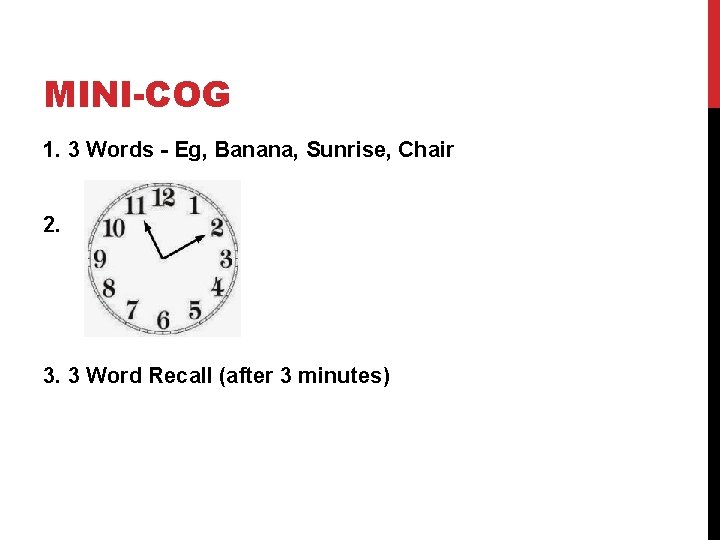
MINI-COG 1. 3 Words - Eg, Banana, Sunrise, Chair 2. 3. 3 Word Recall (after 3 minutes)
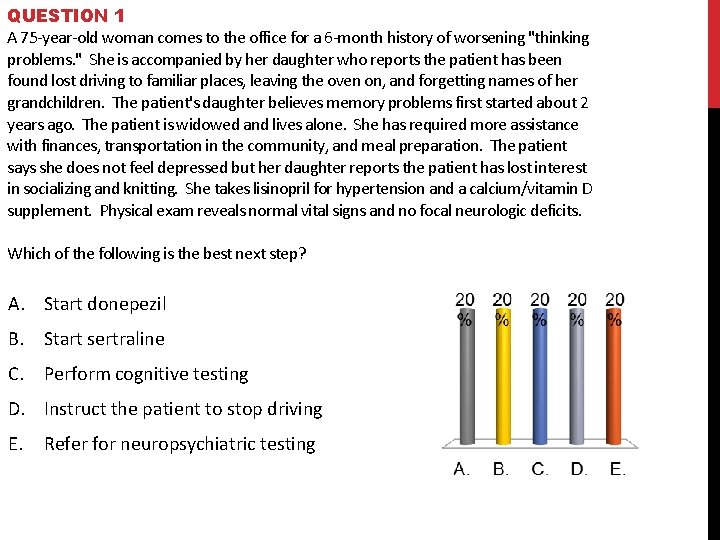
QUESTION 1 A 75 -year-old woman comes to the office for a 6 -month history of worsening "thinking problems. " She is accompanied by her daughter who reports the patient has been found lost driving to familiar places, leaving the oven on, and forgetting names of her grandchildren. The patient's daughter believes memory problems first started about 2 years ago. The patient is widowed and lives alone. She has required more assistance with finances, transportation in the community, and meal preparation. The patient says she does not feel depressed but her daughter reports the patient has lost interest in socializing and knitting. She takes lisinopril for hypertension and a calcium/vitamin D supplement. Physical exam reveals normal vital signs and no focal neurologic deficits. Which of the following is the best next step? A. Start donepezil B. Start sertraline C. Perform cognitive testing D. Instruct the patient to stop driving E. Refer for neuropsychiatric testing
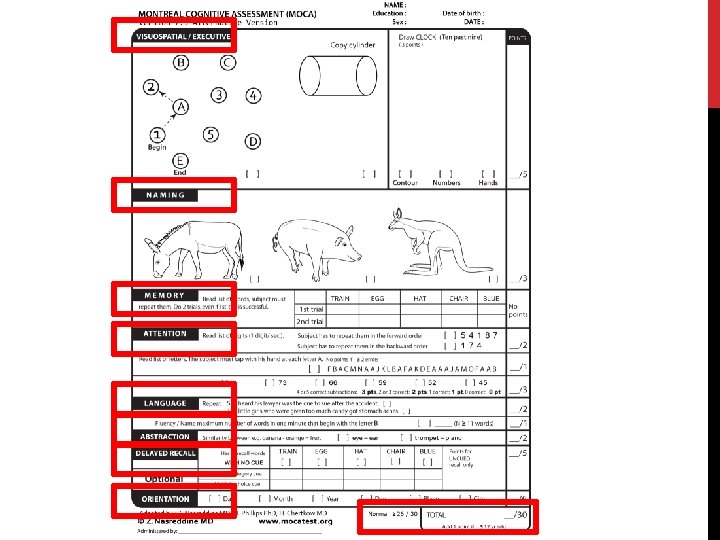
QUESTION 1 EXPLANATION Correct Answer: C – Cognitive testing, such as Montreal Cognitive Assessment (Mo. CA) Patients aged >65 years with cognitive impairment (with or without functional impairment) should undergo cognitive testing. The Mo. CA and “Mini Cog” are free and validated instruments to assess cognitive function. The Mini-Mental State Examination is another useful tool but requires a fee to use. Masters, Philip A. "Neurology. " MKSAP 17: Medical Knowledge Self-assessment Program. Philadelphia: American College of Physicians, 2015. 36 -49. Print.
QUESTION 1 EXPLANATION Correct Answer: C – Cognitive testing, such as Montreal Cognitive Assessment (Mo. CA) Donepezil is a cholinesterase inhibitor FDA-approved for mild, moderate, and severe Alzheimer disease to slow symptomatic decline. Cholinesterase inhibitors mildly improve measured cognition and some activities of daily living, but no evidence improve clinical outcomes or help patients maintain independence. Diagnose dementia before prescribing a cholinesterase inhibitor like donepezil, rivastigmine, or galantamine. Masters, Philip A. "Neurology. " MKSAP 17: Medical Knowledge Self-assessment Program. Philadelphia: American College of Physicians, 2015. 36 -49. Print.
QUESTION 1 EXPLANATION Correct Answer: C – Cognitive testing, such as Montreal Cognitive Assessment (Mo. CA) A depression screen (eg, PHQ) is warranted because of her cognitive impairment (and anhedonia) but she may not be depressed. Indifference or lack of motivation can be misinterpreted as signs of depression. Masters, Philip A. "Neurology. " MKSAP 17: Medical Knowledge Self-assessment Program. Philadelphia: American College of Physicians, 2015. 36 -49. Print.
QUESTION 1 EXPLANATION Correct Answer: C – Perform Montreal Cognitive Assessment (Mo. CA) It may be reasonable to recommend patient stop driving, further cognitive testing should be performed. Neuropsychiatric testing for patients with milder cognitive symptoms (MCI vs age-related cognitive decline), patients who demonstrate features of >2 types of dementia, or patients with significant depression and cognitive symptoms. Masters, Philip A. "Neurology. " MKSAP 17: Medical Knowledge Self-assessment Program. Philadelphia: American College of Physicians, 2015. 36 -49. Print.
WORK-UP Dementia confirmed: Neuroimaging (CT head or MRI brain) • Nondegenerative causes (cerebrovascular disease, neoplasm, subdural hematoma, hydrocephalus) • MRI > CT for inflammation, infection, acute stroke, tumor, posterior fossa lesion, Creutzfeldt-Jakob disease Masters, Philip A. "Neurology. " MKSAP 17: Medical Knowledge Self-assessment Program. Philadelphia: American College of Physicians, 2015. 36 -49. Print.
DIAGNOSTIC WORK-UP CSF – not part of routine work-up Consider lumbar puncture if … - Rapidly progressive dementia – Creutzfeld-Jakob - Age of onset < 60 years - Malignancy or paraneoplastic disorders - Suspected infection, especially if immunosuppressed - Positive syphilis or Lyme serology - Autoimmune disease or suspected CNS inflammation Masters, Philip A. "Neurology. " MKSAP 17: Medical Knowledge Self-assessment Program. Philadelphia: American College of Physicians, 2015. 36 -49. Print.
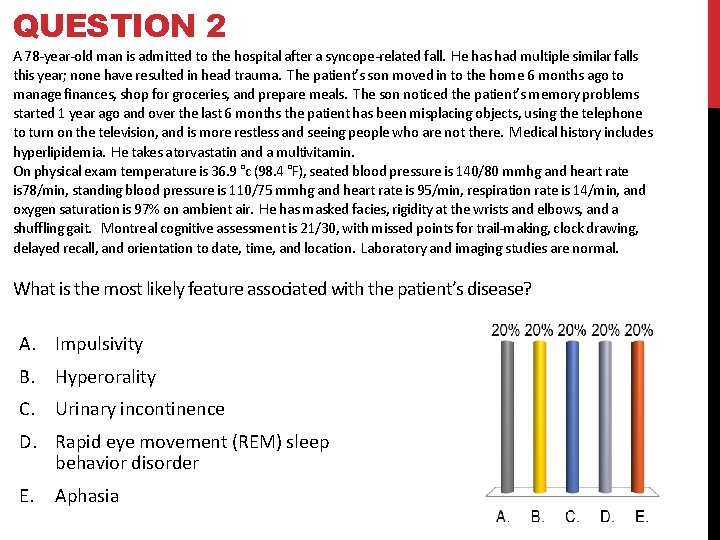
QUESTION 2 A 78 -year-old man is admitted to the hospital after a syncope-related fall. He has had multiple similar falls this year; none have resulted in head trauma. The patient’s son moved in to the home 6 months ago to manage finances, shop for groceries, and prepare meals. The son noticed the patient’s memory problems started 1 year ago and over the last 6 months the patient has been misplacing objects, using the telephone to turn on the television, and is more restless and seeing people who are not there. Medical history includes hyperlipidemia. He takes atorvastatin and a multivitamin. On physical exam temperature is 36. 9 °c (98. 4 °F), seated blood pressure is 140/80 mmhg and heart rate is 78/min, standing blood pressure is 110/75 mmhg and heart rate is 95/min, respiration rate is 14/min, and oxygen saturation is 97% on ambient air. He has masked facies, rigidity at the wrists and elbows, and a shuffling gait. Montreal cognitive assessment is 21/30, with missed points for trail-making, clock drawing, delayed recall, and orientation to date, time, and location. Laboratory and imaging studies are normal. What is the most likely feature associated with the patient’s disease? A. Impulsivity B. Hyperorality C. Urinary incontinence D. Rapid eye movement (REM) sleep behavior disorder E. Aphasia
QUESTION 2 EXPLANATION Correct answer: D Dementia with Lewy Bodies (DLB) (under umbrella of Lewy Body Disease, also includes Parkinson disease. ) Lewy body proteins abnormally aggregate within neurons. 2 nd most common cause of neurodegenerative-related dementia (AD 1 st) Masters, Philip A. "Neurology. " MKSAP 17: Medical Knowledge Self-assessment Program. Philadelphia: American College of Physicians, 2015. 36 -49. Print.
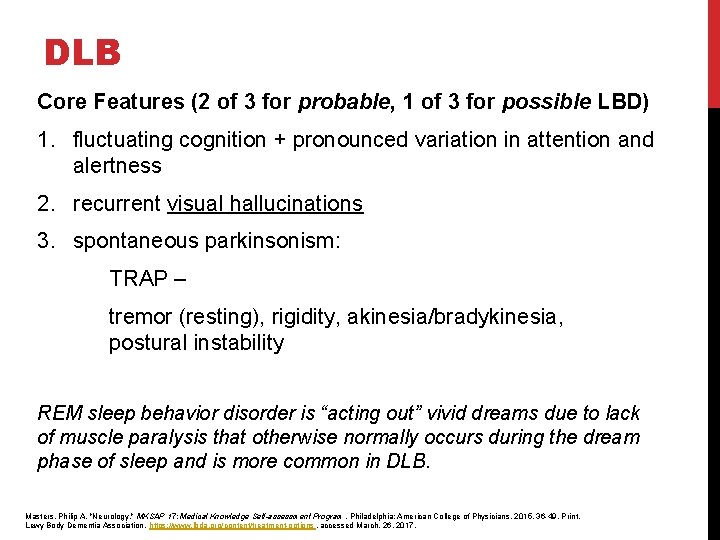
DLB Core Features (2 of 3 for probable, 1 of 3 for possible LBD) 1. fluctuating cognition + pronounced variation in attention and alertness 2. recurrent visual hallucinations 3. spontaneous parkinsonism: TRAP – tremor (resting), rigidity, akinesia/bradykinesia, postural instability REM sleep behavior disorder is “acting out” vivid dreams due to lack of muscle paralysis that otherwise normally occurs during the dream phase of sleep and is more common in DLB. Masters, Philip A. "Neurology. " MKSAP 17: Medical Knowledge Self-assessment Program. Philadelphia: American College of Physicians, 2015. 36 -49. Print. Lewy Body Dementia Association, https: //www. lbda. org/content/treatment-options , accessed March, 26, 2017.
QUESTION 2 EXPLANATION Correct answer: D Parkinsonism with hypomimia (masked facies), recurrent falls, severe autonomic dysfunction, and syncope are common. Masters, Philip A. "Neurology. " MKSAP 17: Medical Knowledge Self-assessment Program. Philadelphia: American College of Physicians, 2015. 36 -49. Print. Lewy Body Dementia Association, https: //www. lbda. org/content/treatment-options , accessed March, 26, 2017.
QUESTION 2 EXPLANATION Correct answer: D Think dementia with Lewy Bodies, NOT Parkinson’s disease, if onset of cognitive impairment precedes, coincides, or occurs 1 year after Parkinson motor symptoms. Masters, Philip A. "Neurology. " MKSAP 17: Medical Knowledge Self-assessment Program. Philadelphia: American College of Physicians, 2015. 36 -49. Print. Lewy Body Dementia Association, https: //www. lbda. org/content/treatment-options , accessed March, 26, 2017.
QUESTION 2 EXPLANATION Severe sensitivity to neuroleptic medication/antipsychotics is much more common in DLB – up to 50%. Antipsychotics in DLB worsened cognition, sedation, increased or irreversible parkinsonism, neuroleptic malignant syndrome (NMS). Masters, Philip A. "Neurology. " MKSAP 17: Medical Knowledge Self-assessment Program. Philadelphia: American College of Physicians, 2015. 36 -49. Print. Lewy Body Dementia Association, https: //www. lbda. org/content/treatment-options , accessed March, 26, 2017.
QUESTION 2 EXPLANATION Correct answer: D Impulsivity and hyperorality are features of frontotemporal dementia, particularly behavioral variant. Urinary incontinence is associated with idiopathic normal pressure hydrocephalus (NPH) but may be seen in all dementias as function declines. Aphasia is not specific to DLB as it occurs in Alzheimer disease (eg, word-finding difficulty) and other dementias. Masters, Philip A. "Neurology. " MKSAP 17: Medical Knowledge Self-assessment Program. Philadelphia: American College of Physicians, 2015. 36 -49. Print. Lewy Body Dementia Association, https: //www. lbda. org/content/treatment-options , accessed March, 26, 2017.
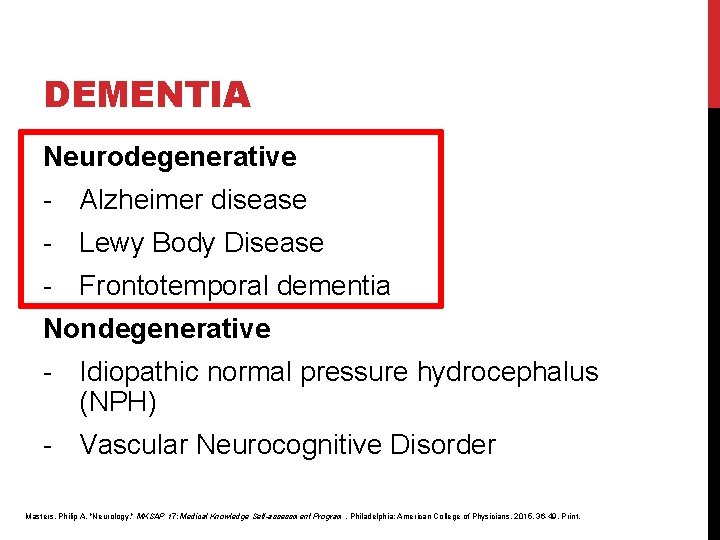
DEMENTIA Neurodegenerative - Alzheimer disease - Lewy Body Disease - Frontotemporal dementia Nondegenerative - Idiopathic normal pressure hydrocephalus (NPH) - Vascular Neurocognitive Disorder Masters, Philip A. "Neurology. " MKSAP 17: Medical Knowledge Self-assessment Program. Philadelphia: American College of Physicians, 2015. 36 -49. Print.
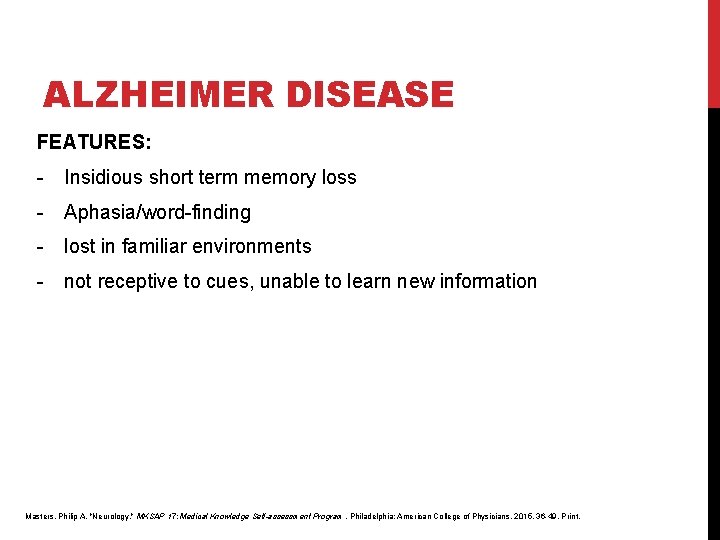
ALZHEIMER DISEASE FEATURES: - Insidious short term memory loss - Aphasia/word-finding - lost in familiar environments - not receptive to cues, unable to learn new information Masters, Philip A. "Neurology. " MKSAP 17: Medical Knowledge Self-assessment Program. Philadelphia: American College of Physicians, 2015. 36 -49. Print.
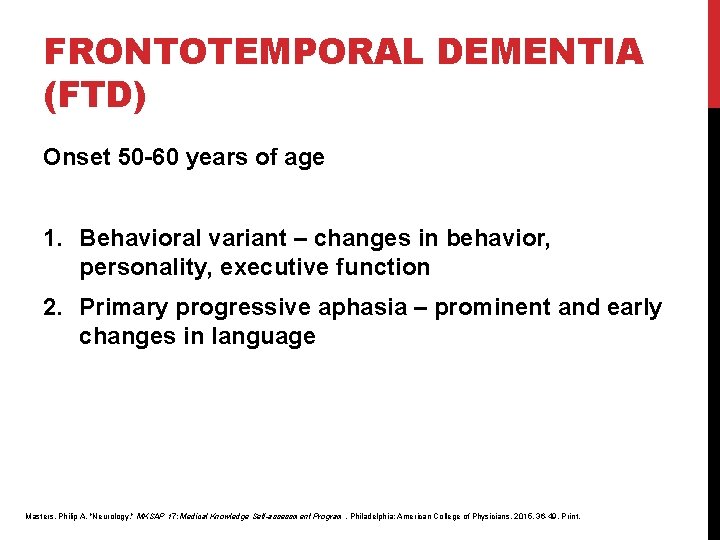
FRONTOTEMPORAL DEMENTIA (FTD) Onset 50 -60 years of age 1. Behavioral variant – changes in behavior, personality, executive function 2. Primary progressive aphasia – prominent and early changes in language Masters, Philip A. "Neurology. " MKSAP 17: Medical Knowledge Self-assessment Program. Philadelphia: American College of Physicians, 2015. 36 -49. Print.
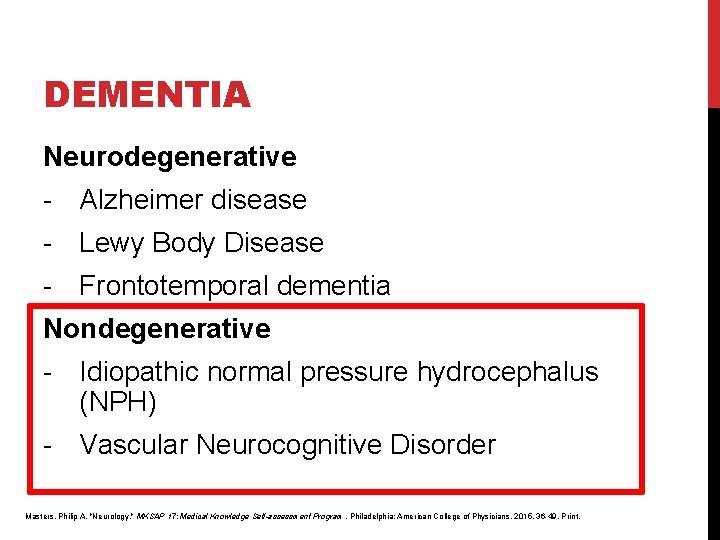
DEMENTIA Neurodegenerative - Alzheimer disease - Lewy Body Disease - Frontotemporal dementia Nondegenerative - Idiopathic normal pressure hydrocephalus (NPH) - Vascular Neurocognitive Disorder Masters, Philip A. "Neurology. " MKSAP 17: Medical Knowledge Self-assessment Program. Philadelphia: American College of Physicians, 2015. 36 -49. Print.
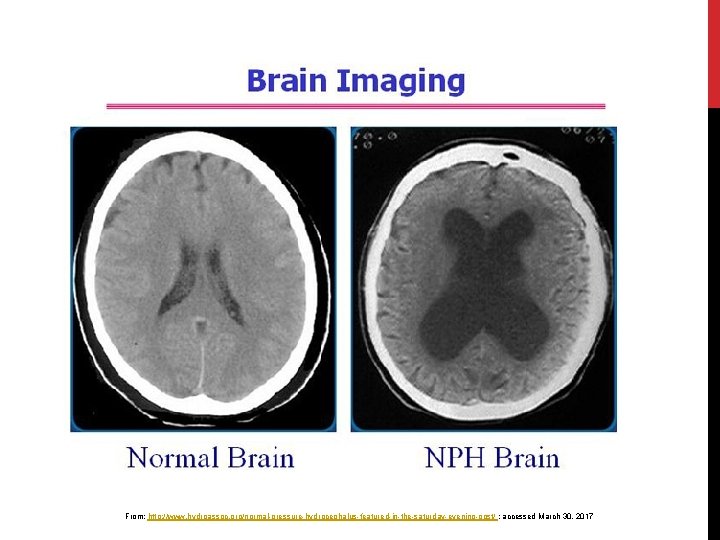
From: http: //www. hydroassoc. org/normal-pressure-hydrocephalus-featured-in-the-saturday-evening-post/ ; accessed March 30, 2017
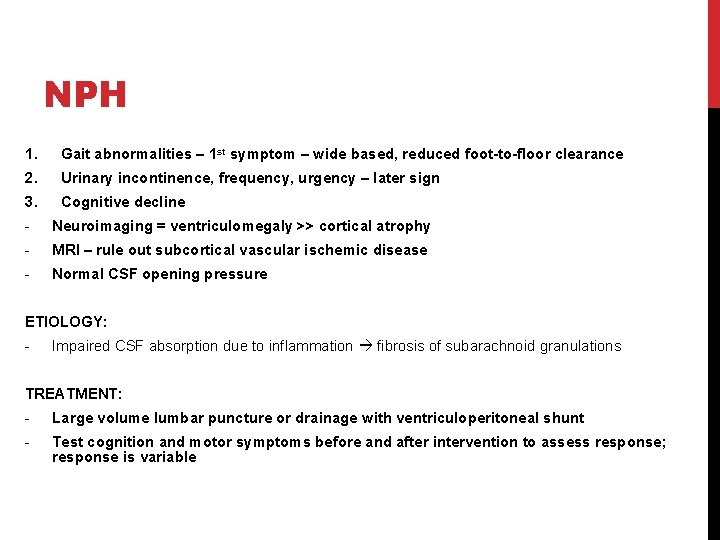
NPH 1. Gait abnormalities – 1 st symptom – wide based, reduced foot-to-floor clearance 2. Urinary incontinence, frequency, urgency – later sign 3. Cognitive decline - Neuroimaging = ventriculomegaly >> cortical atrophy - MRI – rule out subcortical vascular ischemic disease - Normal CSF opening pressure ETIOLOGY: - Impaired CSF absorption due to inflammation fibrosis of subarachnoid granulations TREATMENT: - Large volume lumbar puncture or drainage with ventriculoperitoneal shunt - Test cognition and motor symptoms before and after intervention to assess response; response is variable
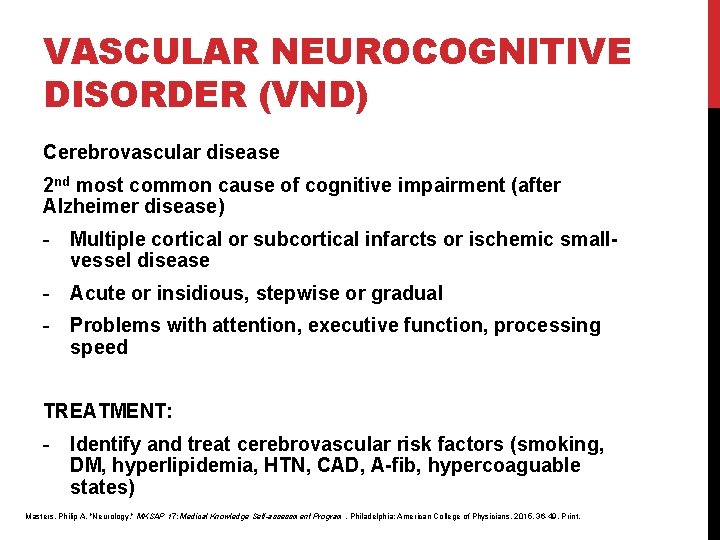
VASCULAR NEUROCOGNITIVE DISORDER (VND) Cerebrovascular disease 2 nd most common cause of cognitive impairment (after Alzheimer disease) - Multiple cortical or subcortical infarcts or ischemic smallvessel disease - Acute or insidious, stepwise or gradual - Problems with attention, executive function, processing speed TREATMENT: - Identify and treat cerebrovascular risk factors (smoking, DM, hyperlipidemia, HTN, CAD, A-fib, hypercoaguable states) Masters, Philip A. "Neurology. " MKSAP 17: Medical Knowledge Self-assessment Program. Philadelphia: American College of Physicians, 2015. 36 -49. Print.
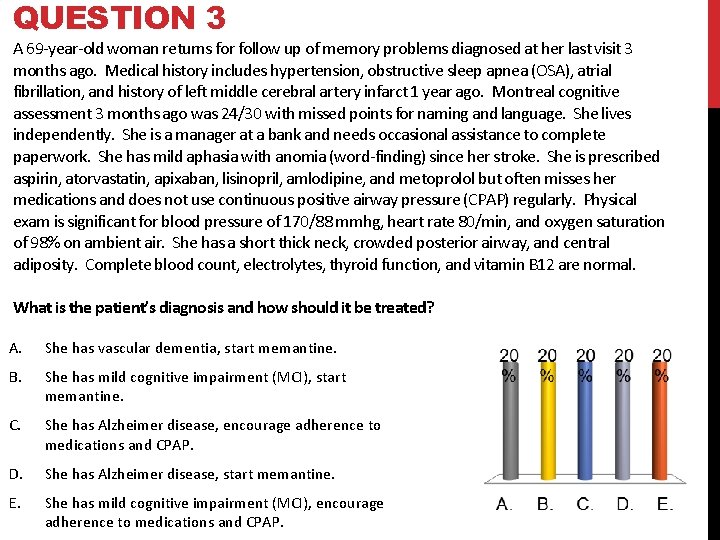
QUESTION 3 A 69 -year-old woman returns for follow up of memory problems diagnosed at her last visit 3 months ago. Medical history includes hypertension, obstructive sleep apnea (OSA), atrial fibrillation, and history of left middle cerebral artery infarct 1 year ago. Montreal cognitive assessment 3 months ago was 24/30 with missed points for naming and language. She lives independently. She is a manager at a bank and needs occasional assistance to complete paperwork. She has mild aphasia with anomia (word-finding) since her stroke. She is prescribed aspirin, atorvastatin, apixaban, lisinopril, amlodipine, and metoprolol but often misses her medications and does not use continuous positive airway pressure (CPAP) regularly. Physical exam is significant for blood pressure of 170/88 mmhg, heart rate 80/min, and oxygen saturation of 98% on ambient air. She has a short thick neck, crowded posterior airway, and central adiposity. Complete blood count, electrolytes, thyroid function, and vitamin B 12 are normal. What is the patient’s diagnosis and how should it be treated? A. She has vascular dementia, start memantine. B. She has mild cognitive impairment (MCI), start memantine. C. She has Alzheimer disease, encourage adherence to medications and CPAP. D. She has Alzheimer disease, start memantine. E. She has mild cognitive impairment (MCI), encourage adherence to medications and CPAP.
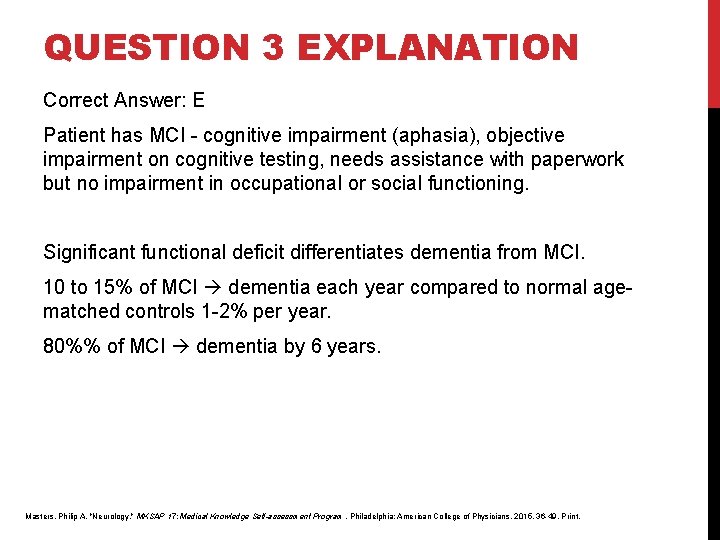
QUESTION 3 EXPLANATION Correct Answer: E Patient has MCI - cognitive impairment (aphasia), objective impairment on cognitive testing, needs assistance with paperwork but no impairment in occupational or social functioning. Significant functional deficit differentiates dementia from MCI. 10 to 15% of MCI dementia each year compared to normal agematched controls 1 -2% per year. 80%% of MCI dementia by 6 years. Masters, Philip A. "Neurology. " MKSAP 17: Medical Knowledge Self-assessment Program. Philadelphia: American College of Physicians, 2015. 36 -49. Print.
QUESTION 3 EXPLANATION Correct Answer: E Memantine, an NMDA (N-methyl-D-aspartate) receptor antagonist = reduces neurotoxicity from glutamate in CNS, slows progression of symptom burden, mild improvement on cognitive testing and ADL’s. Memantine is not indicated for MCI and not FDA-approved for vascular dementia (only for AD). Treatment goals for this patient – improve adherence to antihypertensive and CPAP regimen, weight loss. Masters, Philip A. "Neurology. " MKSAP 17: Medical Knowledge Self-assessment Program. Philadelphia: American College of Physicians, 2015. 36 -49. Print. Emamian, F. et al. The association between obstructive sleep apnea and alzheimer disease: a meta-analysis perspective. Frontiers in Aging Neuroscience, 8(78), 1 -8.
QUESTION 3 EXPLANATION Correct Answer: E OSA = independent risk factor for cognitive impairment Emamian, F. et al (2016). Frontiers in Aging Neuroscience, 8(78), 1 -8. Meta-analysis – nearly 50% of patients with Alzheimer disease have OSA Patients with AD are 5 x more likely to present with OSA than patients without cognitive impairment. WHY? changes in sleep quality and character, impaired cerebral blood flow, and cellular oxidation contribute to cognitive impairment and potentiate Alzheimer disease progression Reduced “brain cleansing” during non-REM sleep (stage III) Masters, Philip A. "Neurology. " MKSAP 17: Medical Knowledge Self-assessment Program. Philadelphia: American College of Physicians, 2015. 36 -49. Print. Emamian, F. et al. The association between obstructive sleep apnea and alzheimer disease: a meta-analysis perspective. Frontiers in Aging Neuroscience, 8(78), 1 -8.
Traumatic Brain Injury Chronic traumatic encephalopathy (dementia pugilistica) – repetitive mild head injury - Veterans, boxers, soccer or football players - 8 -10 years after repeated trauma - Behavioral and motor symptoms Masters, Philip A. "Neurology. " MKSAP 17: Medical Knowledge Self-assessment Program. Philadelphia: American College of Physicians, 2015. 36 -49. Print.
DEMENTIA Mixed - Co-existing Alzheimer disease+ vascular dementia - DLB + Alzheimer disease in 20% Masters, Philip A. "Neurology. " MKSAP 17: Medical Knowledge Self-assessment Program. Philadelphia: American College of Physicians, 2015. 36 -49. Print.
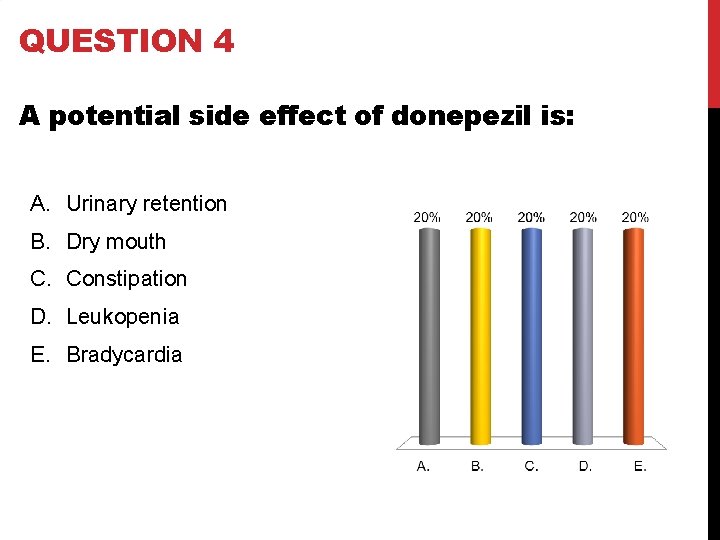
QUESTION 4 A potential side effect of donepezil is: A. Urinary retention B. Dry mouth C. Constipation D. Leukopenia E. Bradycardia
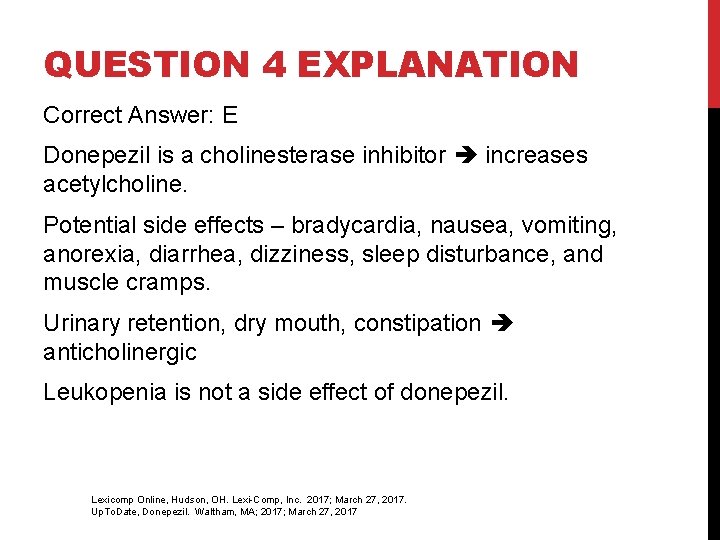
QUESTION 4 EXPLANATION Correct Answer: E Donepezil is a cholinesterase inhibitor increases acetylcholine. Potential side effects – bradycardia, nausea, vomiting, anorexia, diarrhea, dizziness, sleep disturbance, and muscle cramps. Urinary retention, dry mouth, constipation anticholinergic Leukopenia is not a side effect of donepezil. Lexicomp Online, Hudson, OH. Lexi-Comp, Inc. 2017; March 27, 2017. Up. To. Date, Donepezil. Waltham, MA; 2017; March 27, 2017
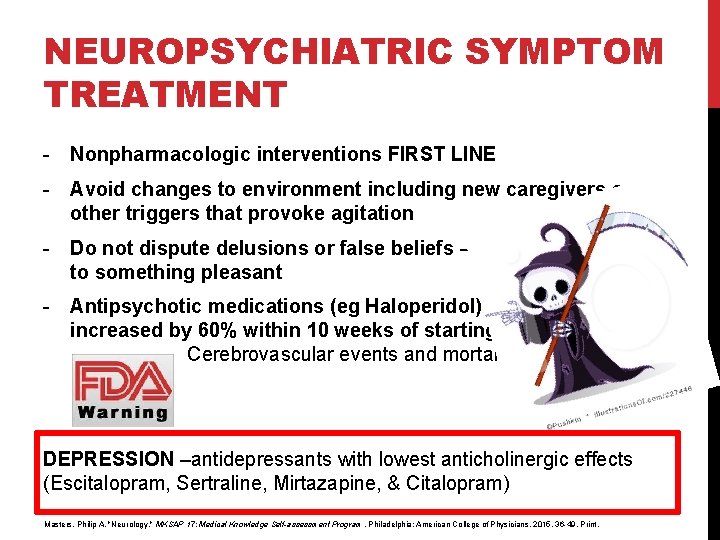
NEUROPSYCHIATRIC SYMPTOM TREATMENT - Nonpharmacologic interventions FIRST LINE - Avoid changes to environment including new caregivers and other triggers that provoke agitation - Do not dispute delusions or false beliefs – validate and redirect to something pleasant - Antipsychotic medications (eg Haloperidol) – risk of death is increased by 60% within 10 weeks of starting – Cerebrovascular events and mortality DEPRESSION –antidepressants with lowest anticholinergic effects (Escitalopram, Sertraline, Mirtazapine, & Citalopram) Masters, Philip A. "Neurology. " MKSAP 17: Medical Knowledge Self-assessment Program. Philadelphia: American College of Physicians, 2015. 36 -49. Print.
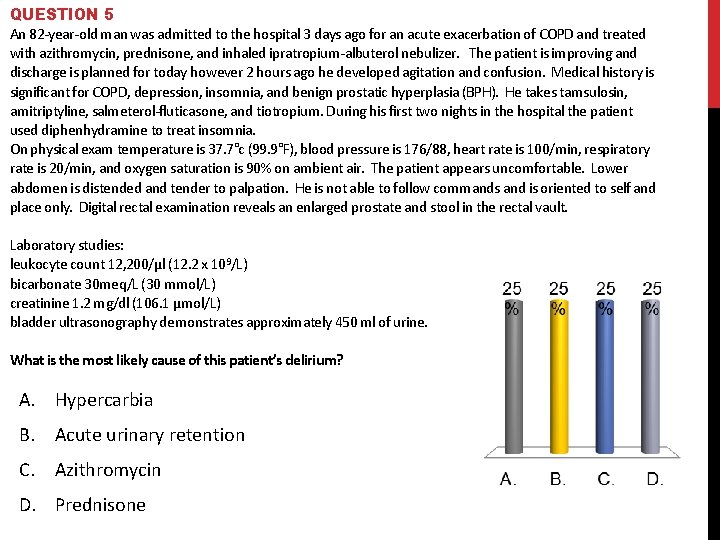
QUESTION 5 An 82 -year-old man was admitted to the hospital 3 days ago for an acute exacerbation of COPD and treated with azithromycin, prednisone, and inhaled ipratropium-albuterol nebulizer. The patient is improving and discharge is planned for today however 2 hours ago he developed agitation and confusion. Medical history is significant for COPD, depression, insomnia, and benign prostatic hyperplasia (BPH). He takes tamsulosin, amitriptyline, salmeterol-fluticasone, and tiotropium. During his first two nights in the hospital the patient used diphenhydramine to treat insomnia. On physical exam temperature is 37. 7°c (99. 9°F), blood pressure is 176/88, heart rate is 100/min, respiratory rate is 20/min, and oxygen saturation is 90% on ambient air. The patient appears uncomfortable. Lower abdomen is distended and tender to palpation. He is not able to follow commands and is oriented to self and place only. Digital rectal examination reveals an enlarged prostate and stool in the rectal vault. Laboratory studies: leukocyte count 12, 200/µl (12. 2 x 10⁹/L) bicarbonate 30 meq/L (30 mmol/L) creatinine 1. 2 mg/dl (106. 1 µmol/L) bladder ultrasonography demonstrates approximately 450 ml of urine. What is the most likely cause of this patient’s delirium? A. Hypercarbia B. Acute urinary retention C. Azithromycin D. Prednisone
QUESTION 5 EXPLANATION Correct Answer: B Delirium is from acute urinary retention likely from bladder outlet obstruction and/or increased anticholinergic burden from ipratropium, amitriptyline, and diphenhydramine, with potentially also contributing constipation. Anticholinergics themselves can cause confusion, dehydration, and blurred vision. Treat acute retention immediately with bladder decompression through catheterization and stop offending anticholinergics. Masters, Philip A. "Neurology. " MKSAP 17: Medical Knowledge Self-assessment Program. Philadelphia: American College of Physicians, 2015. 36 -49. Print. Masters, Phillip A. “Pulmonology & Critical Care Medicine. ” MKSAP 17: Medical Knowledge Self-Assessment Program. Philadelphia: American College of Physicians, 2015. 151. Print.
QUESTION 5 EXPLANATION Correct Answer: B Though the patient has a higher than normal carbon dioxide on his electrolyte panel, he is tachypneic and likely retains more carbon dioxide with history of COPD. Azithromycin can prolong QTc which can lead to arrhythmia predisposing to delirium but this is unlikely the cause of the patient’s delirium. Steroids may cause confusion but this is less likely to be the main cause of delirium in this patient. Masters, Philip A. "Neurology. " MKSAP 17: Medical Knowledge Self-assessment Program. Philadelphia: American College of Physicians, 2015. 36 -49. Print. Masters, Phillip A. “Pulmonology & Critical Care Medicine. ” MKSAP 17: Medical Knowledge Self-Assessment Program. Philadelphia: American College of Physicians, 2015. 151. Print.
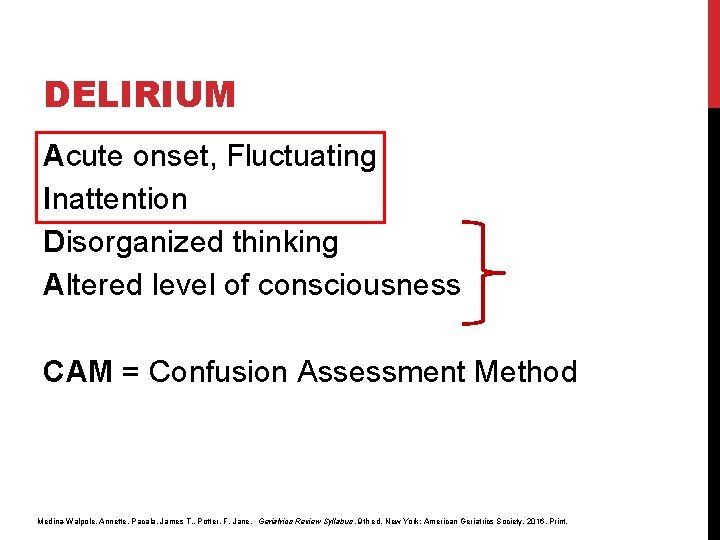
DELIRIUM Acute onset, Fluctuating Inattention Disorganized thinking Altered level of consciousness CAM = Confusion Assessment Method Medina-Walpole, Annette, Pacala, James T. , Potter, F. Jane. Geriatrics Review Syllabus. 9 th ed. New York: American Geriatrics Society, 2016. Print.
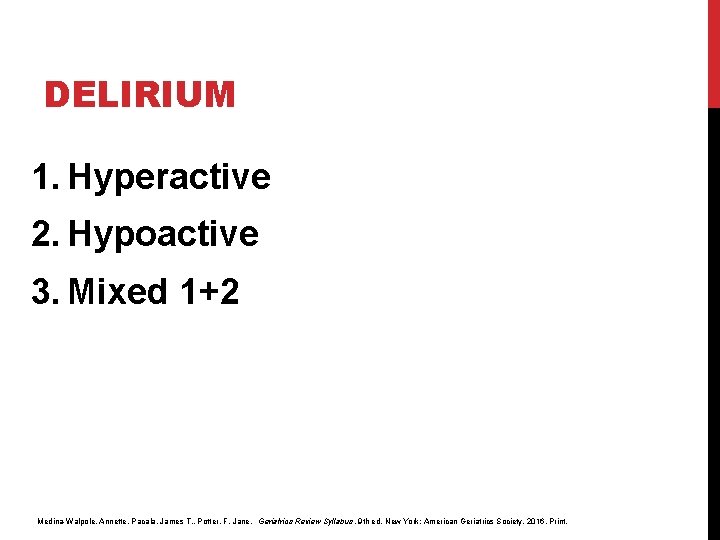
DELIRIUM 1. Hyperactive 2. Hypoactive 3. Mixed 1+2 Medina-Walpole, Annette, Pacala, James T. , Potter, F. Jane. Geriatrics Review Syllabus. 9 th ed. New York: American Geriatrics Society, 2016. Print.
DELIRIUM - CAUSES
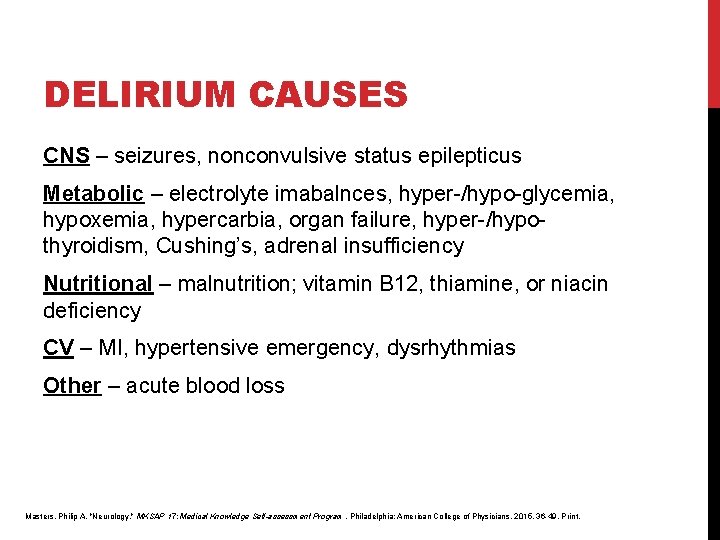
DELIRIUM CAUSES CNS – seizures, nonconvulsive status epilepticus Metabolic – electrolyte imabalnces, hyper-/hypo-glycemia, hypoxemia, hypercarbia, organ failure, hyper-/hypothyroidism, Cushing’s, adrenal insufficiency Nutritional – malnutrition; vitamin B 12, thiamine, or niacin deficiency CV – MI, hypertensive emergency, dysrhythmias Other – acute blood loss Masters, Philip A. "Neurology. " MKSAP 17: Medical Knowledge Self-assessment Program. Philadelphia: American College of Physicians, 2015. 36 -49. Print.
DELIRIUM – PREVENT AND TREAT Beyond the order set!
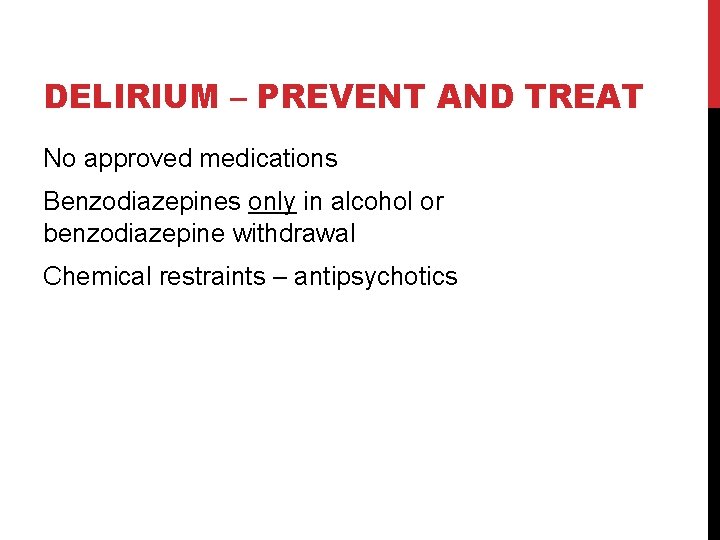
DELIRIUM – PREVENT AND TREAT No approved medications Benzodiazepines only in alcohol or benzodiazepine withdrawal Chemical restraints – antipsychotics
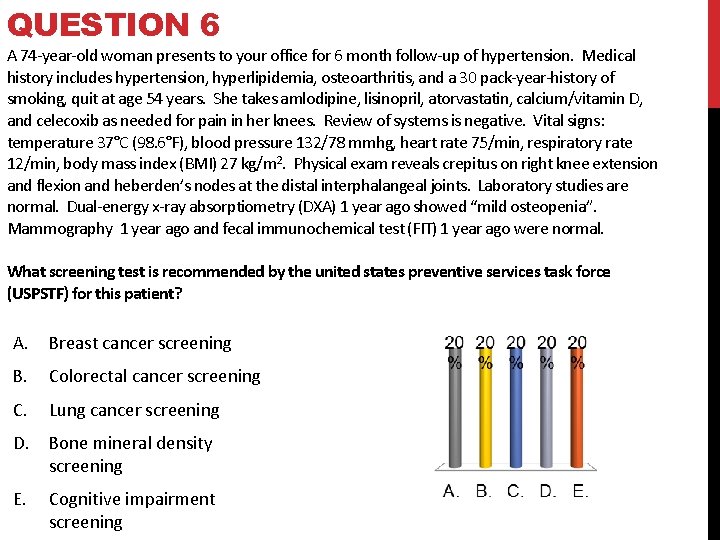
QUESTION 6 A 74 -year-old woman presents to your office for 6 month follow-up of hypertension. Medical history includes hypertension, hyperlipidemia, osteoarthritis, and a 30 pack-year-history of smoking, quit at age 54 years. She takes amlodipine, lisinopril, atorvastatin, calcium/vitamin D, and celecoxib as needed for pain in her knees. Review of systems is negative. Vital signs: temperature 37°C (98. 6°F), blood pressure 132/78 mmhg, heart rate 75/min, respiratory rate 12/min, body mass index (BMI) 27 kg/m 2. Physical exam reveals crepitus on right knee extension and flexion and heberden’s nodes at the distal interphalangeal joints. Laboratory studies are normal. Dual-energy x-ray absorptiometry (DXA) 1 year ago showed “mild osteopenia”. Mammography 1 year ago and fecal immunochemical test (FIT) 1 year ago were normal. What screening test is recommended by the united states preventive services task force (USPSTF) for this patient? A. Breast cancer screening B. Colorectal cancer screening C. Lung cancer screening D. Bone mineral density screening E. Cognitive impairment screening
QUESTION 6 EXPLANATION Correct Answer: B
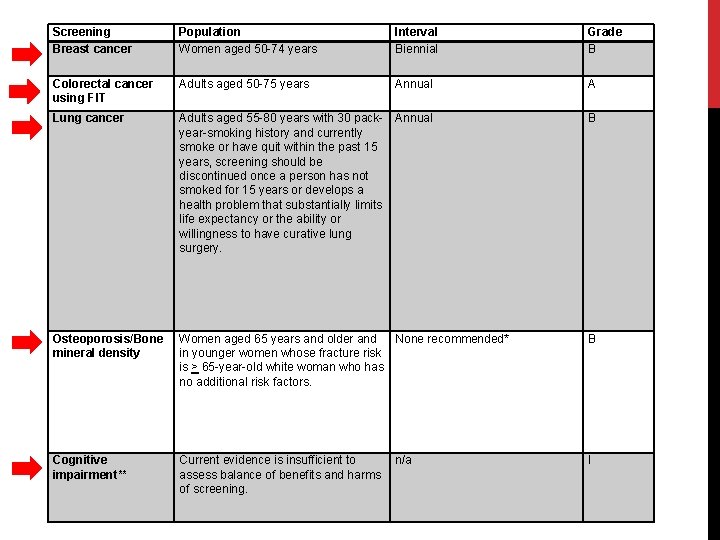
Screening Breast cancer Population Women aged 50 -74 years Interval Biennial Grade B Colorectal cancer using FIT Adults aged 50 -75 years Annual A Lung cancer Adults aged 55 -80 years with 30 pack- Annual year-smoking history and currently smoke or have quit within the past 15 years, screening should be discontinued once a person has not smoked for 15 years or develops a health problem that substantially limits life expectancy or the ability or willingness to have curative lung surgery. B Osteoporosis/Bone mineral density Women aged 65 years and older and None recommended* in younger women whose fracture risk is > 65 -year-old white woman who has no additional risk factors. B Cognitive impairment** Current evidence is insufficient to n/a assess balance of benefits and harms of screening. I
QUESTION 6 EXPLANATION *Choosing Wisely, American College of Rheumatology: “Don’t routinely repeat DXA scans more often than once every two years. ” **Annual wellness visit covered by Medicare requires an assessment to detect cognitive impairment. This patient is here for hypertension follow-up, not Medicare annual wellness visit. U. S. Preventive Services Task Force, & United States. (2017). U. S. Preventive Services Task Force (USPSTF). Rockville, MD: U. S. Dept. of Health & Human Services, Agency for Healthcare Research and Quality. American College of Rheumatology. Choosing Wisely – Don’t Routinely Repeat DXA Scans More Often than Once Every Two Years. N. p. , 21 Feb. 2013. Web. 28 Mar. 2017. Masters, Philip A. "Neurology. " MKSAP 17: Medical Knowledge Self-assessment Program. Philadelphia: American College of Physicians, 2015. 36 -49. Print
TEST COGNITION >65 YEARS WHEN… - Cognitive symptoms, +/- impaired function - Missing scheduled appointments, wrong date/time - Can’t follow instructions - Unexplained weight loss - New or worsening depression or anxiety - Observed cognitive impairment poor judgement, loss of motivation, behavior change (+/- corroborated by patient) - HIV infection or alcohol abuse Masters, Philip A. "Neurology. " MKSAP 17: Medical Knowledge Self-assessment Program. Philadelphia: American College of Physicians, 2015. 36 -49. Print.