
As you look around you notice that you








- Slides: 83
As you look around you, notice that you don't really see edges and lightness/color differences. Instead, you see books, chairs, people. How does the information that we extract from our environment lead to the perception of such objects?
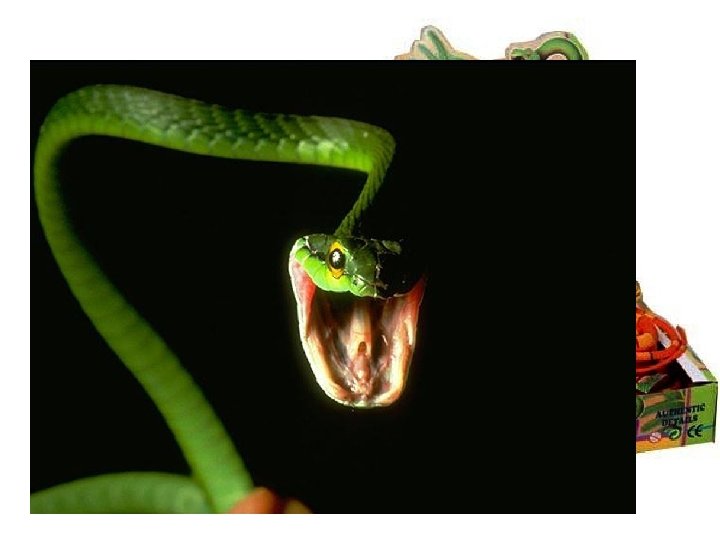
In order for us to survive in this world, we must perceive it fairly accurately. However, it's also the case that our visual system can misperceive an object in the world, or perceive the same stimulus in multiple ways. You should find these experiences intriguing. They are also potentially quite informative about the way our visual system perceives objects.
The Gestalt effect refers to the form-forming capability of our senses, particularly with respect to the visual recognition of figures and whole forms instead of just a collection of simple lines and curves.
GESTALT PRINCIPLES OF VISUAL ORGINIZATION gestalt shift - what is it?
Gestalt is a German word for 'shape' or 'form' in English. We can say that a “gestalt shift” or a “form shift" is: an involuntary perceptual jump from one shape [or form or pattern] to another.
without the pattern itself changing: an involuntary perceptual all that changes is jump from one shape [or, our form or pattern] to another, perception e. g. from the duck-shape of the pattern to the rabbit-shape.
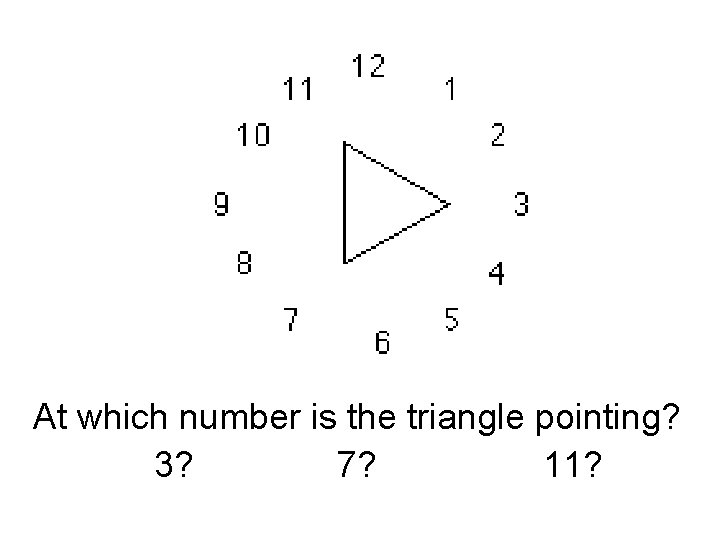
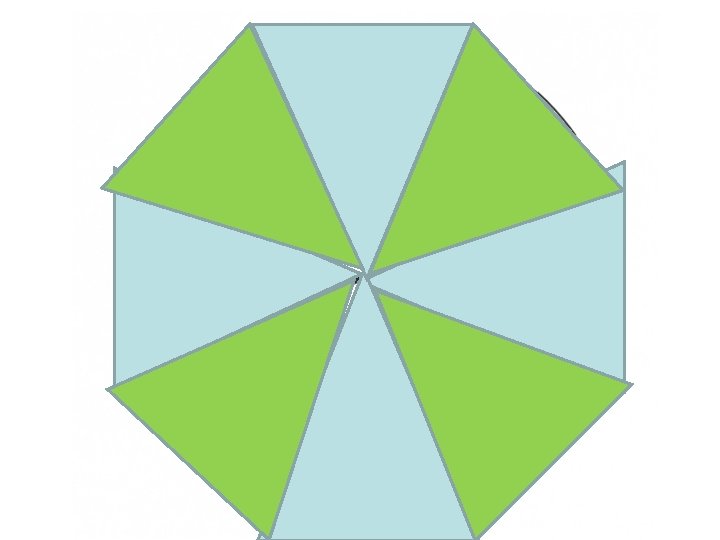
At which number is the triangle pointing? 3? 7? 11?
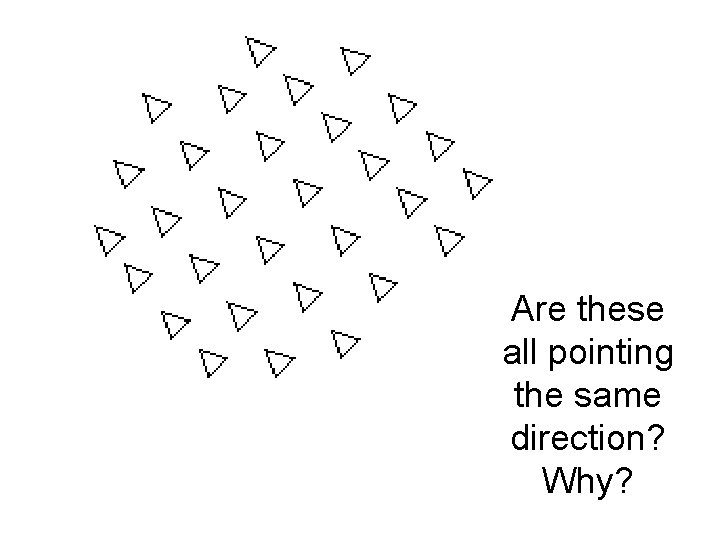
Are these all pointing the same direction? Why?
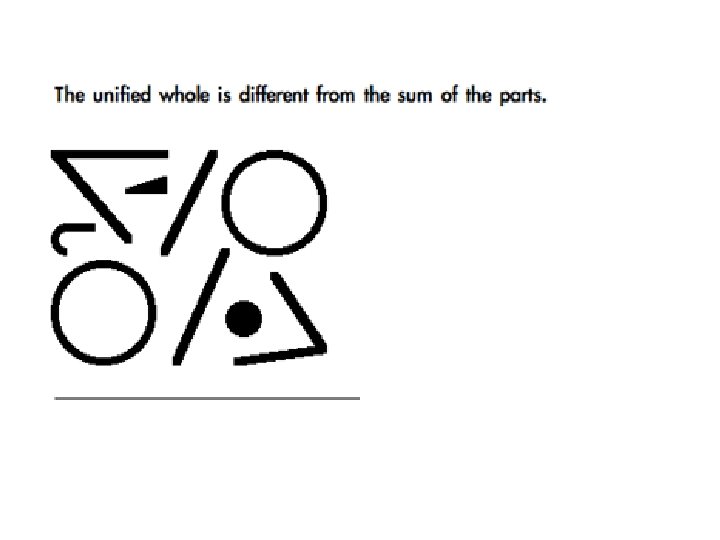
Often times, the phrase “The whole is greater than the sum of the parts” is used when explaining Gestalt theory.
“Good gestalt” is when elements work together to create a unified aesthetic.
Prägnanz Principles of grouping
The fundamental principle of gestalt perception is the law of prägnanz (German for pithiness) which says that we tend to order our experience in a manner that is regular, orderly, symmetric, and simple.
Gestalt psychologists attempt to discover refinements of the law of prägnanz, and this involves writing down laws which hypothetically allow us to predict the interpretation of sensation, what are often called "gestalt laws". These include…
• Continuance/ Directional Force • Closure/ Reification • Similarity/ Repetition • Proximity/ Emergence • Symmetry • Invariance
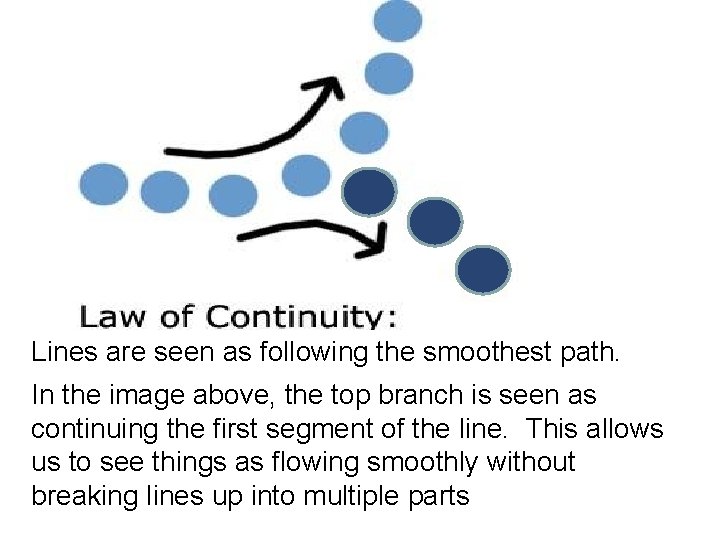
Lines are seen as following the smoothest path. In the image above, the top branch is seen as continuing the first segment of the line. This allows us to see things as flowing smoothly without breaking lines up into multiple parts
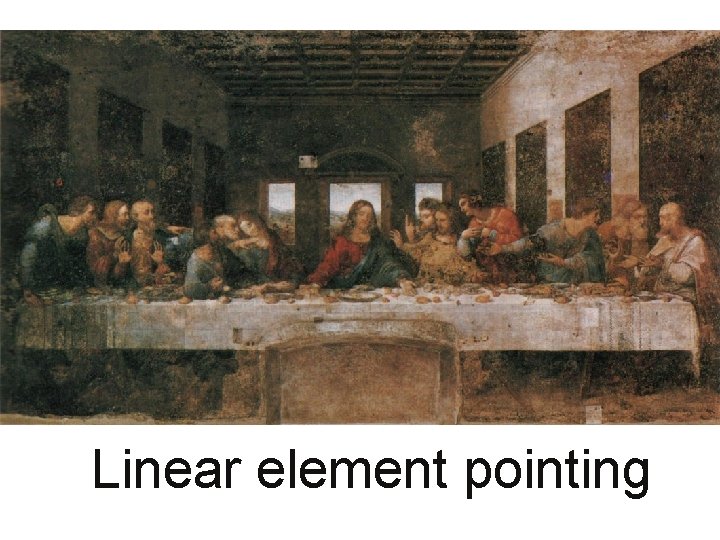
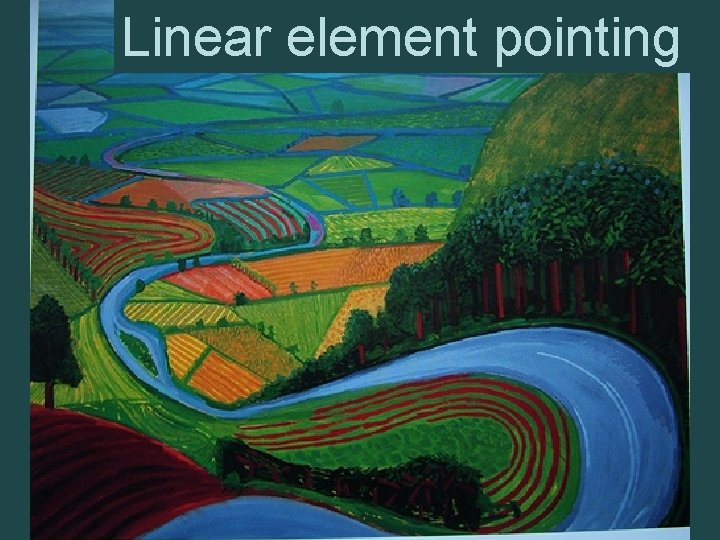
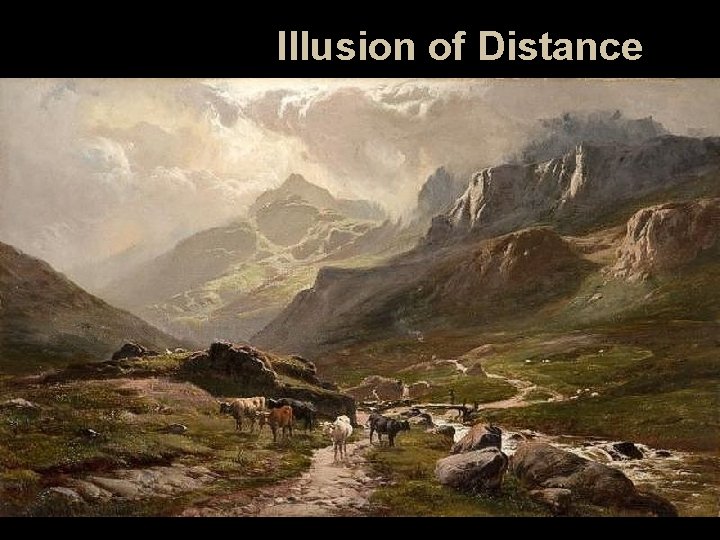
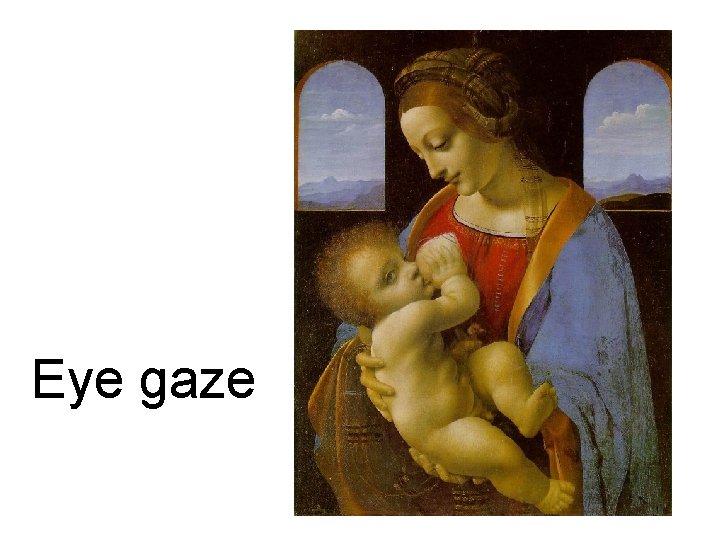
Continuance/ Directional Force Continuance describes a device for directing the viewer's attention when looking at a composition. It is based on the idea that once you start looking in a particular direction you will continue looking in that direction until you see something significant.
Linear element pointing
Linear element pointing
Illusion of Distance
Eye gaze
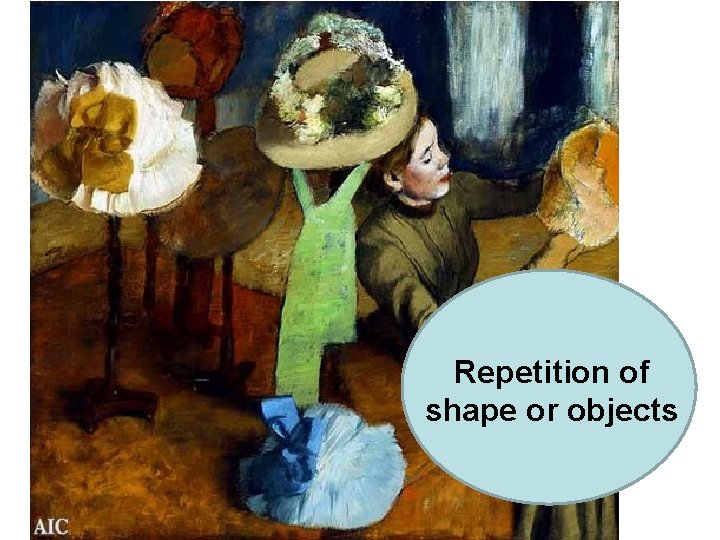
Repetition of shape or objects
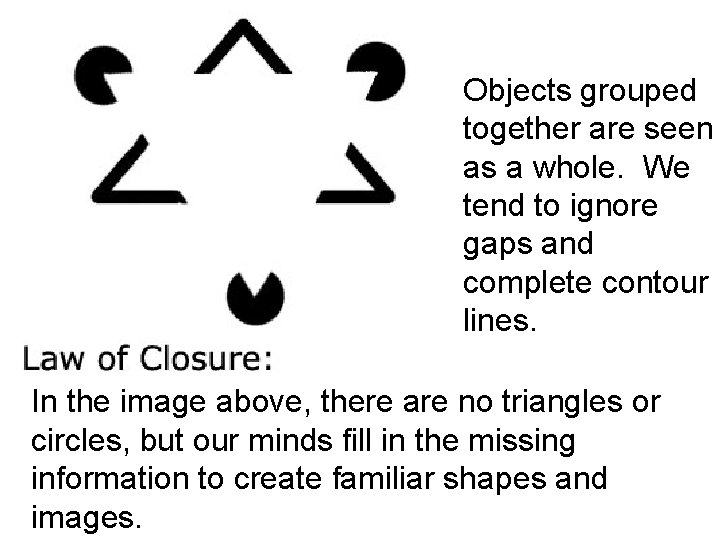
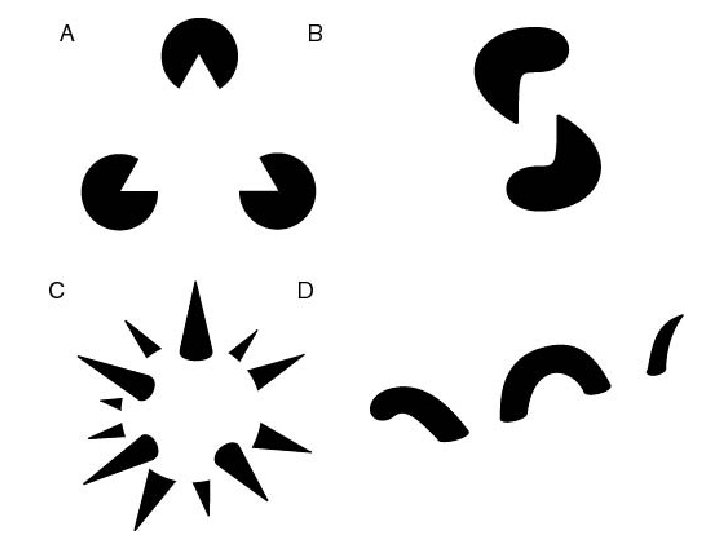
Objects grouped together are seen as a whole. We tend to ignore gaps and complete contour lines. In the image above, there are no triangles or circles, but our minds fill in the missing information to create familiar shapes and images.
In Closure or Reification, the viewer fills in more information than actually given.
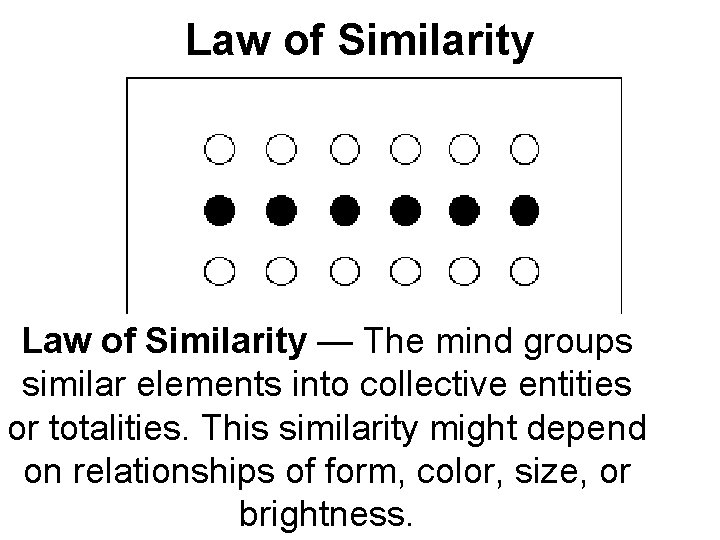
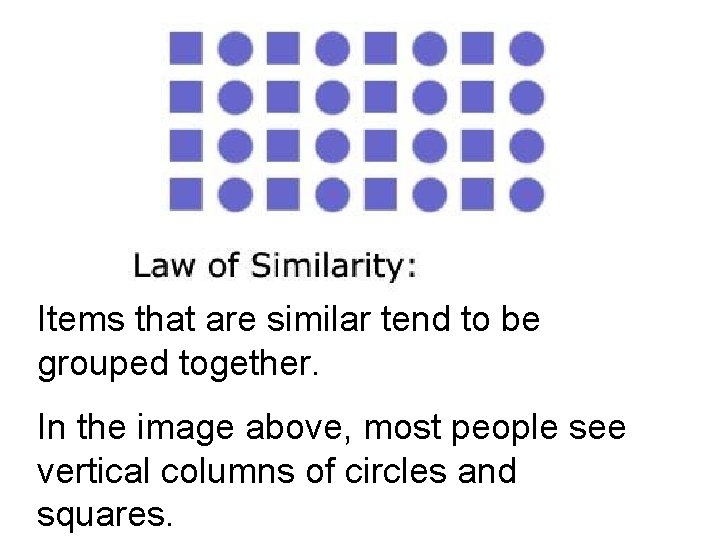
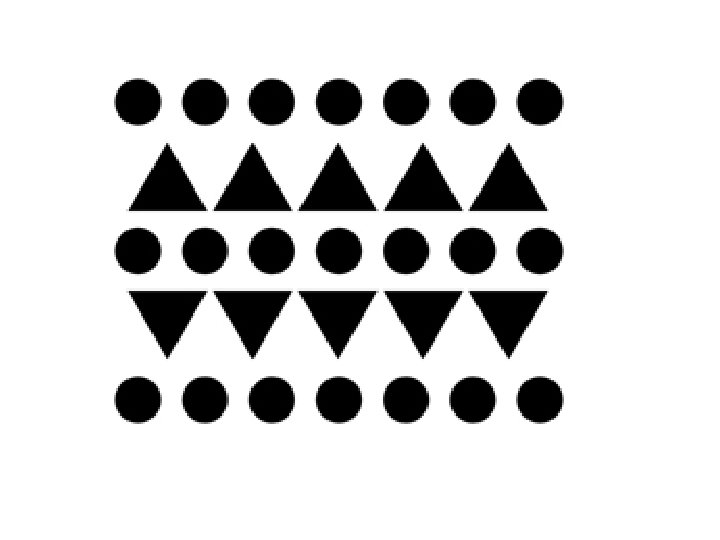
Law of Similarity — The mind groups similar elements into collective entities or totalities. This similarity might depend on relationships of form, color, size, or brightness.
Items that are similar tend to be grouped together. In the image above, most people see vertical columns of circles and squares.
Why Spelling Isn’t Important
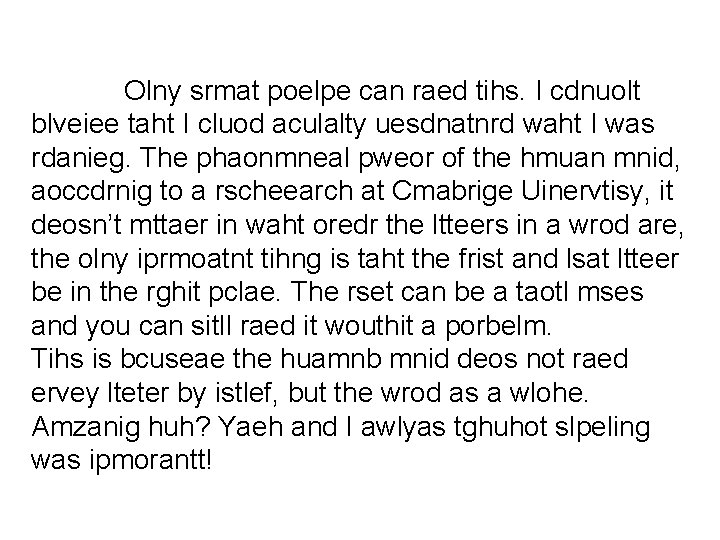
Olny srmat poelpe can raed tihs. I cdnuolt blveiee taht I cluod aculalty uesdnatnrd waht I was rdanieg. The phaonmneal pweor of the hmuan mnid, aoccdrnig to a rscheearch at Cmabrige Uinervtisy, it deosn’t mttaer in waht oredr the ltteers in a wrod are, the olny iprmoatnt tihng is taht the frist and lsat ltteer be in the rghit pclae. The rset can be a taotl mses and you can sitll raed it wouthit a porbelm. Tihs is bcuseae the huamnb mnid deos not raed ervey lteter by istlef, but the wrod as a wlohe. Amzanig huh? Yaeh and I awlyas tghuhot slpeling was ipmorantt!
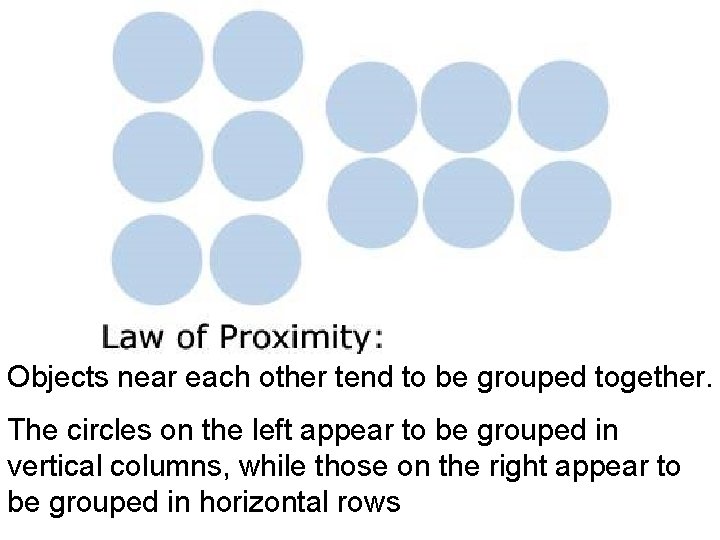
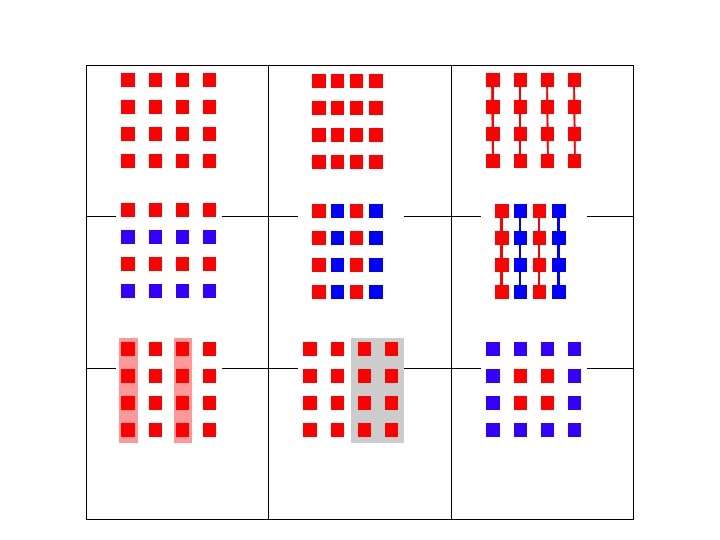
Objects near each other tend to be grouped together. The circles on the left appear to be grouped in vertical columns, while those on the right appear to be grouped in horizontal rows
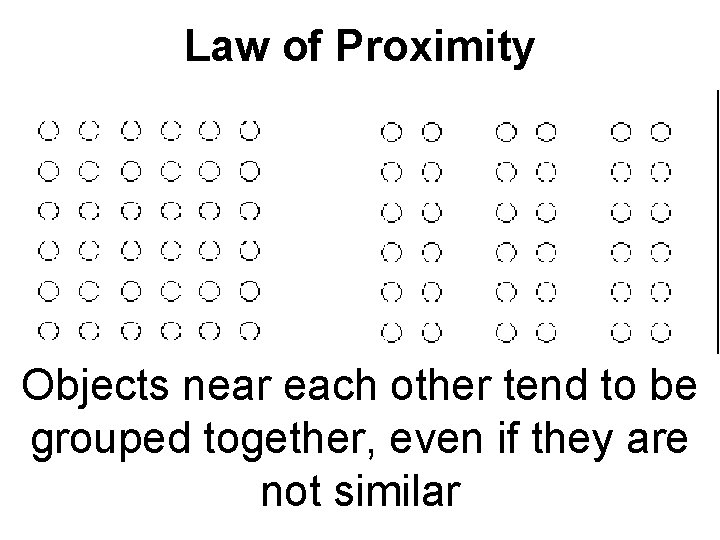
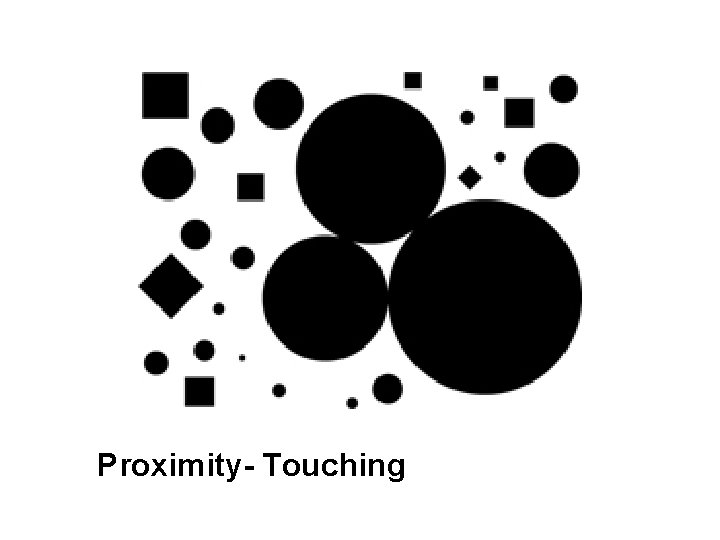
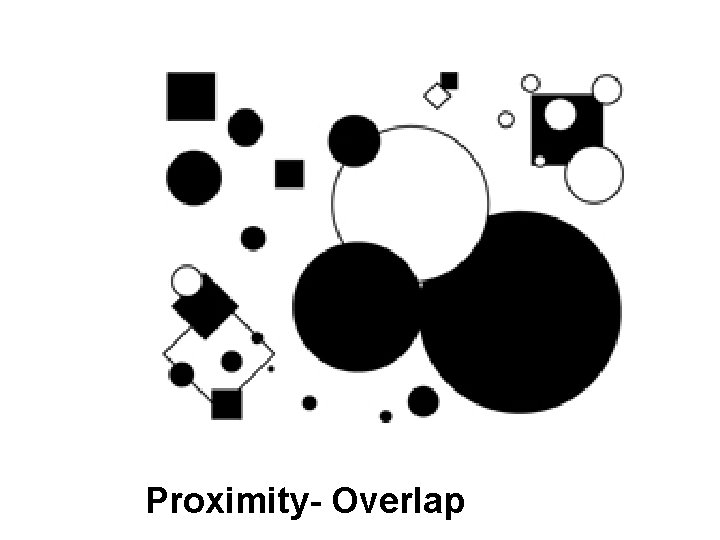
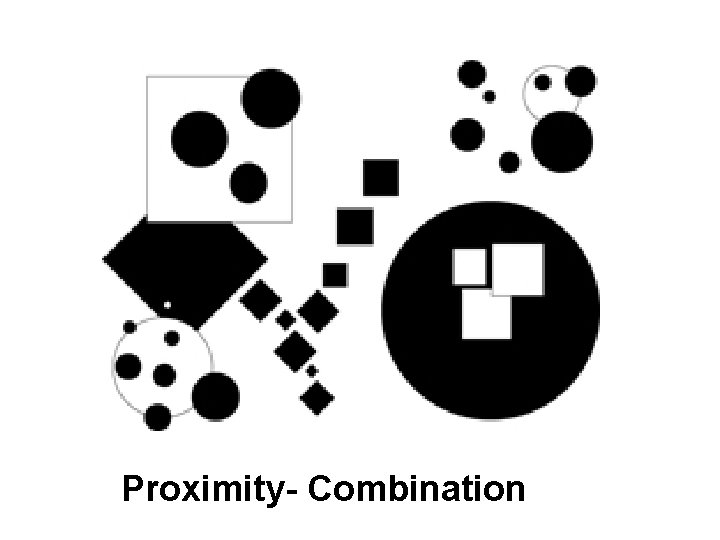
Law of Proximity Objects near each other tend to be grouped together, even if they are not similar
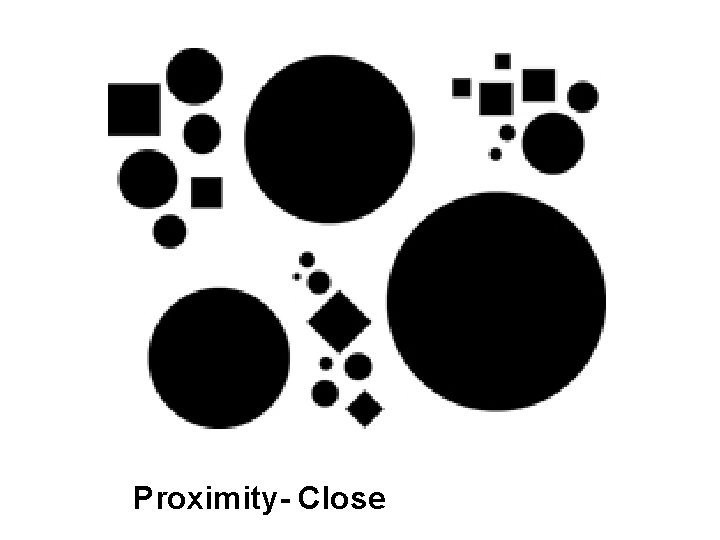
Proximity- Close
Proximity- Touching
Proximity- Overlap
Proximity- Combination
1. 2. 3. 4. 5. 6. 7. 8. 9.
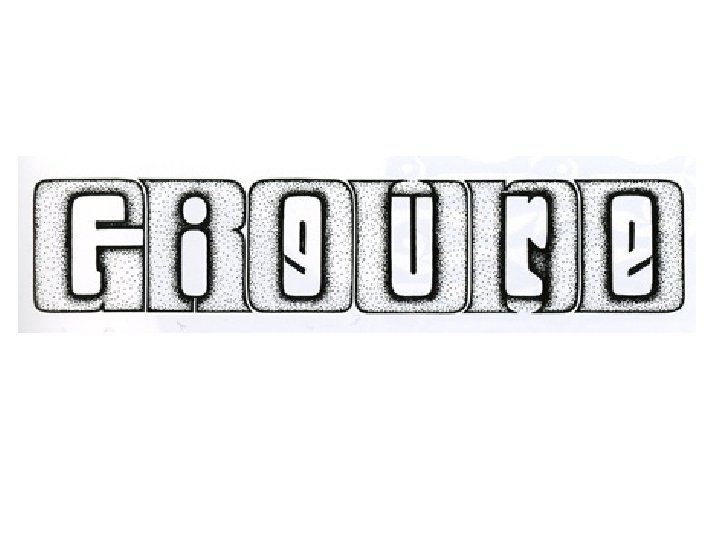
FIGURE / GROUND GESTALT PERCEPTION
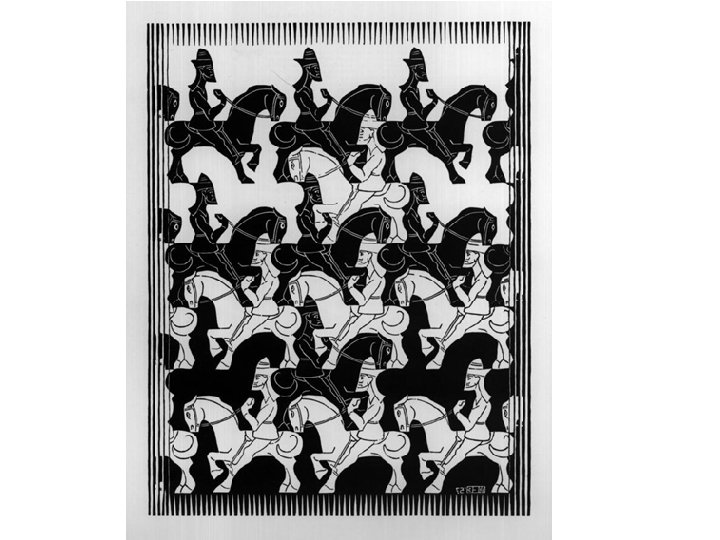
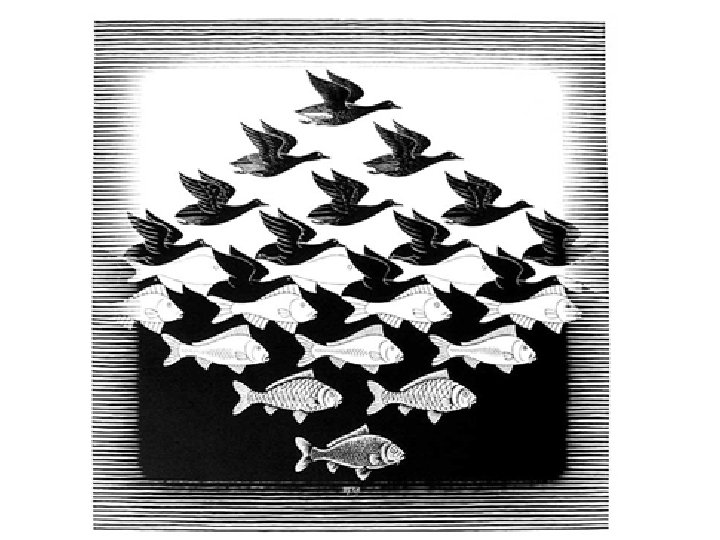
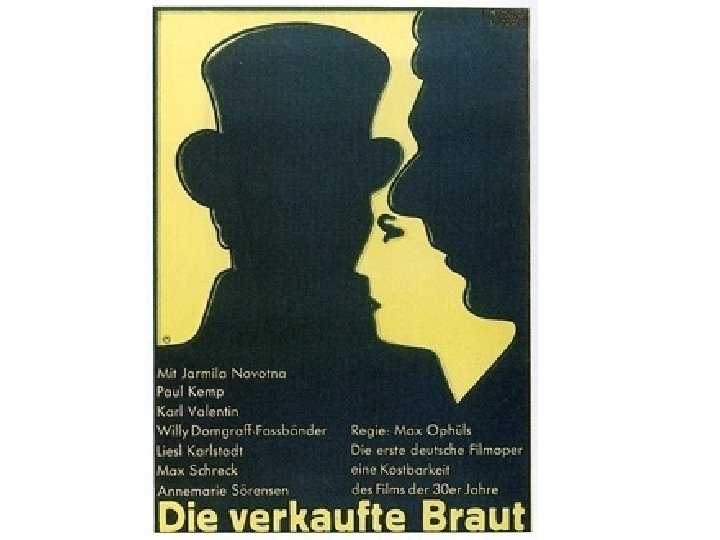
Figure/Ground and Gestalt Perception Figure/Ground refers to the positive and negative/background within a composition. One cannot exist without the other. The form of the figure creates the form of the ground. Each must have interest and purpose within the composition. The designer controls the success of the composition through the deliberate and creative manipulation of these two major elements. There are two basic forms of figure/ground: Integrated and Ambiguous.
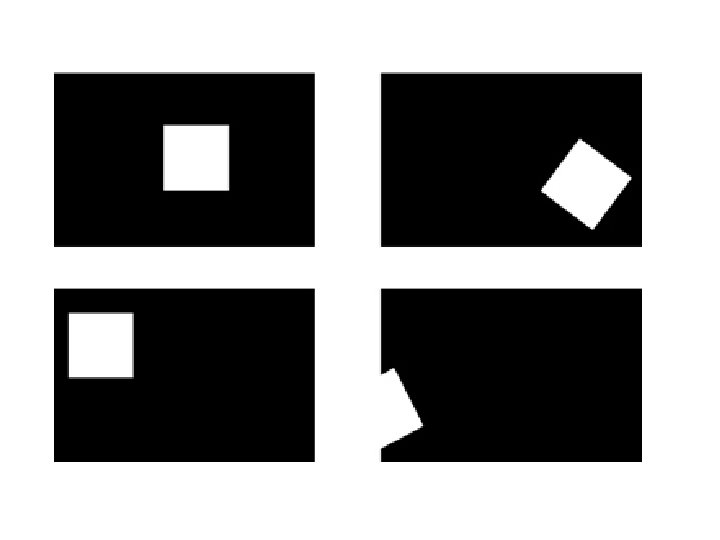
Integrated Figure/Ground means that the viewer can tell the difference between the focal or positive elements and the background or negative elements in a composition.
And PERCEPTION is what it's all about. .
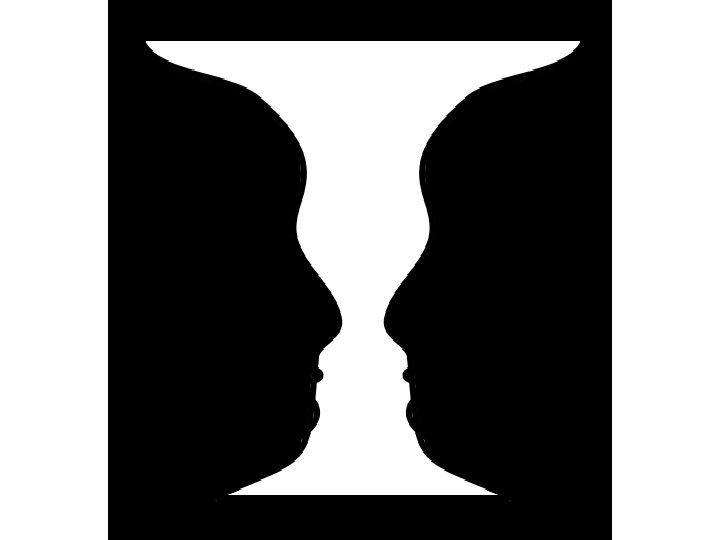
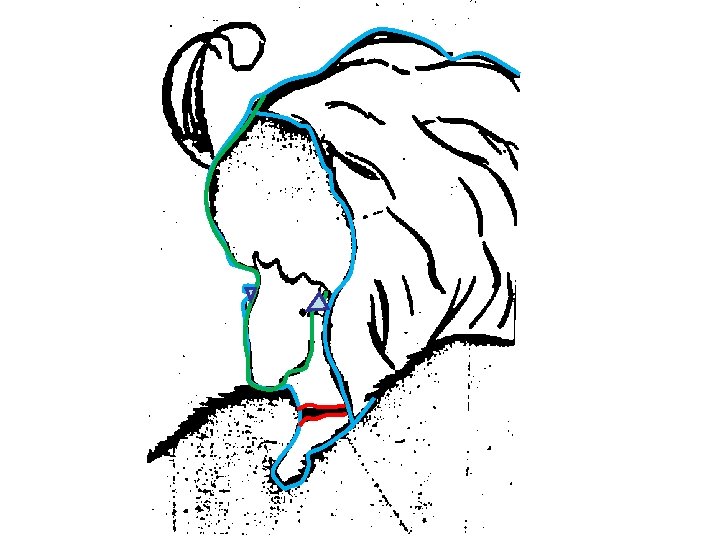
AMBIGUOUS FIGURE / GROUND: in which the same part could be seen either as figure or ground… and shift back and forth…
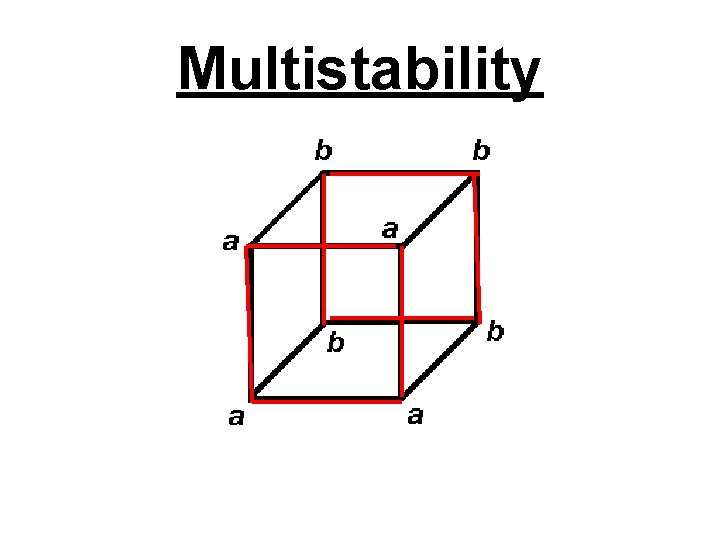
Multistability
…the tendency of ambiguous perceptual experiences to pop back and forth unstably between two or more alternative interpretations. Gestalt does not explain how images appear multistable, only that they do.
The visual experience of first seeing it one way and then another is called a 'Gestalt shift'. The shift is actually more like a snap; it is not gradual but instant; and it may shift back despite our unwillingness for it to do so.
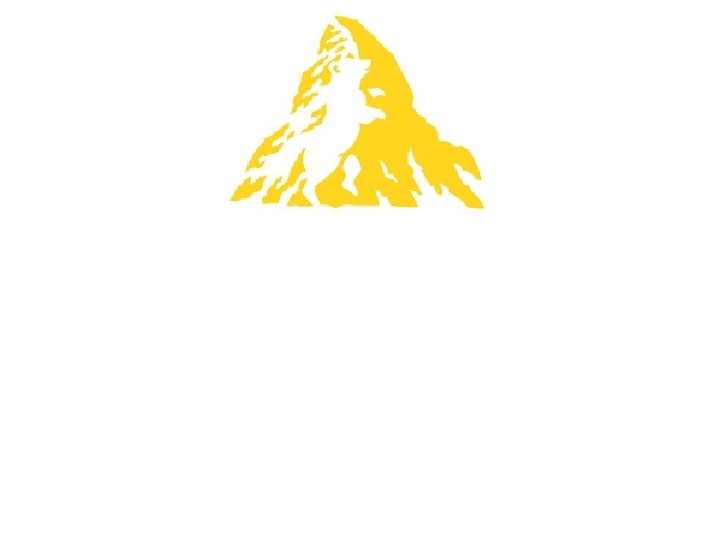
Why does Fed. Ex use this as it’s logo?
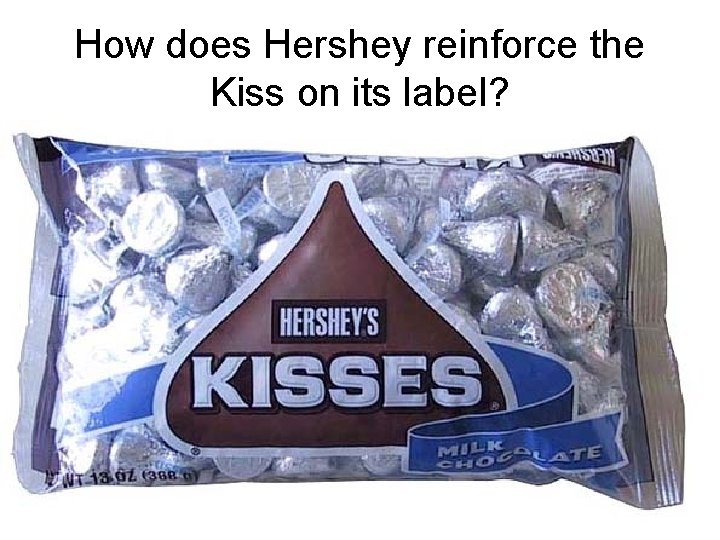
How does Hershey reinforce the Kiss on its label?
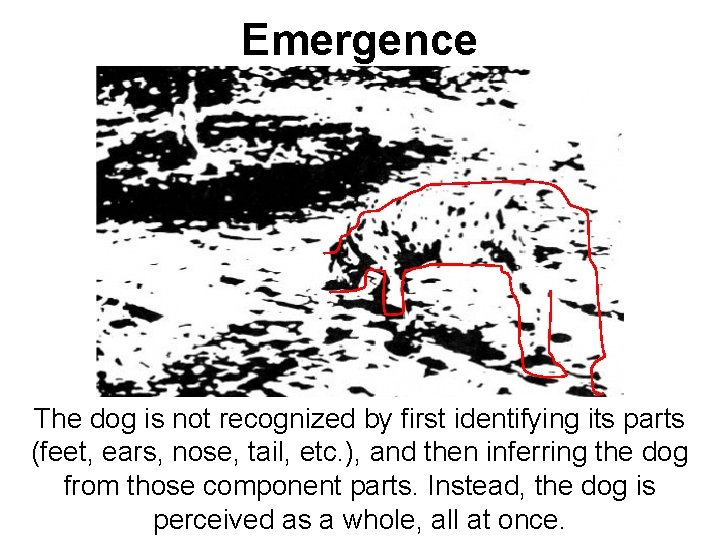
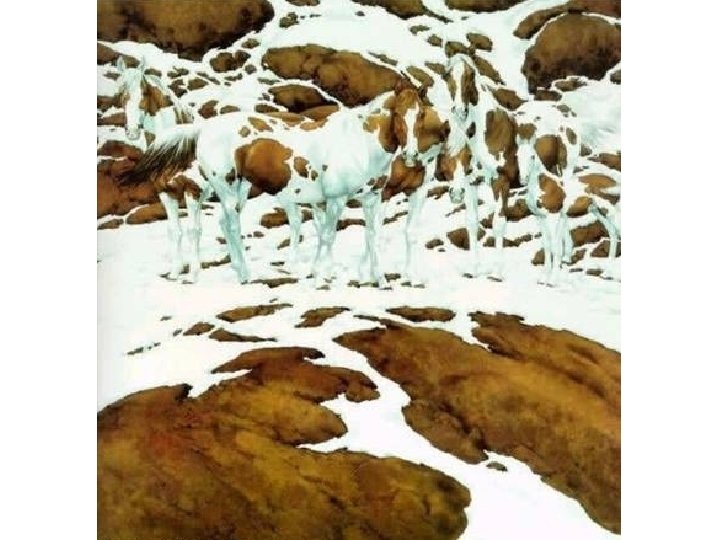
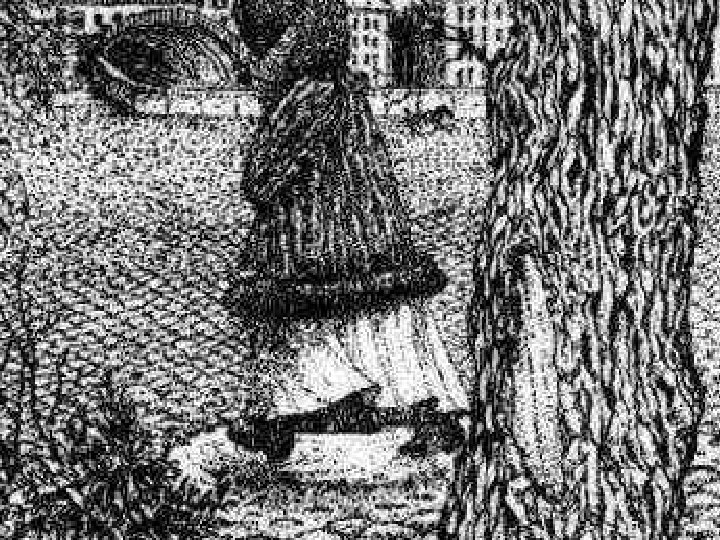
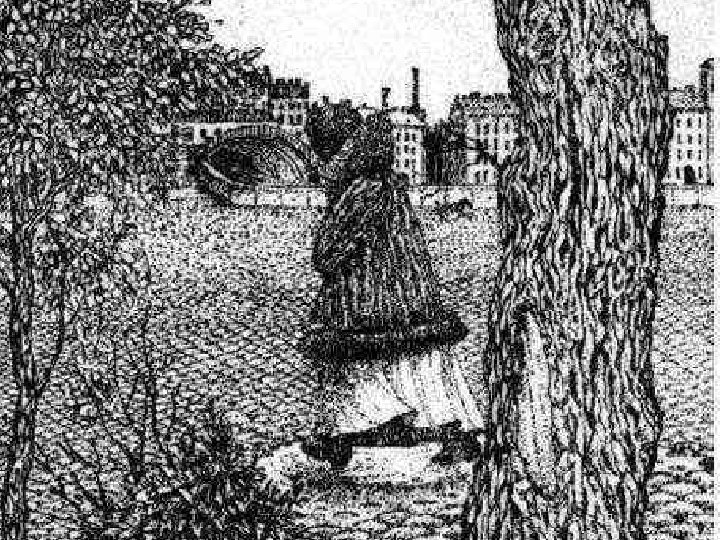
Emergence refers to the way complex systems and patterns arise out of a multiplicity of relatively simple interactions. Visually, the mind does not want to take in the individual parts of a pattern but rather wants to find order and imagery in the whole. Think cloud pictures.
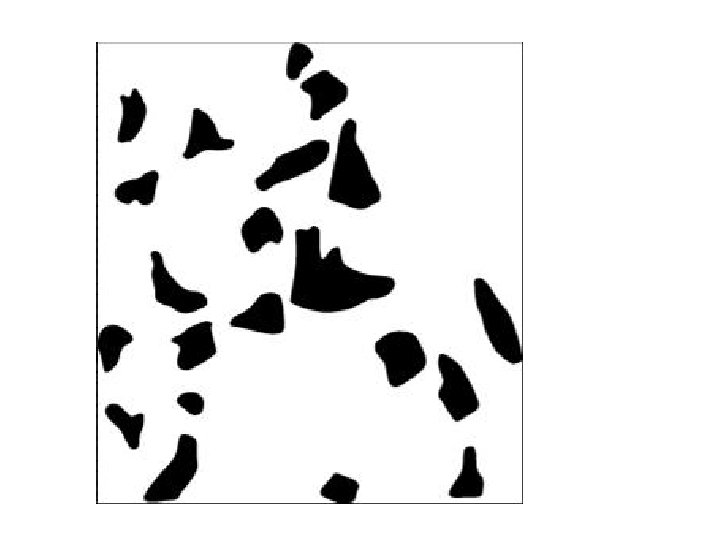
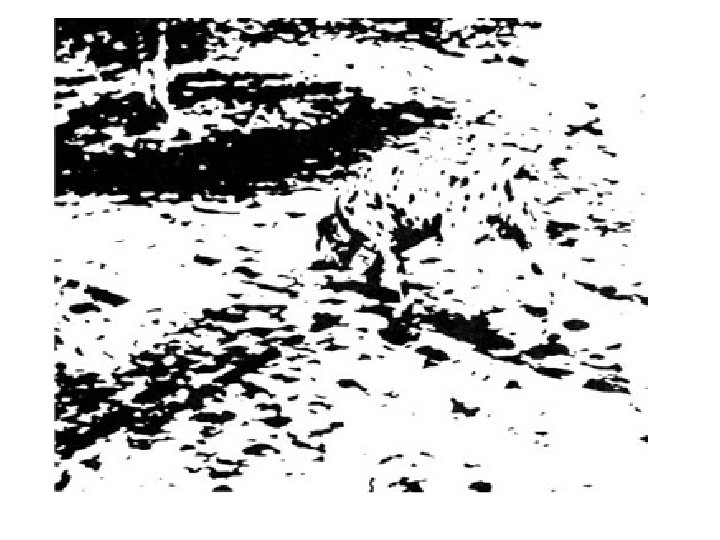
Emergence The dog is not recognized by first identifying its parts (feet, ears, nose, tail, etc. ), and then inferring the dog from those component parts. Instead, the dog is perceived as a whole, all at once.
Symmetry The principle of symmetry describes the instance where the whole of a grouping is perceived as simpler than the individual parts which make up the figure. It is also based on the idea that symmetrical objects are more likely to be grouped together despite distance or partial concealment. AGAIN, WHAT YOUR BRAIN WANTS TO SEE
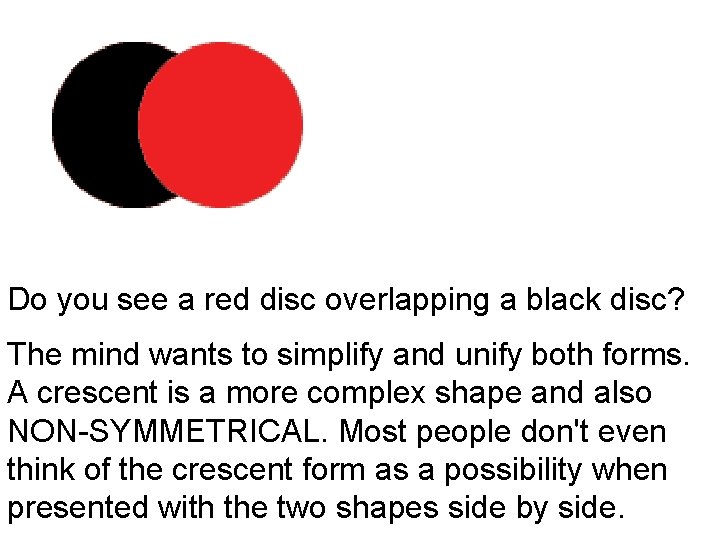
Do you see a red disc overlapping a black disc? The mind wants to simplify and unify both forms. A crescent is a more complex shape and also NON-SYMMETRICAL. Most people don't even think of the crescent form as a possibility when presented with the two shapes side by side.
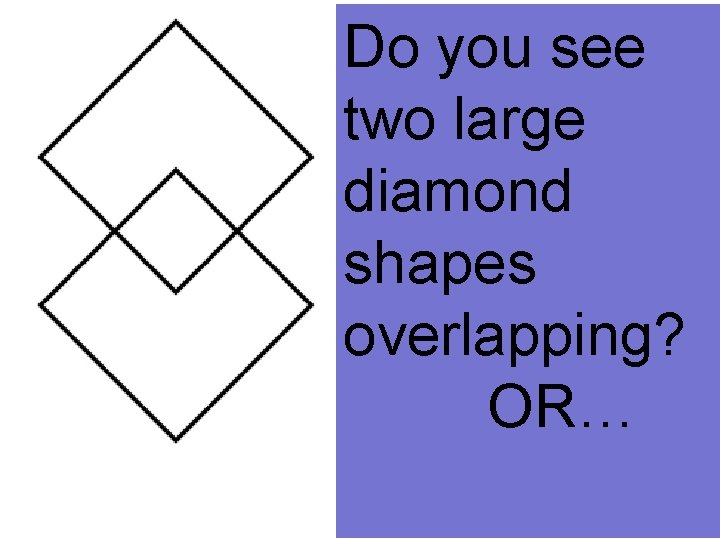
Do you see two large diamond shapes overlapping? OR…
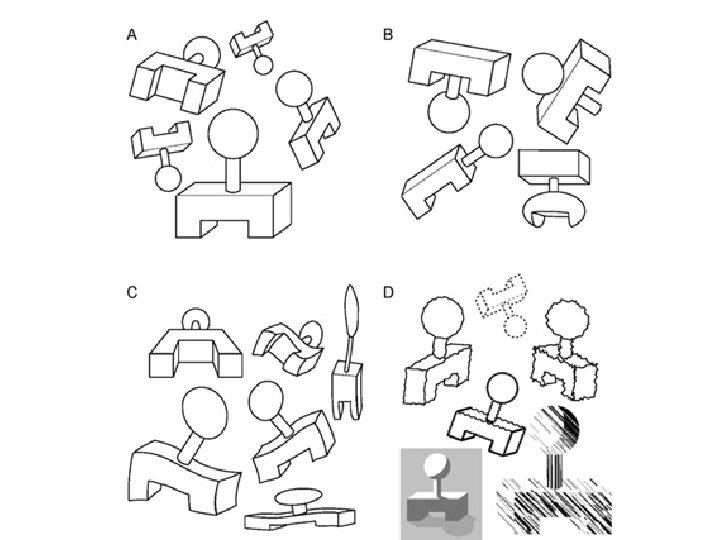
Invariance is the property of perception whereby simple geometrical objects are recognized independent of rotation, translation and scale, as well as other variations
The Take-Aways when you design the next time, ask yourself the following questions: • How will my design be perceived by the learner? • Are similar objects grouped? • Is the “ground” also giving a message (whether intended or otherwise)? • Will symmetry onscreen lead the learner to group objects that are actually supposed to be logically apart? • Is there a scope of my design being that could be misinterpreted? Remember, Gestalt principles are a set of tools for controlling how your designs are perceived. They can help you become a better designer and communicate better through design.