Update of Rheumatic Fever Prevention and Treatment Teddy



















- Slides: 87
Update of Rheumatic Fever : Prevention and Treatment Teddy Ontoseno Cardiology Division Department of Child Health Dr Sutomo Hospital Airlangga University
Rheumatic Fever: Definition: • Autoimmune • Multisystem • Inflammatory disorder • Following group A, (ß-hemolytic) streptococcal pharyngitis.
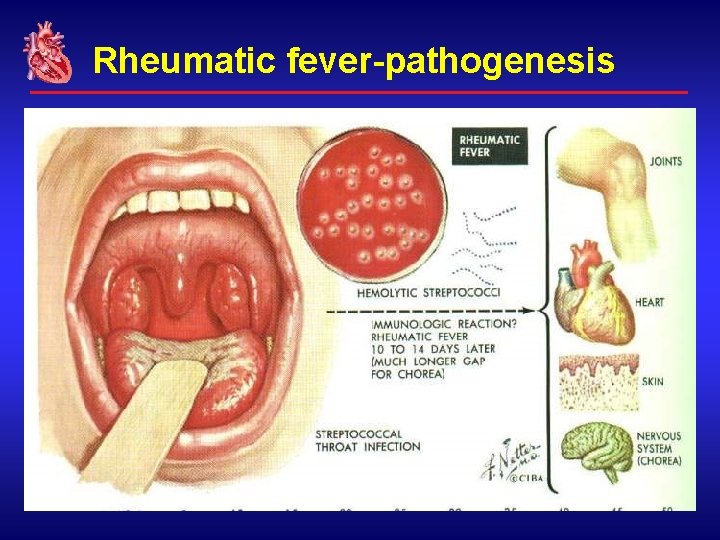
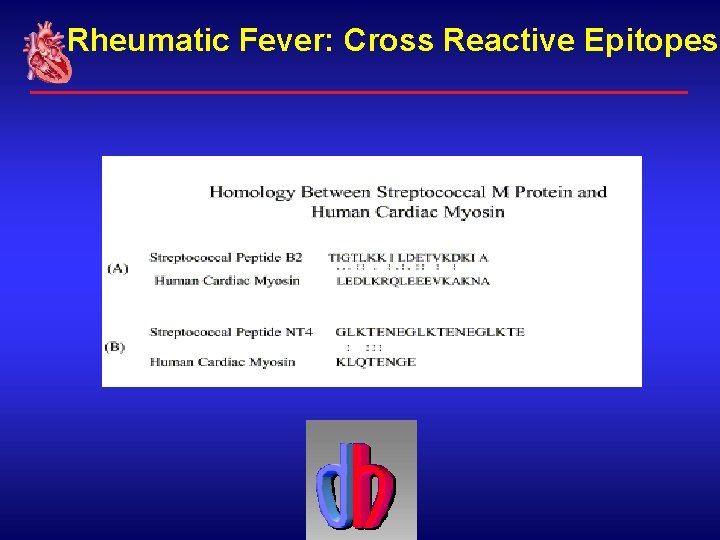
Rheumatic fever-pathogenesis • Group A streptococcal(GAS) pharyngeal infection • Body produce antibodies against streptococci -> • These antibodies cross react with human tissues because of the antigenic similarity between streptococcal components and human connective tissues (molecular mimicry)[there is certain amino acid sequence that is similar btw GAS and human tissue]-> • Immunologically mediated inflamation & damage (autoimmune) to human tissues which have antigenic similarity with streptococcal components- like heart, joint, brain connective tissues
Rheumatic fever-pathogenesis
Rheumatic fever-pathogenesis
Philosophical - Practical considerations “Rheumatic fever” • Immunologically mediated inflammatory • Major public health problem • Preventable and easily treatable • Causing severe cardiac dysfuction decades later
Background
Scope of the Problem
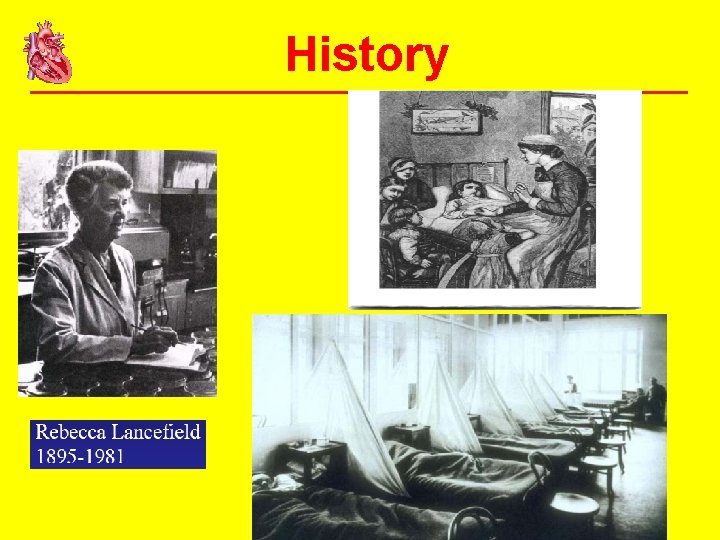
History
Rheumatic fever-epidemiology • Parallels with epidemiology of streptococcal pharyngitis(only when there is GAS throat infection, there R. F. ) • Incidence – • 3% in epidemics of exudative streptococcal pharyngitis in closed community(school, army) • 0. 3% in civilian population with sporadic streptococcal throat infection • 50% if there is a past history of rheumatic fever(thus secondary prophylaxis is important) • first attack between 5 -15 years(a childhood disease) • poor socioeconomic conditions and overcrowding
Epidemiology • Ages 5 -15 yrs are most susceptible • Rare < 3 yrs • Girls > boys • Common in 3 rd world countries • Environmental factors : over crowding, poor sanitation, poverty • Incidence more during fall , winter & early spring
EPIDEMIOLOGY • Infection of the skin - younger than 6 yr • Streptococcal pharyngitis - between 5 and 15 yr of age • Scarlet fever - common in children > 3 yr of age
EPIDEMIOLOGY in INDONESIA Yesterday ? Today Tomorrow ? ?
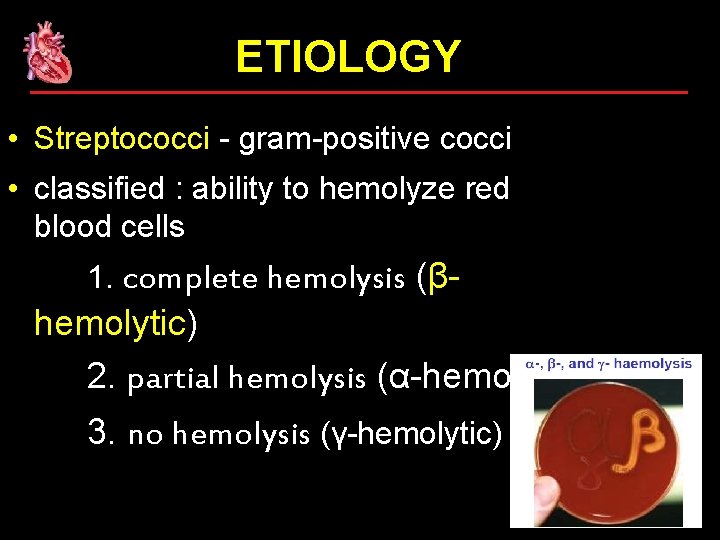
ETIOLOGY • Streptococci - gram-positive cocci • classified : ability to hemolyze red blood cells 1. complete hemolysis (β- hemolytic) 2. partial hemolysis (α-hemolytic) 3. no hemolysis (γ-hemolytic)
ETIOLOGY
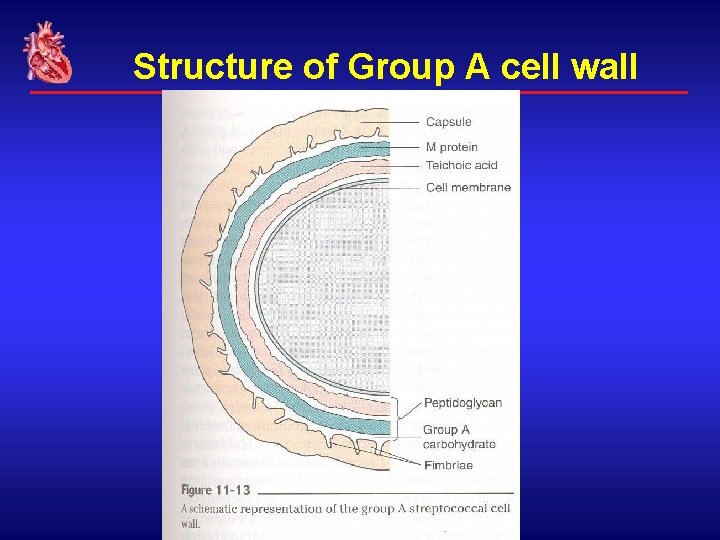
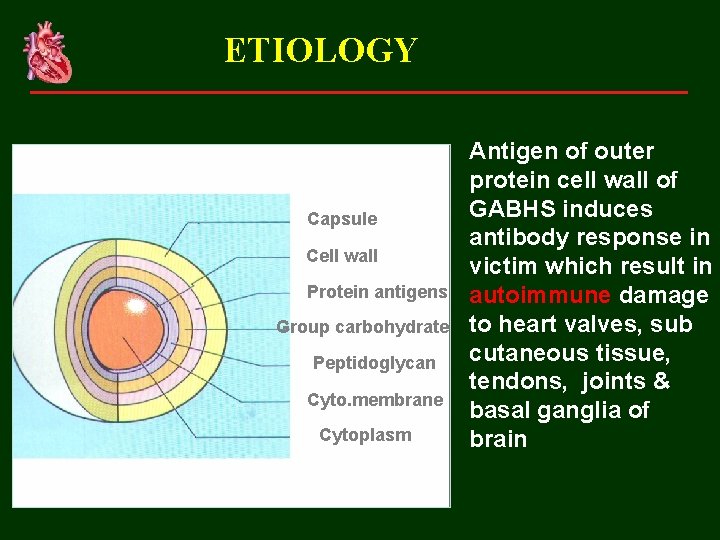
Structure of Group A cell wall
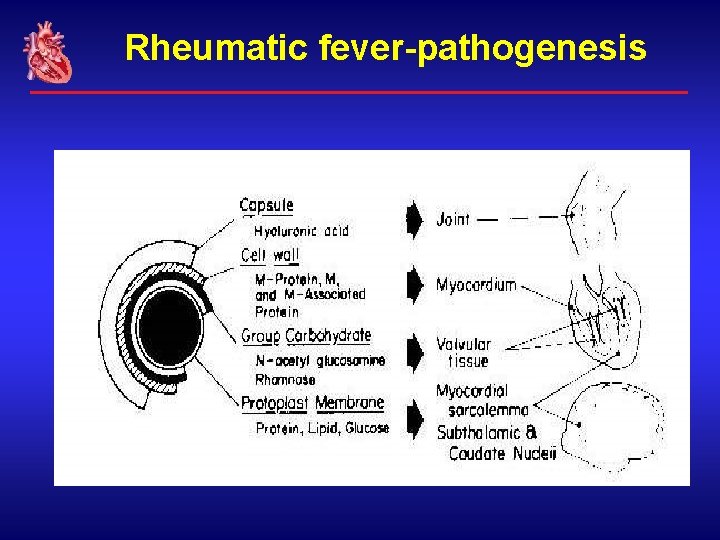
ETIOLOGY Capsule Cell wall Protein antigens Group carbohydrate Peptidoglycan Cyto. membrane Cytoplasm Antigen of outer protein cell wall of GABHS induces antibody response in victim which result in autoimmune damage to heart valves, sub cutaneous tissue, tendons, joints & basal ganglia of brain
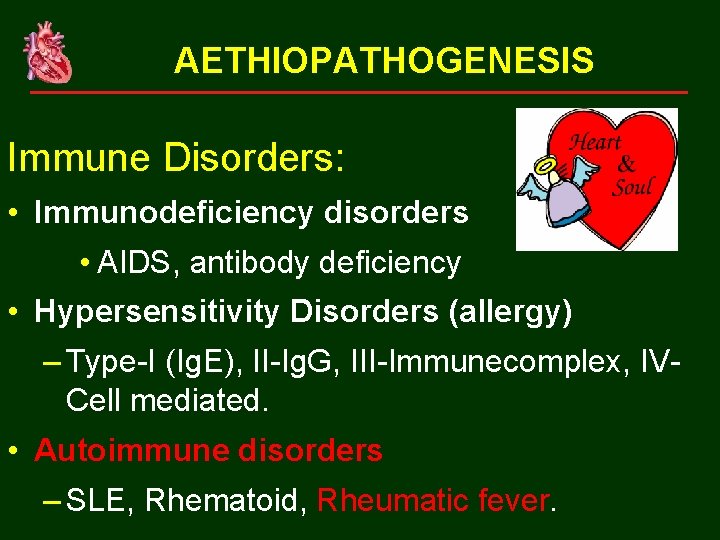
AETHIOPATHOGENESIS Immune Disorders: • Immunodeficiency disorders • AIDS, antibody deficiency • Hypersensitivity Disorders (allergy) – Type-I (Ig. E), II-Ig. G, III-Immunecomplex, IVCell mediated. • Autoimmune disorders – SLE, Rhematoid, Rheumatic fever.
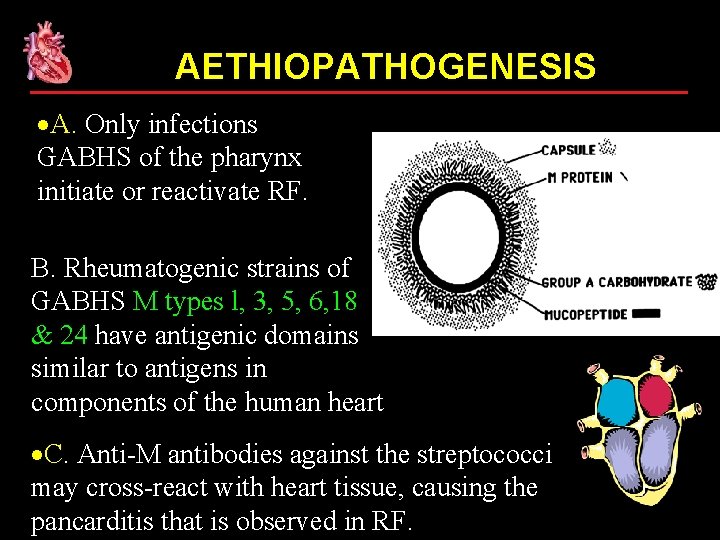
AETHIOPATHOGENESIS A. Only infections GABHS of the pharynx initiate or reactivate RF. B. Rheumatogenic strains of GABHS M types l, 3, 5, 6, 18 & 24 have antigenic domains similar to antigens in components of the human heart C. Anti-M antibodies against the streptococci may cross-react with heart tissue, causing the pancarditis that is observed in RF.
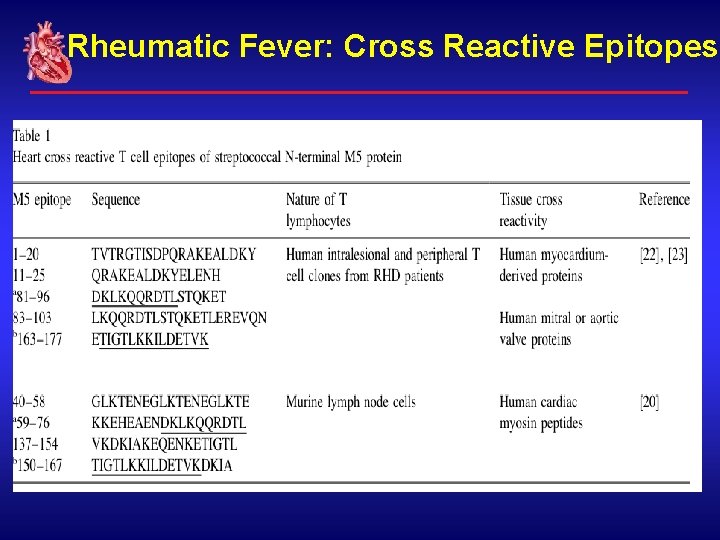
Rheumatic Fever: Cross Reactive Epitopes
Rheumatic Fever: Cross Reactive Epitopes
Molecular mimicry is one way in which infectious agents can break selftolerance. An immune response to bacterial antigens with similarities to self tissue antigens can lead to an autoimmune reaction against the self tissue
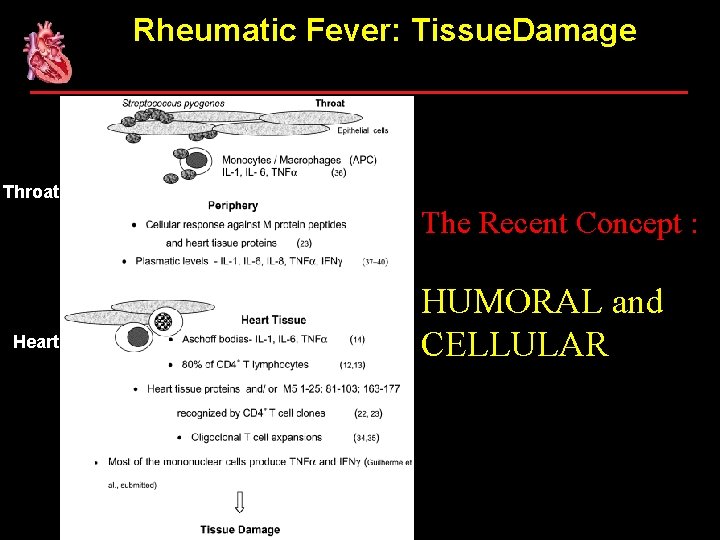
Rheumatic Fever: Tissue. Damage Throat The Recent Concept : Heart HUMORAL and CELLULAR
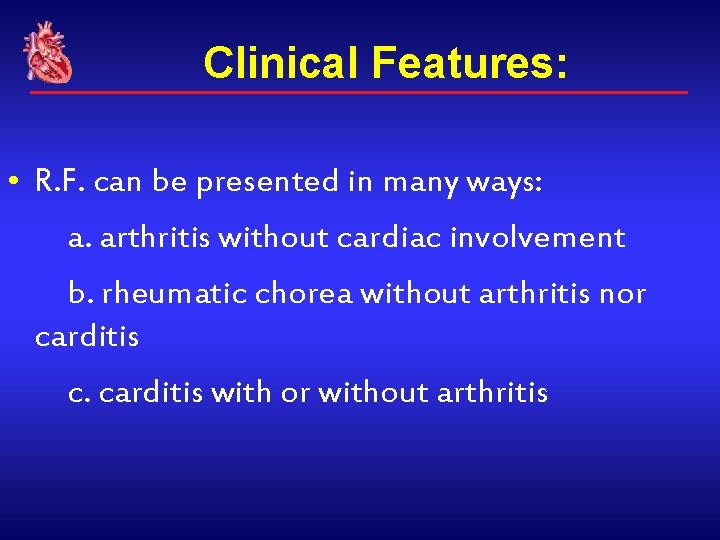
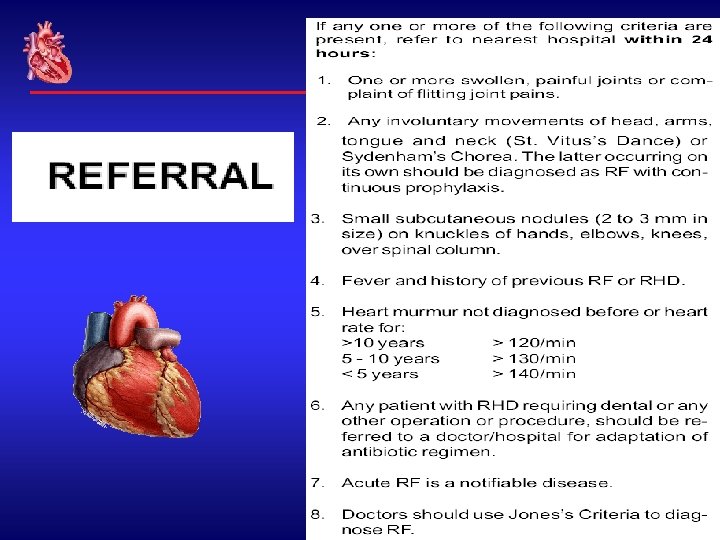
Clinical Features: • R. F. can be presented in many ways: a. arthritis without cardiac involvement b. rheumatic chorea without arthritis nor carditis c. carditis with or without arthritis
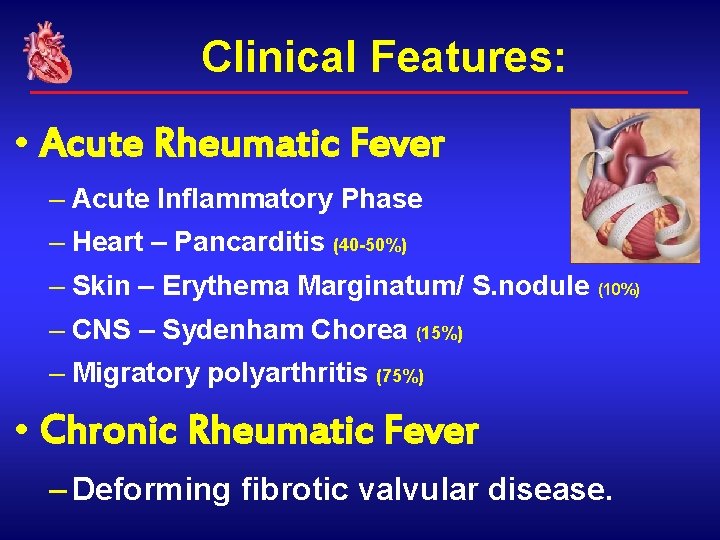
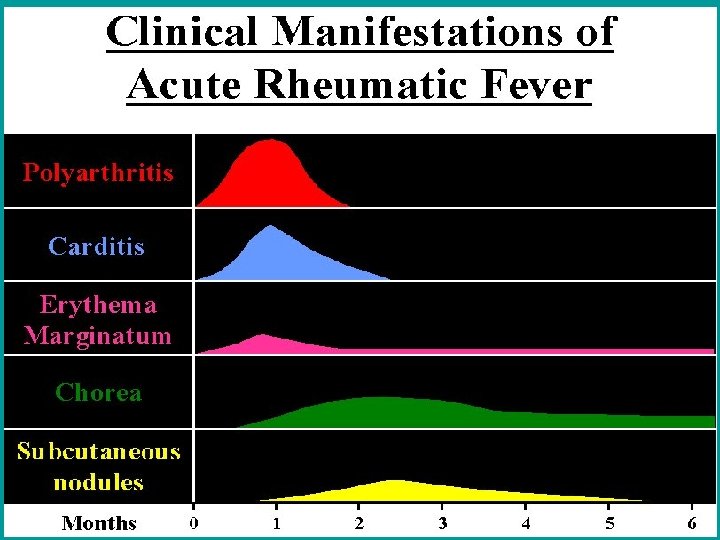
Clinical Features: • Acute Rheumatic Fever – Acute Inflammatory Phase – Heart – Pancarditis (40 -50%) – Skin – Erythema Marginatum/ S. nodule (10%) – CNS – Sydenham Chorea (15%) – Migratory polyarthritis (75%) • Chronic Rheumatic Fever – Deforming fibrotic valvular disease.
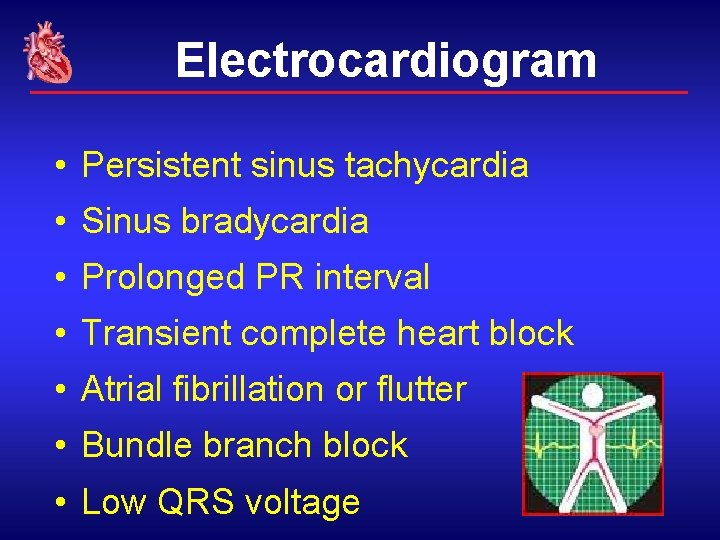
Electrocardiogram • Persistent sinus tachycardia • Sinus bradycardia • Prolonged PR interval • Transient complete heart block • Atrial fibrillation or flutter • Bundle branch block • Low QRS voltage
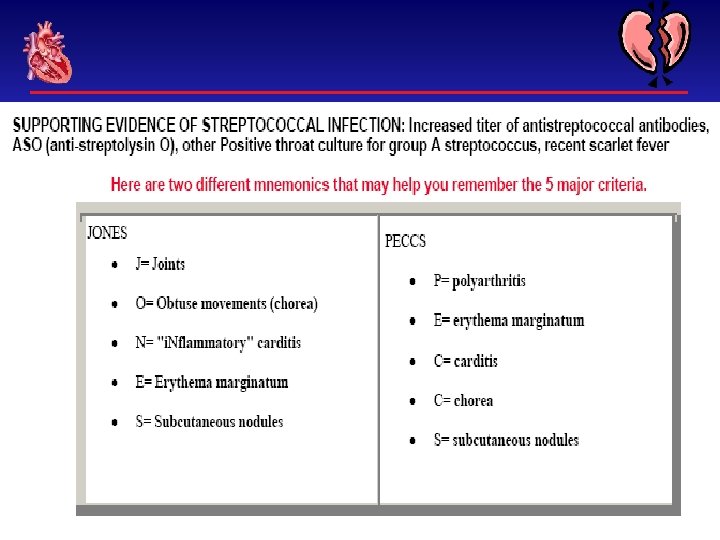
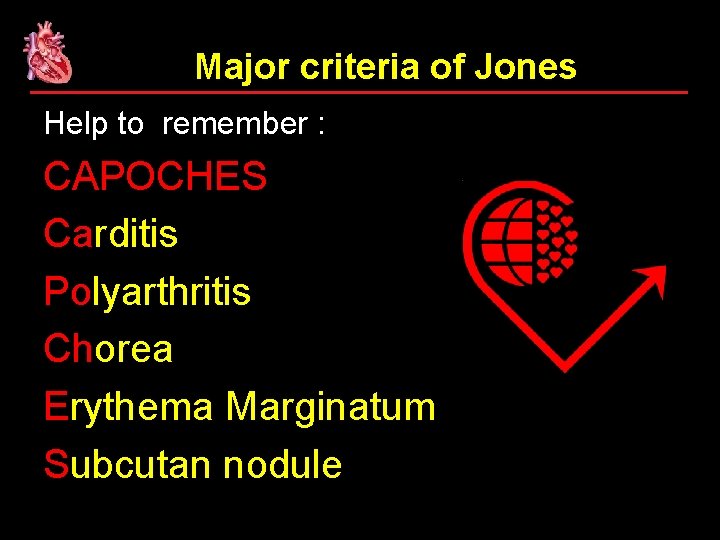
The Jones Criteria for Rheumatic Fever, Updated 1992 • Major Criteria – Carditis – Migratory polyarthritis – Sydenham's chore – Subcutaneous nodules plus – Erythema marginatum • Minor Criteria – Clinical • fever • Arthralgia – Laboratory • Elevated acute phase reactants • Prolonged PR interval Ø Supporting evidence of a recent group A streptococcal infection • positive throat culture or • rapid antigen detection test; and/ or elevated or • increasing streptococcal antibody test (e. g. , anti-streptolysin O, anti-deoxyribonuclease B, anti-hyaluronidase).
Major criteria of Jones Help to remember : CAPOCHES Carditis Polyarthritis Chorea Erythema Marginatum Subcutan nodule
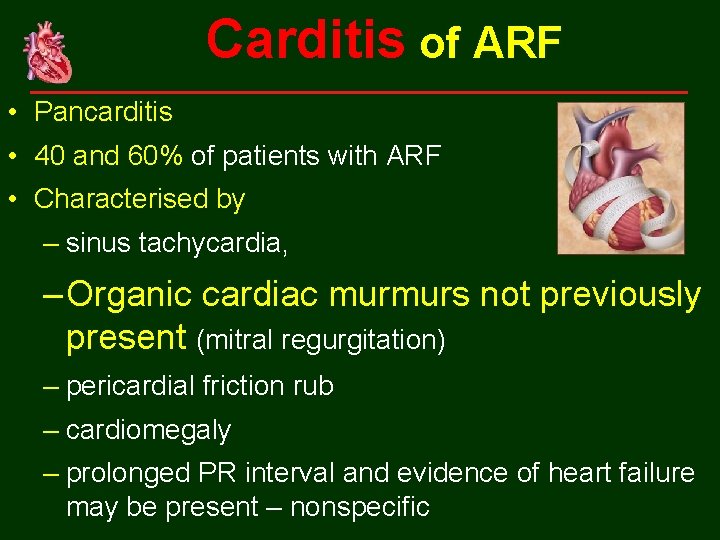
Carditis of ARF • Pancarditis • 40 and 60% of patients with ARF • Characterised by – sinus tachycardia, – Organic cardiac murmurs not previously present (mitral regurgitation) – pericardial friction rub – cardiomegaly – prolonged PR interval and evidence of heart failure may be present – nonspecific
Carditis • Course : mild – fulminant • Onset : first 3 weeks of illness • Cardiac enzymes: normal or minimally elevated
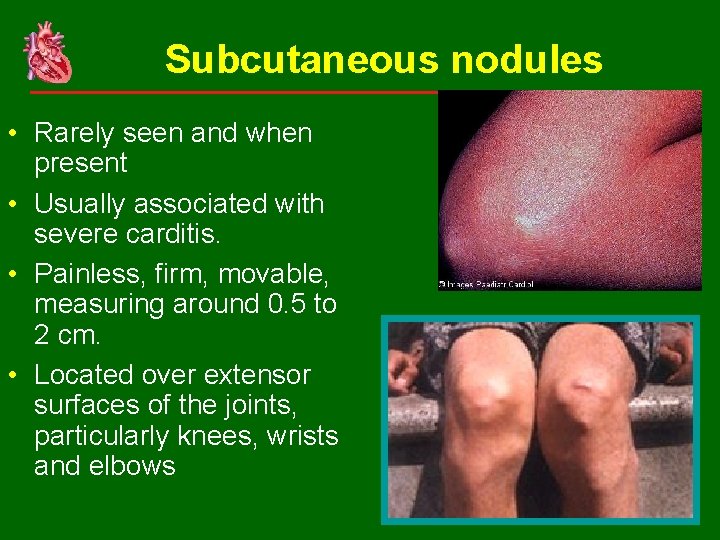
Subcutaneous nodules • Rarely seen and when present • Usually associated with severe carditis. • Painless, firm, movable, measuring around 0. 5 to 2 cm. • Located over extensor surfaces of the joints, particularly knees, wrists and elbows
Subcutaneous nodules
Erythema Marginatum erythematous lesions with pale centers and rounded or serpiginous margins
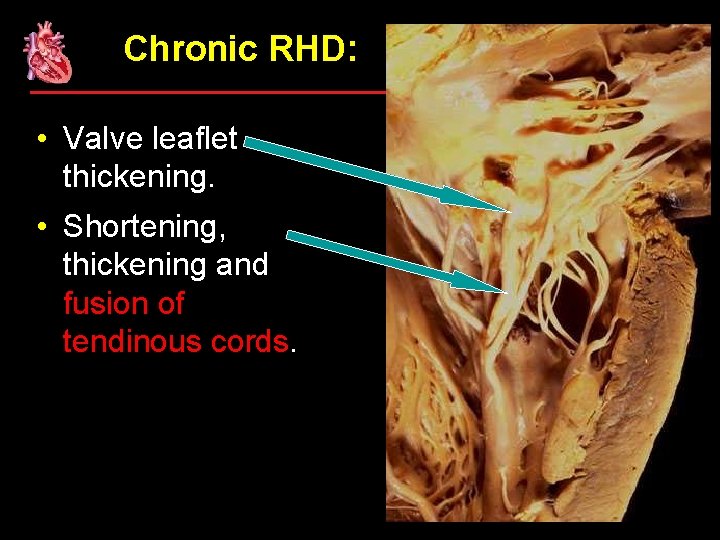
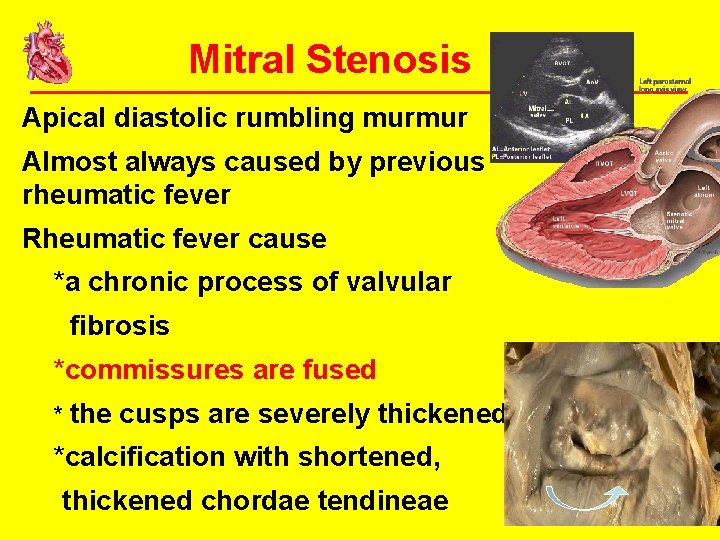
Rheumatic Valve Disease: • Gross: – Leaflet thickening – Commissural fusion – Shortening, Thickening & fusion of chordae tendinae. • Microscopic: – Fibrosis – Neovascularisation – Calcification • Mitral 68%, Mitral+Aortic 25%, • 99% of Mitral stenosis is due to RHD.
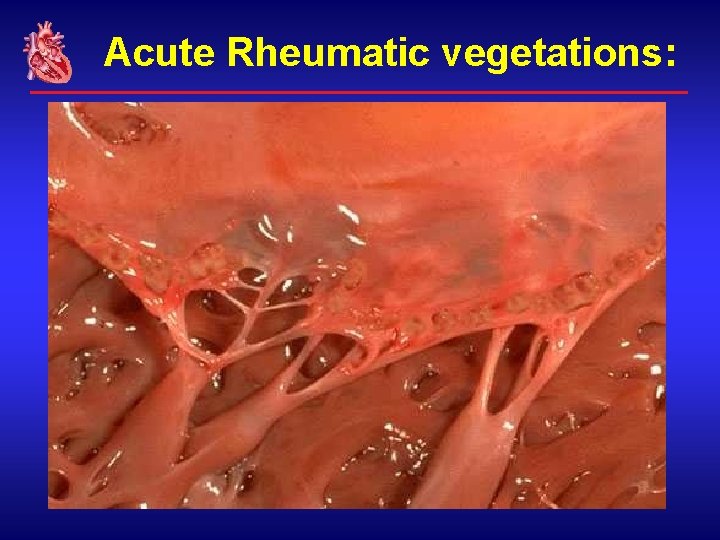
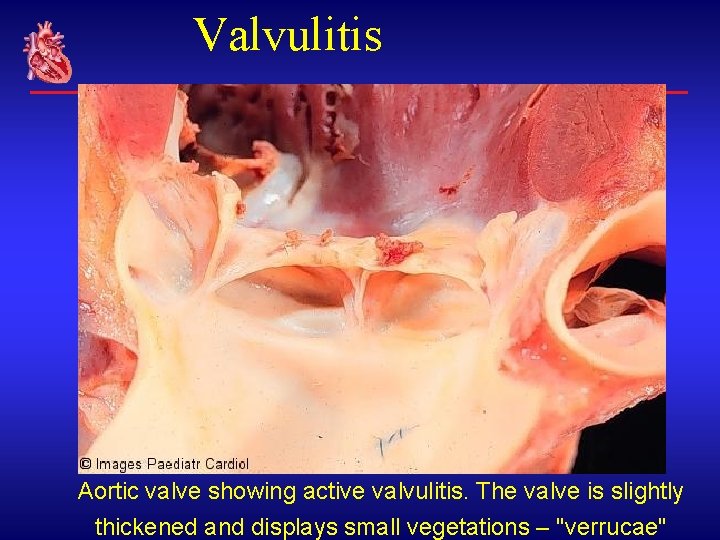
Acute Rheumatic vegetations:
Valvulitis Aortic valve showing active valvulitis. The valve is slightly thickened and displays small vegetations – "verrucae"
Valve Pathology: Rheumatic SLE Thrombotic Infective
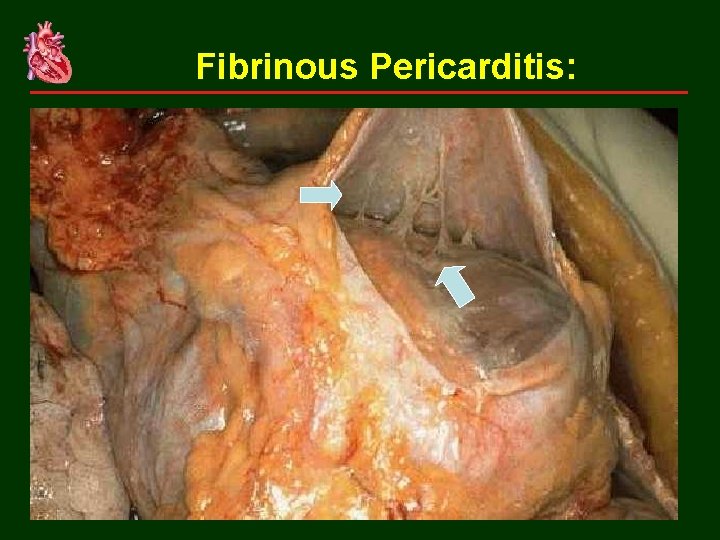
Fibrinous Pericarditis:
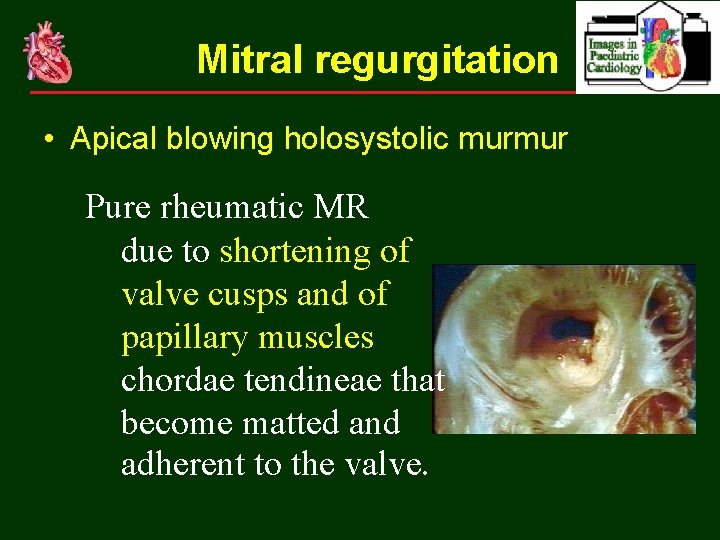
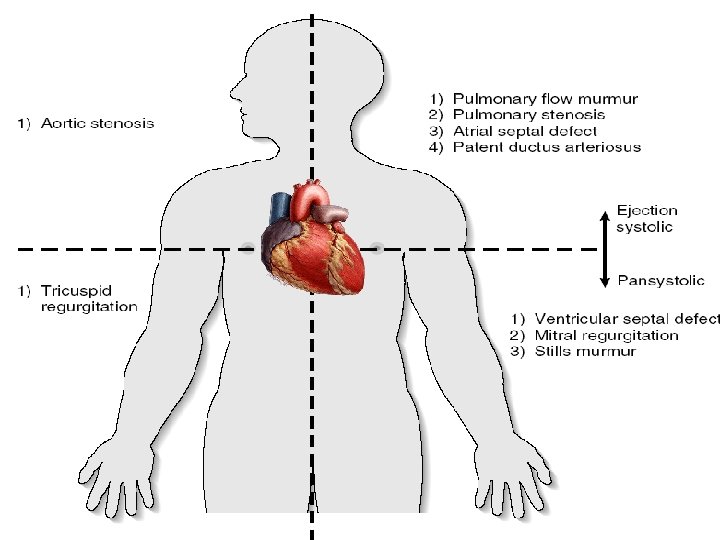
Mitral regurgitation • Apical blowing holosystolic murmur Pure rheumatic MR due to shortening of valve cusps and of papillary muscles chordae tendineae that become matted and adherent to the valve.
Chronic RHD: • Valve leaflet thickening. • Shortening, thickening and fusion of tendinous cords.
Mitral Stenosis • Apical diastolic rumbling murmur • Almost always caused by previous rheumatic fever • Rheumatic fever cause – *a chronic process of valvular fibrosis – *commissures are fused – * the cusps are severely thickened – *calcification with shortened, thickened chordae tendineae
Laboratory Investigations: No specific laboratory investigations I. Acute phase reactant (CRP, SAA, SAP, Complements, Coagulation Proteins) 2. Serologis and bacteriologis (ASO, Anti. DNAse B titres, Culture) 3. Electrocardiography, radiology, echocardiograpphy
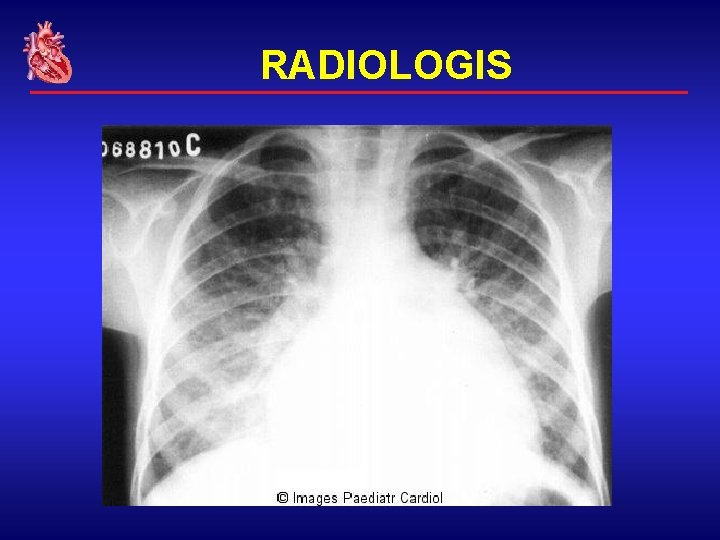
RADIOLOGIS
RADIOLOGIS Same patient after 4 weeks
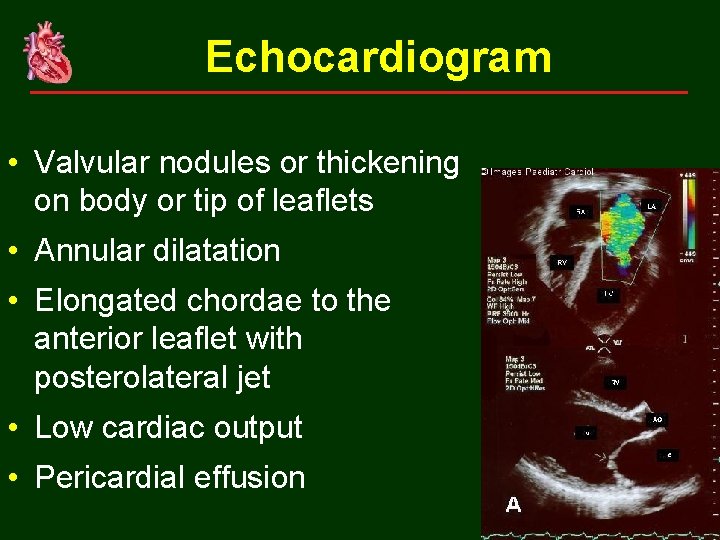
Echocardiogram • Valvular nodules or thickening on body or tip of leaflets • Annular dilatation • Elongated chordae to the anterior leaflet with posterolateral jet • Low cardiac output • Pericardial effusion
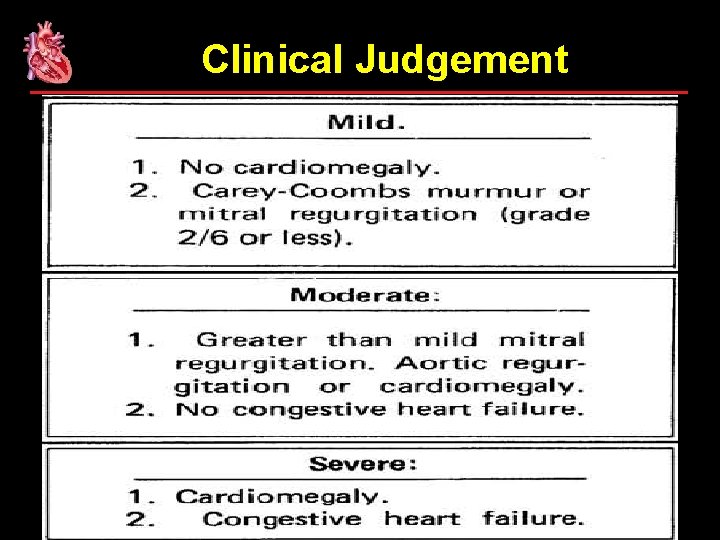
Clinical Judgement
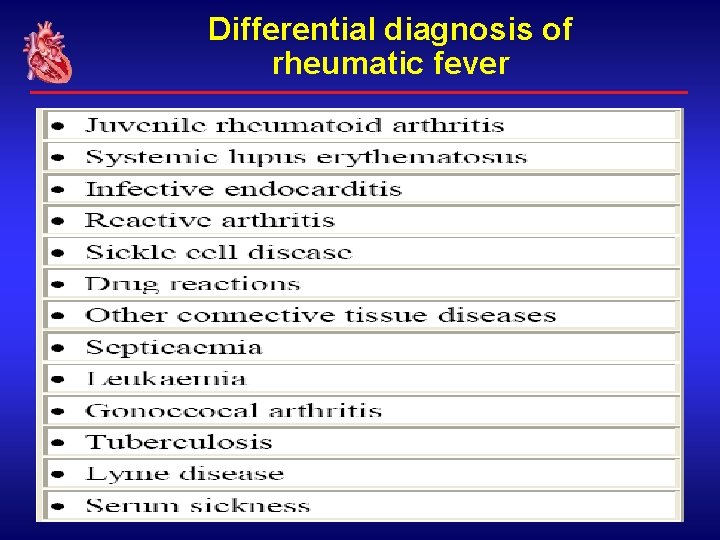
Differential diagnosis of rheumatic fever
Differential diagnosis of rheumatic fever • Rheumatic fever and rheumatoid arthritis are completely different diseases although both are immmunologically mediated diseases. • But remmember R. F. is more serious and more important as it can be prevented.
Treatment The reduction of inflammation with anti-inflammatory medications such as aspirin or corticosteroids. Individuals with positive cultures (? ) for strep throat should also be treated with antibiotics.
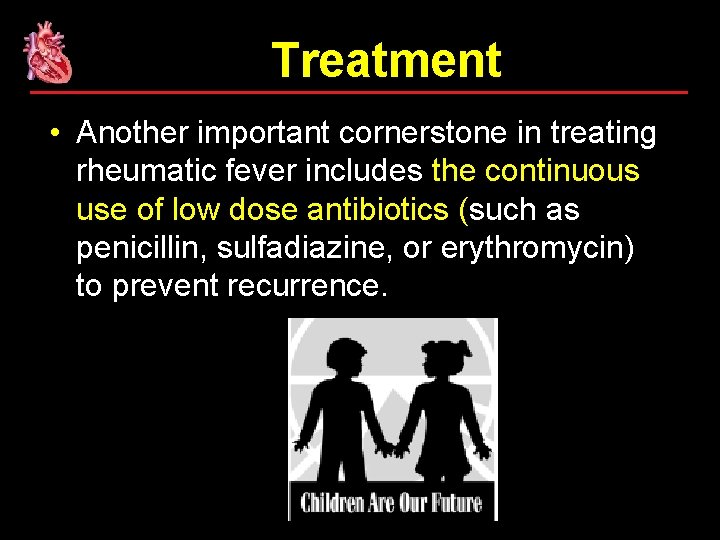
Treatment • Another important cornerstone in treating rheumatic fever includes the continuous use of low dose antibiotics (such as penicillin, sulfadiazine, or erythromycin) to prevent recurrence.
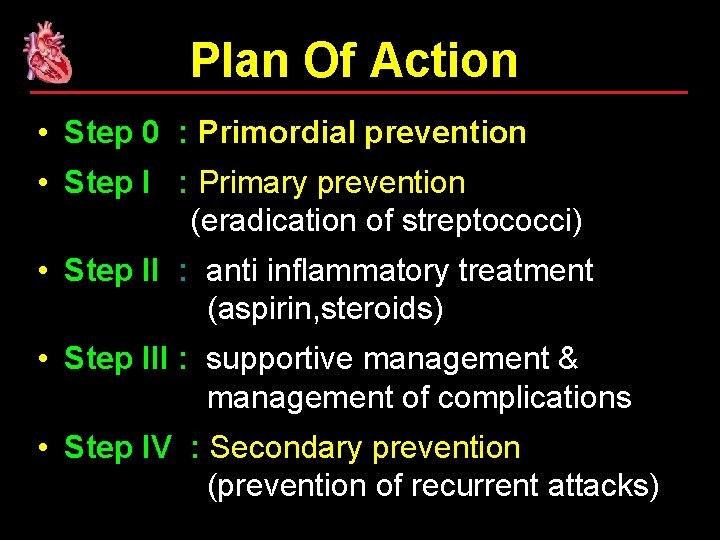
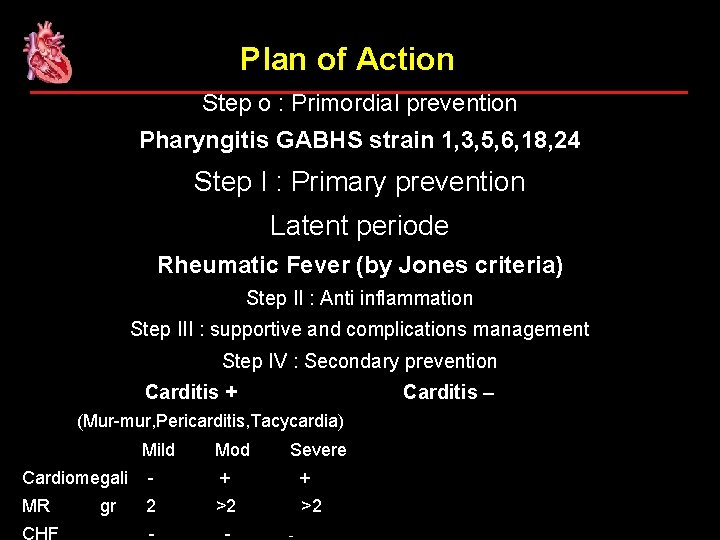
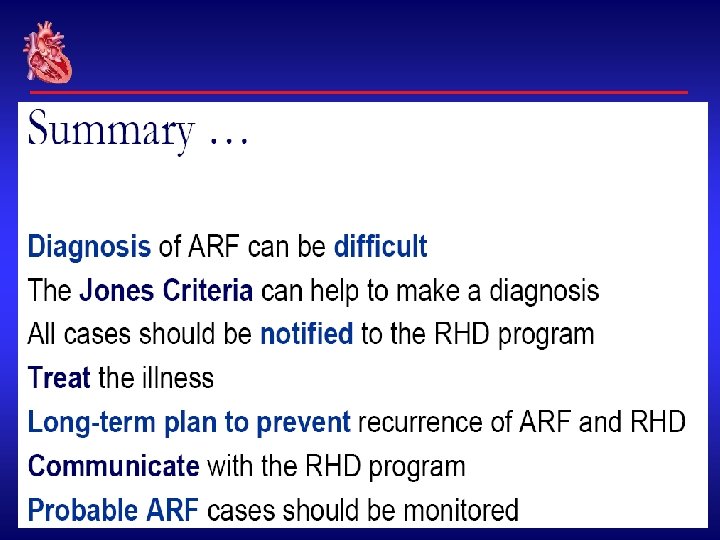
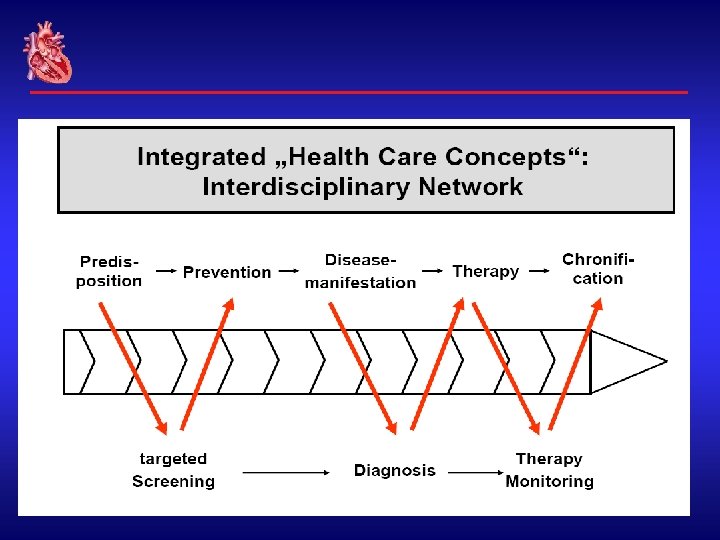
Plan Of Action • Step 0 : Primordial prevention • Step I : Primary prevention (eradication of streptococci) • Step II : anti inflammatory treatment (aspirin, steroids) • Step III : supportive management & management of complications • Step IV : Secondary prevention (prevention of recurrent attacks)
Plan of Action Step o : Primordial prevention Pharyngitis GABHS strain 1, 3, 5, 6, 18, 24 Step I : Primary prevention Latent periode Rheumatic Fever (by Jones criteria) Step II : Anti inflammation Step III : supportive and complications management Step IV : Secondary prevention Carditis + Carditis – (Mur-mur, Pericarditis, Tacycardia) Mild Mod Severe Cardiomegali - + + MR 2 >2 >2 - - CHF gr -
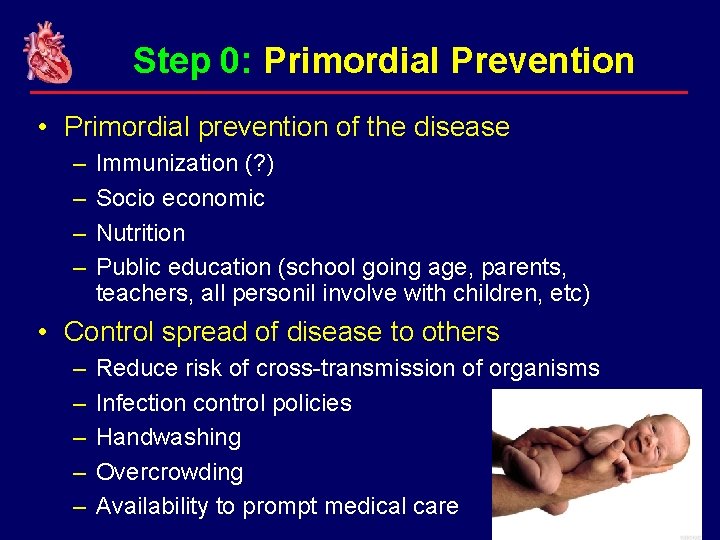
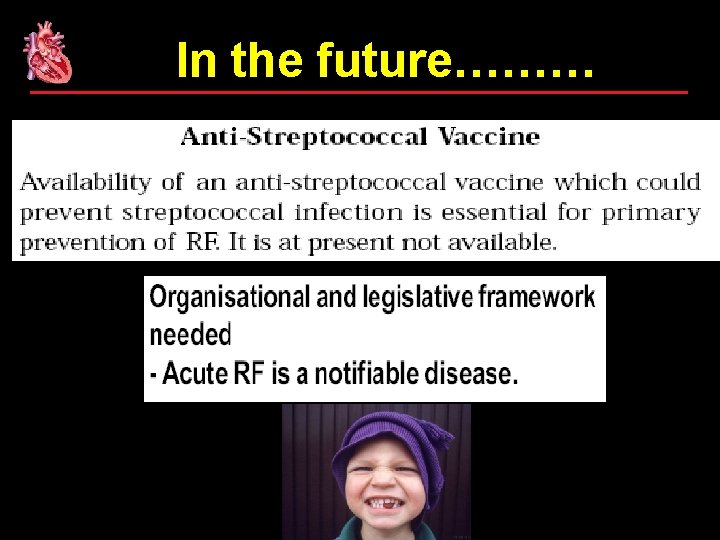
Step 0: Primordial Prevention • Primordial prevention of the disease – – Immunization (? ) Socio economic Nutrition Public education (school going age, parents, teachers, all personil involve with children, etc) • Control spread of disease to others – – – Reduce risk of cross-transmission of organisms Infection control policies Handwashing Overcrowding Availability to prompt medical care
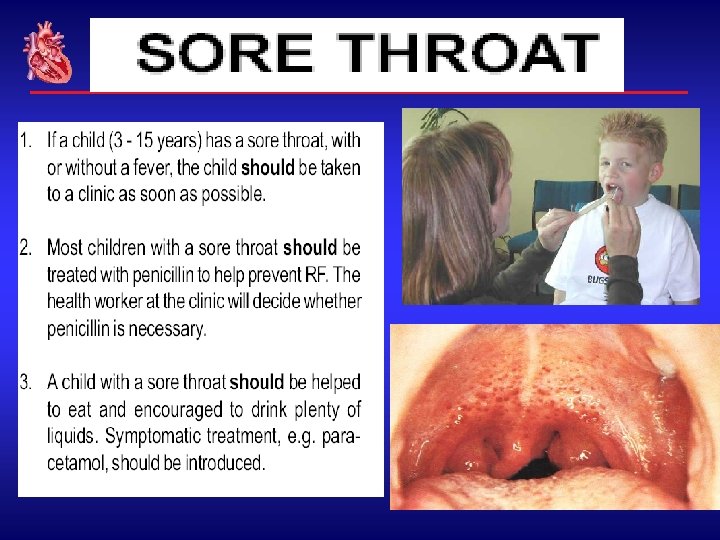
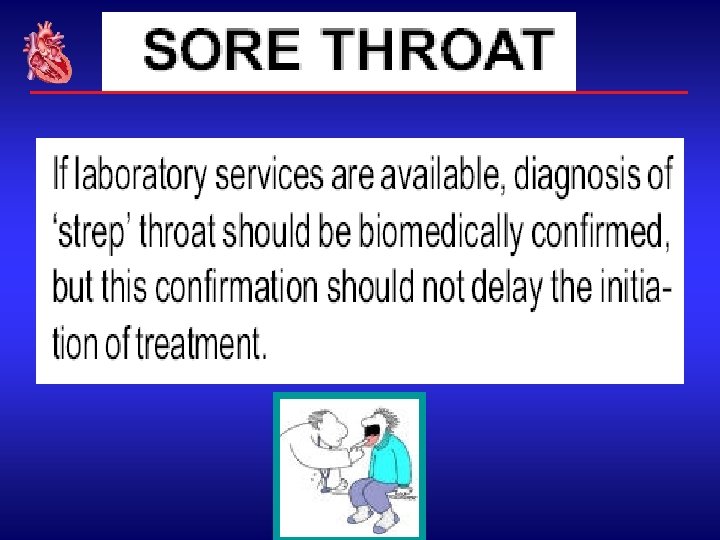
STEP I: Primary Prevention of Rheumatic Fever • The most important way to prevent rheumatic fever is by proper and prompt treatment of strep throat and scarlet fever (eradication of GABHS)
Treatment of Streptococcal Pharyngitis • Objective of therapy – Eliminate streptococci from the pharynx – Prevent rheumatic fever – Prevent suppurative complications – Hasten clinical recovery
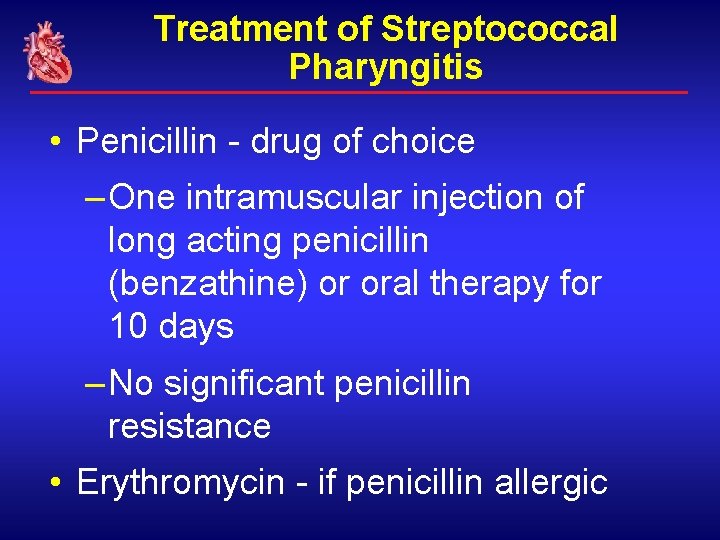
Treatment of Streptococcal Pharyngitis • Penicillin - drug of choice – One intramuscular injection of long acting penicillin (benzathine) or oral therapy for 10 days – No significant penicillin resistance • Erythromycin - if penicillin allergic
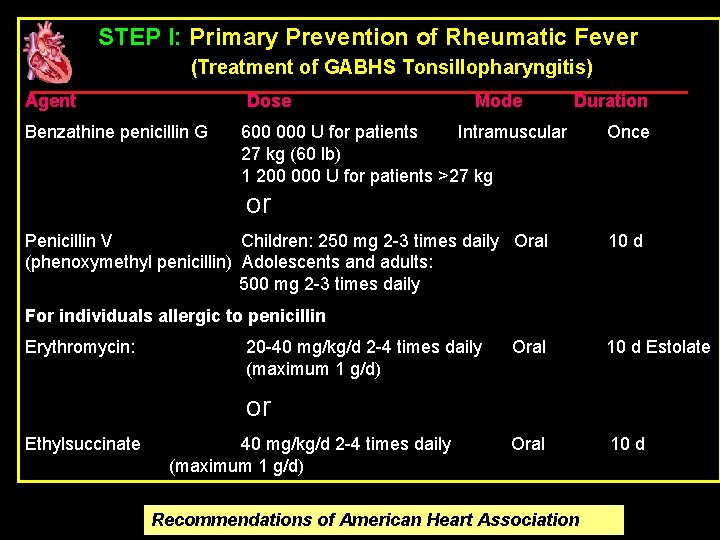
STEP I: Primary Prevention of Rheumatic Fever (Treatment of GABHS Tonsillopharyngitis) Agent Dose Benzathine penicillin G Mode Duration 600 000 U for patients Intramuscular 27 kg (60 lb) 1 200 000 U for patients >27 kg Once or Penicillin V Children: 250 mg 2 -3 times daily Oral (phenoxymethyl penicillin) Adolescents and adults: 500 mg 2 -3 times daily 10 d For individuals allergic to penicillin Erythromycin: 20 -40 mg/kg/d 2 -4 times daily (maximum 1 g/d) Oral 10 d Estolate Oral 10 d or Ethylsuccinate 40 mg/kg/d 2 -4 times daily (maximum 1 g/d) Recommendations of American Heart Association
Step II: Anti inflammatory treatment Clinical condition Drugs
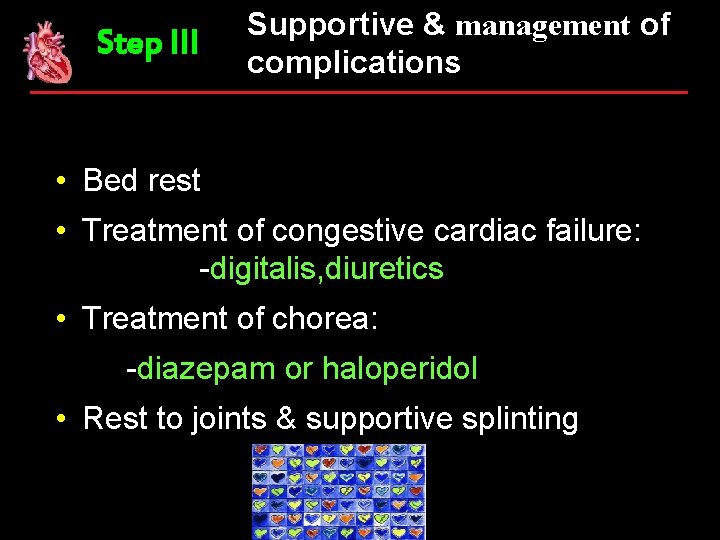
Step III Supportive & management of complications • Bed rest • Treatment of congestive cardiac failure: -digitalis, diuretics • Treatment of chorea: -diazepam or haloperidol • Rest to joints & supportive splinting
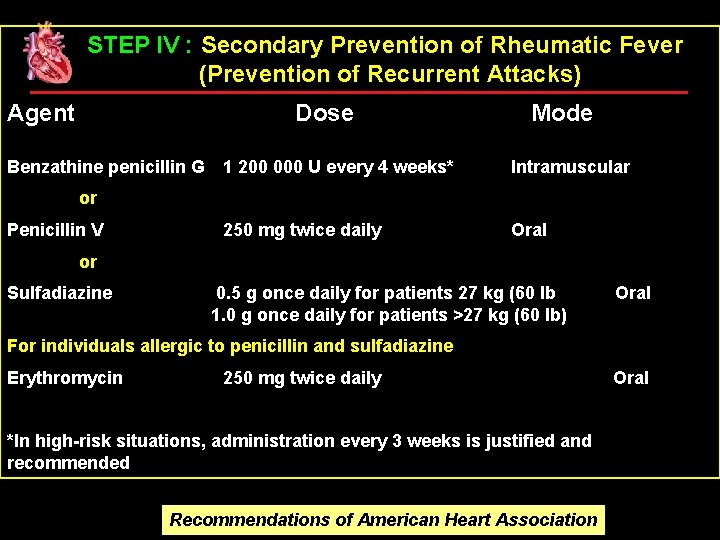
STEP IV : Secondary Prevention of Rheumatic Fever (Prevention of Recurrent Attacks) Agent Dose Benzathine penicillin G Mode 1 200 000 U every 4 weeks* Intramuscular 250 mg twice daily Oral or Penicillin V or Sulfadiazine 0. 5 g once daily for patients 27 kg (60 lb 1. 0 g once daily for patients >27 kg (60 lb) Oral For individuals allergic to penicillin and sulfadiazine Erythromycin 250 mg twice daily *In high-risk situations, administration every 3 weeks is justified and recommended Recommendations of American Heart Association Oral
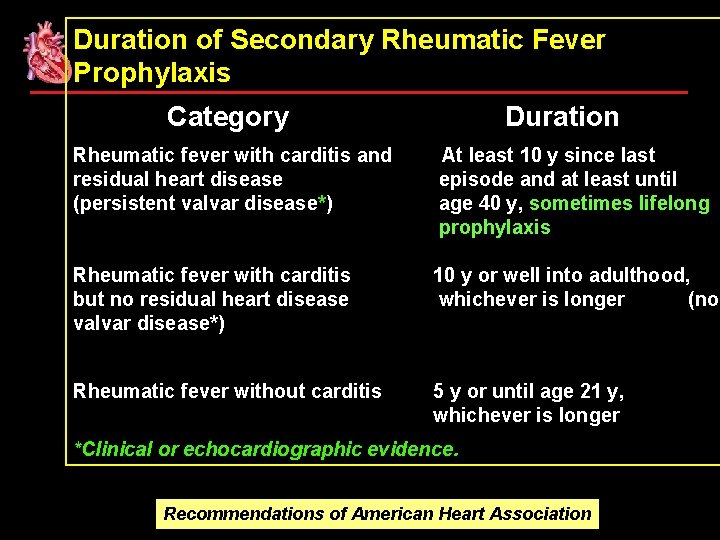
Duration of Secondary Rheumatic Fever Prophylaxis Category Duration Rheumatic fever with carditis and residual heart disease (persistent valvar disease*) At least 10 y since last episode and at least until age 40 y, sometimes lifelong prophylaxis Rheumatic fever with carditis but no residual heart disease valvar disease*) 10 y or well into adulthood, whichever is longer (no Rheumatic fever without carditis 5 y or until age 21 y, whichever is longer *Clinical or echocardiographic evidence. Recommendations of American Heart Association
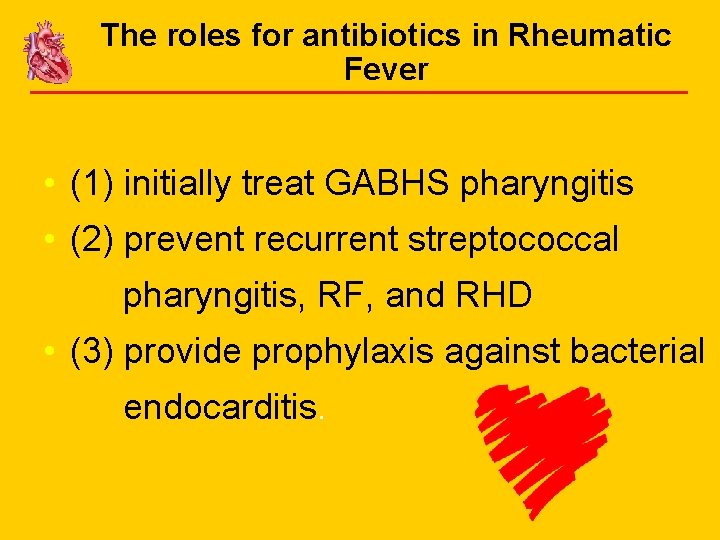
The roles for antibiotics in Rheumatic Fever • (1) initially treat GABHS pharyngitis • (2) prevent recurrent streptococcal pharyngitis, RF, and RHD • (3) provide prophylaxis against bacterial endocarditis.
Prevent bacterial endocarditis • Patients who had RF without valve damage do not need endocarditis prophylaxis. • Do not use penicillin, ampicillin, or amoxicillin for endocarditis prophylaxis in patients already receiving penicillin for secondary RF prophylaxis (relative resistance of oral streptococci to penicillin and aminopenicillins).
Prevent bacterial endocarditis • Alternate drugs recommended by the American Heart Association for these patients include oral clindamycin (children: 20 mg/kg; adults: 600 mg) and oral azithromycin or clarithromycin (children 15 mg/kg; adults: 500 mg)
Antibiotic prophylaxis o Finally, patients with RF with carditis and valve disease should receive antibiotics at least 10 years or until aged 40 years.
Therapy for congestive heart failure • Heart failure in RHD probably is related in part to severe insufficiency of the mitral and aortic valves and in part to pancarditis. • Traditionally : inotropic agent (digitalis) in combination with diuretics (furosemide, spironolactone) and afterload reduction (vasodilating Ca blockers, hydralazine, ACE inhibitors, or nitrates).
Surgical vs Non Surgical Care: • Surgery for patients who remain symptomatic despite medical management. • Critical MS requiring valvotomy or valve replacement is associated with an oval orifice <= 1. 75 × 0. 85 cm. – balloon valvuloplasty – open valvotomy and valvuloplasty can be done. – valve replacement is necessary
Diet: • Without restrictions except in patients with CHF, who should follow a fluidrestricted and sodium-restricted diet. • Potassium supplementation may be necessary because of the mineralocorticoid effect of corticosteroid and the diuretics, if used.
Activity: Initially, on bed rest, followed by a period of indoor activity before they are permitted to return to school. Do not allow full activity until the APRs have returned to normal. Patients with chorea may require a wheelchair and should be on homebound instruction until the abnormal movements resolve.
Complications: * CHF from valve insufficiency (acute RF) or stenosis (chronic RF). * Atrial arrhythmias * Pulmonary edema * Recurrent pulmonary emboli * Infective endocarditis * Thrombus formation * Systemic emboli.
Patient Education: – Timely evaluation and treatment of pharyngitis in children. – Secondary prophylaxis of patients with previous RF and valve involvement with penicillin injections every 3 -4 weeks decrease the recurrence of RHD. – Additional prophylactic antibiotics prior to dental and surgical procedures.
Rheumatic Fever - Prognosis • Is good if recurrence is prevented by continuous antibiotic prophylaxis- particularly if no carditis in the initial attack • Can recur whenever the individual experience new GABH streptococcal infection, if not on prophylactic medicines • Good prognosis for older age group & if no carditis during the initial attack • Bad prognosis for younger children & those with carditis with valvar lesions
In the future………
In the future………