
Under Test TDD Techniques from the Trenches May

- Slides: 51
Under Test TDD Techniques from the Trenches May 24, 2011 Matt Thurston
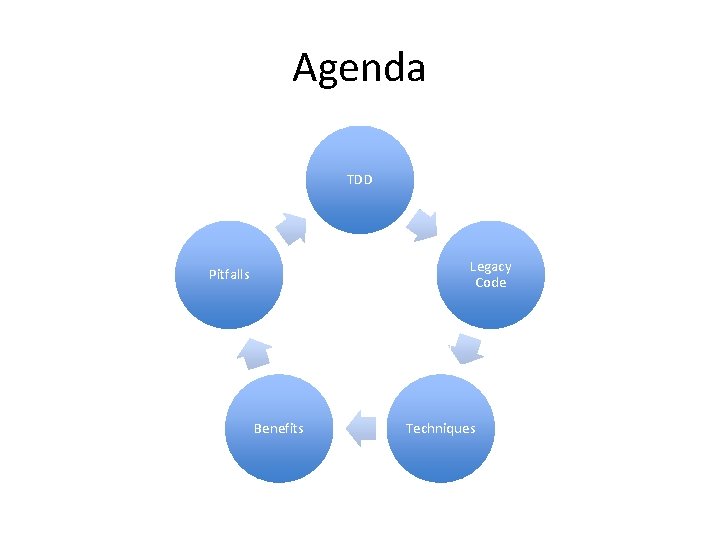
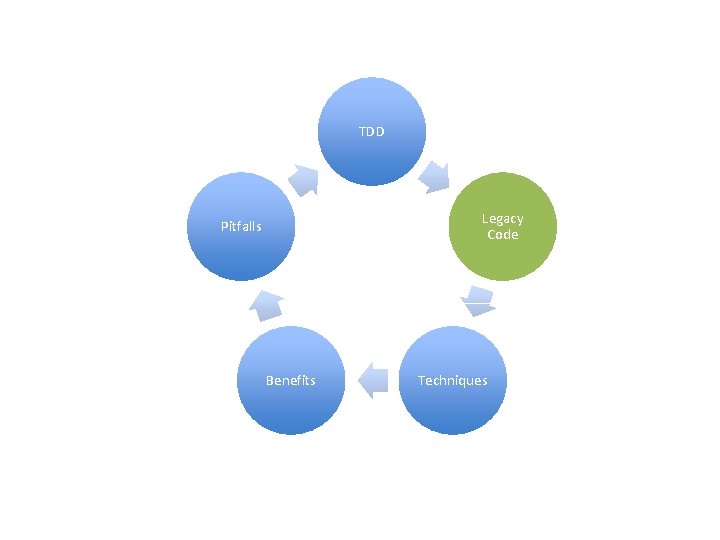
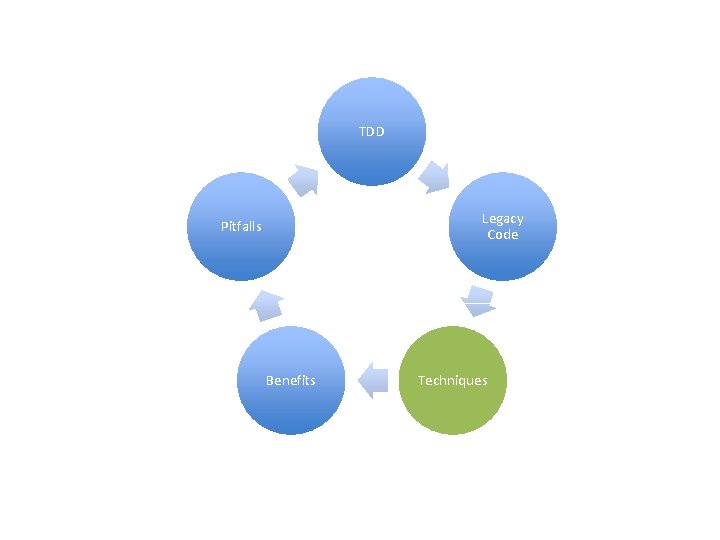
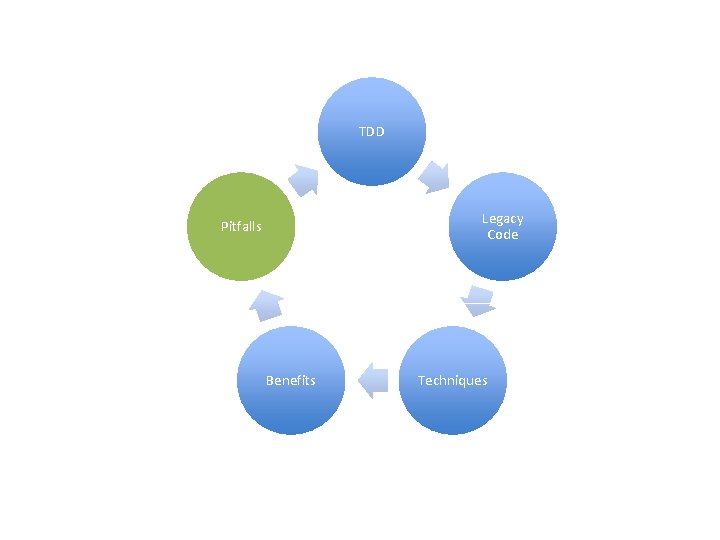
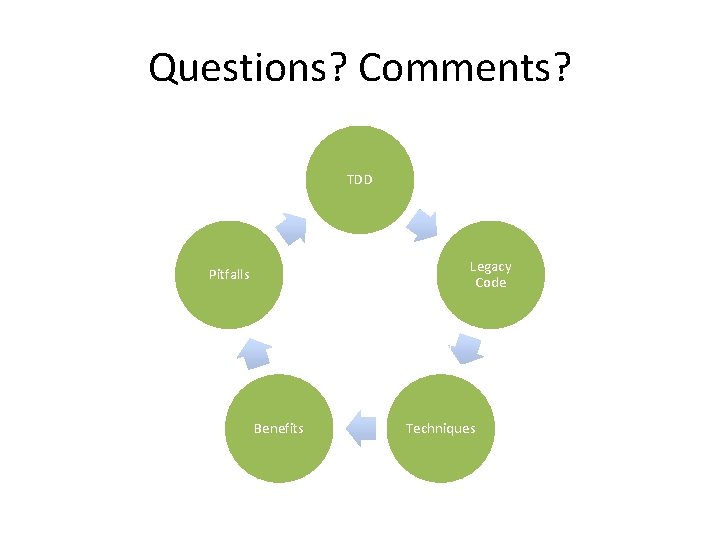
Agenda TDD Legacy Code Pitfalls Benefits Techniques
TDD Legacy Code Pitfalls Benefits Techniques
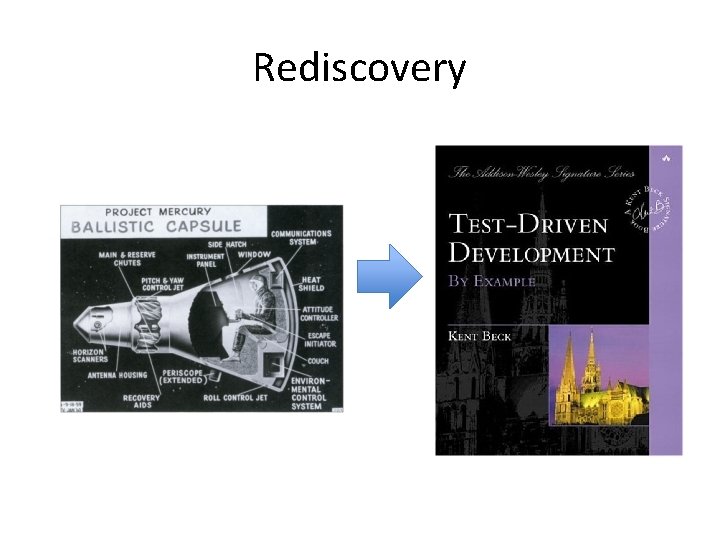
Rediscovery
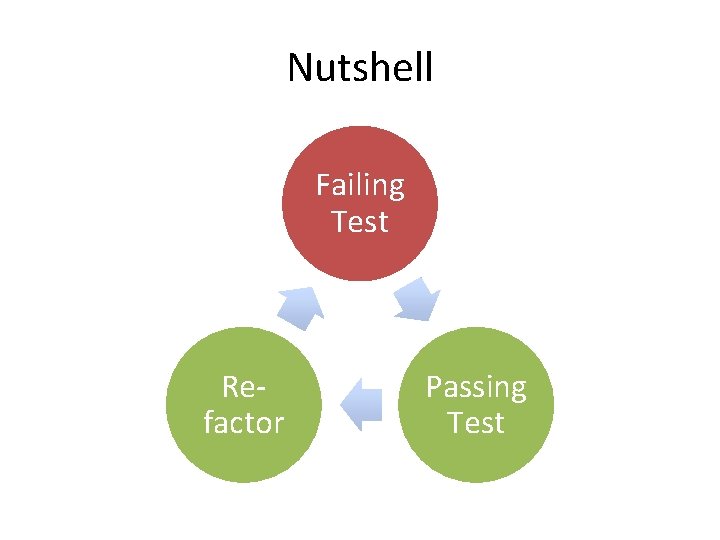
Nutshell Failing Test Refactor Passing Test
Why get code ‘Under Test’?
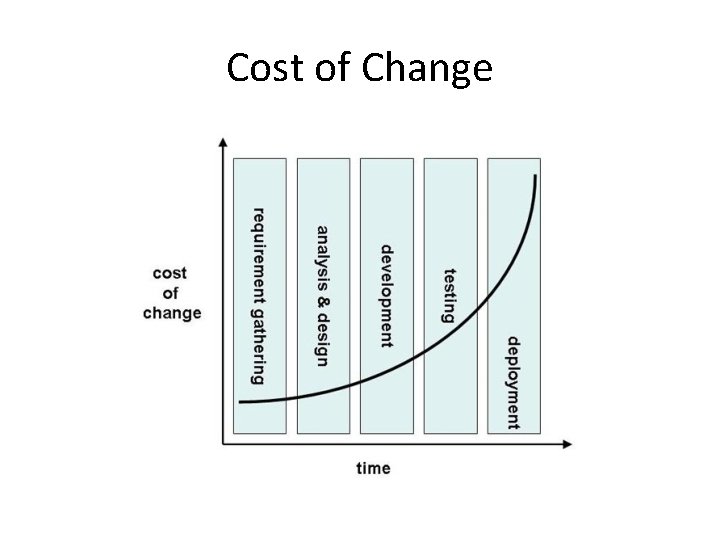
Cost of Change
Change Simple Code Change (“Hack”) versus Tough Design Change (“Right Thing”)
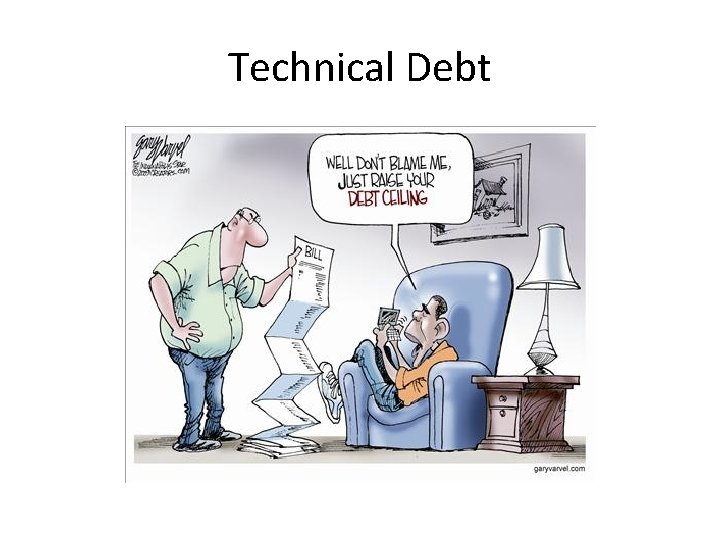
Technical Debt
Motivator
TDD Legacy Code Pitfalls Benefits Techniques
What is Legacy Code? • • Inherited? Old version? Previous platform? ‘C’?
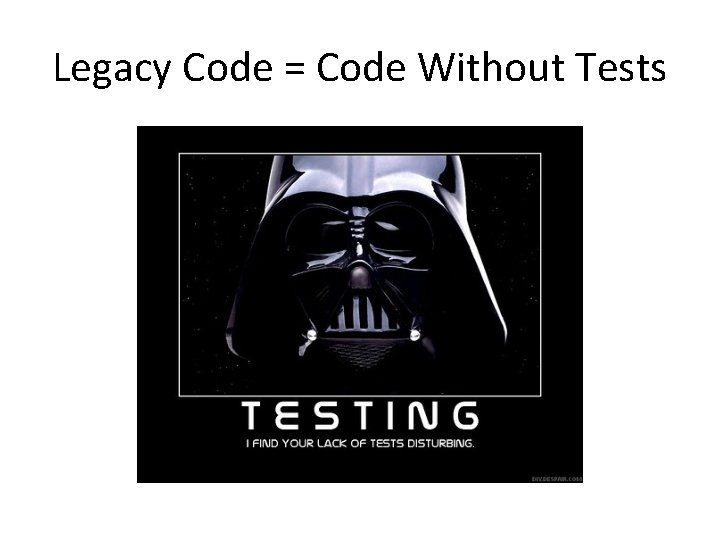
Legacy Code = Code Without Tests
Confident Change • Changing legacy code – What will break? – Will we find the break?
Under Test • TDD Greenfields vs Legacy Code Retrofits
TDD Legacy Code Pitfalls Benefits Techniques
Defining ‘Unit Test’ • Our Unit is the C++ class • Unit Tests in C++
Issue #1 • TDD requires immediate feedback
What should CTRL + B do? • Build and test as much as possible within a few seconds.
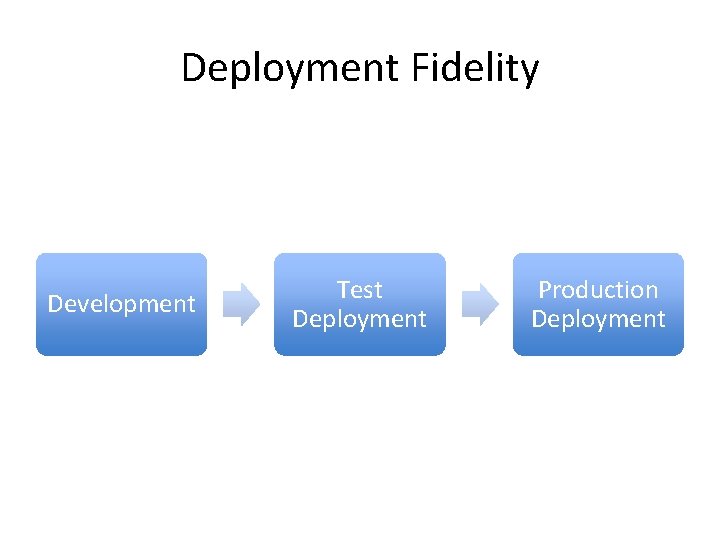
Deployment Fidelity Development Test Deployment Production Deployment
Deployment Fidelity • Deployment Fidelity typically dictates Test Fidelity
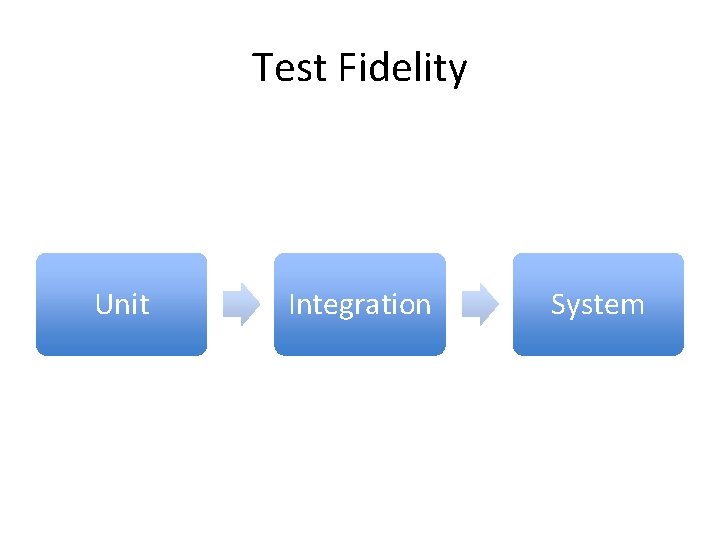
Test Fidelity Unit Integration System
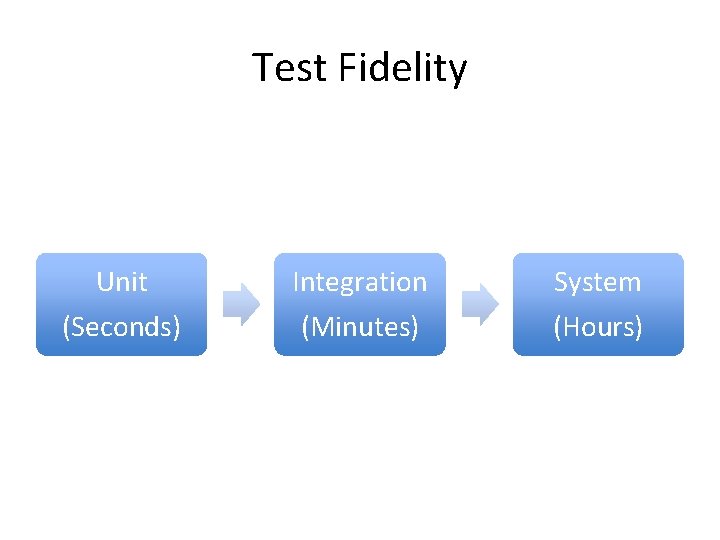
Test Fidelity Unit Integration System (Seconds) (Minutes) (Hours)
Introduce New Fidelity? • TDD requires immediate feedback • If necessary, introduce a new fidelity
Issue #2 • ‘Random’ test failures
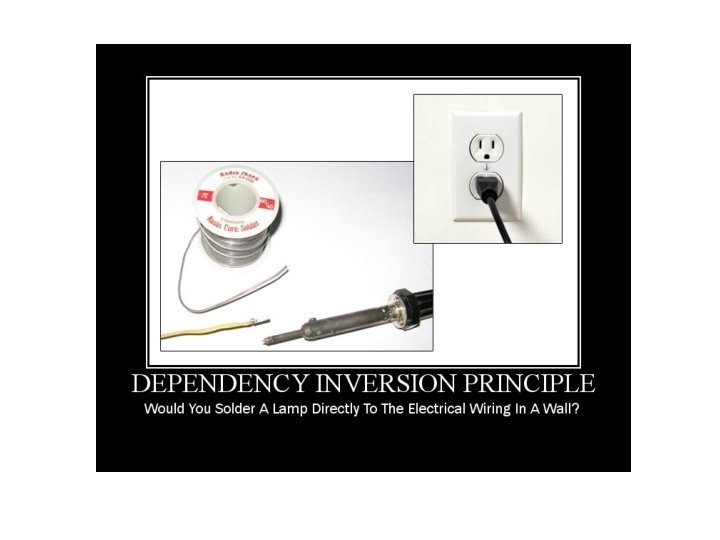
Dependency Inversion • E. g. – Foo uses files to store configuration information – Instead, inject Foo. Configuration with • Virtual bool Foo. Configuration: : is. Enabled() = 0;
Dependency Inversion • Big Benefits: – Improves isolation – Simplifies reasoning about collaborations
Issue #3 • Difficult component
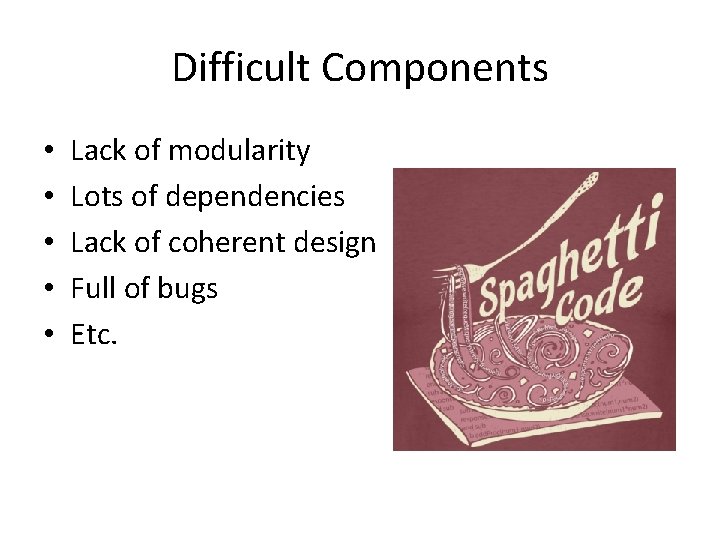
Difficult Components • • • Lack of modularity Lots of dependencies Lack of coherent design Full of bugs Etc.
Integration Test First • Works well for Difficult Components • Provides confidence when re-factoring for unit testability
Issue #4 • Getting inherited legacy code under test
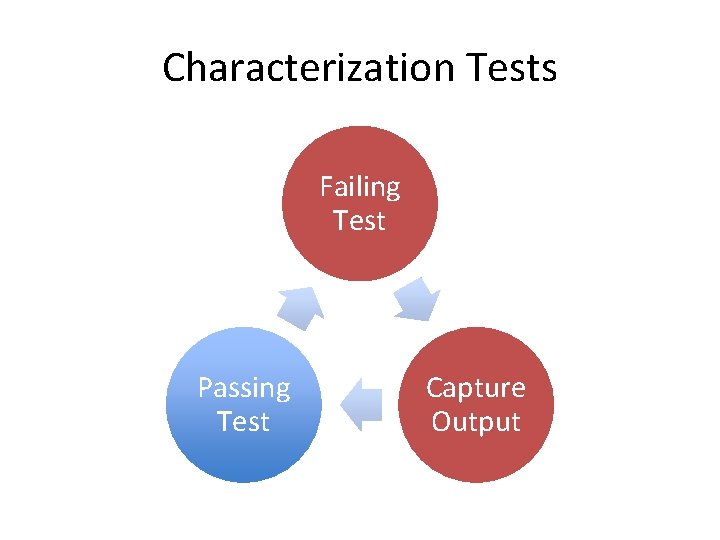
Characterization Tests Failing Test Passing Test Capture Output
Characterization Tests • Capture reality not expected behavior • The first test is the hardest
Failing a Unit Test • If a unit test has never failed once, how do you know it works?
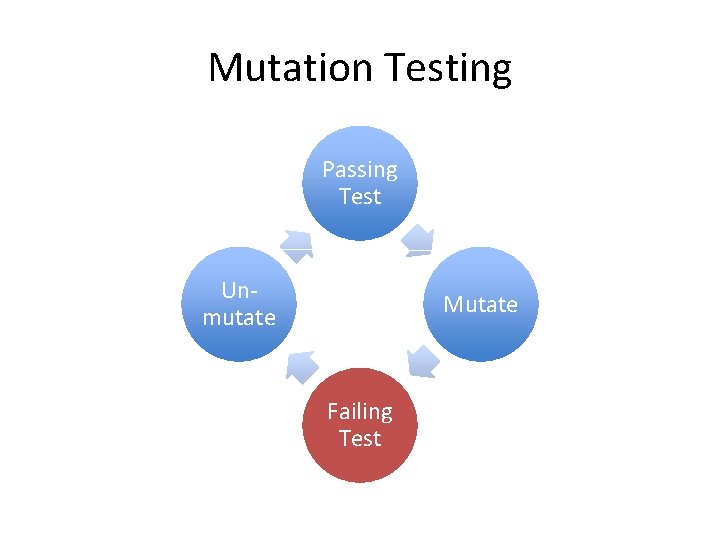
Mutation Testing
Mutation Testing Passing Test Unmutate Mutate Failing Test
TDD Legacy Code Pitfalls Benefits Techniques
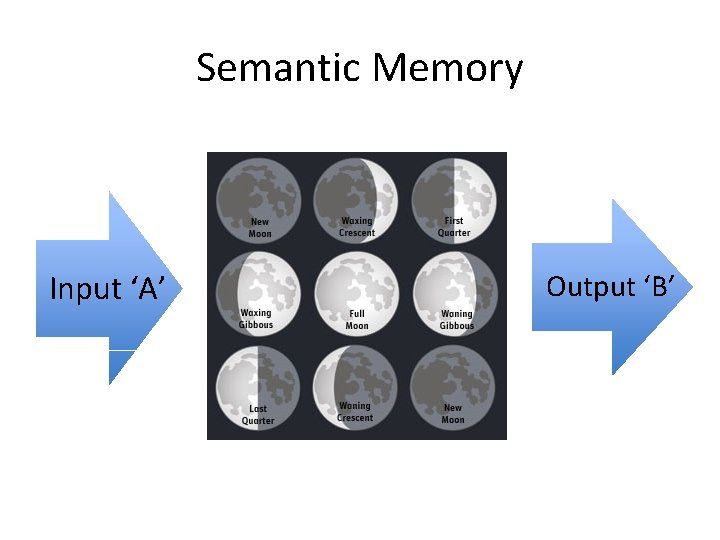
Semantic Memory Input ‘A’ Output ‘B’
Tests are never wrong • Tests encode semantics of the software – (even if the sematic is wrong)
Comment on comments • “When the code and the comments disagree, both are probably wrong. ” – Norm Schryer
Under Test vs. Coding Speed
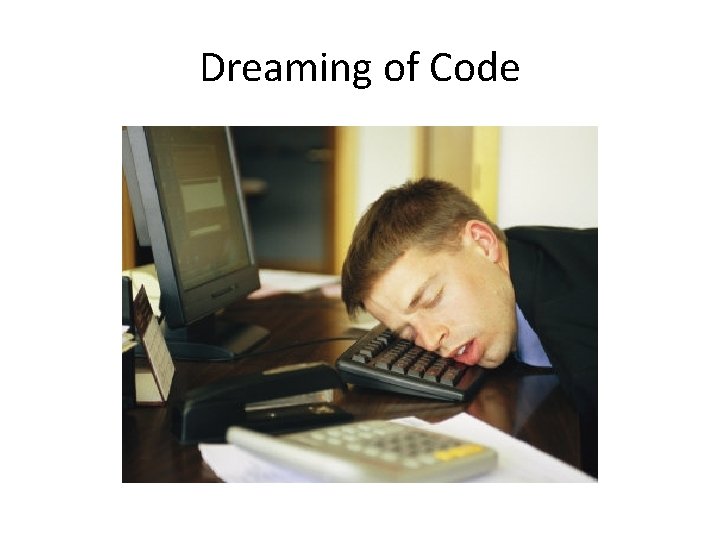
Dreaming of Code
TDD Legacy Code Pitfalls Benefits Techniques
Continuous Testing • Share tests • Don’t let test code rot – Integrate with build / CI tool
Mocks, Stubs, Fakes • Take care with terminology overloading
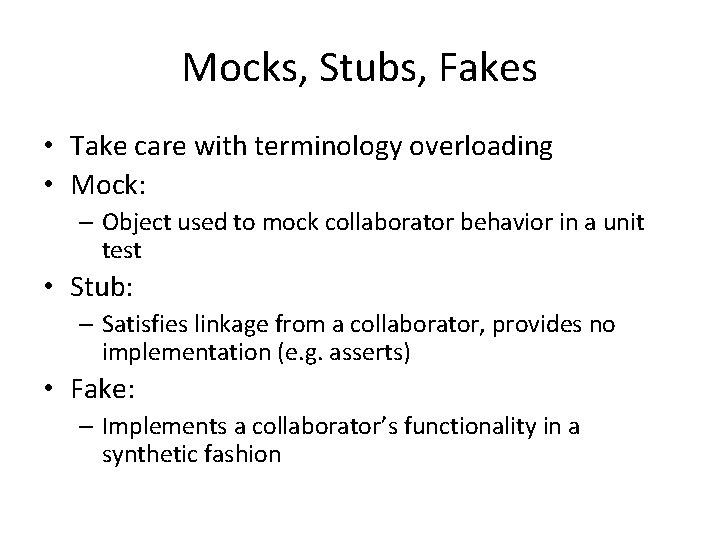
Mocks, Stubs, Fakes • Take care with terminology overloading • Mock: – Object used to mock collaborator behavior in a unit test • Stub: – Satisfies linkage from a collaborator, provides no implementation (e. g. asserts) • Fake: – Implements a collaborator’s functionality in a synthetic fashion
Not Just the Tests • Code coverage • Static analysis (e. g. Lint, -Wall) • Dynamic analysis (e. g. valgrind)
Quality? • TDD / Unit Testing does not imply Quality
Questions? Comments? TDD Legacy Code Pitfalls Benefits Techniques