Review of Emerging Strategies for Cardiogenic Shock Maya
- Slides: 44
Review of Emerging Strategies for Cardiogenic Shock Maya Guglin MD Ph. D University of KY Lexington
Maya Guglin, MD Ph. D I have no relevant financial relationships
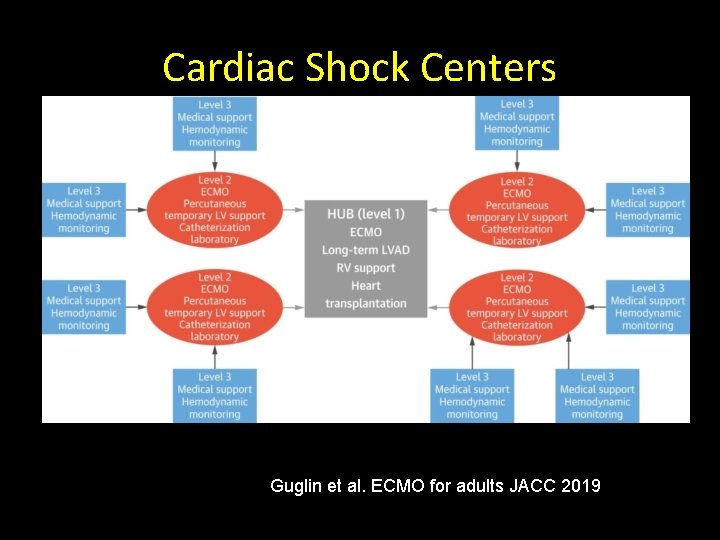
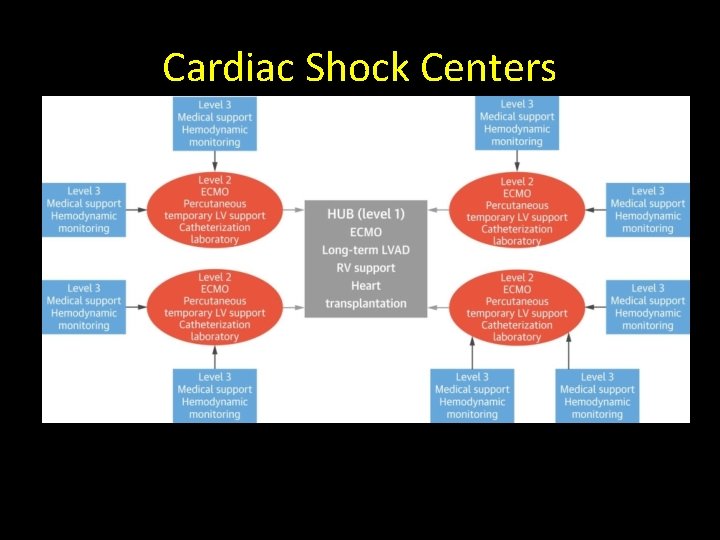
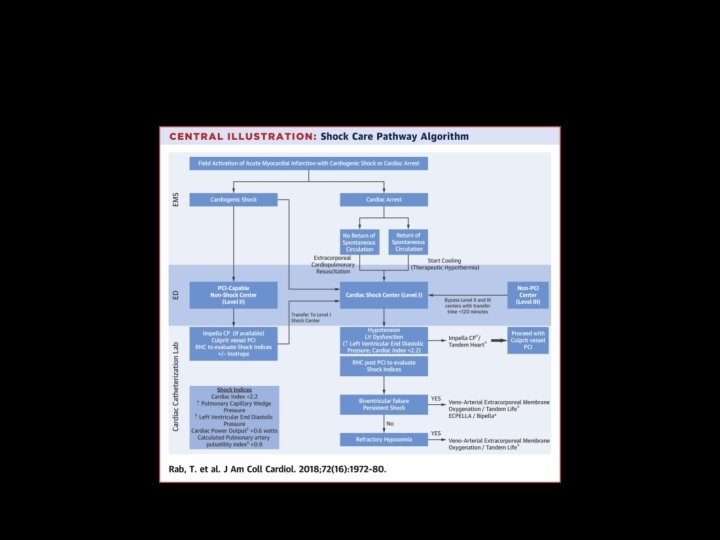
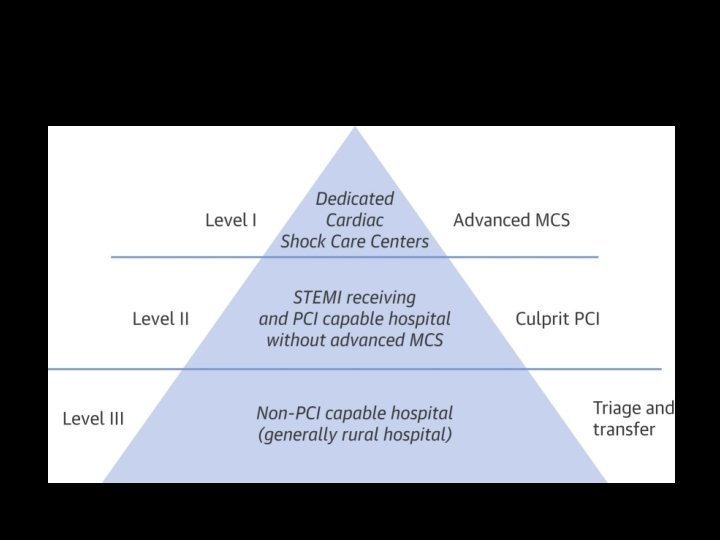
Cardiac Shock Centers Guglin et al. ECMO for adults JACC 2019
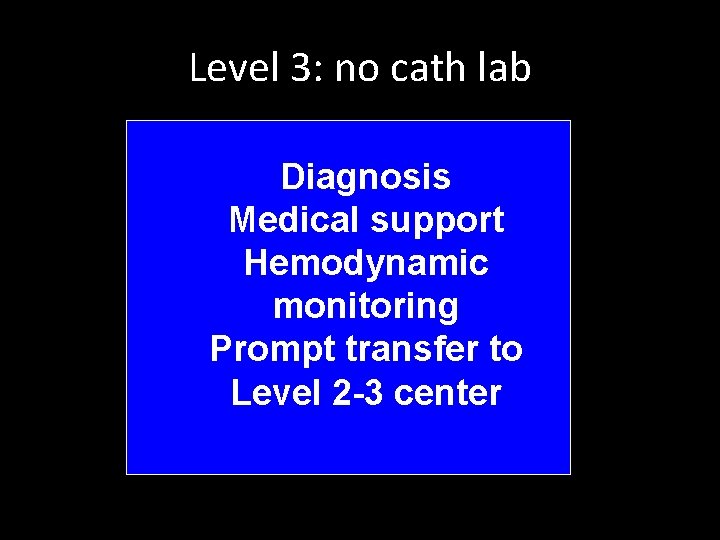
Level 3: no cath lab Diagnosis Medical support Hemodynamic monitoring Prompt transfer to Level 2 -3 center
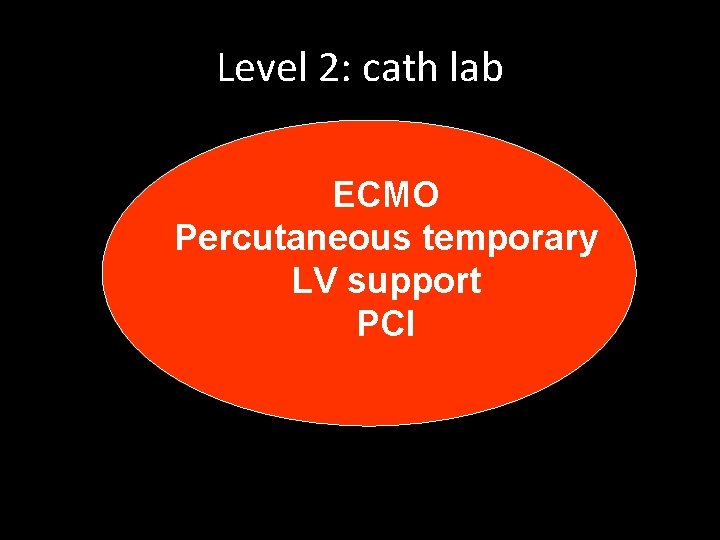
Level 2: cath lab ECMO Percutaneous temporary LV support PCI
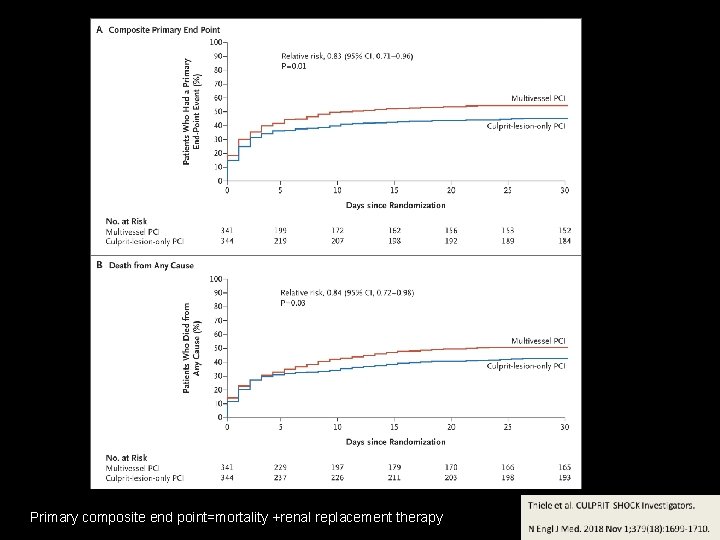
Primary composite end point=mortality +renal replacement therapy
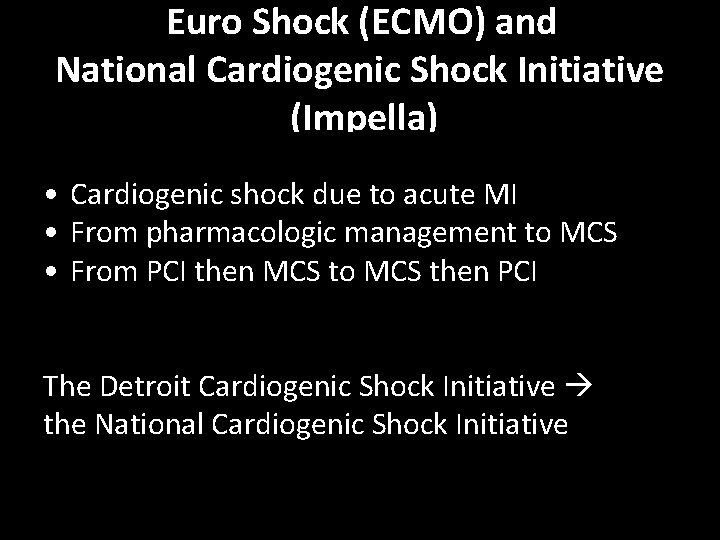
Euro Shock (ECMO) and National Cardiogenic Shock Initiative (Impella) • Cardiogenic shock due to acute MI • From pharmacologic management to MCS • From PCI then MCS to MCS then PCI The Detroit Cardiogenic Shock Initiative the National Cardiogenic Shock Initiative
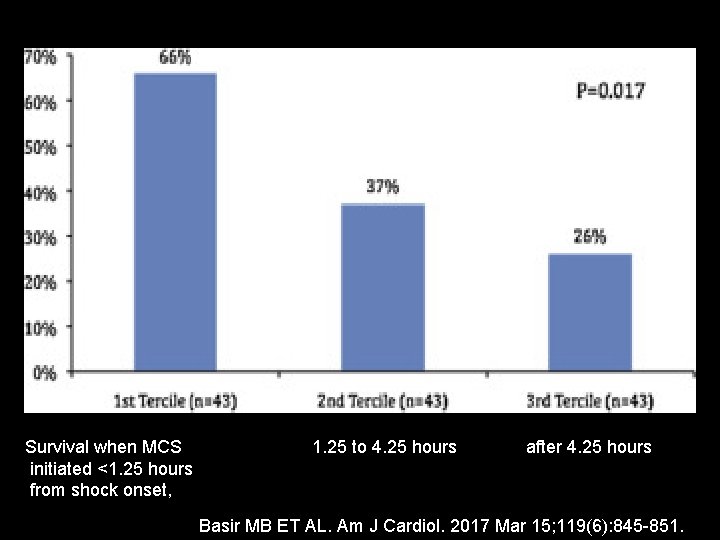
Survival when MCS 1. 25 to 4. 25 hours after 4. 25 hours initiated <1. 25 hours from shock onset, Basir MB ET AL. Am J Cardiol. 2017 Mar 15; 119(6): 845 -851.
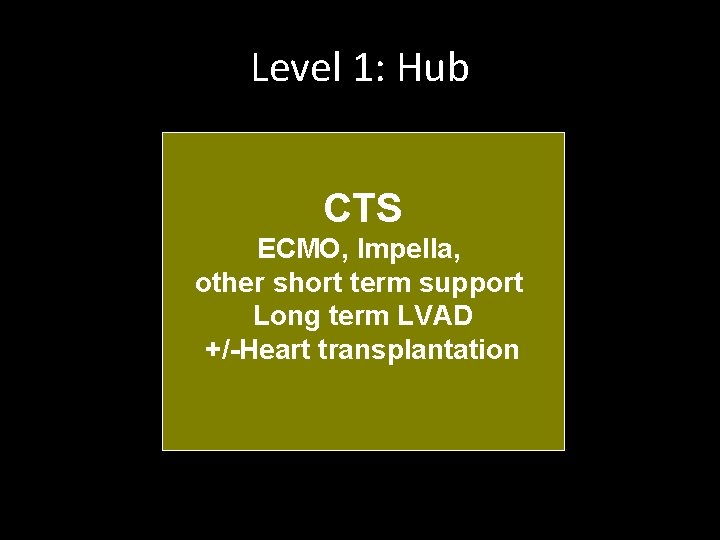
Level 1: Hub CTS ECMO, Impella, other short term support Long term LVAD +/-Heart transplantation
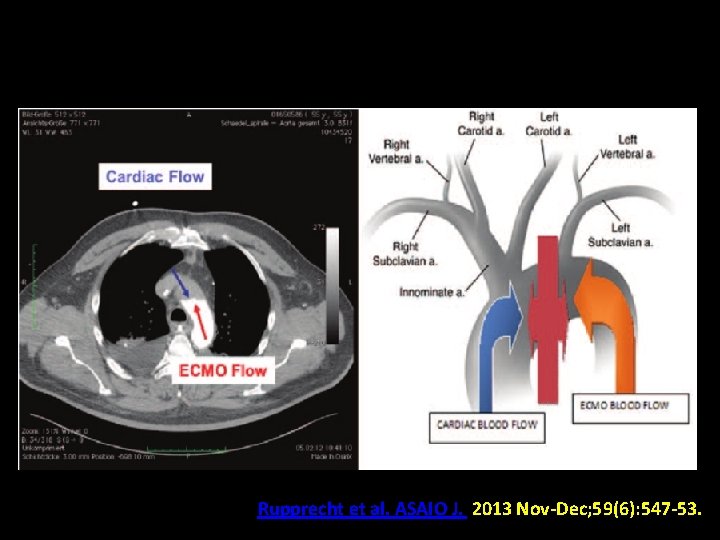
Rupprecht et al. ASAIO J. 2013 Nov-Dec; 59(6): 547 -53.
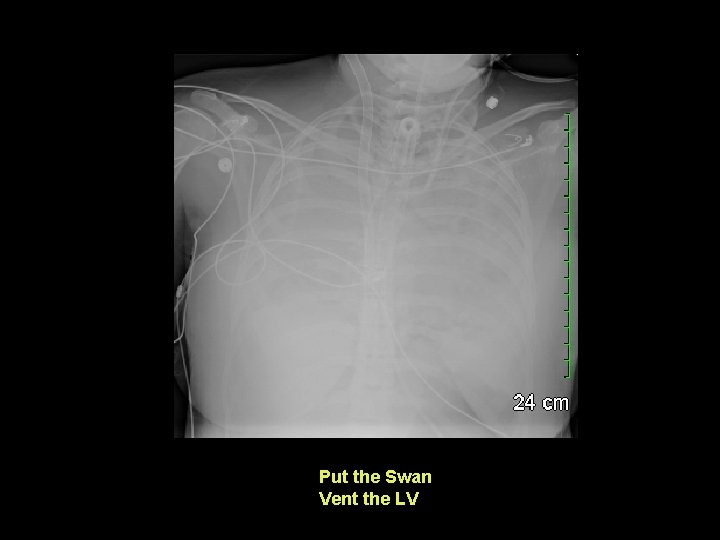
Put the Swan Vent the LV
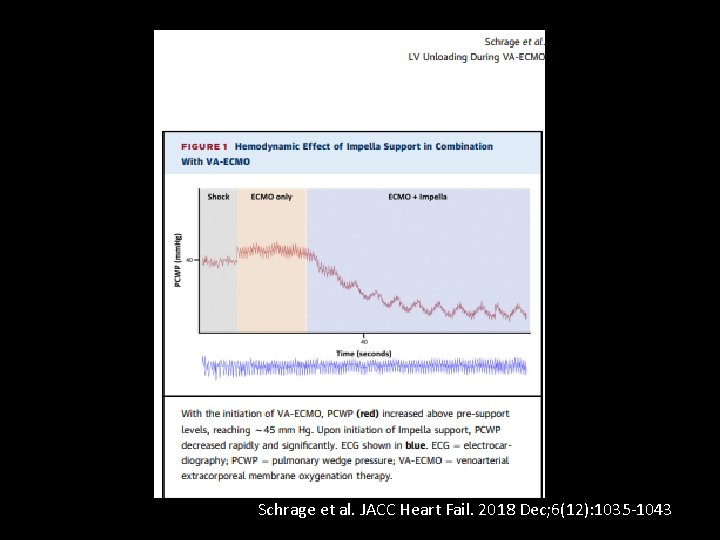
Schrage et al. JACC Heart Fail. 2018 Dec; 6(12): 1035 -1043
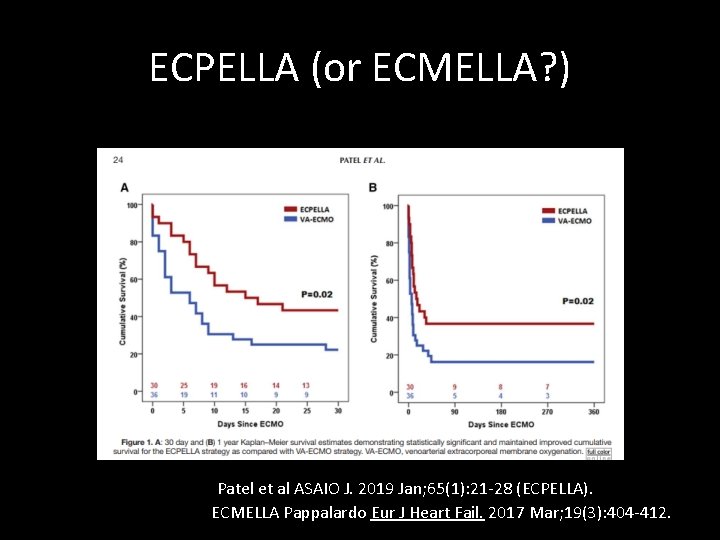
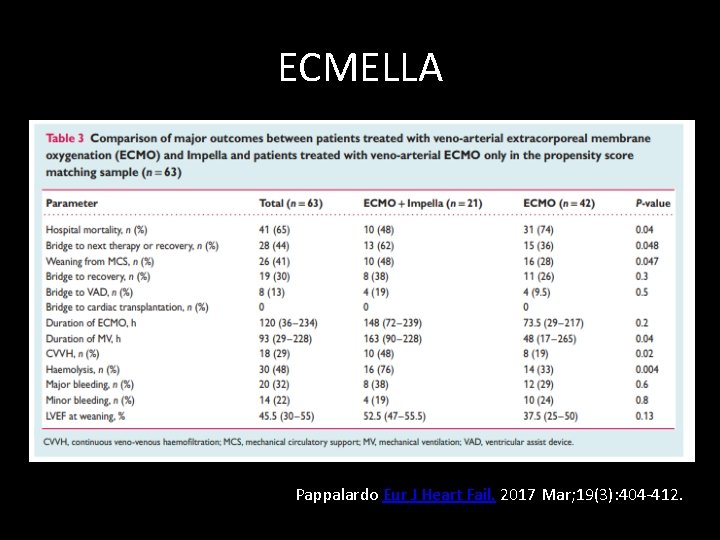
ECPELLA (or ECMELLA? ) Patel et al ASAIO J. 2019 Jan; 65(1): 21 -28 (ECPELLA). ECMELLA Pappalardo Eur J Heart Fail. 2017 Mar; 19(3): 404 -412.
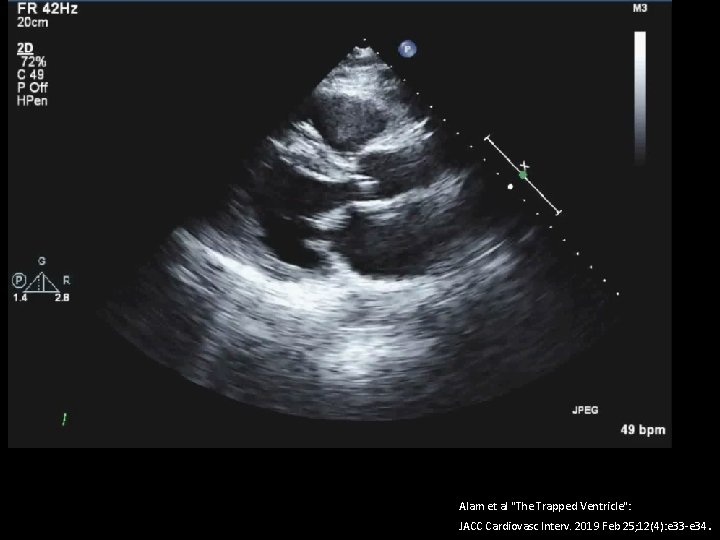
Alam et al "The Trapped Ventricle": JACC Cardiovasc Interv. 2019 Feb 25; 12(4): e 33 -e 34.
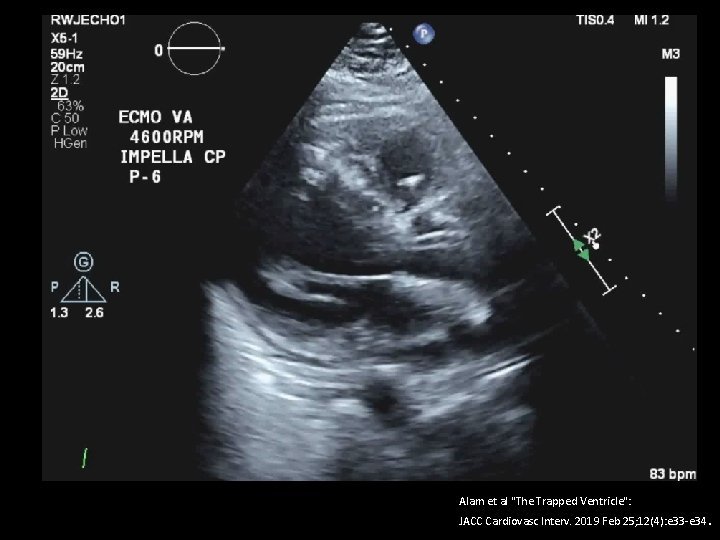
Alam et al "The Trapped Ventricle": JACC Cardiovasc Interv. 2019 Feb 25; 12(4): e 33 -e 34.
Cardiac Shock Centers
ECMELLA Pappalardo Eur J Heart Fail. 2017 Mar; 19(3): 404 -412.
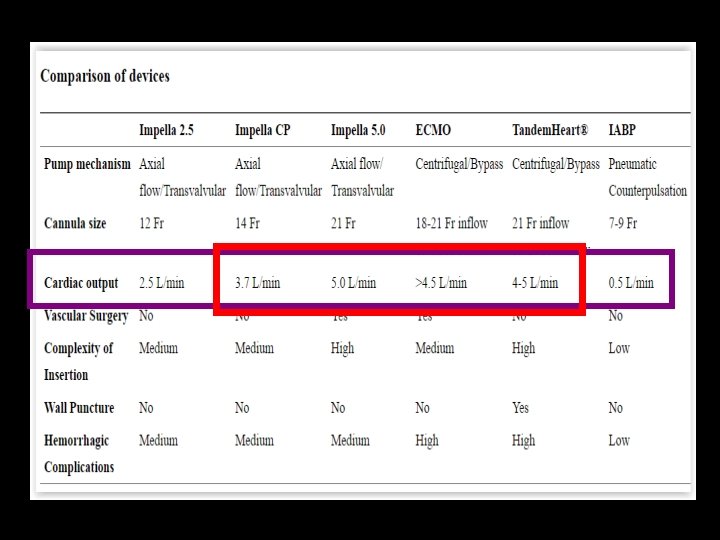
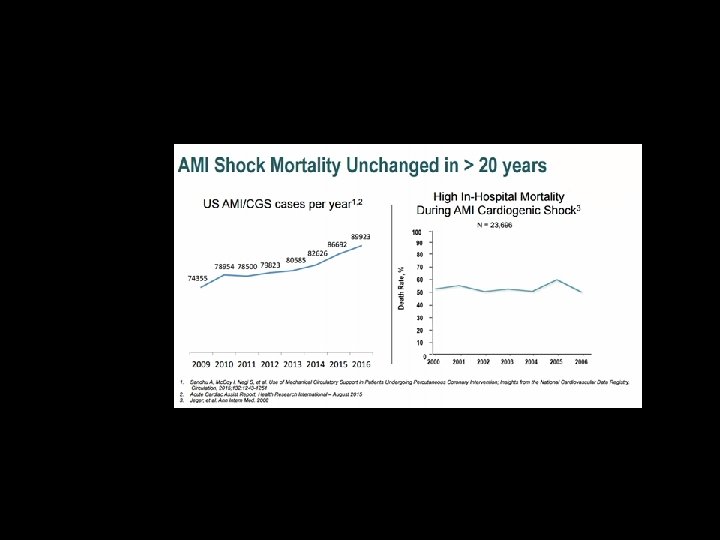
• • Creation of the National Cardiogenic Shock Initiative The biggest development has been the rapid expansion of a protocol used by several hospitals in the Detroit Cardiogenic Shock Initiative. This effort improved survival in Detroit from 51 percent to 76 percent, which was major news when it was first presented at ACC. 17. The initiative has now been expanded nation-wide in the National Cardiogenic Shock Initiative (NCSI). The NCSI was announced just before the 2017 TCT meeting last fall and the response to get involved was immediate. The first dinner meeting of the NCSI at TCT raised so much interest they had to change the venue to a larger location at the last minute. "The response was really overwhelming, " said O’Neill, who is the leader of the Detroit effort and now the NCSI. "There is enormous interest because cardiologists are very frustrated that they can't improve the outcomes in these patients. We have done the same thing for the last 20 years with no improvements, so people are really interested to see if this can improve outcomes. " The key part of the initiative protocol is to immediately implement percutaneous ventricular assist device (p. VAD) support using the Abiomed Impella prior to revascularization. Previously, the standard of care was to implement hemodynamic support after revascularization. Impella CP pump has a peak flow of 4. 3 liters per minute (L/min). The Impella 2. 5 offers Flow of 2. 5 L/min. Normal cardiac function produces flow rates of about 5 -7 L/min. In 2016, the Impella became the only hemodynamic support device that has FDA clearance for cardiogenic shock.
• • Can ECMO Reduce Cardiogenic Shock? A European study was announced last December to use extracorporeal membrane oxygenation (ECMO) machines as a way to hemodynamically support cardiogenic shock patients. The protocol for the EURO SHOCK Heart Attack Study is similar to the NCSI, where support is implemented first period to revascularization. The research team at the National Institute for Health Research (NIHR) Leicester Biomedical Research Centre, U. K. , was awarded € 6. 5 million from the Horizon 2020 European Commission fund for the study. The study includes 12 sites across Europe, including the U. K. , Germany, Norway and Spain. The study began this summer and has the goal of providing new evidence to improve cardiogenic shock guidelines at all European hospitals. "ECMO is sometimes used to treat these patients, but it is often deployed too late and their heart is already very weak, " said the head of study, Prof. Anthony Gershlick, professor of interventional cardiology at the University of Leicester and consultant cardiologist at Leicester’s Hospitals. "We will investigate whether using ECMO on patients that suffer from cardiogenic shock immediately after their heart attack will reduce mortality rates and improve their outcomes. There has been world-wide interest in our proposal especially from the U. S. There will be a number of sub-studies that could have far reaching impact on other groups of unwell patients, such as specific MRI (magnetic resonance imaging) proposals. ” Traditionally used in cardiac surgery, ECMO acts as an artificial heart and lungs to provide oxygen to the blood and remove waste gases. The blood is pumped out of the body into the machine and then recirculated in the patient. Gershlick said this allows the patient’s heart and lungs the time to rest and repair themselves.
• • • Abstract OBJECTIVES: This report relates the authors' ongoing experience with percutaneous left ventricular (LV) unloading by using a transaortic LV assist device in combination with venoarterial extracorporeal membrane oxygenation (VA-ECMO) and provides an in-depth analysis of the hemodynamic benefit of this approach. BACKGROUND: VA-ECMO is increasingly used in cases of severe cardiogenic shock. However, increase in afterload with subsequent LV overload is a major drawback of VA-ECMO. METHODS: Consecutive patients were treated with a transaortic LV assist device in addition to VA-ECMO for cardiogenic shock. The primary endpoint was 30 -day all-cause mortality. Additional endpoints included weaning from VAECMO and safety endpoints. RESULTS: Between September 2013 and January 2018, 106 patients were treated with percutaneous LV unloading, using a transaortic LV assist device in combination with VA-ECMO. Successful weaning from VA-ECMO support was achieved in 51. 9% of all patients. In the overall cohort, survival at day 30 was 35. 8%, which was higher than predicted by the SAVE score (20%) or by the SAPS-II score (6. 9%). Right heartcatheterization indicated a marked decrease of PCWP after addition of the device to VA-ECMO. CONCLUSIONS: The strategy of percutaneous LV unloading using a transaortic LV assist device in combination with VA-ECMO improved outcome in an all-comers cohort compared to established risk scores. A prospective, randomized study is needed to further investigate this approach. Schrage et al. JACC Heart Fail. 2018 Dec; 6(12): 1035 -1043
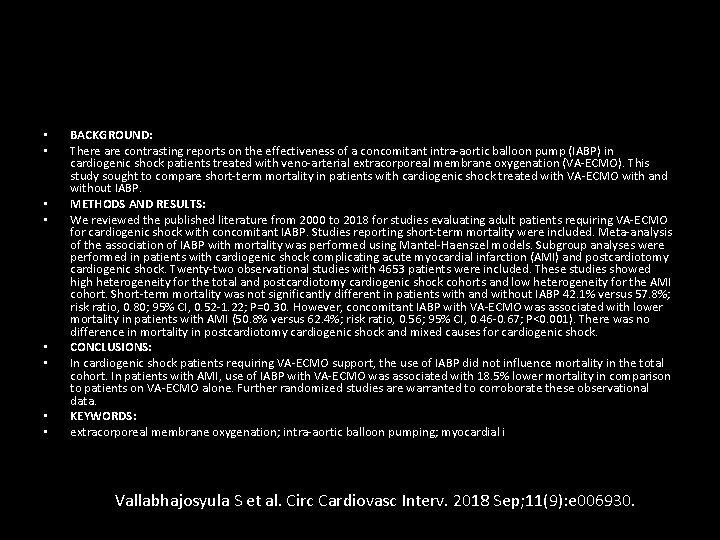
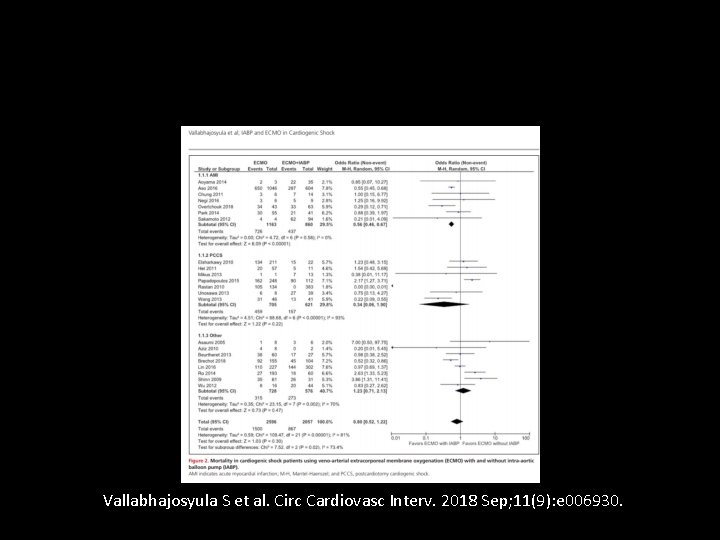
• • BACKGROUND: There are contrasting reports on the effectiveness of a concomitant intra-aortic balloon pump (IABP) in cardiogenic shock patients treated with veno-arterial extracorporeal membrane oxygenation (VA-ECMO). This study sought to compare short-term mortality in patients with cardiogenic shock treated with VA-ECMO with and without IABP. METHODS AND RESULTS: We reviewed the published literature from 2000 to 2018 for studies evaluating adult patients requiring VA-ECMO for cardiogenic shock with concomitant IABP. Studies reporting short-term mortality were included. Meta-analysis of the association of IABP with mortality was performed using Mantel-Haenszel models. Subgroup analyses were performed in patients with cardiogenic shock complicating acute myocardial infarction (AMI) and postcardiotomy cardiogenic shock. Twenty-two observational studies with 4653 patients were included. These studies showed high heterogeneity for the total and postcardiotomy cardiogenic shock cohorts and low heterogeneity for the AMI cohort. Short-term mortality was not significantly different in patients with and without IABP 42. 1% versus 57. 8%; risk ratio, 0. 80; 95% CI, 0. 52 -1. 22; P=0. 30. However, concomitant IABP with VA-ECMO was associated with lower mortality in patients with AMI (50. 8% versus 62. 4%; risk ratio, 0. 56; 95% CI, 0. 46 -0. 67; P<0. 001). There was no difference in mortality in postcardiotomy cardiogenic shock and mixed causes for cardiogenic shock. CONCLUSIONS: In cardiogenic shock patients requiring VA-ECMO support, the use of IABP did not influence mortality in the total cohort. In patients with AMI, use of IABP with VA-ECMO was associated with 18. 5% lower mortality in comparison to patients on VA-ECMO alone. Further randomized studies are warranted to corroborate these observational data. KEYWORDS: extracorporeal membrane oxygenation; intra-aortic balloon pumping; myocardial i Vallabhajosyula S et al. Circ Cardiovasc Interv. 2018 Sep; 11(9): e 006930.
Vallabhajosyula S et al. Circ Cardiovasc Interv. 2018 Sep; 11(9): e 006930.
Patel ecpella • • Abstract Venoarterial extracorporeal membrane oxygenation (VA-ECMO) has been used for refractory cardiogenic shock; however, it is associated with increased left ventricular afterload. Outcomes associated with the combination of a percutaneous left ventricular assist device (Impella) and VAECMO remains largely unknown. We retrospectively reviewed patients treated for refractory cardiogenic shock with VA-ECMO (2014 -2016). The primary outcome was all-cause mortality within 30 days of VA-ECMO implantation. Secondary outcomes included duration of support, stroke, major bleeding, hemolysis, inotropic score, and cardiac recovery. Outcomes were compared between the VA-ECMO cohort and VA-ECMO + Impella (ECPELLA cohort). Sixty-six patients were identified: 36 VA-ECMO and 30 ECPELLA. Fifty-eight percent of VA-ECMO patients (n = 21) had surgical venting, as compared to 100% of the ECPELLA cohort (n = 30) which had Impella (±surgical vent). Both cohorts demonstrated relatively similar baseline characteristics except for higher incidence of ST-elevation myocardial infarction (STEMI) and percutaneous coronary intervention (PCI) in the ECPELLA cohort. Thirty-day all-cause mortality was significantly lower in the ECPELLA cohort (57% vs. 78%; hazard ratio [HR] 0. 51 [0. 28 -0. 94], log rank p = 0. 02), and this difference remained intact after correcting for STEMI and PCI. No difference between secondary outcomes was observed, except for the inotrope score which was greater in VA-ECMO group by day 2 (11 vs. 0; p = 0. 001). In the largest US-based retrospective study, the addition of Impella to VA-ECMO for patients with refractory cardiogenic shock was associated with lower all-cause 30 day mortality, lower inotrope use, and comparable safety profiles as compared with VA-ECMO alone.
• Left ventricular decompression This year, several good reviews were published on LV distension and LV venting (81 -84). Also, there were several single center studies on Impella for LV venting. Terms suggested for this combination were Ecmella (85) and Ecpella (86). In the largest published series of 106 patients, a combination of VA ECMO and Impella resulted in a 30 -day mortality of 35. 8%, which was higher than predicted by risk scores. The VAD Journal: https: //doi. org/10. 13023/VAD. 2019. 03 Page 19 of 29 The VAD Journal: The journal of mechanical assisted circulation and heart failure There was a marked decrease of pulmonary capillary wedge pressure after addition of Impella (87). Another study had similar findings where 30 -day mortality was significantly lower in the VA ECMO + Impella cohort (57% vs. 78%; hazard ratio [HR] 0. 51 [0. 28 -0. 94], log rank p = 0. 02) (86). Also, there were new reports on a concomitant use of VA ECMO and intra-aortic balloon pump (IABP). A meta-analysis of 22 observational studies showed no significant mortality difference in VA ECMO only (57. 8%) and VA ECMO +IABP (42. 1%). However, the combination appeared to deliver better outcomes in patients with cardiogenic shock due to acute myocardial infarction (88). In a single center study on patients with postcardiotomy cardiogenic shock, concurrent implantation of IABP with ECMO (OR=0. 177, P=0. 015, 95% CI: 0. 044 - 0. 718) was an independent predictor of survival to discharge (89).
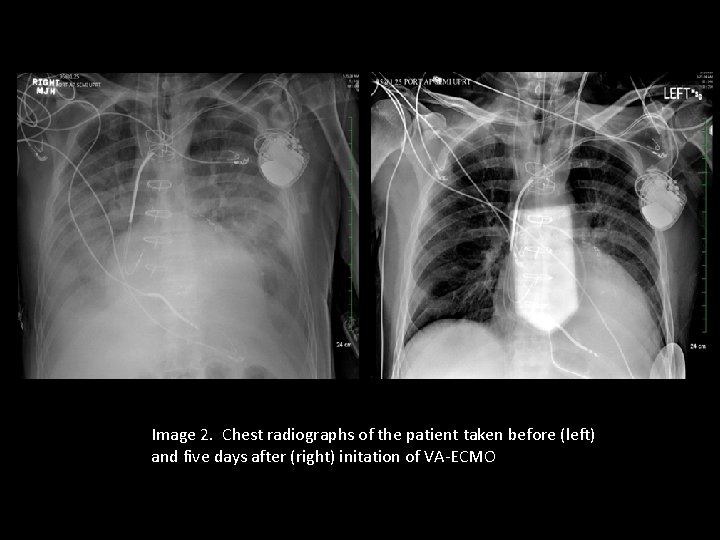
Image 2. Chest radiographs of the patient taken before (left) and five days after (right) initation of VA-ECMO
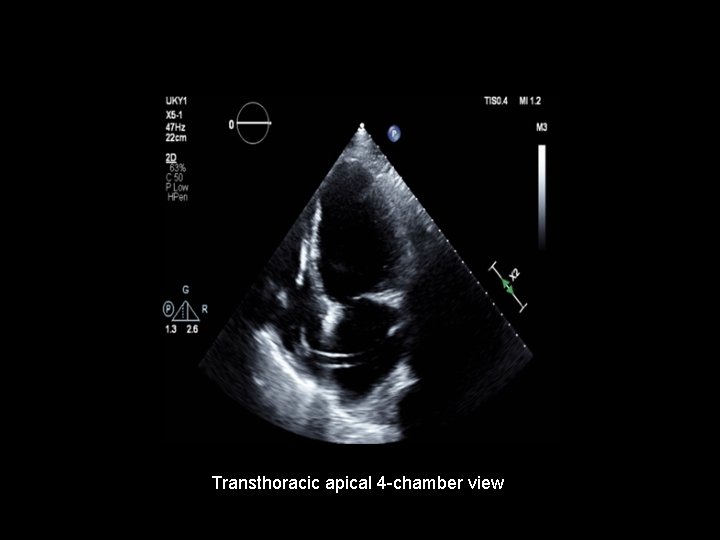
Transthoracic apical 4 -chamber view
• Cardiac Shock Care Centers” (JACC 2018 Oct 16; 72(16): 1972 -1980) suggests following levels of shock care (similar to trauma care) “LEVEL I: DEDICATED CARDIAC SHOCK CARE CENTERS. These are tertiary care centers with cardiac catheterization … facilities with advanced MCS available 24/7, with on-site cardiothoracic surgery capability… A multidisciplinary “cardiogenic shock team” composed of the interventional cardiologist, critical care specialist, cardiothoracic surgeon, and advanced heart failure specialist should be available… Cardiogenic shock should alert a STEMI activation of the cardiac catheterization laboratory with alerts to other team members for rapid consultation, shared decision making, and initiation of advanced MCS and transplant options
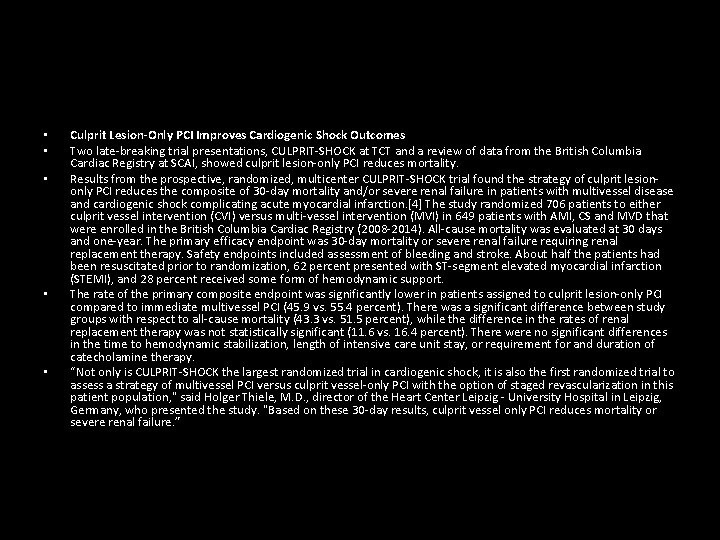
• • • Culprit Lesion-Only PCI Improves Cardiogenic Shock Outcomes Two late-breaking trial presentations, CULPRIT-SHOCK at TCT and a review of data from the British Columbia Cardiac Registry at SCAI, showed culprit lesion-only PCI reduces mortality. Results from the prospective, randomized, multicenter CULPRIT-SHOCK trial found the strategy of culprit lesiononly PCI reduces the composite of 30 -day mortality and/or severe renal failure in patients with multivessel disease and cardiogenic shock complicating acute myocardial infarction. [4] The study randomized 706 patients to either culprit vessel intervention (CVI) versus multi-vessel intervention (MVI) in 649 patients with AMI, CS and MVD that were enrolled in the British Columbia Cardiac Registry (2008 -2014). All-cause mortality was evaluated at 30 days and one-year. The primary efficacy endpoint was 30 -day mortality or severe renal failure requiring renal replacement therapy. Safety endpoints included assessment of bleeding and stroke. About half the patients had been resuscitated prior to randomization, 62 percent presented with ST-segment elevated myocardial infarction (STEMI), and 28 percent received some form of hemodynamic support. The rate of the primary composite endpoint was significantly lower in patients assigned to culprit lesion-only PCI compared to immediate multivessel PCI (45. 9 vs. 55. 4 percent). There was a significant difference between study groups with respect to all-cause mortality (43. 3 vs. 51. 5 percent), while the difference in the rates of renal replacement therapy was not statistically significant (11. 6 vs. 16. 4 percent). There were no significant differences in the time to hemodynamic stabilization, length of intensive care unit stay, or requirement for and duration of catecholamine therapy. “Not only is CULPRIT-SHOCK the largest randomized trial in cardiogenic shock, it is also the first randomized trial to assess a strategy of multivessel PCI versus culprit vessel-only PCI with the option of staged revascularization in this patient population, " said Holger Thiele, M. D. , director of the Heart Center Leipzig - University Hospital in Leipzig, Germany, who presented the study. "Based on these 30 -day results, culprit vessel only PCI reduces mortality or severe renal failure. ”
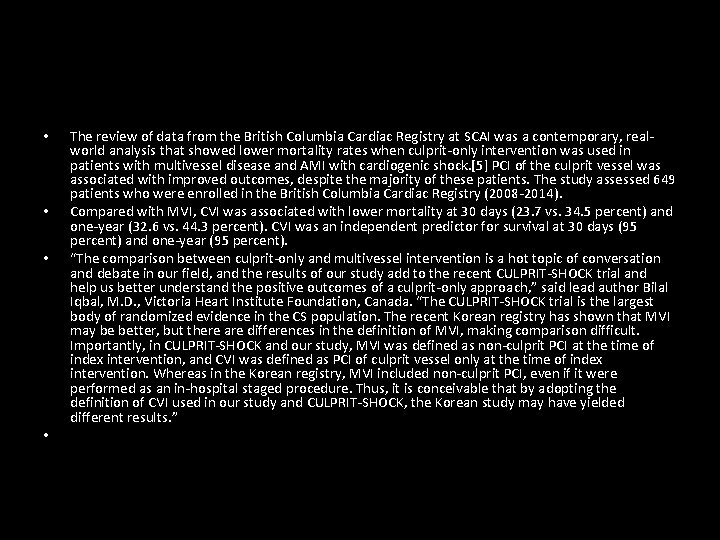
• • The review of data from the British Columbia Cardiac Registry at SCAI was a contemporary, realworld analysis that showed lower mortality rates when culprit-only intervention was used in patients with multivessel disease and AMI with cardiogenic shock. [5] PCI of the culprit vessel was associated with improved outcomes, despite the majority of these patients. The study assessed 649 patients who were enrolled in the British Columbia Cardiac Registry (2008 -2014). Compared with MVI, CVI was associated with lower mortality at 30 days (23. 7 vs. 34. 5 percent) and one-year (32. 6 vs. 44. 3 percent). CVI was an independent predictor for survival at 30 days (95 percent) and one-year (95 percent). “The comparison between culprit-only and multivessel intervention is a hot topic of conversation and debate in our field, and the results of our study add to the recent CULPRIT-SHOCK trial and help us better understand the positive outcomes of a culprit-only approach, ” said lead author Bilal Iqbal, M. D. , Victoria Heart Institute Foundation, Canada. “The CULPRIT-SHOCK trial is the largest body of randomized evidence in the CS population. The recent Korean registry has shown that MVI may be better, but there are differences in the definition of MVI, making comparison difficult. Importantly, in CULPRIT-SHOCK and our study, MVI was defined as non-culprit PCI at the time of index intervention, and CVI was defined as PCI of culprit vessel only at the time of index intervention. Whereas in the Korean registry, MVI included non-culprit PCI, even if it were performed as an in-hospital staged procedure. Thus, it is conceivable that by adopting the definition of CVI used in our study and CULPRIT-SHOCK, the Korean study may have yielded different results. ”
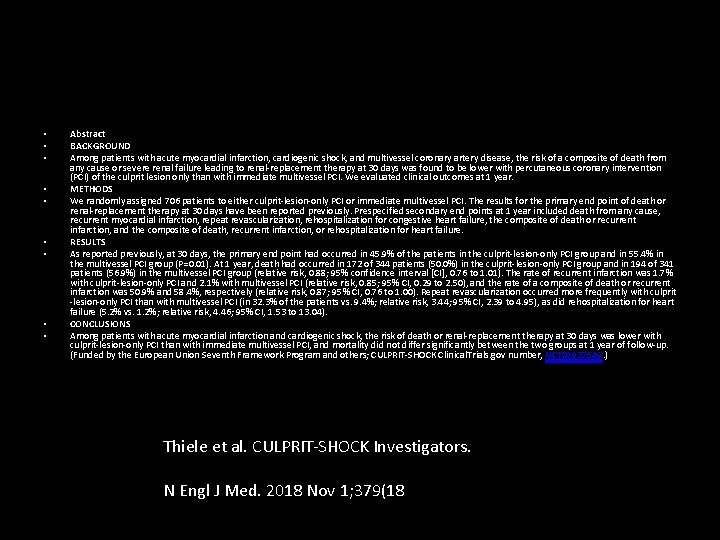
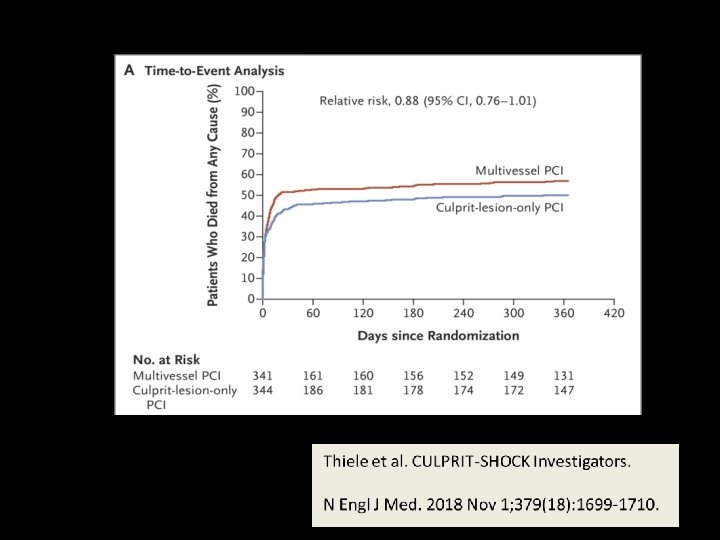
• • • Abstract BACKGROUND Among patients with acute myocardial infarction, cardiogenic shock, and multivessel coronary artery disease, the risk of a composite of death from any cause or severe renal failure leading to renal-replacement therapy at 30 days was found to be lower with percutaneous coronary intervention (PCI) of the culprit lesion only than with immediate multivessel PCI. We evaluated clinical outcomes at 1 year. METHODS We randomly assigned 706 patients to either culprit-lesion-only PCI or immediate multivessel PCI. The results for the primary end point of death or renal-replacement therapy at 30 days have been reported previously. Prespecified secondary end points at 1 year included death from any cause, recurrent myocardial infarction, repeat revascularization, rehospitalization for congestive heart failure, the composite of death or recurrent infarction, and the composite of death, recurrent infarction, or rehospitalization for heart failure. RESULTS As reported previously, at 30 days, the primary end point had occurred in 45. 9% of the patients in the culprit-lesion-only PCI group and in 55. 4% in the multivessel PCI group (P=0. 01). At 1 year, death had occurred in 172 of 344 patients (50. 0%) in the culprit-lesion-only PCI group and in 194 of 341 patients (56. 9%) in the multivessel PCI group (relative risk, 0. 88; 95% confidence interval [CI], 0. 76 to 1. 01). The rate of recurrent infarction was 1. 7% with culprit-lesion-only PCI and 2. 1% with multivessel PCI (relative risk, 0. 85; 95% CI, 0. 29 to 2. 50), and the rate of a composite of death or recurrent infarction was 50. 9% and 58. 4%, respectively (relative risk, 0. 87; 95% CI, 0. 76 to 1. 00). Repeat revascularization occurred more frequently with culprit -lesion-only PCI than with multivessel PCI (in 32. 3% of the patients vs. 9. 4%; relative risk, 3. 44; 95% CI, 2. 39 to 4. 95), as did rehospitalization for heart failure (5. 2% vs. 1. 2%; relative risk, 4. 46; 95% CI, 1. 53 to 13. 04). CONCLUSIONS Among patients with acute myocardial infarction and cardiogenic shock, the risk of death or renal-replacement therapy at 30 days was lower with culprit-lesion-only PCI than with immediate multivessel PCI, and mortality did not differ significantly between the two groups at 1 year of follow-up. (Funded by the European Union Seventh Framework Program and others; CULPRIT-SHOCK Clinical. Trials. gov number, NCT 01927549. ) Thiele et al. CULPRIT-SHOCK Investigators. N Engl J Med. 2018 Nov 1; 379(18): 1699 -1710.
• Our goal is to dramatically decrease the duration patients remain in cardiogenic shock and attempt to decrease total usage and duration of vasopressors and ionotropic agents. The investigators aim to further demonstrate that rapid delivery of mechanical circulatory support will improve hemodynamics, reverse the spiraling neurohormonal cascade associated with cardiogenic shock, allowing clinicians to decrease use of vasopressors and inotropic agents and ultimately improve survival.
• Primary Outcome Measures : • Survival to discharge from hospital [ T • The Detroit Cardiogenic Shock Initiative (CSI) is now the National Cardiogenic Shock Initiative. Started by William O’Neill, M. D. in 2016, National CSI is a collaboration between 4 different Detroit-area hospital systems with the goal of improving mortality in patients suffering from Cardiogenic Shock. Since then, the group has been using a common treatment protocol and collecting the data to track the results and measure their success. We are now expanding to 50 hospital sites nationwide with a goal of 500 patients.
• From July 2016 to February 2017, a pilot study was done assessing the data on 41 enrolled patients using the Detroit CSI protocol based on best practices and currently available devices. The initial results showed an in crease in CGS survival from 51% to 76%. • The protocol has 3 pillars for success: • Rapid Door to Support time (placement of the Mechanical Circulatory Support) • Aggressive reduction in the use of inotropic/vasopressive medications post-procedure (as monitored through rightheart pressures and hemodynamic measurements) • Medical therapy catered using RHC/invasive hemodynamics
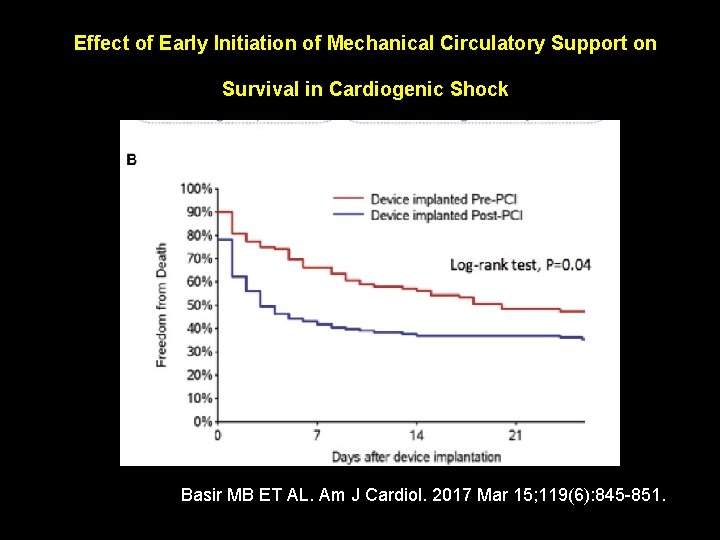
• The role and timing of percutaneous mechanical circulatory support (MCS) devices in the treatment of acute myocardial infarction complicated by cardiogenic shock (AMICS) are not well understood. We sought to evaluate patient characteristics and predictors of outcomes in patients presenting with AMICS supported with an axial flow percutaneous MCS device; 287 consecutive unselected patients enrolled in the catheter-based ventricular assist device registry presenting with AMICS who underwent percutaneous coronary intervention (PCI) were included in this analysis. All patients were supported with either the Impella 2. 5 or Impella CP. Mean patient age was 66 ± 12. 5 years, 76% were men, and mean left ventricular ejection fraction was 25 ± 12%. Before receiving MCS, 80% of patients required inotropes or vasopressors and 40% were supported with intra-aortic balloon pump; 9% of patients were under active cardiopulmonary resuscitation at the time of MCS implantation. Survival to discharge was 44%. In a multivariate analysis, early implantation of a MCS device before PCI (p = 0. 04) and before requiring inotropes and vasopressors (p = 0. 05) was associated with increased survival. Survival was 66% when MCS was initiated <1. 25 hours from shock onset, 37% when initiated within 1. 25 to 4. 25 hours, and 26% when initiated after 4. 25 hours (p = 0. 017). Survival was 68%, 46%, 35%, and 26% for patients requiring 0, 1, 2, 3, and ≥ 4 inotropes before MCS support, respectively (p <0. 001). In conclusion, MCS implantation early after shock onset, before initiation of inotropes or vasopressors and before PCI, is independently associated with improved survival in patients presenting with AMICS. Basir MB ET AL. Am J Cardiol. 2017 Mar 15; 119(6): 845 -851.
Effect of Early Initiation of Mechanical Circulatory Support on Survival in Cardiogenic Shock Basir MB ET AL. Am J Cardiol. 2017 Mar 15; 119(6): 845 -851.
• patients who received MCS early with a duration of shock before MCS initiation of <1. 25 hours (first tercile of the duration of cardiogenic shock distribution) had higher survival to discharge (66%) compared with those who received MCS within 1. 25 to 4. 25 hours (second tercile) or >4. 25 hours (third tercile) of cardiogenic shock with survival to discharge of 37% and 26%, respectively Basir MB ET AL. Am J Cardiol. 2017 Mar 15; 119(6): 845 -851.
EURO SHOCK • • • Can ECMO Reduce Cardiogenic Shock? A European study was announced last December to use extracorporeal membrane oxygenation (ECMO) machines as a way to hemodynamically support cardiogenic shock patients. The protocol for the EURO SHOCK Heart Attack Study is similar to the NCSI, where support is implemented first period to revascularization. The research team at the National Institute for Health Research (NIHR) Leicester Biomedical Research Centre, U. K. , was awarded € 6. 5 million from the Horizon 2020 European Commission fund for the study. The study includes 12 sites across Europe, including the U. K. , Germany, Norway and Spain. The study began this summer and has the goal of providing new evidence to improve cardiogenic shock guidelines at all European hospitals. "ECMO is sometimes used to treat these patients, but it is often deployed too late and their heart is already very weak, " said the head of study, Prof. Anthony Gershlick, professor of interventional cardiology at the University of Leicester and consultant cardiologist at Leicester’s Hospitals. "We will investigate whether using ECMO on patients that suffer from cardiogenic shock immediately after their heart attack will reduce mortality rates and improve their outcomes. There has been world-wide interest in our proposal especially from the U. S. There will be a number of sub-studies that could have far reaching impact on other groups of unwell patients, such as specific MRI (magnetic resonance imaging) proposals. ”
• EURO SHOCK is a prospective, open, multicentre randomised strategy trial in Cardiogenic Shock which will recruit patients presented with CGS secondary to Acute Coronary Syndrome at the recruiting centres involved in the trial. As the first pan-European clinical study of its kind, EURO SHOCK is testing a novel intervention procedure aimed at reducing the high mortality associated with cardiogenic shock and alleviating its burden on chronic heart failure. The core aim of EURO SHOCK is therefore to test the early use of an Extracorporeal Membrane Oxygenation Machine (ECMO) to improve the poor outcomes seen in patients with cardiogenic shock.