The Importance of Ventricular Unloading in Cardiogenic Shock


- Slides: 23
The Importance of Ventricular Unloading in Cardiogenic Shock Navin K. Kapur, MD, FACC, FSCAI, FAHA Associate Professor, Department of Medicine Interventional Cardiology & Advanced Heart Failure Programs Executive Director, The Cardiovascular Center for Research & Innovation
Speaker's name : Navin K. Kapur, MD, Boston Research Funding & Speaker/Consulting Honoraria: Abiomed, Abbott, Boston Scientific, Maquet, Medtronic, MD Start, pre. Cardia, Cardiac Assist Herbert J. Levine Foundation Tufts Medical Center RO 1 HL 139785, RO 1 H 133215 Charlton Award Tufts Medical Center
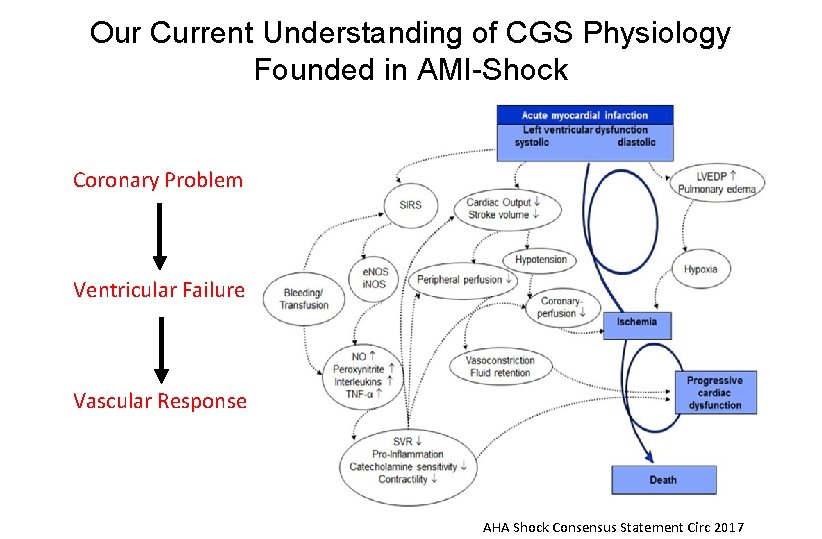
Our Current Understanding of CGS Physiology Founded in AMI-Shock Coronary Problem Ventricular Failure Vascular Response AHA Shock Consensus Statement Circ 2017
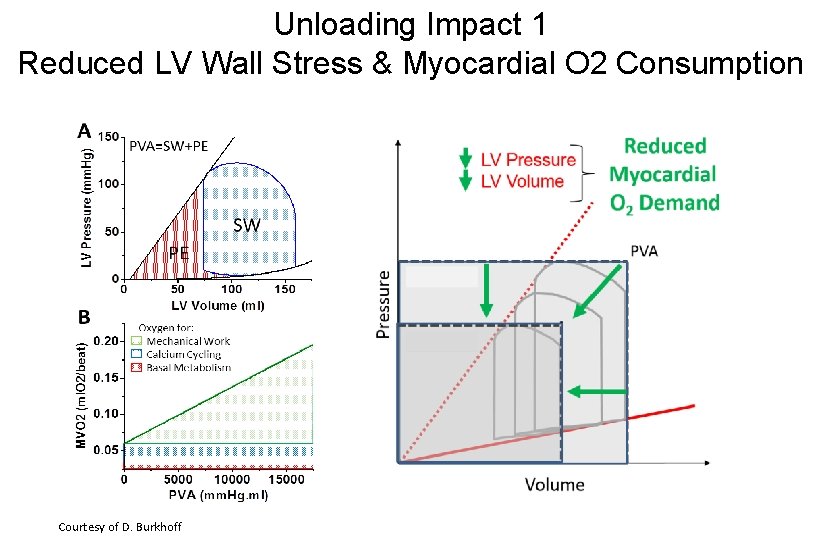
Unloading Impact 1 Reduced LV Wall Stress & Myocardial O 2 Consumption Courtesy of D. Burkhoff
Unloading Impact 2 Reduced LA Pressure Atrial Stretch and RV Afterload Ishikawa et al JACC 2018
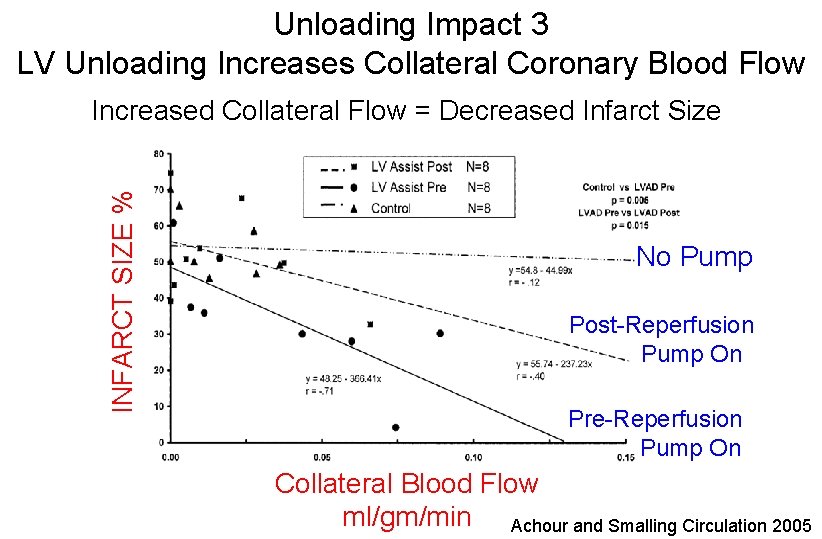
Unloading Impact 3 LV Unloading Increases Collateral Coronary Blood Flow INFARCT SIZE % Increased Collateral Flow = Decreased Infarct Size No Pump Post-Reperfusion Pump On Pre-Reperfusion Pump On Collateral Blood Flow ml/gm/min Achour and Smalling Circulation 2005
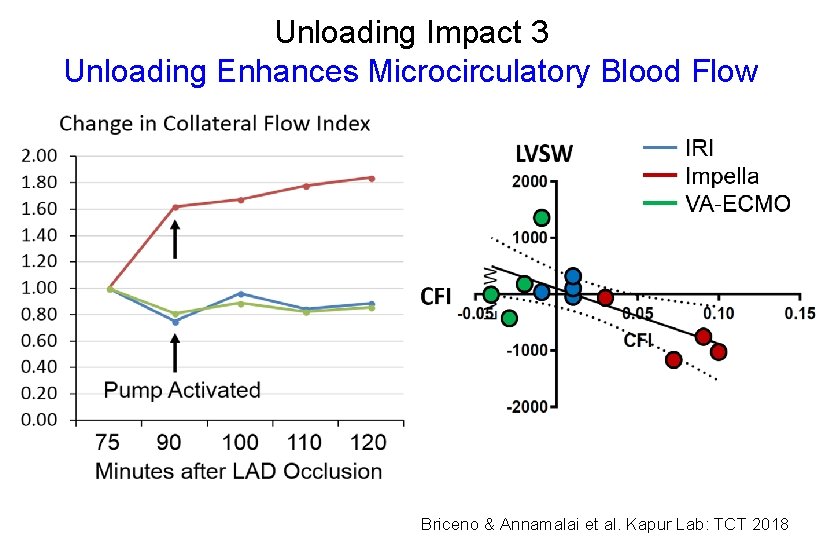
Unloading Impact 3 Unloading Enhances Microcirculatory Blood Flow Impella CP Primary Reperfusion Primary Unloading VA-ECMO Primary Loading Briceno & Annamalai et al. Kapur Lab: TCT 2018
Unloading Impact 3 Unloading Enhances Microcirculatory Blood Flow Briceno & Annamalai et al. Kapur Lab: TCT 2018
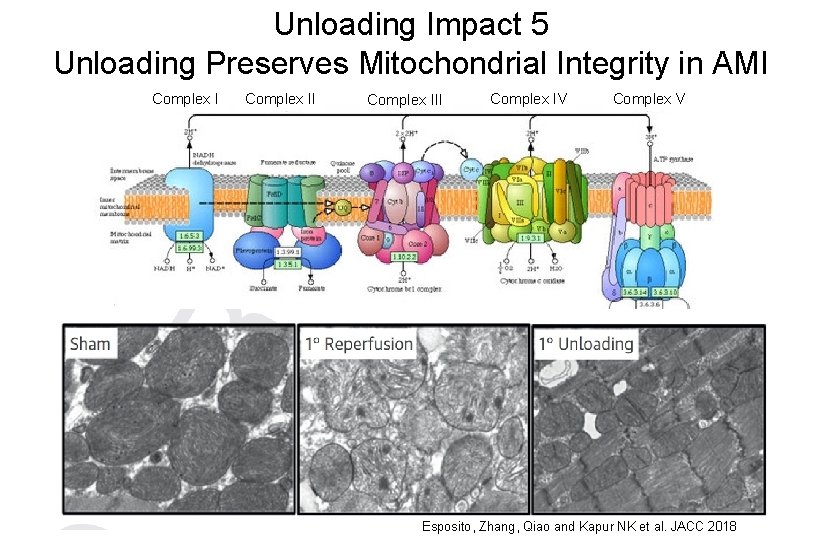
Unloading Impact 5 Unloading Preserves Mitochondrial Integrity in AMI Complex II Complex IV Complex V Esposito, Zhang, Qiao and Kapur NK et al. JACC 2018
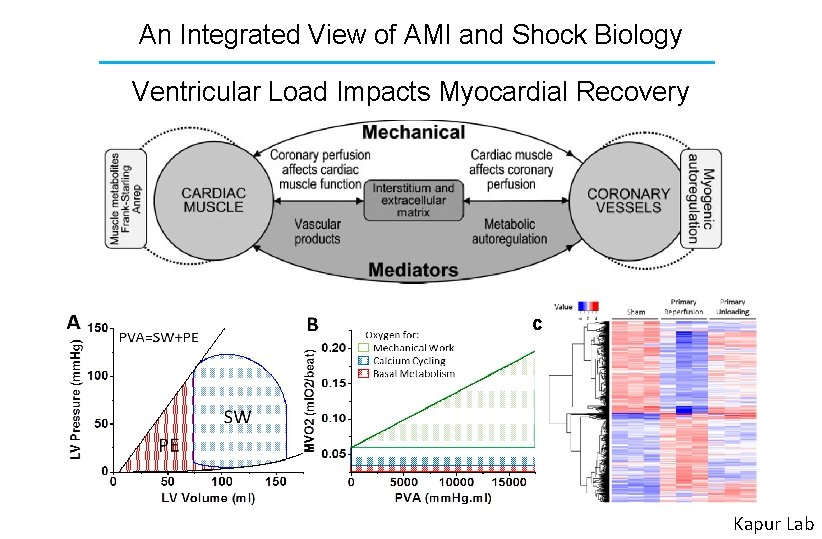
An Integrated View of AMI and Shock Biology Ventricular Load Impacts Myocardial Recovery C Kapur Lab
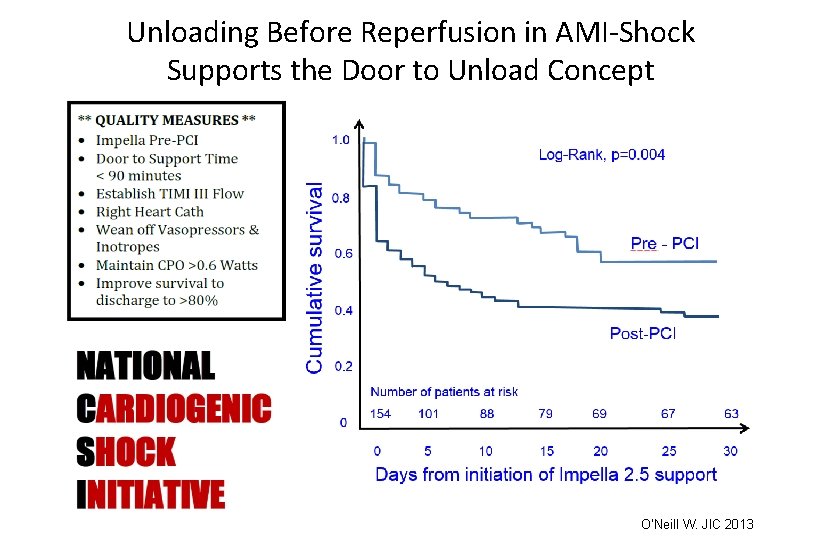
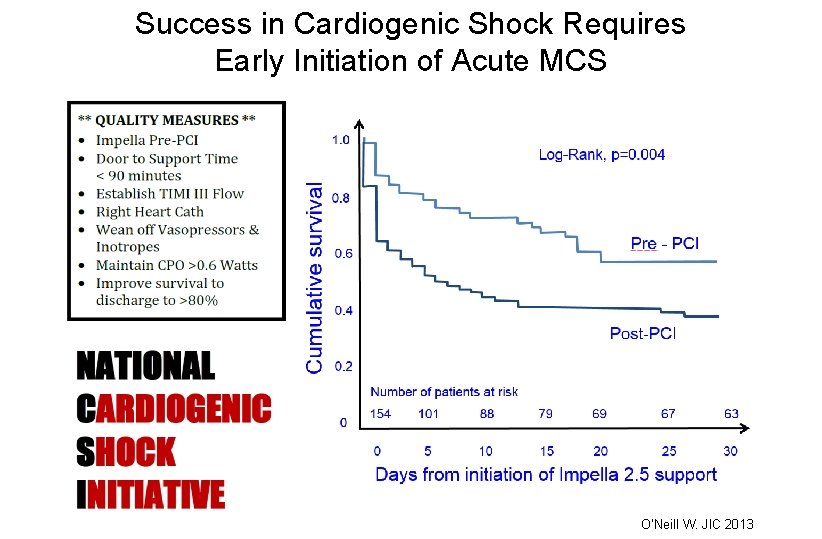
Unloading Before Reperfusion in AMI-Shock Supports the Door to Unload Concept O’Neill W. JIC 2013
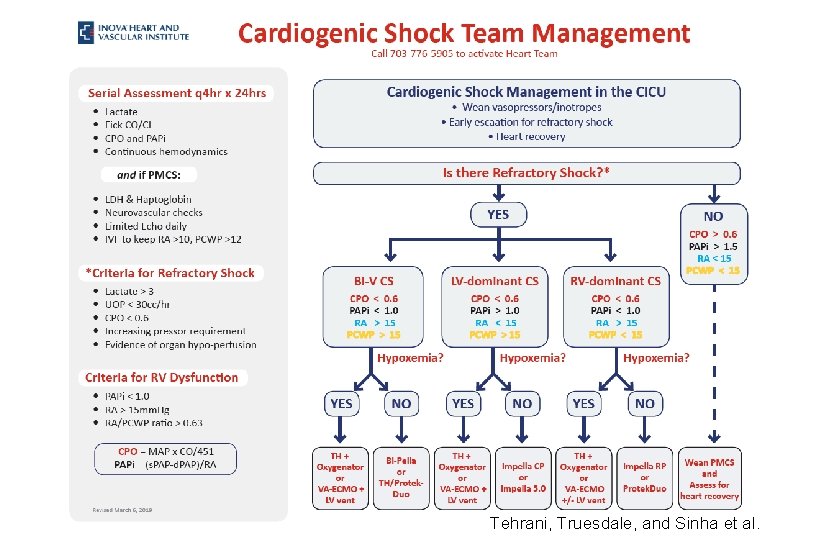
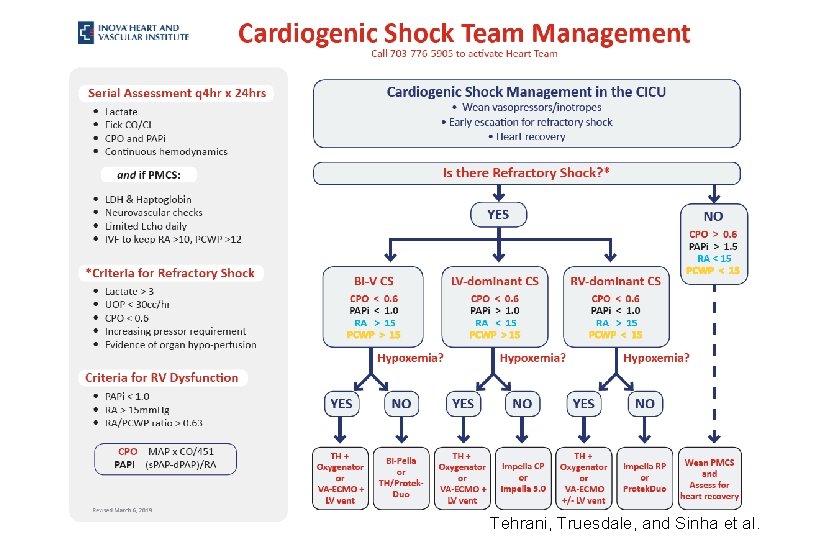
Tehrani, Truesdale, and Sinha et al.
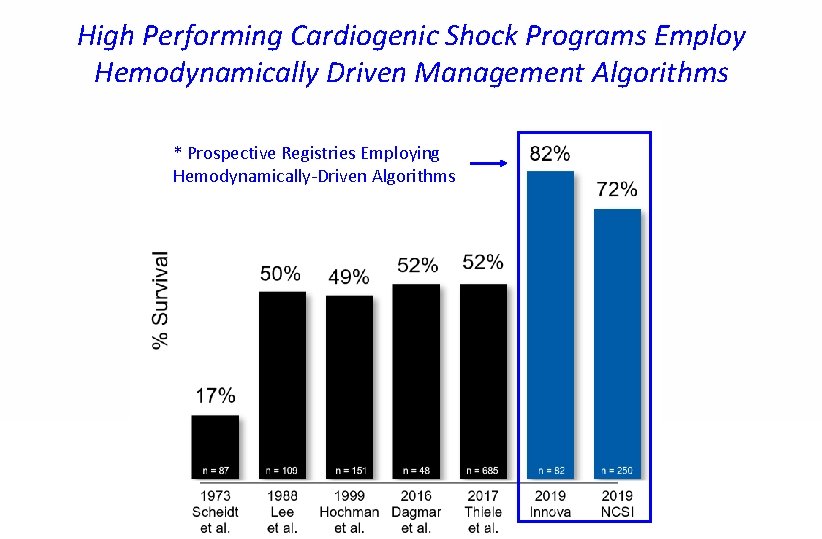
High Performing Cardiogenic Shock Programs Employ Hemodynamically Driven Management Algorithms * Prospective Registries Employing Hemodynamically-Driven Algorithms
Tehrani, Truesdale, and Sinha et al.
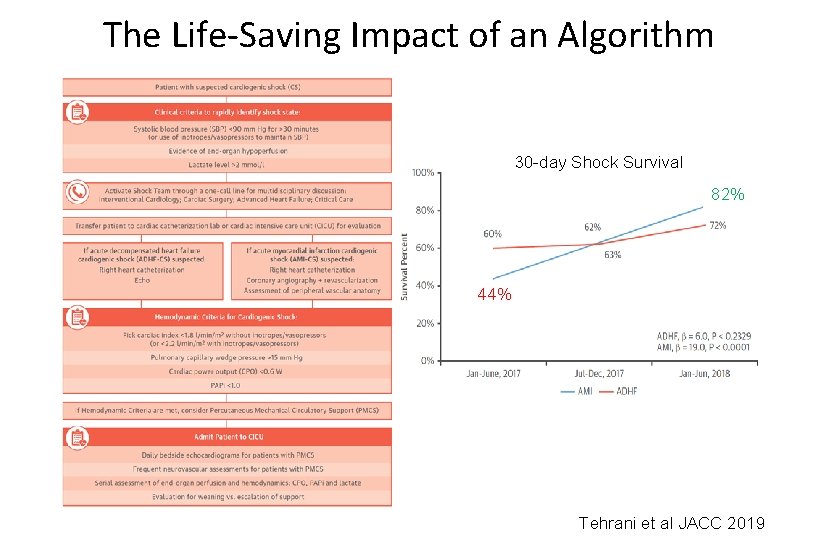
The Life-Saving Impact of an Algorithm 30 -day Shock Survival 82% 44% Tehrani et al JACC 2019
Success in Cardiogenic Shock Requires Early Initiation of Acute MCS O’Neill W. JIC 2013
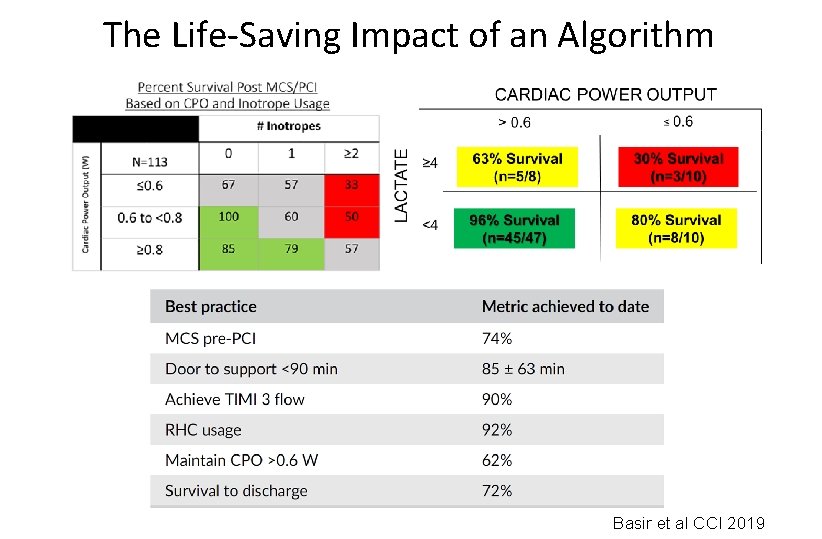
The Life-Saving Impact of an Algorithm Basir et al CCI 2019
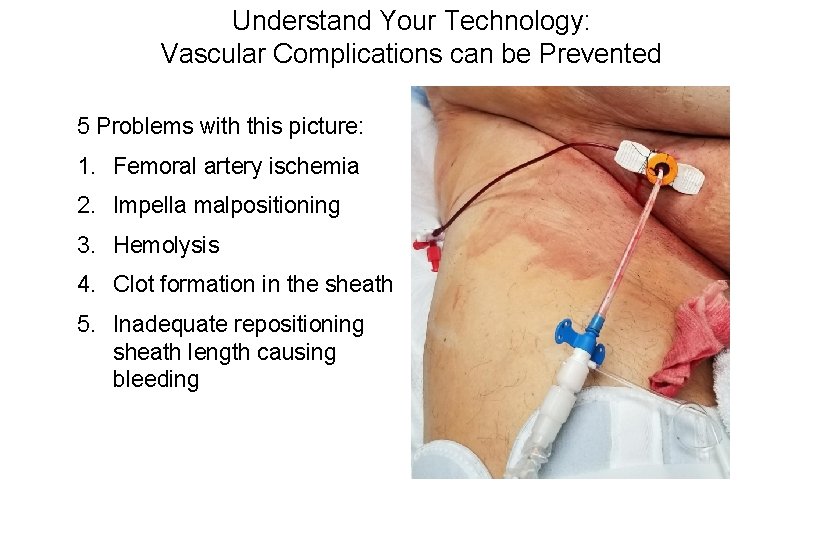
Understand Your Technology: Vascular Complications can be Prevented 5 Problems with this picture: 1. Femoral artery ischemia 2. Impella malpositioning 3. Hemolysis 4. Clot formation in the sheath 5. Inadequate repositioning sheath length causing bleeding
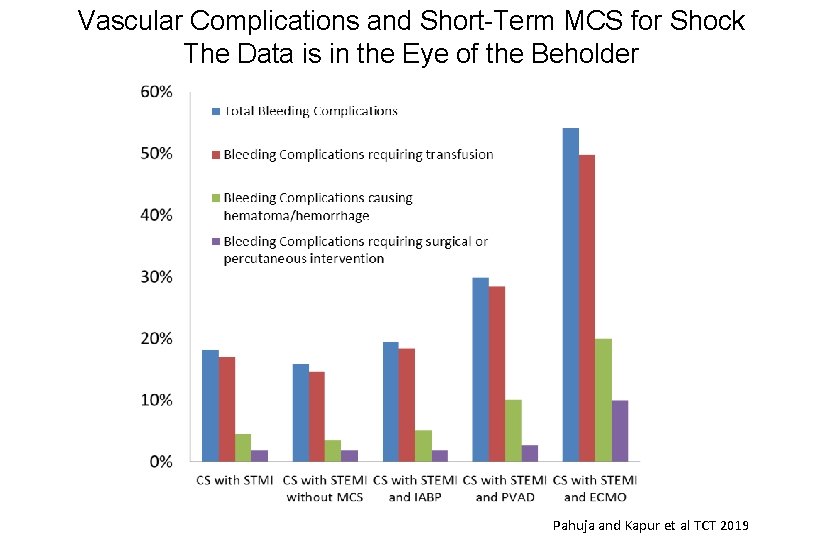
Vascular Complications and Short-Term MCS for Shock The Data is in the Eye of the Beholder Pahuja and Kapur et al TCT 2019
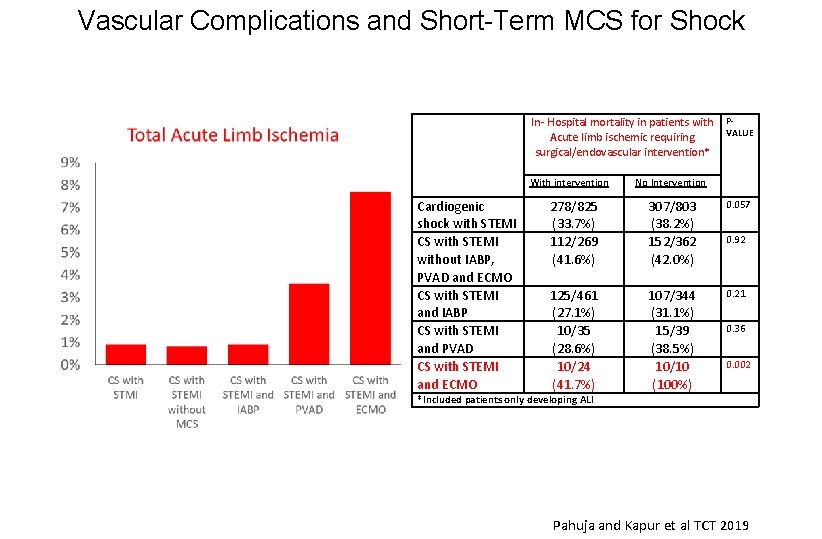
Vascular Complications and Short-Term MCS for Shock In- Hospital mortality in patients with PVALUE Acute limb ischemic requiring surgical/endovascular intervention* With intervention Cardiogenic shock with STEMI CS with STEMI without IABP, PVAD and ECMO CS with STEMI and IABP CS with STEMI and PVAD CS with STEMI and ECMO No Intervention 278/825 (33. 7%) 112/269 (41. 6%) 307/803 (38. 2%) 152/362 (42. 0%) 0. 057 125/461 (27. 1%) 10/35 (28. 6%) 10/24 (41. 7%) 107/344 (31. 1%) 15/39 (38. 5%) 10/10 (100%) 0. 21 0. 92 0. 36 0. 002 *Included patients only developing ALI Pahuja and Kapur et al TCT 2019
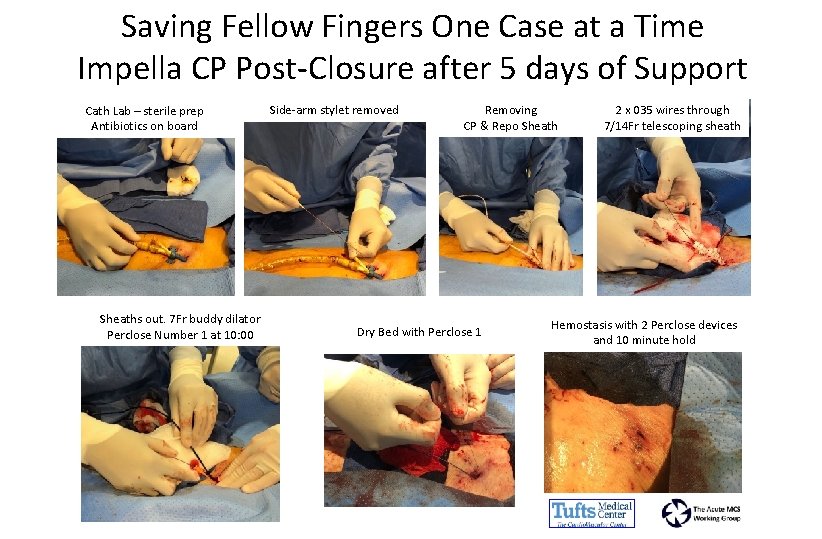
Saving Fellow Fingers One Case at a Time Impella CP Post-Closure after 5 days of Support Cath Lab – sterile prep Antibiotics on board Sheaths out. 7 Fr buddy dilator Perclose Number 1 at 10: 00 Side-arm stylet removed Removing CP & Repo Sheath Dry Bed with Perclose 1 2 x 035 wires through 7/14 Fr telescoping sheath Hemostasis with 2 Perclose devices and 10 minute hold
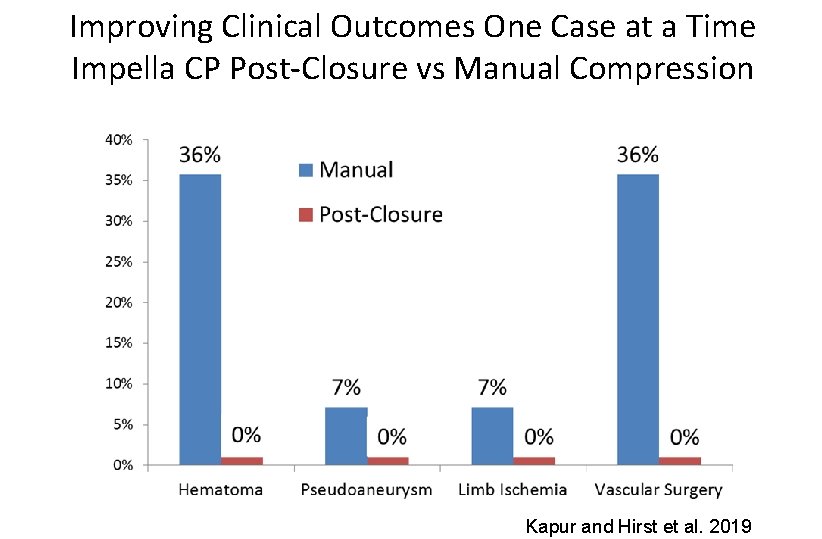
Improving Clinical Outcomes One Case at a Time Impella CP Post-Closure vs Manual Compression Kapur and Hirst et al. 2019
Understanding the Importance of Ventricular Unloading in Management of AMI & Cardiogenic Shock Thank you nkapur@tuftsmedicalcenter. org